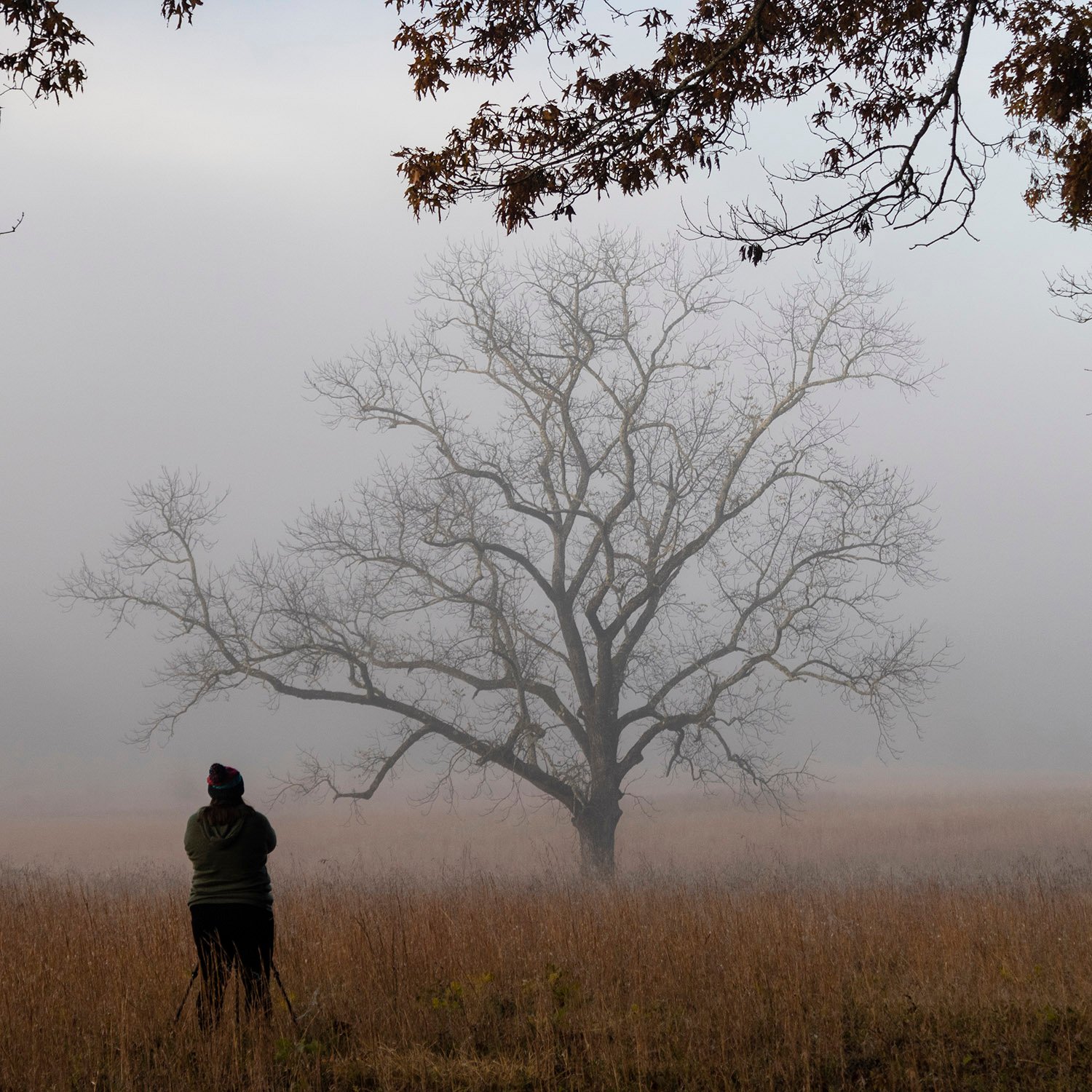
I’m like a tree after its leaves have fallen:
Without immediate identity;
Nothing attached to me.
In the mist I stand quietly,
My roots sunk deep in substance no one sees.
Nothing will sway me.
I’m like a tree after its leaves have fallen:
Without immediate identity;
Nothing attached to me.
In the mist I stand quietly,
My roots sunk deep in substance no one sees.
Nothing will sway me.
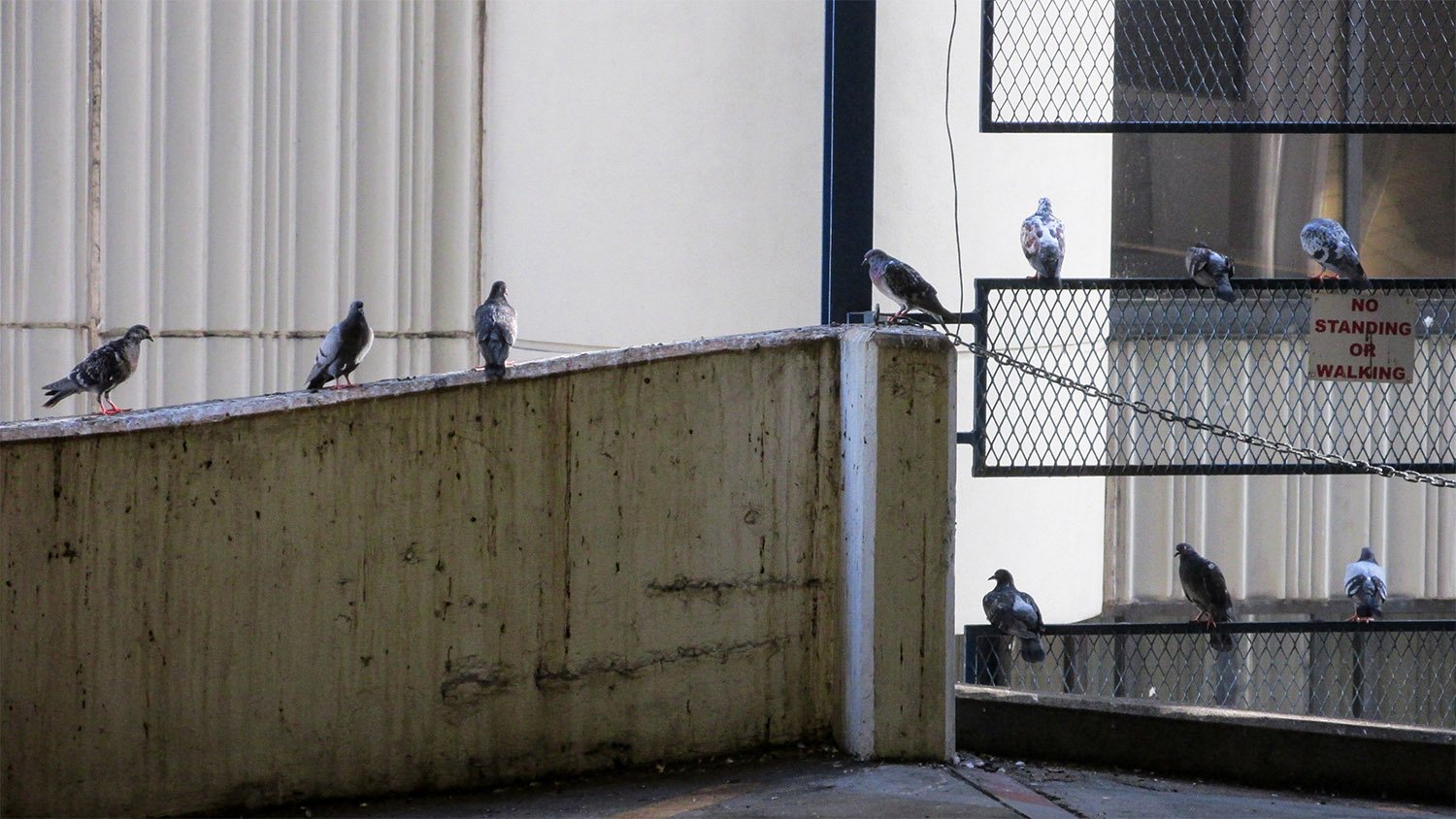
These little rebels don’t care about the rules.
They spend their days watching all the dull, desperate people noisily shuffling through the streets below, quietly defiant in their nonchalance.
My kind of birds.
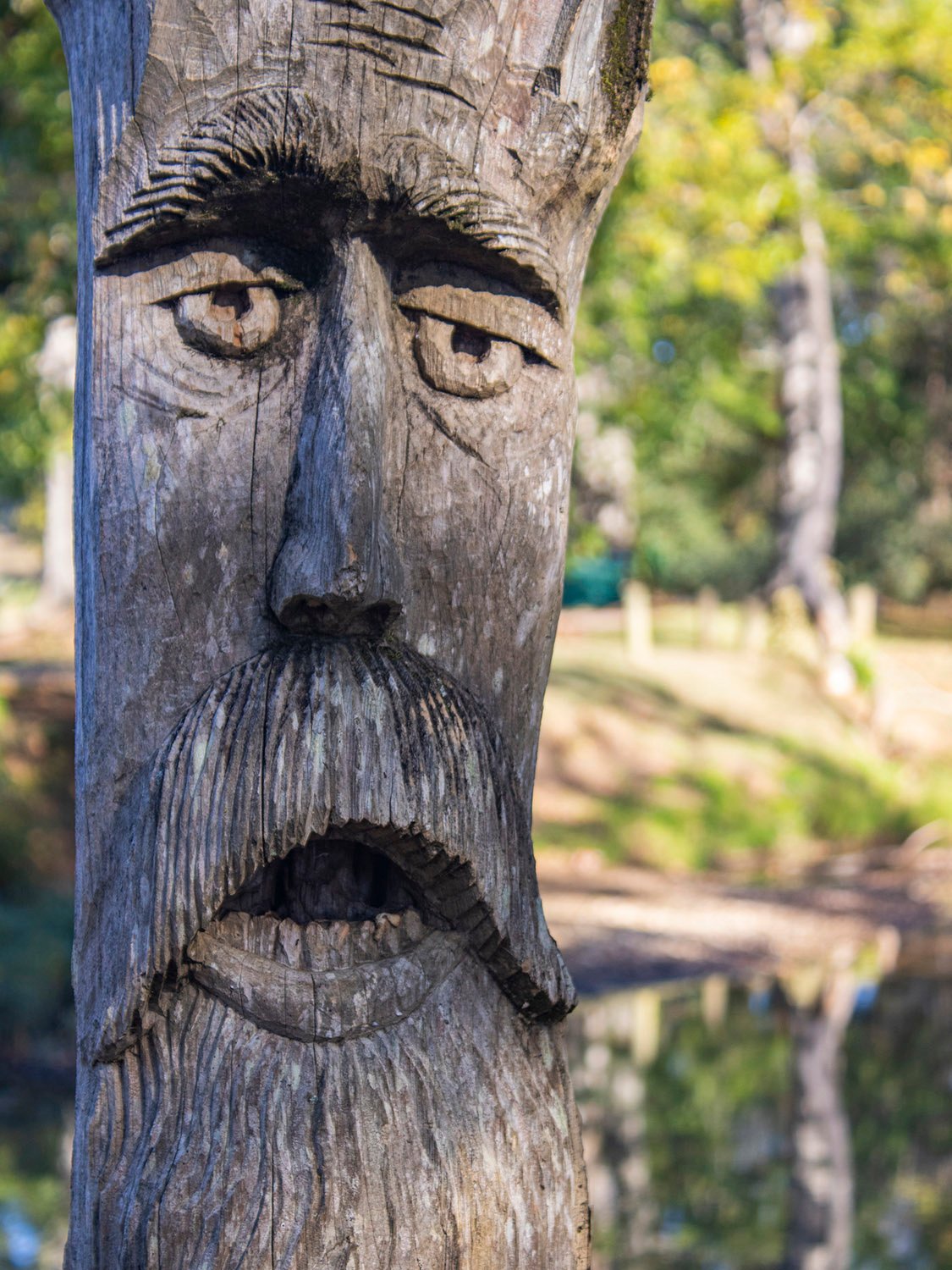
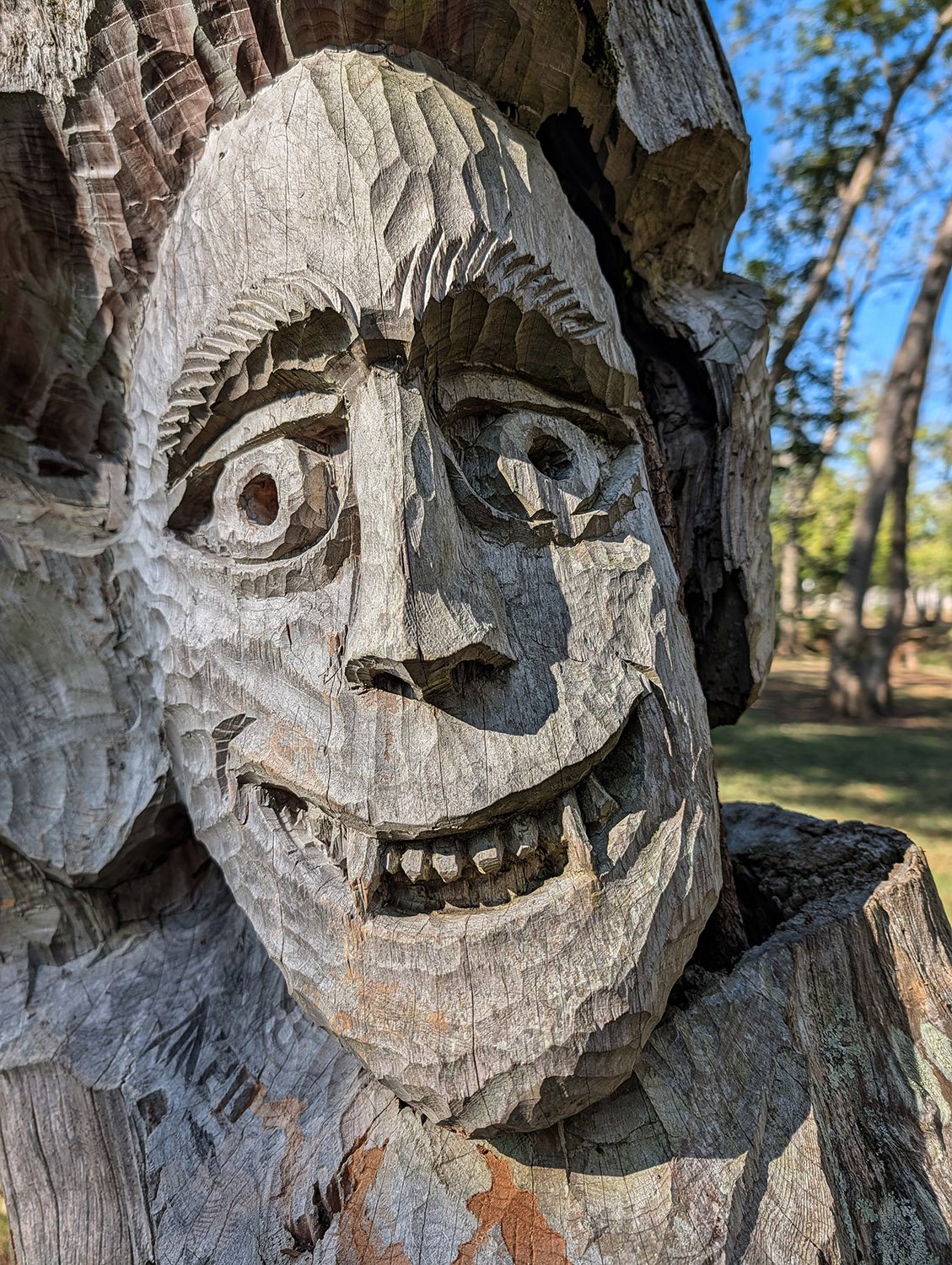
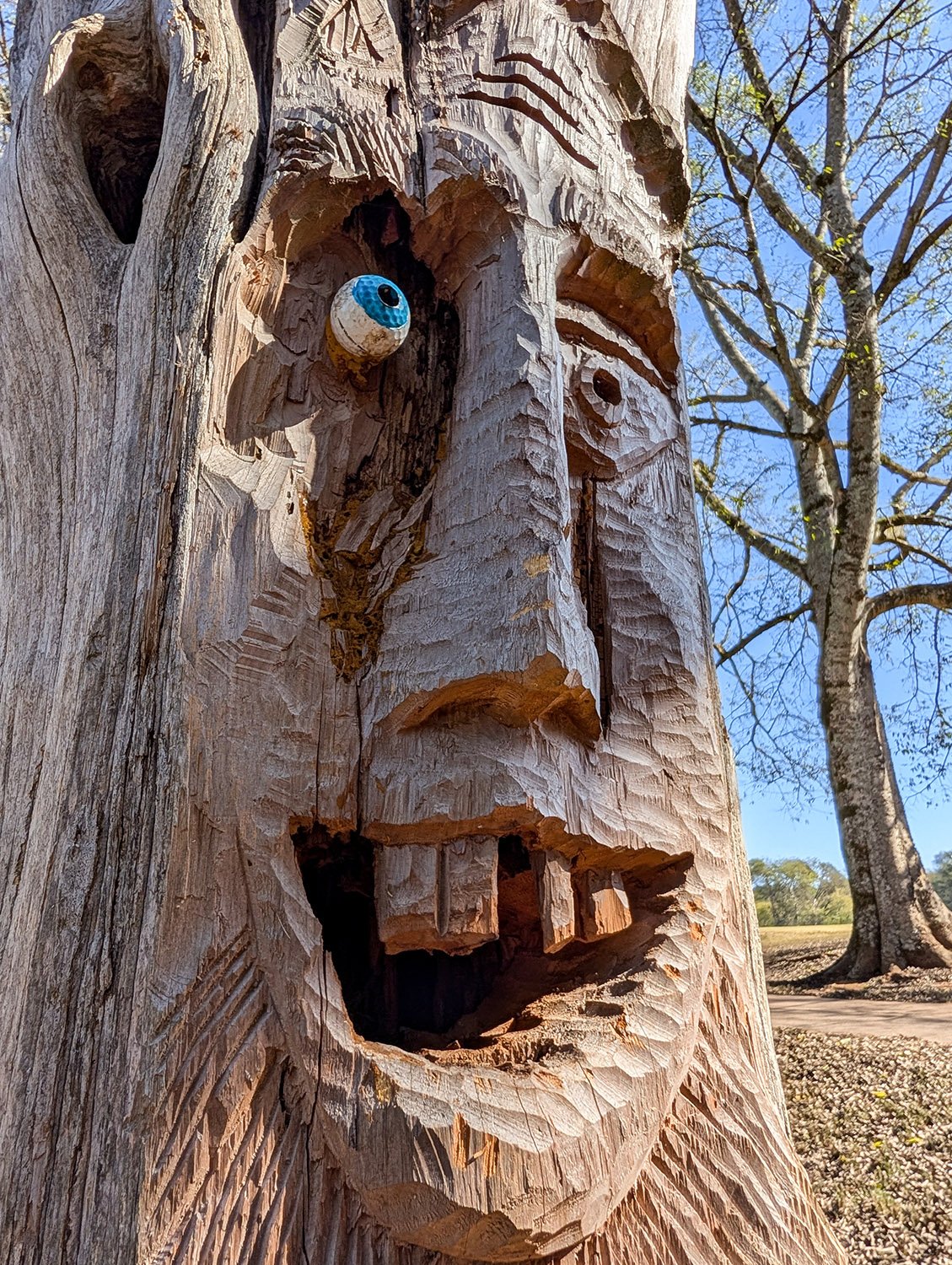
Tim Tingle. Tree carvings at Orr Park. Montevallo, Alabama.
To hear these old friends of mine talk, you’d think there was something in the water that night.
Well, I’m here to tell you it wasn’t like that.
The place was an unholy mess, and no one was doing a damn thing about it.
Sometimes you just gotta take matters into your own hands and carve your own niche.
Can’t nobody else do it for you.
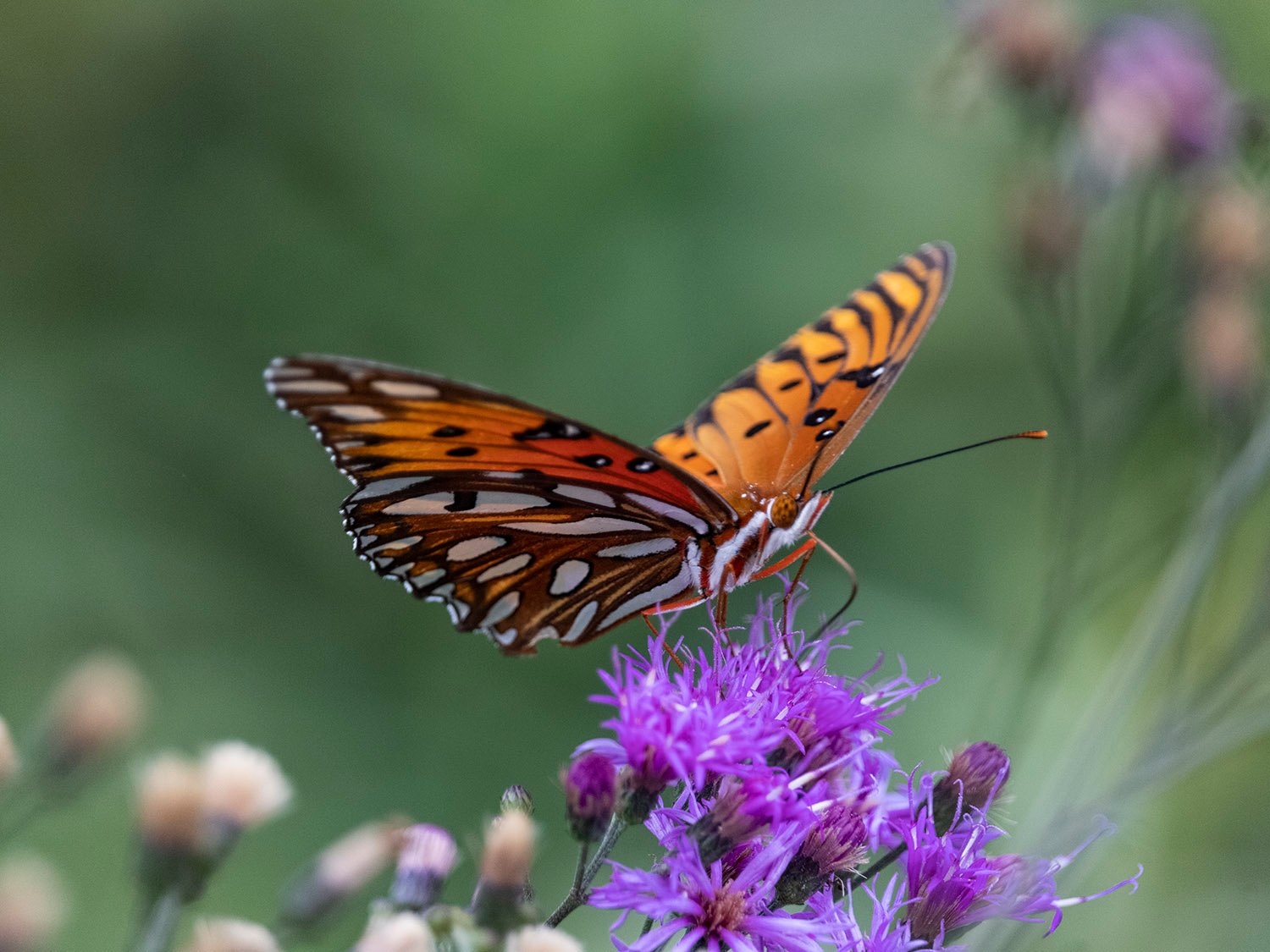
Here’s a fine fall friend I recently met on the Atlanta BeltLine.
Hooray for public arboretums!
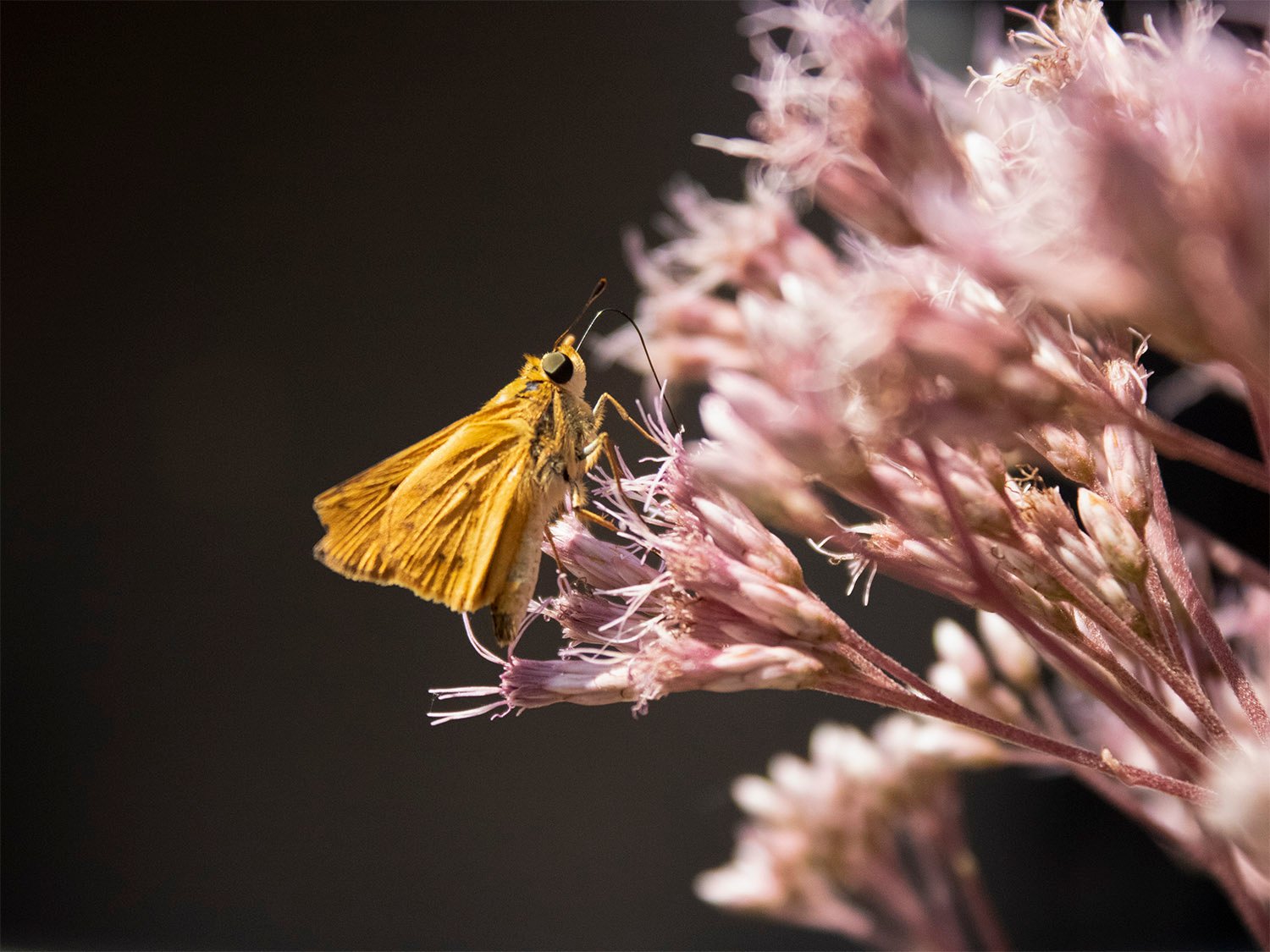
So many beneficial native plants are given misleading names. Chief among them is Joe Pye weed, a beautiful bloomer of late summer and early fall that draws pollinators with its pink and purple flowers.
I found this sweet Delaware skipper on a Joe Pye weed that was growing on the slope of a retention pond.
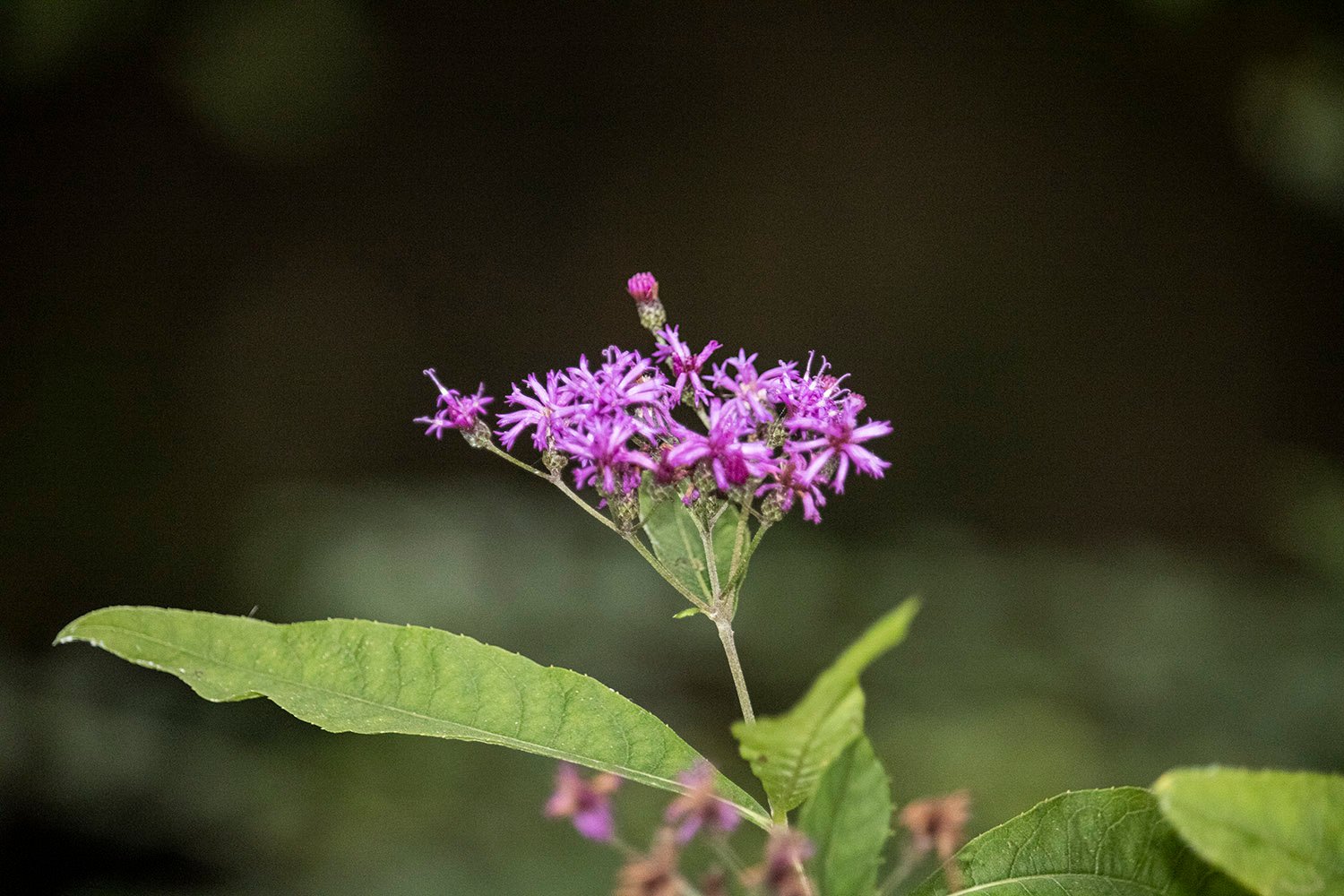
Ironweed‘s ungraceful name is quite unfortunate: it’s truly a lovely native plant, with delicate violet blooms that appear in late summer.
It’s also a favorite of pollinators and tough as nails, growing freely along roadsides or in any patch of land that hasn’t been recently fucked with by human hands—I found this one beside a parking lot.
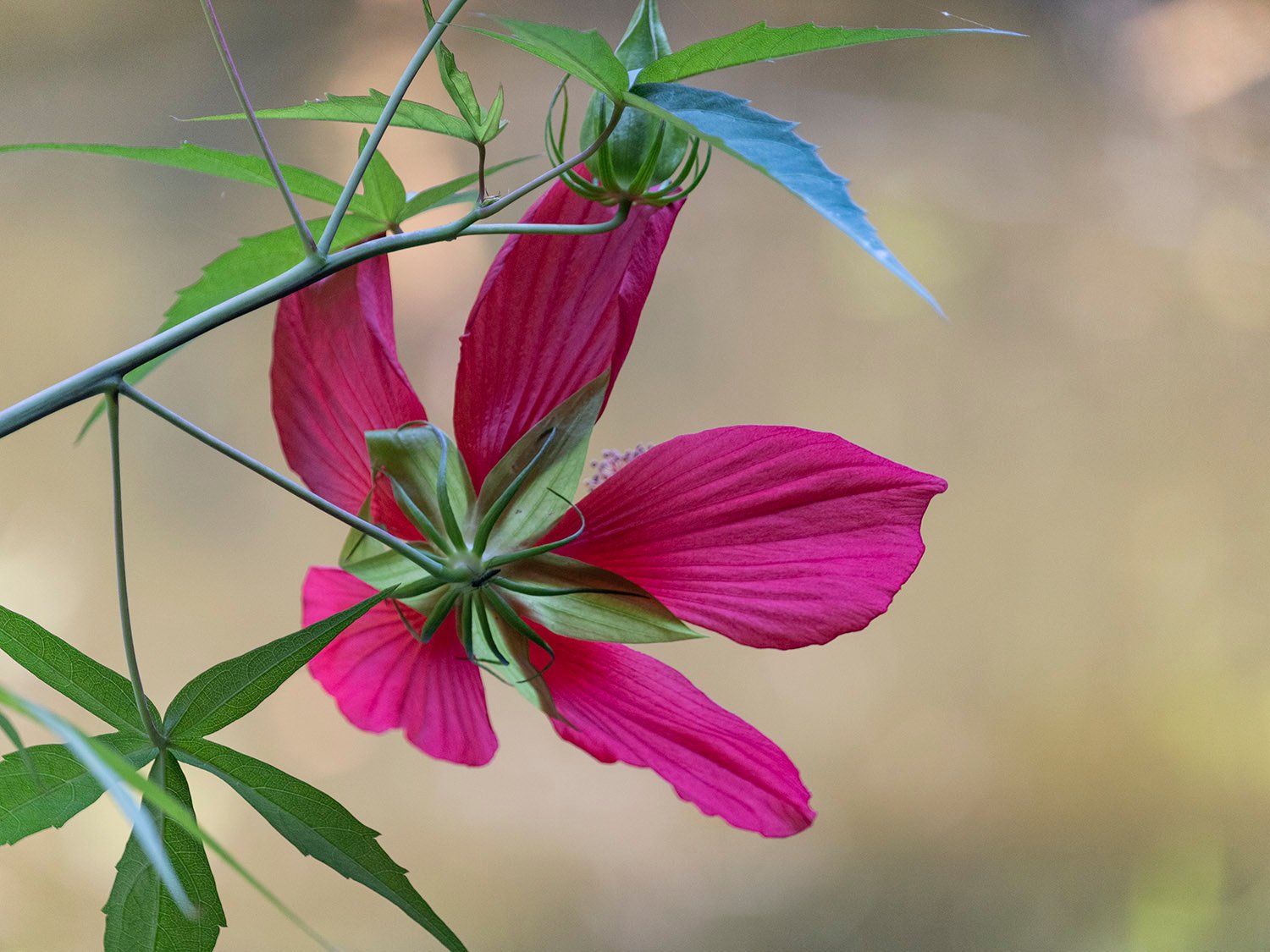
I tend to avoid swampy areas of the Southeast, particularly in the warmer months—too many dangerous reptiles lurking about.
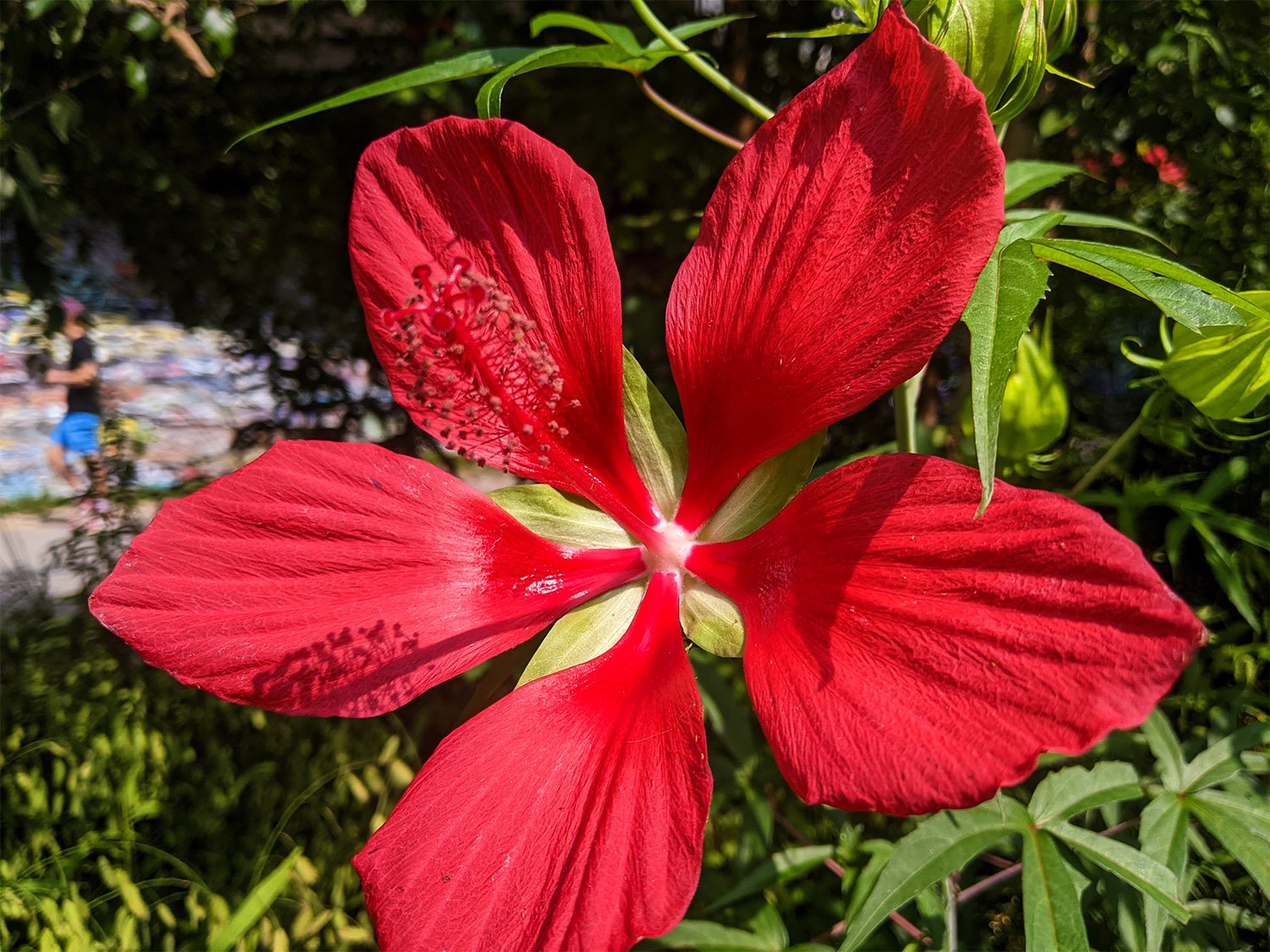
However, there are some lovely plants that come from the Southern wetlands, including the beautiful swamp hibiscus, which produces giant, colorful blooms from summer through autumn.
Thankfully, the plant can be grown outside swamps, too, so I don’t have to stumble across a gator to enjoy it.
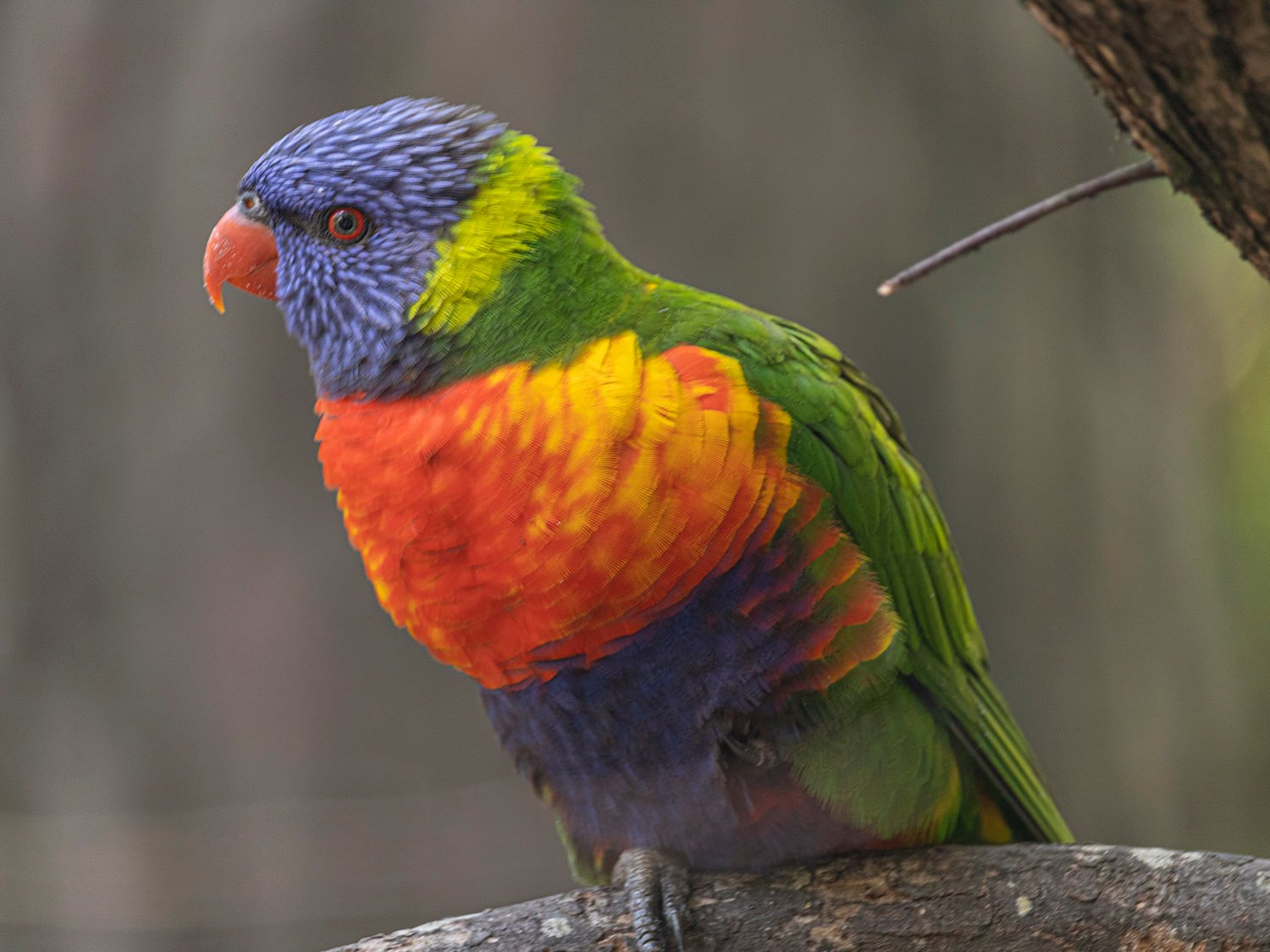
The world can be so fucking drab.
Sometimes you just need a little color.
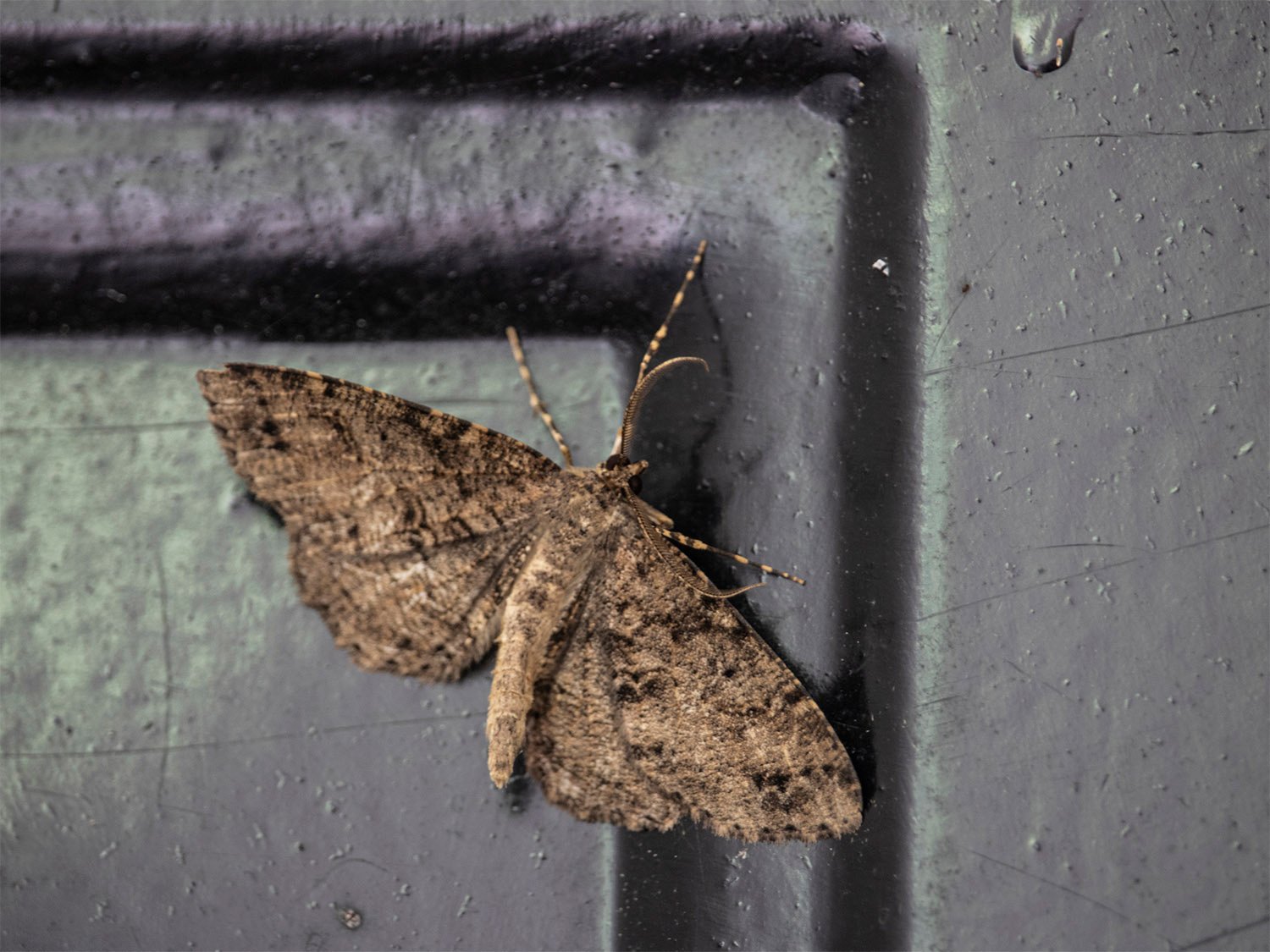
I keep finding new friends outside my door.
This appears to be a porcelain gray, a common gray moth found all over eastern North America. Welcome!