Category: Piedmont Natives

  • Piedmont Natives: River oats

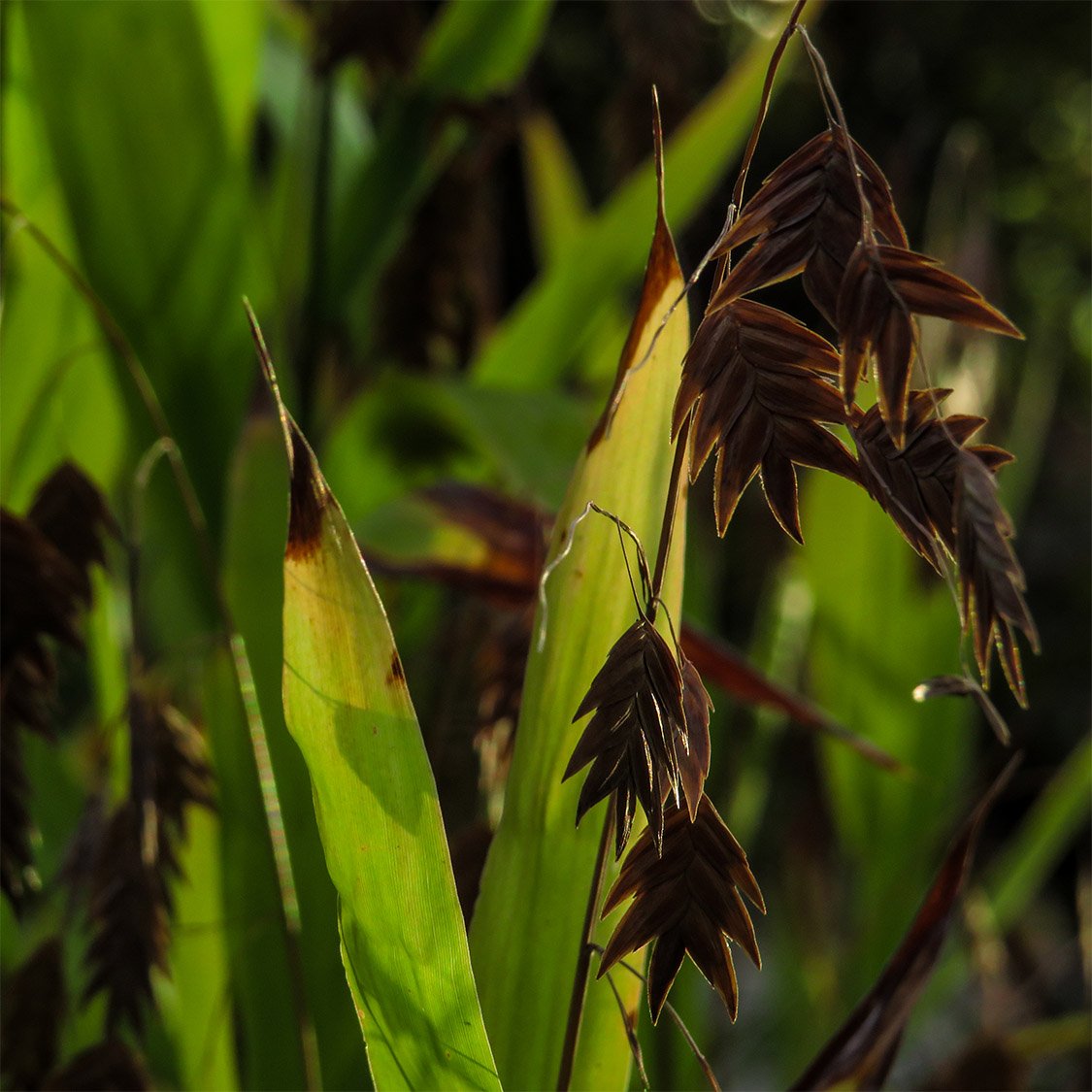
    River oats (Chasmanthium latifolium)
    River oats (Chasmanthium latifolium)

    River oats (Chasmanthium latifolium) are one of my favorite plants that grow throughout the Piedmont region, and it’s a sure sign of autumn’s arrival when their seed heads begin turning brown.

    The seeds typically drop by late November, and rain disperses them throughout the winter months, ensuring that bright, new clumps will appear in early spring.
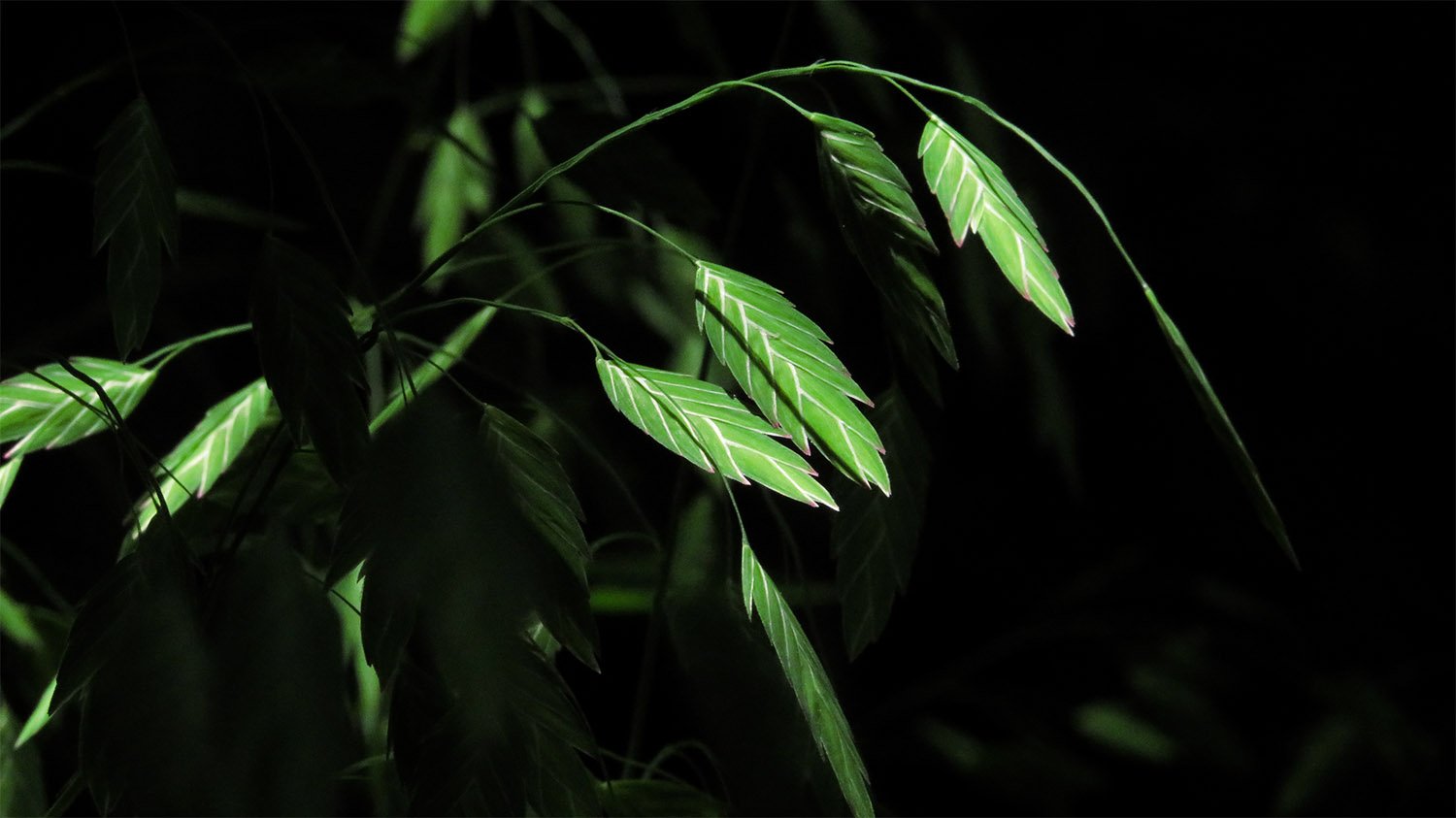
    River oats (Chasmanthium latifolium)
    River oats (Chasmanthium latifolium)

    River oats prefer at least some shade and are often found in low, moist areas, but they’re tough little bastards that thrive practically anywhere—even in harsh urban conditions.

    On my first visit to Philadelphia, I was happy to see them growing in abundance along the sidewalks. This is where I’m supposed to be, I remember thinking. Nature shows the way.
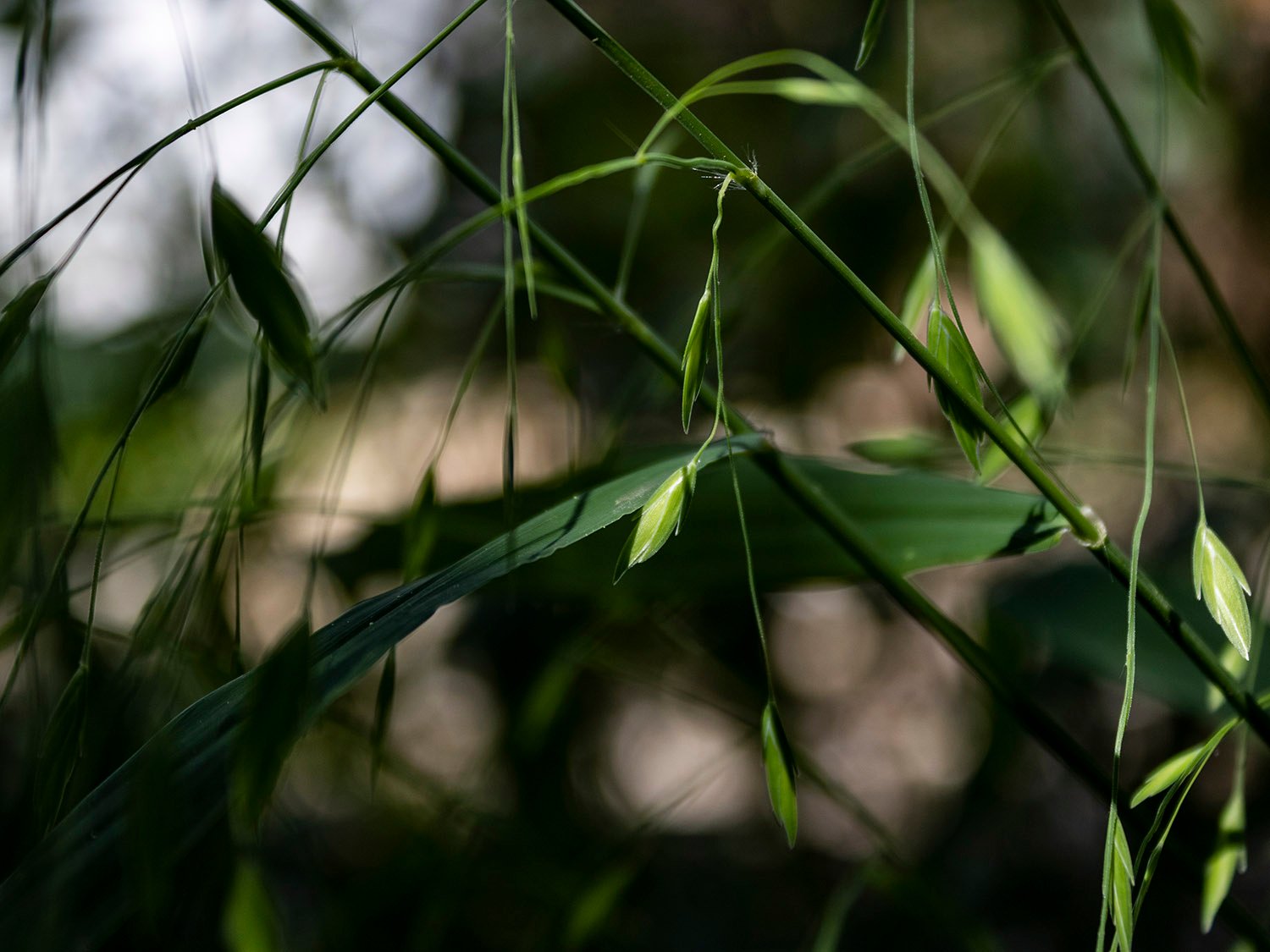
    River oats (Chasmanthium latifolium)
    River oats (Chasmanthium latifolium)
  • Piedmont Natives: Stone Mountain Daisy

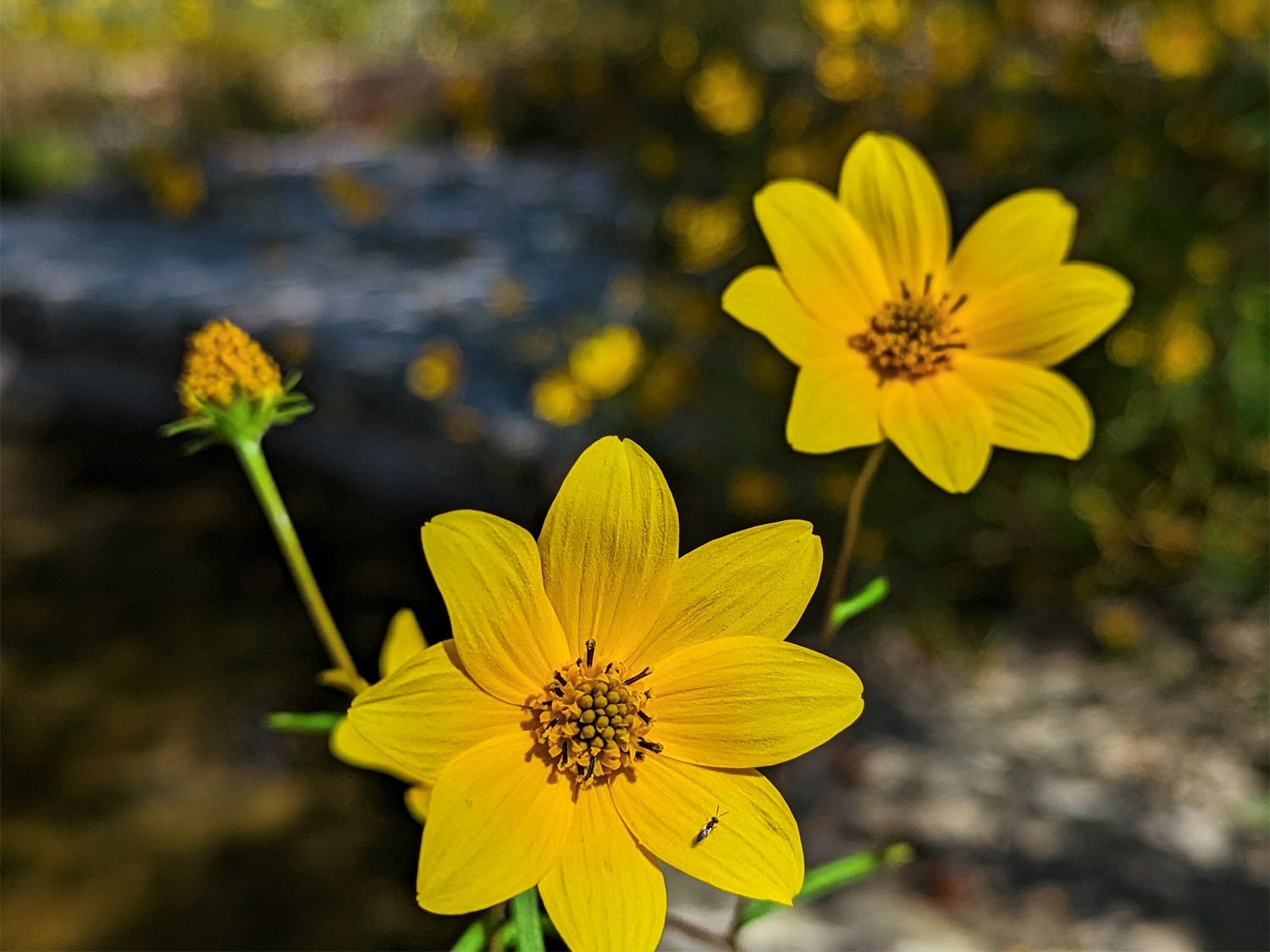
    Stone Mountain daisy (Helianthus porteri)
    Stone Mountain daisy (Helianthus porteri)

    The Stone Mountain daisy is a true Georgia native that typically grows on granite outcroppings in the Southeast, notably on and around its namesake, Stone Mountain.

    Technically a sunflower, the plant’s beautiful yellow blooms appear in early fall, and while it reportedly grows in places as distant as Alabama and the Carolinas, you’ll find the greatest concentration of it in DeKalb County, Georgia.

    I don’t have a clue where I found this one—I see rocks and water in the background, so the conditions were obviously right. My time in the South is already a hazy memory.

  • Piedmont Natives: Southern Lady Fern

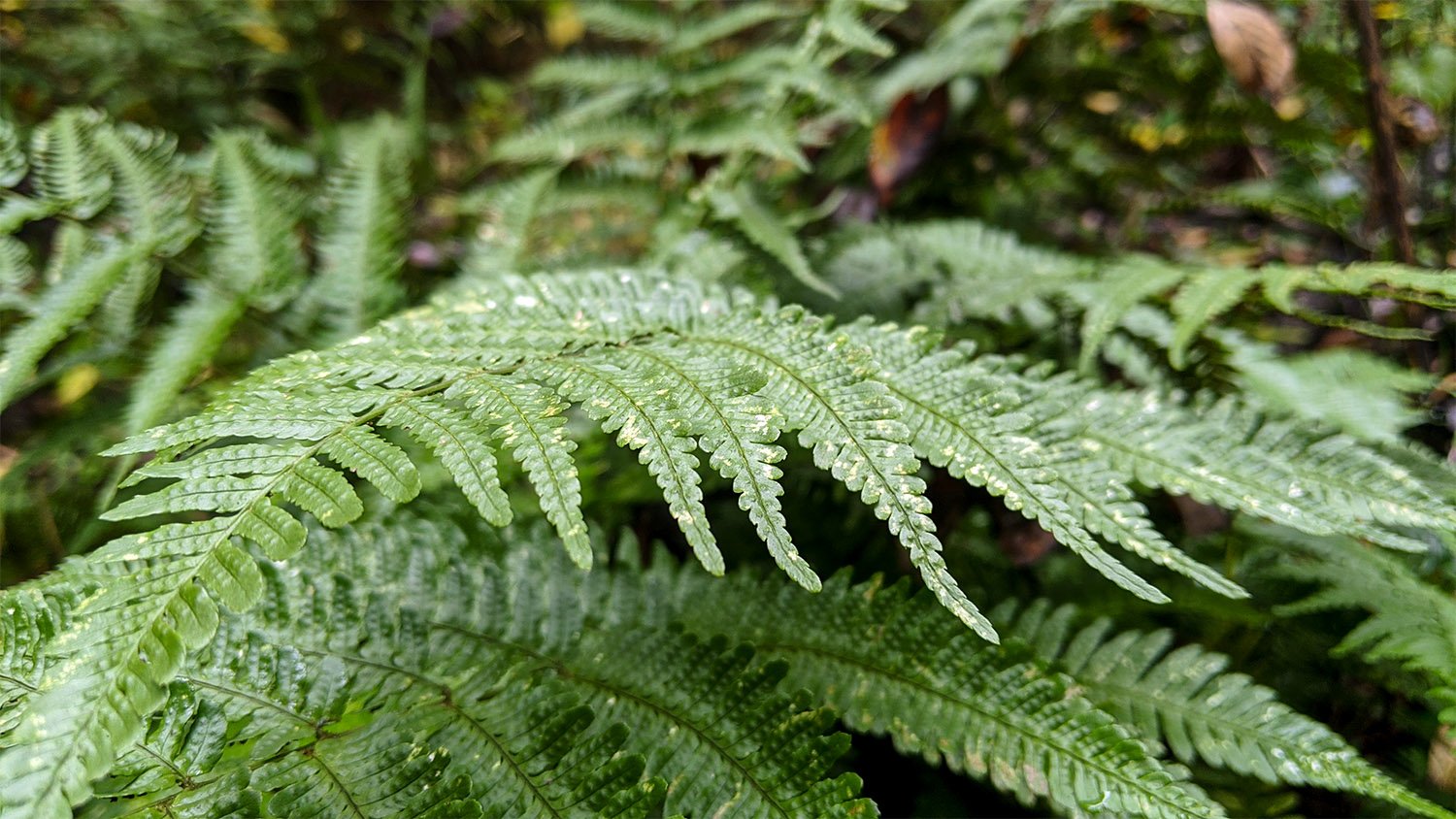
    Southern lady fern (Athyrium asplenioides)

    The hot, humid days of late summer are slightly more bearable in a leafy Piedmont forest—slightly.

    If you’re on the East Coast and traversing the banks of a shaded stream or some other low-lying spot, you’re likely to come across a Southern lady, of the fern variety, that is.

    The hardy Southern lady fern is a ubiquitous summer sight in the forests of Georgia and the Carolinas. I found the fern shown here in a patch of woods in Atlanta.

    The ferns are deciduous, dropping their leaves in the winter months, so they won’t be lush and green for too much longer.

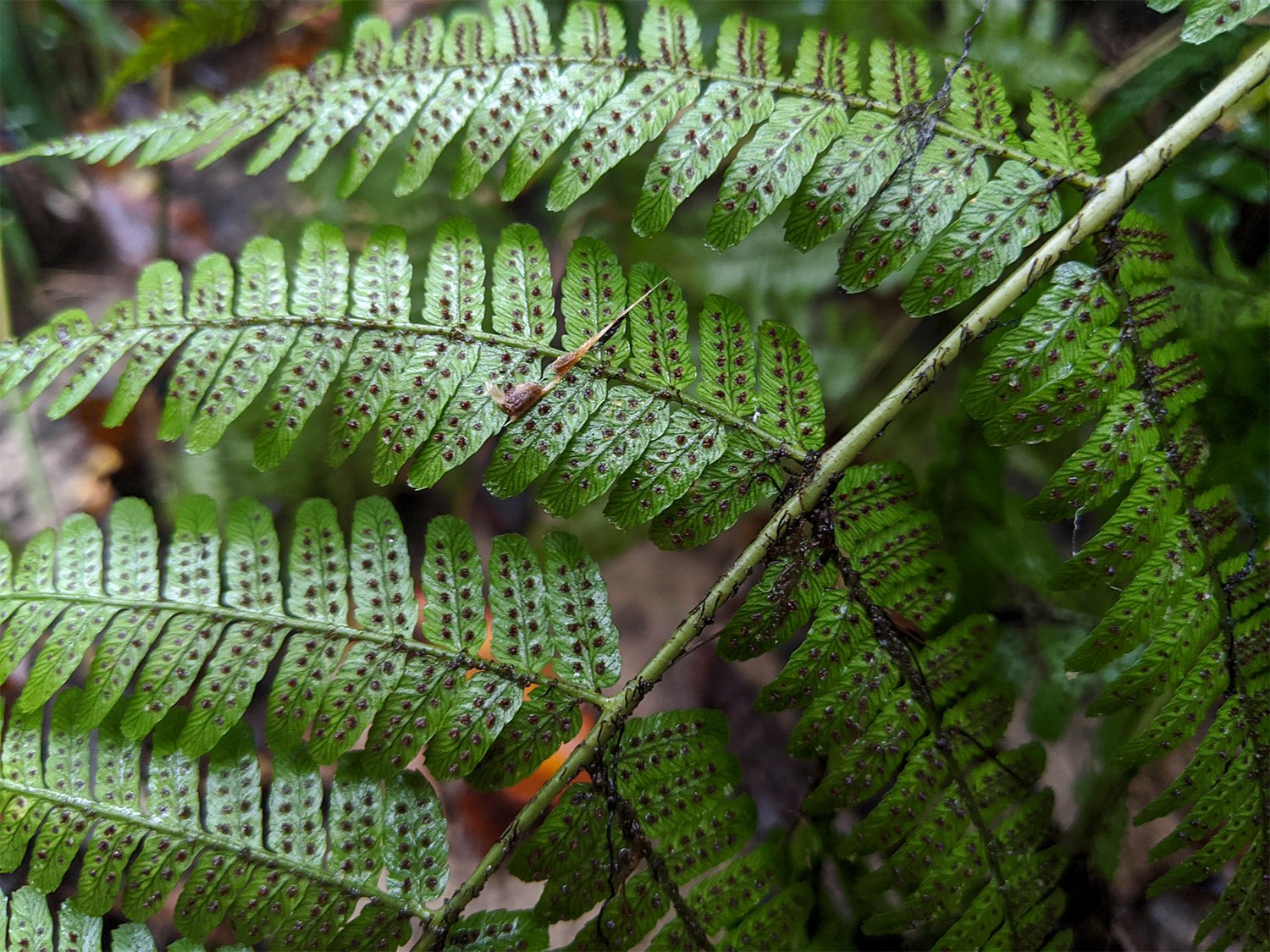
    Sori on the underside of a Southern lady fern (Athyrium asplenioides)
  • Piedmont Natives: Daisy fleabane

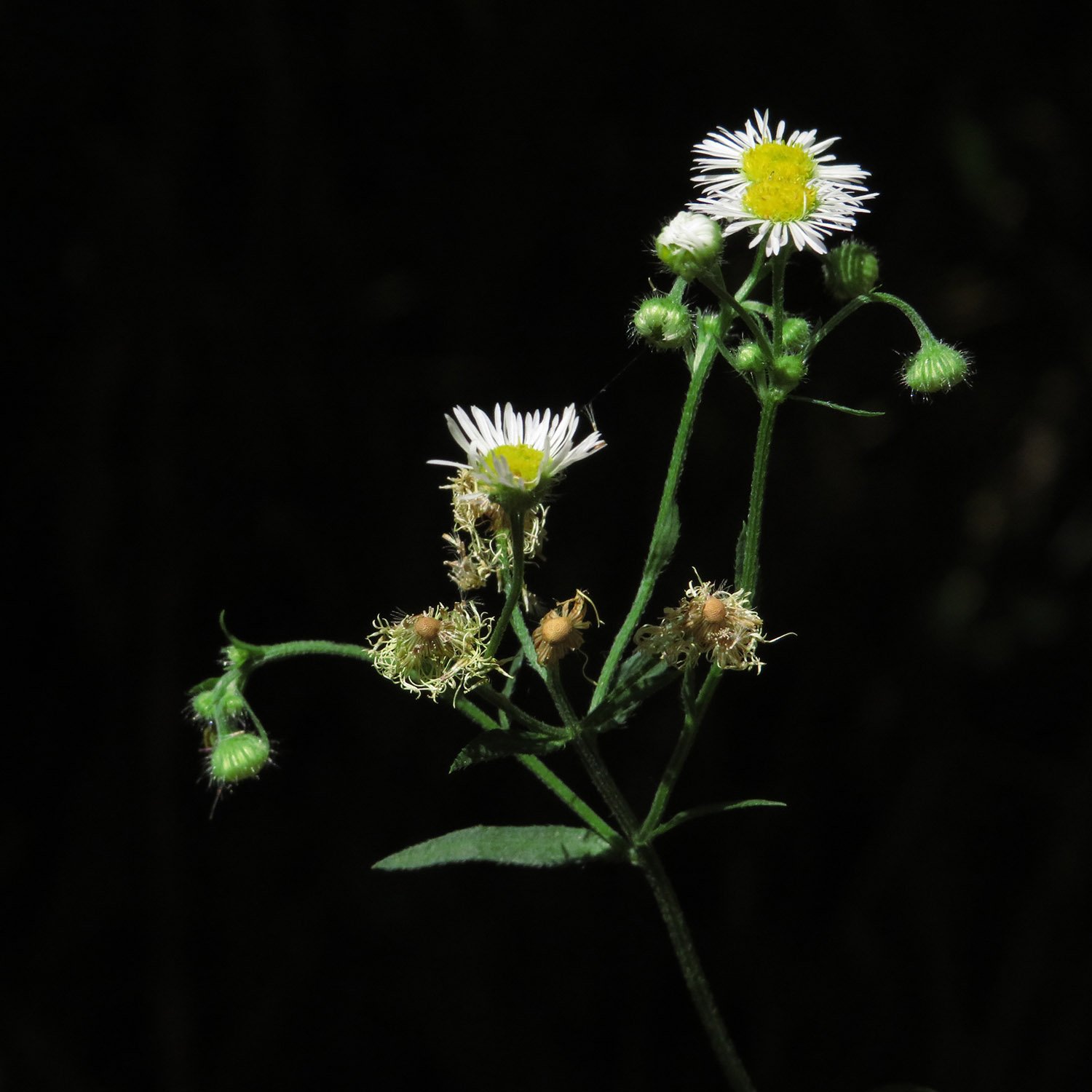
    Fleabane (Erigeron annuus)
    Daisy fleabane (Erigeron annuus)

    Some people would consider Daisy fleabane a weed, since it tends to pop up uninvited in unexpected places.

    But I’m a big defender of many so-called weeds, including fleabane, which is a member of the aster family and a favorite of native bees and small insects. It’s tough, easy to grow, and I think its dainty white-and-yellow flowers are pretty.

    It’s a better sight on the summer landscape than some tropical plant that subsists on hose water and chemicals.

  • Piedmont Natives: Elderberry

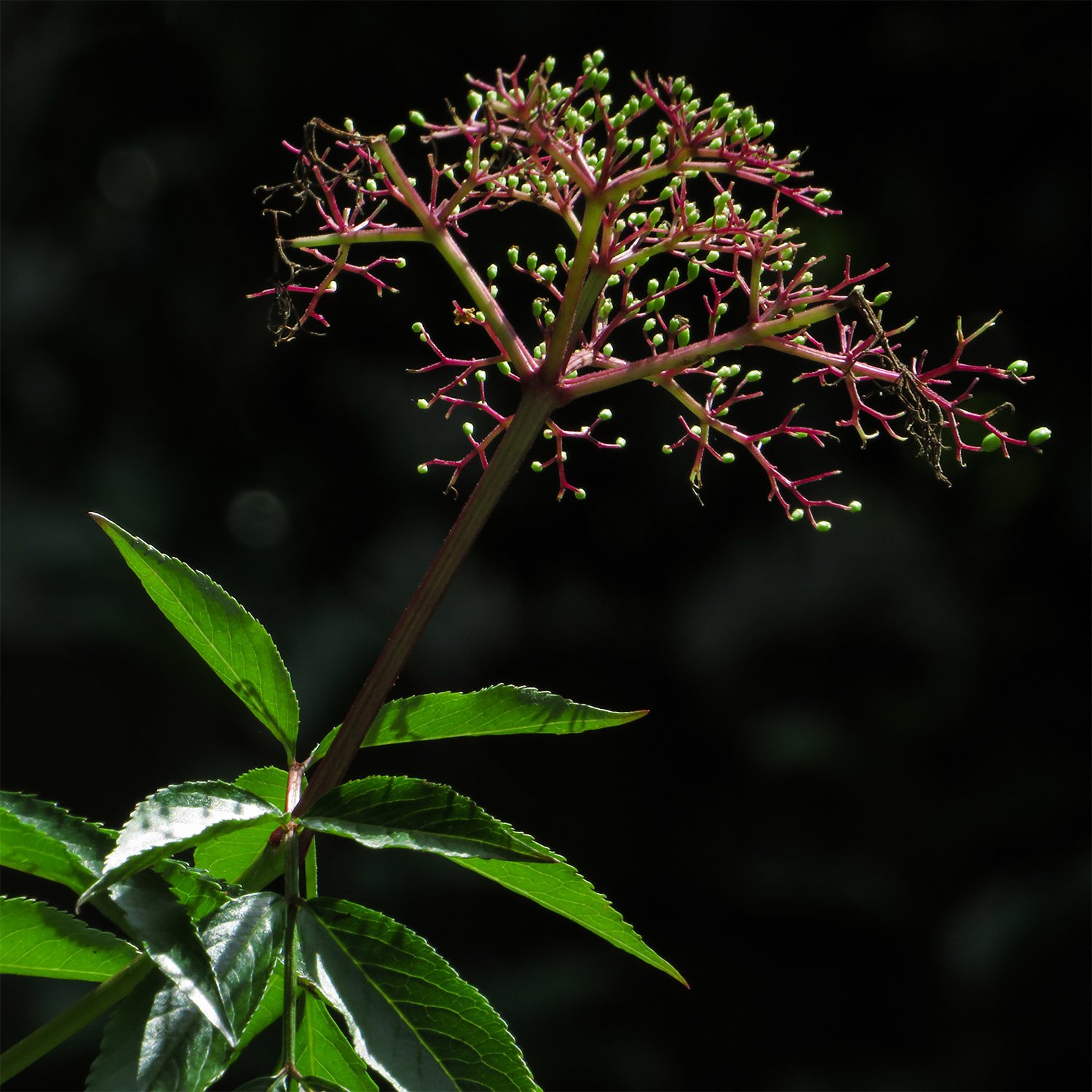
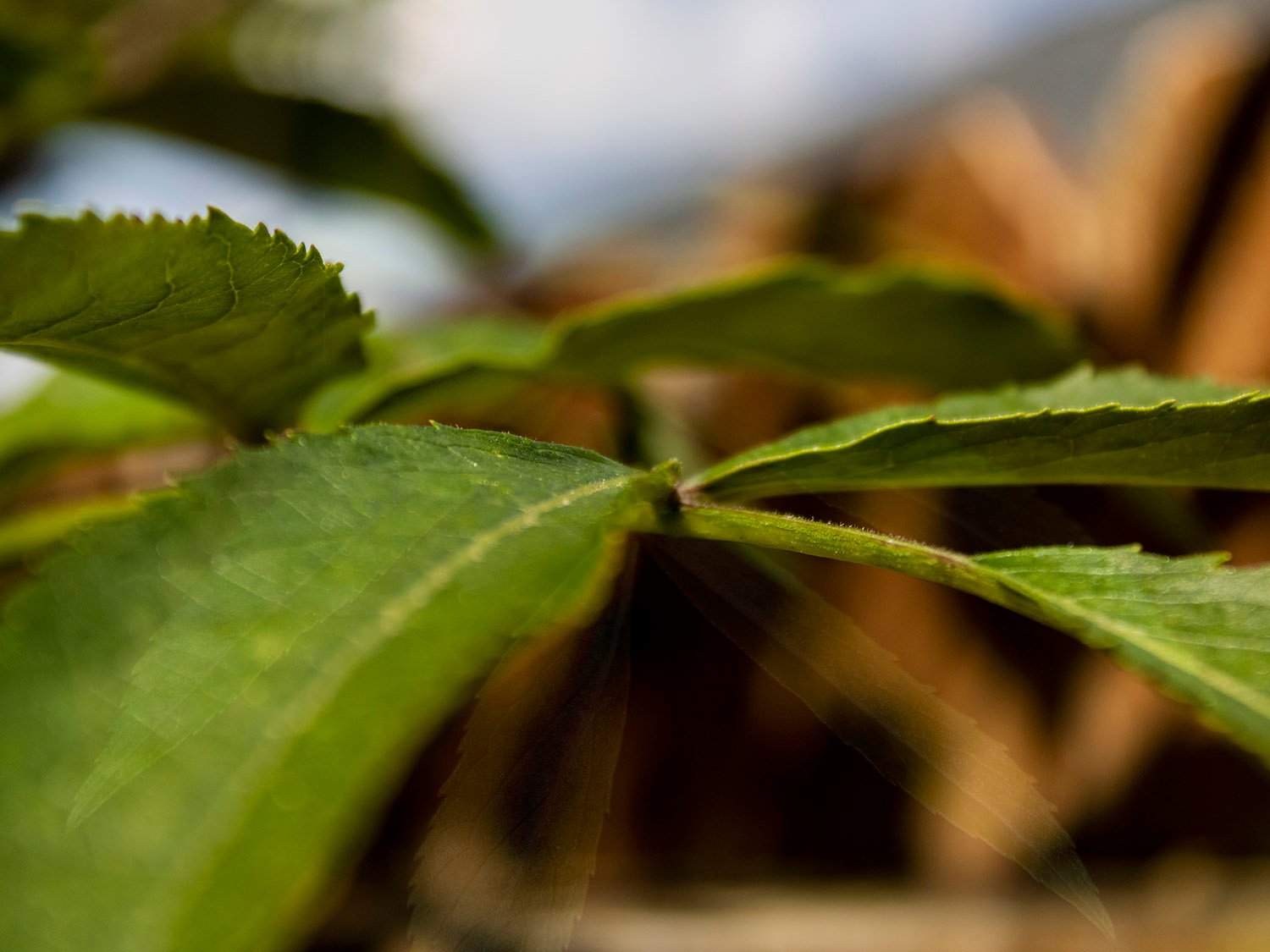
    Common elderberry (Sambucus canadensis)
    Common elderberry (Sambucus canadensis)
    Common elderberry (Sambucus canadensis)
    Common elderberry (Sambucus canadensis)
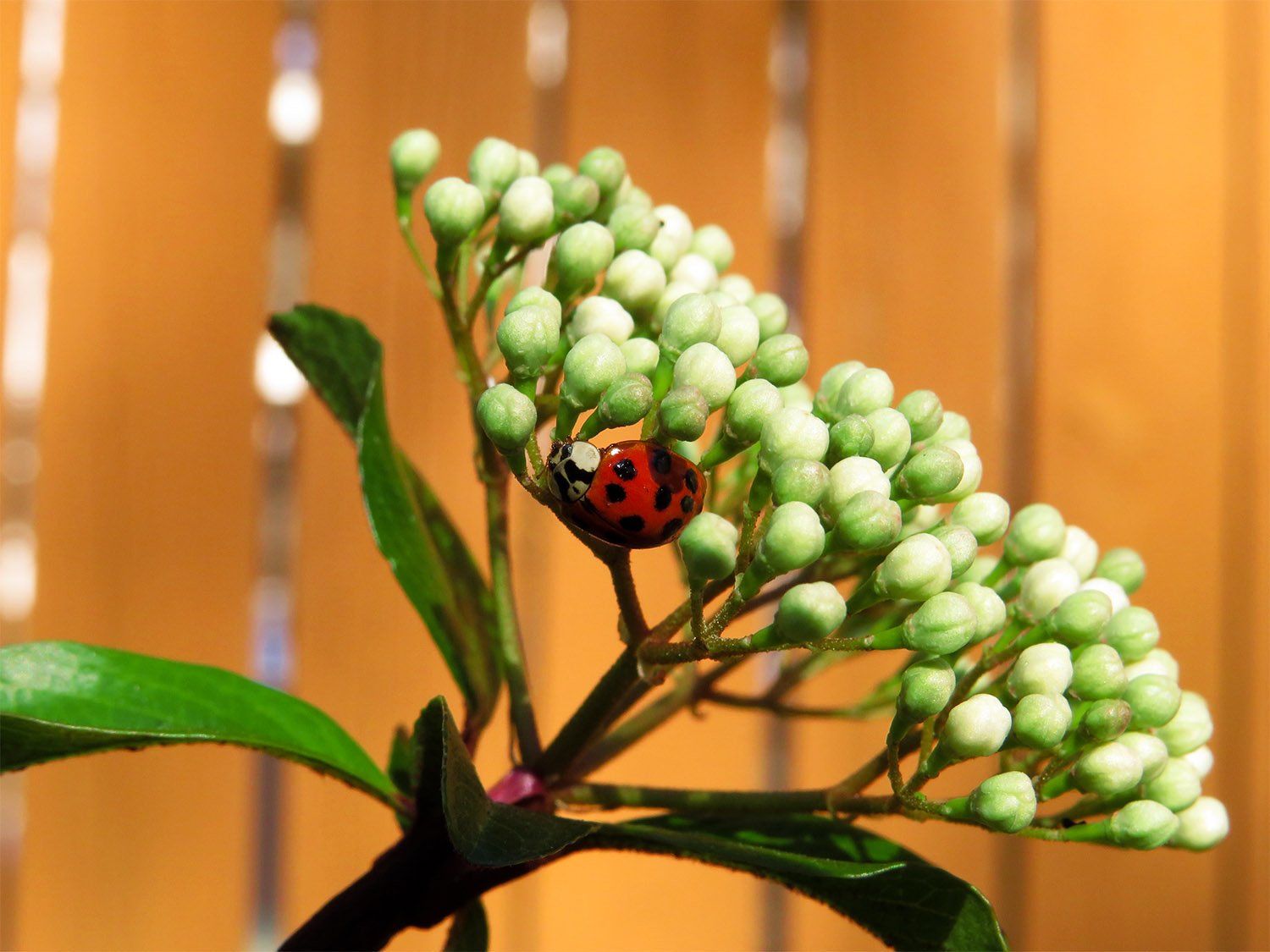
    Convergent lady beetle (Hippodamia convergens) on common elderberry (Sambucus canadensis)
    Convergent lady beetle (Hippodamia convergens) on common elderberry (Sambucus canadensis)
  • Piedmont Natives: Eastern red columbine

    Eastern red columbine (Aquilegia canadensis)
    Eastern red columbine (Aquilegia canadensis)
    Eastern red columbine (Aquilegia canadensis)
    Eastern red columbine (Aquilegia canadensis)

  • Piedmont Natives: Flowering dogwood

    Flowering dogwood (Cornus florida)
    Flowering dogwood (Cornus florida)

    Many people love dogwoods—I don’t.

    Sensitive to the changing climate and highly vulnerable to disease, dogwoods are now rapidly becoming extinct in the forests of the Southeastern United States.

    They’re also increasingly difficult to grow in even optimal conditions, and apart from the few weeks when they bloom each spring, I think they’re homely little trees.

    I do, however, mourn for the birds, pollinators, and other animals that subsist on them, and I hope they can adapt more successfully than the trees have.

    Many things will go extinct in my lifetime—the dogwood is likely one of them.

    This is my tribute.

    Flowering dogwood (Cornus florida)
    Flowering dogwood (Cornus florida)
    Flowering dogwood (Cornus florida)
    Flowering dogwood (Cornus florida)
    Flowering dogwood (Cornus florida)
    Flowering dogwood (Cornus florida)
    Flowering dogwood (Cornus florida)
    Flowering dogwood (Cornus florida)
    Flowering dogwood (Cornus florida)
  • Piedmont Natives: Eastern redbud

    Blooms on Eastern redbud (Cercis canadensis)
    Blooms on Eastern redbud (Cercis canadensis)
    Common eastern bumblebees (Bombus impatiens) pollinating blooms on Eastern redbud
    Common eastern bumblebees (Bombus impatiens) pollinating blooms on Eastern redbud
    Blooms on Eastern redbud
    Blooms on Eastern redbud
  • Piedmont Natives: Wasp on a pitcherplant

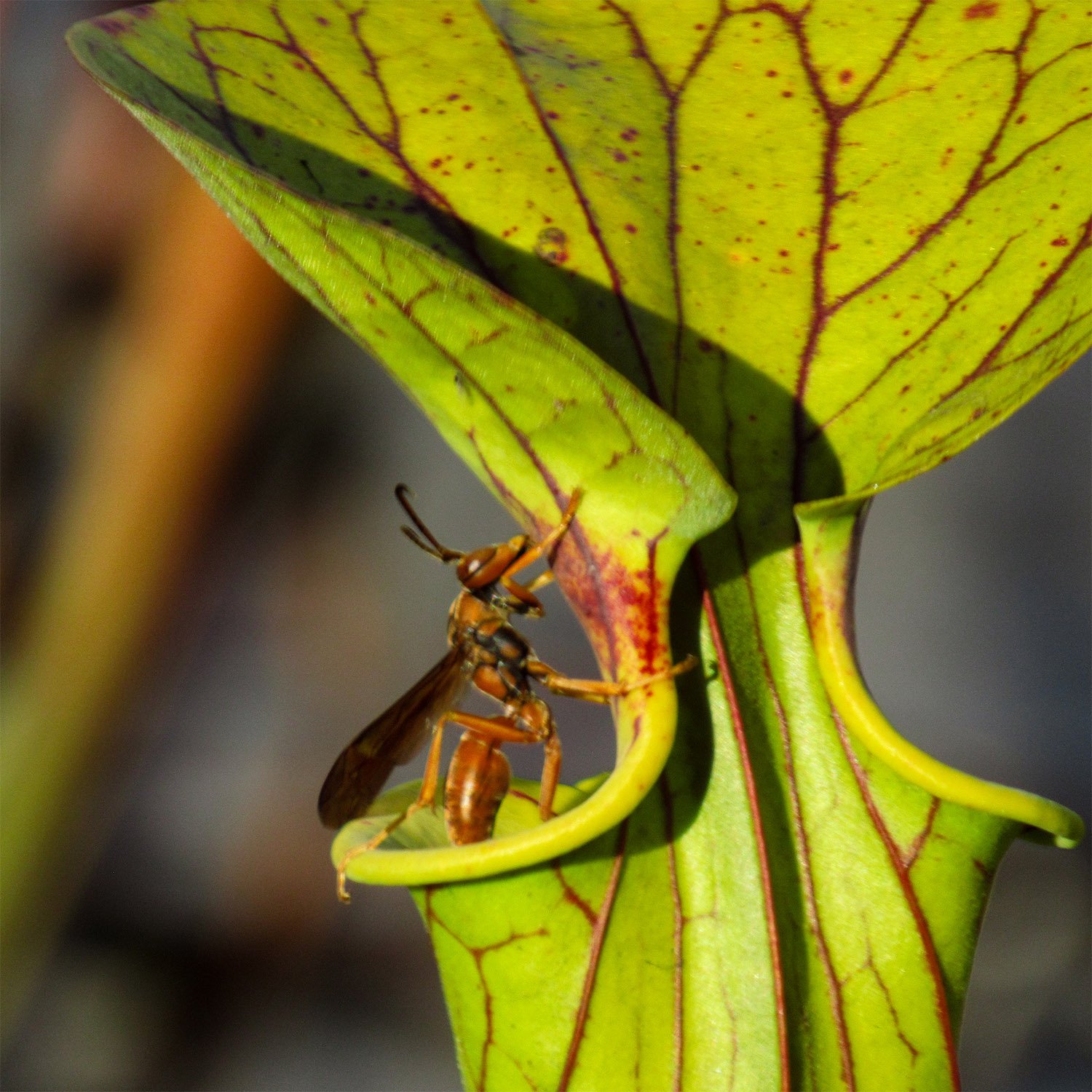
    Red wasp (Polistes carolina) on a green pitcherplant (Sarracenia oreophila)
    Red wasp (Polistes carolina) on a green pitcherplant (Sarracenia oreophila)