I first learned about Paley Park in William H. Whyte‘s The Social Life of Small Urban Spaces, an inspiring and formative little book that I stumbled upon years ago and still occasionally thumb through and read.
Paley Park was at the top of my list when I first visited New York in September 2022, and I’ve returned several times since.
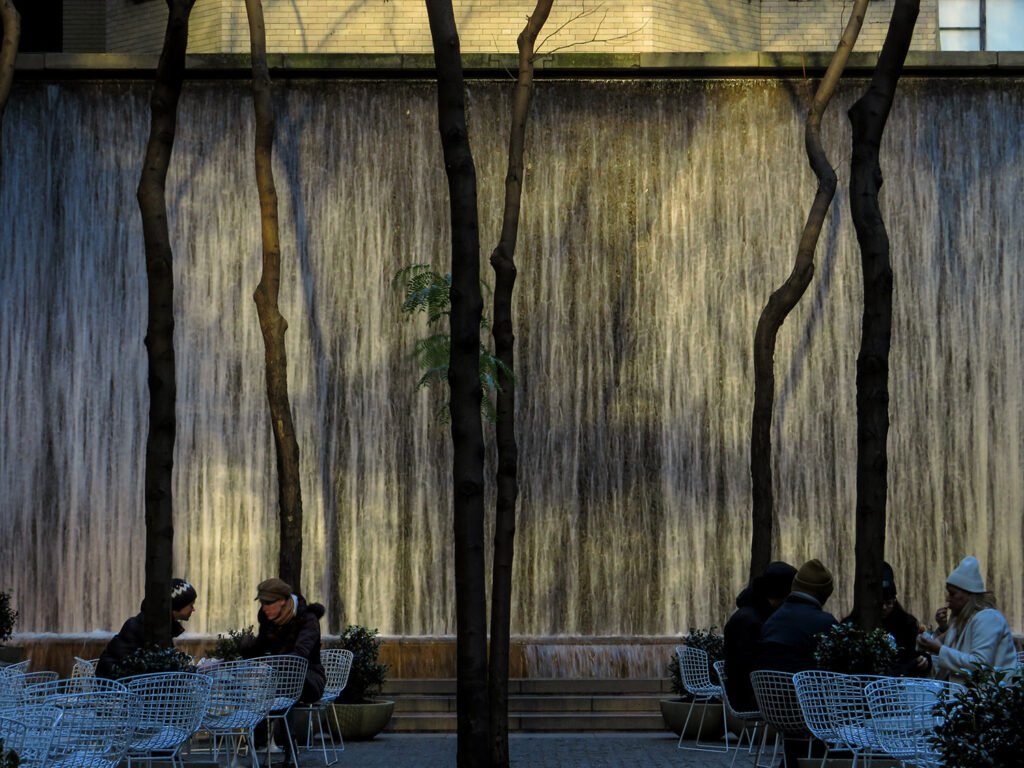
Just 4,200 square feet in size,1 it’s a perfect little slice of nature in Midtown Manhattan, with a waterfall, trees, and plenty of tables and chairs.
The park is full every time I visit, even on a freezing day in January.
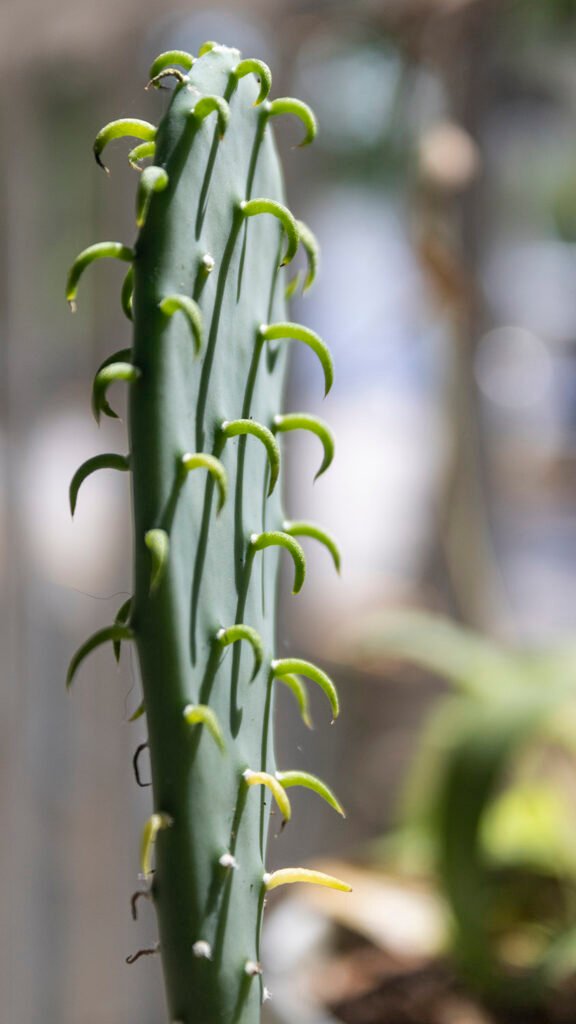
It’s hard not to love the prickly pear cactus, the most durable and low-maintenance native plant that grows just about everywhere in the United States.
Pull off an ear, pop it in some dirt — any old dirt will do — and within weeks, you’ve got a brand new plant. My kind of gardening!
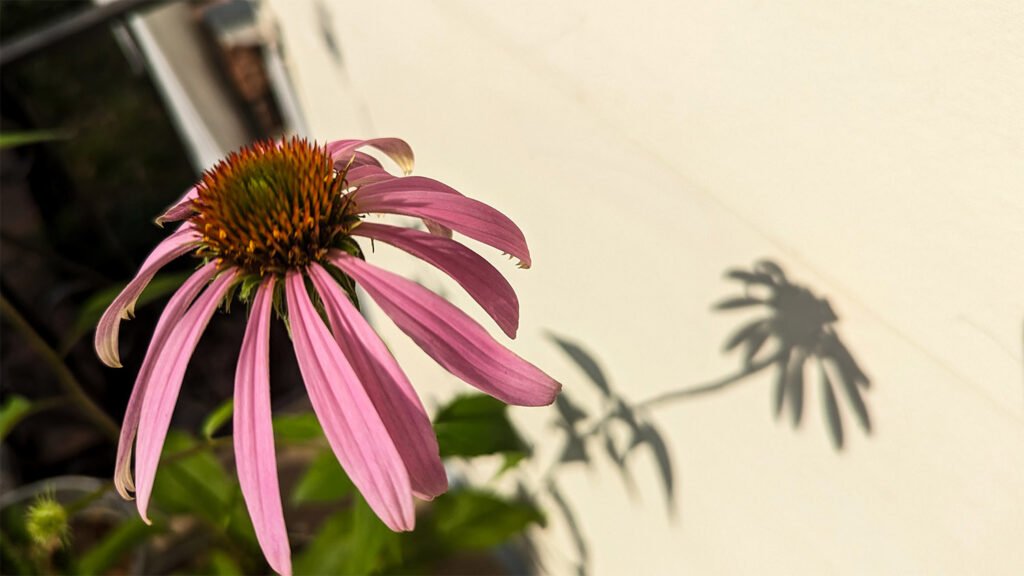
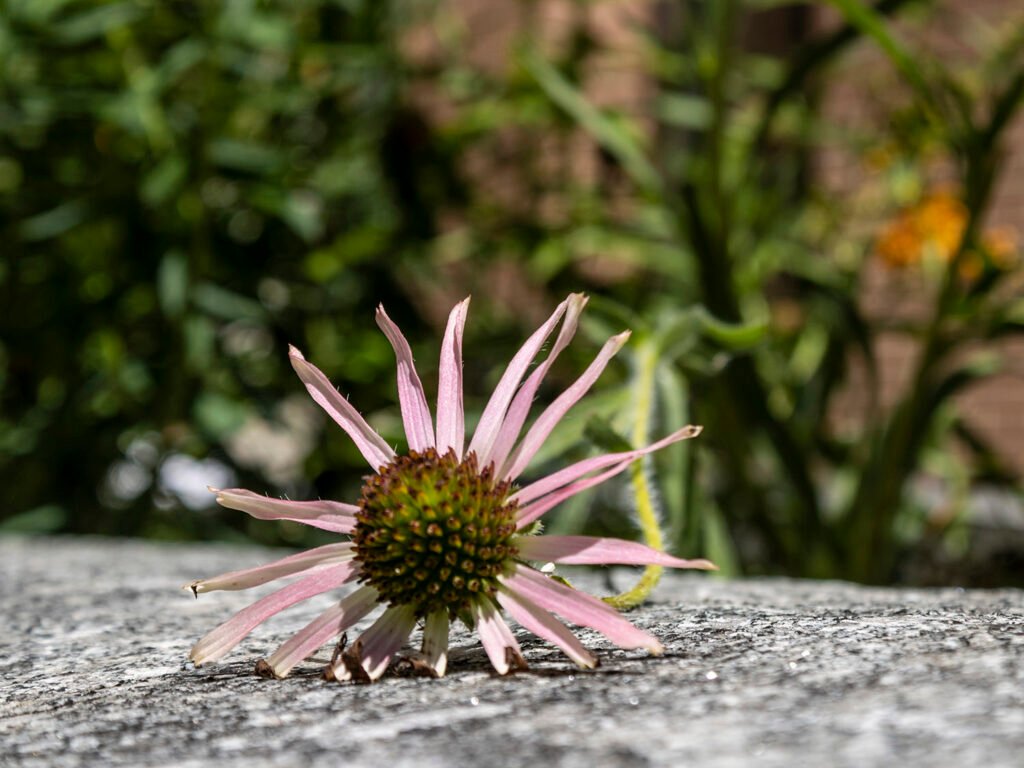
All hail the humble coneflower (Echinacea), one of the unsung heroes of the urban landscape.
When I first began growing native plants, I was attracted to the rare, hyperlocal ones with appealing origin stories: plants that are only found on a creek bank 10 miles away or some such silliness.
The problem with those specimens is that they are inevitably ill-suited for the harsh realities of city life: compacted soils, pissing dogs, pissing humans, careless drivers, overzealous mowers, etc.
Coneflower in Philadelphia
Over time, I’ve come to appreciate the native plants that consistently prove their resilience, endurance, and dependability — the ones I can plant in any location under any conditions with the assurance that they will thrive.
One of those is the coneflower, which grows practically anywhere in the eastern half of North America. Butterflies and bees love it, humans find the blooms attractive, and I can easily grow it in a container outside my apartment door.