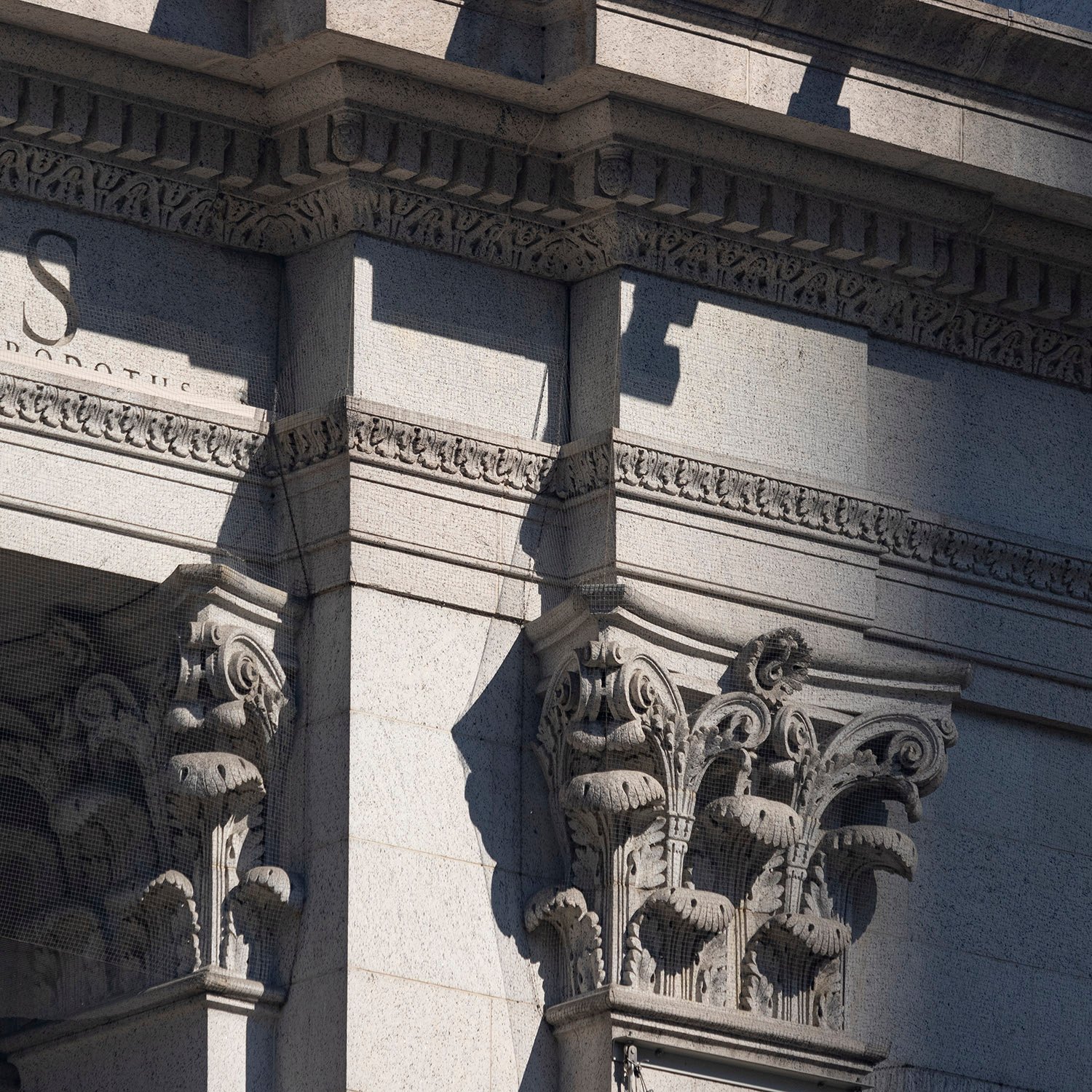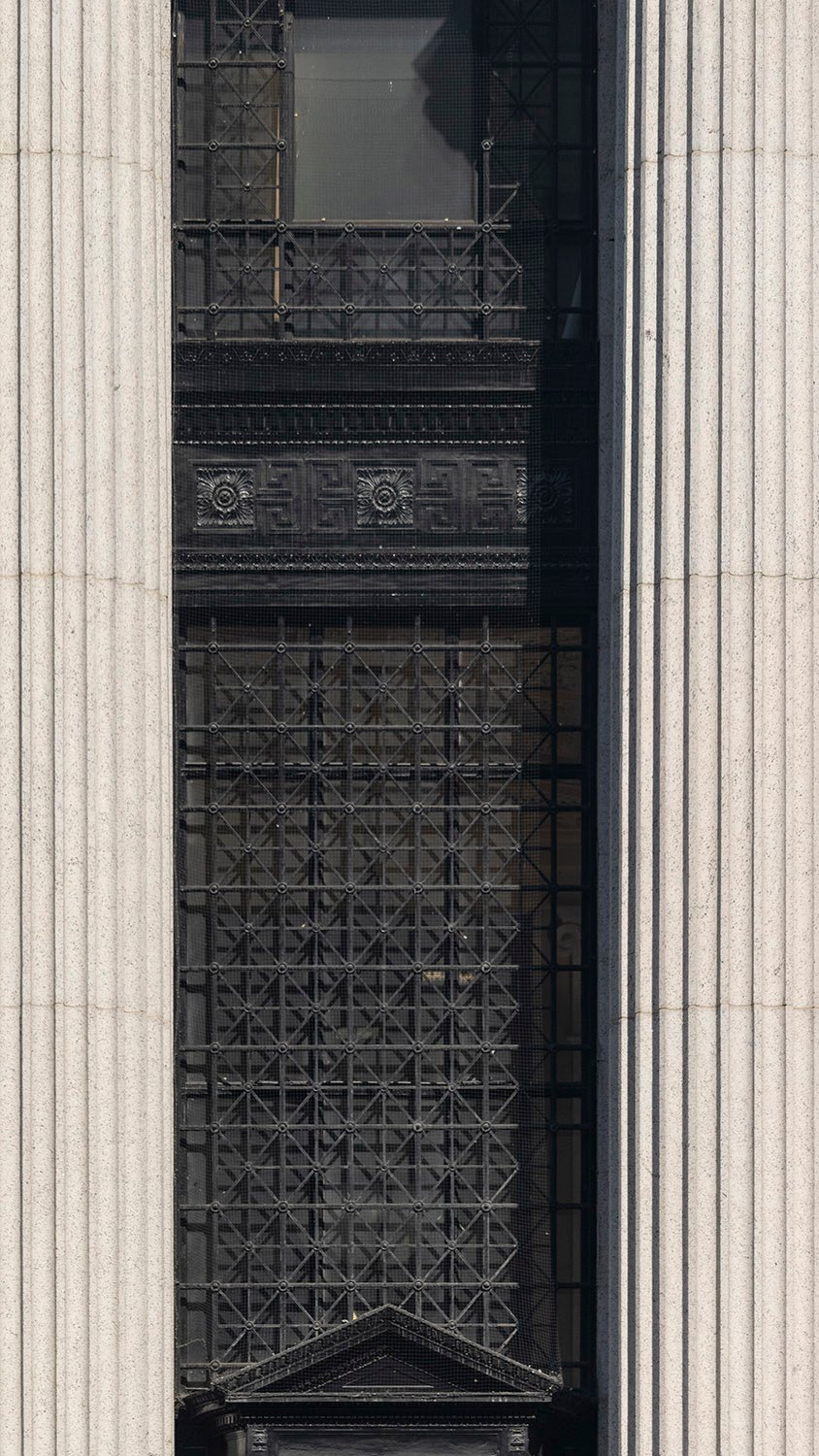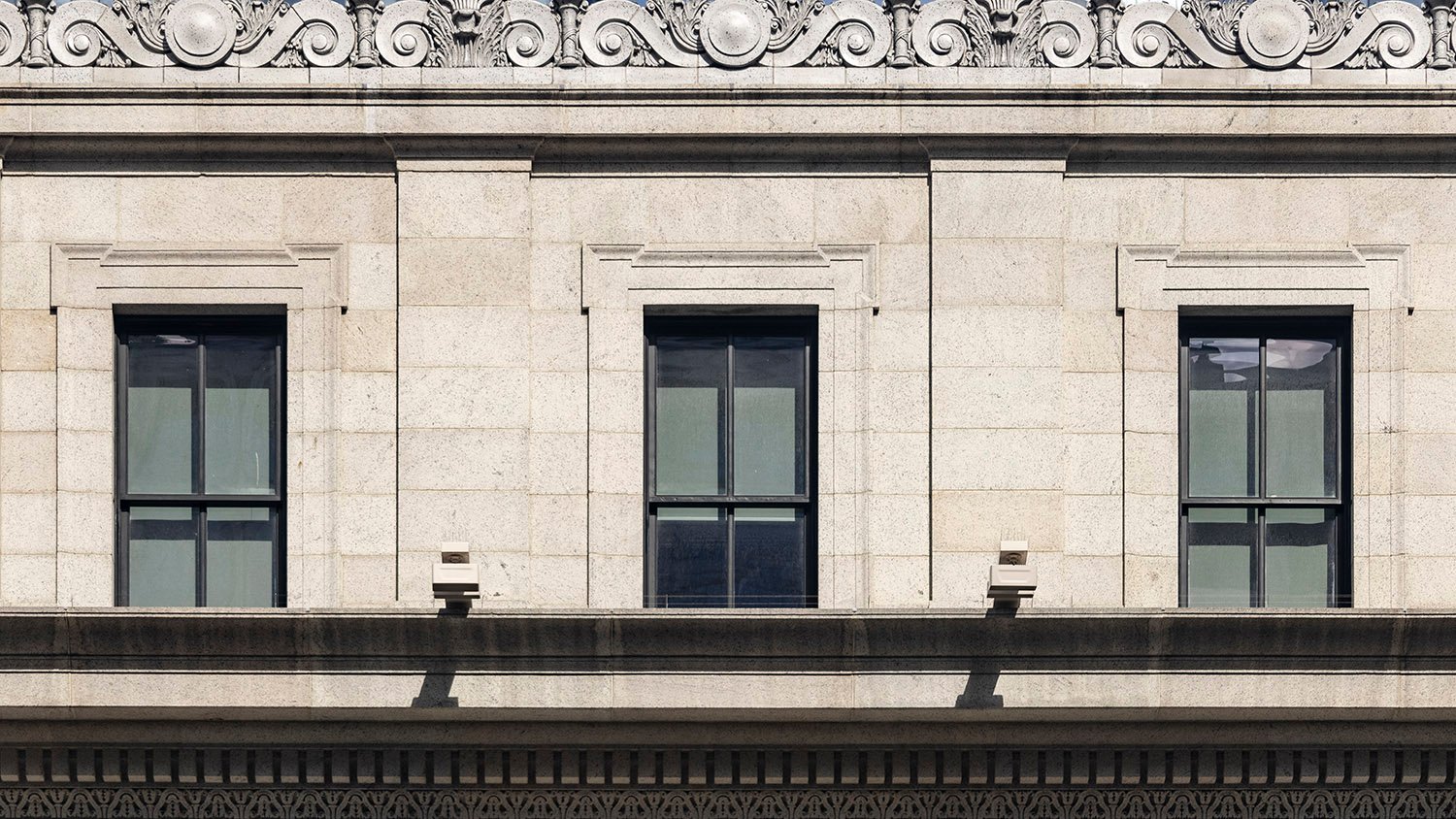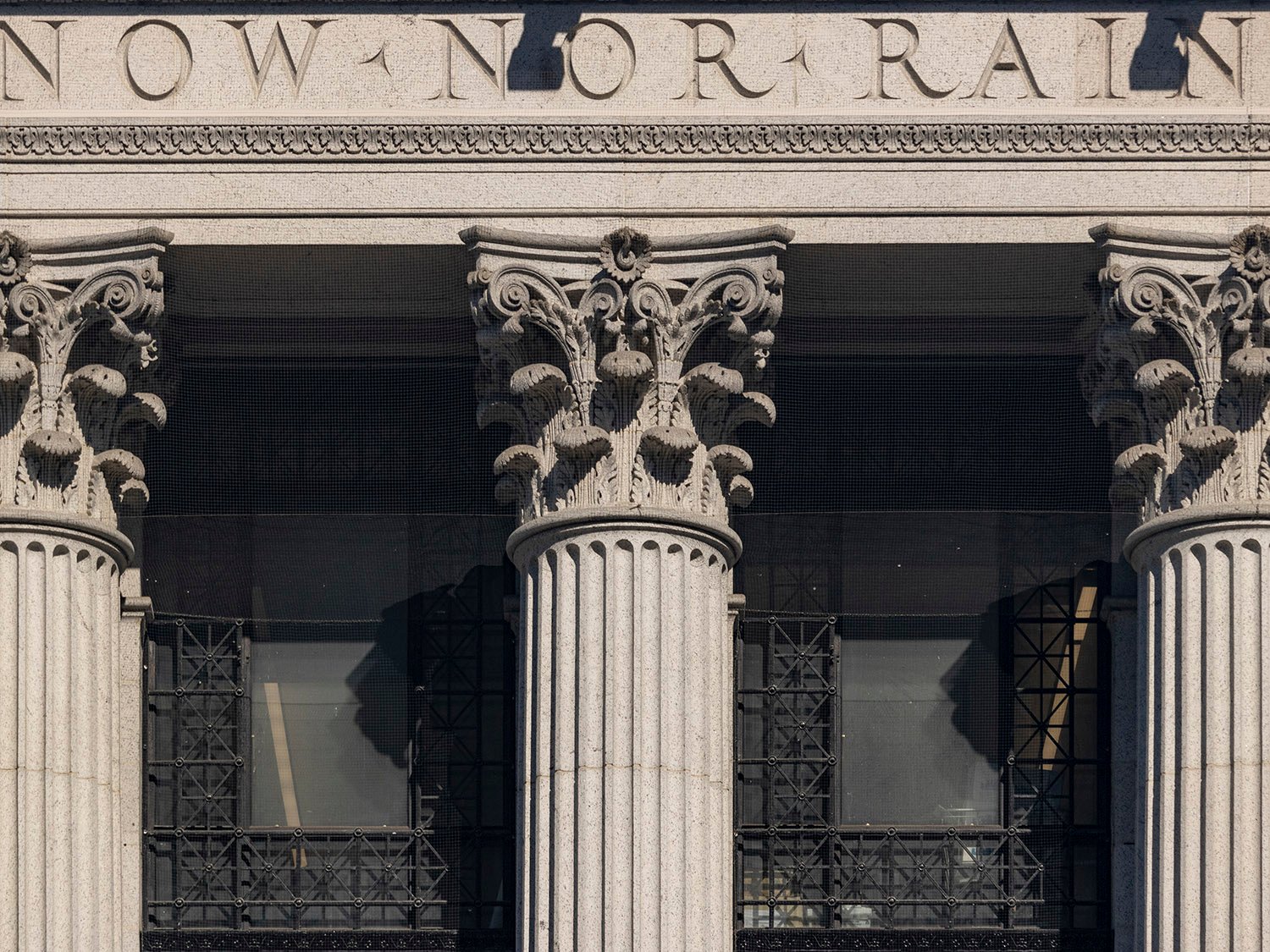
Category: Beaux Arts

  • 696 Peachtree Apartments (1923) – Atlanta

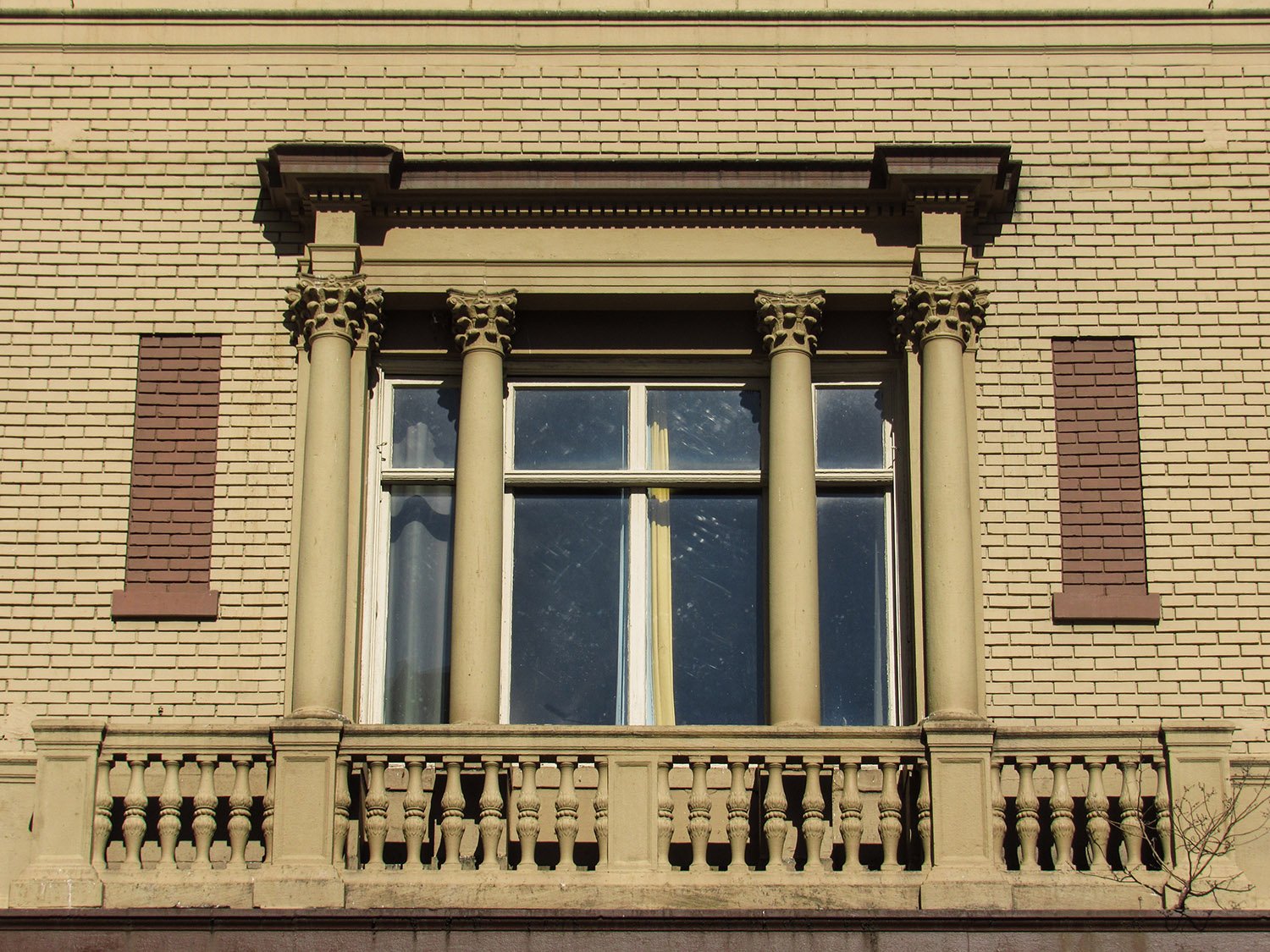
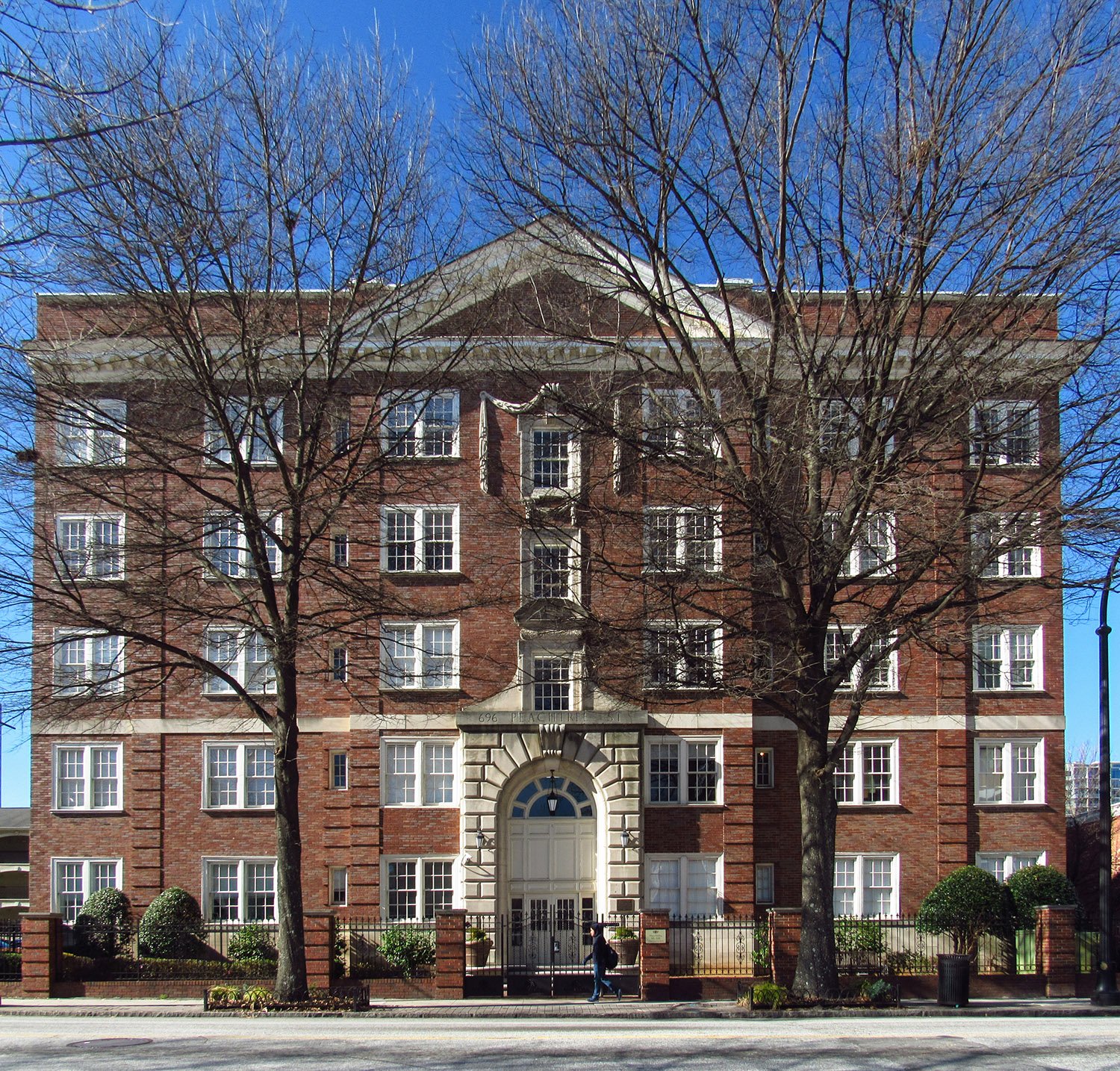
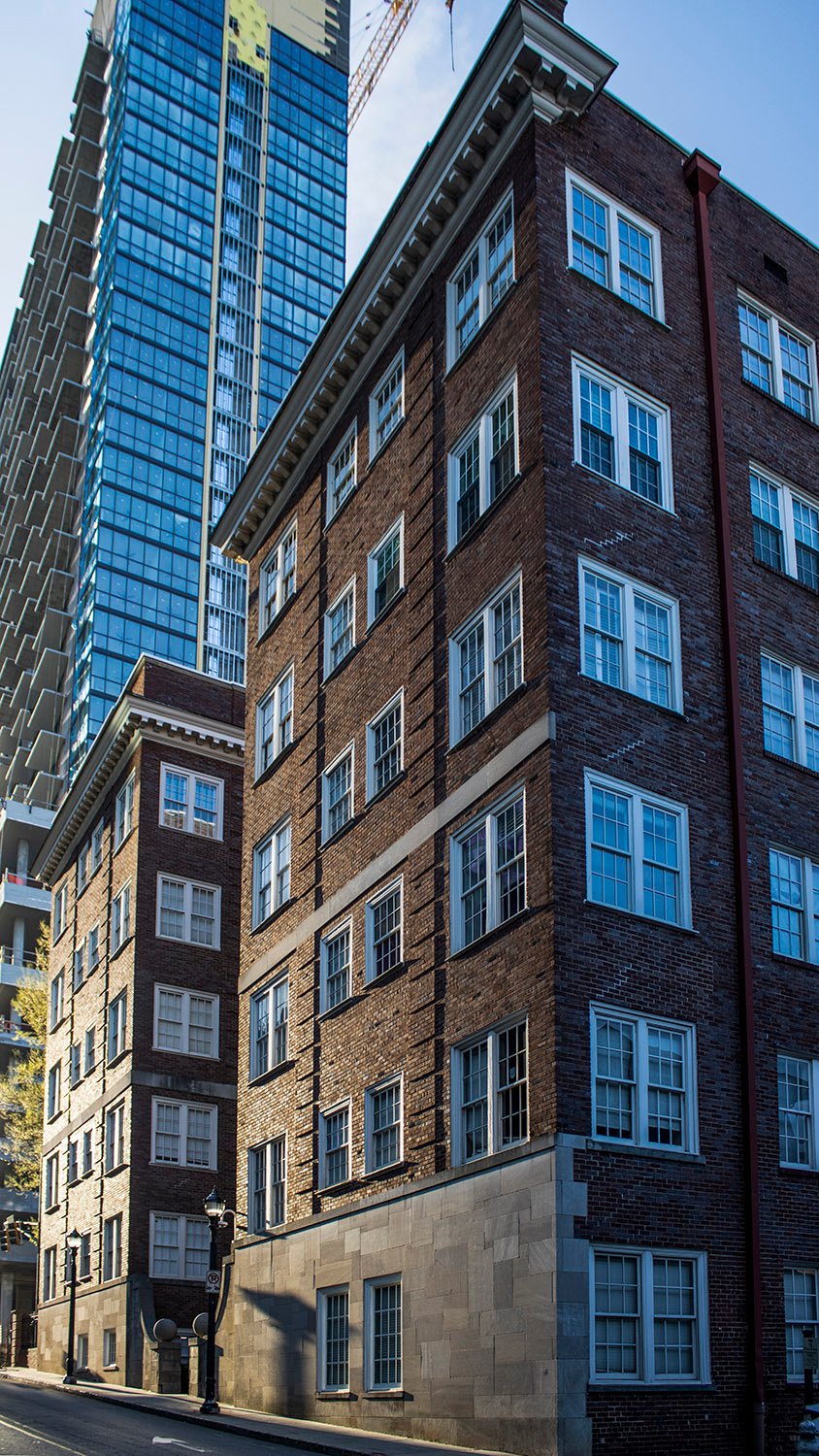
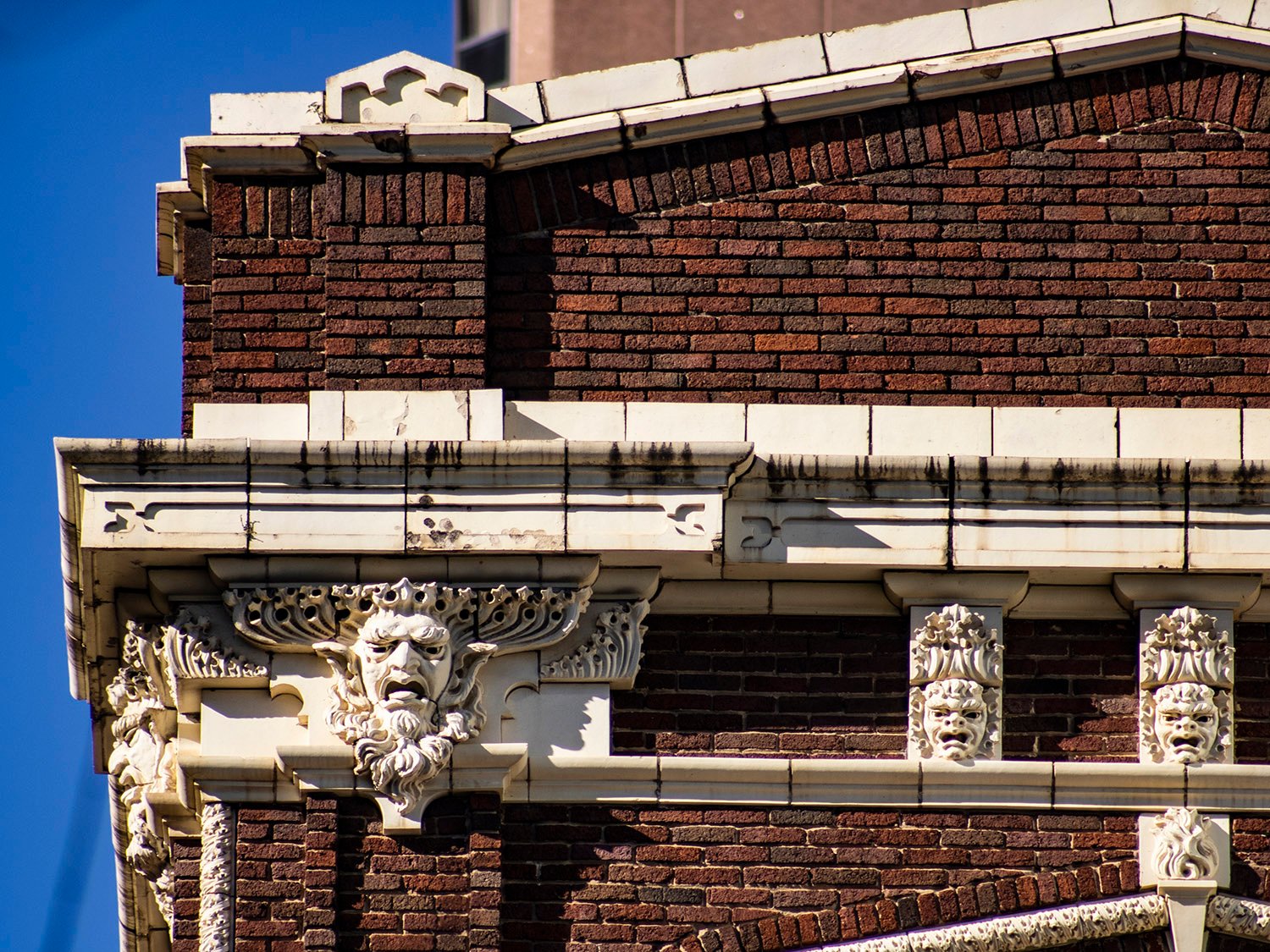
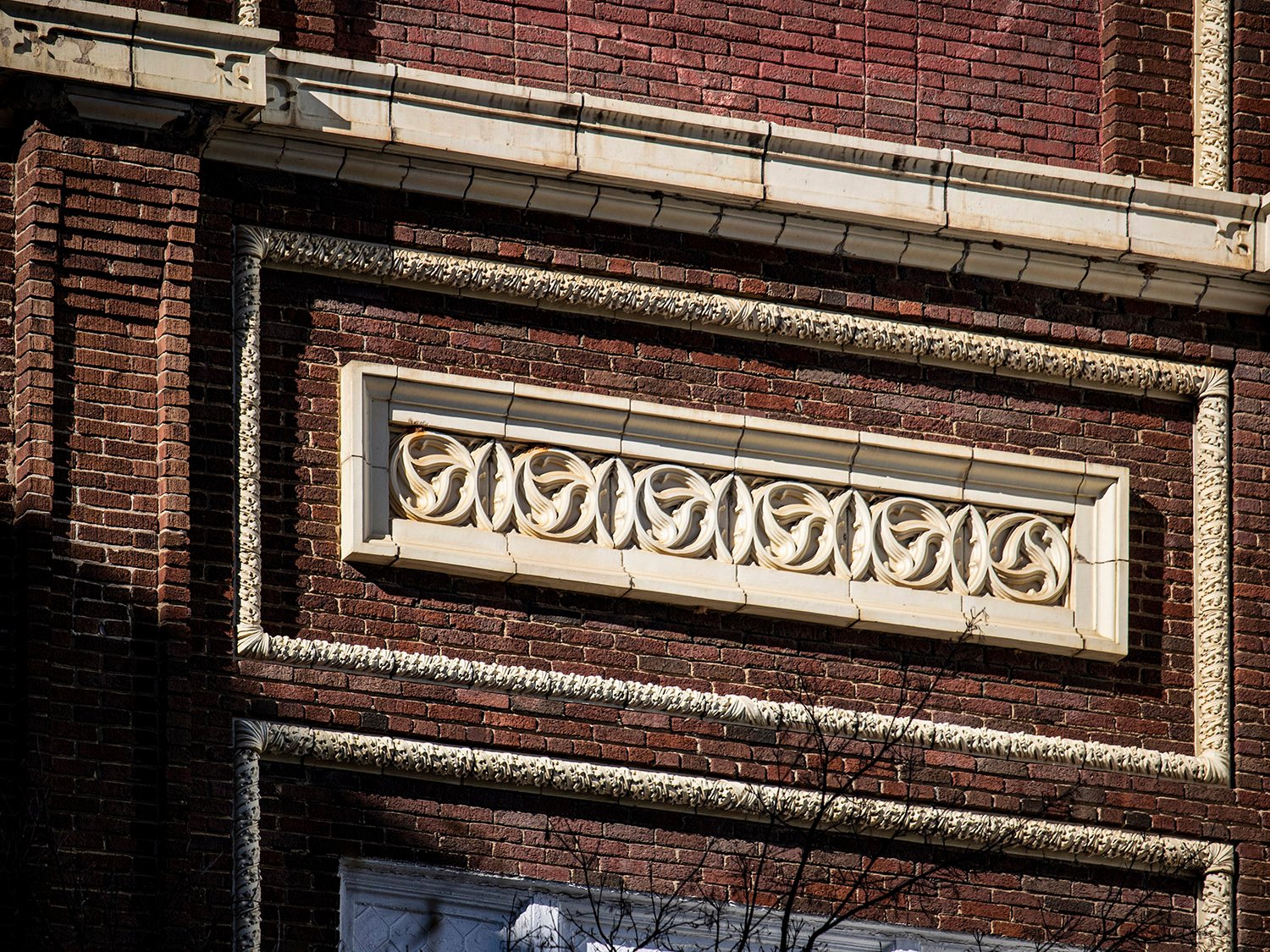
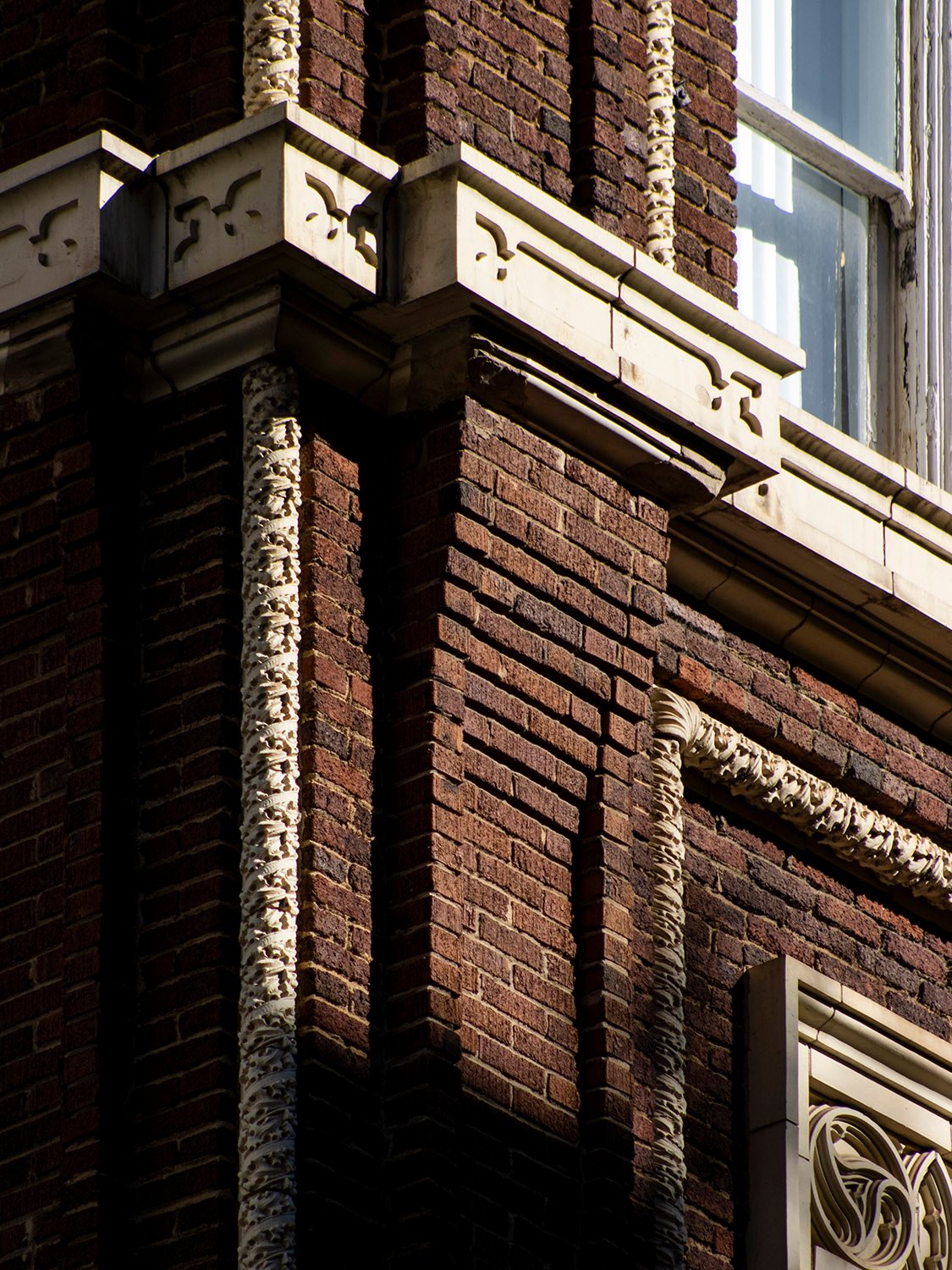
    Hentz, Reid & Adler. 696 Peachtree Apartments (1923). Midtown, Atlanta.
    Hentz, Reid & Adler. 696 Peachtree Apartments (1923). Midtown, Atlanta.1 2 3 4
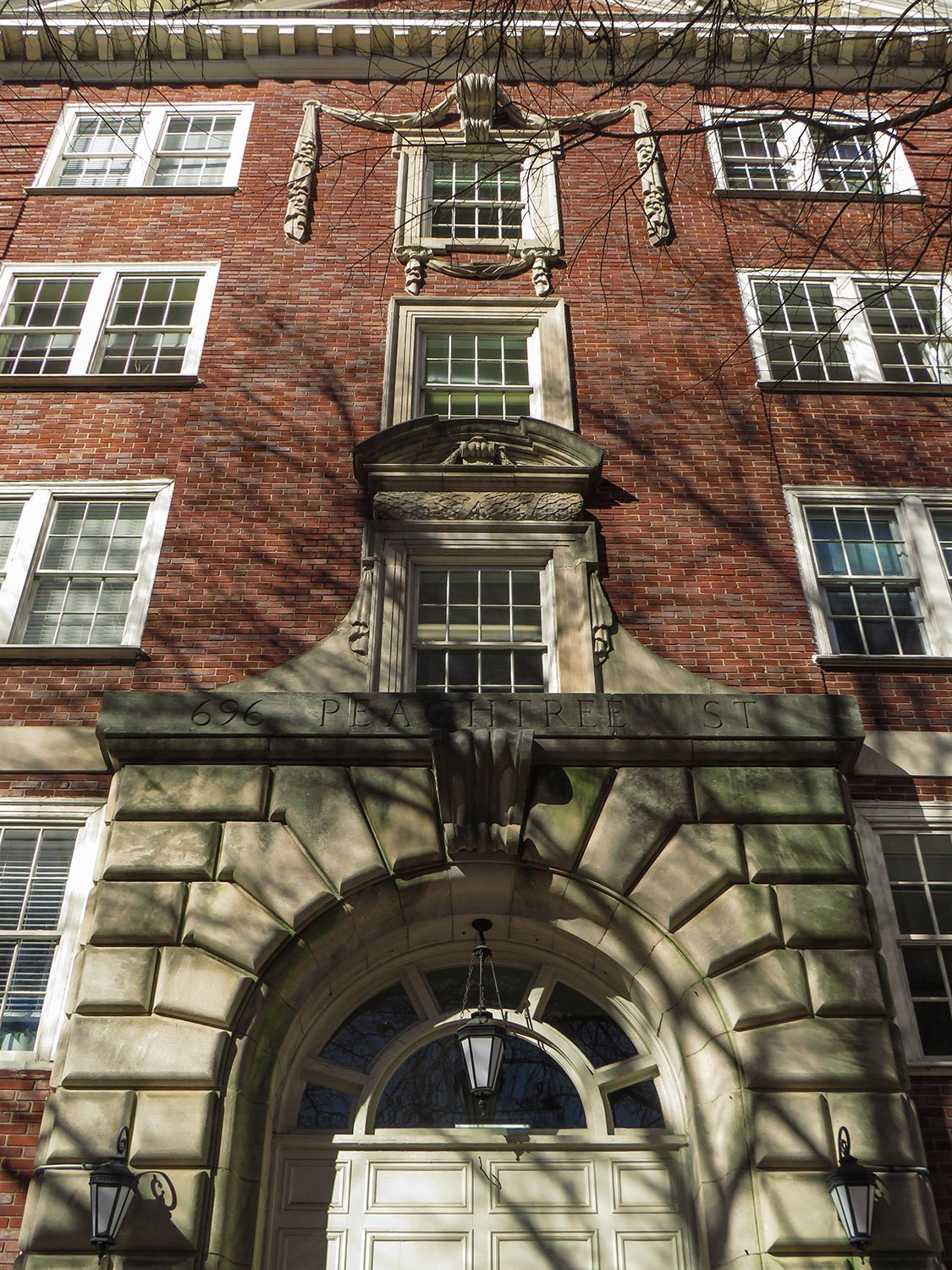
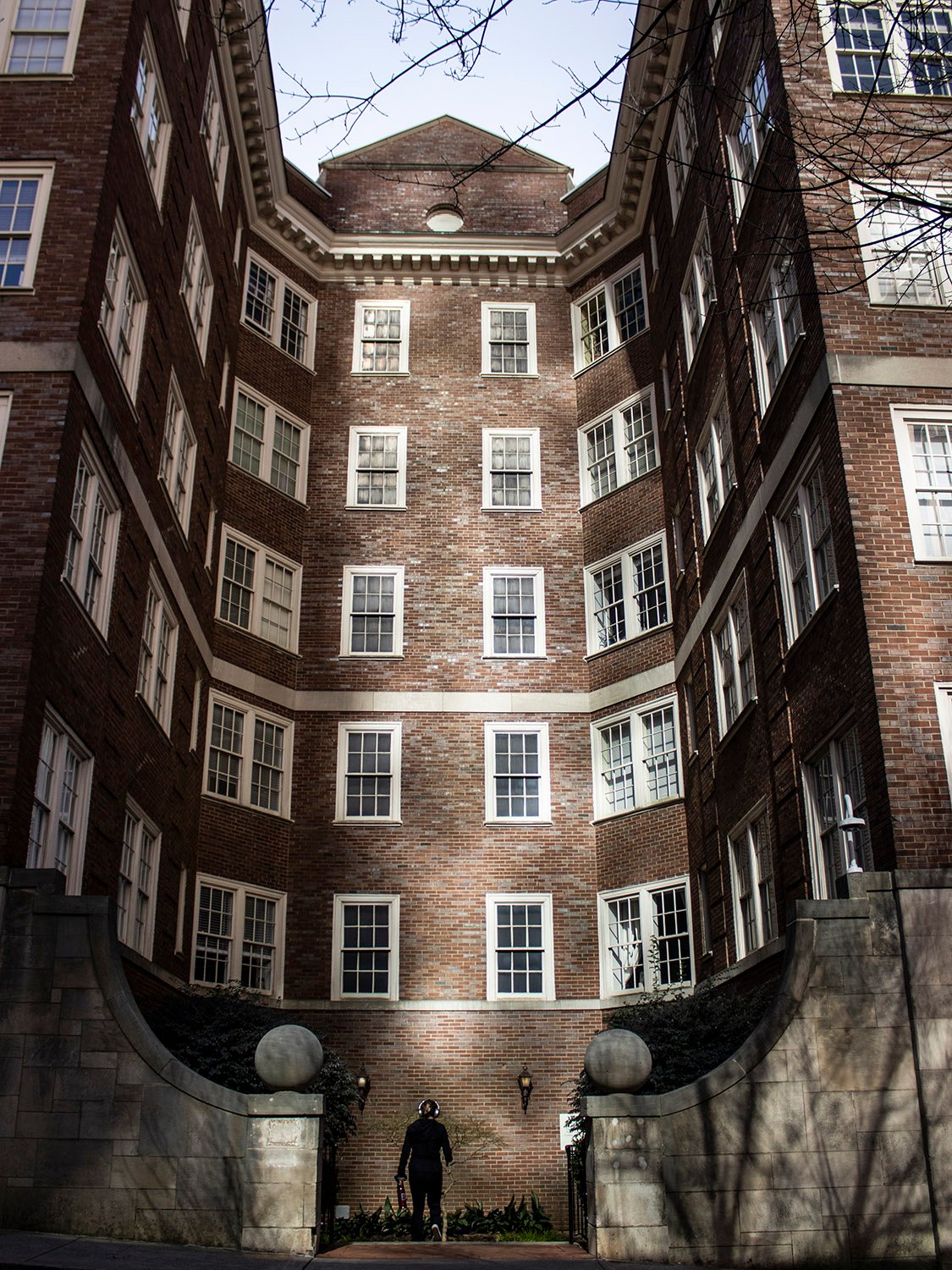
    Looking up at the facade of 696 Peachtree Apartments
    Looking up at the facade of 696 Peachtree Apartments
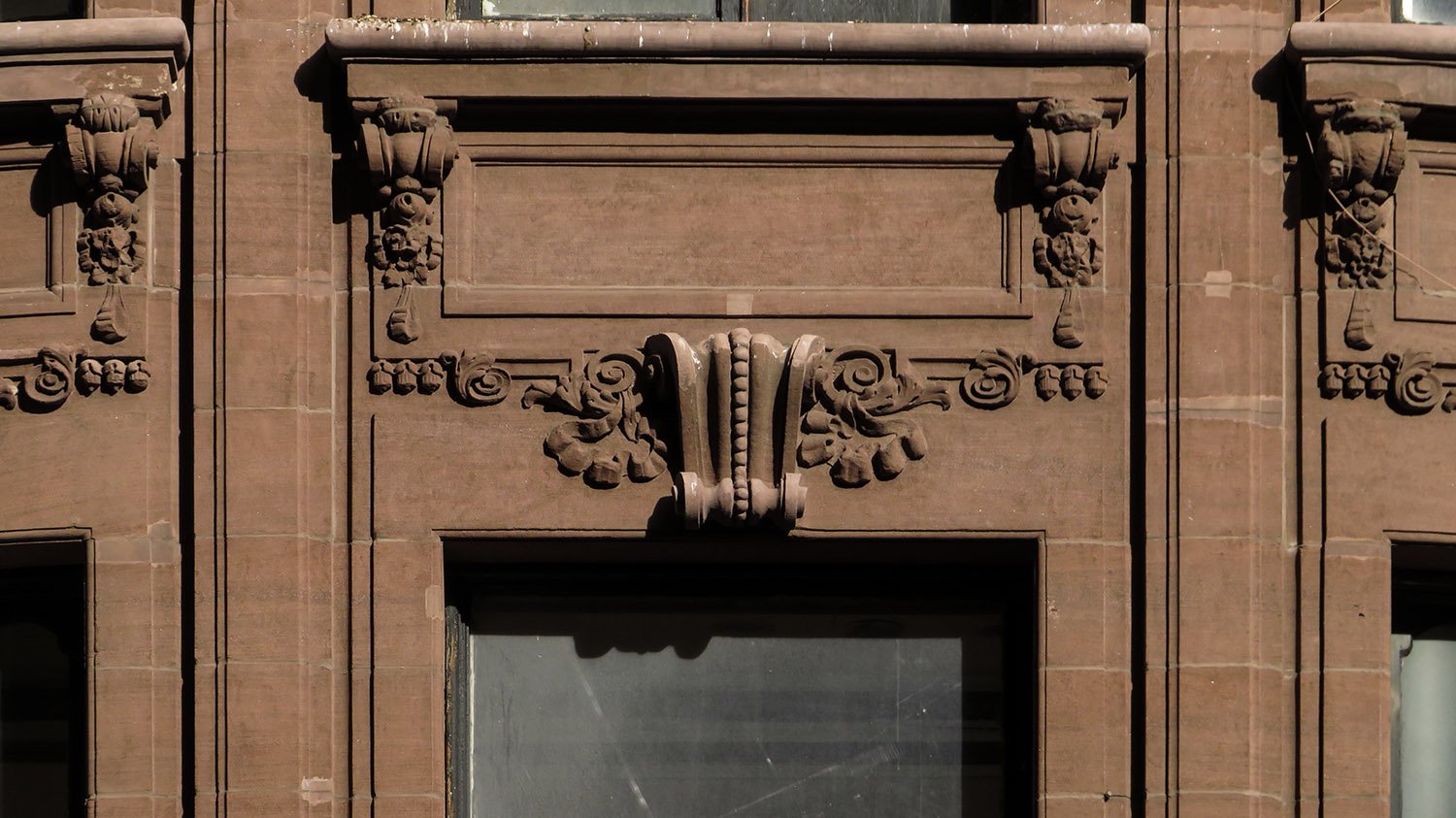
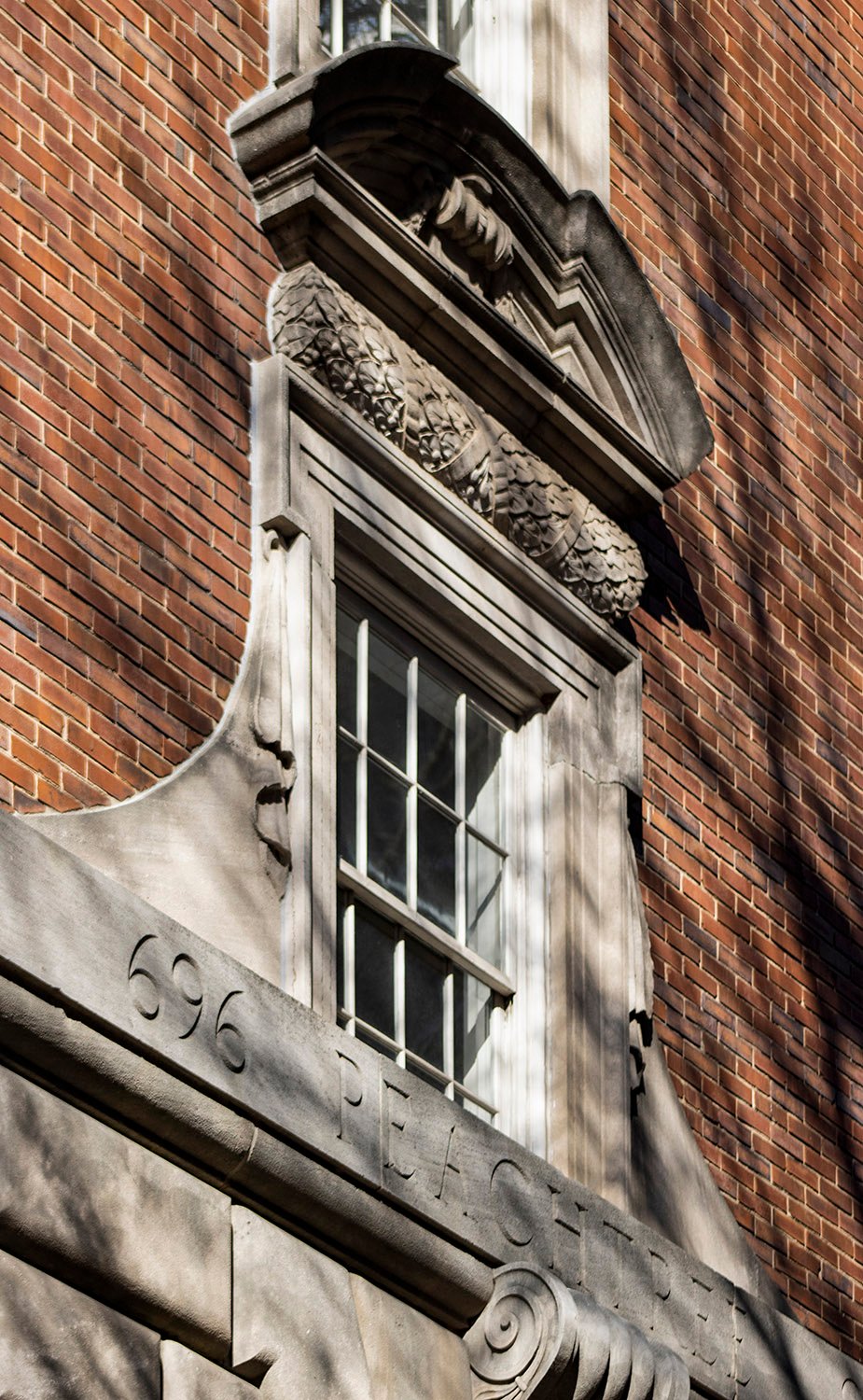
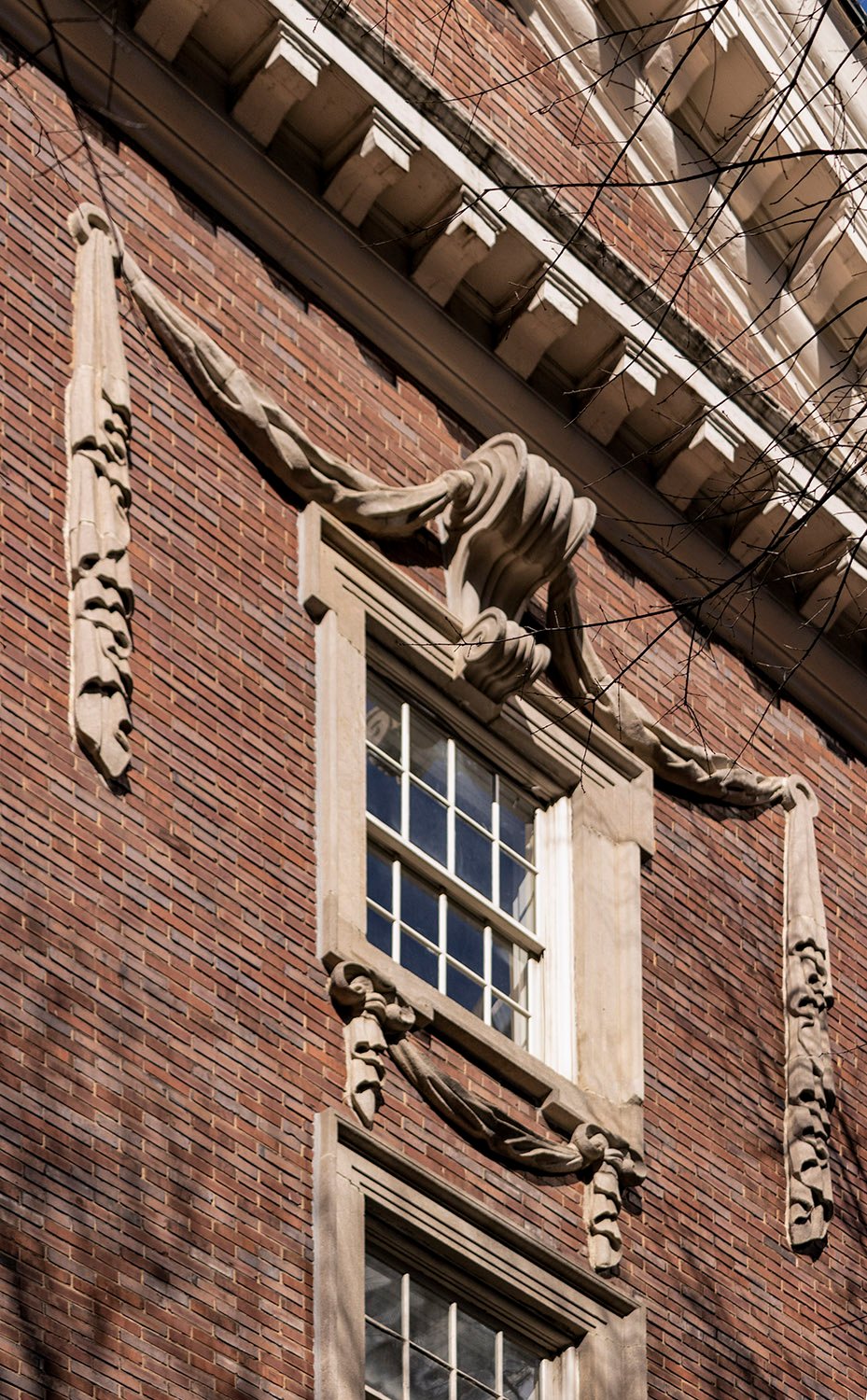
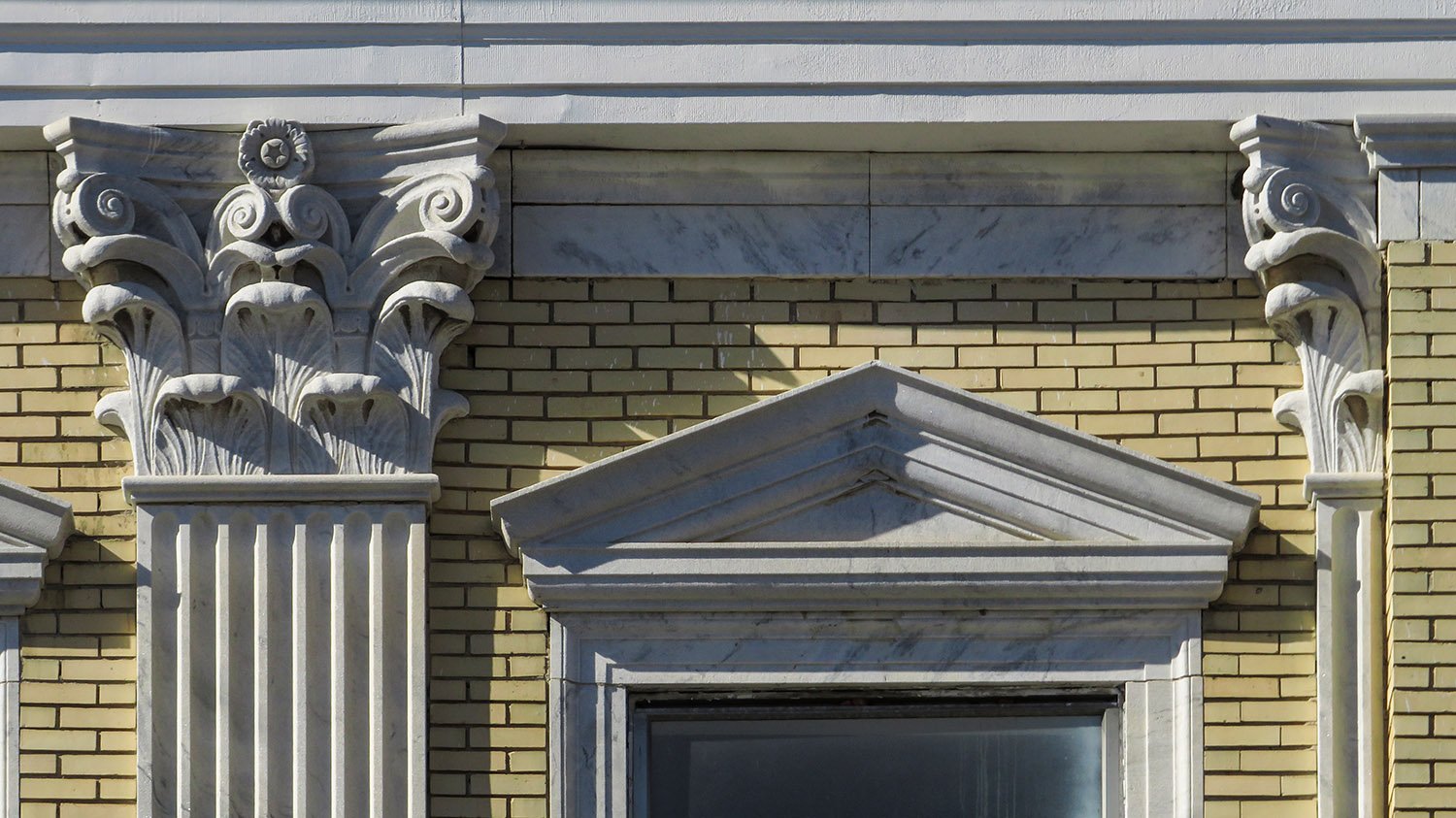
    Segmental pediment and ornamentation on second-floor window of 696 Peachtree Apartments
    Segmental pediment and ornamentation on second-floor window of 696 Peachtree Apartments
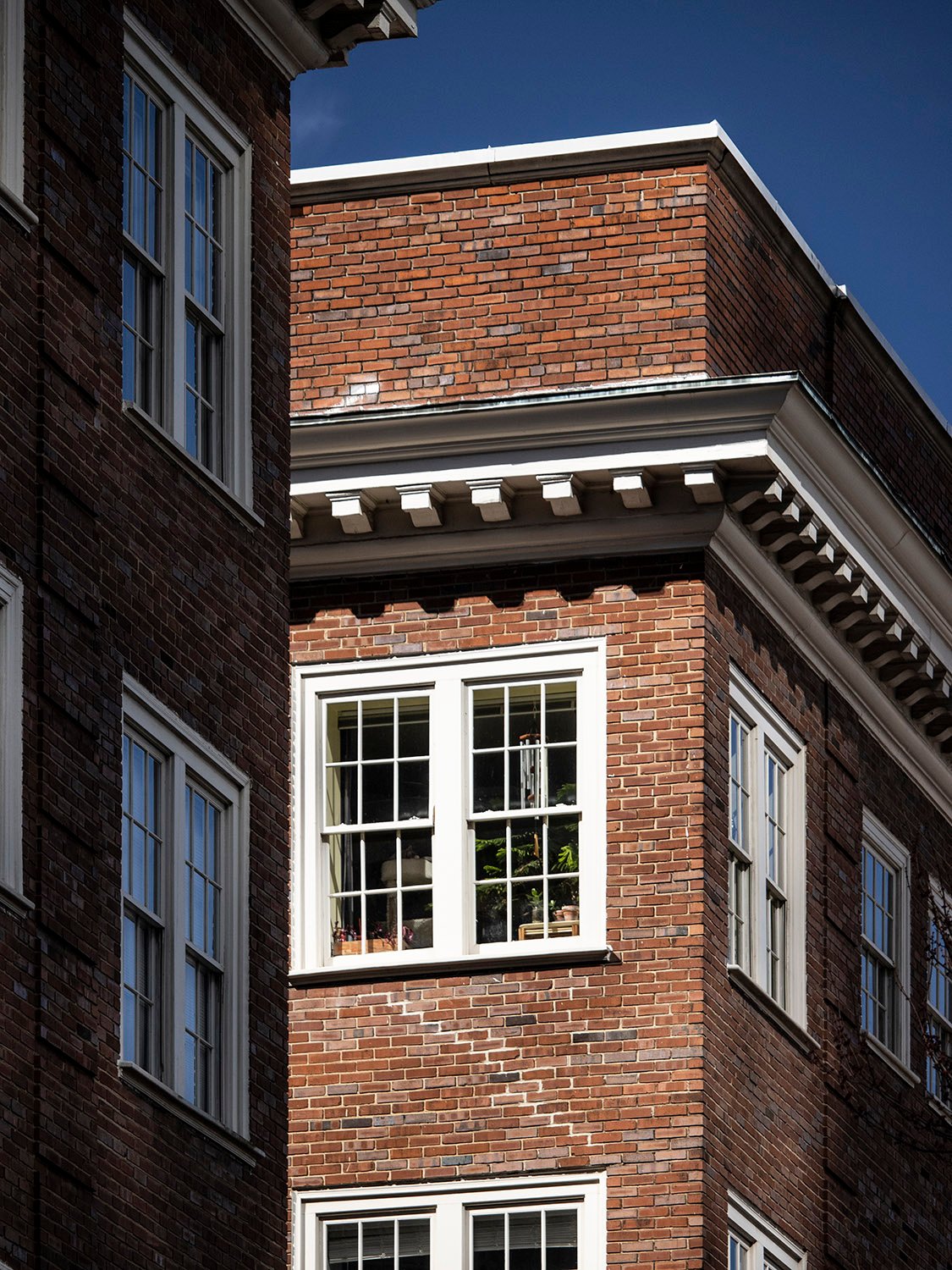
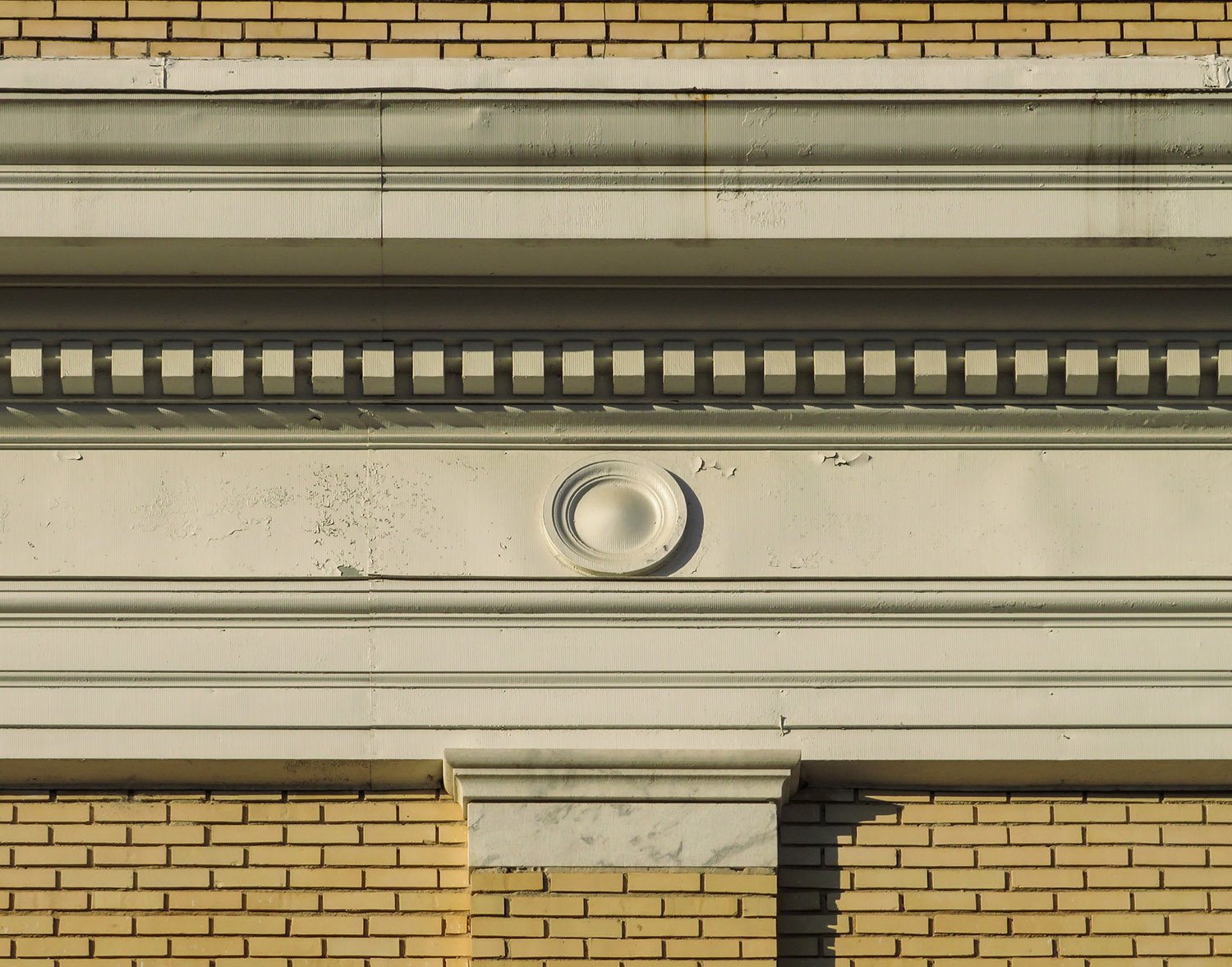
    Cornice and windows on 696 Peachtree Apartments
    Cornice and windows on 696 Peachtree Apartments
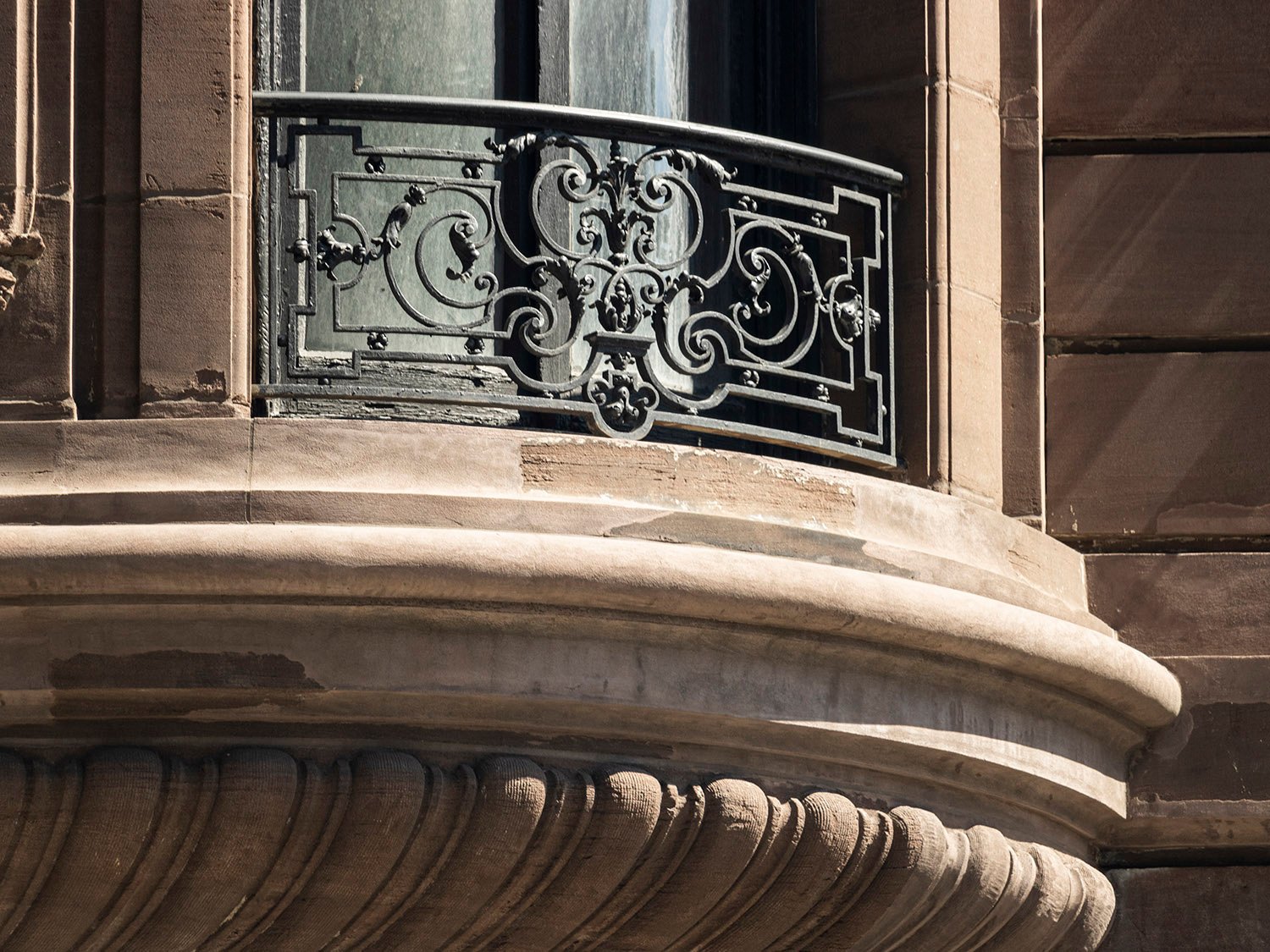
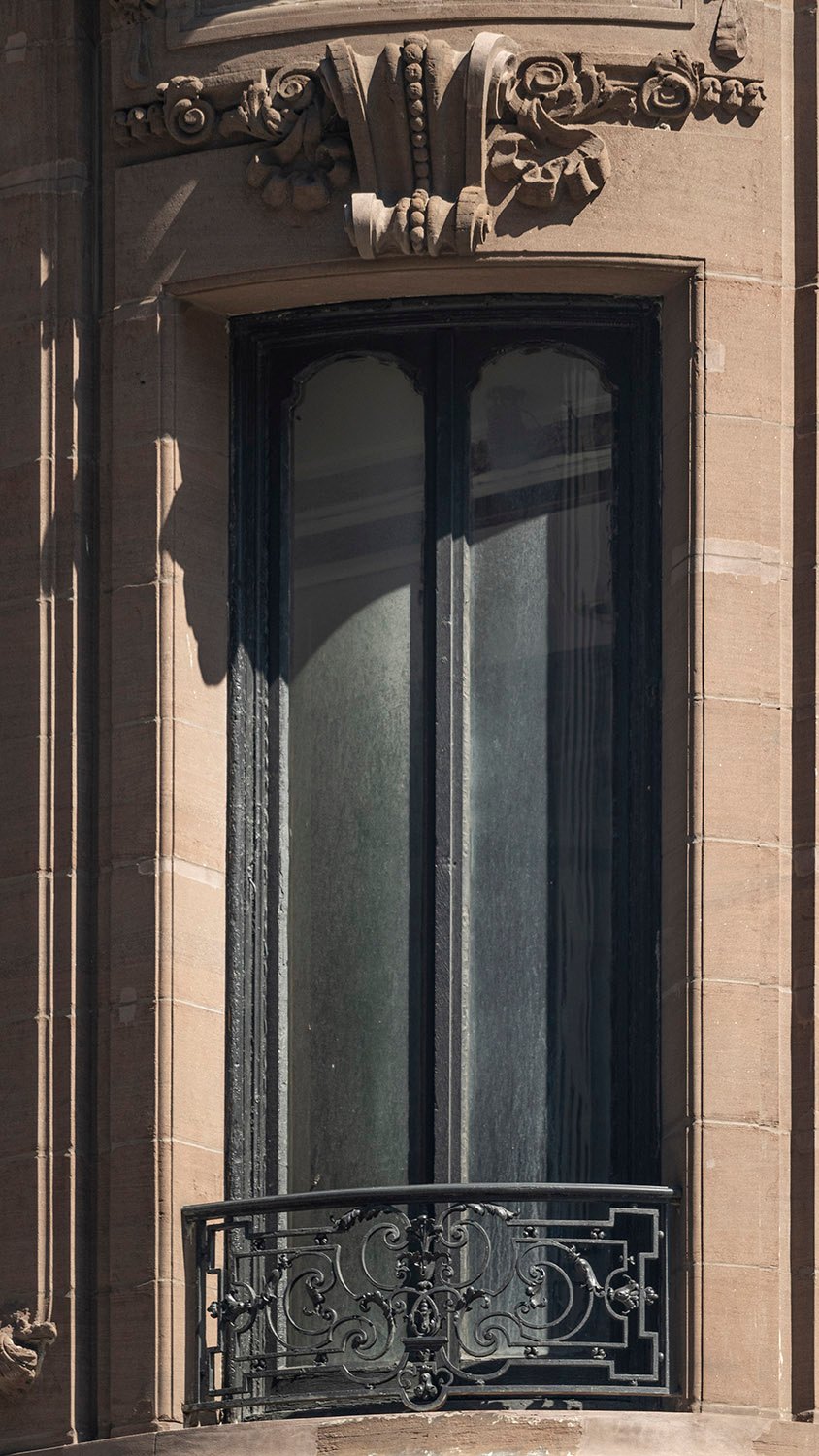
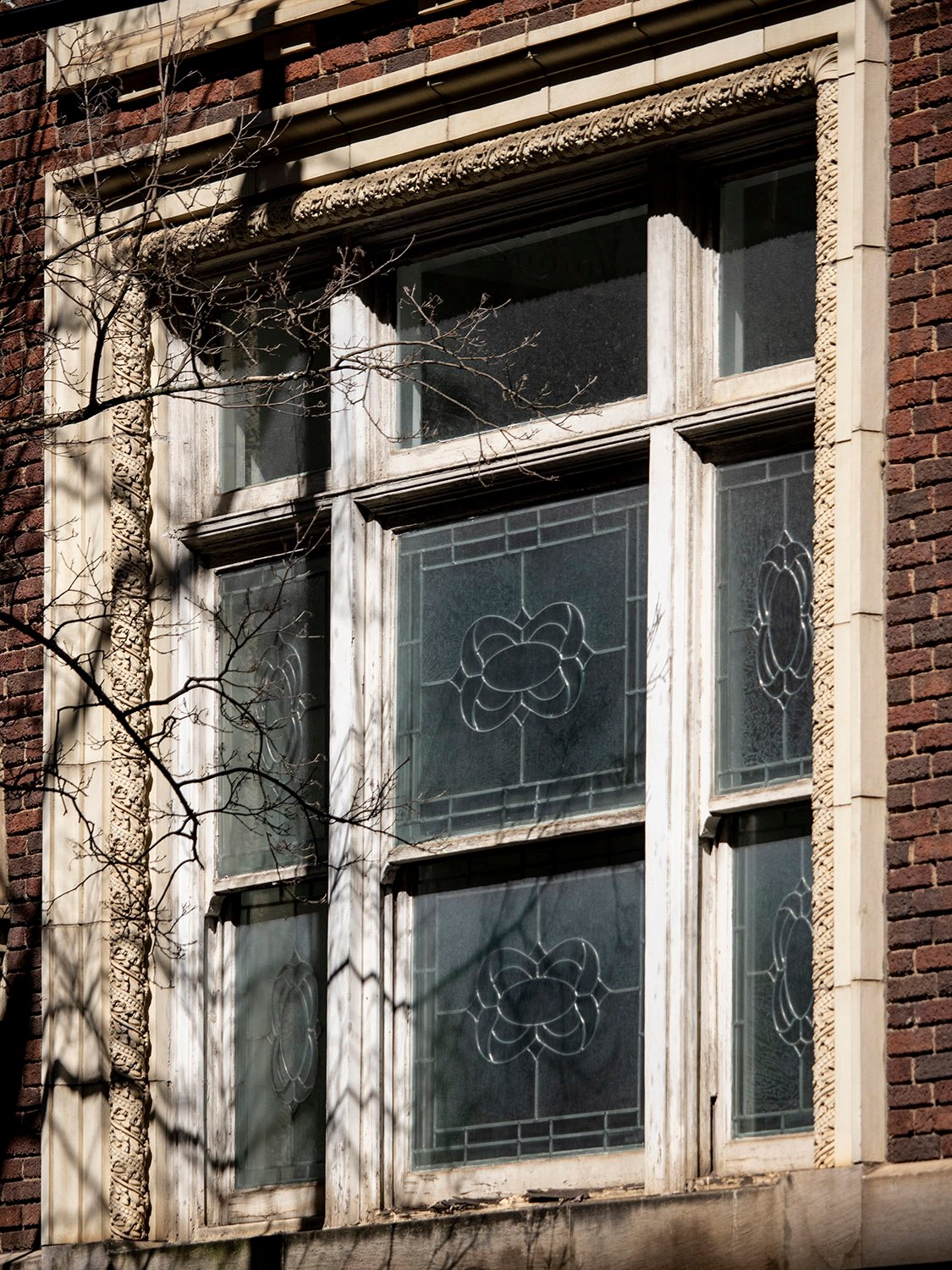
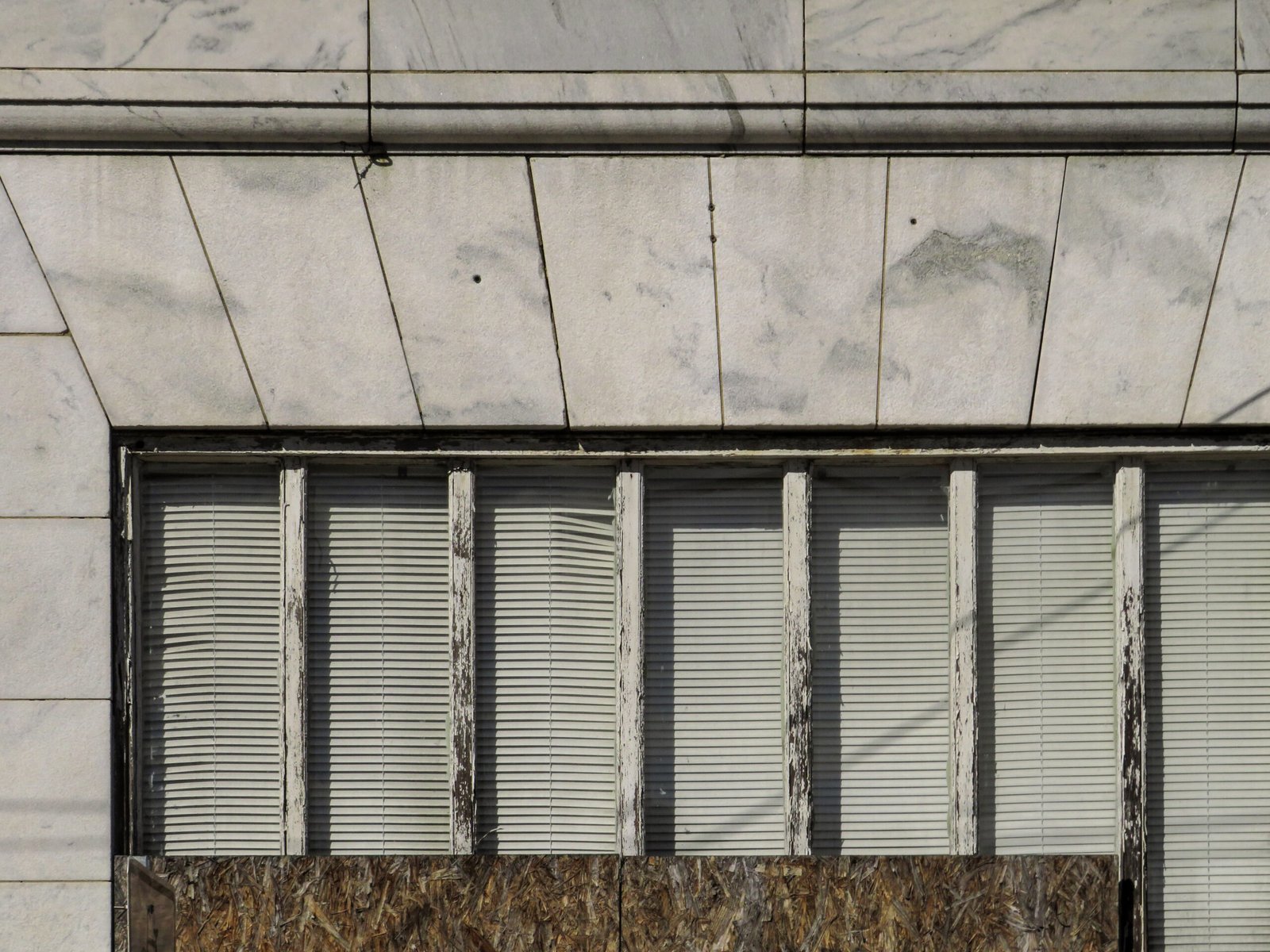
    Fifth-floor window on the facade of 696 Peachtree Apartments
    Fifth-floor window on the facade of 696 Peachtree Apartments
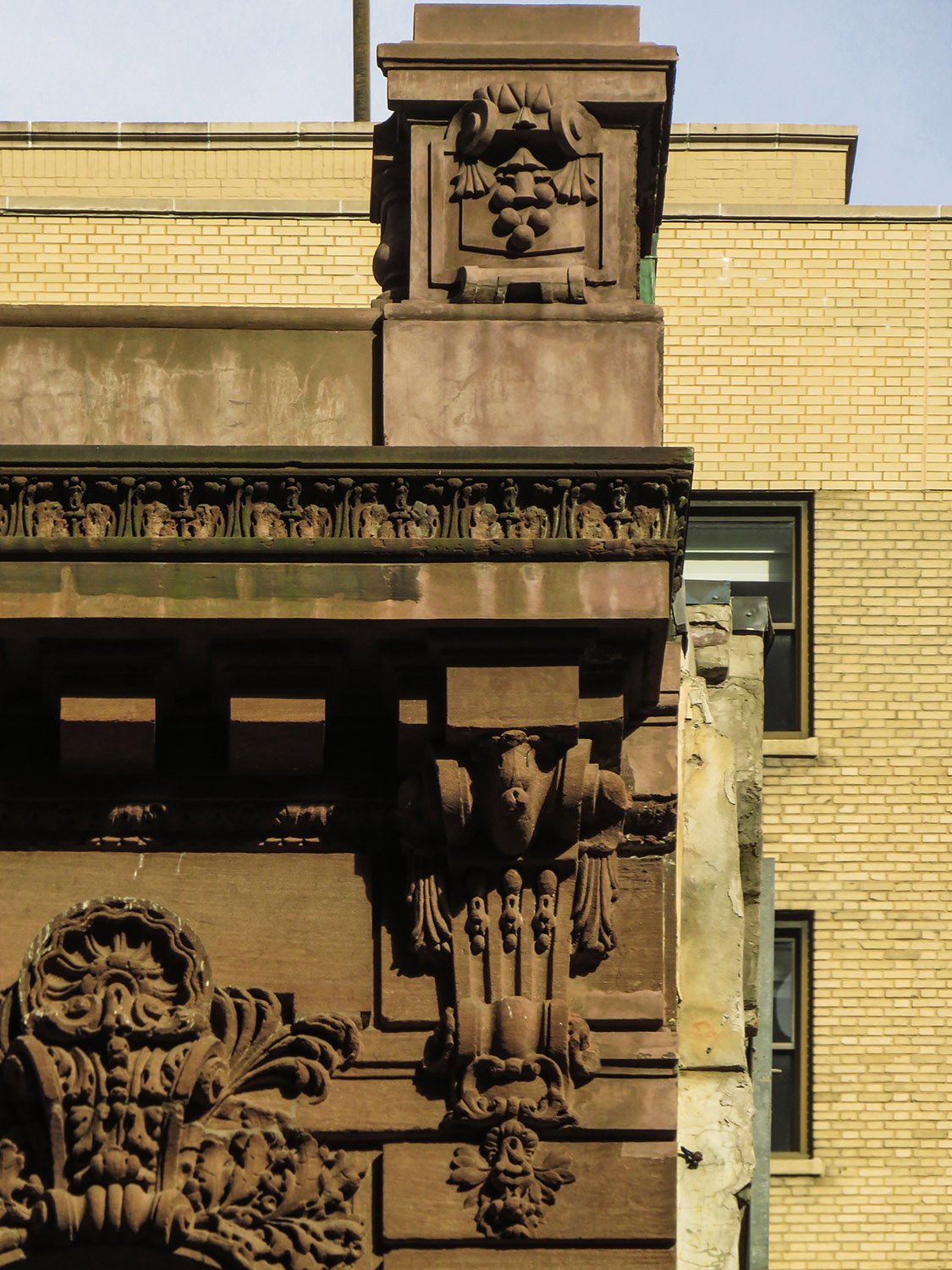
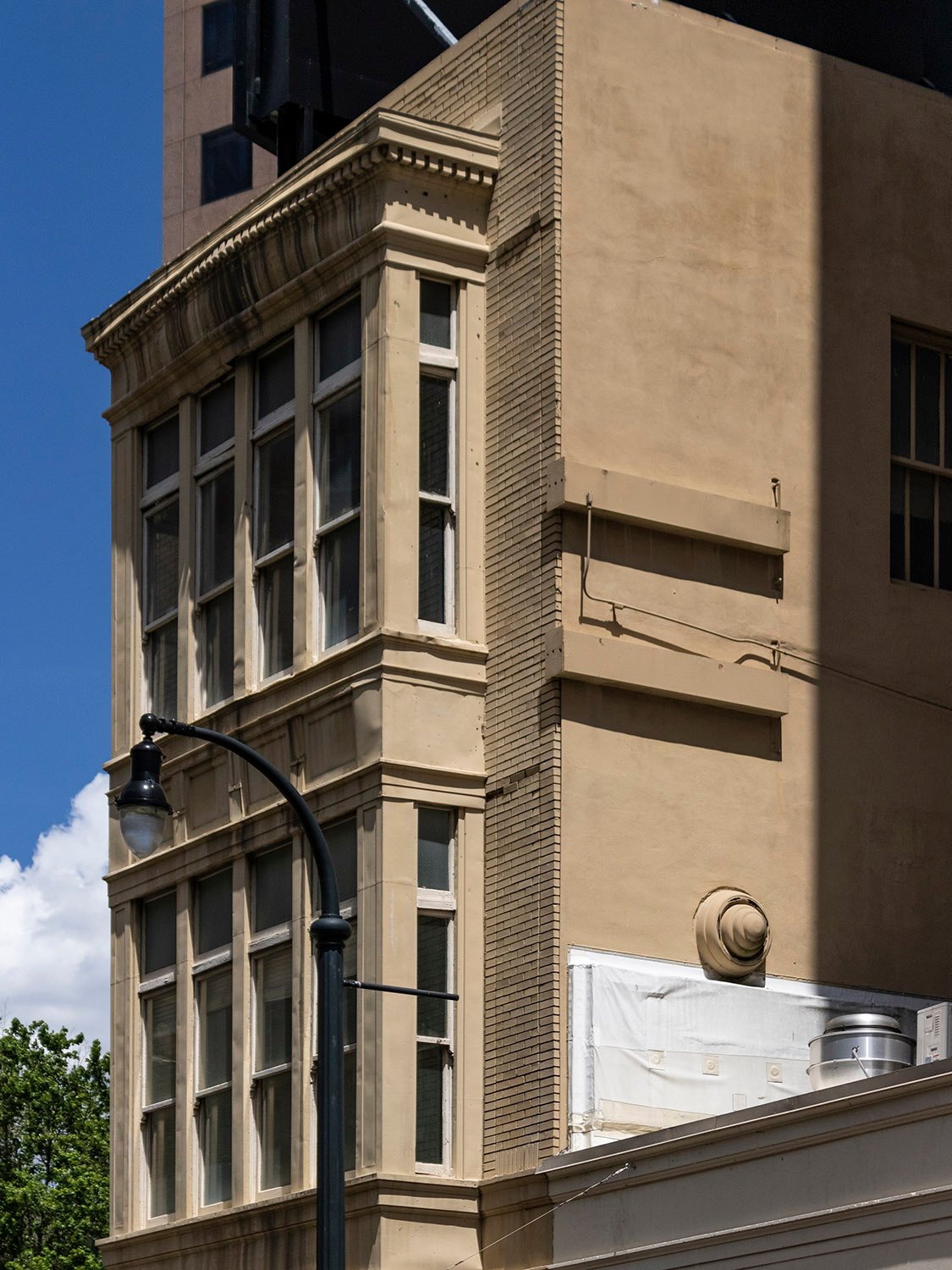
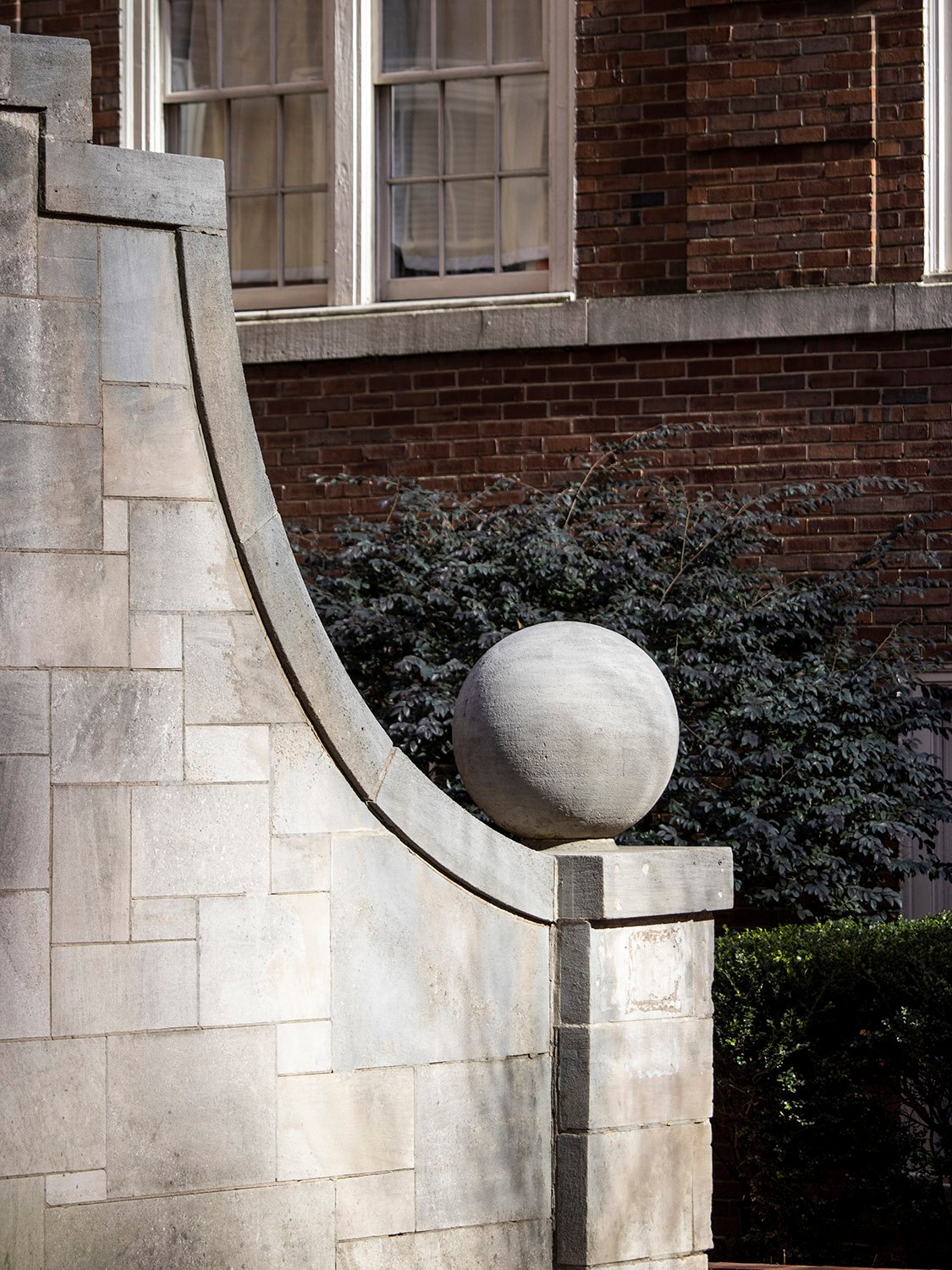
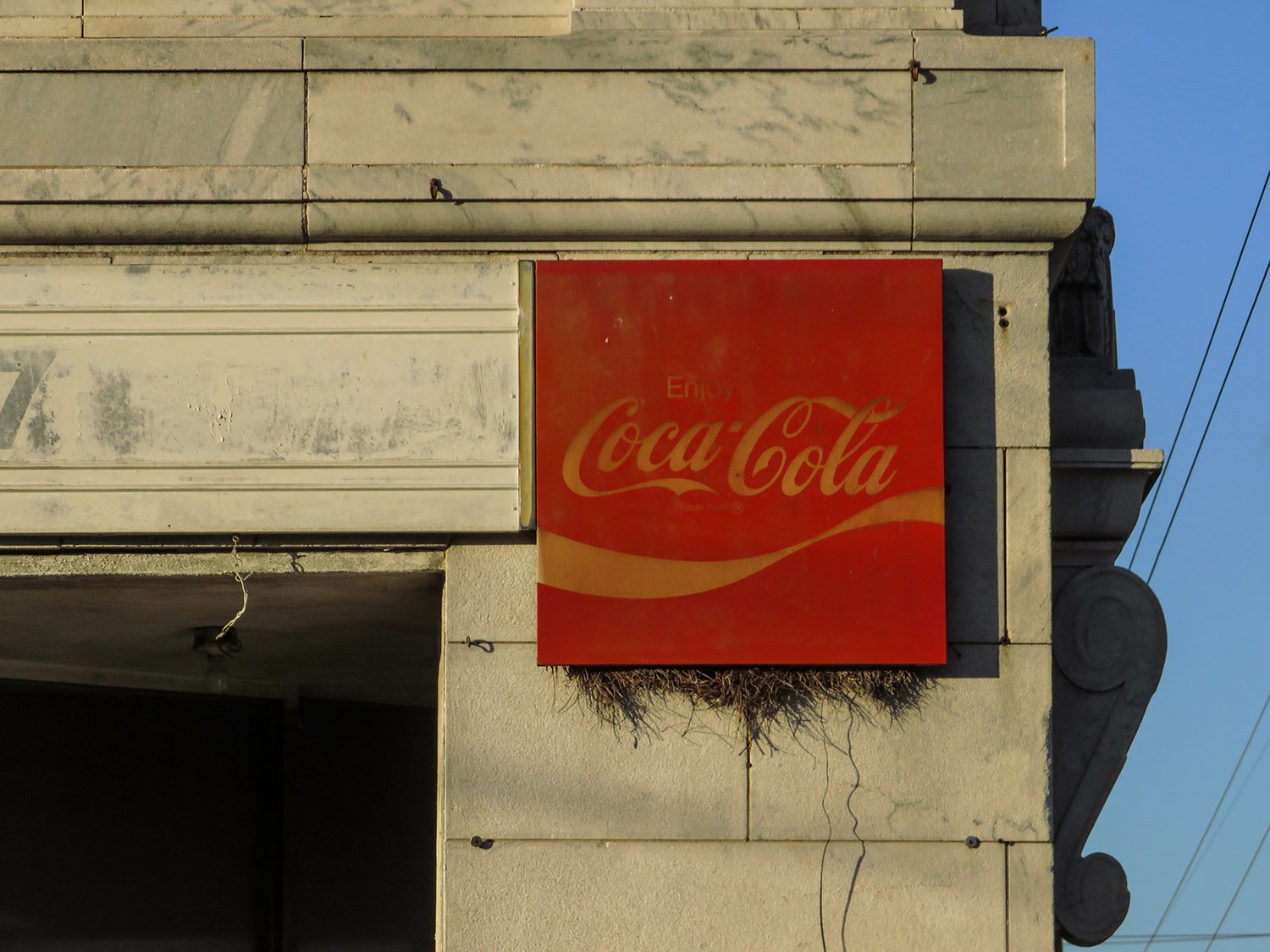
    Ball finial on the north elevation of 696 Peachtree Apartments
    Ball finial on the north elevation of 696 Peachtree Apartments
    Looking up at the north elevation of 696 Peachtree Apartments
    Looking up at the north elevation of 696 Peachtree Apartments
    North elevation of 696 Peachtree Apartments
    North elevation of 696 Peachtree Apartments

    References

    1. “Building Permits”. The Atlanta Journal, October 20, 1922, p. 12. ↩︎
    2. $250,000 Bond Issue Is Handled By Adair Co.” The Atlanta Constitution, November 16, 1922, p. 3. ↩︎
    3. “Dr. Coon Discovers An Apartment House Built Right”. The Atlanta Constitution, May 6, 1923, p. 7. ↩︎
    4. “Apartments For Rent 696 Peachtree Street” (advertisement). The Atlanta Journal, June 3, 1923, p. 4F. ↩︎
  • Atlanta Lodge, No. 78, of B.P.O. Elks (1911)

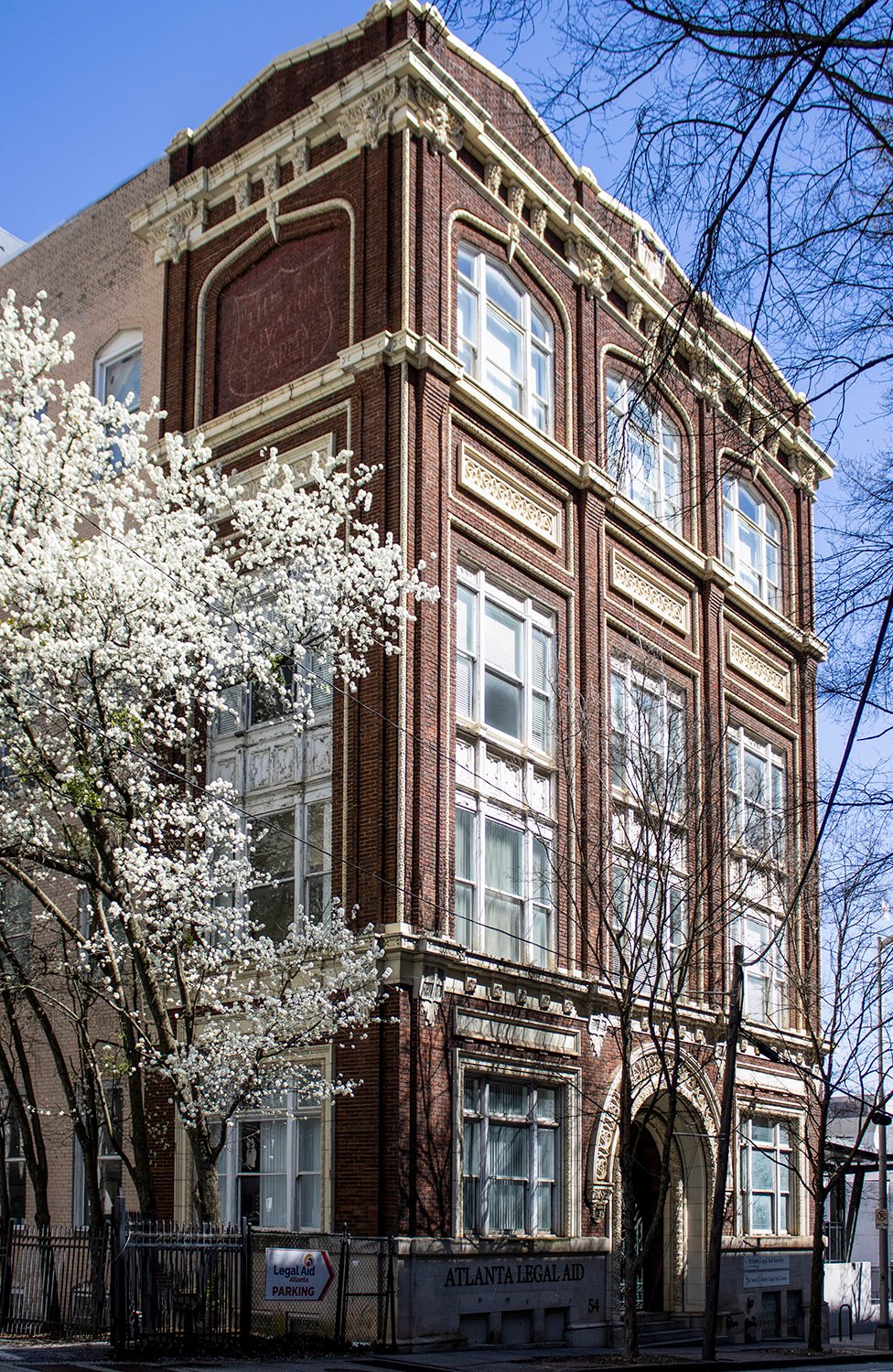
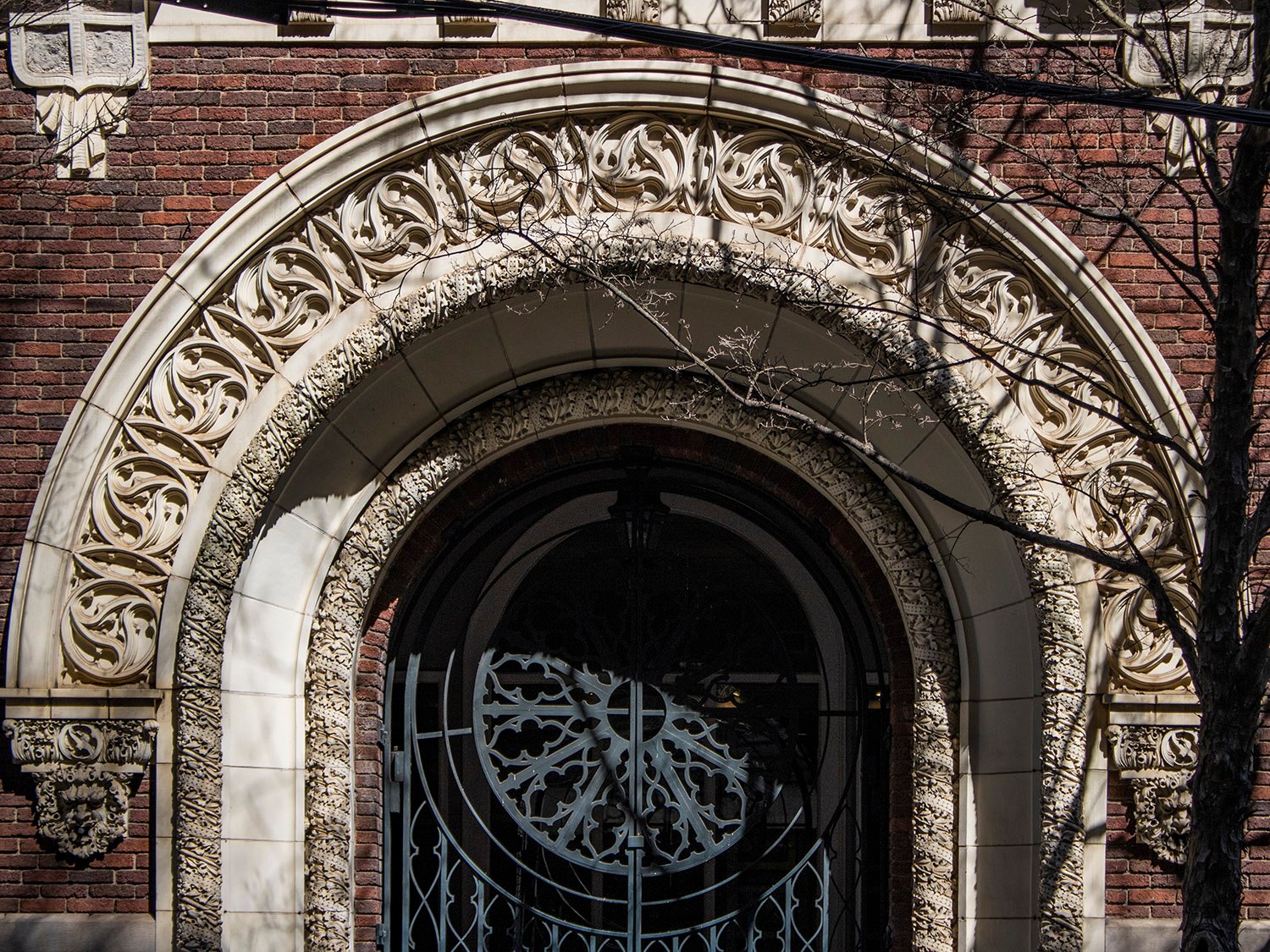
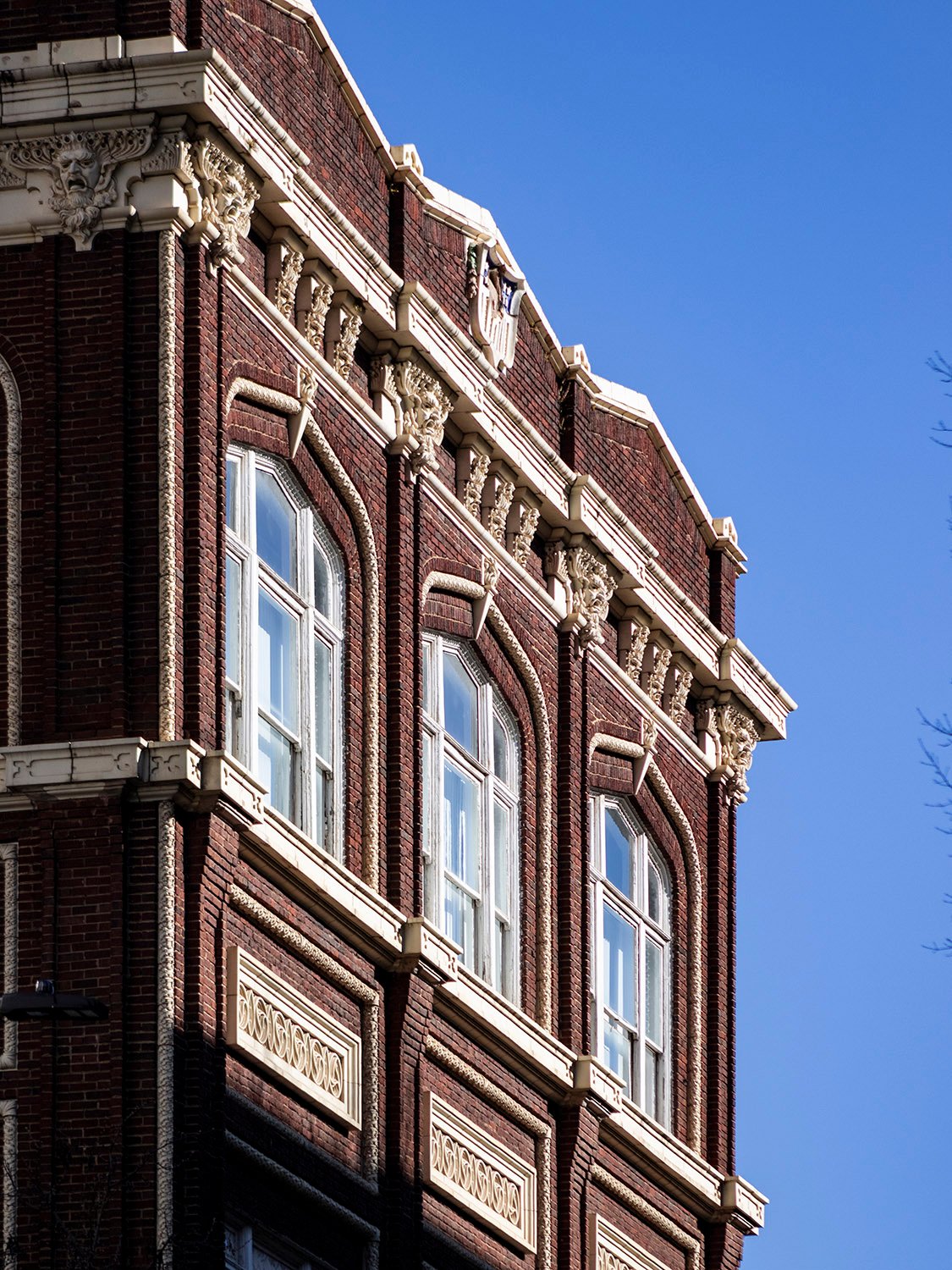
    J.R. MacEachron of MacEachron & Trowbridge. Atlanta Lodge, No. 78, of B.P.O. Elks (1911). Atlanta.
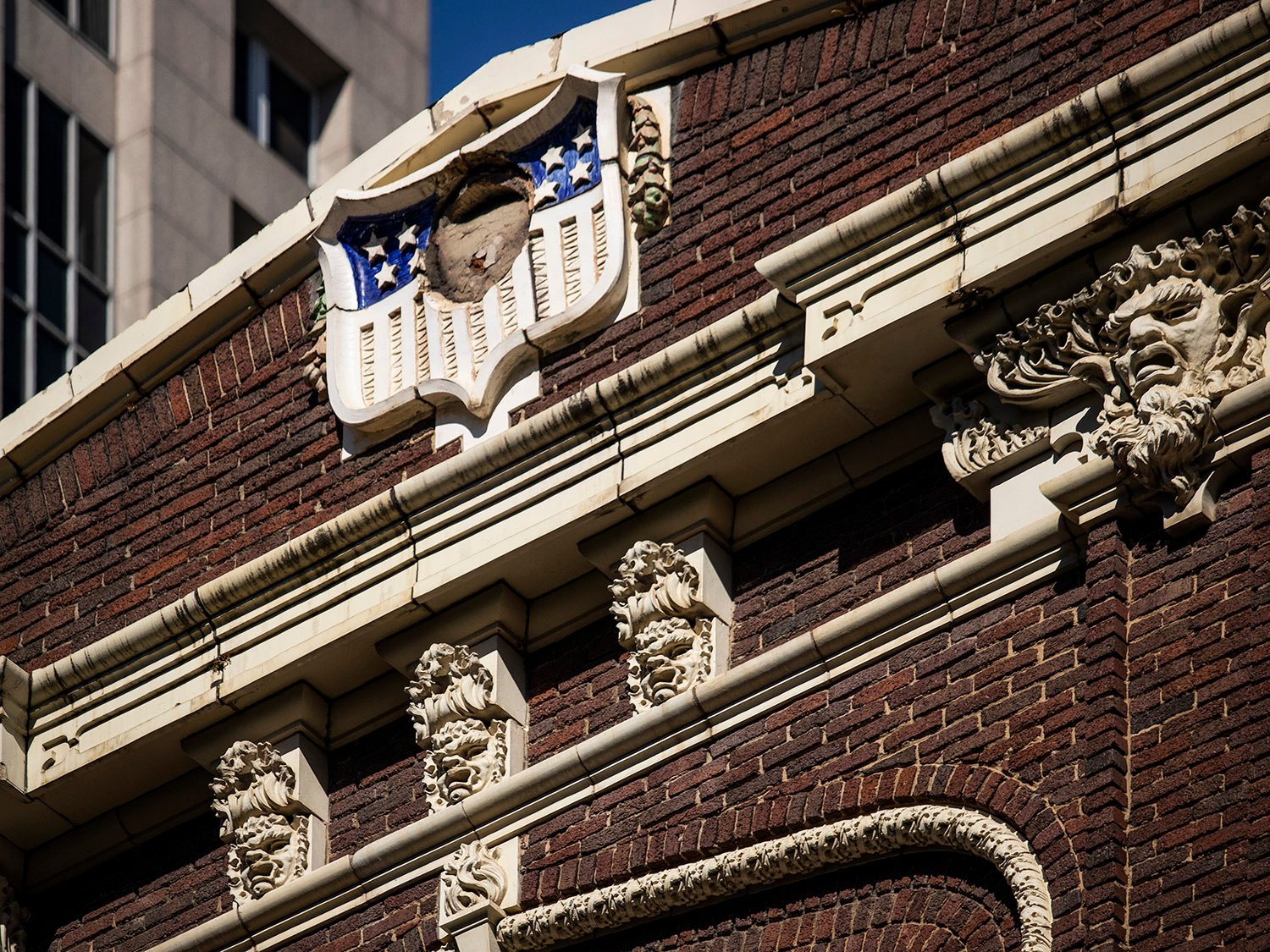
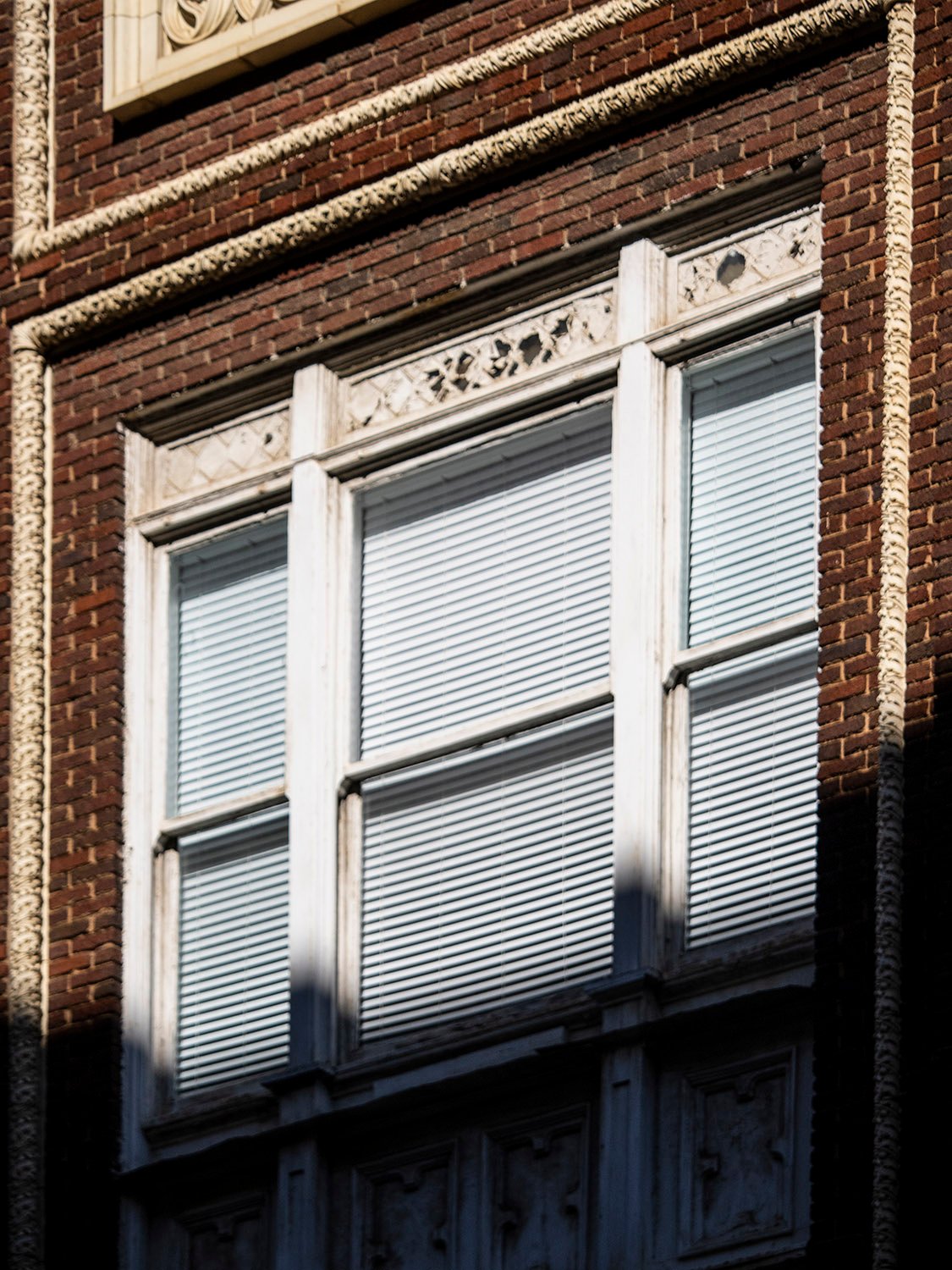
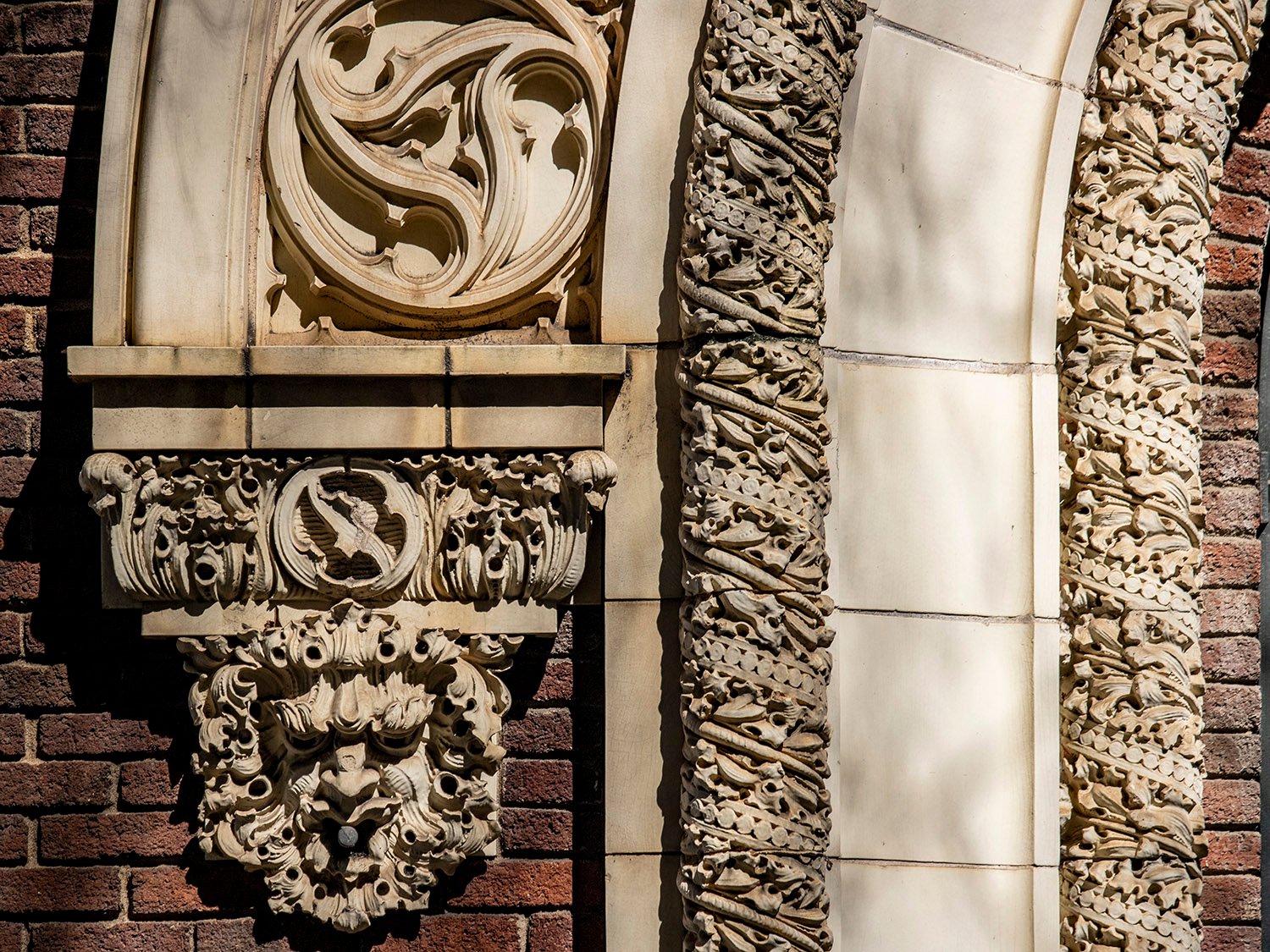
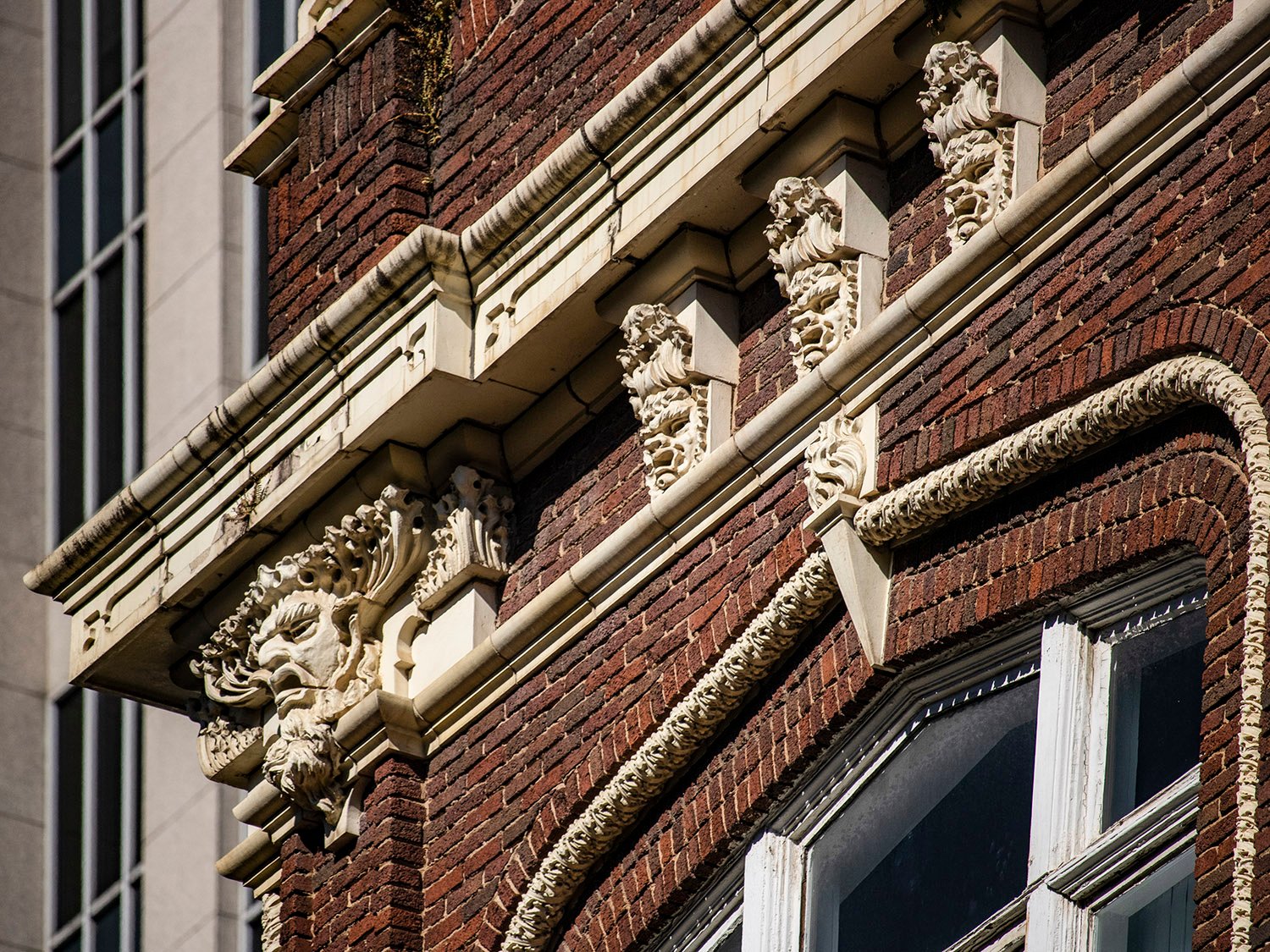
    J.R. MacEachron of MacEachron & Trowbridge. Atlanta Lodge, No. 78, of B.P.O. Elks (1911). Atlanta.1 2 3 4 5
    Entrance of Atlanta Lodge
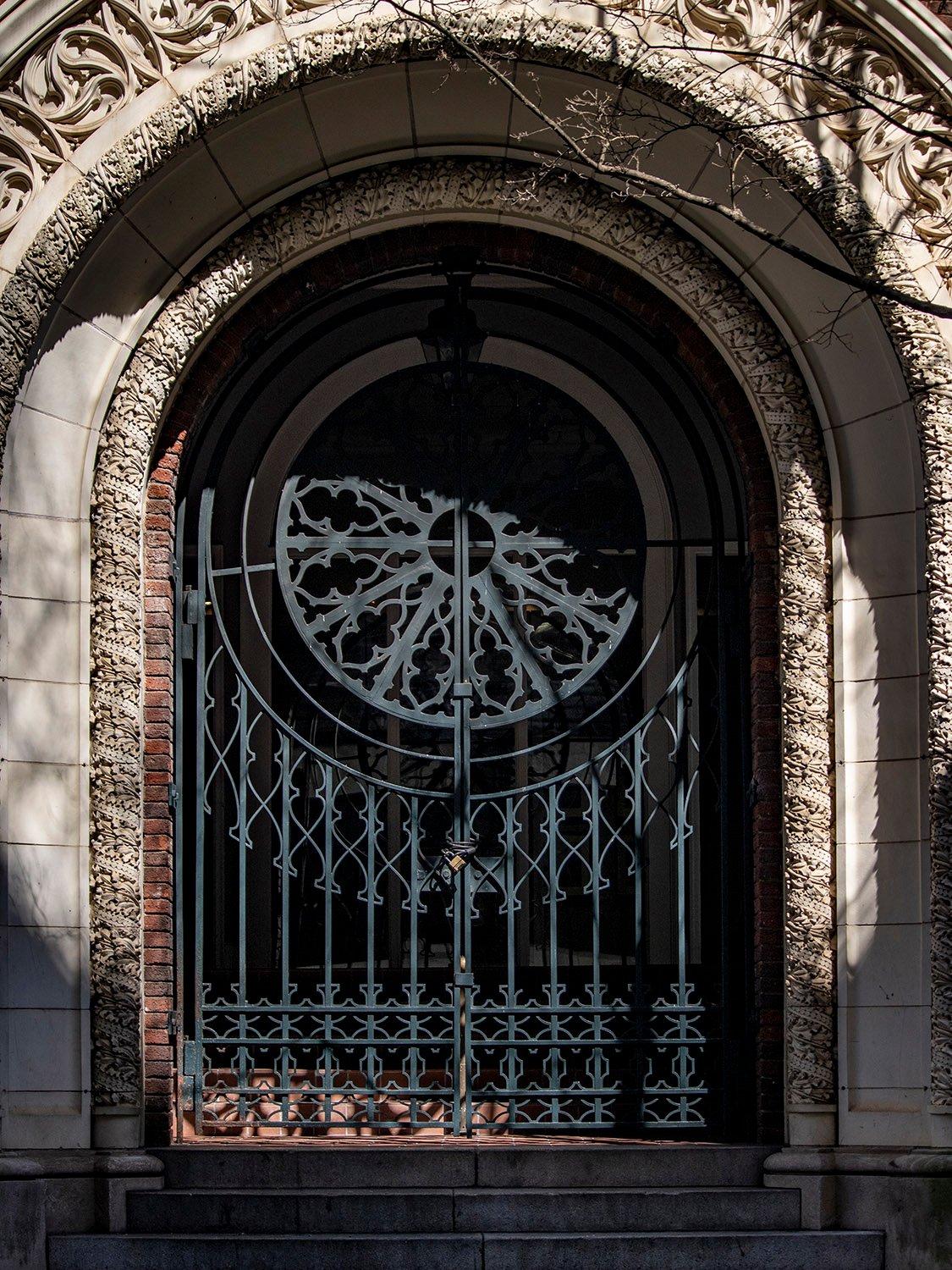
    Entrance of Atlanta Lodge
    Looking at Atlanta Lodge from the west
    Looking at Atlanta Lodge from the west
    Cornice on the east elevation of Atlanta Lodge
    Cornice on the east elevation of Atlanta Lodge
    Terracotta spandrel panel on the facade of Atlanta Lodge
    Terracotta spandrel panel on the facade of Atlanta Lodge
    First-floor window on the facade of Atlanta Lodge
    First-floor window on the facade of Atlanta Lodge
    Pilaster and terracotta moulding on the facade of Atlanta Lodge
    Pilaster and terracotta molding on the facade of Atlanta Lodge
    Cornice, pediment, and terracotta ornamentation on the facade of Atlanta Lodge
    Cornice, pediment, and terracotta ornamentation on the facade of Atlanta Lodge
    Third-floor window on the facade of Atlanta Lodge
    Third-floor window on the facade of Atlanta Lodge
    Terracotta molding at the entrance of Atlanta Lodge
    Terracotta molding at the entrance of Atlanta Lodge
    Cornice on the facade of Atlanta Lodge
    Cornice on the facade of Atlanta Lodge
    Terracotta console and molding on the facade of Atlanta Lodge
    Terracotta console and molding on the facade of Atlanta Lodge
    Entrance of Atlanta Lodge
    Entrance of Atlanta Lodge

    References

    1. Moran, Robert. “Floor Plans For Handsome Elks’ Building, Which Will Be Home Of Atlanta Lodge No. 78”. The Atlanta Journal, August 14, 1910, p. 3. ↩︎
    2. “New Elks Home Presents Most Pleasing Exterior”. The Atlanta Constitution, July 31, 1911, p. 3. ↩︎
    3. “First Meeting Of Elks In New Home Tonight”. The Atlanta Constitution, November 2, 1911, p. 7. ↩︎
    4. “Elks Hold Initiation In Beautiful New Home”. The Atlanta Constitution, November 3, 1911, p. 8. ↩︎
    5. “First Initiation Held In The Elks’ New Home”. The Atlanta Journal, November 3, 1911, p. 22. ↩︎
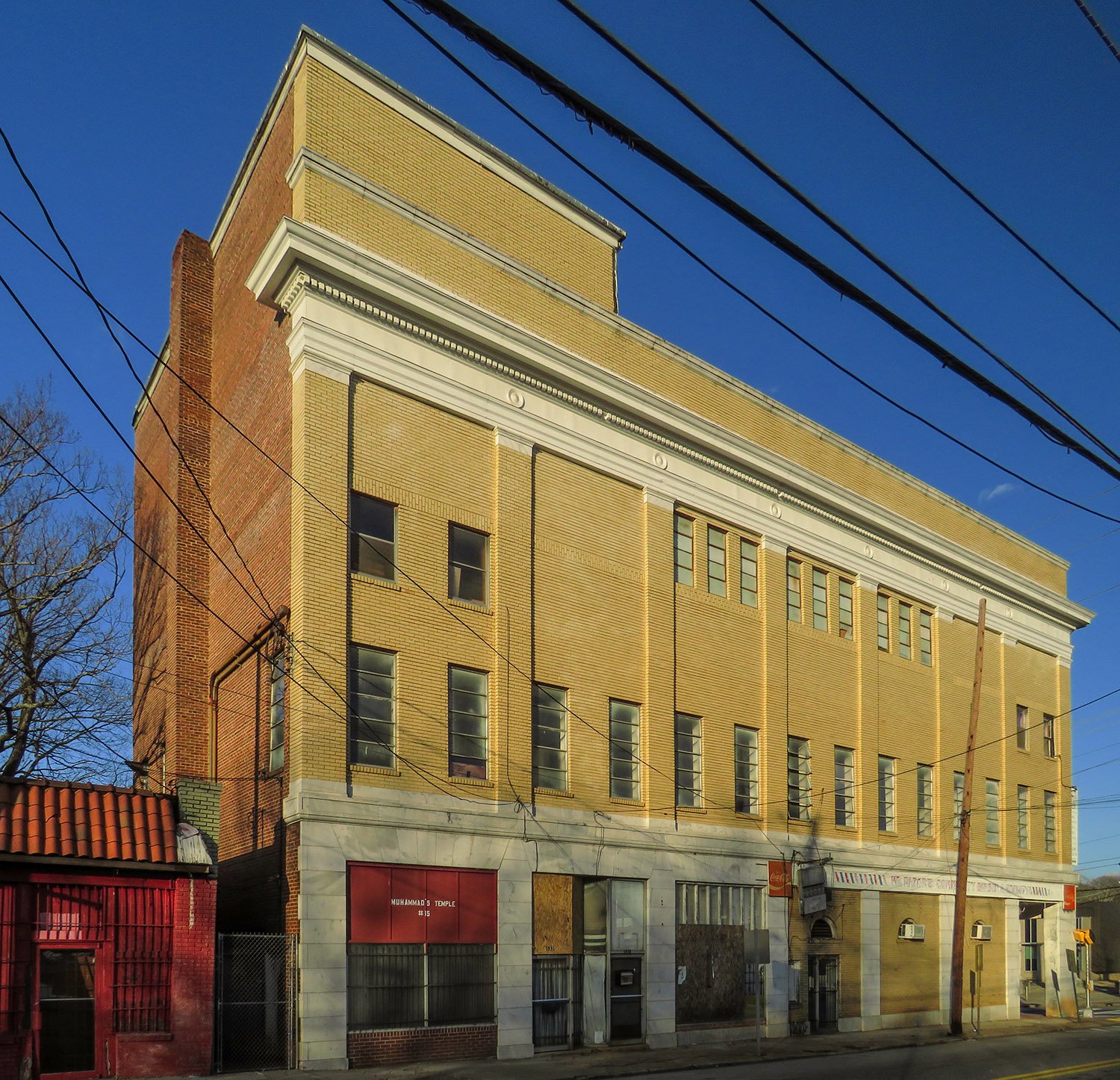
  • Capitol View Masonic Temple (1923) – Atlanta

    Francis P. Smith of Pringle & Smith. Capitol View Masonic Temple (1923). Capitol View, Atlanta.
    Francis P. Smith of Pringle & Smith. Capitol View Masonic Temple (1923). Capitol View, Atlanta.1 2 3 4
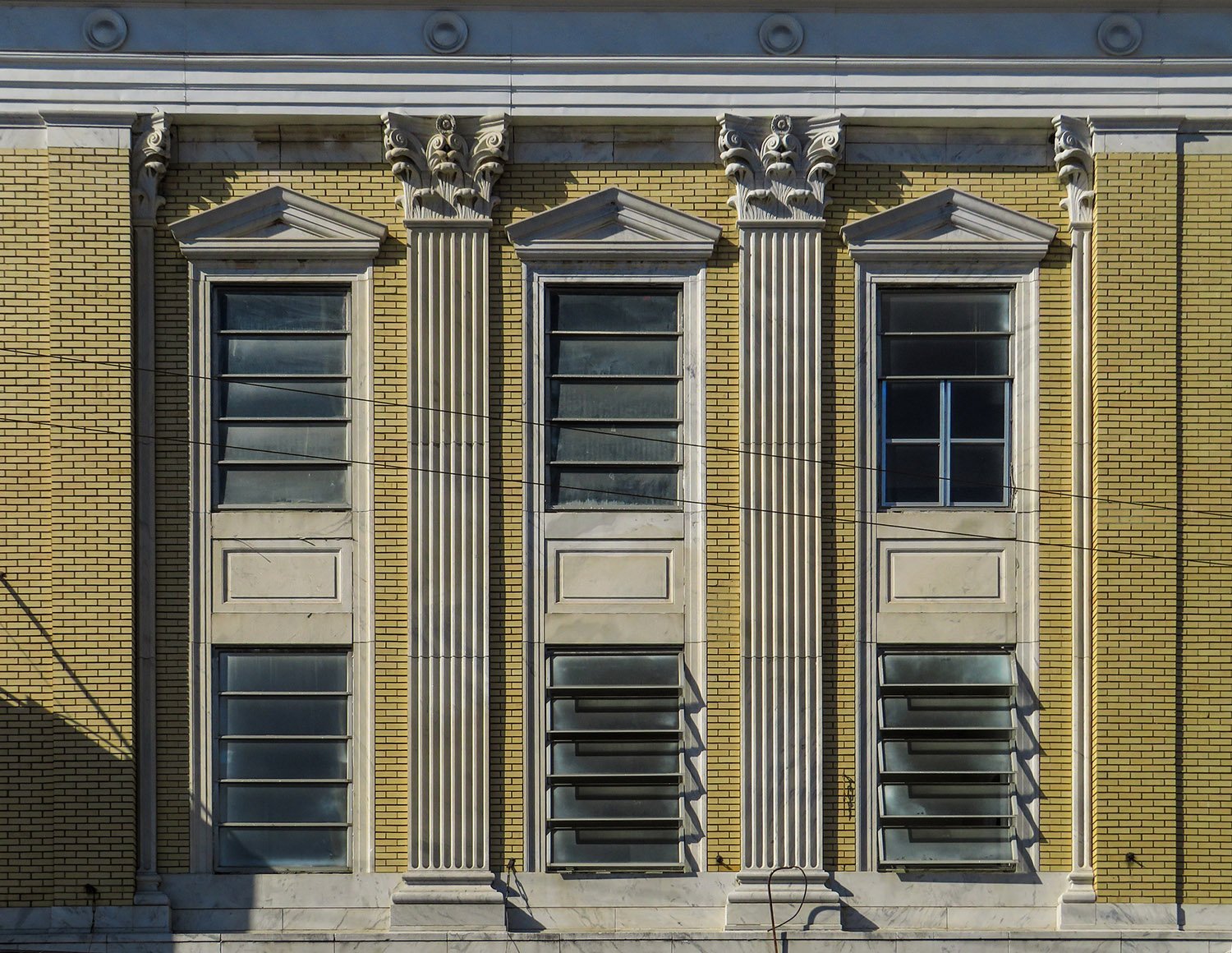
    Windows on the east facade of the Capitol View Masonic Temple
    Windows on the east facade of the Capitol View Masonic Temple
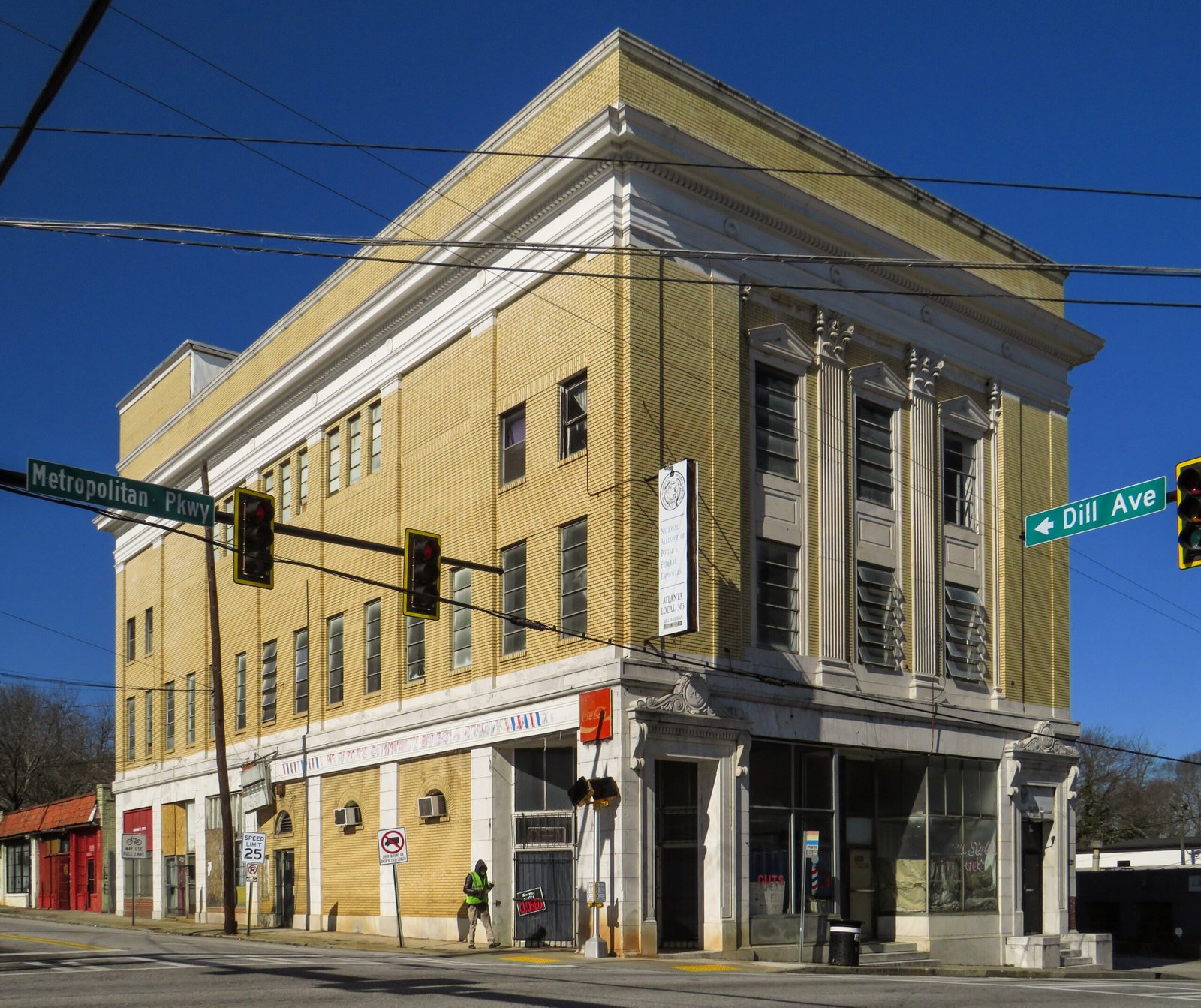
    South facade of the Capitol View Masonic Temple
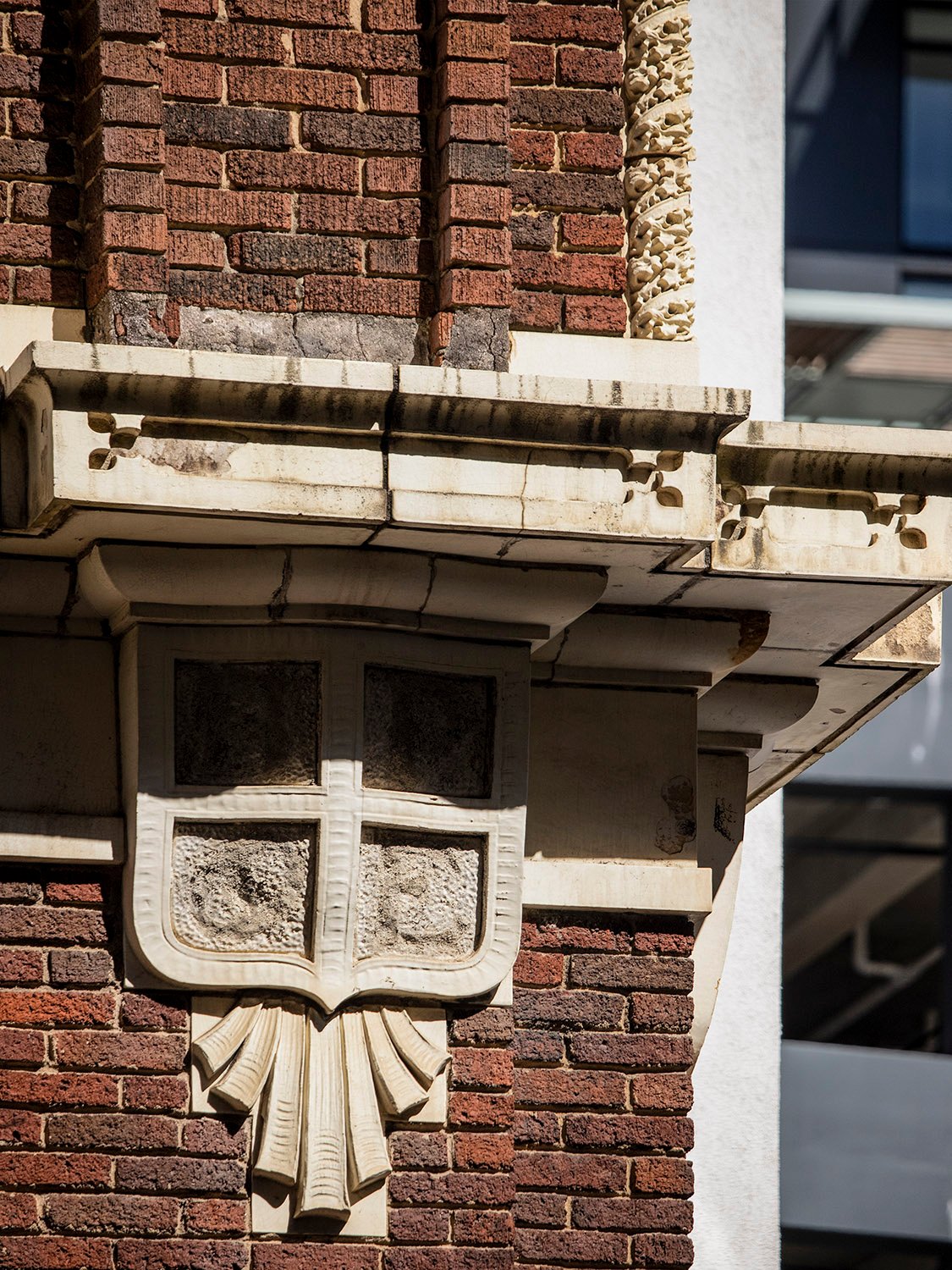
    South facade of the Capitol View Masonic Temple
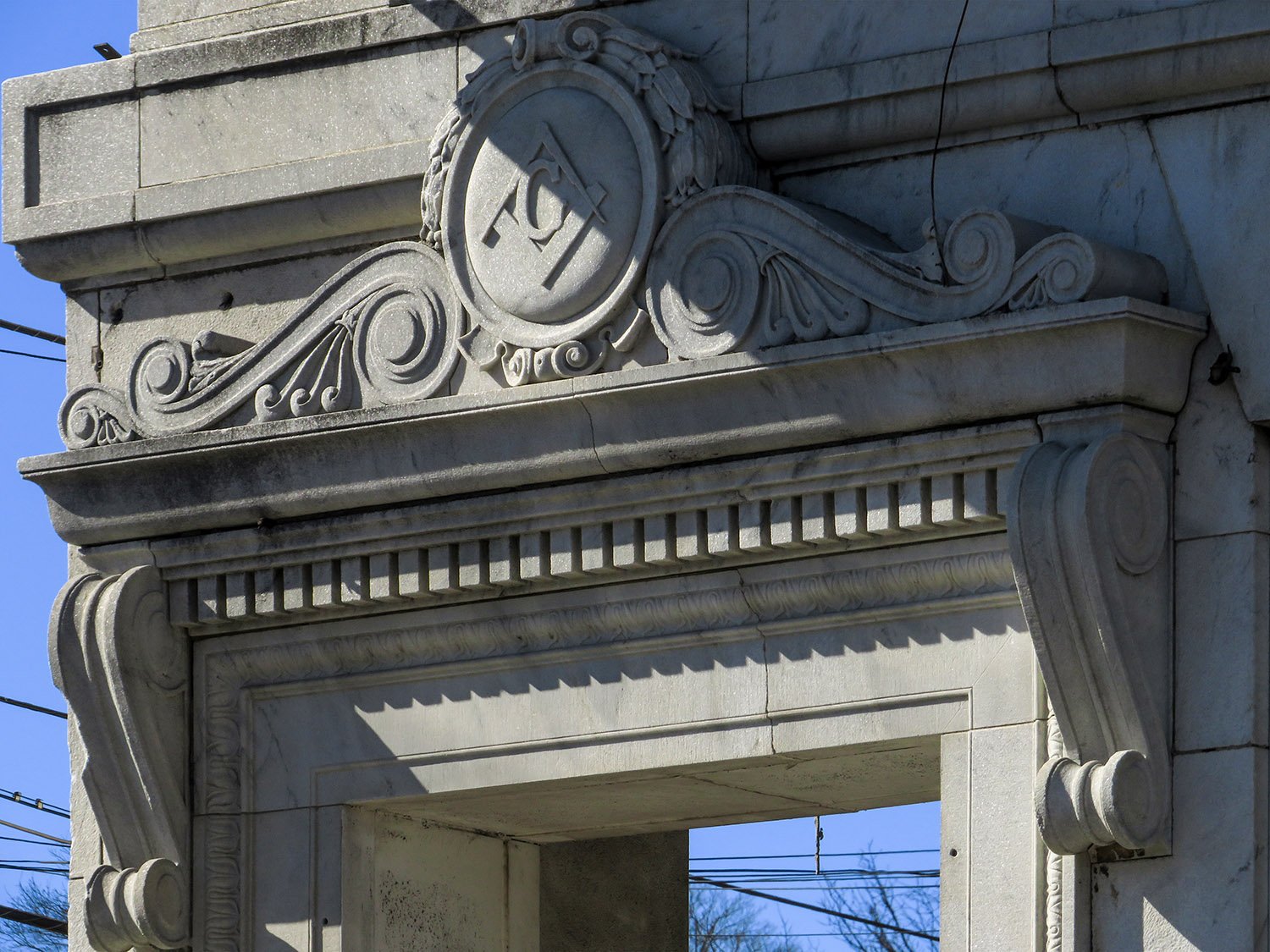
    Limestone facing and pediment on the southeast entrance of the Capitol View Masonic Temple
    Limestone facing and pediment on the southeast entrance of the Capitol View Masonic Temple
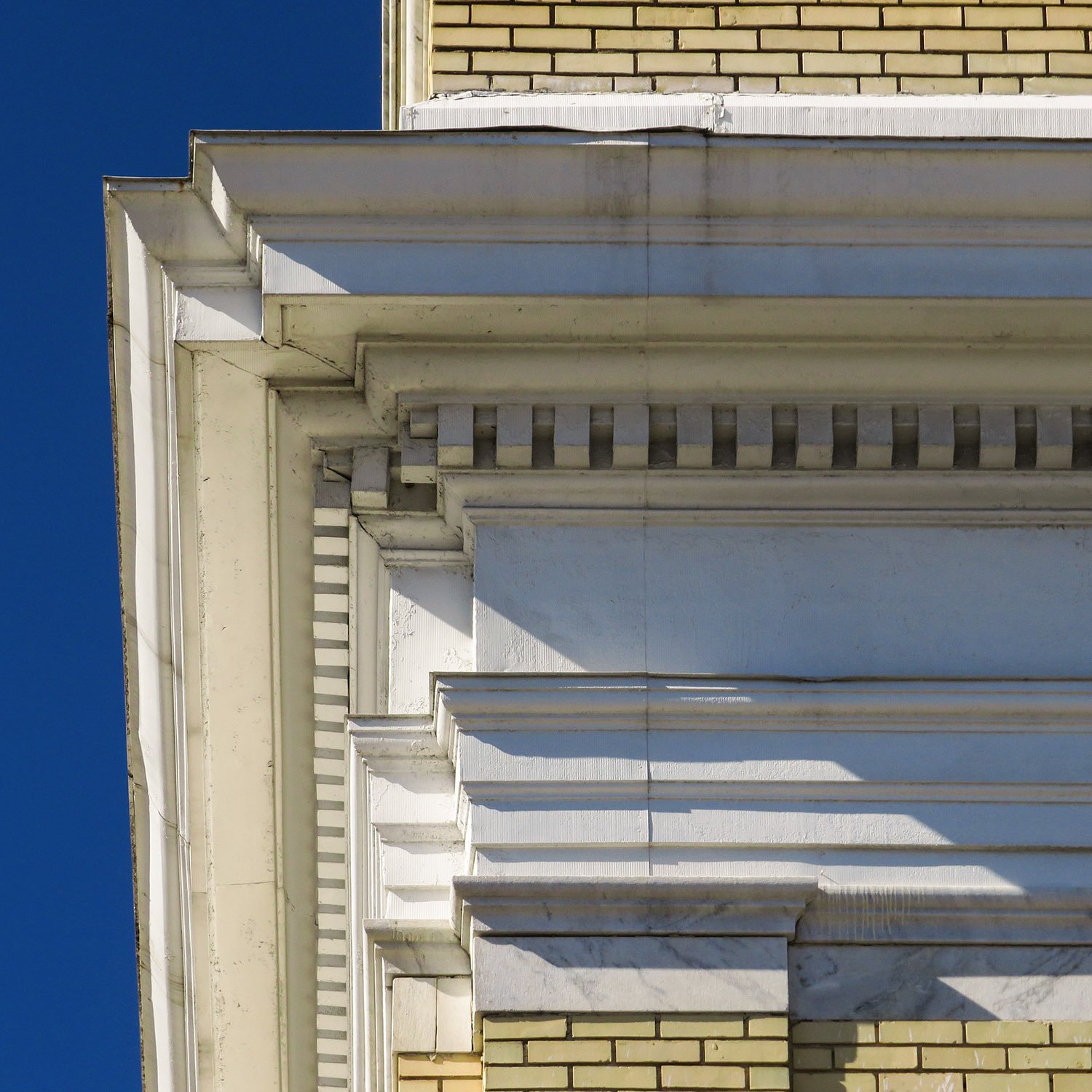
    Dentilled cornice on the east facade of the Capitol View Masonic Temple
    Dentilled cornice on the east facade of the Capitol View Masonic Temple
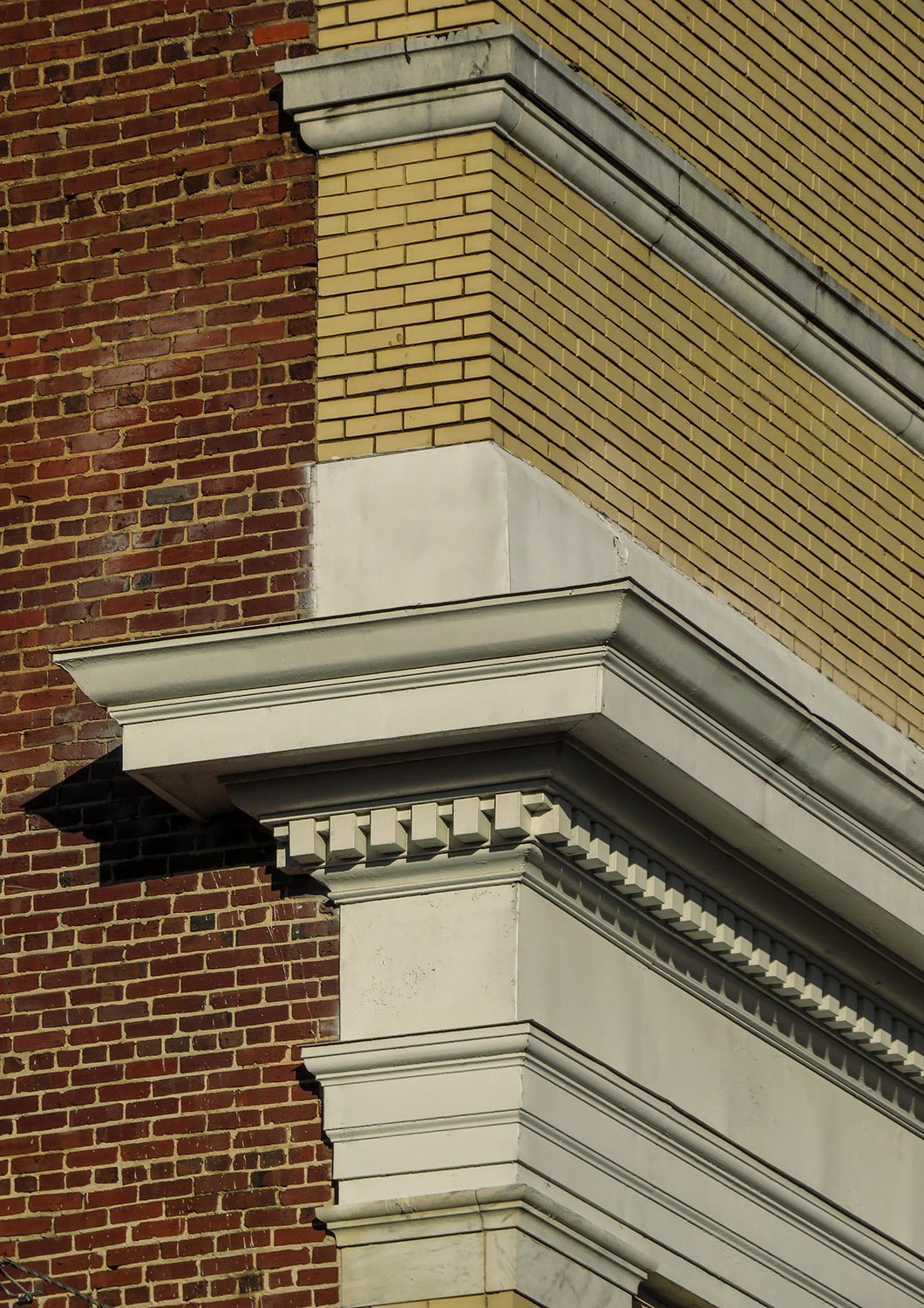
    Cornice on the south facade of the Capitol View Masonic Temple
    Cornice on the south facade of the Capitol View Masonic Temple
    Cornice, frieze, and architrave on the east facade of the Capitol View Masonic Temple
    Cornice, frieze, and architrave on the east facade of the Capitol View Masonic Temple
    Pilasters with Corinthian capitals on the east facade of the Capitol View Masonic Temple
    Pilasters with Corinthian capitals on the east facade of the Capitol View Masonic Temple
    Limestone facing on the southeast entrance of the Capitol View Masonic Temple
    Limestone facing on the southeast entrance of the Capitol View Masonic Temple
    Ground-floor store window on the south facade of the Capitol View Masonic Temple
    Ground-floor store window on the south facade of the Capitol View Masonic Temple
    Arch window on the south facade of the Capitol View Masonic Temple
    Arch window on the south facade of the Capitol View Masonic Temple

    References

    1. “Masons To Begin Work On Temple”. The Atlanta Journal, August 27, 1922, p. 8F ↩︎
    2. “New Temple Of The Capitol View Masonic Lodge”. The Atlanta Journal, November 4, 1923, p. 8F. ↩︎
    3. “Development Work In Capitol View Near Completion”. The Atlanta Journal, September 30, 1923, p. 8C. ↩︎
    4. Craig, Robert M. The Architecture of Francis Pringle Smith: Atlanta’s Scholar-Architect. Athens, Georgia: University of Georgia Press (2012). ↩︎

  • Cable Building (1893) – New York

    Stanford White of McKim, Mead & White. The Cable Building (1893). Greenwich Village, New York.
    Stanford White of McKim, Mead & White. The Cable Building (1893). Greenwich Village, New York.

    The Cable Building is one of my favorite New York structures, mostly because I have fond memories associated with it, including the quiet Thanksgiving morning when I took the picture shown above.

    Completed around late 1893, this 8-story steel-framed building1 includes a full basement and fronts on Broadway, Houston, and Mercer Streets on the border of Greenwich Village and NoHo.

    Location of the Cable Building

    The Cable Building was designed for the Broadway & Seventh Avenue Railway Company by Stanford White of McKim, Mead & White,2 and is a very early example of the Beaux-Arts style.

    The building’s exterior was originally faced with Indiana limestone on the first and second floors, and the upper floors are covered in yellow brick and striking ornamental terra cotta,3 topped by an elaborate copper cornice.

    Southeast corner of The Cable Building
    Southeast corner of The Cable Building

    Each floor encompasses nearly 20,000 square feet4 and encircles a central light court of more than 3,000 square feet.5 6 At its opening, the building’s first floor was designated for retail use, with the top three floors designed for offices and the middle floors reserved for warehouse space.7

    My favorite part of the exterior is the classically-inspired sculpture of two robed women guarding the portico on the east facade, designed by J. Massey Rhind.8

    J. Massey Rhind. Sculpture on the east facade of The Cable Building.
    J. Massey Rhind. Sculpture on the east facade of The Cable Building.

    With that being said, the building’s overall design isn’t White’s best: the chamfered corners temper the appearance of bulkiness and provide interesting focal points, but the many large windows on every side of the structure clutter the composition, making it look messy and overwrought.

    What makes the Cable Building impressive, however, is that it was designed to conceal a power plant for the street railway company, effectively creating “a building within a building”.9

    Reaching 46 feet below the street surface,10 the building’s basement originally housed 550 tons of machinery that powered the company’s cable cars, including wheels measuring 32 feet in diameter and weighing 50 tons each.11

    Cornice on The Cable Building
    Cornice on The Cable Building

    The machinery has long since been removed, and today the Cable Building’s deep bowels house the Angelika Film Center, where there’s a chance you may find me some late evening, watching an indie flick as nearby subway trains rumble past.

    References

    1. “The Cable Building.” The New York Times, December 19, 1893, p. 9. ↩︎
    2. Baker, Paul R. Stanny: The Gilded Life of Stanford White. New York: The Free Press (1989), pp. 213-14. ↩︎
    3. “The Cable Building.” The New York Times, December 19, 1893, p. 9. ↩︎
    4. ibid. ↩︎
    5. ibid. ↩︎
    6. “A Model Building.” The Independent (New York), February 1, 1894, p. 22. ↩︎
    7. “The Cable Building.” The New York Times, December 19, 1893, p. 9. ↩︎
    8. Looking Up: The Cable Building – Village Preservation ↩︎
    9. “Motive Force Of The Cable Cars.” The Sun (New York), November 30, 1893, p. 7. ↩︎
    10. “The Cable Building.” The New York Times, December 19, 1893, p. 9. ↩︎
    11. “Motive Force Of The Cable Cars.” The Sun (New York), November 30, 1893, p. 7. ↩︎
  • Hall County Courthouse (1938) – Gainesville, Georgia

    Daniel & Beutell. Hall County Courthouse (1938). Gainesville, Georgia.
    Daniel & Beutell. Hall County Courthouse (1938). Gainesville, Georgia.1 2 3 4 5

    This stark but stately county courthouse in Gainesville, Georgia, owes its existence to the United States federal government.

    Built at the height of the Great Depression, the structure is primarily in the Classical Moderne style, with some Beaux-Arts ornamentation, and was designed by Daniel & Beutell of Atlanta.

    Construction began three months after an April 1936 tornado that destroyed much of the city’s business district, including the former courthouse.

    Pediment on the Hall County Courthouse
    Pediment on the Hall County Courthouse

    The building was a quintessential New Deal project: funded by the Public Works Administration and built by workers from the similarly-named Works Progress Administration.

    When the courthouse was completed in March 1938, it was dedicated in a gala ceremony attended by President Franklin D. Roosevelt. Not shabby.

    Cornice and bas-relief ornamentation on the Hall County Courthouse
    Cornice and bas-relief ornamentation on the Hall County Courthouse
    Clock tower on the Hall County Courthouse
    Clock tower on the Hall County Courthouse

    References

    1. “Gainesville Gets $40,000 RFC Loan For Civic Center”. The Atlanta Journal, June 12, 1936, p. 13. ↩︎
    2. “PWA Approves $126,000 Grant For New Hall County Courthouse”. The Atlanta Journal, July 9, 1936, p. 9. ↩︎
    3. “PWA Soon To Launch Gainesville Building”. The Atlanta Constitution, July 10, 1936, p. 10. ↩︎
    4. “More Than 50,000 To Hear Roosevelt At Gainesville Wednesday”. The Atlanta Journal, March 22, 1938, p. 1. ↩︎
    5. “Georgia Hails President Roosevelt at Mighty Celebration in New Gainesville”. The Atlanta Journal, March 23, 1938, p. 12. ↩︎
  • Wynne-Claughton Office Building (1925) – Atlanta

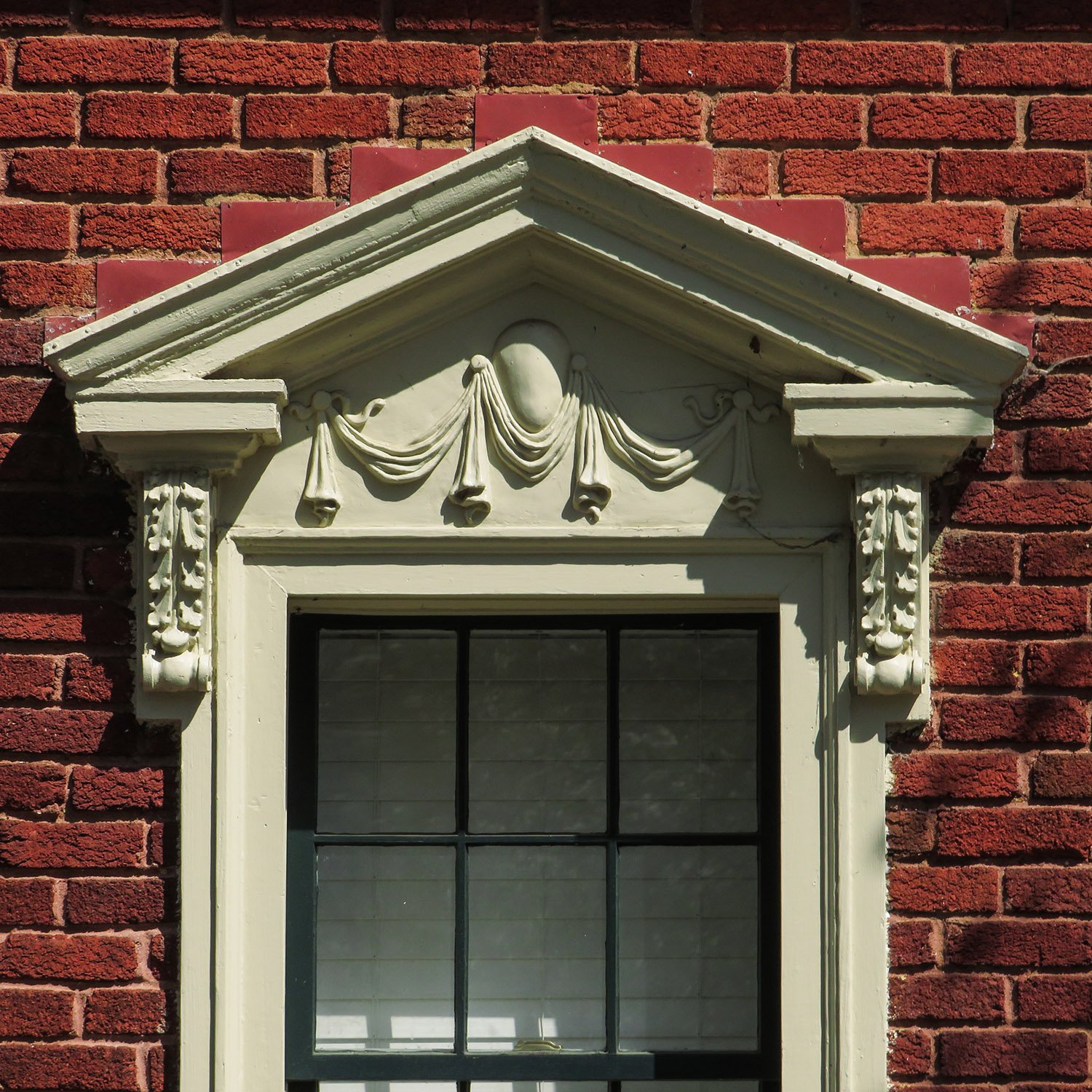
    G. Lloyd Preacher & Company. Wynne-Claughton Office Building (1925). Atlanta.
    G. Lloyd Preacher & Company. Wynne-Claughton Office Building (1925). Atlanta.1 2

    References

    1. “G. Lloyd Preacher and Company” (advertisement). The Atlanta Constitution, February 8, 1925, p. 5F. ↩︎
    2. “G. Lloyd Preacher Co. Moves Into Offices In Wynne Building”. The Atlanta Journal, May 17, 1925, p. G1. ↩︎
  • Greenville County Courthouse (1918) – Greenville, South Carolina

    P. Thornton Marye. Greenville County Courthouse (1918). Greenville, South Carolina.
    P. Thornton Marye. Greenville County Courthouse (1918). Greenville, South Carolina.1 2 3
    Bay on the east facade of the Greenville County Courthouse
    Bay on the east facade of the Greenville County Courthouse
    Looking at the Greenville County Courthouse from the southeast
    Looking at the Greenville County Courthouse from the southeast
    Door and pediment on the south elevation of the Greenville County Courthouse
    Door and pediment on the south elevation of the Greenville County Courthouse
    Cornice and columns on the east facade of the Greenville County Courthouse
    Cornice and columns on the east facade of the Greenville County Courthouse
    Architrave on the east facade of the Greenville County Courthouse
    Architrave on the east facade of the Greenville County Courthouse

    References

    1. “Atlanta Architect Honored.” The Atlanta Constitution, June 13, 1915, p. 12 B. ↩︎
    2. “Invitation For Proposals.” The Greenville Daily News (Greenville, South Carolina), November 21, 1915, p. 6. ↩︎
    3. “First Court In New Court House”. The Greenville Daily News (Greenville, South Carolina), March 26, 1918, p. 5. ↩︎
  • City Hall (1910) – Griffin, Georgia

    Haralson Bleckley. City Hall (1910). Griffin, Georgia.
    Haralson Bleckley. City Hall (1910). Griffin, Georgia.1 2

    References

    1. “Notice to Contractors.” The Griffin Daily News (Griffin, Georgia), March 5, 1910, p. 1. ↩︎
    2. “City Council Holds First Session In City’s Handsome New Home”. The Griffin Daily News (Griffin, Georgia), May 11, 1911, p. 1. ↩︎

  • M. Rich and Brothers Company (1924) – Atlanta

    Hentz, Reid & Adler. M. Rich and Brothers Company. Atlanta.
    Hentz, Reid & Adler. M. Rich and Brothers Company. Atlanta.1 2 3

    References

    1. “Building Permits For One Day Reach Nearly $2,000,000.” The Atlanta Journal, January 2, 1923, p. 1. ↩︎
    2. “$1,500,000 Store Will Open Today”. The Atlanta Constitution, March 24, 1924, p. 1. ↩︎
    3. Rogers, Ernest. “Admiring Host Throngs Rich Store For Opening; Leading Citizens Speak”. The Atlanta Journal, March 24, 1924, p. 1. ↩︎
  • Empire Building (1909) – Birmingham, Alabama

    Warren & Welton with Carpenter & Blair. Empire Building (1909). Birmingham, Alabama.
    Warren & Welton with Carpenter & Blair. Empire Building (1909). Birmingham, Alabama.1 2 3

    References

    1. “All Plans Completed for Empire Skyscraper”. The Age-Herald (Birmingham, Alabama), May 12, 1908, p. 5. ↩︎
    2. “Outsiders Note City’s Growth”. The Birmingham News (Birmingham, Alabama), June 19, 1909, p. 22. ↩︎
    3. “Empire Ready Next Thursday”. The Birmingham News (Birmingham, Alabama), September 17, 1909, p. 3. ↩︎