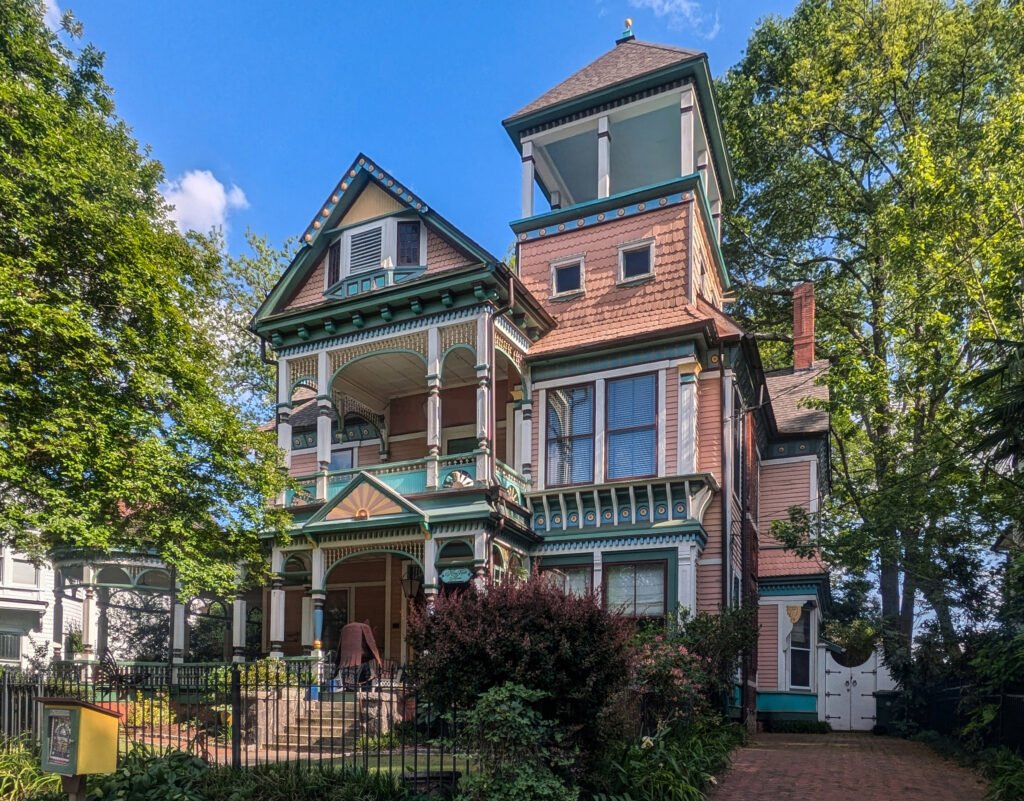
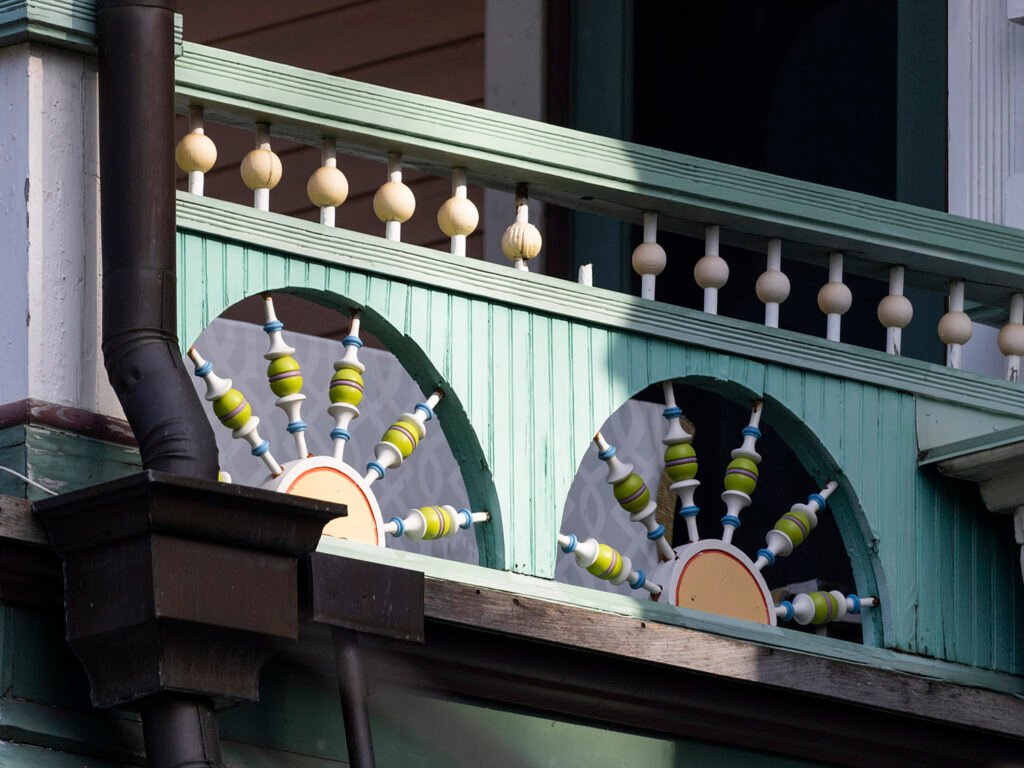
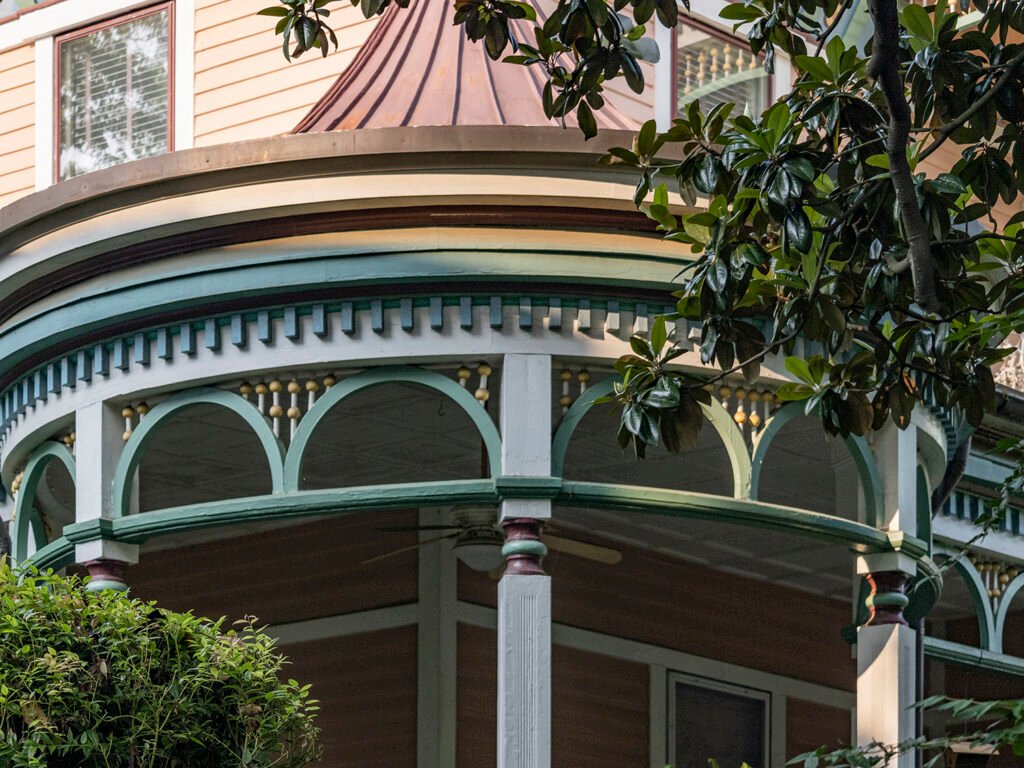
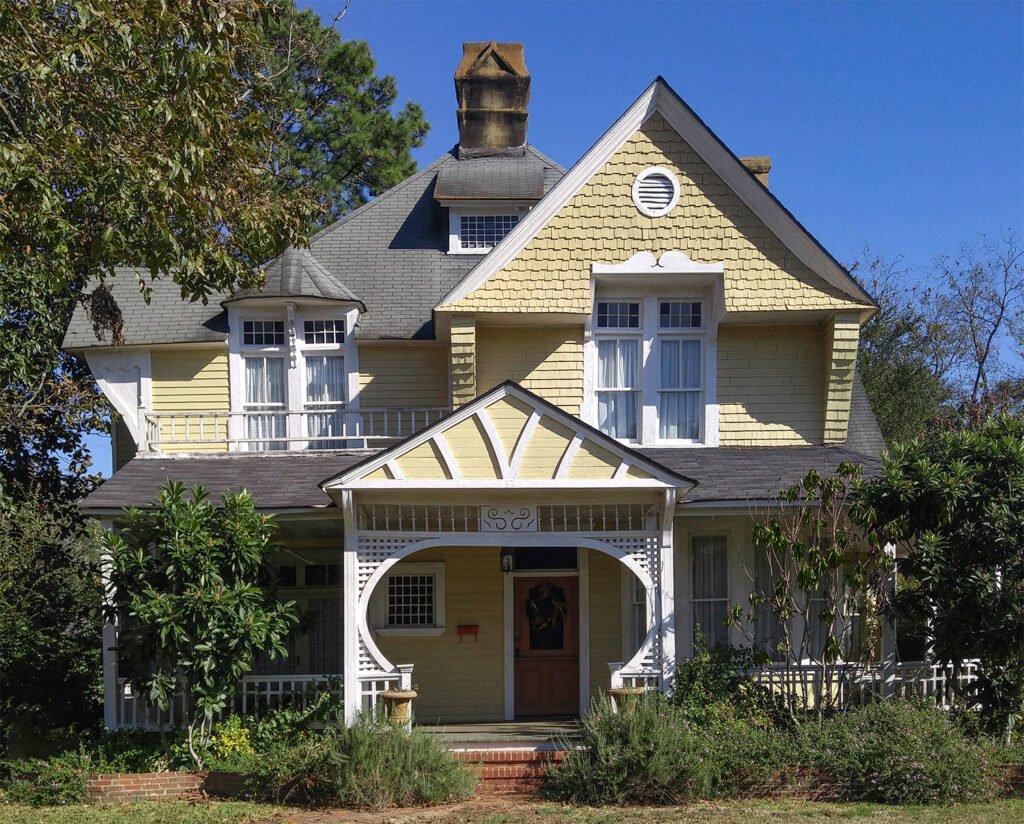
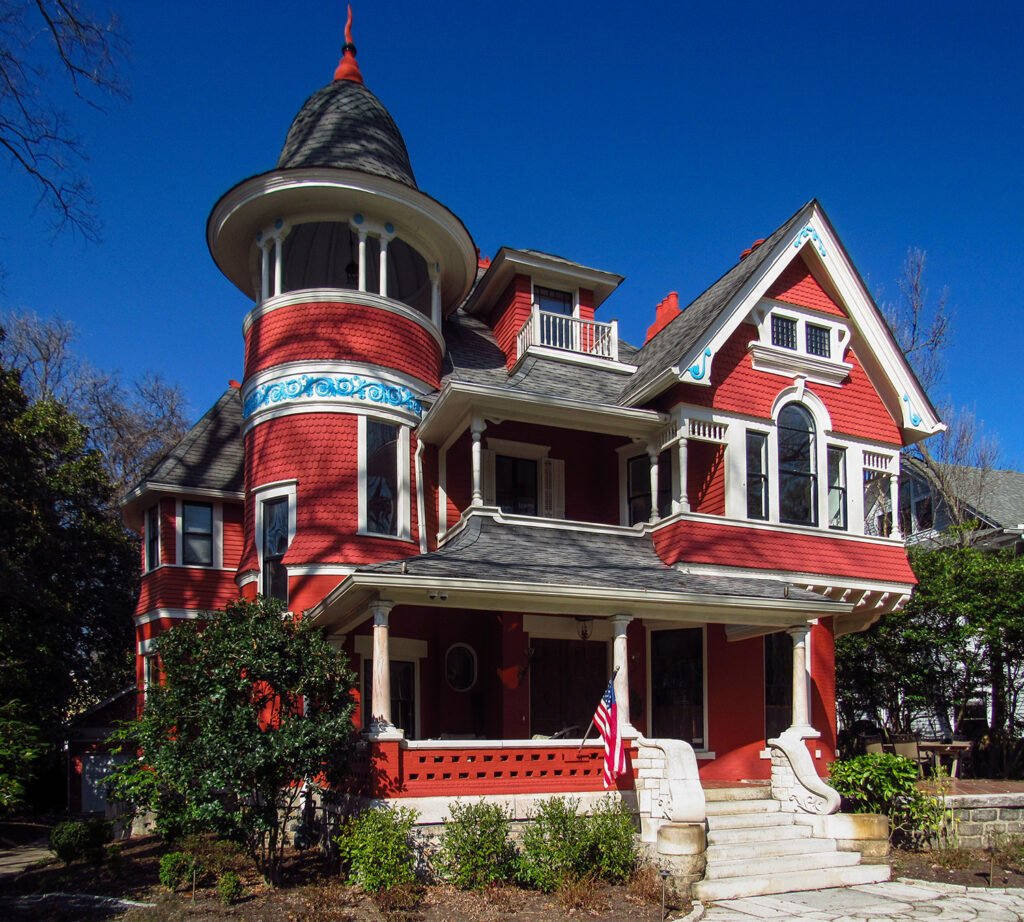
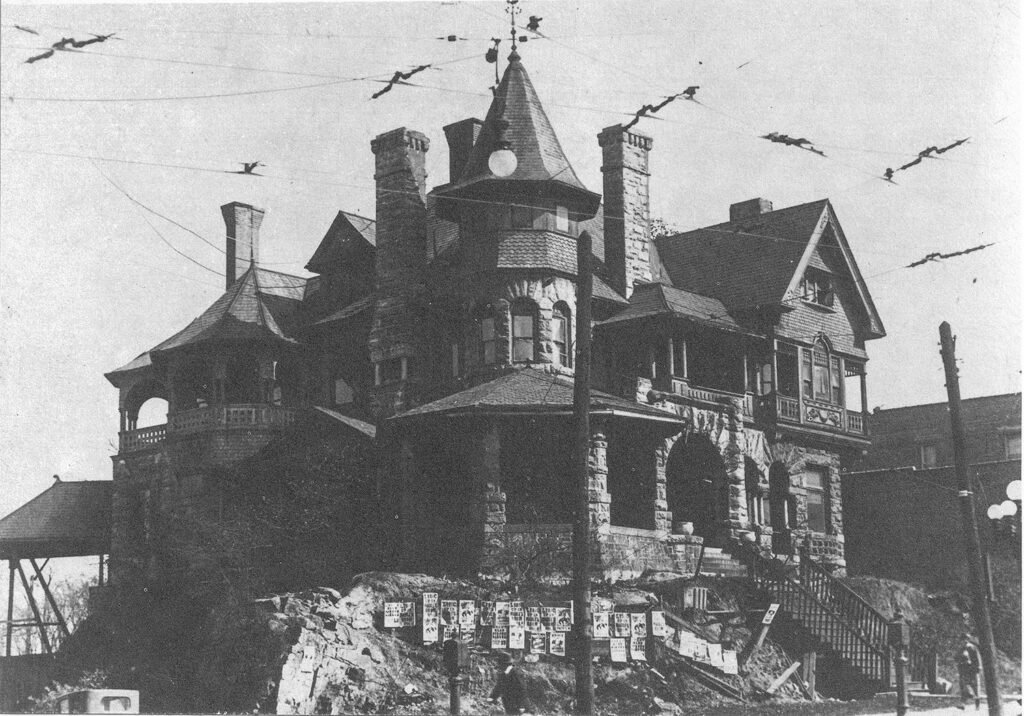
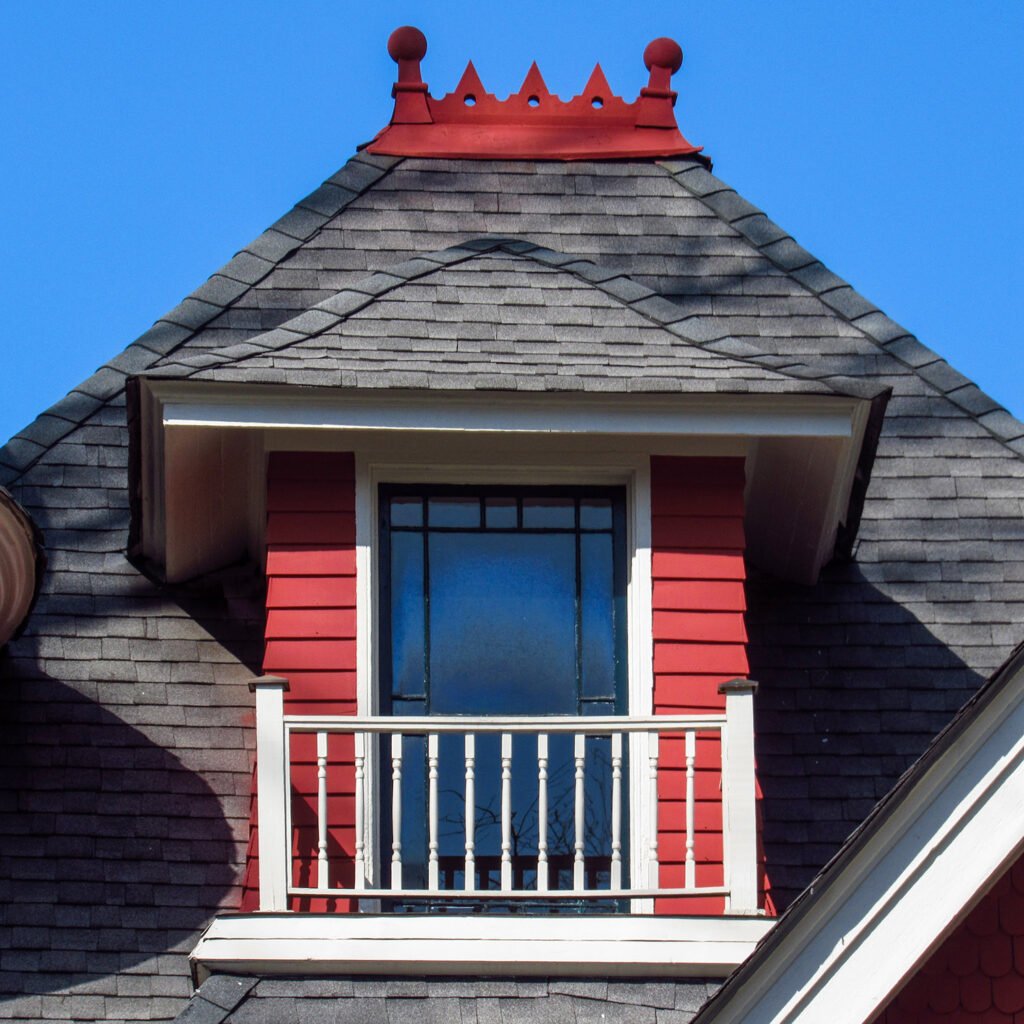
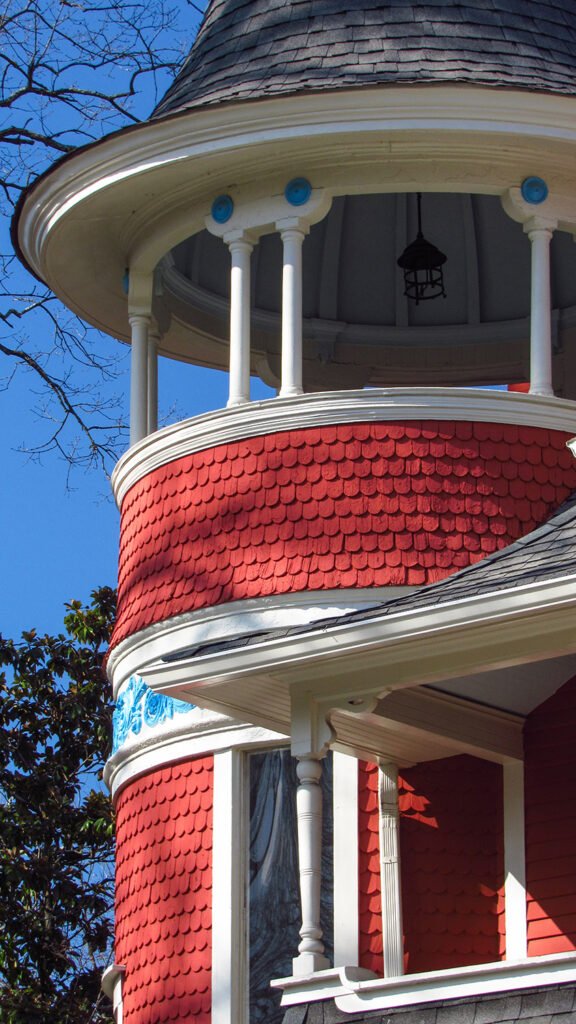
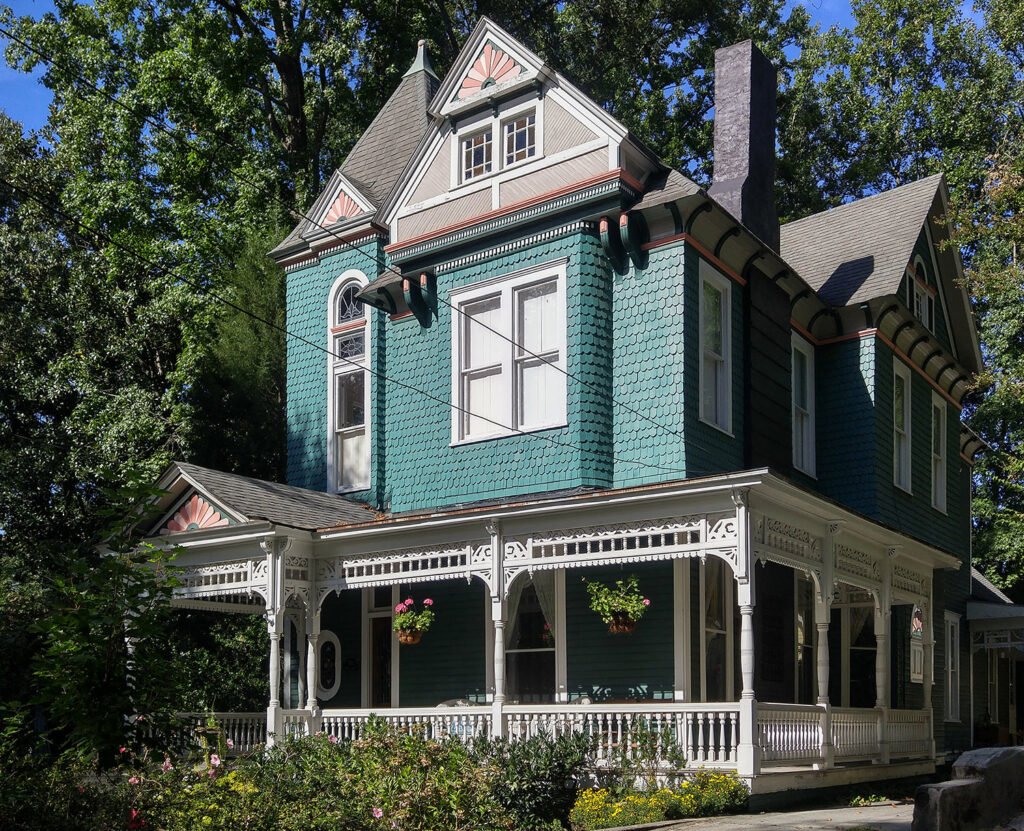
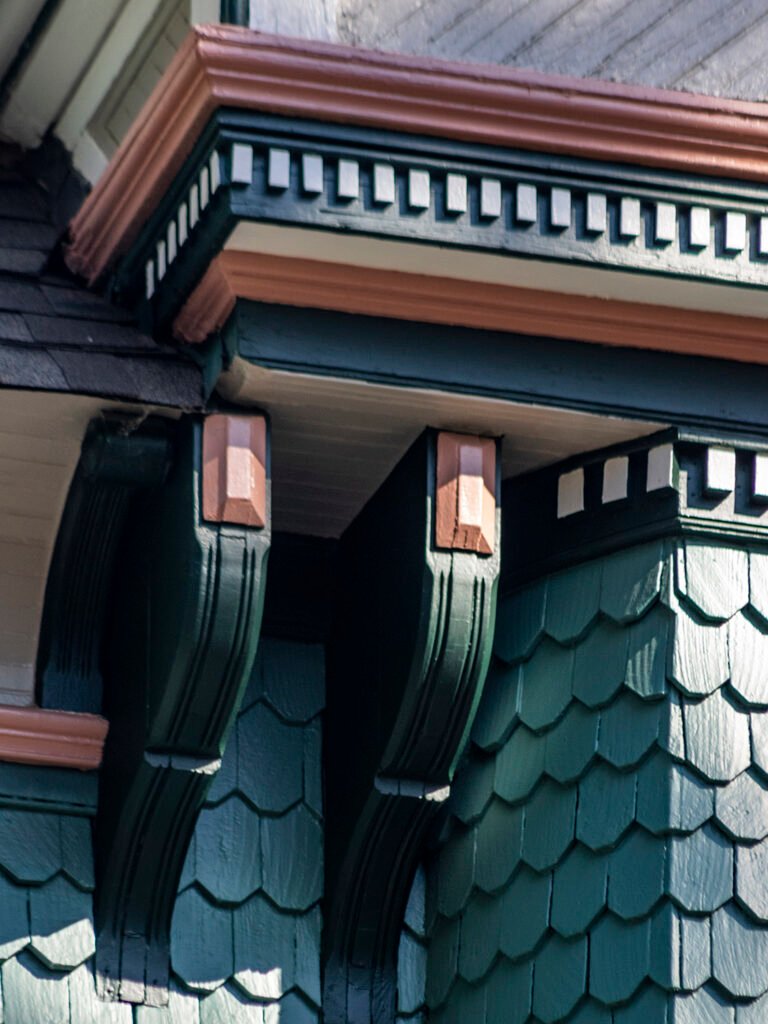
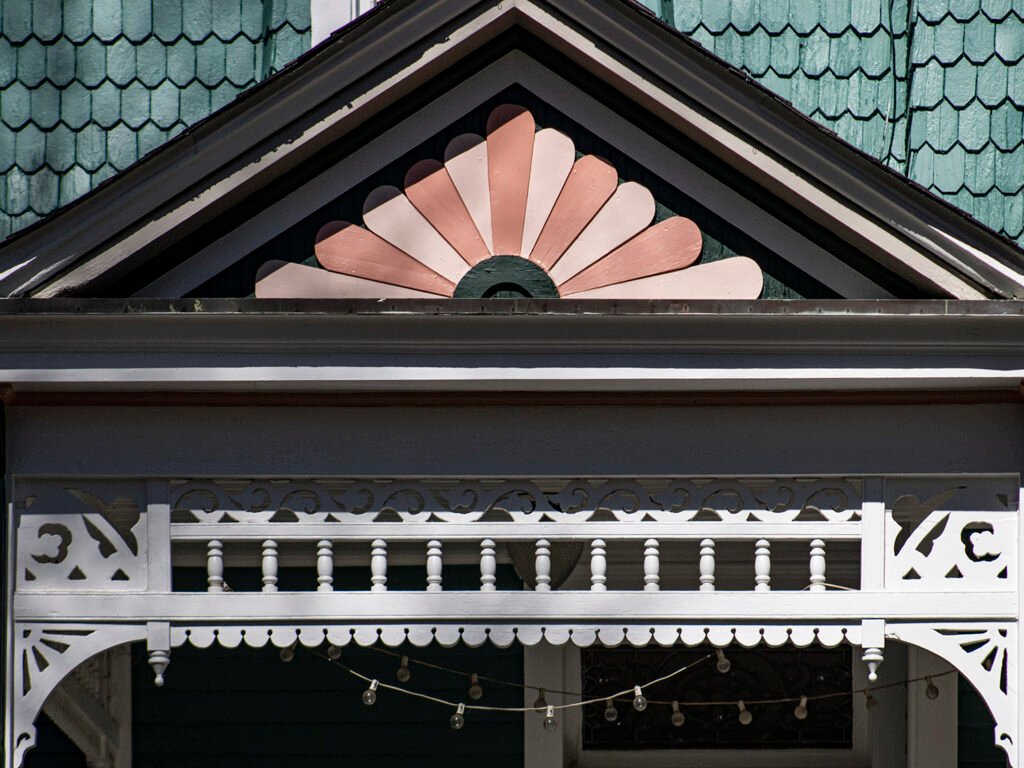
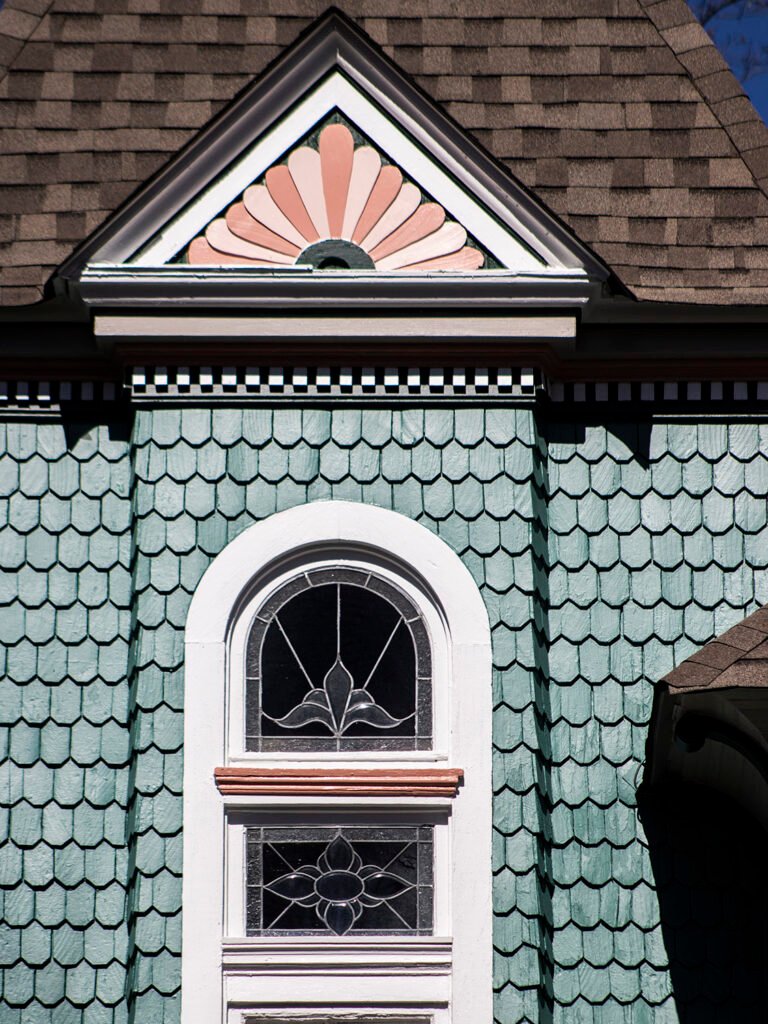
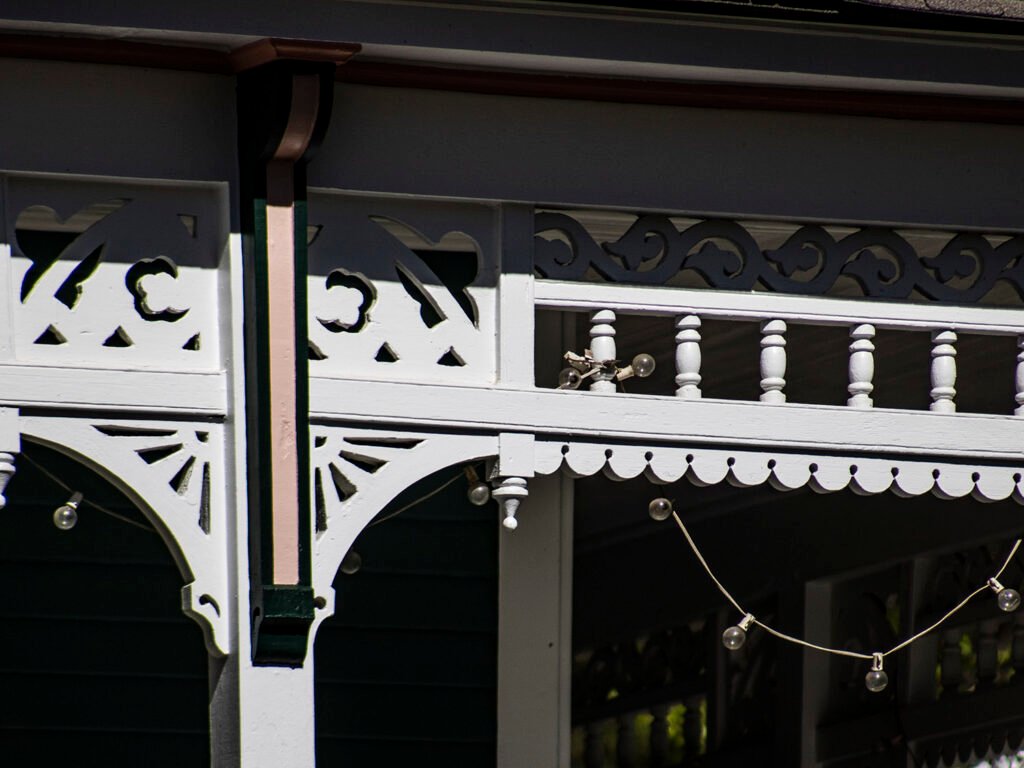
I just found a stash of old images that I had completely forgotten about, including this one I took in 2017 of the W.L. Glessner Residence in Americus, Georgia.
Planned as a 7-room cottage,1 this lovely 2-story Queen Anne style home is one of 7 surviving buildings in Americus designed by G.L. Norrman. There isn’t historic documentation to prove it, but everything about the design indicates it’s his.
The home was built between May and September 1890 for W.L. Glessner,2345 the editor of the Americus Recorder newspaper, who was the town’s most vocal booster when it was, briefly, one of the fastest-growing cities in the state.
Glessner lived in the home for less than 2 years,6 leaving Americus in 1892,7 shortly after the town fell into economic collapse.
I visited this house at least once when I was 8 or 9 years old, but I don’t remember much about the interior, except that it felt a little creepy and reeked of bat guano, but that would describe most of the old structures in Americus.
By the early 1990s, the home was abandoned and stripped of its original woodwork, mantels, and other interior elements, although it later received a meticulous restoration that incorporated pieces salvaged from local historic homes.
The owners at the time reported that they discovered a “secret room” apparently sealed off for years behind a wall — that certainly piqued my adolescent curiosity.
I hope to take my final photos of this home in the next year, and they will undoubtedly be much better than this one — my photographic skills have increased exponentially in the last 8 years. Still, this is a nostalgic and heartwarming discovery.
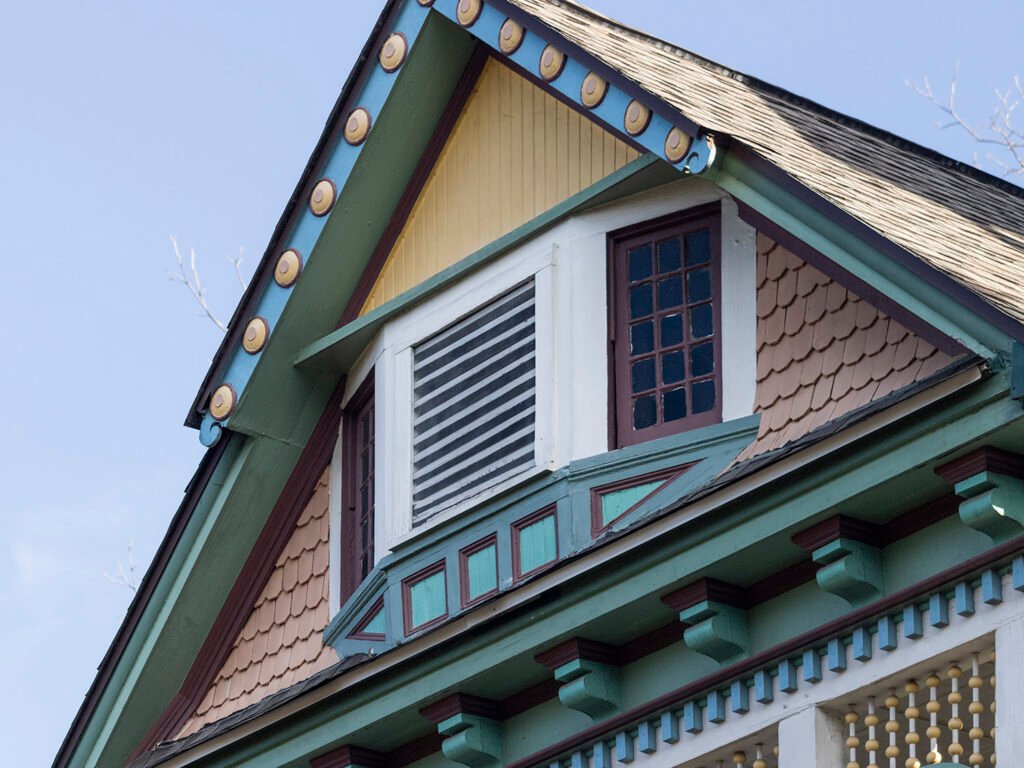
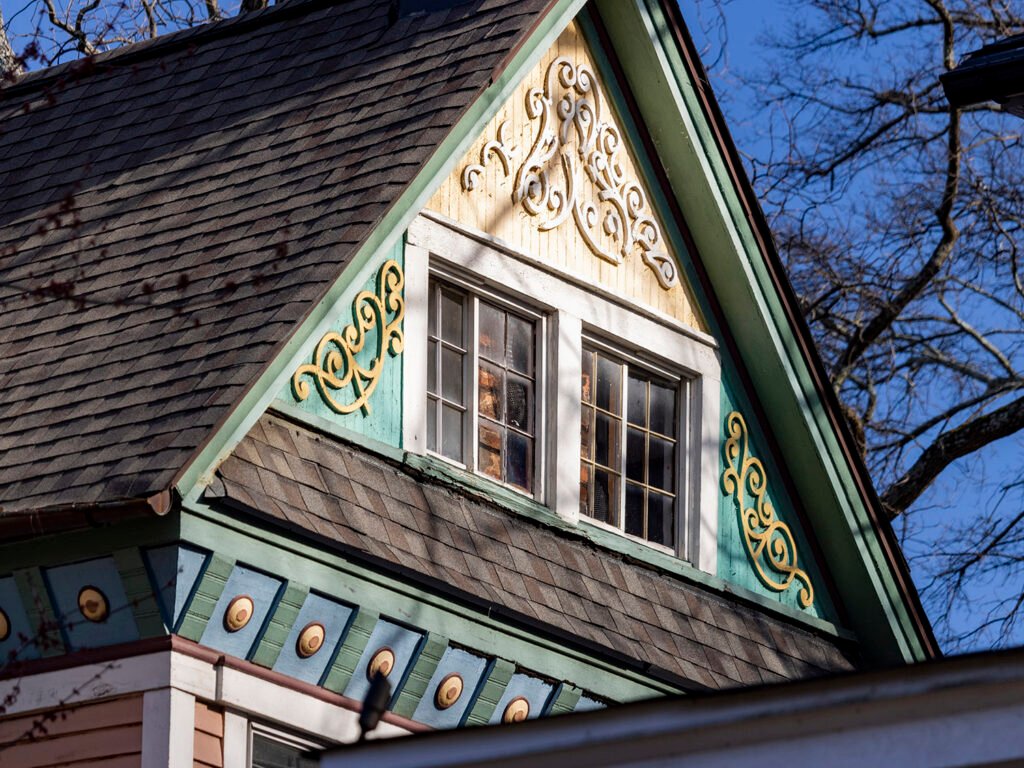
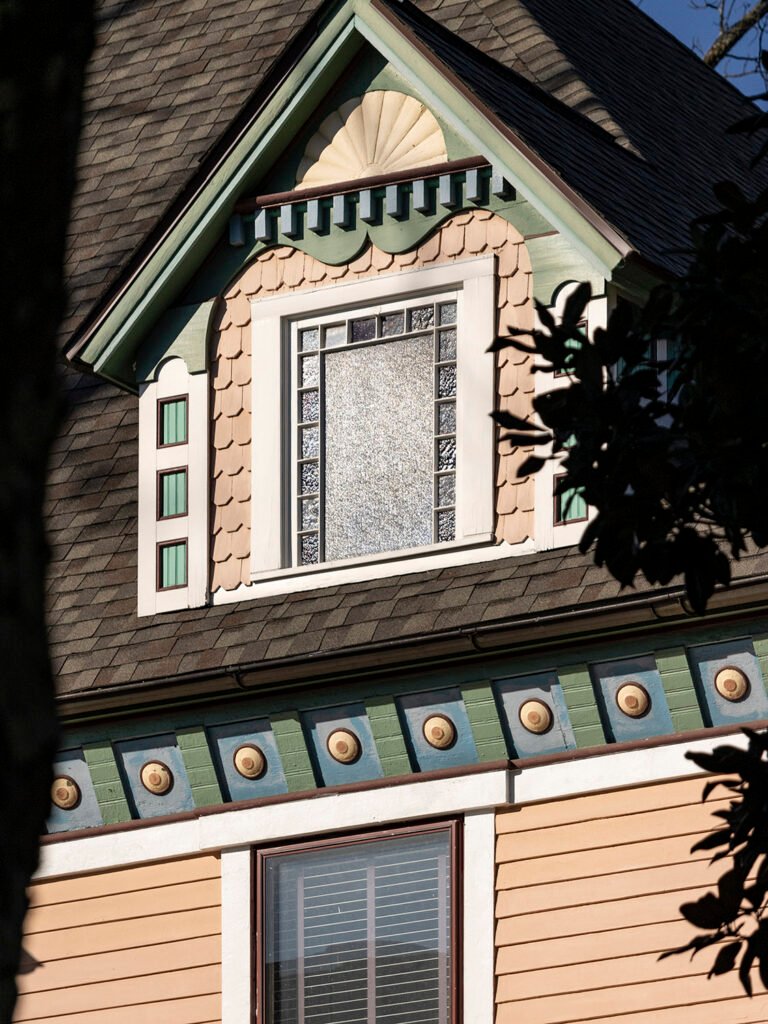
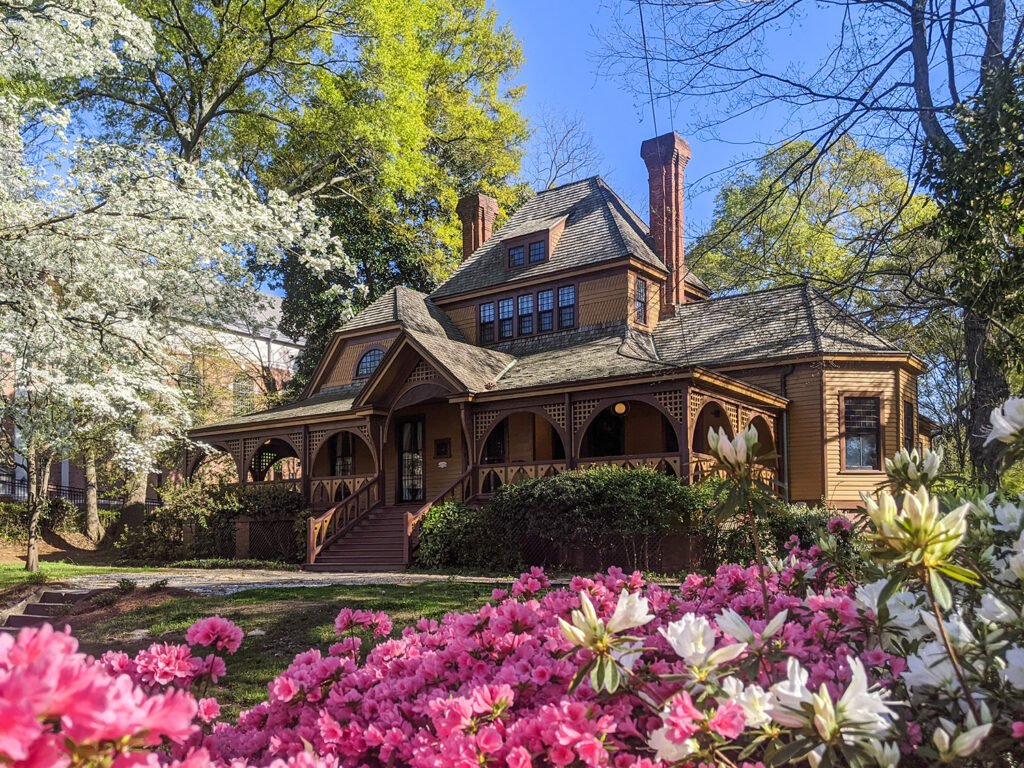
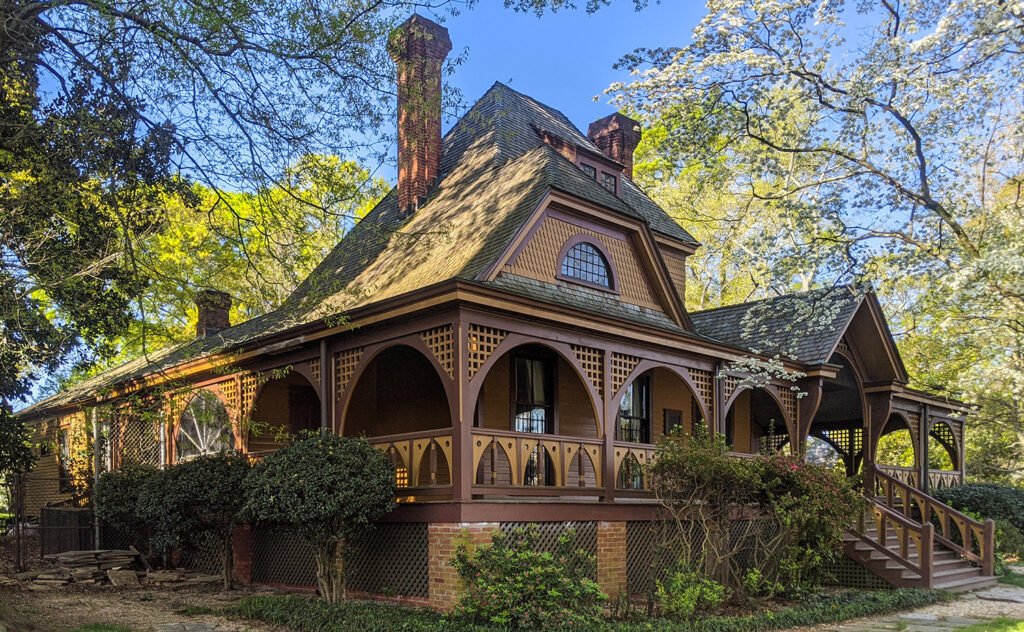
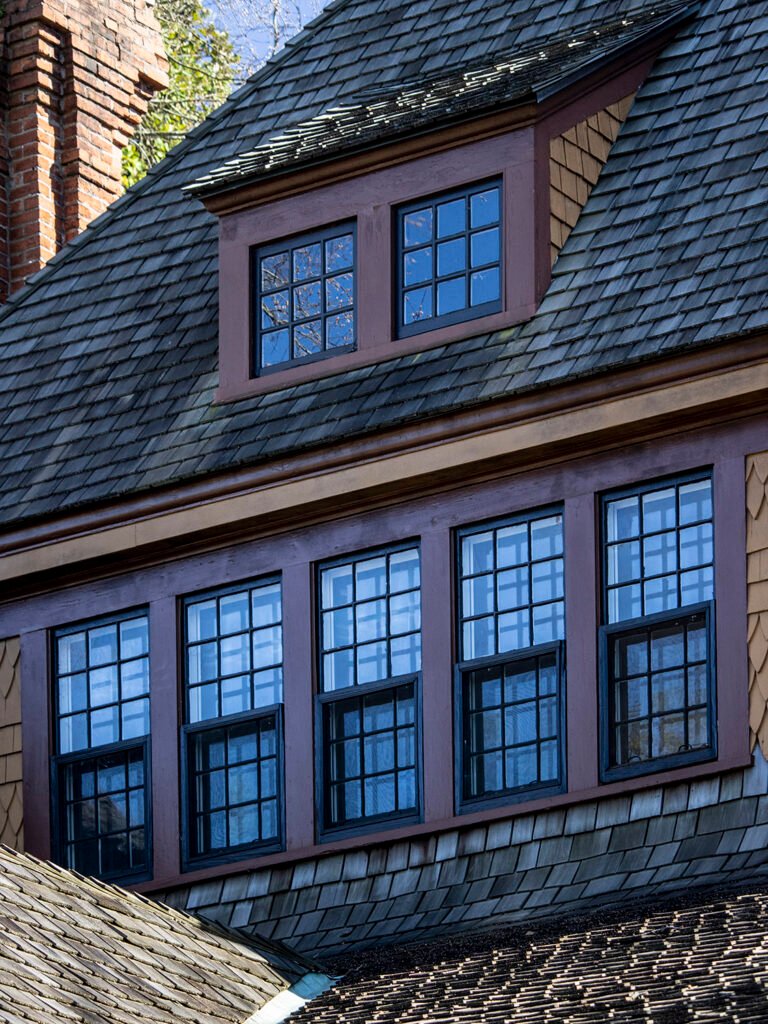
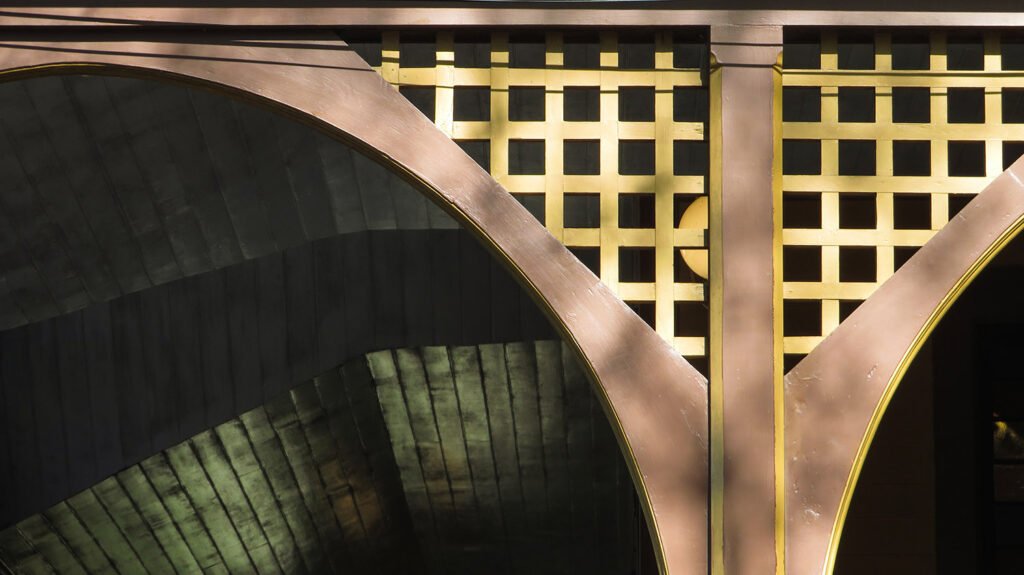
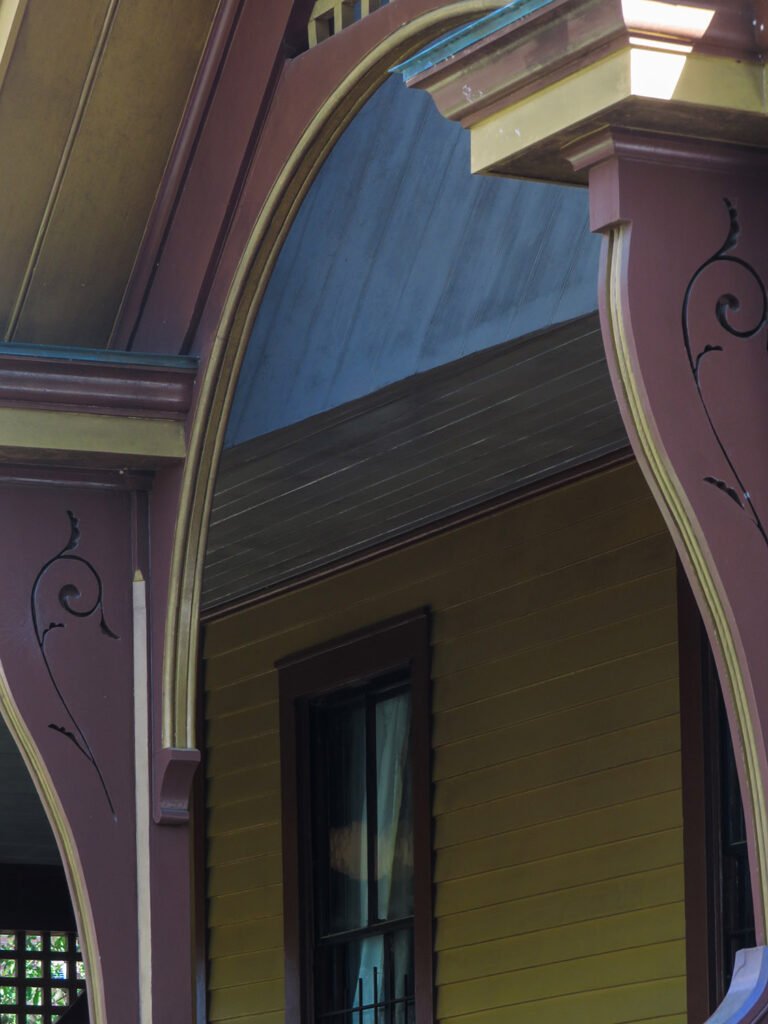
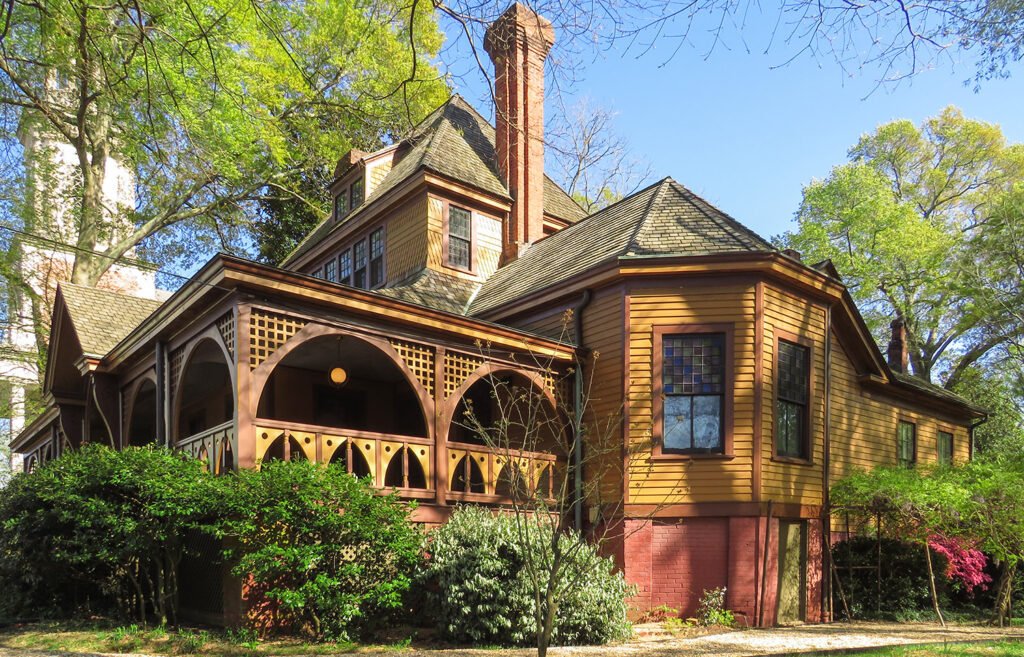
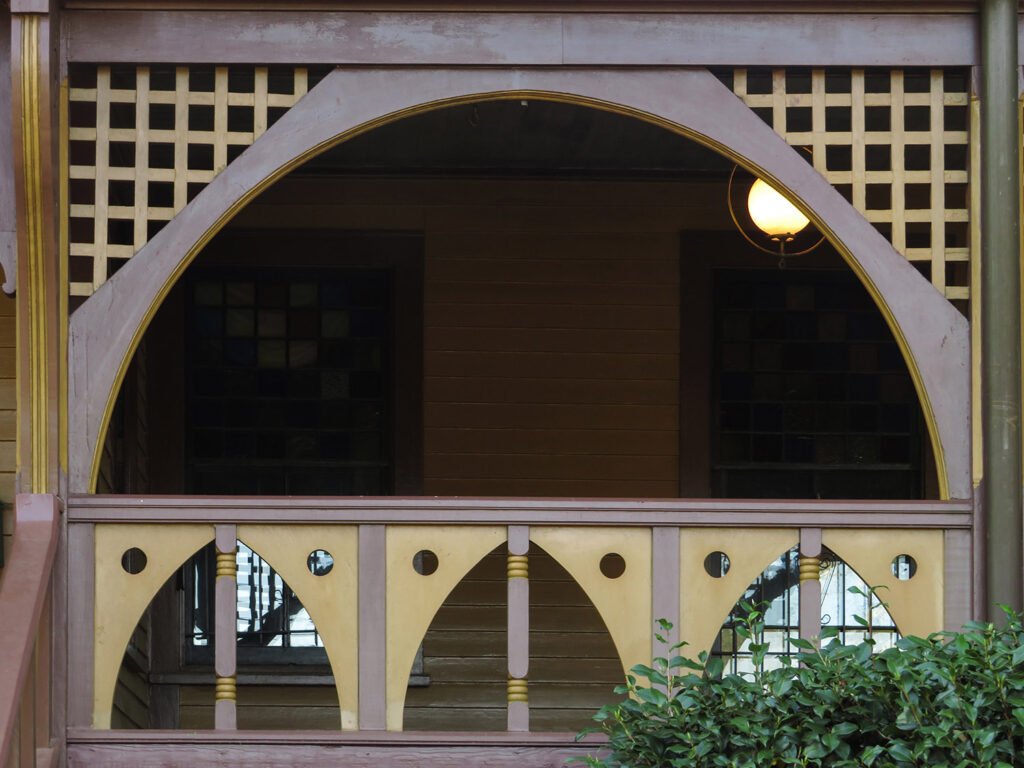
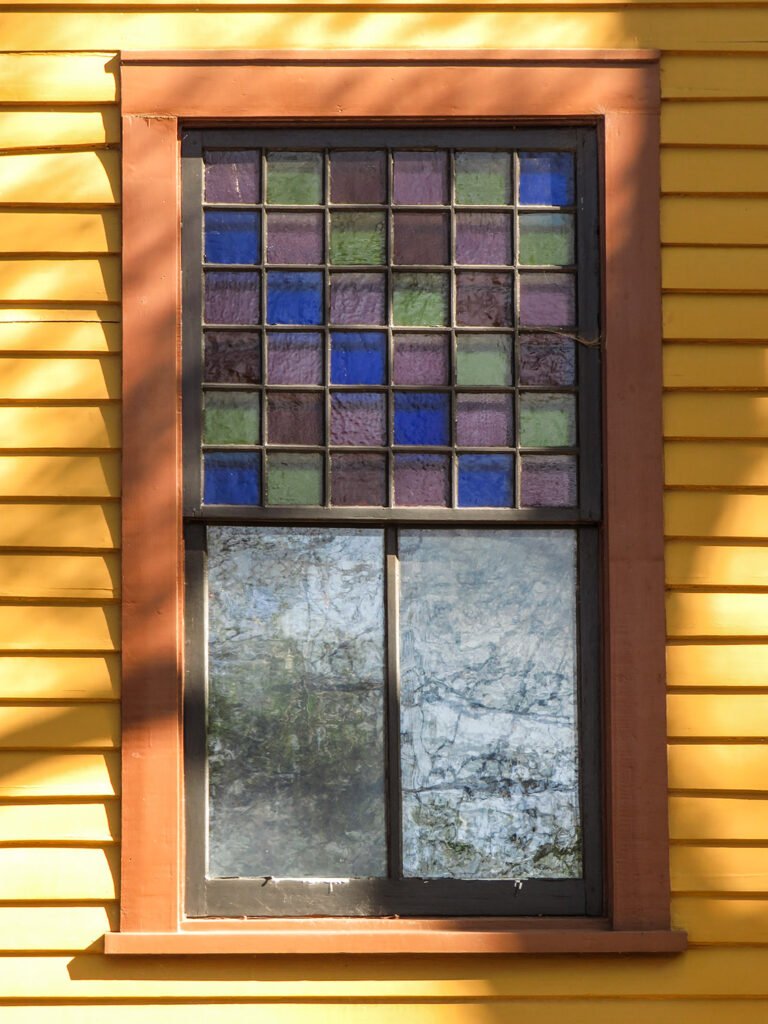
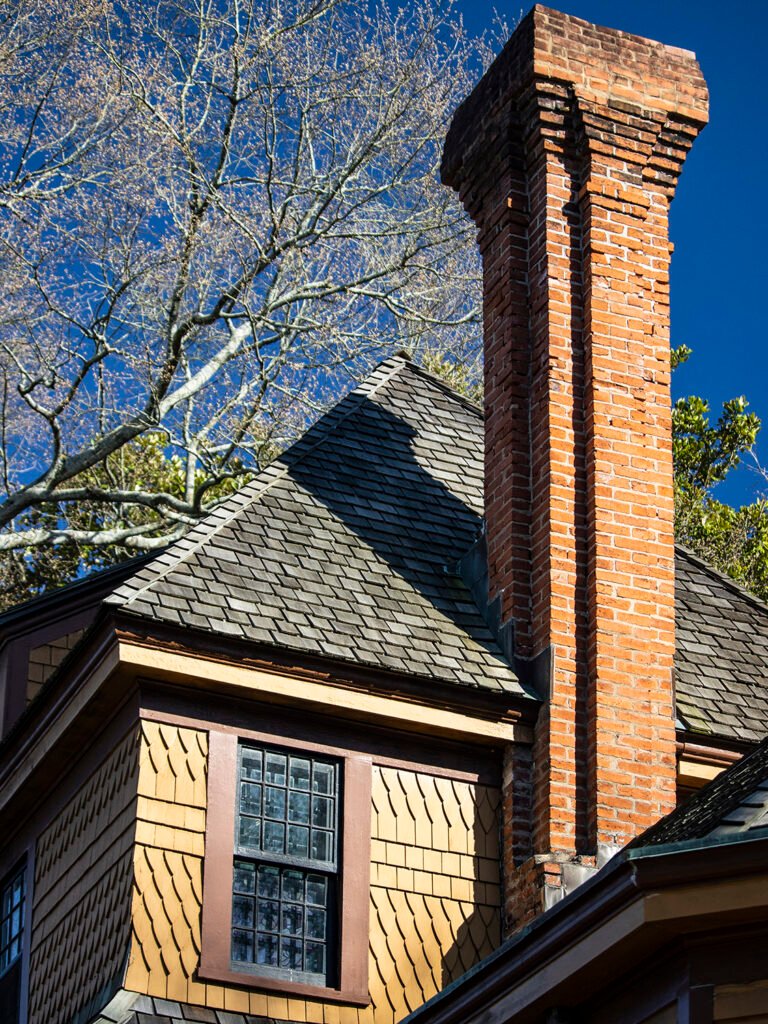
George P. Humphries. Joel Chandler Harris Residence, “The Wren’s Nest” (1884). West End, Atlanta.123Looking at The Wren’s Nest from the northeastSecond floor and dormer on The Wren’s NestPost, brackets, and latticework on the front porch of The Wren’s NestOpen pediment on front porch of The Wren’s NestLooking at The Wren’s Nest from the northwestFretwork rails and latticework on the front porch of The Wren’s NestStained-glass window on the west elevation of The Wren’s NestFish-scale shingles and chimney on the second floor of The Wren’s Nest
References
Bastedo, Mrs. Charles Wesley. “Early Architect”. The Atlanta Journal and Constitution Magazine, February 10, 1974, p. 5. ↩︎
“Building Notes.” The Atlanta Constitution, July 12, 1884, p. 7. ↩︎
“West End Notes.” The Atlanta Constitution, November 3, 1884, p. 7. ↩︎
A.McC. Nixon. J.M. Beath Residence (1890). Inman Park, Atlanta.
The Queen Anne-style J.M. Beath Residence in Atlanta’s Inman Park neighborhood, better known as the Beath-Dickey House, is the only known extant work by A.McC. Nixon, an architect who began his practice in Texas circa 1881 12 and first appeared in Atlanta in 1888.3
In late 1890, Nixon partnered with J.M.P. Lindsey under the name Nixon & Lindsey.4 The firm dissolved in 1894,5 shortly before a court trial in which the pair were acquitted on charges of larceny after trust stemming from their supervision of a home’s construction in 1891.6789 The client had accused the pair of pocketing money intended for the contractors, but the matter was successfully proven to be a simple accounting error.10
After the trial, Nixon’s work in Atlanta dwindled, and in July 1896, his personal possessions and business contents were sold at public auction to pay off debt.11 Apparently in poor health, he moved to England in July 1896, where he died that October.12
Nixon & Lindsey. D.H. Dougherty House (1891, demolished 1931). Atlanta.131415
Nixon wasn’t an especially good designer, and the Beath House’s clumsy, top-heavy design is typical of his oeuvre. In 1891, he also designed the similarly styled D.H. Dougherty Residence (later J.R. Hopkins Residence, demolished),16 which has been erroneously attributed to both G.L. Norrman and W.L. Stoddart.17 Atlanta really doesn’t know its own history.
Dormer on the J.M. Beath ResidenceBelvedere on the J.M. Beath ResidenceOrnamentation on the J.M. Beath ResidenceChimneys on the J.M. Beath Residence
References
“San Sada.” The Galveston Daily News, May 15, 1881, p. 1. ↩︎
“Twenty-Five Cent Column”. The Austin Daily Statesman, June 2, 1881, p. 3. ↩︎
“From Our Notebooks.” The Atlanta Constitution, October 1, 1888, p. 4. ↩︎
“Wanted.” The Atlanta Journal, November 15, 1890, p. 7. ↩︎
“A Dissolution of Copartnership.” The Atlanta Constitution, April 4, 1894, p. 3. ↩︎
“Architects On Trial.” The Atlanta Journal, June 21, 1894, p. 1. ↩︎
“The Architect Not Guilty.” The Atlanta Journal, June 22, 1894, p. 3. ↩︎
“Mr. Nixon Not Guilty.” The Atlanta Constitution, June 23, 1894, p. 5. ↩︎
“The Case Dismissed.” The Atlanta Journal, June 23, 1894, p. 9. ↩︎
J.W. Golucke.M.A. Hale Residence (1892). Inman Park, Atlanta.
This Queen Anne-style home is Atlanta’s only known extant work designed by J.W. Golucke (1857-1907),12 a shyster carpenter who built a career on smooth talk and grand delusions of being a legitimate architect.
A thoroughly fraudulent and incompetent designer, Golucke was one of several “Atlanta architects” of his era who did little actual work in the city, primarily peddling their shoddy plans to poor, rural communities that didn’t know any better. Thus, if you travel through backwoods Georgia, you’ll find more than a dozen county courthouses by Golucke’s design3 — all of them terrible.
Golucke fittingly died in a south Georgia jail cell while being held on charges of forgery,4 weeks after attempting suicide under the influence of drugs.56 His work is not celebrated here.
Gable on the M.A. Hale ResidenceDecorative brackets on the M.A. Hale ResidencePorch pediment and ornamentation on the M.A. Hale HouseBay window on the M.A. Hale ResidencePost and ornamentation on the M.A. Hale Residence
References
“Atlanta’s Growth.” The Atlanta Constitution, July 13, 1892, p. 7. ↩︎
“Mrs. M.A. Hale’s Death.” The Atlanta Constitution, March 29, 1896, p. 6. ↩︎