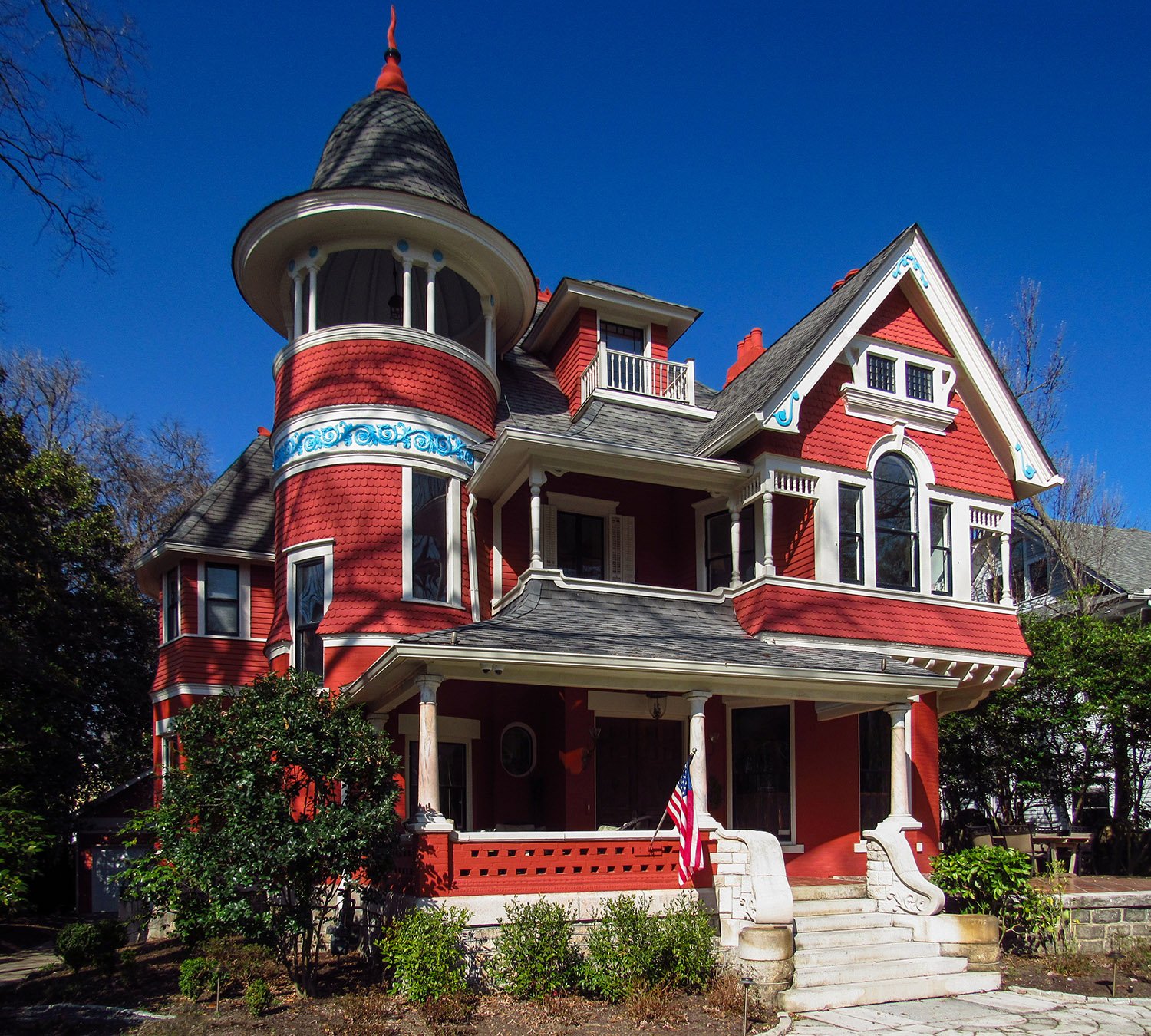
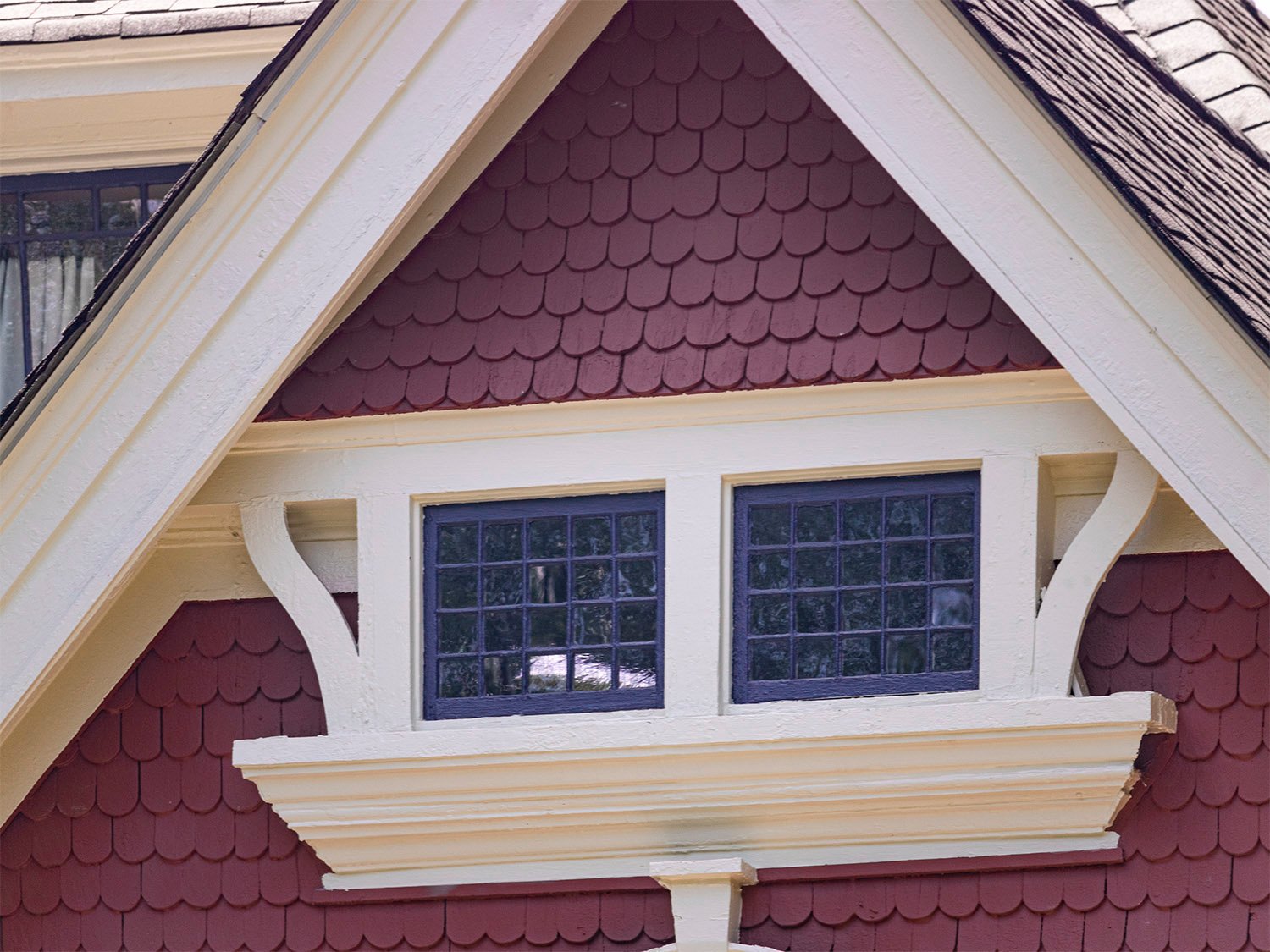
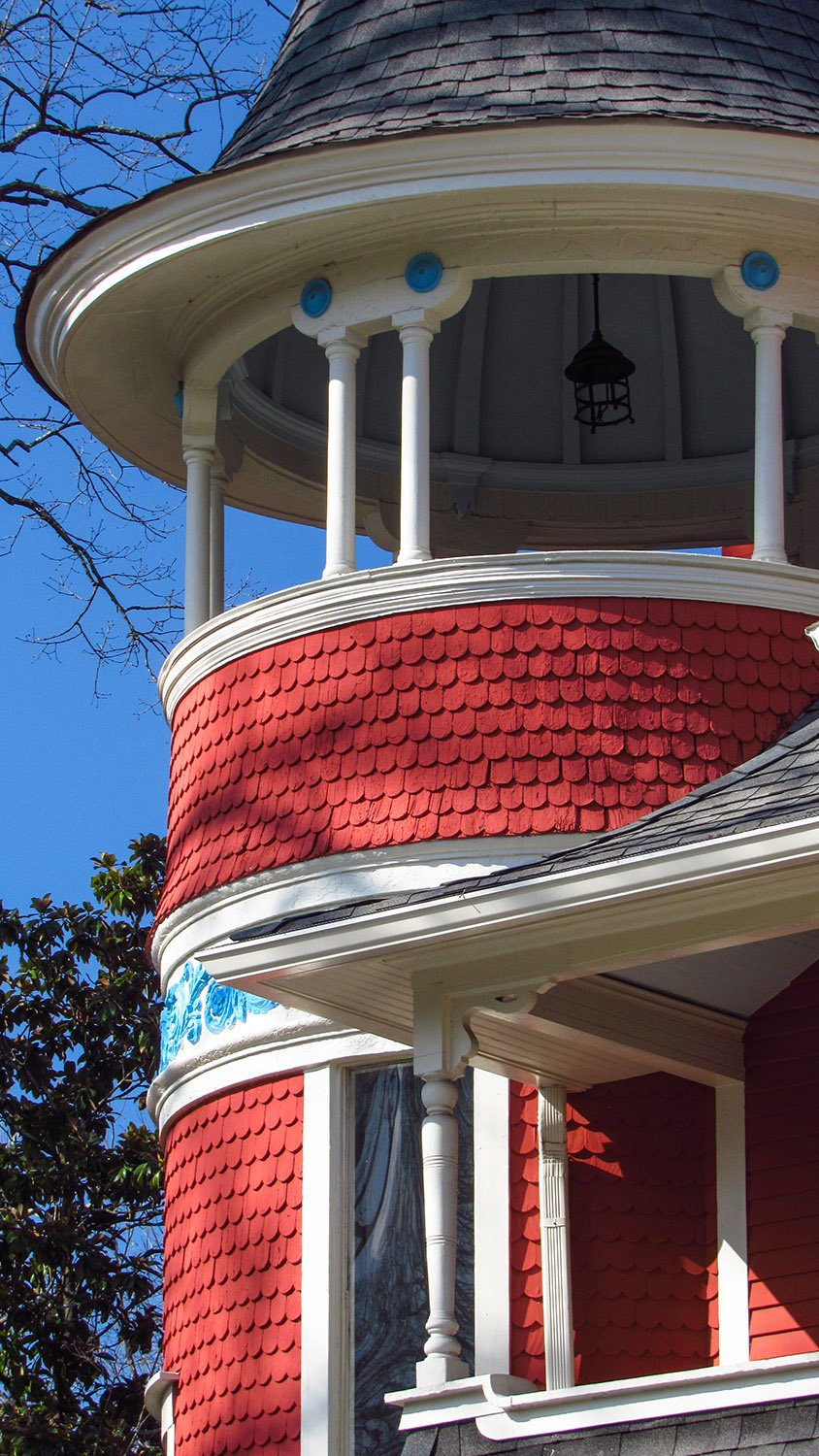
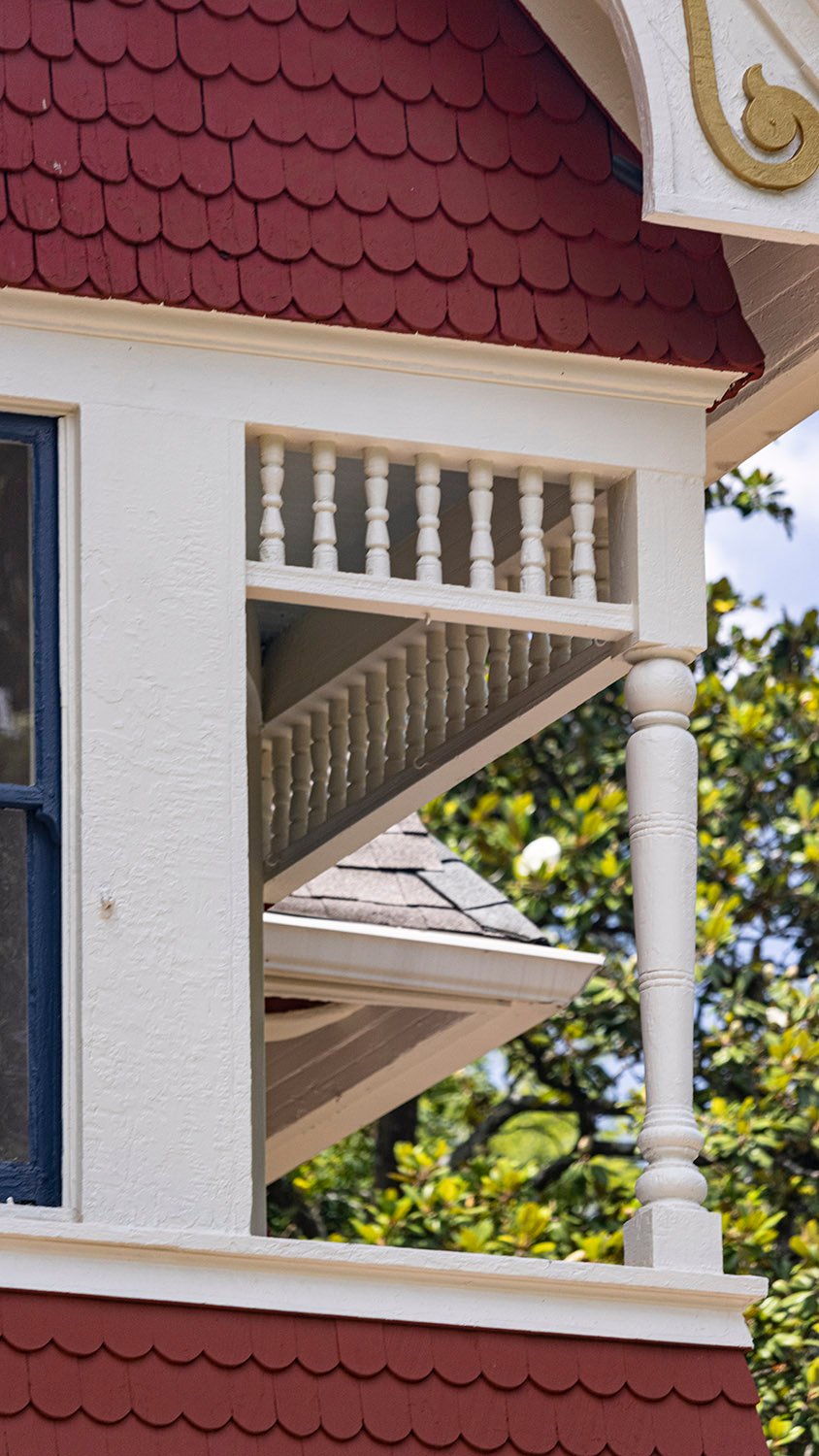
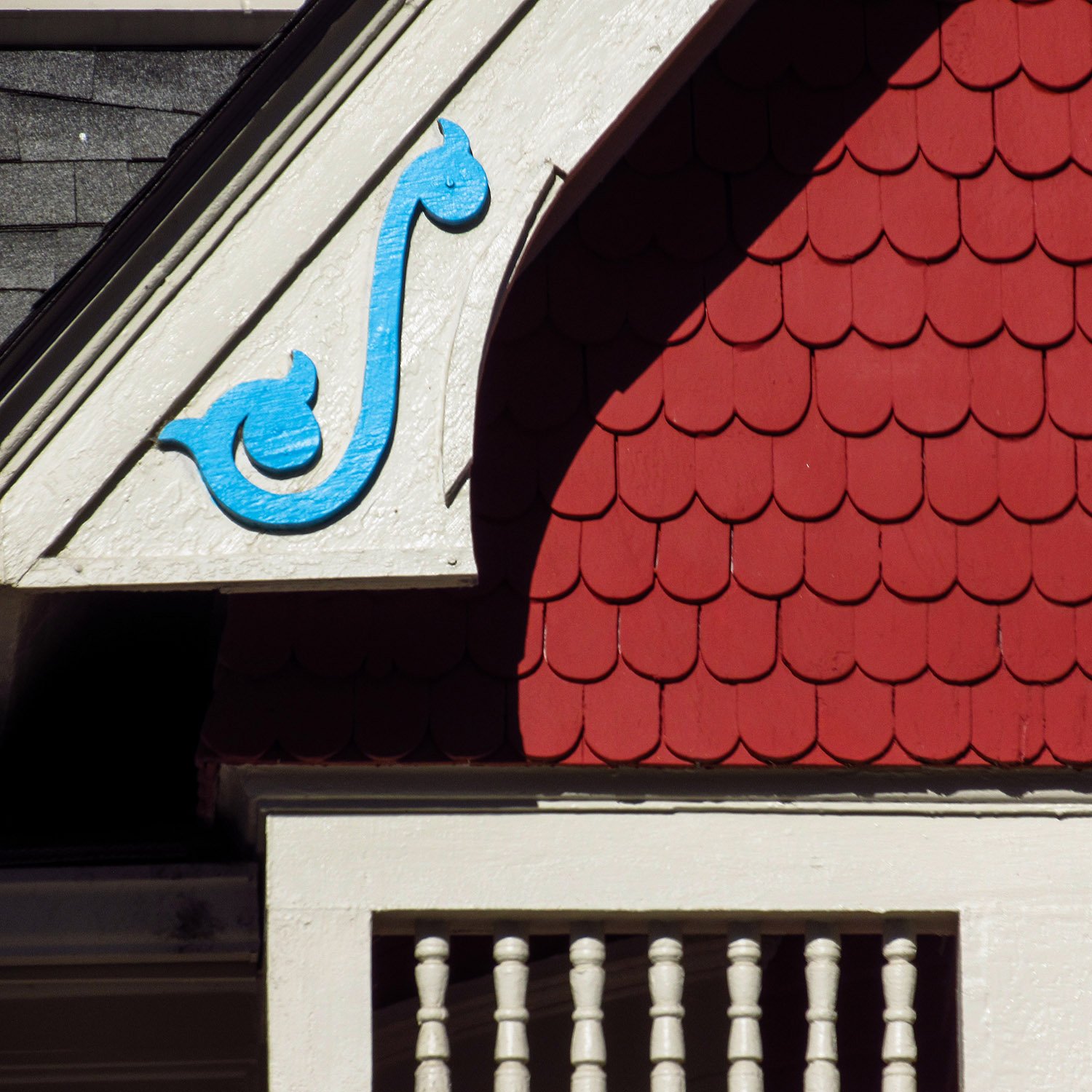
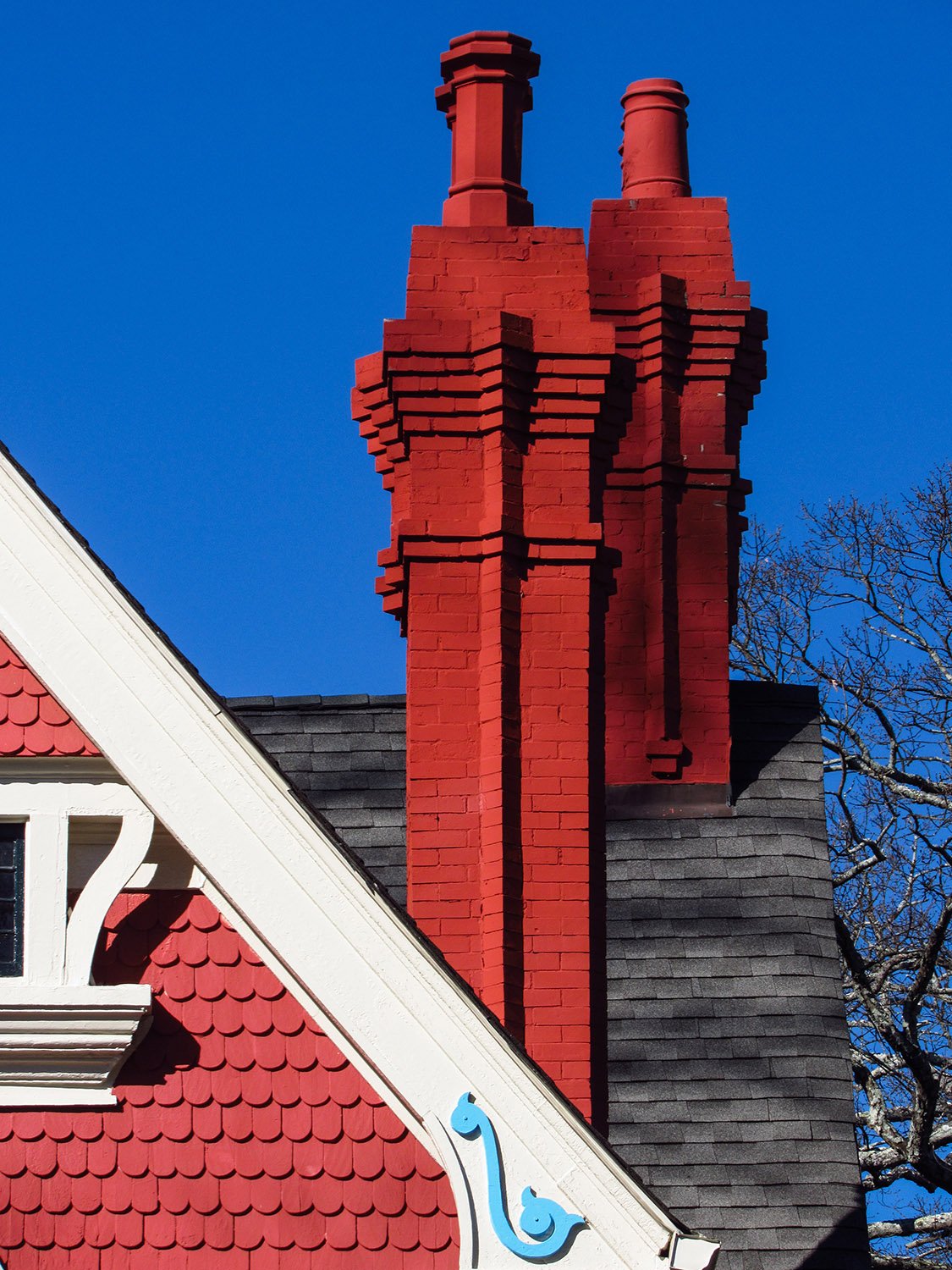
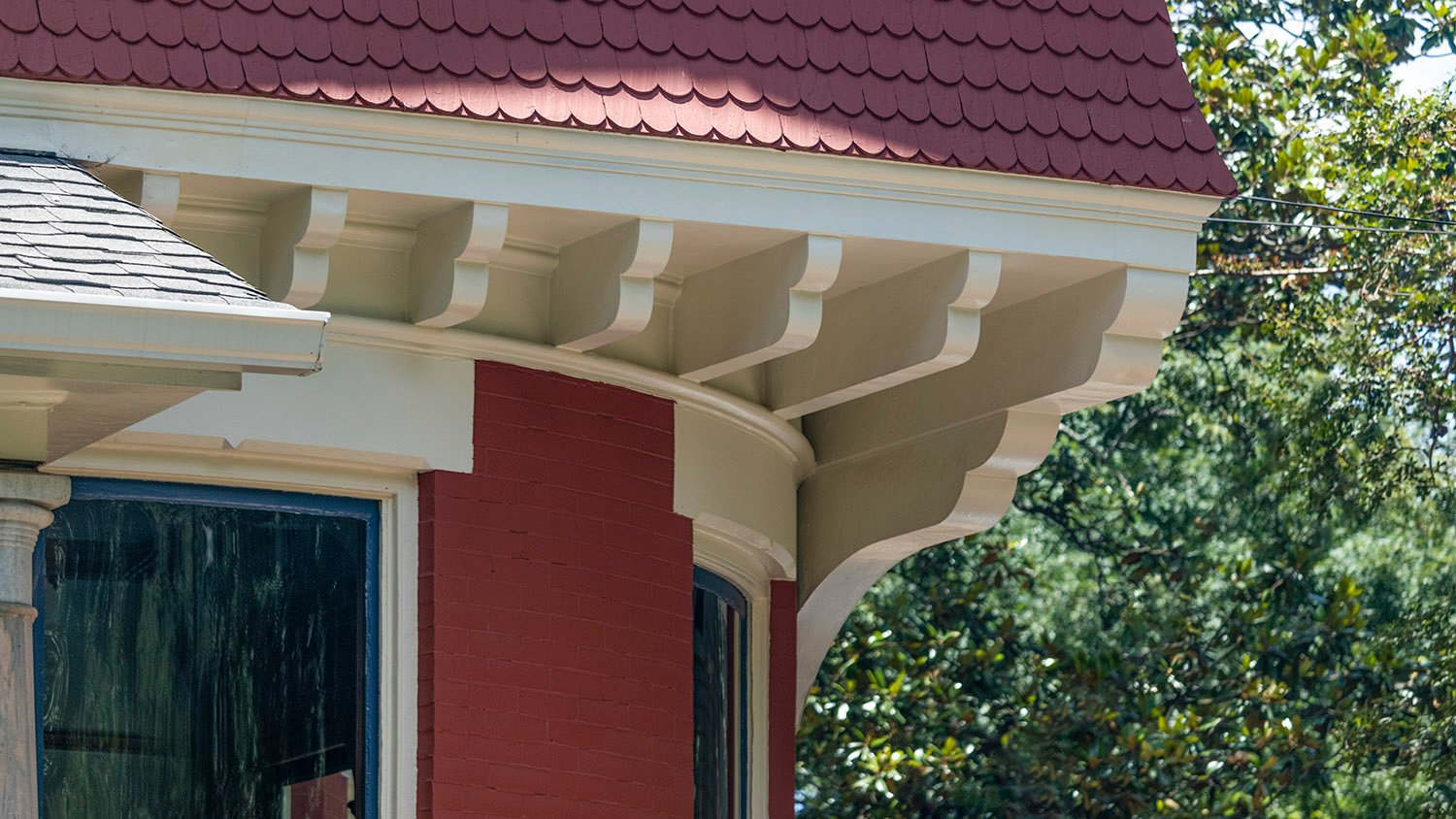
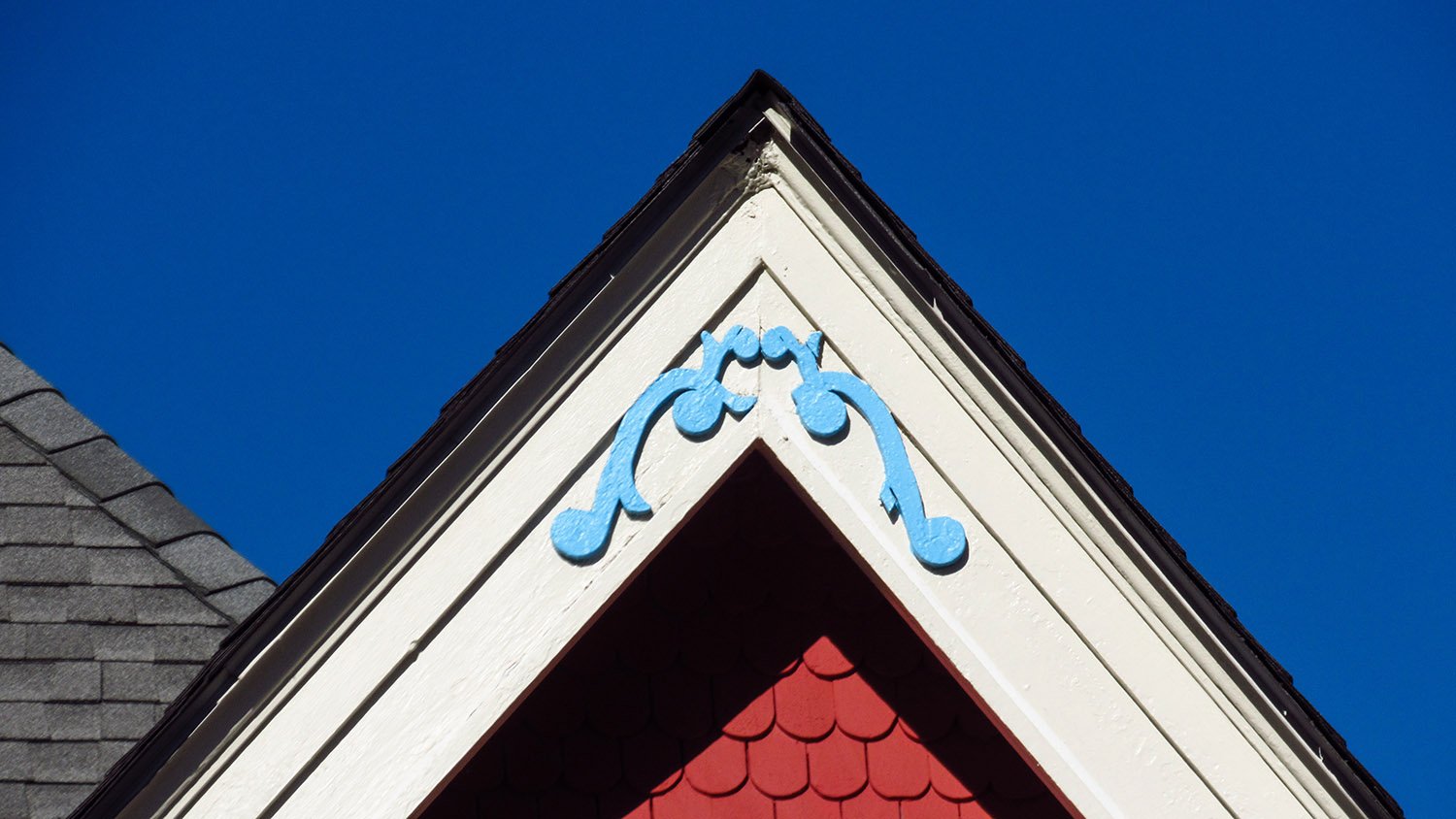
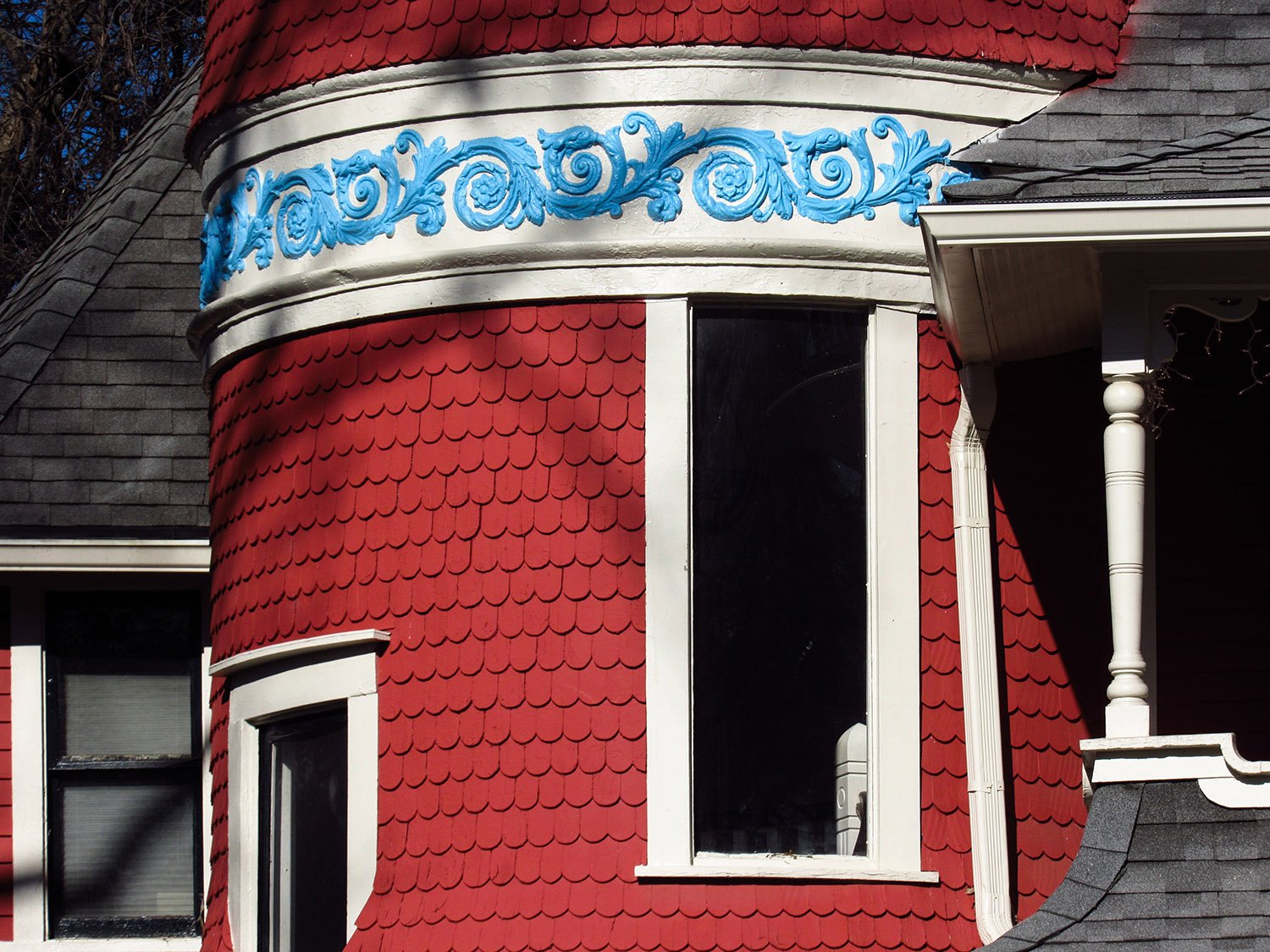
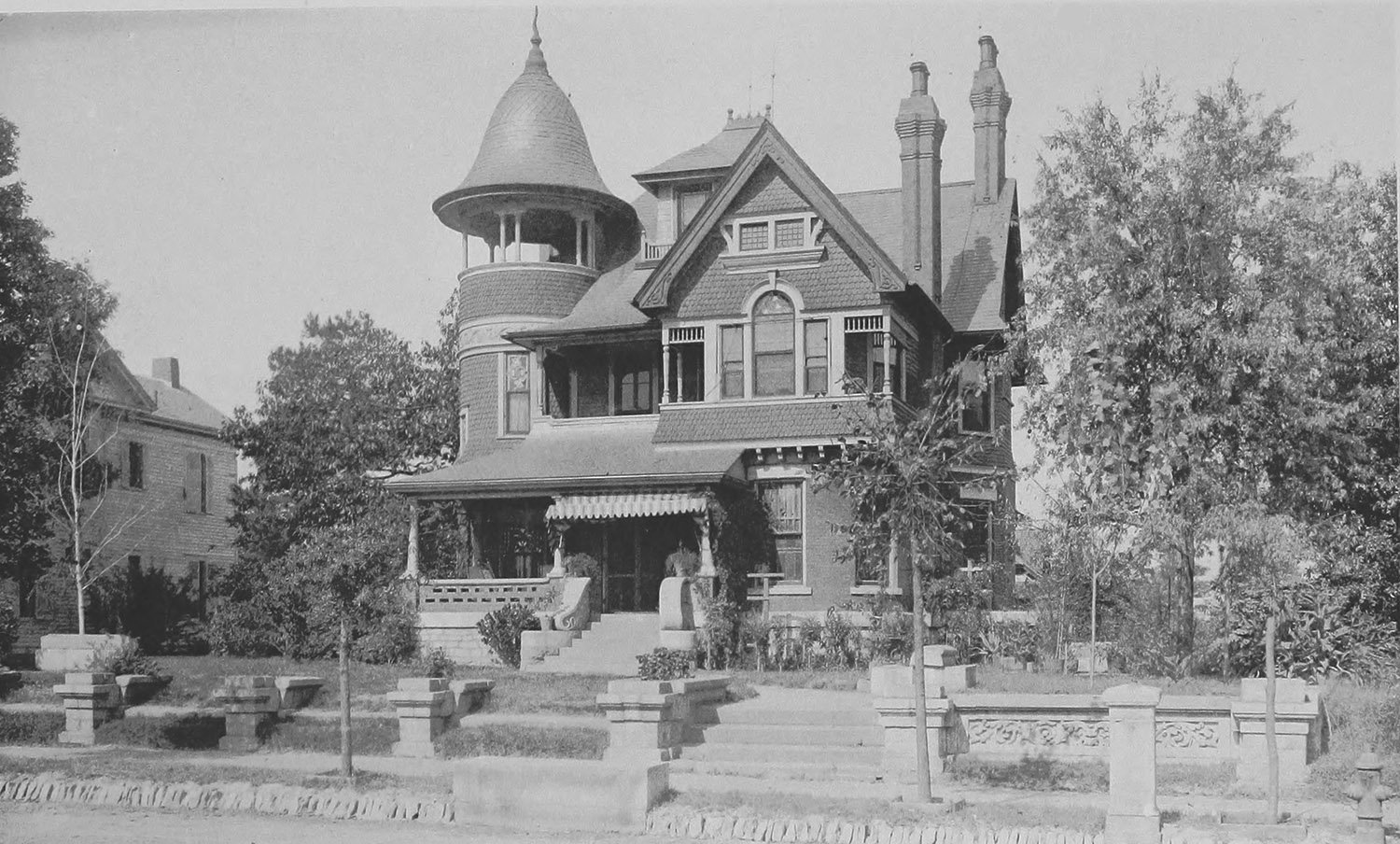
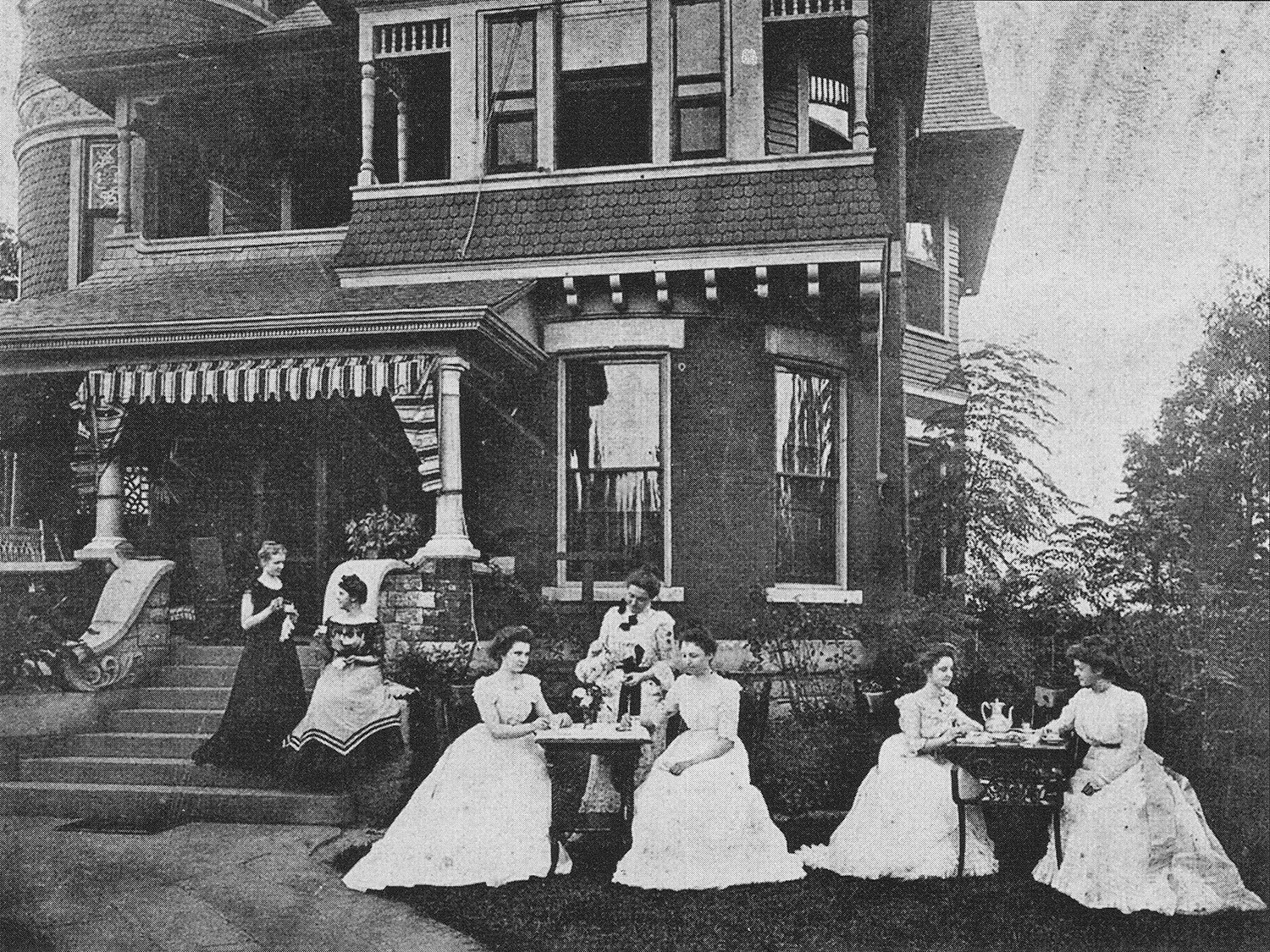
The Queen Anne-style J.M. Beath Residence in Atlanta’s Inman Park neighborhood, better known as the Beath-Dickey House, is the only known extant work by A.McC. Nixon, a British-born architect1 who began his practice in Texas circa 1881 2 3 and first appeared in Atlanta in 1888.4
In late 1890, Nixon partnered with J.M.P. Lindsey as Nixon & Lindsey.5 The firm dissolved in 1894,6 shortly before a court trial in which the pair were acquitted on charges of larceny after trust stemming from their supervision of a home’s construction in 1891.7 8 9 10 The client had accused the pair of pocketing money intended for the contractors, but the matter was successfully proven to be a simple accounting error.11
Lindsey moved to Toronto in January 1895,12 and Nixon’s work in Atlanta dwindled. In July 1896, his personal possessions and business contents were sold at public auction to pay off debt.13
Apparently quite ill, Nixon returned to England in July 1896, “in the hope that the sea voyage might improve his shattered health.”14 Yet as The Southern Architect so eloquently reported:
“On the contrary, the physicians consulted after his arrival in England pronounced his ailment a hopeless case of consumption, and gave him but a few weeks of life. This will be sad news to all who knew the gentleman here in his adopted city and throughout the South, where he established a high reputation as a skilled architect, and had won many friends by his gentle and cultured manners, and whose sincere sympathies like silken chords will extend to him and his across the ocean in their hours of trial and affliction.”15
Nixon died in England in October 1896.16
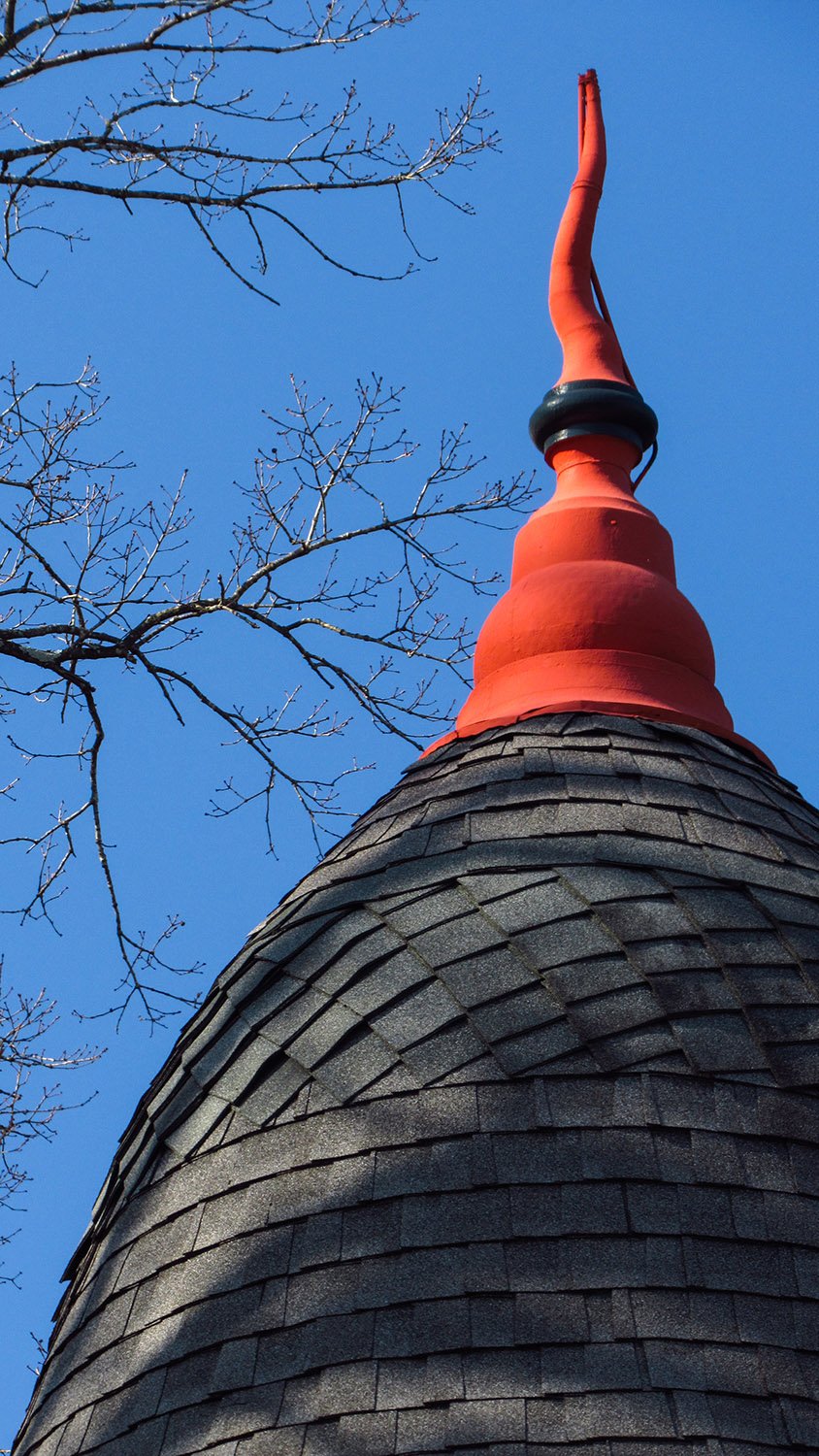
Despite the claim that he was a “skilled architect,” I’ve seen no evidence that Nixon was an especially good designer, and the Beath Residence’s clumsy, top-heavy design is typical of his oeuvre.
The home was said to be of the “Domestic Gothic” style, “although not pure in this style throughout.”20 That was an understatement: I see little Gothic about it.
The home was also reportedly built “at very moderate cost,”21 which is apparent from its appearance.
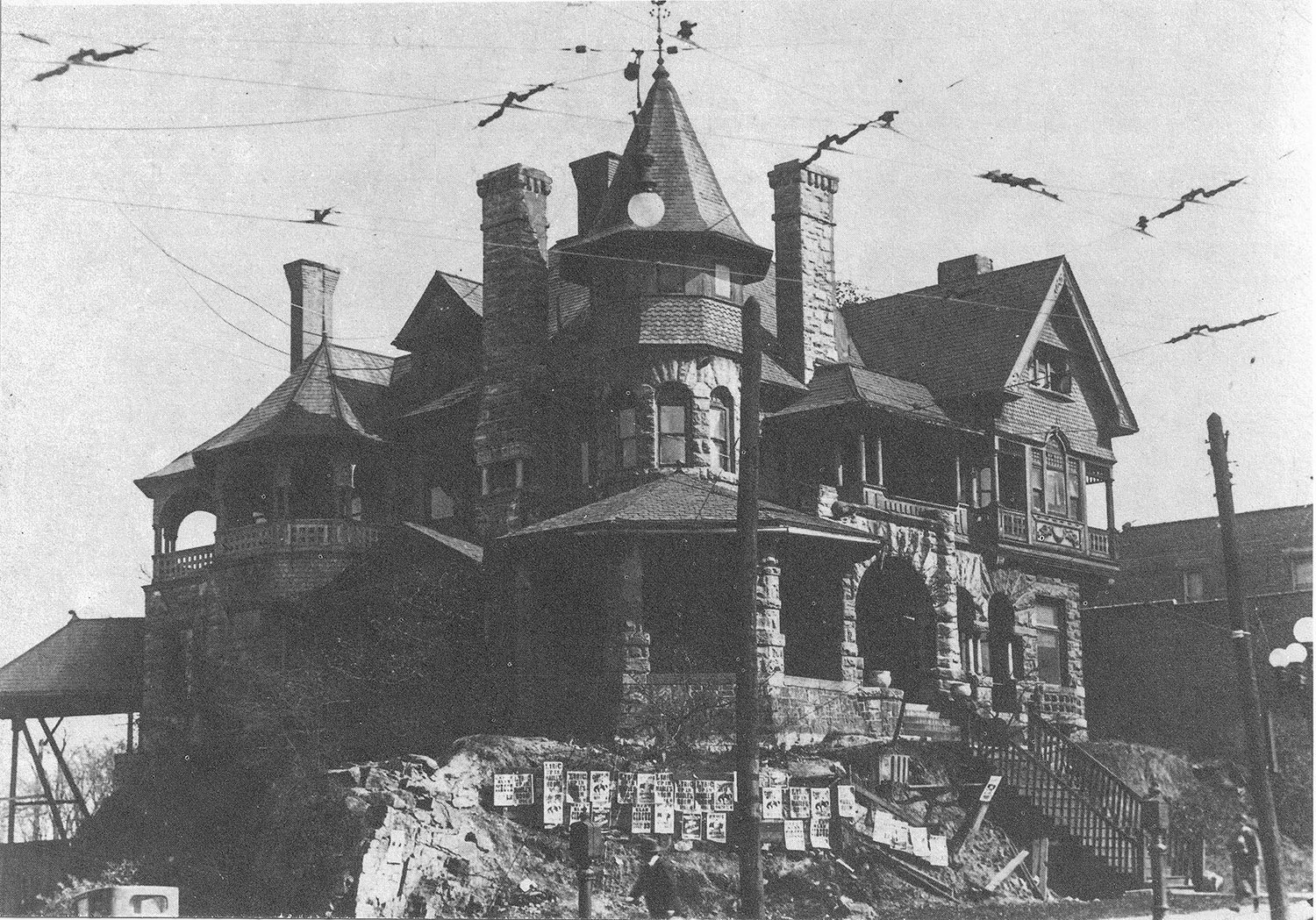
In 1891, Nixon also designed the similarly styled D.H. Dougherty Residence (above, demolished),22 which has been erroneously attributed to both G.L. Norrman and W.L. Stoddart.23
Atlanta really doesn’t know its own history.
References
- “Personal.” The Southern Architect, Volume 7, No. 9 (July 1896), p. 182. ↩︎
- “San Sada.” The Galveston Daily News, May 15, 1881, p. 1. ↩︎
- “Twenty-Five Cent Column”. The Austin Daily Statesman, June 2, 1881, p. 3. ↩︎
- “From Our Notebooks.” The Atlanta Constitution, October 1, 1888, p. 4. ↩︎
- “Wanted.” The Atlanta Journal, November 15, 1890, p. 7. ↩︎
- “A Dissolution of Copartnership.” The Atlanta Constitution, April 4, 1894, p. 3. ↩︎
- “Architects On Trial.” The Atlanta Journal, June 21, 1894, p. 1. ↩︎
- “The Architect Not Guilty.” The Atlanta Journal, June 22, 1894, p. 3. ↩︎
- “Mr. Nixon Not Guilty.” The Atlanta Constitution, June 23, 1894, p. 5. ↩︎
- “The Case Dismissed.” The Atlanta Journal, June 23, 1894, p. 9. ↩︎
- ibid. ↩︎
- “Personally Speaking.” The Atlanta Journal, January 12, 1895, p. 12. ↩︎
- “Public Sale of Personal Valuable Property”. The Atlanta Journal, June 15, 1896, p. 2. ↩︎
- “Personal.” The Southern Architect, Vol. 7, No. 9 (July 1896), p. 182. ↩︎
- ibid. ↩︎
- “Mr. A. McC Nixon Dead.” The Atlanta Journal, October 26, 1896, p. 5. ↩︎
- Photo credit: Garrett, Franklin M. Yesterday’s Atlanta. Miami: E.A. Seamann Publishing, Inc. (1974). ↩︎
- “Happy Days Are Recalled by Atlantians as Old Colonial Club Yields To Progress”. The Atlanta Journal, February 22, 1931, p. 4. ↩︎
- “Miscellaneous for Sale” (advertisement). The Atlanta Constitution, February 18, 1931, p. 20. ↩︎
- “The Illustrations”. The Southern Architect, Vol. 6, No. 8 (June 1895), p. 167. ↩︎
- ibid. ↩︎
- ibid. ↩︎
- “Hopkins Corner Leased 10 Years By Goodrich Co.” The Atlanta Journal, January 7, 1931, p. 14. ↩︎
- Photo credit: Art Work of Atlanta: Published in Nine Parts ↩︎
- Photo credit: Marr, Christine V. and Sharon Foster Jones. Inman Park. Arcadia Publishing: Charleston, South Carolina, 2008, p. 45. ↩︎