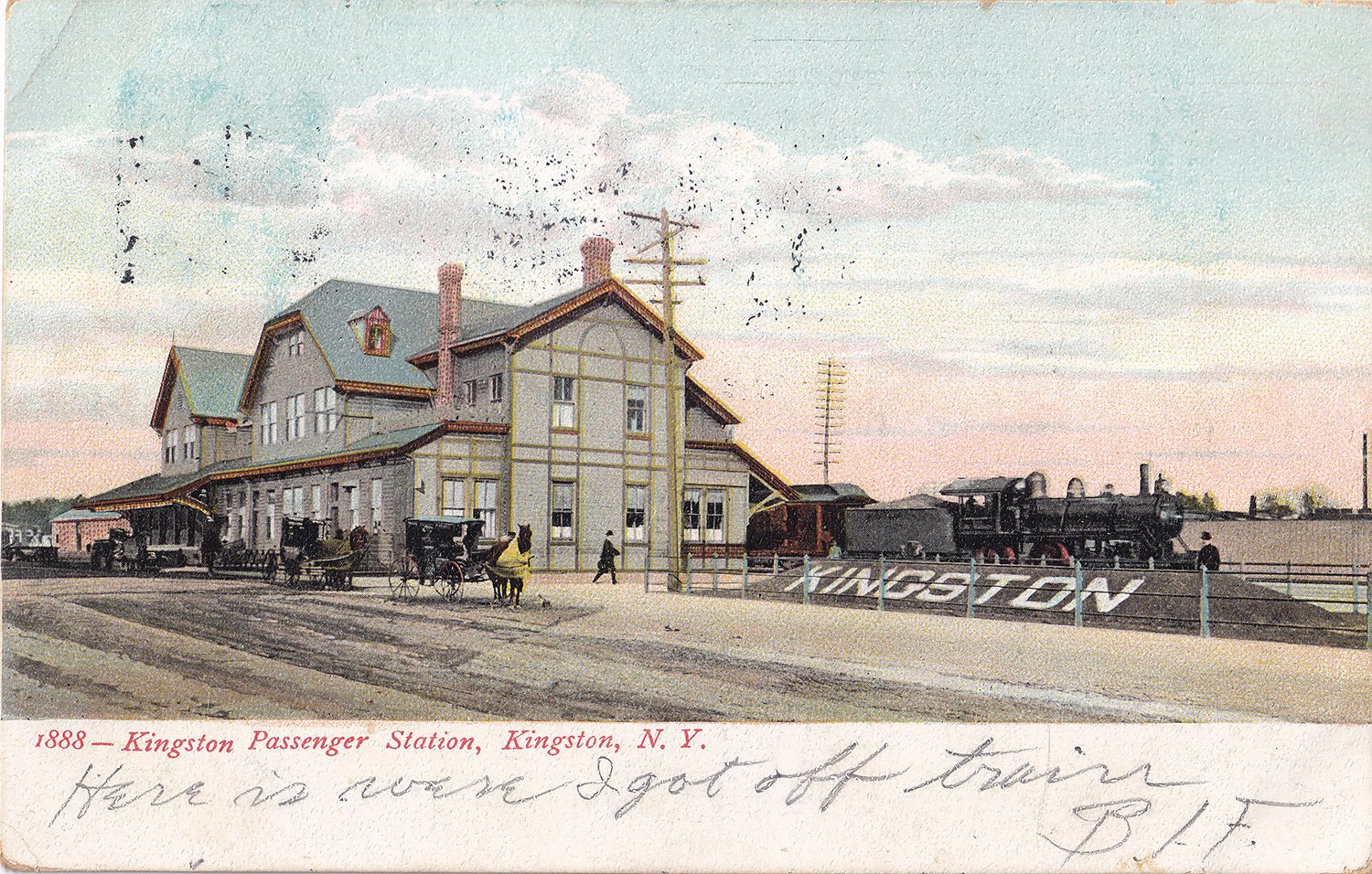
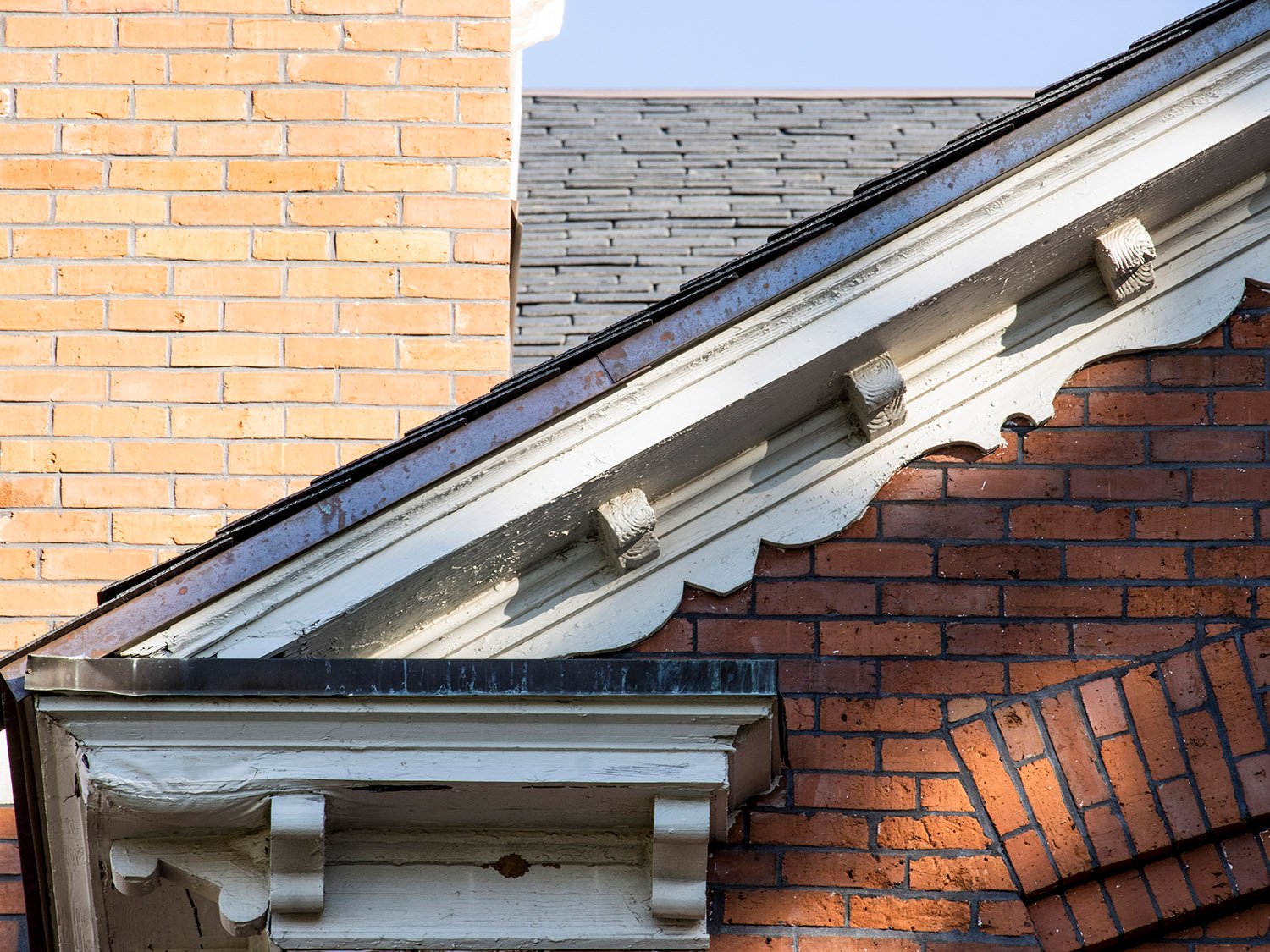
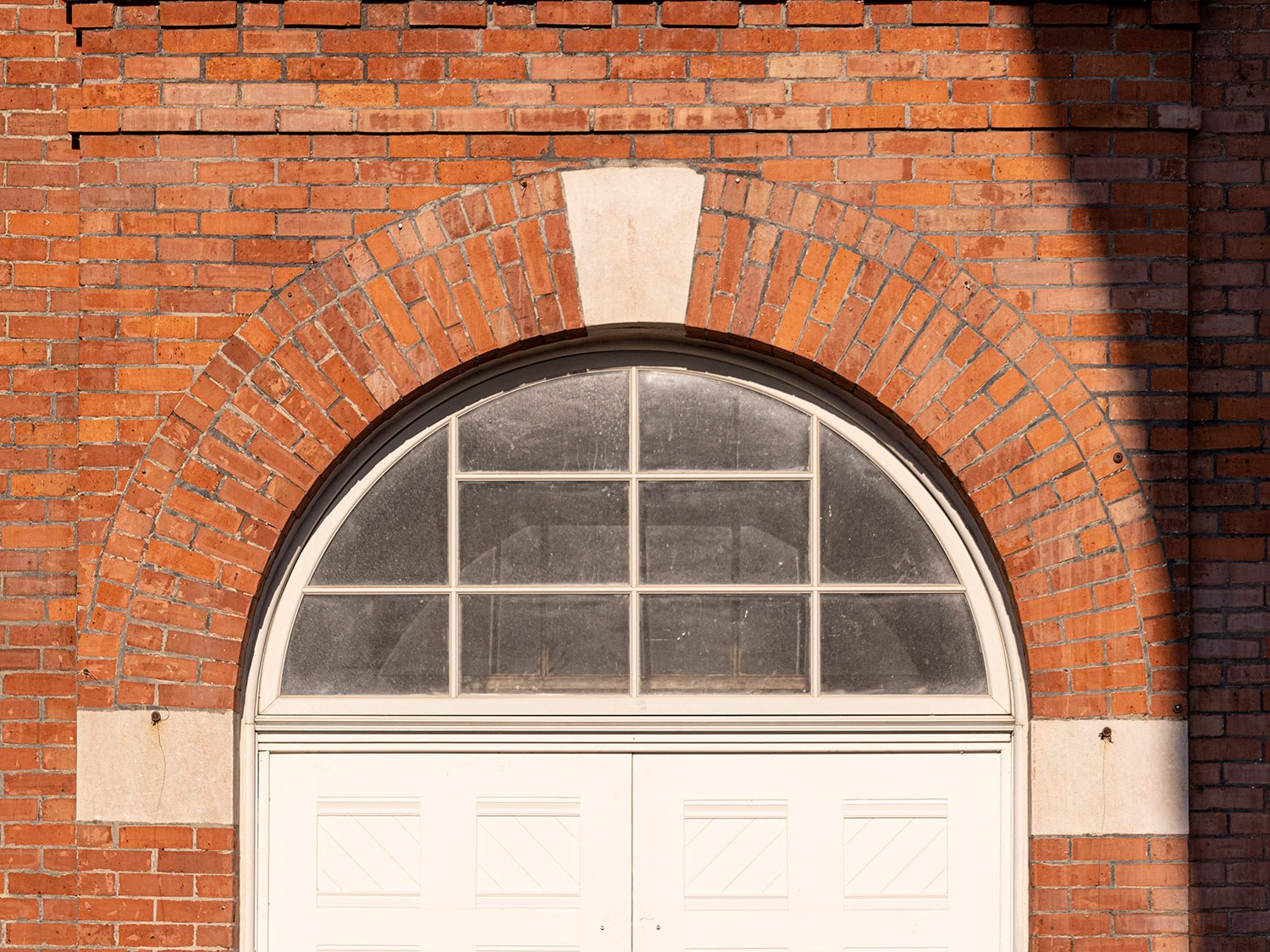
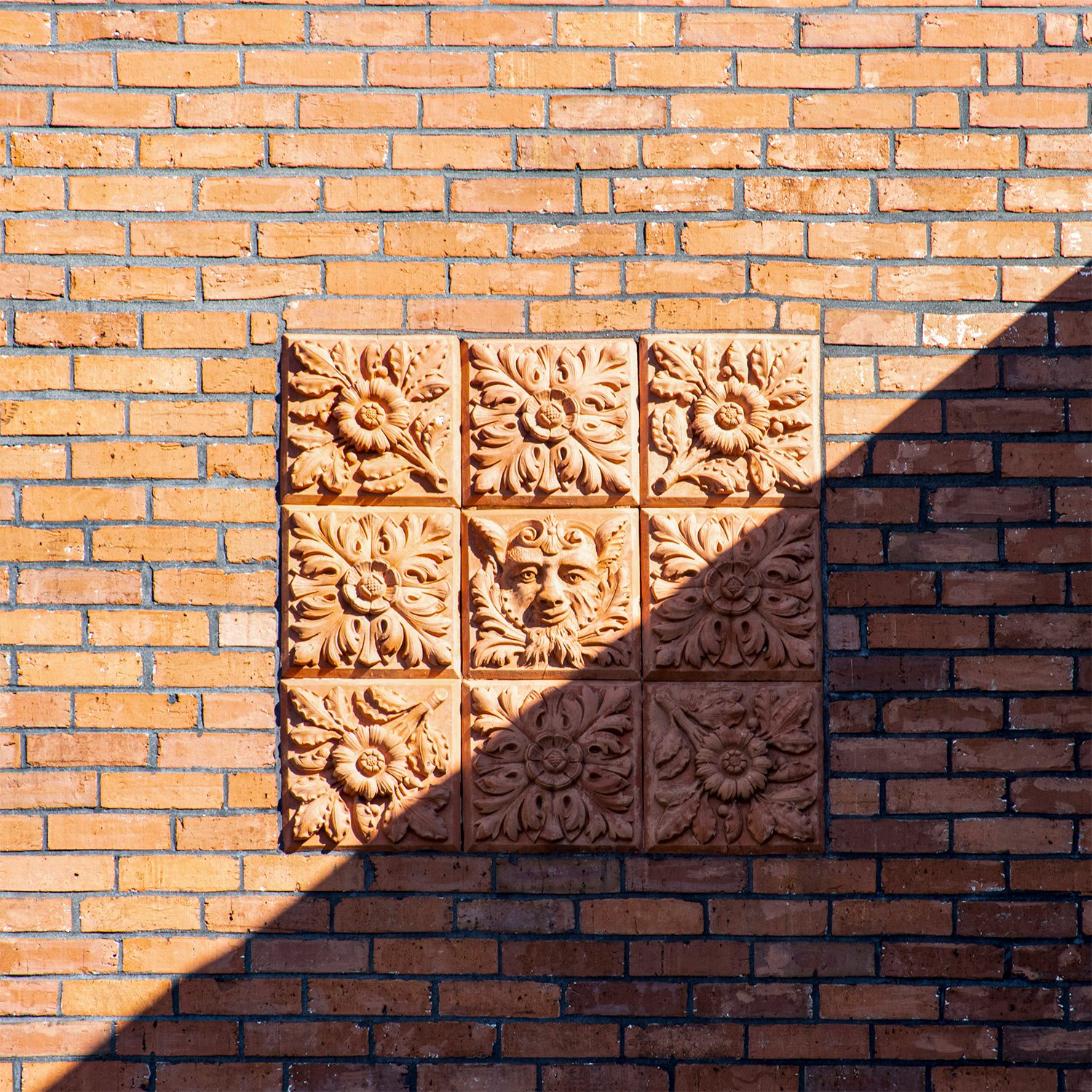
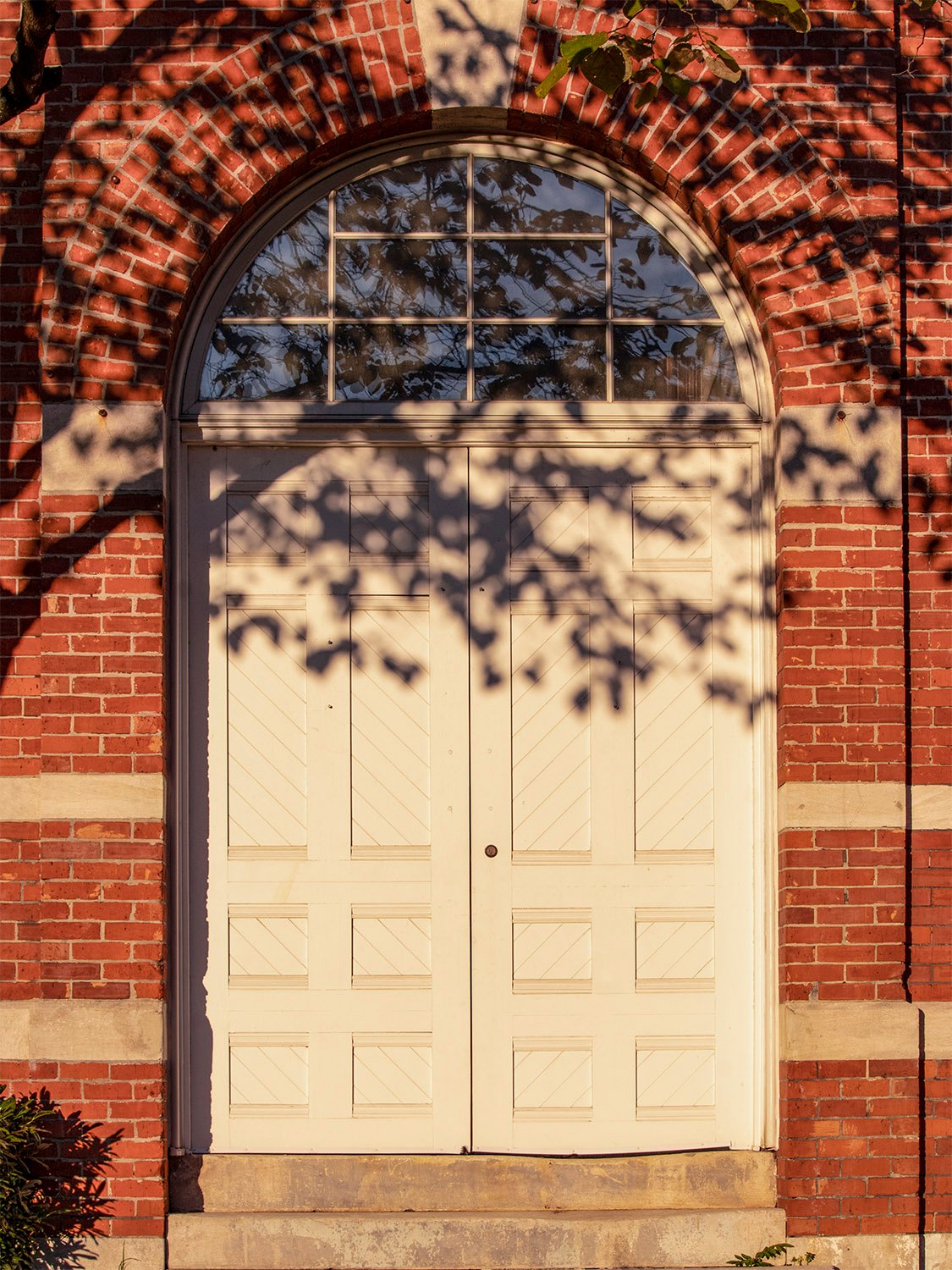
This postcard depicts the Kingston Passenger Station in Kingston, New York, completed in 1883.
Between 1875 and 1880, Kingston was the home of W.W. Goodrich, a terrible architect and bullshitter extraordinaire who later practiced in Atlanta.
Goodrich had nothing to do with the design of this Queen Anne-style depot, but you’ll be seeing more about Northern train stations here at some point in the future—and Goodrich (blech).
BIF wrote on the front of the postcard: “Here is where I got off train.”
It’d be more fun if he’d omitted the last word.
The card was postmarked in Poughkeepsie, New York, date unreadable, and addressed to Miss E. Crosby of RFD #2, Chester, Vt.
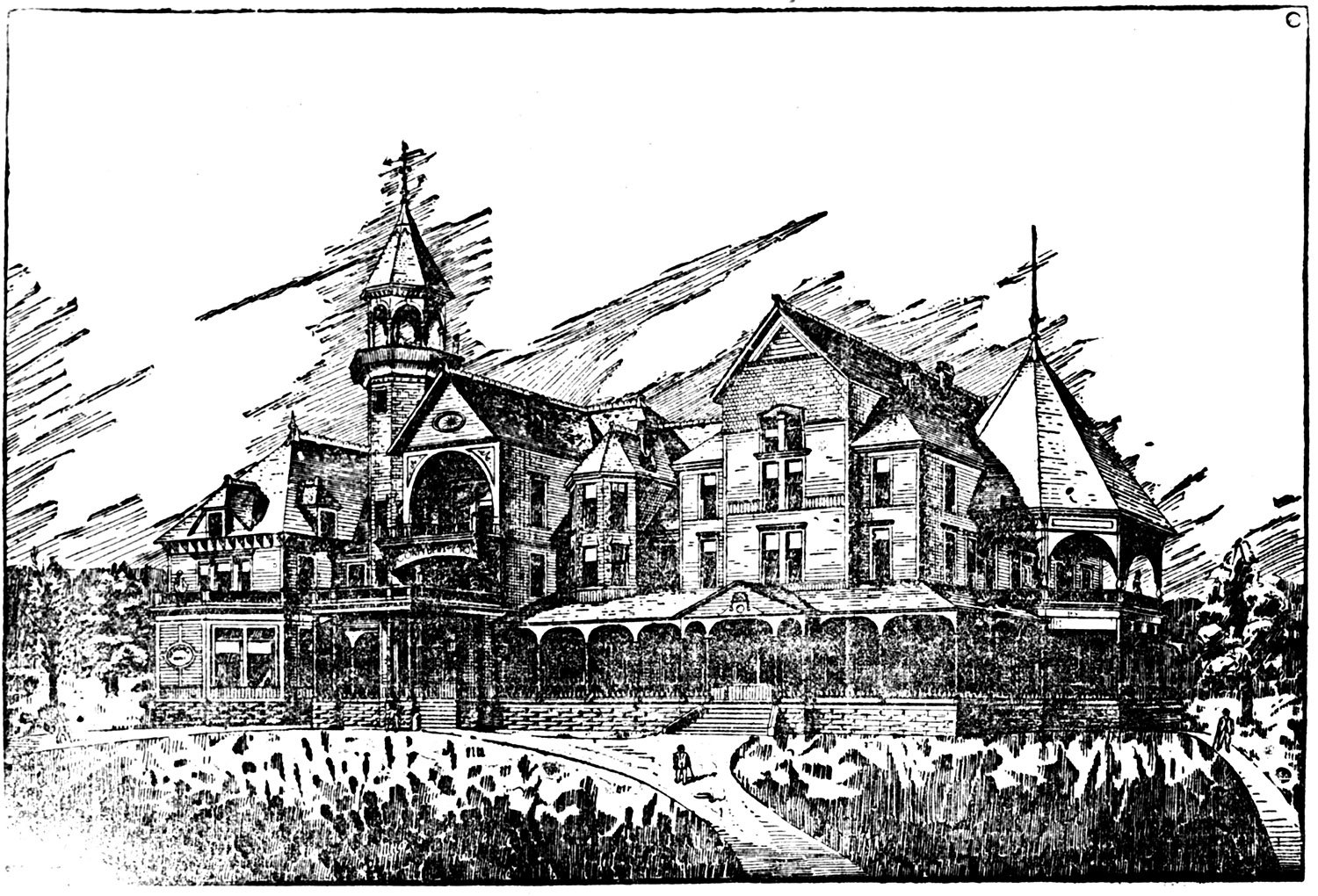
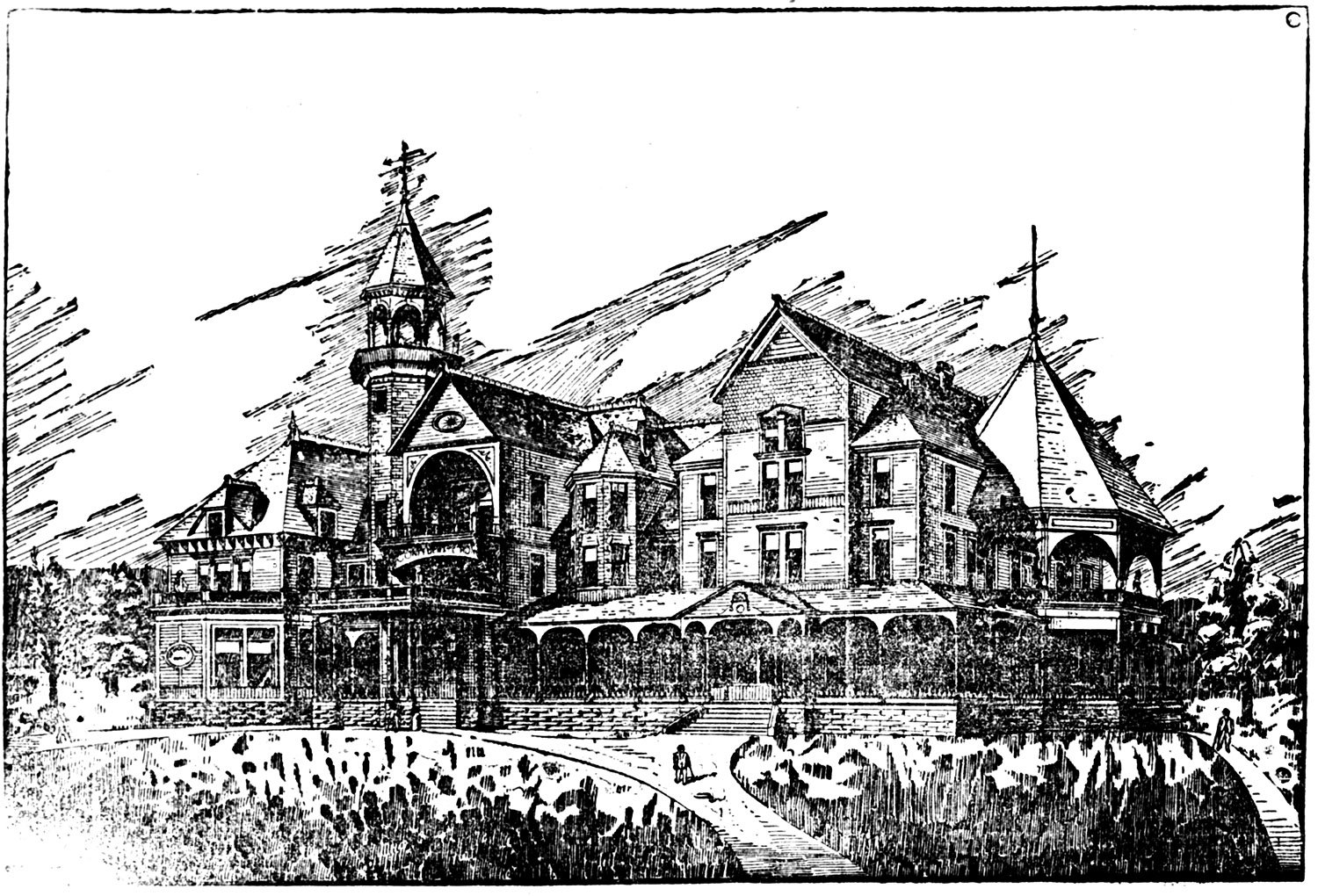
Bruce & Morgan. Confederate Soldiers’ Home (1891-1901). Atlanta.1
The Background
The following article, published in The Atlanta Journal in April 1890, describes the Confederate Soldiers’ Home in Atlanta, completed in 1891 anddesigned by A.C. Bruce of Bruce & Morgan.
Planned to house 150 to 200 people,2 the facility was built on 125 acres located two miles southeast of Atlanta and connected to Grant Park3 by a 1.5-mile dirt road that became known as Confederate Avenue (later United Avenue SE).
Location of Confederate Soldiers’ Home
The Origins of the Home
The project was first proposed in April 1889 by Henry W. Grady, editor of The Atlanta Constitution, although it was hardly his own conception.
In late 1888 and early 1889, Major Joe E. Stewart of Austin, Texas, traveled to the Northeast and began fundraising appeals in Boston and New York to support an existing home for Confederate veterans in Austin.45
Why Stewart considered that a good idea was anyone’s guess, since no self-respecting Northerner would’ve given a damn about aiding the ex-soldiers of a treasonous rebellion. As the Mail and Express of New York opined bluntly:
“Major Stewart’s advocacy of the scheme for a Confederate Soldiers’ Home will not find favor here. That is not a matter of National concern…but is distinctly anti-National and to be discouraged.”6
Needless to say, Stewart’s ill-conceived fundraising tour was a failure, and the soldiers’ home in Austin, Texas, received only $1500 in donations from Northern contributors.7
Always full of self-righteous fervor, Henry Grady seized on the story in one of his typical bloviating editorials for the Constitution, proclaiming that Confederate soldiers should be aided by Southern money, making an impassioned plea to build a veterans’ home in Georgia for those who “suffered in her cause”—that is to say, those who fought for human slavery. Spare me the states’ rights bullshit.
Grady wrote, in part:
“Come home, Major Stewart, and let us take care our heroes to our own hearts, and wear them there, never to be paraded again with their limping gait, their poor wounds and their shabby raiment through the lines of strangers, of whom charity is begged for their behalf!
“But we need Confederate Homes! In every state there are men wearing honorable scars who are poor and helpless.
“WE MUST BUILD A CONFEDERATE HOME in GEORGIA! We must built it at once! We must show that Georgia’s heart beats true to the men who suffered in her cause–and that she will take them to her heart!”8
Grady began a public fundraising campaign for the project, with the Constitution contributing the first $1,000. The campaign reportedly received over $10,000 in pledges within 12 hours of the newspaper’s distribution,9 and nine days later, an organization overseeing the project was incorporated with a board of 25 directors led by Grady.10 Credit them for moving quickly.
While the project’s building committee initially accepted a plan by W.T. Downing of Wheeler & Downing,12G.L. Norrman also submitted plans, and A.C. Bruce13 of Bruce & Morgan ultimately secured the commission.14 It undoubtedly helped that A.C. Bruce was also a Confederate veteran.
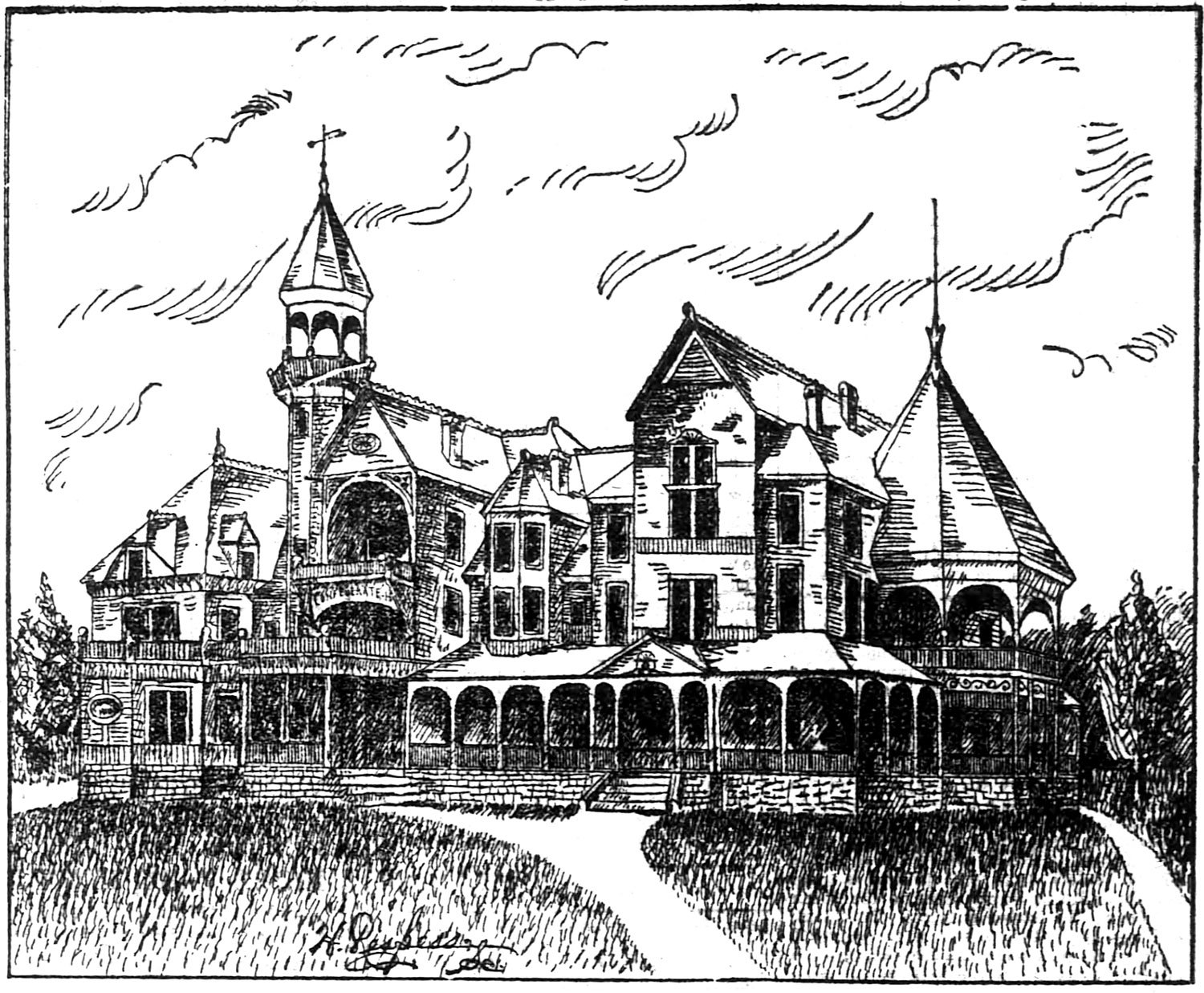
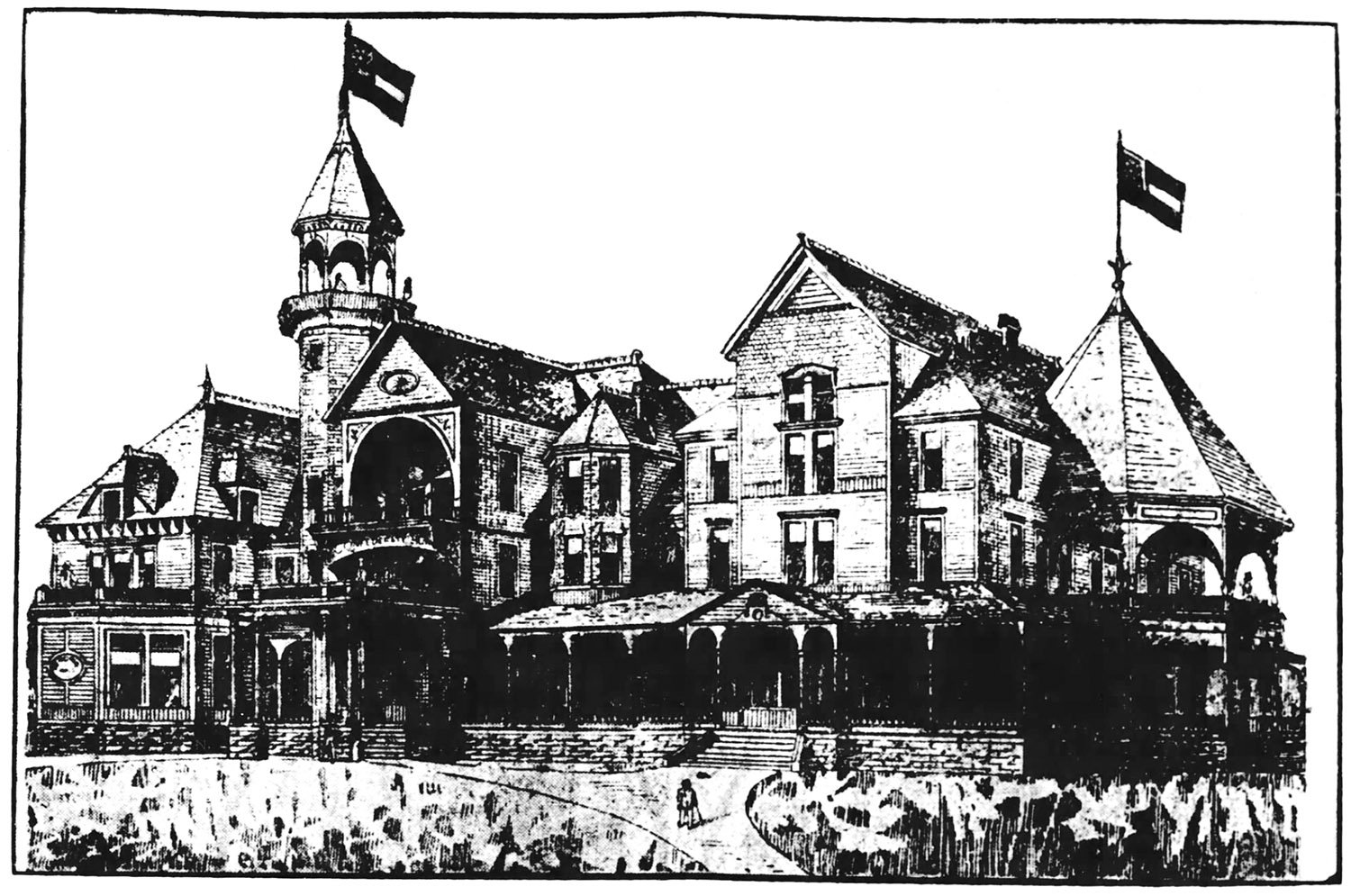
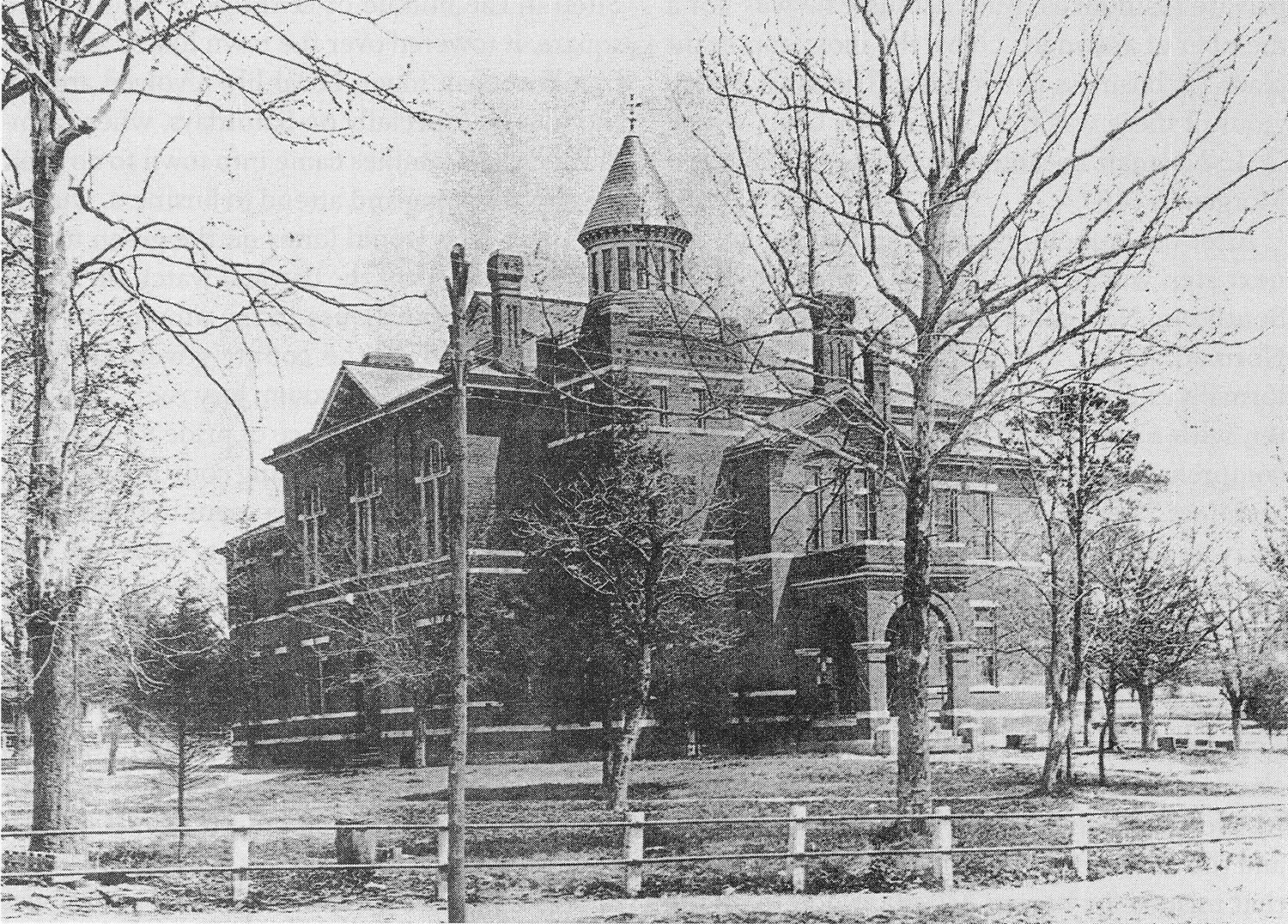
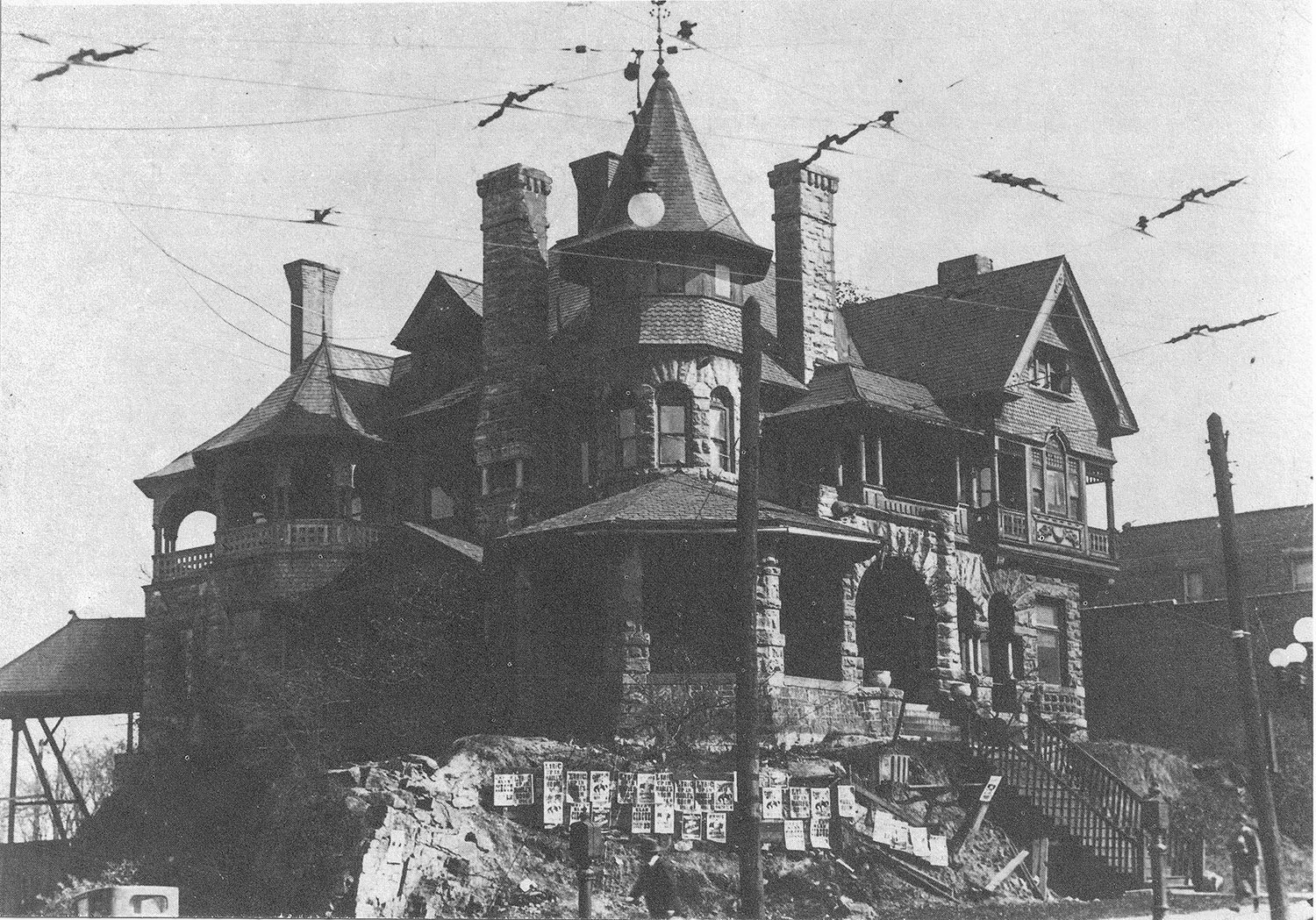
Looking every bit like a fashionable summer hotel, Bruce’s design for the Confederate Soldiers’ Home was one of his better efforts: a rambling three-story structure, primarily Queen Anne style, with all the expected eclecticism and embellishments of the era, including a120-foot-tall turret.
Construction began in November 1889,15 and the building’s cornerstone was laid in a public ceremony on Confederate Memorial Day, April 26, 1890.1617 The structure was completed in January 1891,1819 and while the project was initially estimated at $22,000,20 the final cost was $27,699.25.21
Another Lost Cause
Although the Constitution set a goal of $50,000 in subscriptions for the project,222324the Confederate Soldiers’ Home ultimately received just over $41,000, leaving only $41.01 in available funds at the building’s completion.25 Henry Grady died in December 1889, and it’s safe to assume the project’s funding faltered in the absence of his leadership.
The project’s directors should have taken a cue from Atlanta’s Carrie Steele Orphans’ Home, which was under construction at the same time and similarly funded by popular subscription. The original plans for the orphanage—also designed by Bruce & Morgan—were apparently dropped in favor of a simpler structure to accommodate reduced funding.
We’re talking about Atlanta, though, where show and spectacle have always been prioritized over fiscal responsibility, and one of the directors of the veterans’ home project even admitted that the committee splurged on “extras in the form of a slate roof, etc.,” adding at least $1000 to the total cost.26
As it became clear that the organization lacked the funds to operate its shiny new facility, the directors decided to unload it on the State of Georgia, offering the entire property to the state government on the condition that it shelter veterans for 25 years, after which it could be used for other purposes.2728 Too bad the state didn’t want it.
In November 1890, a bill was introduced in the state legislature to operate the home as a public facility,29 although it was defeated in August 1891.30 A similar bill was shelved in December 1892,3132 and a third attempt was killed when lawmakers deferred it to a finance committee.33
Partially fueling the legislature’s refusals was the simmering resentment Georgia’s bumfuck politicians have long held against the city, knowing full well the state would be Mississippi without Atlanta. Some legislators apparently dismissed the project as a typical Atlanta “speculative scheme,”3435 and frankly, they weren’t entirely wrong.
In 1894, the Confederate Soldiers’ Home even became a contentious topic in the state’s gubernatorial race. The leading candidate was William Yates Atkinson, a former speaker of the Georgia House of Representatives, who voted against the home and actively denounced the project on the campaign trail, telling attendees at one event:
“The friends of the home didn’t care anything about it, but they wanted it accepted because it was located in Atlanta.
“That home was a regular poor house and they wanted to send you needy veterans to that Atlanta poor house, where you would be under a master to whom you would have to beg like a slave for the necessities of life.”36
Oh, the irony.
Atkinson won the election, and in January 1895, the Confederate Soldiers’ Home was “still uninhabited, save by a lone watchman,”37 when the organization decided to sell the property.3839
By the mid-to-late 1890s, it had become glaringly obvious that the New South myth was utter bullshit. The chief promulgator, Henry Grady, was long dead, and like the grand mansions that sat vacant for years in Atlanta’s Inman Park, the Confederate Soldiers’ Home was left to rot because no one could pony up the cash—even for the soldiers of Georgia’s vaunted “cause.”
The decision to sell the facility prompted a lawsuit from the local real estate company that initially donated the land, claiming they had done so with the understanding that the property would be used solely for a veterans’ home.41
The trial ended with a judge’s order to sell the property,4243 but an effort to sell in April 189644 was apparently dropped, and a second attempt in 1897 was delayed by the Daughters of the Confederacy, who wanted another chance to woo the state legislature into operating the facility.45 That also failed.
A published description of the property in 1897 portrayed a bleak scene:
“The home is three stories high and is of beautiful architecture. It was once painted, but no one would at present suspect it.
“The sides are weather beaten and many of the planks are beginning to decay. The old windmill with the tank on the top is now grown up with vines and shows that it has not been in use for some time. The walks, which wind in and about the premises in the immediate neighborhood of the building, and which were once well kept, are now grown up with grass and weeds.
“The approach to the home for a quarter of a mile is almost as gloomy as the building itself, and one would suspect that he was in the neighborhood, even though the building had not been sighted. The street car track which was laid when the home was built and when it was thought that there was no doubt but what it would soon be inhabited by many veterans, is now in a state of decay. The rails are rusty, the bed has in many places caved in and is covered with weeds.
“The little road which had been graded along side, is now grown up with shrubbery, and the lizards dart away at the approach of a chance pedestrian.”46
In April 1898, an attempt to sell the home on the steps of the Fulton County Courthouse was halted because the highest bid was only $10,000.47
A year later, another public auction resulted in an even lower winning bid: $8,000, offered by Joel Hurt,48 who reportedly “had not intended to buy the property when he went to the sale, and only did it to help the veterans out.”49
That sale was also denied,50 and the property remained unsold and vacant, with no hope of eventual use.
A Blaze of Glory
In 1900, nearly ten years after the Confederate Soldiers’ Home was completed, a group of Confederate veterans, led by Major W.T. Gary,51 once again lobbied the Georgia legislature to operate the facility, aided by the recommendation of a new, more sympathetic governor, Allen D. Candler.52
Worn down by the state’s repeated rejections, it was a shock to everyone involved when the Soldiers’ Home Bill was passed in December 1900 by a vote of 106 to 50,5354 and the facility finally opened on June 3, 1901.5556
Ah, but it’s Atlanta, so you know there’s a shitty twist ending.
Before it had been occupied for even four months, the Confederate Soldiers’ Home wasdestroyed by fire on September 30, 1901.5758
The building’s restroom (just the one?) apparently incorporated the “Smead dry closet“, in which facilities without sewer access could collect feces and burn it into a fine powder—a novel solution in 1890, but quite outdated by 1901, when flush toilets had become the accepted standard.
As the Journal explained:
“In the lavatory the Smead system of disposing of the refuse was used. Daily the crematory in connection with the lavatory was fired up.
The negro porter who started these fires this morning placed a wheelbarrow load of shavings and other timber from the premises into the furnace. The fire burned fiercely and broke through the top of the furnace.
“When Dr. Bryan went into the department he noticed the flames. He ran out and asked if the flames were not too high.
“Superintendent James L. Wilson seeing the condition of the fire quickly gave the alarm. By this time the flames had commenced to burn the woodwork in the vicinity of the furnace.
“The smoke was pouring into the center of the house in great volumes, and owing to the draft at this place the flames spread rapidly.”59
Of course, they tried to pin the blame on the Black man, but after sitting unused for ten years, the furnace was probably a faulty mess. Or maybe the place was just haunted by Sherman‘s ghost.
Bruce & Morgan. Confederate Soldiers’ Home (1891-1901). Atlanta.
We Love Them
And Now In Their Declining Years
We Will Shelter Them.
Something About the Home to be Occupied by the Soldiers
Who Shed Their Blood For The Southern Land–A Description of the New Building Soon to be Completed for the Veterans.
The veterans will soon be quartered in their new home.
The plans for the building were prepared by Messrs. Bruce & Morgan.
The contract was awarded to Messrs. Austin & Boylston.
The building will be one hundred and eighty feet long, and at the south end, the widest portion, one hundred feet in width.
The approach will be through a “Porte coache,” [sic] and the entrance will be handsomely finished and attractive. On either side of the main entrance there will be niches for statuary.
On the first floor are a main hall, corridors, reception rooms, a parlor, a chapel, a sitting room, office, dining room, kitchen, pantry, laundry and bed rooms.
You first enter a large hall, handsomely finished, 32×50 feet. On the right are the ladies’ reception room and parlors and on the left the gentlemen’s reception room. Adjoining the latter is a reading room. The sitting room is 25×59 feet, and will be used by the old soldiers when the weather will not permit them to go out of doors.
The office is in the main hall.
The “memorial chapel” is in front of the building, and to the left of the main entrance. It will be used for divine services, banquets and public receptions.
The dining room is 36×40 feet, and will seat one hundred people. The kitchen and pantries are a one-story wing and adjoin the dining hall. The laundry is beneath the kitchen.
There are ten bed rooms on this floor.
Two hundred and seventy-five feet of wide verandahs surround the first floor.
There are thirty rooms on the second floor, the smallest of which are 12×14 feet, and the largest 15×18.
Each bedroom has a fireplace and two windows.
There are several easily accessible staircases leading to the first floor.
On the second floor there are three balconies, one in the center of the building and one on each side.
A portion of one wing of the building is three stories high, and in this upper story are ten bedrooms.
The turret, the highest point of which is one hundred and twenty feet from the ground, is of an octagon shape.
A large balcony surrounds the building seventy-five feet from the ground, and from it an excellent view of the city can be had.
The foundation of the building will be stone and the balance of wood, inside the wood work will be natural pine, and the main hall will be panel-wainscotted.
It will cost between twenty and twenty-five thousand dollars and will be one of the handsomest buildings in the county.60
References
Illustration credit: “We Love Them”. The Atlanta Journal, April 26, 1890, p. 12. ↩︎
“The Veterans’ Home”. The Atlanta Journal, December 9, 1890, p. 1. ↩︎
“Veterans’ Home”. The Atlanta Journal, May 9, 1889, p. 4. ↩︎
“Ex-Confederate Home.” Austin Weekly Statesman (Austin, Texas), November 1, 1888, p. 4. ↩︎
“To Aid Confederate Soldiers.” New-York Tribune, February 7, 1889, p. 3. ↩︎
“Echoes From The People.” The World (New York), January 31, 1889, p. 2. ↩︎
“The Confederates Home.” The Atlanta Constitution, April 2, 1889, p. 1. ↩︎
“Shall We Go Begging For Them?” The Atlanta Constitution, April 6, 1889, p. 4. ↩︎
“Let Us Wear Them In Our Hearts!” The Atlanta Constitution, April 7, 1899, p. 17. ↩︎
“The Soldiers’ Home.” The Atlanta Constitution, April 26, 1890, p. 15. ↩︎
Illustration credit: “The Soldiers’ Home”. The Atlanta Constitution, April 26, 1890, p. 15. ↩︎
“The Confederate Home.” The Atlanta Constitution, September 11, 1889, p. 7. ↩︎
“The Trustees Meet.” The Atlanta Constitution, July 17, 1891, p. 7. ↩︎
“In And About Atlanta.” The Atlanta Constitution, September 21, 1889, p. 5. ↩︎
“The Confederate Home.” The Atlanta Constitution, November 24, 1889, p. 11. ↩︎
“To Lay The Corner-Stone.” The Atlanta Constitution, April 15, 1890, p. 5. ↩︎
“Confederate Home.” The Atlanta Constitution, April 25, 1890, p. 9. ↩︎
“The Veterans’ Home”. The Atlanta Constitution, January 9, 1891, p. 6. ↩︎
“Strong Effort To Pass Gary Bill”. The Atlanta Constitution, November 25, 1900, p. 4. ↩︎
“In And About Atlanta.” The Atlanta Constitution, September 21, 1889, p. 5. ↩︎
“The Trustees Meet.” The Atlanta Constitution, July 17, 1891, p. 7. ↩︎
‘The Confederate “Home” Movement.’ The Atlanta Constitution, April 9, 1889, p. 4. ↩︎
“It Is Still Moving On!” The Atlanta Constitution, April 16, 1889, p. 4. ↩︎
“The Confederate Home of Georgia Organized.” The Atlanta Constitution, April 19, 1889, p. 4. ↩︎
“The Trustees Meet.” The Atlanta Constitution, July 17, 1891, p. 7. ↩︎
“The Idler’s Note Book”. The Atlanta Journal, September 9, 1890, p. 4. ↩︎
“About The Capitol.” The Atlanta Constitution, October 19, 1890, p. 16. ↩︎
“Confederate Home.” The Atlanta Constitution, November 22, 1890, p. 10. ↩︎
“Defeated!” The Atlanta Constitution, August 27, 1891, p. 1. ↩︎
“Defeat The Fate.” The Atlanta Constitution, December 15, 1892, p. 7. ↩︎
“The Veterans Mourn.” The Atlanta Journal, December 15, 1892, p. 1. ↩︎
“Confederate Soldiers’ Home Is Sold To Joel Hurt For $8,000”. The Atlanta Constitution, May 3, 1899, p. 5. ↩︎
“The Greeks Bearing Gifts.” The Atlanta Constitution, September 5, 1891, p. 4. ↩︎
“The Soldiers’ Home”. The Atlanta Constitution, November 24, 1892, p. 8. ↩︎
“Those Joint Debates.” The Atlanta Journal, March 31, 1894, p. 13. ↩︎
“Trustees Will Meet”. The Atlanta Constitution, January 22, 1895, p. 10. ↩︎
“To Sell It In The Spring”. The Atlanta Journal, January 29, 1895, p. 1. ↩︎
“The Home To Be Sold”. The Atlanta Constitution, January 30, 1895, p. 5. ↩︎
Illustration credit: “Soldiers’ Home Opens Its Doors To Veterans Today”. The Atlanta Journal, June 3, 1901, p. 7. ↩︎
“The Soldiers’ Home Case.” The Atlanta Constitution, September 4, 1895, p. 5. ↩︎
“To Sell The Soldiers’ Home”. The Atlanta Constitution, September 17, 1895, p. 5. ↩︎
“The Soldiers’ Home.” The Atlanta Constitution, December 18, 1895, p. 8. ↩︎
“Sale of Soldiers’ Home Property.” The Atlanta Constitution, March 31, 1896, p. 10. ↩︎
“Home Trustees Have Not Acted”. The Atlanta Constitution, June 3, 1897, p. 12. ↩︎
“Soldiers’ Home To Be Sold. Court’s Order Expected Any Time”. The Atlanta Constitution, May 24, 1897, p. 6. ↩︎
“Sale Of Home Declared Off”. The Atlanta Constitution, April 6, 1898, p. 5. ↩︎
“Confederate Soldiers’ Home Is Sold To Joel Hurt For $8,000”. The Atlanta Constitution, May 3, 1899, p. 5. ↩︎
“Soldiers’ Home Sells For $8,000 At Auction”. The Atlanta Journal, May 2, 1899, p. 1. ↩︎
“Sale Of The Home Is Not Confirmed”. The Atlanta Constitution, May 22, 1889, p. 8. ↩︎
Gary, W.T. “Why We Should Accept Confederate Home.” The Atlanta Constitution, November 13, 1900, p. 4. ↩︎
“Veterans Fighting For Soldiers’ Home”. The Atlanta Journal, November 20, 1900, p. 10. ↩︎
“Soldiers’ Home Bill Passed By House; Georgia Veterans Will Have Shelter At Last After Waiting Eleven Years”. The Atlanta Journal, December 12, 1900, p. 1. ↩︎
“Georgia Veterans Get Their Home By The Vote Of 106 To 50”. The Atlanta Constitution, December 13, 1900, p. 1. ↩︎
“Soldiers’ Home Will Be Opened To Vets Today”. The Atlanta Constitution, June 3, 1901, p. 1. ↩︎
“Soldiers’ Home Opens Its Doors To Veterans Today”. The Atlanta Journal, June 3, 1901, p. 7. ↩︎
“Soldiers’ Home Totally Destroyed: Generous People Will Rebuild It; Journal Leases Hotel For Vets”. The Atlanta Journal, September 30, 1901, p. 1. ↩︎
“Soldiers’ Home, Destroyed By Flames That Relit The Fire Of A Smouldering Sympathy, Will Be Rebuilt By Georgians”. The Atlanta Constitution, October 1, 1901, p. 1. ↩︎
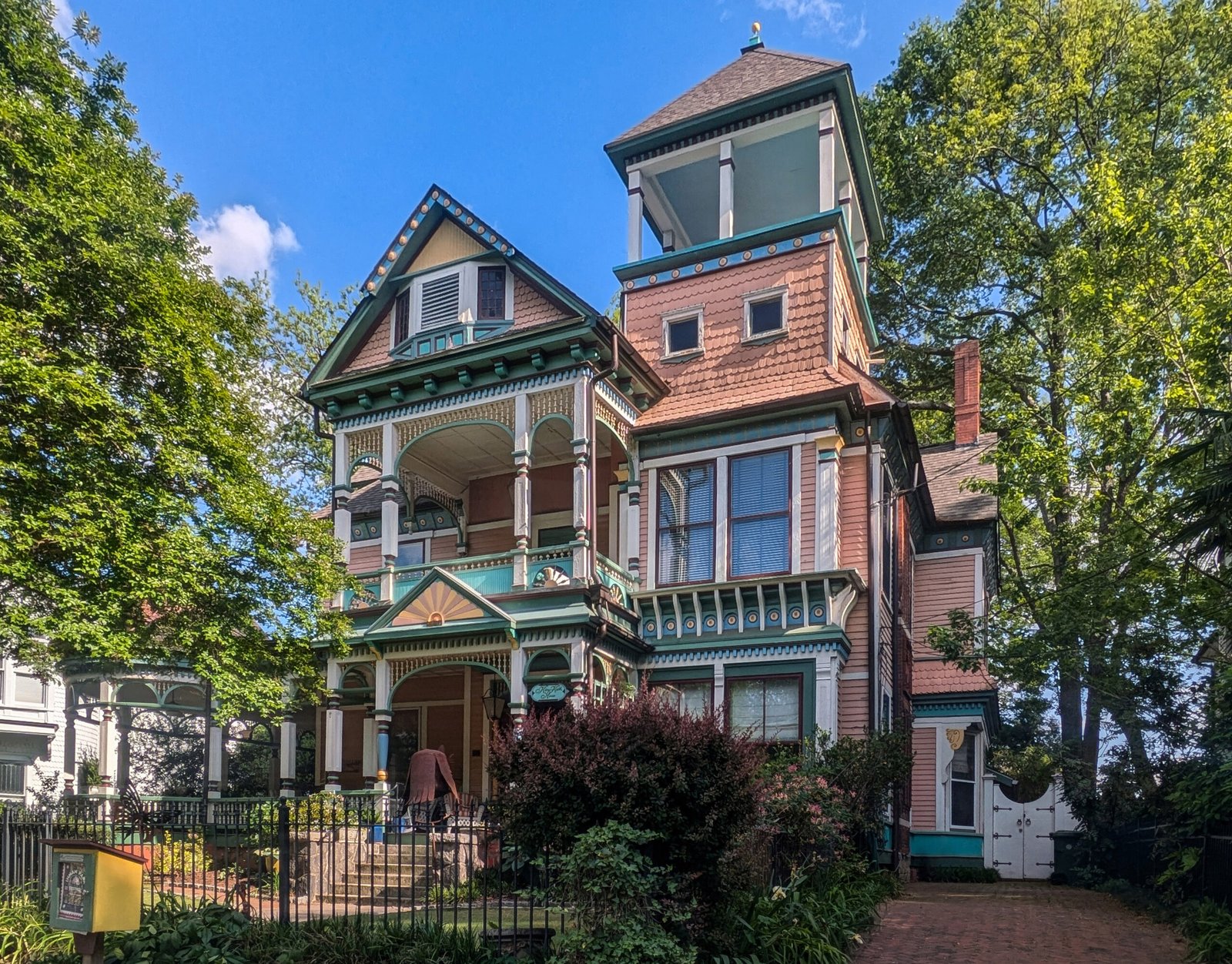
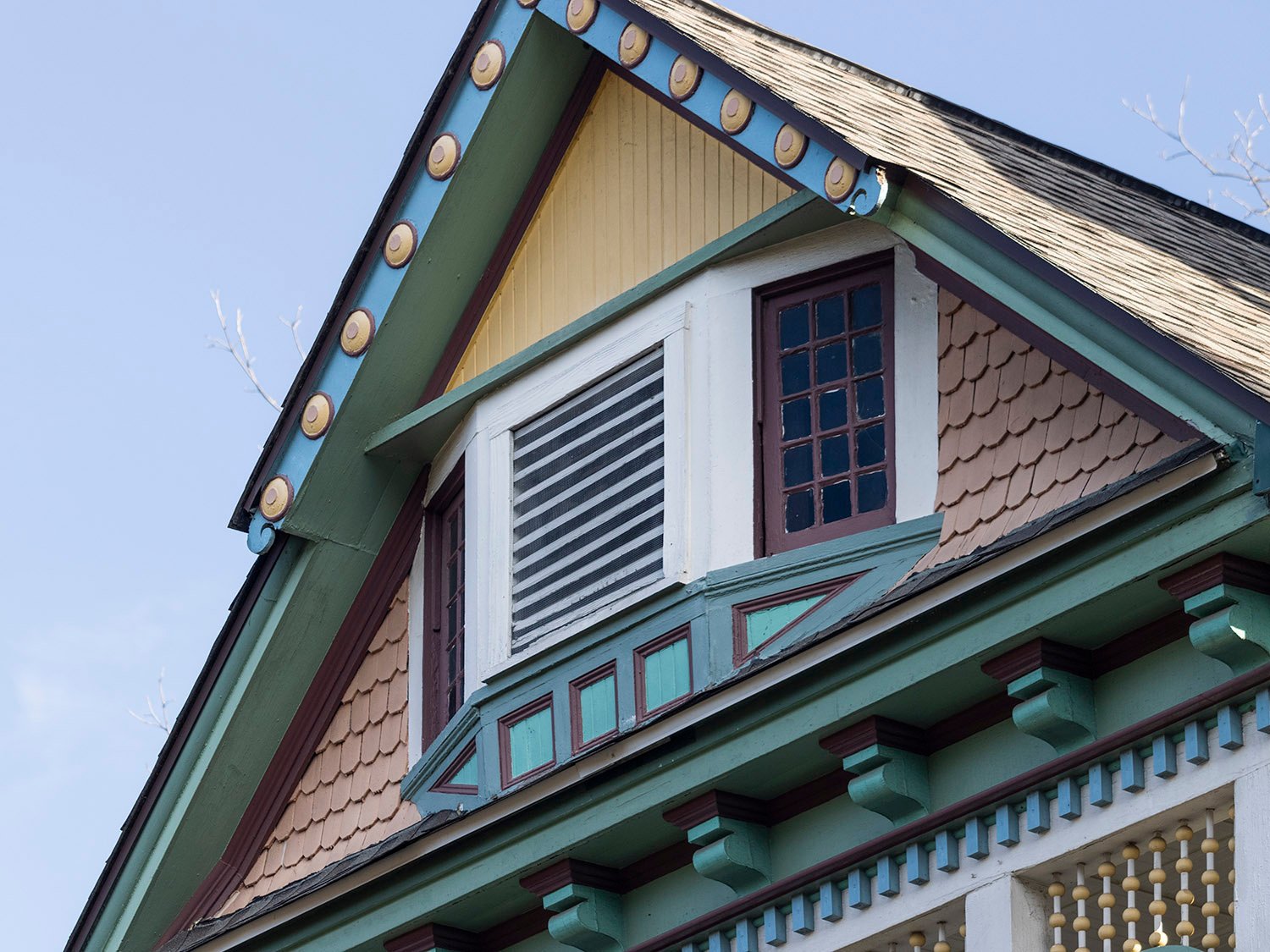
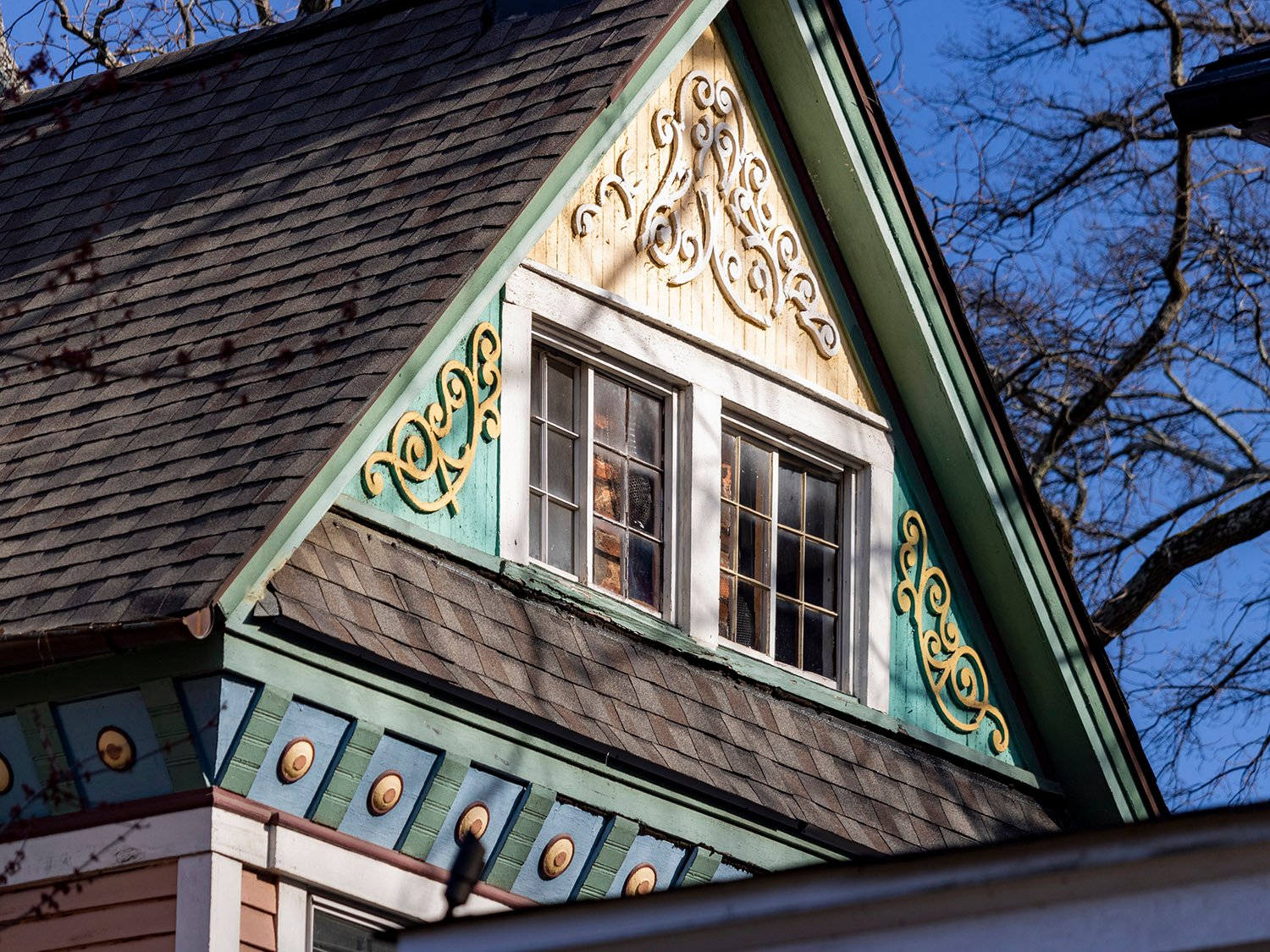
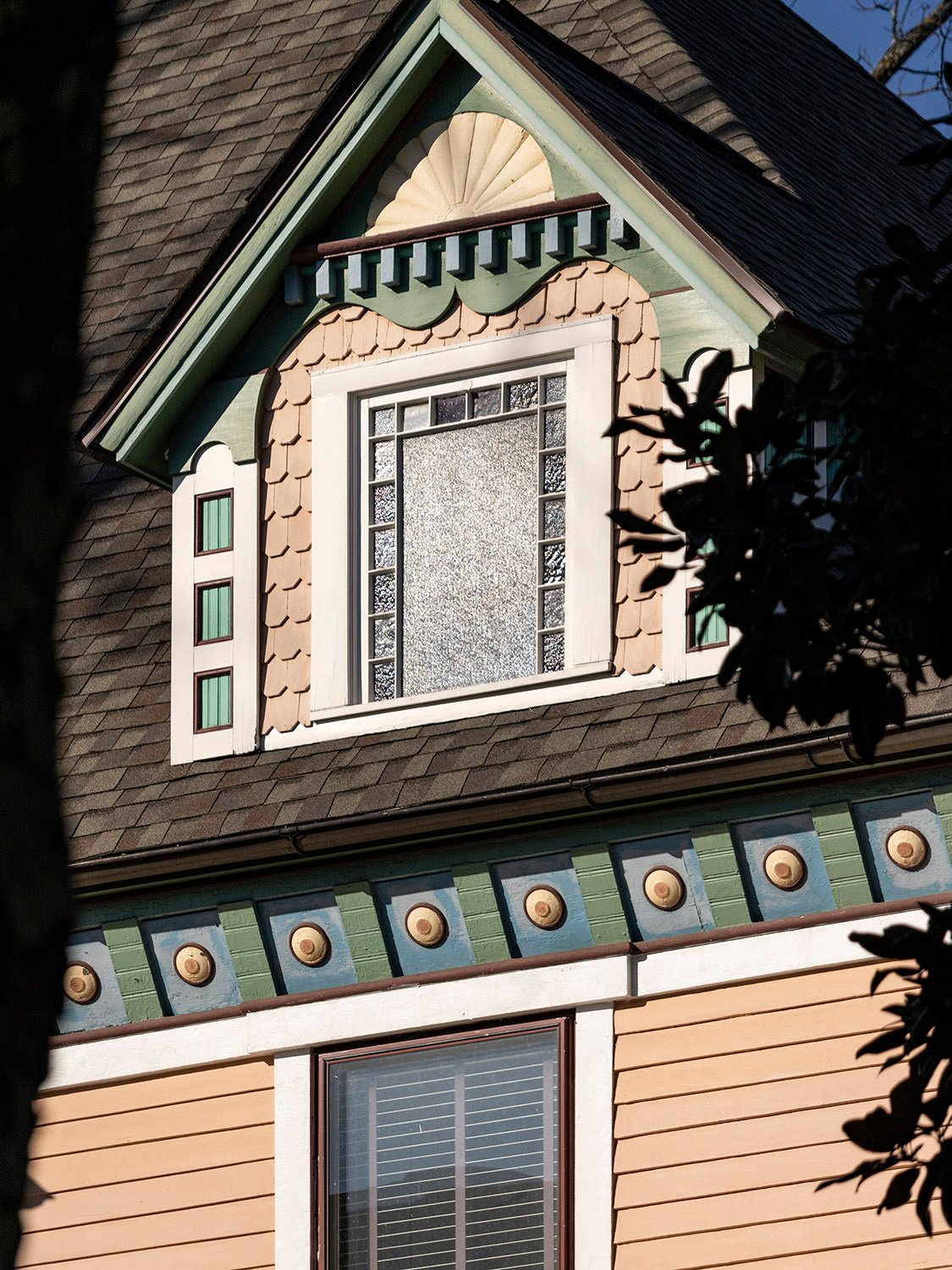
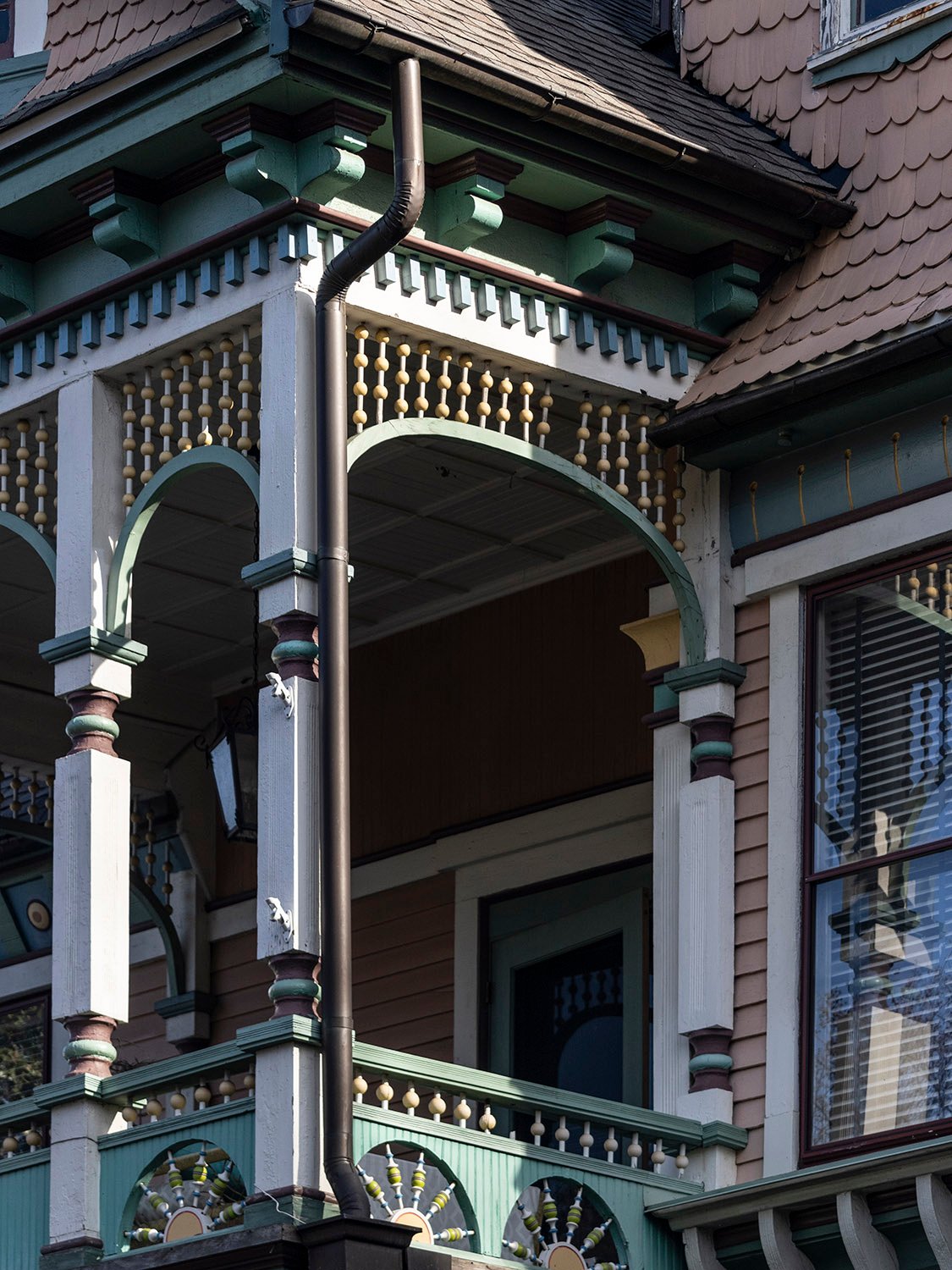
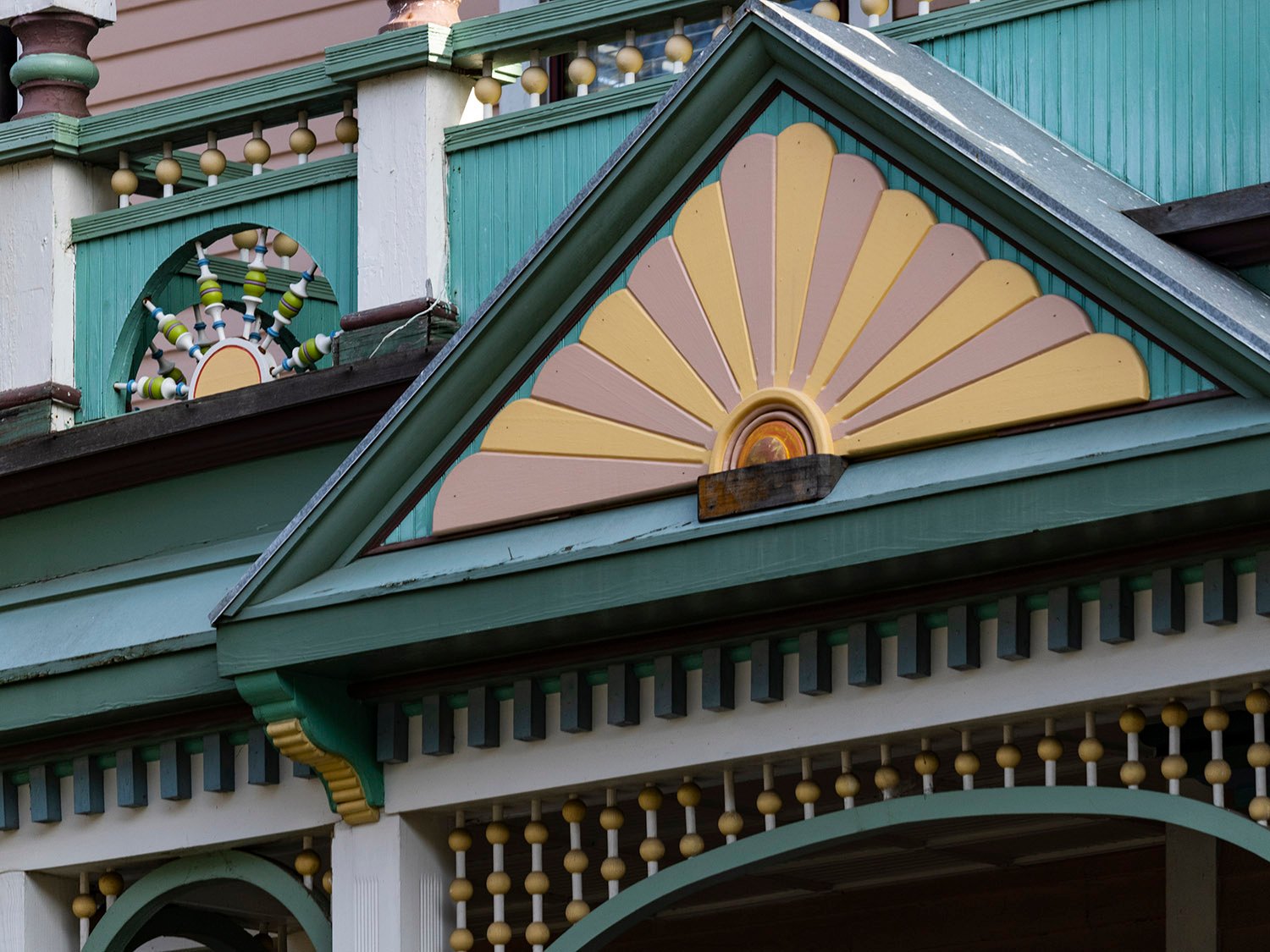
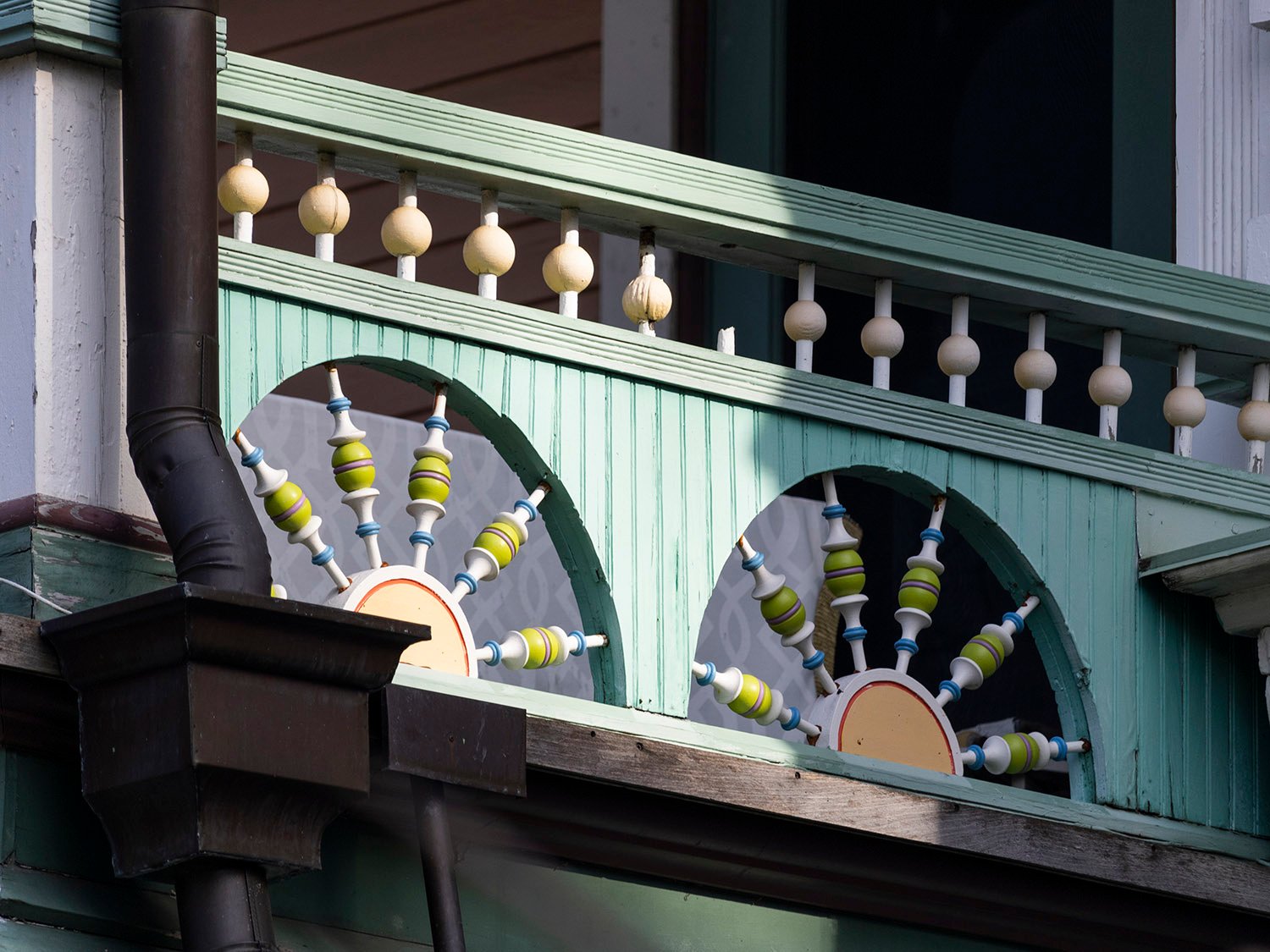
Bruce & Morgan. George E. King Residence (1890). Inman Park, Atlanta.123456Oriel window on the facade of the George E. King Residence, AtlantaGable on the west elevation of the George E. King Residence, AtlantaDormer and cornice on the east elevation of the George E. King Residence, AtlantaSecond-floor porch on the facade of the George E. King Residence, AtlantaPediment on the first-floor porch of the George E. King Residence, AtlantaFretwork rails on the second-floor porch of the George E. King Residence, AtlantaLooking at the first-floor porch of the George E. King Residence from the northeastEast elevation of the George E. King Residence, Atlanta
References
“From Our Notebook.” The Atlanta Constitution, March 13, 1890, p. 4. ↩︎
“The Inman Park Sale.” The Atlanta Journal, April 21, 1890, p. 3. ↩︎
“Real Estate Sales.” The Atlanta Constitution, May 21, 1890, p. 6. ↩︎
“Hundreds of Homes”. The Atlanta Journal, July 30, 1890, p. 1. ↩︎
“Atlanta Building Up.” The Atlanta Constitution, October 3, 1890, p. 3. ↩︎
“Inman Park Items.”The Atlanta Constitution, December 19, 1890, p. 9. ↩︎
George T. Pearson. Kitchen and dining hall from Anniston Inn (1885). Anniston, Alabama.123George T. Pearson. Anniston Inn (1885-January 3, 1923). Photograph from an undated postcard.4Second-floor windows on the Anniston Inn Kitchen and Dining Hall, Anniston, AlabamaWindow on the Anniston Inn Kitchen and Dining Hall, Anniston, AlabamaChimney and gable on the west elevation of the Anniston Inn Kitchen and Dining Hall, Anniston, AlabamaSunburst consoles on the Anniston Inn Kitchen and Dining Hall, Anniston, AlabamaGable dormer and shed dormer on the Anniston Inn Kitchen and Dining Hall, Anniston, Alabama
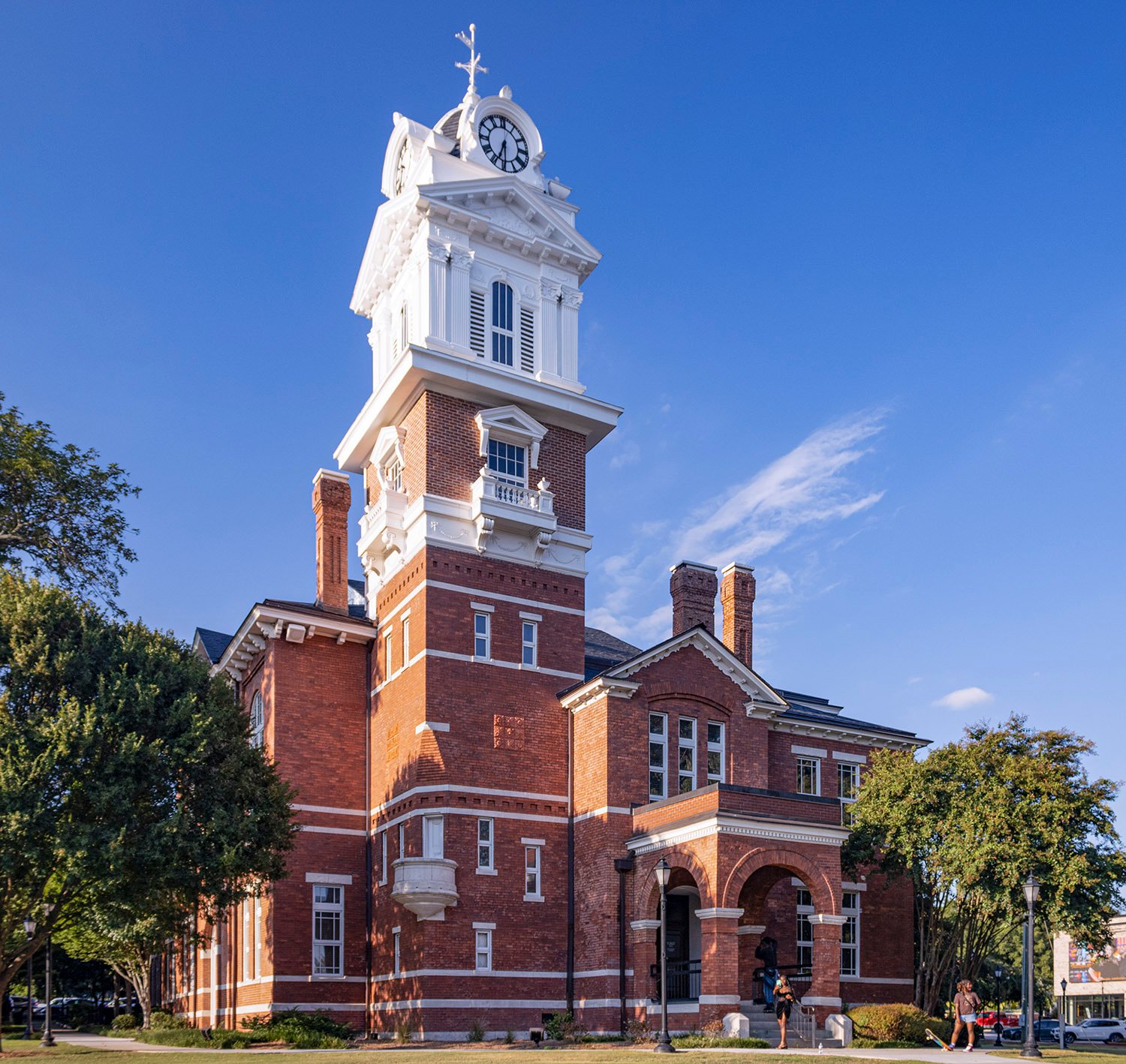
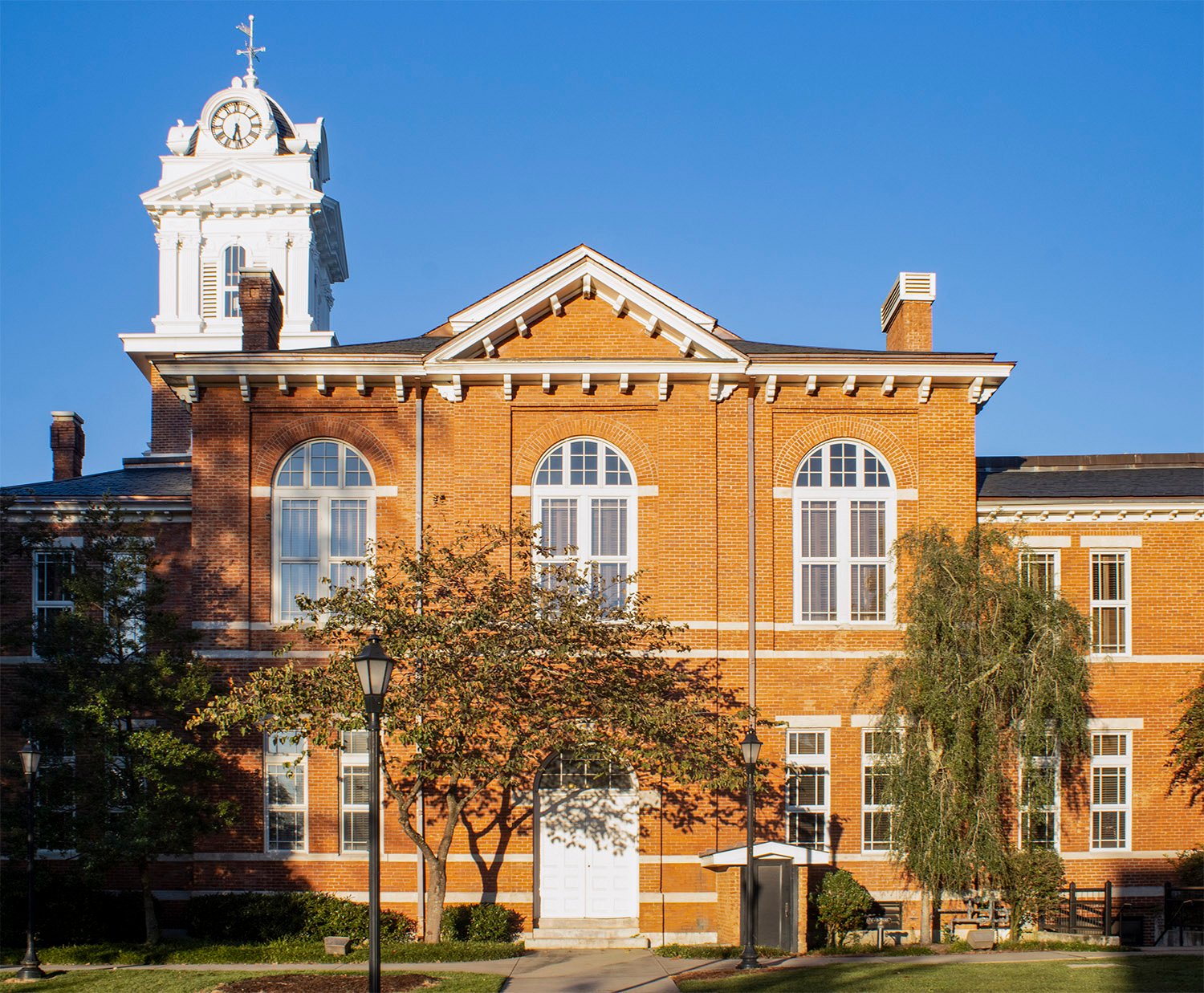
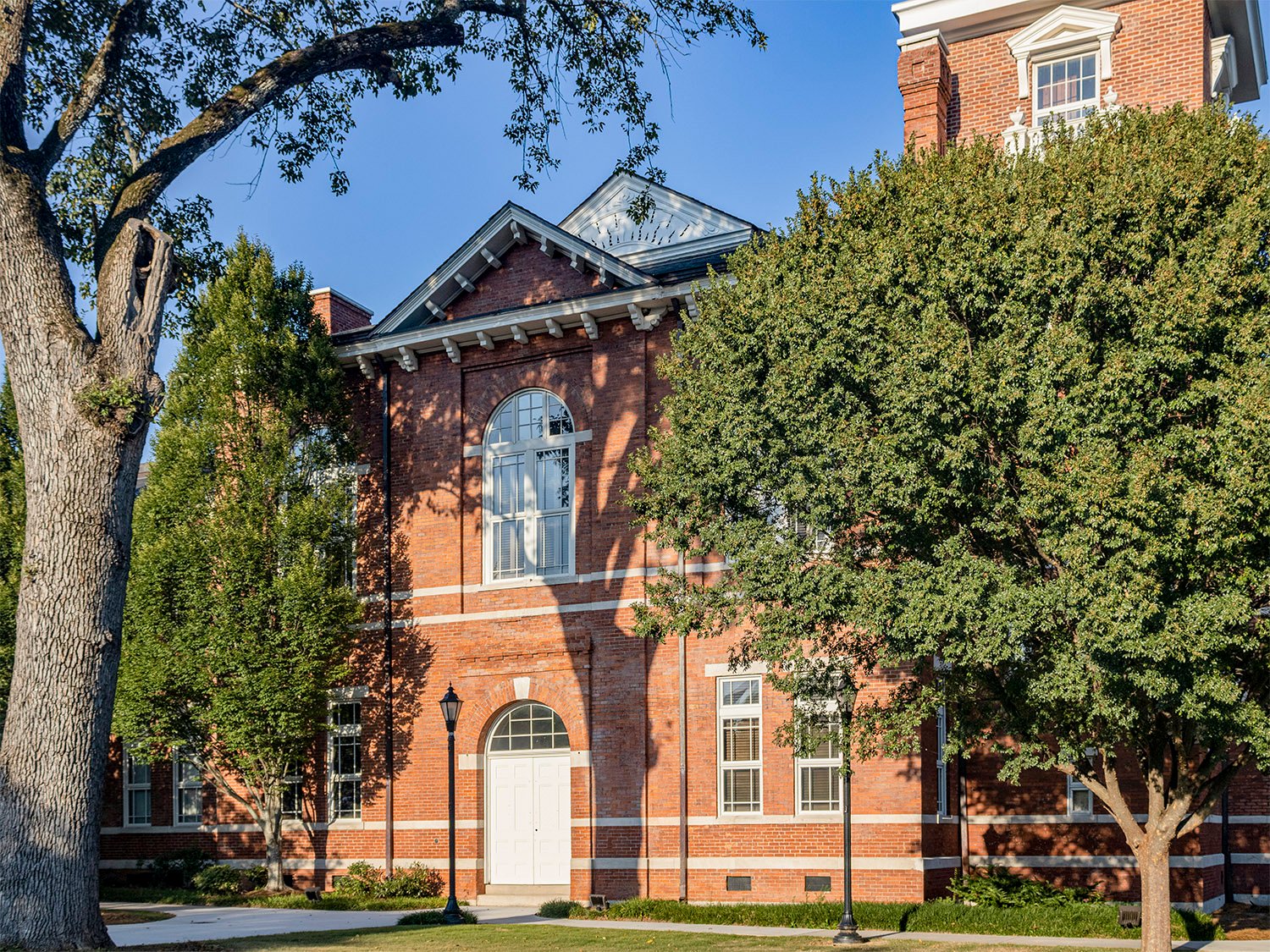
E.G. Lind. Gwinnett County Courthouse (1885). McKinney. Clock Tower (1908). Lawrenceville, Georgia.1234East elevation of the Gwinnett County Courthouse, Lawrenceville, GeorgiaWest elevation of the Gwinnett County Courthouse, Lawrenceville, GeorgiaBargeboard and eaves on the east elevation of the Gwinnett County Courthouse, Lawrenceville, GeorgiaCornice and eaves on the Gwinnett County Courthouse, Lawrenceville, GeorgiaSecond-story windows on the facade of the Gwinnett County Courthouse, Lawrenceville, GeorgiaFirst-floor window on the facade of the Gwinnett County Courthouse, Lawrenceville, GeorgiaThird-floor windows on the tower of the Gwinnett County Courthouse, Lawrenceville, GeorgiaCornice and arches on the front porch of the Gwinnett County Courthouse, Lawrenceville, GeorgiaTower and corner balcony on the Gwinnett County Courthouse, Lawrenceville, GeorgiaChimneys on the Gwinnett County Courthouse, Lawrenceville, GeorgiaBargeboard, eaves, and brackets on the front gable of the Gwinnett County Courthouse, Lawrenceville, GeorgiaEntrance on the west elevation of the Gwinnett County Courthouse, Lawrenceville, GeorgiaTerracotta panel on the tower of the Gwinnett County Courthouse, Lawrenceville, GeorgiaEntrance on the east elevation of the Gwinnett County Courthouse, Lawrenceville, GeorgiaLooking through the front porch of the Gwinnett County Courthouse toward the corner balcony on the tower Gwinnett County Courthouse circa 190756
References
Belfoure, Charles. Edmund G. Lind: Anglo-American Architect of Baltimore and the South. Baltimore, Maryland: The Baltimore Architectural Foundation (2009). ↩︎
“The Proposed Gwinnett Courthouse.” The Atlanta Constitution, May 22, 1884, p. 2. ↩︎
“It Is Finished.” The Atlanta Journal, July 2, 1885, p. 4. ↩︎
Photo credit: Belfoure, Charles. Edmund G. Lind: Anglo-American Architect of Baltimore and the South. Baltimore, Maryland: The Baltimore Architectural Foundation (2009), p. 154. ↩︎
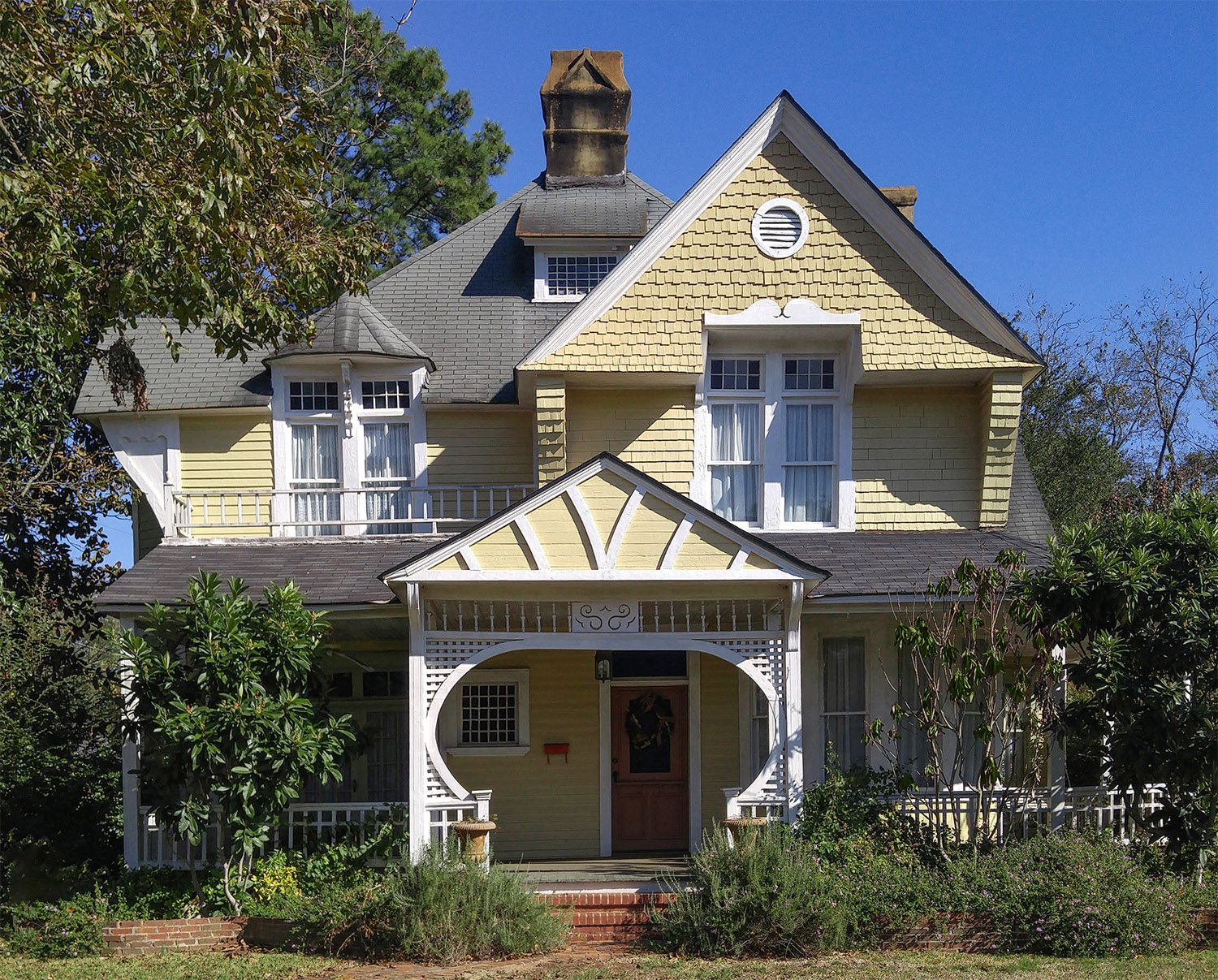
I just found a stash of old images that I had completely forgotten, including this one I took in 2017 of the W.L. Glessner Residence in Americus, Georgia.
Planned as a seven-room cottage,1 this lovely two-story Queen Anne-style home is one of seven surviving buildings in Americus designed by G.L. Norrman. There isn’t historic documentation to prove it, but everything about the design indicates it’s his.
The home was built between May and September 1890 for W.L. Glessner,2 editor of the Americus Recorder newspaper, who was the town’s most vocal booster while it was—briefly—one of the fastest-growing cities in the state.
Glessner lived in the home for less than two years,3 leaving Americus in 1892,4 shortly after the town fell into economic collapse.
I toured this house at least once when I was eight or nine years old, but I don’t remember much about the interior, except that it felt a little creepy and reeked of bat guano, which is true of most old buildings in Americus.
By the early 1990s, the home had been abandoned and stripped of its original woodwork, mantels, and other interior elements, though it later underwent a meticulous restoration that incorporated salvaged pieces from local historic homes.
The owners at the time reported discovering a “secret room,” apparently sealed off for years behind a wall—that certainly piqued my adolescent curiosity.
I’ll revisit the design and history of this home at a later date.
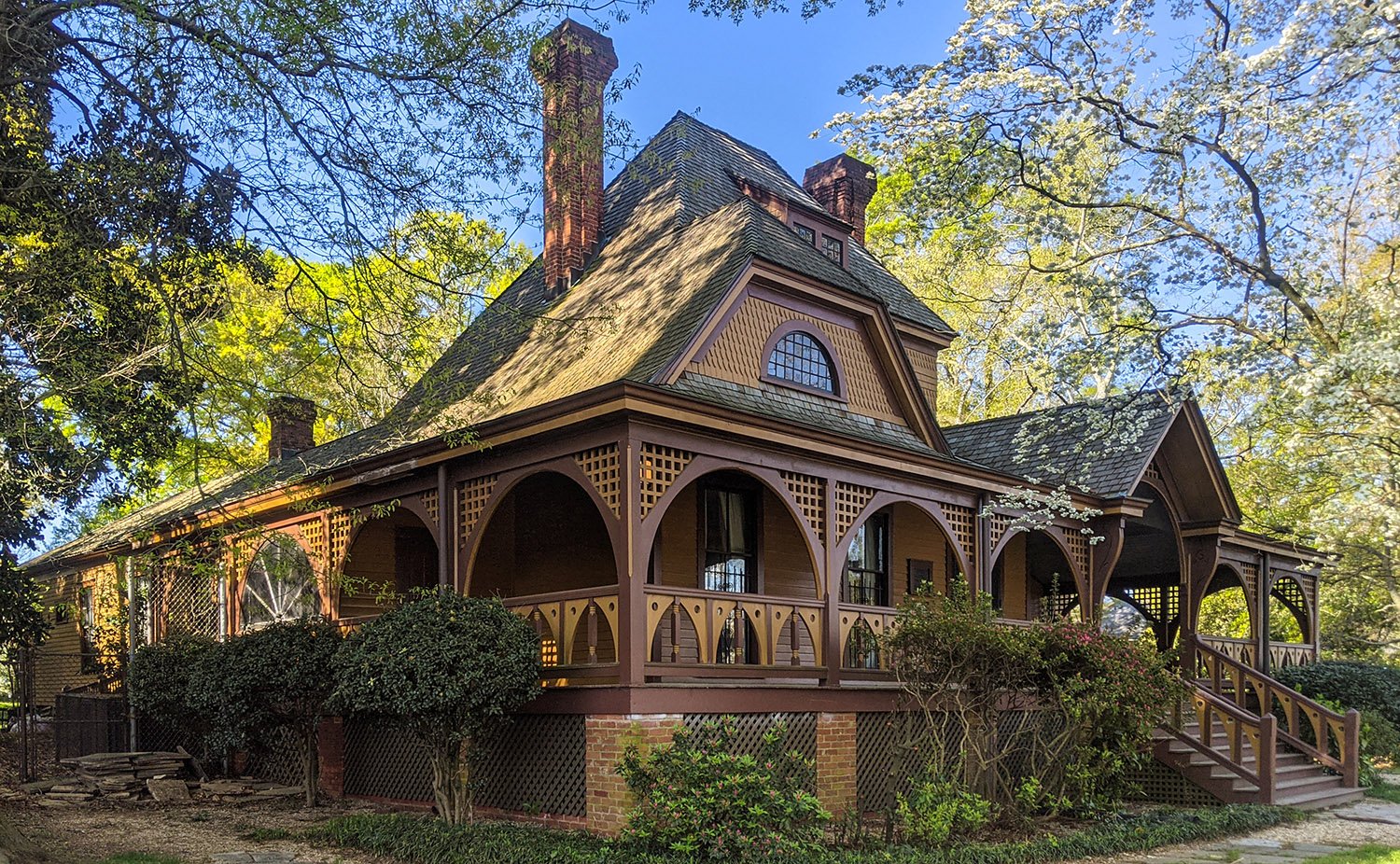
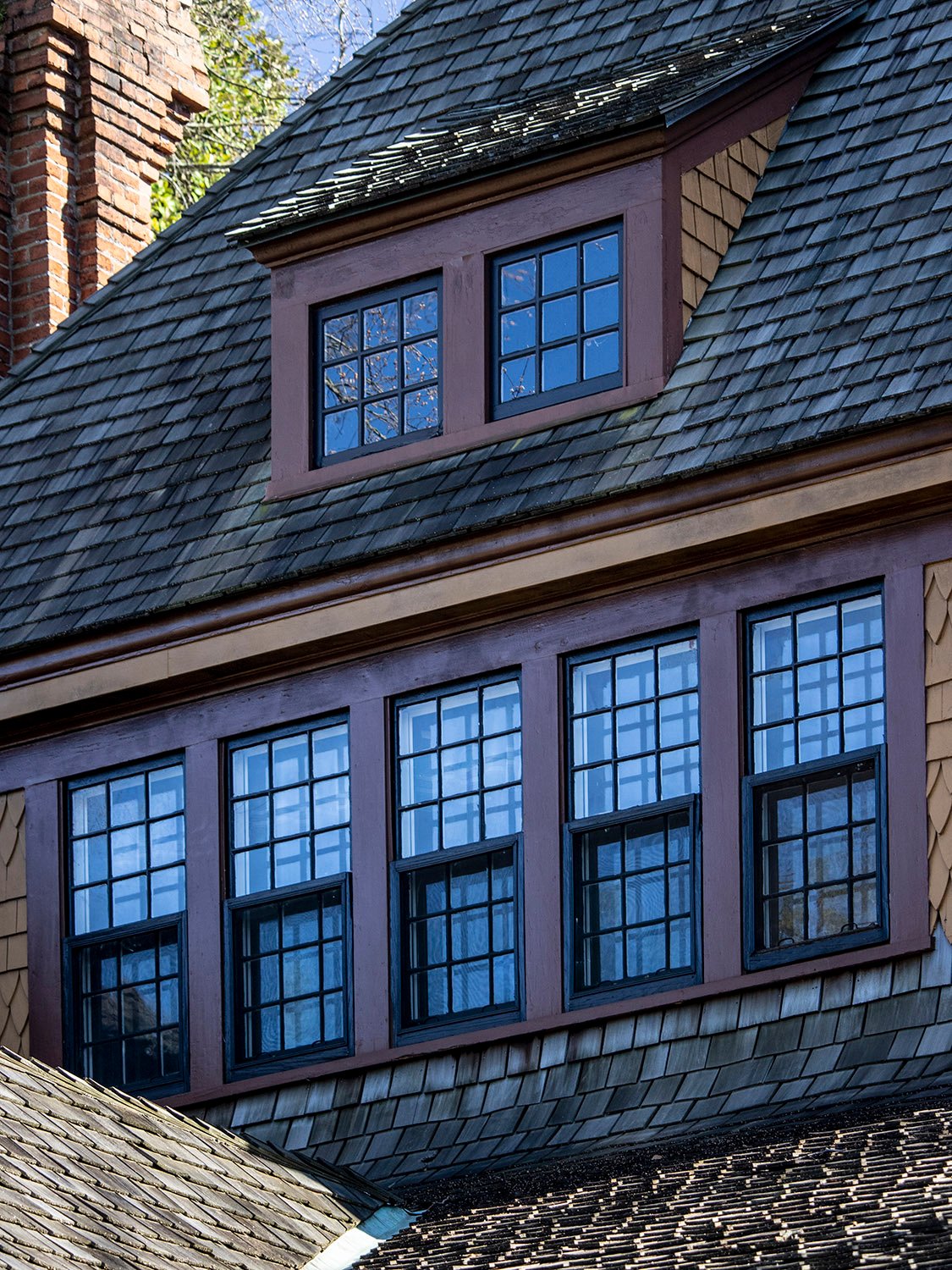
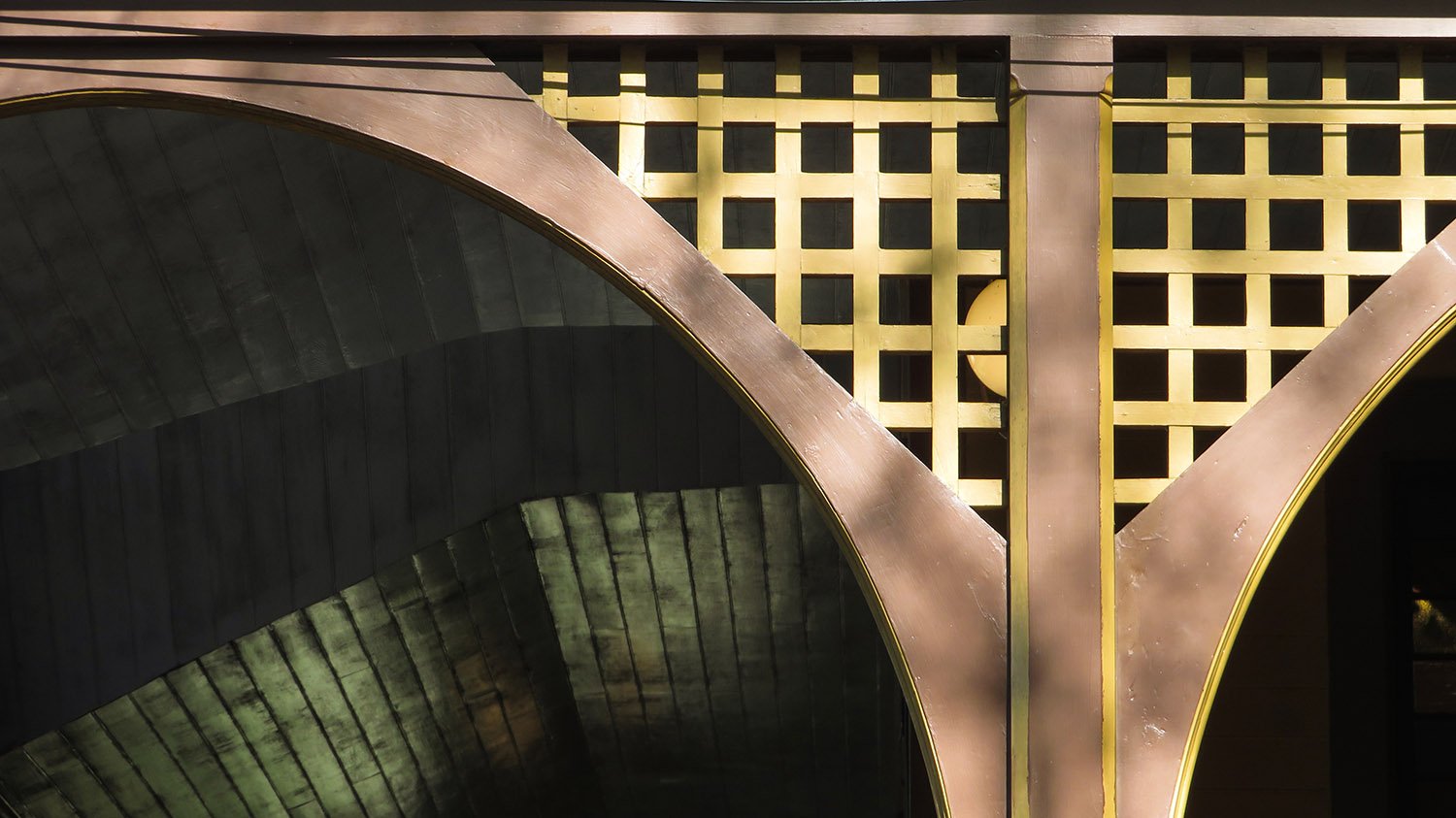
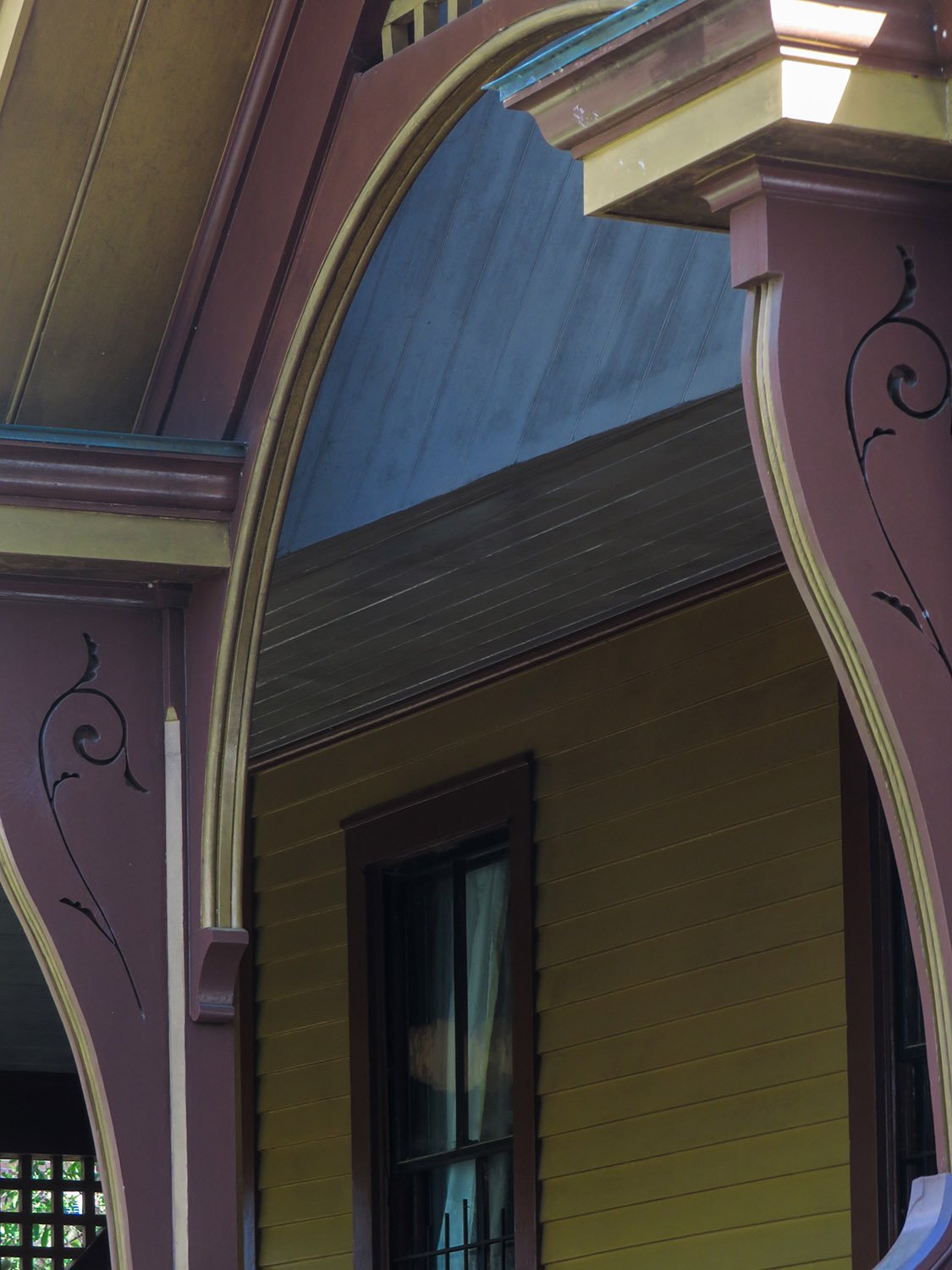
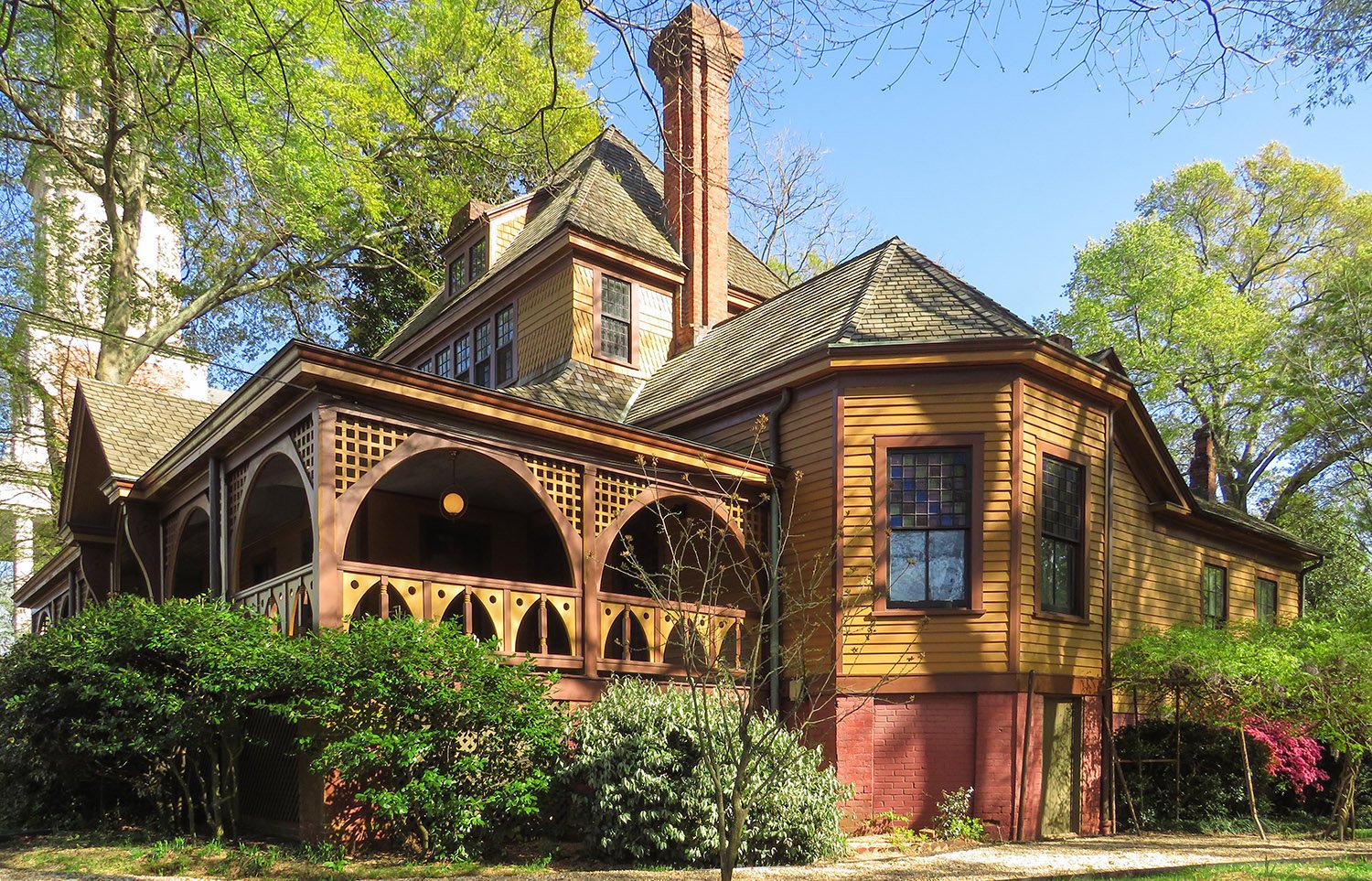
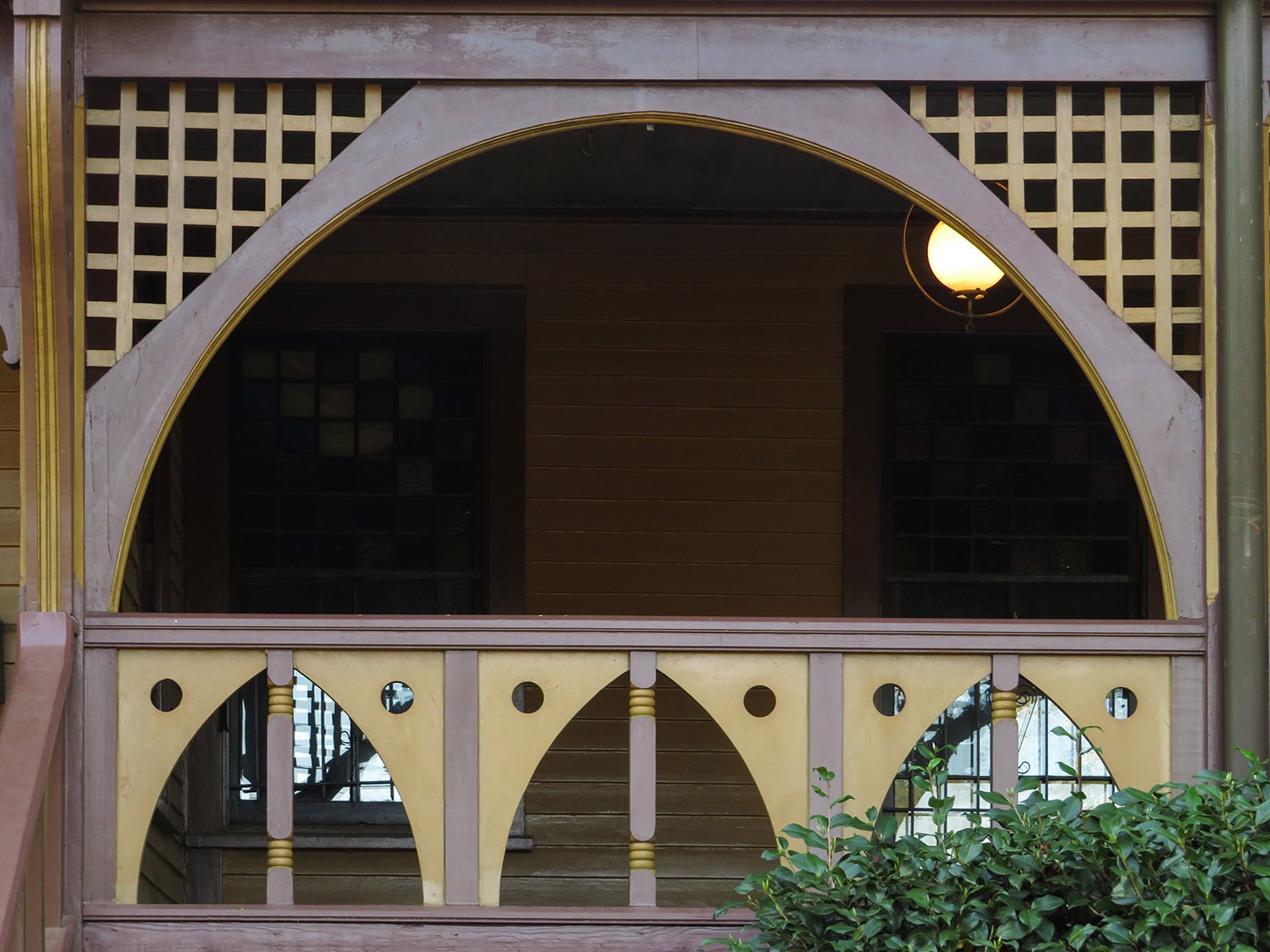
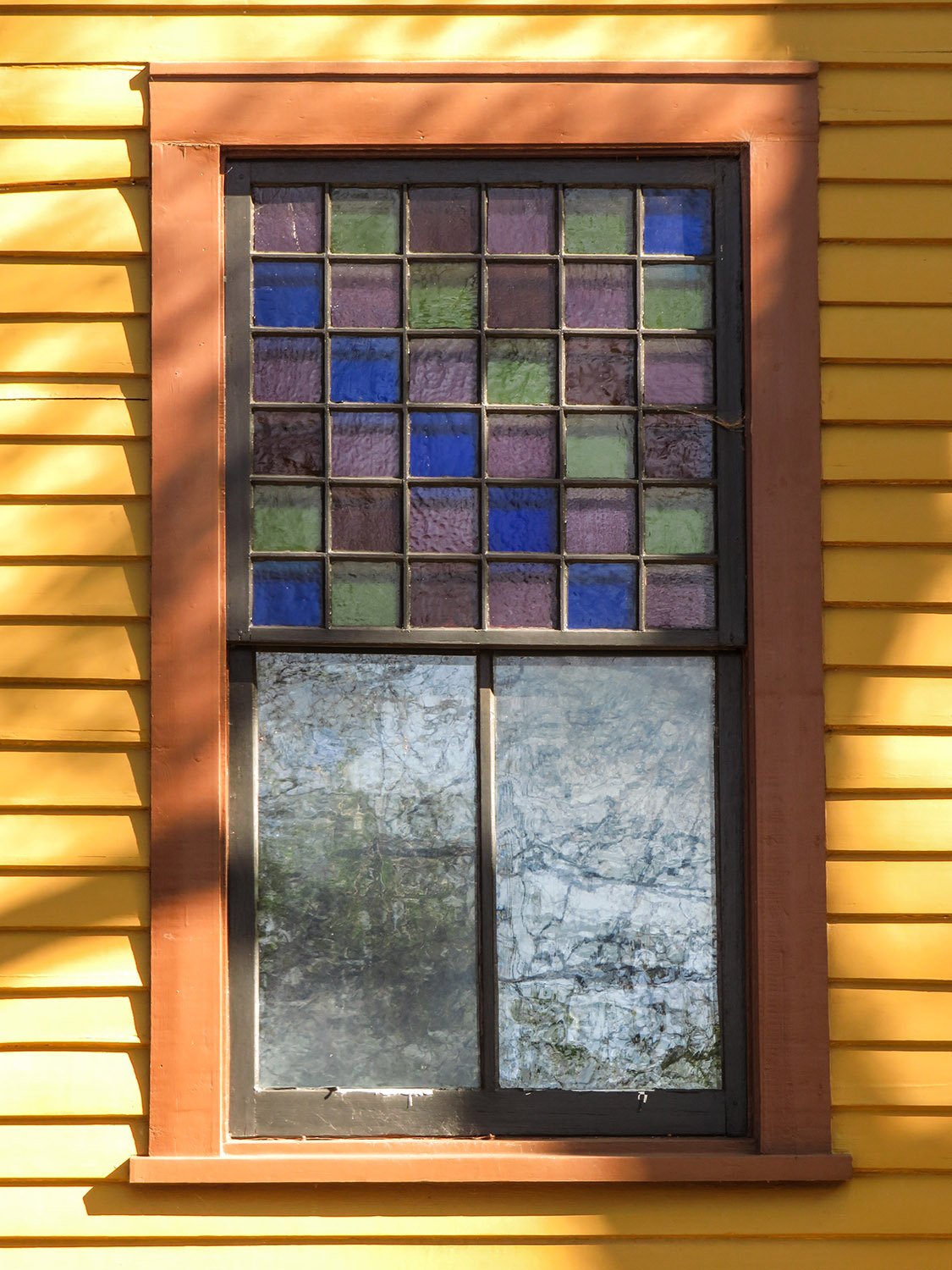
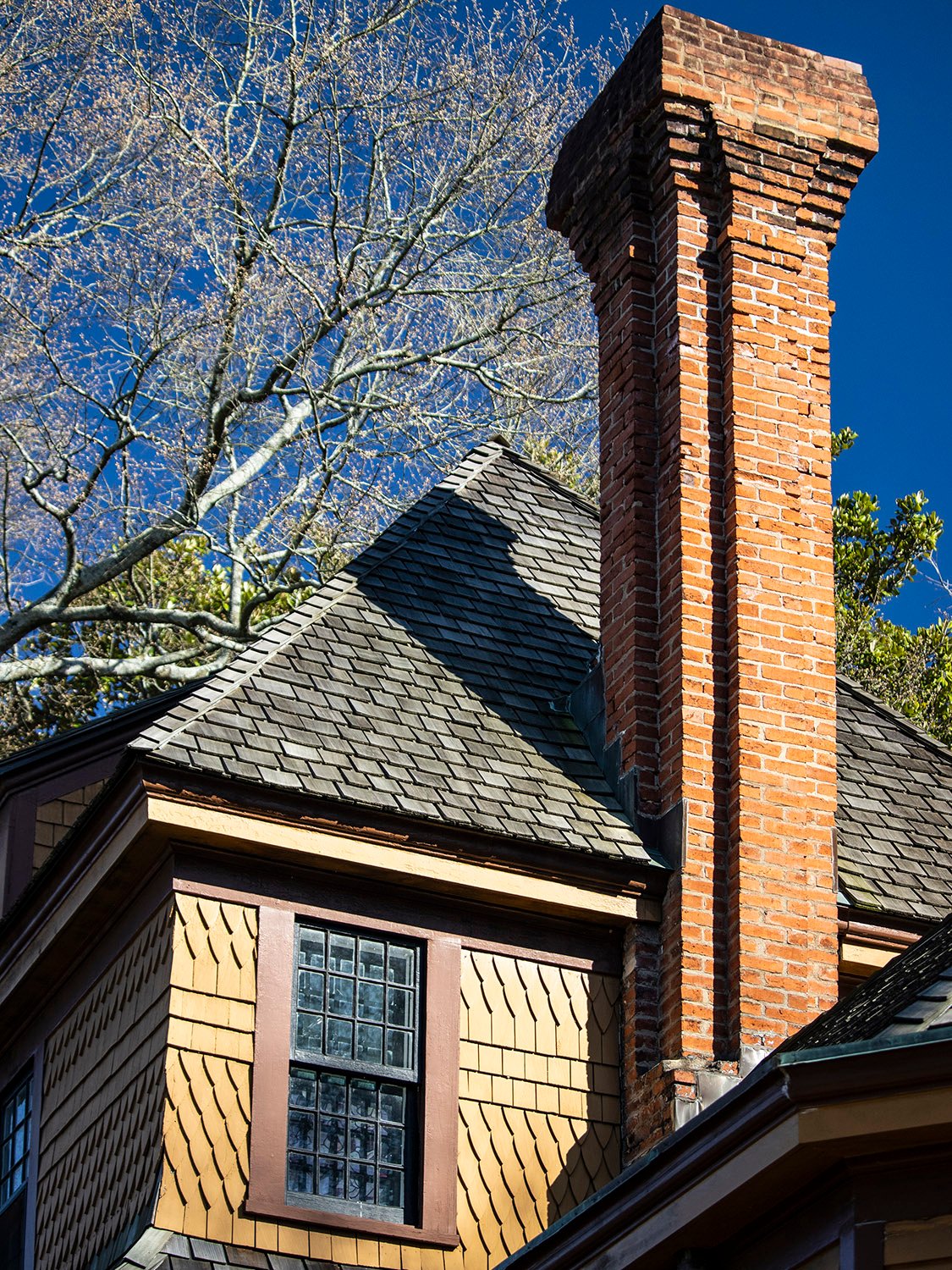
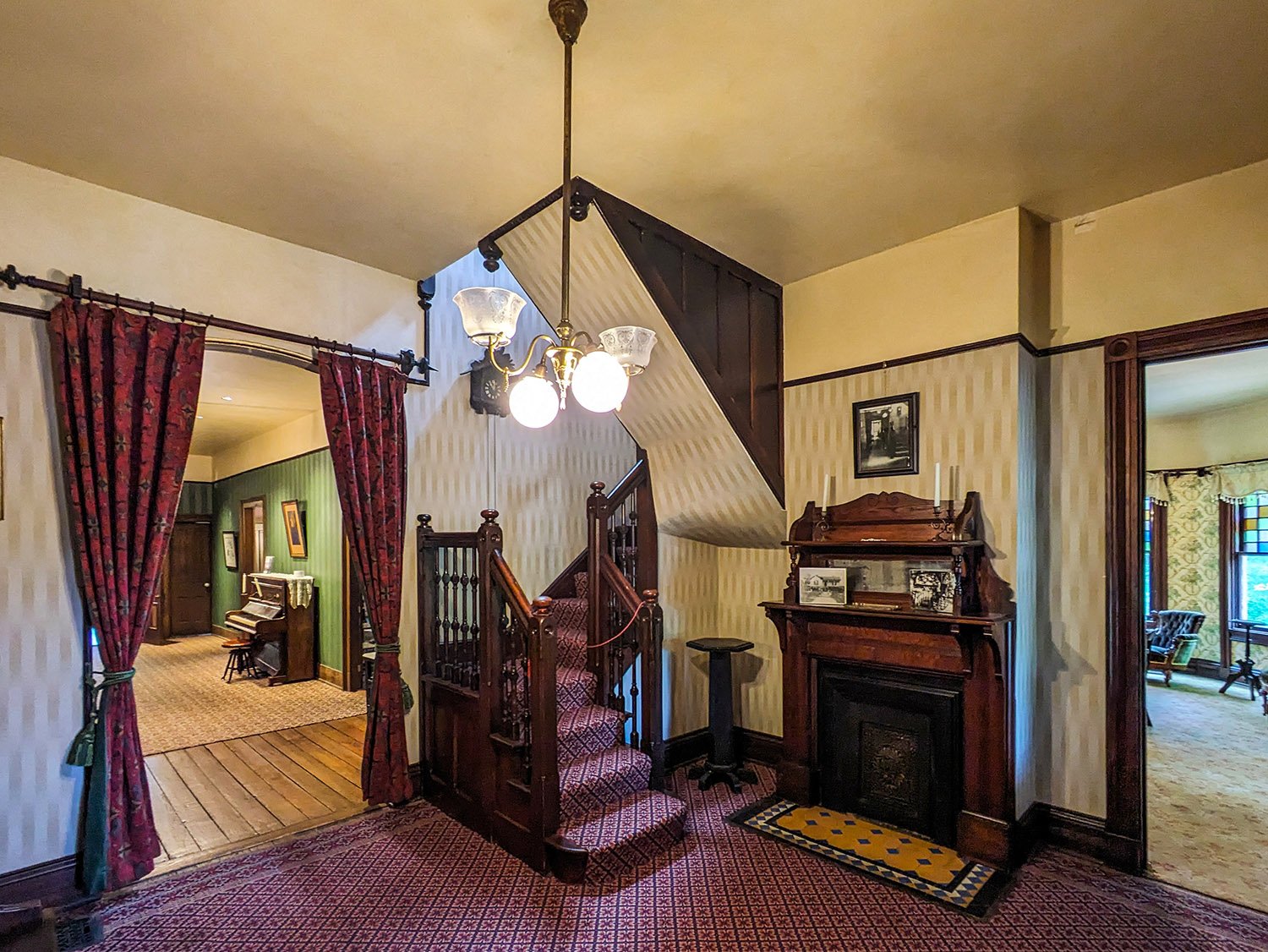
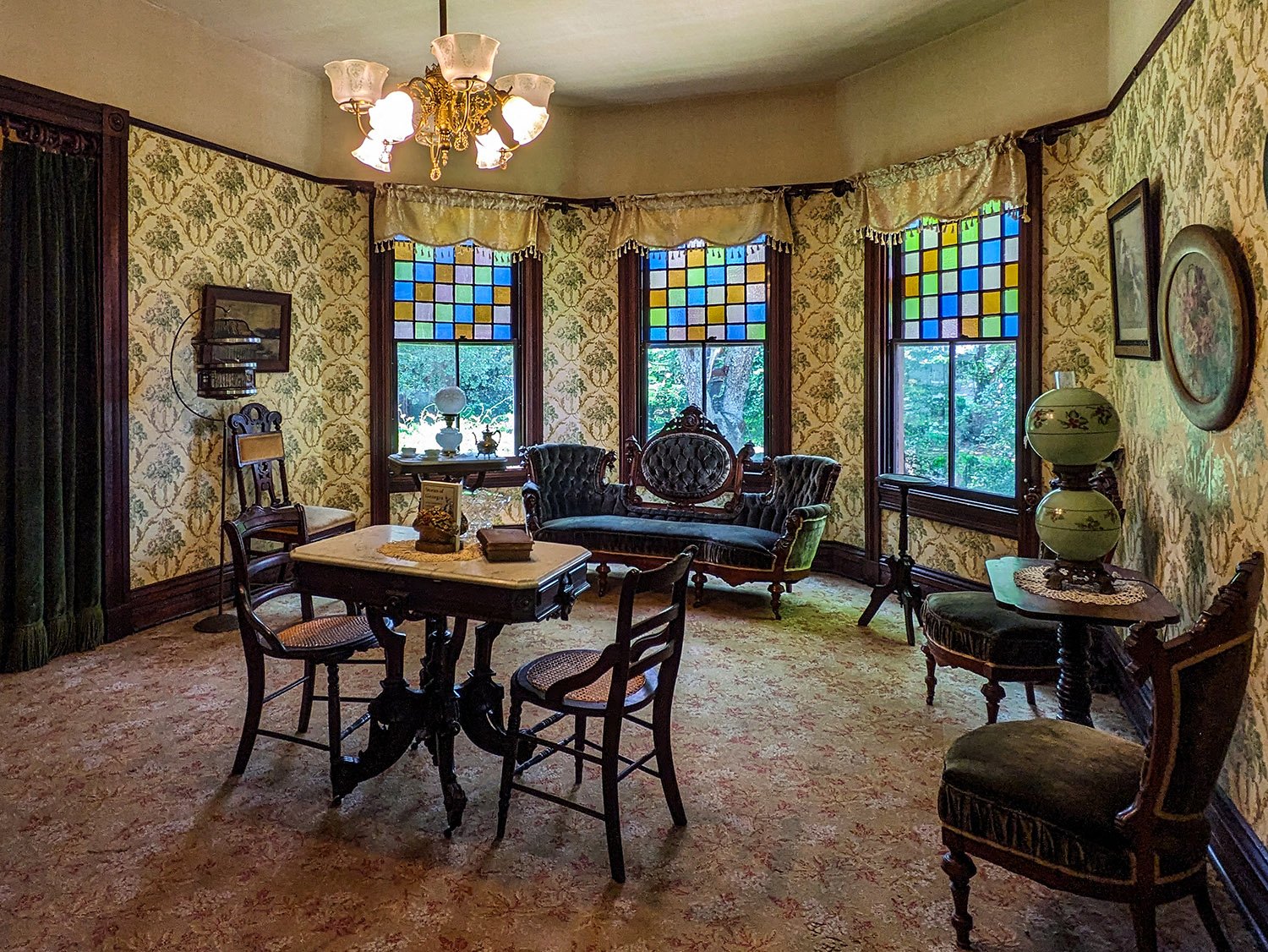
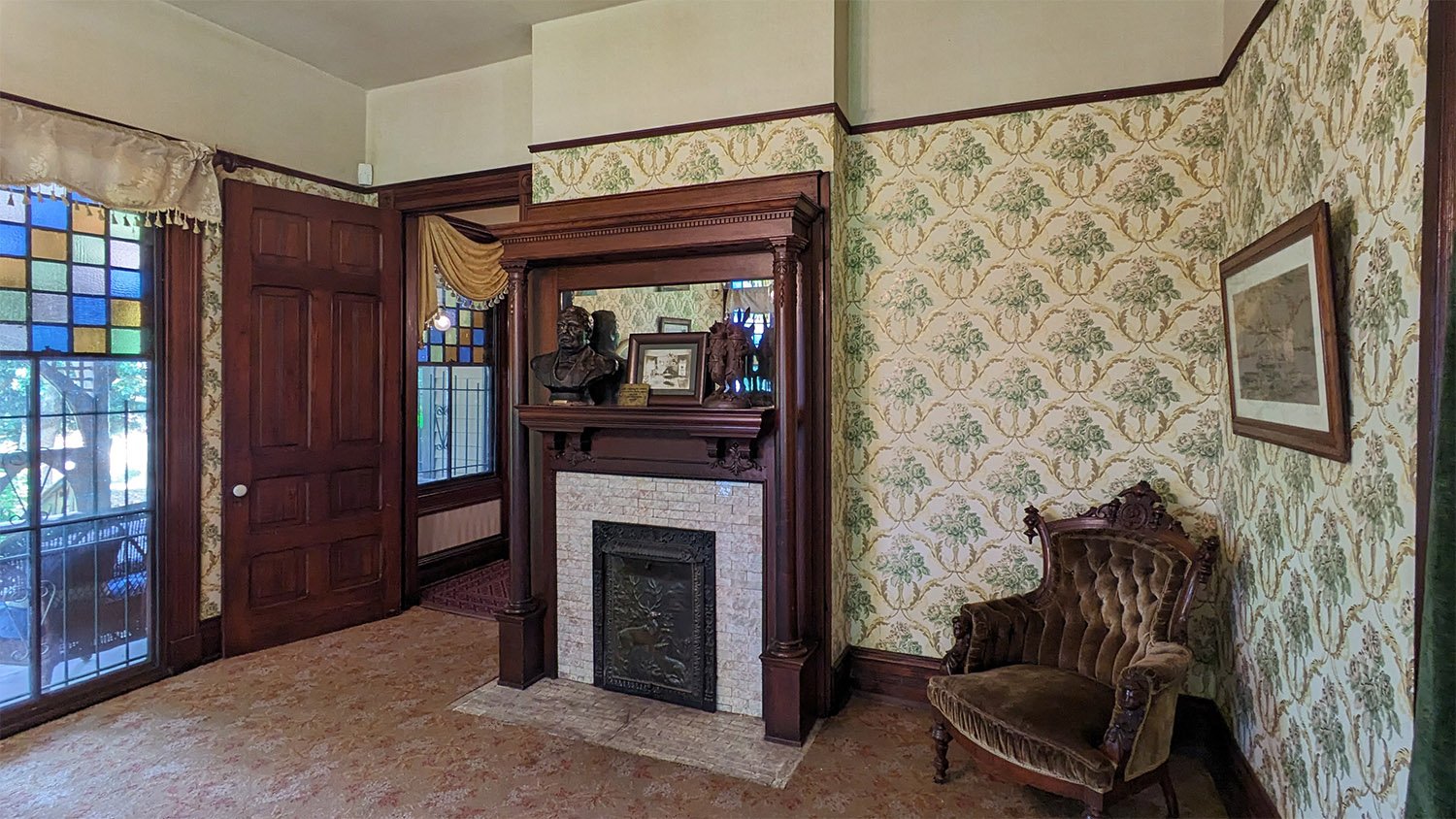
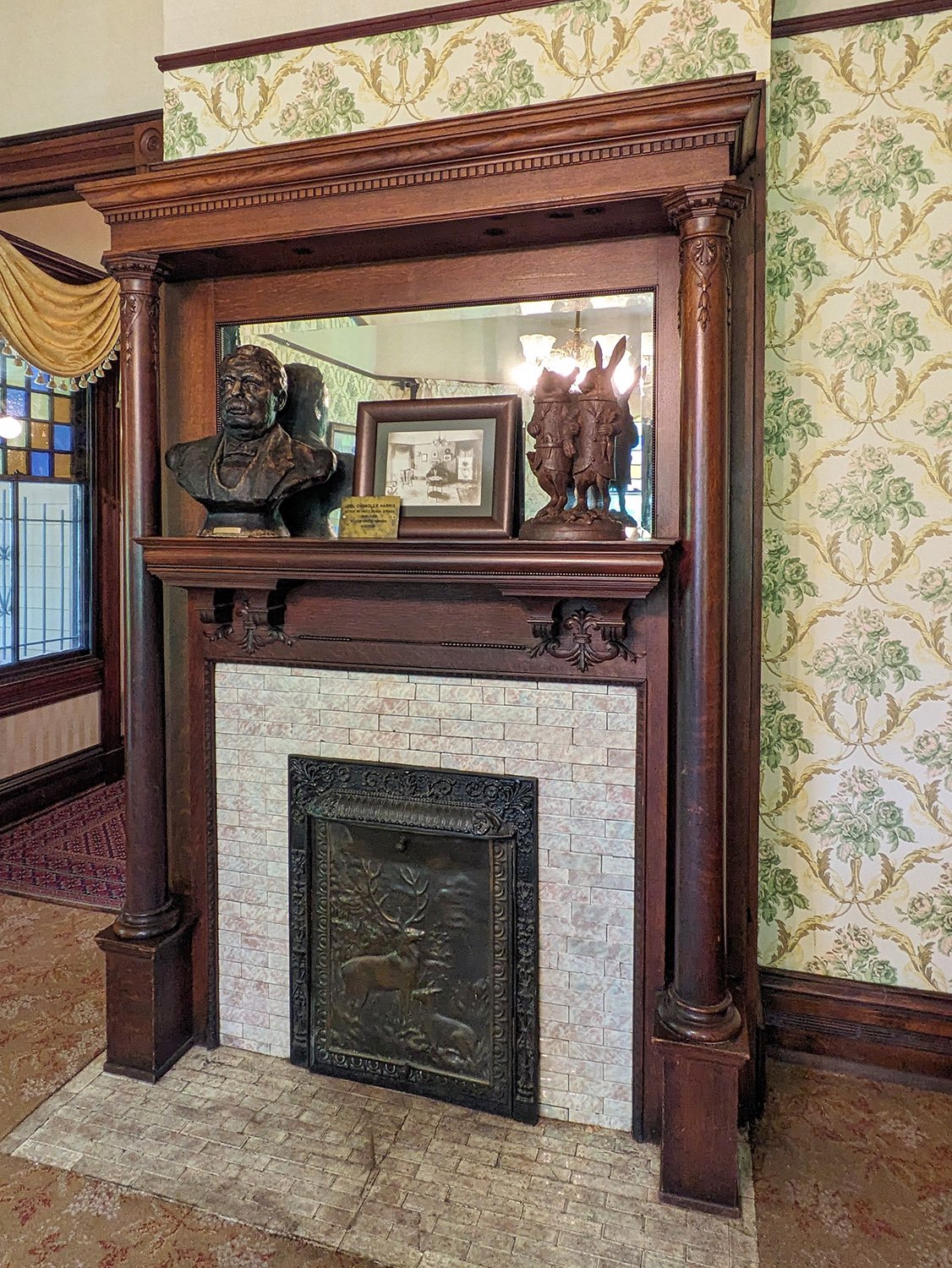
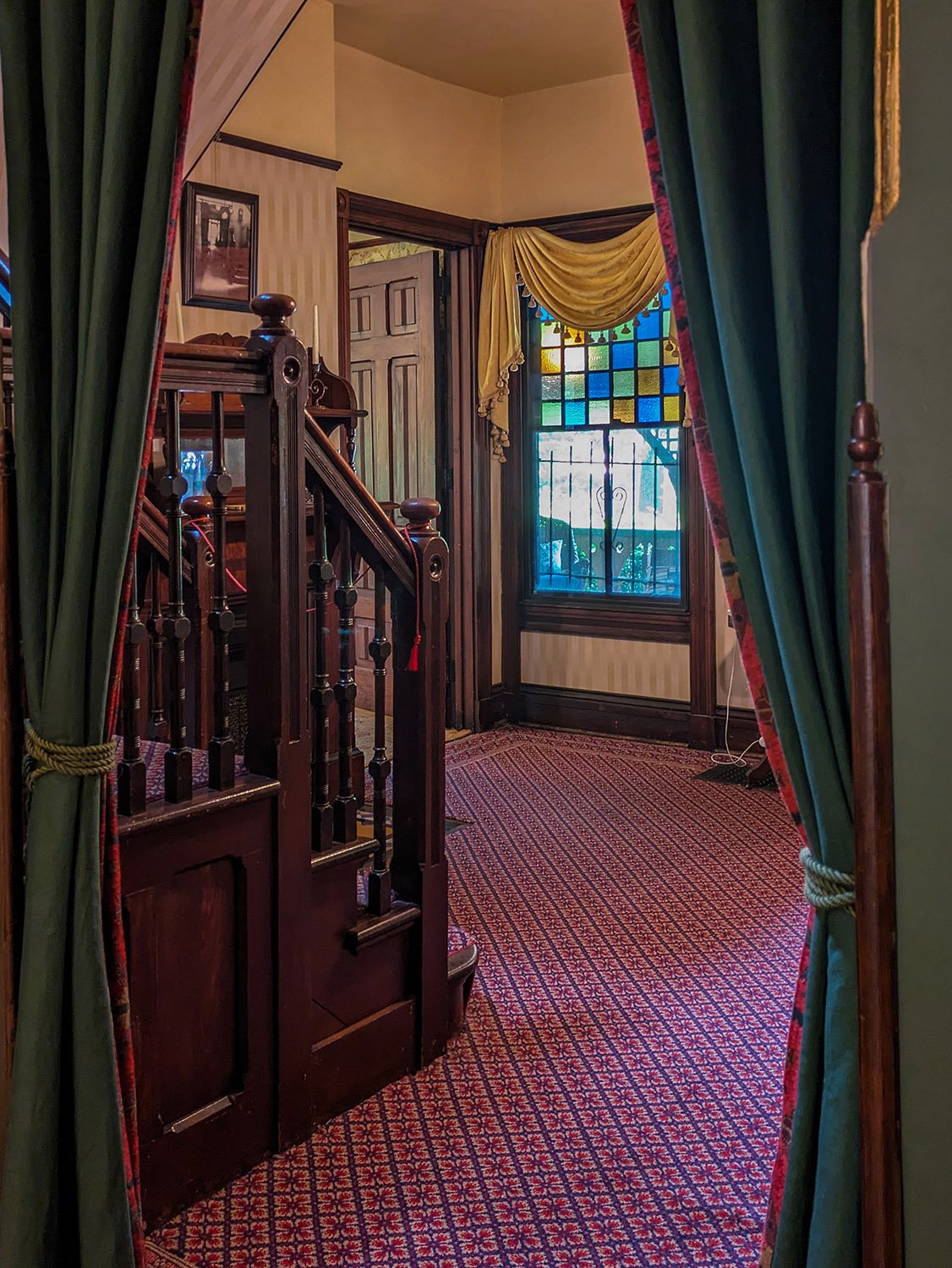
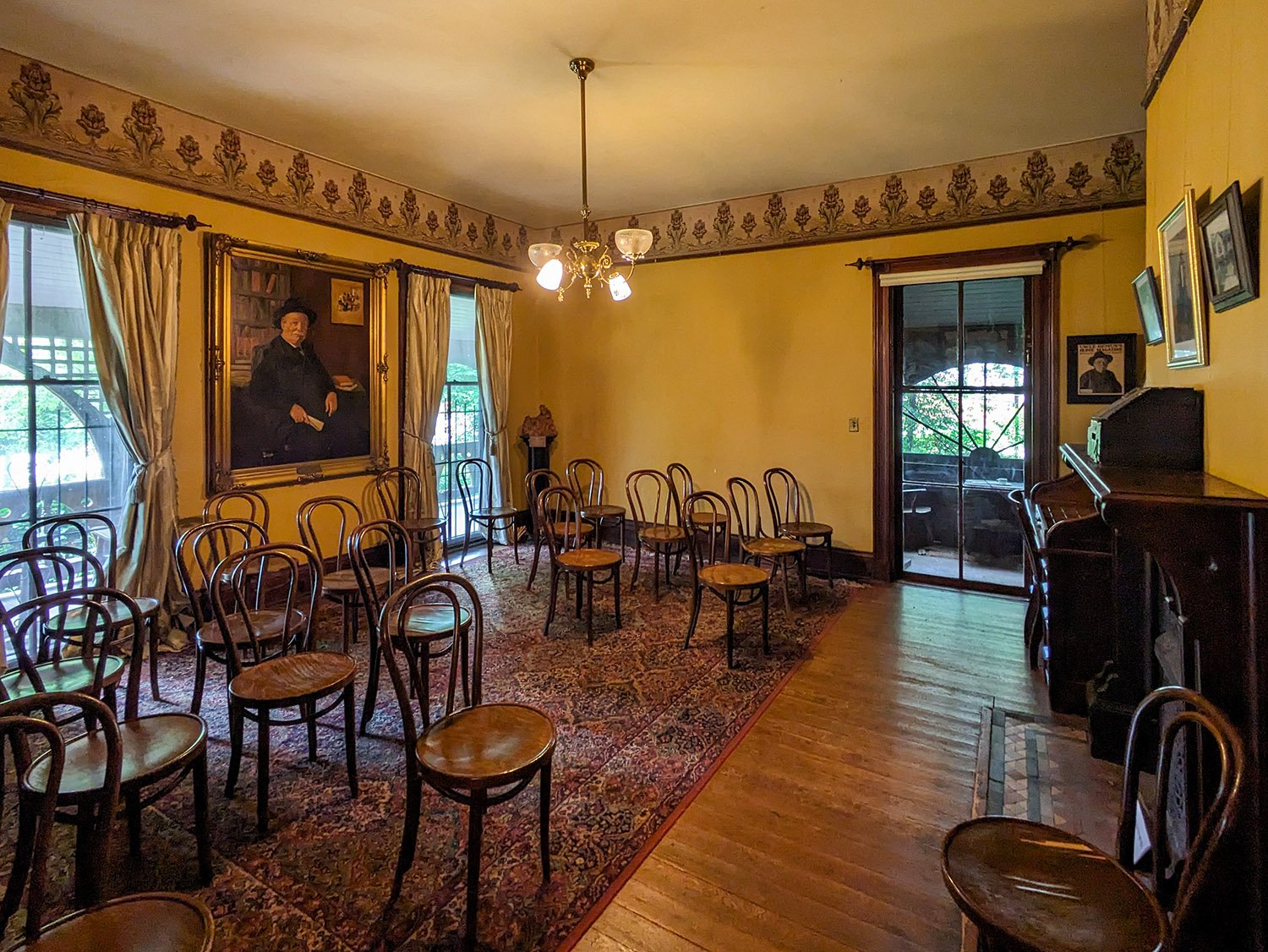
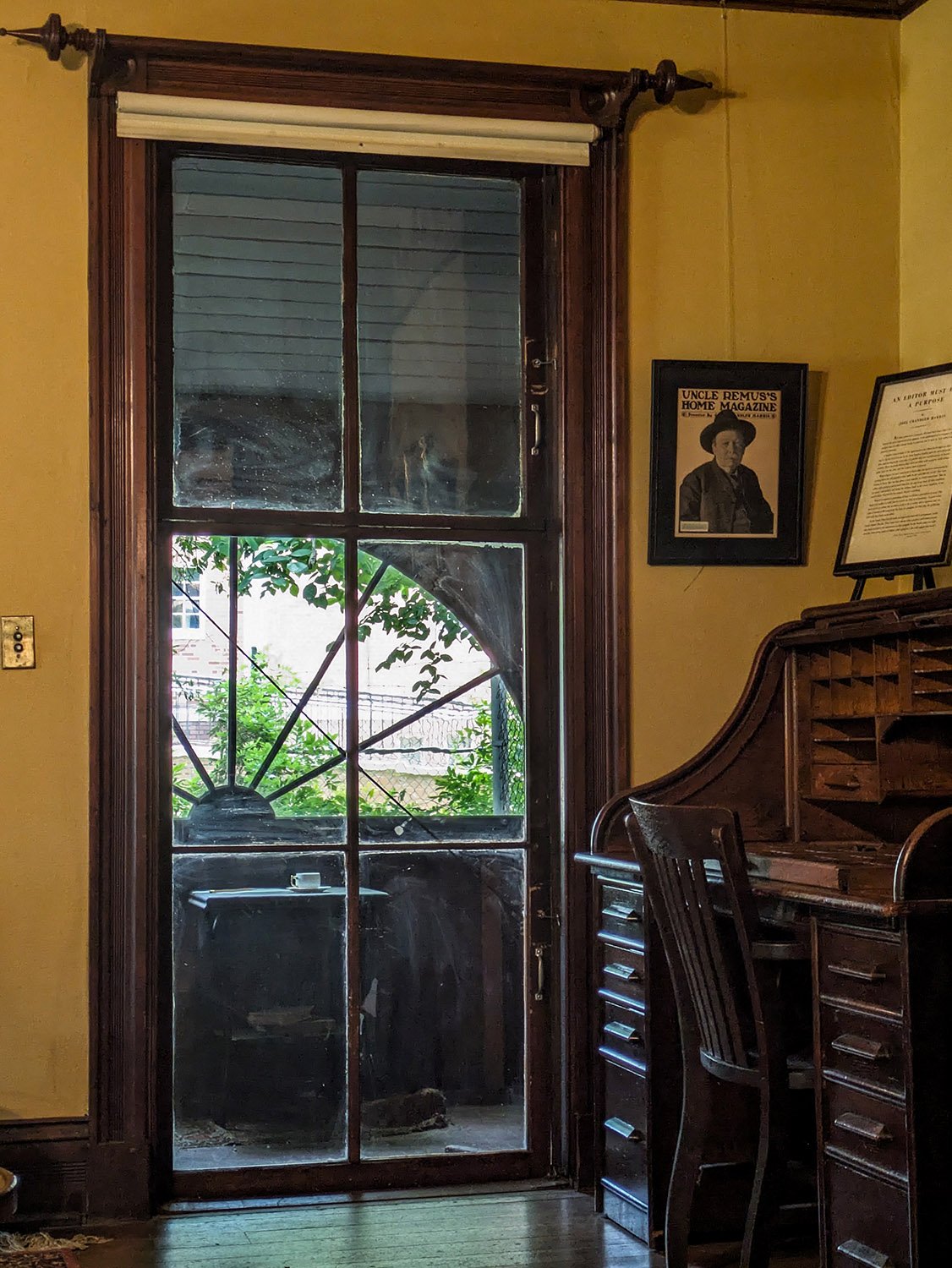
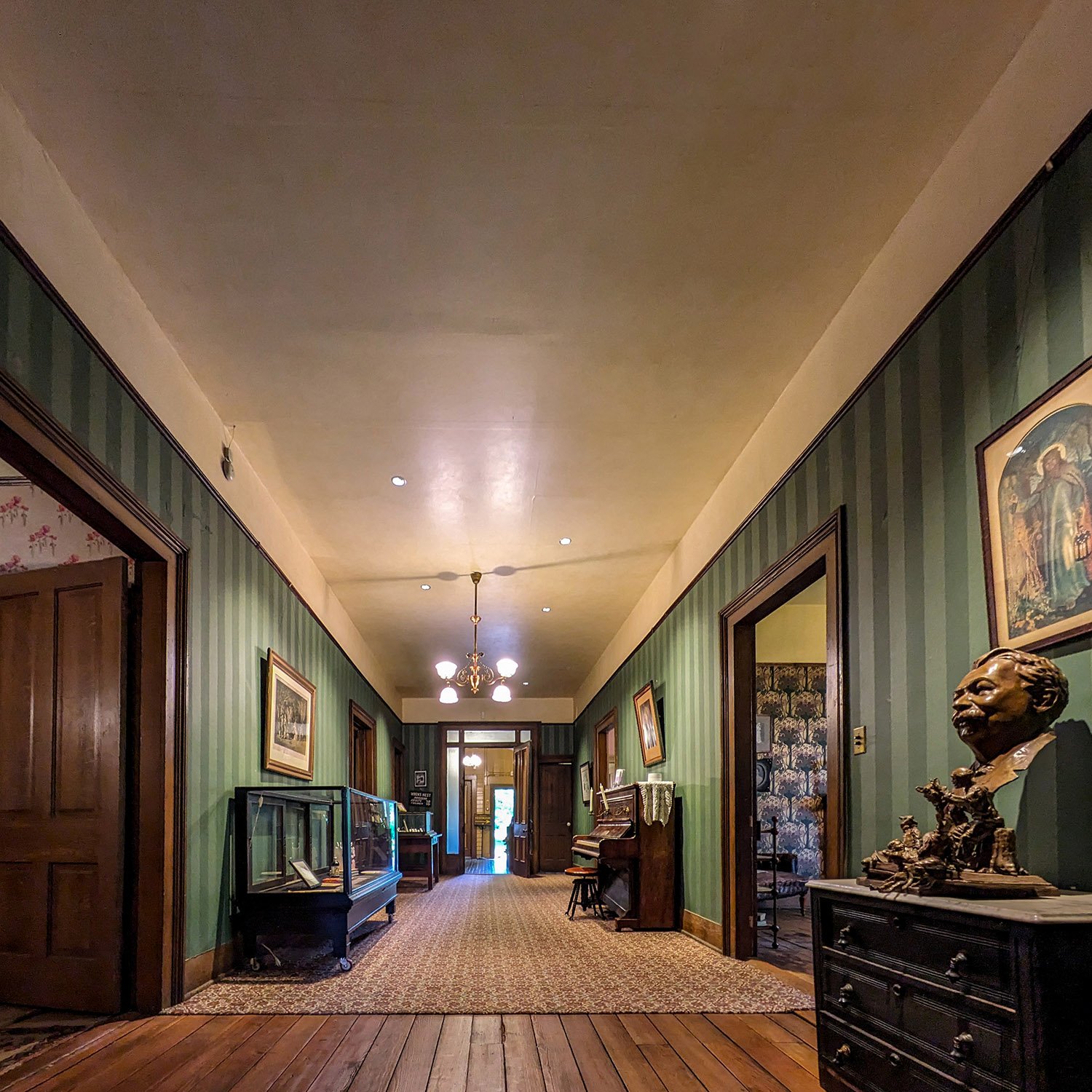
George P. Humphries. Joel Chandler Harris Residence, “The Wren’s Nest” (1884). West End, Atlanta.123Looking at The Wren’s Nest from the northeastSecond-floor window and shed dormer on The Wren’s Nest, AtlantaPost, brackets, and latticework on the front porch of The Wren’s Nest, AtlantaCorbels and open pediment on front porch of The Wren’s Nest. AtlantaLooking at The Wren’s Nest from the northwestFretwork rails and latticework on the front porch of The Wren’s Nest, AtlantaStained-glass window on the west elevation of The Wren’s Nest, AtlantaFish-scale shingles, window, and chimney on the second floor of The Wren’s Nest, AtlantaStair hall in The Wren’s Nest, AtlantaParlor in The Wren’s Nest, AtlantaParlor in The Wren’s Nest, AtlantaFireplace and mantel in the parlor of The Wren’s Nest, AtlantaLooking toward the stairs and stair hall in The Wren’s Nest, AtlantaLibrary in The Wren’s Nest, AtlantaWindow in the library of The Wren’s Nest, AtlantaCentral hall in The Wren’s Nest, AtlantaMusic room in The Wren’s Nest, AtlantaMusic room in The Wren’s Nest, AtlantaChildren’s bedroom in The Wren’s Nest, AtlantaBedroom of Joel Chandler Harris in The Wren’s Nest, AtlantaBedroom in The Wren’s Nest, AtlantaDining room in The Wren’s Nest, AtlantaFireplace and mantel in the dining room of The Wren’s Nest, AtlantaDining room in The Wren’s Nest, Atlanta
References
Bastedo, Mrs. Charles Wesley. “Early Architect”. The Atlanta Journal and Constitution Magazine, February 10, 1974, p. 5. ↩︎
“Building Notes.” The Atlanta Constitution, July 12, 1884, p. 7. ↩︎
“West End Notes.” The Atlanta Constitution, November 3, 1884, p. 7. ↩︎
A.McC. Nixon. J.M. Beath Residence (1890). Inman Park, Atlanta.
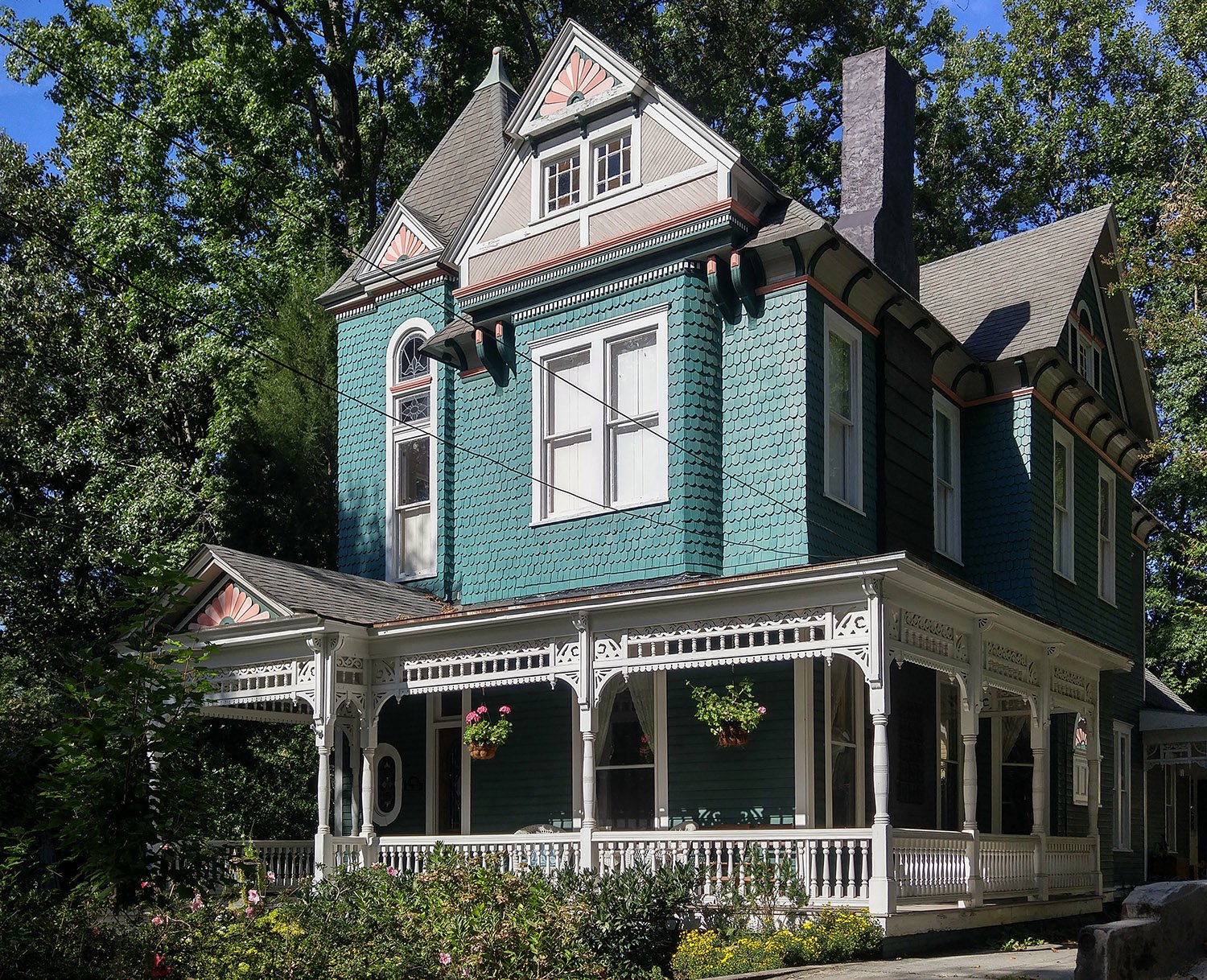
The Queen Anne-style J.M. Beath Residence in Atlanta’s Inman Park neighborhood, better known as the Beath-Dickey House, is the only known extant work by A.McC. Nixon, a British-born architect1 who began his practice in Texas circa 1881 23 and first appeared in Atlanta in 1888.4
In late 1890, Nixon partnered with J.M.P. Lindsey as Nixon & Lindsey.5 The firm dissolved in 1894,6 shortly before a court trial in which the pair were acquitted on charges of larceny after trust stemming from their supervision of a home’s construction in 1891.78910 The client had accused the pair of pocketing money intended for the contractors, but the matter was successfully proven to be a simple accounting error.11
Lindsey moved to Toronto in January 1895,12 and Nixon’s work in Atlanta dwindled. In July 1896, his personal possessions and business contents were sold at public auction to pay off debt.13
Apparently quite ill, Nixon returned to England in July 1896, “in the hope that the sea voyage might improve his shattered health.”14 Yet as The Southern Architect so eloquently reported:
“On the contrary, the physicians consulted after his arrival in England pronounced his ailment a hopeless case of consumption, and gave him but a few weeks of life. This will be sad news to all who knew the gentleman here in his adopted city and throughout the South, where he established a high reputation as a skilled architect, and had won many friends by his gentle and cultured manners, and whose sincere sympathies like silken chords will extend to him and his across the ocean in their hours of trial and affliction.”15
Despite the claim that he was a “skilled architect,” I’ve seen no evidence that Nixon was an especially good designer, and the Beath Residence’s clumsy, top-heavy design is typical of his oeuvre.
The home was said to be of the “Domestic Gothic” style, “although not pure in this style throughout.”20 That was an understatement: I see little Gothic about it.
The home was also reportedly built “at very moderate cost,”21 which is apparent from its appearance.
In 1891, Nixon also designed the similarly styled D.H. Dougherty Residence (above, demolished),22 which has been erroneously attributed to both G.L. Norrman and W.L. Stoddart.23
Atlanta really doesn’t know its own history.
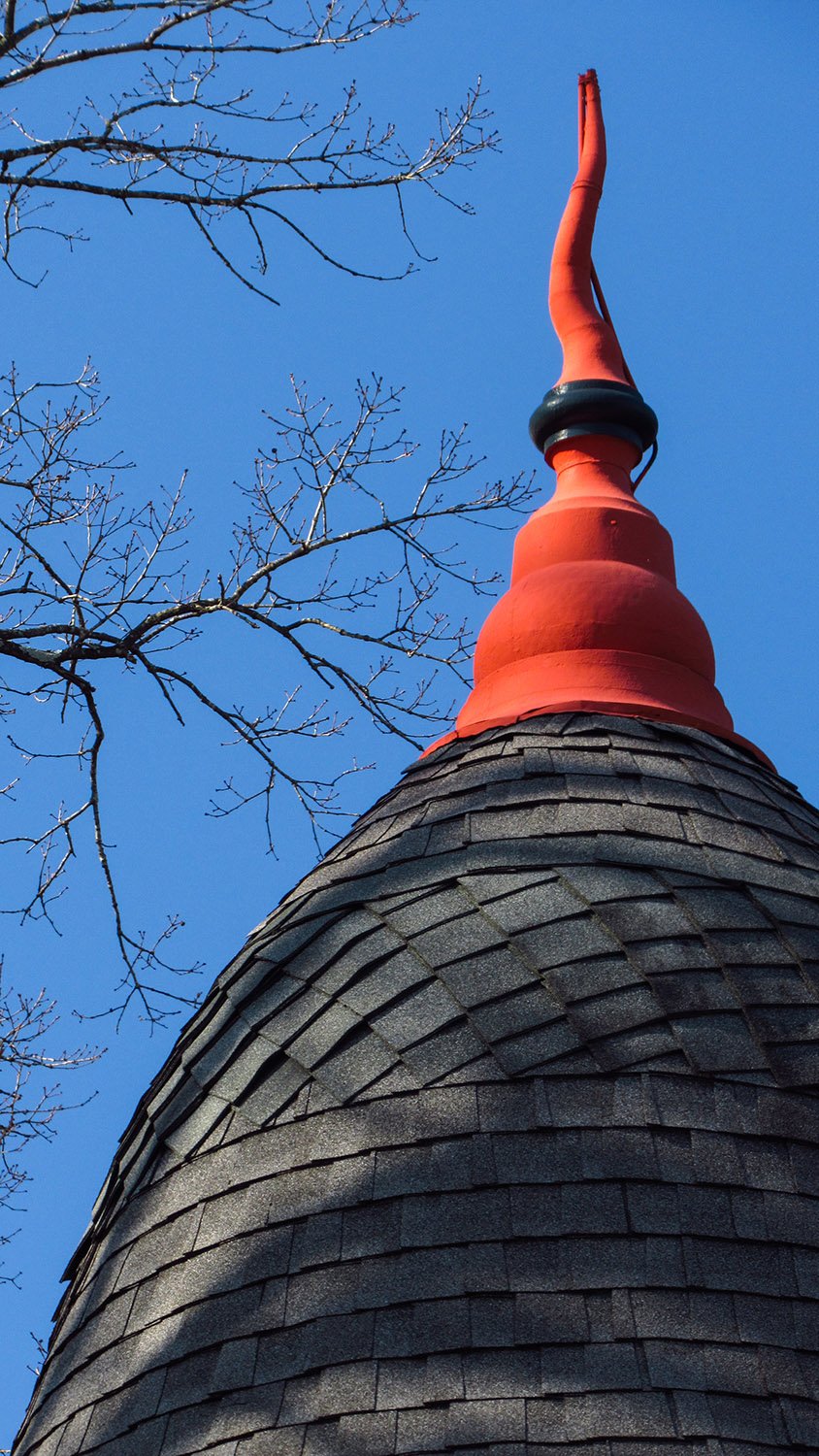
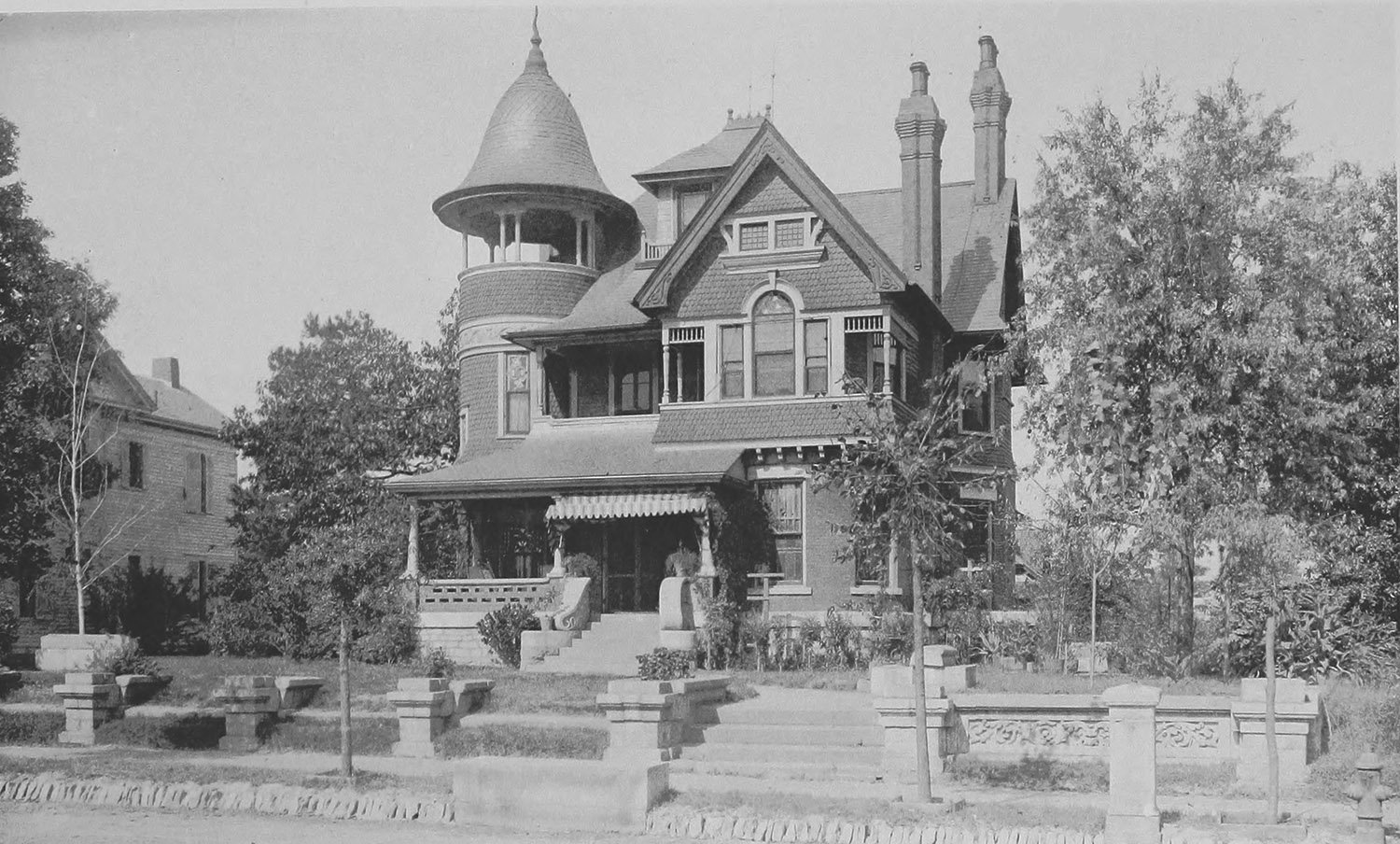
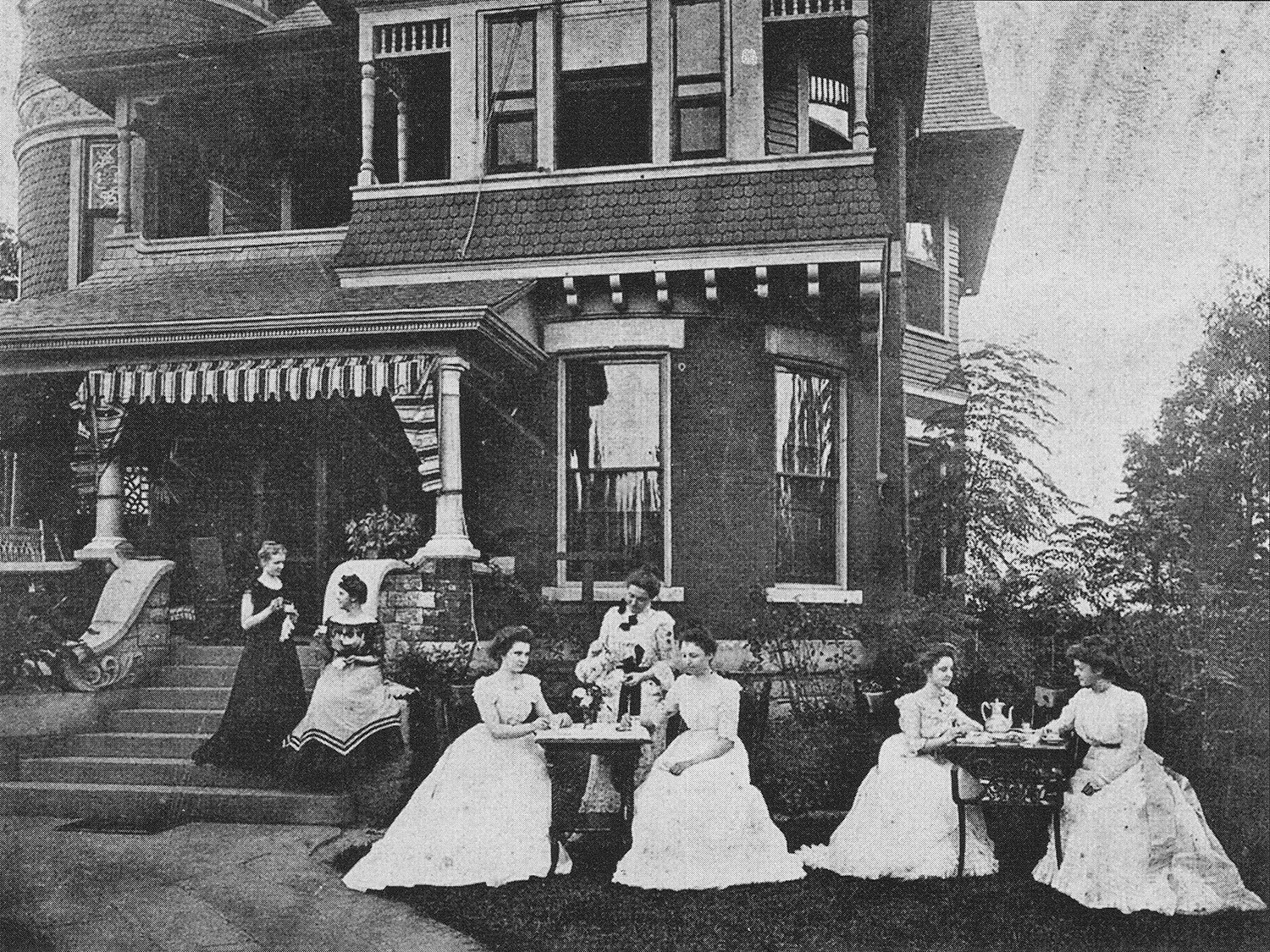
Looking at the Palladian window on the J.M. Beath Residence, AtlantaDormer and roof finial on the J.M. Beath Residence, AtlantaAttic window on the J.M. Beath Residence, AtlantaBelvedere on the J.M. Beath Residence, AtlantaPost and ornamentation on the second floor of the J.M. Beath Residence, AtlantaBargeboard and ornamentation on the J.M. Beath Residence, AtlantaChimneys on the J.M. Beath Residence, AtlantaCorbels on the J.M. Beath Residence, AtlantaGable on the J.M. Beath Residence, AtlantaTurret on the J.M. Beath Residence, AtlantaRoof finial on the J.M. Beath Residence, AtlantaJ.M. Beath Residence circa 190324J.M. Beath Residence circa 190025
References
“Personal.” The Southern Architect, Volume 7, No. 9 (July 1896), p. 182. ↩︎
“San Sada.” The Galveston Daily News, May 15, 1881, p. 1. ↩︎
“Twenty-Five Cent Column”. The Austin Daily Statesman, June 2, 1881, p. 3. ↩︎
“From Our Notebooks.” The Atlanta Constitution, October 1, 1888, p. 4. ↩︎
“Wanted.” The Atlanta Journal, November 15, 1890, p. 7. ↩︎
“A Dissolution of Copartnership.” The Atlanta Constitution, April 4, 1894, p. 3. ↩︎
“Architects On Trial.” The Atlanta Journal, June 21, 1894, p. 1. ↩︎
“The Architect Not Guilty.” The Atlanta Journal, June 22, 1894, p. 3. ↩︎
“Mr. Nixon Not Guilty.” The Atlanta Constitution, June 23, 1894, p. 5. ↩︎
“The Case Dismissed.” The Atlanta Journal, June 23, 1894, p. 9. ↩︎
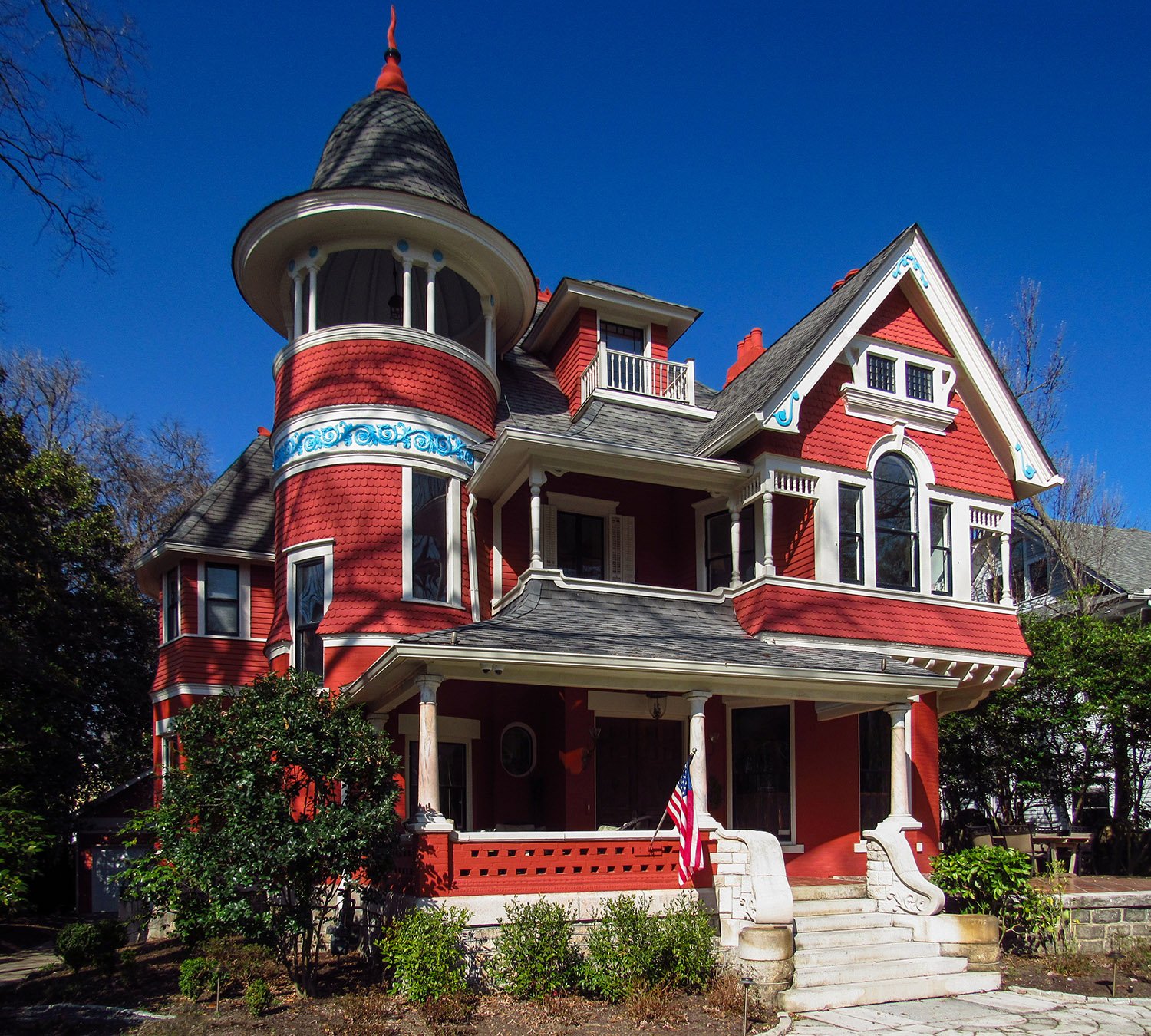
J.W. Golucke. M.A. Hale Residence (1892). Inman Park, Atlanta.
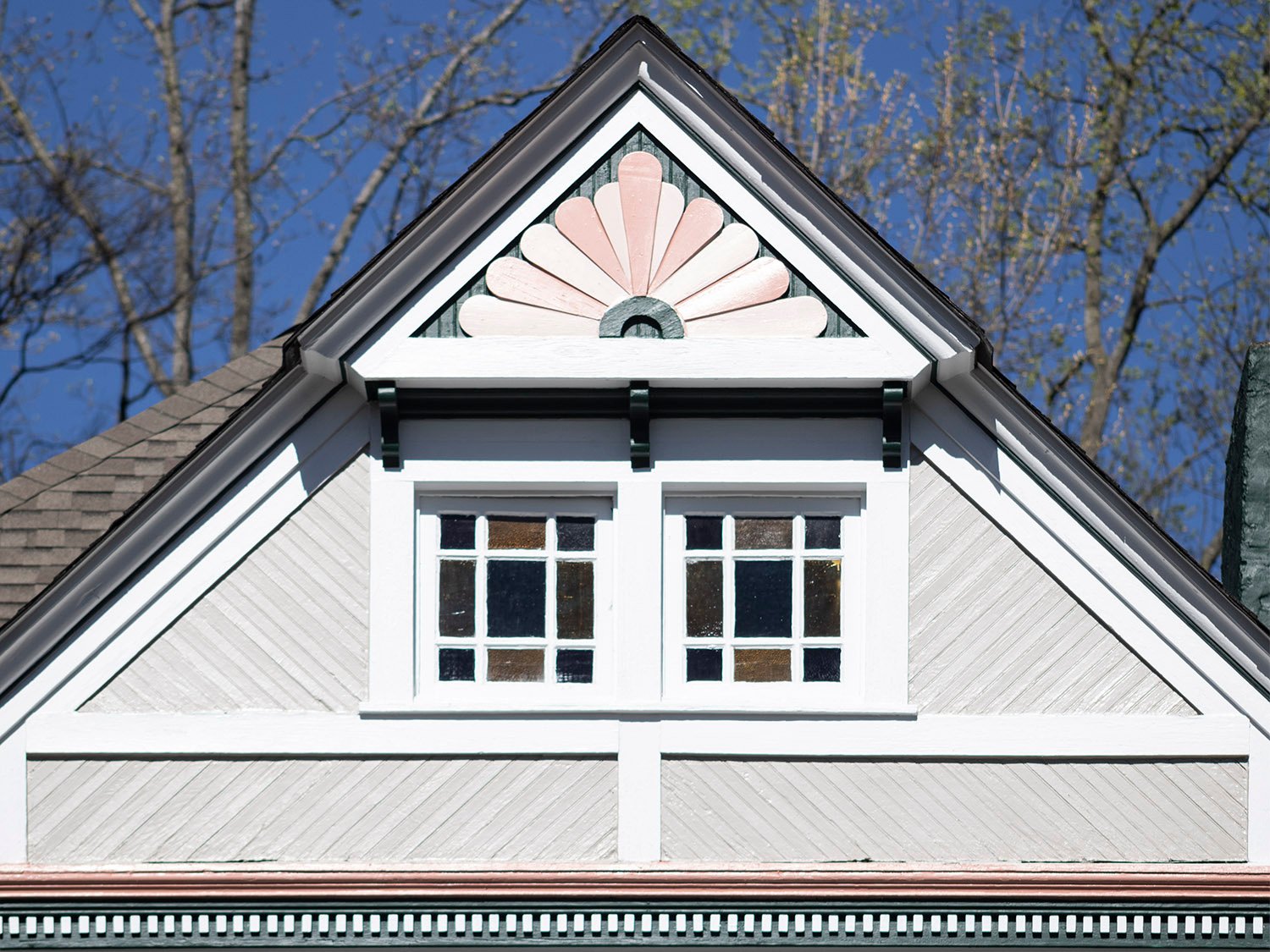
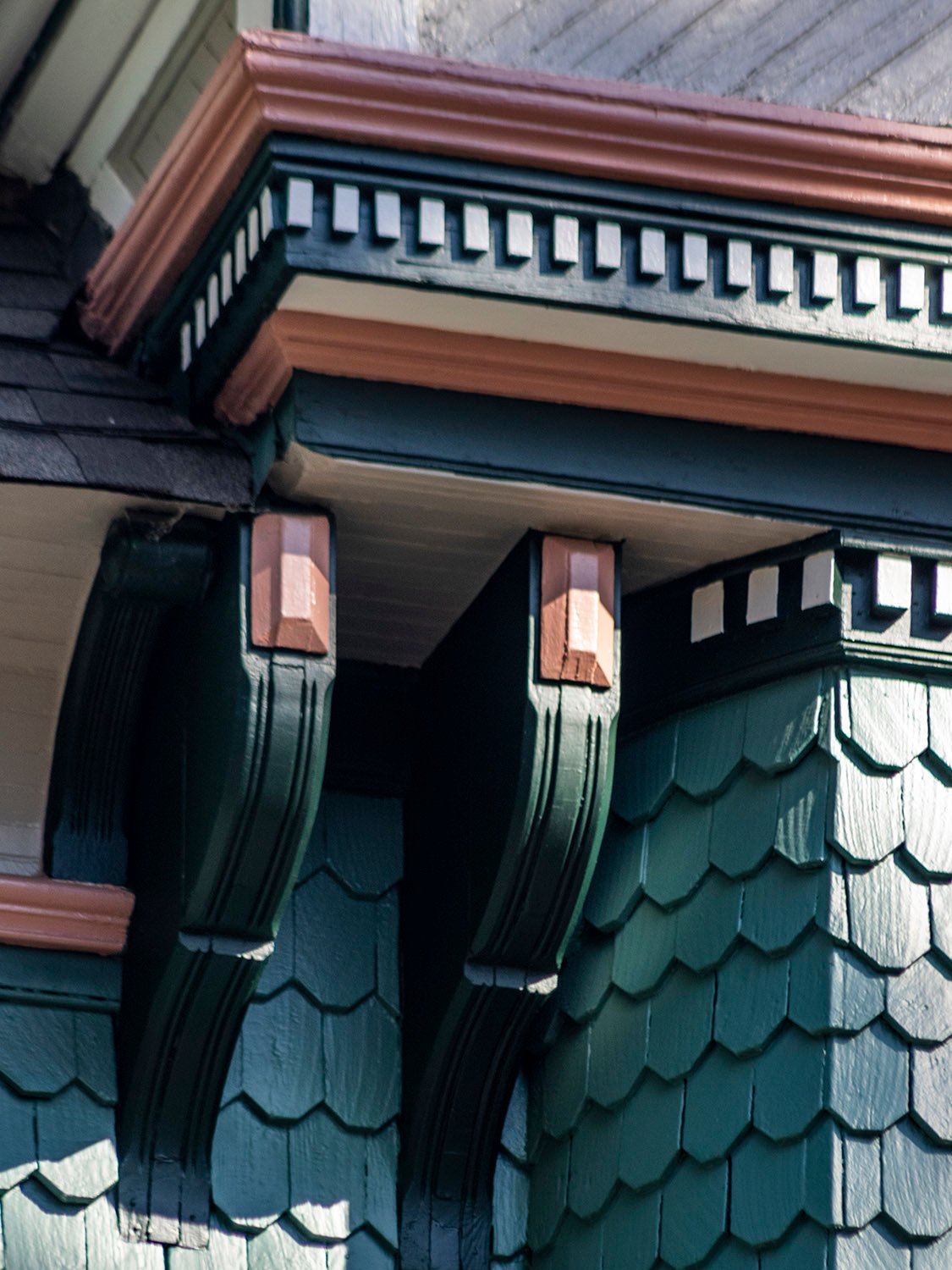
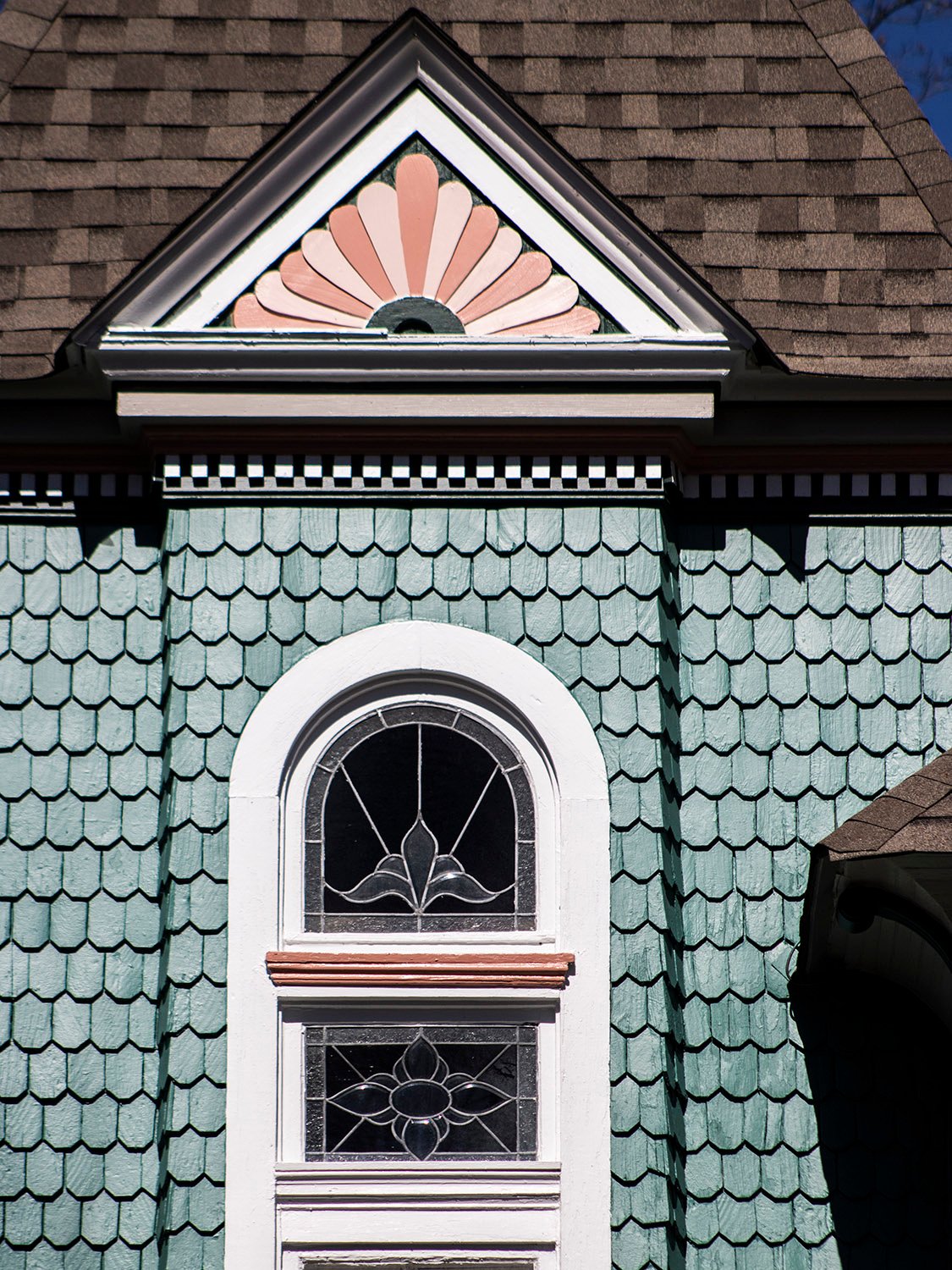
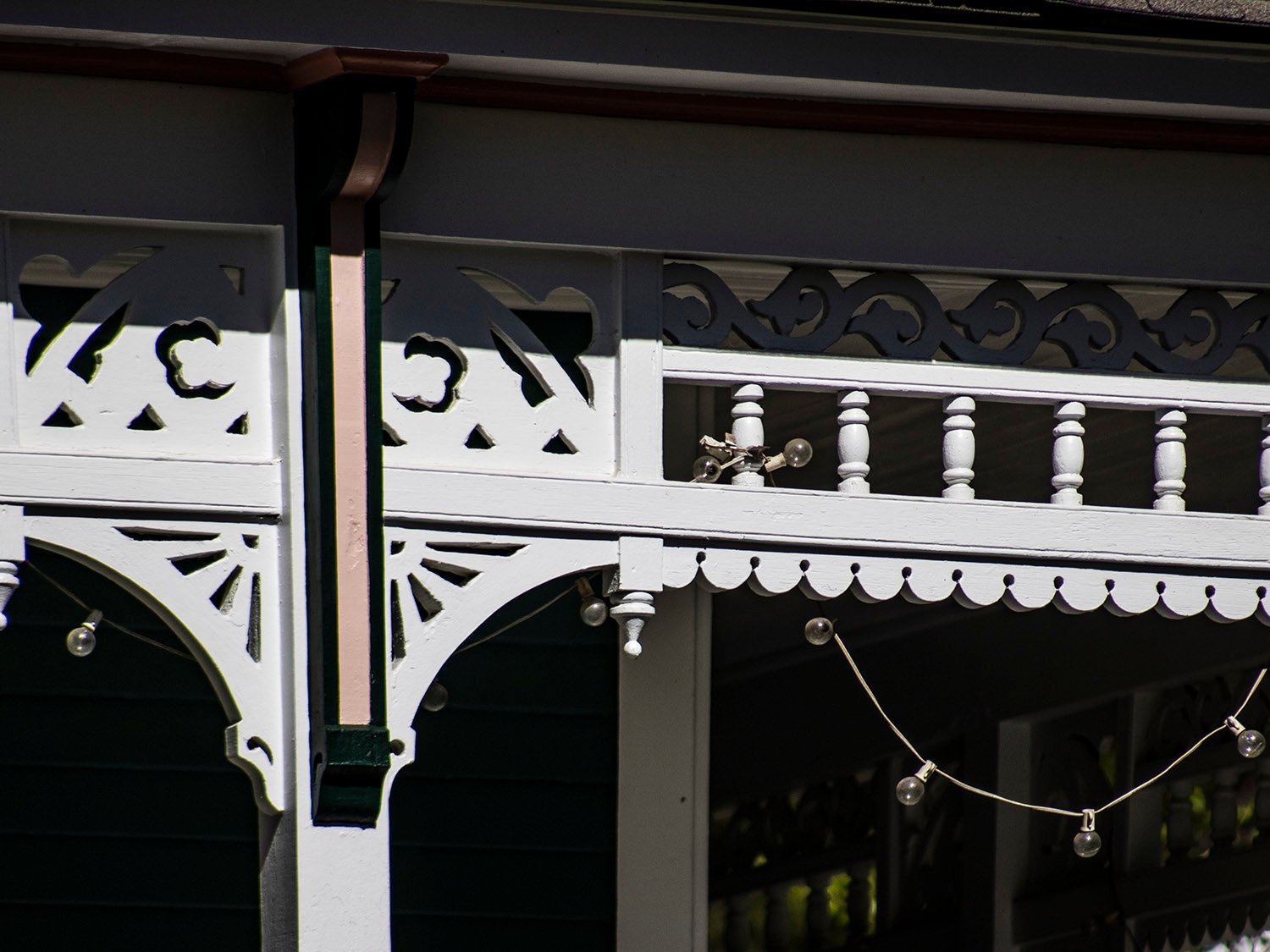
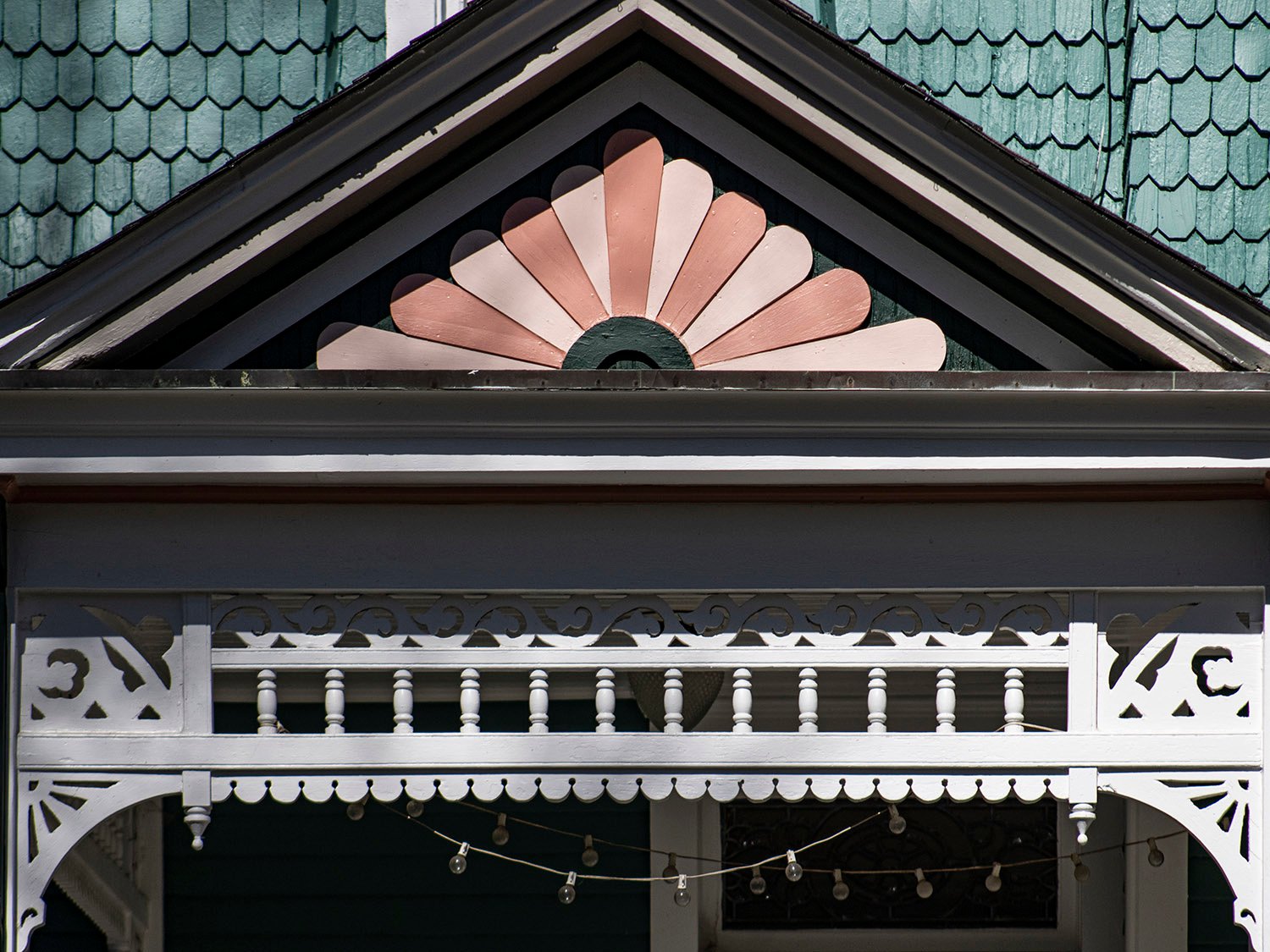
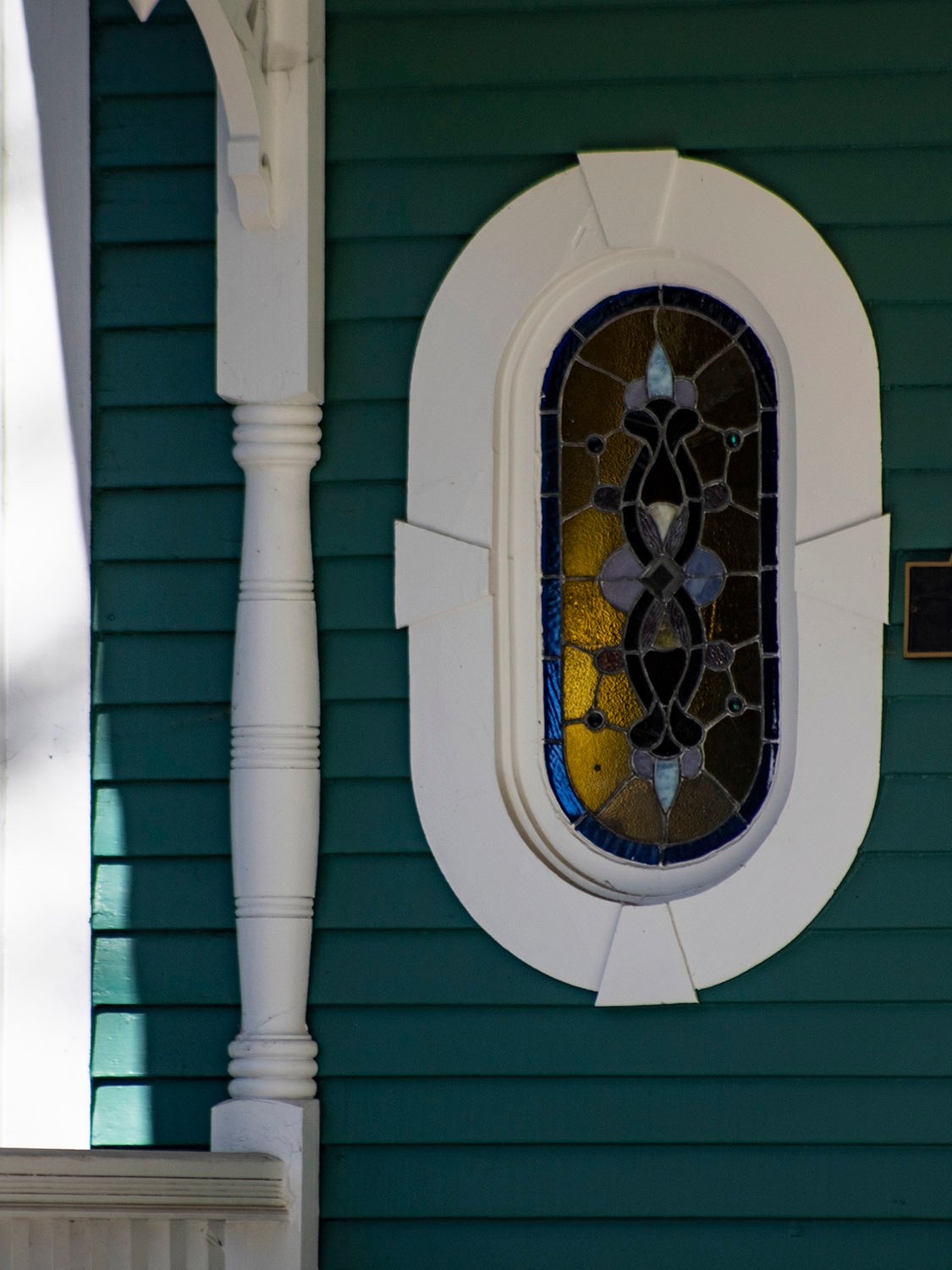
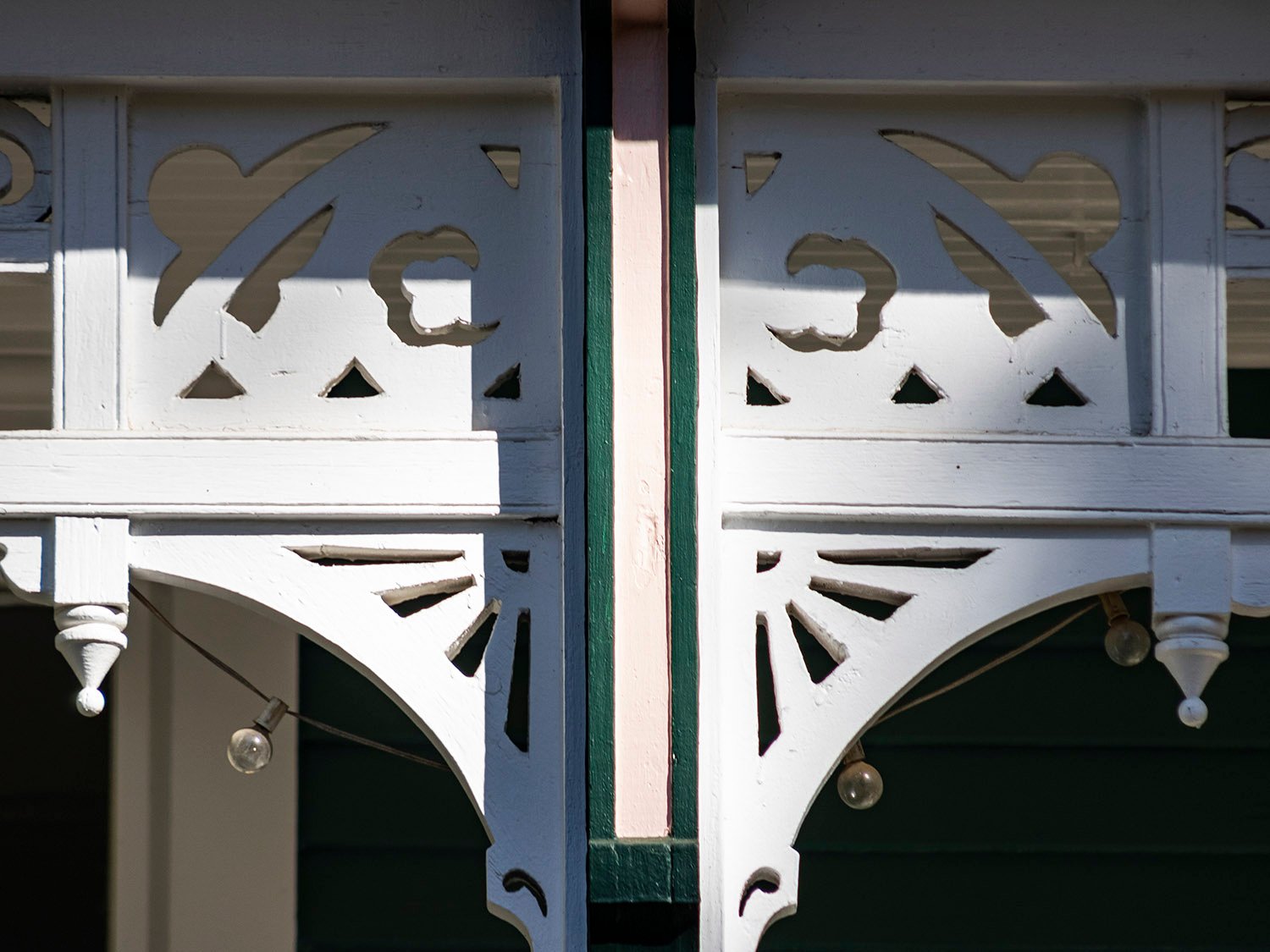
This Queen Anne-style home is Atlanta’s only known extant work designed by J.W. Golucke (1857-1907),12 a shyster carpenter who built a career on smooth talk and grand delusions of being a legitimate architect.
A thoroughly fraudulent and incompetent designer, Golucke was one of several “Atlanta architects” of his era who did little actual work in the city, primarily peddling their shoddy plans to poor, rural communities that didn’t know any better.
If you travel through backwoods Georgia, you’ll find more than a dozen county courthouses by Golucke’s design3—all of them terrible.
Golucke fittingly died in a southwest Georgia jail cell while being held on charges of forgery,4 weeks after attempting suicide under the influence of drugs.56 His work is not celebrated here.
Gallery
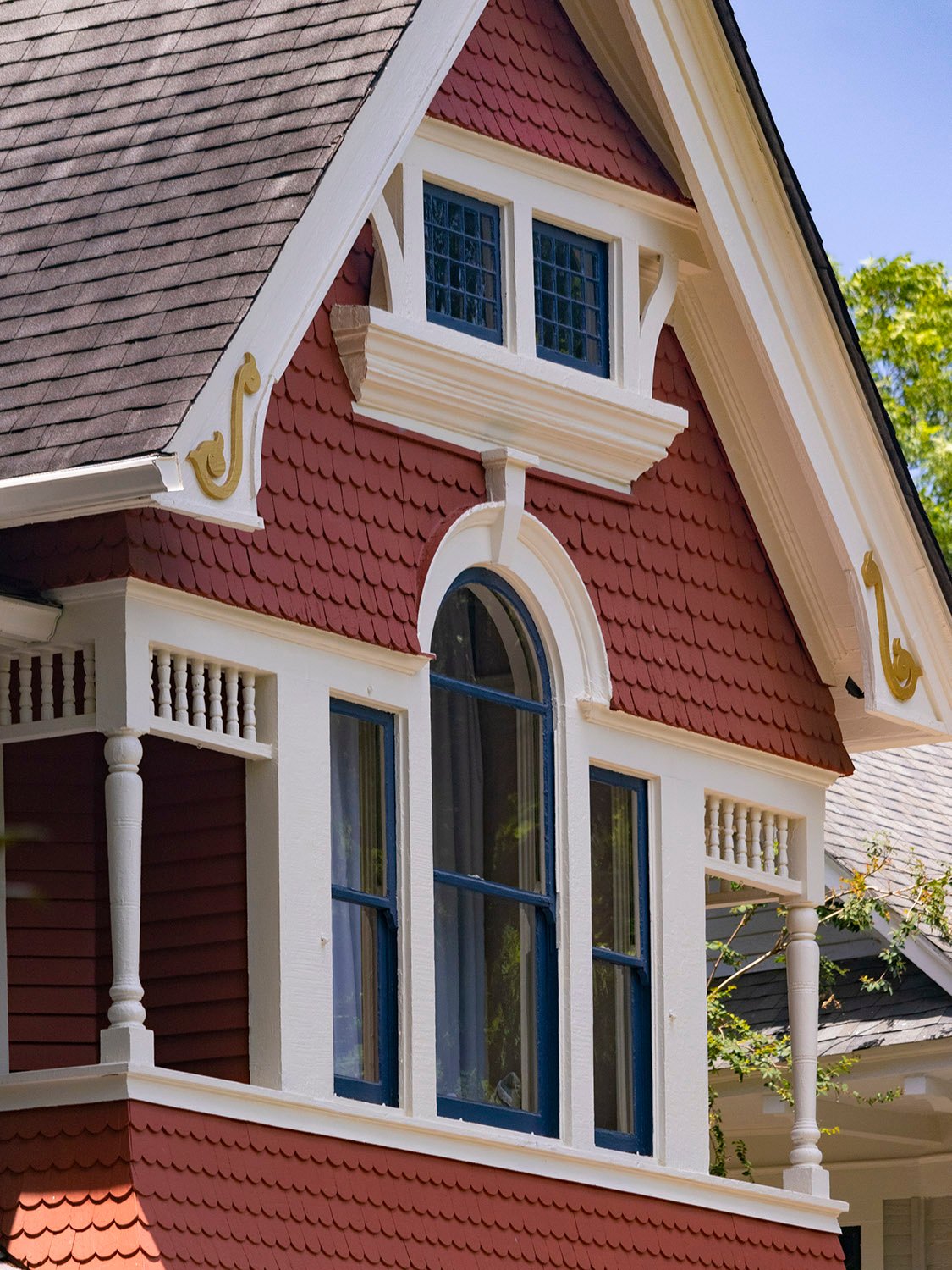
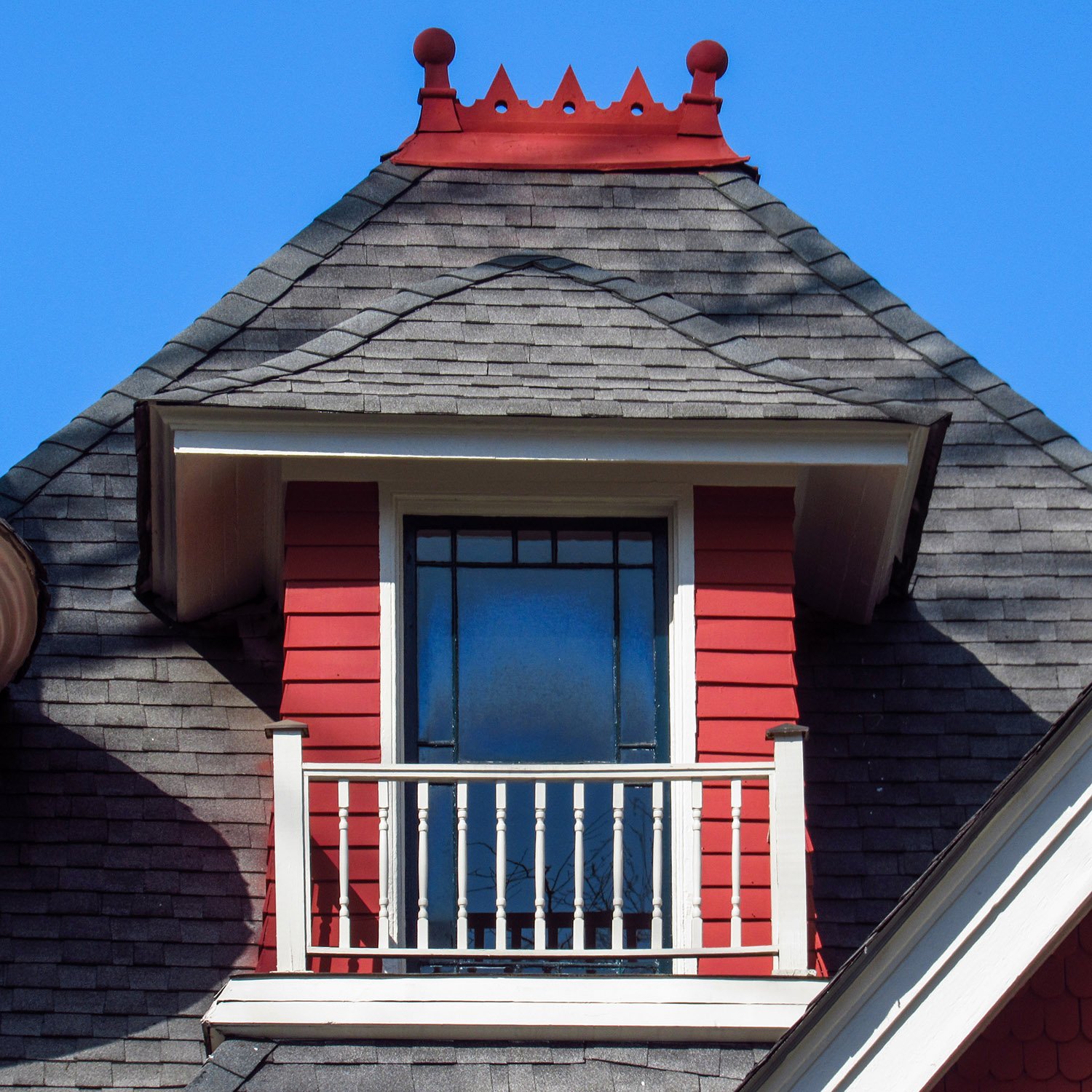
Gable on the facade of the M.A. Hale Residence, AtlantaCornice and corbels on the M.A. Hale Residence, AtlantaSecond-floor bay window on the M.A. Hale Residence, AtlantaPorch post and fretwork ornamentation on the facade of the M.A. Hale Residence, AtlantaPorch pediment and fretwork ornamentation on the facade of the M.A. Hale Residence, AtlantaOval window and porch post on the facade of the M.A. Hale Residence, AtlantaFretwork ornamentation on the M.A. Hale Residence, Atlanta
References
“Atlanta’s Growth.” The Atlanta Constitution, July 13, 1892, p. 7. ↩︎
“Mrs. M.A. Hale’s Death.” The Atlanta Constitution, March 29, 1896, p. 6. ↩︎