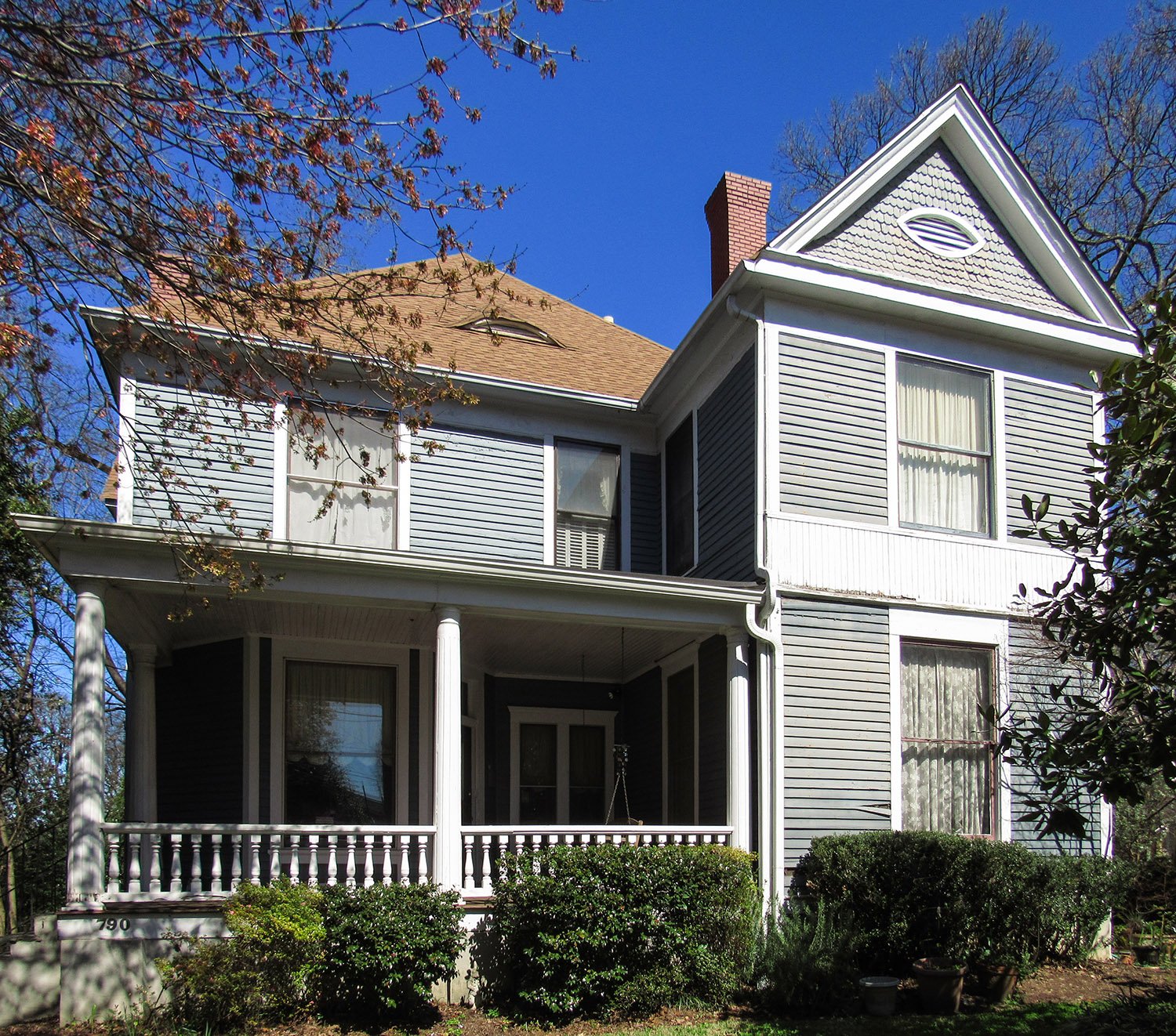
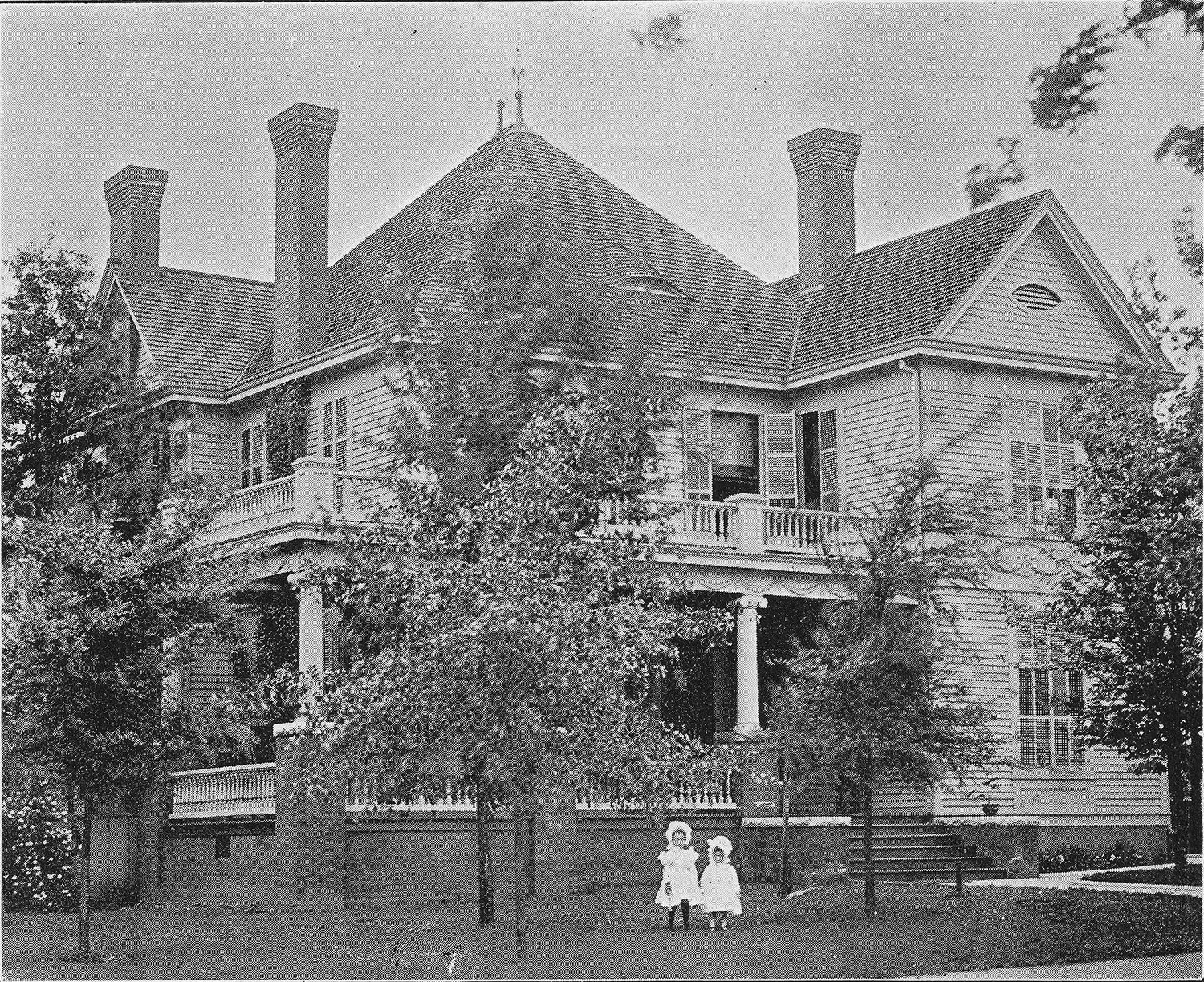
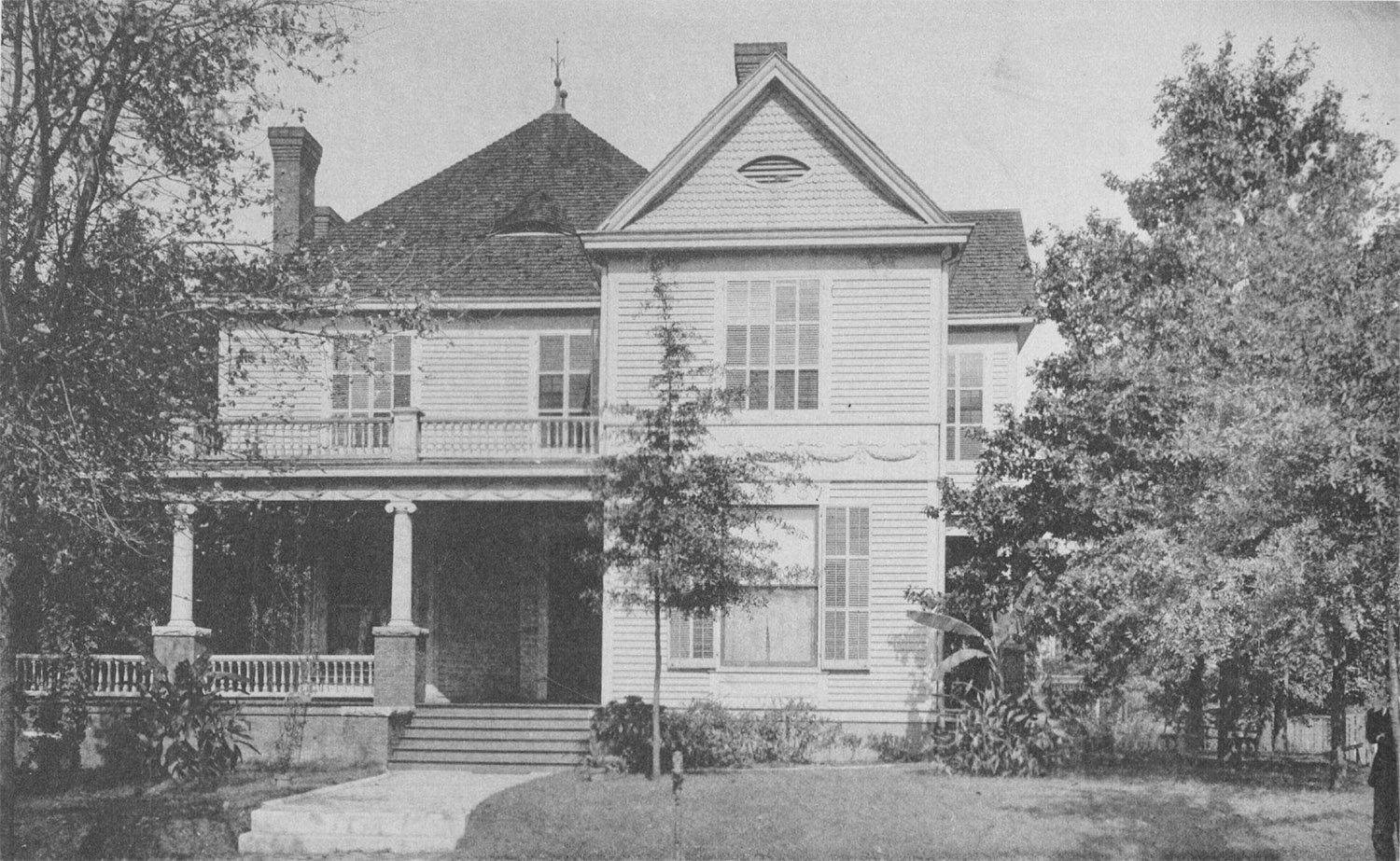
Bruce & Morgan. Charles R. Winship Residence (1893). Inman Park, Atlanta.12Charles R. Winship Residence circa 19013Charles R. Winship Residence circa 19034
References
“City Notes.” The Atlanta Constitution, April 2, 1893, p. 23. ↩︎
“It Is Merry Music”. The Atlanta Constitution, April 23, 1893, p. 16. ↩︎
Photo credit: Atlanta Homes: Attractiveness of Residences in the South’s Chief City. Atlanta: Atlanta Presbyterian Publishing Company (1901). ↩︎
After his earlier letter extolling Southwest Georgia’s advantages for Northern emigrants, W.H. Parkins (1836-1894), Atlanta’s first architect, wrote the following letter to The Albany News (Albany, Georgia) in May 1879.
In his second letter, Parkins repeated the central argument from his first—it’s no more convincing here.
“Where is the country… that can present a better field for intelligent immigration than this?” Parkins asked rhetorically. Clearly, Atlanta’s masturbatory boosterism had rubbed off on him.
Wallace Putnam Reed(1849-1903) later described Parkins as “a straightforward man,” and you can detect a matter-of-fact sensibility in his words despite the obligatory bullshit. Certainly, Parkins acknowledged the region’s shortcomings, albeit indirectly:
“They may say there is no society, no schools, no markets close at hand.”
That’s still a fairly accurate assessment of Southwest Georgia.
Parkins was neither a great architect nor a good debater, and his rebuttals in this letter were pitifully weak. On the suggestion of Southwest Georgia having “no society,” he retorted:
“I have always found that so far as society was concerned it regulated itself.”
The hell does that even mean?
Parkins made no attempt to defend the area’s substandard educational options, conceding:
“As to schools, there is a deficiency…”
His response to the region’s remoteness was similarly flaccid:
“My own plantation is twelve miles from the nearest Railroad station, still I do not consider that any particular disadvantage.”
Parkins also noted, rather vaguely, that “the New Jersey people are not altogether satisfied with their situation in Georgia.”
That apparently referred to a New Jersey farmer and 16 of his neighbors who bought 5,000 acres in Ware County, Georgia, in early 1879.1 Before moving south, the farmer told a reporter from The Atlanta Constitution:
“…the average opinion throughout New England is that the southern states are about the same as Mexico, in point of morals, society and lawlessness. It is believed that the people are barbarians, and the state of society utterly lawless and desperate.”2
Surely Ware County did nothing to change their opinion—the place is a shithole.
It’s also located in Southeast Georgia, not Southwest Georgia, but the two regions are equally awful: both are unsightly, sweltering cesspools of hatred, oppression, ineptitude, and arrogance.
Can you tell how much I detest South Georgia?
I also question Parkins’ description of “generous hearted… Southern planters,” and his assertion that:
“I have never had any trouble in finding friends any where in the South. It depends upon the man.”
Even today, the people of Southwest Georgia are deeply suspicious of outsiders, if not outright hostile.
Ironically, the region’s largest city, Albany, was largely shaped by three Northerners:
Nelson Tift (1810-1891), a Connecticut native who founded and developed the city.
Francis Flagg Putney (1837-1928), a New Hampshire native3 who founded Phoebe Putney Memorial Hospital, now the region’s largest employer.
James H. Gray, Sr. (1916-1986), a Massachusetts native who edited and published The Albany Herald, founded the region’s first TV station, WALB, and served as the city’s longtime mayor. Gray’s local media empire has since grown into one of the largest media companies in the United States.
Of course, the rules are different when money is involved: if a rich Yankee arrives in Bumfuck, the locals roll out the red carpet and crowd around with their hands out.
But for a middling Atlanta architect like Parkins? Somehow, I doubt Southwest Georgia received him so graciously.
Credit him for optimism, though. In touting the region’s potential greatness, Parkins proclaimed:
“It will be, in my estimation, a great boom to this country, when men will awake from their lethargy and drowsiness, and see the drawbacks that attend them face to face, and then go to work to avert it.”
Spoken like a man who had yet to be worn down by the place.
Southwest Georgia.
Advantages—Advice From A Northern Settler To His Northern Friends.
Editors Albany News: In my letter to the Southern Enterprise (which you were kind enough to copy) I was anxious that the facts which Gen. Sherman said in regard to North Georgia might be extended, and that Southwest Georgia should reap her share of the benefits, for, in my opinion, she is justly entitled to honorable mention at least, and if the people who live on the fat of the land, on level rich lands, don’t speak out in her behalf Gen. Sherman’s red hills and deep gullies of North Georgia and Tennessee will soon be peopled with such an industrious class of farmers and mechanics that it will cause us to look with envy upon them, hence the necessity of blowing your horn, and blow it loud.
A few days ago I was traveling through the upper portion of Calhoun county, and I have no doubt Baker, Lee, Dougherty and others are in the same category, and as I saw the many hundreds of acres—yes, thousands, I fancied what a country this would be if those broad acres and 3,000 acre plantations were divided up into 200 acre farms and people with those intelligent, industrious, hard working farmers of the North, what a picture it would present. Where is the country (I was about to say on the globe) that can present a better field for intelligent immigration than this? What is there that cannot be raised, and where else the country that can grow something every month in the year? Now, I do not desire that any of my northern friends should be mislead [sic] as to the character of the soil, climate, people, or anything else, for what I say here I can prove, so far as the capacity of the soil is concerned. Can anything more be wanted or desired than to say that we can raise anything that grows out of the soil. Is it not better to live in a country where it is not nine months winter and three months late fall?
You may travel the world over and you cannot find a more generous hearted people than these Southern planters. They may say there is no society, no schools, no markets close at hand. So far as the first is concerned, that depends upon where one locates, and whether they come singly or by ten, twenty or fifty families. I have always found that so far as society was concerned it regulated itself. I have never had any trouble in finding friends any where in the South. It depends upon the man. As to schools, there is a deficiency, but the State is gradually working to the front in that respect; her State superintendent is indefatigable and is working hard to establish good free schools wherever there is a demand. As to the markets, they are in some respects, far away from some portions of the county. My own plantation is twelve miles from the nearest Railroad station, still I do not consider that any particular disadvantage. It must be borne in mind that people make the markets, settle up this country, and it will not be long before Railroads and produce buyers will be at your gates.
I notice an article in the Philadelphia Times where it says the New Jersey people are not altogether satisfied with their situation in Georgia. I do not know which particular portion of the State they allude to, but of one thing I am satisfied, that Northern people coming South cannot run things as they would North; their ideas and principles in agriculture and manufactures are good, most excellent, but they must adopt those ideas and principles to the situation when coming South. The climate is different, the people are different, things have to be managed differently to attain the same end; labor is not so well skilled, which I find is one of the great drawbacks.
But I am digressing. I am firm in the conviction that if Northern farmers will come here in Southwest Georgia, and come to stay, that after five years, eight out of ten will not go back North, and if the other two go back they will return in less than twelve months. I have known hundreds of Northern men to come South and stay, and I can count on my fingers all that ever returned, I mean on my acquaintance. It will be, in my estimation, a great boom to this country, when men will awake from their lethargy and drowsiness, and see the drawbacks that attend them face to face, and then go to work to avert it. Many farmers cannot get out of the old rut, and seek to run their farms and labor as they did during slavery; this cannot be done successfully. Labor has got to be treated differently and should be made interesting, which can be done in many ways.
I am confident that if the people of Southwest Georgia will divide up some of their large waste places, and, if necessary, give away every alternate farm of 100 acres, that the time is not far distant when they would be taken up and would enhance the value of their remaining acres double the cost. I know of a tract of land in one of the Northern States that was sold this way and the owner made an independent fortune. Those to whom the land was given got a clear title after five years, provided he put certain improvements on the land that was required of him in the start.
If these waste lands were in proper cultivation, and cotton be made a surplus crop, and some improved stock were introduced, it is my impression that the time is not far distant when Southwest Georgia would take a leap ahead, and lead the van so far as good lands, good society and good crops is concerned, and if my northern friends want to get into a country that has the easiest farming in the world let them come down here and be convinced.
Even the Constitution noted that “with respect to immigration, the remarks of General Sherman in regard to north Georgia may be applied to any part of the state, especially to southern and southwestern Georgia.”1
If you know anything about South Georgia, Sherman’s oversight isn’t surprising. Even now, the bottom half of Georgia is a sort of no-man’s land: primarily rural, sparsely populated, and largely ignored by those in Atlanta and the northern part of the state.
Today, the region is also deeply impoverished, but before the Civil War, Southwest Georgia was one of the richest sections of the United States—for a handful of White landowners, anyway.
By 1860, the Deep South produced two-thirds of the world’s cotton,2 and most of it grew in a swath of fertile country stretching from Southwest Georgia to lower Alabama and Mississippi, later called the Black Belt.
The fighting of the Civil War never even came close to Southwest Georgia, but in the early 1860s, most of the state’s 460,000+ slaves3 were bound there, and because the region’s plantations were so productive, the slaves far outnumbered the landowners.
Take, for example, Dougherty County, which includes the region’s largest city, Albany. In 1860, 150 landowners in the county owned 6,000 slaves, in what W.E.B. Du Bois later described as “perhaps the richest slave kingdom the modern world ever knew.”4
At the height of the Civil War, with the Confederate States Army struggling for food and supplies, the state legislature forced the plantations of a dozen Southwest Georgia counties, including Dougherty, to switch from cotton to food crops, and for two years the region became the army’s primary food supplier, lending it the title of the “Egypt of the Confederacy.”56
By the time Sherman wrote his letter to the Constitution, King Cotton’s reign in Southwest Georgia had collapsed as cotton production largely shifted to Texas in the 1870s.78 With slavery abolished, most of the old plantations were abandoned, although former slaves still tended the land as tenant farmers.
In 1878, W.H. Parkins (1836-1894), Atlanta’s first architect, purchased a plantation in Calhoun County, Georgia, just west of Albany. Given the area’s depleted condition, he must have paid dirt for the place.
Prompted by Sherman’s letter to the Constitution, Parkins wrote his own response in February 1879 to The Southern Enterprise of Greenville, South Carolina. Why Greenville? No clue.
Parkins’ letter was reprinted two months later in The Albany News, and is now reproduced here.
In the letter, Parkins lamented that Sherman had “left out the garden spot of Georgia entirely,” and extolled Southwest Georgia’s virtues for potential Northern transplants, namely: “delightful climate, rich loamy soils, plenty of streams, good society, plenty of land for all that want to come, and cheap.”
Contrast that with Du Bois’ harsher assessment of the region nearly 25 years later: “The whole land seems forlorn and forsaken.”
Of course, Parkins was White and had Atlanta money, so his perspective was bound to be a little rosier than the Black farmers Du Bois documented, who were still effectively shackled to the land by low cotton prices and high debt to absentee landlords.
I also wonder if Parkins had experienced a Southwest Georgia summer when he wrote this letter, given his boast that “We have winters without being froze up four or five months in the year—flowers in midwinter…”
He may have felt a little differently around June to September, when the place swelters like the portal to hell. Du Bois put it best:
“It gets pretty hot in Southern Georgia in July,—a sort of dull, determined heat that seems quite independent of the sun”9
What a Northern Settler Thinks of Southwest Georgia
Calhoun Co., Ga., Feb. 14, 1879.
Editors Southern Enterprise:
I have been reading over General Sherman’s letter published in the Atlanta Constitution, and it is plain to see that he speaks facts concerning the great drawback on immigration to Georgia and the South. What impresses me most, and what I take the greatest interest in, is the settling up of this portion of our State, also which to my mind is the best agricultural portion of Georgia. Now, Gen. Sherman’s letter will be read by thousands, and those who contemplate moving South will take his letter as an Index or guide as to the best portion of this State, Tennessee and Virginia; and as the General has been through the country three times, they think he ought to know. We feel that we have equally as good, if not the best, agricultural district in the State, and it should be made known far and wide. While Gen. Sherman does justice to the country he passed through, yet we consider he left out the garden spot of Georgia. He does not particularly mention this, so we desire to add our testimony, and cannot do it better than to herald it through such valuable and reliable papers as the Enterprise. We want your co-operation, for friend Jenkins knows whereof we speak.
Let it be known that here we can cultivate the land every month in the year, and get something to eat every day; delightful climate, rich loamy soils, plenty of streams, good society, plenty of land for all that want to come, and cheap.
I want to state for the benefit of my Northern friends (I am a New Yorker,) that if they knew, actually knew, what these lands would produce, with the same energy and push and intelligence they put into the lands North, they would be surprised at the results, and would soon be moving southward. We have winters without being froze up four or five months in the year—flowers in midwinter.—While I am writing hyacinths are in bloom.
This has been a great cotton growing section, but corn, wheat, oats, barley, &c., can be grown equally as well and with profit. I have traveled in North and Northeast, and Middle Georgia last year in search of a farm; finally, with prejudices on my mind, was induced to visit this section, and was not long in deciding what to do. I am delighted not only with the lands, but with the people, and the climate. If these lands were cleared of their stumps and old dead trees, they would look like the Western prairies. I can’t for my life see why so many people will go West and Northwest in those cold climates, when here is a stretch of country, that so far as climate is concerned, is unequaled in my estimation. And if manufactures be the object there is plenty of the very best water power.
This letter is already too long, as the General has in a manner advertised a belt of country from Lynchburg to Atlanta, let us keep the facts before the people who contemplate migrating South, that they can extend their trip beyond Atlanta and find better lands, and more equable climate further down. As I am interested in the building up and peopling of the agricultural portions of Southwest Georgia, I will take pleasure in giving the result of my observations to any of my Northern friends who will write me at Morgan, Calhoun county.
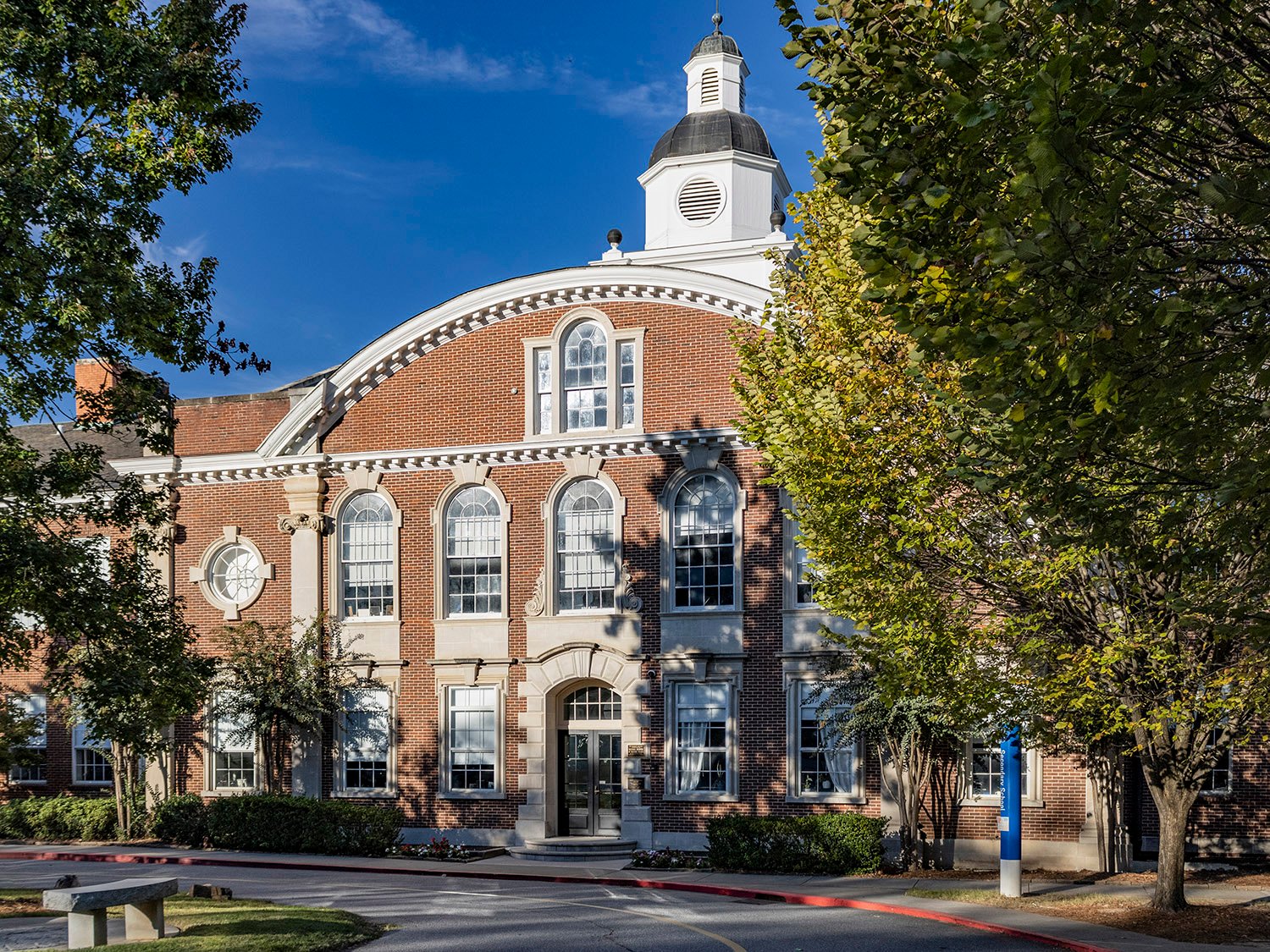
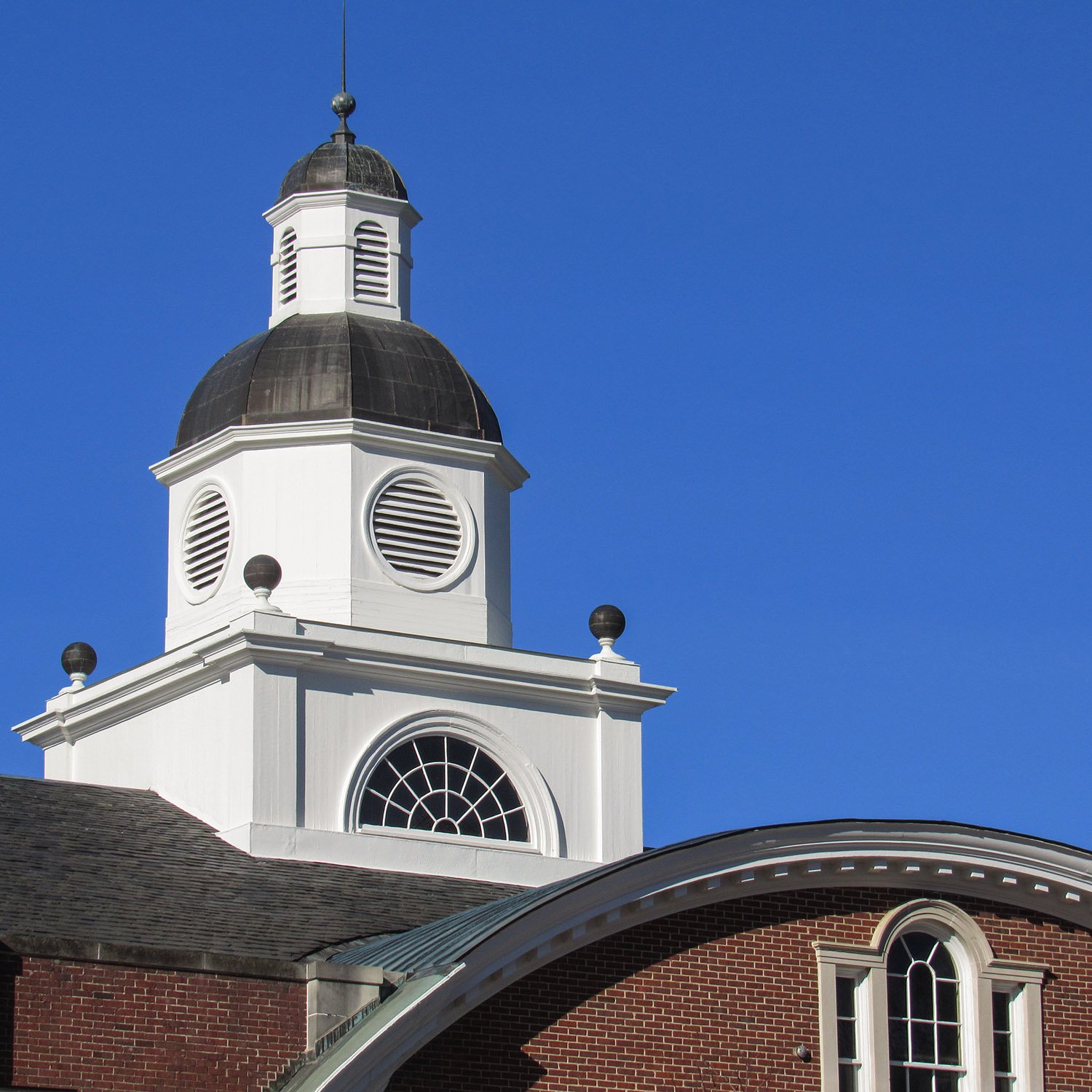
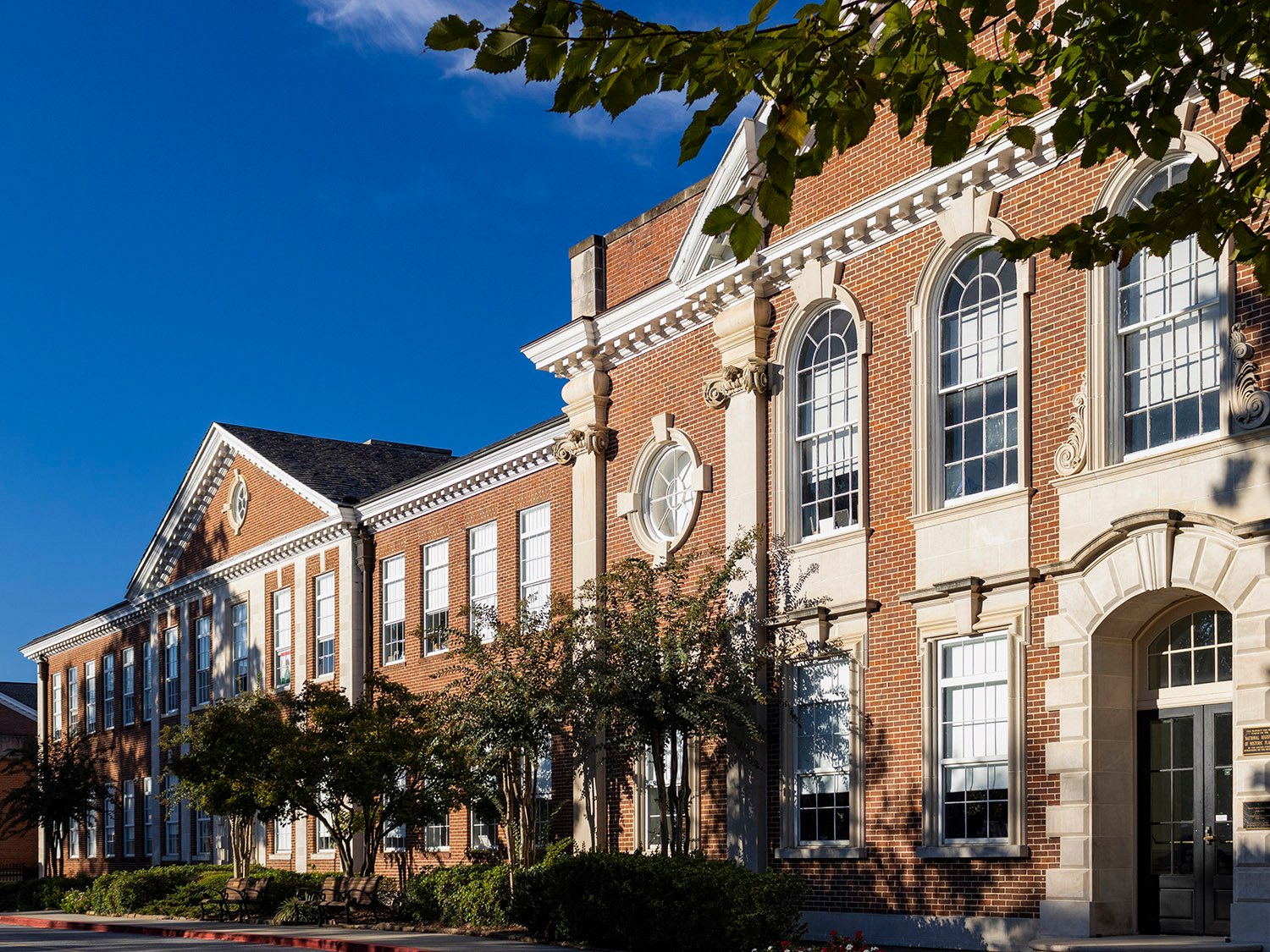
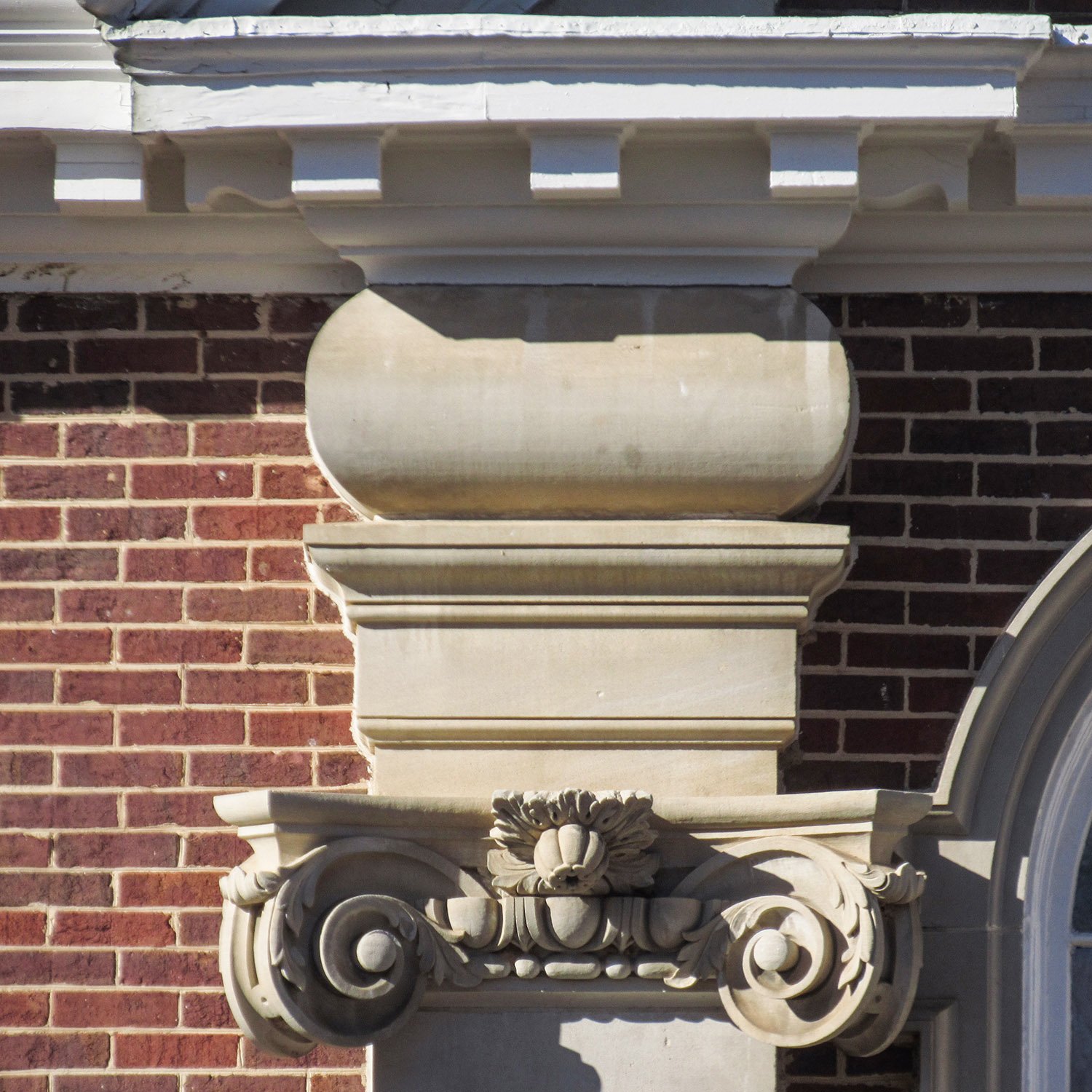
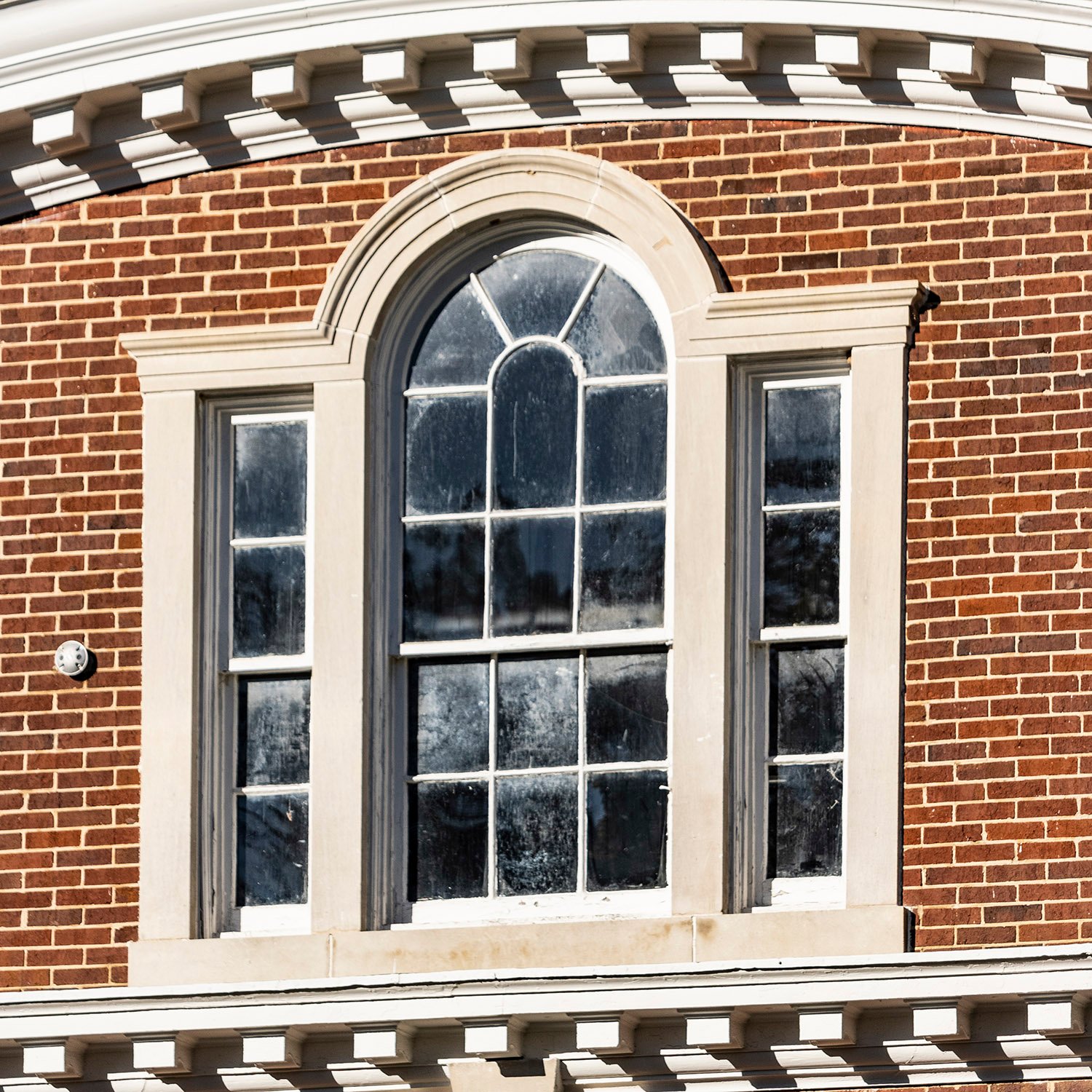
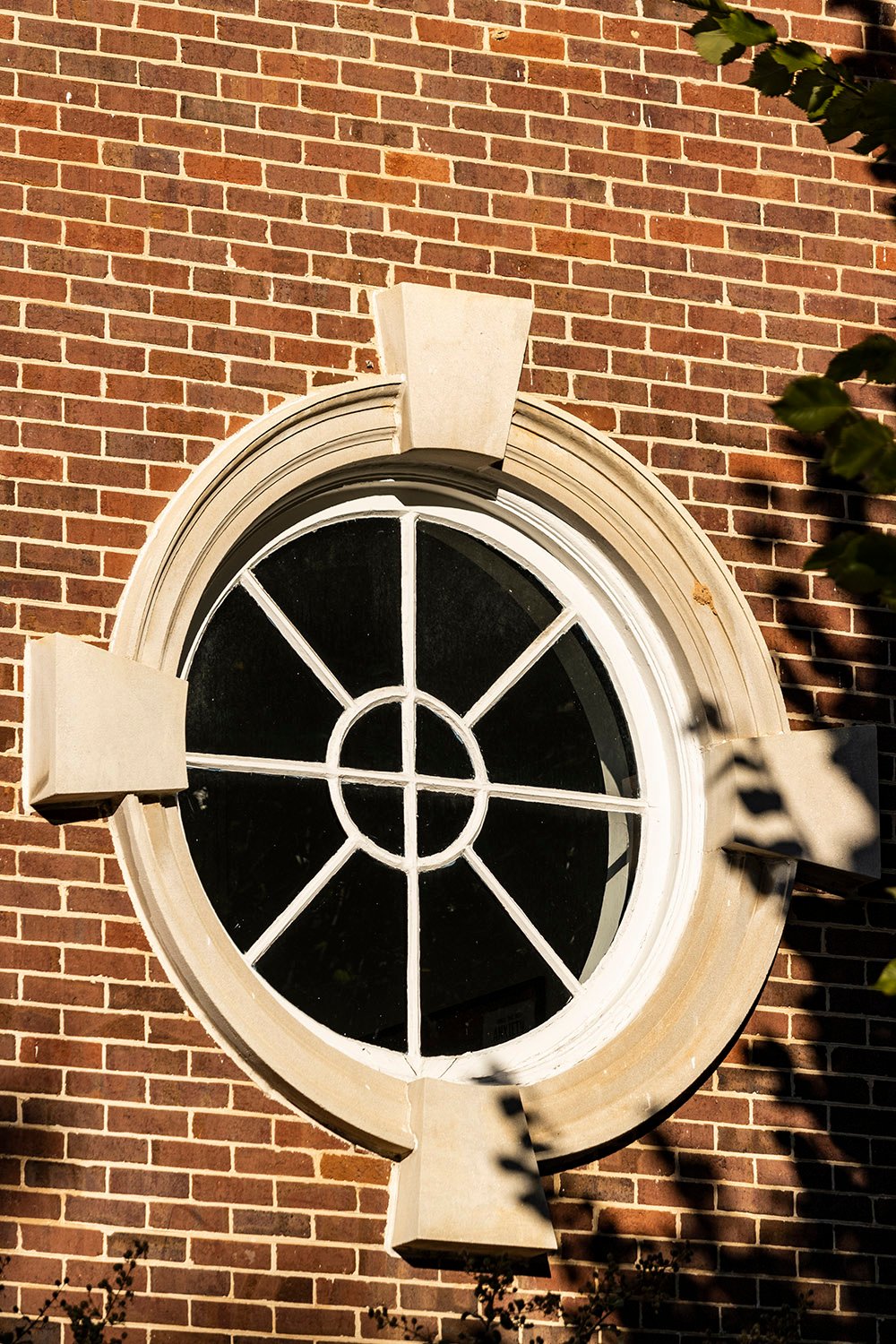
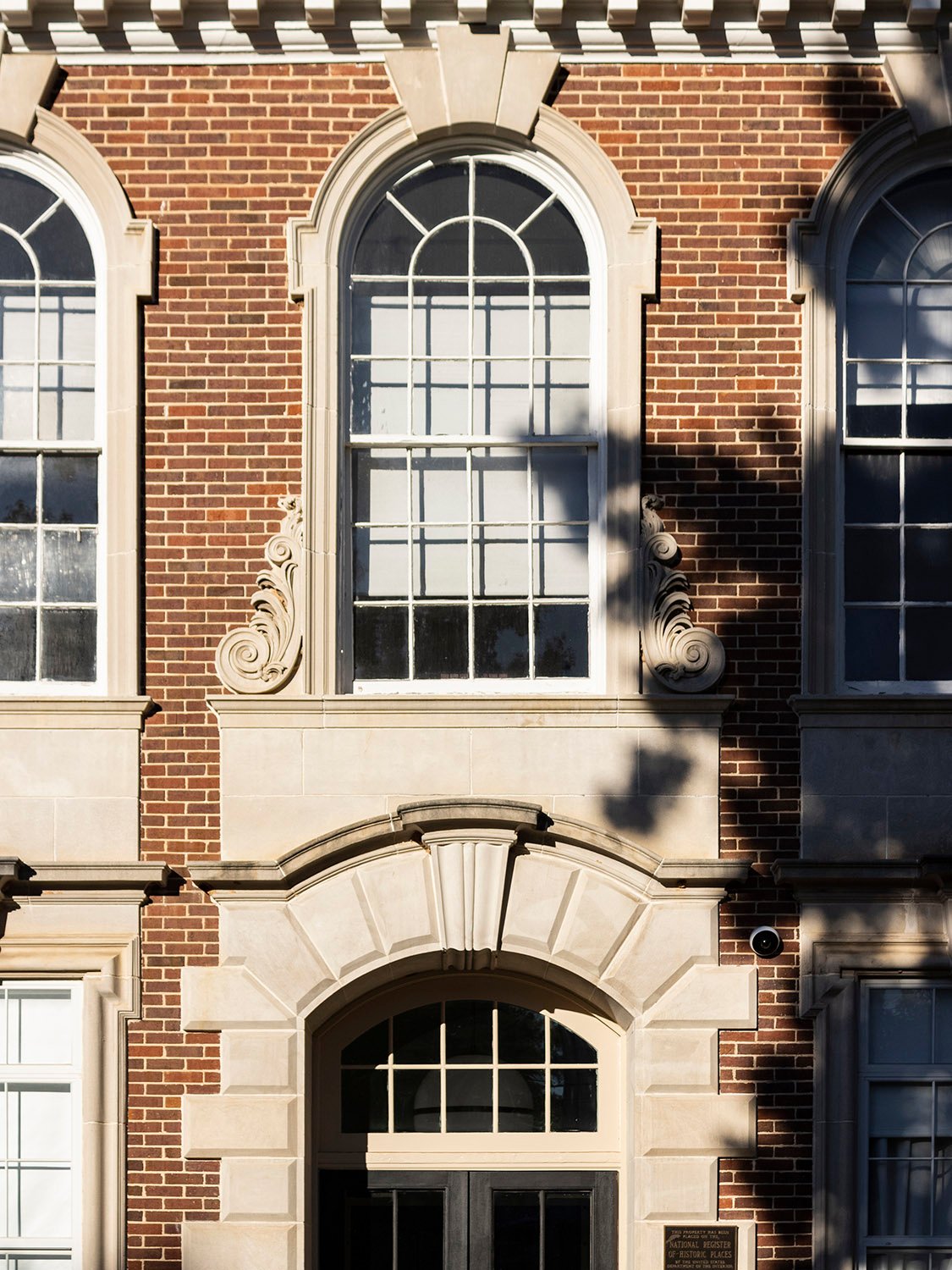
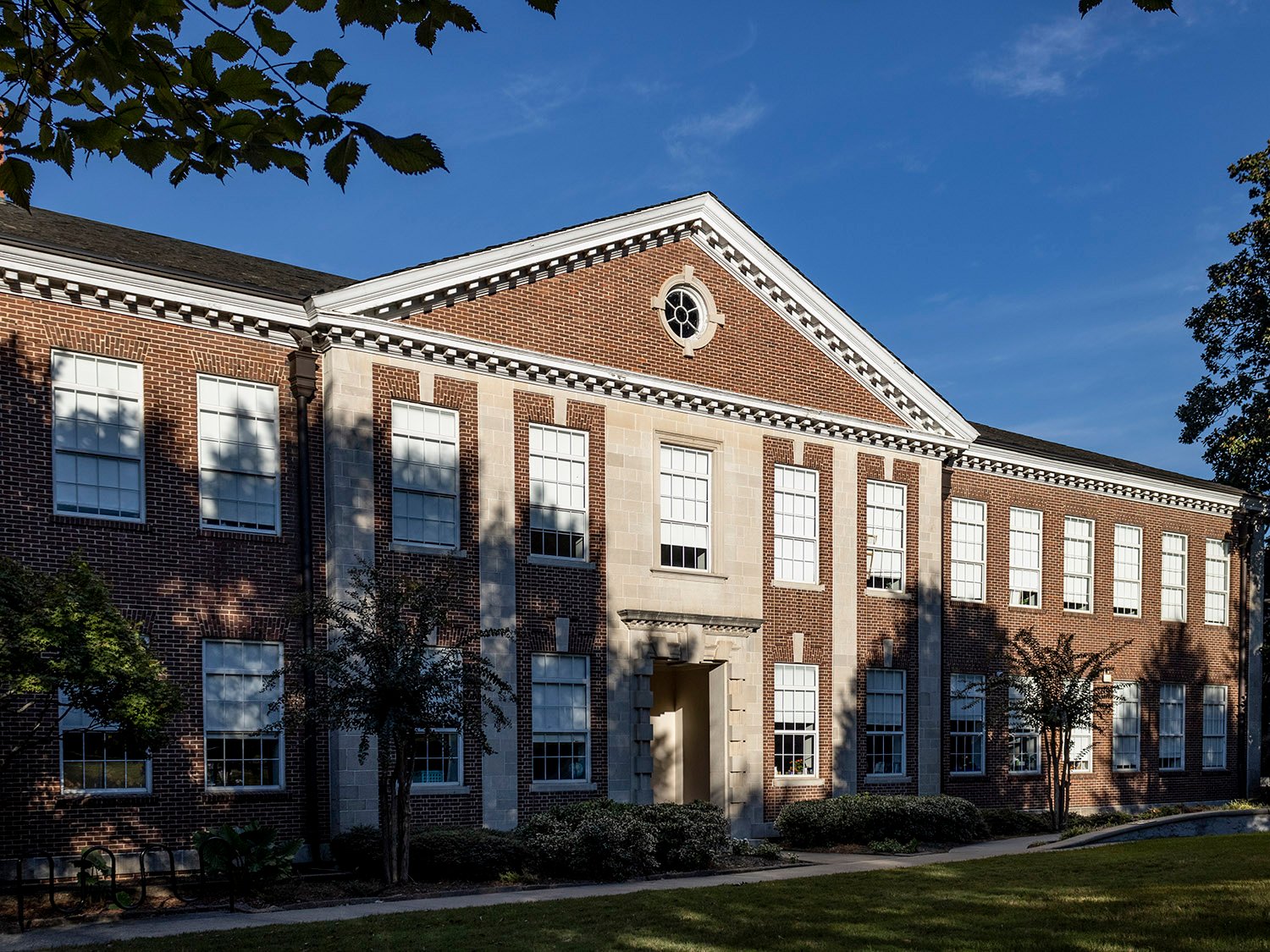
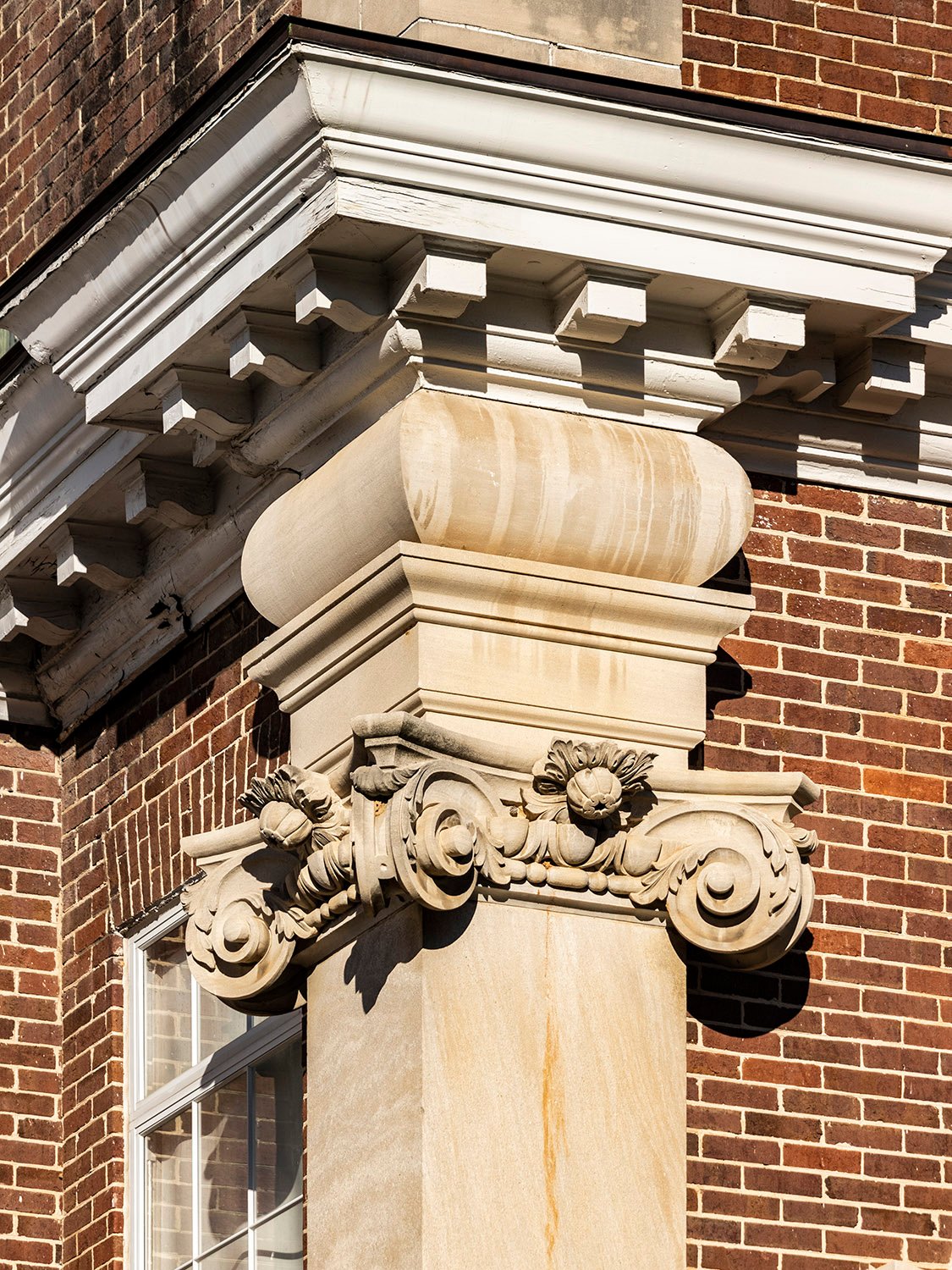
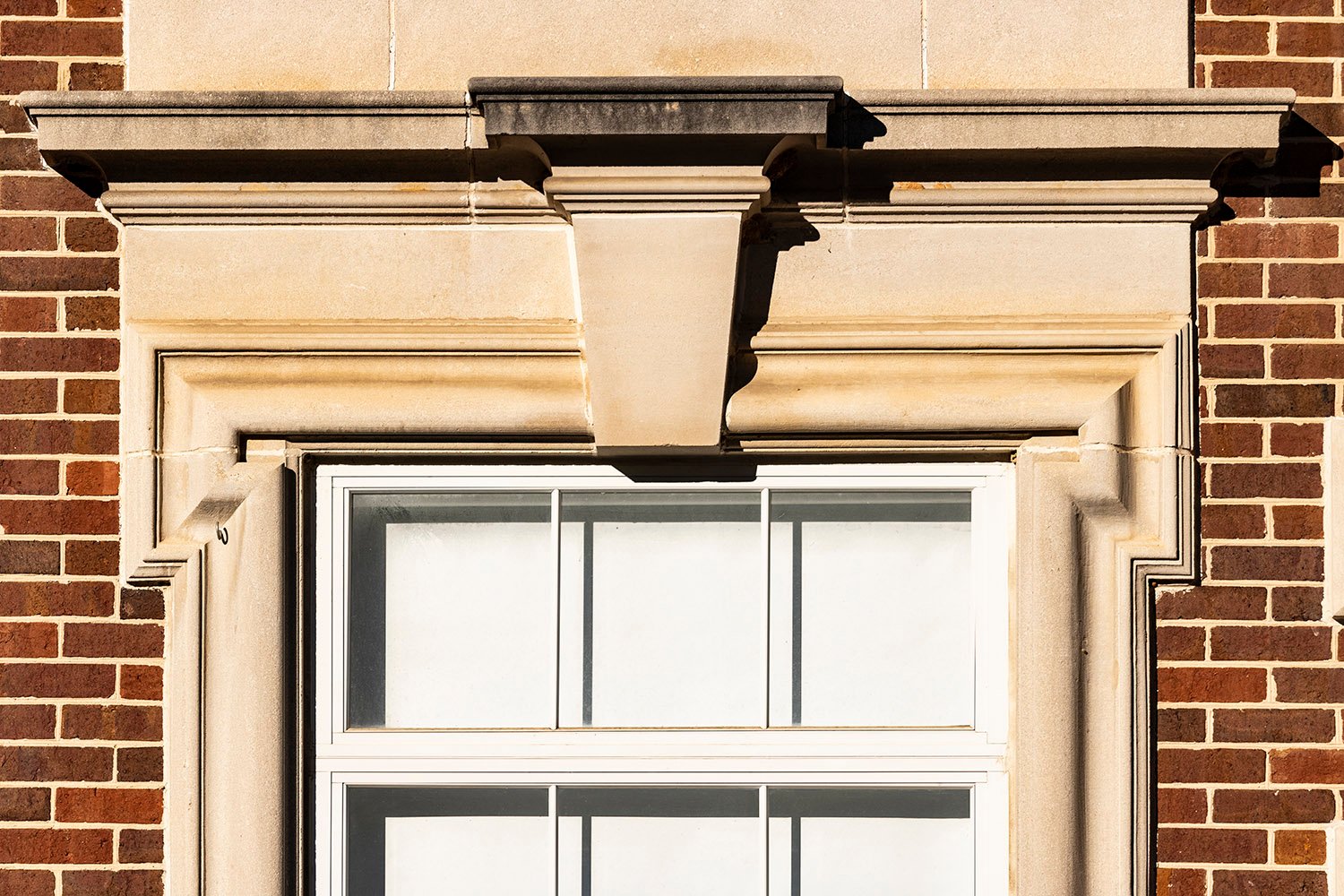
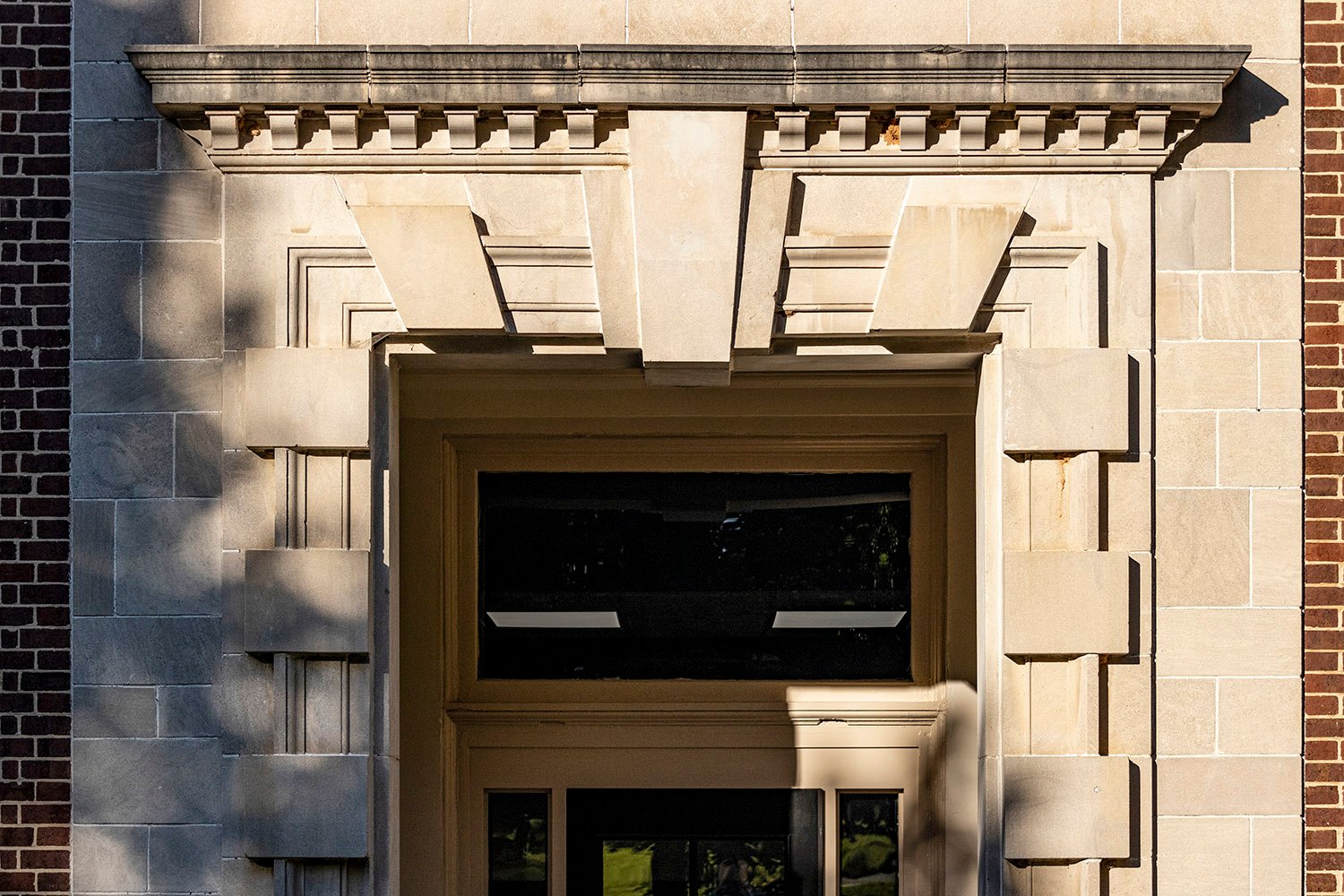
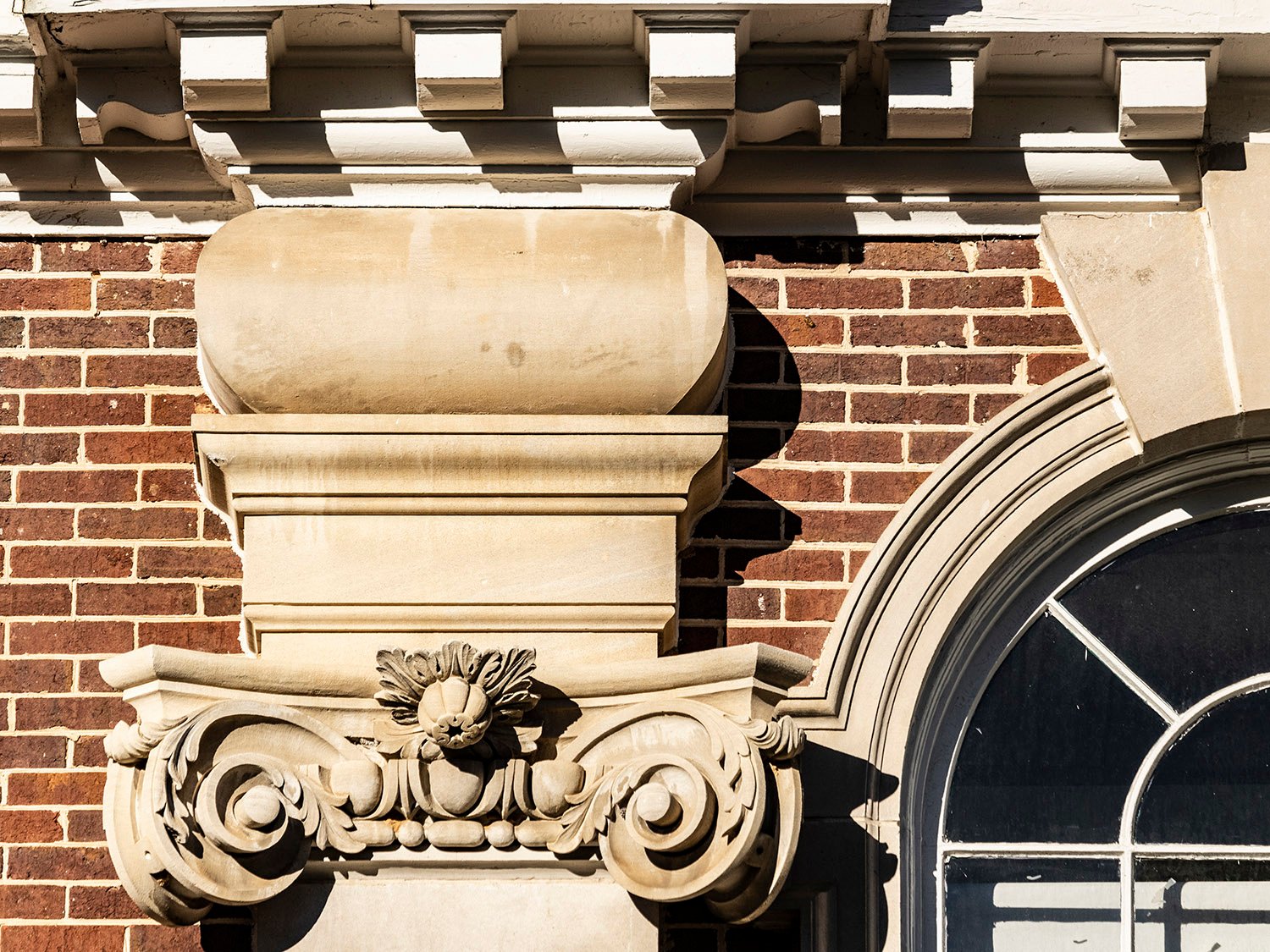
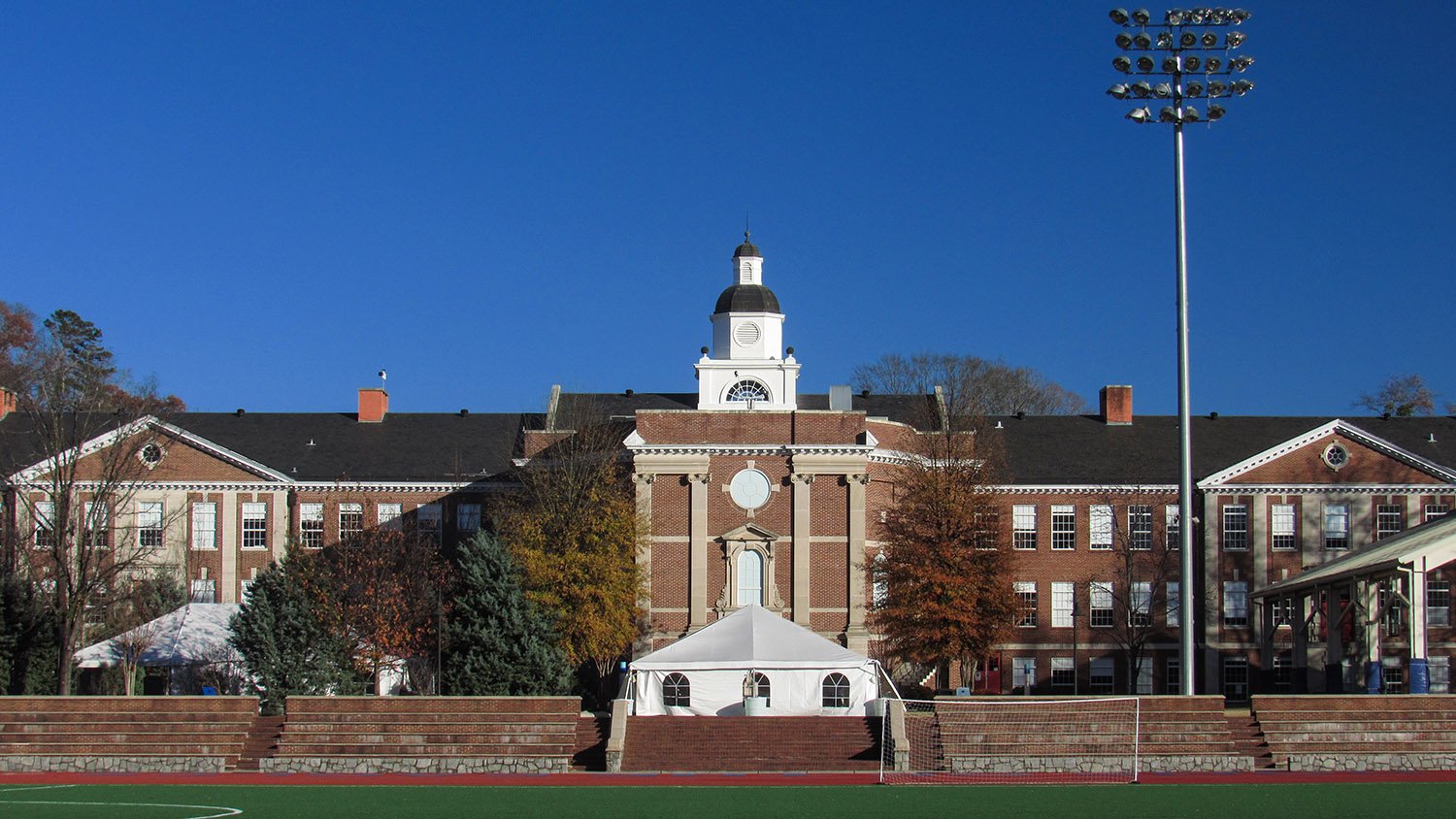
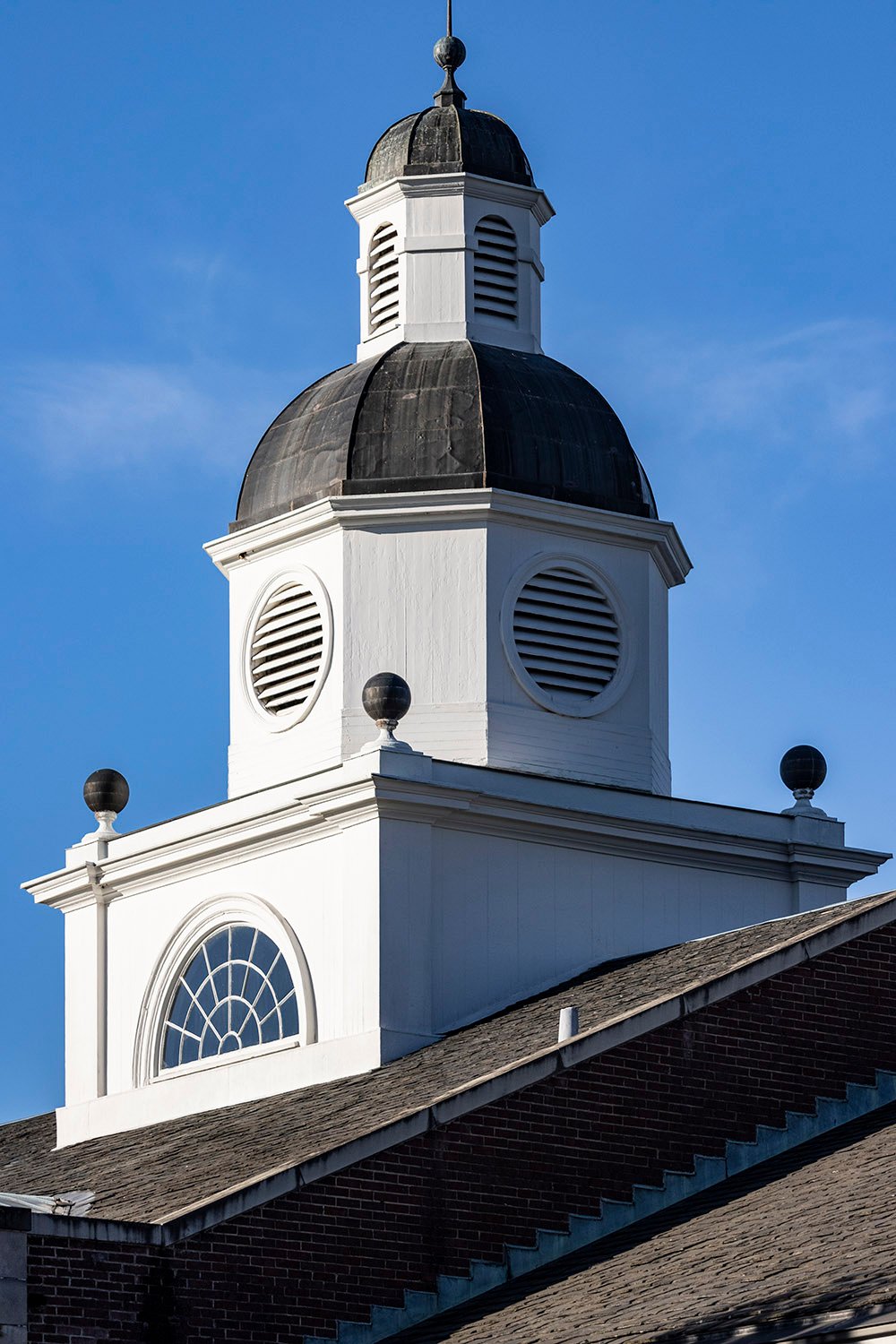
Philip T. Shutze of Hentz, Adler & Shutze. North Fulton High School (1930). Garden Hills, Buckhead, Atlanta.12345Cupola, curved gable, and Palladian window on the facade of North Fulton High School, AtlantaLooking at the facade of North Fulton High School and the south annex (1932) from the northeastDentilled cornice, cushion capital, and Scamozzi capital on the facade of North Fulton High School, AtlantaDentilled cornice and Palladian window on the facade of North Fulton High School, AtlantaCircular window on the facade of North Fulton High School, AtlantaCenter bay at the entrance of North Fulton High School, AtlantaLooking at the south annex of North Fulton High School from the southeastDentilled cornice, cushion capital, Scamozzi capital, and pilaster on the facade of North Fulton High School, AtlantaKeystone and pediment over a first-floor window on the facade of North Fulton High School, AtlantaCast-stone volute and cornice above the main entrance of North Fulton High School, AtlantaEntrance to the south annex of North Fulton High School, AtlantaDentilled cornice, cushion capital, Scamozzi capital, and arch window on the facade of North Fulton High School, AtlantaWest elevation of North Fulton High School, AtlantaLooking at the cupola on North Fulton High School, Atlanta
References
“Handsome New School for Fulton County”. The Atlanta Constitution, March 5, 1930, p. 3. ↩︎
“To Lay High School Cornerstone Today”. The Atlanta Constitution, August 9, 1930, p. 5. ↩︎
“State Masonic Head Officiates At Rites”. The Atlanta Constitution, August 10, 1930, p. 8 A. ↩︎
“County To Push School Building”. The Atlanta Constitution, March 20, 1932, p. 6. ↩︎
“Annex Will Be Ready At North Fulton High Within Several Days”. The Atlanta Journal, October 21, 1932, p. 3. ↩︎
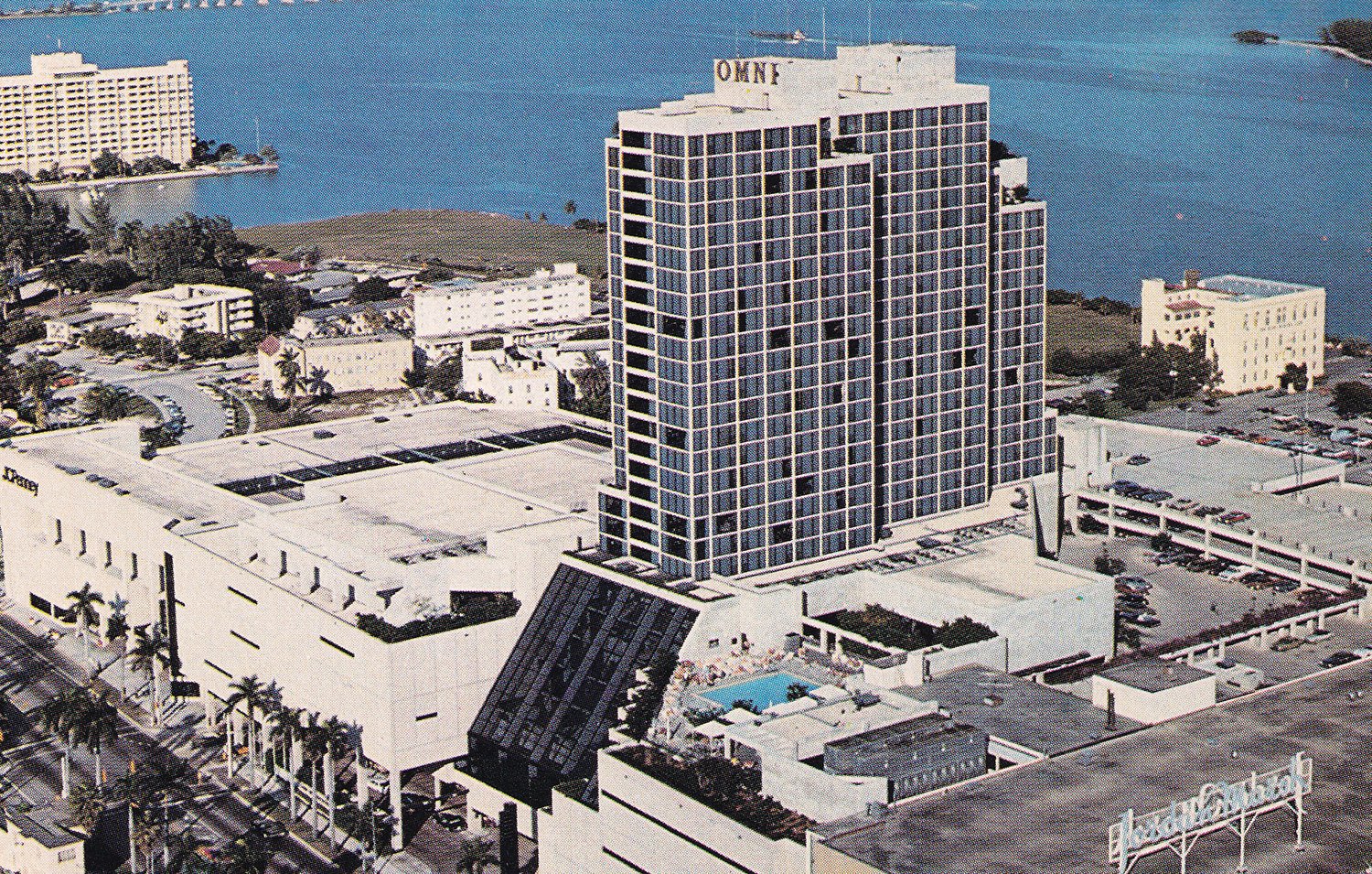
This postcard depicts the Omni International Miami, designed by Joseph Amisano of Toombs, Amisano & Wells in Atlanta and completed in 1977.1
The Omni complex was built as Miami’s “first and only megastructure”2 and included a multi-level shopping mall with an attached conference center and hotel.
It was easily the most Portman-esque thing Amisano ever put his hand to, influenced by similar urban developments like Peachtree Center in Atlanta.
Location of Omni International Miami
The Omni mall closed circa 2000, although the hotel remains and is now named the Hilton Miami Downtown. The Miami Herald has many fine photos of the mall’s interior.
Published by the Gulf Stream Card Co. of Miami, the postcard shown above includes the following description on the back:
OMNI INTERNATIONAL WITH BISCAYNE BAY IN THE BACKGROUND, TROPICAL MIAMI, THE MAGIC CITY, 79-6.
Not very interesting, but neither is the building.
References
“$76 Million Omni International Miami: It’s Open, It’s Exciting — And It’s Ours”. The Miami Herald, July 2, 1977, p. 3C. ↩︎
“Omni International Hotel Dominates Our Skyline”. The Miami Herald, July 2, 1977, p. 10C. ↩︎
You can see who designed this giant phallus—their names are right on the postcard. Well, that’s not completely accurate.
I’ve mentioned before that A. Ten Eyck Brown often took credit for work that he had little to no hand in, though he usually let the real designers of his projects share at least some of the glory.
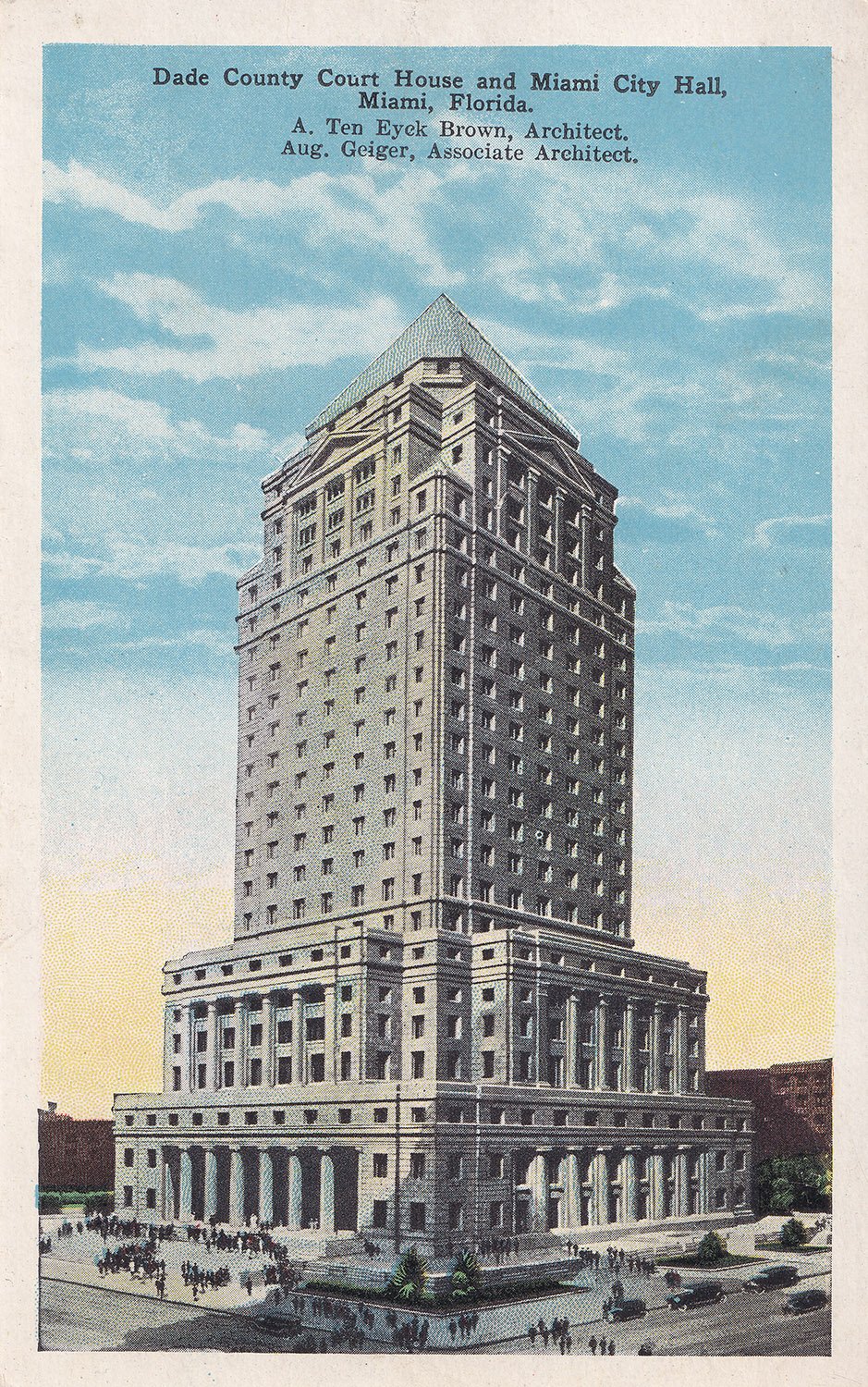
By the time construction was complete on the 28-story Dade County Courthouse and Miami City Hall in 1928, it was fairly evident that the primary designer was Brown’s associate, J.W. Humphreys, who superintended construction.12
Humphreys even cut the ribbon at the building’s dedication ceremony,34with Brown conspicuously absent.
Location of Dade County Courthouse and Miami City Hall
Built for a whopping $4.1 million,5 the obelisk-like structure was purportedly “the first complete county courthouse and city hall ever to be built in the United States along strictly modern lines,” and the “largest and tallest building of either a public or private nature south of Washington, D.C. and east of the Mississippi river.”6
Brown’s firm simultaneously designed plans for a 20-story city hall in Atlanta that would have been nearly identical in appearance to the Miami municipal building,7 but the project was ultimately awarded to G. Lloyd Preacher.8
Speaking of someone who took credit for other people’s work…
References
“County To Rush Courthouse Job”. The Miami Herald, November 20, 1927, p. 1. ↩︎
“Courthouse Job Will Be Released Today”. Miami Daily News and Metropolis, November 28, 1927, p. 9. ↩︎
“Courthouse Dedication At 4 P.M. Today”. The Miami Herald, September 6, 1928, p. 1. ↩︎
“7,000 At Dedication Ceremonies Of New County Courthouse”. The Miami Herald, September 7, 1928, p. 1. ↩︎
Matlack, S. S. “New Milestone Of Dade Marked By Courthouse”. Miami Daily News and Metropolis, September 6, 1928, p. 6. ↩︎
“Miami To Build Municipal Hall”. The Atlanta Constitution, September 24, 1925, p. 15. ↩︎
“Million-Dollar City Hall Important Item In Bond Program”. The Atlanta Constitution, March 7, 1926, p. 2A. ↩︎
“Preacher Named For City Hall, Is Well Known Architect”. The Atlanta Constitution, November 8, 1927, p. 9. ↩︎
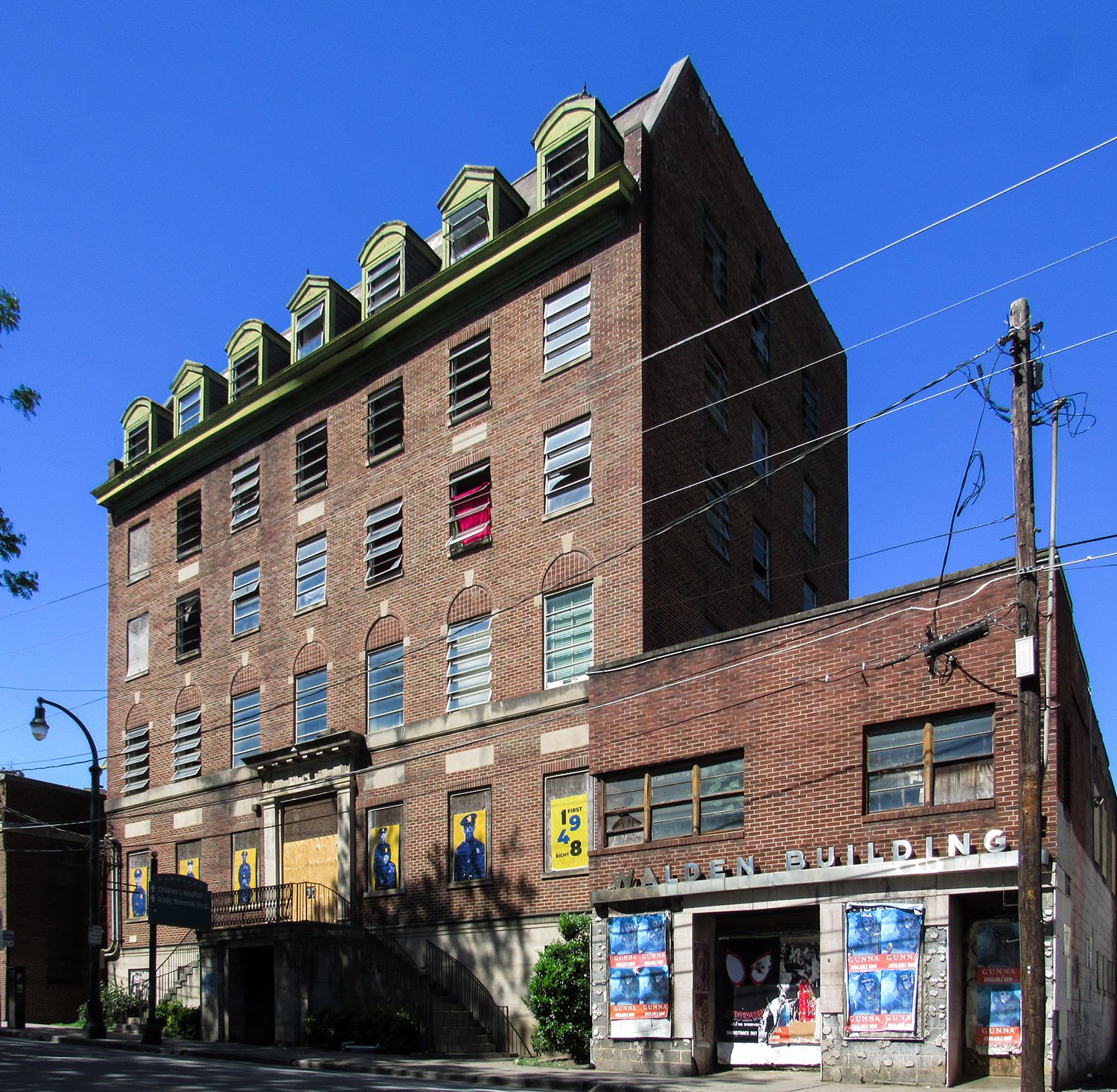
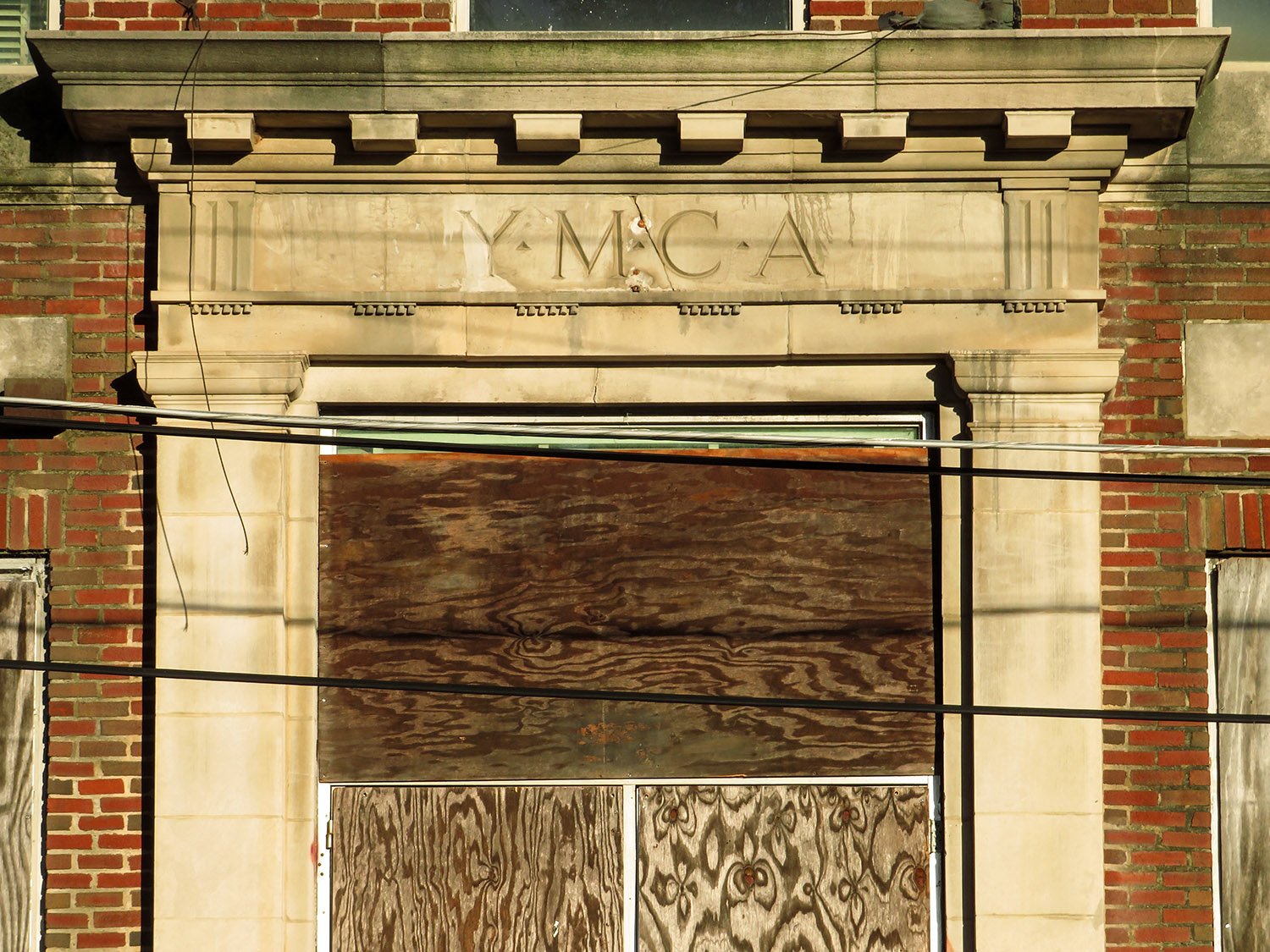
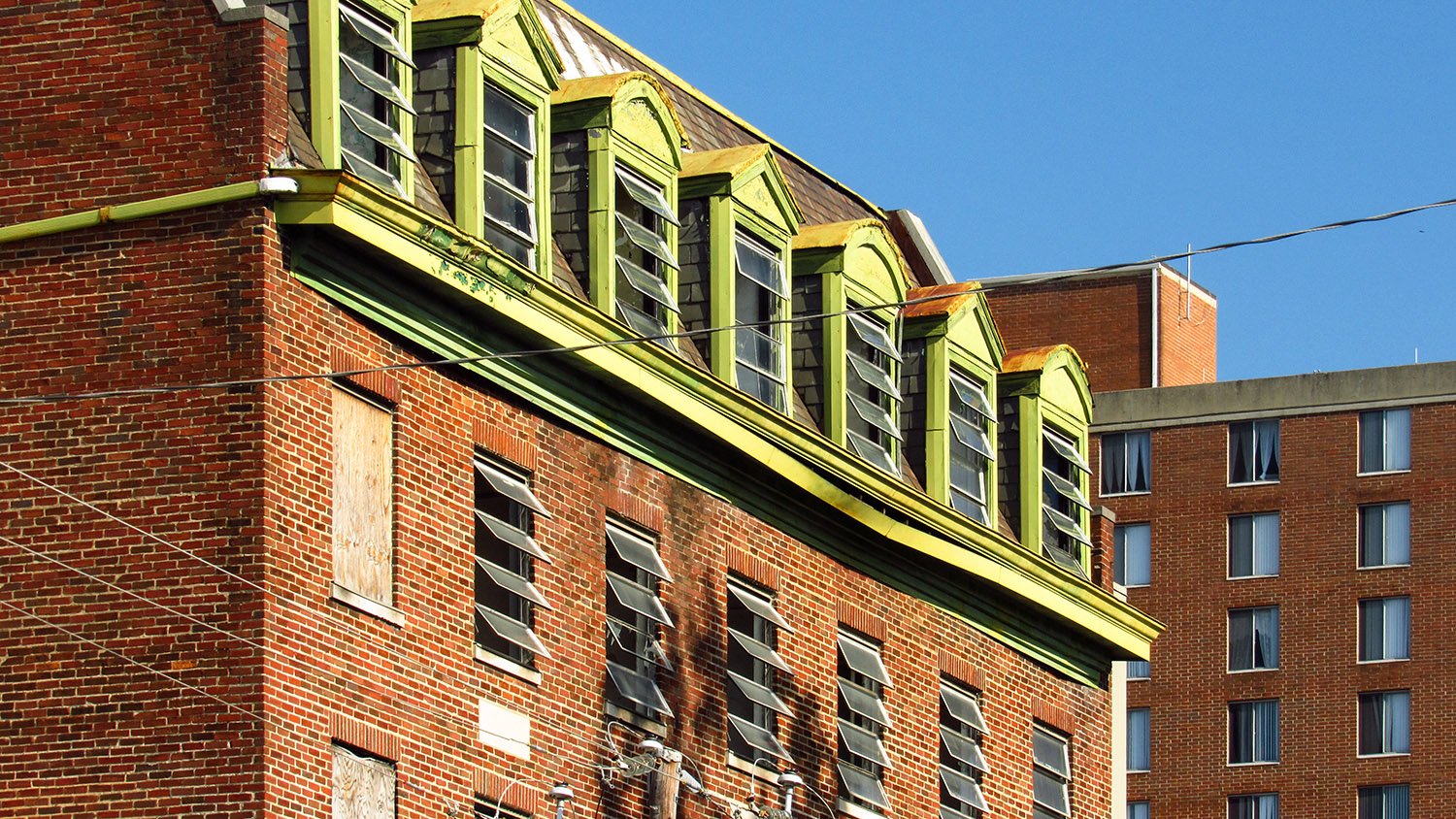
Hentz, Reid & Adler. Butler Street YMCA (1920). Atlanta.123Entrance of Butler Street YMCA, AtlantaLooking at the dormer windows on Butler Street YMCA, Atlanta
References
“Atlanta Will Have Modern Building for Colored Y.M.C.A.” The Atlanta Constitution, March 18, 1917, p. 12A. ↩︎
There are certain places I have no interest in visiting. Like zero, zilch, none.
Miami tops that list.
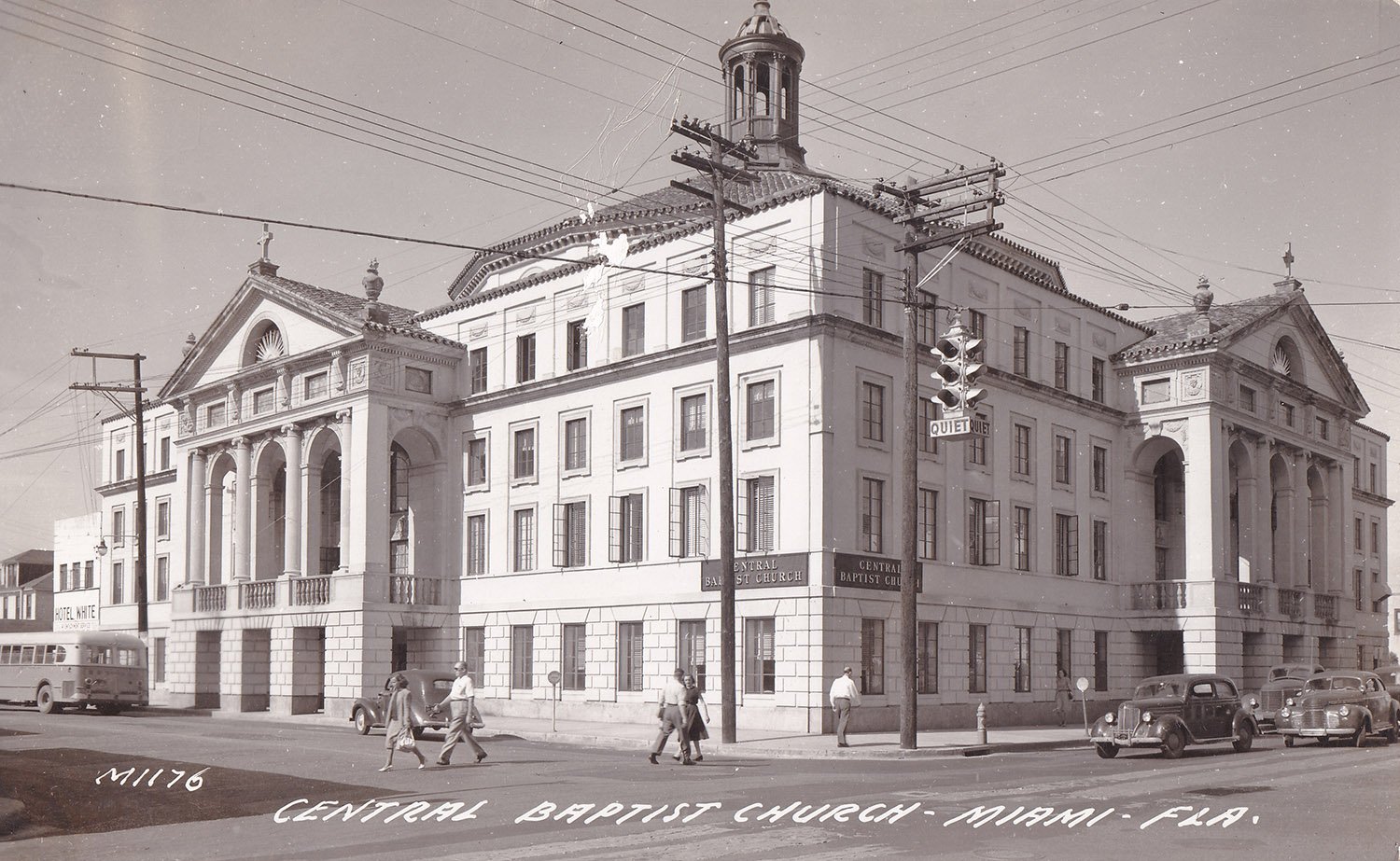
Only a few buildings in Miami even mildly pique my curiosity, and this is one: the former Central Baptist Church, designed by Dougherty & Gardner of Nashville.12
Dougherty began working with Thomas W. Gardner in Nashville in 1915,456 and within a few years, they were touted as “the foremost church architects in the South,”7 completing over 50 church buildings by 1926.8
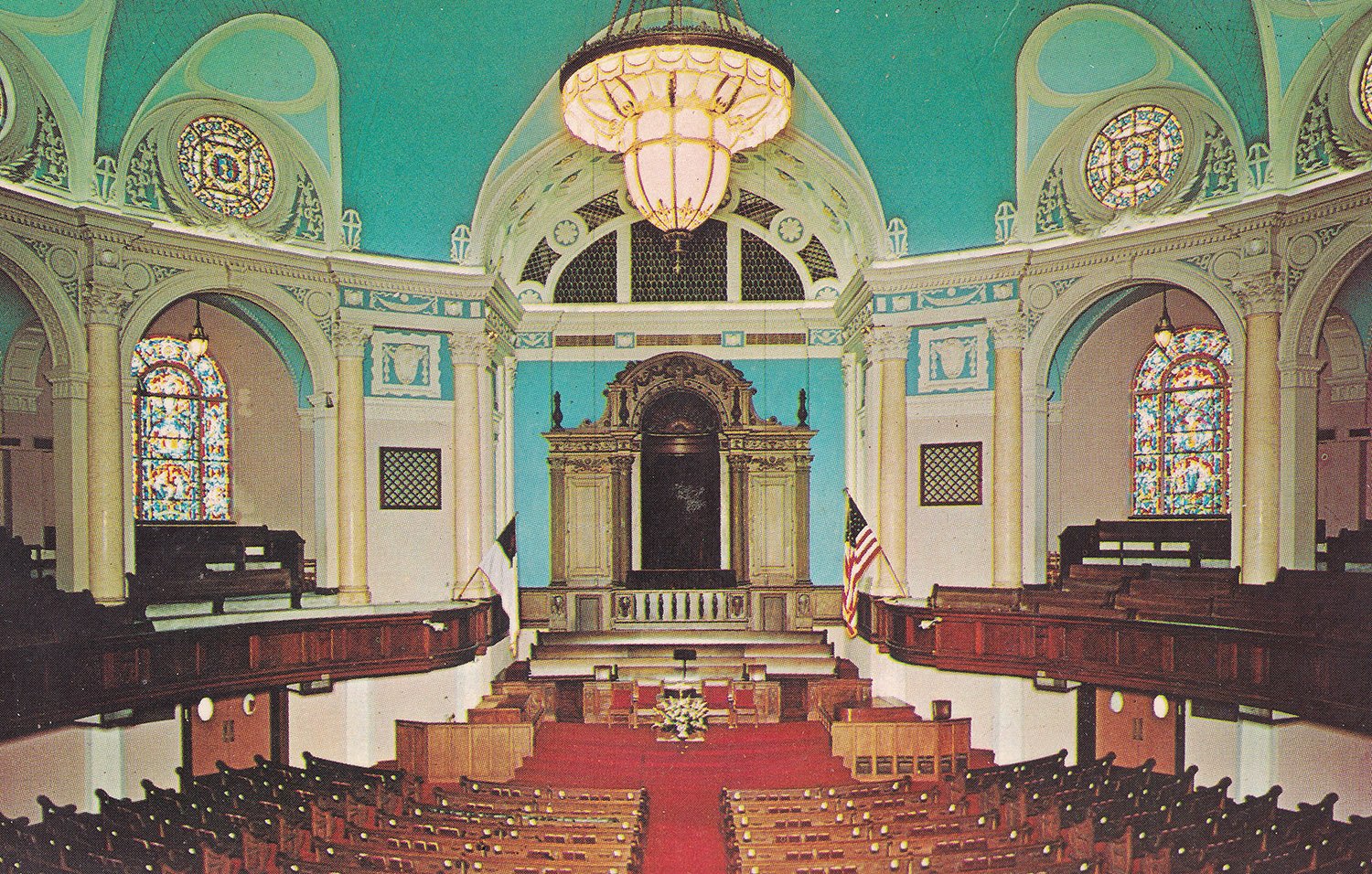
It appears that Gardner, not Dougherty, was the primary designer of Miami’s Central Baptist,9 and I don’t consider it one of his better efforts. The exterior looks more like a government building, and the interior, as shown in the postcard below, is quite gaudy.
Postcard view of the sanctuary of Central Baptist Church, Miami
The Beaux-Arts-style structure was originally designed as the First Baptist Church and was completed in 1928.1011
Eight years later, Central Baptist Church was formed by merging First Baptist and Temple Baptist, and the combined congregation used the building1213 until 2007, when it then merged with Christ Fellowship Church, which now owns the property.14
References
“Contract Is Awarded”. The Miami Herald, April 28, 1926, p. 2. ↩︎
“Architects For Church Chosen”. The Miami News, April 28, 1926, p. 23. ↩︎
“To Enter Business Here.” The Atlanta Constitution, April 18, 1905, p. 3. ↩︎
“Busy Week Had At Builders’ Exchange”. The Tennessean (Nashville, Tennessee), July 17, 1915, p. 10. ↩︎
“Builders’ Exchange Weekly Bulletin”. Nashville Banner (Nashville, Tennessee), August 9, 1915, p. 6. ↩︎
“Work Will Begin Soon On 5-Story Office Building”. Nashville Tennessean and The Nashville American, September 11, 1915, p. 3. ↩︎
“Extensive Improvements Are Planned by Central Baptist Church.” The Newnan Herald (Newnan, Georgia), July 20, 1923, p. 7. ↩︎
“Contract Is Awarded”. The Miami Herald, April 28, 1926, p. 2. ↩︎
“Confer on Church”. The Miami Herald, May 2, 1926, p. 3. ↩︎
“6,500 Attend First Baptist Rites”. The Miami Herald, February 13, 1928, p. 1. ↩︎
“First Baptist $800,000 Home To Open Today”. The Miami News, February 12, 1928, p. 14. ↩︎
“Arrangements Made to Organize Church”. The Miami Herald, April 30, 1936, p. 5. ↩︎
“1100 Baptists Join New Miami Church”. The Miami Herald, May 4, 1936, p. 3. ↩︎
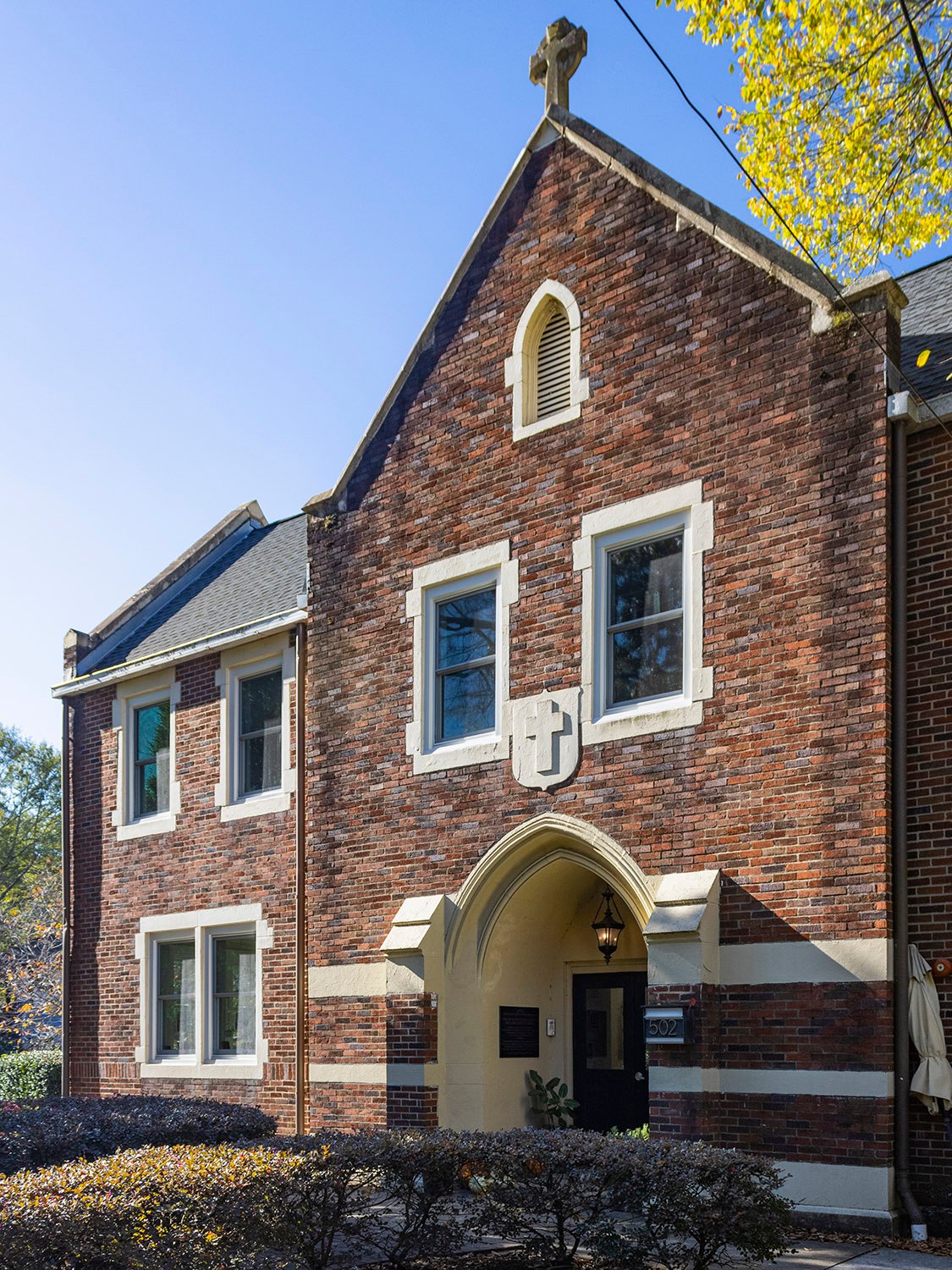
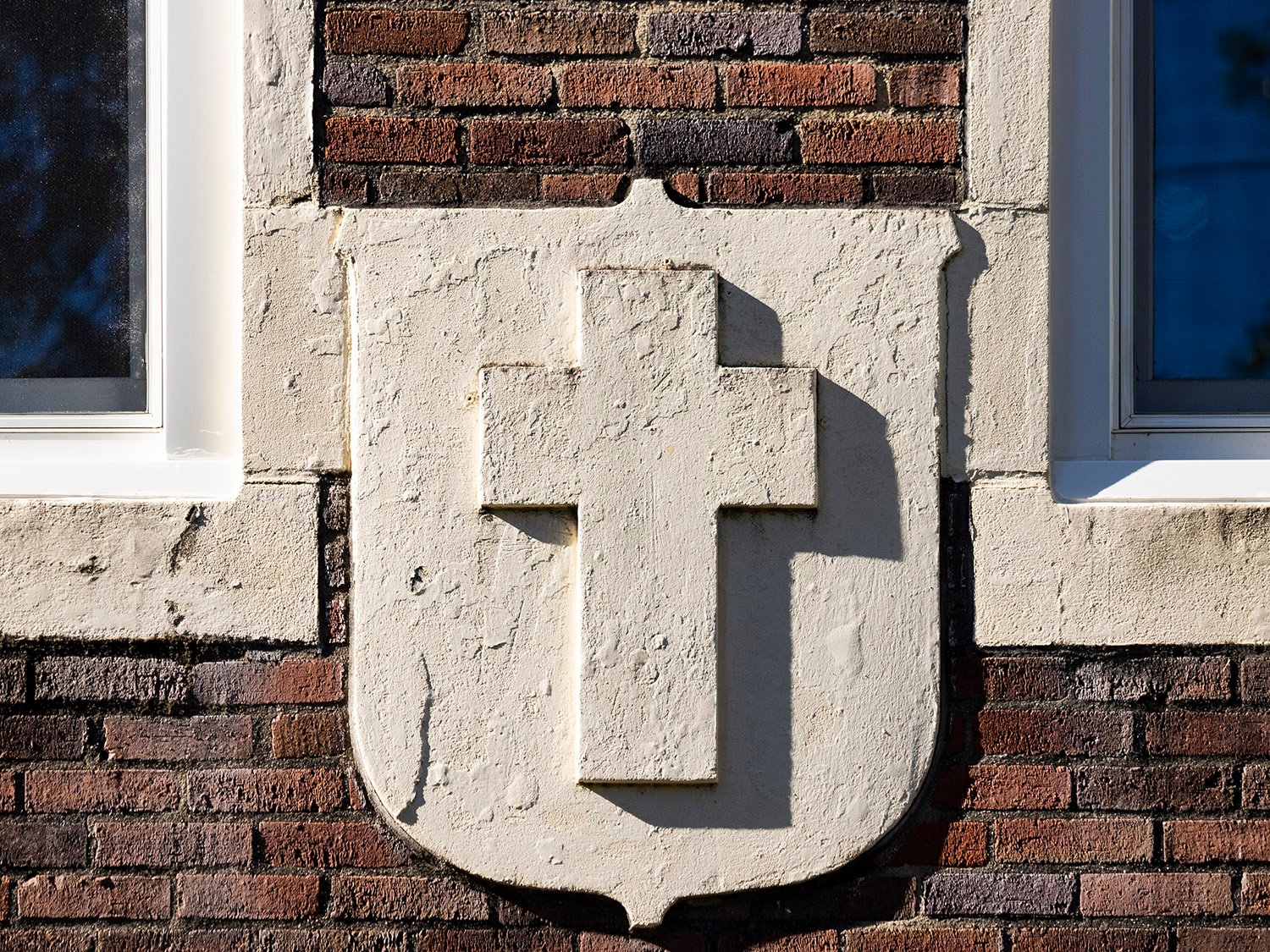
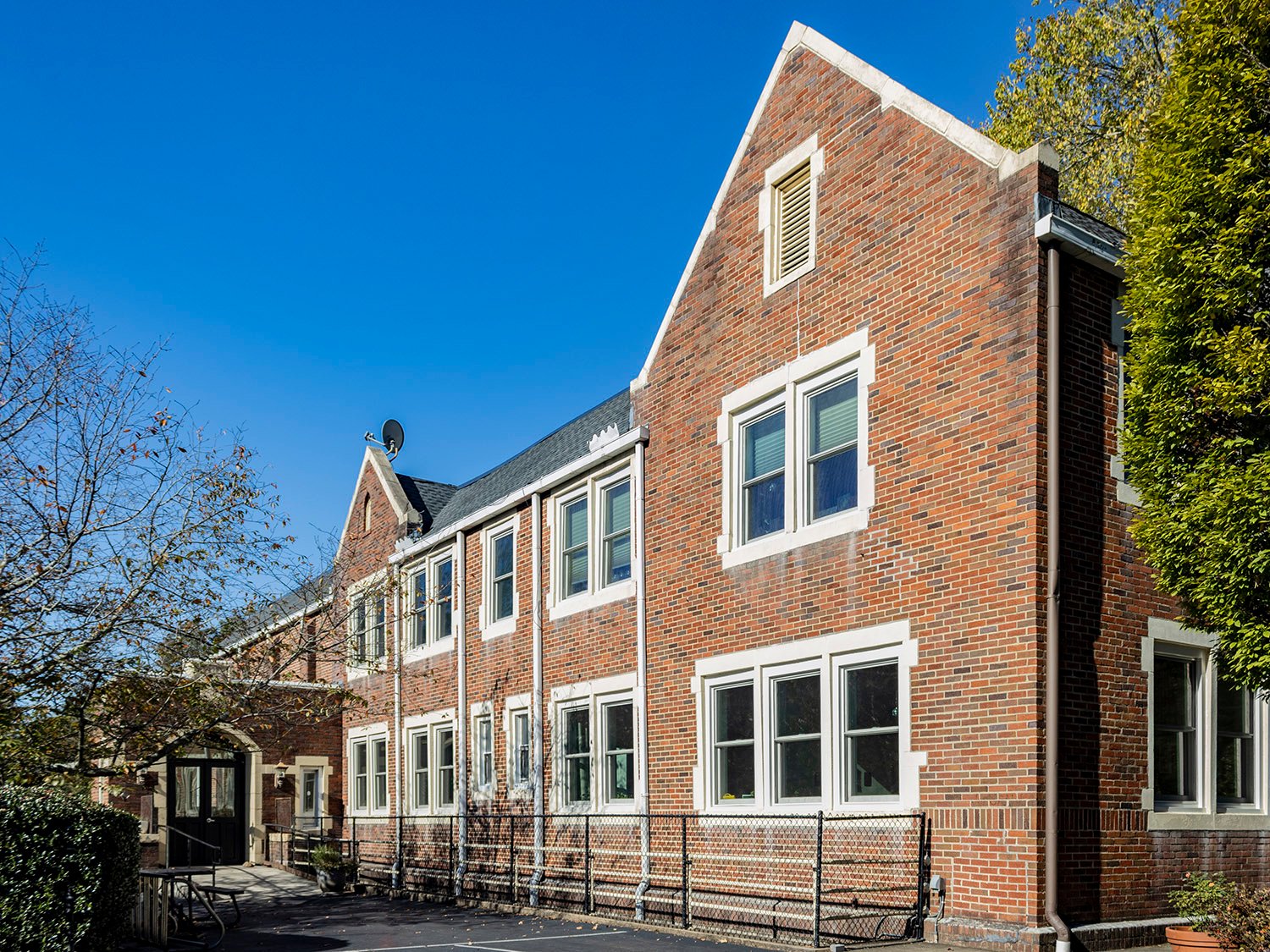
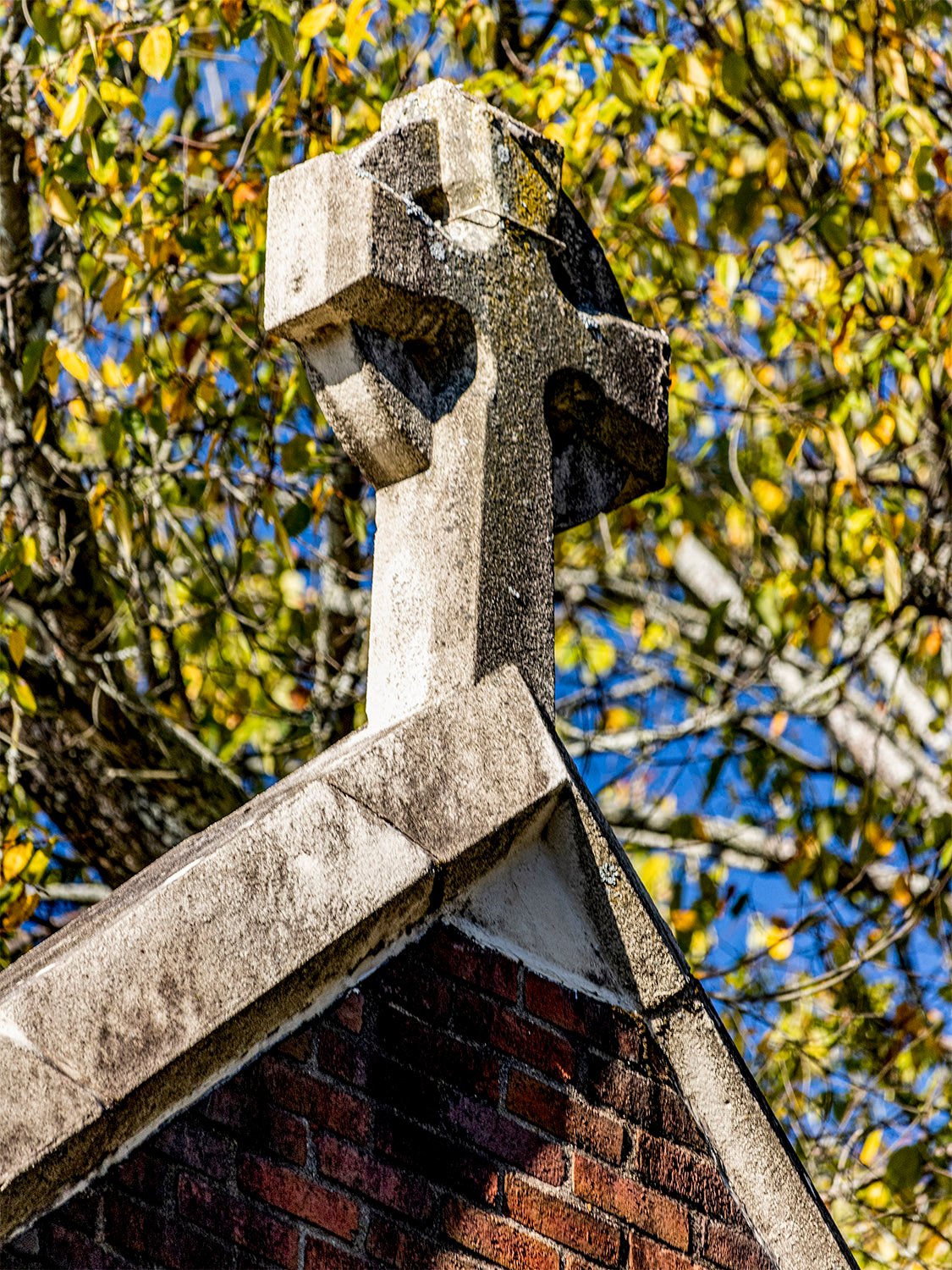
Pringle & Smith. Church of the Epiphany Parish House (1923). Inman Park, Atlanta.1234Cross and shield ornament on the Church of the Epiphany Parish House, AtlantaSouth elevation of the Church of the Epiphany Parish House, AtlantaCross on the Church of the Epiphany Parish House, Atlanta
References
“Epiphany Church To Break Ground For Parish House”. The Atlanta Journal, November 9, 1922, p. 3. ↩︎
“New Parish House Of Epiphany Church To Rank With Best”. The Atlanta Journal, February 25, 1923, p. A11. ↩︎
“Bishop H.J. Mikell To Speak on Program Of Epiphany Church”. The Atlanta Journal, December 9, 1923, p. 6A. ↩︎
Craig, Robert M.The Architecture of Francis Palmer Smith, Atlanta’s Scholar-Architect. Athens, Georgia: University of Georgia Press (2012). ↩︎
I grew up in Florida, so I can say with complete authority that it’s a miserable state: ugly, plagued with deadly heat and reptiles, and teeming with the most hostile, willfully ignorant people in the United States—though they’ve got a lot of competition these days.
In recent years, I’ve occasionally dipped back into Florida to photograph buildings, but only in the winter, when snakes and alligators are in hibernation. Unfortunately, the people never disappear.
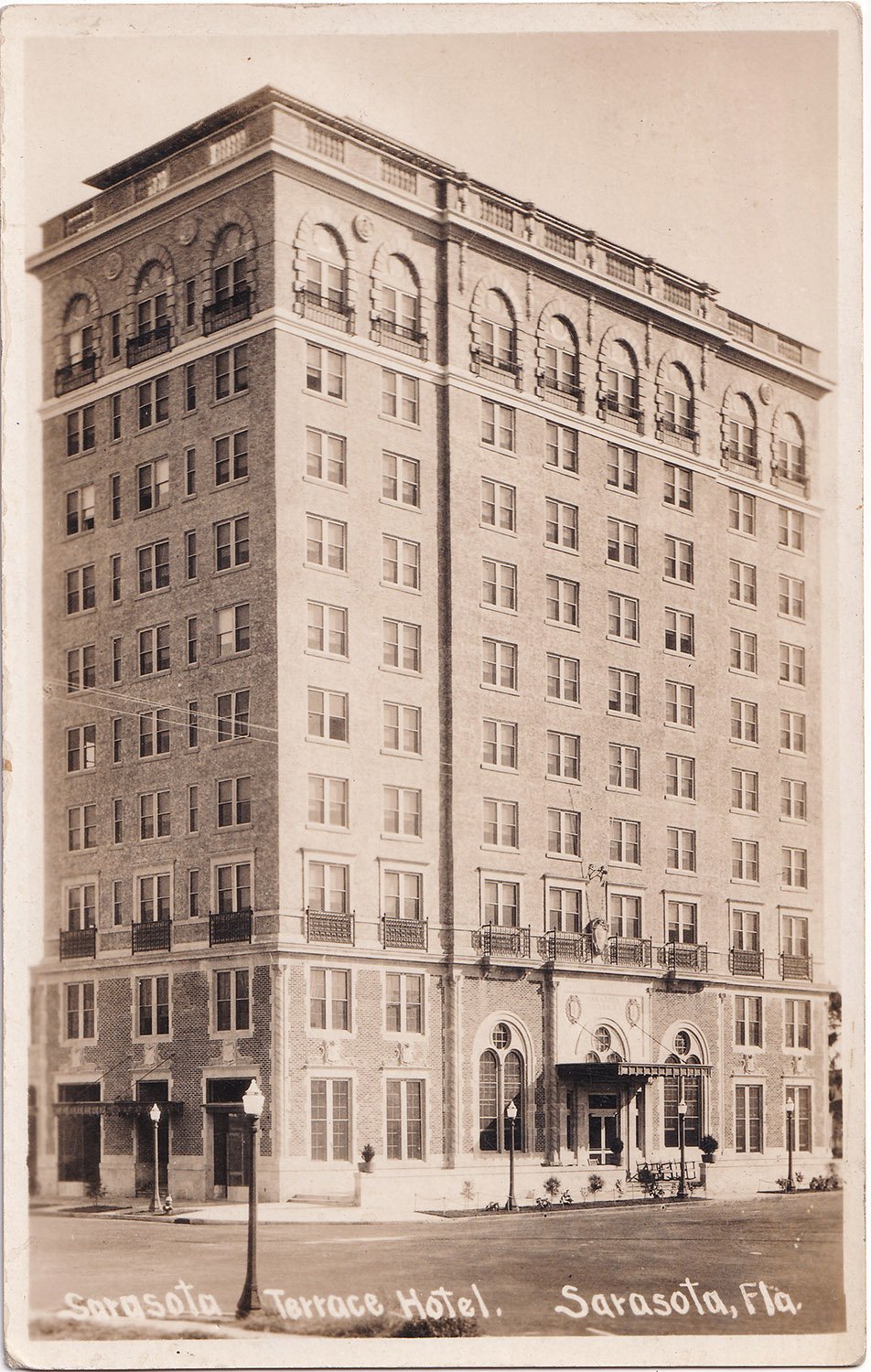
I visited Sarasota twice, primarily to see its surviving Modernist structures from the Sarasota School of Architecture, but I never got around to photographing the old Sarasota Terrace Hotel, completed in 19261anddesigned by Pringle & Smith2 of Atlanta.
Location of Sarasota Terrace Hotel
In truth, the building just doesn’t interest me that much. It’s a standard Beaux-Arts affair: handsome and solidly executed, but not unlike a thousand others of the same style.
The 10-story hotel cost $750,0003 to build and was developed by Charles Ringling4 of the Ringling Brothers. Yep, the circus people.
When the Sarasota Terrace closed in 1972, the Sarasota Herald-Tribune noted that “it never achieved the prominance [sic] of some of the other area hotels.”5
Sarasota County purchased the property the same year, and the building was renovated to serve as the county’s administration center.6
Pringle & Smith designed another building in Sarasota at the same time as the hotel: the nearby American National Bank,78 also 10 stories, and also underwhelming.
Atlanta architects have rarely done their best work in Florida.
References
“Robinson First Guest At Sarasota Terrace”. Sarasota Herald (Sarasota, Florida), May 15, 1926, p. 1. ↩︎
Craig, Robert M.The Architecture of Francis Palmer Smith, Atlanta’s Scholar-Architect. Athens, Georgia: University of Georgia Press (2012), p. 120-22. ↩︎
“Building Activities Here”. Sarasota Herald (Sarasota, Florida), June 29, 1926, p. 2. ↩︎
“Ringlings To Arrive Saturday”. Sarasota Herald (Sarasota, Florida), January 29, 1926, Section Four, p. 1. ↩︎
Cullinane, Jim. “Hotel Rooms, Corridors Now Quiet”. Sarasota Herald-Tribune (Sarasota, Florida), December 11, 1972, p. 2B. ↩︎