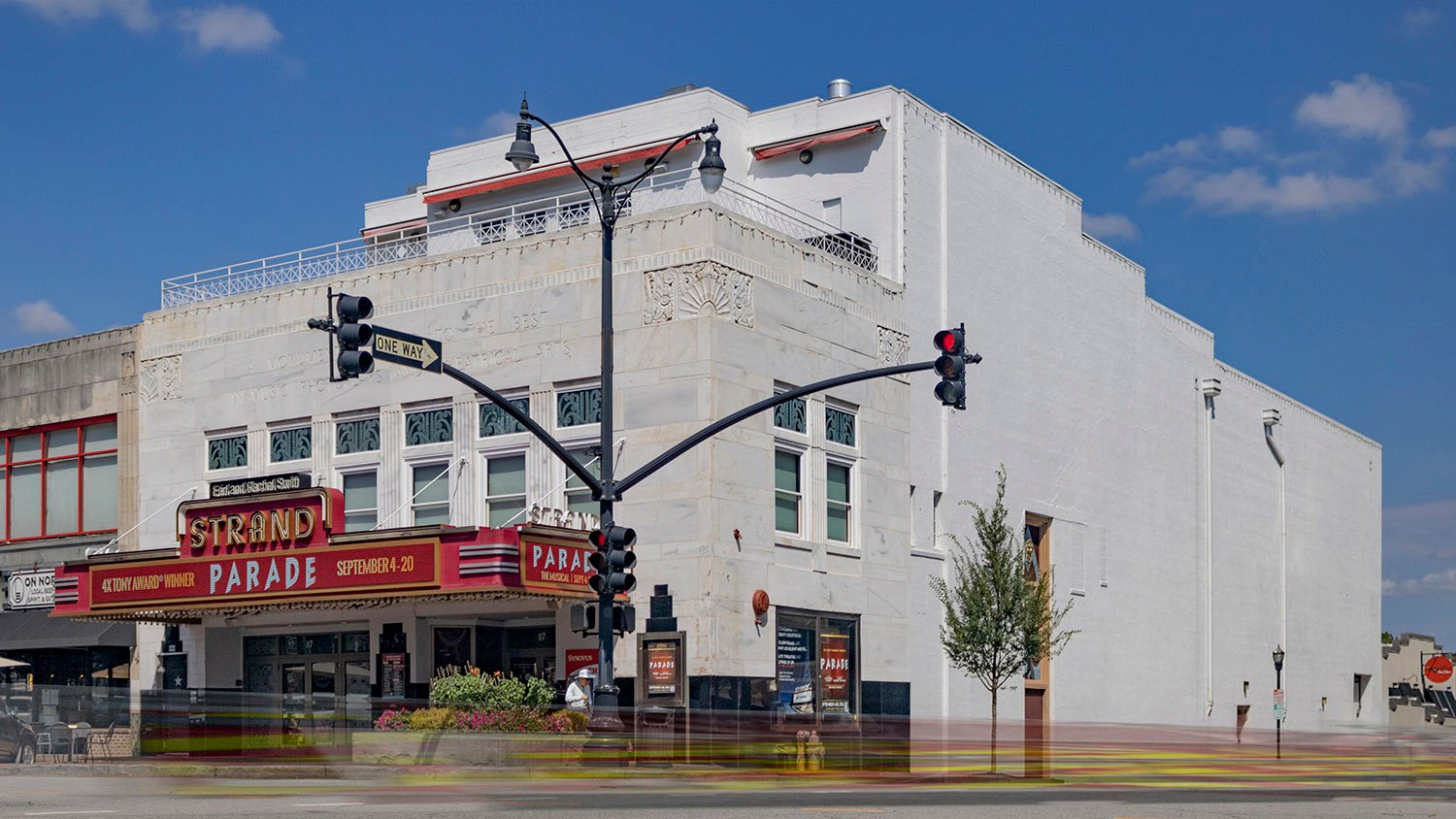
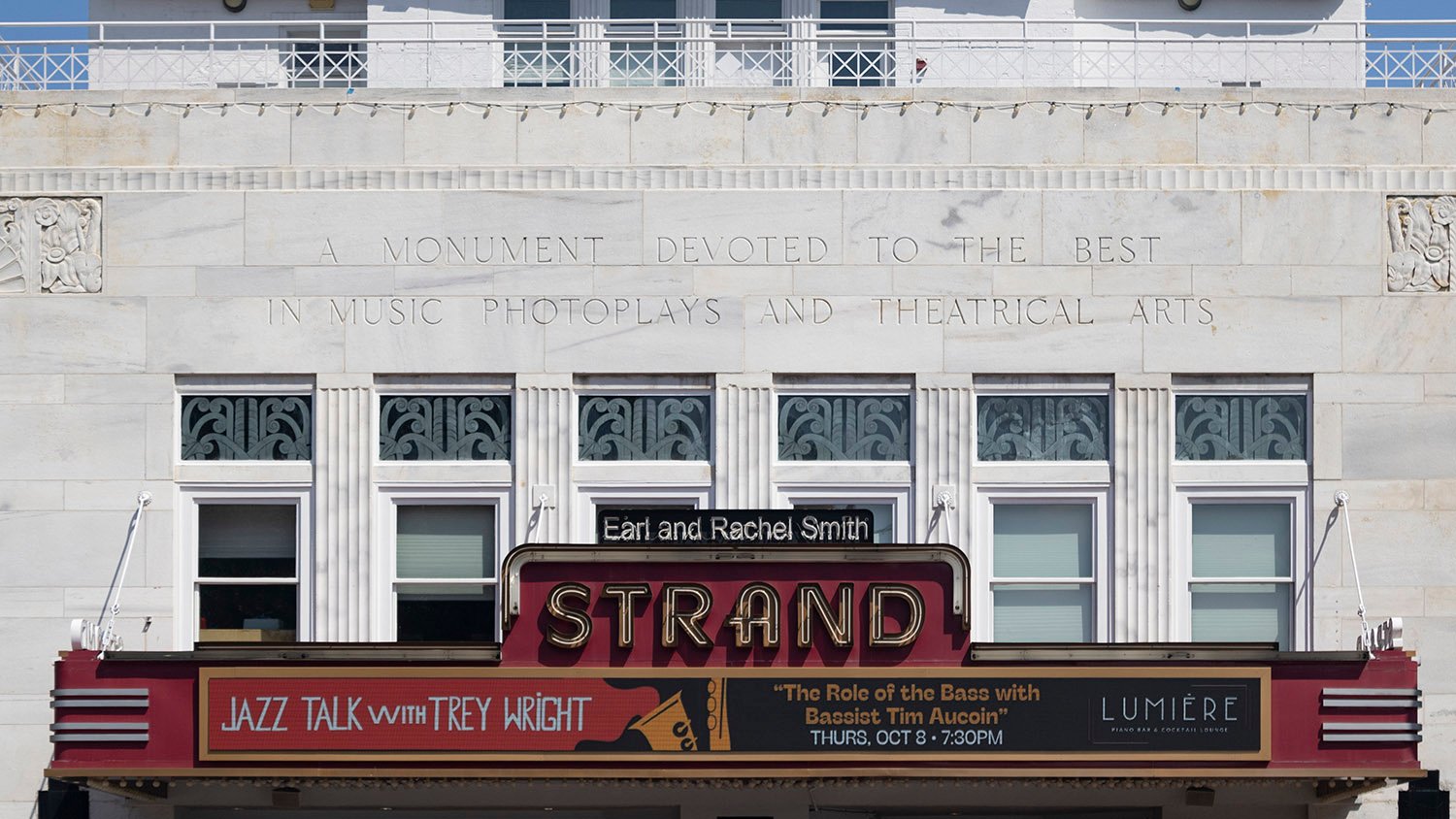
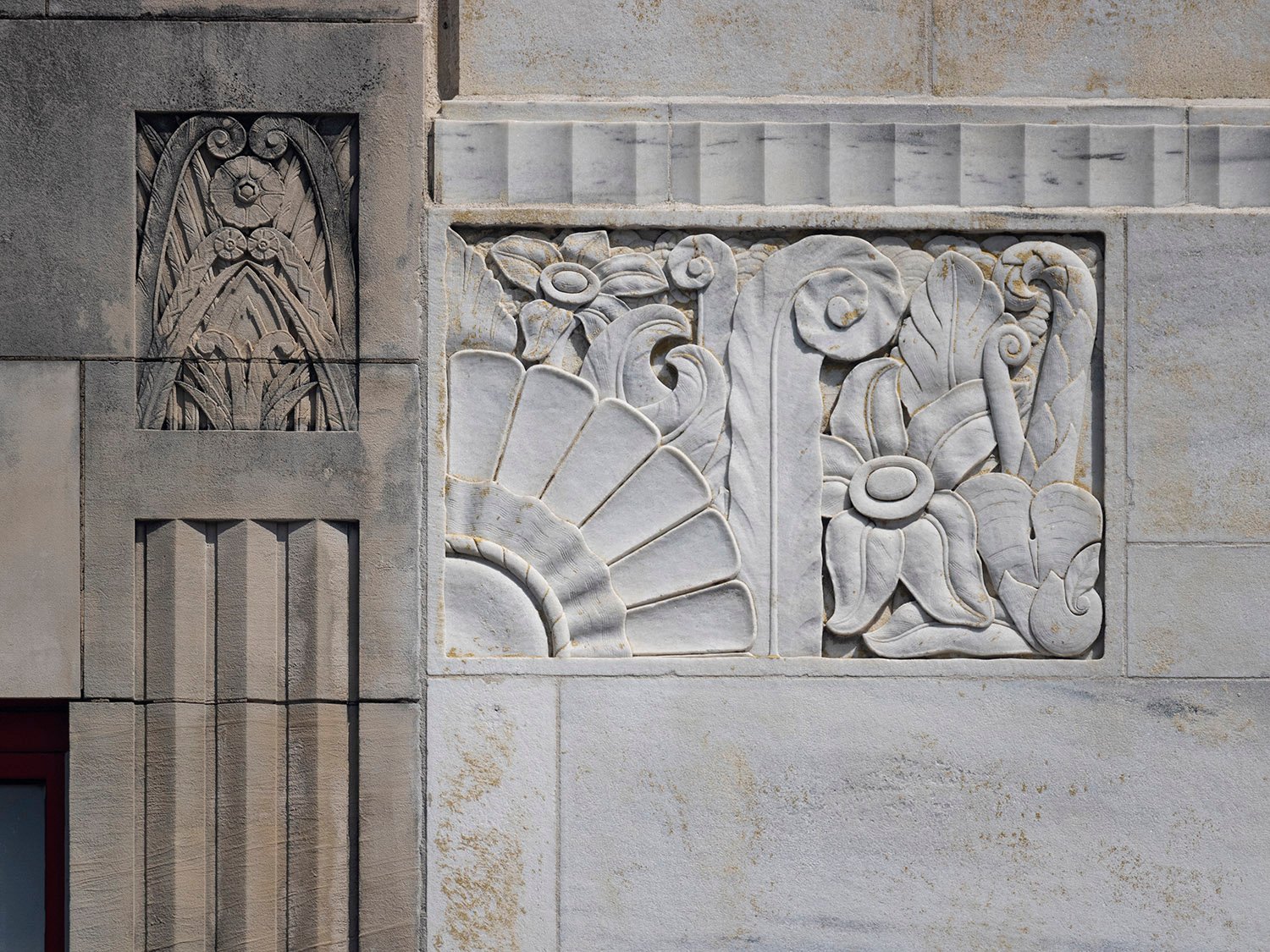
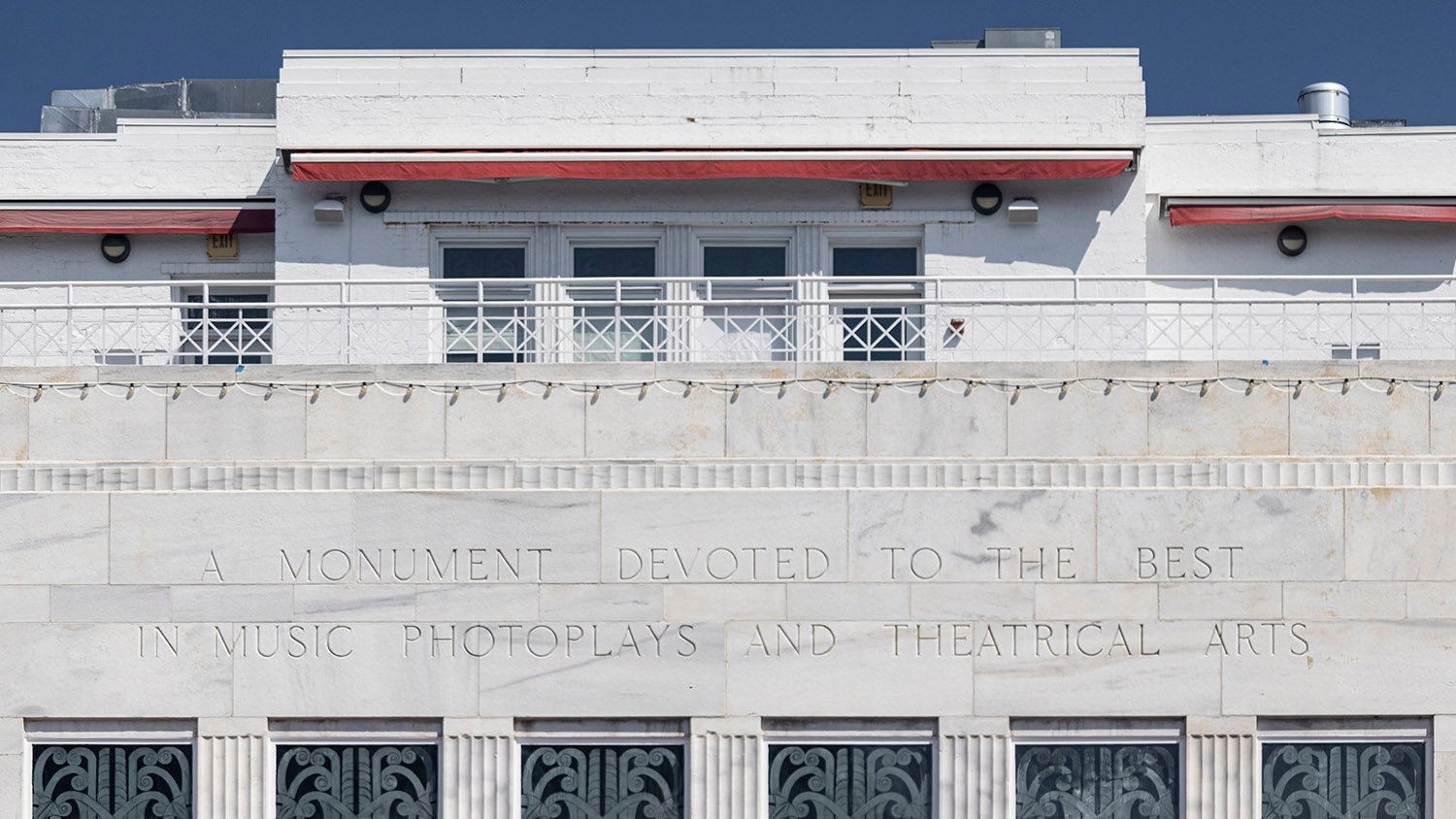
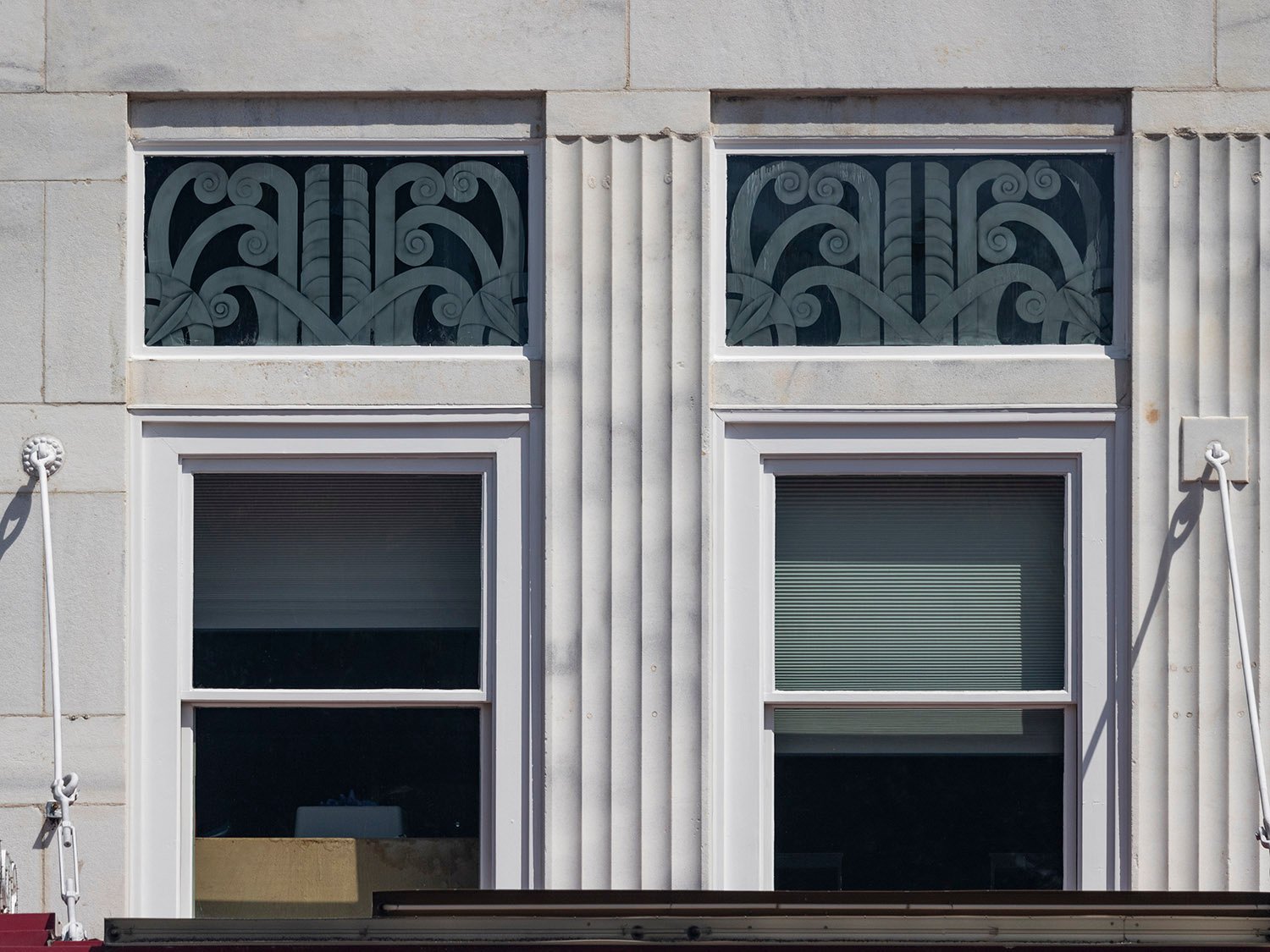
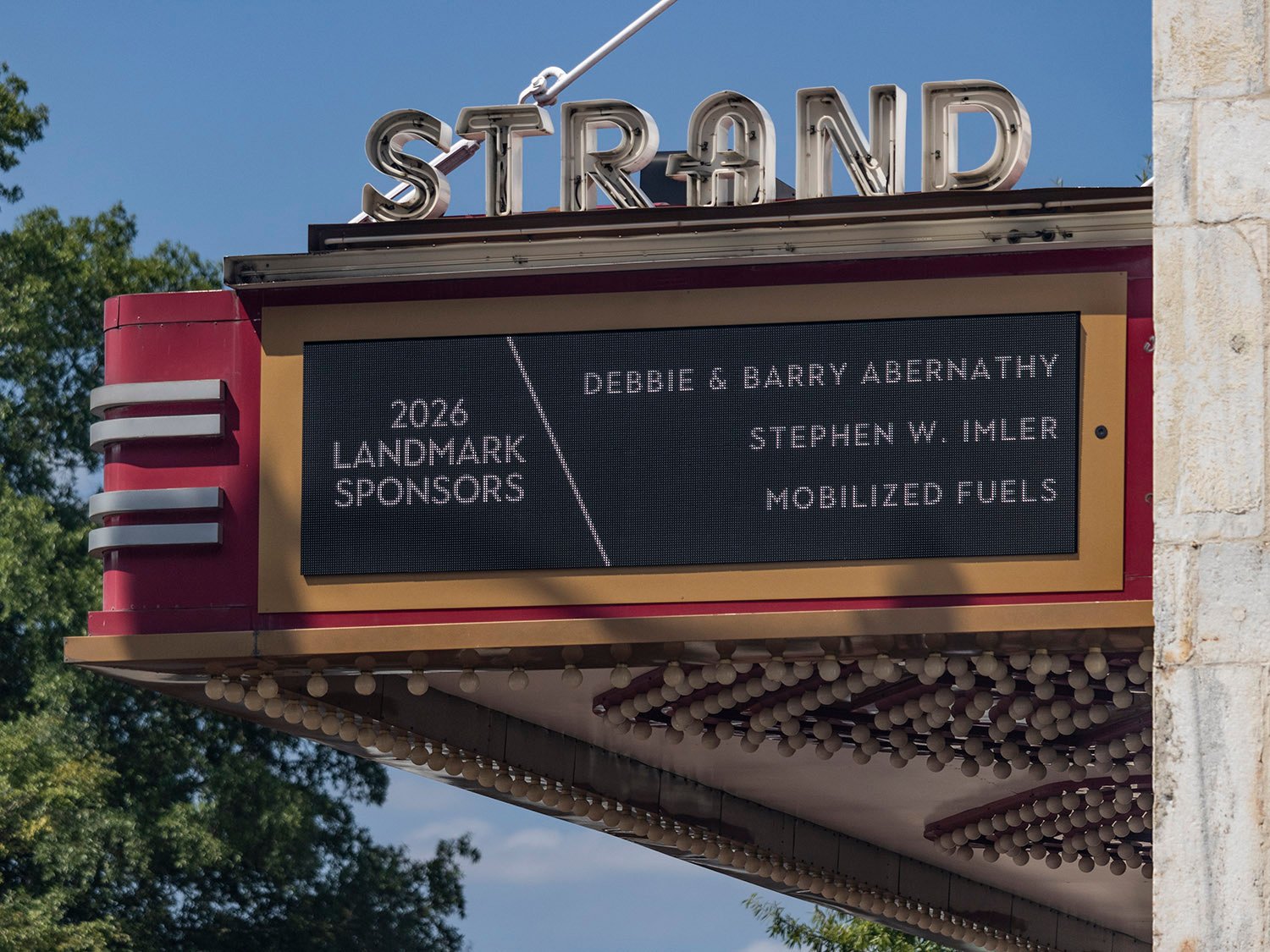
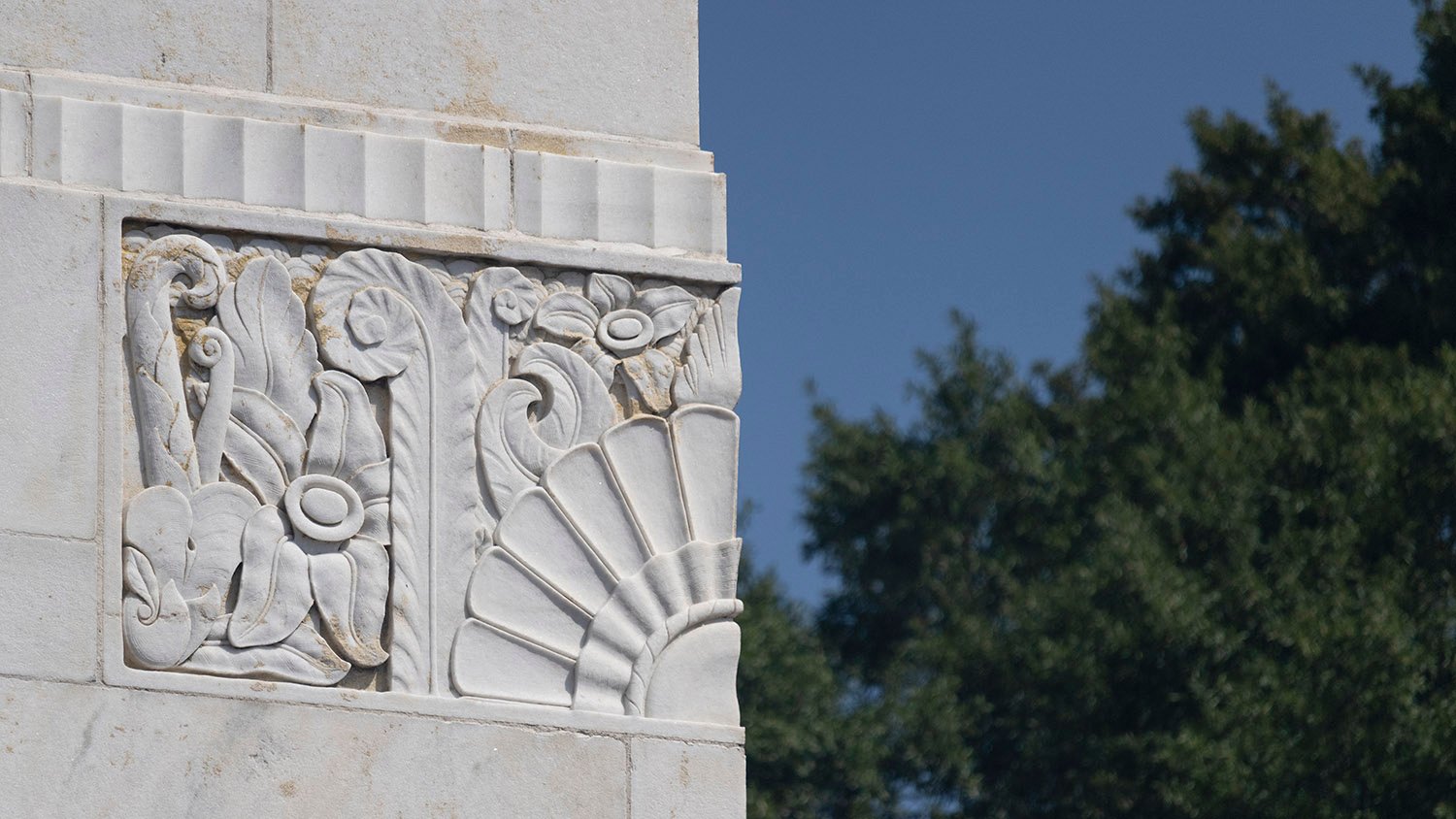
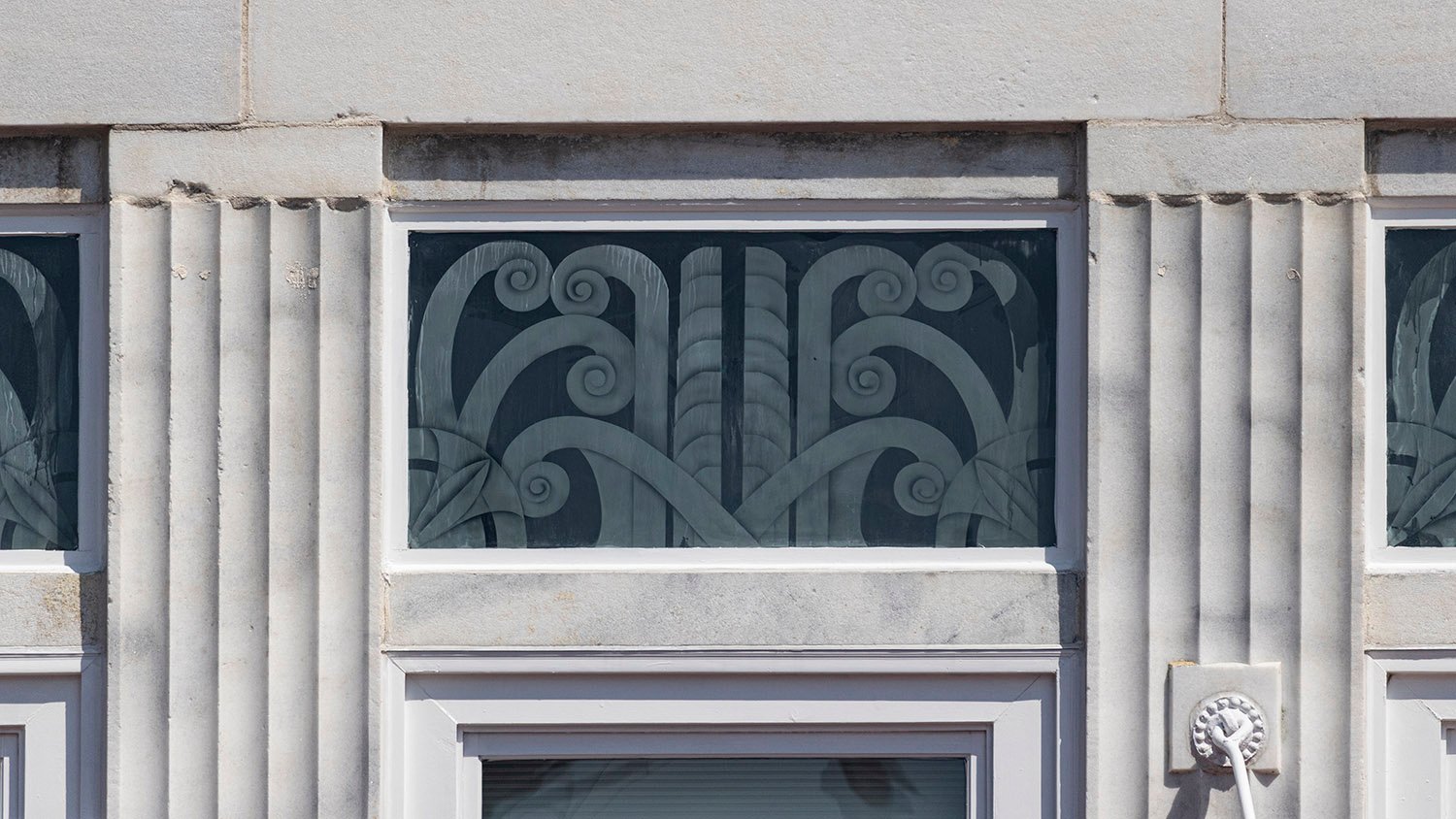
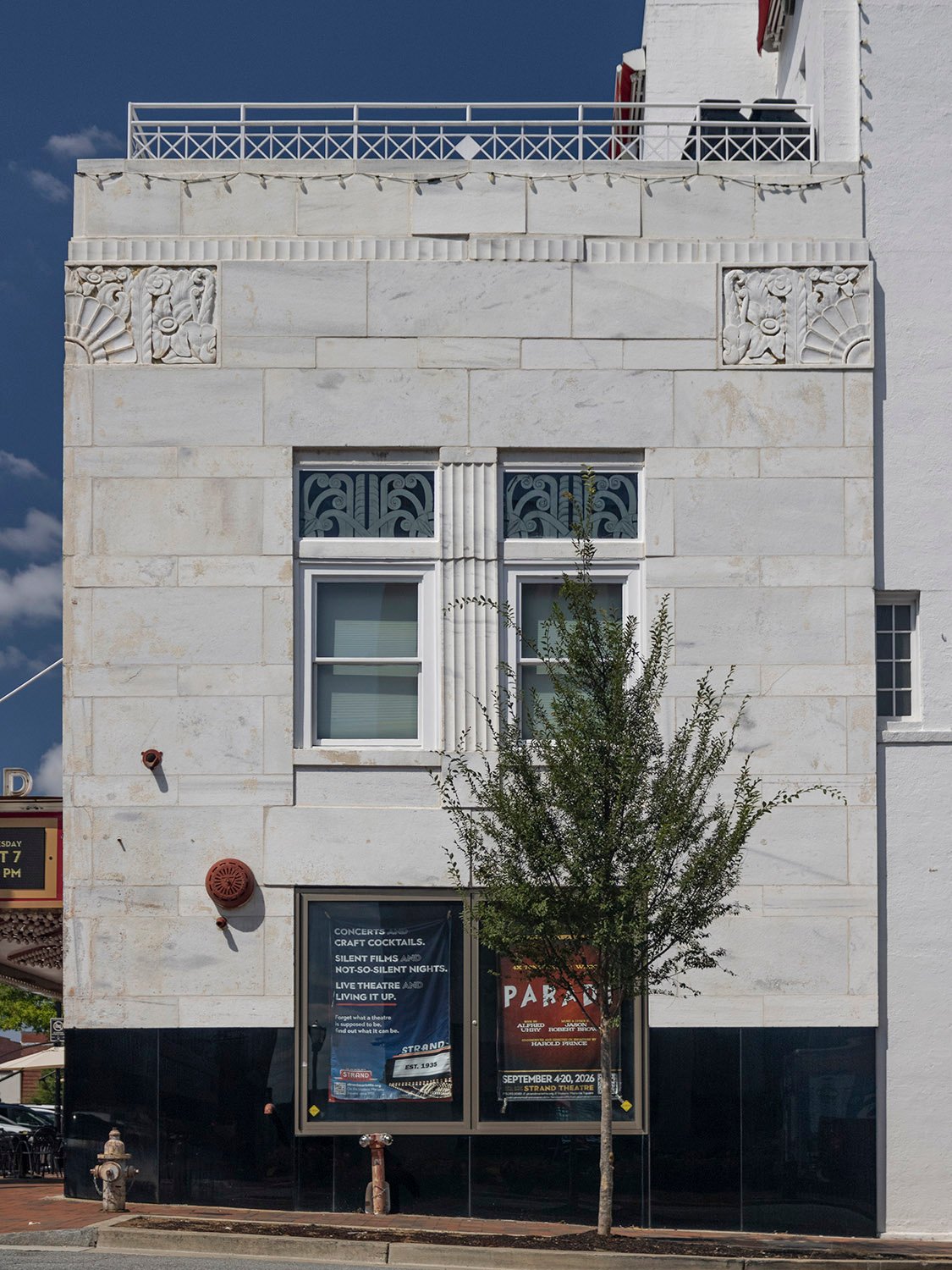
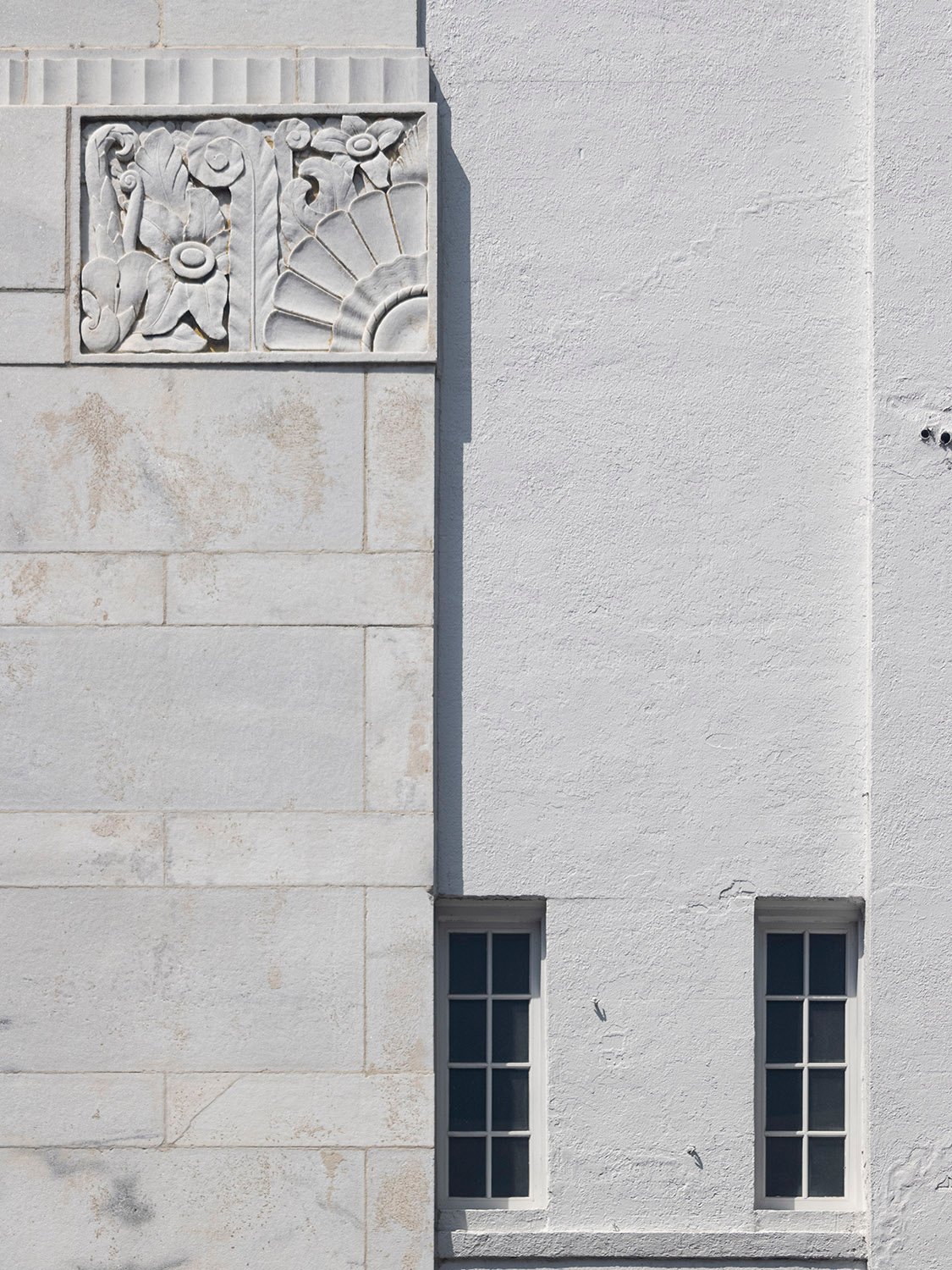
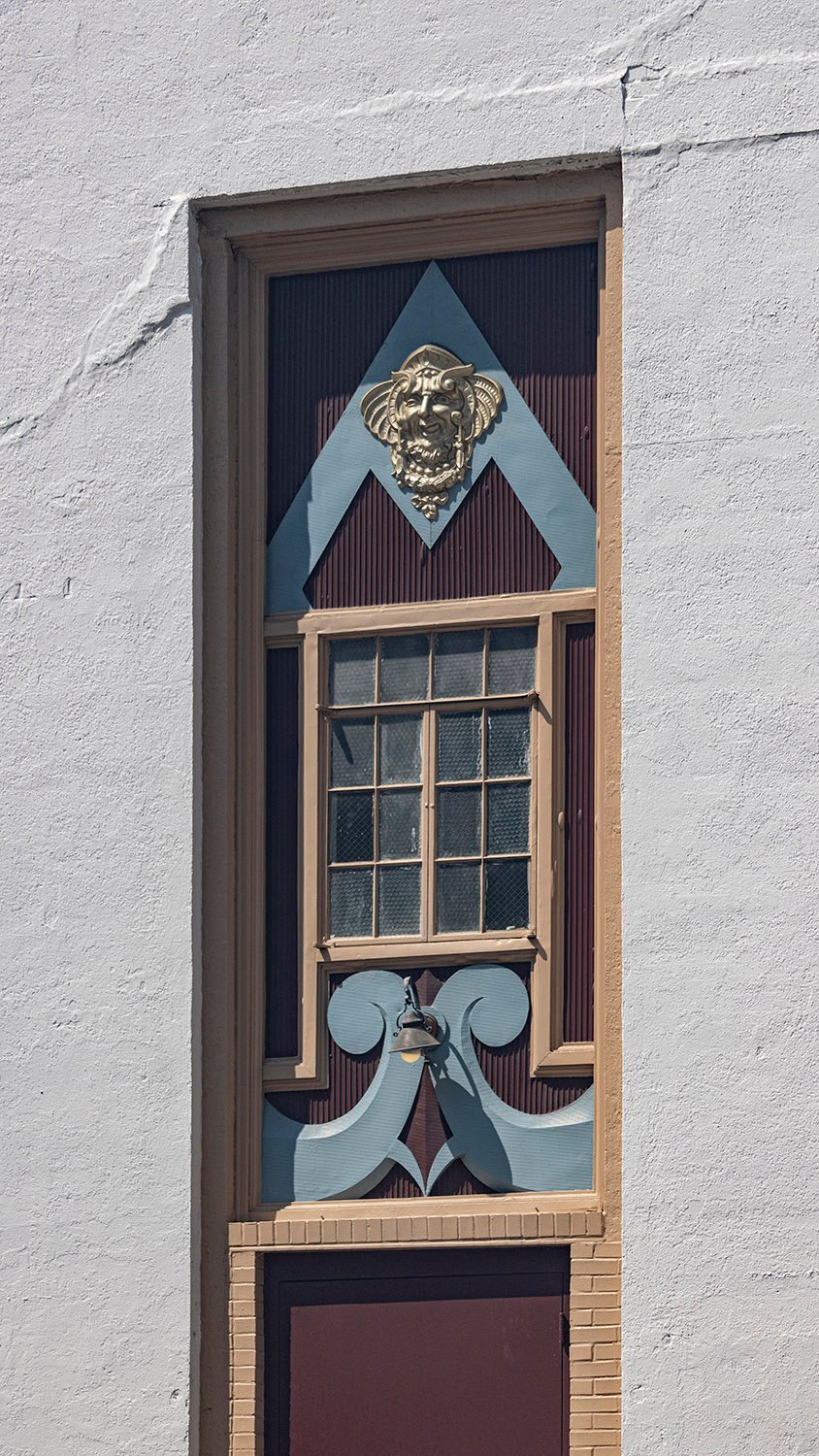
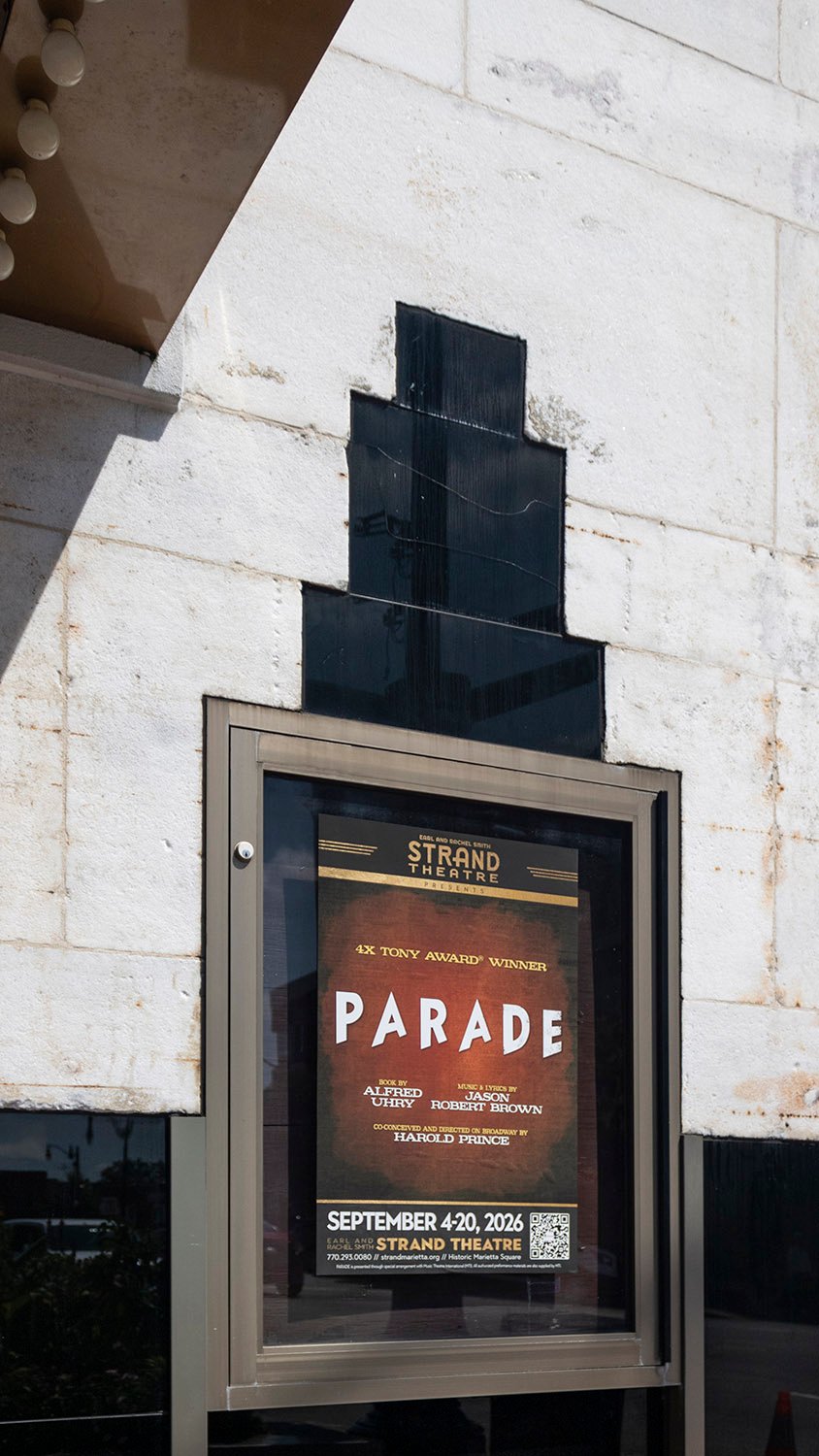
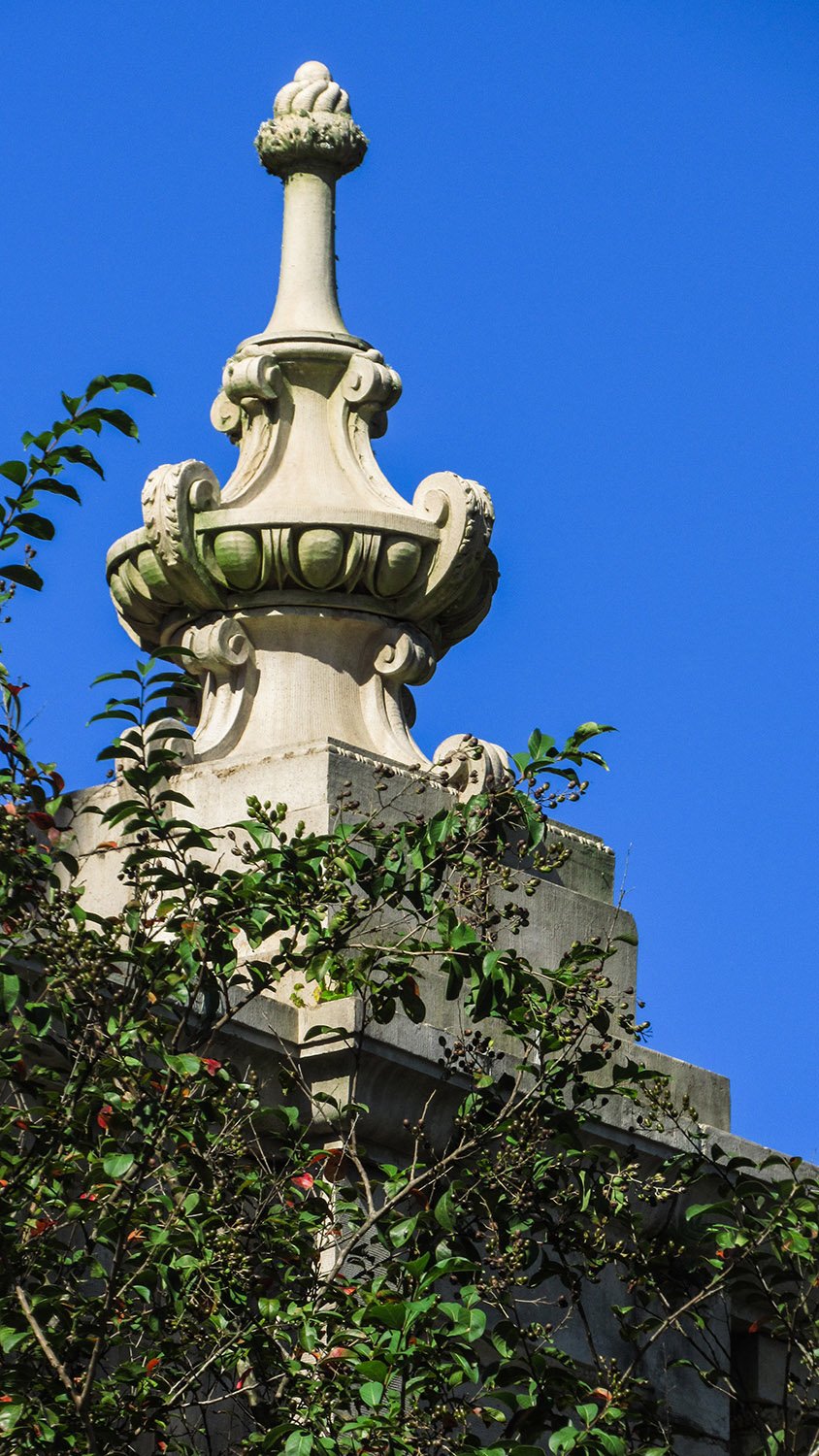
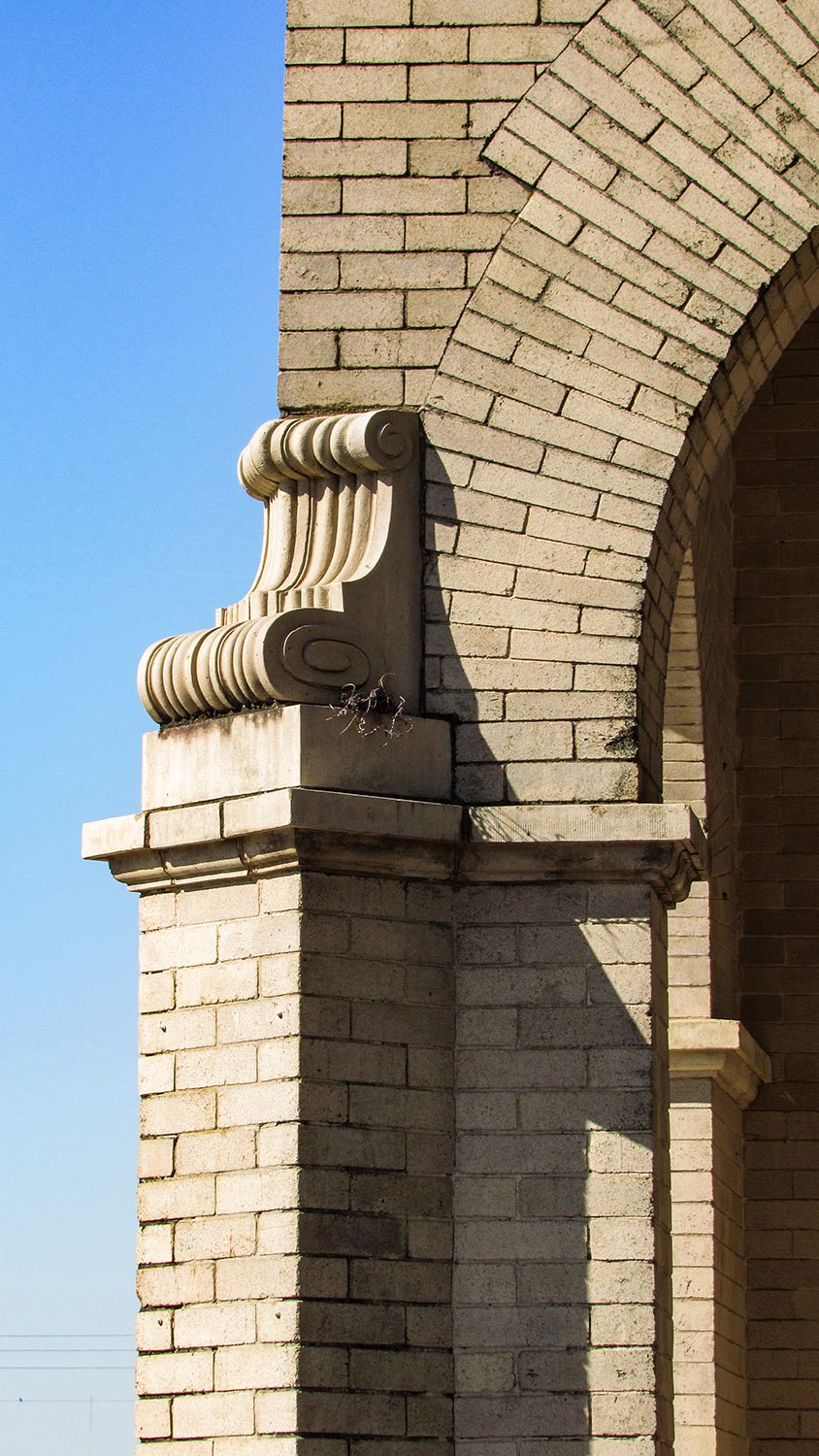
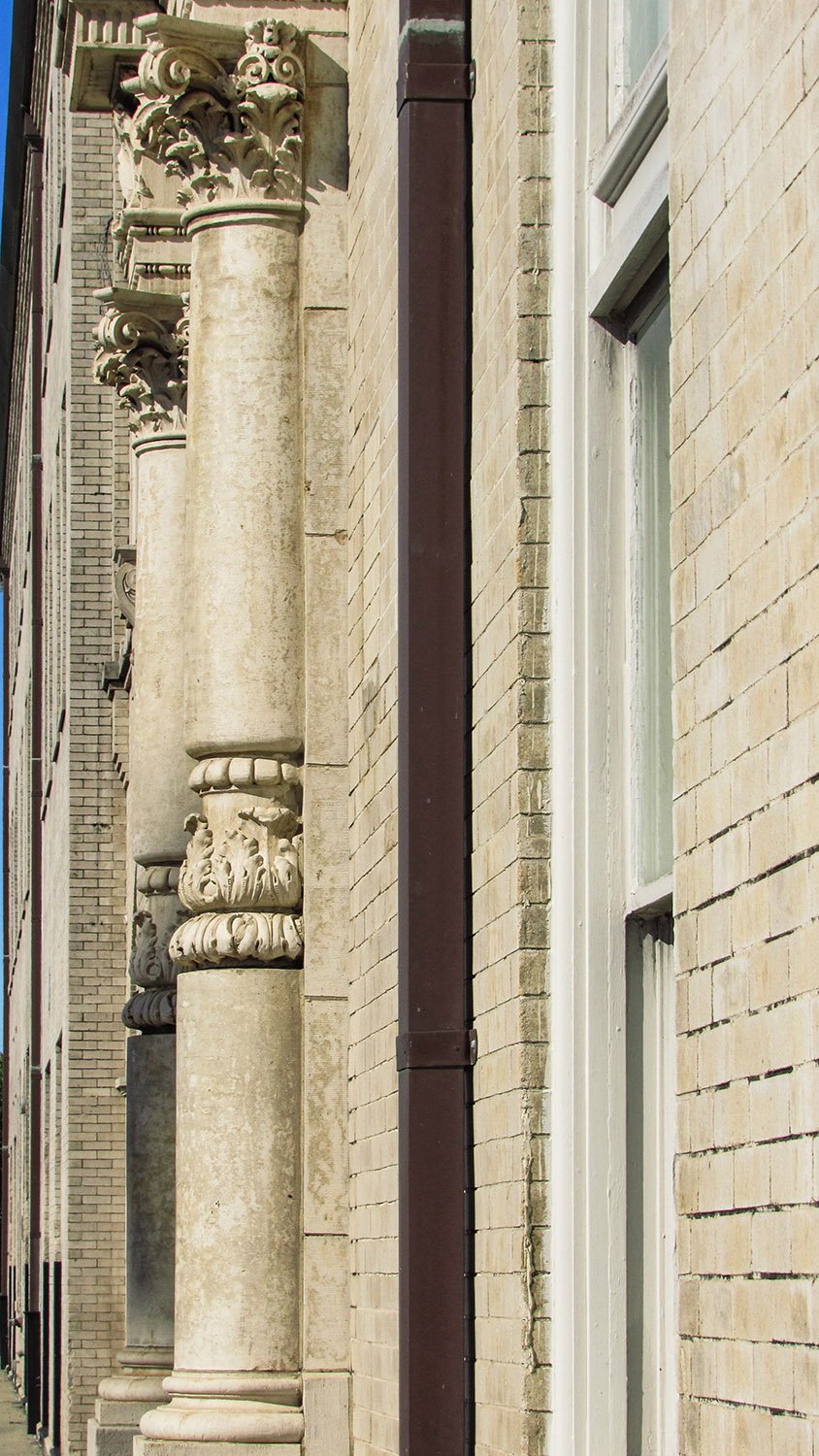
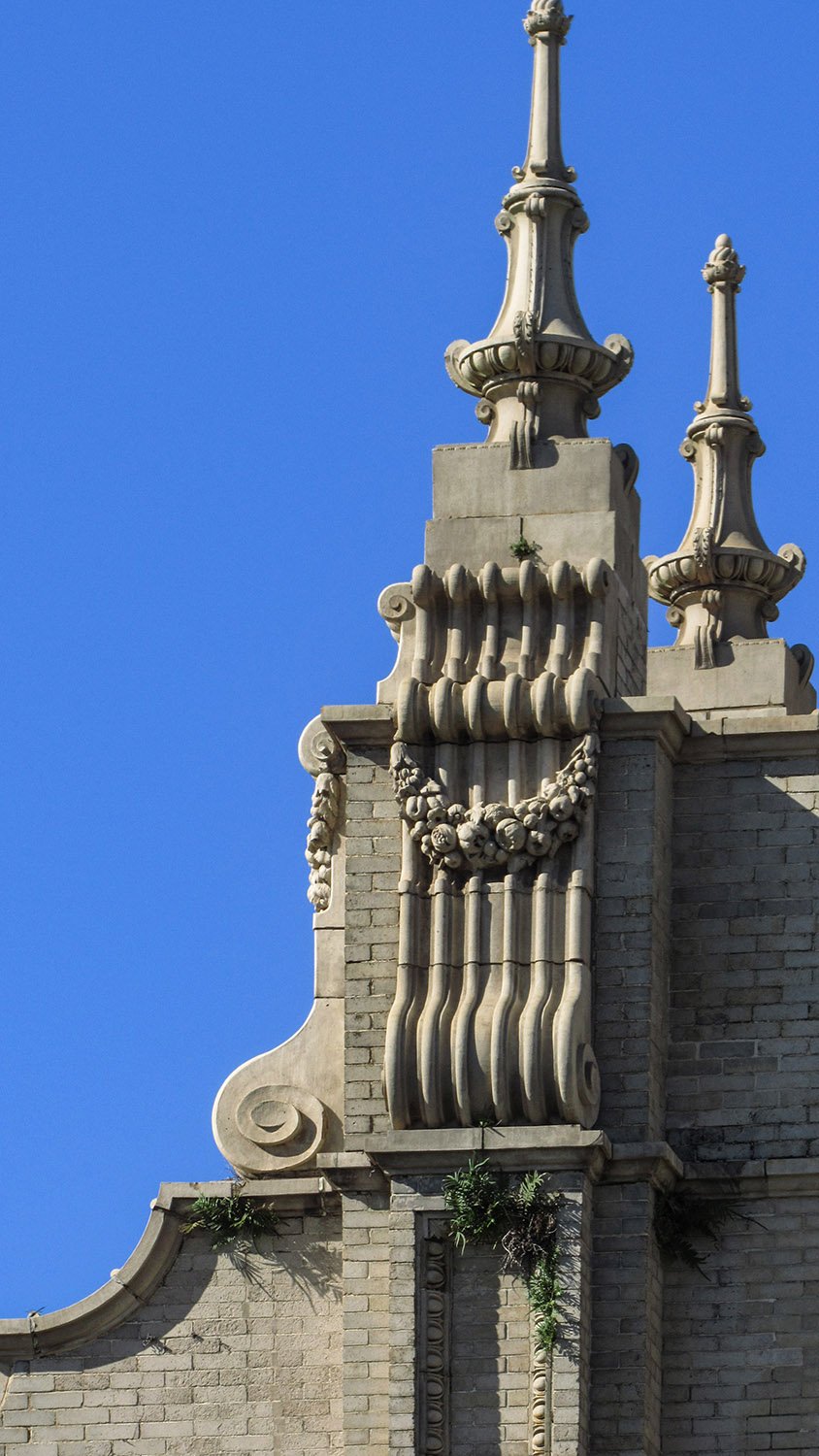
Strand Theatre (1935). Marietta, Georgia.1234Facade and marquee of the Strand Theatre, Marietta, GeorgiaBas-relief ornamentation and marble block on the facade of the Strand Theatre, Marietta, GeorgiaInscription on the facade of the Strand Theatre, Marietta, GeorgiaSecond-floor windows and pilasters on the facade of the Strand Theatre, Marietta, GeorgiaMarquee on the Strand Theatre, Marietta, GeorgiaBas-relief ornamentation on the facade of the Strand Theatre, Marietta, GeorgiaDecorated window spandrel on the facade of the Strand Theatre, Marietta, GeorgiaSoutheast corner of the Strand Theatre, Marietta, GeorgiaMarble block, bas-relief ornamentation, stucco facing, and second-floor windows on the east elevation of the Strand Theatre, Marietta, GeorgiaSide entrance on the east elevation of the Strand Theatre, Marietta, GeorgiaPoster display on the facade of the Strand Theatre, Marietta, Georgia
References
“New Theater Work Will Start Monday Owner Stated Today”. The Marietta Journal (Marietta, Georgia), March 7, 1935, p. 1. ↩︎
“Manning And Wink Theater Opening Set For Tuesday”. The Marietta Journal, September 19, 1935, p. 1. ↩︎
“Gala Ceremonies Open Marietta’s Big Theater”. The Atlanta Journal, September 24, 1935, p. 11. ↩︎
“Manning And Wink Opening Tuesday Attended By Many”. The Marietta Journal (Marietta, Georgia), September 26, 1935, p. 1. ↩︎
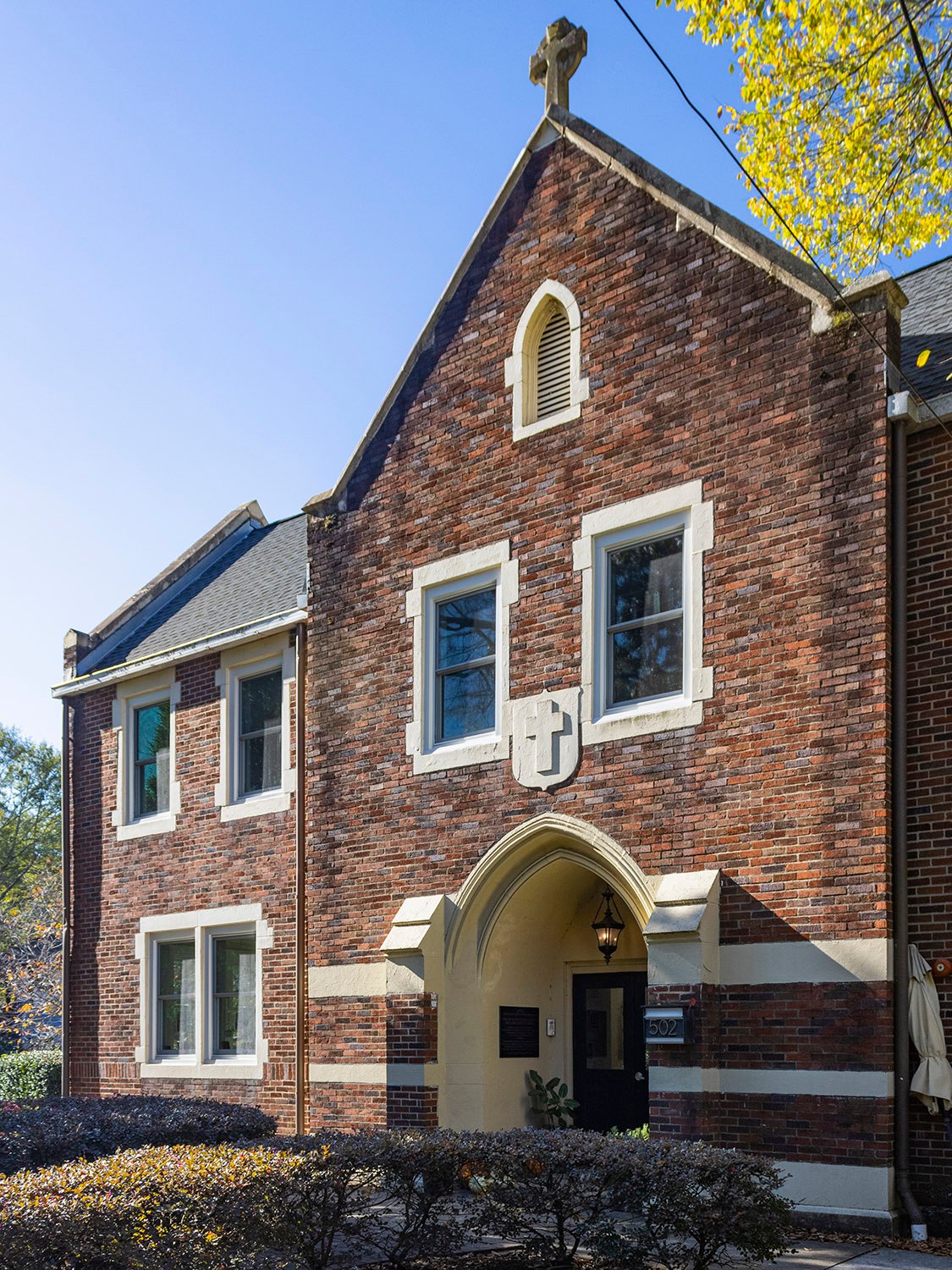
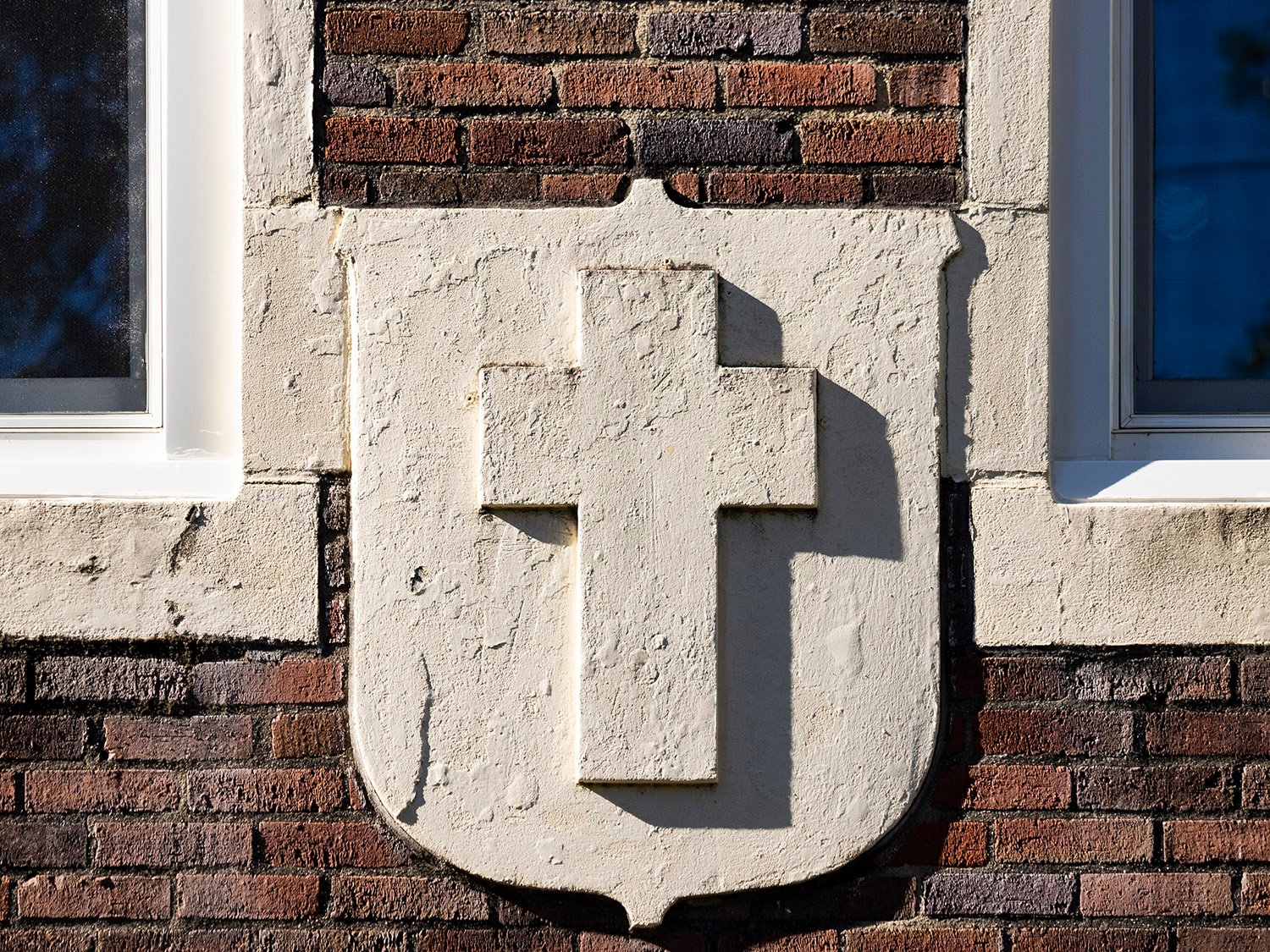
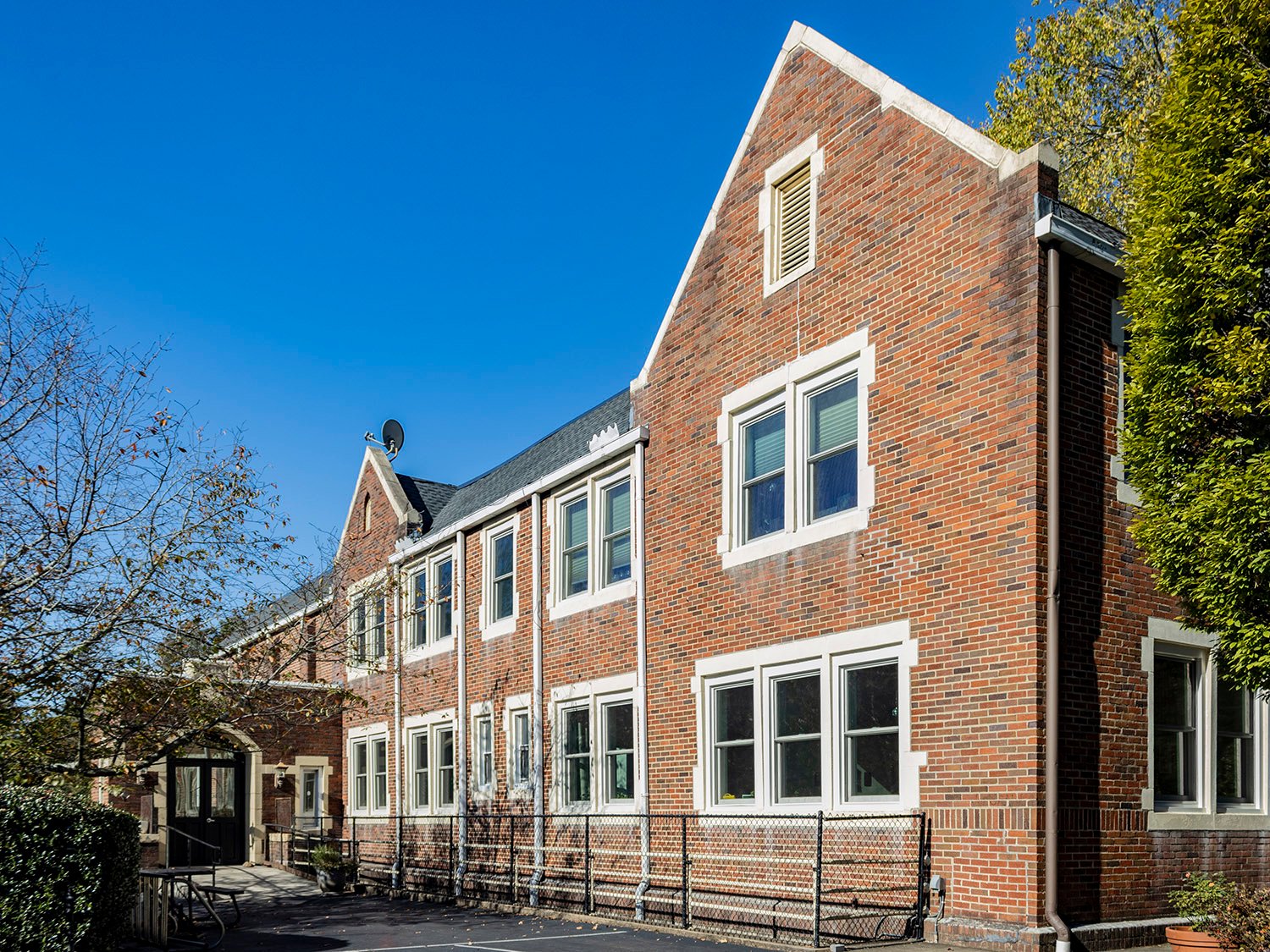
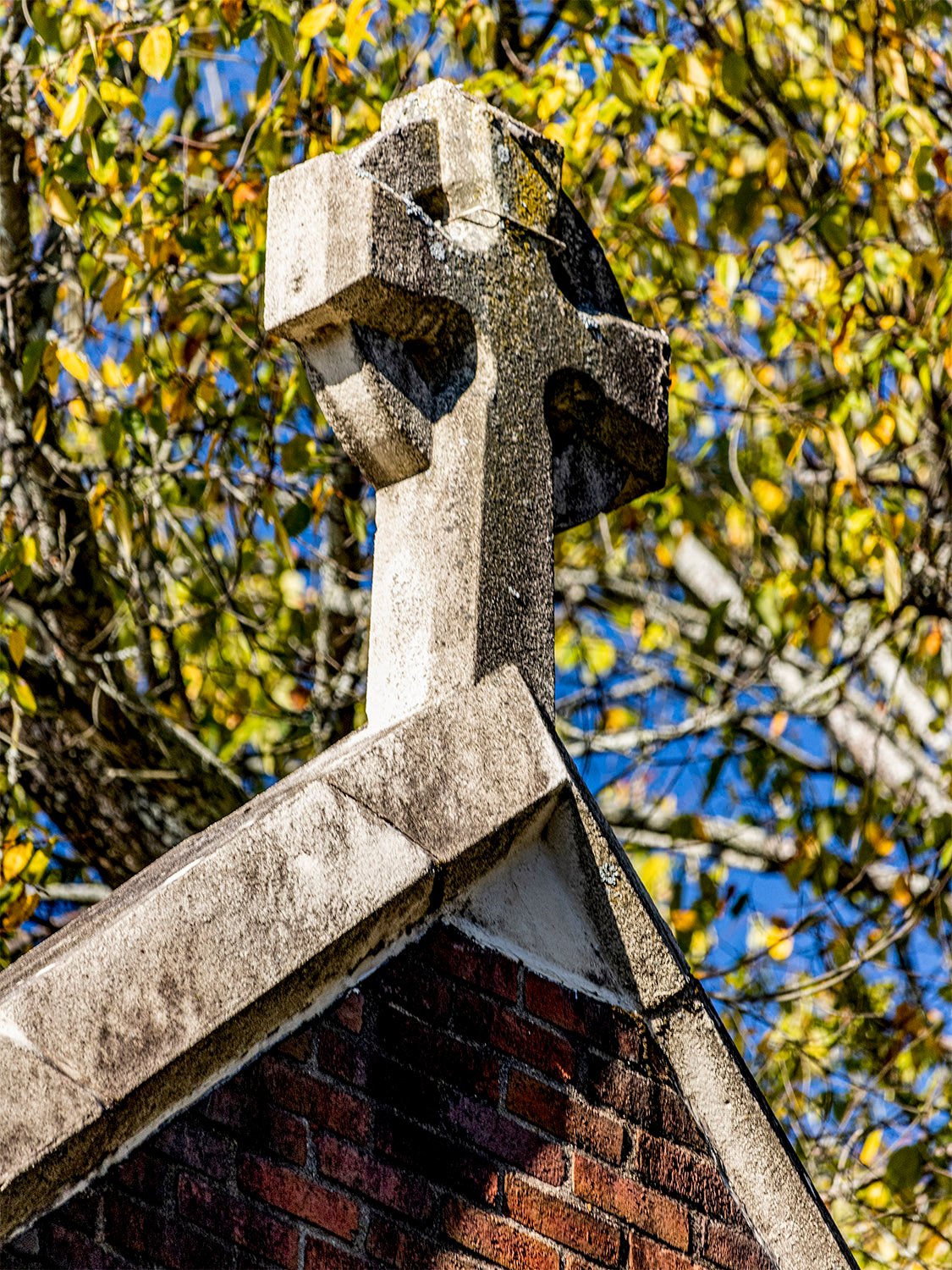
Pringle & Smith. Church of the Epiphany Parish House (1923). Inman Park, Atlanta.1234Cross and shield ornament on the Church of the Epiphany Parish House, AtlantaSouth elevation of the Church of the Epiphany Parish House, AtlantaCross on the Church of the Epiphany Parish House, Atlanta
References
“Epiphany Church To Break Ground For Parish House”. The Atlanta Journal, November 9, 1922, p. 3. ↩︎
“New Parish House Of Epiphany Church To Rank With Best”. The Atlanta Journal, February 25, 1923, p. A11. ↩︎
“Bishop H.J. Mikell To Speak on Program Of Epiphany Church”. The Atlanta Journal, December 9, 1923, p. 6A. ↩︎
Craig, Robert M.The Architecture of Francis Palmer Smith, Atlanta’s Scholar-Architect. Athens, Georgia: University of Georgia Press (2012). ↩︎
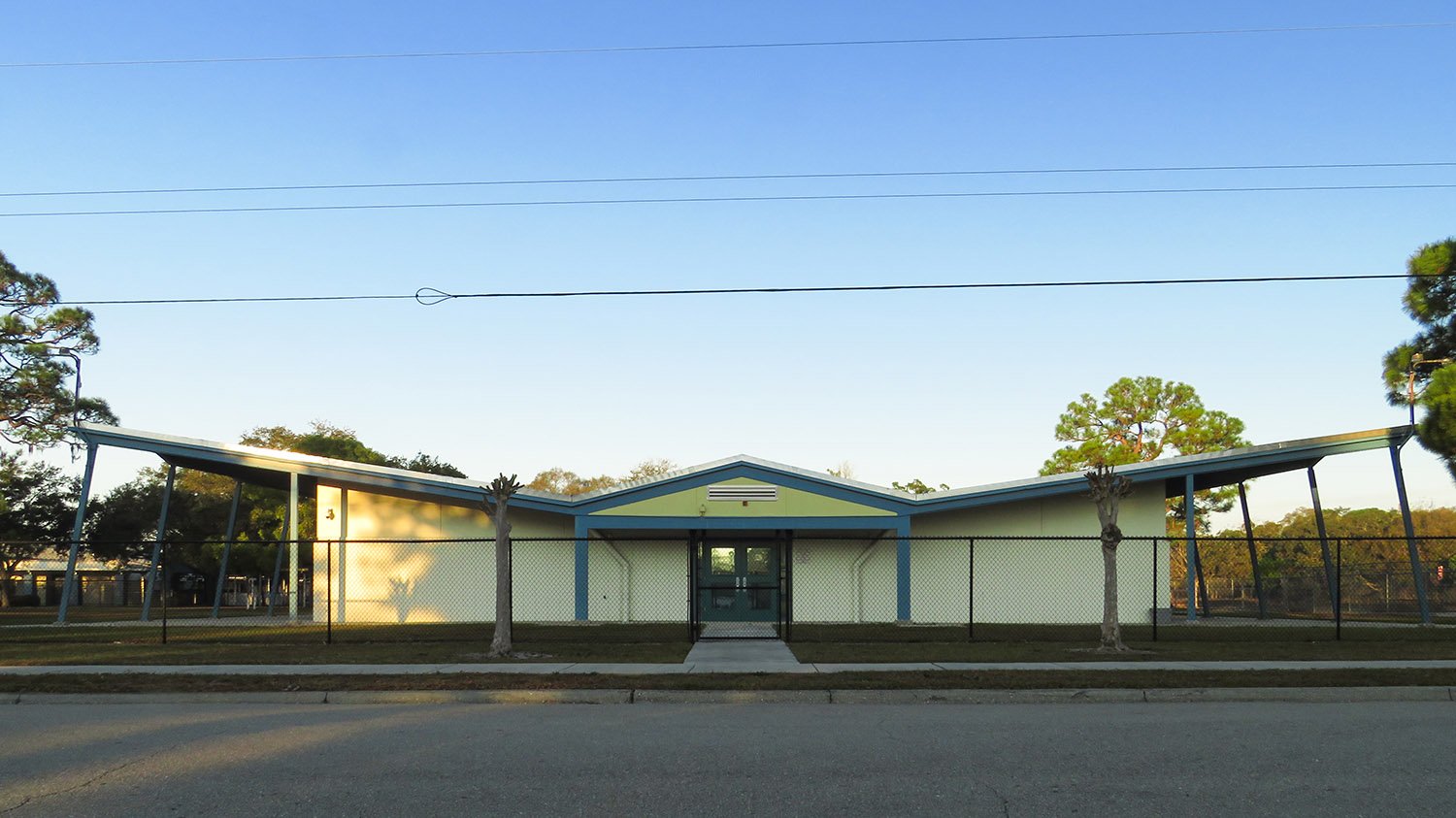
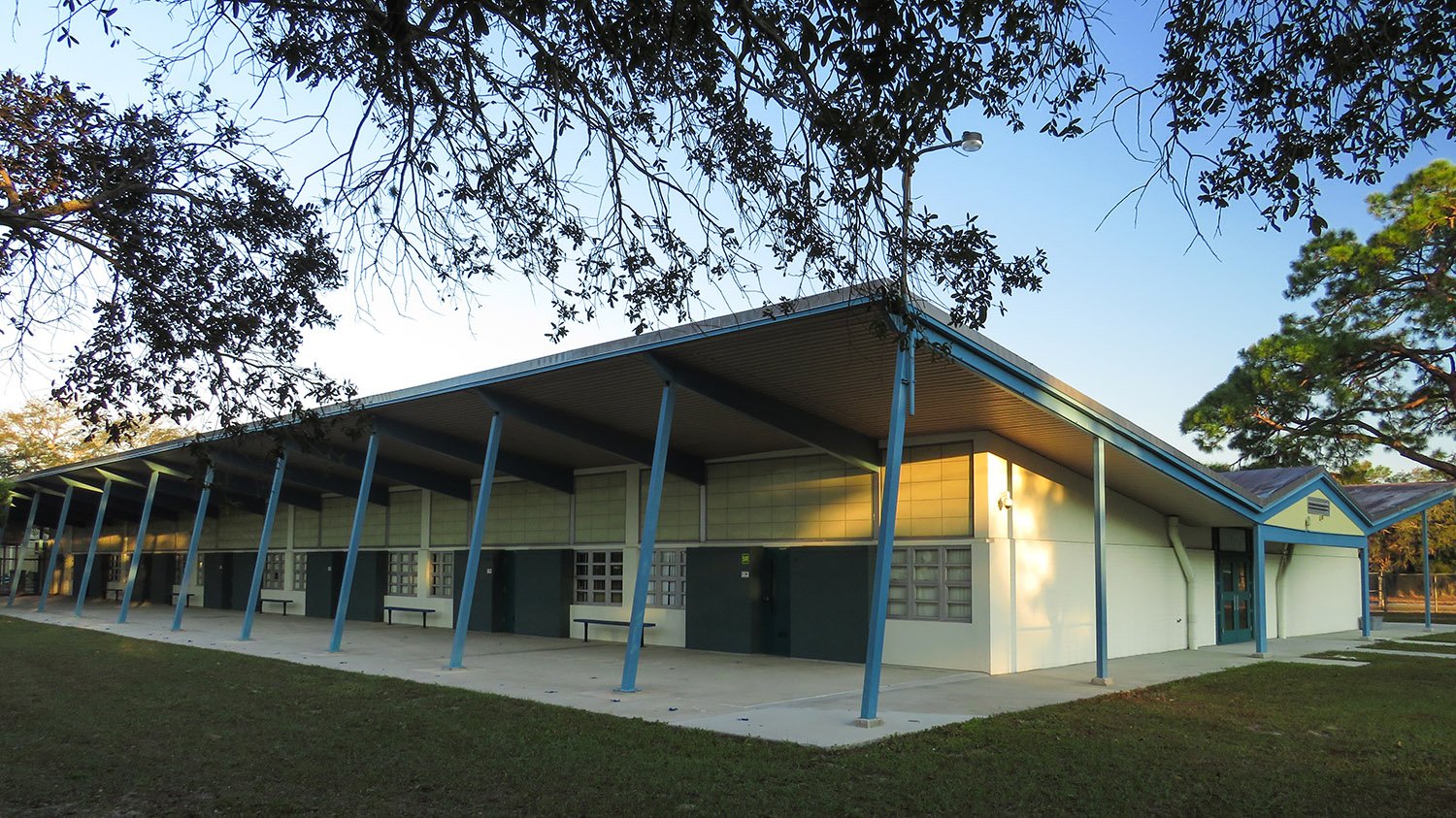
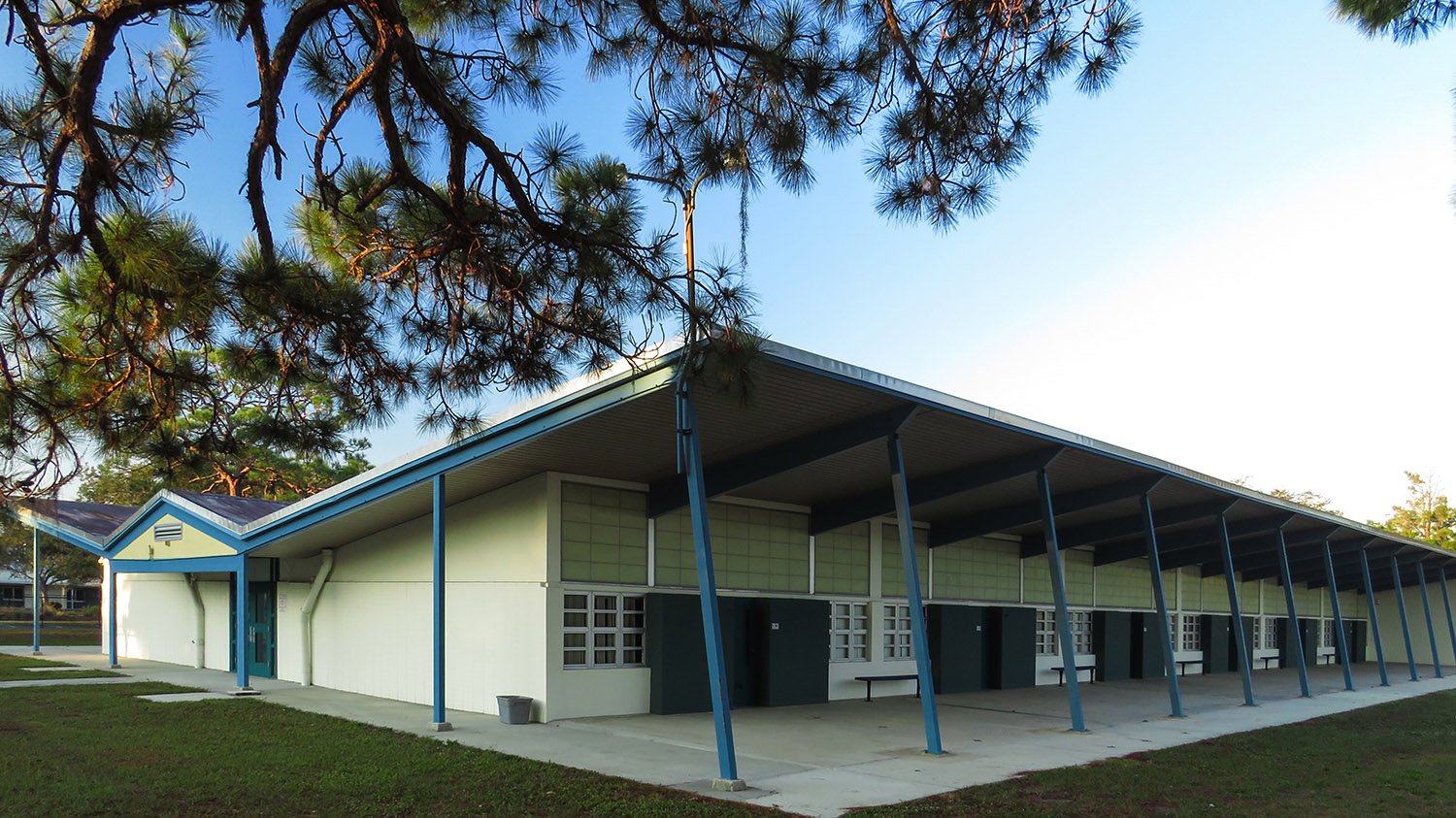
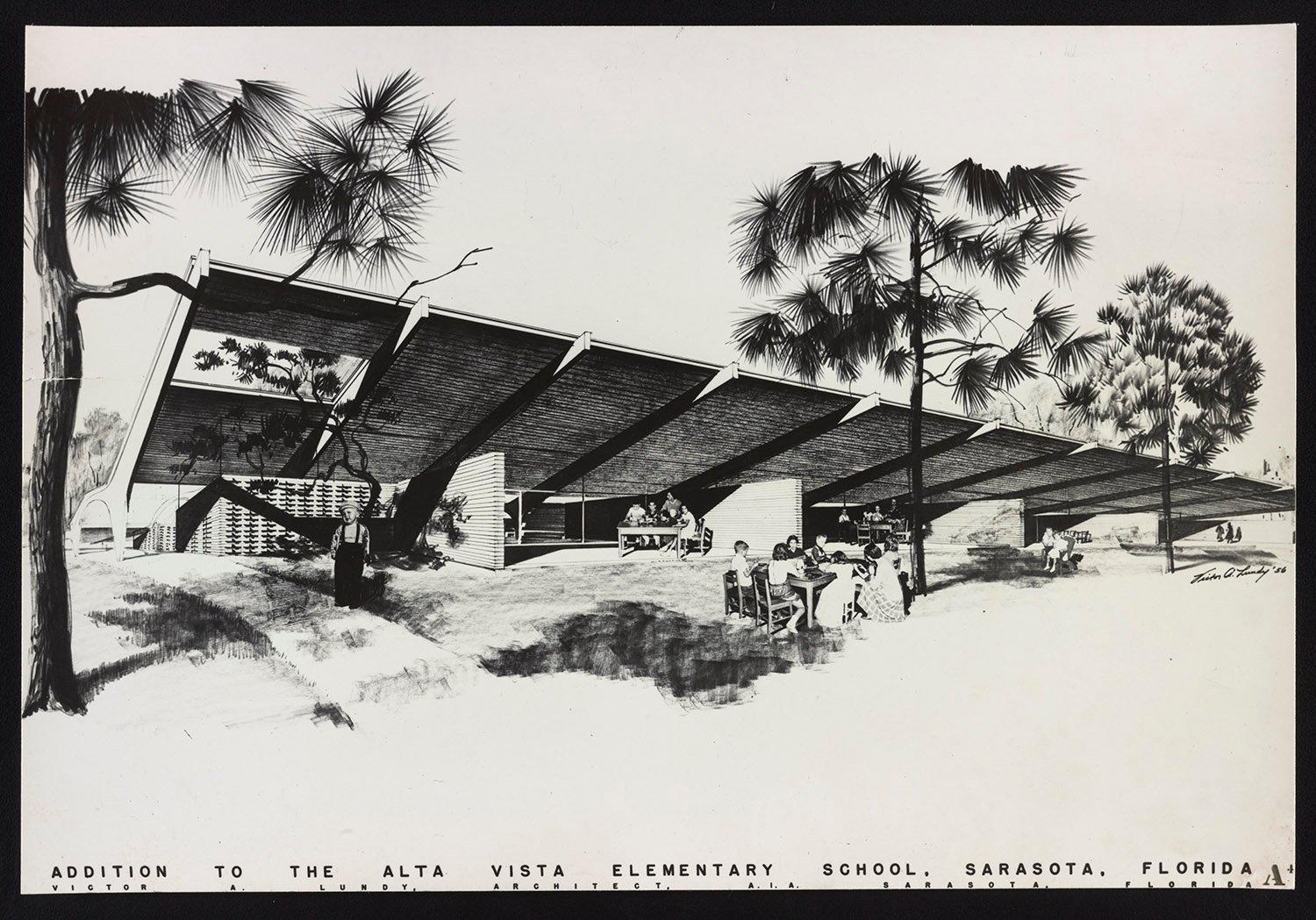
Victor A. Lundy. Alta Vista Elementary School Addition (1957). Sarasota, Florida.123South elevation of Alta Vista Elementary School Addition, Sarasota, FloridaNorth elevation of Alta Vista Elementary School Addition, Sarasota, FloridaVictor A. Lundy. Projected design of Alta Vista Elementary School Addition, Sarasota, Florida 4
References
“Alta Vista Addition Gets ‘Go Ahead’”. The News (Sarasota, Florida), September 5, 1956, p. 9. ↩︎
“$149,693 Contract Awarded For Alta Vista Addition”. The News (Sarasota, Florida), March 23, 1957, p. 9. ↩︎
“Sarasota’s Newest”. The News (Sarasota, Florida), October 19, 1957, p. 9. ↩︎
Ballinger Company with Walter Gropius. Container Corporation of America (1947). Greensboro, North Carolina.123Entrance of Container Corporation of America, Greensboro, North CarolinaLooking at Container Corporation of America from the northwestWest elevation of Container Corporation of America, Greensboro, North Carolina
References
“Container Plant To Be Located In City”. The Greensboro Record (Greensboro, North Carolina), December 15, 1944, p. 1. ↩︎
“Work Started On Building To House Container Plant”. Greensboro Daily News (Greensboro, North Carolina), March 7, 1946, Section 2, p. 1. ↩︎
“Box Plant Will Begin Operations On July 14”. The Greensboro Record (Greensboro, North Carolina), July 3, 1947, Section B, p. 1. ↩︎
I grew up in Florida, so I can say with complete authority that it’s a miserable state: ugly, plagued with deadly heat and reptiles, and teeming with the most hostile, willfully ignorant people in the United States—though they’ve got a lot of competition these days.
In recent years, I’ve occasionally dipped back into Florida to photograph buildings, but only in the winter, when snakes and alligators are in hibernation. Unfortunately, the people never disappear.
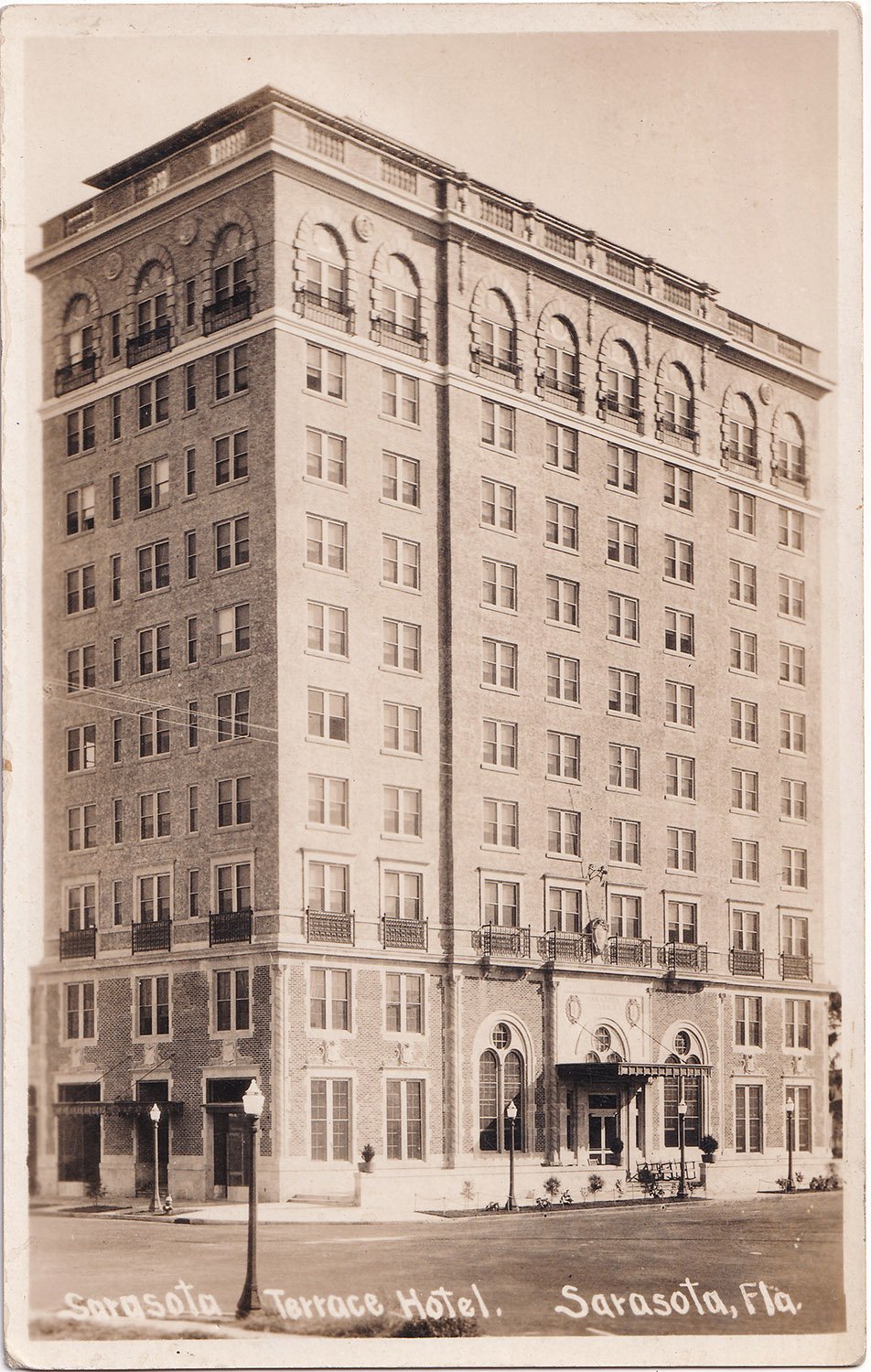
I visited Sarasota twice, primarily to see its surviving Modernist structures from the Sarasota School of Architecture, but I never got around to photographing the old Sarasota Terrace Hotel, completed in 19261anddesigned by Pringle & Smith2 of Atlanta.
Location of Sarasota Terrace Hotel
In truth, the building just doesn’t interest me that much. It’s a standard Beaux-Arts affair: handsome and solidly executed, but not unlike a thousand others of the same style.
The 10-story hotel cost $750,0003 to build and was developed by Charles Ringling4 of the Ringling Brothers. Yep, the circus people.
When the Sarasota Terrace closed in 1972, the Sarasota Herald-Tribune noted that “it never achieved the prominance [sic] of some of the other area hotels.”5
Sarasota County purchased the property the same year, and the building was renovated to serve as the county’s administration center.6
Pringle & Smith designed another building in Sarasota at the same time as the hotel: the nearby American National Bank,78 also 10 stories, and also underwhelming.
Atlanta architects have rarely done their best work in Florida.
References
“Robinson First Guest At Sarasota Terrace”. Sarasota Herald (Sarasota, Florida), May 15, 1926, p. 1. ↩︎
Craig, Robert M.The Architecture of Francis Palmer Smith, Atlanta’s Scholar-Architect. Athens, Georgia: University of Georgia Press (2012), p. 120-22. ↩︎
“Building Activities Here”. Sarasota Herald (Sarasota, Florida), June 29, 1926, p. 2. ↩︎
“Ringlings To Arrive Saturday”. Sarasota Herald (Sarasota, Florida), January 29, 1926, Section Four, p. 1. ↩︎
Cullinane, Jim. “Hotel Rooms, Corridors Now Quiet”. Sarasota Herald-Tribune (Sarasota, Florida), December 11, 1972, p. 2B. ↩︎
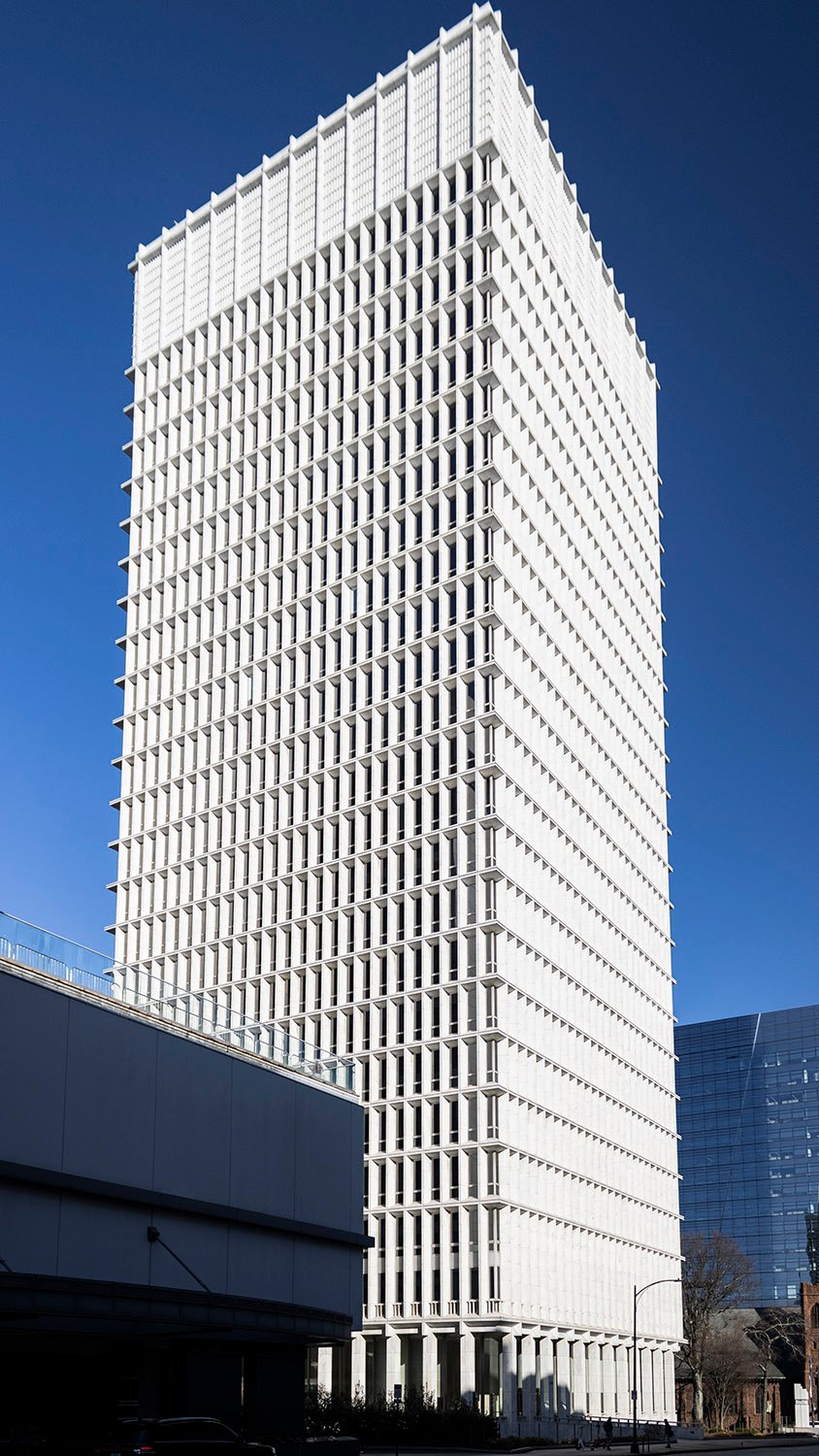
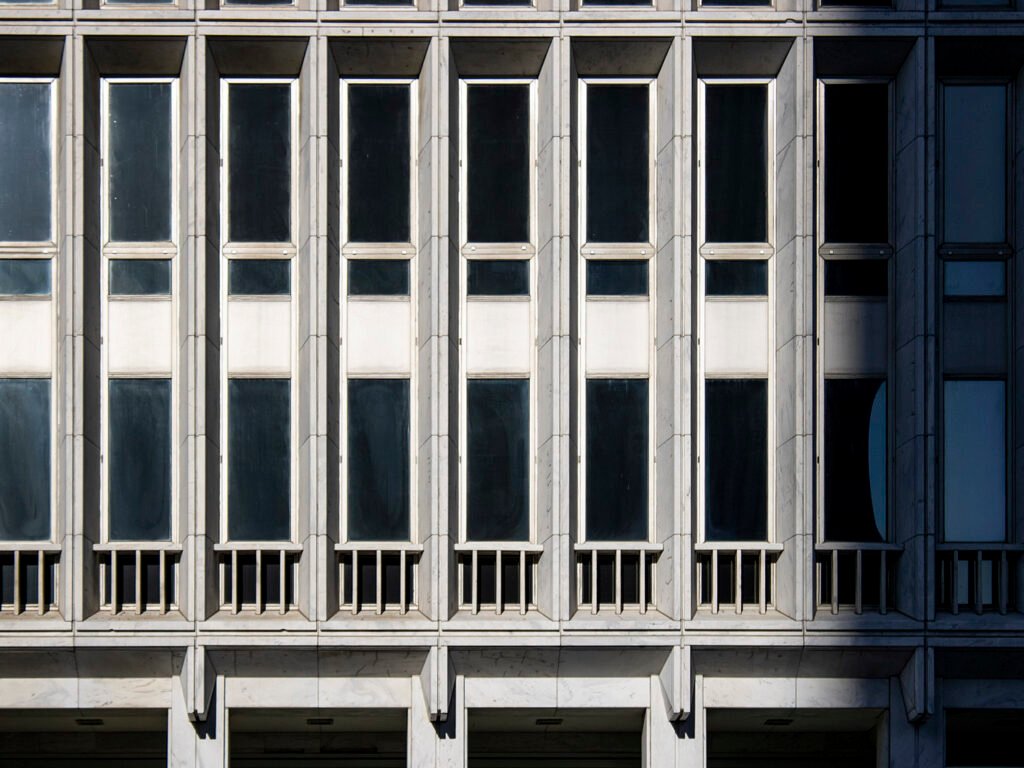
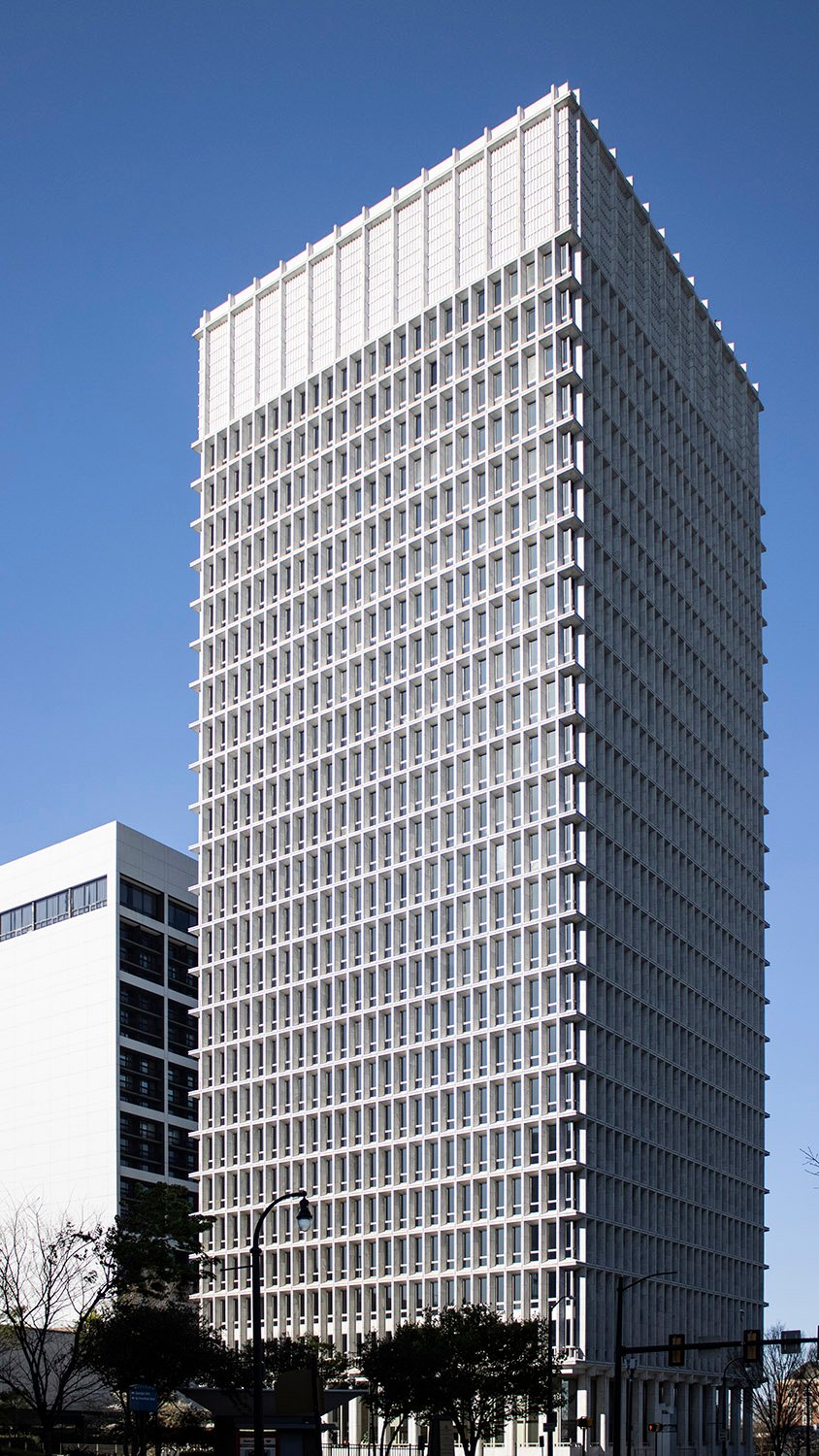
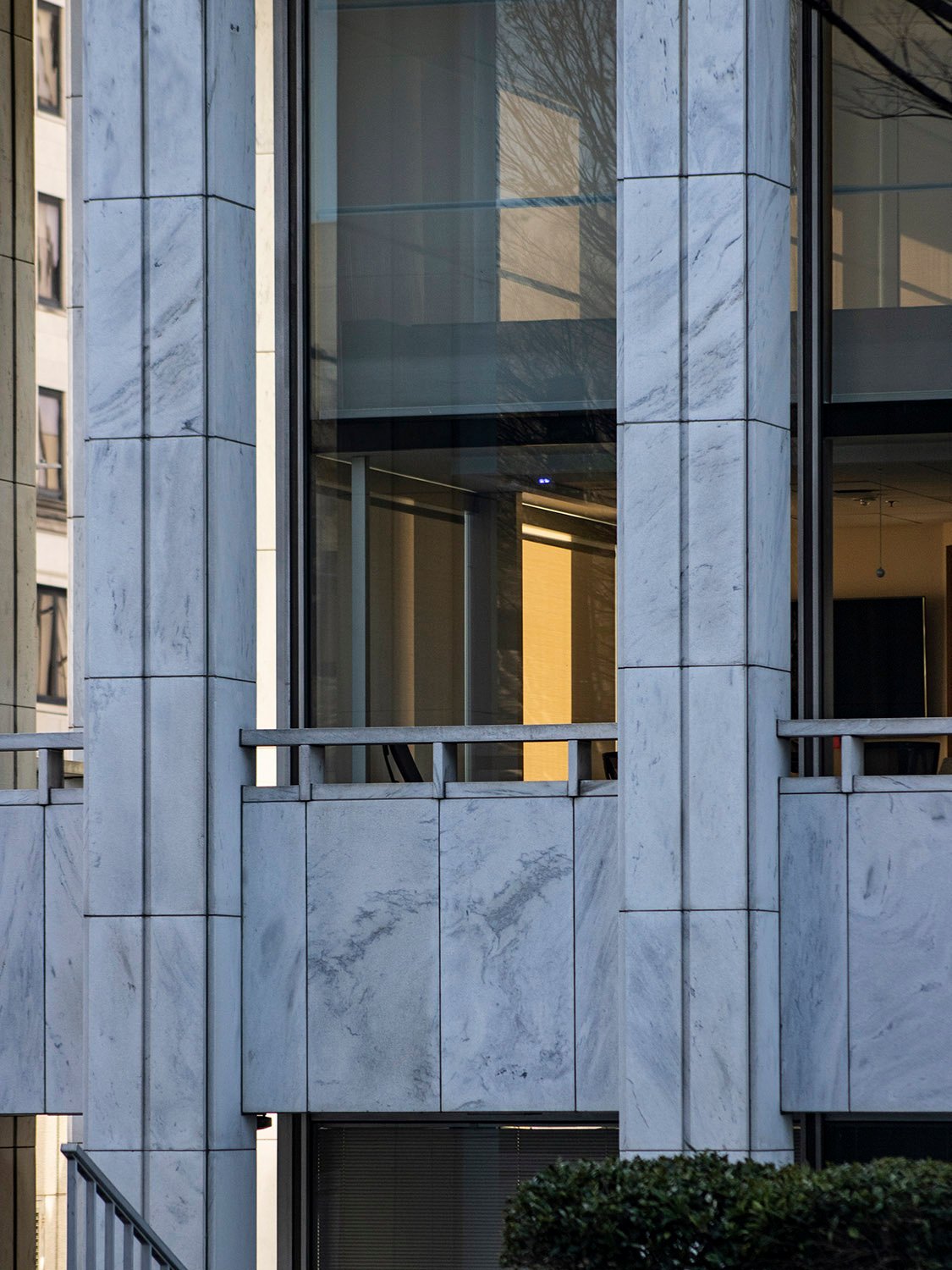
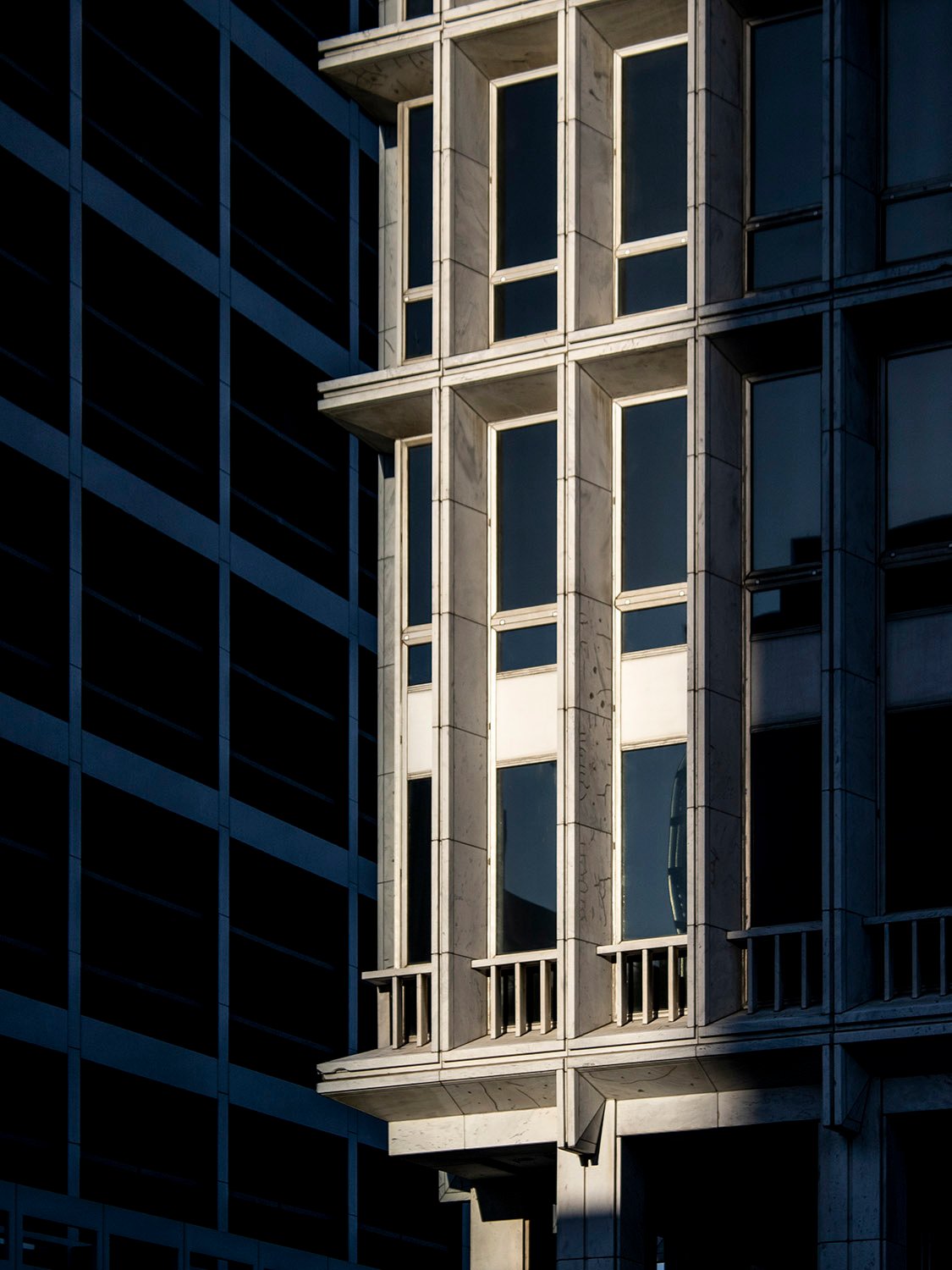
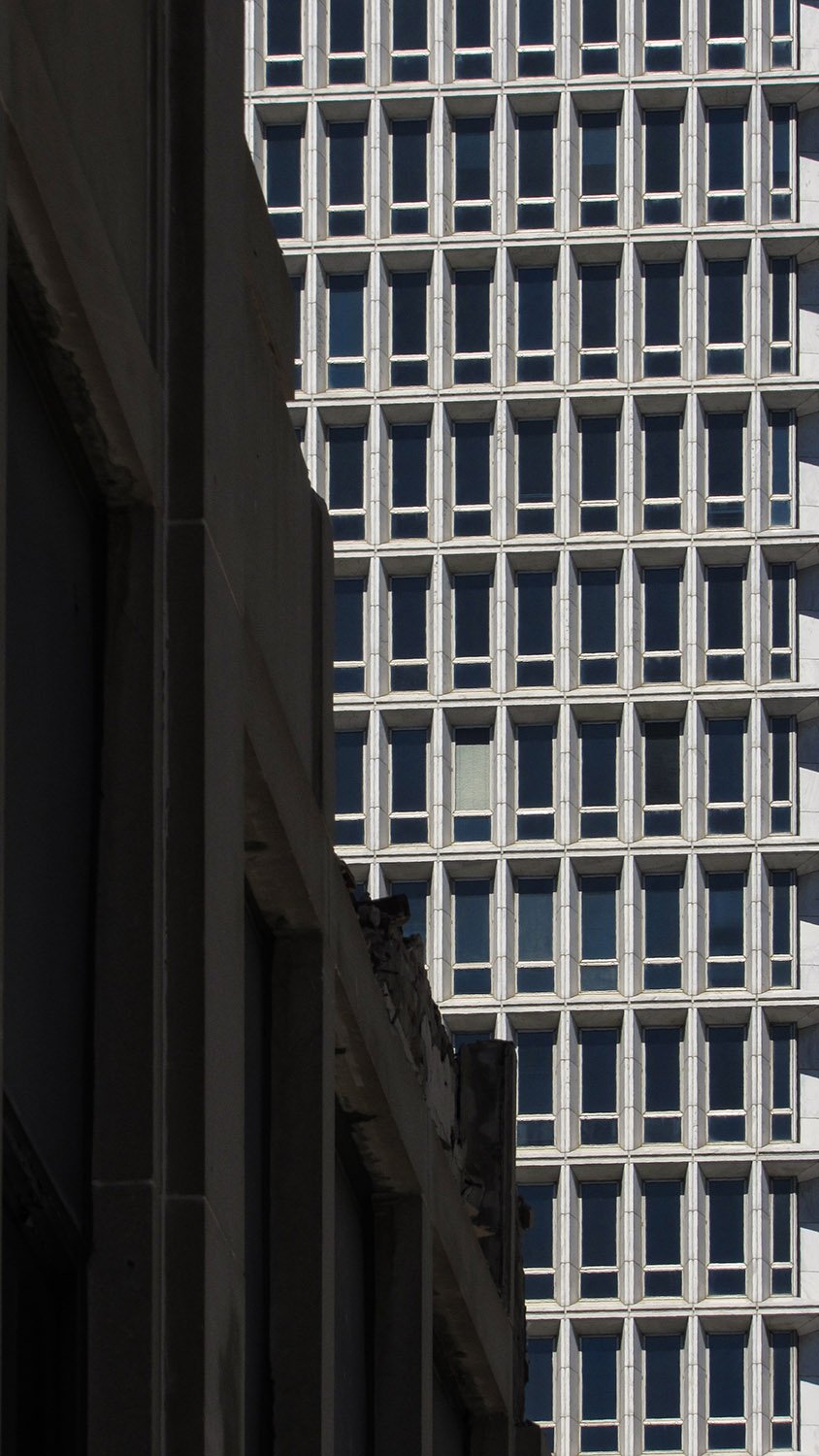
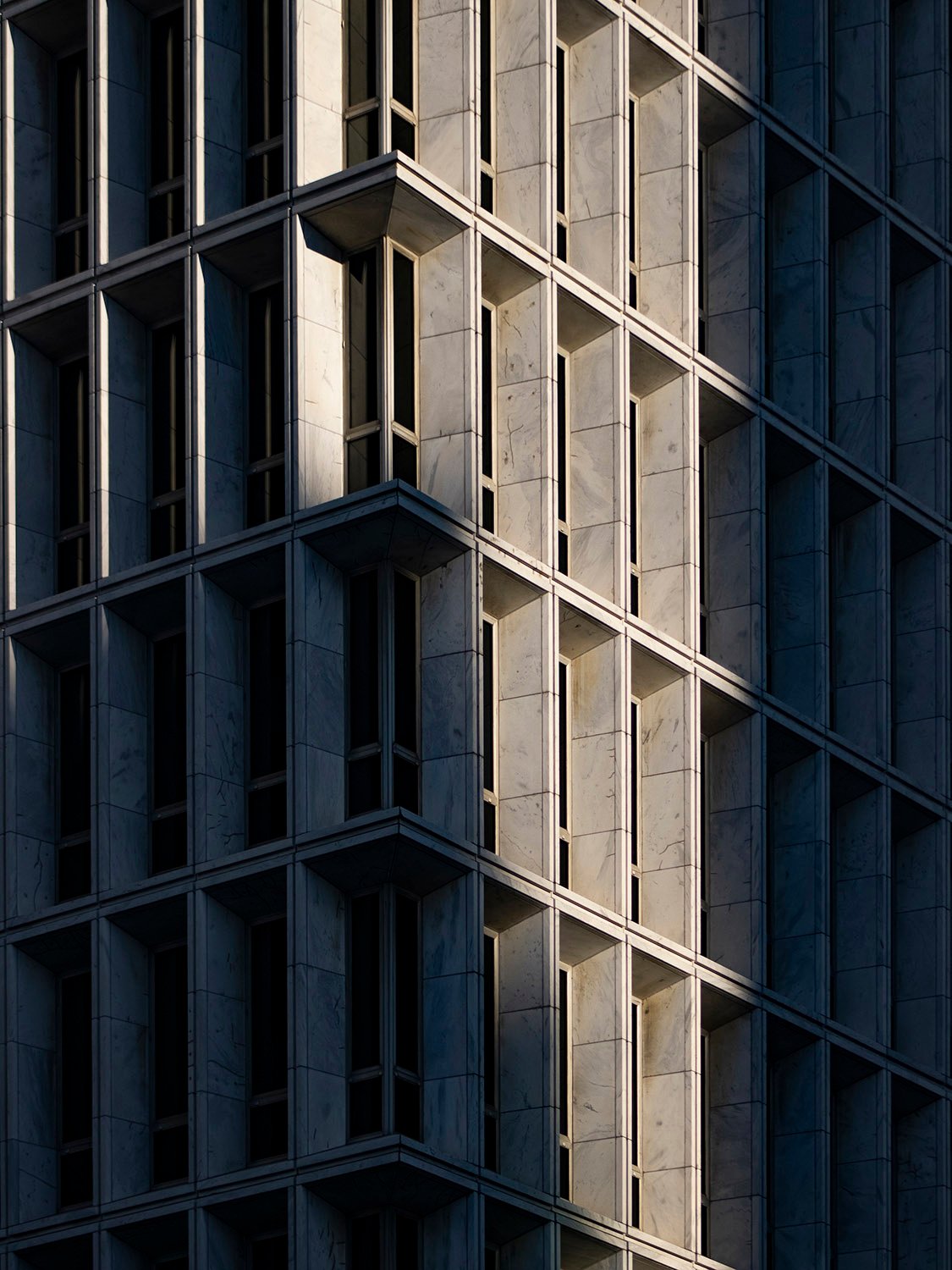
Bodin & Lamberson with Eggers & Higgins. Life of Georgia Tower (1968). Midtown, Atlanta.1234Windows and marble sun shades on the Life of Georgia Tower, AtlantaLife of Georgia Tower from the northeastFirst floor of the Life of Georgia Tower, AtlantaLooking at the southeast corner of the Life of Georgia Tower, AtlantaLooking north at the Life of Georgia Tower, AtlantaLight falls on the Life of Georgia Tower, Atlanta
References
“Groundbreaking Set Here For Life of Georgia Tower”. The Atlanta Journal and Constitution, August 9, 1964, p. 61. ↩︎
“Sam P. Wallace & Company” (advertisement). The Atlanta Journal and Constitution, October 4, 1964, p. 51. ↩︎
“The Beauty Of Our Building Boom”. The Atlanta Journal and Constitution Magazine, April 2, 1967, p. 23. ↩︎
“Life of Georgia In New High”. The Atlanta Journal, March 19, 1968, p. 5-C. ↩︎
I find it interesting that the same people who insist New Orleans is some kind of exceptional cultural destination (it’s not) also admit to being shitfaced the entire time they visit there.
“There’s no other place like it,” they gush, after recounting the evening they spent barfing their guts out in a French Quarter gutter. Truly unique and magical.
If your personality is alcohol—and to be fair, that’s a large chunk of the American population—I can see why New Orleans would be appealing: I’ve never seen another city with so many bars and liquor stores. But I digress.
The postcards here depict one of the few buildings in the French Quarter of any architectural caliber: the New Orleans Courthouse, completed in 19091 and designed by Frederick W. Brown, associated with A. Ten Eyck Brown (his son2) and P. Thornton Marye,3 both of Atlanta.
Location of the New Orleans Courthouse
Built for a princely $1,000,000,4 the structure was designed in the obligatory Beaux-Arts style, faced with Georgia marble and matching white terracotta trim.5
Frederick W. Brown was probably little more than a figurehead for the project: he’d reportedly worked as the assistant state architect of New York,6 so using his name must have lent a certain gravitas.
A. Ten Eyck Brown had previously worked as an assistant in the supervising architect’s office at the U.S. Department of the Treasury.78 He was more of a salesman than a designer, and was also quite willing to claim other people’s work as his own, so who knows how much he contributed—probably not a lot.
Brown and Marye entered into partnership when Brown moved to Atlanta from Washington, D.C., circa 1906, and it appears they joined forces expressly to work on the courthouse. Brown was a competent designer, but Marye was better. The firm dissolved in 1907,9 two years before the project’s completion.
Marye appears to have been the primary designer for the New Orleans Courthouse: he supervised construction and provided progress reports to the press,101112 and attended the building’s official inspection with the state governor.13
As interior work neared completion in late 1909, Marye’s firm handled the bids for the lighting and furniture,1415 and he even traveled to New Orleans to discuss furniture selection.16
Meanwhile, Brown’s last recorded visit was at the building’s cornerstone ceremony in January 1908.17 Later reports stated he was a “consulting architect” on the project.18
Anecdotally, I see a whole lot of Marye in the design, specifically in the cornice, bays, and windows, which recall his work on the State Administration Building (1914)19 in Raleigh, North Carolina.
For whatever reason, A. Ten Eyck Brown rarely mentioned his father in biographical sketches, and when he did, he never identified their relationship. One sketch from 1909 noted :
“…in association with Fred W. Brown, he entered the competition for the best design for the magnificent court house at New Orleans, La.”20
When Frederick W. Brown died in Atlanta in 1923, the Atlanta newspapers didn’t report it, but word got back to New Orleans,21 where he opened a practice in 1907,2223 although it appears he never did much work there beyond the courthouse.
In the 1890s, the senior Brown practiced in Buffalo, New York, where one reporter wrote the following in 1901:
“I wonder what has become of Frederick W. Brown, who came to this State some years ago with good prestige from other places but no certificate of membership in the American Association of Architects, and who was a scholarly, brainy, rather handsome and entirely capable man, full of ideas and with a bright gifted boy following in his footsteps with enormous ability as an artist and architect. And I thought the older Brown was going to make a big hit in Buffalo and get big contracts on municipal work, as public schools and other buildings, but he didn’t get a smell…”24
Speaking of which, the New Orleans Courthouse is surrounded by the bars of the French Quarter, so you know it gets a smell—probably from all the people barfing their guts out in the gutter.
See how I tie this shit together?
References
“Millions Invested In Modern Buildings In Queen City of South”. The New Orleans Item, August 30, 1909, p. 23. ↩︎
“The Romance Is Passing”. Alexandria Daily Town Talk (Alexandria, Louisiana), April 3, 1909, p. 4. ↩︎
“Courthouse Commission Decides The Prize Plan”. The Times-Picayune (New Orleans), April 7, 1906, p. 12. ↩︎
“New Courthouse Building Will Be Completed Four Months In Advance Of The Time Specified In Contract”. The New Orleans Item, October 31, 1907, p. 2. ↩︎
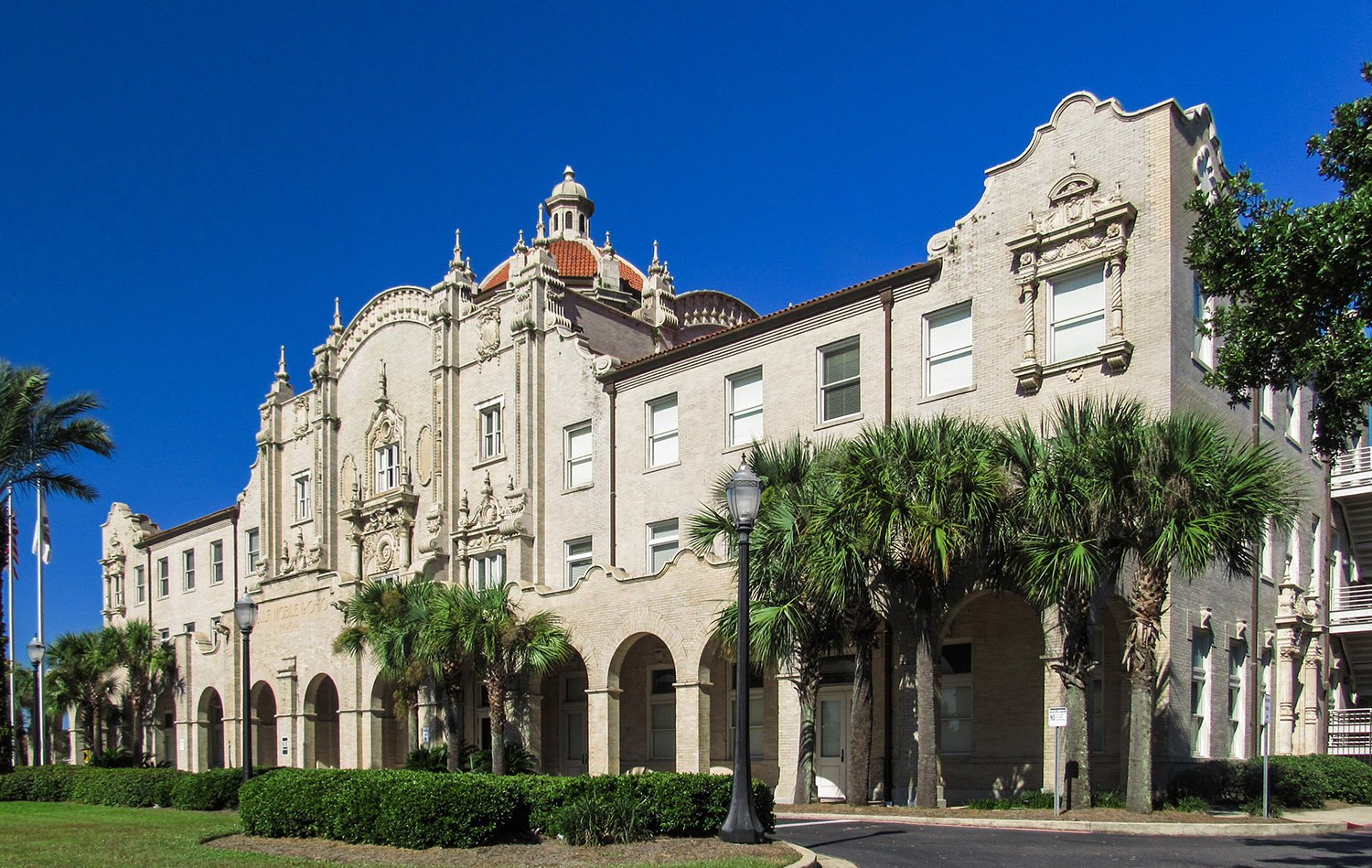
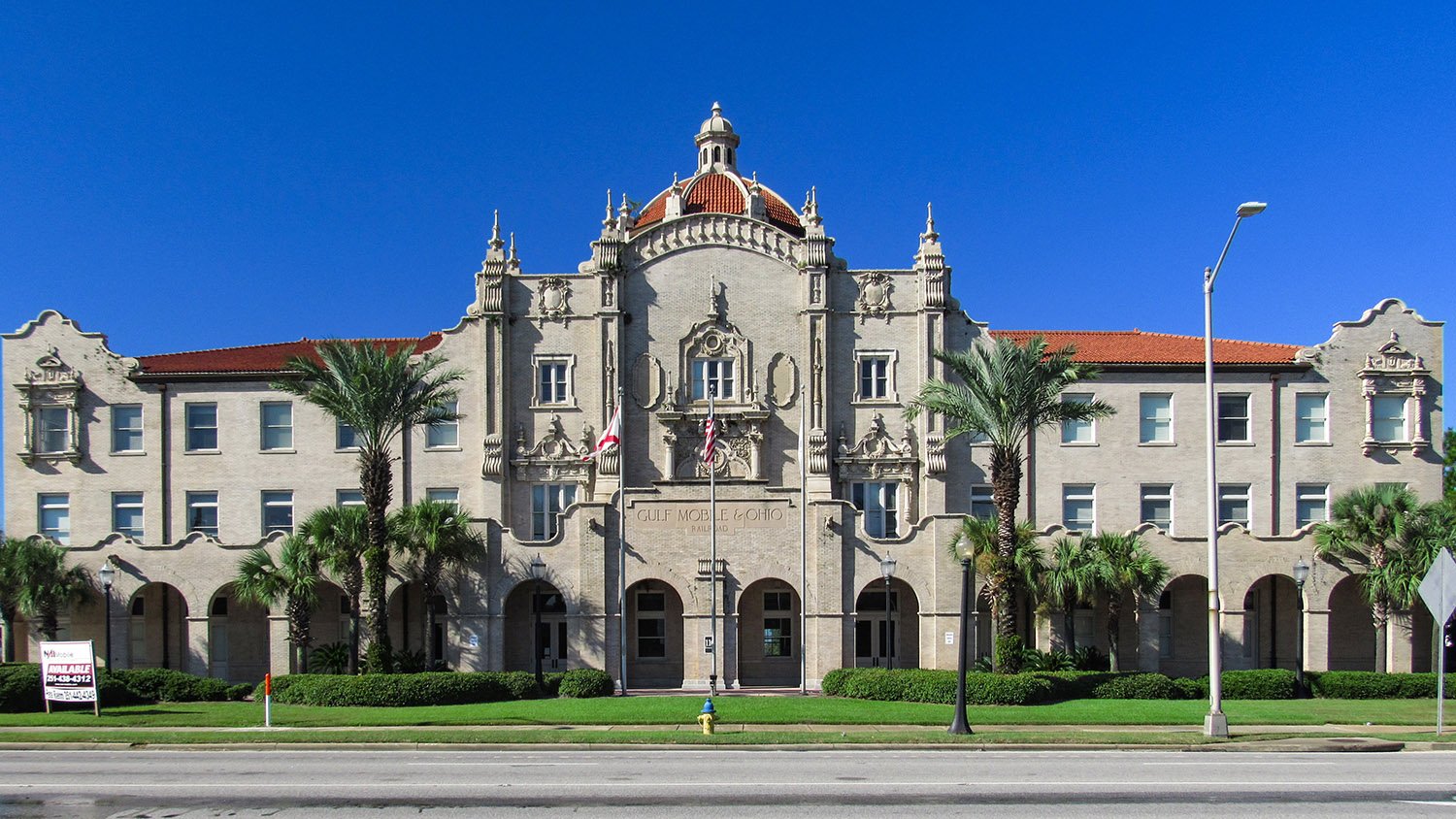
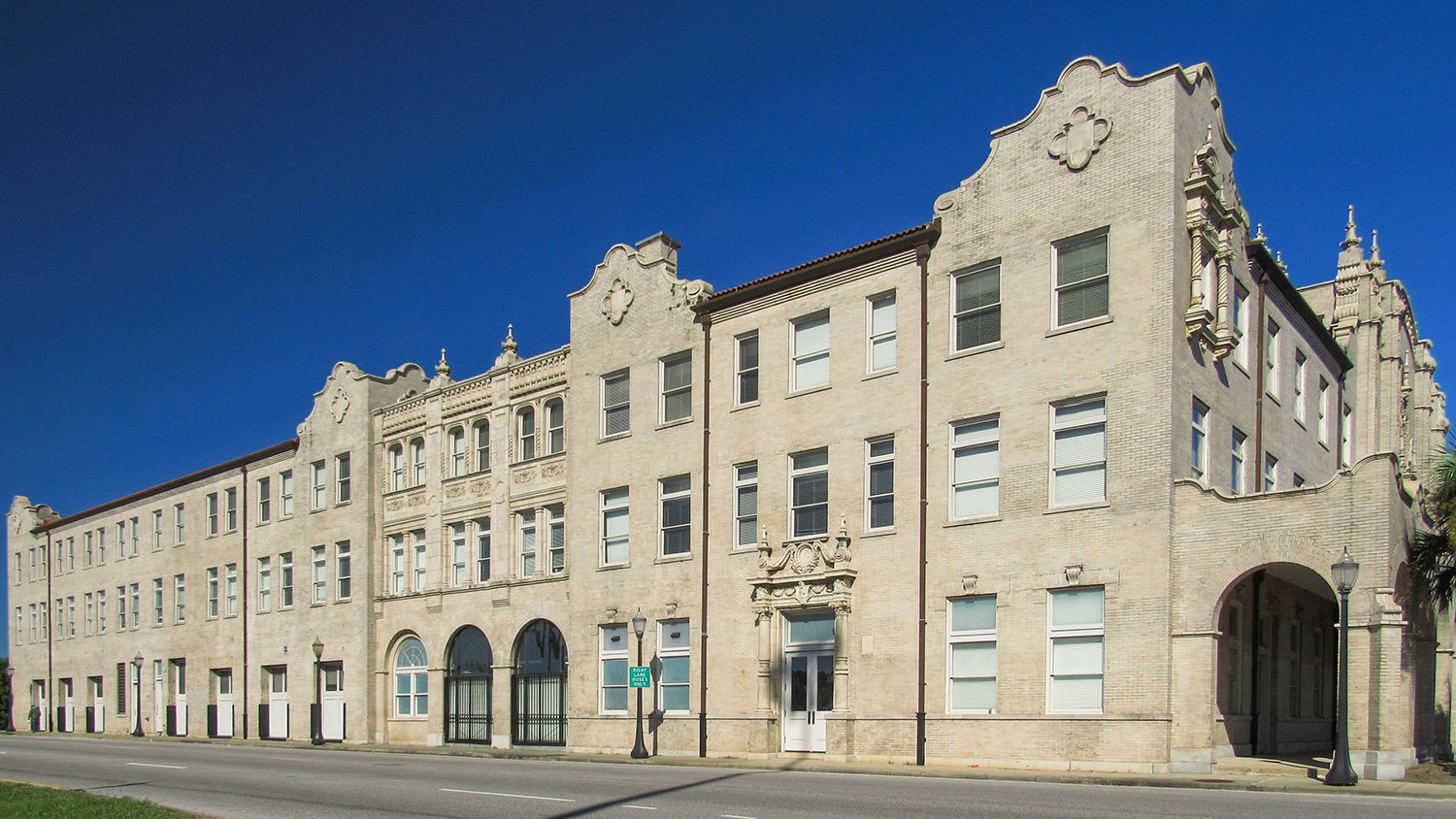
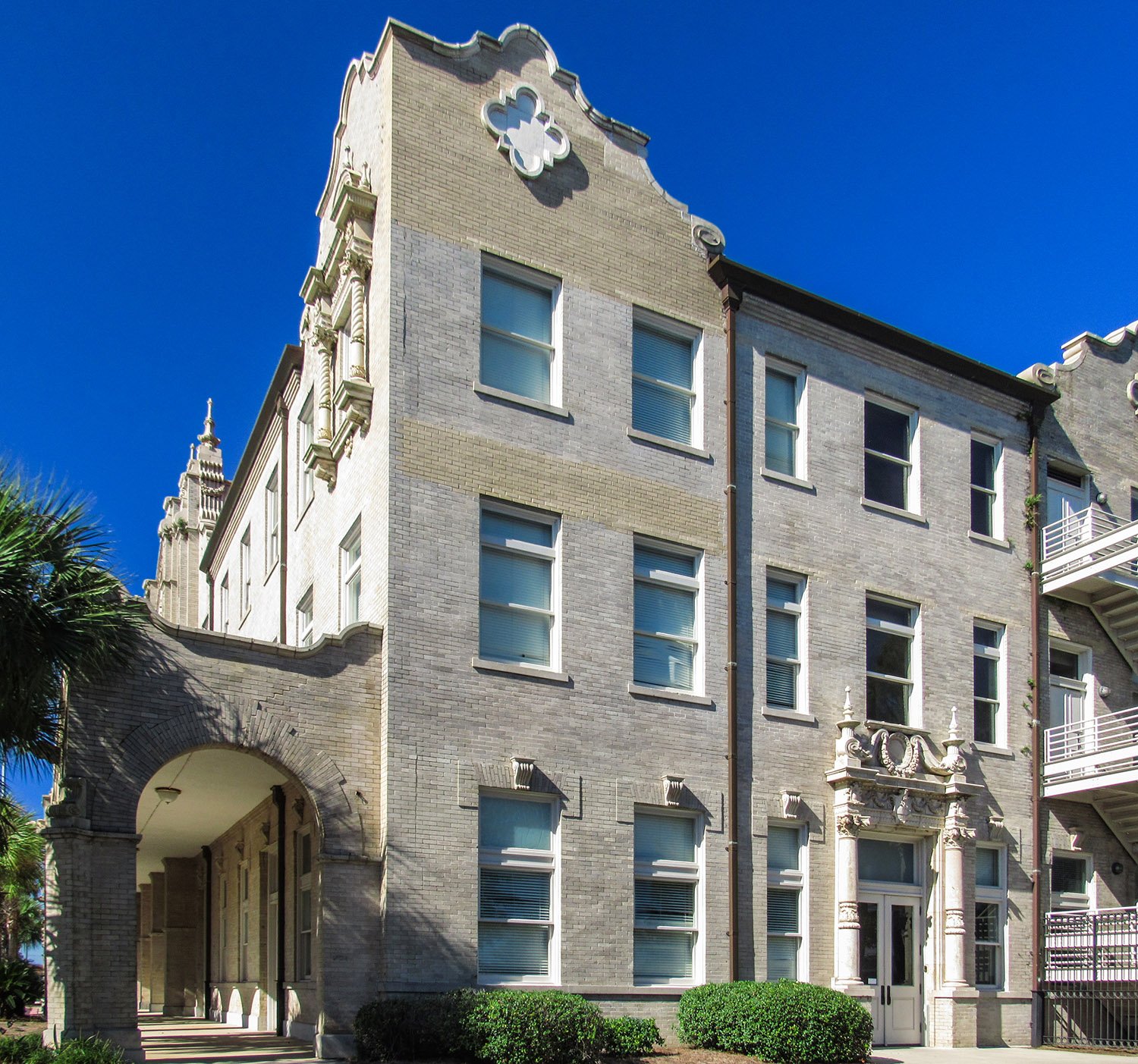
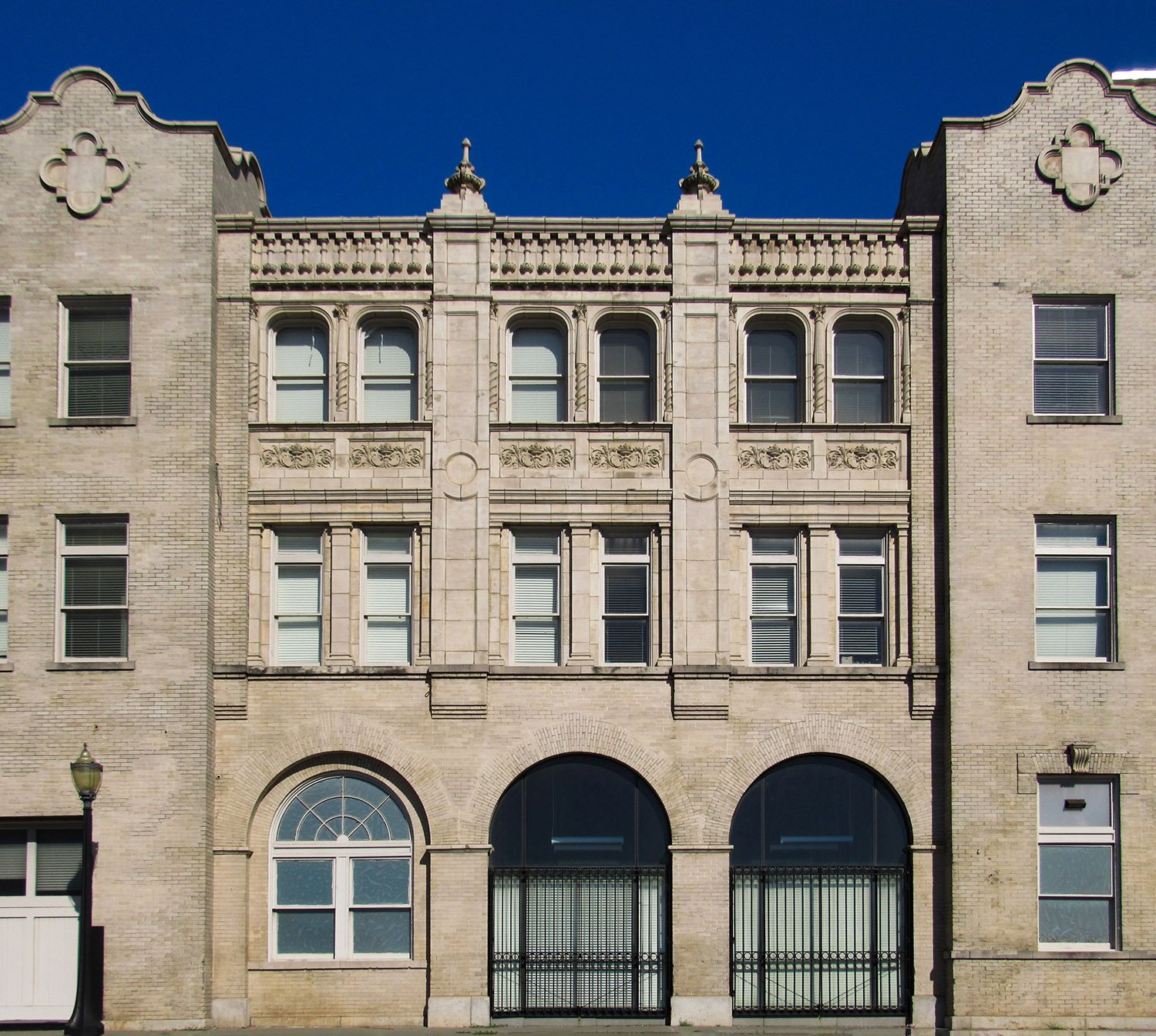
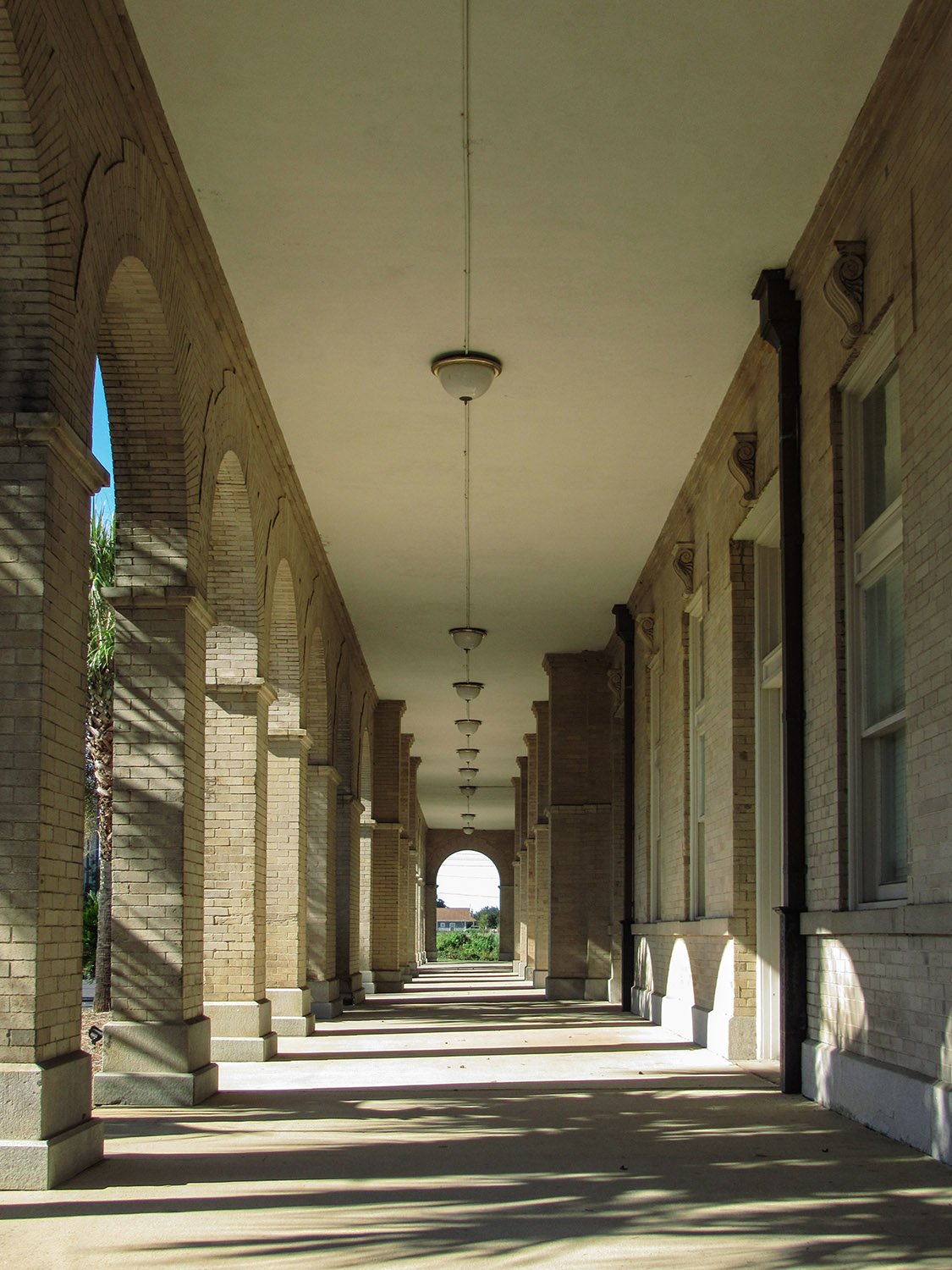
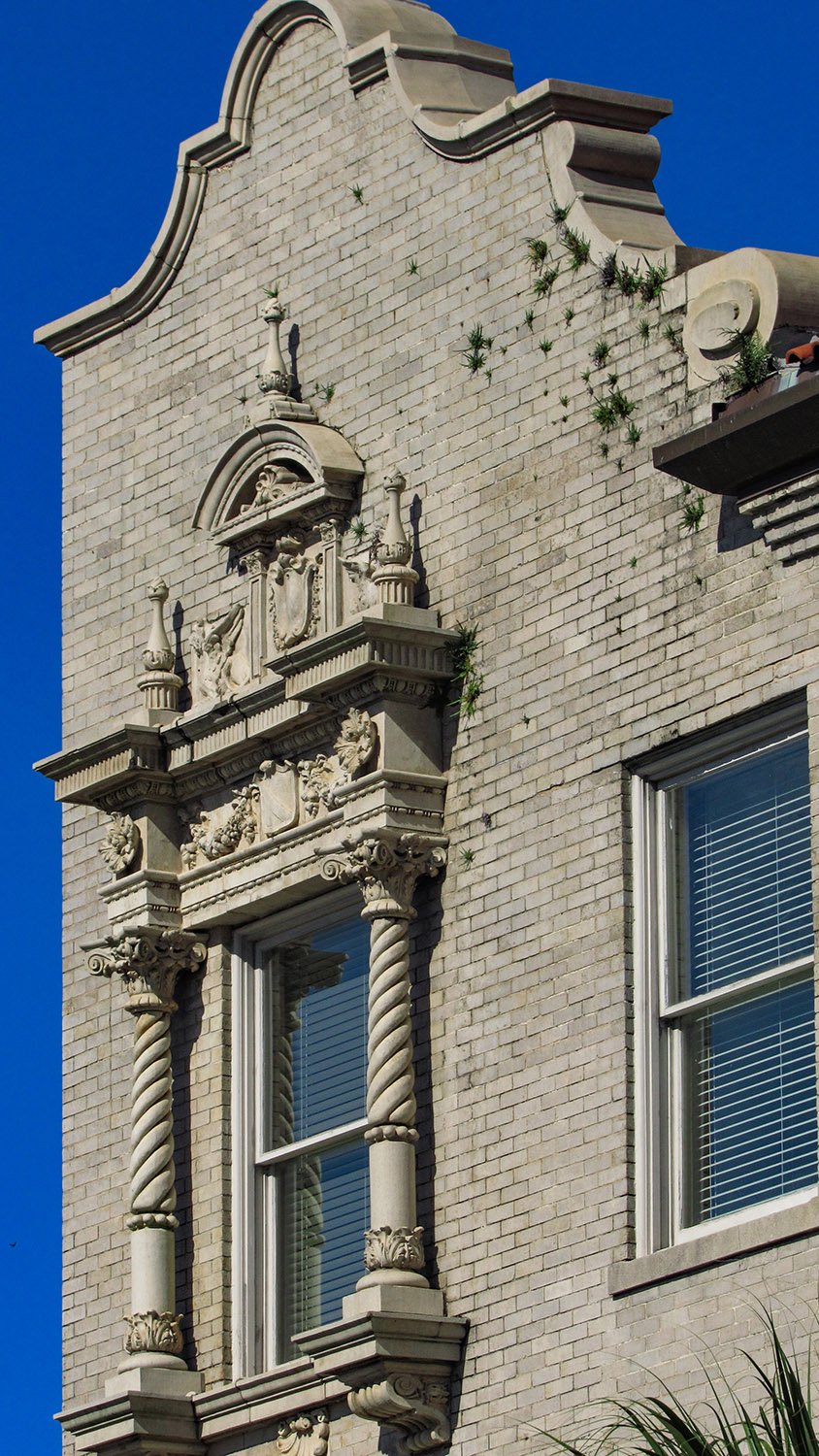
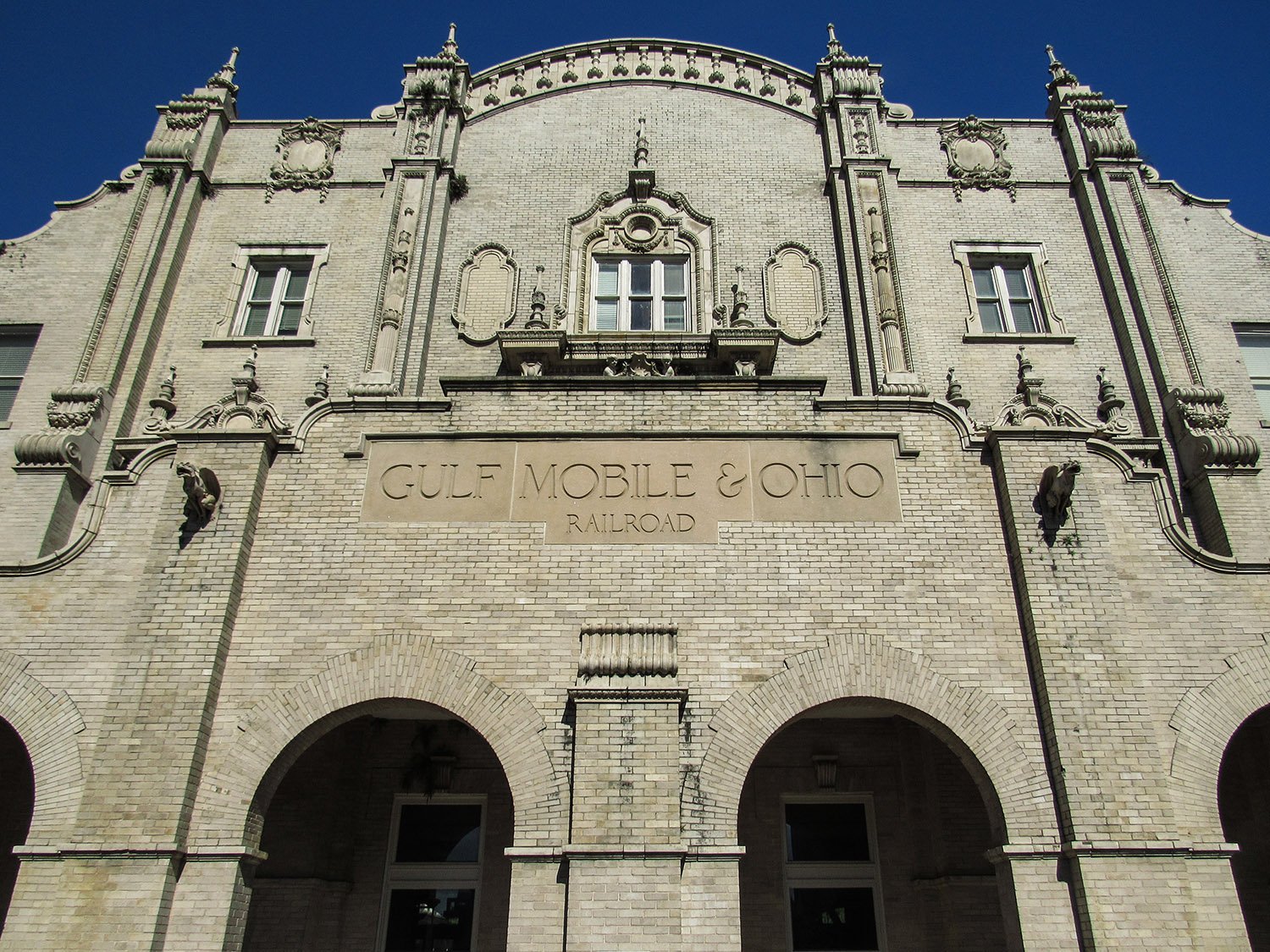
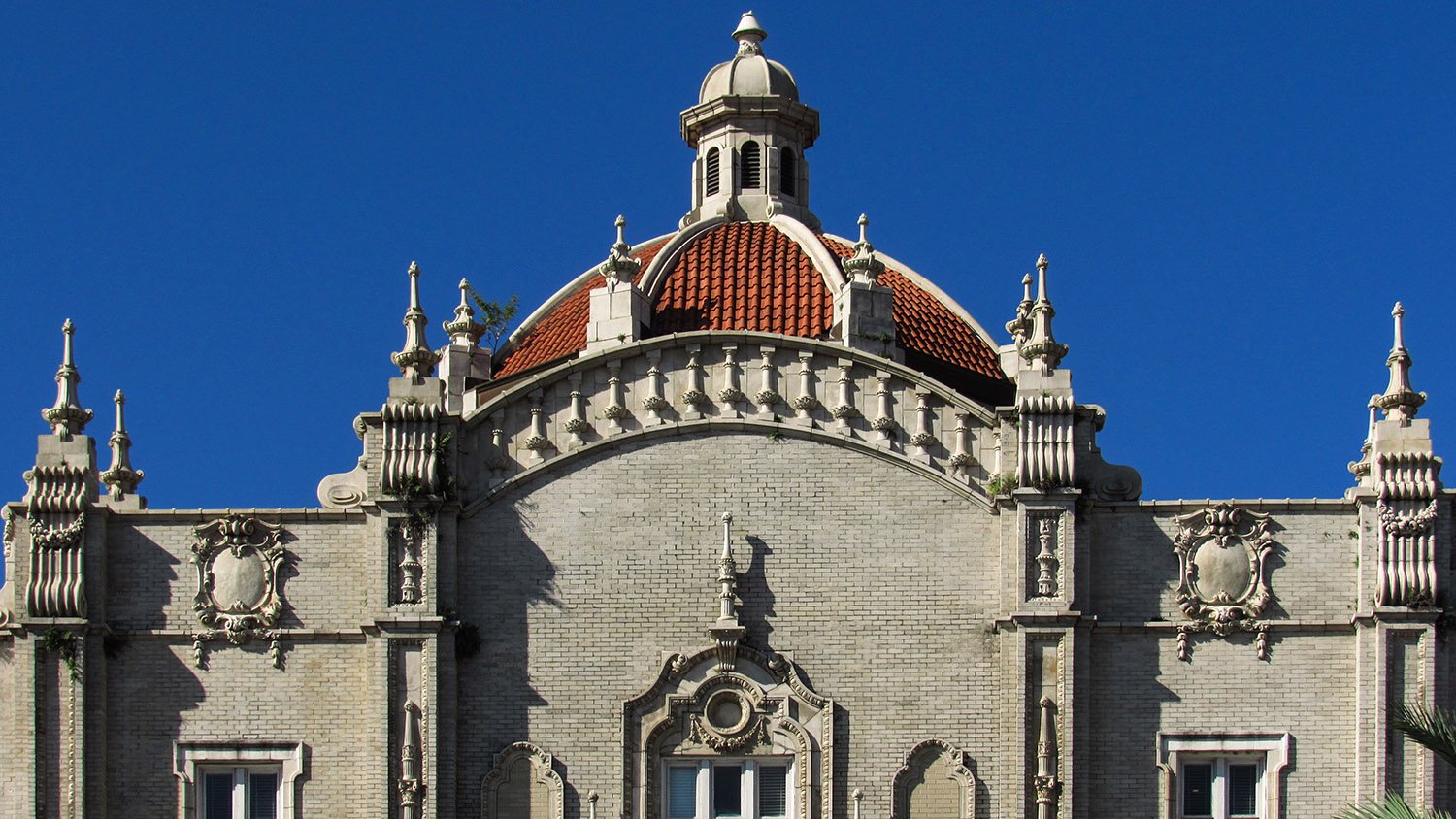
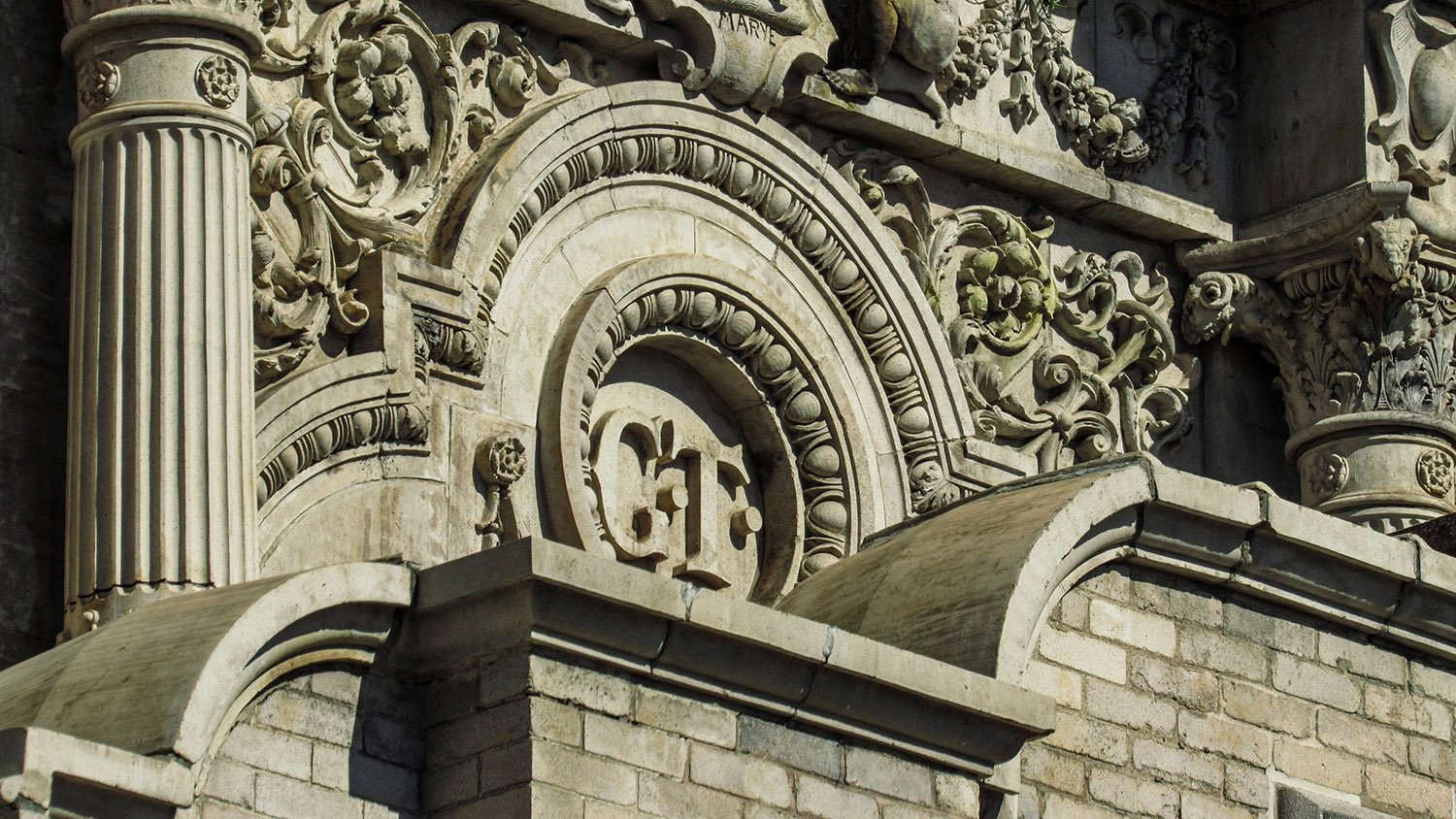
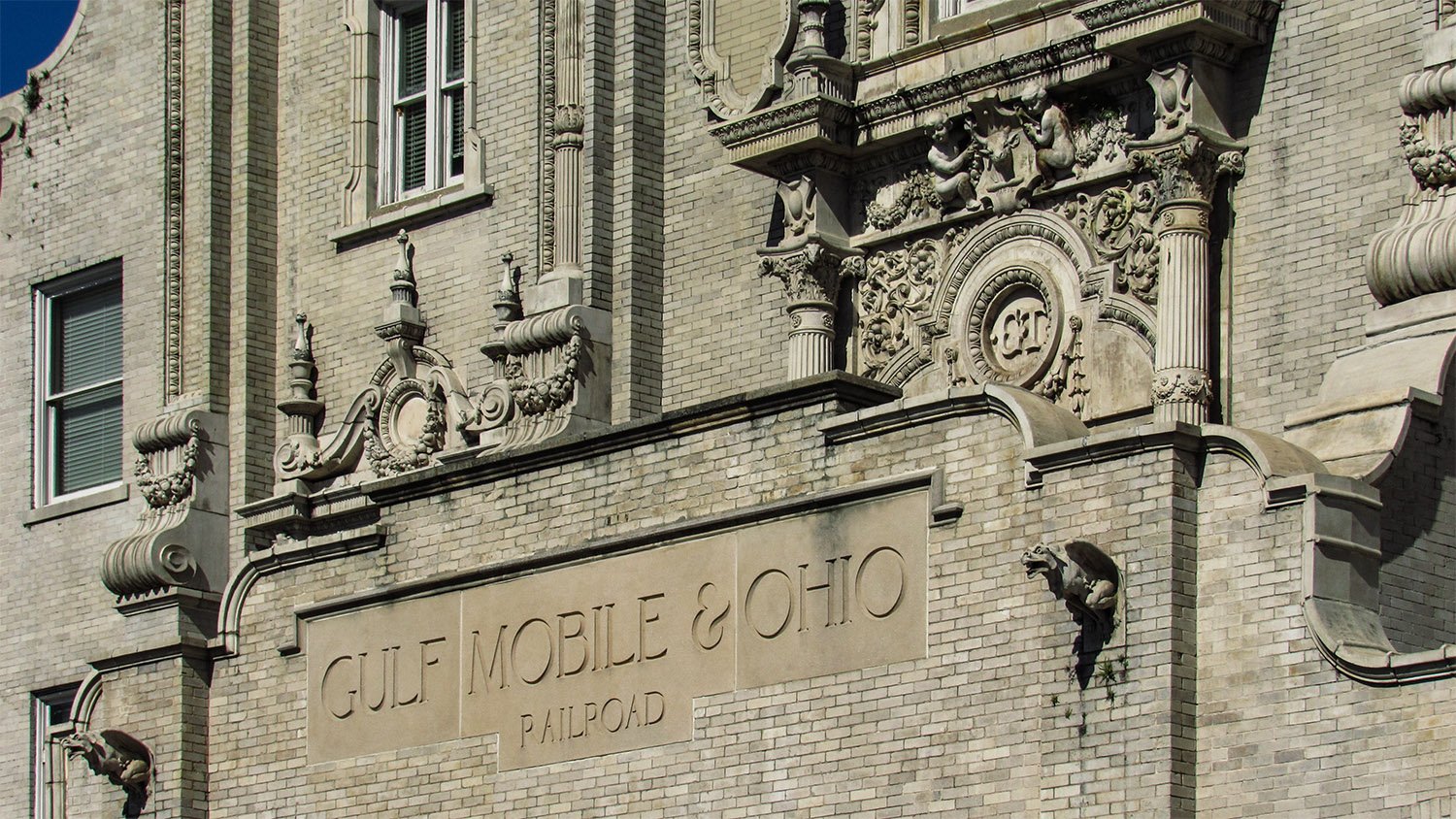
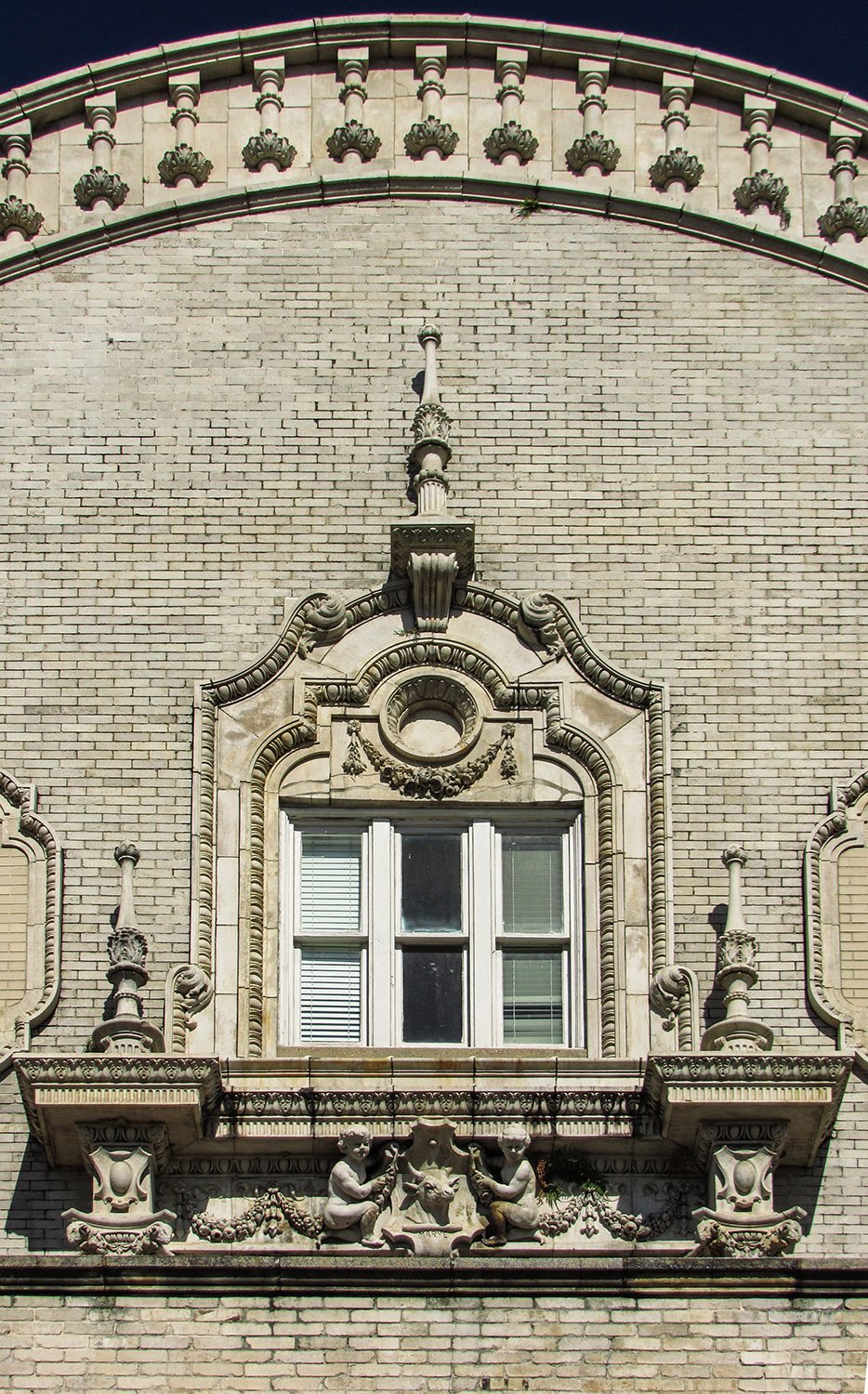
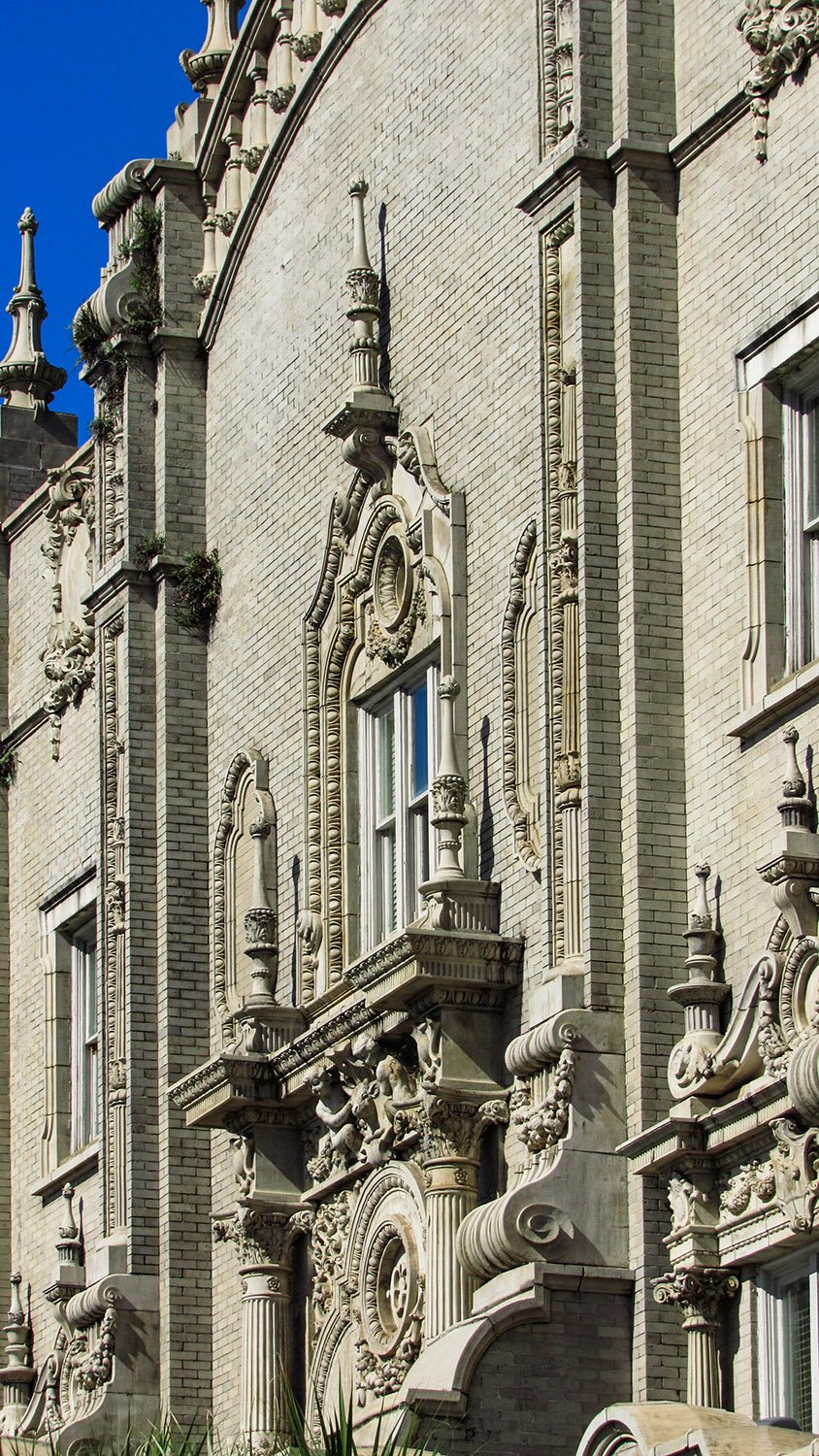
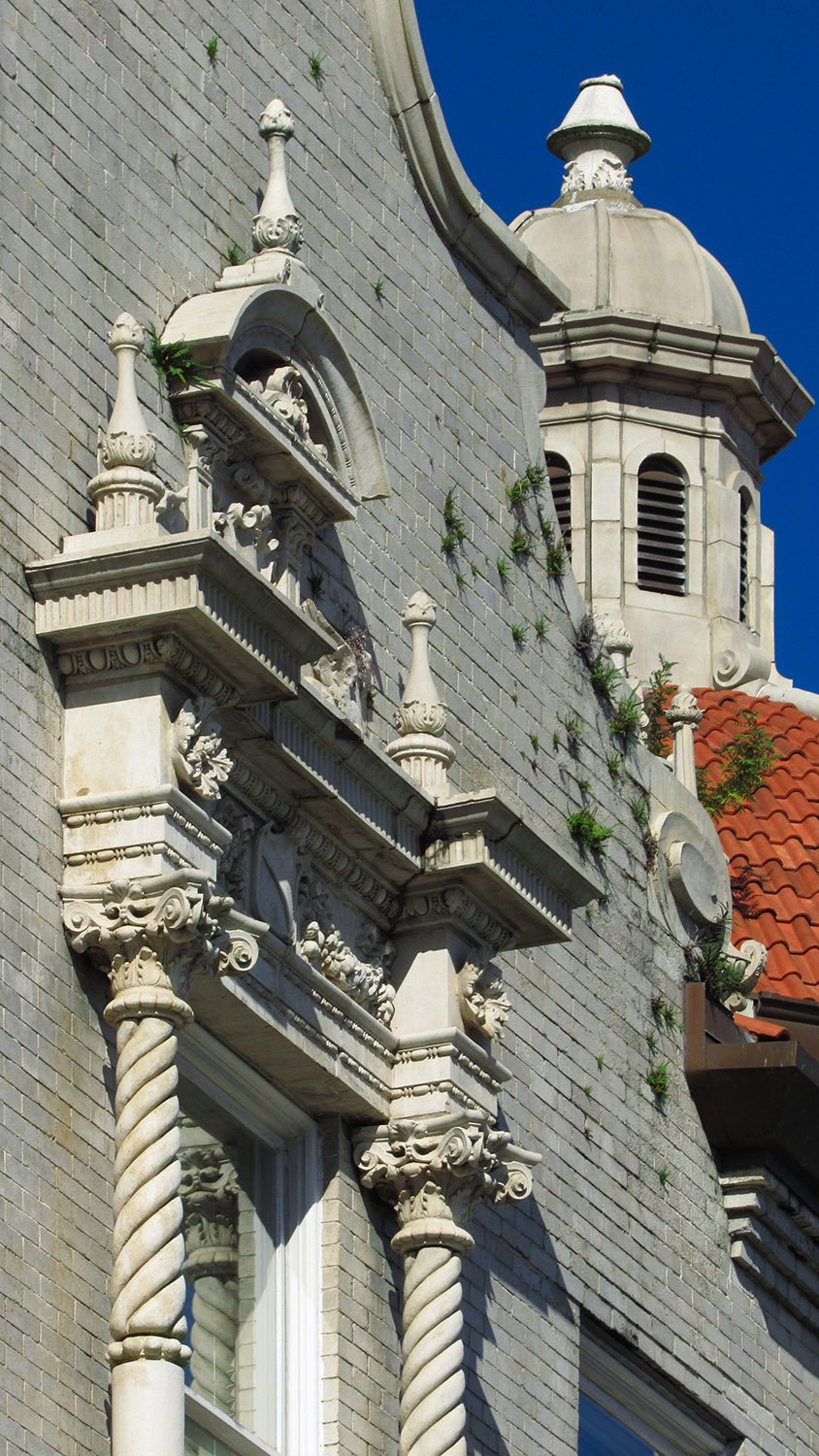
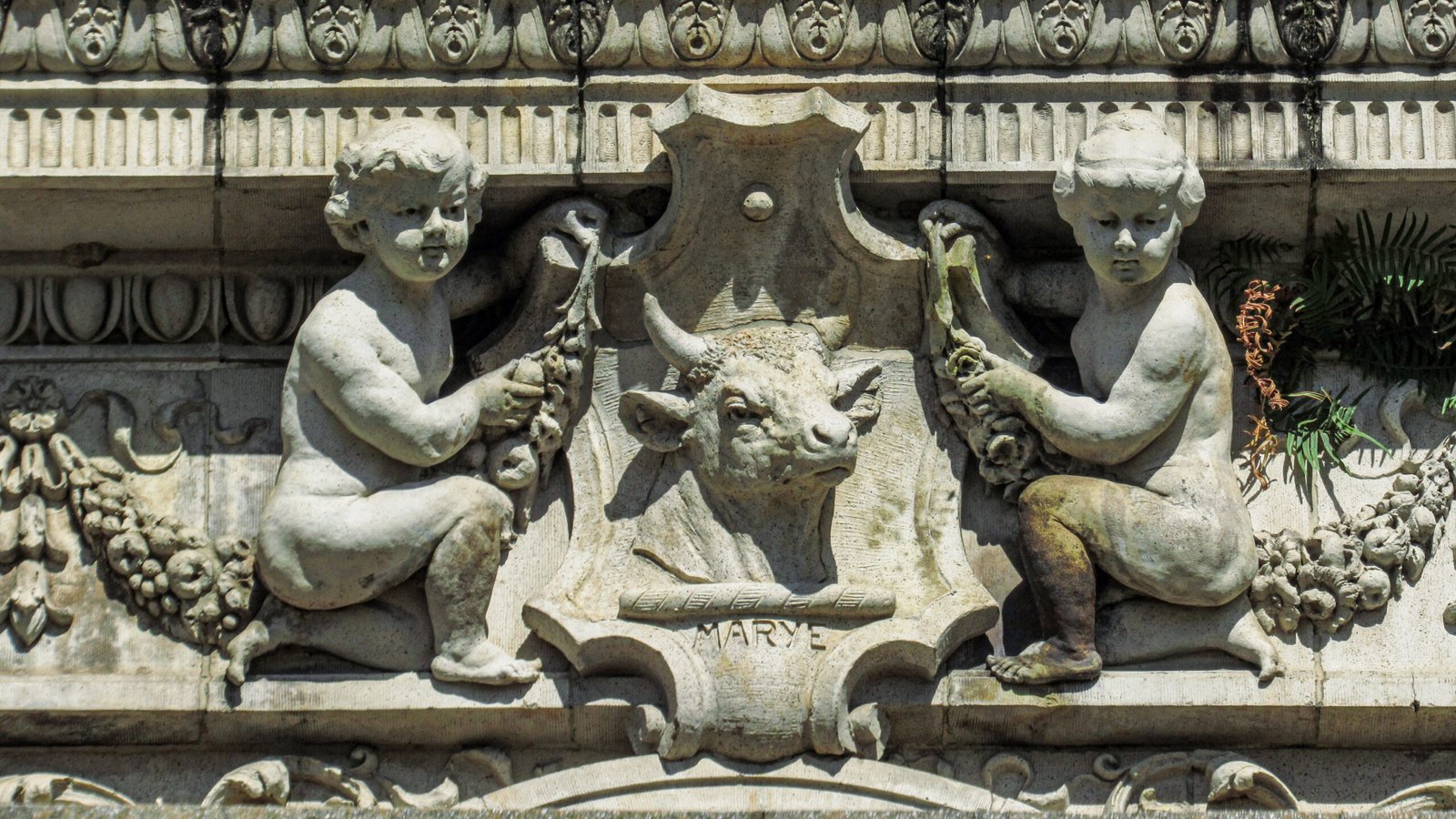
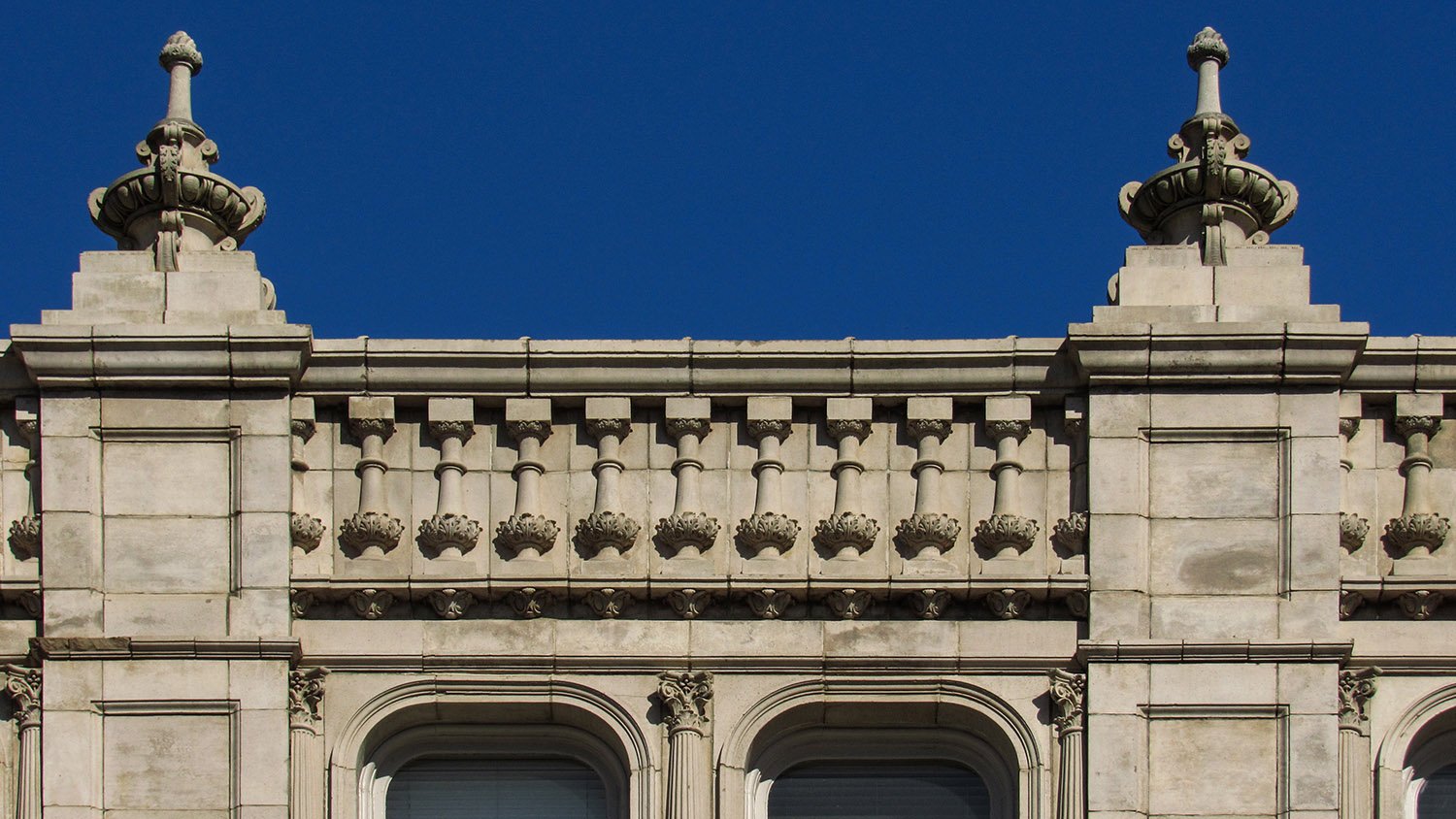
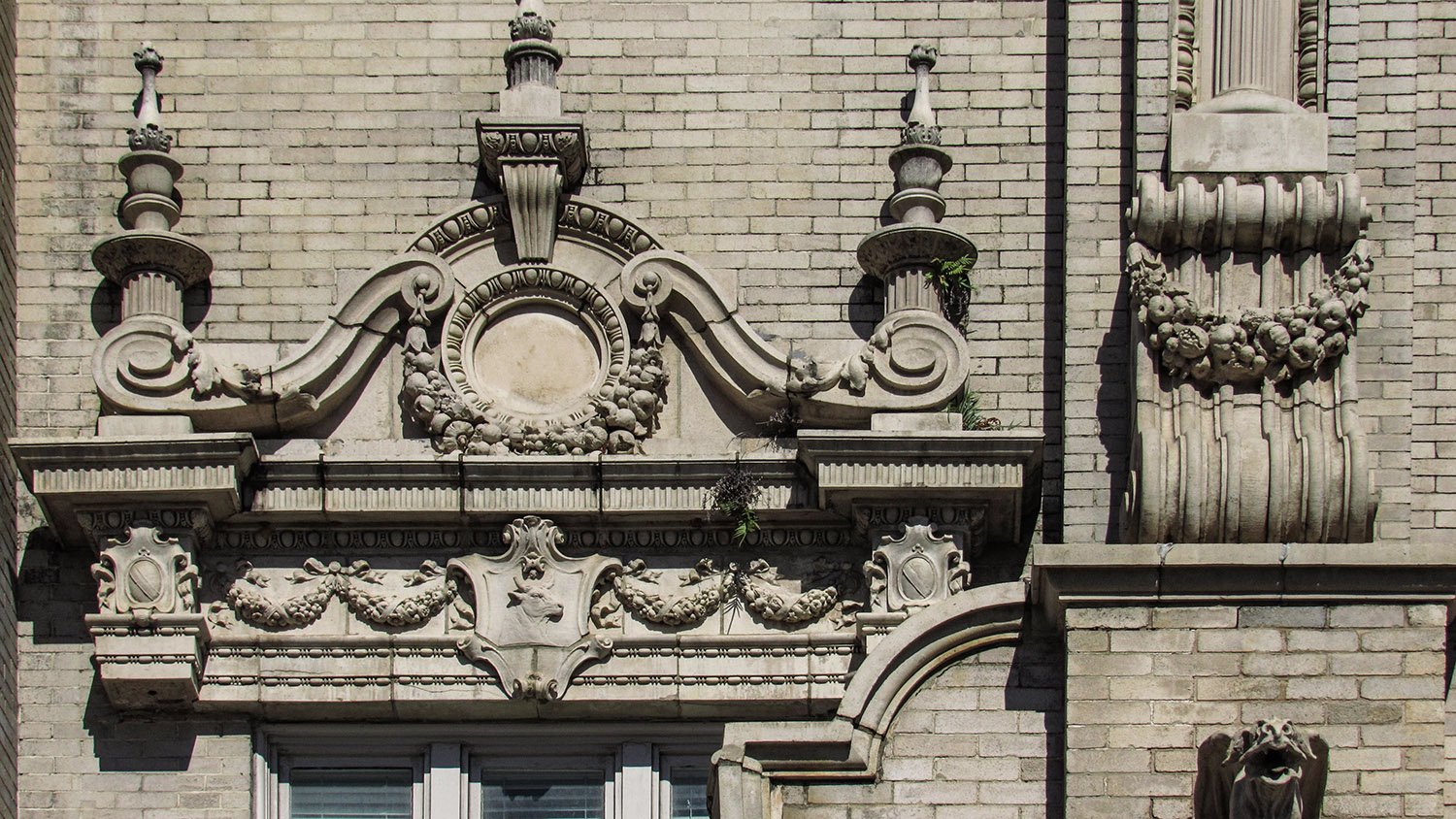
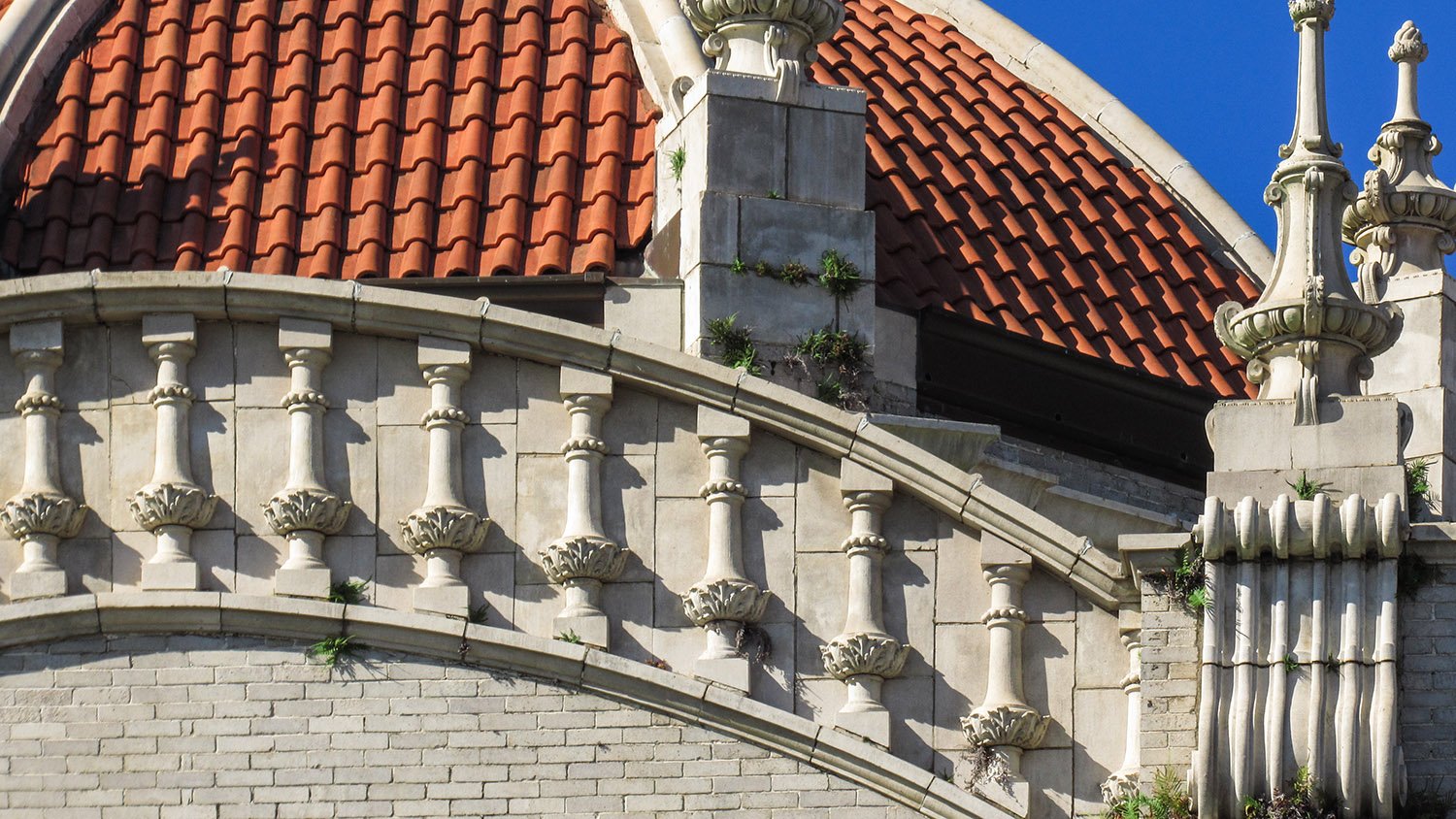
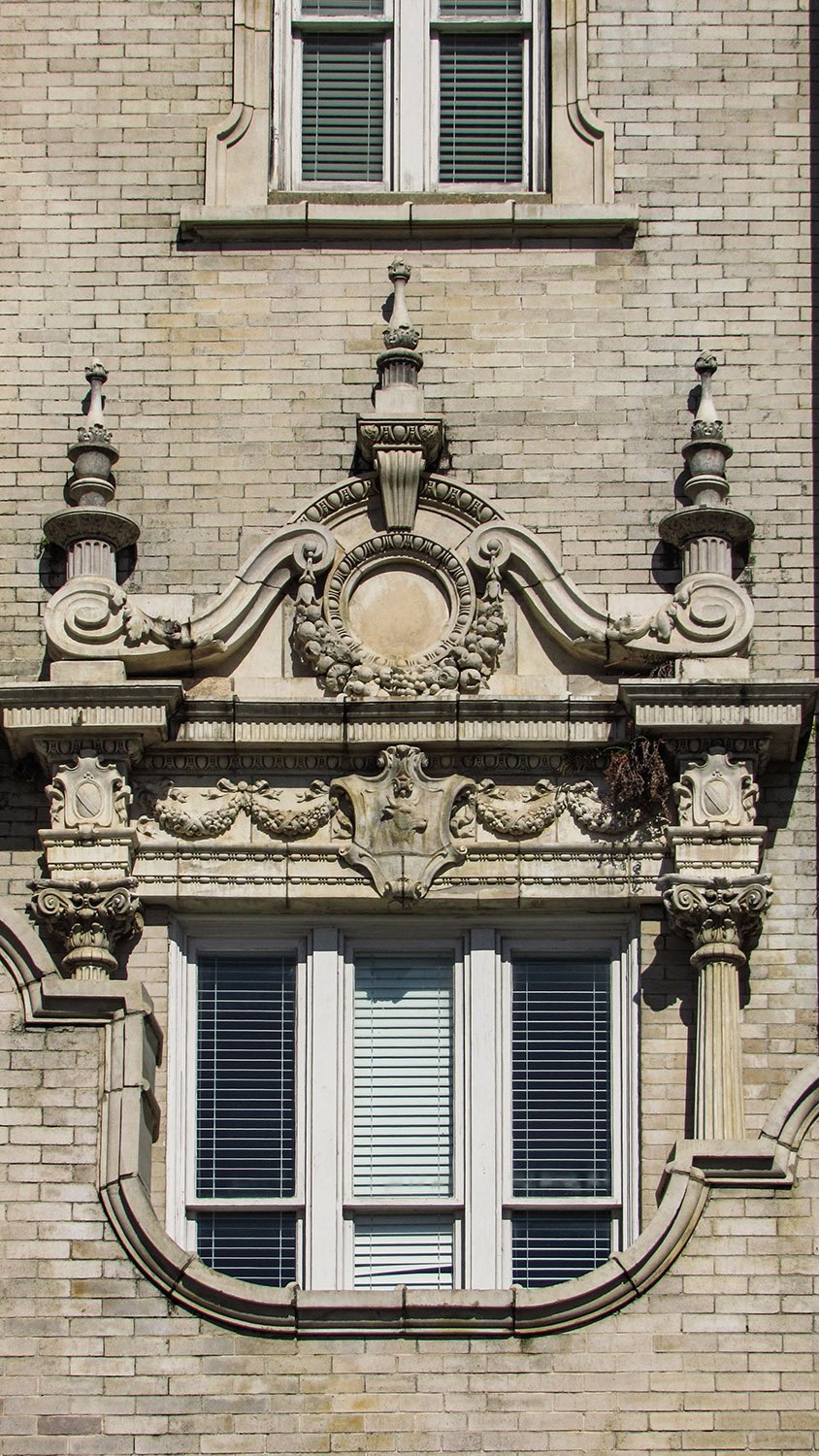
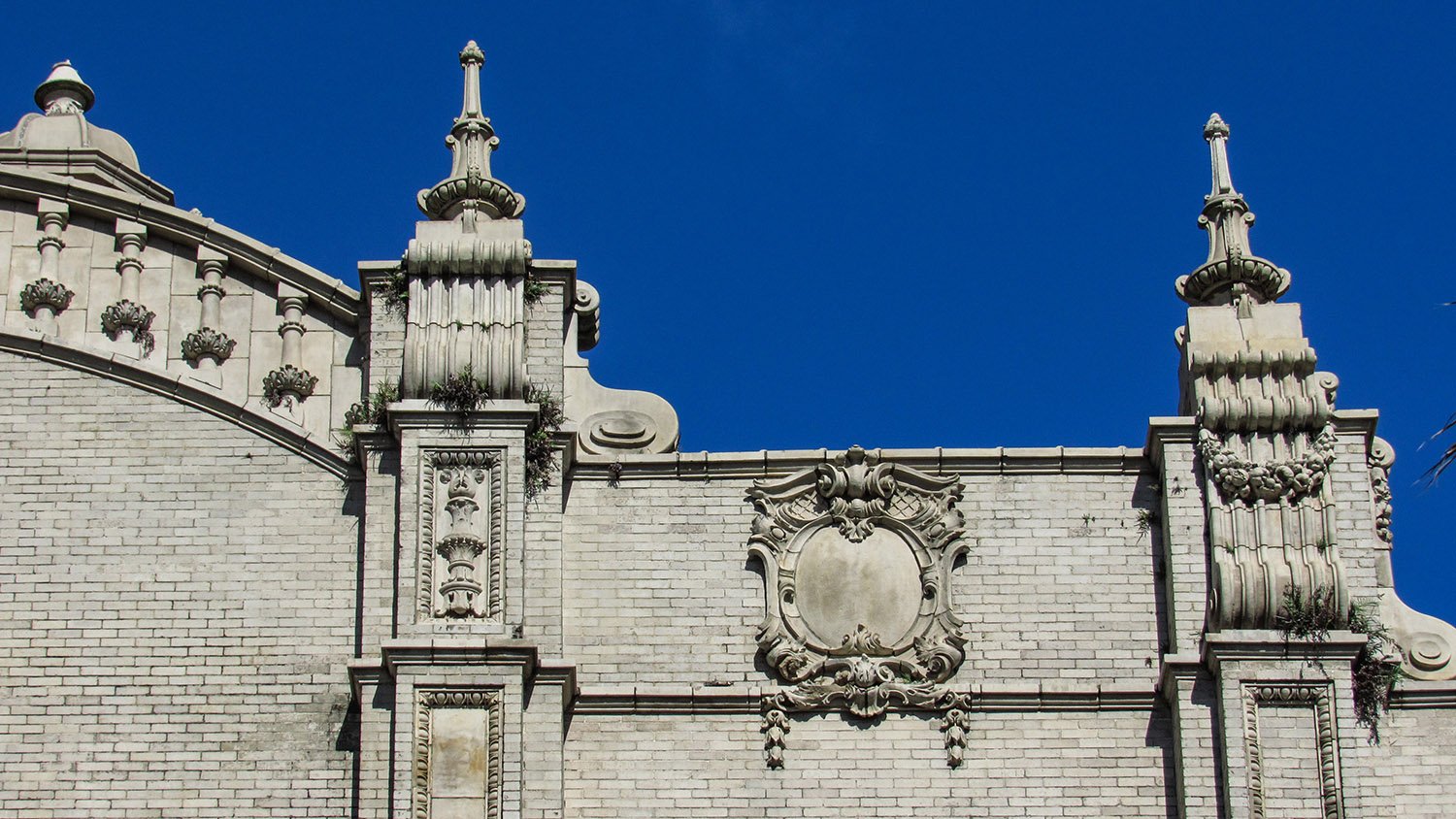
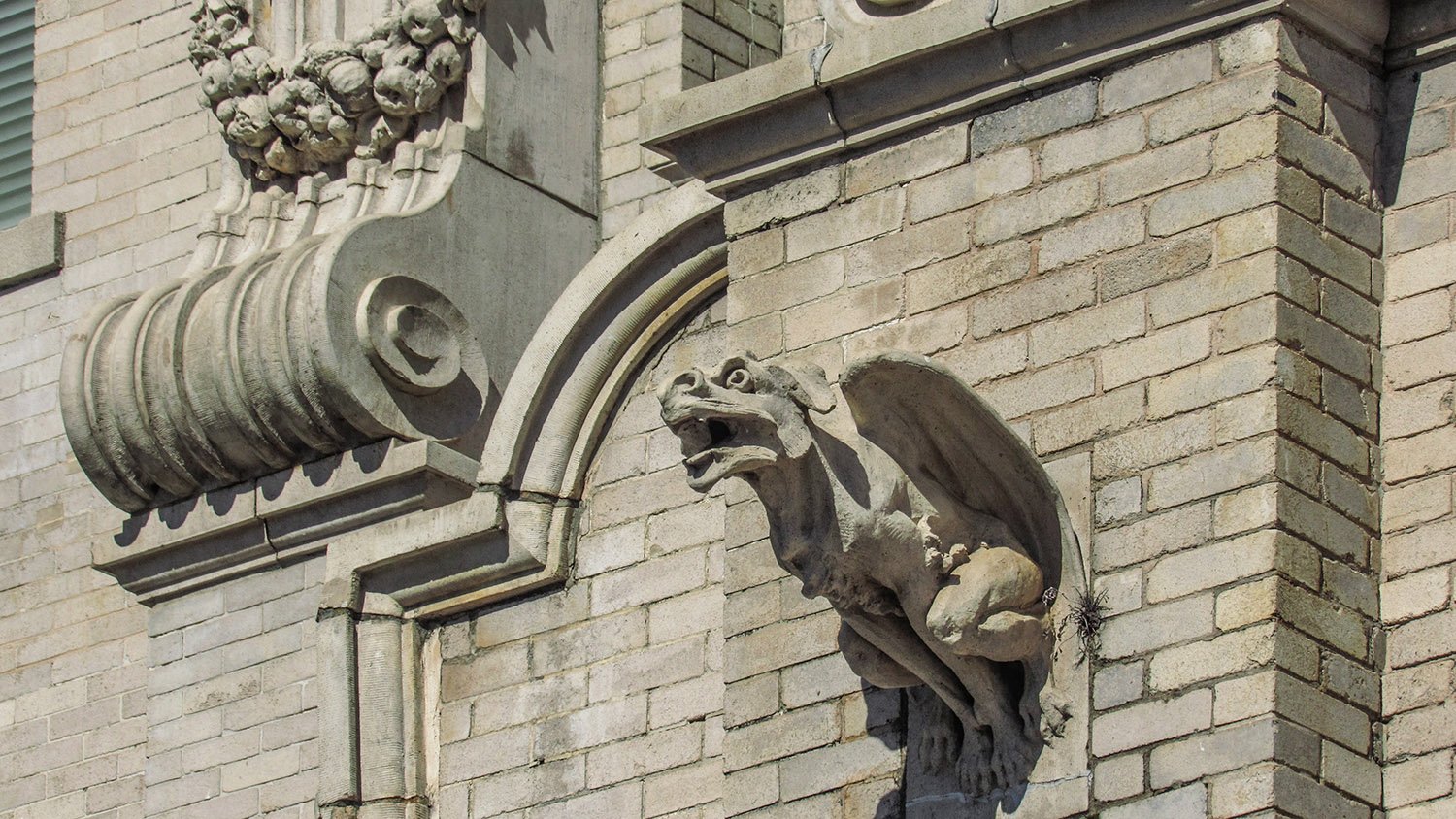
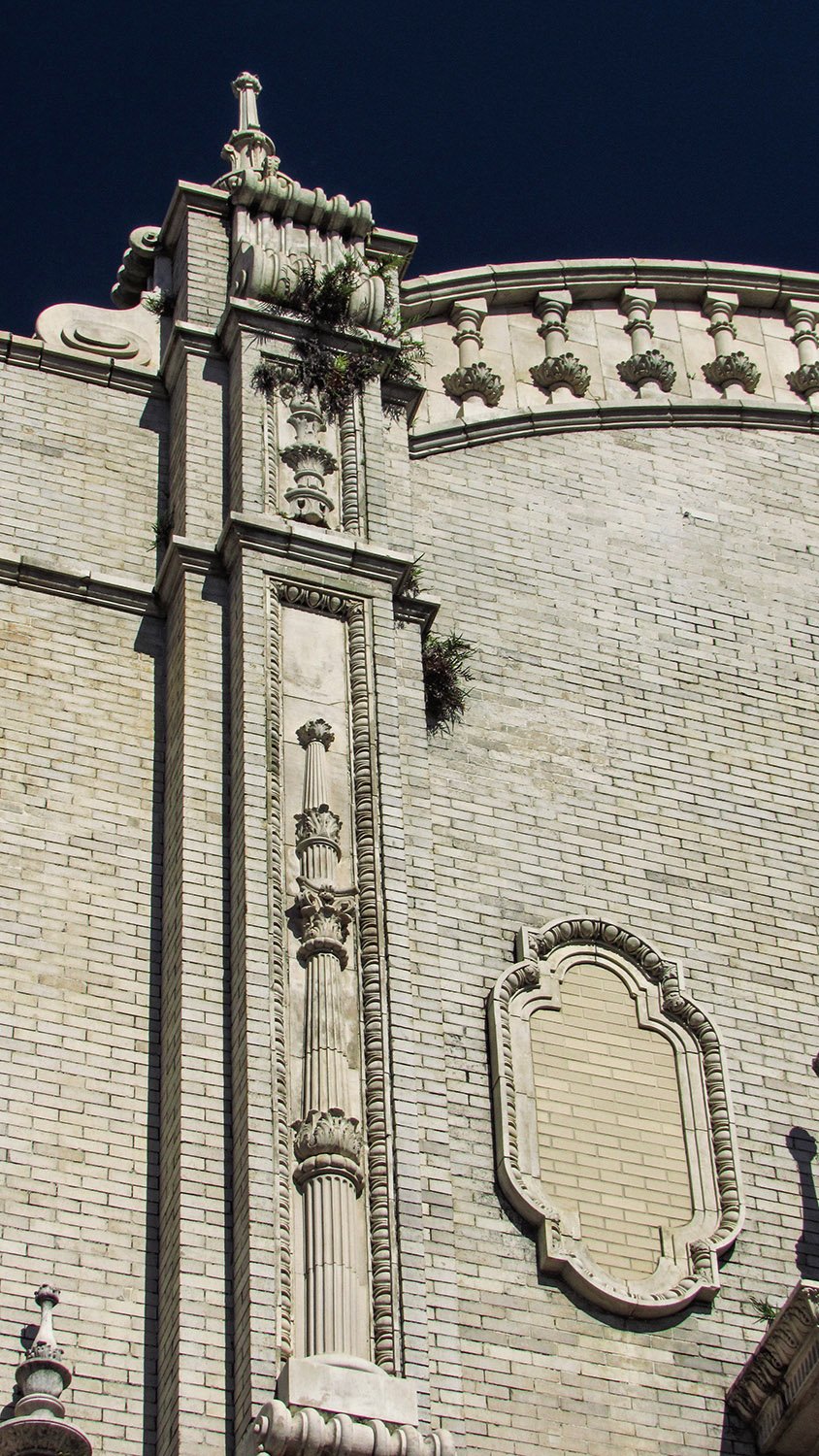
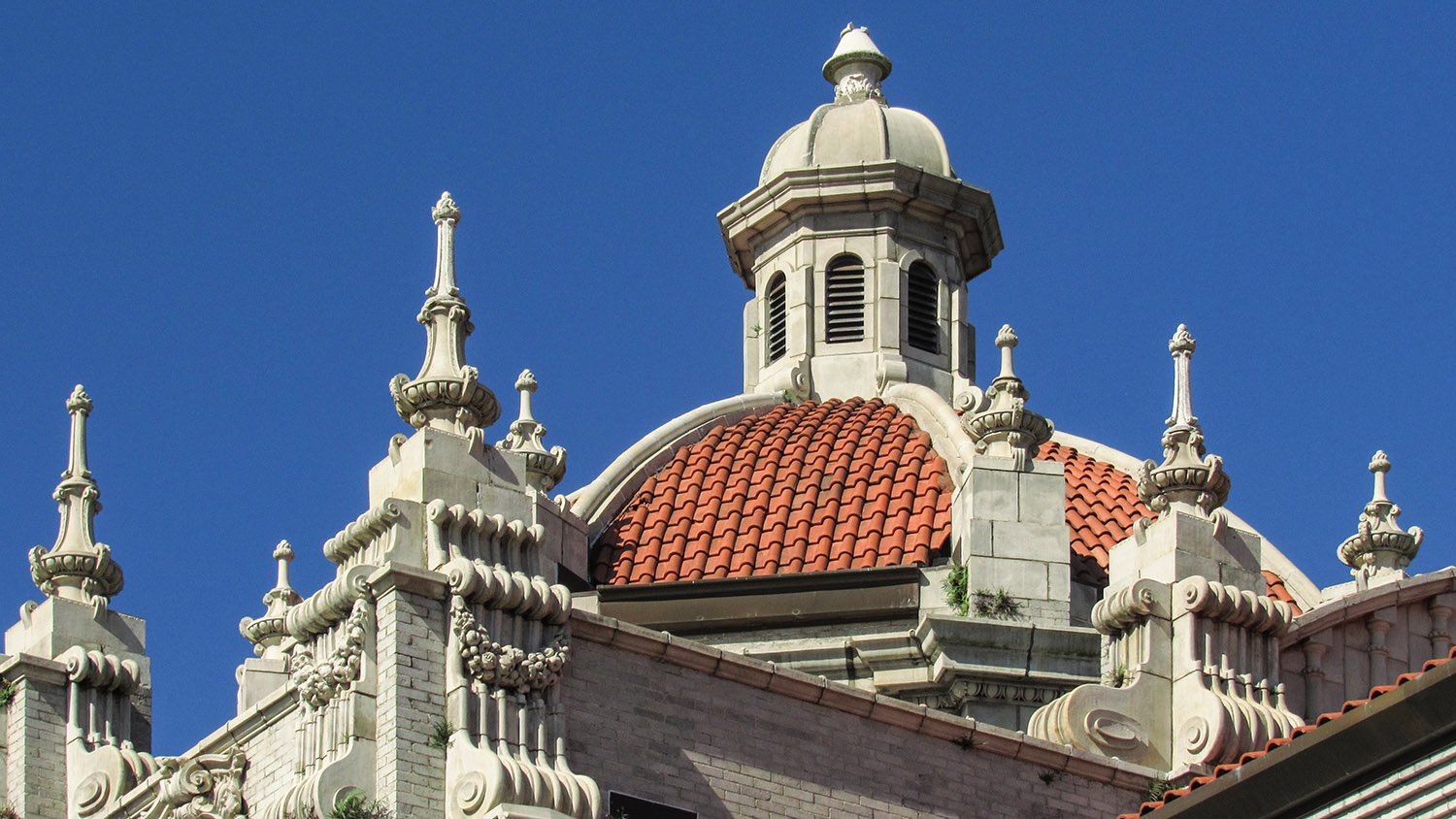
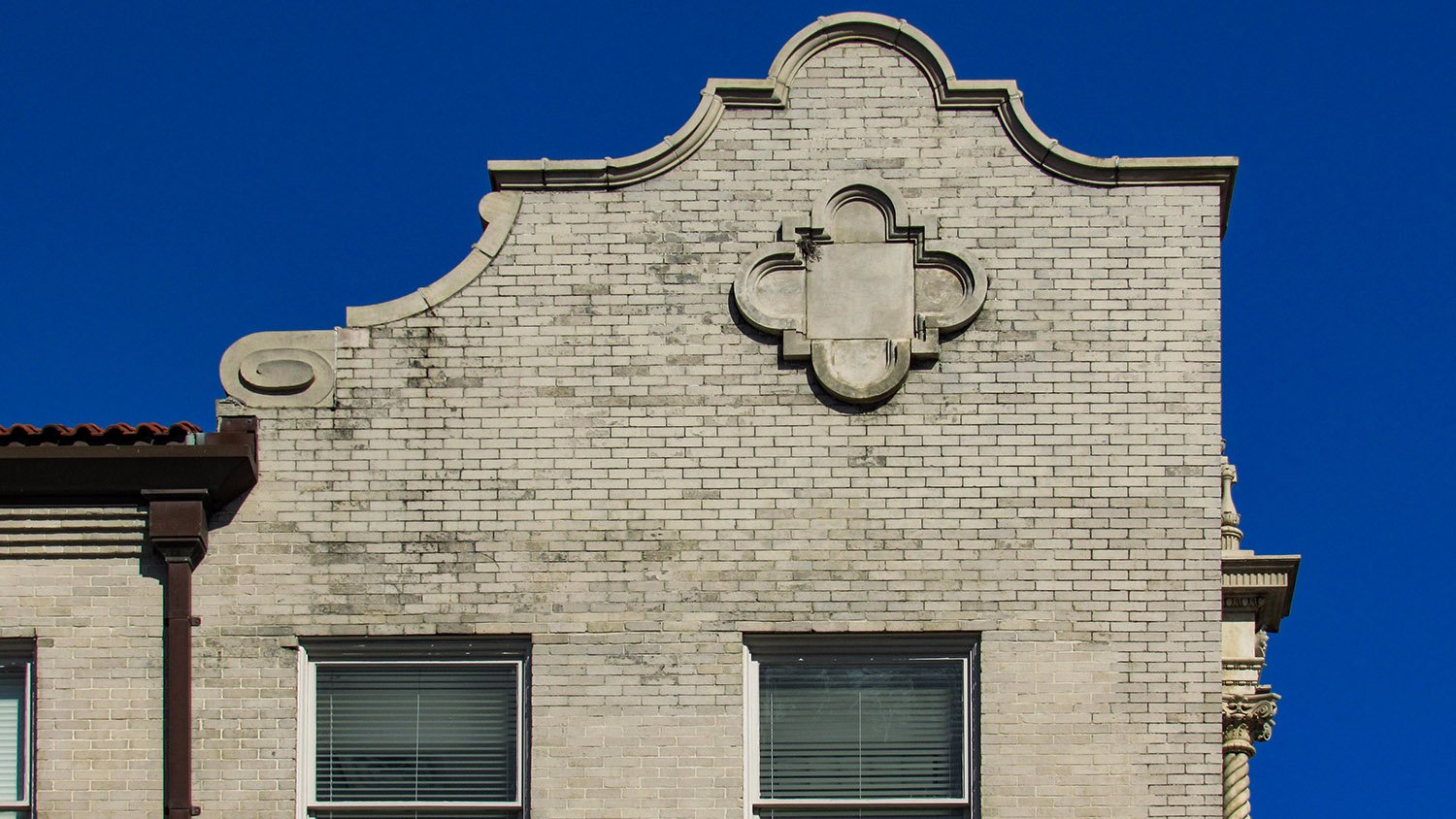
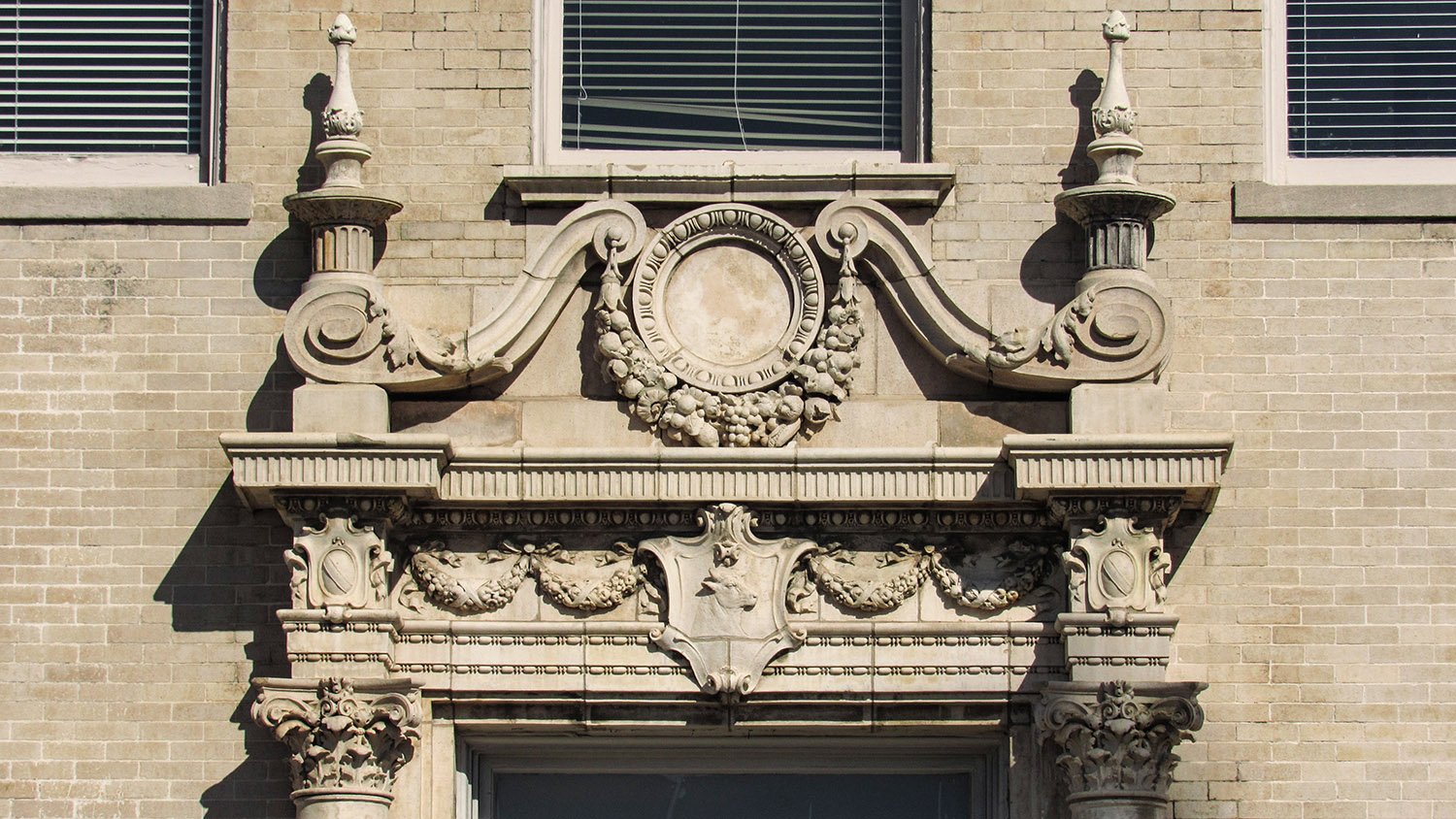
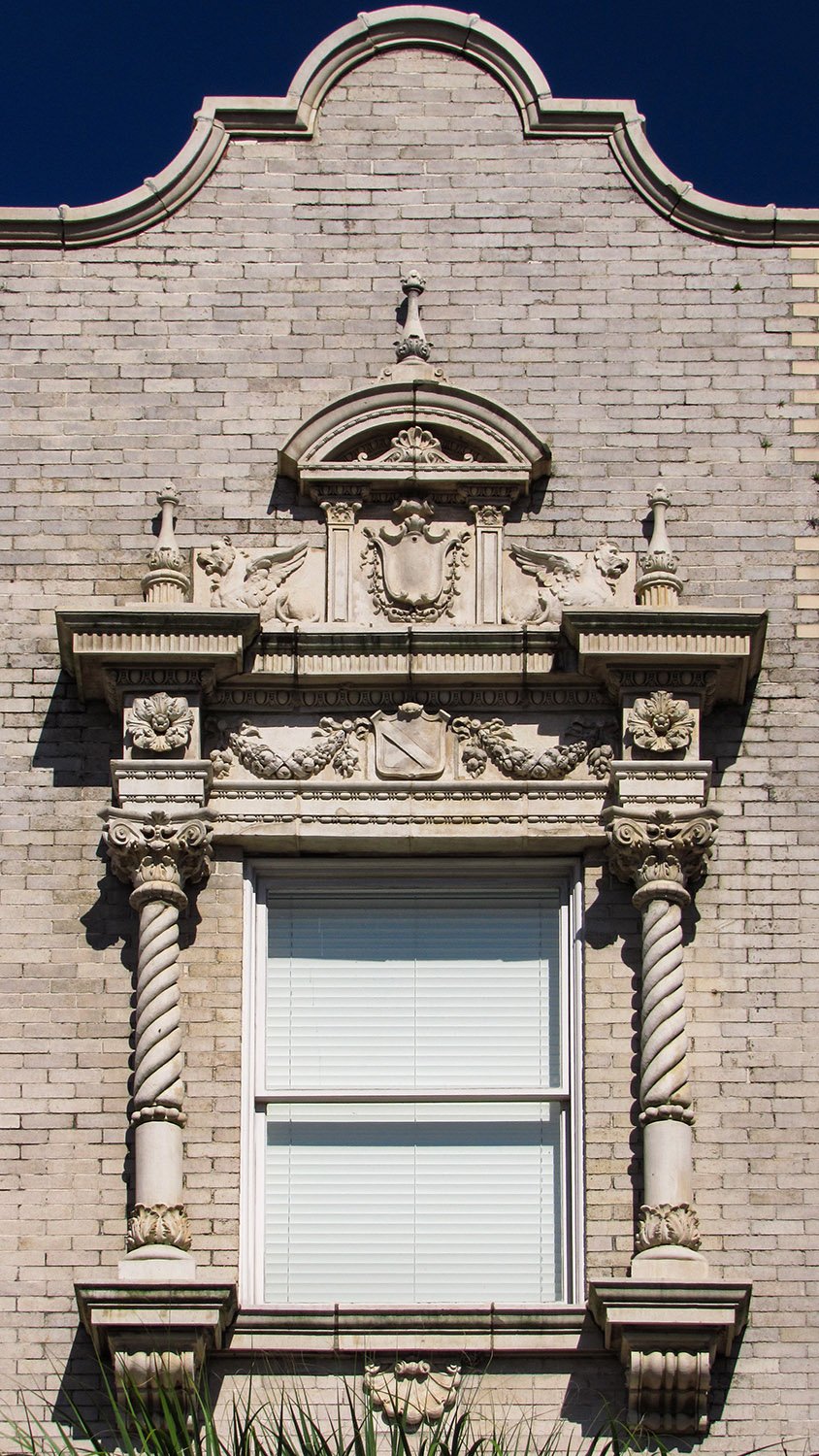
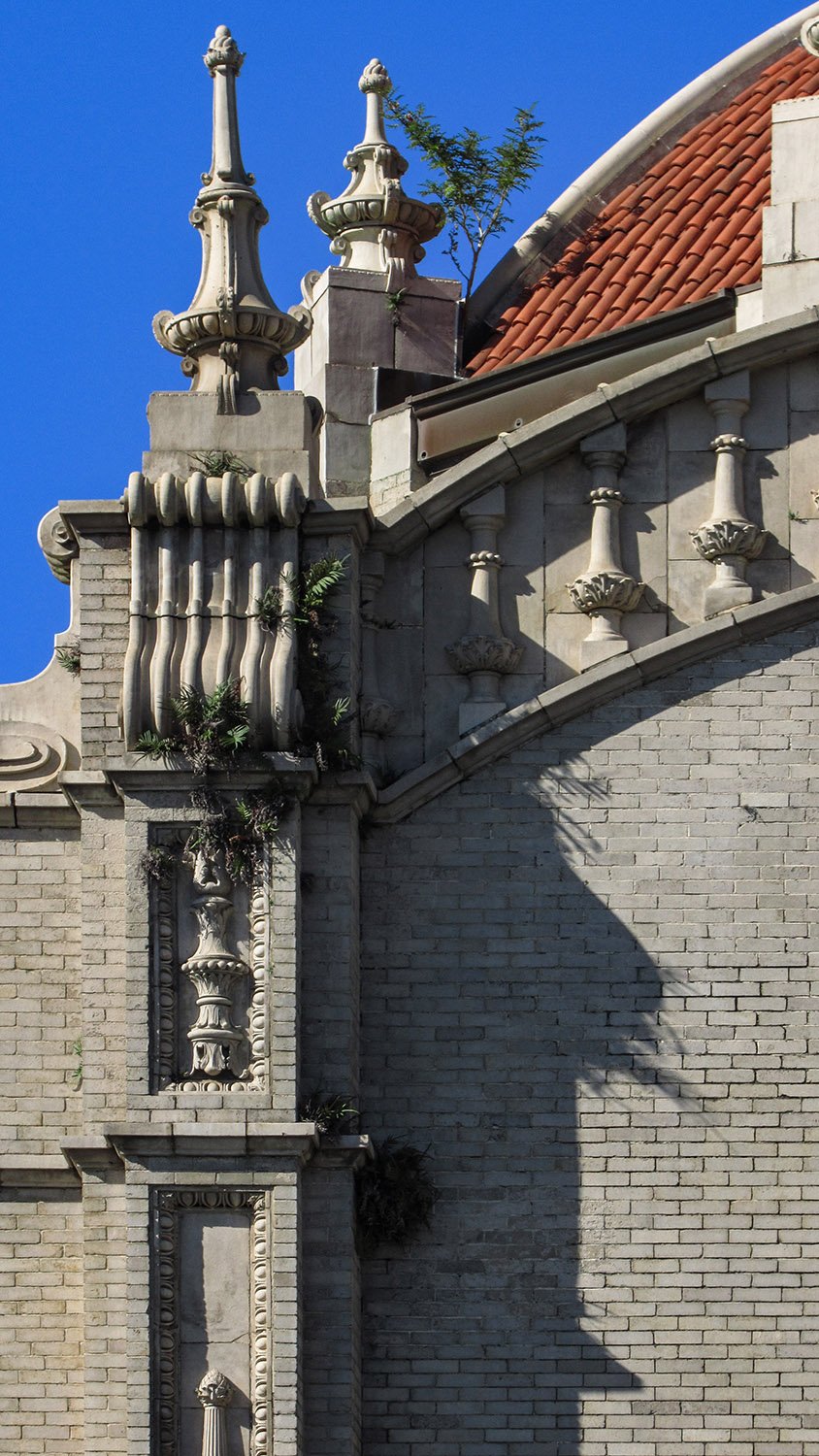
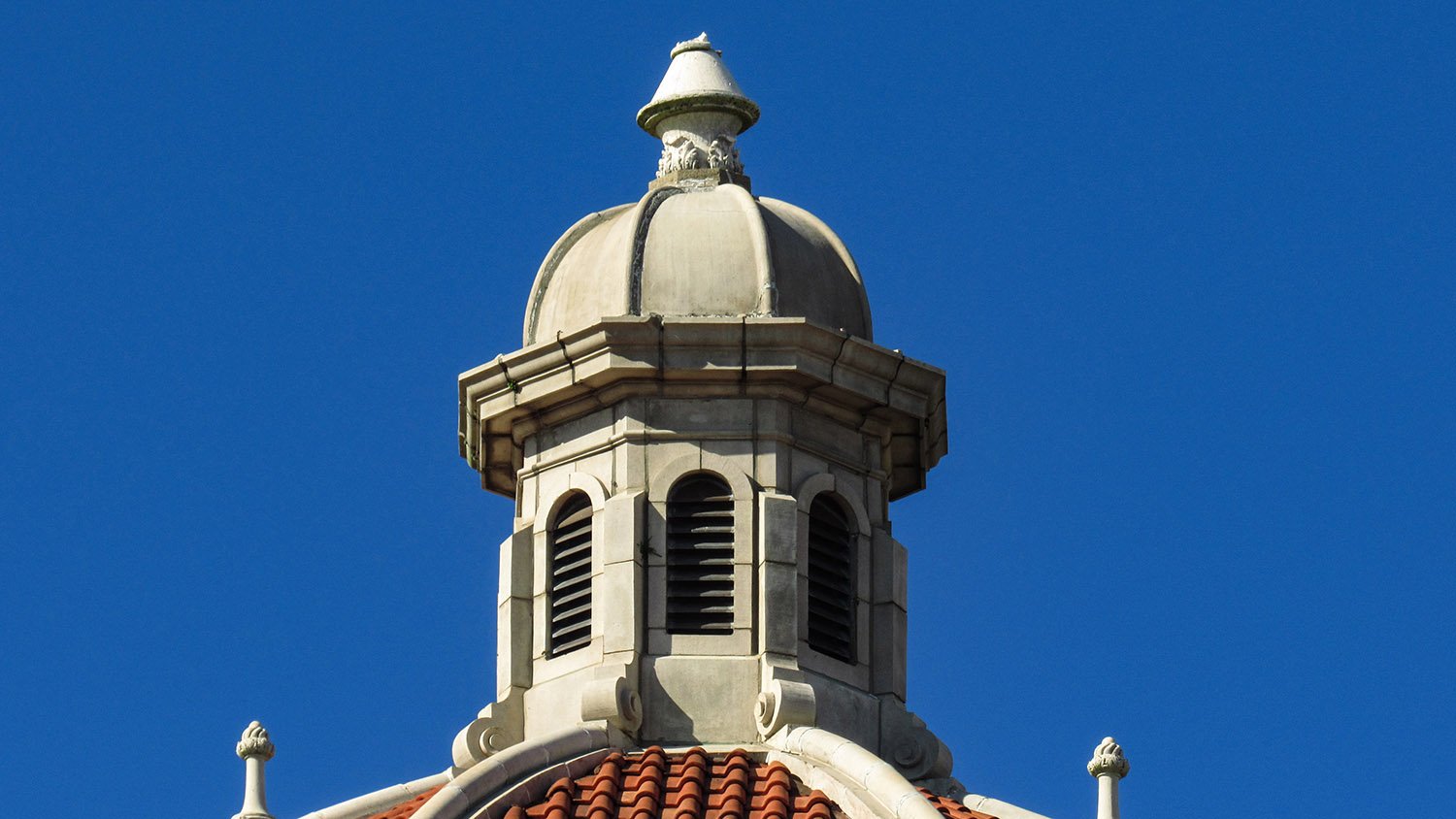
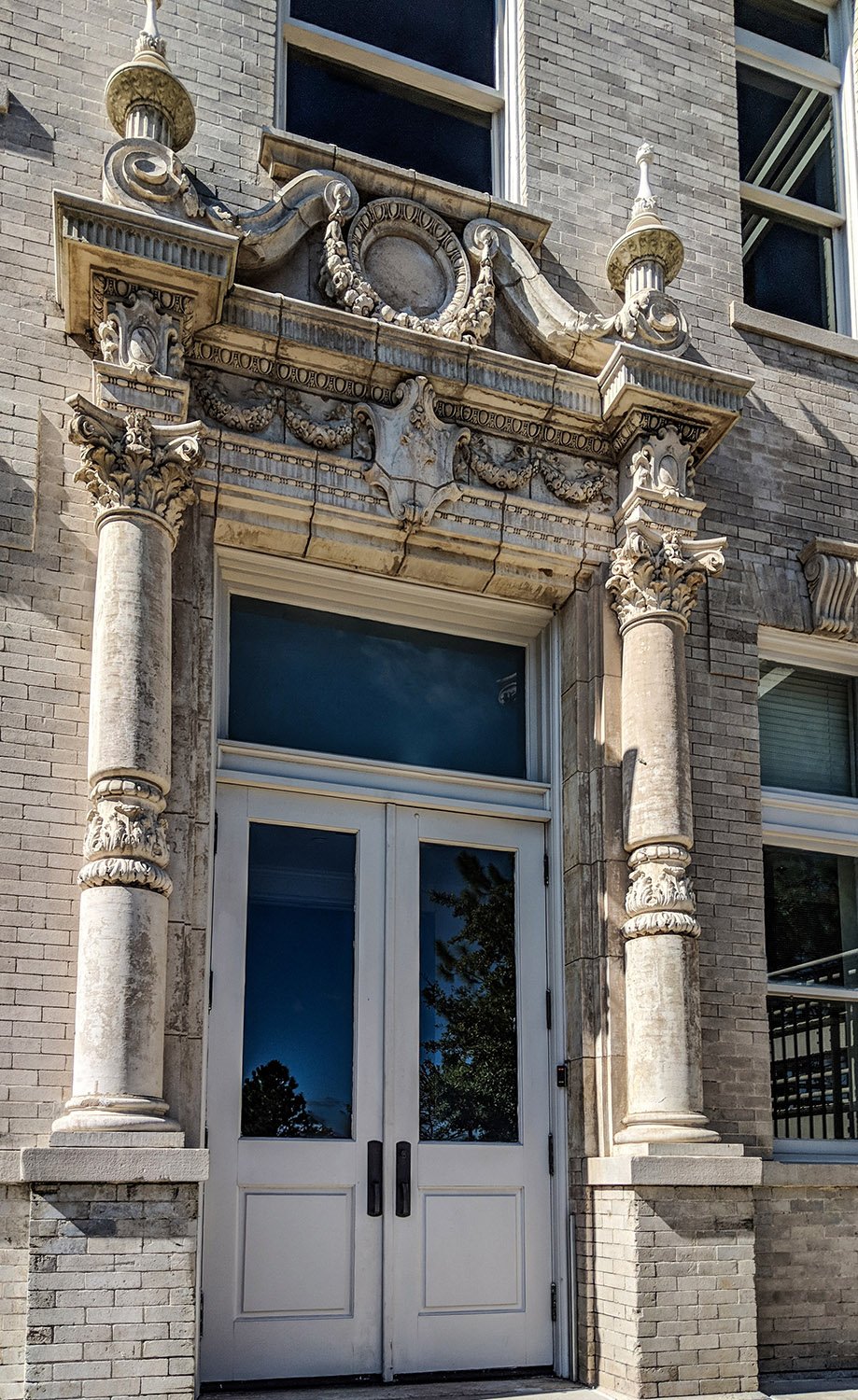
P. Thornton Marye. Gulf, Mobile and Ohio Passenger Terminal (1907). Mobile, Alabama.123Facade of Gulf, Mobile and Ohio Passenger Terminal, Mobile, AlabamaWest elevation of the Gulf, Mobile and Ohio Passenger Terminal, Mobile, AlabamaSoutheast corner of the Gulf, Mobile and Ohio Passenger Terminal, Mobile, AlabamaBay on the west elevation ofthe Gulf, Mobile and Ohio Passenger Terminal, Mobile, AlabamaLoggia on the facade of the Gulf, Mobile and Ohio Passenger Terminal, Mobile, AlabamaWindow and gable on the southeast corner of the Gulf, Mobile and Ohio Passenger Terminal, Mobile, AlabamaLooking up at the facade of the Gulf, Mobile and Ohio Passenger Terminal, Mobile, AlabamaDome and facade of the Gulf, Mobile and Ohio Passenger Terminal, Mobile, AlabamaOrnamentation on the facade of the Gulf, Mobile and Ohio Passenger Terminal, Mobile, AlabamaInscription on the facade of the Gulf, Mobile and Ohio Passenger Terminal, Mobile, AlabamaCenter window and gable on the facade of the Gulf, Mobile and Ohio Passenger Terminal, Mobile, AlabamaOrnamentation on the facade of the Gulf, Mobile and Ohio Passenger Terminal, Mobile, Alabama Decorative columns on a third-floor window of the Gulf, Mobile and Ohio Passenger Terminal, Mobile, AlabamaCherubs and P. Thornton Marye’s signature on the facade of the Gulf, Mobile and Ohio Passenger Terminal, Mobile, AlabamaTerracotta spandrel panel on the west elevation of the Gulf, Mobile and Ohio Passenger Terminal, Mobile, AlabamaParapet and finials on the west elevation of the Gulf, Mobile and Ohio Passenger Terminal, Mobile, AlabamaTerracotta ornamentation on the facade of the Gulf, Mobile and Ohio Passenger Terminal, Mobile, AlabamaParapet and finials on the facade of the Gulf, Mobile and Ohio Passenger Terminal, Mobile, AlabamaSecond-floor window on the facade of the Gulf, Mobile and Ohio Passenger Terminal, Mobile, AlabamaTerracotta ornamentation and finials on the facade of the Gulf, Mobile and Ohio Passenger Terminal, Mobile, AlabamaVolute and gargoyle on the facade of the Gulf, Mobile and Ohio Passenger Terminal, Mobile, AlabamaLooking up at a pinnacle and terracotta ornamentation on the facade of the Gulf, Mobile and Ohio Passenger Terminal, Mobile, AlabamaDome and finials on the Gulf, Mobile and Ohio Passenger Terminal, Mobile, AlabamaFinial on the Gulf, Mobile and Ohio Passenger Terminal, Mobile, AlabamaVolute and buttress on the facade of the Gulf, Mobile and Ohio Passenger Terminal, Mobile, AlabamaDoor columns on the west elevation of the Gulf, Mobile and Ohio Passenger Terminal, Mobile, AlabamaVolutes and finials on the facade of the Gulf, Mobile and Ohio Passenger Terminal, Mobile, AlabamaGable on the southwest corner of the Gulf, Mobile and Ohio Passenger Terminal, Mobile, AlabamaDoor pediment on the west elevation ofthe Gulf, Mobile and Ohio Passenger Terminal, Mobile, AlabamaThird-floor window on the facade of the Gulf, Mobile and Ohio Passenger Terminal, Mobile, AlabamaTerracotta ornamentation on the facade of the Gulf, Mobile and Ohio Passenger Terminal, Mobile, AlabamaCupola on the Gulf, Mobile and Ohio Passenger Terminal, Mobile, AlabamaEntrance on the east elevation of the Gulf, Mobile and Ohio Passenger Terminal, Mobile, Alabama
References
“Marye Plans Mobile Depot.” The Montgomery Times (Montgomery, Alabama), August 23, 1905, p. 5. ↩︎
“New Terminal Station Is Opened At Mobile”. The Times-Democrat (New Orleans, Louisiana), April 19, 1907, p. 4. ↩︎
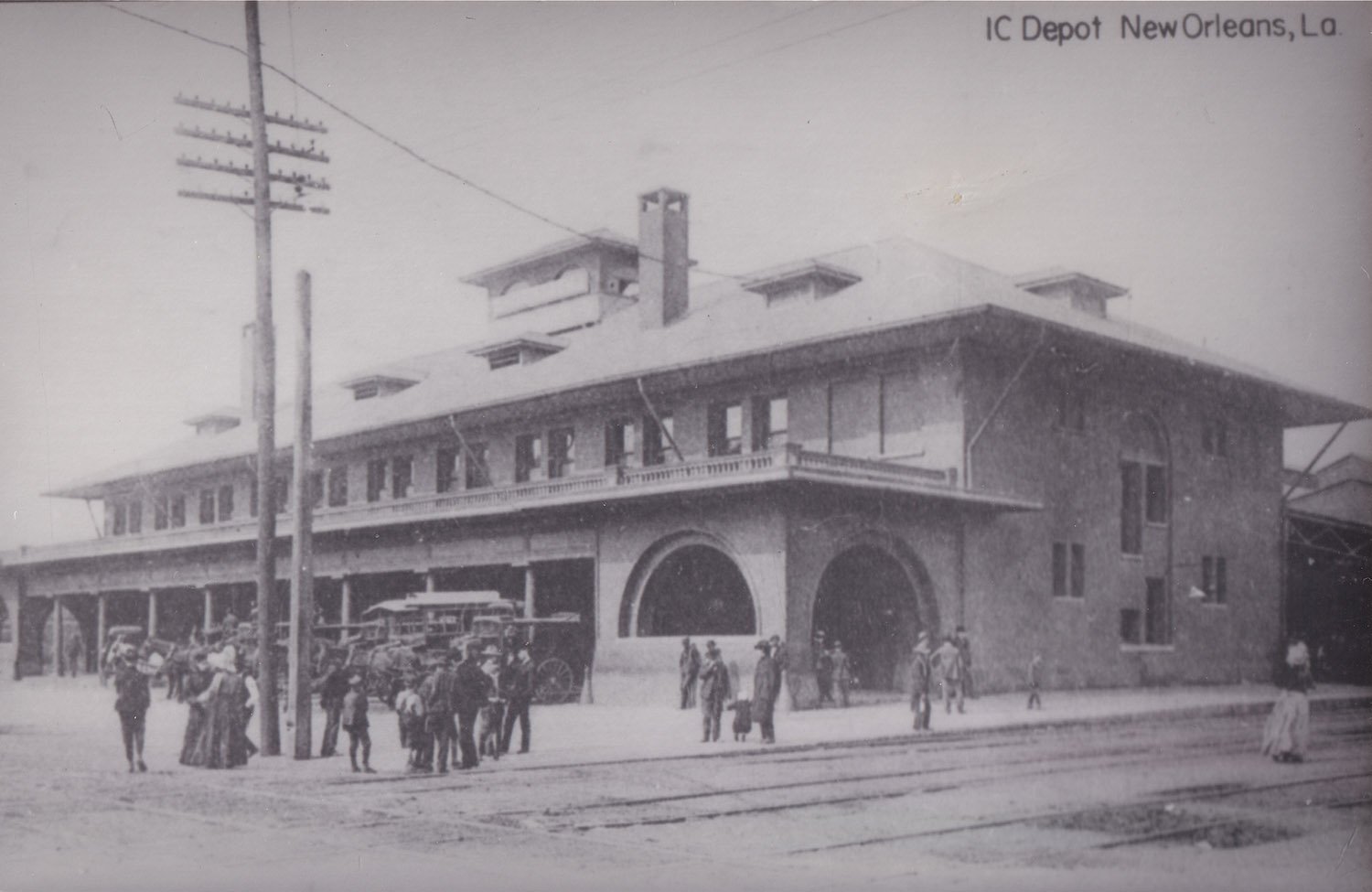
This undated postcard depicts the Illinois Central (IC) Depot in New Orleans, later referred to as Union Station, opened in 189212and demolished in 1954.34
Officially credited toLouis Sullivan, the project likely had at least some input from Sullivan’s assistant at the time, Frank Lloyd Wright, who drafted the station’s blueprints.5
In the depot design, you can spot the nascent elements of what would become the Prairie School style: the low-slung composition, hip roof, wide eaves, and patterned grouping of windows on the side were all radically different from the prevailing architecture of the time—certainly in the Deep South.
That’s not to say it was an attractive building, though. In fact, I would consider it downright ugly. The New Orleans press apparently agreed, with the Times-Picayune saying rather demurely at the station’s opening:
“It is not the finest depot in America, but it is a comfortable, ornamental building…”6
Ouch.
My pet theory is that the IC Depot’s design influenced G.L. Norrman—you knew I’d fit him into this somehow.
Norrman visited New Orleans at least four times between 1893 and 1894,7891011and he must have seen the structure. Within a few years, he fully embraced low-slung buildings with hip roofs, though he began heading in that direction with his design for the C.D. Hurt Residence in 1893.
Note the similarities between the depot and Norrman’s design for the Eureka Hotel (1902), or better yet, Denmark Hall (1901), which included a hip roof, thin chimneys, a porch lined with columns, and a second-floor balustrade, much like the depot.
There’s no such thing as original art.
References
“The Railroads.” The Daily Picayune (New Orleans), June 1, 1892, p. 9. ↩︎
“Railroad Racket.” The Times-Democrat (New Orleans), June 1, 1892, p. 9. ↩︎
“Partial Use of New R.R. Station Is Slated to Start Next Friday”. The Times-Picayune (New Orleans), January 3, 1954, p. 1. ↩︎
“Train Service Is Inaugurated in Union Passenger Facility”. The Times-Picayune (New Orleans), January 9, 1954, p. 1. ↩︎
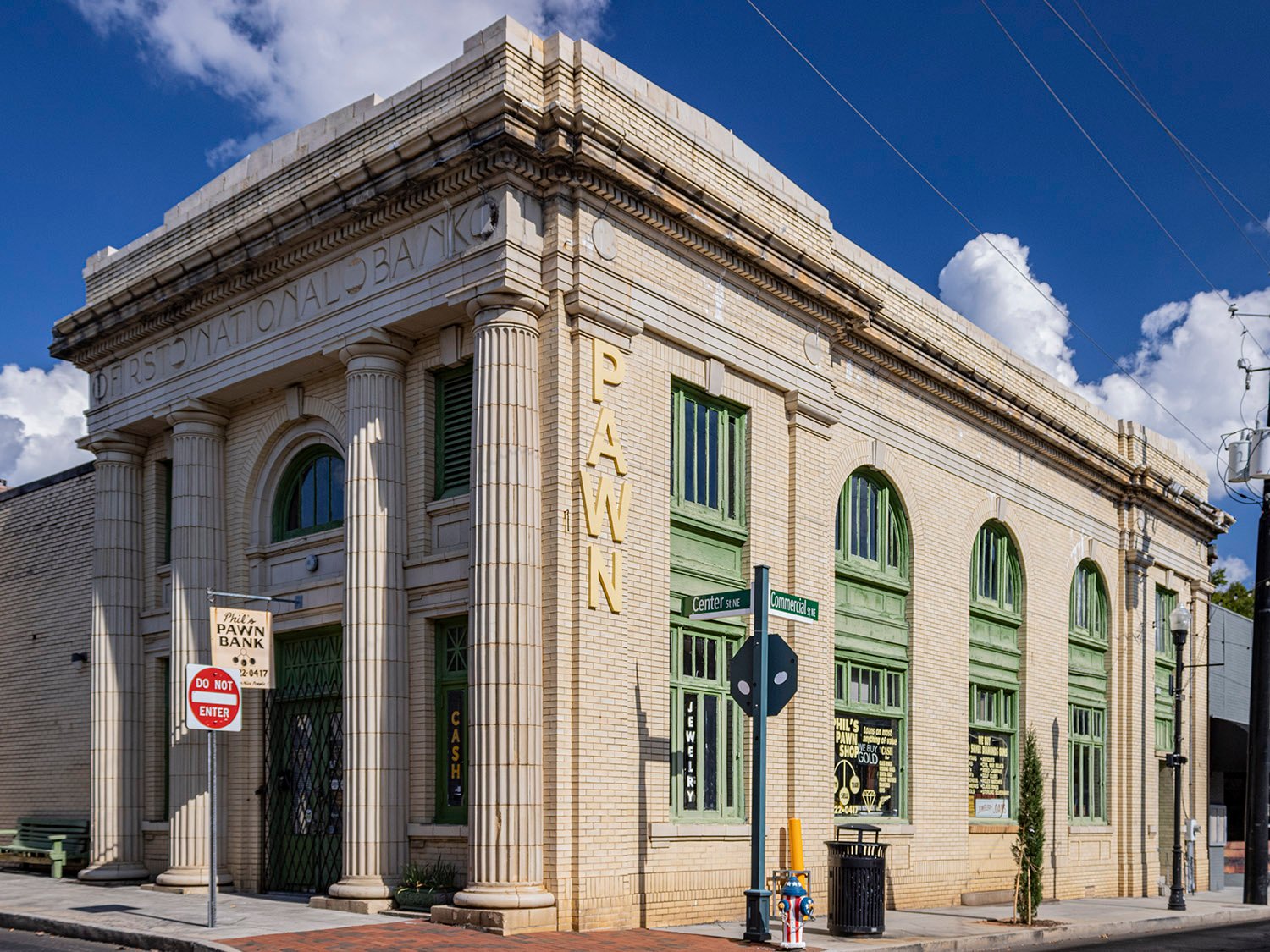
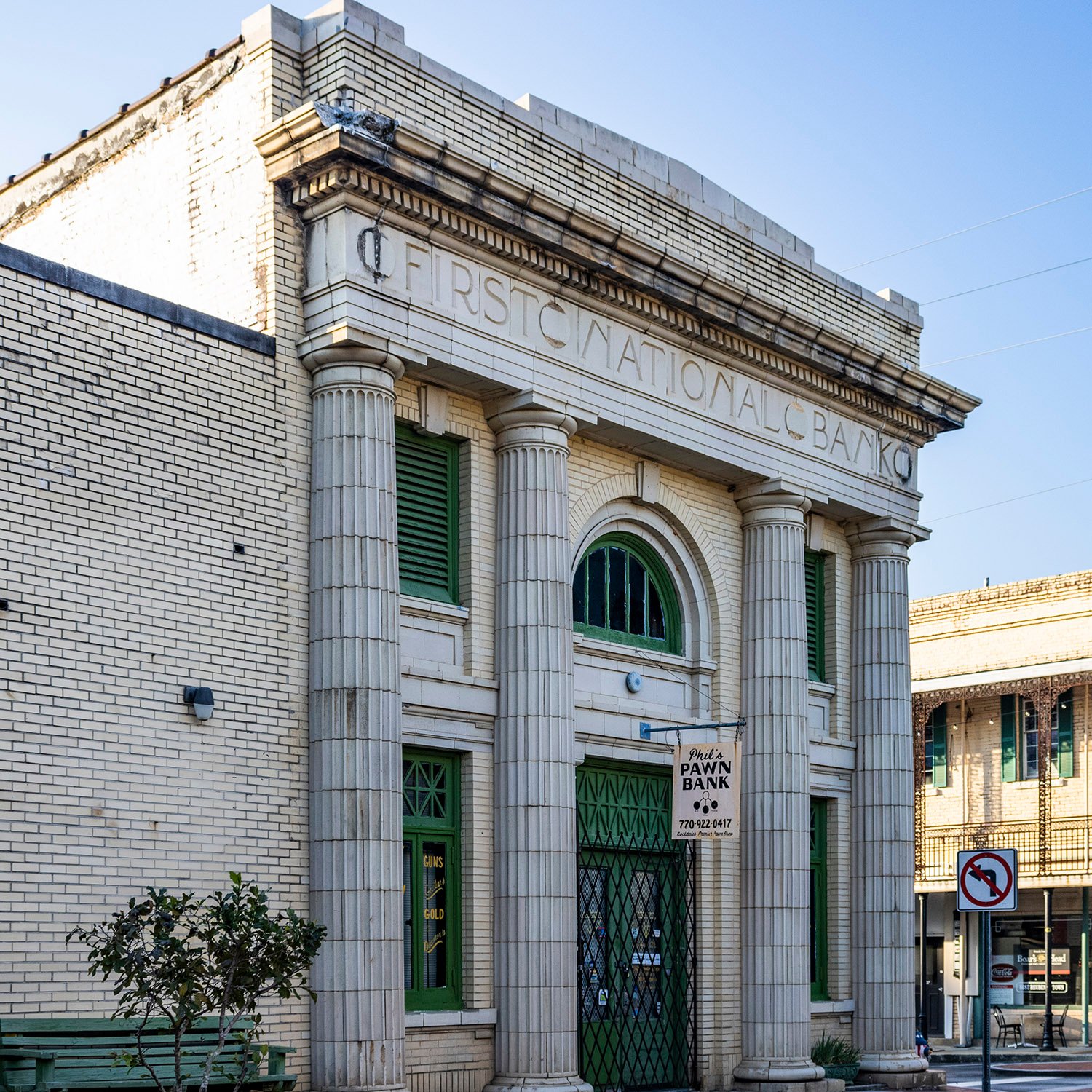
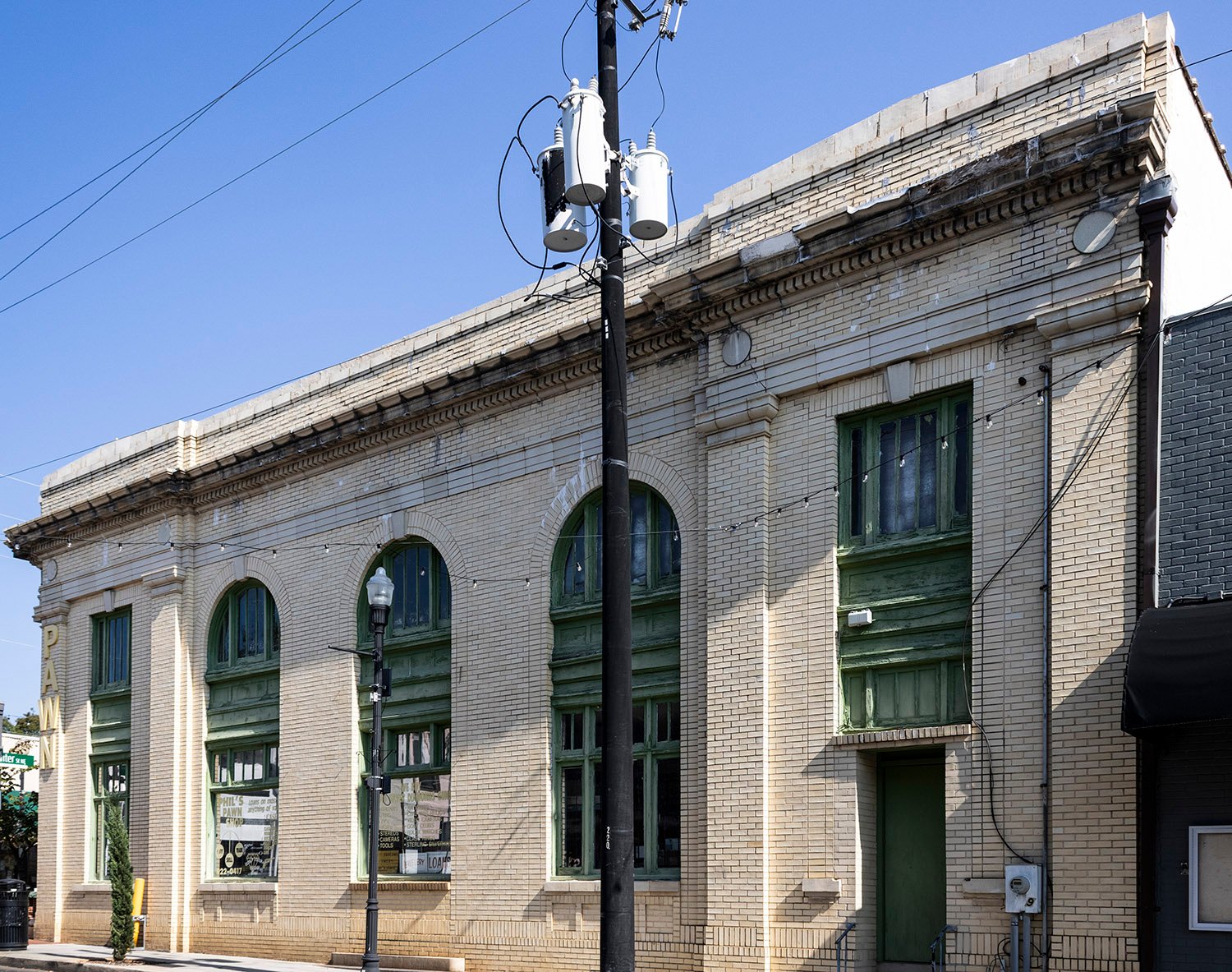
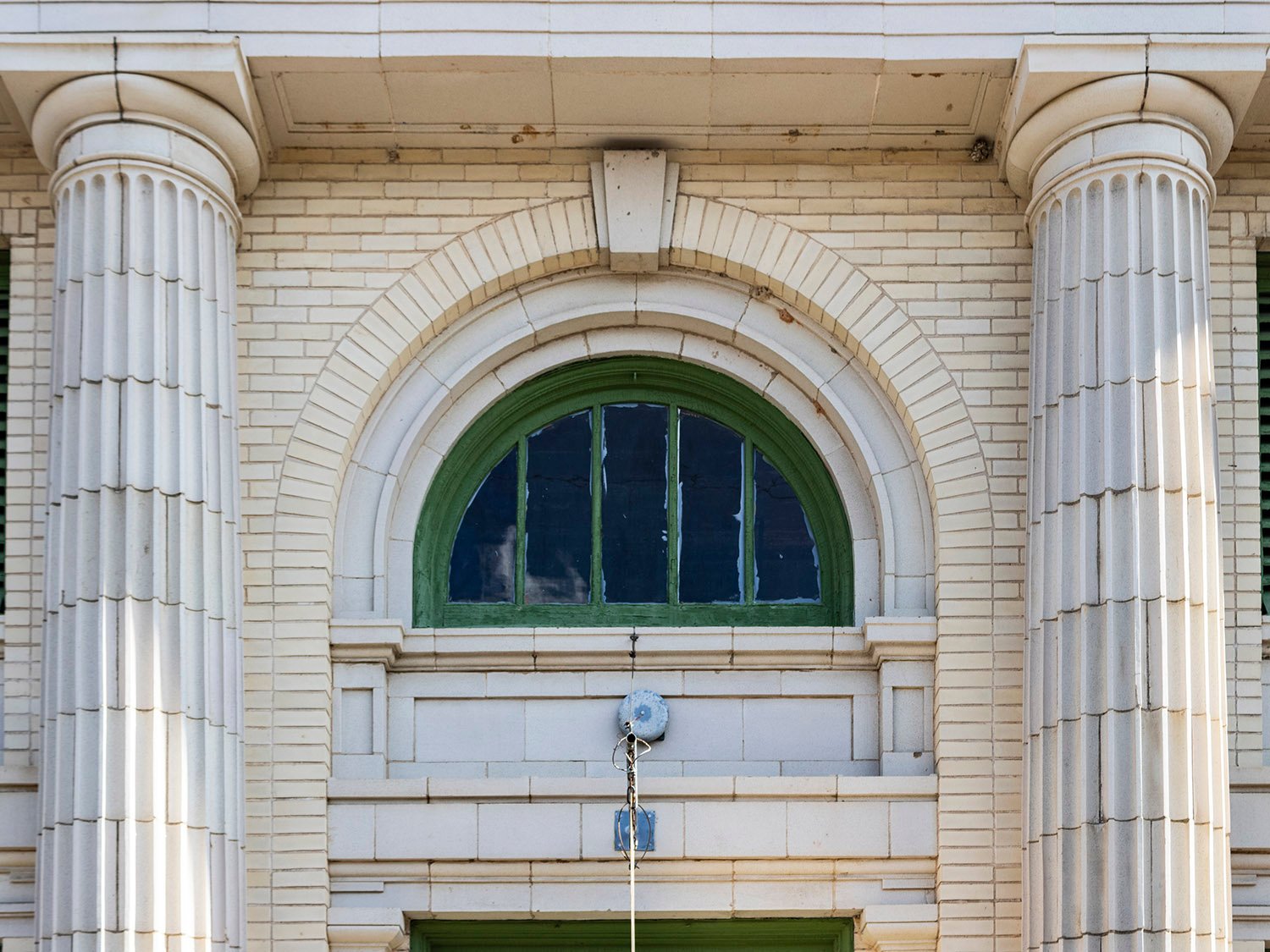
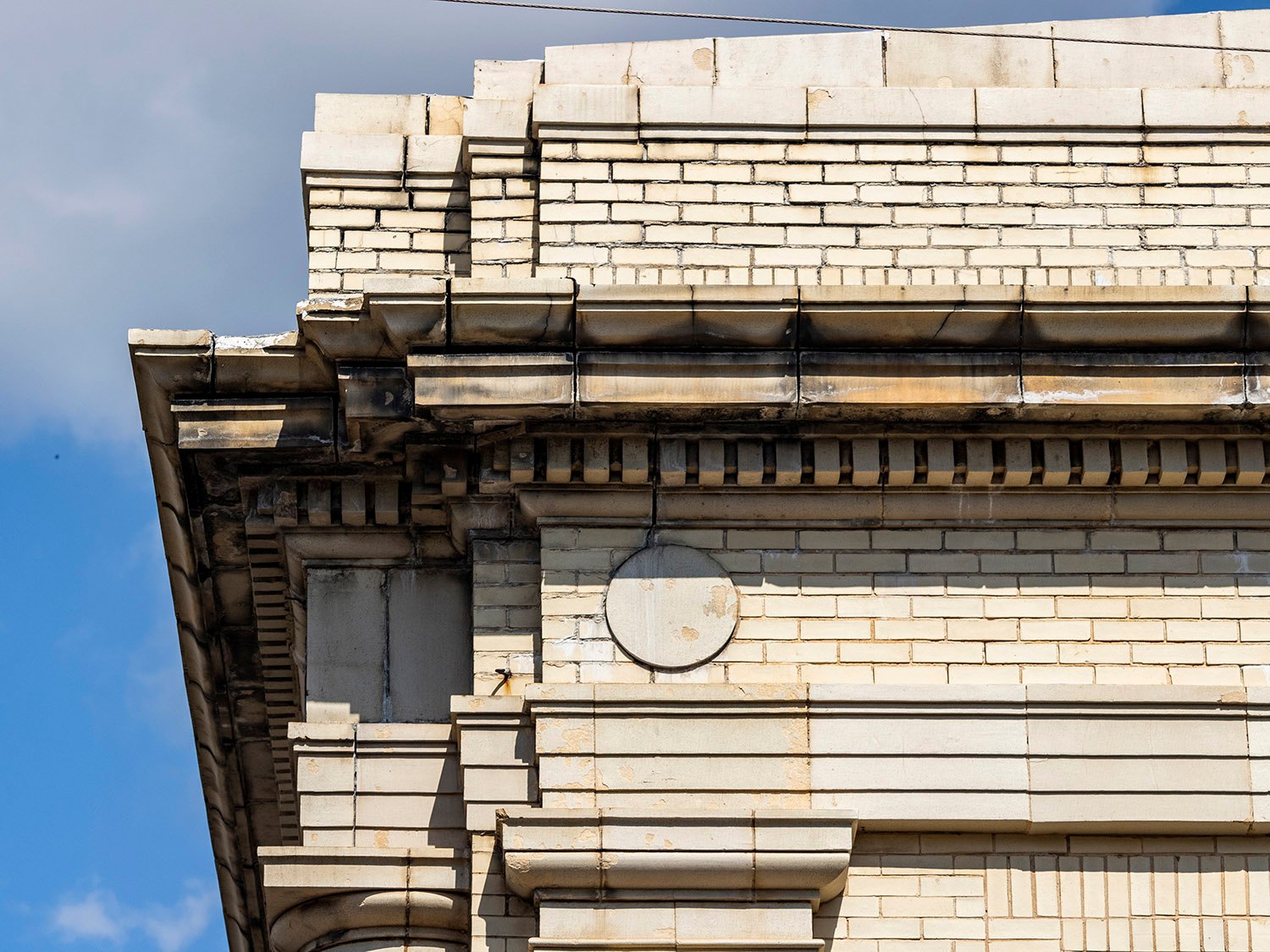
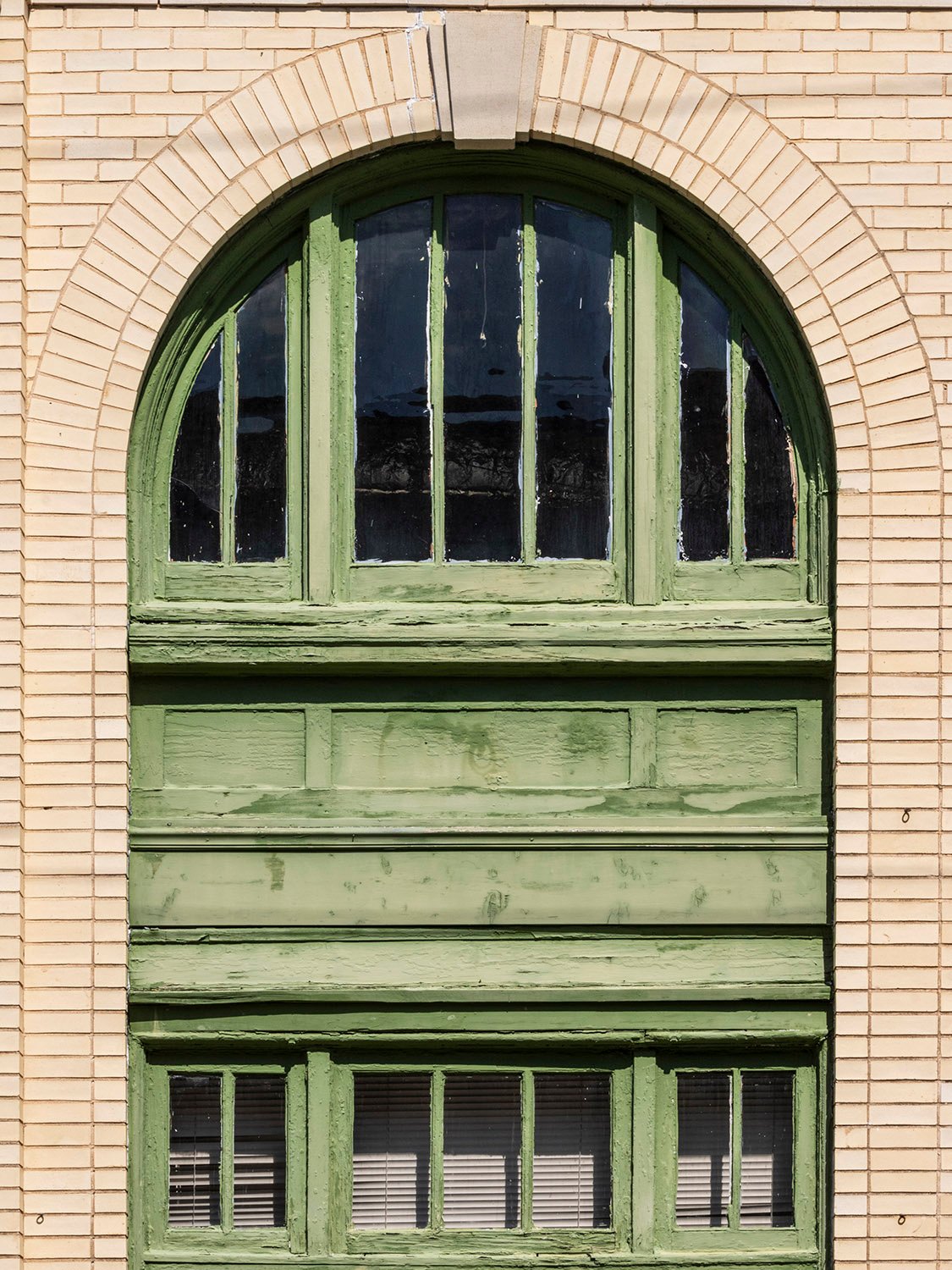
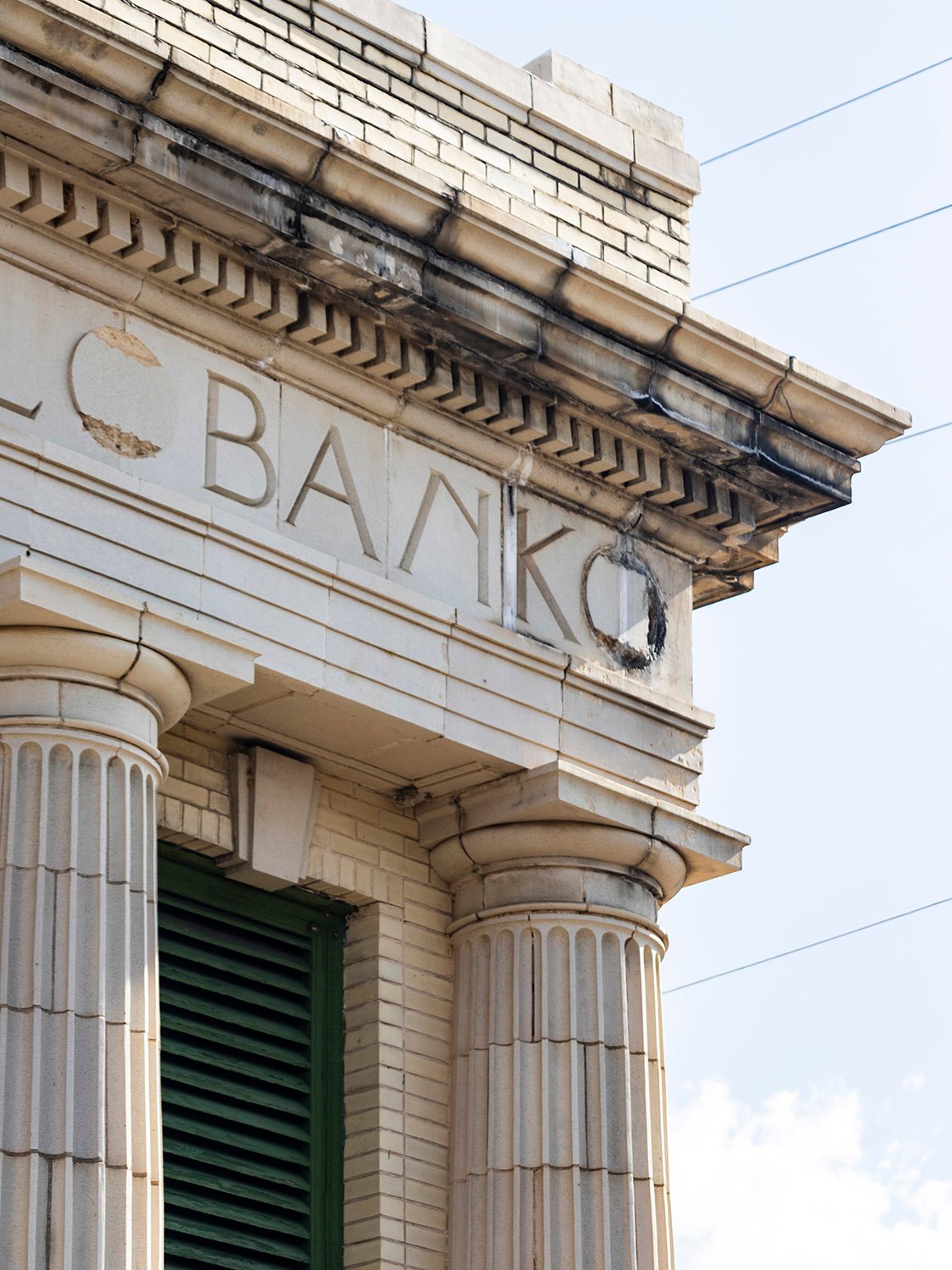
A. Ten Eyck Brown. First National Bankof Conyers (1919). Conyers, Georgia.123Facade of First National Bank, Conyers, GeorgiaSouth elevation of First National Bank, Conyers, GeorgiaColumns and the second-floor arch window on the facade of First National Bank, Conyers, GeorgiaCornice, frieze, and architrave on the First National Bank, Conyers, GeorgiaWindows and spandrel on the south elevation of First National Bank, Conyers, GeorgiaCornice, inscription, and columns on the facade of First National Bank, Conyers, Georgia
References
“New Bank Building For Georgia Town”. The Columbus Ledger (Columbus, Georgia), January 24, 1919, p. 6. ↩︎