

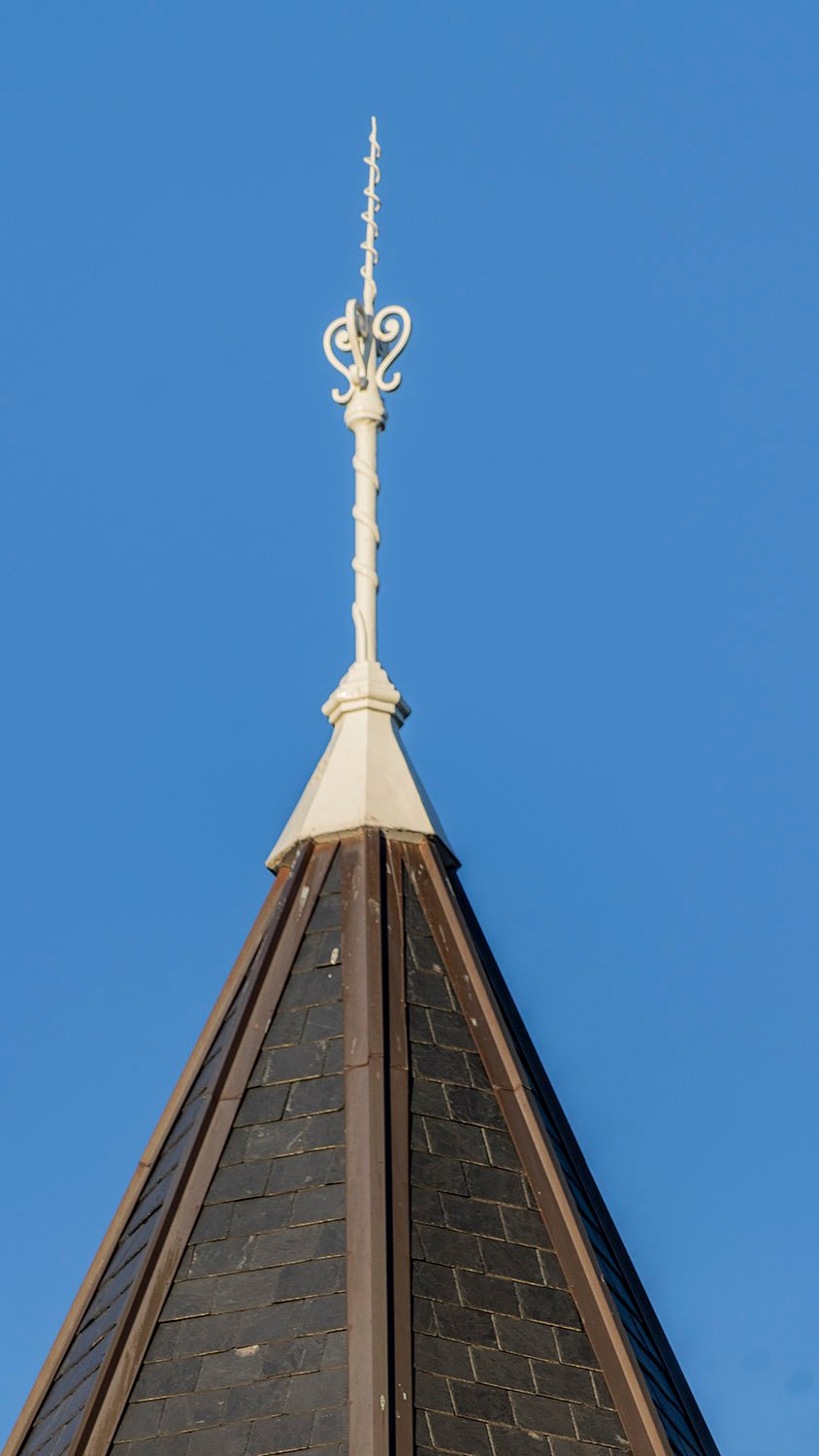

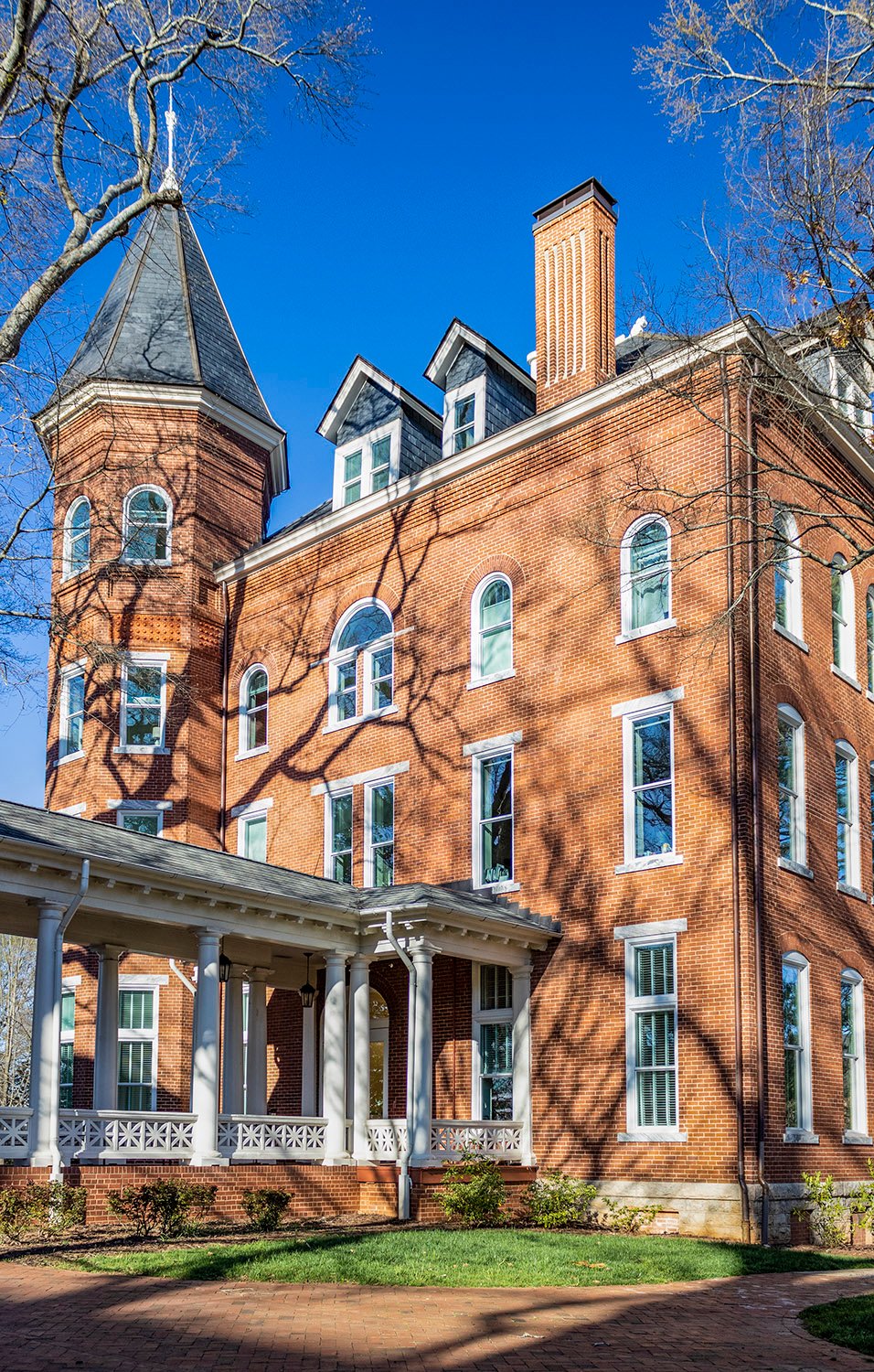


It isn’t difficult to determine the date of this roadside relic—it’s right on the sign.
Besides the five or six surviving buildings designed by G.L. Norrman, there isn’t a whole lot in Spartanburg, South Carolina, worth mentioning, but Sugar ‘n’ Spice was a pleasant surprise when I discovered it.
At the restaurant’s 40th anniversary in 2001, the owner revealed that he had considered removing the restaurant’s distinctive Googie-style canopy but ultimately reconsidered: “I did a little poll, and it was not even close … the canopy’s staying.”1
A wise decision.




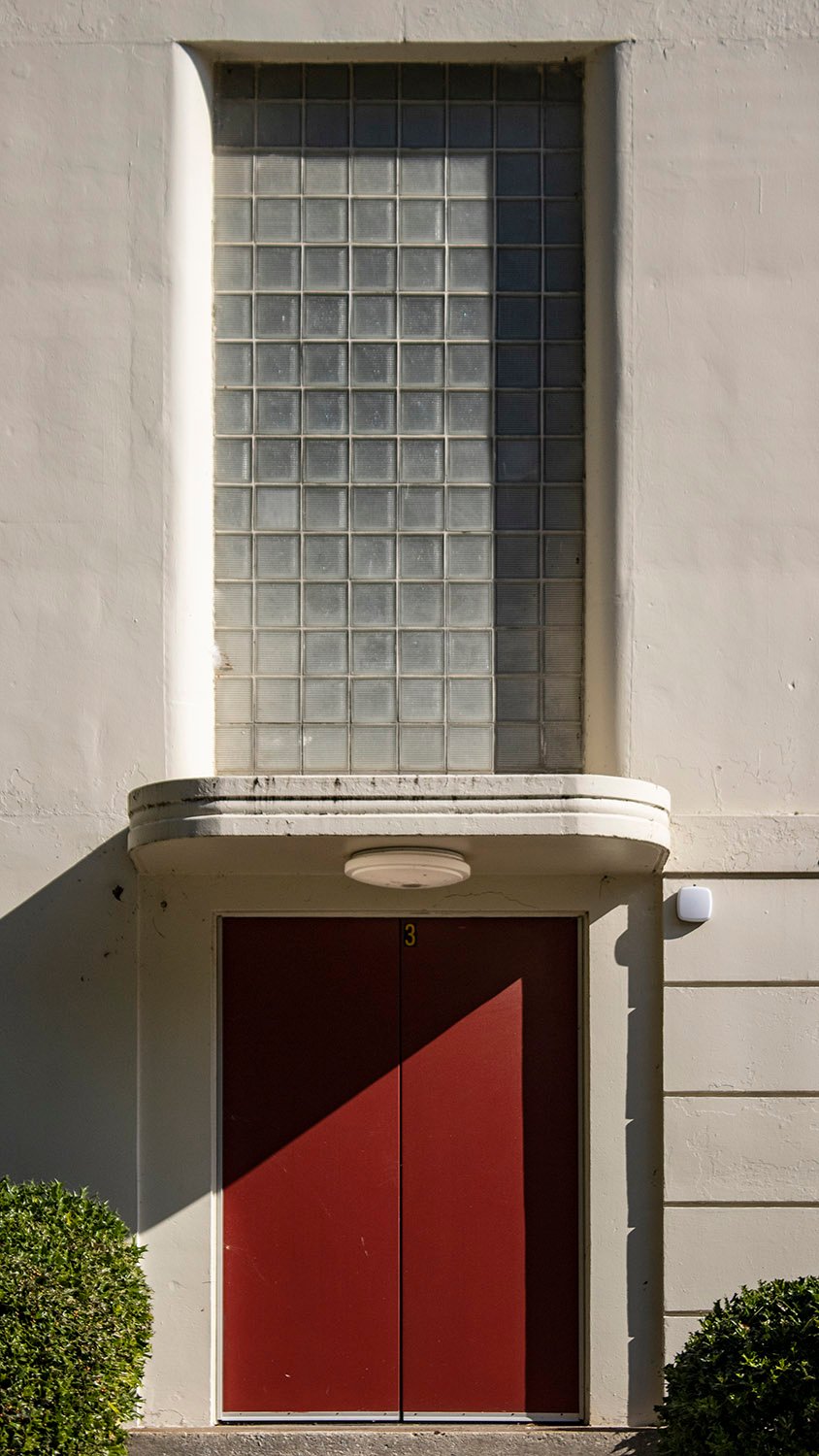
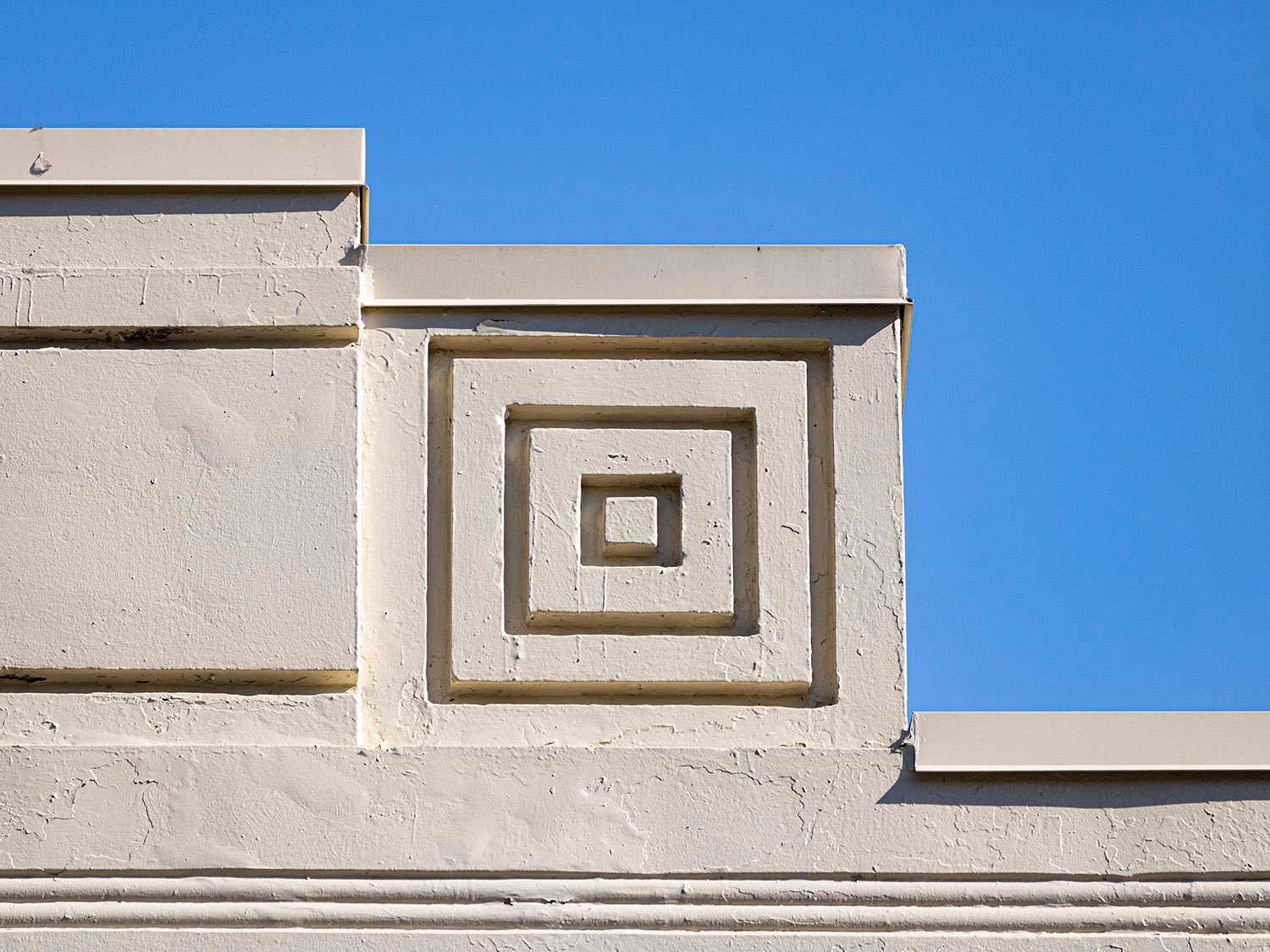



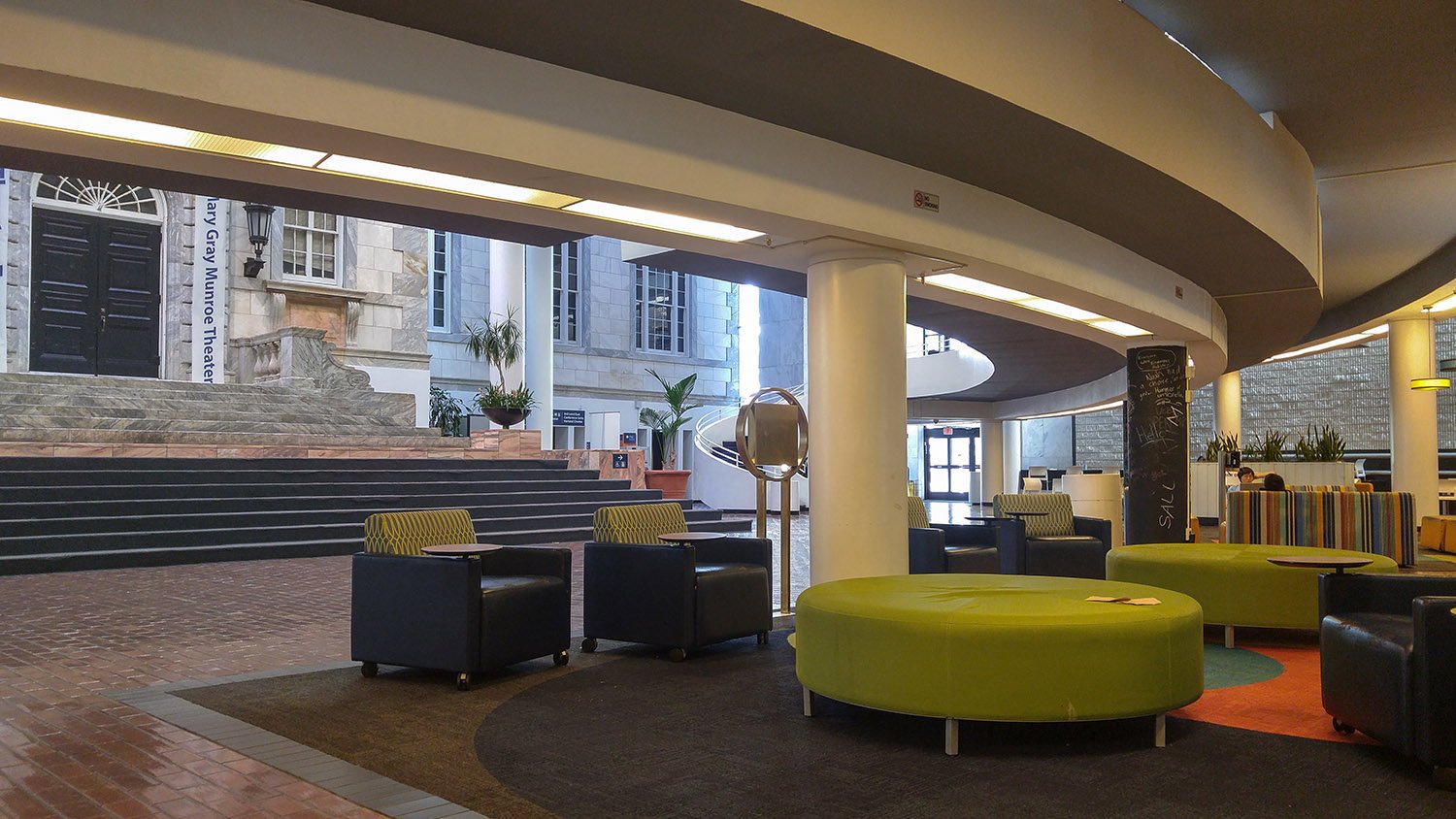

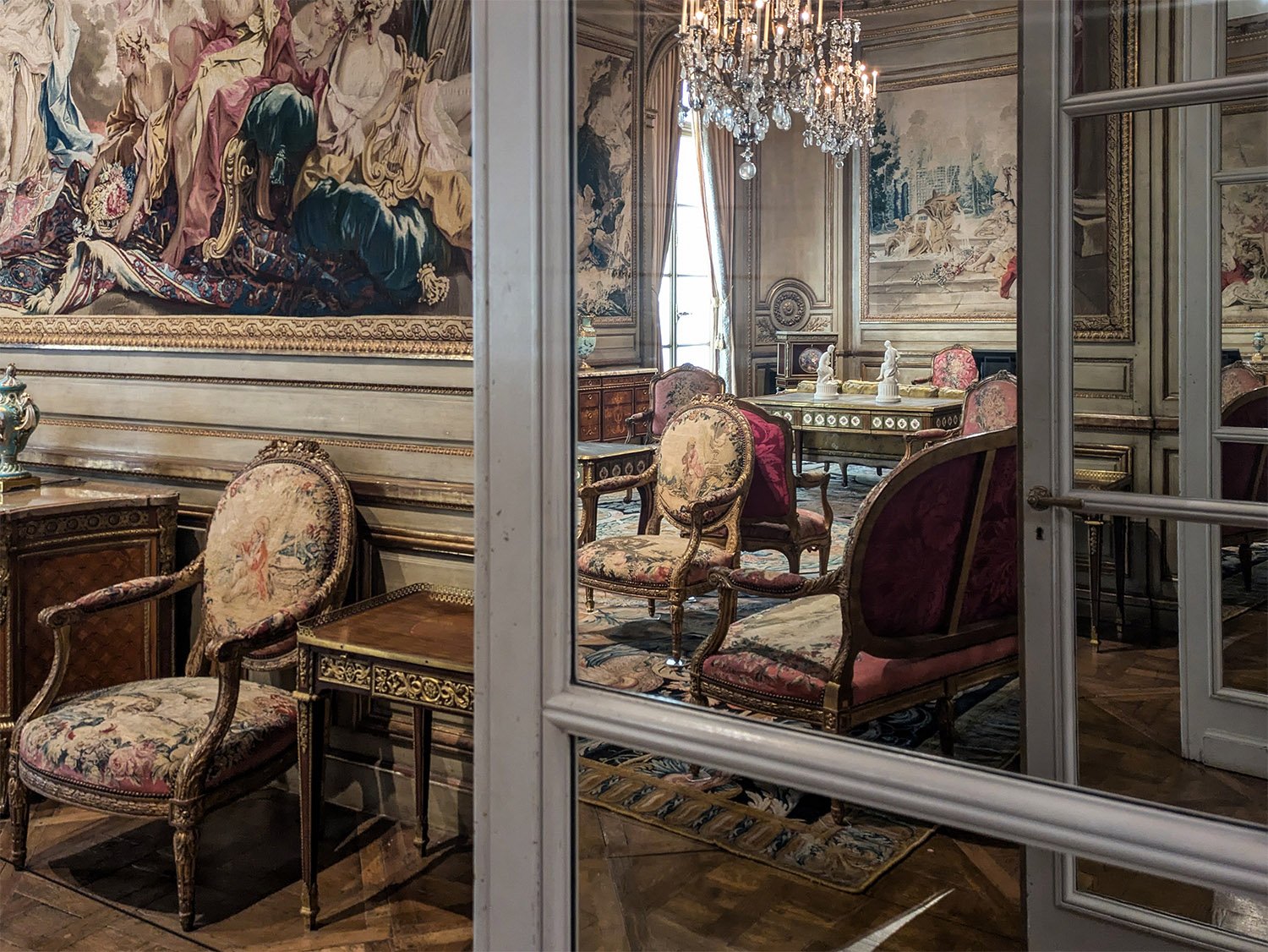
This is the fourth in a series of articles written for The Atlanta Journal in 1890 and 1891 by W.W. Goodrich, an architect who practiced in Atlanta between 1889 and 1895.
Aimed squarely at the upper-class audience who could afford the services of an architect, Goodrich provided an exacting, plodding description of a hall and reception room decorated in the Colonial Revival style that was then becoming fashionable in Atlanta’s wealthiest homes.
At the time, interior design as a dedicated profession was emerging in larger cities like New York and Chicago, but in Atlanta, it was still primarily the domain of architects—in particular, L.B. Wheeler and W.T. Downing were well known for their interior design skills.
Goodrich adopted a lofty, condescending tone typical of the era, when designers—usually men—lectured their readers—primarily women—on how to decorate their homes in a manner that was considered cultured, refined, and in “good taste”.
A Chapter on Interior Decoration.
A Roomy Reception-Room and Hall.
An Article that Will Prove of Special Interest to the Ladies – Description of Beautiful Decorations for a Reception Room.
Written for the Journal.
Of the numerous styles of design applicable to the treatment of a reception room and hall the Colonial is one of the most pleasing, combining, as it does, the severe and studied simplicity of classic form with a delicate and distinctive grace and daintiness of detail. As one of the first principles of design is adaptability to requirements, the use to which the room is to be put should determine not only the practical essentials of convenience and utility, but also the impression which is to be made on the minds of its occupants by their surroundings, and this impression should coincide as nearly as possible with the thoughts and objects which will be uppermost in their minds. As such a room is devoted to the formalities of society, the treatment of its design should be formal and of studied simplicity. Any attempt at display or indulgence in eccentricities of design, either in wood finish, furniture, hangings or decorations, any violent or startling combinations of color, any pictures or bric-a-brac sufficiently conspicuous and out of keeping with their surroundings to attract immediate attention, would be evidences of bad taste and want of study in the effect of the whole.
Our reception room should consequently be, more than any other room, a harmonious whole, a dream of perfection, for it is here that we declare our taste and education to the world. If it is otherwise, the conception has been a failure, and the visitors will not find that appropriate ease in their surroundings which the occasion demands. It is infinitely better to make no attempt whatever at treatment than to give cause for the ignorant presumption of the would-be critic. A rich, pleasing, and above all, general effect should be the first impression conveyed to the mind on entering the successfully treated reception room, the whole scheme being so carefully studied that no one thing should be given undue prominence, but everything should participate in and be subservient to the effect of the whole, and then this effect will have the “refinement and charm of a fascinating and cultivated woman dressed in perfect taste.” Great care should be taken to produce the exact shades of colors desired, and it is important that those selected should be becoming to the “mistress of the house”, for if otherwise, she will appear at a disadvantage and out of place with her surroundings just when she should feel and appear at her best The most satisfactory results can be obtained by the general use of one or two color at most, but these can be produced in two or more shades which, however, should vary but slightly. Many so-called reception rooms are used for various other purposes which would involve the consideration of other impressions to be expressed in the treatment of design, together with other practical essentials.
Our room is about fifteen feet square, with the four corners rounded, and the wall coving into the ceiling with a curve of about nine inches radius, having no molding at either intersection with the flat surfaces. The inlaid floor is highly polished and has a border of prima vera and satin wood with the center in strips of the former wood two inches wide laid vertically in each wall, and mitering at angles.
Prima vera is a beautiful golden yellow species of mahogany which is used on the Pacific coast for fine interior finish. The wood finish of the room is made in cherry, which is enabled with seven coats of a rich cream color and polished to a dull egg-shell gloss. Cherry is greatly superior to pine or white wood for enameling purposes, the grain being so close and the wood so hard that all moldings and detail, no matter how fine, are sharply and clearly produced, and the chances of denting or disfiguring in any way by constant use are greatly lessened. As the drawings show clearly the treatment of the woodwork, only a few general remarks are necessary to make them understood. All moldings and details are of the utmost delicacy, the sinking being but one-quarter of an inch.
The carvings are mostly composed of acanthus leaf, rendered quite flat, with an extreme projection of but three-quarters of an inch, those of garlands only having conventionalized flowers and leaves, all executed with the utmost delicacy, edges being sharply and clearly defined, but in no case having a projection of more than one-sixteenth of an inch, the high light edges and surfaces being daintily touched with silver throughout. The portion of frieze over windows is a transom light of silver leaded pink and cream colored opalescent glass, on the same plane with walls of room; below this is a silvered rod, with rings for draperies. The walls are hung with a warm shade of rose pink silk, perfectly plain, in vertical pleats about four inches wide. This silk is secured in place by hooks and eyes, and can be taken down, cleaned and put back again with but very little trouble. Just below the wood cornice is a valance of the same silk, divided into sections by narrow pipes, placed at equal intervals, the head of each hanging down and being slightly crushed. The valance is cut to hang in slight creases, but its lower edge follows around the room in a perfectly straight line, and is bordered by a cream-colored silk fringe two and one-quarter inches wide, corresponding to the epistylium over doors and windows. Just back of this fringe is a silvered rod, supported by hooks screwed into the walls, its surface showing at intervals through the reticulations. The window draperies are heavy ones being of satin damask, in the same rose pink as the wall hangings, but a shade darker with cream colored silk fringes, tassels and linings. A pair of silk lace curtains and a sash lace on silver rods subdue the daylight to the desired tone. The ceiling cove and that portion of the walls above the cornice molding are treated in five coats of oil color on plaster, rendered in cloudy effect, commencing at the cornice, in rose pink, grading lighter toward the ceiling, and finally to a cream color beyond the ornament on ceiling, the clouding being in cream and pink, very light and filmy, and irregularly introduced. At the intersection of cove and ceiling are two strands of braid in carton pierre, forming a framework on which base the decoration. This braid comes down over the cove at intervals in two intertwining strands, and the intermediate spaces are filled by garlands of conventionally treated flowers and leaves, also produced in carton pierre, not over three-eights of inch in relief at great delicacy, both these and the braid being daintily silvered on high lights. Festoons of small discs hang above and below each garland, and acanthus buds and sprays spring from intermediate loops of the braid, flowing out onto ceiling and down into cove. The ornament is mostly cream in color, although where the clouding happens to be cream it has a very light pinkish tone, and in some places hardly distinguishable from the ground color; or, the whole treatment has a dreamy, atmosphere effect, impossible to describe, and must be seen to comprehend. All ornament is, of course, produced without any shadow or attempt at false relief, as under no circumstances whatever is such a treatment allowable. The furniture is like the finish, made in cherry and enameled in a rich cream color. It consists of the following pieces: A window seat about six feet long, having a cushion six inches thick and a large detached soft pillow, the edges of both being finished with a cord, which, on the cushion, is made into corner knots. A light divan five feet long, two arm chairs to match and two reception chairs complete the seating capacity of the room. The bottoms of all legs are shod with small silver boots, having casters on the front and rubber bearings on the back legs to prevent too free and easy a movement over the polished floor. All seats are upholstered plain, that is, not tufted, and the colorings are or figured silk tapestry, worked with bunches of flowers and leaves in delicate shades of dull blue, pink and green, on a light cream ground, the goods being mostly ground and showing very little of the other colors. There is a center table elliptical in shape, has silvered claw feet, and a Mexican onyx top of rich creamy tone. The cabinet has clear plate glass, with silvered leads in doors and sides, a French plate mirror back and three plate glass shelves, the piece being finished equally well both inside and out. All this furniture has the most delicate possible details of moldings and carvings, and is daintily lined and touched with silver throughout. Two large, white, bear skin rugs form the only floor covering.
W.W. Goodrich1