Category: Architectural Movements and Styles

  • St. Philip’s Deanery (1898-1935)- Atlanta

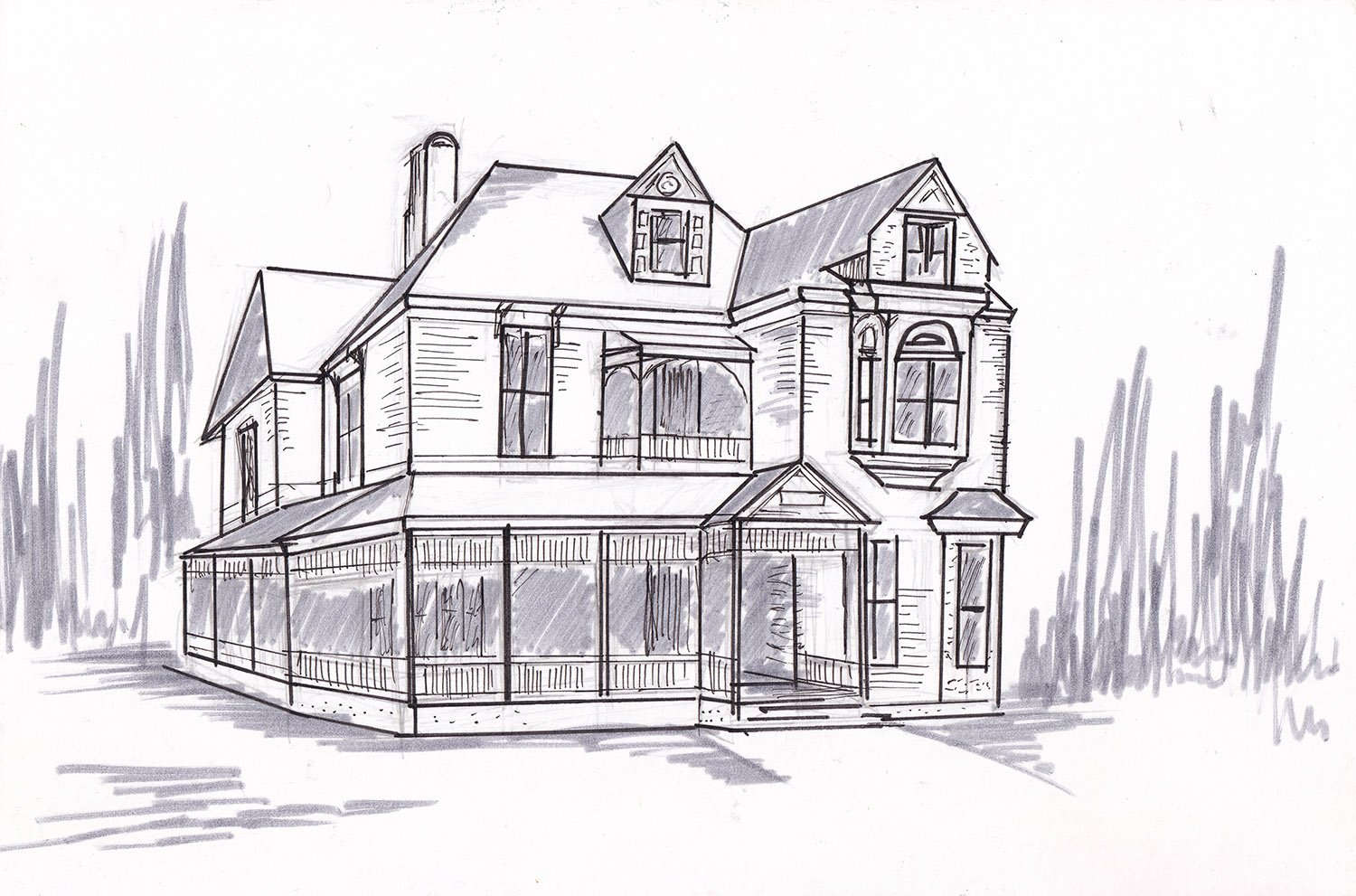
    C. Walter Smith. St. Philip's Deanery (1898-1935). Atlanta.
    C. Walter Smith. St. Philip’s Deanery (1898-1935). Atlanta.

    The Background

    Separate from its series on model houses—but not dissimilar—The Atlanta Journal published the following article in September 1898, featuring an illustration of the “deanery” (pictured above) then being built for St. Philip’s Cathedral and designed by C. Walter Smith.

    The Episcopal Cathedral of St. Philip is as old as Atlanta, established in 1847. Its original sanctuary served as a hospital for Confederate soldiers during the Civil War and was later occupied by Federal troops, who reportedly used it as a stable and bowling alley.1 2

    The building was saved from Sherman‘s burning of Atlanta, allegedly after a priest from the nearby Catholic Shrine of the Immaculate Conception threatened to order all Catholic troops to leave the army if they torched his sanctuary. Because of St. Philip’s proximity to the Catholic church, both structures were said to be spared.3 4

    Cute story, but like most things associated with Atlanta, it’s probably bullshit.

    In reality, Sherman’s forces primarily targeted military assets and burned less than half of the city,5 which at the time was a town of 22,000 people occupying an area significantly smaller than the current Downtown district.6 You’d never know it from the way Atlantans still drone on about it, though.

    The antebellum St. Philip’s was instead destroyed by a tornado in 1878,7 8 replaced in 1882 with a Gothic-style sanctuary designed by John Moser,9 10 an Atlanta architect whose work in the city has been entirely lost to demolition.

    For more than 85 years, the church occupied a large lot in the heart of the city at the northeast corner of Washington Street and Hunter Street (later Martin Luther King, Jr. Drive SE), directly across from the state capitol.

    Mammon and racism beckoned, however, and in 1933, St. Philip’s moved 7 miles north to Buckhead,11 12 building a sprawling fortress at the intersection of Peachtree Road and Andrews Drive (a.k.a. “Jesus Junction”), where it remains cloistered today.

    Location of St. Philip’s Deanery

    Located at 16 Washington Street, the deanery designed by Smith was built next to the 1882 sanctuary,13 and by 1899 was occupied by the church’s dean, Albion W. Knight.14 No floor plan was included with the Journal‘s article, but there were still several interesting aspects about the project that can be gleaned from the illustration and description.

    • The building was ostensibly designed in the Gothic style, with drop arches and kneelered gables. However, the oval window and dentilled cornice were borrowed from the prevailing “colonial” style of the period. Smith’s eclectic composition clearly followed the lead of his former employer, G.L. Norrman, but unlike Norrman, Smith lacked the skill to blend incongruent elements into a cohesive composition.
    • Smith’s design for the deanery also broke from his predecessor in two significant ways:
      • G.L. Norrman rarely used the Gothic style and preferred the Romanesque for church projects.
      • Smith’s design for the deanery included the use of “galvanized iron ornaments”, of which Norrman was a vocal opponent. “How can you expect your child to tell the truth when you have galvanized iron columns painted in imitation of stone on your front porch?”, he wrote in 1898.15
    • The deanery was planned in a roughly “T” form with projecting front and rear wings, which Smith used frequently in his residential works. The C.D. Hurt Residence, built in 1893 in nearby Inman Park, employed a similar design. G.L. Norrman was undoubtedly the architect for that project, and I suspect Smith was also heavily involved in its creation.
    Former St. Philip's Deanery circa 1910
    Former St. Philip’s Deanery circa 191016

    The St. Philip’s deanery only housed the dean for 11 years. In 1909, construction on the first Washington Street viaduct blocked the home’s entrance, rendering it effectively unusable and leading the church to sue the city of Atlanta for damages.17

    In 1910, the city government rented the property and converted the structure into a school building to accommodate overcrowding at nearby Girls’ High School.18 19

    The condition of Atlanta’s schools at the time was abysmal, and the old deanery offered little relief. In January 1913, the Journal reported that 133 students were packed into the building, noting ominously: “If there were a fire…there would be many funerals in Atlanta homes.”20

    The same article included a rough sketch of the building’s floor plan (pictured below), which had been altered for school use but still hinted at Smith’s original design.

    Sketch of floor plan for former St. Philip's Deanery circa 1913
    Sketch of floor plan for former St. Philip’s Deanery circa 191321

    The school vacated the property in August 1913,22 and the building returned to use as the “church house”, used for meetings and community events.

    In 1916, the church’s new dean repurposed the structure to house “club rooms for working men and a school for needy boys and girls.”23 By 1917, the space was also being used as a public lunchroom by the Ladies’ Aid Society.24

    The building was apparently still intact when St. Philip’s moved to Buckhead, and was presumably demolished along with the sanctuary in 1935.25 26

    The property is now occupied by the State of Georgia’s Department of Agriculture building, completed in 1955.27


    St.. Philip's Deanery, Atlanta

    St. Philip’s New Deanery In Course of Construction

    The above cut represents the deanery of St. Philips’ cathedral, which is in process of erection on Washington street. The plans are by C. Walter Smith and the motif is gothic in design and detail.

    The building has brick walls and a granite foundation, with stone and galvanized iron ornaments.

    The interior finish is worked out in plain, rich gothic, and the woodwork is of Georgia pine, highly polished.

    The cost of the building will be about $4,000, and it will be pushed to early completion.

    The design is an attractive one and reflects credit on both the architect and the authorities who adopted it.

    The cathedral building is at the same time undergoing repairs and the appearance of the exterior of the wall will be entirely changed.28

    References

    1. “First Episcopal Church in Atlanta”. The Atlanta Journal, July 29, 1923, p. 9. ↩︎
    2. Perkerson, Medora Field. “St. Philip’s Is 85 Years Old.” The Atlanta Journal Magazine, October 30, 1932, p. 3. ↩︎
    3. “First Episcopal Church in Atlanta”. The Atlanta Journal, July 29, 1923, p. 9. ↩︎
    4. Perkerson, Medora Field. “St. Philip’s Is 85 Years Old.” The Atlanta Journal Magazine, October 30, 1932, p. 3. ↩︎
    5. The (Limited) Destruction of Atlanta – Emerging Civil War ↩︎
    6. Atlanta in the American Civil War – Wikipedia ↩︎
    7. “First Episcopal Church in Atlanta”. The Atlanta Journal, July 29, 1923, p. 9. ↩︎
    8. Perkerson, Medora Field. “St. Philip’s Is 85 Years Old.” The Atlanta Journal Magazine, October 30, 1932, p. 3. ↩︎
    9. “The New St. Philip’s Church.” The Atlanta Constitution, December 19, 1880, p. 1. ↩︎
    10. “St. Philip’s New Church.” The Atlanta Constitution, October 15, 1882, p. 11. ↩︎
    11. “St. Philip’s Cathedral Plans New Peachtree Road Building”. The Atlanta Constitution, May 15, 1933, p. 1. ↩︎
    12. “St. Philip’s Pro-Cathedral Will Be Dedicated Sunday, With Bishop Miskell Here”. The Atlanta Journal, September 9, 1933, p. 9. ↩︎
    13. Insurance maps, Atlanta, Georgia, 1911 / published by the Sanborn Map Company ↩︎
    14. Atlanta City Directory Co.’s Greater Atlanta (Georgia) city directory (1899) ↩︎
    15. Norrman, G.L. Architecture As Illustrative of Religious Belief and as a Means of Tracing Civilization (1898) ↩︎
    16. “Home of Atlanta’s Fourth High School”. The Atlanta Journal, October 9, 1910, p. H 5. ↩︎
    17. “Church Sues City For $20,000 Damages”. The Atlanta Constitution, June 26, 1909, p. 6. ↩︎
    18. “Girls’ Business School Makes Stride Forward”. The Atlanta Journal, September 25, 1910, p. H 8. ↩︎
    19. “St. Philip’s Deanery Will Be School Soon”. The Atlanta Constitution, October 1, 1910, p. 12. ↩︎
    20. “Need Is Imperative For New High School House”. The Atlanta Journal, January 17, 1913, p. 14. ↩︎
    21. ibid. ↩︎
    22. “Old Crew St. School Will Be Used Again”. The Atlanta Constitution, July 31, 1913, p. 8. ↩︎
    23. “St. Philip’s Will Have Church School”. The Atlanta Journal, March 12, 1916, p. 7. ↩︎
    24. “The Ladies Aid of St. Philip’s Cathedral”. The Atlanta Constitution, February 21, 1917, p. 8. ↩︎
    25. “Cornerstone of Old St. Philip’s Will Be Removed to New Church.” The Atlanta Constitution, November 16, 1935, p. 3. ↩︎
    26. “St. Philip’s Cornerstone Opened”. The Atlanta Journal, November 24, 1935, Rotogravure Section. ↩︎
    27. “Agriculture Building To Be Occupied Soon”. The Atlanta Constitution, October 17, 1955, p. 20. ↩︎
    28. “St. Philip’s New Deanery In Course of Construction”. The Atlanta Journal, September 26, 1898, p. 6. ↩︎

  • Empire Building (1909) – Birmingham, Alabama

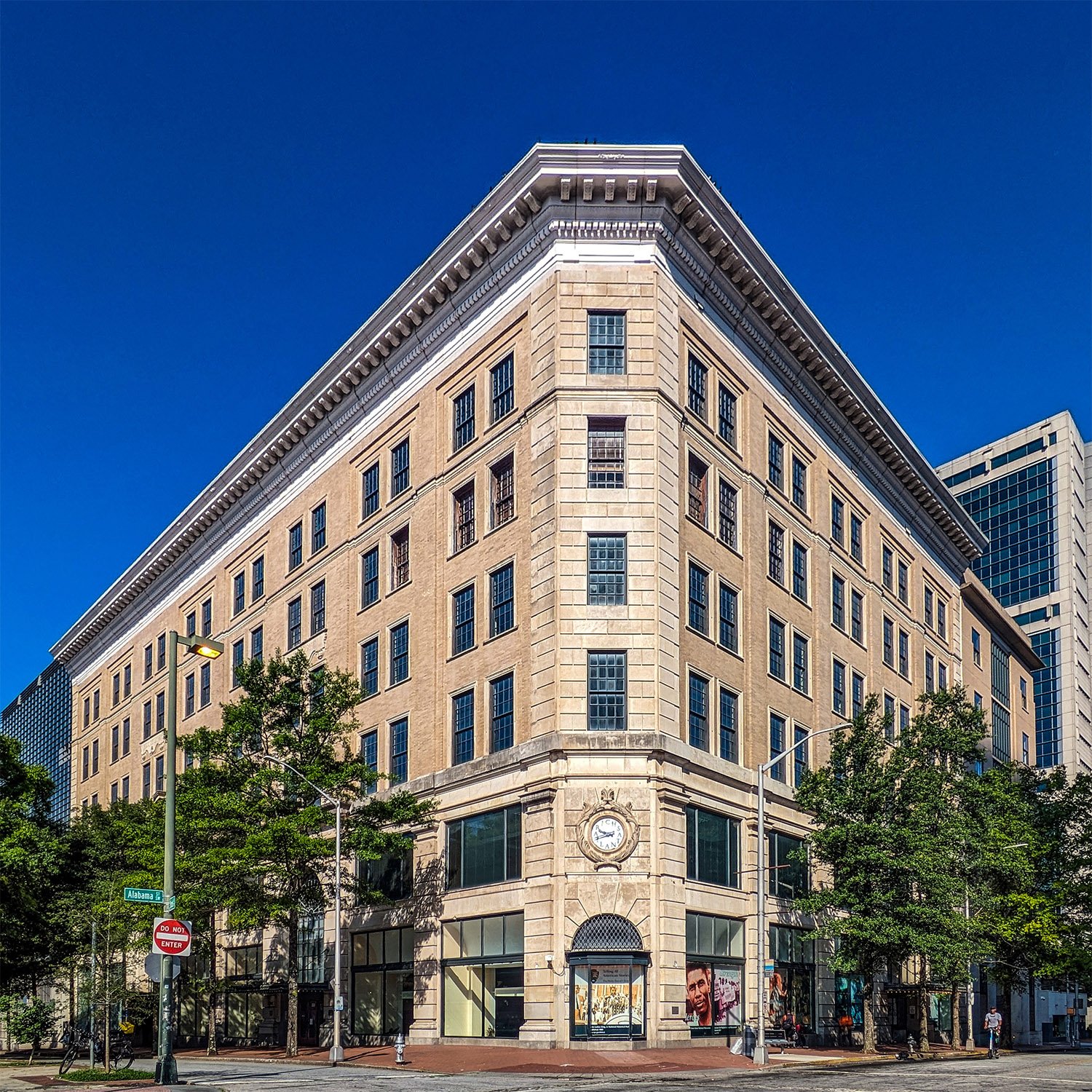
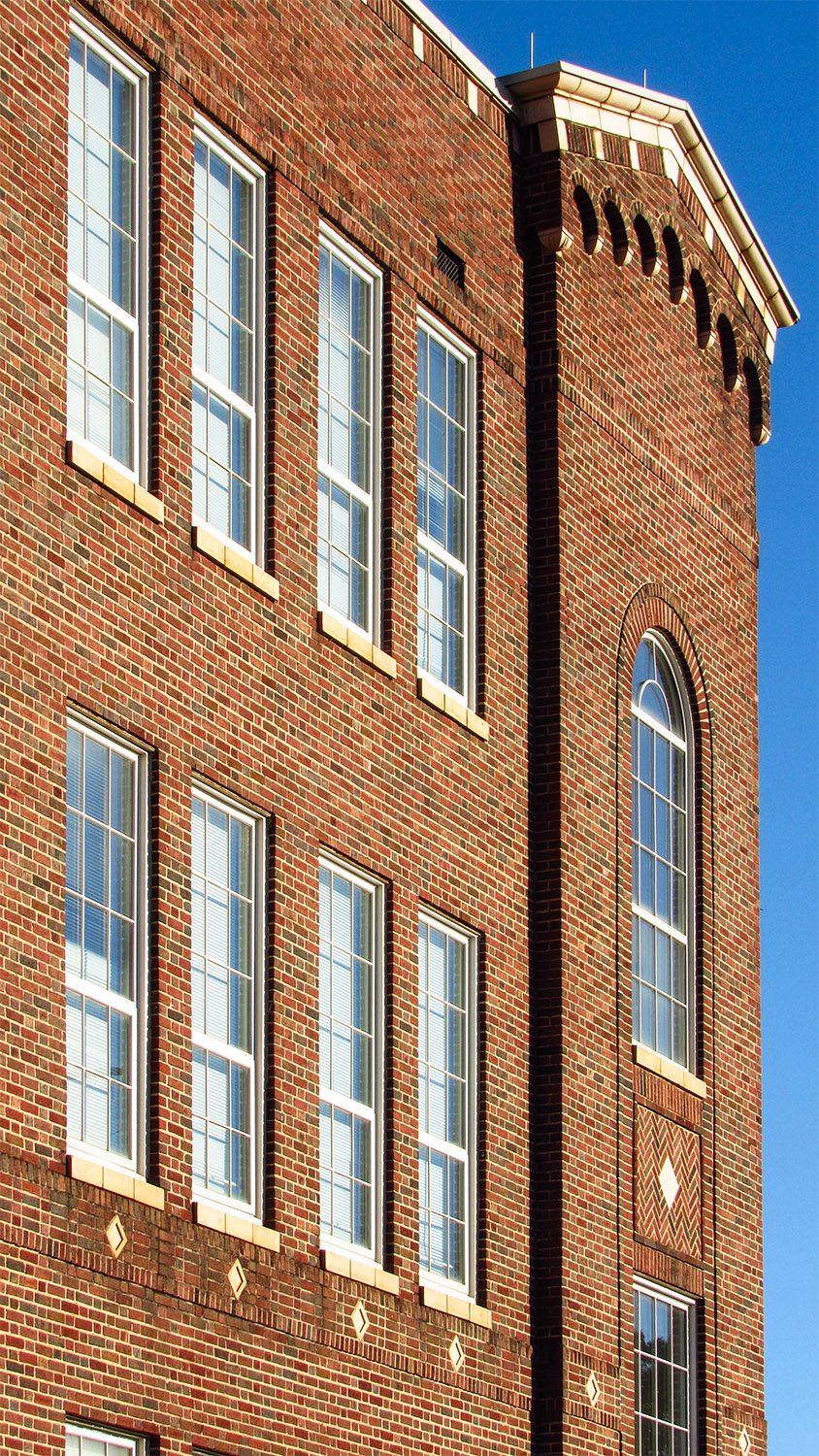
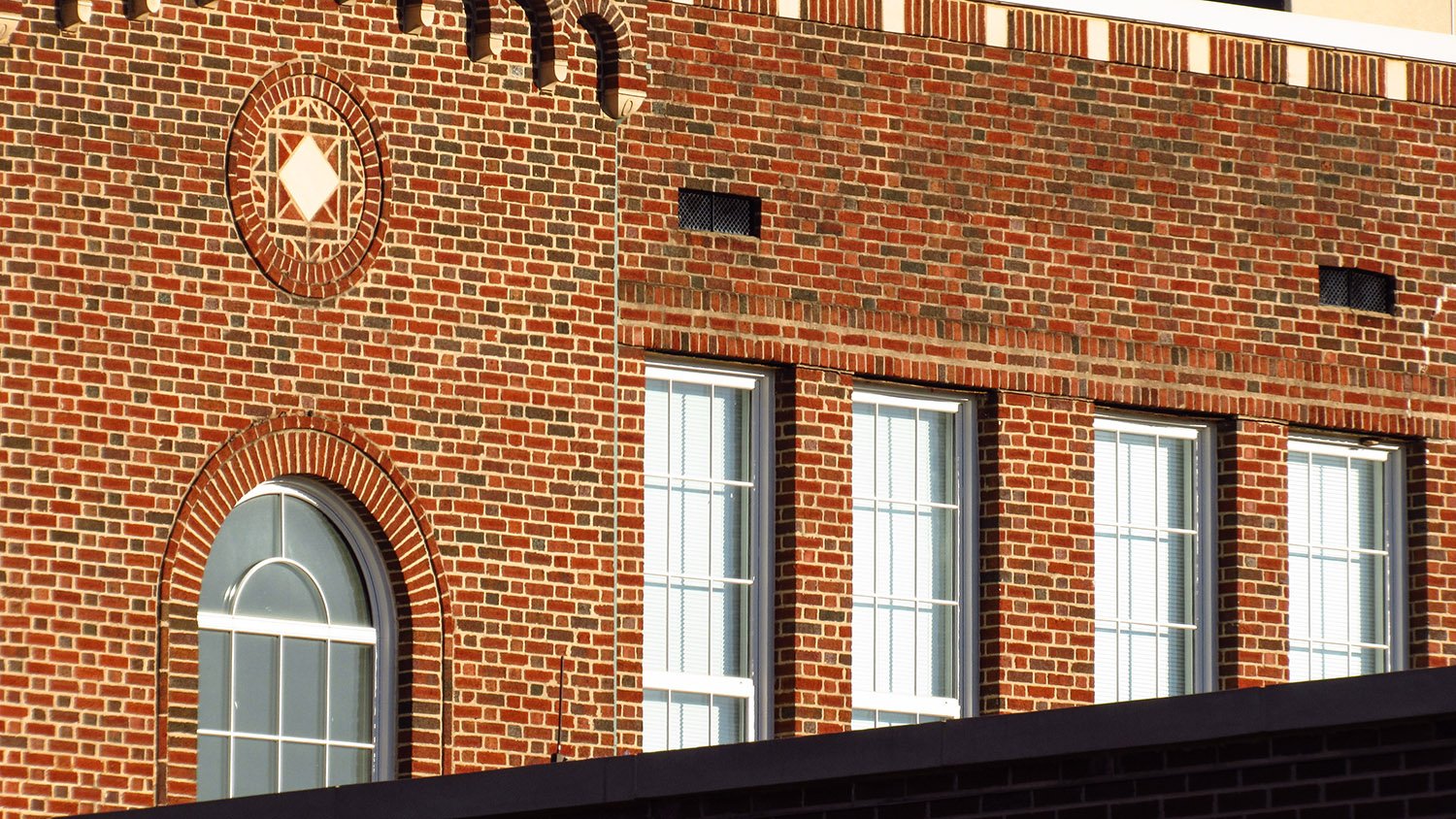
    Warren & Welton with Carpenter & Blair. Empire Building (1909). Birmingham, Alabama.
    Warren & Welton with Carpenter & Blair. Empire Building (1909). Birmingham, Alabama.1 2 3 4
    Looking at the top floors of the Empire Building, Birmingham, Alabama
    Looking at the top floors of the Empire Building, Birmingham, Alabama
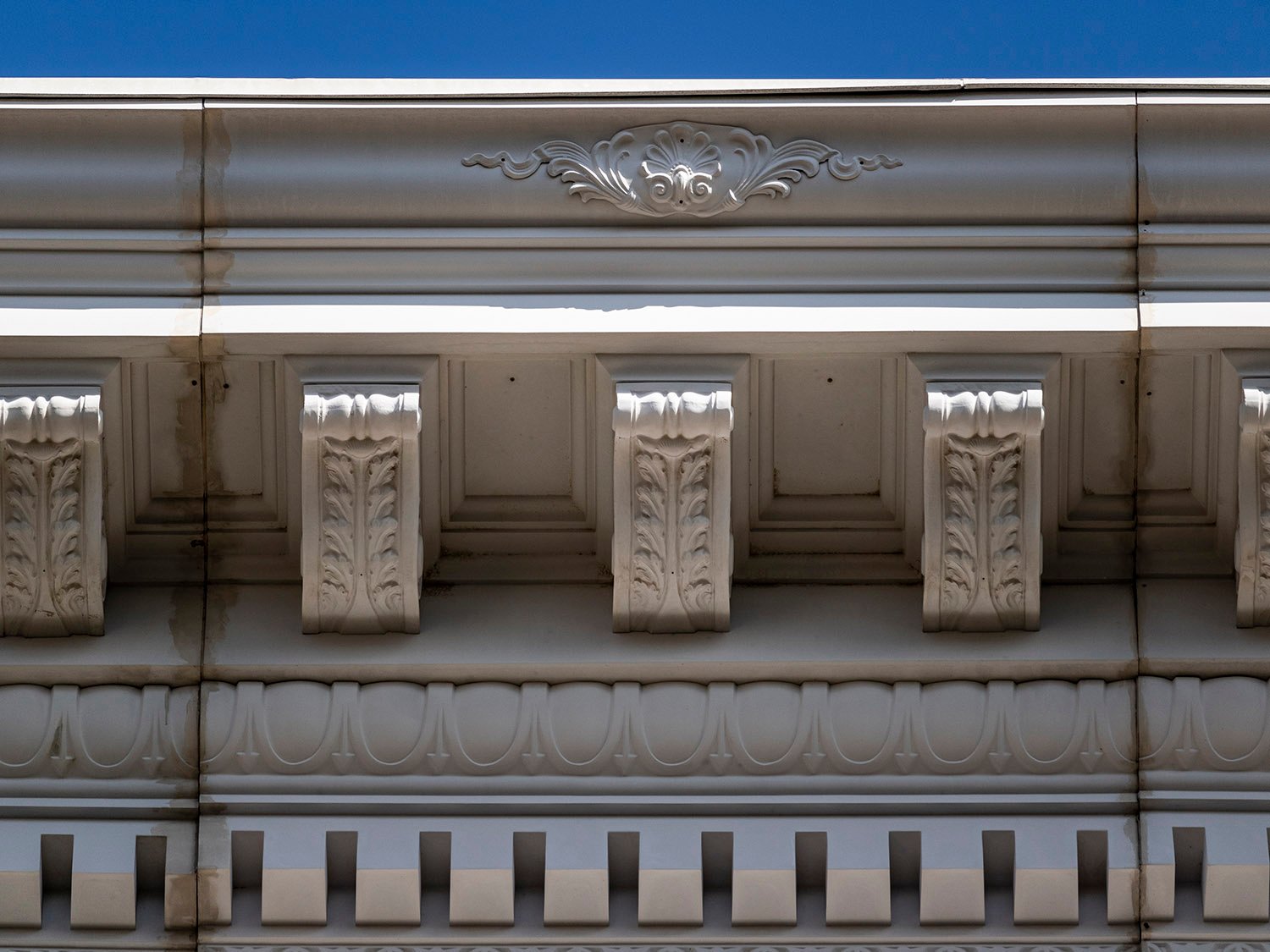
    Crest, cornice, eaves, and pilaster capital on the Empire Building, Birmingham, Alabama
    Crest, cornice, eaves, and pilaster capital on the Empire Building, Birmingham, Alabama
    Windows and spandrels on the Empire Building, Birmingham, Alabama
    Windows and spandrels on the Empire Building, Birmingham, Alabama
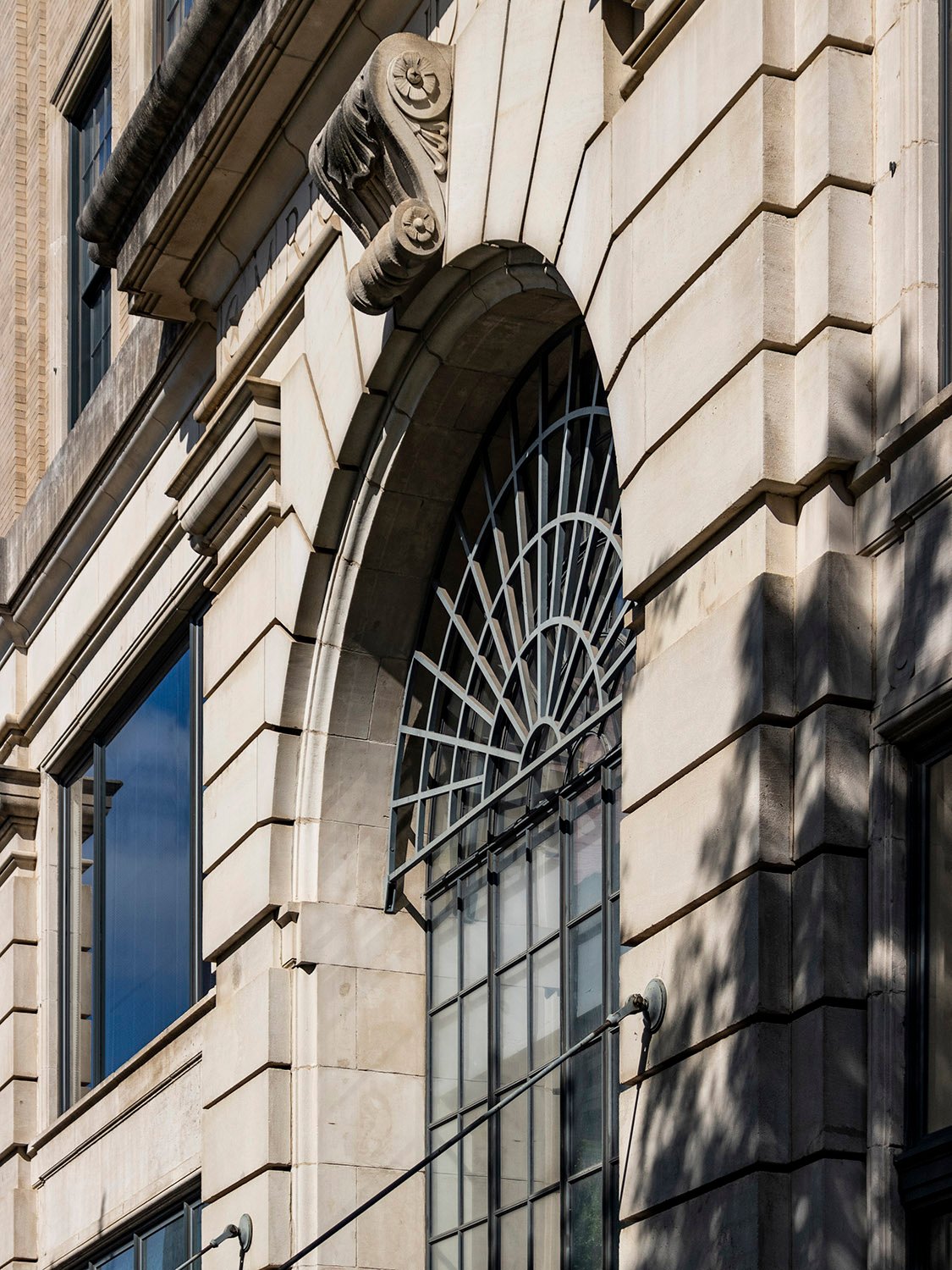
    Window, cornice, and terracotta cladding on the southeast corner of the Empire Building, Birmingham, Alabama
    Window, cornice, and terracotta cladding on the southeast corner of the Empire Building, Birmingham, Alabama
    Third-floor windows and terracotta ornamentation on the Empire Building, Birmingham, Alabama
    Terracotta ornamental panel on the third floor of the Empire Building, Birmingham, Alabama
    Terracotta ornamental panel on the third floor of the Empire Building, Birmingham, Alabama
    Terracotta window spandrel on the Empire Building, Birmingham, Alabama
    Terracotta window spandrel on the Empire Building, Birmingham, Alabama
    Main entrance and first and second floors of the Empire Building, Birmingham, Alabama
    Main entrance and first and second floors of the Empire Building, Birmingham, Alabama
    Frieze, columns, and second-floor windows on the facade of the Empire Building, Birmingham, Alabama
    Frieze, columns, and second-floor windows on the facade of the Empire Building, Birmingham, Alabama
    Column capital and terracotta frieze on the facade of the Empire Building, Birmingham, Alabama
    Column capital and terracotta frieze on the facade of the Empire Building, Birmingham, Alabama
    Iron railing and window spandrel on the second floor of the Empire Building, Birmingham. Alabama
    Iron railing and window spandrel on the second floor of the Empire Building, Birmingham. Alabama
    Terracotta frieze and insignia on the Empire Building, Birmingham, Alabama
    Looking at the Empire Building from the west
    Looking at the Empire Building from the west

    References

    1. “All Plans Completed for Empire Skyscraper”. The Age-Herald (Birmingham, Alabama), May 12, 1908, p. 5. ↩︎
    2. “Outsiders Note City’s Growth”. The Birmingham News (Birmingham, Alabama), June 19, 1909, p. 22. ↩︎
    3. “Empire Ready Next Thursday”. The Birmingham News (Birmingham, Alabama), September 17, 1909, p. 3. ↩︎
    4. Empire Building – Bhamwiki ↩︎

  • Bowery Savings Bank (1895) – New York

    Stanford White of McKim, Mead & White. Bowery Savings Bank (1895). New York.
    Stanford White of McKim, Mead & White. Bowery Savings Bank (1895). New York.1 2 3 4 5 6

    The Bowery Savings Bank is a significant early work in the Beaux-Arts style, credited to Stanford White of McKim, Mead & White.

    Following their monumental buildings of classical inspiration for the World’s Columbian Exposition in 1893, the firm entirely embraced Roman and Renaissance influences in their designs, ushering in the Beaux-Arts movement that dominated American architecture for decades.

    Location of Bowery Savings Bank

    By the time of White’s death in 1906, the firm’s work had become increasingly derivative and dreary, but this structure was designed early enough to retain some of their initial flair for quirkiness and originality: the front doors set slightly off-center within a recessed arch, for instance.

    Looking at the Grand Street facade of the Bowery Savings Bank, New York
    Looking at the south facade of the Bowery Savings Bank, New York

    Built in the shape of an “L” and composed of granite and Indiana limestone, the Bowery Savings Bank has two entrances, neither of which resembles the other—a larger side entrance on Grand Street, and the smaller, more interesting Bowery side.

    It appears the building was largely designed by Edward P. York, then White’s assistant, who also supervised its construction. York would later become a founding partner in the architectural firm of York & Sawyer.7

    Ever the playboy, in the mid-to-late 1890s, White increasingly delegated his work to his employees while indulging in a lavish lifestyle of excess and consumption—it didn’t end well for him.

    Gallery

    Looking up at the pediment on the south facade of the Bowery Savings Bank, New York
    Looking up at the pediment on the south facade of the Bowery Savings Bank, New York
    Arched portico on the east facade of the Bowery Savings Bank, New York
    Arched portico on the east facade of the Bowery Savings Bank, New York
    Dentils, egg and dart molding, and acroterion on the facade of the Bowery Savings Bank, New York
    Dentils, egg and dart molding, and acroterion on the facade of the Bowery Savings Bank, New York
    Crest and gargoyles on the facade of the Bowery Savings Bank, New York
    Crest and gargoyles on the facade of the Bowery Savings Bank, New York
    Acroterion on the facade of the Bowery Savings Bank, New York
    Acroterion on the facade of the Bowery Savings Bank, New York
    Looking at the cornice, frieze, and Corinthian capitals on the south elevation of the Bowery Savings Bank, New York
    Looking at the cornice, frieze, and Corinthian capitals on the south elevation of the Bowery Savings Bank, New York
    Pediment on the east elevation of the Bowery Savings Bank, New York
    Pediment on the east elevation of the Bowery Savings Bank, New York
    Cornice, frieze, and Corinthian capitals on the facade of the Bowery Savings Bank, New York
    Cornice, frieze, and Corinthian capitals on the facade of the Bowery Savings Bank, New York
    Frieze, date inscription, and pediment on the south elevation of the Bowery Savings Bank, New York
    Frieze, date inscription, and pediment on the south elevation of the Bowery Savings Bank, New York
    Acroterion on the facade of the Bowery Savings Bank, New York
    Acroterion on the facade of the Bowery Savings Bank, New York
    Console and pediment above a window on the Bowery Savings Bank, New York
    Console and pediment above a window on the Bowery Savings Bank, New York
    Dentils, frieze, and Corinthian capital on the facade of the Bowery Savings Bank, New York
    Dentils, frieze, and Corinthian capital on the facade of the Bowery Savings Bank, New York
    Chimney and crest on the east elevation of the Bowery Savings Bank, New York
    Chimney and crest on the east elevation of the Bowery Savings Bank, New York

    Elevations and Sections8

    Bowery elevation of the Bowery Savings Bank, New York
    Bowery elevation of the Bowery Savings Bank, New York
    Grand Street elevation of the Bowery Savings Bank, New York
    Floor plan of the Bowery Savings Bank, New York
    Floor plan of the Bowery Savings Bank, New York
    Section drawing of the counting room in the Bowery Savings Bank, New York
    Section drawing of the counting room in the Bowery Savings Bank, New York

    Interior9

    Banking room of the Bowery Savings Bank, New York
    Banking room of the Bowery Savings Bank, New York

    References

    1. A Monograph of the Work of McKim, Mead & White 1879-1915, Volume 1. New York: The Architectural Book Publishing Co. (1915). ↩︎
    2. “The Bowery Savings Bank’s New Building.” New-York Daily Tribune, February 14, 1893, p. 11. ↩︎
    3. “Another Handsome Bank Building.” New-York Daily Tribune, February 15, 1893, p. 3. ↩︎
    4. “Financial Announcements.” The New-York Times, June 24, 1894, p. 14. ↩︎
    5. “Bowery Bank’s New Building.” The World (New York), June 27, 1894, p. 6. ↩︎
    6. “Bowery Savings Opens New Home”. The Brooklyn Daily Eagle (New York), June 22, 1923, p. 22. ↩︎
    7. Bowery Savings Bank Building – Landmarks Preservation Commission ↩︎
    8. A Monograph of the Work of McKim, Mead & White 1879-1915, Volume 1. New York: The Architectural Book Publishing Co. (1915). ↩︎
    9. ibid. ↩︎

  • Atlanta Civic Center (1968)

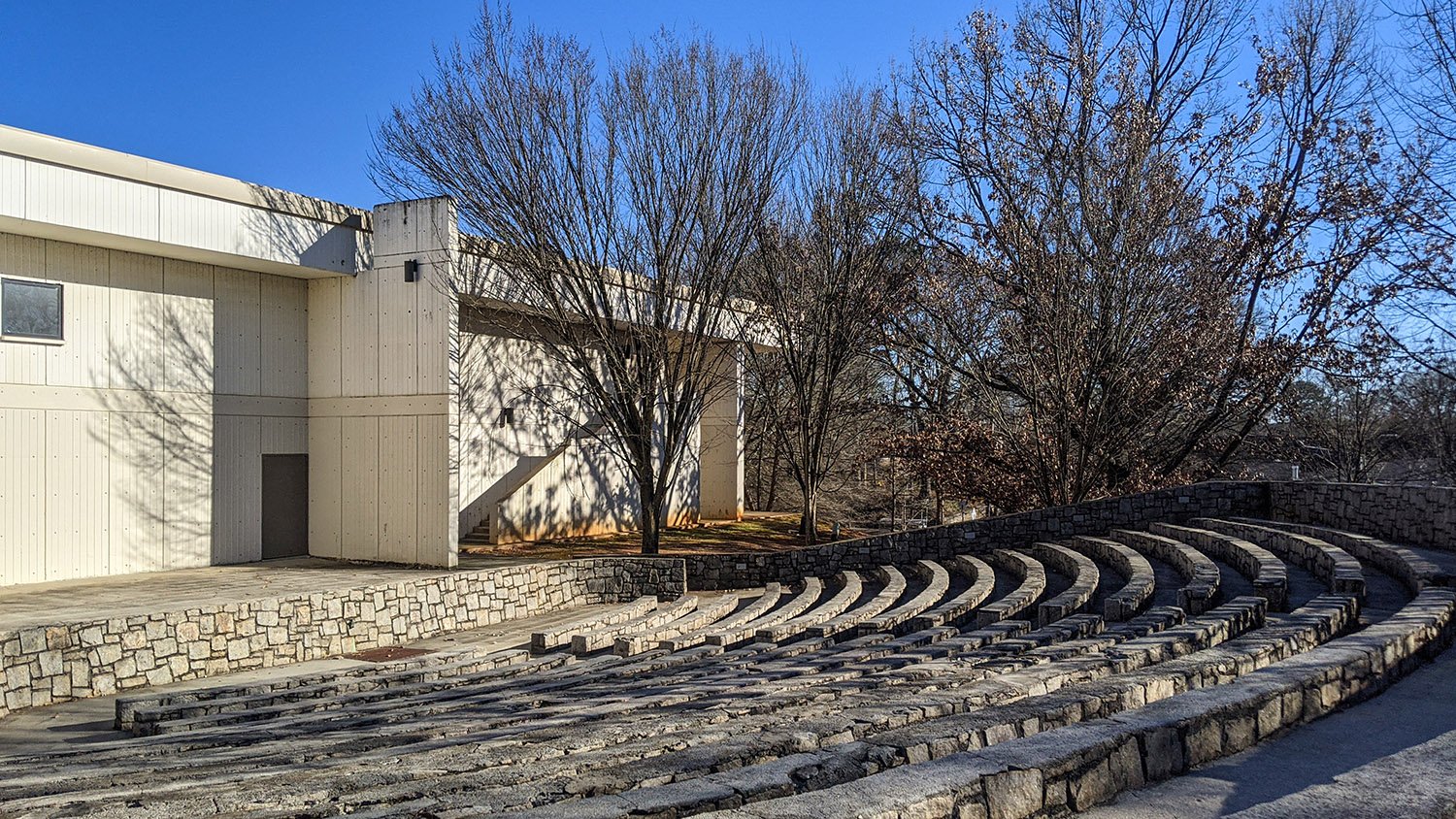
    Harold Montague of Robert and Company. Atlanta Civic Center (1968, pending demolition). Atlanta.
    Harold Montague of Robert and Company. Atlanta Civic Center (1968, pending demolition). Atlanta.1
    East elevation of Atlanta Civic Center
    East elevation of the Atlanta Civic Center
    Looking across the central plaza of the Atlanta Civic Center
    East elevation of the Atlanta Civic Center
    East elevation of the Atlanta Civic Center
    Columns at the main entrance of the Atlanta Civic Center
    Columns at the main entrance of the Atlanta Civic Center
    Window and balcony on the Atlanta Civic Center
    Window and balcony on the Atlanta Civic Center
    Windows and balconies on the Atlanta Civic Center
    Windows and balconies on the Atlanta Civic Center
    South elevation of the Atlanta Civic Center
    South elevation of the Atlanta Civic Center

    References

    1. Dial, Bill. Atlanta’s Civic Center — New Home for Performing Arts”. The Atlanta Journal, March 9, 1968, p. 2-A. ↩︎

  • “Journal Model Houses; Residence of Mr. George Wade” (1898)

    C. Walter Smith. George Wade Residence (1898). West End, Atlanta.
    C. Walter Smith. George Wade Residence (1898). West End, Atlanta.

    The Background

    This is the sixth in a series of articles published in 1898 by The Atlanta Journal, featuring illustrations and floor plans of residences designed by Atlanta architects.

    The article highlights the George Wade Residence, designed by C. Walter Smith, who served for many years as a draughtsman and later chief assistant to G.L. Norrman,1 2 before successfully establishing his own firm in 1896.3

    The Wade home’s floor plan hints at how much Smith was responsible for designing Norrman’s residences—I suspect it was quite a bit.

    There isn’t much to criticize about the plan: Smith crafted a solid layout with four rooms on each floor clustered around a central stair hall. Each bedroom included a closet, and the second floor contained a standard “trunk room” and dressing room, as seen in previous plans in this series.

    Two oddities were the tiny den tacked onto the back of the reception hall, and the massive dining room with an interior wall that awkwardly jutted out into the stairs hall.

    Location of the George Wade Residence

    As noted in the article, the Wade House was designed in the nebulous “colonial” style of the 1890s, which, in this case, consisted primarily of dentilled cornices and festoons on the friezes and porch pediment.

    Festoons were Smith’s signature element—you can find them in nearly all of his surviving buildings, as well as many of G.L. Norrman’s works from Smith’s time in his employ.

    Also note the tapered chimneys, which were incorporated into numerous Norrman projects from the late 1880s to mid-1890s, again indicating the level of Smith’s involvement in Norrman’s firm.

    Still, Norrman must have guided those designs with a fairly heavy hand, because Smith’s solo work lacked the panache of his mentor, and you can clearly see the limits of his ability in the Wade House illustration (pictured above).

    Whereas Norrman consistently produced refined and cohesive compositions, Smith’s buildings often appeared boxy and plain with clumsy touches of embellishment—the Wade design is a prime example.

    Located at 341 Gordon Street (later 249, then 1097 Gordon Street SW) in Atlanta’s West End, the home was occupied by the Wade family for only three years.

    Wade moved to Cedartown, Georgia, circa 1899,4 where he established a knitting mill that manufactured ladies’ underwear.5 Smith subsequently designed Wade’s home in Cedartown6 7— which still stands, along with an additional knitting mill,8 which does not.

    Former George Wade Residence circa 1914
    Former George Wade Residence circa 19149

    The former Wade home was occupied for many years by Mr. and Mrs. W.R. Beauprie. Mr. Beauprie died in the home in January 1922,10 while his wife, Carrie E. Beauprie, died in the home over 10 years later, in June 1932.11

    The exact date of the home’s demolition is unclear, but in 1957, a newspaper classified ad said of the property: “Owner Leaving State SACRIFICE FOR QUICK SALE”, noting its commercial zoning and a location “Right in the path of progress.”12 By 1960, the site was occupied by—what else?—a gas station.13


    C. Walter Smith. George Wade Residence (1898). West End, Atlanta.

    Journal Model Houses; Residence of Mr. George Wade

    The above cut shows a perspective view of Mr. George Wade’s house on Gordon street, at the corner of Lawton, in West End. It was built 18 months ago from the plans of Mr. Walter Smith of Atlanta, and is one of the prettiest and most comfortable homes in the city. Every inch of space is utilized, and the house is rich in closets and all kinds of conveniences.

    The design of the modern colonial type and the picture shows how it is worked out. The construction is very thorough. The walls are double and the floors are double, with tarred felt between. The interior finish downstairs is antique oak with the exception of the parlor, the sitting room and the den. The parlor is in white enamel, the den in red oak, and the sitting room in curly pine.

    Ground floor plan of George Wade Residence, Atlanta

    There is a very attractive arrangement of the entrance, reception hall, stair hall and parlor. The reception hall, parlor and sitting room can be thrown together or completely separated by the sliding doors.

    The second floor is natural pine, cabinet finish. The floors are waxed and polished. The windows are fitted with inside blinds and the house is equipped with electric bells, gas lighting and door openers. There are cabinet mantels in every room and in the hall and the stair hall is separated from the reception hall by pretty grill work, and the stairs are finished in antique oak. The foundation is a solid wall, and there is a good brick basement with a furnace room.

    The plumbing is the best and thoroughly ventilated. The workmanship throughout is first class and the house is a gem. It cost when built $5,240, and can be duplicated for about $5,000. The painting is in the prevailing colonial colors.14

    Second floor plan of George Wade Residence, Atlanta

    References

    1. “A Card”. The Atlanta Constitution, March 1, 1893, p. 10. ↩︎
    2. Atlanta City Directory Co.’s Greater Atlanta (Georgia) city directory (1894) ↩︎
    3. “Out For Himself.” The Atlanta Constitution, April 19, 1896, p. 20. ↩︎
    4. “Loitering In The Lobbies”. The Atlanta Journal, February 6, 1899, p. 10. ↩︎
    5. “The Wahneta Mills.” The Macon Telegraph, January 2, 1899, p. 8. ↩︎
    6. The Cedartown Standard (Cedartown, Georgia), August 30, 1900, p. 2. ↩︎
    7. “Improvements At Cedartown”. The Atlanta Constitution, September 15, 1900, p. 4. ↩︎
    8. The Cedartown Standard (Cedartown, Georgia), August 16, 1900, p. 3. ↩︎
    9. “Scenes and Streets of Homes in West End”. The Atlanta Journal, August 23, 1914, p. 8H. ↩︎
    10. “Mr. W.R. Beauprie, Well Known in Atlanta, To Be Buried Sunday”. The Atlanta Constitution, January 14, 1922, p. 10. ↩︎
    11. “Fall Injuries Fatal To Mrs. C.E. Beauprie”. The Atlanta Constitution, June 5, 1932, p. 10A. ↩︎
    12. “Business Property 165”. The Atlanta Constitution, June 21, 1957, p. 27. ↩︎
    13. “100 Extra Gold Bond Stamps!” (advertisement). The Atlanta Constitution, June 16, 1960, p. 29. ↩︎
    14. “Journal Model Houses; Residence of Mr. George Wade”. The Atlanta Journal, February 12, 1898, p. 10. ↩︎

  • 191 Peachtree (1990) – Atlanta

    Johnson/Burgee Architects and Kendall/Heaton Associates Inc. 191 Peachtree (1990). Atlanta.
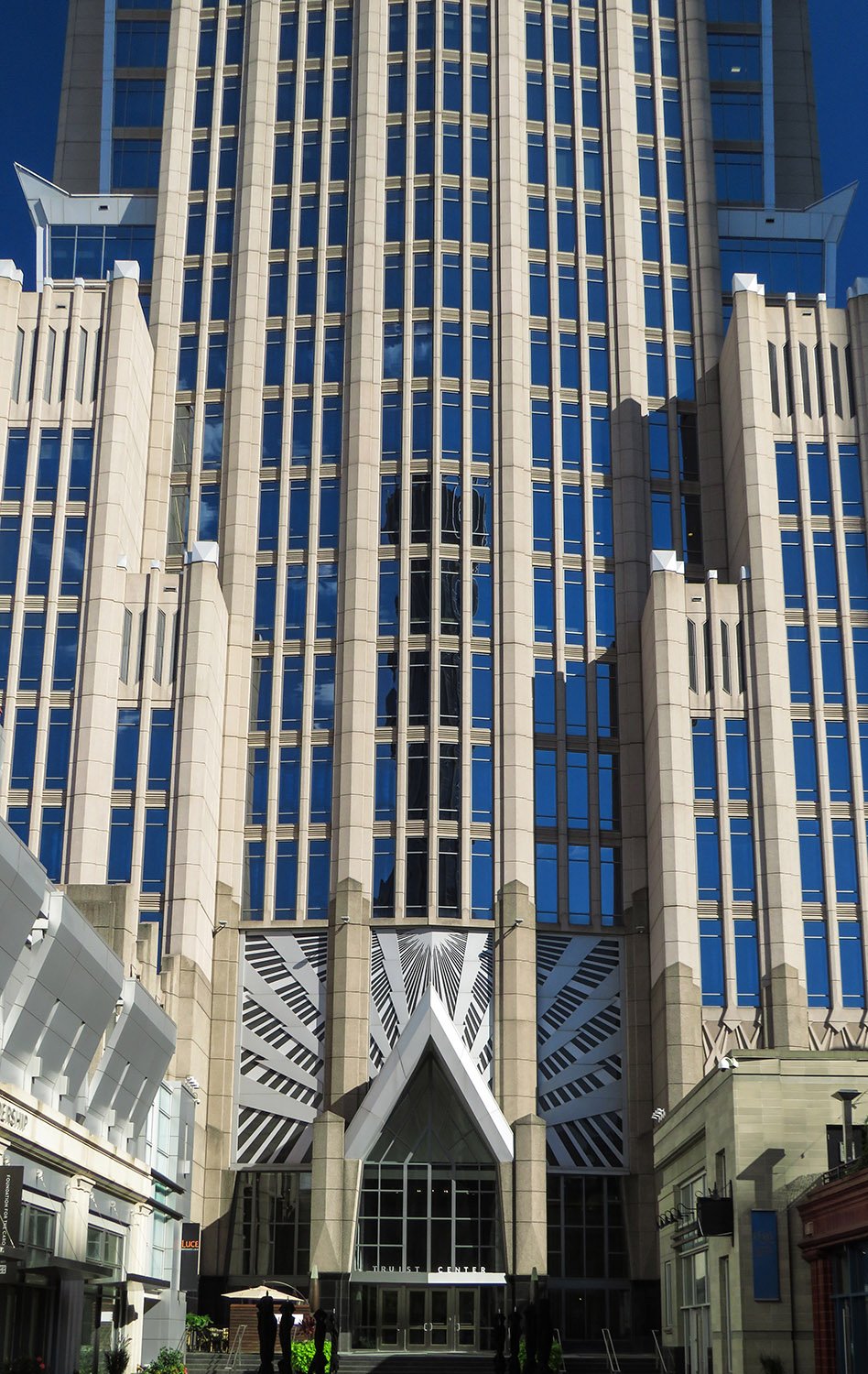
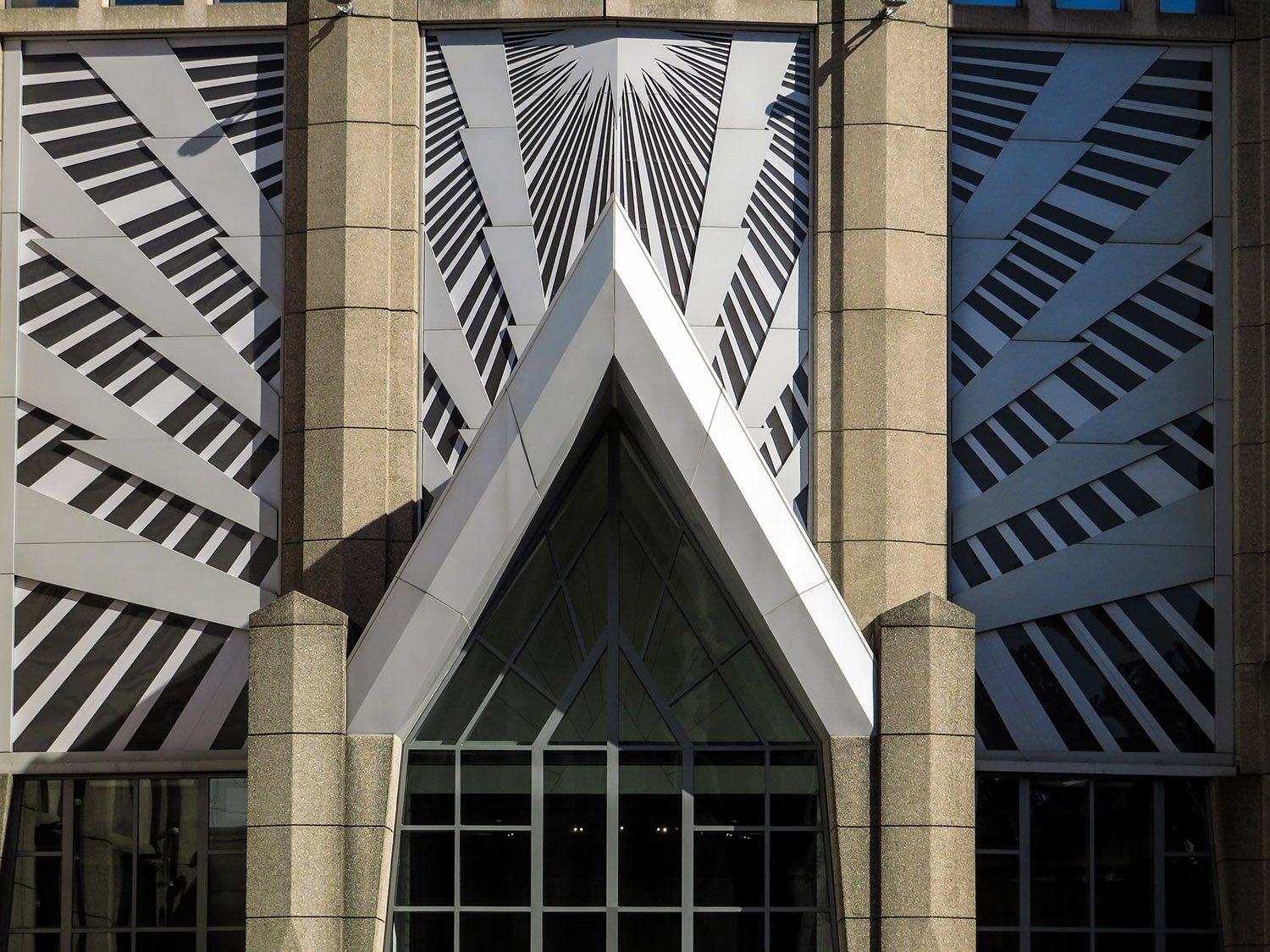
    Johnson/Burgee Architects and Kendall/Heaton Associates Inc. 191 Peachtree (1990). Atlanta.1 2 3
    Looking up at the east facade of 191 Peachtree, Atlanta
    Looking up at the east facade of 191 Peachtree, Atlanta
    Top of 191 Peachtree, Atlanta
    Top of 191 Peachtree, Atlanta
    Looking at 191 Peachtree from the southwest
    Looking at 191 Peachtree from the southwest
    Windows on 191 Peachtree, Atlanta
    Windows on 191 Peachtree, Atlanta
    Parking podium of 191 Peachtree, Atlanta
    Parking podium of 191 Peachtree, Atlanta
    Looking at 191 Peachtree from the east
    Looking at 191 Peachtree from the east
    Looking into the lobby of 191 Peachtree, Atlanta
    Looking into the lobby of 191 Peachtree, Atlanta

    References

    1. Walker, Tom. “‘Skyscraper era’ returns in Atlanta”. The Atlanta Constitution, May 6, 1988, p. 1C. ↩︎
    2. “How much difference a tower makes”. The Atlanta Journal and Constitution, January 11, 1991, p. F-2. ↩︎
    3. One Ninety One Peachtree Tower – Kendall Heaton ↩︎

  • Roswell Presbyterian Church (1840) – Roswell, Georgia

    Willis Ball. Roswell Presbyterian Church (1840). Roswell, Georgia.
    Willis Ball. Roswell Presbyterian Church (1840). Roswell, Georgia.1
    Looking at Roswell Presbyterian Church from the southwest
    Looking at Roswell Presbyterian Church from the southwest
    Frieze, architrave, and Doric column on Roswell Presbyterian Church, Roswell, Georgia
    Frieze, architrave, and Doric column on Roswell Presbyterian Church, Roswell, Georgia
    Windows on the south elevation of Roswell Presbyterian Church, Roswell, Georgia
    Windows on the south elevation of Roswell Presbyterian Church, Roswell, Georgia
    Steeple on Roswell Presbyterian Church, Roswell, Georgia
    Steeple on Roswell Presbyterian Church, Roswell, Georgia
    Looking at the porch of Roswell Presbyterian Church, Roswell, Georgia
    Looking at the porch of Roswell Presbyterian Church, Roswell, Georgia
    Front door of Roswell Presbyterian Church, Roswell, Georgia
    Front door of Roswell Presbyterian Church, Roswell, Georgia
    Pediment, frieze, architrave, and Doric capital on Roswell Presbyterian Church, Roswell, Georgia
    Pediment, frieze, architrave, and Doric capital on Roswell Presbyterian Church, Roswell, Georgia

    References

    1. National Register of Historic Places Inventory – Nomination Form: Roswell Historic District ↩︎

  • Paul Romare Residence (1892)

    G.L. Norrman. Paul Romare Residence (1892, demolished before 1926). Atlanta.
    G.L. Norrman. Paul Romare Residence (1892, demolished before 1926). Atlanta.1

    The Background

    The following article, published by The Atlanta Journal in 1898, includes an illustration and floor plans of the Paul Romare Residence, built in 1892 and designed by G.L. Norrman.2 3
    Like Norrman, Paul Romare (1828-1904,4 pictured here5)was also a Swedish immigrant.

    Although Romare was 20 years older than Norrman,6 it appears the two men were close friends, as Norrman planned at least four projects for the Romare family over 21 years and also served as an honorary escort at Romare’s funeral.7 8

    Romare and Norrman’s Connection

    Romare began working at the Atlanta National Bank circa 1865 and steadily rose through the ranks, ultimately becoming the bank’s president in 1903.9 10 Like Norrman, he was also prominent in Atlanta society, and both men were members of the Capital City Club.11

    Only 41 Atlantans in the 1890s were from Scandinavia,12 so Norrman and Romare likely bonded over their common heritage, if nothing else. However, the two men’s lives had many striking parallels.
    Like Norrman, Romare was born and raised in southern Sweden, and both men became sailors: Romare left home at age 14 to serve as a cabin boy on a merchant ship captained by his father.

    As a young man, Norrman reportedly left the Swedish Navy shortly after he quarreled with an officer. When Romare was 18, he abandoned ship after a fight with the captain, hiding in a friend’s closet in New York to evade the captain’s search.

    Romare eventually immigrated to the United States through Charleston, South Carolina. From 1850 to 1864, he lived and worked in the Upcountry, including the towns of Gaffney and Chester, both of which were a short distance from Spartanburg, where Norrman began his practice a decade later.

    Romare, incidentally, was apparently pronounced as “ROAM-a-ree”. And did I mention he secretly fathered a son with a Black woman in South Carolina?13

    That was likely unknown in Atlanta, where Romare’s wife, Lucy, and their six daughters were popular social fixtures.

    G.L. Norrman. Paul Romare Residence (1892, demolished before 1926). Illustration by W.L. Stoddart.
    G.L. Norrman. Paul Romare Residence (1892, demolished before 1926). Illustration by W.L. Stoddart.14

    About the Residence

    The house shown here was the second Norrman-designed residence for Romare and was built at 17 East North Avenue,15 on what is now the site of the Bank of America Plaza in Midtown Atlanta.

    Location of Paul Romare Residence

    However, the home was long gone before Bank of America, demolished between 1923 and 1925,16 17 18 and replaced by a car dealership in 1926.19 What else would you expect from Atlanta?

    There are a few things to note about the floor plans shown below:

    • The Journal mislabeled the first story plan as the “Second Floor Plan” and the second story plan as the “Ground Floor Plan”, because of course they did.
    • The first story plan centered on a reception hall with a fireplace, an evolution of the living hall concept Norrman used in the 1880s, which can still be seen in the Edward C. Peters House and T.W. Latham House in Atlanta. For the Romare design, a separate stair hall was placed behind the reception hall. So many halls.
    • There were two full bathrooms in the Romare house—one per floor. The first-floor bathroom was connected to both the main bedroom and the stair hall, apparently so guests could use it.
    • Bedroom closets were still a novelty in 1892, and like most homes that had them, the closets in the Romare design were tiny. However, Norrman also included spacious“dressing rooms” with closets in three of the five bedrooms, undoubtedly designed for Romare’s wife and daughters.
    • Typical of Norrman’s residential designs for wealthy clients, the service areas were well-defined and separate from the rest of the home. Servants would be expected to enter from the rear porch, and the kitchen and rear stairs were buffered from the dining room by a large butler’s pantry.

    The Romare house was one of the better works from a short-lived period in Norrman’s career, circa 1892-1893, when he became particularly audacious and avant-garde in his residential designs, freely mixing classical, Colonial, Romanesque, and Palladian elements in striking combinations.

    The approach didn’t always work—the C.D. Hurt Residence, for example, is an unholy mess—but it’s clear Norrman put his best effort into the Romare Residence, and the results speak for themselves. Vacker som en dag!


    G.L. Norrman. Paul Romare Residence (1892, demolished before 1926). Atlanta.
    G.L. Norrman. Paul Romare Residence (1892, demolished before 1926). Atlanta.

    Journal’s Model Houses; Home of Paul Romare.

    The above cut represents the residence of Mr. Paul Romare on North avenue. It was built from the plans of Mr. G.L. Norrman at a cost of $12,000, and is one of the best constructed and most comfortable residences in the city. The plan is not altogether of any conventional style, but the details are in that of the renaissance. The interior arrangement fully appears in the floor plans of the first and second stories. The interior finish of the lower story is of hard wood, built in special designs from detail plans by Mr. Norrman. The parlor is finished in sycamore and beautifully frescoed. The diningroom [sic], library and other rooms of the lower story are finished in oak. The details are in keeping with the general style shown in the details of the exterior.

    The workmanship and material from foundation to roof are of the best, and the arrangement makes the residence one of the most comfortable in the city.

    The house is fitted with the best modern appliances for comfort, including electric bells, etc., and everything of that kind.20

    First story plan of Paul Romare Residence, Atlanta
    Second story plan of Paul Romare Residence, Atlanta

    References

    1. Photo credit: Atlanta Homes: Attractiveness of Residences in the South’s Chief City. Atlanta Presbyterian Publishing Company (1901). ↩︎
    2. “The Home Builders”. The Atlanta Constitution, June 20, 1892, p. 8. ↩︎
    3. “My, How We Do Grow!” The Atlanta Constitution, September 21, 1892, p. 4. ↩︎
    4. “Paul Romare, Financier, Dead After Long Illness”. The Atlanta Journal, February 8, 1904, p. 2. ↩︎
    5. Photo credit: City of Atlanta: A Descriptive, Historical and Industrial Review. Louisville, Kentucky: The Inter-State Publishing Company (1893), p. 74. ↩︎
    6. “Mr. Paul Romare.” The Atlanta Constitution, February 12, 1893, p. 7. ↩︎
    7. “Funeral Notice.” The Atlanta Journal, February 9, 1904, p. 11. ↩︎
    8. “Romare To Rest In West View”. The Atlanta Constitution, February 9, 1904, p. 5. ↩︎
    9. “New President Will Be Romare”. The Atlanta Constitution, May 9, 1903, p. 6. ↩︎
    10. “Romare Made President Of Bank”. The Atlanta Journal, May 10, 1903, p. 1. ↩︎
    11. “The Club Reception.” The Atlanta Constitution, October 19, 1887, p. 2. ↩︎
    12. Mebane, Anne Fonvielle. (1967). Immigrant Patterns in Atlanta, 1880 and 1896 [Master’s thesis, Emory University], p. 48. ↩︎
    13. Historic Joplin » Paul Romare ↩︎
    14. Illustration credit: The Southern Architect, Volume 10, no. 11, September 1899, p. 10. ↩︎
    15. Insurance maps, Atlanta, Georgia, 1911 / published by the Sanborn Map Company ↩︎
    16. “Four Apartment Houses Purchased By Manget; Over $100,000 Involved”. The Atlanta Journal, January 26, 1923, p. 36. ↩︎
    17. “Atlanta Title And Trust Company Publishes Comprehensive Summary Of Atlanta Real Estate Information”. The Atlanta Journal, May 13, 1923, 8F. ↩︎
    18. “Property Transfers”. The Atlanta Journal, January 25, 1925, p. 8F. ↩︎
    19. “Contract Is Signed For $600,000 Home For Motor Agency”. The Atlanta Journal, January 7, 1926, p. 1. ↩︎
    20. “Journal’s Model Houses; Home of Paul Romare”. The Atlanta Journal, January 29, 1898, p. 10. ↩︎

  • “Journal Model Homes; Residence of Miss Susie Wells” (1898)

    Butt & Morris. Susie Wells Residence (1898-1913). Atlanta.
    Butt & Morris. Susie Wells Residence (1898-1913). Atlanta.

    The Background

    This is the third in a series of articles published in 1898 by The Atlanta Journal, featuring illustrations and floor plans of residences designed by Atlanta architects.

    The article was published in January 1898 and featured the Susie Wells Residence, designed by Butt & Morris, an architectural duo consisting of James W. Butt and Marshall F. Morris.

    Butt established his practice in Atlanta in 1893,1 and Morris apparently joined in 1896.2

    Location of Susie Wells Residence

    Scant information is available about either Butt or Morris, and little of the firm’s work survives in Atlanta. While they appeared to enjoy some success in the late 1890s and early 1900s, their last newspaper mention was in 1905,3 and the partnership seems to have disbanded circa 1909.4 5

    There’s also nothing to indicate that Butt & Morris were good designers: city building permits reveal that most of their work consisted of modest, inexpensive homes and buildings, and illustrations and plans of their designs suggest a distinct lack of talent.

    Consider the plans here, which include an awkwardly shaped lavatory tacked onto the first floor, a baffling hall design on the second floor, and oddly-shaped closets shoved into the corners of the bedrooms, among other poor choices.

    Located at the southwest corner of Whitehall and McDaniel Street in what is now Atlanta’s Mechanicsville neighborhood, the Wells home didn’t survive 15 years.

    Wells rented out the house following the death of her mother in January 19066 7 and then sold it in early 1913,8 when it was replaced by a one-story brick auto garage.9 10 That’s Atlanta for ya.


    Butt & Morris. Susie Wells Residence (1898-1913). Atlanta.

    Journal Model Homes; Residence of Miss Susie Wells

    The accompanying cuts represent one of the handsomest seven-room houses in the city. It was built for Miss Susie Walters at 446 Whitehall Street last summer, and was completed in the early fall at an actual cost of $2,500. It is in design and finish one of the most attractive houses ever built in Atlanta at this price, and the arrangement is exceedingly convenient.

    The foundation is a solid brick wall, and the chimneys are of ample size and well built. The timber is select pine and sized to make even walls. The roof is of shingles, painted black, and has the appearance of a slate roof. The floors are double and storm-sheeting underlies the weather-boarding. The interior finish is select pine of natural color in hard oil.

    First floor plan of the Susie Wells Residence, Atlanta

    The arrangement of the reception hall, parlor and dining room is exceedingly convenient and attractive, and a very pretty grill work separates the reception hall from the stair hall, as will be seen in the illustration. The doors are select pine veneered, showing no joints, and between the reception hall and dining room there are sliding doors.

    The fire places on the lower floor are furnished with club-house grates, tile hearths, and cabinet oak mantels.

    Upstairs the finish is the same with the exception of mirrors above the mantels. Down stairs, in addition to the halls, dining room, parlor and kitchen, there is an ample pantry, conveniently fitted up with bins and shelves, and a well arranged butler’s pantry with sink. There is a lavoratory [sic] down stairs and up stairs a complete bath room with porcelain-lined bath tub. The plumbing is of the best quality, both in material and workmanship. The three chambers up stairs are connected and each has an ample closet.

    At the end of the upper hall there is a large linen closet. The ascent from the first to the second story is by very pretty stairs with a graceful landing divided from the front hall by grill work, as indicated.

    The hardware is of fine quality, all the way through, and the finish is old copper. The gas fixtures are furnished with electric lighting apparatus and a complete system of electric bells extends through the house.

    The painting is three coat work outside and in, and is first class in material and workmanship. The outside is painted in canary, trimmed in white, a very pretty combination. The house is situated on a large lot, at the corner of Whitehall and McDaniel streets, and has attracted much attention.

    The perspective view is taken from the northwest, and shows a very pretty veranda in front of the house. The first and second story floor plans, also represented by illustrations, fully explain themselves.

    The house was designed for Miss Wells by Butt & Morris, of Atlanta.11

    Second floor plan of the Susie Wells Residence, Atlanta

    References

    1. “Removal.” The Atlanta Constitution, September 10, 1893, p. 16. ↩︎
    2. “Butt & Morris, Architects”. (advertisement), The Atlanta Journal, May 30, 1896, p. 10. ↩︎
    3. “Advertisement for Bids for Construction of Stable at the Dumping Grounds.” The Atlanta Constitution, May 16, 1905, p. 15. ↩︎
    4. Atlanta City Directory Co.’s Greater Atlanta (Georgia) city directory (1908) ↩︎
    5. Atlanta City Directory Co.’s Greater Atlanta (Georgia) city directory (1909) ↩︎
    6. “Mrs. Eleanor M. Wells Dies Monday Morning”. The Atlanta Journal, January 8, 1906, p. 9. ↩︎
    7. “For Rent–Houses.” The Atlanta Constitution, January 17, 1906, p. 12. ↩︎
    8. “Property Transfers.” The Atlanta Constitution, February 2, 1913, p. 8. ↩︎
    9. “Building Permits”. The Atlanta Journal, November 5, 1912, p. 17. ↩︎
    10. “Atlanta’s Strides From Day To Day”. The Atlanta Constitution, December 17, 1913, p. 13. ↩︎
    11. “Journal Model Homes; Residence of Miss Susie Wells” The Atlanta Journal, January 22, 1898, p. 11. ↩︎
  • “Journal Hints on Home Building; Model Houses at Moderate Cost” (1898)

    Bruce & Morgan. James F. Meegan Residence (1897). Atlanta.
    Bruce & Morgan. James F. Meegan Residence (1897). Atlanta.

    The Background

    Throughout 1898, The Atlanta Journal published a sporadic series of articles featuring floor plans and illustrations of “moderate cost” residential designs by Atlanta architects, including G.L. Norrman, Bruce & Morgan, C. Walter Smith, and others.

    The series reflected the dire economic conditions at the time: following the Panic of 1896, the United States plunged into its second depression of the decade, and few Atlanta architects had substantial work from 1897 to 1898.

    Just a few years earlier, it would’ve been unthinkable for the city’s top architectural firms to peddle their designs in a local newspaper, but desperate times demand humility.

    The first article is included here and was published in January 1898, featuring the James F. Meegan Residence, designed by Bruce & Morgan, then the Southeast’s largest architectural firm. The home was located at 23 West North Avenue1 2 (later 33 North Avenue NW) in what is now Midtown Atlanta.

    Location of James F. Meegan Residence

    There are a few interesting aspects of the home’s plan:

    • The rooms are arranged on either side of a central hallway that runs from the front to the back door, a standard 19th-century design that was fairly unfashionable by 1898. In the days before air conditioning, however, it was a highly practical design for circulating air throughout a home.
    • There is only one full bathroom in the house, located on the second floor. A downstairs lavatory is tucked beneath the back stairs.
    • Also note that only three of the five rooms on the second floor are designated as bedrooms—the other two are a “studio” and a “trunk room.”

    The Colonial Revival-style home was demolished by 1927 and replaced by a one-story commercial building3 that still stands.

    In fact, all eight homes featured in the Journal‘s series were demolished in the 20th century. Keep that in mind the next time you hear an Atlantan blame the city’s lack of historic buildings on Sherman.


    Bruce & Morgan. James F. Meegan Residence (1897). Atlanta.

    Journal Hints on Home Building; Model Houses at Moderate Cost

    First of a Series of Articles To Be Printed By The Journal on a Subject of Interest to All Who Contemplate Building.

    Of the many New Year resolutions which are made in Atlanta in the early days of 1898, there will be none more deserving a speedy execution than the resolve which comes to every man sooner or later in life to build a home of his own.

    The man who lives in other people’s houses until he might be expected to give up all idea of having one of his own, still preserves a place in his affections for the home which he will have constructed some day. This particular home will be different from any he has ever seen or occupied, and will be arranged to suit his individual fancy. In spare moments he will permit his brain to play upon the plans, adding various little touches here and there to enhance the beauty of the imaginary castle.

    Before the days when home building was reduced to a science it was remarked that “fools build houses for wise men to live in,” but this has ceased to be true for many years. The builder is now considered the wisest man of the time.

    In a great home city like Atlanta, where the ranks of home owners are very large, and are being constantly added to, there are always a vast number of people who are thinking of building. The man who wants to build a house for himself and his family feels more greatly interested in a cottage which will suit their needs than in a score of palatial sky-scrapers.

    Despite various assertions to the contrary, the pleasures of home owning appeal as strongly to the city man as to his country cousin, for it is not only in the rural districts or little villages that pleasure is derived from seeing the little “children run to lisp the sire’s return, or climb his knee the envied kiss to share.”

    In order to aid those who desire to construct homes, The Journal will present a series of plans by well known architects which will be found useful in crystalizing the thoughts of its readers. These plans will show houses which have actually been constructed in Atlanta within the past year.

    Accompanying this article are the front view and two floor plans of the residence of Mr. James F. Meegan, on North avenue. The house is one of the prettiest on that street, and since its erection last spring has been greatly admired. The plans are the work of Bruce & Morgan. The building was designed for a 50-foot lot. On the first floor there are the parlor, sitting room and library, on the right.

    First floor plan of the James F. Meegan Residence, Atlanta

    On the left are the reception hall, dining room and kitchen. Upstairs are two bedrooms and the studio on the right, while on the opposite side are a bedroom, bathroom and trunkroom.

    The entrance gives a very pleasing effect with the reception hall and pretty stairway. The front veranda, with its circular finish on the corner, gives an artistic effect to the front.

    All the rooms on the right of the hallway, down stairs, are arranged with sliding doors, so that all may be thrown together when it is desired. The dining room and kitchen are connected by a butler’s pantry, and adjoining the latter is a store room. The appointments in the kitchen, store room and pantry are admirably located for the convenience of the occupants.

    Four of the upstairs rooms are provided with closets and dressing rooms. The bathroom, which is large and well fitted, is conveniently located.

    The cost to construct this well appointed residence was $3,500.4

    Second floor plan of the James F. Meegan Residence, Atlanta

    References

    1. Atlanta City Directory Co.’s Greater Atlanta (Georgia) city directory (1898). ↩︎
    2. Insurance maps, Atlanta, Georgia, 1911 / published by the Sanborn Map Company ↩︎
    3. “Leases Are Active In Realty Mart”. The Atlanta Constitution, March 20, 1927, p. 3C. ↩︎
    4. “Journal Hints on Home Building; Model Houses at Moderate Cost”. The Atlanta Journal, January 8, 1898, p. 3. ↩︎