Category: Architectural Movements and Styles

  • William J. Speer Residence – Atlanta (1890-1911)

    G.L. Norrman. William J. Speer Residence (1890-1911). Atlanta.
    G.L. Norrman. William J. Speer Residence (1890-1911). Atlanta.1

    The Background

    The following excerpt is from an article published in The Atlanta Constitution in April 1891, and describes the William J. Speer Residence in Atlanta, built in 1890 and designed by G.L. Norrman.

    The Speer residence was located on the northwest corner of Peachtree Street and North Avenue, at 544 Peachtree Street2 3 (later 620 Peachtree Street NE) in what is now Midtown Atlanta.

    Location of William J. Speer Residence

    About William J. Speer

    In 1890, William J. Speer (1846-19314, pictured here5) served as assistant treasurer for the State of Georgia, first appointed in 1880 by his brother, Daniel Speer, who was the state treasurer.6 7 No nepotism there.

    William J. Speer was elected state treasurer in 18968 and resigned from the position in 1900, citing unspecified health issues.9 He was re-elected in 1911 and served in the position until two weeks before his death at the age of 85, making him “the oldest state official in point of service.”10

    G.L. Norrman was likely well acquainted with the Speer family: one of his earliest projects in Atlanta was for the Peachtree Street residence of Daniel Speer,11 12 and Norrman and William J. Speer were both members of the Capital City Club.13

    Design and Construction

    If there’s a surviving photograph of the Speer residence, I’ve never seen it. However, based on the accompanying illustration shown above, it appears the home was a duplicate of Norrman’s plan for the Samuel McGowan Residence (1889, pictured below) in Abbeville, South Carolina, which still exists.

    G.L. Norrman. Samuel McGowan Residence (1889). Abbeville, South Carolina.
    G.L. Norrman. Samuel McGowan Residence (1889). Abbeville, South Carolina.14

    In 1889 and 1890, Norrman’s output rapidly increased, and with several large-scale commissions, his office was clearly swamped with work.

    While he was never above reusing plans to save time and money, Norrman was usually savvy about concealing the practice, altering a home’s porches or roof line, for instance, or maybe adding a turret or other stylistic flourishes to differentiate its appearance from a design predecessor.

    In this case, however, he didn’t even bother, only swapping out the McGowan house’s Queen Anne and Palladian elements for a nebulous Chateauesque skin on the Speer residence.

    The materials were also substantially different: the McGowan house was built with cheaper wood siding and shingles, while Speer’s “palatial mansion”15 was faced with brick, stone, and terra cotta. Otherwise, besides a few altered windows, the two homes’ facades appear interchangeable.

    For an architect whose “designs were noted for originality,”16 Norrman’s copy of his own work posed some reputational risk, yet with 150 miles between Atlanta and Abbeville, the chances were slim to none that anyone from either place would see both homes.

    The Speer residence was first announced in March 1889 with an estimated cost of $40,000 to $50,000.17 18 While the home was under construction in December 1889, it was said to be “one of the most magnificent and costly on Peachtree.”19 As completion neared in January 1890, the project’s cost was reported as both $20,00020 21 and $30,000.22

    About the Interior

    In October 1890, the Speers hosted their first formal event in the new residence, described as the “first elaborate reception given this season.”23 The party ostensibly celebrated the Speers’ daughter, Annie, who made her formal social debut the previous year.24

    Managing the state treasury was obviously lucrative, and the Speers used the event to show off their home’s lavishly-appointed interiors, which the Constitution predictably gushed over in exacting detail:

    “The guests entered a splendid hallway, with a massive mantel opposite the front portal. On either side the mirrors were superb candelabras of beaten silver, with candles of pale pink and blue. The woodwork is of English oak. The wide hearth has brown tiling, and is finished with beaten bronze. The back of the great fireplace has a superb bronze basrelief [sic]. A carved oak arch on the left and an arched passageway gives a view of the winding, carved oaken stairway, with its wide landing and its rich opaline glass windows. The carpet is in … browns and tans, so is the wall, and the chandeliers are of colored bronze.

    The interior of the house was planned by Mrs. Speer, but Mr. Speer furnished the library, one of the most tasteful and elegant apartments. The window and book case curtains are of yellow Indian silk. The carpet is an Axminster in rich, dull tones, the walls are pale chocolate, the wood work carved English oak and the furniture deliciously comfortable and easy, is of carved oak upholstered in plain and stamped leather.

    Two oak chairs with odd, richly carved backs and seats of handsomely stamped leather are particularly beautiful and unique; the ornaments of bronze and terracotta on the mantel are superb.

    The … drawing room is all in the daintiest tones. The walls and rich carpet are pale blue and cream; the hangings white lace and pale blue India silk, sprinkled with flowers; the chandeliers silver, with white tapers encircling the large center globe light. The superb Louis X furniture was made to order and is upholostered in tapestry stuffs of richest brocade, with center pieces in quaint … designs. The drawing room opens into the dining room, whose carpet and walls are of delicate gray-blue. The furniture and wood work is cherry, the chandeliers silver. The chandeliers are as unique as handsome.”25

    An Unhappy Home

    Despite the opulence of their home, the Speers’ domestic life wasn’t a charmed one.

    In September 1903, Speer’s wife, Geraldine, filed for divorce, alleging that her husband was “an habitual drunkard, having been continually drunk for over a year,”26 and that the couple had been effectively separated for three years. Mrs. Speer further claimed that her husband had recently come home in a drunken rage and assaulted their son, John, leaving her fearing for her life.27 28

    “A handsome residence on Peachtree street is not always enough to make a woman satisfied,” one newspaper quipped.29

    And that wasn’t the first violent incident in the home.

    The Wood Affair

    On the morning of December 20, 1902, Mrs. W.J. Wood entered the parlor of the Speer residence and fired a gun at Mary Ballinger, a seamstress who worked for the family.30 31

    “You know that you have come between my husband and myself and caused him to abuse me,”32 Wood reportedly screamed at Ballinger as she whipped out a .32 caliber pistol, shooting four times but missing her target.33 34

    Wood’s husband was a “well known bartender”35 at the Globe Saloon on North Broad Street,36 and she suspected that Ballinger was “responsible for the alienation of her husband’s affections.”37

    Wood turned herself in to the authorities shortly after the shooting, declaring, “I have killed her! I have killed her!” Upon learning that Ballinger was unharmed, it was said that Wood’s “only regret is that she did not succeed.”38

    An attempt to declare Wood insane failed,39 40 and she was released from jail within days.41 42 It was hardly surprising when she tried to murder her husband seven months later at his apartment on Marietta Street, shooting him five times, once successfully in the abdomen43 44 — apparently her aim improved.

    When she was found hiding in a house on Hill Street and subsequently arrested, Wood reportedly said, “Is he dead? I hope he is. He has ruined my life; he has wrecked my hopes. I had to do it. I was forced to do it. I hope he will die; oh! I hope he will die!”45 Atlanta’s hysterical narcissism is exhausting.

    A Quiet Demise

    Needless to say, a shooting inside a Peachtree Street home “caused a sensation in that neighborhood,”46 and the Speers’ divorce soon afterward must have inflicted irreparable damage on the family’s social standing.

    Always objective, the local press reported Geraldine’s claims with a tone of heavy skepticism. “None of his friends here believe the charges…that he has been guilty of drunkenness and cruelty,” one article stated.47 Typical.

    Geraldine Speer dropped an alimony suit against her husband when he paid her a lump-sum settlement in September 1903,48 49 and the divorce was finalized in 1906.50

    After 14 years in the home, in May 1904, Geraldine and her four children moved south of Atlanta to the nearby town of College Park, Georgia,51 a far cry from the tony trappings of Peachtree Street. Her death in January 1909 was barely noted in the Atlanta newspapers.52 53

    Later biographies of William J. Speer were thoroughly revisionist, omitting any mention of the divorce and falsely claiming he married his second wife following Geraldine’s death.54 55 Such are the lies history is built on.

    Quiet Passing

    The former Speer residence was quietly sold in summer 1904 to Mr. and Mrs. J. Wylie Pope,56 who made $1,500 worth of unspecified “repairs and additions” to the structure in 1905.57 When the Popes occupied the property, it was described as “one of the few homes in Atlanta that has a large and beautiful rose garden attached.”58 So there’s that.

    In 1908, the Popes moved into an apartment in Atlanta’s Majestic Hotel, selling the home to J.C. Cooper of Athens, Georgia,59 who, in turn, sold the property to a pair of developers sometime after late 1910.60 61

    By 1911, Peachtree Street was rapidly transforming into a primarily commercial corridor, and the fussy grand homes built just a decade or two earlier had already become outmoded as Atlanta’s wealthiest citizens either moved out to the suburban developments of Ansley Park, Druid Hills, and Buckhead or began occupying luxury apartments in the city.

    With the towering Georgian Terrace Hotel rising one block north of the 21-year-old Speer house, there was barely a peep when the home was demolished in May 1911,62 63replaced by a one-story building with four retail stores.64 65


    G.L. Norrman. William J. Speer Residence (1890-1911). Atlanta.
    G.L. Norrman. William J. Speer Residence (1890-1911). Atlanta.

    Article Excerpt

    The residence of Mr. Speer, built on the corner of North avenue and Peachtree street, is in the early French renaissance style, more commonly known as Chateau. The exterior is composed of brick, stone and terra-cotta. A wide veranda runs the whole front and terminates on each side near the middle elevation. The front entrance is a stone and terra-cotta archway, openings with a wide vestibule with tile floors and arches leading out on verandas on each side. The hall and stairway are finished in oak, and has at one end an octagon bay window with seats, and at the other a large fireplace, with seats and at the other a large fireplace with seats under the arch which runs up to the first landing on the stairs, and from which you can look down into the hall. Sliding doors connect the hall, sitting room, parlor and dining room, so that, when thrown open, the whole front of the first floor is utilized. The parlor is finished in maple with elaborate carvings on mantel and in panels. The dining room is finished in oak, and contains a magnificent sideboard, and aisles so connected as to make all the details of the room correspond and harmonize.

    The house is a perfect harmony throughout, and reflects great credit upon Mr. G.L. Norrman, the architect.66

    References

    1. Illustration credit: “New Homes On The Peachtrees.” The Atlanta Constitution, April 19, 1891, p. 10. ↩︎
    2. Atlanta City Directory Co.’s Greater Atlanta (Georgia) city directory (1893) ↩︎
    3. Insurance maps of Atlanta, Georgia, 1899 / published by the Sanborn-Perris Map Co. Limited – Digital Library of Georgia ↩︎
    4. “Captain Speer, Treasurer Of State, Is Dead”. The Atlanta Journal, December 29, 1931, p. 1. ↩︎
    5. Illustration credit: “Democratic State Ticket–The Men Who Are Now”. The Atlanta Journal, August 29, 1896, p. 12. ↩︎
    6. “Treasurer Hardeman Will Retire.” The Atlanta Constitution, January 29, 1896, p. 4. ↩︎
    7. “Captain Speer, Treasurer Of State, Is Dead”. The Atlanta Journal, December 29, 1931, p. 1. ↩︎
    8. “Captain Furlow To Be Appointed”. The Atlanta Journal, October 8, 1896, p. 10. ↩︎
    9. “State Treasury Changes Hands”. The Atlanta Constitution, October 30, 1900, p. 5. ↩︎
    10. “Captain Speer, Treasurer Of State, Is Dead”. The Atlanta Journal, December 29, 1931, p. 1. ↩︎
    11. “Real Estate Notes.” The Atlanta Constitution, May 8, 1882, p. 7. ↩︎
    12. “Atlanta’s Growth.” The Atlanta Constitution, August 6, 1882, p. 7. ↩︎
    13. “The Club Receives”. The Atlanta Constitution, December 28, 1888, p. 5. ↩︎
    14. “An Ornament To The Town.” The News & Courier (Charleston, South Carolina), January 14, 1889, p. 6. ↩︎
    15. “Belles And Beauties.” The Atlanta Constitution, November 3, 1889, p. 16. ↩︎
    16. “Well Known In Durham”. Greensboro Daily News (Greensboro, North Carolina), November 19, 1909, p. 2. ↩︎
    17. “Home Building.” The Atlanta Constitution, March 20, 1889, p. 8. ↩︎
    18. “Real Estate Notes.” The Atlanta Journal, May 25, 1889, p. 2. ↩︎
    19. “Belles And Beauties.” The Atlanta Constitution, November 3, 1889, p. 16. ↩︎
    20. “Brighter Than Ever.” The Atlanta Constitution, January 13, 1890, p. 6. ↩︎
    21. “A Splendid Showing.” The Atlanta Constitution, January 14, 1890, p. 4. ↩︎
    22. “Peachtree Street.” The Atlanta Journal, January 20, 1890, p. 1. ↩︎
    23. “Society”. The Atlanta Journal, October 16, 1890, p. 2. ↩︎
    24. ibid. ↩︎
    25. “A Brilliant Event.” The Atlanta Constitution, October 16, 1890, p. 5. ↩︎
    26. “Asks For Divorce”. Savannah Morning News (Savannah, Georgia), September 9, 1903, p. 1. ↩︎
    27. “Mrs. Wm. J. Speer Seeks Divorce”. The Atlanta Constitution, September 9, 1903, p. 8. ↩︎
    28. “Asks For Divorce”. Savannah Morning News (Savannah, Georgia), September 9, 1903, p. 1. ↩︎
    29. The Griffin Weekly News (Griffin, Georgia), September 11, 1903, p. 4. ↩︎
    30. “I Have Killed Her With This Pistol”. The Atlanta Journal, December 20, 1902, p. 1. ↩︎
    31. “Jealous Wife Uses Pistol”. The Atlanta Constitution, December 21, 1902, p. 12. ↩︎
    32. “I Have Killed Her With This Pistol”. The Atlanta Journal, December 20, 1902, p. 1. ↩︎
    33. ibid. ↩︎
    34. “Jealous Wife Uses Pistol”. The Atlanta Constitution, December 21, 1902, p. 12. ↩︎
    35. “Jealous Woman Shoots Her Husband Fatally”. The Atlanta Journal, July 29, 1903, p. 1. ↩︎
    36. “Jealous Woman Who Shot To Kill Is Insane Declares Her Husband”. The Atlanta Journal, December 21, 1902, p. 1. ↩︎
    37. “I Have Killed Her With This Pistol”. The Atlanta Journal, December 20, 1902, p. 1. ↩︎
    38. ibid. ↩︎
    39. “Lunacy Writ For Mrs. Wood”. The Atlanta Journal, December 22, 1902, p. 1. ↩︎
    40. “Lunacy Writ Withdrawn Today”. The Atlanta Journal, December 23, 1902, p. 11. ↩︎
    41. “Mrs. Wood Is Free But Will Not Leave”. The Atlanta Journal, December 26, 1902, p. 3. ↩︎
    42. “Mrs. Wood To Face A Criminal Charge”. Atlanta Semi-Weekly Journal, December 29, 1902, p. 7. ↩︎
    43. “Husband Shot By Jealous Wife; Woman In Jail”. The Atlanta Constitution, July 30, 1903, p. 1. ↩︎
    44. “Jealous Woman Shoots Her Husband Fatally”. The Atlanta Journal, July 29, 1903, p. 1. ↩︎
    45. ibid. ↩︎
    46. “Jealous Woman Who Shot To Kill Is Insane Declares Her Husband”. The Atlanta Journal, December 21, 1902, p. 1. ↩︎
    47. “Domestic Trouble Of Speers”. The Macon Telegraph (Macon, Georgia), September 14, 1903, p. 1. ↩︎
    48. “Will Not Ask For Alimony”. The Atlanta Constitution, September 13, 1903, p. 4. ↩︎
    49. “Domestic Trouble Of Speers”. The Macon Telegraph (Macon, Georgia), September 14, 1903, p. 1. ↩︎
    50. “Court Records.” The Atlanta Journal, January 12, 1906, p. 15. ↩︎
    51. “John A. Speer Dies Suddenly”. The Atlanta Constitution, February 4, 1905, p. 7. ↩︎
    52. “Mrs. Speer Dies Suddenly.” The Atlanta Constitution, January 14, 1909, p. 7. ↩︎
    53. “Deaths And Funerals”. The Atlanta Journal, January 14, 1909, p. 3. ↩︎
    54. “Captain William J. Speer Finishes Fourty-Sixth Year In Treasury Department”. The Atlanta Journal, November 24, 1926, p. 7. ↩︎
    55. “Captain Speer, Treasurer Of State, Is Dead”. The Atlanta Journal, December 29, 1931, p. 1. ↩︎
    56. “Social Items.” The Atlanta Constitution, September 1, 1904, p. 8. ↩︎
    57. “Building Permits.” The Atlanta Journal, August 9, 1905, p. 11. ↩︎
    58. “Pope Home Sold For $25,000”. The Atlanta Constitution, August 16, 1908, p. 2. ↩︎
    59. ibid. ↩︎
    60. “Personal Mention”. The Atlanta Journal, September 20, 1910, p. 11. ↩︎
    61. “The Real Estate Field”. The Atlanta Journal, June 6, 1911, p. 19. ↩︎
    62. “Building Permits.” The Atlanta Journal, May 6, 1911, p. 13. ↩︎
    63. “The Real Estate Field”. The Atlanta Journal, June 6, 1911, p. 19. ↩︎
    64. “Building Permits”. The Atlanta Journal, August 22, 1911, p. 16. ↩︎
    65. “The Real Estate Field.” The Atlanta Journal, November 5, 1911, p. 8H. ↩︎
    66. “New Homes On The Peachtrees.” The Atlanta Constitution, April 19, 1891, p. 10. ↩︎

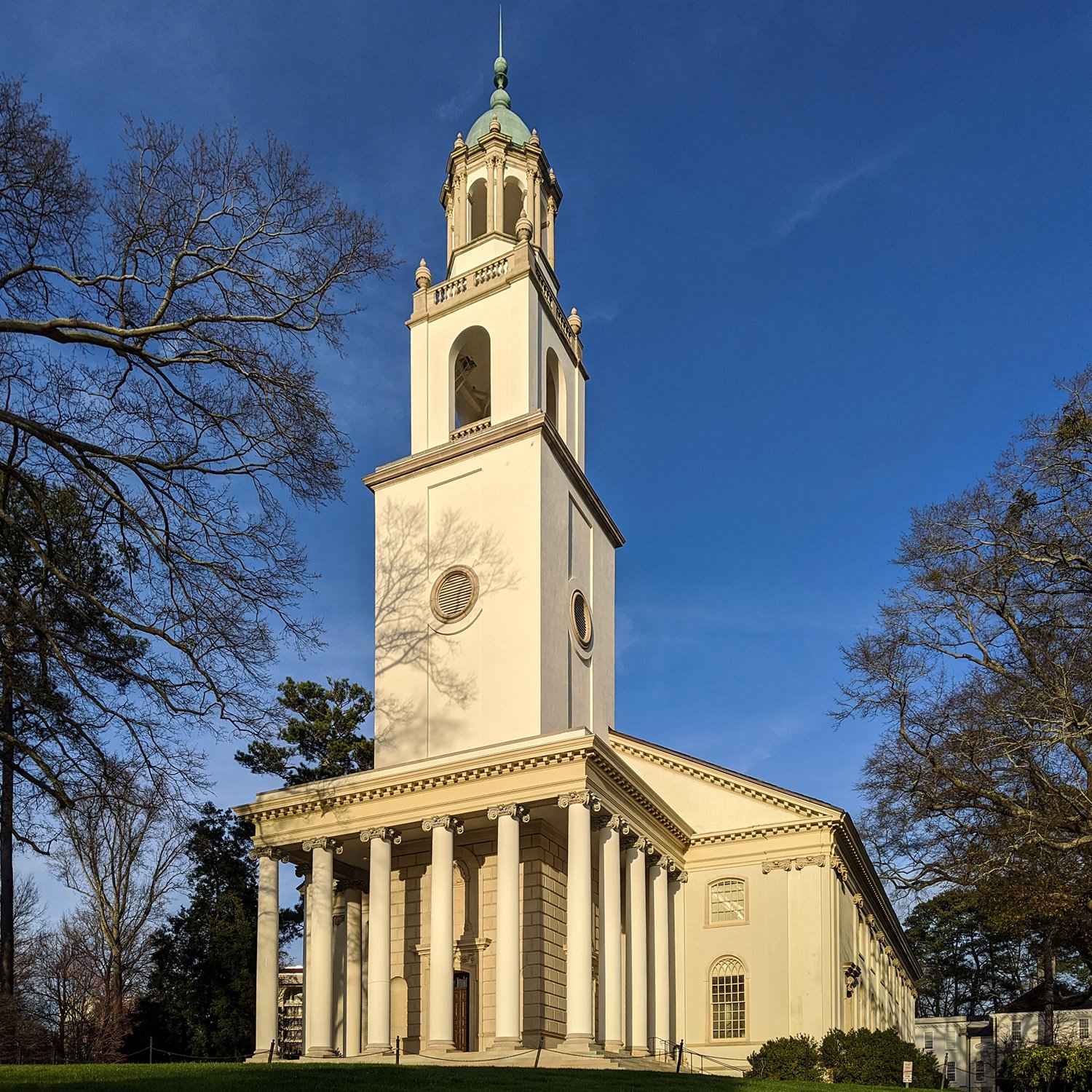
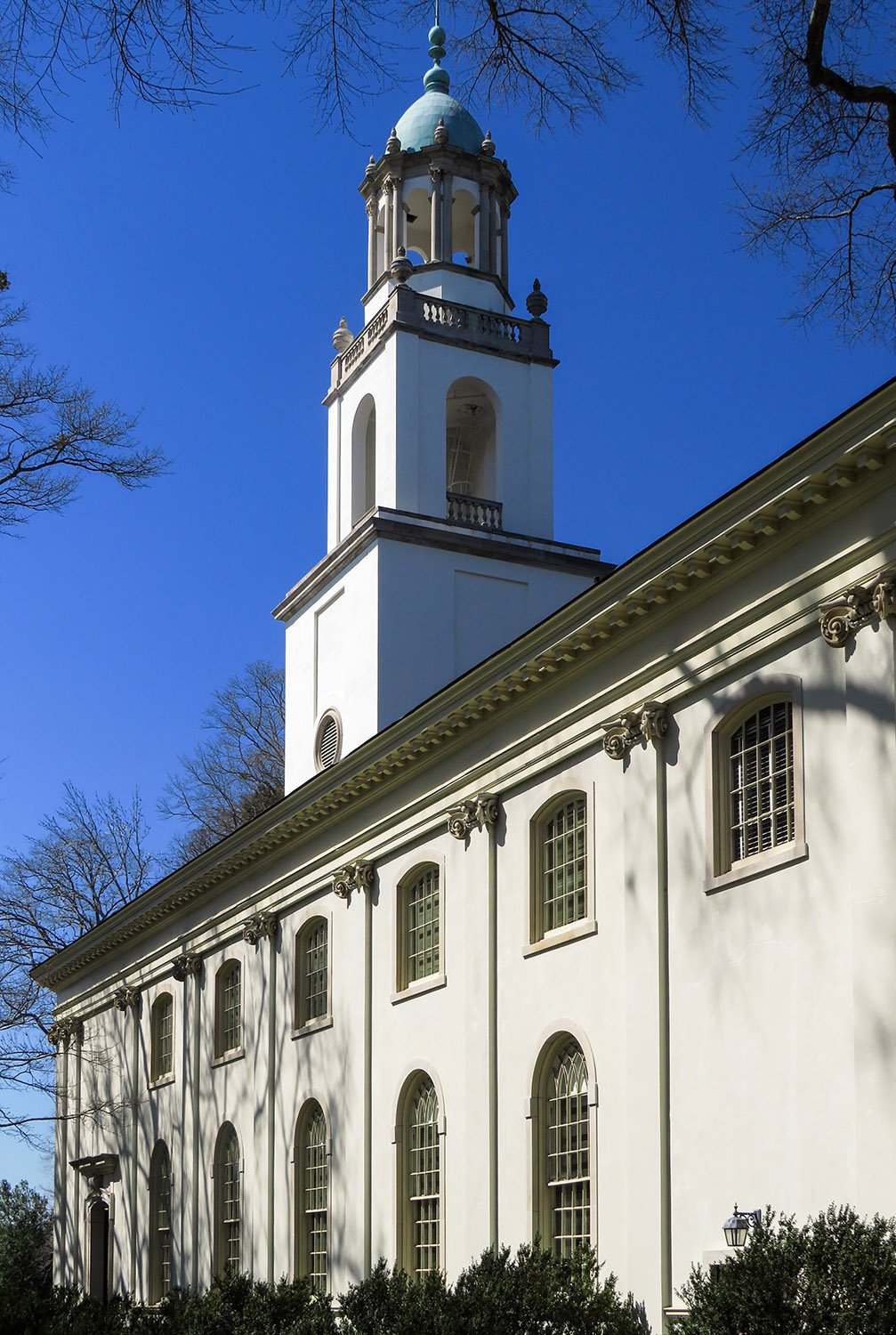
  • Capitol View Masonic Temple (1923) – Atlanta

    Francis P. Smith of Pringle & Smith. Capitol View Masonic Temple (1923). Capitol View, Atlanta.
    Francis P. Smith of Pringle & Smith. Capitol View Masonic Temple (1923). Capitol View, Atlanta.1 2 3 4
    Windows on the east facade of the Capitol View Masonic Temple
    Windows on the east facade of the Capitol View Masonic Temple
    South facade of the Capitol View Masonic Temple
    South facade of the Capitol View Masonic Temple
    Limestone facing and pediment on the southeast entrance of the Capitol View Masonic Temple
    Limestone facing and pediment on the southeast entrance of the Capitol View Masonic Temple
    Dentilled cornice on the east facade of the Capitol View Masonic Temple
    Dentilled cornice on the east facade of the Capitol View Masonic Temple
    Cornice on the south facade of the Capitol View Masonic Temple
    Cornice on the south facade of the Capitol View Masonic Temple
    Cornice, frieze, and architrave on the east facade of the Capitol View Masonic Temple
    Cornice, frieze, and architrave on the east facade of the Capitol View Masonic Temple
    Pilasters with Corinthian capitals on the east facade of the Capitol View Masonic Temple
    Pilasters with Corinthian capitals on the east facade of the Capitol View Masonic Temple
    Limestone facing on the southeast entrance of the Capitol View Masonic Temple
    Limestone facing on the southeast entrance of the Capitol View Masonic Temple
    Ground-floor store window on the south facade of the Capitol View Masonic Temple
    Ground-floor store window on the south facade of the Capitol View Masonic Temple
    Arch window on the south facade of the Capitol View Masonic Temple
    Arch window on the south facade of the Capitol View Masonic Temple

    References

    1. “Masons To Begin Work On Temple”. The Atlanta Journal, August 27, 1922, p. 8F ↩︎
    2. “New Temple Of The Capitol View Masonic Lodge”. The Atlanta Journal, November 4, 1923, p. 8F. ↩︎
    3. “Development Work In Capitol View Near Completion”. The Atlanta Journal, September 30, 1923, p. 8C. ↩︎
    4. Craig, Robert M. The Architecture of Francis Pringle Smith: Atlanta’s Scholar-Architect. Athens, Georgia: University of Georgia Press (2012). ↩︎

  • Sacred Heart Catholic Church (1885) – Abbeville, South Carolina

    E. Fogette. Sacred Heart Catholic Church (1885). Abbeville, South Carolina.
    E. Fogette. Sacred Heart Catholic Church (1885). Abbeville, South Carolina.1 2
    Transept on the southeast elevation of Sacred Heart Catholic Church
    Transept on the southeast elevation of Sacred Heart Catholic Church
    Steeple on Sacred Heart Catholic Church
    Steeple on Sacred Heart Catholic Church
    Rose window on the southwest facade of Sacred Heart Catholic Church
    Rose window on the southwest facade of Sacred Heart Catholic Church

    References

    1. “New Church.” Abbeville Press and Banner (Abbeville, South Carolina), March 11, 1885, p. 3. ↩︎
    2. “The Dedication.” Abbeville Press and Banner (Abbeville, South Carolina), October 28, 1885, p. 6. ↩︎

  • George E. King Residence (1890) – Inman Park, Atlanta

    Bruce & Morgan. George E. King Residence (1890). Inman Park, Atlanta.
    Bruce & Morgan. George E. King Residence (1890). Inman Park, Atlanta.1 2 3 4 5 6
    Oriel window on the north facade of the George E. King Residence
    Oriel window on the north facade of the George E. King Residence
    Gable on the west facade of the George E. King Residence
    Gable on the west facade of the George E. King Residence
    Attic dormer and cornice on the east elevation of the George E. King Residence
    Attic dormer and cornice on the east elevation of the George E. King Residence
    Fretwork rails on the second-floor porch of the George E. King Residence
    Fretwork rails on the second-floor porch of the George E. King Residence
    Looking at the first-floor porch of the George E. King Residence from the northeast
    Looking at the first-floor porch of the George E. King Residence from the northeast

    References

    1. “From Our Notebook.” The Atlanta Constitution, March 13, 1890, p. 4. ↩︎
    2. “The Inman Park Sale.” The Atlanta Journal, April 21, 1890, p. 3. ↩︎
    3. “Real Estate Sales.” The Atlanta Constitution, May 21, 1890, p. 6. ↩︎
    4. “Hundreds of Homes”. The Atlanta Journal, July 30, 1890, p. 1. ↩︎
    5. “Atlanta Building Up.” The Atlanta Constitution, October 3, 1890, p. 3. ↩︎
    6. “Inman Park Items.”The Atlanta Constitution, December 19, 1890, p. 9. ↩︎
  • Bunger-Henry Building (1964) – Atlanta

    Finch, Alexander, Barnes, Rothschild & Paschal (FABRAP). Bunger-Henry Chemical Engineering and Ceramics Engineering Building (1964), Georgia Institute of Technology. Atlanta.
    Finch, Alexander, Barnes, Rothschild & Paschal (FABRAP). Bunger-Henry Chemical Engineering and Ceramics Engineering Building (1964), Georgia Institute of Technology. Atlanta.1 2
    Windows on the Bunger-Henry Building
    Windows on the Bunger-Henry Building
    Sun screens on the Bunger-Henry Building
    Sun screens on the Bunger-Henry Building
    Looking at the Bunger-Henry Building from the southeast
    Looking at the Bunger-Henry Building from the southeast

    References

    1. Georgia Institute of Technology Campus Historic Preservation Plan Update, 2023 ↩︎
    2. Craig, Robert M. Georgia Tech: Campus Architecture. Charleston, South Carolina: Arcadia Publishing (2021). ↩︎
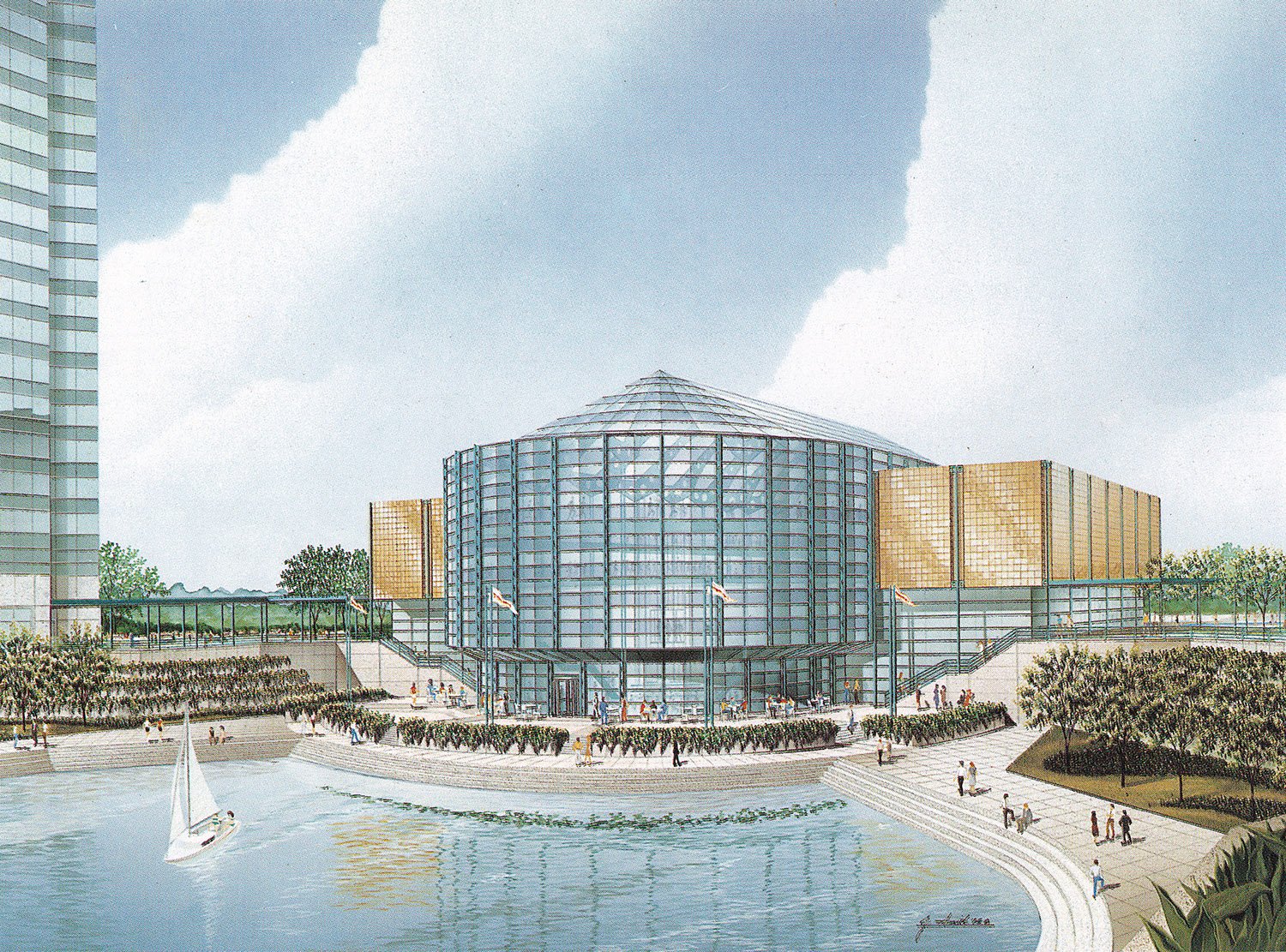
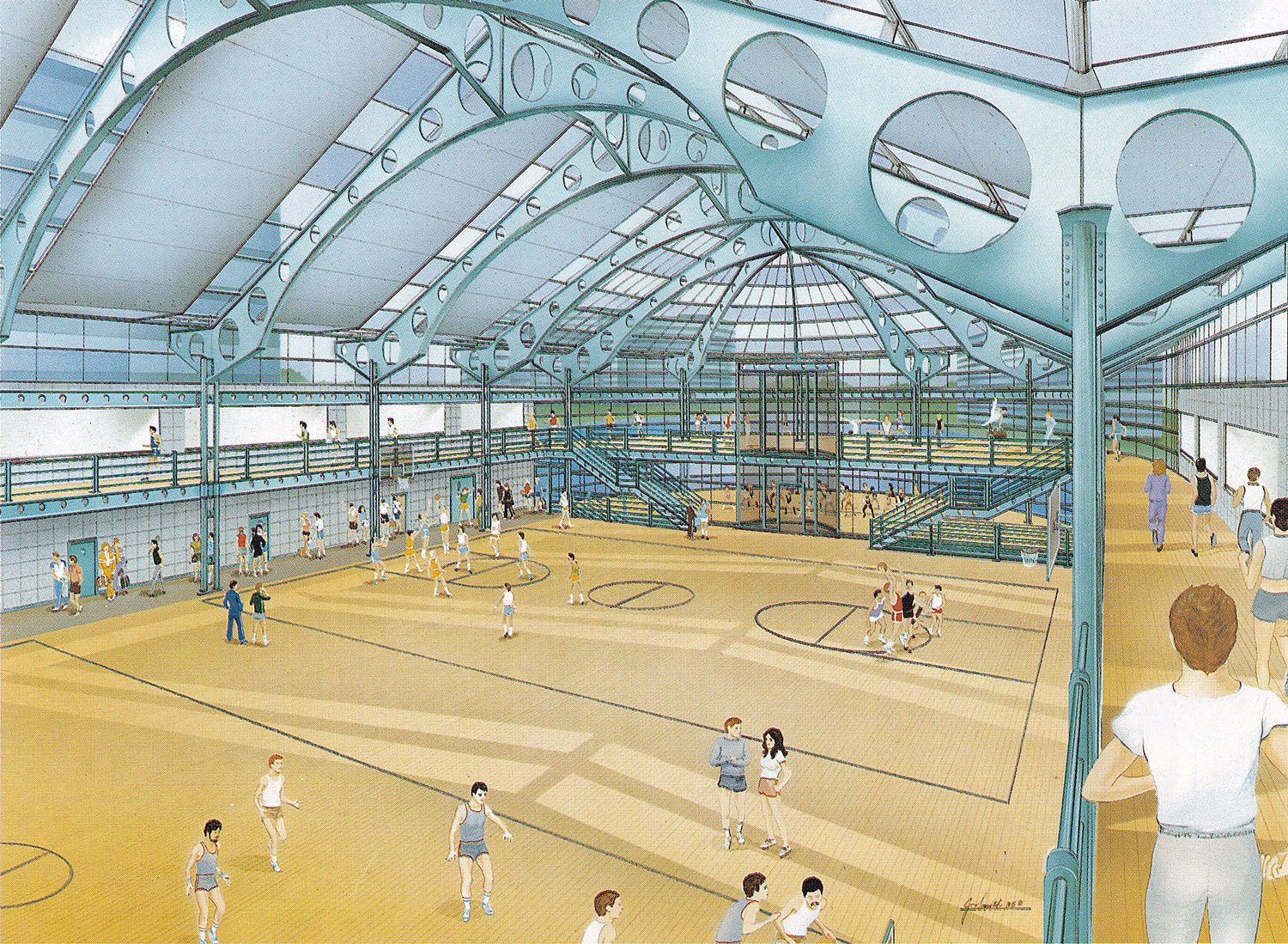
  • Jefferson-Pilot Building (1990) – Greensboro, North Carolina

    Smallwood, Reynolds, Stewart & Stewart. Jefferson-Pilot Building (1990). Greensboro, North Carolina.
    Smallwood, Reynolds, Stewart & Stewart. Jefferson-Pilot Building (1990). Greensboro, North Carolina.1 2 3

    References

    1. Schlosser, Jim. “Building designers to draw from past”. Greensboro News & Record (Greensboro, North Carolina), February 26, 1988, p. A12. ↩︎
    2. Schlosser, Jim. “Jefferson-Pilot building provides another trade-off”. Greensboro News & Record (Greensboro, North Carolina), July 3, 1988, p. D1. ↩︎
    3. Hopper, Kathryn. “New Jefferson-Pilot building officially a part of downtown”. Greensboro News & Record (Greensboro, North Carolina), July 22, 1990, p. D1. ↩︎
  • Kiser Law Building (1891-1936) – Atlanta

    Bruce & Morgan. Kiser Law Building (1891-1936). Atlanta.
    Bruce & Morgan. Kiser Law Building (1891-1936). Atlanta.1

    The Background

    The following article, published in The Atlanta Constitution in 1890, includes an illustration and a brief description of the Kiser Law Building, completed in 1891 and designed by Bruce & Morgan.

    Location of Kiser Law Building

    Located at the northwest corner of Hunter and Pryor Streets (later Martin Luther King, Jr. Drive SE and Pryor Street SE) in Atlanta, the five-story office building was owned by M.C. Kiser (1830-18932), a local real estate developer.

    For several years, members of the Atlanta Bar Association had reportedly approached Kiser (pictured here3) with requests for him to build a structure designed exclusively for law offices.4 5

    When Kiser finally agreed to the project, the association formed a building committee that considered two designs for the structure: one by A.Mc.C. Nixon, and the winning plan by Bruce & Morgan.6 7

    Bruce’s Approach

    Although T.H. Morgan increasingly became the primary designer for Bruce & Morgan through the 1890s, A.C. Bruce still handled the majority of the firm’s output in the early part of the decade, and the Kiser Law Building appears to have been his design.

    Bruce was a former cabinet maker and carpenter who lacked formal architectural training, and by 1890, the limits of his skill set were becoming readily apparent.

    Many of Bruce’s designs from the early 1890s appear heavy-handed and anachronistic: you can see he was attempting to adapt to modern tastes, but his design sensibility was still fundamentally stuck in the 1870s — the Kiser Law Building was a prime example.

    Looking at the illustration above, the building resembles a stack of drawers haphazardly piled on top of each other, and oversized windows of varying shapes and sizes junk up both facades.

    That additive approach to design was typical of architects with a background in carpentry, who often designed buildings as if they were giant pieces of furniture, joining disparate elements and tacking on unnecessary embellishments instead of envisioning their compositions as solid masses to be sculpted into form.

    The building’s overall style is equally baffling: Bruce was presumably aiming for the Romanesque, but for all the eclectic adornments, including terra cotta trim,8 9a decorative slate roof with iron crestings, ornamental iron balconies, and marble columns,10 he didn’t quite achieve a cohesive style. The pyramidal peaks and elaborate gables were also becoming rapidly outdated by 1891.

    Kiser Law Building circa 1895
    Kiser Law Building circa 189511

    Design and Construction

    As construction began, it was reported that the Kiser Law Building would be constructed of either Berea sandstone or marble.12 It’s Atlanta, so it appears they opted for the cheaper sandstone for most of the structure and incorporated marble trim around the entrance.13

    Set over a full basement, the building’s five floors included a 16-foot-wide central hall, served by one elevator, four stairwells, and two fire escapes. A light court was also designed to extend from the top to the bottom floor, so that each of the building’s 84 offices would be lighted and ventilated from the outside.14

    The building was illuminated with electric lighting and included “water closets of the latest patterns…located in the rear [heh] of every floor.15
    While it was originally reported that the building would be heated by steam,16 17 Kiser ultimately chose the Bolton Hot Water System, which was marketed as a “purely scientific, healthful way of heating.”18

    I don’t really care enough about such things to learn more; however, the man who supervised the heating system’s installation told the Constitution: “…the larger buildings in the north have been heated by hot water apparatuses for the last ten or twelve years, yet it is practically new for the south…”19

    No surprise, really: Atlanta’s self-conscious developers are always late to the game, simply replicating what was done a decade ago in the better cities of the North.

    The floors of the Kiser Law Building were planned as follows:

    • The ground floor included spaces for four stores — the storefront at the corner of Hunter and Pryor was designated for a bank,20 and another space facing Pryor Street was planned as a restaurant.21 The entrance hallway featured marble wainscoting and tile22 and led to “four broad stairways” and “an elevator of the most approved pattern.”23
    • The second, third, and fourth floors were identical in design, and each contained 28 office suites — 14 on each side of the central hall. The offices were finished in hardwoods and Georgia pine, with fireproof vaults and closets.24 25
    • The fifth floor was intended to house two large halls “suited to the use of secret societies, public meetings and other similar purposes,”26 as well as a kitchen, storerooms, reception room, and a club room or library.27

    Construction on the building began on April 8, 1890,28 with J.H. Matthews,29 “a wide-awake contractor”,30 supervising the project. The initial estimated cost of the building was $90,000, with a projected completion date of April 1, 1891.31 The cost rose to $100,000 by 1891,32 and the building was completed in August 1891.33 34

    Local interest in the project was high, and while construction was still underway in November 1890, Kiser had reportedly received applications from 100 lawyers seeking office space.35

    Firms began announcing their intention to move to the building in early 1891,36 and in June 1891, George W. Adair, who handled leasing for the property, reported: “The Kiser law building is nearly ready for occupancy, which is good news to those who have already selected their rooms, and others that are waiting for its completion.”37

    Their lease agreements should have included the following caveat: the only thing slimier than a lawyer is an Atlanta developer.

    The Terminal Debacle

    In July 1891, Kiser leased nearly the entire law building — including the top four floors, the corner store on the ground floor, and the full basement38 39to a single firm: the Richmond Terminal Company, which had abruptly decided to relocate its headquarters from Washington, D.C. to Atlanta.40

    The company stated its intention to use the Kiser Building as temporary office space until it could build its own facility in the city,41 signing a two-year lease for the then-unheard-of sum (in Atlanta anyway) of $14,500 a year.42 43
    Commonly referred to as the “Terminal”, the company had previously purchased the Central Railroad and Banking Company, Georgia’s oldest railroad,44 based in Savannah. The Terminal’s new Atlanta headquarters consolidated the employees from both Savannah and Washington in a single location.

    However, the Kiser Building was much too small to house the Terminal’s 250 to 300 workers,45 46 and one executive stated, “Unfortunately that building is not large enough to fully accommodate all the offices, but we will try to make do.” Kiser said of the negotiation: “…the trouble was they wanted more room, but finally concluded they could get along by adding the corner room and the basement.”47

    The Terminal’s hasty relocation to Atlanta was more than a little suspicious, and there were allegations that it wasn’t “bona fide”, which the company denied.48 Atlanta’s newspapers, of course, hailed the move, with the always-bloviating Constitution prognosticating:

    “A grand new depot and office building. That is the inevitable result.

    The bringing of these offices to Atlanta is a bigger thing than might appear at first glance. This naturally makes Atlanta the center of the railroad situation of the south, and, as Atlanta is now the insurance center, it becomes beyond question the financial center of the south.”49

    The lawyers who already selected offices in the Kiser Building just had to suck it, I guess. The Odd Fellows probably weren’t too thrilled either: the Constitution reported in July 1891 that “about ten days ago they selected the fifth floor of the Kiser building and immediately rented it as an Odd Fellows’ hall. Then the Terminal people came along and wished the place.”50

    Anyone who knows how shit goes down in Atlanta could guess what happened next: Just six months after the Terminal employees began working in the Kiser building, the Central Railroad was forced into receivership by a local judge.51 52

    Rumors of the Terminal’s financial difficulties and potential bankruptcy had swirled around Atlanta for months, spurred by the resignations of top executives and directors who had reportedly been battling for control of the company.53 54

    There was also the time in January 1892, when the company apparently lacked the funds to pay its employees, delaying their paychecks for more than a week,55 56 57 58 a situation charitably described as “embarrassing.”59

    The final blow was delivered in a lawsuit filed by a stockholder against the company, alleging that, among other things, the Terminal’s owners were conspiring to transfer $500,000,000 in debt onto the Central Railroad, “which it [could] never pay,”60 61 presumably with the intent to bankrupt it. Sounds like business as usual for an American enterprise.

    Under the rules of the receivership, the Central Railroad’s 74 employees62 returned to Savannah,63 64 and while it initially appeared that the remaining Terminal employees would stay in Atlanta, they were ordered back to Washington in June 1892, leaving the Kiser Building nearly vacant.65 66The company hired George W. Adair to sublet the building,67 which was filled with lawyers as originally planned.68

    Kiser Law Building circa 1936
    Kiser Law Building circa 1936

    The Inevitable Demise

    Office structures tend to fall out of fashion quickly, and in 1930, the Journal said of the Kiser Law Building: “…the lawyers, loan brokers, and trade representatives [have] shifted to more modernly equipped buildings…”, noting that, “storms of nearly half a century have raised havoc with the structure and its artistic domes, its oriel windows, and its ornamental trimmings.”69

    By 1936, the Kiser Law Building was reportedly “almost empty except for a store or two on the sidewalk.”70 No one seemed too upset when the structure was demolished in November and December 1936 for — take a wild guess — a parking lot.71 72 73


    The Article

    Bruce & Morgan. Kiser Law Building (1891-1936). Atlanta.
    Bruce & Morgan. Kiser Law Building (1891-1936). Atlanta.

    Major M.C. Kiser’s “Law Building” will be one of the handsomest buildings in the south, and when finished will be one of Atlanta’s greatest attractions.

    The Constitution gives here an excellent cut of the building, made from the drawings of Bruce & Morgan, the architects. The uses to which the building are to be put have been fully explained in these columns.

    The building will be erected at the corner of Pryor and Hunter streets, fronting on Pryor, and will be five stories in height. It will be devoted to offices for lawyers, with clubrooms for a Lawyers’ club. It will be just as complete as possible, an ideal building in every respect.74

    References

    1. Illustration credit: Atlanta in 1890: “The Gate City”. Atlanta: The Atlanta Historical Society, Inc. (1986), p. 62. ↩︎
    2. “M.C. Kiser Dead”. The Atlanta Constitution, December 1, 1893, p. 5. ↩︎
    3. Illustration credit: “The Programme For Today Is Here.” The Atlanta Constitution, August 14, 1890, p. 5. ↩︎
    4. “The Kiser Building”. The Atlanta Constitution, January 26, 1890, p. 19. ↩︎
    5. “Kiser’s Law Building.” The Atlanta Constitution, April 8, 1890, p. 7. ↩︎
    6. “The Kiser Building”. The Atlanta Constitution, January 26, 1890, p. 19. ↩︎
    7. “Kiser’s Law Building.” The Atlanta Constitution, April 8, 1890, p. 7. ↩︎
    8. “The Kiser Building”. The Atlanta Constitution, January 26, 1890, p. 19. ↩︎
    9. “History In Clay.” The Atlanta Constitution, May 15, 1892, p. 3. ↩︎
    10. “Kiser’s Law Building.” The Atlanta Constitution, April 8, 1890, p. 7. ↩︎
    11. Photo credit: Art Work of Atlanta: Published in Twelve Parts ↩︎
    12. “Kiser’s Law Building.” The Atlanta Constitution, April 8, 1890, p. 7. ↩︎
    13. “The Kiser Building”. The Atlanta Constitution, January 26, 1890, p. 19. ↩︎
    14. “Kiser’s Law Building.” The Atlanta Constitution, April 8, 1890, p. 7. ↩︎
    15. ibid. ↩︎
    16. “The Kiser Building”. The Atlanta Constitution, January 26, 1890, p. 19. ↩︎
    17. “Kiser’s Law Building.” The Atlanta Constitution, April 8, 1890, p. 7. ↩︎
    18. “Kiser Building.” The Atlanta Constitution, September 6, 1891, p. 3. ↩︎
    19. ibid. ↩︎
    20. “Kiser’s Law Building.” The Atlanta Constitution, April 8, 1890, p. 7. ↩︎
    21. “The Kiser Building”. The Atlanta Journal, November 29, 1890, p. 5. ↩︎
    22. “The Kiser Building”. The Atlanta Constitution, January 26, 1890, p. 19. ↩︎
    23. “Kiser’s Law Building.” The Atlanta Constitution, April 8, 1890, p. 7. ↩︎
    24. “The Kiser Building”. The Atlanta Constitution, January 26, 1890, p. 19. ↩︎
    25. “Kiser’s Law Building.” The Atlanta Constitution, April 8, 1890, p. 7. ↩︎
    26. ibid. ↩︎
    27. “The Kiser Building”. The Atlanta Constitution, January 26, 1890, p. 19. ↩︎
    28. “Kiser’s Law Building.” The Atlanta Constitution, April 8, 1890, p. 7. ↩︎
    29. “Atlanta Building Up.” The Atlanta Constitution, October 3, 1890, p. 3. ↩︎
    30. “A Hoisting Elevator.” The Atlanta Journal, November 11, 1890, p. 1. ↩︎
    31. “Kiser’s Law Building.” The Atlanta Constitution, April 8, 1890, p. 7. ↩︎
    32. “Etched and Sketched.” The Atlanta Constitution, July 30, 1891, p. 4. ↩︎
    33. “Railroad Notes.” The Atlanta Constitution, August 16, 1891, p. 19. ↩︎
    34. “They Are Here.” The Atlanta Constitution, August 24, 1891, p. 4. ↩︎
    35. “The Kiser Building”. The Atlanta Journal, November 29, 1890, p. 5. ↩︎
    36. “Land Titles.” The Atlanta Journal, April 30, 1891, p. 7. ↩︎
    37. “FOR RENT — Houses, Cottages, Etc.” The Atlanta Constitution, June 28, 1891, p. 10. ↩︎
    38. “The Kiser Building”. The Atlanta Constitution, July 23, 1891, p. 4. ↩︎
    39. “Terminal Offices In The Kiser Block.” The Atlanta Constitution, July 24, 1891, p. 2. ↩︎
    40. “The General Offices”. The Atlanta Constitution, July 22, 1891, p. 7. ↩︎
    41. ibid. ↩︎
    42. “Terminal Offices In The Kiser Block.” The Atlanta Constitution, July 24, 1891, p. 2. ↩︎
    43. “Then And Now.” The Atlanta Constitution, July 28, 1891, p. 5. ↩︎
    44. “The Central’s Fate.” The Atlanta Constitution, March 5, 1892, p. 1. ↩︎
    45. “To Move Their Offices.” The Atlanta Journal, June 17, 1892, p. 3. ↩︎
    46. “Fleming Out.” The Atlanta Constitution, July 25, 1892, p. 3. ↩︎
    47. “Terminal Offices In The Kiser Block.” The Atlanta Constitution, July 24, 1891, p. 2. ↩︎
    48. ibid. ↩︎
    49. ibid. ↩︎
    50. “Might Have Interrupted Their Plans.” The Atlanta Constitution, July 26, 1891, p. 15. ↩︎
    51. “A Receiver!” The Atlanta Journal, March 4, 1892, p. 1. ↩︎
    52. “The Central’s Fate.” The Atlanta Constitution, March 5, 1892, p. 1. ↩︎
    53. “Changes In The Terminal.” The Macon Telegraph (Macon, Georgia), January 5, 1892, p. 1. ↩︎
    54. “The Complete Story”. The Atlanta Constitution, January 6, 1892, p. 1. ↩︎
    55. “Railroad News.” The Atlanta Constitution, January 1, 1892, p. 3. ↩︎
    56. “Pay Day Postponed.” The Atlanta Journal, January 1, 1892, p. 3. ↩︎
    57. “They Have Resigned”. The Atlanta Journal, January 5, 1892, p. 3. ↩︎
    58. “Salaries Paid.” The Macon Telegraph (Macon, Georgia), January 7, 1892, p. 2. ↩︎
    59. “Atlanta’s Rumors.” The Morning News (Savannah, Georgia), January 7, 1892, p. 1. ↩︎
    60. “A Receiver!” The Atlanta Journal, March 4, 1892, p. 1. ↩︎
    61. “The Central’s Fate.” The Atlanta Constitution, March 5, 1892, p. 1. ↩︎
    62. “Fleming Out.” The Atlanta Constitution, June 25, 1892, p. 3. ↩︎
    63. “Paints A Rosy Picture.” The Atlanta Journal, March 29, 1892, p. 1. ↩︎
    64. “The Central’s Officials”. The Atlanta Journal, March 30, 1892, p. 1. ↩︎
    65. “To Move Their Offices”. The Atlanta Journal, June 17, 1892, p. 3. ↩︎
    66. “Are Anxious To Leave.” The Atlanta Journal, June 18, 1892, p. 3. ↩︎
    67. “Mr. W.G. Oakman”. The Atlanta Journal, June 22, 1892, p. 1. ↩︎
    68. “Kiser Building, Familiar Landmark Here For Almost 50 Years, Will Be Demolished”. The Atlanta Journal, November 15, 1936, p. 8-D. ↩︎
    69. Moody, George O. “‘Home’ In Kiser Building Lost By Pigeons”. The Atlanta Journal, July 6, 1930, p. 2. ↩︎
    70. “Old Landmark Of City Will Be Demolished”. The Atlanta Constitution, November 15, 1936, p. 6C. ↩︎
    71. ibid. ↩︎
    72. “Kiser Building, Familiar Landmark Here For Almost 50 Years, Will Be Demolished”. The Atlanta Journal, November 15, 1936, p. 8-D. ↩︎
    73. “Adair Announces Important Leases”. The Atlanta Journal, December 6, 1936, p. 6-D. ↩︎
    74. The Atlanta Constitution, March 30, 1890, p. 8. ↩︎

  • C. Howard Candler Residence, “Callanwolde” (1921) – Atlanta

    Henry Hornbostel. C. Howard Candler Residence, "Callanwolde" (1921). Druid Hills, Atlanta.    
    Henry Hornbostel. C. Howard Candler Residence, “Callanwolde” (1921). Druid Hills, Atlanta.1 2 3 4 5

    References

    1. National Register of Historic Places Inventory – Nomination Form: Callanwolde ↩︎
    2. “Joseph Habersham Chapter to Meet”. The Atlanta Journal, December 7, 1919, p. G5. ↩︎
    3. “Folks, Facts and Fables”. The Atlanta Journal, April 13, 1921, p. 11. ↩︎
    4. “Druid Hills Lot” (advertisement). The Atlanta Journal, May 25, 1921, p. 23. ↩︎
    5. Faith, Boyce. “A House Of Pink Marble”. The Atlanta Journal Magazine, July 2, 1922, p. 10. ↩︎
  • Cable Building (1893) – New York

    Stanford White of McKim, Mead & White. The Cable Building (1893). Greenwich Village, New York.
    Stanford White of McKim, Mead & White. The Cable Building (1893). Greenwich Village, New York.

    The Cable Building is one of my favorite New York structures, mostly because I have fond memories associated with it, including the quiet Thanksgiving morning when I took the picture shown above.

    Completed around late 1893, this 8-story steel-framed building1 includes a full basement and fronts on Broadway, Houston, and Mercer Streets on the border of Greenwich Village and NoHo.

    Location of the Cable Building

    The Cable Building was designed for the Broadway & Seventh Avenue Railway Company by Stanford White of McKim, Mead & White,2 and is a very early example of the Beaux-Arts style.

    The building’s exterior was originally faced with Indiana limestone on the first and second floors, and the upper floors are covered in yellow brick and striking ornamental terra cotta,3 topped by an elaborate copper cornice.

    Southeast corner of The Cable Building
    Southeast corner of The Cable Building

    Each floor encompasses nearly 20,000 square feet4 and encircles a central light court of more than 3,000 square feet.5 6 At its opening, the building’s first floor was designated for retail use, with the top three floors designed for offices and the middle floors reserved for warehouse space.7

    My favorite part of the exterior is the classically-inspired sculpture of two robed women guarding the portico on the east facade, designed by J. Massey Rhind.8

    J. Massey Rhind. Sculpture on the east facade of The Cable Building.
    J. Massey Rhind. Sculpture on the east facade of The Cable Building.

    With that being said, the building’s overall design isn’t White’s best: the chamfered corners temper the appearance of bulkiness and provide interesting focal points, but the many large windows on every side of the structure clutter the composition, making it look messy and overwrought.

    What makes the Cable Building impressive, however, is that it was designed to conceal a power plant for the street railway company, effectively creating “a building within a building”.9

    Reaching 46 feet below the street surface,10 the building’s basement originally housed 550 tons of machinery that powered the company’s cable cars, including wheels measuring 32 feet in diameter and weighing 50 tons each.11

    Cornice on The Cable Building
    Cornice on The Cable Building

    The machinery has long since been removed, and today the Cable Building’s deep bowels house the Angelika Film Center, where there’s a chance you may find me some late evening, watching an indie flick as nearby subway trains rumble past.

    References

    1. “The Cable Building.” The New York Times, December 19, 1893, p. 9. ↩︎
    2. Baker, Paul R. Stanny: The Gilded Life of Stanford White. New York: The Free Press (1989), pp. 213-14. ↩︎
    3. “The Cable Building.” The New York Times, December 19, 1893, p. 9. ↩︎
    4. ibid. ↩︎
    5. ibid. ↩︎
    6. “A Model Building.” The Independent (New York), February 1, 1894, p. 22. ↩︎
    7. “The Cable Building.” The New York Times, December 19, 1893, p. 9. ↩︎
    8. Looking Up: The Cable Building – Village Preservation ↩︎
    9. “Motive Force Of The Cable Cars.” The Sun (New York), November 30, 1893, p. 7. ↩︎
    10. “The Cable Building.” The New York Times, December 19, 1893, p. 9. ↩︎
    11. “Motive Force Of The Cable Cars.” The Sun (New York), November 30, 1893, p. 7. ↩︎