Category: Architectural Movements and Styles

  • Postcards from the South: Howard Library – New Orleans

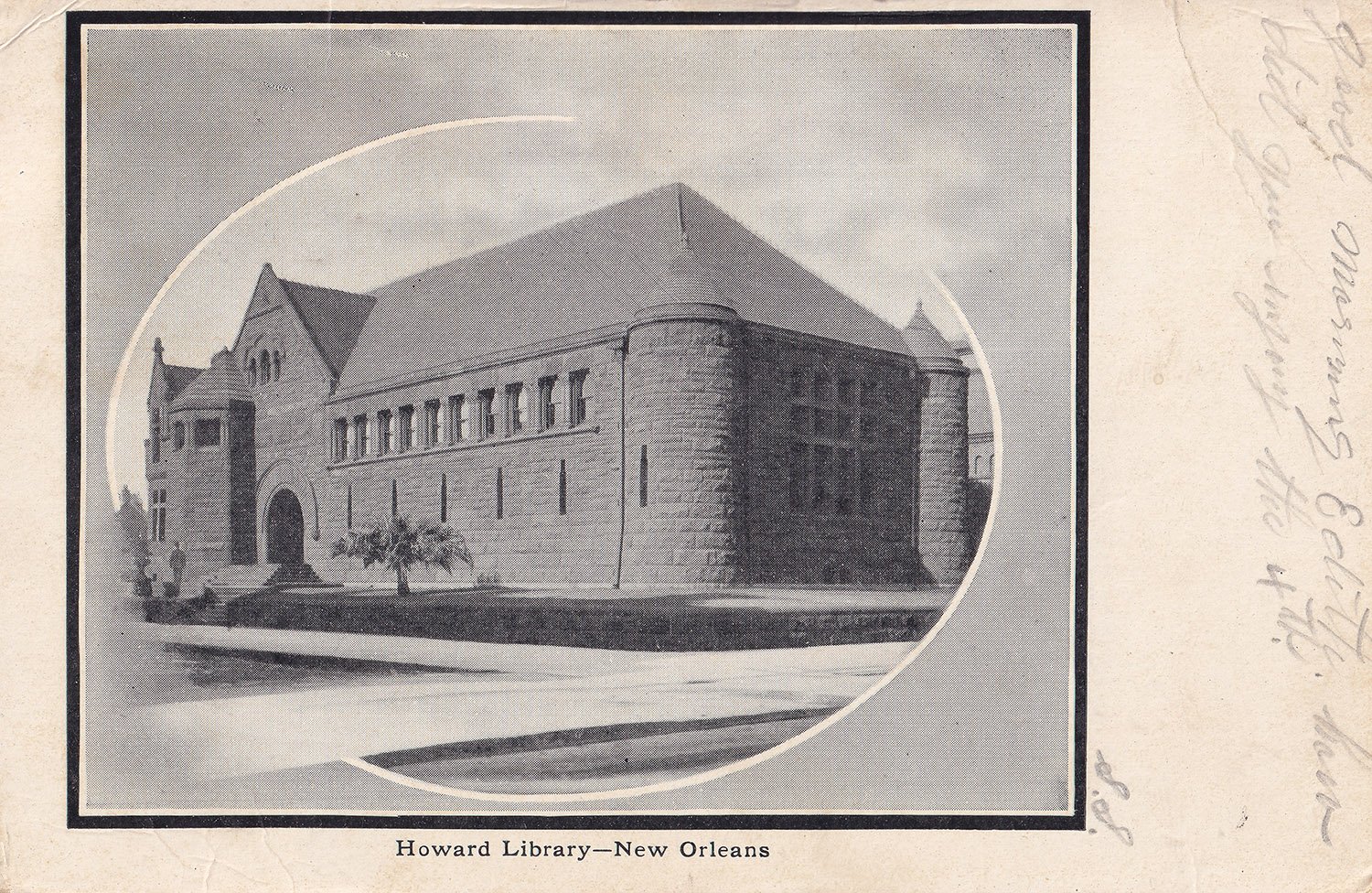
    Postcard view of the Howard Library, New Orleans

    Several years ago I drove around New Orleans for about two hours—long enough to learn that the place is a charmless shithole.

    On my way out of town, I was chased for several miles by some cracked-out asshole screaming and throwing objects at my rental car, for reasons that could only make sense to an addled mind.

    Before that inglorious send-off, I drove through the French Quarter and the Garden District and was quite underwhelmed by New Orleans’ so-called architecture, which is little more than cheap cast iron slapped onto a lot of gaudy, poorly designed buildings.

    I made a point of driving by the former Howard Memorial Library, completed in 18891 and ostensibly designed by H.H. Richardson,2 who grew up in New Orleans but wisely moved North to practice architecture.

    Location of Howard Memorial Library

    The building’s style is, of course, Romanesque—Richardson is credited with inventing the style. It’s not one of his better works, though, and was based on a rejected design for a Michigan library.3

    Richardson never saw the building either: construction began a year after his death, and his successor firm, Shepley, Rutan & Coolidge, dusted off the plans and reworked them.4

    Thus, it could reasonably be argued that Richardson didn’t design the building at all, although it’s often touted as his only work in the South. It certainly lacks the sophistication of his better Northern designs, but Richardson’s output was always hit-or-miss.

    I also suspect that Shepley, Rutan, and Coolidge, who were originally Richardson’s assistants, were largely responsible for his later designs anyway, but that’s a discussion for another time.

    I’d originally planned to take pictures of the library, but I’ll never set foot in New Orleans again, so this postcard will suffice.

    On the front, S.S. writes:

    “Good morning Edith. How did you enjoy the 4th.”

    The card was addressed to Miss Edith Smith of Box 85, Clinton, Miss., and postmarked on July 5, 1907.

    References

    1. “Opening the Howard Library.” The Daily Picayune (New Orleans), March 4, 1889, p. 4. ↩︎
    2. “Howard Memorial Library.” The Daily Picayune (New Orleans), January 30, 1887, p. 10. ↩︎
    3. The Howard Memorial Library – myneworleans.com ↩︎
    4. Howard Memorial Library | SAH ARCHIPEDIA ↩︎
  • Fulton County Almshouse (1910-2024) – Atlanta

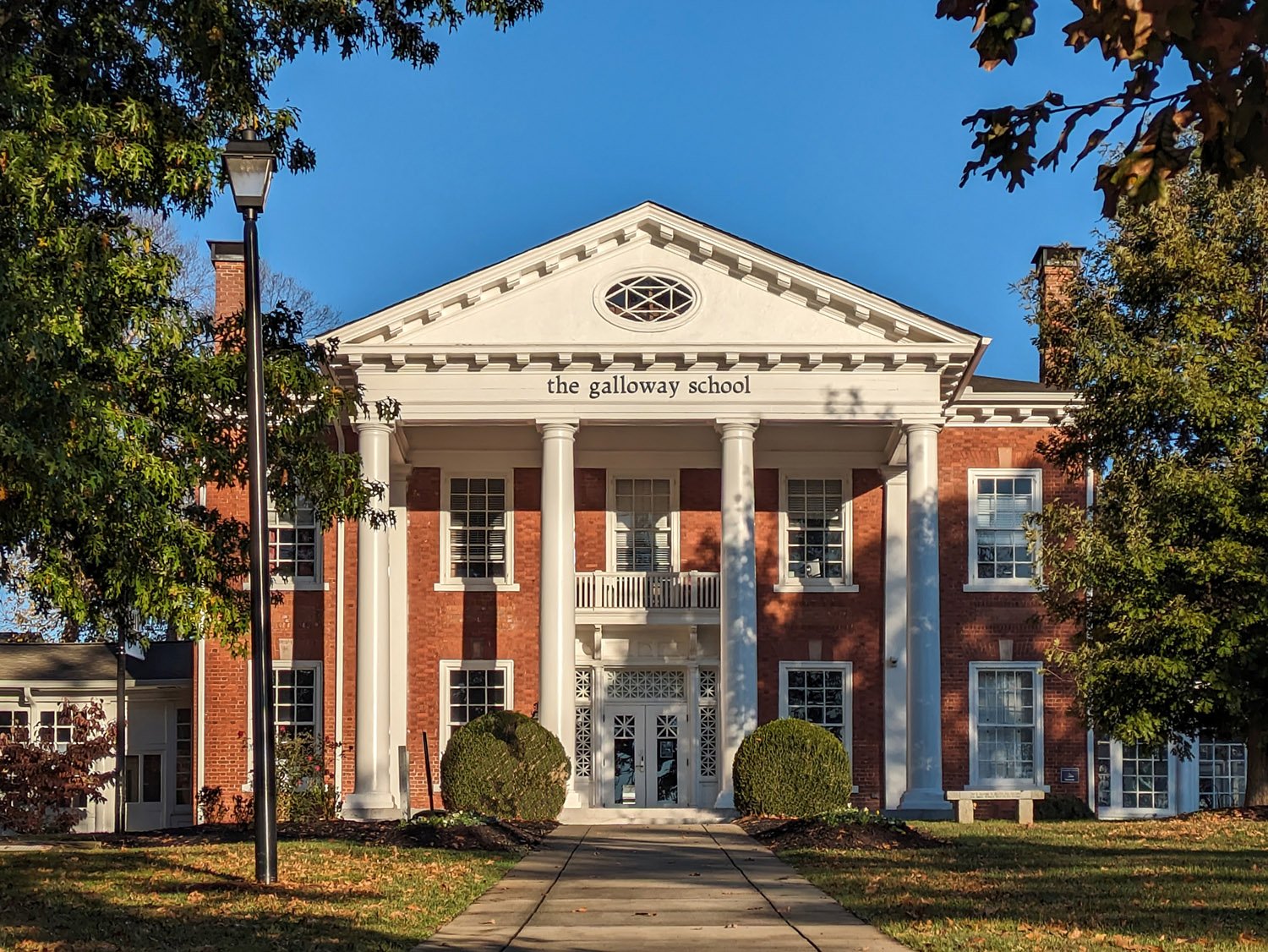
    Morgan & Dillon. Fulton County Almshouse. (1910-August 8, 2024). Buckhead, Atlanta.
    Morgan & Dillon. Fulton County Almshouse. (1910-August 8, 2024). Buckhead, Atlanta.1 2 3 4

    References

    1. “New County Almshouse, Costing $75,000, Will Be Most Modern In The South.” The Atlanta Journal, March 23, 1909, p. 9. ↩︎
    2. “Work Has Started On New Almshouse”. The Atlanta Journal, October 28, 1909, p. 9. ↩︎
    3. “New Almshouse Is Now Ready For County”. The Atlanta Journal, September 24, 1910, p. 3. ↩︎
    4. Buckhead’s Galloway School demolishes historic Gresham Building – Rough Draft Atlanta ↩︎
  • Postcards from the South: Adams Motel – Dothan, Alabama

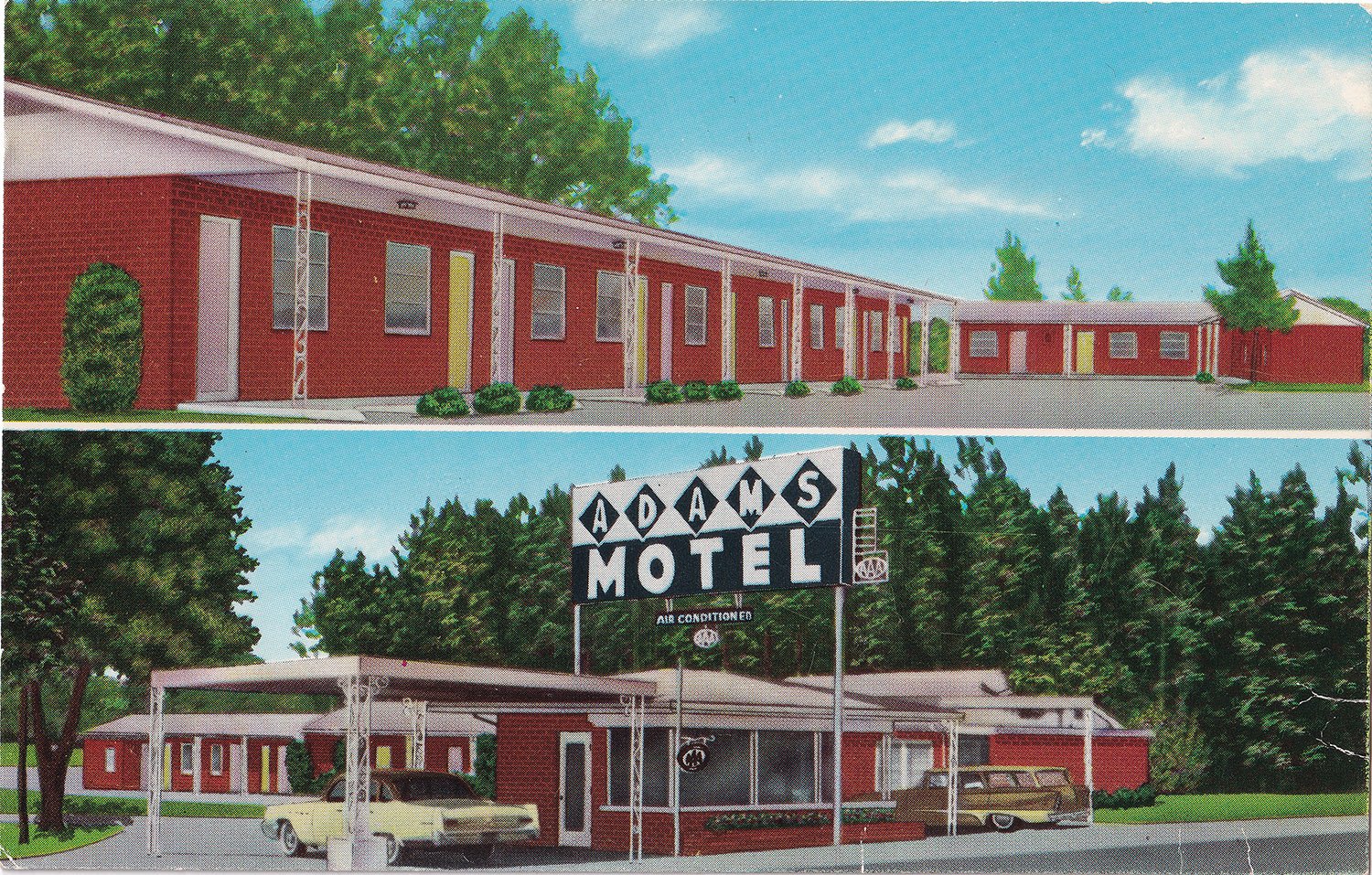
    Postcard view of the Adams Motel, Dothan, Alabama

    Ever been to Dothan, Alabama?

    I know I’ve driven through there a few times, but I’ll be damned if I can remember anything about it. That doesn’t surprise me, though—Alabama towns are generally sad and unremarkable.

    This postcard depicts the Adams Motel in Dothan and was published by W.P. Shealy Advertising of Dothan.

    The back of the postcard contains the following description:

    ADAMS MOTEL
    Located 1 block North of Traffic Circle
    on U.S. Hwy. 231
    39 Units – Air-Conditioned – Panel-Ray Heat –
    Tile Tubs and Showers – Room Phones – Con-
    veniently Located Near Restaurants.
    Phone: Area Code 205 – 792-5194
    Dothan, Alabama
    Owned & Operated by Mr. & Mrs. Luther Snell

    The motel still exists, albeit altered, and is now the Adams Inn. The Googie-style sign shown on the postcard is long gone.

    This postcard was never mailed, but someone used it to tally up their trip expenses, with the following calculations scribbled on the back:

    1/30/66 With Red Massy [?]

    2 Rooms $14.00

    Tax .42


    Dinner “Billy’s”

    3 meals 11.50

    Tax .36

    Tip 1.25

    13.11

    You only tipped 10 percent? Cheap bastard.

  • Parish House, The First Presbyterian Church in the City of New York (1893)

    McKim, Mead & White. Parish House, The First Presbyterian Church in the City of New York (1893).
    McKim, Mead & White. Parish House, The First Presbyterian Church in the City of New York (1893).

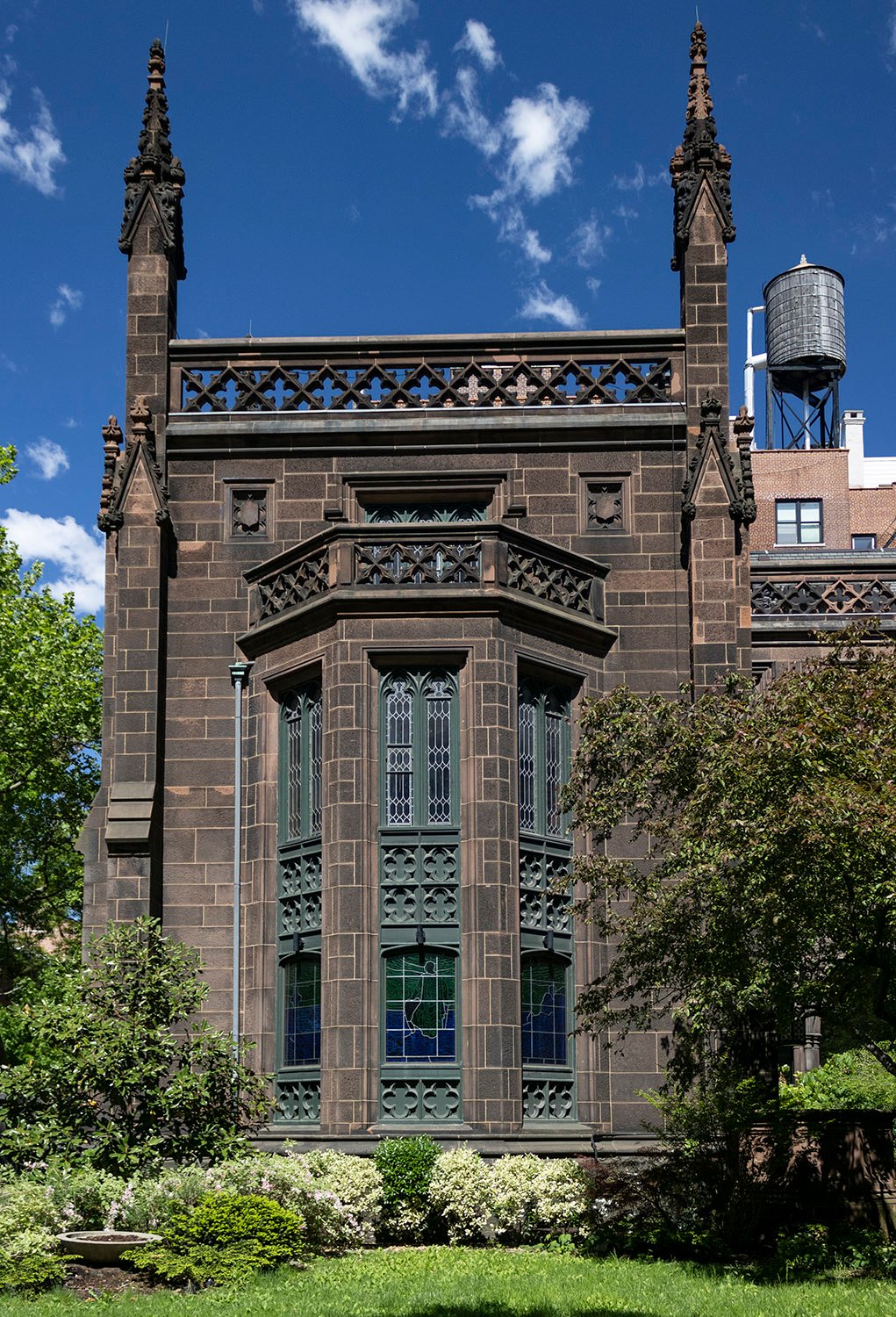
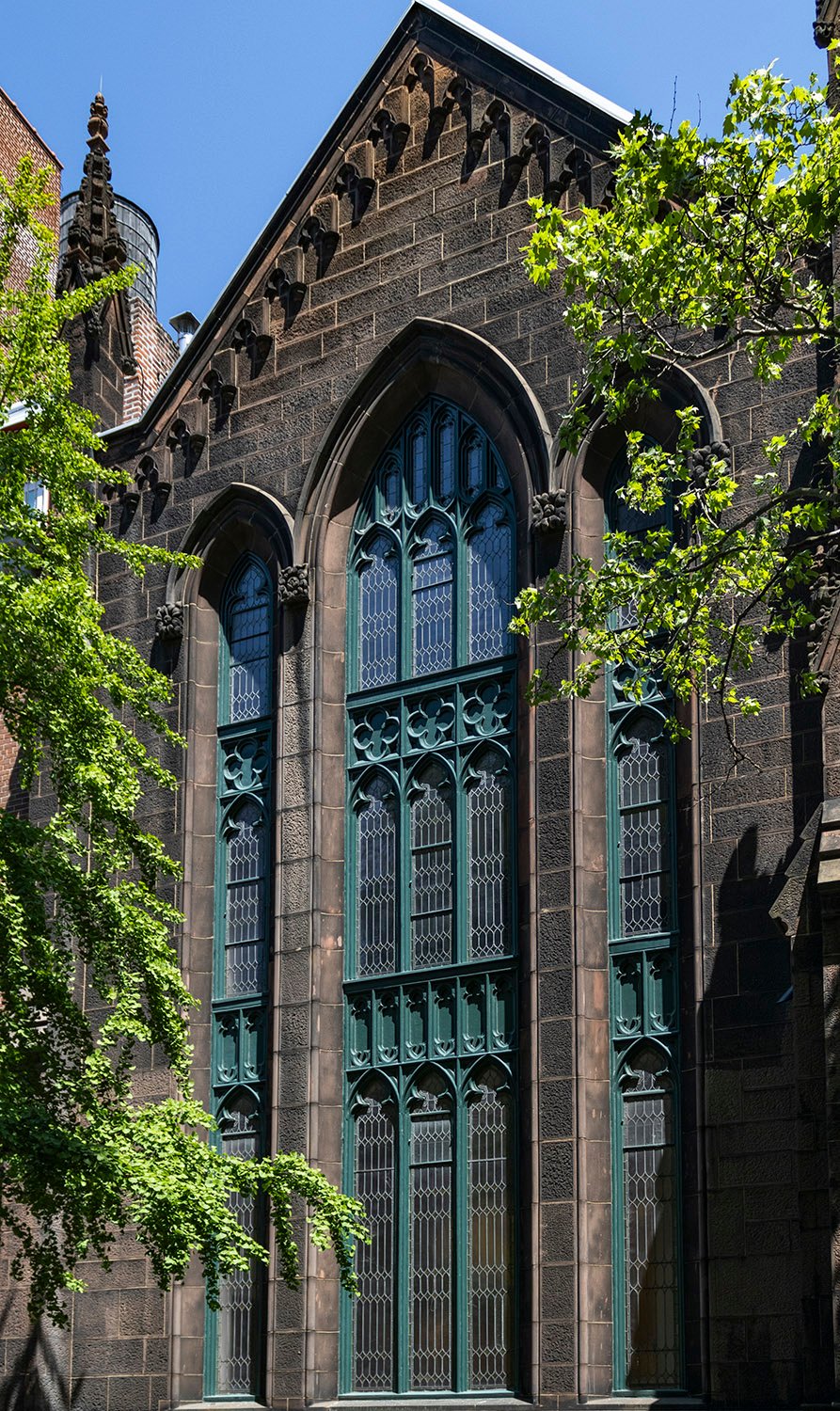
    Most of McKim, Mead & White’s projects are well documented, but one that is never mentioned in history books and usually omitted from project lists is the charming parish house of First Presbyterian Church in the City of New York.

    Built in 1893,1 the three-story structure with a full basement is located at the corner of 5th Avenue and West 11th Street in Greenwich Village.

    Location of Parish House, The First Presbyterian Church in the City of New York

    I don’t know which employees from the firm are responsible for this design, but they did a fine job—surely none of the named partners would have bothered to lift a finger for such a small project.

    By the early 1890s, McKim, Mead & White drew almost exclusively on Renaissance inspiration for their designs, and this is a rare example of the firm employing the Gothic style.

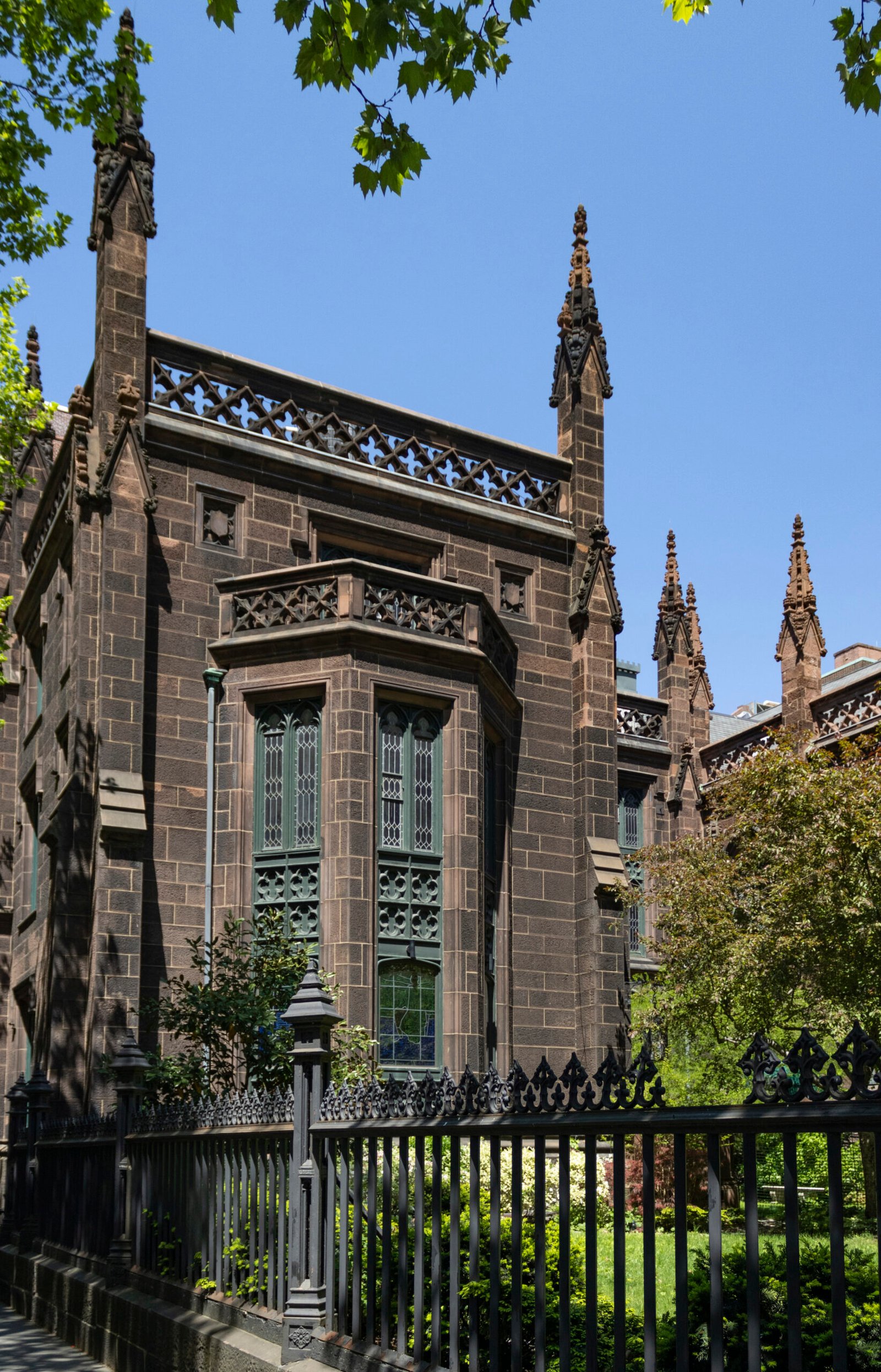
    Looking at the Parish House, First Presbyterian Church, New York
    Looking at the Parish House, First Presbyterian Church, New York

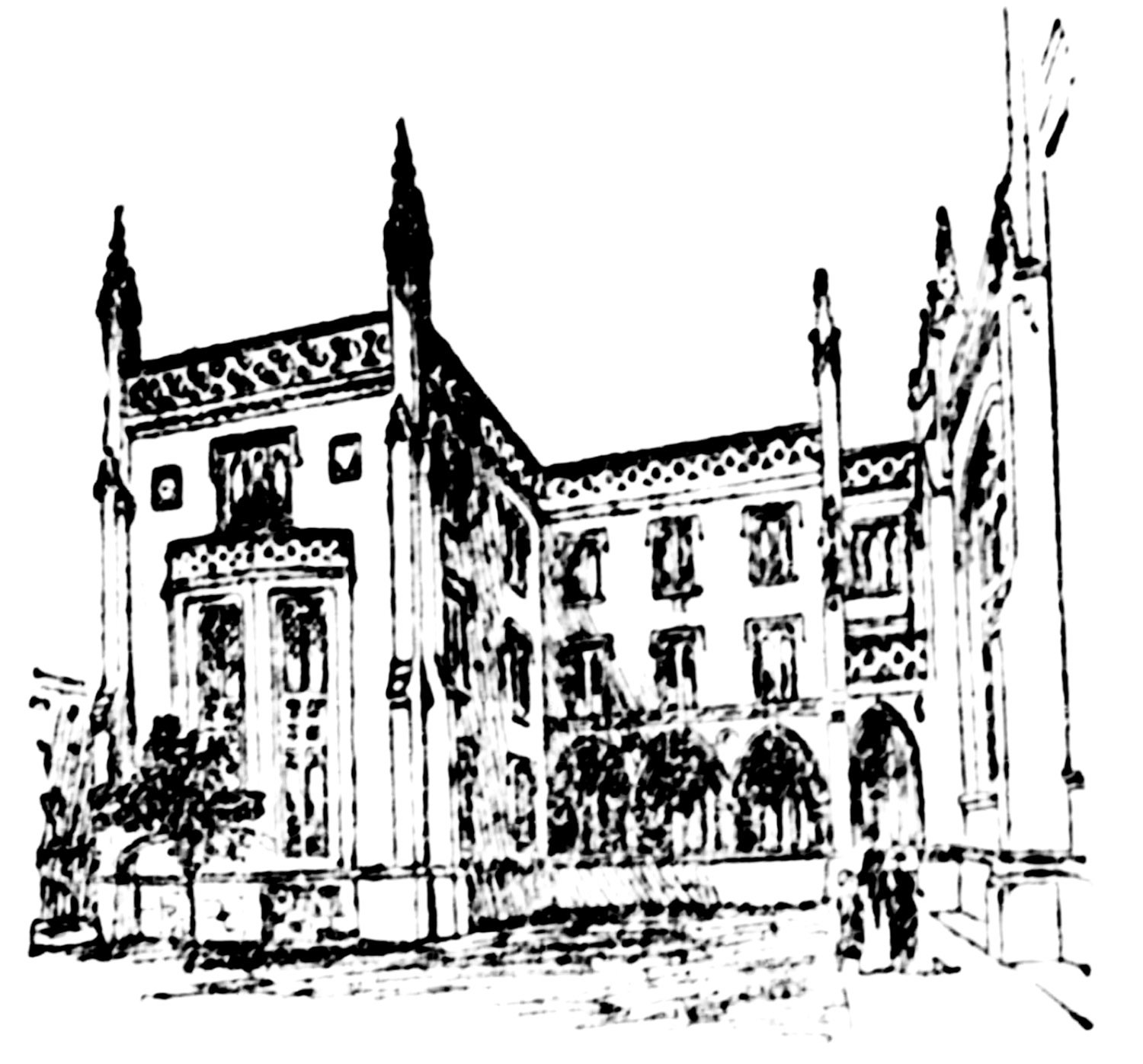
    Plans for the structure were reportedly drawn by January 1893,2 and when ground was broken in April 1893, the New-York Daily Tribune reported that it would appear as “part of the original church building and will not have the semblance of an addition.”3

    They weren’t lying.

    Parish House, First Presbyterian Church, New York
    Parish House, First Presbyterian Church, New York4

    Faced with Kibbe brownstone, the addition cost a modest $50,000,5 and was seamlessly attached to the church’s sanctuary, designed in 1846 by Joseph C. Wells (no relation to Joseph M. Wells of McKim, Mead & White).

    Three-story window on the south elevation of the Parish House, First Presbyterian Church, New York
    Three-story window on the south elevation of the Parish House, First Presbyterian Church, New York

    The centerpiece of the parish house’s original design was the large Sunday School room, occupying a 60×30-foot space on the second and third floors, and topped with a skylight.6

    Described as “unusually commodious and well arranged,” the building’s interiors featured ash and oak woodwork and oak ceilings, with a mosaic floor in the vestibule, although it was said that the furnishings would be “of a simple and unostentatious character.”7

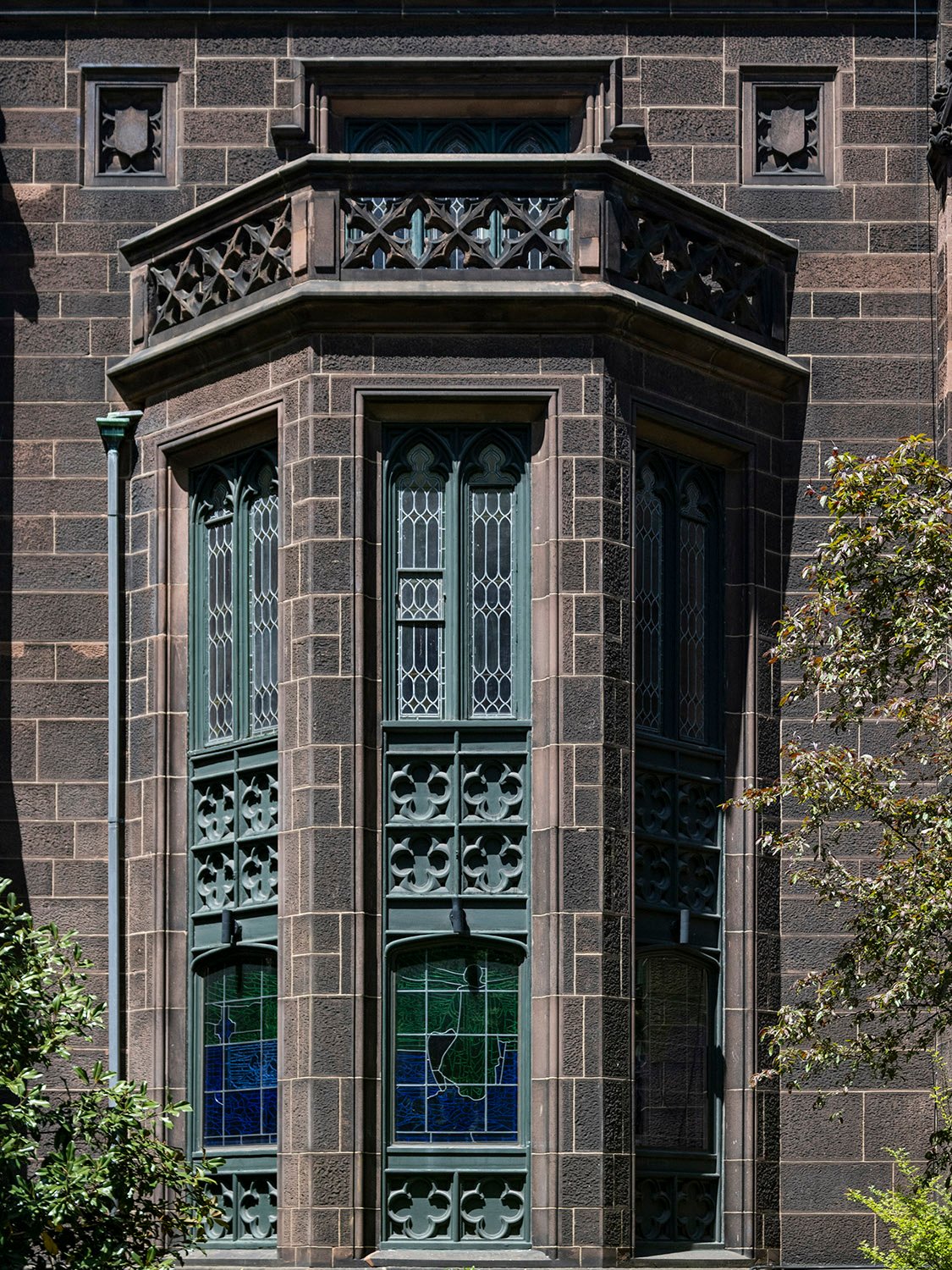
    Bay window on the east facade of the Parish House, First Presbyterian Church, New York
    Bay window on the east facade of the Parish House, First Presbyterian Church, New York

    A cornerstone ceremony for the parish house was held on May 16, 1893,8 and the building was presumably completed by late 1893.

    While its original interiors have long since been altered, the parish house, now known as the South Wing,9 is a hidden gem in Greenwich Village, gracefully obscured by a beautiful walled garden and gnarled old street trees.

    Gallery

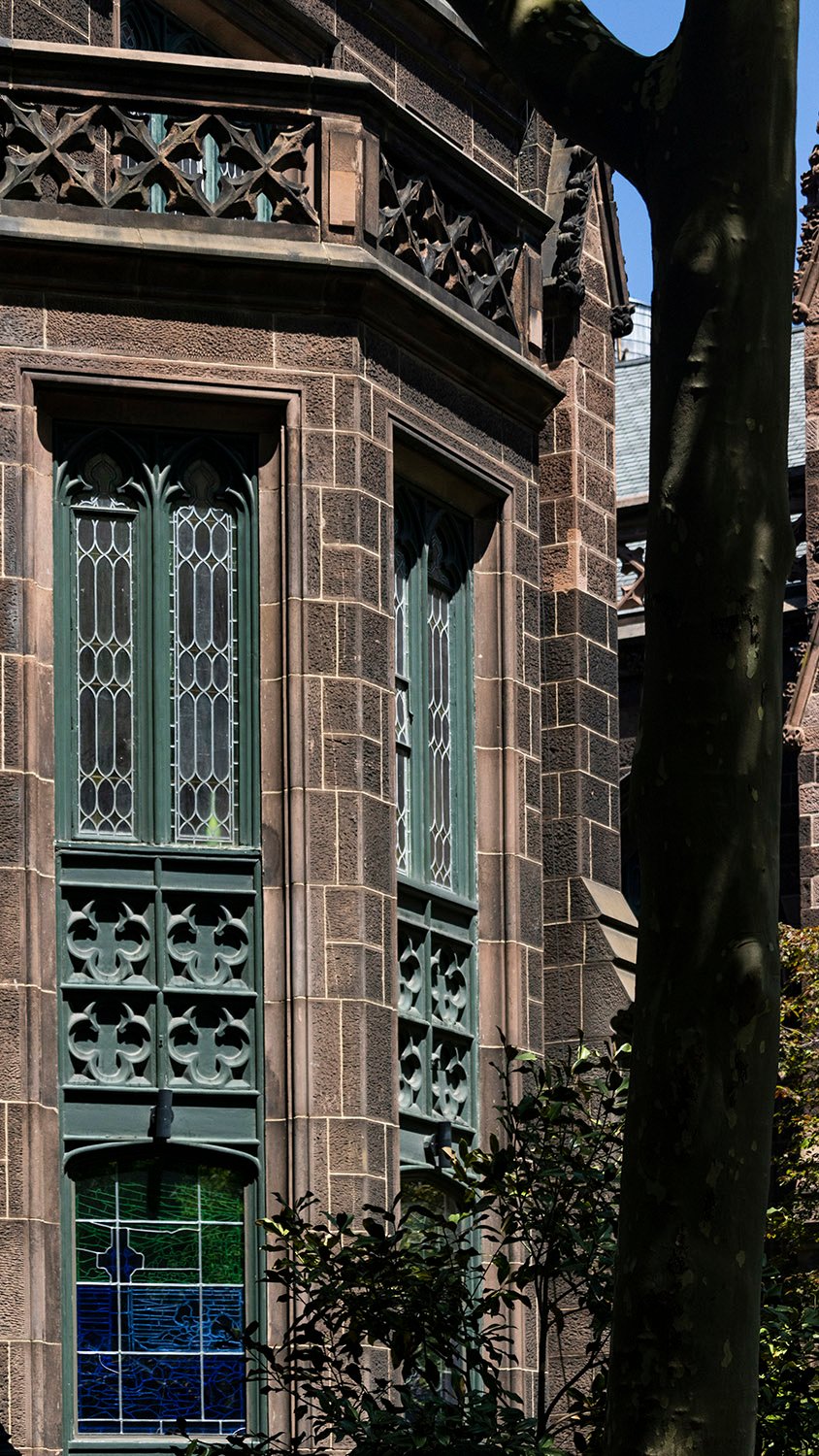
    Bay window on the east facade of Parish House, First Presbyterian Church, New York
    Bay window on the east facade of Parish House, First Presbyterian Church, New York
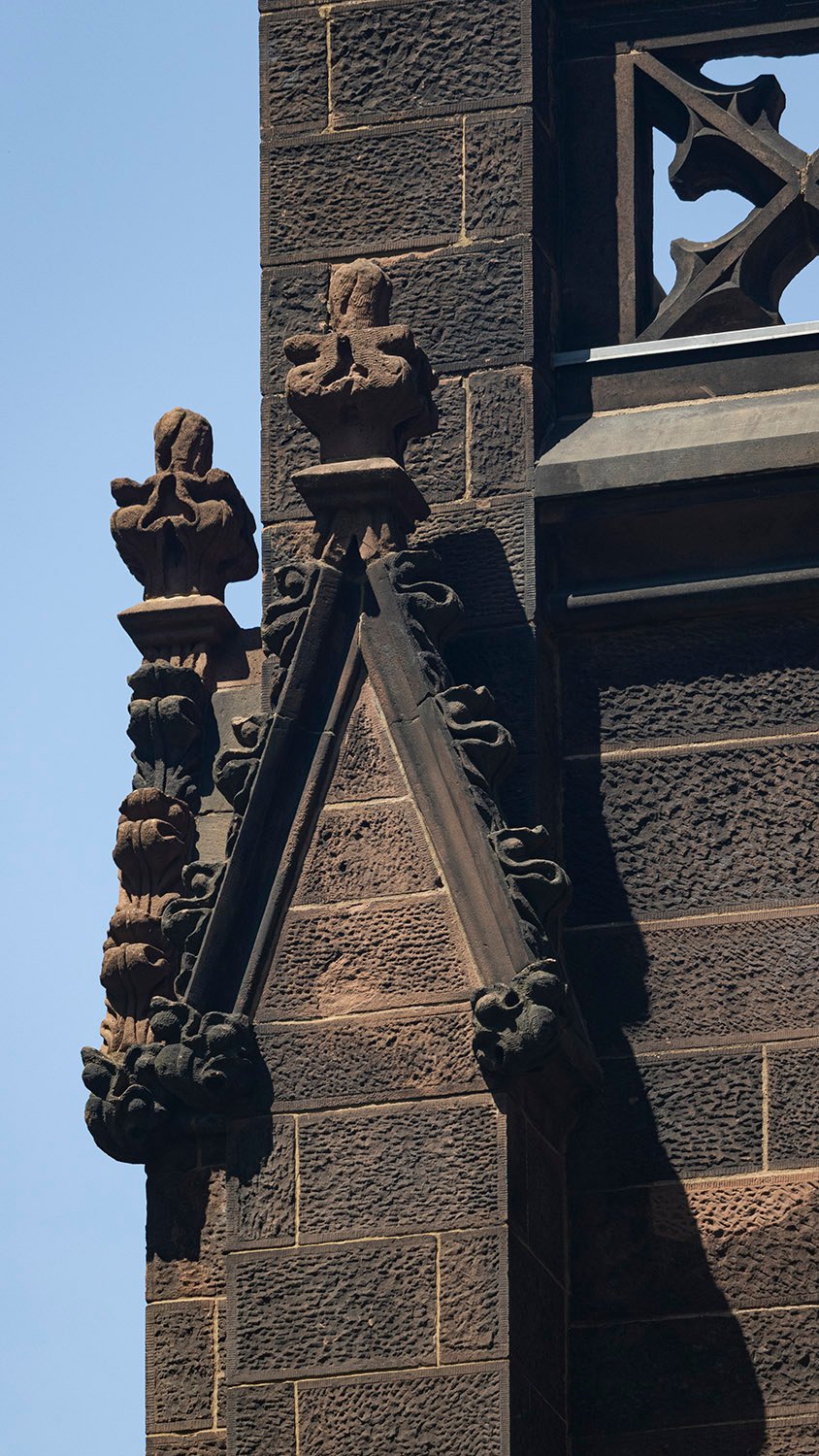
    Buttress on the east facade of the Parish House, First Presbyterian Church, New York
    Buttress on the east facade of the Parish House, First Presbyterian Church, New York
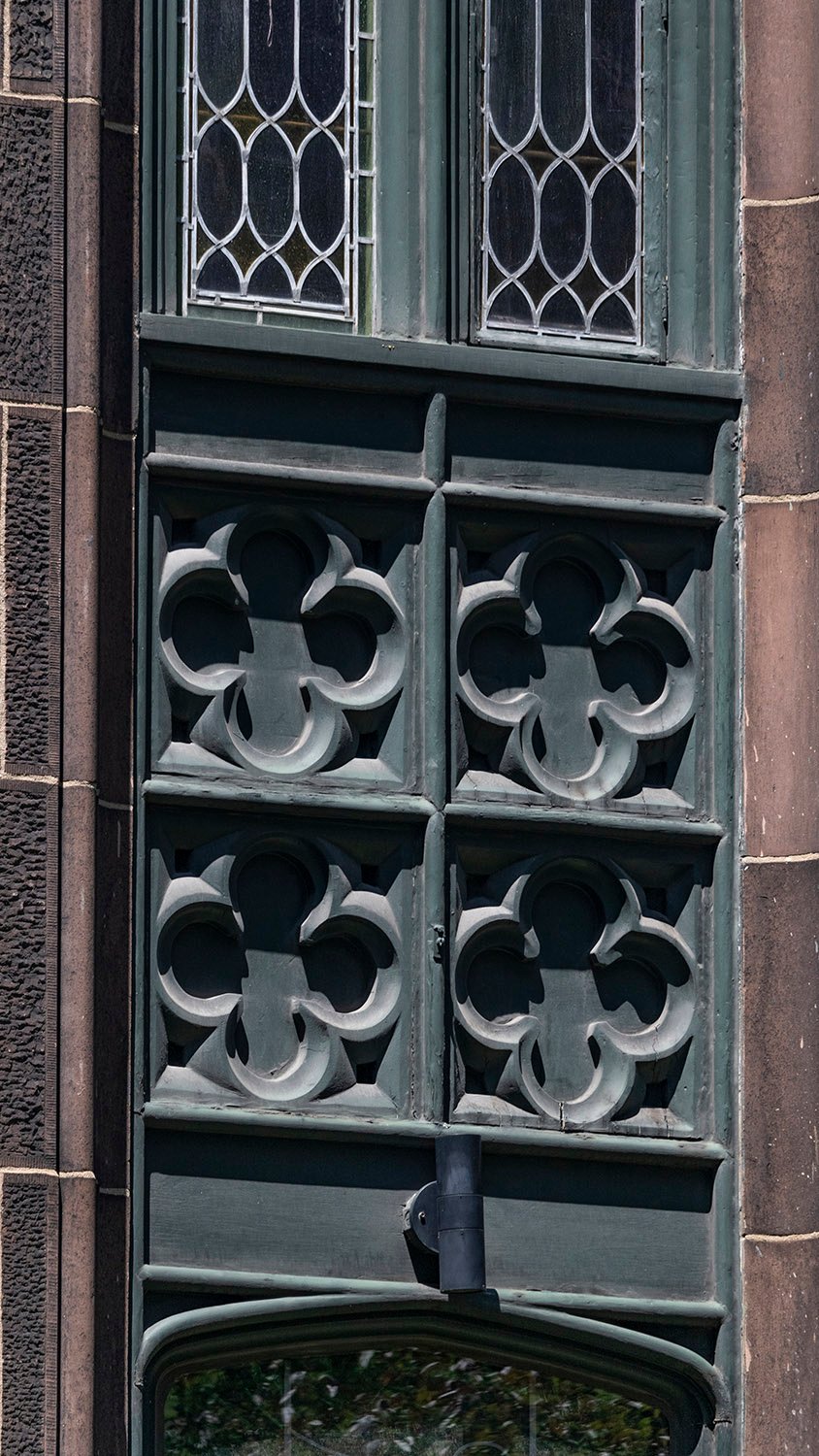
    Window spandrel with quatrefoils on the Parish House, First Presbyterian Church, New York
    Window spandrel with quatrefoils on the Parish House, First Presbyterian Church, New York
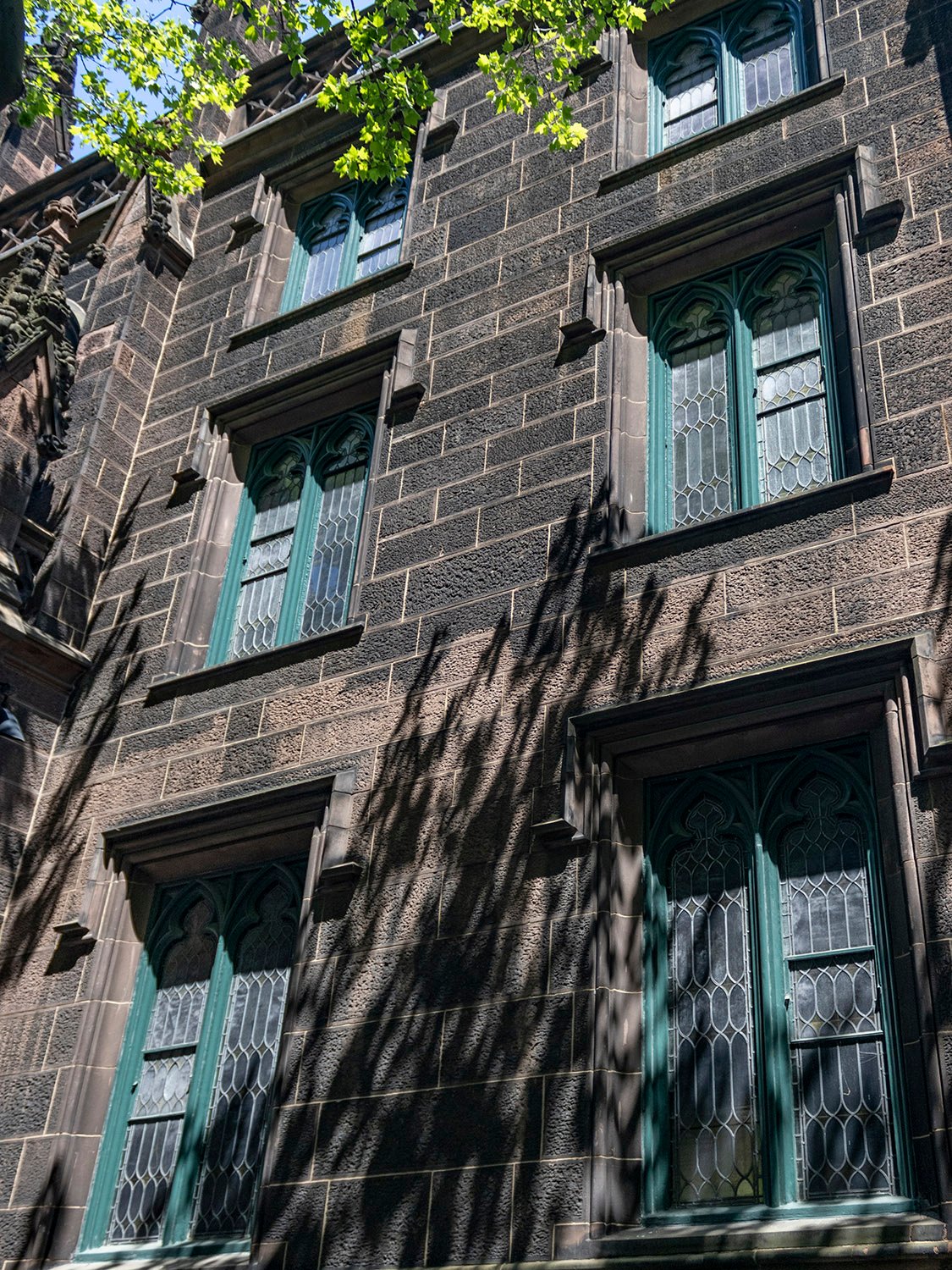
    Looking up at the south elevation of the Parish House, First Presbyterian Church, New York
    Looking up at the south elevation of the Parish House, First Presbyterian Church, New York
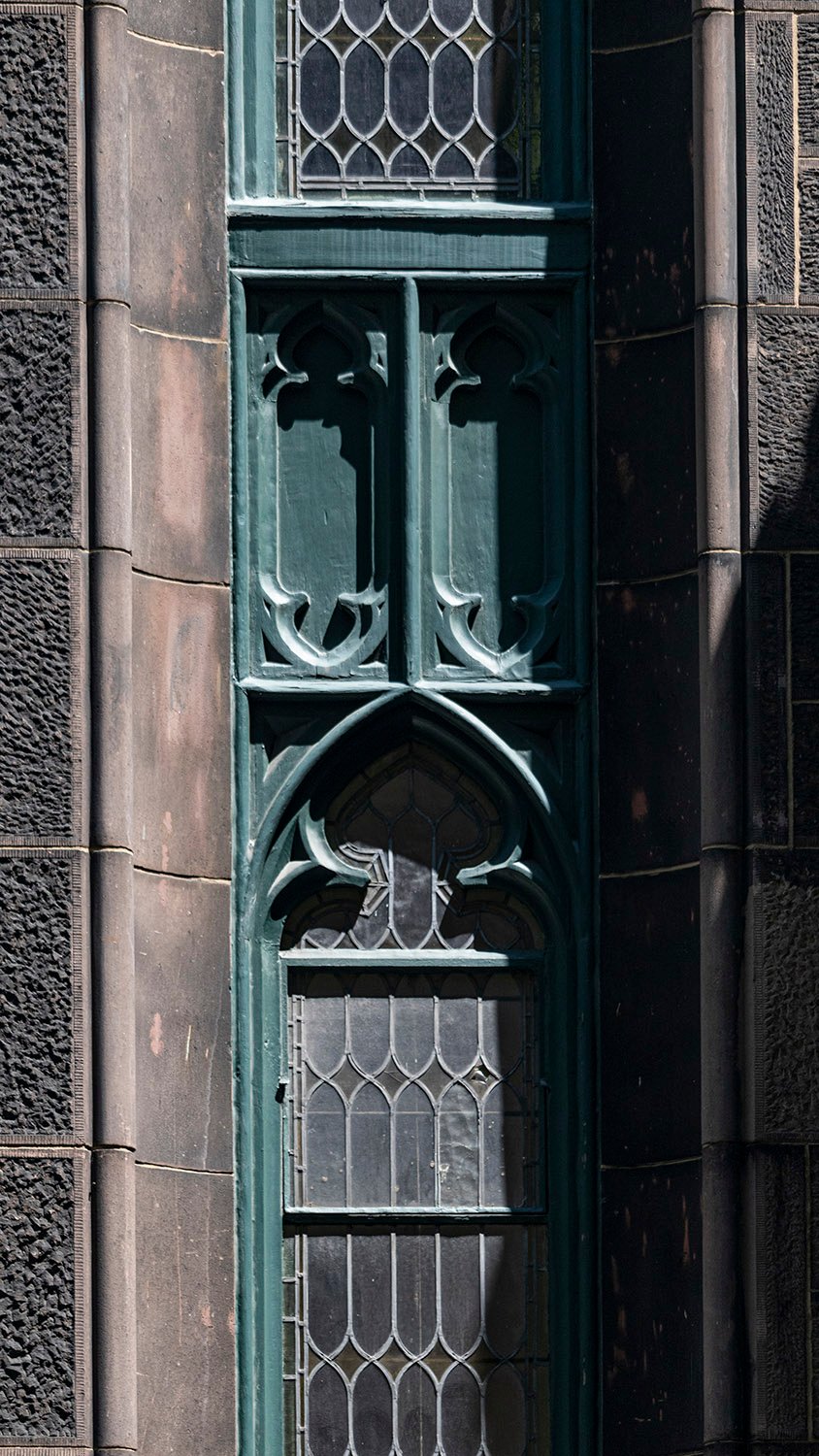
    Window and spandrel on the Parish House, First Presbyterian Church, New York
    Window and spandrel on the Parish House, First Presbyterian Church, New York
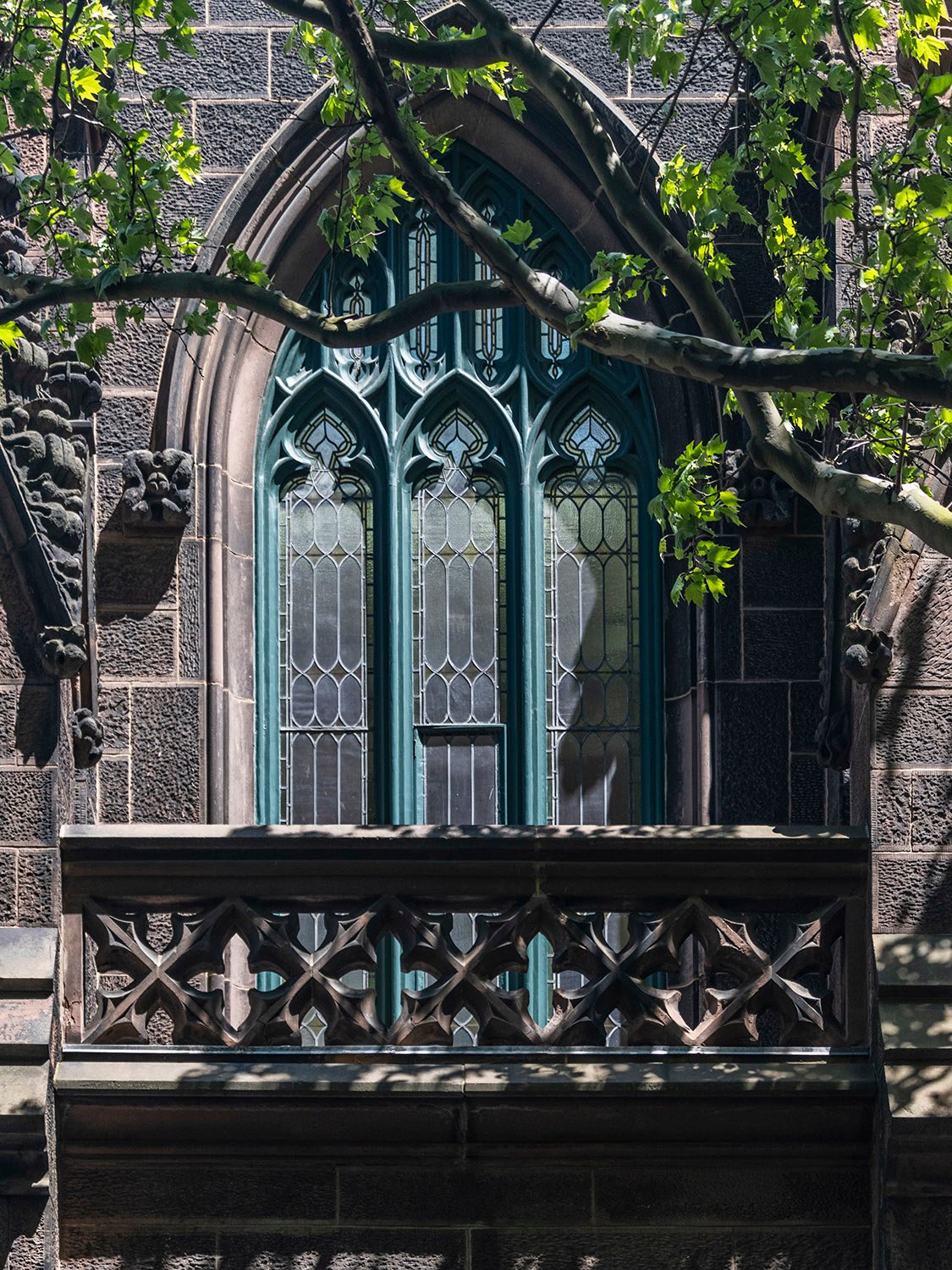
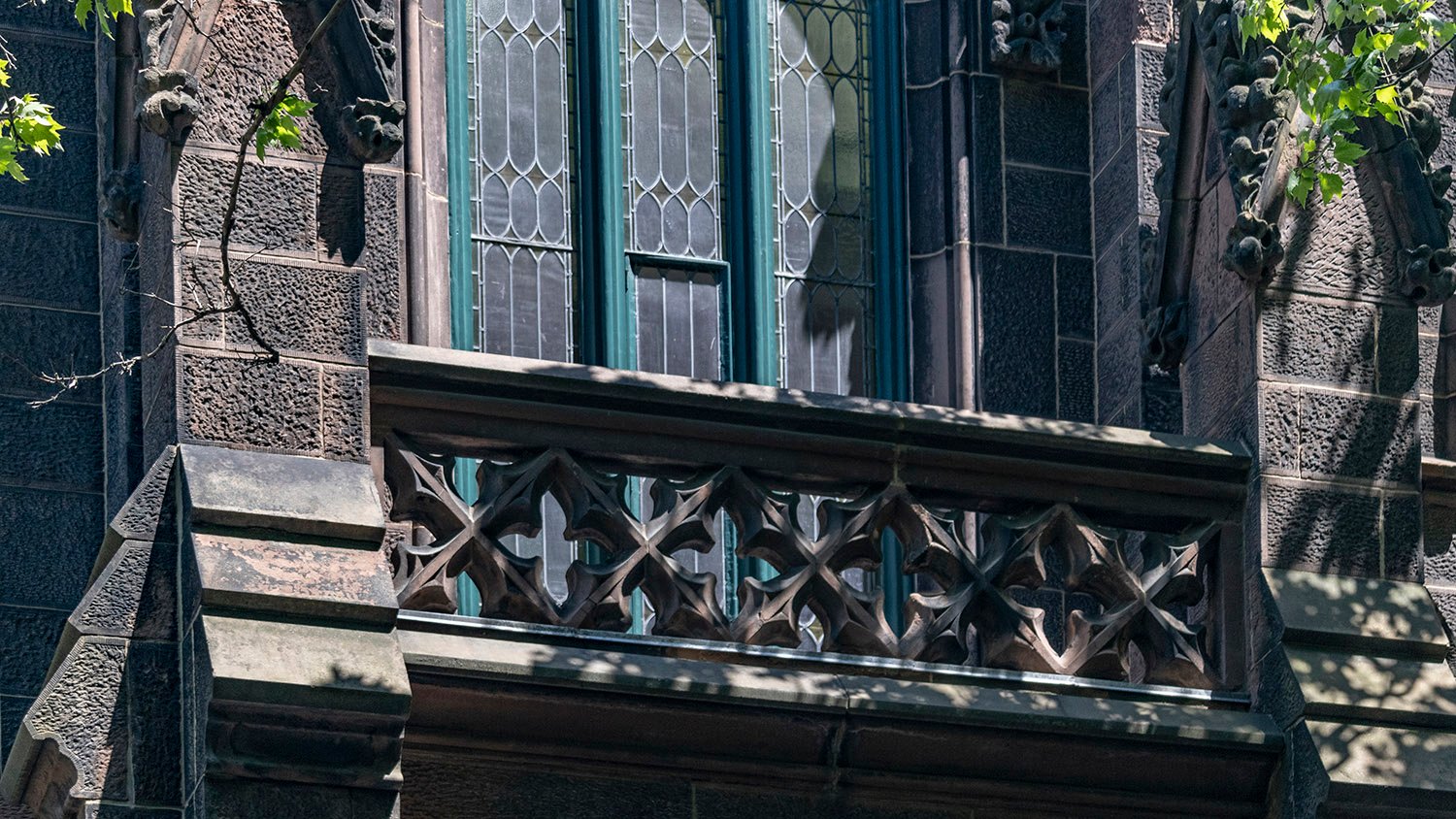
    Second-floor window and balcony on the south elevation of the Parish House, First Presbyterian Church, New York
    Second-floor window and balcony on the south elevation of the Parish House, First Presbyterian Church, New York
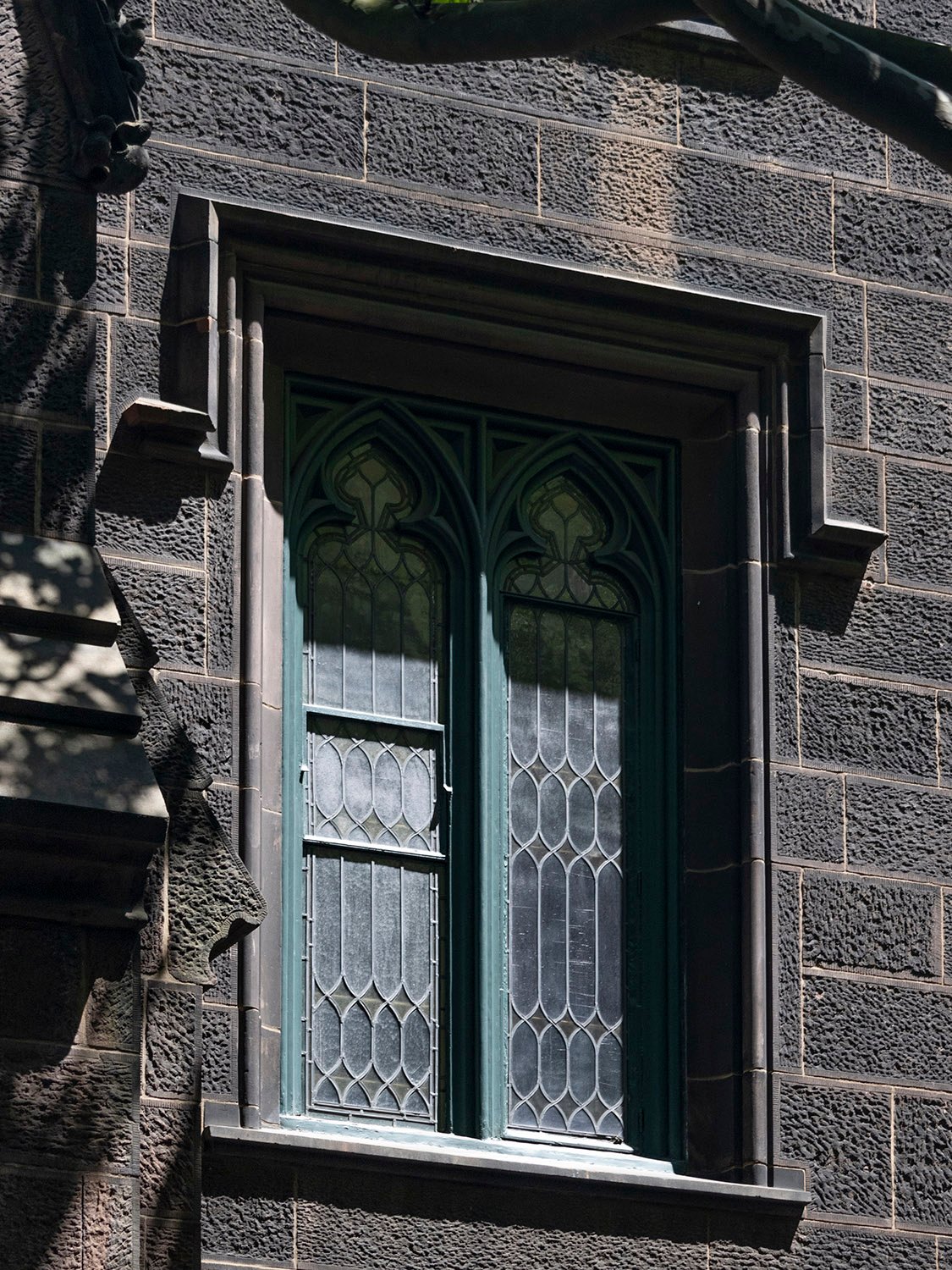
    Second-floor window on the south elevation of the Parish House, First Presbyterian Church, New York
    Second-floor window on the south elevation of the Parish House, First Presbyterian Church, New York
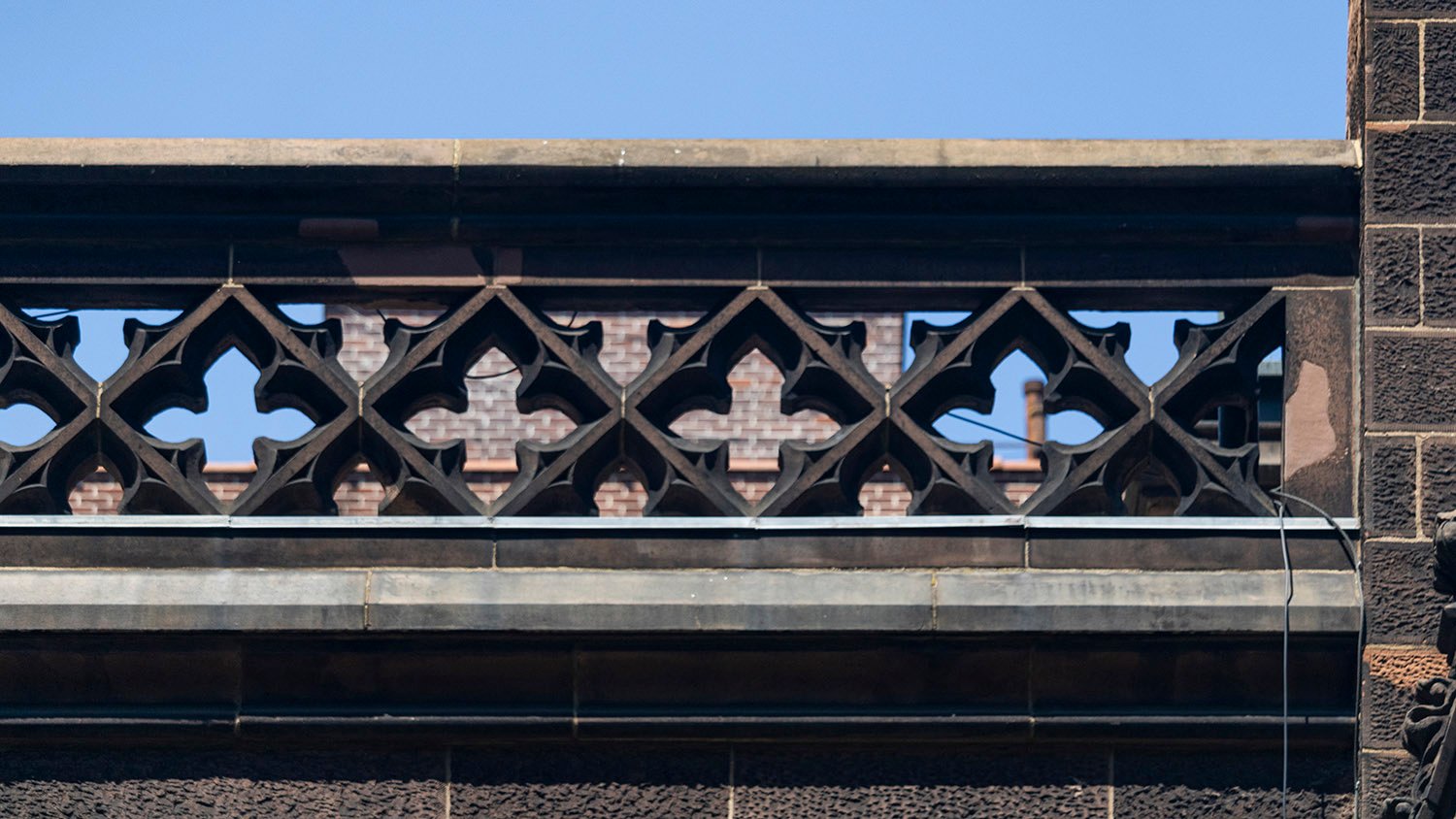
    Balustrade on the roof of the Parish House, First Presbyterian Church, New York
    Balustrade on the roof of the Parish House, First Presbyterian Church, New York
    Balustrade on the south elevation of the Parish House, First Presbyterian Church, New York
    Balustrade on the south elevation of the Parish House, First Presbyterian Church, New York

    References

    1. “Ground Broken For A Parish House.” New-York Daily Tribune, April 23, 1893, p. 4. ↩︎
    2. “A Memorial To Professor Bull.” New-York Daily Tribune, January 5, 1893, p. 4. ↩︎
    3. “Ground Broken For A Parish House.” New-York Daily Tribune, April 23, 1893, p. 4. ↩︎
    4. Illustration credit: ibid. ↩︎
    5. ibid. ↩︎
    6. ibid. ↩︎
    7. ibid. ↩︎
    8. “New Parish House’s Corner Stone.” New York Herald, May 15, 1893, p. 8. ↩︎
    9. First Presbyterian Church (Manhattan) – Wikipedia ↩︎
  • Samuel W. Bowne Residence (1900) – New York

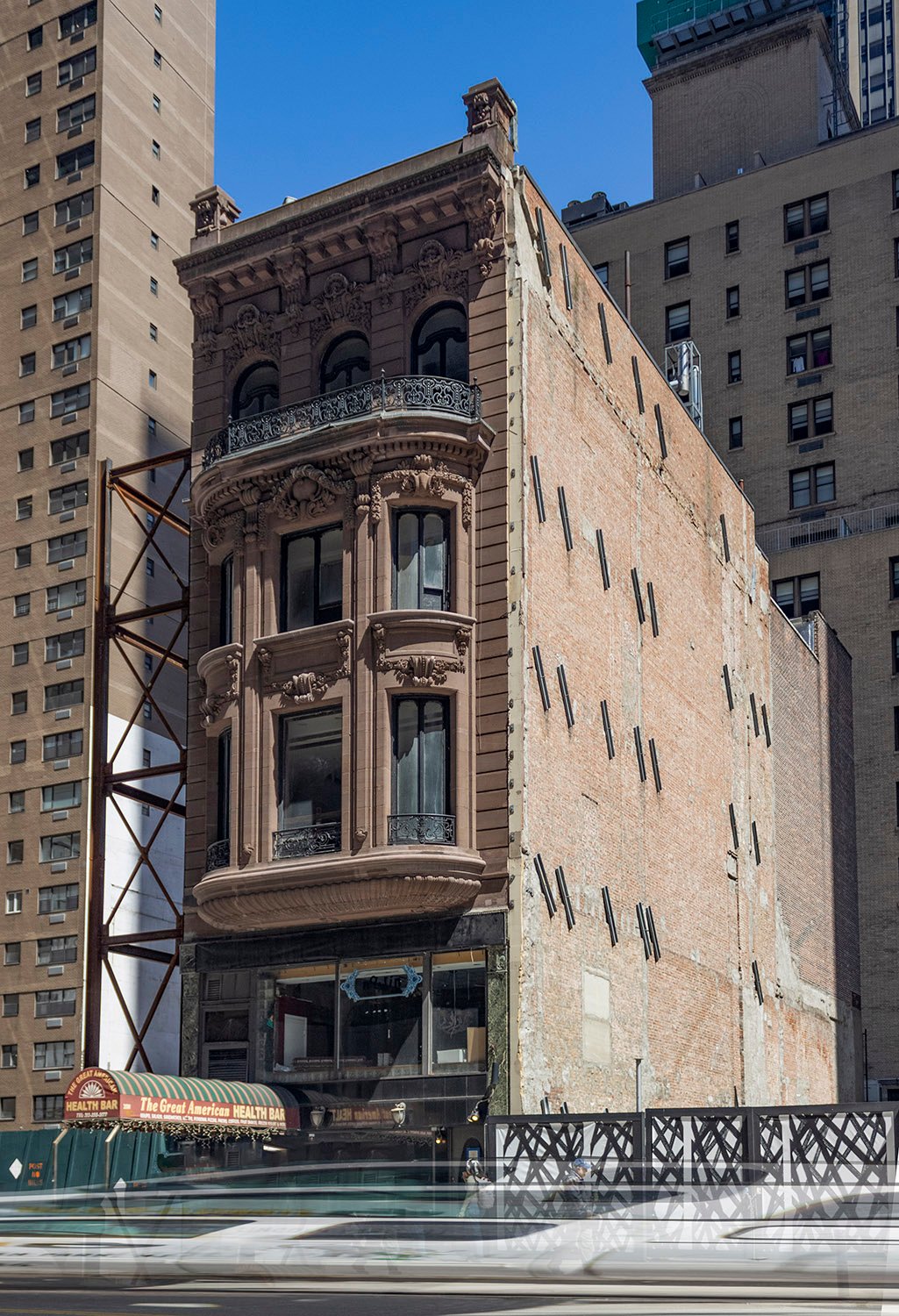
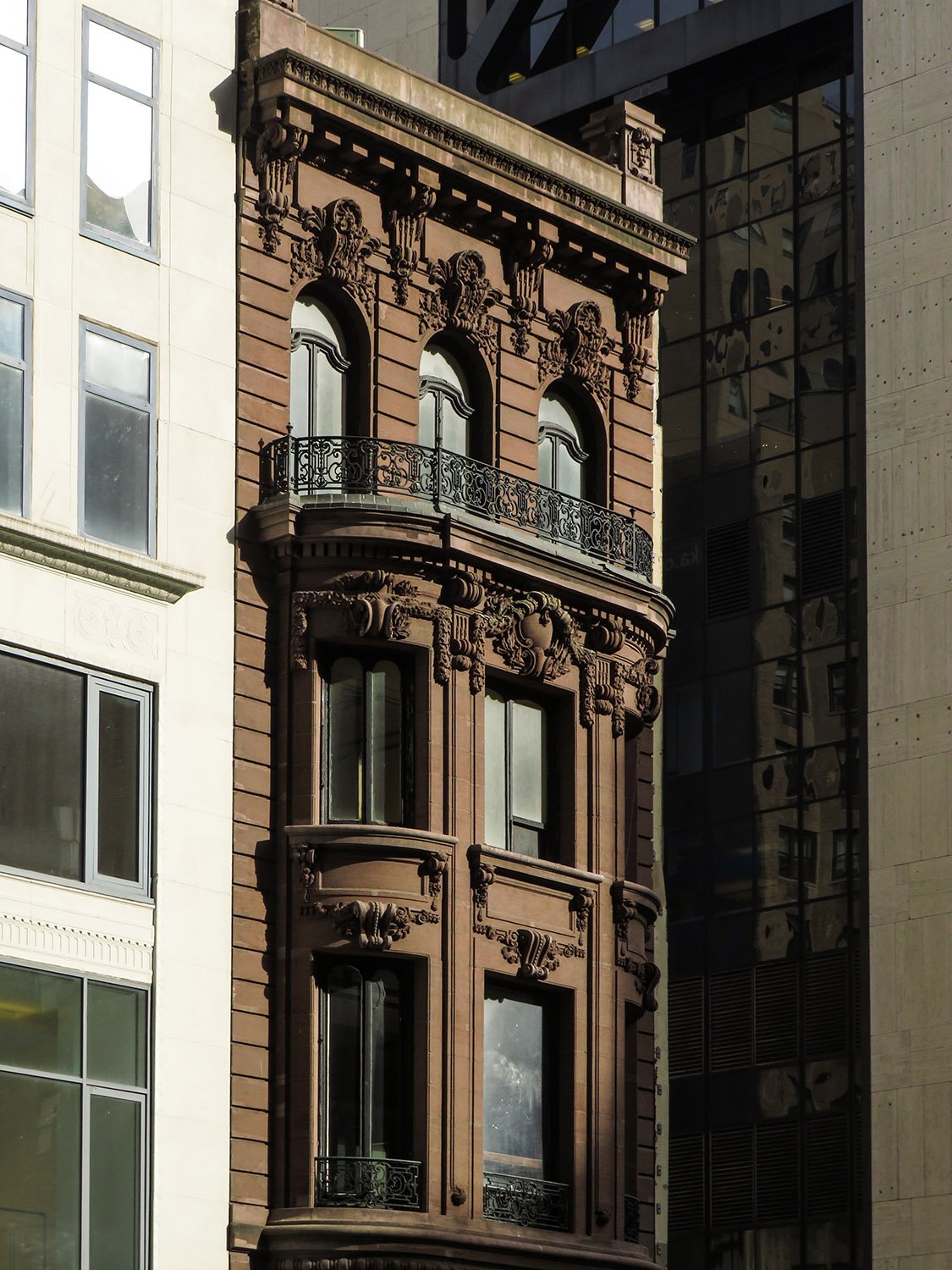
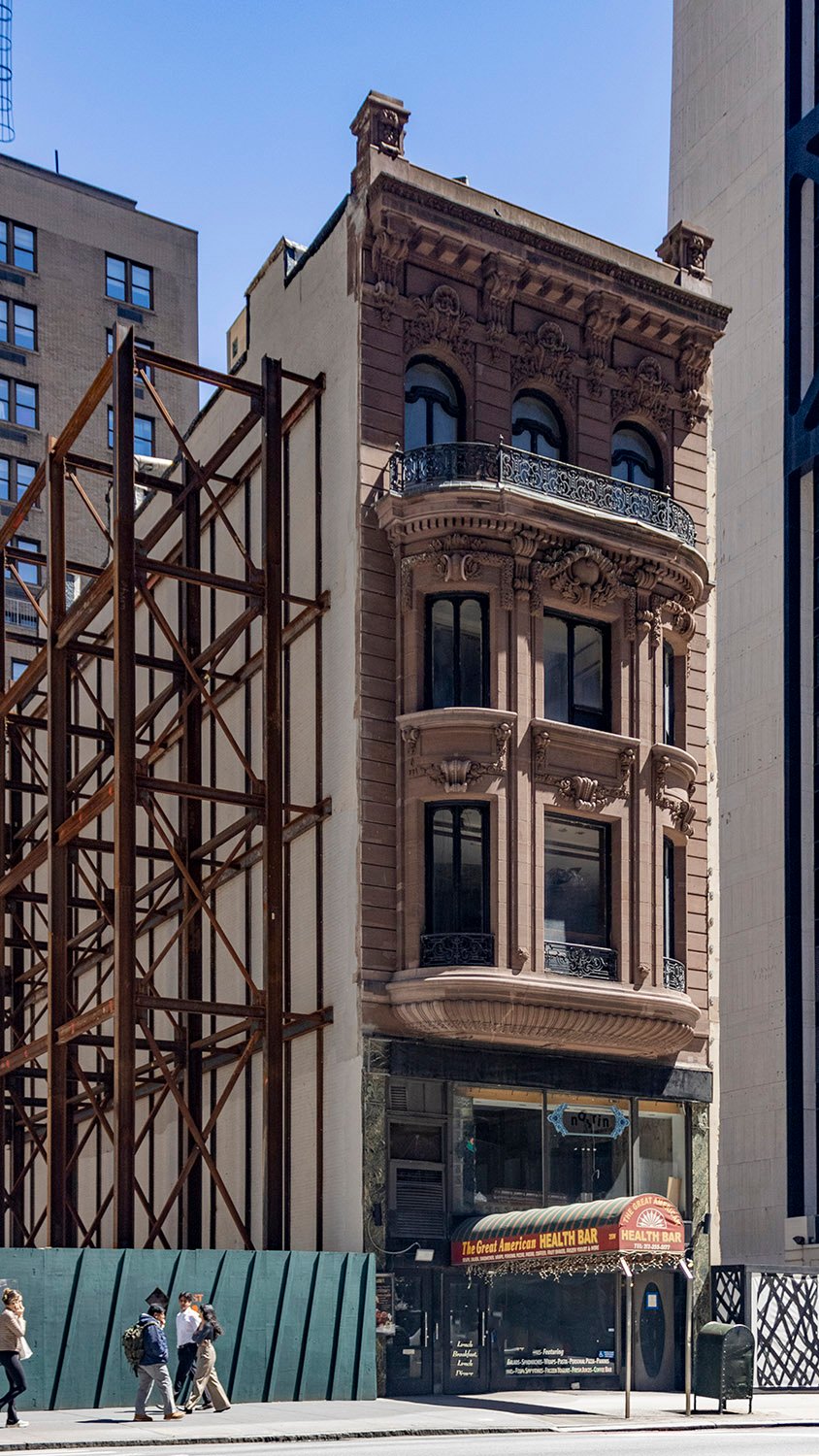
    Schickel & Ditmars. Samuel W. Bowne Residence (1900 addition and renovation)
    Schickel & Ditmars. Samuel W. Bowne Residence (1900 addition and renovation)1
    Looking at the Samuel W. Bowne Residence from the southwest
    Looking at the Samuel W. Bowne Residence from the southwest
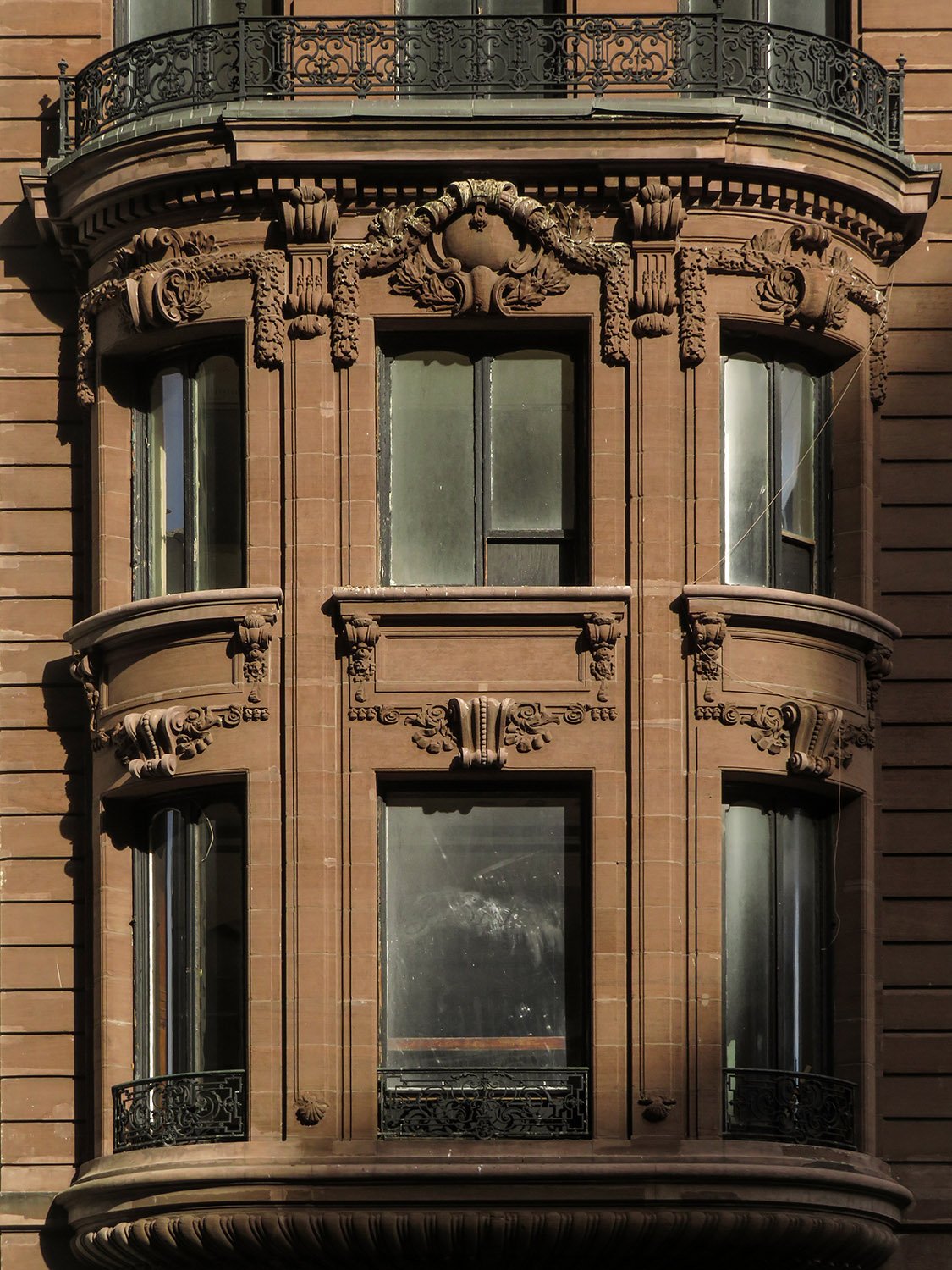
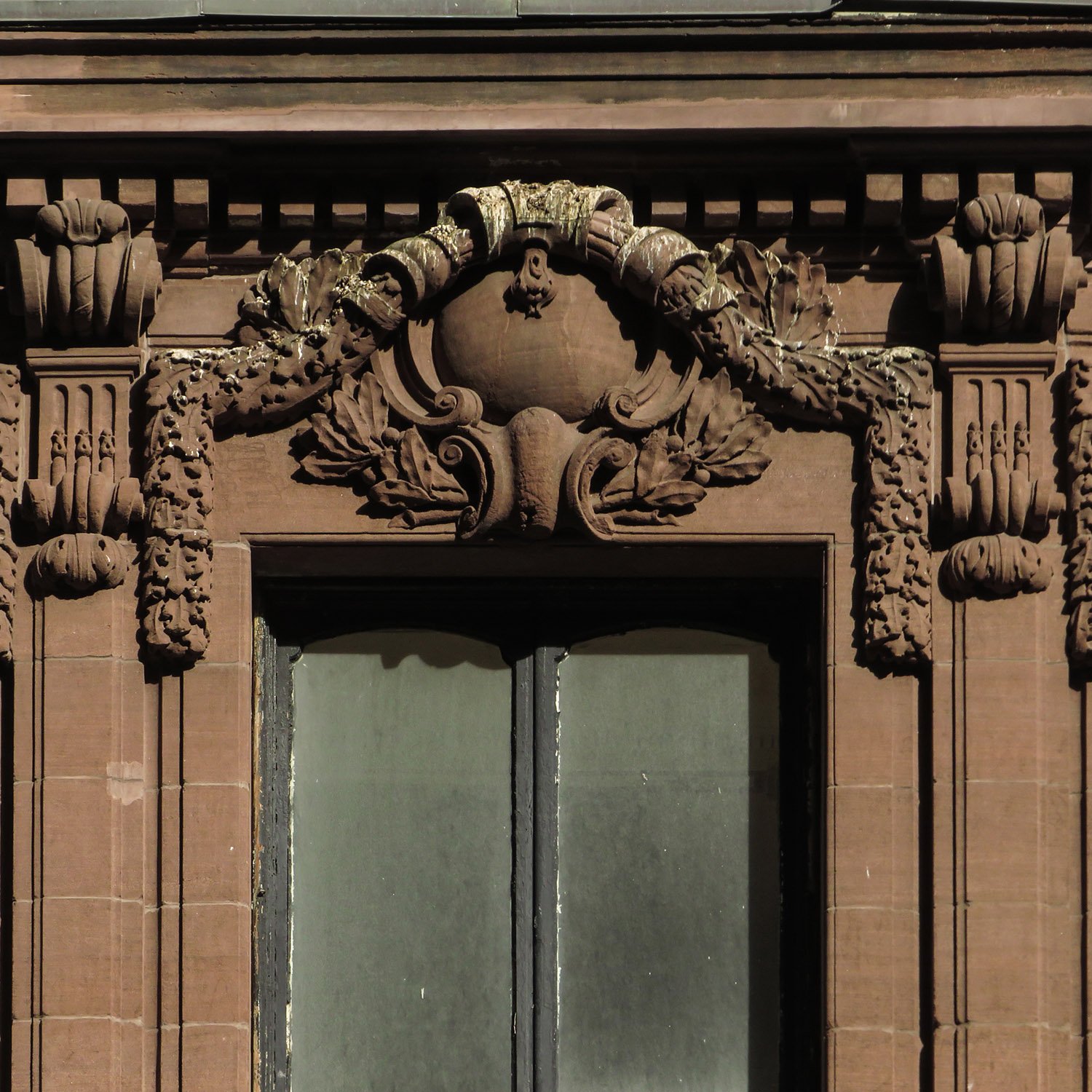
    Third-floor window on the Samuel W. Bowne Residence, New York
    Third-floor window on the Samuel W. Bowne Residence, New York
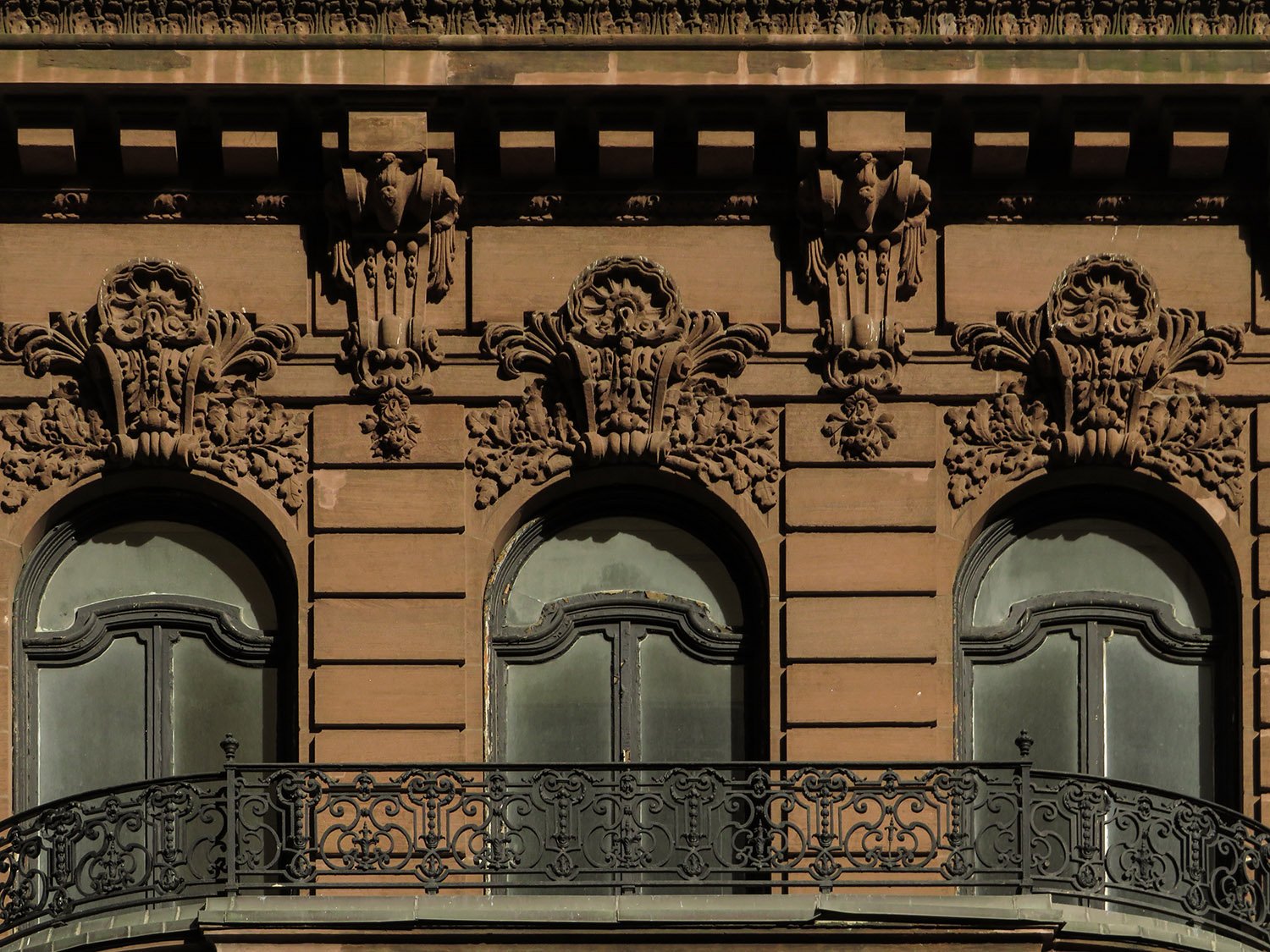
    Fifth-floor windows on the Samuel W. Bowne Residence, New York
    Fourth-floor windows on the Samuel W. Bowne Residence, New York
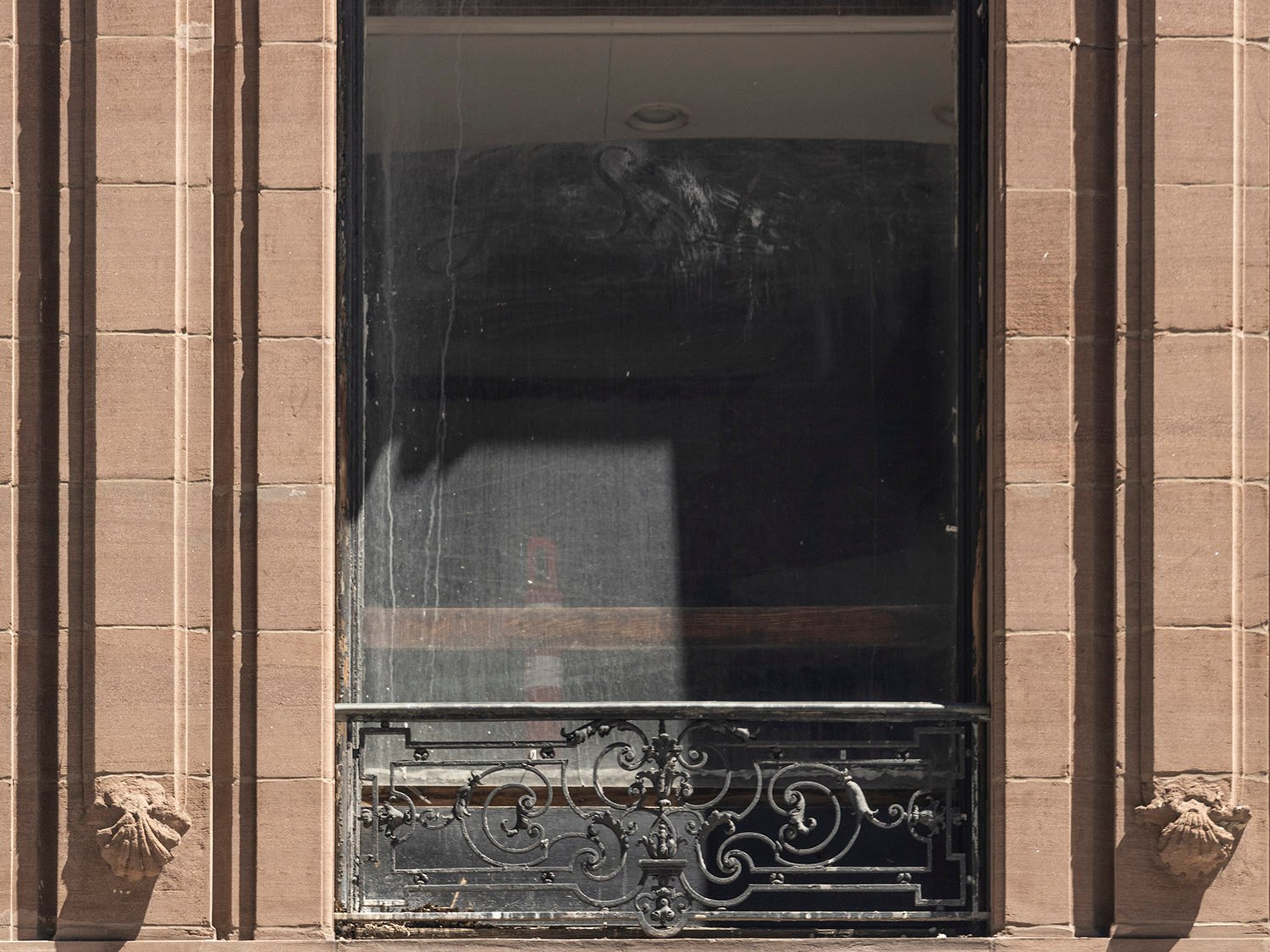
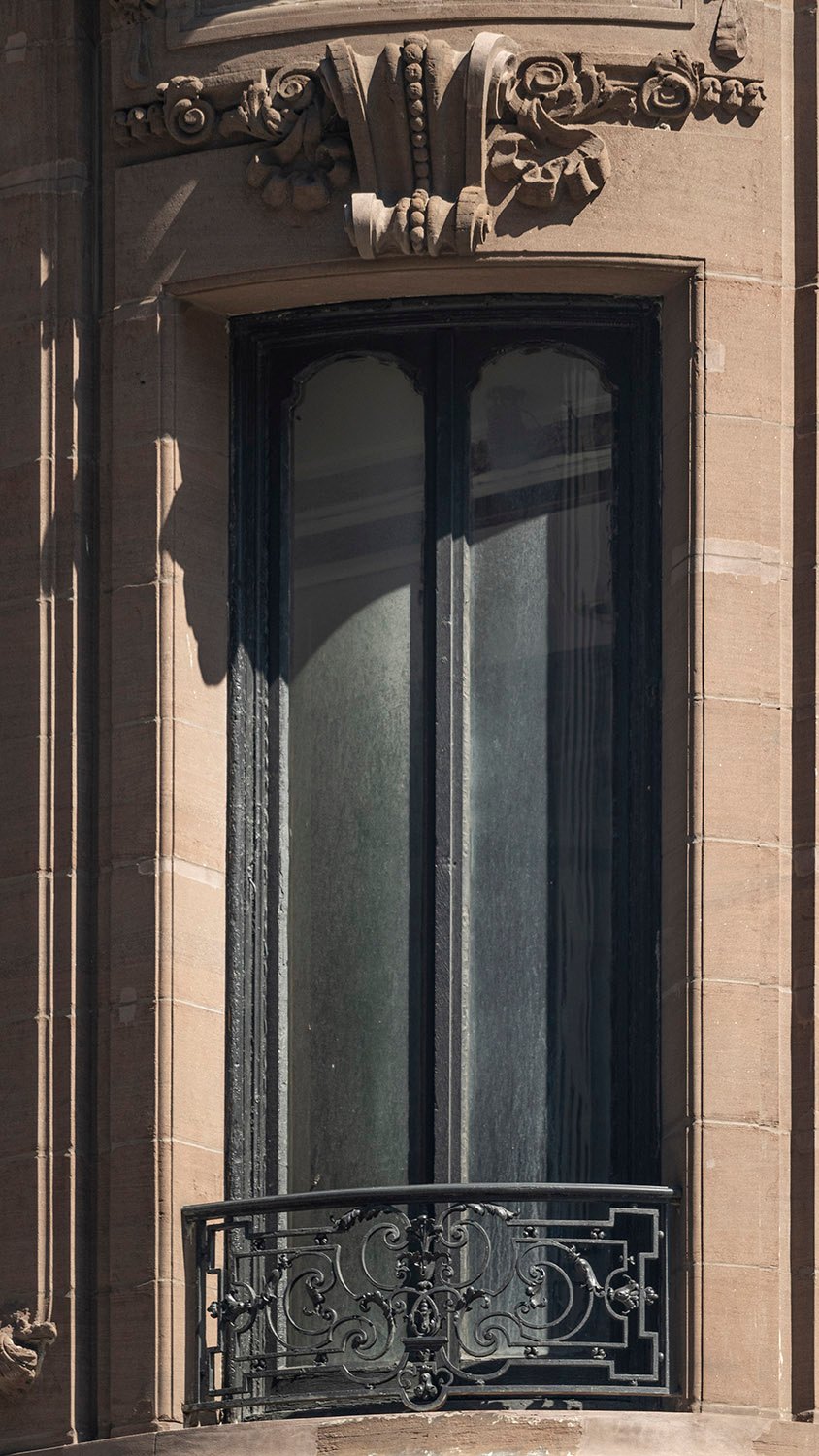
    Second-floor window on the Samuel W. Bowne Residence, New York
    Second-floor window on the Samuel W. Bowne Residence, New York
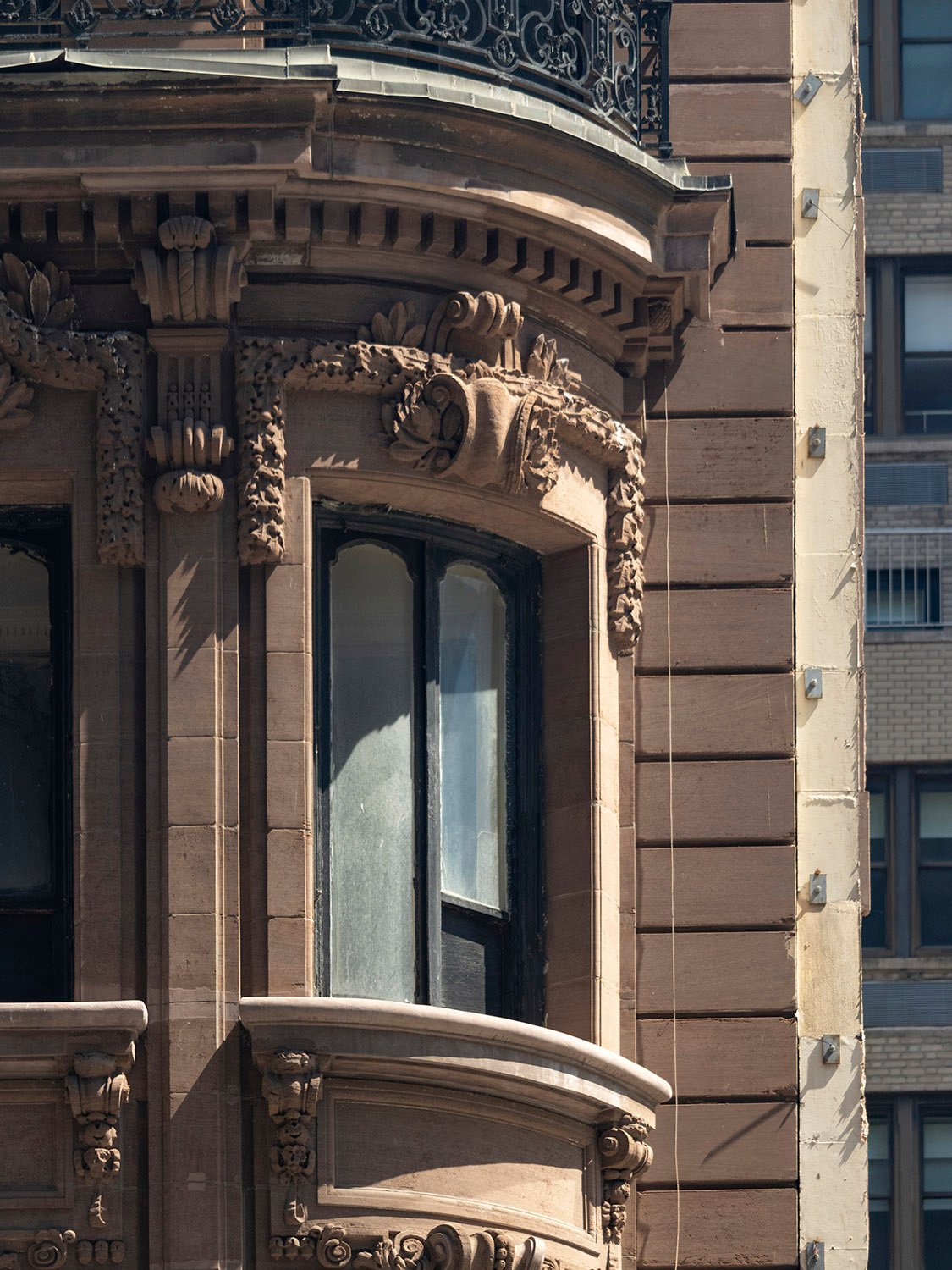
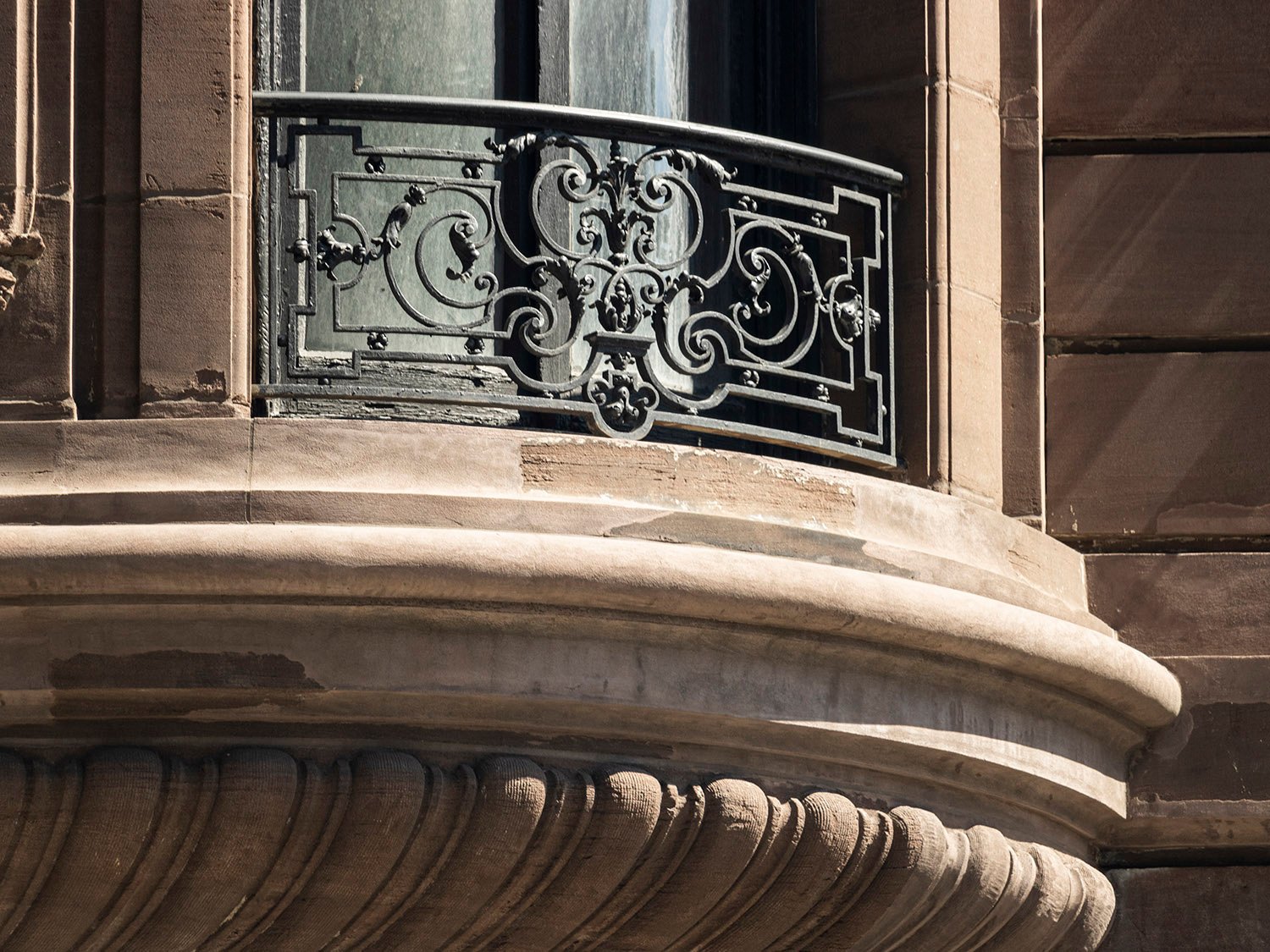
    Bow windows on the Samuel W. Bowne Residence, New York
    Bow window on the Samuel W. Bowne Residence, New York
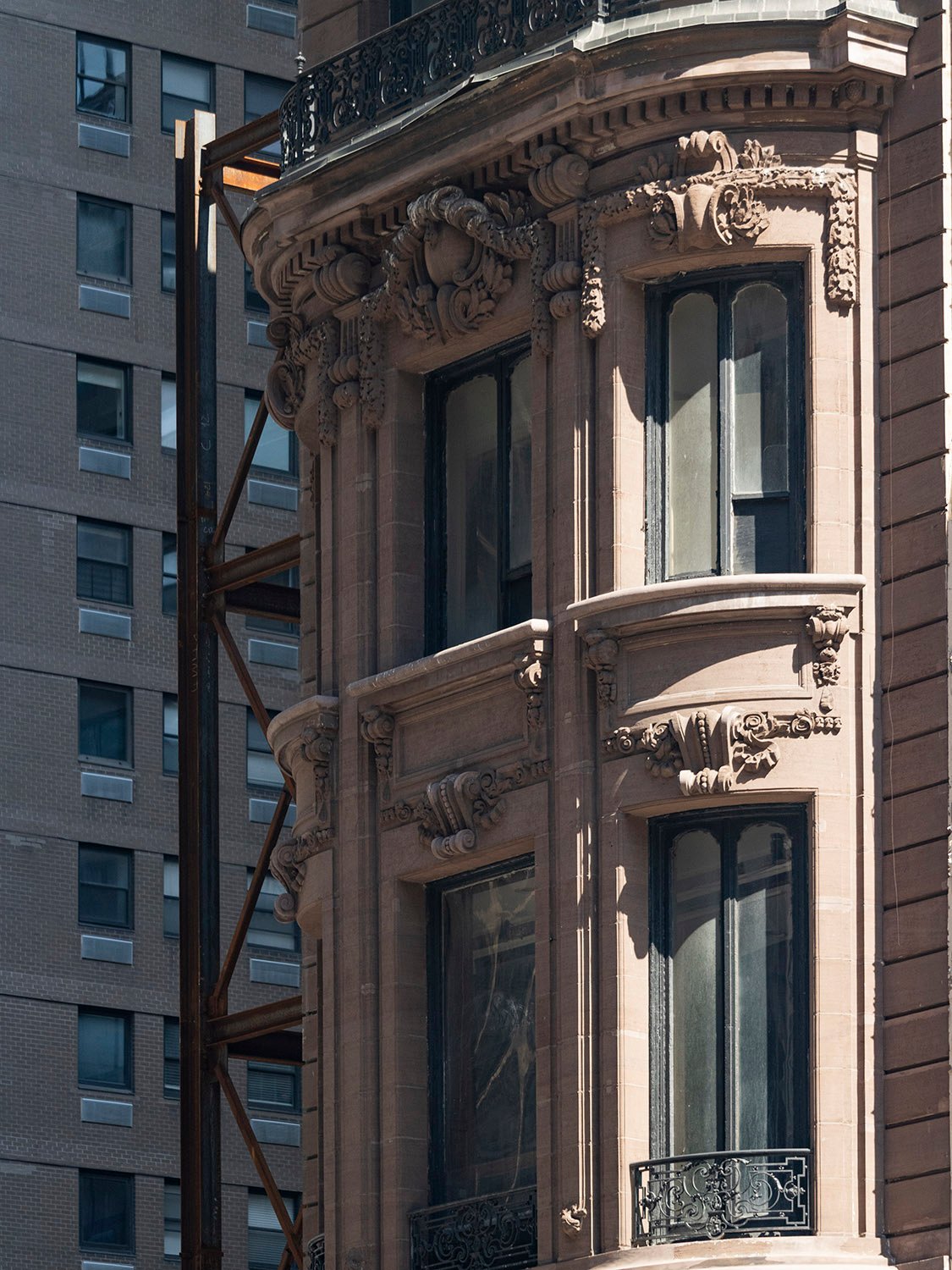
    Looking at the bow window on the Samuel W. Bowne Residence from the southeast
    Looking at the bow windows on the Samuel W. Bowne Residence from the southeast
    Third-floor window on the Samuel W. Bowne Residence, New York
    Third-floor window on the Samuel W. Bowne Residence, New York
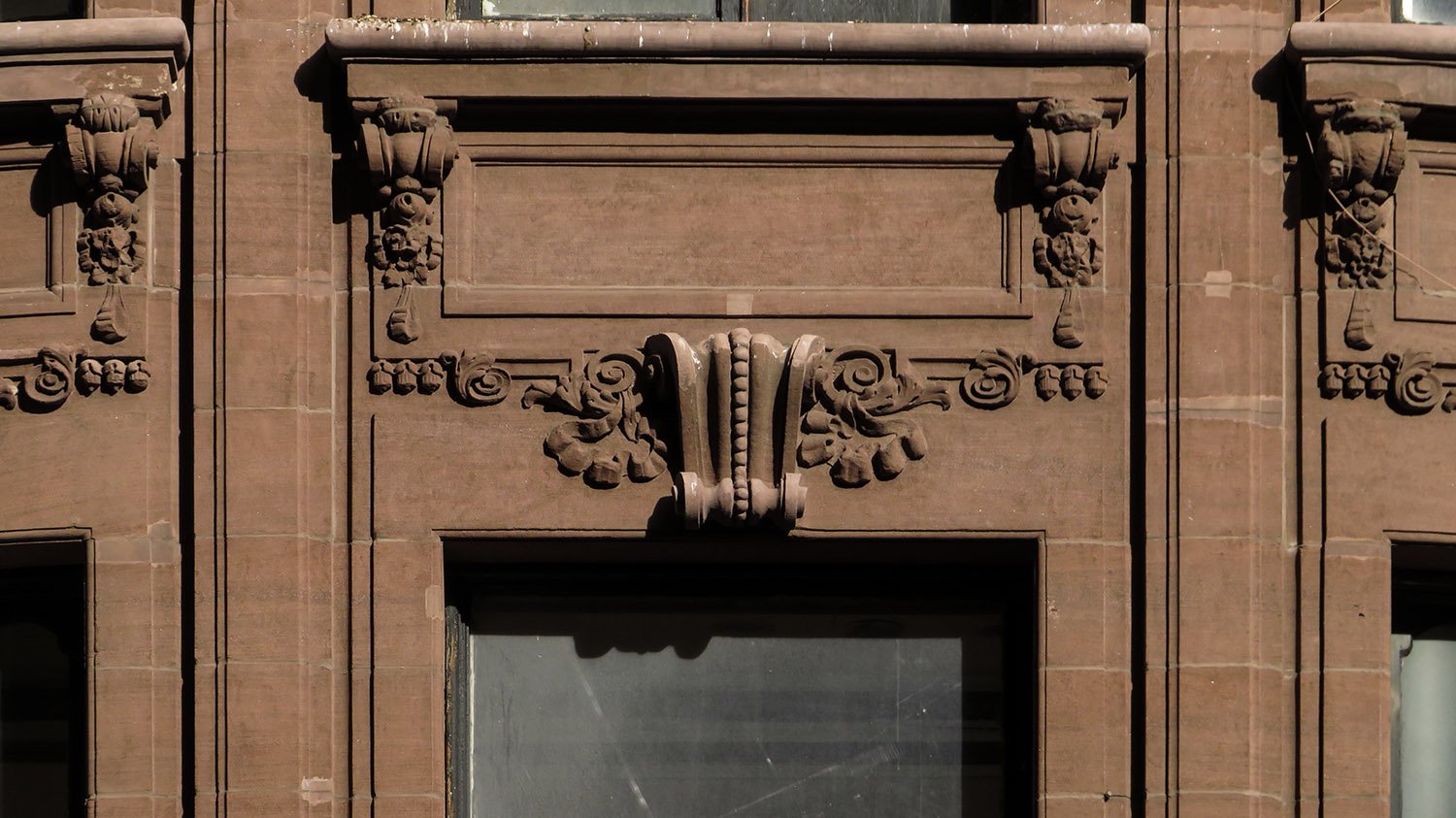
    Window spandrel on the Samuel W. Bowne Residence, New York
    Window spandrel on the Samuel W. Bowne Residence, New York
    Second-floor window and ribbed brownstone corbel on the Samuel W. Bowne Residence, New York
    Second-floor window and ribbed brownstone corbel on the Samuel W. Bowne Residence, New York
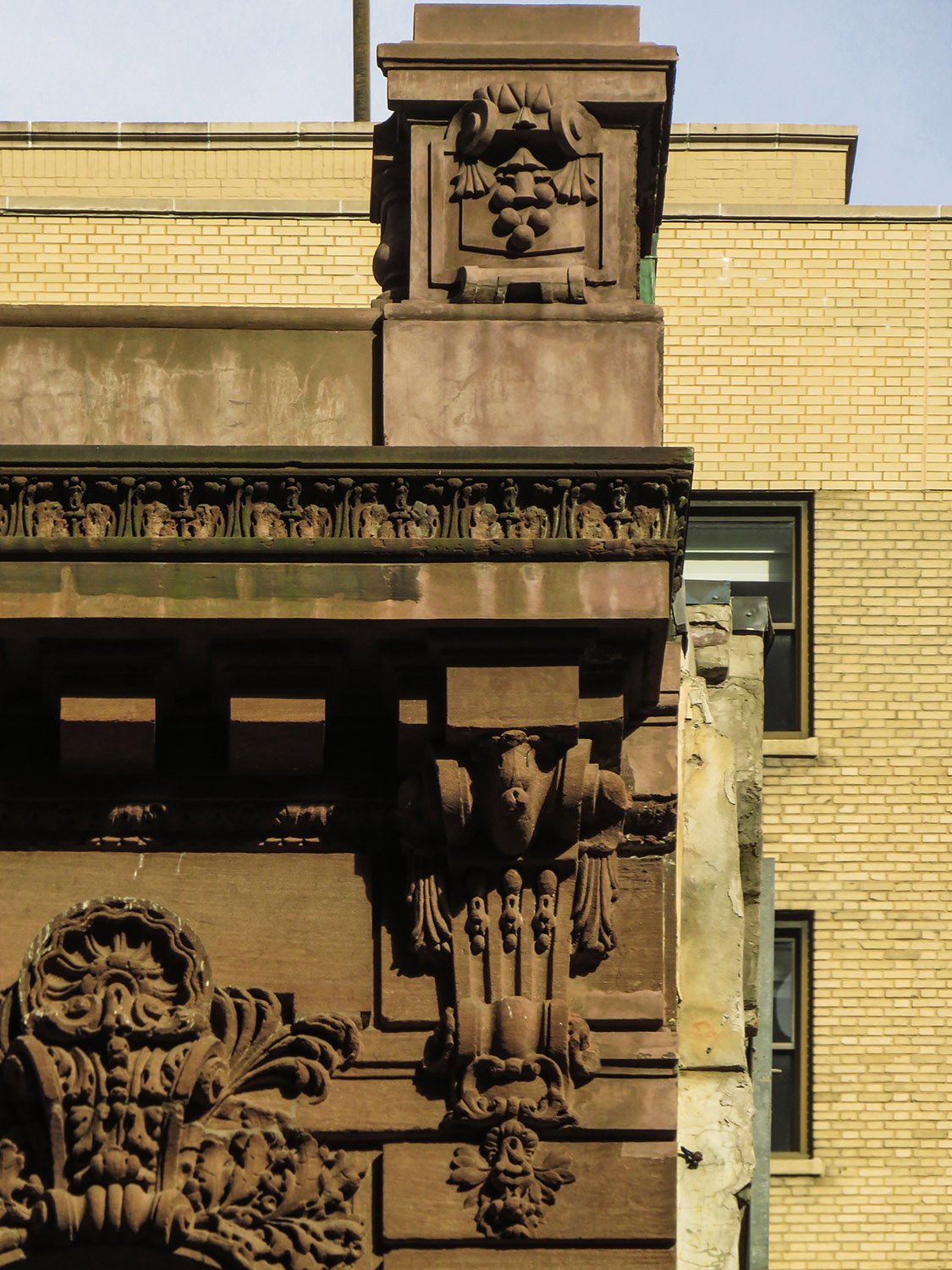
    Pedestal, cornice, and corbel on the Samuel W. Bowne Residence, New York
    Pedestal, cornice, and corbel on the Samuel W. Bowne Residence, New York
    Second-floor window on the Samuel W. Bowne Residence, New York
    Second-floor window on the Samuel W. Bowne Residence, New York
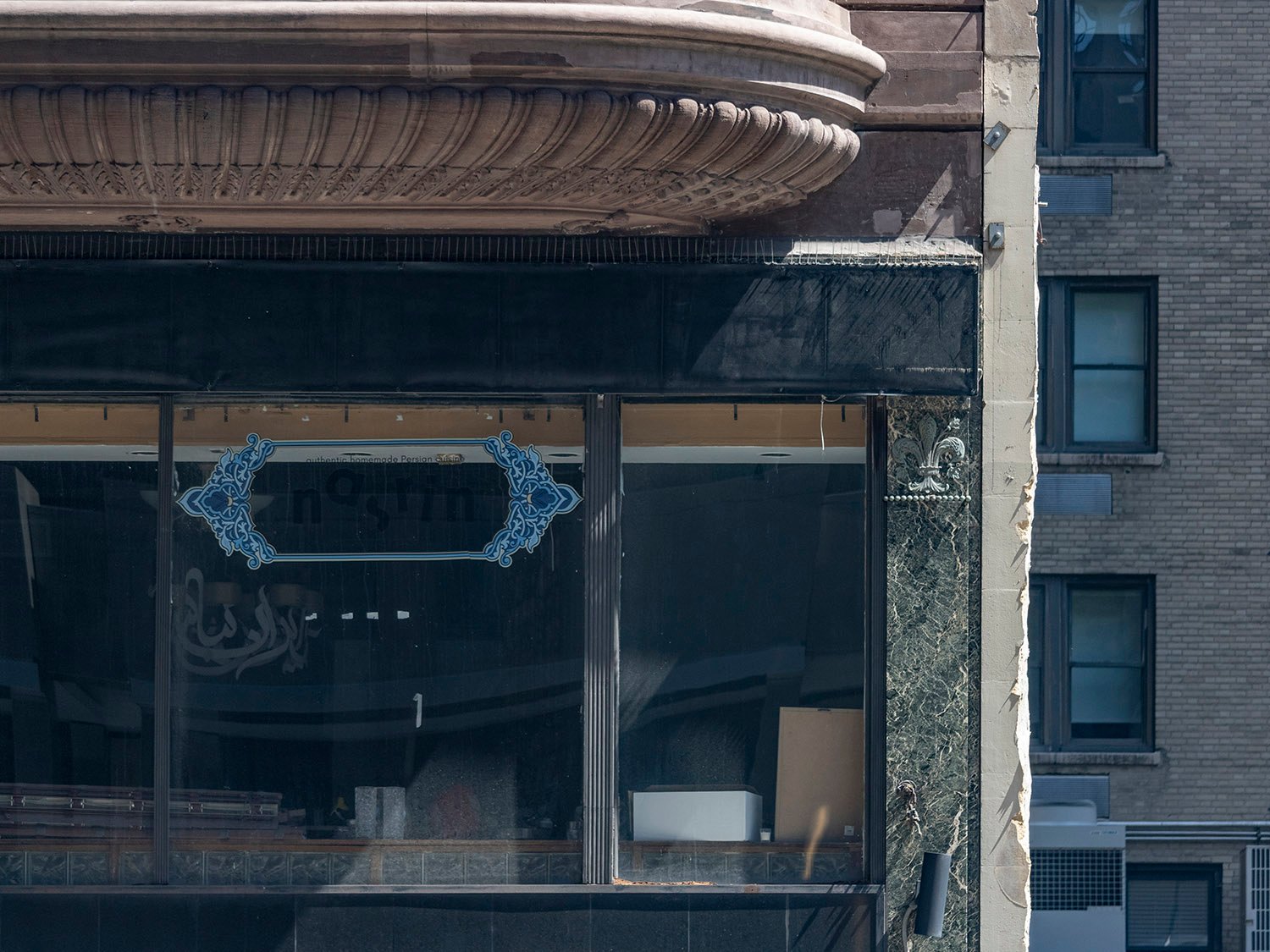
    First floor (altered) of the Samuel W. Bowne Residence, New York
    First floor (altered) of the Samuel W. Bowne Residence, New York
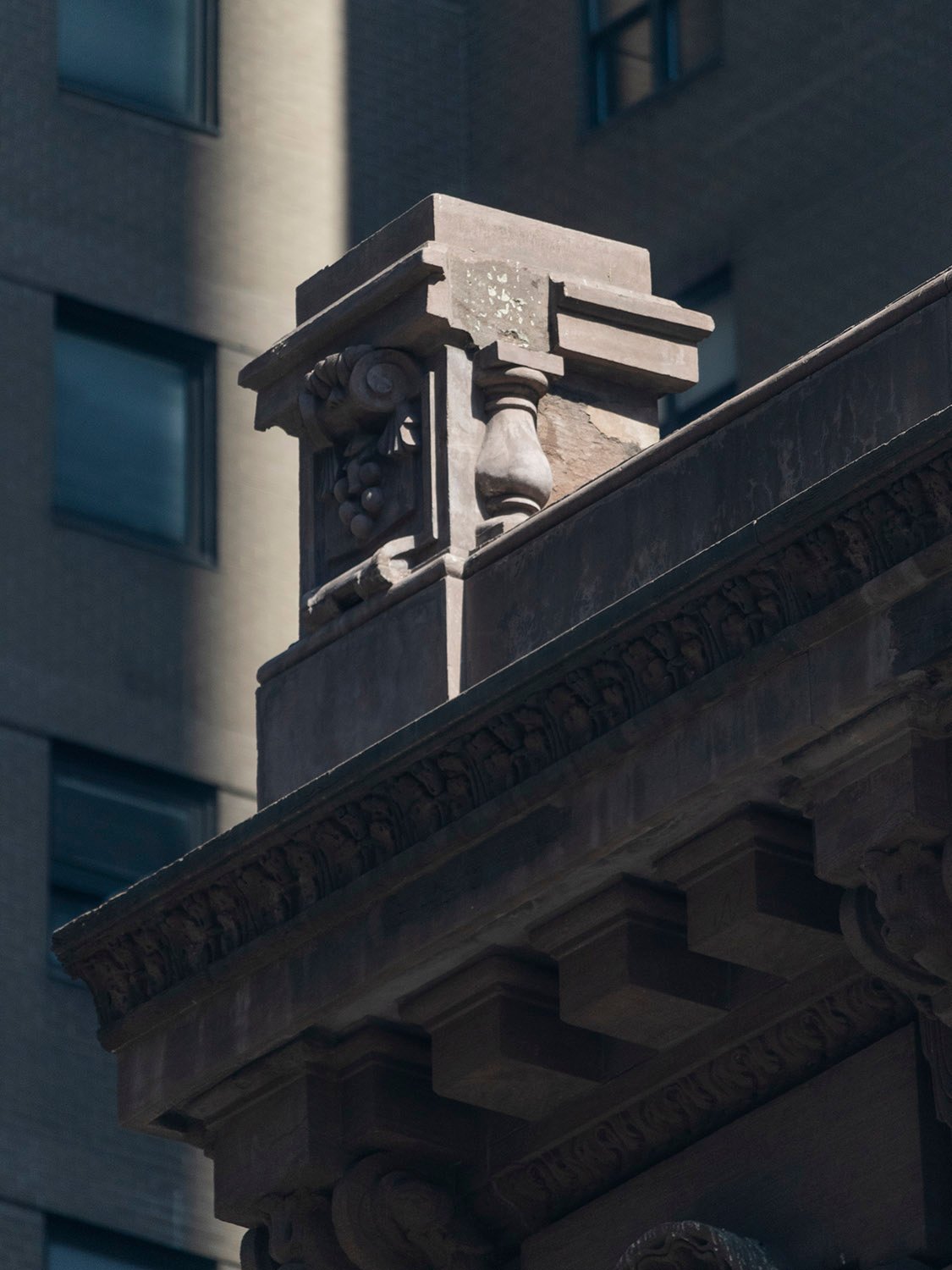
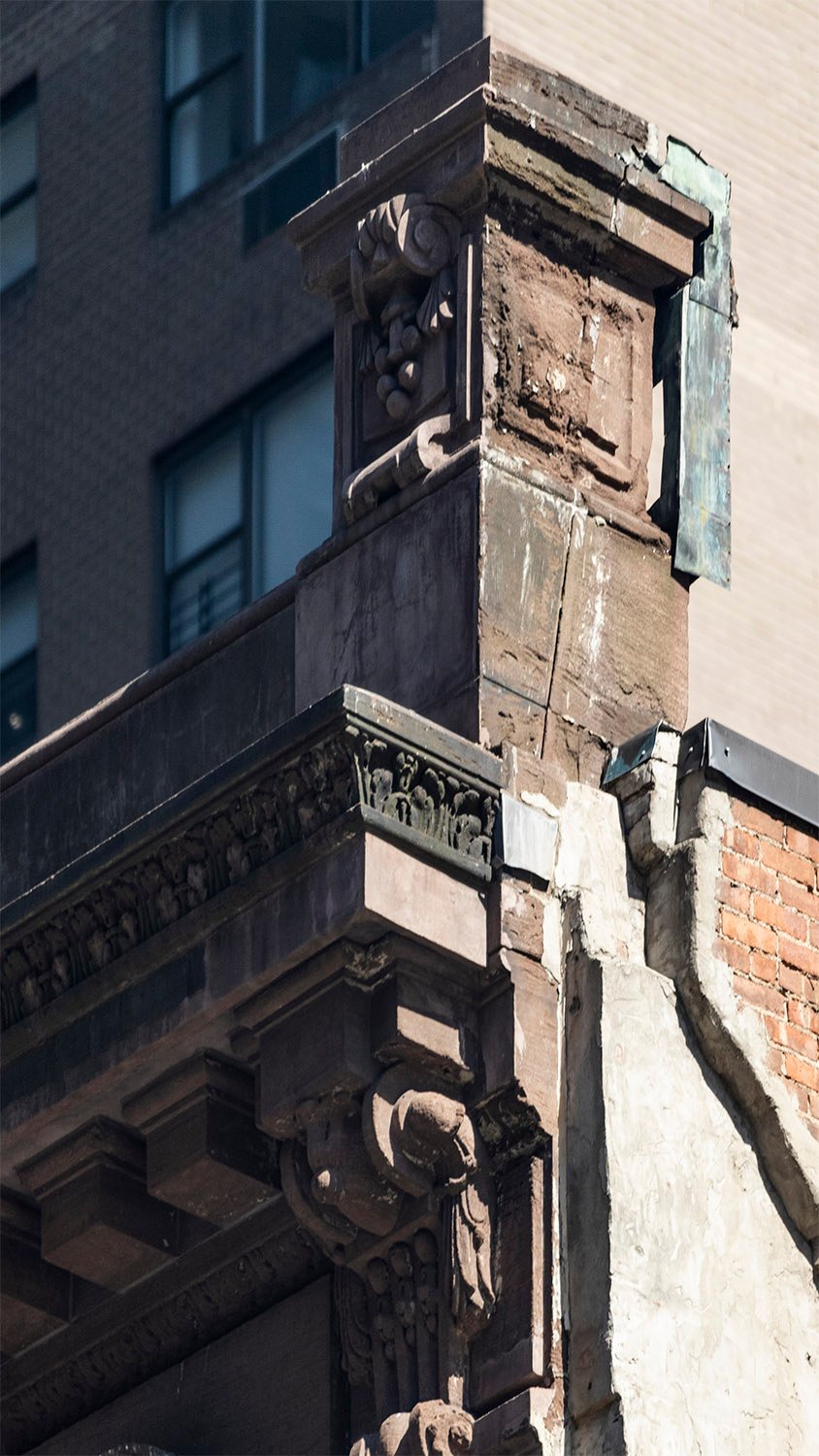
    Pedestal on the roof of the Samuel W. Bowne Residence, New York
    Pedestal on the roof of the Samuel W. Bowne Residence, New York
    Pedestal, cornice, and corbel on the Samuel W. Bowne Residence, New York
    Pedestal, cornice, and corbel on the Samuel W. Bowne Residence, New York
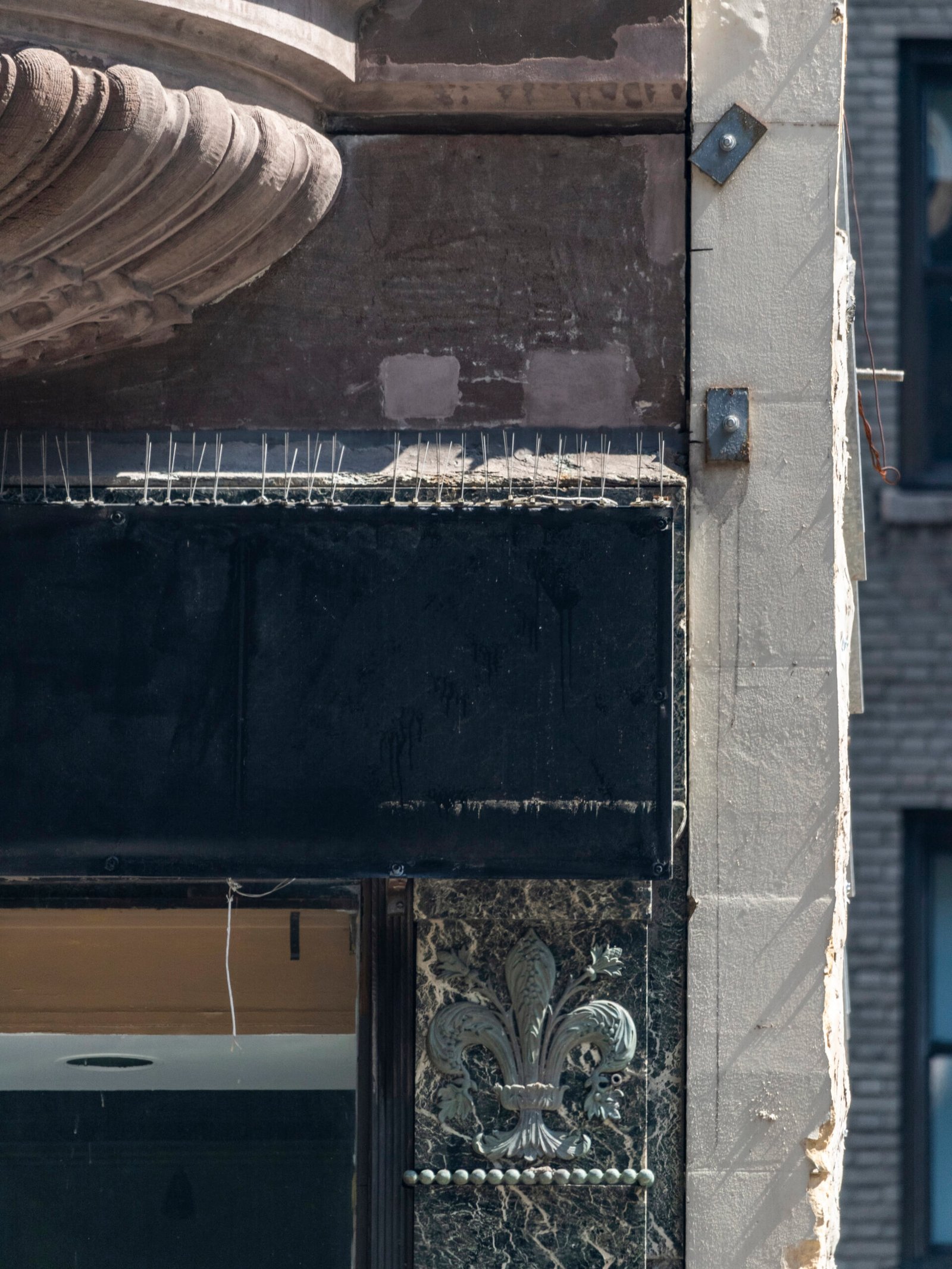
    Fleur de lis ornamentation on the first-floor facade of the Samuel W. Bowne Residence, New York
    Fleur de lis ornamentation on the first-floor facade of the Samuel W. Bowne Residence, New York
    Samuel W. Bowne Residence, New York
    Samuel W. Bowne Residence, New York

    References

    1. “Alterations.” Real Estate Record And Builders Guide, Volume 60, No. 1669, March 10, 1900, p. 428. ↩︎

  • First Christian Church (1950) – Decatur, Georgia

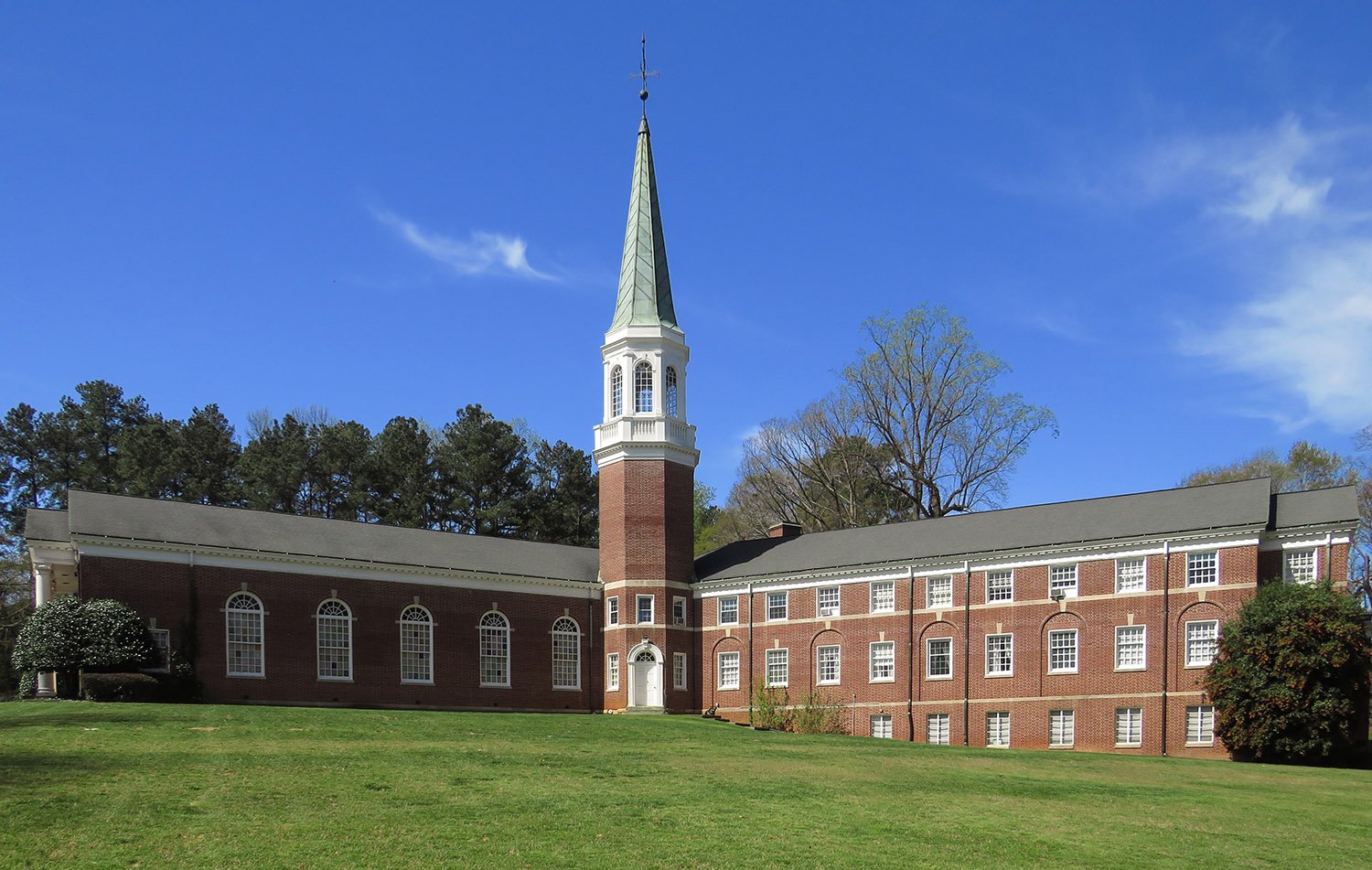
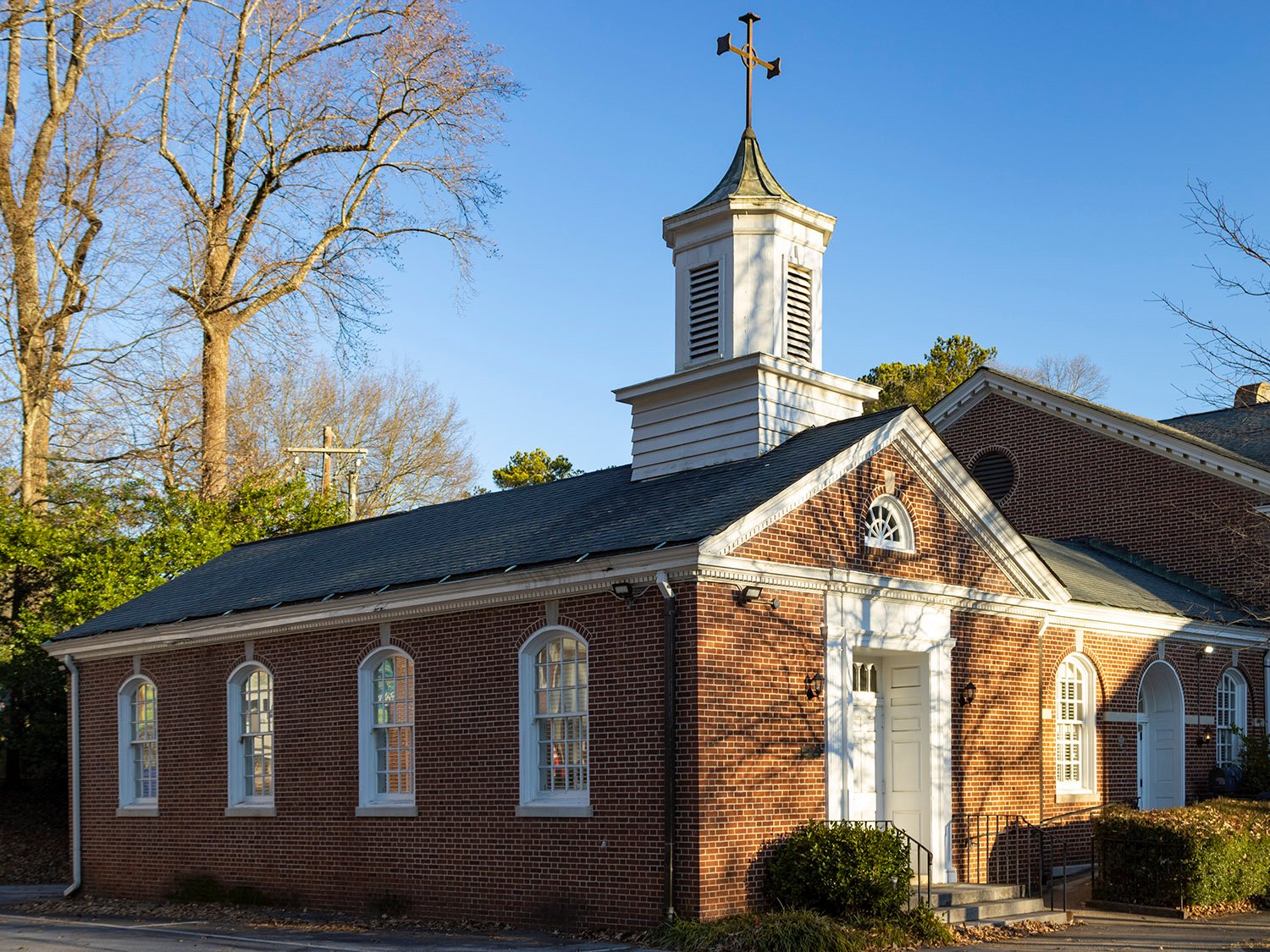
    Poundstone, Ayers & Godwin. First Christian Church (1950). Decatur, Georgia.
    Poundstone, Ayers & Godwin. First Christian Church (1950). Decatur, Georgia.1 2 3 4
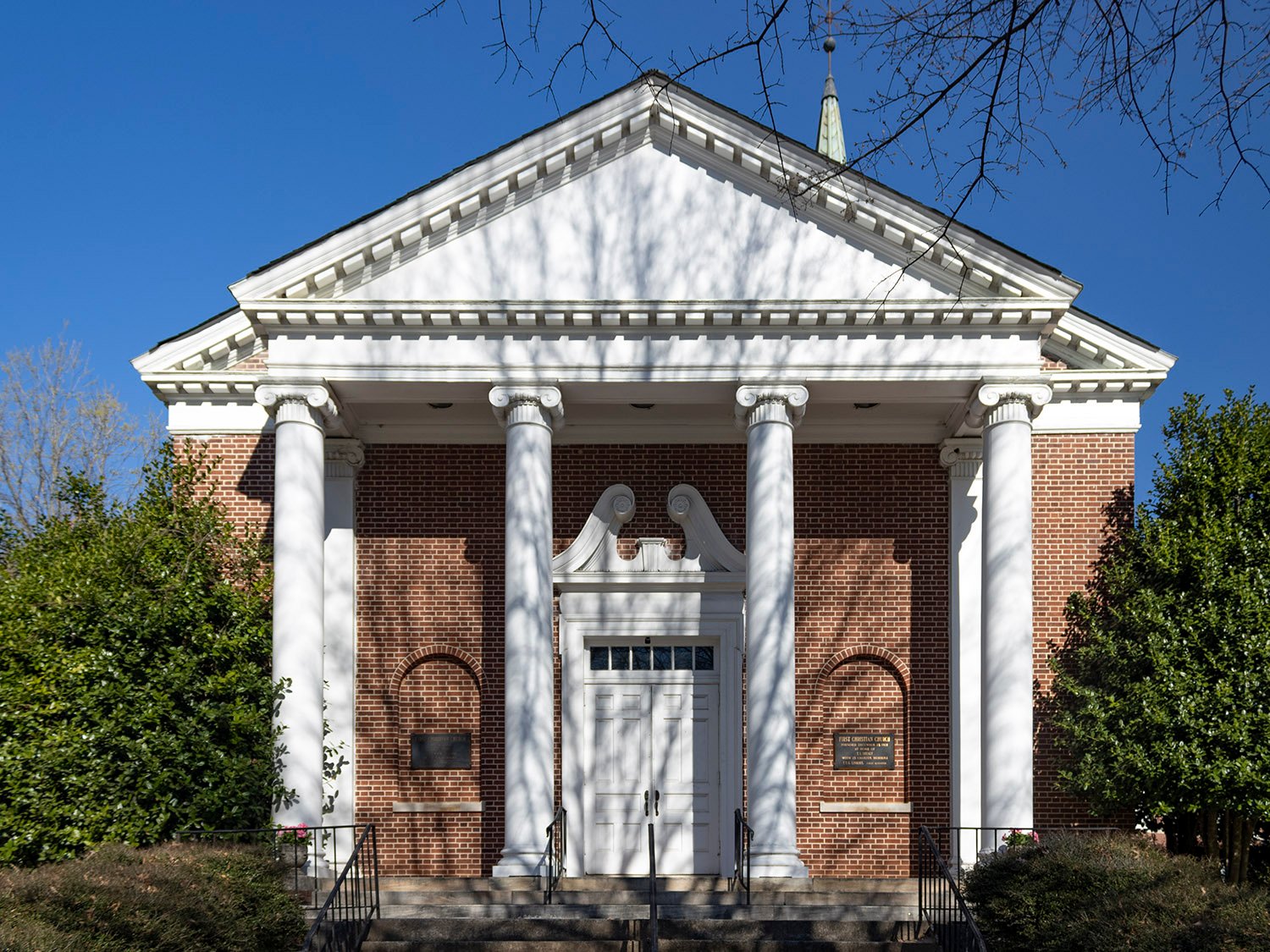
    Facade of First Christian Church sanctuary, Decatur, Georgia
    Facade of First Christian Church sanctuary, Decatur, Georgia
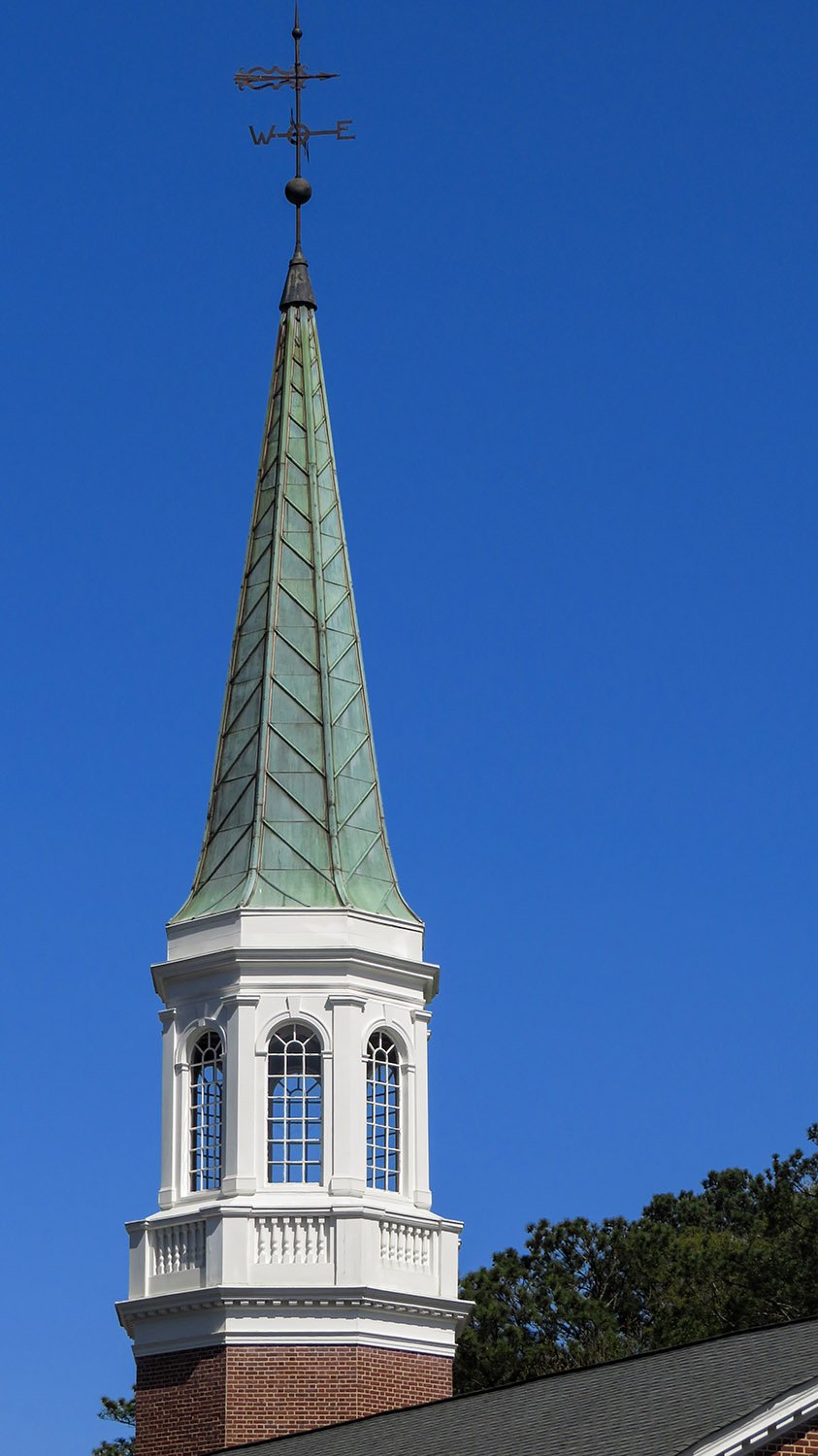
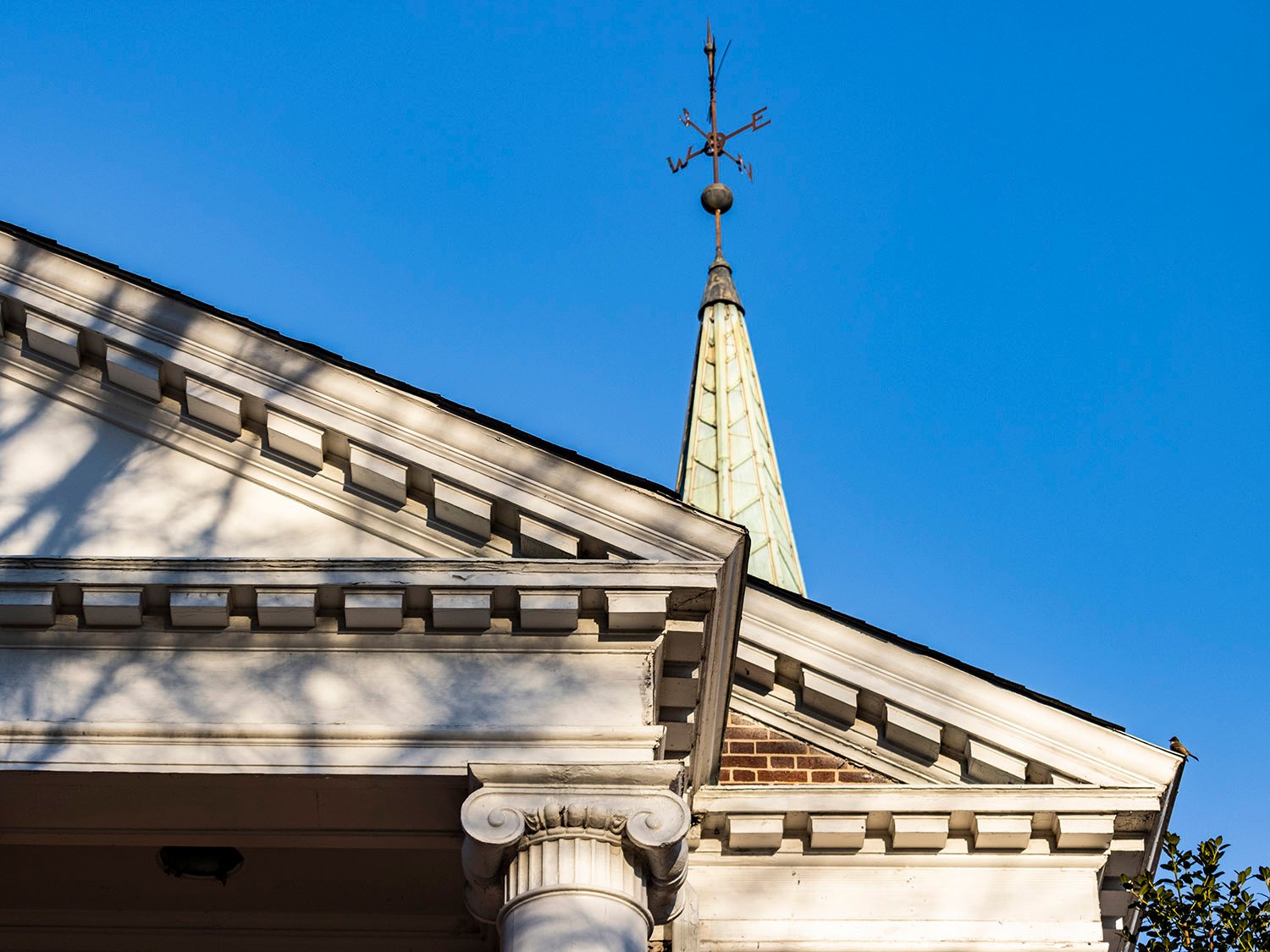
    Steeple of First Christian Church. Decatur, Georgia
    Steeple of First Christian Church. Decatur, Georgia
    Cornice and steeple on First Christian Church, Decatur, Georgia
    Cornice and steeple on First Christian Church, Decatur, Georgia
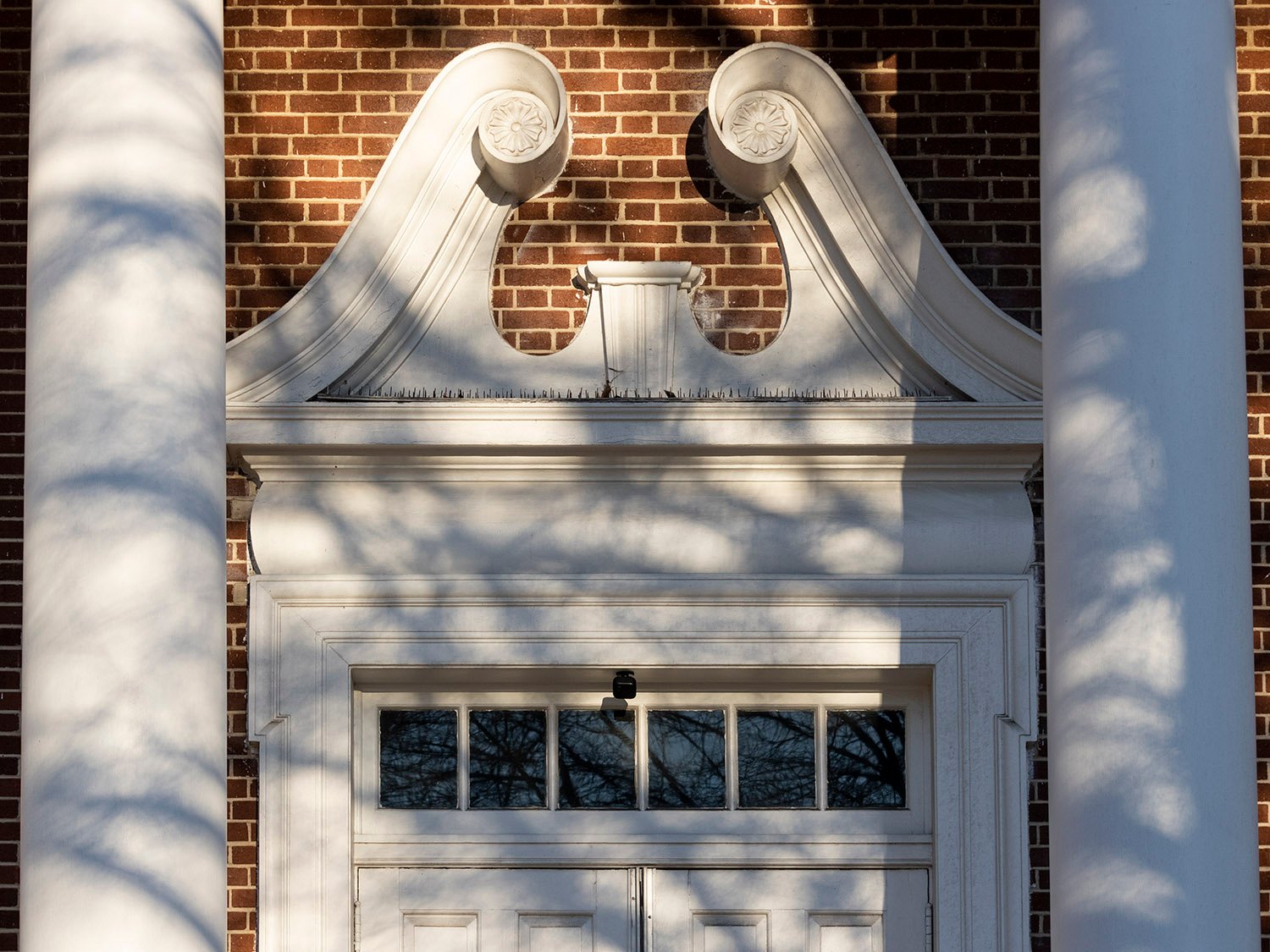
    Swan-neck pediment over the entrance of First Christian Church, Decatur, Georgia
    Swan-neck pediment over the entrance of First Christian Church, Decatur, Georgia
    Office of First Christian Church, Decatur, Georgia
    Office of First Christian Church, Decatur, Georgia
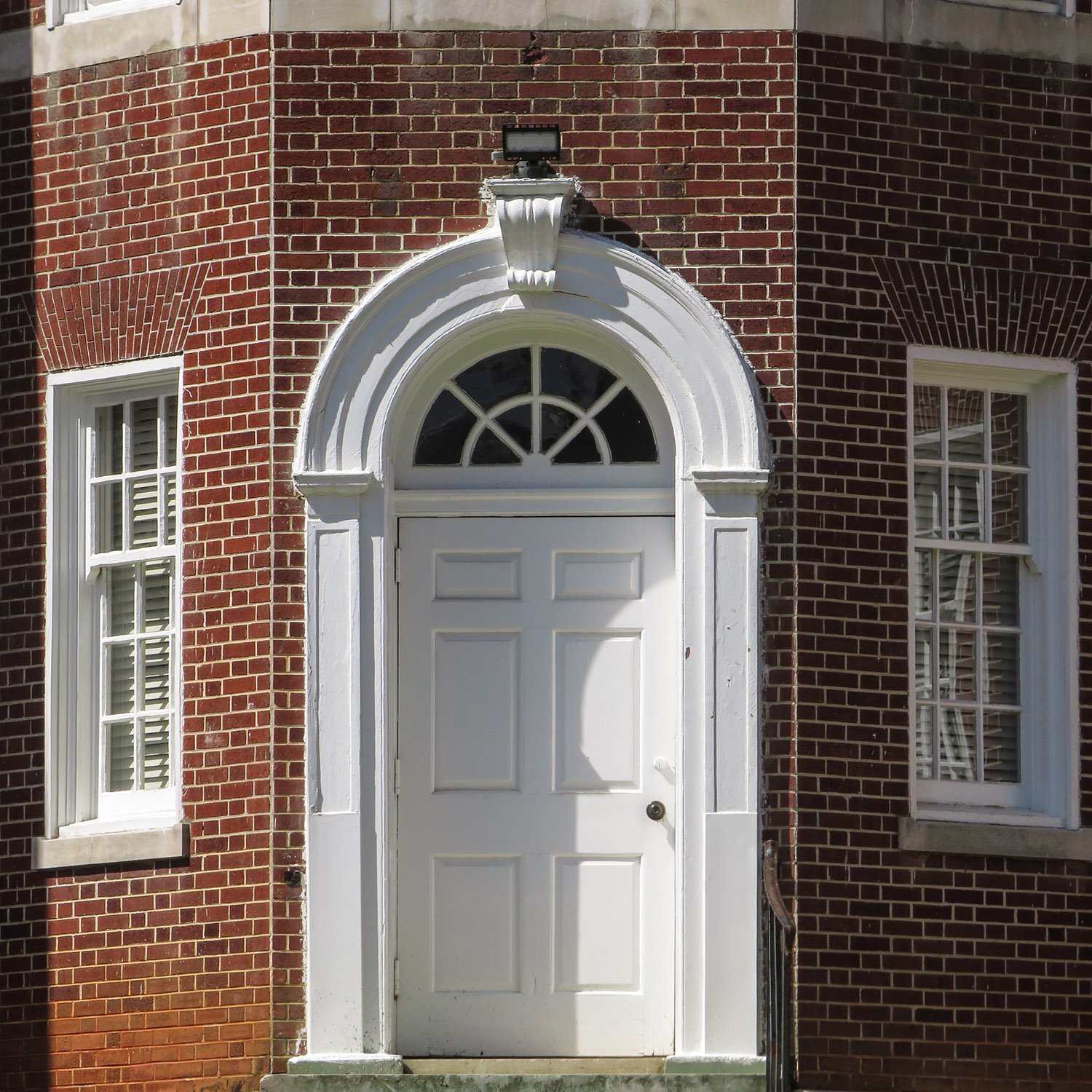
    Entrance beneath the steeple of First Christian Church, Decatur, Georgia
    Entrance beneath the steeple of First Christian Church, Decatur, Georgia
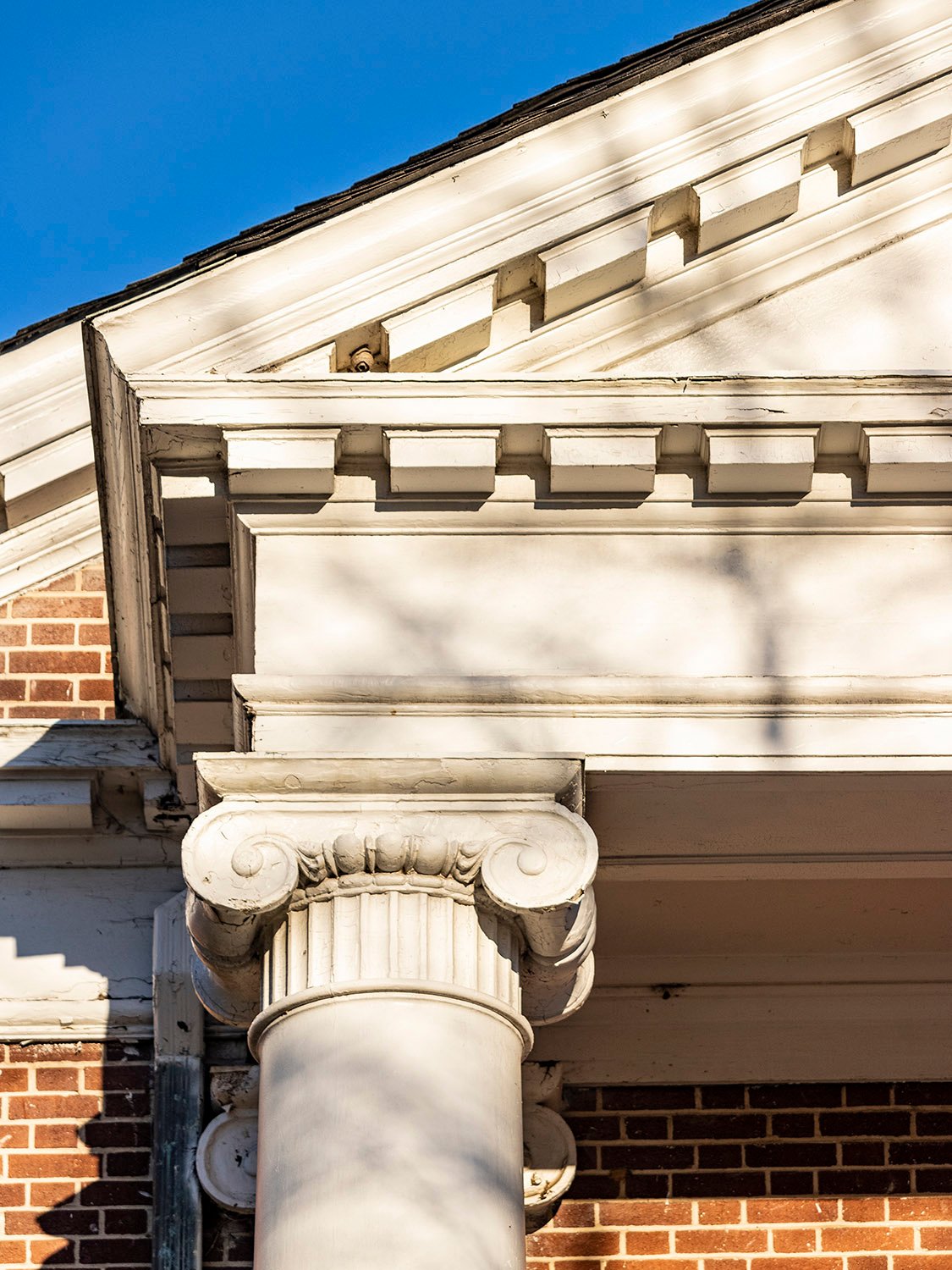
    Entablature and Ionic capital on the facade of First Christian Church, Decatur, Georgia
    Entablature and Ionic capital on the facade of First Christian Church, Decatur, Georgia
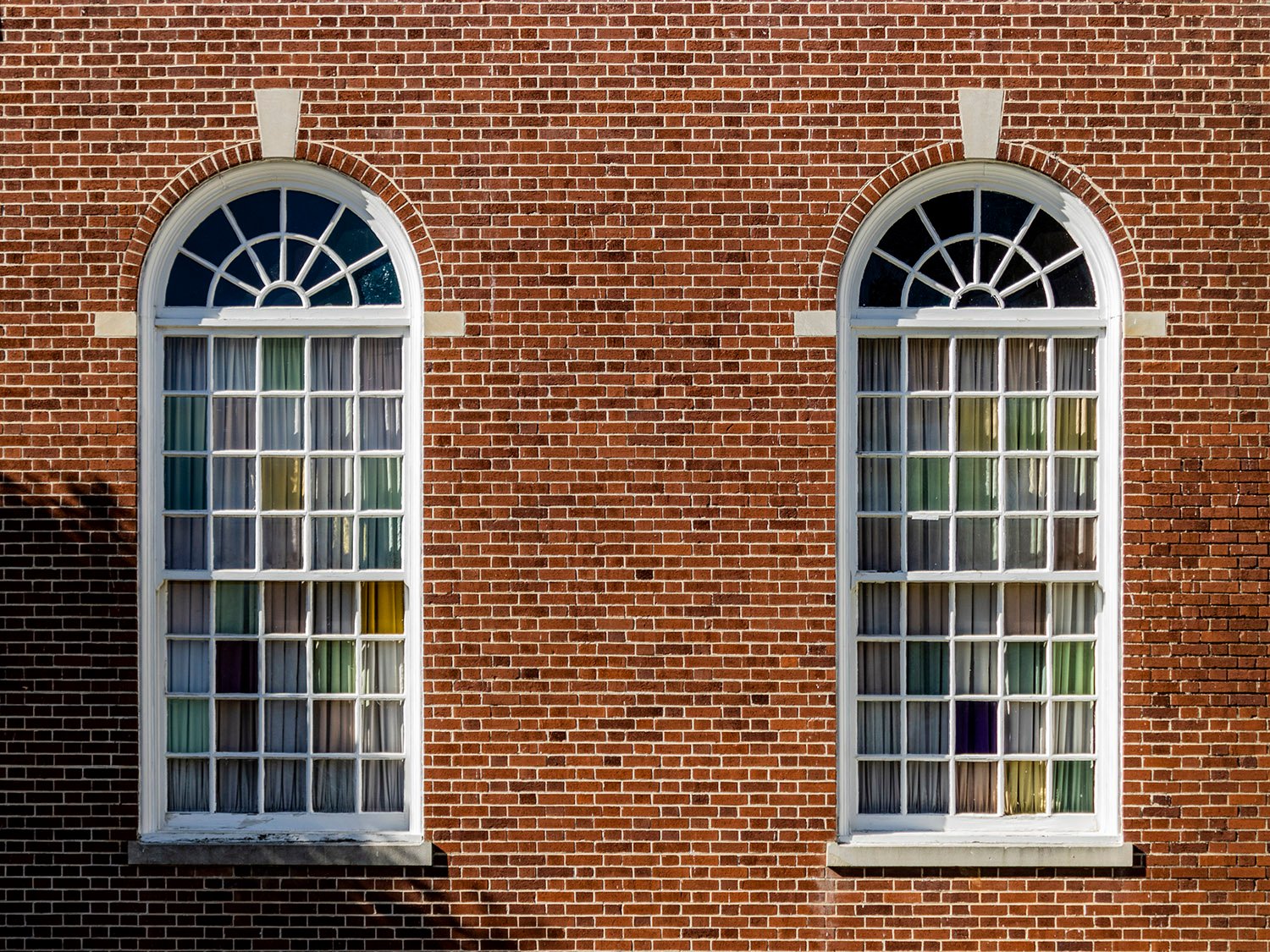
    Sanctuary windows on First Christian Church, Decatur, Georgia
    Sanctuary windows on First Christian Church, Decatur, Georgia

    References

    1. “Service Sunday To Mark Start On New Church”. The Atlanta Journal, September 22, 1949, p. 17. ↩︎
    2. “New Church”. The Atlanta Constitution, September 24, 1949, p. 14. ↩︎
    3. “$300,000 Building To Be Dedicated”. The Atlanta Constitution, November 25, 1950, p. 3. ↩︎
    4. “$300,000 Church to Be Dedicated in Decatur”. The Atlanta Journal, November 25, 1950, p. 4. ↩︎
  • Engine House No. 6 (1894) – Atlanta

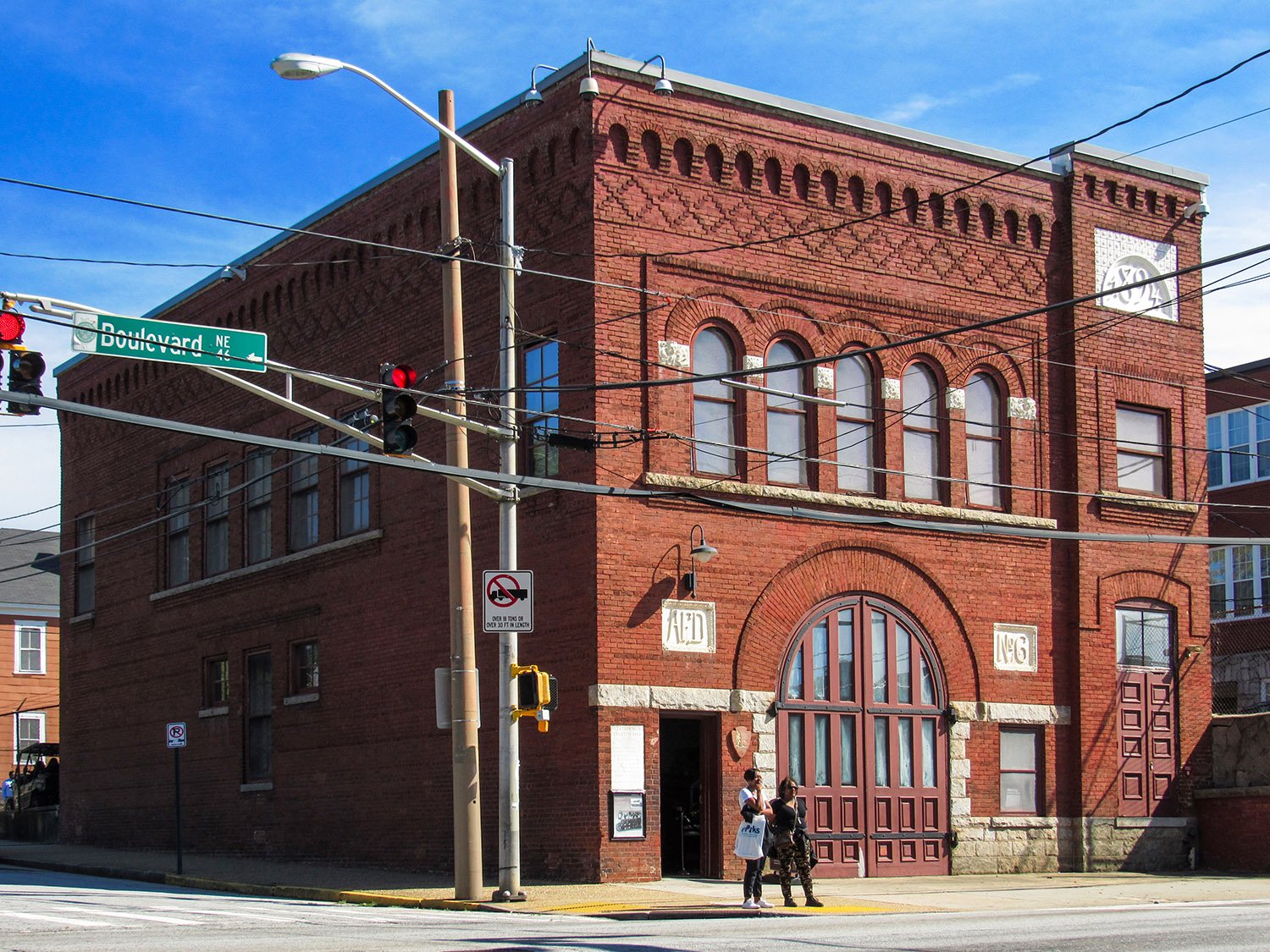
    Bruce & Morgan. Engine House No. 6 (1894). Sweet Auburn, Atlanta.
    Bruce & Morgan. Engine House No. 6 (1894). Sweet Auburn, Atlanta.1 2 3
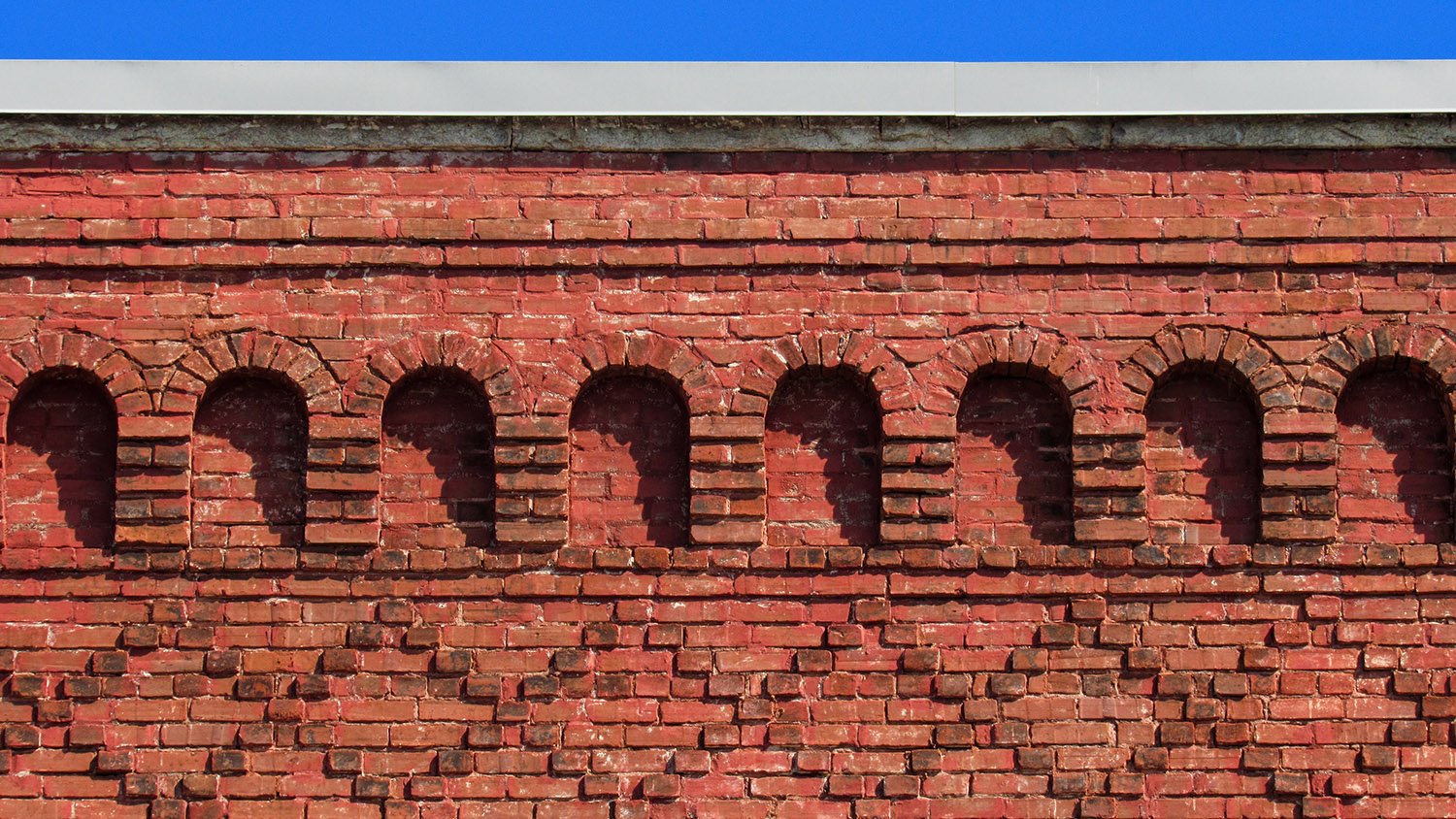
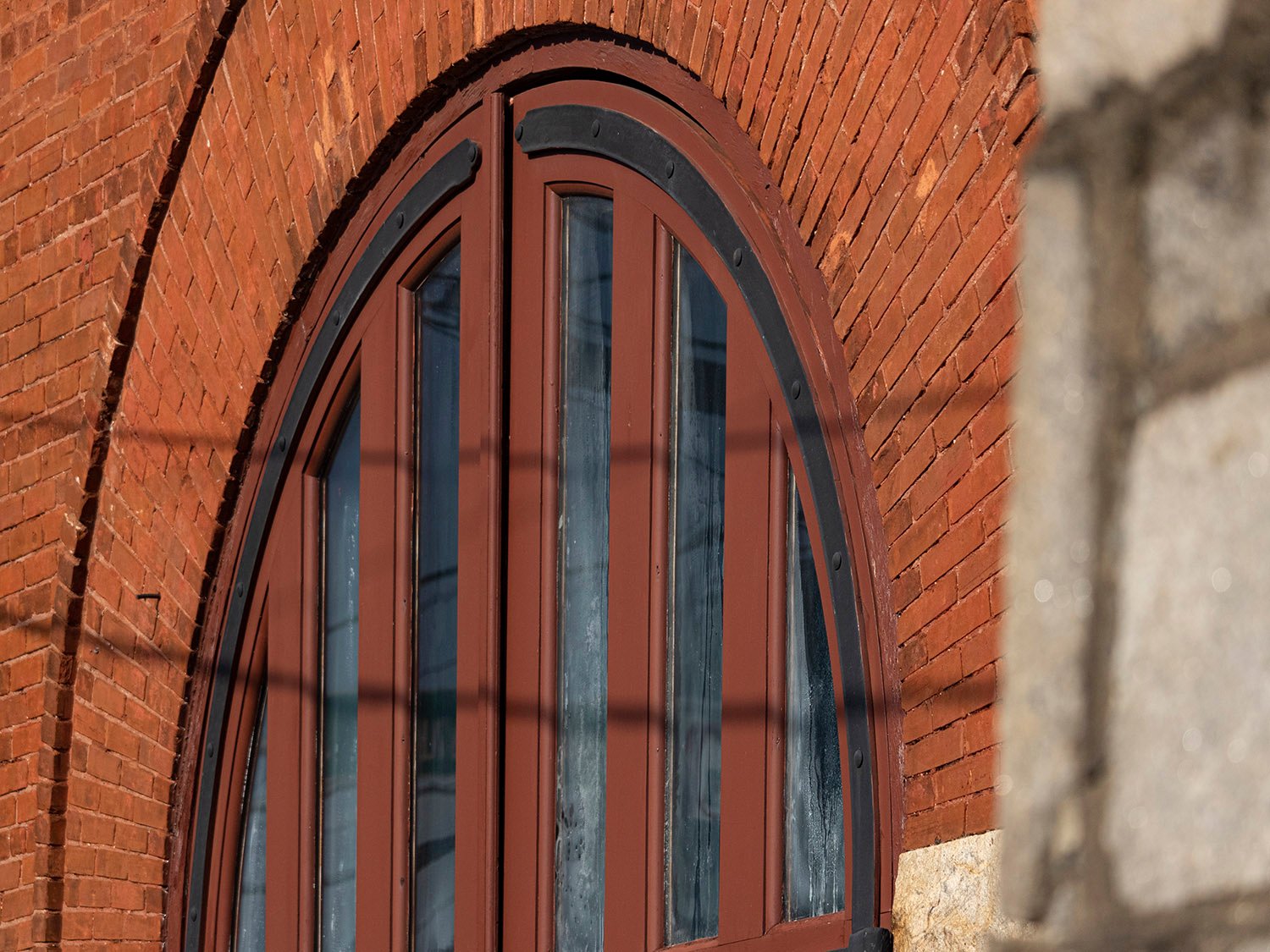
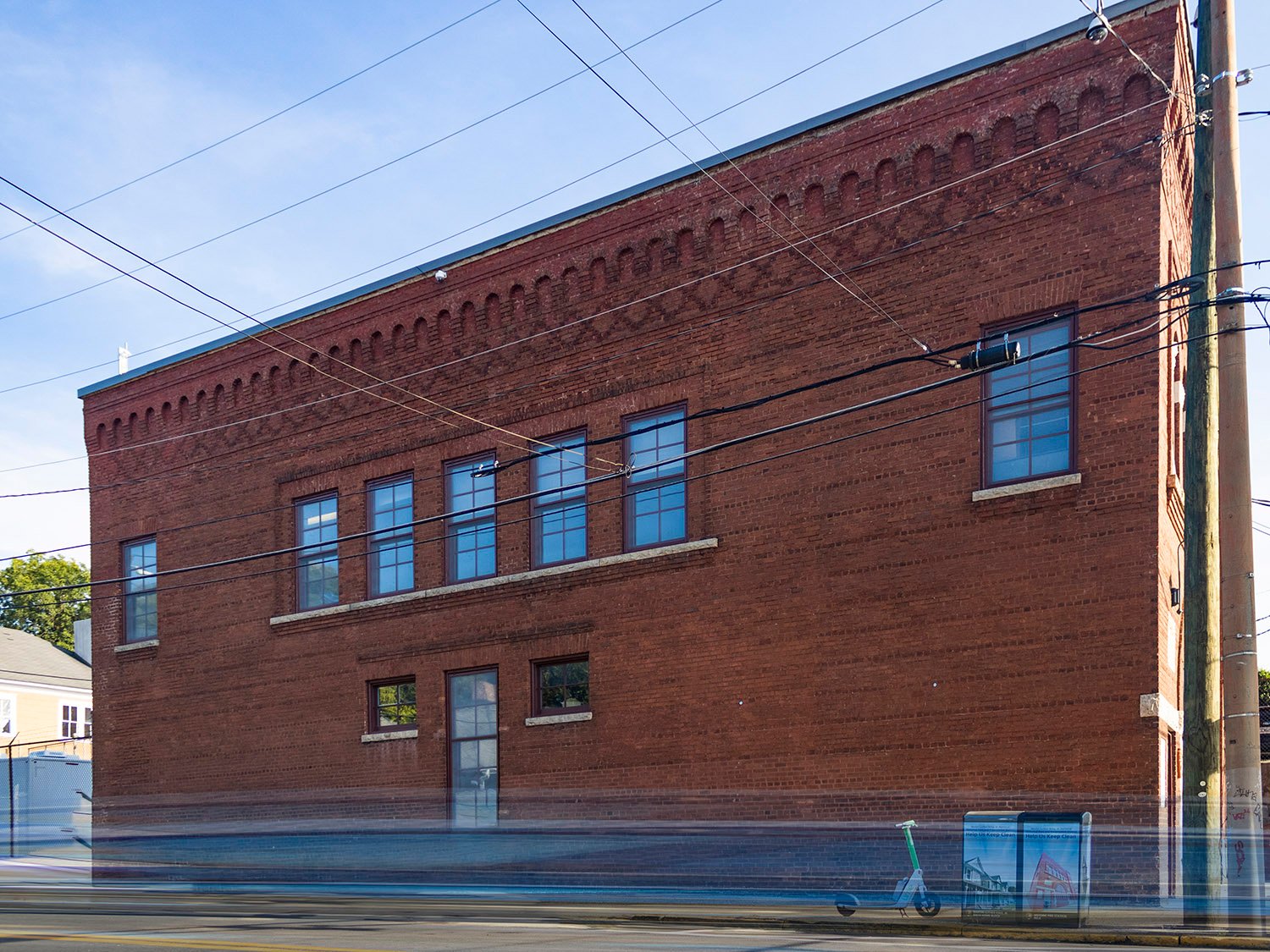
    Corbelled brick on the facade of Engine House No. 6, Atlanta
    Corbelled brick on the facade of Engine House No. 6, Atlanta
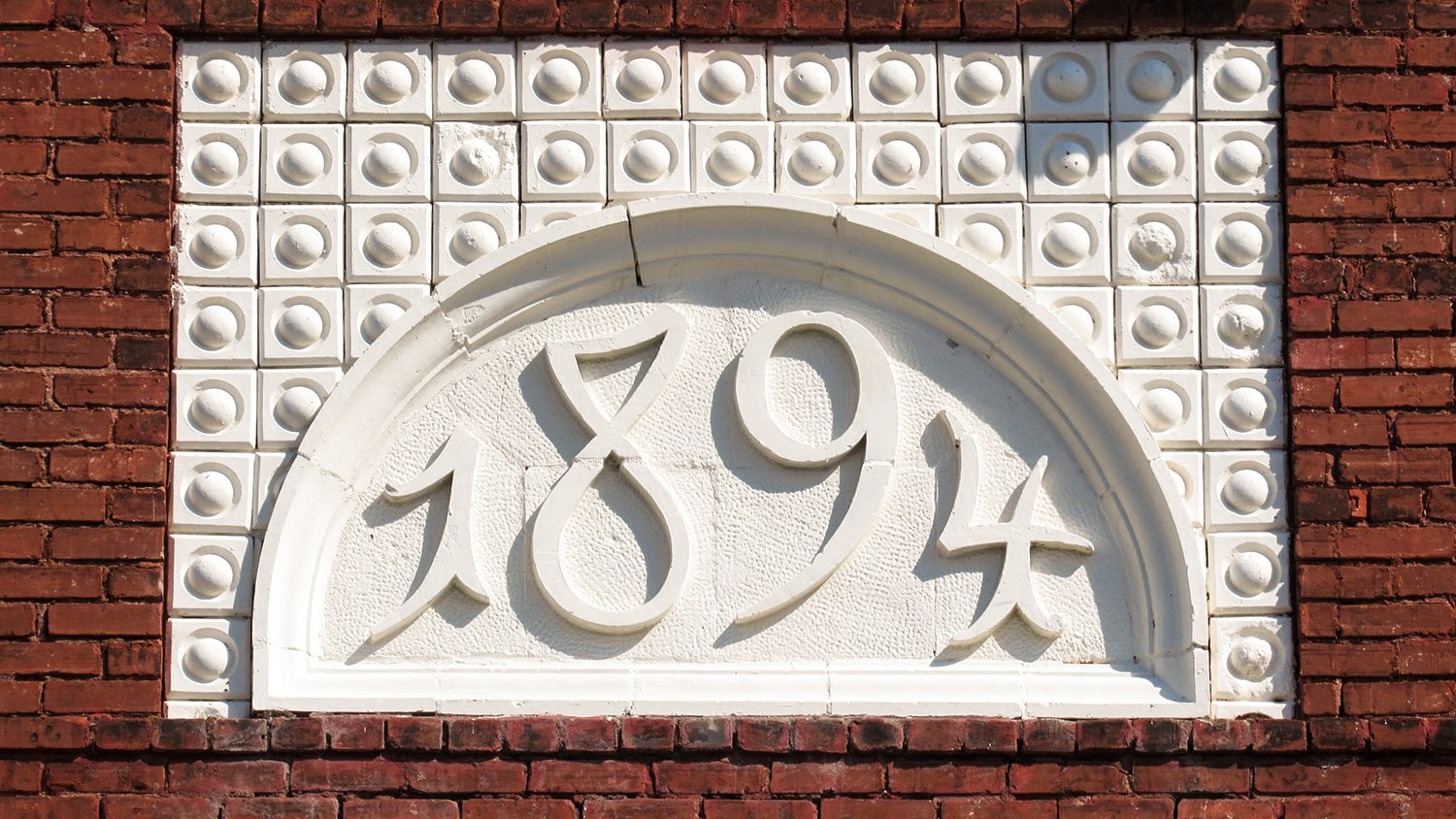
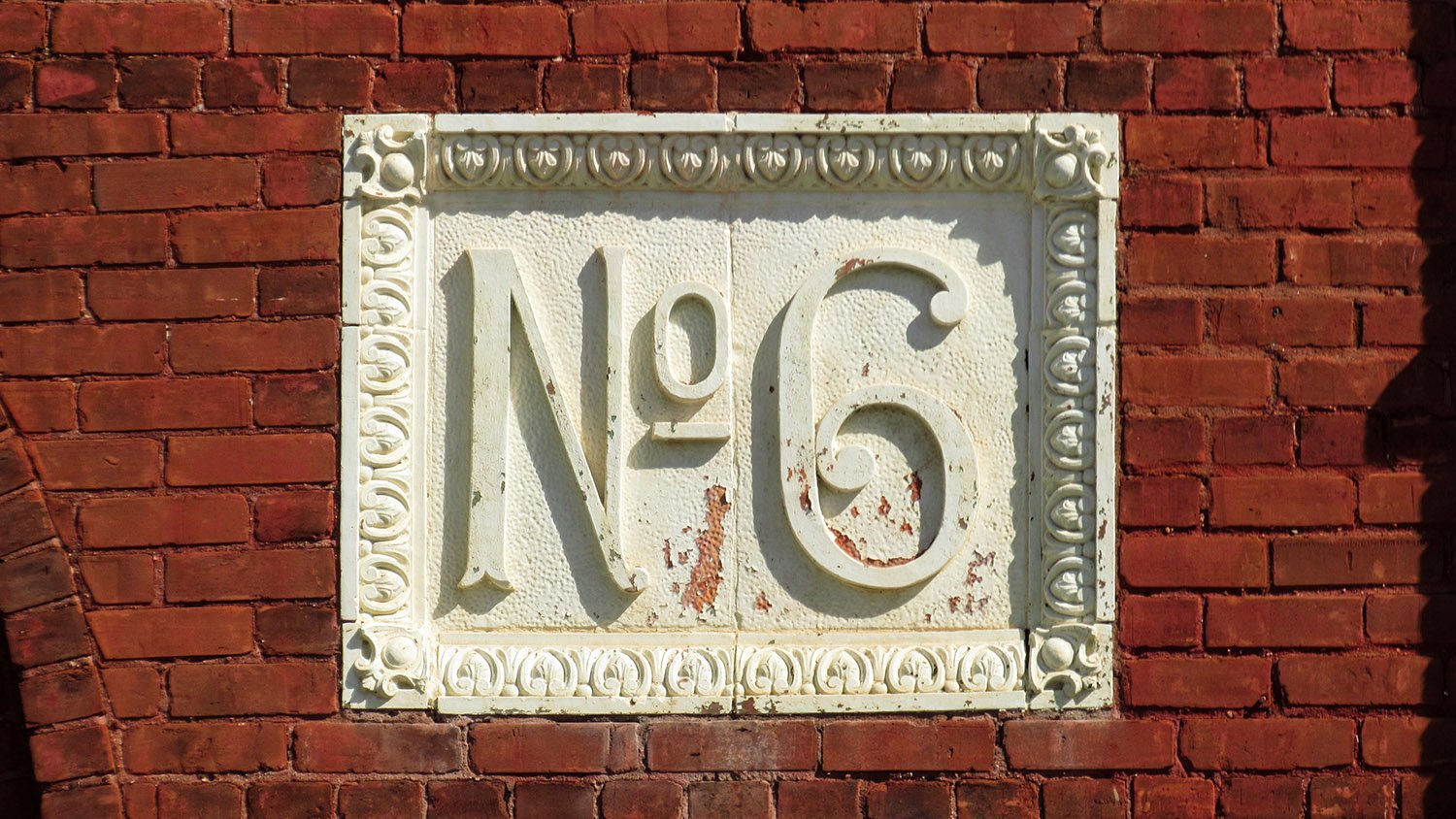
    Terracotta date panel on the facade of Engine House No. 6, Atlanta
    Terracotta date panel on the facade of Engine House No. 6, Atlanta
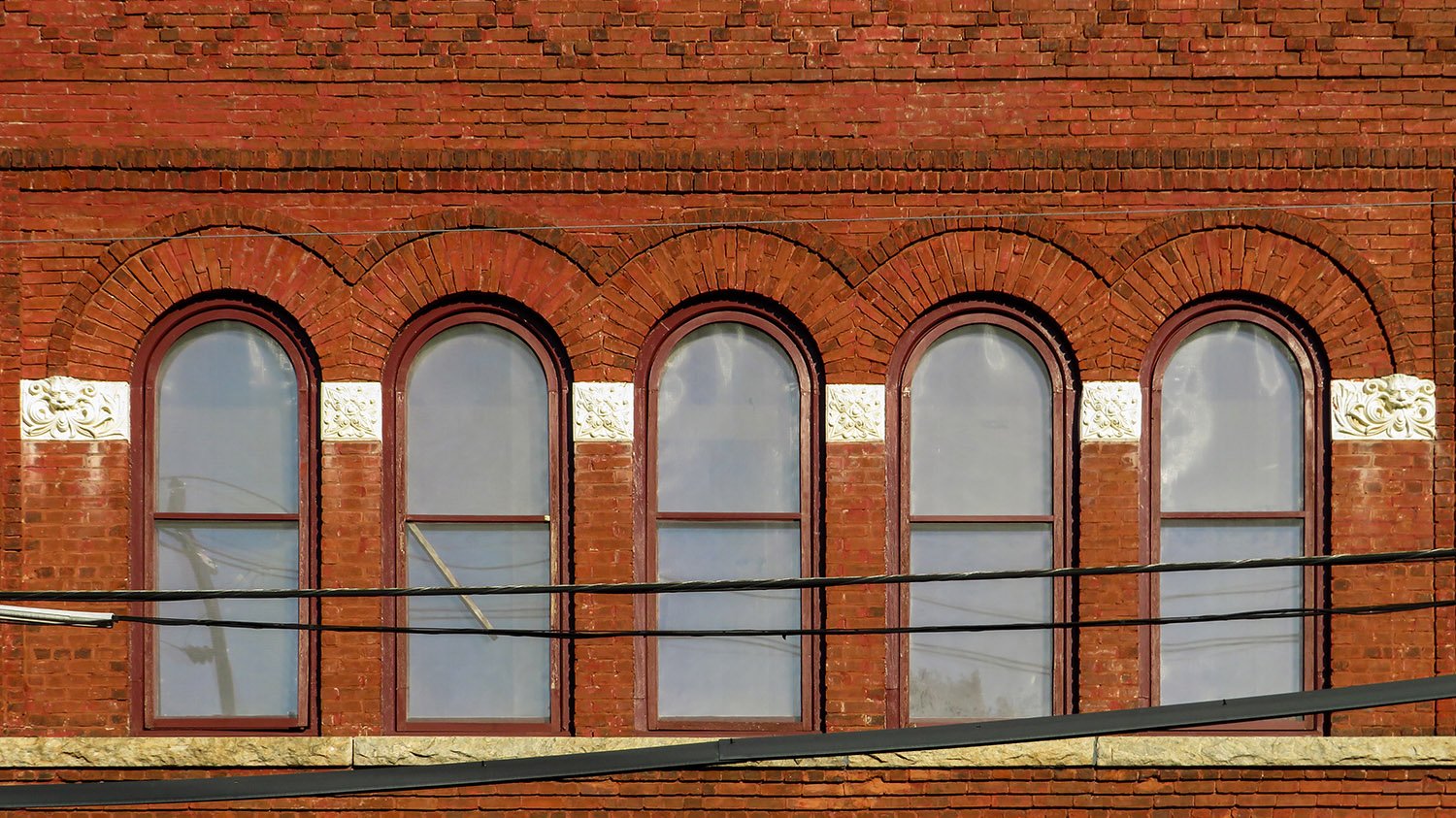
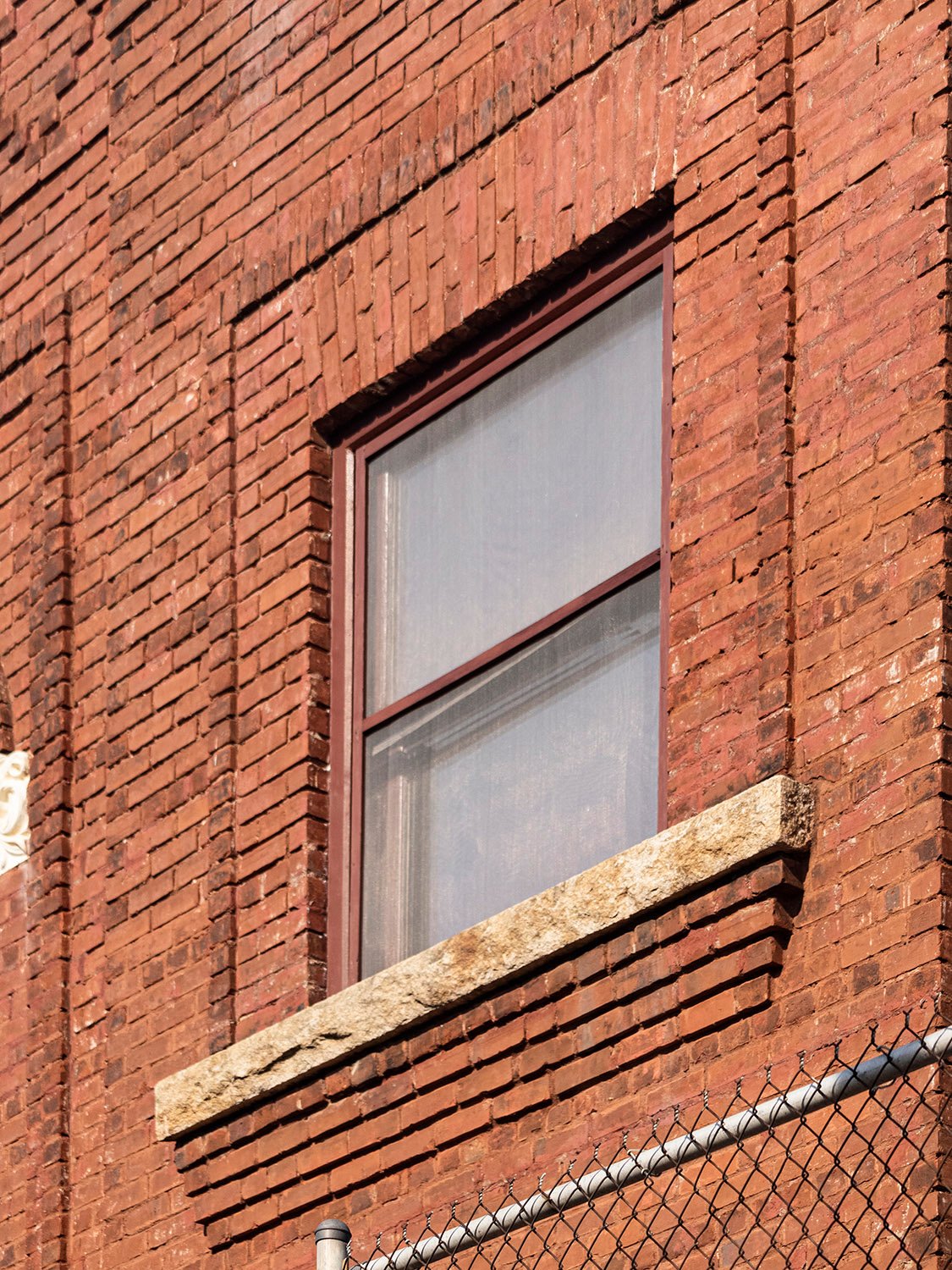
    Second-floor windows on the facade of Engine House No. 6, Atlanta
    Second-floor windows on the facade of Engine House No. 6, Atlanta
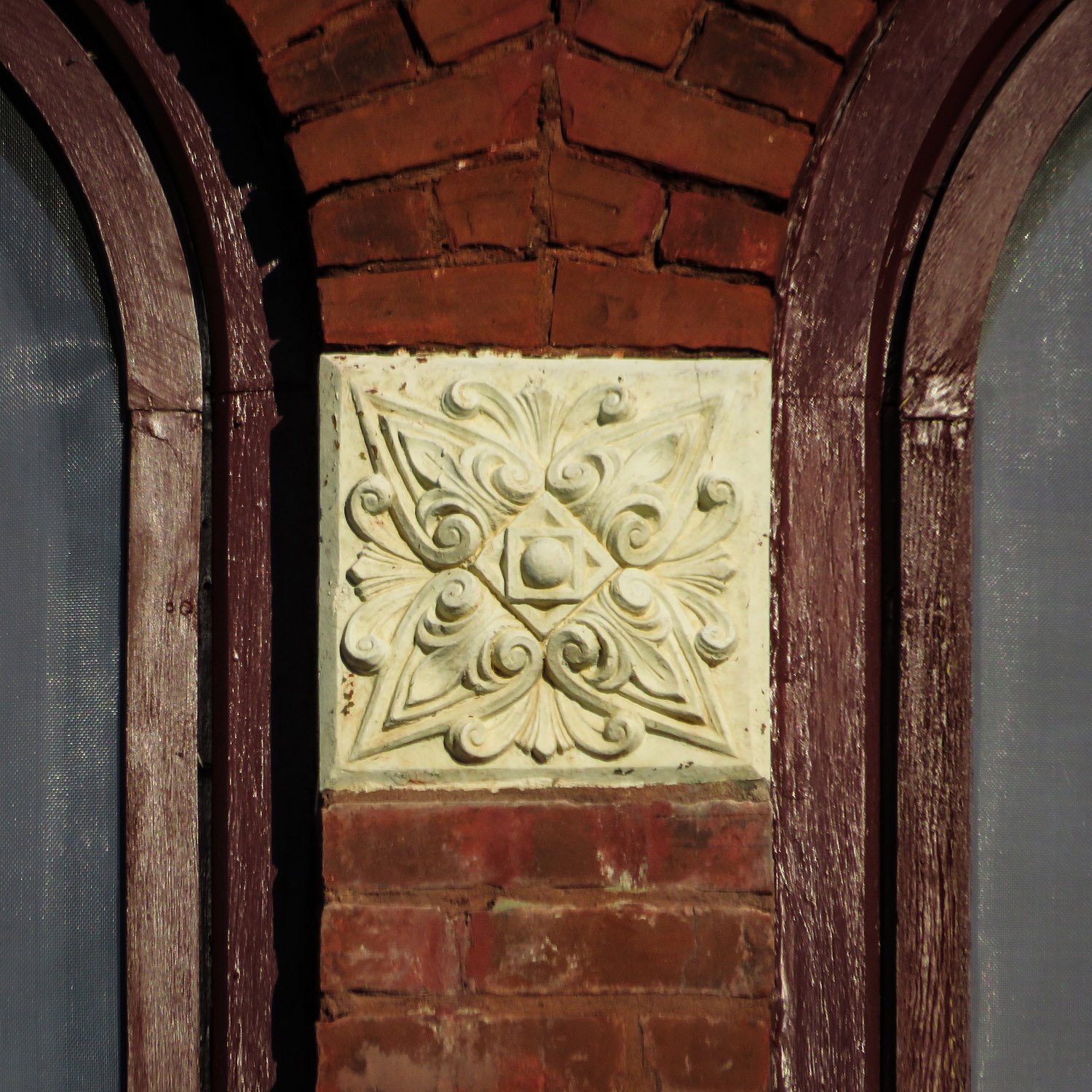
    Terracotta ornamentation between second-floor windows on Engine House No. 6, Atlanta
    Terracotta ornamentation between second-floor windows on Engine House No. 6, Atlanta
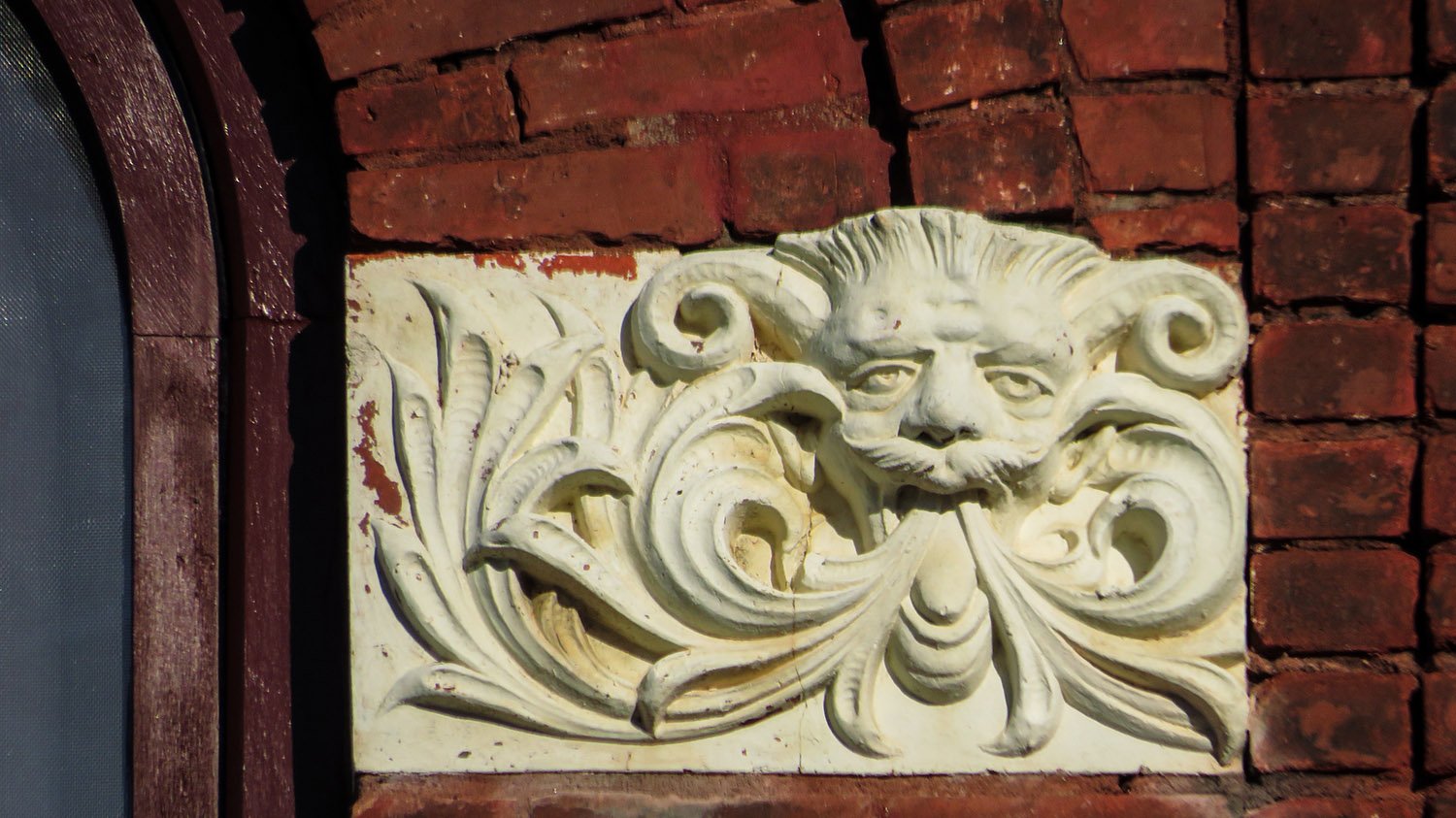
    Terracotta ornamentation on the facade of Engine House No. 6, Atlanta
    Terracotta ornamentation on the facade of Engine House No. 6, Atlanta
    Second-floor window on the facade of Engine House No. 6, Atlanta
    Second-floor window on the facade of Engine House No. 6, Atlanta
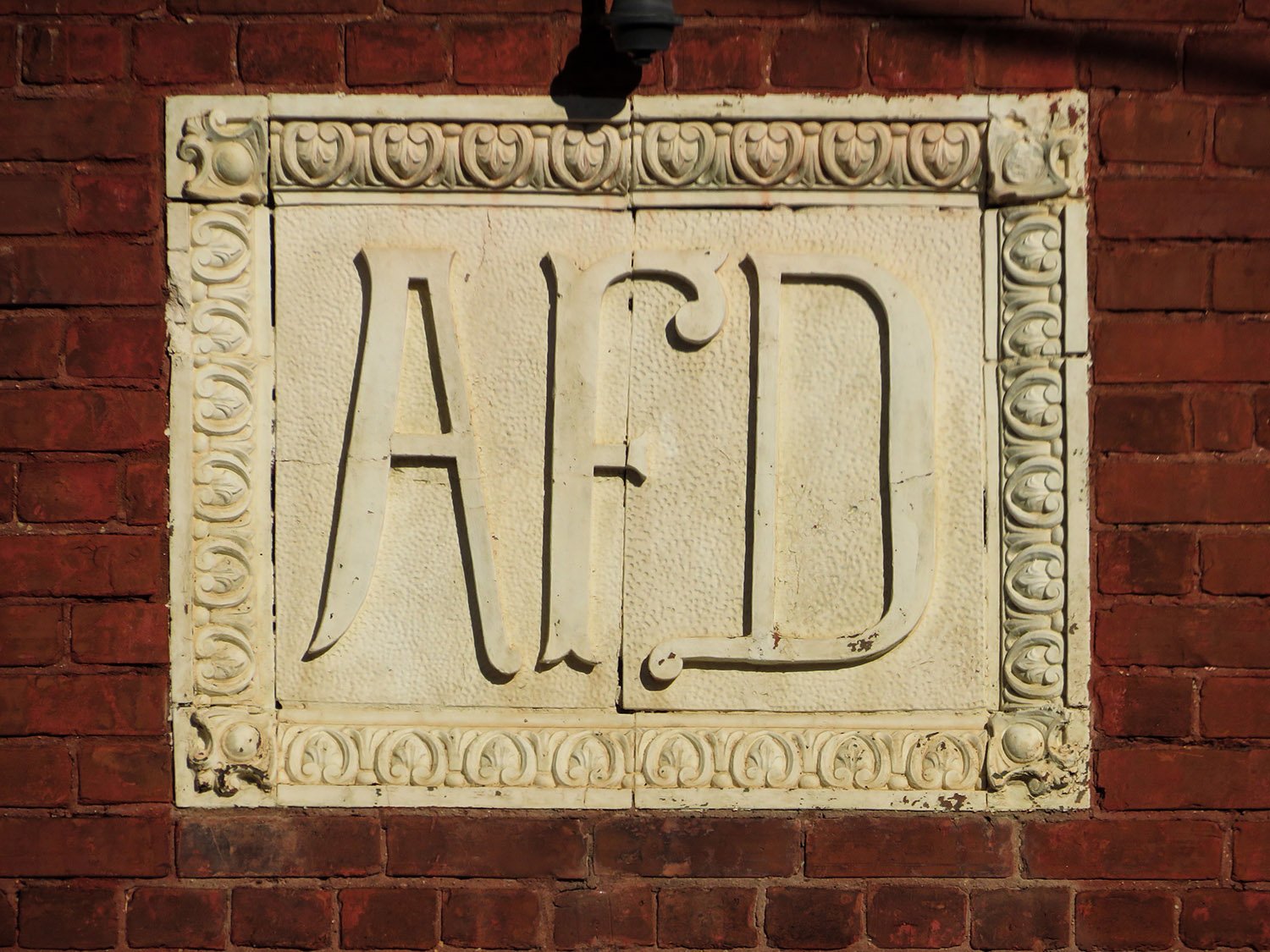
    Terracotta Atlanta Fire Department insignia on the facade of Engine House No, 6, Atlanta
    Terracotta Atlanta Fire Department insignia on the facade of Engine House No. 6, Atlanta
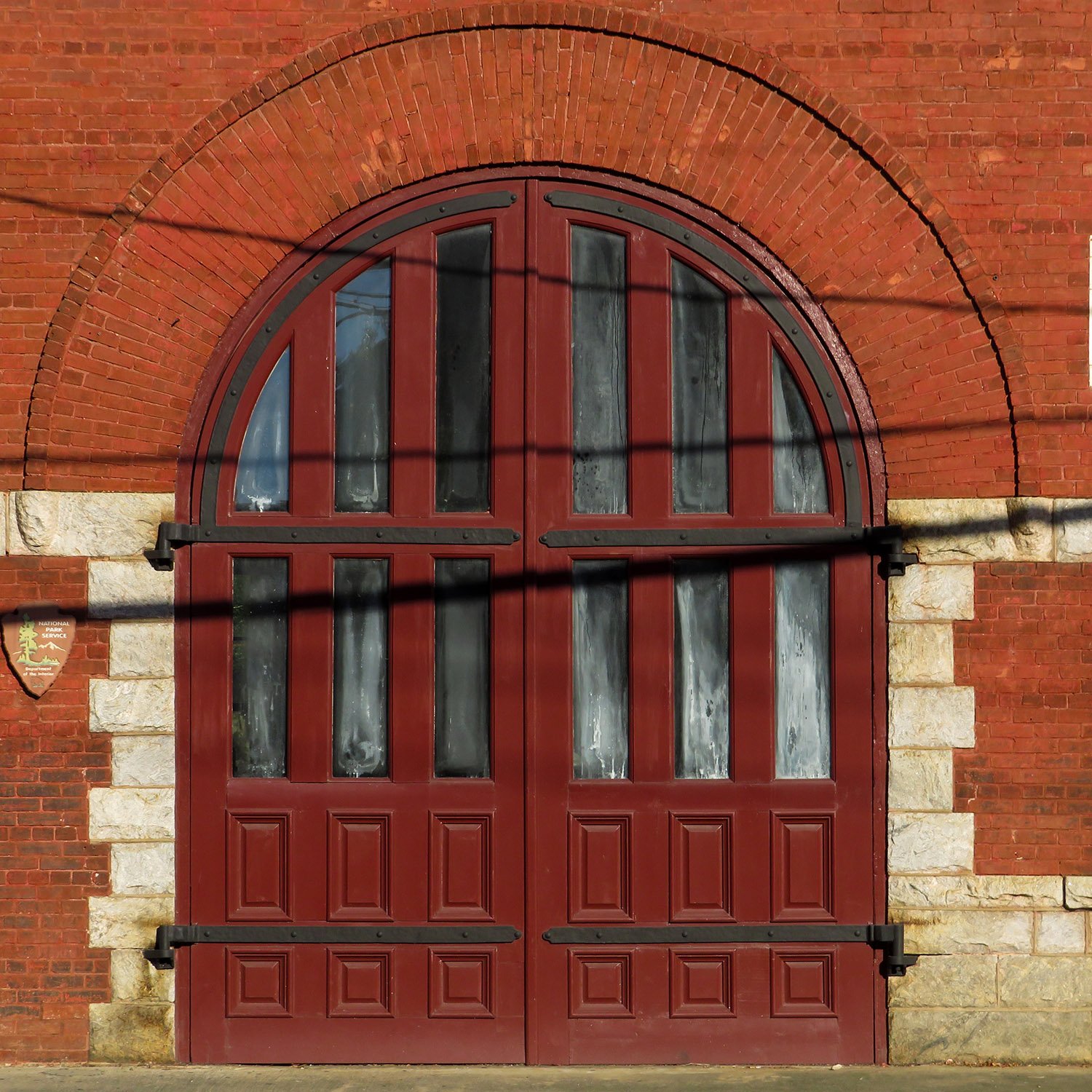
    Fire engine doors and granite quoins on the facade of Engine House No. 6, Atlanta
    Fire engine doors and granite quoins on the facade of Engine House No. 6, Atlanta
    Terracotta panel on the facade of Engine House No. 6, Atlanta
    Terracotta panel on the facade of Engine House No. 6, Atlanta
    Looking at the fire engine doors on the facade of Engine House No. 6, Atlanta
    Looking at the fire engine doors on the facade of Engine House No. 6, Atlanta
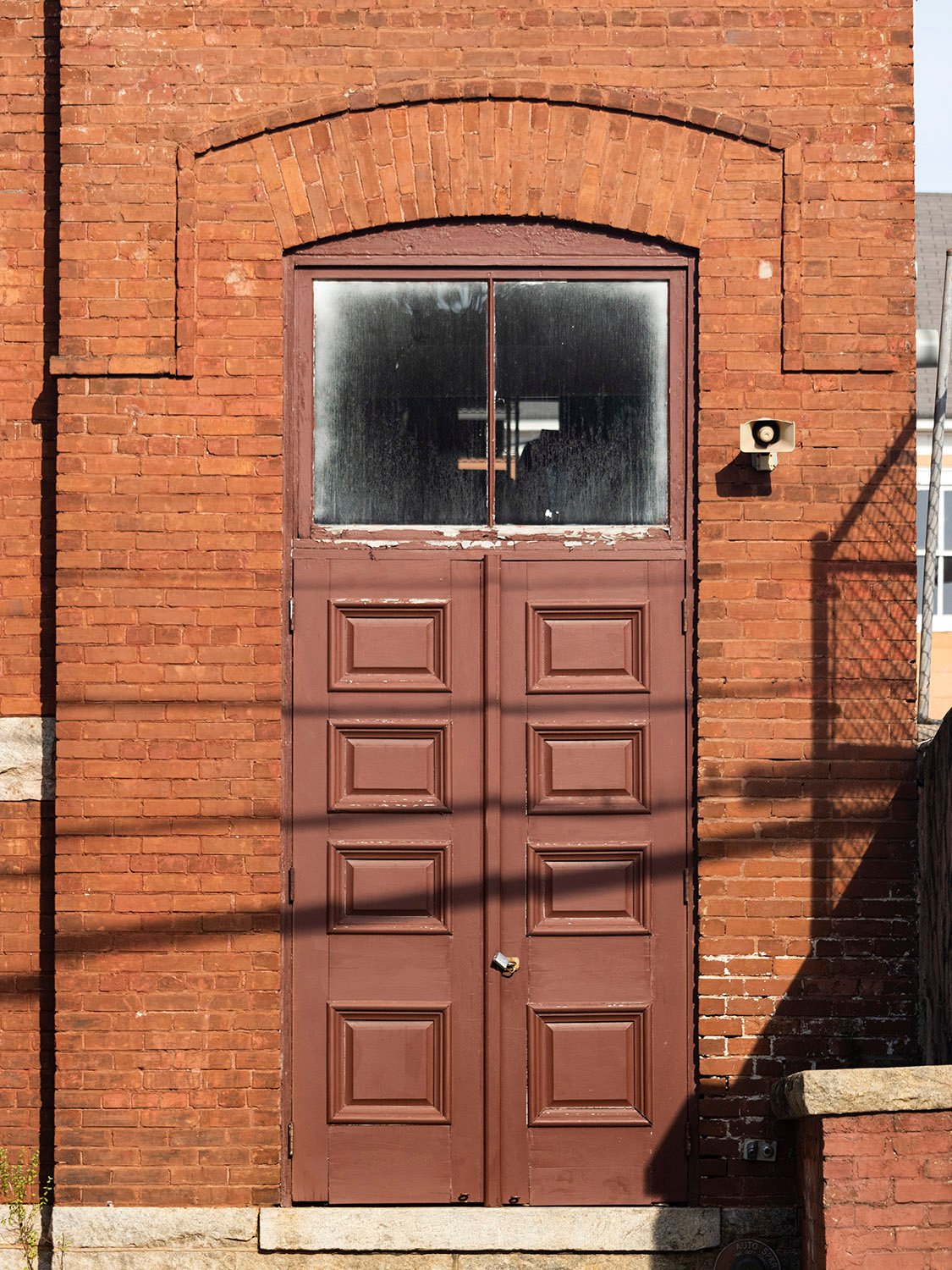
    Door on the facade of Engine House No. 6, Atlanta
    Door on the facade of Engine House No. 6, Atlanta
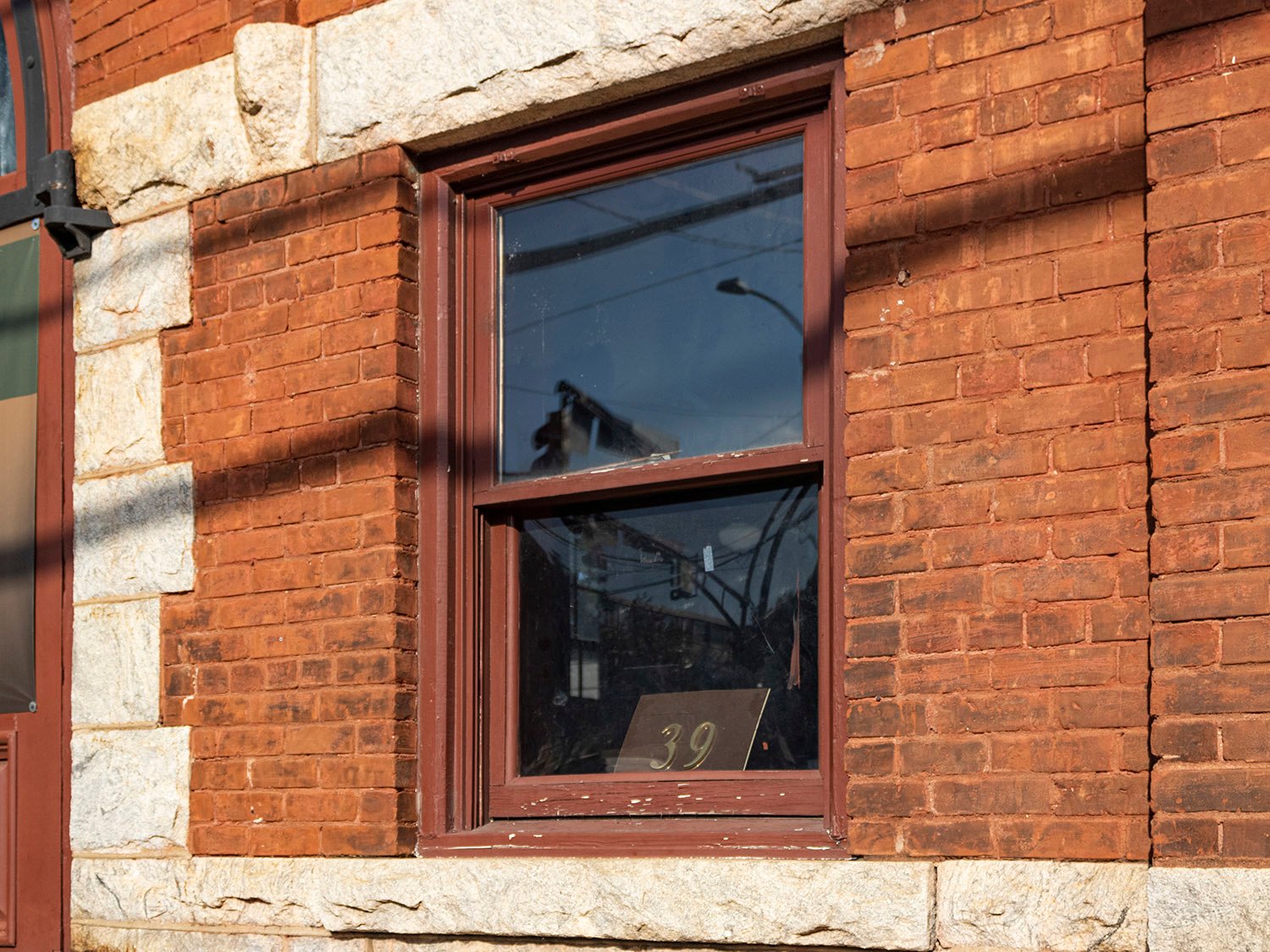
    First-floor window on the facade of Engine House No. 6, Atlanta
    First-floor window on the facade of Engine House No. 6, Atlanta
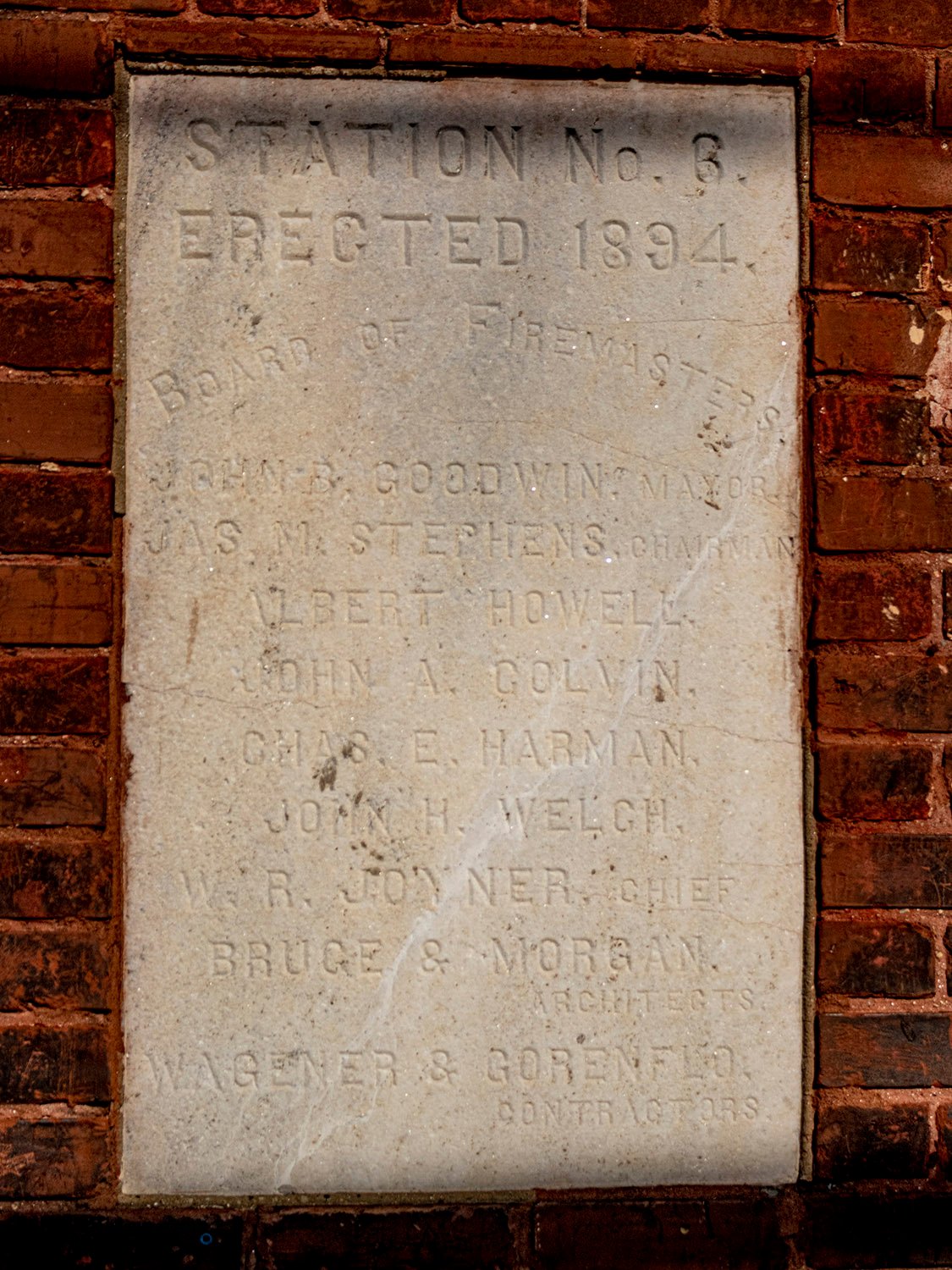
    Cornerstone on the facade of Engine House No. 6, Atlanta
    Cornerstone on the facade of Engine House No. 6, Atlanta
    North elevation of Engine House No. 6, Atlanta
    North elevation of Engine House No. 6, Atlanta

    References

    1. Building cornerstone. ↩︎
    2. “They Are Twins.” The Atlanta Constitution, February 11, 1894, p. 7. ↩︎
    3. “Engine House No. 6.” The Atlanta Constitution, May 29, 1894, p. 9. ↩︎
  • Greensboro Coca-Cola Bottling Company (1932) – Greensboro, North Carolina

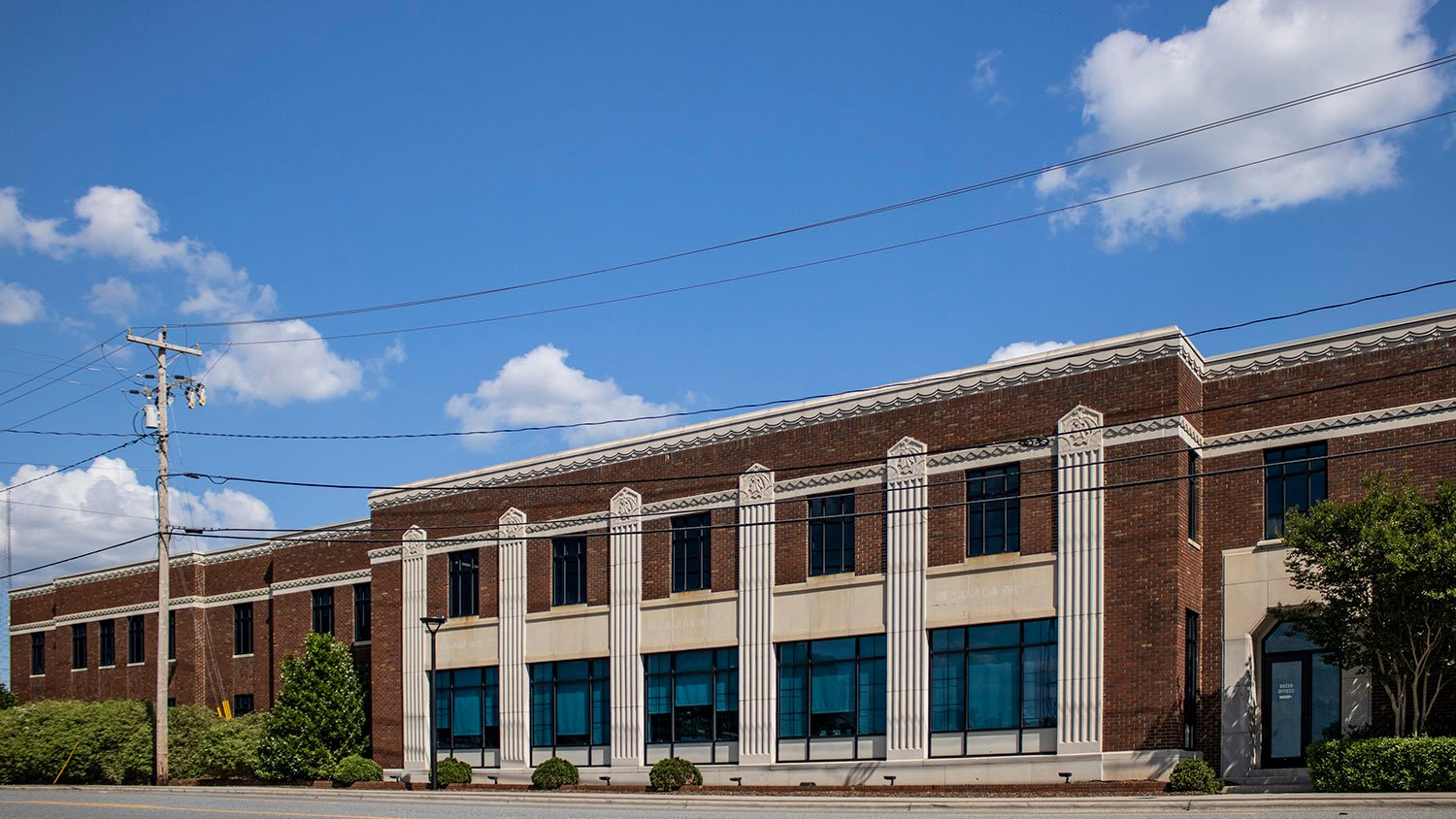
    Pringle & Smith with Joseph J. Sawyer. Coca-Cola Bottling Company (1931). Greensboro, North Carolina.
    Pringle & Smith with Joseph J. Sawyer. Coca-Cola Bottling Company (1931). Greensboro, North Carolina.1 2 3 4 5
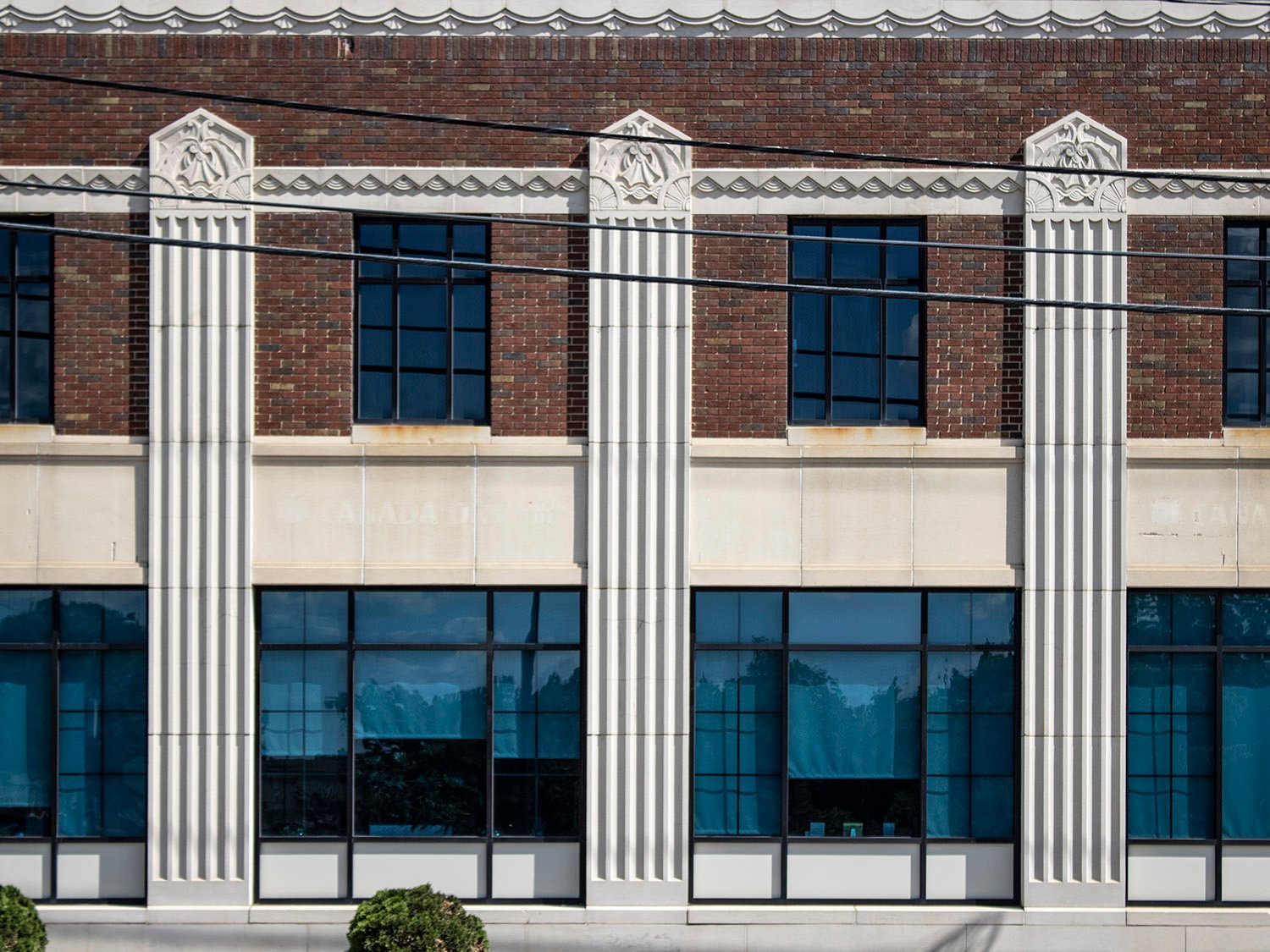
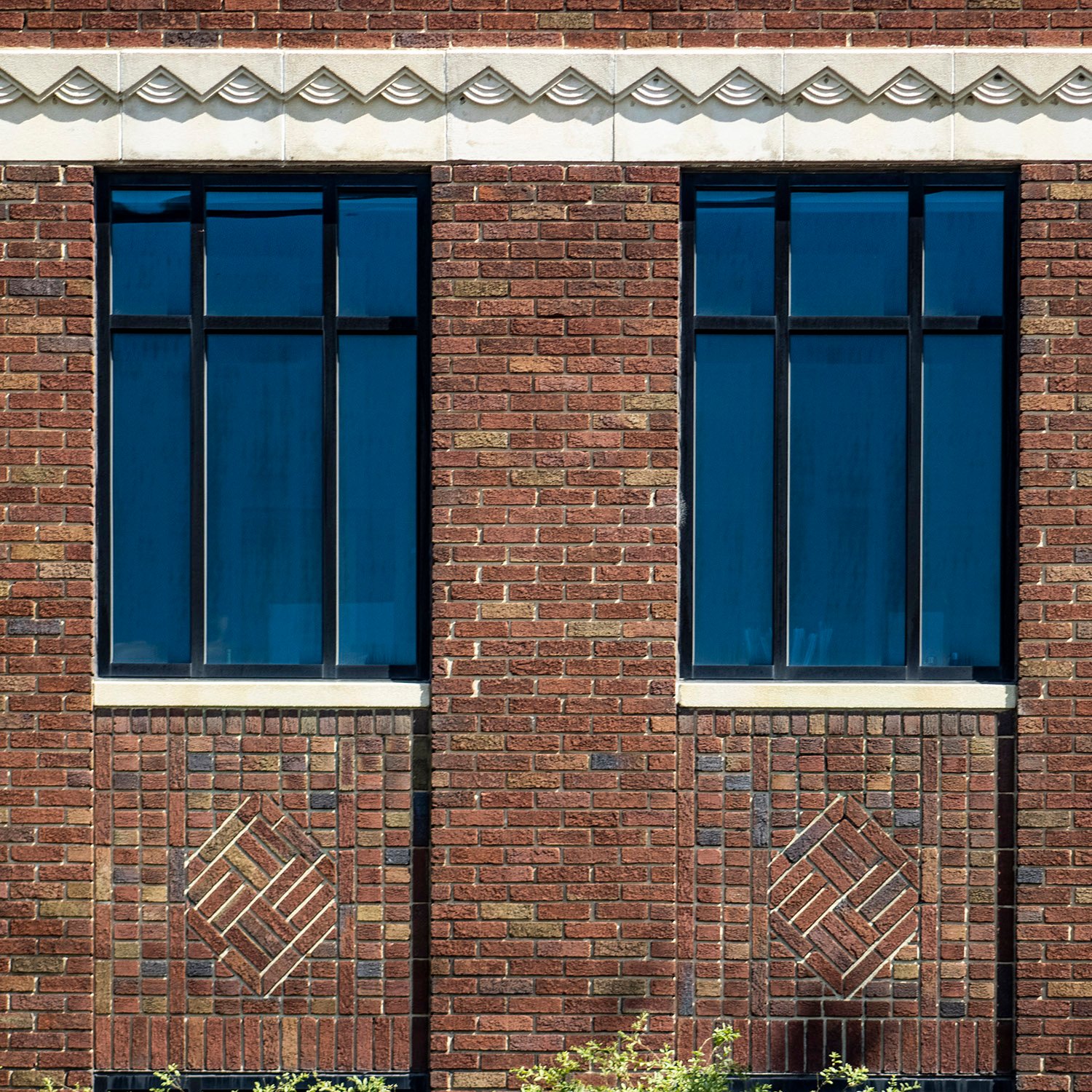
    Windows and pilasters on the facade of the Greensboro Coca-Cola Bottling Company, Greensboro, North Carolina
    Windows and pilasters on the facade of the Greensboro Coca-Cola Bottling Company, Greensboro, North Carolina
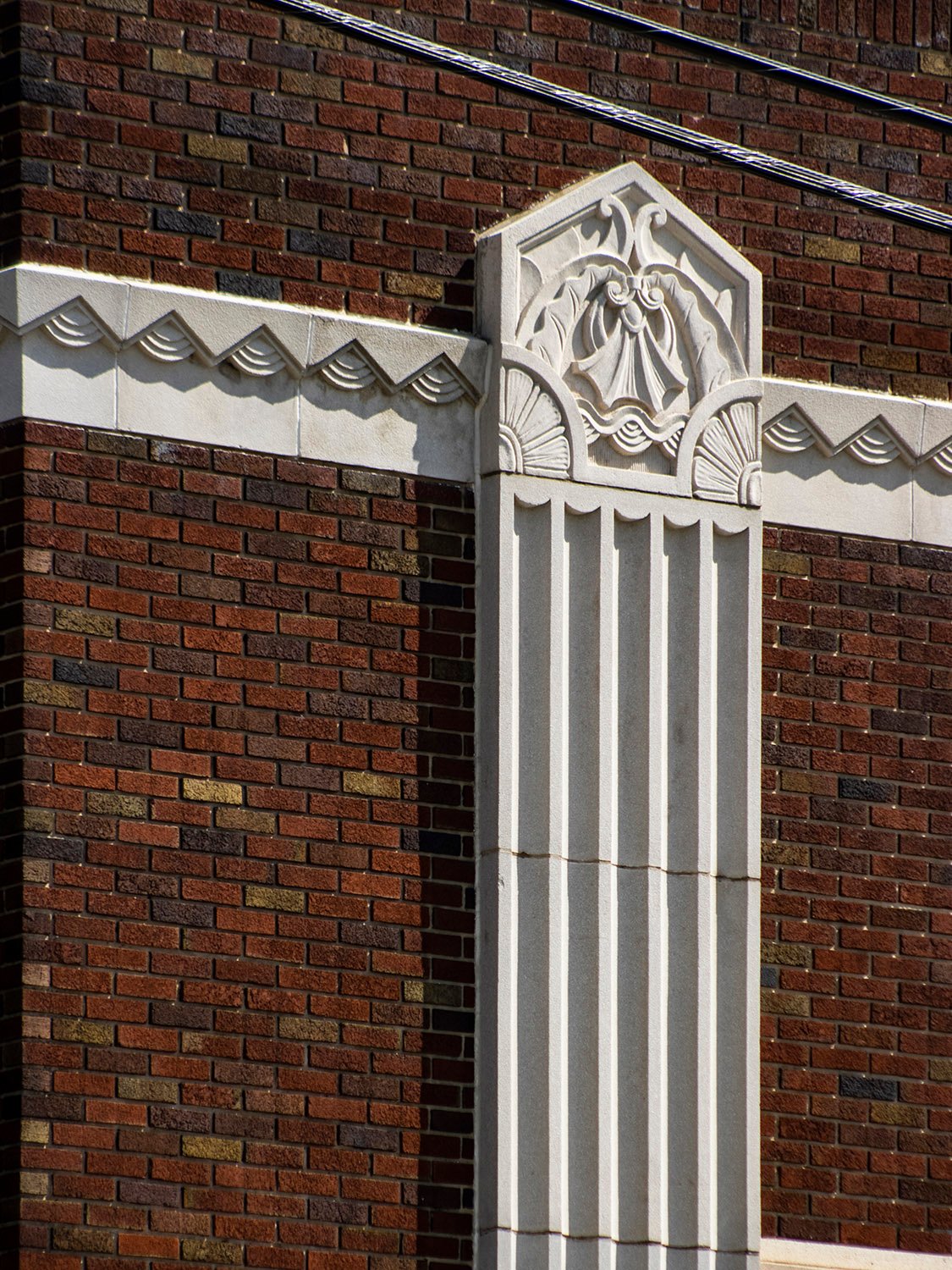
    Pilaster and stringcourse on the facade of the Greensboro Coca-Cola Bottling Company, Greensboro, North Carolina
    Pilaster and stringcourse on the facade of the Greensboro Coca-Cola Bottling Company, Greensboro, North Carolina
    Windows and brick spandrels on the facade of the Greensboro Coca-Cola Bottling Company, Greensboro, North Carolina
    Windows and brick spandrels on the facade of the Greensboro Coca-Cola Bottling Company, Greensboro, North Carolina
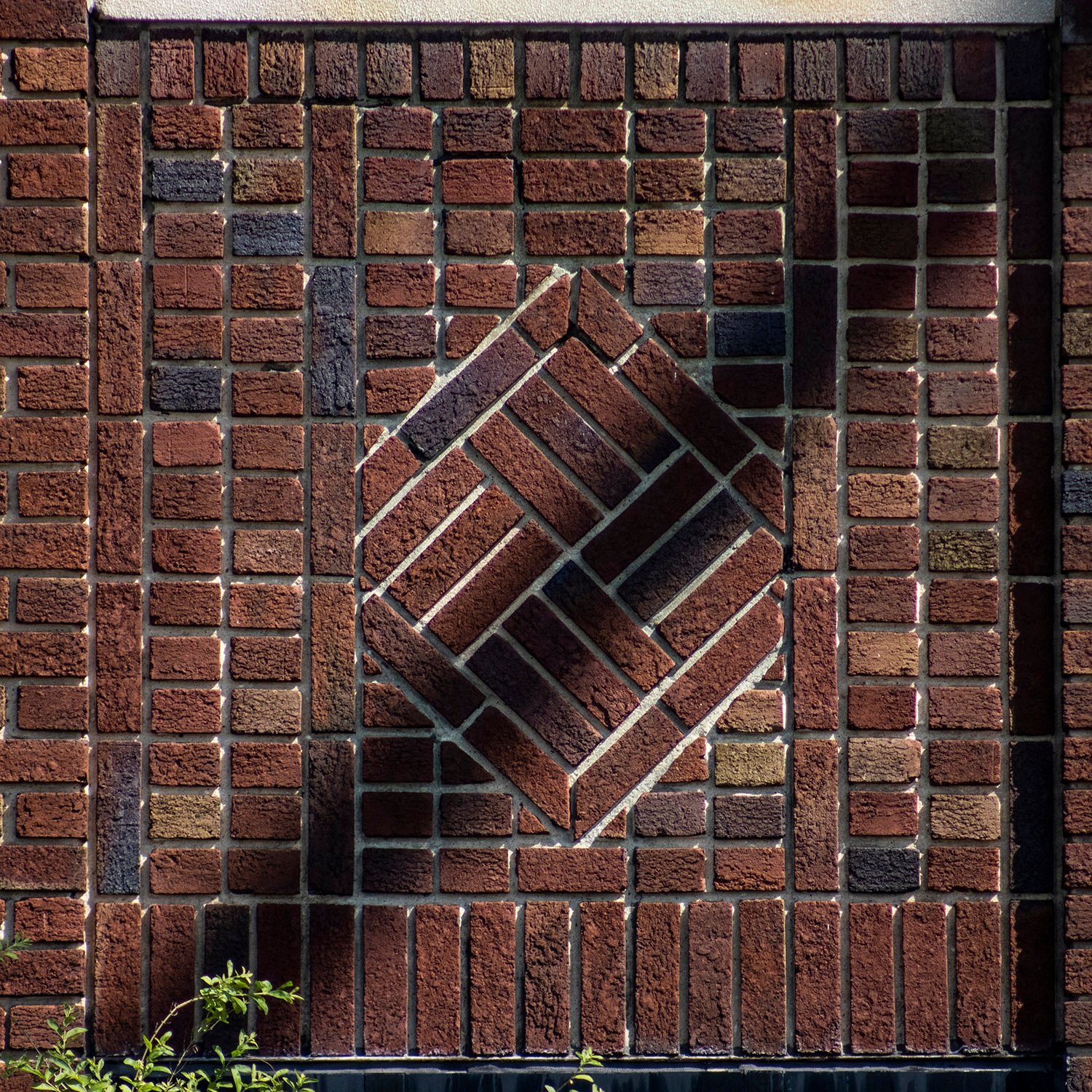
    Brick spandrel on the facade of the Greensboro Coca-Cola Bottling Company, Greensboro, North Carolina
    Brick spandrel on the facade of the Greensboro Coca-Cola Bottling Company, Greensboro, North Carolina

    References

    1. “George W. Kane Is Low Bidder On Coca-Cola Company Plant”. Greensboro Daily News (Greensboro, North Carolina), November 21, 1891, p. 16. ↩︎
    2. “Contract For Coca-Cola Building Goes To Kane”. Greensboro Daily News (Greensboro, North Carolina), November 28, 1931, p. 16. ↩︎
    3. “Speeding Up Work On Coca-Cola Job, High Point Road”. The Greensboro Record (Greensboro, North Carolina), February 5, 1932, p. 3. ↩︎
    4. “Building Drops Off For Month”. The Greensboro Record (Greensboro, North Carolina), April 30, 1932, p. 3. ↩︎
    5. Craig, Robert M. The Architecture of Francis Palmer Smith, Atlanta’s Scholar-Architect. Athens, Georgia: The University of Georgia Press (2012), p. 245. ↩︎
  • Nathan Deal Judicial Center (2020) – Atlanta

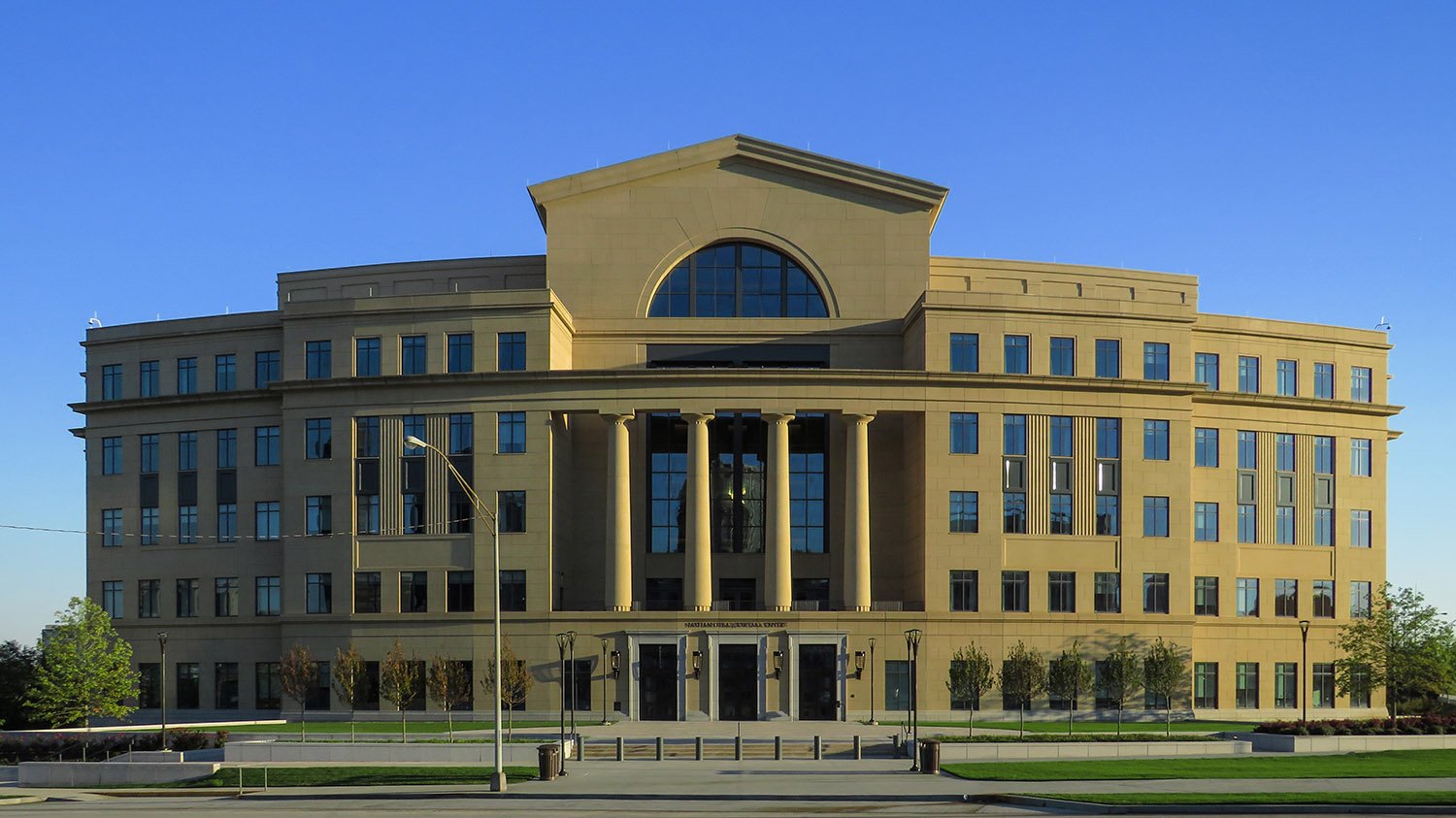
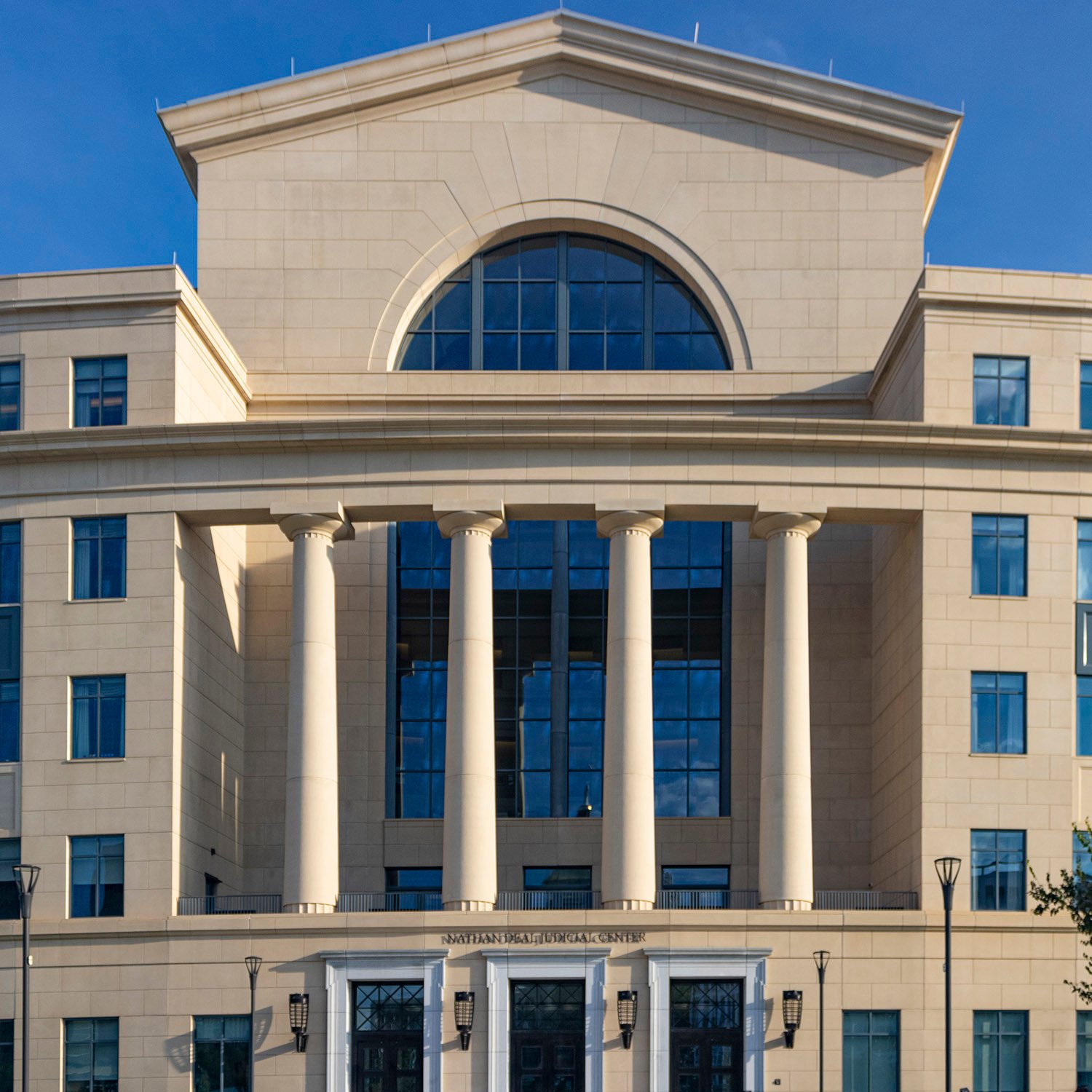
    Robert A.M. Stern Architects. Nathan Deal Judicial Center (2020). Atlanta.1 2
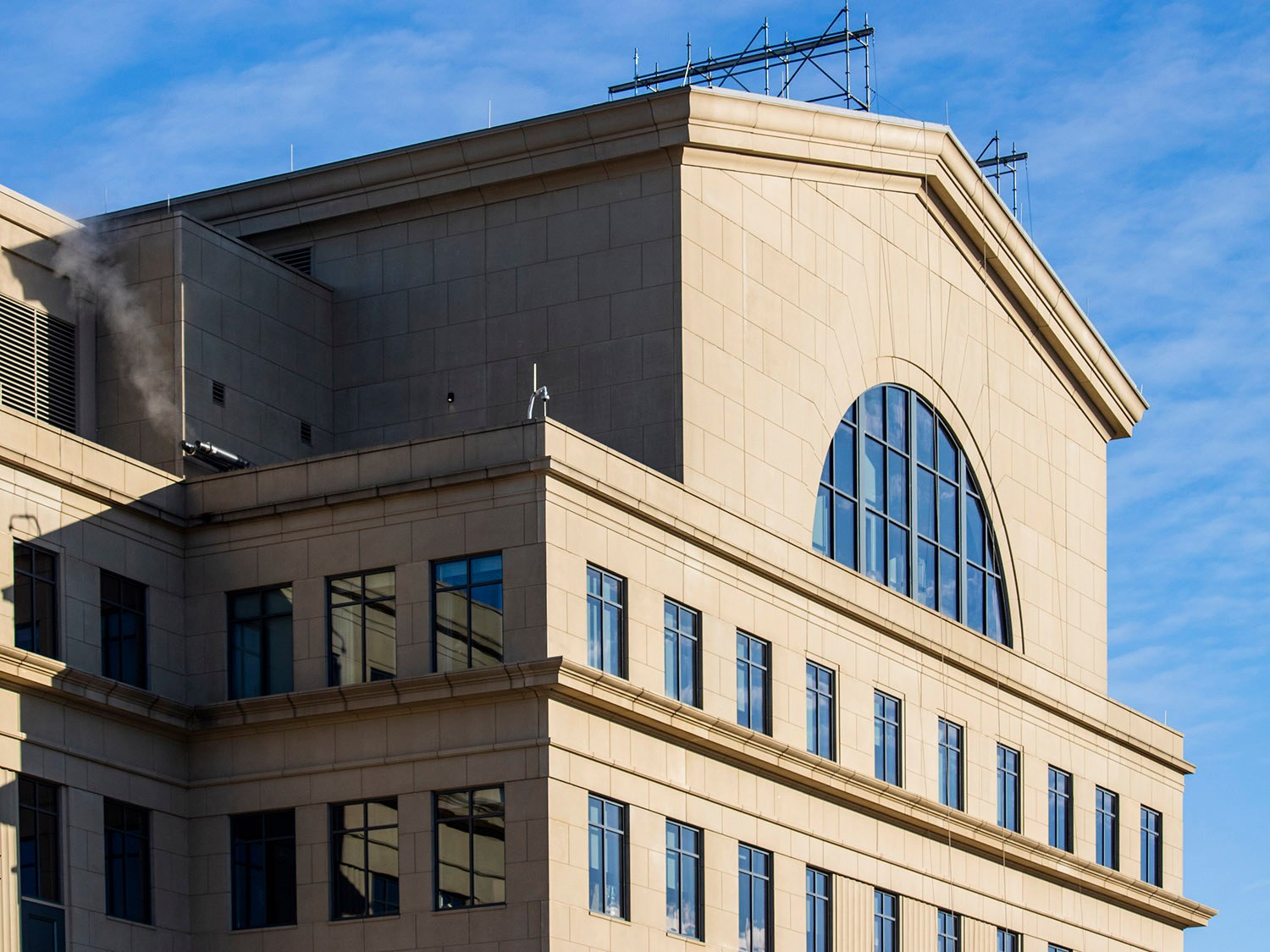
    Pediment on the facade of the Nathan Deal Judicial Center, Atlanta
    Pediment on the facade of the Nathan Deal Judicial Center, Atlanta
    Center bay on the Nathan Deal Judicial Center, Atlanta
    Center bay on the Nathan Deal Judicial Center, Atlanta
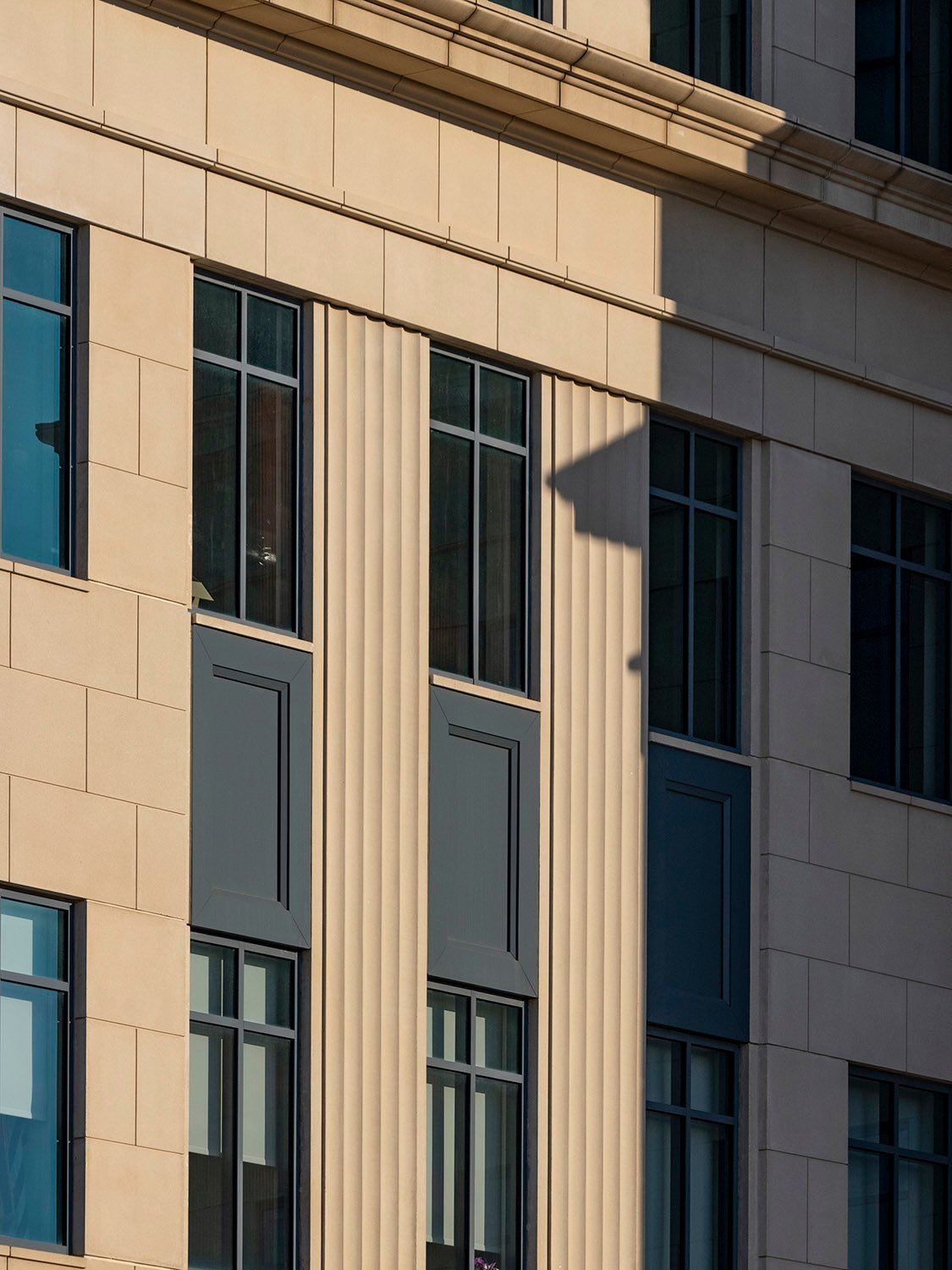
    Windows on the Nathan Deal Judicial Center, Atlanta
    Windows on the Nathan Deal Judicial Center, Atlanta
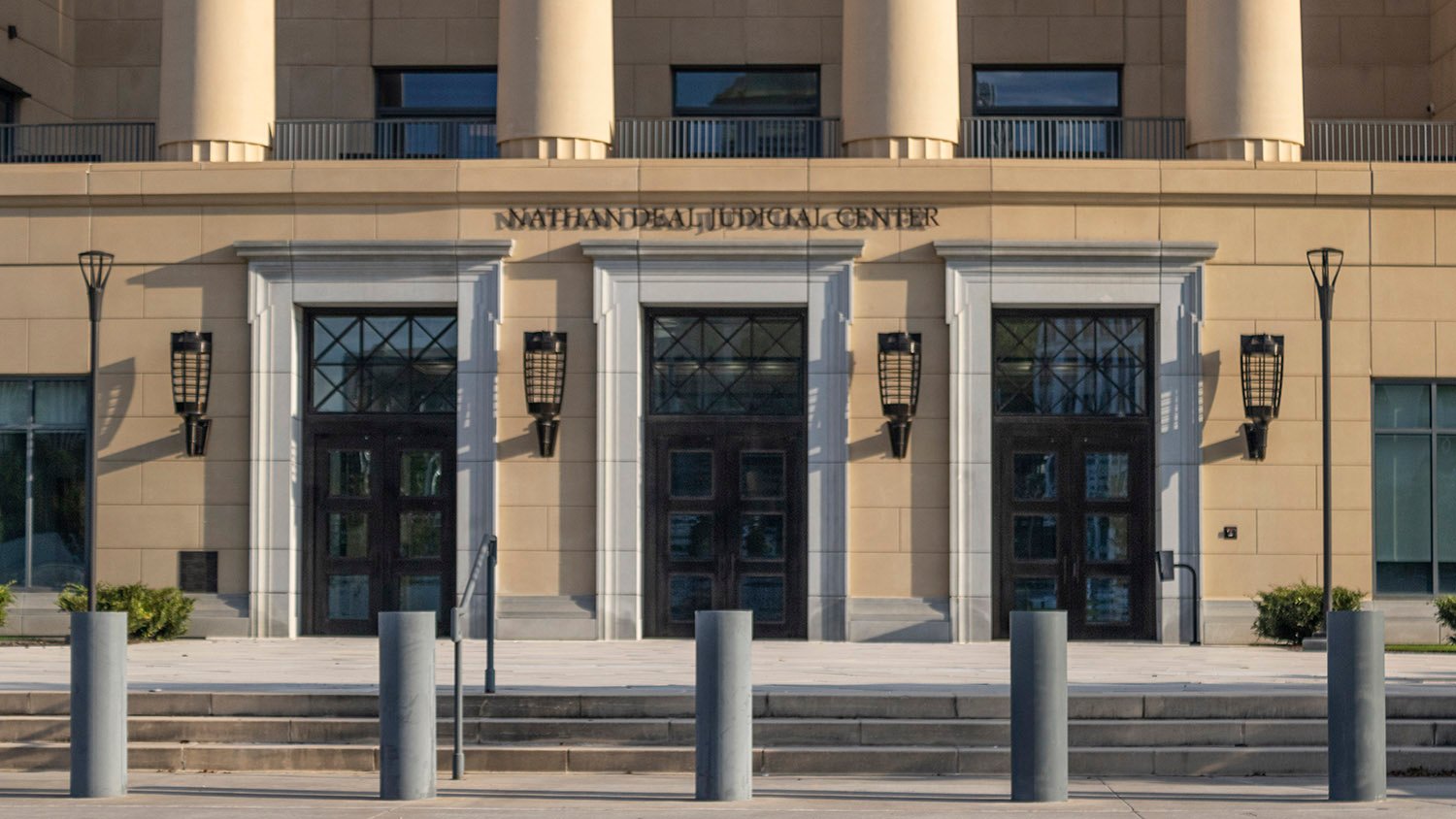
    Entrance of the Nathan Deal Judicial Center, Atlanta
    Entrance of the Nathan Deal Judicial Center, Atlanta
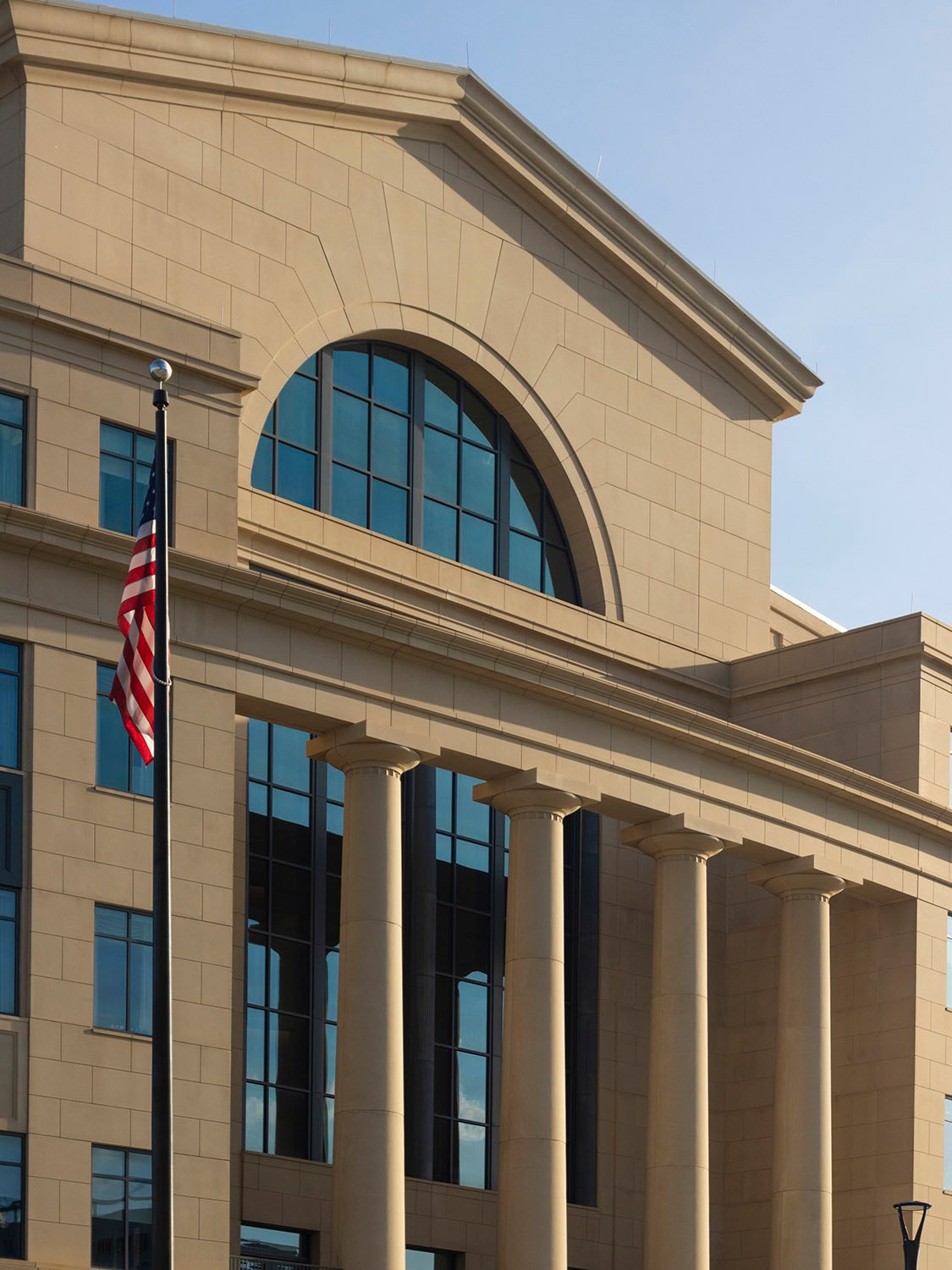
    Pediment and columns on the facade of the Nathan Deal Judicial Center, Atlanta
    Pediment and columns on the facade of the Nathan Deal Judicial Center, Atlanta

    References

    1. Rankin, Bill. “Justice Thomas: Judges must uphold rule of law”. The Atlanta Journal-Constitution, February 12, 2020, p. B1. ↩︎
    2. Nathan Deal Judicial Center — Robert A.M. Stern Architects, LLP ↩︎

  • Relic Signs: Bahi Hut (1962) – Sarasota, Florida

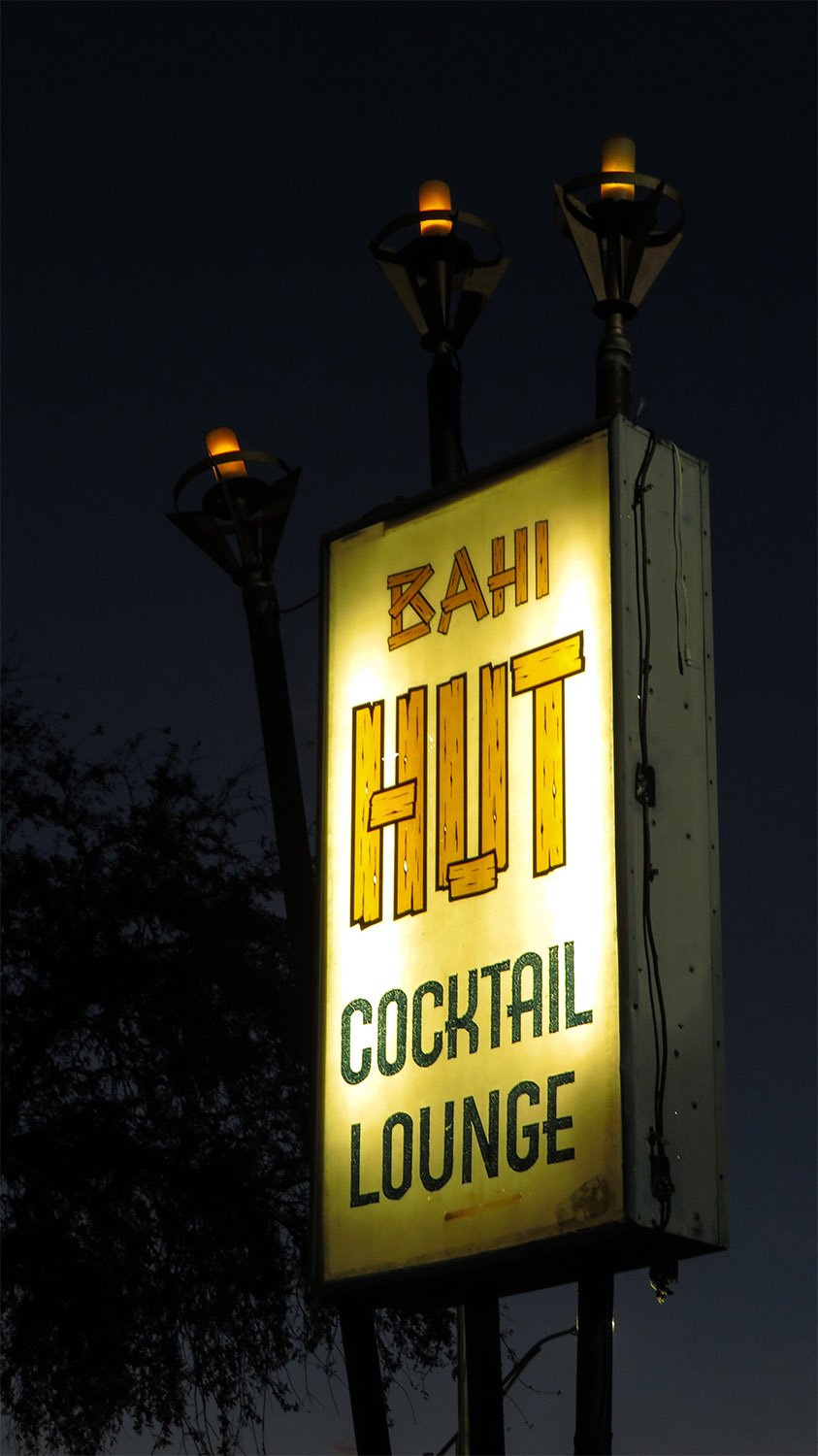
    Bahi Hut (1962). 4675 N. Tamiami Trail, Sarasota, Florida.
    Bahi Hut (1962). 4675 N. Tamiami Trail, Sarasota, Florida.

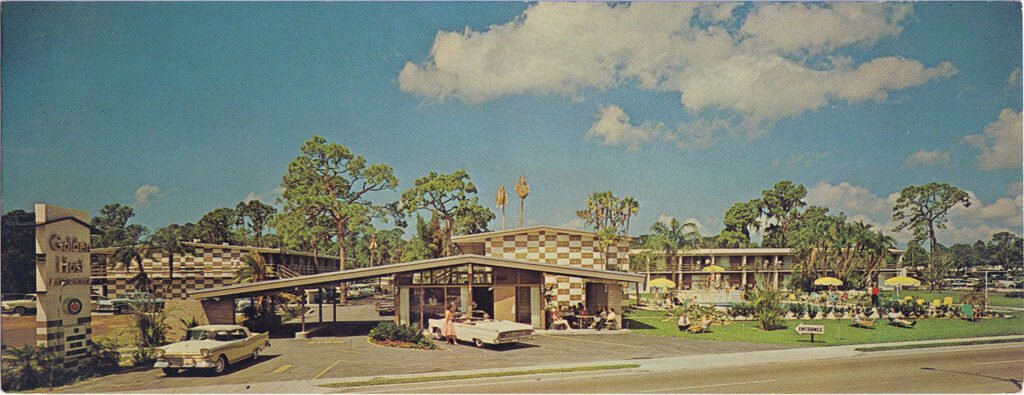
    It’s no Trader Vic’s, but Florida’s oldest Tiki bar is as authentic as it gets. The Bahi Hut opened in 1962,1 2 3 next to the Golden Host Motor Hotel—the torches are still burning at both places.

    Location of Bahi Hut Cocktail Lounge

    The bar claims it began operation in 1954, but don’t ask me where they got that date from—even the adjoining motel didn’t open until 1959.4 5 Pass me a Mai Tai, and I’ll happily overlook the discrepancy.

    Golden Host Motor Hotel (1959). Sarasota, Florida. Photograph from an undated postcard published by Steinmetz Photography of Sarasota.
    Golden Host Motor Hotel (1959). Sarasota, Florida. Photograph from an undated postcard published by Steinmetz Photography of Sarasota.

    Sarasota is a hot spot for mid-20th-century Modernist architecture, with several surviving works by Paul Rudolph and other designers of the so-called Sarasota School of Architecture.

    It’s fitting that a city trading on its retro reputation still has this little slice of exotica, evoking fond memories of some moonlit night being serenaded by Les Baxter. That actually happened to me in Kansas once (thanks, KPR!).

    The sign shown above apparently debuted with the bar’s opening and was restored circa 2018.6 A hui hou.

    References

    1. “Lounge Is Opened”. Sarasota Journal (Sarasota, Florida), January 18, 1962, p. 3. ↩︎
    2. “Opened On Wednesday”. The News (Sarasota, Florida), January 19, 1962, p. 9. ↩︎
    3. Powers, Harris. “How’s Business Here These Days?” Sarasota Journal (Sarasota, Florida), January 24, 1962, p. 6. ↩︎
    4. “1st Units Of Golden Host Motel Will Be Available By Jan. 15”. The Sarasota News (Sarasota, Florida), p. 11. ↩︎
    5. “Golden Host Motel Plans Open House Today”. Sarasota Herald-Tribune (Sarasota, Florida), February 15, 1959, p. 20. ↩︎
    6. Wells, Jennifer. “The rebirth of the Bahi Hut”. Sarasota Herald-Tribune (Sarasota, Florida), May 31, 2018, p. E8. ↩︎