Several years ago I drove around New Orleans for about two hours—long enough to learn that the place is a charmless shithole.
On my way out of town, I was chased for several miles by some cracked-out asshole screaming and throwing objects at my rental car, for reasons that could only make sense to an addled mind.
Before that inglorious send-off, I drove through the French Quarter and the Garden District and was quite underwhelmed by New Orleans’ so-called architecture, which is little more than cheap cast iron slapped onto a lot of gaudy, poorly designed buildings.
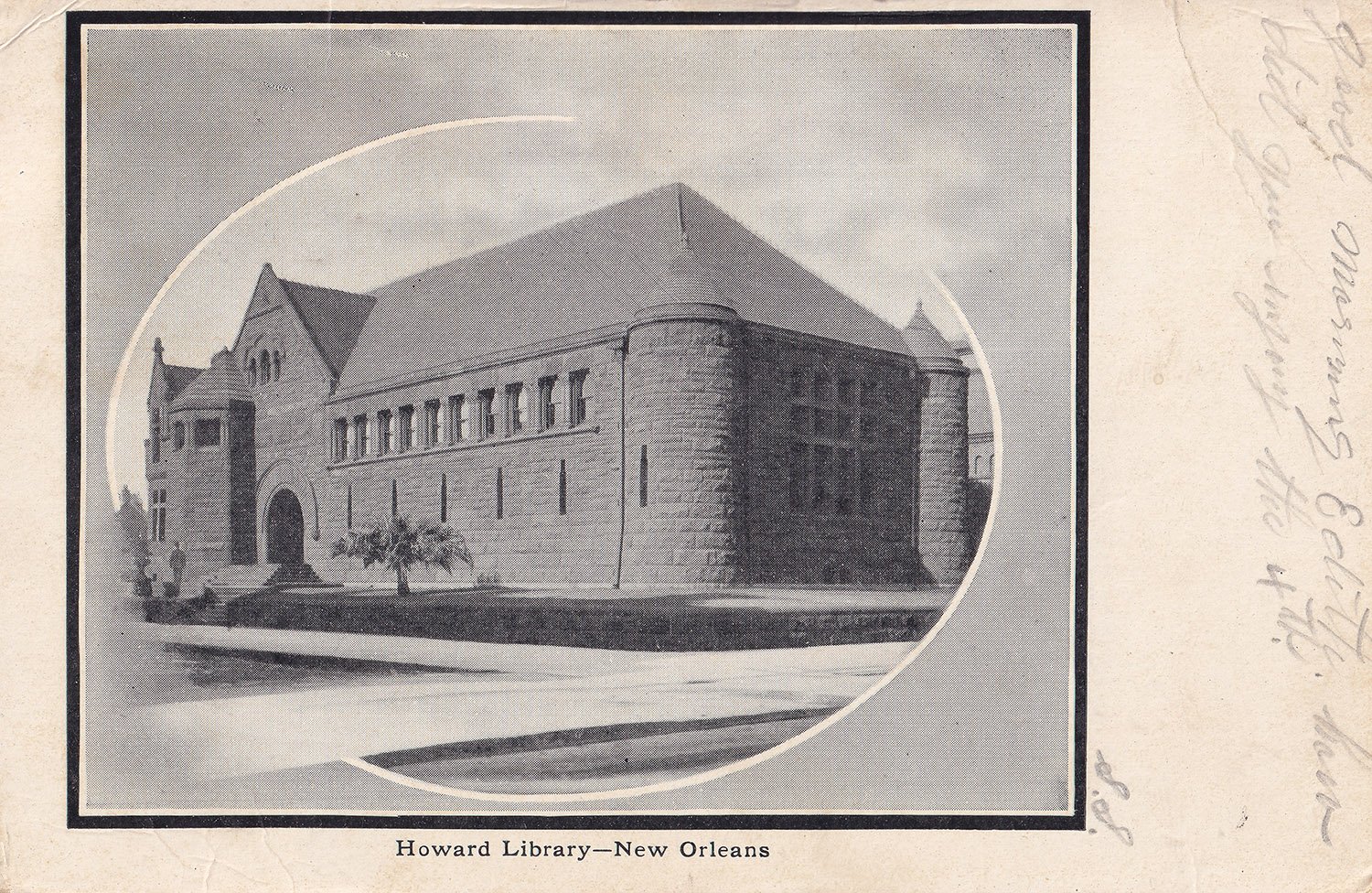
I made a point of driving by the former Howard Memorial Library, completed in 18891and ostensibly designed by H.H. Richardson,2 who grew up in New Orleans but wisely moved North to practice architecture.
Location of Howard Memorial Library
The building’s style is, of course, Romanesque—Richardson is credited with inventing the style. It’s not one of his better works, though, and was based on a rejected design for a Michigan library.3
Richardson never saw the building either: construction began a year after his death, and his successor firm, Shepley, Rutan & Coolidge, dusted off the plans and reworked them.4
Thus, it could reasonably be argued that Richardson didn’t design the building at all, although it’s often touted as his only work in the South. It certainly lacks the sophistication of his better Northern designs, but Richardson’s output was always hit-or-miss.
I also suspect that Shepley, Rutan, and Coolidge, who were originally Richardson’s assistants, were largely responsible for his later designs anyway, but that’s a discussion for another time.
I’d originally planned to take pictures of the library, but I’ll never set foot in New Orleans again, so this postcard will suffice.
On the front, S.S. writes:
“Good morning Edith. How did you enjoy the 4th.”
The card was addressed to Miss Edith Smith of Box 85, Clinton, Miss., and postmarked on July 5, 1907.
References
“Opening the Howard Library.” The Daily Picayune (New Orleans), March 4, 1889, p. 4. ↩︎
“Howard Memorial Library.” The Daily Picayune (New Orleans), January 30, 1887, p. 10. ↩︎
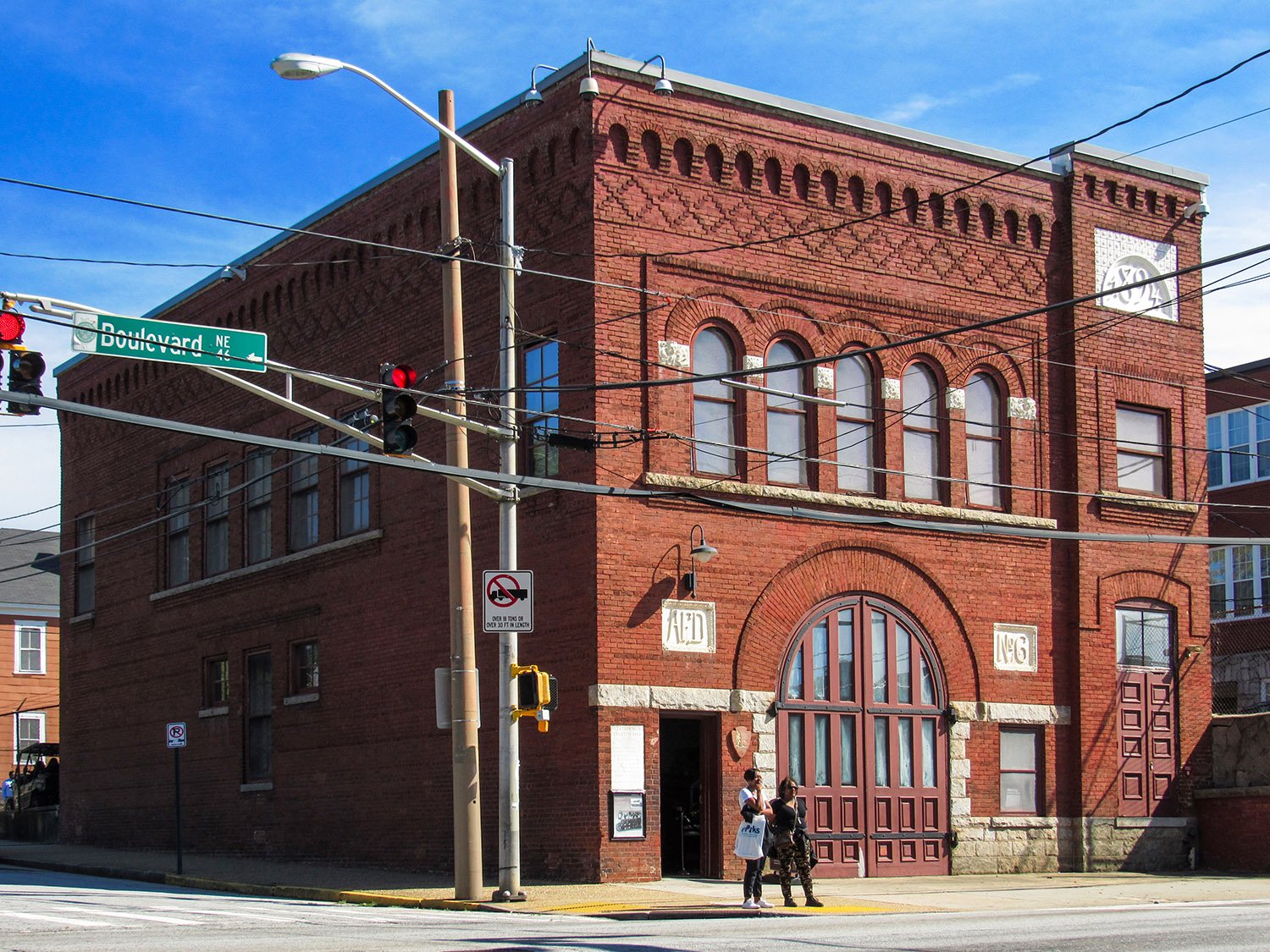
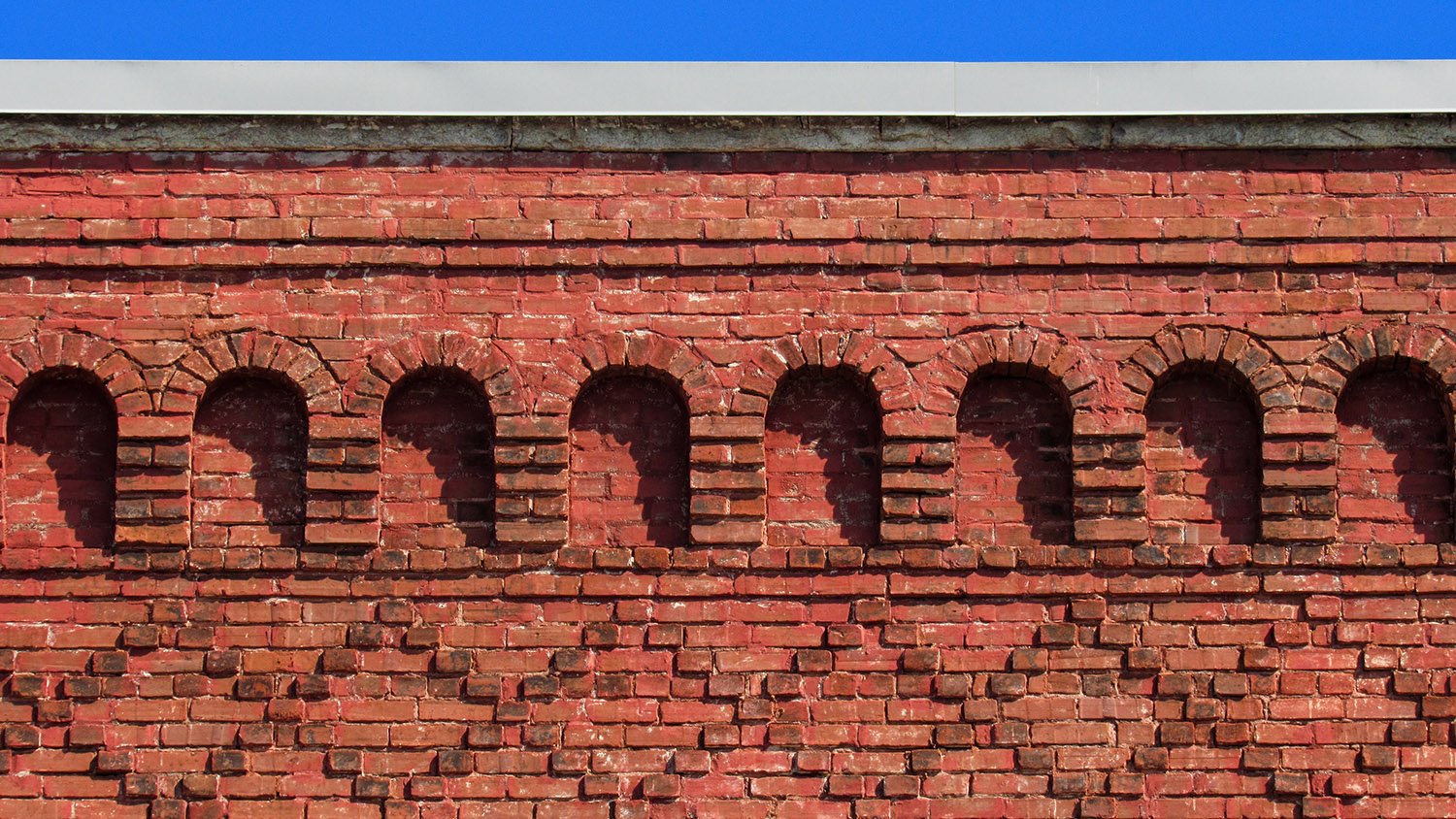
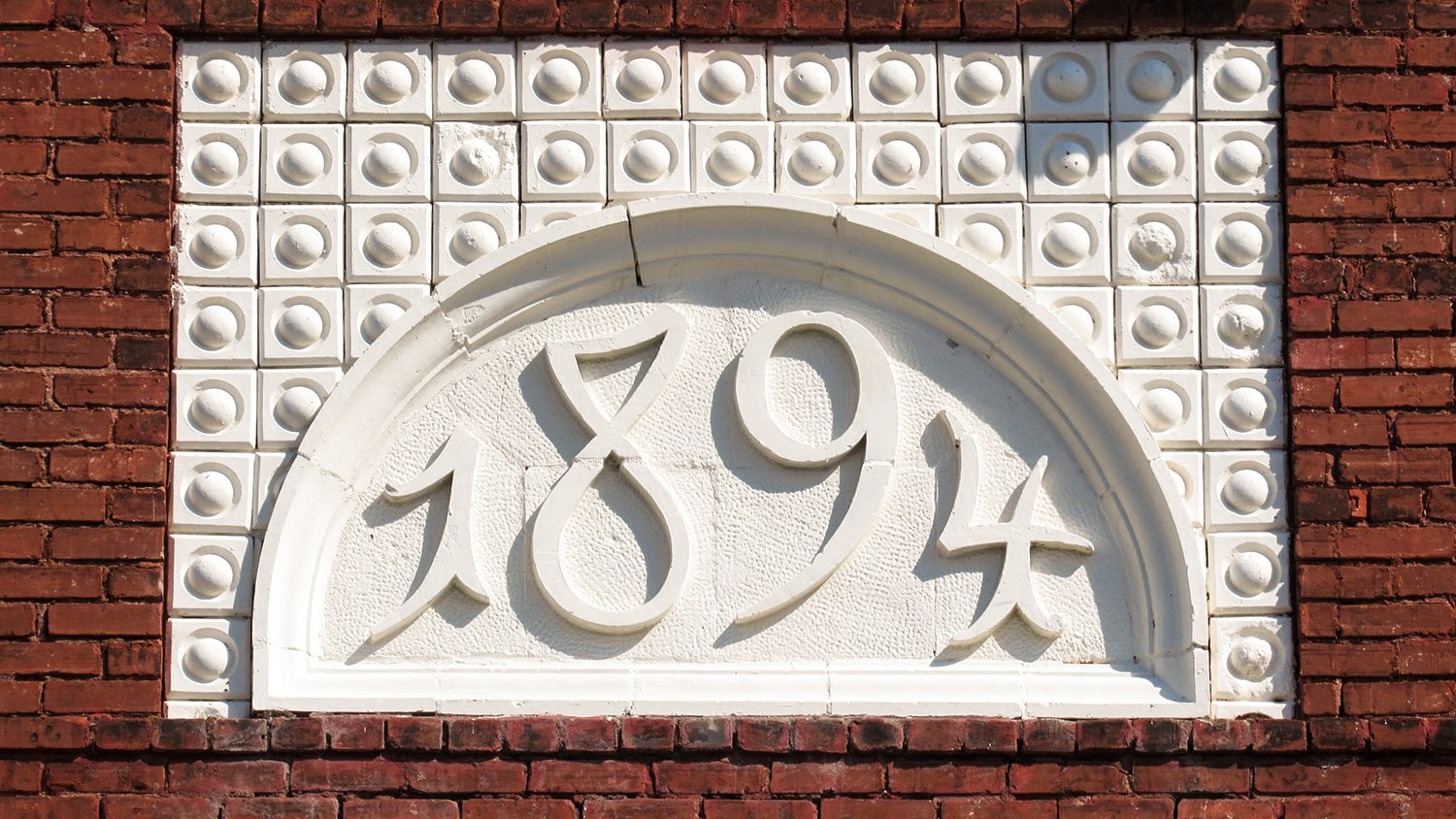
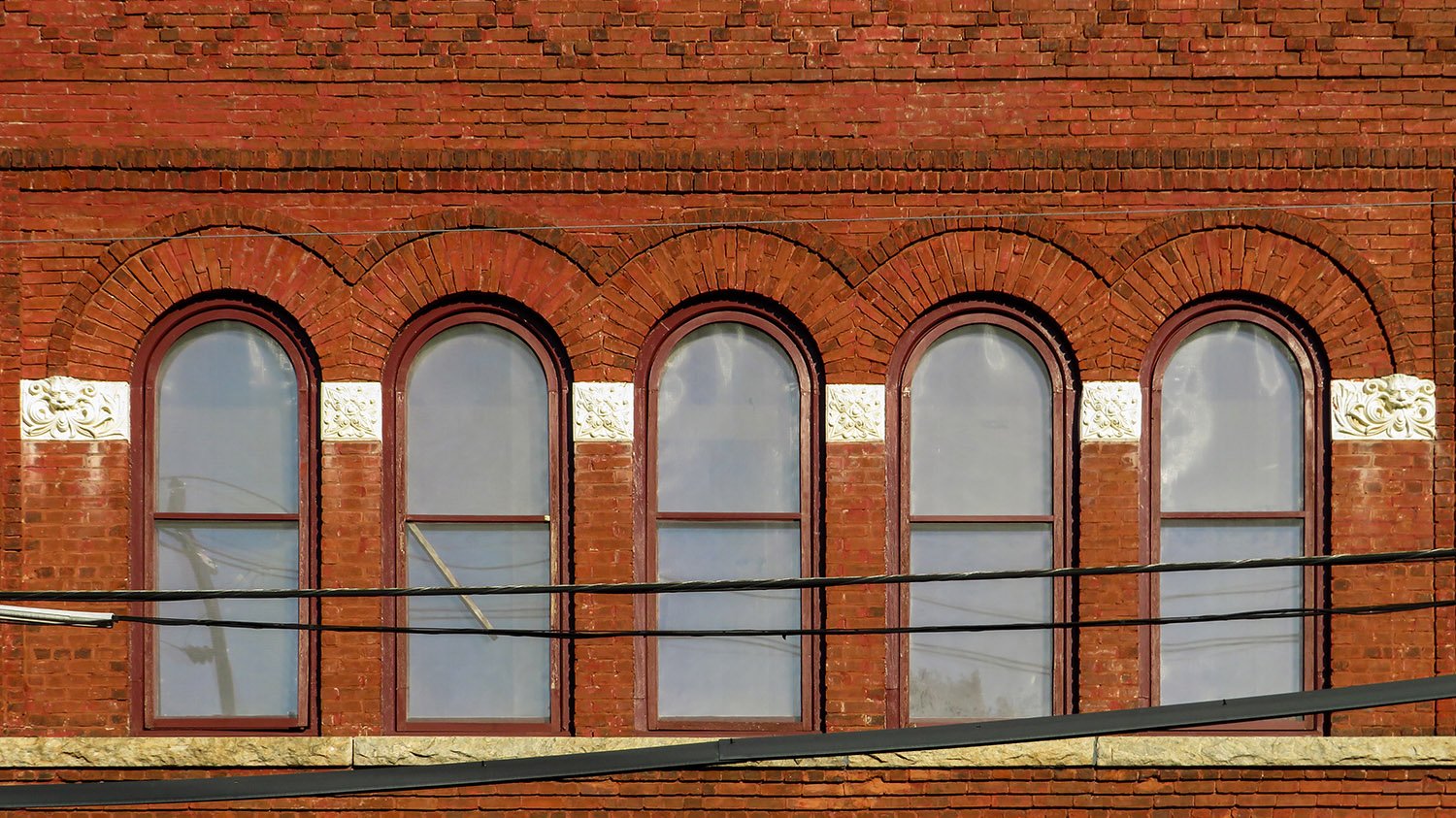
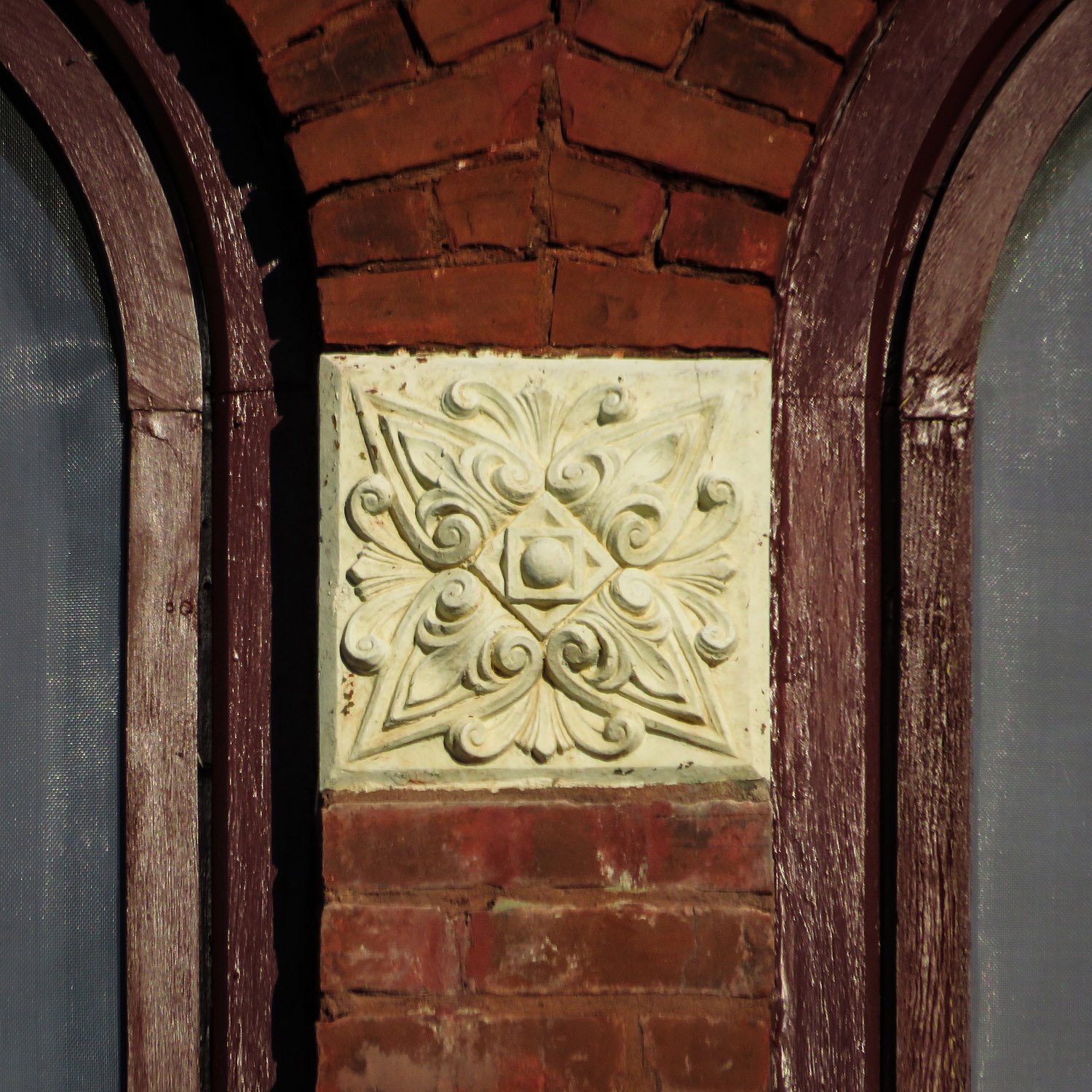
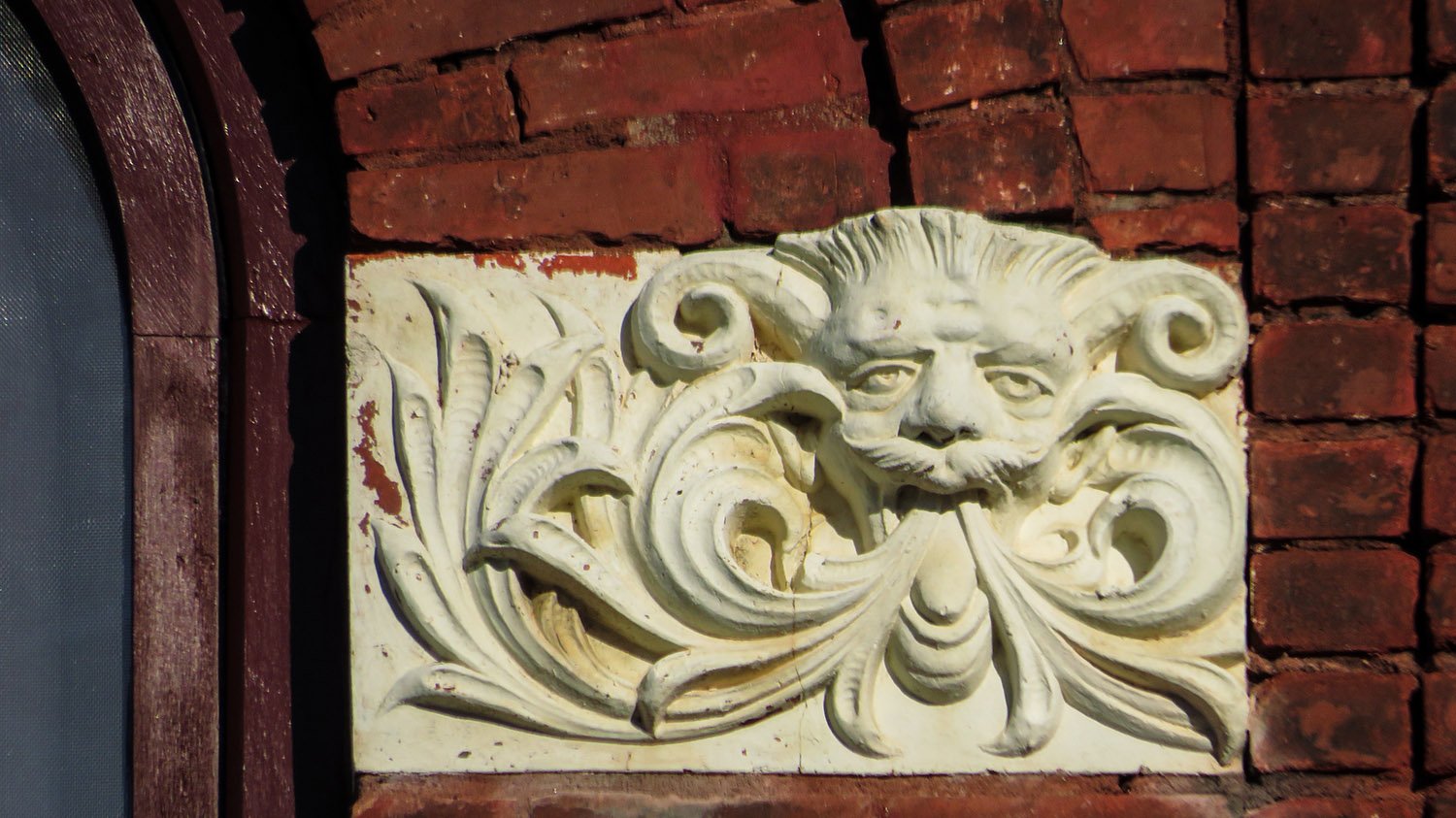
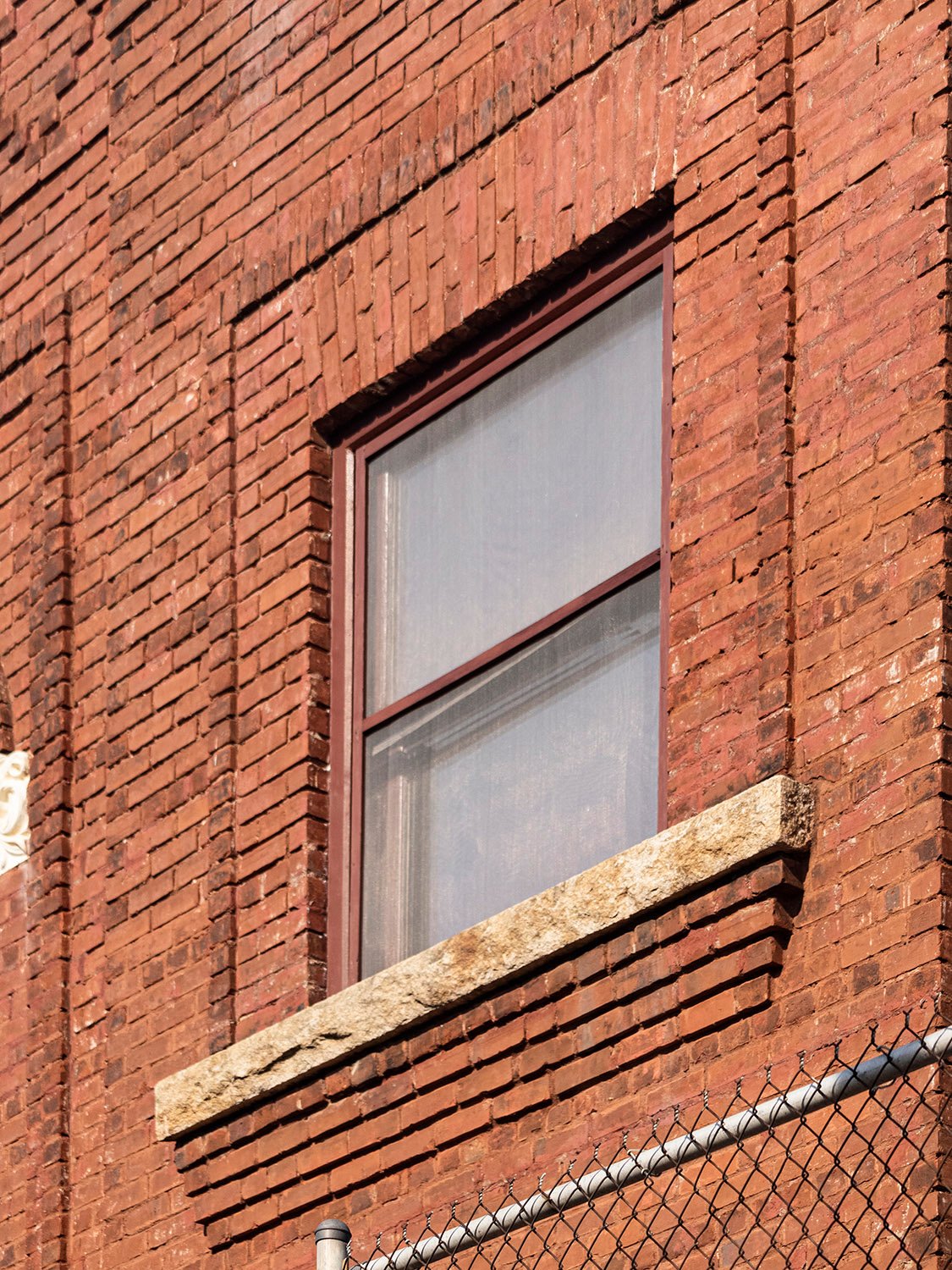
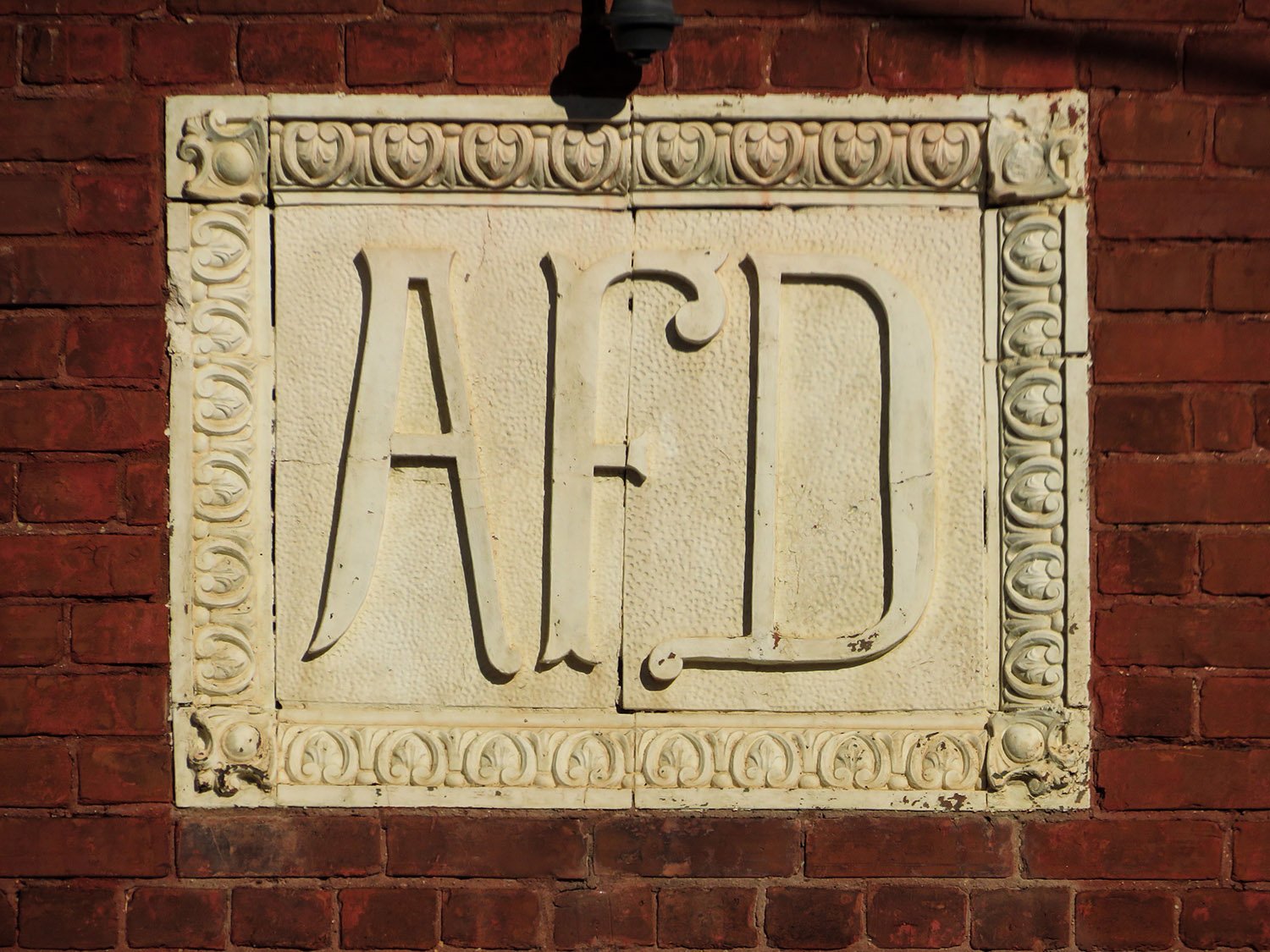
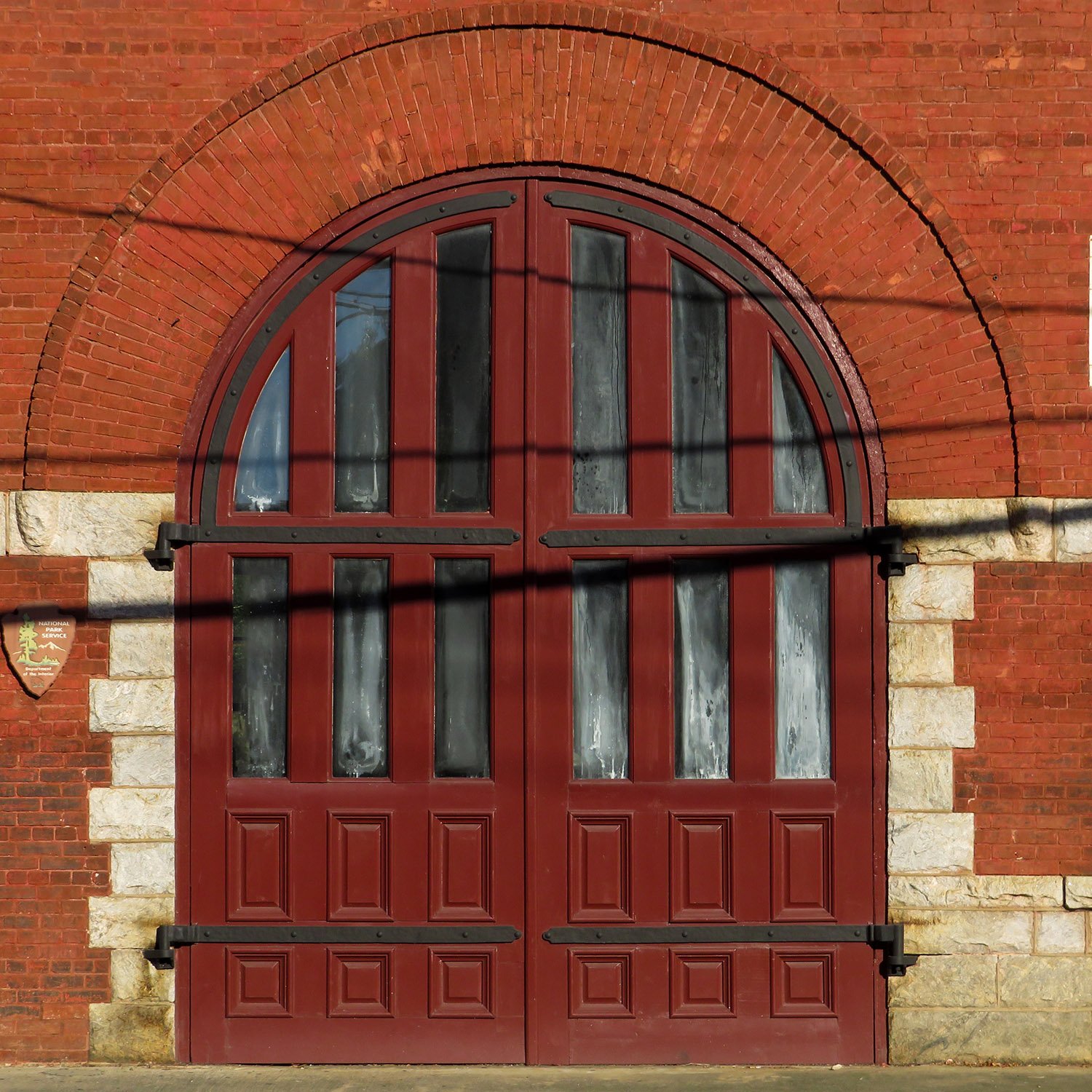
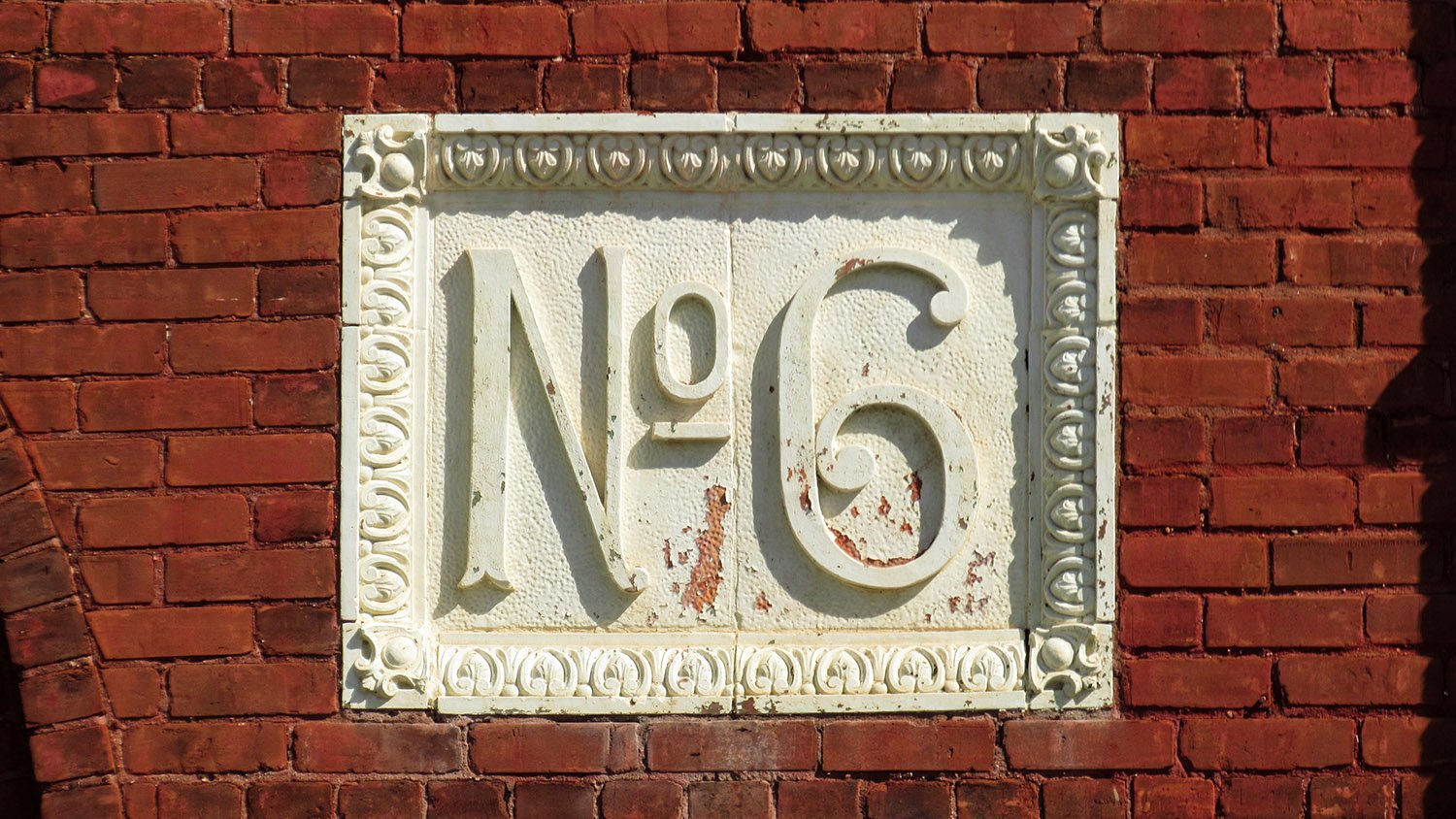
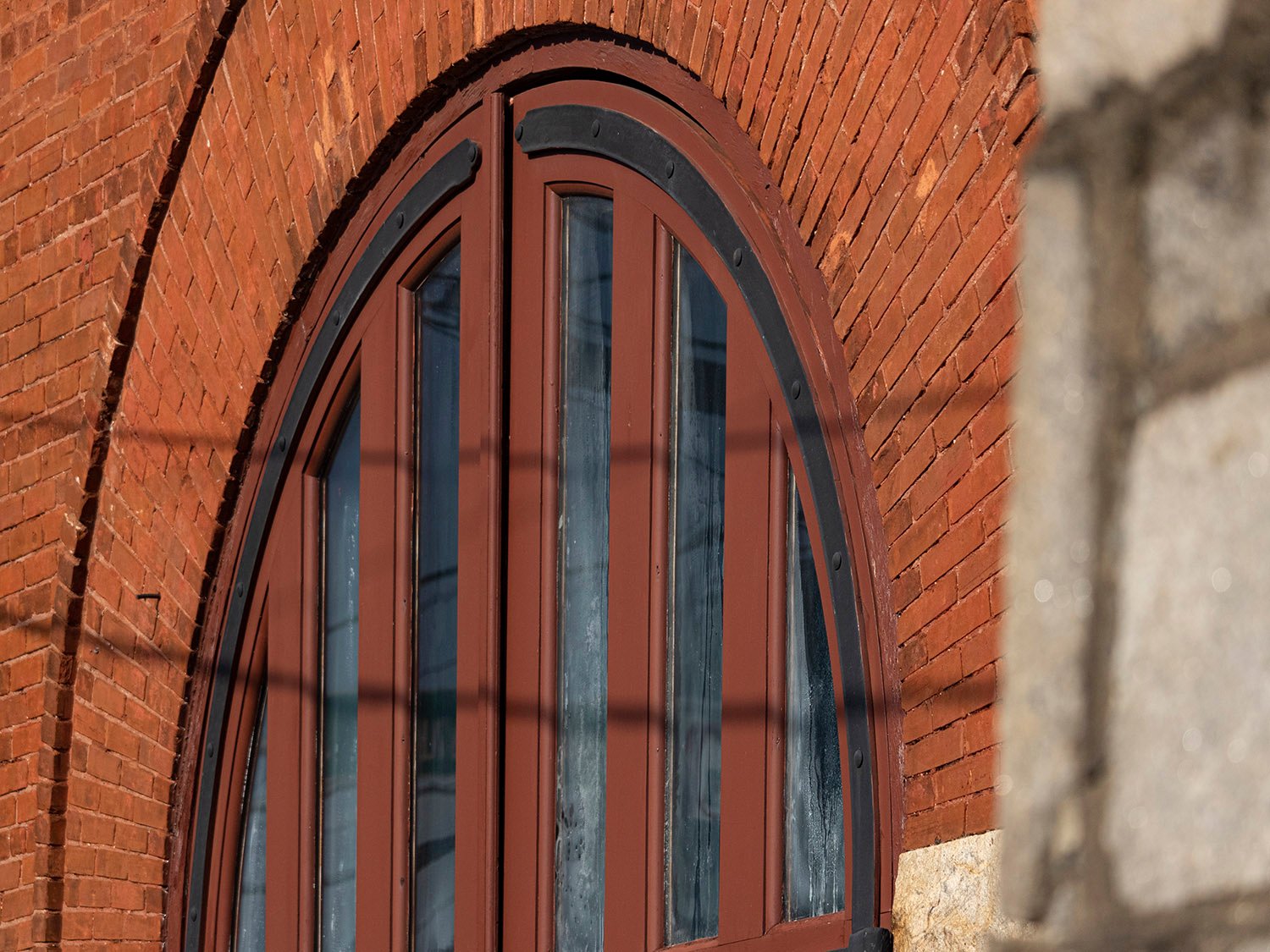
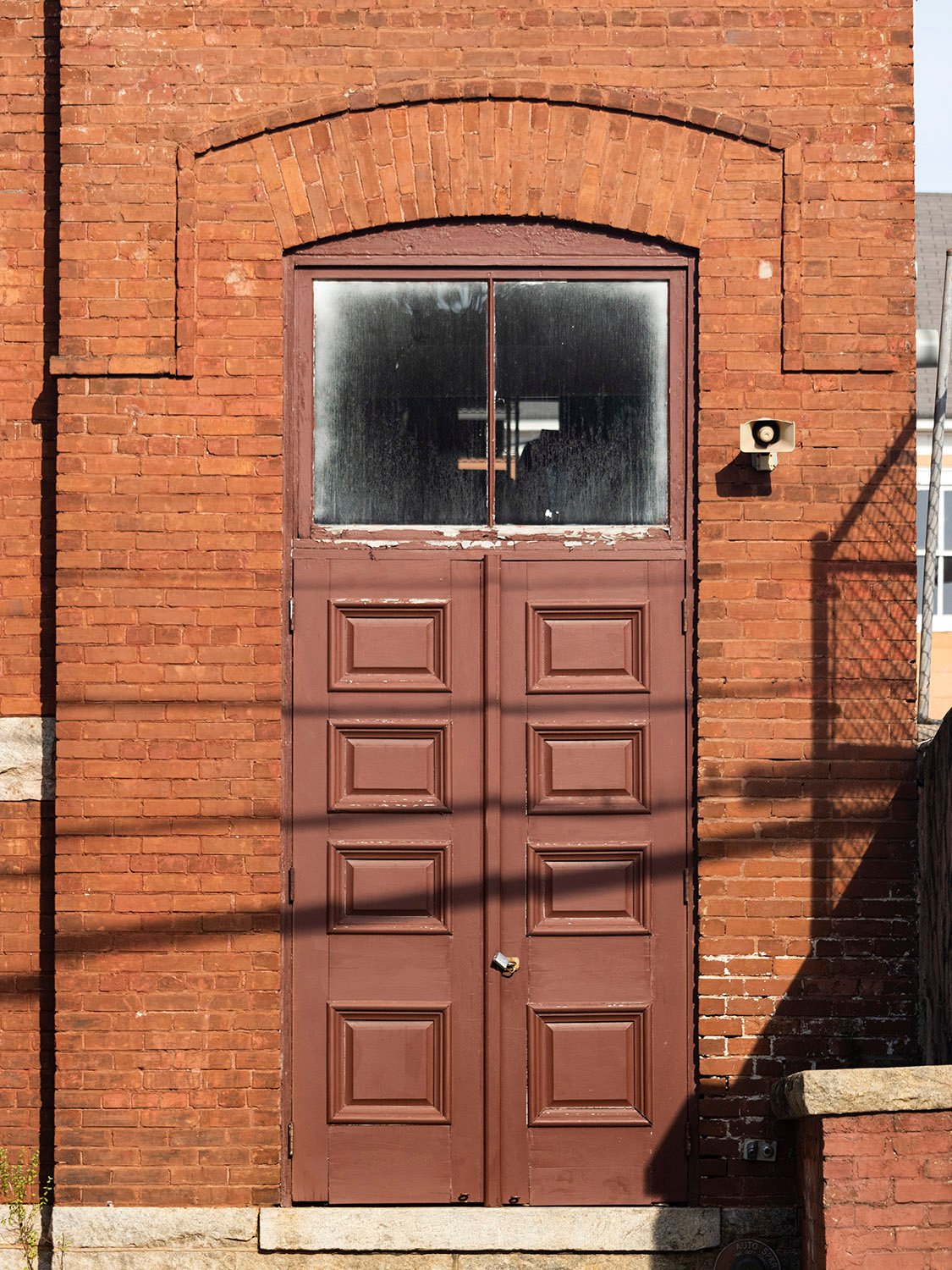
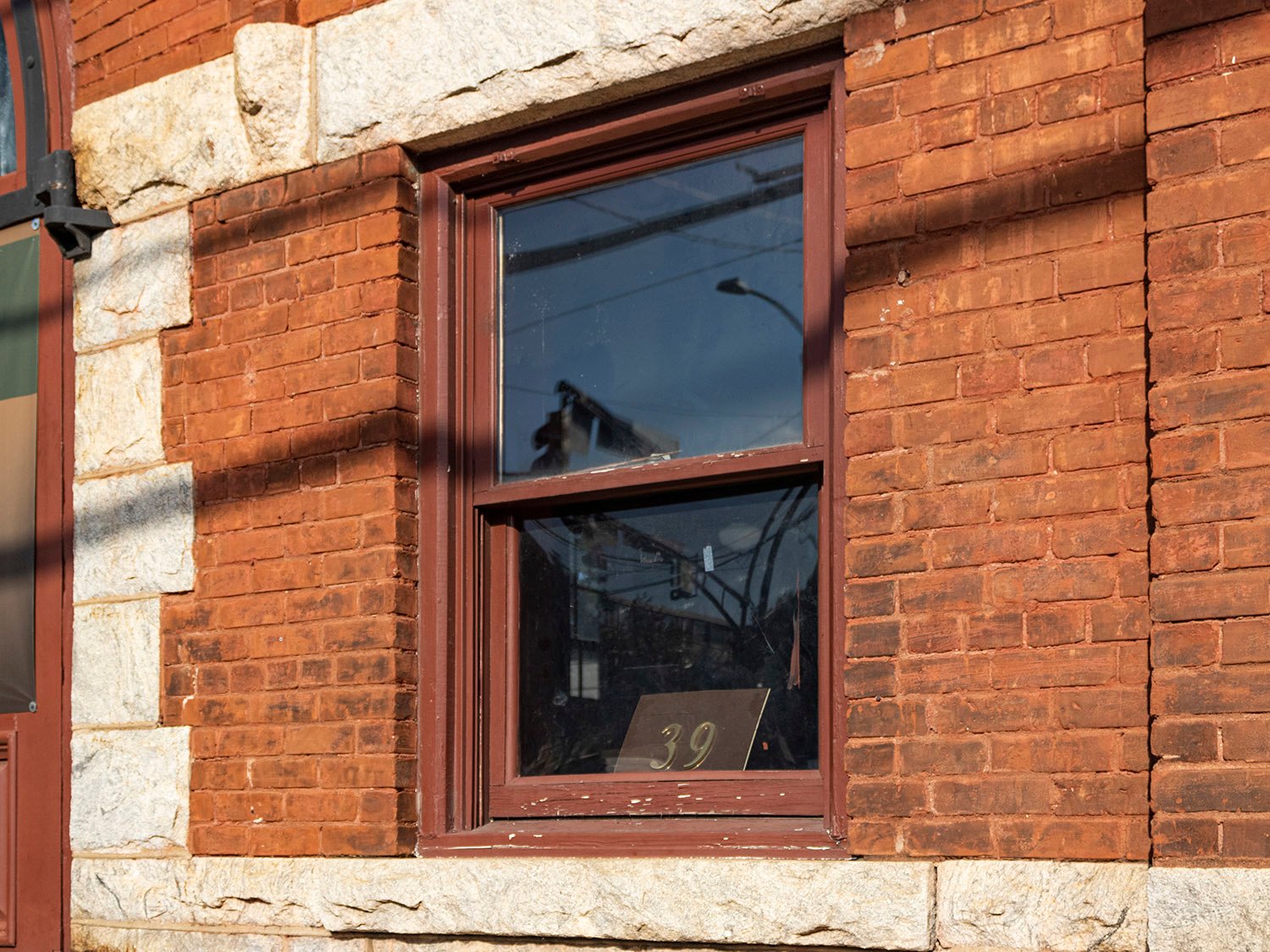
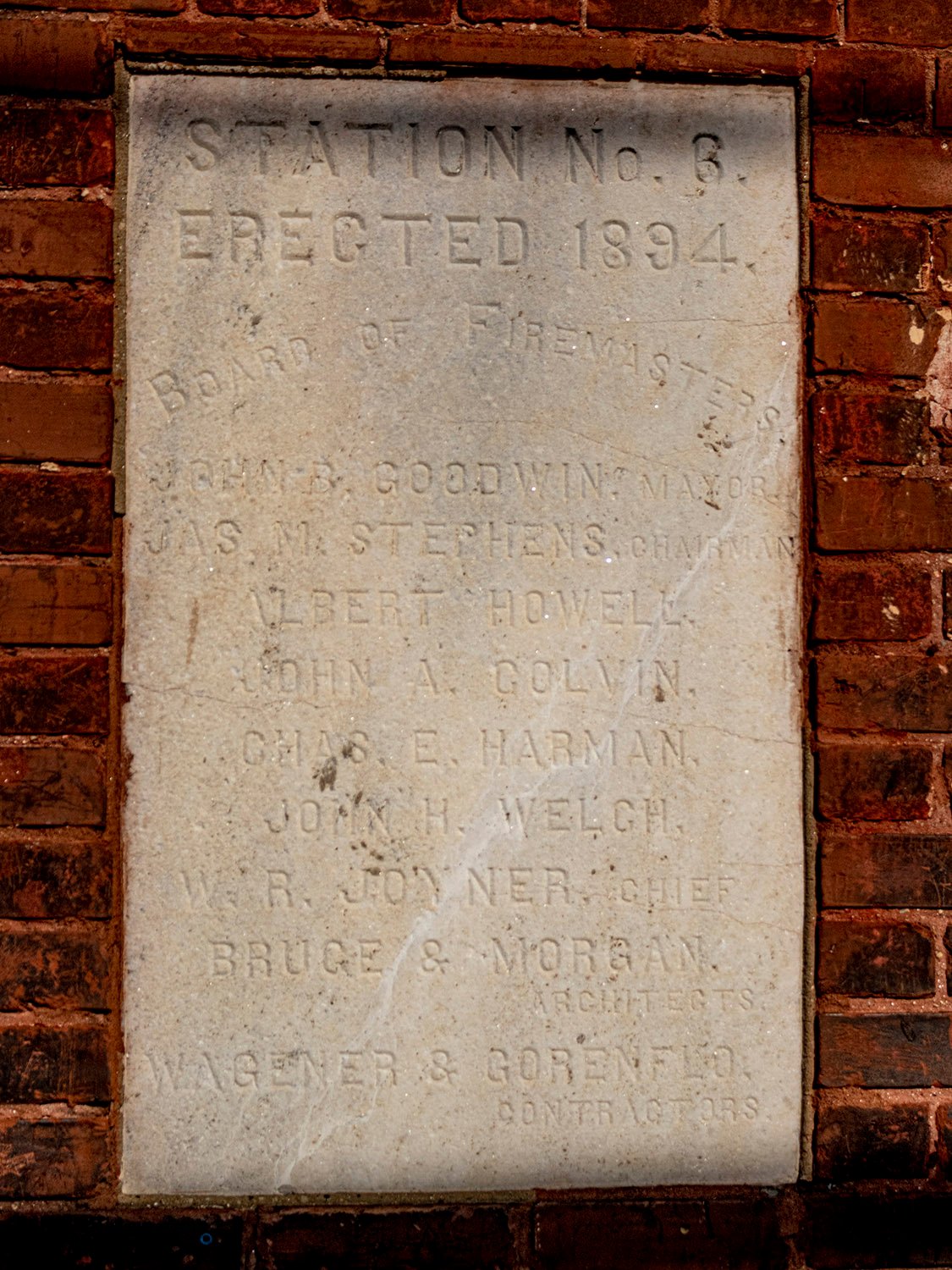
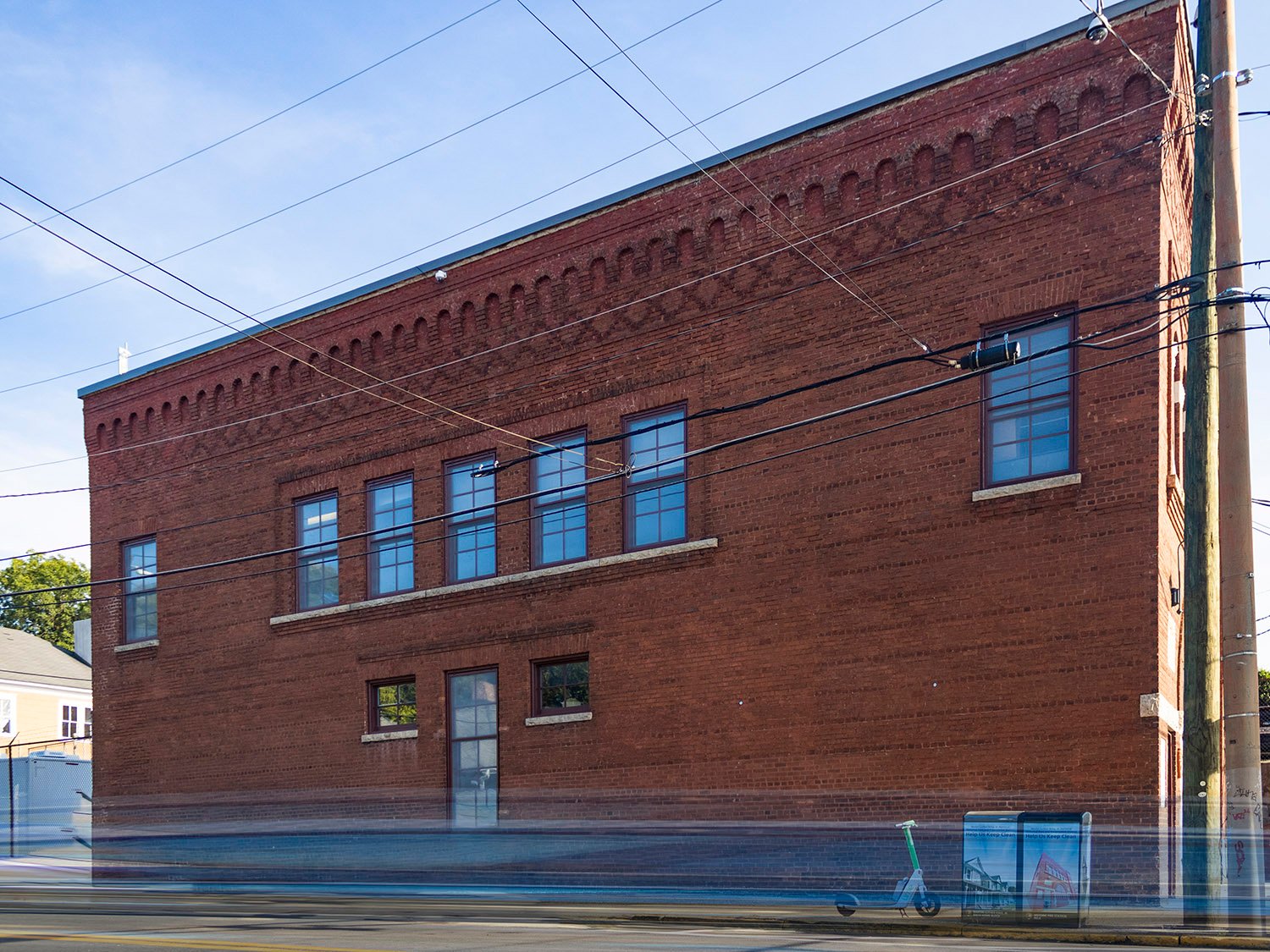
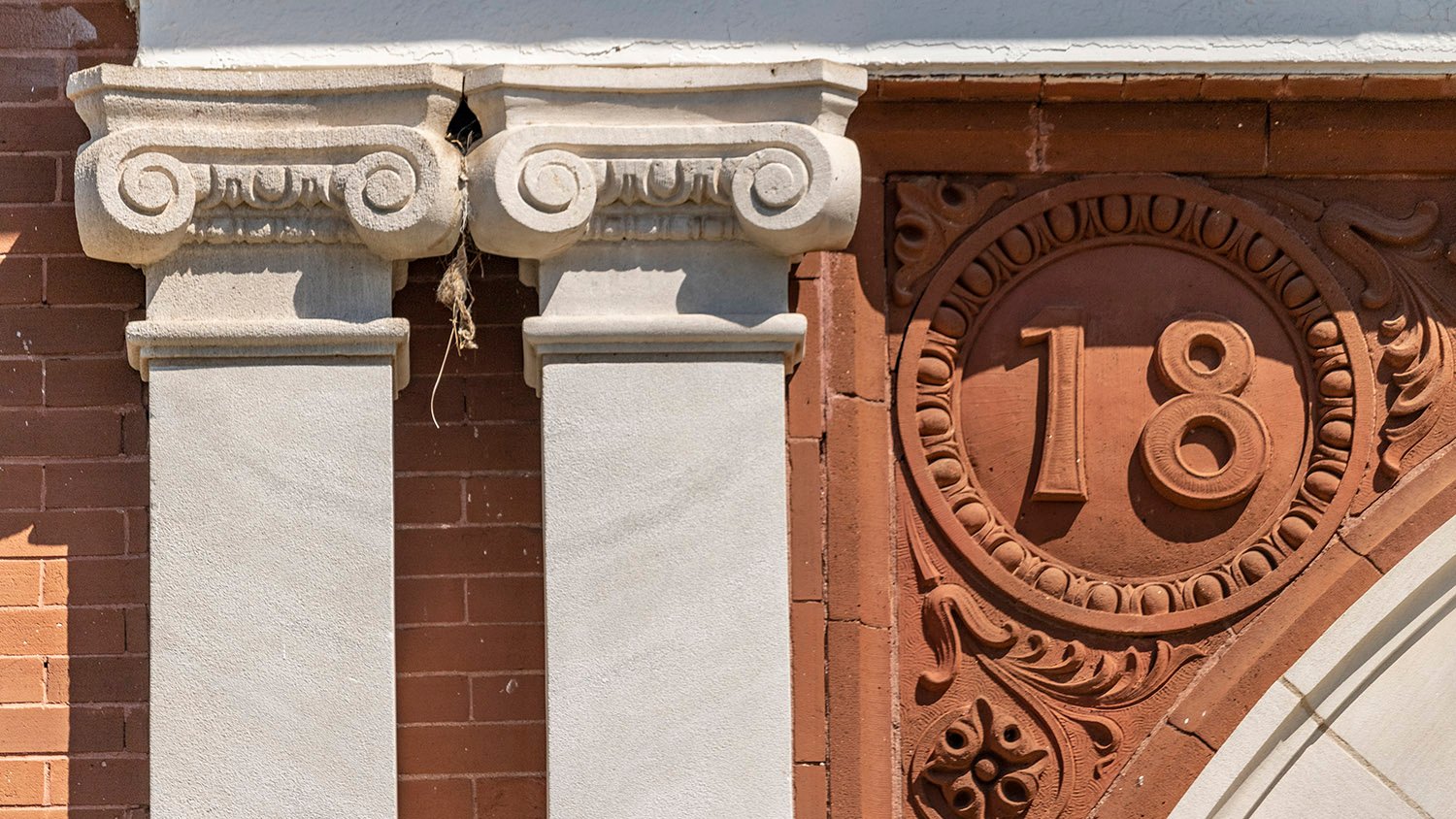
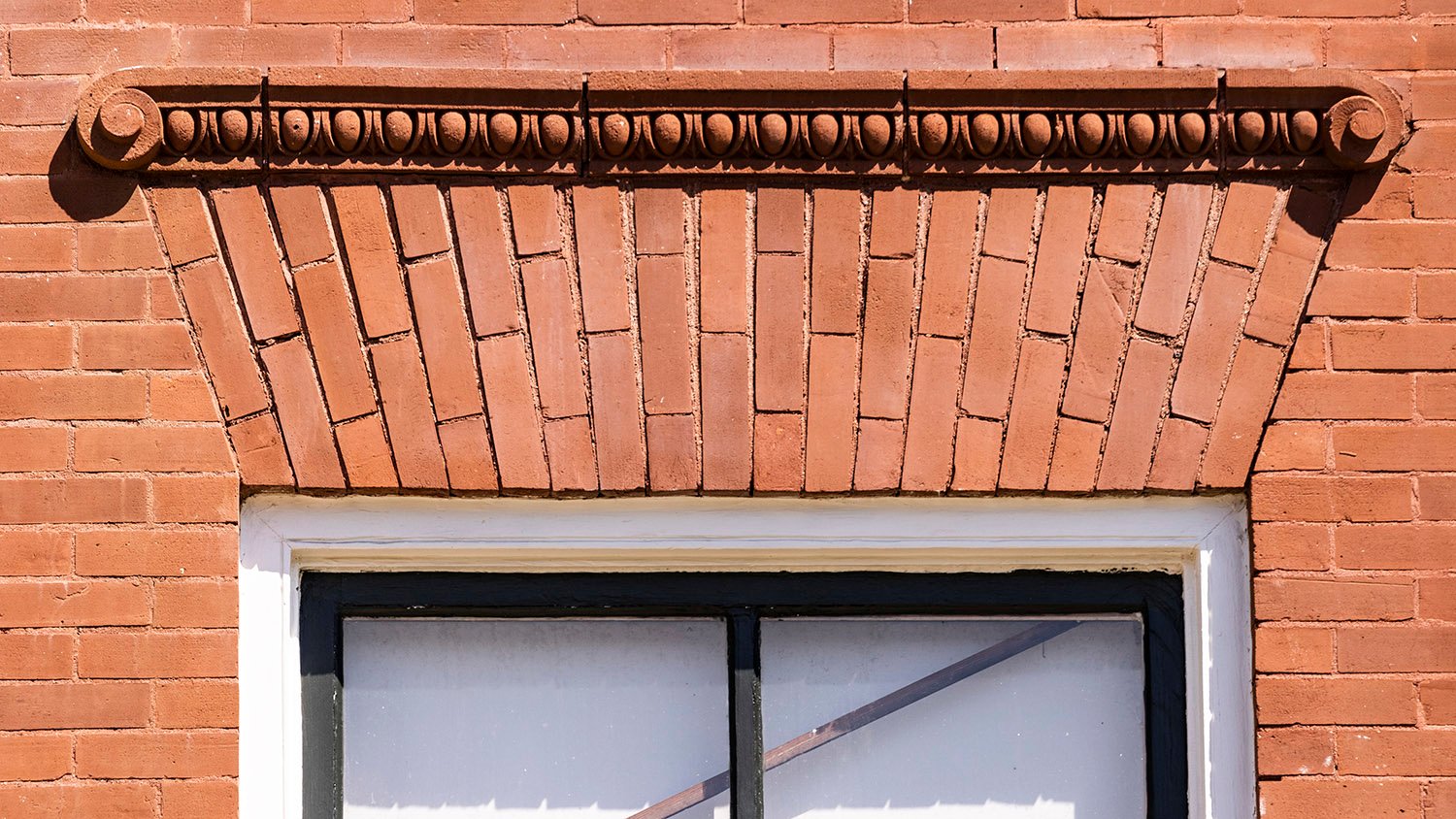
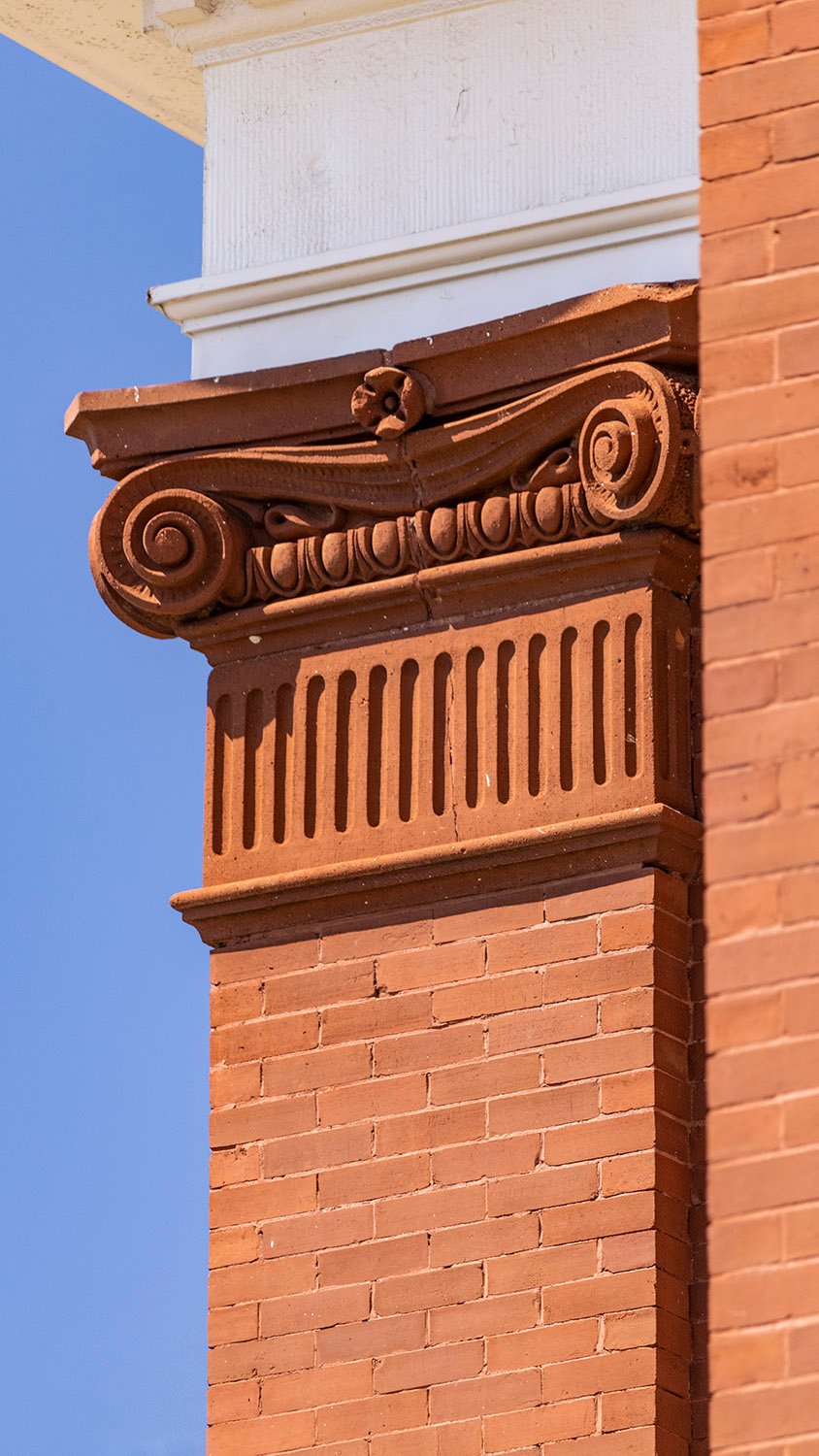
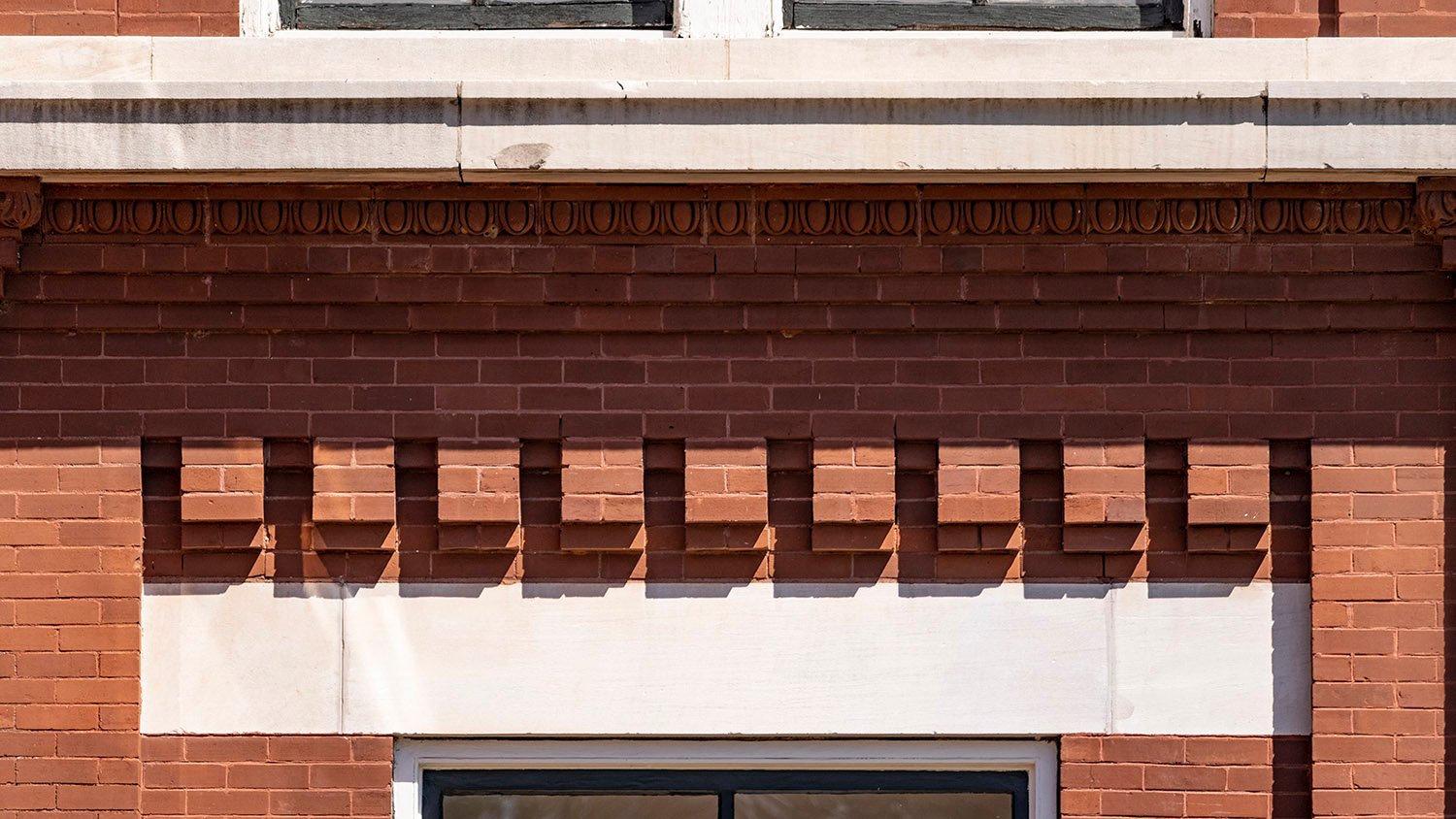
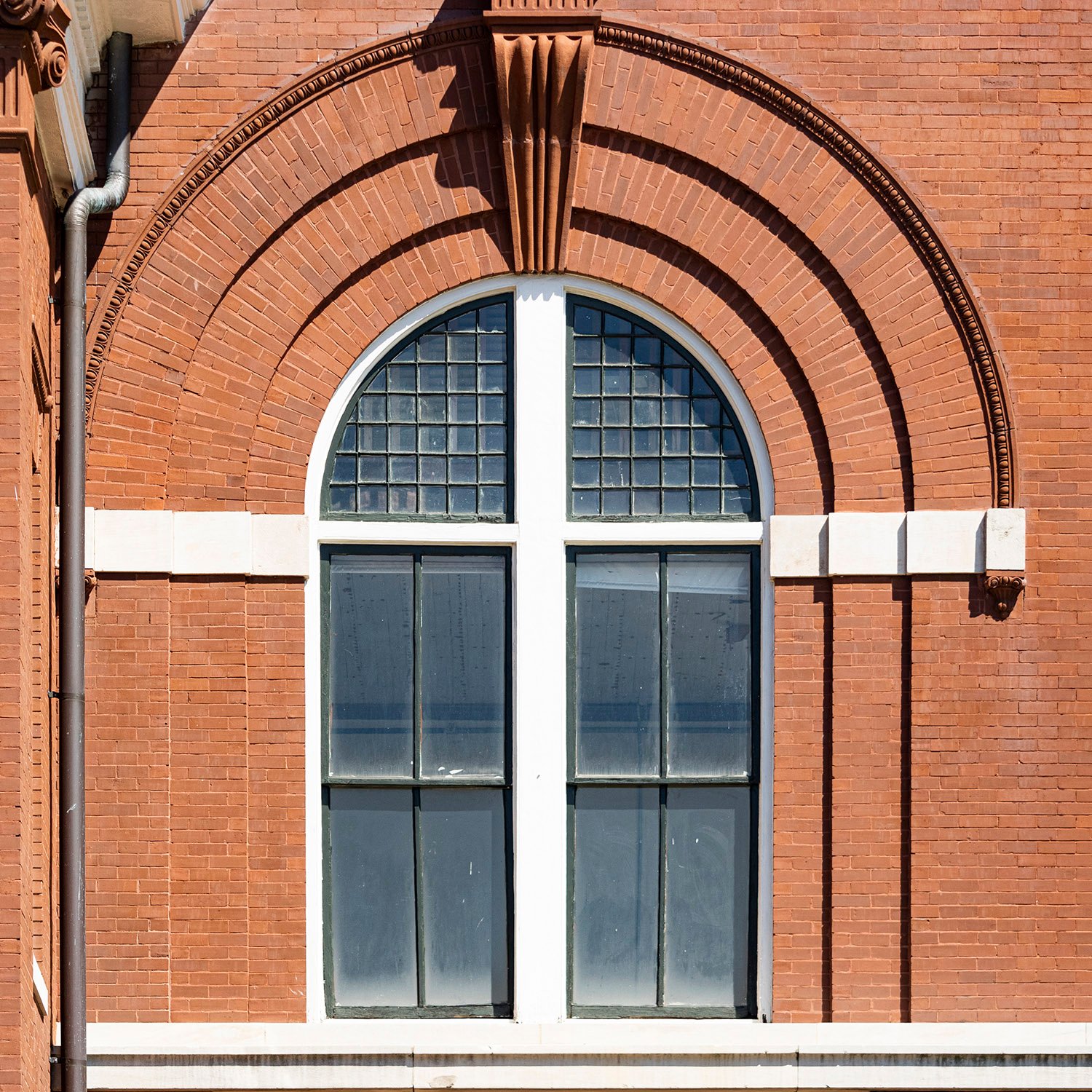
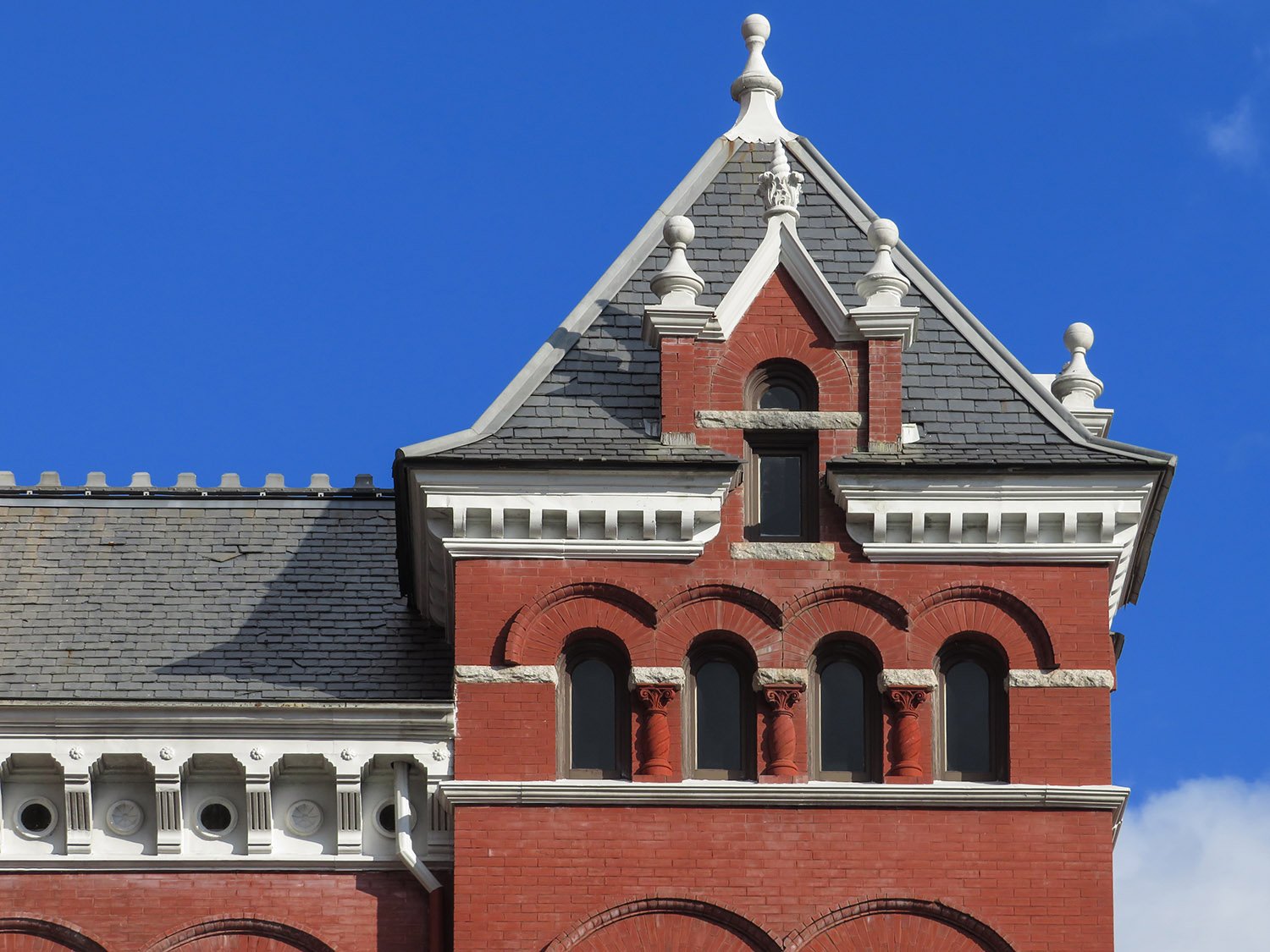
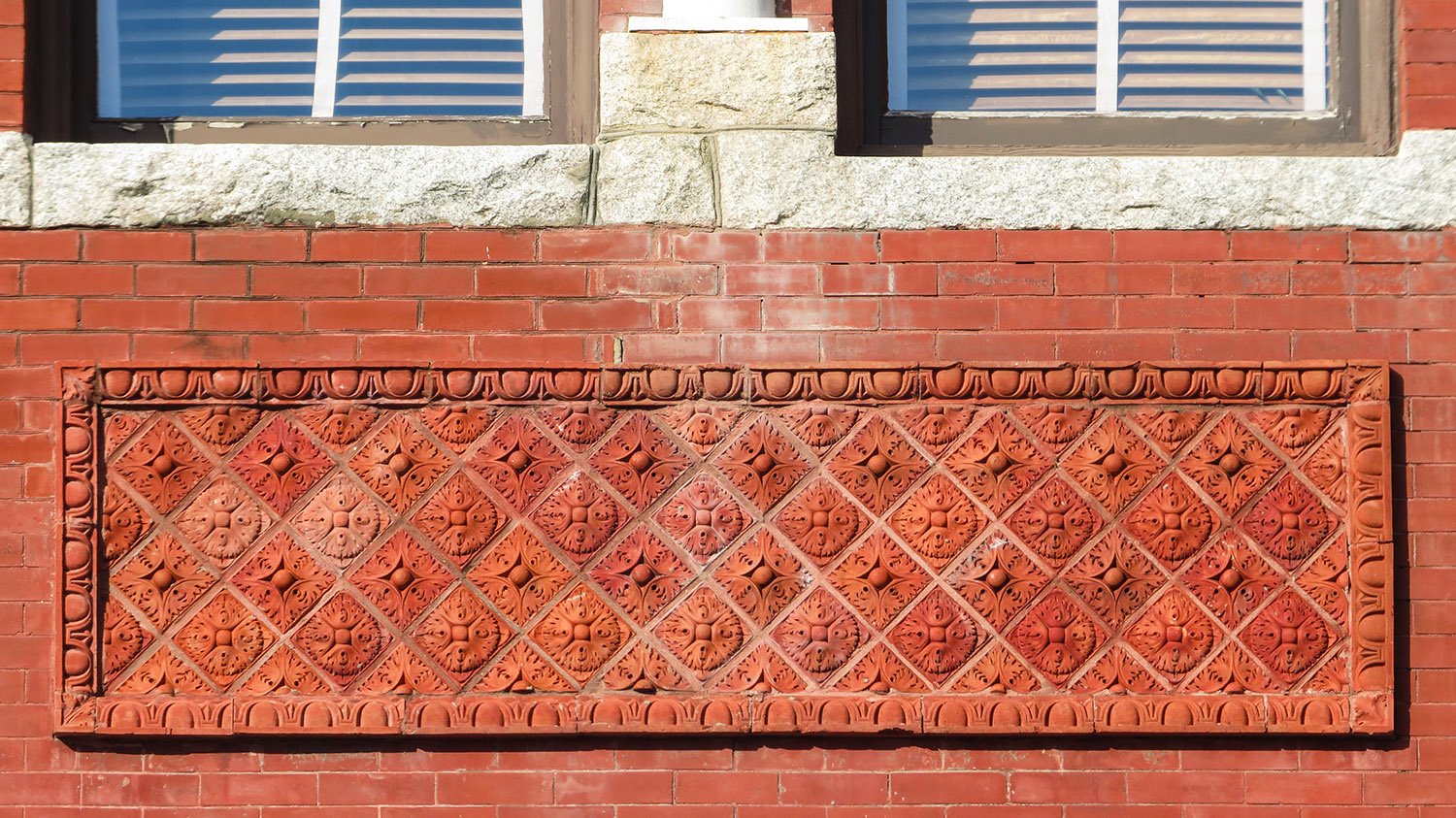
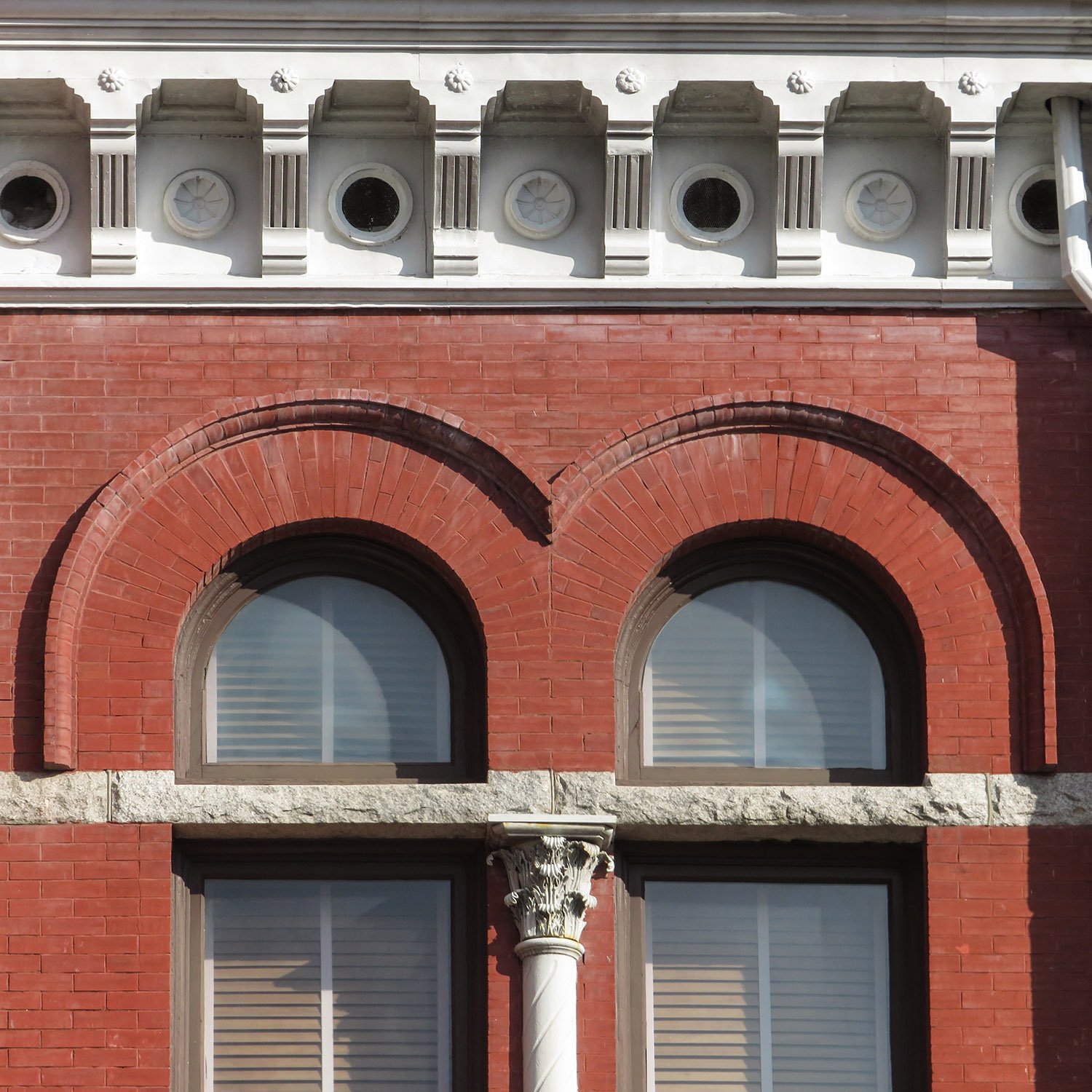
Bruce & Morgan. Engine House No. 6 (1894). Sweet Auburn, Atlanta.123Corbelled brick on the facade of Engine House No. 6, AtlantaTerracotta date panel on the facade of Engine House No. 6, AtlantaSecond-floor windows on the facade of Engine House No. 6, AtlantaTerracotta ornamentation between second-floor windows on Engine House No. 6, AtlantaTerracotta ornamentation on the facade of Engine House No. 6, AtlantaSecond-floor window on the facade of Engine House No. 6, AtlantaTerracotta Atlanta Fire Department insignia on the facade of Engine House No. 6, AtlantaFire engine doors and granite quoins on the facade of Engine House No. 6, AtlantaTerracotta panel on the facade of Engine House No. 6, AtlantaLooking at the fire engine doors on the facade of Engine House No. 6, AtlantaDoor on the facade of Engine House No. 6, AtlantaFirst-floor window on the facade of Engine House No. 6, AtlantaCornerstone on the facade of Engine House No. 6, AtlantaNorth elevation of Engine House No. 6, Atlanta
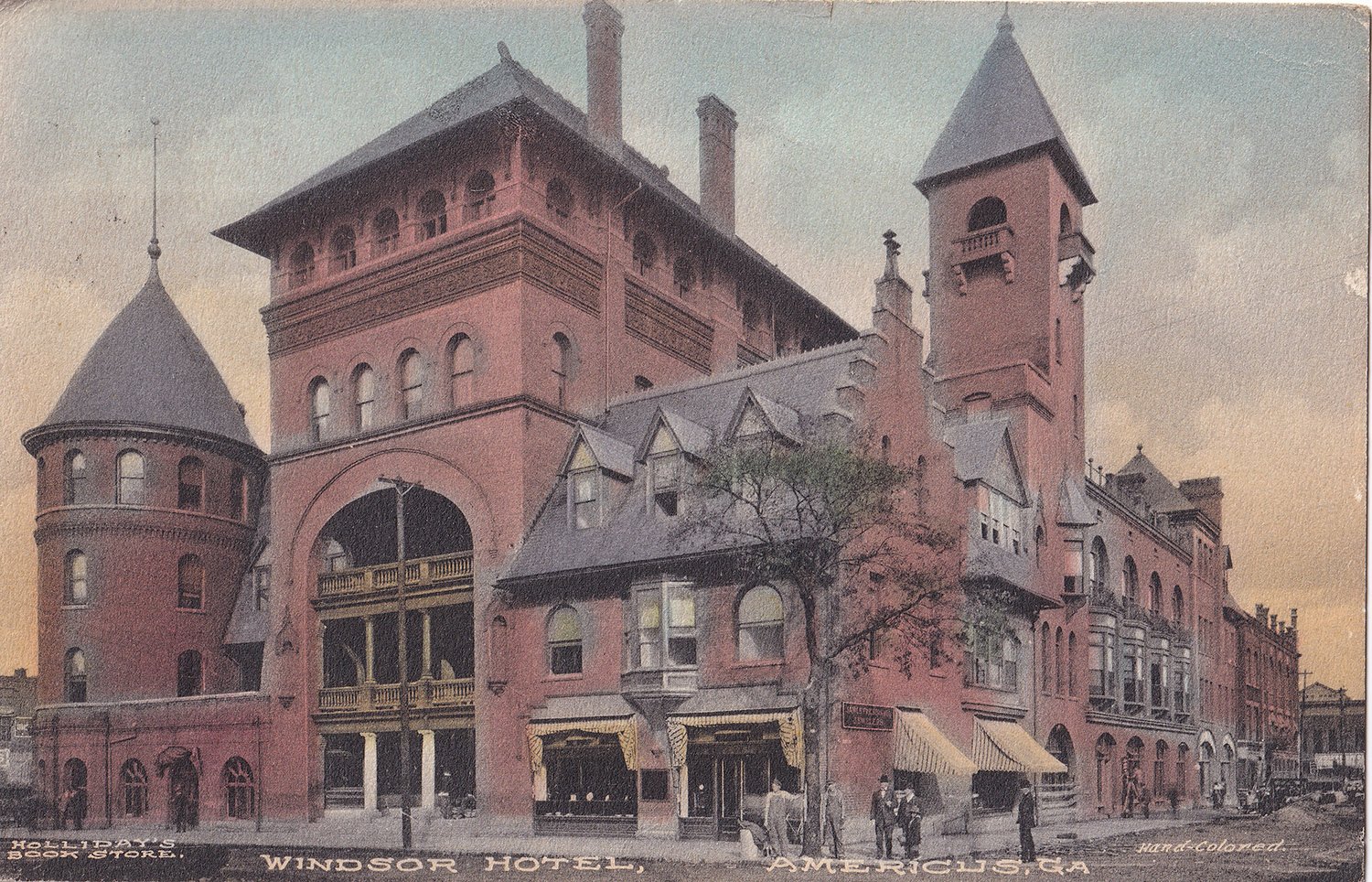
This postcard depicts the Windsor Hotel in Americus, Georgia, designed by G.L. Norrman and completed in 1892.
Published by Holliday’s Book Store in Americus, the card was postmarked in Americus on February 12, 1912, and addressed to Mademoiselle [Myte Schmitz?] of 26 rue de la [something] in [Don’t know] France. Ooh la la.
Barrien wrote on the back:
“La Palace hotel de cetta [?]. C’est ici que j’ai éler domicile.”
Roughly translated and filling in the blank, we get:
“The Palace hotel of this [shithole town]. This is where I have taken up residence.”
Let’s hope he got out of there—Americus isn’t kind to outsiders.
Bruce & Morgan. Kiser Law Building (1891-1936). Atlanta.1
The Background
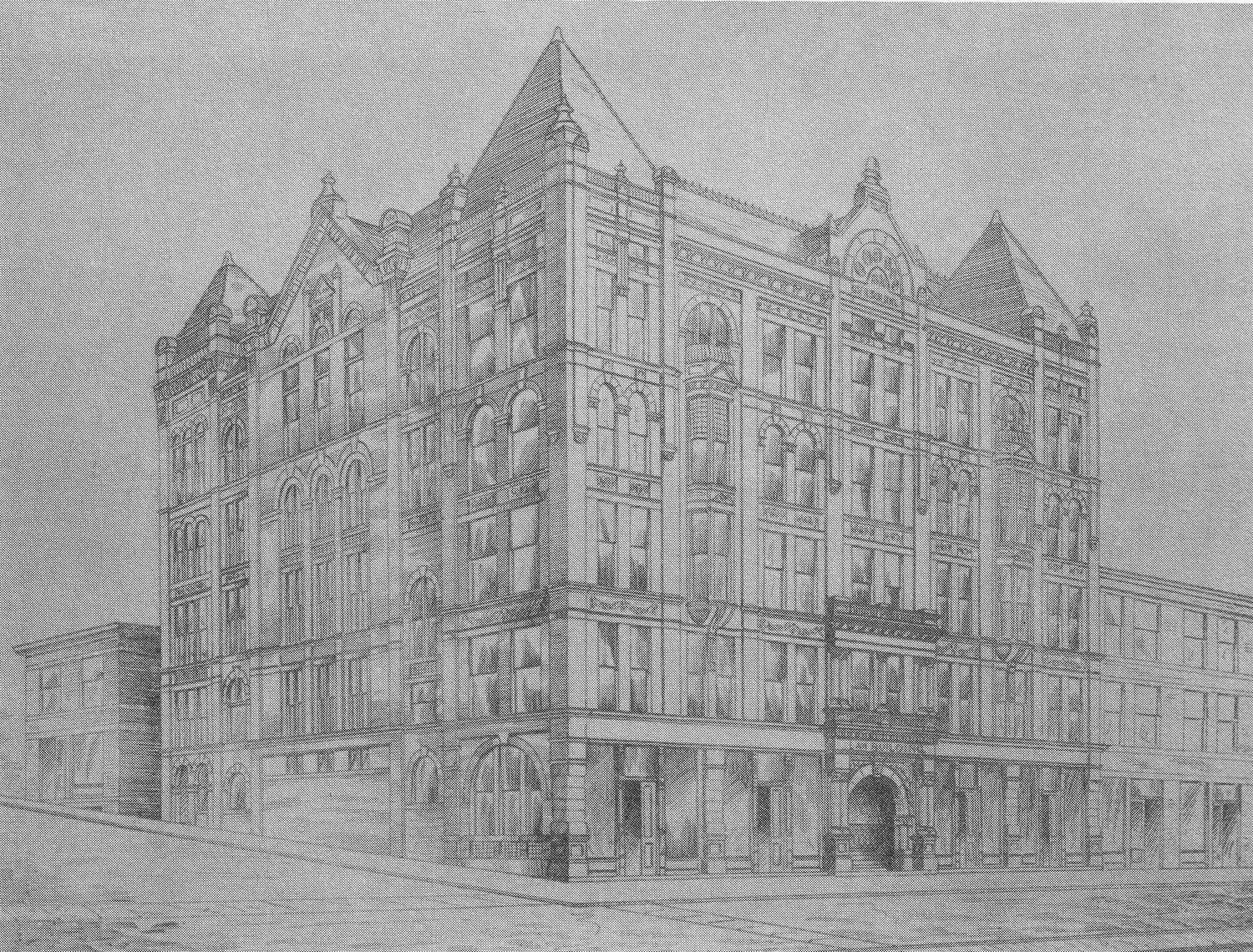
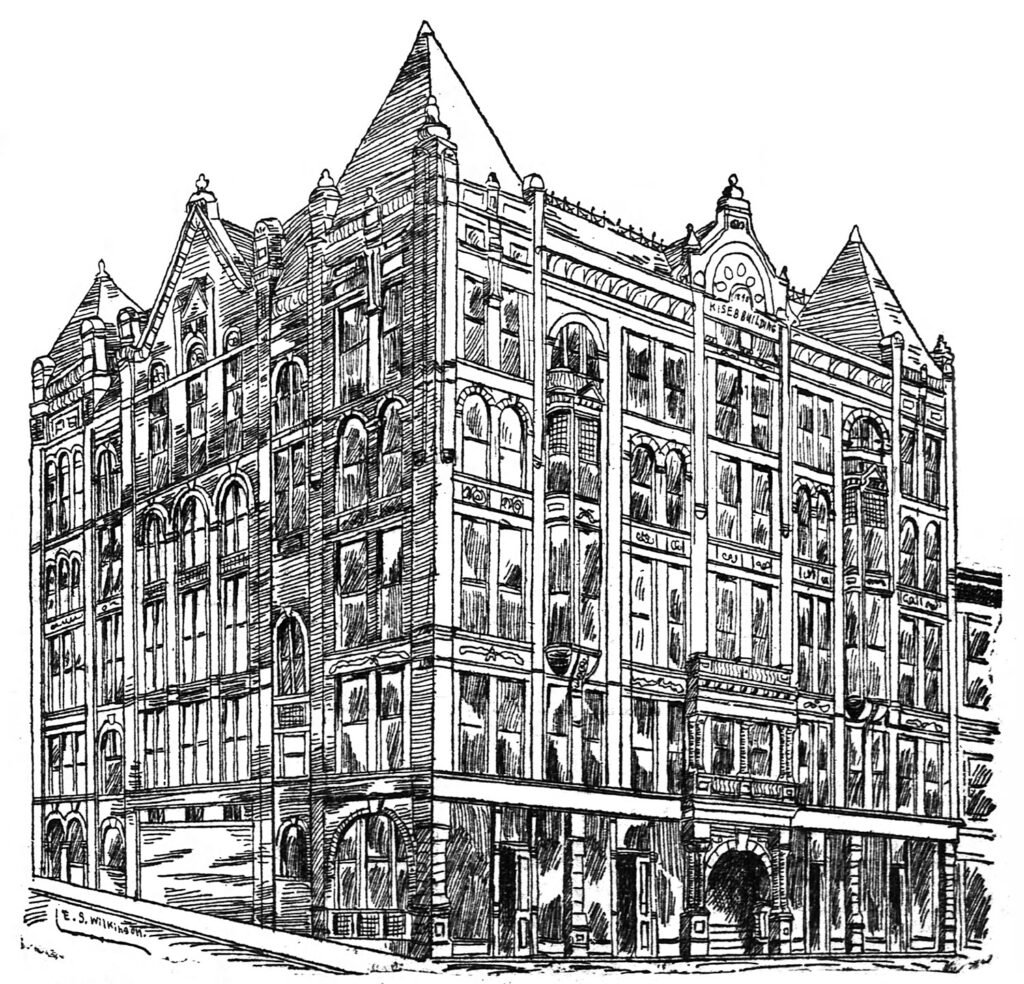
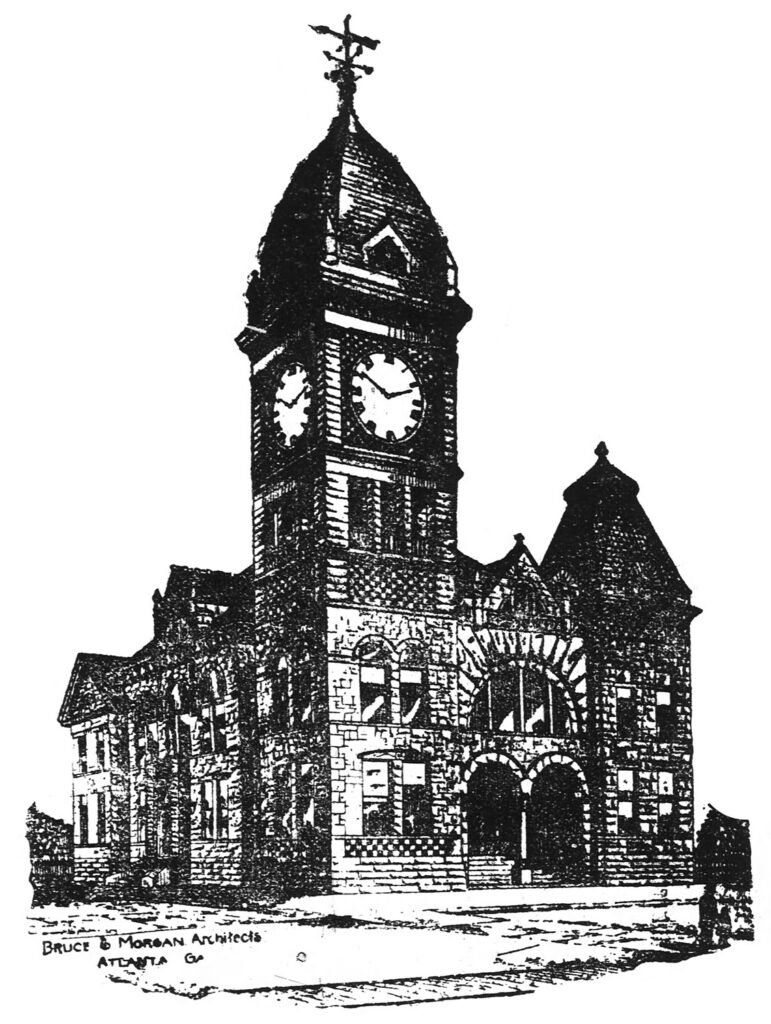
The following article, published in The Atlanta Constitution in 1890, includes an illustration and a brief description of the Kiser Law Building, completed in 1891 and designed by Bruce & Morgan.
Location of Kiser Law Building
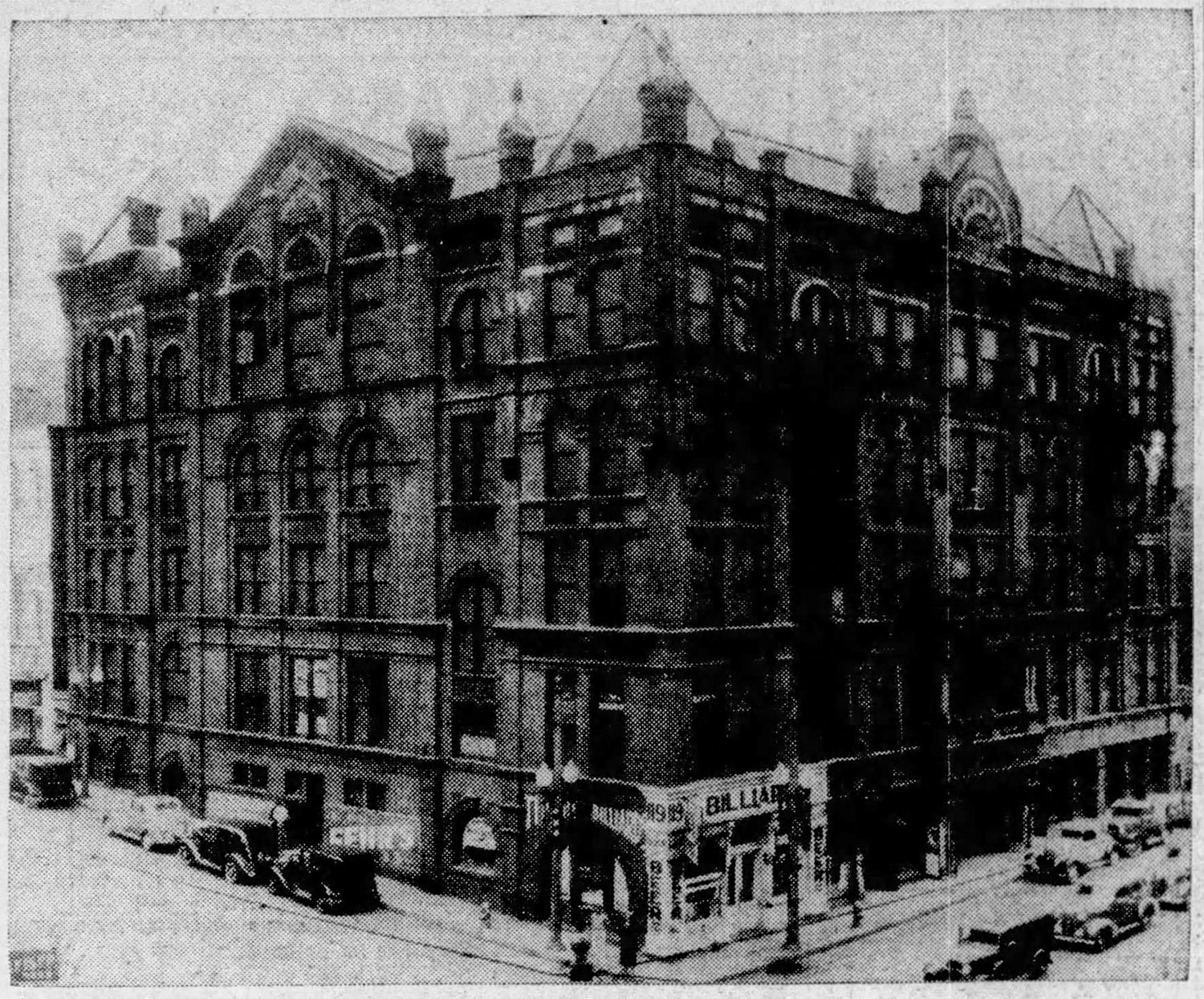
Located at the northwest corner of Hunter and Pryor Streets (later Martin Luther King, Jr. Drive SE and Pryor Street SE) in Atlanta, the five-story office building was owned byM.C. Kiser (1830-18932), a local real estate developer.
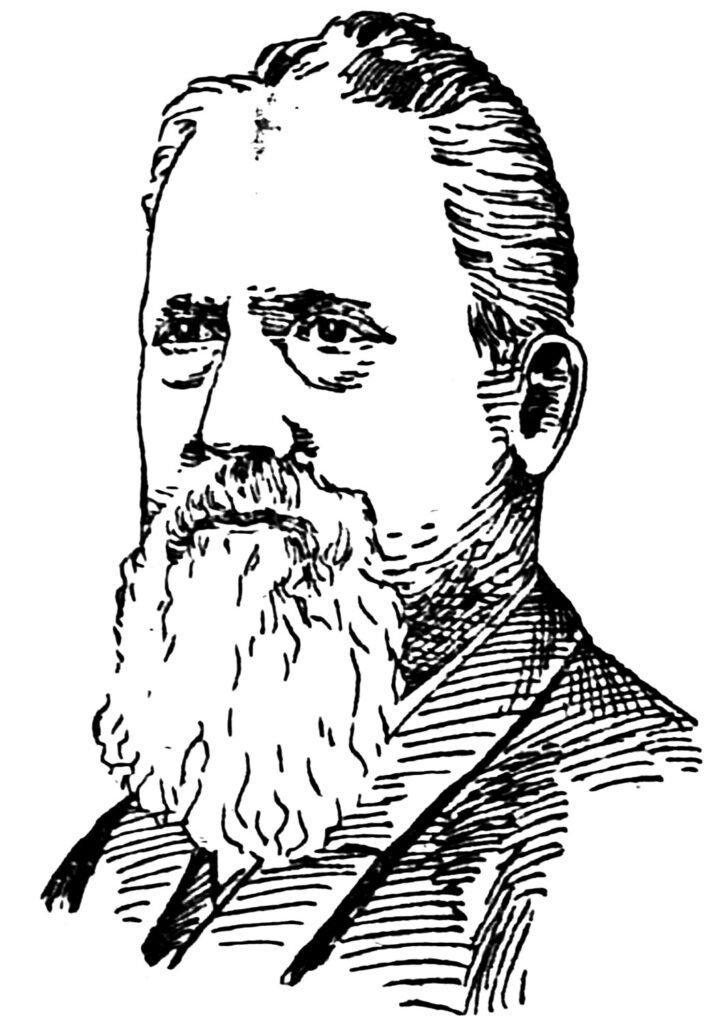
For several years, members of the Atlanta Bar Association had reportedly approached Kiser (pictured here3) with requests that he build a structure designed exclusively for law offices.45
When Kiser finally agreed to the project, the association formed a building committee that considered two designs for the structure: one by A.Mc.C. Nixon, and the winning plan by Bruce & Morgan.67
Bruce’s Approach
Although T.H. Morgan increasingly became the primary designer for Bruce & Morgan through the 1890s, A.C. Bruce still handled the majority of the firm’s output in the early part of the decade, and the Kiser Law Building appears to have been his design.
Bruce was a former cabinetmaker and carpenter who lacked formal architectural training, and by 1890, the limits of his skill set were becoming readily apparent.
Many of Bruce’s designs from the early 1890s appear heavy-handed and anachronistic: you can see he was attempting to adapt to modern tastes, but his design sensibility was still fundamentally stuck in the 1870s—the Kiser Law Building was a prime example.
Looking at the illustration above, the building resembles a stack of drawers haphazardly piled on top of each other, and oversized windows of varying shapes and sizes clutter both facades.
That additive approach to design was typical of architects with a background in carpentry, who often designed buildings as if they were giant pieces of furniture, joining disparate elements and tacking on unnecessary embellishments rather than envisioning their compositions as solid masses to be sculpted into form.
The building’s overall style is equally baffling: Bruce was presumably aiming for the Romanesque, but for all the eclectic adornments, including terra cotta trim,89a decorative slate roof with iron crestings, ornamental iron balconies, and marble columns,10 he didn’t quite achieve a cohesive style. The pyramidal peaks and elaborate gables were also becoming rapidly outdated by 1891.
As construction began, a report said the Kiser Law Building would be constructed of either Berea sandstone or marble.12 It’s Atlanta, so it appears they opted for the cheaper sandstone for most of the structure and incorporated marble trim around the entrance.13
Set over a full basement, the building’s five floors included a 16-foot-wide central hall, served by one elevator, four stairwells, and two fire escapes. A light court also extended from the top to the bottom floor, so that each of the building’s 84 offices would be lighted and ventilated from the outside.14
The building was illuminated with electric lighting and included “water closets of the latest patterns…located in the rear [heh] of every floor.15
While it was originally reported that the building would be heated by steam,1617 Kiser ultimately chose the Bolton Hot Water System, which was marketed as a “purely scientific, healthful way of heating.”18
I don’t really care enough about such things to learn more; however, the man who supervised the heating system’s installation told the Constitution: “…the larger buildings in the north have been heated by hot water apparatuses for the last ten or twelve years, yet it is practically new for the south…”19
No surprise, really: Atlanta’s self-conscious developers are always late to the game, simply replicating what was done a decade ago in the better cities of the North.
The floors of the Kiser Law Building were planned as follows:
The ground floor included spaces for four stores—the storefront at the corner of Hunter and Pryor was designated for a bank,20 and another space facing Pryor Street was planned as a restaurant.21 The entrance hallway featured marble wainscoting and tile22 and led to “four broad stairways” and “an elevator of the most approved pattern.”23
The second, third, and fourth floors were identical in design, and each contained 28 office suites—14 on each side of the central hall. The offices were finished in hardwoods and Georgia pine, with fireproof vaults and closets.2425
The fifth floor was intended to housetwo large halls “suited to the use of secret societies, public meetings and other similar purposes,”26 as well as a kitchen, storerooms, reception room, and a club room or library.27
Construction on the building began on April 8, 1890,28 with J.H. Matthews,29 “a wide-awake contractor”,30 supervising the project. The initial estimated cost of the building was $90,000, with a projected completion date of April 1, 1891.31 The cost rose to $100,000 by 1891,32 and the building was completed in August 1891.3334
Local interest in the project was high, and while construction was still underway in November 1890, Kiser had reportedly received applications from 100 lawyers seeking office space.35
Firms began announcing their intention to move to the building in early 1891,36 and in June 1891, George W. Adair, who handled leasing for the property, reported: “The Kiser law building is nearly ready for occupancy, which is good news to those who have already selected their rooms, and others that are waiting for its completion.”37
Their lease agreements should have included the following caveat: the only thing slimier than a lawyer is an Atlanta developer.
The Terminal Debacle
In July 1891, Kiser leased nearly the entire law building—including the top four floors, the corner store on the ground floor, and the full basement3839 —to a single firm: the Richmond Terminal Company, which had abruptly decided to relocate its headquarters from Washington, D.C. to Atlanta.40
The company said it intended to use the Kiser Building as temporary office space until it could build its own facility in the city,41 signing a two-year lease for the then-unheard-of sum (in Atlanta anyway) of $14,500 a year.4243
Commonly referred to as the “Terminal”, the company had previously purchased the Central Railroad and Banking Company, Georgia’s oldest railroad,44 based in Savannah. The Terminal’s new Atlanta headquarters consolidated the employees from both Savannah and Washington in a single location.
However, the Kiser Building was much too small to house the Terminal’s 250 to 300 workers,4546 and one executive stated, “Unfortunately that building is not large enough to fully accommodate all the offices, but we will try to make do.” Kiser said of the negotiation: “…the trouble was they wanted more room, but finally concluded they could get along by adding the corner room and the basement.”47
The Terminal’s hasty relocation to Atlanta was more than a little suspicious, and allegations that it wasn’t “bona fide” circulated, though the company denied it.48 Atlanta’s newspapers, of course, hailed the move, with the always-bloviating Constitution prognosticating:
“A grand new depot and office building. That is the inevitable result.
The bringing of these offices to Atlanta is a bigger thing than might appear at first glance. This naturally makes Atlanta the center of the railroad situation of the south, and, as Atlanta is now the insurance center, it becomes beyond question the financial center of the south.”49
The lawyers who already selected offices in the Kiser Building just had to suck it, I guess. The Odd Fellows probably weren’t too thrilled either: the Constitution reported in July 1891 that “about ten days ago they selected the fifth floor of the Kiser building and immediately rented it as an Odd Fellows’ hall. Then the Terminal people came along and wished the place.”50
Anyone who knows how shit goes down in Atlanta could guess what happened next: Just six months after the Terminal employees began working in the Kiser building, the Central Railroad was forced into receivership by a local judge.5152
Rumors of the Terminal’s financial difficulties and potential bankruptcy had swirled around Atlanta for months, spurred by the resignations of top executives and directors who had reportedly been battling for control of the company.5354
There was also the time in January 1892, when the company apparently lacked the funds to pay its employees, delaying their paychecks for more than a week,55565758 a situation charitably described as “embarrassing.”59
The final blow was delivered in a lawsuit filed by a stockholder against the company, alleging that, among other things, the Terminal’s owners were conspiring to transfer $500,000,000 in debt onto the Central Railroad, “which it [could] never pay,”6061 presumably with the intent to bankrupt it. Sounds like business as usual for an American enterprise.
Under the rules of the receivership, the Central Railroad’s 74 employees62 returned to Savannah,6364 and while it initially appeared that the remaining Terminal employees would stay in Atlanta, they were ordered back to Washington in June 1892, leaving the Kiser Building nearly vacant.6566The company hired George W. Adair to sublet the building,67 which was filled with lawyers as originally planned.68
Kiser Law Building circa 1936
The Inevitable Demise
Office structures tend to fall out of fashion quickly, and in 1930, the Journal said of the Kiser Law Building: “…the lawyers, loan brokers, and trade representatives [have] shifted to more modernly equipped buildings…”, noting that, “storms of nearly half a century have raised havoc with the structure and its artistic domes, its oriel windows, and its ornamental trimmings.”69
By 1936, the Kiser Law Building was reportedly “almost empty except for a store or two on the sidewalk.”70 No one seemed too upset when the structure was demolished in November and December 1936 for—take a wild guess—a parking lot.717273
The Article
Bruce & Morgan. Kiser Law Building (1891-1936). Atlanta.
Major M.C. Kiser’s “Law Building” will be one of the handsomest buildings in the south, and when finished will be one of Atlanta’s greatest attractions.
The Constitution gives here an excellent cut of the building, made from the drawings of Bruce & Morgan, the architects. The uses to which the building are to be put have been fully explained in these columns.
The building will be erected at the corner of Pryor and Hunter streets, fronting on Pryor, and will be five stories in height. It will be devoted to offices for lawyers, with clubrooms for a Lawyers’ club. It will be just as complete as possible, an ideal building in every respect.74
References
Illustration credit: Atlanta in 1890: “The Gate City”. Atlanta: The Atlanta Historical Society, Inc. (1986), p. 62. ↩︎
“M.C. Kiser Dead”. The Atlanta Constitution, December 1, 1893, p. 5. ↩︎
Illustration credit: “The Programme For Today Is Here.” The Atlanta Constitution, August 14, 1890, p. 5. ↩︎
“The Kiser Building”. The Atlanta Constitution, January 26, 1890, p. 19. ↩︎
“Kiser’s Law Building.” The Atlanta Constitution, April 8, 1890, p. 7. ↩︎
“The Kiser Building”. The Atlanta Constitution, January 26, 1890, p. 19. ↩︎
“Kiser’s Law Building.” The Atlanta Constitution, April 8, 1890, p. 7. ↩︎
“The Kiser Building”. The Atlanta Constitution, January 26, 1890, p. 19. ↩︎
“History In Clay.” The Atlanta Constitution, May 15, 1892, p. 3. ↩︎
“Kiser’s Law Building.” The Atlanta Constitution, April 8, 1890, p. 7. ↩︎
Bruce & Morgan. Cherokee County Courthouse (1892-1895). Murphy, North Carolina.
The Background
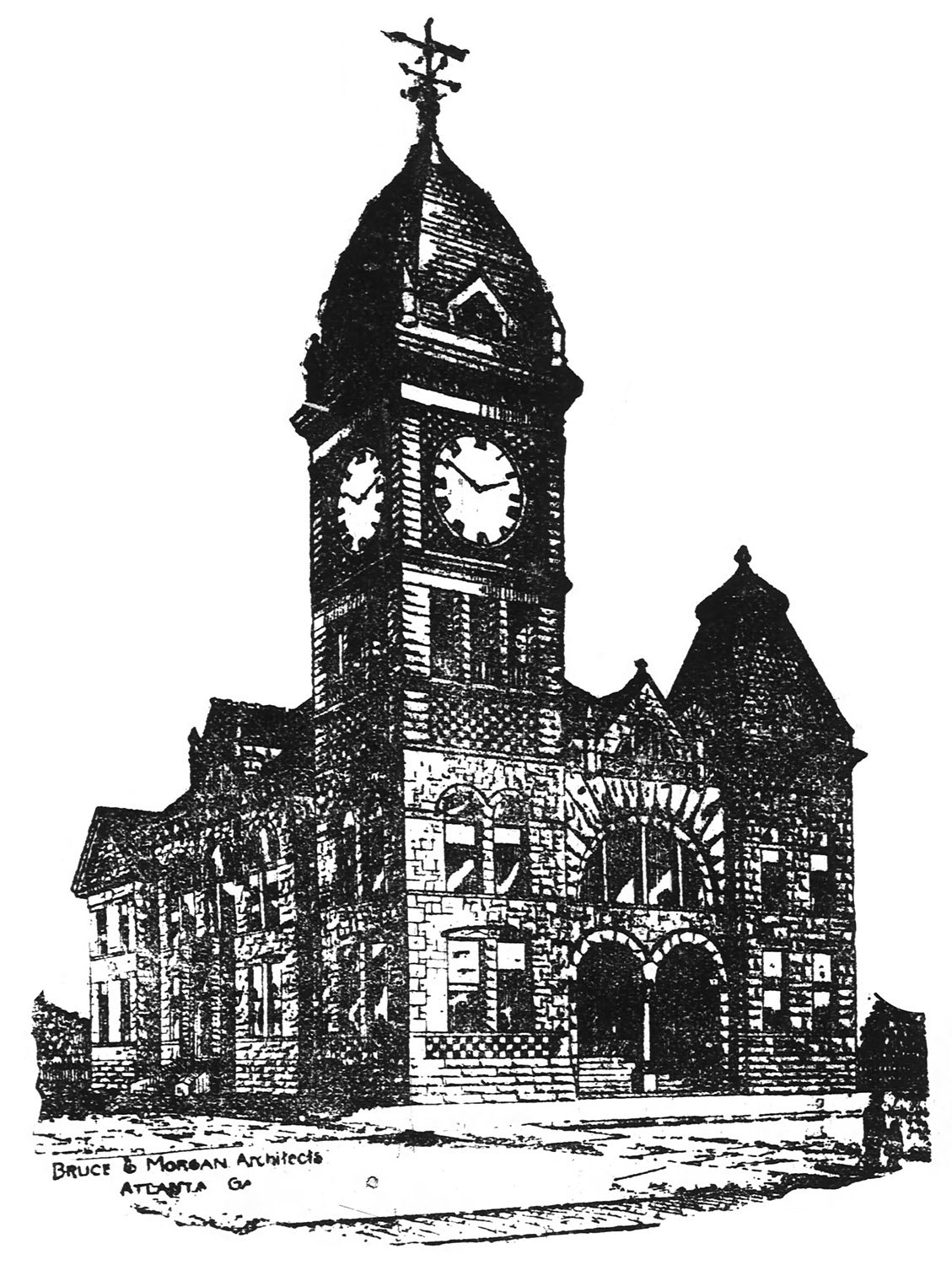
The following article, published in The State Chroniclein March 1890, includes an illustration and a description of the Cherokee County Courthouse in Murphy, North Carolina, designed byBruce & Morgan.
A vernacular interpretation of the Romanesque Revival style, the building depicted in the illustration appears to be a competent effort by A.C. Bruce, and an updated version of his plan for the Newton County Courthouse in Covington, Georgia, completed in 1884.
The only questionable elements in the otherwise cohesive composition are the odd pediment and oversized half-round window above the entrance portico. This wasn’t an exceptional design, by any means, but generally well-proportioned and tastefully executed.
Location of Cherokee County Courthouse
The article states that the county’s leaders were unsure whether the courthouse should be built of brick with marble trimmings or “an entire marble face,” a preposterous question for a rural jurisdiction in the Deep South.
Marble was so cost-prohibitive in the late 19th century that even Atlantans couldn’t afford it as a primary building material, much less the inhabitants of a dirt-poor county in the hills of Carolina.
Unsurprisingly, the finished courthouse was built primarily of pressed brick, while the foundation and steps were composed of marble.1 The initial cost of the project was reported as $21,5002 by one source and $22,5753 by another, but other reports estimated it at $40,000.456
It’s difficult to find a definitive completion date, but the cornerstone was laid in July 1891,7 and most sources say it was finished in 1892, which is a reasonable timeframe.
Despite this article’s claim that the courthouse would “stand the storm of ages”, the building was destroyed by fire on December 13, 1895,8 less than four years after its completion, although the outer walls were left intact.9
In early 1896, Bruce & Morgan were hired as architects for the building’s replacement,10 and it appears they essentially replicated the previous design.
The rebuilt courthouse was also destroyed by fire on January 16, 1926,1112and replaced with an entirely new structure.1314
So much for it being “a monument for centuries to come.”
Murphy’s New Court House.
The State Chronicle is glad to be able to present to its readers to day a picture of the new Court House which the Commissioners and Magistrates of Cherokee county have decided to erect at Murphy. It will be a handsome building and an ornament to the town and county, as well as its best advertisement. It is to have a face and trimmings of marble quarried from the Cherokee county quarries. Marble of almost every shade of color is found in Cherokee, and the Western North Carolina Railroad runs in such close proximity to the marble as to enable parties to load it directly from the quarries into the cars. A marble Court House will advertise this marble better than an hundred agents and an hundred newspapers. The Commissioners and Magistrates have not exactly determined whether it shall have an entire marble face, and have advertised for bids with the marble face and only with marble trimming. But they have decided to build it, and it is a decision in which the entire State is interested. It shows that we are going forward. As the Murphy Bulletin well and truly put it: “The Court House will stand the storm of ages and retain its original beauty and magnificence.” The Commissioners and Magistrates have acted wisely, and the Chronicle rejoices that a spirit of faith in the glorious future of their county has been present with them. This marble Court House will be a monument for centuries to come of the wisdom of the men now living in Cherokee.15
“Cherokee County Court House Swept By Disastrous Fire for Second Time In History, Damage Believed $100,000.” The Sunday Citizen (Asheville, North Carolina), January 17, 1926, p. 20. ↩︎
“Cherokee Courthouse Is Destroyed By Fire”. The Charlotte News (Charlotte, North Carolina), January 16, 1926, p. 1. ↩︎
“Cherokee County Court House Swept By Disastrous Fire for Second Time In History, Damage Believed $100,000.” The Sunday Citizen (Asheville, North Carolina), January 17, 1926, p. 20. ↩︎
“Start Plans For Cherokee Courthouse”. The Asheville Times (Asheville, North Carolina), January 22, 1926, p. 18. ↩︎
“New Courthouse Will Be Built In Cherokee County”. Salisbury Evening Post (Salisbury, North Carolina), January 28, 1926, p. 6. ↩︎
C. Walter Smith. PublicComfort Building at Oakland Cemetery (1899). Atlanta.
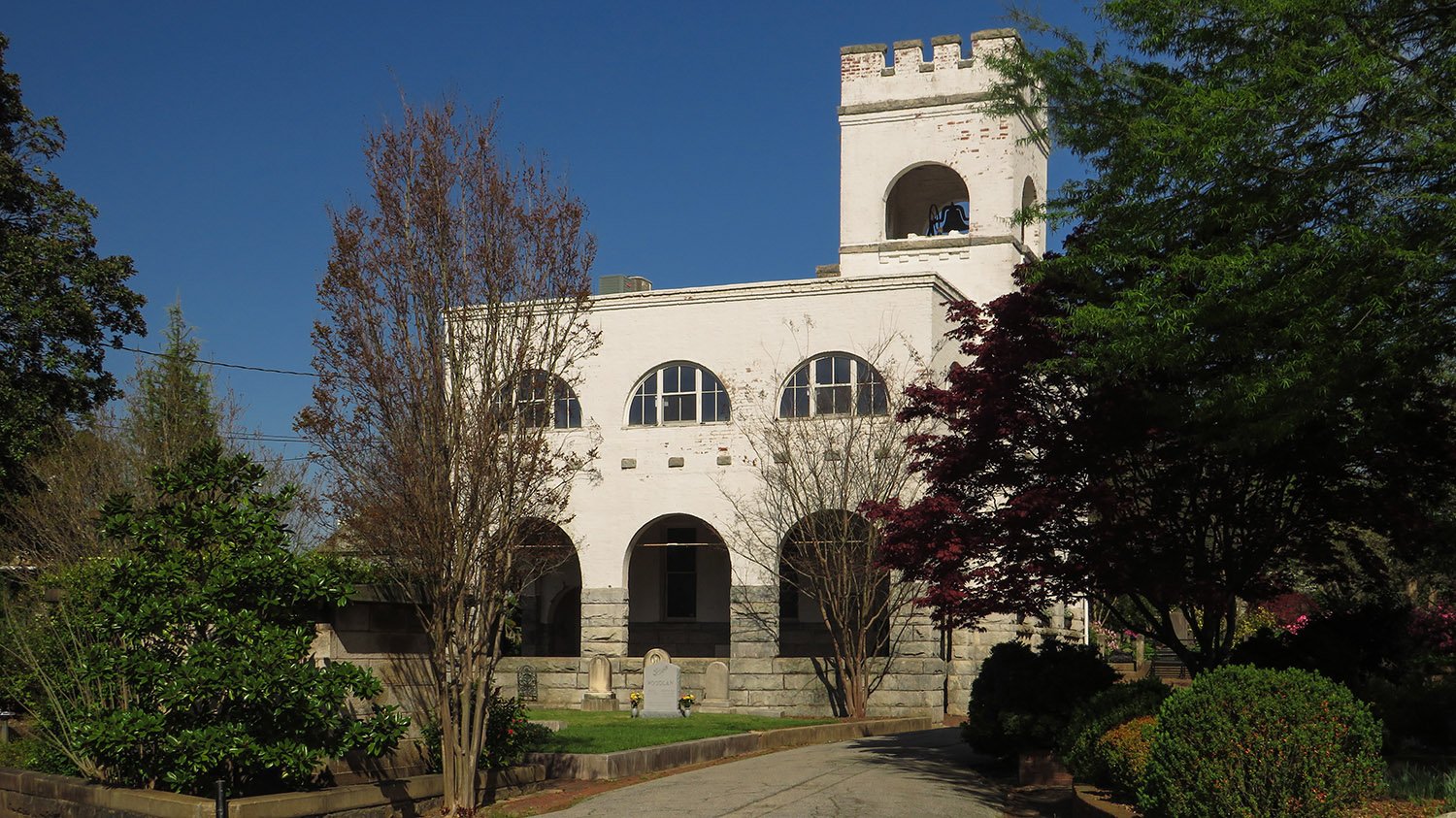
The Public Comfort Building in Oakland Cemetery is the only surviving work in Atlanta known to have been designed byC. Walter Smith (1865-1910), an architect who worked for at least seven years as a draughtsman and assistant for G.L. Norrman before embarking on a fairly unremarkable solo career.
Location of the Public Comfort Building
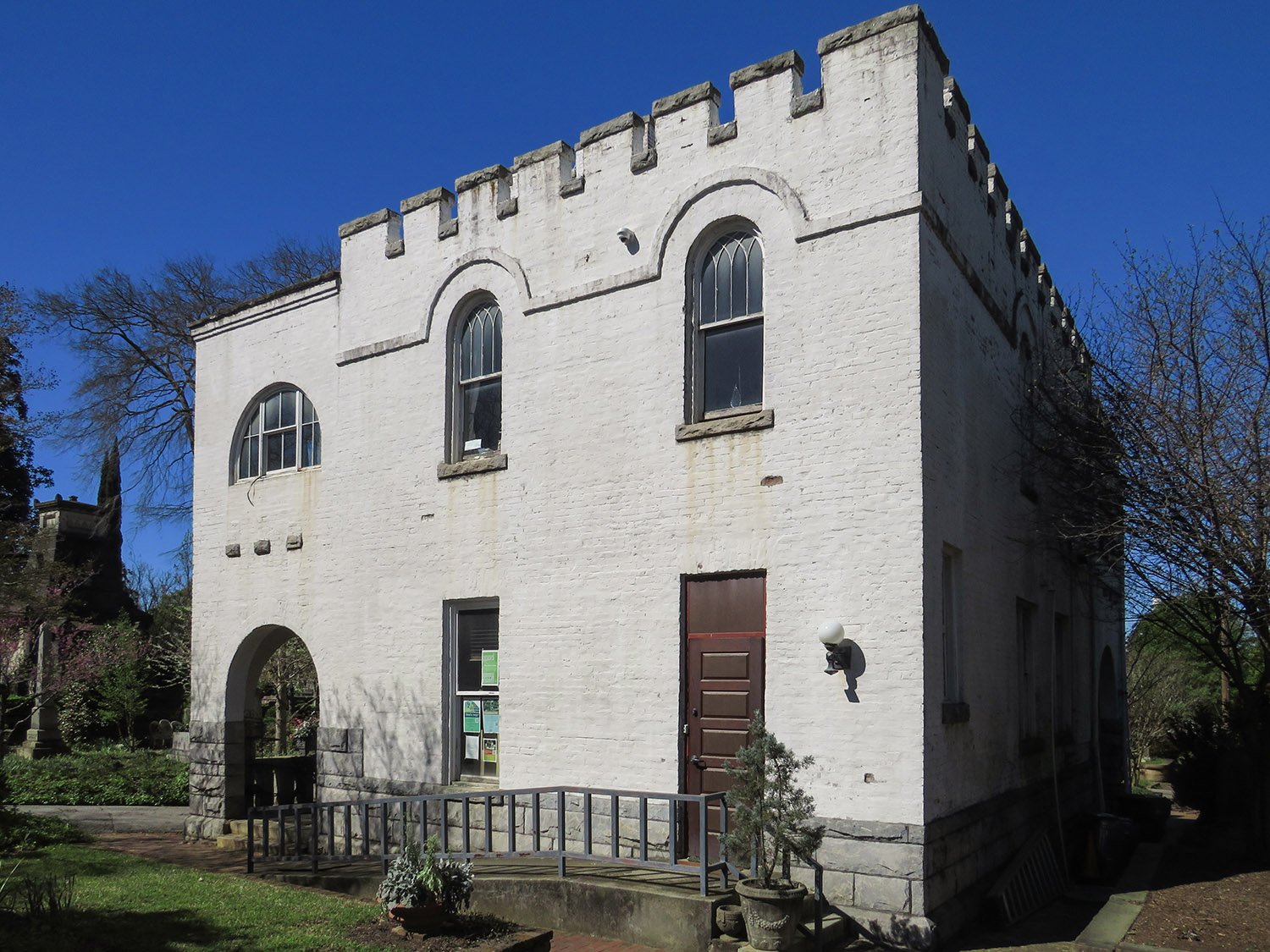
Built on a small hill in the western portion of the 48-acre cemetery, this two-story structure includes a full basement and totals2,800 square feet.1 The exterior is faced in stucco-covered brick2and rusticated granite trim, and marble flooring3 is used on the front porch and in the basement.
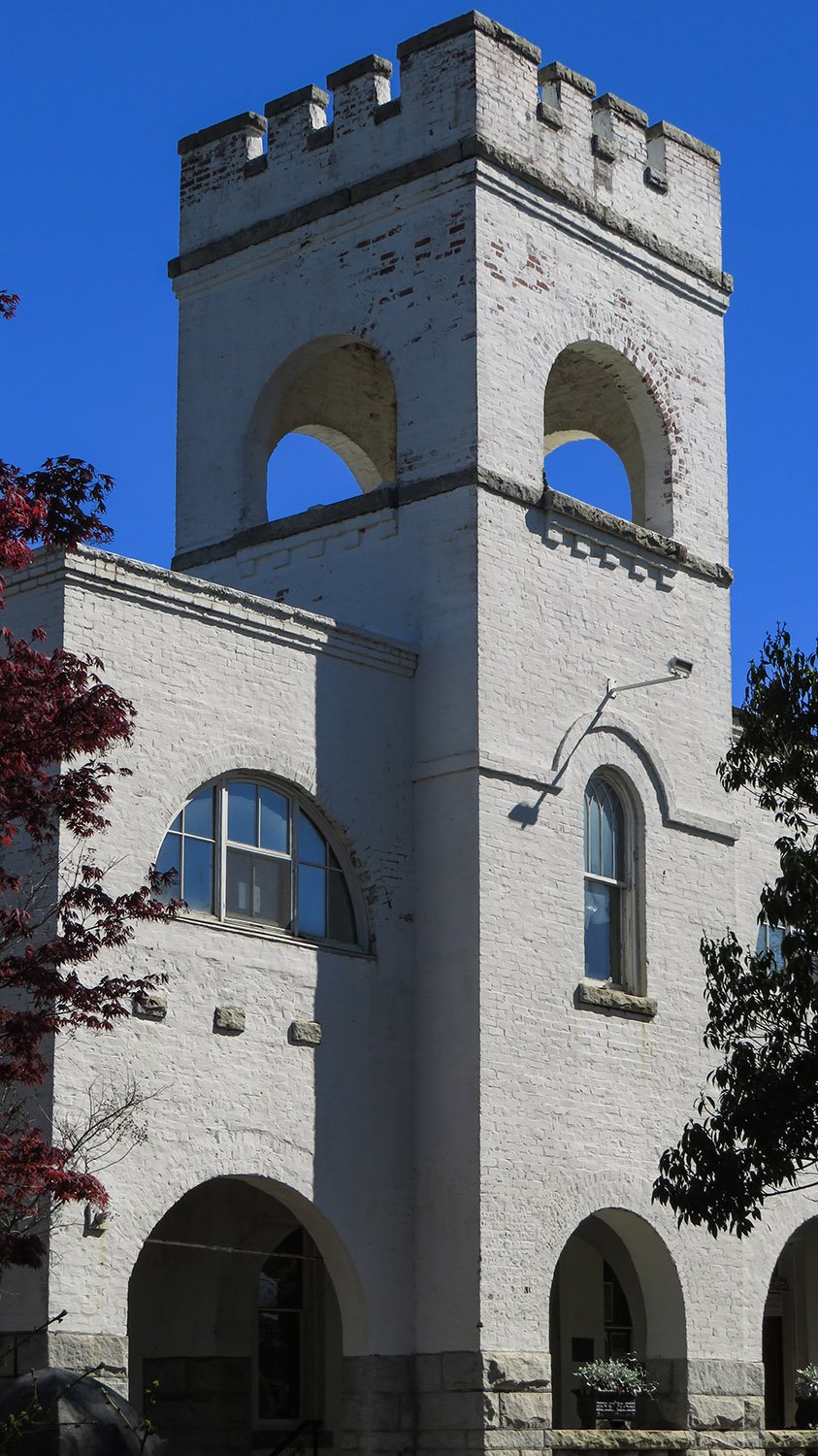
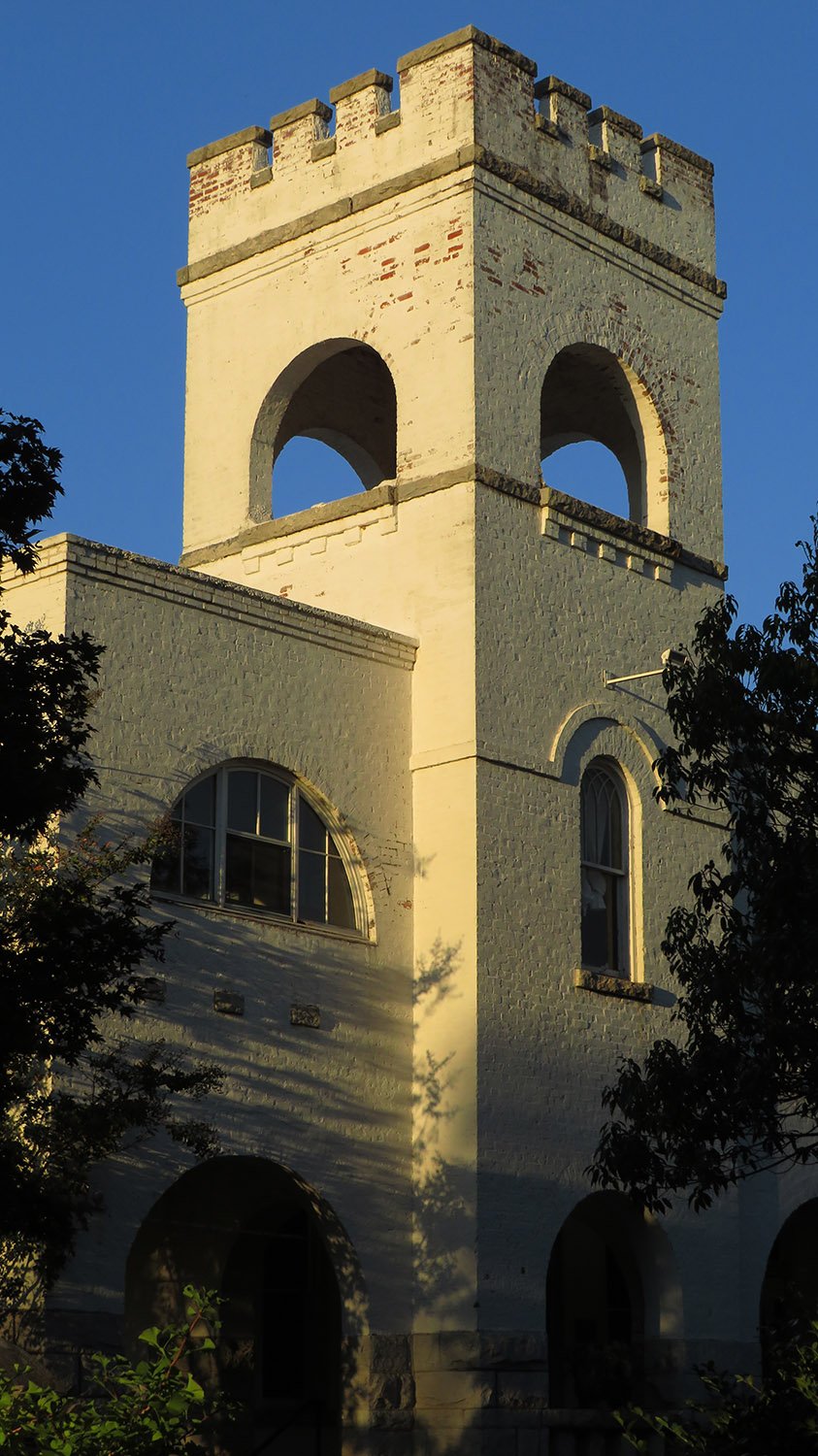
Modeled after “the old Norman and English castellated churches,“4 the building’s design can be broadly defined as Romanesque, and its focal point is a 50-foot-high crenelated bell tower,5 heavily inspired by similar designs from G.L. Norrman.
Today, Oakland Cemetery refers to the entire structure as the “Bell Tower.”
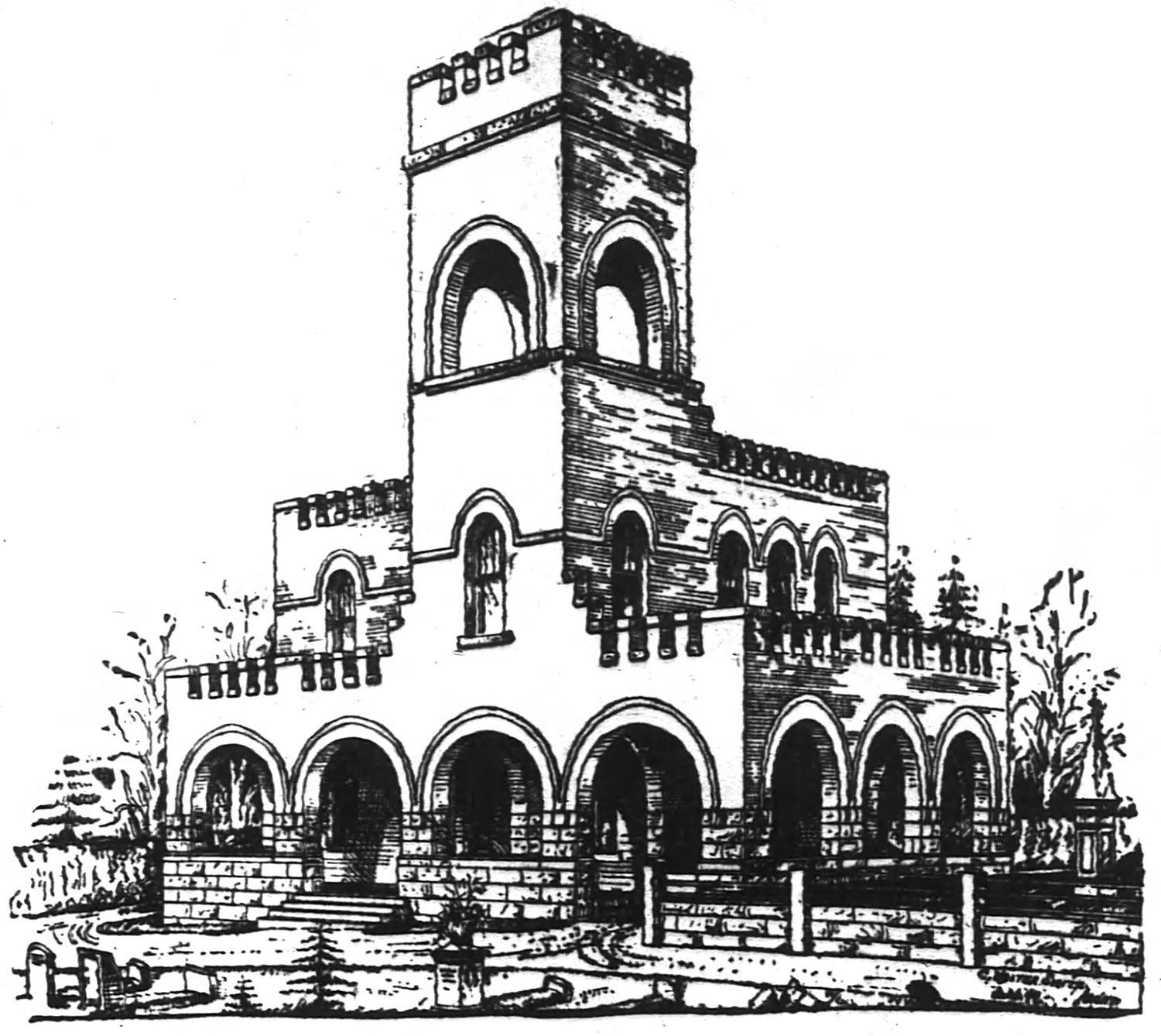
C. Walter Smith. Public Comfort Building at Oakland Cemetery (1899). Atlanta.6
An illustration from 1899 (pictured above) reveals the building’s original design: a one-story porch topped by battlements originally flanked the south facade, and a porte-cochère to accommodate wagons was attached to the east side.
Curiously, the final design was reversed, with the porte-cochère moved to the west side of the structure, likely one of “a few slight changes” announced before construction began.7
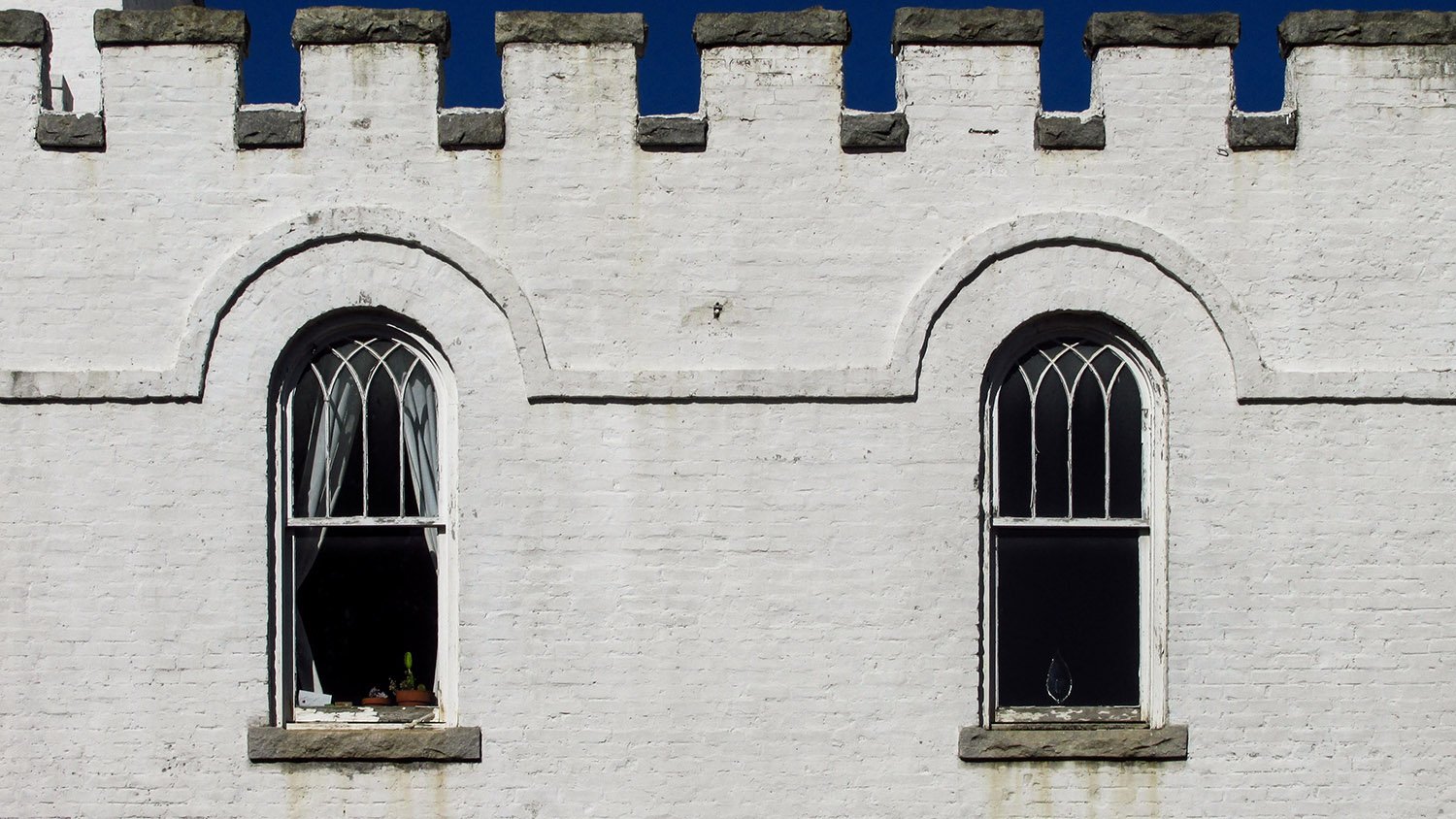
Roman arches on the porch and bell tower, and Gothic-stylearched windows on the second floor completed the appearance of a small, storybook castle—again, Smith borrowed significantly from Norrman for the aesthetic.
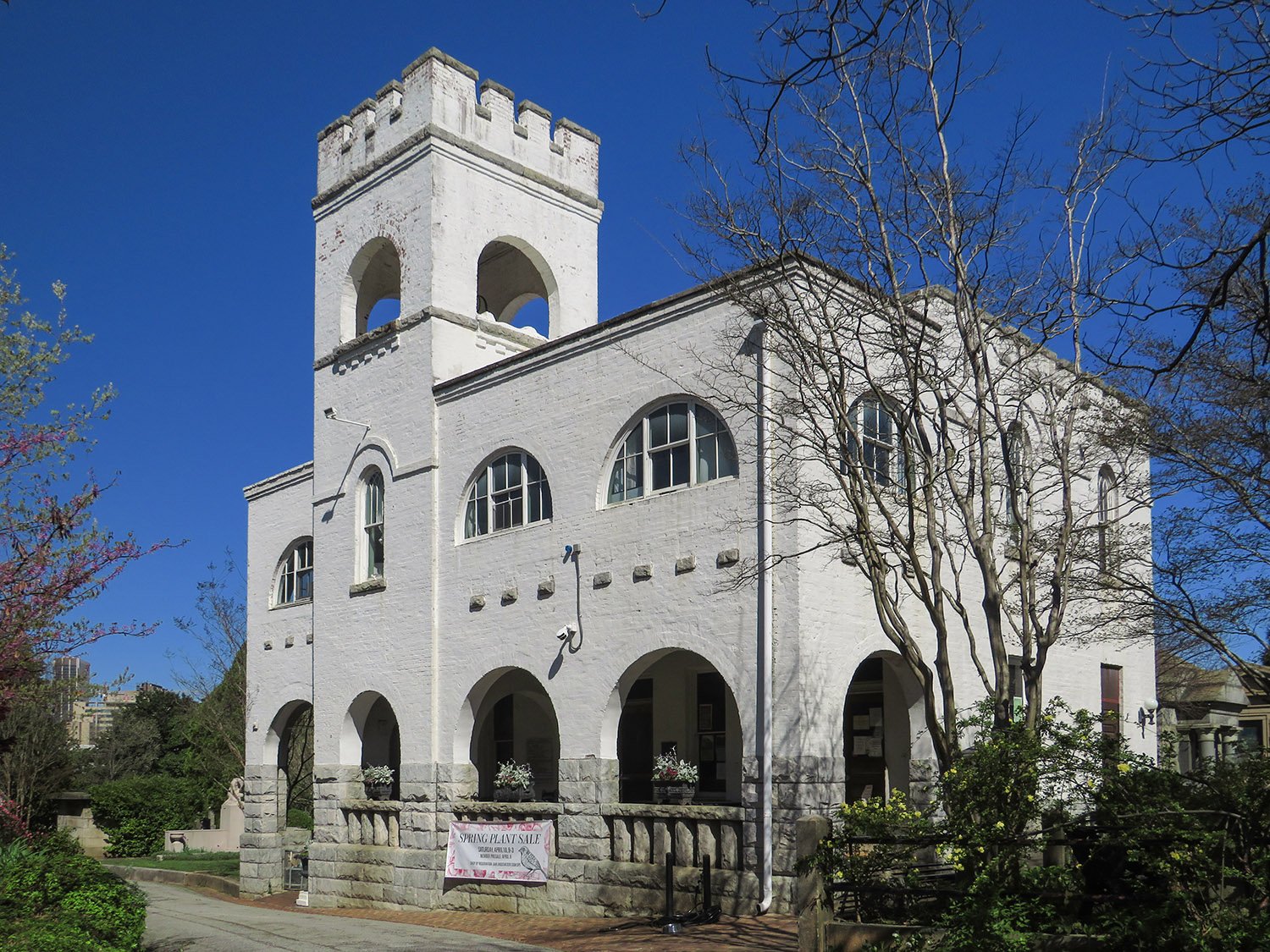
Looking at the Public Comfort Building from the southeast
In its original conception, the building was one of Smith’s better designs. Despite years of training under “the South’s most prominent architect”8—his words—Smith’s skill never came close to Norman’s high level of artistry, although his work here was at least intriguing.
Unfortunately, the initial vision was compromisedby the later addition of second-floor porchesover the front porch and porte-cochère, topped with flat roofs and punctuated by incongruent half-round openings.
I suspect the porches were added circa 1908, when the cemetery spent $5,000 on a range of improvements9 following its first annual report to the city, which requested $1,000 for “needed changes and repairs in the main building.”10
The alterations are detrimental: the upper porches add unnecessary visual mass to the structure and pull focus away from the bell tower, robbing the entire composition of the uplifting, monumental effect Smith originally intended.
West elevation of the Public Comfort Building, Oakland Cemetery, Atlanta
“Public comfort” was a polite 19th-century euphemism for restrooms, which were originally housed on the ground floor of the structure.
When the building was completed in October 1899, The Atlanta Journal delicately noted: “Here one now finds a convenience and comfort that was lacking for many years.”11 I guess early visitors just had to hold it—or maybe piss on a grave.
The building initially had six rooms, including a ladies’ parlor and an “apartment for gentlemen.” All six rooms had tiled mantels,12 which was apparently noteworthy. Two of the mantels remain intact.
The structure also included an office for the cemetery’s sexton,13 and Oakland Cemetery’s website claims the building contained a chapel, with the second floor used as the sexton’s residence. So many uses for such a small structure.
Second-floor windows on the Public Comfort Building, Oakland Cemetery, Atlanta
Despite its fanciful design, the building was, at heart, purely utilitarian, “suitable for the purposes for which it is intended,”14 as the Journal put it.
People need to pee, of course, but the building’s other raison d’être was concealed in the basement.15 The structure was built on the site of a converted two-story farmhouse16 known as the “dead house”17 —you can see where this is going.
As the Journal explained:
“There is a vault with eight catacombs and sixteen racks. This is as strong and substantial as could be made. For the retention of bodies for any length of time the catacombs will answer every purpose, as they are built to be air-tight for years to come. The racks, as a matter of course, are intended as a temporary place of keeping and are conveniently arranged. When the iron gate to the vault is locked entrance is practically impossible.”18
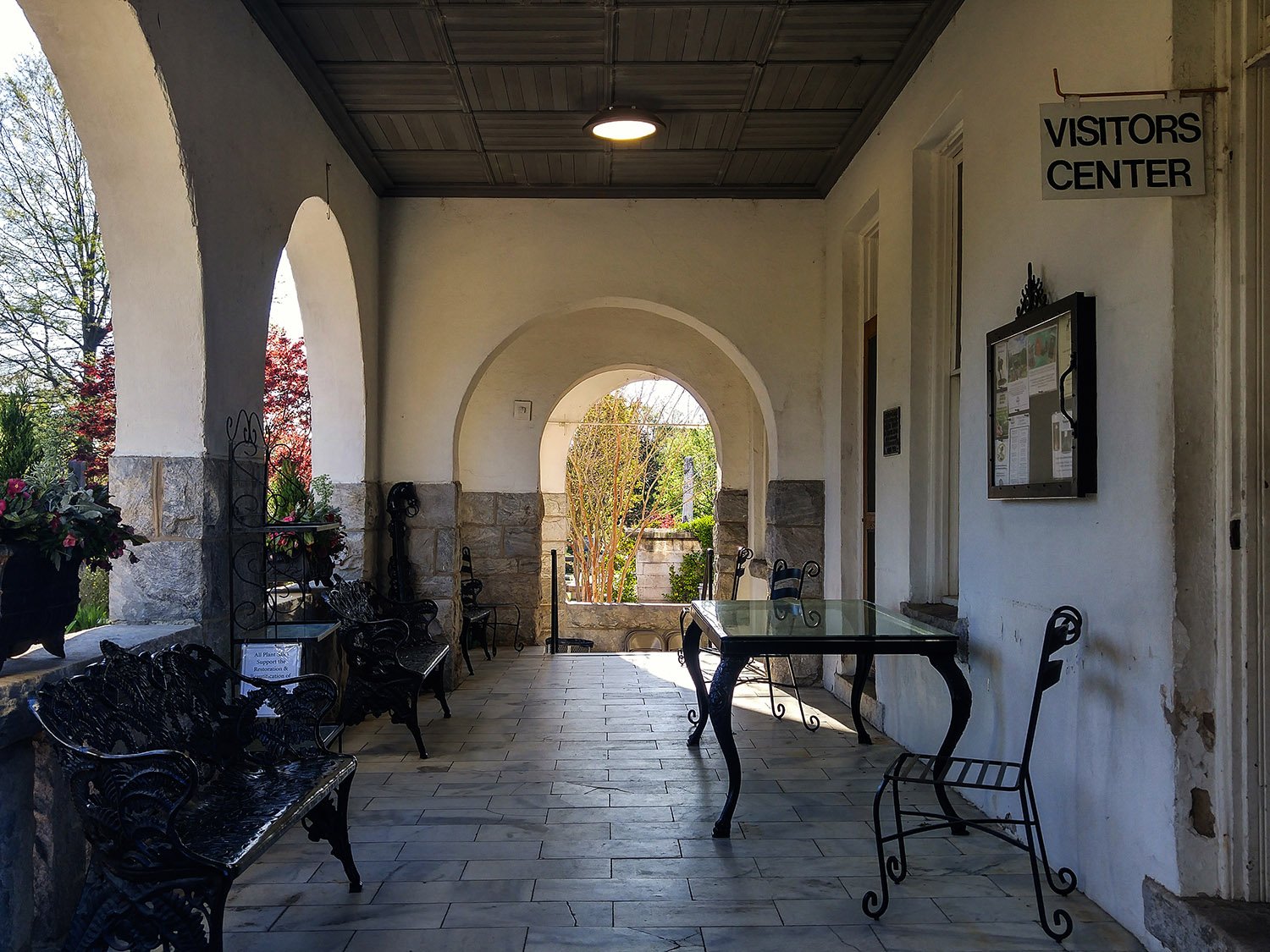
Front porch of the Public Comfort Building, Oakland Cemetery, Atlanta
Since Oakland is a public cemetery operated by the city of Atlanta, the building was funded through a city council appropriation.19 The Atlanta Building Company secured the contract with the lowest bid, and the project’s total cost was $4,600,20 with $650 spent on the stone.21
Construction on the building was initially slated to begin on April 27, 1899,22 but was apparently delayed until June and completed in four months.23
Although early plans called for one or two additional public comfort buildings in the cemetery,24 those never materialized, and this structure remained the only significant public building on site, altered many times by piecemeal repairs and additions.
When the Historic Oakland Foundation was formed in 1976 to preserve and maintain the cemetery’s historic integrity, the building became office space for the organization, with the ground floor converted into a small visitors center,25 a function that it served for decades.
East elevation of the Public Comfort Building, Oakland Cemetery, Atlanta
In 2022, as Oakland Cemetery prepared to build a much larger visitors’ center outside its main entrance, the former Public Comfort Building received a gut renovation designed by Smith Dalia Architects, Atlanta’s finest firm for the adaptive reuse of historic structures.
The project included tearing out the hodgepodge of rooms on each floor for larger, open spaces, removing god-awful windows added to the second-floor porches, and making necessary accessibility alterations, which altered a portion of the front porch.2627
The building reopened later that year28 as an event space: the fallback choice when owners don’t know what to do with a historic structure.
Bell tower on the Public Comfort Building, Oakland Cemetery, Atlanta
Following its renovation, the building now appears a little too clean and gleaming—I actually preferred it when it was worn and shabby—but it still has an undeniable anachronistic charm that’s uncommon in Atlanta.
And as one of just six known extant works by Walter Smith, it’s also a matter of curiosity, if nothing else.
Cornerstone on the Public Comfort Building, Oakland Cemetery, Atlanta
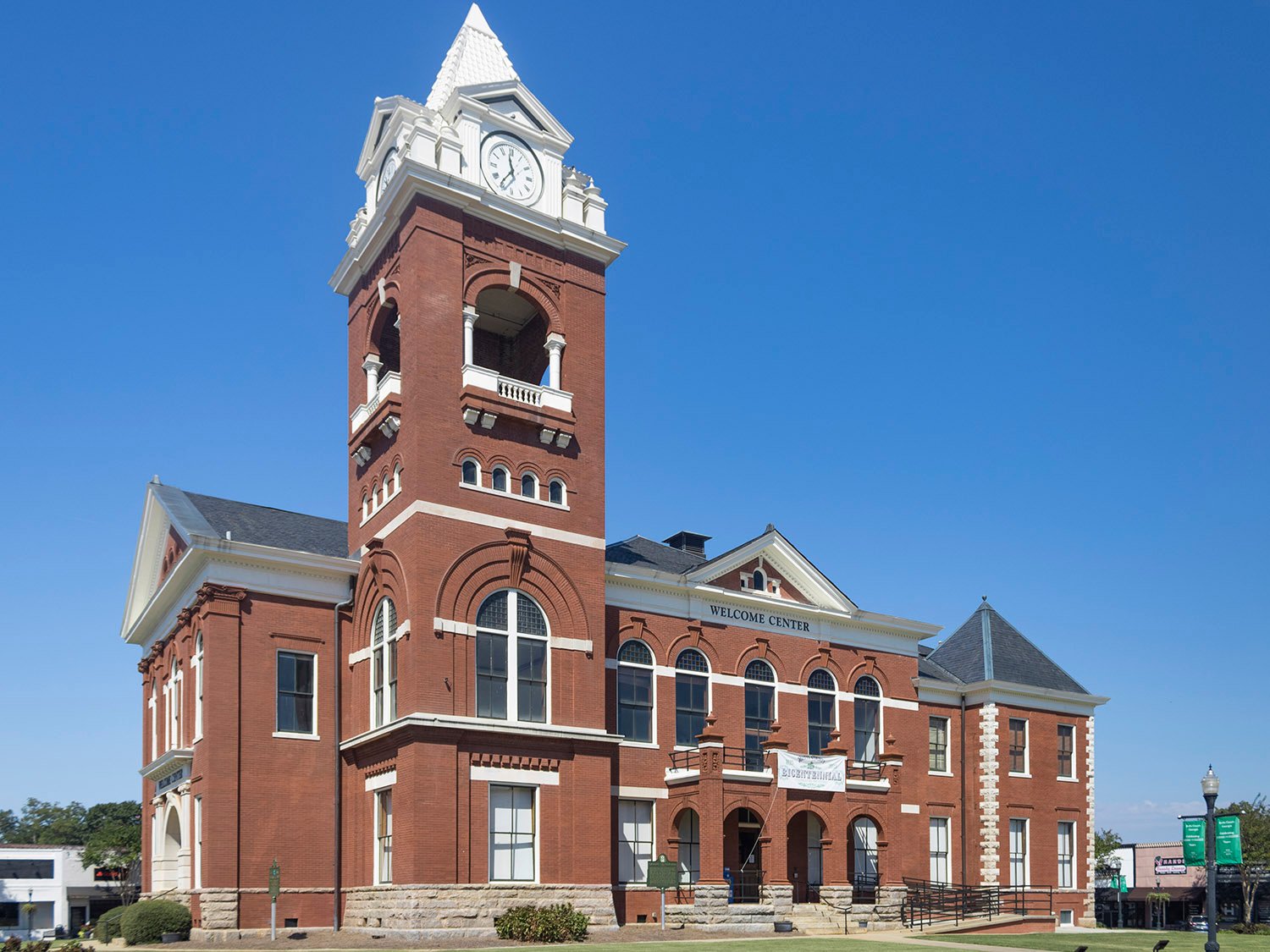
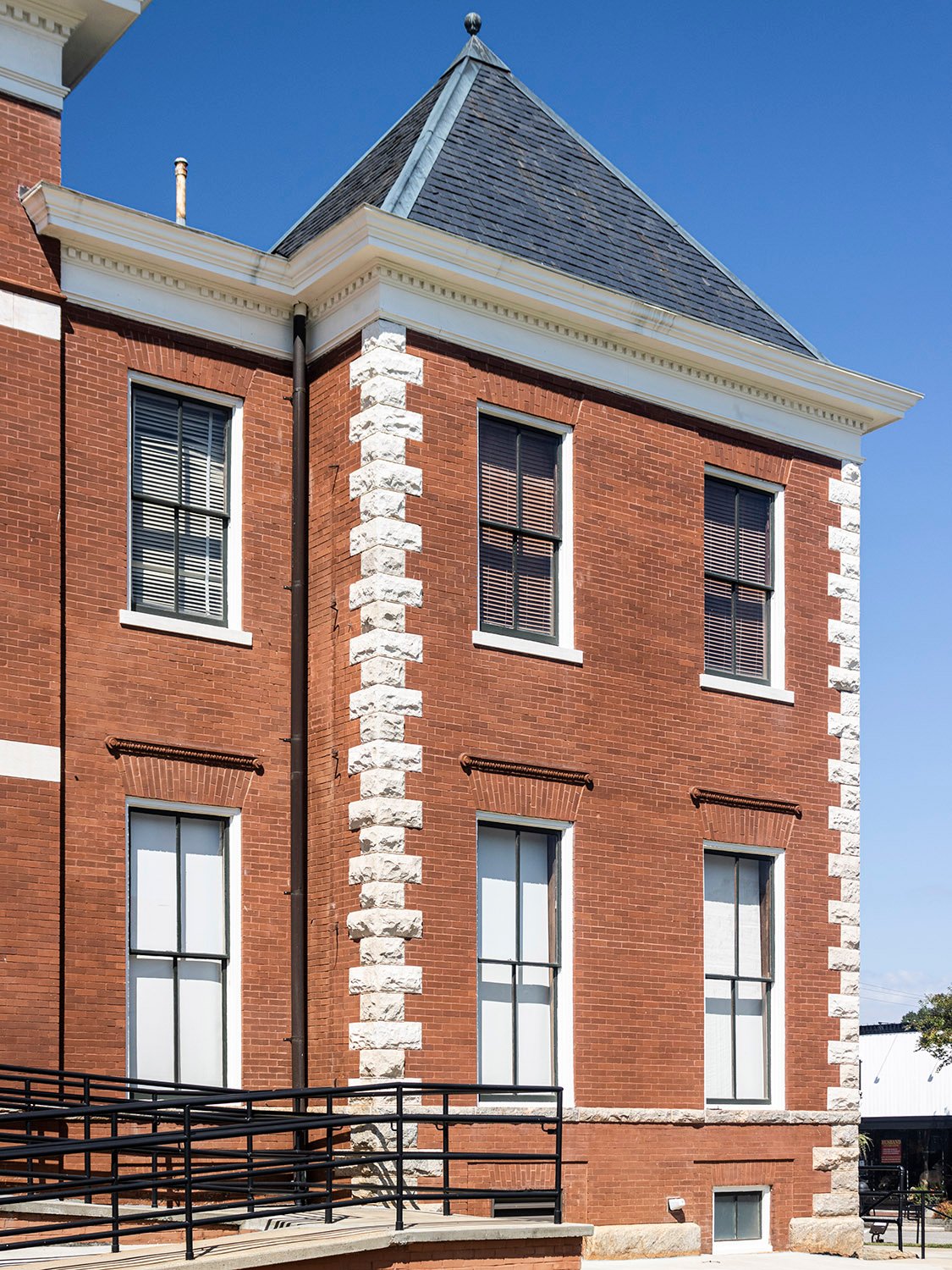
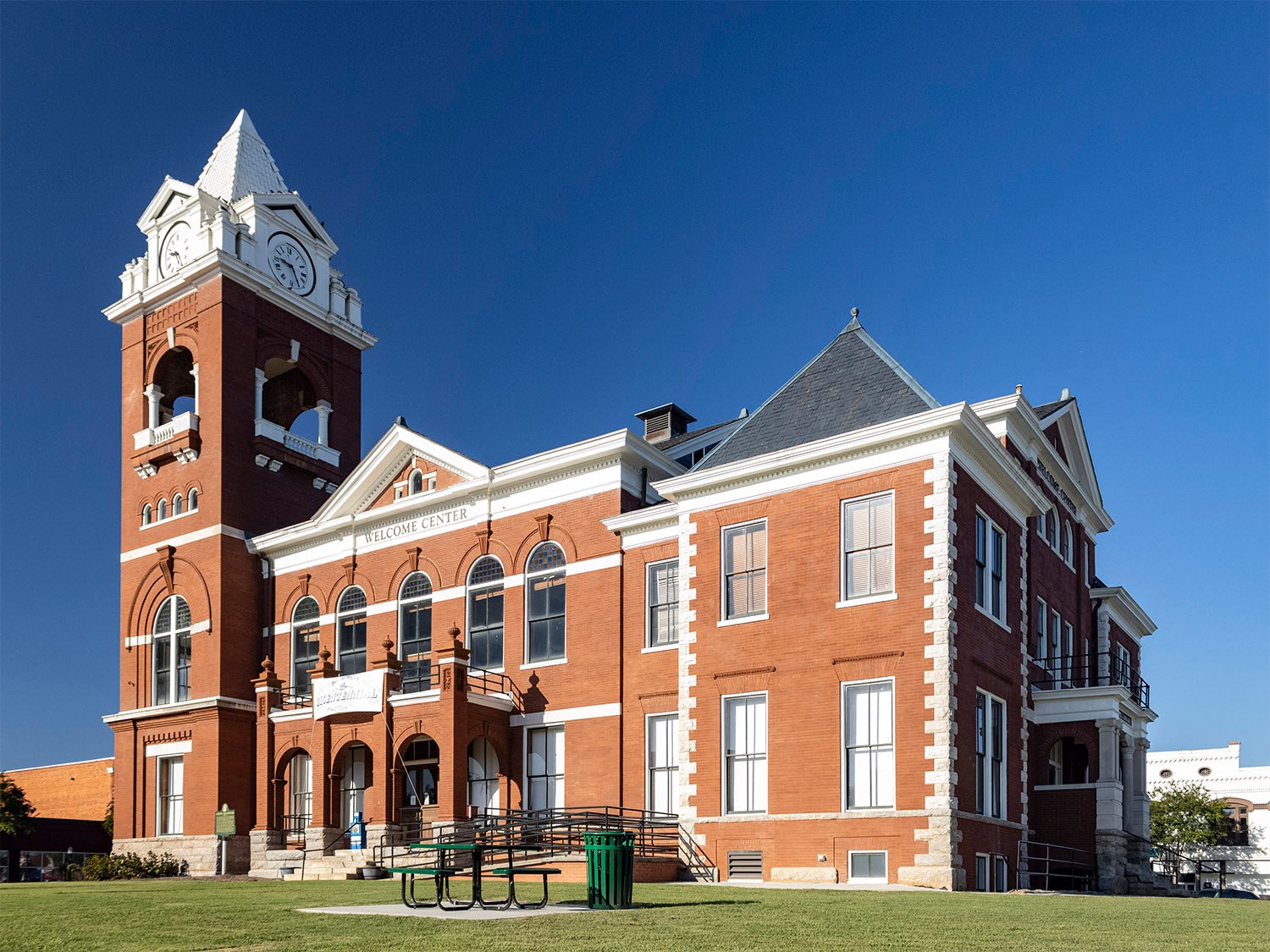
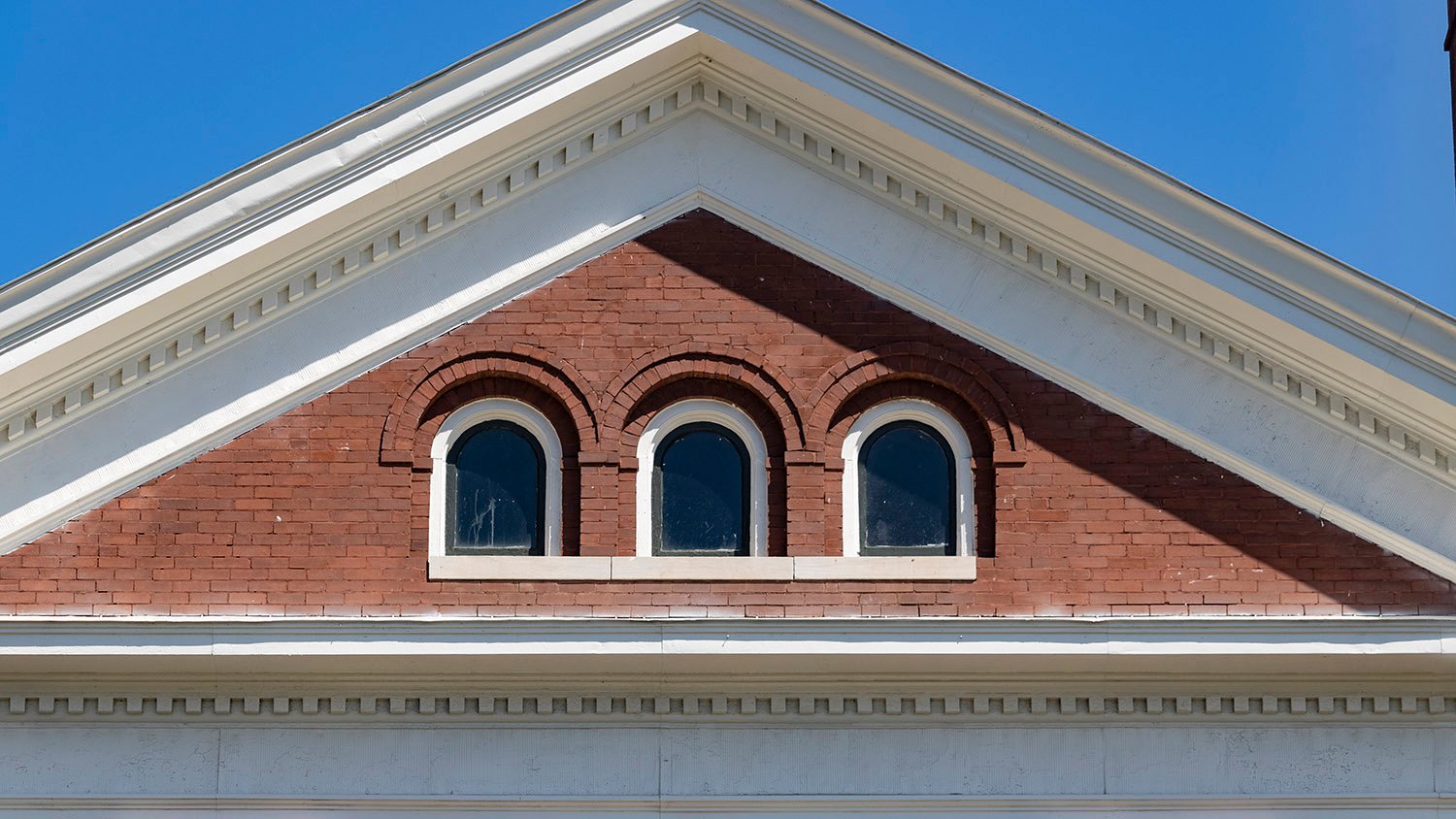
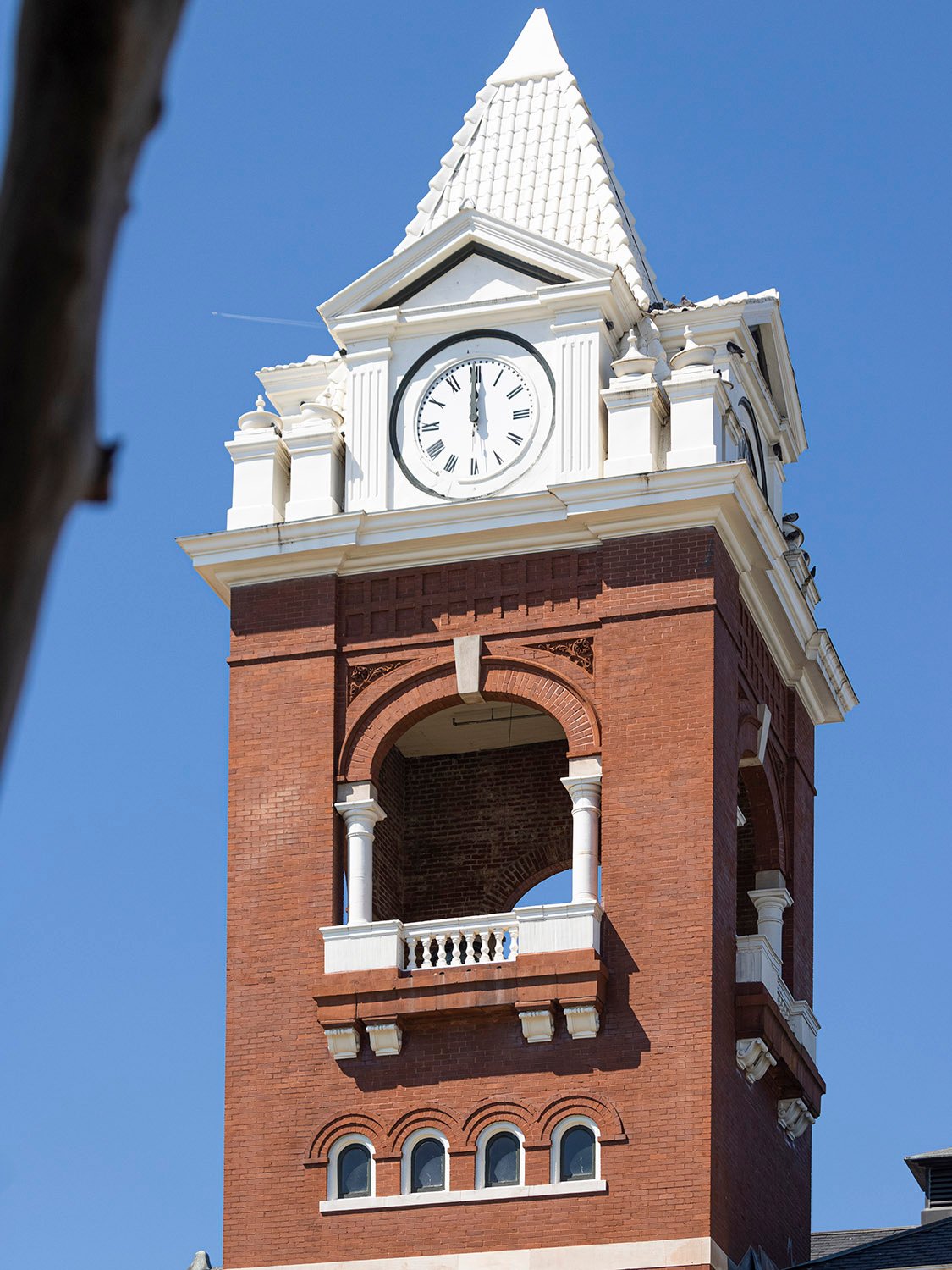
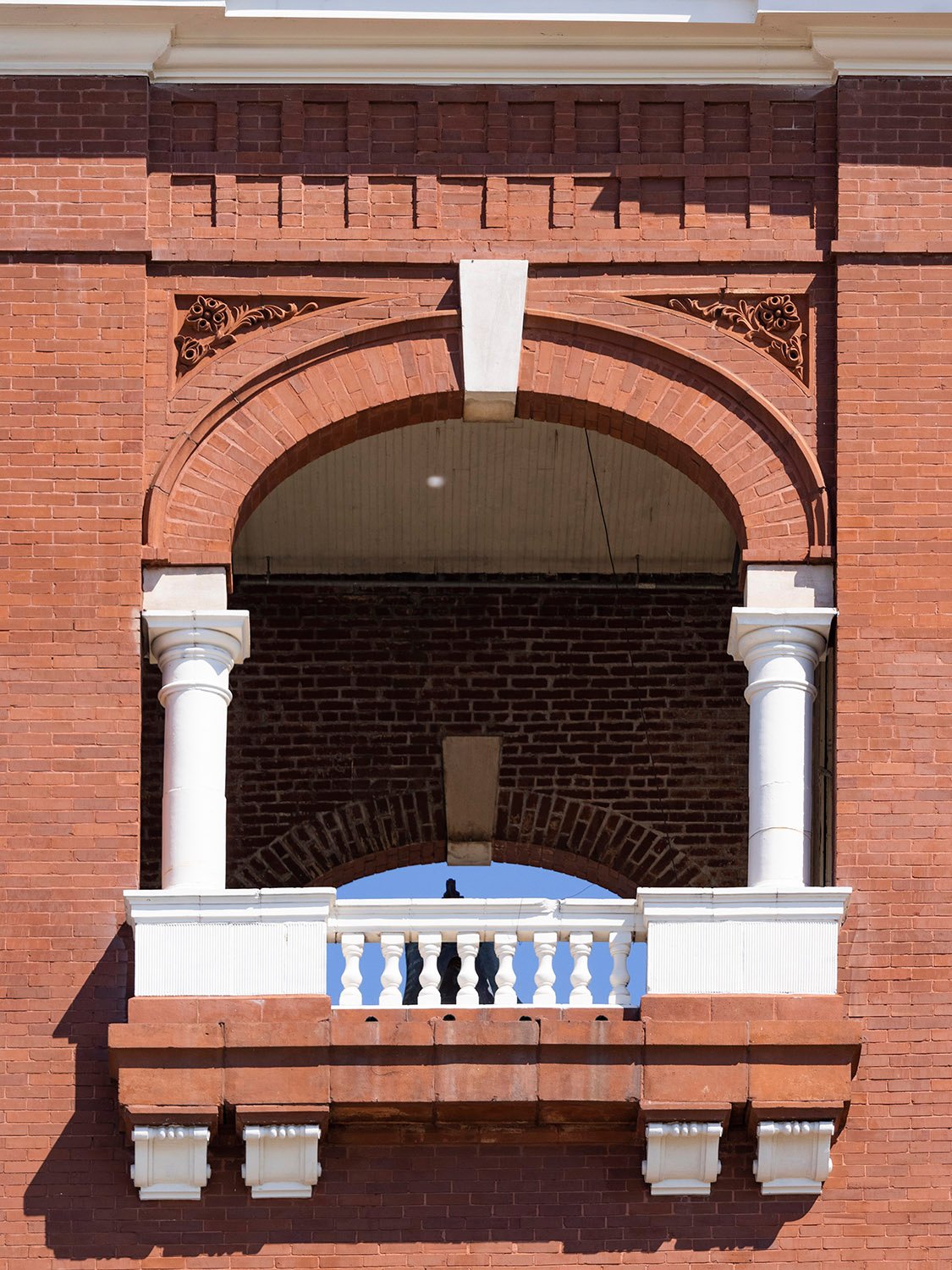
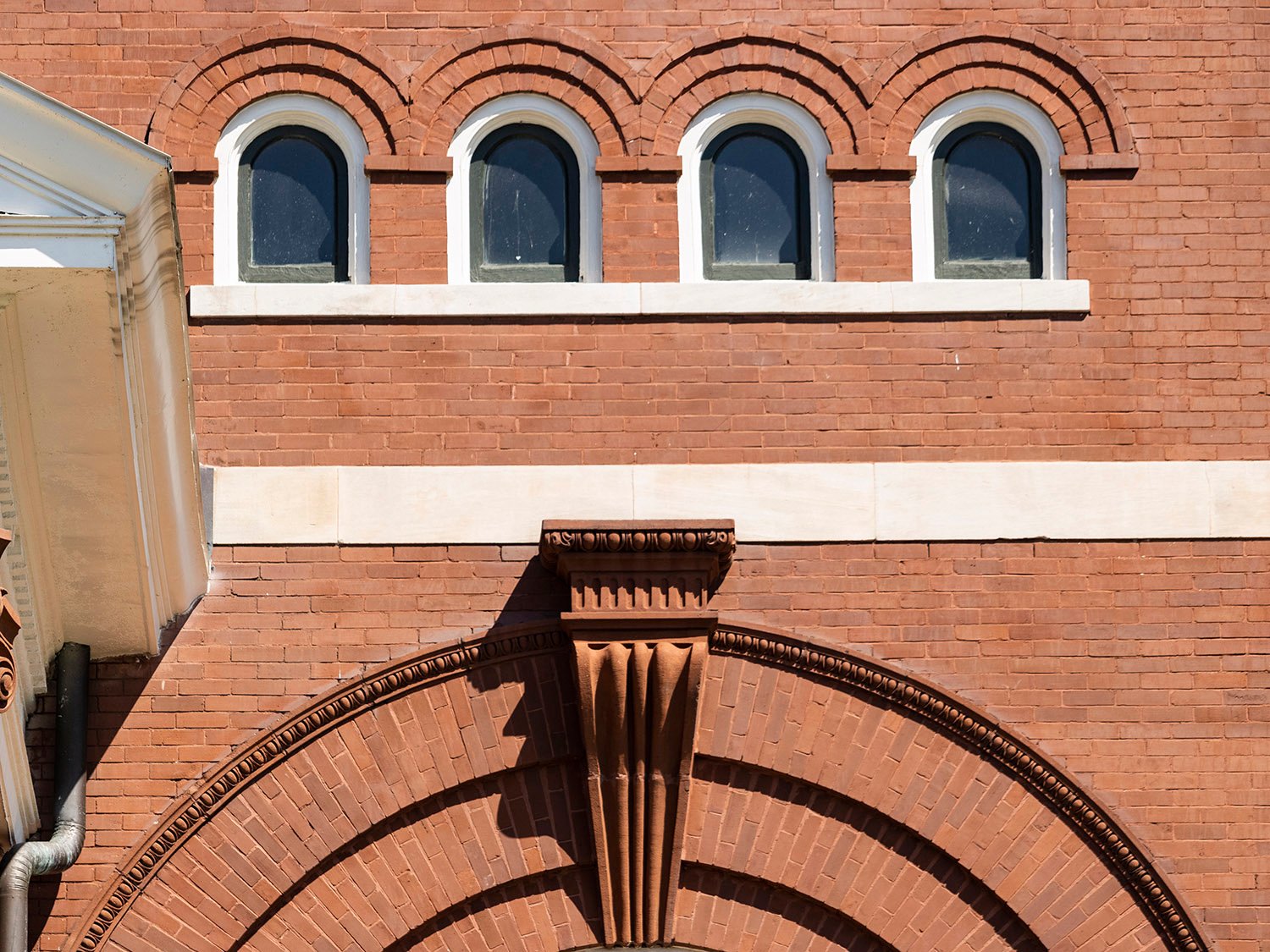
Bruce & Morgan. Butts County Courthouse (1898). Jackson, Georgia.1234Second-floor window on the tower of Butts County Courthouse, Jackson, GeorgiaEast elevation of Butts County Courthouse, Griffin, GeorgiaBay on the northeast corner of the Butts County Courthouse, Jackson, GeorgiaLooking at the Butts County Courthouse from the northeastAttic window on the south facade of the Butts County Courthouse, Jackson, GeorgiaSecond-floor Palladian window on the south facade of Butts County Courthouse, Jackson, GeorgiaEntrance on the south facade of the Butts County Courthouse, Jackson, GeorgiaTerracotta spandrel and limestone Ionic pilasters on the south facade of Butts County Courthouse, Jackson, GeorgiaArch window with terracotta keystone and terracotta Scamozzi capital on the south facade of the Butts County Courthouse, Jackson, GeorgiaTerra-cotta spandrel and limestone Ionic pilasters on the south facade of Butts County Courthouse, Jackson, GeorgiaClock tower on the Butts County Courthouse, Jackson, GeorgiaBelvedere on the clock tower of the Butts County Courthouse, Jackson, GeorgiaTiny arch windows and terracotta keystone on the clock tower of the Butts County Courthouse, Jackson, GeorgiaTerracotta and brick pediment over a first-floor window on the Butts County Courthouse, Jackson, GeorgiaTerracotta Scammozi capital on the southeast corner of the Butts County Courthouse, Jackson, GeorgiaBrick and limestone pediment over a first-floor window on the Butts County Courthouse, Jackson, GeorgiaSecond-floor arch window on the clock tower of the Butts County Courthouse, Jackson, GeorgiaPilaster with terracotta Scamozzi capital and window arch with terracotta keystone on the south elevation of the Butts County Courthouse, Jackson, GeorgiaTerracotta keystone on the front porch of the Butts County Courthouse, Jackson, GeorgiaPedestal with terra-cotta ornamentation on the front porch of the Butts County Courthouse, Jackson, GeorgiaPalladian attic window on the east facade of the Butts County Courthouse, Jackson, GeorgiaSecond-floor arch windows on the east facade of the Butts County Courthouse, Jackson, GeorgiaArch with terracotta ornamentation on the front porch of the Butts County Courthouse, Jackson, GeorgiaClock on the Butts County Courthouse, Jackson, GeorgiaPedestal with terracotta ornamentation on the front porch of the Butts County Courthouse, Jackson, GeorgiaSouthwest corner of the Butts County Courthouse, Jackson, Georgia
References
“Notice to Contractors.” The Atlanta Constitution, June 8, 1897, p. 11. ↩︎
“Butts’ New Courthouse.” The Atlanta Constitution, September 14, 1897, p. 5. ↩︎
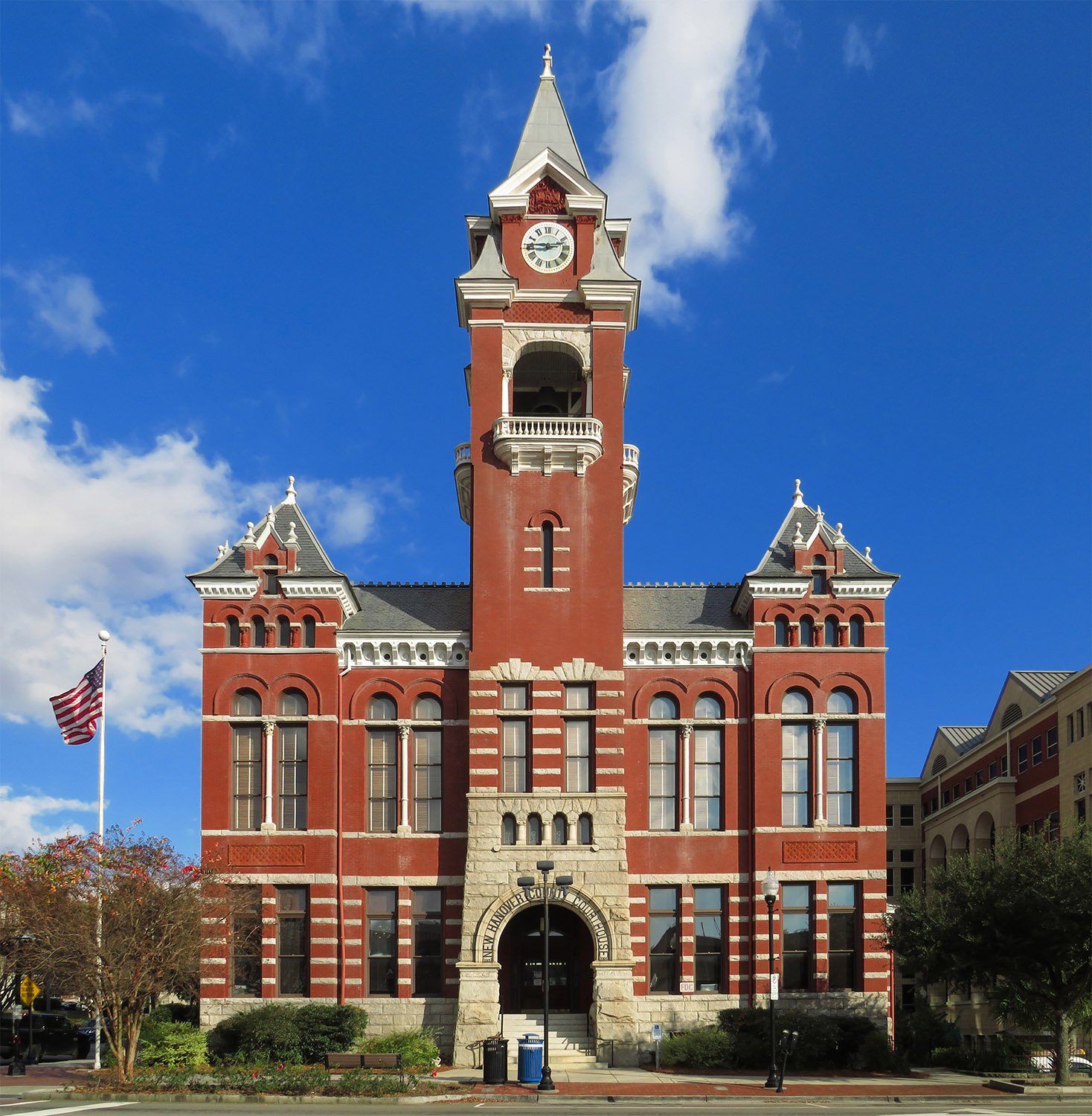
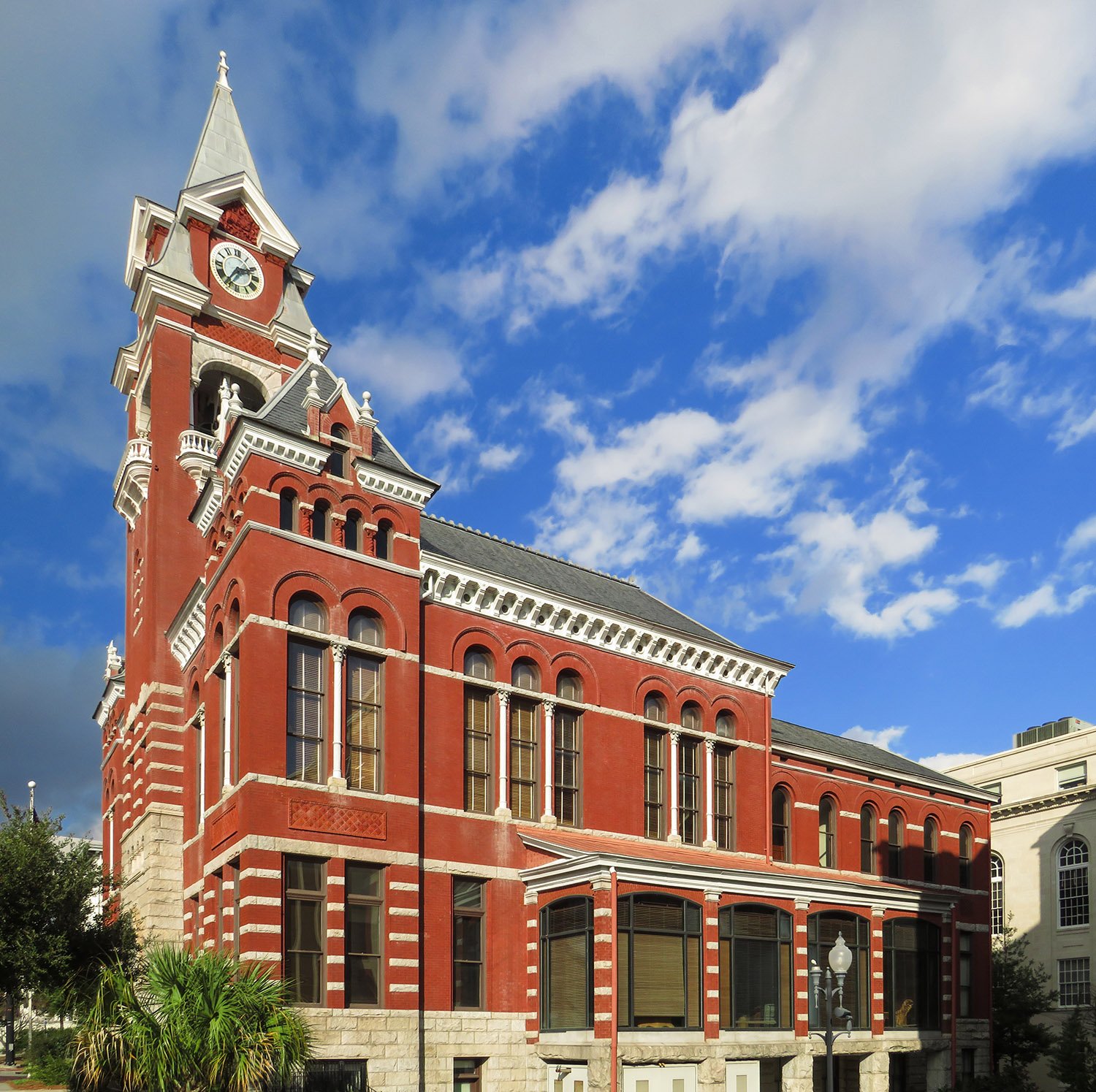
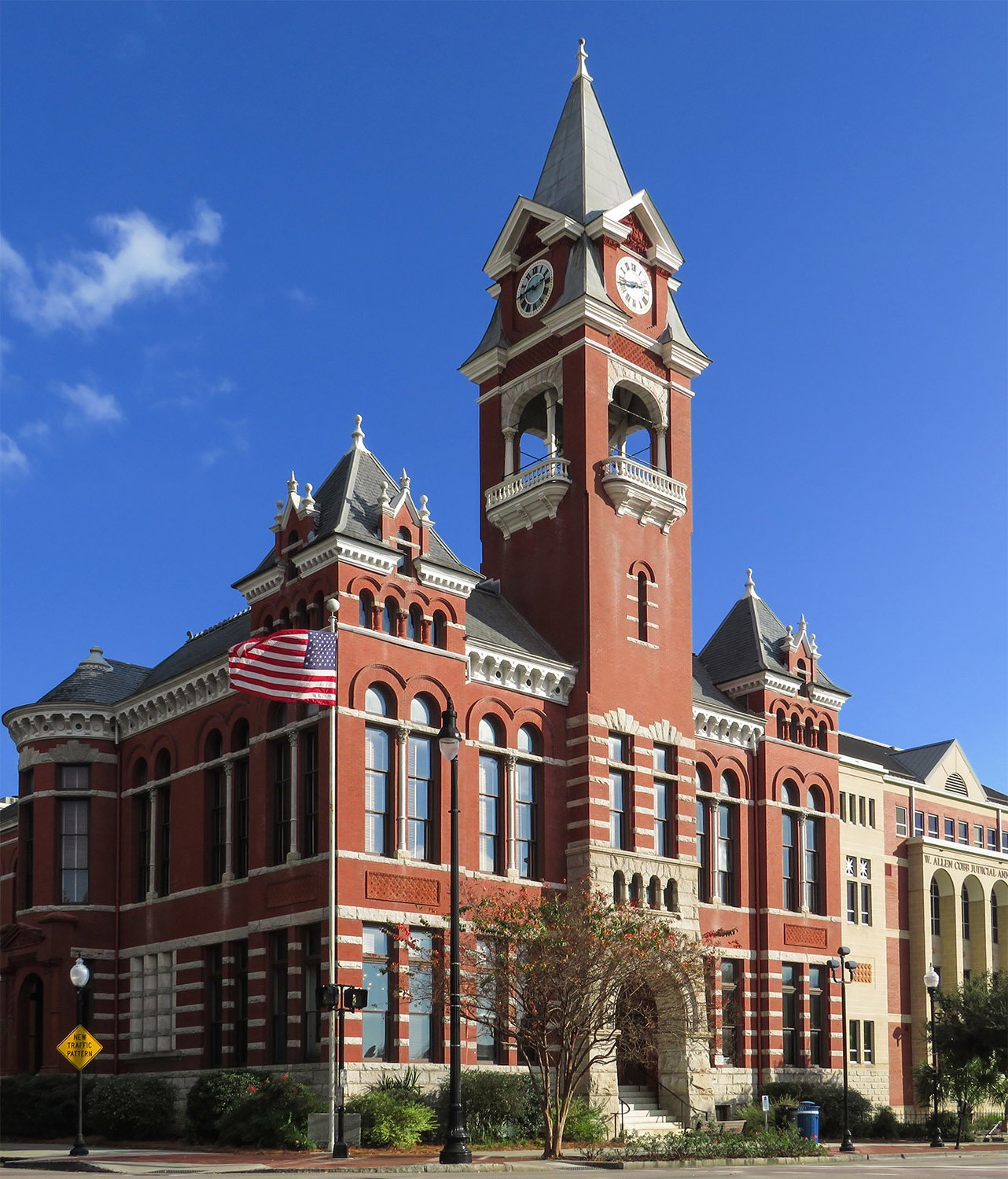
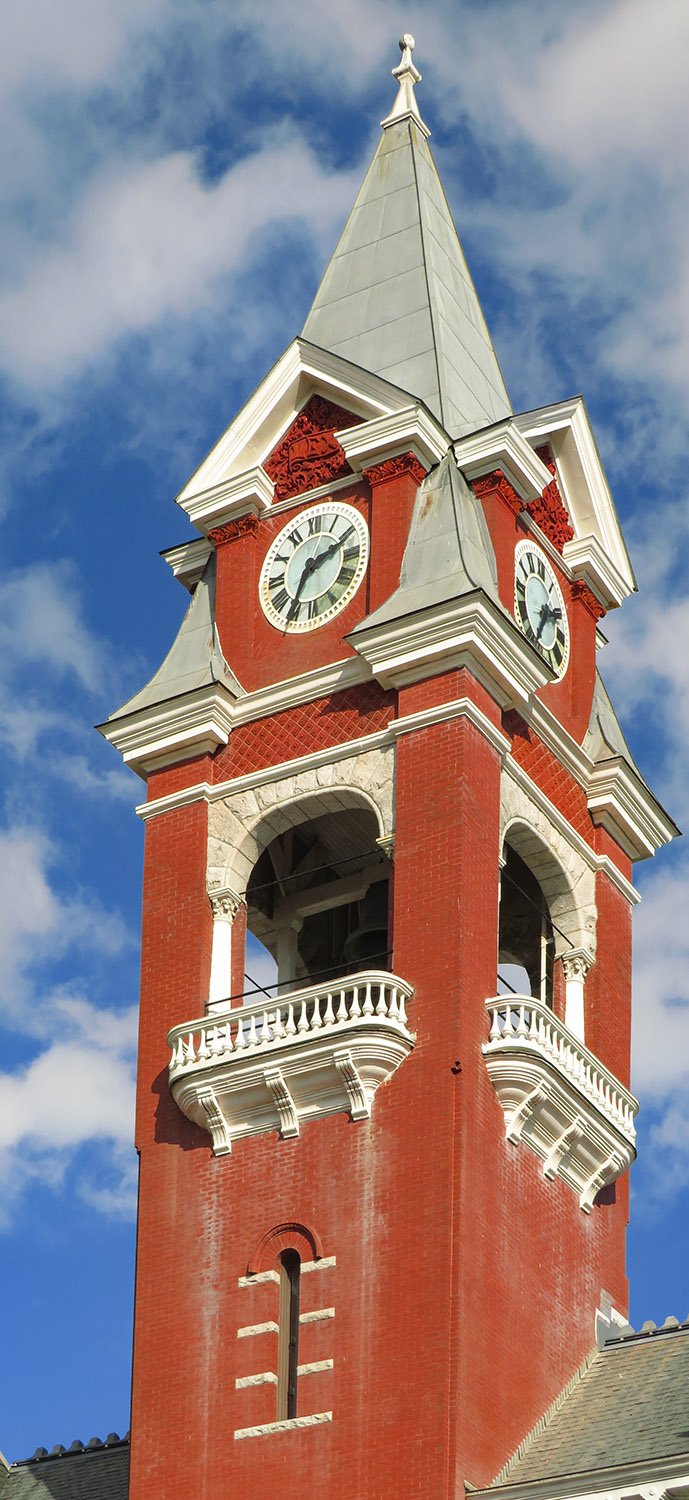
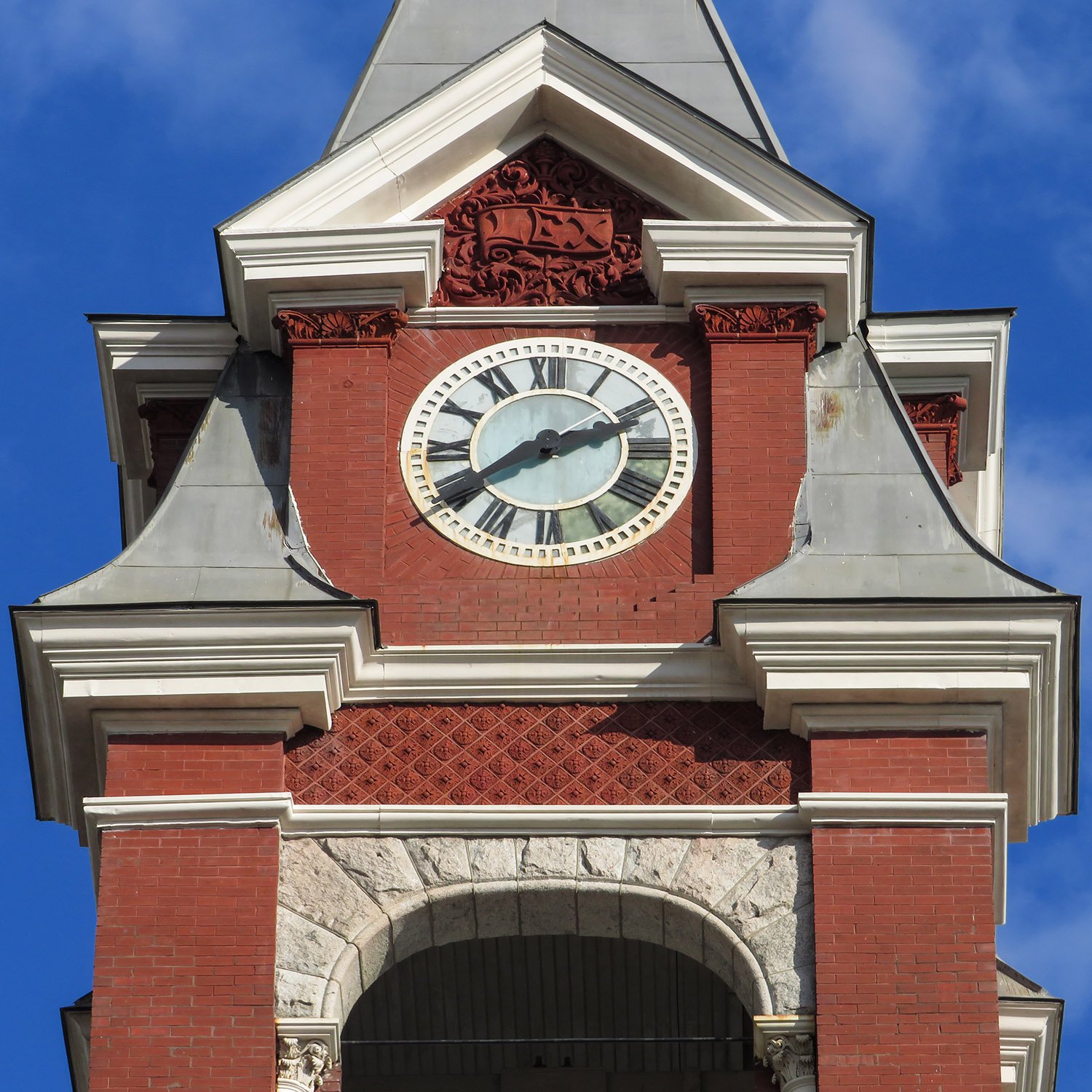
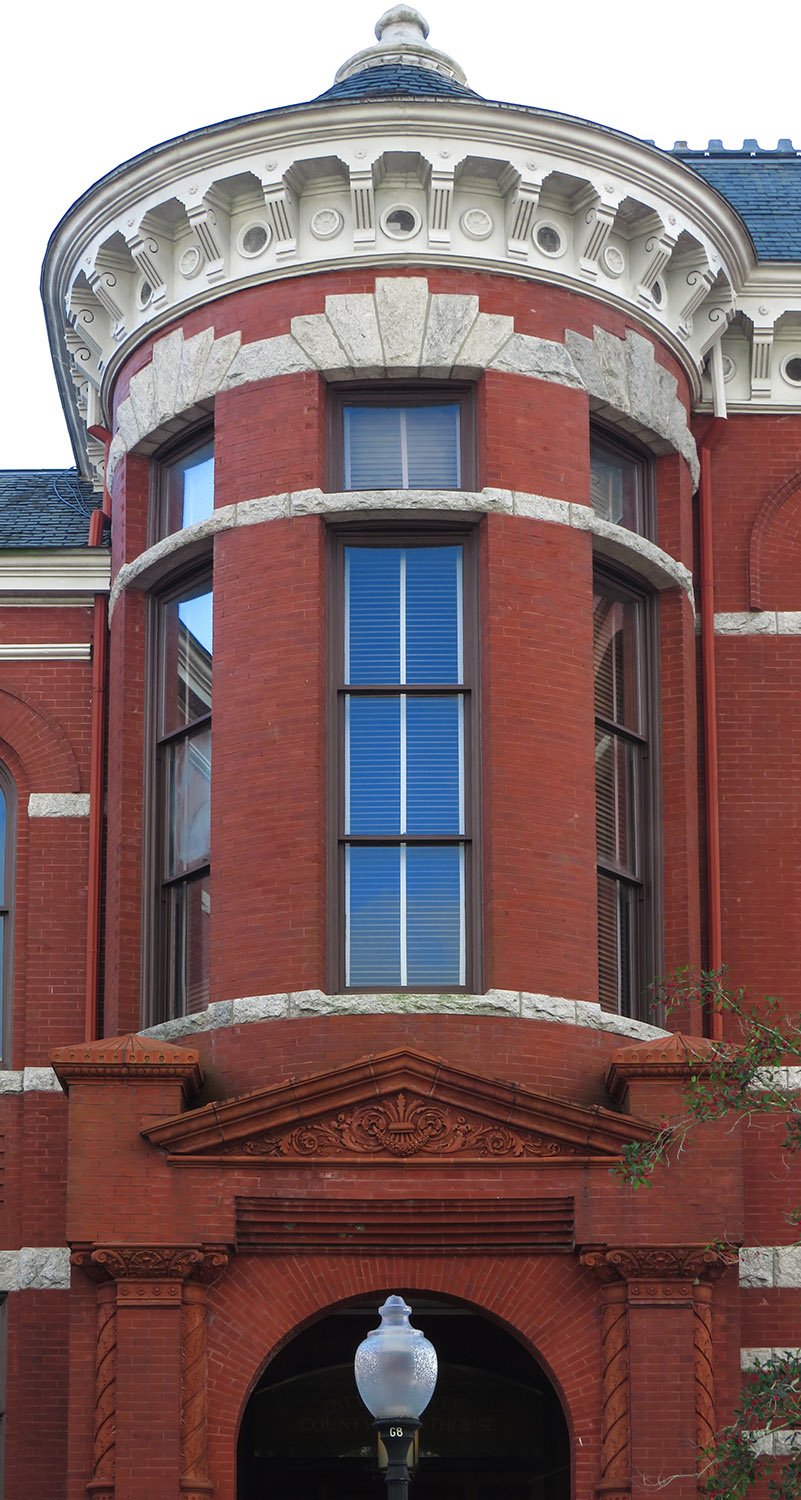
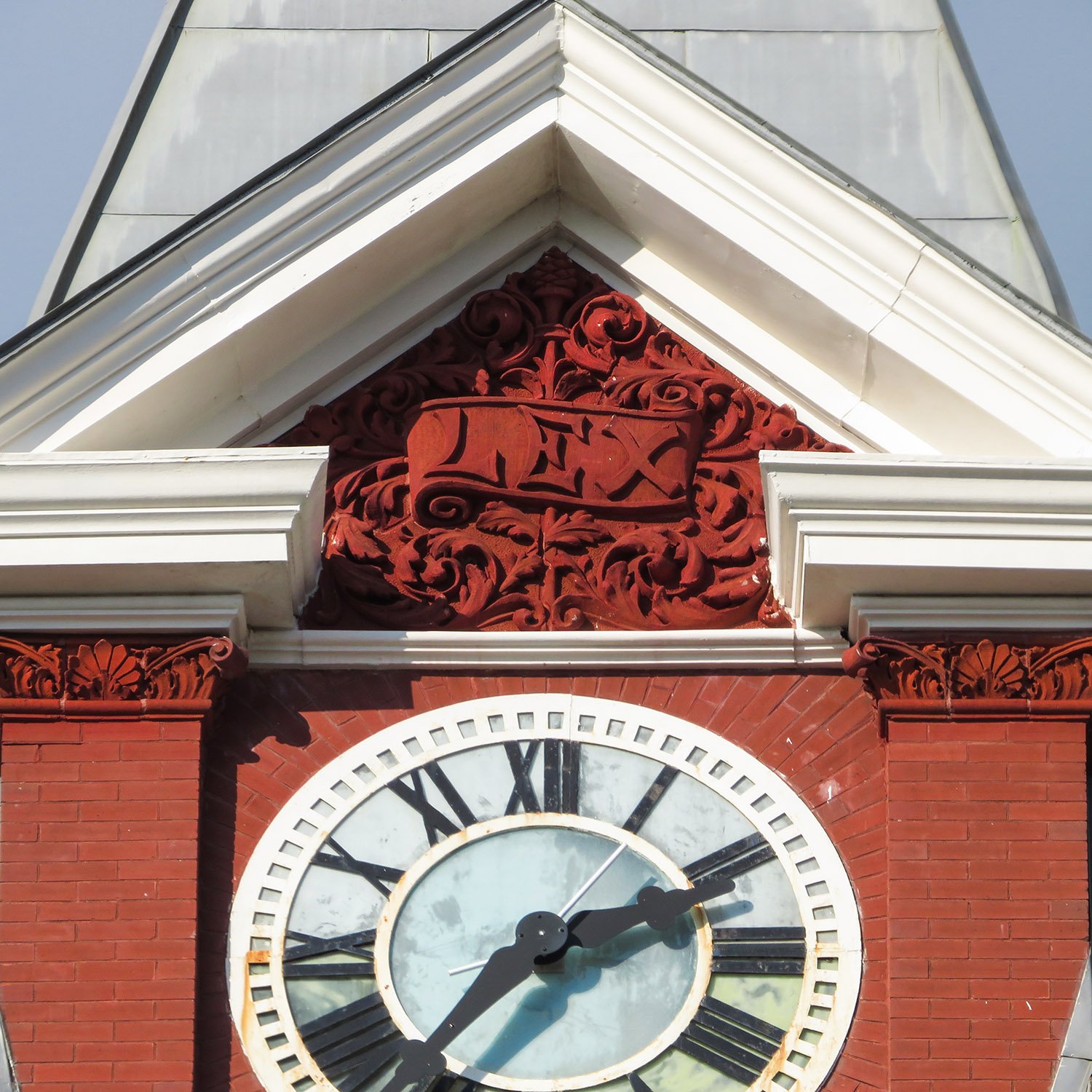
A.S. Eichberg. New Hanover County Courthouse (1893). Wilmington, North Carolina.12South elevation of the New Hanover County Courthouse, Wilmington, North CarolinaLooking at the New Hanover County Courthouse from the northwestAttic windows and gable dormer on the facade of the New Hanover County Courthouse, Wilmington, North CarolinaTerracotta spandrel between the first- and second-floor windows on the New Hanover County Courthouse, Wilmington, North CarolinaConsoles, frieze, and second-floor windows on the facade of the New Hanover County Courthouse, Wilmington, North CarolinaArch windows and granite block over the entrance of the New Hanover County Courthouse, Wilmington, North CarolinaLooking up at the clock tower on the New Hanover County Courthouse, Wilmington, North CarolinaClock and belvedere on the New Hanover County Courthouse, Wilmington, North CarolinaRounded bay on the north elevation of the New Hanover County Courthouse, Wilmington, North CarolinaClock and terracotta ornamentation on the New Hanover County Courthouse, Wilmington, North CarolinaClock tower on the New Hanover County Courthouse, Wilmington, North Carolina
References
“The New Court House.” The Wilmington Messenger (Wilmington, North Carolina), June 11, 1891, p. 4. ↩︎
“New Hanover County’s New Court House.” The Wilmington Messenger (Wilmington, North Carolina), April 9, 1893, p. 4. ↩︎
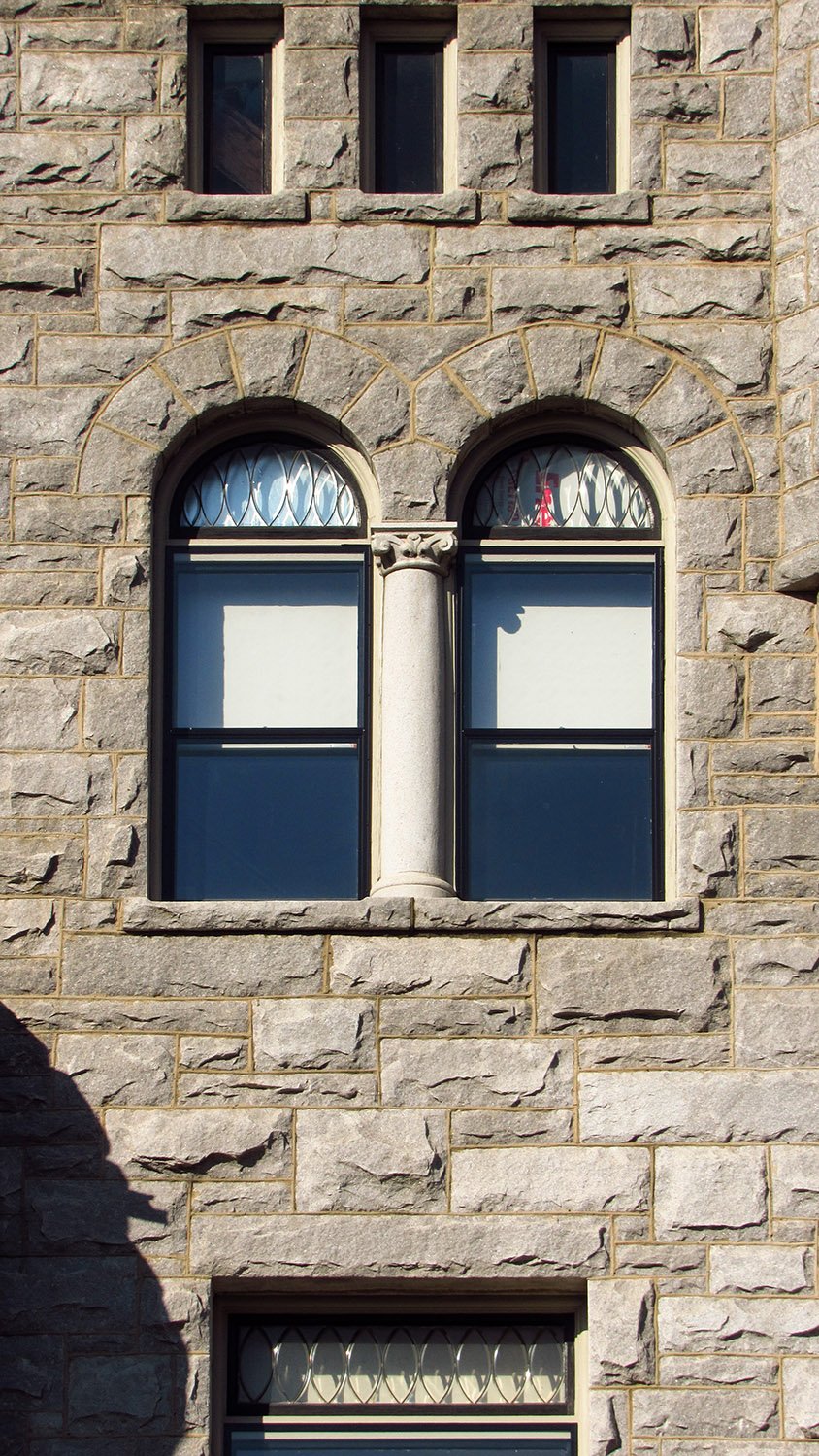
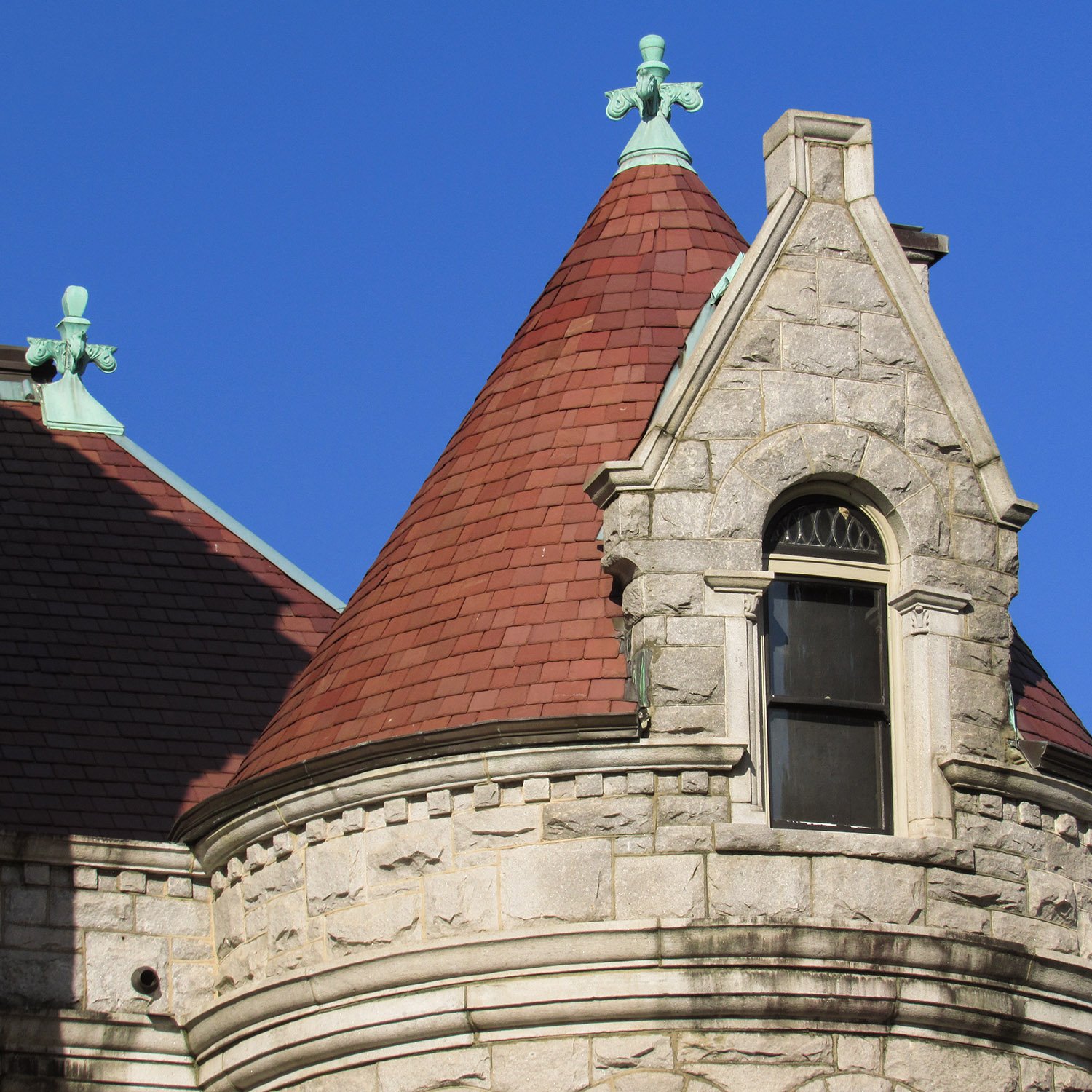
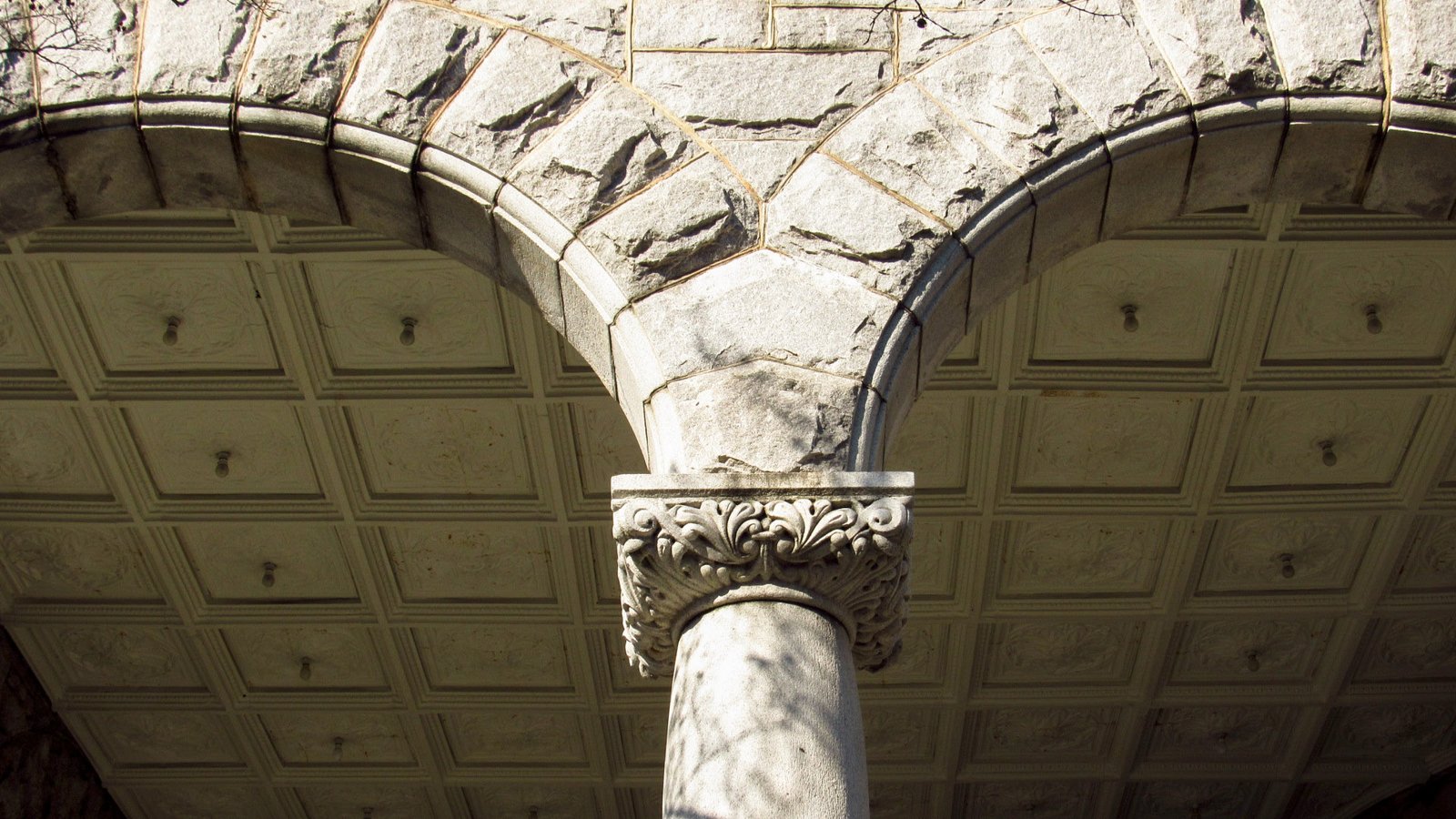
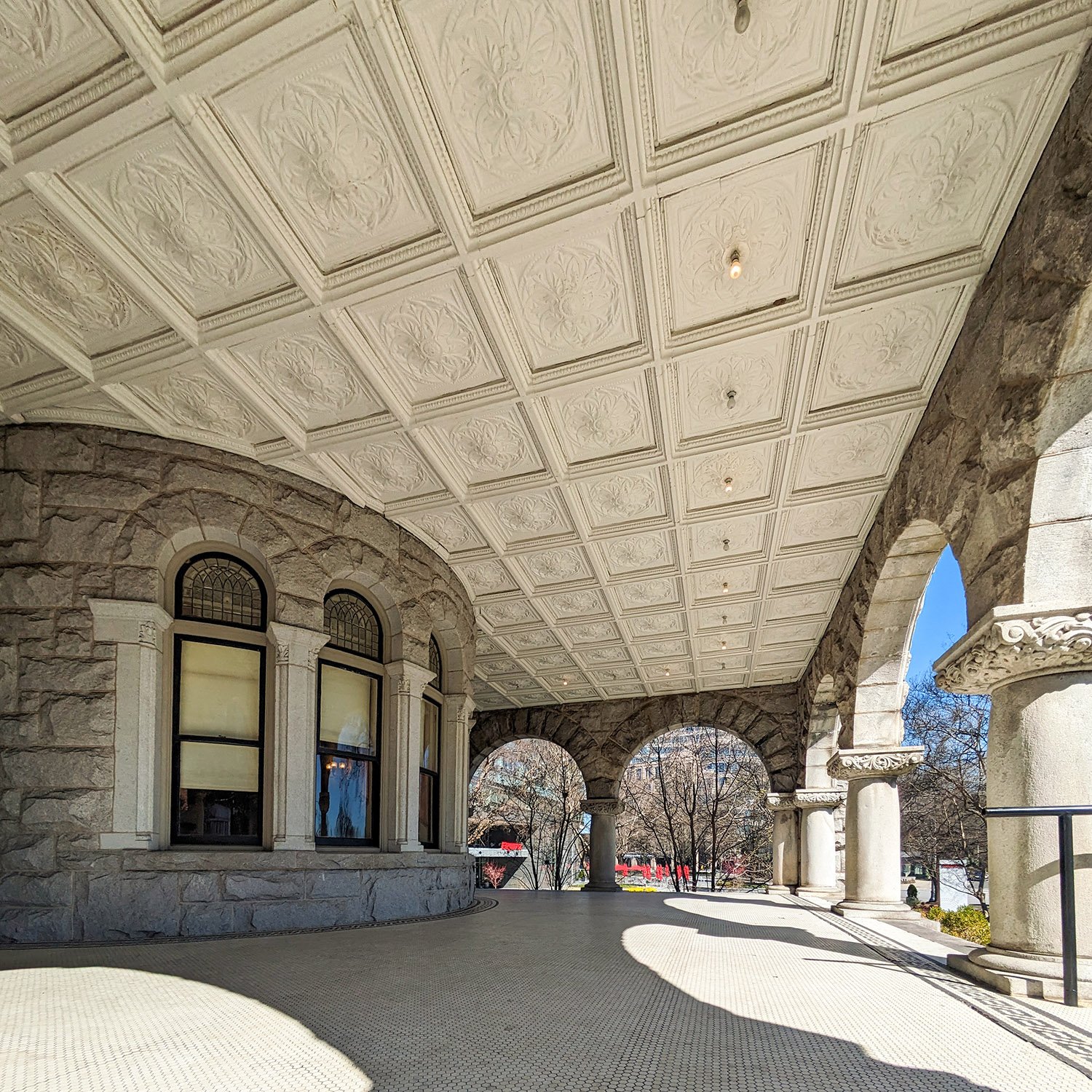
Willis F. Denny. A.G. Rhodes Residence, “Rhodes Hall” (1903). Atlanta.1234South elevation of Rhodes Hall, AtlantaStaircase windows on the south elevation of Rhodes Hall, AtlantaThird-floor windows on the tower of Rhodes Hall, AtlantaDormer on the facade of Rhodes Hall, AtlantaLooking up at the arches and ceiling on the front porch of Rhodes Hall, AtlantaFront porch of Rhodes Hall, AtlantaCushion capital on the front porch of Rhodes Hall, Atlanta
References
$2,000,000 In Buildings Going Up In Atlanta”. The Atlanta Journal, February 28, 1902, p. 5. ↩︎
“Home Of A.G. Rhodes To Be Modern Castle”. The Atlanta Journal, May 3, 1902, p. 5. ↩︎
“Beautiful And Costly Atlanta Homes”. The Atlanta Constitution, August 10, 1902, p. 6. ↩︎
“Personal Mention”. The Atlanta Journal, December 6, 1903, p. S5. ↩︎