Category: Architecture

  • In the Words of G.L. Norrman: On Compensation (1907)

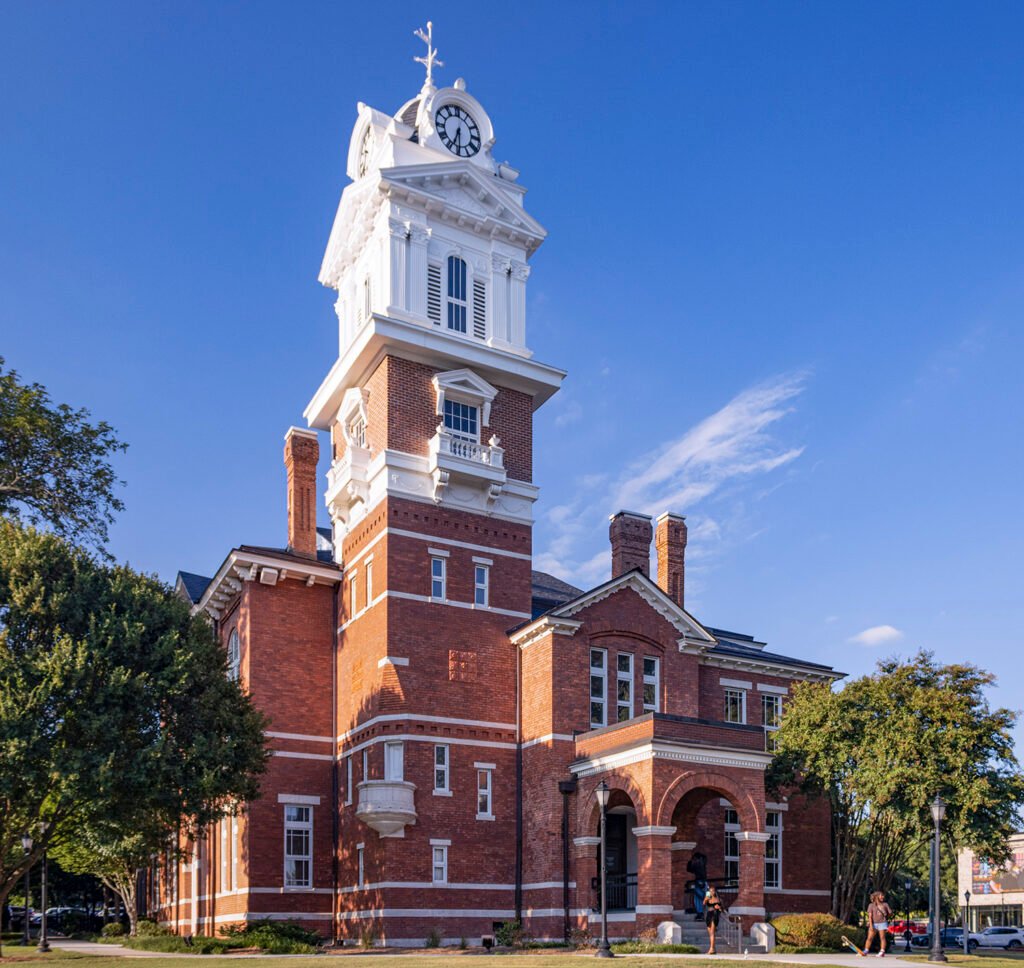
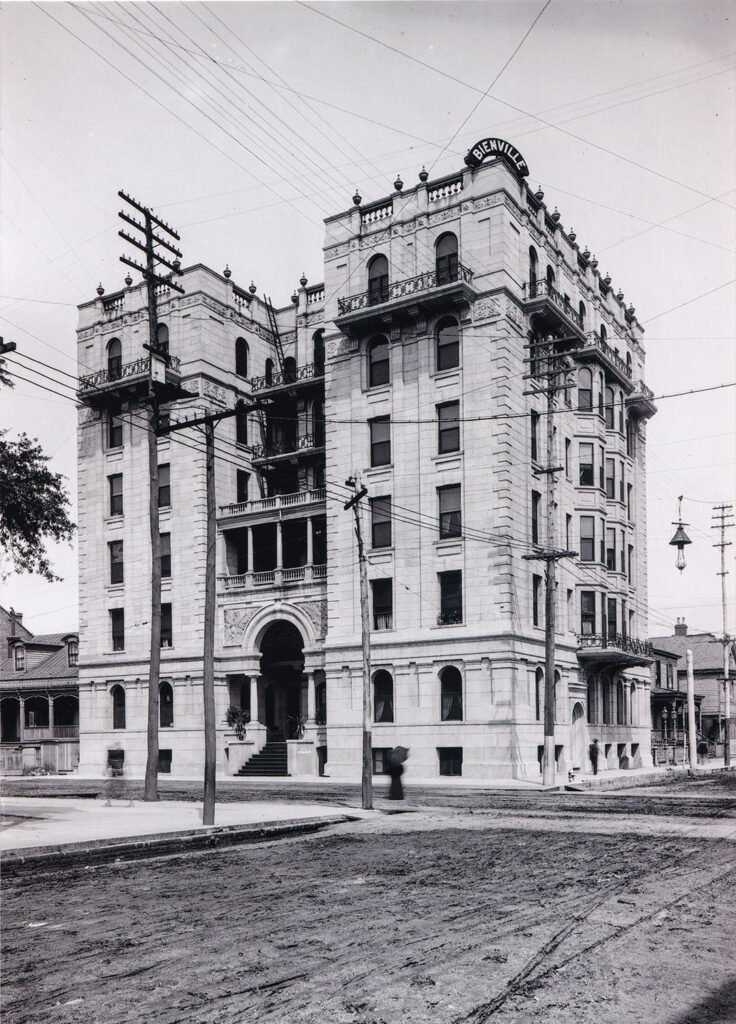
    Norrman & Falkner. E.W. McCerren Apartments, “The Chester” (1907). Atlanta. 1 2

    The Background

    The September 1907 edition of The Inland Architect and News Record published the following remarks from G.L. Norrman expressing his dissatisfaction with the compensation structure for architects at the time.

    Norrman’s was one of multiple letters from architects across the United States calling for changes to the “Institute Schedule of Charges”, which was established by the American Institute of Architects and set a standard 5 percent fee for architects regardless of project cost or size.

    Norrman’s remarks:

    Atlanta, Ga.
    June 29th, 1907.

    The past year we have been as busy as we could be. We could not have done any more if we had attempted it, and yet we have made comparatively very little. This, I think, goes to show that the present schedule of charges is too small for work which cost from $10,000 to $50,000, which is the average cost of houses in small towns. I think that for large buildings running up into the millions, the present rate would be fair renumeration; but for work done in small towns it seems that it is entirely inadequate to the training an architect must have, to the attention he must give his work and to the responsibility involved.”

    Very truly yours,3

    References

    1. Application for Building Permit, November 8, 1906 ↩︎
    2. “Some Personal Mention”. The Atlanta Journal, July 21, 1907, p. H5. ↩︎
    3. “The A.I.A. Schedule of Charges”. The Inland Architect and News Record, Volume 50, No. 3 (September 1907) p. 34. ↩︎
  • State of Georgia Archives and Records Building (1965-2017) – Atlanta

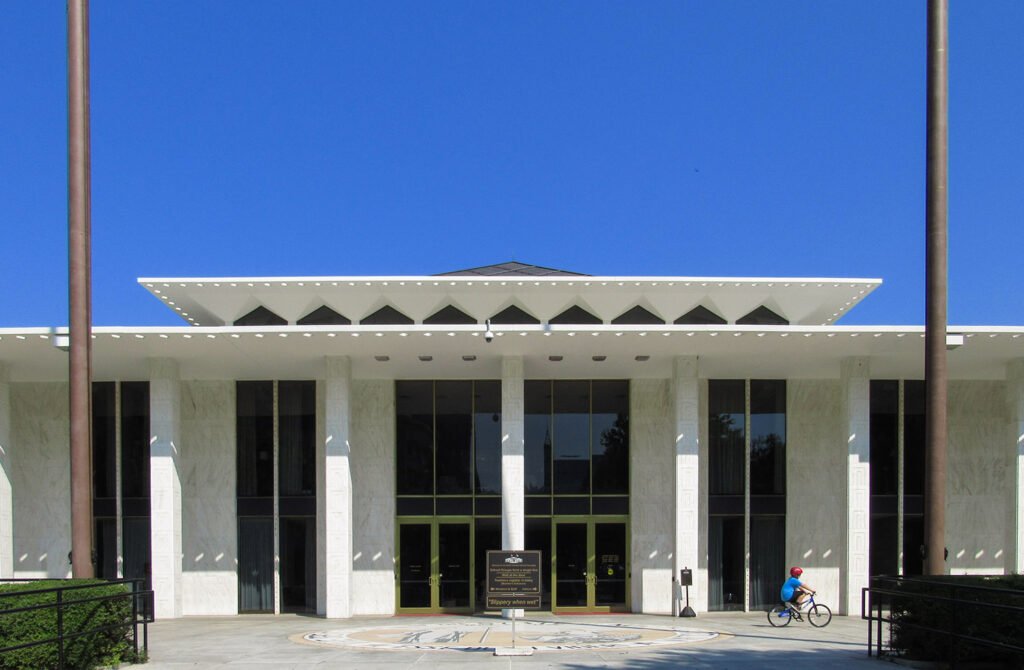
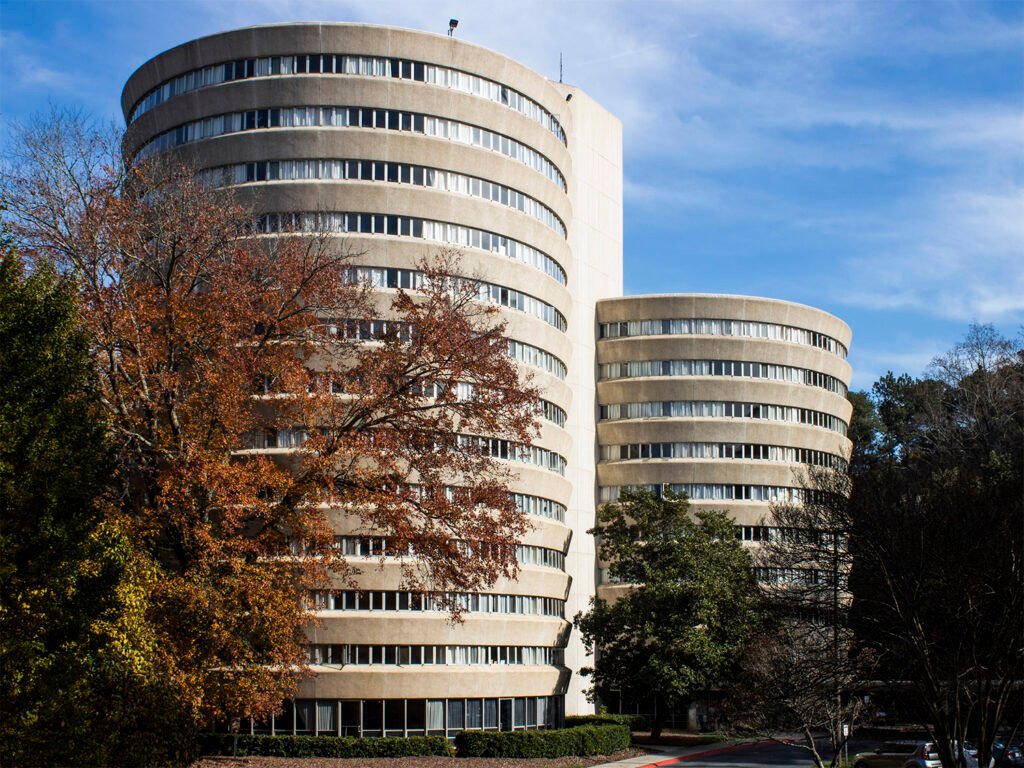
    A. Thomas Bradbury and Bob Schoenberner. State of Georgia Archives and Records Building (1965, demolished March 6, 2017). Atlanta.1 2 3 4

    References

    1. Barnwell, Katherine. “Amazing Atlanta”. The Atlanta Journal and Constitution Magazine, August 5, 1962, p. 14. ↩︎
    2. Hopkins, Sam. “14-Story Building Rising for Archives”. The Atlanta Constitution, December 25, 1963, p. 7-D. ↩︎
    3. Wells, Frank. “Archives Dedication Draws Dignitaries”. The Atlanta Constitution, October 12, 1965, p. 6. ↩︎
    4. Personal observation of demolition. ↩︎
  • Kennedy Free Library (1885-1974) – Spartanburg, South Carolina

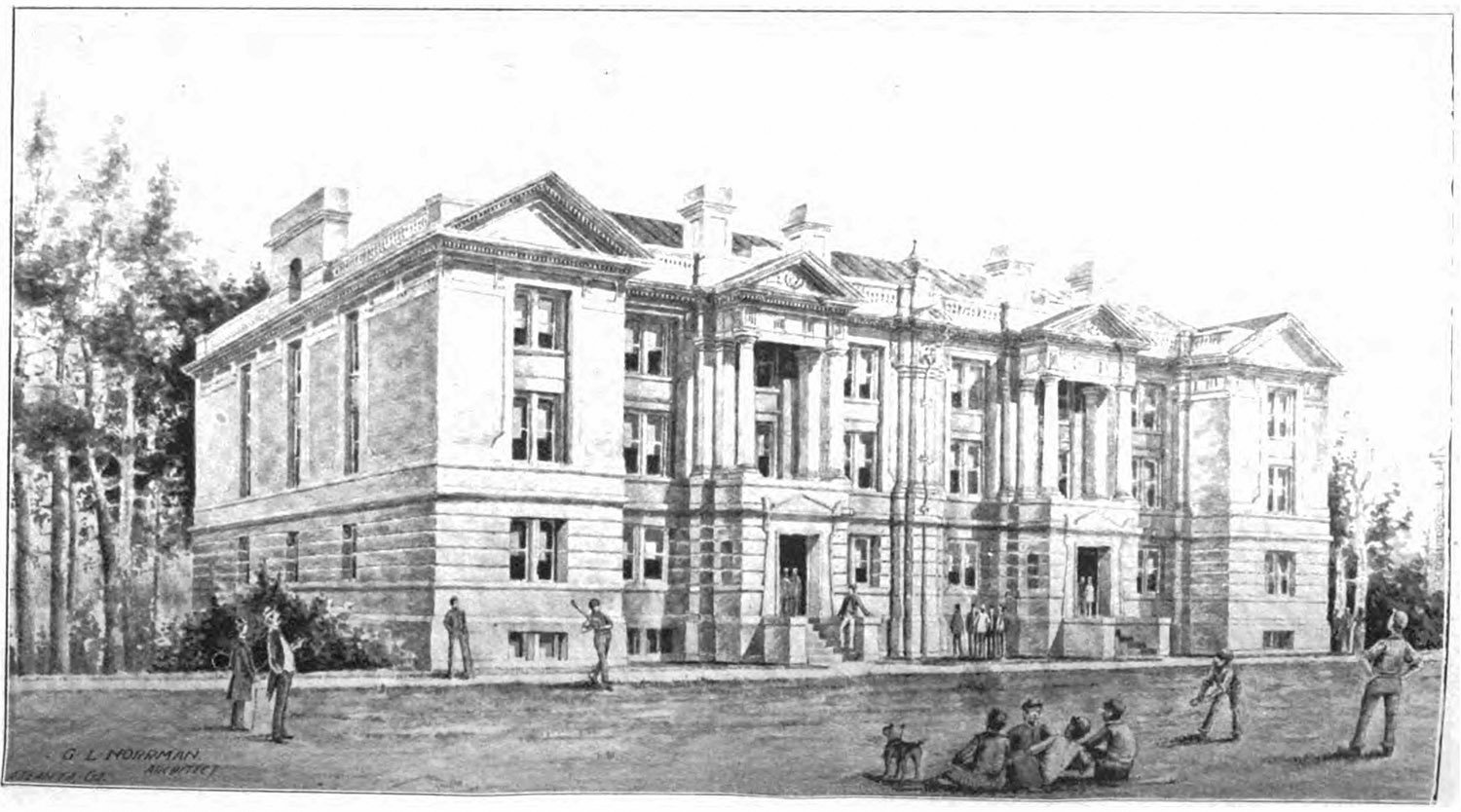
    G.L. Norrman. Kennedy Free Library (1885, demolished 1974). Spartanburg, South Carolina.1

    It’s astounding that I’m still discovering works designed by G. L. Norrman, decades after I first began looking for them. Just this week, another one revealed itself, bringing my total count of Norrman’s projects to about 425.

    In an article from the February 6, 1927, issue of The Spartanburg Herald, the author recounted the history of the Kennedy Free Library in Spartanburg, South Carolina. The library’s first building was completed in 1885 — “Norman was the architect“, the writer casually notes.2

    As Norrman practiced in Spartanburg between 1878 and 1881, and continued to return there for work throughout his career, “Norman” undoubtedly refers to him.

    The above illustration shows the 2-story building, which was located just off the northeast corner of Spartanburg’s public square on a short street initially named Kennedy Place, and later Dunbar Street.

    A Sanborn fire insurance map from 1888 indicates that the library was housed on the second floor, with retail space on the first,3 confirmed by the shoe store advertised in the illustration.

    The building intrigues me for several reasons:

    • It’s a rare example of Norrman incorporating Gothic styling in one of his designs, which it appears he largely disfavored, even for churches and school buildings. In a 1892 interview, he stated: “I prefer the classic for libraries…”
    • The building’s cornerstone was laid in June 1883, a full 2 years after Norrman relocated from Spartanburg to Atlanta in April 1881,4 5 allegedly because he was upset by the “cheap construction” of his Spartan Inn project.6 Although Norrman owed the bulk of his professional success to Atlanta, I suspect his heart always belonged to Spartanburg: he maintained lifelong friendships in the town, and it was there where he became a United States citizen (his naturalization papers were still held there in 1909).7 Norrman must have visited South Carolina in 1882, when the Newberry Opera House was completed, and there were multiple residences in Spartanburg built between 1882 and 1884 (all demolished) that appear to have been his designs. This discovery adds further evidence that Norrman never entirely abandoned the Upcountry.
    • Norrman didn’t truly come into his own as a designer until his 1886 plan for the W.W. Duncan Residence — fittingly, also located in Spartanburg. Anything from what I consider Norrman’s juvenilia period (1876-1885) is interesting because very little of it is immediately recognizable as his work, unlike most of his projects from the late 1880s onwards. I’ve seen the library illustration many times before, but never considered that he designed the building.
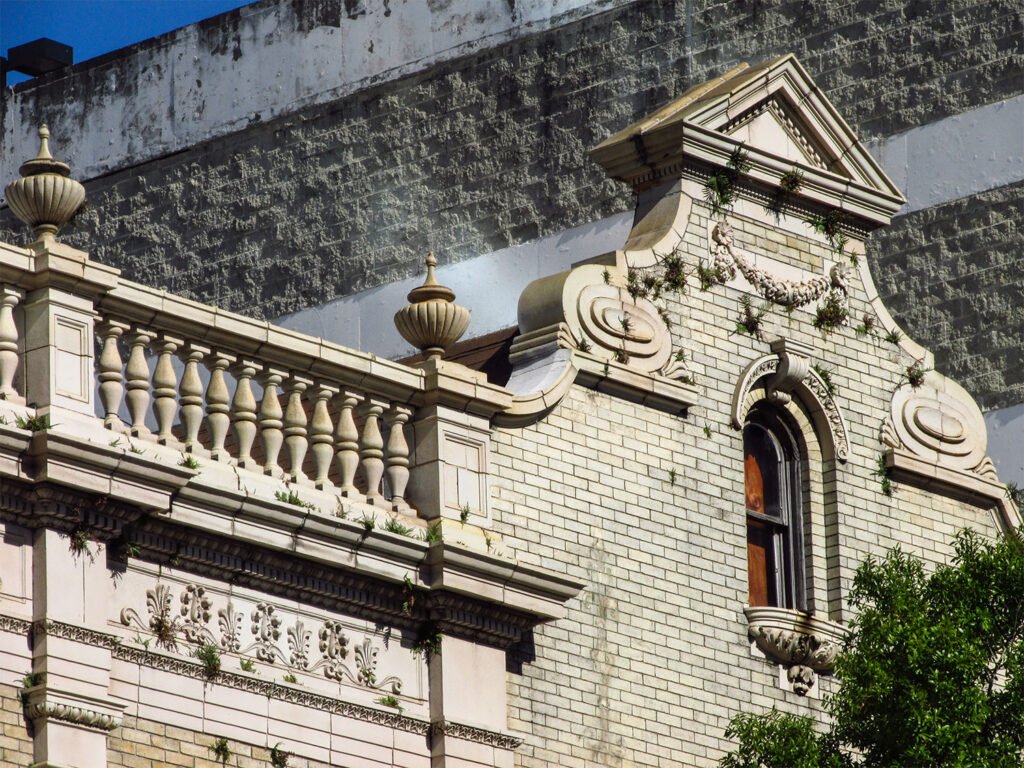
    • The library’s appearance shared some similarities with another building in Spartanburg that I have long suspected may be of Norrman’s design, although I can’t find conclusive proof. The building at 154-156 West Main Street (pictured below) was built in 18828 and is notable for the quirky little Second Empire-style cupola on its roof. It’s just a hunch.
    Architect unknown. 154-156 West Main Street (1882). Spartanburg, South Carolina.

    As it stands, the only extant store building in Spartanburg that I feel confident attributing to Norrman is the unremarkable structure at 101 East Main Street (pictured below).

    The building was originally one-half of a block of 2 adjoining storerooms and is likely a project designed by Norrman for A.G. Owens of Mississippi in 1879.9 The neighboring space was later gutted by fire, although its facade (not original) is intact, and the remaining half has been significantly altered.

    G.L. Norrman (attributed). 101 East Main Street (1879, altered). Spartanburg, South Carolina.

    It appears the 1885 building that housed the Kennedy Free Library was demolished in 1974 for the widening of Dunbar Street,10 11 12 one year before the demolition of the nearby Duncan Building13 (pictured below), which Norrman designed14 in 1891.15

    Both structures were victims of Spartanburg’s attempt to convert its downtown into a “mall”, following a plan by Skidmore, Owings, and Merrill that called for the creation of one-way streets and the wholesale demolition of historic buildings to lure savvy shoppers back to a modernized central core.16

    As with the hundreds of other U.S. cities that “malled” their downtowns in the 1970s, Spartanburg’s effort was an abject failure,17 and a planned 15-story hotel and civic center complex that was to be built on the “Opportunity Block” that included both the library and Duncan Building failed to materialize.18

    And thus does America continue to destroy itself: through arrogant plans and empty promises.

    G.L. Norrman. Duncan Building (1891, demolished 1975). Spartanburg, South Carolina.

    References

    1. Illustration credit: A Story of Spartan Push: The Greatest Manufacturing Centre in the South. Spartanburg, South Carolina, and its Resources. Spartanburg, South Carolina: The News and Courier (July 28, 1890), p. 52. ↩︎
    2. Mims, Julius. “Kennedy Library Improves Present Cataloging System”. The Spartanburg Herald (Spartanburg, South Carolina), February 6, 1927, p. 17. ↩︎
    3. Spartanburg, 1888 January – Sanborn Fire Insurance Maps of South Carolina ↩︎
    4. “Messrs. Norrman & Weed.” The Atlanta Constitution, April 12, 1881, p. 4. ↩︎
    5. “Various and all About.” The Newberry Herald (Newberry, South Carolina), May 4, 1881, p. 3. ↩︎
    6. “Converse To Show Fruits Of Recent Funds Campaign”. Spartanburg Herald-Journal, October 6, 1957, p. A4. ↩︎
    7. “Prominent Architect Here.” The Spartanburg Herald, September 30, 1909, p. 8. ↩︎
    8. National Register of Historic Places — Nomination Form: Spartanburg Historic District ↩︎
    9. “More Improvements Contemplated.” The Spartanburg Herald, January 29, 1879, p. 4. ↩︎
    10. “Dunbar Street Demolition Is Next In Mall Progress”. The Spartanburg Herald, June 12, 1974, p. B1. ↩︎
    11. “Another Move In City Redevelopment”. The Spartanburg Herald, July 30, 1974, p. A9. ↩︎
    12. “This View From On Top Shows The Shape Of Things To Come”. Spartanburg Herald-Journal, August 3, 1974, p. B1. ↩︎
    13. Dalhouse, Debbie. “Opportunity Block Demolition Begins”. The Spartanburg Herald (Spartanburg, South Carolina), September 16, 1975, p. A1. ↩︎
    14. “Former Spartan Commits Suicide”. The Journal (Spartanburg, South Carolina), November 17, 1909, p. 1. ↩︎
    15. Racine, Philip N. Spartanburg County: A Pictorial History. Virginia Beach, Virginia: The Donning Company/Publishers (1980), p. 62. ↩︎
    16. “Spartanburg’s Downtown Mall”. The Spartanburg Herald-Journal (Spartanburg, South Carolina), March 2, 1974, p. C1. ↩︎
    17. Shook, Lynn. “Main Street Mall May See Traffic Again.” Spartanburg Herald-Journal (Spartanburg, South Carolina), August 30, 1984, p. A1. ↩︎
    18. Smith, Adam C. “Spartanburg back at drawing board”. Spartanburg Herald-Journal, July 28, 1991. p. B1. ↩︎

  • Guilford County Jail (1975-2024) – Greensboro, North Carolina

    LBC&W Associates. Guilford County Law Enforcement Center (1975, demolished 2024). Greensboro, North Carolina.1 2 3

    References

    1. Weaver, Bill Rhodes. “Board Approves Preliminary Plan For County Jail”. Greensboro Daily News (Greensboro, North Carolina), September 17, 1971, p. B1. ↩︎
    2. Weaver, Bill Rhodes. “Sheriff Gibson Had His Troubles”. Greensboro Daily News (Greensboro, North Carolina), September 30, 1975, p. B1. ↩︎
    3. Demolition underway on old Guilford County jail – YouTube ↩︎
  • In the Words of G.L. Norrman: On Stanford White (1906)

    Charles McKim of McKim, Mead & White. Low Memorial Library at Columbia University (1897). New York.1

    The Background

    Stanford White was the lead designer for McKim, Mead & White, a New York firm that dominated American architectural design in the late 19th and early 20th centuries.

    White was both an outstanding architect and a notorious public figure, already well-known for his wild philandering, excessive partying, and conspicuous overspending, when he was murdered on June 25, 1906, by the husband of one of his ex-lovers, Evelyn Nesbit, who was just 16 when White reportedly drugged and raped her.

    Nesbit’s husband, Harry Thaw, shot White in front of a crowd of hundreds at New York’s Madison Square Garden — which White incidentally designed.

    For more than a year, the front pages of American newspapers were covered in the lurid details of White’s seedy escapades, and the ensuing “Trial of the Century” ended when Thaw was declared not guilty by reason of insanity.

    The day after White’s murder, The Atlanta Georgian newspaper published remarks by G.L. Norrman, who reportedly met Stanford White when they both “were on the committee of awards at the Chicago Exposition in 1893.” Details of this committee cannot be confirmed, but the report explained that: “Five other architects of the country were on the special committee that judged architectural drawings.”

    Norrman was obviously an admirer of McKim, Mead & White’s work, and many of his projects drew extensive inspiration from their designs. Norrman claimed that he and White frequently met at the annual conventions of the American Institute of Architects, and touted him highly as a designer.

    It should be noted, though, that the 2 projects for which Norrman praises White — the Low Memorial Library (pictured above) at Columbia University, and the Boston Public Library — are well-documented to be the work of White’s partner, Charles McKim.

    Norrman was likely thinking of the Gould Memorial Library in the Bronx, which was designed by White.

    Norrman’s remarks:

    “I knew White well. His work placed him before the country as a great designer. The library at the Columbia library in New York was designed by his firm, but the magnificent front of the building was the work of Mr. White himself. His work on the Boston library was also of great note. I have known him quite a while and the news of his tragic death is a great shock to me.”2

    References

    1. Low Memorial Library, Columbia University (U.S. National Park Service) ↩︎
    2. “Atlanta Architect Knew White Well”. The Atlanta Georgian, June 26, 1906, p. 1. ↩︎
  • Trust Company of Georgia Northeast Freeway Office (1962) – Atlanta

    Henri Jova of Abreu & Robinson. Trust Company of Georgia Northeast Freeway Office (1962). Atlanta.1 2

    References

    1. “Bank Board OK’s New Branch Unit”. The Atlanta Journal and The Atlanta Constitution, February 19, 1961, p. 46. ↩︎
    2. Eldredge, Richard L. “Back to the future”. The Atlanta Journal-Constitution, July 27, 2005, p. 1E. ↩︎
  • In the Words of G.L. Norrman: On Advice for Prospective Architects (1903)

    G.L. Norrman. Cornice on Lawrence McNeill House (1904). Savannah, Georgia.1 2

    The Background

    This fascinating diatribe by G.L. Norrman was published in the article “Architecture as a Career for Young Men”, from the April 4, 1903, edition of The Sunny South.

    A reporter asked 3 leading Atlanta architects of the time to offer advice for young men considering an architectural career (the emphasis on men is notable, as women were entering the field in increasing numbers).

    While W.T. Downing and W.F. Denny provided honest but measured remarks, Norrman gave a surprisingly blunt and weary assessment of the architect’s plight, with more than a hint of bitterness. His criticism of design competitions was particularly timely.

    The next month, plans Norrman entered in competition for the city hall in Savannah, Georgia, were deemedthe best of the fourteen submitted.”3 However, all the competing plans were ultimately rejected, and the project was instead awarded to a local designer, H.W. Witcover.4

    A later news investigation revealed: “The plans the City liked best, were those of Mr. G.L. Norrman of Atlanta, but he had no pull with the machine.”5

    The newspaper alleged that Norrman’s plans were handed to Witcover — “a friend of the administration” — who was paid over $10,000 to design nearly identical plans.6 Savannah’s city hall was completed in 1906 and is indeed highly similar to Norrman’s design.

    Little wonder Norrman was so disparaging of his profession.

    H.W. Witcover. City Hall (1906). Savannah, Georgia.

    Norrman’s remarks:

    “The gift of gab is the essential thing for the architect. Knowledge, sense of proportion, and beauty, regard for it as an art, no longer count in architecture. One must be pleasant and agreeable, one must get business and make money.

    “This is success counted in dollars and cents. It is success as the public understands it. It is the succcess that is appreciated. Thorough knowledge is dangerous; a ‘pleasing address’ is more to be desired than great wisdom.

    “As I say, this is the popular conception of architecture. But architecture itself is an art; one must, in a large degree, be born for it. The training must be long and thorough—four years at some university, for the basic culture which leads to an understanding of the classic terms and figures used in architecture, and (in this country) four years in the polytechnic schools. In the École des Beaux-Arts in Paris the course is six years. After that, practical work in an architect’s office—making in all ten or twelve years of preparation.

    “Is the apprenticeship long and arduous? I should say so—that is, to become an architect. This, however, is not necessary to make money in the profession of architecture. One then needs only to learn the superficial tricks; and so long as he has the aforementioned gift of gab it is only necessary that his building be safe, and the bricks stay in place. The public will never be any wiser.

    “This is the most discouraging part of the profession. Let a man labor for years, and produce a masterpiece, the public will never notice it. It is the spirit of the age; it is as much so in Europe as in America. Nowadays, no one asks, Is he a good architect? but rather, Does he make money out of architecture?

    “This is true of all artistic professions, but the worst part of it as applied to architecture is that plans must often be submitted in competition, where the judges are men in other lines of work. They would laugh at you if you claimed to understand dry goods, and they would be offended if you intimated that they didn’t understand architecture, and yet they pass on your design. It may be the result of years of study and experience, and the best of the lot; but it is not an accident if it is accepted. Not knowing anything about it, they say, ‘Give it to So-and-so; he’s a good fellow.’

    “But to return to the beginner. His apprenticeship must be thorough, and in addition to his school training he must do office work. I think that artistic feeling is necessary to a large degree, though a sense of proportion and the finer distinctions between styles and ornament are largely things of habit and training. One may cultivate them much as a man cultivates command of language.

    “What does architecture offer? At a recent civil service examination 150 trained draughtsmen applied for a government position which paid $1,500 a year. The winner of the new depot competition will get $1,000, and this for years of hard and unappreciated work. A farmer could make more on one year’s hay crop, and with one-tenth the nervous strain and exertion. No, I can’t say that the young man may expect a bonanza.”7

    References

    1. “Mr. Lawrence McNeil’s New Residence”. Savannah Morning News (Savannah, Georgia), November 1, 1902, p. 12. ↩︎
    2. “Society”. Savannah Morning News, January 30, 1904, p. 7 ↩︎
    3. “Design By G.L. Norrman, Atlanta”. Savannah Morning News (Savannah, Georgia), May 20, 1903, p. 8. ↩︎
    4. “All Plans Rejected”. Savannah Morning News (Savannah, Georgia), May 28, 1903, p. 10. ↩︎
    5. “Lest We Forget”. The Searchlight (Savannah, Georgia), January 5, 1907, p. 2. ↩︎
    6. ibid. ↩︎
    7. “Architecture As a Career For Young Men”. The Sunny South (Atlanta), April 4, 1903, p. 4. ↩︎

  • Preston Arkwright Residence (1914) – Atlanta

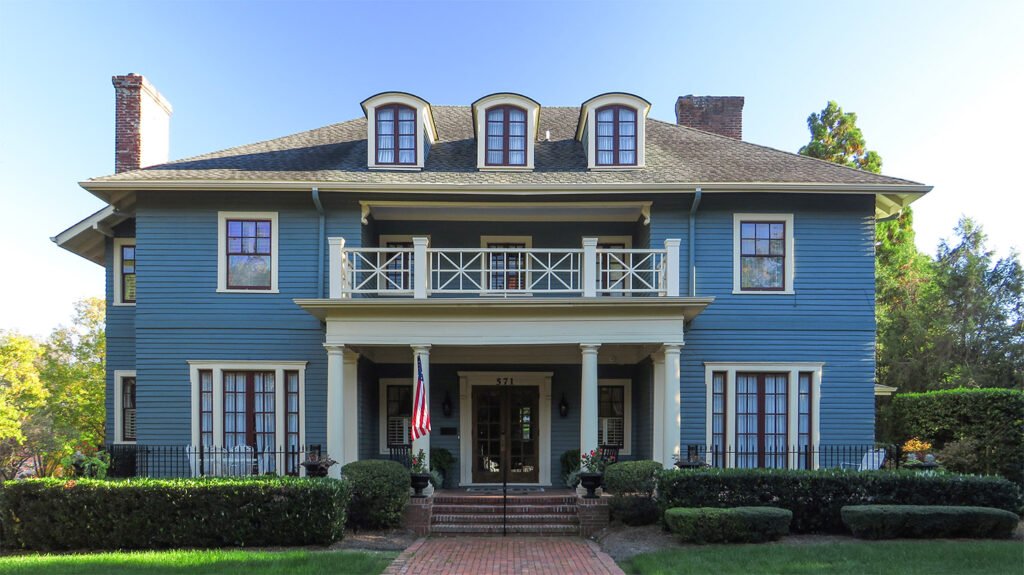
    W.T. Downing. Preston Arkwright Residence, “Pine Bloom” (1914). Atlanta.1 2 3

    References

    1. “Personal Mention”. The Atlanta Journal Magazine, June 5, 1914, p. 13. ↩︎
    2. “Pine Bloom, Beautiful Arkwright Home”. The Atlanta Journal Magazine, July 29, 1923, p. 13. ↩︎
    3. “Peachtree Street Home of Mr. and Mrs. Little”. The Atlanta Journal Magazine, December 30, 1923, p. 8. ↩︎

  • St. Michael’s Lutheran Church (1960) – Doraville, Georgia

    Mastin & Summer. St. Michael’s Lutheran Church (1960). Doraville, Georgia.1

    References

    1. “Lutheran Chapel to Be Dedicated”. The Atlanta Constitution, January 30, 1960, p. 6. ↩︎
  • In the Words of G.L. Norrman: In Defense of Stucco (1901)

    G.L. Norrman. Palladian window and stucco finish on Arthur B.M. Gibbes Residence (1900). Savannah, Georgia.1

    The Background

    As was often the case in his career, in September 1901, G.L. Norrman was compelled to justify his design choices for the dimwitted good ol’ boys of a local building committee.

    Norrman had submitted plans in competition with 13 other architects for the Duval County Courthouse in Jacksonville, Florida, after the previous structure burned in the Great Fire of 1901.

    Although Norrman’s plan was publicly endorsed by 5 top county officials, some members of the county commission reportedly objected to his proposal to design the courthouse with a stucco finish.

    The objection seems absurd given the ubiquitous Spanish/Mediterranean influence that would soon come to define the “Florida style” — by the 1920s, you’d be hard-pressed to find a building in the state that wasn’t slathered in cheap stucco.

    Norrman used stucco extensively in his works from the late 1890s and early 1900s, and in response to the commission’s objections, he wrote a letter in which he deferentially offered to withhold the stucco finish from the structure, but also defended his preference for the material.

    In the letter, Norrman charted stucco’s origins to ancient Rome, although he erroneously referred to the Pantheon as the Parthenon. Norrman also noted that the General Post Office and the U.S. Patent Office Building in Washington, D.C. — both designed by Robert Mills — were finished in stucco.

    Of course, Southern politicians couldn’t care less about architecture in Europe or the North, too consumed with playing God in their ugly little backwoods fiefdoms. So Norrman pulled out an old trick that always works on local leaders — in Atlanta, anyway — insinuating that Jacksonville just didn’t measure up to other Southern cities: “All the old buildings of Charleston, Savannah and New Orleans are finished in stucco”, he explained.

    Norrman’s effort was in vain — the commission selected a fairly terrible plan designed by Rutledge Holmes, an unremarkable architect from Charleston who moved his practice to Jacksonville after the fire and lived in Florida for the remainder of his career. Holmes, incidentally, shot himself to death in 1929, twenty years after Norrman did the same. Southern architects are a tragic lot.

    The September 24, 1901, issue of The Evening Metropolis published Norrman’s letter to the Duval County commission in full.

    Norrman’s remarks:

    County Commissioners:

    “Dear Sir—I have been informed that there is some objection to the stucco finish which I specified as in my judgment being the most suitable finish for the new court house. If it be true that there there is any such objection to my design, I would respectfully suggest that the stucco be left off, and that the brick work be finished in the usual manner without any stucco. By such omission you will save 60 cents per yard or about $2,100. At the same time you will please allow me to call your attention to the fact that the oldest and most noted buildings in existence have been finished with stucco. Notably among these are the Parthenon [sic] and St. Peter’s, in Rome, which have been built for 2,000 years. Stucco is used in Europe, especially on the continent, nearly exclusively. All of the old buildings in Mexico, and, in fact, nearly all the buildings erected by the early Spaniards, both here and in South America, as well as in Spain, are finished with stucco. All of this is well known to every educated architect and can be corroborated by your expert.

    “In this country nearly all the old State houses and court houses of importance that were erected before the war, and which are now in tact [sic], are finished in stucco.

    “The United States postoffice [sic] and the patent office in Washington are finished in stucco.

    “All the above, I think is known to every builder of any ordinary information.

    “All the old buildings of Charleston, Savannah and New Orleans are finished in stucco, and Mr. Flagler is going to finish his Palm Beach palace with stucco, because it is actually the best finish to use on a brick or concrete building.

    “In my own practice I had been using stucco on buildings for the past twenty-five years, with very satisfactory results.”

    Very respectfully,

    G.L. NORRMAN2

    References

    1. “Dwellings.” The Engineering Record, Volume 41, no. 12 (March 24, 1900), p. 287. ↩︎
    2. “Court House Plan Selected.” The Evening Metropolis (Jacksonville, Florida), September 24, 1901, p. 1. ↩︎