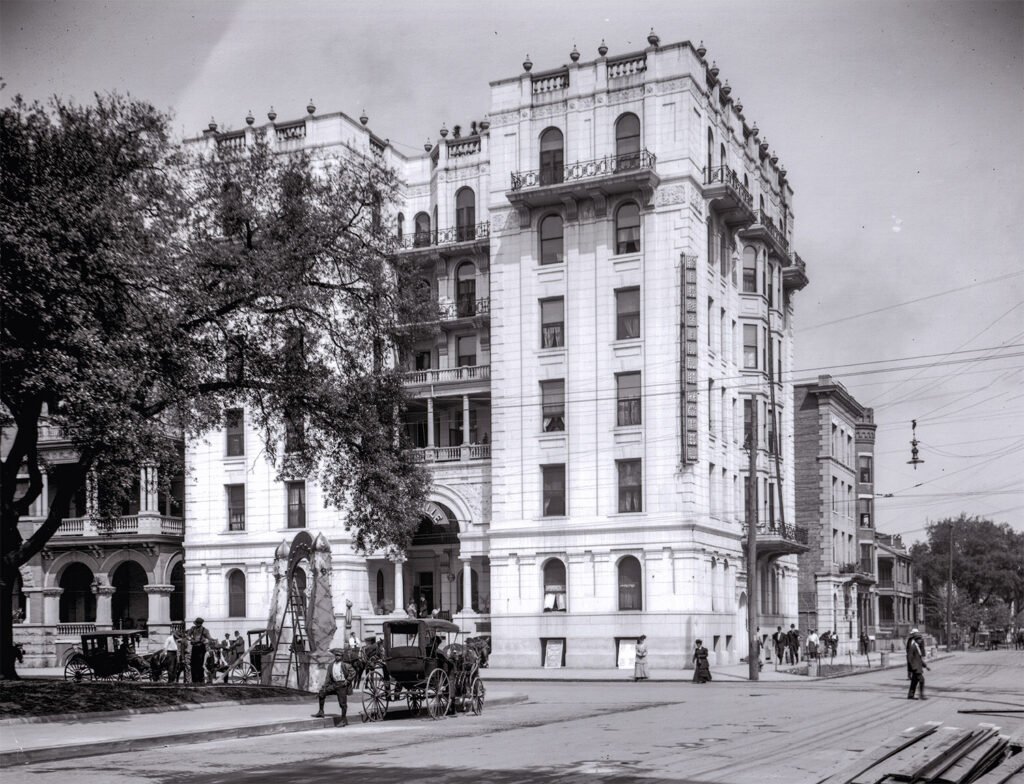
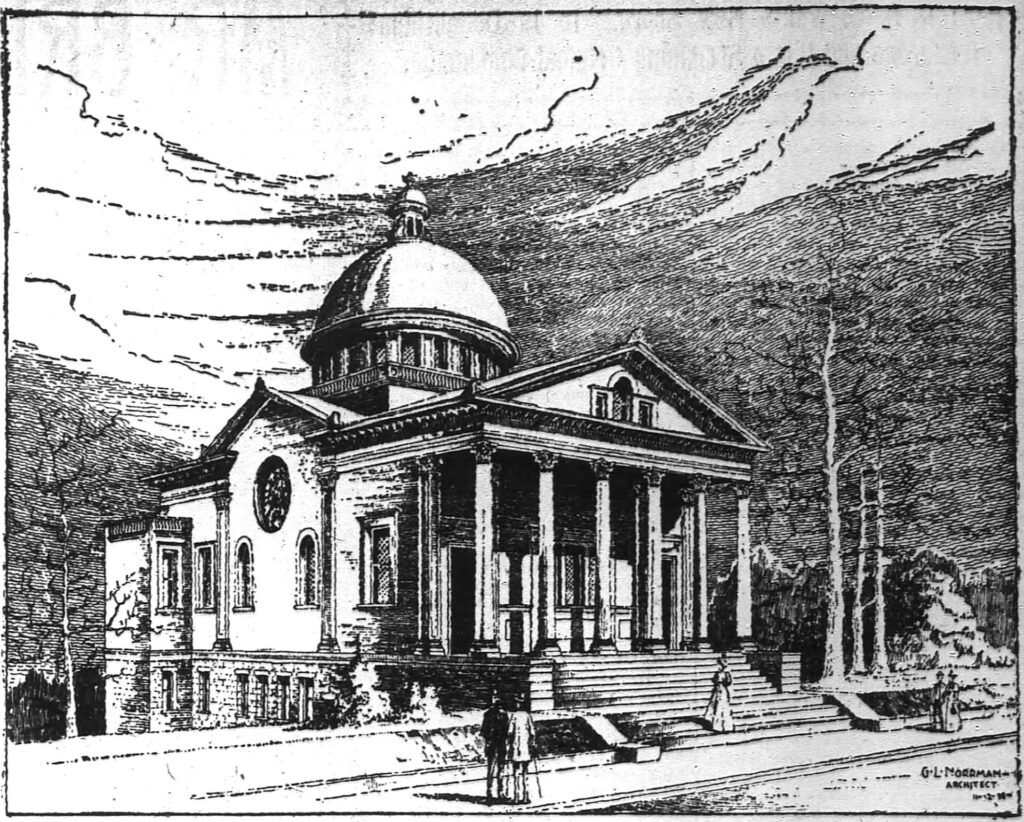
G.L. Norrman. Bienville Hotel (1900, demolished circa 1969). Mobile, Alabama.
The Background
The June 13, 1899, edition of The Atlanta Journal published remarks from G.L. Norrman about Huntsville, Alabama, where he had just returned “from a business visit”.
Norrman may have visited that area in connection with plans for the renovation of the Lauderdale Court House in nearby Florence, Alabama, which was awarded days later to Golucke & Stewart of Atlanta.1
It’s unclear if Norrman ever completed any work in Huntsville or North Alabama, although he designed multiple projects in Anniston and Gadsden, Alabama, in the late 1880s, and briefly considered moving his practice to Birmingham, Alabama in late 1899, when he was designing the Bienville Hotel (pictured above) in Mobile, Alabama.
The spring he refers to here is the Big Spring in downtown Huntsville.
Norrman’s remarks:
“I like Huntsville very much. It’s a pretty, thrifty little town—the people there dress well and seem to be prosperous and the streets are full of elegantly dressed, handsome ladies.
“A great stream of water, twenty-odd feet broad, gushes from rock to the tune of over a million gallons a minute. It is a most refreshing sight— this spring. This hot weather a man can almost keep cool who carries around a picture of the Huntsville spring in his mind.”2
References
“$5,000 To Be Spent”. The Florence Herald (Florence, Alabama), June 22, 1899, p. 1. ↩︎
“Loitering In the Lobbies”. The Atlanta Journal, June 13, 1899, p. 3. ↩︎
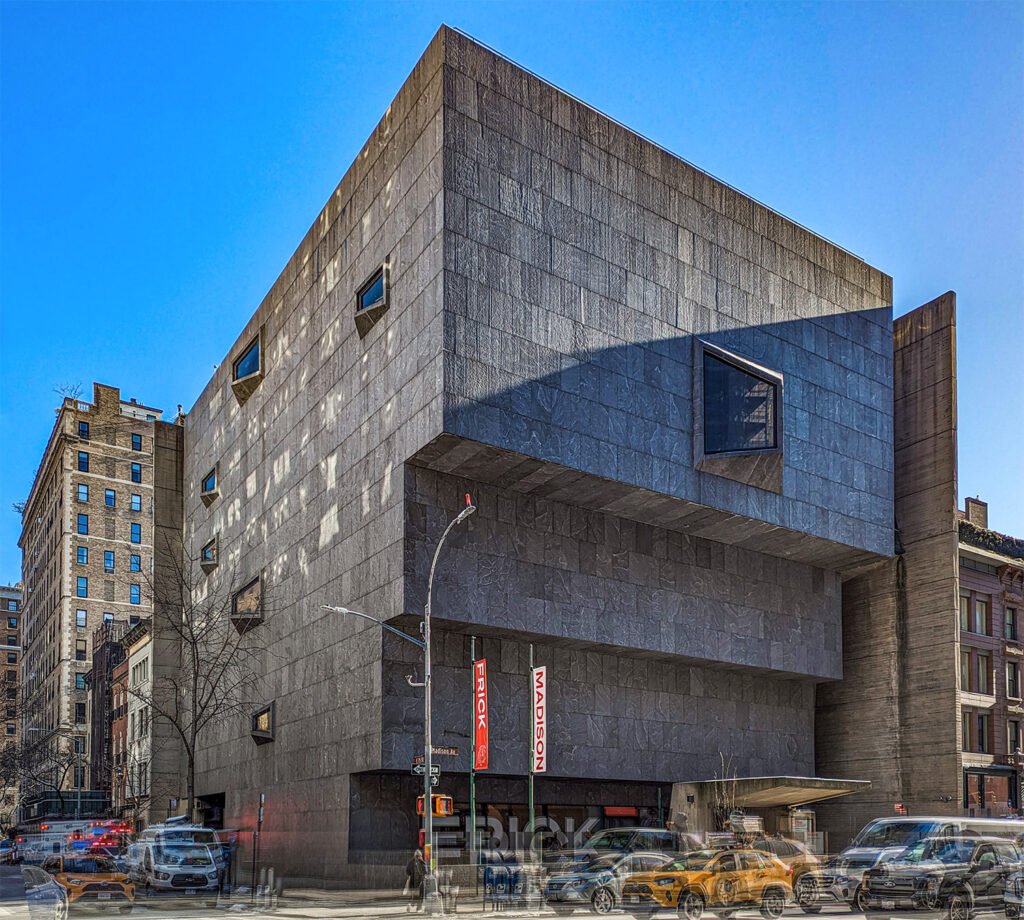
Marcel Breuer and Hamilton P. Smith. Whitney Museum of Art (1966). New York.
A masterpiece of the Brutalist style, the Whitney Museum of Art (1966) in New York was designed by Marcel Breuer (1902-1981), an American modernist architect of the 20th century.
Like so many architects of his era, Breuer’s legacy has been rapidly forgotten in the 21st century, with many of his buildings now under threat or destroyed.
Born in Hungary to a Jewish family, Breuer (pronounced Broy-er) was both a student and teacher at the Bauhaus in Germany, where he became known for his cutting-edge furniture designs, most famously the Wassily chair.
With the rise of the Nazi regime, Breuer moved to England in 1935, then immigrated to the United States in 1937 with his mentor, Walter Gropius, becoming a member of the influential Harvard Five group of architects.
Between 1938 and 1941, Gropius and Breuer designed several residential projects together before Breuer broke off and began his solo practice. One of their joint works is the Weizenblatt Duplex (1941) in Asheville, North Carolina, for which Breuer is credited as the primary designer.
Walter Gropius and Marcel Breuer. Weizenblatt Duplex (1941). Asheville, North Carolina. Illustration by Monastic.
Breuer’s architectural career is neatly bifurcated into 2 distinct periods that couldn’t be any less alike.
In the 1940s and 50s, he was chiefly a small-scale designer and specialized in the creation of light, airy International style residences that were much praised for their innovative floor plans and use of materials and building techniques.
In the 1960s and 70s, Breuer abruptly switched gears and almost exclusively produced larger and more lucrative corporate and civic projectsin the forceful and imposing Brutalist style, using concrete as his primary material.
Marcel Breuer with Robert F. Gatje.Snower House (1954). Mission Hills, Kansas.1
A typical design of Breuer’s residential period, the Snower House (1954) is also one of his least-known projects, occupying a large corner lot in the Mission Hills suburb of Kansas City.
The design is essentially a 1,800-square-foot rectangular box cantilevered on a concrete block base and was reportedly modeled after Breuer’s first home in New Canaan, Connecticut2, although most of his houses from the era had a similar look.
Breuer’s work was heavily concentrated in New England and the East Coast, and together with a house in Aspen, Colorado, the Snower house is one of only 2 completed residential projects he designed west of the Mississippi River3 — he never even visited the property.4
No one would claim the Snower house is one of Breuer’s better works, but it still has all the trademarks of his early residential designs. Notably, the home utilizes Breuer’s “bi-nuclear”floor plan, with living spaces placed on one side and sleeping areas on the other.
Detail of Snower House
You can also clearly identify Breuer’s attention to form and creative use of materials: large windows on every side of the home blur the boundary between exterior and interior, tiny windows punctuate walls patterned in cedar strips, and brightly-colored asbestos panels add much-needed visual contrast.
The home has remained remarkably true to its initial design and, at the time of a 2015 article, had retained many of its original furnishings, including living and dining furniture designed or specified by Breuer, the original kitchen cabinets, and a built-in bookcase in the living room.
As of 2015, the interior still included the original cedar plank ceilings and walnut flooring, and the owners had restored the original orange, blue, and gold interior color scheme.5
The Snower house was built as a country residence, but is now surrounded by a sprawling maze of cookie-cutter homes. The structure spends most of the year concealed by trees, and with its cantilevered design, it almost appears to float among the greenery.
It’s a home that takes a certain amount of architectural knowledge to appreciate: while groundbreaking when it was constructed, today an uninformed observer could easily misjudge it as a holdover from a high-end trailer park.
Trapezoidal window detail on the Whitney Museum of Art
Twelve years after the Snower house was built, Breuer’s design for the Whitney Museum of Art was completed at 945 Madison Avenue in New York’s Upper East Side.
Anyone unfamiliar with Breuer’s work would never guess the two projects were by the same architect, but look closely, and you’ll note that both buildings give the same suggestion of floating, and both show the same attention to form and materials.
Looking something like an inverted ziggurat, the7-story, 76,830 square foot structure — now also known as the Breuer Building — was designed by Breuer with his longtime associate Hamilton P. Smith.
The building’s exterior is defined by cantilevered floors that progressively extend toward the street, covered in dark granite tiles over reinforced concrete. The ground floor entrance is set back from the street, accessed by a bridge spanning a moat-like sunken courtyard.
The facade presents a nearly blank face to Madison Avenue, apart from a large trapezoidal window, an element that became one of Breuer’s signatures. The north side of the building facing East 75th Street is punctuated by 6 smaller windows, similar to Breuer’s use of tiny windows in the Snower residence.
Lobby detail of the Whitney Museum of Art
The building’s interior showcases Breuer’s ability to masterfully blend textures and patterns, particularly in the lobby and stairwells.
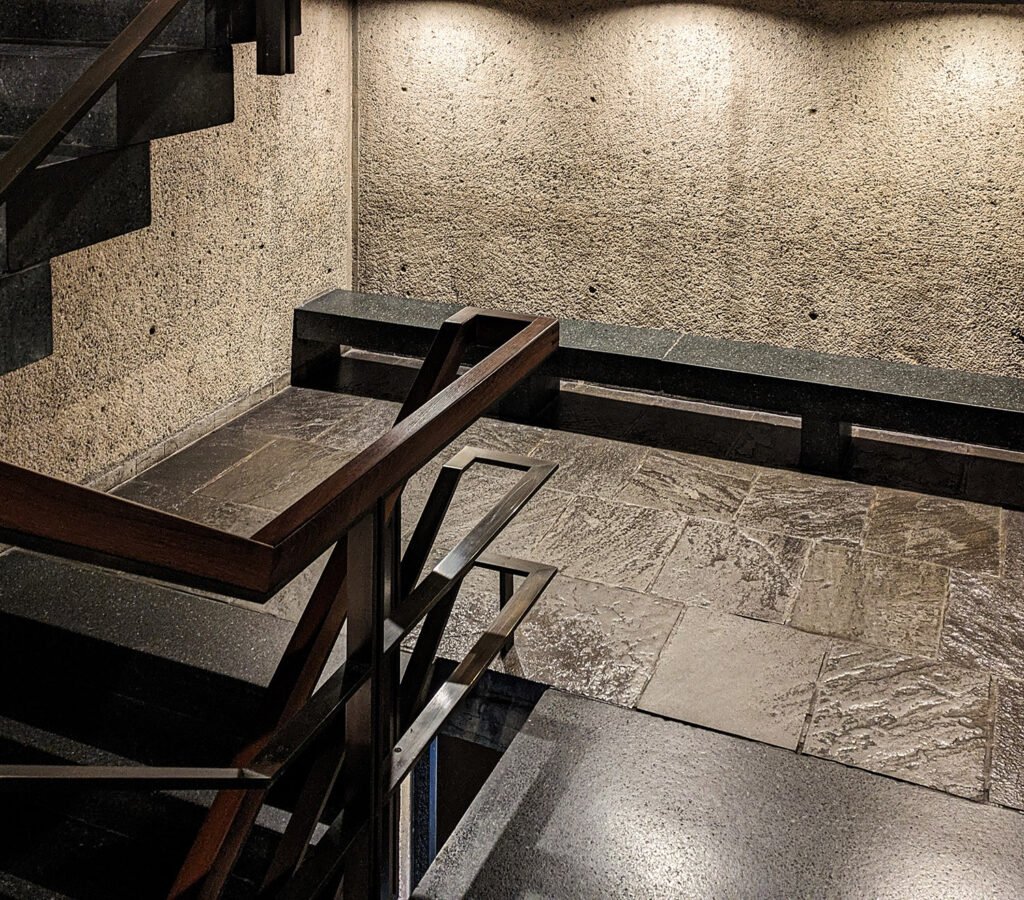
Smooth concave dome lights in the lobby contrast against the dark ceiling and roughly textured walls, created with vertical board-formed concrete. Floors throughout the building are covered in bluestone slab tile, and the walls in the stairwells are formed with bush-hammered concrete.
Sleek bronze railing on the stairs recalls Breuer’s earlier furniture designs, and the abundance of built-in seating thoughtfully incorporated throughout the building is an obvious byproduct of his residential period.
Detail of the stairwell in the Whitney Museum of Art
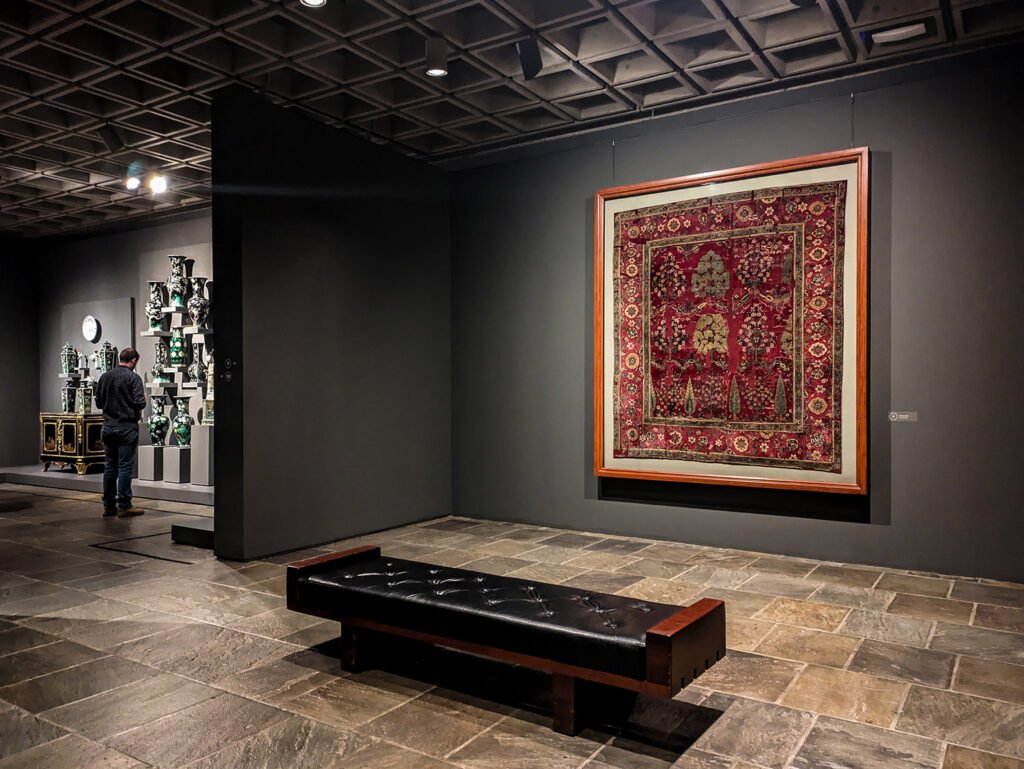
I visited 945 Madison in January 2024, when the building was about to end its 3-year run as the temporary home of the Frick Collection.
The Frick was a grim and joyless experience, and, for whatever reason, the museum’s management prohibited photography in the galleries — it’s not like any of their boring art was worth a picture. I dodged the leering security guards and snapped a photo anyway, because fuck that Nazi-inspired nonsense.
The Frick had covered Breuer’s signature windows with giant scrims, so there wasn’t much to admire in the building’s galleries. In the image below, you can still see some of the coffered ceilings, bluestone tiles, and built-in seating.
I took a picture in the gallery. Sue me.
Breuer’s creative output arguably peaked with the Whitney and became increasingly repetitive and self-referential through the late 1960s.
In 1968, the same year he was awarded the Gold Medal of the American Institute of Architects, Breuer also faced severe backlash for his proposed Grand Central Tower, which called for the demolition of New York’s landmark train station, only a few years after the destruction of the original Penn Station ignited widespread protest.
New Yorkers aren’t known for forgiveness, and at Breuer’s death, Paul Goldberger, then the architecture critic for TheNew York Times, stated in his obituary for Breuer that the architect was “most likely to be remembered for things that are very small — things that are not buildings at all.”6
That observation was catty but dead on, as Breuer’s contributions to architecture are essentially unknown to the public today. And why is that?
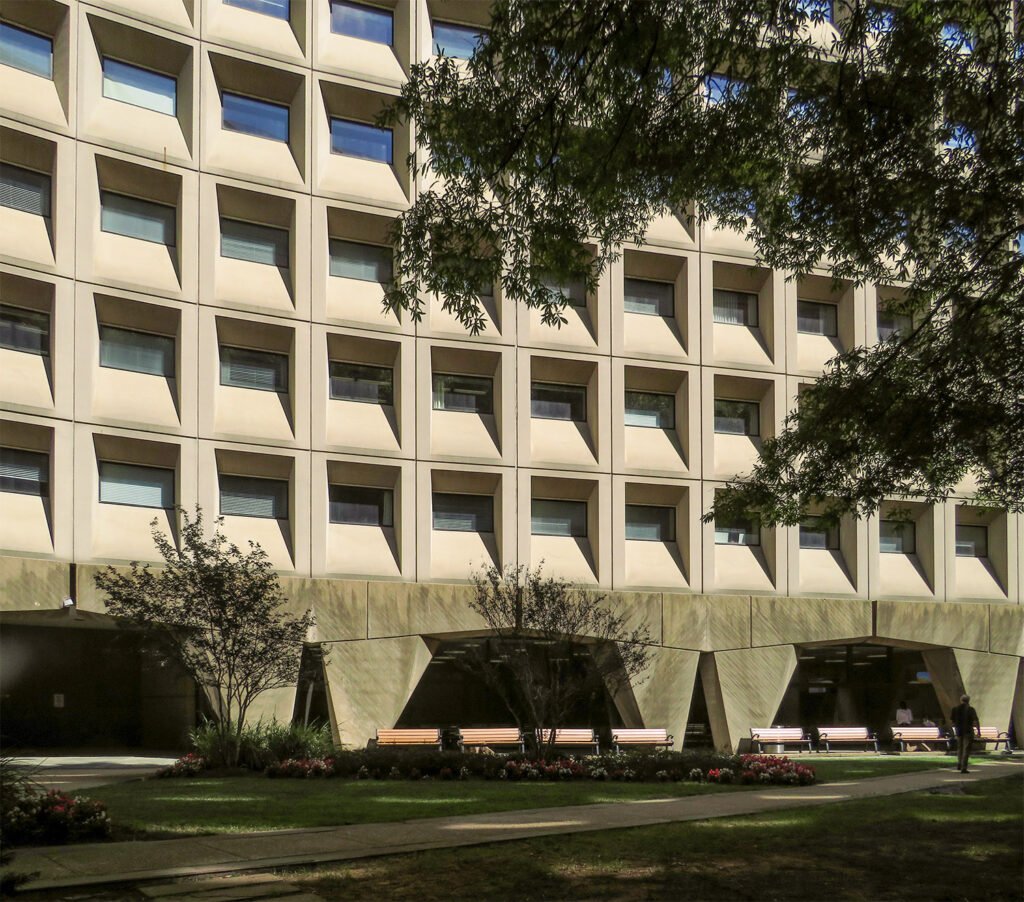
Marcel Breuer and Herbert Beckhard. Department of Housing and Urban Development (1968). Washington, D.C.
Societal taste in architecture is always fickle, but the backlash against Brutalism has been especially swift and severe. What was initially embraced in the 1960s as a universal, egalitarian, and essentially optimistic style was, by the 21st century, widely viewed as hostile, oppressive, and just plain ugly.
It doesn’t help that concrete ages poorly: it cracks, it stains, and if it isn’t regularly power-washed (and it never is) it just looks drab and dirty. Slapping white paint on old concrete buildings has become popular in recent years, but it’s a cheap trick that never succeeds.
Breuer’s output was also wildly inconsistent in the second half of his career. While he had a few outstanding gems like the Whitney, his firm also produced a large number of banal and uninspired projects in the 1960s and 70s, with a clear prioritization for commissions over creativity.
Thus, Breuer’s name is associated with such dreary designs as the Department of Housing and Urban Development (1968) in Washington, D.C., or the downright hideous building for the Department of Health, Education, and Welfare (1977) in the same city.
Later projects like the Strom Thurmond Office Building and Federal Courthouse (1979) in Columbia, South Carolina, shouldn’t even be mentioned in the same breath as Breuer, since he obviously had nothing to do with their design.
Breuer’s disappearance from public consciousness is also hardly unique: most people today are unfamiliar with his contemporaries like Philip Johnson, Louis Kahn, Paul Rudolph, or I.M. Pei, and the average person’s assessment of any of those designers’ best works would likely be unfavorable.
Marcel Breuer and Hamilton P. Smith. Detail of Strom Thurmond Office Building and Federal Courthouse (1979). Columbia, South Carolina.
Some of Breuer’s projects have found new uses: in 2003, part of Breuer’s landmark design for the Armstrong Rubber Company (1966) in New Haven, Connecticut, was demolished for the construction of an IKEA store, but the remaining portion of the structure has since been converted to a boutique hotel.
Atlanta’s Central Library (1980) was the last project credited to Breuer, and it too faced possible destruction until it was spared by a controversial renovation completed in 2021. That story will be forthcoming.
References
McCarter, Robert. Breuer. New York: Phaidon Press Limited (2016). ↩︎
Billhartz Gregorian, Cynthia. “An original vision with an attention to detail”. The Kansas City Star, October 18, 2015, p. 20G. ↩︎
McCarter, Robert. Breuer. New York: Phaidon Press Limited (2016). ↩︎
Paul, Steve. “Architecture A to Z”. The Kansas City Star Magazine, April 18, 2010, p. 15. ↩︎
Billhartz Gregorian, Cynthia. “An original vision with an attention to detail”. The Kansas City Star, October 18, 2015, p. 20G. ↩︎
Burnett, W.C. “Architect Marcel Breuer’s influence memorialized in Atlanta Public Library”. The Atlanta Journal, July 8, 1981, p. 3-B. ↩︎
The note includes an outdated and offensive term referencing people of color.
Norrman’s remarks:
“In all countries, where moral and social systems similar to our own prevail, two expressions are in use among all sorts and conditions of men, to which each individual man seems to give his own interpretation. These terms are used in the kitchen and in the parlor; in squalid hovels and in the most elaborate apartments; we hear them in the barroom, at the bar of justice and behind jail bars. From press and pulpit they are heard continually, and fanatics for ages have made zealous use of them while kindling cruel bonfires for the immolation of their fellow creatures. Politicians use them as a means of catching votes; trades people to sell goods; promotors of all sorts to float their schemes. Sometimes they are used by learned professors and sometimes by ignorant field negroes. The expressions I have reference to are ‘civilization’ and ‘Christian community.’ I think it would be interesting to a large number of your subscribers to read definitions of these terms from people of various pursuits and various intellectual attainments.”3
Following G.L. Norrman‘s previously published remarks about Moriz Rosenthal, The Atlanta Journal received several indignant letters rebuking his criticism. After his first performance sold out,1 Rosenthal then held a second concert in Atlanta,2 which was attended by a reader of the newspaper, identified only as “M.E.C.”
In a letter published on February 24, 1899, “M.E.C.” gave a rapturous review of the concert in ridiculously florid terms, while also swiping at Norrman. The pertinent quotes:
“I had occasion several weeks ago to refer with indignation to the kind of stuff a morning paper was serving us as musical criticism.”
“But why should we expect every artist to have in the highest degree every attribute of other artists: A man may be an excellent architect, and yet know very little about music.”3
Always eager to have the last word, Norrman shot back with another letter, which was published on February 27, 1899. Norrman liberally quoted M.E.C.’s own words, and also took the opportunity to mock the Christian Science movement — keep in mind, he was still overseeing the construction of Atlanta’s Christian Science church at the time.4
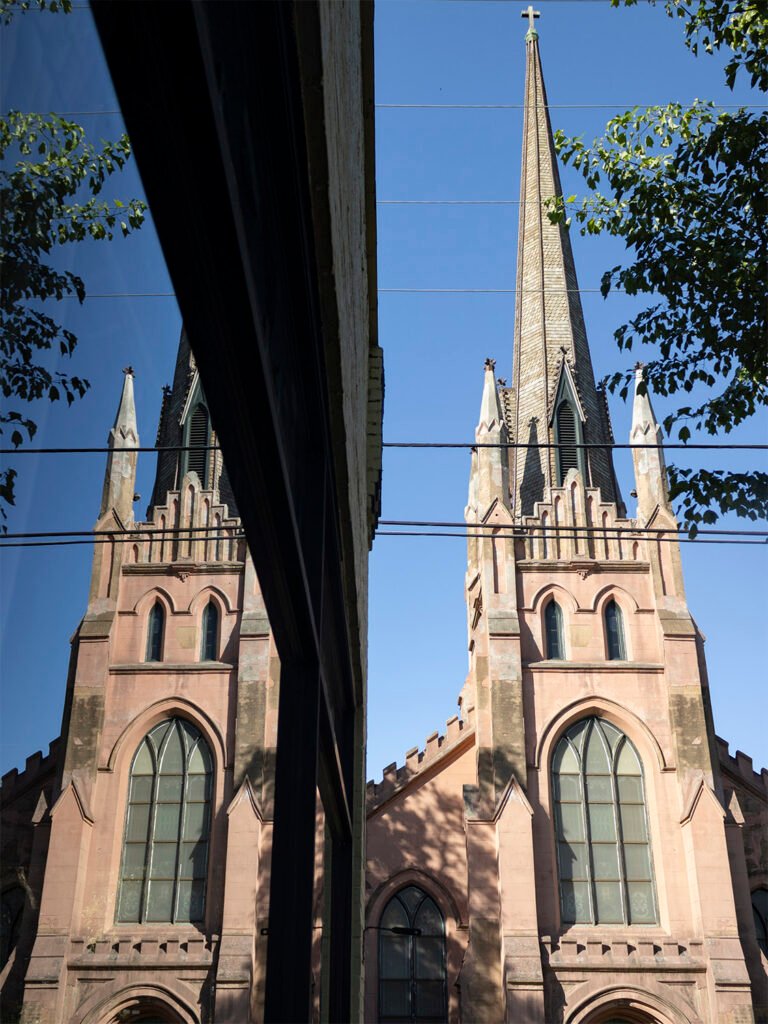
G.L. Norrman. First Church of Christ Scientist (1899, demolished). Atlanta.5
It’s probable that “M.E.C.” was Sue Harper Mims, the leader of Atlanta’s Christian Science church, a stuffy old society woman with whom Norrman regularly traded barbs.
Norrman’s remarks:
To the Editor ofThe Journal:
“I never realized until Friday, when reading the criticism on Rosenthal by “M.E.C.” the amount of delicate perception that is necessary to be a musical critic. It requires such a delicacy of perception as to be able to distinguish a half expressed passion from an expressed passion, or from an unexpressed passion. A critic who can comprehend the “half expressed passion of a Chopin” can undoubtedly comprehend “the intellectual profundity of Schumann.” A person who is endowed with such spiritual light might almost be capable of preaching a Christian Science sermon or write poetry for a young ladies’ literary society.
“To an ordinary person whose spiritual understanding does not extend beyond what is expressed, music, architecture or any other art is a fine art only when it is a vehicle for conveying emotions. When art is used for any other purpose it is merely a handicraft. So an acrobatic performance with the fingers on a piano is itself no more of a fine art than is an acrobatic performance with the toes on a tight rope.”
G.L. Norrman was a man of forceful and contrary opinions that often riled the ruling class of Atlanta, a pretentious pack of lying dullards who couldn’t face the truth if their lives depended on it.
What no doubt baffled them the most about Norrman was that he could fully articulate his objections in a defined and intelligent manner, of which most people are simply incapable.
In February 1899, the Atlanta Concert Association hosted a concert at Degive’s Grand Opera House by the Polish pianist Moriz Rosenthal, who was popularly referred to by his last name only.1
Rosenthal was internationally famous, and his appearance in a backwater like Atlanta was considered a cultural milestone for the city.
The newspapers were expectedly fawning of Rosenthal’s performance, but a reporter from The Atlanta Journal got an earful when he asked Norrman for his thoughts on Rosenthal, which were published on February 17, 1899, in the “Loitering in the Lobbies” column.
The comments include multiple references to 19th-century performers, and appropriate informational links have been provided. However, there is scant information online about Joseph Denck (1848-1916), a pianist from Columbia, South Carolina who primarily performed in the Southeast.
Norrman’s remarks:
“Yes, I heard Rosenthal, and while I do not profess to be a musical critic I don’t mind saying how he impressed me.
“I think his technique was very good—but that his selections were poor. I am backed up by an Atlanta musician who is far above the average, in fact, almost a professional. You see, Rosenthal played last night nothing that is familiar even to the average musician much less the great body of his audience. Indeed, as a popular success his entertainment was a dead failure. Now, if he had played a few selections even from such composers as Rossini, Beethoven, Wagner, I could have followed him much better. But, as it was, I could hardly follow him at all—and, of course, the great body of his auditors could not enjoy his playing.
“It would have been far better if he had played selections from composers more familiar to people of average musical culture and thrown in popular airs for the benefit of the great majority of his audience who could have understood them. As it was these people simply sat there got nothing for their money.
“Perhaps there were a dozen or so persons in the audience who really enjoyed the performance. Still I couldn’t prove even this. If the bringing of Rosenthal here was to arouse an interest in music and help the people to understand it, I can’t see exactly how this object was accomplished.
“Say, for instance, that the majority of his hearers were up in the multiplication table of music, so to express it, and I am satisfied that such was not the case—how could they even then be expected to make a long leap and understand and enjoy the calculus of music he undoubtedly gave. For his selections were all of the highest, the most difficult grade, ultra scientific and classical.
“So, in my view, his performance was not only a failure from a popular standpoint, and was not even a success judged from the plans of average and even above the average musicians and people of musical culture.
“For my own part, I much prefer Mr. Joseph Denck as he played a few years ago. He has a marvelous touch and always played selections from composers more or less familiar to music lovers, and his playing of popular music is exquisite. Yes, as Denck played a few years ago, when I last heard him. I like him better than Rosenthal. He is not only a wonderful pianist, but knows how to please the average musicians and the people better than Rosenthal, judged by his performance last night.”
Reporter: How does Rosenthal compare with Padarewski?
“He’s about as good, I think. I never thought Paderewski such a miracle of a musical genius as some people did. I saw nothing about him to lose my head over. He’s very fine, no doubt, but so is Rosenthal, I suppose—
“But admit that Rosenthal was as fine as fine can be Wednesday night. What does it amount to him if we cannot follow him?
“It is not good taste in a pianist to be ever so fine if his audience don’t know it—can’t take in his fineness. Just as it would not be good taste for a person to speak Greek in a parlor full of people if nobody present understood the language.
“I am no musical critic, but I try to take a common sense view of Rosenthal, and am backed up in what I have said by a musician of far more than average ability in musical matters. We were discussing Rosenthal after his performance and found that our views coincided concerning his recital.”2
References
“Rosenthal’s Coming Great Social Event As Well As Musical”. The Atlanta Journal, February 15, 1899, p. 7. ↩︎
“Loitering In the Lobbies”. The Atlanta Journal, February 17, 1899, p. 10. ↩︎
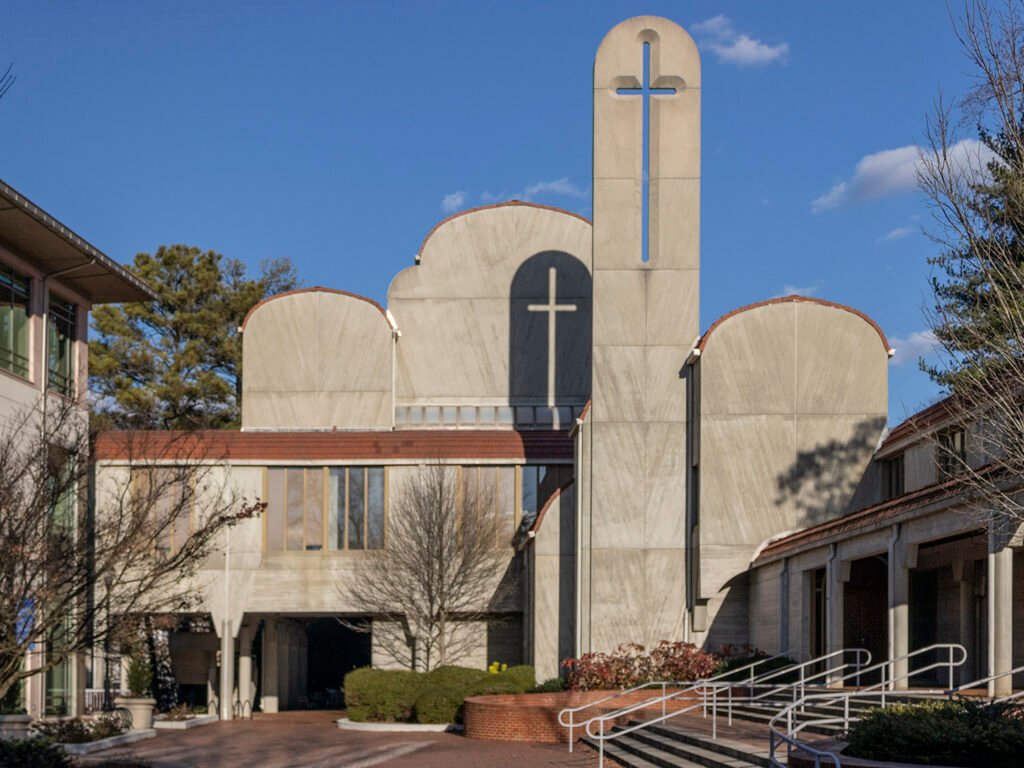
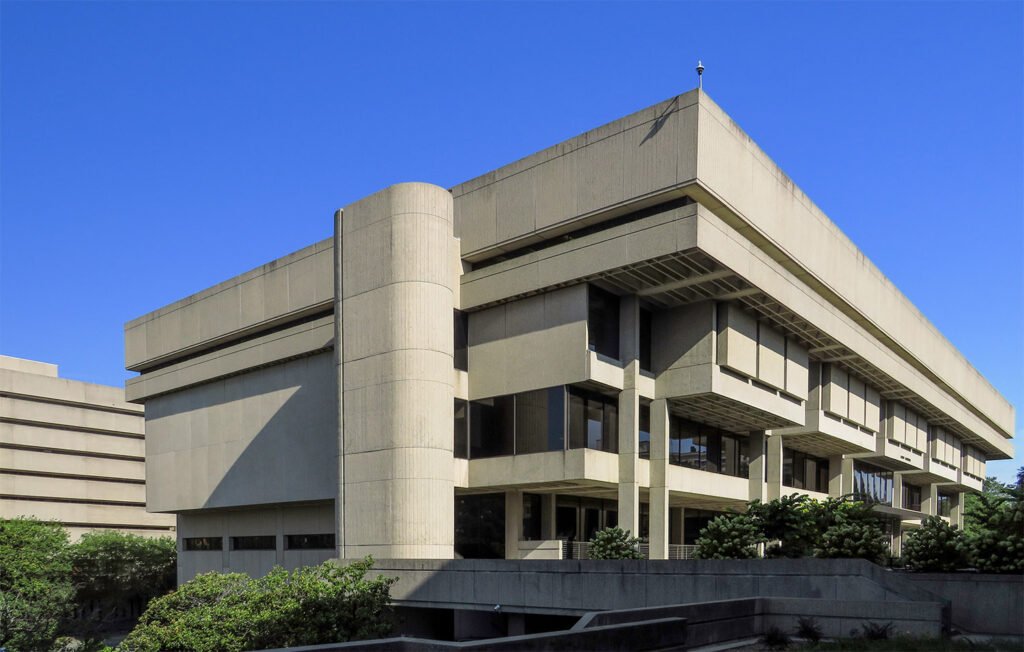
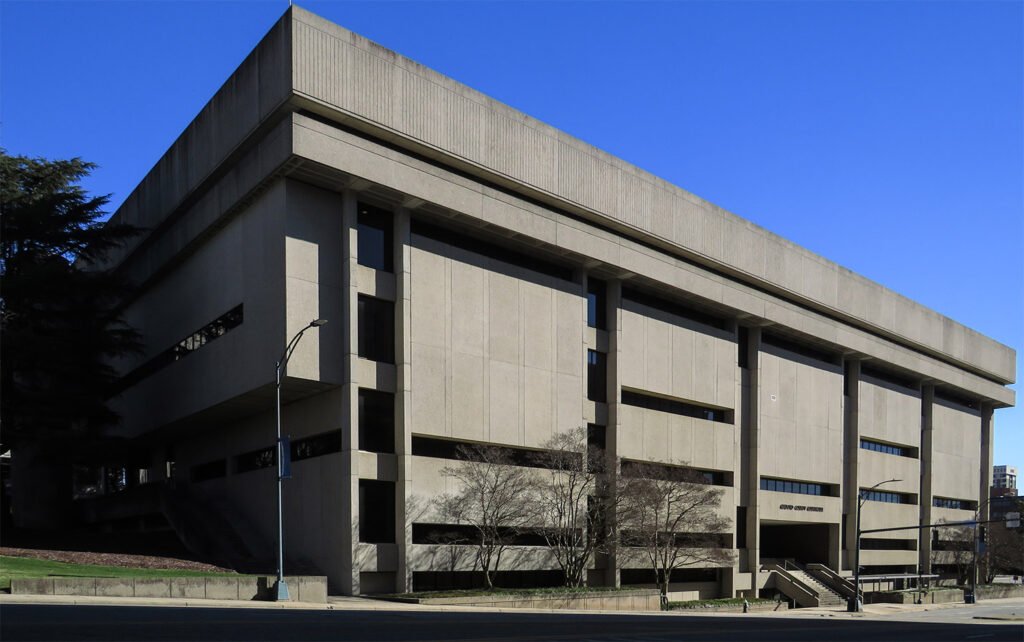
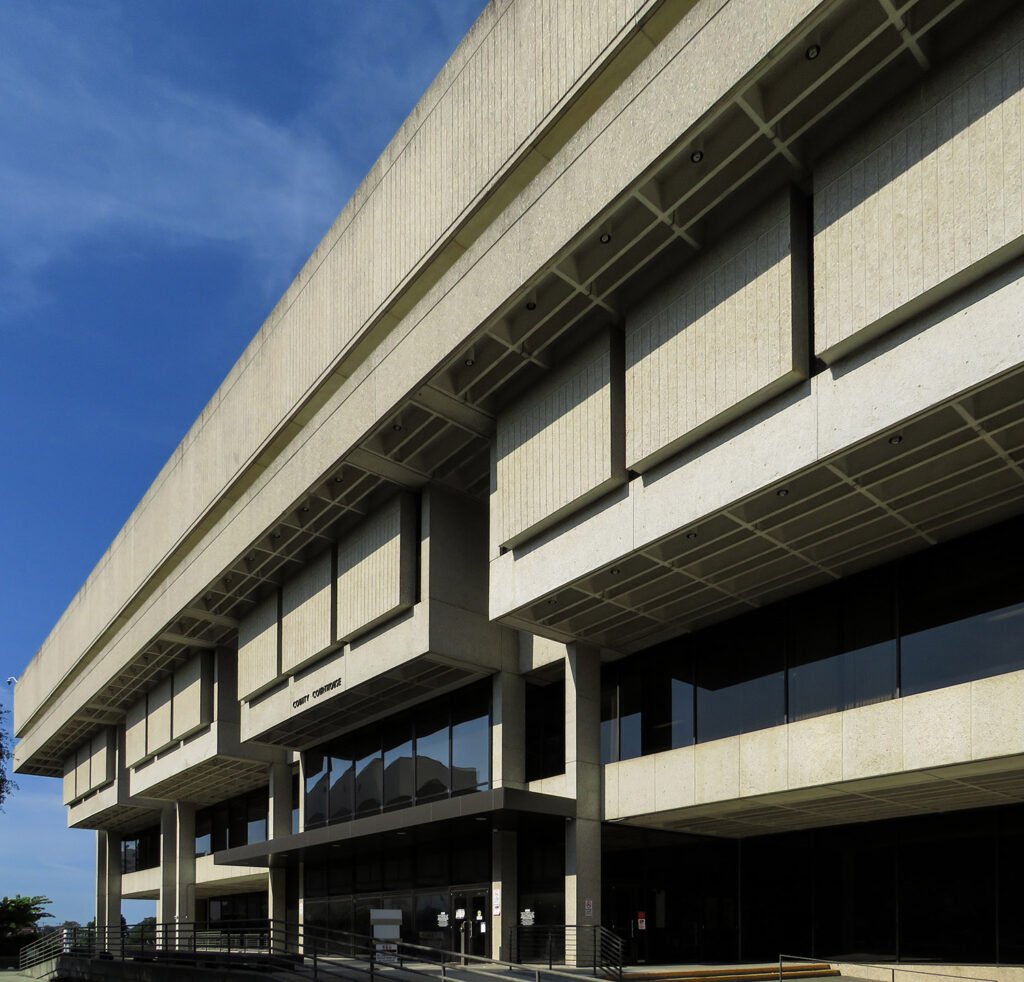
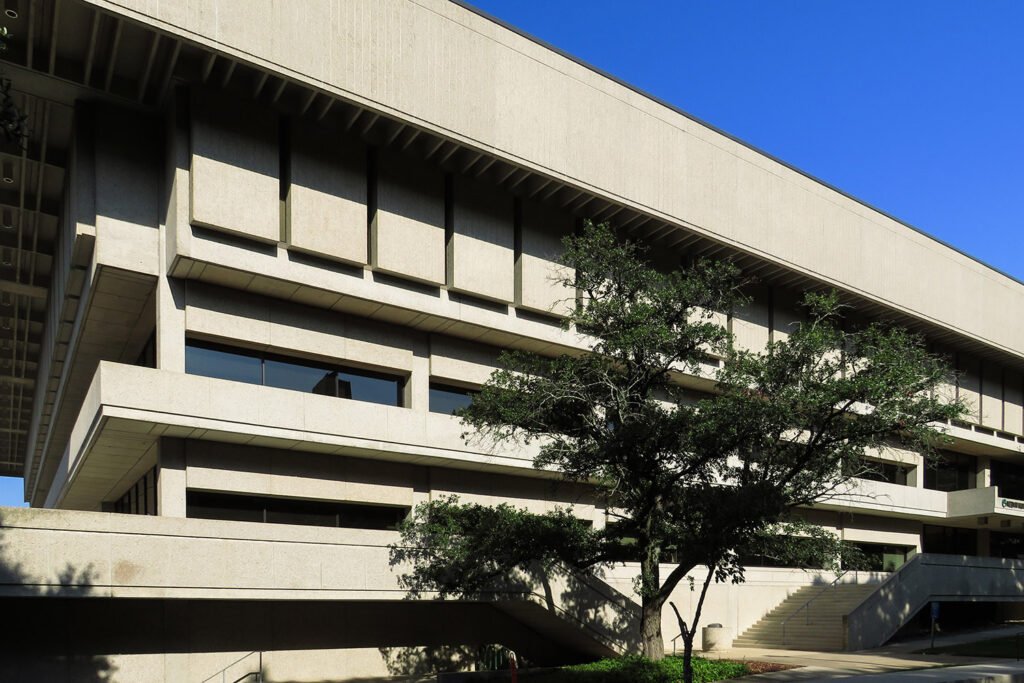
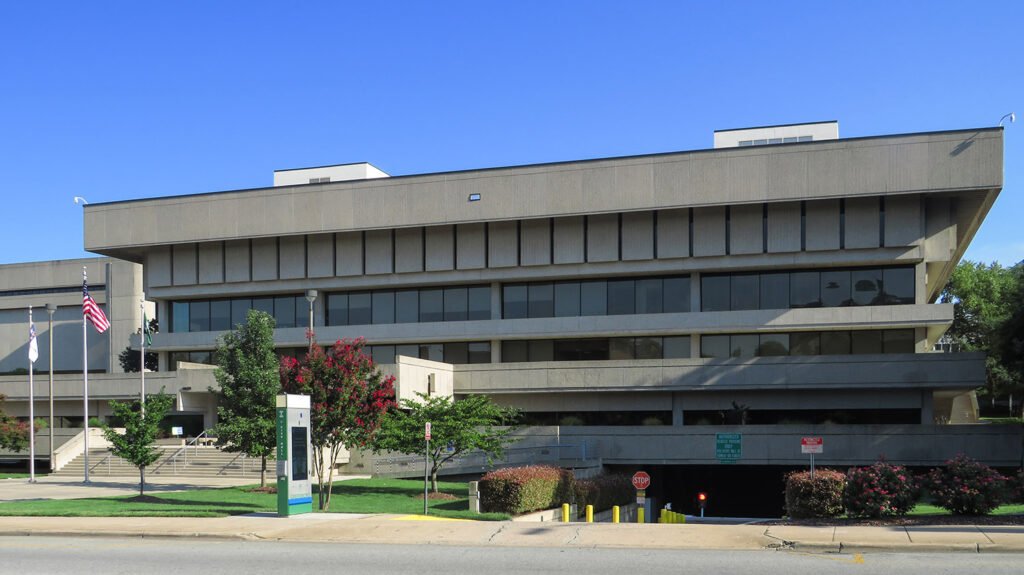
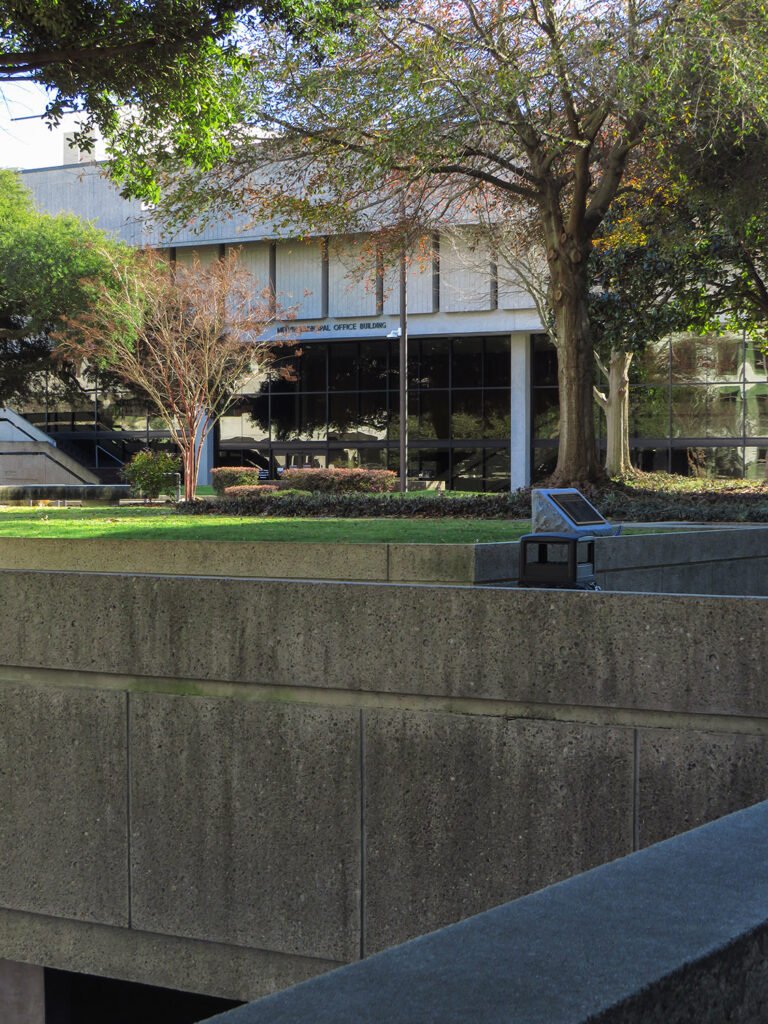
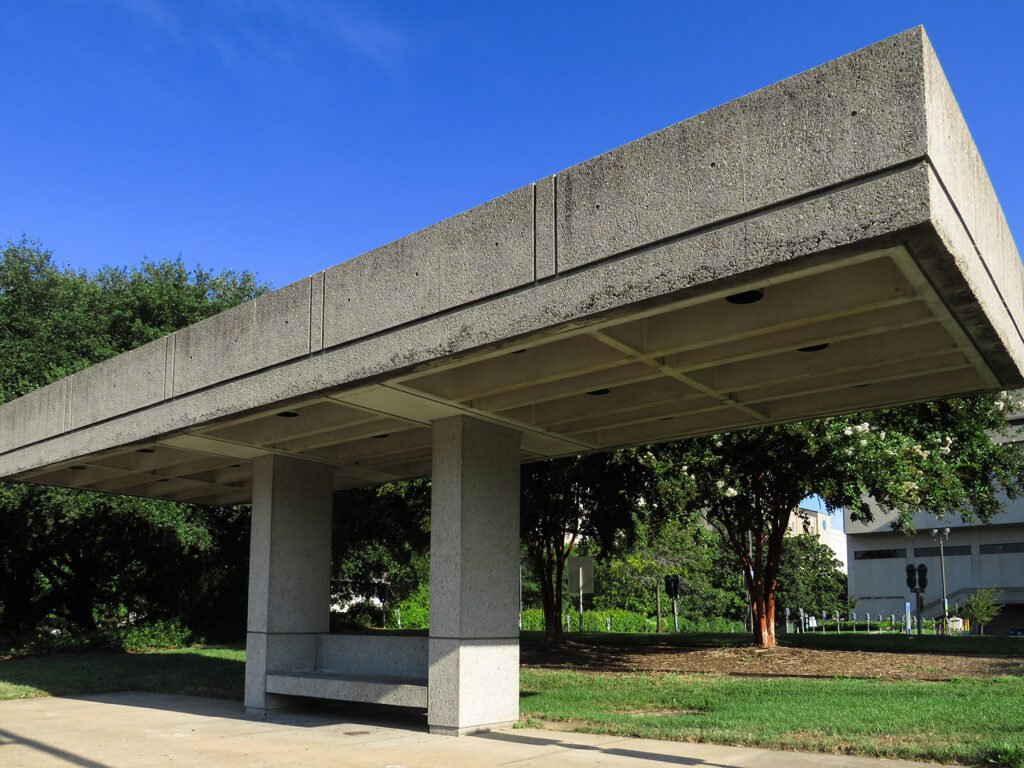
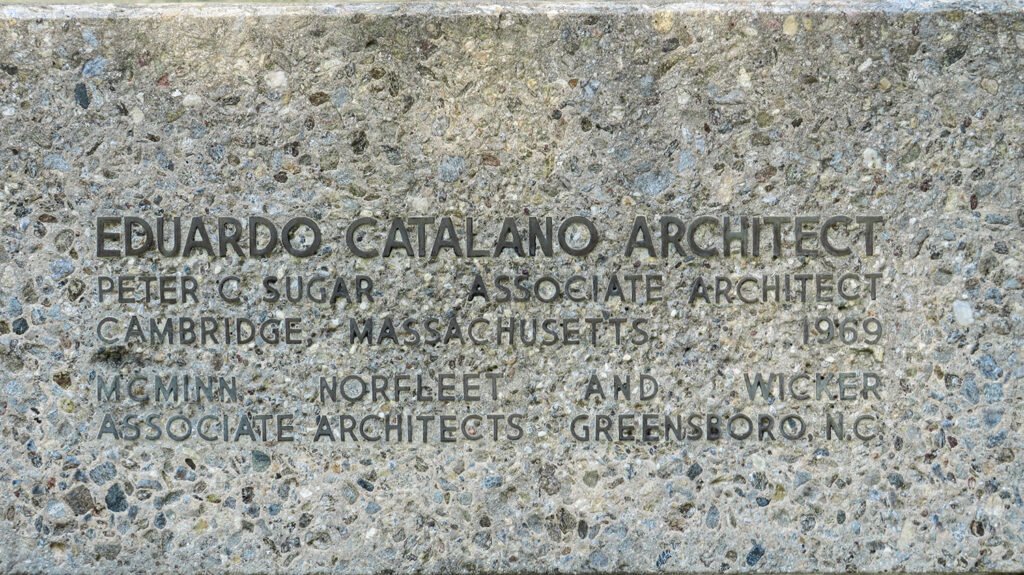
Eduardo Catalano with Peter C. Sugar and McMinn, Norfleet & Wicker. Greensboro-Guilford County Government Center (1969-1972). Greensboro, North Carolina.12
Attitudes toward sex were rapidly changing in the late 19th century, and 1898 was a banner year for kissing controversies.
Richmond P. Hobson was a dashingly handsome Navy lieutenant from Alabama who became a national celebrity when he was captured and held as a prisoner of war after sinking the Merrimac steamship in the Spanish-American War.
Following his release, Hobson went on a national tour, which was attended by throngs of admiring young girls, and in August 1898, he stopped in Atlanta to give a lecture at the Governor’s Mansion,12 which G.L. Norrman apparently attended.
A week after his Atlanta visit, Hobson visited Long Beach, California, where he was approached by Emma Arnold of St. Louis, visiting with a group of a dozen friends. Arnold brazenly asked Hobson for a kiss — to which he agreed. Arnold then proceeded to kiss each of her female friends to share Hobson’s kiss with them.3
The resulting scandal fueled a press flurry that lasted for months, and it launched Hobson’s status as an early sex symbol. Hobson kissed hundreds of girls for the remainder of his tour, which newspapers began dubbing “Hobson’s kissing tour”. At one event in Chicago, he reportedly kissed 163 women, followed by another in Kansas City where he broke his record by kissing 417.4
Incidentally, the famous Mrs. Kingsberry of Atlanta defended Hobson as a “nice manly fellow, and modest, too”, placing blame for his kissing escapades on the loose young women who flocked to him. “All young girls are enthusiastic hero worshipers!” she wrote. “Poor young fellow!” she added. “To think of marching up to 400 Kansas women and kissing 267 of them! What horrors!”5
As controversy swirled over Hobson’s incident with “the Long Beach girl”, Norrman wrote the following letter to The Atlanta Constitution, which was published on August 14, 1898.
“Patriotism and Kisses”
Editor Constitution—
“Lieutenant Hobson, in a short talk at the governor’s mansion, remarked to the effect that too much ado was made over the incident of the Merrimac, claiming that all our seamen would cheerfully embrace every opportunity of serving the country.
“From Miss Arnold’s explanation of the incident of the kiss I infer that she is equally modest and generous and gives every girl in the country credit for a desire of embracing the same opportunity of showing, with a merry smack, her appreciation of the heroism on the Merrimac.”