“The soul inspires art, and then art transforms and elevates matter to the ideal height of heavenly beauty.” – G.L. Norrman1
Gottfried Leonard Norrman (1848-1909)—known professionally as G.L. Norrman—was a leading architect of Atlanta and the Southeastern United States in the late 19th and early 20th centuries, and unquestionably the finest Southern designer of his era.
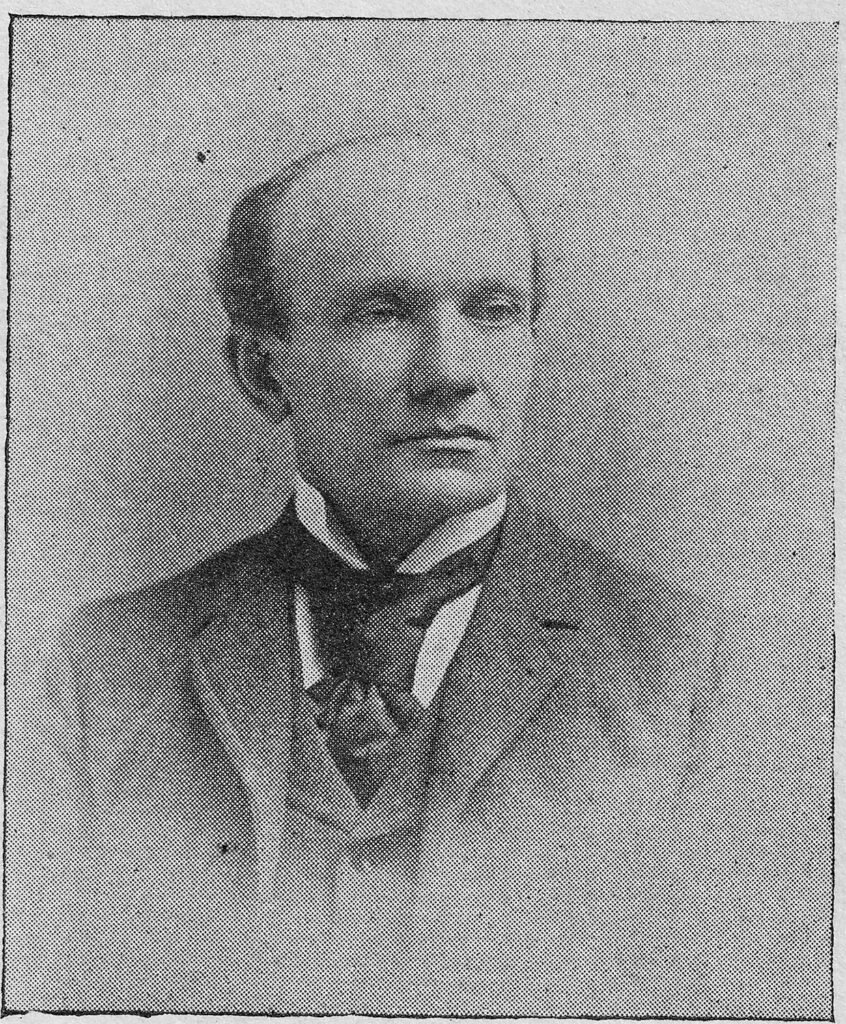
Born in Voxtorp, Sweden, in 1848, Norrman (pictured here2) emigrated to the United States in 1874 and first established his practice in the Upcountry of South Carolina, starting in Greenville in 1876 before moving to Spartanburg in 1878, where he became a U.S. citizen.
In May 1881, Norrman moved his business to Atlanta and was based there for the remainder of his life. A prominent and controversial fixture of the city’s social scene, Norrman shocked Atlantans and spurred national headlines when he died by suicide in November 1909 at the age of 61.
In his 33-year career, Norrman completed over 300 buildings across 5 Southeastern states—Georgia, South Carolina, North Carolina, Florida, and Alabama—with the bulk of his work consisting of grand public structures and elegant residences in Atlanta, most of which were demolished in the 20th century.
He also worked extensively in small towns across the region, as well as in cities such as Savannah, Georgia; Jacksonville, Florida; and Charleston, South Carolina.
Norrman closely followed the work of prominent Northern architects such as H.H. Richardson, McKim, Mead & White, and Louis Sullivan, and worked in step with the era’s emerging design trends, introducing the Colonial Revival and Classical Revival styles to the Southeast, among other notable contributions.
Pictured here: G.L. Norrman. Citizens Bank (1896). Savannah, Georgia.
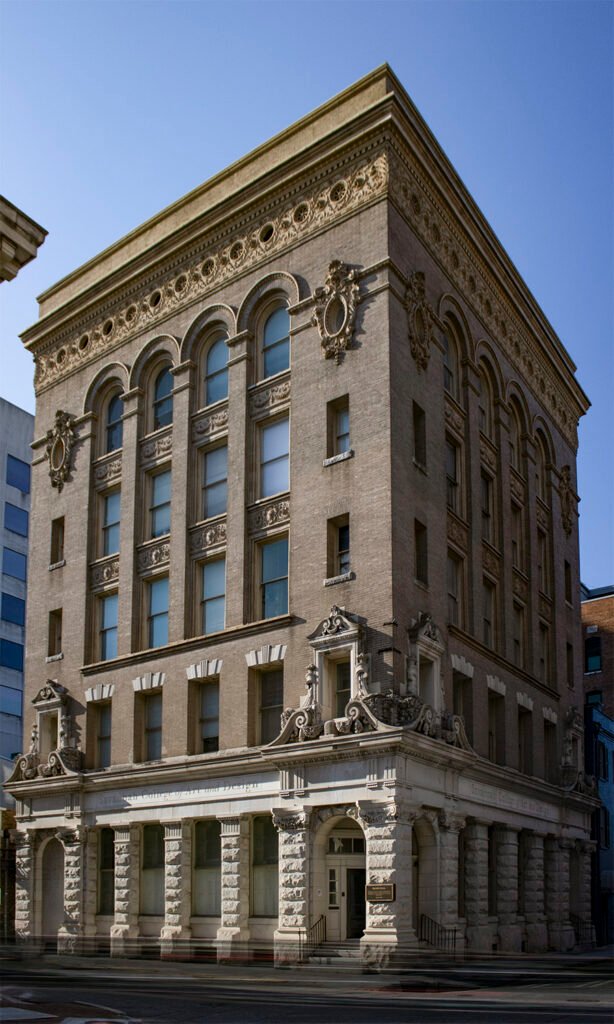
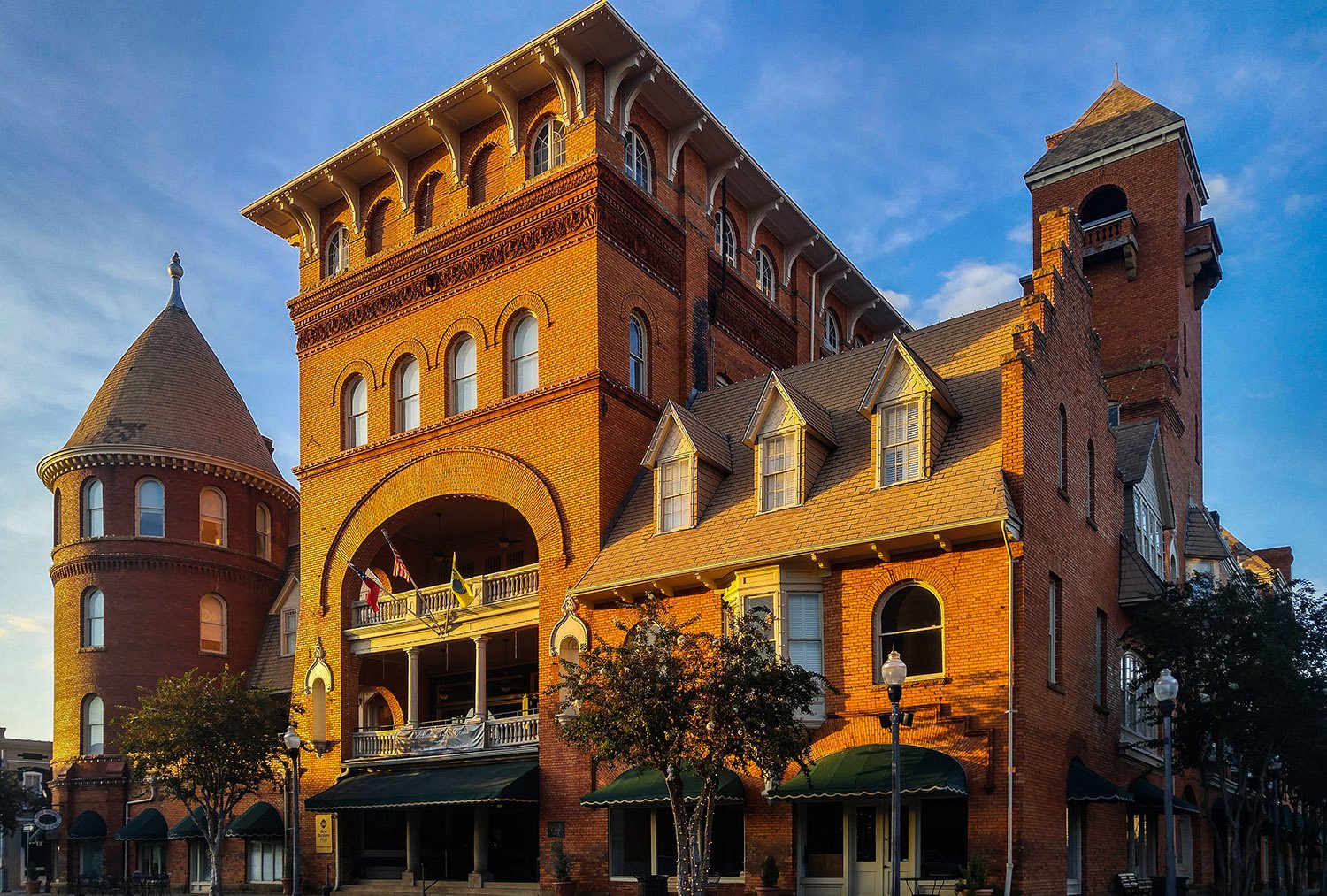
I was introduced to Norrman’s work as a child growing up in Americus, Georgia, where 7 of his works remain, including the landmark Windsor Hotel (1892, pictured above), which I consider his masterwork.
Seamlessly blending the Romanesque style with Moorish, Queen Anne, and Palladian elements, the Windsor is the finest example of Norrman’s skillful ability to create eclectic designs that were striking, harmonious, and awe-inspiring.
Of the more than 400 projects designed by Norrman, at least 64 still exist in some form; I have mapped and listed them below.
Extant Works by G.L. Norrman
Projects listed by date of construction.
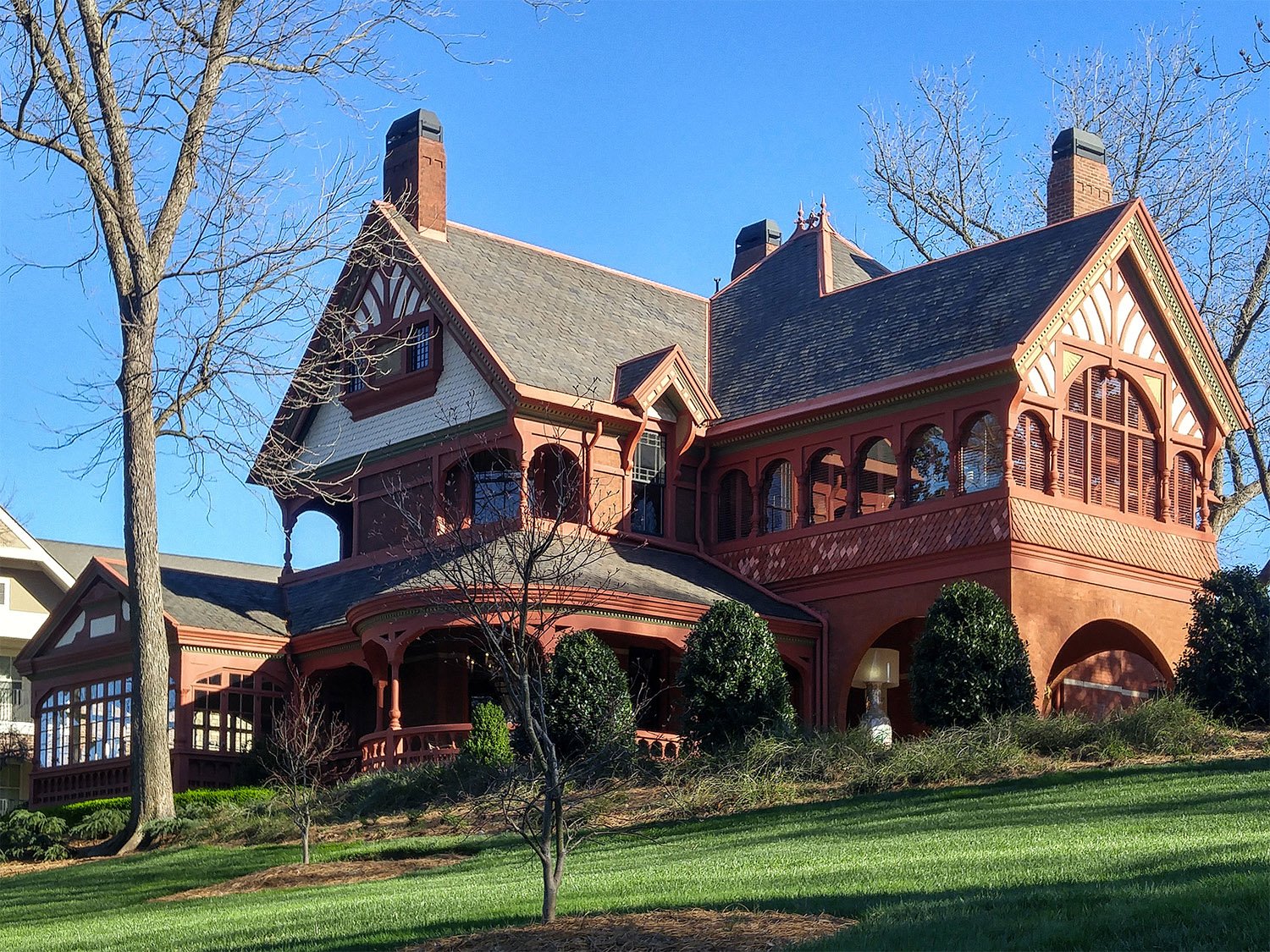
- Springwood Cemetery, designed in 1876 – Greenville, South Carolina [Map]
- Charles Lanneau Residence, completed 1877 – 417 Belmont Avenue, Greenville, South Carolina [Map]
- William T. Wilkins Residence(attributed), completed 1878 – 105 Mills Avenue, Greenville, South Carolina [Map] [Related Videos: An inside look at the Wilkins House, Tour historic mansion in its new spot]
- Block of 2 storerooms (attributed, altered), completed 1879 – 101 East Main Street, Spartanburg, South Carolina [Map]
- Newberry Hotel, completed 1880 – 1200 Main Street, Newberry, South Carolina [Map]
- City Hall and Opera House, completed 1882 – 1201 McKibben Street, Newberry, South Carolina [Map] [Related Video: O is for Opera House]
- Stone Hall, completed 1882 – Morris Brown College, Atlanta University Center [Map]
- Edward C. Peters Residence, “Ivy Hall”, completed 1883 – 179 Ponce de Leon Avenue NE, Midtown, Atlanta [Map] [Video: Visit Ivy Hall with Paula Wallace]
- Christ Church, built 1886 – 305 East Central Avenue, Valdosta, Georgia [Map]
- All Saints Church (altered), built 1886 – 530 Greenwood Street, Barnesville, Georgia [Map]
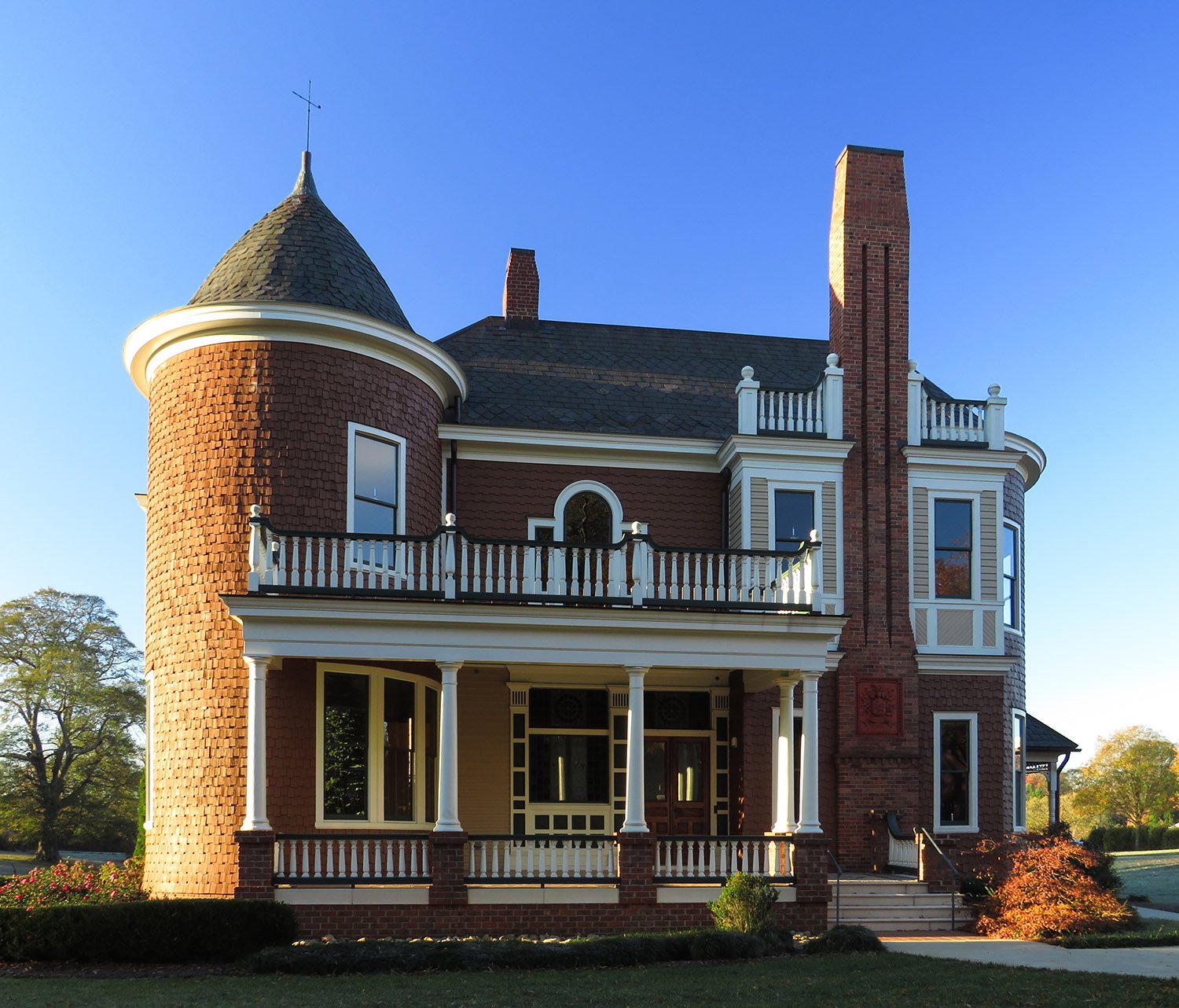
- W.W. Duncan Residence, completed 1886 – 300 Howard Street, Spartanburg, South Carolina [Map]
- George A. Noble Residence, completed 1887 – 1025 Fairmont Avenue, Anniston, Alabama [Map]
- Printup Hotel (altered), completed 1888 – 135 North 4th Street, Gadsden, Alabama [Map]
- Armstrong Hotel, ground floor facade (altered), building completed 1888 and demolished 1932, ground floor facade incorporated into replacement building – 90 East 2nd Avenue, Rome, Georgia [Map]
- Samuel McGowan Residence, completed 1889 – 211 North Main Street, Abbeville, South Carolina [Map]
- Ervin Maxwell Residence, “Fort View”, completed 1889 – 134 McDonald Street SW, Marietta, Georgia [Map]
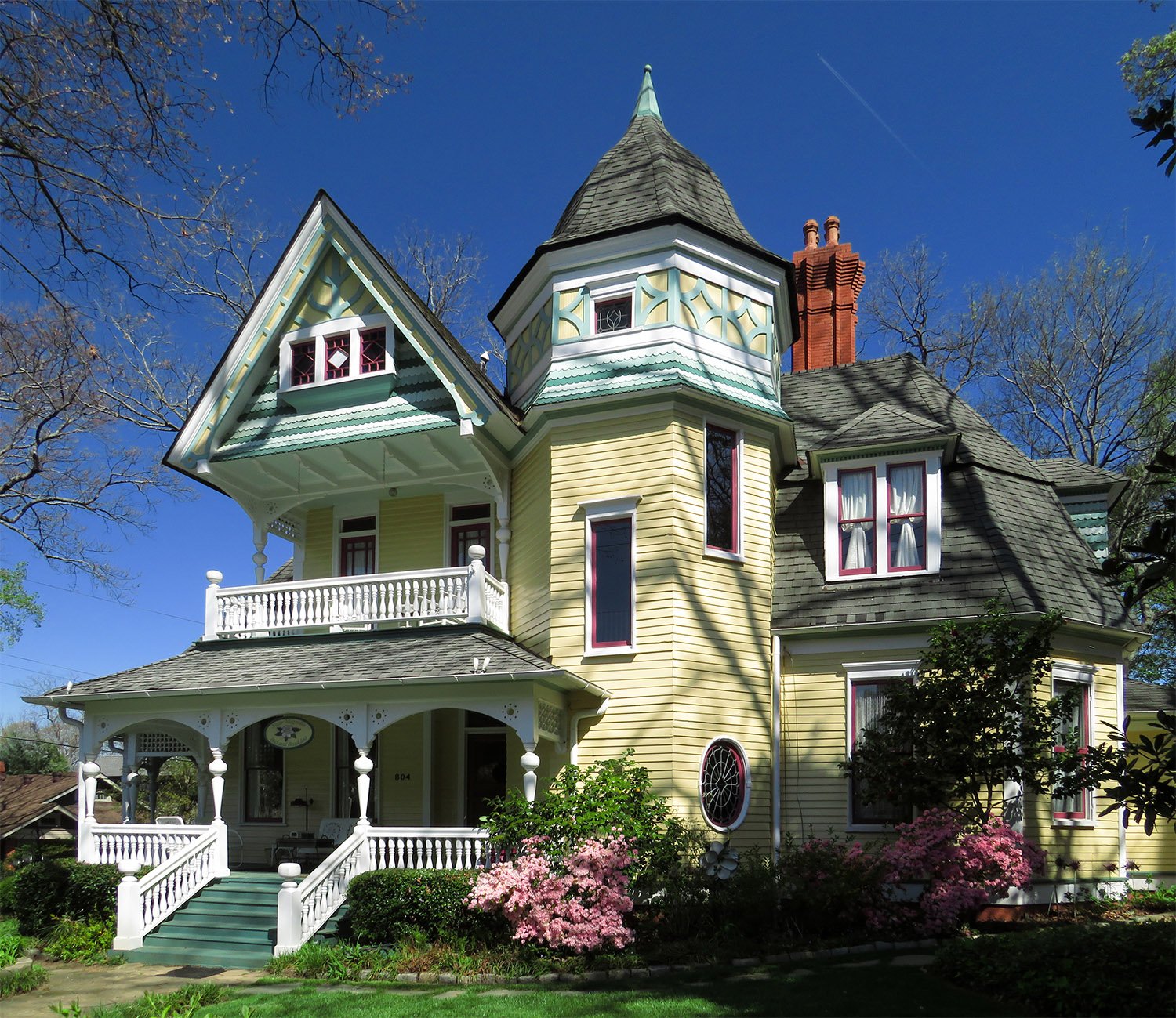
- Thomas W. Latham Residence, completed 1889 – 804 Edgewood Avenue NE, Inman Park, Atlanta [Map]
- Atlanta and Edgewood Street Railroad Shed (attributed), completed 1889 – 963 Edgewood Avenue NE, Inman Park, Atlanta [Map]
- 125 Edgewood Avenue (attributed), completed 1889 – Downtown, Atlanta [Map]
- W.L. Glessner Residence (attributed), completed 1890 – 1202 South Lee Street, Americus, Georgia [Map]
- E. A. Hawkins Residence, completed 1890 – 406 East Church Street, Americus, Georgia [Map]
- Home for East Atlanta Land Company, completed 1890 – 897 Edgewood Avenue NE, Inman Park, Atlanta [Map]
- Home for East Atlanta Land Company, completed 1890 – 882 Euclid Avenue NE, Inman Park, Atlanta [Map]
- Standard Wagon Company Building (attributed), completed 1891 – 58 Walton Street NW, Fairlie-Poplar, Atlanta [Map]
- M. B. Council Residence (attributed), completed 1891 – 602 Rees Park, Americus, Georgia [Map]
- City Hall and Fire Station, completed 1891 – 109 North Lee Street, Americus, Georgia [Map]
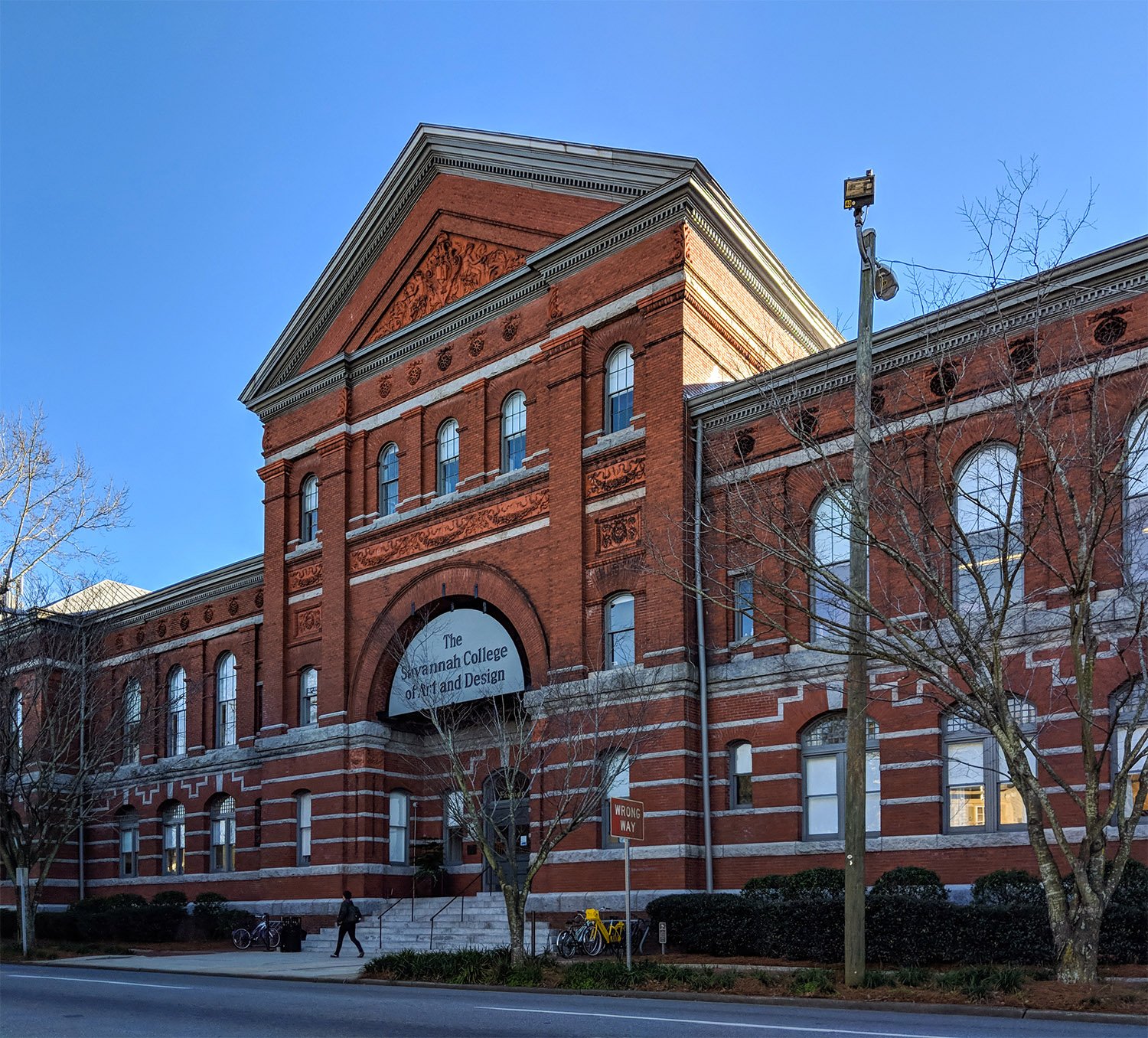
- Henry Street School, completed 1892 – 115 West Henry Street, Savannah, Georgia [Map]
- W. P. Carrington Residence, completed 1892 – 2 Meeting Street, Charleston, South Carolina [Map] [Related Video: Two Meeting Street Inn]
- Windsor Hotel, completed 1892 – 125 West Lamar Street, Americus, Georgia [Map]
- College Inn (altered), completed 1892 – 2 Epworth Dorm Lane, Duke University, Durham, North Carolina [Map]
- Edgewood Avenue Grammar School, completed 1892 – 729 Edgewood Avenue NE, Inman Park, Atlanta [Map]
- John W. Wheatley Residence, expansion and renovation (attributed) of home built circa 1860, completed 1892 – 128 Georgia Highway 49 North, Americus, Georgia [Map]
- John T. Taylor Residence(attributed), completed 1892 – 603 South Lee Street, Americus, Georgia [Map]
- George W. Williams Residence, Jr. expansion and renovation(attributed) of home built circa 1770, completed 1892 – 15 Meeting Street, Charleston, South Carolina [Map]
- Fannie Lou Cozart Residence renovation and expansion of home built circa 1825, completed 1893 – 211 East Court Street, Washington, Georgia [Map]
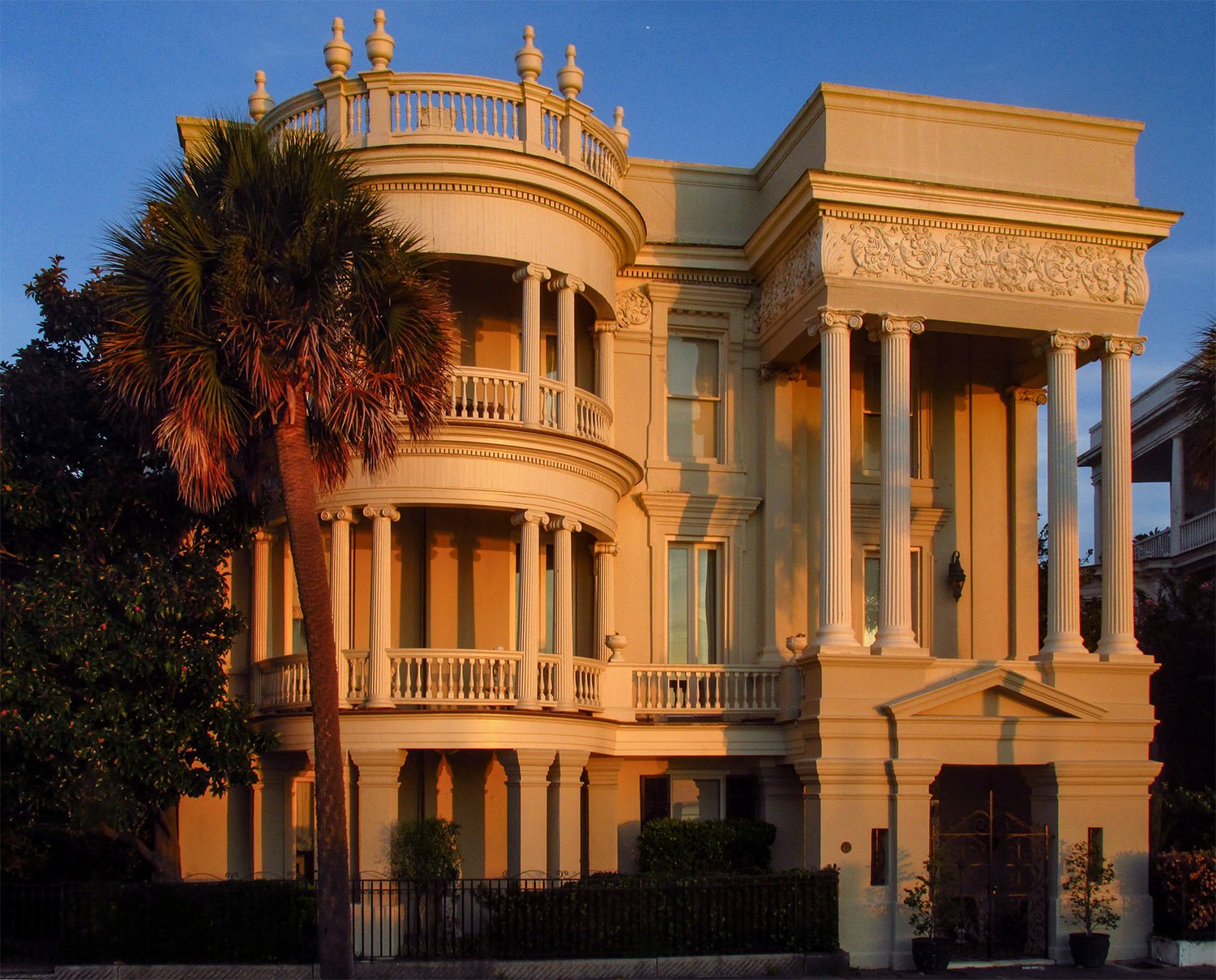
- J.C. Simonds Residence, renovation and expansion of home originally built in 1856, completed 1893 – 29 East Battery Street, Charleston, South Carolina [Map] [Related Video:29 E Battery Porcher-Simons house Charleston]
- R.O. Barksdale Residence, completed 1893 – 33 Lexington Avenue, Washington, Georgia [Map]
- C. D. Hurt Residence (attributed), completed 1893 – 36 Delta Place, Inman Park, Atlanta [Map]
- Sixteenth Street School, completed 1893 – 1532 3rd Avenue, Columbus, Georgia [Map]
- W.B. Chisolm Residence, expansion and renovation(attributed) of home built circa 1816, renovation circa 1893 – 68 Meeting Street, Charleston, South Carolina [Map]
- T.P. Ivy Residence, completed 1895 – 785 Piedmont Avenue NE, Midtown, Atlanta [Map]
- Citizens Bank, completed 1895 – 15 Drayton Street, Savannah, Georgia [Map]
- Wellhouse and Son Building, completed 1896 – 263 Decatur Street SE, Downtown, Atlanta [Map]
- Milton Dargan Residence, completed 1897 – 767 Piedmont Avenue NE, Midtown, Atlanta [Map]
- W.L. Reynolds Residence, completed 1897 – 761 Piedmont Avenue NE, Midtown, Atlanta [Map]
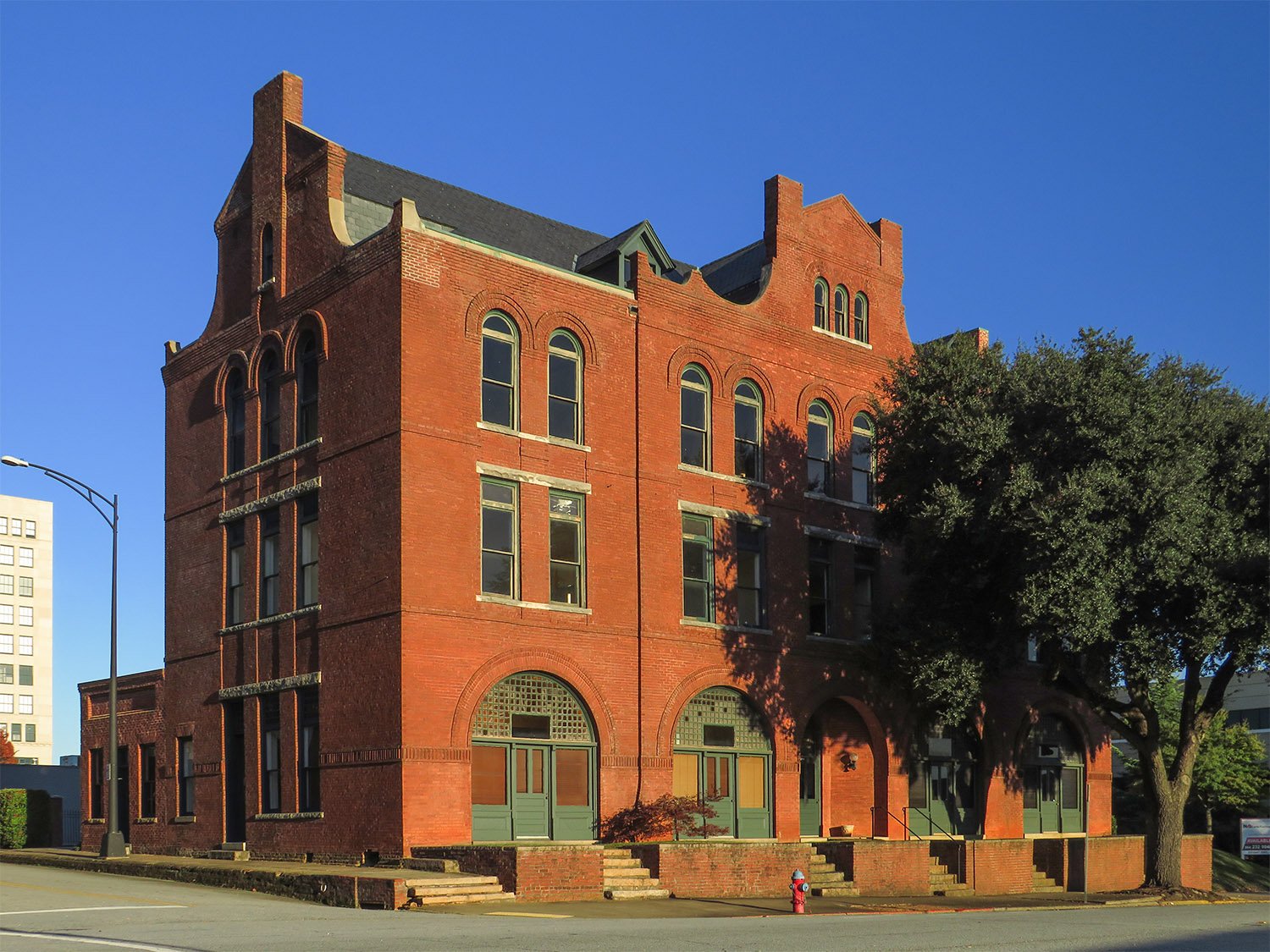
- Cleveland Law Range(attributed), completed 1899 – 175 Magnolia Street, Spartanburg, South Carolina [Map]
- Anderson Memorial Methodist Episcopal Church, completed 1899 – 312 Sycamore Street, Decatur, Georgia [Map]
- Henry D. Stevens Residence, renovation and expansion of home built 1866, completed 1899 – 303 East Gaston Street, Savannah, Georgia [Map]
- Arthur B.M. Gibbes Residence, completed 1900 – 105 East 37th Street, Savannah, Georgia [Map]
- 38th Street School, completed 1901 – 315 West 38th Street, Savannah, Georgia [Map]
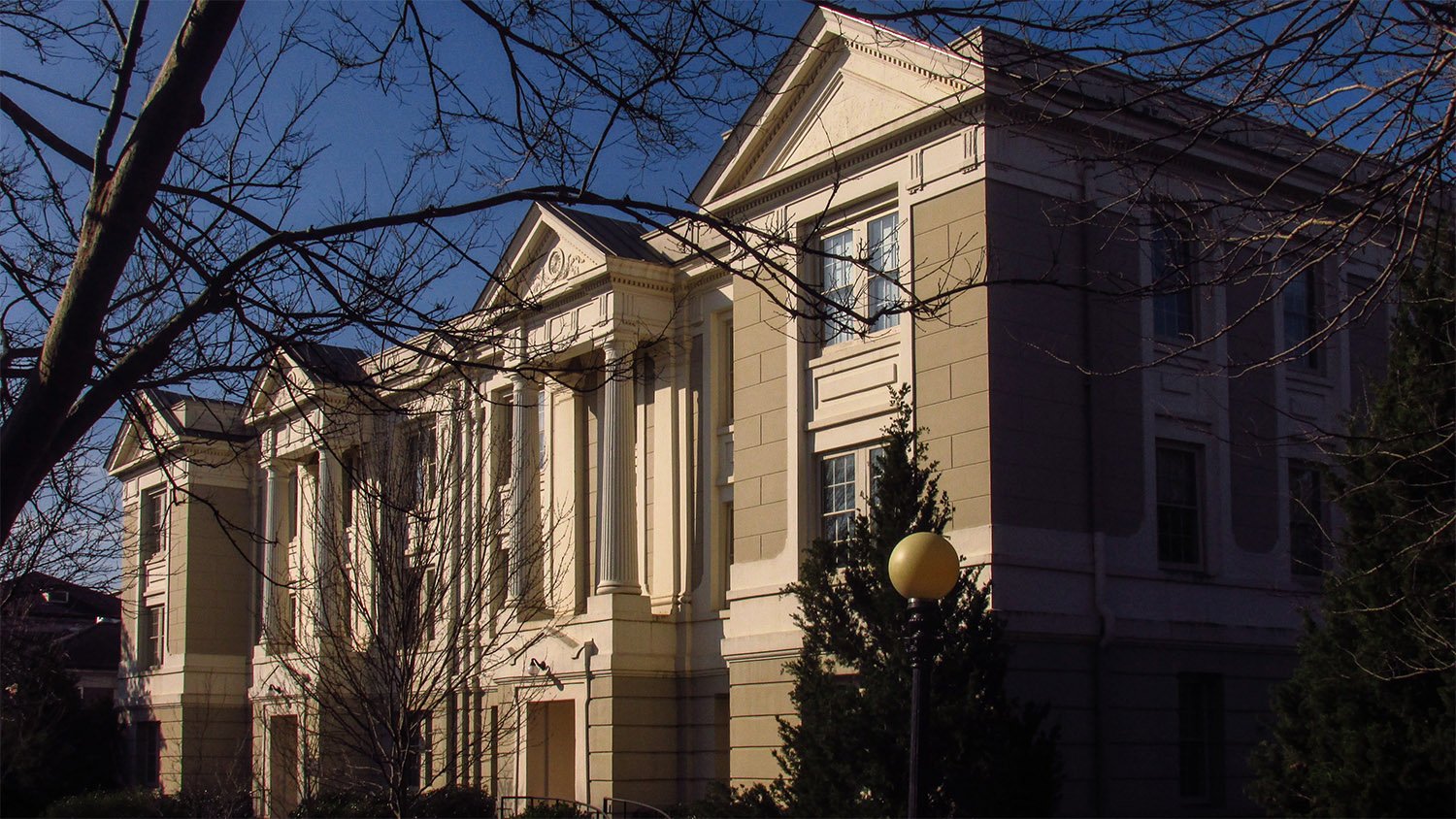
- Candler Hall, completed 1902 – University of Georgia, Athens, Georgia [Map]
- Denmark Hall, completed 1902 – University of Georgia, Athens, Georgia [Map]
- Bisbee Building, completed 1902 – 57 West Bay Street, Jacksonville, Florida [Map]
- Eureka Hotel, completed 1902–03 – 104 East Pickens Street, Abbeville, South Carolina [Map] [Related Video: Belmont Inn]
- Lawrence McNeil Residence, completed 1904 – 513 Whitaker Street, Savannah, Georgia [Map] [Related Video: Savannah, GA, Colonial Mansion Tour]
- C.W. Dupre Residence(attributed), completed 1904 – 393 Cherokee Street NE, Marietta, Georgia [Map]
- First Baptist Church, completed 1905-16 – 305 South Perry Street, Montgomery, Alabama [Map]
- Barnard Street School, completed 1906 – 212 West Taylor Street, Savannah, Georgia [Map]
- E. W. McCerren Apartments, “The Chester”, completed 1907 – 223 Ponce De Leon Avenue NE; Midtown, Atlanta [Map]
- Piedmont Driving Club renovation and expansion(altered), originally designed by Norrman in 1887, built from a home constructed in 1868; partially destroyed by fire on January 11, 1906; rebuilt and expanded to Norrman’s design from 1906-07 – 1215 Piedmont Avenue NE, Atlanta [Map]
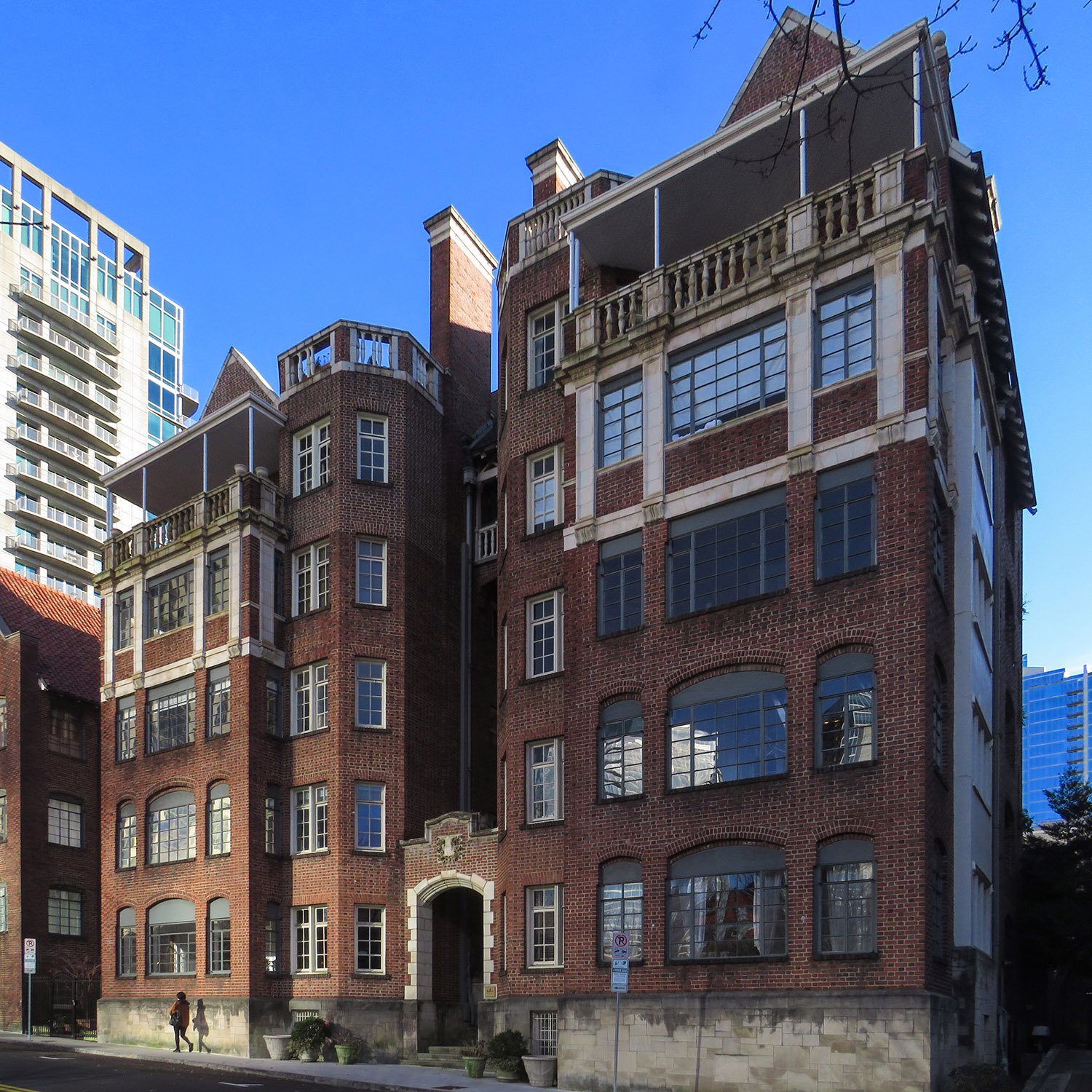
- Palmer Apartments, completed 1908 – 81 Peachtree Place NE, Midtown, Atlanta [Map]
- E.S. Ehney Residence, completed 1908 – 223 15th Street NE, Ansley Park, Atlanta [Map]
- Ella B. Wofford Residence, completed 1909 – 571 East Main Street, Spartanburg, South Carolina [Map]
- Central Methodist Church, transepts and renovation, completed 1910 by Hentz & Reid – 233 North Church Street, Spartanburg, South Carolina [Map]
See also: Projects by G.L. Norrman – The Complete List
References
- “The Sketch Club!” The Atlanta Journal, January 11, 1892, p. 3. ↩︎
- Photo credit: City of Atlanta: A Descriptive, Historical and Industrial Review of the Gateway City of the South, p. 107. ↩︎