Category: Architecture

  • Postcards from the South: Lucas Theatre Supply Company – Atlanta

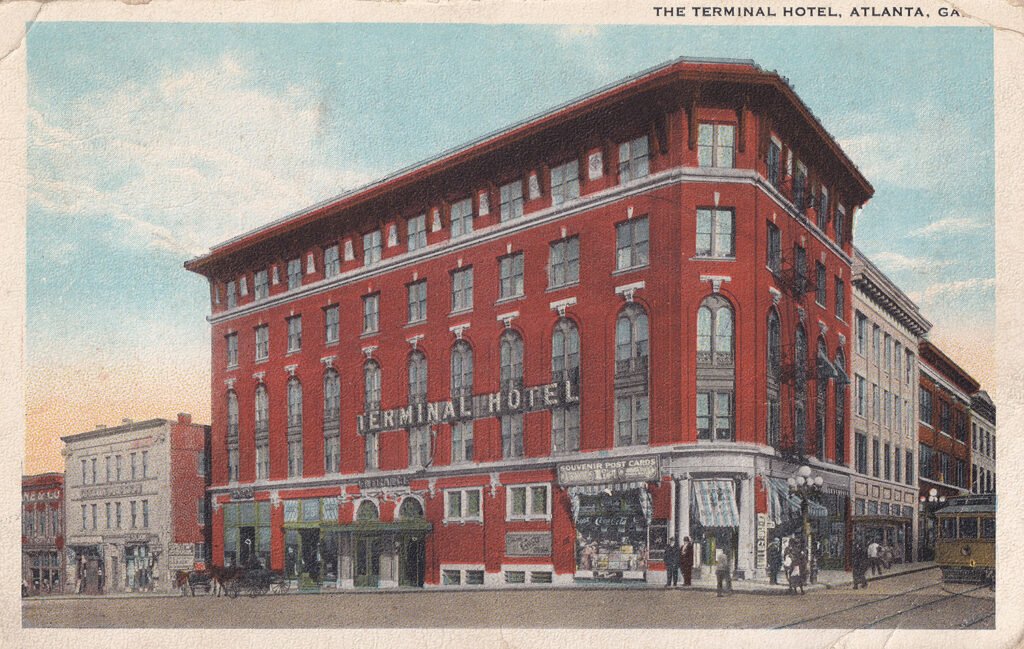
    Postcard view of Lucas Theatre Supply Co. Inc. in former Miller-Brady Feed & Sale Stables (1889), Atlanta.

    This postcard depicts the Lucas Theatre Supply Company in Atlanta, housed in the former Miller-Brady Feed & Sale Stables, designed by G.L. Norrman and completed in 1890.

    The following promotional copy is printed on the back:

    “PICK THIS UP!”
    (Things You Should Know)

    That we are the South’s largest, oldest and most progressive exclusive Theatre Supply House.

    That we have established a National Reputation for quick service, individual attention and courteous treatment.

    That we carry a tremendous stock, embracing all make machines as well as the thousands of minor theatre accessories.

    That we will appreciate the opportunity and pleasure of serving you.

    Published by L.H. Forster of 209 Rhodes Building in Atlanta, the card was postmarked in Atlanta in 1917 and addressed to the Idle Hour Theater in Marion, South Carolina.

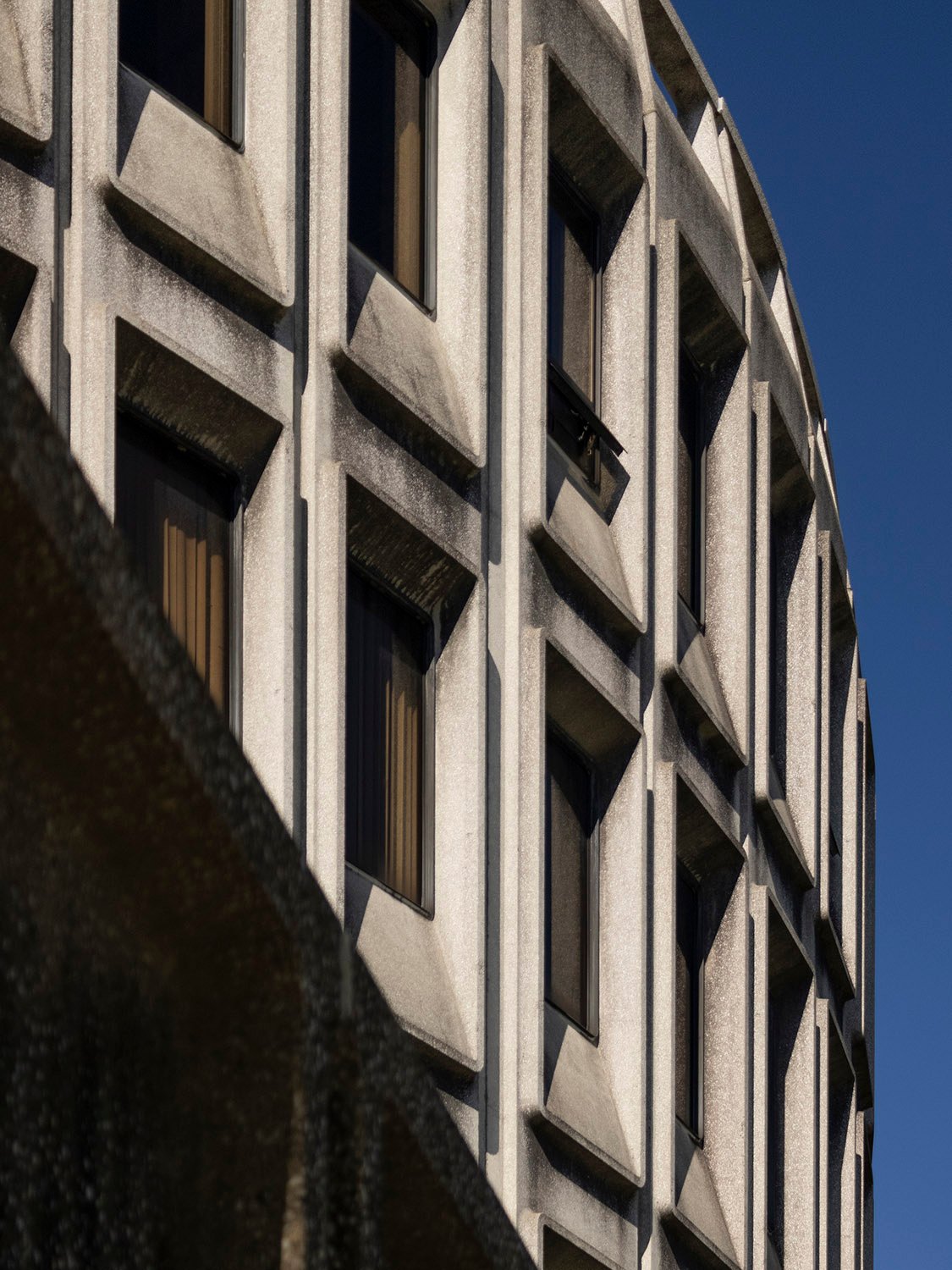
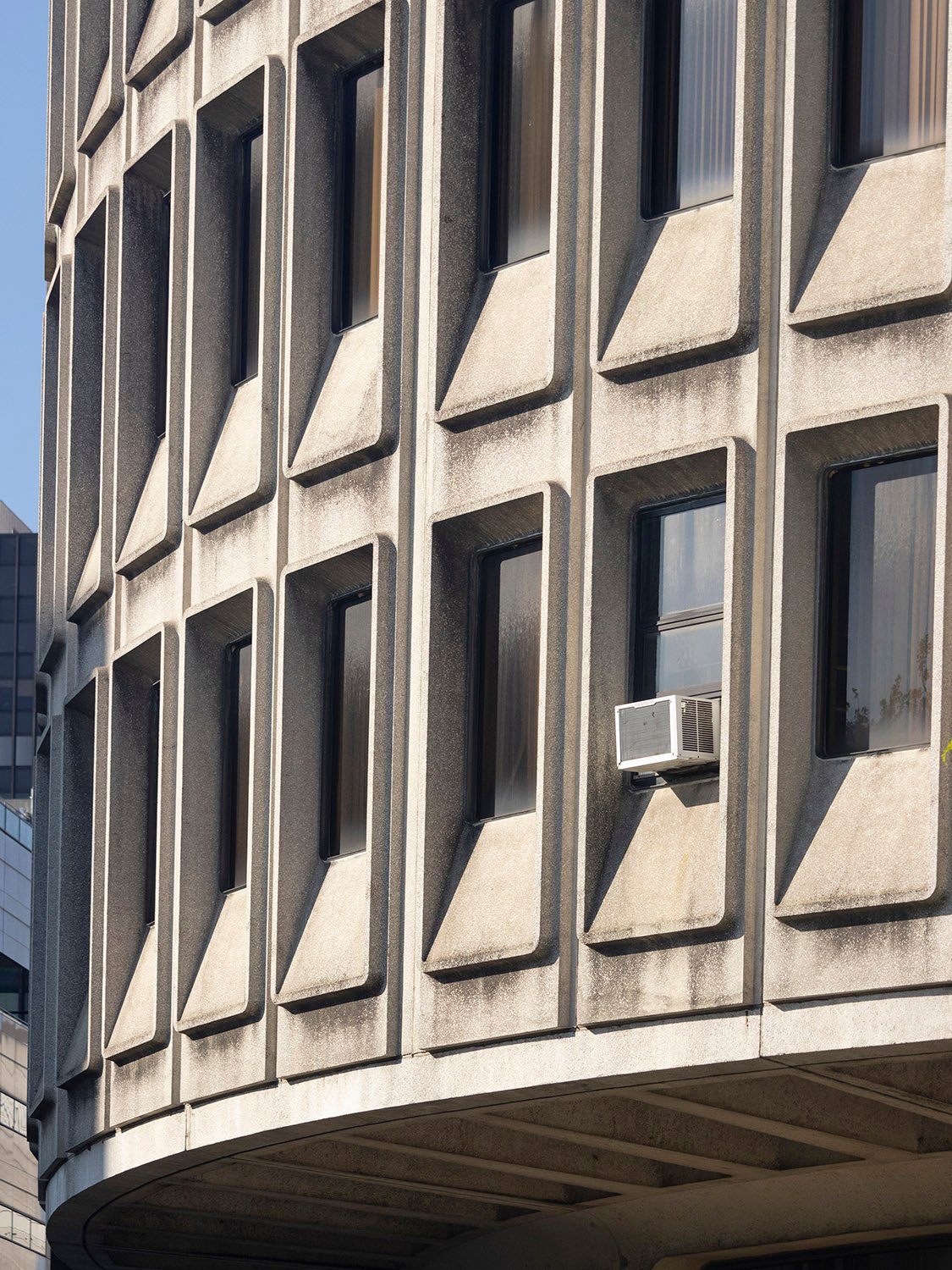
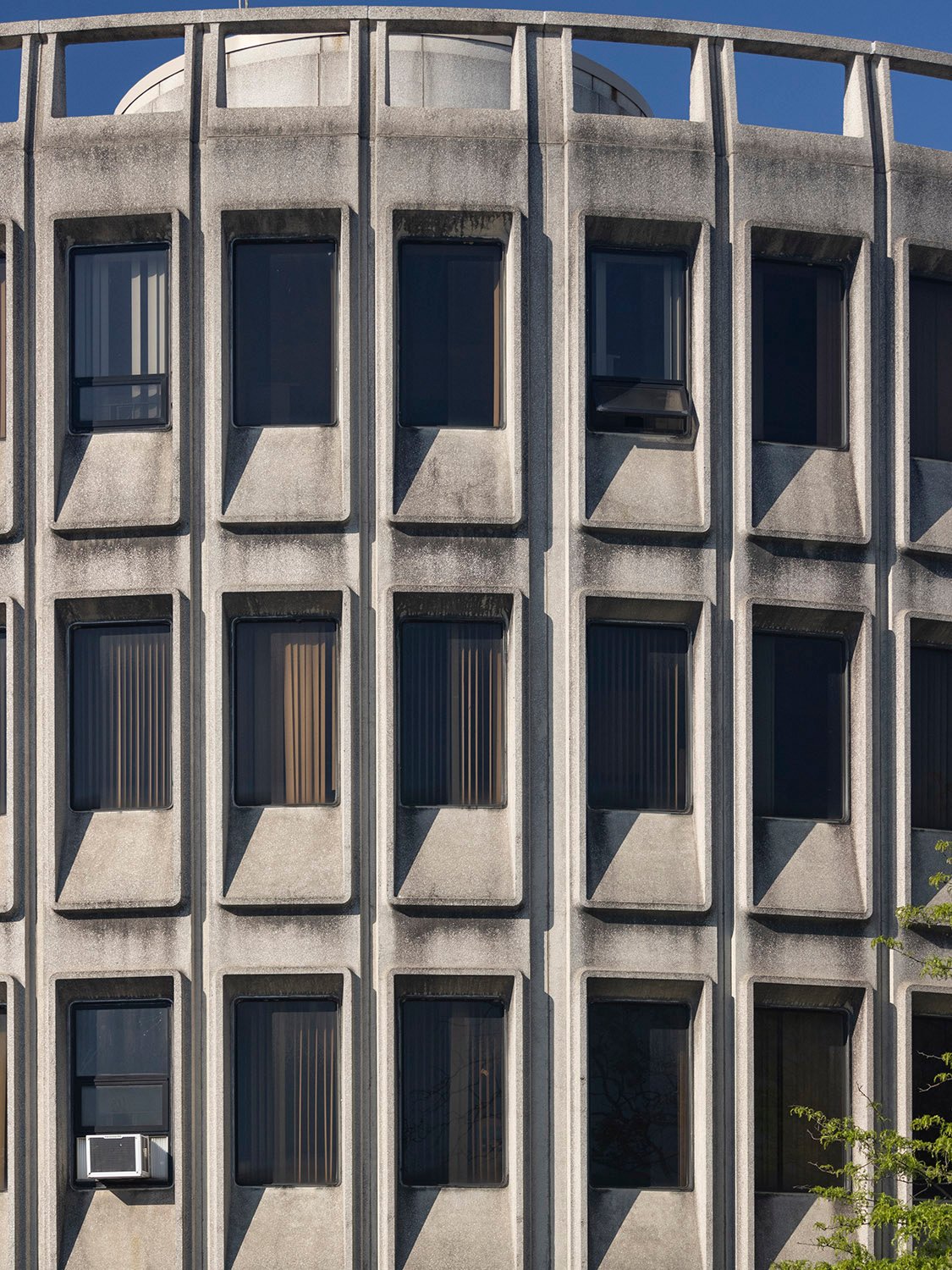
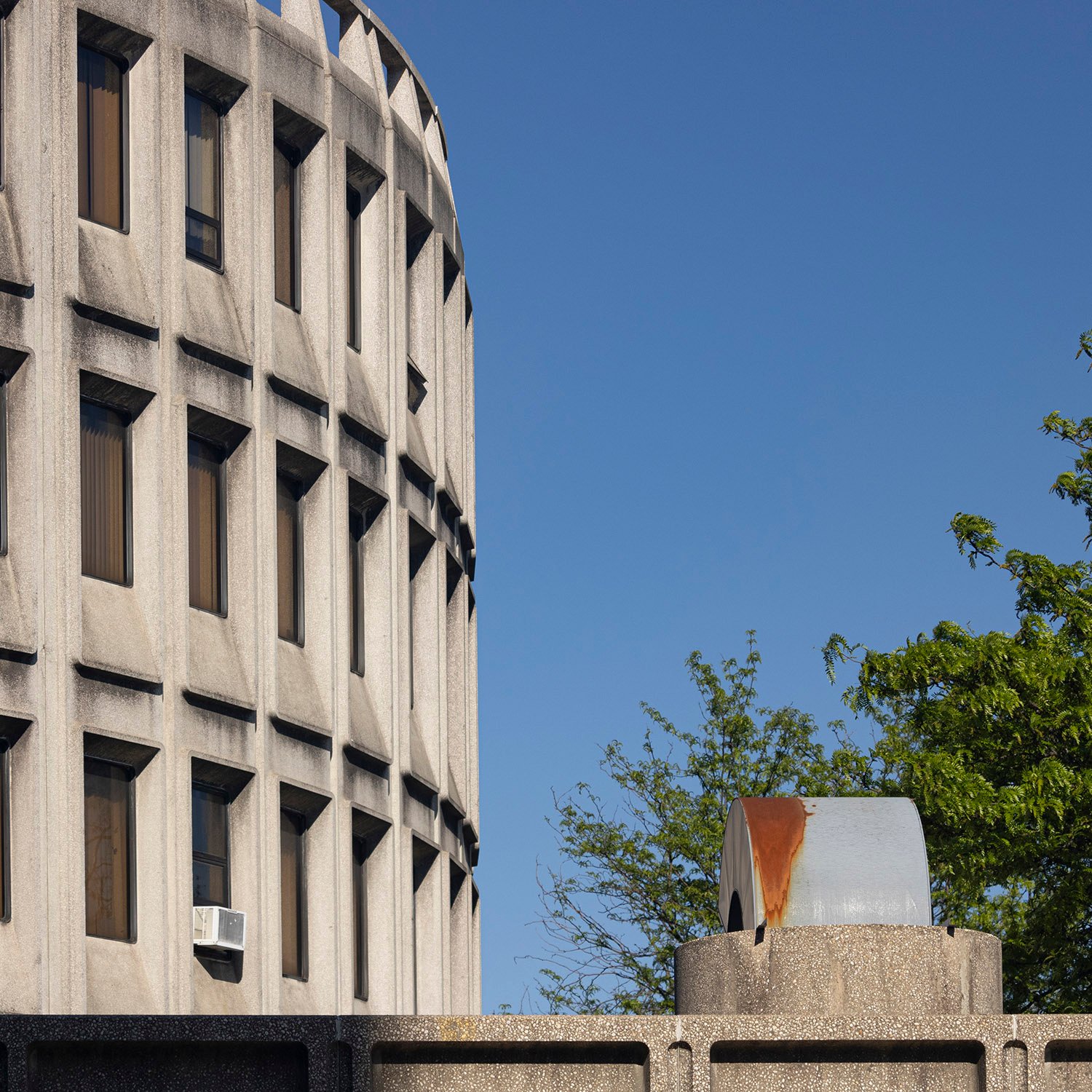
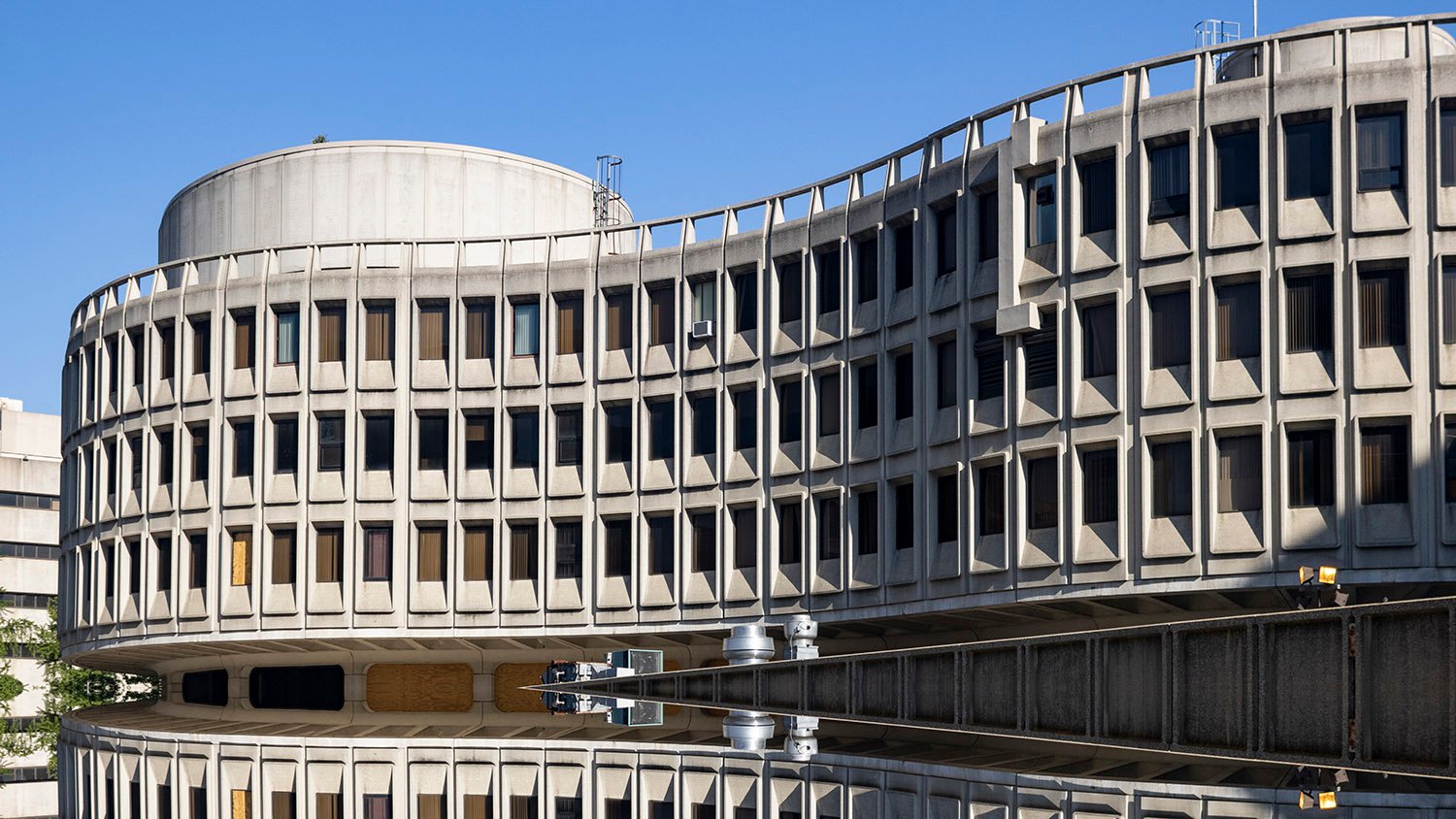
  • Department of Housing and Urban Development (1968) – Washington, D.C.

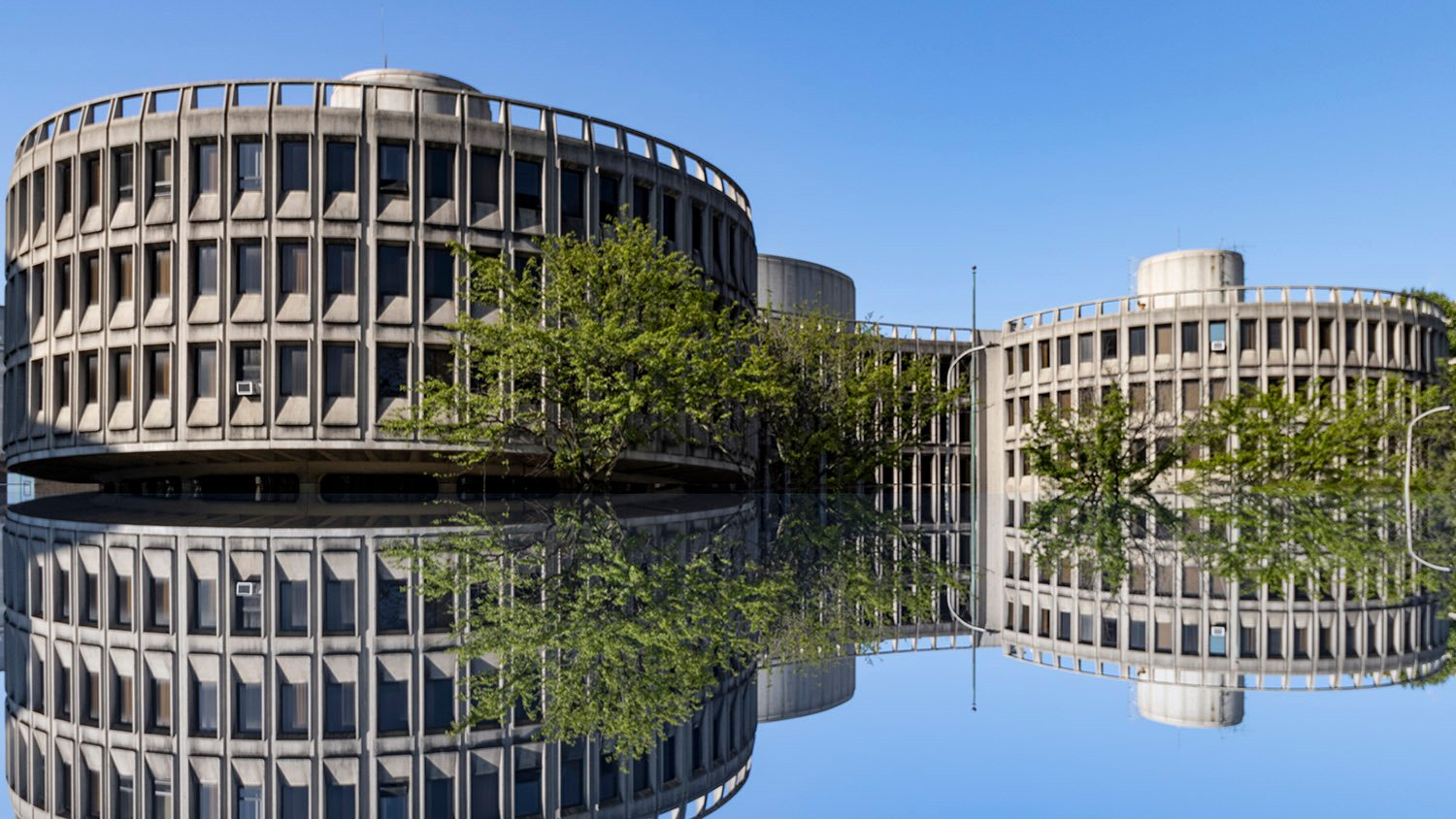
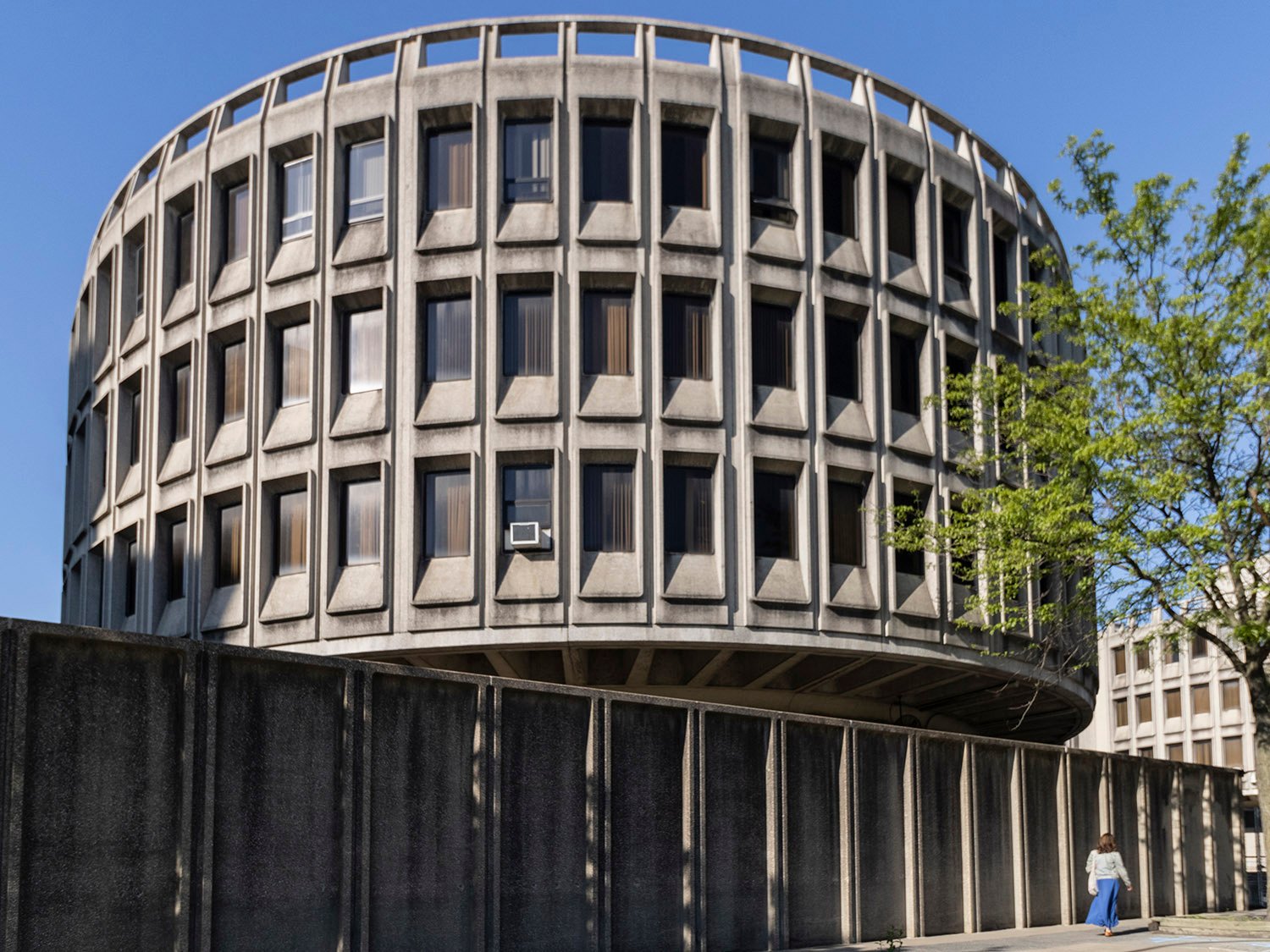
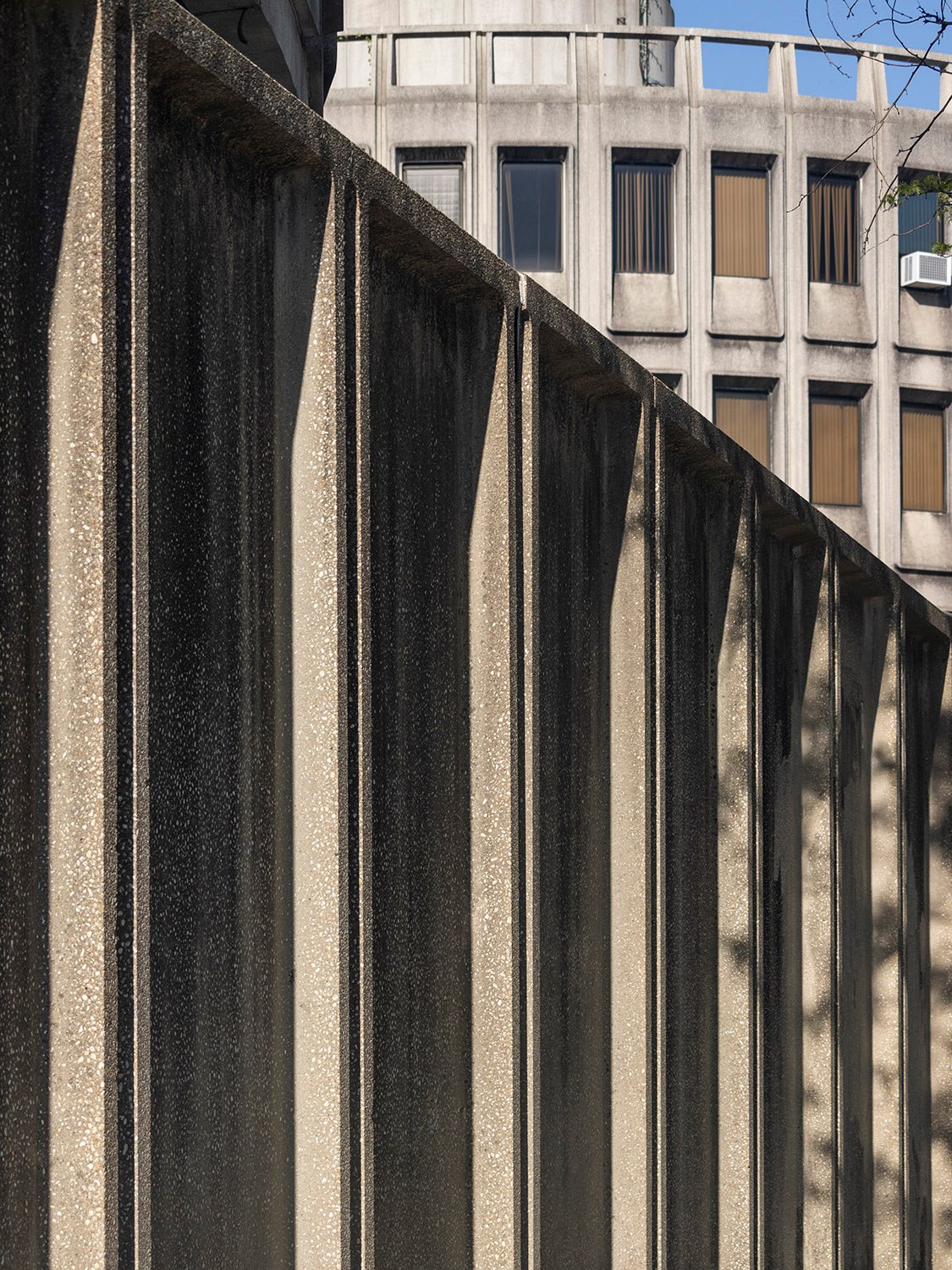
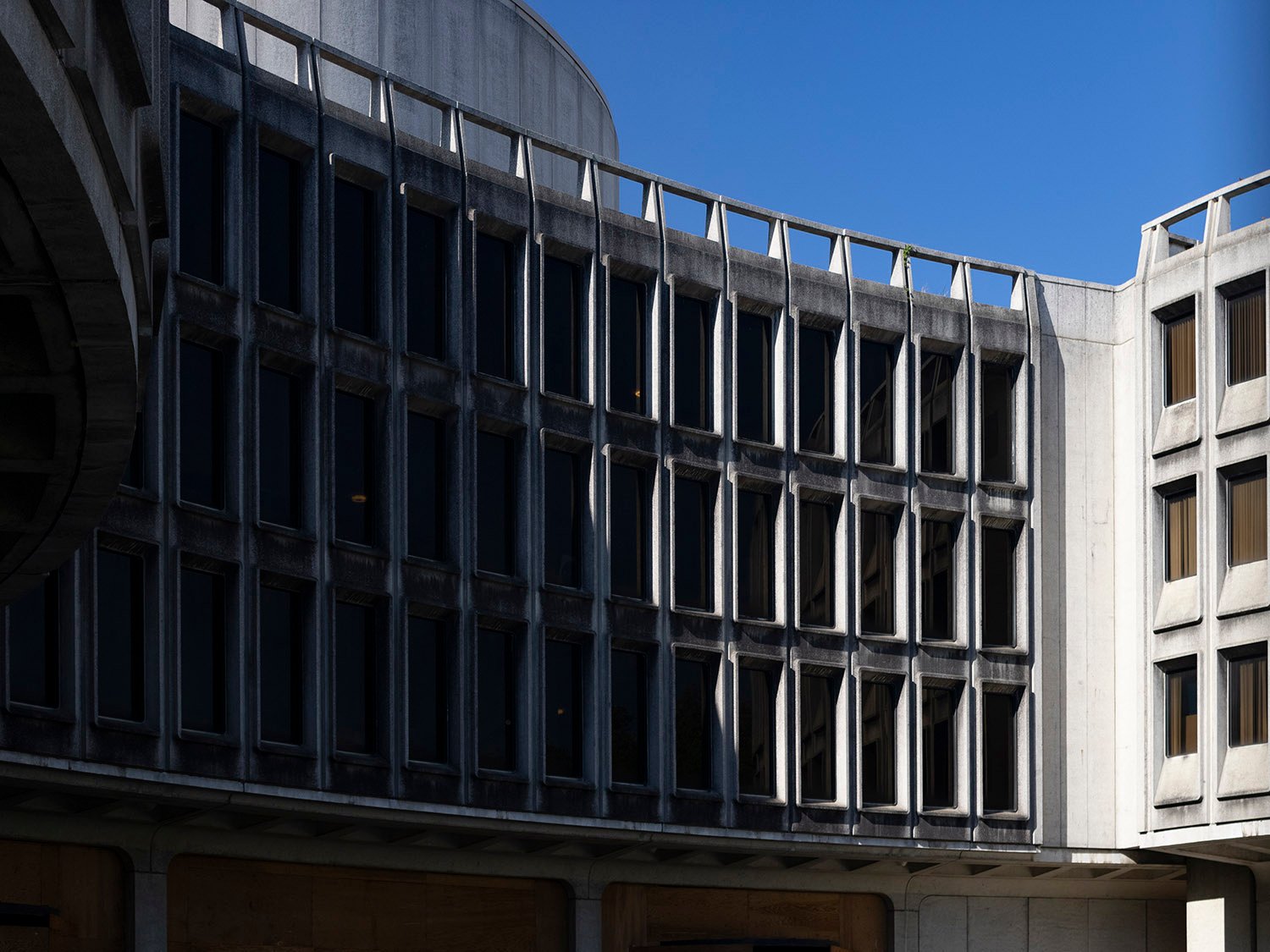
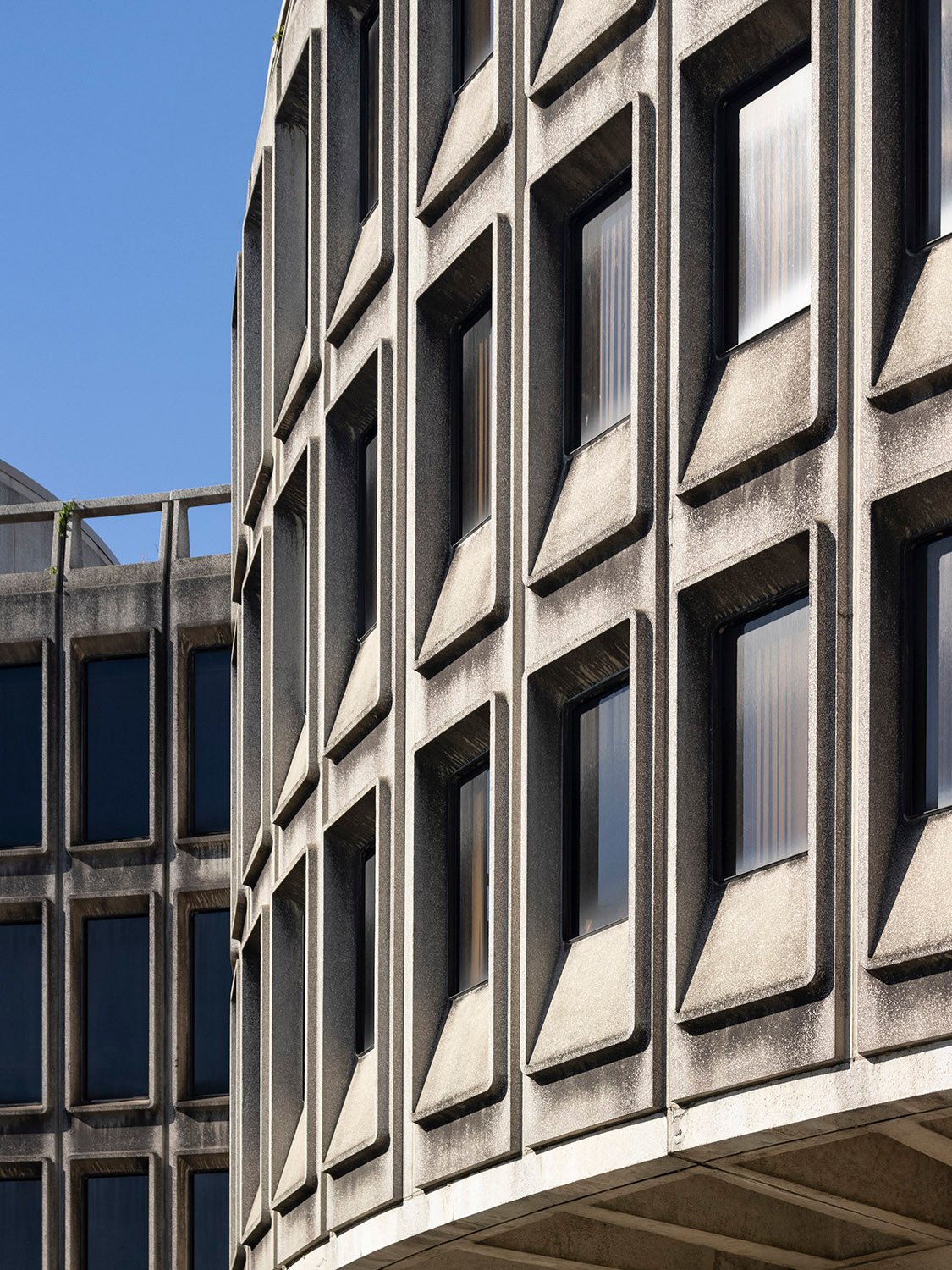
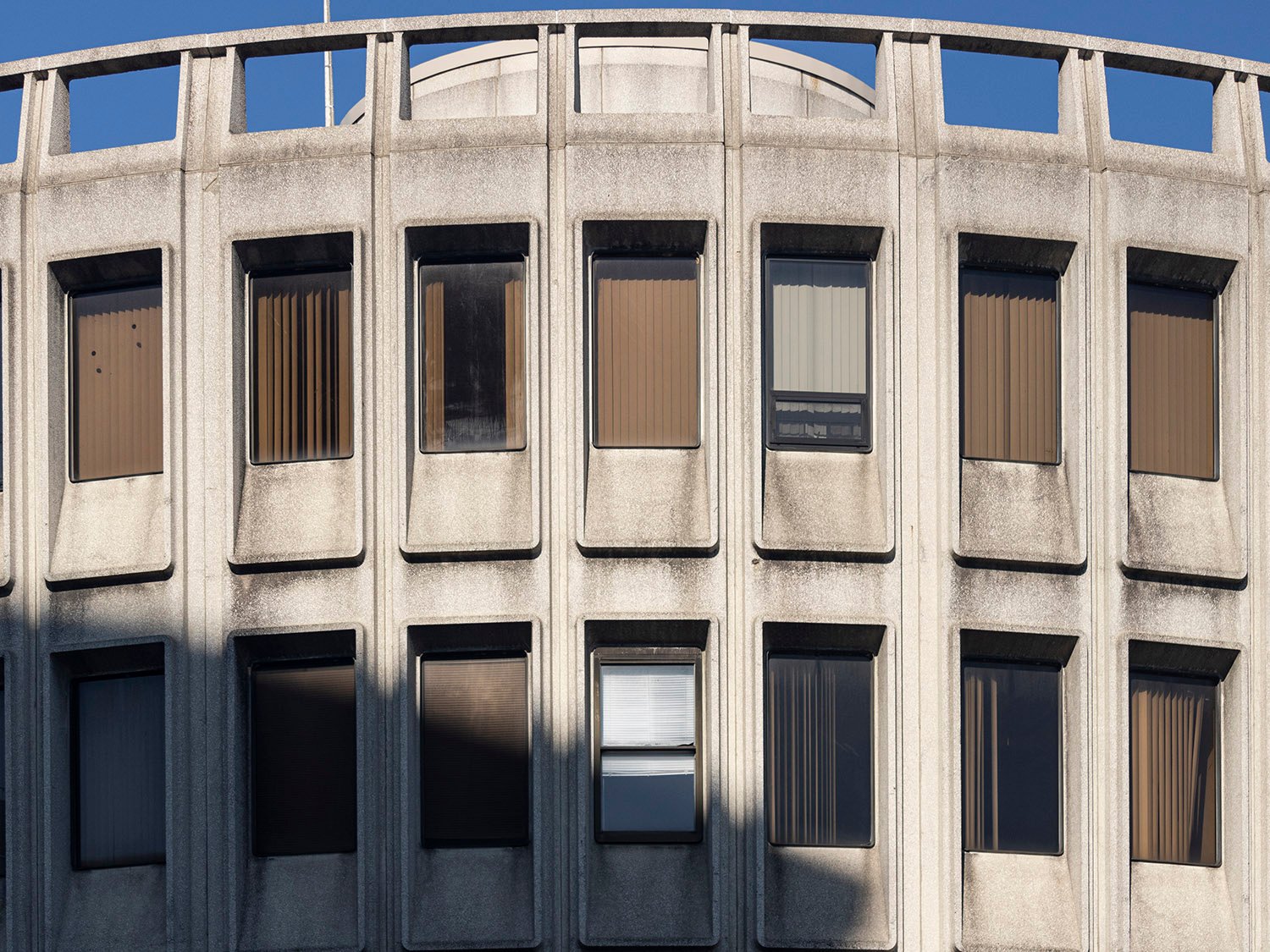
    Marcel Breuer with Herbert Beckhard. Department of Housing and Urban Development (1968). Washington, D.C.
    Marcel Breuer with Herbert Beckhard. Department of Housing and Urban Development (1968). Washington, D.C.1 2
    Looking at the Department of Housing and Urban Development from the northeast
    Looking at the Department of Housing and Urban Development from the northeast
    Looking at the Department of Housing and Urban Development from the southeast
    Looking at the Department of Housing and Urban Development from the southeast
    Entrance of the Department of Housing and Urban Development
    Entrance of the Department of Housing and Urban Development
    Granite cladding on the northeast corner of the Department of Housing and Urban Development
    Granite cladding on the northeast corner of the Department of Housing and Urban Development
    Pre-cast concrete and granite on the southeast corner of the Department of Housing and Urban Development
    Pre-cast concrete and granite on the southeast corner of the Department of Housing and Urban Development
    Entrance arcade of the Department of Housing and Urban Development
    Entrance arcade of the Department of Housing and Urban Development
    Windows on the Department of Housing and Urban Development
    Windows on the Department of Housing and Urban Development
    Looking at the Department of Housing and Urban Development from the northeast
    Looking at the Department of Housing and Urban Development from the northeast
    Entrance sign of the Department of Housing and Urban Development
    Entrance sign of the Department of Housing and Urban Development
    Columns on the entrance arcade of the Department of Housing and Urban Development
    Columns on the entrance arcade of the Department of Housing and Urban Development
    Looking toward the northwest corner of the Department of Housing and Urban Development
    Looking toward the northwest corner of the Department of Housing and Urban Development
    Granite cladding on the northeast corner of the Department of Housing and Urban Development
    Granite cladding on the northeast corner of the Department of Housing and Urban Development
    Windows on the northeast corner of the Department of Housing and Urban Development
    Windows on the northeast corner of the Department of Housing and Urban Development

    References

    1. McCarter, Robert. Breuer. New York: Phaidon Press Limited (2016). ↩︎
    2. Nolan, Martin F. “LBJ Speeds Slum Housing”. The Boston Globe, September 10, 1968, p. 2. ↩︎
  • Troup County Courthouse (1939) – LaGrange, Georgia

    W.J.J. Chase. Troup County Courthouse (1939). LaGrange, Georgia.
    W.J.J. Chase. Troup County Courthouse (1939). LaGrange, Georgia.1 2 3
    Facade of the Troup County Courthouse, LaGrange, Georgia
    Facade of the Troup County Courthouse, LaGrange, Georgia
    Inscription on the facade of the Troup County Courthouse, LaGrange, Georgia
    Inscription on the facade of the Troup County Courthouse, LaGrange, Georgia
    Clock and etched marble spandrel on the facade of the Troup County Courthouse, LaGrange, Georgia
    Clock and etched marble spandrel on the facade of the Troup County Courthouse, LaGrange, Georgia
    Looking at the southwest corner of the Troup County Courthouse, LaGrange, Georgia
    Looking at the southwest corner of the Troup County Courthouse, LaGrange, Georgia
    Etched marble on the facade of the Troup County Courthouse, LaGrange, Georgia
    Etched marble on the facade of the Troup County Courthouse, LaGrange, Georgia
    Etched marble spandrel on the Troup County Courthouse, LaGrange, Georgia
    Etched marble spandrel on the Troup County Courthouse, LaGrange, Georgia
    Windows and spandrel on the facade of the Troup County Courthouse, LaGrange, Georgia
    Windows and spandrel on the facade of the Troup County Courthouse, LaGrange, Georgia
    Inscription and etched marble ornamentation on the facade of the Troup County Courthouse, LaGrange, Georgia
    Inscription and etched marble ornamentation on the facade of the Troup County Courthouse, LaGrange, Georgia
    Globe light at the entrance of the Troup County Courthouse, LaGrange, Georgia
    Globe light at the entrance of the Troup County Courthouse, LaGrange, Georgia
    Pedestal at the entrance of the Troup County Courthouse, LaGrange, Georgia
    Pedestal at the entrance of the Troup County Courthouse, LaGrange, Georgia

    References

    1. “Troup County To Build Soon”. The Columbus Enquirer (Columbus, Georgia), April 20, 1938, p. 1. ↩︎
    2. “New Courthouse At LaGrange Completed”. The Columbus Enquirer (Columbus, Georgia), October 18, 1939, p. 2. ↩︎
    3. National Register of Historic Places Continuation Sheet: Troup County Courthouse, Annex, and Jail ↩︎

  • United States Post Office (1913) – New York

    McKim, Mead & White. United States Post Office (1913). New York.
    William M. Kendall of McKim, Mead & White. United States Post Office (1913). New York.

    The imposing United States Post Office in New York City was a very late work of McKim, Mead & White—so late that two of the firm’s namesake founders, Charles McKim and Stanford White, had been dead for several years when it was completed in 1913.

    By that point, McKim, Mead & White was a well-oiled machine that ran on an army of anonymous architects, but the project is now primarily credited to William M. Kendall.

    The gleaming white five-story structure occupies two blocks of prime real estate in Midtown Manhattan and was built to complement its original neighbor, Pennsylvania Station,1 also designed by McKim, Mead & White, and demolished in 1963.

    Location of the United States Post Office

    The firm’s output in later years was often unremarkable and derivative, but there’s something special about this building, which is chock-full of exquisite materials and elegant details that reveal thoughtful attention to design despite the project’s massive scale.

    United States Post Office, New York, circa 1913
    United States Post Office, New York, circa 1913

    Built for a hefty $6 million, the original structure included over 400,000 square feet of floor space and was composed of 165,000 cubic feet of Massachusetts granite, 18,000 tons of steel, 7 million bricks, and 200,000 square feet of glass.2

    Most of that glass was used in the giant skylight over the building’s central workroom, which was reportedly the largest room in the United States when the facility opened.3

    Looking at the facade of the United States Post Office, New York
    Looking at the facade of the United States Post Office, New York

    The building’s public-facing interior spaces were elaborately decorated with Tennessee marble on the floors and walls, topped by ornamental plaster ceilings featuring the seals of 10 nations recognized for doing “great things for the advancement of the universal mail service.”4

    A Harvard professor reportedly suggested that the architects add the inscription spanning the building’s facade, quoting Herodotus: “Neither snow nor rain nor heat nor gloom of night stays these couriers from the swift completion of their appointed rounds.”5

    The statement originally referred to mail service in ancient Greece, but its inclusion in the building’s design made it an unofficial motto of the U.S. Postal Service.

    Inscription and Corinthian capitals on the facade of the United States Post Office, New York
    Inscription and Corinthian capitals on the facade of the United States Post Office, New York

    A portion of the building is still used as a post office, but the bulk of the structure now houses the Moynihan Train Hall, which opened in 2021.

    The demolition of Penn Station is often cited as the event that launched the historic preservation movement in the United States, and the dark, dank, subterranean maze of low-slung corridors that replaced it is entirely unworthy of one of the world’s great cities.

    Although that unnavigable mess still exists, the conversion of the former post office into a modern train hall has restored much-needed prestige to New York’s landscape, and it’s encouraging to see such a fine building put to a worthy new use.

    Gallery

    Looking at the northeast corner of the United States Post Office, New York
    Looking at the northeast corner of the United States Post Office, New York
    Cornice and Corinthian capital on the facade of the United States Post Office, New York
    Cornice and Corinthian capital on the facade of the United States Post Office, New York
    Inscription on the northeast corner of the United States Post Office, New York
    Inscription on the northeast corner of the United States Post Office, New York
    Inscription on the southeast corner of the United States Post Office, New York
    Inscription on the southeast corner of the United States Post Office, New York
    Fourth-floor windows, inscription, and Corinthian capitals on the facade of the United States Post Office, New York
    Fourth-floor windows, inscription, and Corinthian capitals on the facade of the United States Post Office, New York
    Third-floor window on the facade of the United States Post Office, New York
    Third-floor window on the facade of the United States Post Office, New York
    Looking at the northeast corner of the United States Post Office, New York
    Looking at the northeast corner of the United States Post Office, New York
    Fourth-floor windows, inscription, and Corinthian capitals on the facade of the United States Post Office, New York
    Fourth-floor windows, inscription, and Corinthian capitals on the facade of the United States Post Office, New York
    Ornamental crest on the United States Post Office, New York
    Ornamental crest on the United States Post Office, New York
    Corinthian capitals and entablature on the facade of the United States Post Office, New York
    Corinthian capitals and entablature on the facade of the United States Post Office, New York
    Ornamental iron on the facade of the United States Post Office, New York
    Ornamental iron on the facade of the United States Post Office, New York
    Fifth-floor windows on the facade of the United States Post Office, New York
    Fifth-floor windows on the facade of the United States Post Office, New York
    Inscription and Corinthian capitals on the facade of the United States Post Office, New York
    Inscription and Corinthian capitals on the facade of the United States Post Office, New York
    Niche on the northeast corner of the United States Post Office, New York
    Niche on the northeast corner of the United States Post Office, New York
    Ornamental iron spandrels on the facade of the United States Post Office, New York
    Ornamental iron spandrels on the facade of the United States Post Office, New York
    Columns and front steps of the United States Post Office, New York
    Columns and front steps of the United States Post Office, New York
    Southeast corner of the United States Post Office, New York
    Southeast corner of the United States Post Office, New York
    Front steps of the United States Post Office, New York
    Front steps of the United States Post Office, New York

    Floorplans and Sections6

    First floor plan of the United States Post Office, New York
    Second floor plan of the United States Post Office, New York
    Exterior detail drawings of the United States Post Office, New York
    Interior detail drawings of the United States Post Office, New York

    References

    1. “New York’s New Post Office A $6,000,000 Wonder”. The Sun (New York), March 2, 1913, p. 1. ↩︎
    2. ibid. ↩︎
    3. ibid. ↩︎
    4. ibid. ↩︎
    5. ibid. ↩︎
    6. A Monograph of the Work of McKim Mead & White, 1879-1915. New York: The Architectural Book Publishing Company, 1915. ↩︎
  • First Congregational Church (1908) – Atlanta

    Bruce & Everett. First Congregational Church (1908). Atlanta.
    Bruce & Everett. First Congregational Church (1908). Atlanta.1 2 3 4 5 6
    South facade of First Congregational Church, Atlanta
    South facade of First Congregational Church, Atlanta
    Belvedere on First Congregational Church, Atlanta
    Belvedere on First Congregational Church, Atlanta
    Window on the west facade of First Congregational Church, Atlanta
    Window on the west facade of First Congregational Church, Atlanta
    Reflection of First Congregational Church, Atlanta
    Reflection of First Congregational Church, Atlanta
    Dutch gable on the west facade of First Congregational Church, Atlanta
    Dutch gable on the west facade of First Congregational Church, Atlanta
    Round window and porch gable on the south facade of First Congregational Church, Atlanta
    Round window and porch gable on the south facade of First Congregational Church, Atlanta
    Porch on the south facade of First Congregational Church, Atlanta
    Porch on the south facade of First Congregational Church, Atlanta
    Belvedere on First Congregational Church, Atlanta
    Belvedere on First Congregational Church, Atlanta
    Porch columns on the south facade of First Congregational Church, Atlanta
    Porch columns on the south facade of First Congregational Church, Atlanta
    Cross on the west facade of First Congregational Church, Atlanta
    Cross on the west facade of First Congregational Church, Atlanta
    Cornerstone of First Congregational Church, Atlanta
    Cornerstone of First Congregational Church, Atlanta
    Terra cotta ornamentation on the belvedere of First Congregational Church, Atlanta
    Terra cotta ornamentation on the belvedere of First Congregational Church, Atlanta

    References

    1. “First Congregational Church, Colored, Will Soon Build a New Structure at a Cost of Twenty-Five Thousand Dollars.” The Atlanta Constitution, June 23, 1907, p. 7. ↩︎
    2. “Contract Is Let For $30,000 Church Here”. The Atlanta Journal, April 16, 1908, p. 3. ↩︎
    3. “Colored Congregational Will Break Ground For Handsome New Church”. The Atlanta Georgian and News, June 2, 1908, p. 9. ↩︎
    4. “Dirt To Be Broken For New Negro Church”. The Atlanta Journal, June 2, 1908, p. 13. ↩︎
    5. “Colored Church Is Consecrated”. The Atlanta Journal, December 14, 1908, p. 2. ↩︎
    6. “Colored Church Dedicated Sunday”. The Atlanta Journal, December 14, 1908, p. 5. ↩︎
  • The Sumner Apartments (1909) – Atlanta

    Edwards & Walter. The Sumner Apartments (1909). Midtown, Atlanta.
    Edwards & Walter. The Sumner Apartments (1909). Midtown, Atlanta.1 2 3 4

    References

    1. “$60,000 Building Near The Orpheum; $55,000 Apartment”. The Atlanta Journal, April 18, 1909, p. 10L. ↩︎
    2. “Personal Mention”. The Atlanta Journal, November 7, 1909, p. 6H. ↩︎
    3. Application for Building Permit, April 17, 1909. ↩︎
    4. Insurance maps, Atlanta, Georgia, 1911 / published by the Sanborn Map Company – Digital Library of Georgia ↩︎
  • Postcards from the South: Bellevue Hotel – Gadsden, Alabama

    Postcard view of Bellevue Hotel (1889), Gadsden, Alabama.

    This postcard depicts the Bellevue Hotel in Gadsden, Alabama, designed by G.L. Norrman and completed in 1890.

    “The ground is covered with snow. Wish you were here to snow-ball,” Edith wrote to Mrs. W.W. Edwards in Smithville, Texas. Think that was a euphemism?

    Published by the Souvenir Postcard Company of New York, the card was postmarked in Gadsden on February 14, 1907. Hmm.

  • Bank of Buford (1925) – Buford, Georgia

    Ivey & Crook. Bank of Buford (1924). Buford, Georgia.
    Ivey & Crook. Bank of Buford (1924). Buford, Georgia.1 2
    Southwest elevation of the Bank of Buford
    Southwest elevation of the Bank of Buford
    Southwest elevation of the Bank of Buford
    Southwest elevation of the Bank of Buford
    Main entrance of the Bank of Buford
    Main entrance of the Bank of Buford
    Cornice on the Bank of Buford
    Cornice on the Bank of Buford
    Windows on the southwest elevation of the Bank of Buford
    Windows on the southwest elevation of the Bank of Buford
    Ground floor door on the southwest elevation of the Bank of Buford
    Ground floor door on the southwest elevation of the Bank of Buford
    Third floor and cornice on the Bank of Buford
    Third floor and cornice on the Bank of Buford
    First-floor window and pilasters on the facade of the Bank of Buford
    First-floor window and pilasters on the facade of the Bank of Buford
    Inscription on the Bank of Buford
    Inscription on the Bank of Buford
    Second-floor windows on the facade of the Bank of Buford
    Second-floor windows on the facade of the Bank of Buford
    Windows on the southwest elevation of the Bank of Buford
    Windows on the southwest elevation of the Bank of Buford
    Pedestal on the southeast corner of the Bank of Buford
    Pedestal on the southwest corner of the Bank of Buford

    References

    1. Atlanta History Center – Architecture Database ↩︎
    2. “Building in the South”. The Atlanta Journal, May 11, 1924, p. 12C. ↩︎
  • Postcards from the South: Printup Hotel – Gadsden, Alabama

    Postcard view of Printup Hotel (1888), Gadsden, Alabama.

    This postcard depicts the Printup Hotel in Gadsden, Alabama, designed by G.L. Norrman and completed in 1888.

    “This looks fine on paper,” Alex wrote on the front. Not exactly a ringing endorsement.

    Published by the AH Company, the card was postmarked in St. Louis on November 11, 1907, and addressed to Mr. W.A. Yule in Scotforth, Lancaster, United Kingdom.

    Alex wrote on the back:

    “Have rec’d quite a number of postals from you, which I am glad to have. Pls accept thanks. Glad to hear you are having such a good time. Alex”

  • Emory Presbyterian Church (1949) – Atlanta

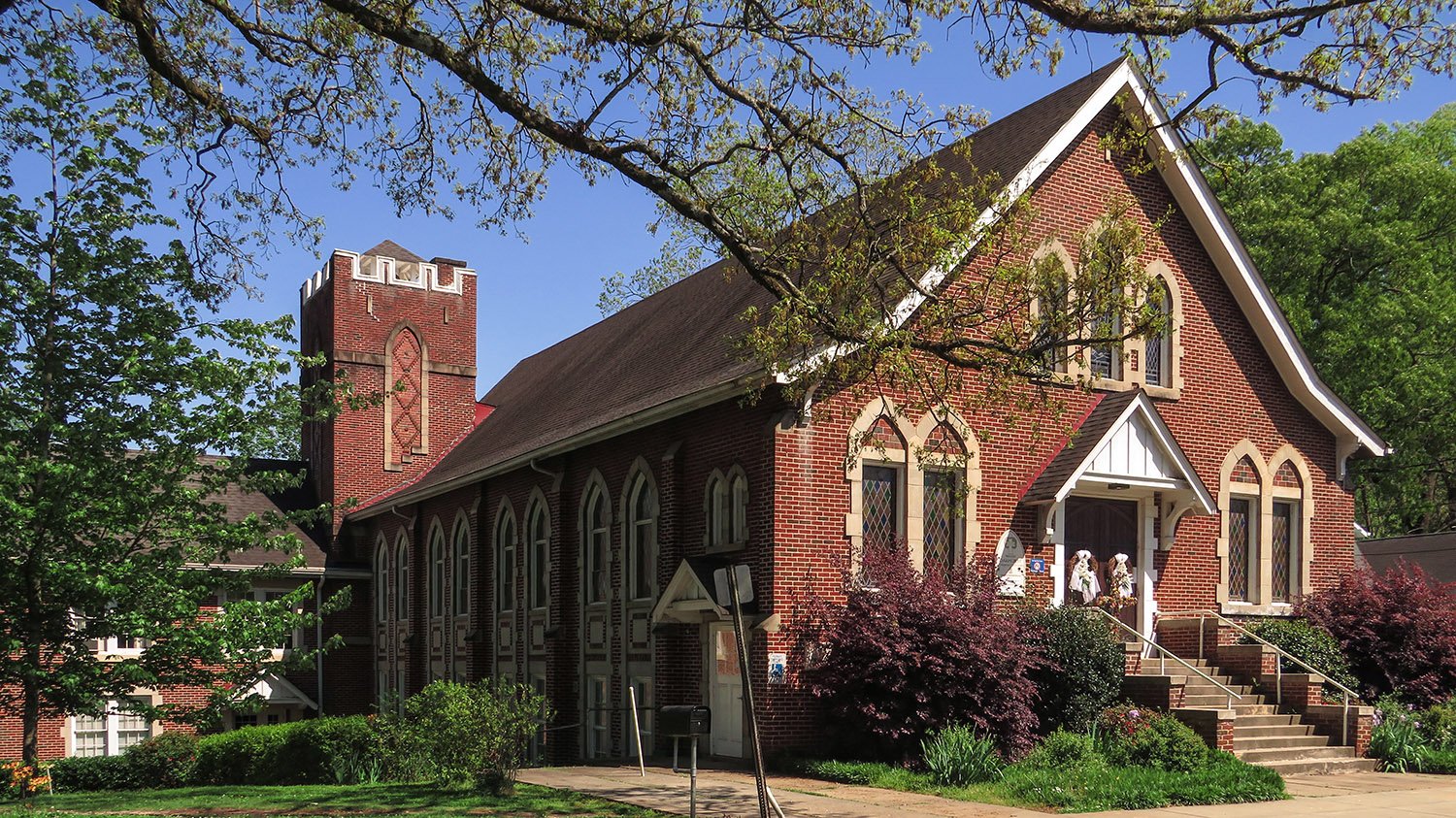
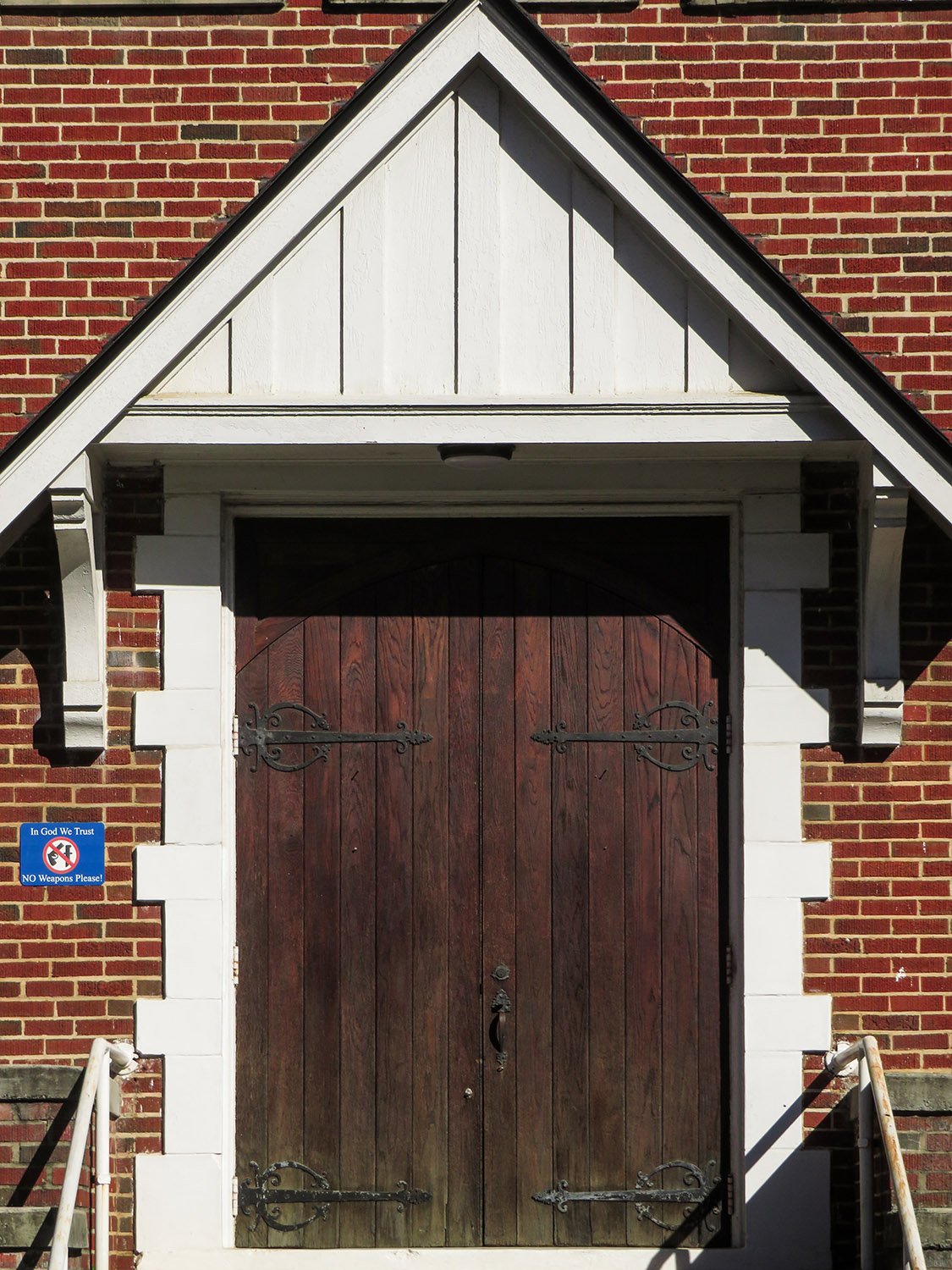
    Sayward, Williams & Logan. Emory Presbyterian Church (1949). Druid Hills, Atlanta.
    Sayward, Williams & Logan. Emory Presbyterian Church (1949). Druid Hills, Atlanta.1 2 3 4
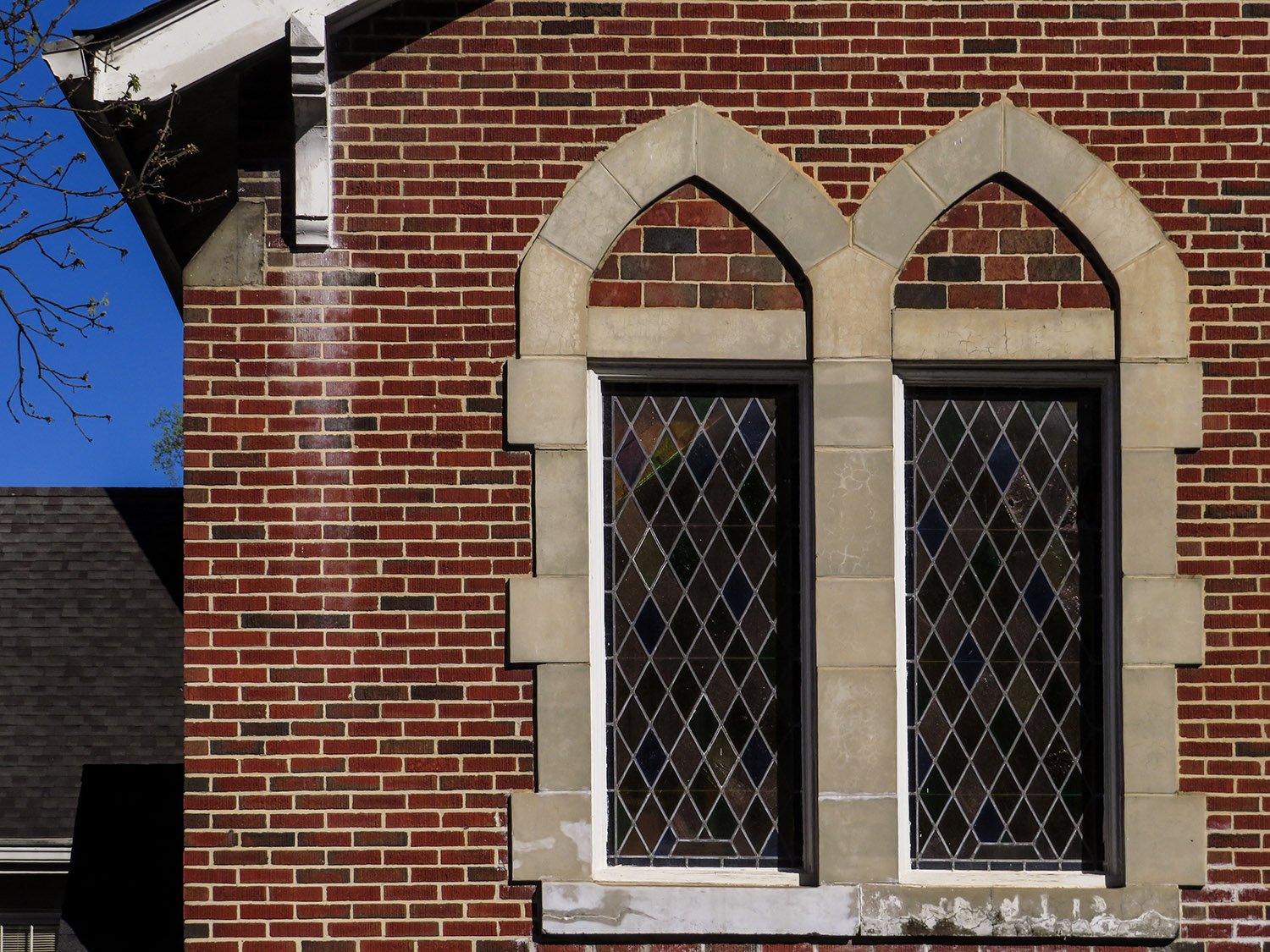
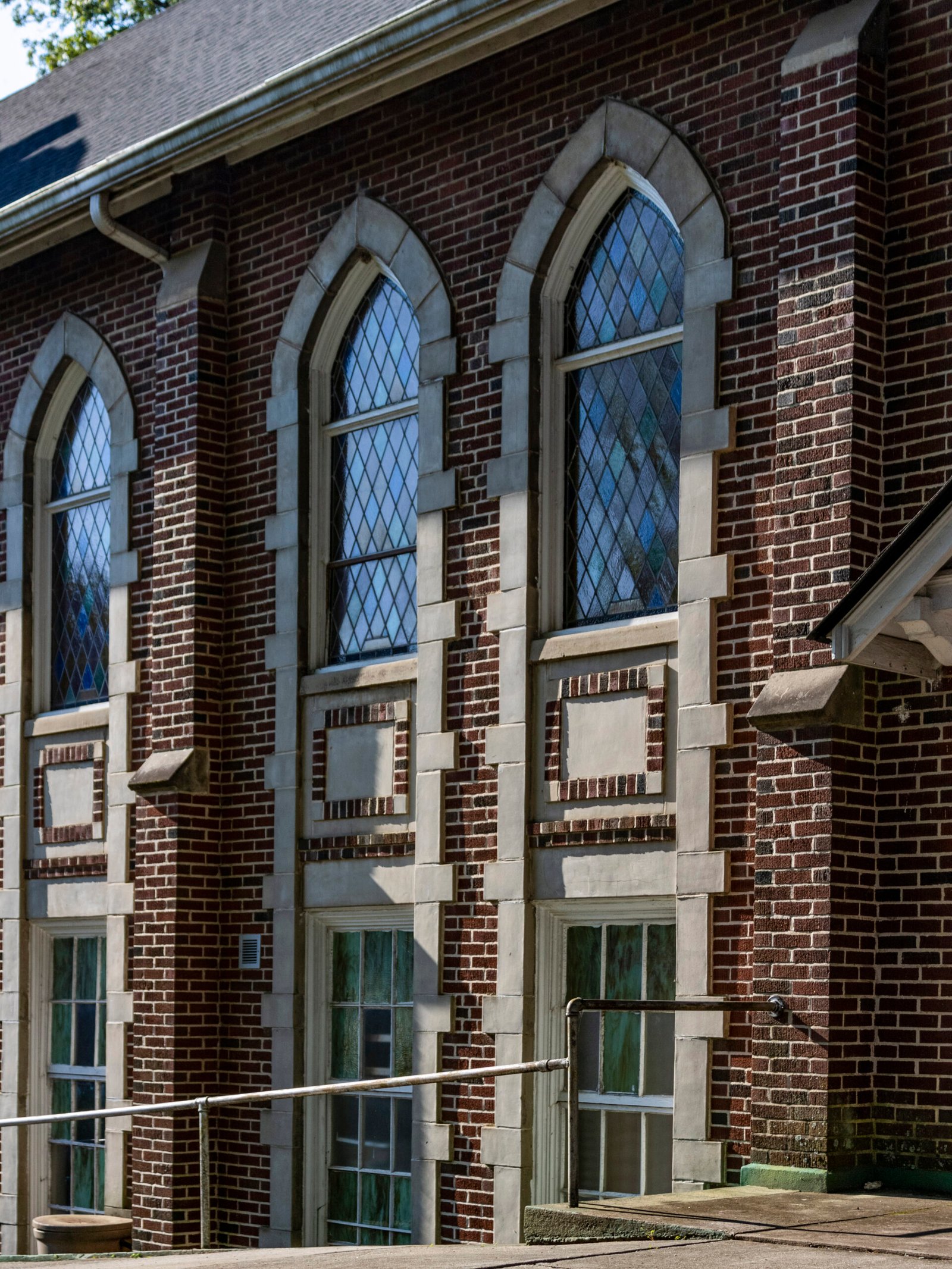
    Windows on the east facade of Emory Presbyterian Church
    Windows on the east facade of Emory Presbyterian Church
    Window on the south facade of Emory Presbyterian Church
    Window on the south facade of Emory Presbyterian Church
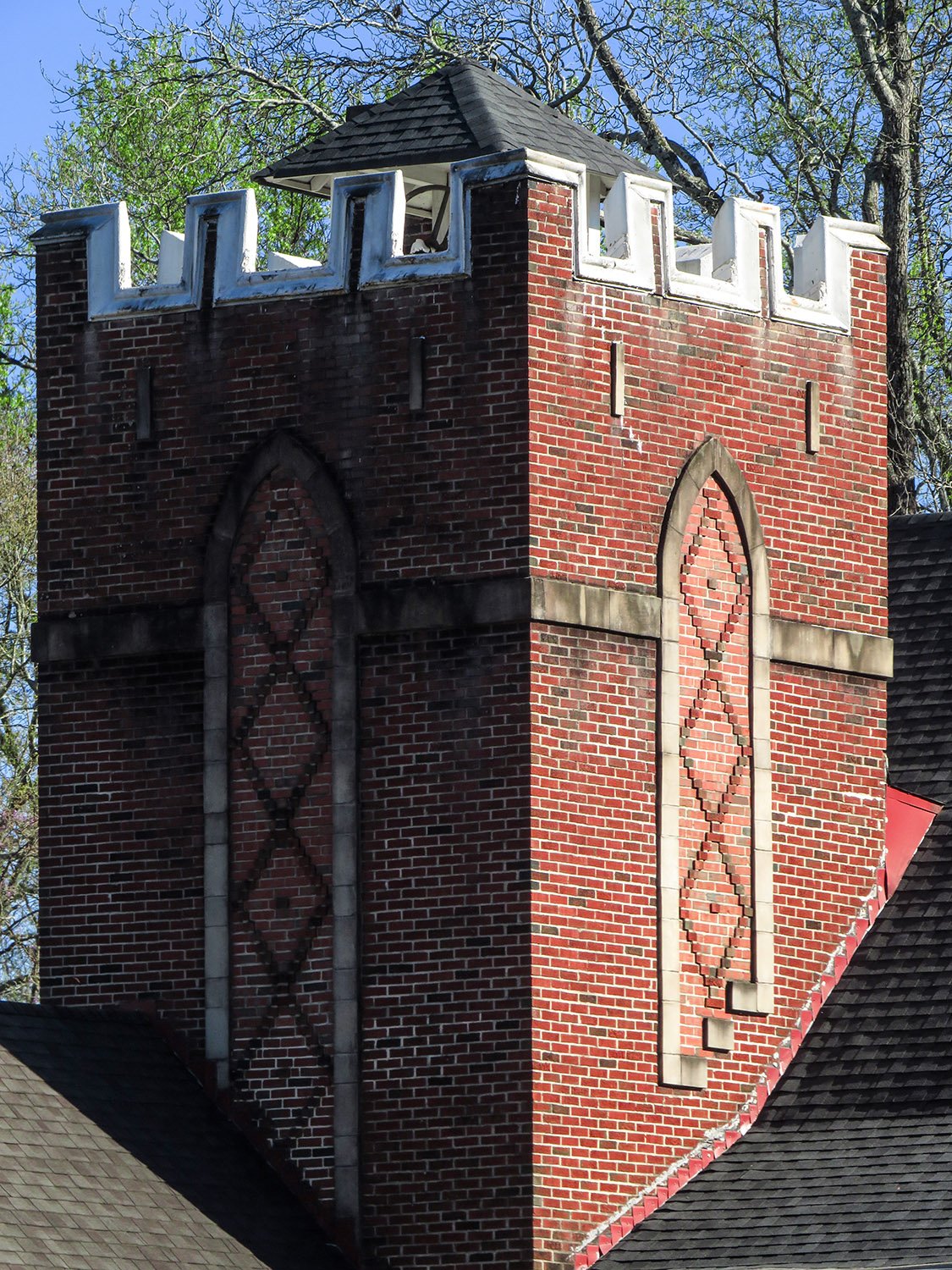
    Pinnacle on the south facade of Emory Presbyterian Church
    Pinnacle on the south facade of Emory Presbyterian Church
    Ornamented window spandrel on the south facade of Emory Presbyterian Church
    Ornamented window spandrel on the south facade of Emory Presbyterian Church
    Looking through the porch windows of Emory Presbyterian Church
    Looking through the porch windows of Emory Presbyterian Church
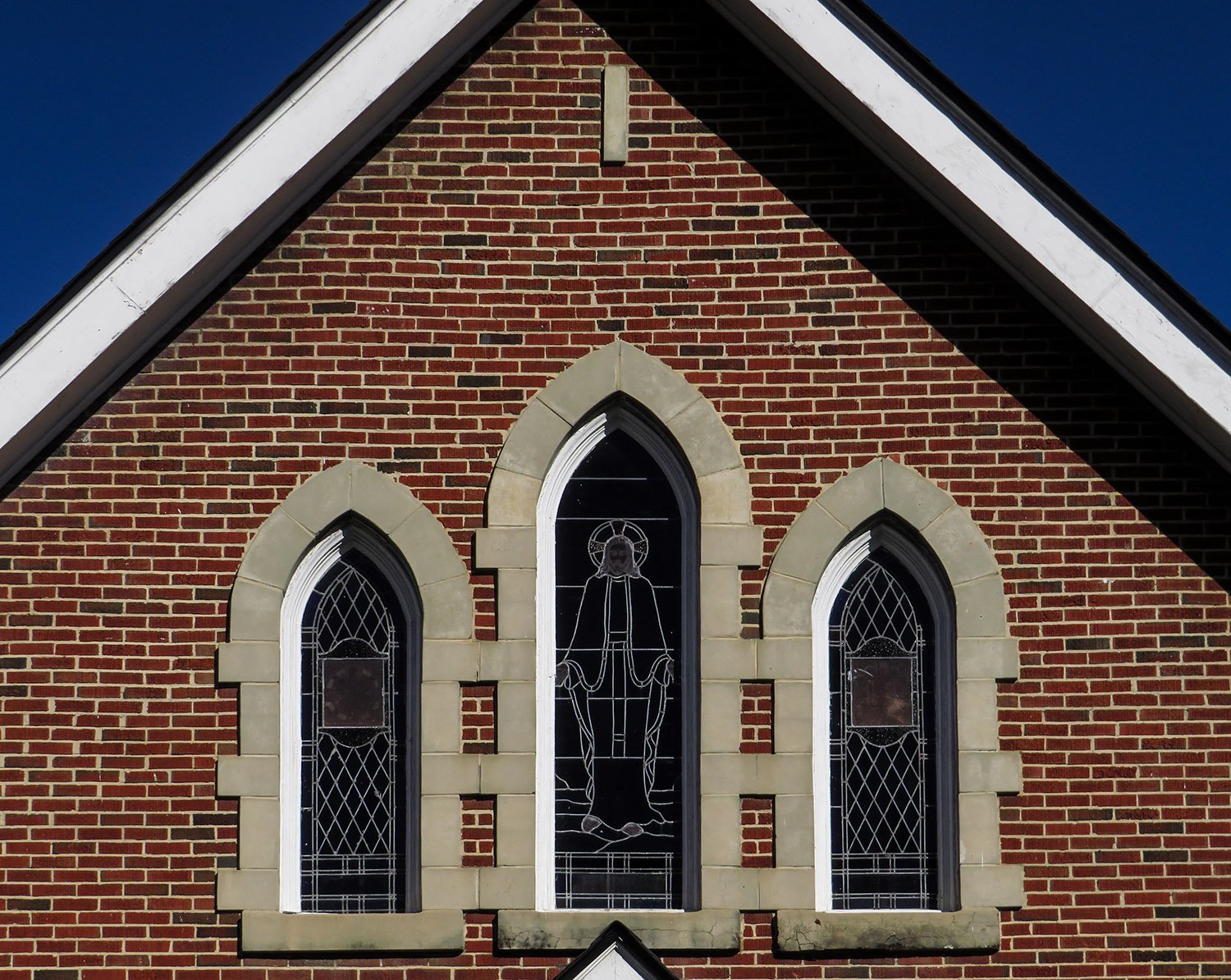
    Porch gable on the east facade of Emory Presbyterian Church
    Porch gable on the east facade of Emory Presbyterian Church
    Window on the east facade of Emory Presbyterian Church
    Window on the east facade of Emory Presbyterian Church
    Ornamentation over a door on the east elevation of Emory Presbyterian Church
    Ornamentation over a door on the east elevation of Emory Presbyterian Church
    Porch on the east facade of Emory Presbyterian Church
    Porch on the east facade of Emory Presbyterian Church
    Inscription over the window on the south facade of Emory Presbyterian Church
    Inscription over the window on the south facade of Emory Presbyterian Church
    Window on the south facade of Emory Presbyterian Church
    Window on the south facade of Emory Presbyterian Church

    References

    1. “Church Services”. The Atlanta Constitution, October 22, 1949, p. 9. ↩︎
    2. “Church at Emory Gets Own Building”. The Atlanta Journal, October 22, 1949, p. 5. ↩︎
    3. National Register of Historic Places Registration Form: Emory Grove Historic District ↩︎
    4. “Maj. Williams Joins Firm of Architects Here”. The Atlanta Constitution, February 24, 1946, p. 11-A. ↩︎