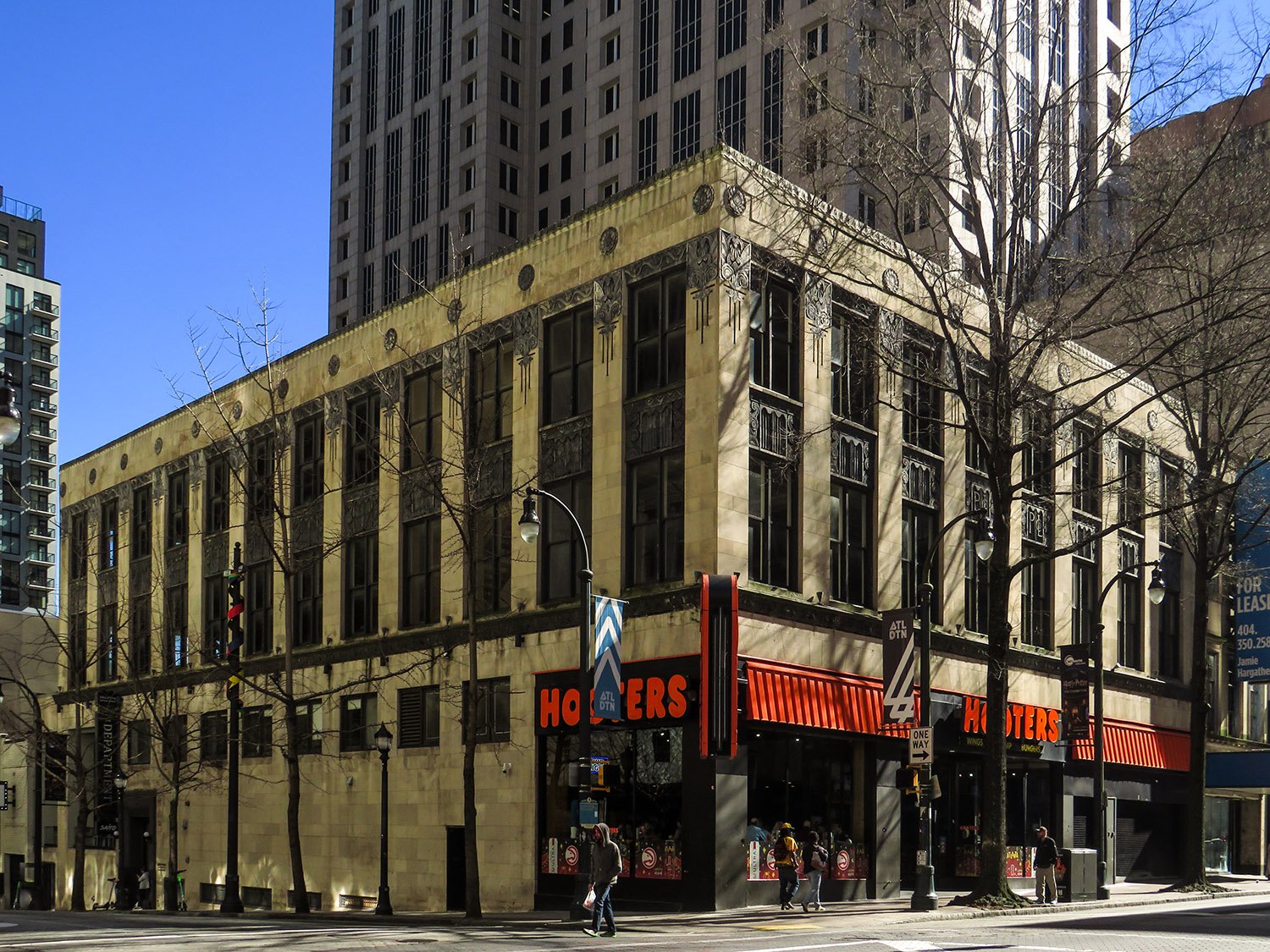
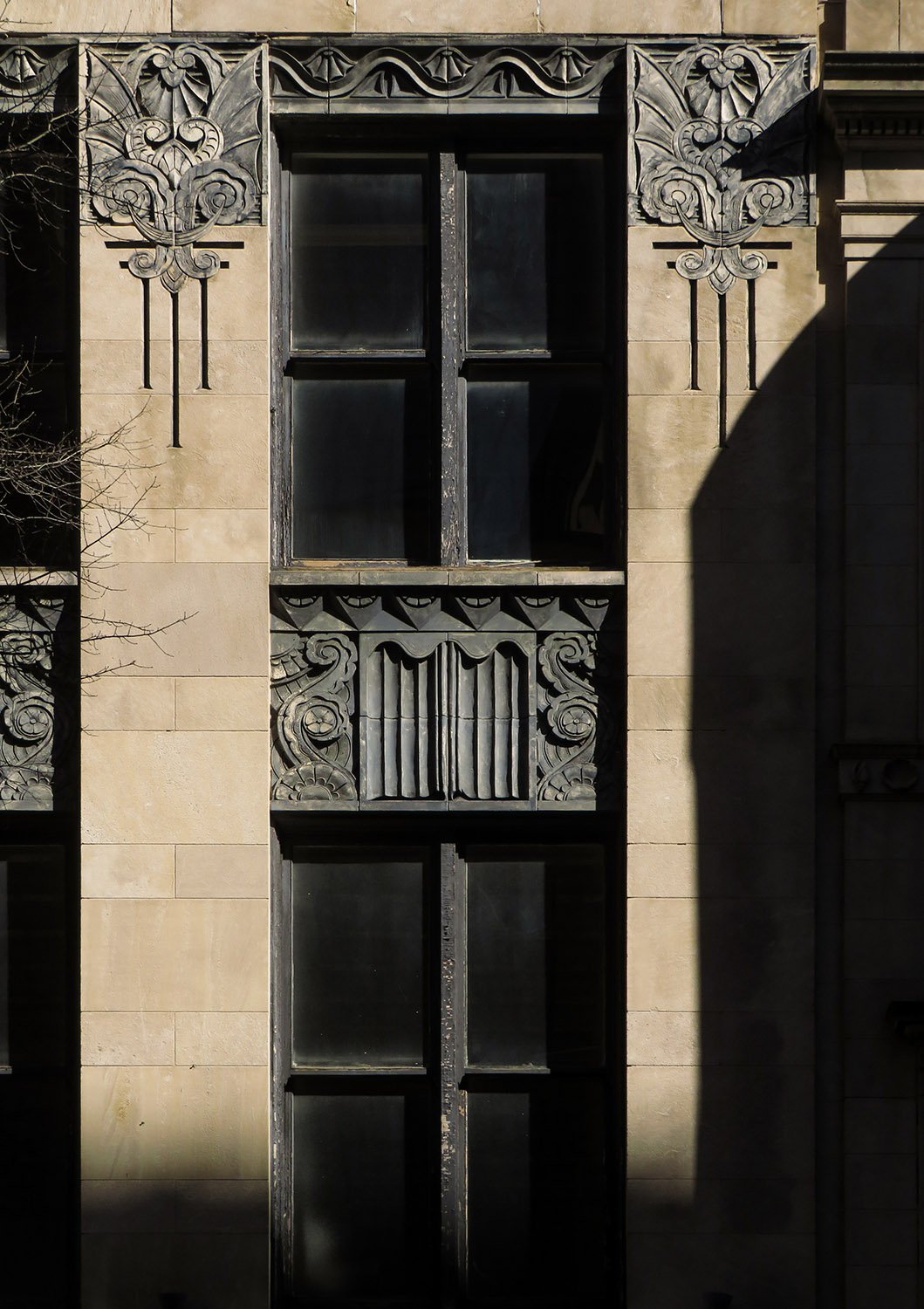
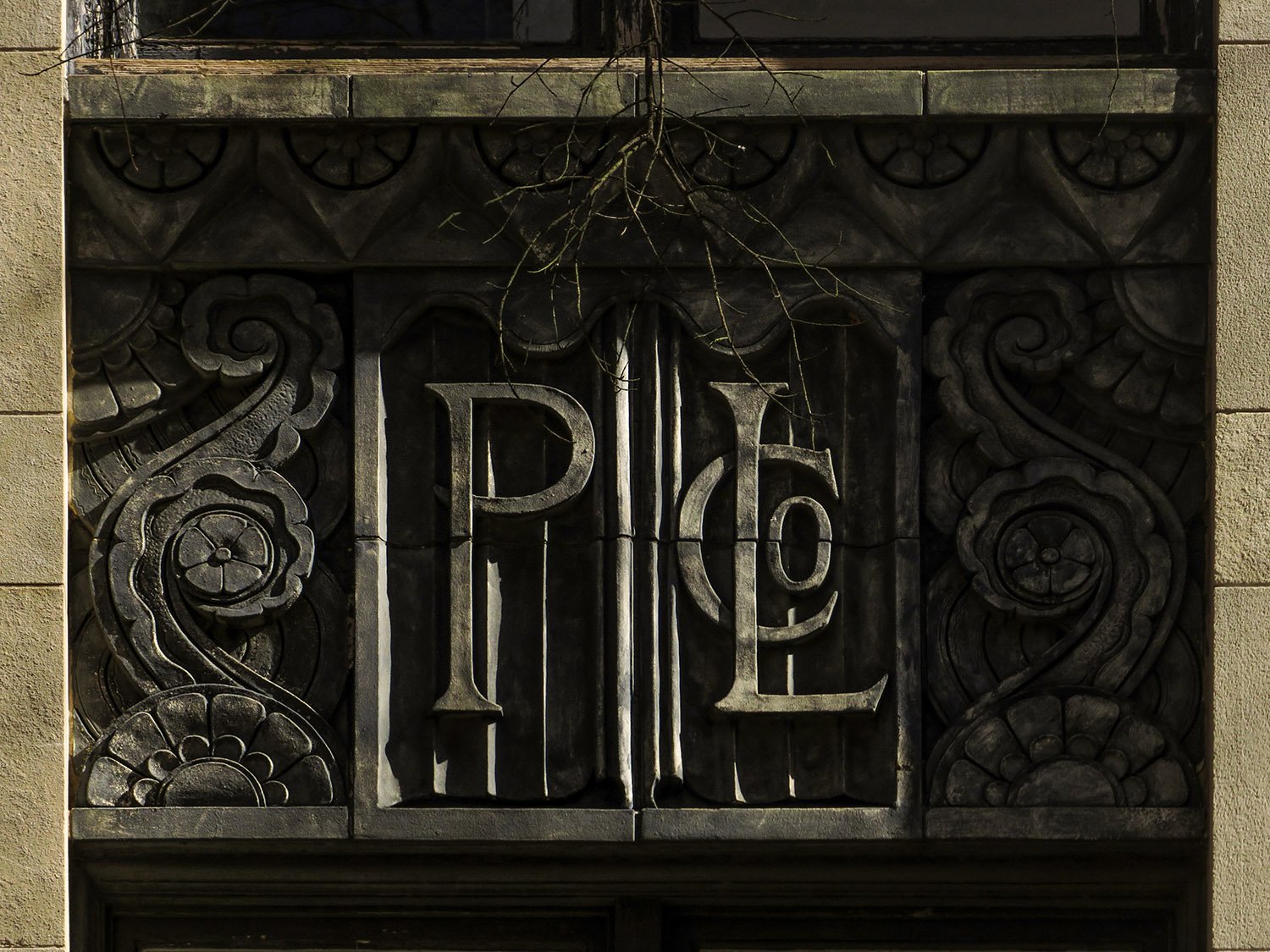
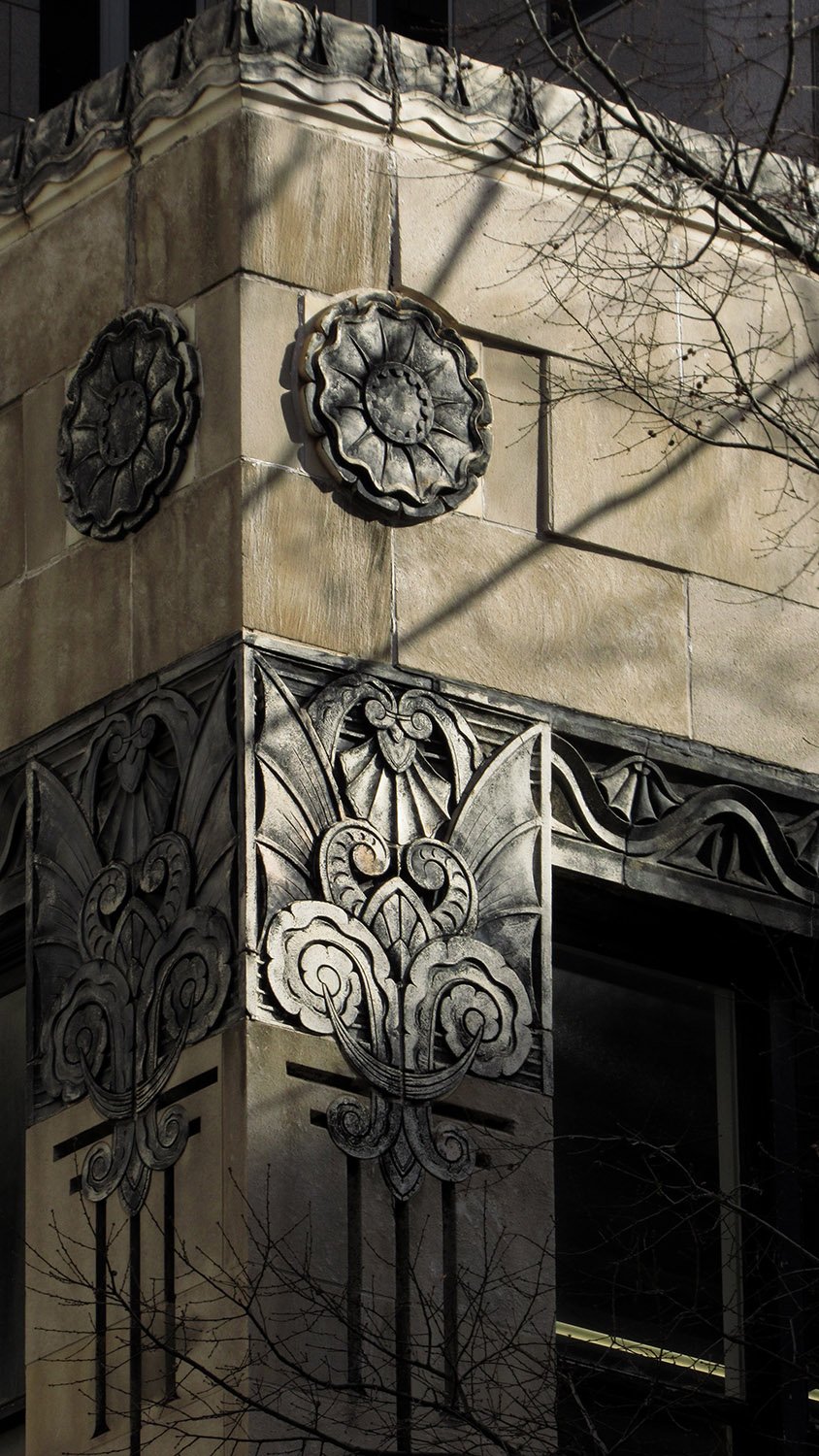
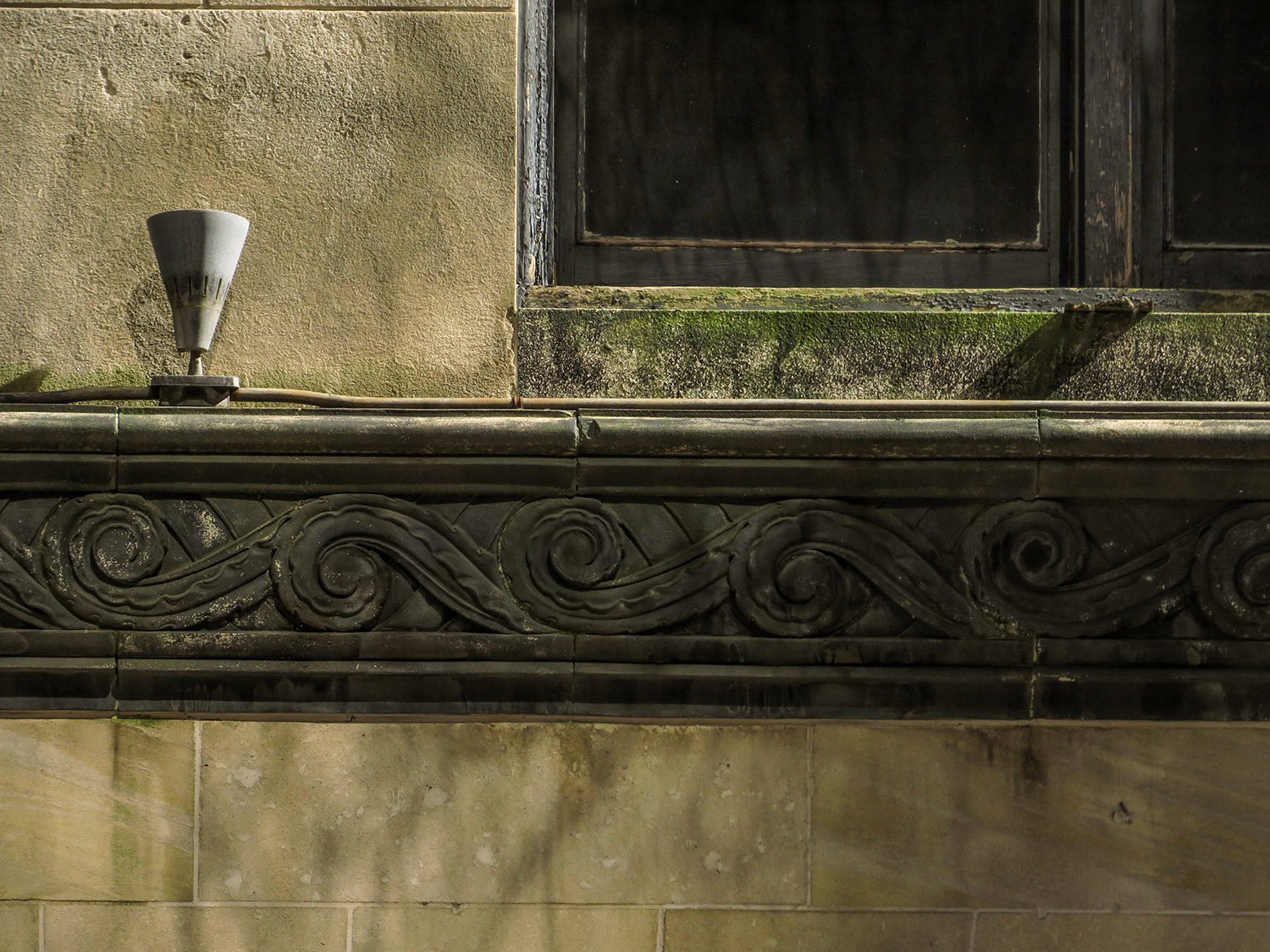
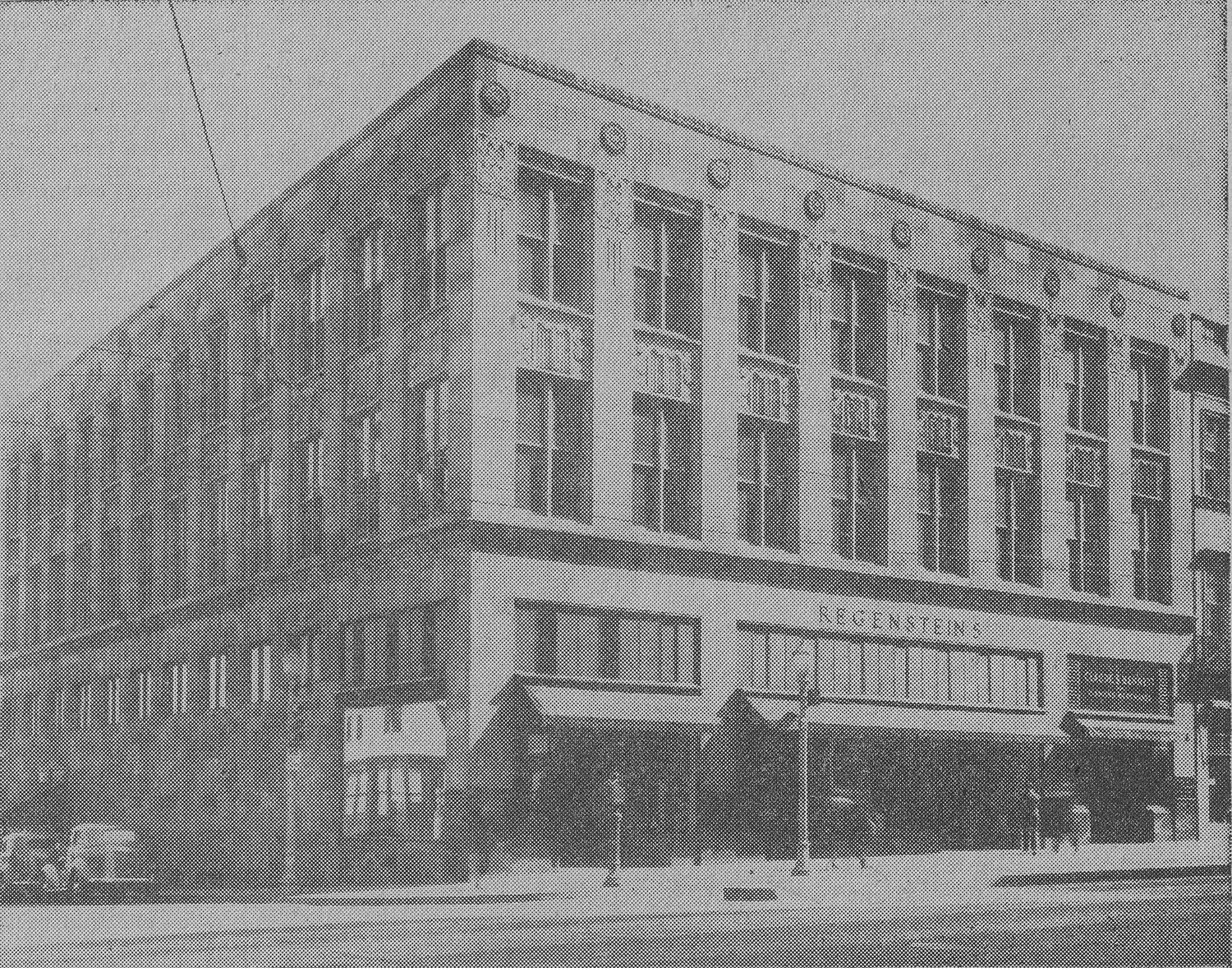
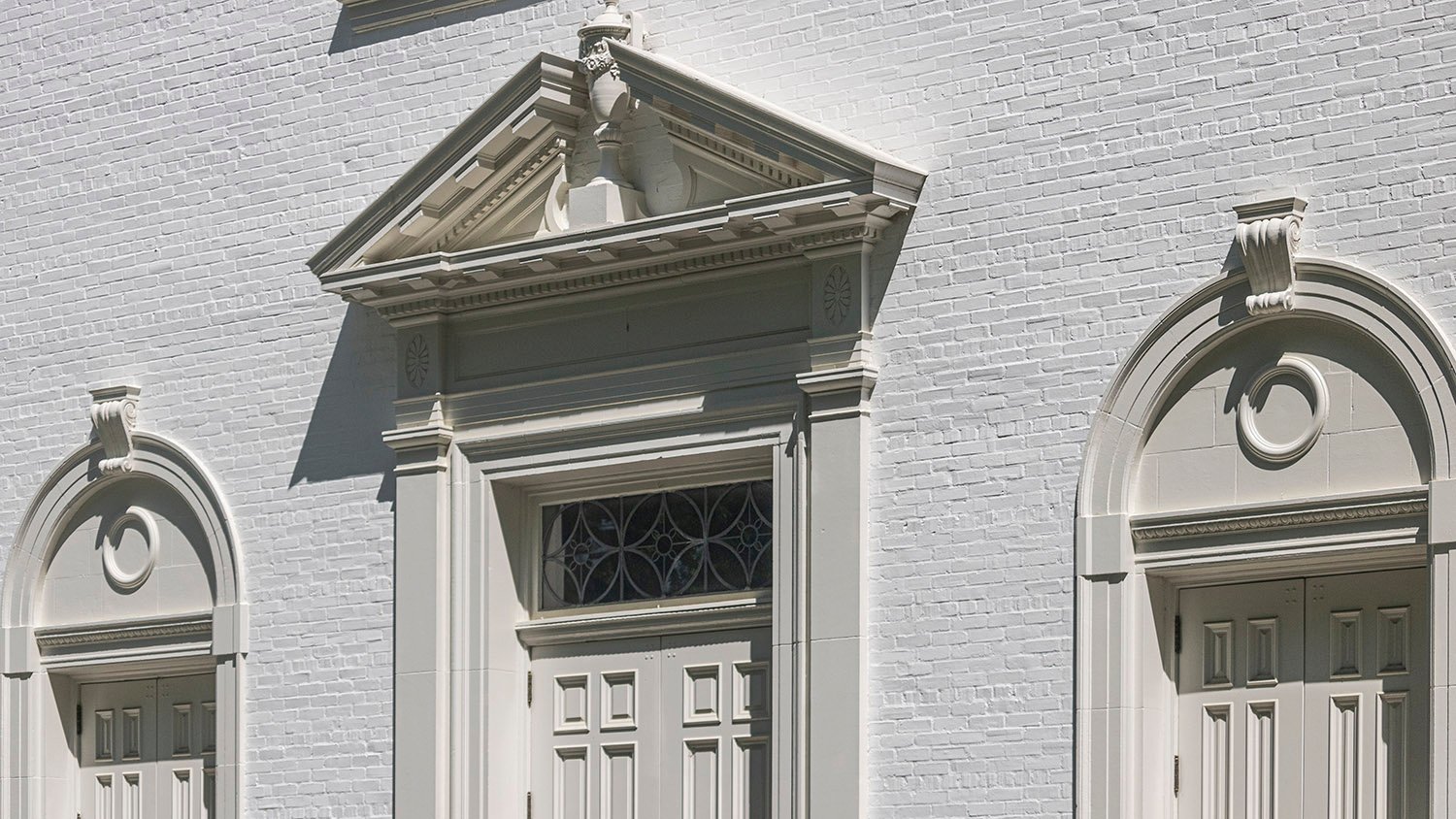
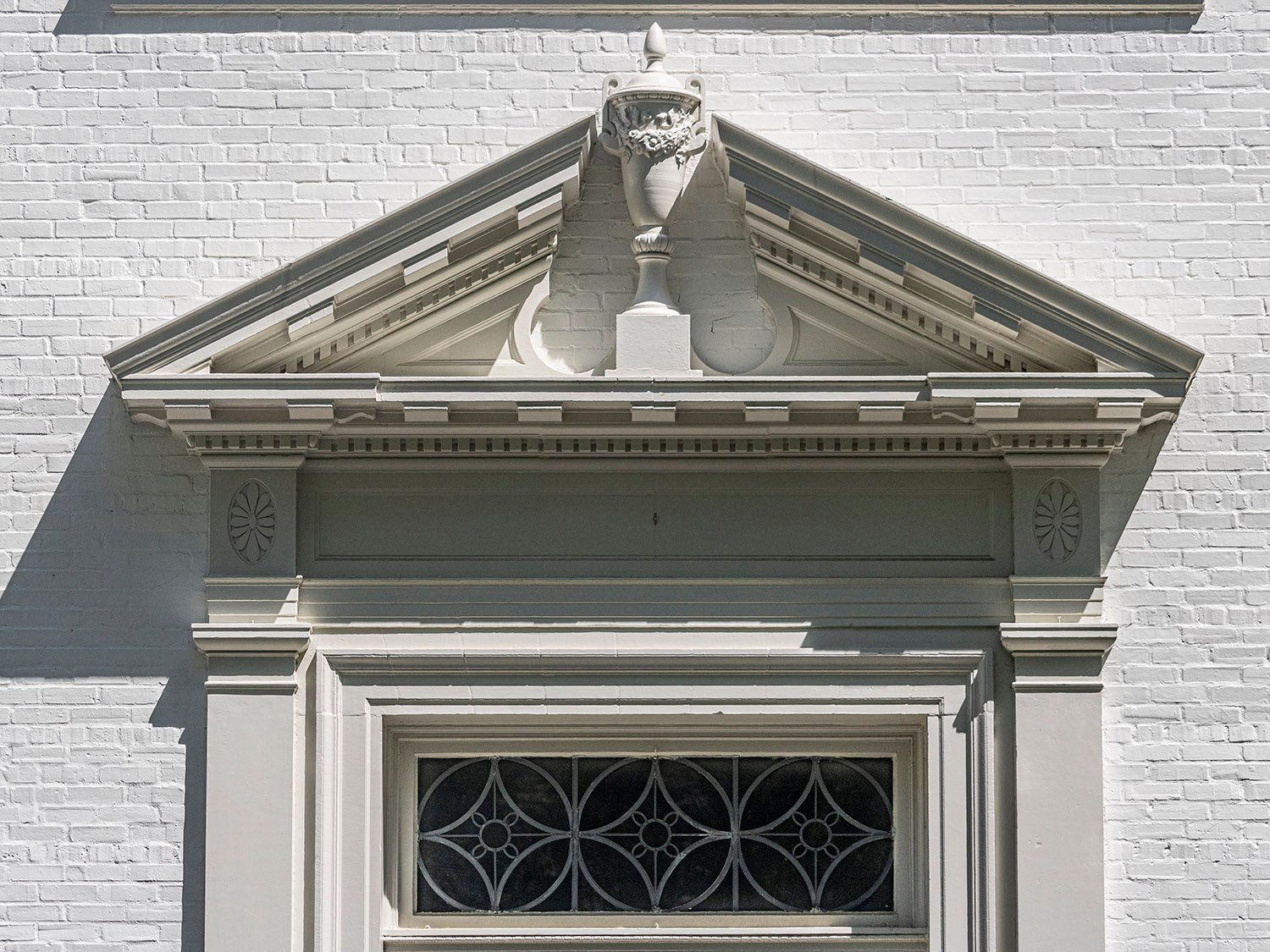
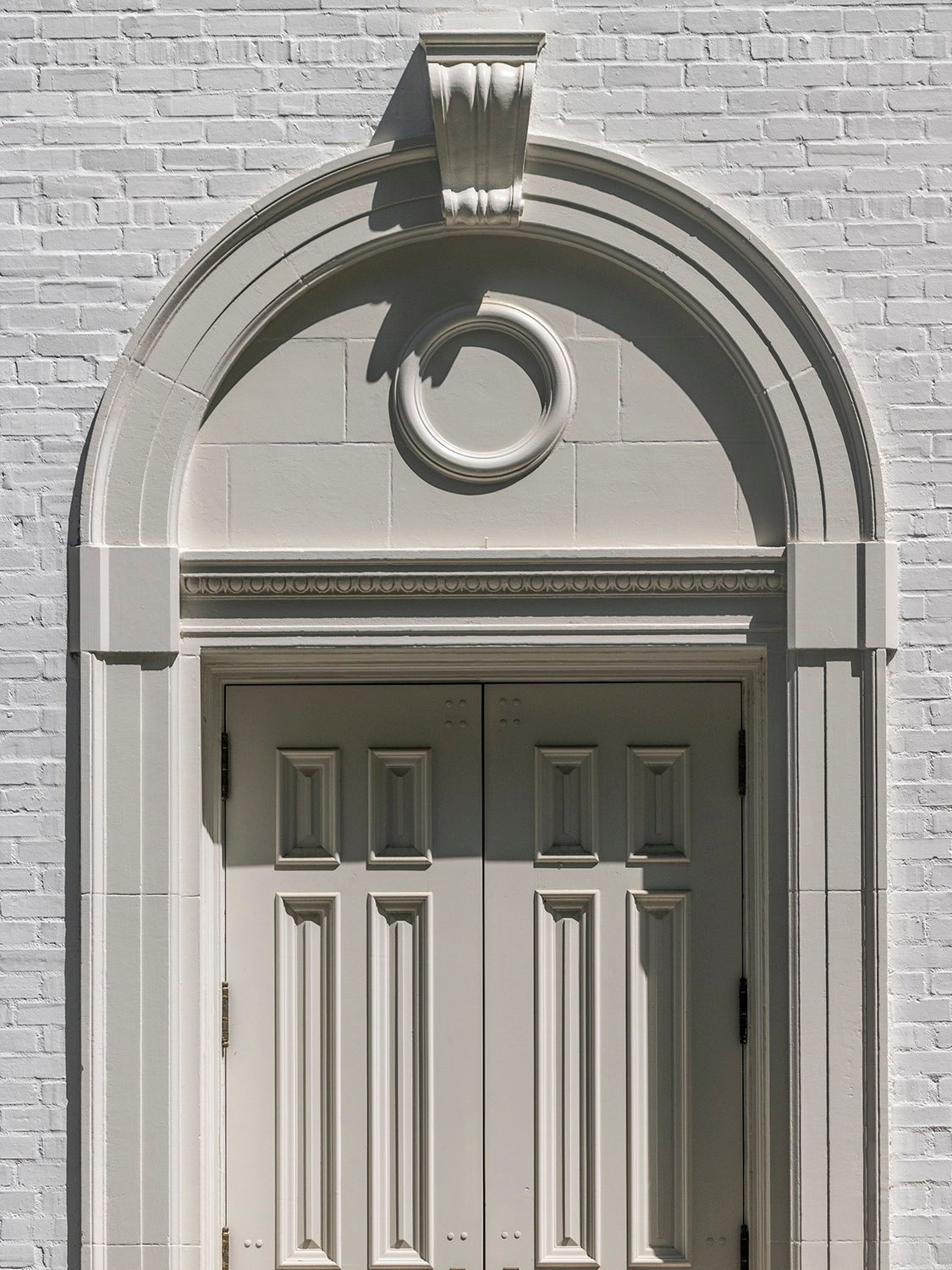
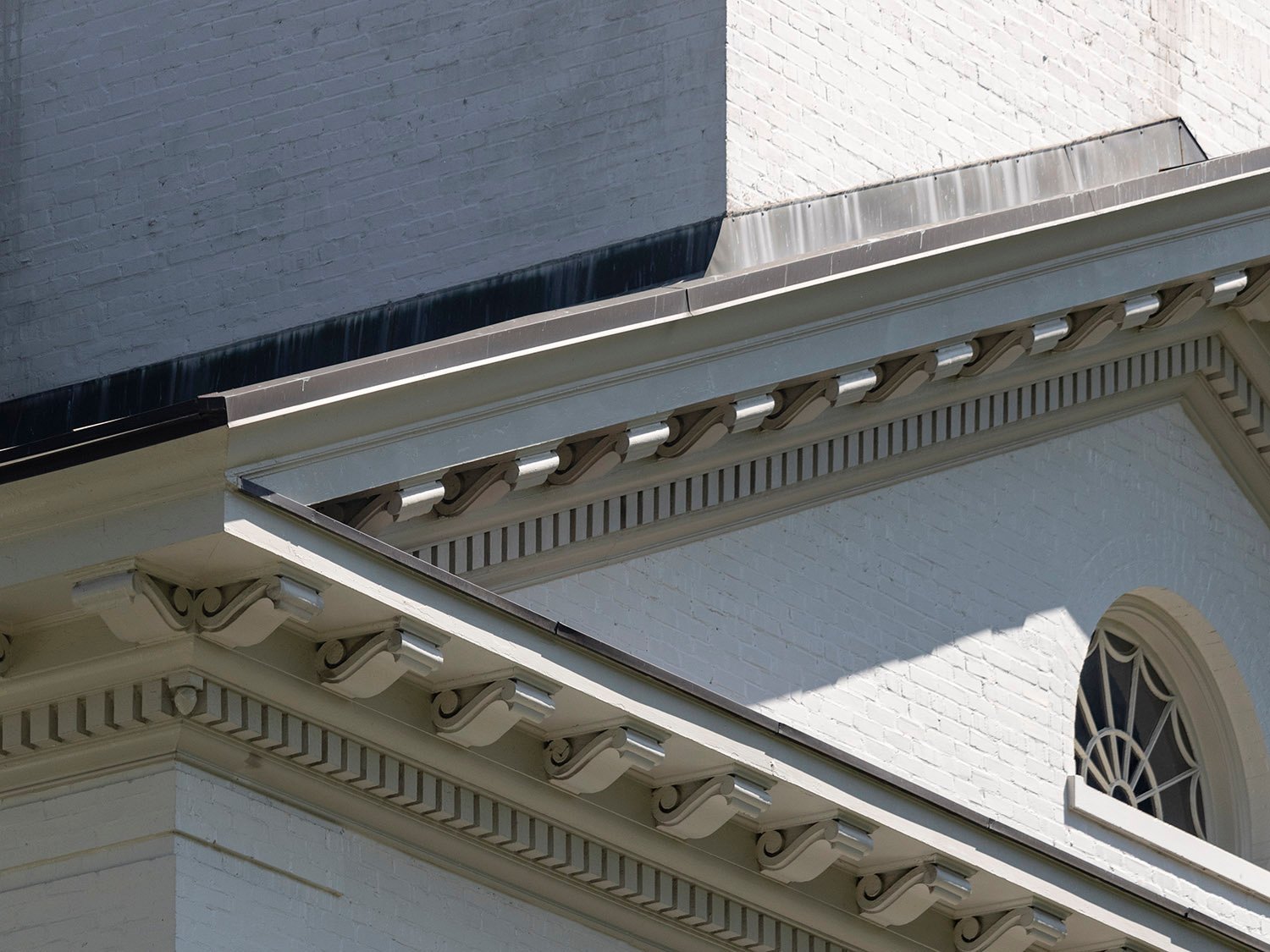
Pringle & Smith. Regenstein’s (1930). Atlanta.1234Windows, spandrels, and ornamentation on the facade of Regenstein’sPeters Land Company insignia on the facade of Regenstein’sOrnamentation on the facade of Regenstein’sStringcourse on the facade of Regenstein’sRegenstein’s circa 19395
References
“Regenstein Plans Peachtree Store”. The Atlanta Constitution, June 23, 1929, p. 1. ↩︎
“Regenstein Company Leases New Peachtree Building”. The Atlanta Journal, June 23, 1929, p. D9. ↩︎
“New Regenstein Home Will Open At 209 Peachtree”. The Atlanta Journal, February 23, 1930, p. 8A. ↩︎
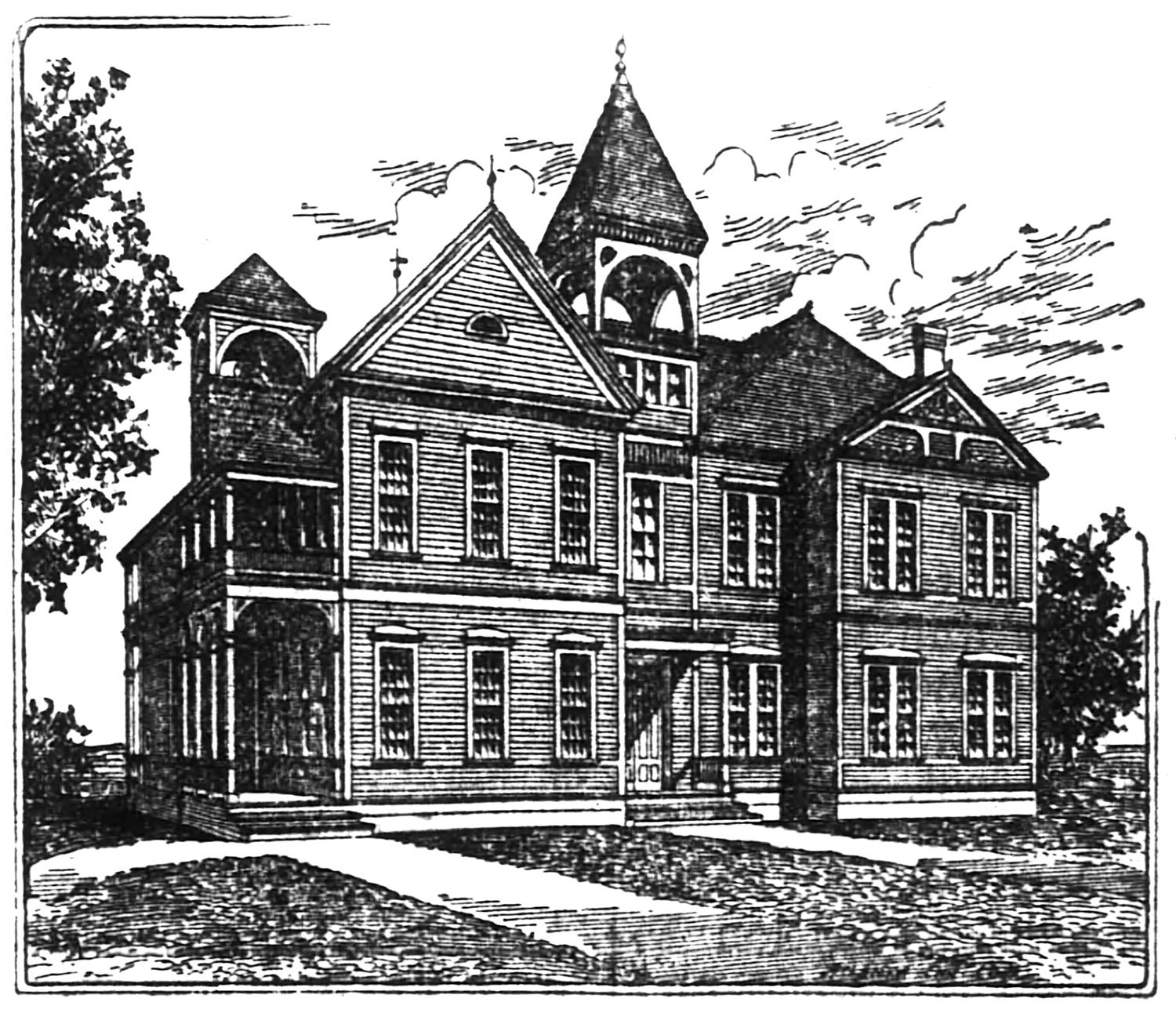
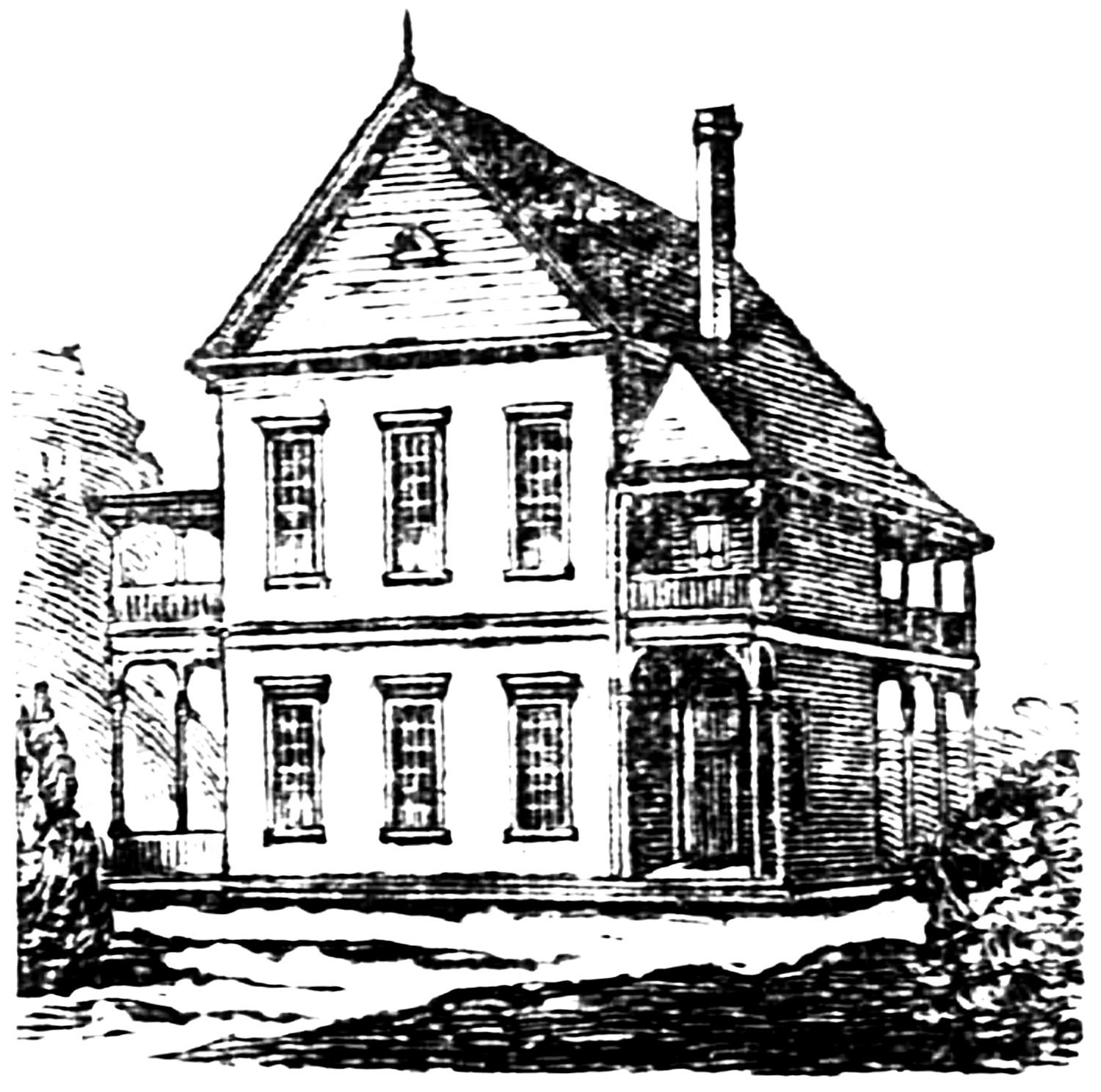
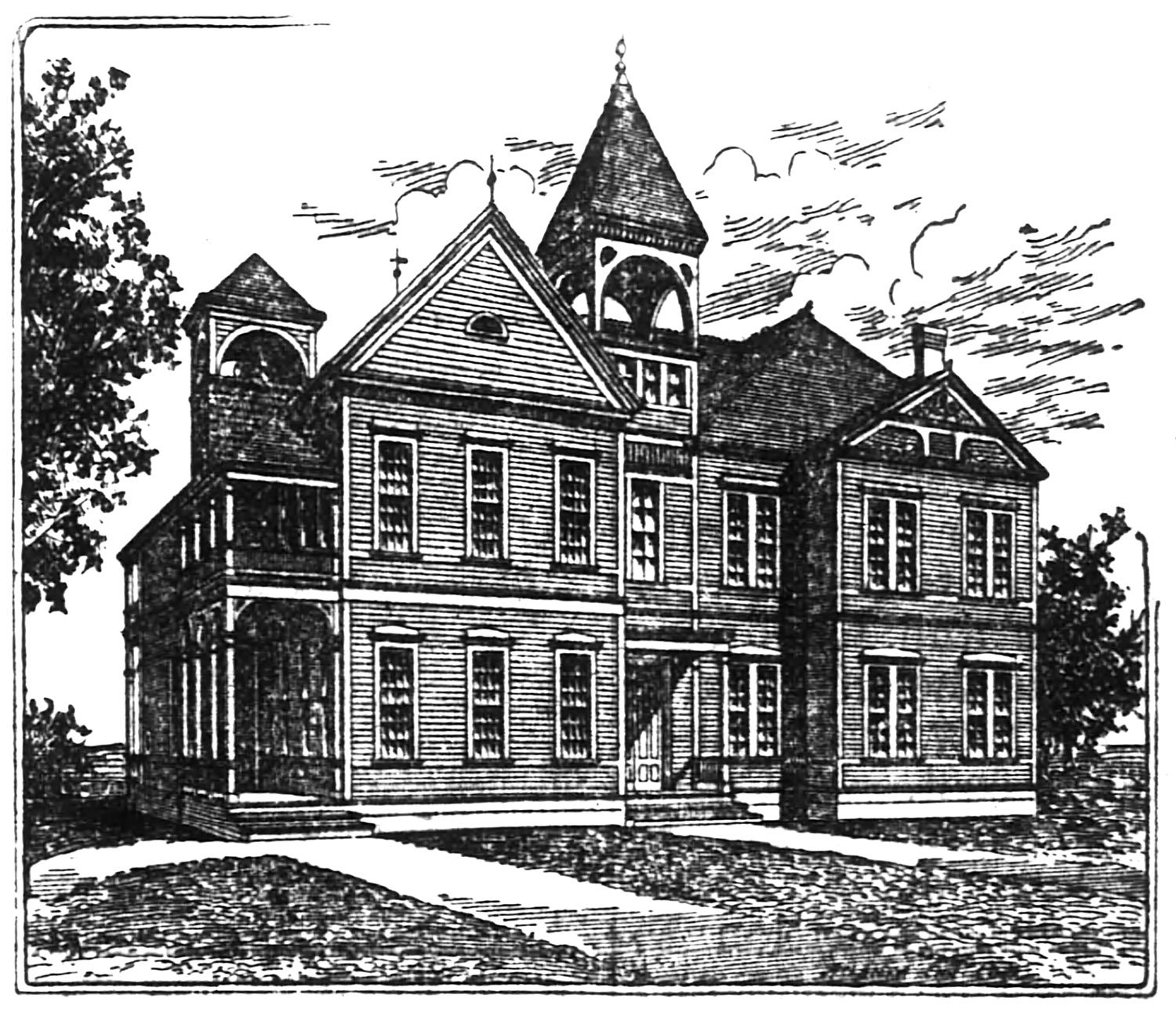
Humphries & Norman. West End Academy (left, 1883-1911). Bruce & Morgan. West End AcademyExpansion (right, 1890-1911). West End, Atlanta.1
The Background
The article below, published in The Atlanta Constitution in November 1890, describes the expansion of the West End Academy in West End, Georgia, completed in 1890 and designed by Bruce & Morgan.
Later absorbed into the city of Atlanta, the school’s property consisted of two acres2 on the west side of Lee Street, just north of Gordon Street (later Ralph David Abernathy Boulevard SW).
Location of West End Academy
West End Academy was originally founded in 1883,34 when West End was still a self-governing municipality separate from Atlanta. Although the academy operated as a public school, tuition was initially charged for each student.5
The originaltwo-story wood-frame structure for West End Academy was designed by Humphries & Norrman,6 and the primary credit likely belongs to George P. Humphries, who was also a West End resident and, it appears, handled most of the firm’s projects there.
After Humphries’ death in August 1885, the West End Academy allowed his children to attend the school tuition-free “in consideration of past services to the town,”7 further suggesting his involvement in the school’s design.
Humphries & Norrman. West End Academy (1883-1911). West End, Atlanta.8
Construction on West End Academy’s first building began in June 18839 and was completed by October 1883. Although the initial estimate for the project was $5,000,101112 a 1884 report stated the final cost as “the round sum of $10,000,”13 while a 1890 article claimed the cost was $6,500.14
There isn’t much information about the original structure’s design or number of rooms, but it was said to be “roomy enough for the pleasant occupation of several hundred pupils, if necessary.”15 In 1884, the school reportedly taught 90 students.16
A Need for Expansion
By 1890, West End Academy had an enrollment of 297 students,17 and despite the earlier claim of it being “roomy enough” for several hundred, a “patron and friend” described the school’s dangerously overcrowded conditions to the Constitution:
“Last fall term not less than seventy pupils were seated in a room of only fifty desks … In the principal’s room there were seventy-five pupils and only fifty desks.”18
The need for expansion was urgent, and in July 1890, the school’s trustees established a building committee for “enlarging and beautifying the academy”, with the imperative to “engage an architect at once to begin work.”19
They weren’t playing around—in just under three weeks, the office of Bruce & Morgan solicited construction bids for the project, with one day’s notice before the deadline and the repeated instruction: “Work to be begun at once.”20
Why Bruce & Morgan?
Since Humphries & Norrman designed West End Academy’s original building in 1884, it’s a little odd that G.L. Norrman wasn’t chosen for the expansion six years later.
However, Bruce & Morgan were undoubtedly a top choice because of the numerous school buildings the firm had recently designed for Atlanta’s public school system, including the Third and Fifth Ward Grammar Schools.
And although he would soon make school buildings a specialty, Norrman had designed comparatively few by 1890, and if the original West End Academy was handled by his deceased partner, it would make sense that he wasn’t consulted.
I also suspect that Norrman didn’t care much for Humphries or his work—it’s just a hunch.
Even if Norrman had been considered, his office was swamped with work in summer 1890, so a $4,500 project may not have been worth his time and effort.
Assuming construction began in late July 1890, West End Academy’sexpansion was completed in about three months, opening in early November 1890.
After the Expansion
When West End was annexed into Atlanta in 1893, ownership of West End Academy was transferred to the City of Atlanta,2122 and the renamed West End School2324became part of Atlanta’s public school system.
By that time, the school had again outgrown its capacity,25 and in 1902, the West End School was described as “probably the worst crowded of the schools.”26 In 1904, a 12-room school was built on nearby Peeples Street to alleviate crowding.2728
With the opening of the new West End School, the old West End School was renamed Lee Street School, with plans to add three or four classrooms,2930 though it’s unclear if that happened.
In May 1906, a fire in the basement of Lee Street School forced over 200 children to evacuate as smoke filled the building.3132
Obviously aware that the all-wood structure was a firetrap, the school’s principal, Eleta A. Mills, was well-prepared for the event and regularly conducted fire drills with the students.33 Remarkably, no one was injured in the fire—except for Mills, who fell down the stairs and hurt her back.34
As the Constitution described the scene:
“From the class rooms the children marched in perfect order. Through the hallways, down the stairs they went, the clouds of smoke rising about them and almost stifling them. Yet they never wavered.
“When the firemen declared that the fire was extinguished, Miss Mills had the children to march back into the school, where they quietly resumed their lessons.
“The children were not more than a minute getting out of the building, and it was about fifteen minutes that they were held in line.”35
While there was no structural damage from the fire, the old West End Academy had clearly become a liability—an unsafe, outdated, and undersized hand-me-down from a bygone city and century.
In 1907, when the Lee Street School reported an enrollment of 320 students,36L.Z. Rosser, the president of Atlanta’s board of education, described the school as “unsanitary and unfit for use”, adding, “In fact, all the old frame buildings have outgrown their usefulness.”37
Rosser repeated his criticism in 1908:
“It is the board’s policy to abolish as rapidly as possible every old school building in the city and whenever we put up a new building it is the safest and most thoroughly equipped that architectural skill can devise. I am frank to say that we still have several old school houses which ought to go, and they will go as fast as the financial appropriation will permit.”38
The appropriation finally came, and in summer 1910, the Lee Street School was “rolled back”3940 100 feet to accommodate construction of a new building (pictured below),41 with students using the relocated structure during the interim.424344 That couldn’t have done much for safety.
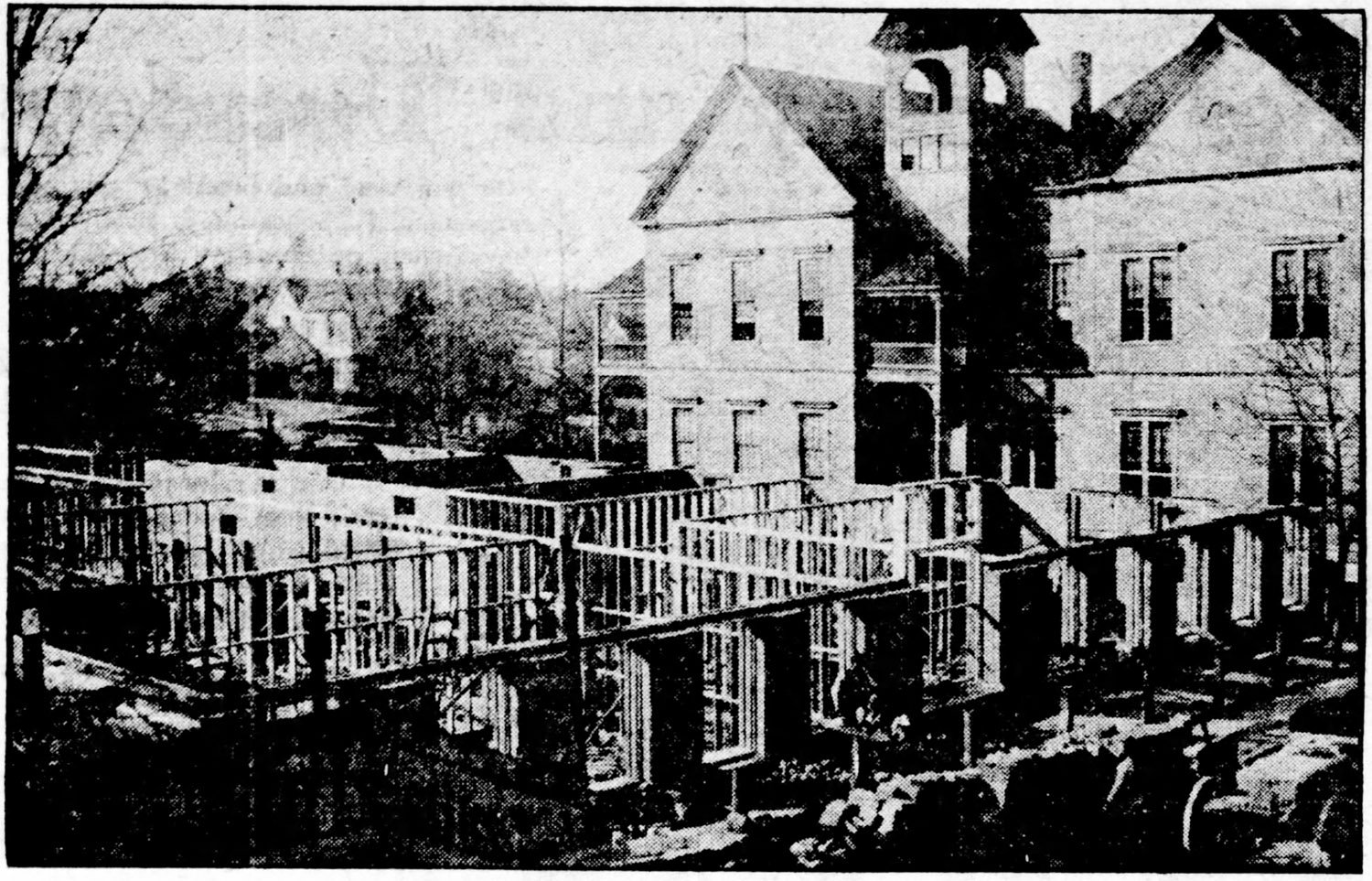
Former West End Academy during the construction of Lee Street School in 191145
Designed by Edward E. Dougherty, the new Lee Street School was completed in August 191146 and was similar to other schools he designed in Atlanta in the same period, built of brick and containing 12 classrooms.47
The old West End Academy was unceremoniously demolished sometime in 1911, and there’s no evidence anyone objected. A Sanborn map published that year identified the structure as simply “Old School B’ld’g To Be Removed.”48
The replacement school was torn down in 1969 to make way for the Mall West End,49 which itself is slated for demolition in 2026. Nothing is permanent in Atlanta.
The New Academy Building.
How the West End Academy Has Been Improved.
The rapid growth of the little city of West End is illustrated by the fact that she has recently been compelled to double the capacity of her public school building in order to meet the increasing demand for school accommodations. The extensive addition to the old structure has been completed, and the entire building now presents a very handsome and imposing appearance. The new part was planned by Messrs. Bruce & Morgan and harmonizes admirably with the old.
The accompanying cut shows the building as it now stands, and no city of the same size has a more comfortable or better arranged schoolhouse than has West End. The exterior is pleasing to the eye and the interior admirably adapted to school purposes.
On the first floor is a wide hall traversing the building, into which opens three well-appointed schoolrooms. Along a narrower hall leading from this main one are to be found three smaller rooms, which are to be used as a music room, library and principal’s office, respectively. The music room is so situated that the sound of the pianos cannot be heard in any way of the rest of the building. Three wide, easy stairways lead up to the second floor, where are situated two comfortable schoolrooms and a large auditorium. This auditorium is admirably suited for the opening exercises of the school each morning and for public exercises and is so constructed that it may be easily made into two additional schoolrooms when the increased attendance shall require it. All the rooms are well ventilated and lighted and provided with ample hat and cloak closets.
The cost of these improvements is $4,000, and will prove to be money well spent for West End.
The new part of the building was turned over to the school authorities by the contractor last Friday, and that portion of the school which, for the last two months has been occupying the hall over Caldwell’s store, will take possession of their new quarters tomorrow. No doubt the additional room and accommodations offered will be taken advantage of at once by new pupils from West End and vicinity, and by some from Atlanta who have been crowded out of the city schools.
The school has taken assured rank among the best educational institutions of Atlanta. It is operated on the plan of a public school, being supported by appropriations from the city council and from the county public school fund, supplemented by a nominal tuition fee of $1 to $1.50 per pupil per month. This small tuition fee is charged, because if the school were made entirely free the present rate of taxation (which is now 50 cents on the $100) would have to be nearly doubled in order to pay the deficit in the income of the school.
The academy is under the control of a board of trustees, who elect the leaders, lay out the course of study, adopt the textbooks, etc., just as is done in other public school systems. This board at present consists of representative men of the city who enjoy fully the confidence of the community. They are as follows: Malcolm Johnston, Dr. John W. Nelms, Burgess Smith, W.L. Wilson, G.A. Howell, W.A. Culver, W.W. Lambdin, E.C. Atkins, M. Taylor and J.C. Harris.
The principal of the school is Professor E.C. Merry, one of the best equipped teachers of the state. Professor Merry has a splendid reputation in educational circles, and as a disciplinarian and instructor and school manager has few equals. The exercises of the entire school under his skillful management move like clock-work. His assistant teachers, who are Miss Mamie Pitts, Miss Sallie Davis, Miss Mattie Nunnally and Miss Carrie Harden, are all skillful, experienced and enthusiastic. The entire corps seem animated with the single desire to make the West End academy the model school of the state.
There is also an excellent music department connected with the school, which is presided over by Miss Leila G. Hanbury, an accomplished instructress in instrumental music.
The academy was never more prosperous than at present, having an average attendance of about 200 pupils, and bids fair with its increased accommodations to raise that average to 250 to 275 before the scholastic year is ended.
This school in the past has been a powerful factor in West End’s progress, but is now in better shape than ever to contribute towards the growth and upbuilding of that little city.50
References
Illustration credit: “The West End Academy” (advertisement). The Atlanta Constitution, September 9, 1891, p. 10. ↩︎
“West End Splinters.” The Atlanta Journal, March 15, 1883, p. 4. ↩︎
Public notice. The Atlanta Constitution, April 3, 1883, p. 2. ↩︎
“West End Academy.” The Atlanta Constitution, July 8, 1883, p. 9. ↩︎
“The Hill Building.” The Atlanta Constitution, March 16, 1884, p. 4. ↩︎
“West End Notes.” The Atlanta Constitution, August 14, 1885, p. 7. ↩︎
Illustration credit: “West End.” The Atlanta Constitution, February 13, 1887, p. 4. ↩︎
“West End Notes.” The Atlanta Journal, June 25, 1883, p. 4. ↩︎
“West End Splinters.” The Atlanta Journal, May 9, 1883, p. 4. ↩︎
“West End Academy.” The Atlanta Constitution, July 8, 1883, p. 9. ↩︎
“West End Waifs.” The Atlanta Constitution, July 13, 1883, p. 2. ↩︎
“West End Improvements.” The Atlanta Journal, January 11, 1884, p. 4. ↩︎
“West End.” The Atlanta Constitution, April 27, 1890, p. 21. ↩︎
“West End Academy.” The Atlanta Constitution, July 8, 1883, p. 9. ↩︎
“West End Improvements.” The Atlanta Journal, January 11, 1884, p. 4. ↩︎
“The West End Academy.” The Atlanta Constitution, June 20, 1890, p. 4. ↩︎
“Letters From The People.” The Atlanta Constitution, July 10, 1890, p. 4. ↩︎
“West End Academy.” The Atlanta Constitution, July 2, 1890, p. 11. ↩︎
“Notice to Contractors.” The Atlanta Constitution, July 21, 1890, p. 7. ↩︎
“Will Annex.” The Atlanta Constitution, September 14, 1893, p. 5. ↩︎
“Everything In Shape”. The Atlanta Constitution, December 30, 1893, p. 7. ↩︎
“At Atlanta’s Fair.” The Atlanta Constitution, July 27, 1894, p. 10. ↩︎
“Among The Schools.” The Atlanta Constitution, September 9, 1894, p. 4. ↩︎
“Changes To Be Made.” The Atlanta Constitution, March 8, 1893, p. 3. ↩︎
“To Give Room In Crowded Schools”. The Atlanta Constitution, September 13, 1902, p. 8. ↩︎
“Two Schools Will Be Built.” The Atlanta Constitution, October 30, 1903, p. 2. ↩︎
“Mayor Speaks At West End”. The Atlanta Constitution, December 24, 1903, p. 2. ↩︎
“New Schools Completed”. The Atlanta Constitution, July 22, 1904, p. 6. ↩︎
“New School Houses Are Now Complete”. The Atlanta Journal, July 22, 1904, p. 4. ↩︎
“Panic Of Children Is Presented At School When Fire Breaks Out”. The Atlanta Journal, May 11, 1906, p. 1. ↩︎
“Fire Breaks Out In Lee Street School And Panic Is Prevented By Bravery Of Pupils And Faithful Teachers”. The Atlanta Constitution, May 12, 1906, p. 1. ↩︎
“Fire Drills.” The Atlanta Journal, May 12, 1906, p. 6. ↩︎
“Fire Breaks Out In Lee Street School And Panic Is Prevented By Bravery Of Pupils And Faithful Teachers”. The Atlanta Constitution, May 12, 1906, p. 1. ↩︎
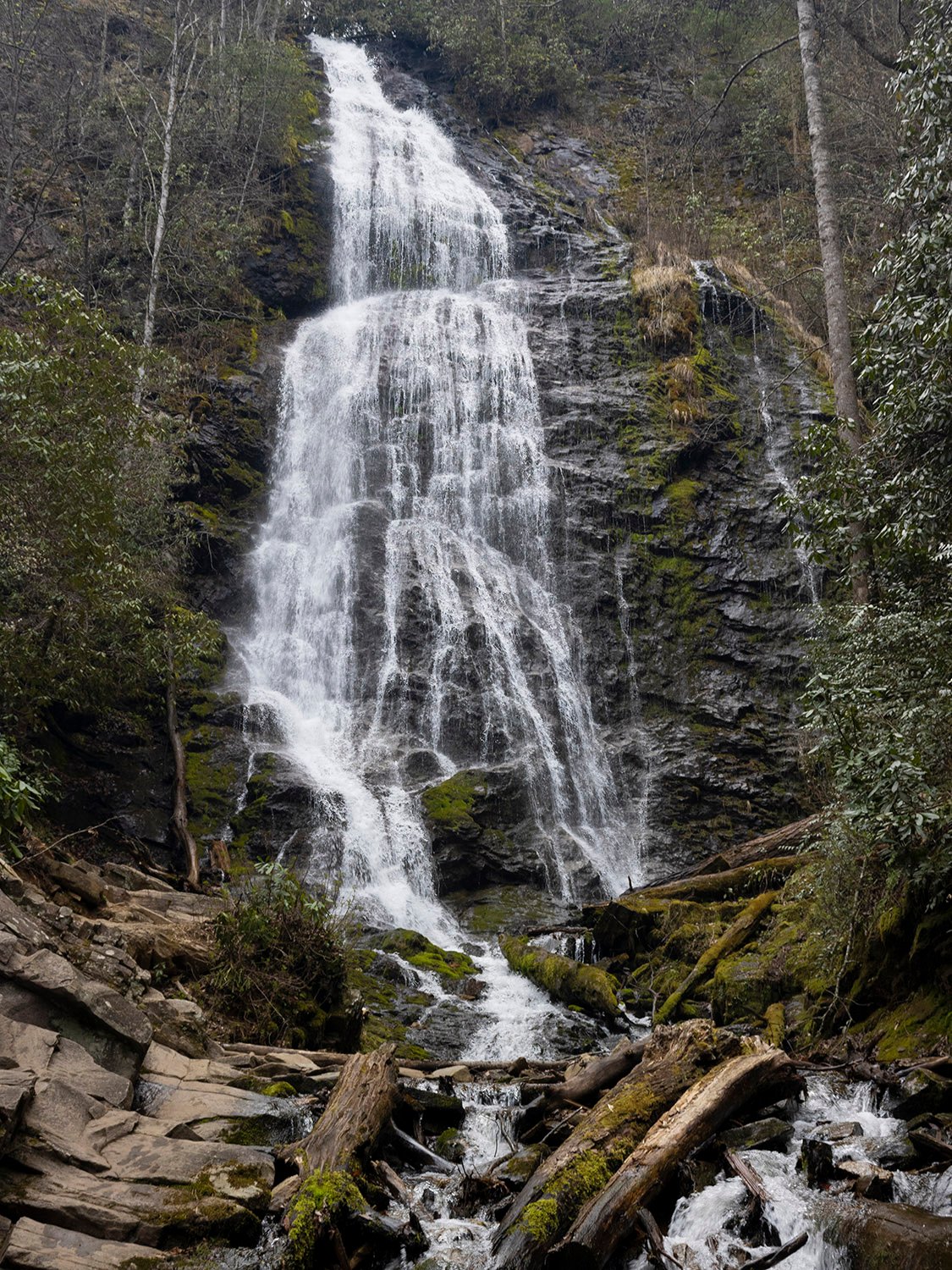
Water dripping off a rockin western North CarolinaA tiny waterfallin western North CarolinaWater dripping off a rock in western North CarolinaMingus Mill. Cherokee, North Carolina.Porters Creek. Gatlinburg, Tennessee.Cataloochee Creek. Waynesville, North Carolina.Mingo Falls. Cherokee, North Carolina.Mingus Creek. Cherokee, North Carolina.
I initially thought these were ferns, but they’re really clever impostors. Canadian lousewort, or wood betony, is found all over the East Coast in a wide range of habitats, although the ones shown here seemed quite happy in their cozy forest home.
Unlike ferns, lousewort produces flowers, which are apparently quite popular with pollinators. I heartily approve.
An observer more astute than I noted that life is a process of having your illusions destroyed, one after another, until you die.
I read that recently and knew it to be true.
My mind is a mercurial trickster: a spinner of phantasmagorias that has enticed and seduced me with mirages and wild imaginings which I have long crystallized into illusory beliefs.
I cringe at the times I humiliated myself by running down a fruitless path, capriciously chasing after some juvenile fancy, while drunk on the self-assurance that I would cross the bridge to glory, only to dead-end at a wall of nothingness.
I know I’m not the only one who’s wasted precious years of my life like that — far from it.
The difference, I suppose, between myself and others is that when I’ve reached that point of humiliation — and I have, many times over — I’ve admitted my error and turned around, retracing my steps back to my place of solitude and retreat.
Most people, I’ve observed, remain on the familiar path and insist on their correctness until their final breath, pacing over the same worn ground while foolishly casting hope for a different outcome, lest they ever acknowledge their own ignorance and folly.
After years of futile wandering, having collapsed from mental exhaustion, what I now see clearly is that every path is an illusion.
There is no grand road to walk — only tiny movements in one direction or another, guided by whatever instruction is given in the moment.
The movements themselves aren’t constant: much of life is meant to be spent in the absence of motion, suspended in silence, waiting in expectation.
The problem, of course, is that serenity isn’t exciting. I must admit that in the nursery room of my mind, I’ve often found the essential retreat quite boring.
It’s more enticing to spend your days running through a disorienting maze of deafening distractions than to sit in the simplicity and stillness of truth.
Groundedness requires discipline and restraint: the hard-earned fruits of humility and endurance — infinitely rewarding but thoroughly unsexy in their countenance.
It’s no coincidence that those who derive their power from casting spells have warped “woke” into a pejorative utterance, and that so many under their sorcery have embraced the contortion.
It’s far easier to sleepwalk, to be in slumber and dreaming like a little titty baby, dazzled by fallacious projections that tickle the emotions and senses, than to be awake, alert, and attentive to the quiet machinations of the soul.
But now arrives a point of culmination: a time when enough people — although certainly not all — are rising as if from some absurd fever dream, groggy and stumbling in the waking moments of clarity.
What becomes evident in lucidity is that we have spun a nightmare of our own design, a childish and perverted distortion of our shared imagination to remain entrenched in a threadbare and monstrous delusion, thoroughly inadequate for the wisdom and maturity that will soon be required of each of us.
Not everyone will abandon the paths of illusion: There will always be the hollow walking characters who insist on the enchantment of their imagined course, loudly proclaiming their righteousness at every turn. I will no longer coddle or indulge them.
Indeed, the time for entertaining the infants is over, and I will spend the remainder of my life shattering their illusions at each appointed moment.
The babies will rage and scream, but their bellowing will not penetrate me. In the absence of direction, I will retreat to my place of seclusion and remain there, at peace.
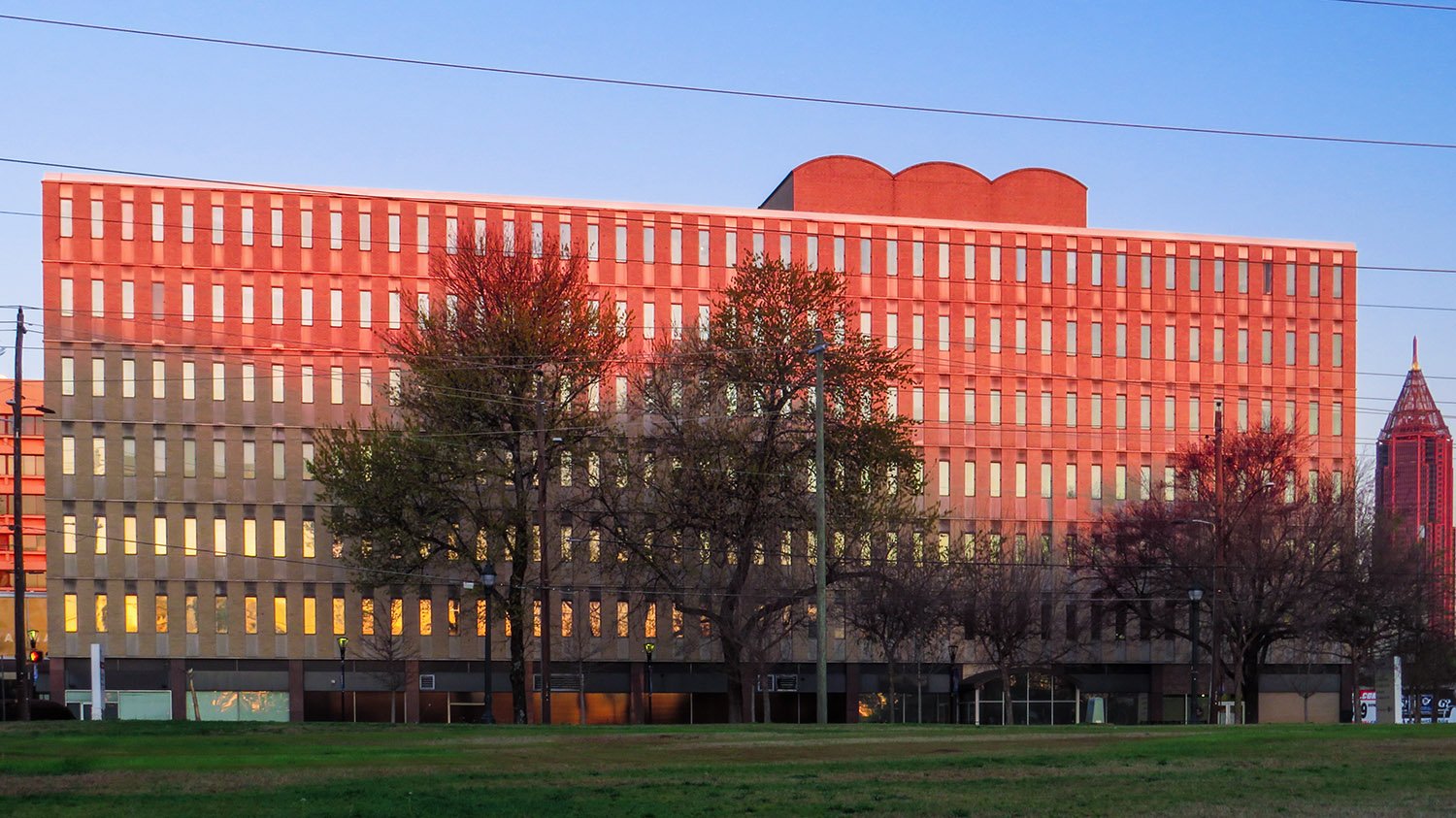
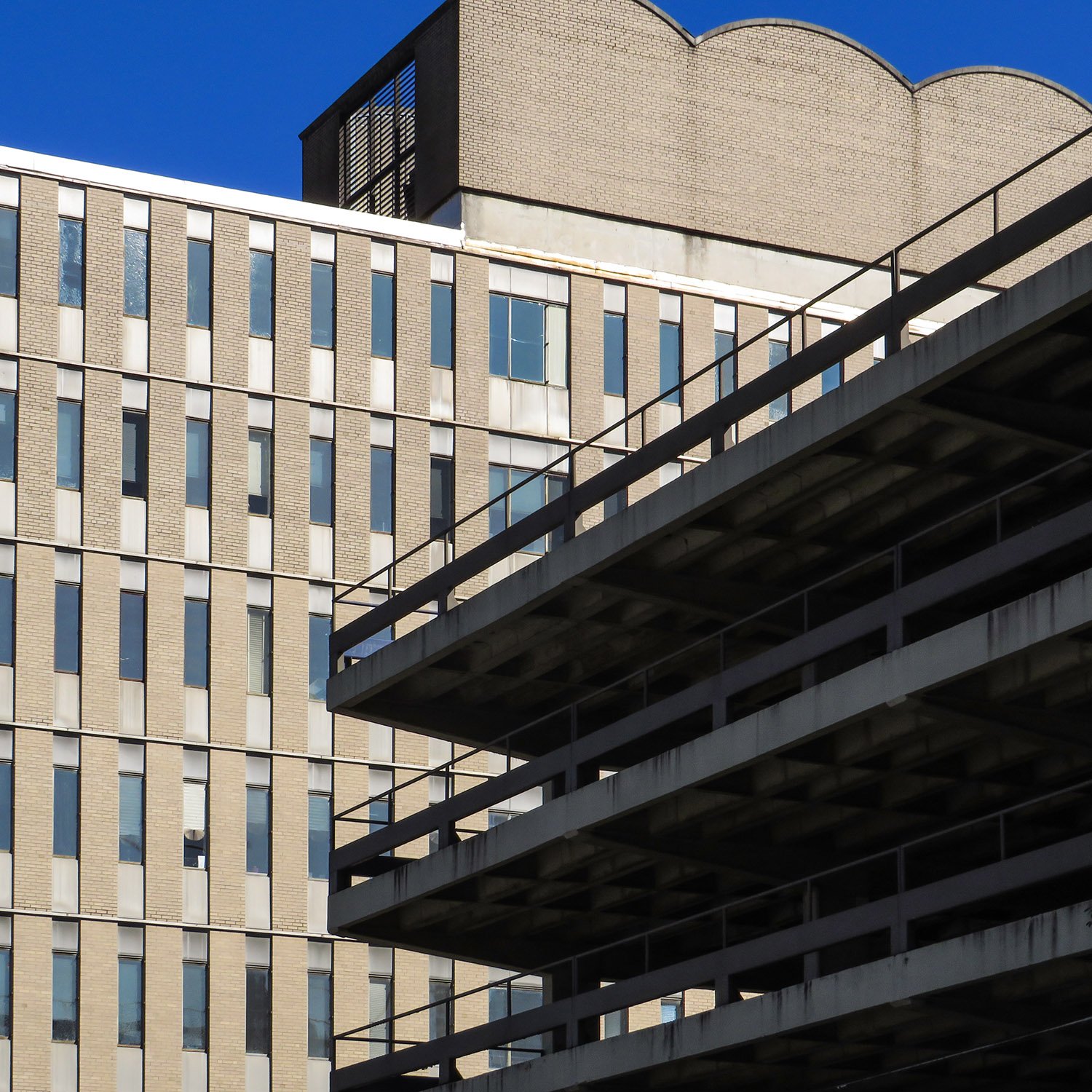
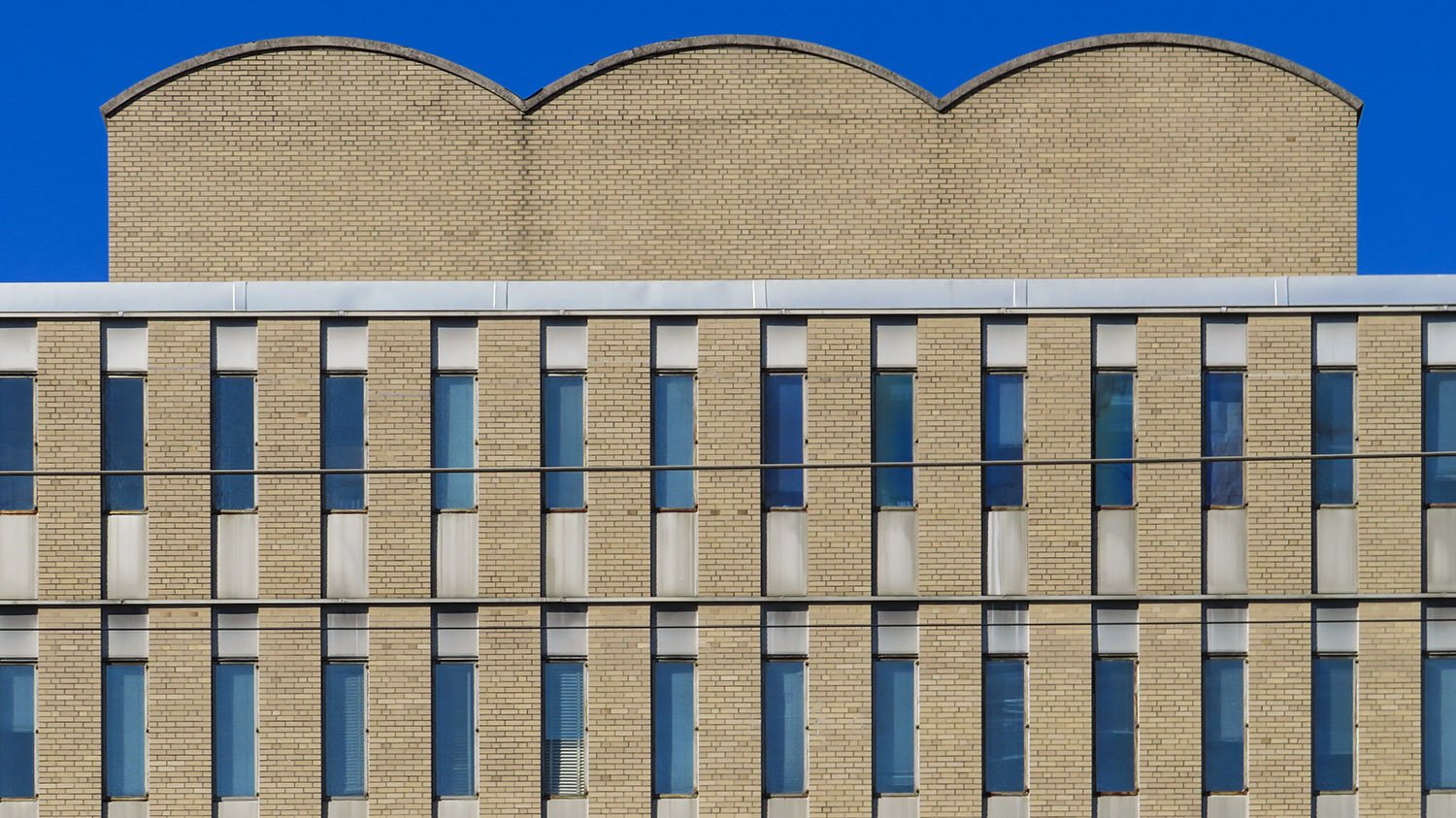
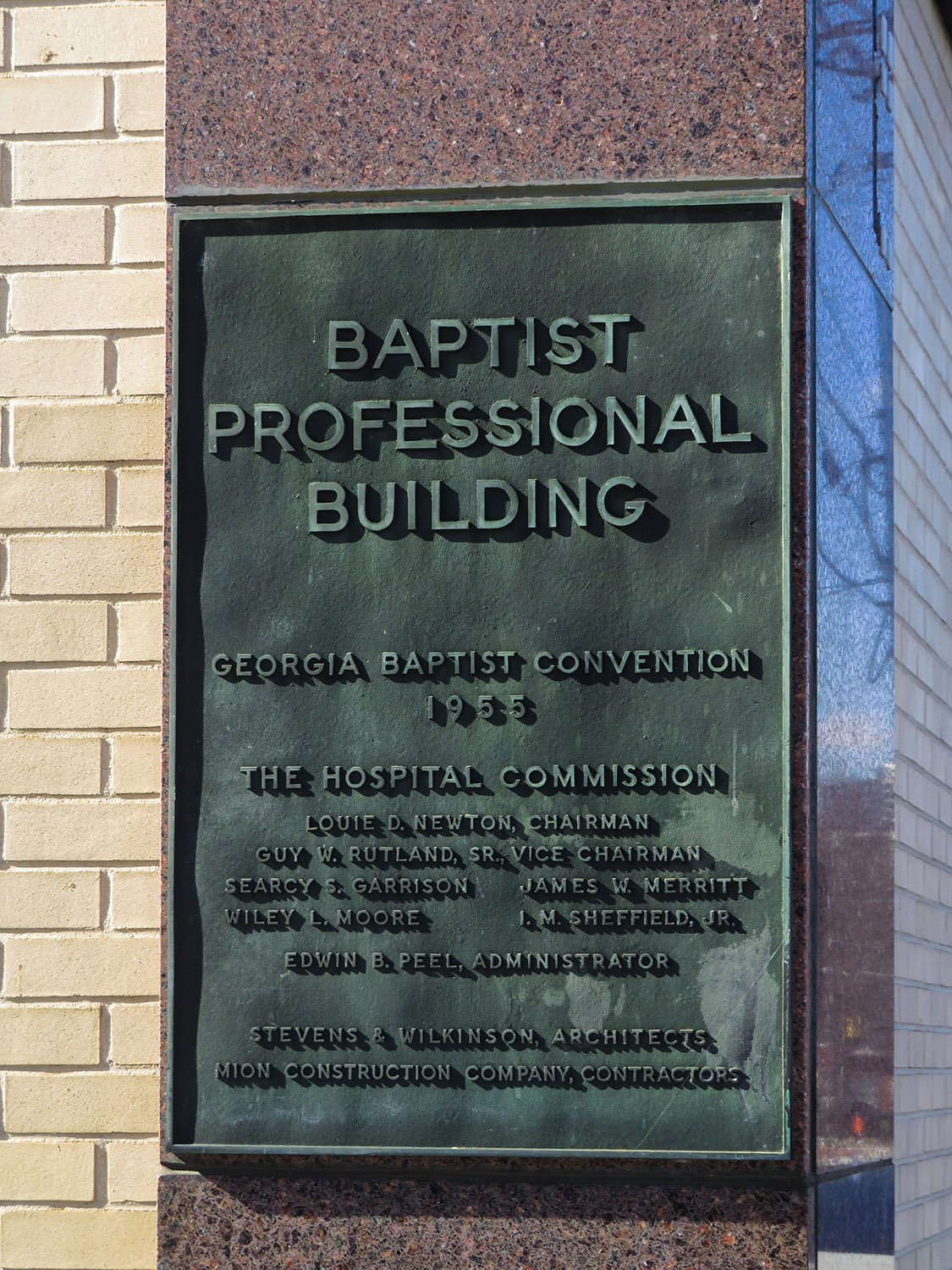
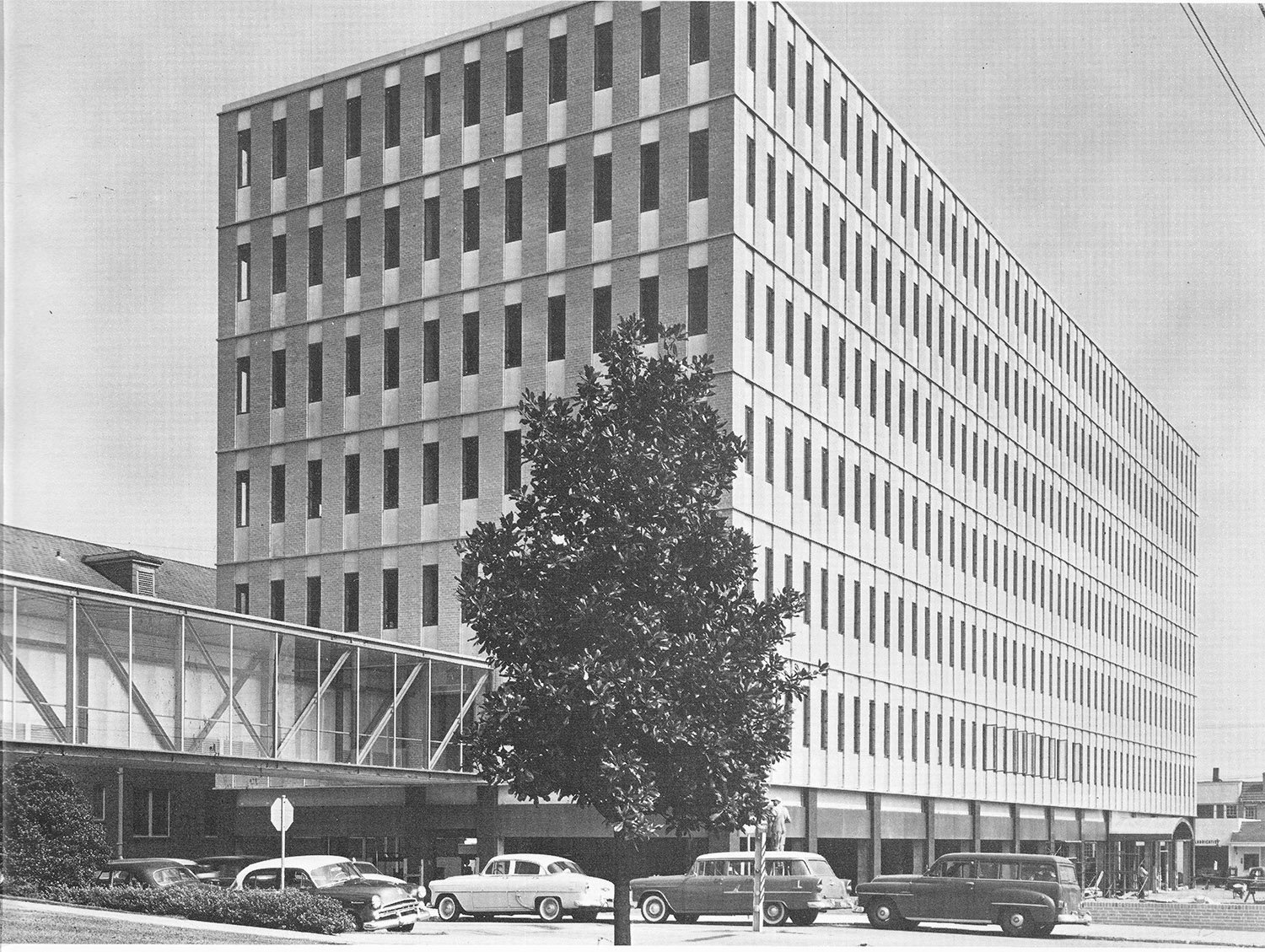
Stevens & Wilkinson. Baptist Professional Building (1955), Georgia Baptist Medical Center. Old Fourth Ward, Atlanta.1234West elevation of the Baptist Professional BuildingScreen wall and windows on the east facade of the Baptist Professional BuildingBaptist Professional Building, circa 1956.5
References
“Professional Building Job Gets Okay”. The Atlanta Constitution, March 3, 1954, p. 3. ↩︎
“Georgia Baptists OK $1,400,000 For Office Site”. The Atlanta Journal, March 3, 1954, p. 37. ↩︎
“$45 Million in Building Projects Here Will Boost Medical, Health Facilities”. The Atlanta Constitution, August 8, 1955, p. 8. ↩︎
“Hospital Group Honors Peel”. The Atlanta Journal, September 14, 1955, p. 35. ↩︎
Photo credit: Stevens, Preston. Building a Firm: The Story of Stevens & Wilkinson Architects, Engineers, Planners Inc. Atlanta (1979), p. 17. ↩︎
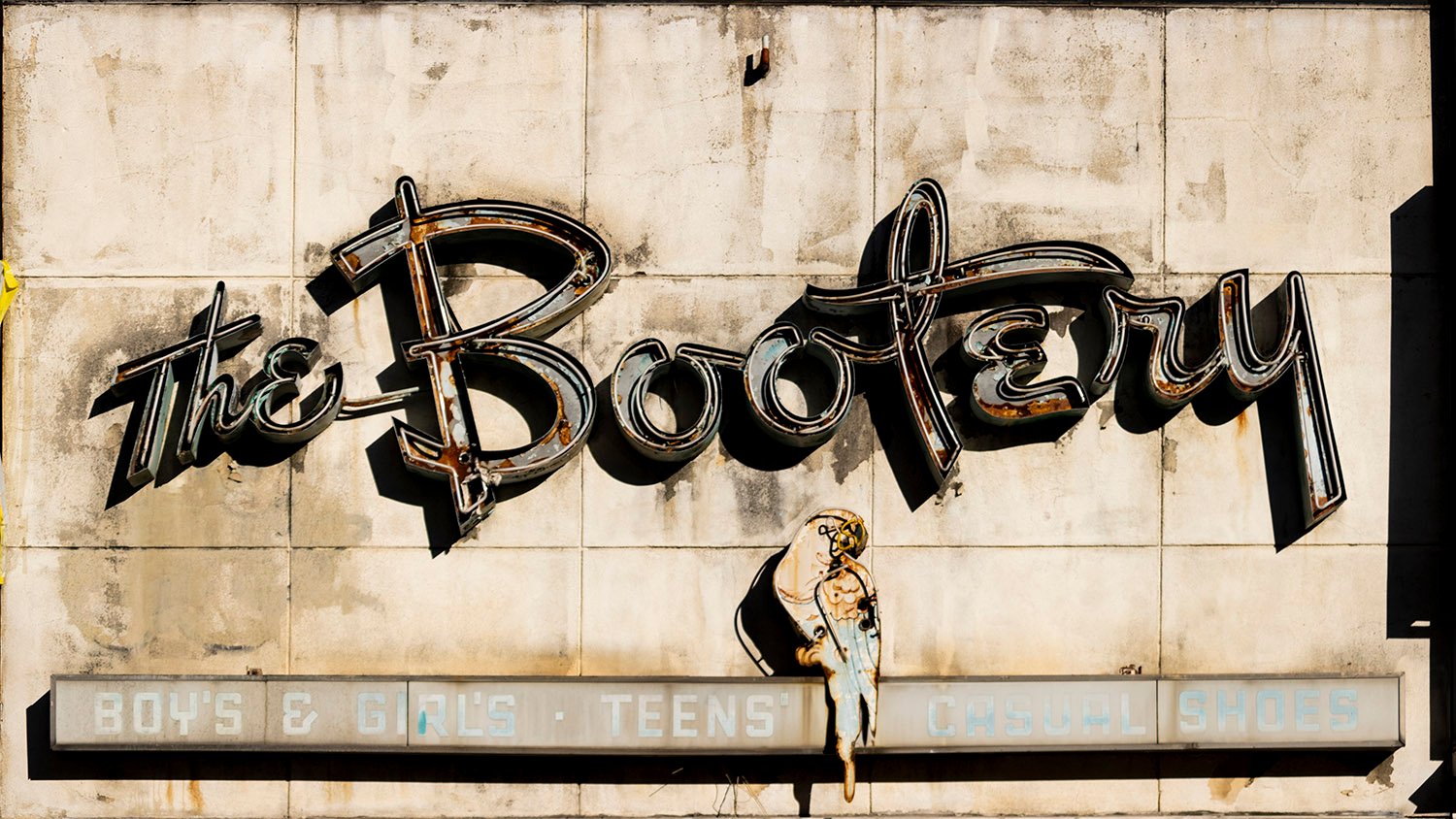
The Bootery (1958-2025). 81 Peachtree Street, Atlanta.
This old parrot was recently toppled from its longtime perch on Atlanta’s Peachtree Street. Squawk!
The Bootery was a national shoe store chain that first opened in Atlanta in 1946, catering to “Boys and Girls of All Ages,”1 and later touting itself as “Atlanta’s Most Popular Children’s Shoe Store.”2
When the store moved to 81 Peachtree Street (previously 81 Whitehall Street) in August 1958,34 it was an exclusive seller ofPoll-Parrotshoes, and the parrot was the brand’s mascot.56
Location of The Bootery
The store closed sometime after 1996,7 but the sign was left to fade and rust for decades, and was finally removed in 2025 as the structure at 81 Peachtree was hollowed out to serve as a courtyard, part of a major renovation of the neighboring Bass Dry Goods building.8
References
Advertisement. The Atlanta Constitution, March 15, 1946, p. 6. ↩︎
Advertisement. The Atlanta Journal and Constitution, March 30, 1958, p. 9-F. ↩︎
‘”The Bootery” Shoe Store Grand Opening August 14-16’. Atlanta Daily World, August 13, 1958, p. 3. ↩︎
Advertisement. The Atlanta Constitution, August 14, 1958, p. 16. ↩︎
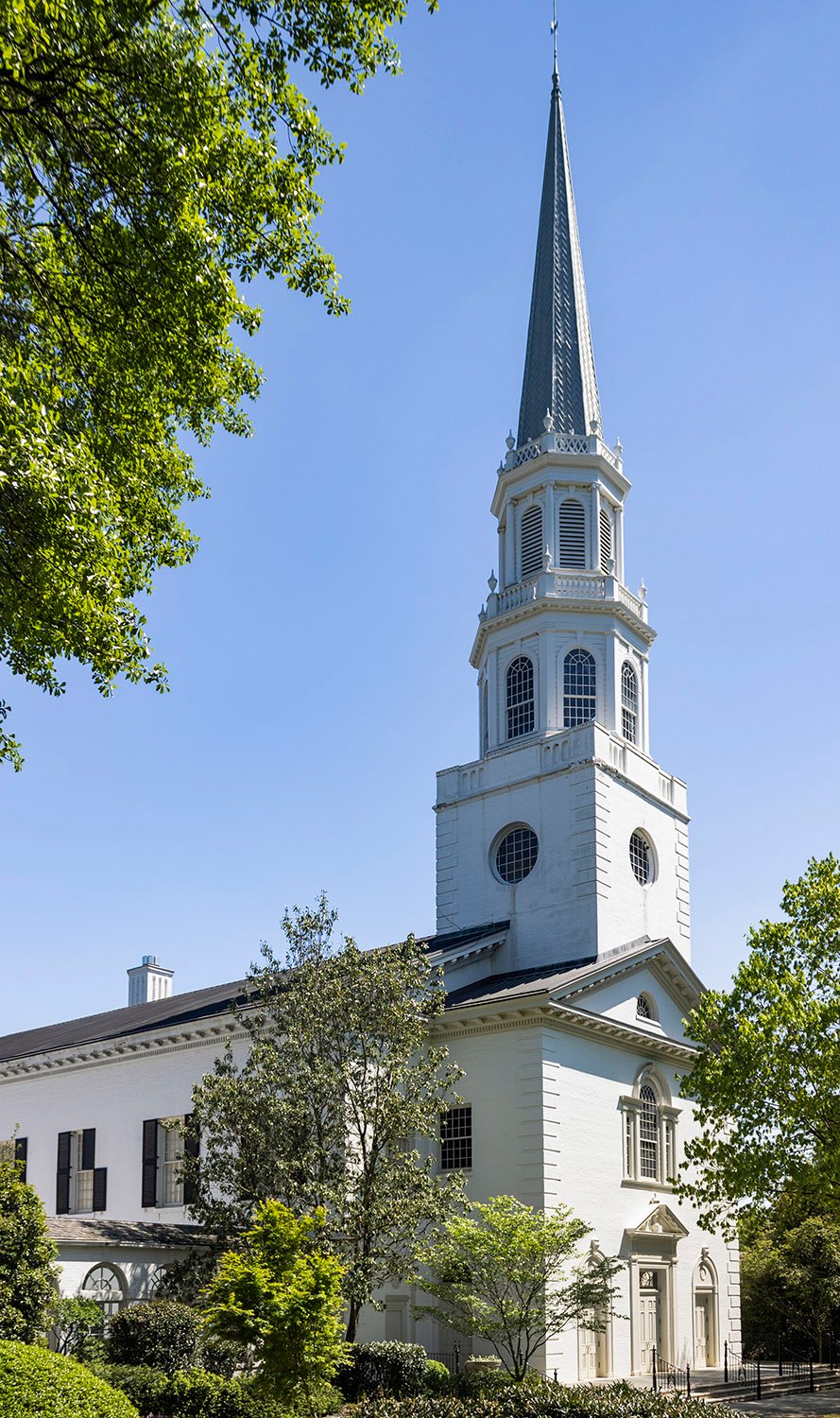
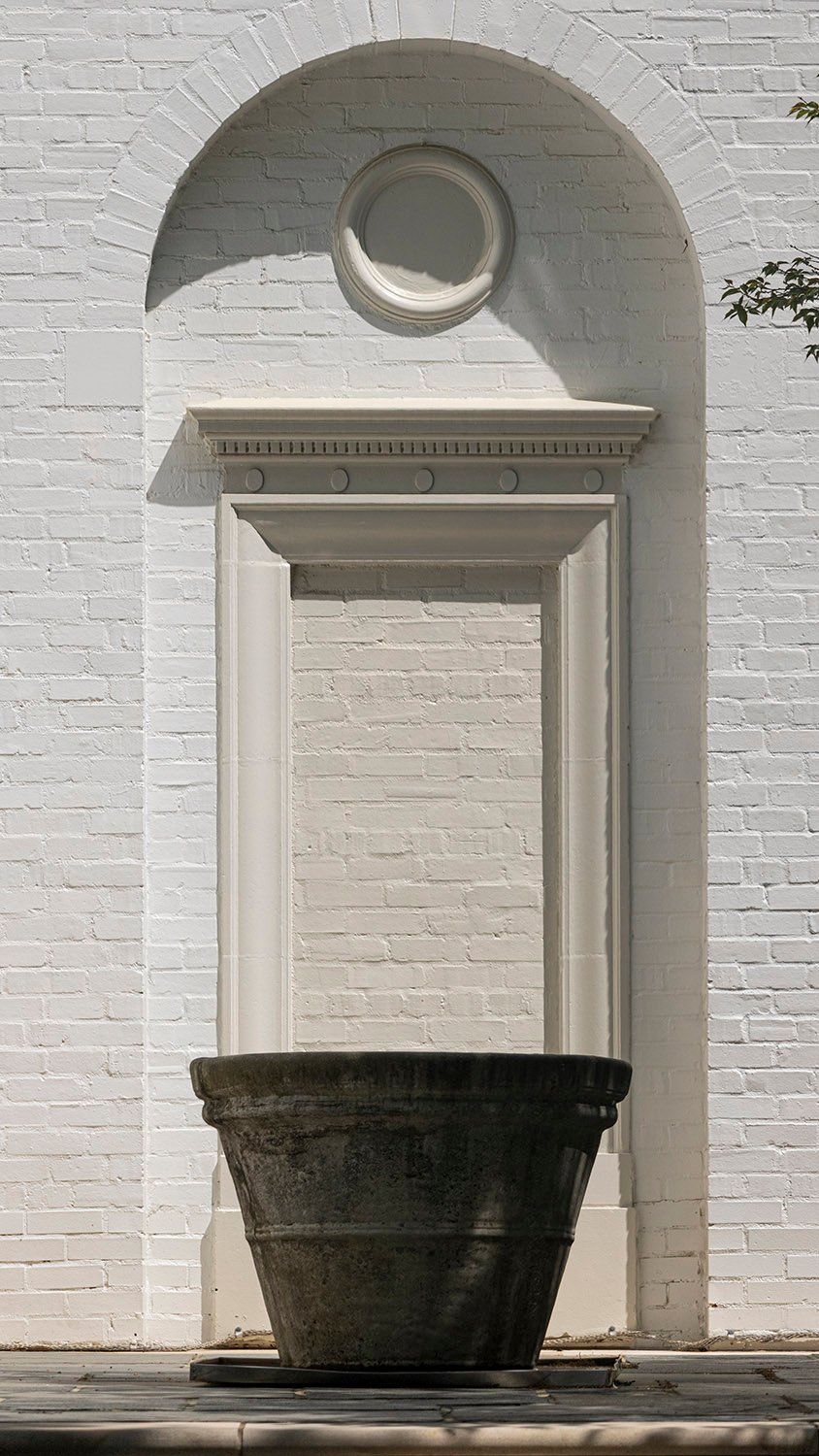
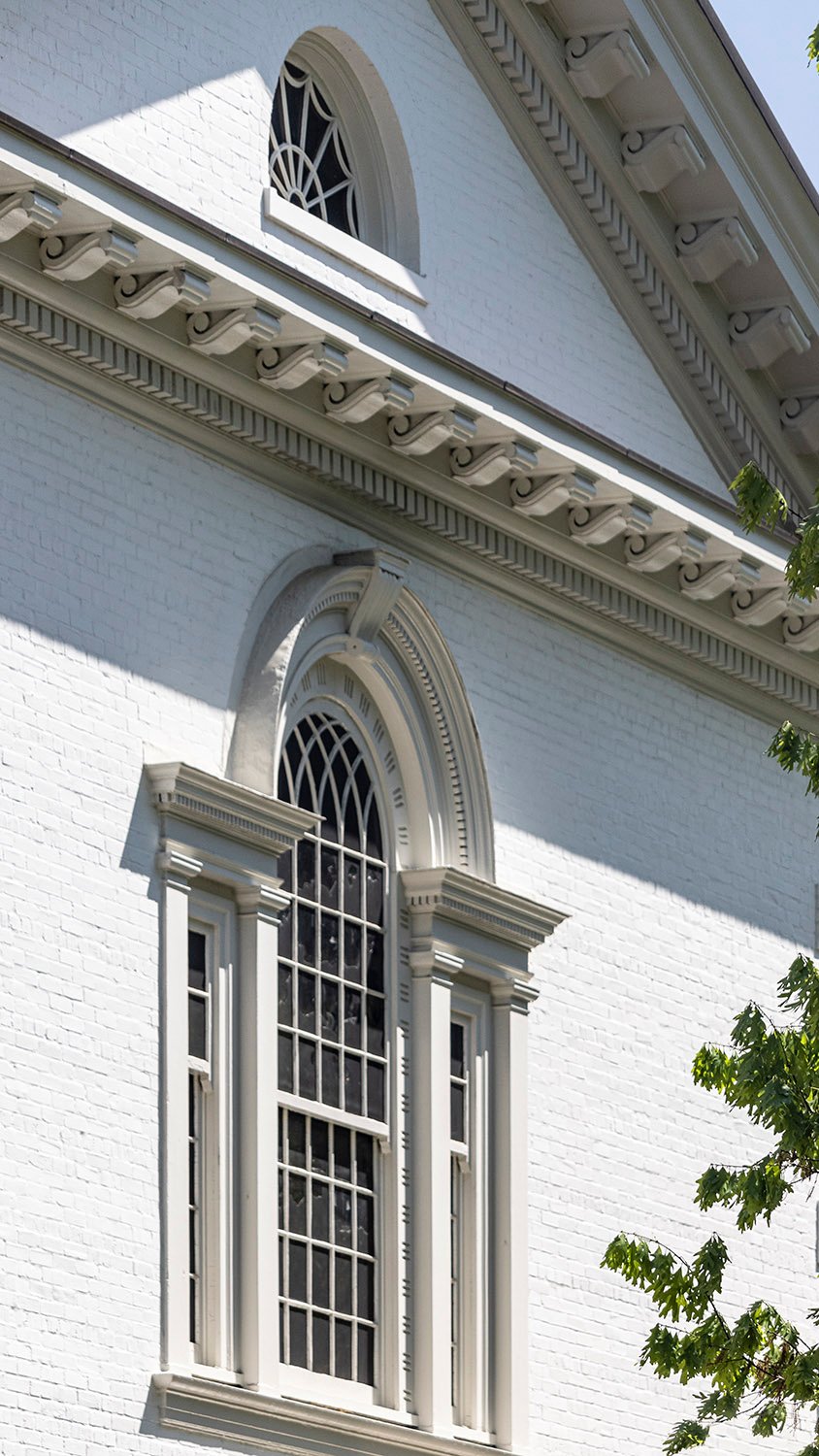
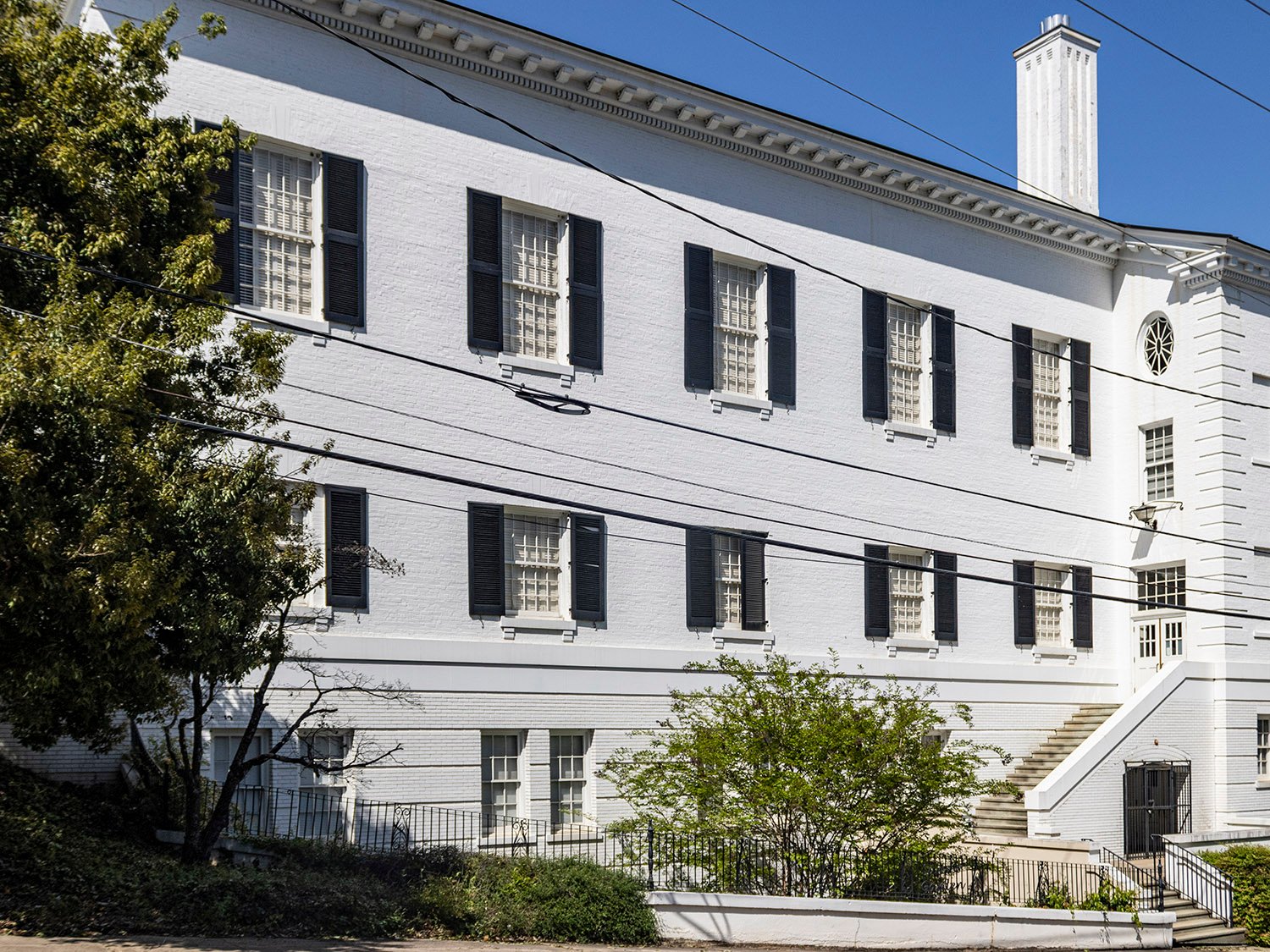
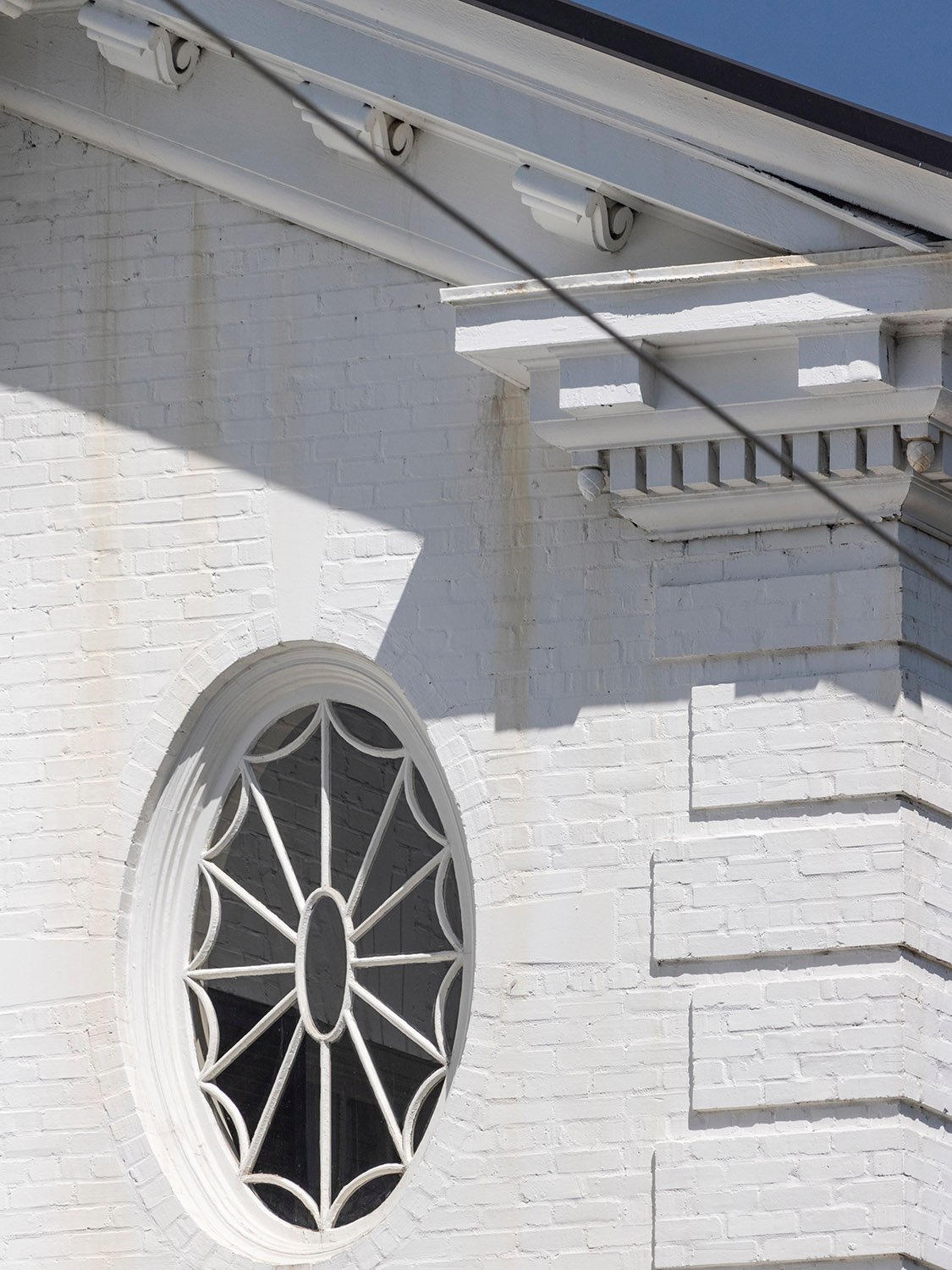
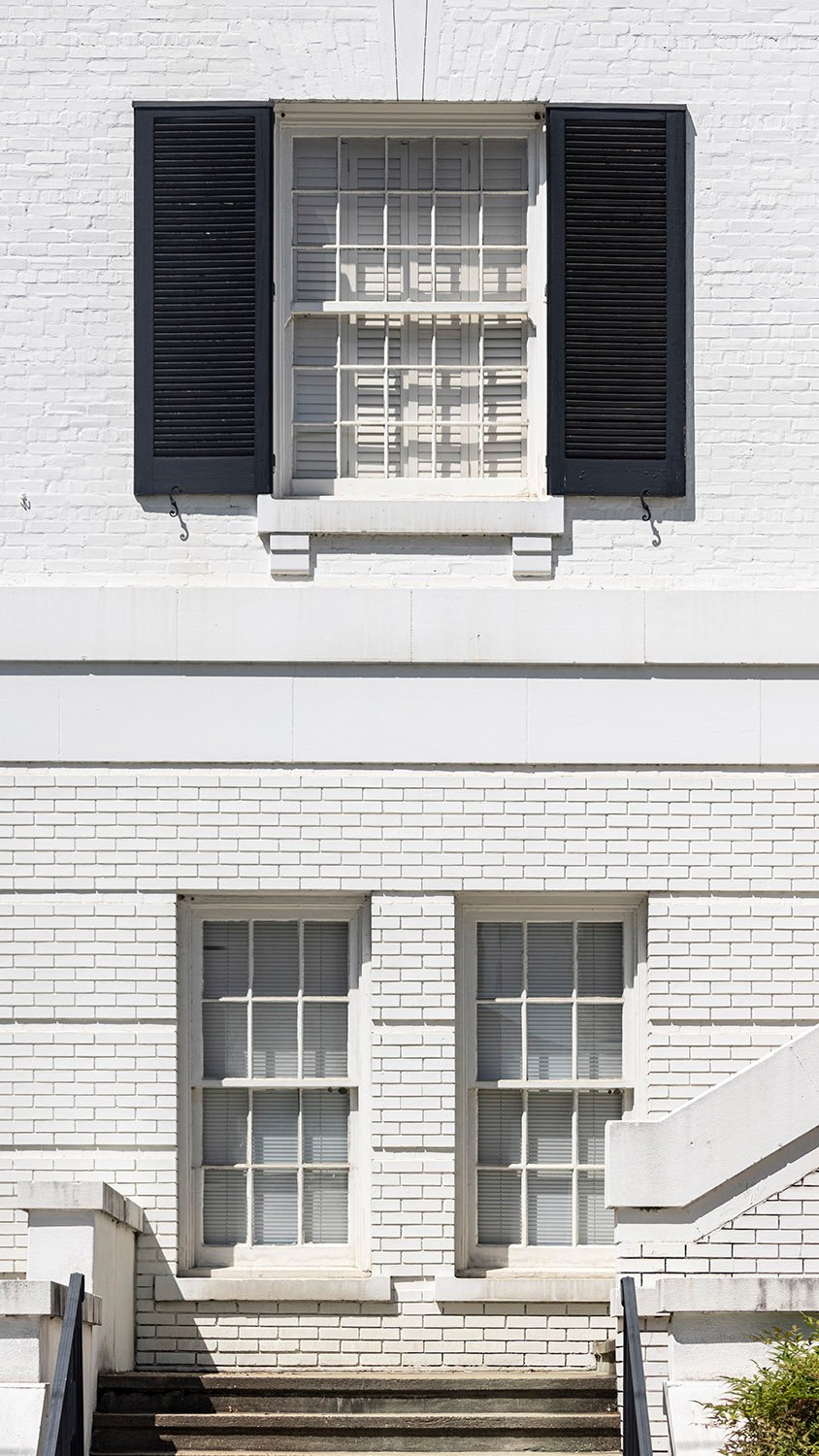
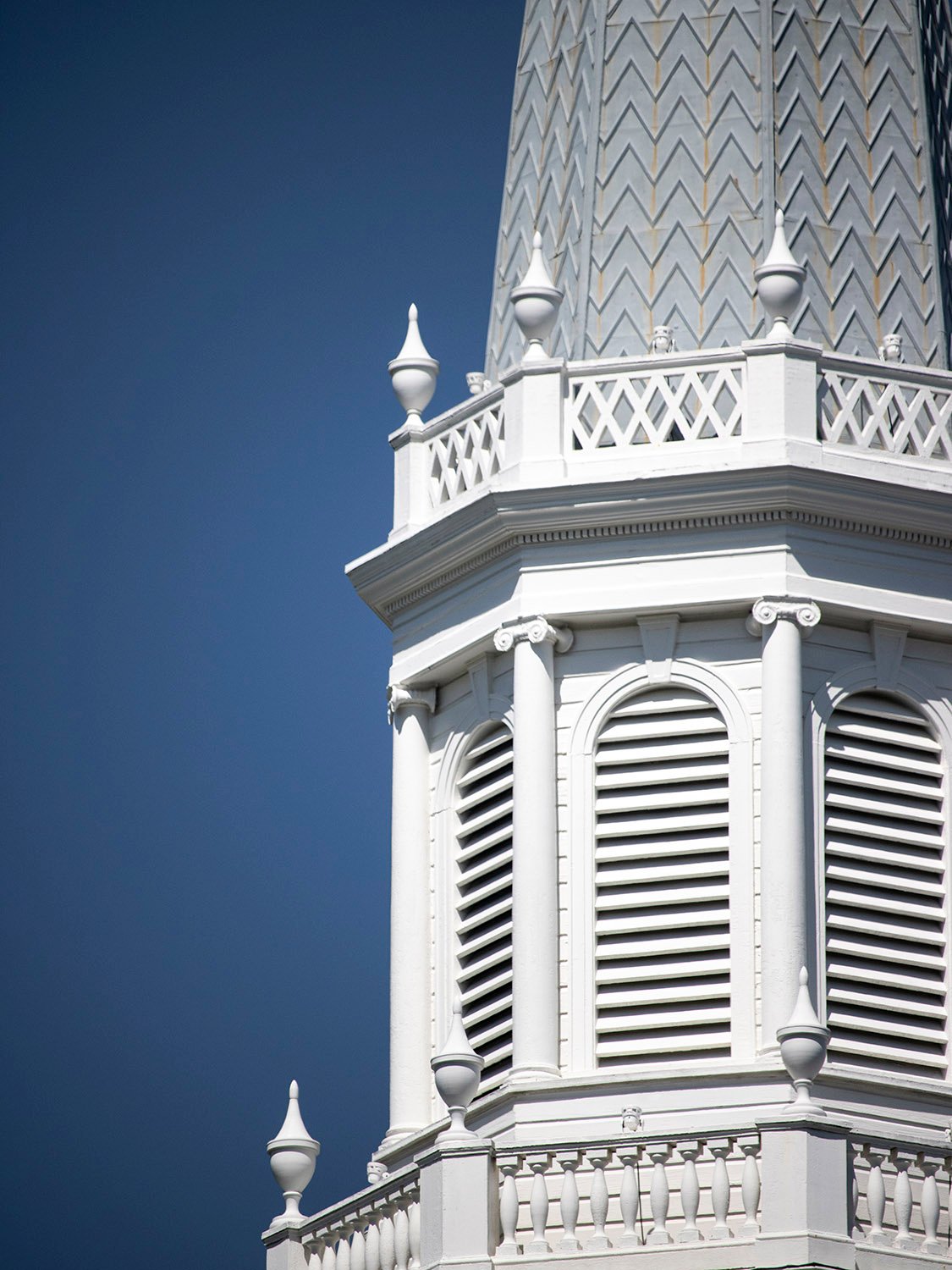
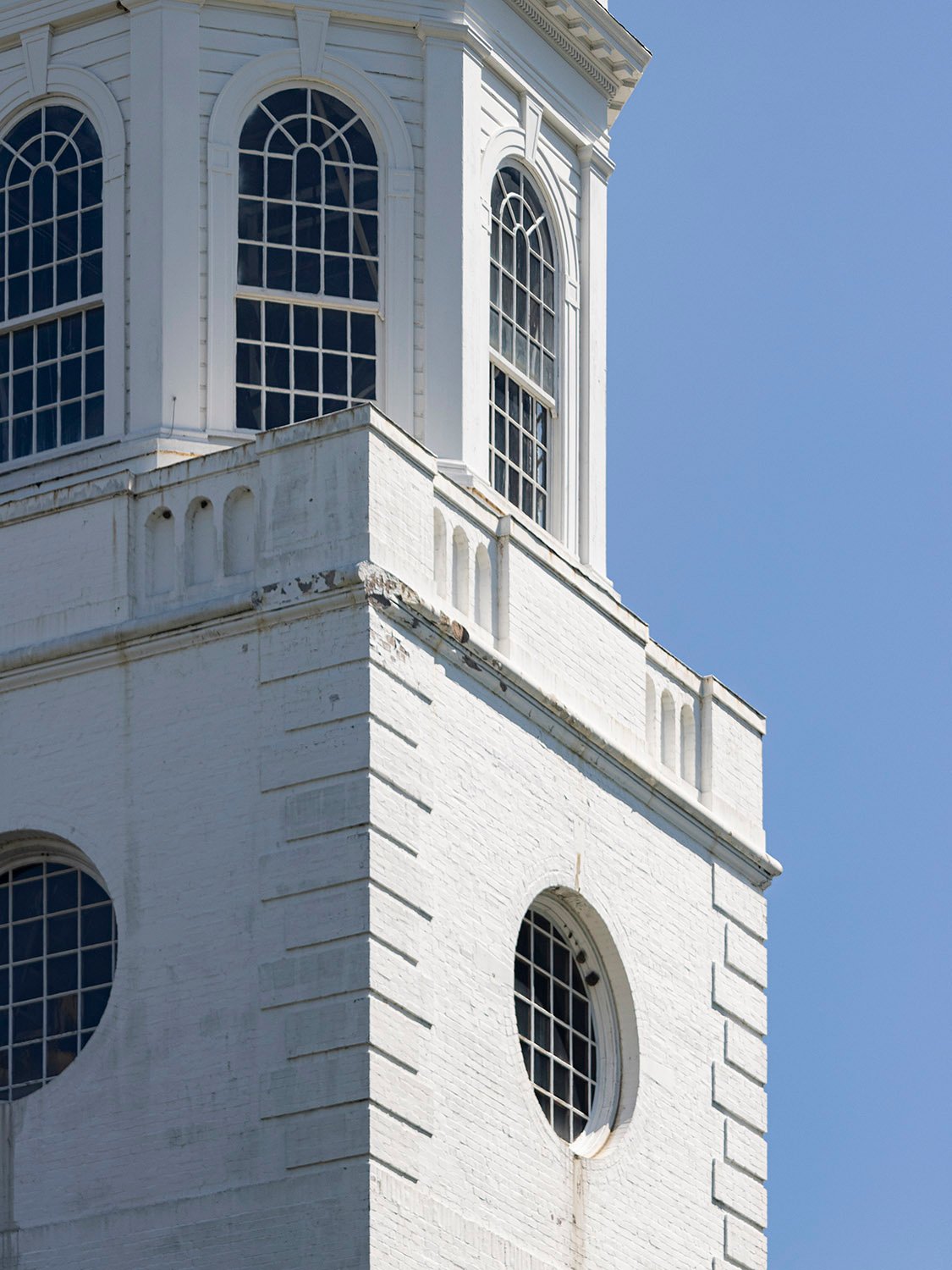
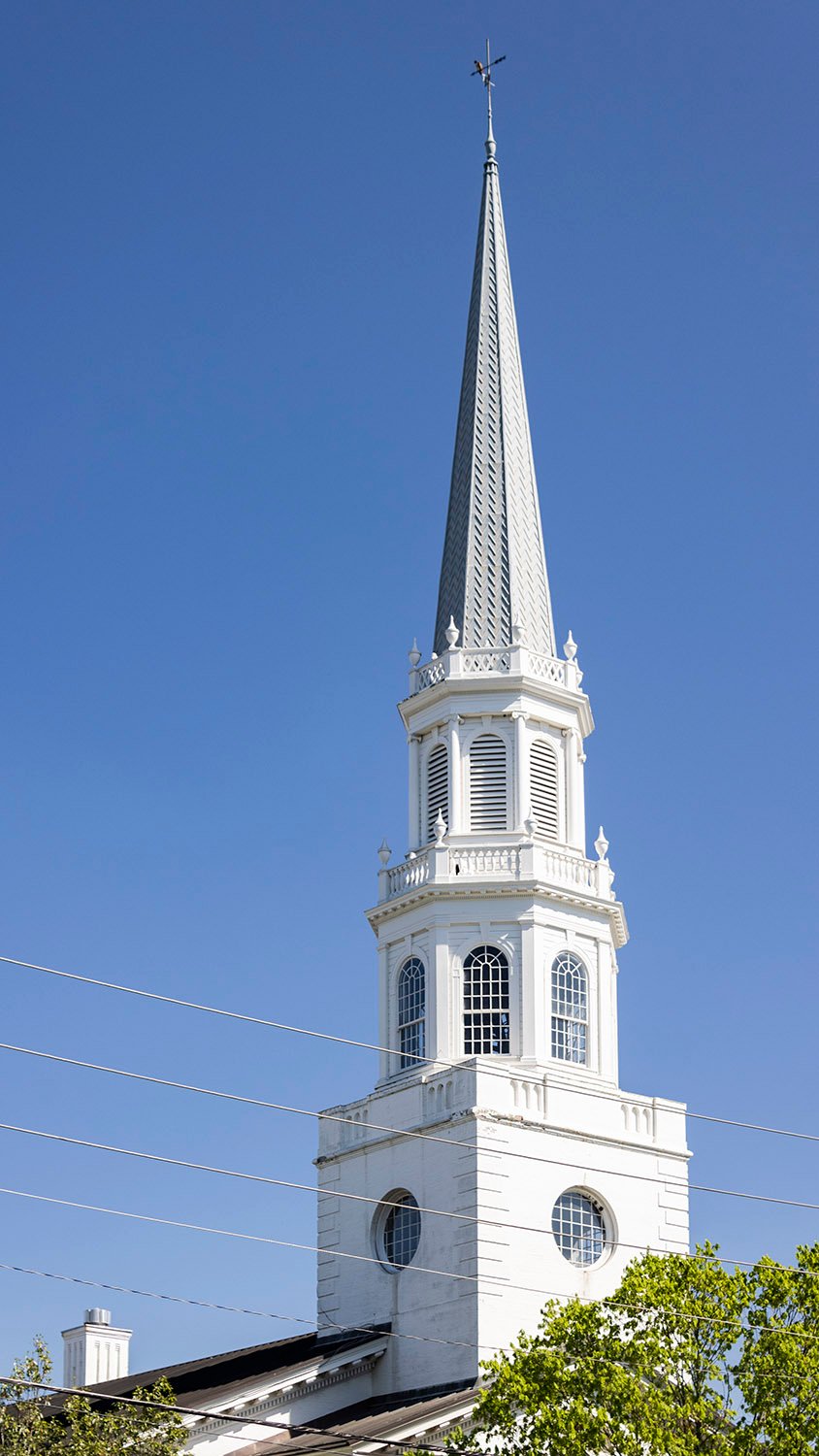
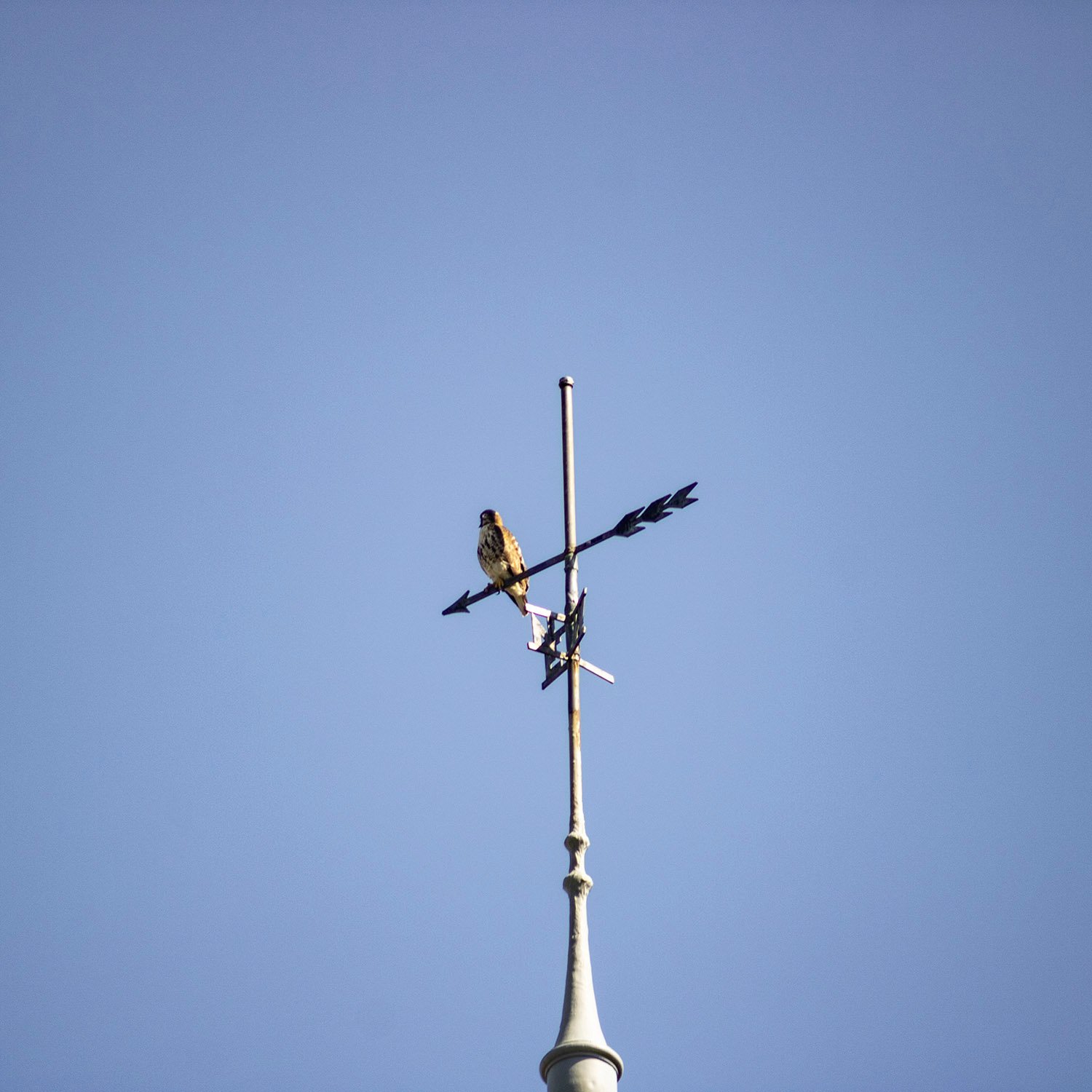
George H. Bond. Second Ponce de Leon Baptist Church (1937). Buckhead, Atlanta.12Pediments on the facade of the Second Ponce de Leon Baptist ChurchSwan-neck pediment with urn on the facade of the Second Ponce de Leon Baptist ChurchDoor with segmental pediment on the facade of the Second Ponce de Leon Baptist ChurchCornice and pediment on the facade of the Second Ponce de Leon Baptist ChurchBlind arch on the facade of the Second Ponce de Leon Baptist ChurchPalladian window on the facade of the Second Ponce de Leon Baptist ChurchSouth elevation of the Second Ponce de Leon Baptist ChurchOval window on the Second Ponce de Leon Baptist ChurchWindows on the south elevation of the Second Ponce de Leon Baptist ChurchLoggia of the steeple on the Second Ponce de Leon Baptist ChurchSteeple base on the Second Ponce de Leon Baptist ChurchSteeple on the Second Ponce de Leon Baptist ChurchWeather vane on the steeple of the Second Ponce de Leon Baptist Church
References
Gournay, Isabelle. AIA Guide to the Architecture of Atlanta. Athens, Georgia: The University of Georgia Press (1993). ↩︎
The following article, published in The Atlanta Journal in October 1892, describes The Casino, a bar that operated inside Atlanta’sKiser Law Building.
Five years after Atlanta’s failed prohibition attempt, its residents were drinking more than ever, and the city issued 80 saloon licenses in 1892.2
As the Journal noted in 1893:
“Now, there are about eighty saloons in Atlanta, and by calculating how many glasses of beer are drank an hour in each evening and then multiplying it by the number of saloons, those who do not think that beer drinking is vastly on the increase in Atlanta will find out their mistake.”3
The Casino tried to distinguish itself as a high-class establishment, and catered exclusively to “first-class trade,”4 but in a building full of lawyers, that was a lofty aspiration.
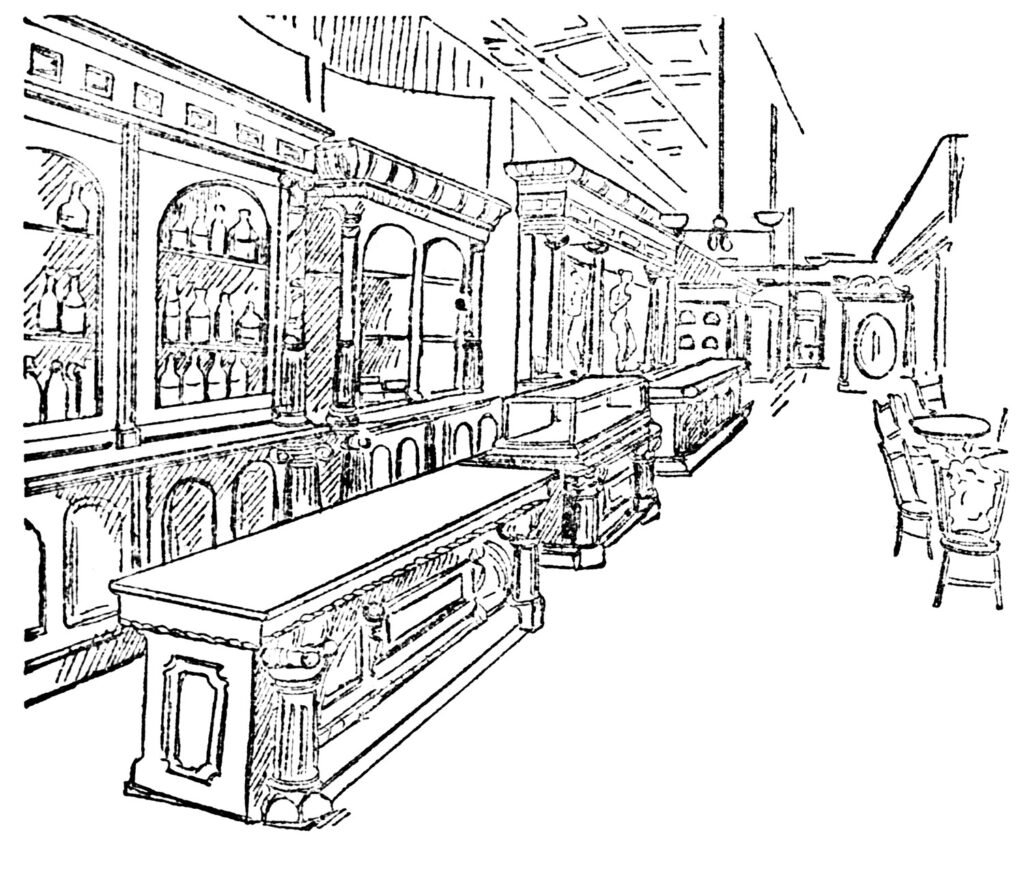
It isn’t clear who designed the bar, but the writer of the following article (I suspect it was Walter H. Howard) described the Casino’s interiors as “furnished like unto a king’s palace” and concluded objectively: “well, it is just a great place.”
A Constitution report from November 1892 provided additional notes, stating that the bar fixtures were “some of Rothschild‘s best makes”, and that the proprietor, Emil Selig, stocked “nothing but the very best to be had in choice brands of wines, liquors and cigars,” with attendants who were “willing to dispense the choicest drinks known to he barkeepers’ art.”5
The included menu below is, well, an interesting look at what people were eating at the time. Bet their shit stank something awful.
Of course, Atlanta always has to compare itself to the better cities of the North, and the Casino’s stated intent was to be “to Atlanta what the Hoffman house bar is to New York.”
That never happened. Despite early descriptions of the bar’s “crowds, who flock daily there”,6The Casino was out of business by early 1894.7
The Casino Now Open
This Palatial Bar Ready For Business.
Magnificent Saloon in the Kiser Building
To Atlanta What the Hoffman House Bar is to New York.
A Description of This Elegant Bar–A Rush at the Grand Opening Today–Catering for the Best Trade.
The magnificent Casino bar in the Kiser building was thrown open to the public today.
There was an immense gathering there at the time and all day the clerks have been as busy as bees.
Everybody admires the exquisite furniture and furnishings, the immense buffet of marble, antique oak and French plate glass mirrors with their mahogany finish and statuary ornaments.
The room is about 25×100 feet, and it is furnished like unto a king’s palace. The long, rich counters of antique oak with mahogany and marble finish, and the great mirrored sideboards and cabinets, the beautiful frescoed walls and statuary ornaments, the rich, dazzling curtains, the pretty linoleum floor, the costly buffet, the dainty sixteenth century chairs and tables, the smoking hot lunches and the sparkling wines and liquors–well, it is just a great place.
The Casino is a success from the very jump. It is such a place as has been demanded for a long time and of course it will be liberally patronized.
The Casino is now on full blast. The hot lunches will be one of its features will be served daily from 11 to 2 o’clock. Cold lunches will be served at all hours.
The very finest wines and liquors will always be kept in stock, as will also the best tobacco and cigars.
Following is the bill of fare as served today from 11 to 3 o’clock:
MENU
SOUPS.
Cream of celery.
Peru tomato.
Cold slaw. Onions. Slice tomatoes.
FISH.
Boiled snapper, Anchovy sauce.
Pickles. Olives. Diced potatoes.
BOILED.
Ham. Tongue.
ENTREES.
Saut of kidneys au champignos.
Potato salad. Sous Herring.
Salmon. Ox maul salad.
ROAST.
Sirloin of beef (soured) a la Jardinare.
Ferris ham. Champagne sauce.
COLD.
Smoke tongue. Ham.
VEGETABLES.
Mash potatoes. Tomatoes. Stuffed peppers.
EXTRAS
Edam cheese. Roquefort cheese.
Swiss cheese. Russian caviar crackers.
The drinks today were all to the health of Mr. Emil Selig and the Casino.
The very best clerks and attendants have been secured, Mr. R.J. Lewis, the well known club superintendent, being assistant manager.
Mr. Selig assures his friends and patrons that neither money nor pains will be spared to make the Casino not only the finest and most magnificent bar in Atlanta, but he don’t [sic] propose to let any place in the south eclipse it.
His purpose is to make the Casino to Atlanta what the Hoffman house bar is to New York.
The Casino has steam heat and both gas and electric lights. It will cater to the best trade and keep in stock such articles are demanded by that trade.8
References
Illustration credit: “The Casino Now Open”. The Atlanta Journal, October 11, 1892, p. 3. ↩︎
“City Notes.” The Atlanta Constitution, June 23, 1892, p. 5. ↩︎
“Tea Table Topics”. The Atlanta Journal, January 4, 1893, p. 4. ↩︎