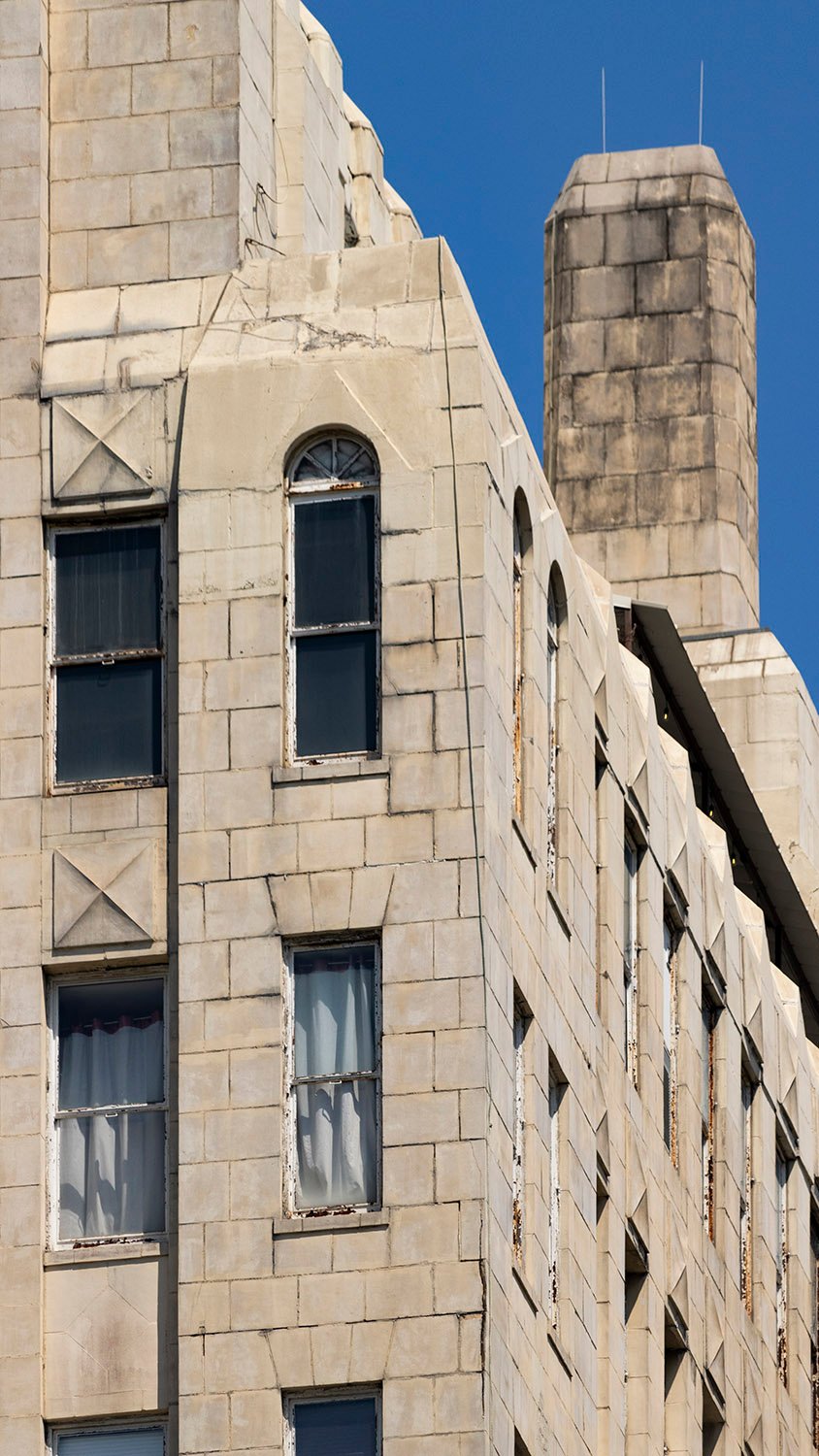
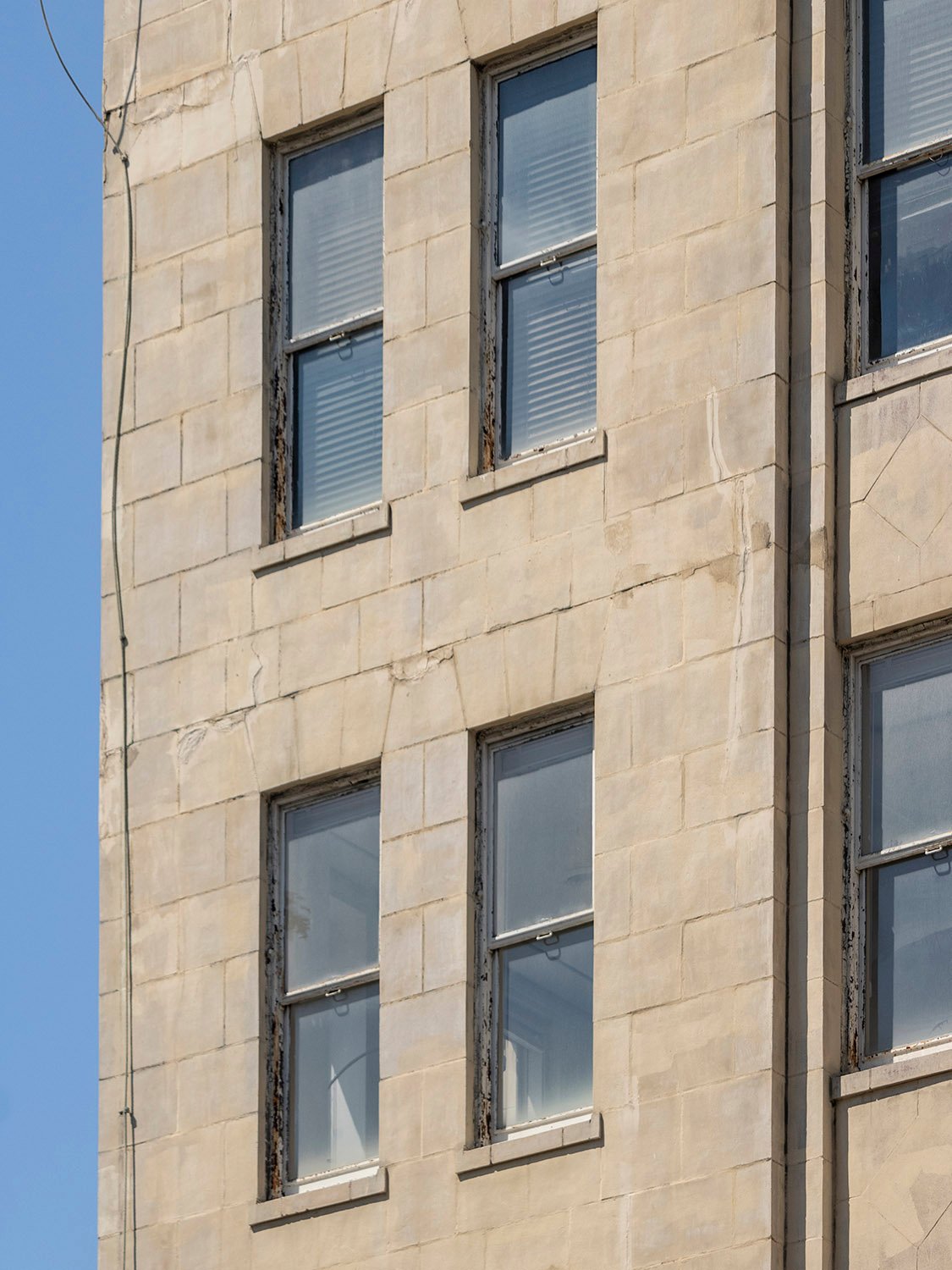
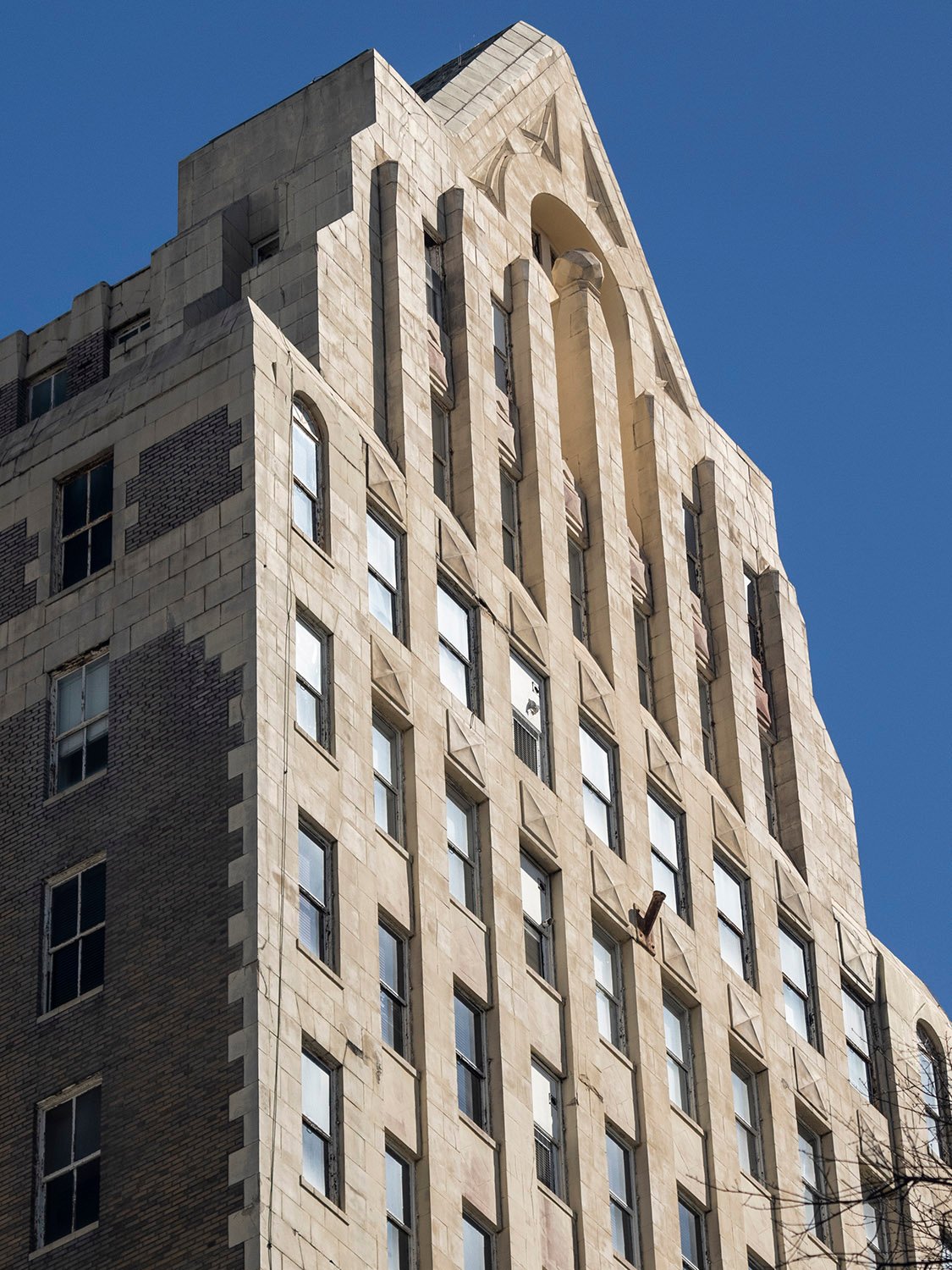
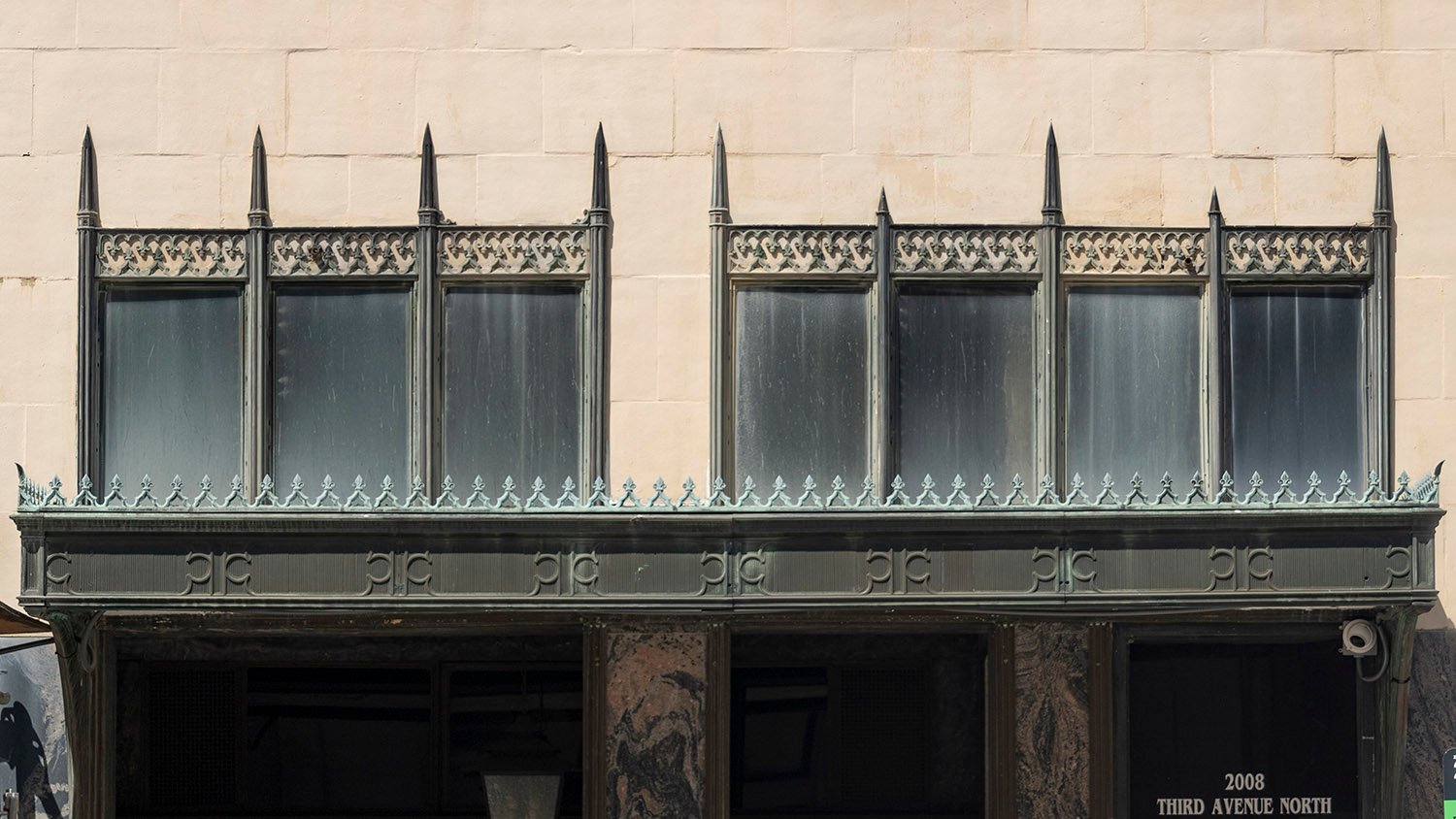
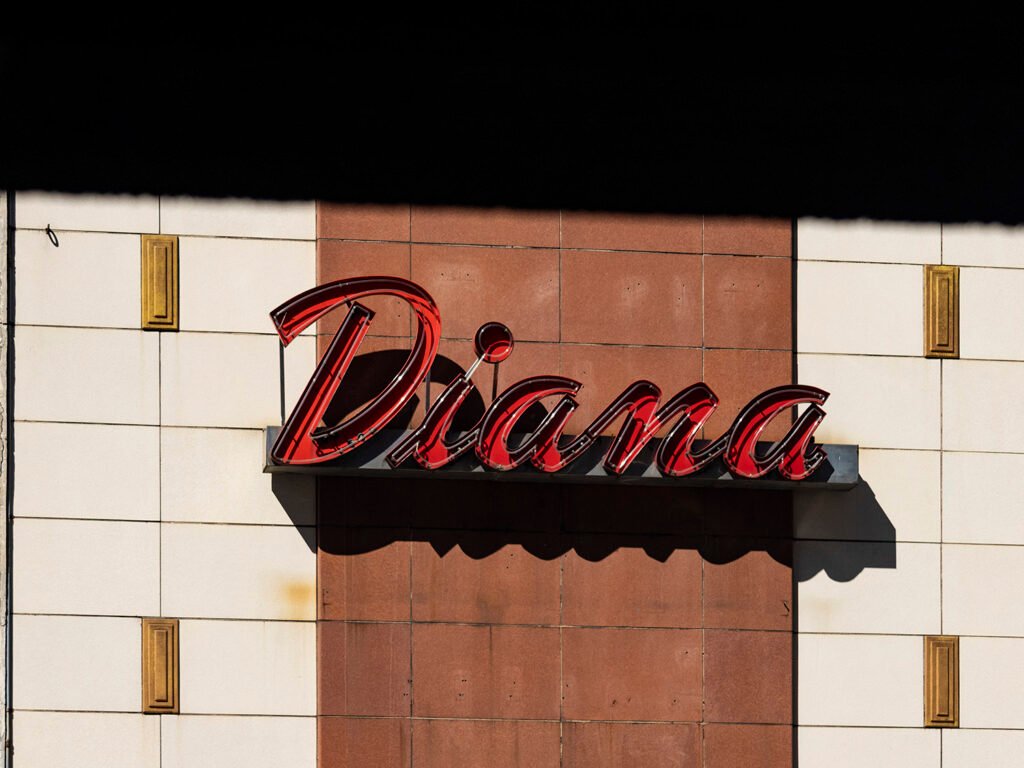
It’s hard to pin down an exact date for this sign in downtown Birmingham, Alabama, but the earliest newspaper ad I can find for the Diana store is from Christmas 1979.1
Previously, the space had been occupied since 1934 by Peggie Hale,2 a nationwide retailer of women’s clothing. Diana Stores purchased Peggie Hale, Inc. in 1945,3 operating stores under both brands.
By 1955, the company opened a Diana Outlet in Birmingham, two blocks north at 313 North 19th Avenue.4 Between 1975 and 1977, advertisements for the outlet noted sales and discounts that were also available at Peggie Hale.5 6
It appears the Peggie Hale store transitioned to Diana at some point between 1977 and 1979, and the last ads for the store are from late 1983.7 It’s unclear when Diana closed, but the space has long since been abandoned, and the sign remains untouched.


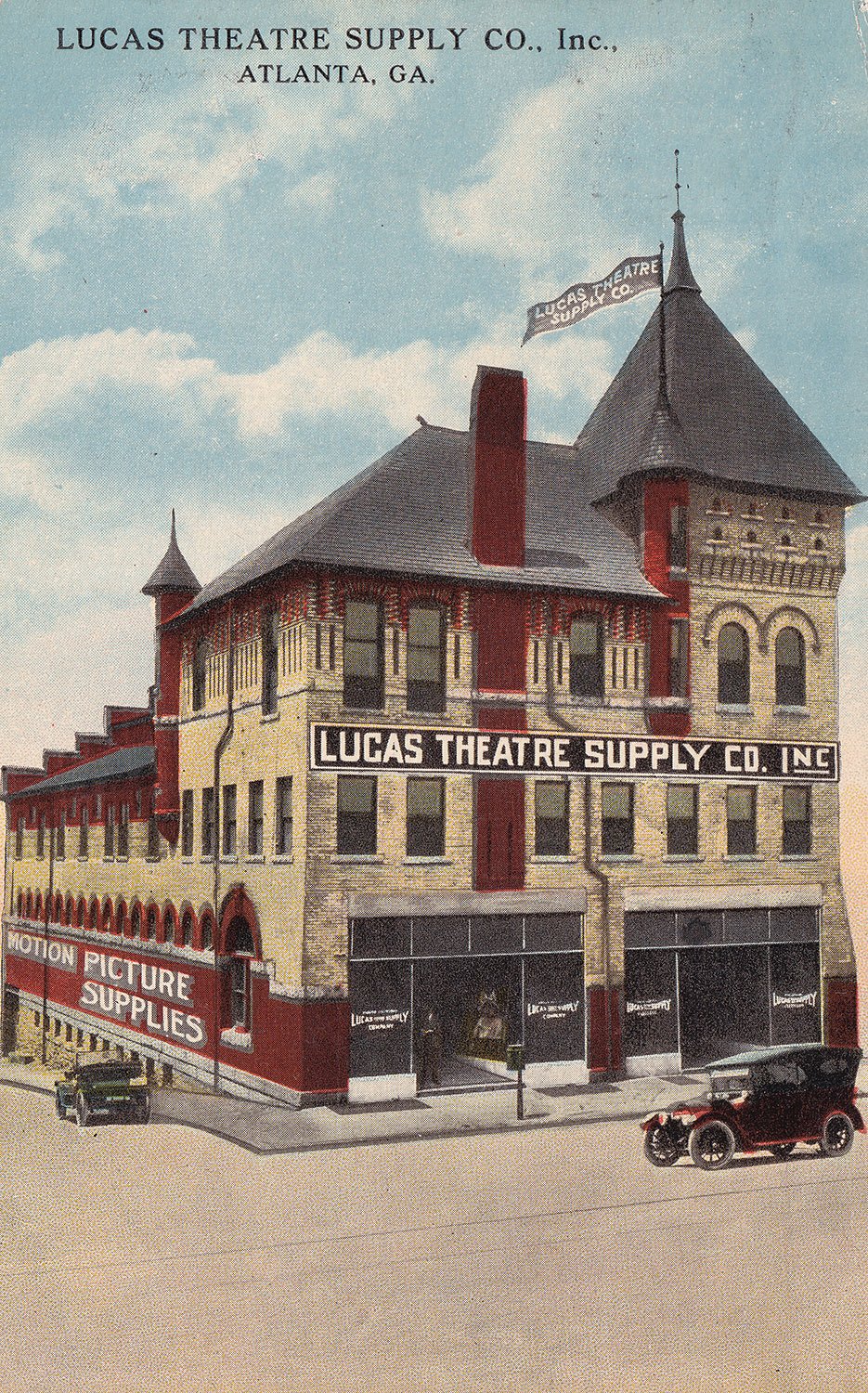
This postcard depicts the Lucas Theatre Supply Company in Atlanta, housed in the former Miller-Brady Feed & Sale Stables, designed by G.L. Norrman and completed in 1890.
The following promotional copy is printed on the back:
“PICK THIS UP!”
(Things You Should Know)That we are the South’s largest, oldest and most progressive exclusive Theatre Supply House.
That we have established a National Reputation for quick service, individual attention and courteous treatment.
That we carry a tremendous stock, embracing all make machines as well as the thousands of minor theatre accessories.
That we will appreciate the opportunity and pleasure of serving you.
Published by L.H. Forster of 209 Rhodes Building in Atlanta, the card was postmarked in Atlanta in 1917 and addressed to the Idle Hour Theater in Marion, South Carolina.

The delightful flowers of this hardy shrub are a sign of new life to come—or at least, that’s how I’m looking at it.
The thorns remind me that there will always be prickles, but the future is still beautiful and full of promise.
Brighter days are on the way.
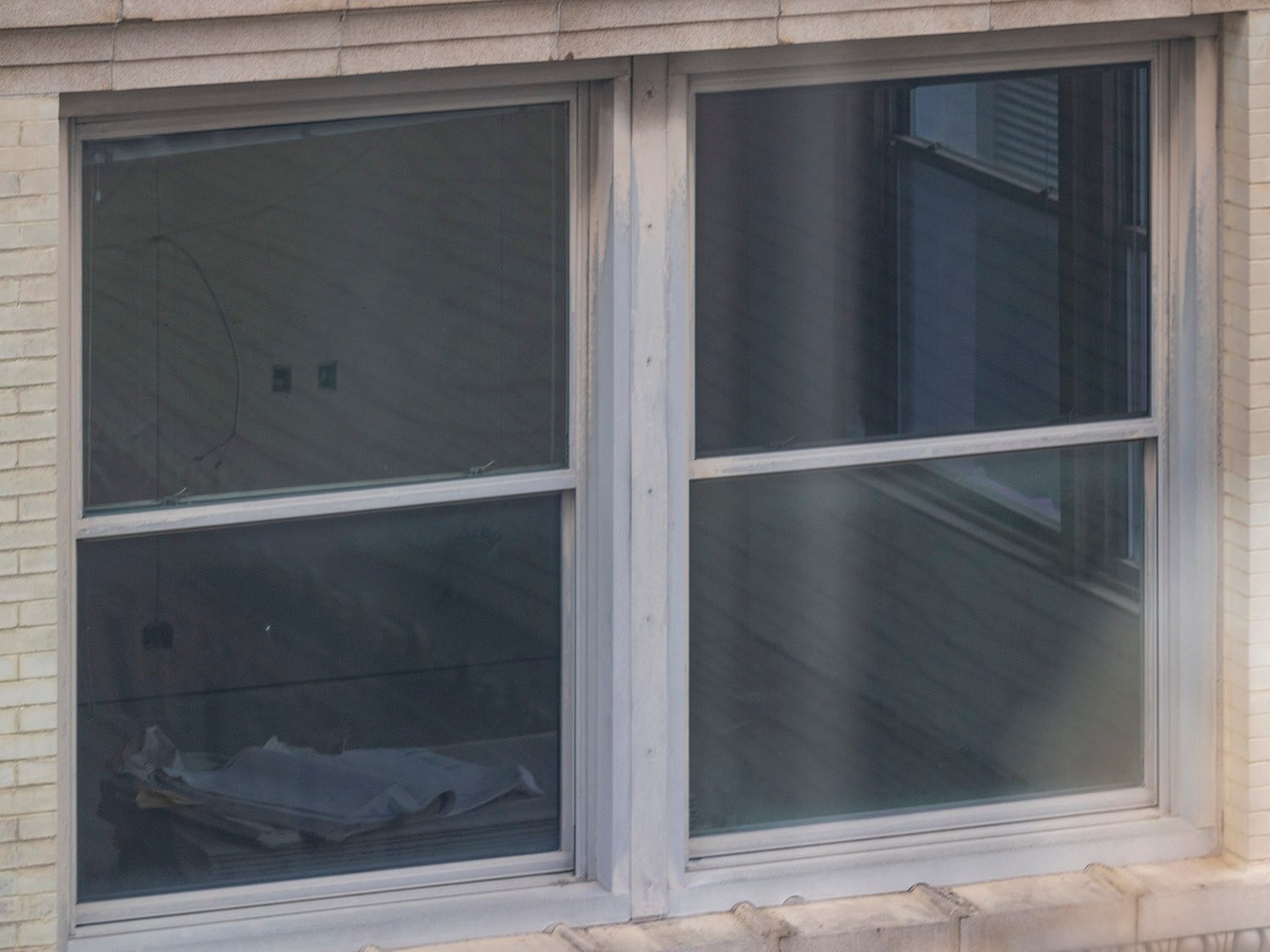
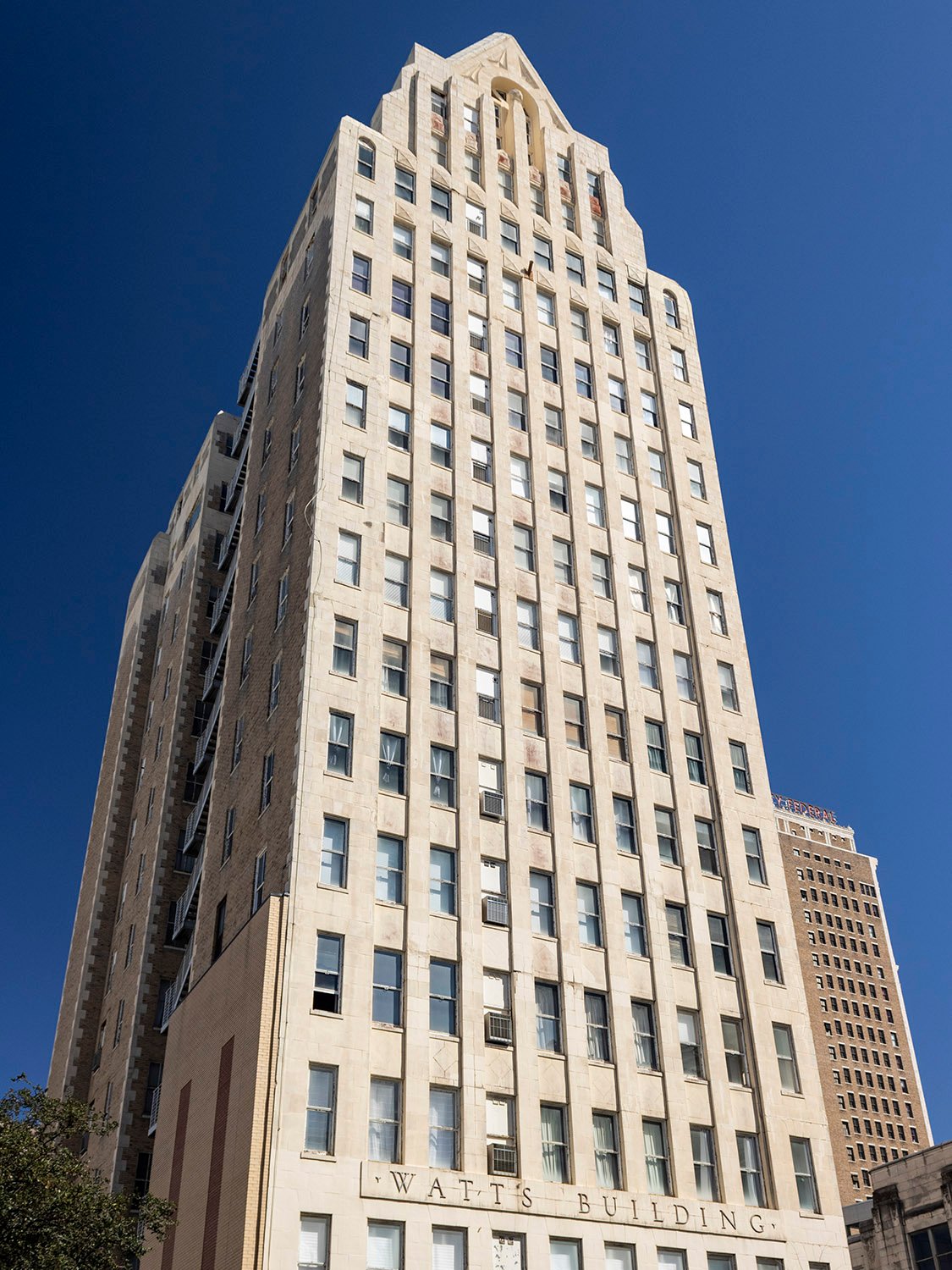
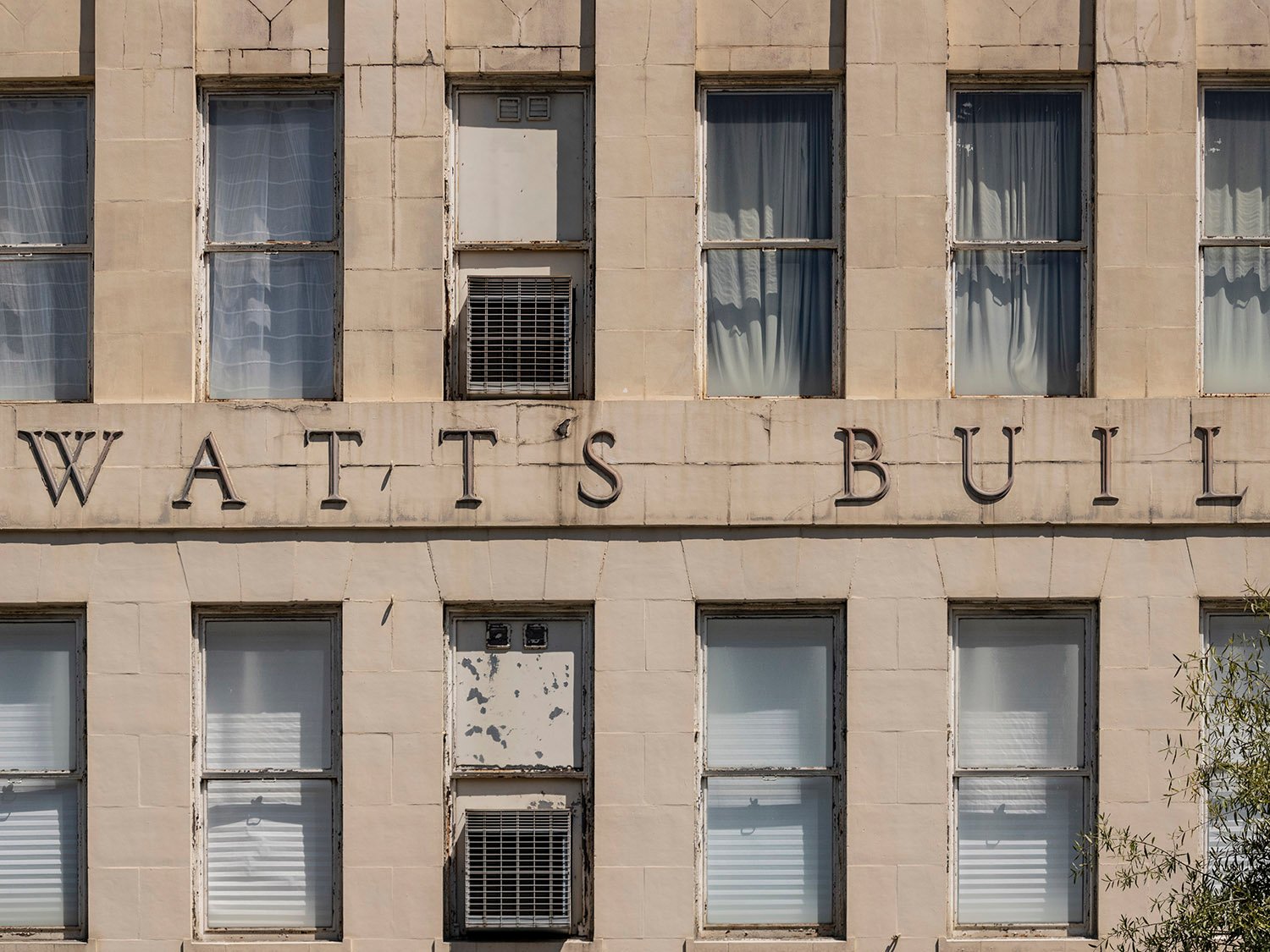
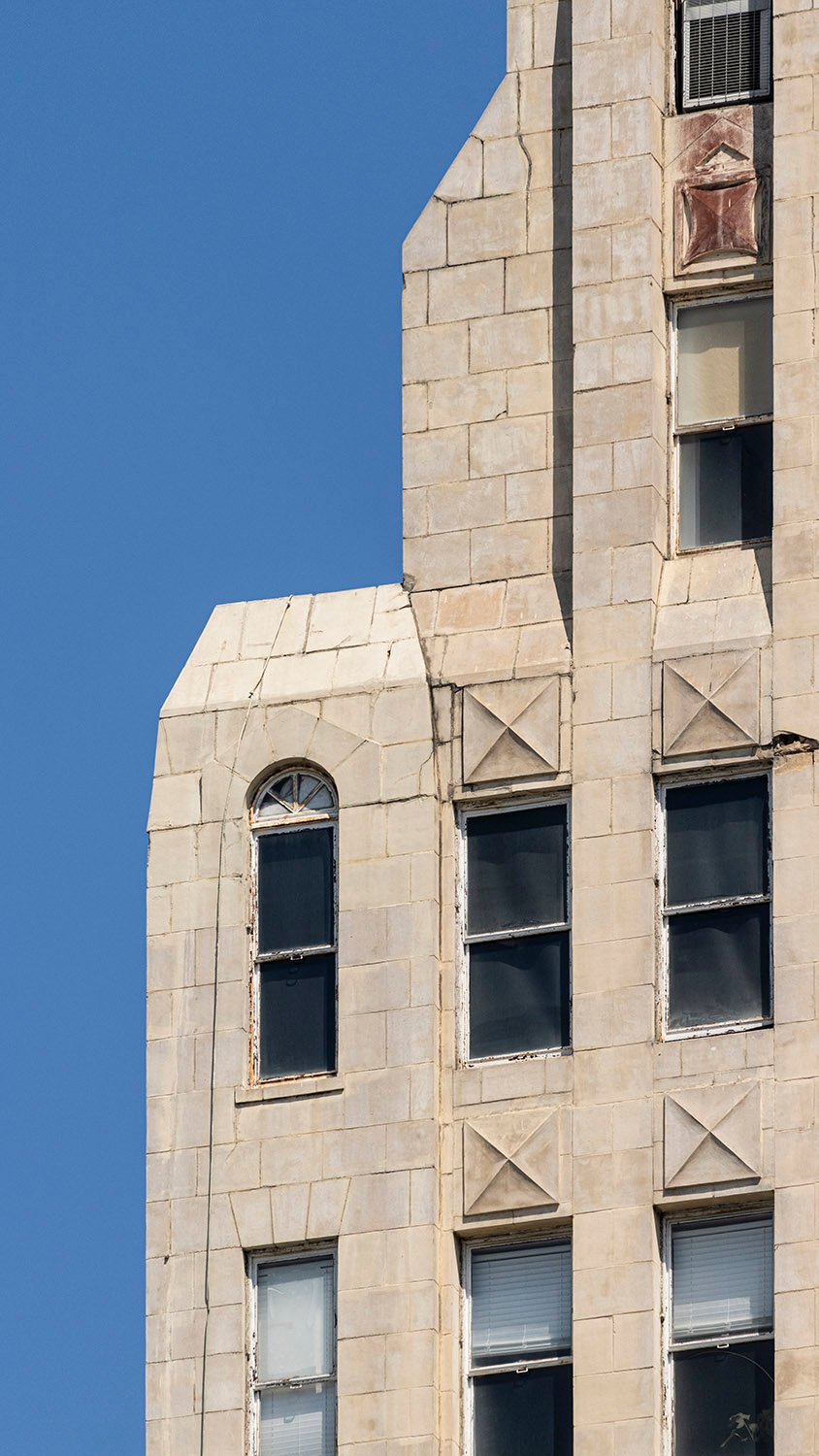
I keep peeping in your window, but I only see ghosts.
I guess the demons of today have forgotten you.
There’s money to be made and fresh people to fuck over,
And you must be ill-suited for those pursuits.
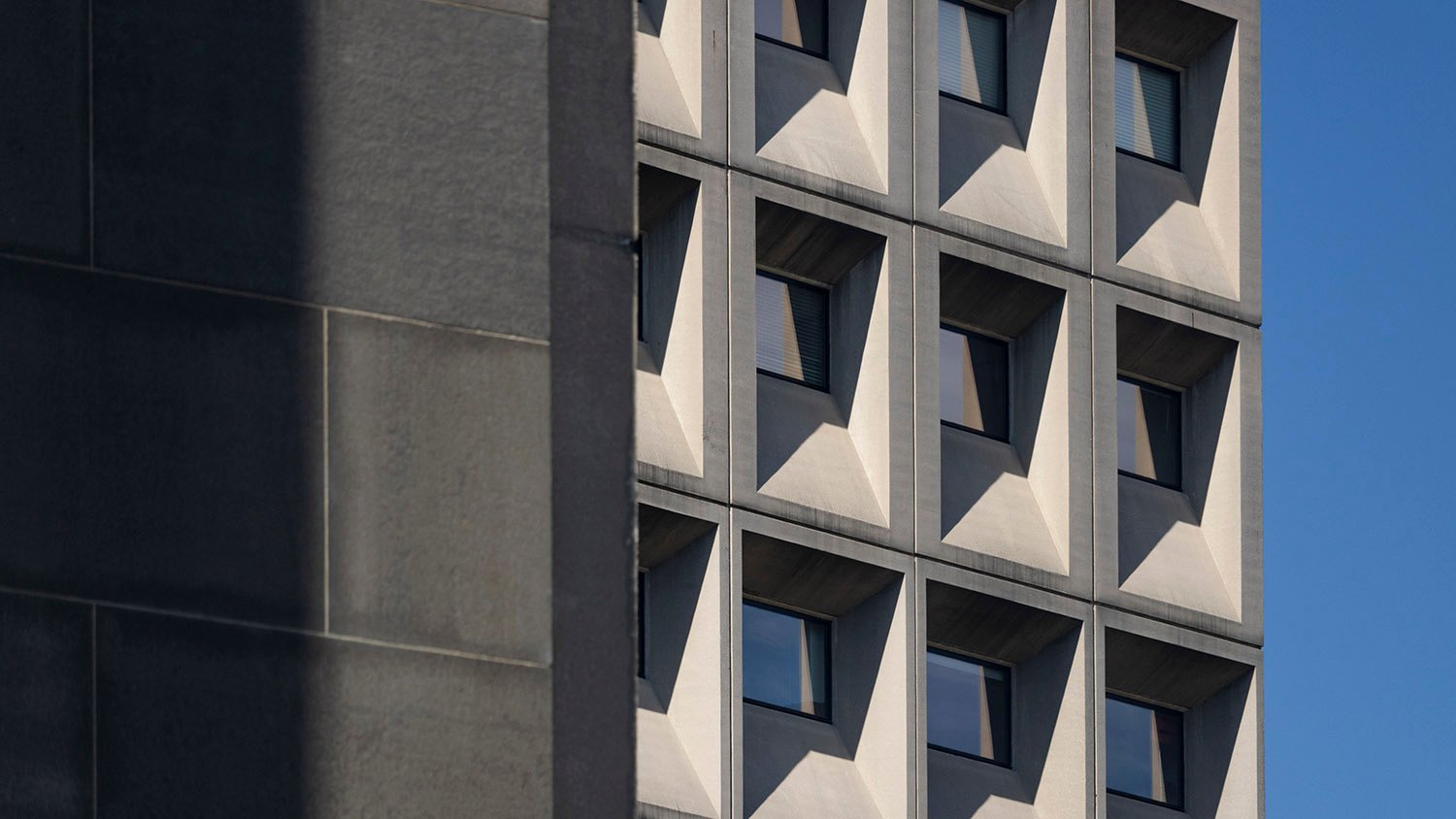
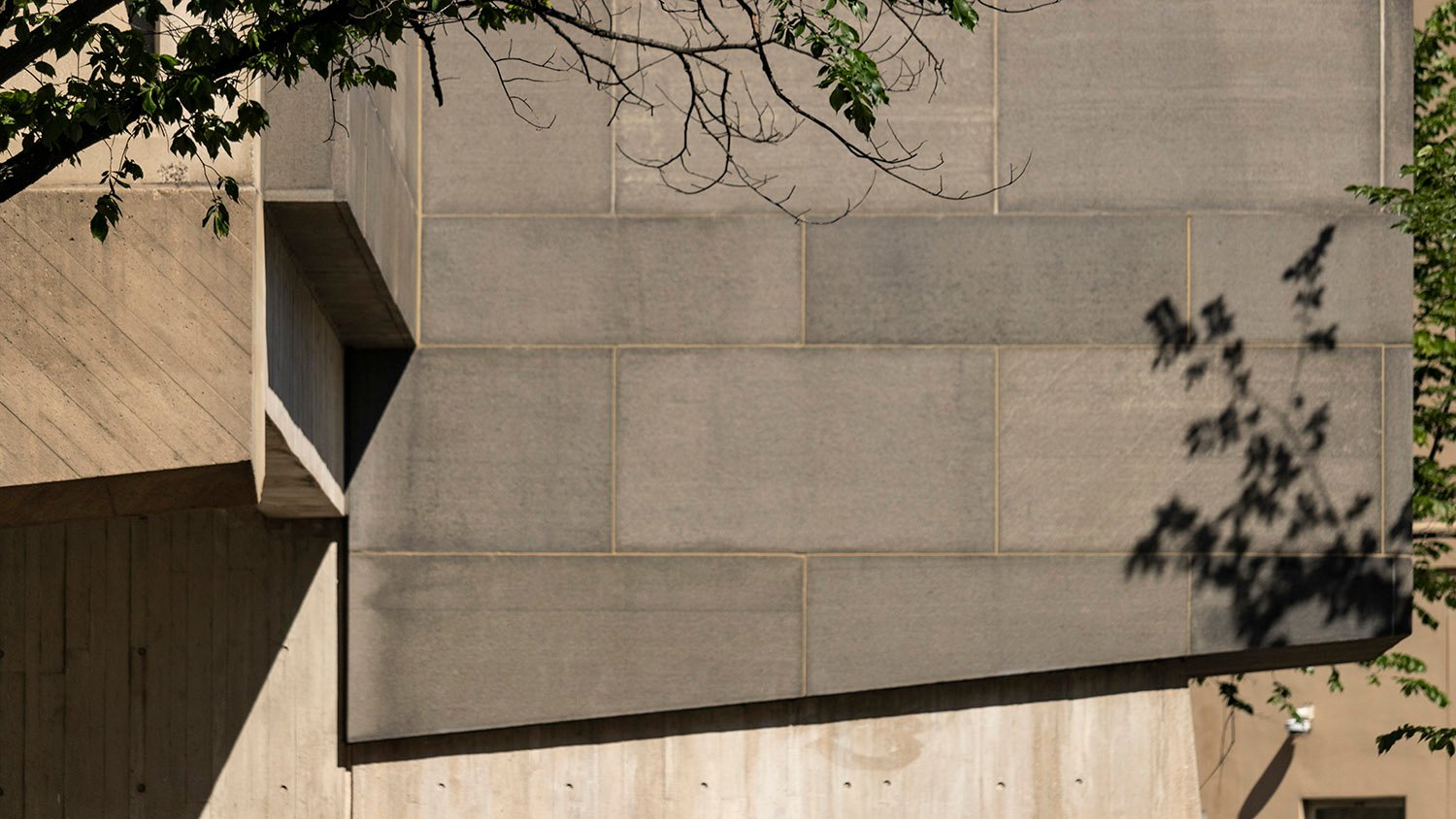
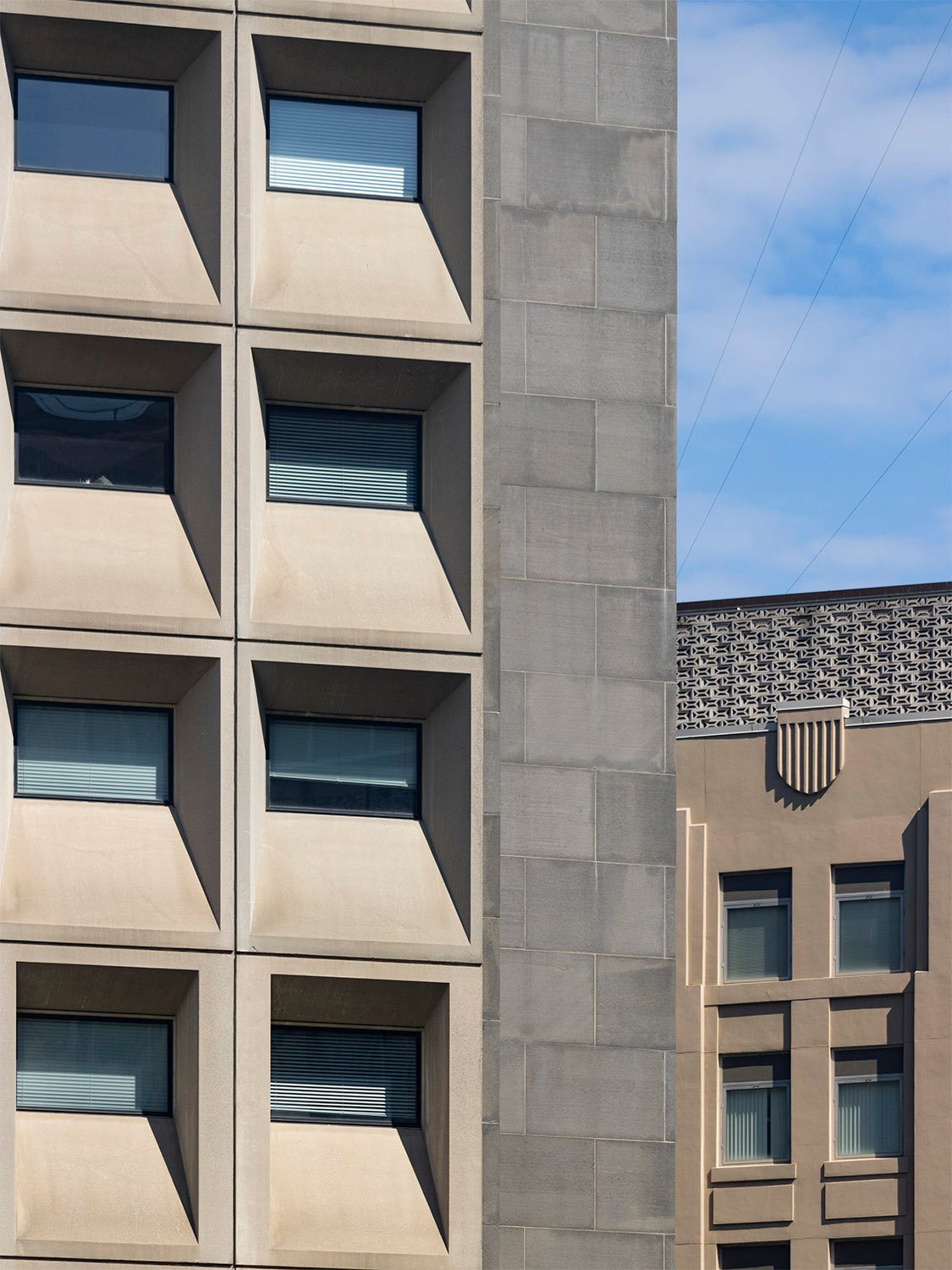
You’re a pretty old shell, decorated and vacant—
That describes most of us at the moment.
Maybe one day we’ll think about you again:
Give your interior some honor and purpose.
We’d have to do the same for ourselves, though,
And I’m not holding my breath on that front.
In the meantime, thanks for the somber show.
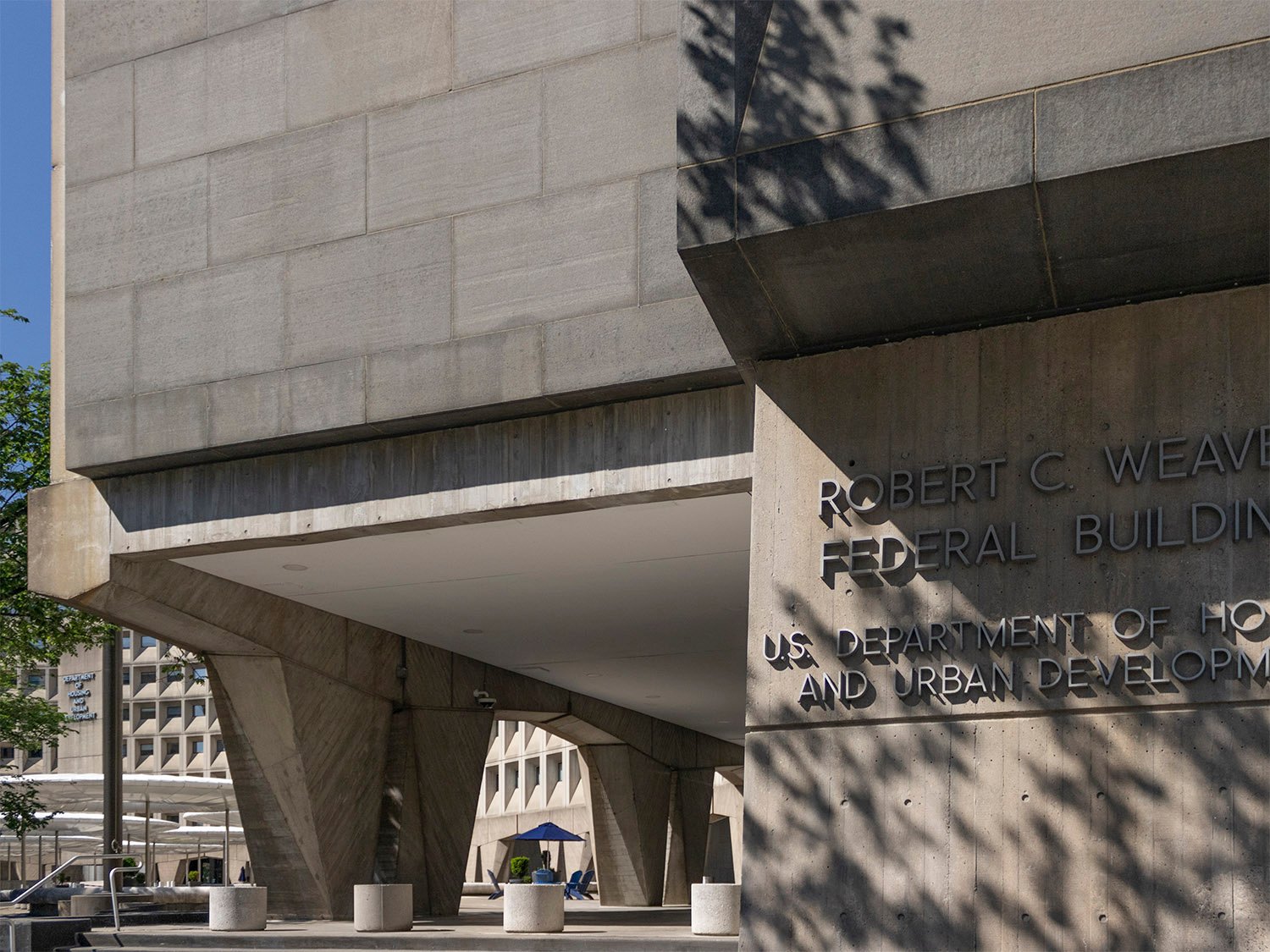
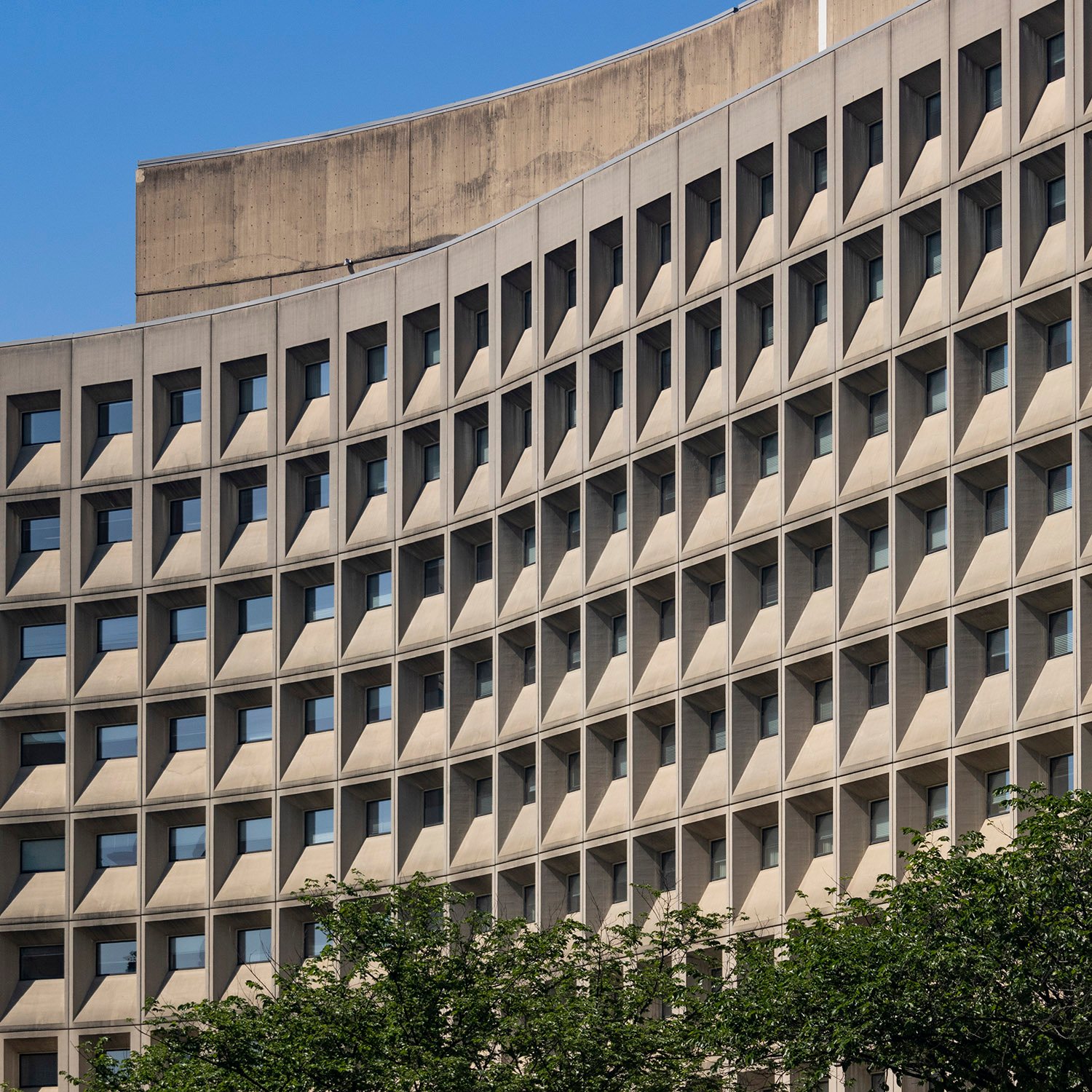

It fills my deepest wound:
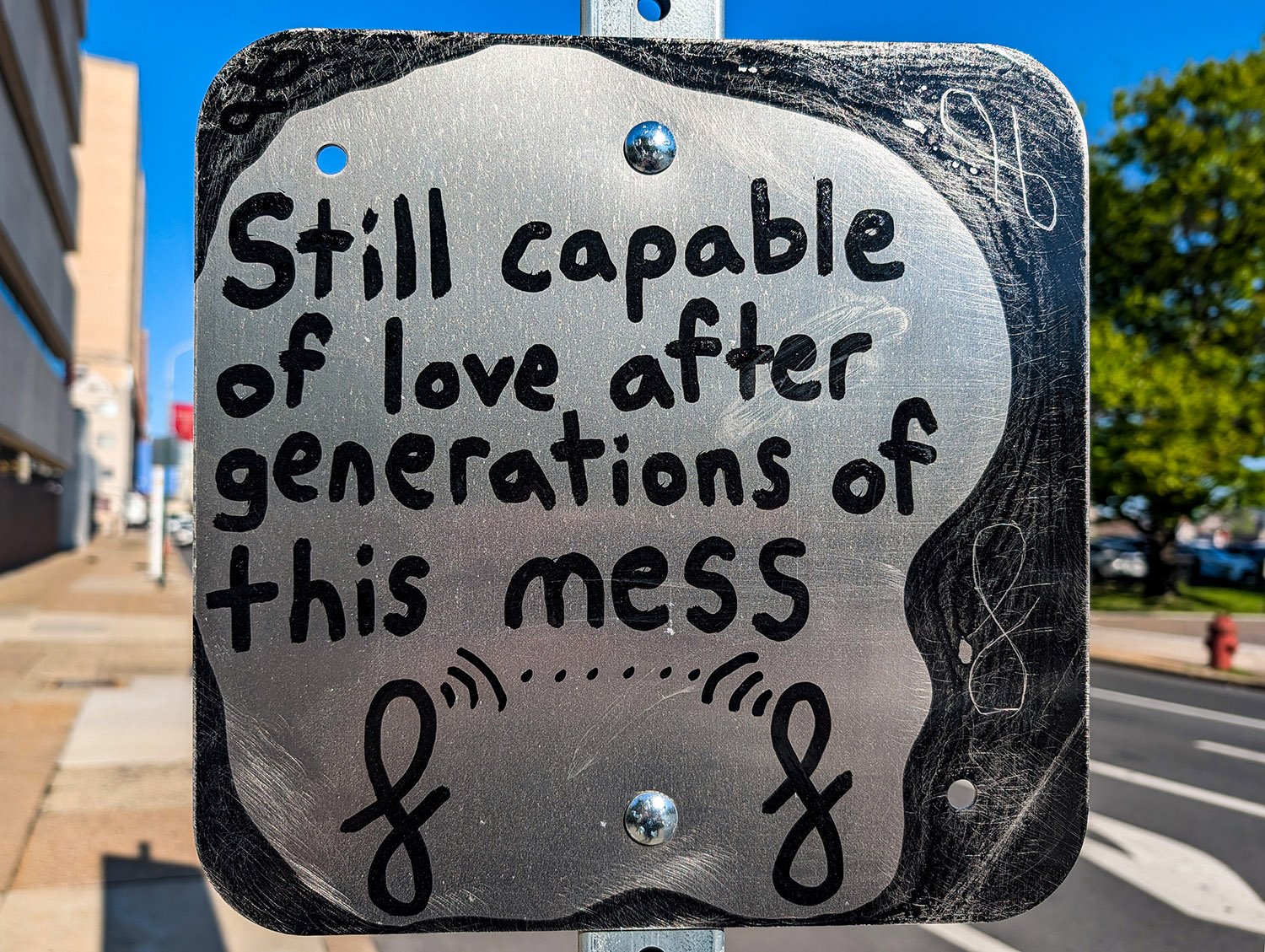
That well of love and compassion that stirs for those who will never return it.
I’ll try not to bore you with psycho-babble, but it naturally formed in my youth, as the deepest wounds do for all of us.
I can vividly remember being a child who pined for the love and closeness of an absent father—
Not physically absent, at first, but certainly emotionally.
As a little boy, I wanted so badly to hold his hand and be skin-to-skin with him, but he was cold and distant, apparently uninterested in me.
It wasn’t a surprise when he later confessed that his life would have been better if I hadn’t been born—tough words to hear from a parent, but at least he was honest.
He was apparently shocked when I cut off communication with him years ago and never looked back. Such arrogance.
My mother cloaks herself in a veneer of warmth and compassion as a means of survival, but she’s just as disinterested in anyone else unless they indulge her infantile sense of helplessness.
She smothers her enablers to keep them close, but invariably drives them away with her petulant demands and domineering behavior that become more apparent over time.
In many ways, I find her selfishness even more pernicious than my father’s—his was blatant, but hers deceived me for years as genuine concern and nurturing.
We’re all amateur psychologists these days, so you can probably guess that I’ve wasted most of my life pursuing one-sided, dead-end relationships with people who don’t give a fuck about me—or are incapable of doing so—repeating the old pattern established between myself and my parents.
From the perspective of middle age, I have to acknowledge that none of my so-called friendships in adulthood have been reciprocal or satisfying.
There was the cagey online buddy who only wanted to talk in chat and threatened suicide once to get my attention. There was the raging narcissist who emotionally tormented me and then nearly killed me—I moved over 200 miles to get away from him. There was the smooth-talking coworker who kept me around to help him with his projects, but dropped me like a hot rock when his position changed.
Then there are all the people I’ve desperately wanted as my friends and companions, but it was abundantly clear they just weren’t interested. In my wild imagination, I could picture us embraced in some epic, earth-shaking partnership, but none of them shared that vision. Most of them probably never gave my existence a half-second of thought.
Always haunting my relationships are the questions of my sexuality. Am I gay? Am I asexual? Who the fuck knows? Do I want a friend or a lover? I’ve never fully understood that myself, and while I’ve grown to accept the ambiguity, I’ve never found anyone else who could handle it.
I used to think it was a weakness that I could fall head over heels for people who would never do the same for me. I used to be ashamed of it. I’m not anymore.
I may have been the boy who idealized and defended their parent as a way to cope with the absence of affection, but as a man, it’s given me the ability to not just passionately love people, but to deeply cherish them with a child-like simplicity and purity—even when they don’t deserve it.
Experience has given me the ability to recognize when I’m being lured into another unrequited relationship—the signs are all familiar to me now.
I know when my baby brain wants to elevate a flawed mortal into a peerless daddy god with whom to form a perfect union, and I’ve become adept at ruthlessly scrutinizing a person’s life and character for misalignments with my own.
What’s different about me now from even a few years ago is that I don’t dismiss the tender feelings of the little boy inside me.
Rather, I gently take his hand, and we take a walk together. I listen to him intently as he talks excitedly about that special person who, in the moment, means the absolute world to him. I pick him up, hold him close, and kiss his forehead, thanking him for his sweetness, innocence, and kindness.
Then I harness that essential eros for a moment of culmination and truth delivered expressly for that person—it may be a favor, a conversation, or just a passing remark.
The form of the message is unimportant: what matters is that it was especially made for one with whom I have become so enamored, packed with such a concentrated force of love and grace that it cuts through their soul like a blade.
When the message is delivered, it’s as if some spell has been broken inside of me, and with a sudden jolt, I realize, That’s it. You’re done. And I walk away, thanking God for that person whose life may be entwined with another’s—but it isn’t mine.
It could be that I wasn’t built for genuine relationships. That’s a sobering reality I’ve come to terms with in the last few years.
Maybe my purpose on this earth is to deliver a seed of love to those who are otherwise impenetrable to receive it, never seeing its effect, or even knowing if it has an effect at all.
That could be my childish way of coping with the absence of affection in adulthood, but I do know that every transmission of grace deepens my soul’s capacity for love—for myself more than anyone else.
.

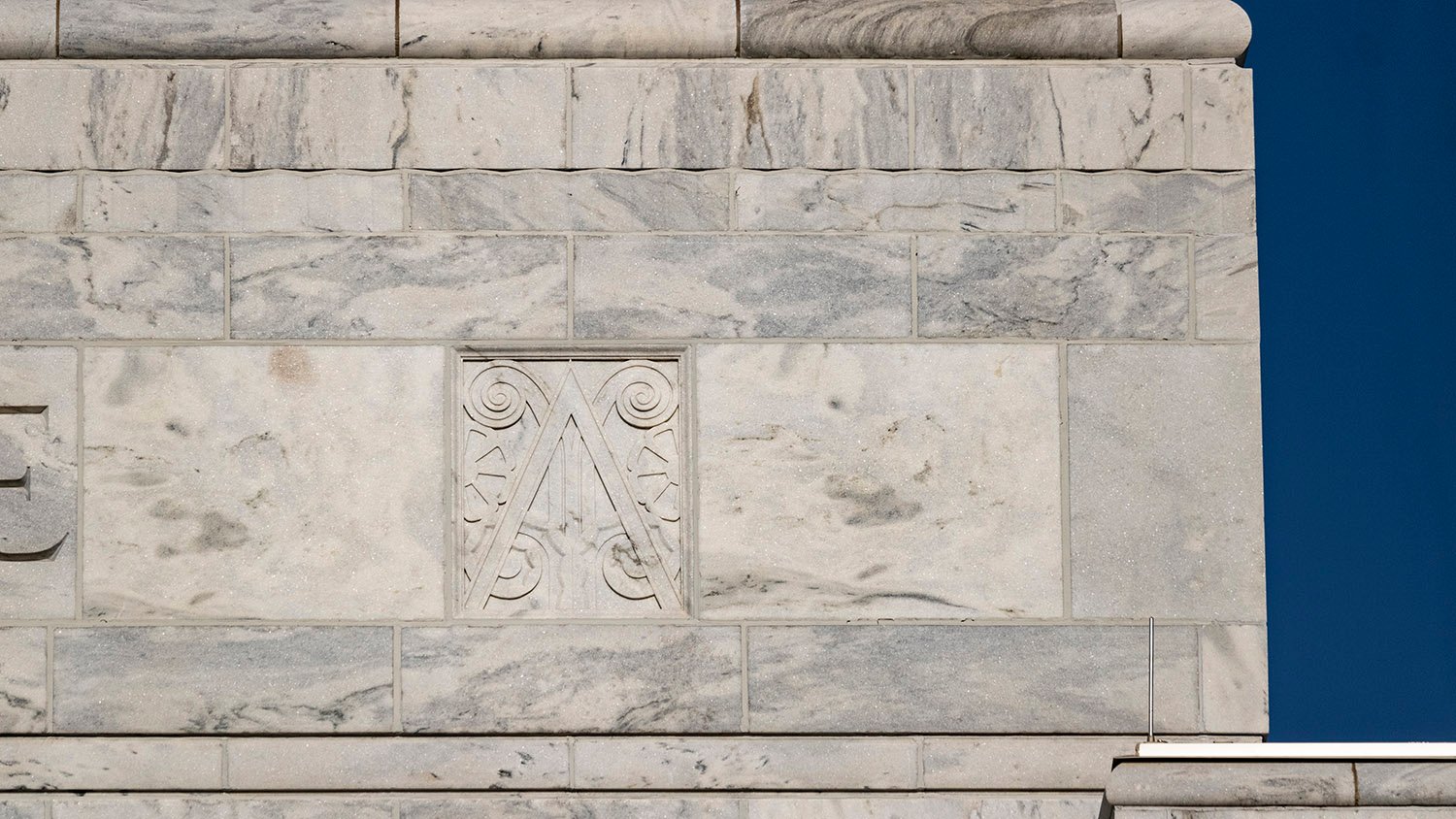
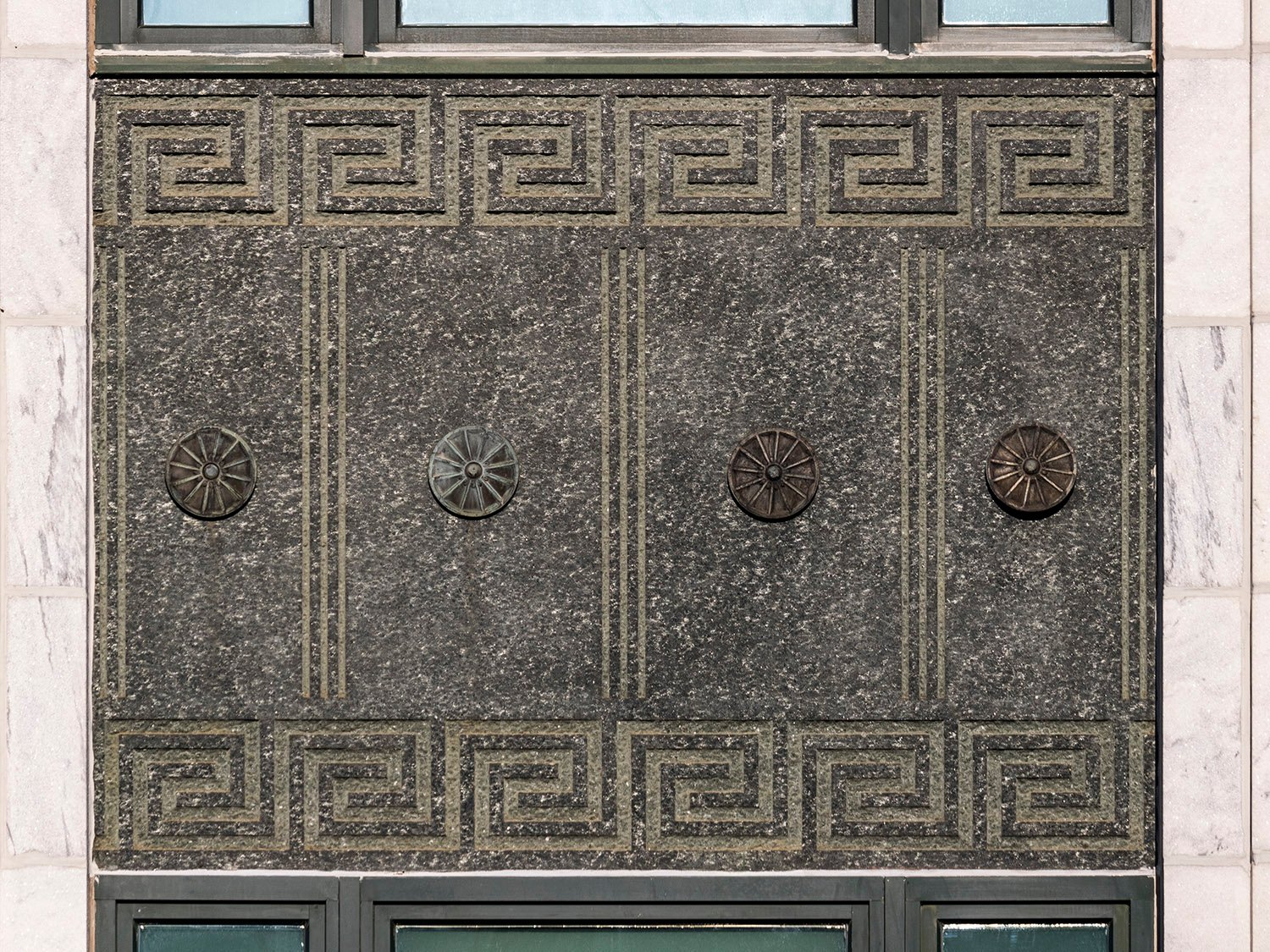
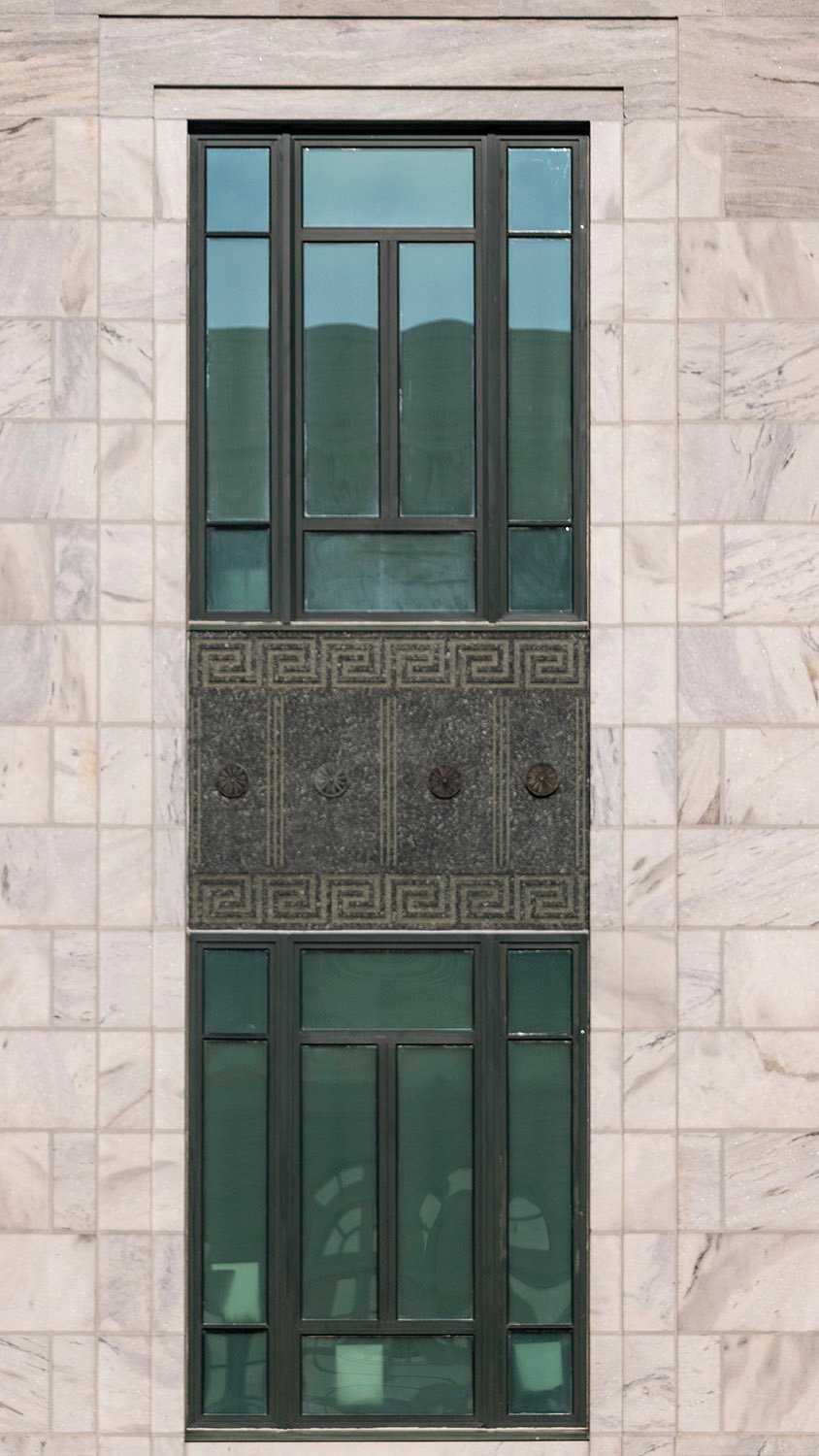
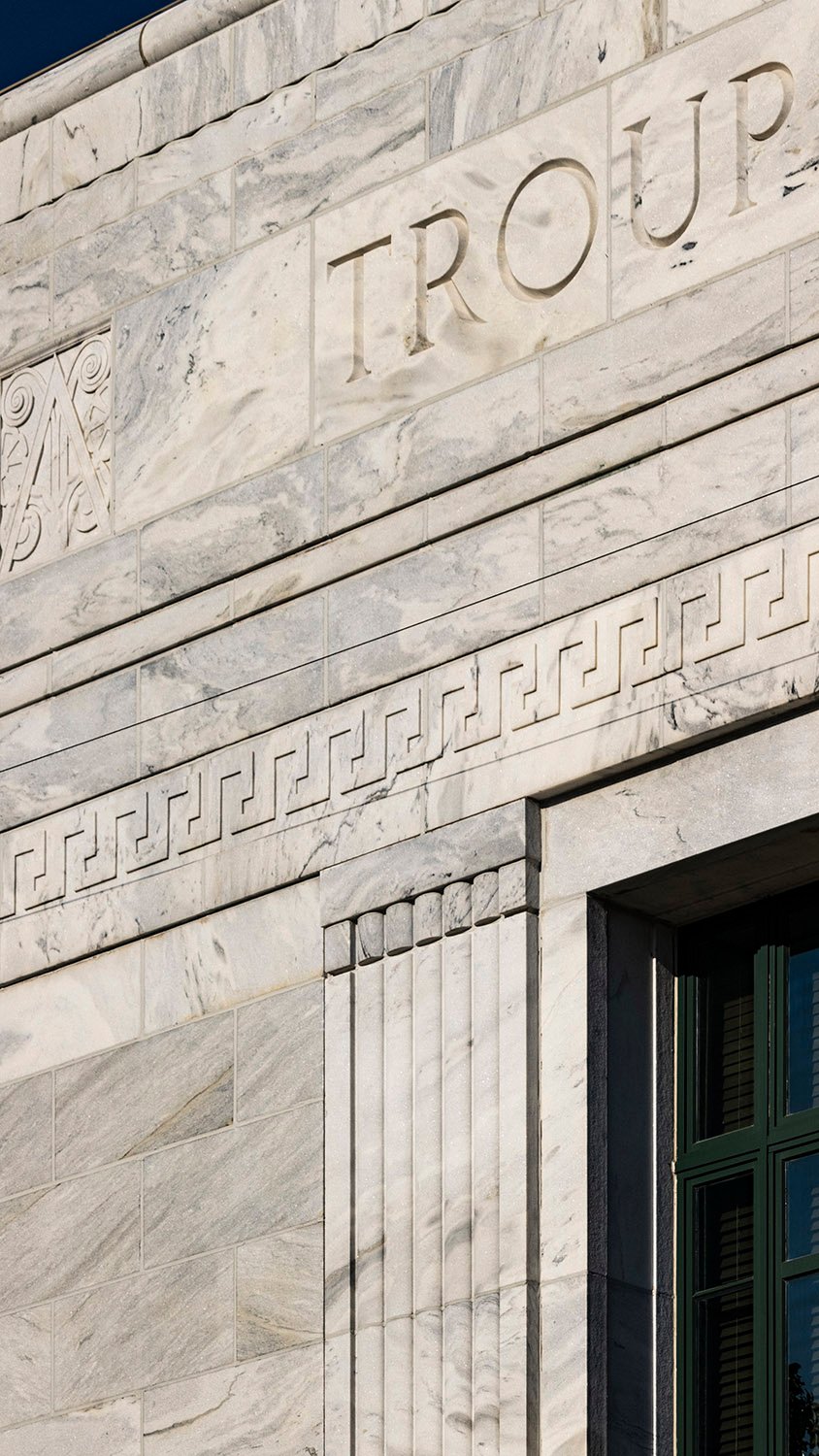
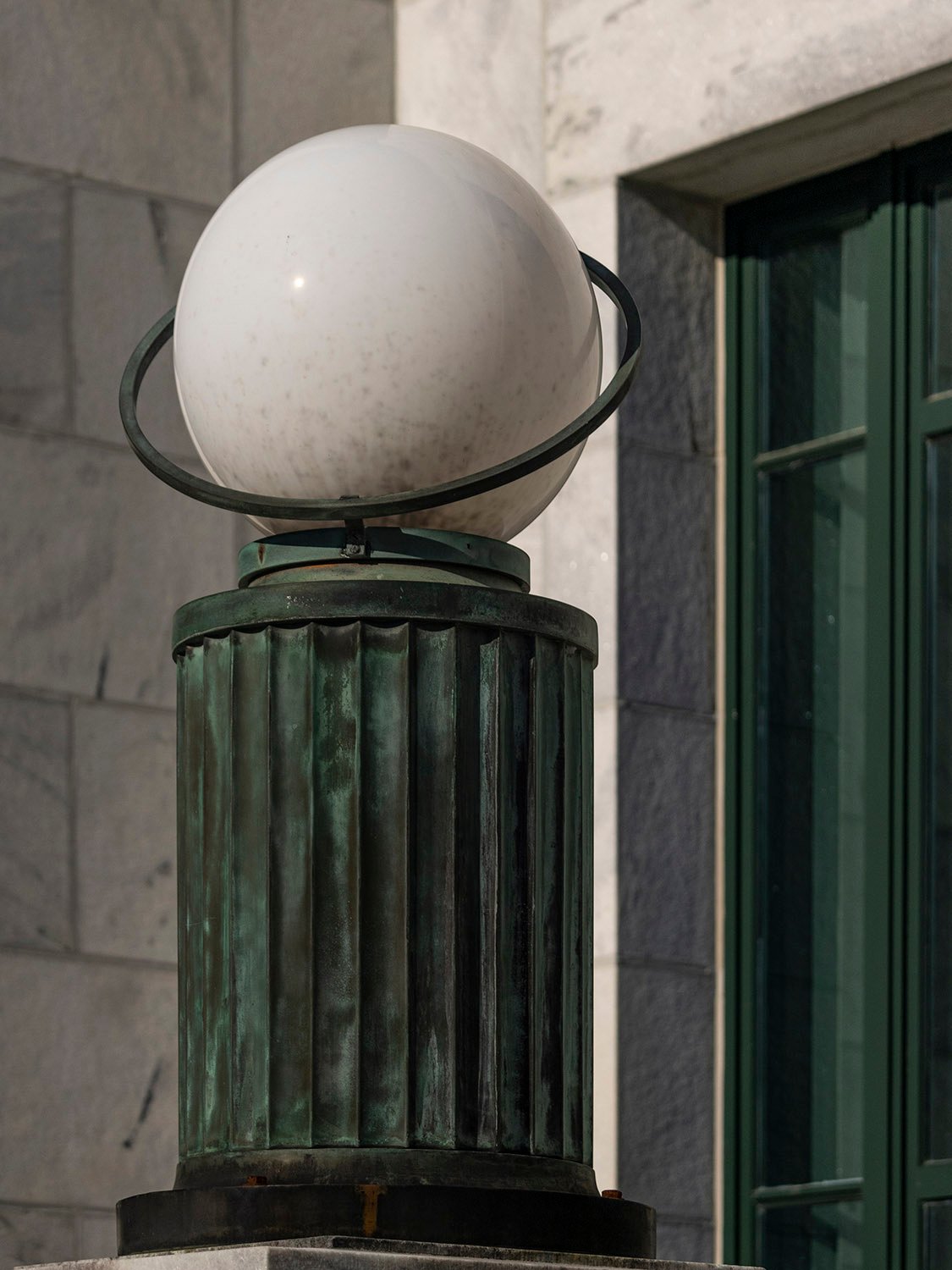
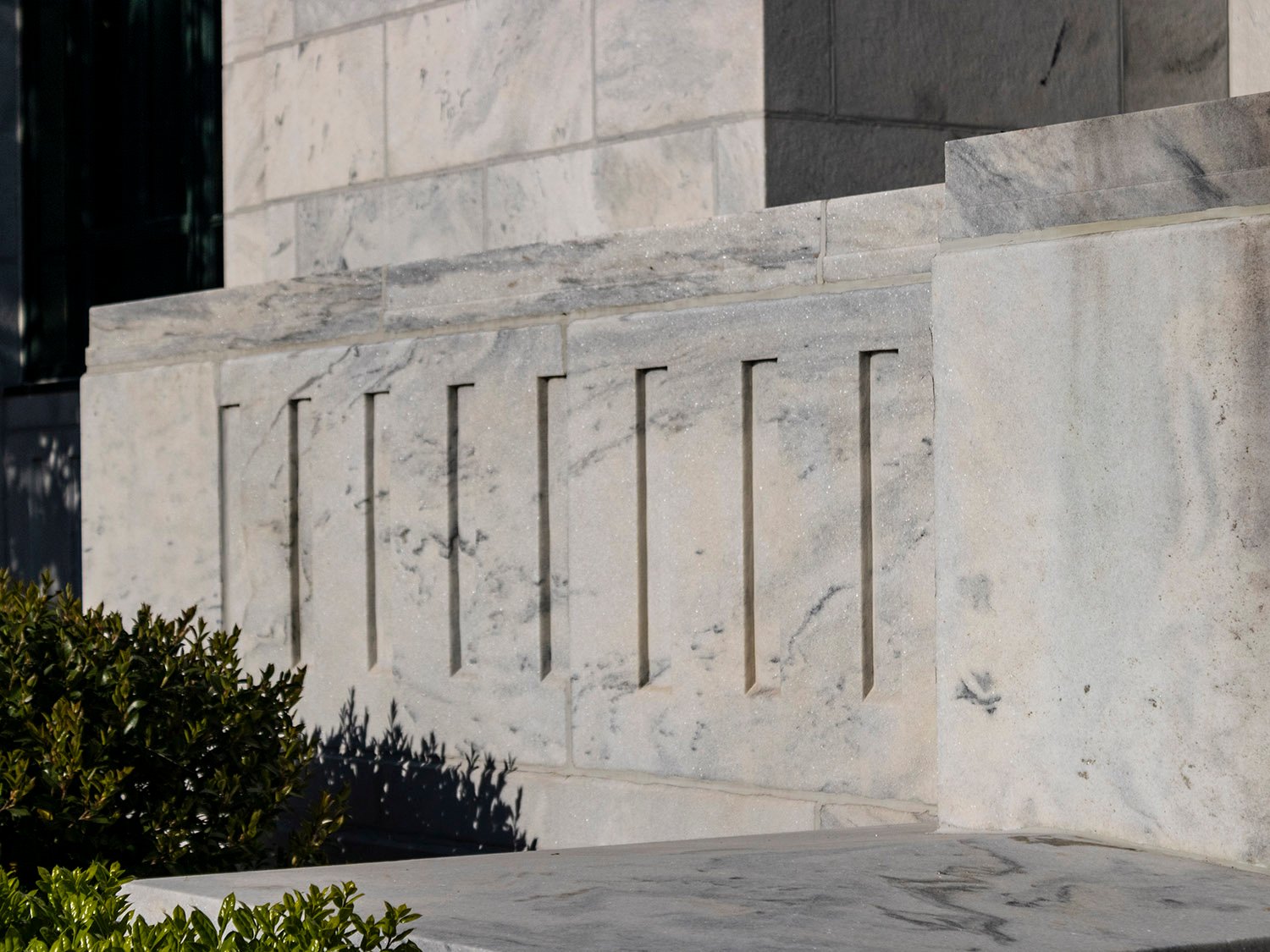
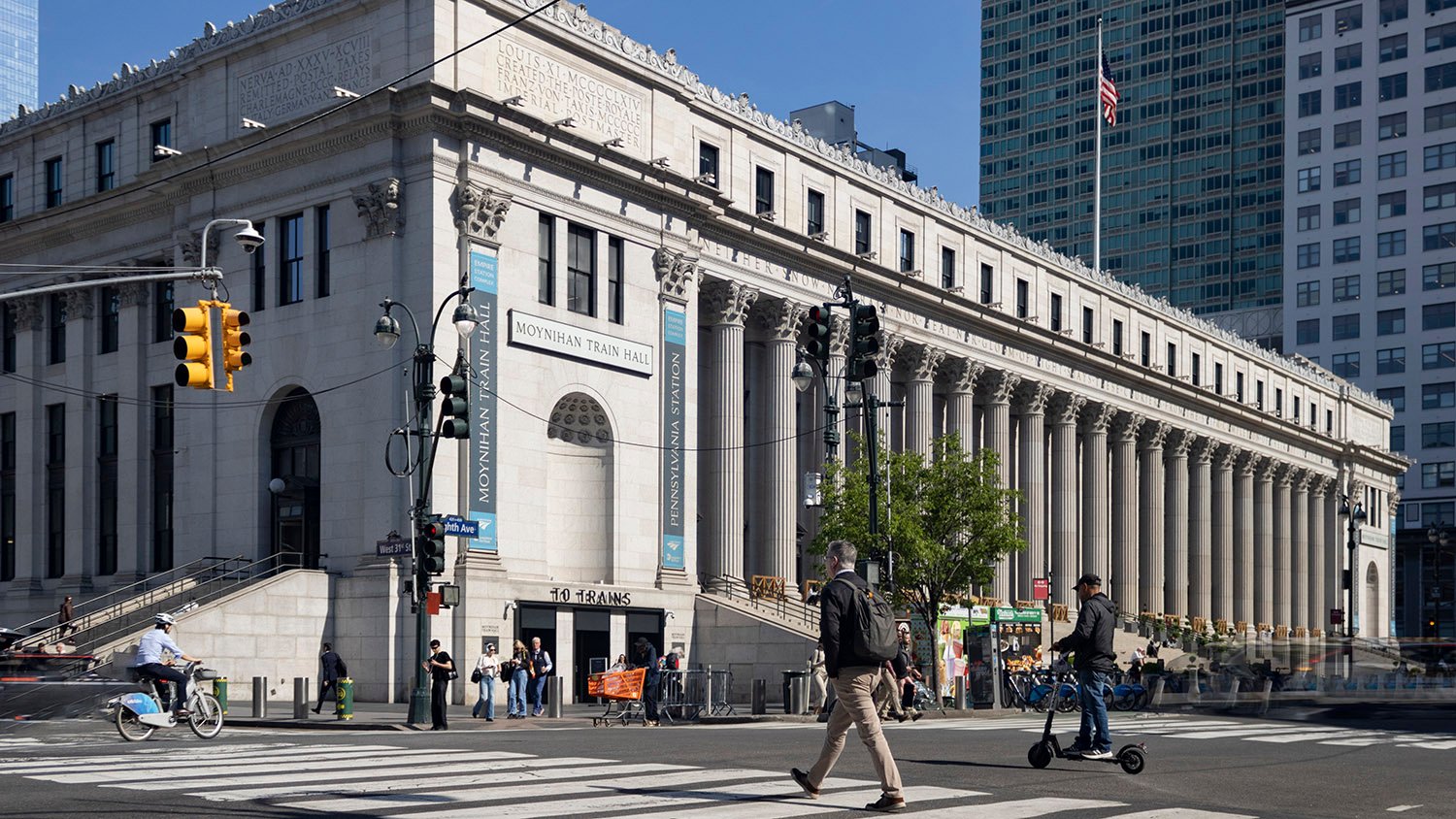
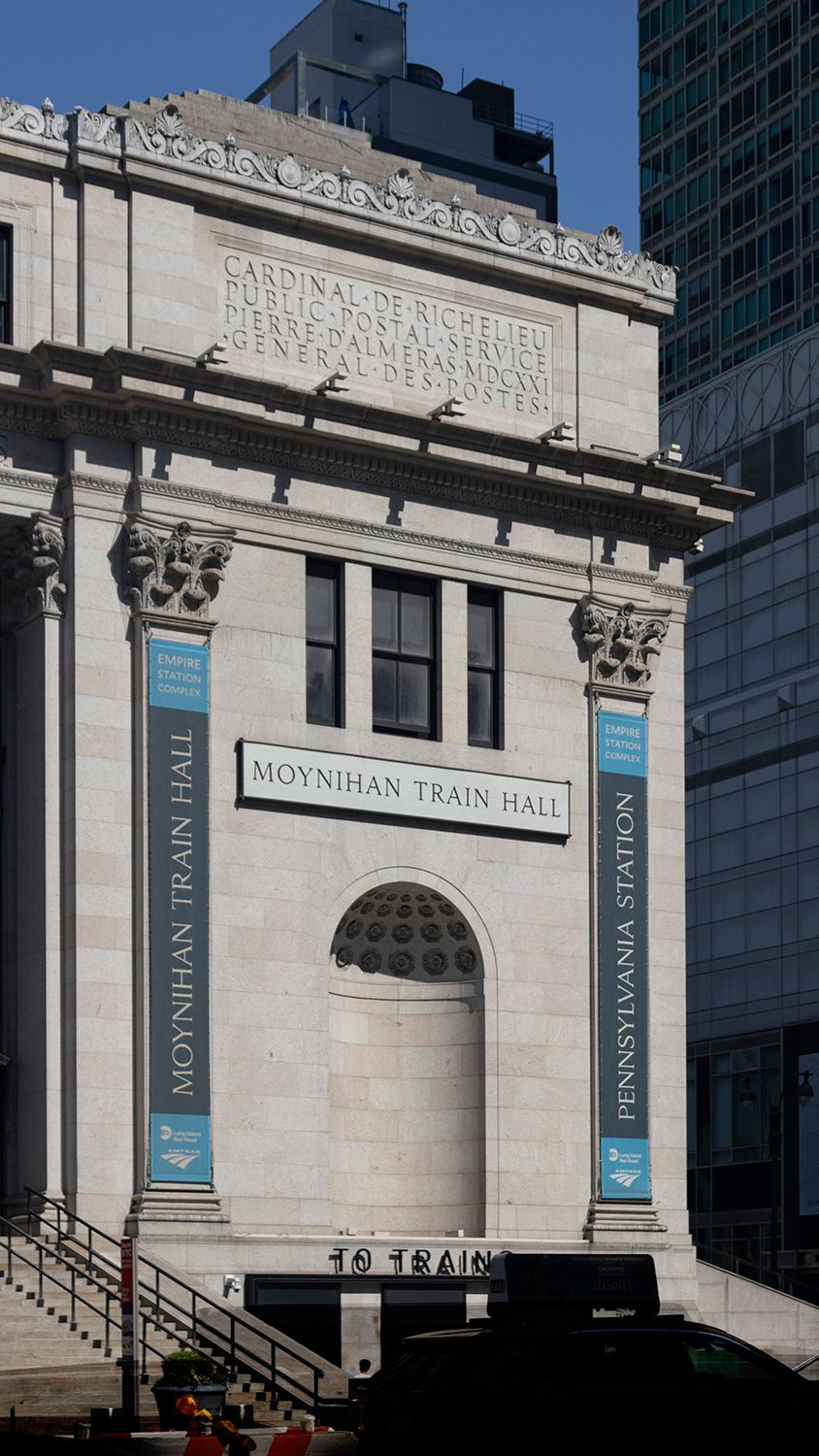
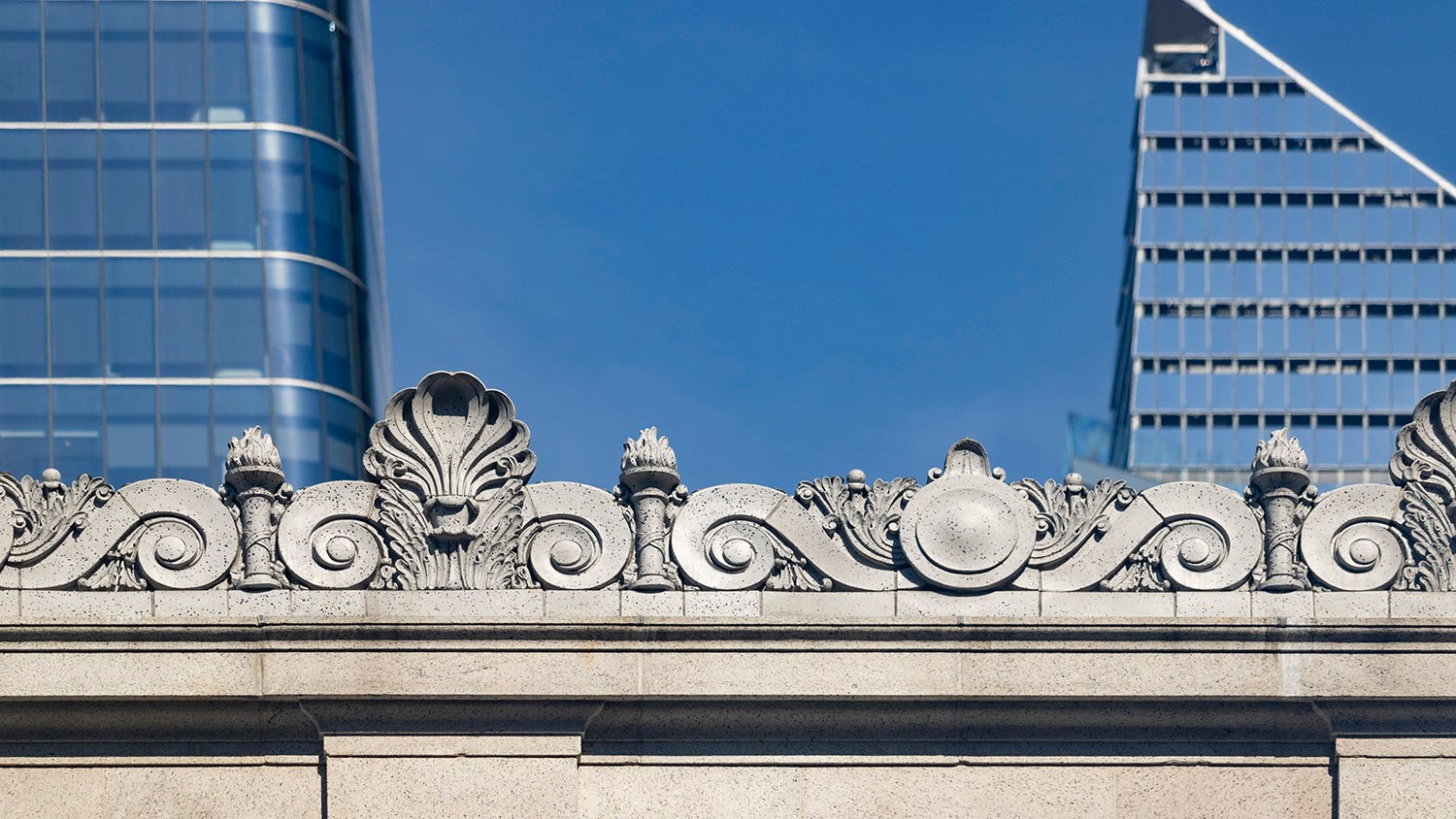
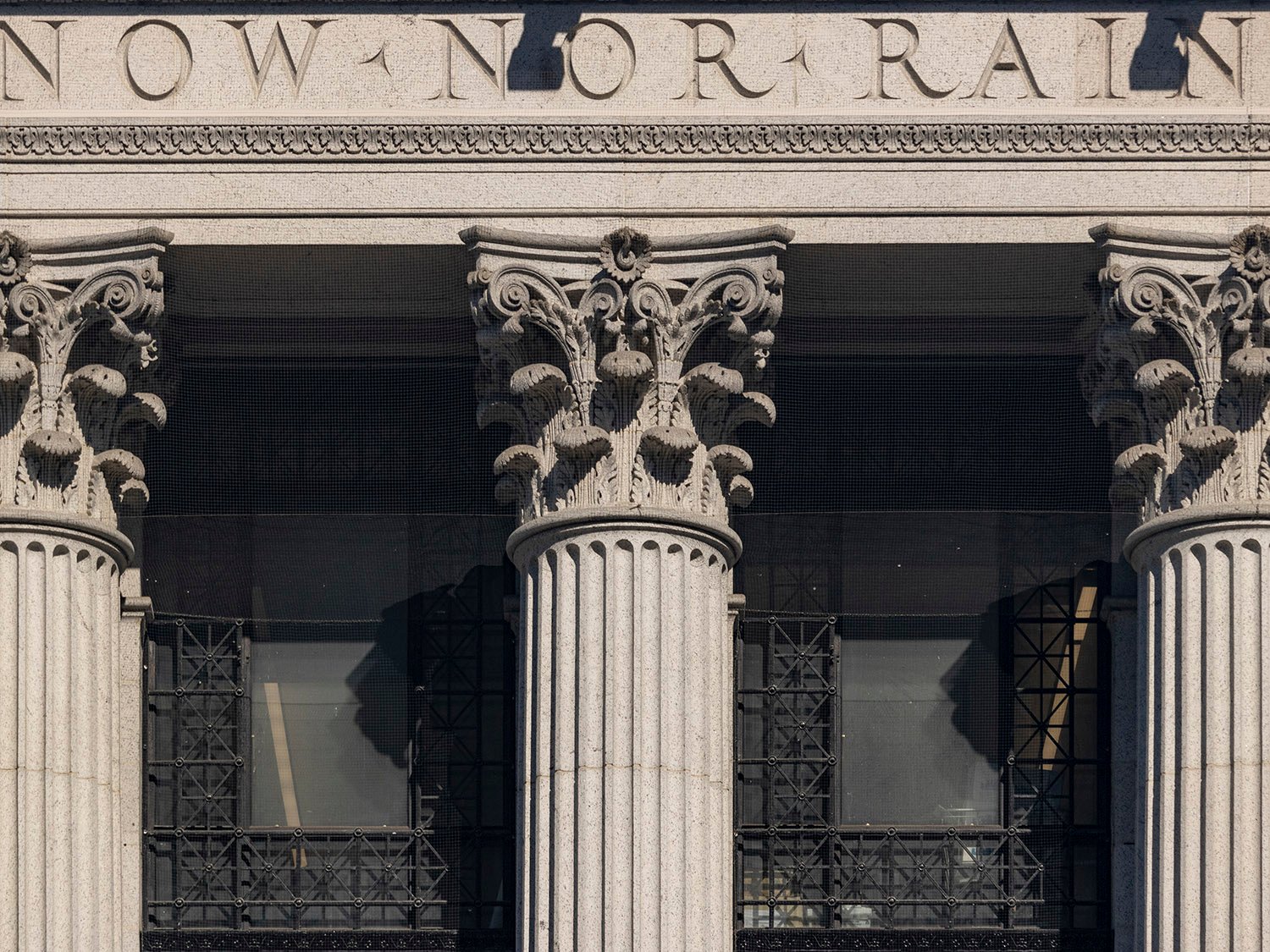
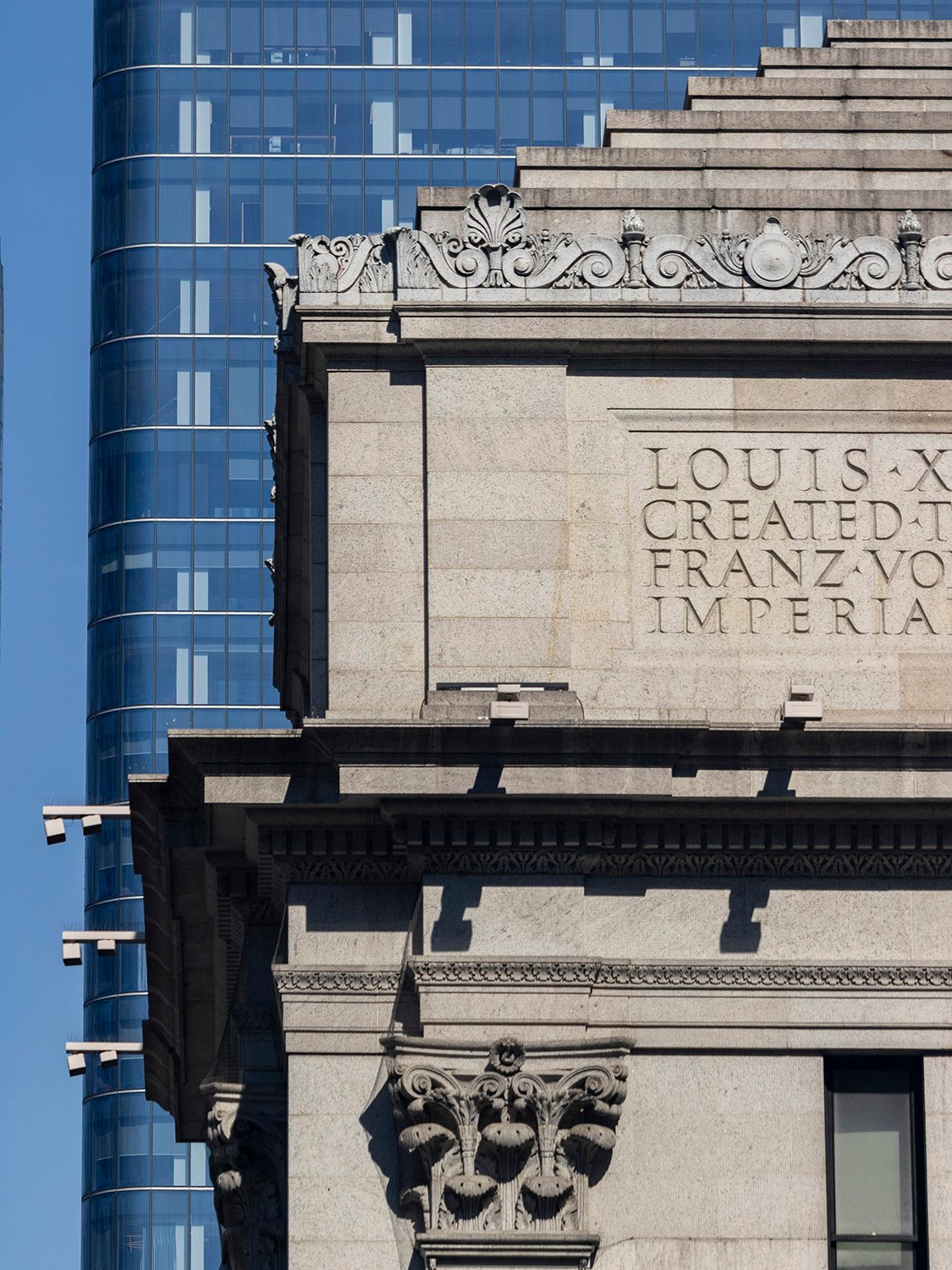
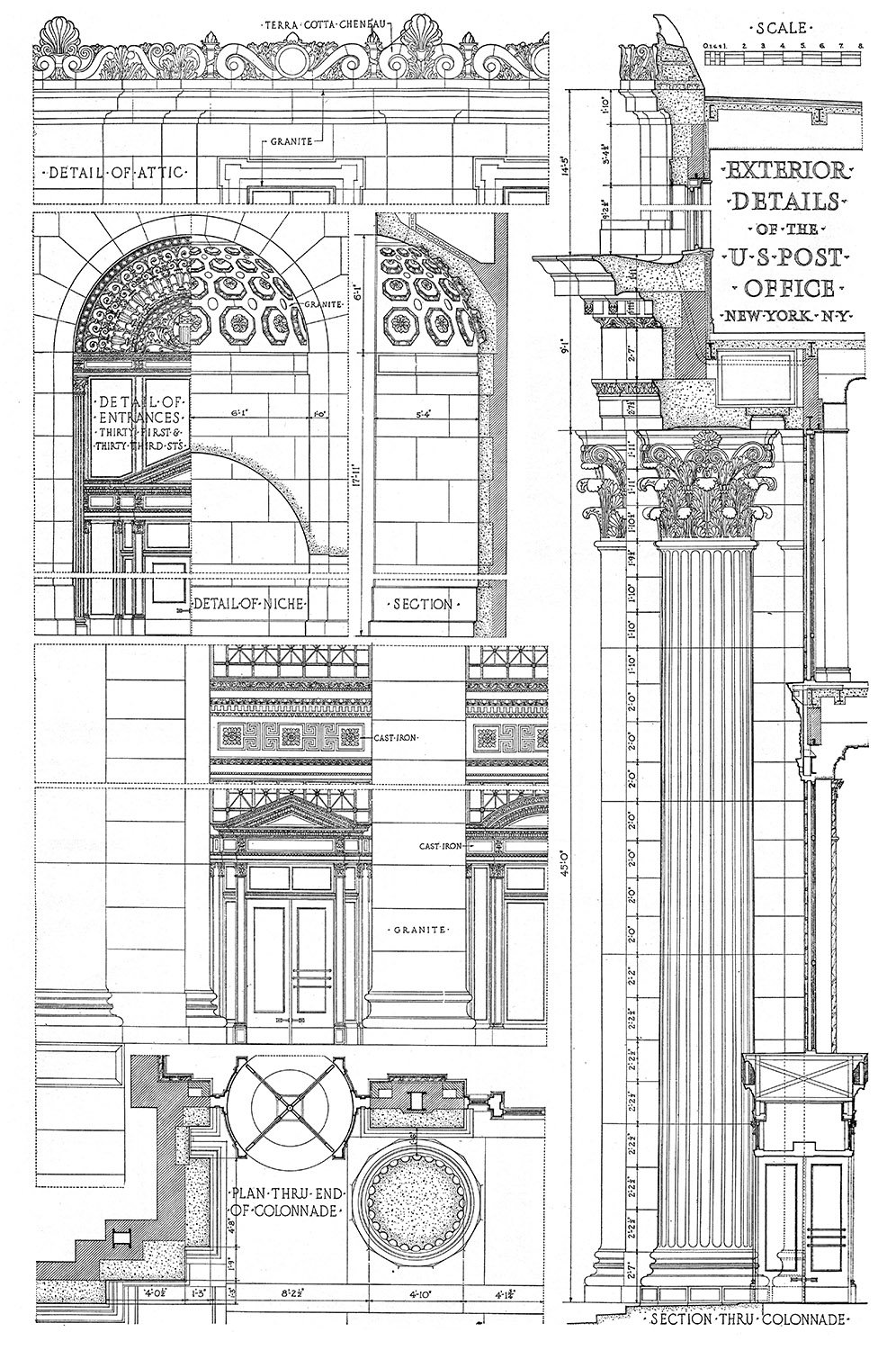
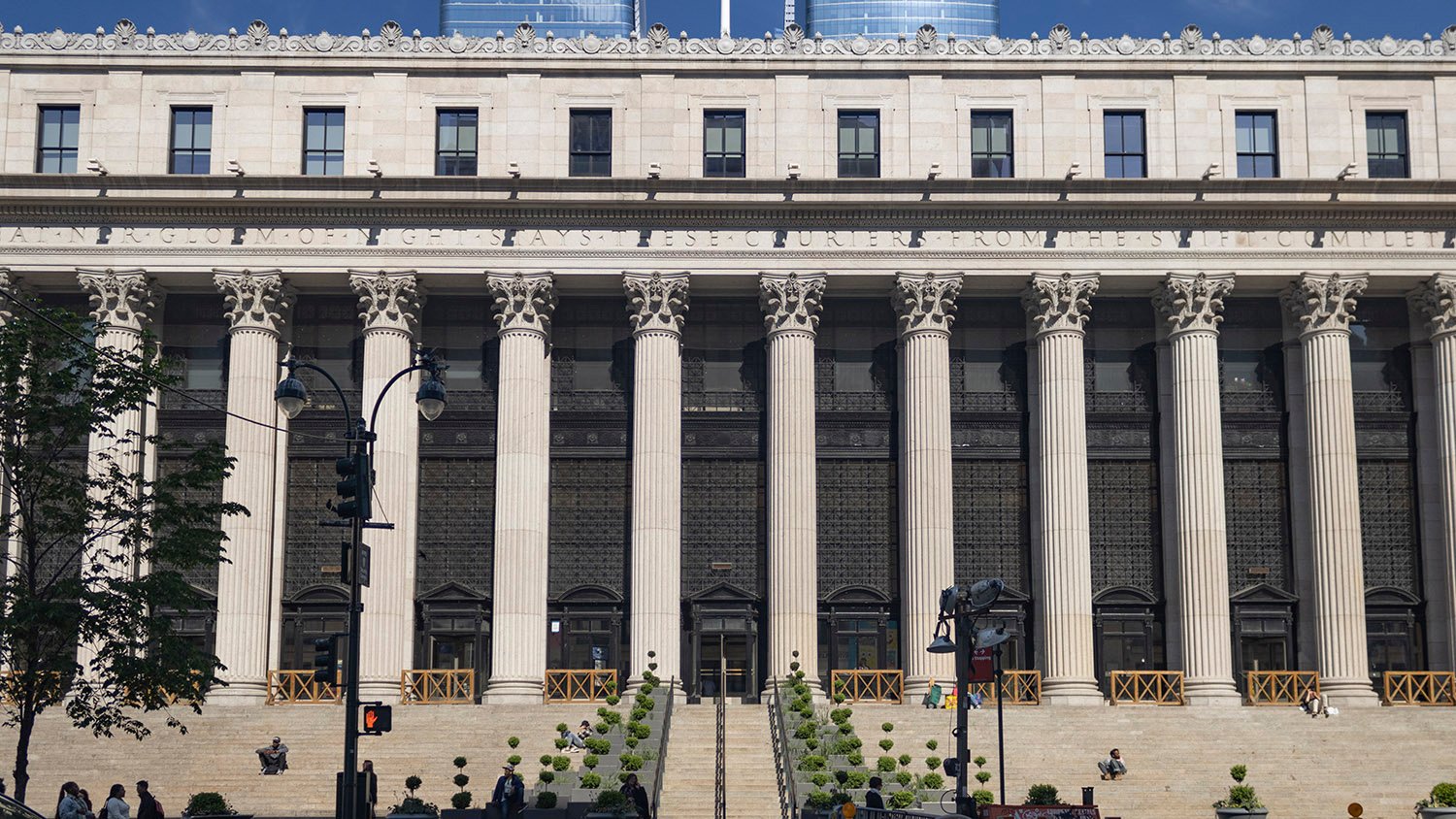
The imposing United States Post Office in New York City was a very late work of McKim, Mead & White—so late that two of the firm’s namesake founders, Charles McKim and Stanford White, had been dead for several years by the time it was completed in 1913.
At that point, McKim, Mead & White was a well-oiled machine that ran on an army of anonymous architects, but the project is now primarily credited to William M. Kendall.
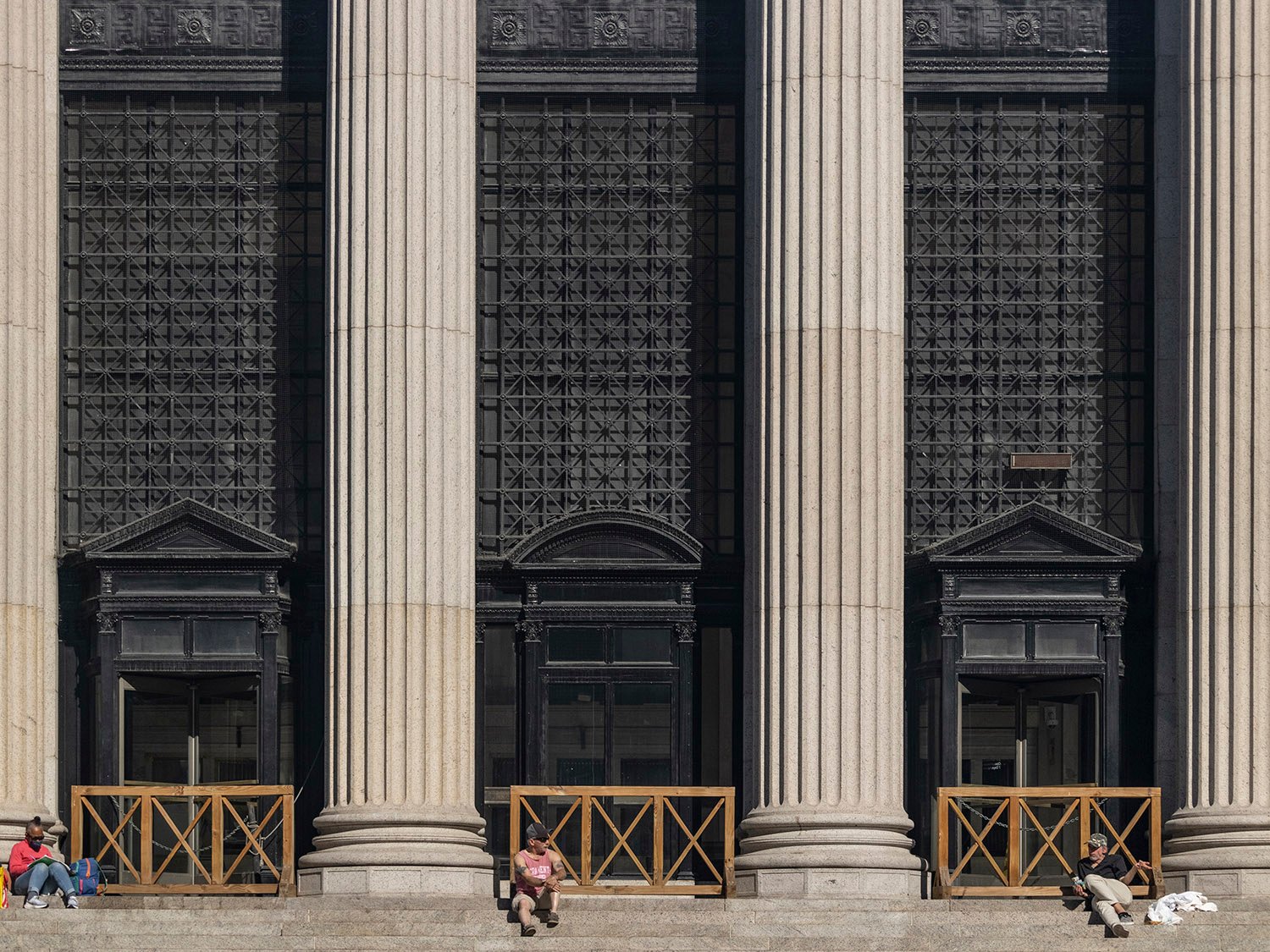
The gleaming white five-story structure occupies two blocks of prime real estate in Midtown Manhattan and was built to complement its original neighbor, Pennsylvania Station,1 also designed by McKim, Mead & White, which was demolished in 1963.
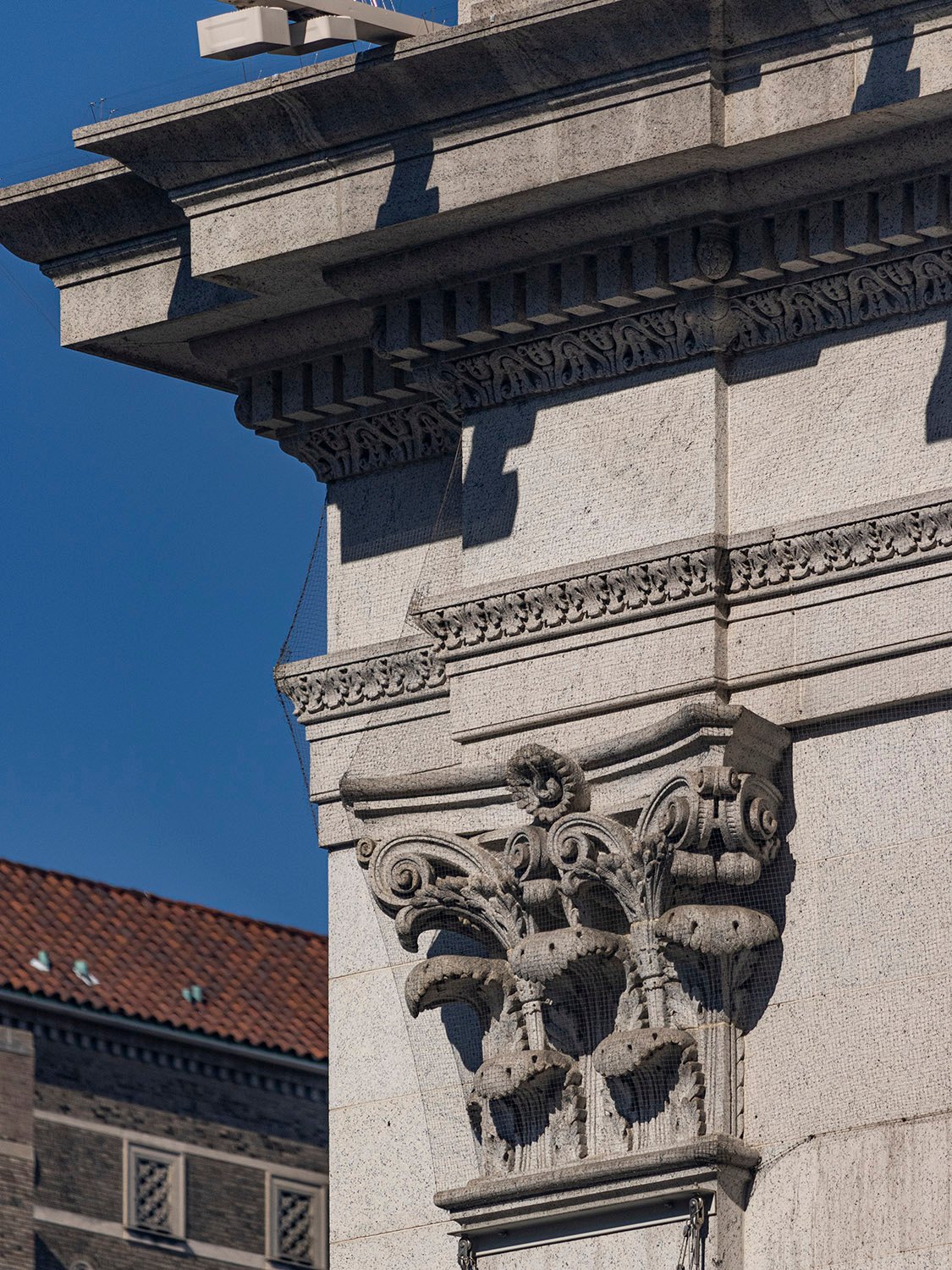
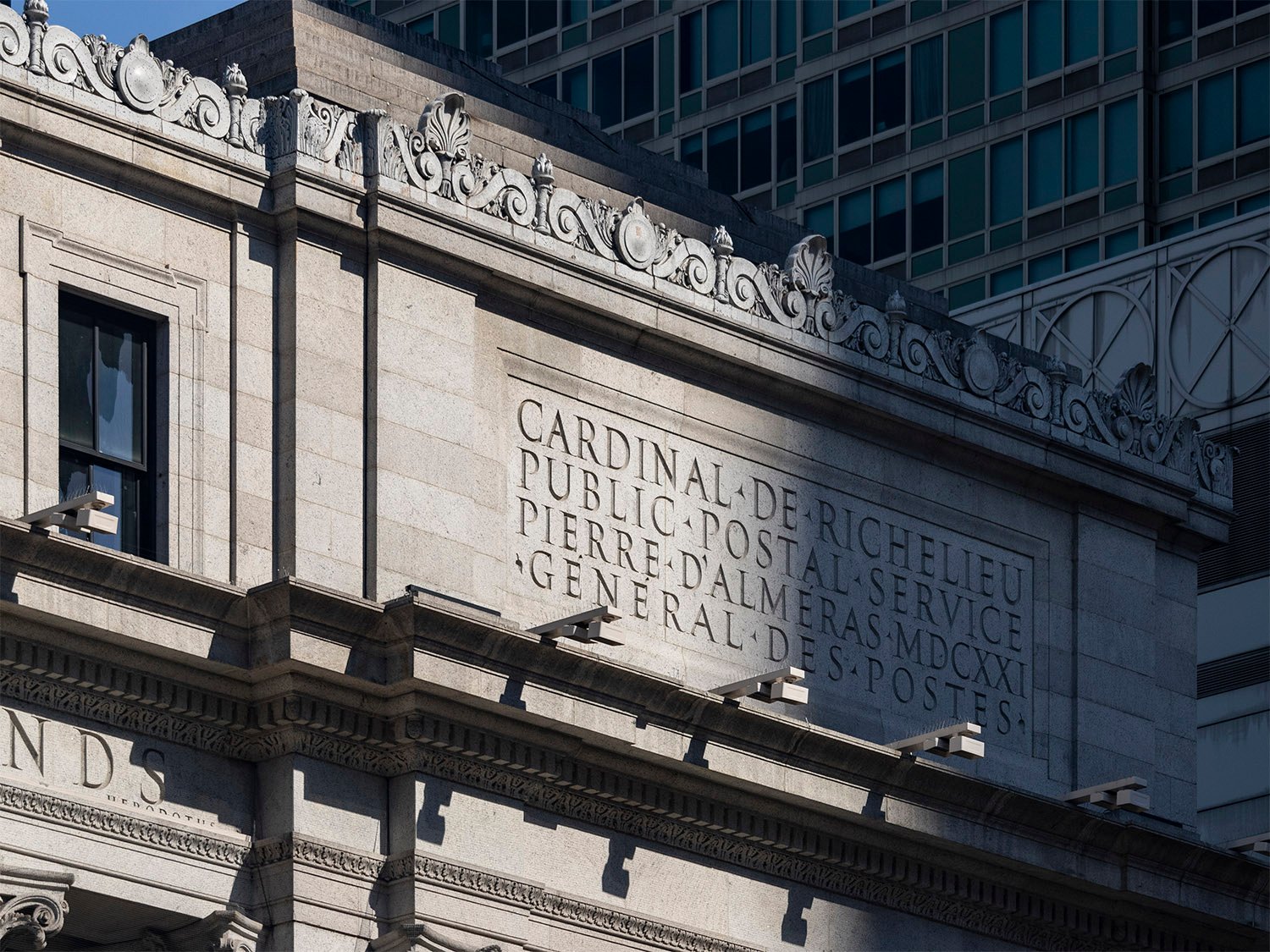
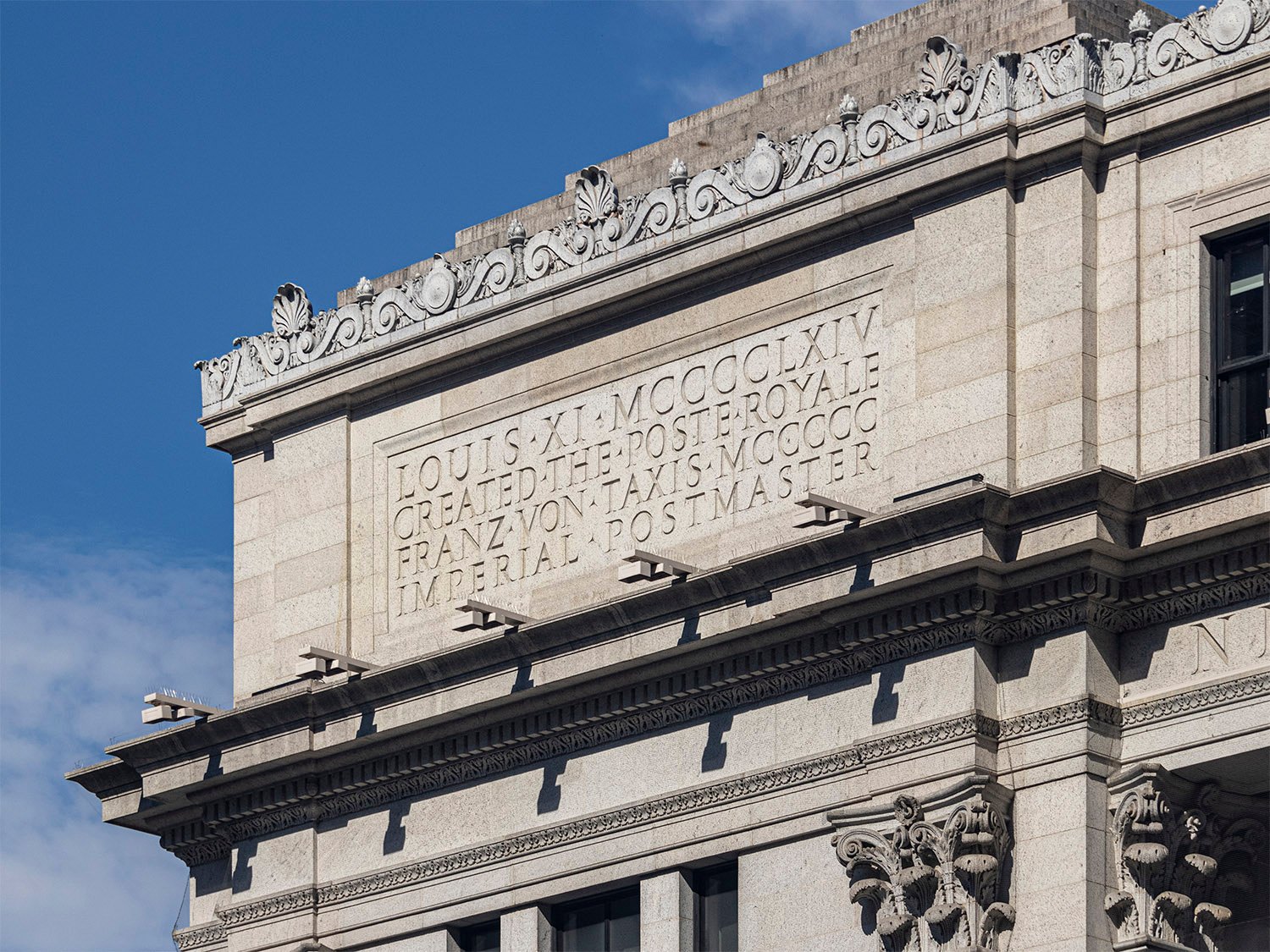
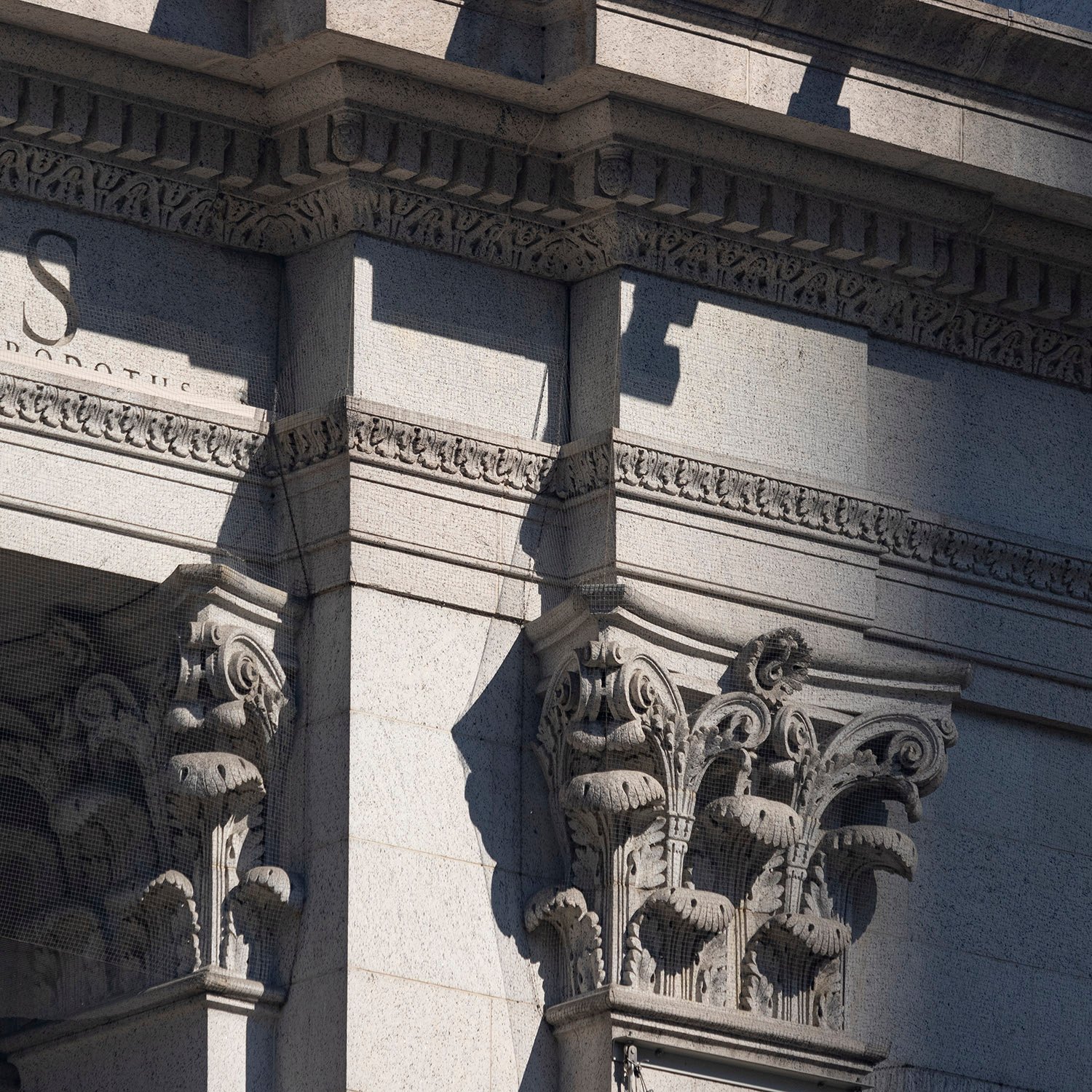
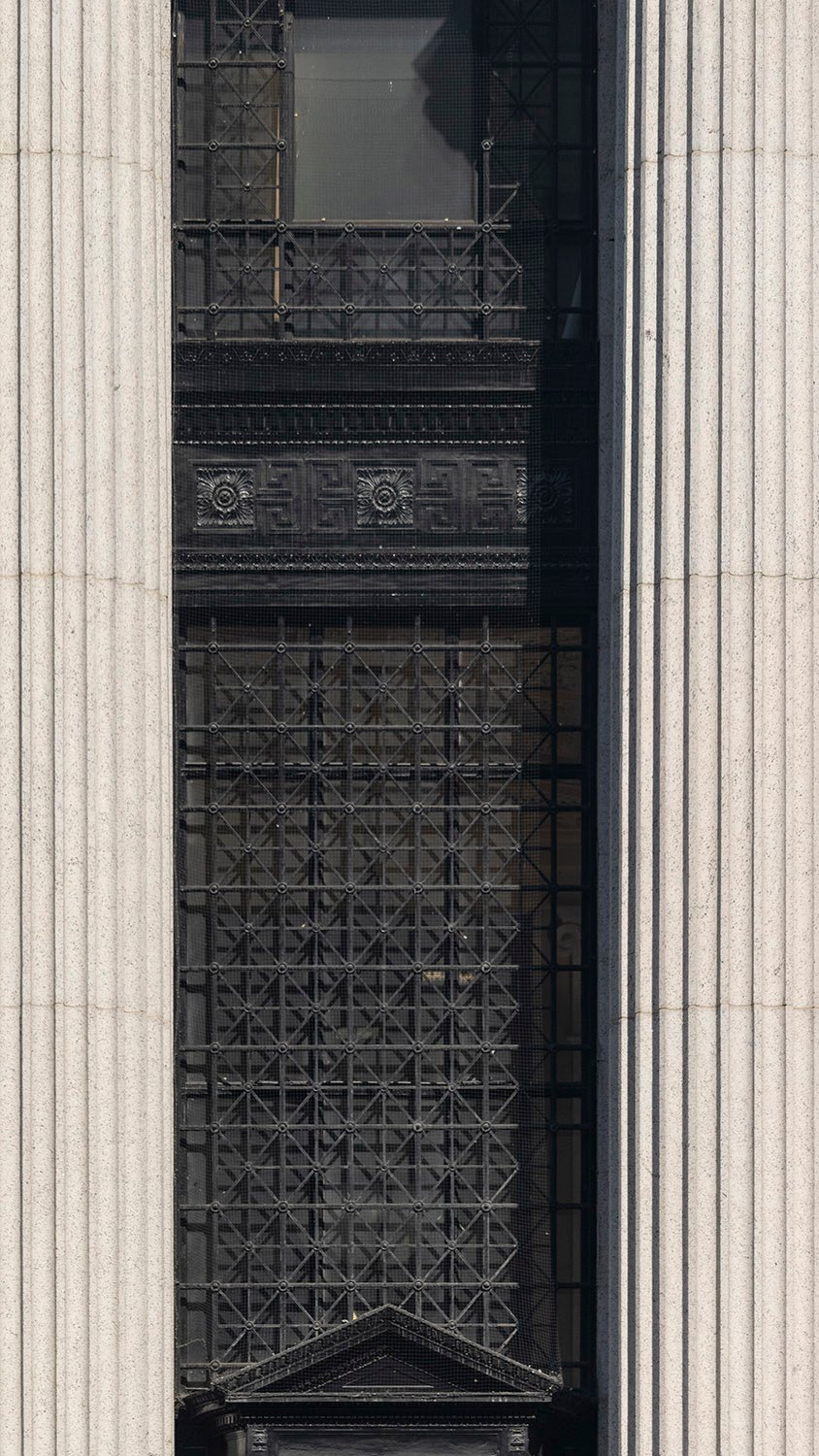
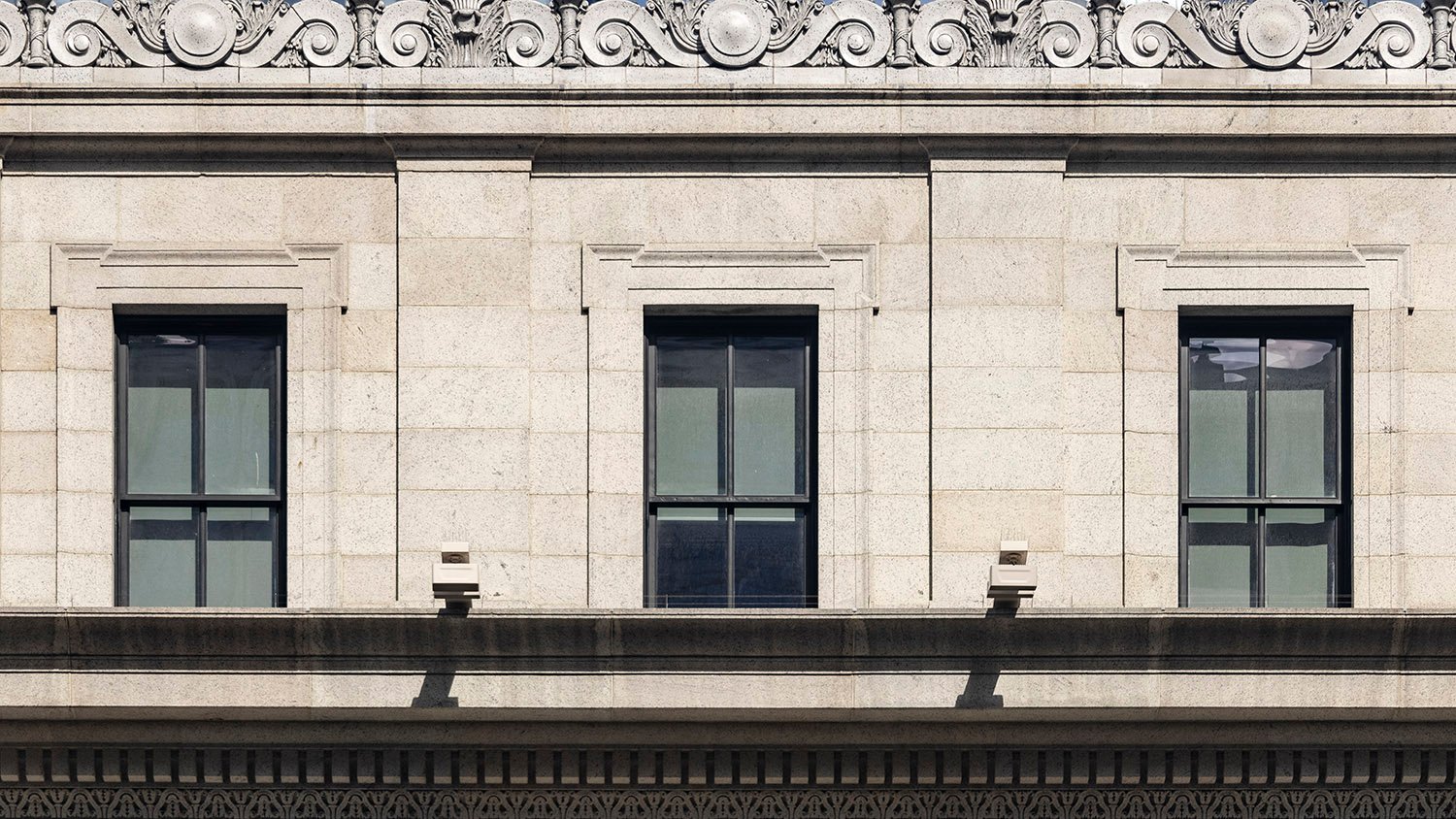
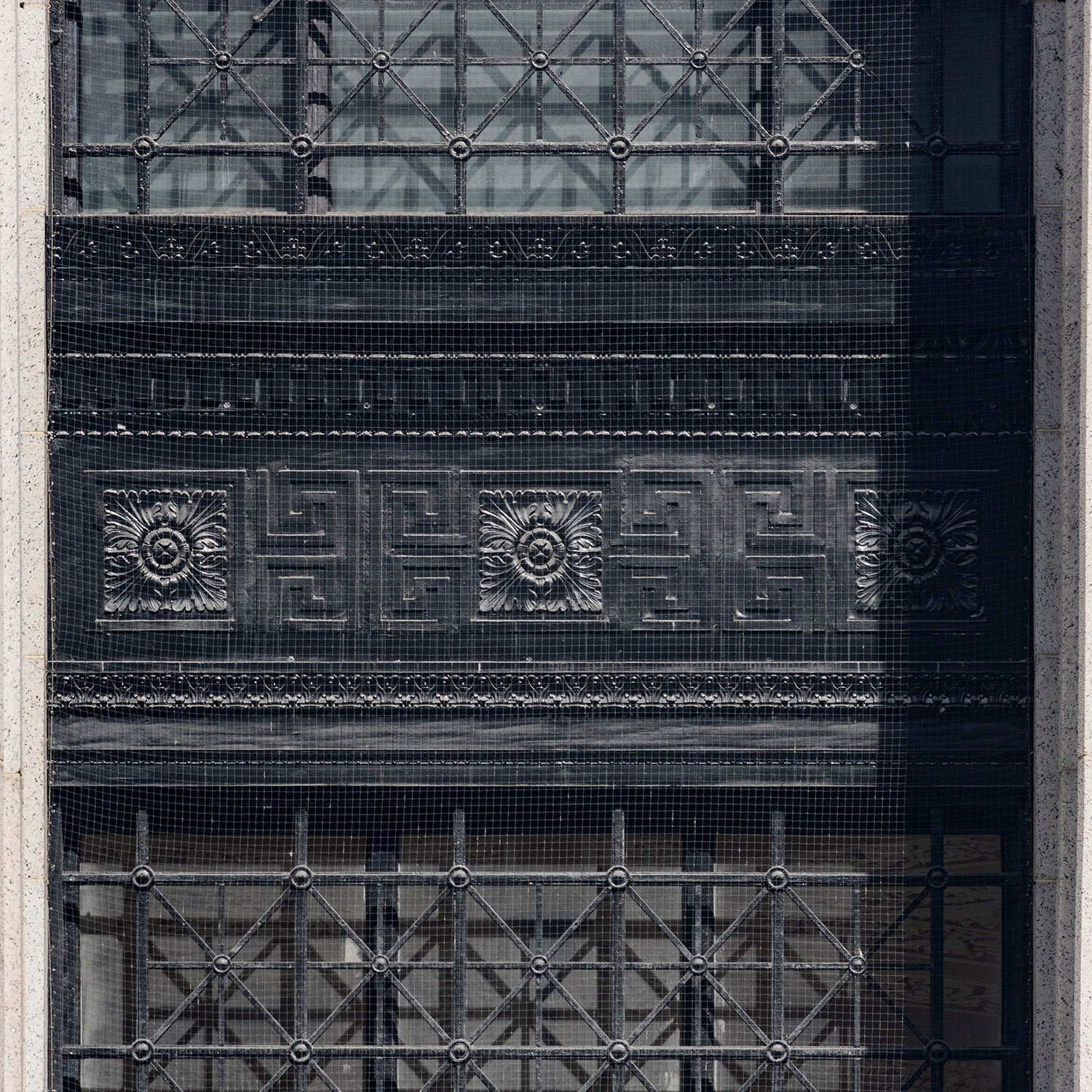
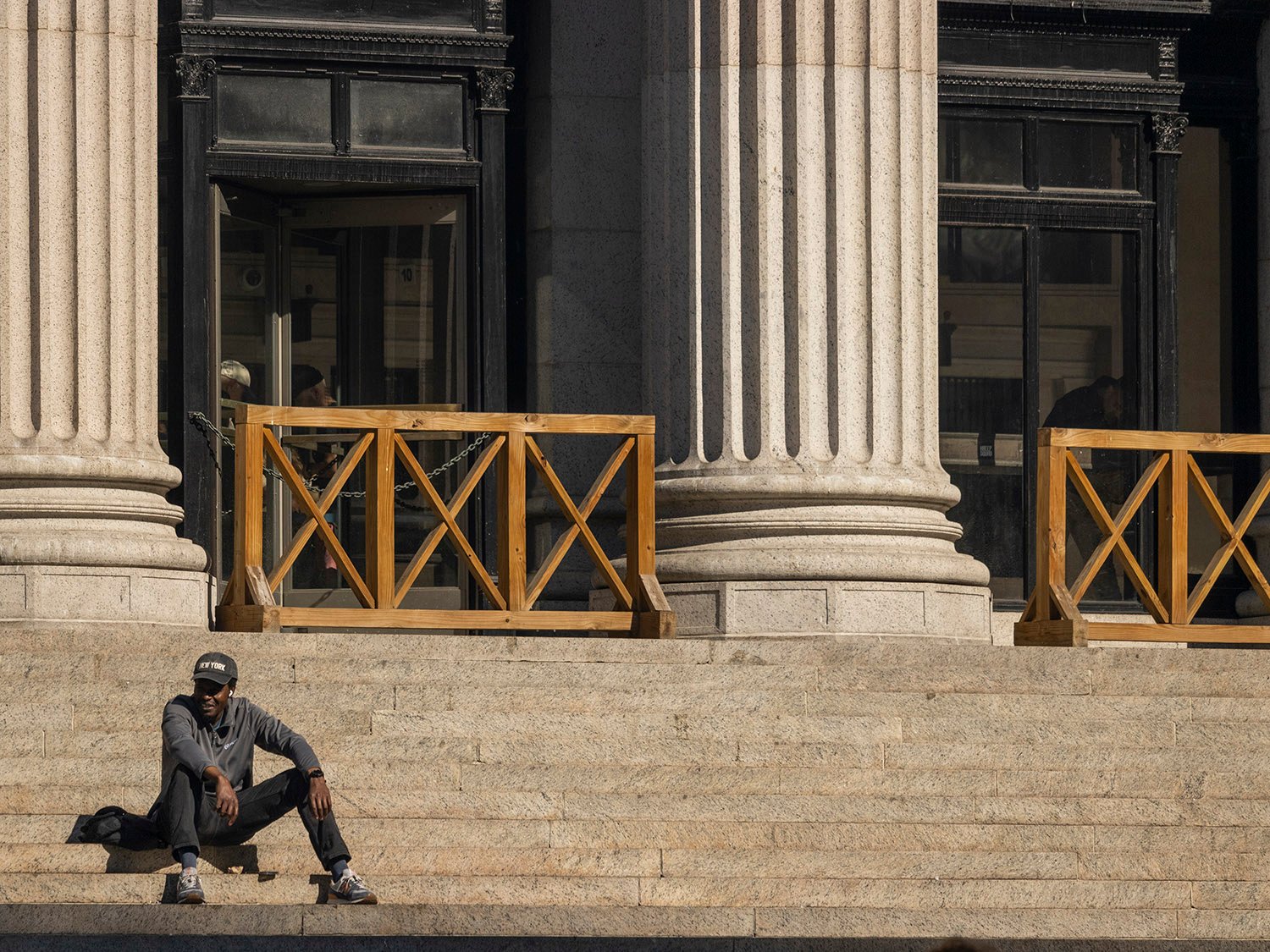
The firm’s output in later years was often unremarkable and derivative, but there’s something special about this building, which is chock-full of exquisite materials and elegant details that reveal thoughtful attention to design despite the project’s massive scale.
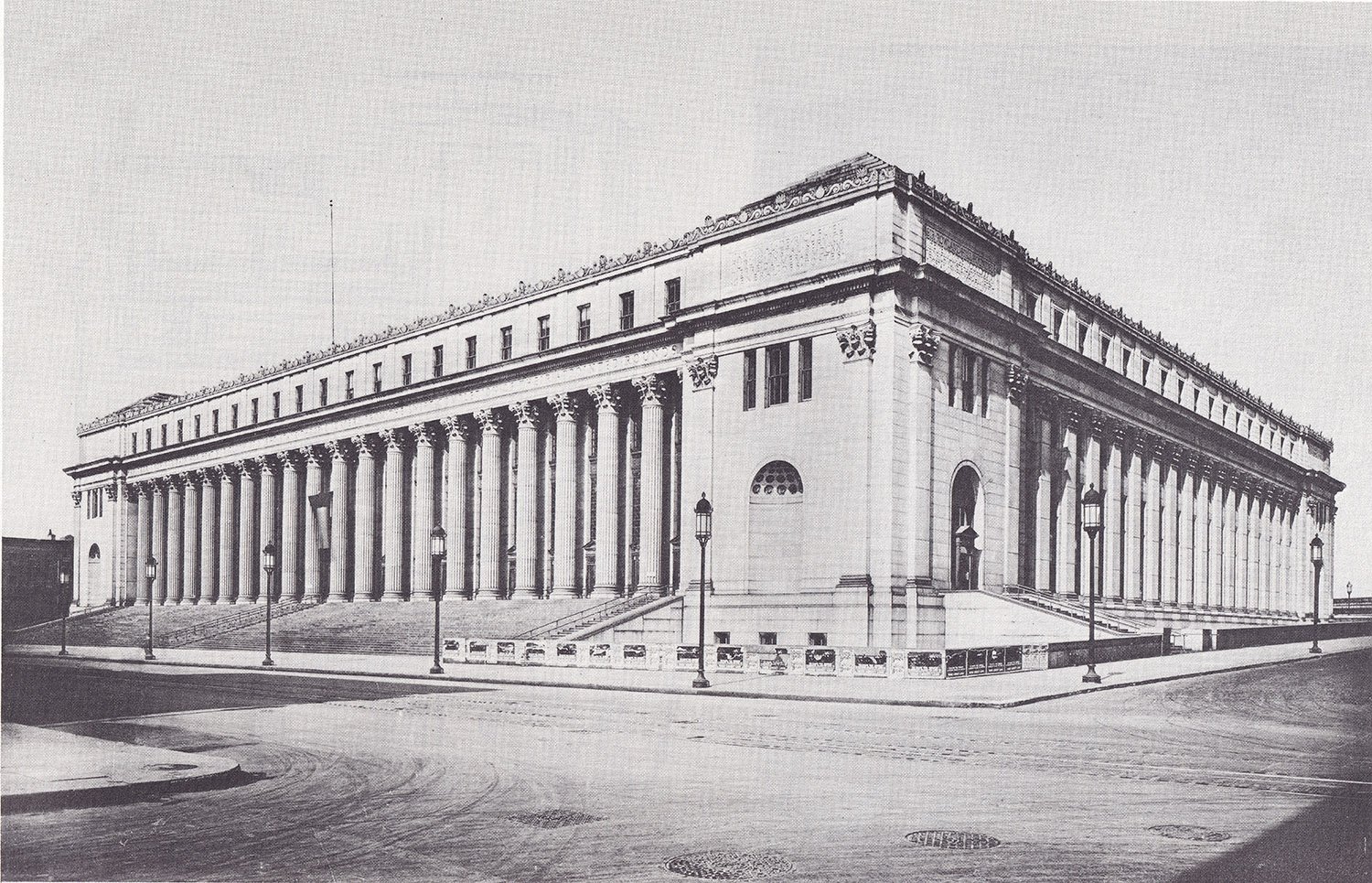
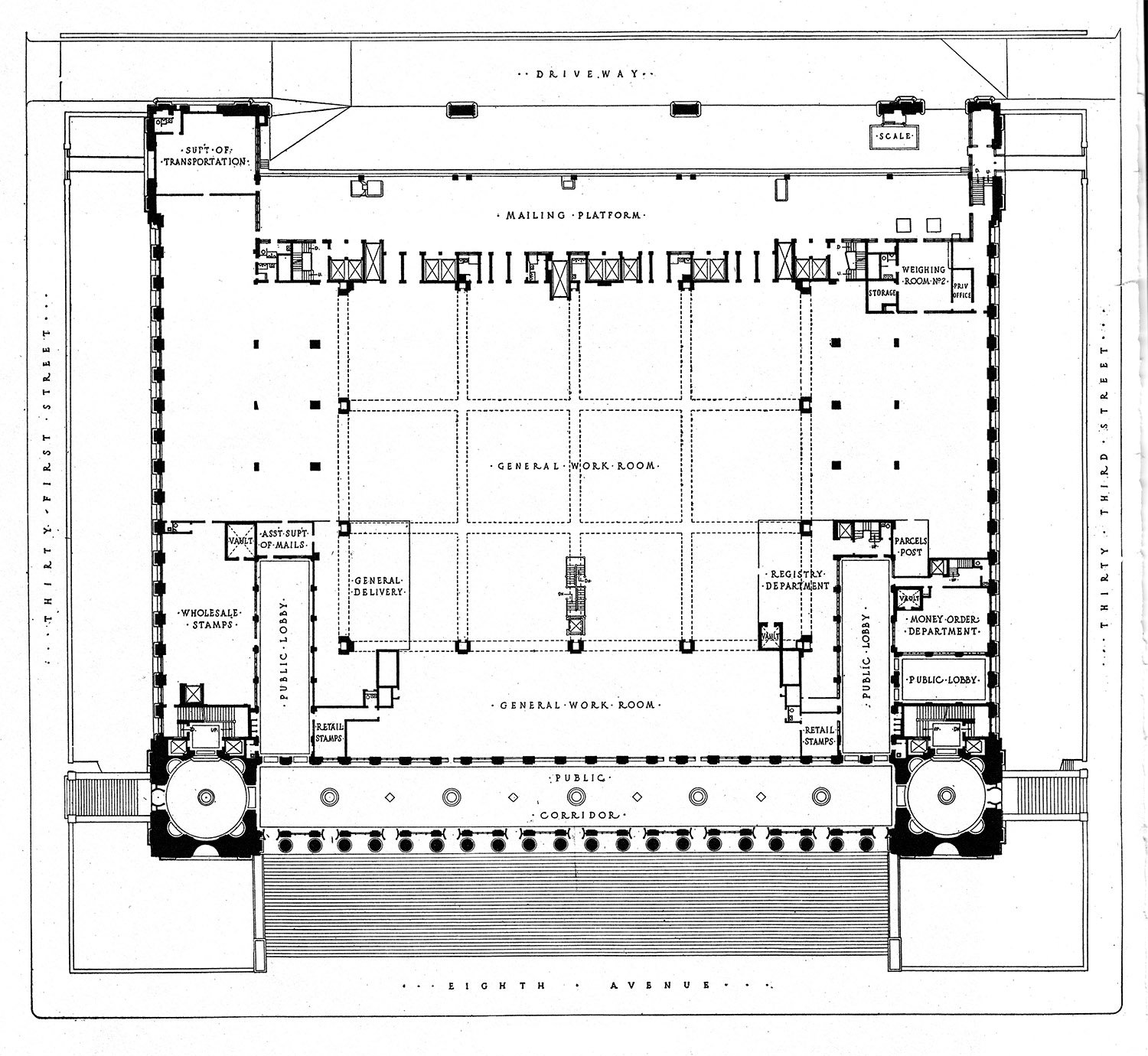
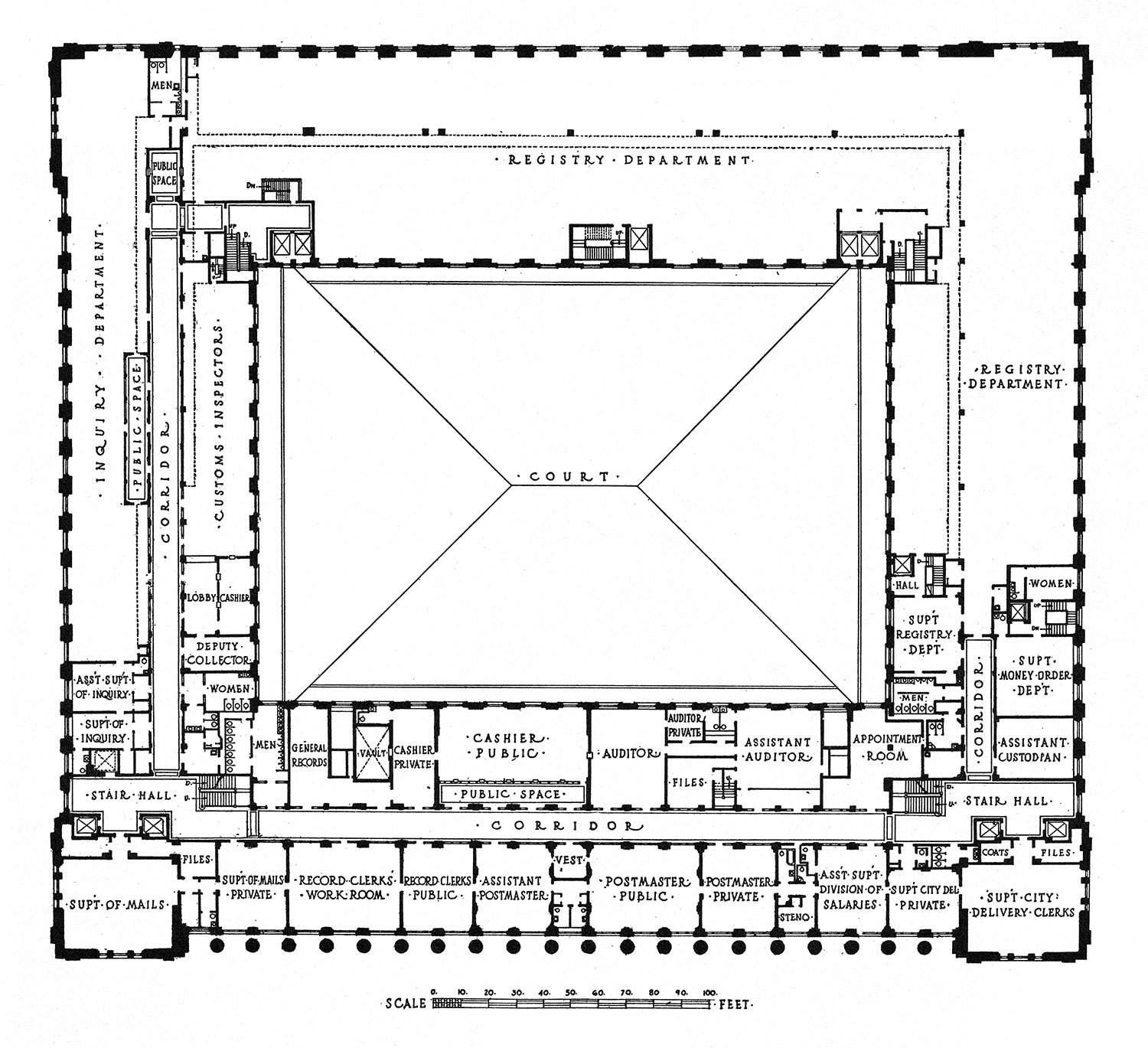
Built for a hefty $6 million, the original structure included over 400,000 square feet of floor space and was composed of 165,000 cubic feet of Massachusetts granite, 18,000 tons of steel, 7 million bricks, and 200,000 square feet of glass.2
Most of that glass was used in the giant skylight over the building’s central workroom, which was reportedly the largest room in the United States when the facility opened.3
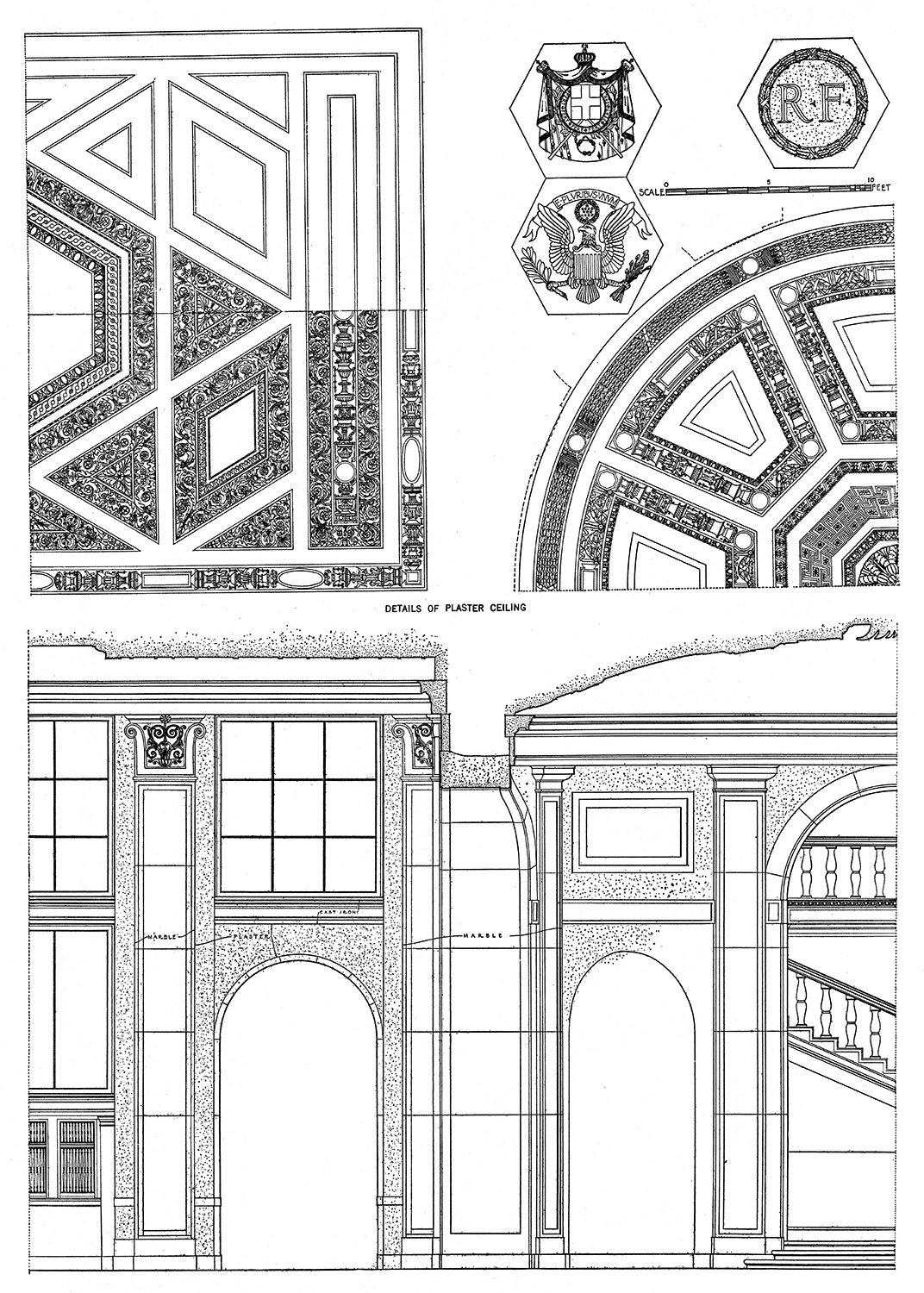
The building’s public-facing interior spaces were elaborately decorated with Tennessee marble on the floors and walls, topped by ornamental plaster ceilings featuring the seals of 10 nations recognized for doing “great things for the advancement of the universal mail service.”4
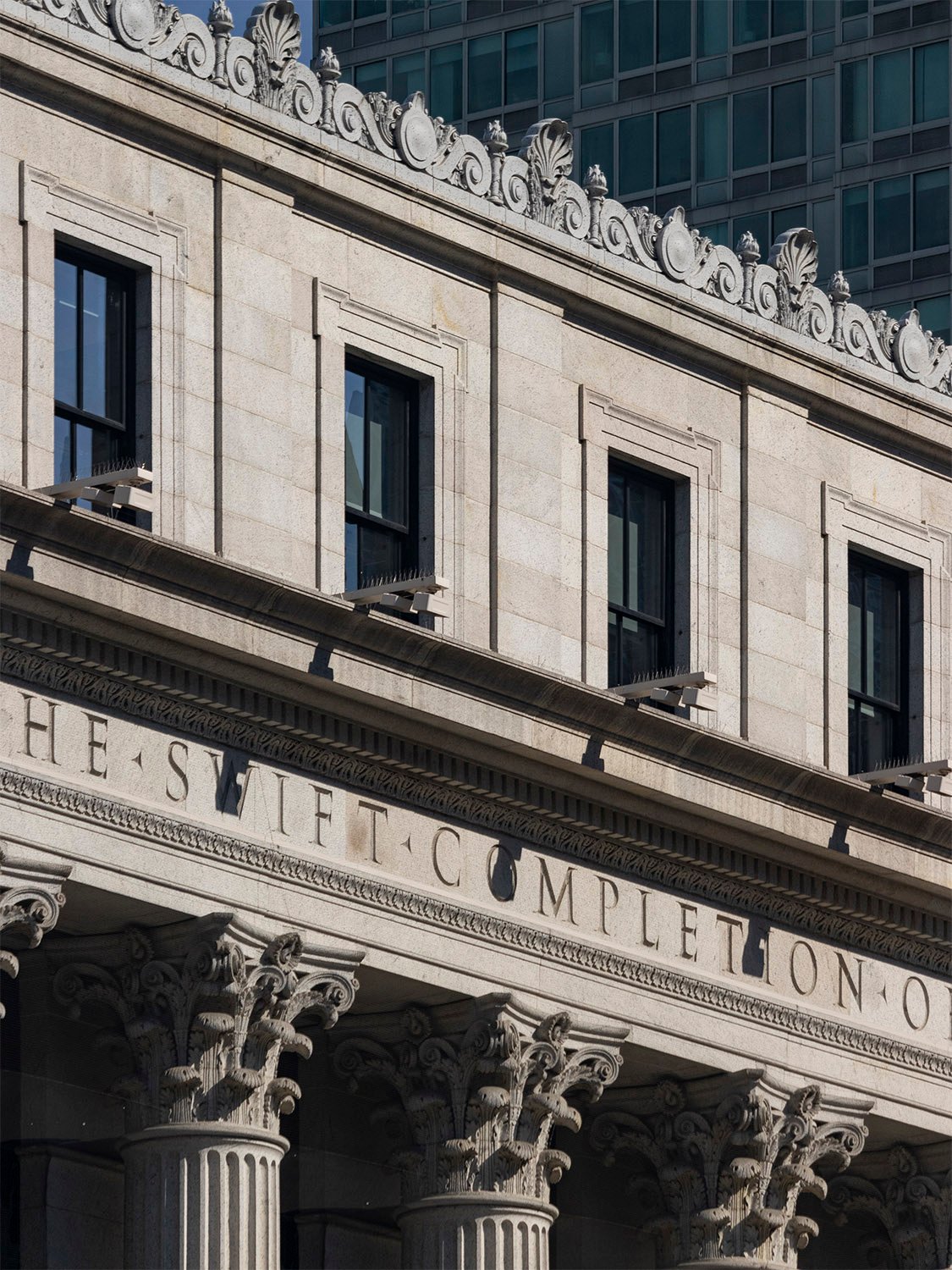
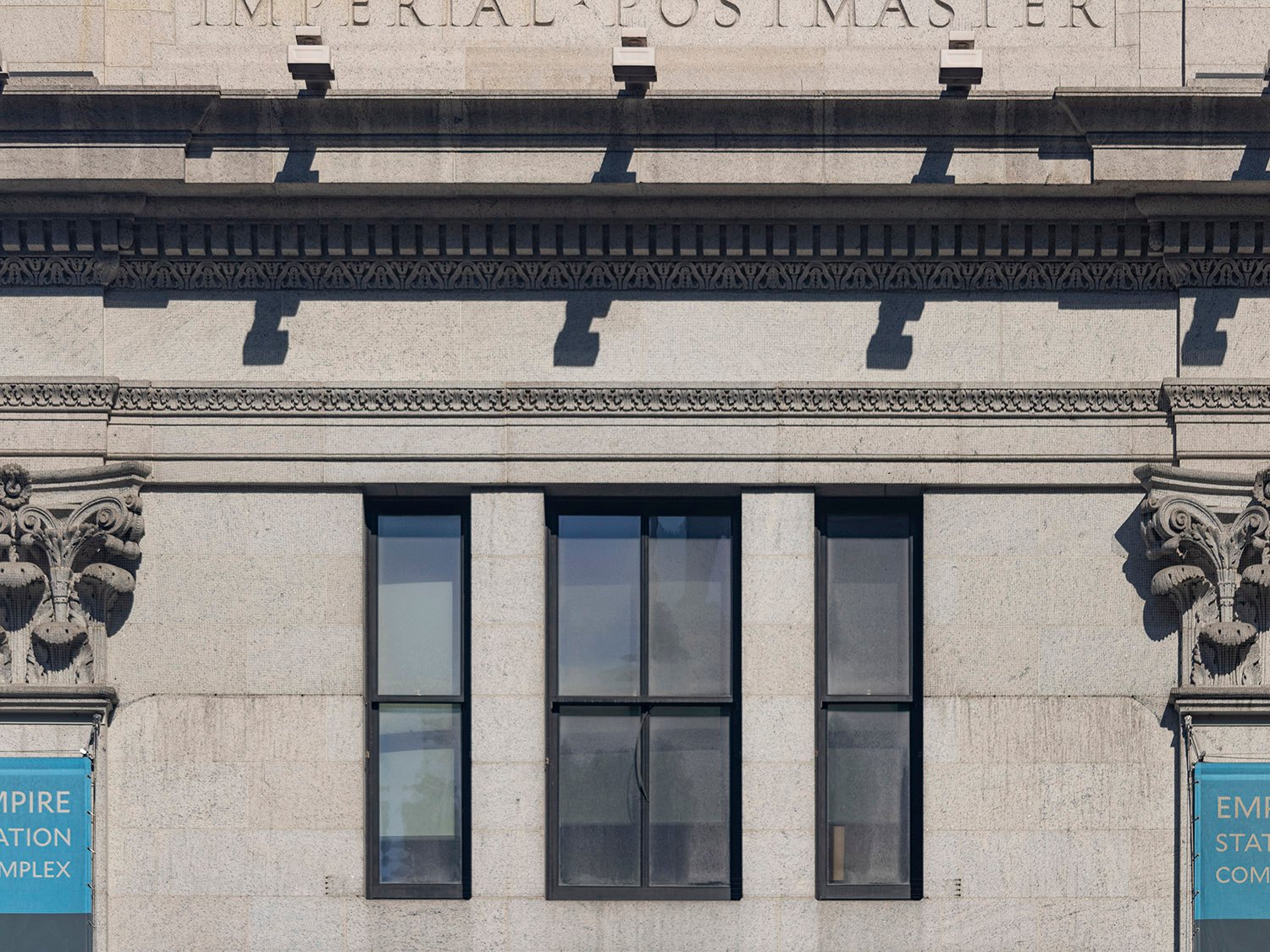
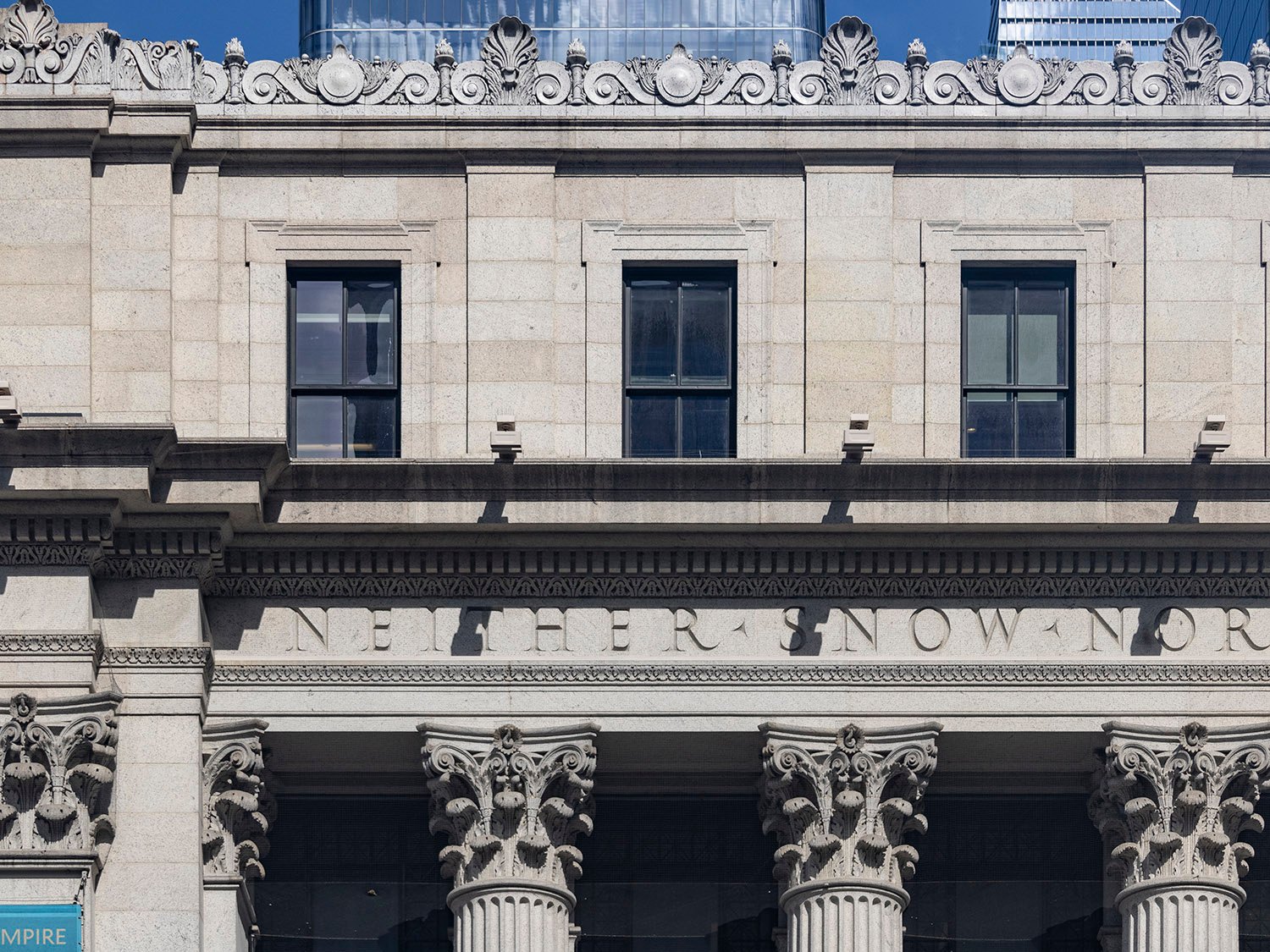
A Harvard professor reportedly suggested that the architects add the inscription spanning the building’s facade, quoting Herodotus: “Neither snow nor rain nor heat nor gloom of night stays these couriers from the swift completion of their appointed rounds.”5
The statement originally referred to mail service in ancient Greece, but its inclusion in the building’s design made it an unofficial motto of the U.S. Postal Service.
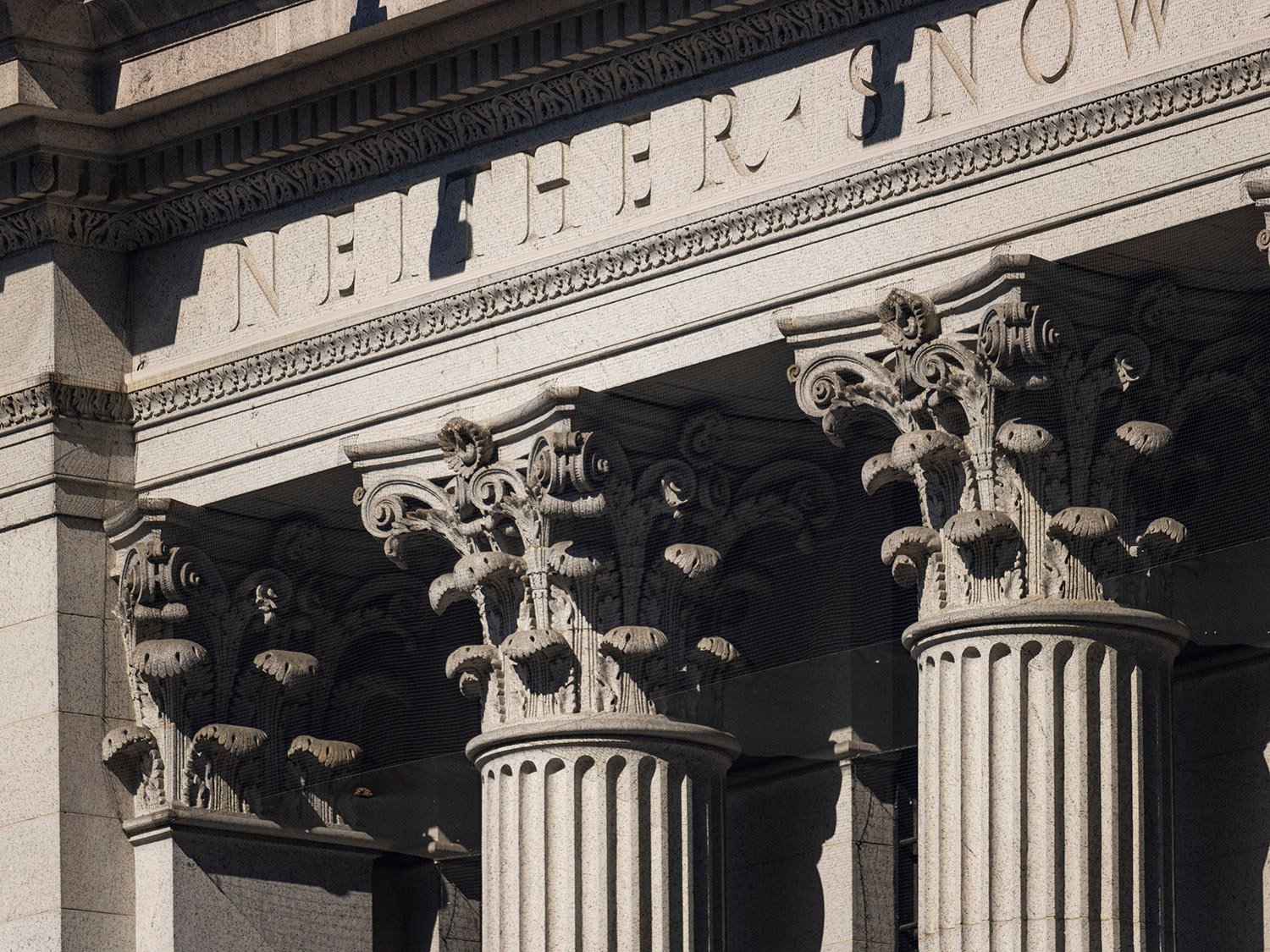
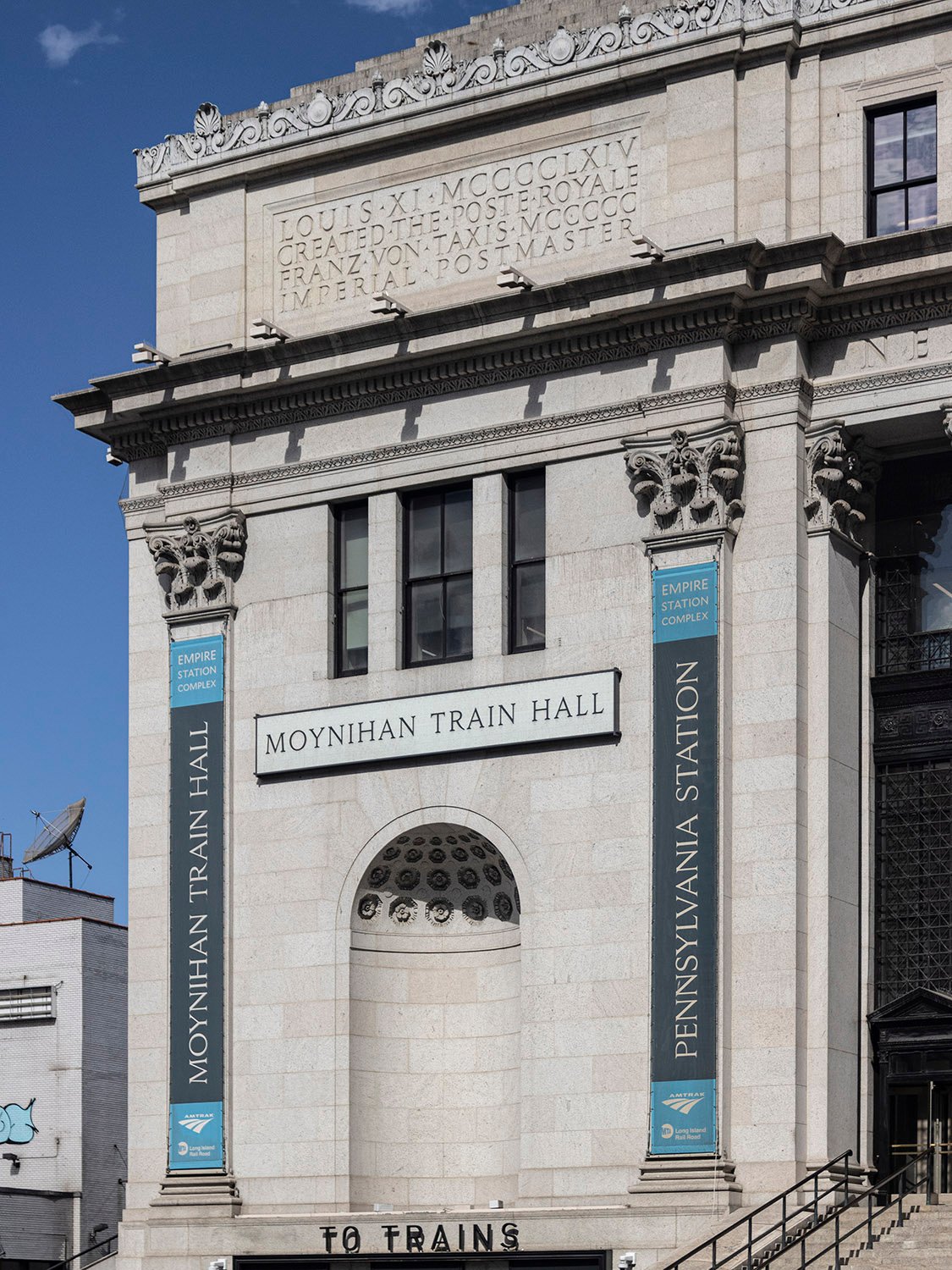
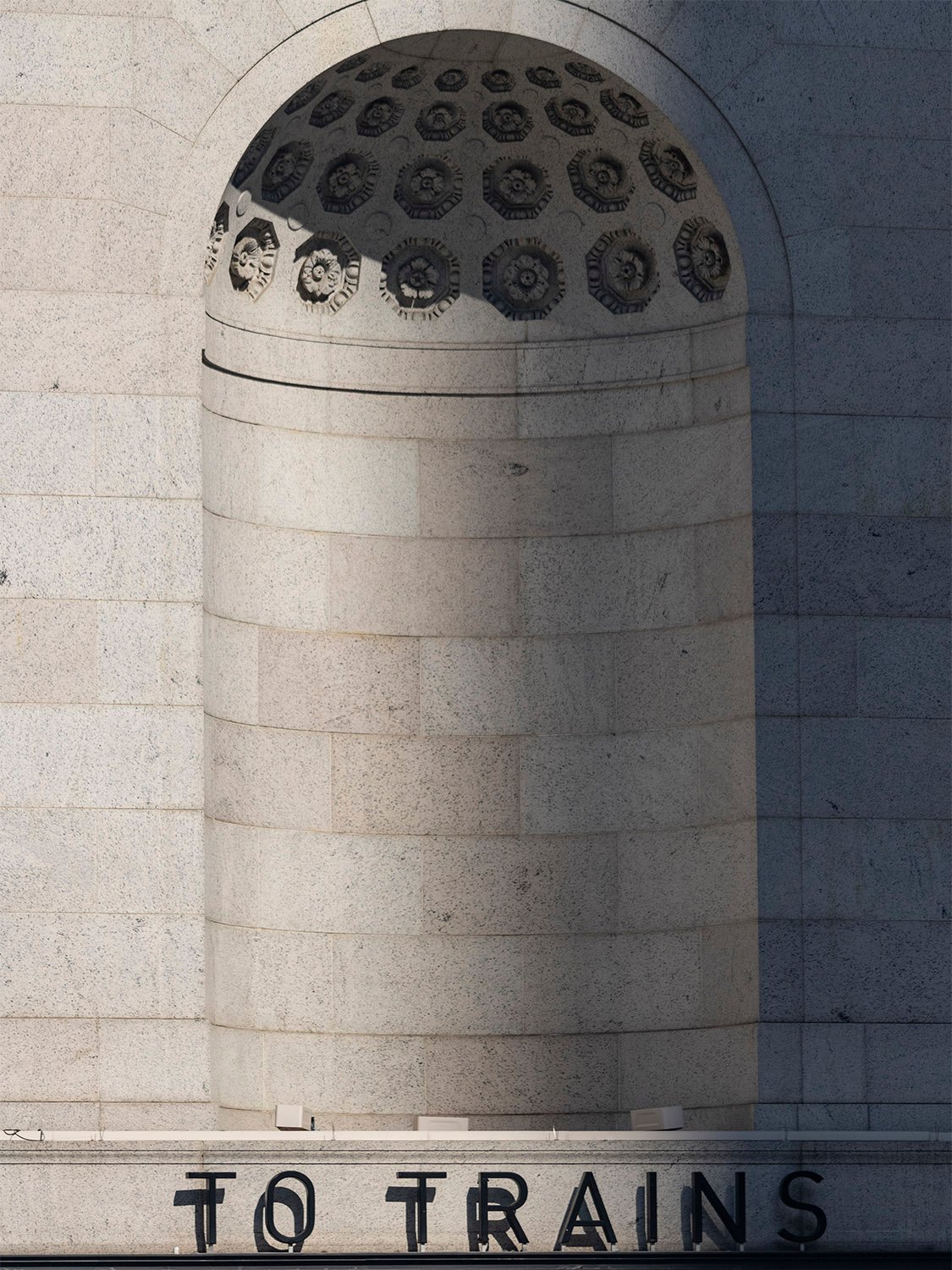
A portion of the building is still used as a post office, but the bulk of the structure now houses the Moynihan Train Hall, which opened in 2021.
The demolition of Penn Station is often cited as the event that launched the historic preservation movement in the United States, and the dark, dank, subterranean maze of low-slung corridors that replaced it is entirely unworthy of one of the world’s great cities.
Although that unnavigable mess still exists, the conversion of the former post office into a modern train hall has restored much-needed prestige to New York’s landscape, and it’s encouraging to see such a fine building put to a worthy new use.