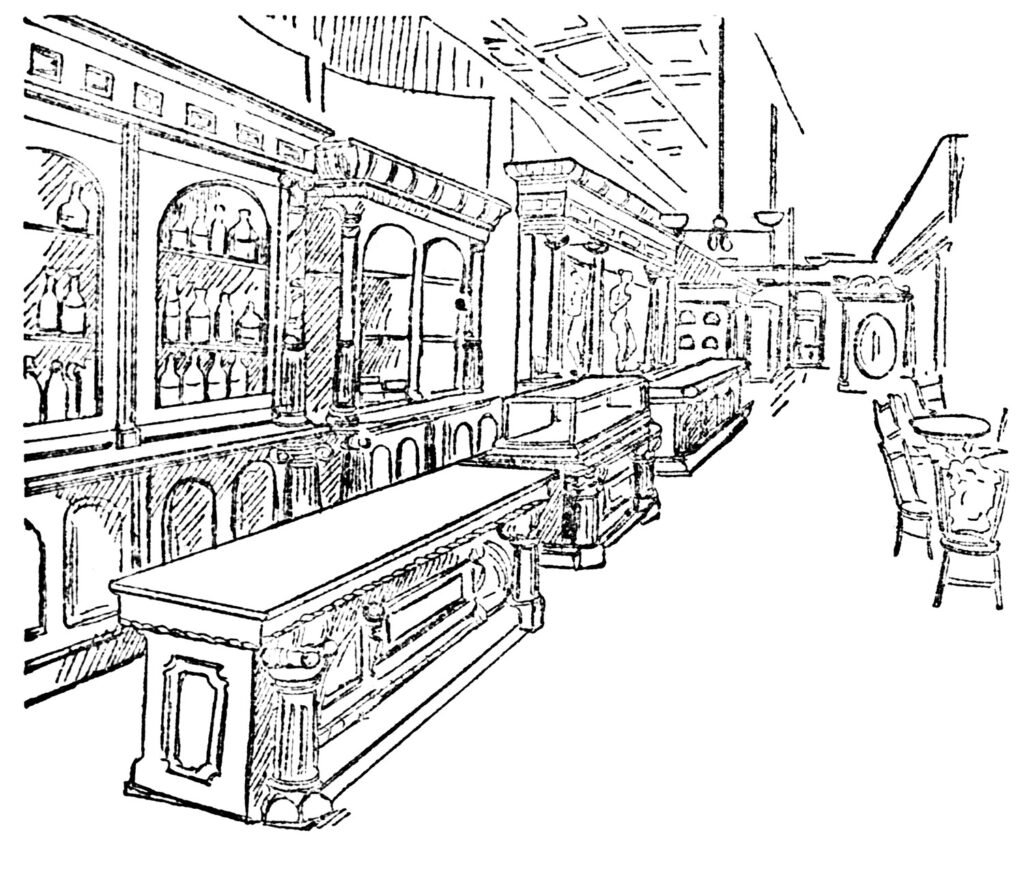
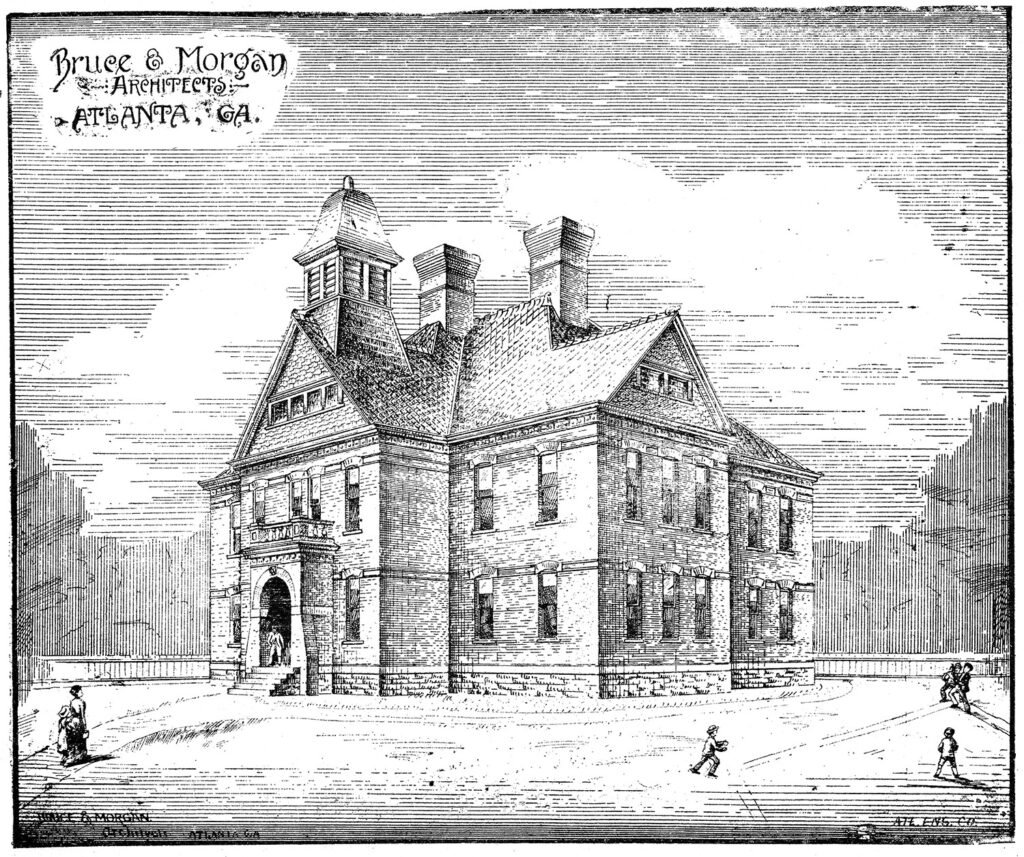
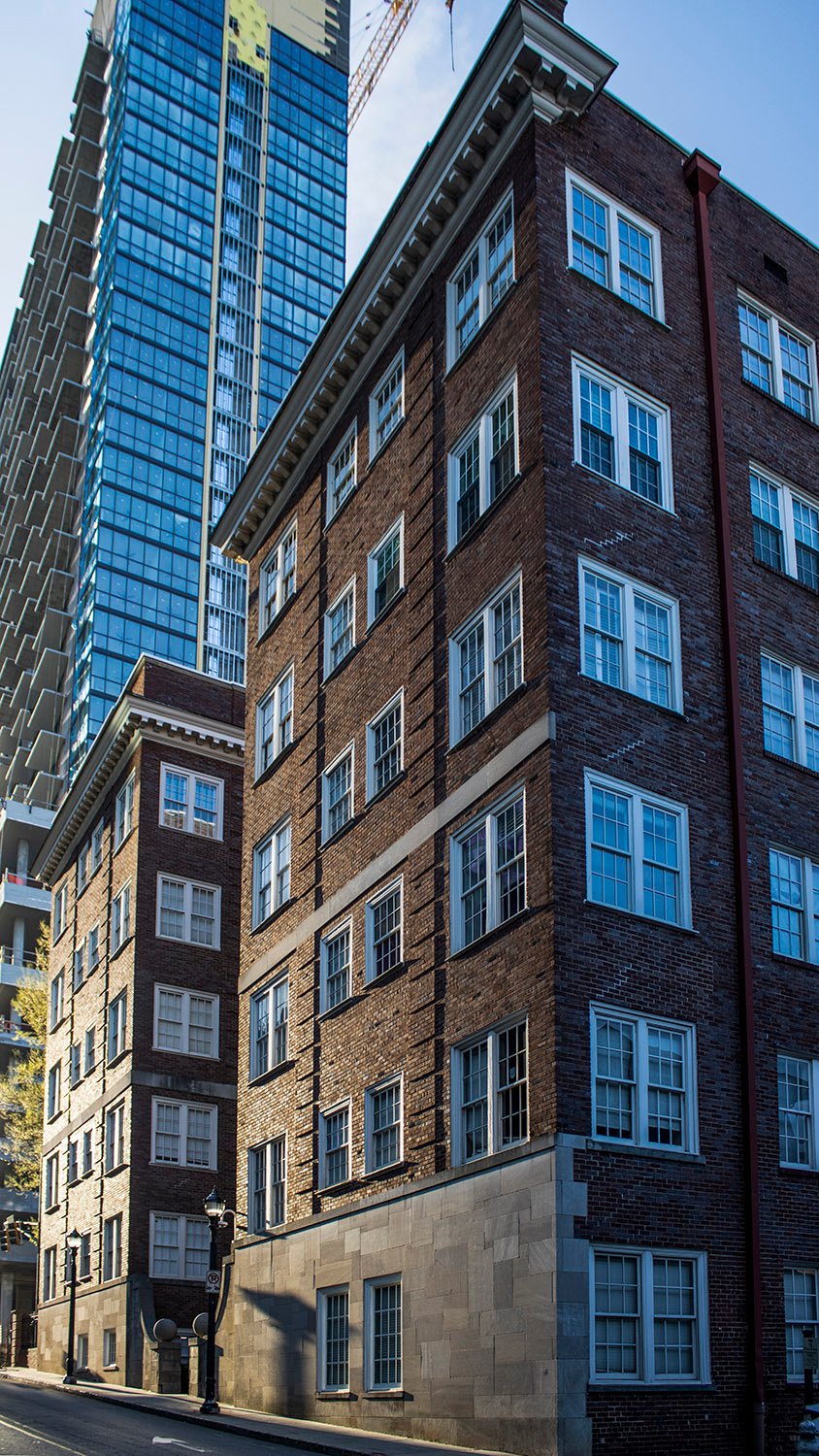
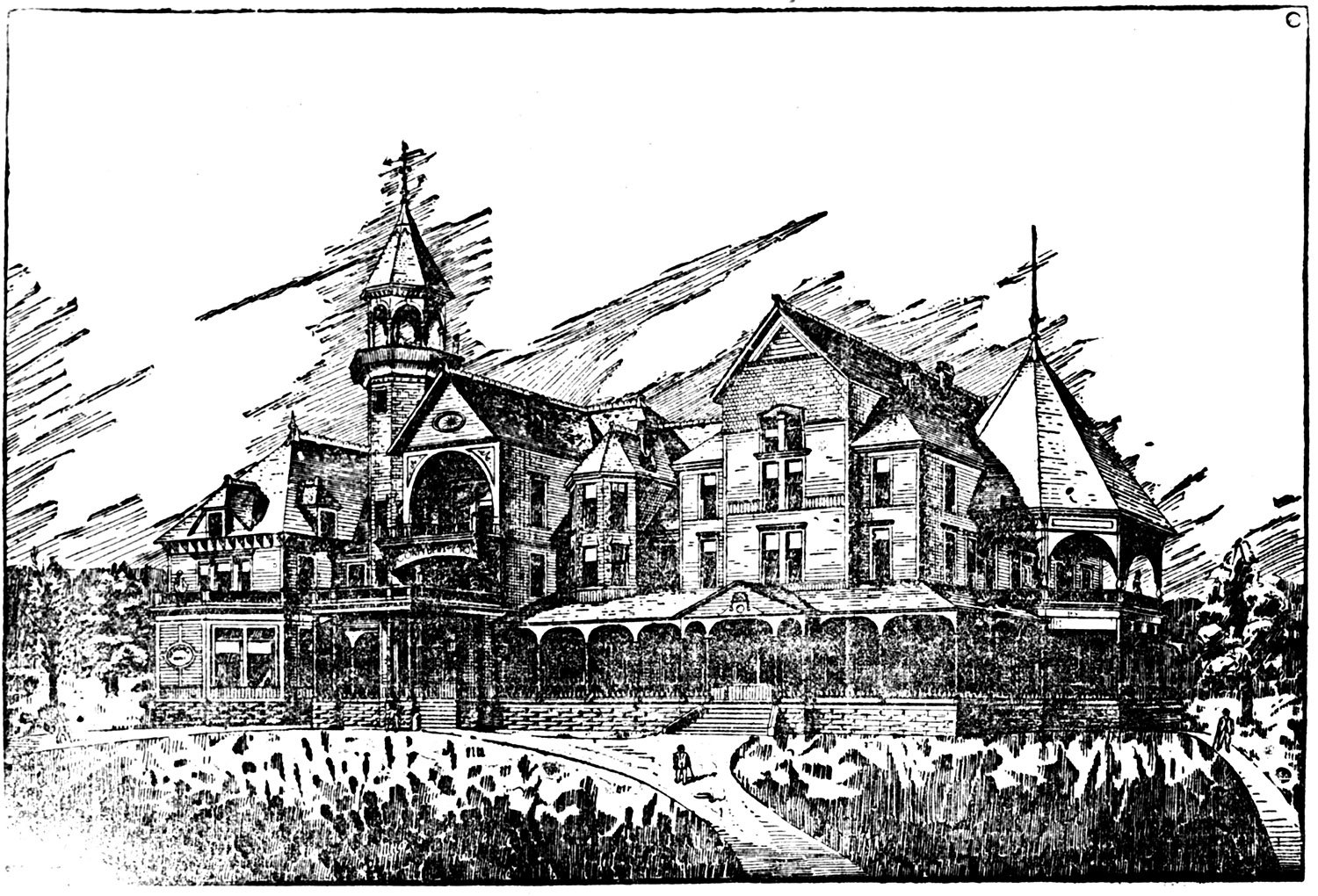
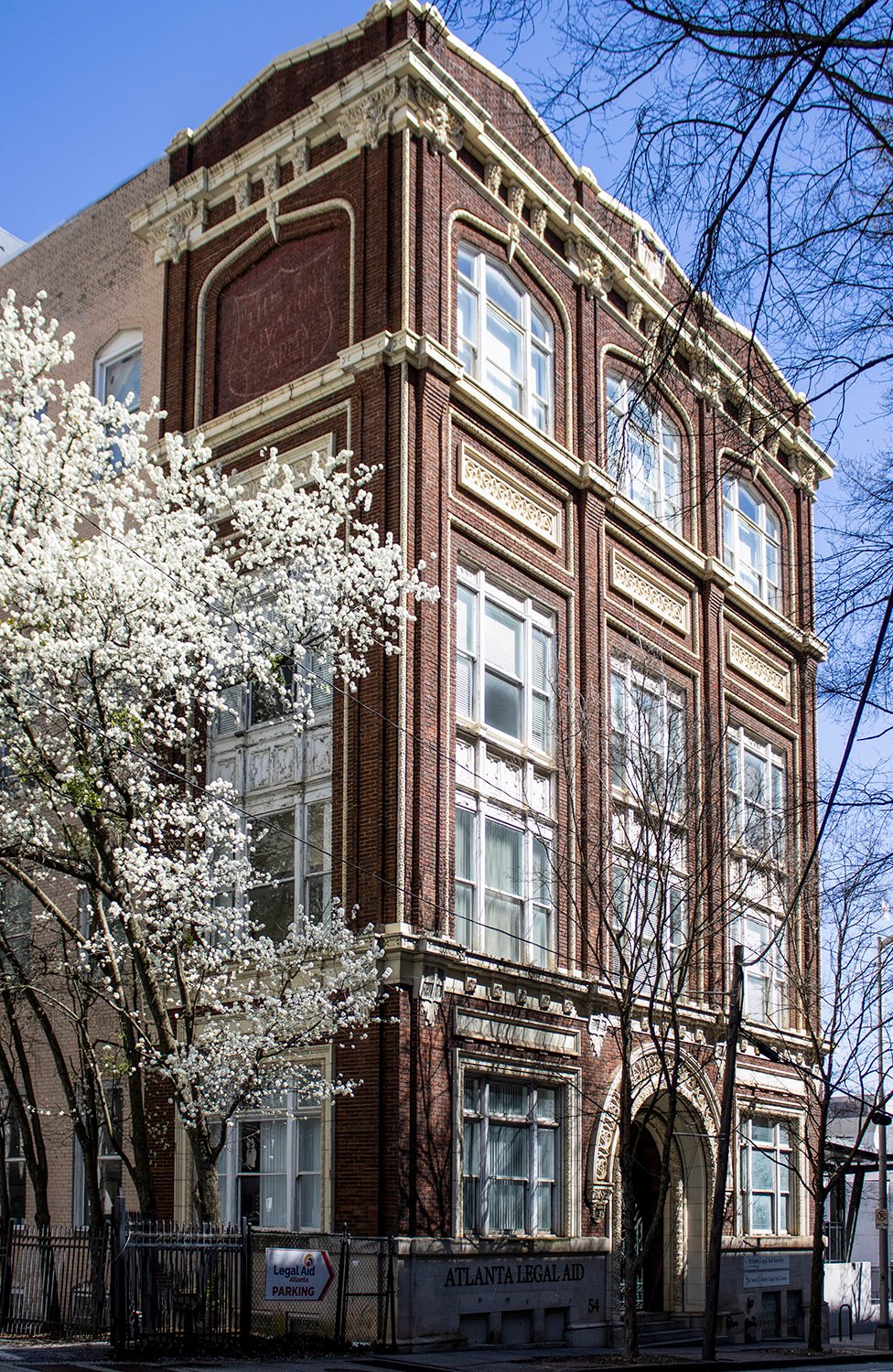
The following article, published in The Atlanta Journal in October 1892, describes The Casino, a bar that operated inside Atlanta’sKiser Law Building.
Five years after Atlanta’s failed prohibition attempt, its residents were drinking more than ever, and the city issued 80 saloon licenses in 1892.2
As the Journal noted in 1893:
“Now, there are about eighty saloons in Atlanta, and by calculating how many glasses of beer are drank an hour in each evening and then multiplying it by the number of saloons, those who do not think that beer drinking is vastly on the increase in Atlanta will find out their mistake.”3
The Casino tried to distinguish itself as a high-class establishment, and catered exclusively to “first-class trade,”4 but in a building full of lawyers, that was a lofty aspiration.
It isn’t clear who designed the bar, but the writer of the following article (I suspect it was Walter H. Howard) described the Casino’s interiors as “furnished like unto a king’s palace” and concluded objectively: “well, it is just a great place.”
A Constitution report from November 1892 provided additional notes, stating that the bar fixtures were “some of Rothschild‘s best makes”, and that the proprietor, Emil Selig, stocked “nothing but the very best to be had in choice brands of wines, liquors and cigars,” with attendants who were “willing to dispense the choicest drinks known to he barkeepers’ art.”5
The included menu below is, well, an interesting look at what people were eating at the time. Bet their shit stank something awful.
Of course, Atlanta always has to compare itself to the better cities of the North, and the Casino’s stated intent was to be “to Atlanta what the Hoffman house bar is to New York.”
That never happened. Despite early descriptions of the bar’s “crowds, who flock daily there”,6The Casino was out of business by early 1894.7
The Casino Now Open
This Palatial Bar Ready For Business.
Magnificent Saloon in the Kiser Building
To Atlanta What the Hoffman House Bar is to New York.
A Description of This Elegant Bar–A Rush at the Grand Opening Today–Catering for the Best Trade.
The magnificent Casino bar in the Kiser building was thrown open to the public today.
There was an immense gathering there at the time and all day the clerks have been as busy as bees.
Everybody admires the exquisite furniture and furnishings, the immense buffet of marble, antique oak and French plate glass mirrors with their mahogany finish and statuary ornaments.
The room is about 25×100 feet, and it is furnished like unto a king’s palace. The long, rich counters of antique oak with mahogany and marble finish, and the great mirrored sideboards and cabinets, the beautiful frescoed walls and statuary ornaments, the rich, dazzling curtains, the pretty linoleum floor, the costly buffet, the dainty sixteenth century chairs and tables, the smoking hot lunches and the sparkling wines and liquors–well, it is just a great place.
The Casino is a success from the very jump. It is such a place as has been demanded for a long time and of course it will be liberally patronized.
The Casino is now on full blast. The hot lunches will be one of its features will be served daily from 11 to 2 o’clock. Cold lunches will be served at all hours.
The very finest wines and liquors will always be kept in stock, as will also the best tobacco and cigars.
Following is the bill of fare as served today from 11 to 3 o’clock:
MENU
SOUPS.
Cream of celery.
Peru tomato.
Cold slaw. Onions. Slice tomatoes.
FISH.
Boiled snapper, Anchovy sauce.
Pickles. Olives. Diced potatoes.
BOILED.
Ham. Tongue.
ENTREES.
Saut of kidneys au champignos.
Potato salad. Sous Herring.
Salmon. Ox maul salad.
ROAST.
Sirloin of beef (soured) a la Jardinare.
Ferris ham. Champagne sauce.
COLD.
Smoke tongue. Ham.
VEGETABLES.
Mash potatoes. Tomatoes. Stuffed peppers.
EXTRAS
Edam cheese. Roquefort cheese.
Swiss cheese. Russian caviar crackers.
The drinks today were all to the health of Mr. Emil Selig and the Casino.
The very best clerks and attendants have been secured, Mr. R.J. Lewis, the well known club superintendent, being assistant manager.
Mr. Selig assures his friends and patrons that neither money nor pains will be spared to make the Casino not only the finest and most magnificent bar in Atlanta, but he don’t [sic] propose to let any place in the south eclipse it.
His purpose is to make the Casino to Atlanta what the Hoffman house bar is to New York.
The Casino has steam heat and both gas and electric lights. It will cater to the best trade and keep in stock such articles are demanded by that trade.8
References
Illustration credit: “The Casino Now Open”. The Atlanta Journal, October 11, 1892, p. 3. ↩︎
“City Notes.” The Atlanta Constitution, June 23, 1892, p. 5. ↩︎
“Tea Table Topics”. The Atlanta Journal, January 4, 1893, p. 4. ↩︎
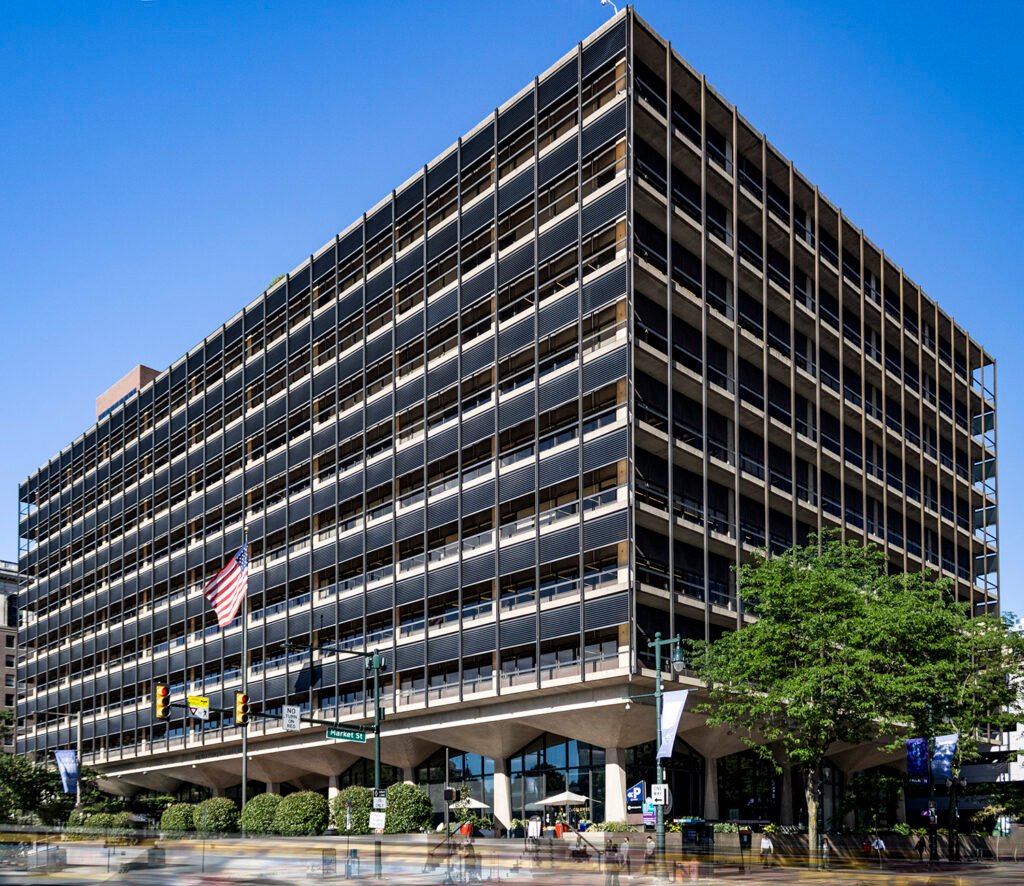
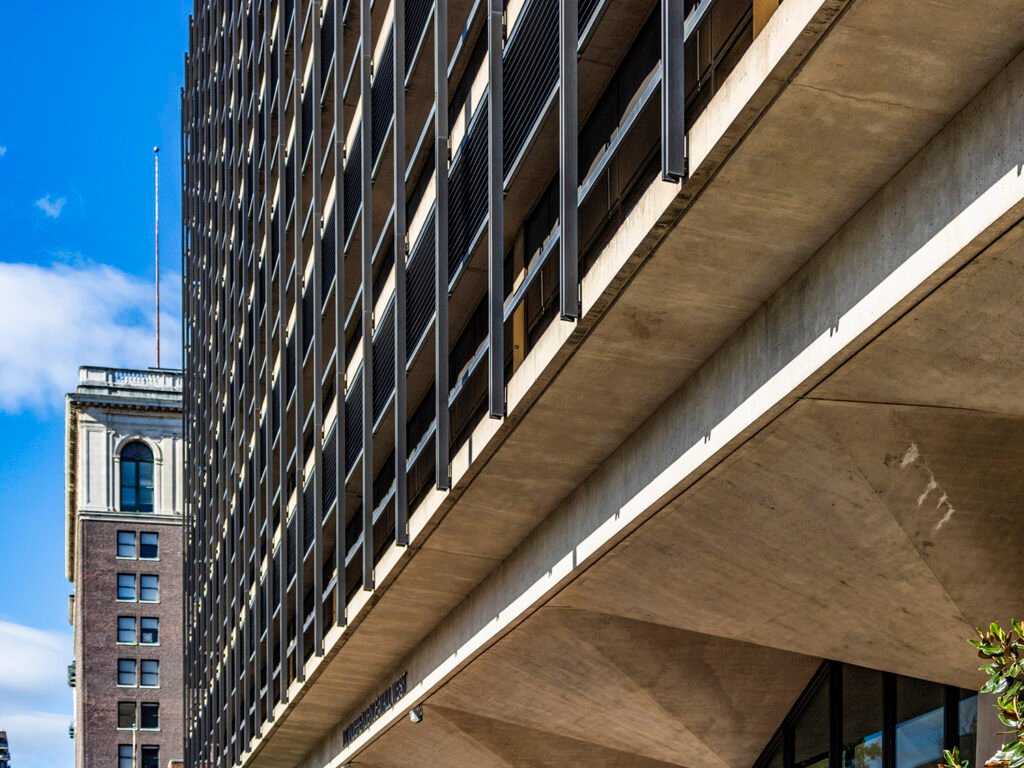
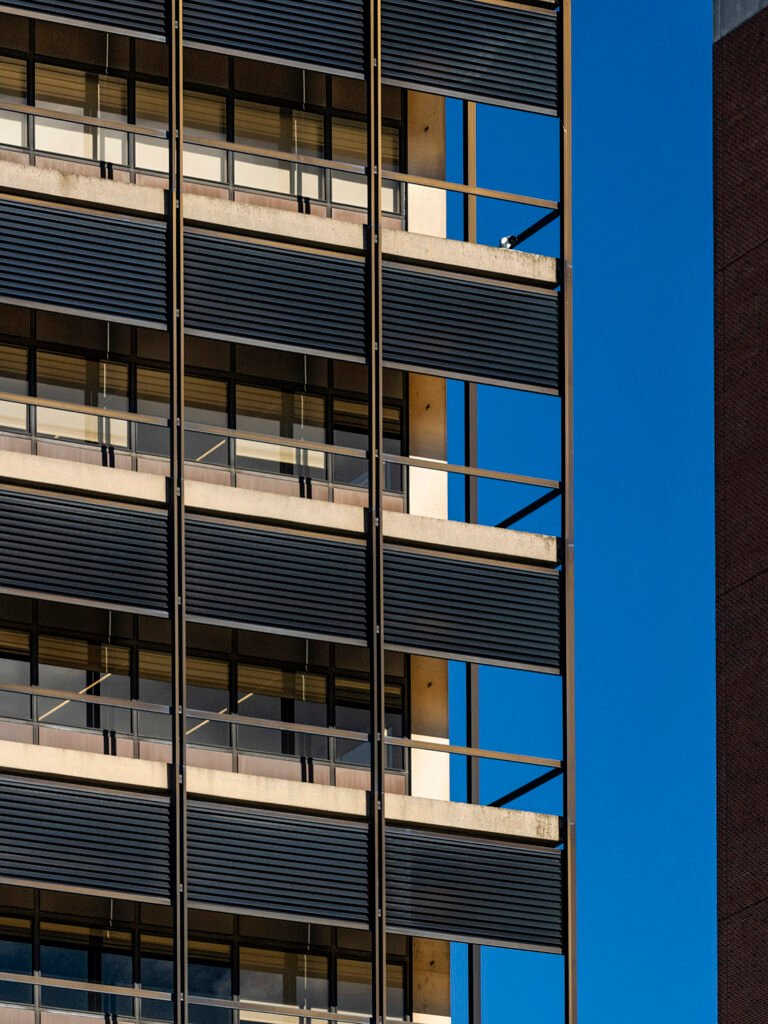
Pietro Belluschi with the George M. Ewing Company. Rohm & Haas Corporate Headquarters.12 Philadelphia.Looking across the east facade of Rohm & Haas Corporate HeadquartersSun screens on Rohm & Haas Corporate Headquarters
References
“Rohm & Haas builds for the future in Philadelphia” (advertisement). The Philadelphia Inquirer, June 28, 1965, p. 9. ↩︎
“Rohm & Haas Moves Into 9-Story Building, Joins 41 Departments”. The Philadelphia Inquirer, June 28, 1965, p. 18. ↩︎
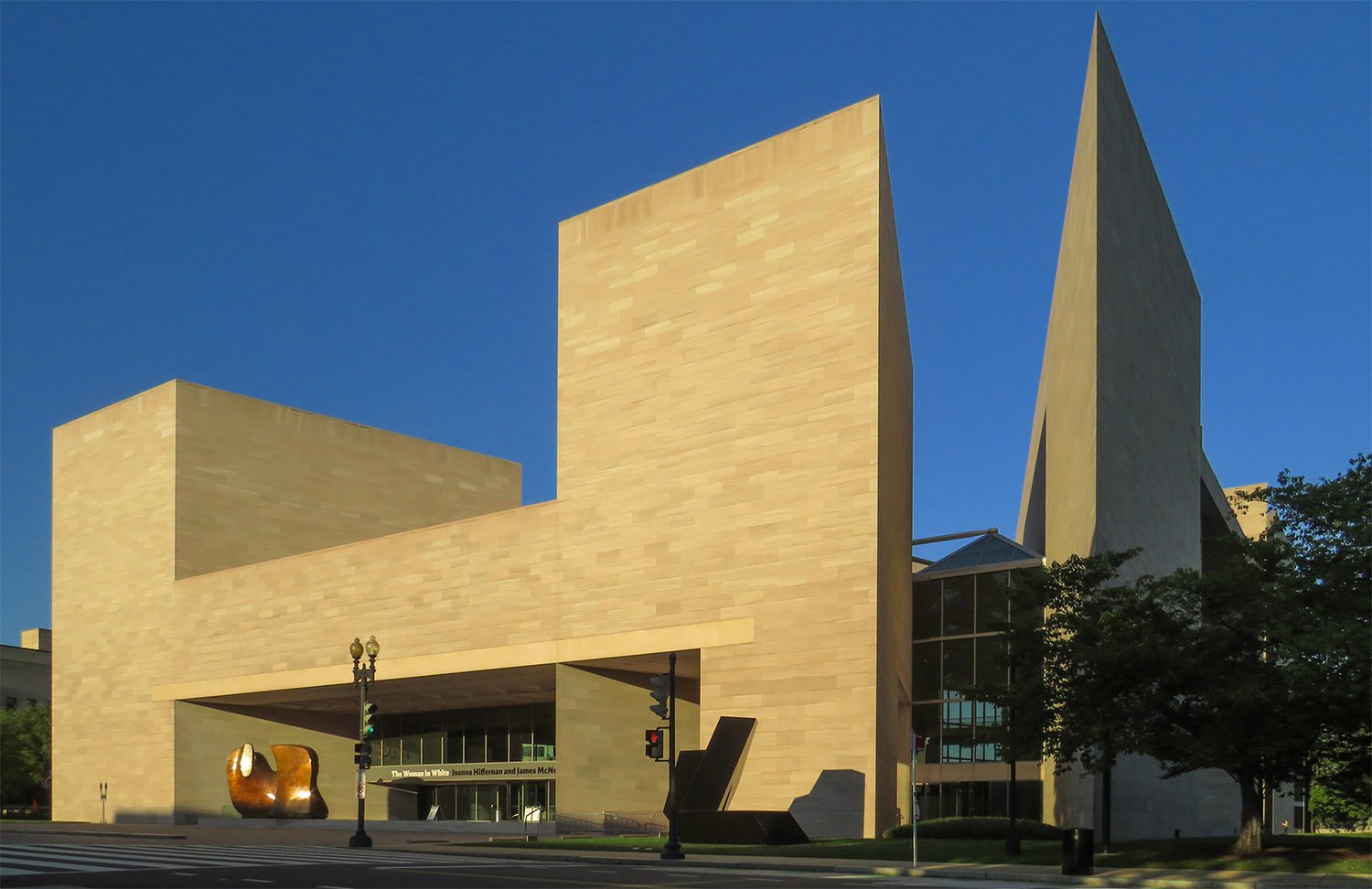
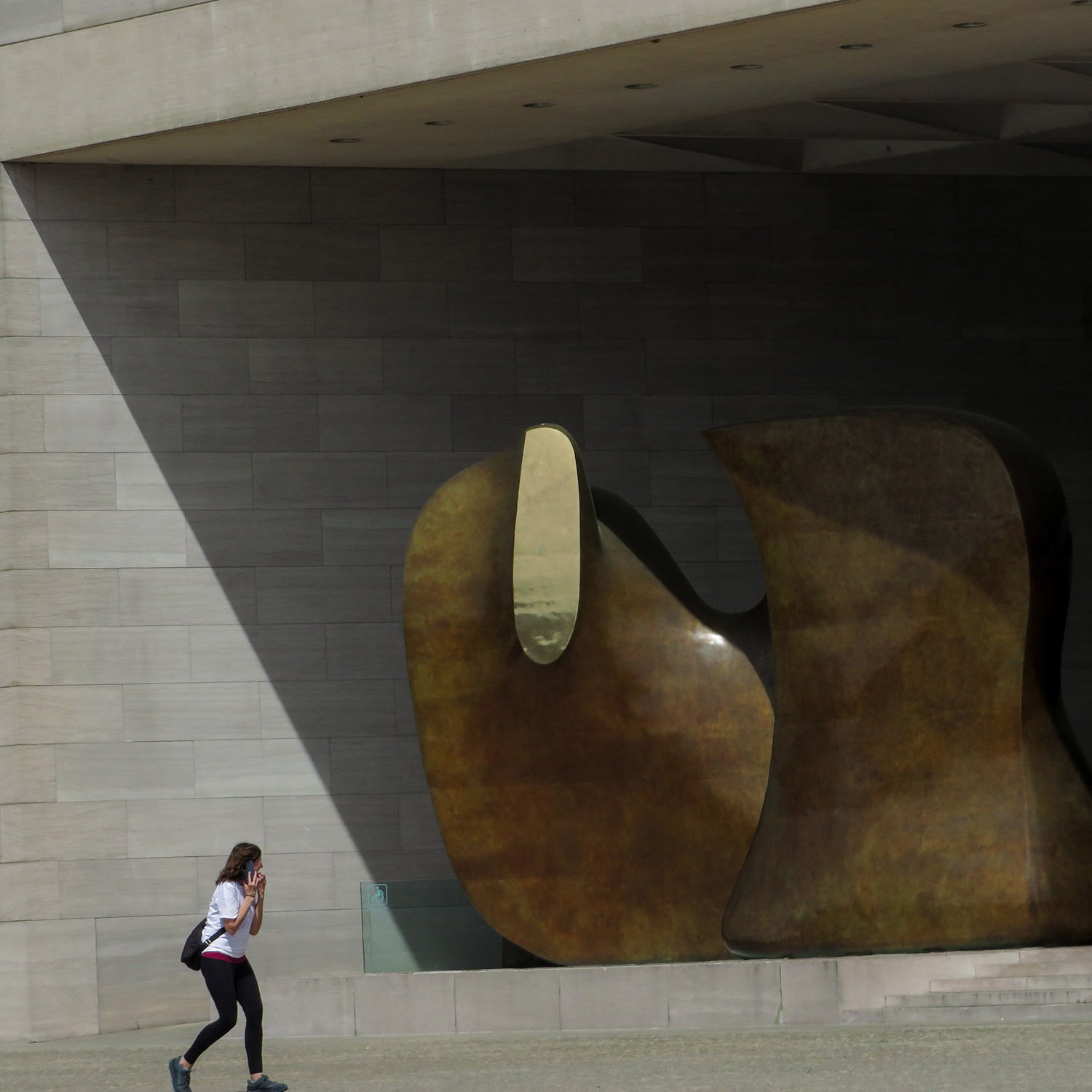
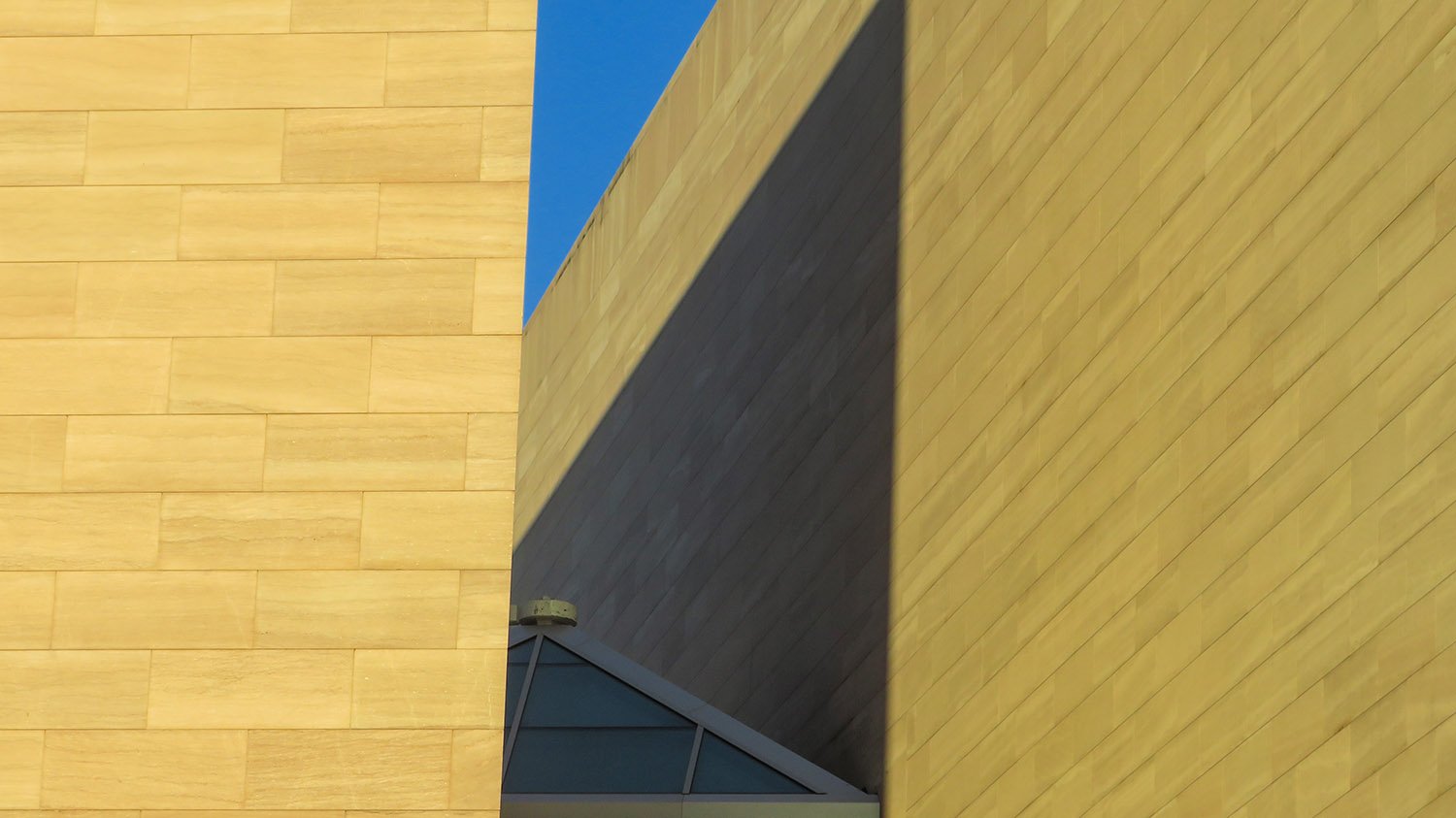
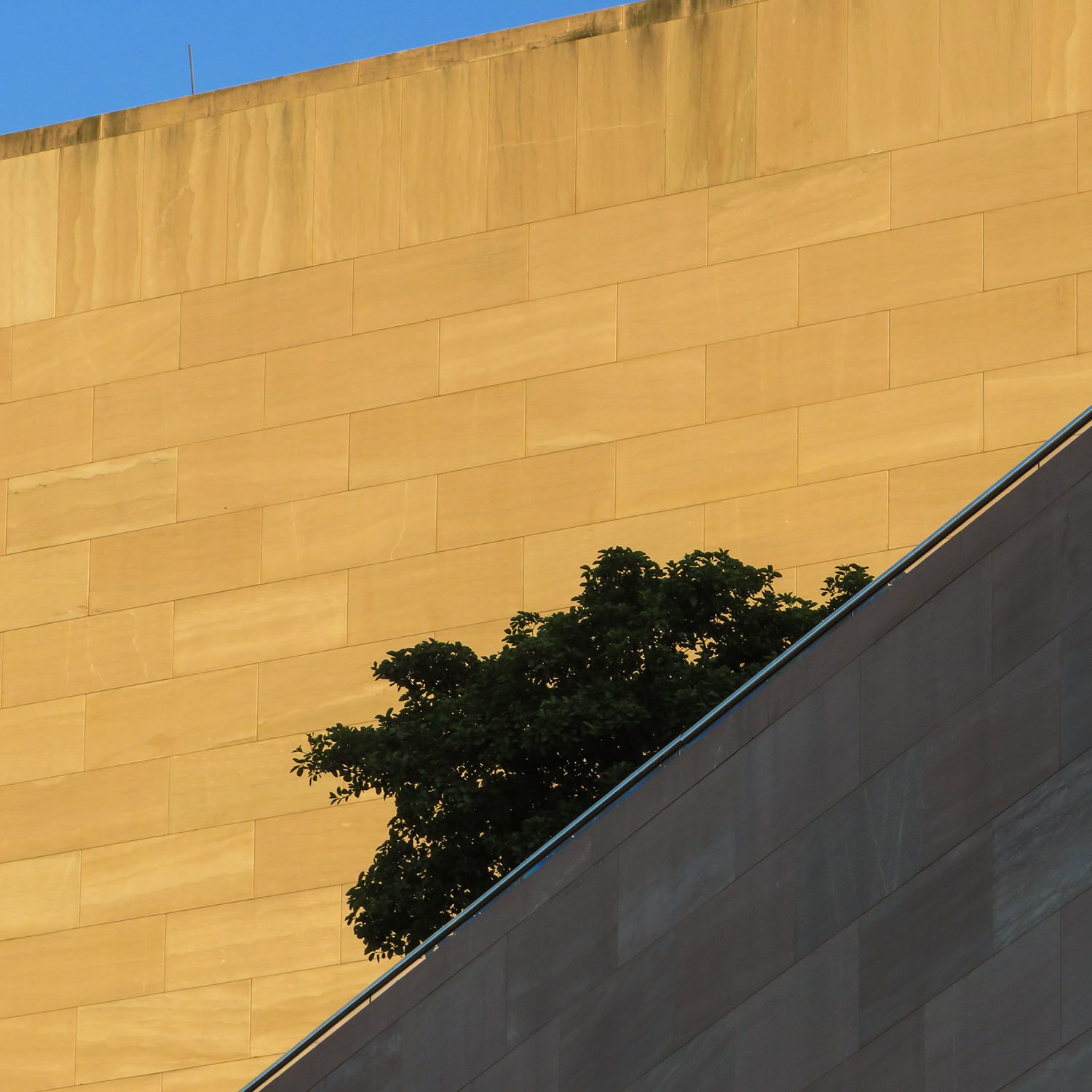
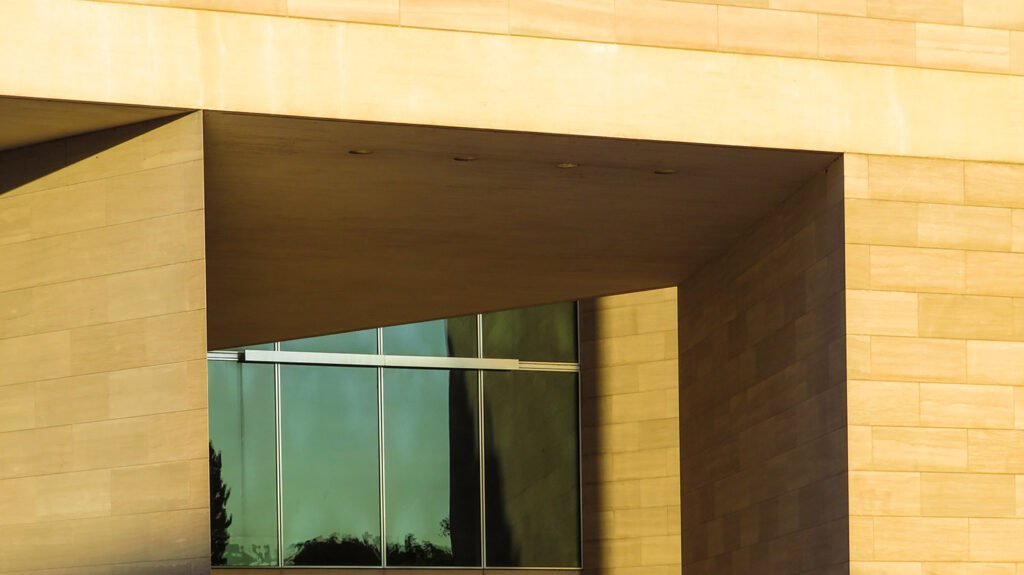
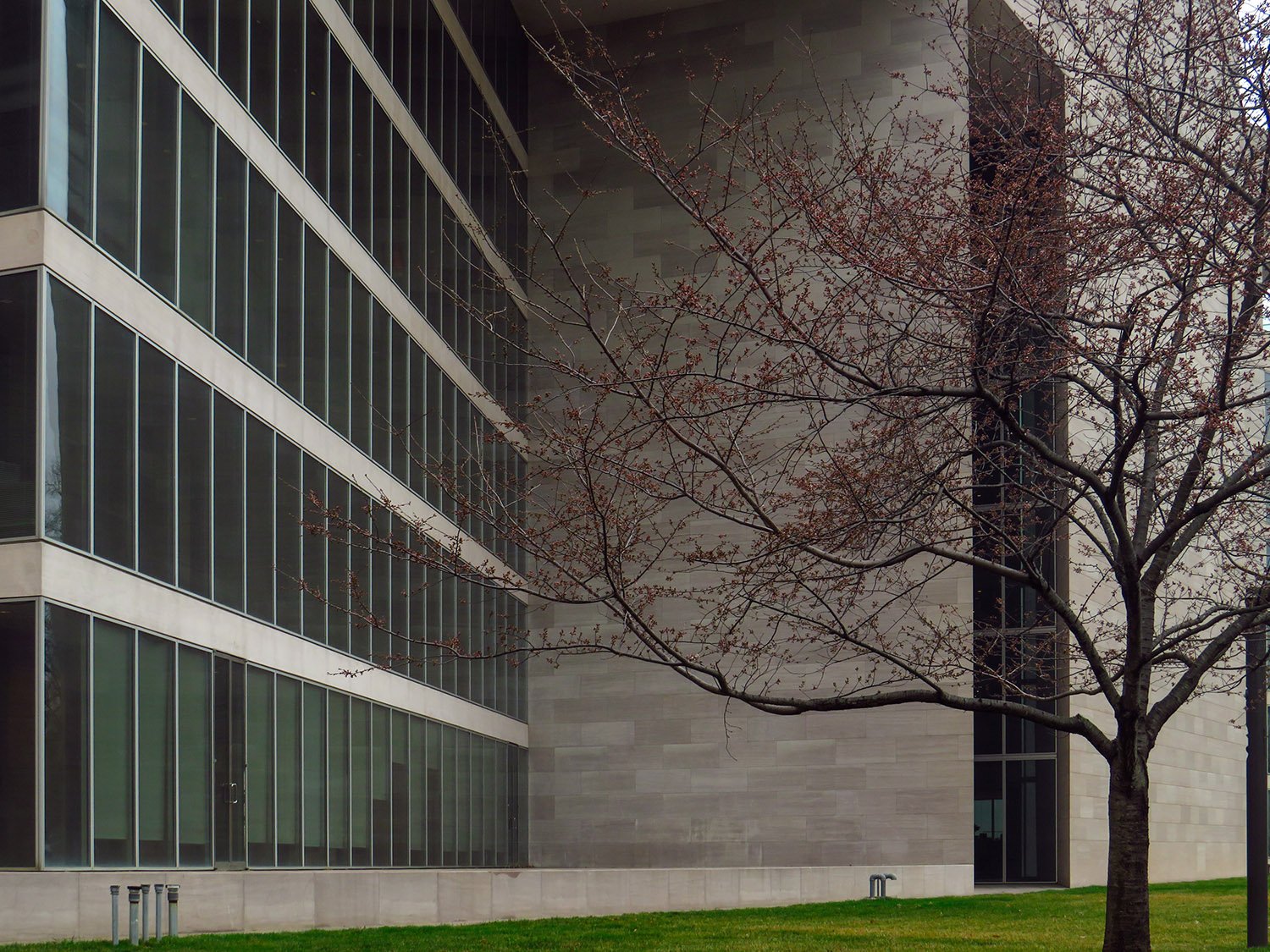
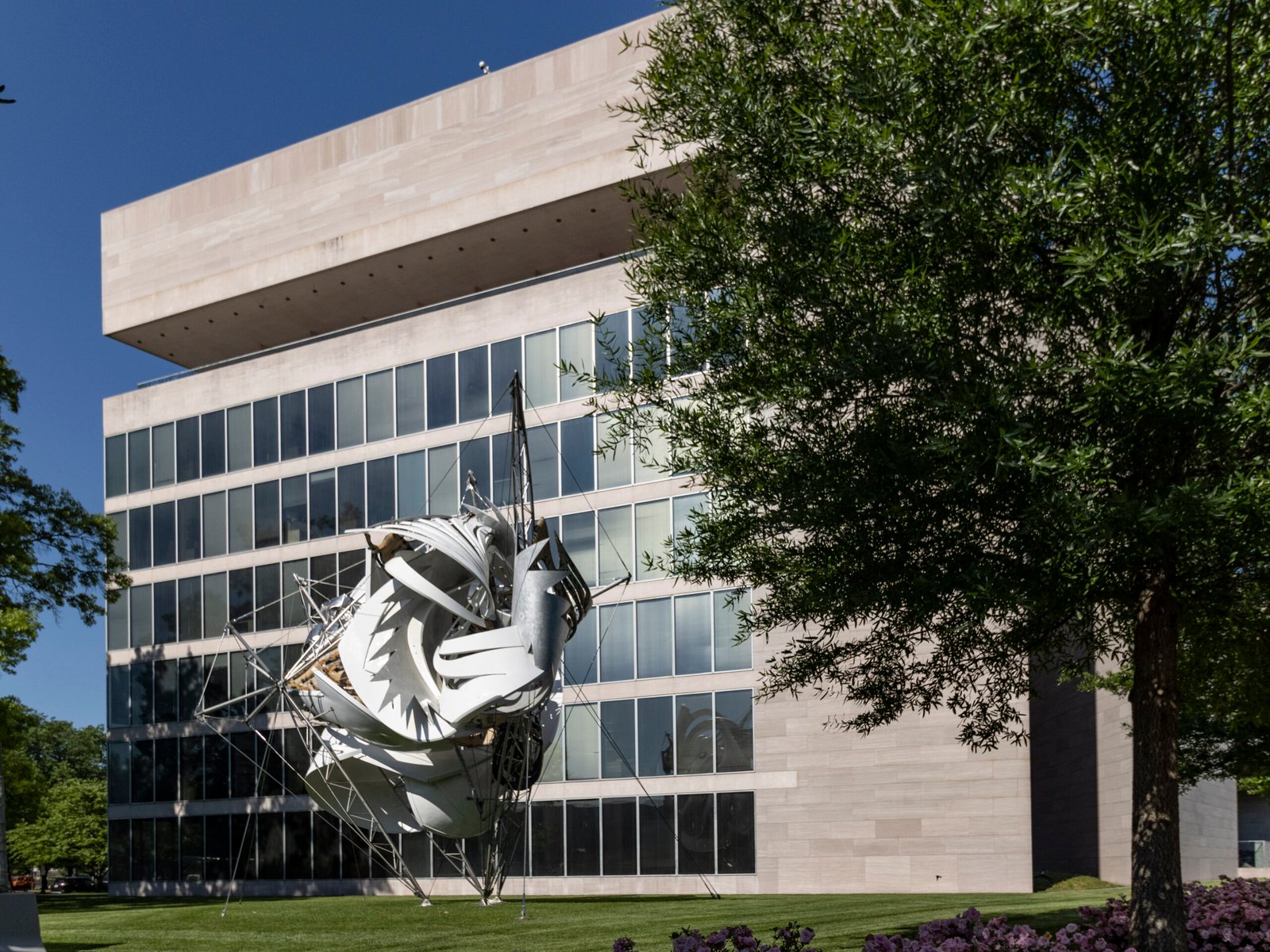
I.M. Pei and Eason H. Leonard of I.M. Pei & Partners. East Building, National Gallery of Art (1978). Washington, D.C.12Henry Moore. Mirror Knife Edge (1977).3West facade of the East Building.South facade of the East BuildingEast facade of the East Building
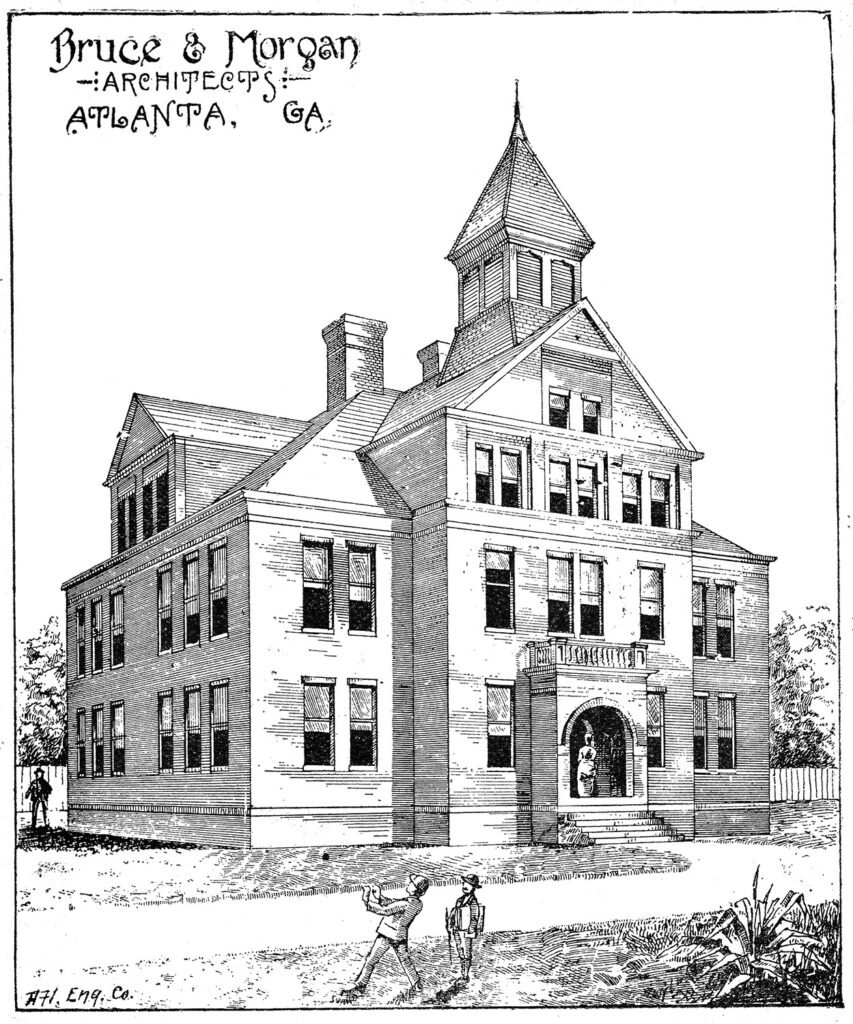
Bruce & Morgan. Fifth Ward Grammar School /Wallace Street School / State Street School (1890-1929). Atlanta.1
The Background
The following article, published in The Atlanta Journal in July 1890, describes Atlanta’s Third and Fifth Ward Grammar Schools, completed in 1891 and designed byBruce & Morgan.
The Third Ward Grammar School was officially named the Fraser Street School, built on the corner of Fraser and Love Streets in southeast Atlanta.23 The school opened on February 9, 1891.45
Location of Third Ward Grammar School
The Fifth Ward Grammar School, officially named the Wallace Street School6 and later the State Street School,7 was built on a road that no longer exists, occupying a lot in northwest Atlanta that is now part of the Georgia Tech campus.
The Wallace Street School also opened on February 9, 1891.8
Location of Fifth Ward Grammar School
As the leading architectural practice in the Southeast, Bruce & Morgan planned so many academic structures in the 1880s that they published a book of their educational designs, titled Modern School Buildings, in 1889.9 I wish I could find a copy.
Atlanta’s steady growth in the late 19th century fueled a constant need for new or expanded school buildings, and the Fourth Ward Grammar School, or Boulevard School, completed in 1888,10 was one of the firm’s many designs for the city’s public school system.
Bruce & Morgan. Fourth Ward Grammar School /Boulevard School (1888). Atlanta.1112
As noted in the article, Bruce & Morgan also designed the Gray Street Grammar School, which was designated for Black students13 and built on the same plan as the Third and Fifth Ward schools. After the building was completed in 1889, it was said to be “the best school house in Atlanta.”14
This effusive article was written by our favorite young dynamo, Walter H. Howard, who, as usual, described every nook and cranny of the buildings in enthusiastic detail, such as the stairs that were “free from all winding or devious ways”. Of course, baby boy was only 19 and barely out of school himself, so he may have taken a special interest in the projects.
Despite Howard’s claim that the Third and Fifth Ward schools represented “a new departure in the architectural style of Atlanta’s grammar schools,” they didn’t appear much different from the Fourth Ward Grammar School, built two years earlier.
All three of the schools were two-story brickbuildings witheight classrooms—one for each grade. They all looked like oversized homes, too, topped with cozy gables and cutesy belfries that weren’t far removed from the one-room schoolhouses of earlier days.
G.L. Norrman‘s 1892 design for the Edgewood Avenue Grammar School in Inman Park truly marked a shift in Atlanta’s school designs, dispensing with the homey pretense and embracing a bold Renaissance style that befitted an educational facility in a modern city.
As Atlanta grew unabated in the early 20th century, the schoolhouses from the early 1890s inevitably became outdated and inadequate, and both the Fraser Street and State Street schools were ultimately replaced.
The Fraser Street School was torn down in August 1923,15 and shortly before the State Street School was demolished in 1929,16 it was reported that “All of State’s contemporaries have been razed.”17
The New Schools
Being Built For Atlanta’s Children.
Details Of Improved Construction.
The Two New Grammar School Buildings in Course of Erection–A New Departure in School Architecture for Atlanta–Locations.
The two new public school buildings now in course of erection mark a new departure in the architectural style of Atlanta’s grammar schools.
The wise decision reached by the board of education some time ago, that hereafter none but brick schools of the most approved pattern should be built, is being carried out most satisfactorily in these two new schools.
The schools are located, one in the third ward at the corner of Love and Frazier streets, and one in the fifth ward near the corner of Wallace and State streets.
They are of a similar style of architecture, both exactly alike, and each when completed will cost about $16,000.
To Superintendent Slaton, the members of the committee on public buildings and grounds from the board of education, and to the architects, Messrs. Bruce & Morgan, are due in the main the credit for the advanced type of grammar school buildings in Atlanta.
The two new schools will be two-story brick buildings, with eight grades each, and precisely similar to the handsome new building known as the Gray street grammar school, in the fifth ward, a school which was only completed this year.
The new schools will be ready for occupation before the first of January. They will enable the superintendent to seat the larger part of the applicants for places in the schools, and will greatly lessen the size of each school district adjoining them.
For instance, the one in the Third ward at the corner of Love and Frazier, will relieve both Crew and Fair street schools, both of which were greatly crowded last year.
Correspondingly, the new school near the corner of Wallace and State streets will take those scholars who are unable to obtain seats in either Davis or Marietta street schools.
Then again, the new schools are built very near to the present city limits and consequently will be convenient to the citizens who live in the territory recently acquired by the extension of the limits.
With these two new schools and the Gray street school Atlanta will have three brick schools just alike and of the recent style of school architecture. All the new schools built in the near future will probably be of a similar plan. It will, therefore, be of interest to Atlanta’s citizens and school patrons to know something of these most excellently constructed school buildings.
In them safety, health, comfort and convenience are combined.
In the first place everything has been done to well light and ventilate the class rooms. Each room is entered from a door opening on the hall and one opening into a hat and cloak room, which also has a door opening into the hall. The windows are very large and are placed on the side and end of the room. The teacher’s stand is placed at the dark end of the room, so that the light comes in from the near and left of the pupil. The end endeavored to be attained in the ventilation of these buildings is to practically put the scholars as much out of doors as possible.
The ventilation and heating is most carefully looked after. The rooms will be heated by steam and the foul air all carried rapidly off by large ventilation shafts.
The halls up and down stairs are very large and well lighted. There are two wide entrances admitting fresh air. Then the stair cases are unusually wide and free from all winding or devious ways, sloping not too much.
The great object to be attained in having the great wide exits, the large open hallways and the large stairways is the prevention of danger or panic in cases of fire. One of the greatest safeguards against panics is the admirable manner in which the superintendent keeps the children instructed in the fire drill, but then the proper construction of the buildings lessens the danger very greatly.
Summed up briefly, the other advantages to be found in the construction of the new style school buildings are, perfect sanitation, abundance of room, economy of space, durability of the buildings, excellent acoustical conditions, and the neat and comfortable manner in which the class rooms are furnished.
The buildings are not only constructed substantially, but with a view to beauty as well. The floors are deadened so as to destroy sound, and the doors are constructed so that all open on the outside, thus lessening the danger in case of a panic.
Nothing has done more toward building Atlanta up and in making her a great city than her excellent system of public schools, and the new departure in the style of her school buildings will greatly increase the efficiency and the value of her great public school system–already the best at the south.
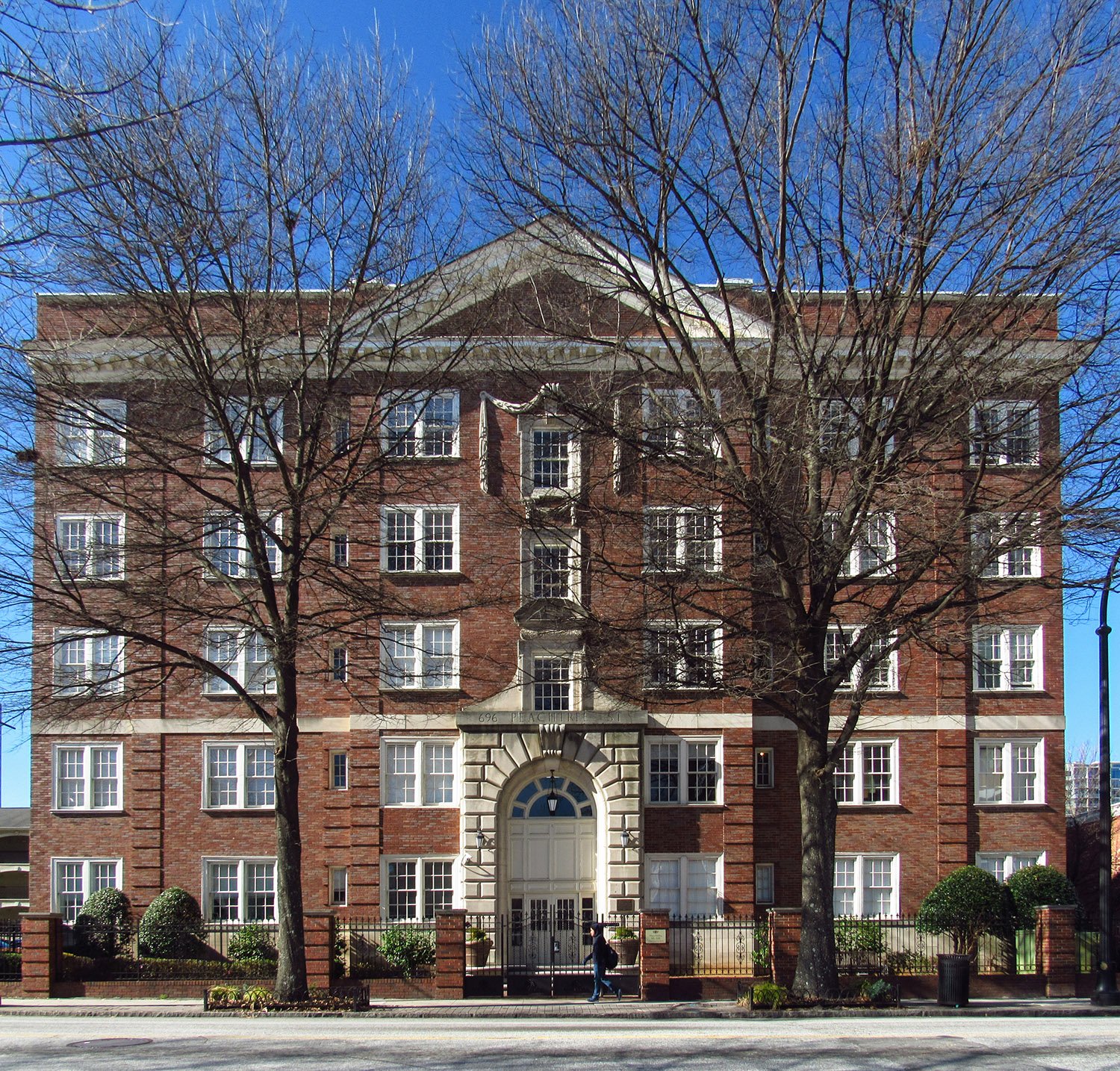
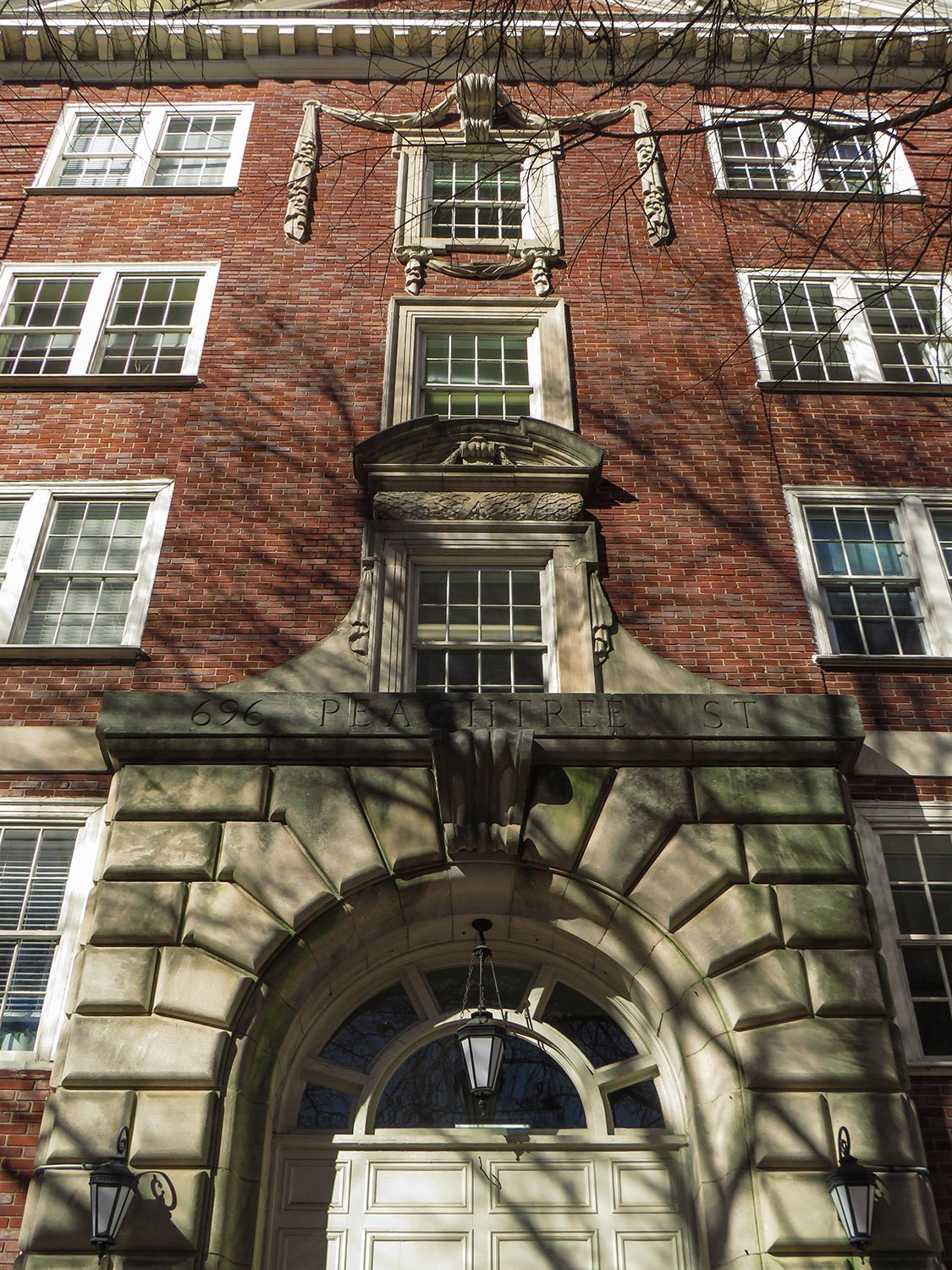
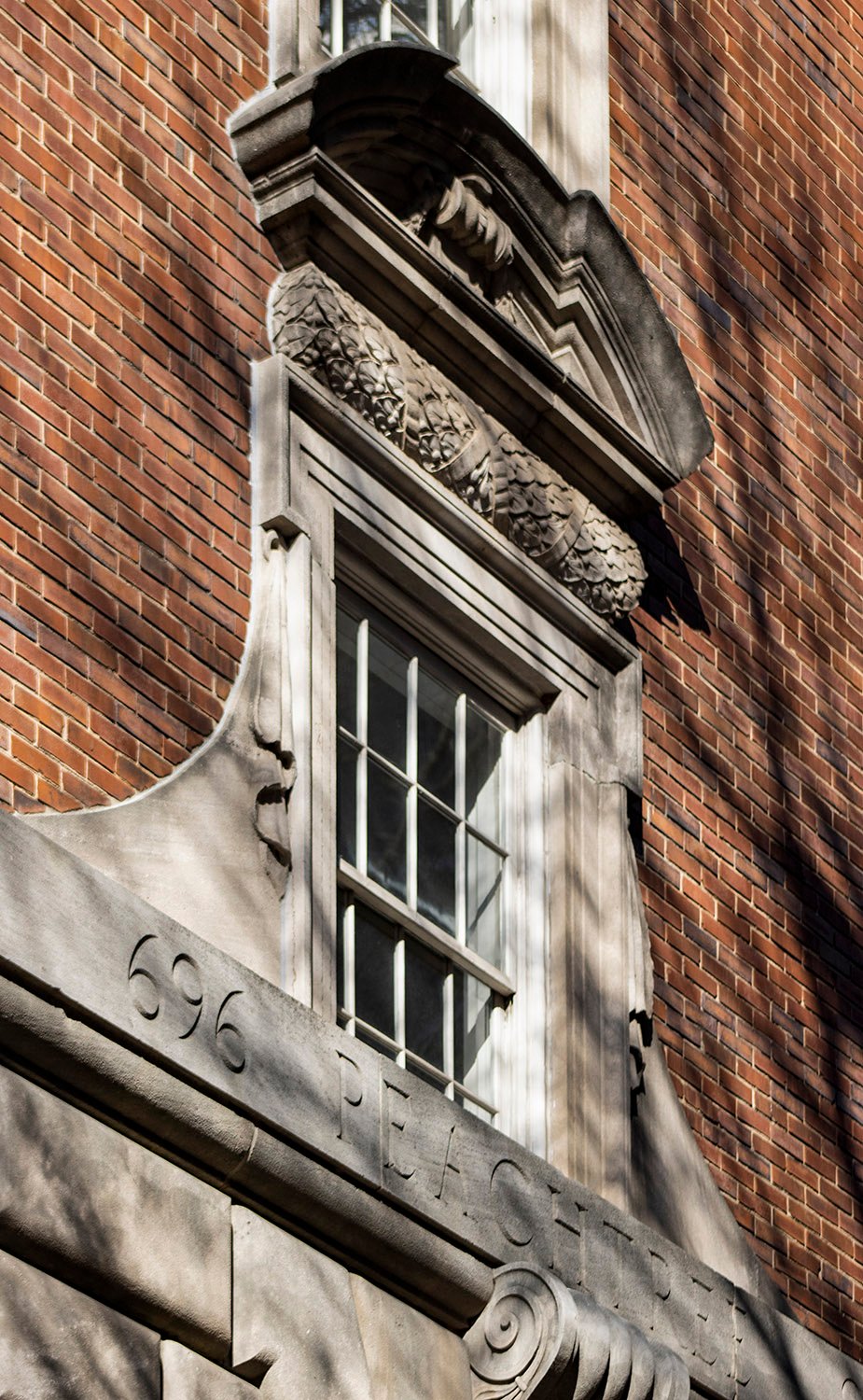
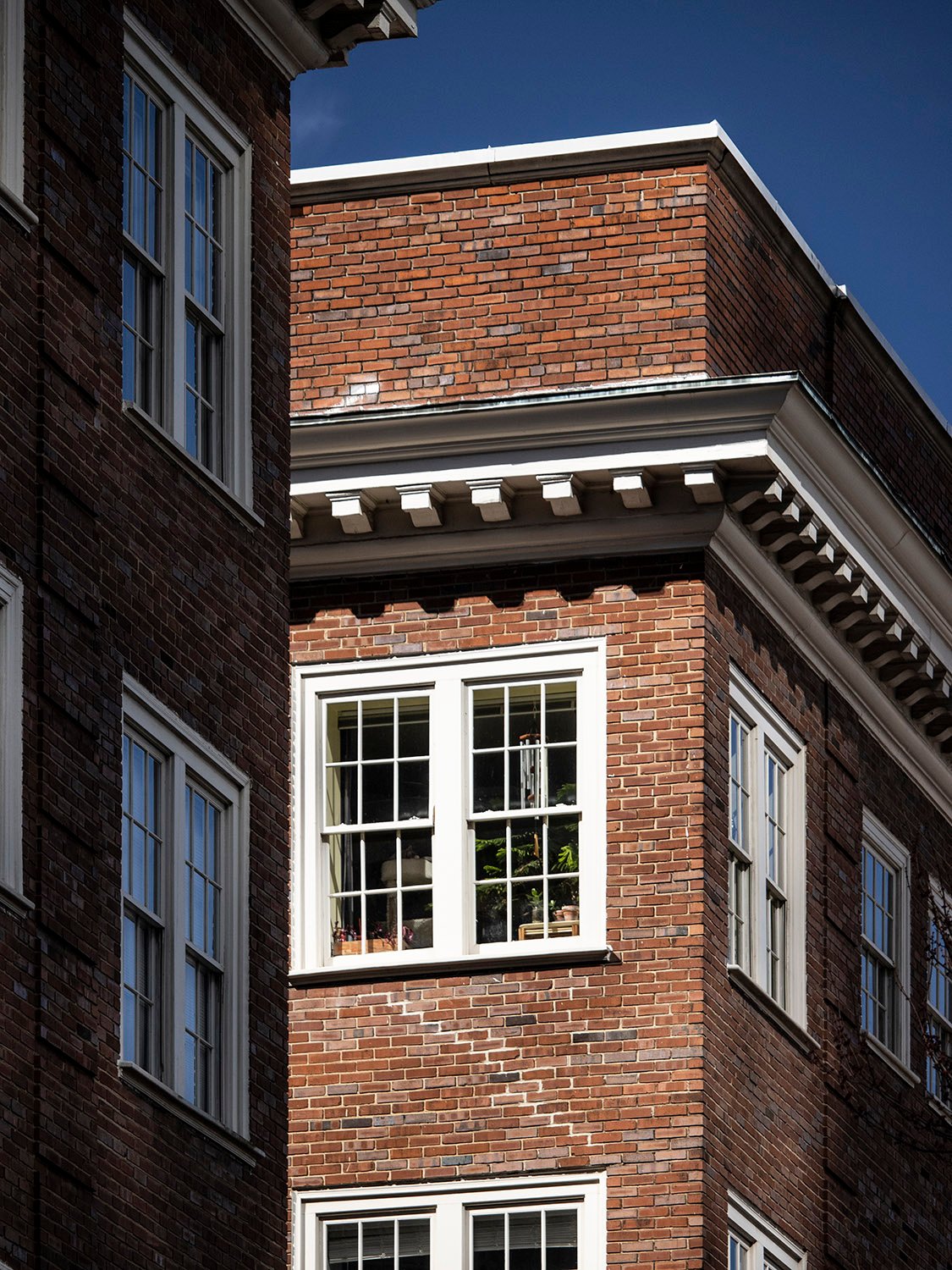
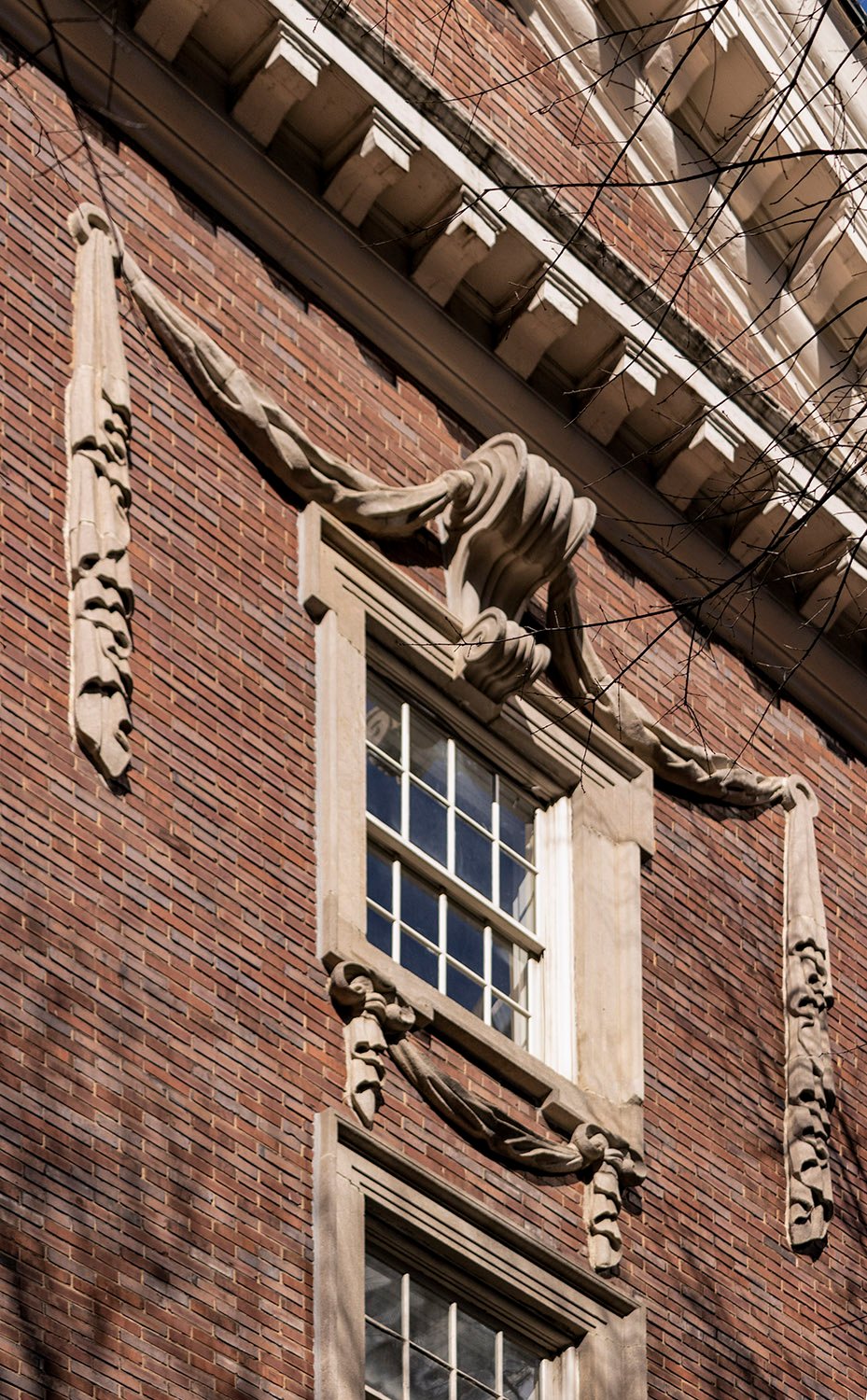
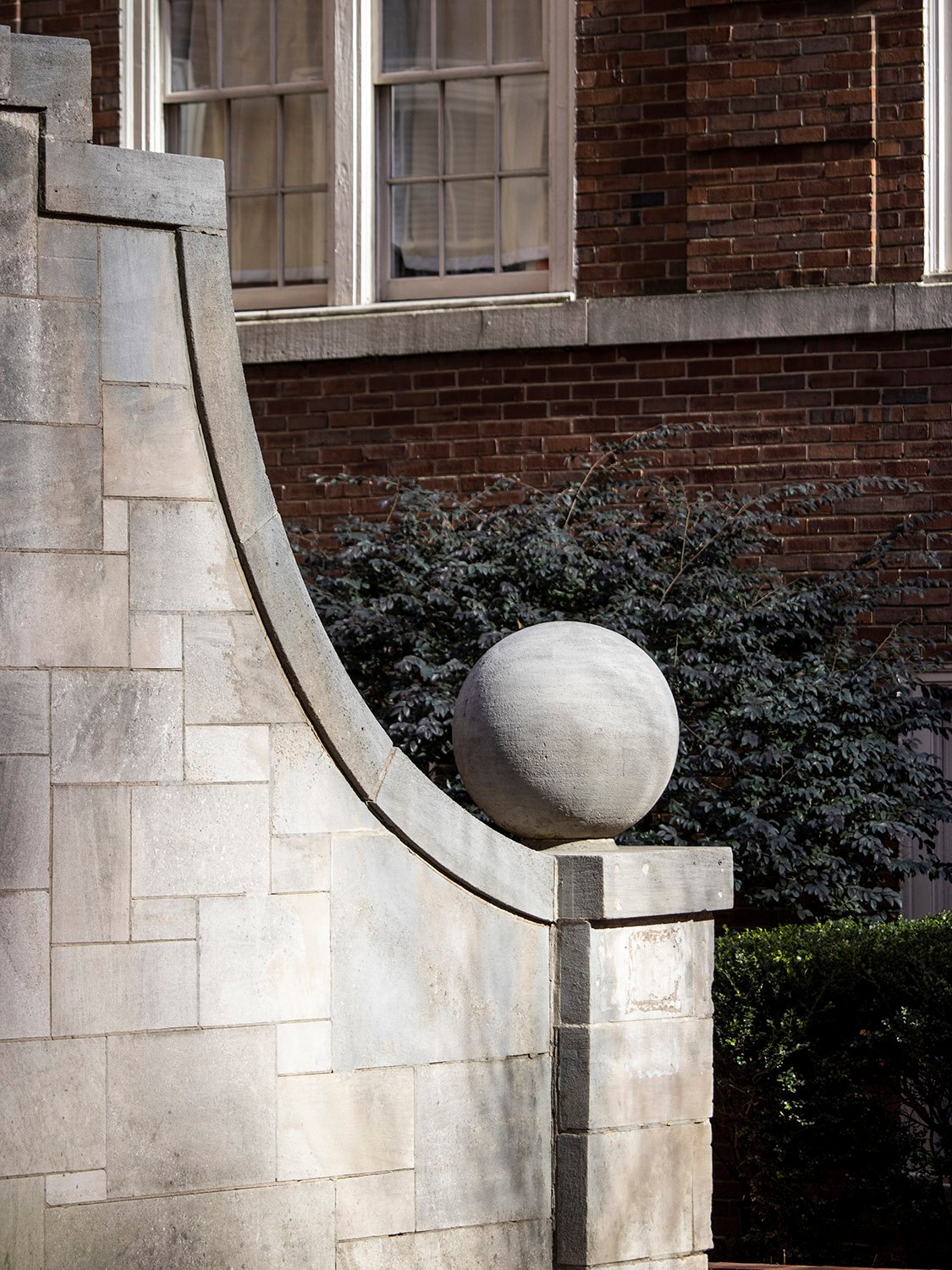
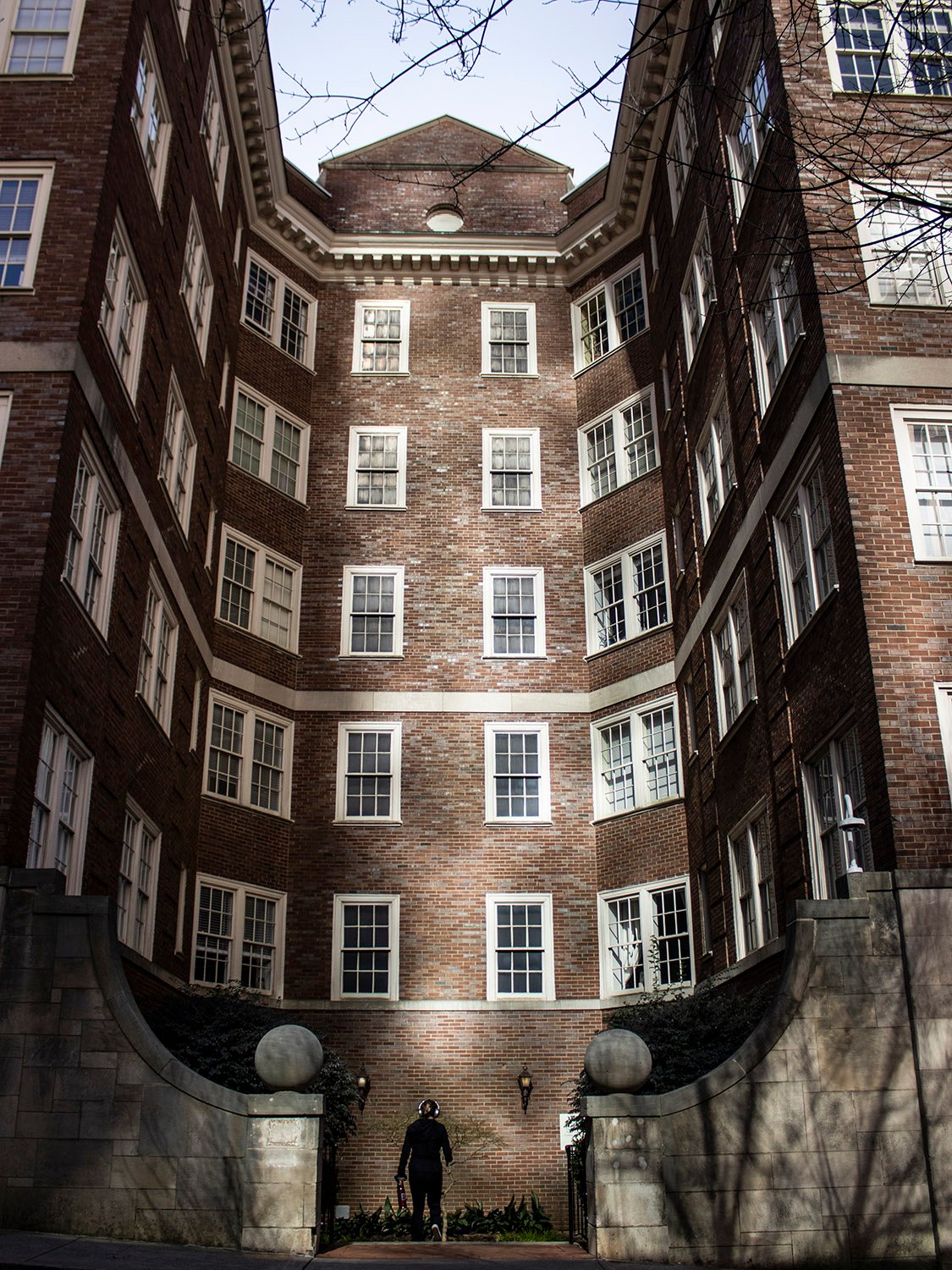
Hentz, Reid & Adler. 696 Peachtree Apartments (1923). Midtown, Atlanta.1234Looking up at the facade of 696 PeachtreeApartmentsSegmental pediment and ornamentation on second-floor window of 696 Peachtree ApartmentsCornice and windows on 696 Peachtree ApartmentsFifth-floor window on the facade of 696 Peachtree ApartmentsBall finial on the north elevation of 696 Peachtree ApartmentsLooking up at the north elevation of 696 PeachtreeApartmentsNorth elevation of 696 Peachtree Apartments
References
“Building Permits”. The Atlanta Journal, October 20, 1922, p. 12. ↩︎
$250,000 Bond Issue Is Handled By Adair Co.” The Atlanta Constitution, November 16, 1922, p. 3. ↩︎
“Dr. Coon Discovers An Apartment House Built Right”. The Atlanta Constitution, May 6, 1923, p. 7. ↩︎
“Apartments For Rent 696 Peachtree Street” (advertisement). The Atlanta Journal, June 3, 1923, p. 4F. ↩︎
Bruce & Morgan. Confederate Soldiers’ Home (1891-1901). Atlanta.1
The Background
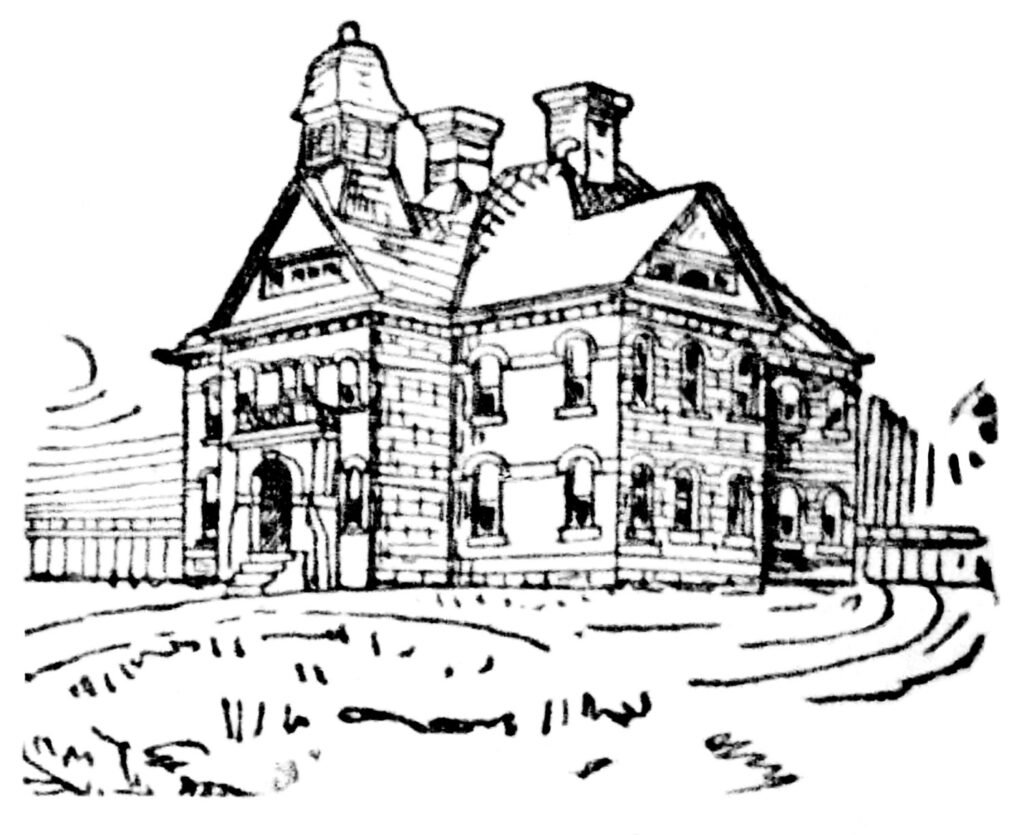
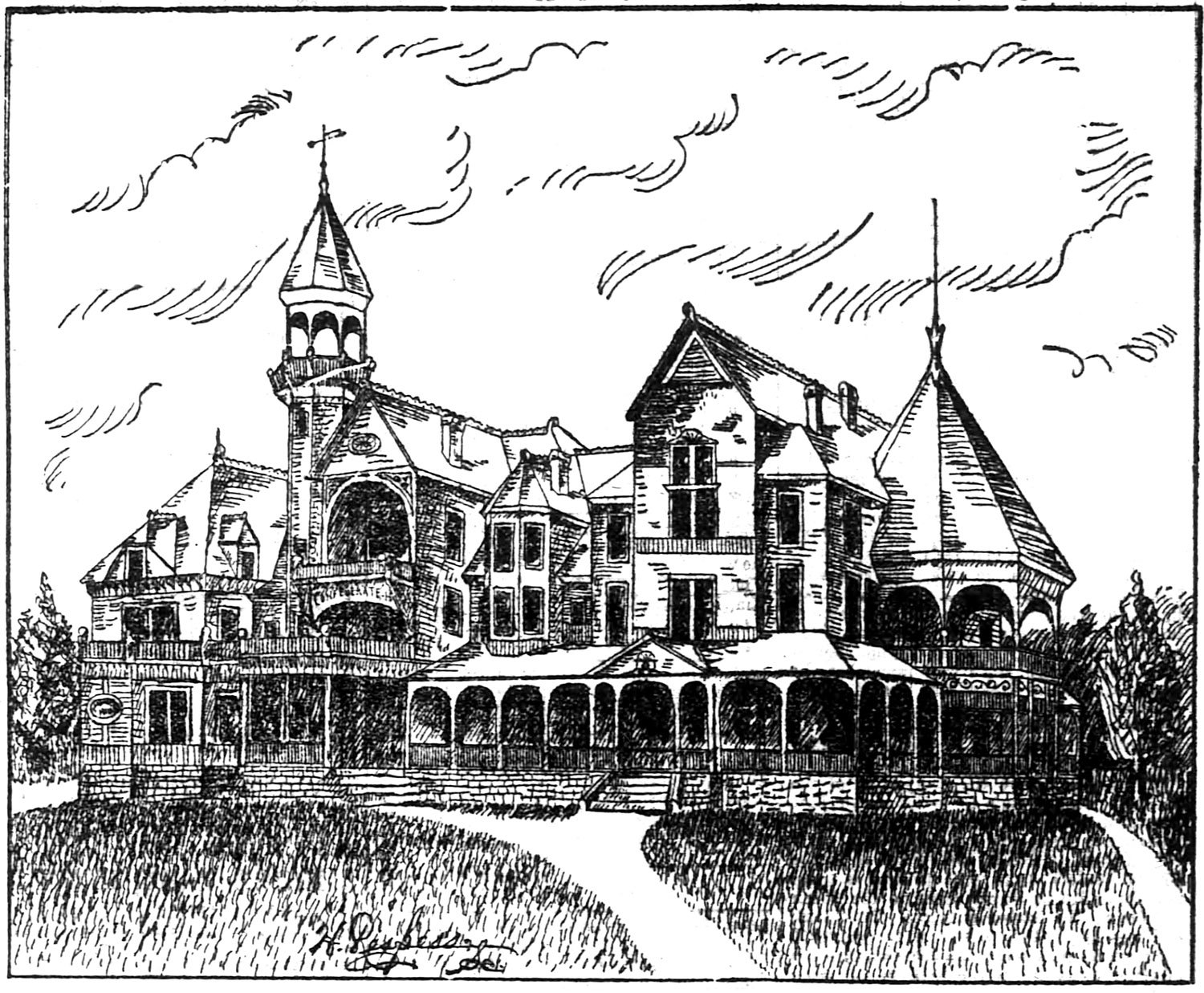
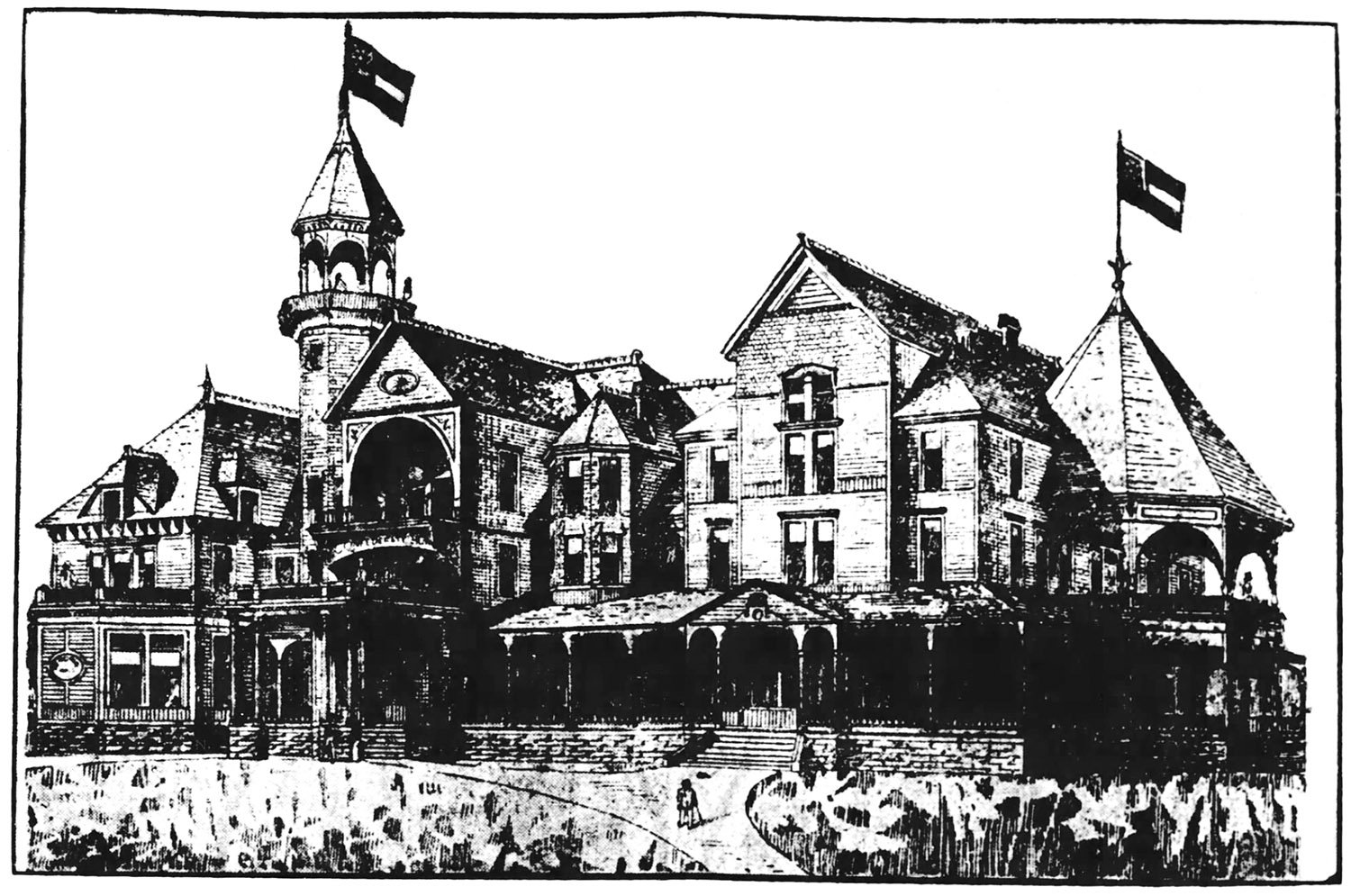
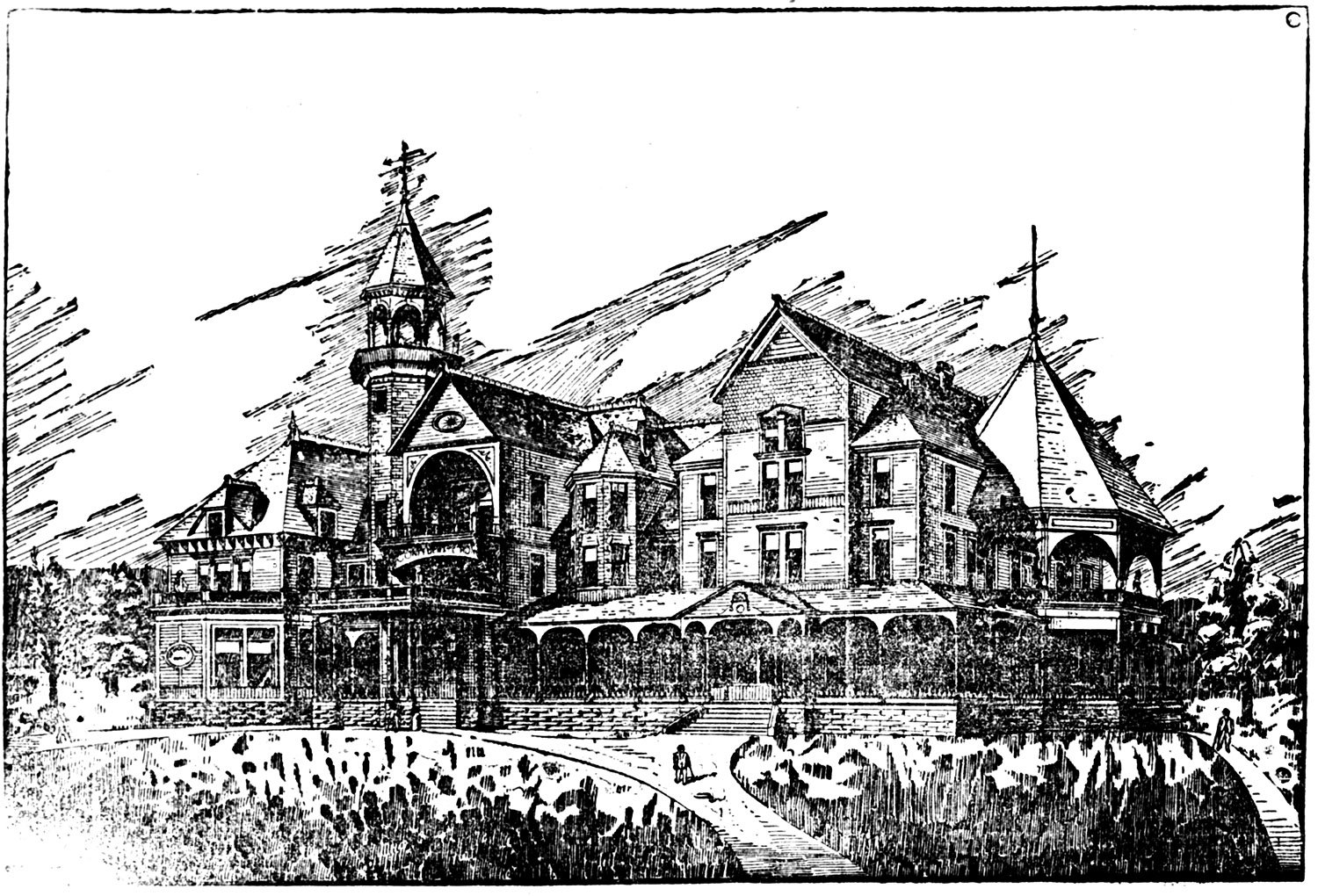
The following article, published in The Atlanta Journal in April 1890, describes the Confederate Soldiers’ Home in Atlanta, completed in 1891 anddesigned by A.C. Bruce of Bruce & Morgan.
Planned to house 150 to 200 people,2 the facility was built on 125 acres located two miles southeast of Atlanta and connected to Grant Park3 by a 1.5-mile dirt road that became known as Confederate Avenue (later United Avenue SE).
Location of Confederate Soldiers’ Home
The Origins of the Home
The project was first proposed in April 1889 by Henry W. Grady, editor of The Atlanta Constitution, although it was hardly his own conception.
In late 1888 and early 1889, Major Joe E. Stewart of Austin, Texas, traveled to the Northeast and began fundraising appeals in Boston and New York to support an existing home for Confederate veterans in Austin.45
Why Stewart considered that a good idea was anyone’s guess, since no self-respecting Northerner would’ve given a damn about aiding the ex-soldiers of a treasonous rebellion. As the Mail and Express of New York opined bluntly:
“Major Stewart’s advocacy of the scheme for a Confederate Soldiers’ Home will not find favor here. That is not a matter of National concern…but is distinctly anti-National and to be discouraged.”6
Needless to say, Stewart’s ill-conceived fundraising tour was a failure, and the soldiers’ home in Austin, Texas, received only $1500 in donations from Northern contributors.7
Always full of self-righteous fervor, Henry Grady seized on the story in one of his typical bloviating editorials for the Constitution, proclaiming that Confederate soldiers should be aided by Southern money, making an impassioned plea to build a veterans’ home in Georgia for those who “suffered in her cause”—that is to say, those who fought for human slavery. Spare me the states’ rights bullshit.
Grady wrote, in part:
“Come home, Major Stewart, and let us take care our heroes to our own hearts, and wear them there, never to be paraded again with their limping gait, their poor wounds and their shabby raiment through the lines of strangers, of whom charity is begged for their behalf!
“But we need Confederate Homes! In every state there are men wearing honorable scars who are poor and helpless.
“WE MUST BUILD A CONFEDERATE HOME in GEORGIA! We must built it at once! We must show that Georgia’s heart beats true to the men who suffered in her cause–and that she will take them to her heart!”8
Grady began a public fundraising campaign for the project, with the Constitution contributing the first $1,000. The campaign reportedly received over $10,000 in pledges within 12 hours of the newspaper’s distribution,9 and nine days later, an organization overseeing the project was incorporated with a board of 25 directors led by Grady.10 Credit them for moving quickly.
While the project’s building committee initially accepted a plan by W.T. Downing of Wheeler & Downing,12G.L. Norrman also submitted plans, and A.C. Bruce13 of Bruce & Morgan ultimately secured the commission.14 It undoubtedly helped that A.C. Bruce was also a Confederate veteran.
Looking every bit like a fashionable summer hotel, Bruce’s design for the Confederate Soldiers’ Home was one of his better efforts: a rambling three-story structure, primarily Queen Anne style, with all the expected eclecticism and embellishments of the era, including a120-foot-tall turret.
Construction began in November 1889,15 and the building’s cornerstone was laid in a public ceremony on Confederate Memorial Day, April 26, 1890.1617 The structure was completed in January 1891,1819 and while the project was initially estimated at $22,000,20 the final cost was $27,699.25.21
Another Lost Cause
Although the Constitution set a goal of $50,000 in subscriptions for the project,222324the Confederate Soldiers’ Home ultimately received just over $41,000, leaving only $41.01 in available funds at the building’s completion.25 Henry Grady died in December 1889, and it’s safe to assume the project’s funding faltered in the absence of his leadership.
The project’s directors should have taken a cue from Atlanta’s Carrie Steele Orphans’ Home, which was under construction at the same time and similarly funded by popular subscription. The original plans for the orphanage—also designed by Bruce & Morgan—were apparently dropped in favor of a simpler structure to accommodate reduced funding.
We’re talking about Atlanta, though, where show and spectacle have always been prioritized over fiscal responsibility, and one of the directors of the veterans’ home project even admitted that the committee splurged on “extras in the form of a slate roof, etc.,” adding at least $1000 to the total cost.26
As it became clear that the organization lacked the funds to operate its shiny new facility, the directors decided to unload it on the State of Georgia, offering the entire property to the state government on the condition that it shelter veterans for 25 years, after which it could be used for other purposes.2728 Too bad the state didn’t want it.
In November 1890, a bill was introduced in the state legislature to operate the home as a public facility,29 although it was defeated in August 1891.30 A similar bill was shelved in December 1892,3132 and a third attempt was killed when lawmakers deferred it to a finance committee.33
Partially fueling the legislature’s refusals was the simmering resentment Georgia’s bumfuck politicians have long held against the city, knowing full well the state would be Mississippi without Atlanta. Some legislators apparently dismissed the project as a typical Atlanta “speculative scheme,”3435 and frankly, they weren’t entirely wrong.
In 1894, the Confederate Soldiers’ Home even became a contentious topic in the state’s gubernatorial race. The leading candidate was William Yates Atkinson, a former speaker of the Georgia House of Representatives, who voted against the home and actively denounced the project on the campaign trail, telling attendees at one event:
“The friends of the home didn’t care anything about it, but they wanted it accepted because it was located in Atlanta.
“That home was a regular poor house and they wanted to send you needy veterans to that Atlanta poor house, where you would be under a master to whom you would have to beg like a slave for the necessities of life.”36
Oh, the irony.
Atkinson won the election, and in January 1895, the Confederate Soldiers’ Home was “still uninhabited, save by a lone watchman,”37 when the organization decided to sell the property.3839
By the mid-to-late 1890s, it had become glaringly obvious that the New South myth was utter bullshit. The chief promulgator, Henry Grady, was long dead, and like the grand mansions that sat vacant for years in Atlanta’s Inman Park, the Confederate Soldiers’ Home was left to rot because no one could pony up the cash—even for the soldiers of Georgia’s vaunted “cause.”
The decision to sell the facility prompted a lawsuit from the local real estate company that initially donated the land, claiming they had done so with the understanding that the property would be used solely for a veterans’ home.41
The trial ended with a judge’s order to sell the property,4243 but an effort to sell in April 189644 was apparently dropped, and a second attempt in 1897 was delayed by the Daughters of the Confederacy, who wanted another chance to woo the state legislature into operating the facility.45 That also failed.
A published description of the property in 1897 portrayed a bleak scene:
“The home is three stories high and is of beautiful architecture. It was once painted, but no one would at present suspect it.
“The sides are weather beaten and many of the planks are beginning to decay. The old windmill with the tank on the top is now grown up with vines and shows that it has not been in use for some time. The walks, which wind in and about the premises in the immediate neighborhood of the building, and which were once well kept, are now grown up with grass and weeds.
“The approach to the home for a quarter of a mile is almost as gloomy as the building itself, and one would suspect that he was in the neighborhood, even though the building had not been sighted. The street car track which was laid when the home was built and when it was thought that there was no doubt but what it would soon be inhabited by many veterans, is now in a state of decay. The rails are rusty, the bed has in many places caved in and is covered with weeds.
“The little road which had been graded along side, is now grown up with shrubbery, and the lizards dart away at the approach of a chance pedestrian.”46
In April 1898, an attempt to sell the home on the steps of the Fulton County Courthouse was halted because the highest bid was only $10,000.47
A year later, another public auction resulted in an even lower winning bid: $8,000, offered by Joel Hurt,48 who reportedly “had not intended to buy the property when he went to the sale, and only did it to help the veterans out.”49
That sale was also denied,50 and the property remained unsold and vacant, with no hope of eventual use.
A Blaze of Glory
In 1900, nearly ten years after the Confederate Soldiers’ Home was completed, a group of Confederate veterans, led by Major W.T. Gary,51 once again lobbied the Georgia legislature to operate the facility, aided by the recommendation of a new, more sympathetic governor, Allen D. Candler.52
Worn down by the state’s repeated rejections, it was a shock to everyone involved when the Soldiers’ Home Bill was passed in December 1900 by a vote of 106 to 50,5354 and the facility finally opened on June 3, 1901.5556
Ah, but it’s Atlanta, so you know there’s a shitty twist ending.
Before it had been occupied for even four months, the Confederate Soldiers’ Home wasdestroyed by fire on September 30, 1901.5758
The building’s restroom (just the one?) apparently incorporated the “Smead dry closet“, in which facilities without sewer access could collect feces and burn it into a fine powder—a novel solution in 1890, but quite outdated by 1901, when flush toilets had become the accepted standard.
As the Journal explained:
“In the lavatory the Smead system of disposing of the refuse was used. Daily the crematory in connection with the lavatory was fired up.
The negro porter who started these fires this morning placed a wheelbarrow load of shavings and other timber from the premises into the furnace. The fire burned fiercely and broke through the top of the furnace.
“When Dr. Bryan went into the department he noticed the flames. He ran out and asked if the flames were not too high.
“Superintendent James L. Wilson seeing the condition of the fire quickly gave the alarm. By this time the flames had commenced to burn the woodwork in the vicinity of the furnace.
“The smoke was pouring into the center of the house in great volumes, and owing to the draft at this place the flames spread rapidly.”59
Of course, they tried to pin the blame on the Black man, but after sitting unused for ten years, the furnace was probably a faulty mess. Or maybe the place was just haunted by Sherman‘s ghost.
Bruce & Morgan. Confederate Soldiers’ Home (1891-1901). Atlanta.
We Love Them
And Now In Their Declining Years
We Will Shelter Them.
Something About the Home to be Occupied by the Soldiers
Who Shed Their Blood For The Southern Land–A Description of the New Building Soon to be Completed for the Veterans.
The veterans will soon be quartered in their new home.
The plans for the building were prepared by Messrs. Bruce & Morgan.
The contract was awarded to Messrs. Austin & Boylston.
The building will be one hundred and eighty feet long, and at the south end, the widest portion, one hundred feet in width.
The approach will be through a “Porte coache,” [sic] and the entrance will be handsomely finished and attractive. On either side of the main entrance there will be niches for statuary.
On the first floor are a main hall, corridors, reception rooms, a parlor, a chapel, a sitting room, office, dining room, kitchen, pantry, laundry and bed rooms.
You first enter a large hall, handsomely finished, 32×50 feet. On the right are the ladies’ reception room and parlors and on the left the gentlemen’s reception room. Adjoining the latter is a reading room. The sitting room is 25×59 feet, and will be used by the old soldiers when the weather will not permit them to go out of doors.
The office is in the main hall.
The “memorial chapel” is in front of the building, and to the left of the main entrance. It will be used for divine services, banquets and public receptions.
The dining room is 36×40 feet, and will seat one hundred people. The kitchen and pantries are a one-story wing and adjoin the dining hall. The laundry is beneath the kitchen.
There are ten bed rooms on this floor.
Two hundred and seventy-five feet of wide verandahs surround the first floor.
There are thirty rooms on the second floor, the smallest of which are 12×14 feet, and the largest 15×18.
Each bedroom has a fireplace and two windows.
There are several easily accessible staircases leading to the first floor.
On the second floor there are three balconies, one in the center of the building and one on each side.
A portion of one wing of the building is three stories high, and in this upper story are ten bedrooms.
The turret, the highest point of which is one hundred and twenty feet from the ground, is of an octagon shape.
A large balcony surrounds the building seventy-five feet from the ground, and from it an excellent view of the city can be had.
The foundation of the building will be stone and the balance of wood, inside the wood work will be natural pine, and the main hall will be panel-wainscotted.
It will cost between twenty and twenty-five thousand dollars and will be one of the handsomest buildings in the county.60
References
Illustration credit: “We Love Them”. The Atlanta Journal, April 26, 1890, p. 12. ↩︎
“The Veterans’ Home”. The Atlanta Journal, December 9, 1890, p. 1. ↩︎
“Veterans’ Home”. The Atlanta Journal, May 9, 1889, p. 4. ↩︎
“Ex-Confederate Home.” Austin Weekly Statesman (Austin, Texas), November 1, 1888, p. 4. ↩︎
“To Aid Confederate Soldiers.” New-York Tribune, February 7, 1889, p. 3. ↩︎
“Echoes From The People.” The World (New York), January 31, 1889, p. 2. ↩︎
“The Confederates Home.” The Atlanta Constitution, April 2, 1889, p. 1. ↩︎
“Shall We Go Begging For Them?” The Atlanta Constitution, April 6, 1889, p. 4. ↩︎
“Let Us Wear Them In Our Hearts!” The Atlanta Constitution, April 7, 1899, p. 17. ↩︎
“The Soldiers’ Home.” The Atlanta Constitution, April 26, 1890, p. 15. ↩︎
Illustration credit: “The Soldiers’ Home”. The Atlanta Constitution, April 26, 1890, p. 15. ↩︎
“The Confederate Home.” The Atlanta Constitution, September 11, 1889, p. 7. ↩︎
“The Trustees Meet.” The Atlanta Constitution, July 17, 1891, p. 7. ↩︎
“In And About Atlanta.” The Atlanta Constitution, September 21, 1889, p. 5. ↩︎
“The Confederate Home.” The Atlanta Constitution, November 24, 1889, p. 11. ↩︎
“To Lay The Corner-Stone.” The Atlanta Constitution, April 15, 1890, p. 5. ↩︎
“Confederate Home.” The Atlanta Constitution, April 25, 1890, p. 9. ↩︎
“The Veterans’ Home”. The Atlanta Constitution, January 9, 1891, p. 6. ↩︎
“Strong Effort To Pass Gary Bill”. The Atlanta Constitution, November 25, 1900, p. 4. ↩︎
“In And About Atlanta.” The Atlanta Constitution, September 21, 1889, p. 5. ↩︎
“The Trustees Meet.” The Atlanta Constitution, July 17, 1891, p. 7. ↩︎
‘The Confederate “Home” Movement.’ The Atlanta Constitution, April 9, 1889, p. 4. ↩︎
“It Is Still Moving On!” The Atlanta Constitution, April 16, 1889, p. 4. ↩︎
“The Confederate Home of Georgia Organized.” The Atlanta Constitution, April 19, 1889, p. 4. ↩︎
“The Trustees Meet.” The Atlanta Constitution, July 17, 1891, p. 7. ↩︎
“The Idler’s Note Book”. The Atlanta Journal, September 9, 1890, p. 4. ↩︎
“About The Capitol.” The Atlanta Constitution, October 19, 1890, p. 16. ↩︎
“Confederate Home.” The Atlanta Constitution, November 22, 1890, p. 10. ↩︎
“Defeated!” The Atlanta Constitution, August 27, 1891, p. 1. ↩︎
“Defeat The Fate.” The Atlanta Constitution, December 15, 1892, p. 7. ↩︎
“The Veterans Mourn.” The Atlanta Journal, December 15, 1892, p. 1. ↩︎
“Confederate Soldiers’ Home Is Sold To Joel Hurt For $8,000”. The Atlanta Constitution, May 3, 1899, p. 5. ↩︎
“The Greeks Bearing Gifts.” The Atlanta Constitution, September 5, 1891, p. 4. ↩︎
“The Soldiers’ Home”. The Atlanta Constitution, November 24, 1892, p. 8. ↩︎
“Those Joint Debates.” The Atlanta Journal, March 31, 1894, p. 13. ↩︎
“Trustees Will Meet”. The Atlanta Constitution, January 22, 1895, p. 10. ↩︎
“To Sell It In The Spring”. The Atlanta Journal, January 29, 1895, p. 1. ↩︎
“The Home To Be Sold”. The Atlanta Constitution, January 30, 1895, p. 5. ↩︎
Illustration credit: “Soldiers’ Home Opens Its Doors To Veterans Today”. The Atlanta Journal, June 3, 1901, p. 7. ↩︎
“The Soldiers’ Home Case.” The Atlanta Constitution, September 4, 1895, p. 5. ↩︎
“To Sell The Soldiers’ Home”. The Atlanta Constitution, September 17, 1895, p. 5. ↩︎
“The Soldiers’ Home.” The Atlanta Constitution, December 18, 1895, p. 8. ↩︎
“Sale of Soldiers’ Home Property.” The Atlanta Constitution, March 31, 1896, p. 10. ↩︎
“Home Trustees Have Not Acted”. The Atlanta Constitution, June 3, 1897, p. 12. ↩︎
“Soldiers’ Home To Be Sold. Court’s Order Expected Any Time”. The Atlanta Constitution, May 24, 1897, p. 6. ↩︎
“Sale Of Home Declared Off”. The Atlanta Constitution, April 6, 1898, p. 5. ↩︎
“Confederate Soldiers’ Home Is Sold To Joel Hurt For $8,000”. The Atlanta Constitution, May 3, 1899, p. 5. ↩︎
“Soldiers’ Home Sells For $8,000 At Auction”. The Atlanta Journal, May 2, 1899, p. 1. ↩︎
“Sale Of The Home Is Not Confirmed”. The Atlanta Constitution, May 22, 1889, p. 8. ↩︎
Gary, W.T. “Why We Should Accept Confederate Home.” The Atlanta Constitution, November 13, 1900, p. 4. ↩︎
“Veterans Fighting For Soldiers’ Home”. The Atlanta Journal, November 20, 1900, p. 10. ↩︎
“Soldiers’ Home Bill Passed By House; Georgia Veterans Will Have Shelter At Last After Waiting Eleven Years”. The Atlanta Journal, December 12, 1900, p. 1. ↩︎
“Georgia Veterans Get Their Home By The Vote Of 106 To 50”. The Atlanta Constitution, December 13, 1900, p. 1. ↩︎
“Soldiers’ Home Will Be Opened To Vets Today”. The Atlanta Constitution, June 3, 1901, p. 1. ↩︎
“Soldiers’ Home Opens Its Doors To Veterans Today”. The Atlanta Journal, June 3, 1901, p. 7. ↩︎
“Soldiers’ Home Totally Destroyed: Generous People Will Rebuild It; Journal Leases Hotel For Vets”. The Atlanta Journal, September 30, 1901, p. 1. ↩︎
“Soldiers’ Home, Destroyed By Flames That Relit The Fire Of A Smouldering Sympathy, Will Be Rebuilt By Georgians”. The Atlanta Constitution, October 1, 1901, p. 1. ↩︎
J.R. MacEachron of MacEachron & Trowbridge. Atlanta Lodge, No. 78, of B.P.O. Elks (1911). Atlanta.12345Entrance of Atlanta LodgeLooking at Atlanta Lodge from the westCornice on the east elevation of Atlanta LodgeTerracotta spandrel panel on the facade of Atlanta LodgeFirst-floor window on the facade of Atlanta LodgePilaster and terracotta molding on the facade of Atlanta LodgeCornice, pediment, and terracotta ornamentation on the facade of Atlanta LodgeThird-floor window on the facade of Atlanta LodgeTerracotta molding at the entrance of Atlanta LodgeCornice on the facade of Atlanta LodgeTerracotta corbel and molding on the facade of Atlanta LodgeEntrance of Atlanta Lodge
References
Moran, Robert. “Floor Plans For Handsome Elks’ Building, Which Will Be Home Of Atlanta Lodge No. 78”. The Atlanta Journal, August 14, 1910, p. 3. ↩︎
“New Elks Home Presents Most Pleasing Exterior”. The Atlanta Constitution, July 31, 1911, p. 3. ↩︎
“First Meeting Of Elks In New Home Tonight”. The Atlanta Constitution, November 2, 1911, p. 7. ↩︎
“Elks Hold Initiation In Beautiful New Home”. The Atlanta Constitution, November 3, 1911, p. 8. ↩︎
“First Initiation Held In The Elks’ New Home”. The Atlanta Journal, November 3, 1911, p. 22. ↩︎
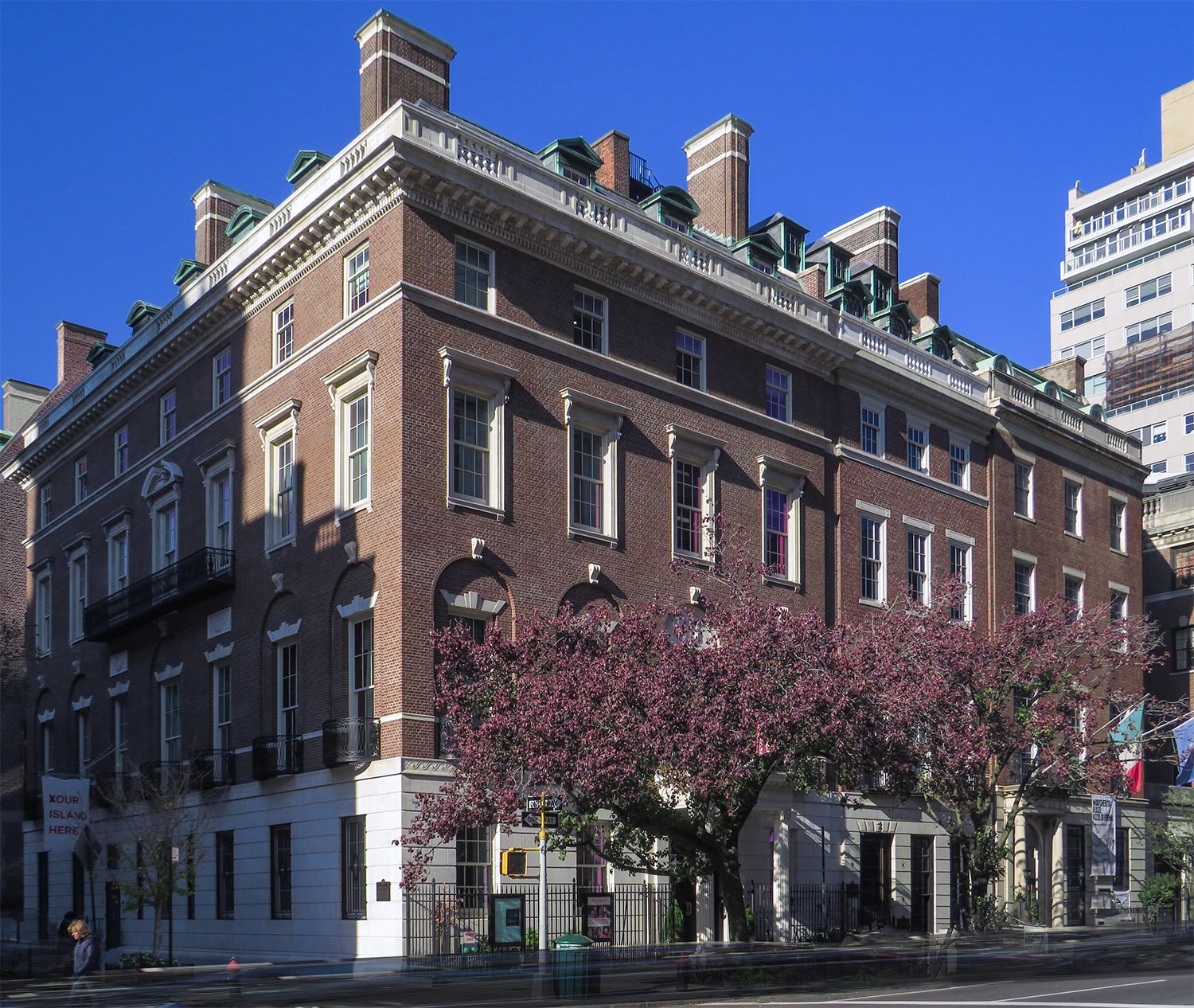
Charles McKim of McKim, Mead & White. Percy Rivington Pyne Residence (1912). New York.
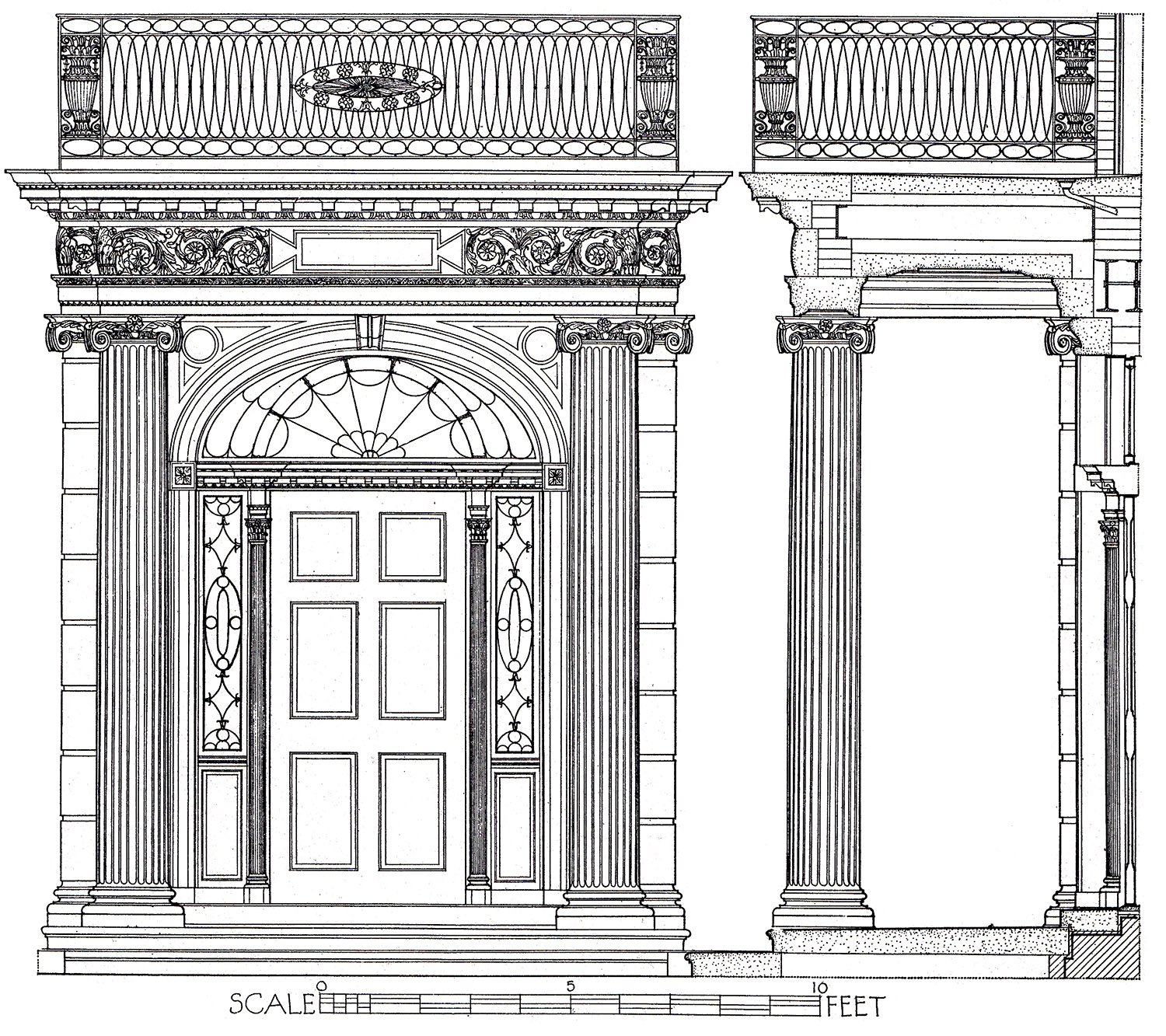
There’s something to be said for a little restraint, as demonstrated by this tasteful 5-story townhouse in the Lenox Hill neighborhood of New York’s Upper East Side.
Although the plan was first conceived in 1906,2 McKim died in 1909, three years before the project was completed in 1912.
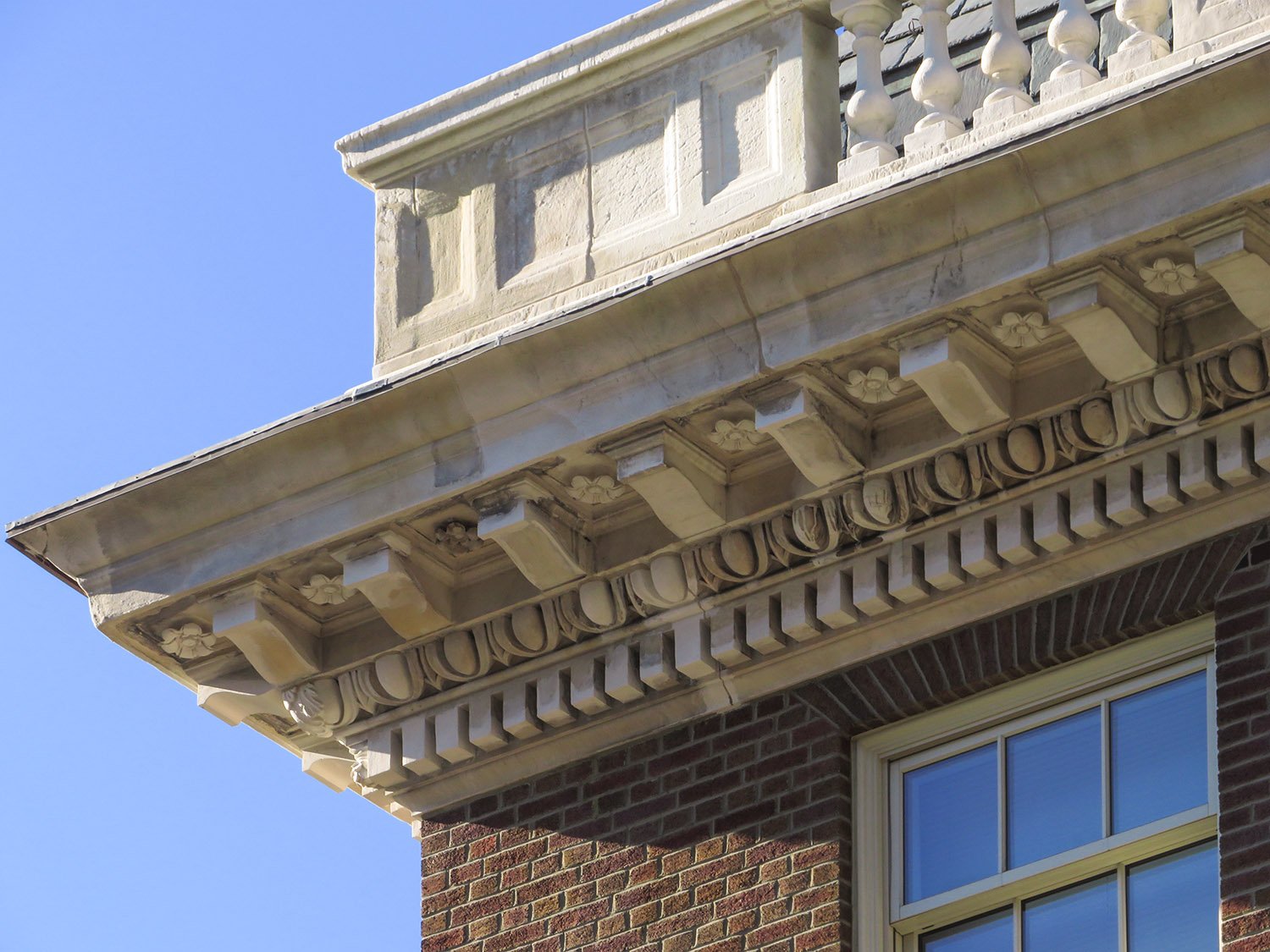
Cornice on the Percy Pyne Rivington Residence
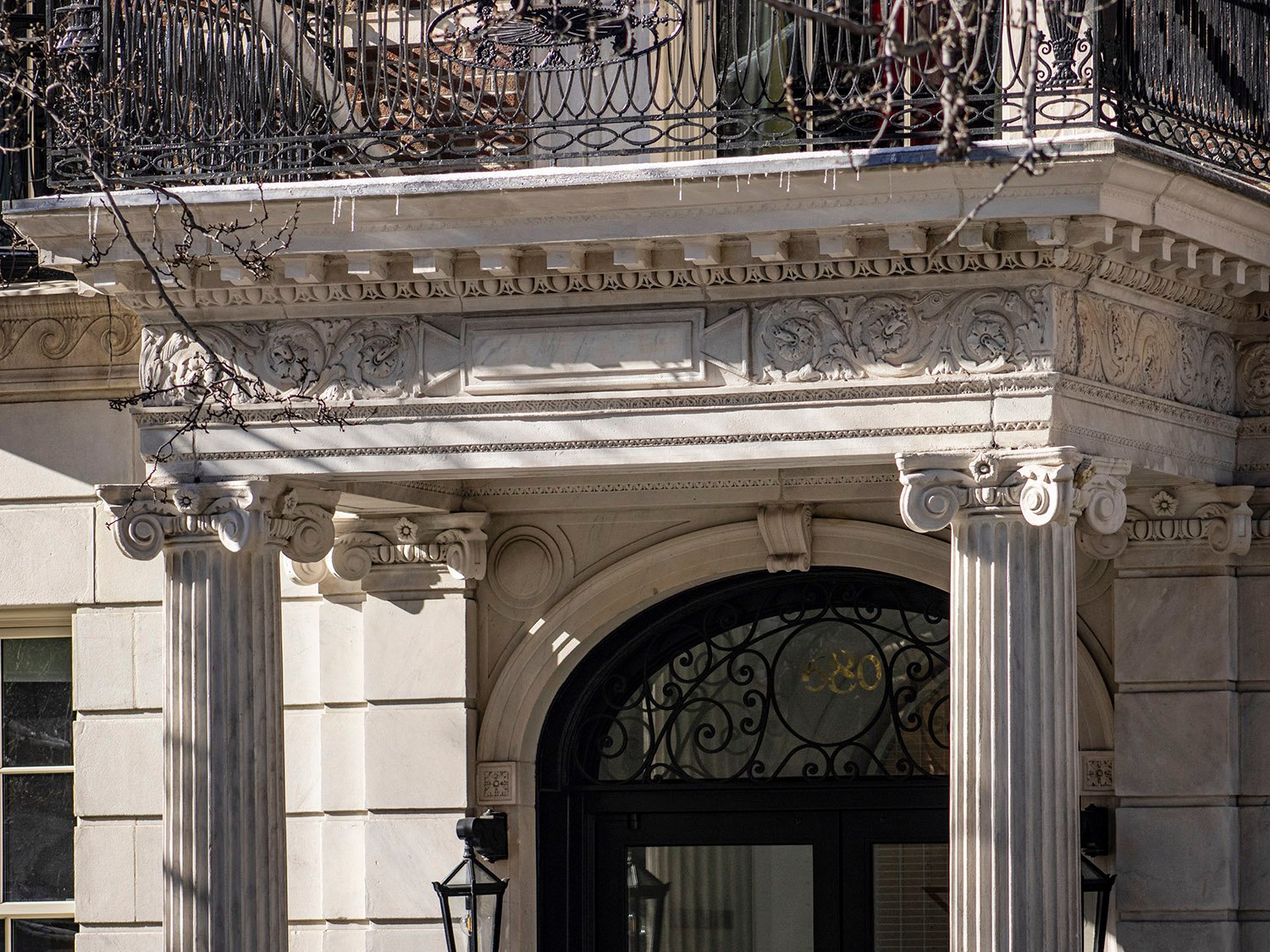
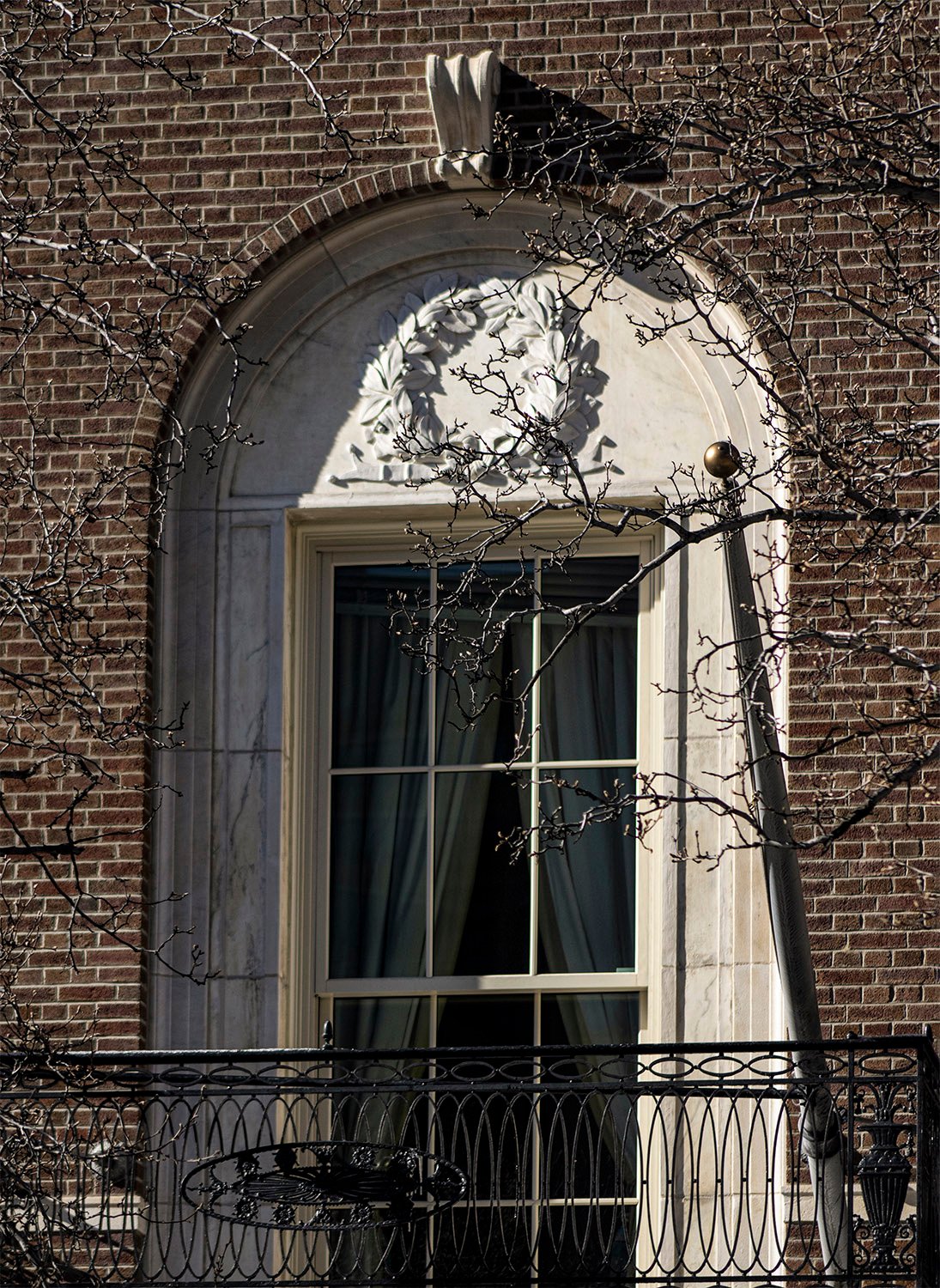
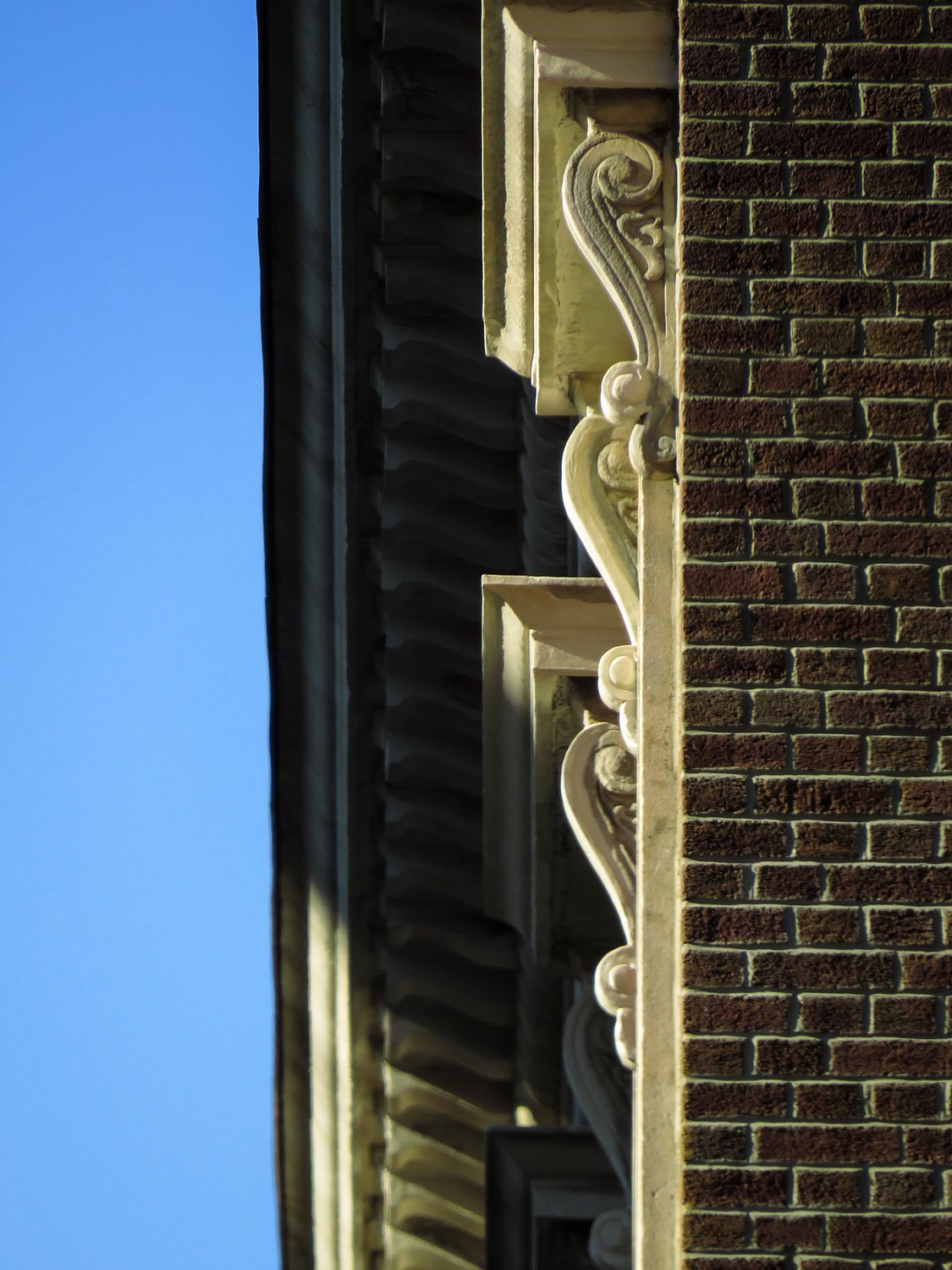
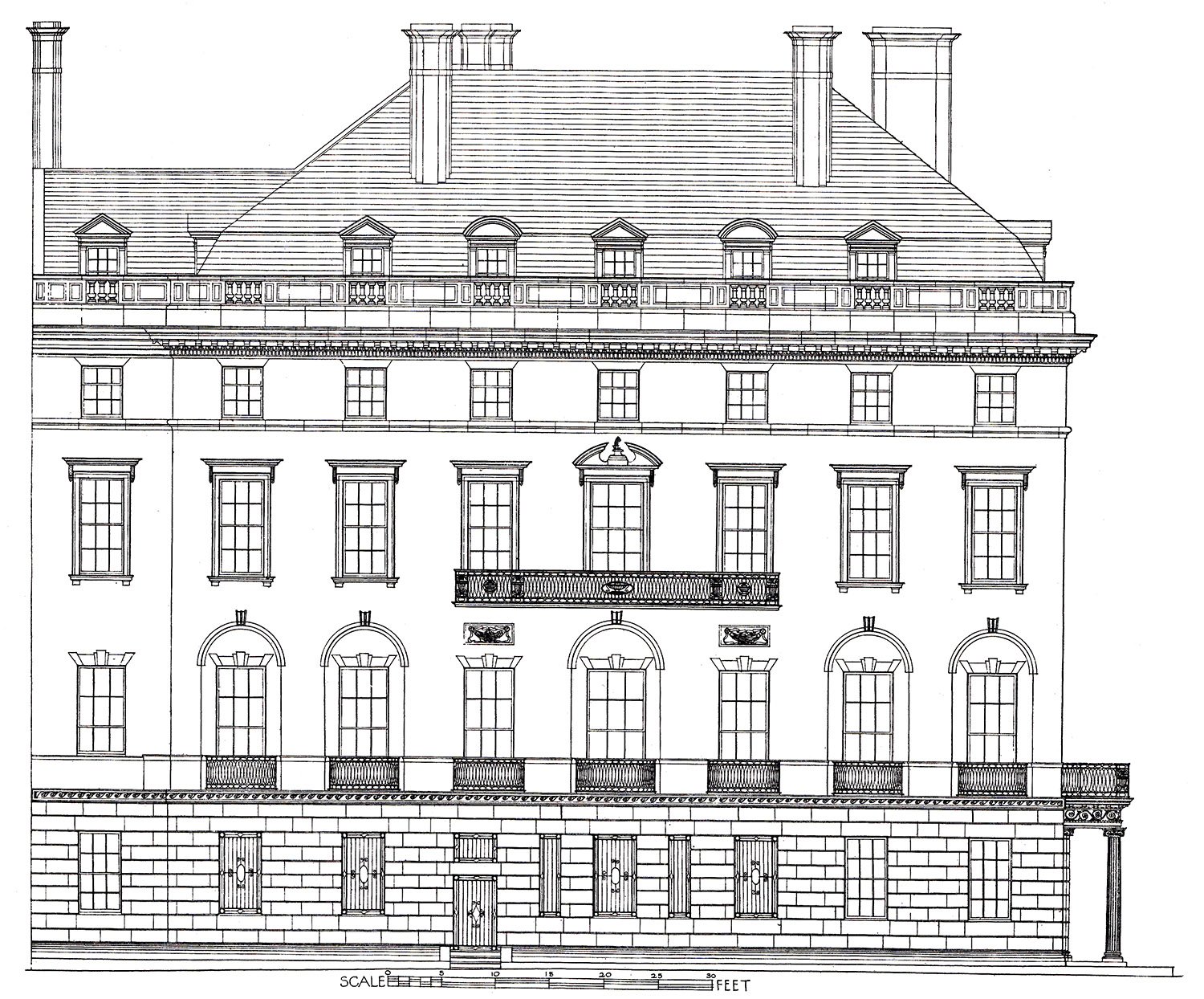
Neo-Federal in style, the Pyne residence balances a simple composition with refined touches, including a richly ornamented cornice, finely detailed corbels, an entrance portico with an elaborate frieze, and a series of blind arch windows on the second floor, one of them filled with marble and topped by a sculpted garland in its lunette.
Yeah, I’m pulling out all the pretentious architectural terms.
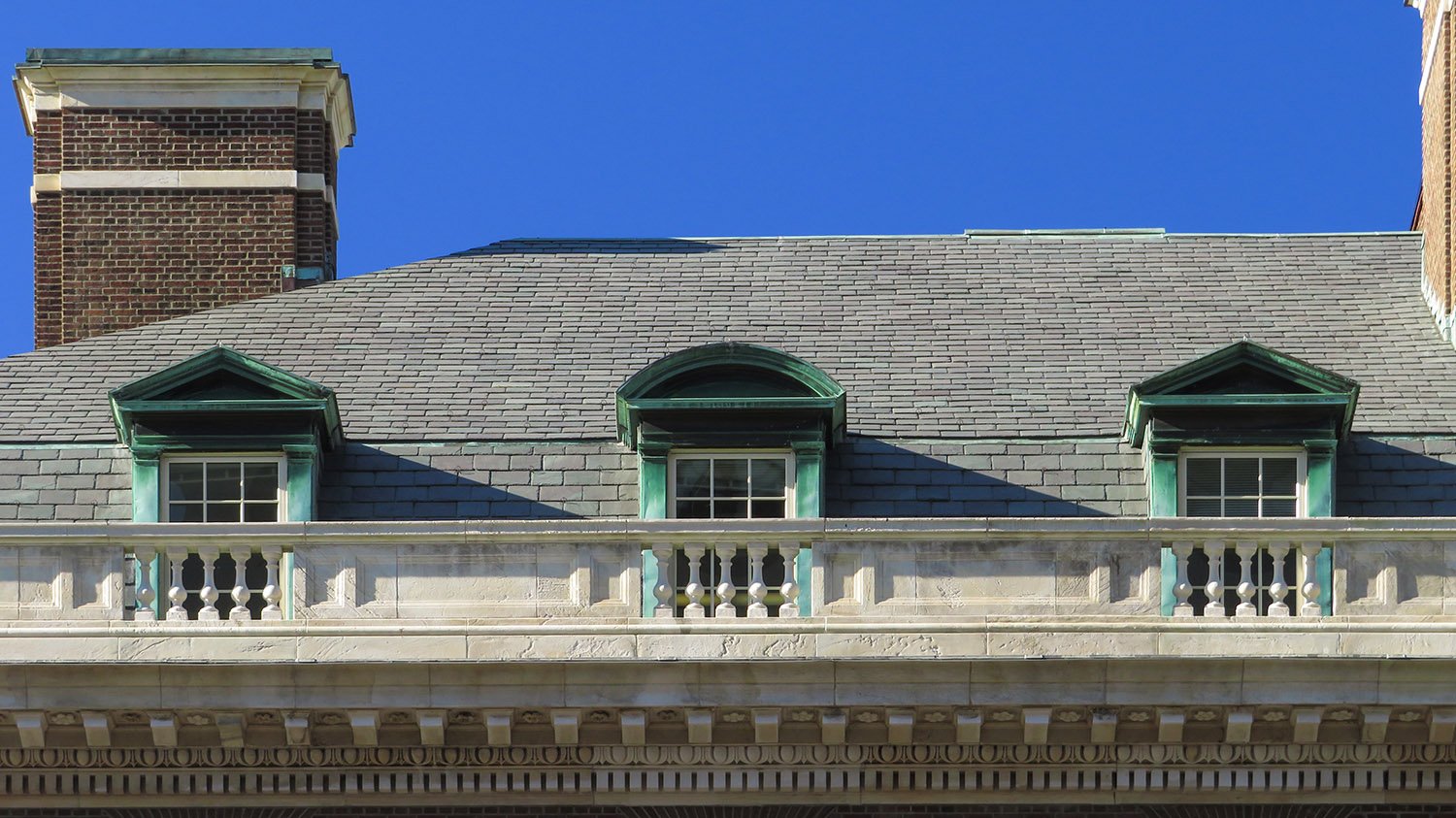
Dormers on the east facade of the Percy Pyne Rivington Residence
My favorite part of the home’s design is the set of three dormers across the front roof—one of these things is not like the others.
It’s New York, so a Sesame Street reference felt appropriate.
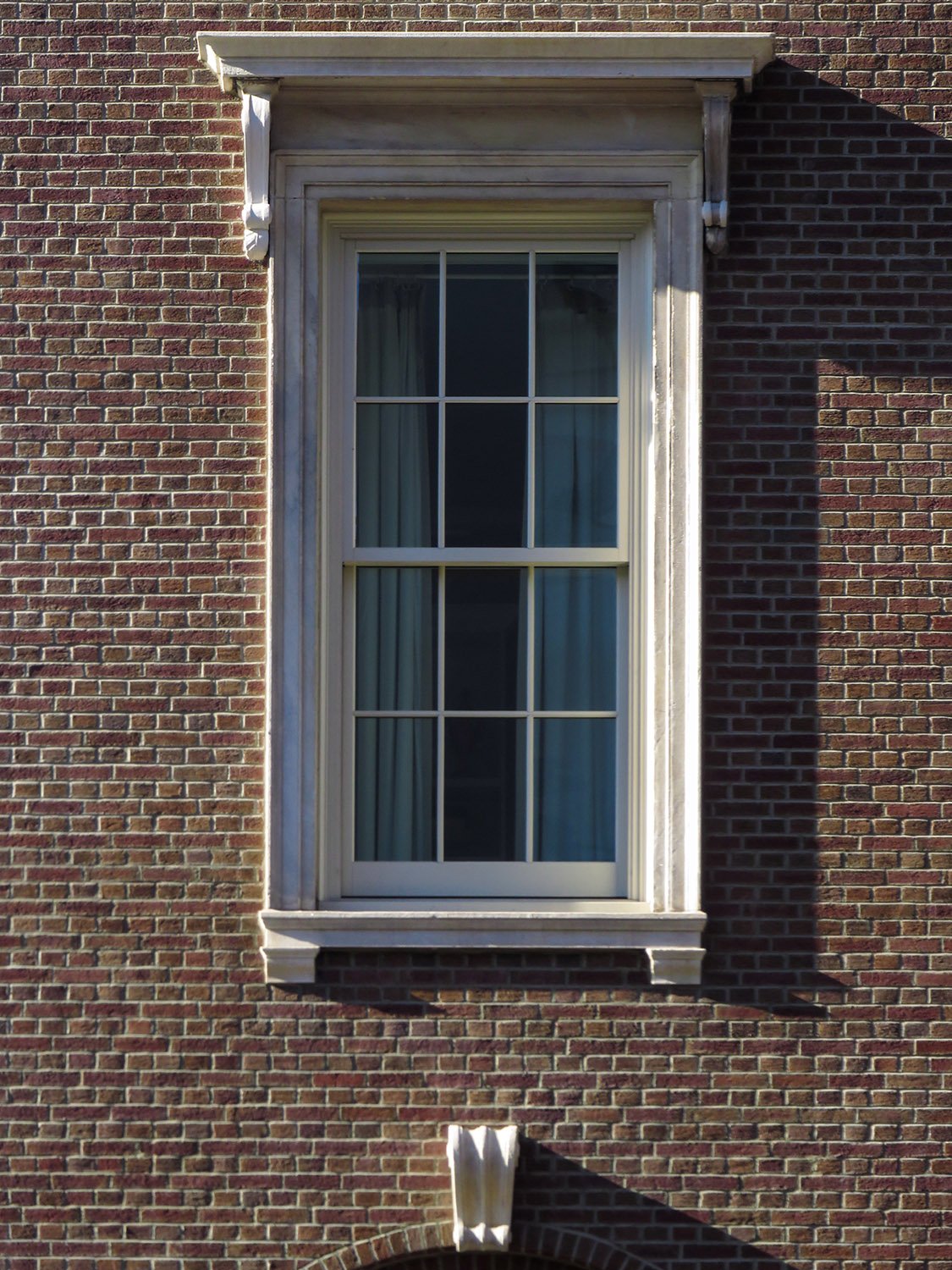
Third-floor window on the east facade of the Percy Pyne Rivington Residence
The stately Pyne Residence looks more like something you’d find in Washington, D.C., and easily blends into the background if you’re rushing down Park Avenue (and who isn’t?). Only on close inspection does the home’s subtle elegance reveal itself.
When McKim, Mead & White’s successors planned theOliver D. Filley Residencenext door in 1926, they wisely continued the same scale and design.
Gallery
Portico on the east facade of the Percy Pyne Rivington ResidenceBlind arch window on the east facade of the Percy Pyne Rivington ResidenceCorbels on the Percy Pyne Rivington Residence
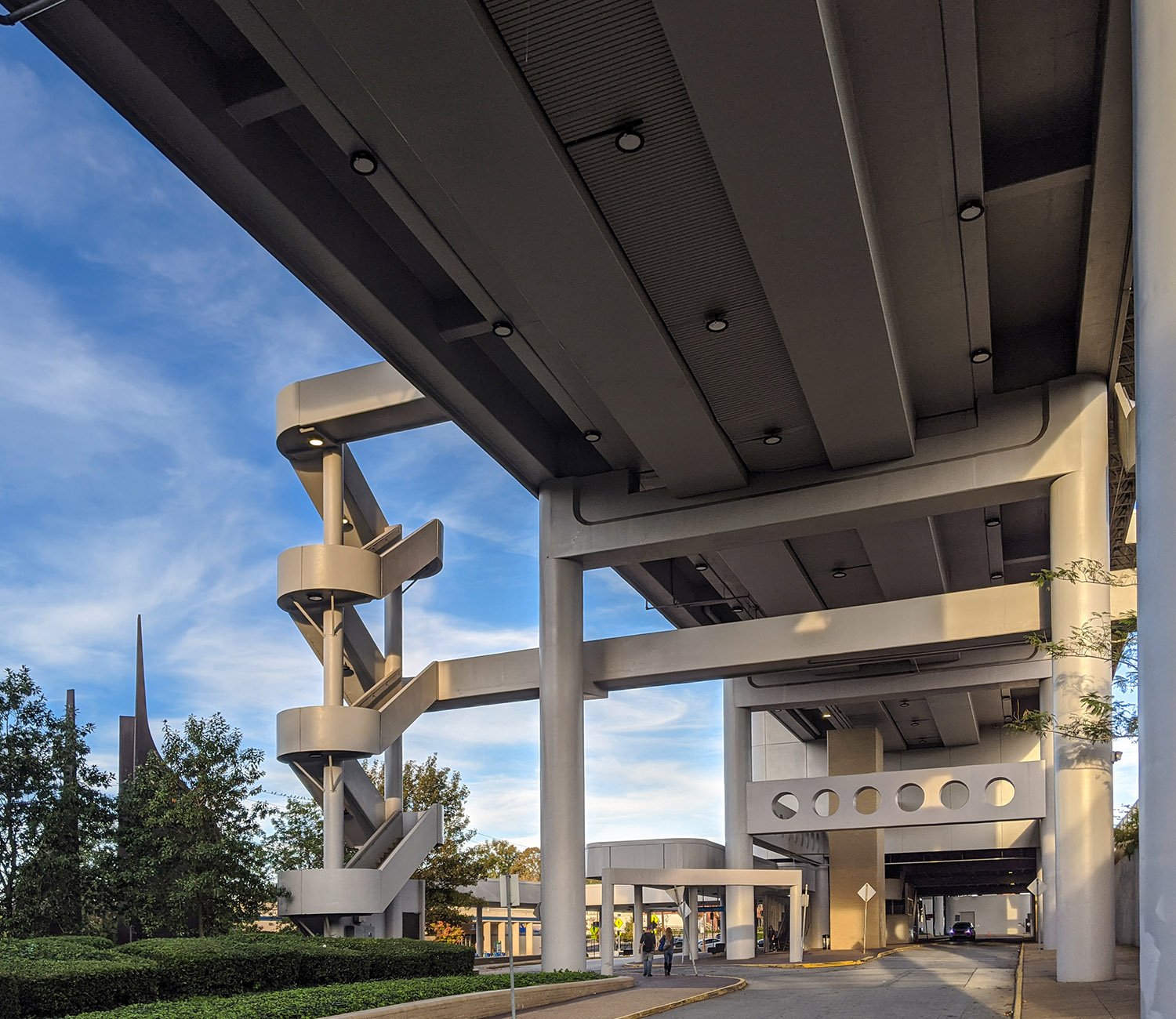
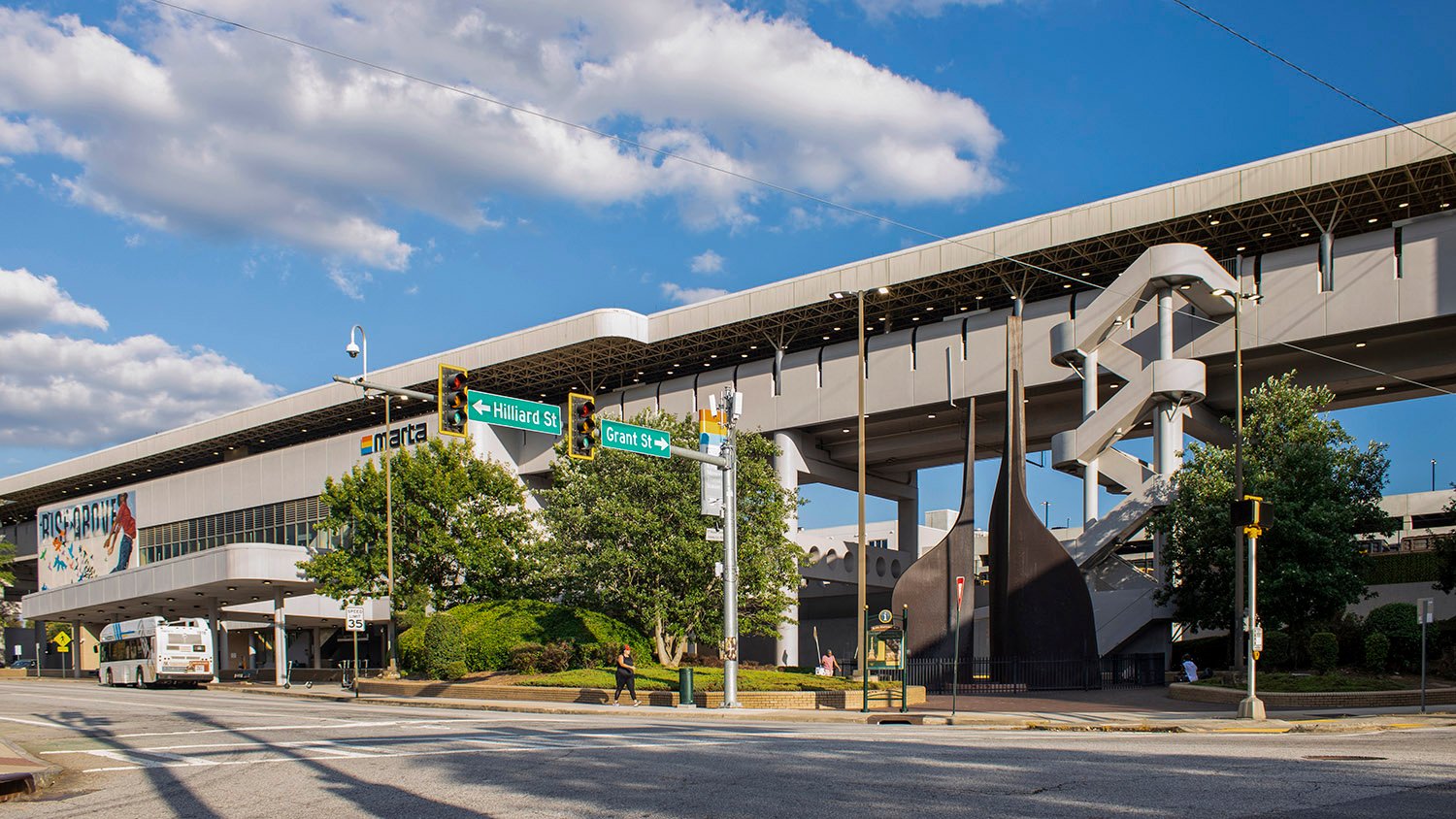
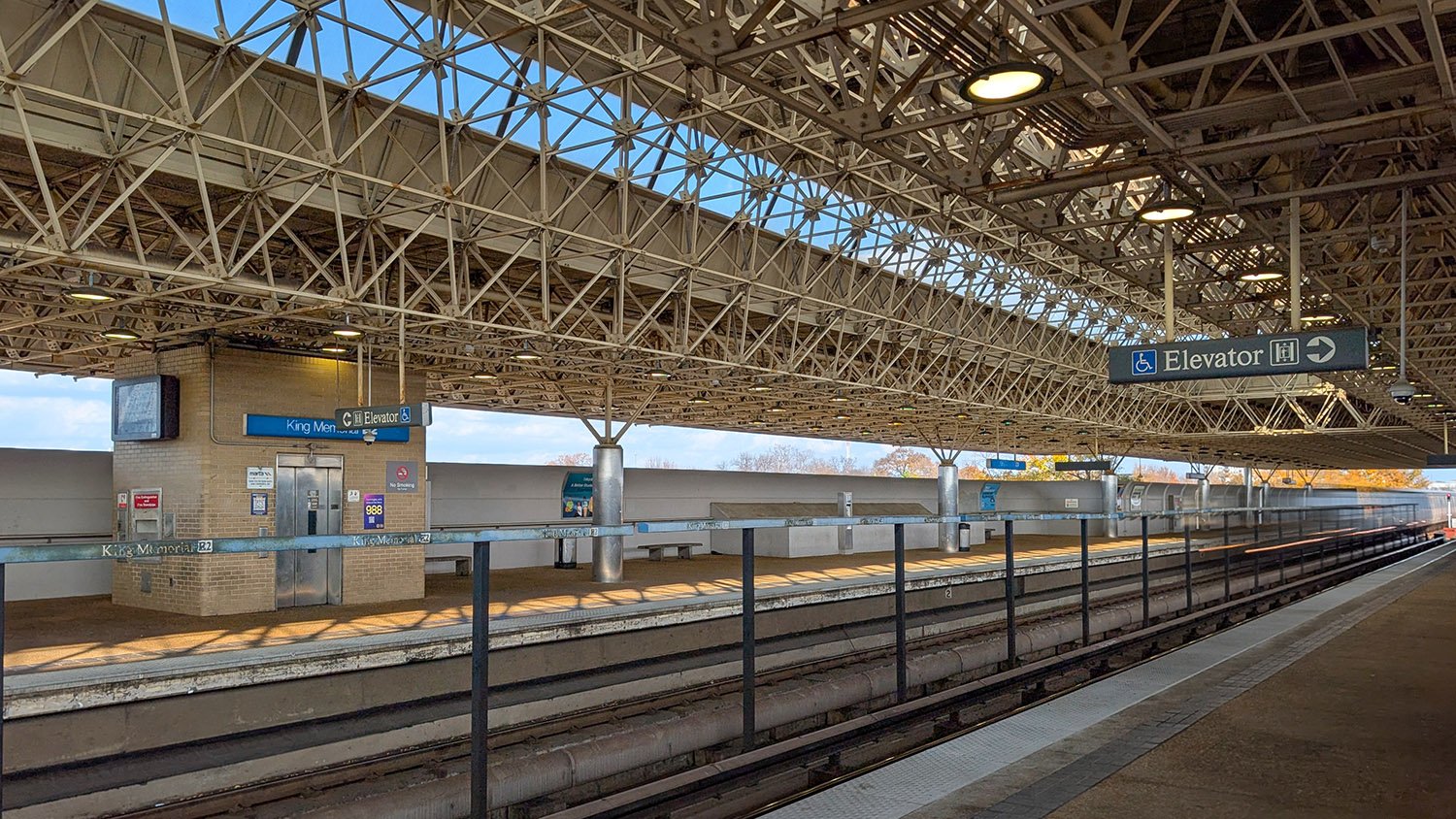
Aeck Associates with Reynolds, Smith & Hills. King Memorial Station (1979). Sweet Auburn, Atlanta.123Looking at King Memorial Station from the northwestPlatform of King Memorial Station
References
Bailey, Sharon. “MARTA Depicts Station”. The Atlanta Constitution, November 6, 1975, p. 10-A. ↩︎
“MARTA Unveils Plan For Grant Street Site”. The Atlanta Journal, November 6, 1975, p. 6-A. ↩︎
Ledlie, Joe. “MARTA Gets Big Rush in Debut”. The Atlanta Journal and Constitution, July 1, 1979, p. 1-A. ↩︎