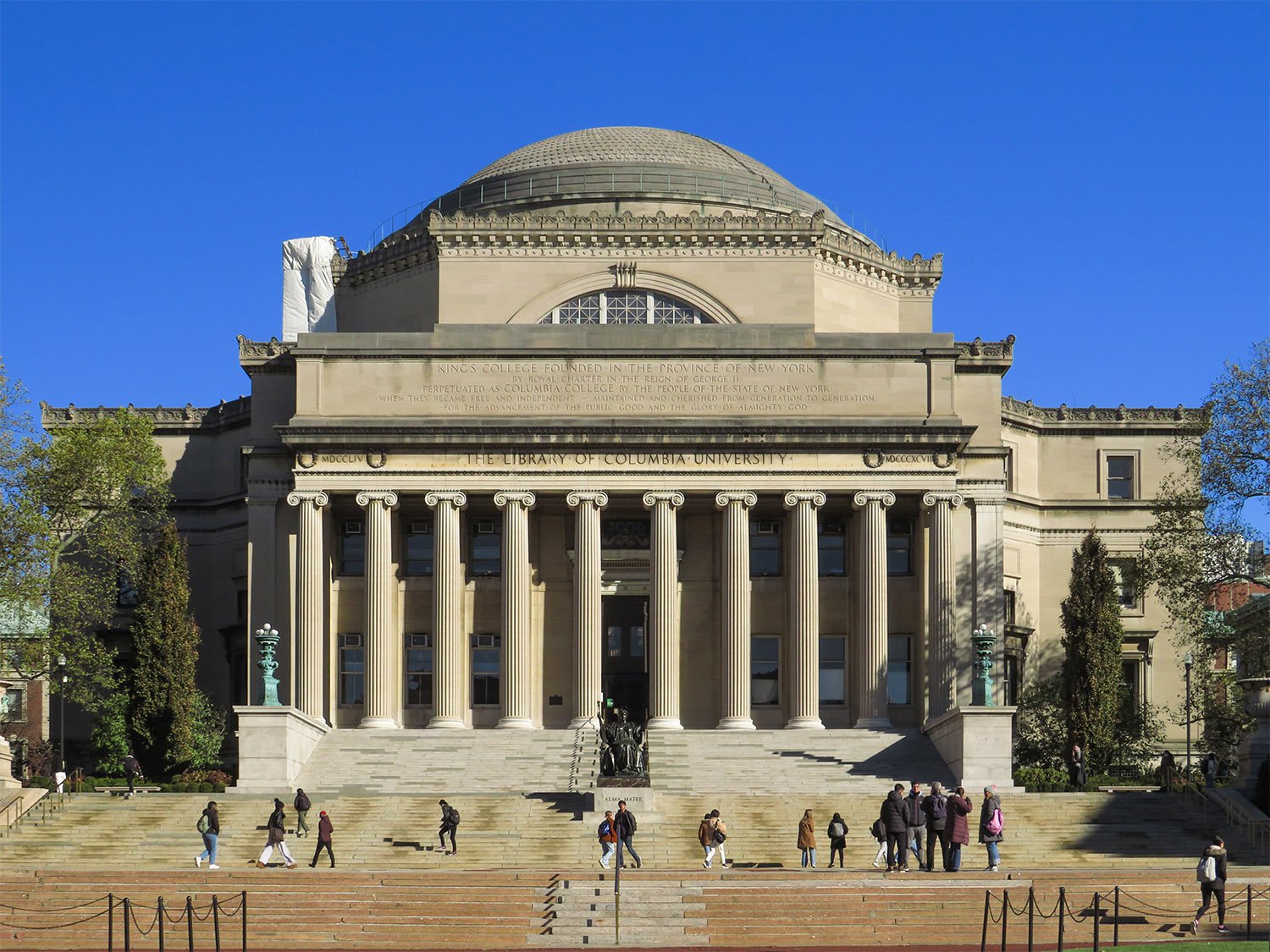
The Background
Stanford White was the lead designer for McKim, Mead & White, a New York firm that dominated American architectural design in the late 19th and early 20th centuries.
White was both an outstanding architect and a notorious public figure, already well-known for his wild philandering, excessive partying, and conspicuous overspending when he was murdered by the husband of one of his ex-lovers, Evelyn Nesbit, a former model and actress who was 16 when White allegedly drugged and raped her.
Nesbit’s husband, Harry Thaw, had long been obsessed with White, and considered him a “menace,” although the architect was apparently oblivious to the threat.
White died on the evening of June 25, 1906, when Thaw shot him three times in a crowd of hundreds at New York’s Madison Square Garden—which White incidentally designed.
For nearly two years after the shooting, the front pages of American newspapers were covered in the lurid details of White’s seedy escapades on a near-daily basis, and the ensuing “Trial of the Century” ended when Thaw was declared not guilty by reason of insanity.
The day after White’s murder, The Atlanta Georgian newspaper published remarks by G.L. Norrman, who reportedly met Stanford White when they both “were on the committee of awards at the Chicago Exposition in 1893.”
I can’t confirm the committee’s existence, but the article explained that “Five other architects of the country were on the special committee that judged architectural drawings.”
Norrman was obviously an admirer of McKim, Mead & White’s work, and many of his projects drew heavily on their designs.
Additionally, Norrman claimed that he and White frequently met at the annual conventions of the American Institute of Architects, and he touted White highly as a designer.
It should be noted, though, that the two projects for which Norrman praises White—the Low Memorial Library (pictured above) at Columbia University, and the Boston Public Library—are well-documented to be the work of White’s partner, Charles McKim.
Norrman was likely thinking of the Gould Memorial Library in the Bronx, which was designed by White.
Norrman’s remarks:
“I knew White well. His work placed him before the country as a great designer. The library at the Columbia library in New York was designed by his firm, but the magnificent front of the building was the work of Mr. White himself. His work on the Boston library was also of great note. I have known him quite a while and the news of his tragic death is a great shock to me.”2
References
- Low Memorial Library, Columbia University (U.S. National Park Service) ↩︎
- “Atlanta Architect Knew White Well”. The Atlanta Georgian, June 26, 1906, p. 1. ↩︎