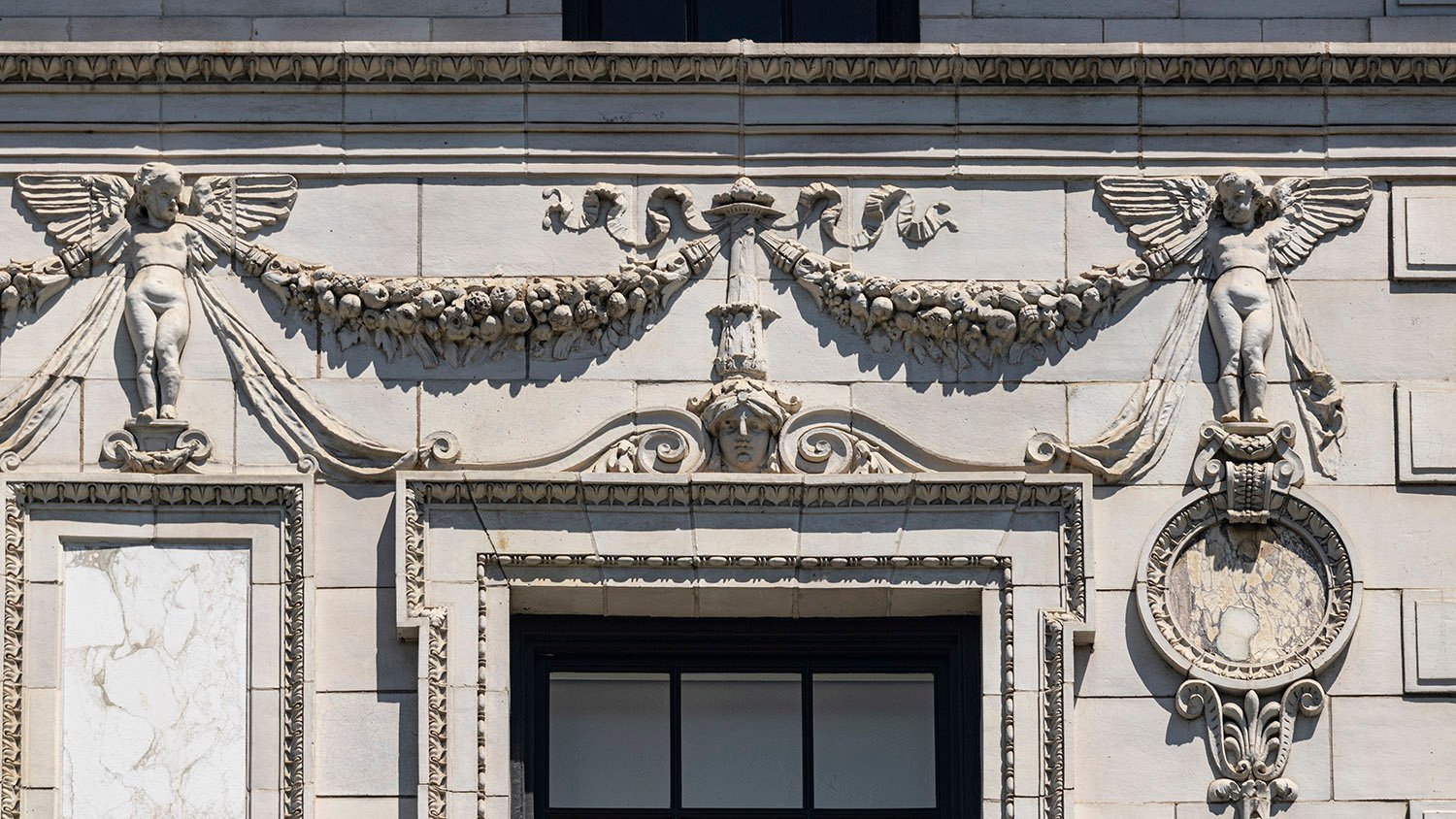
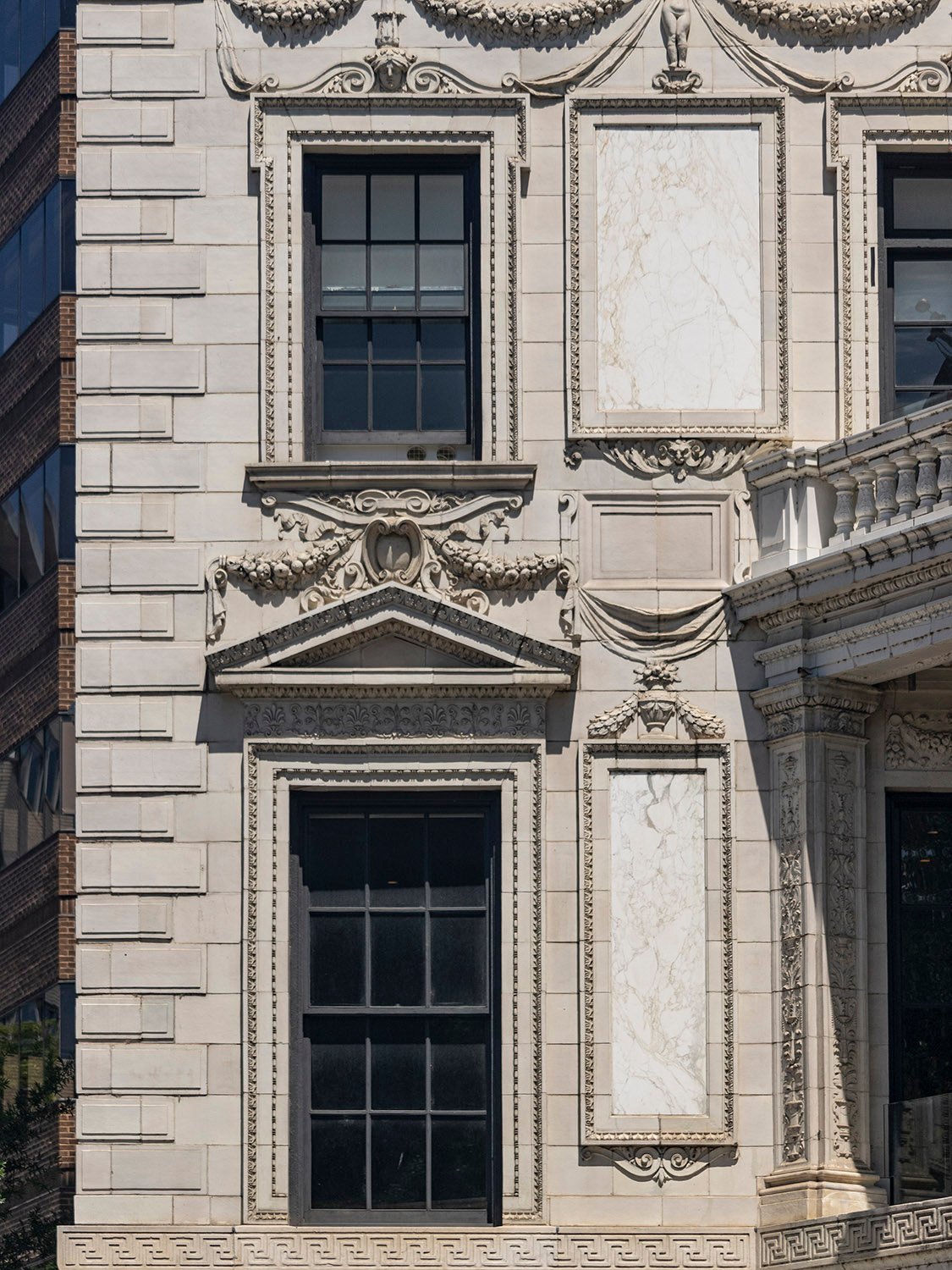
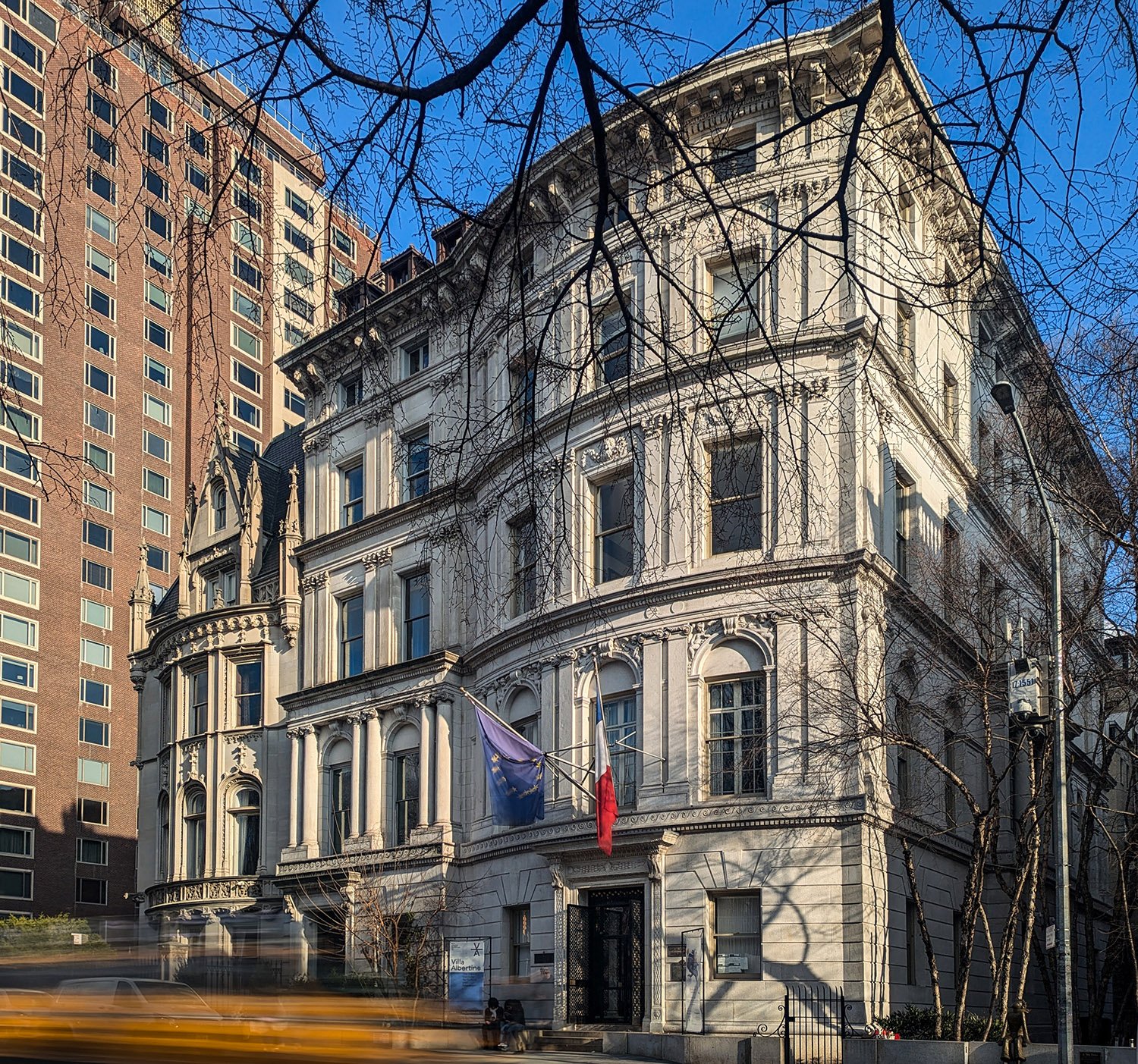
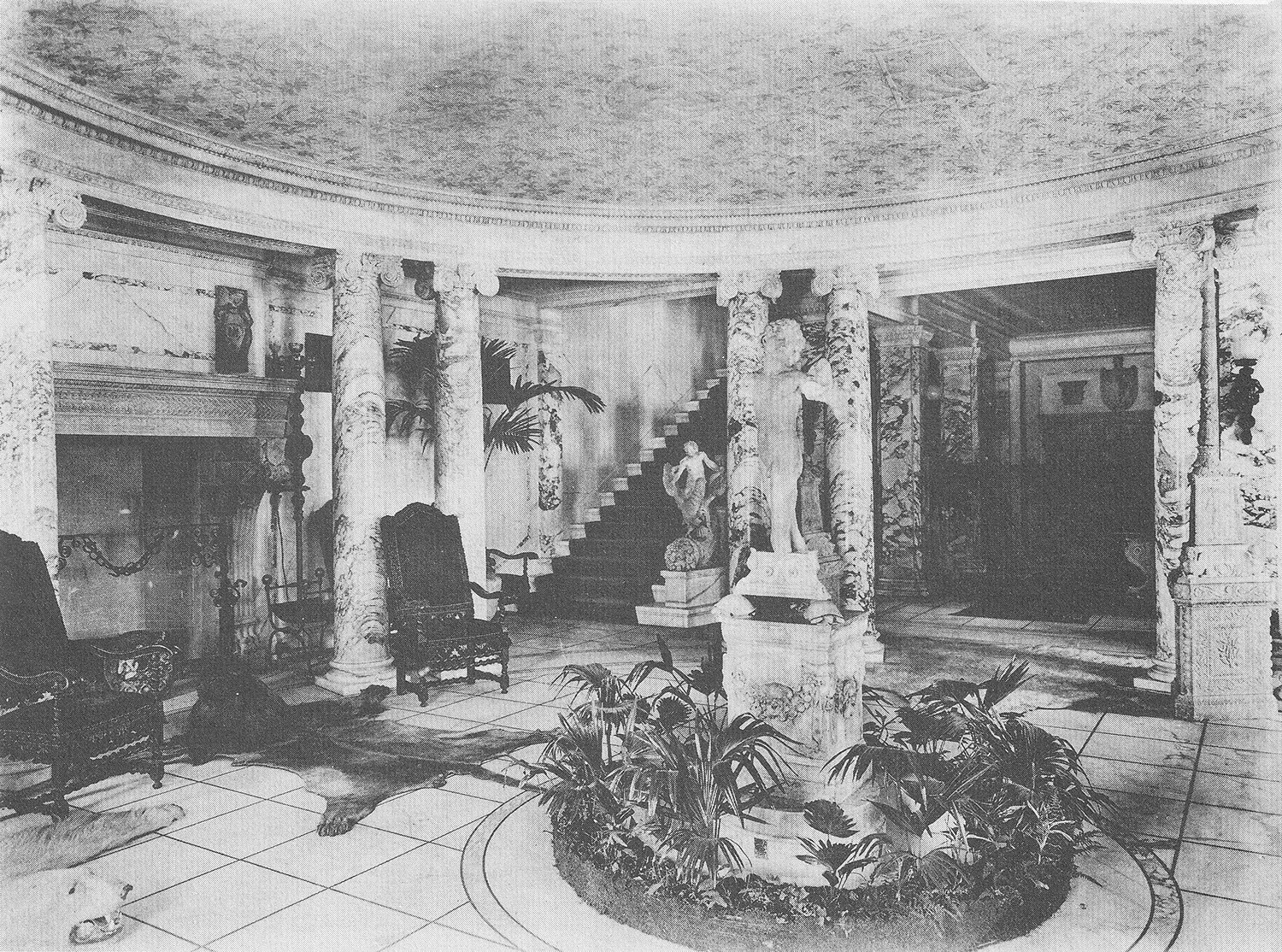
Several years ago I drove around New Orleans for about two hours—long enough to learn that the place is a charmless shithole.
On my way out of town, I was chased for several miles by some cracked-out asshole screaming and throwing objects at my rental car, for reasons that could only make sense to an addled mind.
Before that inglorious send-off, I drove through the French Quarter and the Garden District and was quite underwhelmed by New Orleans’ so-called architecture, which is little more than cheap cast iron slapped onto a lot of gaudy, poorly designed buildings.
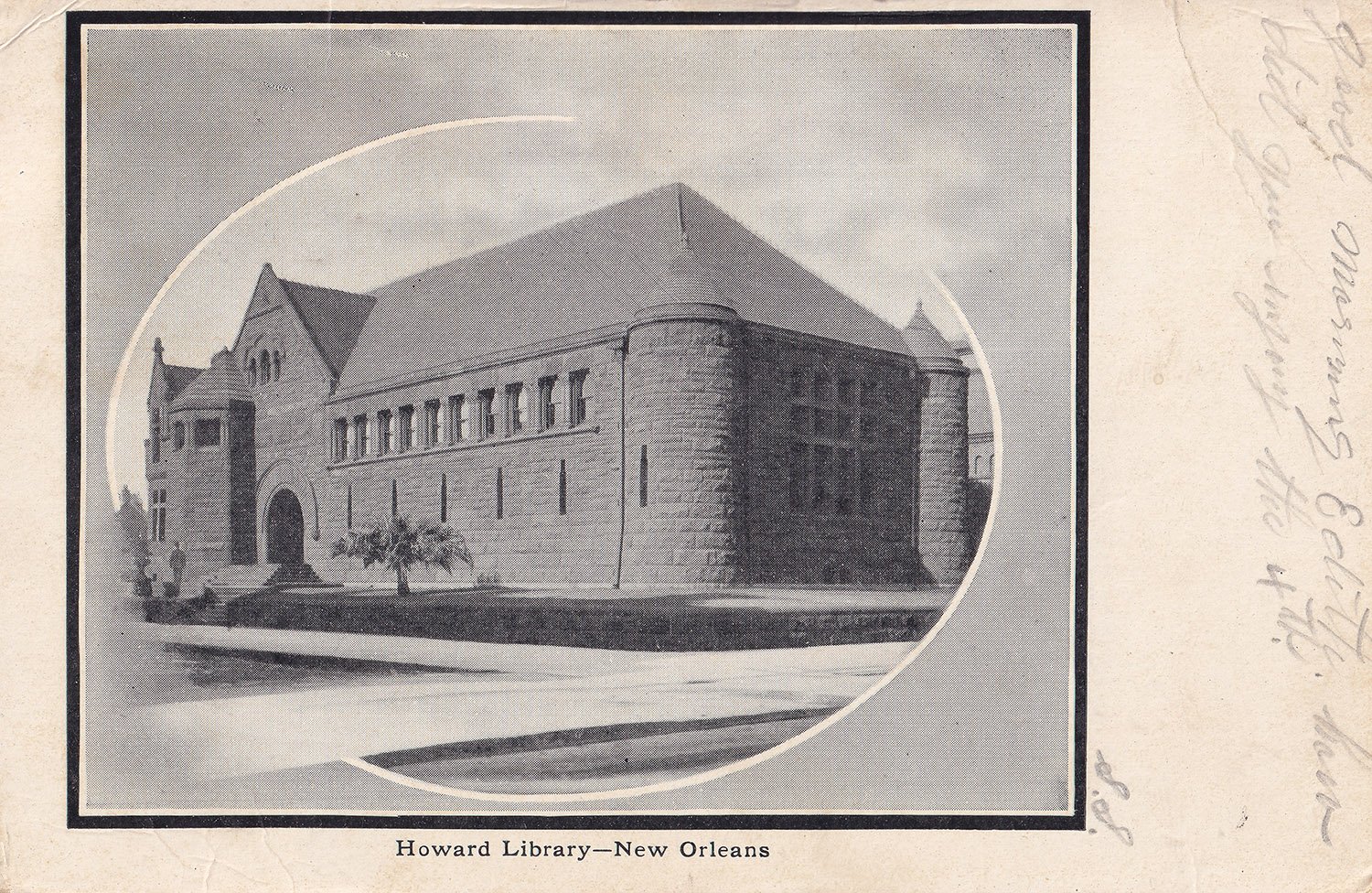
I made a point of driving by the former Howard Memorial Library, completed in 18891and ostensibly designed by H.H. Richardson,2 who grew up in New Orleans but wisely moved North to practice architecture.
Location of Howard Memorial Library
The building’s style is, of course, Romanesque—Richardson is credited with inventing the style. It’s not one of his better works, though, and was based on a rejected design for a Michigan library.3
Richardson never saw the building either: construction began a year after his death, and his successor firm, Shepley, Rutan & Coolidge, dusted off the plans and reworked them.4
Thus, it could reasonably be argued that Richardson didn’t design the building at all, although it’s often touted as his only work in the South. It certainly lacks the sophistication of his better Northern designs, but Richardson’s output was always hit-or-miss.
I also suspect that Shepley, Rutan, and Coolidge, who were originally Richardson’s assistants, were largely responsible for his later designs anyway, but that’s a discussion for another time.
I’d originally planned to take pictures of the library, but I’ll never set foot in New Orleans again, so this postcard will suffice.
On the front, S.S. writes:
“Good morning Edith. How did you enjoy the 4th.”
The card was addressed to Miss Edith Smith of Box 85, Clinton, Miss., and postmarked on July 5, 1907.
References
“Opening the Howard Library.” The Daily Picayune (New Orleans), March 4, 1889, p. 4. ↩︎
“Howard Memorial Library.” The Daily Picayune (New Orleans), January 30, 1887, p. 10. ↩︎
McKim, Mead & White. Parish House, The First Presbyterian Church in the City of New York (1893).
Most of McKim, Mead & White’s projects are well documented, but one that is never mentioned in history books and usually omitted from project lists is the charming parish house of First Presbyterian Church in the City of New York.
Built in 1893,1 the three-story structure with a full basement is located at the corner of 5th Avenue and West 11th Street in Greenwich Village.
Location of Parish House, The First Presbyterian Church in the City of New York
I don’t know which employees from the firm are responsible for this design, but they did a fine job—surely none of the named partners would have bothered to lift a finger for such a small project.
By the early 1890s, McKim, Mead & White drew almost exclusively on Renaissance inspiration for their designs, and this is a rare example of the firm employing the Gothic style.
Looking at the Parish House, First Presbyterian Church, New York
Plans for the structure were reportedly drawn by January 1893,2 and when ground was broken in April 1893, the New-York Daily Tribune reported that it would appear as “part of the original church building and will not have the semblance of an addition.”3
They weren’t lying.
Parish House, First Presbyterian Church, New York4
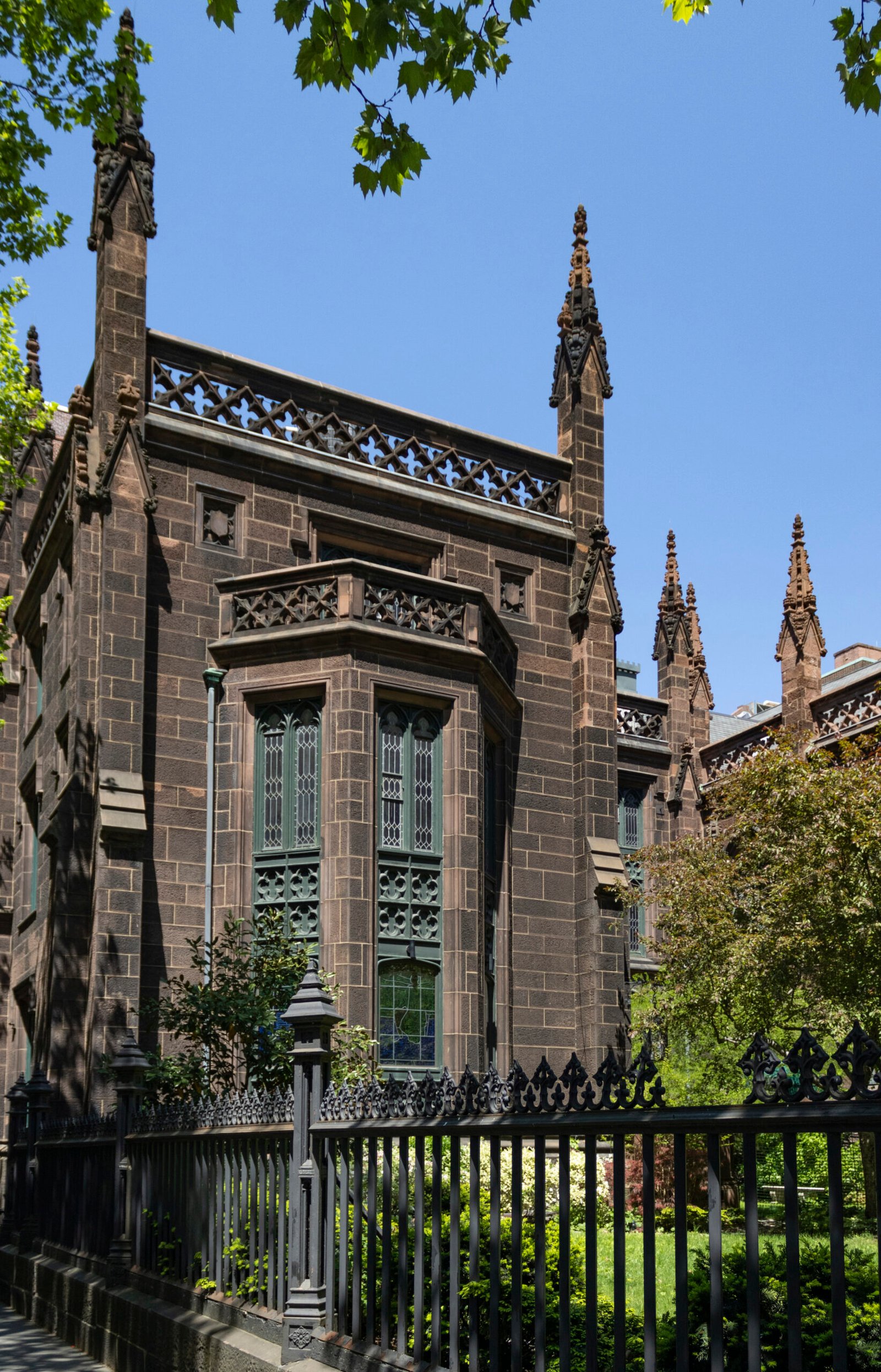
Faced with Kibbebrownstone, the additioncost a modest $50,000,5 and was seamlessly attached to the church’s sanctuary, designed in 1846 by Joseph C. Wells (no relation to Joseph M. Wells of McKim, Mead & White).
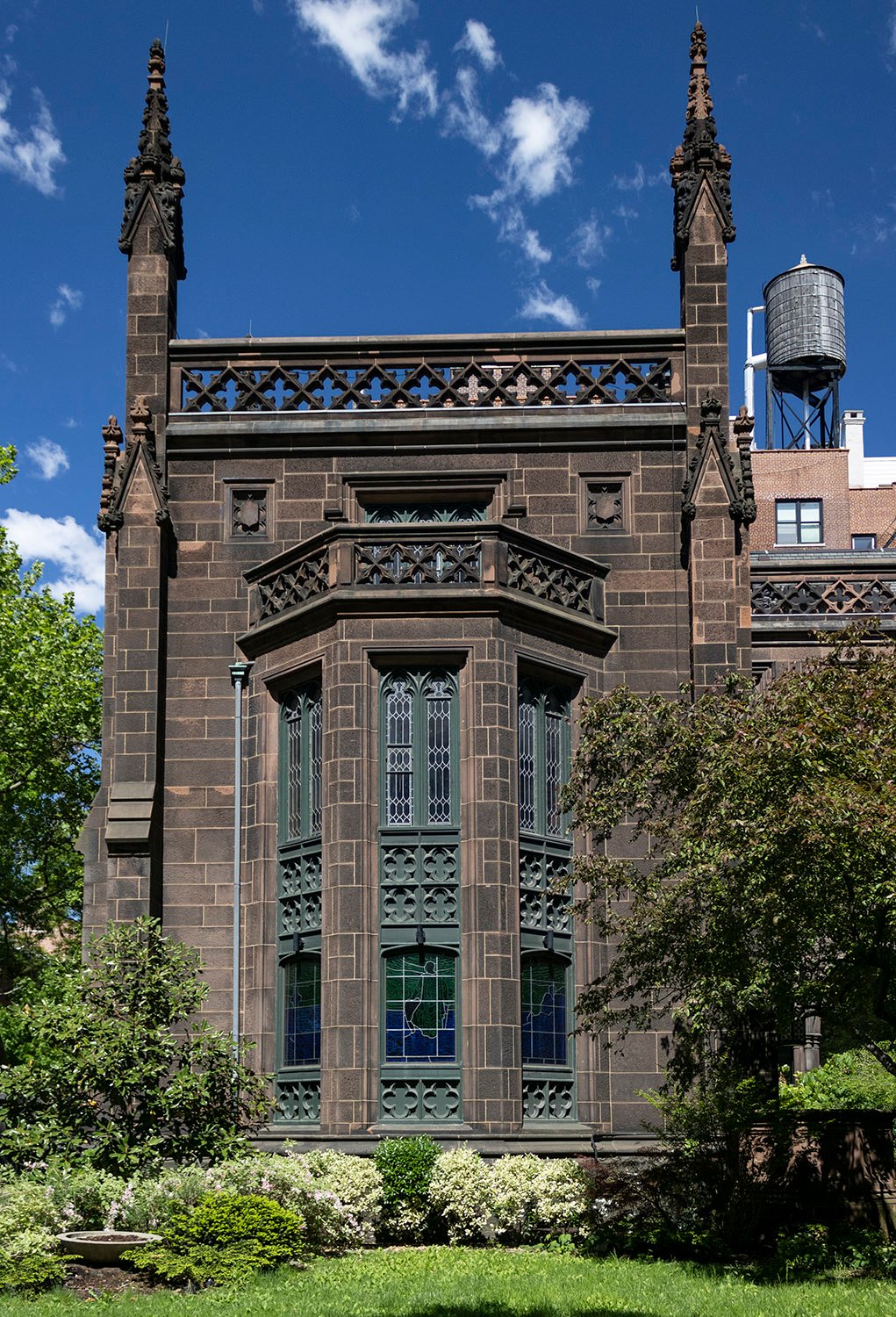
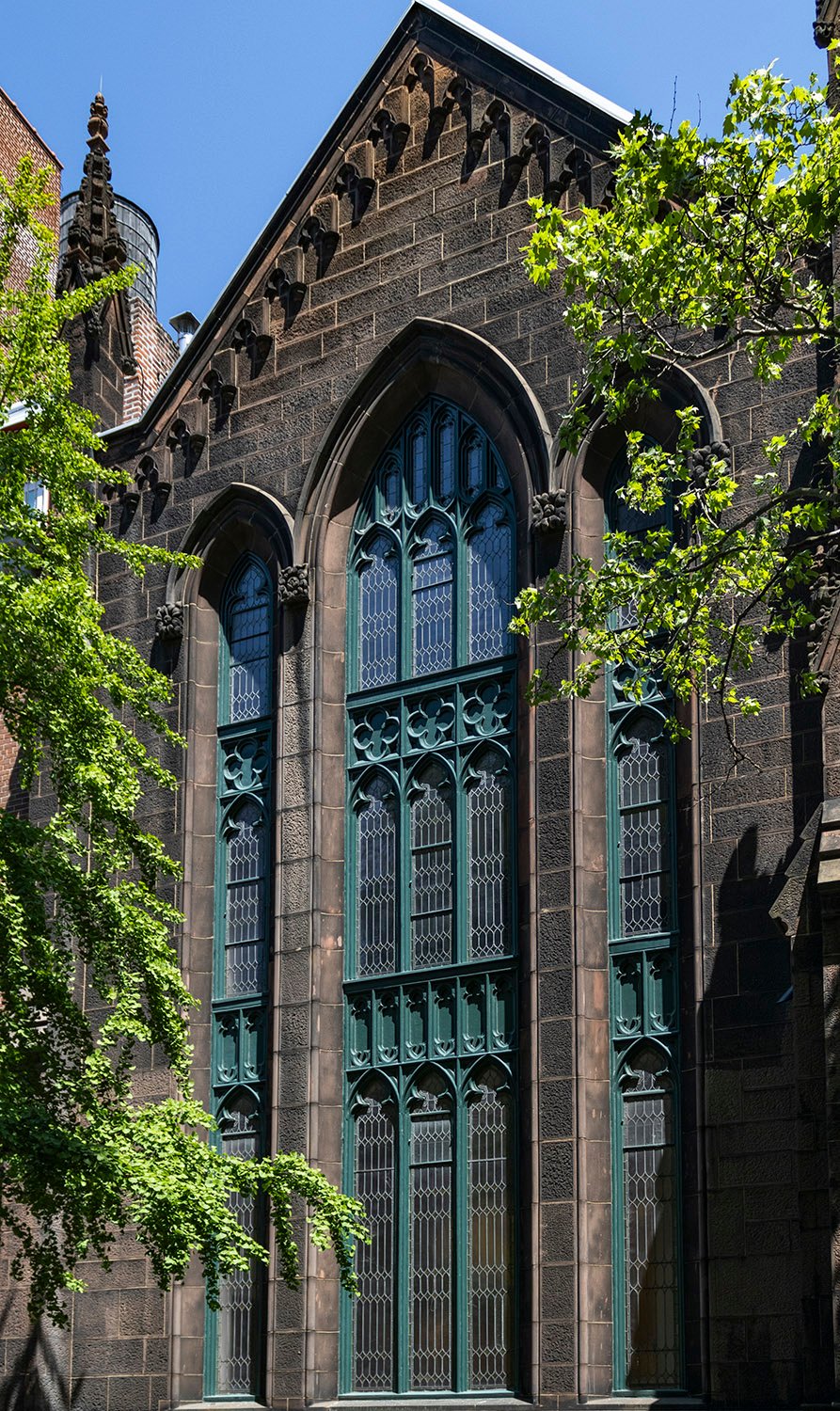
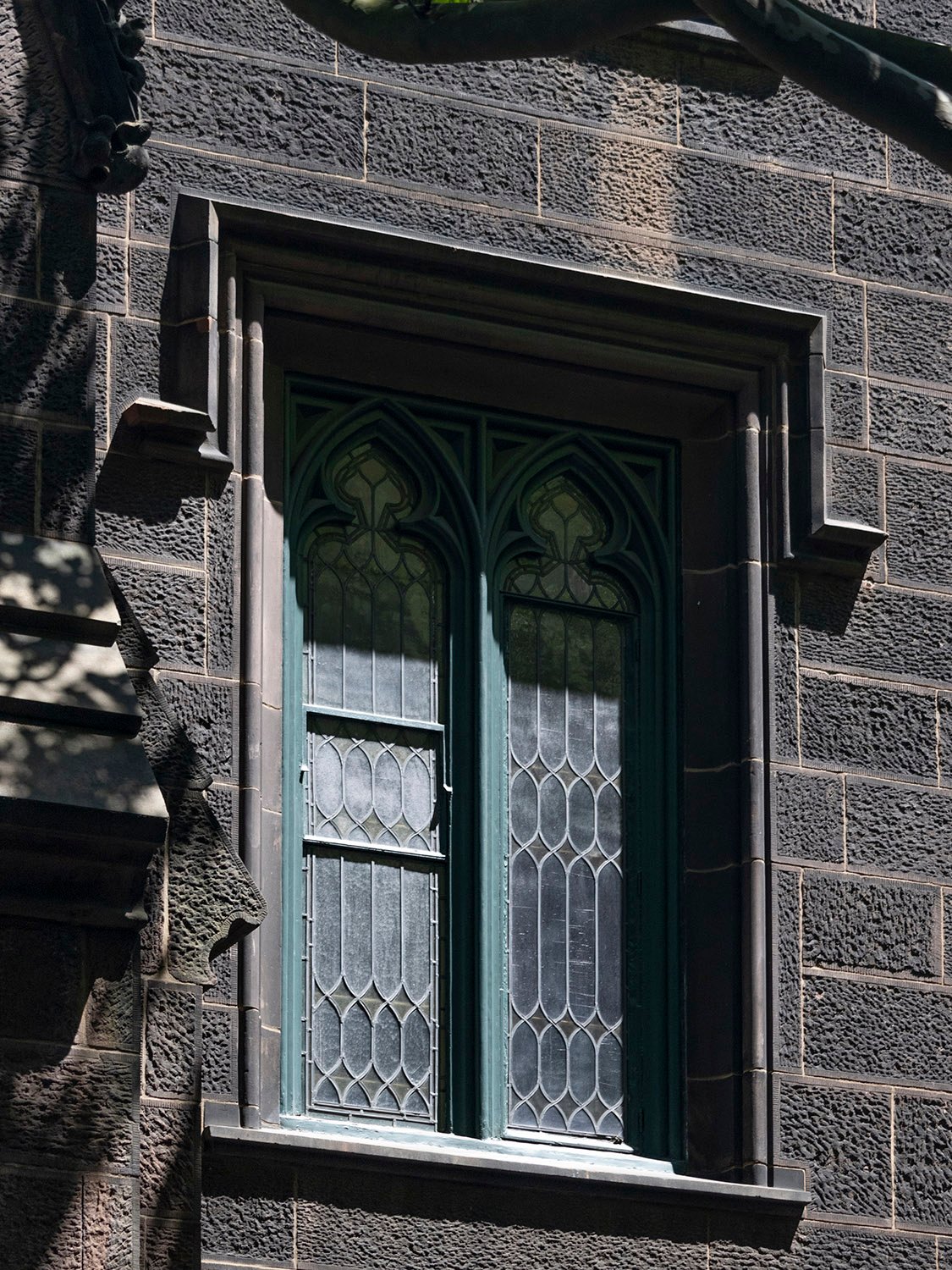
Three-story window on the south elevation of the Parish House, First Presbyterian Church, New York
The centerpiece of the parish house’s original design was the large Sunday School room, occupying a 60×30-foot space on the second and third floors, and topped with a skylight.6
Described as “unusually commodious and well arranged,” the building’s interiors featured ash and oak woodwork and oak ceilings, with a mosaic floor in the vestibule, although it was said that the furnishings would be “of a simple and unostentatious character.”7
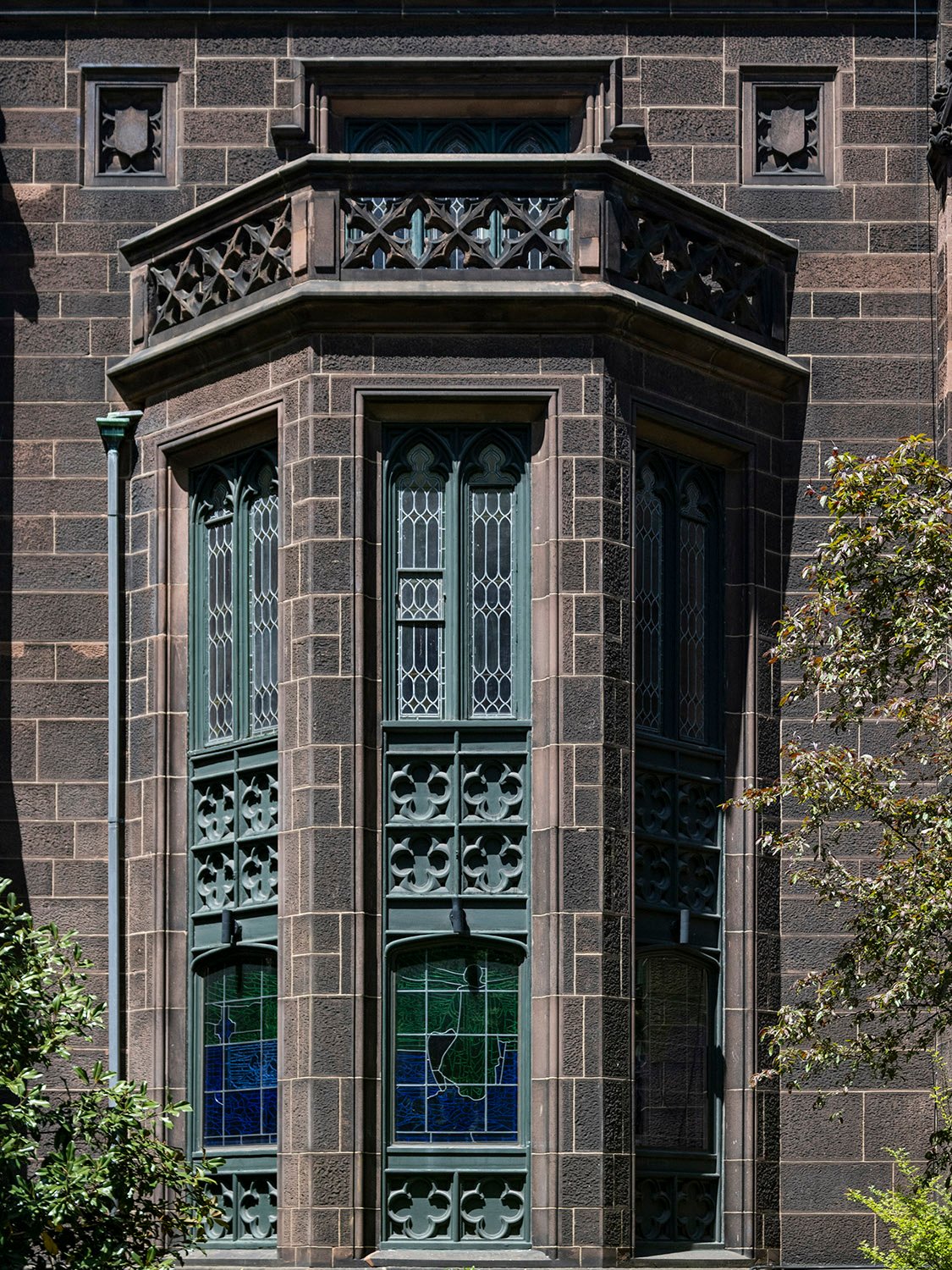
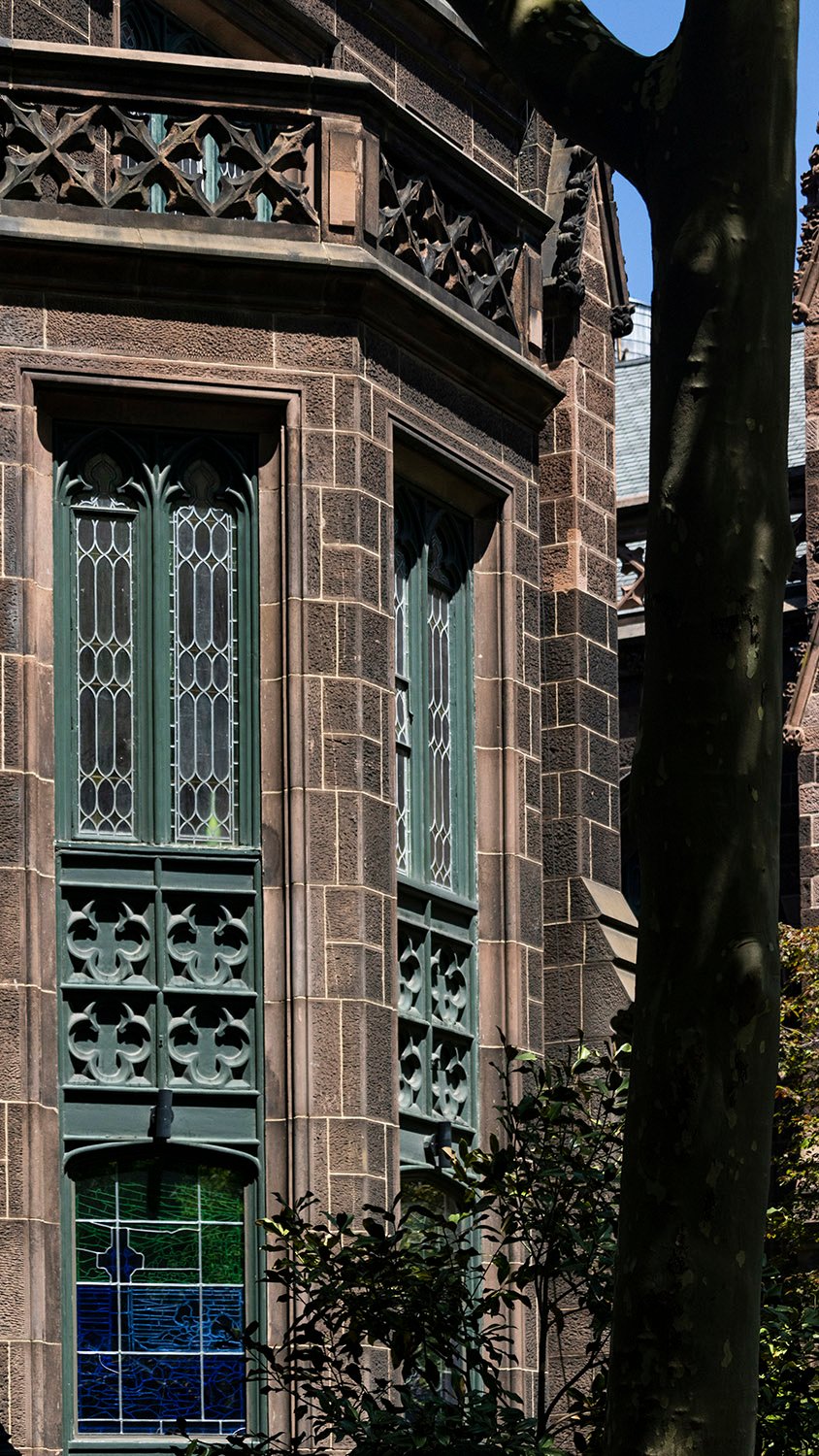
Bay window on the east facade of the Parish House, First Presbyterian Church, New York
A cornerstone ceremony for the parish house was held on May 16, 1893,8 and the building was presumably completed by late 1893.
While its original interiors have long since been altered, the parish house, now known as the South Wing,9 is a hidden gem in Greenwich Village, gracefully obscured by a beautiful walled garden and gnarled old street trees.
Gallery
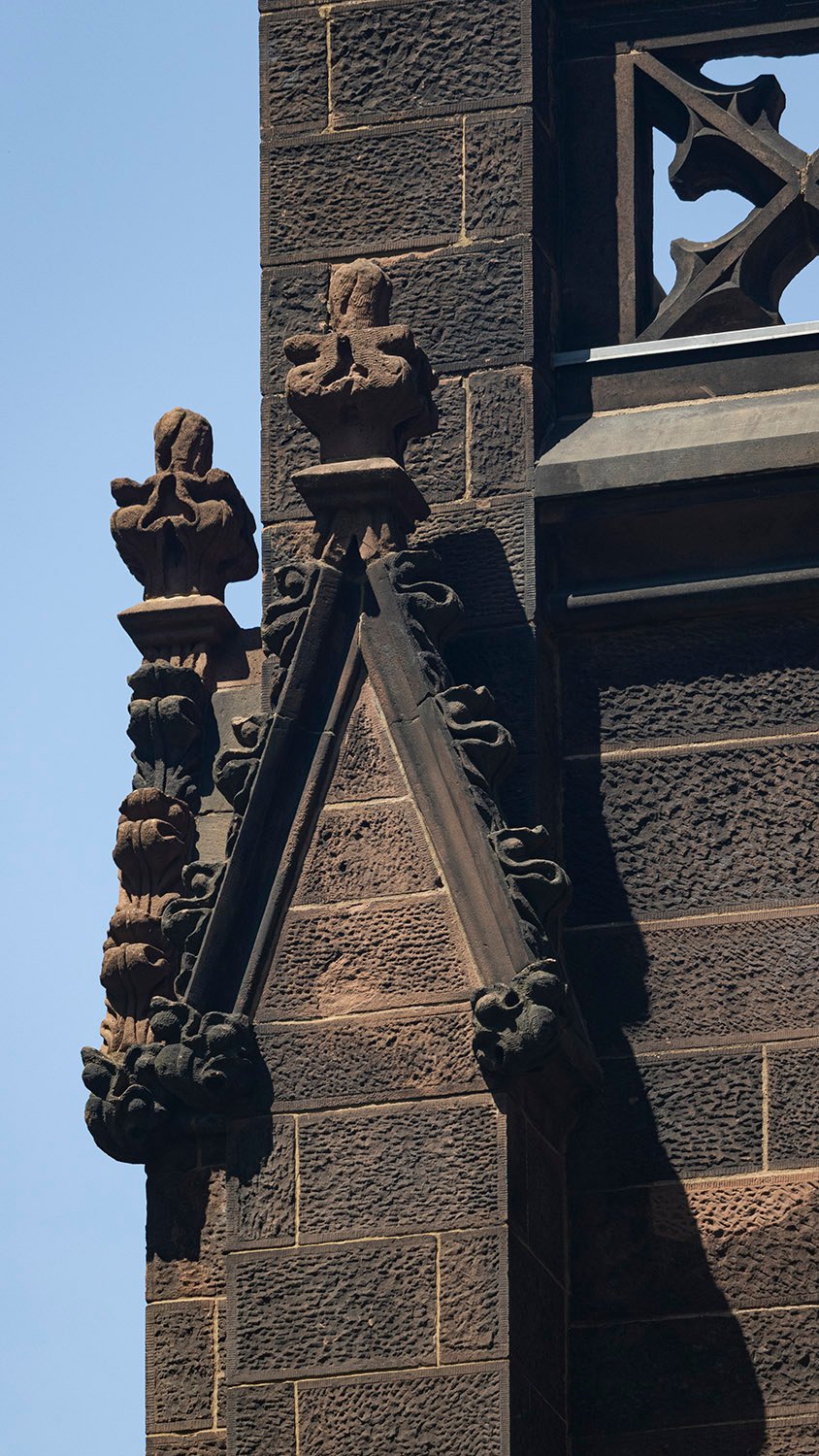
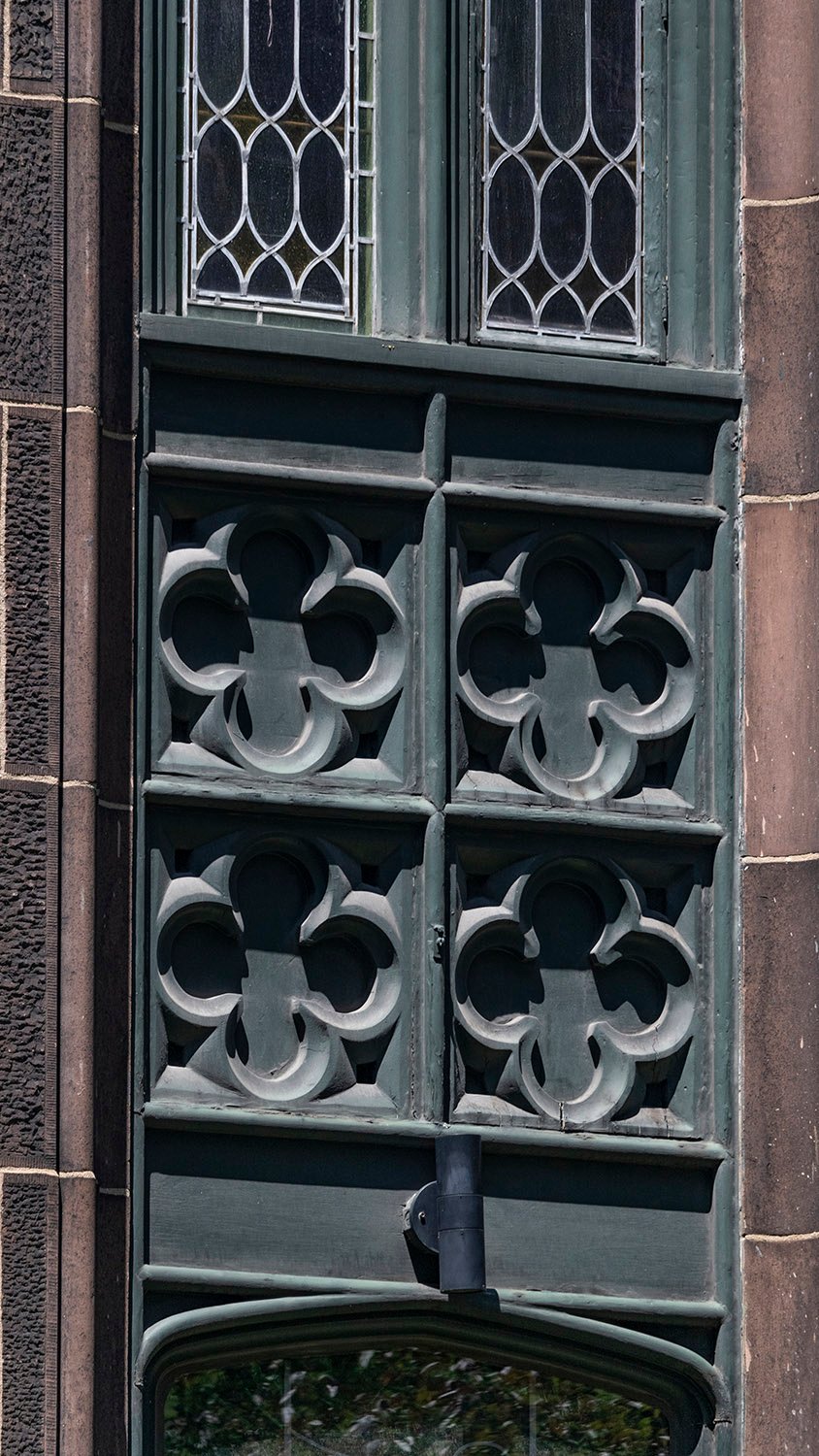
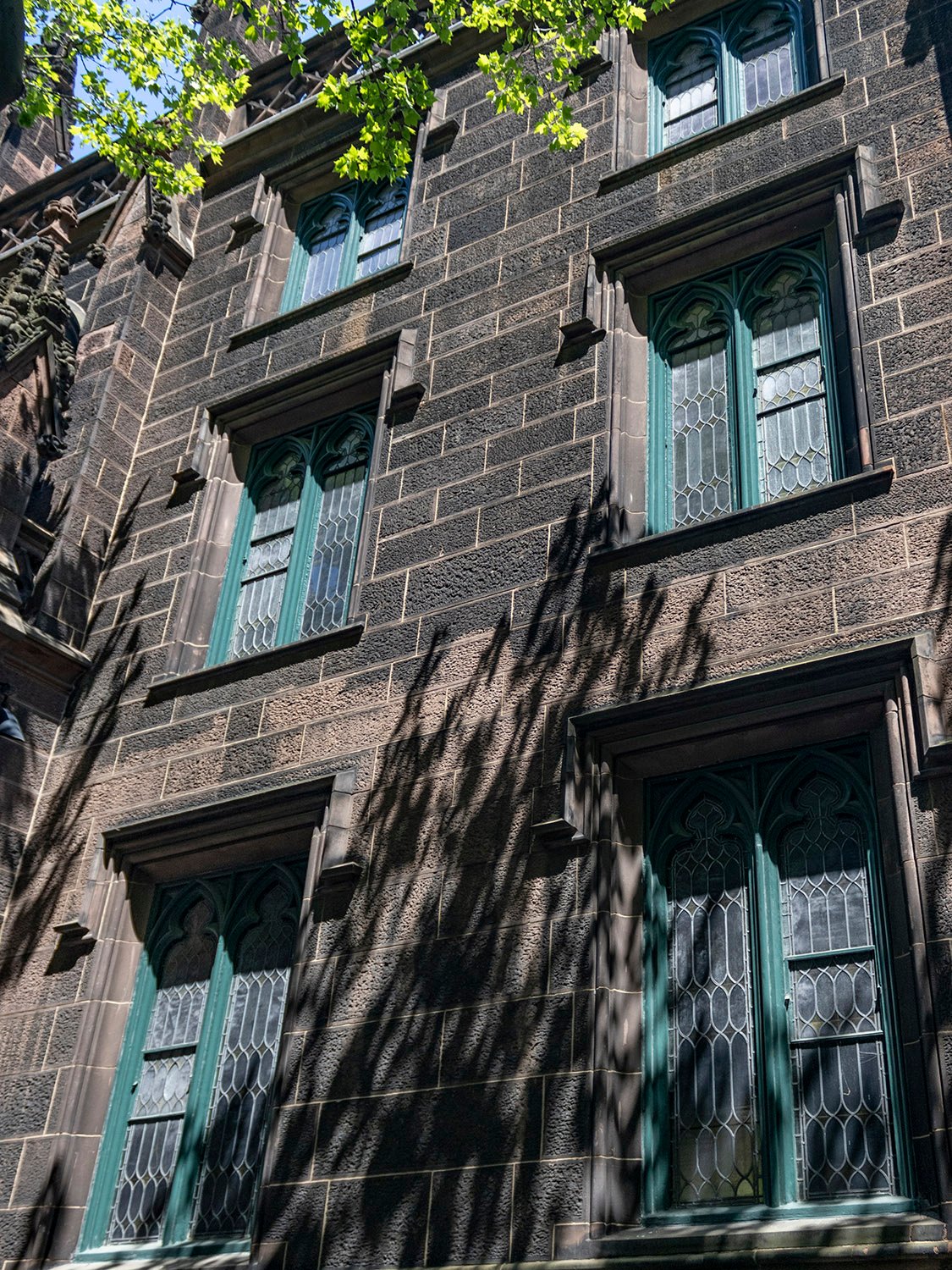
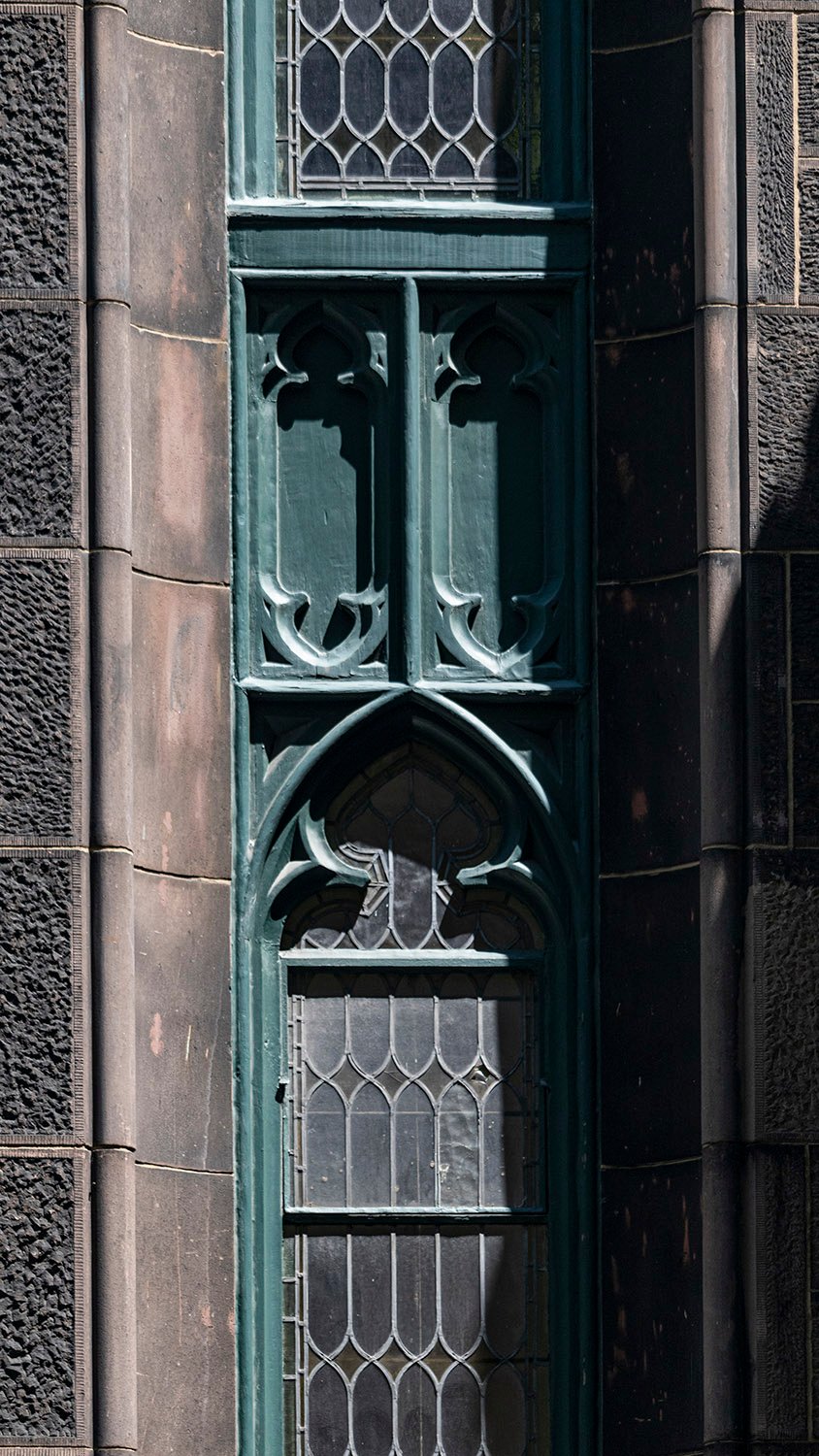
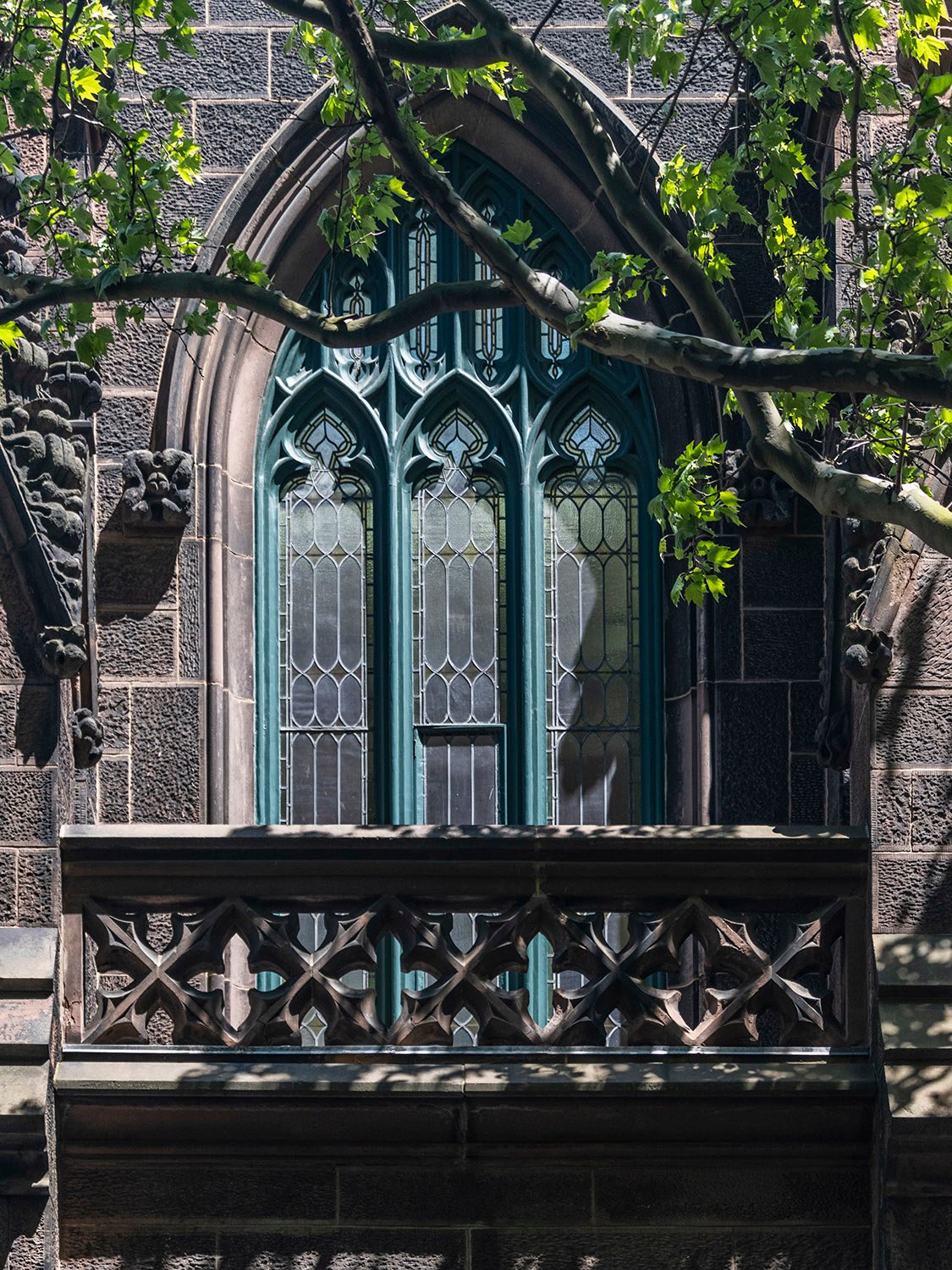
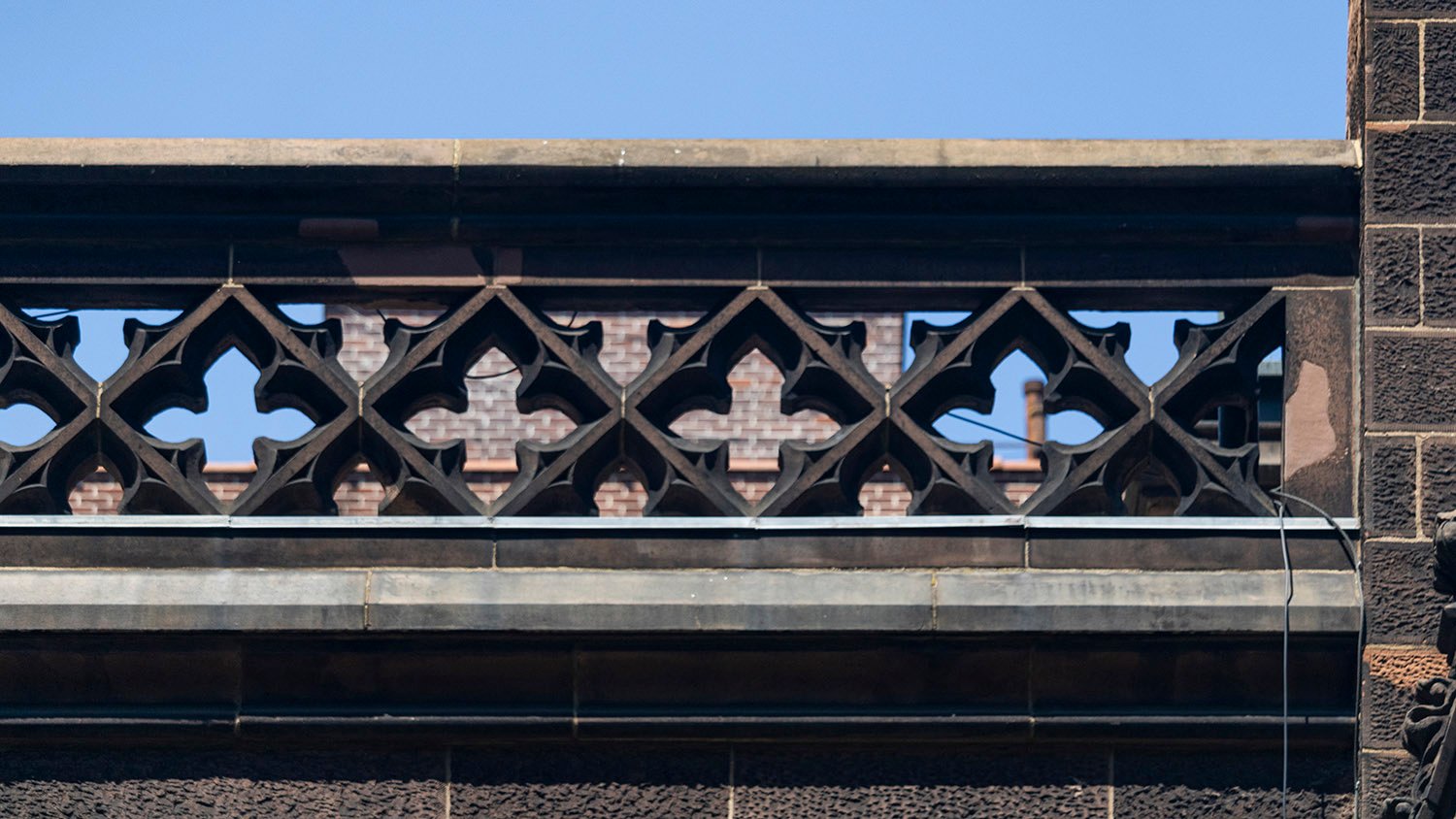
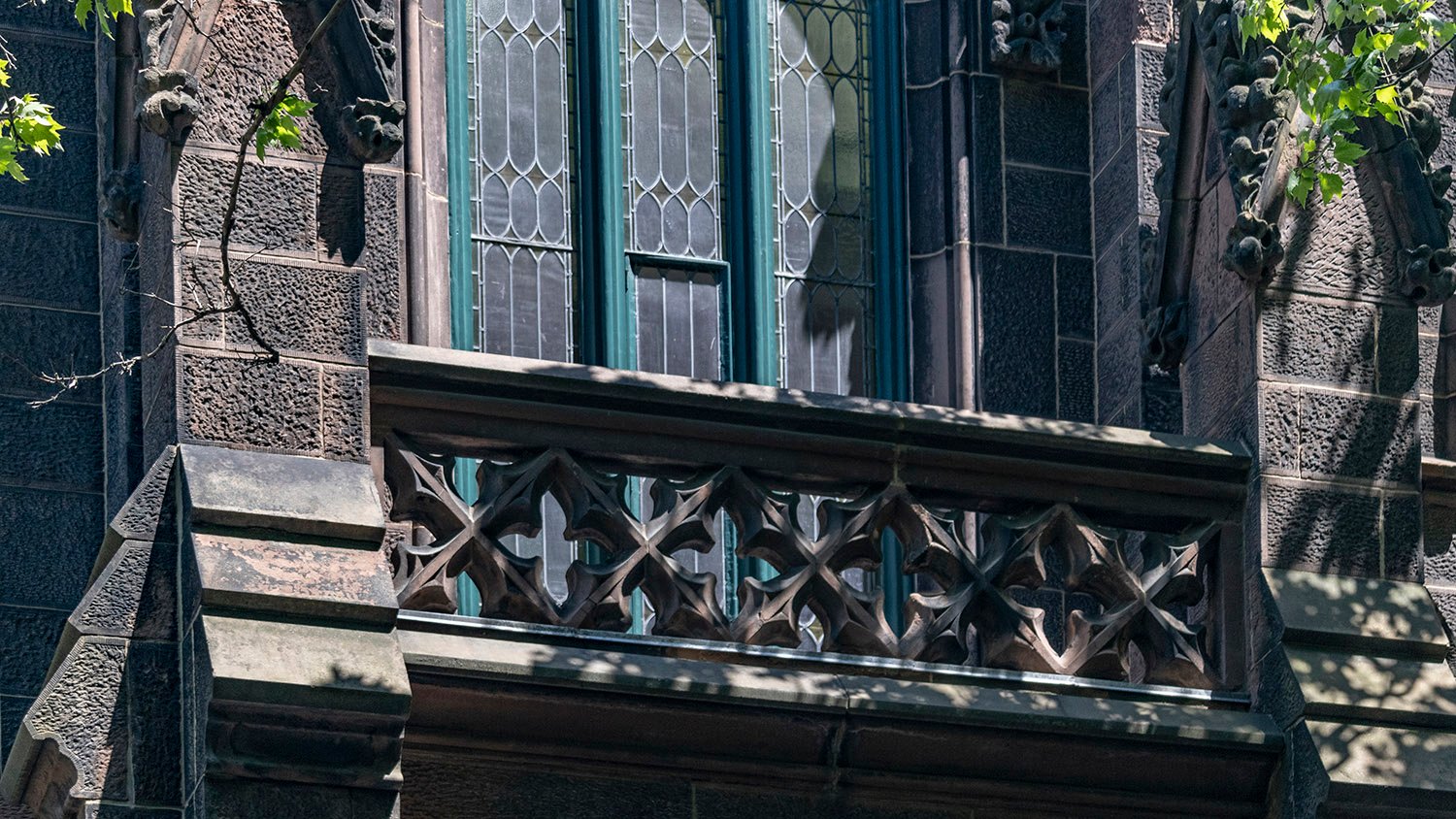
Bay window on the east facade of Parish House, First Presbyterian Church, New YorkButtress on the east facade of the Parish House, First Presbyterian Church, New YorkWindow spandrel with quatrefoils on the Parish House, First Presbyterian Church, New YorkLooking up at the south elevation of the Parish House, First Presbyterian Church, New YorkWindow and spandrel on the Parish House, First Presbyterian Church, New YorkSecond-floor window and balcony on the south elevation of the Parish House, First Presbyterian Church, New YorkSecond-floor window on the south elevation of the Parish House, First Presbyterian Church, New YorkBalustrade on the roof of the Parish House, First Presbyterian Church, New YorkBalustrade on the south elevation of the Parish House, First Presbyterian Church, New York
References
“Ground Broken For A Parish House.” New-York Daily Tribune, April 23, 1893, p. 4. ↩︎
“A Memorial To Professor Bull.” New-York Daily Tribune, January 5, 1893, p. 4. ↩︎
“Ground Broken For A Parish House.” New-York Daily Tribune, April 23, 1893, p. 4. ↩︎
Joseph Wells of McKim, Mead & White. Villard Houses (1885). New York.
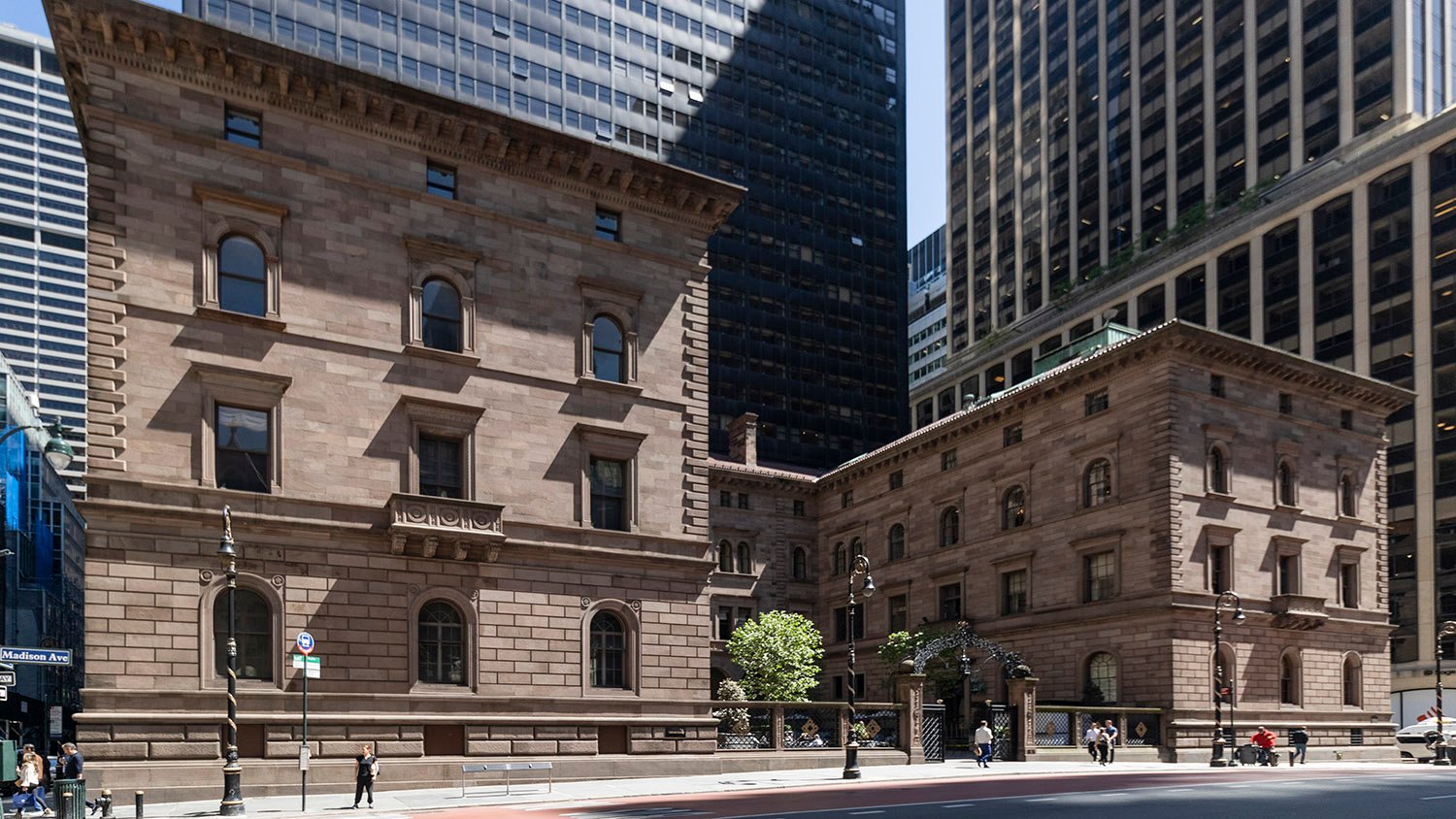
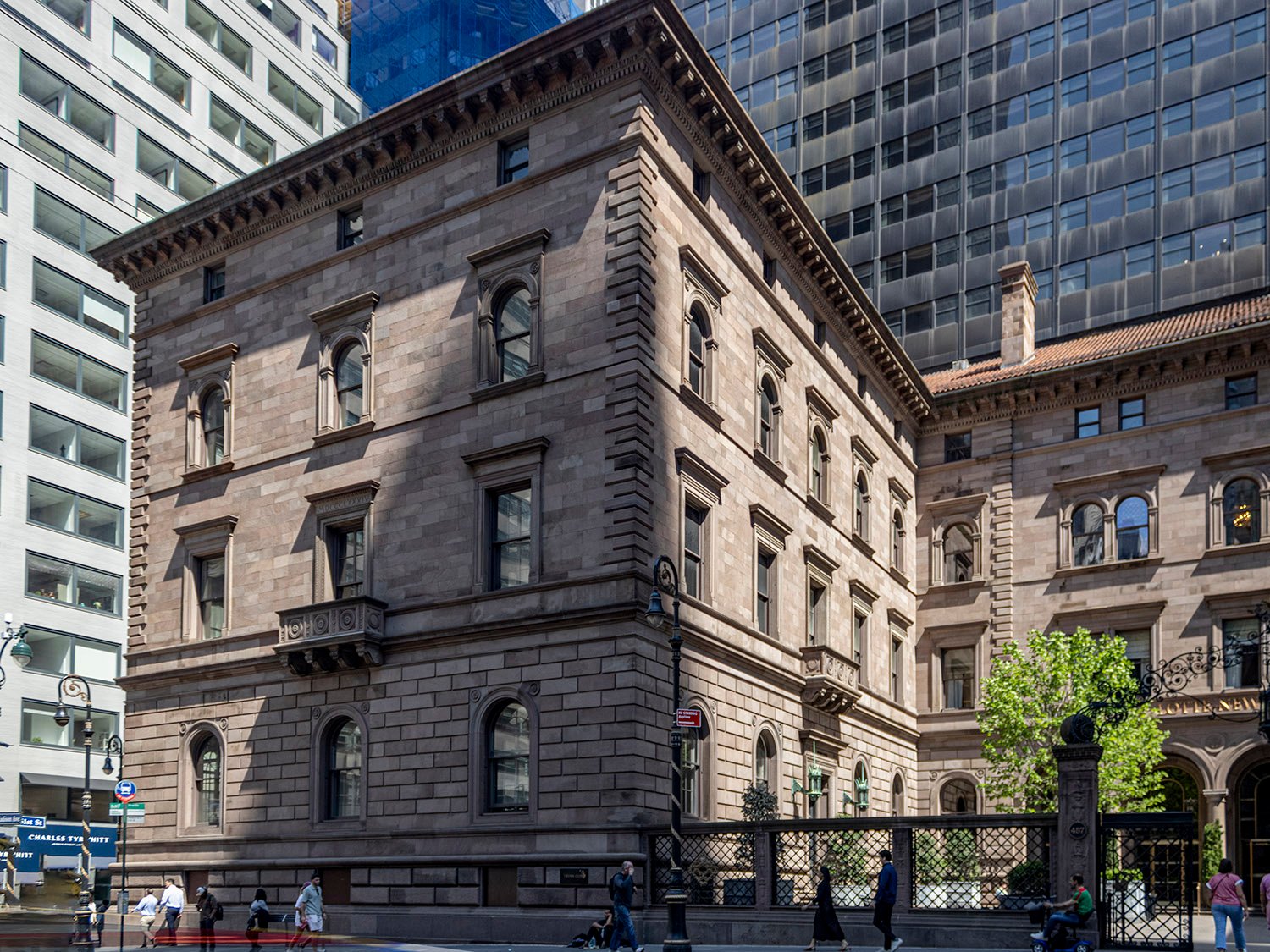
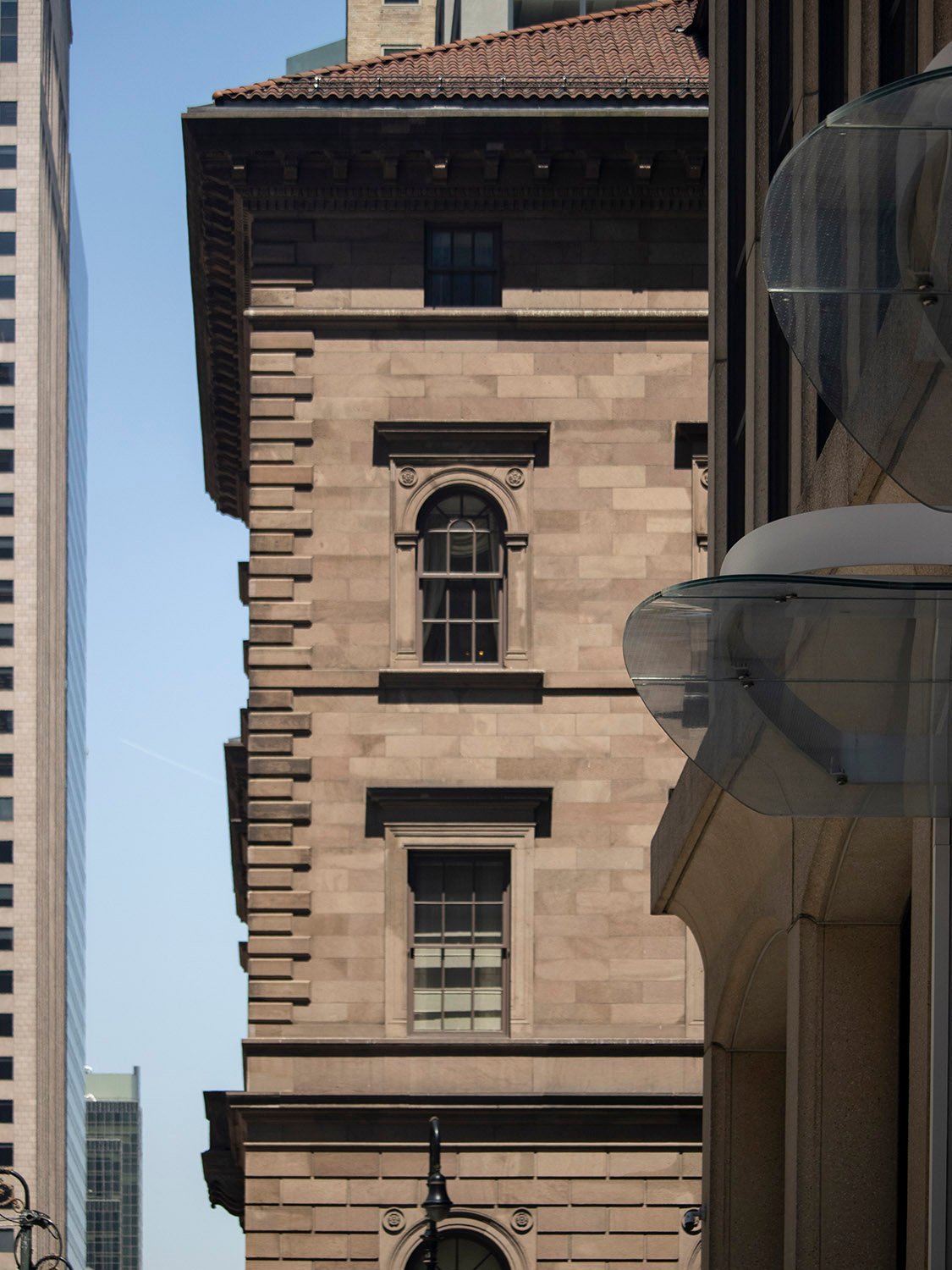
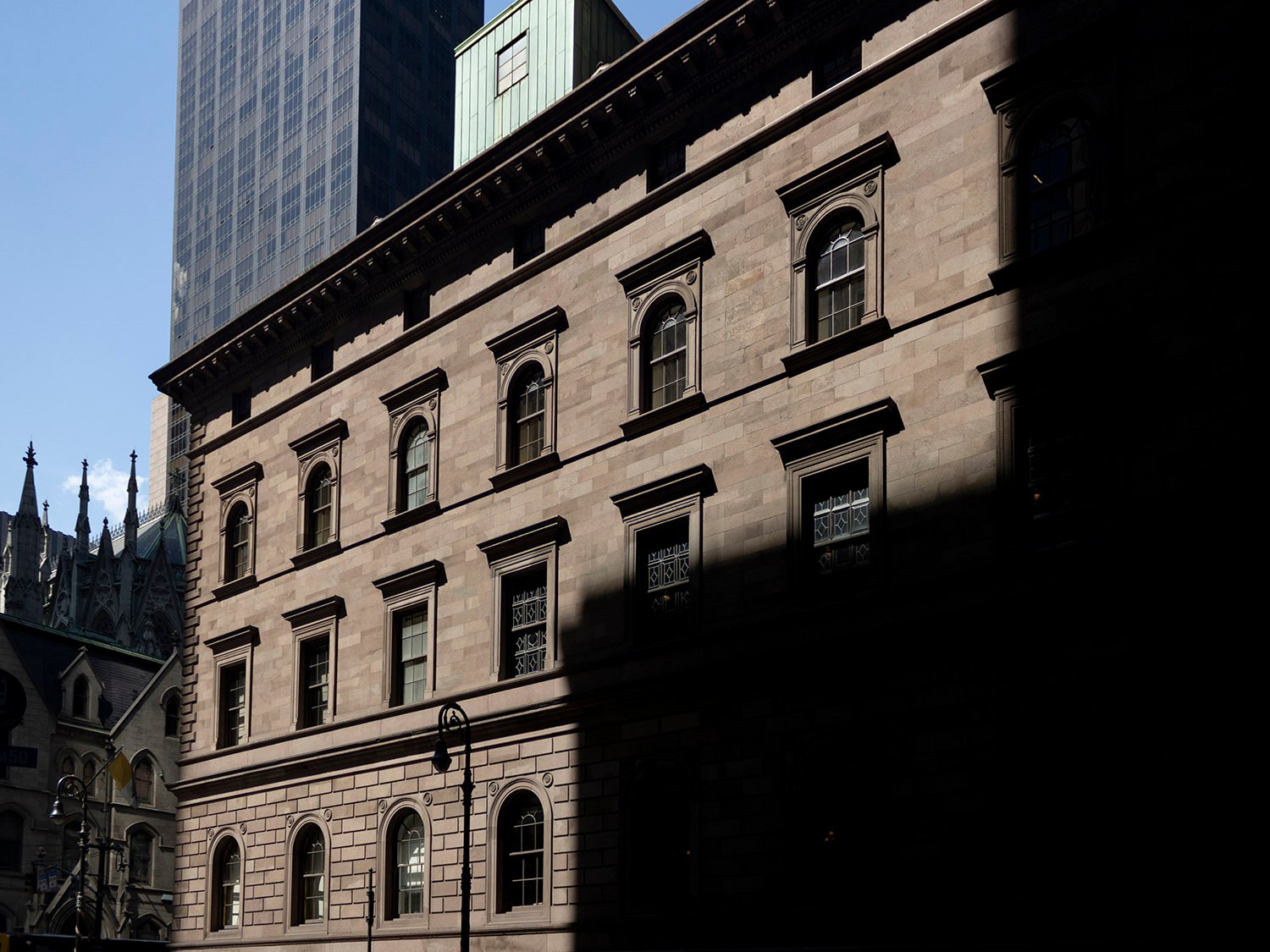
Six of New York’s surviving Gilded Age mansions hide in plain sight on Madison Avenue, and most people would never suspect they were once residences.
Stretching across an entire block, the imposing Villard Houses complex looks every bit like a public building, but it was initially designed as six attached townhomes.
Location of the Villard Houses
Henry Villard originally owned the property, and in the early 1880s, he hired McKim, Mead & White to design houses on it for himself and five other executives of his railroad company.1
With the firm’s star designer, Stanford White, otherwise engaged, the project’s design fell to Joseph Wells, an assistant who discarded White’s original sketches and opted for an exquisite Renaissance-inspired scheme.2
North wing of the Villard Houses, New York
Wells’ work on this project was magnificent. Judging from this and his designs for the New York Life Buildings in Kansas City and Omaha, and the Russell & Erwin Building in New Britain, Connecticut, I’d venture to say he was more talented than White—certainly he was more disciplined.
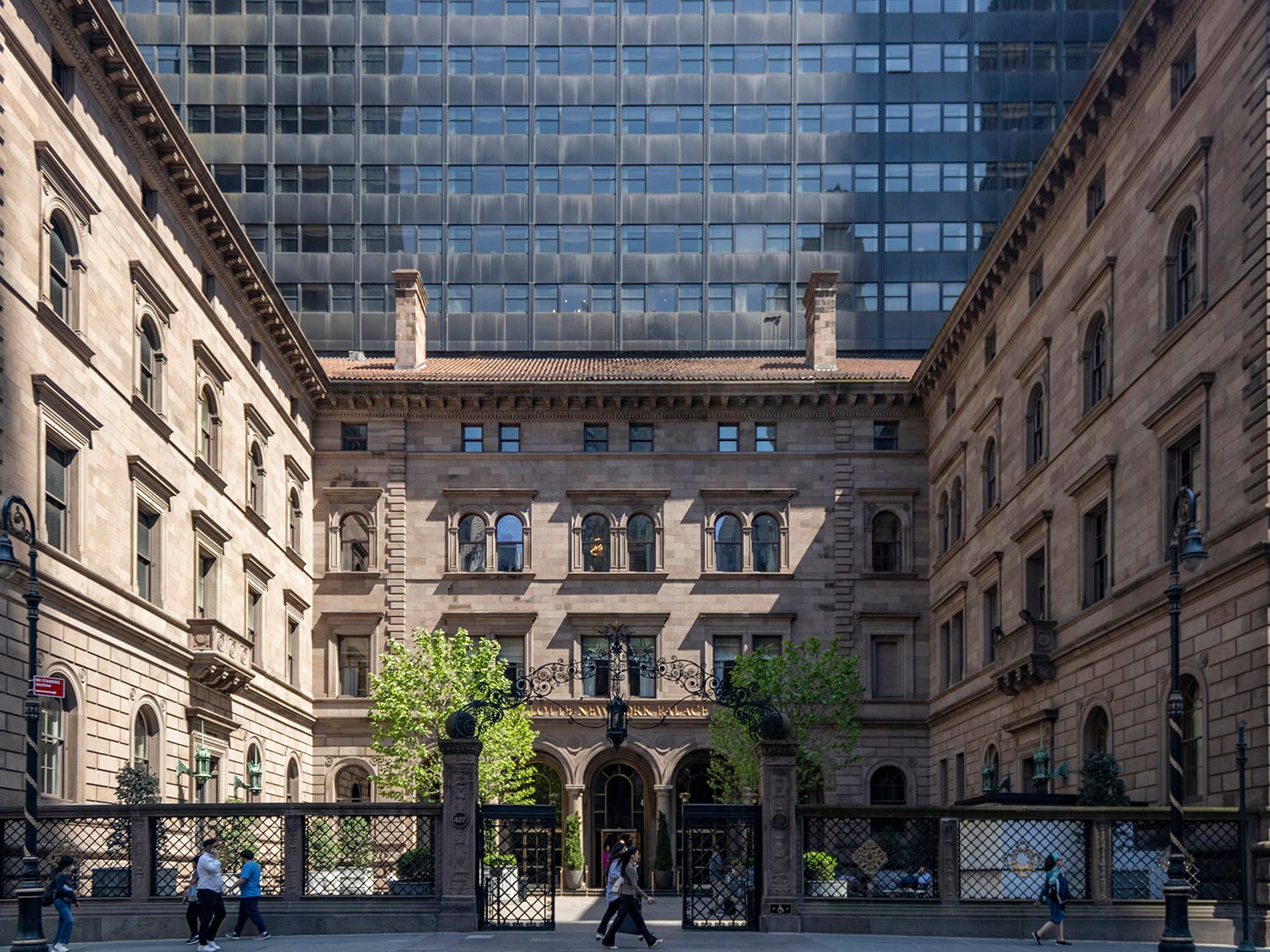
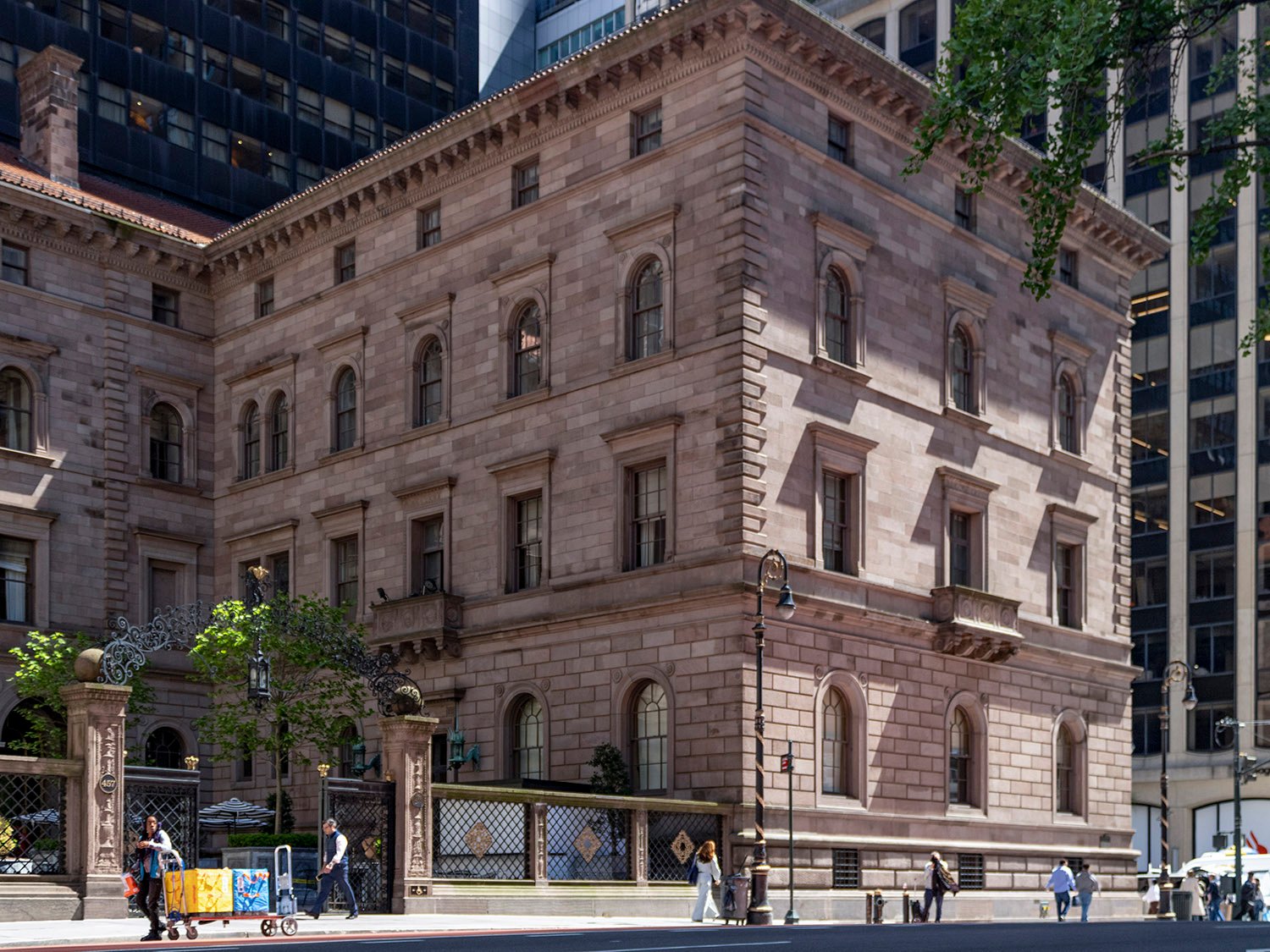
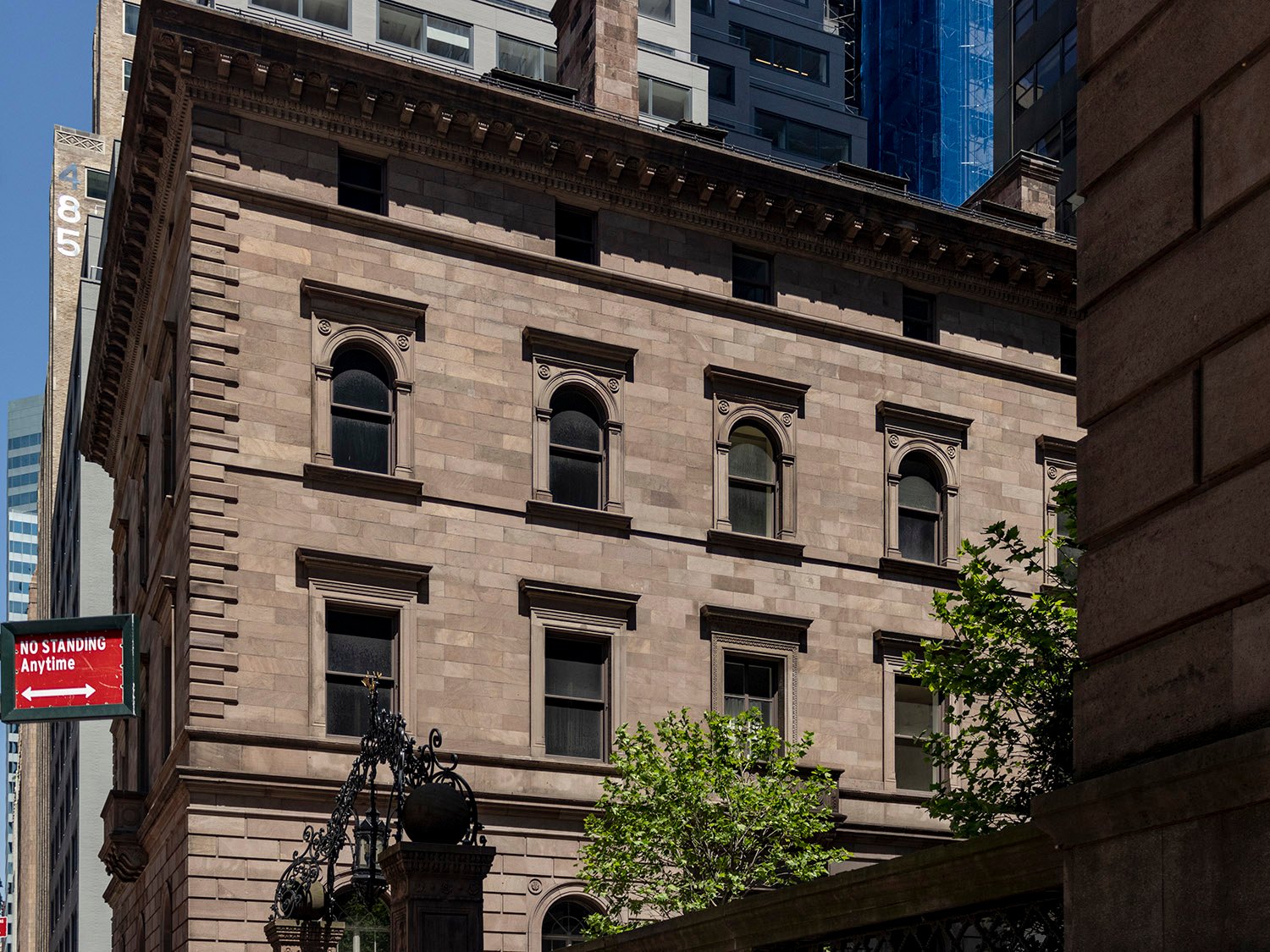
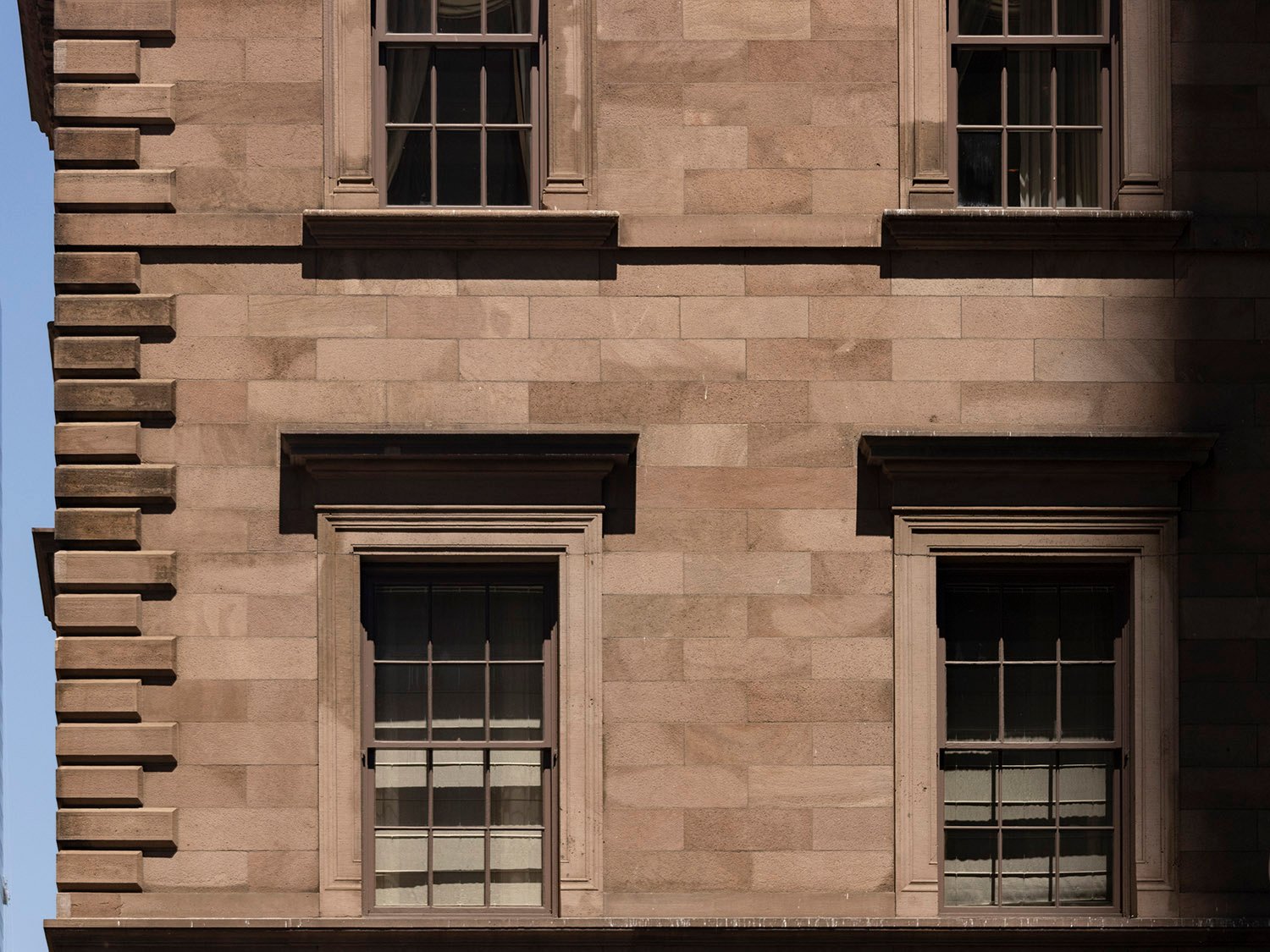
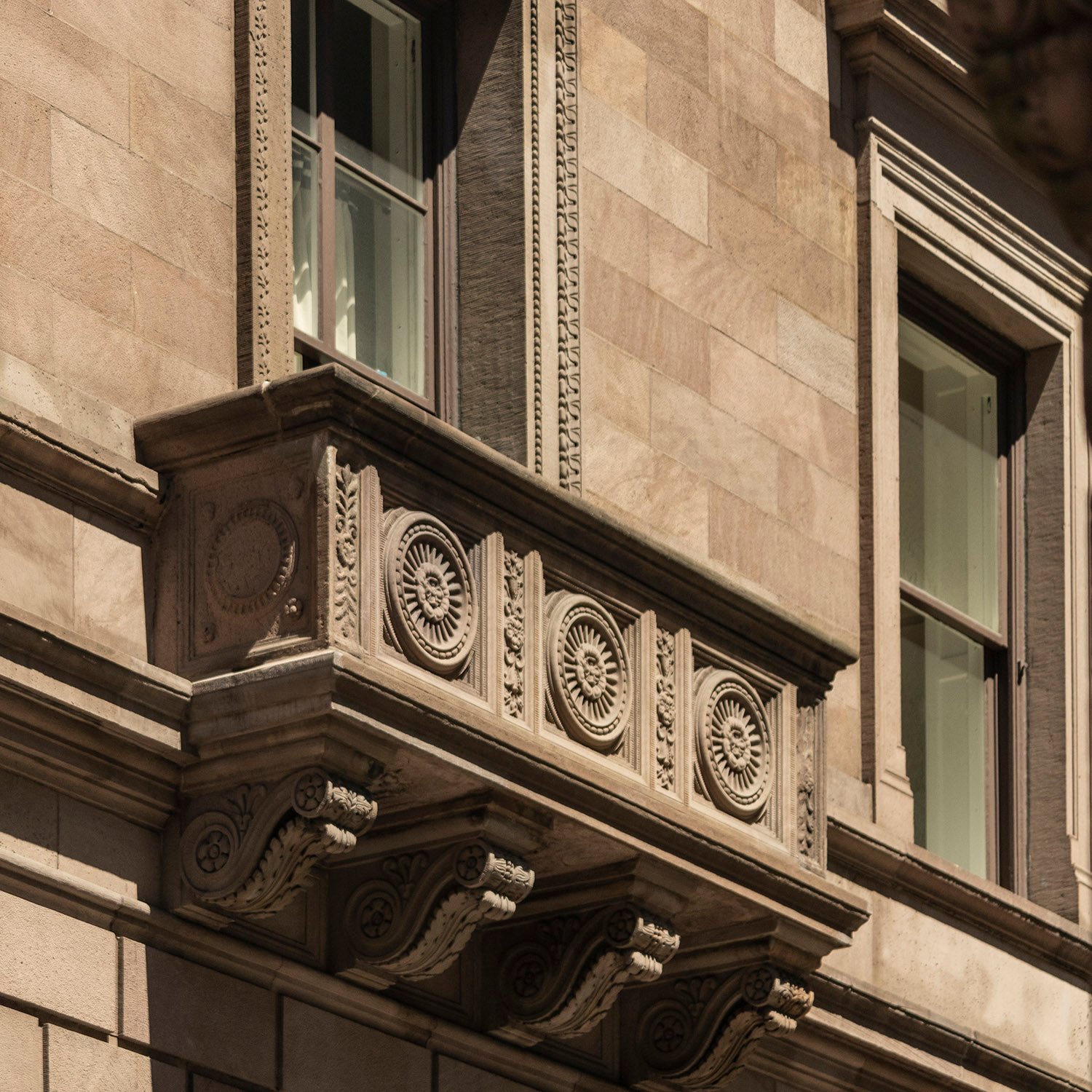
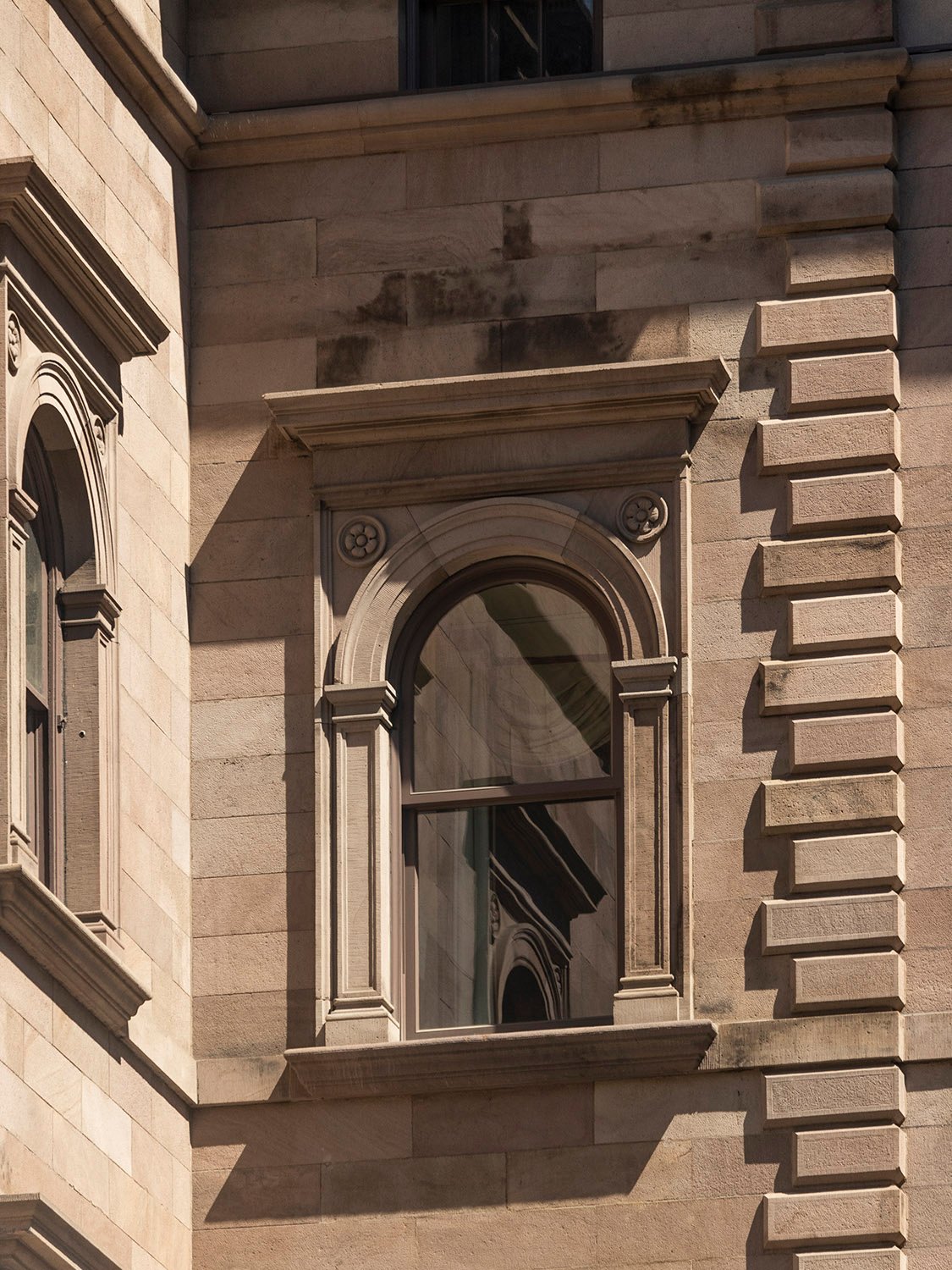
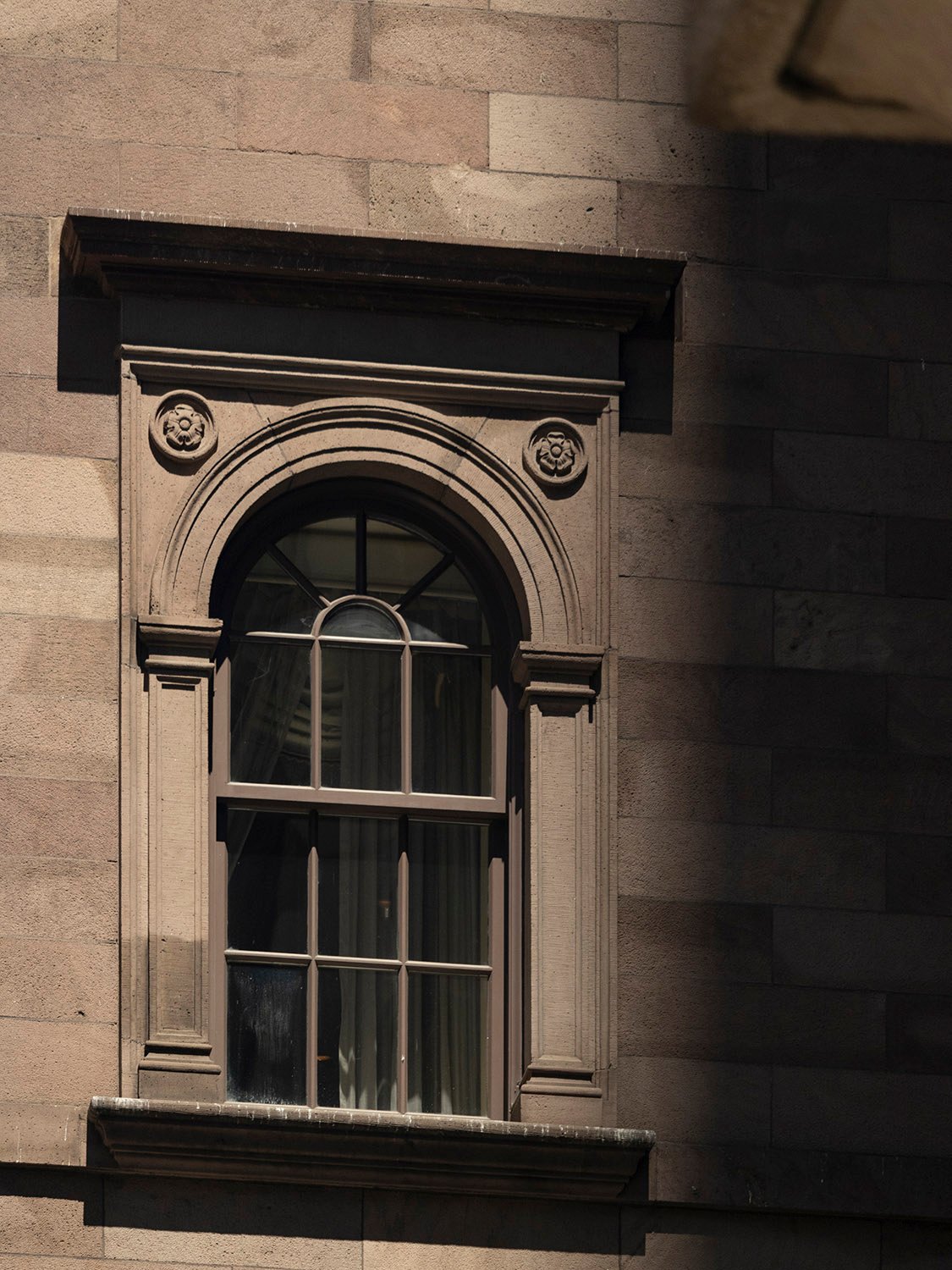
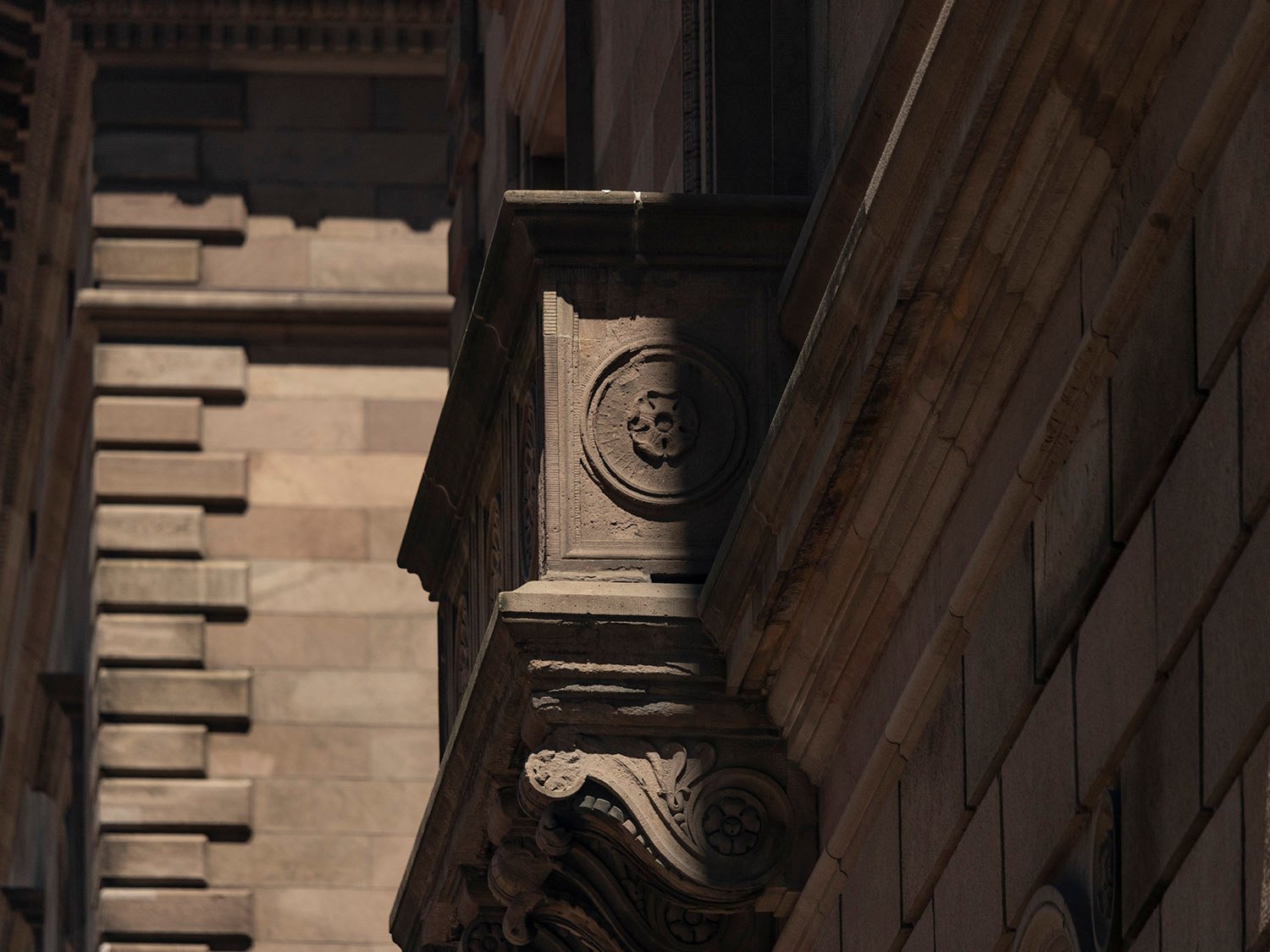
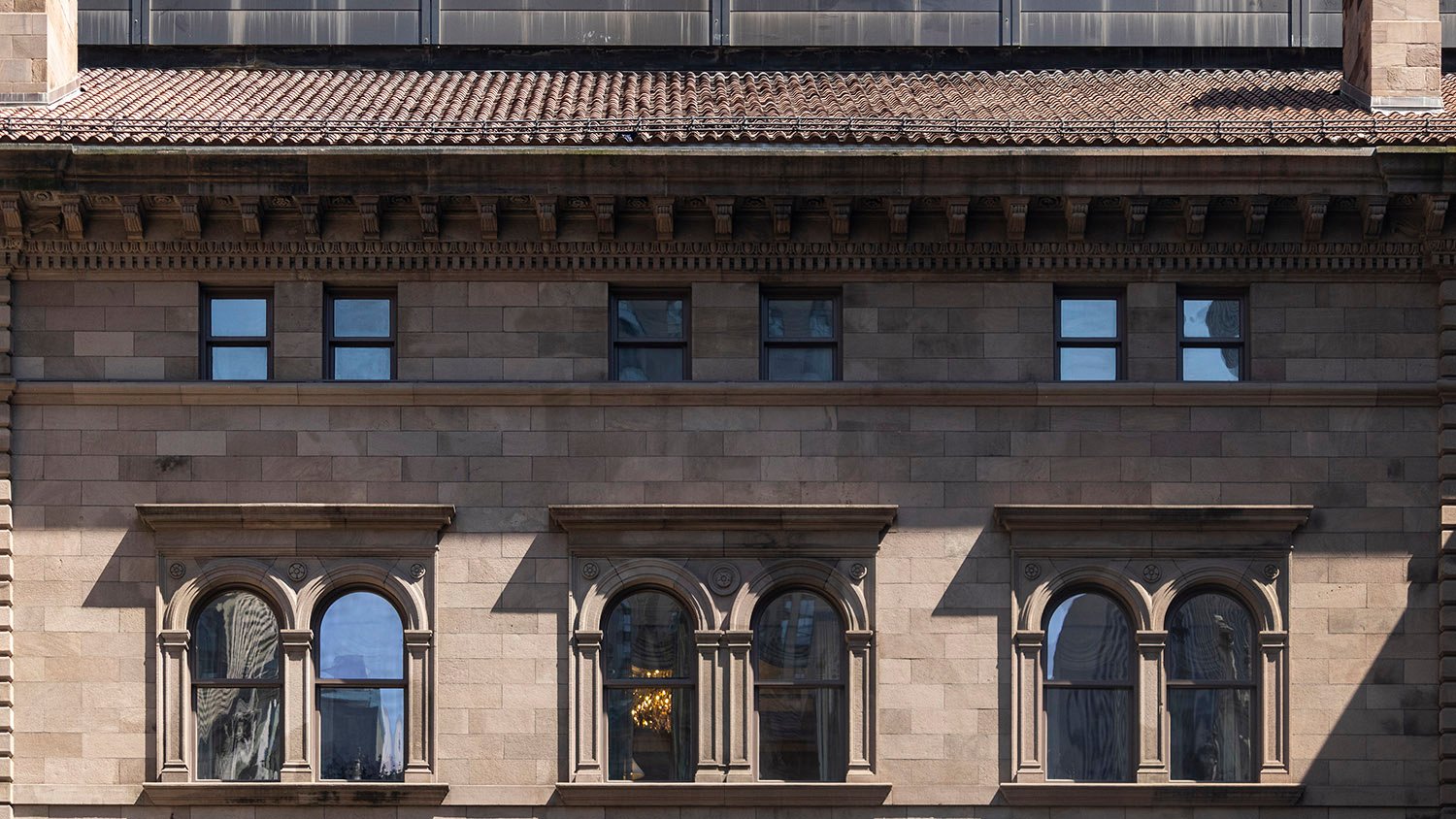
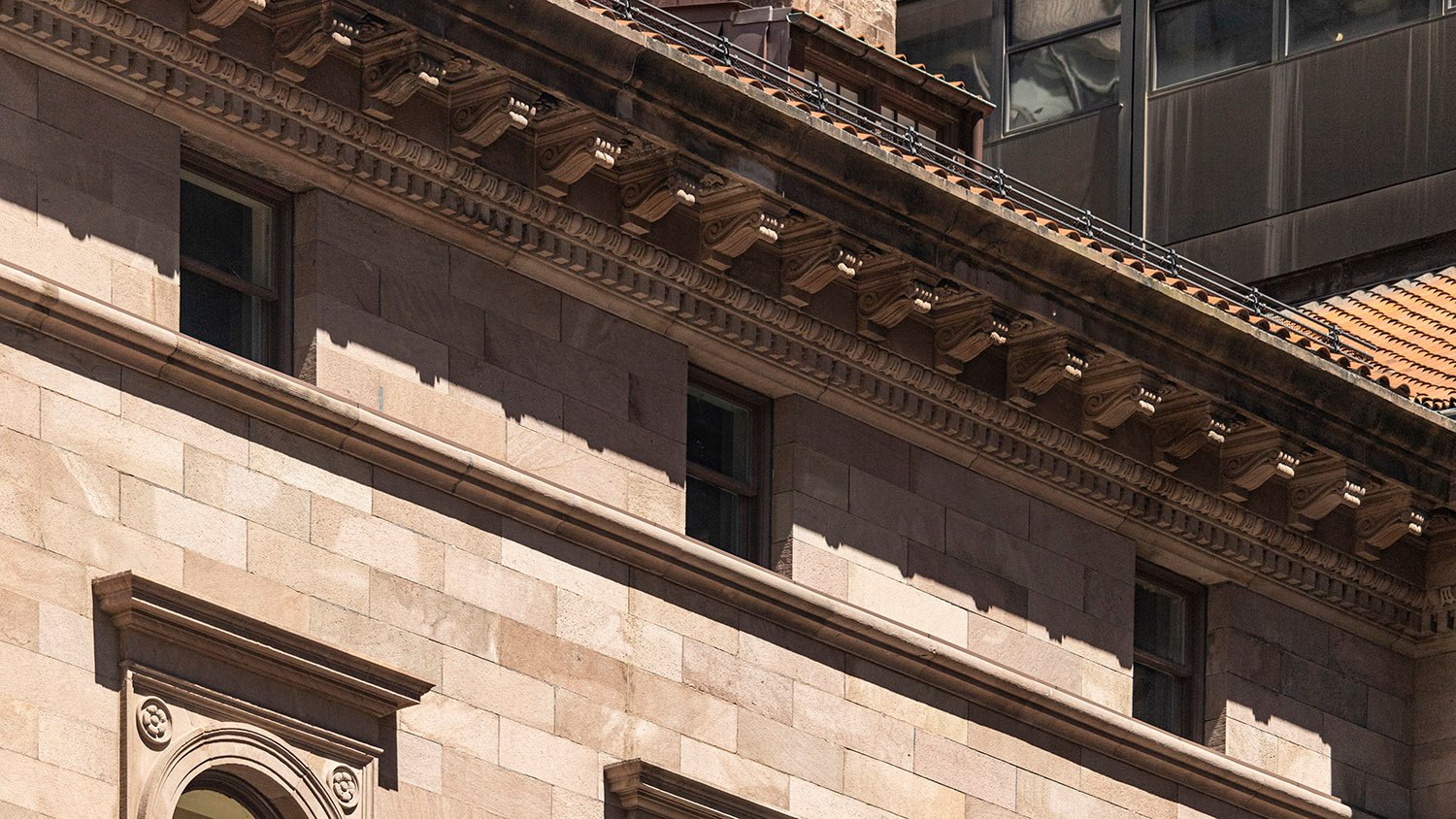
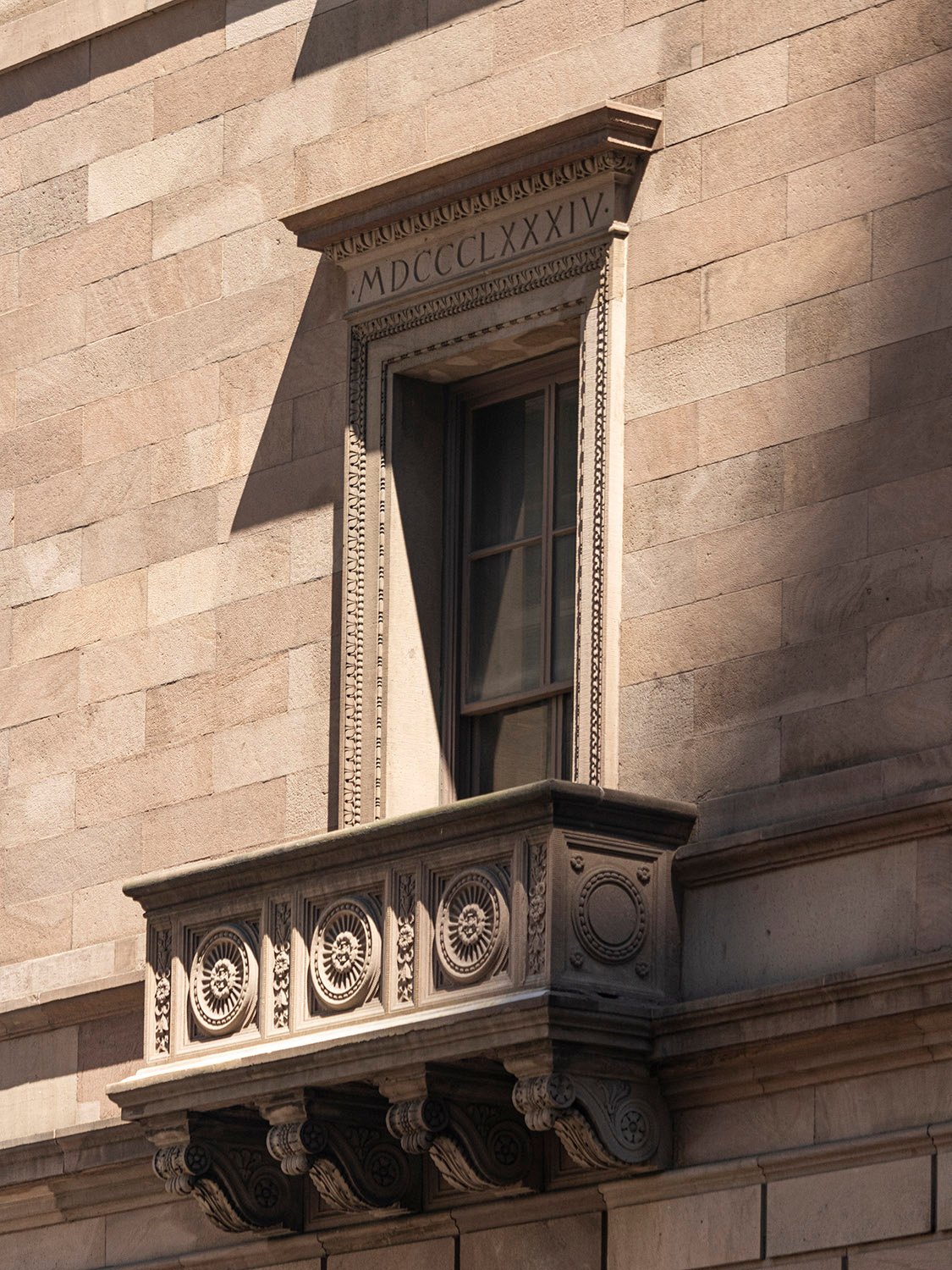
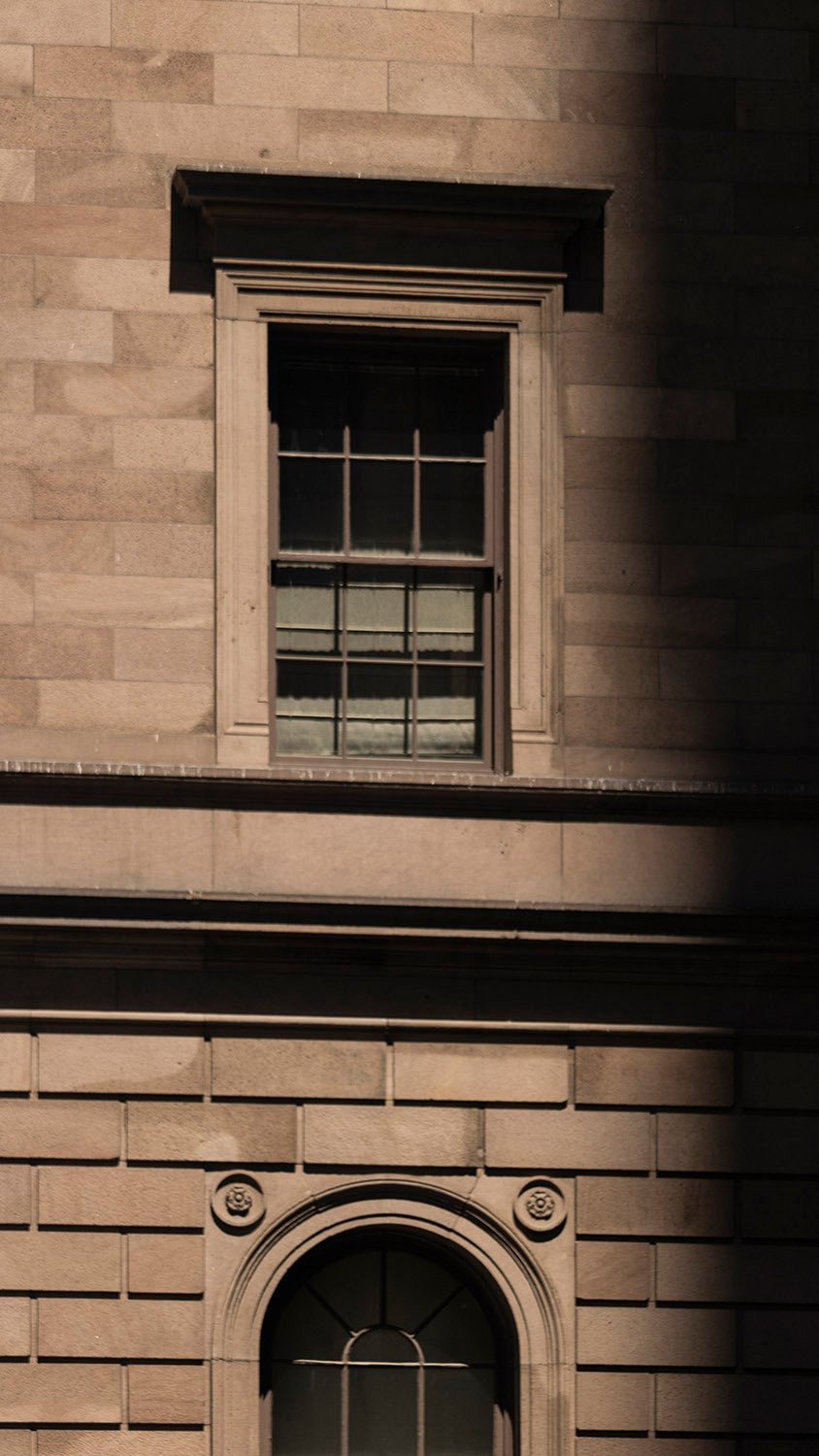
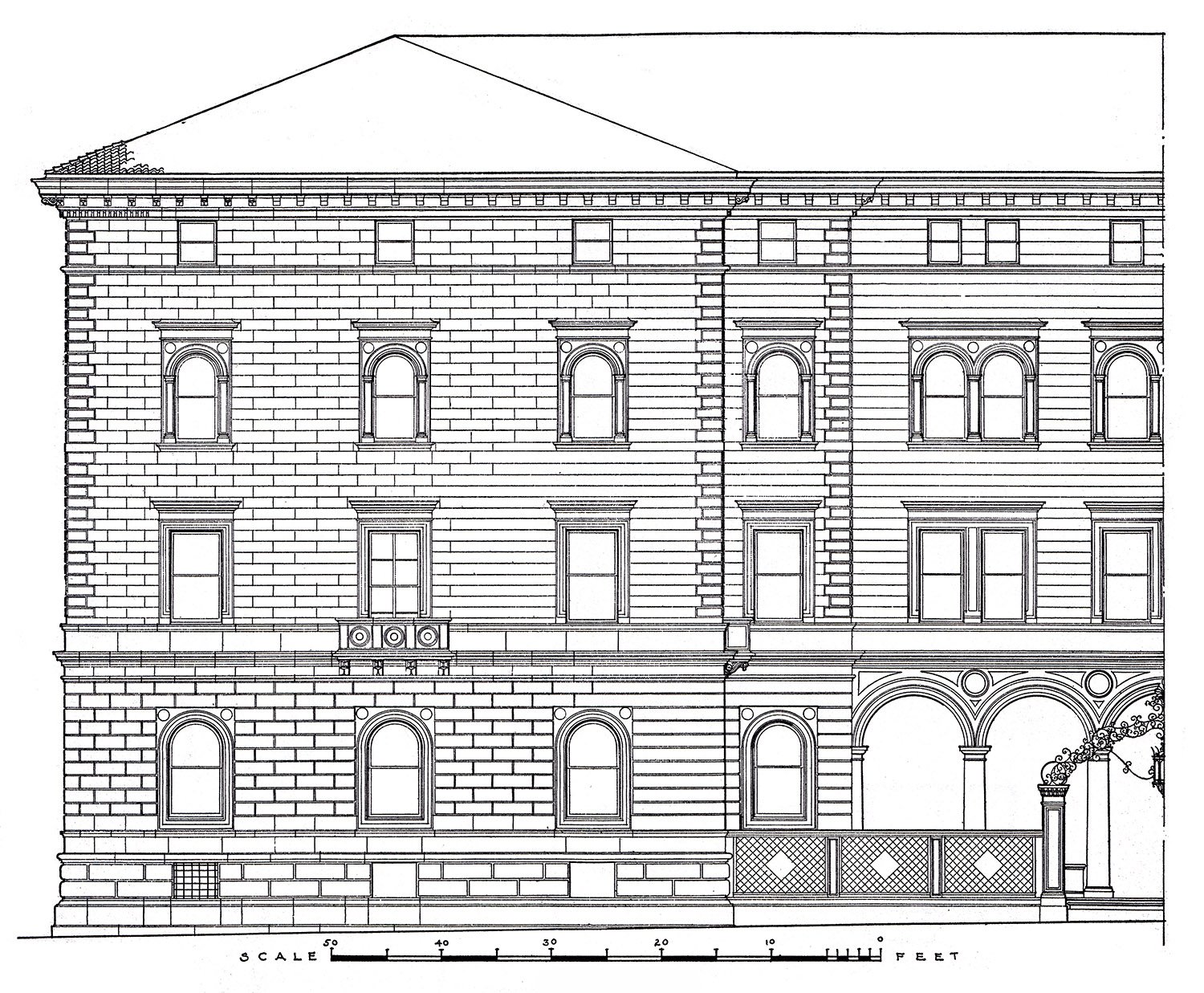
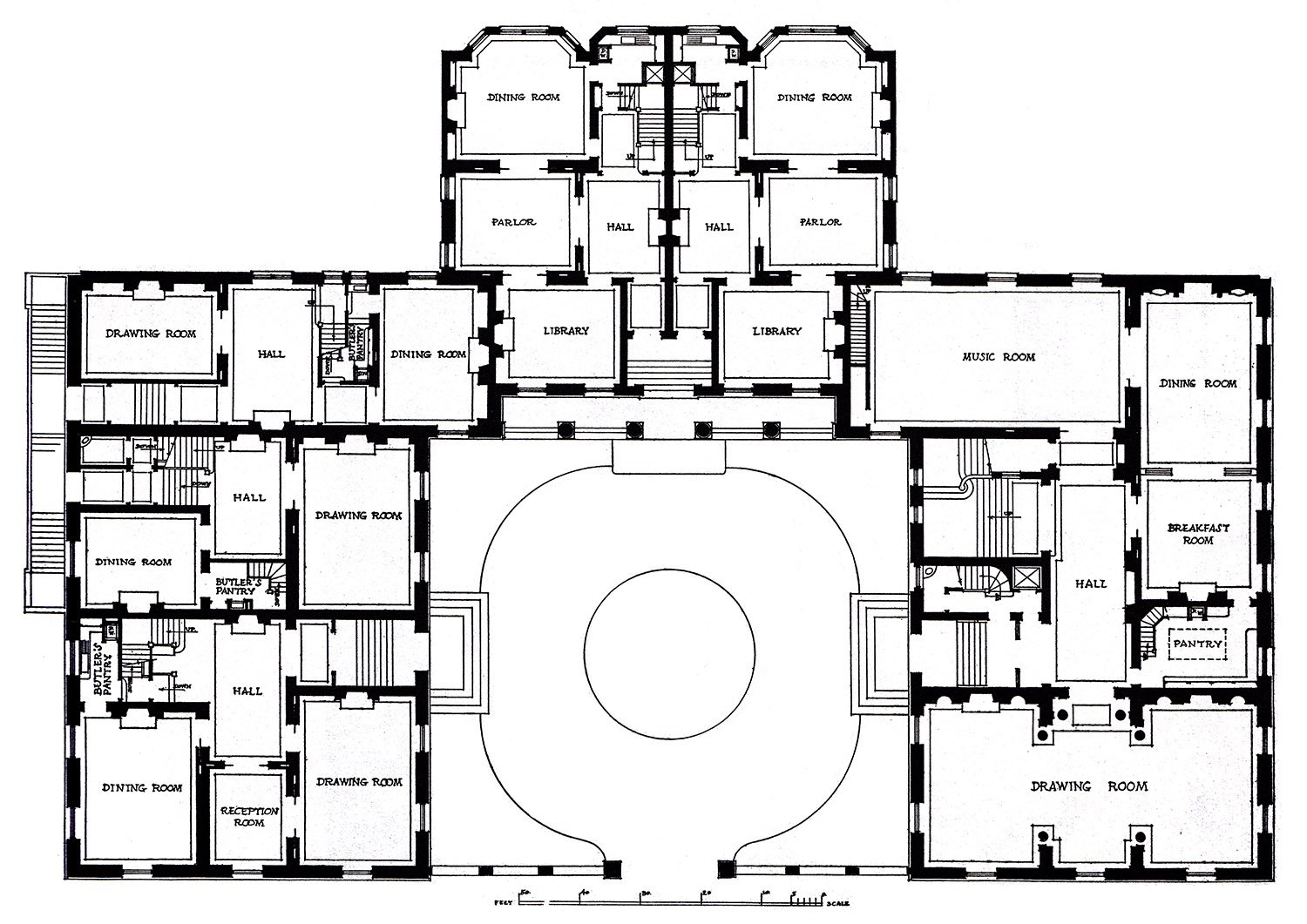
The three-story homes included basements and attics and were built around a central courtyard, with brownstone facades and a tile roof. The ornamentation is sparse but striking, forming a tasteful, cohesive design that is far more subdued than many of White’s buildings, which were often quite garish.
Courtyard of the Villard Houses, New York
The Villard Houses marked an important turning point for McKim, Mead & White, as Wells’ Renaissance-influenced design received widespread public acclaim, prompting the firm to look increasingly toward Italian architecture for inspiration.5
The project itself was a bust, however: Villard’s company failed during construction, and the homes were put up for sale before the interiors were completed.6 Typical Gilded Age bullshit. The firm ultimately finished the interiors of four of the homes.7
South wing of the Villard Houses, New York
Stanford White and Joseph Wells reportedly had a complex and contentious relationship that grew increasingly strained through the 1880s as White’s hard-partying lifestyle began to eclipse his work output, and Wells handled major projects without credit or commensurate pay.8
Although he was virtually unknown to the public, Wells was highly esteemed in the architectural community, and when he abruptly died in 1890, his friendCass Gilbert said he “had the temperament which makes artists unfit to cope with the world, and which, therefore, kept them always as assistant rather than principals.”9 Woof.
Granted, I tend to root for talented people who stay out of the spotlight, but I consider Wells an unsung genius, and the Villard Houses are undoubtedly his finest surviving work.
Looking at the north wing of the Villard Houses, New York
Gallery
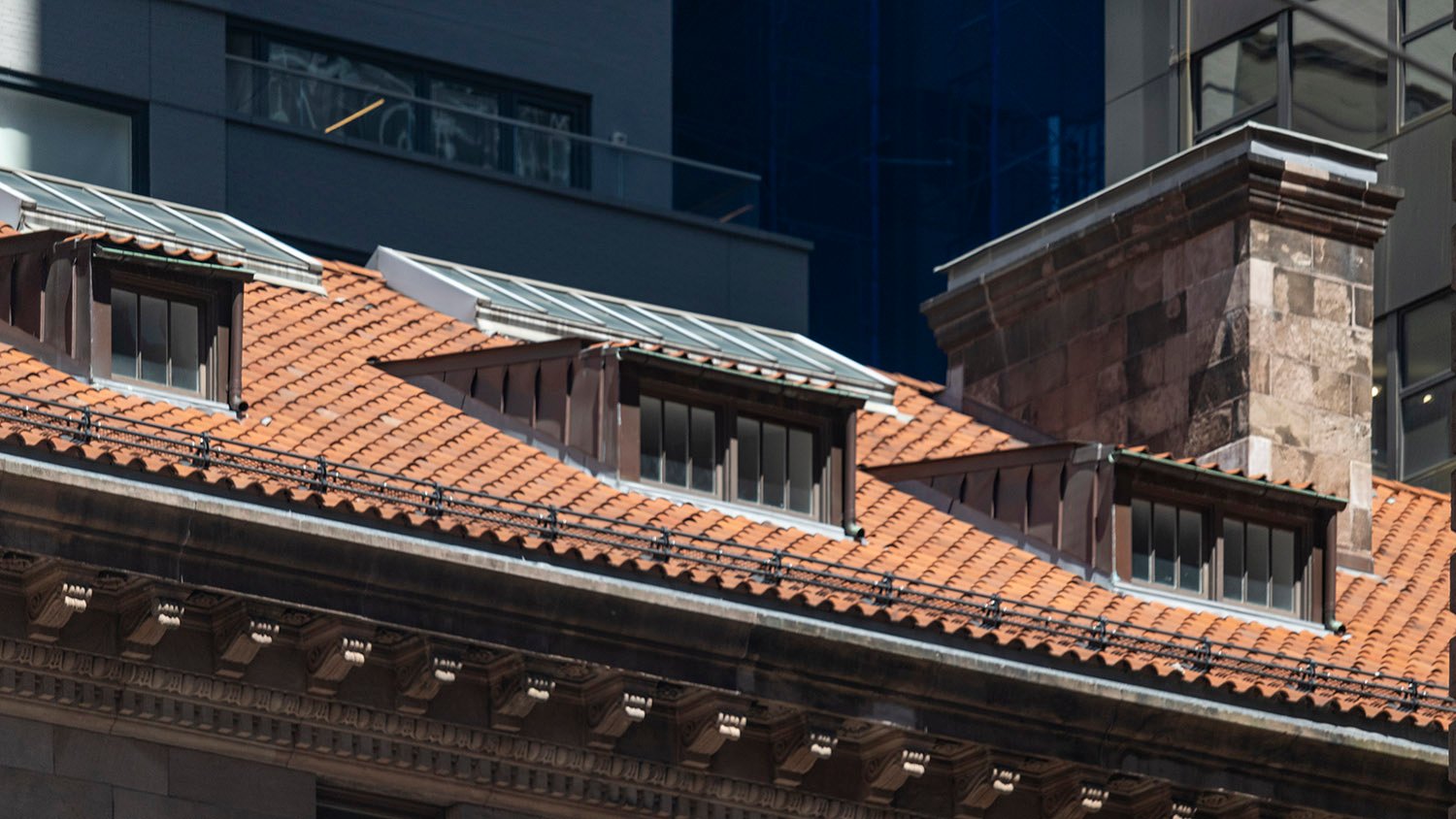
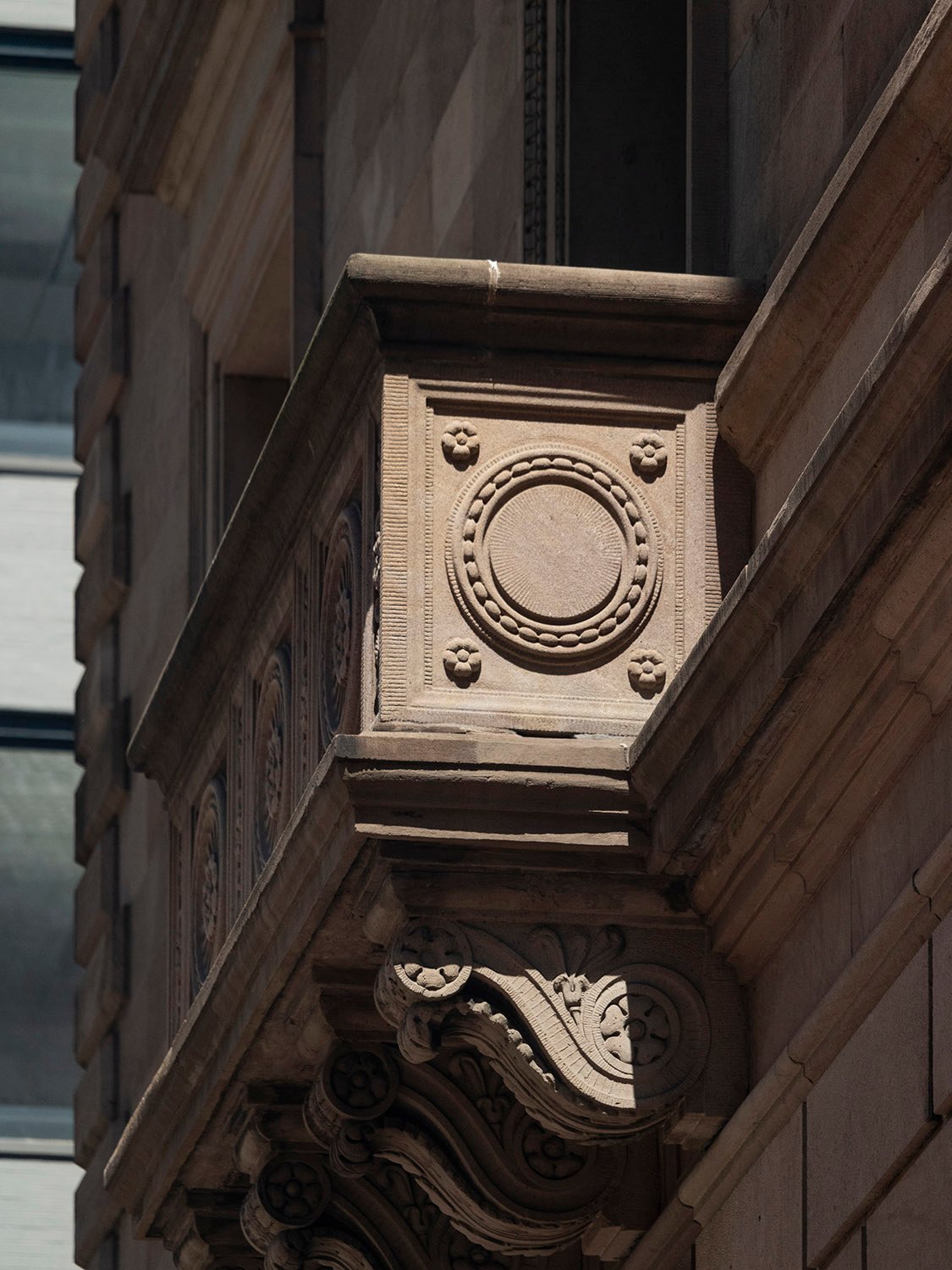
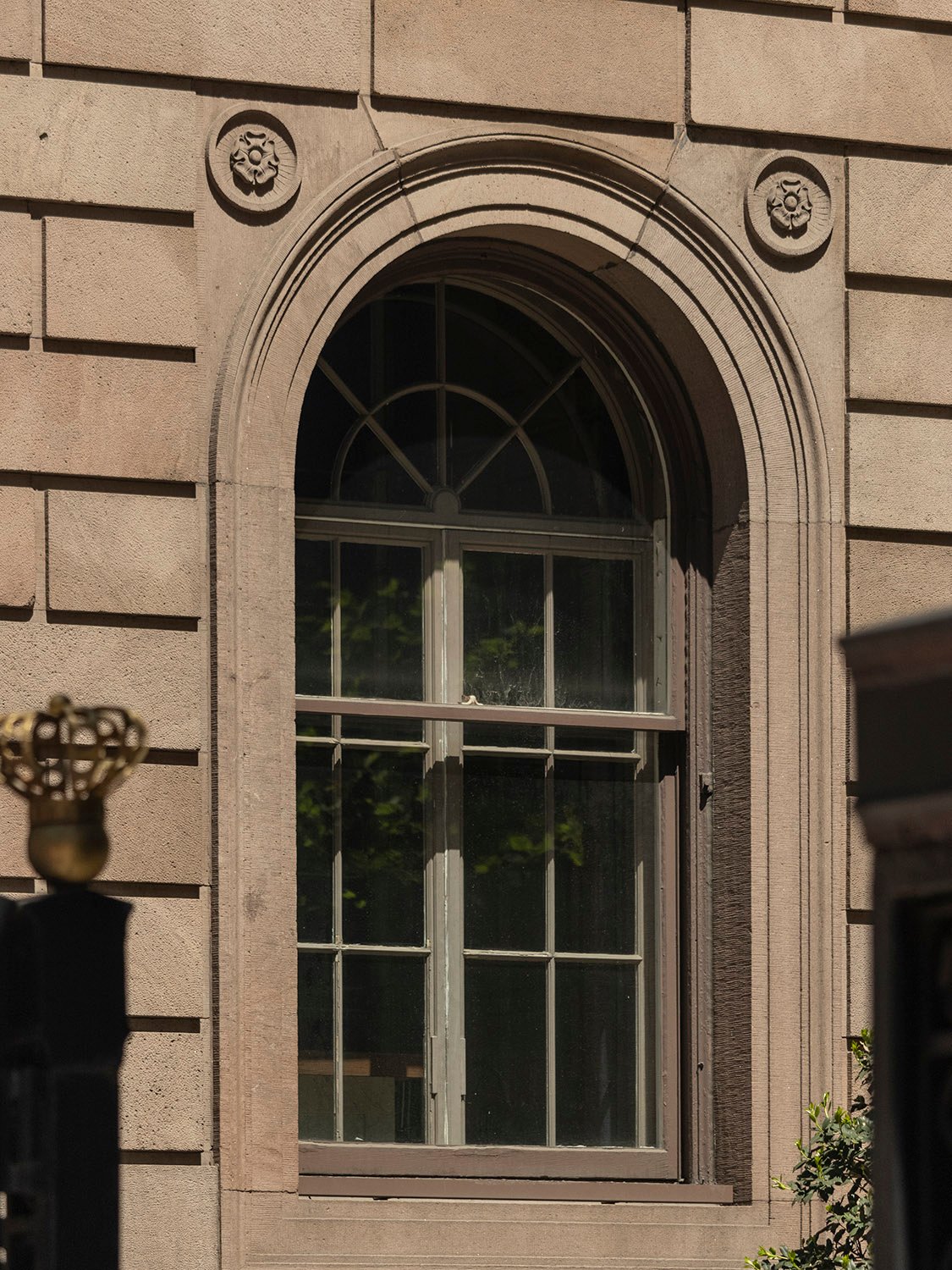
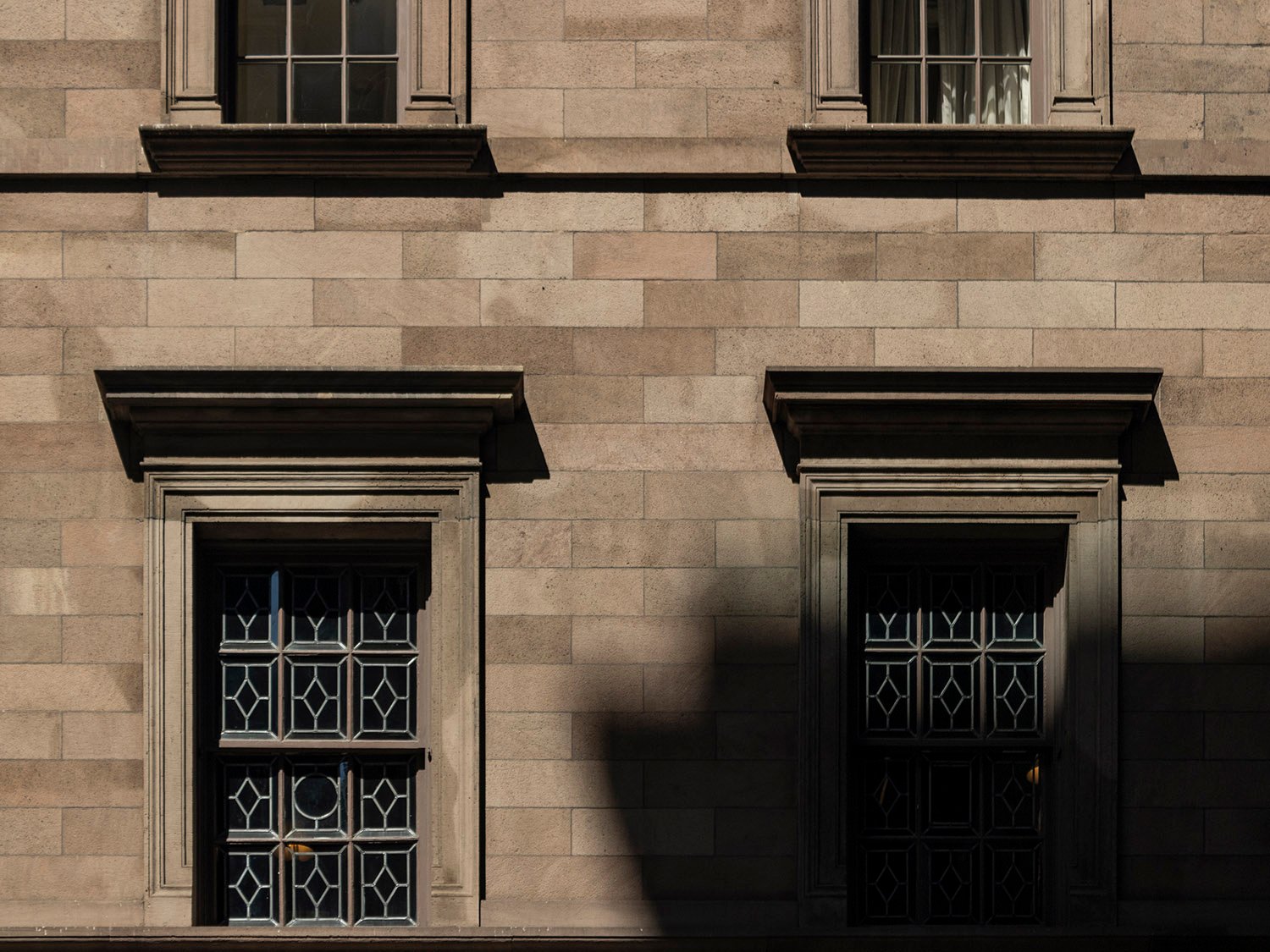
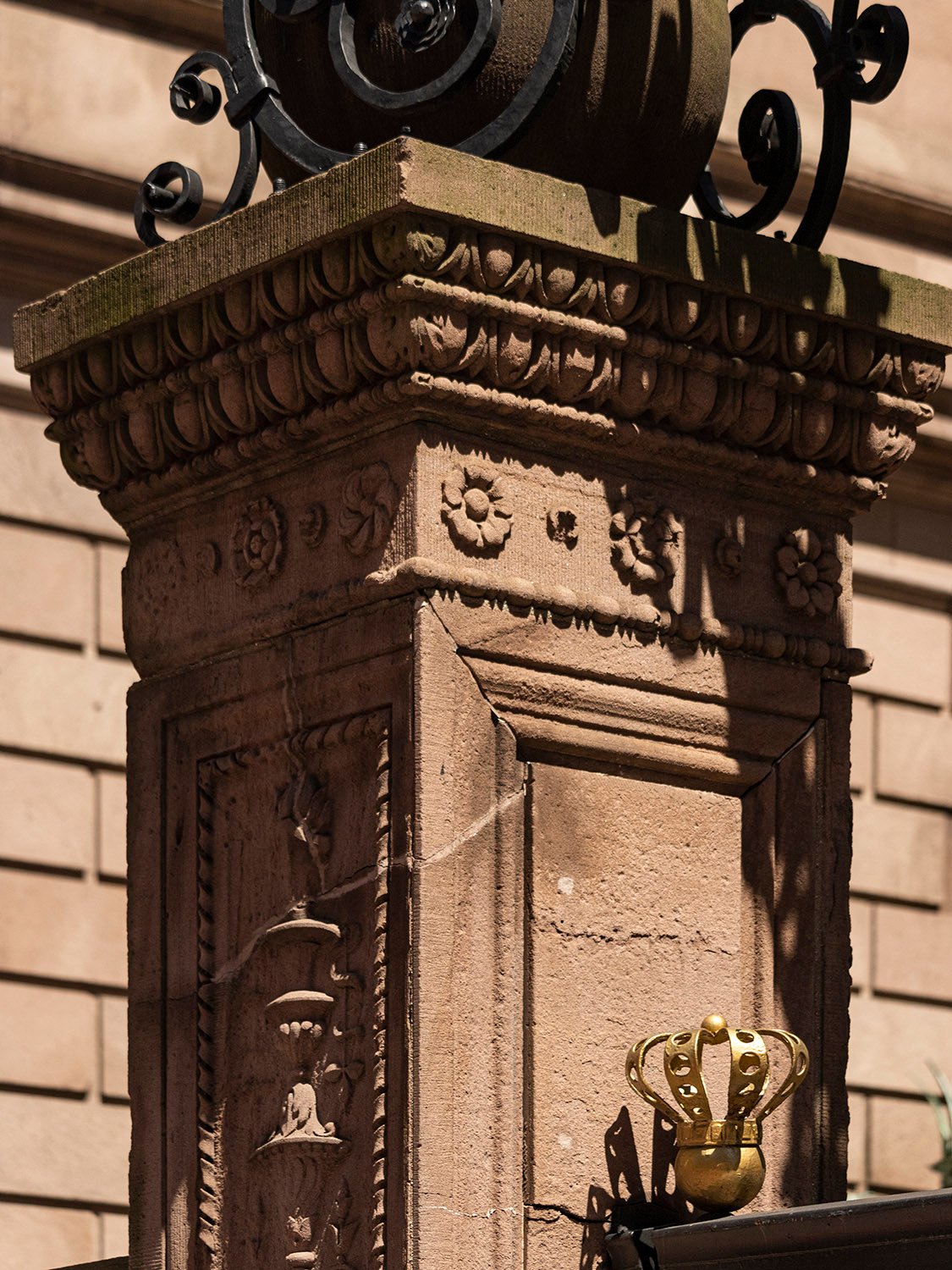
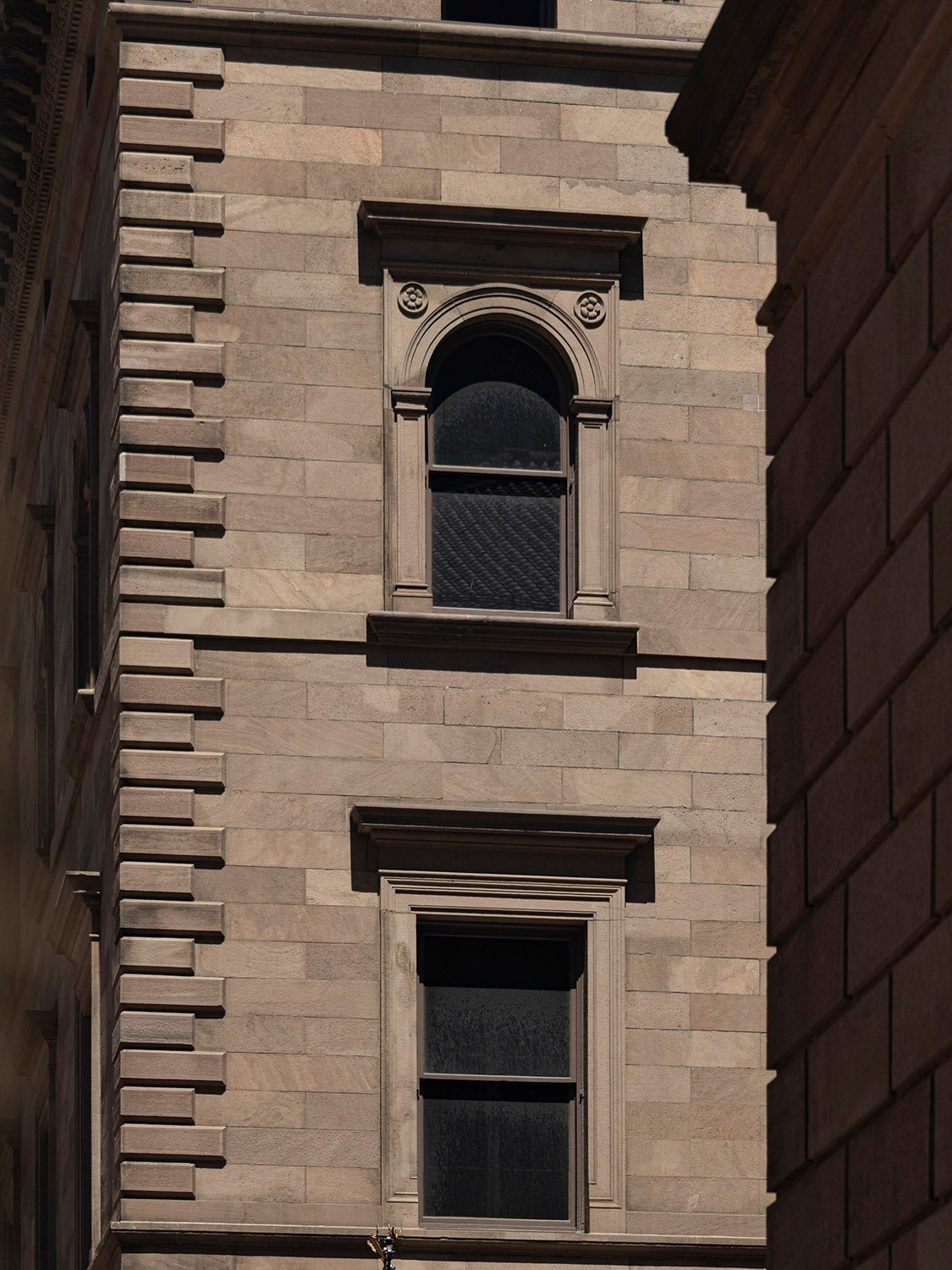
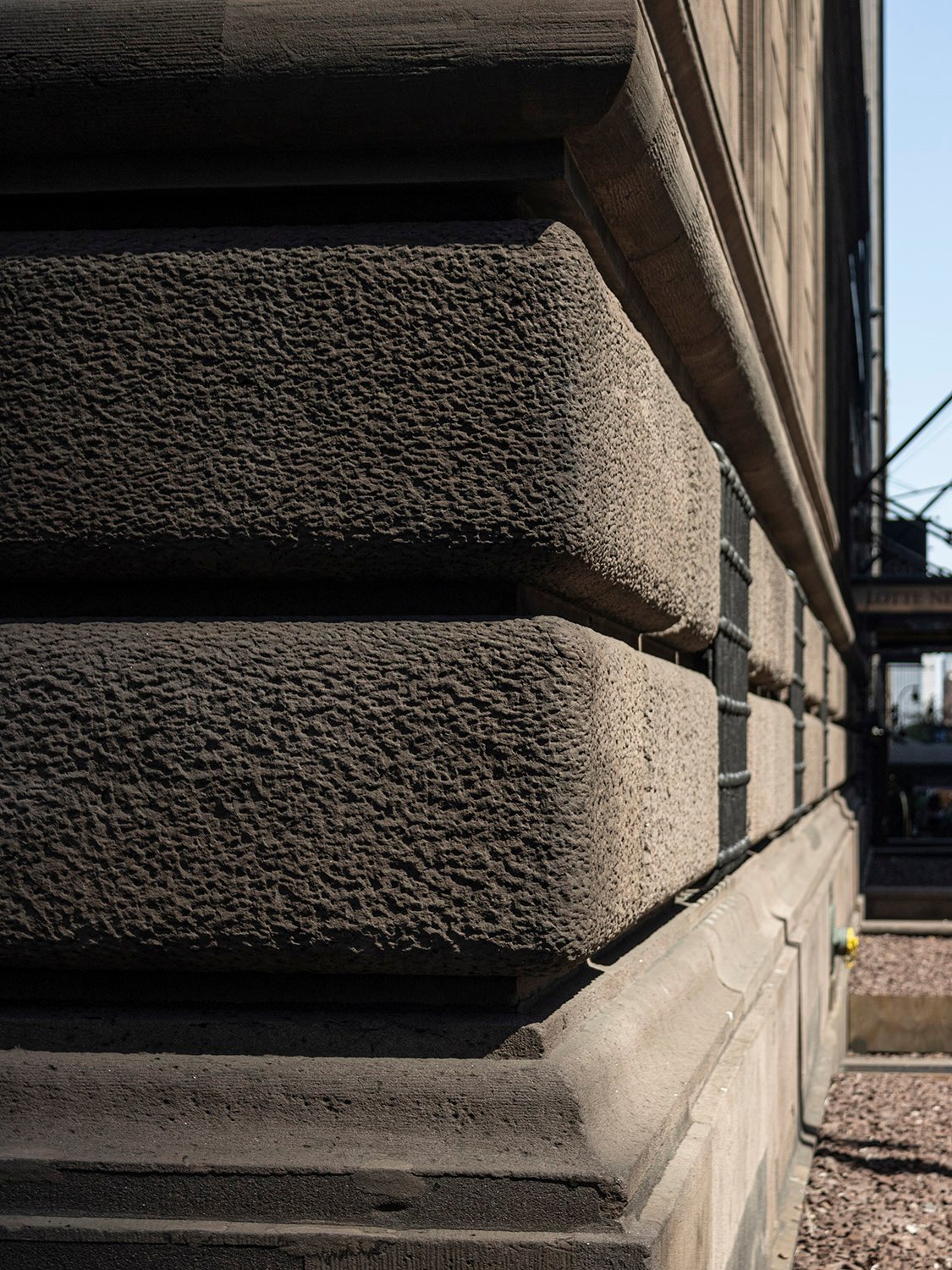
Looking at the south wing of the Villard Houses, New YorkLooking at the south wing of the Villard Houses from East 50th Street, New YorkSecond and third-floor windows on the south wing of the Villard Houses, New YorkSecond-floor balcony on the south wing of the Villard Houses, New YorkThird-floor windows on the facade of the Villard Houses, New YorkThird-floor window on the south wing of the Villard Houses, New YorkConsole and ornamentation on a second-floor balcony of the Villard Houses, New YorkThird-floor and attic windows on the facade of the Villard Houses, New YorkMain entrance to the Villard Houses, New YorkOrnamentation on the main entrance of the Villard Houses, New YorkQuoins on the south wing of the Villard Houses, New YorkCornice and brackets on the south wing of the Villard Houses, New YorkDormers on the north wing of the Villard Houses, New YorkEntrance to the north wing of the Villard Houses, New YorkDormer on the south wing of the Villard Houses, New YorkChimney on the Villard Houses, New YorkAttic windows on the north wing of the Villard Houses, New YorkSecond-floor balcony on the Villard Houses, New YorkLight at the entrance to the north wing of the Villard Houses, New YorkThird-floor double window on the facade of the Villard Houses, New YorkDormers and chimney on the north wing of the Villard Houses, New YorkConsole and ornamentation on a second-floor balcony of the Villard Houses, New YorkFirst-floor window on the north wing of the Villard Houses, New YorkSecond-floor windows on the south wing of the Villard Houses, New YorkSecond and third-floor windows on the Villard Houses, New YorkColumn at the entrance gate to the Villard Houses, New YorkLooking at the north wing of the Villard Houses, New YorkRusticated brownstone on the south wing of the Villard Houses, New York
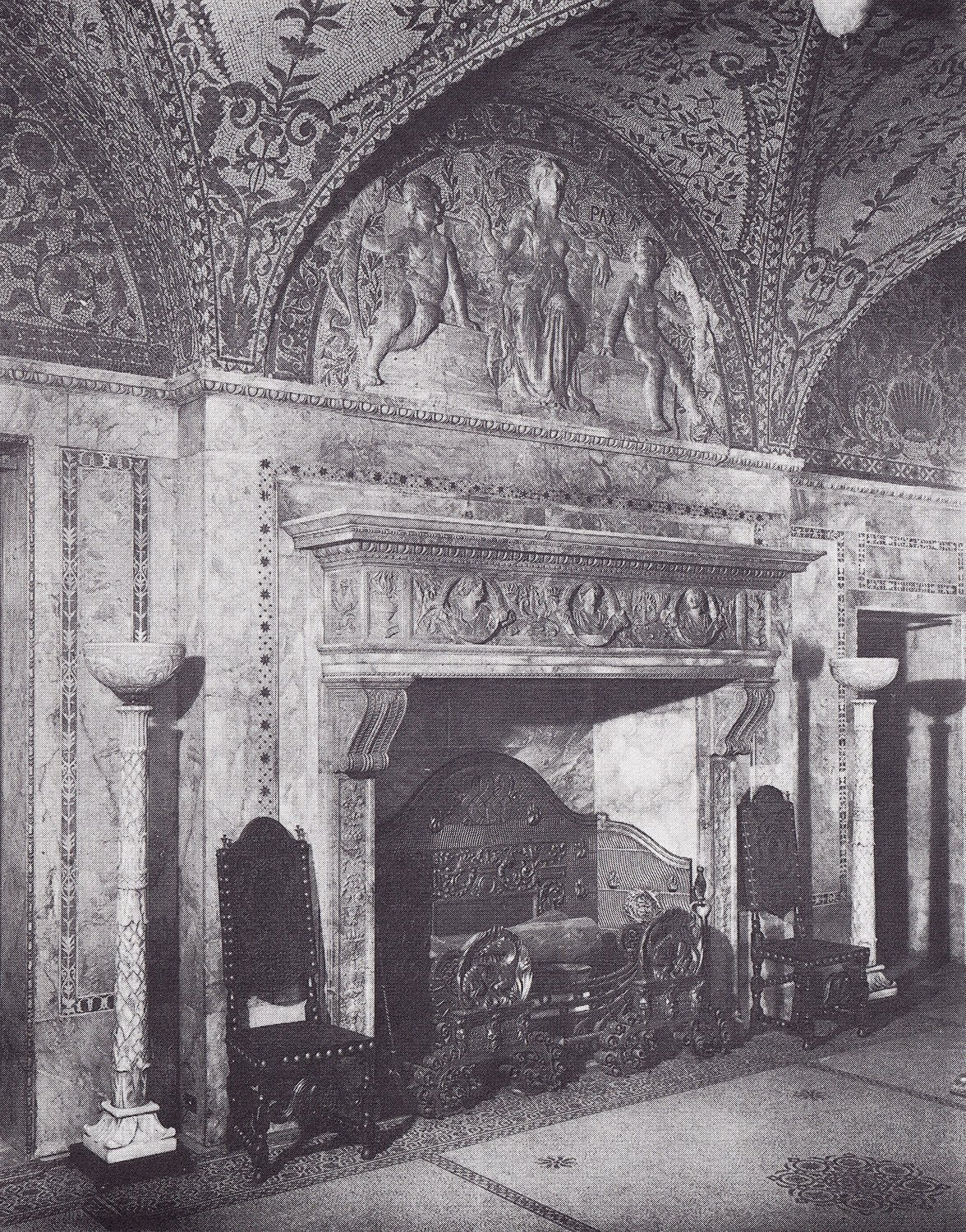
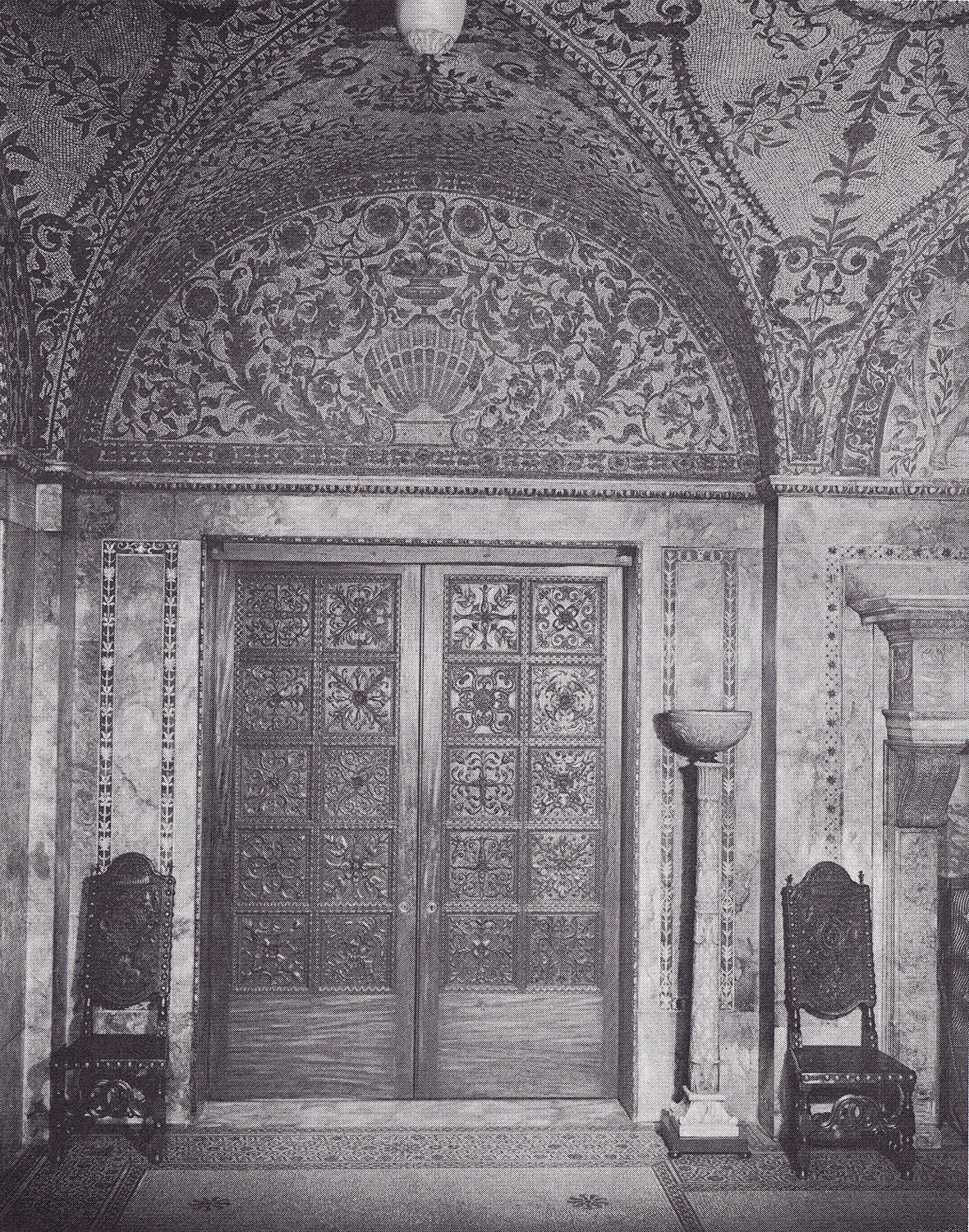
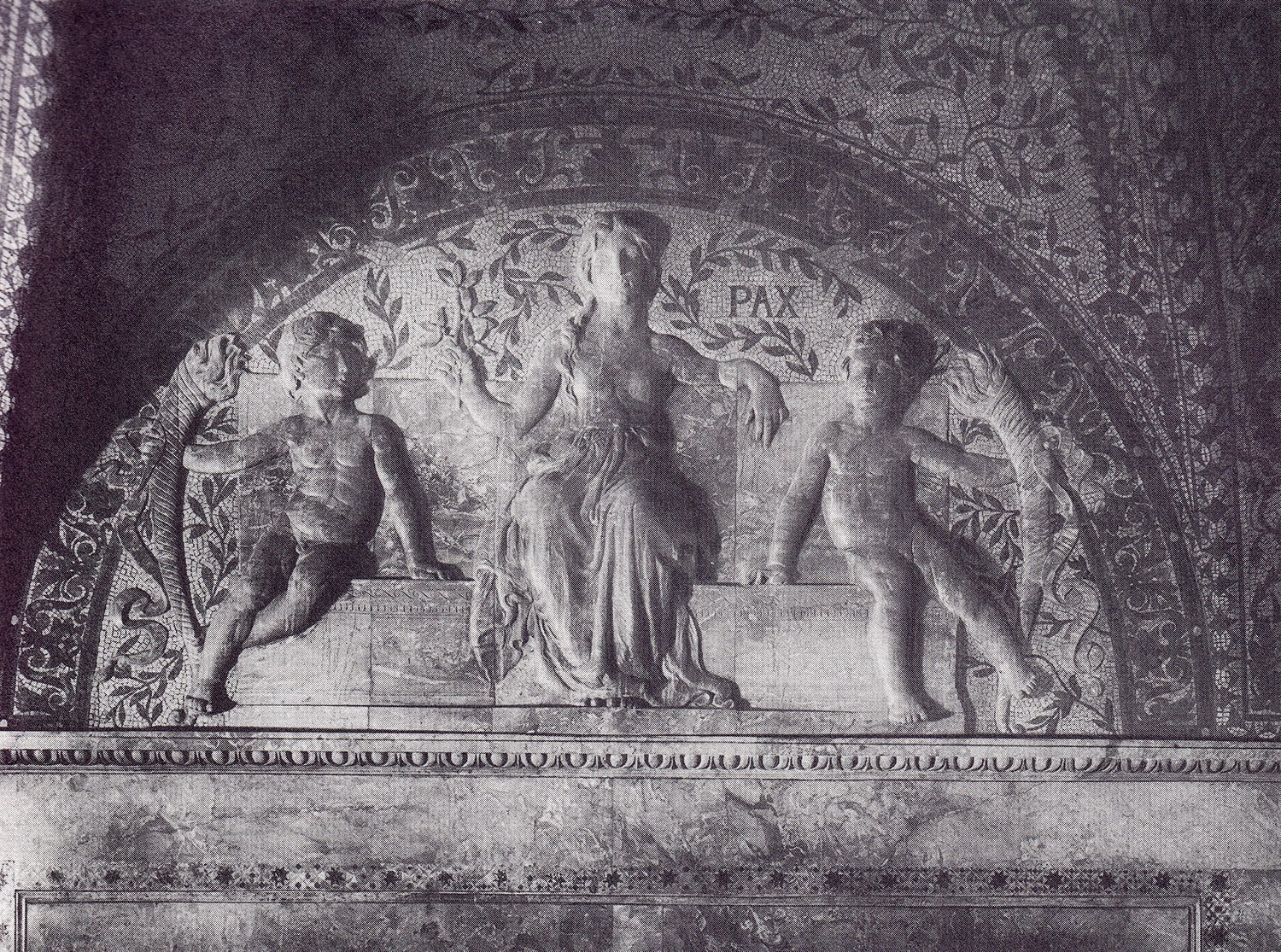
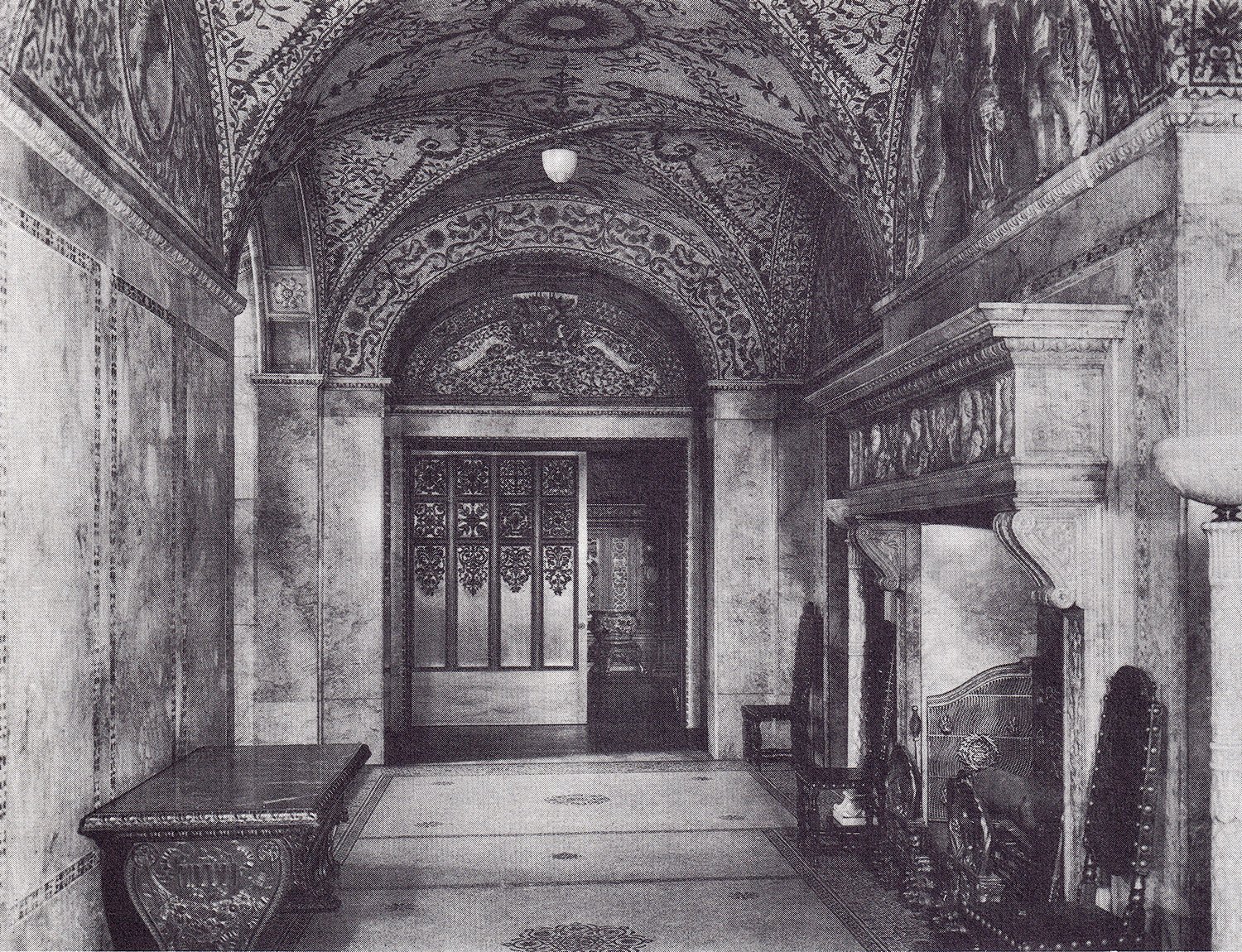
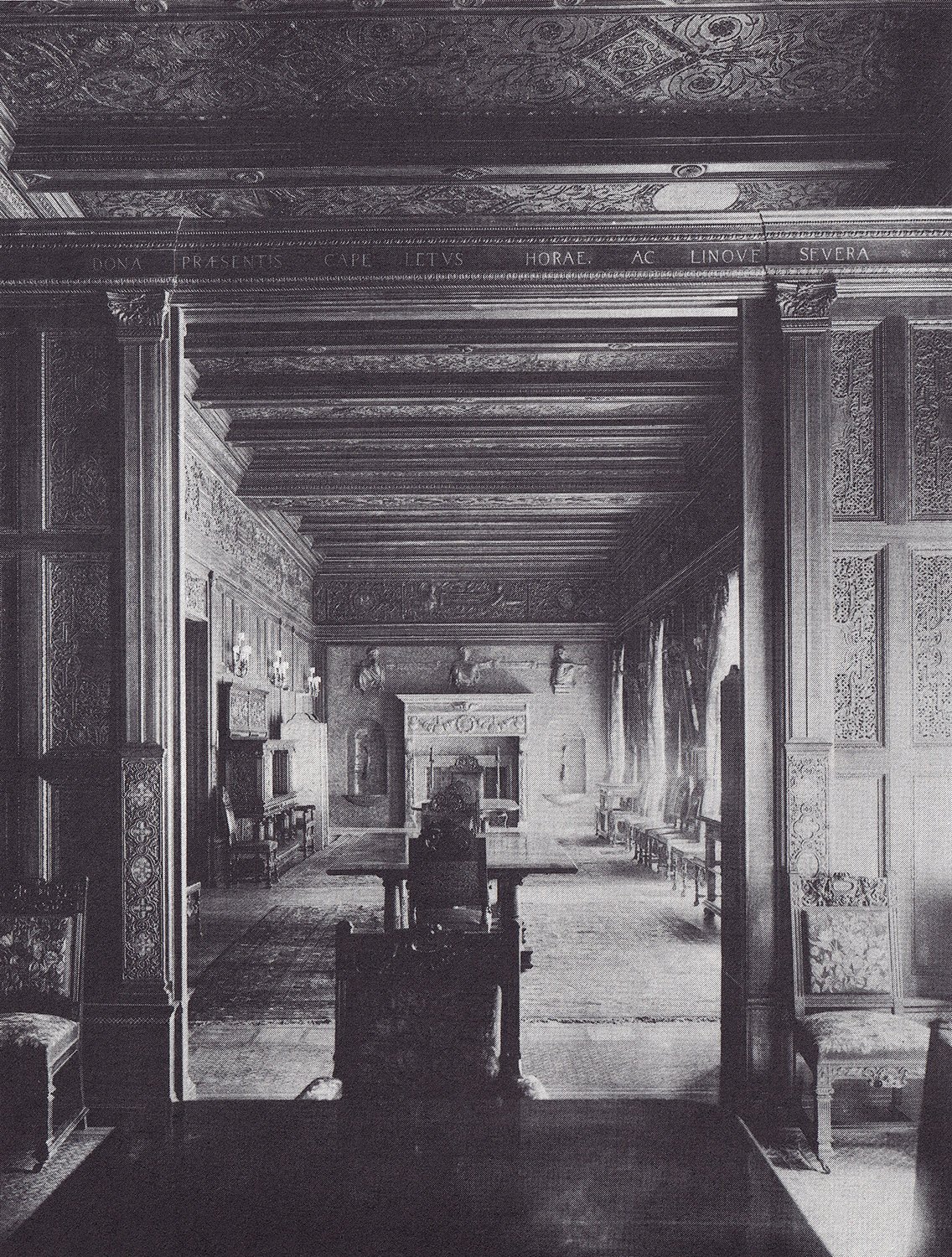
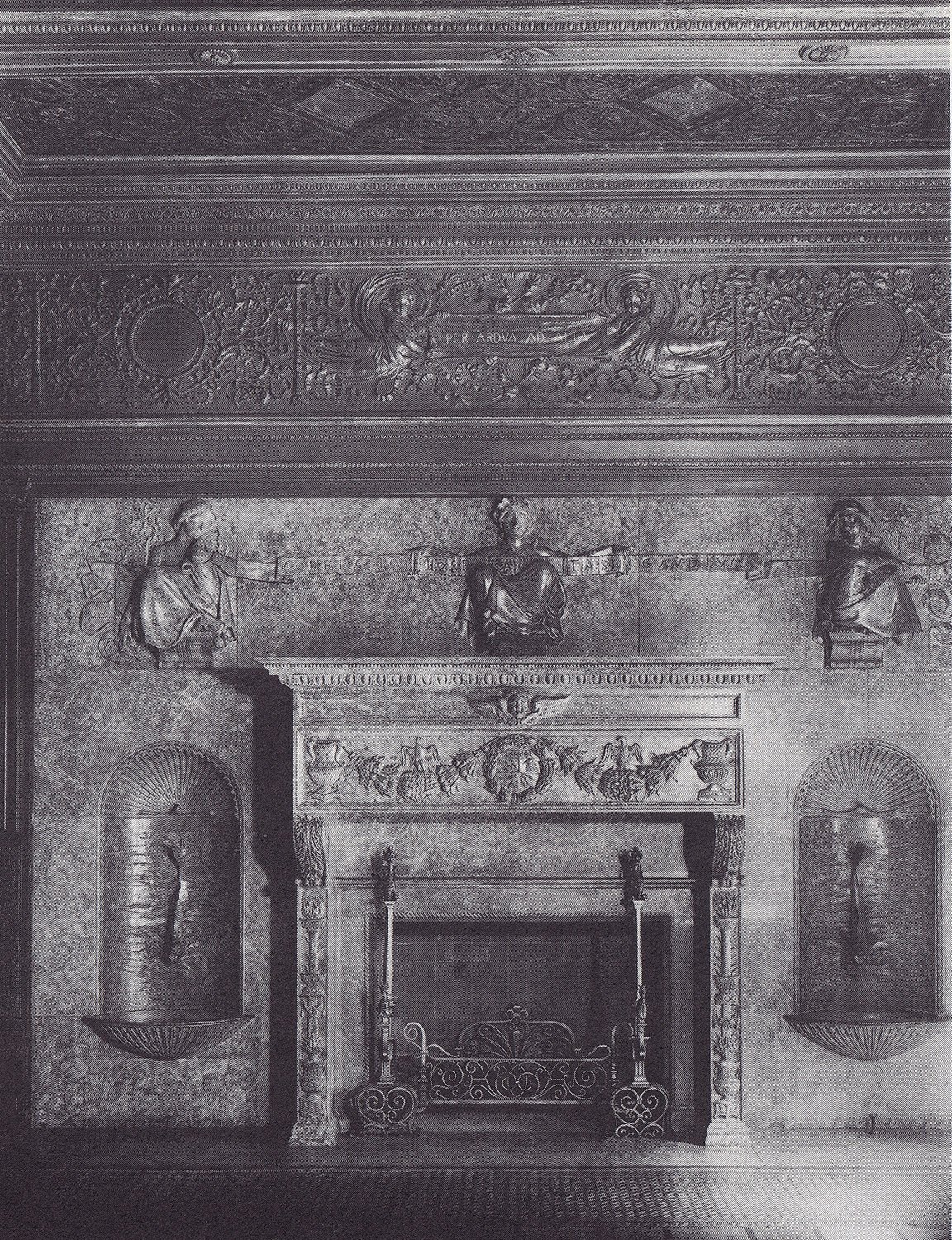
Mantel in Entrance Hall, Henry Villard Residence at the Villard Houses, New YorkDoor to Dining Room, Henry Villard Residence at the Villard Houses, New YorkLunette over mantel, Henry Villard Residence at the Villard Houses, New YorkEntrance Hall, Henry Villard Residence at the Villard Houses, New YorkDining Room, Henry Villard Residence at the Villard Houses, New YorkMantel in Dining Room, Henry Villard Residence at the Villard Houses, New York
William M. Kendall of McKim, Mead & White. United States Post Office (1913). New York.
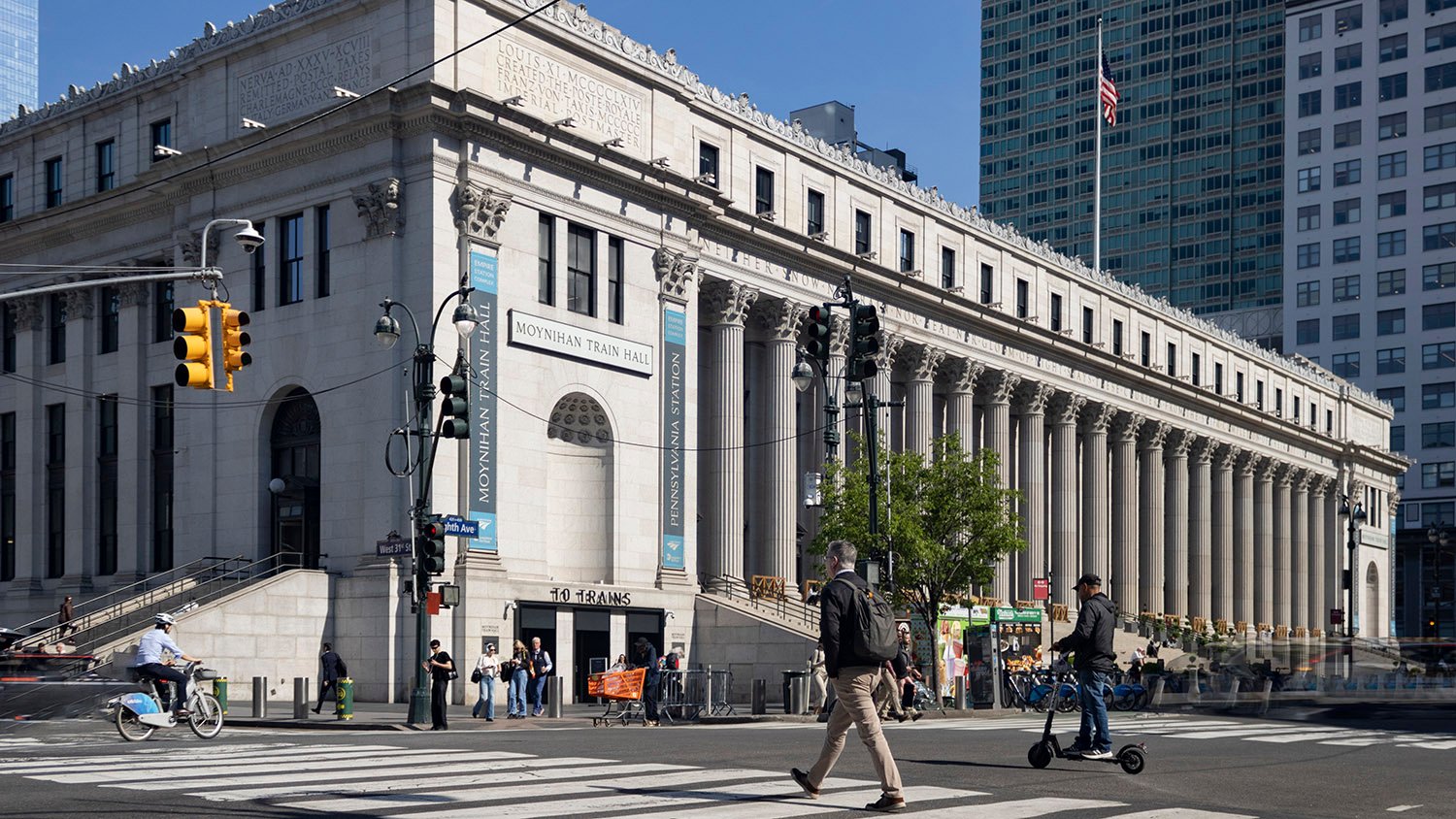
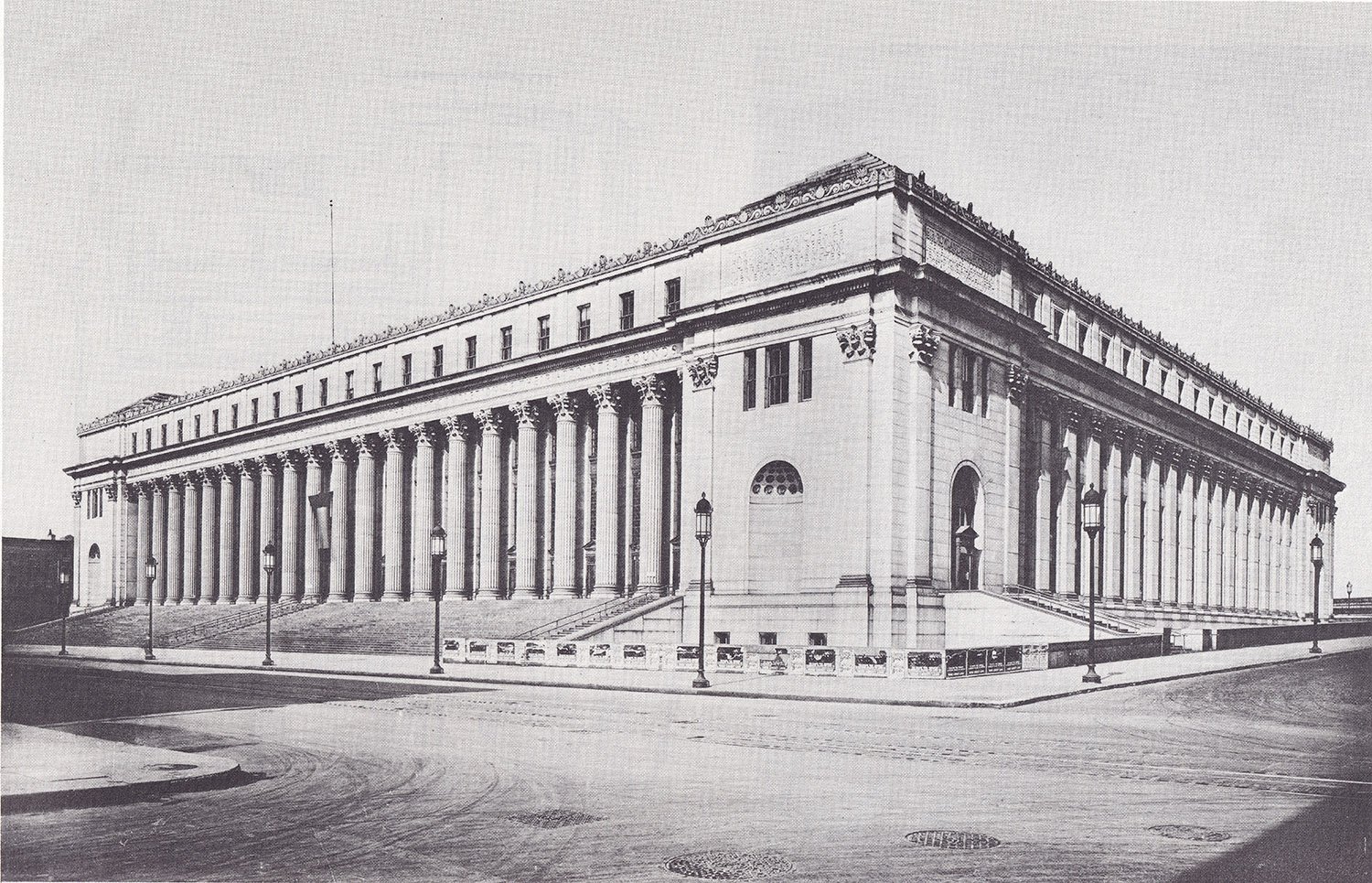
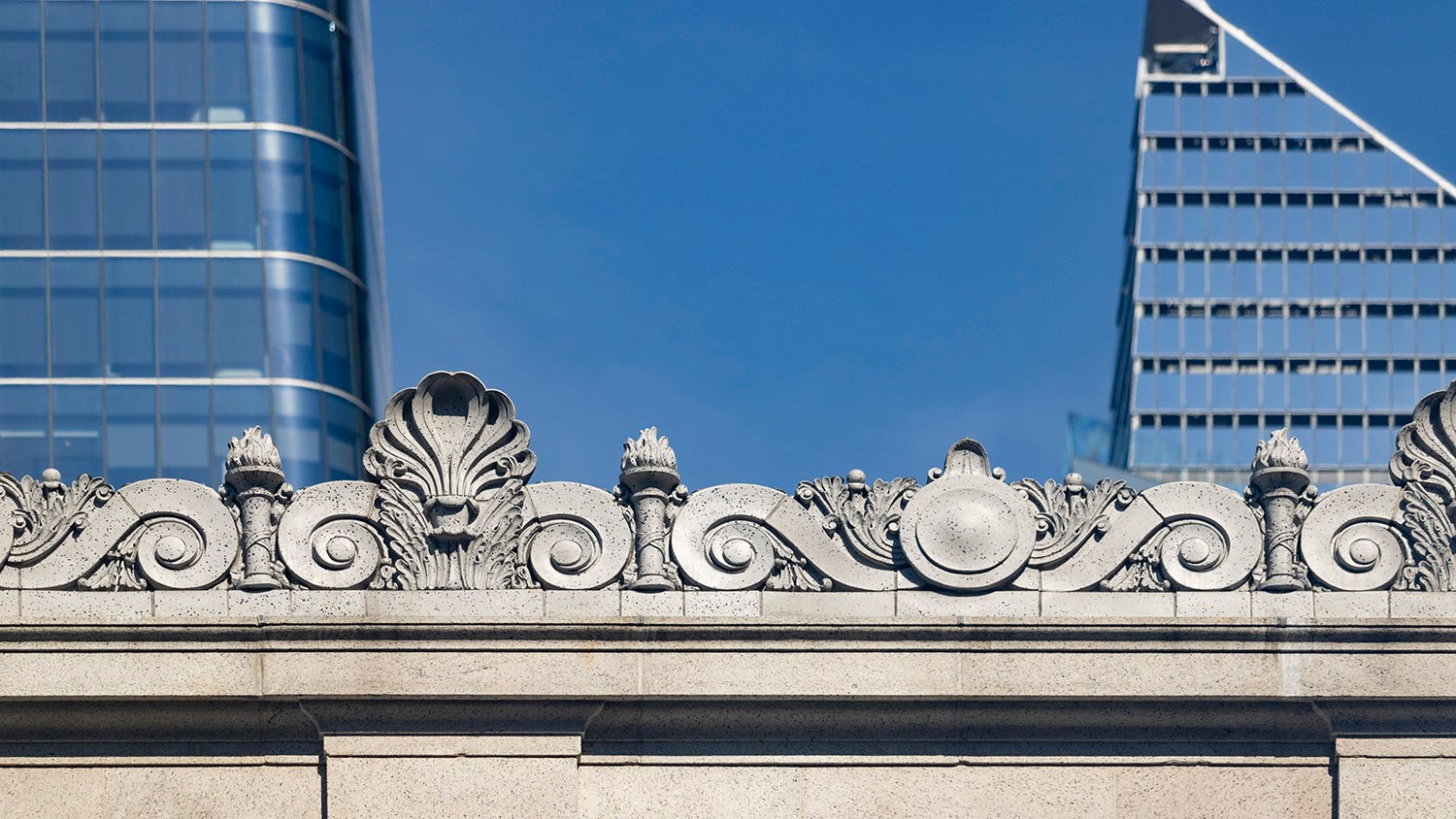
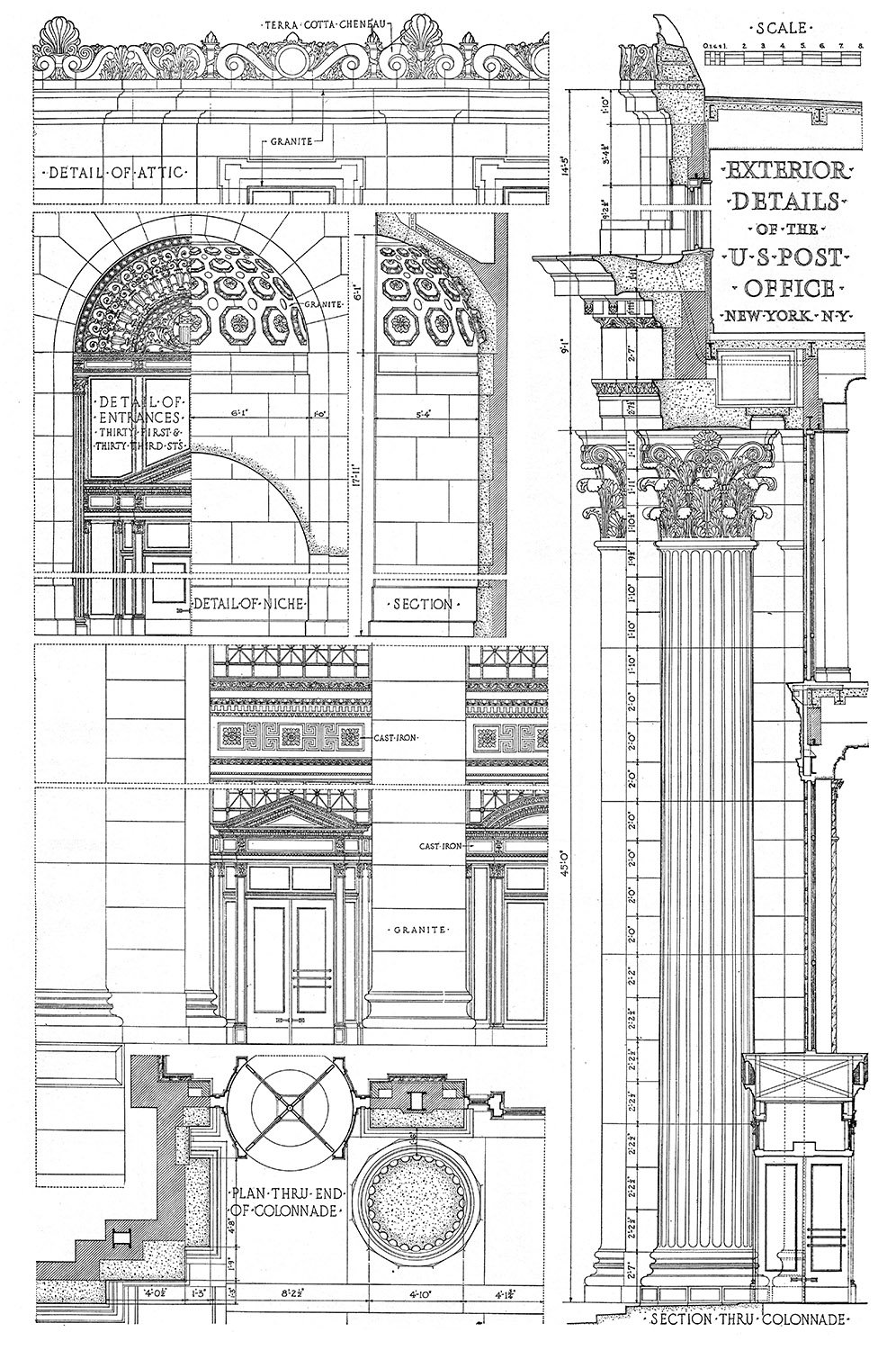
The imposing United States Post Office in New York City was a very late work of McKim, Mead & White—so late that two of the firm’s namesake founders, Charles McKim and Stanford White, had been dead for several years by the time it was completed in 1913.
At that point, McKim, Mead & White was a well-oiled machine that ran on an army of anonymous architects, but the project is now primarily credited toWilliam M. Kendall.
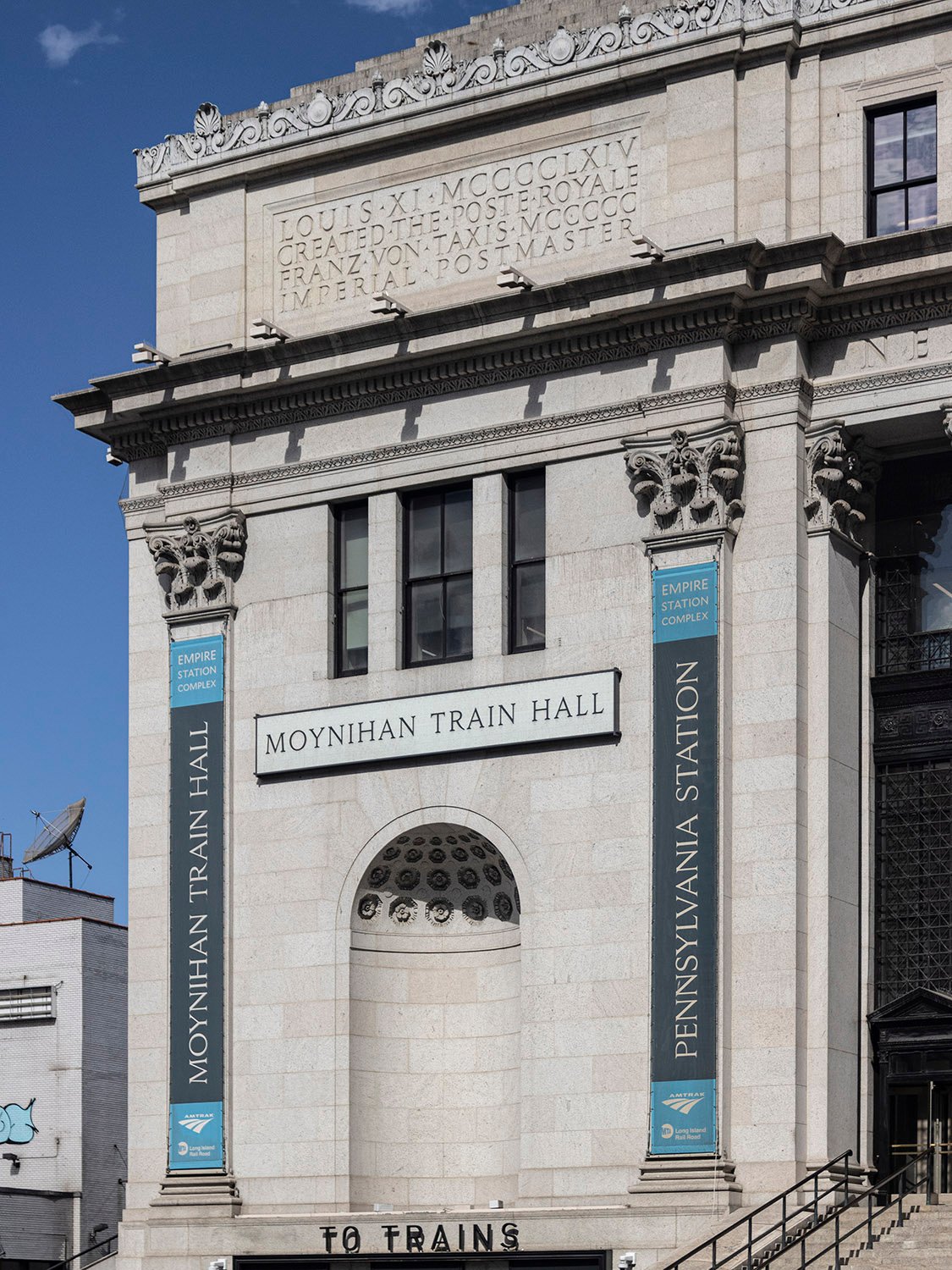
The gleaming white five-story structure occupies two blocks of prime real estate in Midtown Manhattan and was built to complement its original neighbor, Pennsylvania Station,1 also designed by McKim, Mead & White, which was demolished in 1963.
Location of the United States Post Office
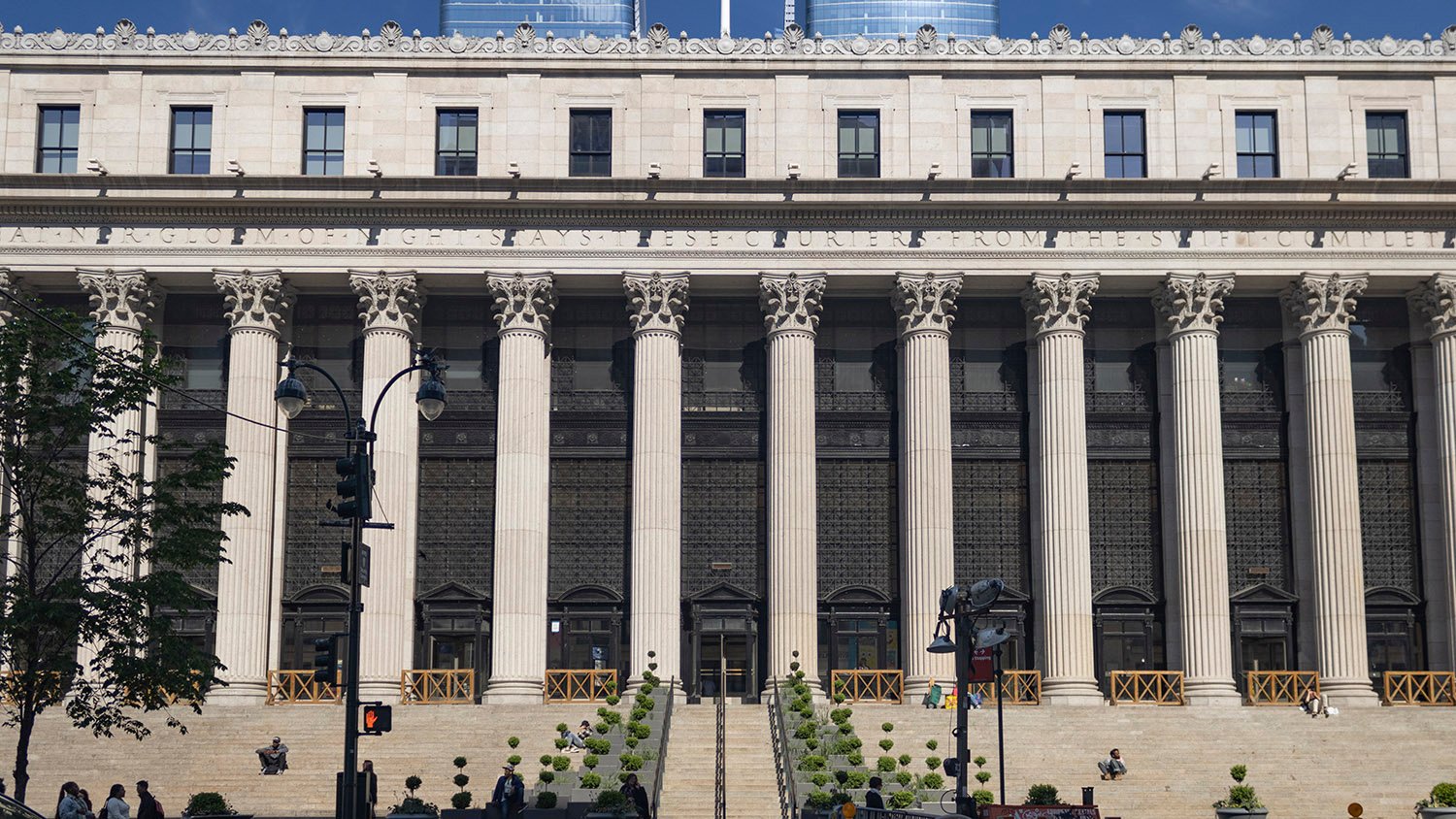
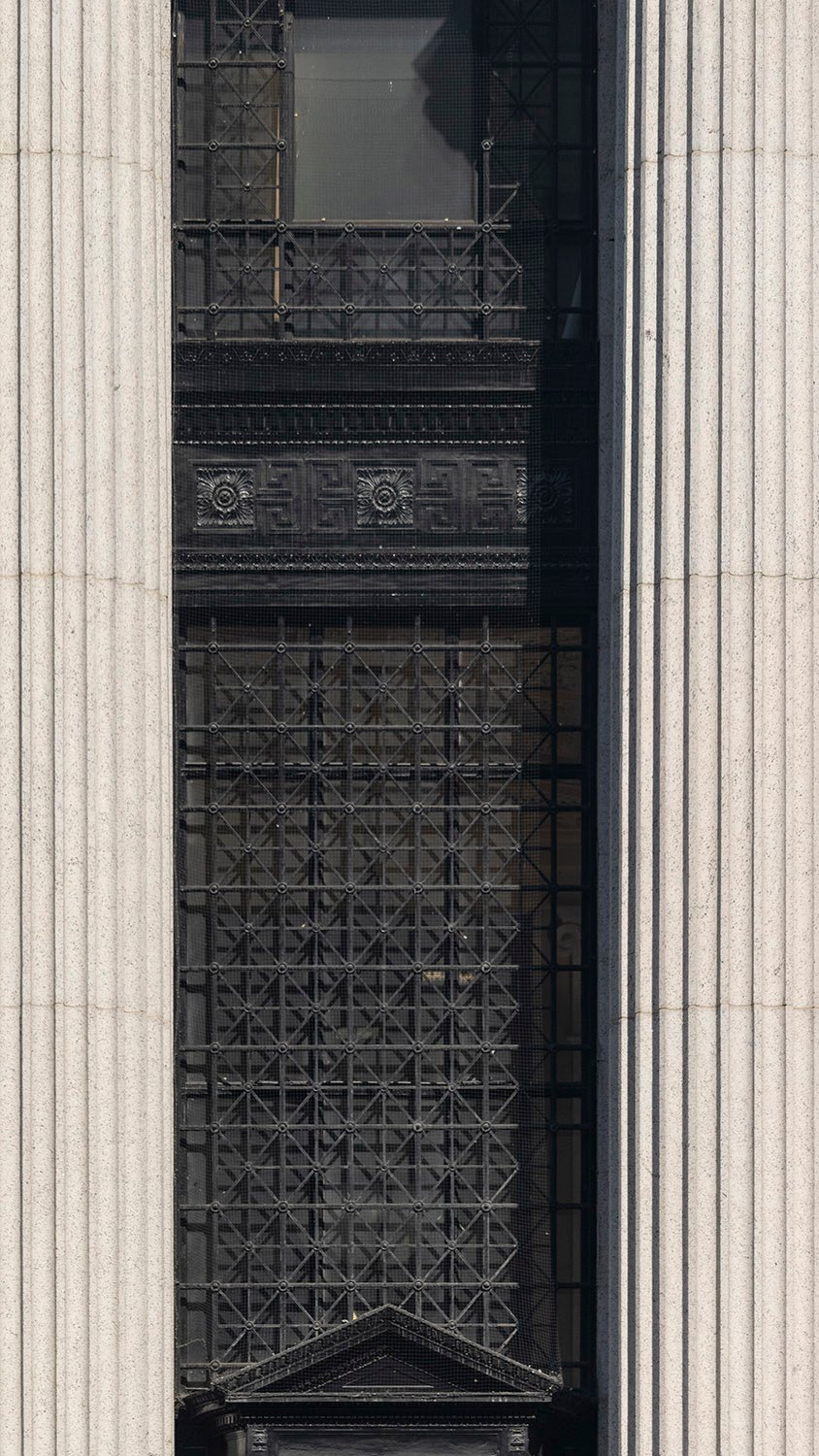
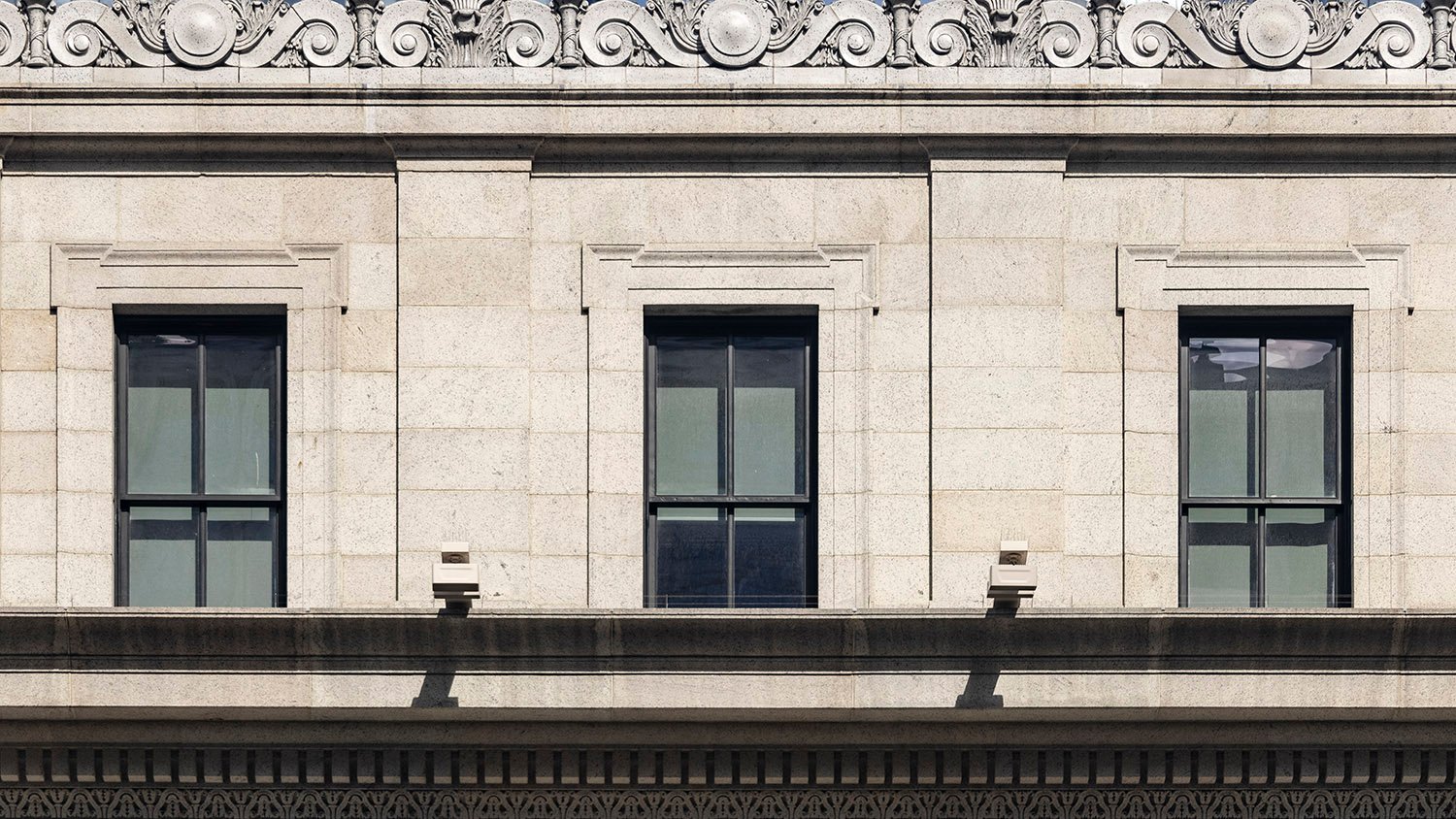
The firm’s later output was often unremarkable and derivative, but there’s something special about this building, which is chock-full of exquisite materials and elegant details that reveal thoughtful attention to design despite the project’s massive scale.
United States Post Office, New York, circa 1913
Built for a hefty $6 million, the original structure included over 400,000 square feet of floor space and was composed of 165,000 cubic feet of Massachusetts granite, 18,000 tons of steel, 7 million bricks, and 200,000 square feet of glass.2
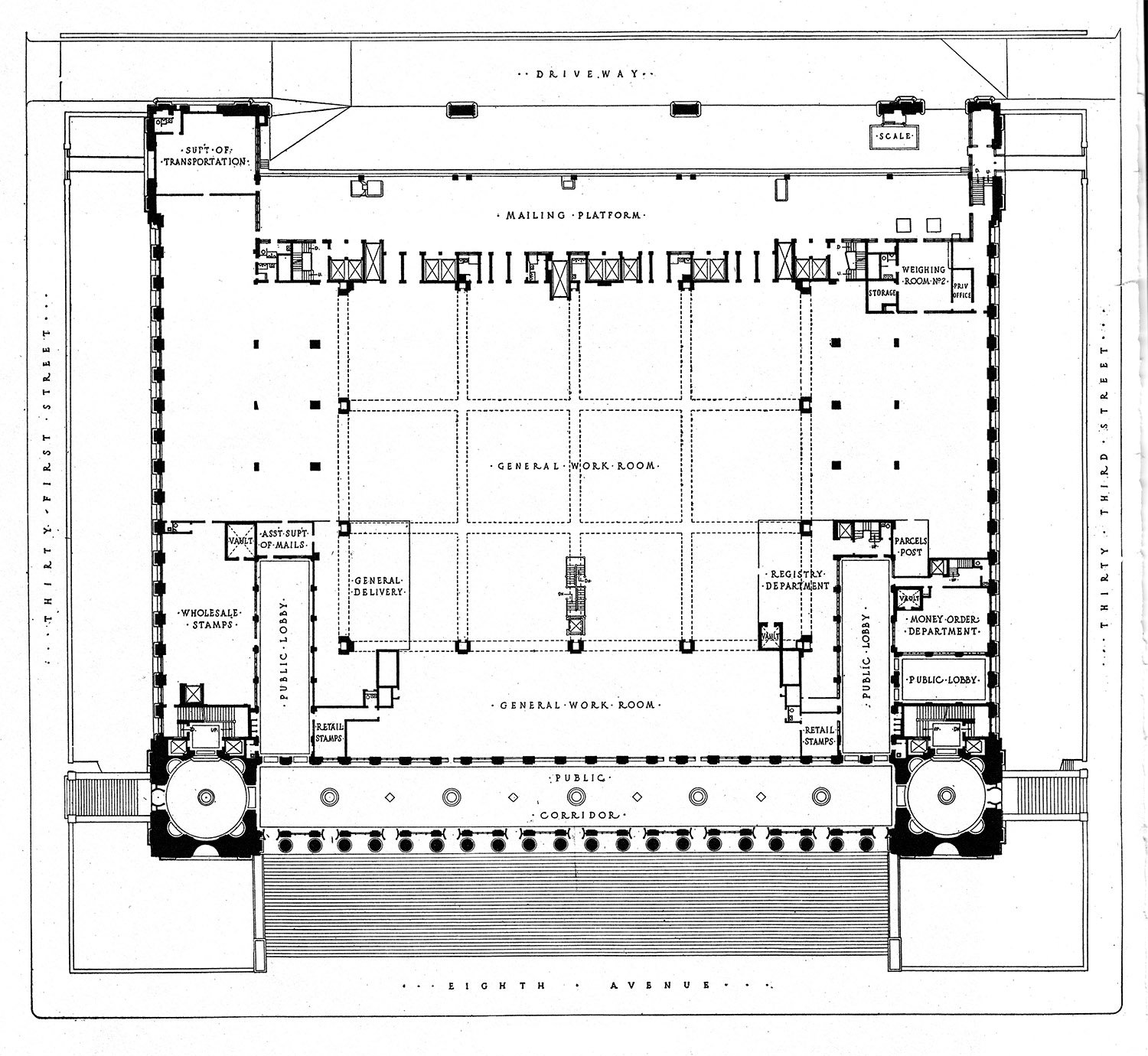
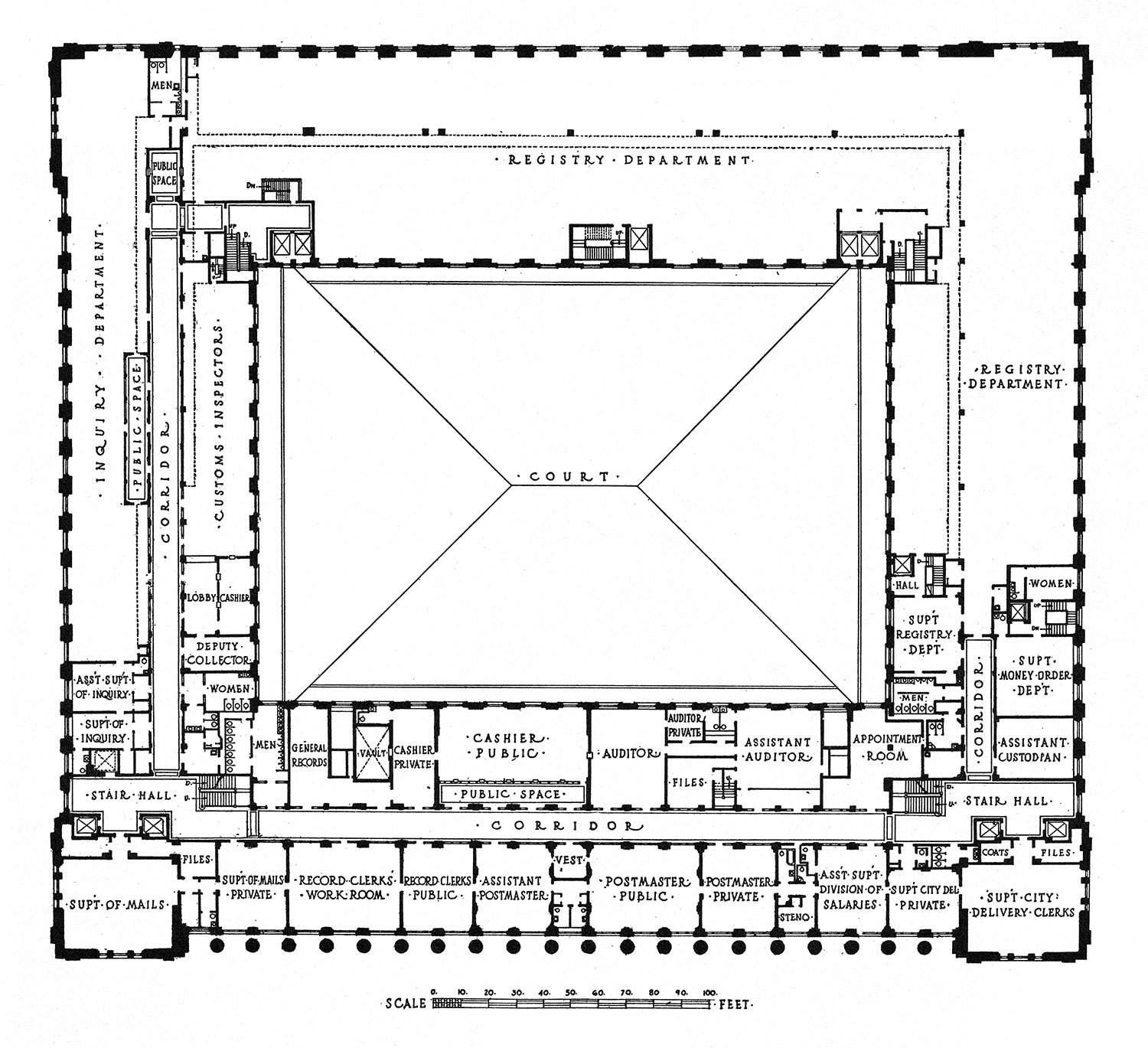
Most of that glass went into the giant skylight over the building’s central workroom, which was reportedlythe largest room in the United States when the facility opened.3
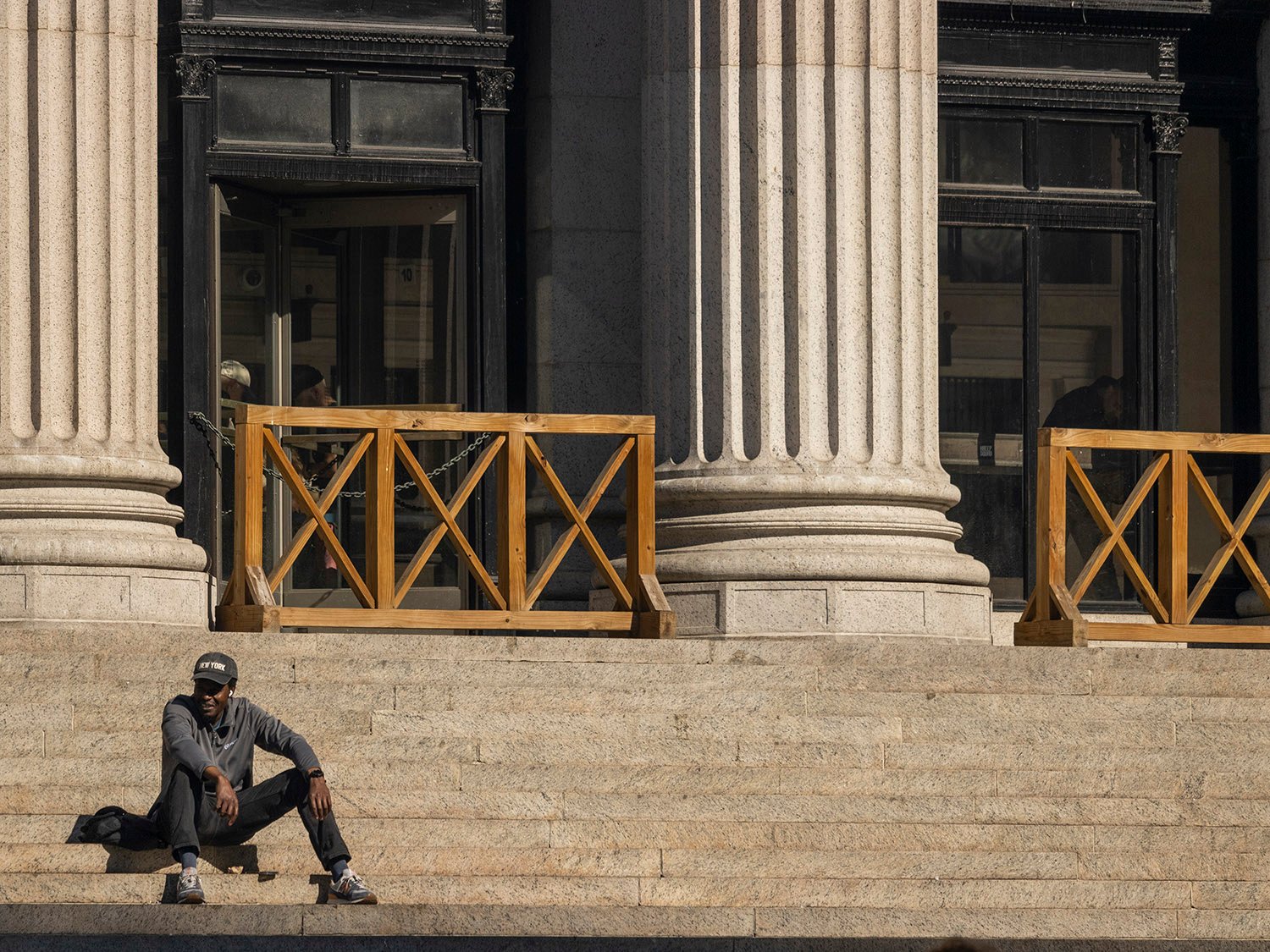
Looking at the facade of the United States Post Office, New York
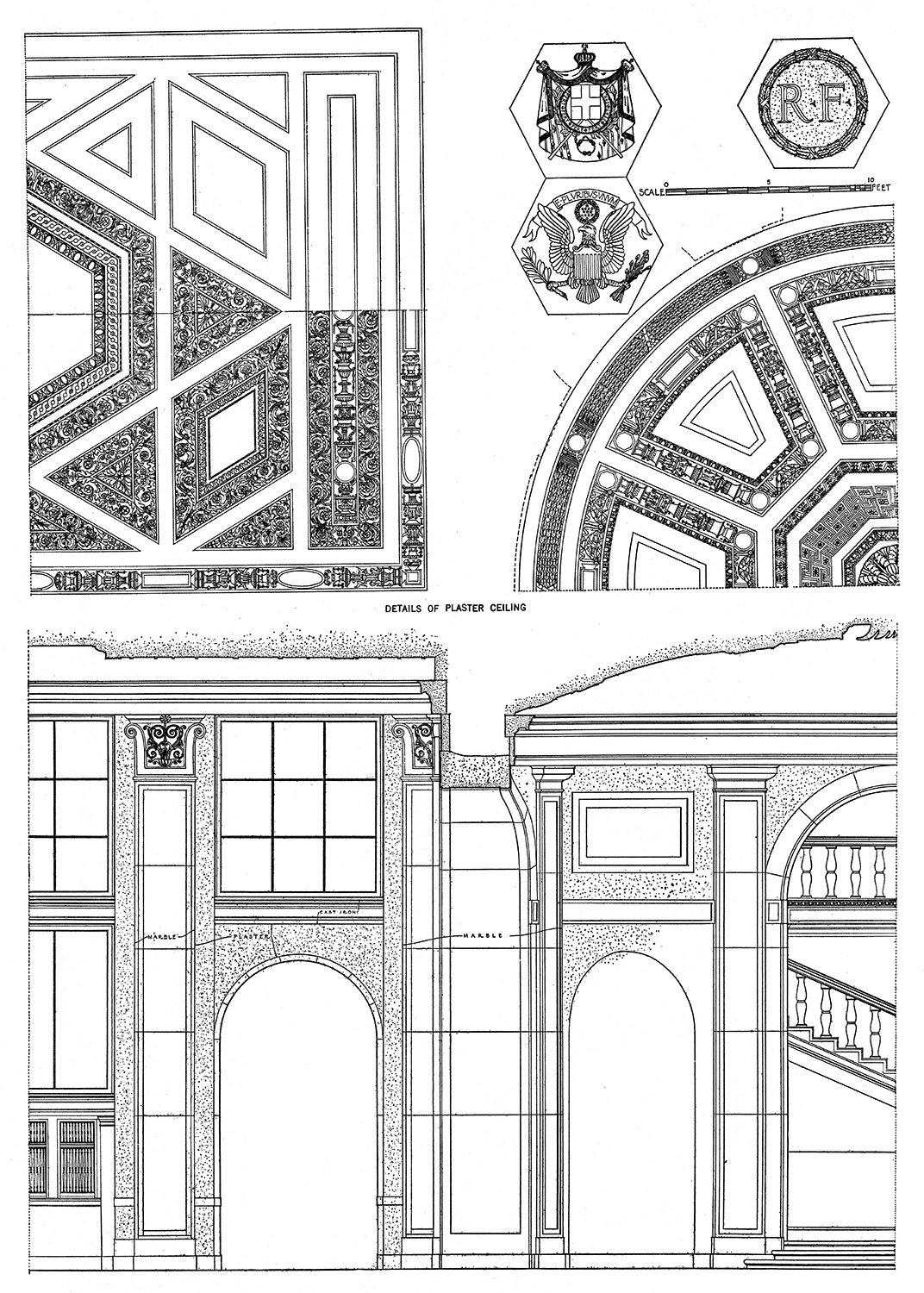
The building’s public-facing interior spaces were elaborately decorated with Tennessee marble on the floors and walls, topped by ornamental plaster ceilings featuring the seals of 10 nations recognized for doing “great things for the advancement of the universal mail service.”4
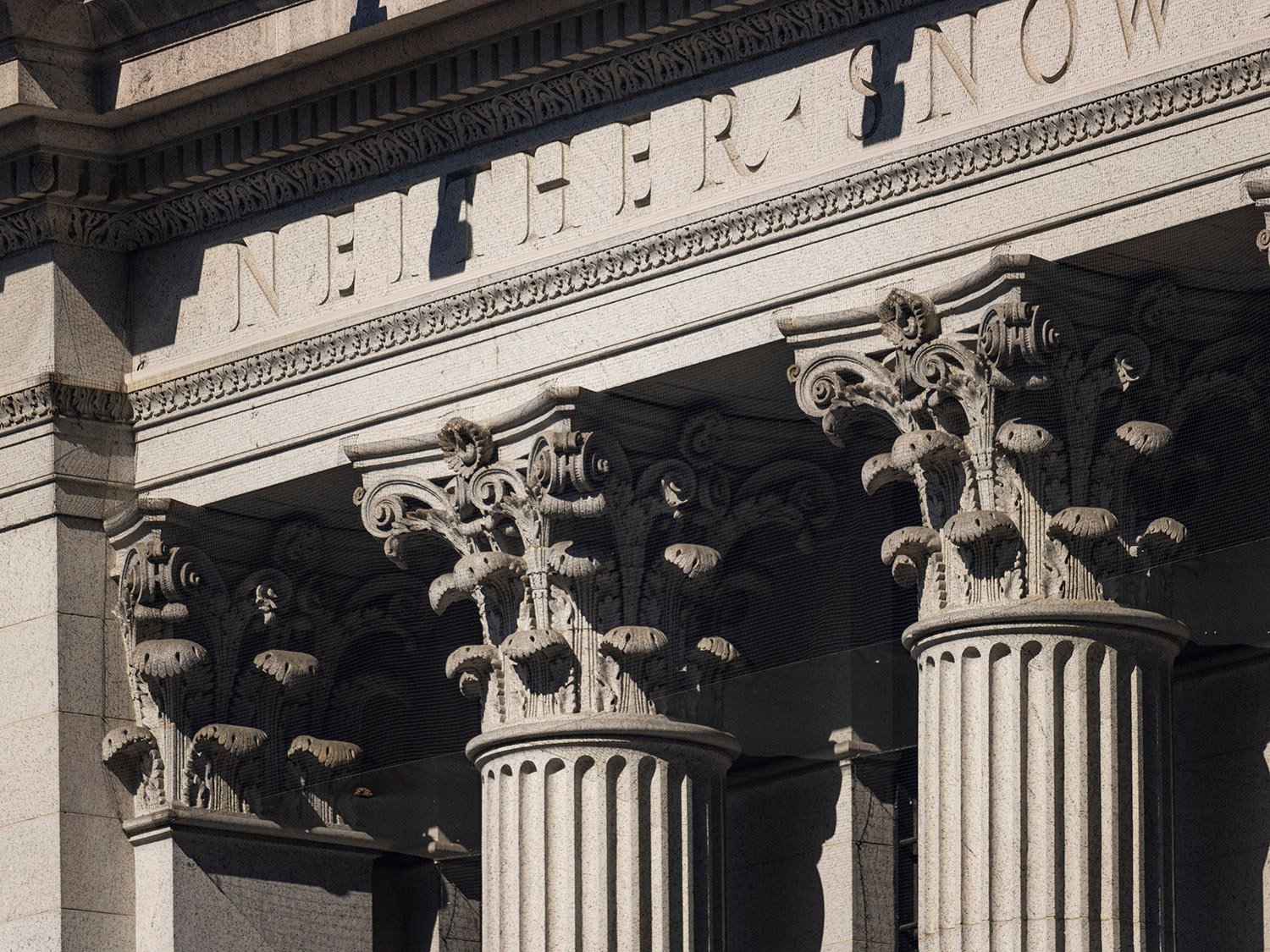
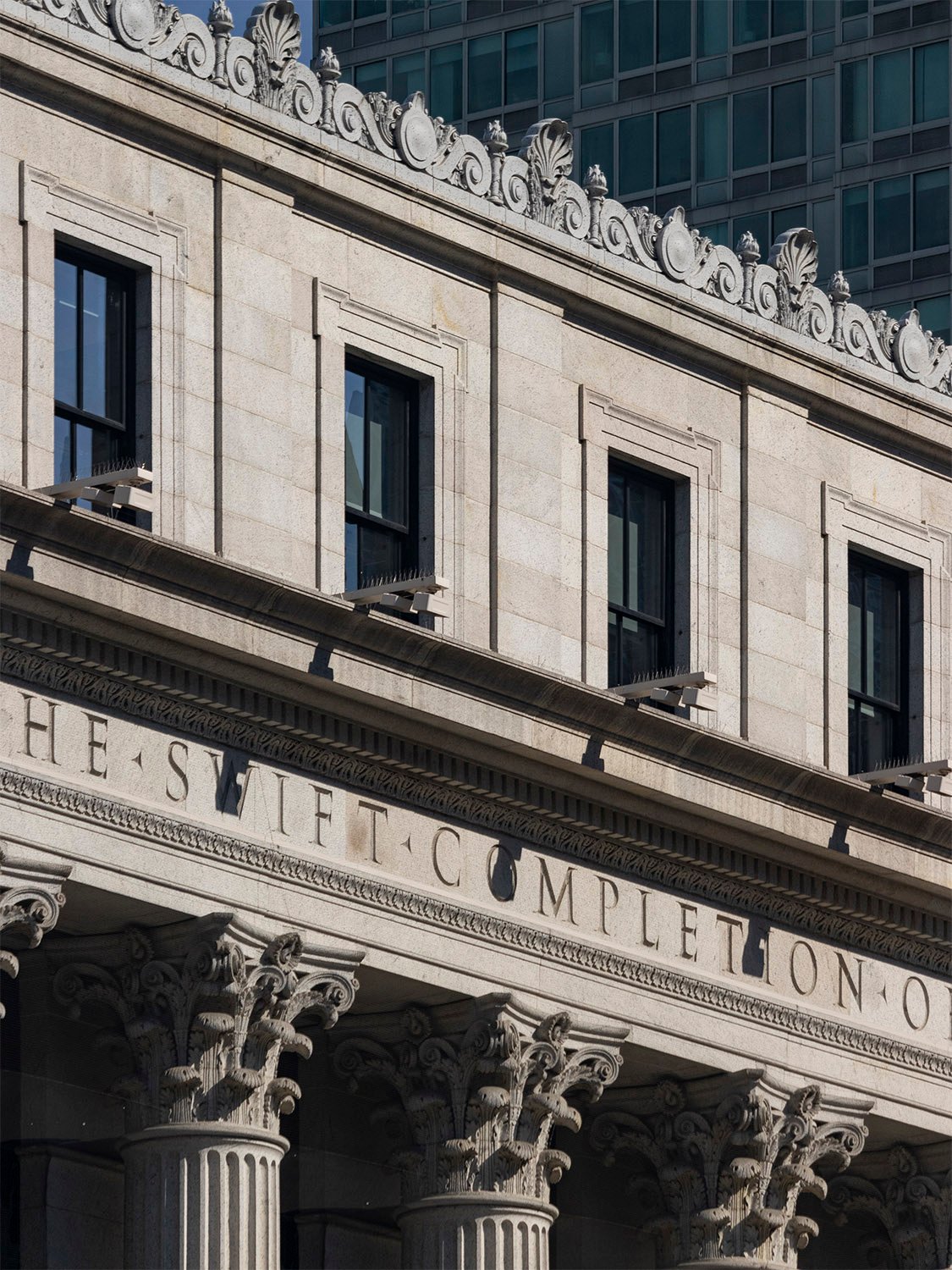
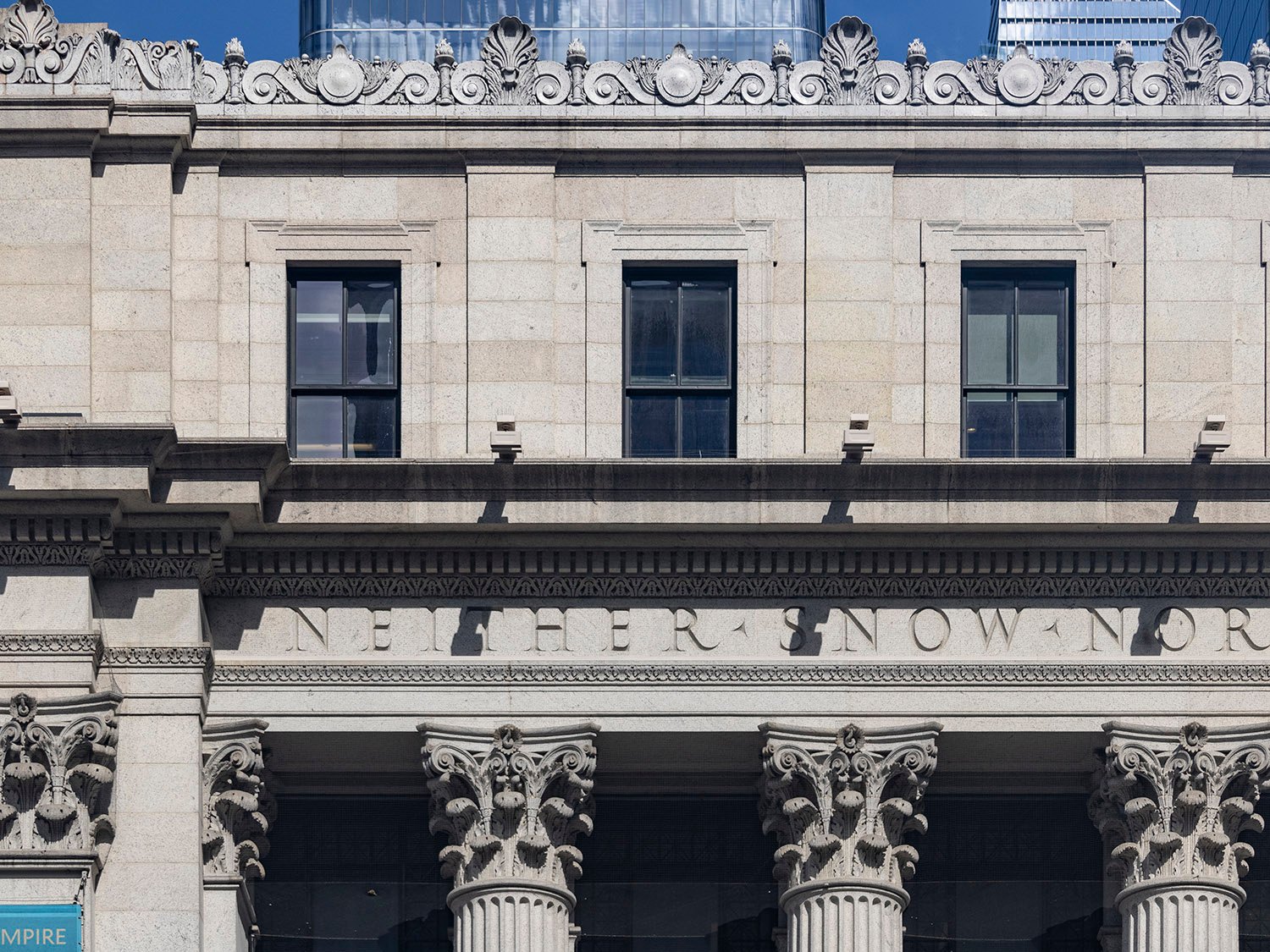
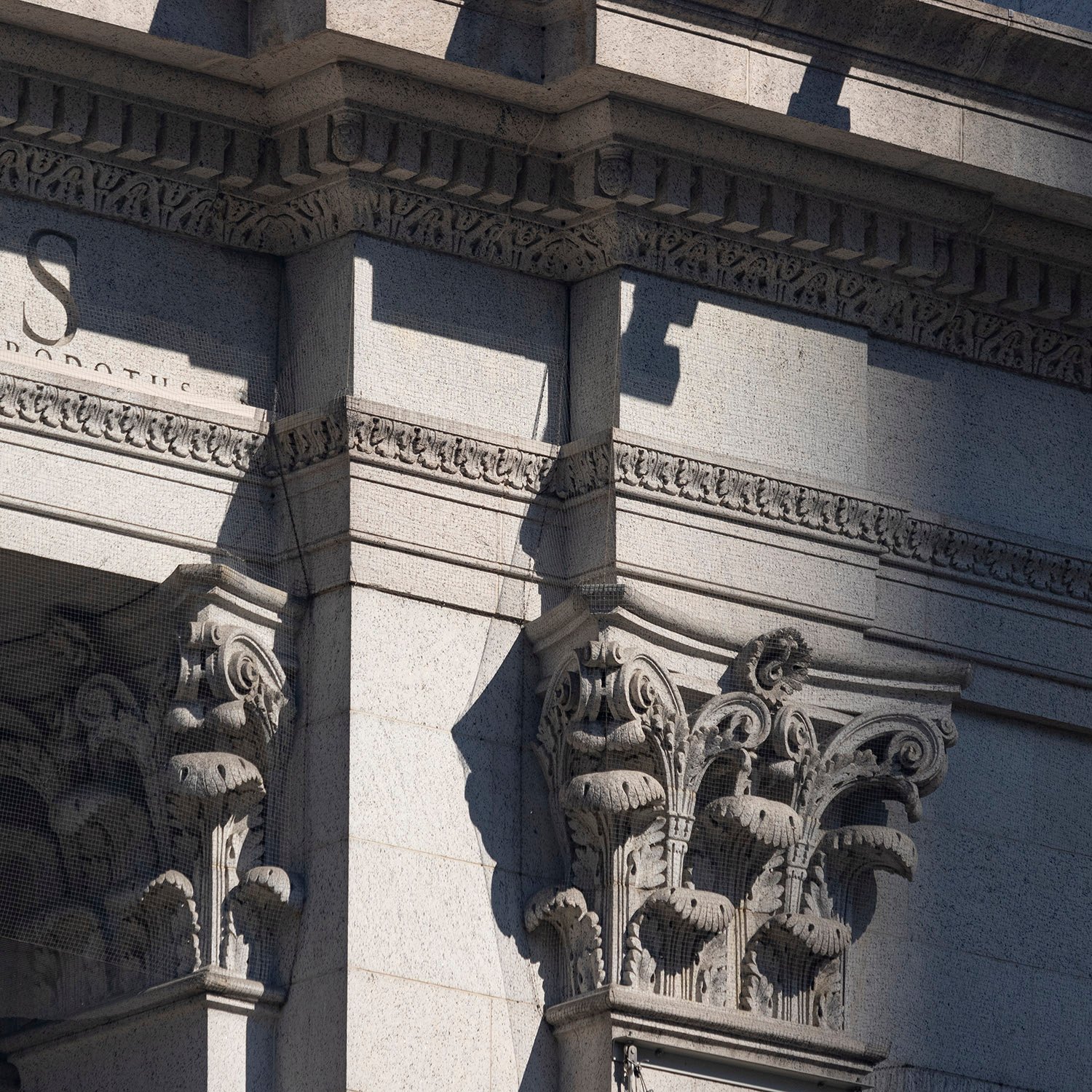
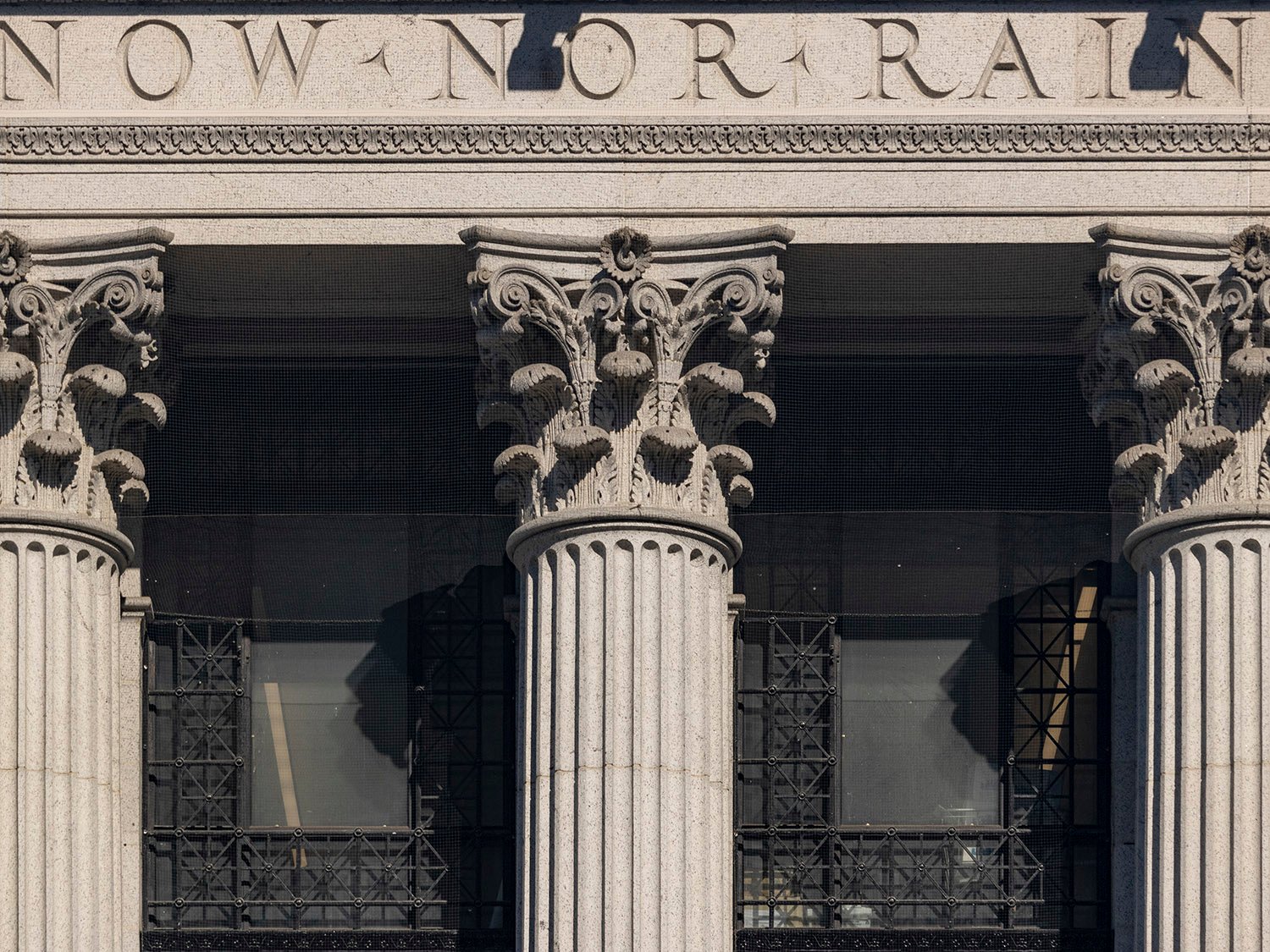
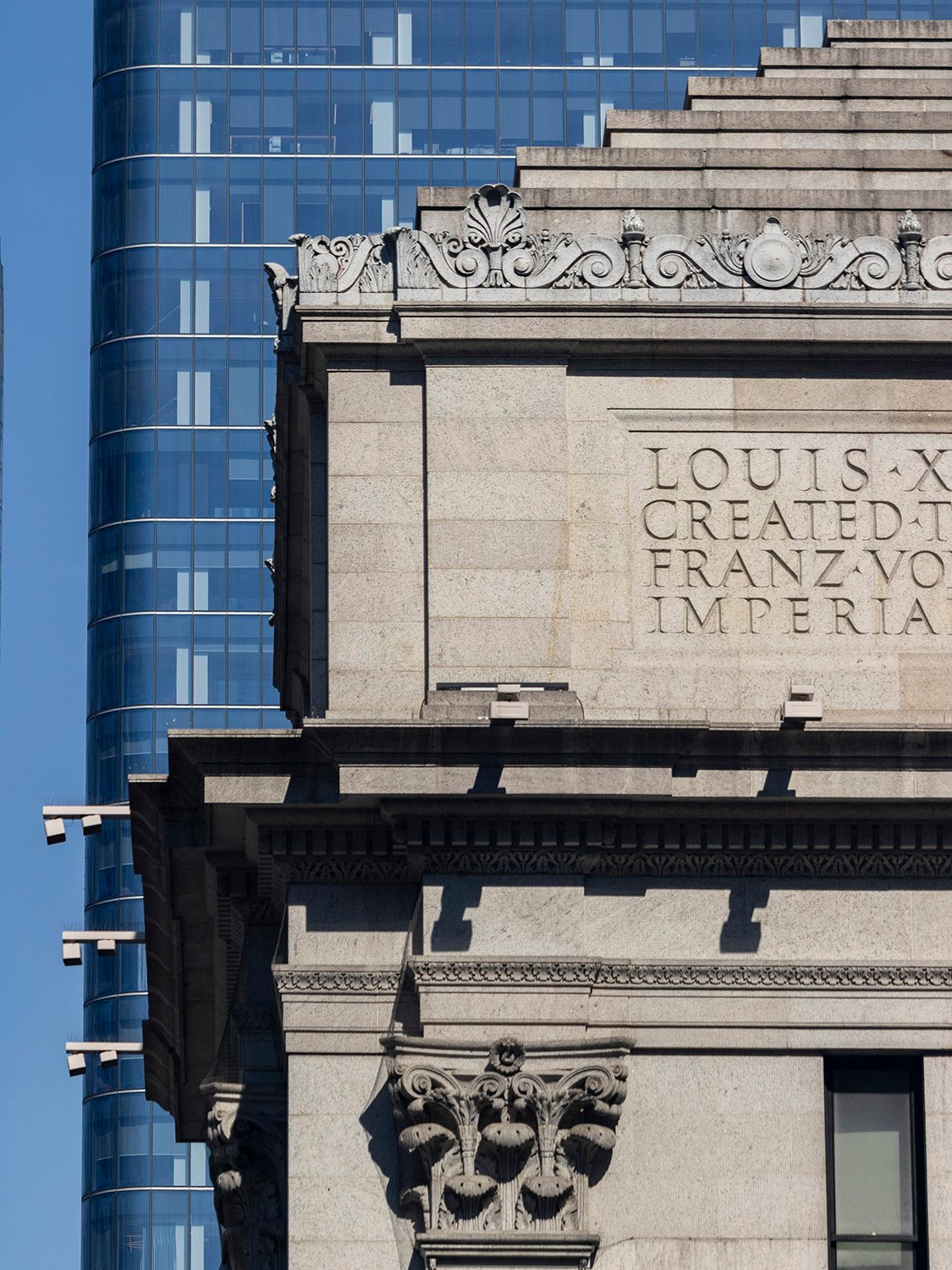
A Harvard professor reportedly suggested that the architects add the inscription spanning the building’s facade, quoting Herodotus: “Neither snow nor rain nor heat nor gloom of night stays these couriers from the swift completion of their appointed rounds.”5
The statement originally referred to mail service in ancient Greece, but its inclusion in the building’s design made it an unofficial motto of the U.S. Postal Service.
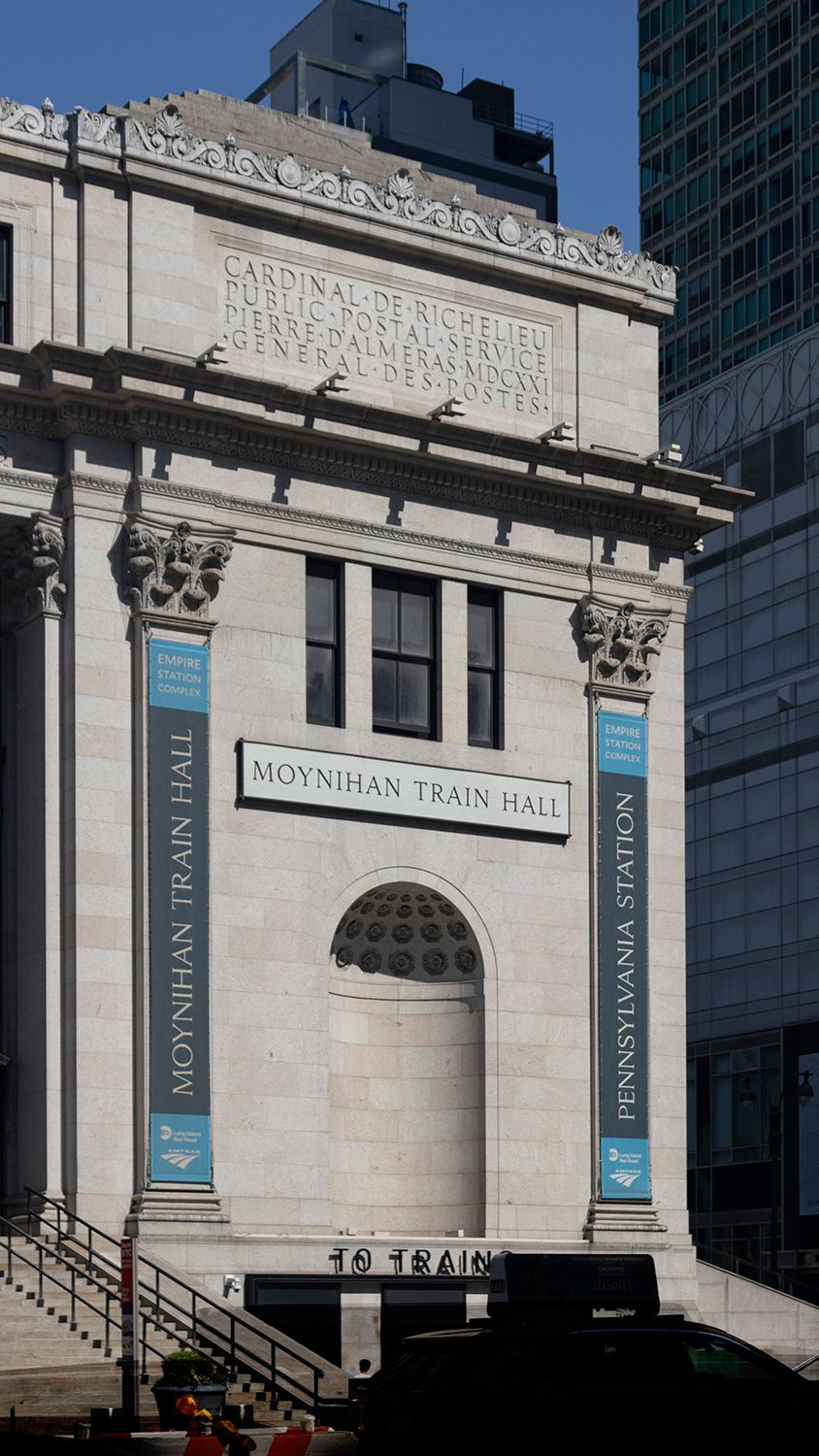
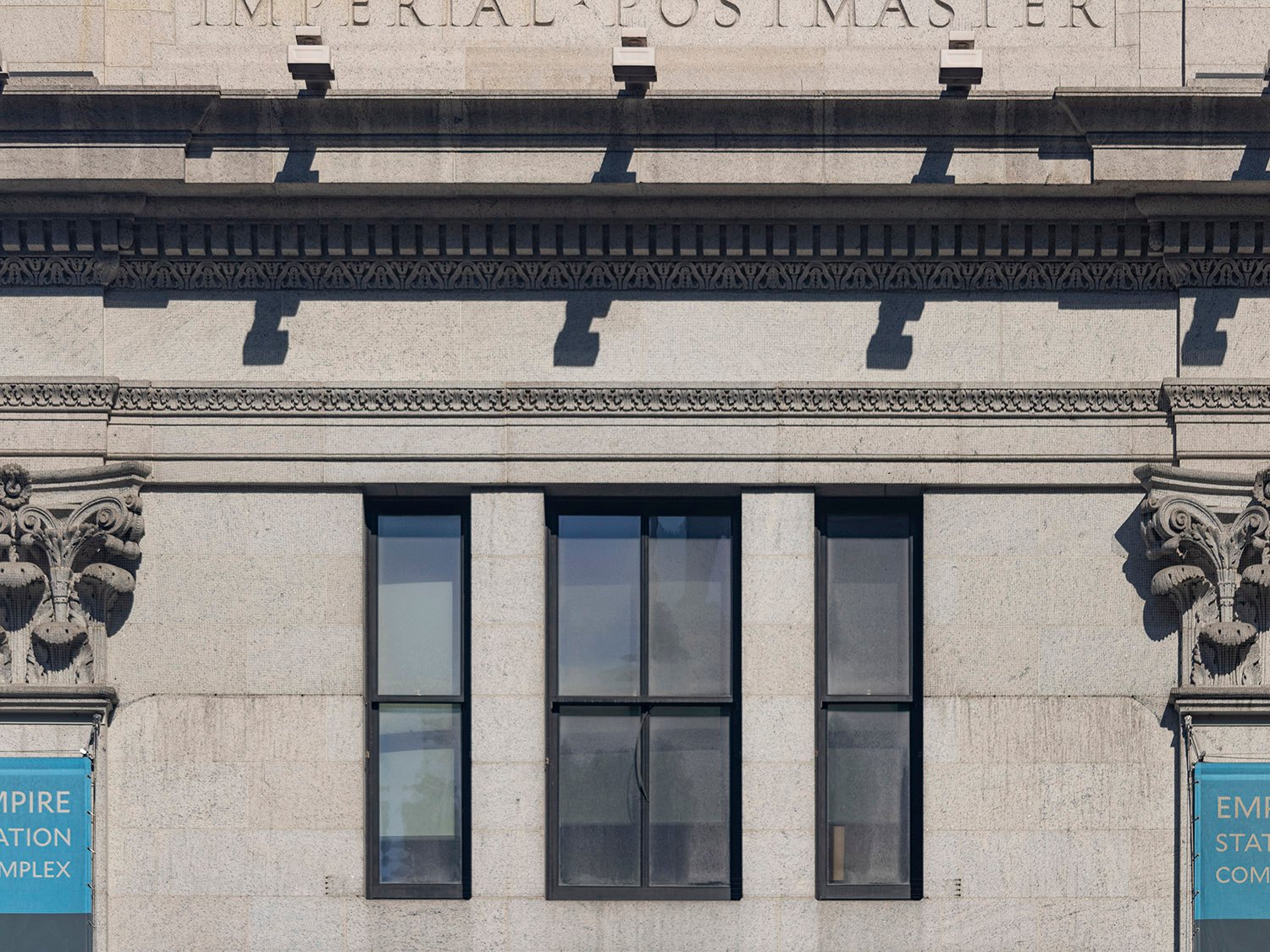
Inscription and Corinthian capitals on the facade of the United States Post Office, New York
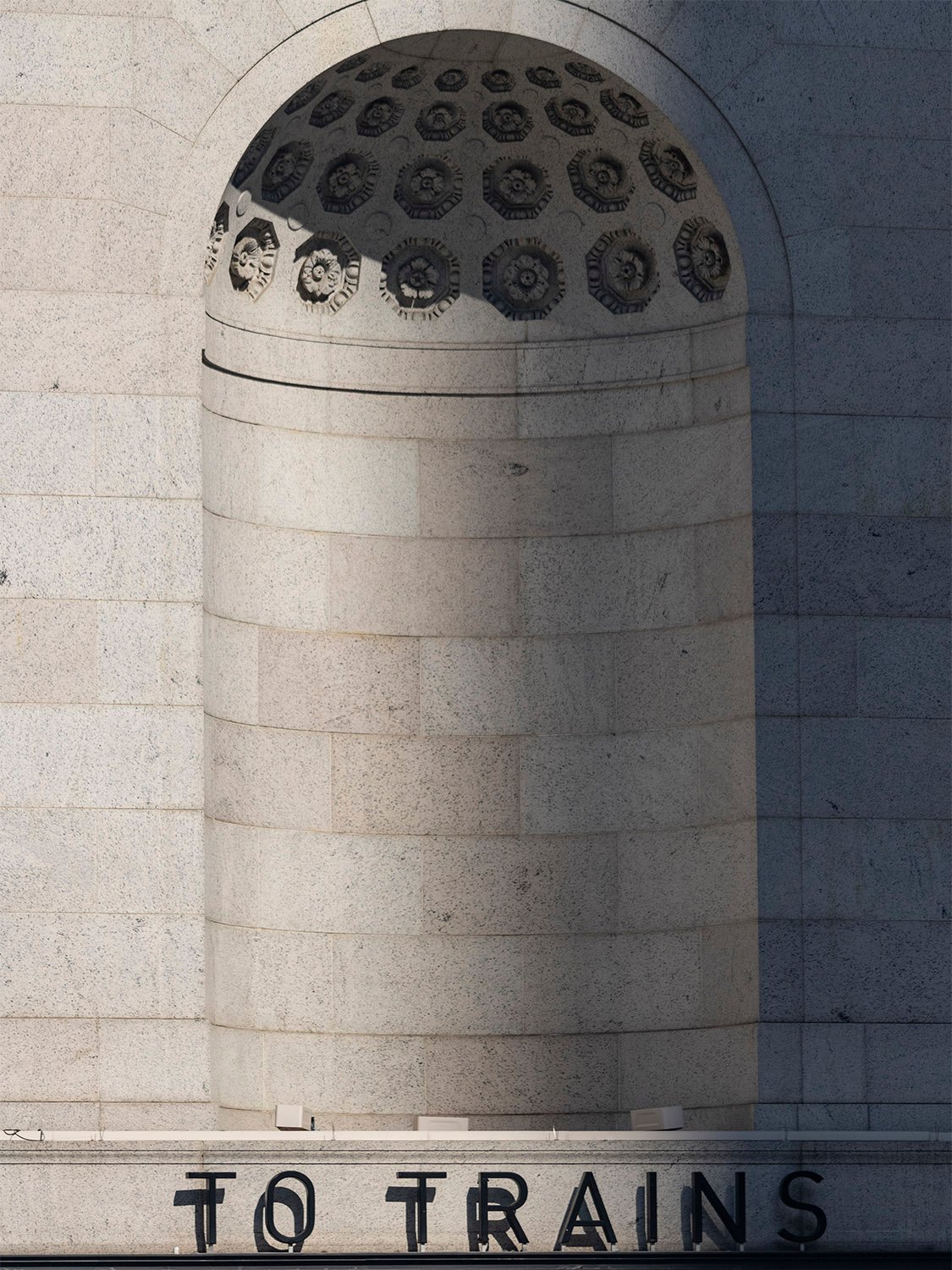
A portion of the building still serves as a post office, but most of the structure now houses the Moynihan Train Hall, which opened in 2021.
The demolition of Penn Station is often cited as the event that launched the historic preservation movement in the United States, and the dark, dank, subterranean maze of low-slung corridors that replaced it is entirely unworthy of one of the world’s great cities.
Although that unnavigable mess still exists, converting the former post office into a modern train hall has restored much-needed prestige to New York’s landscape, and it’s encouraging to see such a fine building put to a worthy new use.
Gallery
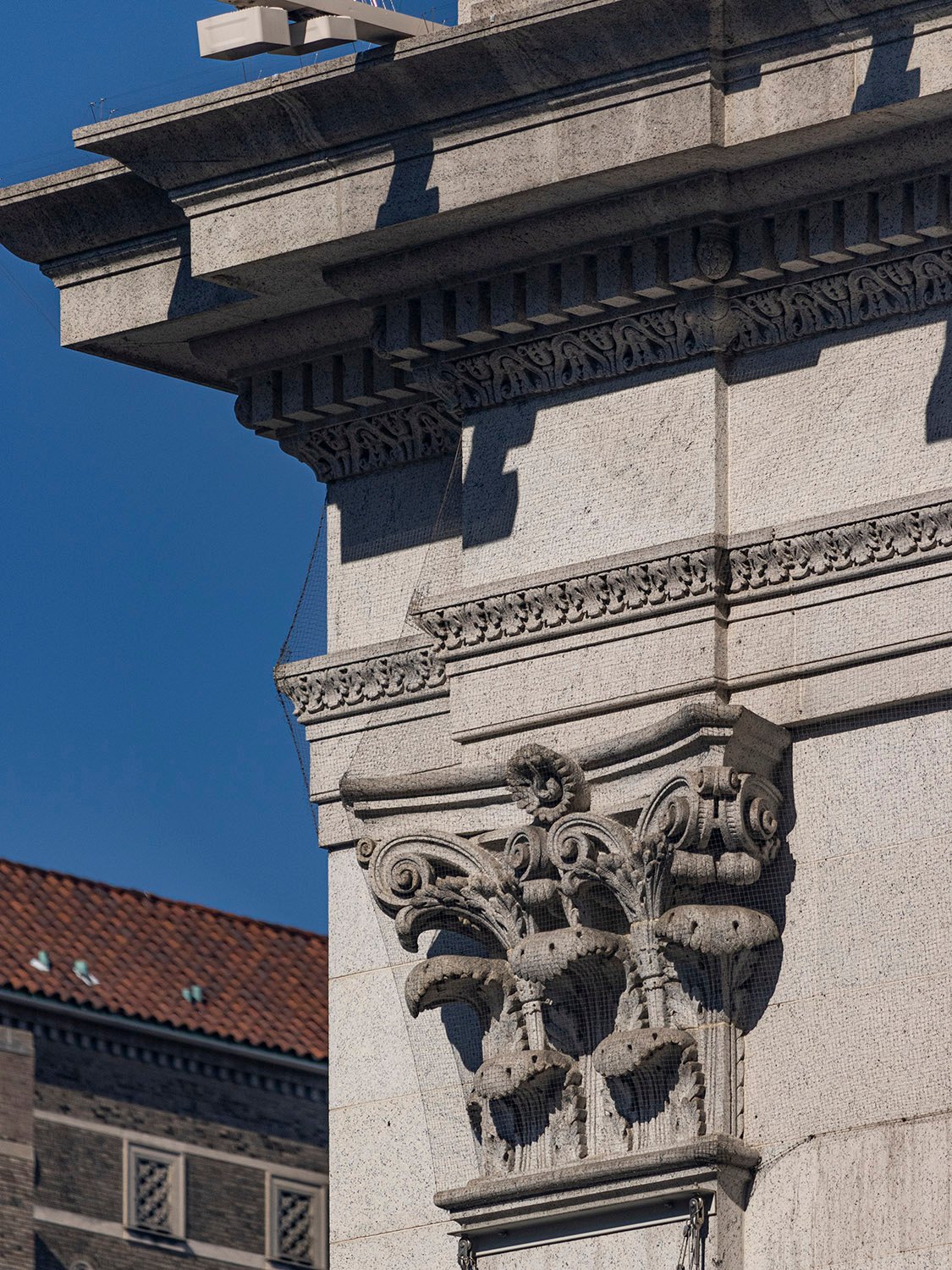
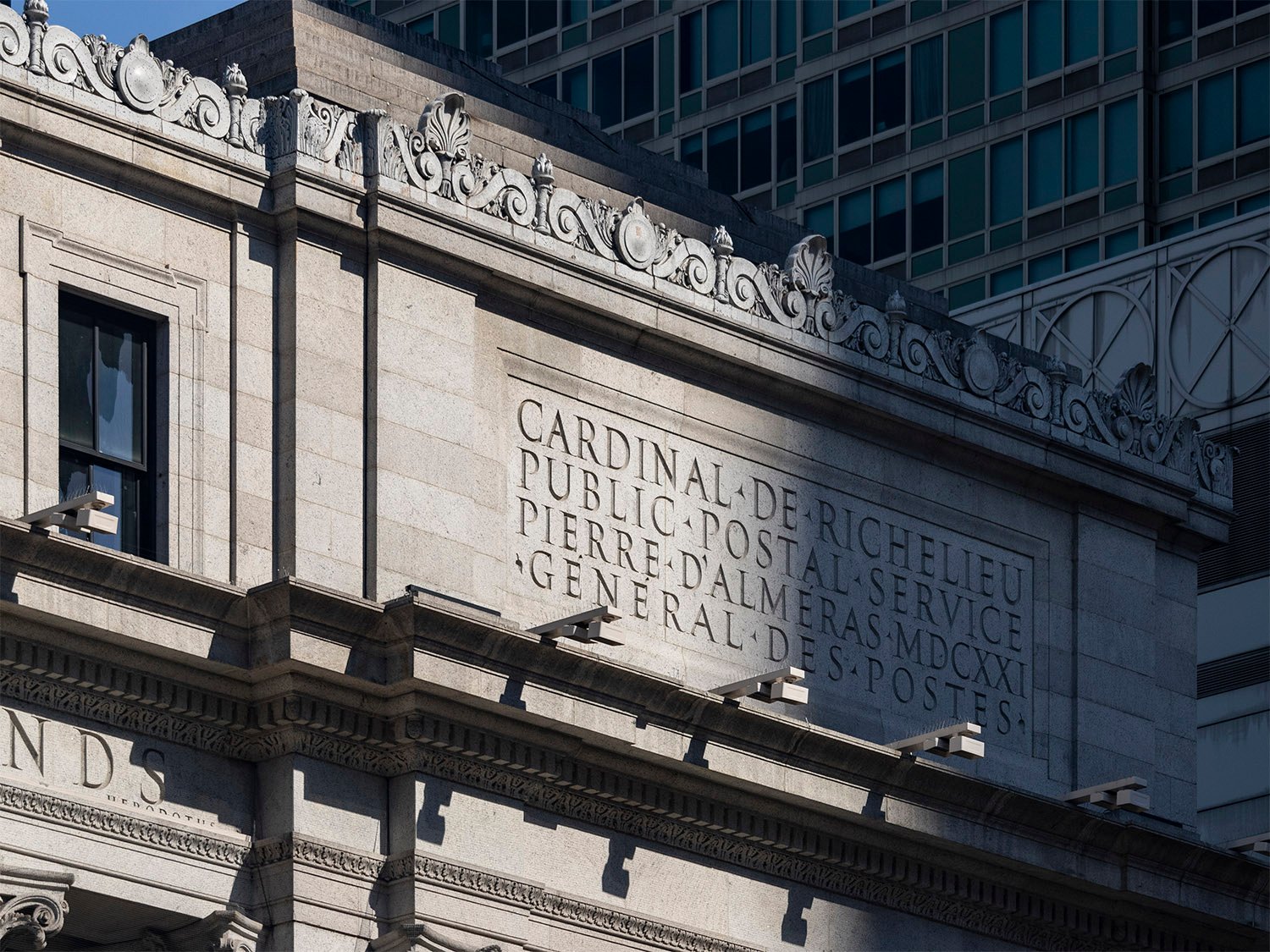
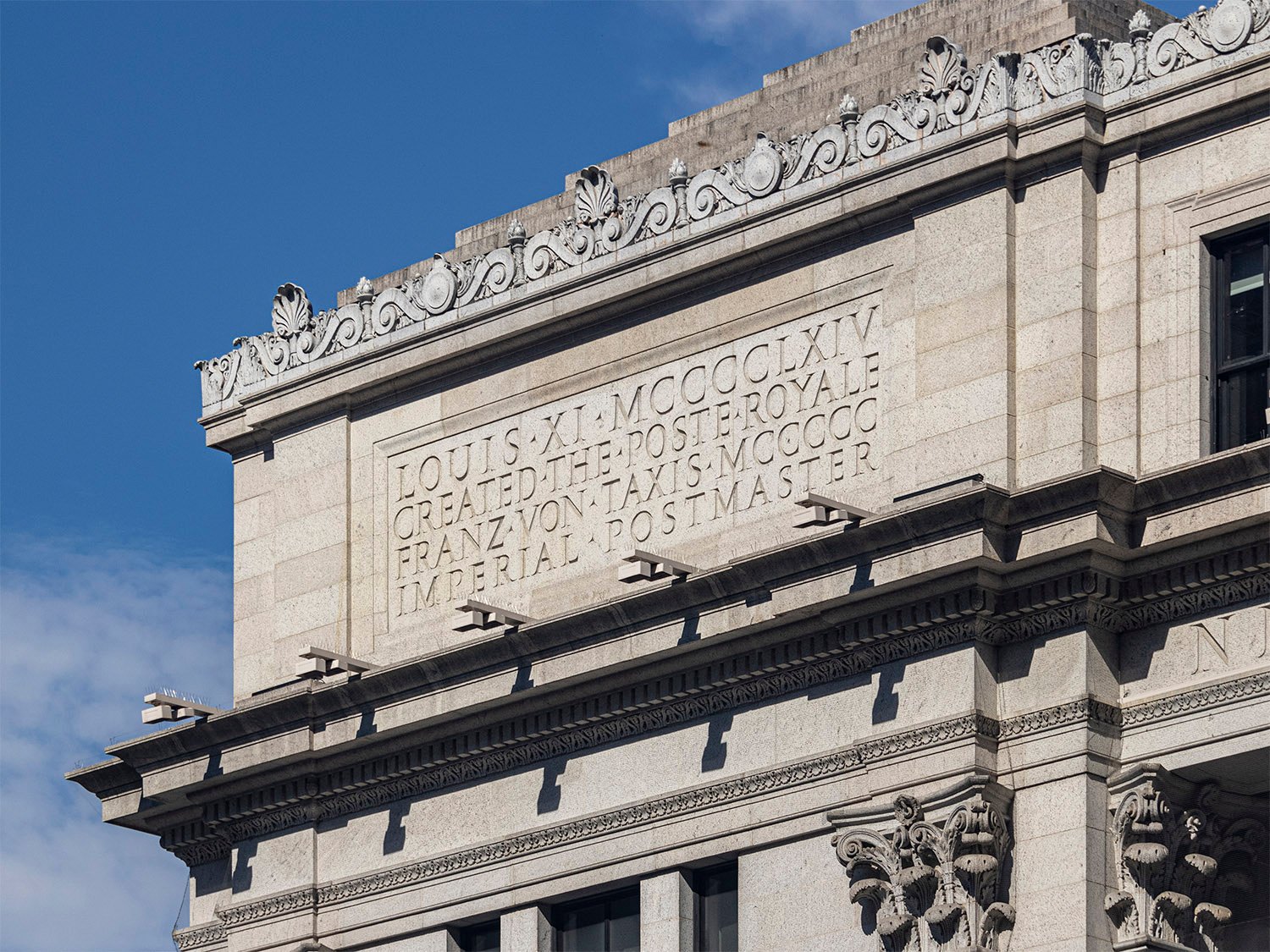
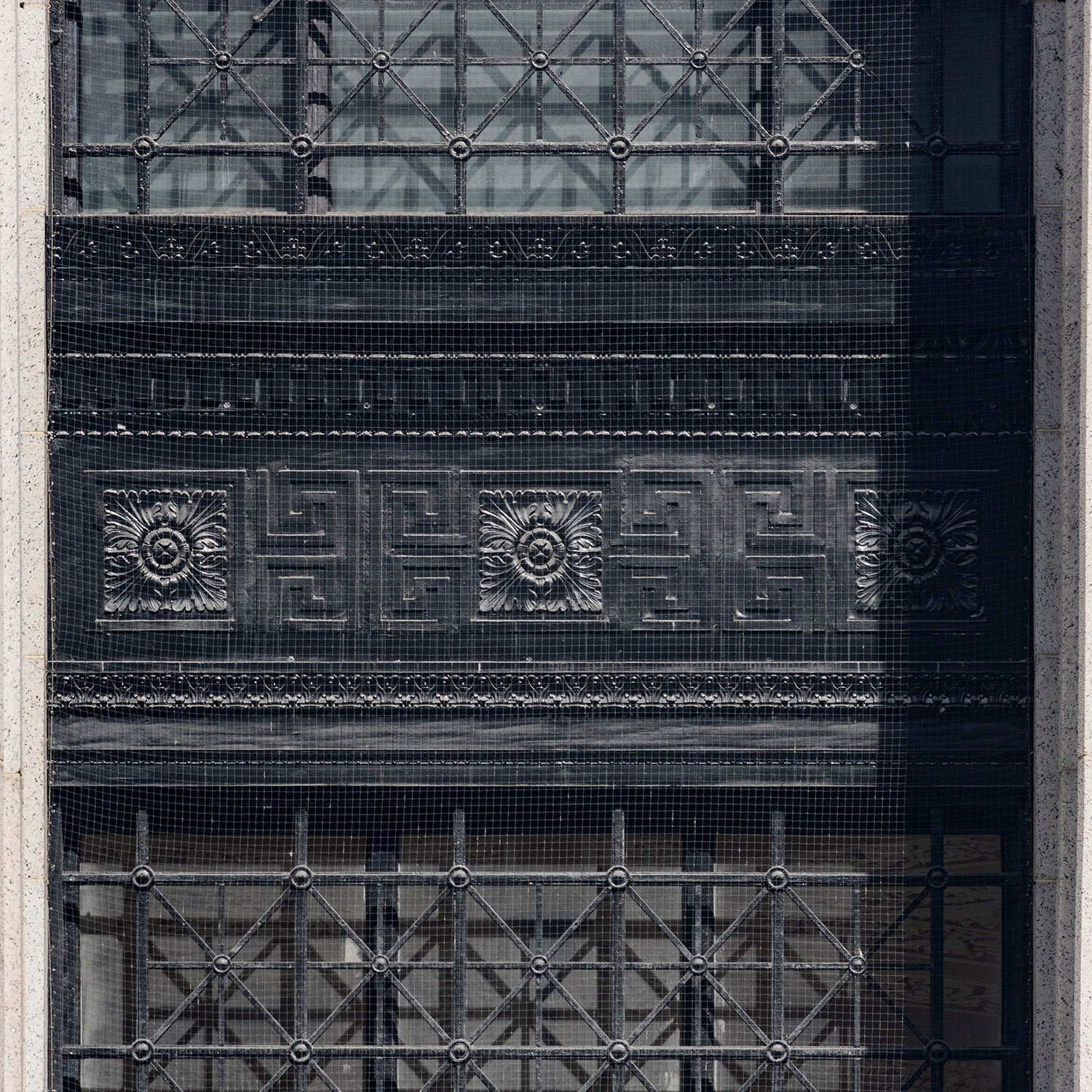
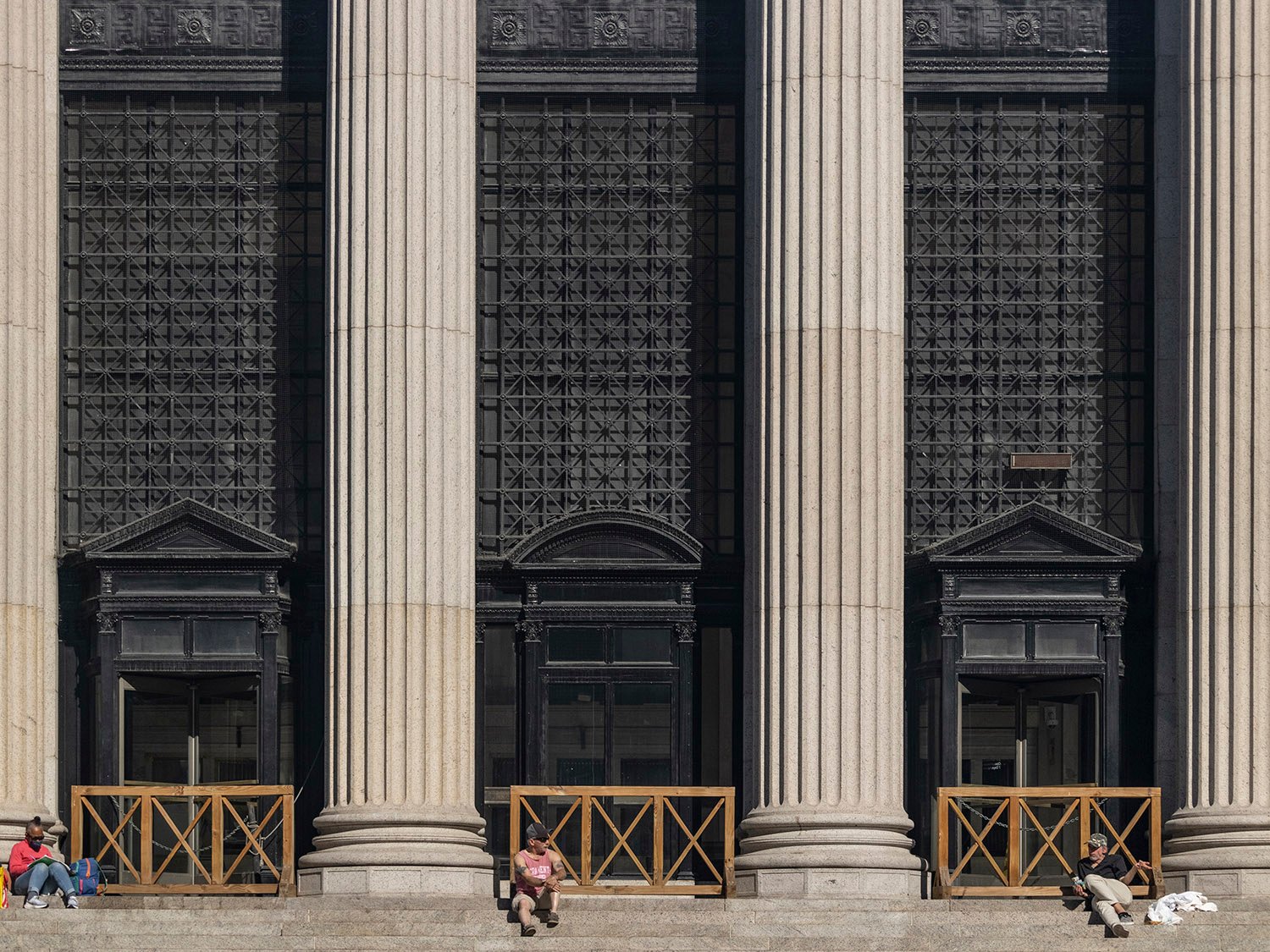
Looking at the northeast corner of the United States Post Office, New YorkCornice and Corinthian capital on the facade of the United States Post Office, New YorkInscription on the northeast corner of the United States Post Office, New YorkInscription on the southeast corner of the United States Post Office, New YorkFourth-floor windows, inscription, and Corinthian capitals on the facade of the United States Post Office, New YorkThird-floor window on the facade of the United States Post Office, New YorkLooking at the northeast corner of the United States Post Office, New YorkFourth-floor windows, inscription, and Corinthian capitals on the facade of the United States Post Office, New YorkOrnamental crest on the United States Post Office, New YorkCorinthian capitals and entablature on the facade of the United States Post Office, New YorkOrnamental iron on the facade of the United States Post Office, New YorkFifth-floor windows on the facade of the United States Post Office, New YorkInscription and Corinthian capitals on the facade of the United States Post Office, New YorkNiche on the northeast corner of the United States Post Office, New YorkOrnamental iron spandrels on the facade of the United States Post Office, New YorkColumns and front steps of the United States Post Office, New YorkSoutheast corner of the United States Post Office, New YorkFront steps of the United States Post Office, New York
First floor plan of the United States Post Office, New YorkSecond floor plan of the United States Post Office, New YorkDetail and section drawings of the United States Post Office, New YorkDetail drawings of the plaster ceiling and public corridor in the United States Post Office, New York
References
“New York’s New Post Office A $6,000,000 Wonder”. The Sun (New York), March 2, 1913, p. 1. ↩︎
Charles McKim of McKim, Mead & White. Percy Rivington Pyne Residence (1912). New York.
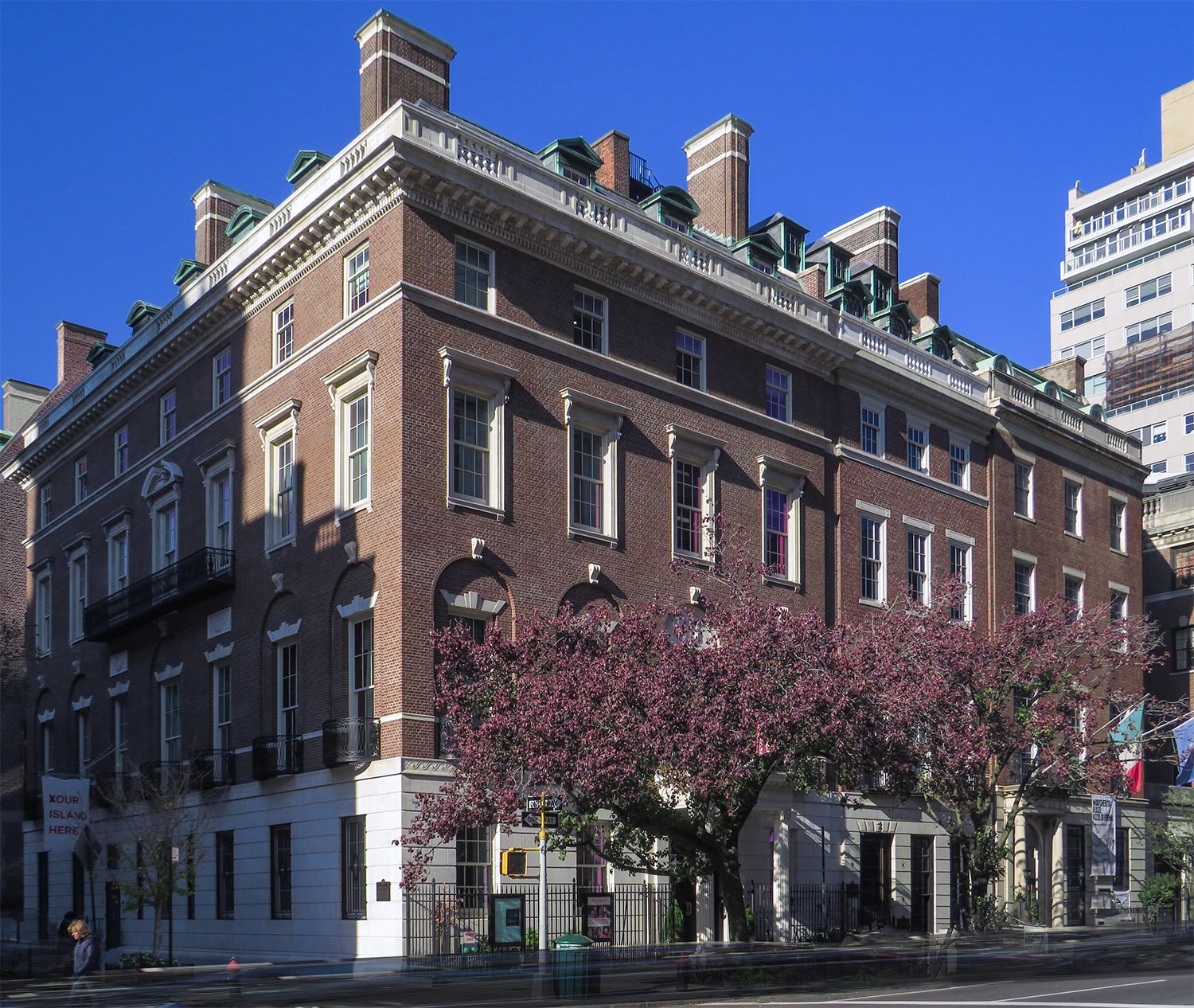
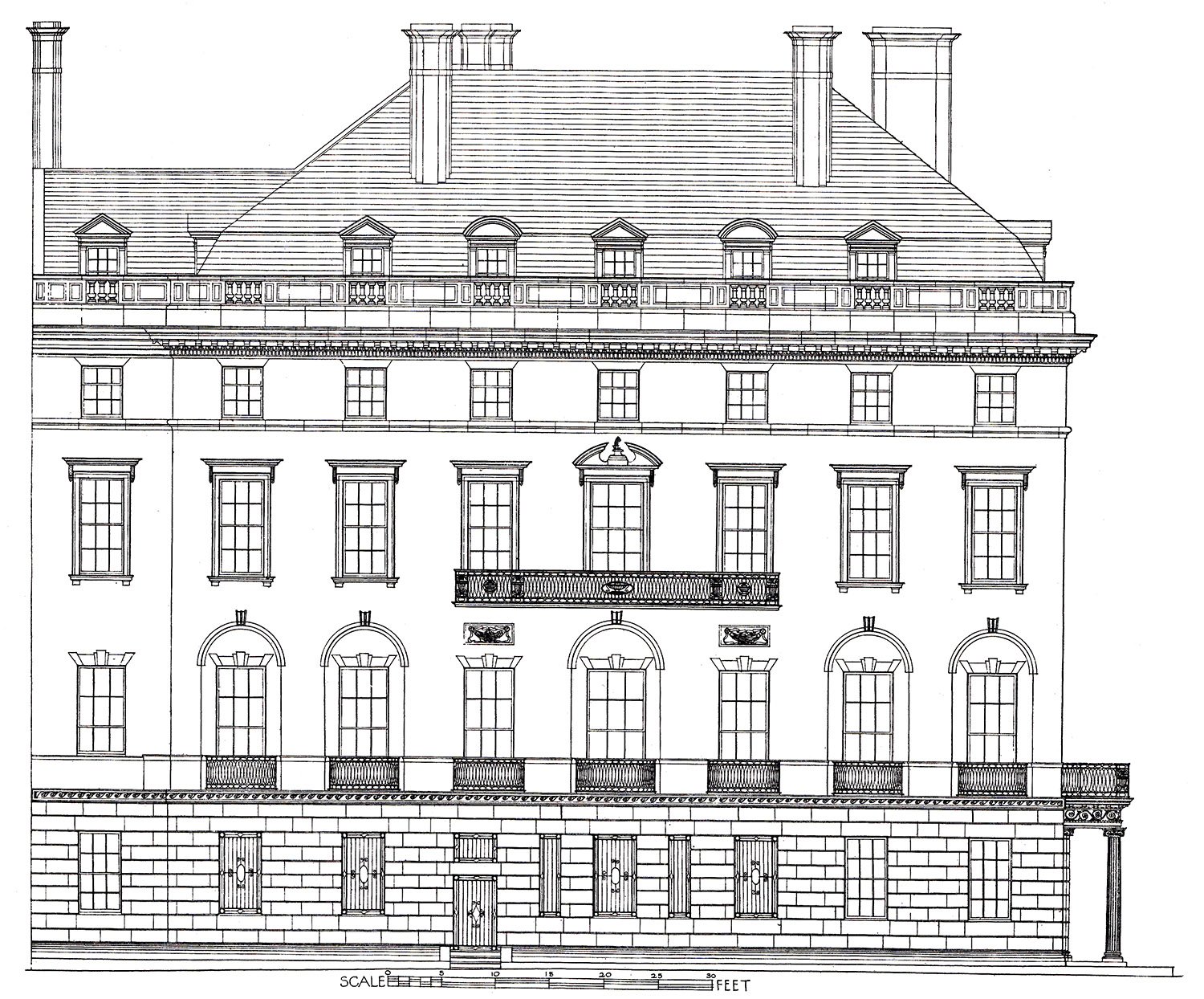
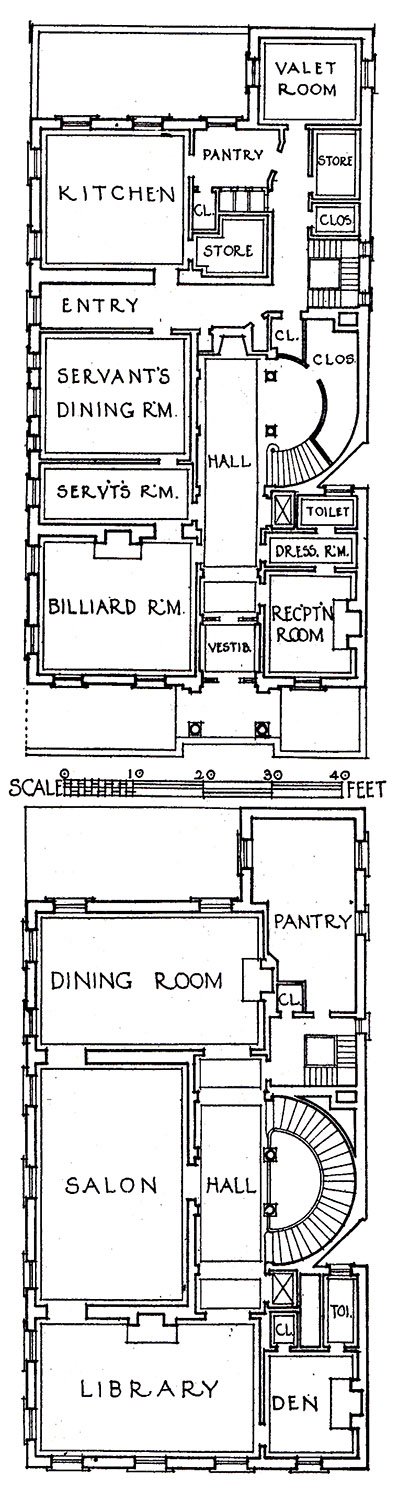
There’s something to be said for a little restraint, as demonstrated by this tasteful 5-story townhouse in the Lenox Hill neighborhood of New York’s Upper East Side.
Although the plan was first conceived in 1906,2 McKim died in 1909, three years before the project was completed in 1912.
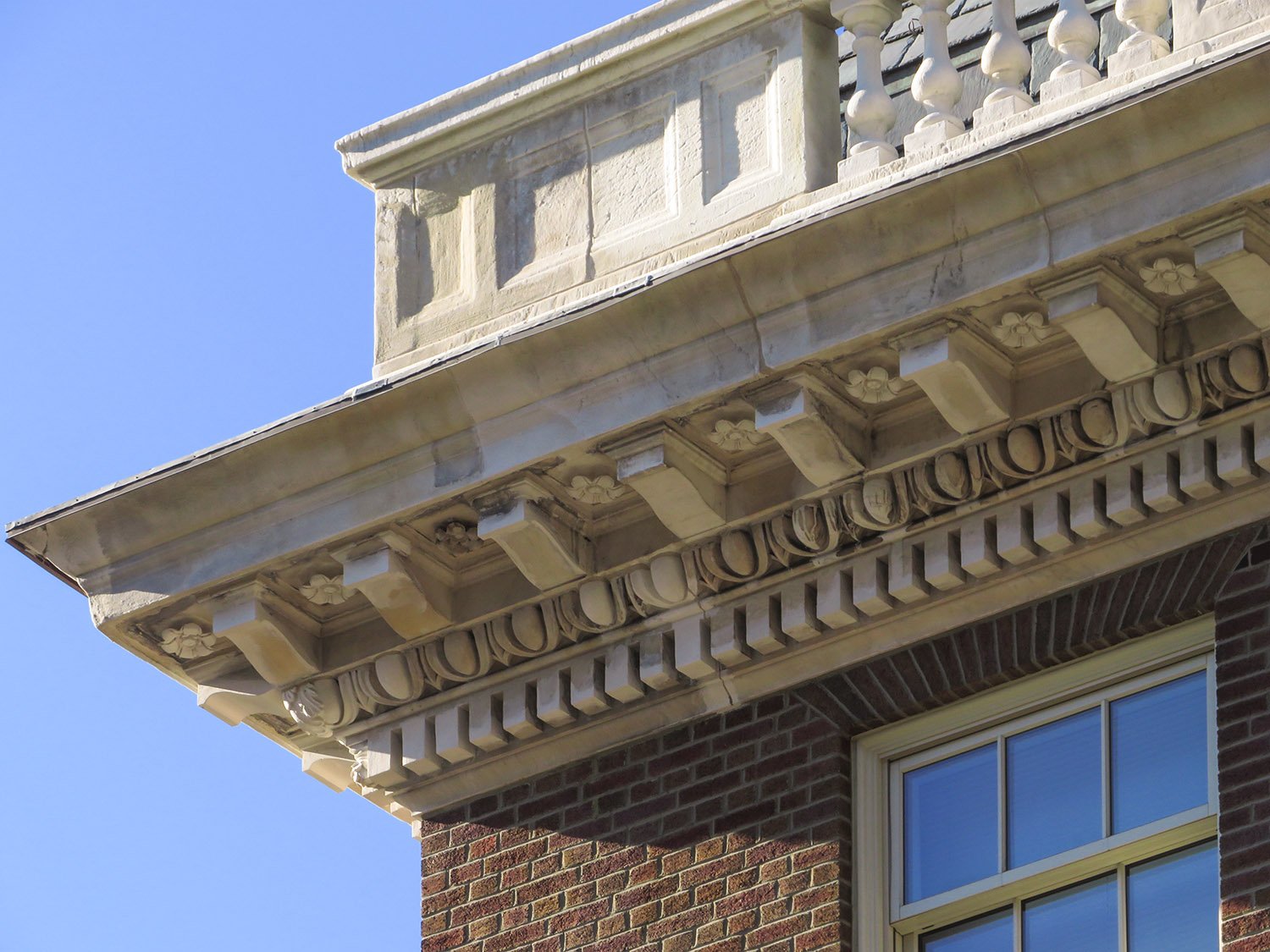
Cornice on the Percy Pyne Rivington Residence
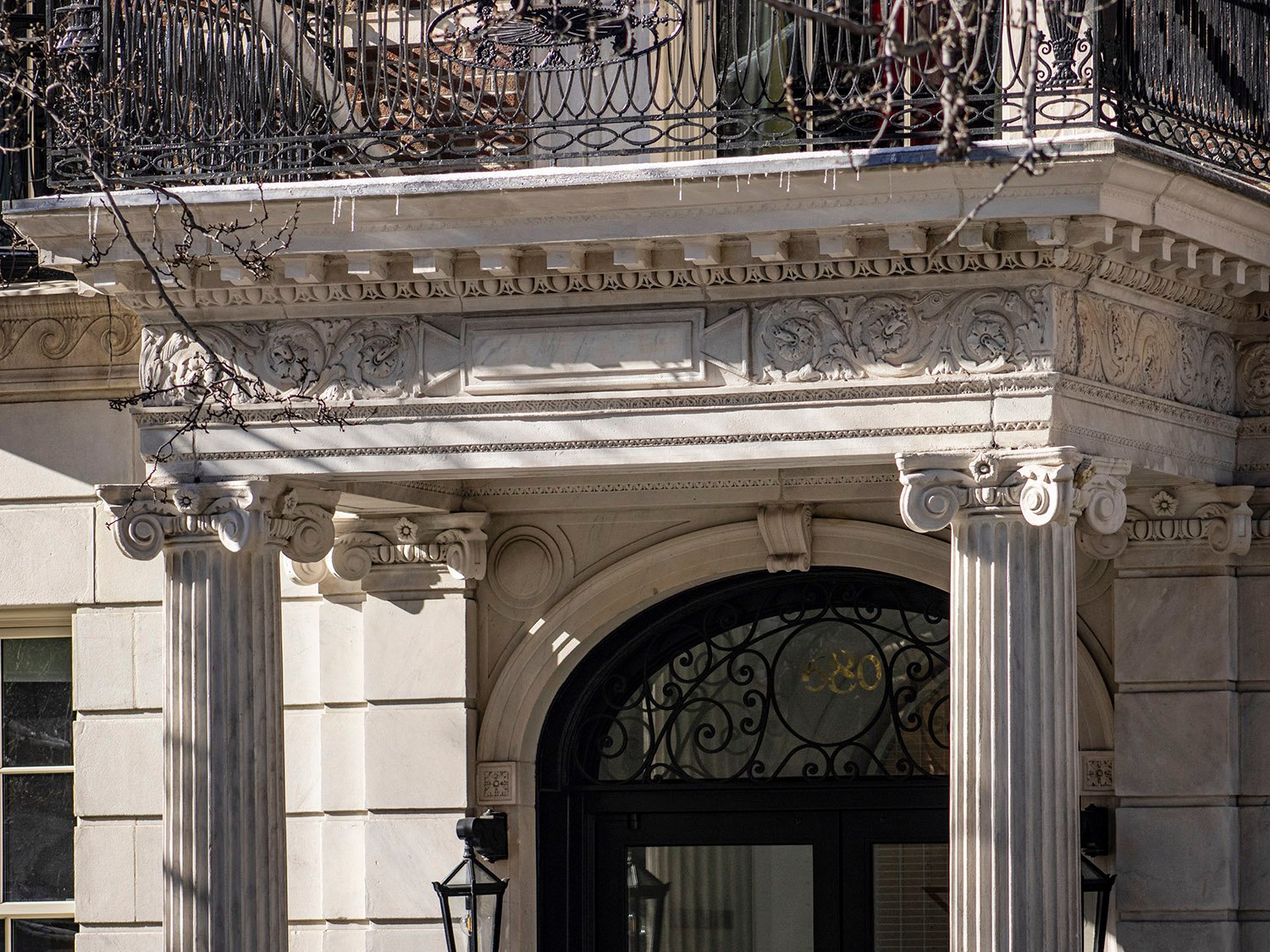
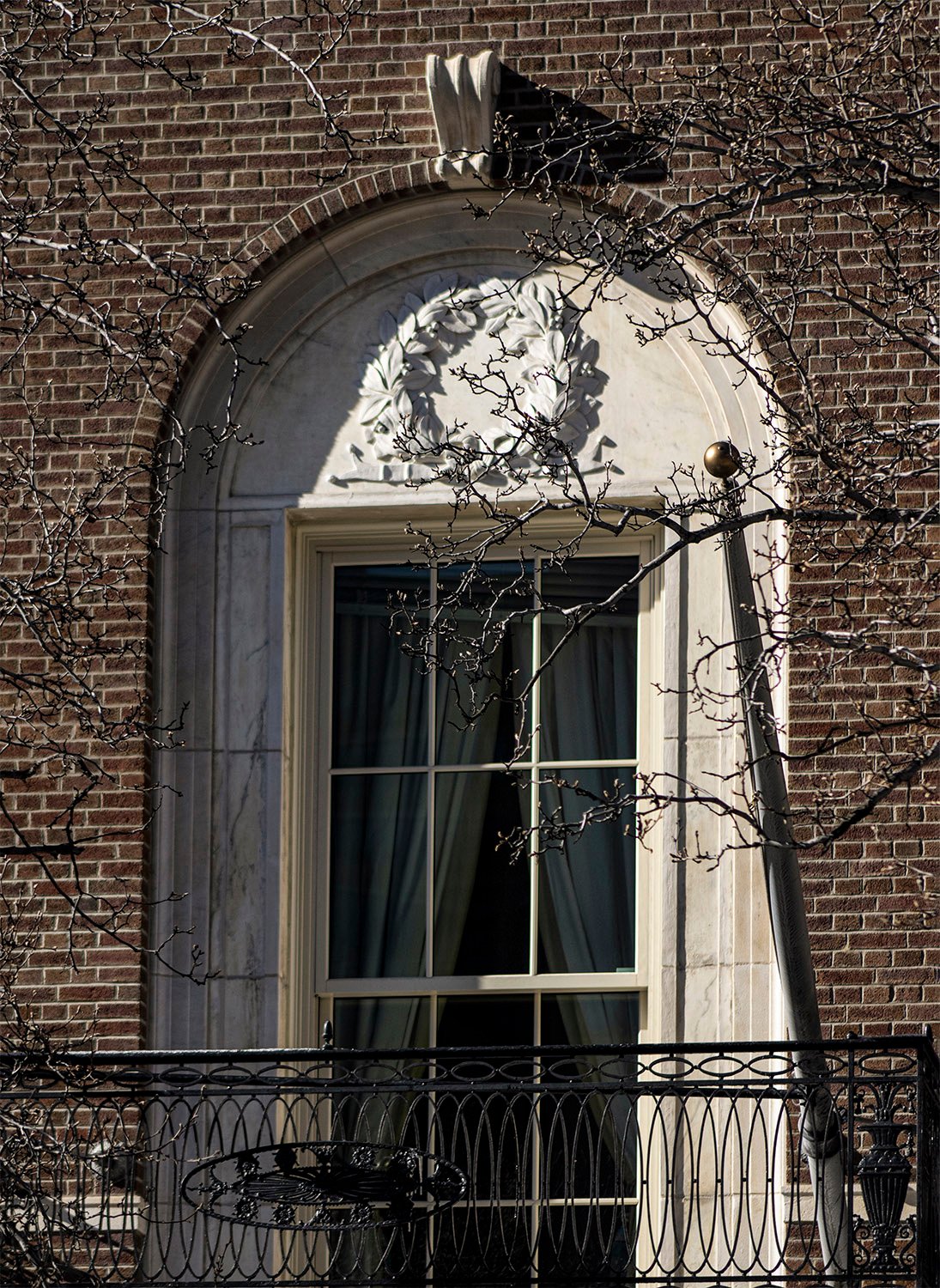
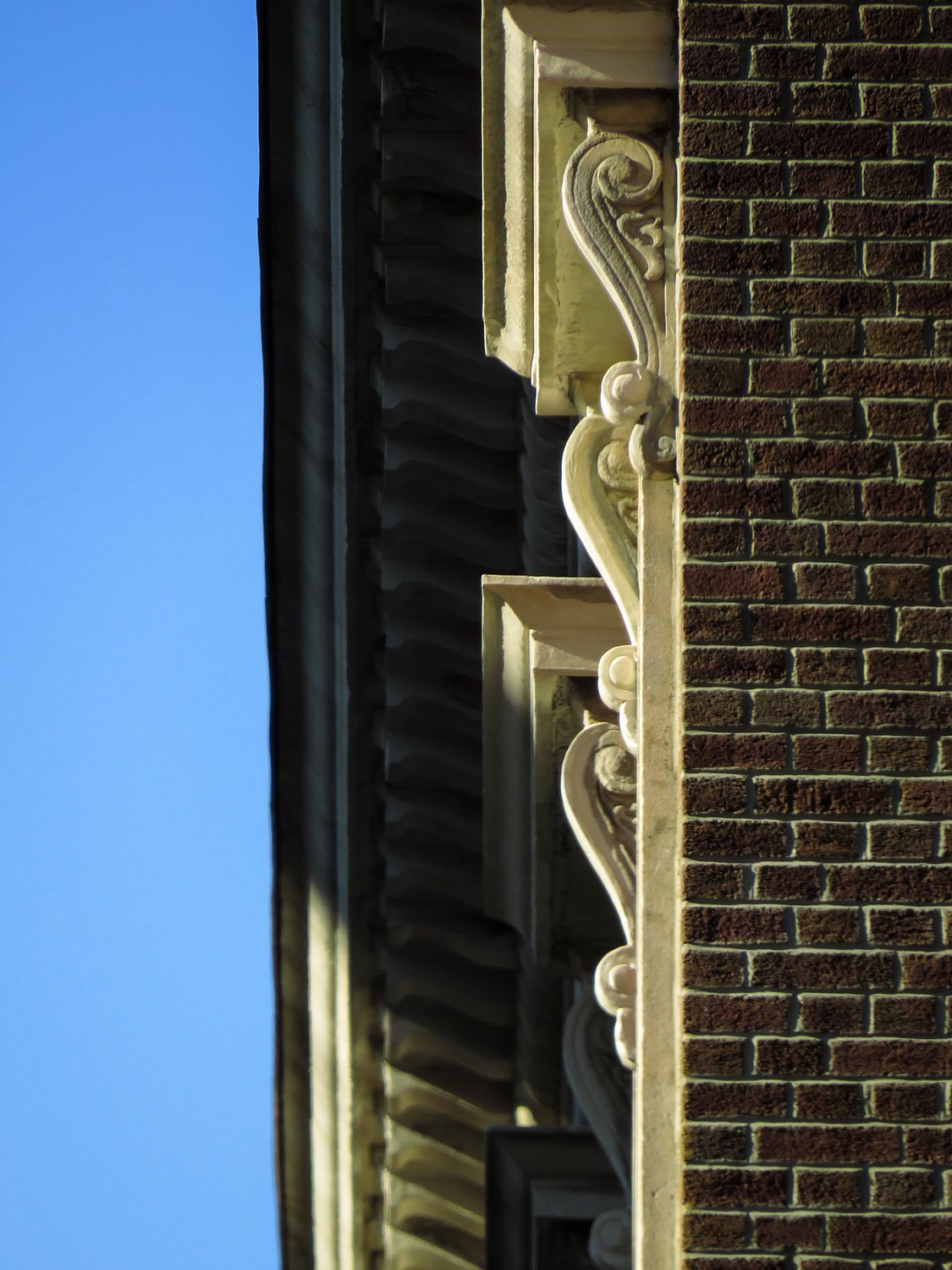
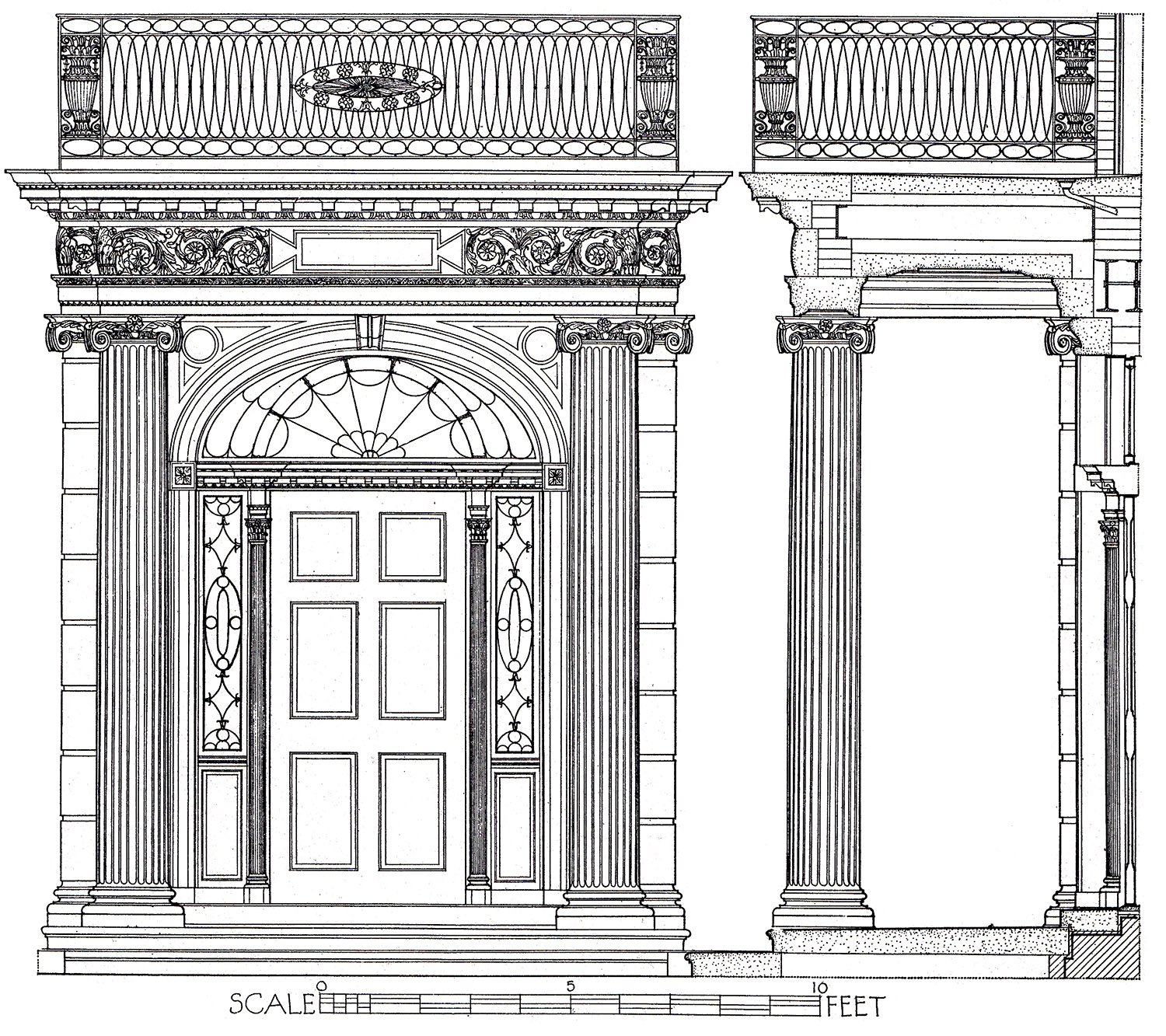
Neo-Federal in style, the Pyne residence balances a simple composition with refined touches, including a richly ornamented cornice, finely detailed corbels, an entrance portico with an elaborate frieze, and a series of blind arch windows on the second floor, one of them filled with marble and topped by a sculpted garland in its lunette.
Yeah, I’m pulling out all the pretentious architectural terms.
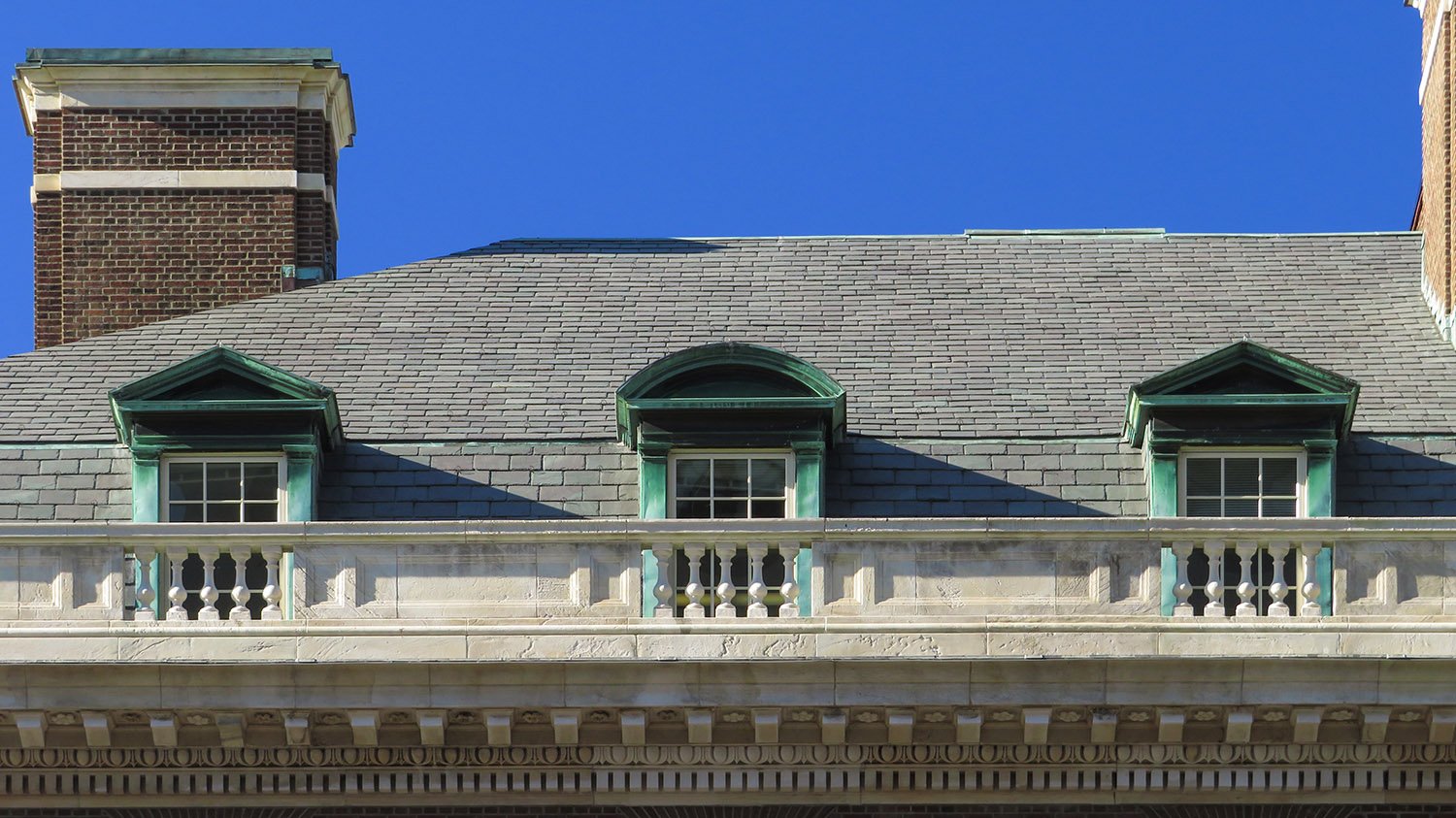
Dormers on the east facade of the Percy Pyne Rivington Residence
My favorite part of the home’s design is the set of three dormers across the front roof—one of these things is not like the others.
It’s New York, so a Sesame Street reference felt appropriate.
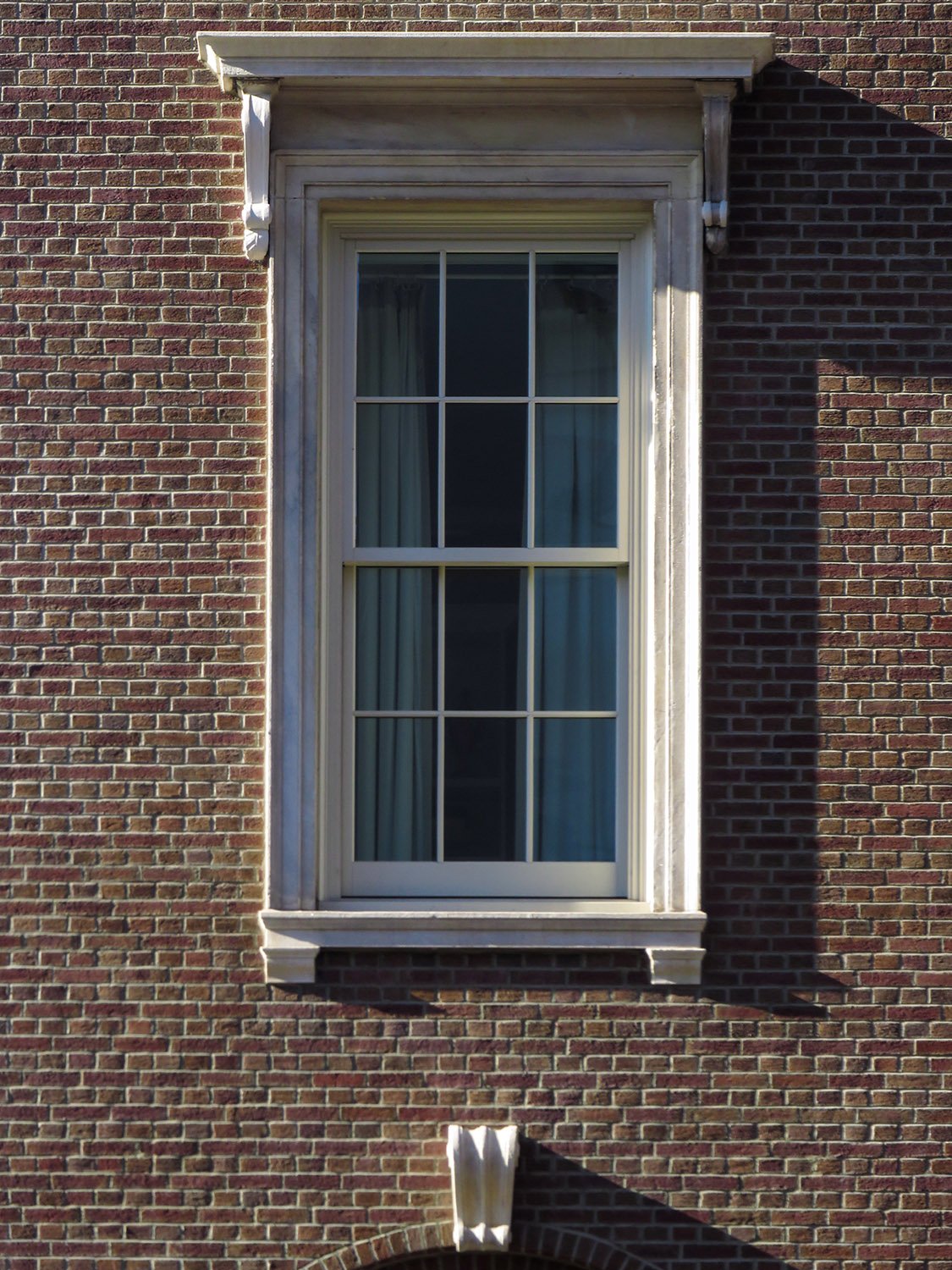
Third-floor window on the east facade of the Percy Pyne Rivington Residence
The stately Pyne Residence looks more like something you’d find in Washington, D.C., and easily blends into the background if you’re rushing down Park Avenue (and who isn’t?). Only on close inspection does the home’s subtle elegance reveal itself.
When McKim, Mead & White’s successors planned theOliver D. Filley Residencenext door in 1926, they wisely continued the same scale and design.
Gallery
Portico on the east facade of the Percy Pyne Rivington ResidenceBlind arch window on the east facade of the Percy Pyne Rivington ResidenceCorbels on the Percy Pyne Rivington Residence
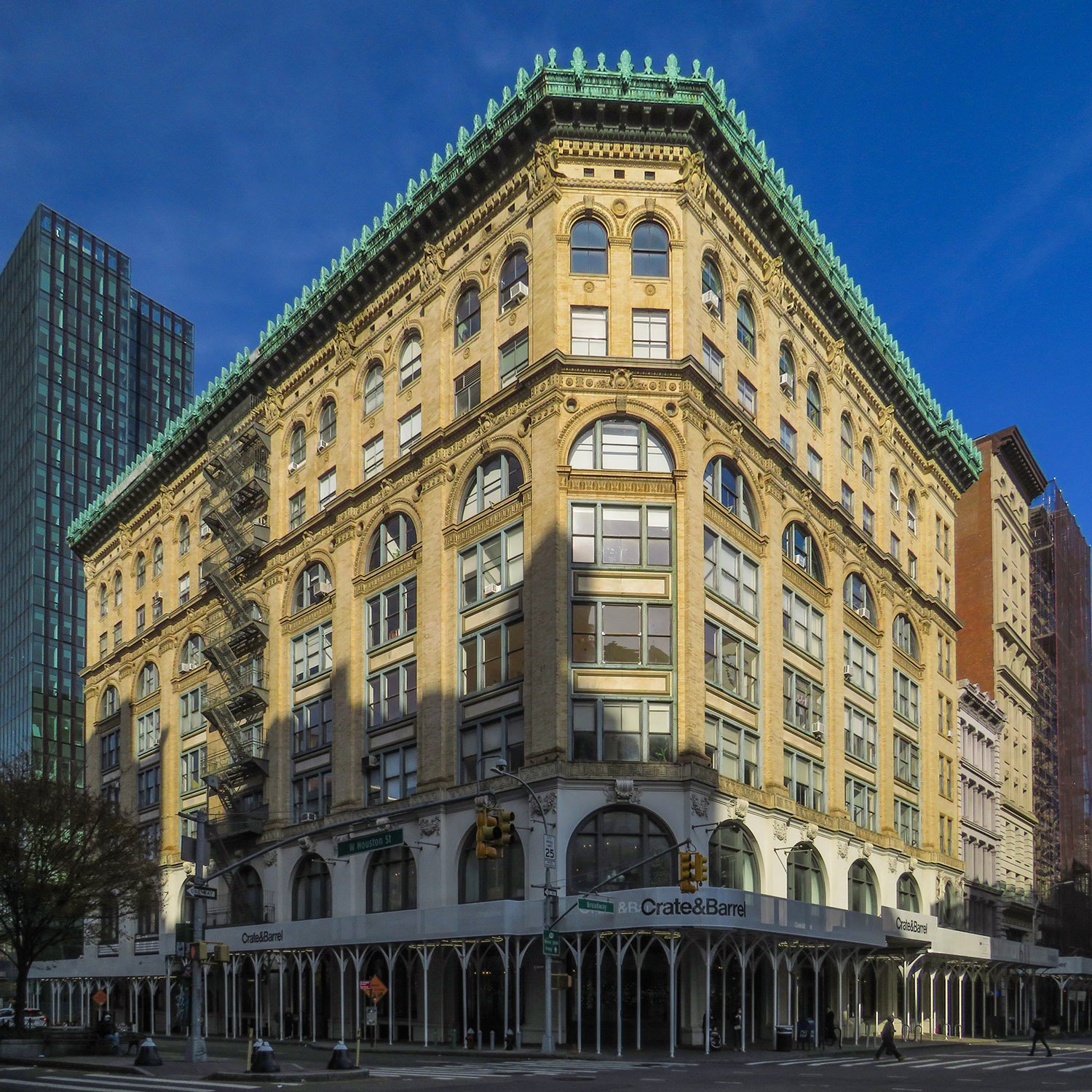
Stanford White of McKim, Mead & White. The Cable Building (1893). Greenwich Village, New York.
The Cable Building is one of my favorite New York structures, mostly because I have fond memories associated with it, including the quiet Thanksgiving morning when I took the picture shown above.
Completed around late 1893, this eight-story steel-framed building1 includes a full basement and fronts on Broadway, Houston, and Mercer Streets on the border of Greenwich Village and NoHo.
Location of the Cable Building
The Cable Building was designed for the Broadway & Seventh Avenue Railway Company by Stanford White of McKim, Mead & White,2 and is a very early example of the Beaux-Arts style.
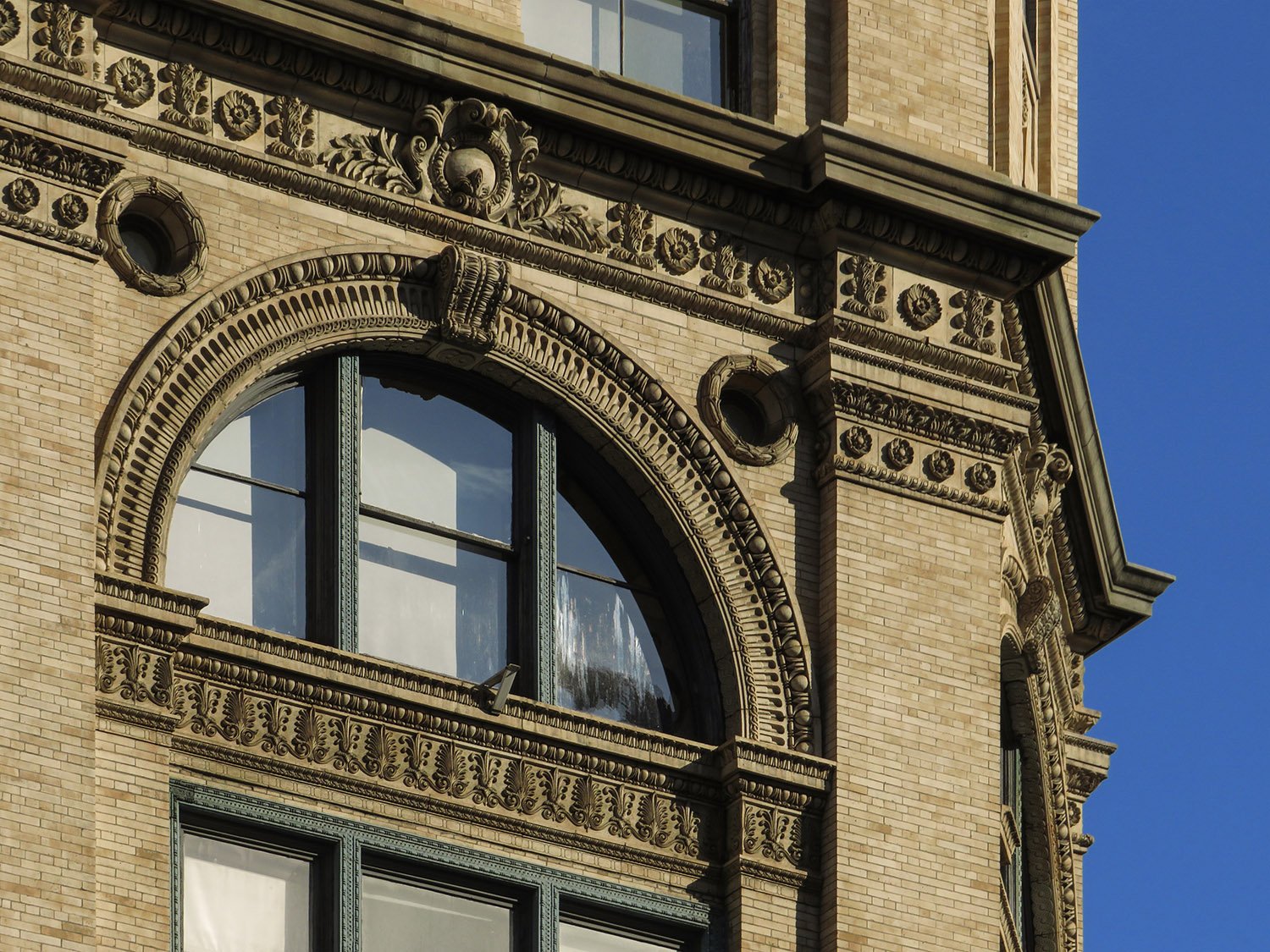
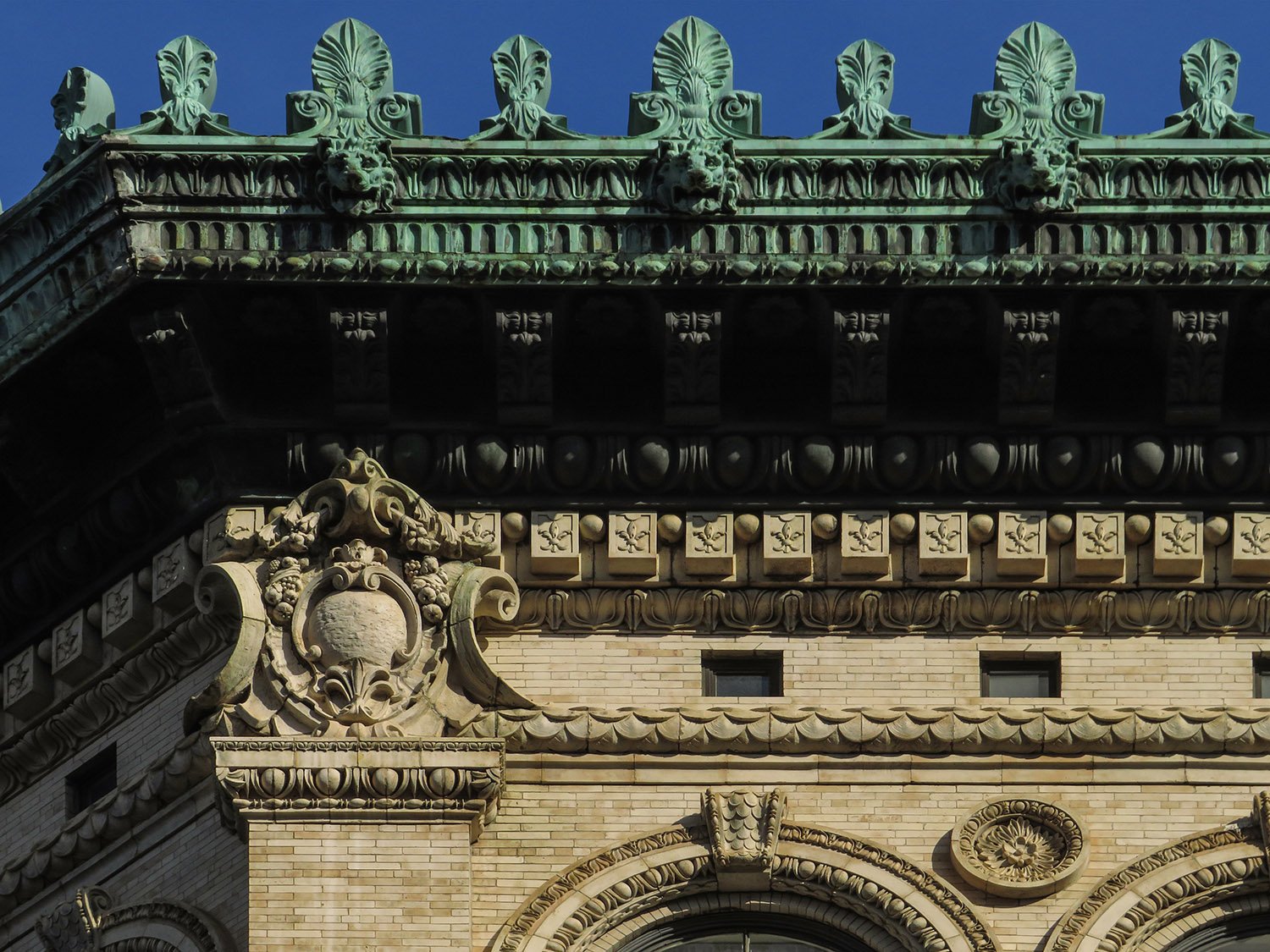
The building’s exterior was originally faced with Indiana limestone on the first and second floors, and the upper floors are covered in yellow brick and striking ornamental terracotta,3 topped by an elaborate copper cornice.
Southeast corner of the Cable Building, New York
Each floor encompasses nearly 20,000 square feet4 and encircles a central light court of more than 3,000 square feet.56 At its opening, the building’s first floor was designated for retail use, with the top three floors designed for offices and the middle floors reserved for warehouse space.7
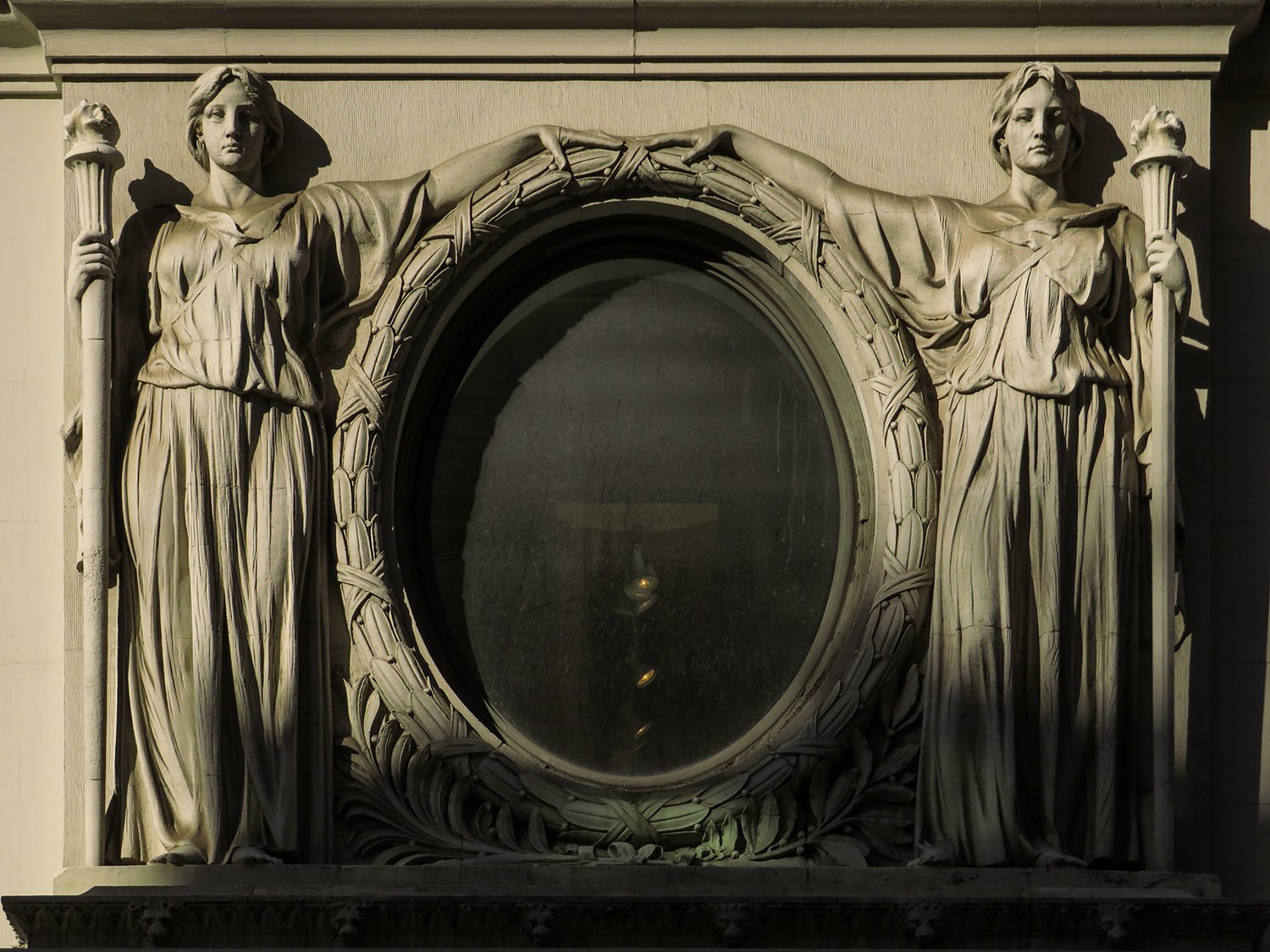
My favorite part of the exterior is the classically inspired sculpture of two robed women guarding the portico on the east facade, designed by J. Massey Rhind.8
J. Massey Rhind. Sculpture on the east facade of the Cable Building, New York.
That said, the building’s overall design isn’t White’s best: the chamfered corners temper the appearance of bulkiness and provide interesting focal points, but the many large windows on every side clutter the composition, making it look messy and overwrought.
What makes the Cable Building impressive, however, is that it was designed to conceal a power plant for the street railway company, effectively creating “a building within a building”.9
Reaching 46 feet below the street surface,10the building’s basement originally housed 550 tons of machinery that powered the company’s cable cars, including wheels measuring 32 feet in diameter and weighing 50 tons each.11
Cornice on the Cable Building, New York
The machinery has long since been removed, and today the Cable Building’s deep bowels house the Angelika Film Center, where there’s a chance you may find me some late evening, watching an indie flick as nearby subway trains rumble past.
Gallery
Cornice and terracotta ornamentation on the Cable Building, New YorkChamfered corner bay on the facade of the Cable Building, New YorkFifth and sixth-floor windows on the Cable Building, New YorkTerra cotta keystone and stringcourse on the Cable Building, New YorkStringcourse, pilaster, and terracotta ornamentation on the Cable Building, New YorkArched window on the sixth floor of the Cable Building, New YorkDouble windows on the third floor of the Cable Building, New York
References
“The Cable Building.” The New York Times, December 19, 1893, p. 9. ↩︎
Baker, Paul R.Stanny: The Gilded Life of Stanford White. New York: The Free Press (1989), pp. 213-14. ↩︎
“The Cable Building.” The New York Times, December 19, 1893, p. 9. ↩︎
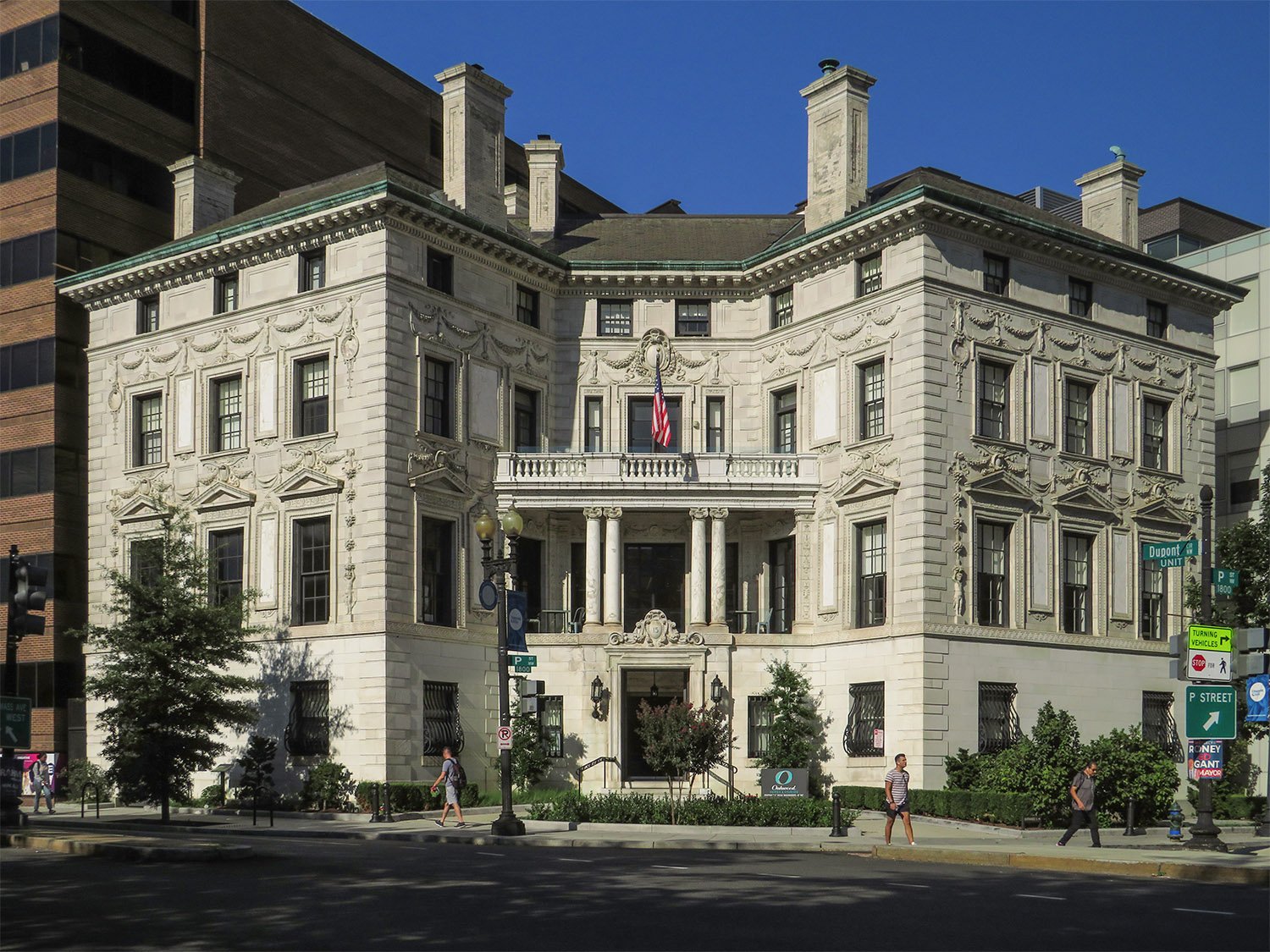
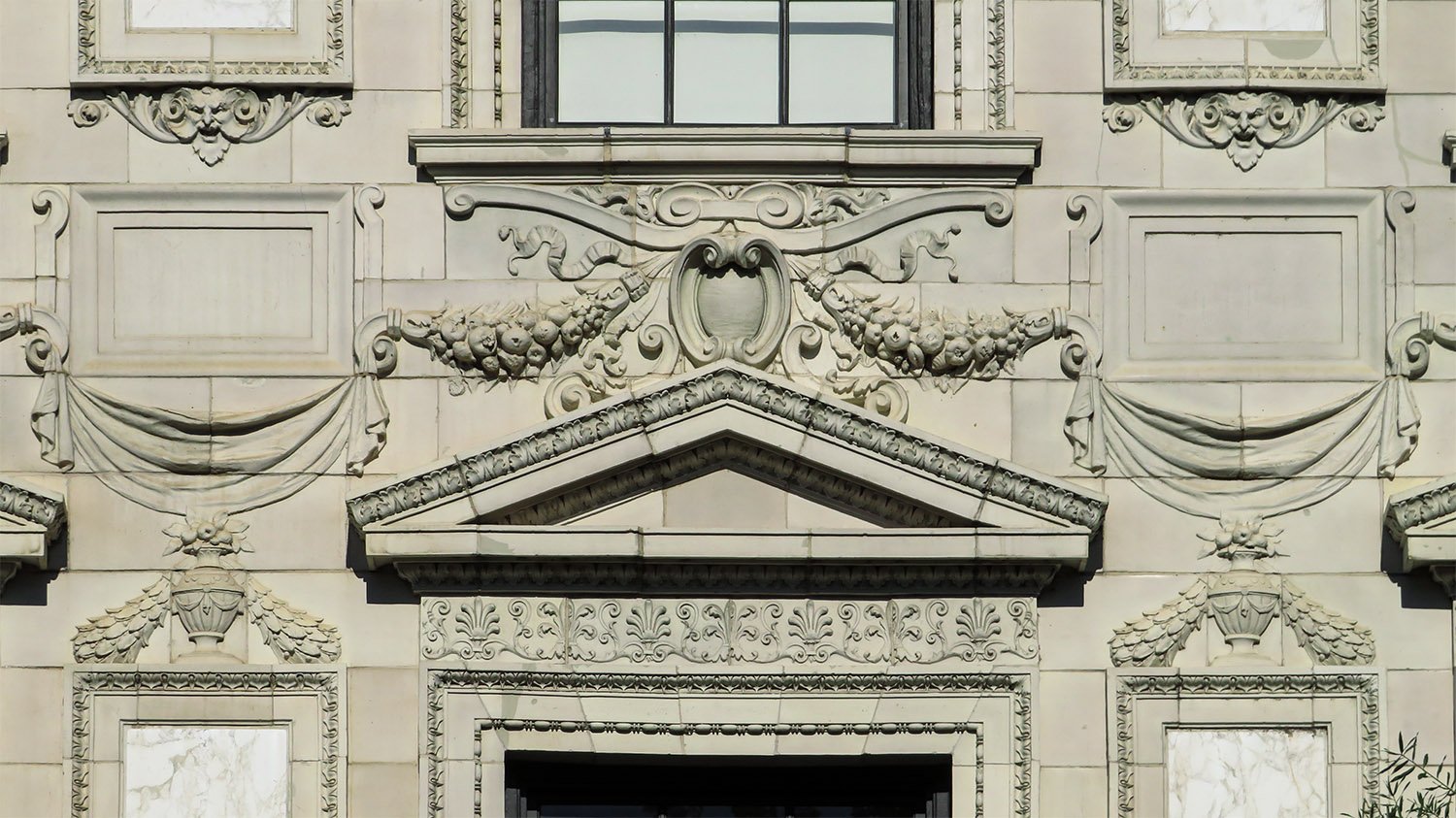
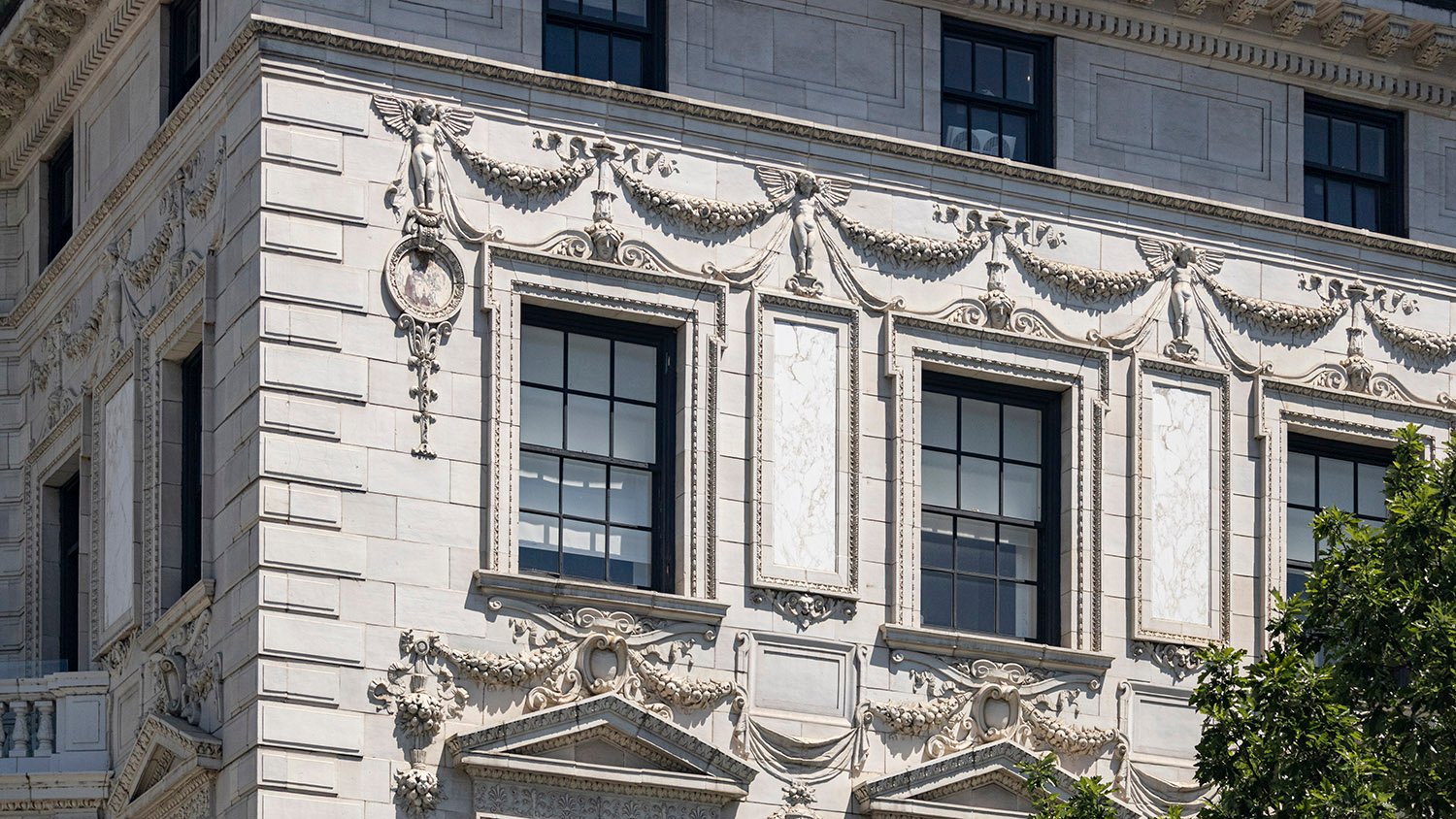
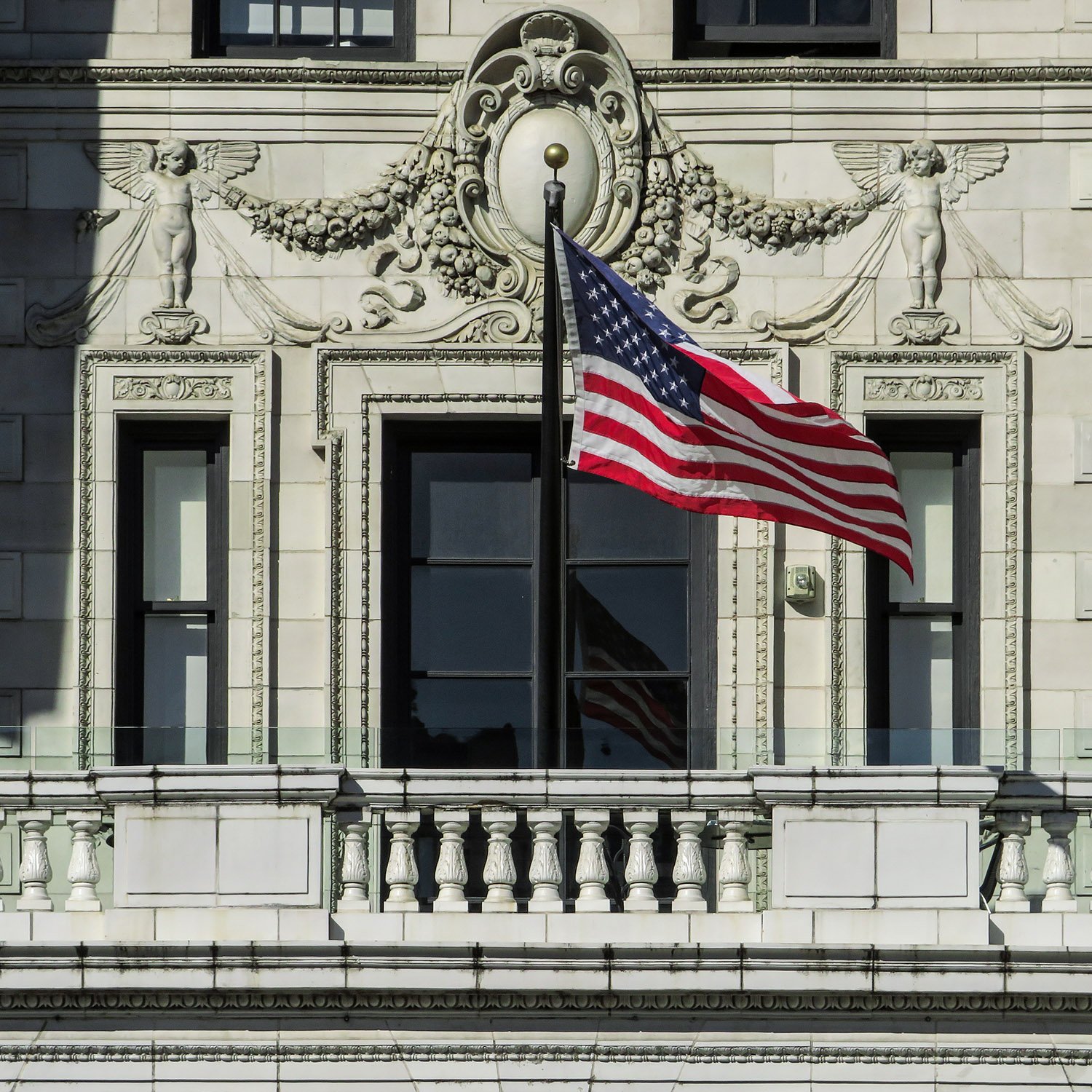
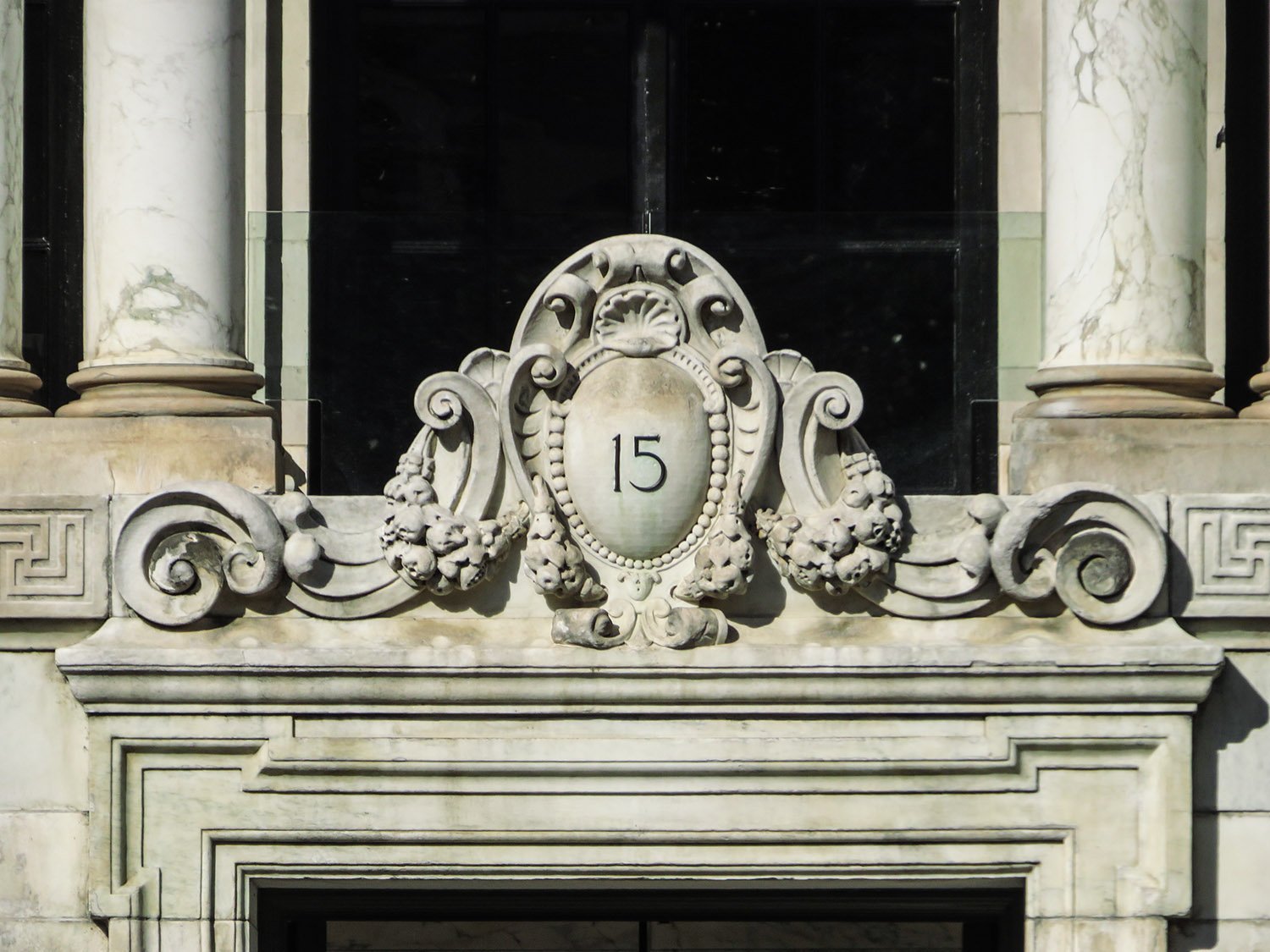
Stanford White of McKim, Mead & White. Robert Wilson Patterson Residence (1903). Washington, D.C.1
The only thing that makes this home’s exterior truly interesting is its unique butterfly shape, designed to conform to its site overlooking Washington, D.C.’s Dupont Circle.
Location of the Robert Wilson Patterson Residence
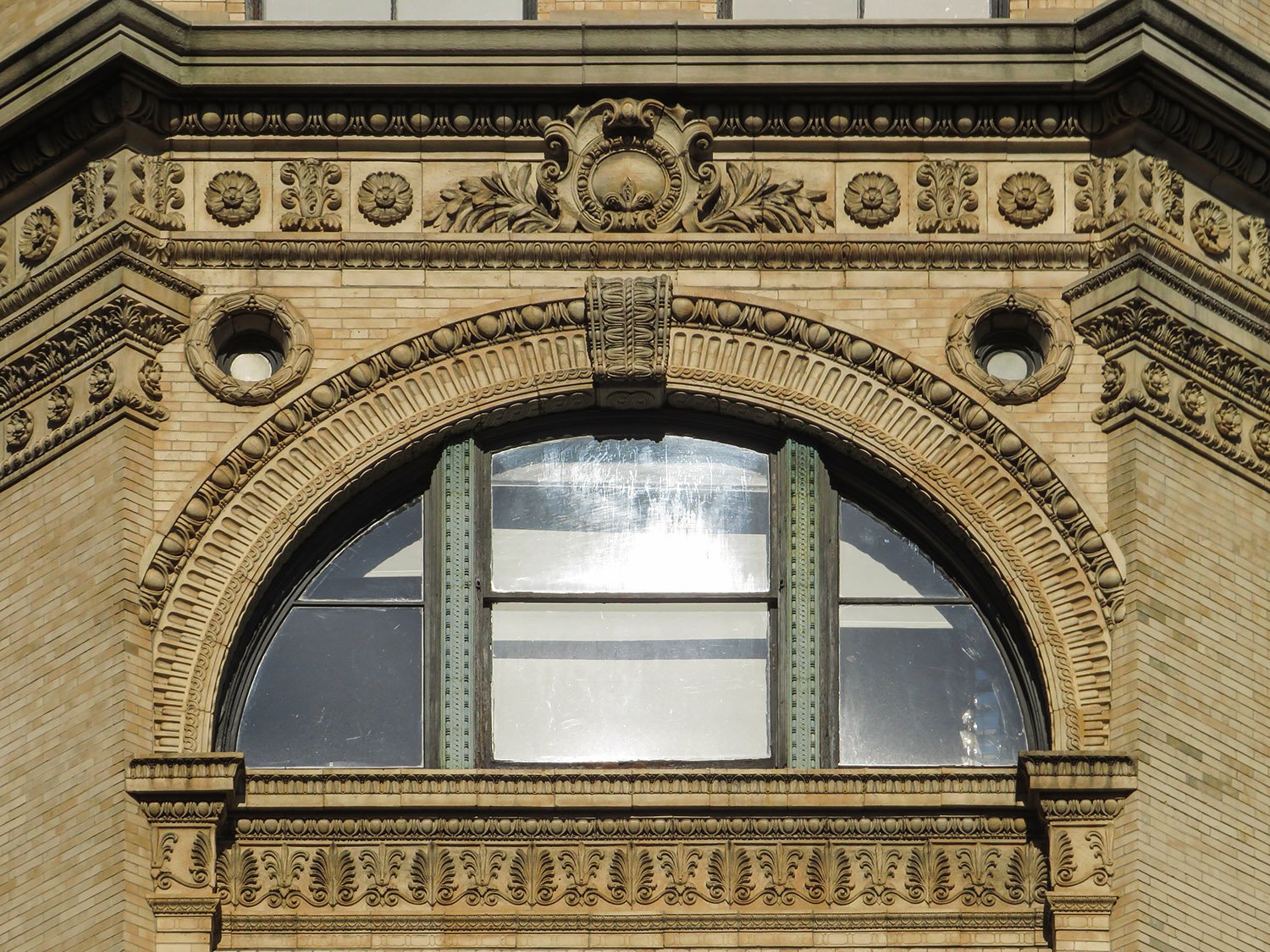
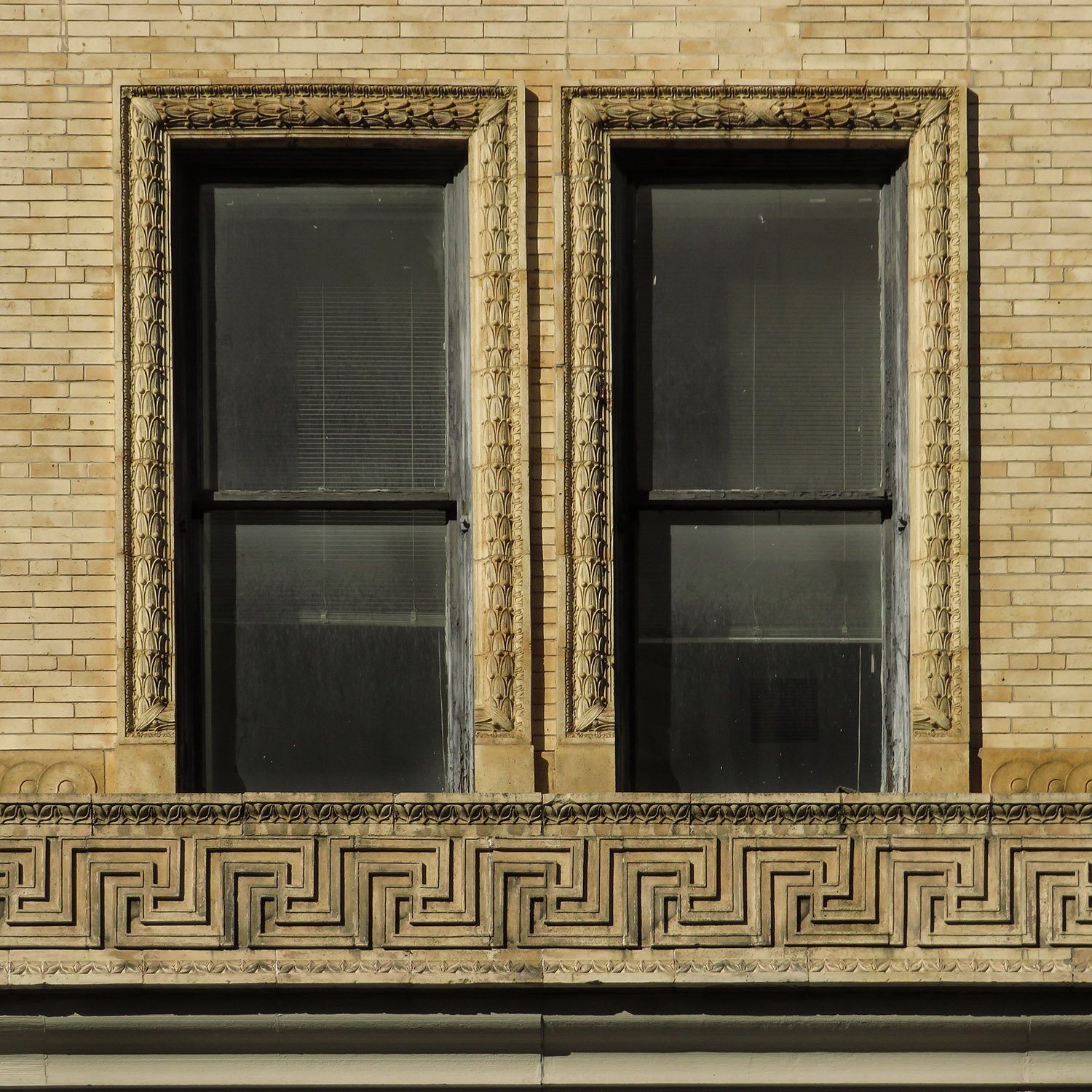
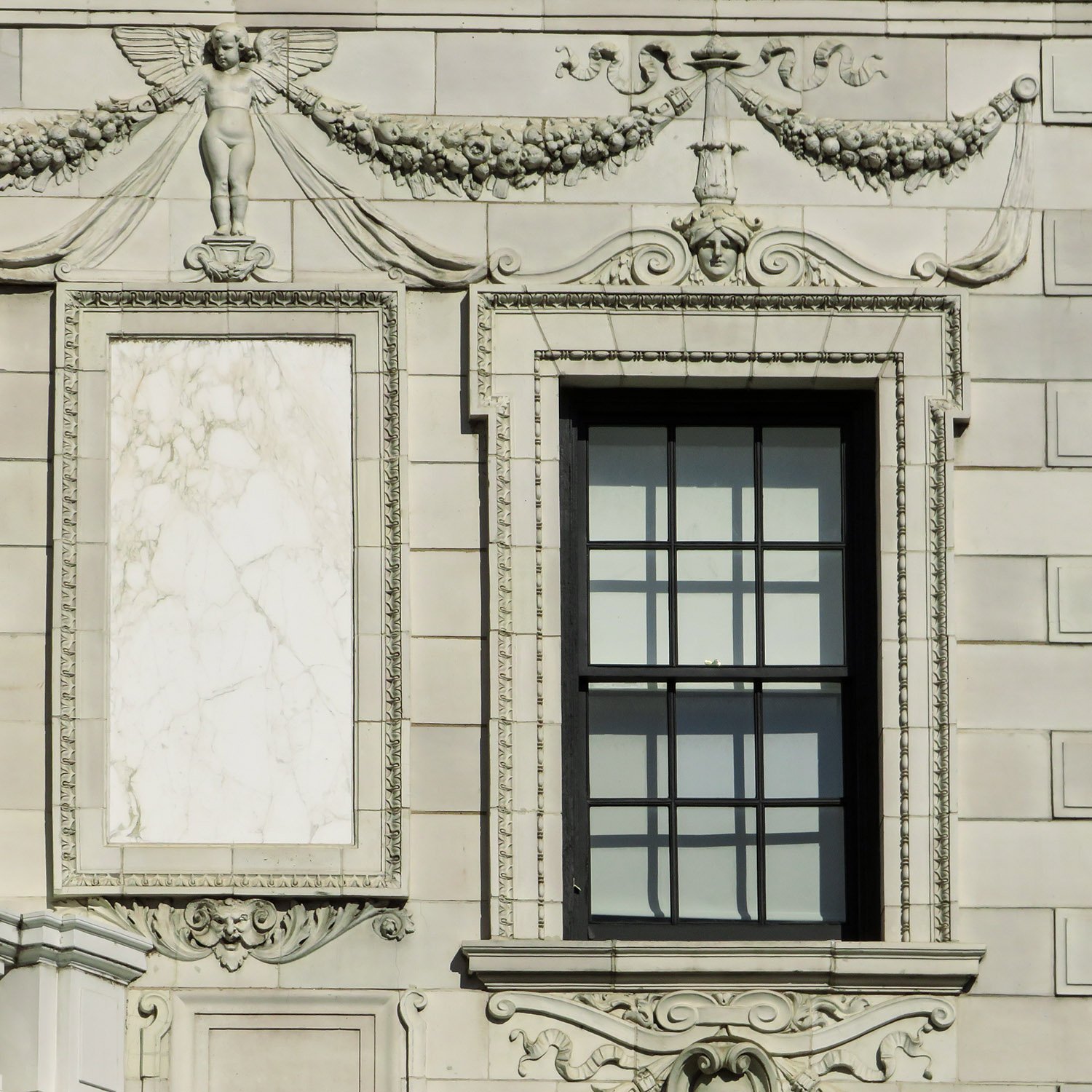
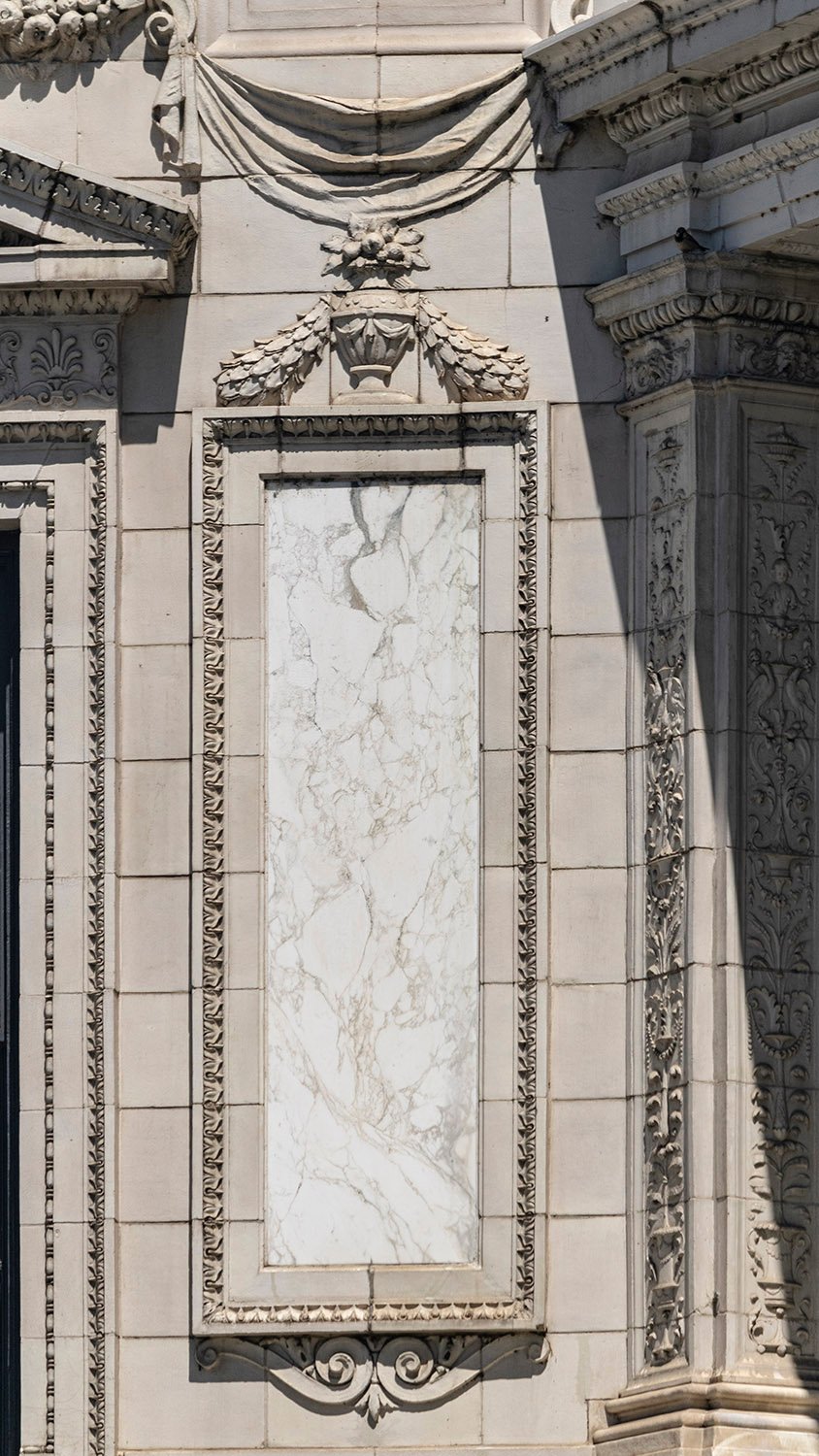
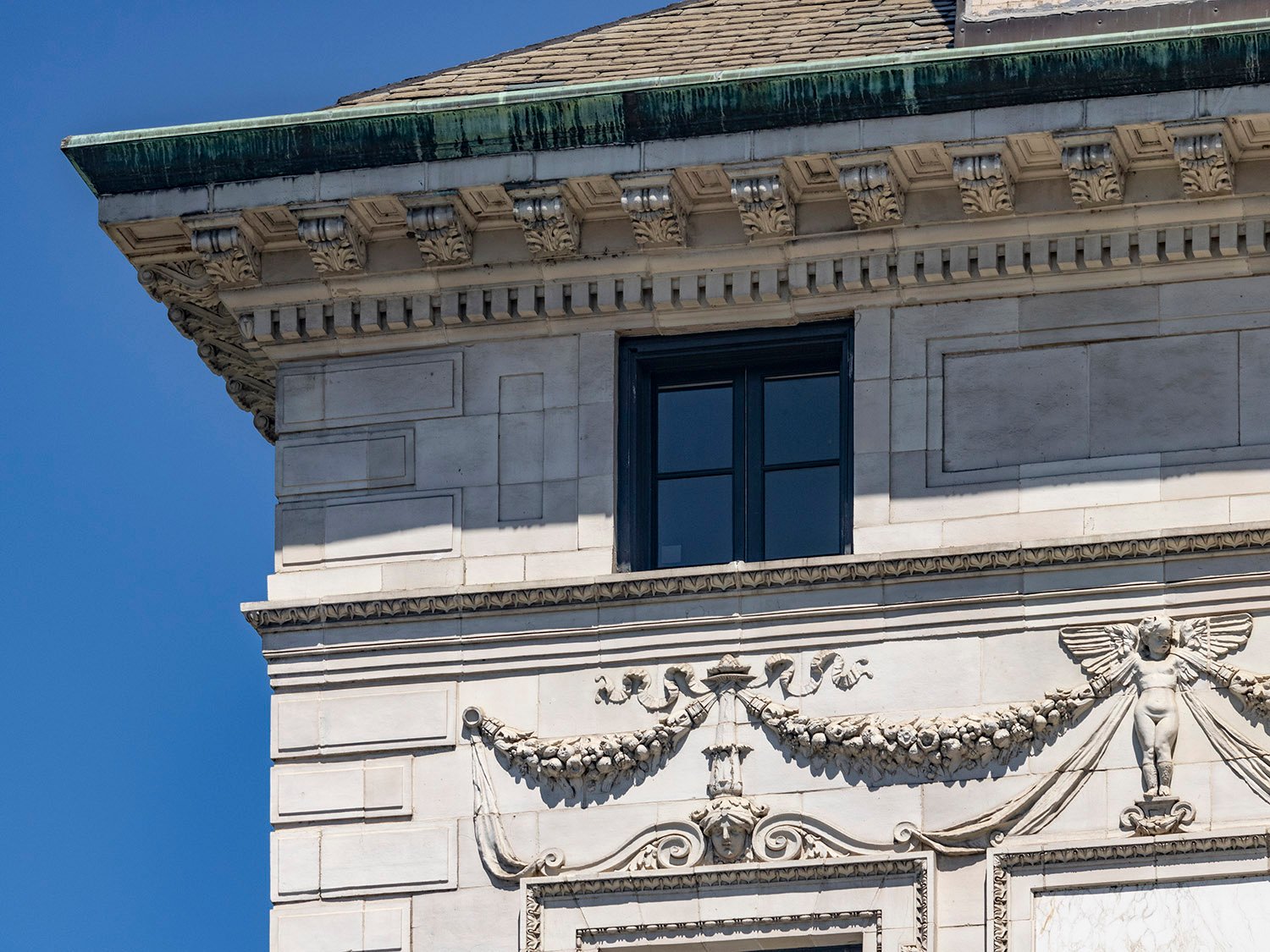
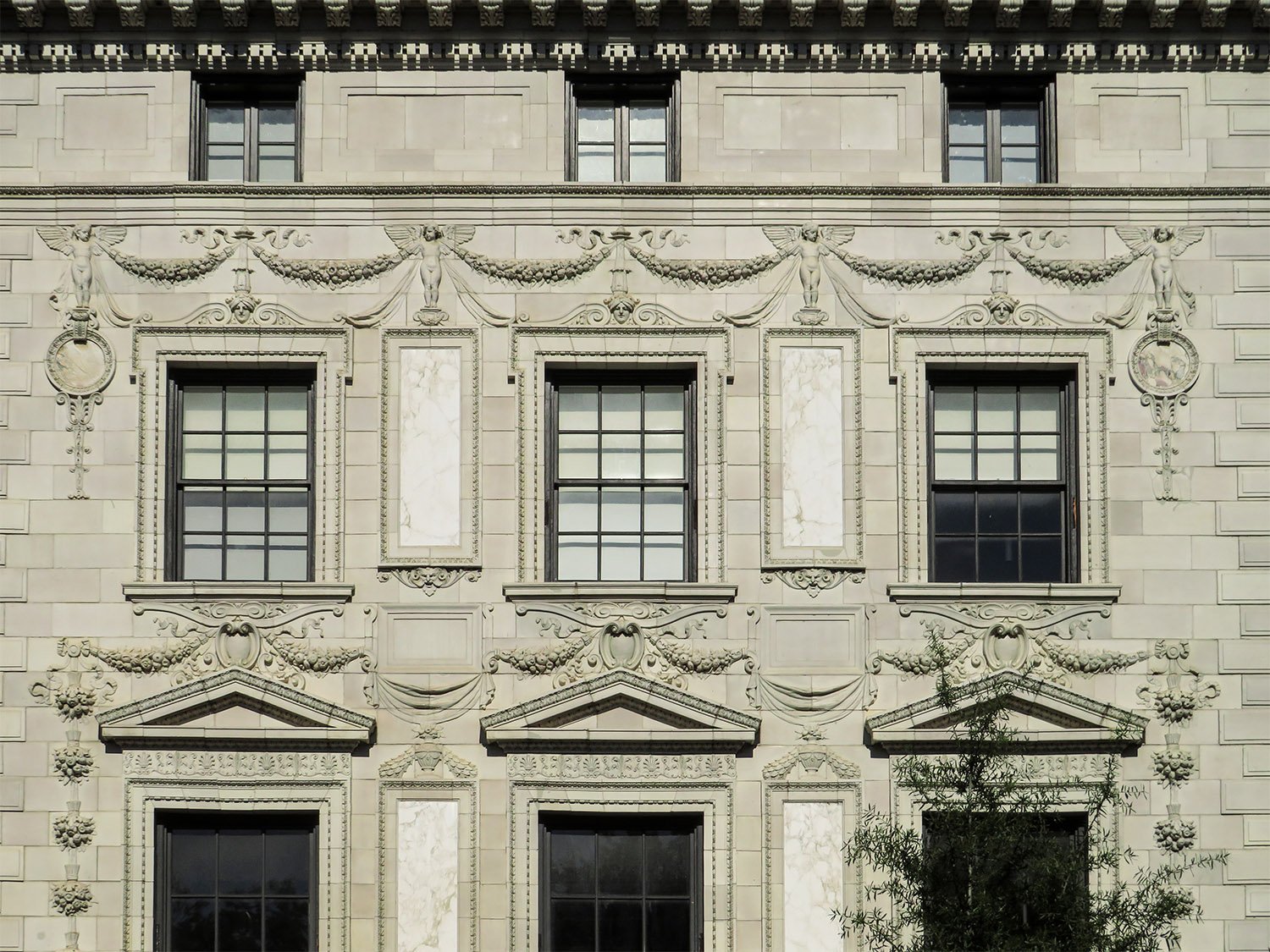
Otherwise, it’s fairly standard for Stanford White‘s later work, with an overwrought mishmash of Renaissance-inspired details that appears fitful and fussy, akin to the cluttered walls of an old art gallery.
However, the marble and limestone construction is quite exquisite on close observation.
White claimed the design had a “light and rather joyous character.”2
I’m not sure about “joyous,” but I can go along with “light,” as the abundance of windows in the structure gives it an airy feel, particularly when the sun hits all five sides of the facade.
Ornamentation on the Robert Wilson Patterson Residence, Washington, D.C.
The home was built at the same time as White’s partner, Charles F. McKim, was designing the nearby East Wing of the White House, which…is no longer with us.
The Patterson Mansion is currently occupied by short-term rental units, and I hope to stay in one at some point in the future— preferably when D.C. is no longer occupied by madmen.
God knows when that may be.
Gallery
Third-floor windows on the south facade of the Robert Wilson Patterson Residence, Washington, D.C.Third-floor balcony on the Robert Wilson Patterson Residence, Washington, D.C.Pediment over the entrance of the Robert Wilson Patterson Residence, Washington, D.C.Eaves, consoles, and cornice on the Robert Wilson Patterson Residence, Washington, D.C. Pediment and ornamentation over a second-floor window on the Robert Wilson Patterson Residence, Washington, D.C. Columns, pilasters, and marble panel on the facade of the Robert Wilson Patterson Residence, Washington, D.C. Second- and third-floor windows and ornamentation on the facade of the Robert Wilson Patterson Residence, Washington, D.C. Third-floor window, marble panel, and ornamentation on the facade of the Robert Wilson Patterson Residence, Washington, D.C. Marble panel on the facade of the Robert Wilson Patterson Residence, Washington, D.C. Eaves, cornice, attic window, stringcourse, and ornamentation on the facade of the Robert Wilson Patterson Residence, Washington, D.C. Second, third-floor, and attic windows on the facade of the Robert Wilson Patterson Residence, Washington, D.C. Ornamentation over a third-floor window on the Robert Wilson Patterson Residence, Washington, D.C. Second- and third-floor windows on the Robert Wilson Patterson Residence, Washington, D.C.
Stanford White of McKim, Mead & White. Henry Cook Residence (1907, left) and Payne Whitney Residence (1907, right). New York.
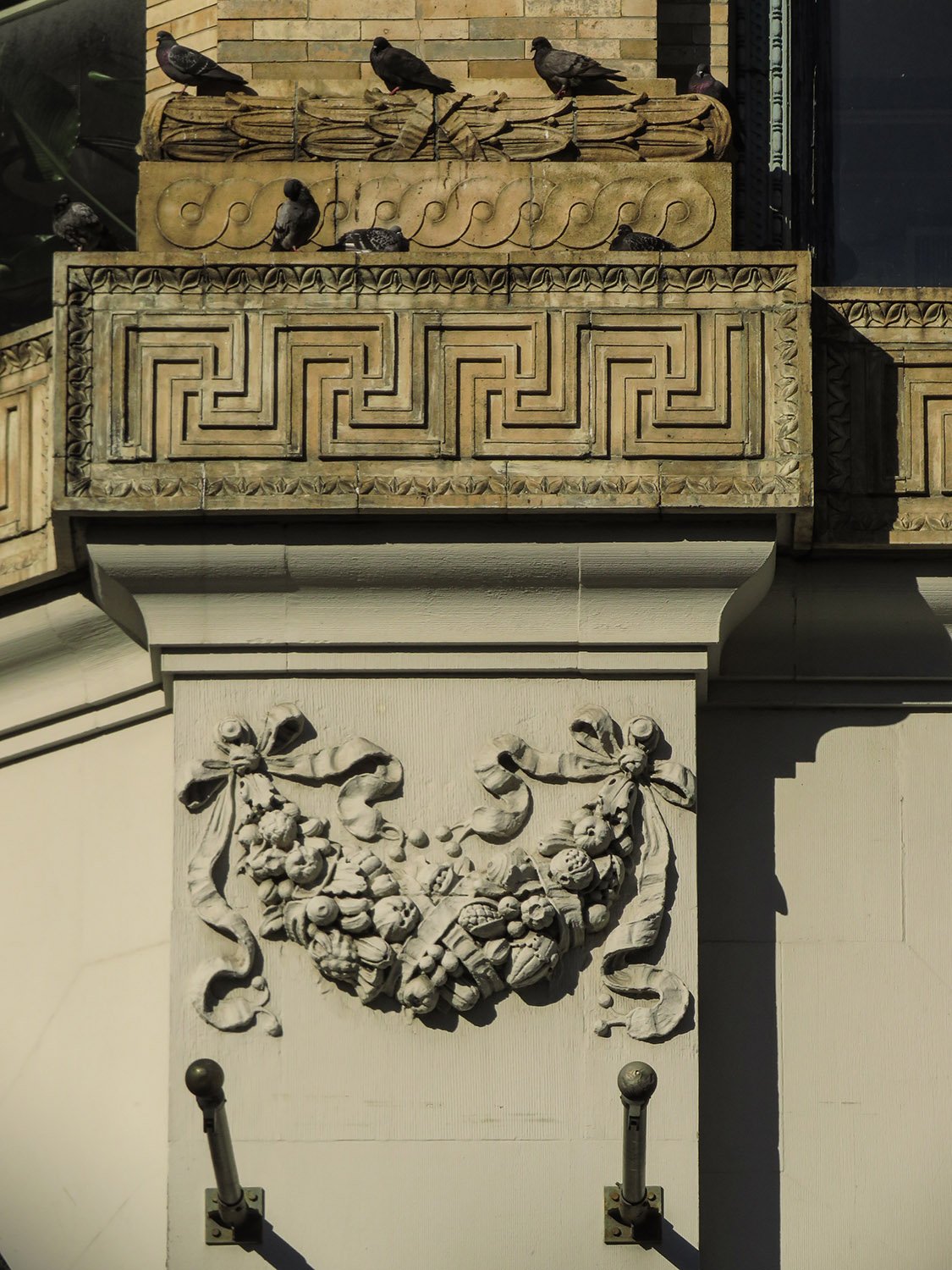
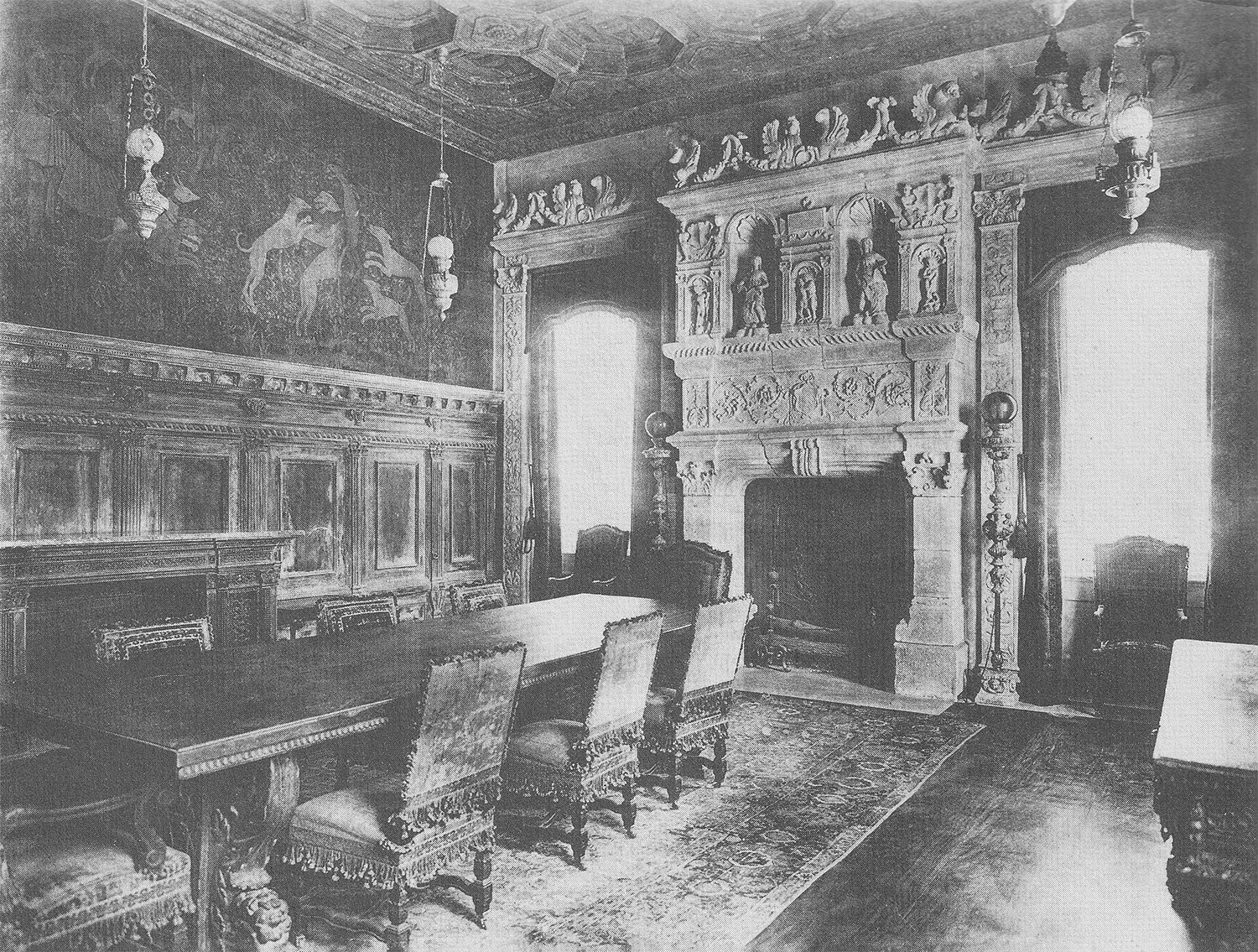
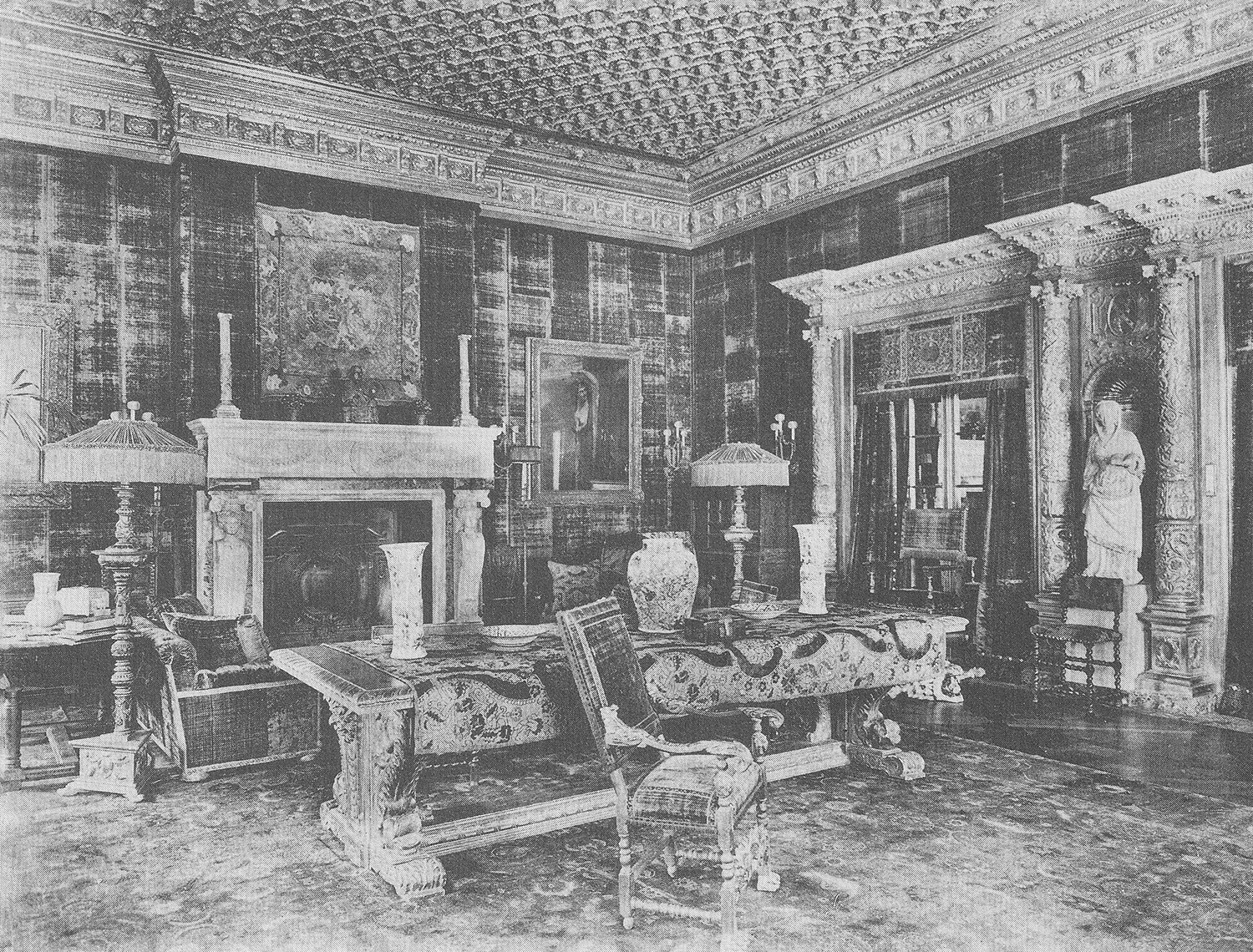
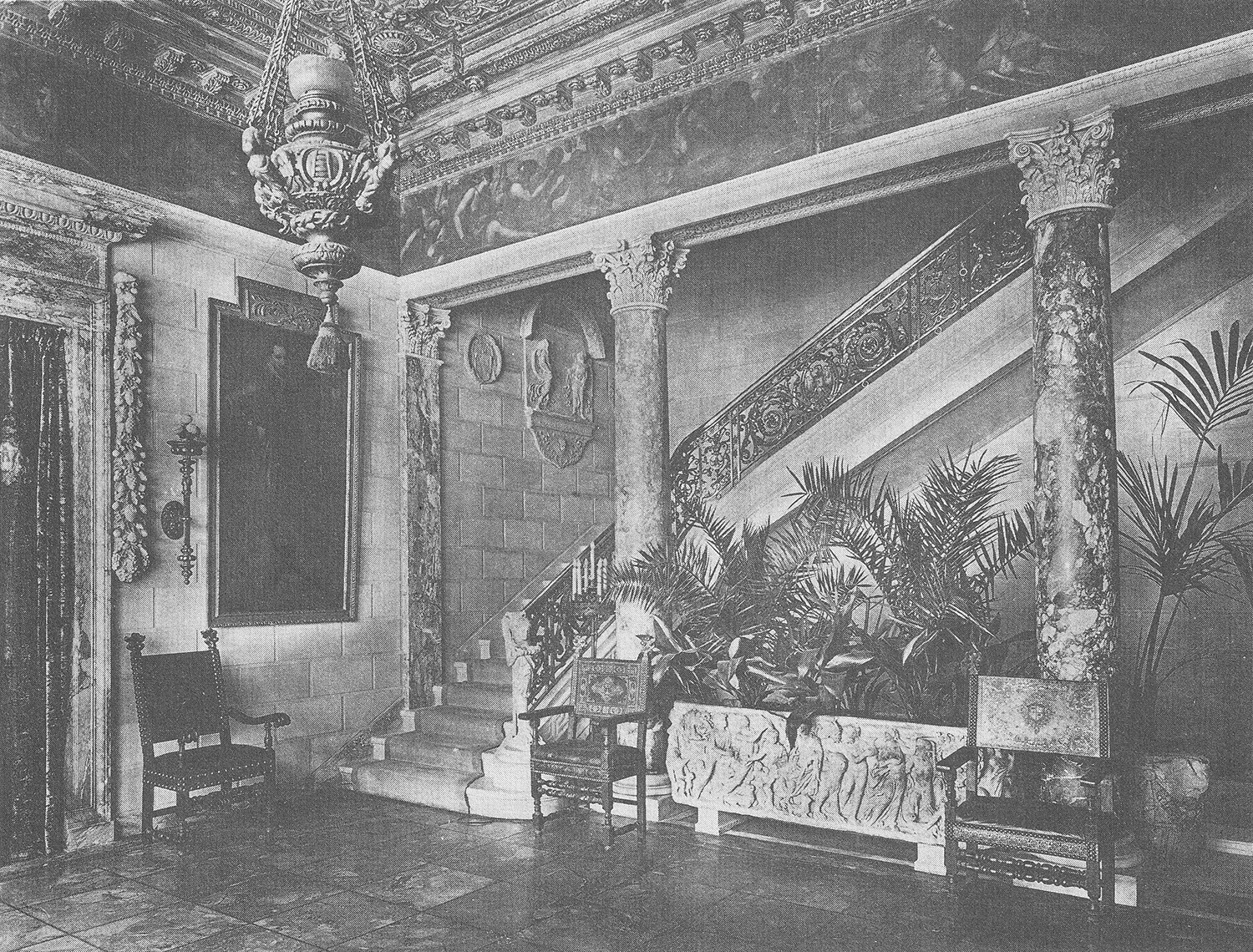
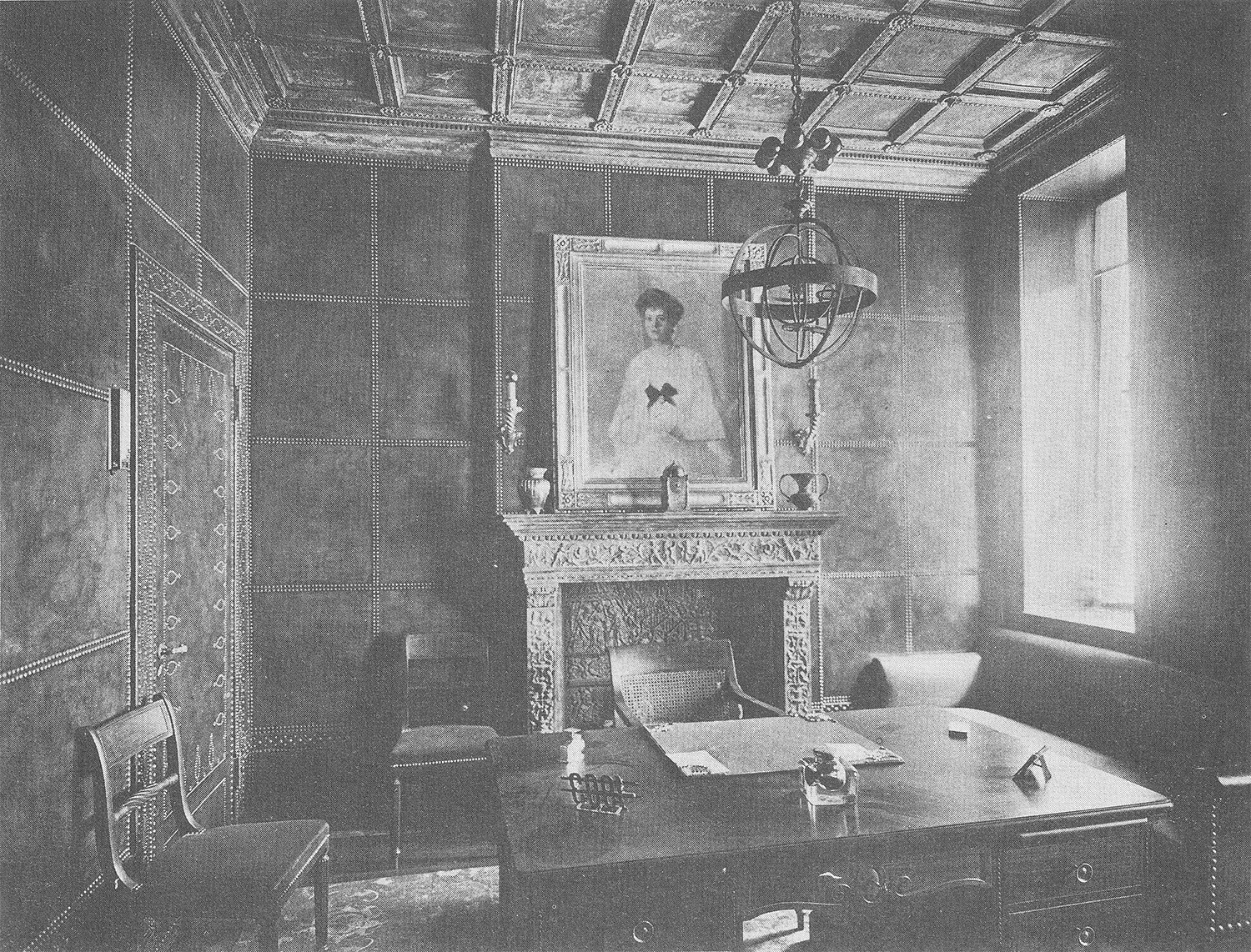
You’d be forgiven for thinking these two homes overlooking Central Park are actually one.Stanford White (or his assistants, more like it) designed the residences simultaneously, cladding the exteriors in elegant white Vermont granite and matching them with the same stacked Classical orders.1
Location of the Henry Cook and Payne Whitney Residences
They aren’t my favorite projects by McKim, Mead & White: the firm’s work had become quite derivative by 1907, and the designs here feel overprocessed, as if sketched and refined by too many different hands. It doesn’t help that White was murdered before the homes were completed.
What makes this pair of structures important, though, is that they are among the handful of old mansions that survive in New York. Built too late for the Gilded Age, they were nonetheless conceived in its shadow—remnants of an era that will never return.
Entrance hall of the Payne Whitney Residence, New YorkDining room of the Payne Whitney Residence, New YorkLiving room of the Payne Whitney Residence, New YorkStair hall of the Payne Whitney Residence, New YorkOffice in the Payne Whitney Residence, New York
Stanford White of McKim, Mead & White. Washington Square Arch (1892). Greenwich Village, New York.1
There’s been talk down in D.C. of building a big, tacky triumphal arch, but that’s just the narcissistic pipe dream of a doddering demon.
Besides, the United States already has a very fine triumphal arch—right in the heart of New York City.
Location of the Washington Square Arch
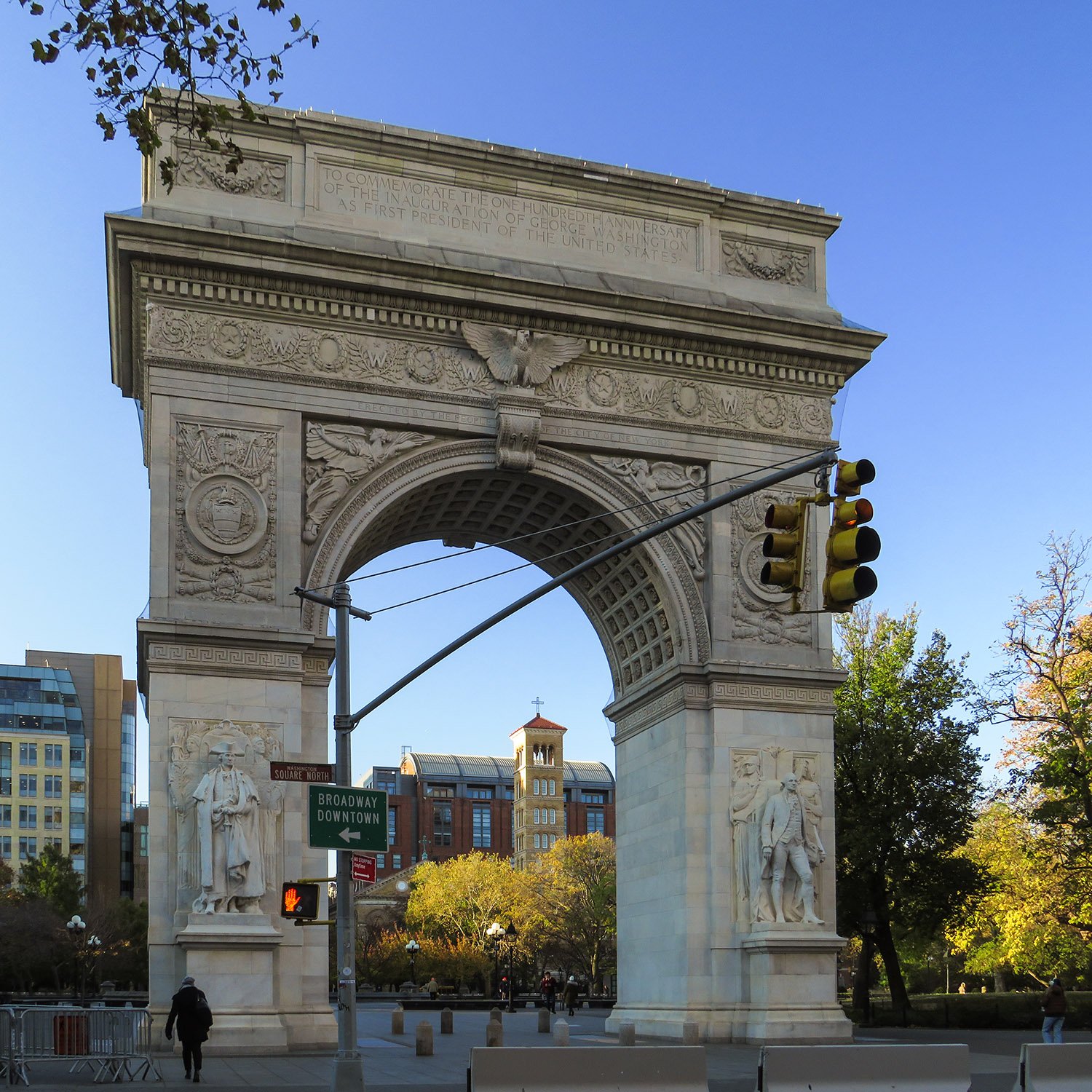
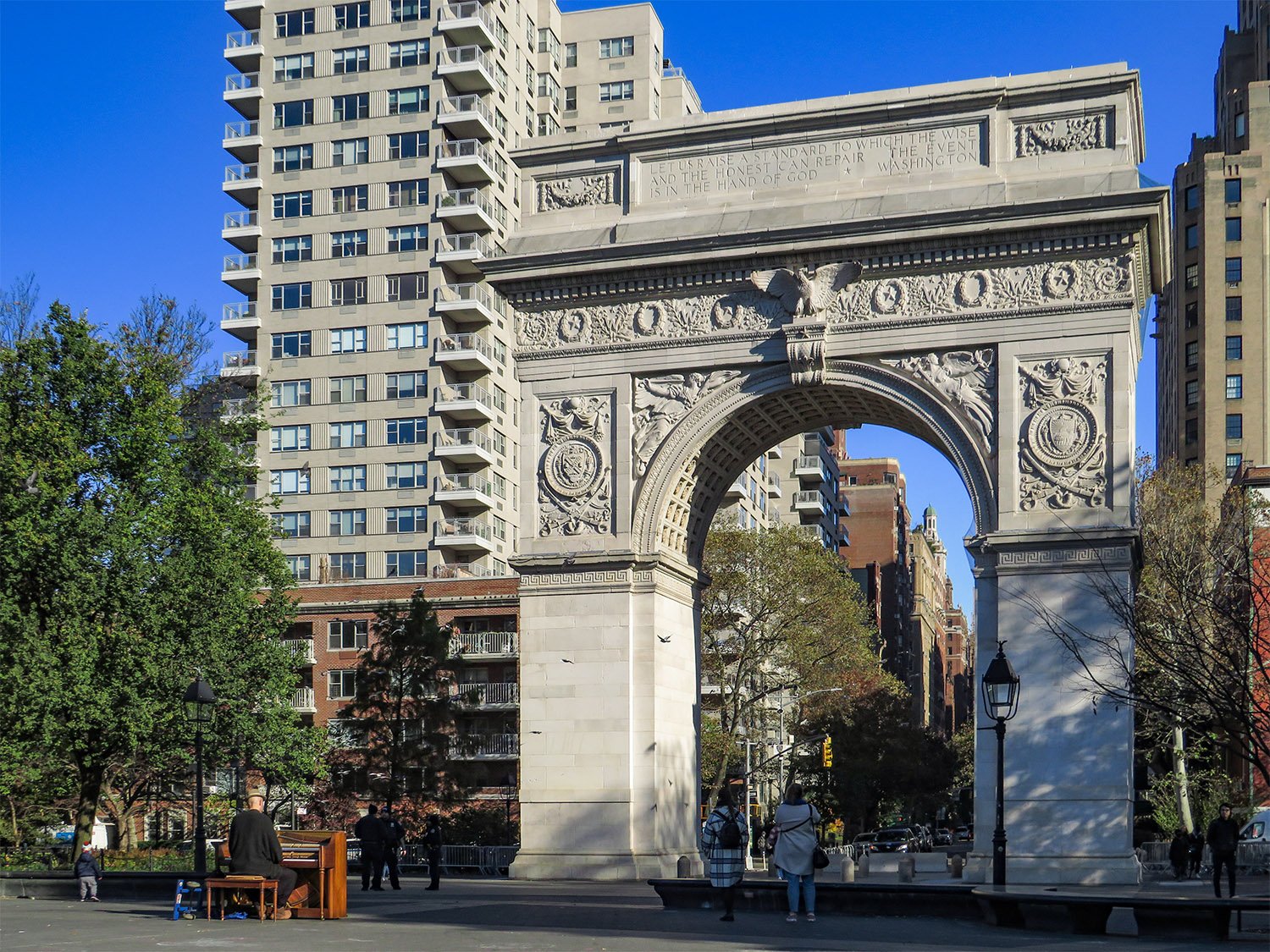
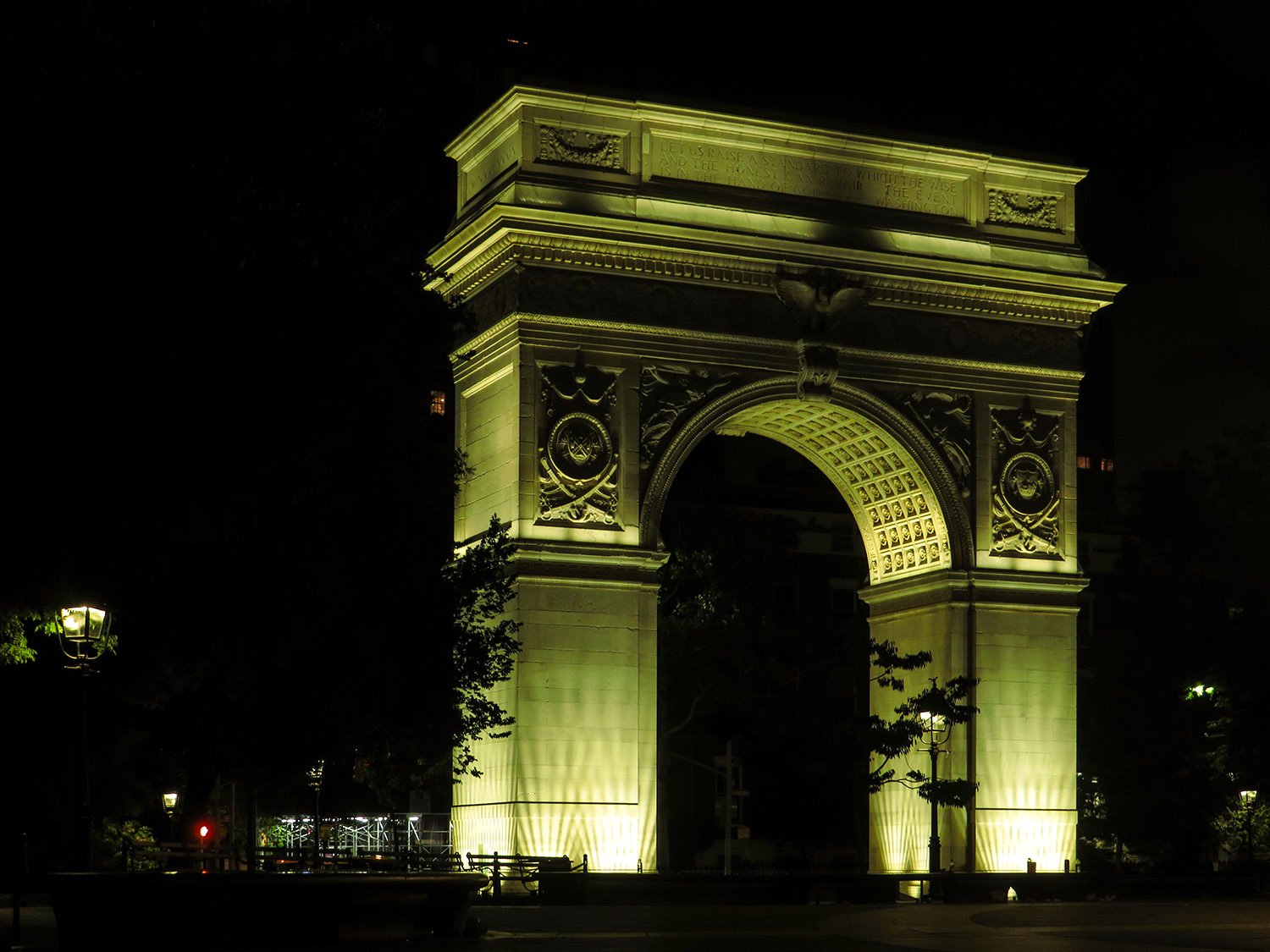
The Washington Square Arch in Greenwich Village isn’t as iconic as, say, the Statue of Liberty, but I consider it a better work of art, modeled after the old triumphal arches of the Romans.
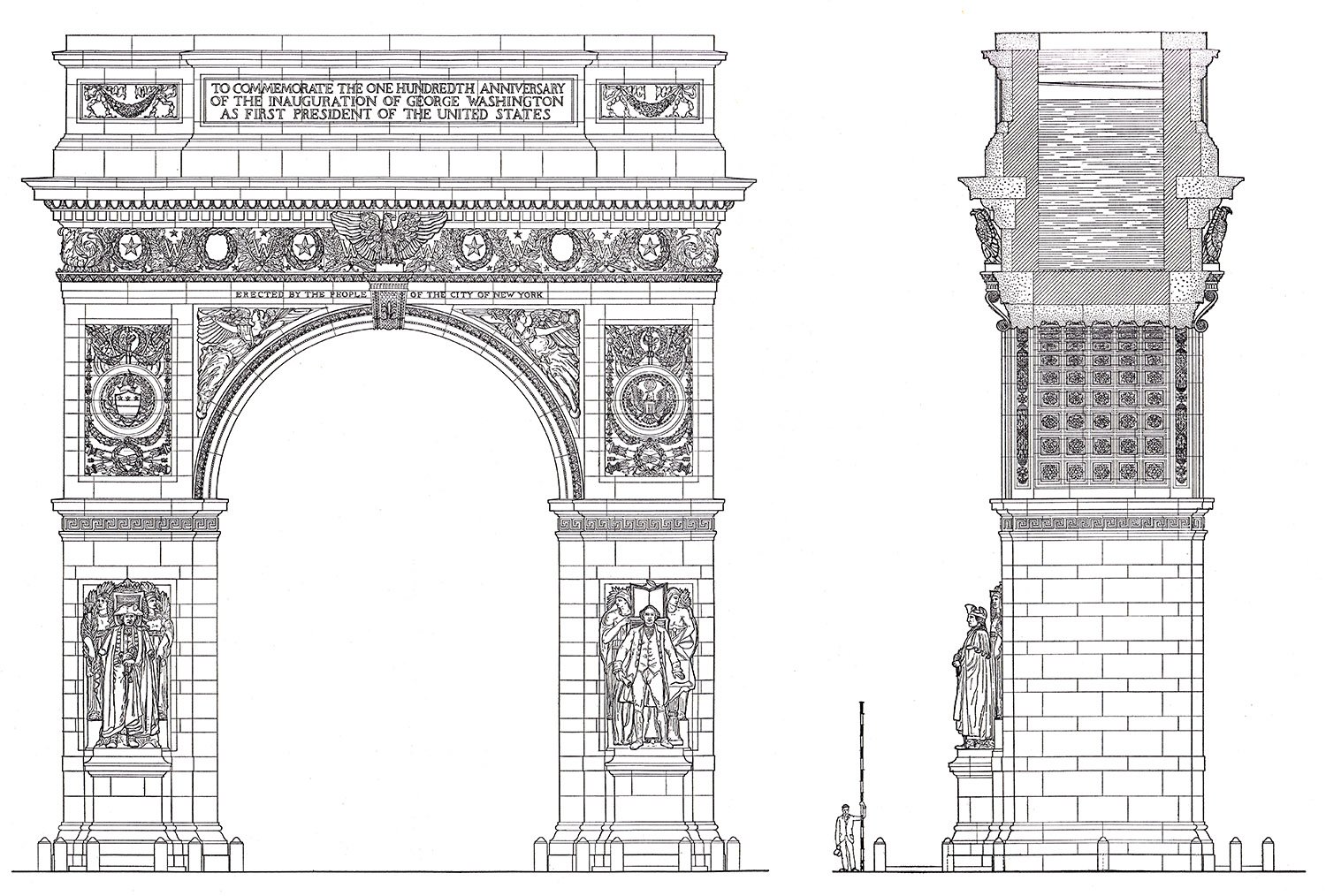
Initially designed in 1889 by Stanford White of McKim, Mead & White, a cheap wood version of the arch was first built a block north on Fifth Avenue,2 planned as a temporary structure to celebrate the 100th anniversary of George Washington‘s inauguration.3
The original arch proved so popular, however, that a group of prominent men formed a committee to build a permanent monument,4 with the first stone laid on December 22, 1890.56
Looking at Washington Square Arch from the south
Standing seventy feet tall and constructed of marble, the Washington Square Arch that exists today was (mostly) completed on April 6, 1892.78
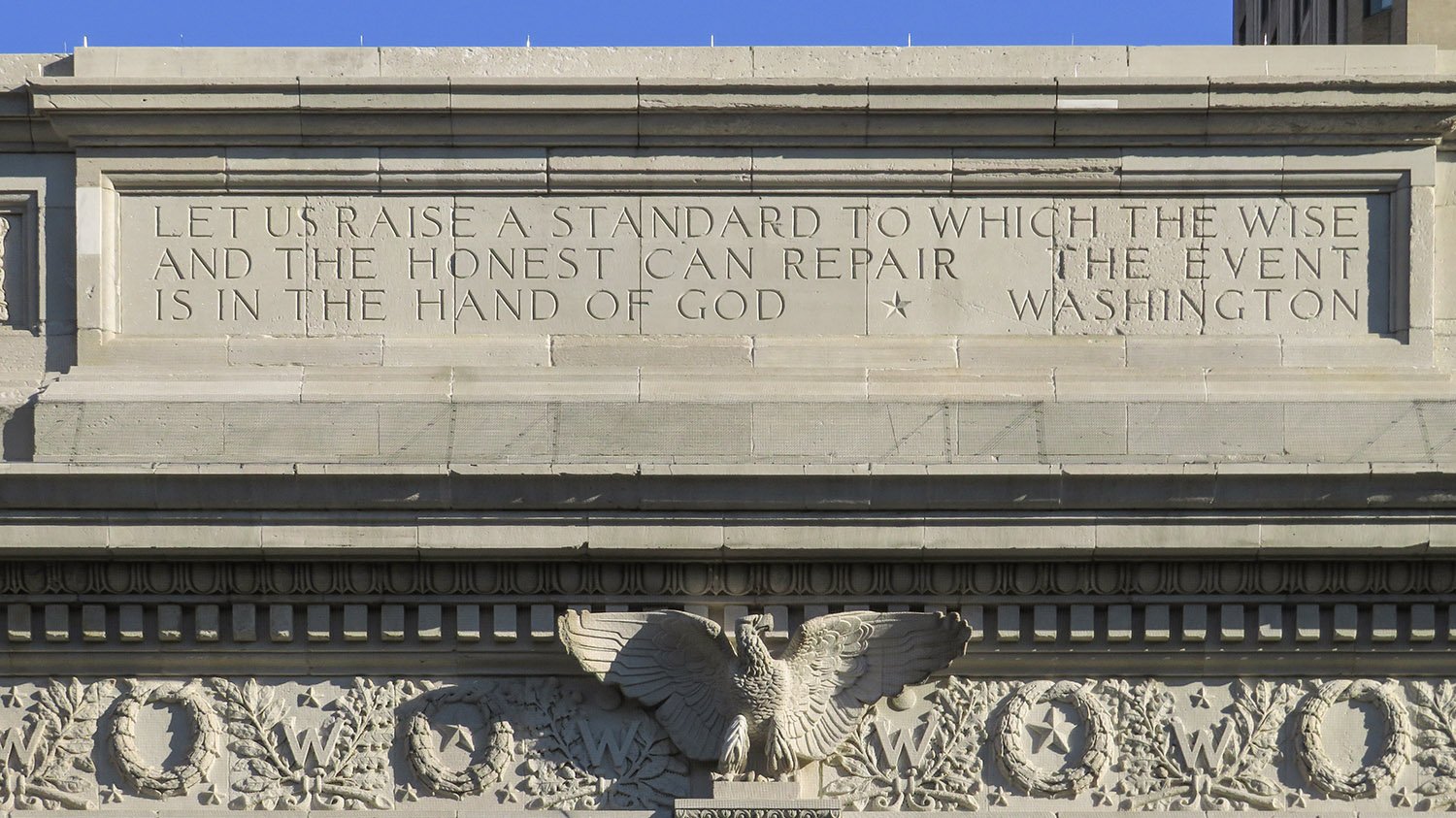
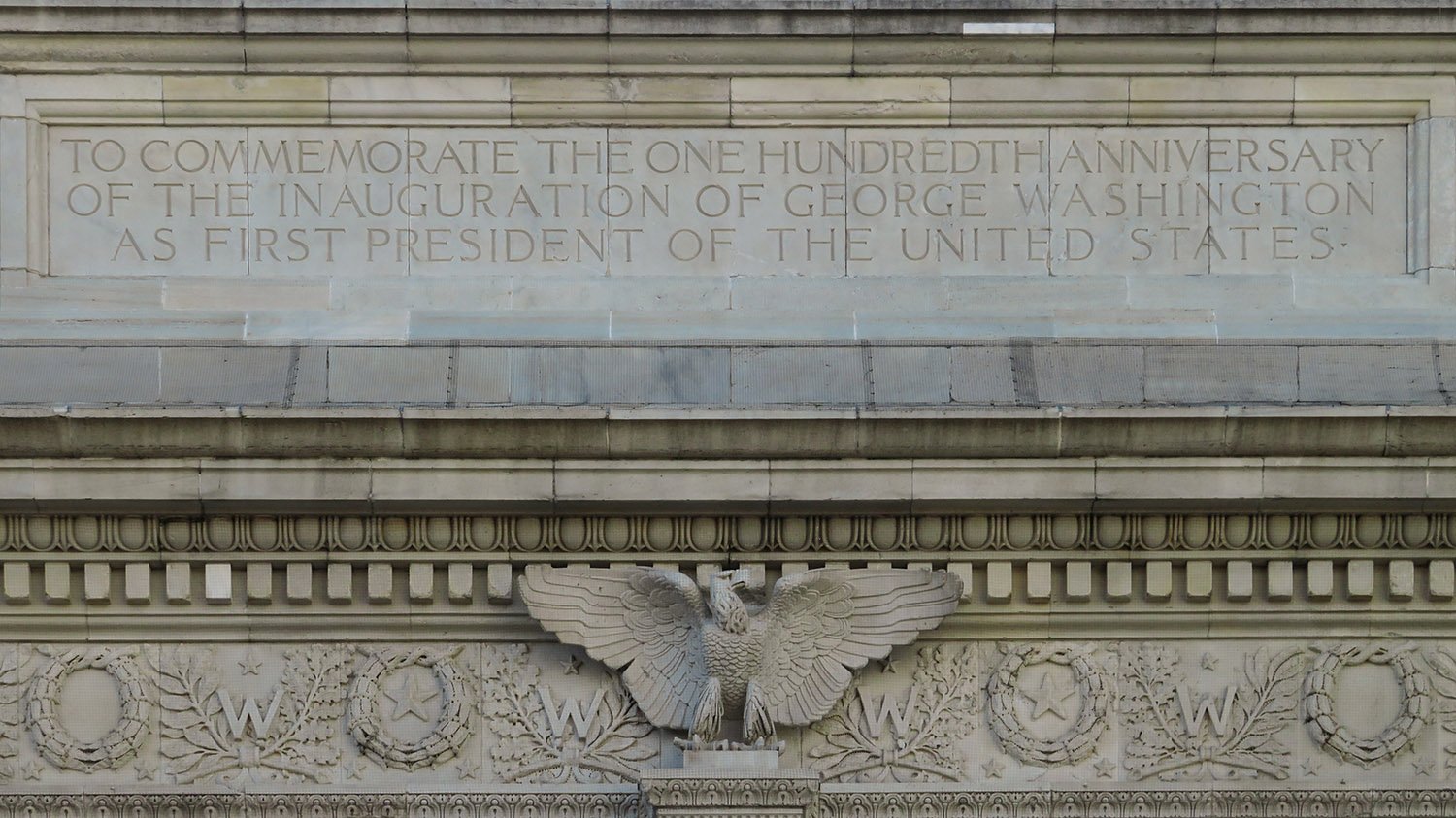
White himself helped ceremoniously place the last three stones, including the centerpiece inscription,9 featuring words from Washington’s inaugural address:
“Let us raise a standard to which the wise and honest can repair. The event is in the hand of God.”
The quality of presidential speechwriting has really taken a nosedive, hasn’t it?
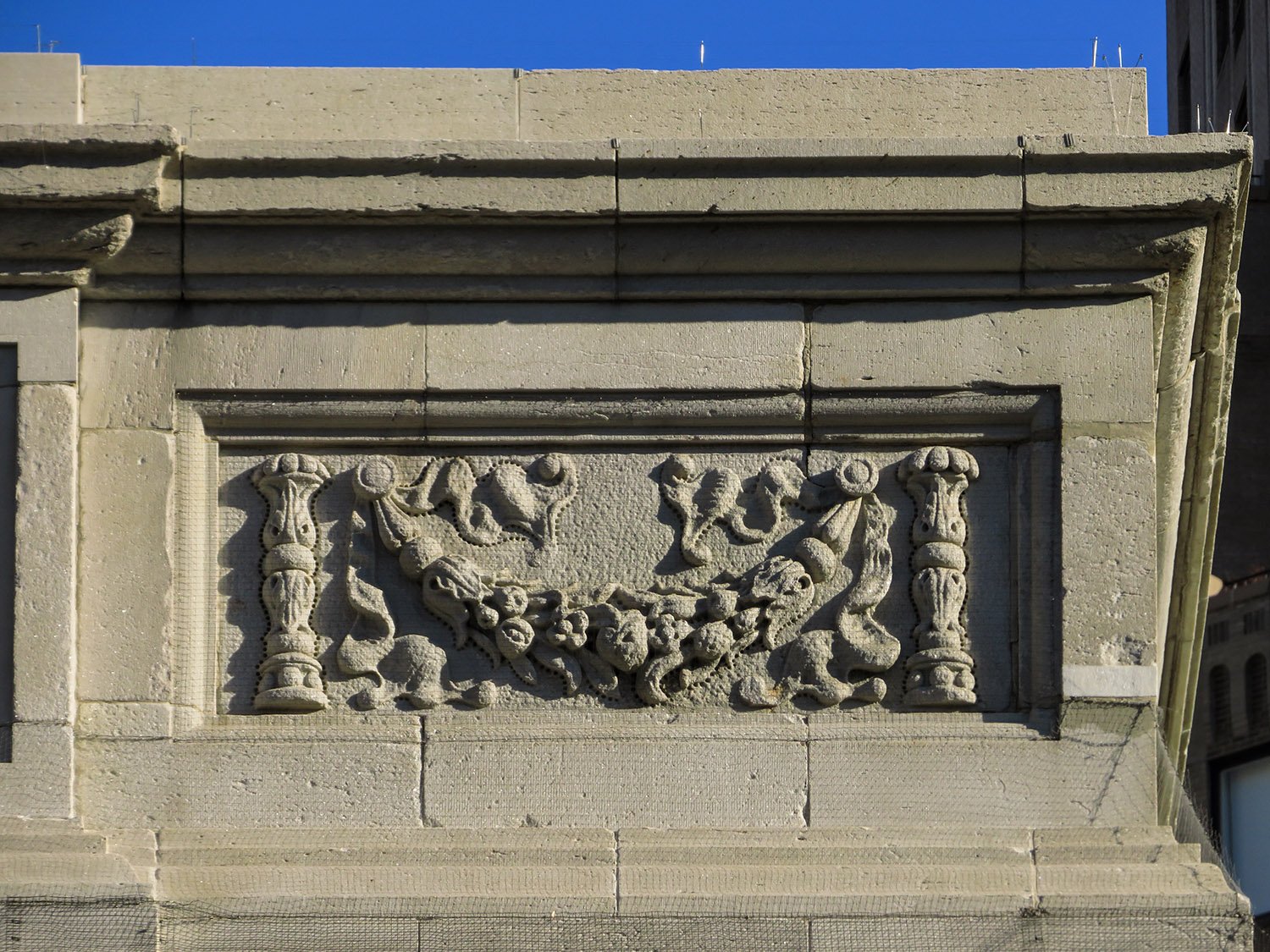
Inscription, cornice and frieze on the south facade of the Washington Square Arch, New York
Even for all of New York’s wealth, it was a challenge to raise money for the project, which was funded entirely by private donations. The largest contribution came fromPaderewski,10 a popular pianist of the 1890s—well, he wasn’t so popular with G.L. Norrman.
By the time the last stone was laid, the project’s backers were still $5000 short of the monument’s initial $128,000 cost.11 Just for some perspective: Norrman’s five-story Windsor Hotel in Americus, Georgia, finished a month later, cost an estimated $150,000.
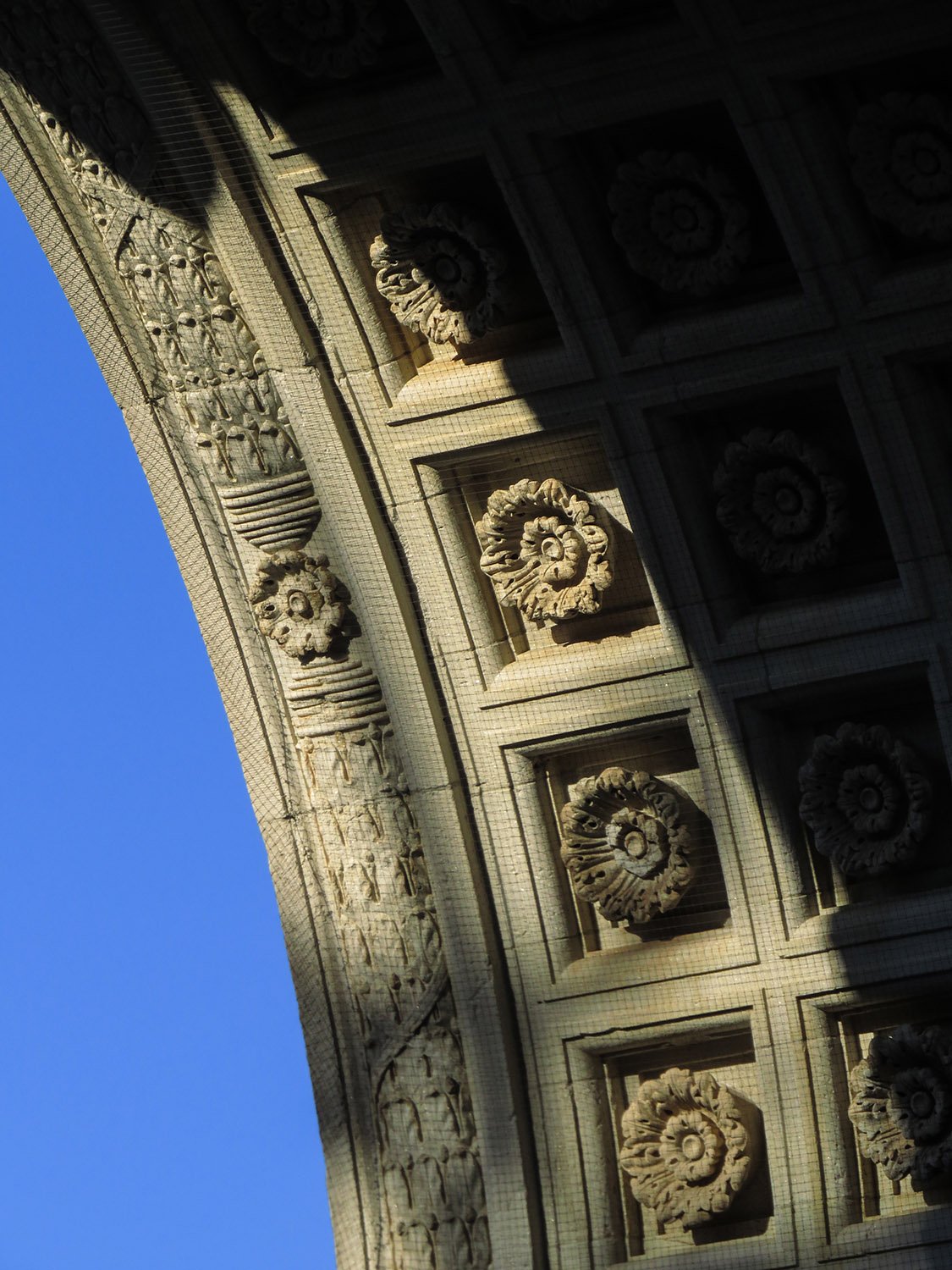
Coffered soffit of the Washington Square Arch, New York
I say the Washington Square Arch was mostly completed by 1892, because it was really finished in stages over 26 years:
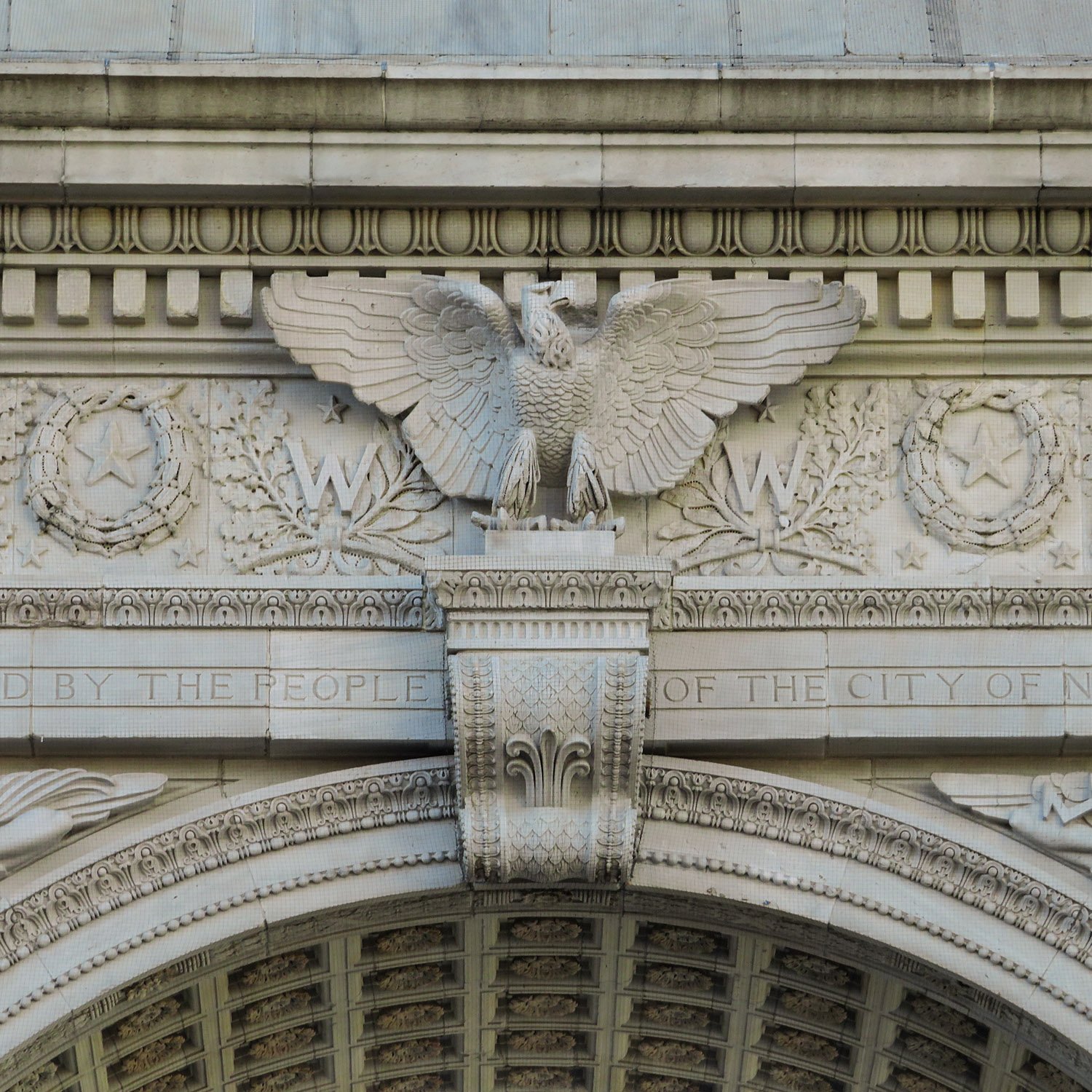
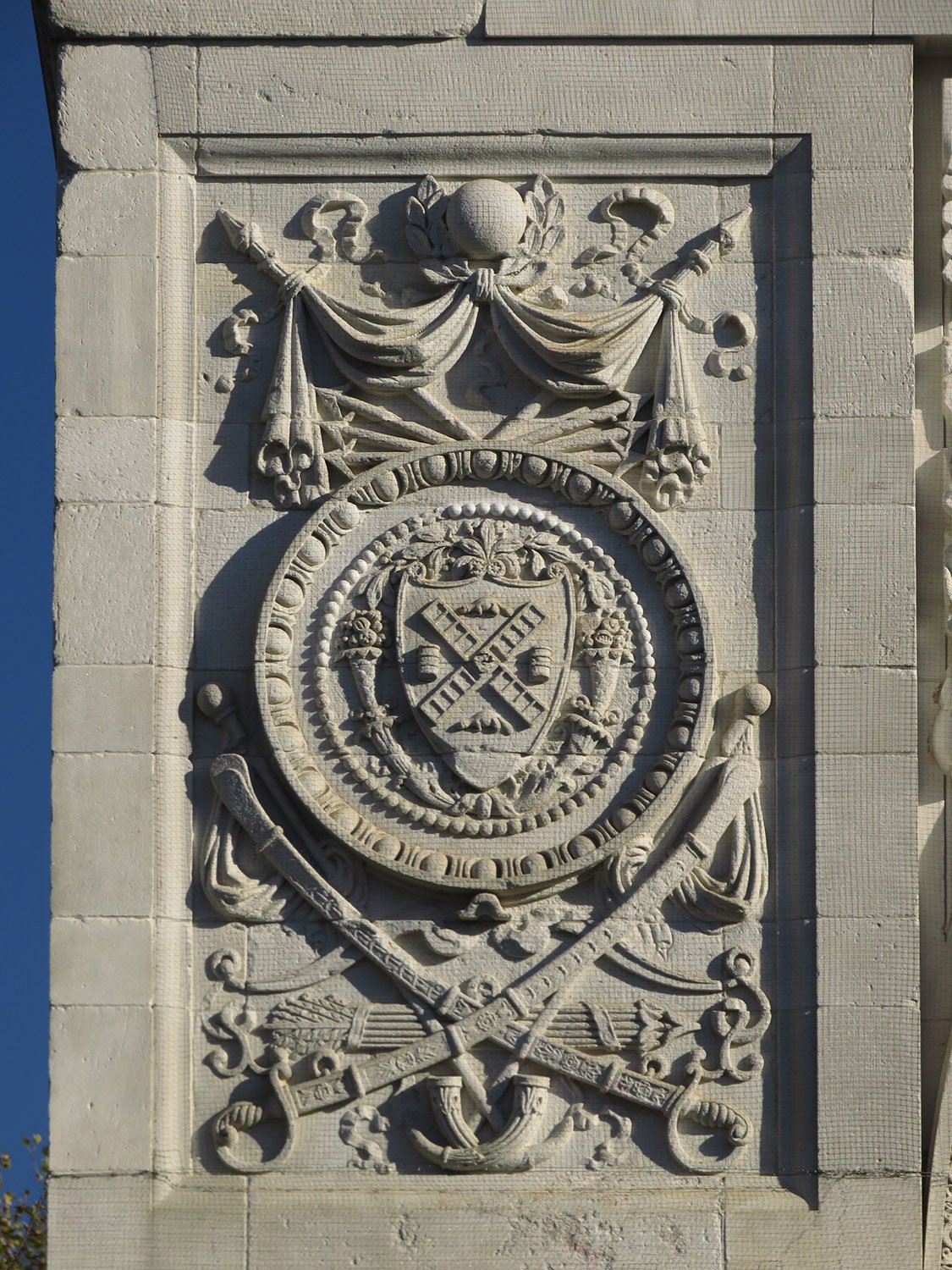
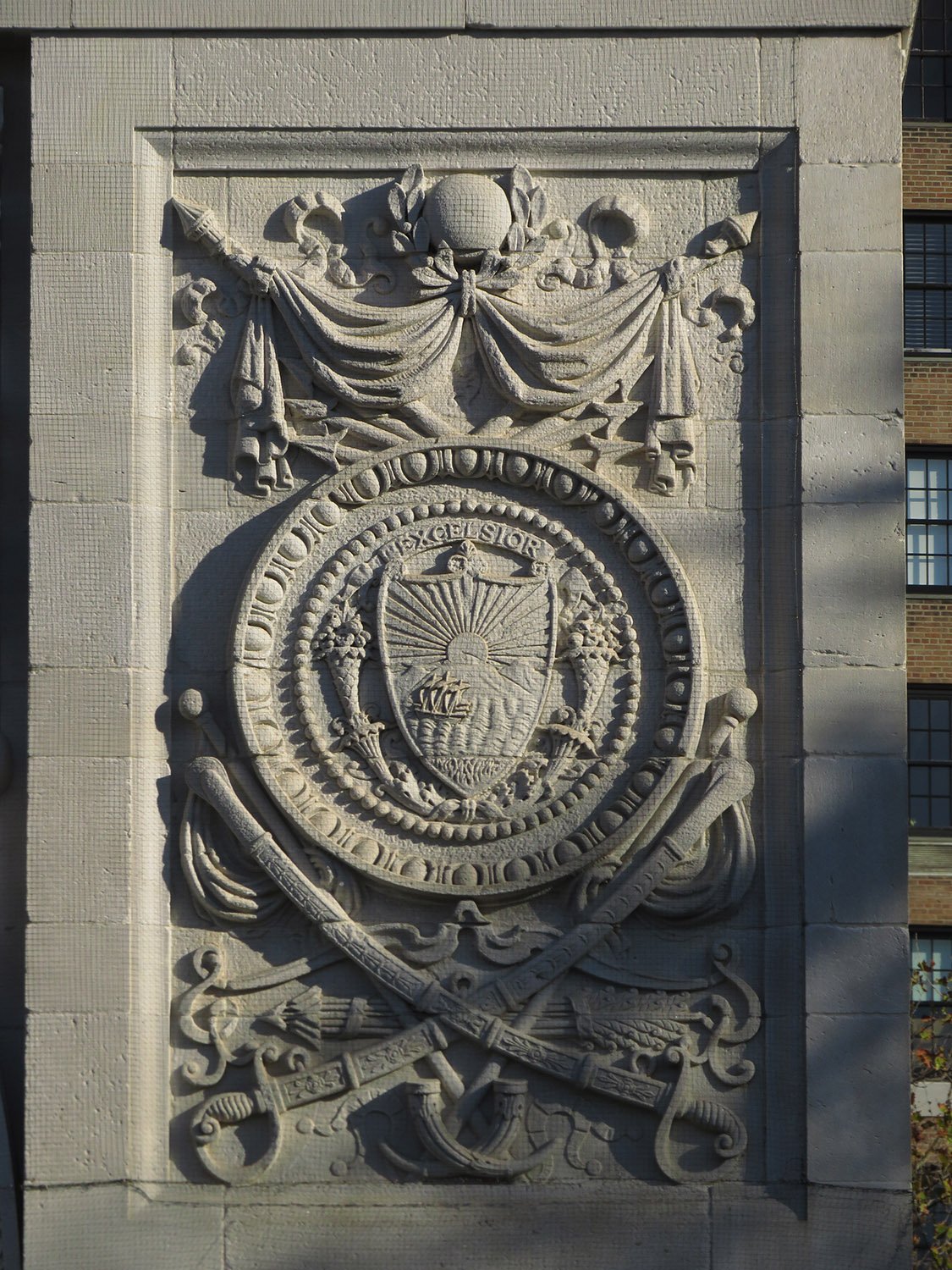
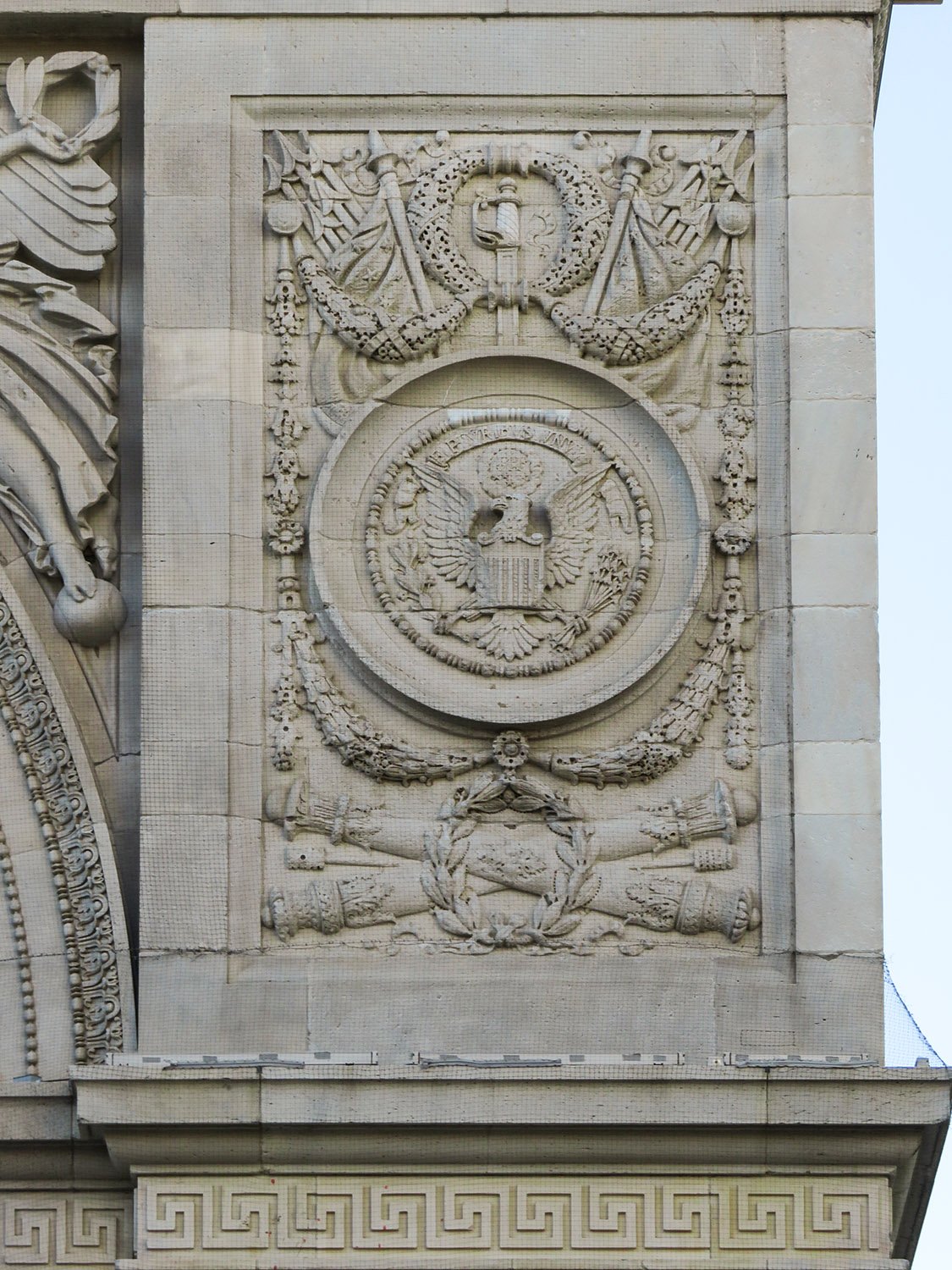
The keystone eagles on both sides of the arch, designed by Philip Martiny,12 and the trophy panels on the south facade, designed by Frederick A. MacMonnies, were installed in late 1892.13
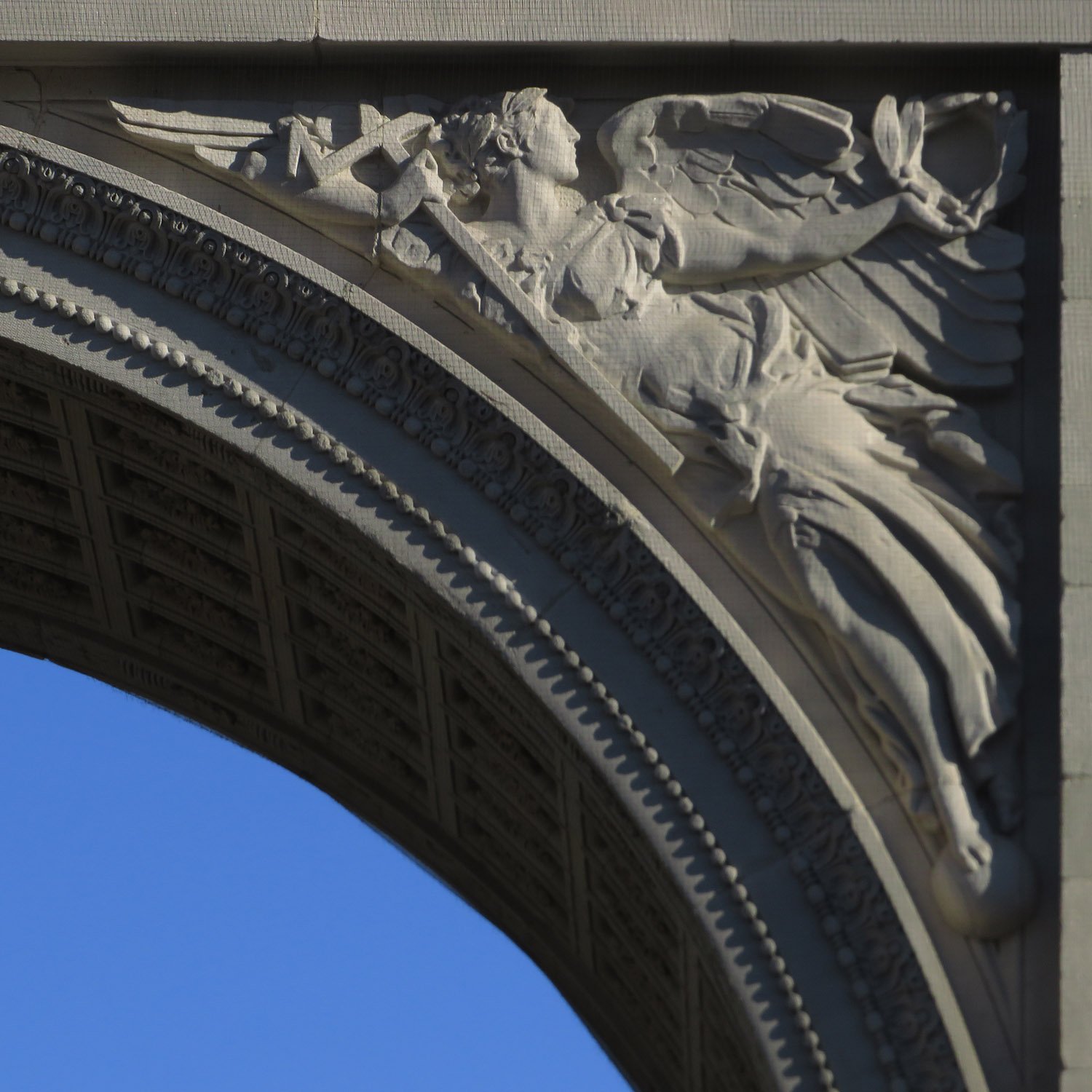
Four spandrel sculptures designed by MacMonnies were set in February 1895.14
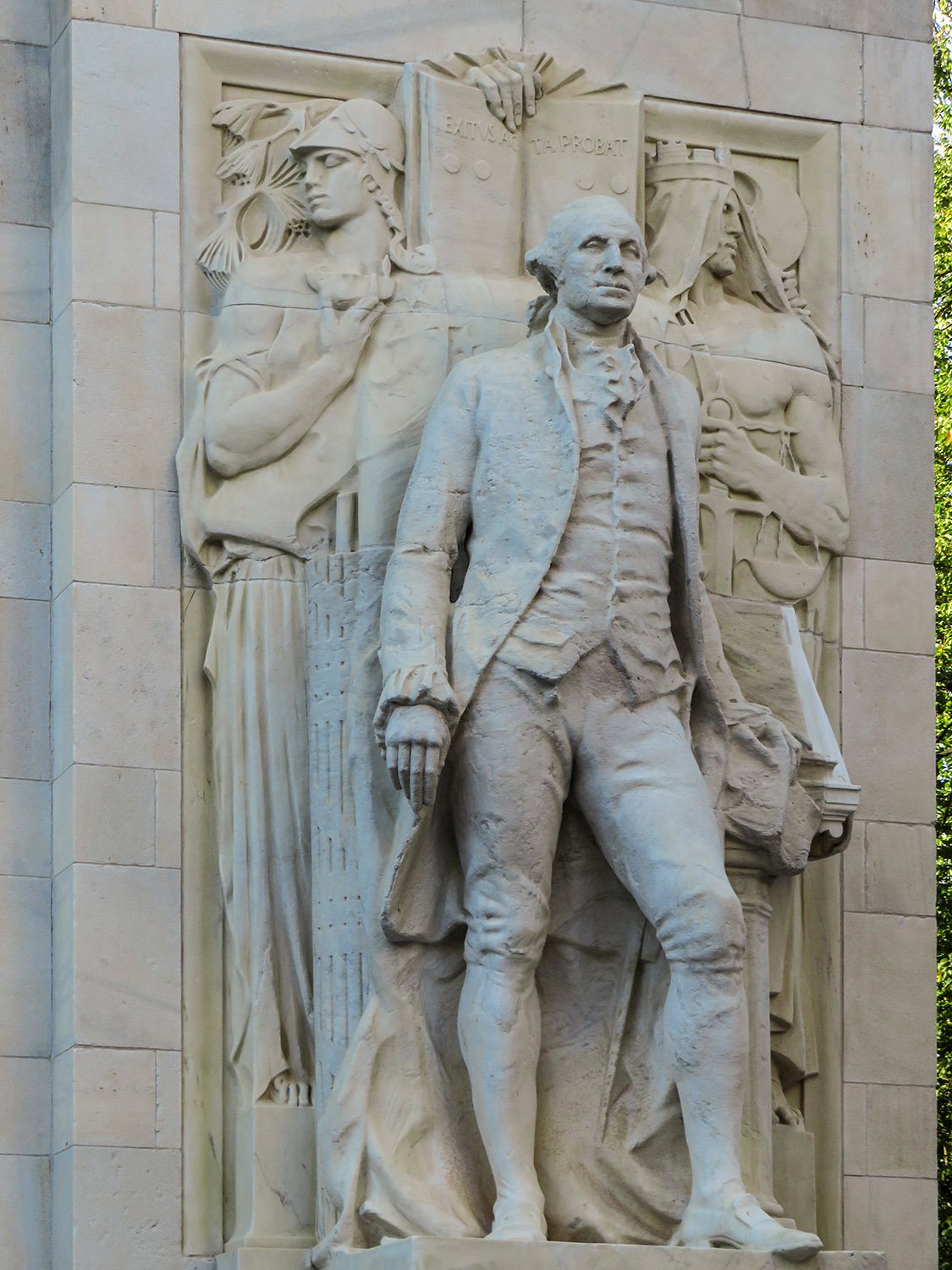
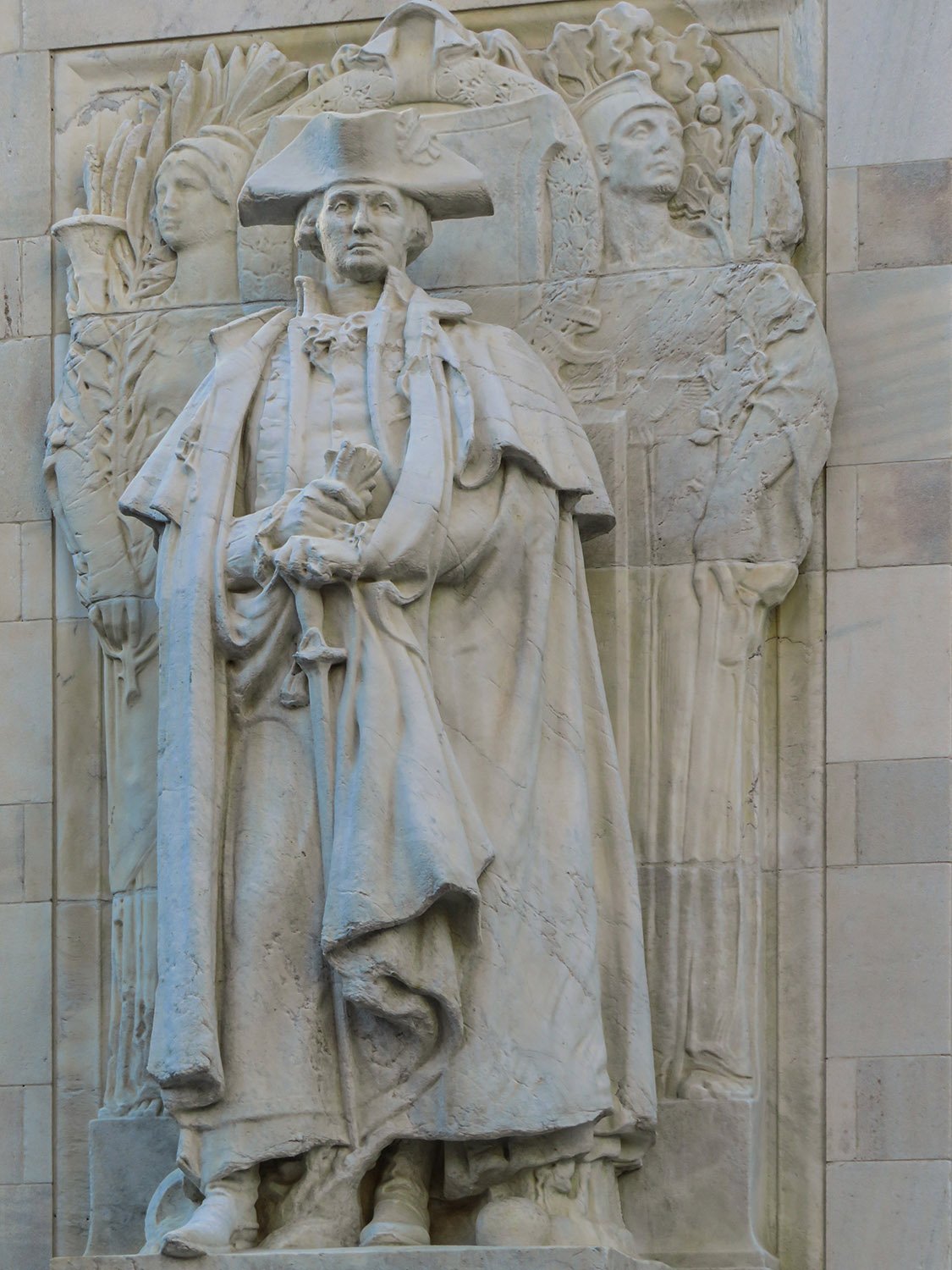
The first sculpted figure of George Washington, designed by Hermon A. MacNeil,15 was installed in May 1916,16 and the second, designed by A. Stirling Calder,1718 was placed in February 1918.19
Good things take time.
A. Stirling Calder. George Washington as President (1918). North facade of the Washington Square Arch, New York.
Gallery
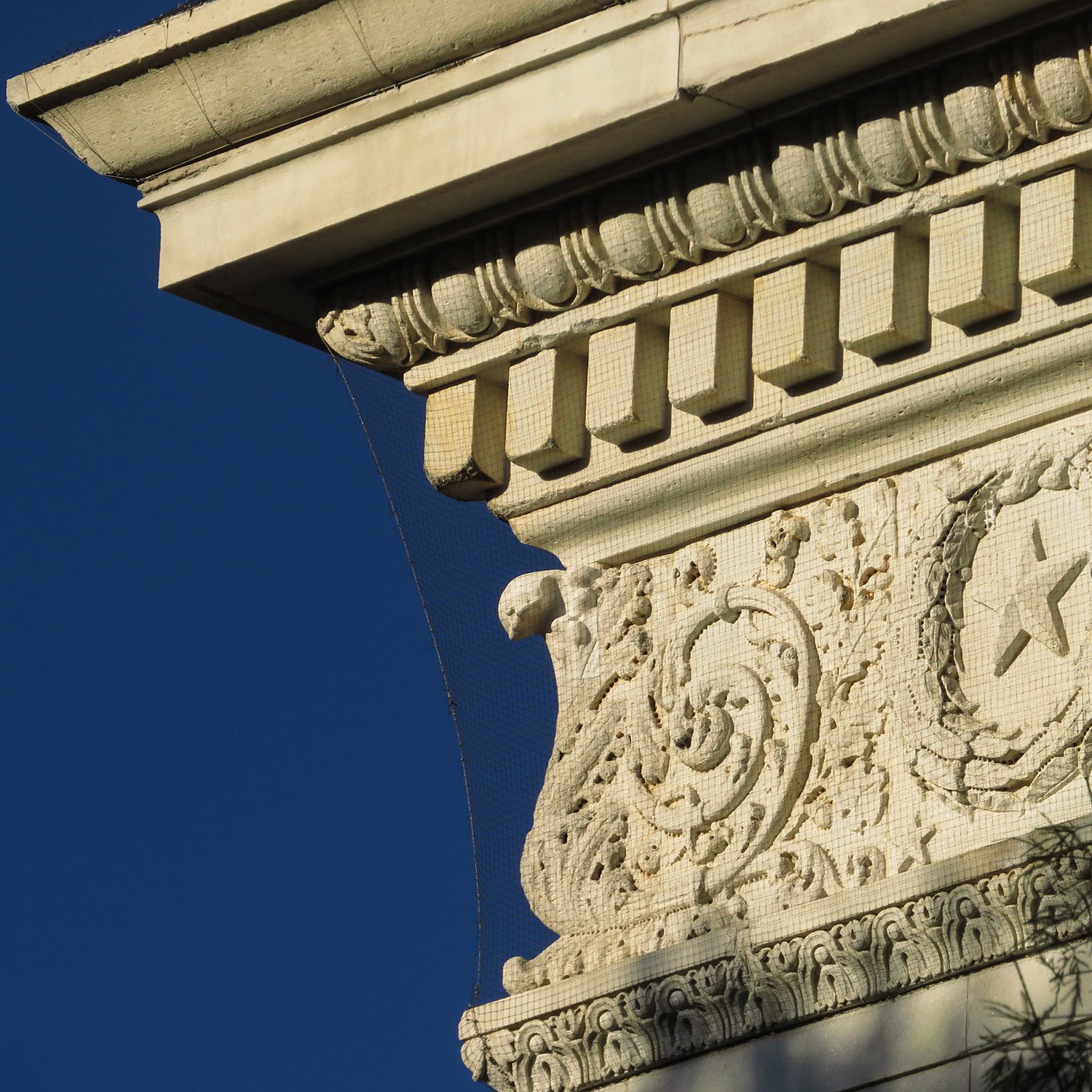
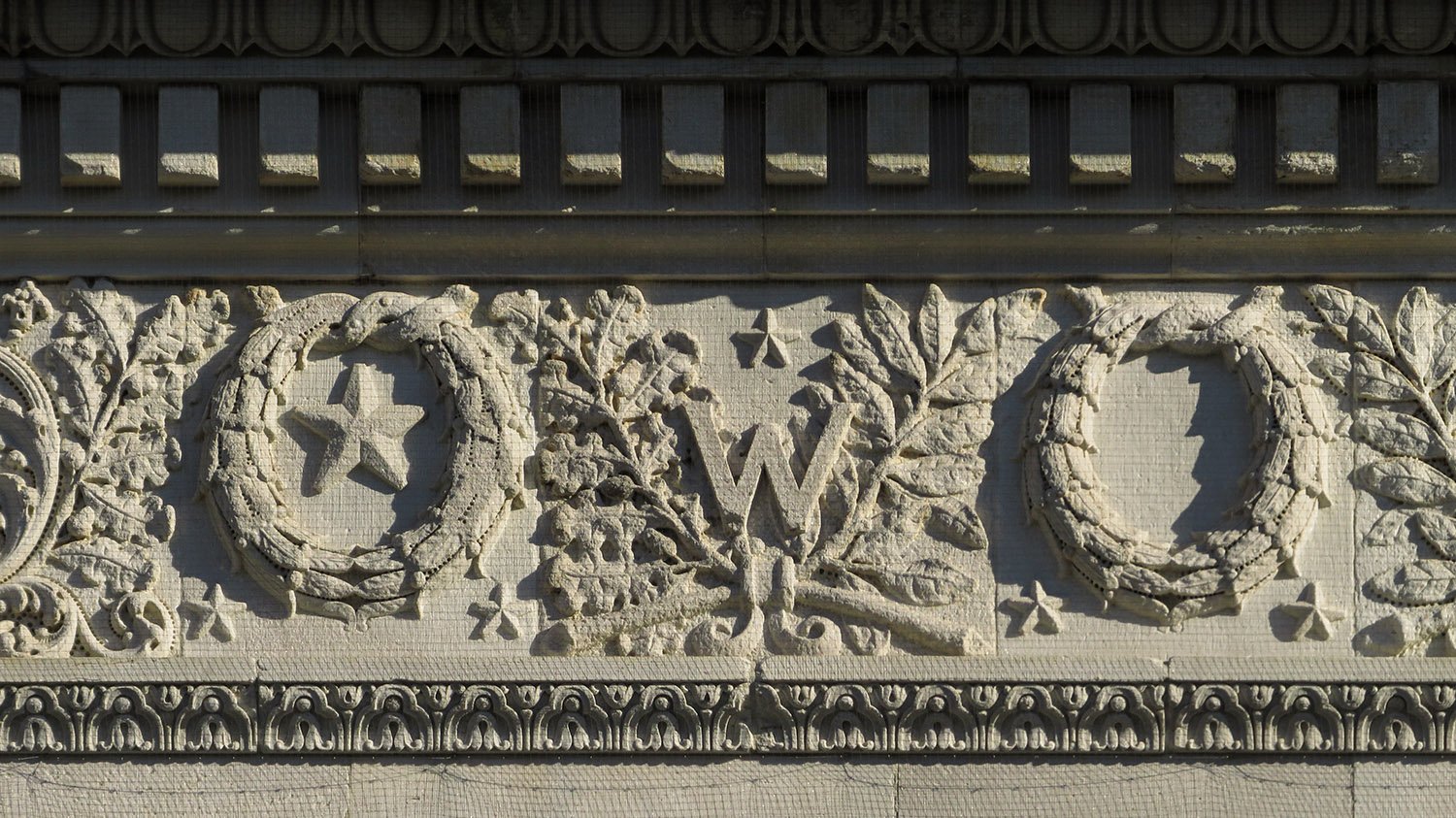
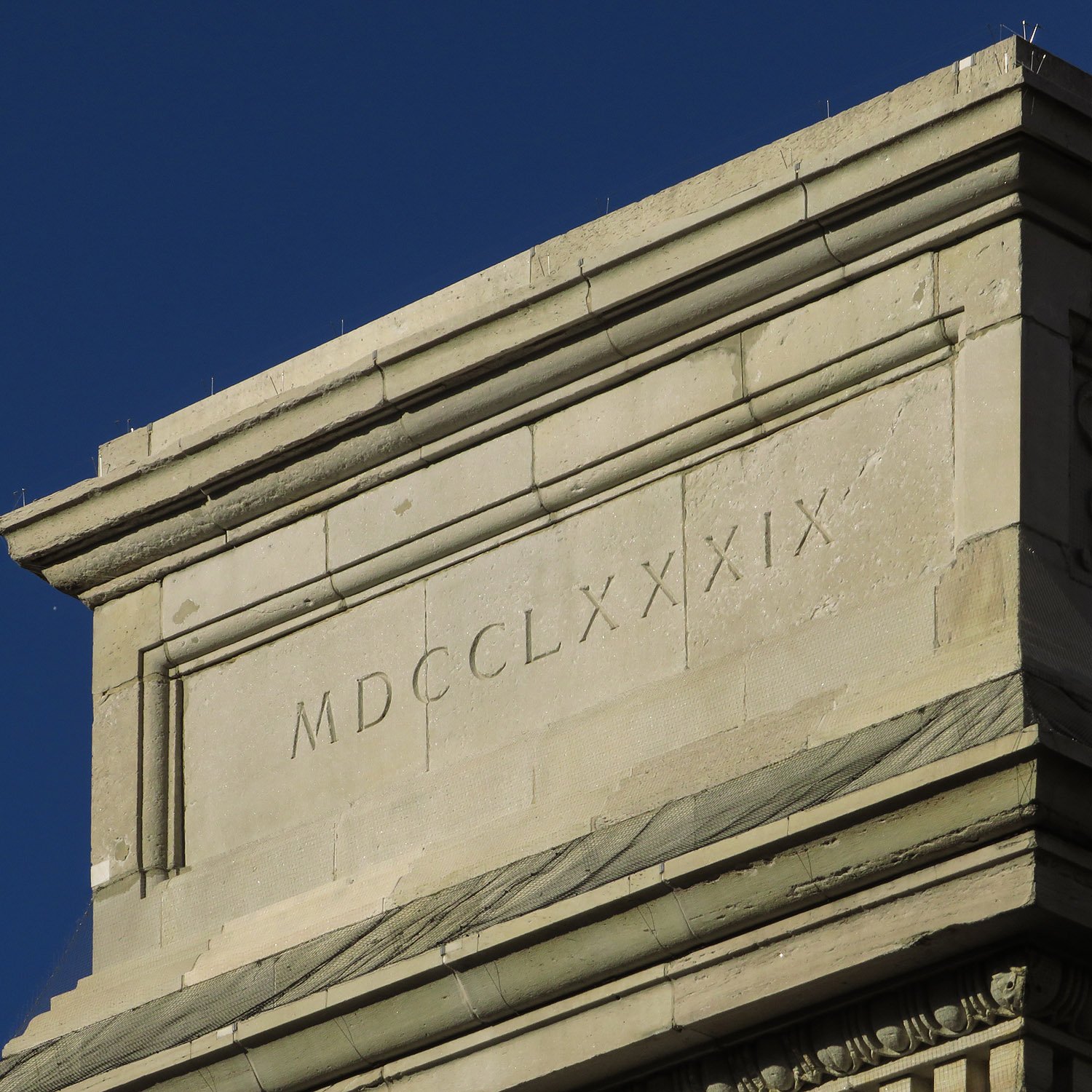
Cornice and frieze on the Washington Square Arch, New YorkPhilip Martiny. Keystone eagle on the Washington Square Arch, New York.Frieze ornamentation on the Washington Square Arch, New YorkDate inscription on the Washington Square Arch, New YorkFrederick A. MacMonnies. Spandrel panel on the Washington Square Arch, New York.Frederick A. MacMonnies.Spandrel panel on the Washington Square Arch, New York.Frederick A. MacMonnies.Trophy panel on the south facade of the Washington Square Arch, New YorkInscription, cornice and frieze on the north facade of the Washington Square Arch, New YorkFrederick A. MacMonnies. Trophy panel on the Washington Square Arch, New York.Hermon A. MacNeil. George Washington as Commander-in-Chief (1916). North facade of the Washington Square Arch, New York.Frederick A. MacMonnies.Trophy panel on the north facade of the Washington Square Arch, New York.Washington Square Arch at night
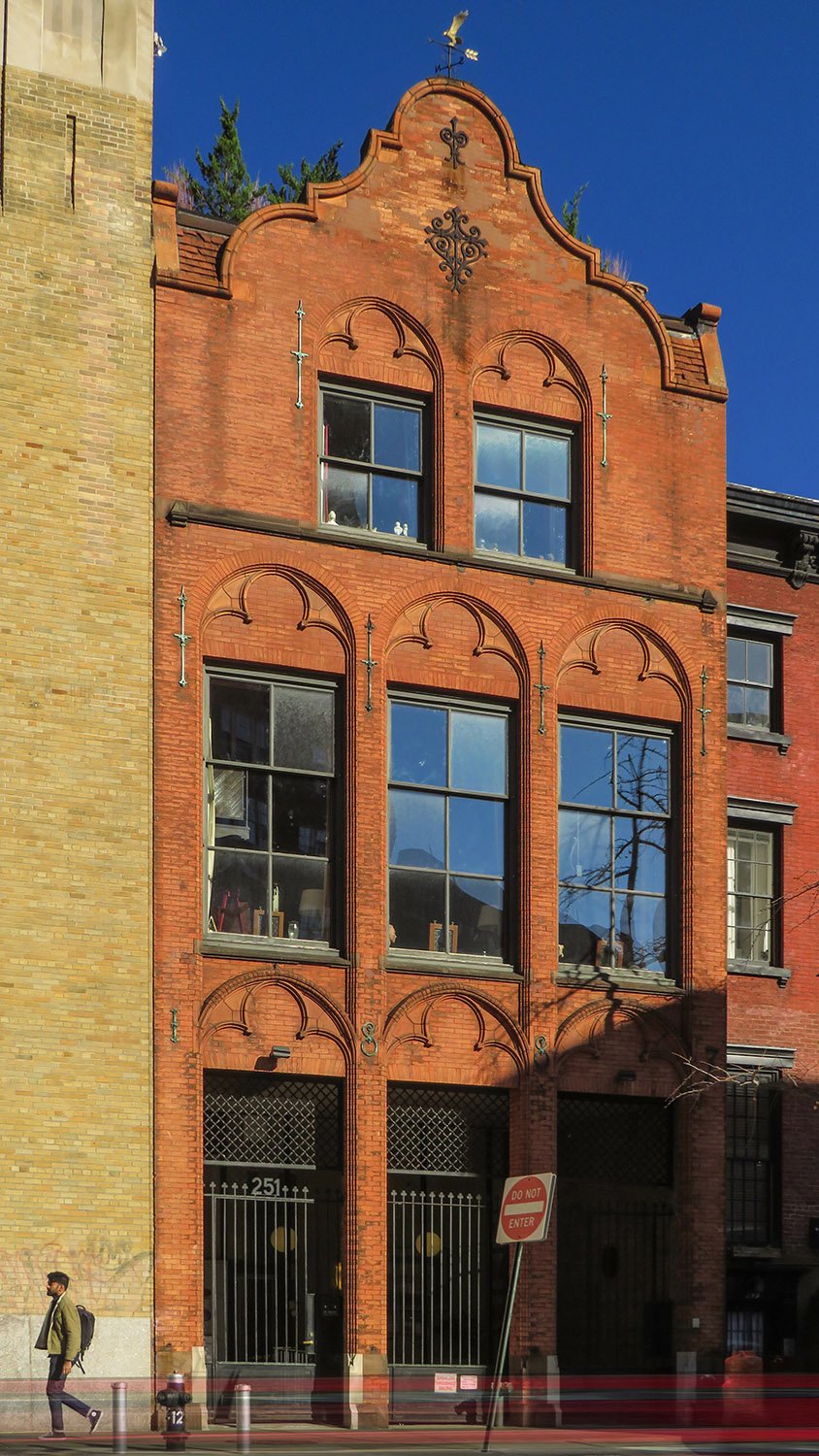
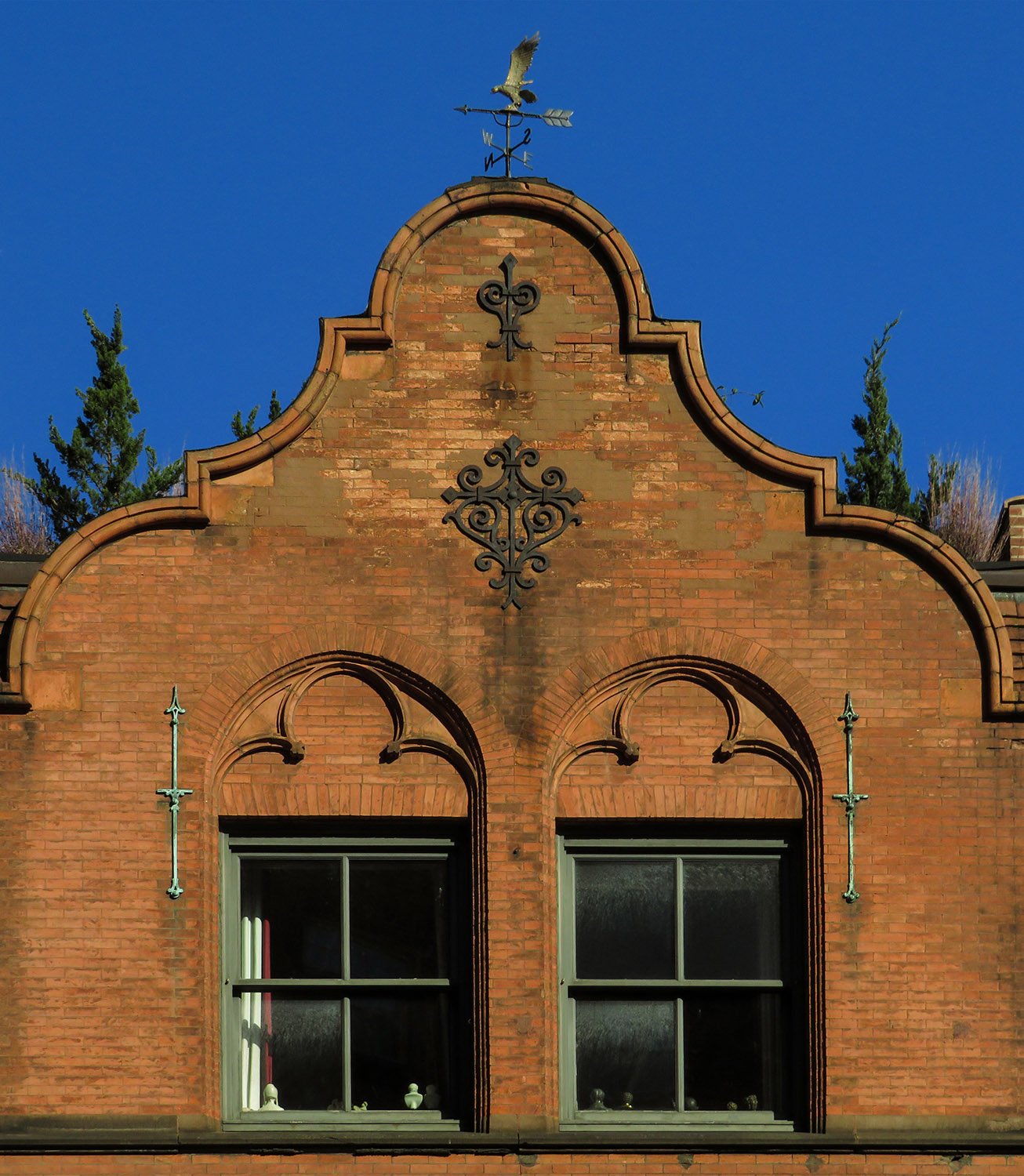
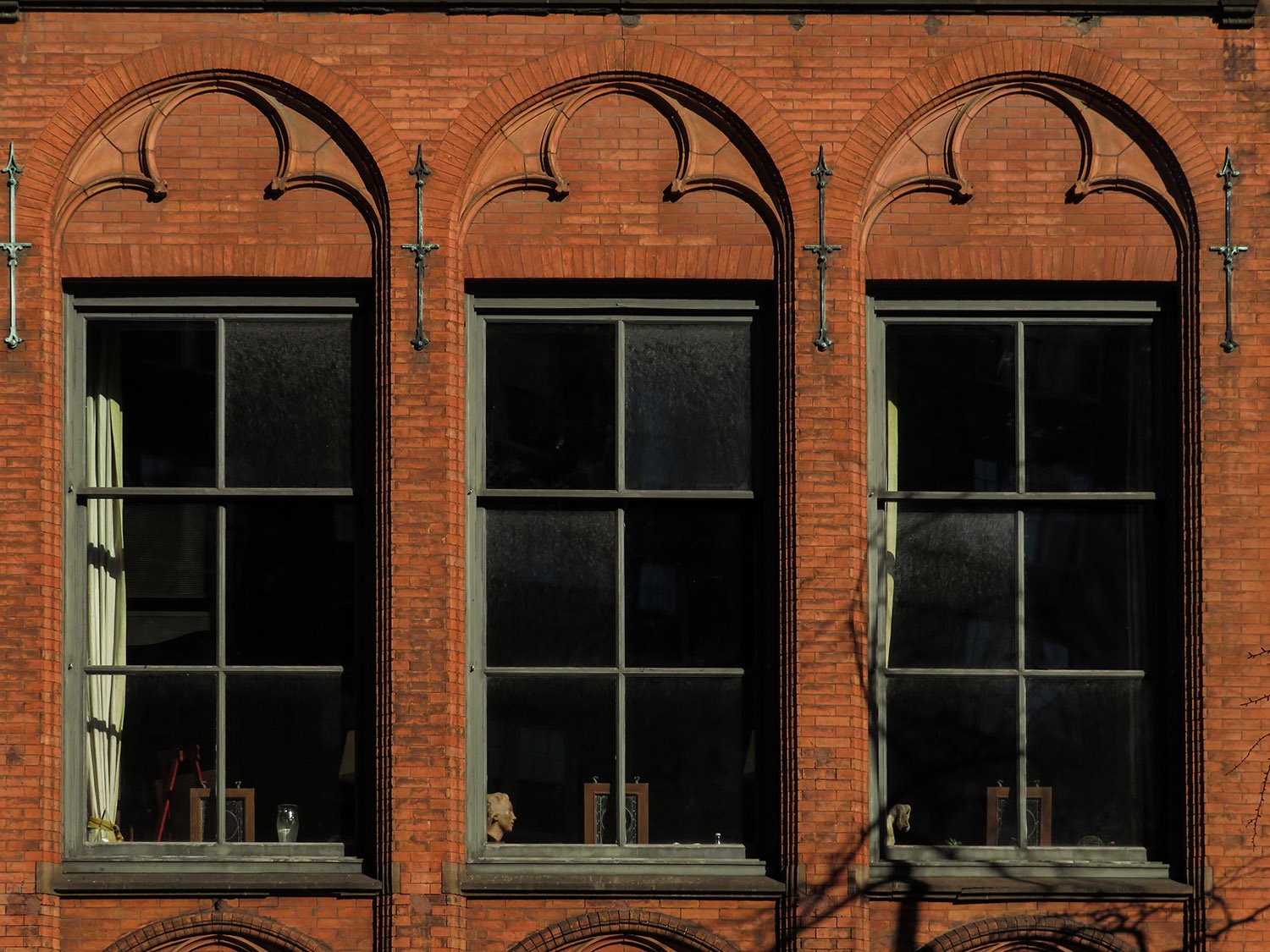
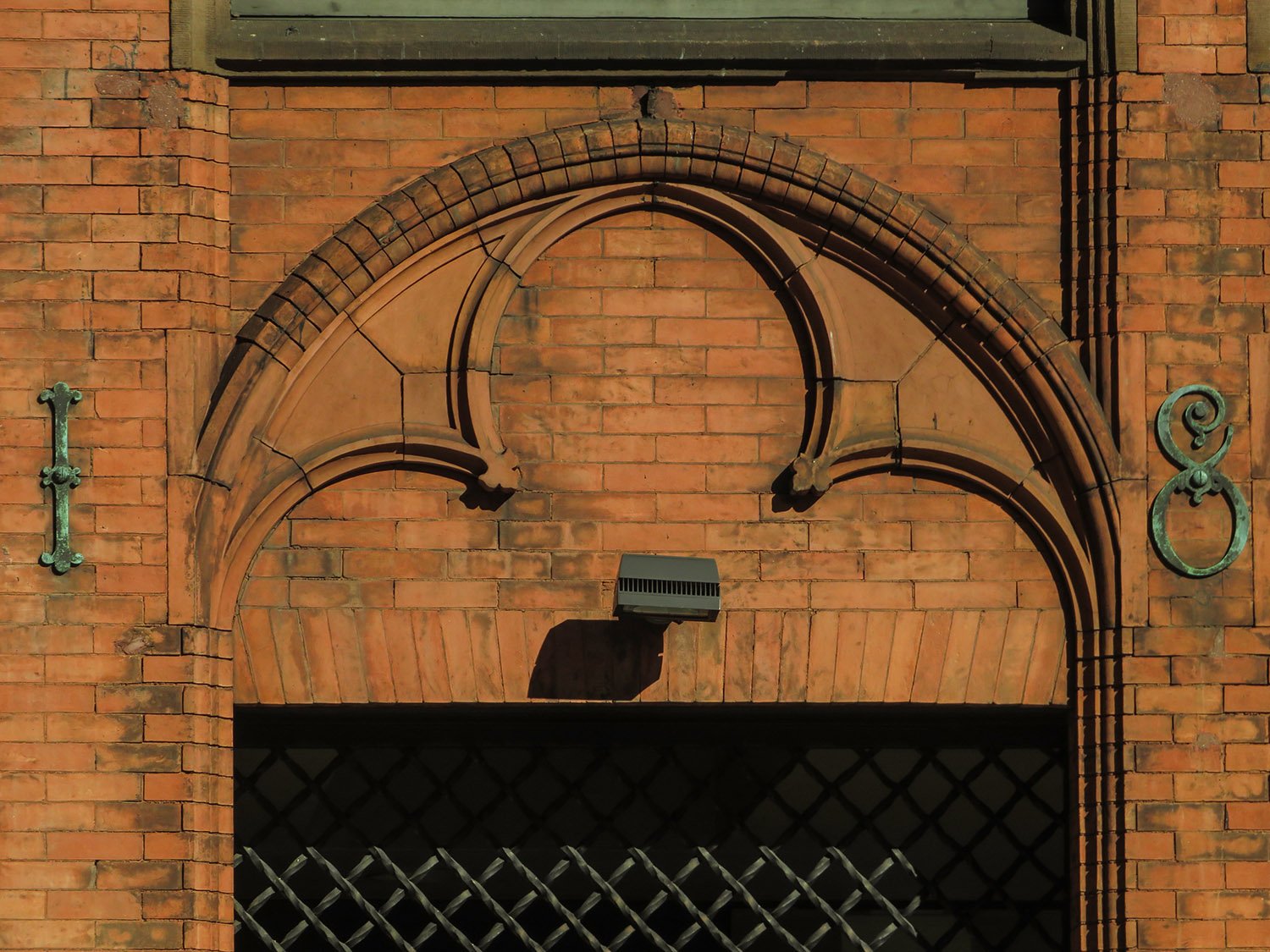
Richard Morris Hunt. Jackson Square Library (1887). Greenwich Village, New York.12Dutch gable and third-floor windows on the facade of Jackson Square Library, New YorkSecond-floor windows on the facade of Jackson Square Library, New YorkTrefoil arch on the first floor of Jackson Square Library, New York
References
“Given By a Millionaire”. The World (New York), July 5, 1888, p. 1. ↩︎