From the Notebook

  • In the Words of G.L. Norrman: On His Return Visit to Europe (1897)

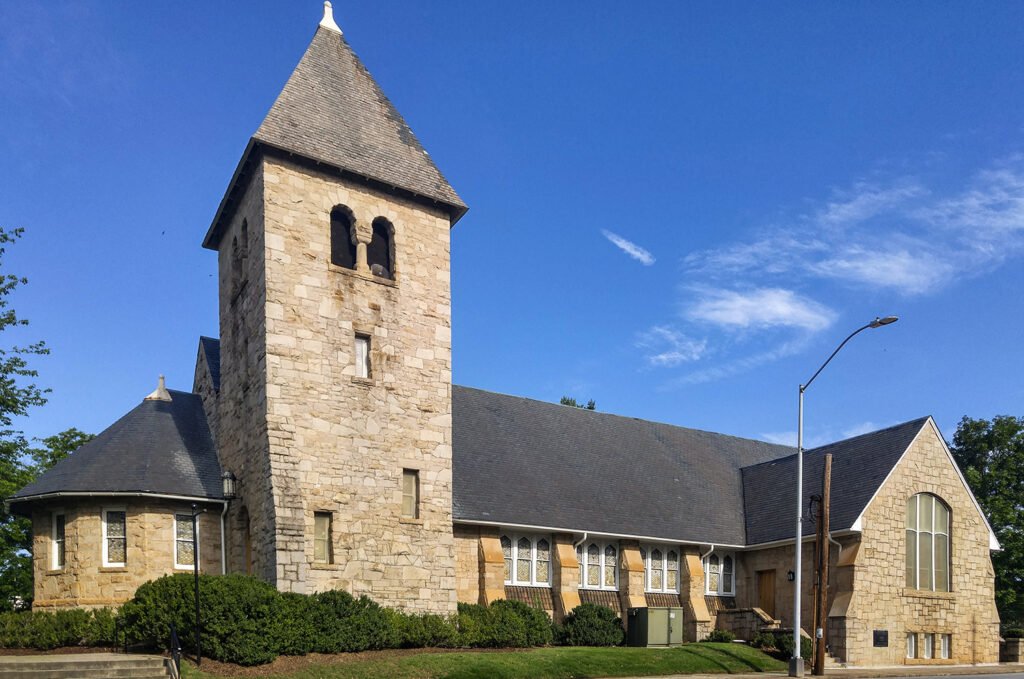
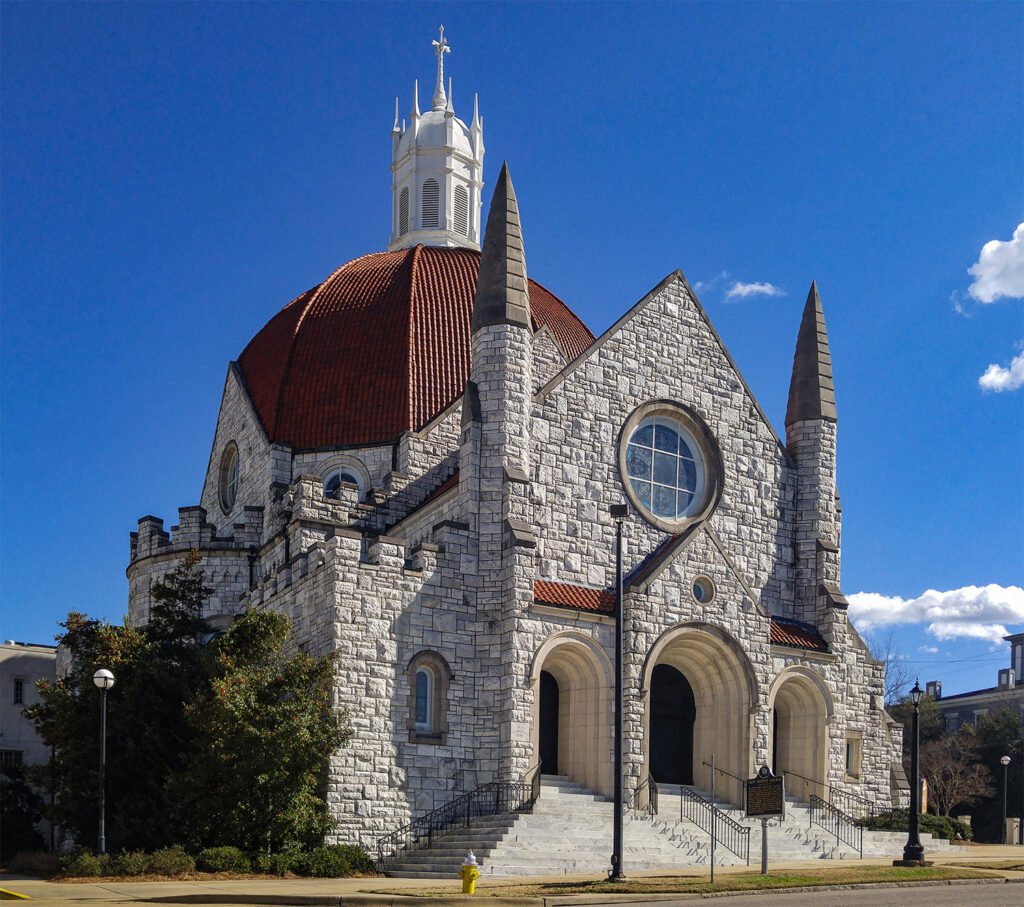
    G.L. Norrman. First Baptist Church (1905-16). Montgomery, Alabama.

    The Background

    In 1897, G.L. Norrman took a 4-month trip to Europe,1 2 returning to the continent for the first time since he emigrated to the United States in 1874. Naturally, The Atlanta Journal published an account of his observations in a December 9, 1897, article titled “Unique View of Old World”.

    In speaking about England, Norrman references Lady Somerset, the leader of the British temperance movement, whom he accused of slumming, a distinctly 19th-century pastime in which the wealthy found it fashionable to tour the impoverished areas of cities to sate their morbid curiosities.

    Norrman was appalled to find women invading England’s saloons, quoting Alexander Pope, the English poet, from his poem Essay on Man, Epistle II, for a warning on the dangers of “sentimentality”. Here, he also took the opportunity to comment on protective tariffs that had been imposed by the United States in 1897 — Norrman was not a supporter.

    Norrman’s thoughts on European architecture and history (a characteristic quip: “a great deal of Roman history is merely romance”) were expounded on further in his 1898 pamphlet, Architecture as Illustrative of Religious Belief.

    Norrman’s remarks:

    “England, I could see, is not doing well. I was struck by existing conditions in London. There is more drunkenness there than in any other city I visited. In fact, I saw more drunkeness in England than in any other country. It seems that since Lady Sommerset [sic] has made slumming fashionable, all the women of England have gone slumming. I have seen more drunken women in England than in any other country. There they might sing the song, “Dear Mother, Come Home,” instead of Dear Father, Come Home. It is as common a sight to see women in saloons in London as it is to see men in our American saloons. I have often passed barrrooms and seen as many as half a dozen women standing at the counter. Twenty years ago, when I was in England, the common women of the worst streets seemed not as brazen as the well dressed women one sees on the principal streets today.

    “Sentimentality is running rampant in England, and when sentimentality goes wild it does more harm than all the vices put together that human frailty is heir to.

    “Vice is a monster of such frightful mein,
    As to be hated needs but to be seen;
    Yet seen too oft, familiar with her face,
    We first endure, then pity, then embrace.”

    “Where there is no morality society begins to break down. In England disintegration of society is noticeable everywhere. There seems to be a feeling in the air there that the people are expecting something to turn up, they don’t know what.

    “Their social system is based on hypocrisy and cant.

    “I made considerable investigation along historical lines while in Europe, and am led to believe that a great deal of Roman history is merely romance. I base this opinion on the the fact that no picture of any kind, either painted, modeled or carved, can be found which illustrates any of the cruelties we read of. A people with slaves who were such great picture makers would surely have been put on record through the medium of their art, if the cruel practices of their masters had really occurred. I feel quite sure that if historians had understood architecture, ancient history would have read quite differently from what it does.

    “In the transmission of history, language is very unreliable whenever metaphors are used. For instance, if in 2,000 years from now a newspaper should be found stating that the police commissioners had cut the head off of the chief, the reader would naturally think that there were very bloodthirsty police commissioners in those days.

    “In making a study and investigation of ancient architecture I found that there are no crucifixes of any description before the fifth century. The earliest that can be found are in the Bysantin style and could not have been made before there was a Bysantin style, which was about 500 years after Christ is supposed to have lived.

    “In business prosperity the countries of Europe seem to be doing well, with the exception of England, as I have already stated. There is a great deal of improvement going on in Italy. There is as much building going on in Rome as in New York. Many blocks of old Roman buildings are being torn down and fine boulevards are being laid out. All of the blocks of houses in front of St. Peter’s cathedral have been condmened and it is intended to open a large boulevard from the church to the river. This will give a splendid view of the cathedral. Hitherto it has been obscured by the many houses around it.

    “The European countries seem to have the highest regard and admiration for the United States. I heard no adverse criticisms in regard to the policy of our government except in reference to the protective tariff. The people of Europe do not like this feature in our policy, and it is the occasion of considerable unfavorable comment among all the countries I visited. For my own part I think the protective tariff is a mistake. It produces an uncalled for antagonism, because from what I saw of American exhibits in Brussels, London and Stockholm, America can beat the world in all kinds of goods that are made by machinery in regard to both price and quantity. While it is true that European laborers do not get as much as American laborers it is also true that American laborers can do about three times as much as European laborers. I know that it is so in regard to building and I presume it is so in all other lines also. The cost of building per cubic foot is greater in Europe than here, notwithstanding that labor is much cheaper.

    “There is a great deal of building going on in Vienna and Stockholm. The style of the architecture in these places I liked very much. The old German style of architecture in Vienna I found to show a high form of art. But I believe that I liked the Roman styles better than those of any other city or country that I visited.

    “As to the result of my trip to Europe, it depends on from what standpoint it is viewed. In regard to keeping the rain out of a building, I have no new information, but as to the meaning of architecture, I have learned a good deal. I have especially given attention to the meaning of the forms used in Romanesque architecture.”3
    References

    1. “Mr. Norrman Off to Europe”. The Atlanta Journal, July 21, 1897, p. 7. ↩︎
    2. “Social Items.” The Atlanta Constitution, December 1, 1897, p. 11. ↩︎
    3. “Unique View of Old World”. The Atlanta Journal, December 9, 1897, p. 5. ↩︎
  • In the Words of G.L. Norrman: On Sam Jones, Evangelist (1897)

    The Background

    Sam Jones was a Methodist minister from the backwoods of northwest Georgia who traversed the United States in the late 19th and early 20th centuries, spreading a populist gospel of hellfire and hatred that Americans still lap up like manna.

    Notorious for his caustic and crude demeanor, Jones was a reformed alcoholic who railed against gambling, dancing, theater-going, Europeans, Chinese immigrants, and women doing damn near anything besides dutifully serving their husbands (“You old woman at the club meeting while your husband is choking down cold meat at home—there’s a special punishment for you”, he told a crowd at Atlanta’s Trinity Methodist Church.1). Naturally, Jones was a staunch Prohibitionist.

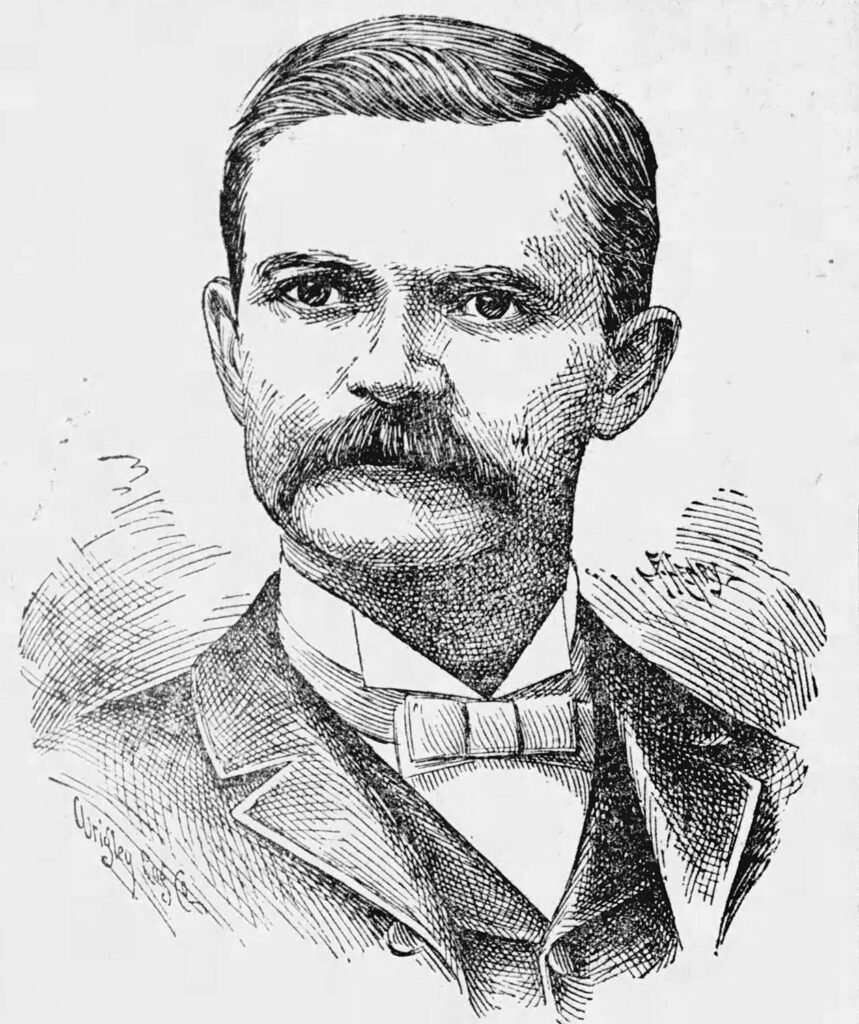
    Illustration of Sam Jones, circa 1897.2

    Jones was popular in Atlanta — among a certain element, anyway — and in 1896, he became a regular contributor to The Atlanta Journal, writing weekly diatribes about society, politics, and whatever else drew his ire, composed in an exaggerated folksy style that included frequent reference to the devil and Jones’ cadre of cronies, among them a fellow Methodist minister named George Stuart — always referred to as “Brother Stuart”.

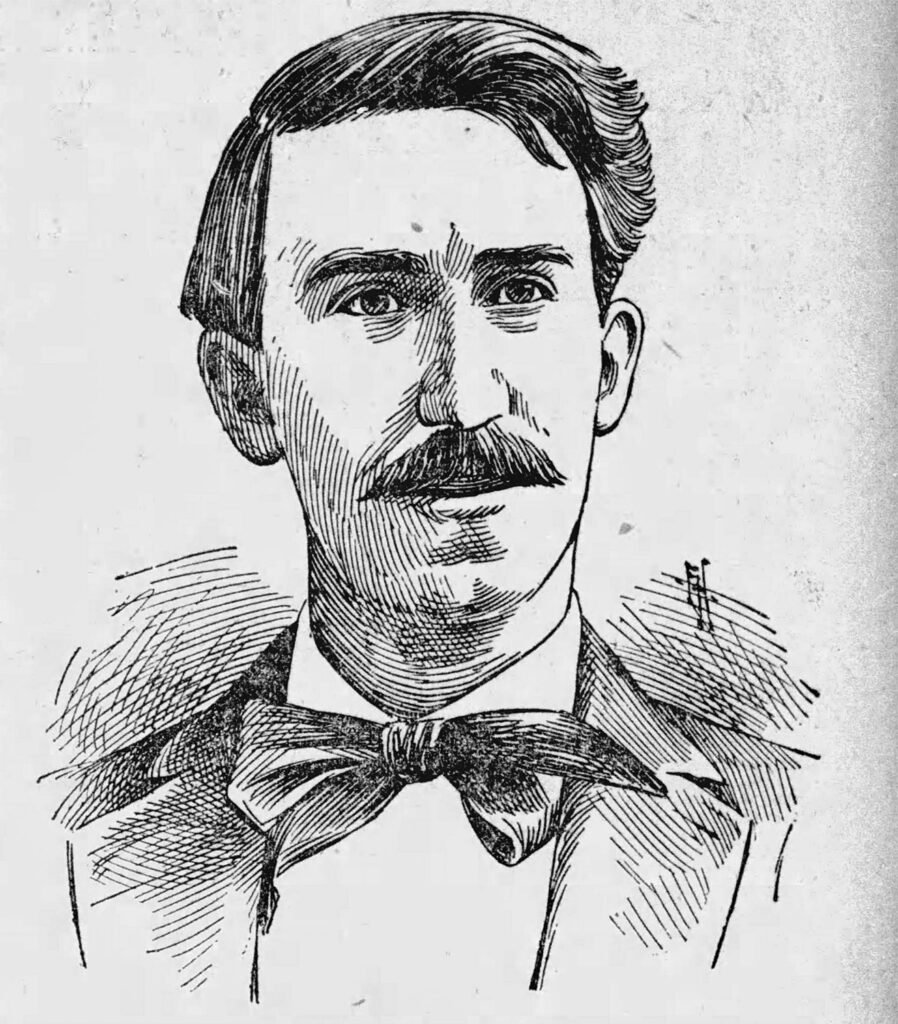
    Illustration of George Stuart, circa 1897.3

    In early 1897, Jones and Brother Stuart held a nearly month-long revival in Boston,4 5 6 followed by a week-long engagement in Nashville,7 raking in thousands of souls and, of course, plenty of tithes and offerings.

    Jones remarked that Boston was “within a half-mile of hell”, leading the New York Sun to quip: “So far away as that?”8 He also publicly rebuked Boston’s wicked evil nightlife: “Some of you fellows who go to bed at 9 o’clock don’t know what is going on here in Boston. The devil doesn’t start his procession until 11 o’clock.”9

    Meanwhile, the January 27, 1897, issue of the Journal published a gushing article in which the reporter interviewed Jones while he was conducting a “midnight tour” of Boston’s Chinatown with his entourage of men, including Brother Stuart. The tour concluded with a visit to an “opium joint”, although the reporter was careful to note that Jones and his men were smoking “…not opium, just plain every-day Havana-de-Kentuckio tobacco.”10

    During his February 1897 revival in Nashville, Jones wrote to the Journal about the gambling problem in that most sinful city:

    “I said, in a sermon a day or two ago that if ten greasy old n*****s were to congregate in a back alley in Nashville and play cards for an old tin syrup pitcher, the police would run them in jail for gambling, and yet, the deacons and stewards and elders with their invited guests play cards for a cut glass vase in their elegant parlors, with the whole list of names published in the papers the next morning, telling who won the vase, and yet, nothing is done.”11

    Jones was scheduled for a 2-week stint in Atlanta in March 1897,12 and on February 19, 1897, the Journal published a letter from G.L. Norrman sharing his thoughts on the matter. Witty and urbane, Norrman was the antithesis of Jones: a European immigrant, patron of the theater, and an avowed anti-Prohibitionist.

    In this letter are Norrman’s earliest published remarks mocking the business of 19th-century Christianity — a subject he would expound upon in his 1898 pamphlet, Architecture As Illustrative of Religious Belief, in which he revealed himself to be a worshipper of the gods of Old Norse mythology.

    Here Norrman lampooned Jones’ characteristic writing style, throwing in several hick phrases and even mentioning Brother Stuart, although he misspelled his name as “Stewart”. There’s no question that G.L. Norrman could be harsh and condescending in his criticisms, but dear God, in a circus full of such absurdity, someone has to be.

    Norrman’s assessment of Sam Jones didn’t seem to hurt his reputation too much, even among Methodists — a few months later, he began designing the new Methodist church in nearby Decatur, Georgia.13

    G.L. Norrman. Anderson Memorial Methodist Episcopal Church (1899). Decatur, Georgia.

    Norrman’s remarks:

    To the Editor of the Journal:

    ‘The revival of Mr. Sam Jones is billed to be here on March 7th, and will be the greatest attraction of the season. He promises that “it shall be as full of spirit and fight as all his meetings have been.”

    ‘He says he “will run the black flag against the flesh, the world and the devil.” But the main point of the performance will be to “give the devil a black eye.” And if the devil “winks the other eye,” he will blacken that also.

    ‘Mr. Jones thinks it would be well for the good people to invite the Lord to help him with his revival, but if the Lord should not accept the invitation, he will beat the devil by himself, with Brother Stewart to help him, and I infer from Mr. Jones’ letter that the devil has a poor show when Brother Stewart is around.

    ‘According to Mr. Jones’ philosophy, there is a great deal of business and pleasure carried on successfully to which the Lord is very much opposed; from which fact it would seem that the Lord does not cut much of a figure in the world anyway.

    ‘Mr. Jones is working away very hard at present on the devil’s tail, and he says he is getting along tiptop, only he is afraid he will not finish the job before he has to come here to blacken the devil’s eyes.

    ‘By the time Mr. Jones gets through with blackening the devil’s eyes and cutting of his tail, the poor devil will be pretty badly used up, so that any ordinary minister can handle him afterwards.

    ‘The posters necessary to illustrate the show have not been put up yet, except Mr. Jones’ own picture, but no time or attention has been spared to get up the paraphernalia and accessories necessary for a first class revival.

    Both the animals and people connected with the show are in good trim and in ecstacies over the prospect of the performance. The “Yaller dog” is wagging his tail, and the “Flop-eared hound” is barking with joy.

    ‘The “Dude” is happy and is strutting about with the air of a peacock, and the “Dudine” is chipper as a cricket. The “Tough barroom bum” got on a spree at the last revival and has not sobered up yet, but his good and dutiful wife is bathing his head, so it is hoped he will be in proper trim by next month.

    ‘The tough “Bum preacher” is in good condition. Both the “Soulsaving business” and the horse-swapping business have been profitable, so his folks are all having a high old time.

    ‘Prof. Excell has a new band wagon and his two lady assistants are too lovely for anything, and are tuning up like nightingales. In fact nothing has been spared to make the revival a success, so I feel justified in vouching for Mr. Jones’ promise to give sin and sinners an interesting time.’

    G.L. NORRMAN14

    References

    1. “In Old Time Form”. The Atlanta Constitution, February 10, 1896, p. 7. ↩︎
    2. “Rev. Sam Jones Begins His Great Revival Tomorrow Afternoon.” The Atlanta Journal, March 6, 1897, p. 9. ↩︎
    3. ibid. ↩︎
    4. “Boston Aroused by Rev. Sam Jones”. The Atlanta Journal, January 8, 1897, p. 2. ↩︎
    5. “Rev. Sam P. Jones Startles Boston”. The Atlanta Journal, January 13, 1897, p. 2. ↩︎
    6. “Sam P. Jones in Boston.” The Atlanta Journal, January 23, 1897, p. 11. ↩︎
    7. “Rev. Sam Jones Returns”. The Atlanta Journal, February 3, 1897, p. 6. ↩︎
    8. “So Far Away”. The Atlanta Journal, January 8, 1897, p. 10. ↩︎
    9. “Rev. Sam P. Jones Startles Boston”. The Atlanta Journal, January 13, 1897, p. 2. ↩︎
    10. “Sam Jones Visits the Boston Slums.” The Atlanta Journal, January 27, 1897, p. 10. ↩︎
    11. “Nashville a Gambling City; So Says Evangelist Sam Jones”. The Atlanta Journal, February 13, 1897, p. 12. ↩︎
    12. “Sam Jones to Shake ‘Em Up Again”. The Atlanta Journal, January 18. 1897, p. 9. ↩︎
    13. “Decatur’s Memorial Methodist Church”. The Atlanta Journal, June 19, 1897, p. 16. ↩︎
    14. “Mr. Norrman Takes a Shy At Sam Jones”. The Atlanta Journal, February 19, 1897, p. 12. ↩︎

  • In the Words of G.L. Norrman: On “A Model Jail”, Again (1896)

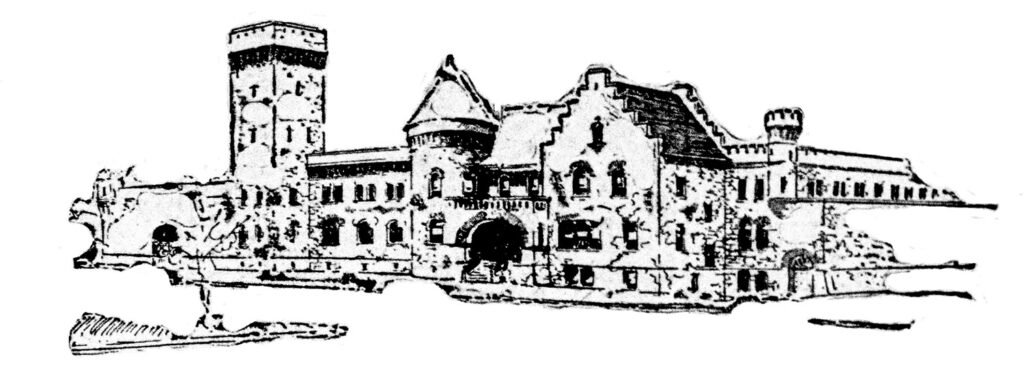
    G.L. Norrman. Projected design for Fulton County Jail (1892). Atlanta.1

    The Background

    Following the publication of G.L. Norrman‘s previous letter about the “model jail”, The Atlanta Journal solicited a response from Forrest Adair of the Fulton County Commission.

    “I have not read Mr. Norrman’s card and do not intend to,” Adair claimed, adding: “The plans are not submitted for his approval and it is not desired.” Adair referenced Norrman’s harsh criticism of the Boys High School designs by GoLucke & Stewart, and also noted that Norrman was “very caustic in his criticism” of Bradford L. Gilbert, another sham architect who designed the Cotton States Exposition and English-American Building in Atlanta.

    “I do not suppose Mr. Gilbert is losing any sleep over it”, Adair remarked, concluding that: “It seems to be a habit of Mr. Norrman’s and I do not see that we need to worry about his criticism in this case.”2

    In response, Norrman wrote another letter to the Journal, published on November 24, 1896, in an article titled “The Lively Jail Question”. Here, Norrman admitted to his remarks about Gilbert and alluded to his precarious financial state at the time, mentioning almost offhandedly that property he owned was being sold for taxes.

    Indeed, Atlanta and the Southeast were in the throes of the Panic of 1896, and an undeveloped lot that Norrman had previously purchased in Inman Park was sold by the city marshal that same month for delinquent taxes.3

    “There are a great many beside myself in that fix”, Norrman stated, and he wasn’t wrong: a listing of properties sold for taxes in November 1896 spanned 11 pages in the Journal.4

    Norrman mocked Adair as “the supreme and mighty ruler of the county” and insinuated that his future political chances might be in jeopardy, but Adair — one of the wealthiest and most influential men in Atlanta’s history — was re-elected to the county commission the following year.

    Wilkins’ jail was completed in October 1898 after multiple delays,5 6 7 8 with a total construction cost of $183,038.32.9 Jail officials began immediately complaining about its poor design and shoddy construction quality, and just weeks after opening, 4 prisoners escaped from the structure.10 11

    Adair and the county commissioners blamed the jailbreak on the sheriff, John W. Nelms, who in turn blamed the jail’s design, noting that there had never been an escape from the old facility.

    “The jail is built something on the order of a hotel”, Nelms complained to The Atlanta Journal. “It is scattered over a large area, and in such a way that even with a guard to work every floor there is time for prisoners to work.”12

    Needless to say, Norrman’s objections were valid.

    Norrman’s remarks:

    To the Editor ofThe Journal.

    My business is not only that of an architect, but also that of an architectural critic, and I am so taken and accepted by all thorough and regularly educated architects, as well as by people of culture in general.

    “Besides the criticism which Mr. Adair refers to, I have written many others. Sometimes I write because I am paid for it, sometimes because I think it will be interesting to my profession to know what is going on, sometimes I write because it is interesting to myself.

    “My reason for writing a description of “A Model Jail” in Saturday’s Journal was the very apathy which Mr. Adair speaks of, from which I think that he and everyone connected with the erection of the new jail should be aroused.

    “For a set of men who are entrusted with public funds to spend them so recklessly and carelessly, even if there is no individual gain at the bottom of it, and “lose no sleep over the matter” is not fair to the taxpayers of the county. Those whose property is being sold for taxes, and there are a great many beside myself in that fix, lose a great deal of sleep over the matter.

    “I know perfectly well that Mr. Adair is the supreme and mighty ruler of the county, and there is no way of stopping the erection of such an expensive monstrosity as the “Model Jail,” unless the grand jury takes a hand in the matter (in which case Mr. Wilkins will have no “merit” to stand on).

    “While Mr. Adair is not losing any sleep over the matter now, he may when the next election comes round, and I think that the people who are sold out for taxes will be awake also.

    “Those who are not familiar with architecture could not possibly know how badly they are taken in unless their attention is called to it by some architect, so I hope you will pardon me for taking up so much of your valuable space about this matter.”

    G.L. NORRMAN13

    References

    1. “Fulton County’s New Jail”, The Atlanta Journal, August 27, 1892, p. 1. ↩︎
    2. “Bids for the Jail Go In Tomorrow”. The Atlanta Journal, November 23, 1896, p. 1. ↩︎
    3. “City Marshal’s Sales”. The Atlanta Journal, November 2, 1896, p. 16. ↩︎
    4. “City Marshal’s Sales”. The Atlanta Journal, November 2, 1896, pp. 9-19. ↩︎
    5. “Will Accept the New Jail”. The Atlanta Journal, September 21, 1898, p. 6. ↩︎
    6. “Not This Week.” The Atlanta Journal, October 3, 1898, p. 10. ↩︎
    7. “Fixing the Tower for the Prisoners”. The Atlanta Journal, October 17, 1898, p. 7. ↩︎
    8. “Prisoners to Leave Old Jail for New”. The Atlanta Journal, October 26, 1898, p. 12. ↩︎
    9. “Annual Report of Clerk Kontz.” The Atlanta Constitution, November 2, 1898, p. 3. ↩︎
    10. “Four Tower Prisoners Saw Bars and Escape”. The Atlanta Journal, December 8, 1898, p. 1. ↩︎
    11. “Four Prisoners Escape from Tower; What County Commissioners Say”. The Atlanta Constitution, December 9, 1898, p. 5. ↩︎
    12. ‘”I Thought the Tower Was Perfectly Safe”‘, The Atlanta Journal, December 9, 1898, p. 5. ↩︎
    13. “The Lively Jail Question.” The Atlanta Journal, November 24, 1896, p. 4. ↩︎
  • In the Words of G.L. Norrman: On Plans for “A Model Jail” (1896)

    The Background

    G.L. Norrman‘s string of public disputes continued in 1896, when the Fulton County Commission in Atlanta wanted to build a new county jail, engaging in an overlong and convoluted selection process that was chock-full of corruption and cronyism.

    Norrman’s history with the project began in 1892, when the commission asked him to draw plans for the renovation and expansion of the existing jail,1 2 dropping the idea within a matter of weeks when neighboring residents petitioned for the facility to be relocated to another part of the city.3 4 5 6

    The old jail, overcrowded and in severe disrepair, was still being used in April 1896, when the county commission requested plans for a new jail designed by Grant Wilkins,7 a local engineer who also billed himself as an architect. Wilkins was a favorite of the Atlanta political machine and a thoroughly incompetent designer.

    Wilkins’ first plans for the jail were scrapped when the commission decided to change the location of the new facility,8 9 holding an open competition in May 1896 for “a modern and model prison”,10 in which 5 architects — Norrman was not one of them — submitted plans,11 with Wilkins acting as an “adviser”.12

    It appears that the open competition was simply for show, as the commission suddenly decided that the jail could cost no more than $150,000 — an impossibly low sum — and rejected each of the submitted plans for being too expensive to build, requesting that the designers modify them.13 14

    When the architects resubmitted their cheaper plans, the commission rejected them again15 16and handed the contract for the design back to Wilkins, suddenly increasing the projected budget to $175,000.17 18 Cunning, no?

    In June 1896, Norrman informally presented his own plans to C.A. Collier, chairman of the Fulton County Commission, which he stated could be built for less than $150,000. Norrman had refused to submit plans in the competition because the commission had decided that Wilkins would act as supervising architect for the project regardless of the designer, and Norrman wanted to supervise the construction of the building himself.19

    In July 1896, Norrman and 4 other local architects — including his rivals GoLucke & Stewart — jointly submitted a formal protest against the commission for their selection of Wilkins,20 with allegations that Wilkins’ hiring was “…the result of a scheme made by certain members of the board.”21 Ya think? Norrman requested that the commission reopen the competition, but the motion was voted down.22

    In September 1896, Wilkins completed his plans for the “model jail”,23 with the winning construction bid totalling nearly $170,000.24 The plans were available for public inspection, and Norrman obviously took advantage of the opportunity.

    The November 21, 1896, issue of The Atlanta Journal published the following letter from Norrman, in which he gave a thorough and scathing analysis of Wilkins’ design, repeatedly mocking the “model jail” (he used the phrase a total of 15 times).

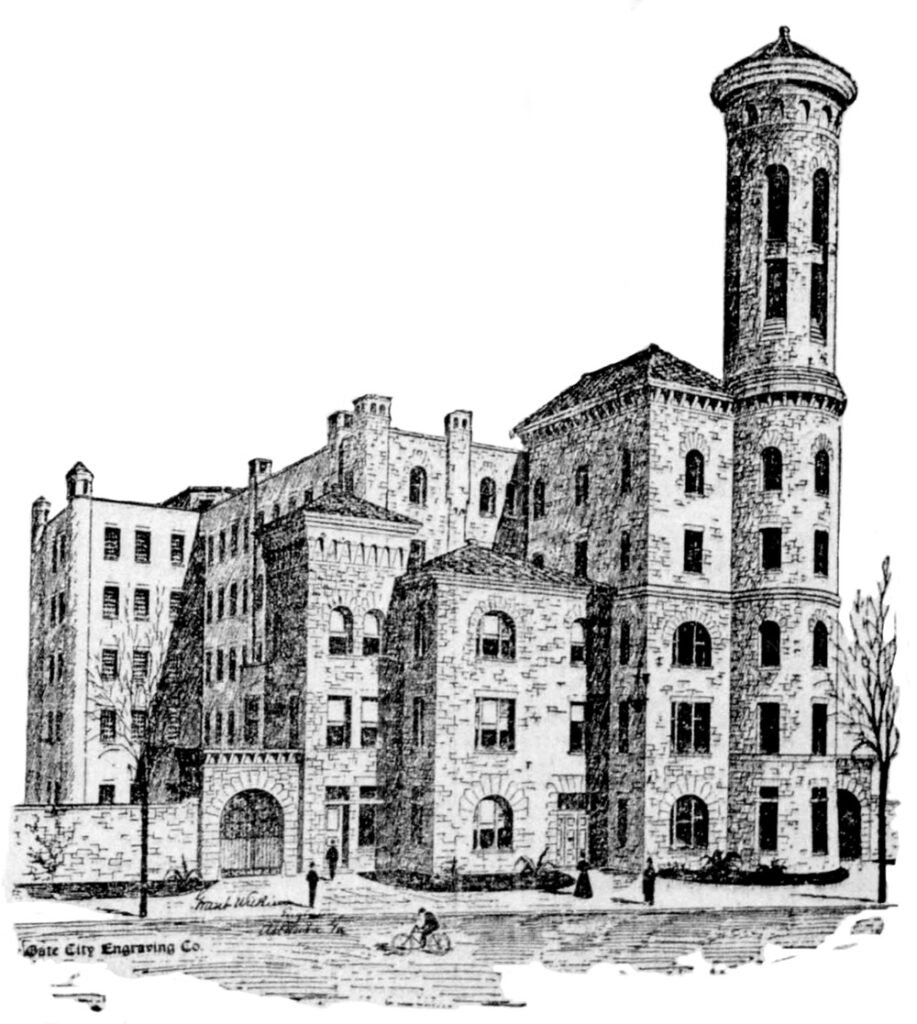
    Grant Wilkins. Projected design forFulton County Jail (1898). Illustration by Gate City Engraving Co.25

    Norrman’s remarks:

    To the Editor ofThe Journal:

    “I have just seen the drawings of “A Model Jail” and of all the curious structures that I have ever seen, “A Model Jail” is the most curious. When I first saw the name I thought it was a hoax gotten up by some charlatan to advertise himself, but when I heard that the chairman of the building committee of the proposed jail, the superintendent, a doctor, a lawyer, and a dentist, all of them honorable men, and good Christian gentlemen (in fact, we have none but Christian gentlemen in this country and in Europe, except some Jewish gentlemen, and in Turkey, where there are some Mohammedan gentlemen) had really started out to hunt “A Model Jail”.

    I was sure that there must be something of that sort somewhere, only I had never heard of it, or else, that it was a practical joke, gotten up by some wag, who thought that it was too old a gag to take them out snipe-hunting, as they may have caught on to the joke, or he may have thought it too cruel a trick to get off on anybody, as in snipe-hunting the parties who do the hunting have to hold the bag, and in hunting “A Model Jail” the public have to hold it.

    But sure enough they found “A Model Jail,” and on their return were prepared to tell any architect who wished to design “A Model Jail” all about it.

    The description was somewhat obscure as to the appointments of “A Model Jail,” but what was particularly required in “A Model Jail,” besides the cells, is reception rooms, vestibules, reception hall, and all sorts of halls, and that is what we are really going to have. In fact, we are going to have more halls than anything else. Two-thirds of the building is nothing but halls. We are going to have front halls, and back halls, side halls, zig-zag halls, up-and-down halls, dark halls, light halls, ventilated halls, and unventilated halls, and a very large haul on the public exchequer.

    As I said before, “A Model Jail” is a curious structure. Its appearance is somewhat in the style of a Mosque, with the crescents left off of the top of the minarets. It has some appointments that are necessary in a jail, some that are not unnecessary, and some necessary appointments it has not at all, but it has a perfect labyrinth of halls arranged somewhat on the plan of the Catacombs, but I think that when the attendants get accustomed to the building, they will find their way to each compartment without a guide.

    I know that it is considered in bad taste for an architect to express himself about any building, and that it is rank heresy for anybody to doubt the competency of a building committee to judge not only of “A Model Jail,” but of a courthouse, or any other building for which they are appointed. One might as well doubt the competency of Sir Joseph to rule the Queen’s navy after scrubbing the front door knobs so successfully, as to doubt the competency of a building committee to judge of architecture, where each and every one has made a success of the cotton business, law business, reforming business, philanthropy business, or any other business. (This is an age of business.) So I do not for a moment mean to criticize the building committee: I simply think that the public may be interested in knowing that “A Model Jail” is one of the most unique buildings in this or any other country.

    As there has been some talk to the effect that Mr. Wilkins, who was the expert at the recent competition for the new jail, had possibly gotten his idea from the architects who submitted plans, I would state that, in my opinion, he has not. I think that his plans for “A Model Jail” are entirely original, unless they were suggested by some one who was interested in giving the county the least room for the most money.

    If the designs had been taken from an architect’s plans, the appointments of the hospital in the jail would have been entirely different. Baths and lavatories would have been provided for each ward, and appointments would have been made for nurses and a dispensary, rooms would have been provided for a matron and her help. There would very likely have been appointments made for persons who were detained without being strictly criminals.

    If an architect had designed the building, the specifications would have been definite. As it is there are about fifty places in which the materials are to be approved by the superintendent without it being definitely stated what they are to be.

    This, however, may be premeditated, as there are so many places in which expensive material is specified, which are handled only by persons who own the patents, and on which there could be no competition, but which could be easily substituted with an advantage to the building and a saving of about $50,000 (if the right man got the job), by substituting such material as is made by many firms.

    It may be possible that the letting of the construction of the building will be carried on in the same spirit in which the architectural competition was carried on, and in that case the specification as it stands is a model document.

    It may be remembered that the plans which were submitted by the architects in the so-called competition had four hundred cells, as was then required, and would have cost $150,000 to $300,000, while the proposed “Model Jail” has only one hundred and ninety cells all told, and the bids are likely to run from $200,000 to $300,000.

    I doubt if any bids will come inside of $200,000 unless the building is unloaded from material on which there is a monopoly.

    But even at this figure, there is considerable of a discrepancy between the cost of a jail designed by an architect and “A Model Jail” with all its hallways.

    This, I think, will prove that any suggestion that Mr. Wilkins has taken his idea for “A Model Jail” from an architect is entirely without foundation.

    G.L. NORRMAN26

    References

    1. “A New County Jail.” The Atlanta Journal, August 25, 1892, p. 3. ↩︎
    2. “The New Jail.” The Atlanta Constitution, August 26, 1892, p. 7. ↩︎
    3. ‘”Blood Behind It.”‘ The Atlanta Journal, September 7, 1892, p. 1. ↩︎
    4. “Nobody Wants It.” The Atlanta Constitution, September 8, 1892, p. 5. ↩︎
    5. “Take It Away.” The Atlanta Constitution, September 8, 1892, p. 10. ↩︎
    6. “Fulton’s Vote”. The Atlanta Journal, October 5, 1892, p. 1. ↩︎
    7. “Plans For the New Jail Ready”. The Atlanta Constitution, April 1, 1896, p. 7. ↩︎
    8. “Jail Plans Wanted”. The Atlanta Constitution, April 18, 1896, p. 10. ↩︎
    9. “To Open Jail Plans.” The Atlanta Constitution, May 16, 1896, p. 10. ↩︎
    10. “Jail Plans Wanted”. The Atlanta Constitution, April 18, 1896, p. 10. ↩︎
    11. “Plans For the Jail”. The Atlanta Constitution, May 17, 1896, p. 14. ↩︎
    12. “They Wanted To Draw Jail Plans”. The Atlanta Constitution, July 5, 1896, p. 5. ↩︎
    13. “Cost of the Jail.” The Atlanta Constitution, May 21, 1896, p. 7. ↩︎
    14. “Board Meets Today”. The Atlanta Constitution, June 3, 1896, ↩︎
    15. “All Jail Bids Are Rejected”. The Atlanta Journal, June 3, 1896, p. 3. ↩︎
    16. “All Jail Plans Were Rejected”. The Atlanta Constitution, June 4, 1896, p. 9. ↩︎
    17. “They Wanted To Draw Jail Plans”. The Atlanta Constitution, July 5, 1896, p. 5. ↩︎
    18. “Work On the Jail Has Been Delayed”. The Atlanta Journal, June 19, 1896, p. 5. ↩︎
    19. ibid. ↩︎
    20. “They Wanted To Draw Jail Plans”. The Atlanta Constitution, July 5, 1896, p. 5. ↩︎
    21. ibid. ↩︎
    22. ibid. ↩︎
    23. “Jail Plans Accepted.” The Atlanta Journal, September 21, 1896, p. 3. ↩︎
    24. “New Jail Bid Is Accepted”, The Atlanta Journal, November 24, 1896, p. 1. ↩︎
    25. ibid. ↩︎
    26. “The Model Jail.” The Atlanta Journal, November 21, 1896, p. 4. ↩︎
  • George A. Noble Residence (1888) – Anniston, Alabama

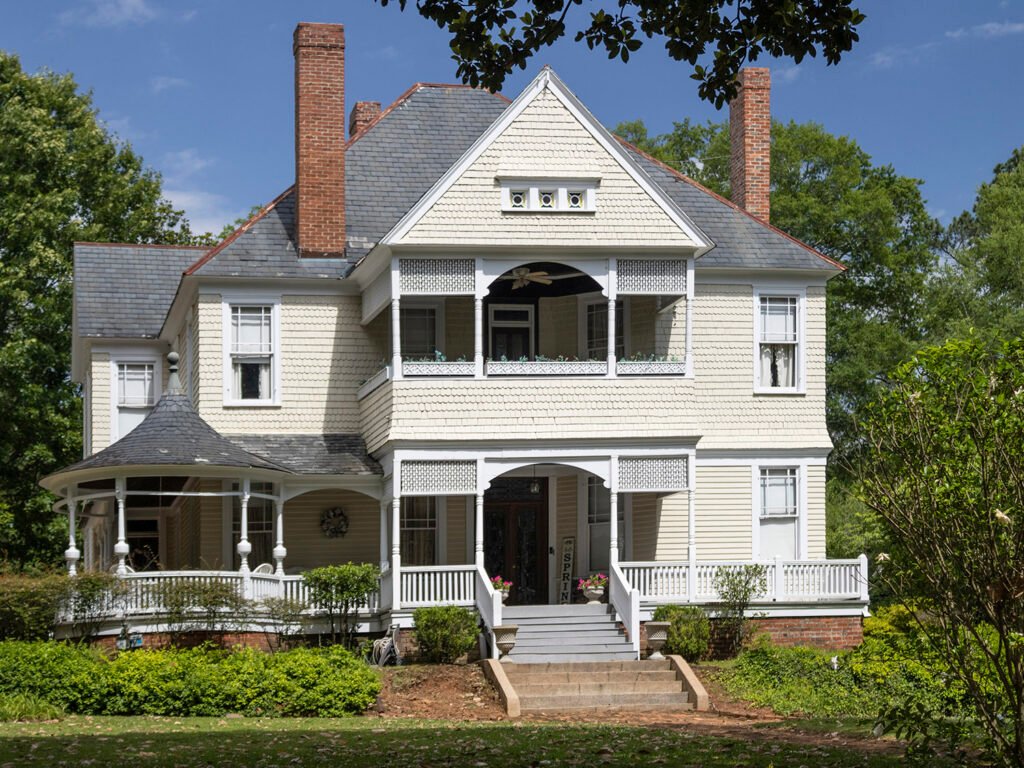
    G.L. Norrman. George A. Noble Residence (1888). Anniston, Alabama.1 2 3

    References

    1. “Building Notes.” The Atlanta Journal, June 3, 1887, p. 3. ↩︎
    2. “In the City.” The Daily Hot Blast (Anniston, Alabama), January 15, 1888, p. 8. ↩︎
    3. NPGallery Asset Detail – Noble-McCaa-Butler House ↩︎

  • L.B. Wheeler in Anniston, Alabama

    L.B. Wheeler. Crowan Cottage (1886). Anniston, Alabama.

    Lorenzo B. Wheeler (1854-1899), professionally known as L.B. Wheeler, was an architect who practiced in Atlanta from 1883 to 1891. Of his many projects in Atlanta, only his interior design work for the Edward C. Peters Residence (1883)1 2 may still survive, although it’s unclear how much of that can be credited to him and not the home’s architect, G.L. Norrman.

    Wheeler came to Atlanta from New York in 1883 to design the Kimball House Hotel,3 the first atrium hotel in the city and possibly the United States (no, Atlanta, it wasn’t the Hyatt Regency).

    L.B. Wheeler. Kimball House Hotel (1885, demolished 1959). Atlanta. Illustration from an undated postcard published by Adolph Selige Publishing Co.

    Before his time in the Southeast, Wheeler worked with Hugh Lamb from 1877-1881, and a handful of buildings by Lamb & Wheeler still survive in New York.

    In Atlanta, Wheeler first partnered with H.I. Kimball,4 owner of the Kimball House, a prototypical Atlanta huckster who marketed himself as an architect and engineer — he was neither.

    Wheeler was the first Atlanta architect to specialize in interior design. In the 1880s, much of his work involved decorating Peachtree Street mansions, including many designed by other architects. In 1885 and 1886, he wrote a series of articles on home decoration for The Atlanta Constitution, which will be published here soon.

    In 1885, Kimball & Wheeler partnered with W.H. Parkins, Atlanta’s first legitimate architect.5 One surviving work from the Kimball, Wheeler & Parkins firm remains: the Randolph County Courthouse (1886) in Cuthbert, Georgia, primarily credited to Parkins.6

    Kimball left the firm in 18867, and Parkins & Wheeler were associated for a brief period between 1886 and 1887,8 with one project from the firm surviving: the Oglethorpe County Courthouse (1887) in Lexington, Georgia, also credited to Parkins.9

    Wheeler practiced independently from 1887 to 1890, and while he wasn’t an exceptional designer, his work was a little more skillful and interesting than most Atlanta architects of the era. His designs demonstrated an understanding of national architectural trends, and it appears he was particularly influenced by the work of H.H. Richardson.

    In the late 1880s, Wheeler secured extensive work in several Alabama boomtowns, and 2 homes in Anniston, Alabama, are the only known extant works from his solo period.

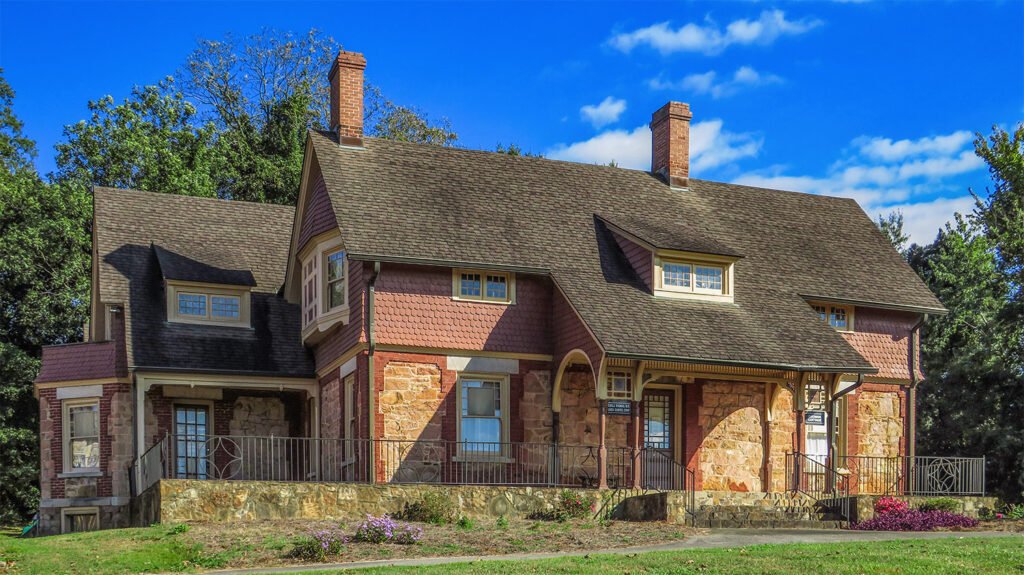
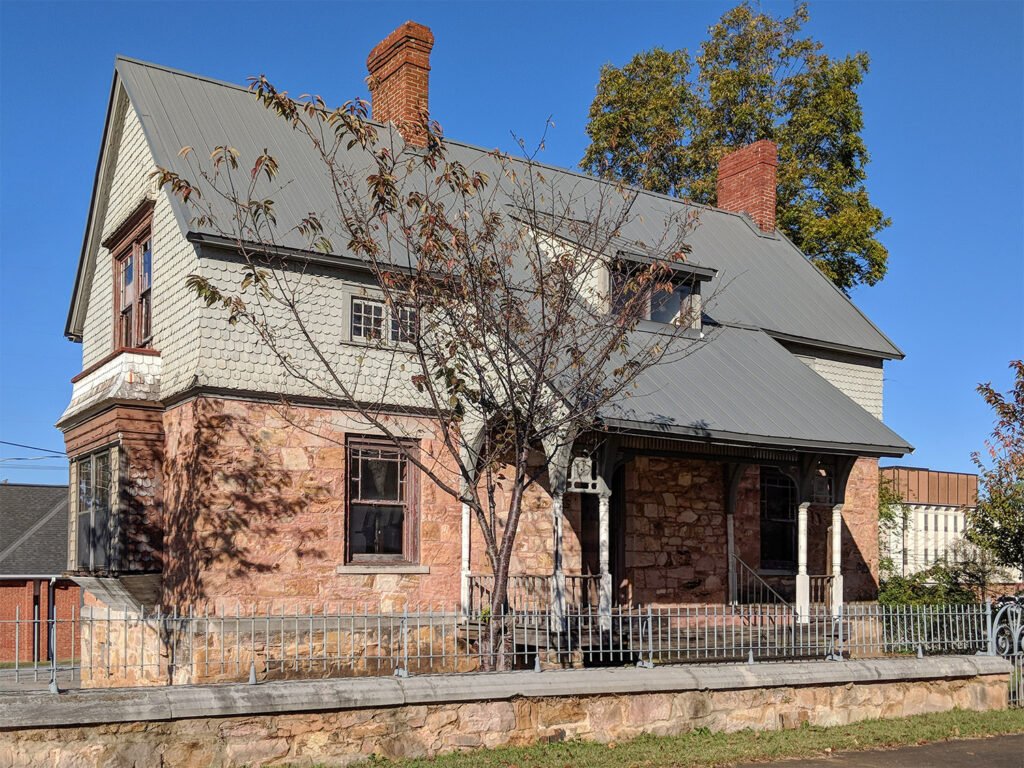
    Crowan Cottage10 (1886, pictured above) and Noble Cottage (1887, pictured below) are a pair of picturesque Queen Anne-style residences designed for Samuel Noble. Despite the homes’ nearly identical designs, Crowan Cottage has been ludicrously attributed to Stanford White,11 who never designed a damn thing in the Southeast.

    L.B. Wheeler. Noble Cottage (1887). Anniston, Alabama.

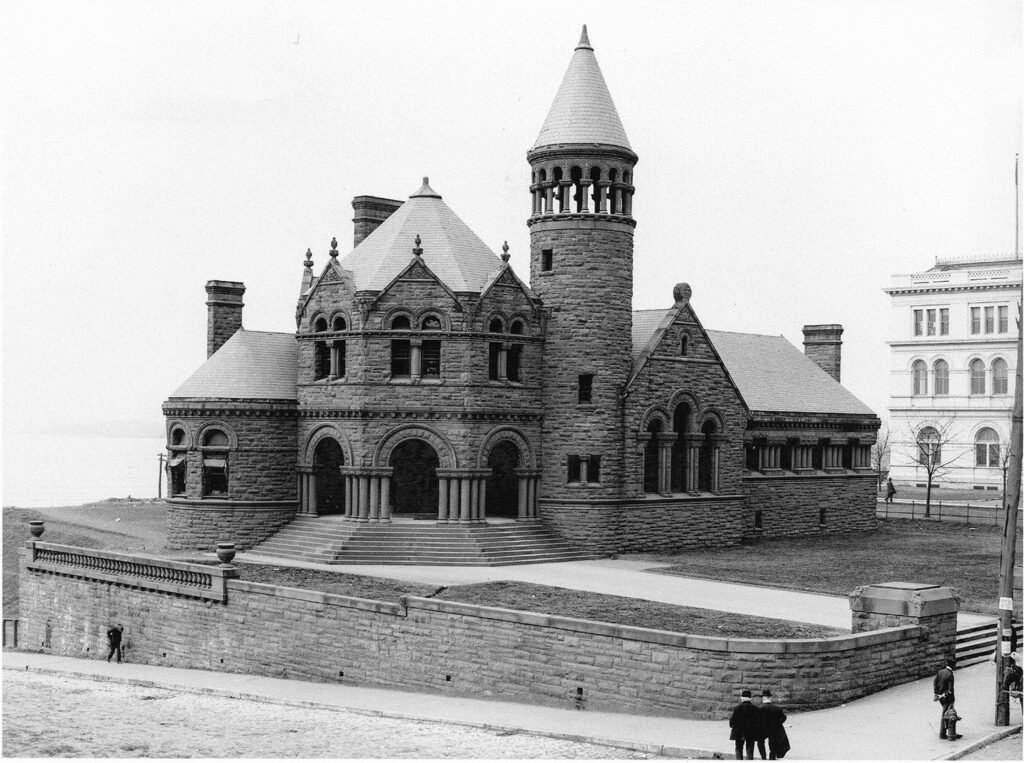
    Wheeler relocated to Memphis, Tennessee, in early 1891,12 shortly after securing the commission for the Cossitt Library 13 14(1893, demolished 1958), a beautiful Romanesque creation that could easily be considered his finest work.

    L.B. Wheeler. Cossitt Library (1893, demolished 1958). Memphis, Tennessee.

    Wheeler’s former assistant, W.T. Downing,15 operated in Atlanta as Wheeler & Downing from 1891 to April 1892,16 17 18 finishing up Wheeler’s incomplete projects.19 Downing easily filled the void left by Wheeler and was one of Atlanta’s most prominent architects until he died in 1918.

    By 1894, Wheeler had moved to St. Louis, where he worked in two different partnerships20 21 22 before seemingly disappearing from the public eye by 1898. Following a brief illness, he died at his father’s home in Connecticut at the age of 45,23 with his death barely noted in newspapers outside of Atlanta.

    Described as “quiet and reserved”, Wheeler reportedly owned many “rare and very expensive” books, with his library said to be “the finest collection of architectural works in the South.” After his death, The Atlanta Constitution claimed:

    “His room at the Kimball contained only two chairs, his bed and a dresser, but it was so crowded with books that one experienced difficulty in moving about.”24

    It somehow seems fitting that so few traces of Wheeler’s work remain.

    References

    1. “Some New Buildings”. The Atlanta Constitution, July 12, 1885, p. 9. ↩︎
    2. “Southern Architecture”. The Atlanta Journal, January 1, 1886, p. 1. ↩︎
    3. “Mr. Kimball’s Projected Suburb”. The Atlanta Constitution, October 21, 1883, p. 8. ↩︎
    4. ibid. ↩︎
    5. “A Card.” The Atlanta Constitution, March 19, 1885, p. 5. ↩︎
    6. “Personal.” The Atlanta Journal, March 18, 1886, p. 4. ↩︎
    7. “Notice.” The Atlanta Constitution, July 1, 1886, p. 8. ↩︎
    8. “Notice of Dissolution.” The Atlanta Constitution, April 1, 1887, p. 5. ↩︎
    9. “Personal.” The Atlanta Journal, March 18, 1886, p. 4. ↩︎
    10. National Register of Historic Places Inventory – Nomination Form – Noble Cottage ↩︎
    11. National Register of Historic Places Inventory – Nomination Form – Crowan Cottage ↩︎
    12. Morgan, Thomas H. “The Georgia Chapter of The American Institute of Architects”. The Atlanta Historical Bulletin, Volume 7, No. 28 (September 1943): p. 148. ↩︎
    13. “To Begin Work.” The Memphis Daily Commercial, April 6, 1890, p. 5. ↩︎
    14. “Another Big Building.” Memphis Avalanche, September 13, 1890, p. 1. ↩︎
    15. Morgan, Thomas H. “The Georgia Chapter of The American Institute of Architects”. The Atlanta Historical Bulletin, Volume 7, No. 28 (September 1943): p. 148. ↩︎
    16. “Eight Millions More.” The Atlanta Constitution, April 13, 1890, p. 7. ↩︎
    17. “A Handsome Residence”. The Atlanta Constitution, April 19, 1890, p. 4. ↩︎
    18. “Professional Cards.” The Atlanta Constitution, April 3, 1892, p. 7. ↩︎
    19. Morgan, Thomas H. “The Georgia Chapter of The American Institute of Architects”. The Atlanta Historical Bulletin, Volume 7, No. 28 (September 1943): p. 148. ↩︎
    20. “Dissolution Notices”. St. Louis Daily Globe-Democrat, October 2, 1894, p. 7. ↩︎
    21. “Another Big Sky Scraper.” St. Louis Post-Dispatch, December 8, 1895, p. 20. ↩︎
    22. “The Holland Building.” St. Louis Daily Globe-Democrat, February 9, 1896, p. 30. ↩︎
    23. “Death of Mr. L.B. Wheeler”. The Atlanta Constitution, March 7, 1899, p. 2. ↩︎
    24. ibid. ↩︎

  • MASSNONVDIREC

    Our strength is in the inner tension

    The glory is in the contradiction.

  • W.W. Goodrich Residence (1890) – Inman Park, Atlanta

    W.W. Goodrich. W.W. Goodrich Residence (1890, altered). Inman Park, Atlanta.

    The W.W. Goodrich Residence, located at 177 Elizabeth Street NE in Atlanta’s Inman Park neighborhood, is the city’s only known extant work designed by William Wordsworth Goodrich (1841-1907), professionally known as W.W. Goodrich, an architect who practiced in Atlanta between 1889 and 1895.

    Firm biographical details for Goodrich are difficult to find, as he was, by all indications, a pathological liar who fabricated much of his backstory. He was born in New York1 and began practicing in Kingston, New York, circa 1875,2 before moving to Denver, Colorado, circa 1879,3 leaving in 1881 after he was arrested for check fraud and larceny.4

    In the 1880s, Goodrich spent short stints in Boise, Idaho;5 Seattle;6 San Francisco,7 and Oakland, California.8 In 1883, he was arrested in both Los Angeles and Boston for check fraud. 9 10

    Goodrich’s career in Atlanta was unremarkable, and based on his feeble attempt at the Eastlake style with his own home, he had equally mediocre design skills. Only 2 other works from Goodrich’s Atlanta years are known to survive: the Leslie Dallis Residence (1891)11 12 in LaGrange, Georgia, and Yonah Hall (1893)13 14 15 at Brenau University in Gainesville, Georgia, both uninspired designs.

    The Goodrich family didn’t stay long in this home, which was built in early 1890.16 17 18 In November 1891, the city marshal auctioned off the property for Goodrich’s failure to pay taxes,19 and the home was purchased by W.C. Hale.

    In 1893, Goodrich moved to Norfolk, Virginia,20 apparently relocated his practice to Baltimore around 1895,21 and finally ended up in Oregon by 1904,22 where he died in 1907. As one newspaper obituary said, in part: “…he had his faults, as all mortals have…”23

    A better storyteller than an architect — although he wasn’t good at either — Goodrich managed to get many of his outlandish tales published in newspapers, some of which will appear here in due time.

    W.W. Goodrich Residence, circa 189024

    References

    1. United States Census, 1850, William Goodrich, Harmony, Chautauqua, New York, United States. ↩︎
    2. Advertisement. The Daily Freeman (Kingston, New York), October 5, 1875, p. 1. ↩︎
    3. Advertisement. Rocky Mountain News, May 24, 1879, p. 2. ↩︎
    4. “Held to Answer”. Rocky Mountain News, March 26, 1881, p. 2. ↩︎
    5. “Architect”. Idaho Tri-Weekly Statesman, March 14, 1882, p. 3. ↩︎
    6. Advertisement. Seattle Daily Post-Intelligencer, September 29, 1882, p. 2. ↩︎
    7. “Brevities”. Seattle Daily Post-Intelligencer, July 25, 1883, p. 3. ↩︎
    8. “A New Architect”. Oakland Daily Evening Tribune, July 23, 1885, p. 2. ↩︎
    9. “A Worthless Check”. The Boston Herald, November 27, 1883, p. 1. ↩︎
    10. “An Old Fraud Heard From”. Los Angeles Herald, March 16, 1884, p. 4. ↩︎
    11. “Building in LaGrange.” The Atlanta Constitution, December 13, 1890, p. 3. ↩︎
    12. Downtown Walking Tour, Historic LaGrange, GA ↩︎
    13. “A Great School for Gainesville.” The Atlanta Constitution, May 25, 1893, p. 3. ↩︎
    14. “An Elegant Building.” The Atlanta Journal, June 22, 1893, p. 1. ↩︎
    15. “Gainesville Gossip.” The Atlanta Constitution, June 23, 1893, p. 3. ↩︎
    16. “Growing Atlanta.” The Atlanta Constitution, January 13, 1890, p. 4. ↩︎
    17. “The City In Brief.” The Atlanta Constitution, January 24, 1890, p. 5. ↩︎
    18. “Street Railroad Extension.” The Atlanta Journal, May 7, 1890, p. 5. ↩︎
    19. “City Marshal’s Sales”. The Atlanta Constitution, October 26, 1891, pp. 9-10. ↩︎
    20. Advertisement. Norfolk Virginian, April 4, 1893, p. 8. ↩︎
    21. “That Building Disaster.” The Sun (New York), August 14, 1895, p. 2. ↩︎
    22. Advertisement. The Oregon Daily Journal (Portland, Oregon), August 1, 1904, p. 13. ↩︎
    23. “Capt. Goodrich”. St. John’s Review (St. John’s, Oregon), February 15, 1907, p. 1. ↩︎
    24. Atlanta Historical Society. Atlanta in 1890: “The Gate City”. Macon, Georgia: Mercer University Press, 1986.  ↩︎

  • The Wanderer

    I search the streets in darkness for my friend
    The one who met me in a dream

    We gave our names in a handshake of agreement
    A promising future ensured

    When I broke from the group I saw my friend in shadows
    Silent and cloaked
    A soul apart

    We began to share freely
    The warmth of light glowed between us

    The cloak fell away
    My friend’s countenance changed
    We saw each other clearly
    Our hopes and fears laid bare

    Now in the thick of night I wander the streets
    Observing signs and patterns
    Looking for my friend

    But signs and patterns, I have learned, are often illusion
    Dreams, I must admit, are so very much too

    What nook of this vast city harbors my friend?
    Our paths did not cross at the evening play,
    Nor the midnight show with a dozen dozing spectators

    A card on the ground shows seven diamonds
    A sign of success?
    A reminder for patience?
    The meaning for my soul is unclear

    Yet meaning does not exist, my mind tells me
    As a drunk girl crouches and pisses on the path ahead
    Are we not all animals wallowing in chaos?

    Two young men dash up the street as if in a play
    Acting out a fight for my amusement
    “Help!” one cries in my direction, the other throwing mock punches
    They laugh and whisper as I shuffle past, ignoring the spectacle

    Now a man in a thong bikini dances wildly in the street
    I walk past silently, too bemused for judgment
    My presence startles him

    “You scared me,” the man tells me
    “How is that?” I ask
    “I didn’t know I had an audience.”

    My coffee high wanes
    I wander to the river
    The sun rises early but light is obscured by haze
    Clarity eludes

    I sit beneath a tree and watch old men cast poles into the water
    The night, I reflect, has been a short, strange dream
    But my friend has yet to find me

    I close my eyes and wonder
    Must I wander the streets alone again?

    So many years I stumbled in nights of silence
    Through empty towns and hostile country
    Terrain far more menacing than here

    Here in darkness a play unfolds around me
    A character at every corner
    A story on each block

    Here, I realize, the night is my friend.