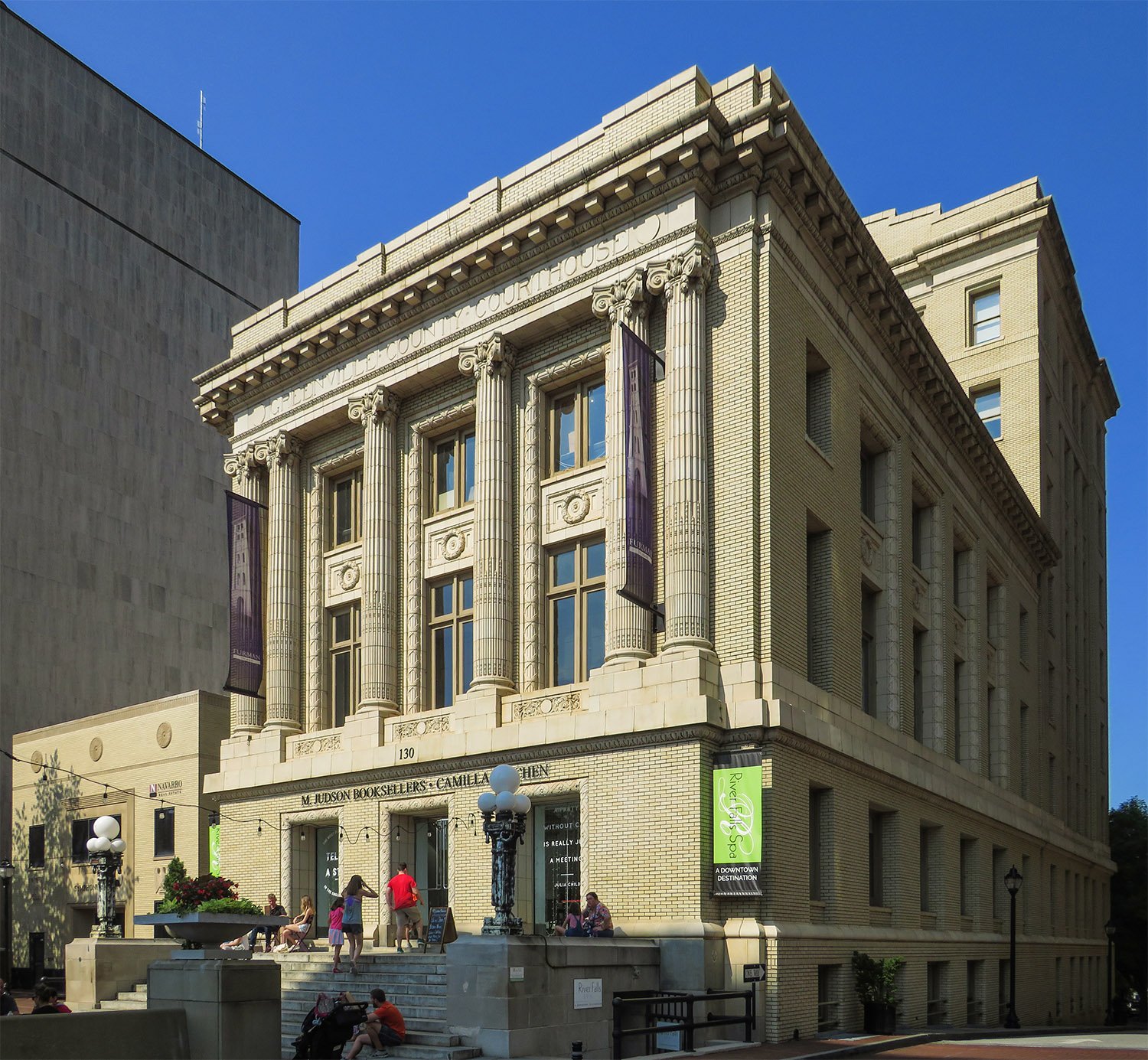
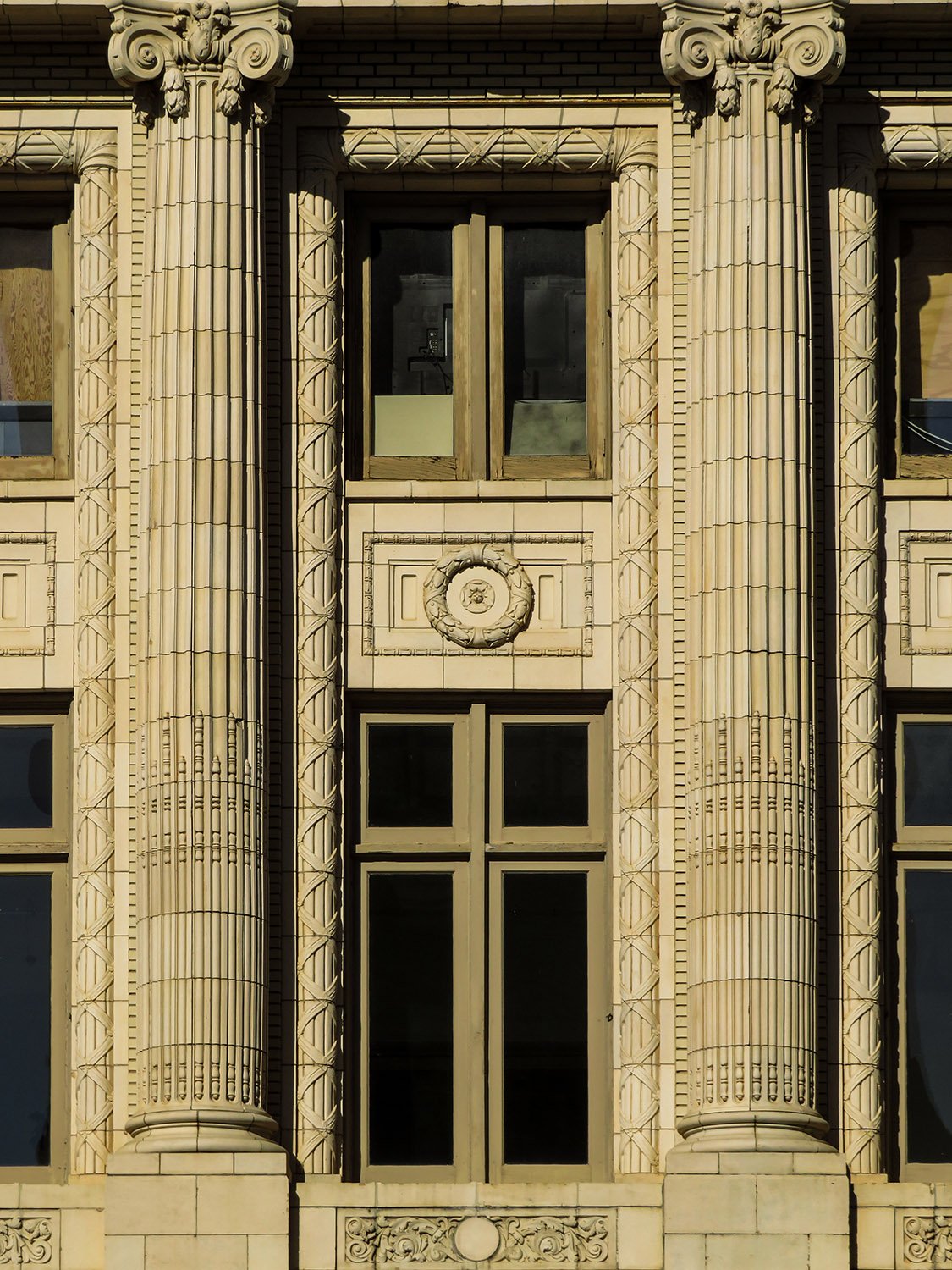
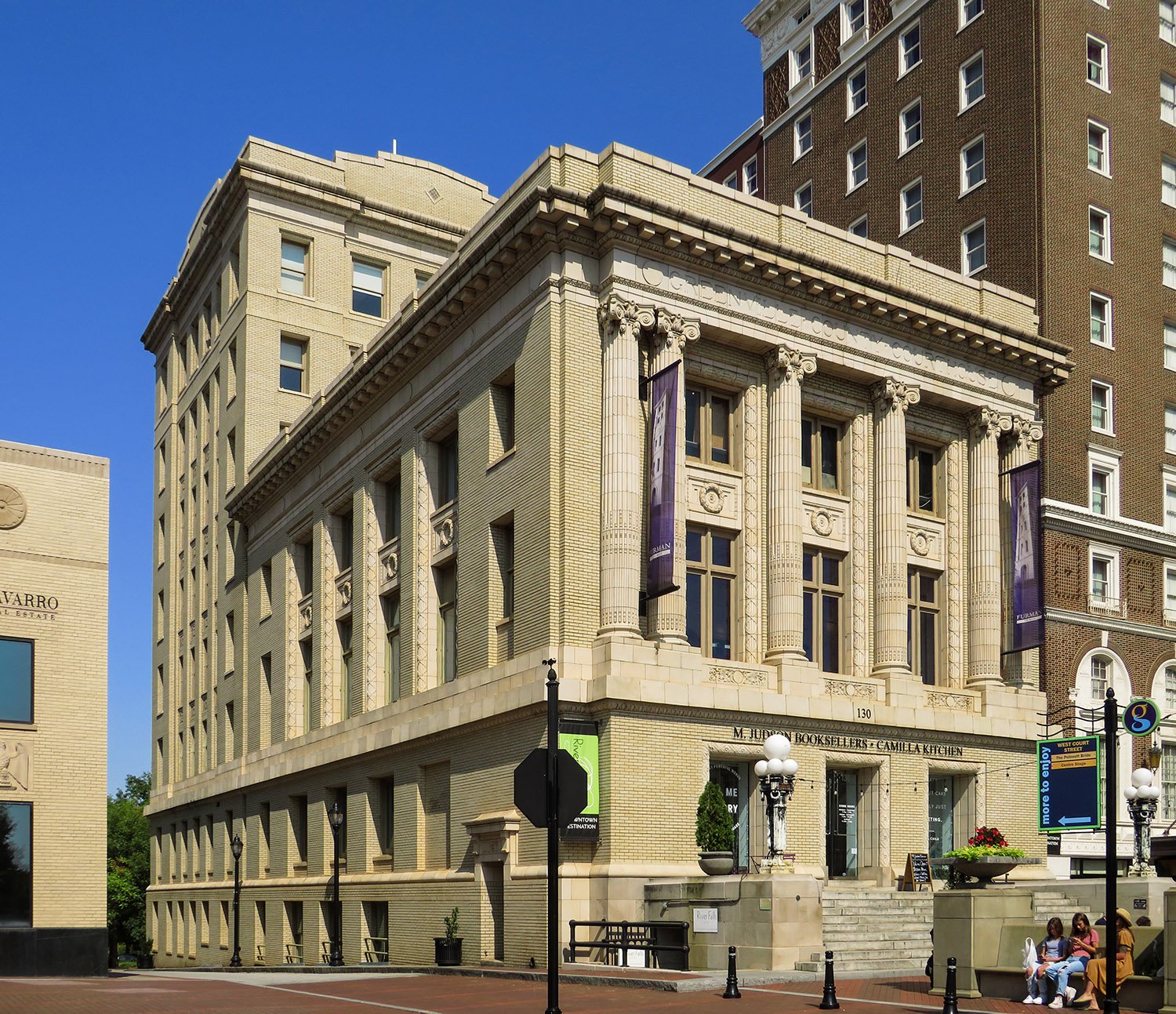
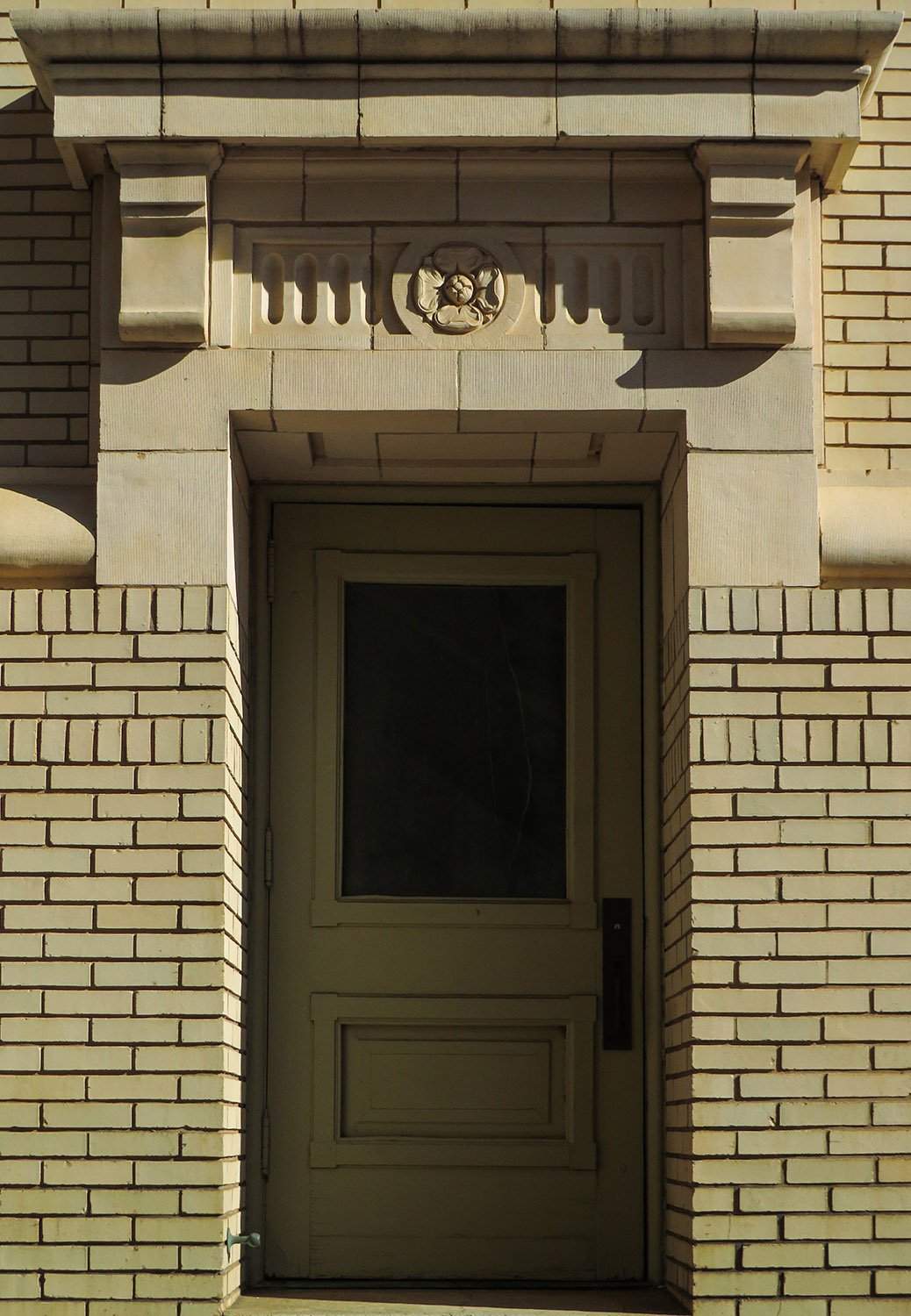
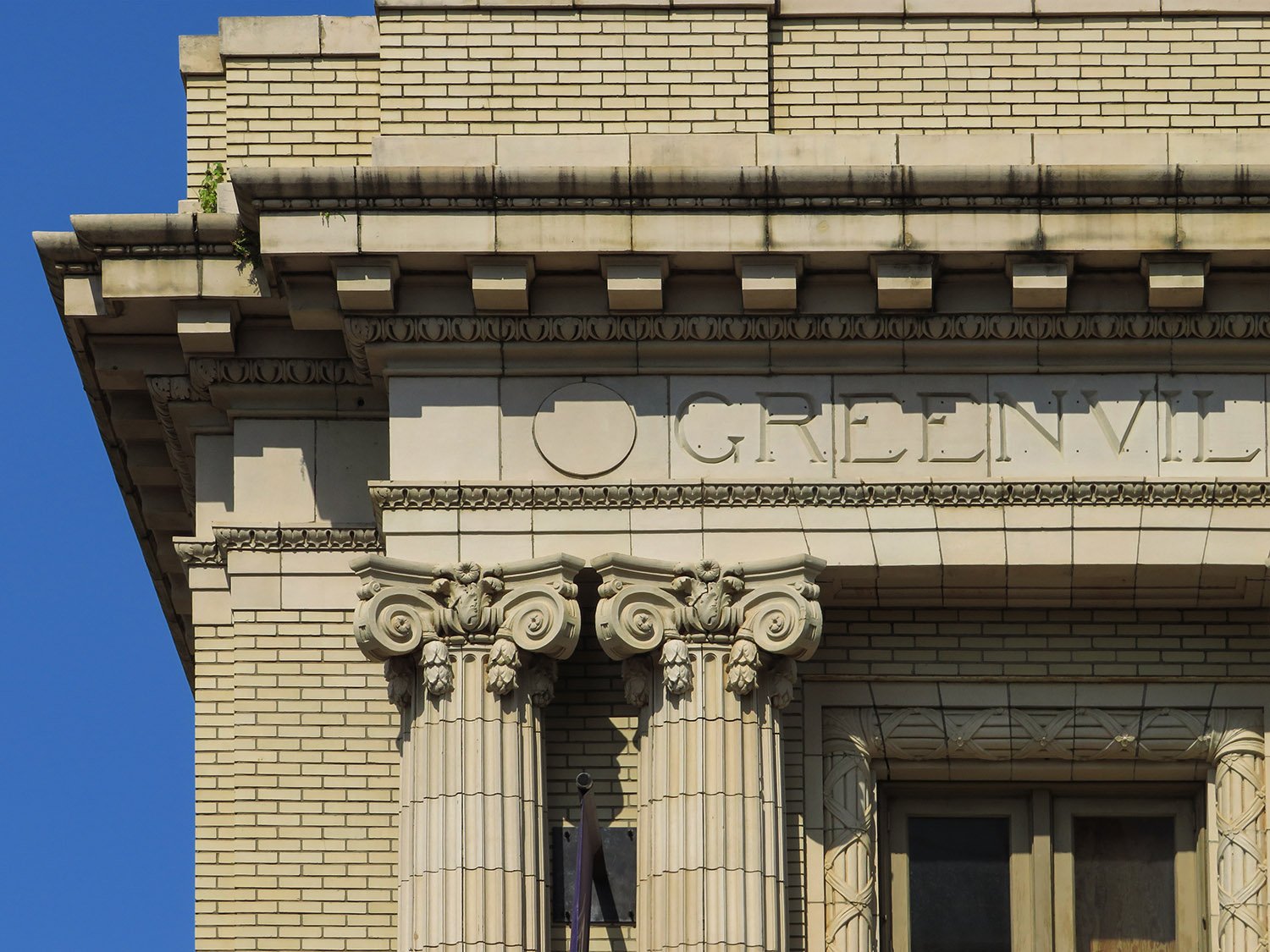
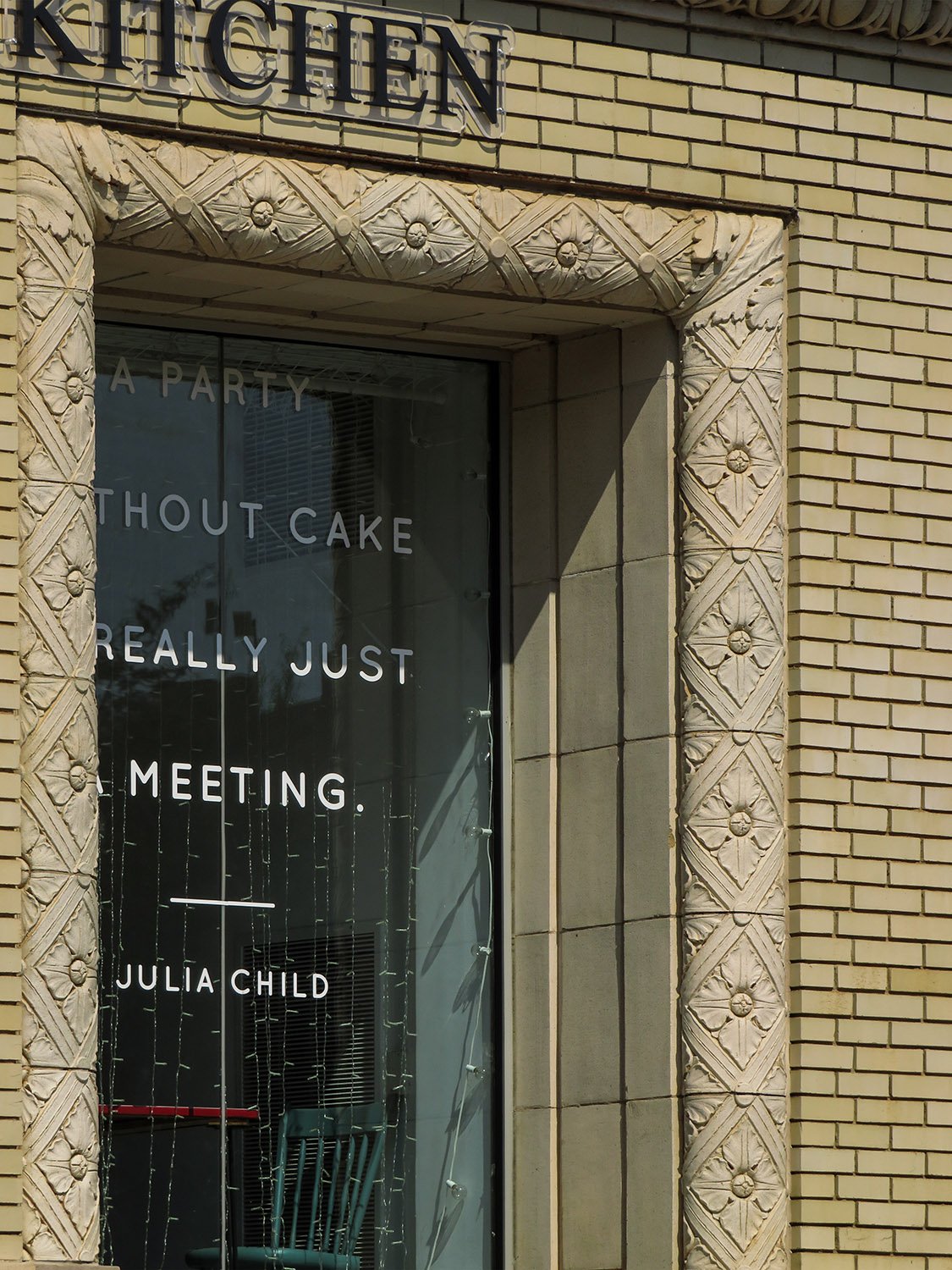
P. Thornton Marye. Greenville County Courthouse (1918). Greenville, South Carolina.123Bay on the facade of the Greenville County Courthouse, Greenville, South CarolinaLooking at the Greenville County Courthouse from the southeastDoor and pediment on the south elevation of the Greenville County Courthouse, Greenville, South CarolinaCornice and columns on the east facade of the Greenville County Courthouse, Greenville, South CarolinaArchitrave on the facade of the Greenville County Courthouse, Greenville, South Carolina
References
“Atlanta Architect Honored.” The Atlanta Constitution, June 13, 1915, p. 12 B. ↩︎
“Invitation For Proposals.” The Greenville Daily News (Greenville, South Carolina), November 21, 1915, p. 6. ↩︎
“First Court In New Court House”. The Greenville Daily News (Greenville, South Carolina), March 26, 1918, p. 5. ↩︎
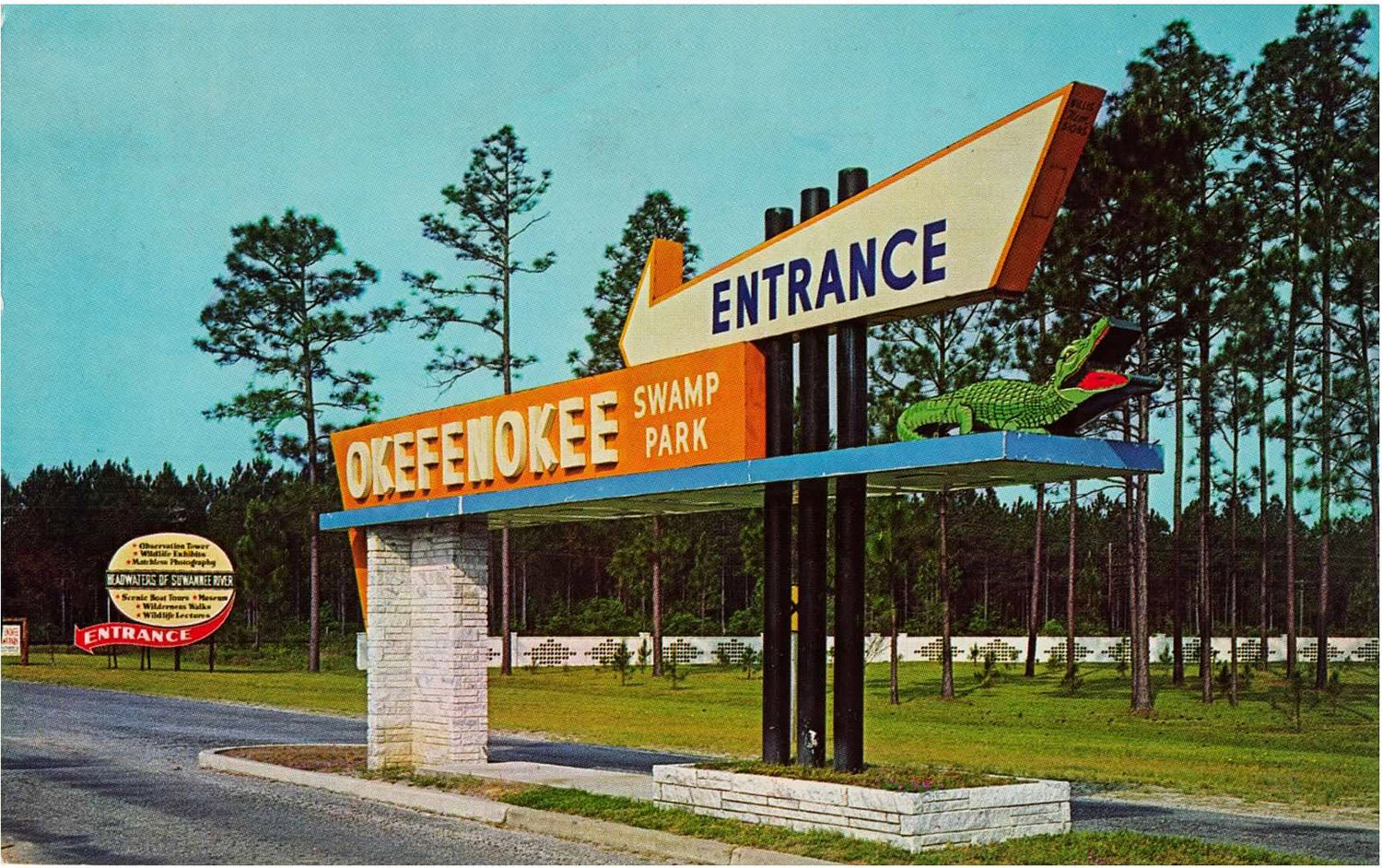
Okefenokee Swamp Park entrance sign. Photograph by Gene Aiken from an undated postcard.
Year by year, more disappear: the quirky, colorful business signs of the 20th century that once littered the United States with their kitschy, eye-catching designs, luring visitors to stores, restaurants, lounges, theaters, shopping centers, tourist attractions, and, of course, motels.
The synthesis of folk art tradition and cold-hard commercialism, these signs followed the growth of the American highway system, and were perhaps the most prominent symbols of the cynical and disposable culture of convenience and impulse that wholly consumed the United States in the 20th century.
The signs functioned as both advertisements and wayfinding tools, and could never be classified as high art: even in their prime, they were widely criticized as crass and unsightly markers to rampant consumerism and unfettered sprawl. Yet one era’s trash becomes another era’s treasure, and these signs attracted wider appreciation as their numbers began to dwindle.
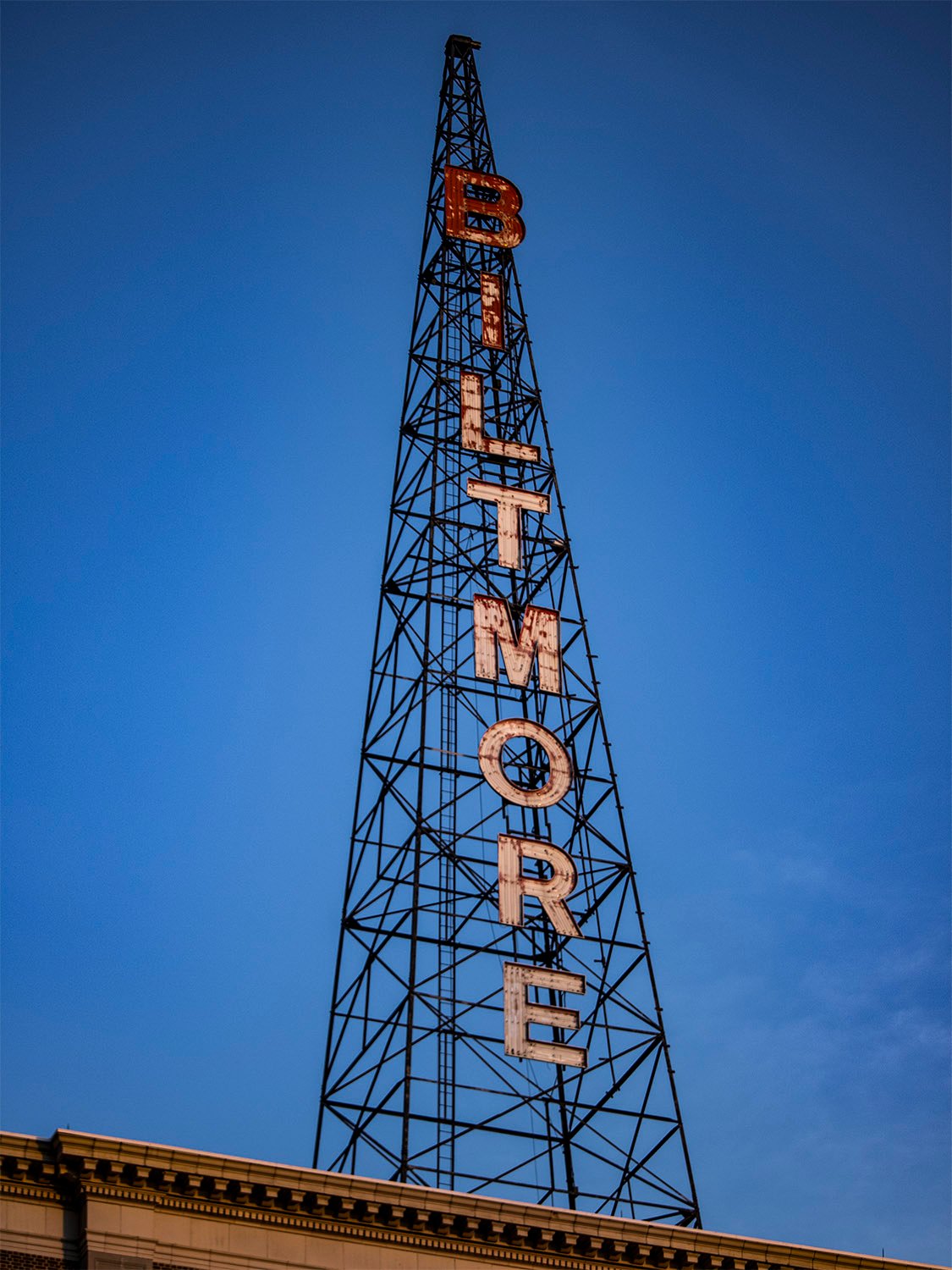
Hand-painted, two-dimensional signs on the outer walls of buildings were a ubiquitous feature of the American landscape starting in the late 19th century, but by the 1920s, sign-making reached new heights and three-dimensional form with “sky signs”, now known as scaffold signs.
Sky sign on Biltmore Hotel (1924). Atlanta.
Often perched atop towering hotels or other tall buildings in city centers, these machine-produced signs were attached to steel scaffolding and lit by electricity, still a novelty in many places.
As Americans began driving the first automobiles across a patchwork network of highways, sky signs served as bright, beckoning beacons that could be easily spotted from miles around.
Neon lights also debuted in the 1920s, and their distinctive glowing colors quickly became a standard feature of commercial signage, seemingly overnight.
Used by everyone from mom-and-pop shops to department stores, by the 1940s, neon signs were synonymous with nightlife entertainment and what is now referred to as Streamline Moderne architecture.
Clubs, diners, and movie theaters of the era often prominently incorporated neon elements into their sleek, curvaceous designs inspired by an increasingly mobile world of planes, trains, and automobiles.
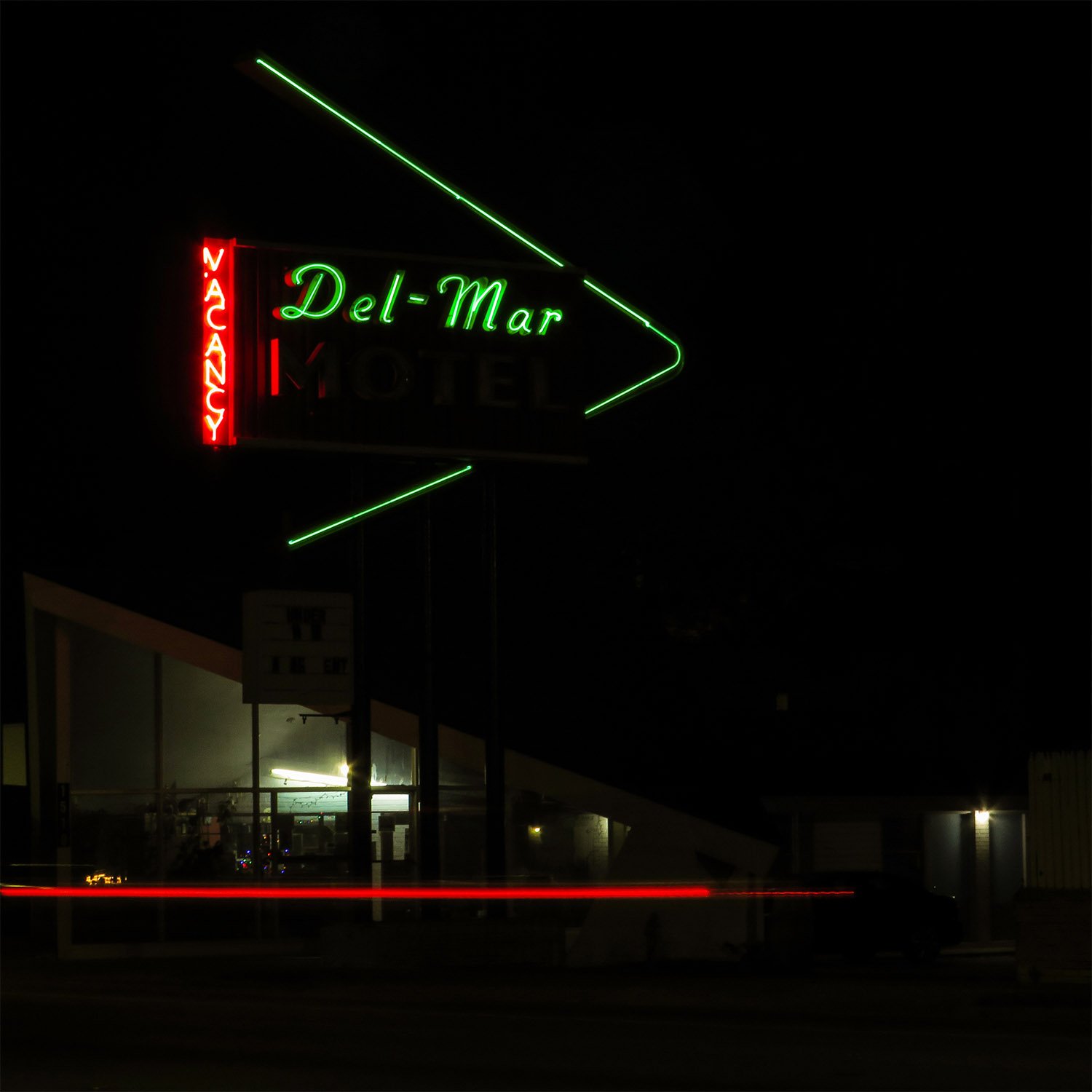
Del-Mar Motel (1955). Valdosta, Georgia. Designed by Joe Bright.
The creative zenith of signmaking emerged with the advent of the Interstate Highway System in the mid-20th century.
Far-out, futuristic signs inspired by the Space Age and the Atomic Era dominated in the 1950s and 60s, today closely associated with Googie architecture, which originated in southern California and spread unevenly throughout the country.
Popular elements of Googie-derived signs included:
starbursts
shooting stars
exploding atoms
orbiting satellites
giant boomerangs
oversized arrows
Many signs of the era were more down-to-earth in their inspiration: roadside business signs often incorporated symbols that were evocative of their specific locale or region — a chomping alligator on the entrance sign for Okefenokee Swamp Park in Georgia, for instance (pictured above).
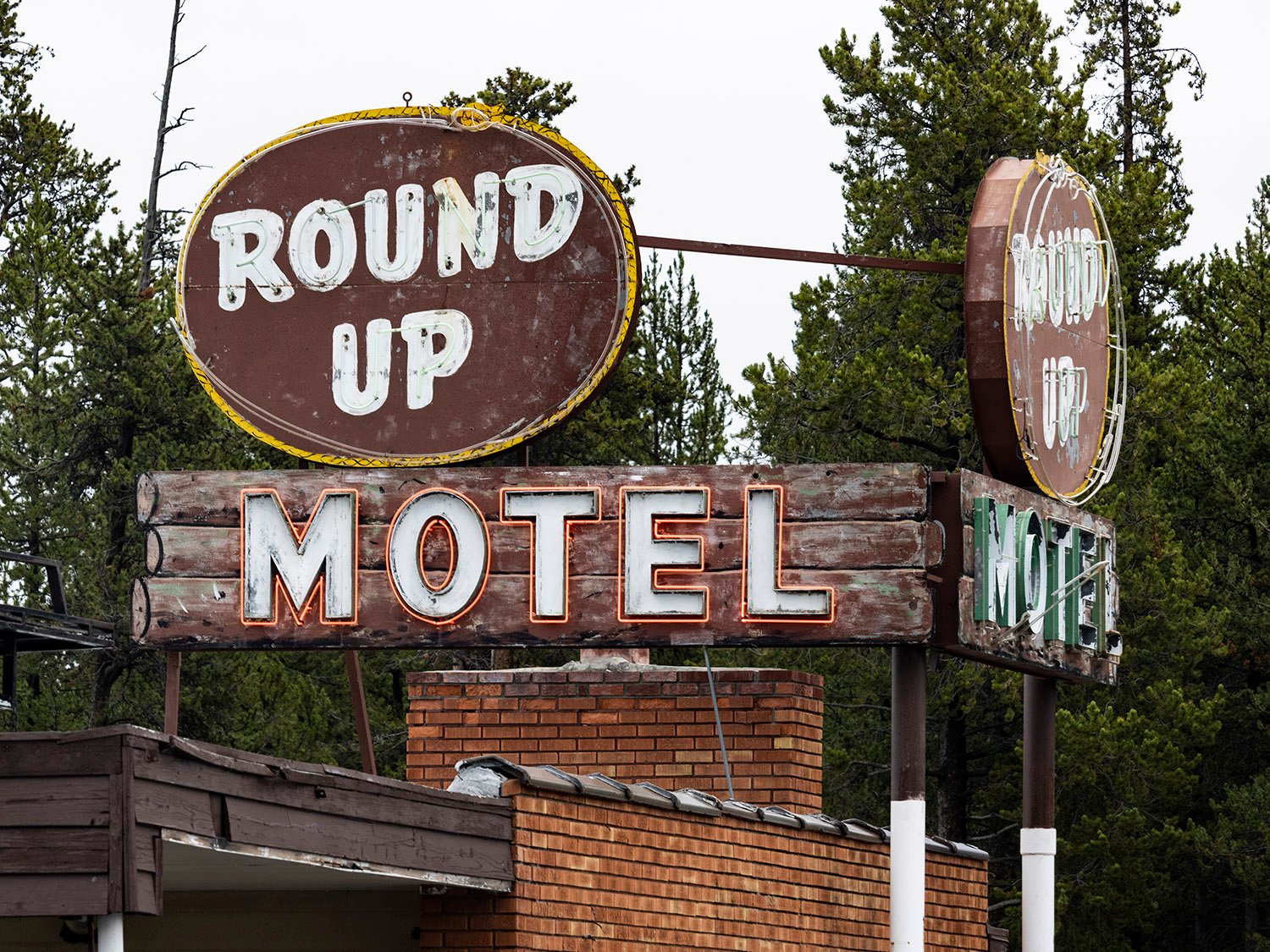
Round Up Motel. West Yellowstone, Montana.
Other signs were more exotic in flavor, capitalizing on the Tiki culture that emerged in the White middle class following World War II, using symbols and typefaces that were stereotypically Polynesian, Hawaiian, or Pan-Asian.
Typically designed by local sign makers, vernacular roadside signs were often used as distinctive focal points for structures that were otherwise unremarkable and interchangeable — see one hole-in-the-wall motel, for instance, and you’ve seen them all. It was the sign that was memorable, not the building.
Vernacular signs were already falling out of fashion when Robert Venturi and Denise Scott Brown, a husband-and-wife architectural team from Philadelphia, galvanized the architectural world with the 1972 publication of Learning from Las Vegas, in which they praised vernacular road signs for their “architecture of communication over space”1and presented them as a legitimate art form worthy of analysis.
Venturi and Scott Brown accused architects of designing to suit “their own particular upper-middle-class values, which they assign to everyone” and admonished them to “gain insight from the commonplace”.2
Yet even as architects began drawing inspiration from them, by the 1970s, vernacular roadside signs were steadily supplanted by standardized signs that became more subdued, less conspicuous, and more homogenous.
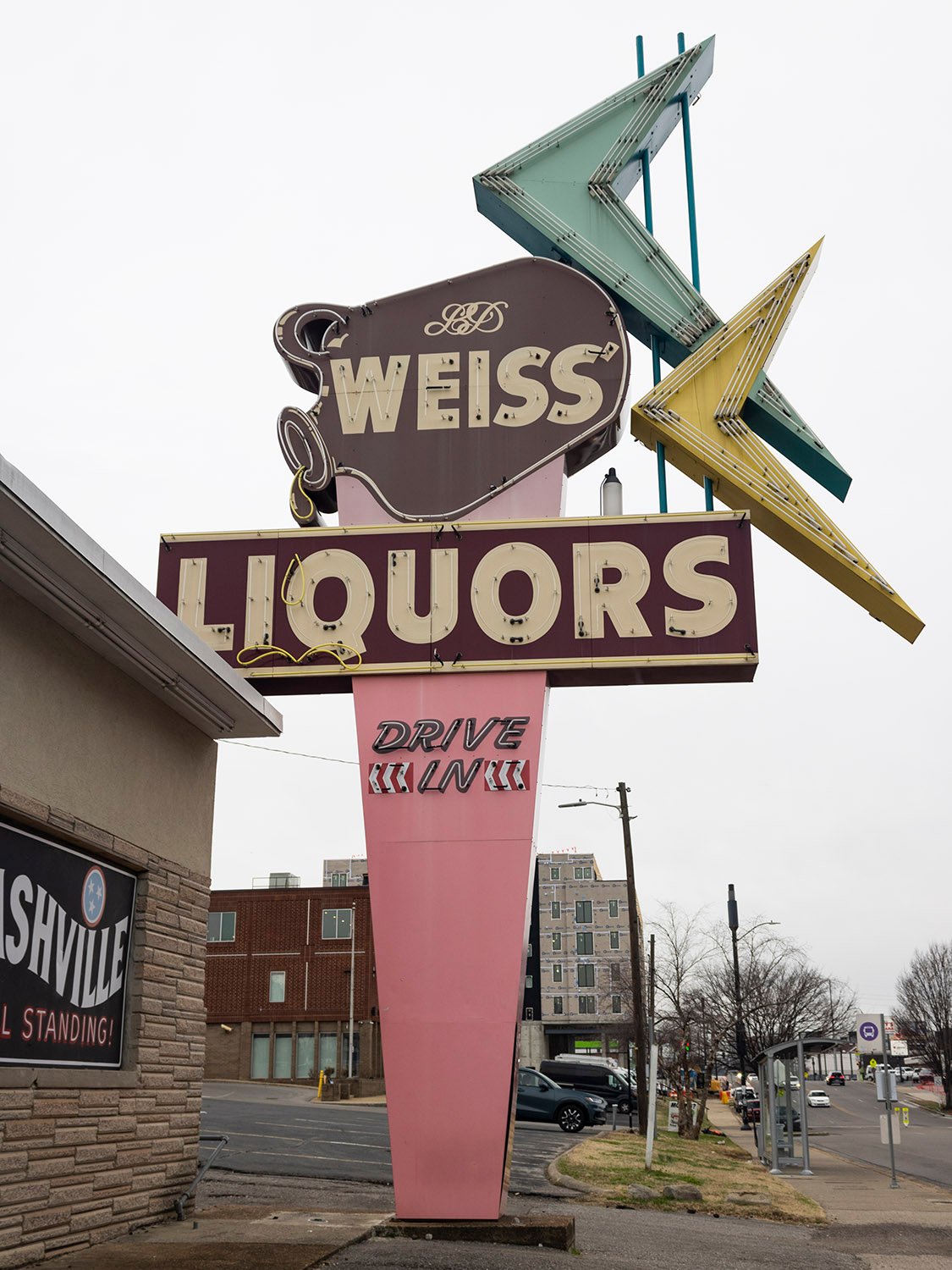
Weiss Liquors (circa 1966). Nashville, Tennessee.
Today, roadside signs from the mid-20th century are nearly extinct, often regulated out of existence by restrictive sign ordinances or demolished when their associated businesses close or succumb to redevelopment. Those that remain are either in a state of decay or have been well-maintained and, in some cases, skillfully restored.
If you’re hunting for relic roadside signs in the United States, there are a few good places to start:
Neglected or run-down urban neighborhoods or rural towns.
Nostalgic destinations such as long-running local restaurants, theaters, and stores, or tourist areas near beaches, mountains, or national parks.
Shopping centers built in the 1950s, 60s, or 70s that have retained elements of their original design.
These relic signs are quaint reminders of a time when the appeal of travel lay in the freedom of its uncertainty and little surprises, when Americans weren’t so embedded in the illusion of control, merely navigating from one planned destination to the next on routes prescribed by machine, coddling our consumed minds with the bland promise of comfort, safety, and familiarity.
Or, perhaps, that time never existed at all.
The map below charts the location of every vintage sign I’ve photographed so far, with accompanying images. Many of the signs have since been removed.
References
Venturi, Robert; Scott Brown, Denise; Izenour, Steven. Learning from Las Vegas, Revised Edition: The Forgotten Symbolism of Architectural Form. Cambridge, Mass.: MIT Press (1977). ↩︎
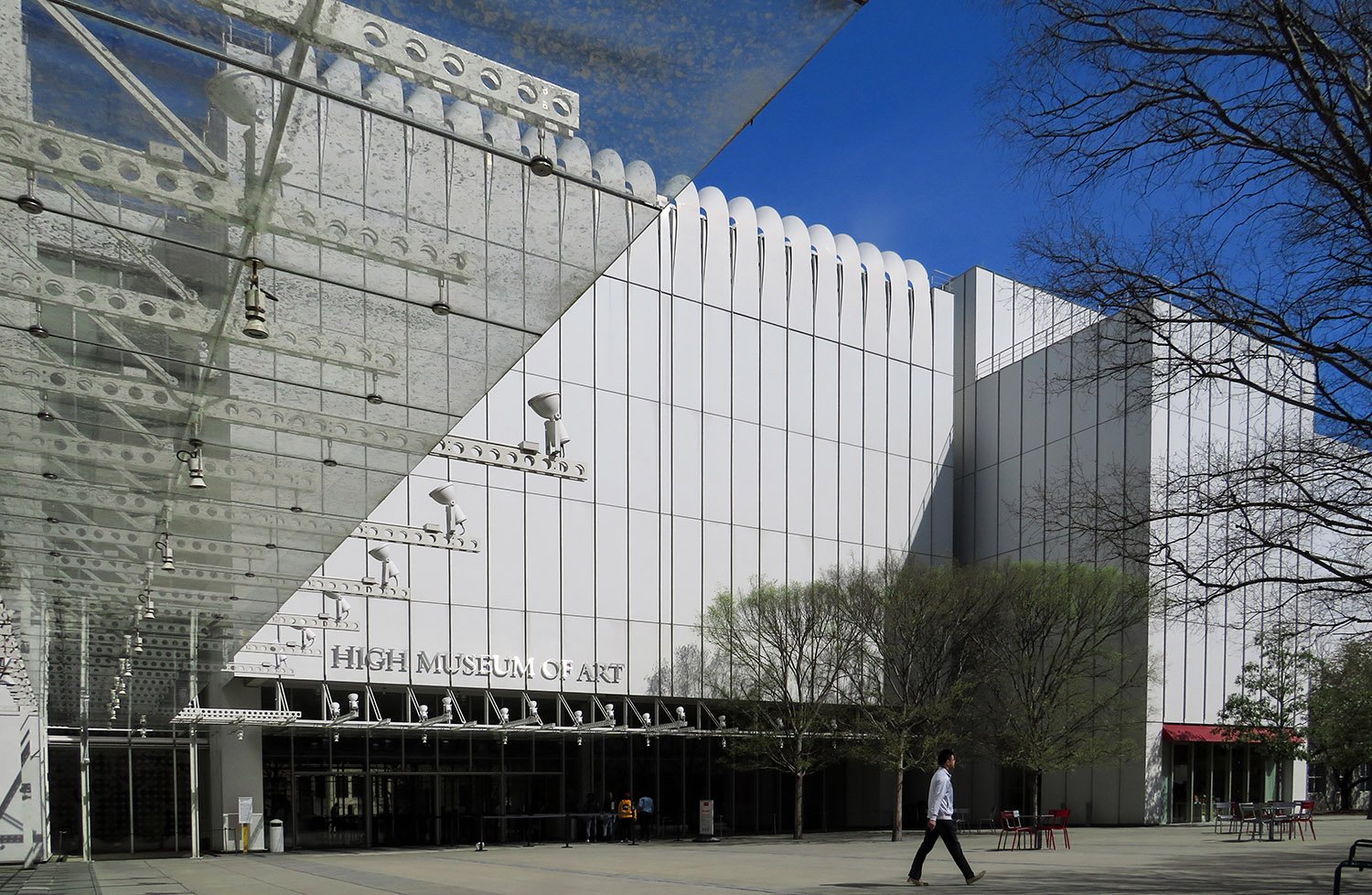
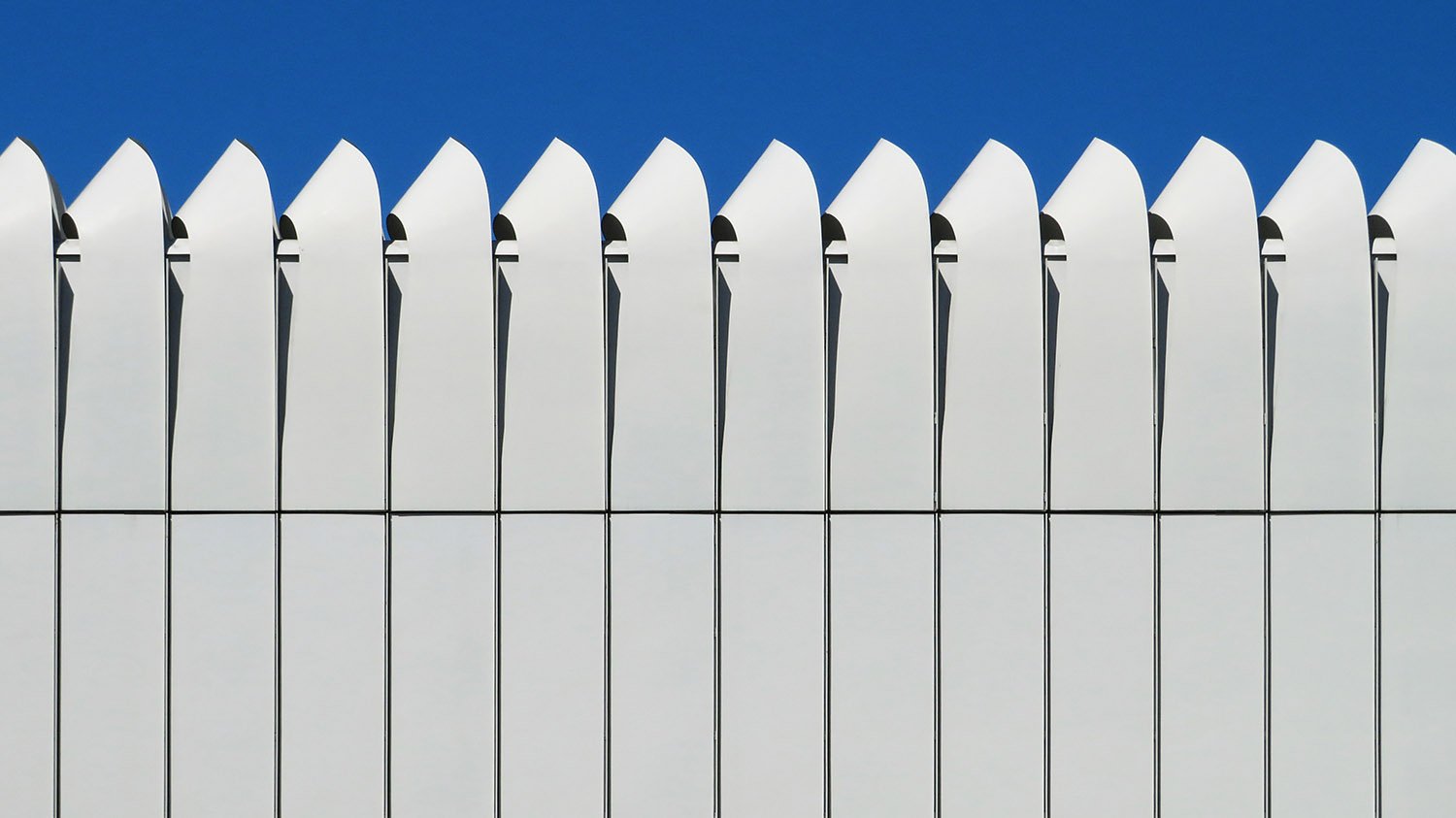
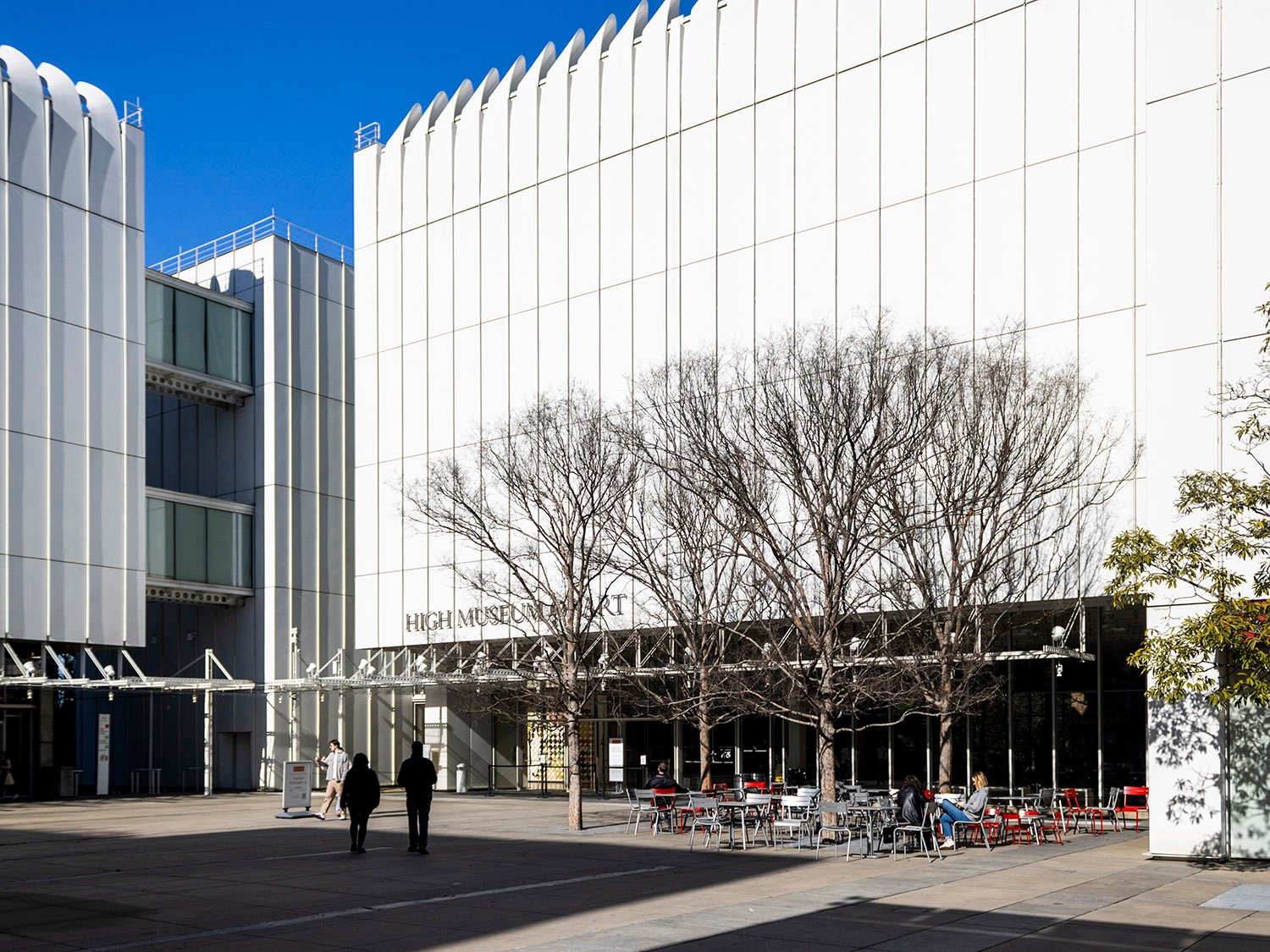
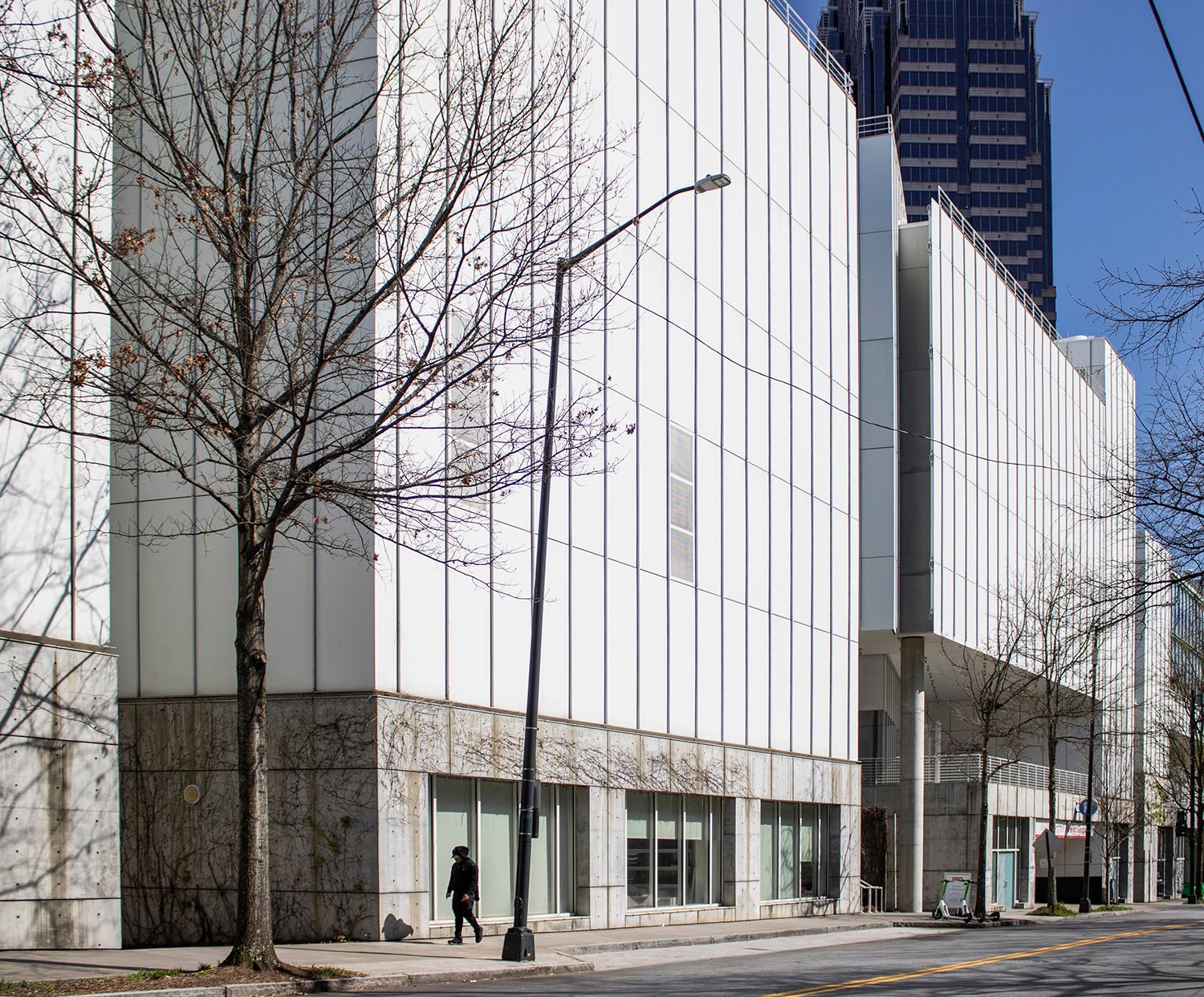
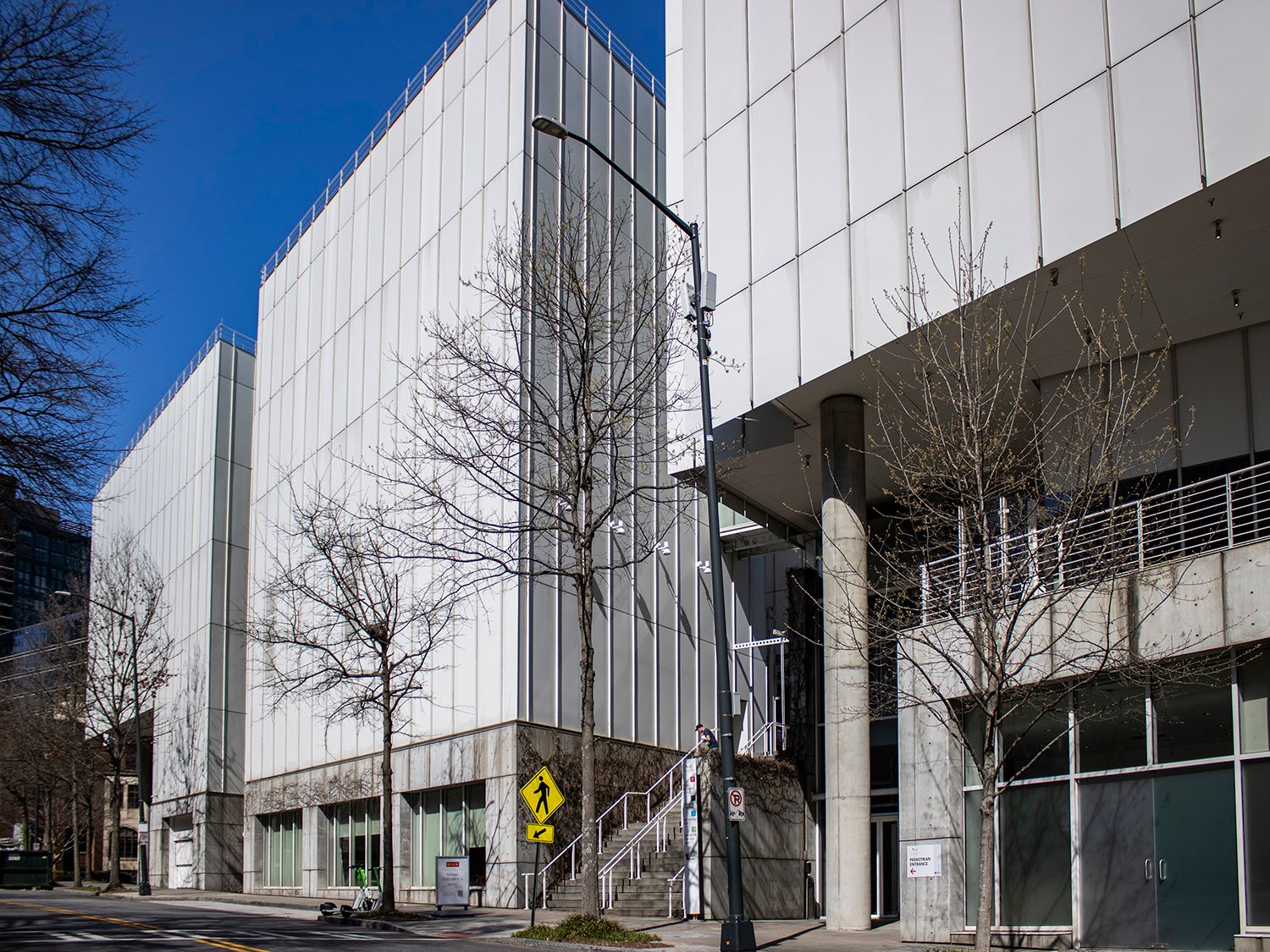
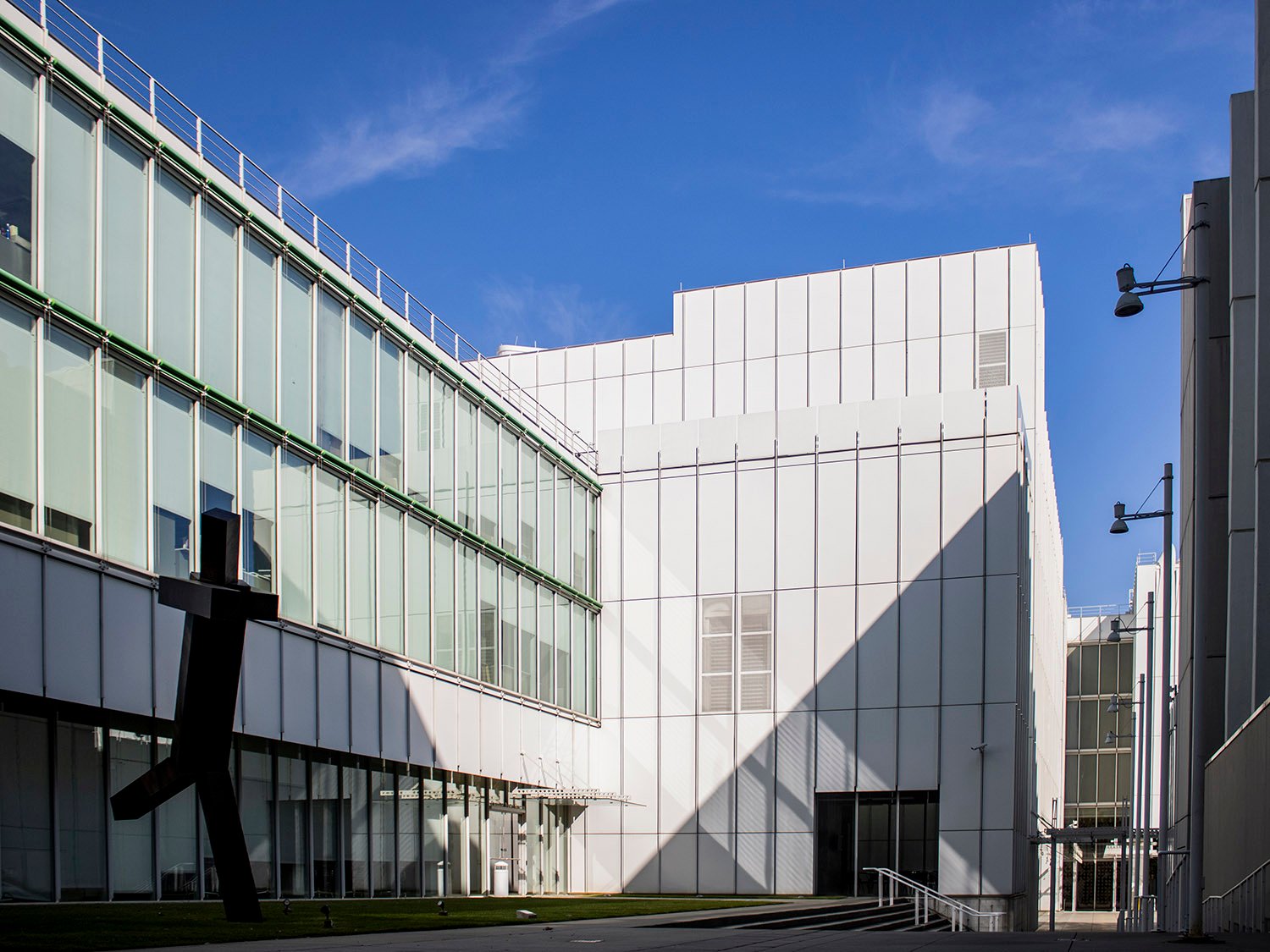
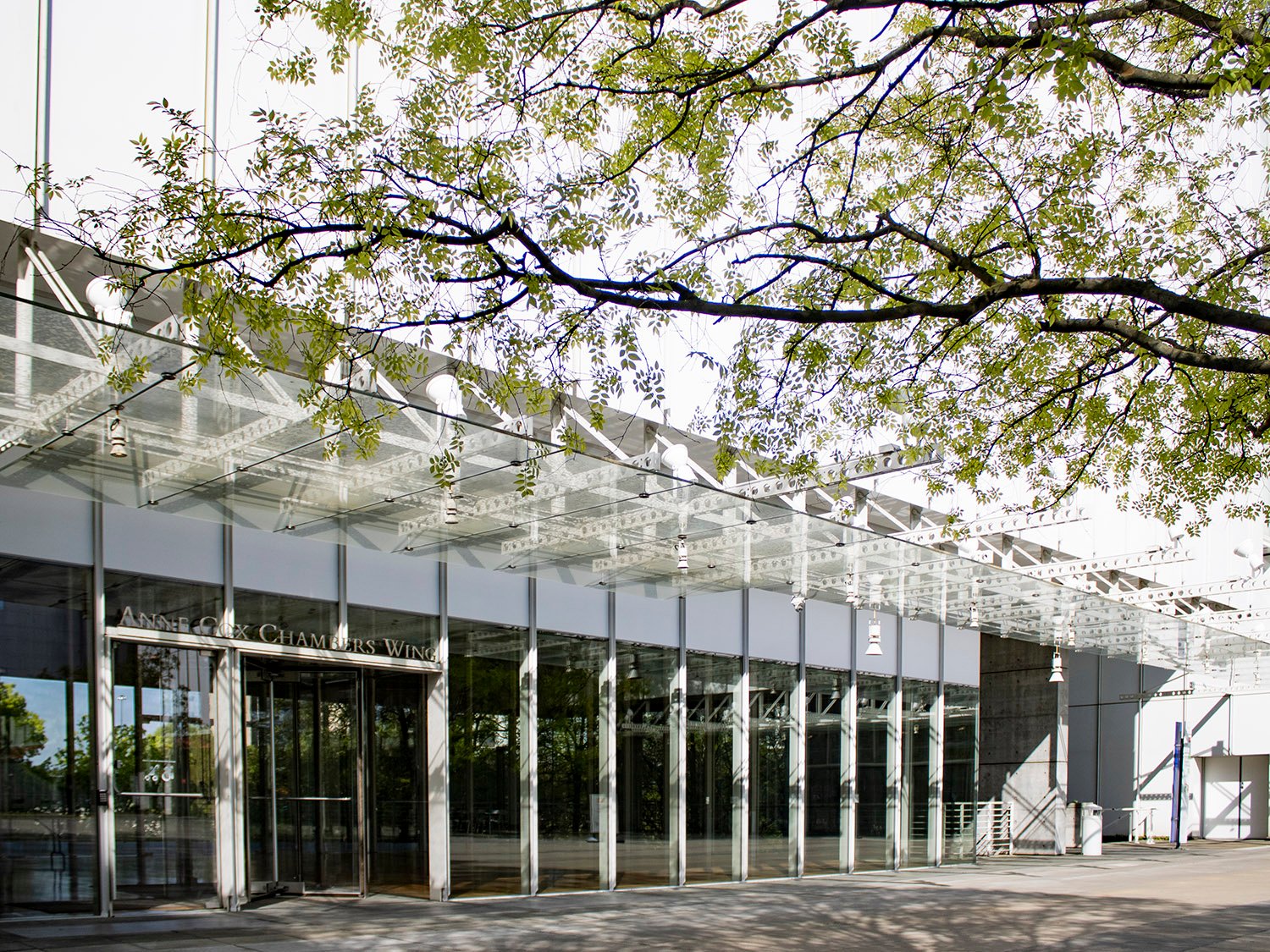
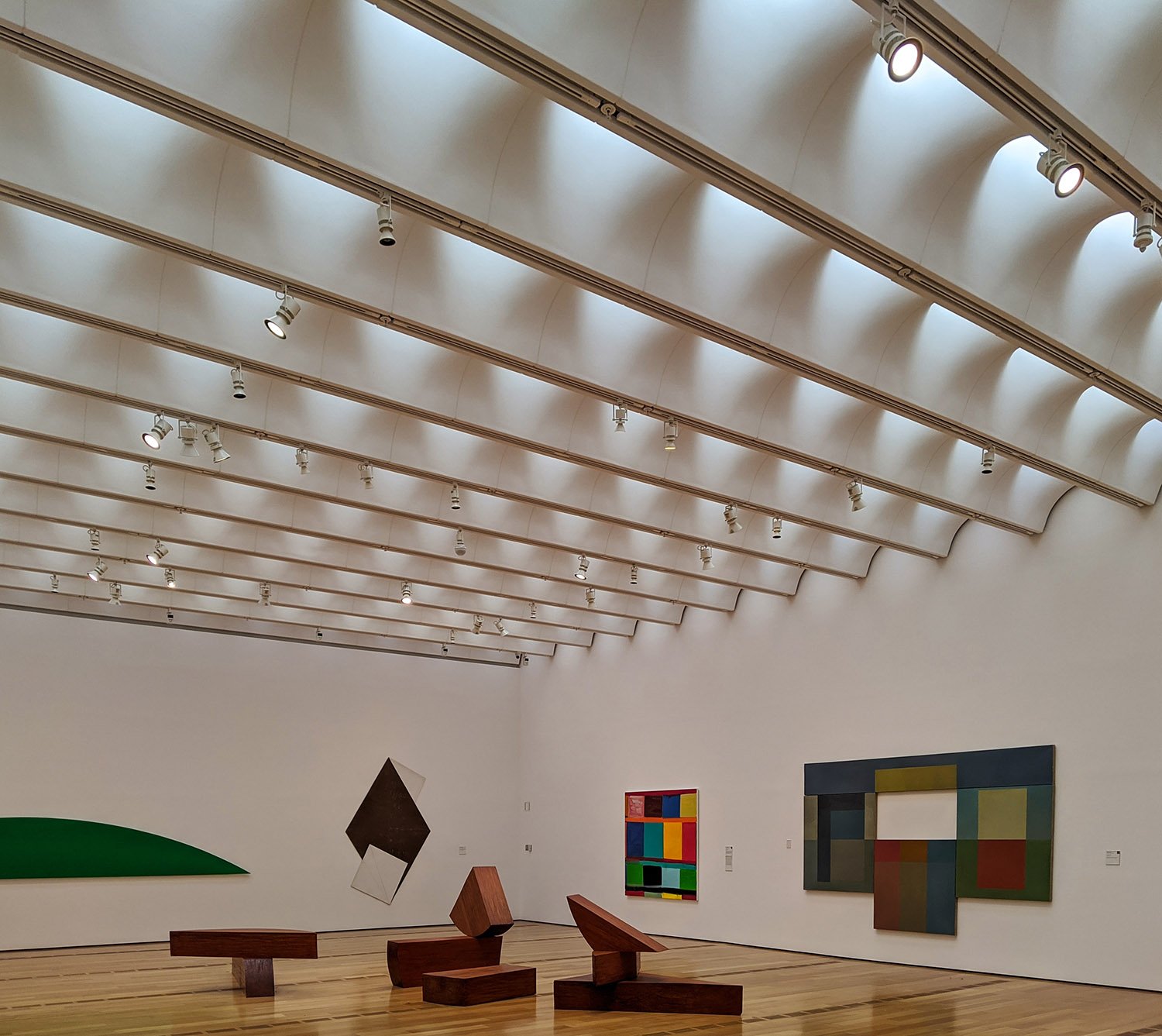
Renzo Piano Building Workshop with Lord, Aeck & Sargent, Inc.High Museum of Art Expansion (2005). Midtown, Atlanta.12Aluminum panels on the facade of the High Museum of Art Expansion, AtlantaLooking northwest toward the entrance of the High Museum of Art Expansion, AtlantaWest elevation of the High Museum of Art Expansion, AtlantaWest elevation of the High Museum of Art Expansion, AtlantaLooking toward the Anne Cox Chambers Wing of the High Museum of Art Expansion, AtlantaEntrance to the Anne Cox Chambers Wing of the High Museum of Art Expansion, AtlantaThird-floor gallery in the High Museum of Art Expansion, AtlantaSkylights in the High Museum of Art Expansion, Atlanta
“I’m the Chinese software engineer who hacked into your device OS.
I’ve been watching you for months now.”
Fuck that’s hot. Do I turn you on that much, big boy?
“You’ve been infected with malware through the adult website you visited.”
Which one?
“I have downloaded all confidential information from your system and I got some more evidence.”
Aren’t you the sneaky sleuth? Hot.
“I gained access to your smartphone and saw everything you were doing… well, I got a video of you masturbating in the bathroom (nice interior, by the way).”
Thanks! Like my cock? The walls are streaked with my cum.
“I’ve been monitoring your camera for the past 2 weeks – it was active for 47 hours total, and you never noticed because I disabled the LED indicator.”
You’re so smart and naughty, Chinese engineer. No wonder US dominance is slipping.
“I put together footage: on one side of the screen is the video you’re watching at the moment and on the other side is your satisfied face. With one click, I can send this video to all your contacts.”
Oh fuck yes. I want them all to see me like this.
“I’ve already prepared everything. I have access to your WhatsApp and I can see all your conversations – with your family, your relatives, your friends, your colleagues, and even your boss. I’ve also taken screenshots of your private chats. The video is queued and ready to send. One wrong move and I press the button.”
Mmmm fuuuck. Do it, bro!
“I can see your WhatsApp messages, your private chats, your family group chats, and I can send anything I want from your account. I also have your work email and I can see all your professional contacts. Imagine your relatives receiving this video from your WhatsApp number in your family group chat, or your boss and colleagues receiving it during work hours. How would you explain that? Your life will be ruined.”
Omg, please ruin me. Make me your slave, daddy.
“All your data is already uploaded to my secure servers. Even if you delete everything from your device right now, I still have copies. The email templates are ready. The video is processed and optimized. Everything is set up. I’m just waiting for the timer to expire.”
Tick tick, baby.Now show me your yellow dick.
“I’m monitoring this email right now. If you forward it, show it to someone, or try to contact the police, I’ll know instantly and the video will be sent immediately to your entire contact list, starting with your relatives and your work contacts. There’s no way to stop me once I press that button.”
Oooh, so sexy and commanding. Make me beg for mercyon my knees.
“Do you want to prevent this?”
No, punish me, Daddy.
“I understand your concern. Especially since the video was quite vulgar, I can’t imagine the embarrassment you will feel when your family, relatives, colleagues, friends and everyone else see it. Your reputation will be destroyed forever.”
Have you seen my site? I destroyed my own reputation a long time ago.
“You’ll never be able to look them in the eye again.”
I don’t look them in the eye now. Pretty sure I’m on the spectrum.
“If you need to delete all of your collected data, just send 0.01 btc (Bitcoin) to a wallet that was specially generated for your email address.
bc1q5g3fhptpp9g8r0spfzr7jdwgp0wn6tqc3gsgpf”
That looks legit.
“Yes, it’s that simple! My script will detect the transaction to this wallet and will automatically delete all the dirt that was collected on you from my servers.”
Nah, too much work. I’m a lazy American. Now let me suck ur cock.
“You have 48 hours to pay. The countdown started the moment you opened this email. If you don’t pay within 48 hours, the video will be automatically sent – right when everyone is at work, checking their messages. Every hour you delay, I’ll send the video to random contacts from your list, starting with your relatives and work colleagues. After 48 hours, everyone gets it – your entire WhatsApp contact list, including all your relatives, and I’ll also post it on your social media accounts from your own profile. There will be no way to undo this.”
Blah blah blah. Show me your bits, big boy.
“Timer ID: -904422093
The timer started automatically after you opened this email. You’re being watched right now. Every second counts.
If you don’t have enough money, you can pay half the amount (0.005 btc) to your wallet in order to extend the timer for another 48 hours.”
Zzzz….stop with this dry ass hell technical talk.
“Do not try to reply to this email, it makes absolutely no sense (the sender’s email address as well as the Bitcoin wallet were generated automatically especially for you and cannot be traced). I don’t make mistakes. Don’t test me.”
There’s that dominating talk I like. Control me, daddy. Make me your slave.
“If I see that you’ve shared this message with someone else (for example, if it is opened on a different device than yours), the video will instantly start being sent out to your contact list. I have monitoring scripts running 24/7. Your relatives will be the first to receive it in your family group chats. This is your only warning.”
Mmm….that’s right. I’m a naughty boy.Bend me over and swat me with your chopstick.
“Take it easy. Take it as a little life lesson and be more careful in the future.”
I don’t want to be more careful….I just wanna choke on your Chinese wang.
“Yes, the internet advice about taping the camera isn’t so useless.
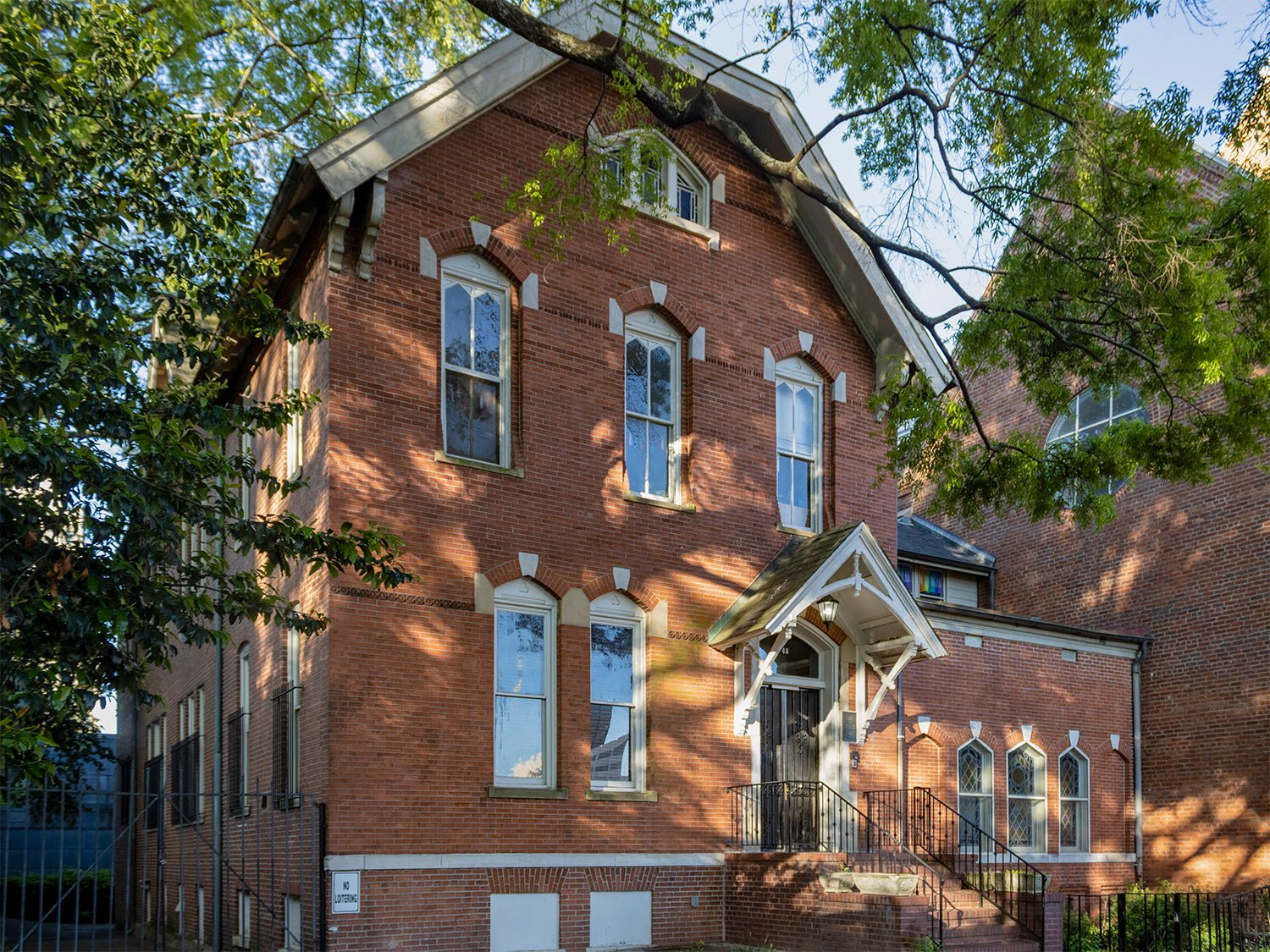
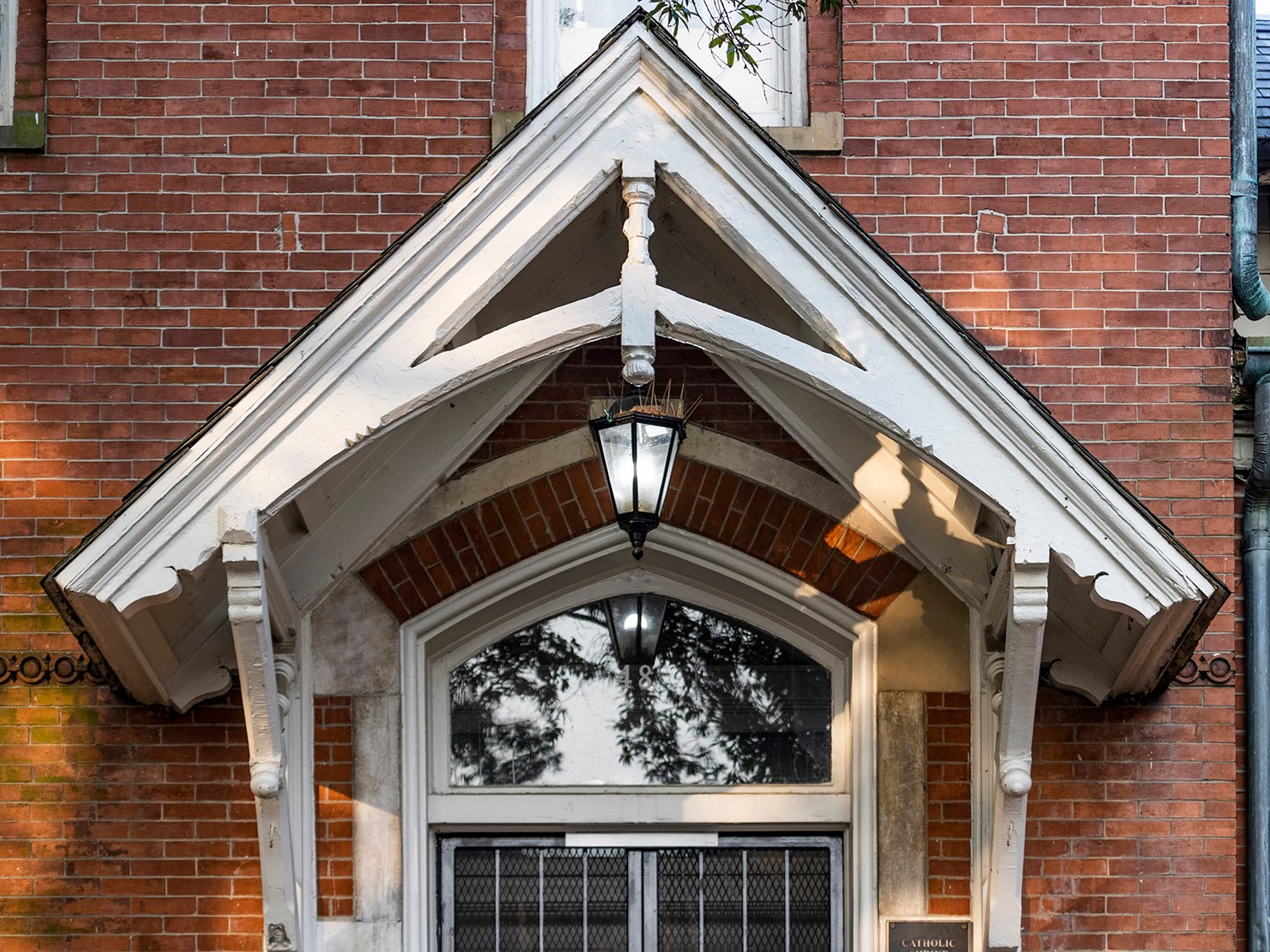
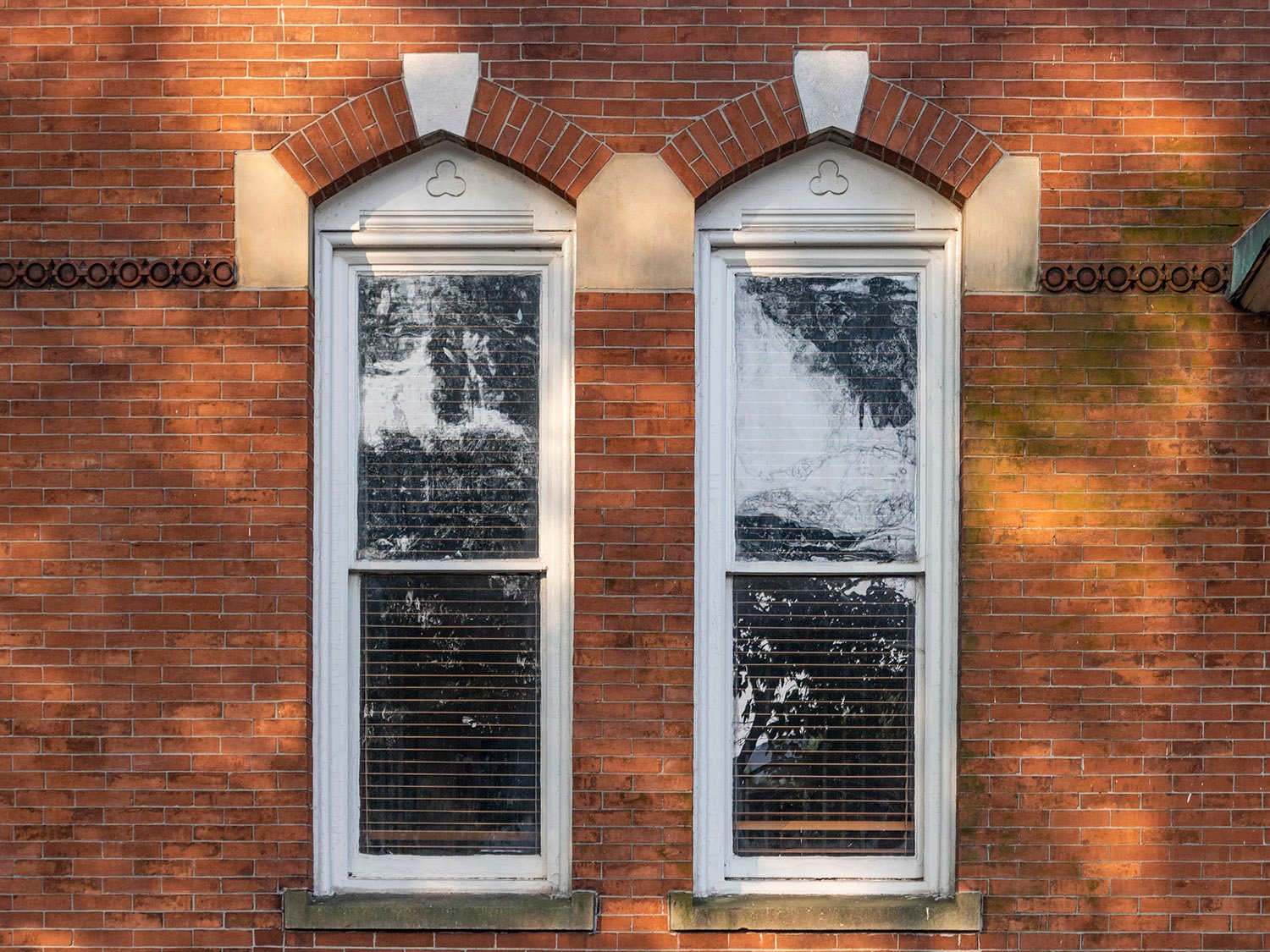
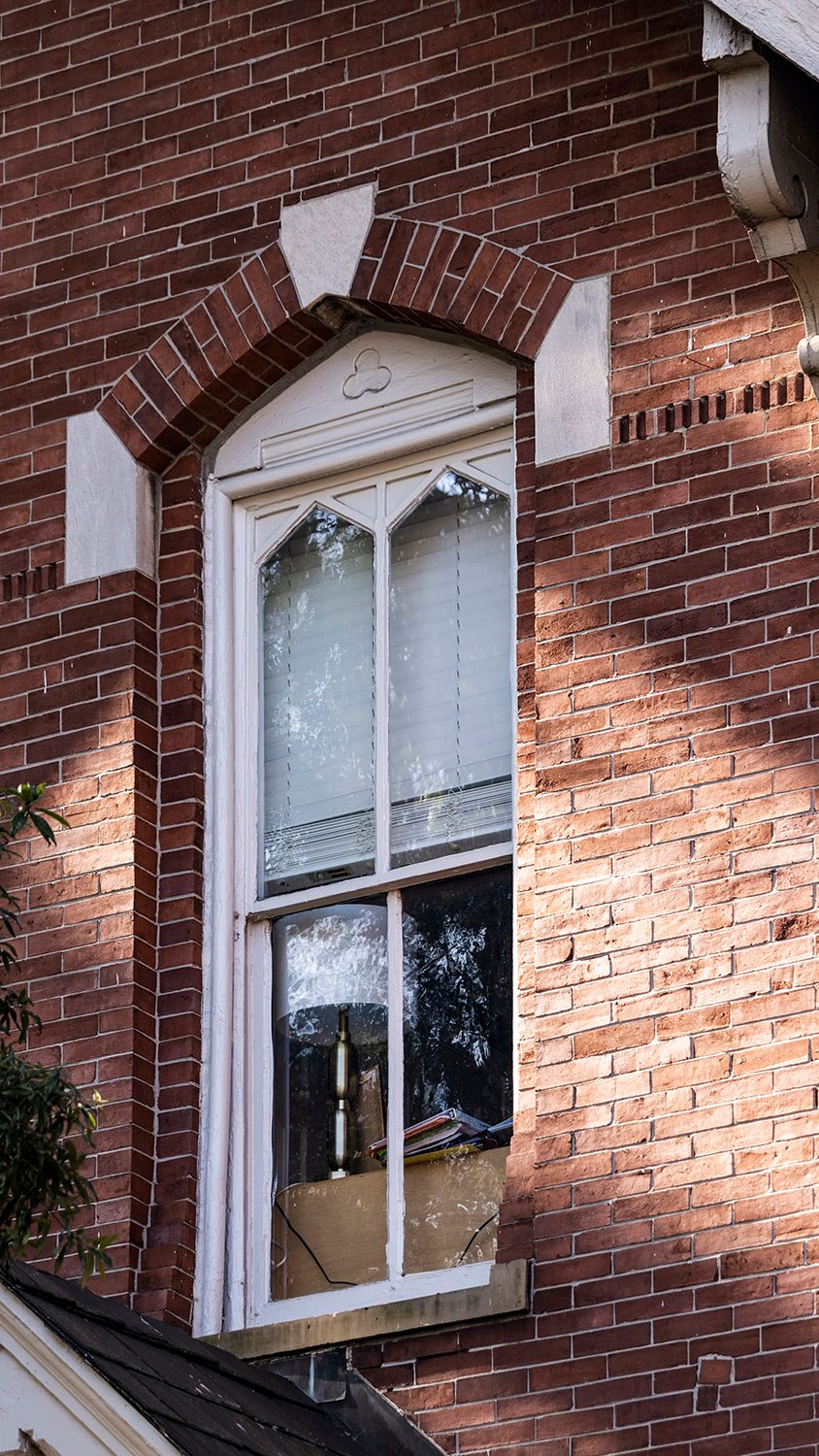
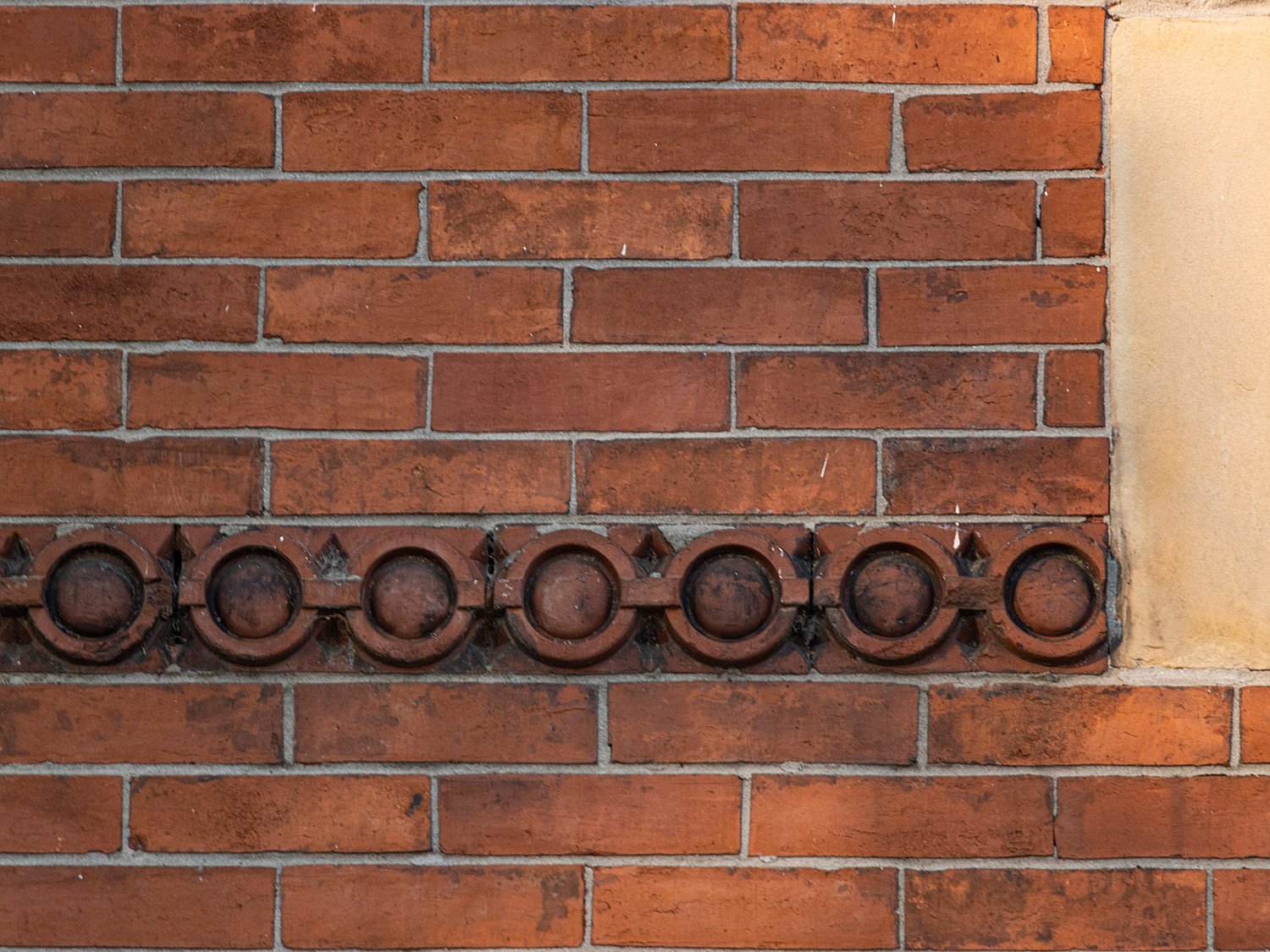
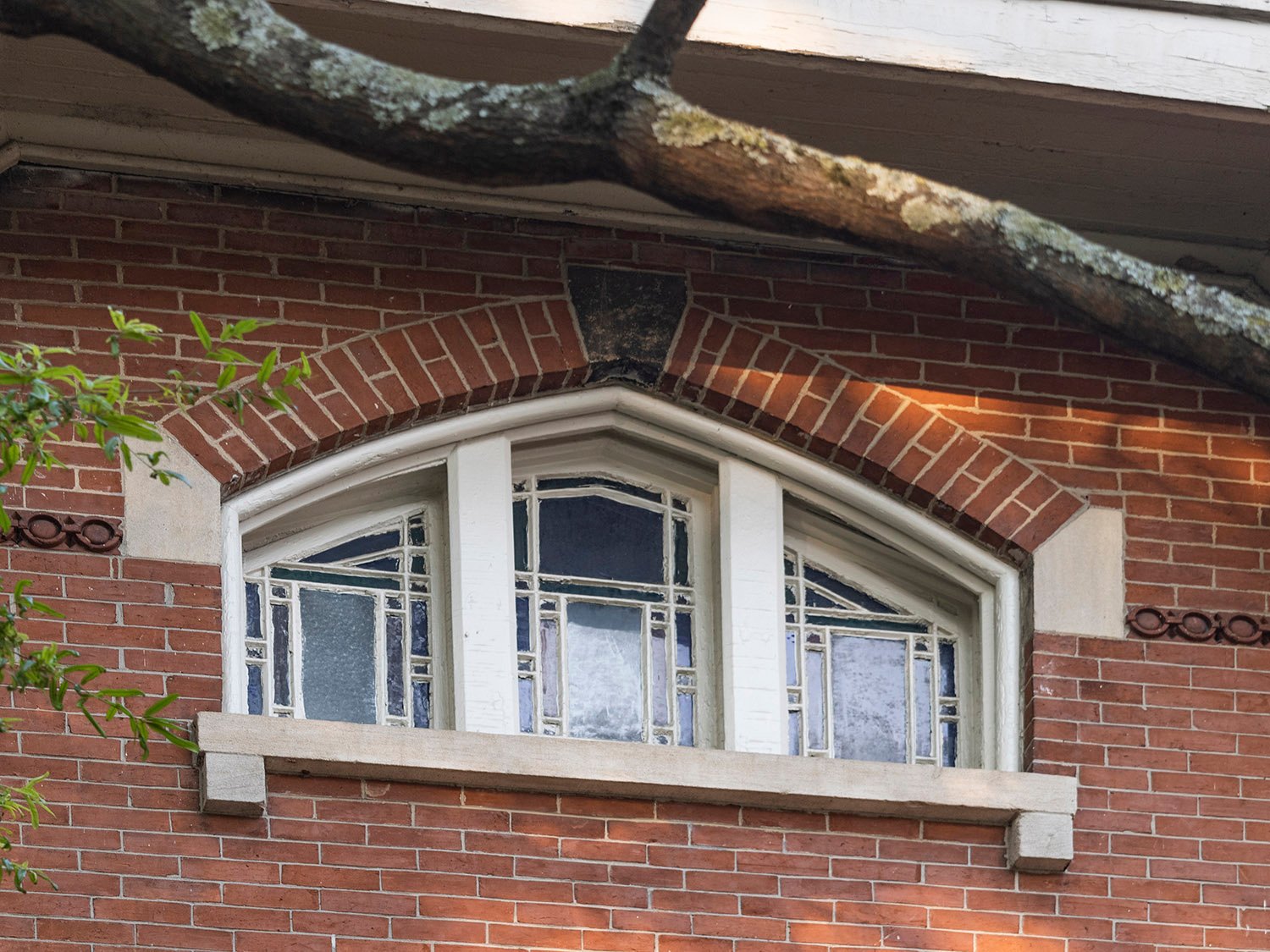
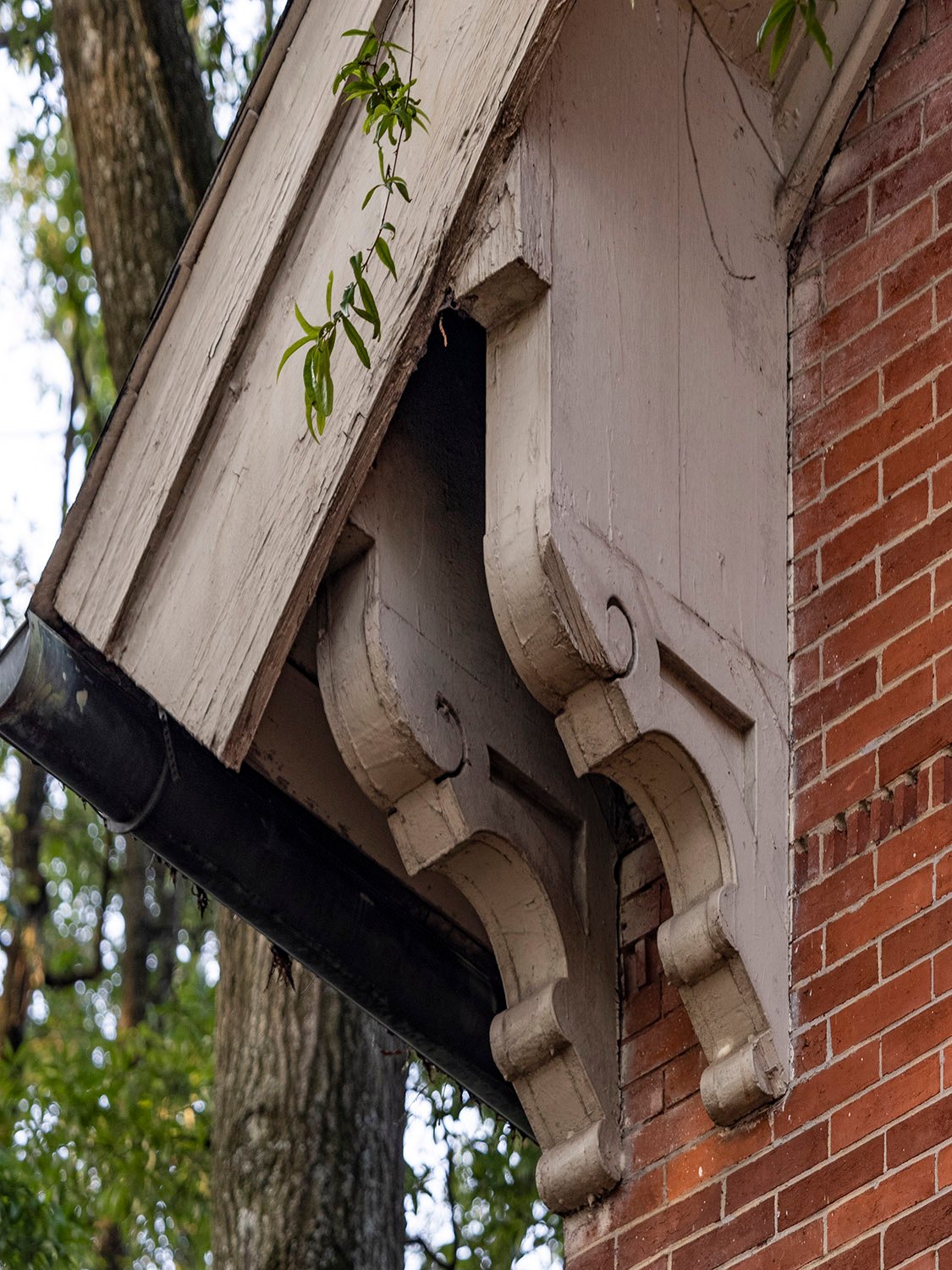
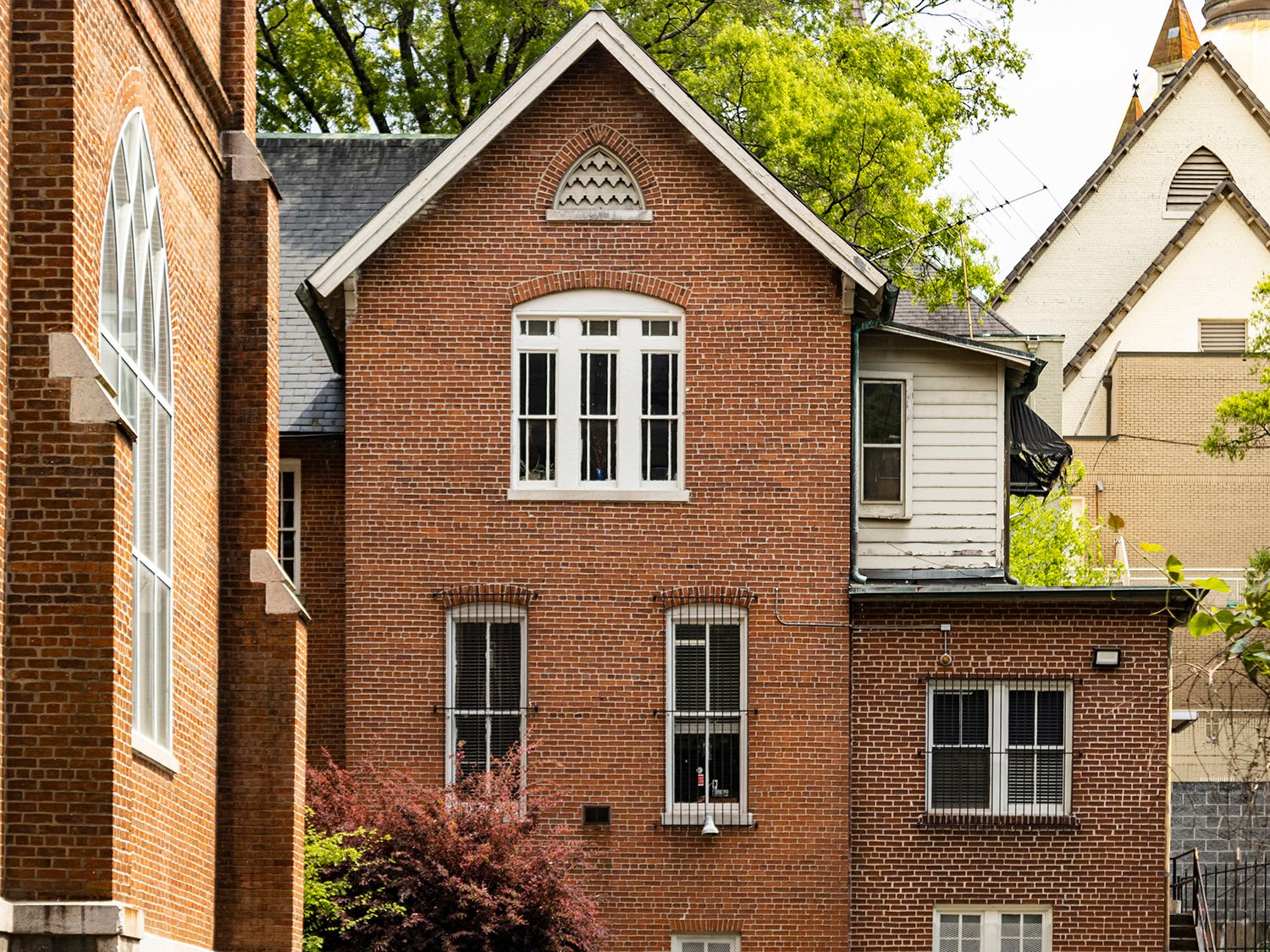
E.G. Lind. The Priest’s House at Catholic Shrine of the Immaculate Conception (1884). Atlanta.12345Front porch and entrance of The Priest’s House, AtlantaFirst-floor windows on the facade of The Priest’s House, AtlantaSecond-floor window on the facade of The Priest’s House, AtlantaTerracotta stringcourse on the facade of The Priest’s House, AtlantaAttic window on the facade of The Priest’s House, AtlantaEaves and consoles on the facade of The Priest’s House, AtlantaWest elevation of The Priest’s House, Atlanta
References
Belfoure, Charles. Edmund G. Lind: Anglo-American Architect of Baltimore and the South. Baltimore, Maryland: The Baltimore Architectural Foundation (2009). ↩︎
“Notice to Builders & Contractors”. The Atlanta Constitution, June 25, 1884, p. 5. ↩︎
“Building Bits.” The Atlanta Constitution, May 30, 1884, p. 7. ↩︎
“The Priest’s House”. The Atlanta Constitution, November 9, 1884, p. 9. ↩︎
“A Brilliant Occasion.” The Atlanta Constitution, November 12, 1884, p. 7. ↩︎
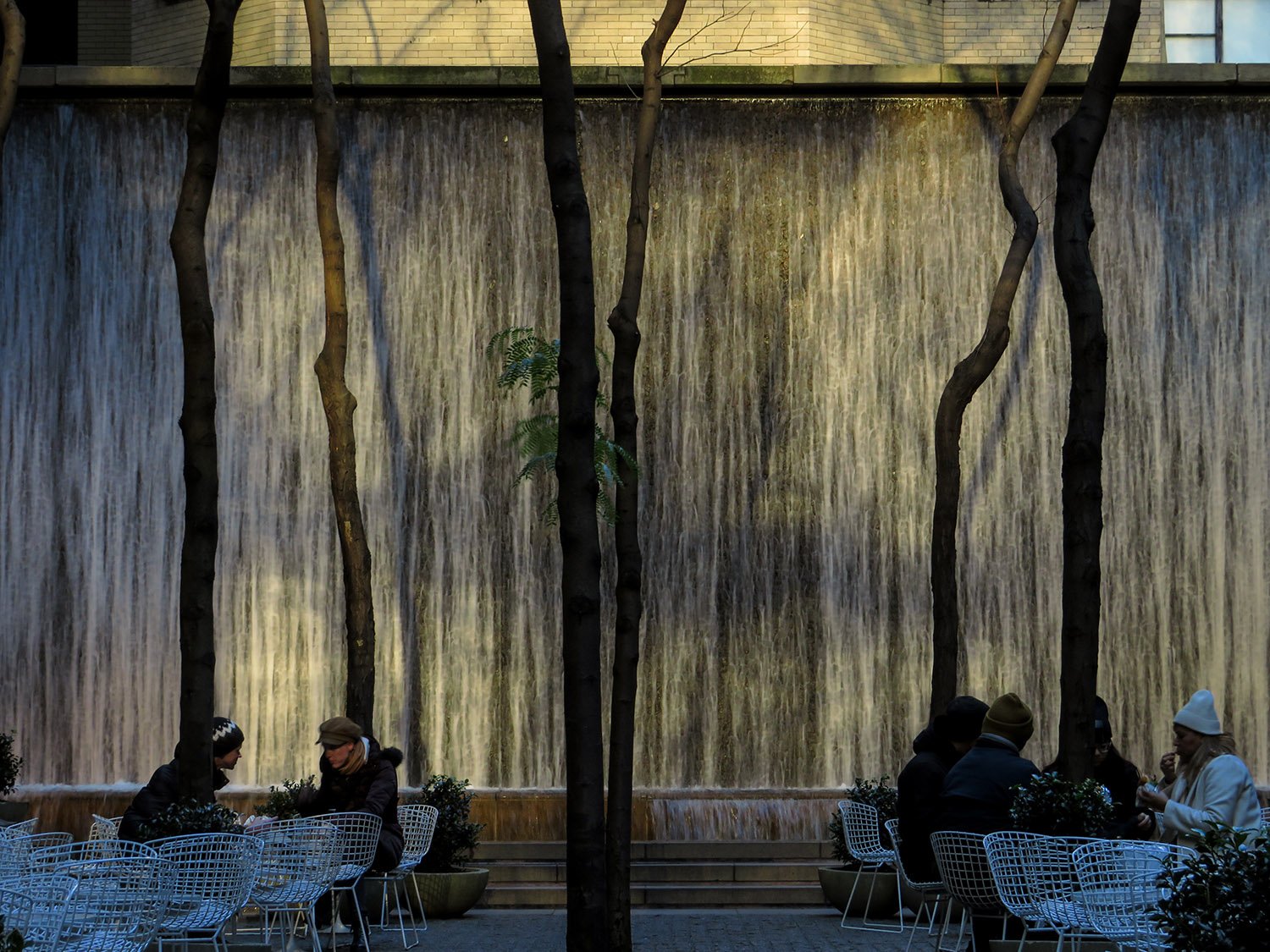
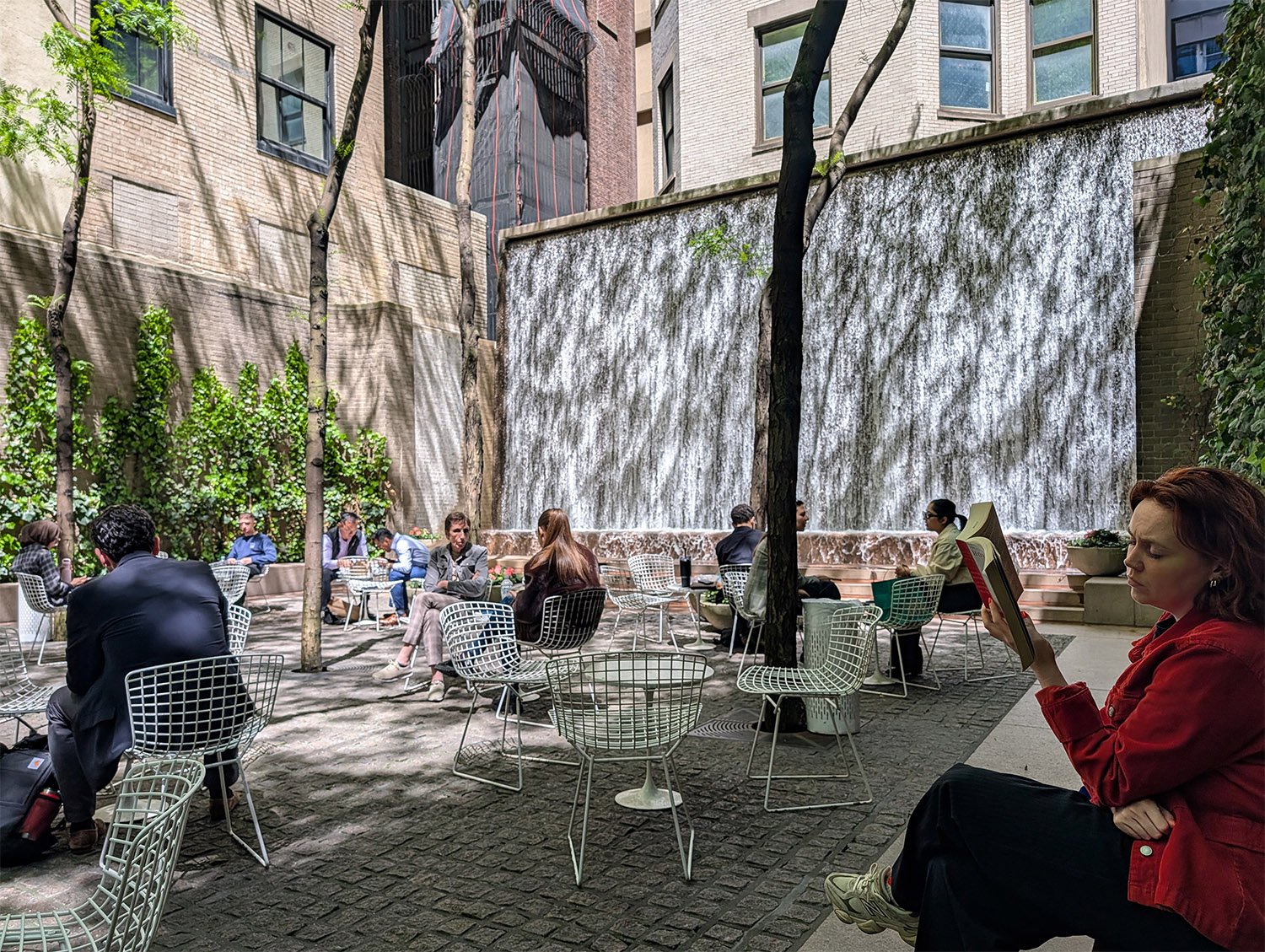
I first learned about Paley Park in William H. Whyte‘s The Social Life of Small Urban Spaces, an inspiring and formative little book that I stumbled upon years ago and still occasionally thumb through and read.
Paley Park was at the top of my list when I first visited New York, and I’ve returned many times since.
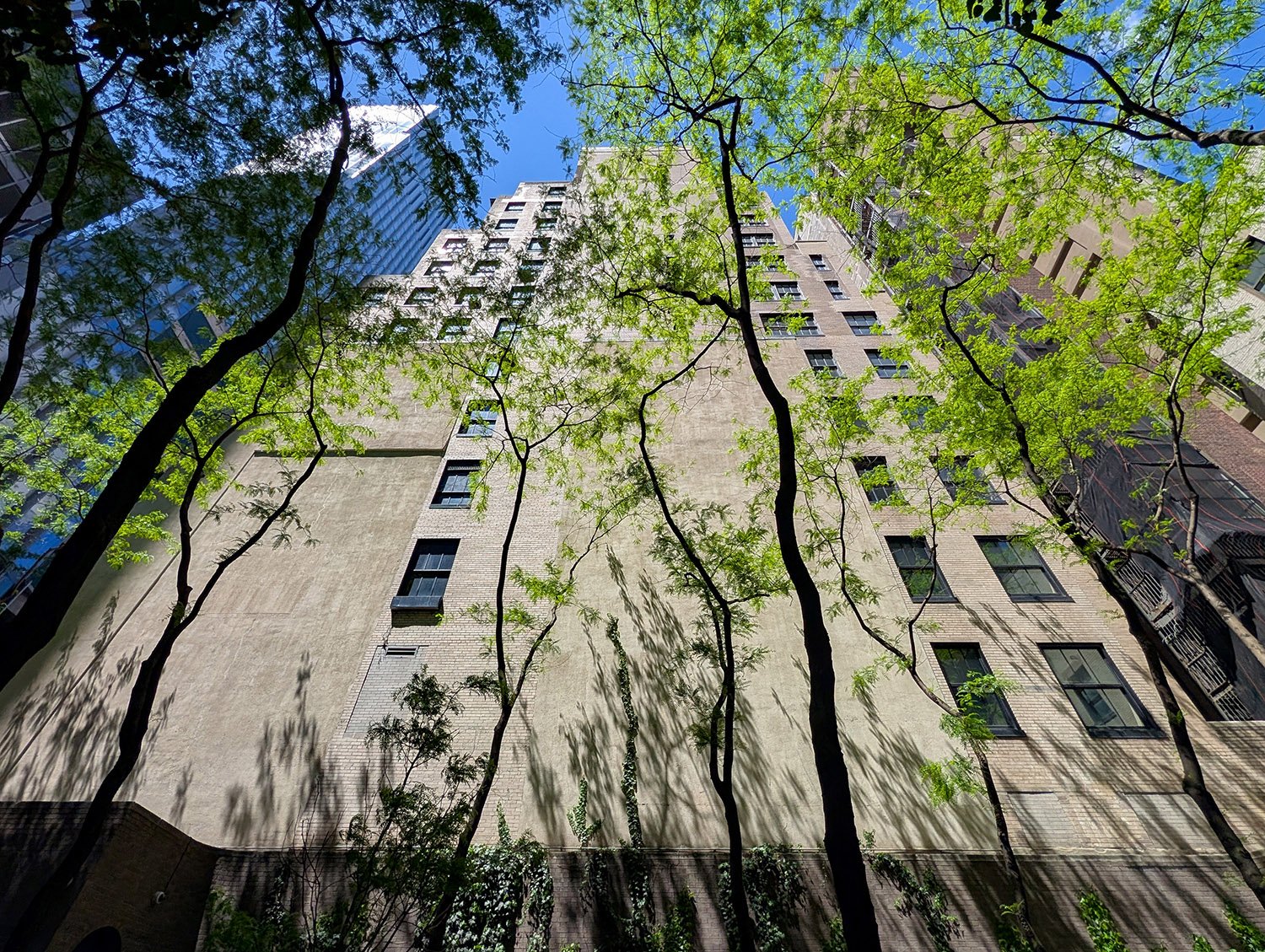
Paley Park, New York City
Just 4,200 square feet in size,1 it’s a perfect little slice of nature in Midtown Manhattan, with a waterfall, trees, and plenty of tables and chairs.
The park is packed every time I visit, whether on a beautiful spring afternoon or a freezing January day.
I woke up this morning to the rat-a-tat-tat of an old typewriter, Ready to punch out the form of my day. “Just a minute,” I objected hazily—sometimes I like to go off-script. I drifted back into some preferable, strange dream, Then, resurrected with a cup of coffee an hour later. “Okay, writer: resume.”
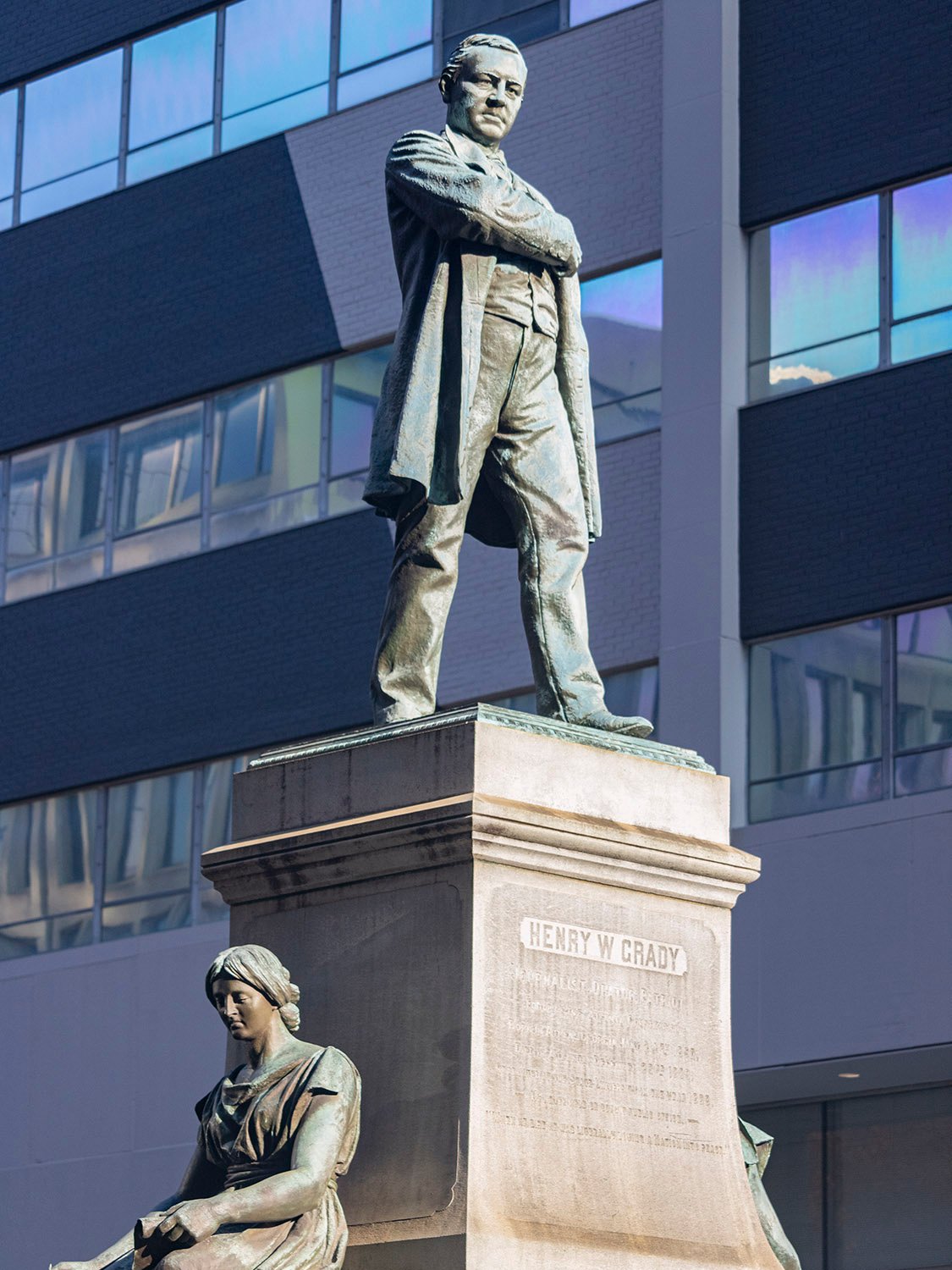
Alexander Doyle. Henry. W. Grady Monument (1891). Atlanta.
The Background
Henry W. Grady (1850-1889) was the editor of The Atlanta Constitution in the 1880s, as well as the originator and chief proselytizer of “The New South” mythology that Atlanta still clings to as gospel.
If anyone in post-Civil War America was unaware of Grady’s conception of the New South, he considered it his life’s mission to indoctrinate them, criss-crossing the United States and preaching his message of a resurgent South in a series of public speeches.
Grady’s big idea was to reduce the Southeast’s economic reliance on agriculture and attract industry to the region with cheap labor, envisioning Atlanta as its epicenter.
The city and mythology soon became synonymous, and Atlanta developed a reputation as a progressive, “wide-awake” metropolis in a region long viewed as backward and rural.
The vision of the New South was anything but progressive, however, and Grady was simply regurgitating the stale promises of capitalism with a Southern twang.
He was also an avowed White supremacist who lamented the region’s “Negro problem,” which is to say that Black people existed at all. Among some of Grady’s choice remarks on the subject is this subtle proclamation:
“But the supremacy of the white race of the South must be maintained forever, and the domination of the negro race resisted at all points and at all hazards, because the white race is the superior race.”1
In other words, the New South was to be built on the same old bullshit as the Old South.
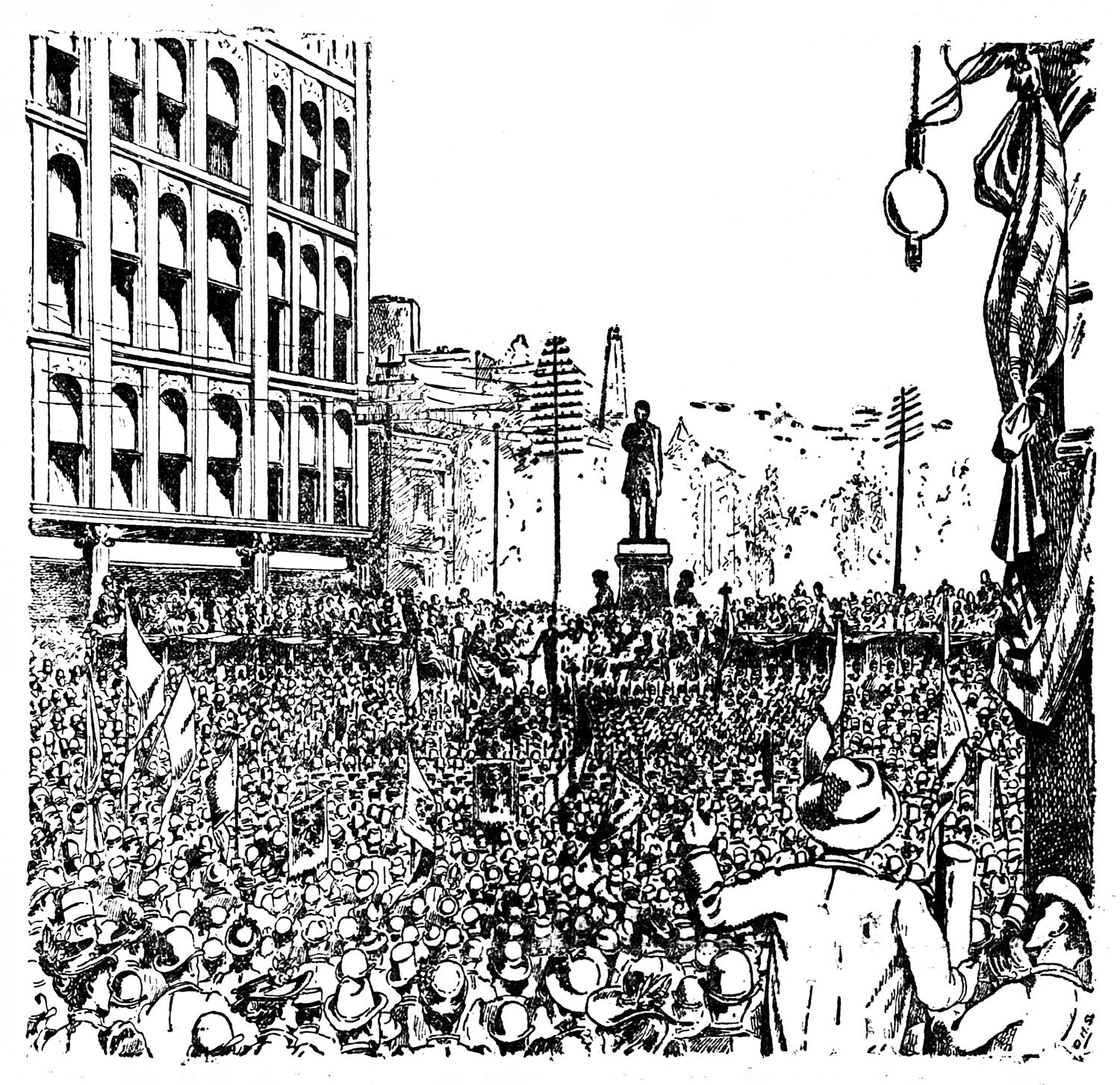
Illustration of the unveiling of the Henry W. Grady Monument, October 21, 18912
Americans love to deify racist orators, and when Grady suddenly died in December 1889, he was immediately beatified by White Atlantans as some patron saint of the city.
A movement quickly grew to erect a monument to him, and in March 1890, a local committee accepted the design for a bronze statue sculpted by Alexander Doyle.3
The Henry Grady monument was unveiled in a lavish public ceremony on October 21, 1891,4 which the Constitution predictably covered as if it were the event of the century, claiming that crowds in attendance ranged from 25,000 to 50,000 people,5 no doubt greatly exaggerated since the city’s population was less than 70,000 at the time.6
A monument to Grady wasn’t enough, however, and for decades the city slapped his name on various streets and buildings, including Grady Memorial Hospital and Grady High School in Midtown.
The high school finally dropped his name in 2021,7 but the hospital remains “Grady”, and it’s hard to imagine a world in which Atlantans would ever call it anything else.
The Grady monument was erected at the intersection of Marietta and Forsyth Streets, and during the 1906 Atlanta race massacre, it served as an altar for the bodies of three Black men murdered by an angry White mob.
As the Constitution told the story:
‘One of the worst battles of the night was that which took place around the postoffice. Here the mob, yelling for blood, rushed upon a negro barber shop just across from the federal building.
‘”Get ’em. Get ’em all.” With this for their slogan, the crowd, armed with heavy clubs, canes, revolvers, several rifles, stones and weapons of every description, made a rush upon the negro barber shop. Those in the first line of the crowd made known their coming by throwing bricks and stones that went crashing through the windows and glass doors.
‘Hard upon these missiles rushed such a sea of angry men and boys as swept everything before them.
‘The two negro barbers working at their chairs made no effort to meet the mob. One man held up both his hands. A brick caught him in the face, and at the same time shots were fired. Both men fell to the floor. Still unsatisfied, the mob rushed into the barber shop, leaving the place a mass of ruins.
‘The bodies of both barbers were first kicked and then dragged from the place. Grabbing at their clothing, this was soon torn from them, many of the crowd taking these rags of shirts and clothing home as souvenirs or waving them above their heads to invite to further riot.
‘When dragged into the street, the faces of both barbers were terribly mutilated, while the floor of the shop was met with puddles of blood. On and on these bodies were dragged across the street to where the new building of the electric and gas company stands. In the alleyway leading by the side of this building the bodies were thrown together and left there.
‘At about this time another portion of the mob busied itself with one negro caught upon the streets. He was summarily treated. Felled with a single blow, shots were fired at the body until the crowd for its own safety called for a halt on this method, and yelled “Beat ’em up. Beat ’em up. You’ll kill good white men by shooting.”
‘By way of reply, the mob began beating the body of the negro, which was already far beyond any possibility of struggle or pain. Satisfied that the negro was dead, his body was thrown by the side of the two negro barbers and left there, the pile of three making a ghastly monument to the work of the night, and almost within the shadow of the monument of Henry W. Grady.’
So much for the city too busy to hate.
The Grady statue still stands at the intersection of Marietta and Forsyth Streets in Downtown Atlanta, but it’s easy to overlook.
In June 1996, it was moved 10 feet from its original spot for greater visibility,8 but it remains surrounded on both sides by a canyon of glass-and-steel buildings that cast the monument in near-constant shadow—that’s probably for the best.
When the statue was unveiled in 1891, W.W. Goodrichfelt the need to offer his thoughts on the subject—because of course he did— with remarks to the Constitution that should be viewed with great skepticism, given his well-noted propensity for lying.
In the following excerpt from the article, Goodrich claims to have had “several conversations” with Grady—”in his sanctum,” no less—and acts as if the two men were intimate friends.
Let’s do some quick math here: Goodrich came to Atlanta in September 1889,9 and Grady died on December 23, 1889, after a month-long bout of pneumonia, during which time he also took extended trips to New York and Boston.10
Would a no-name newcomer from California have been able to engage in “several conversations” with Grady in under three months? I have serious doubts.
Here, Goodrich also compares Grady to Abraham Lincoln, with whom he was apparently quite enamored [see also: “The President and the Bootblack“], sharing an apocryphal tale about Lincoln that he undoubtedly pulled straight from his ass.
And on that note, we won’t be hearing much more of Goodrich’s bullshit for a while. Thank God.
Article Excerpt:
All during the day, and away into every night, there is a group around the Grady statue. Yesterday it was surrounded all day by men, women and children, who were studying the bronze figure. As late as 10 o’clock last night there were at least twenty people in front of the statue, gazing at it.
Mr. W.W. Goodrich, the architect, says:
Looking upon that face in living bronze, studying its points of character, the many thoughts of the several conversations I had with him pass in review before my memory. Shortly after making Atlanta my home, I called upon Mr. Grady in his sanctum. Always courteous, cordial, and painstaking in a marked degree, to make a stranger at home, in his beloved city, was he to every one. He never referred to the past, but that he predicted from out of it would arise in the south, in this favored region, the grandest lives of our future republic. He predicted that the mighty forces of science would hereabout establish those appliances of labor that would elevate the new south above her most rosy anticipations.
“And why not,” said Mr. Grady to me once, “about us all are the minerals, inexhaustible, that are used in manufacturing enterprises. Our fields give us the raw material for our spindles to manipulate, our firesides are aglow with fuel from nearabout, our food products can all be raised here, our climate cannot be excelled, our transportation facilities place us speedily in all the markets of the world. Again, the active hands behind all this are young men who were boys after the surrender. From bank presidents down to humble vocations, our young men are the leading spirits.”
And whilst I listened to the speeches of Mr. Clark Howell and his co-laborers, at the unveiling ceremonies last Wednesday, I could not help but think of Mr. Grady’s remarks: “Our young men are back of it all, and are the active hands in the forwarding of all this remarkable prosperity and progress.”
Atlanta is peculiarly a city of young men. Their influence is felt on every hand, in every vocation, trade or profession. The brainy young men are back of it all, of all this wonderful and real prosperity, of all this great progress, and the future greatness of our city can be ascribed to the young men. And Mr. Grady was a young man. His addresses show the fire of youth with the mannered culture of experience. The young men of the new south are her bone and sinew, the coming giants in the political arena. The star of empire, for solid practical government, that government of the people, for the people, and by the people, that government of genuine Americans for Americans, is here in the south. From my observation, I verily believe there is more Americanism in the south than in all the rest of the country put together; and more love of American institutions for what they have been, for what they are and for what they will be in the future.
Mr. Grady admired the character of Lincoln, and with emotion remarked that the south lost her best friend when Mr. Lincoln died. He stated that Washington and Lincoln were the two greatest men of the world. And Governor Hill, in his remarkable eulogy of Mr. Grady, at the unveiling ceremonies, likened Washington, Lincoln and Grady as the three greatest men of our country.
Having occasion to visit Philadelphia during the early part of the war, Mr. Lincoln and Mr. Seward were in a car with several distinguished confederate soldiers on parole. These gentlemen were personally known to Mr. Lincoln and Mr. Seward, and as they chatted together in a most cordial manner, one of the confederate officers said: “Mr. President, what think you of the war?” Grasping the subject instantly, Mr. Lincoln asked:
“General, what do you think of the old flag?” The general’s color instantly turned and he did, not answer. Rising from his seat across the aisle he paced up the car and back to Mr. Lincoln’s seat and finally replied: “Right there was the south’s mistake.” “Yes,” said Mr. Lincoln, “had the south come north with the old flag, there would have been no war.”
I asked Mr. Grady is he had ever heard of the above conversation. He said that he had from one of the generals who was with Mr. Lincoln at that time. He stated the general’s name, and this same general was a very prominent man in the confederacy, and also stated that Mr. Lincoln’s remark about the old flag, was the truth.
Referring to this conversation, at a subsequent interview, Mr. Grady said: “There as one distinct thought that occurs to me, and that is this, Mr. Lincoln was peculiarly a man of the masses, and not of the classes.” Mr. Grady was a man of the masses, and not of the classes, and therein he was like Mr. Lincoln. His strong position with the masses made his paper, The Constitution, to be read by untold thousands all over the country, who saw in the new south that future of prosperity and progress that was typical in Mr. Grady’s greatness of heart, and of which he was the prime mover and its unflinching champion.11