From the Notebook

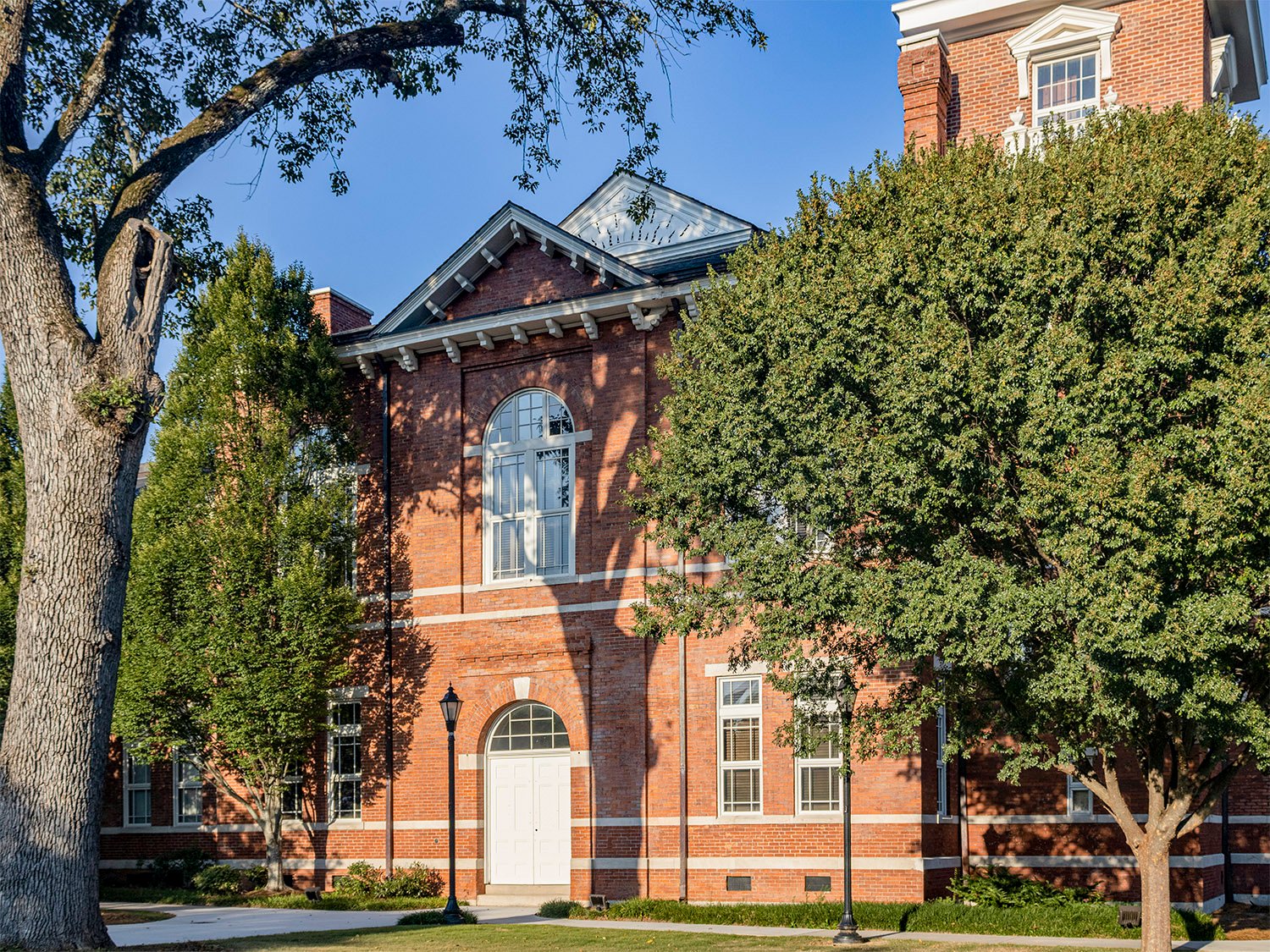
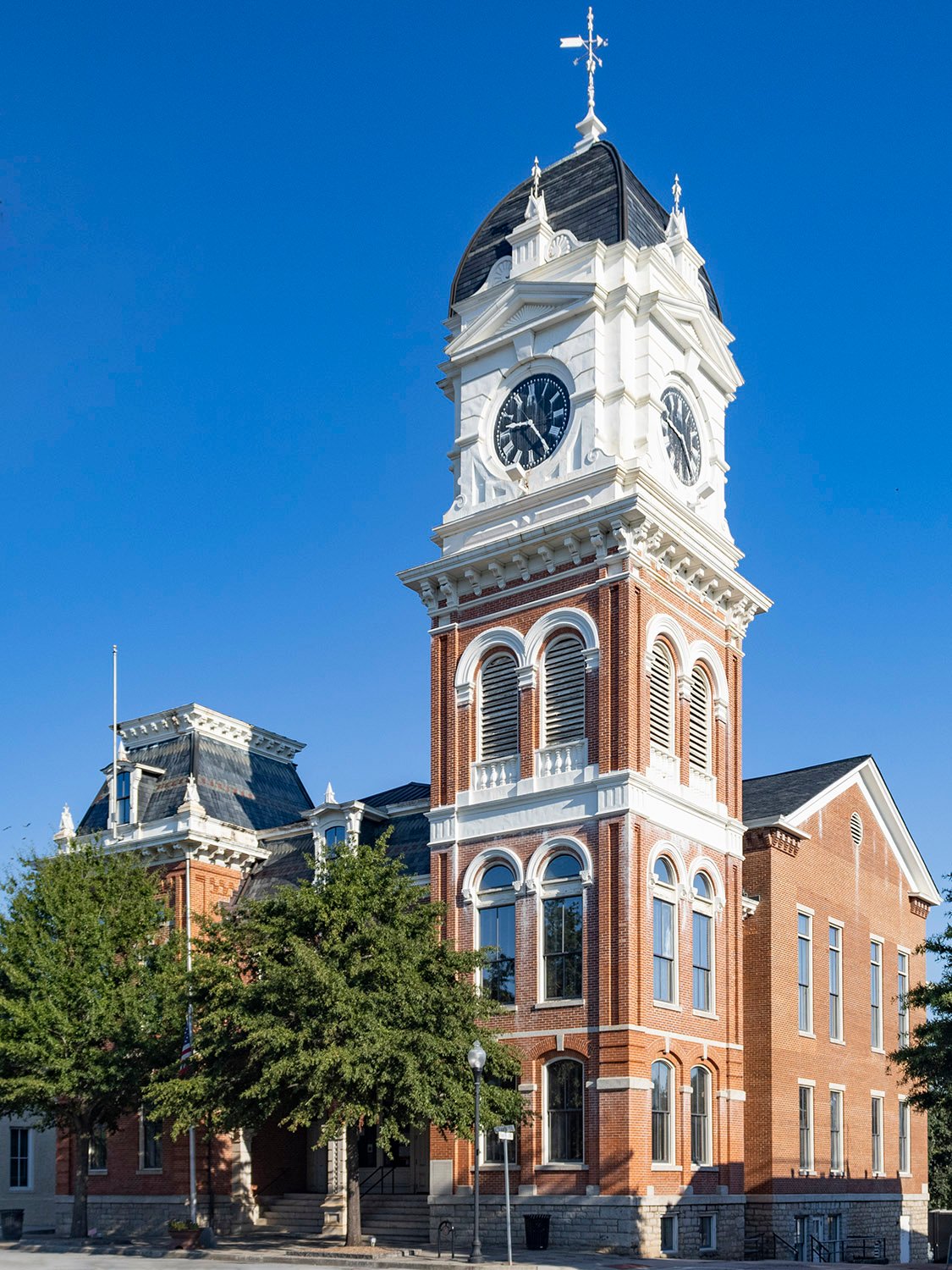
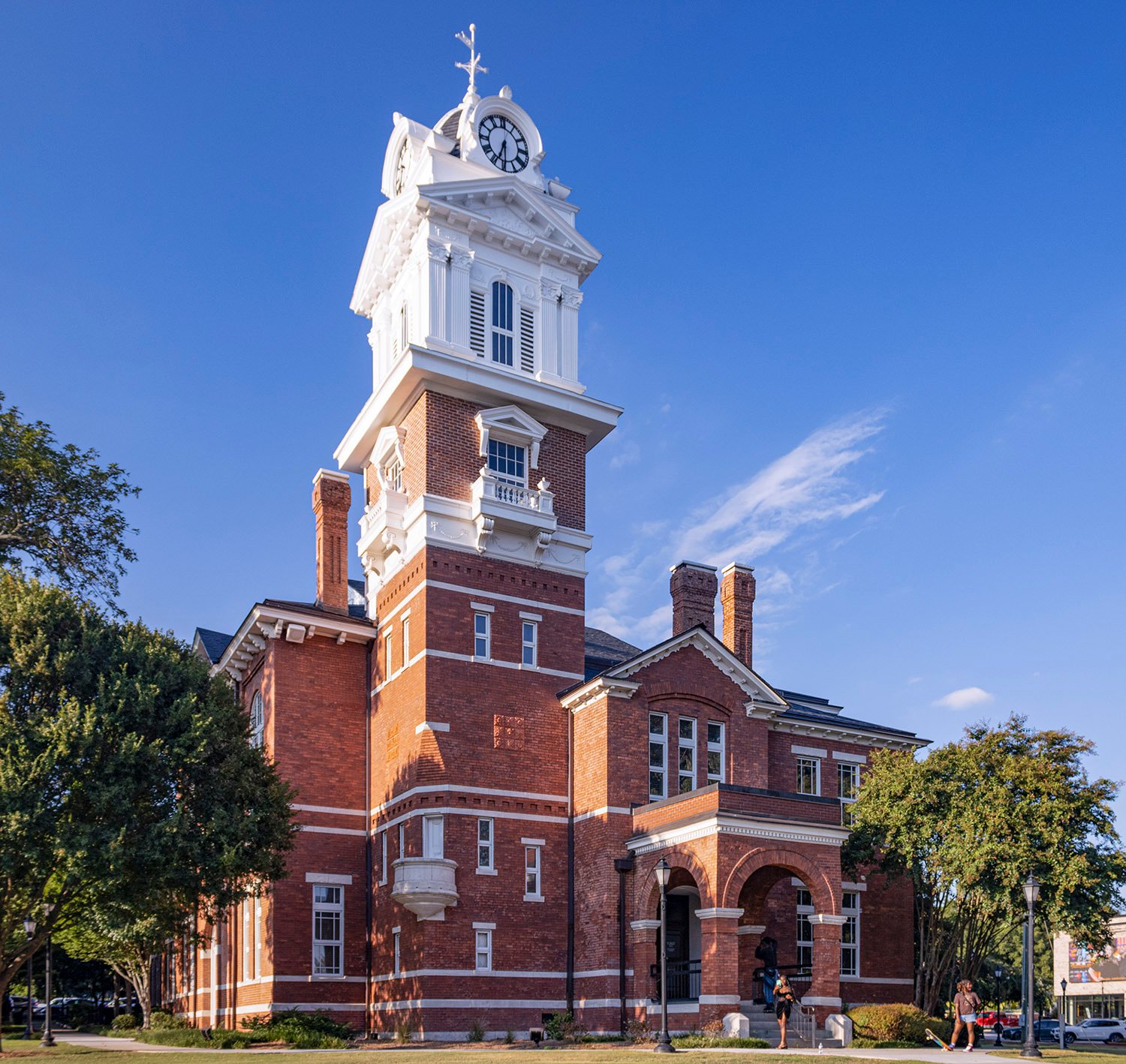
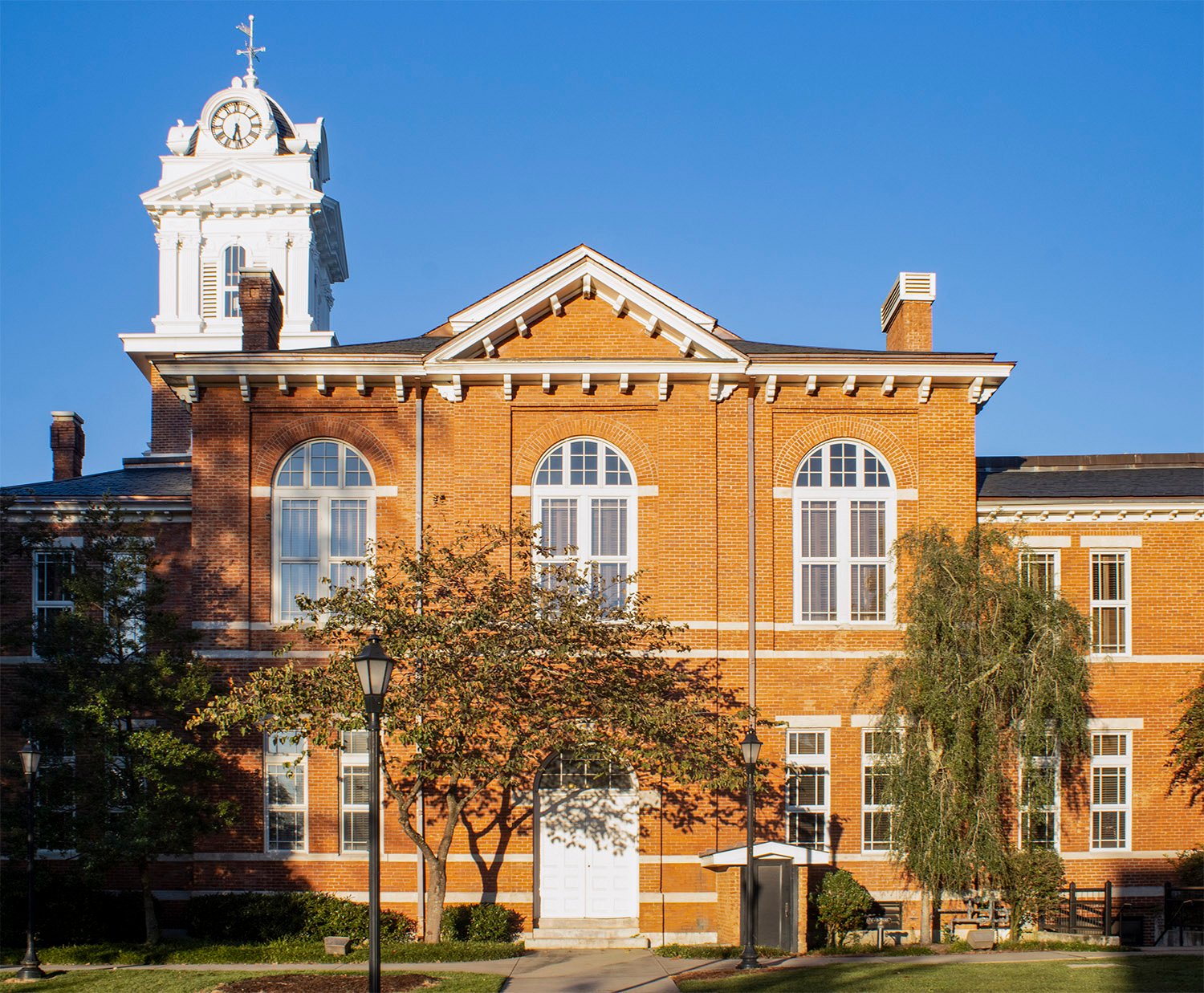
  • Newton County Courthouse (1884) – Covington, Georgia

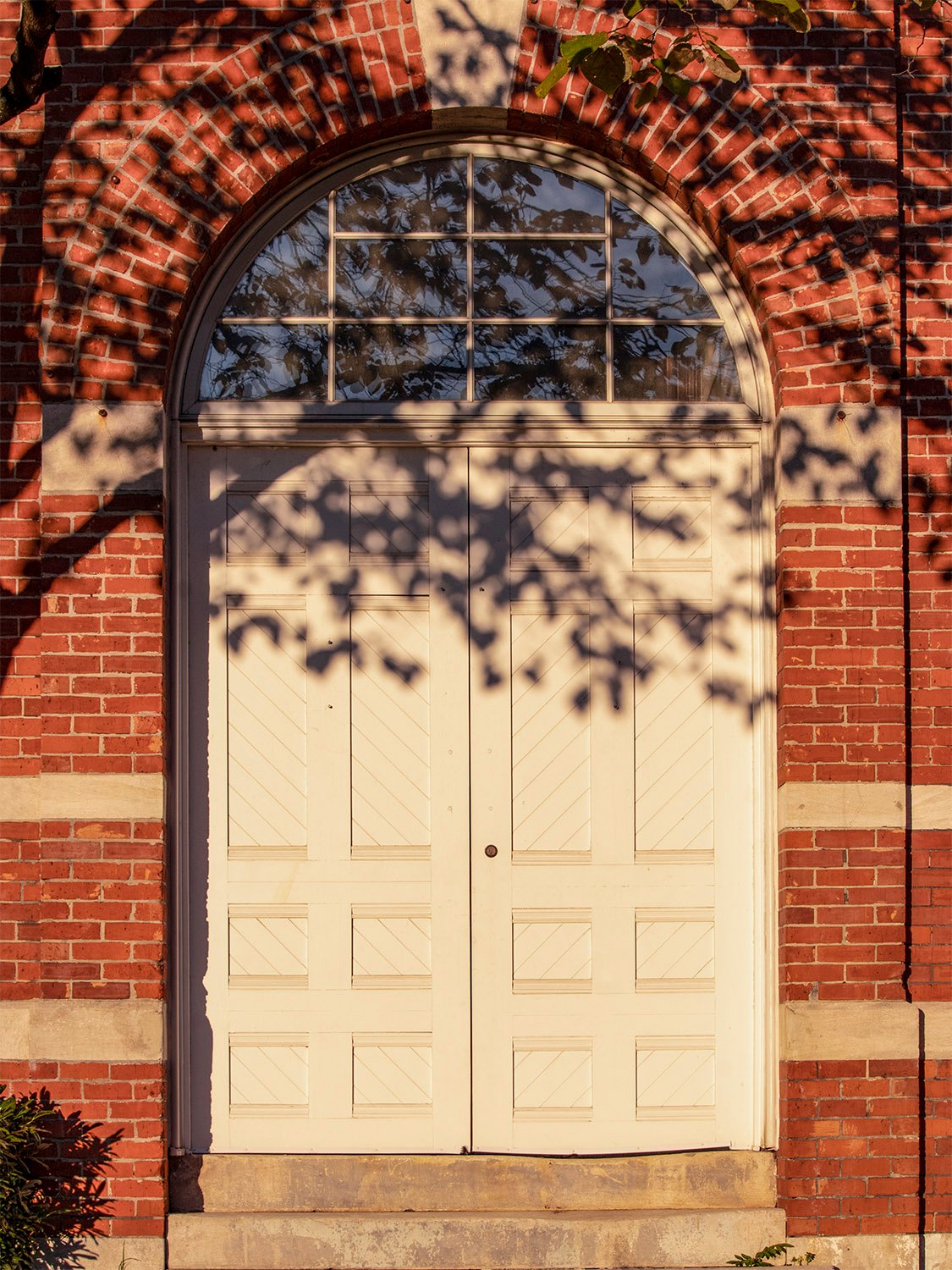
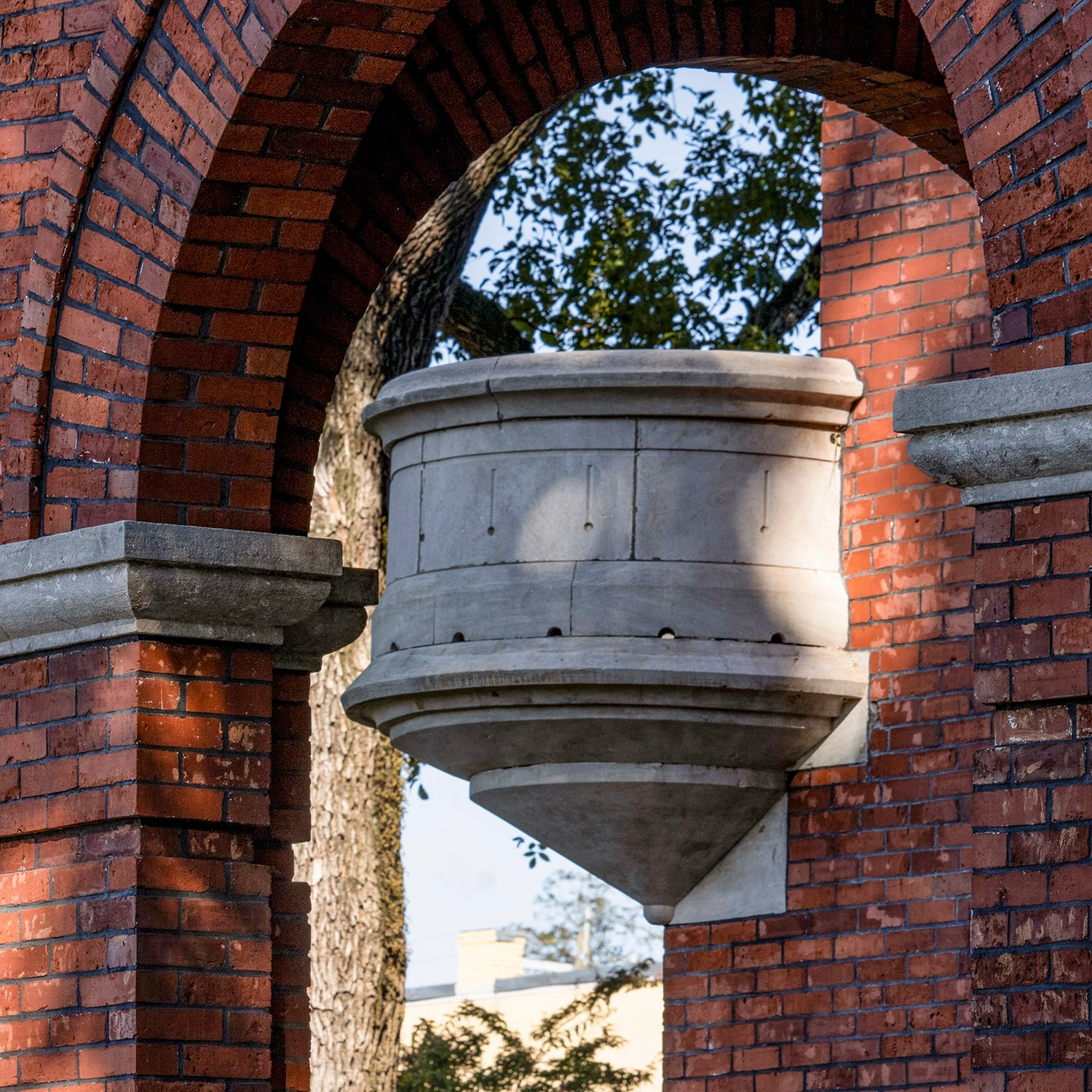
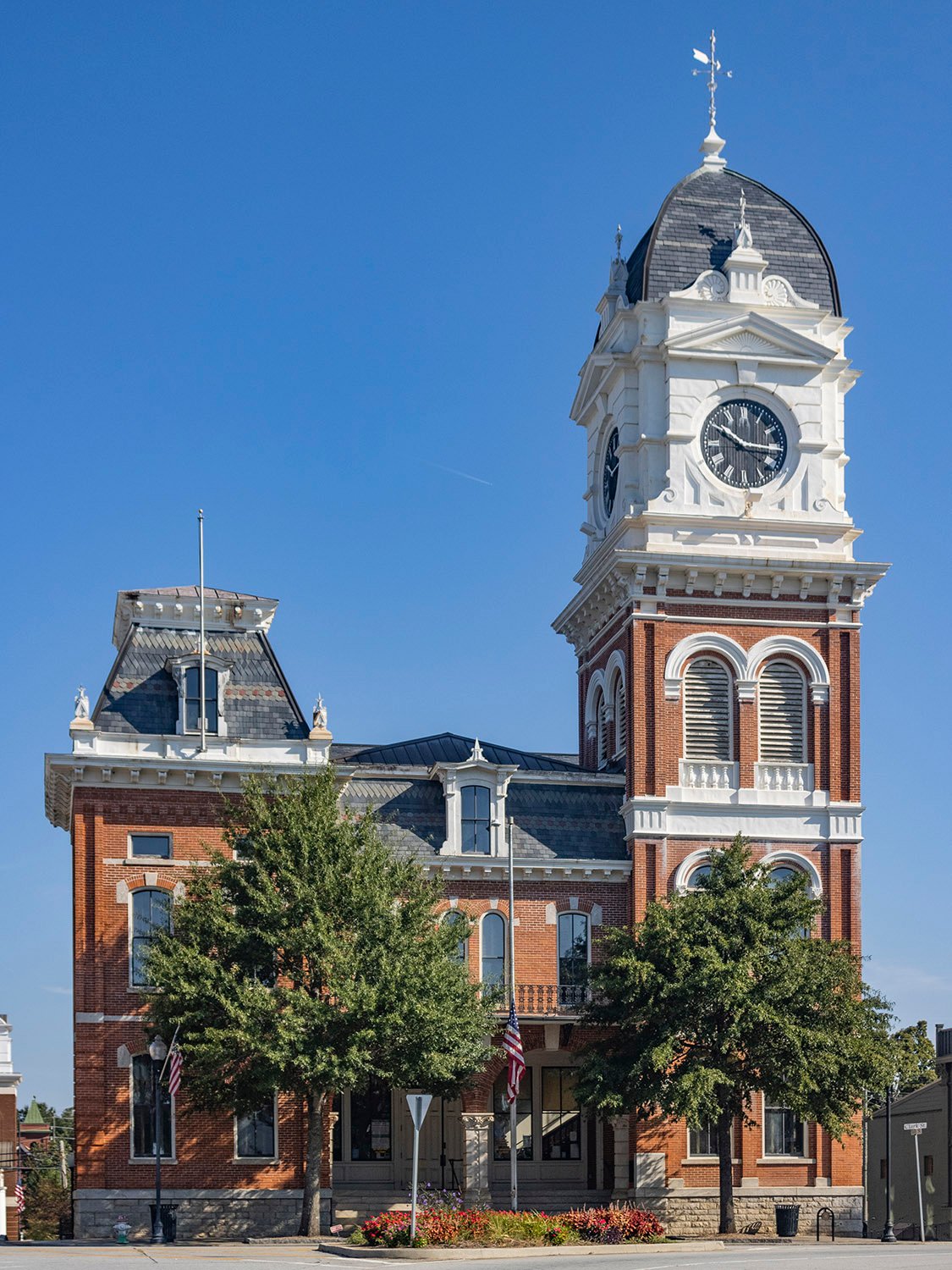
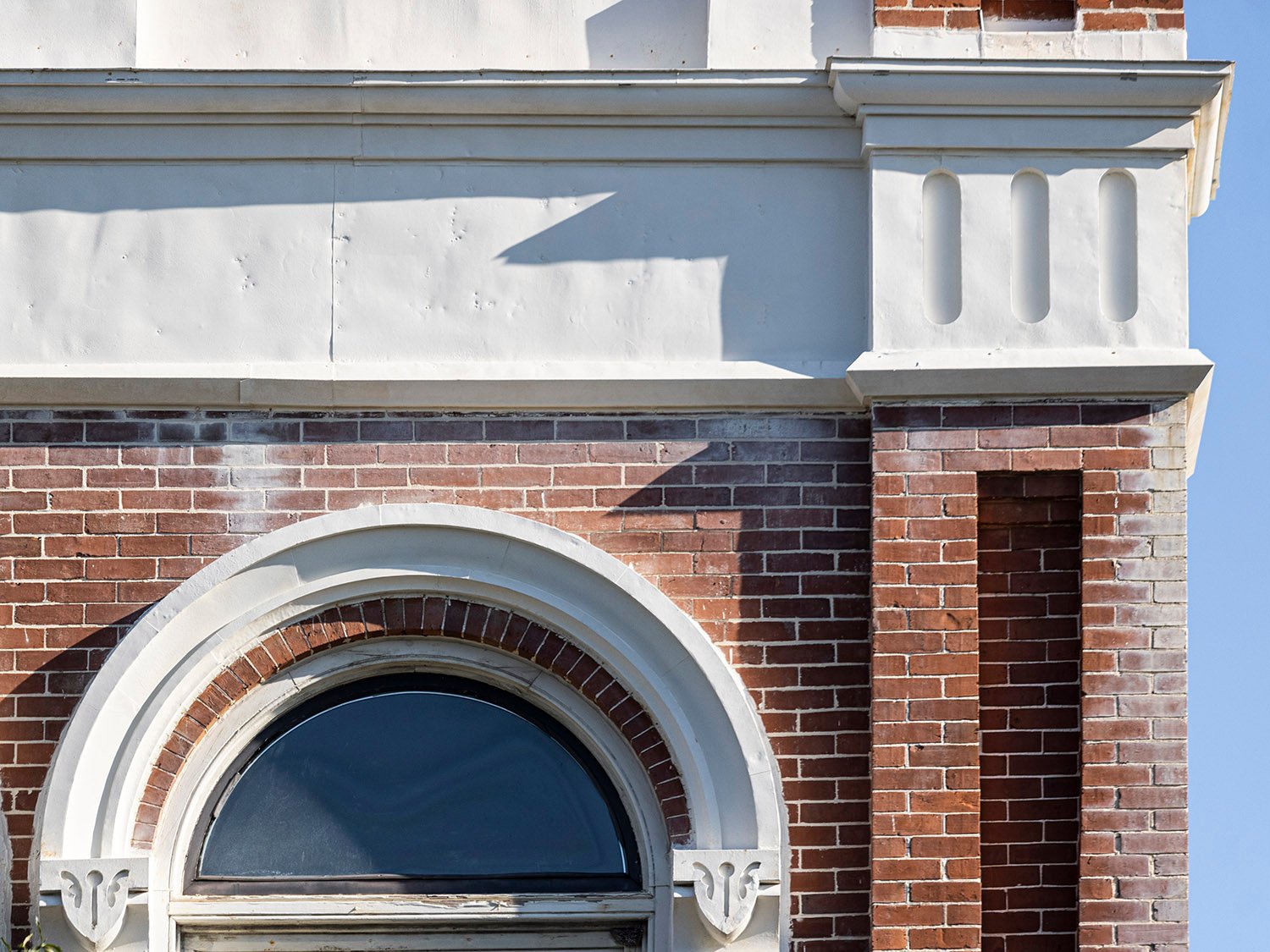
    Bruce & Morgan. Newton County Courthouse (1884). Covington, Georgia.
    Bruce & Morgan. Newton County Courthouse (1884). Covington, Georgia.1 2
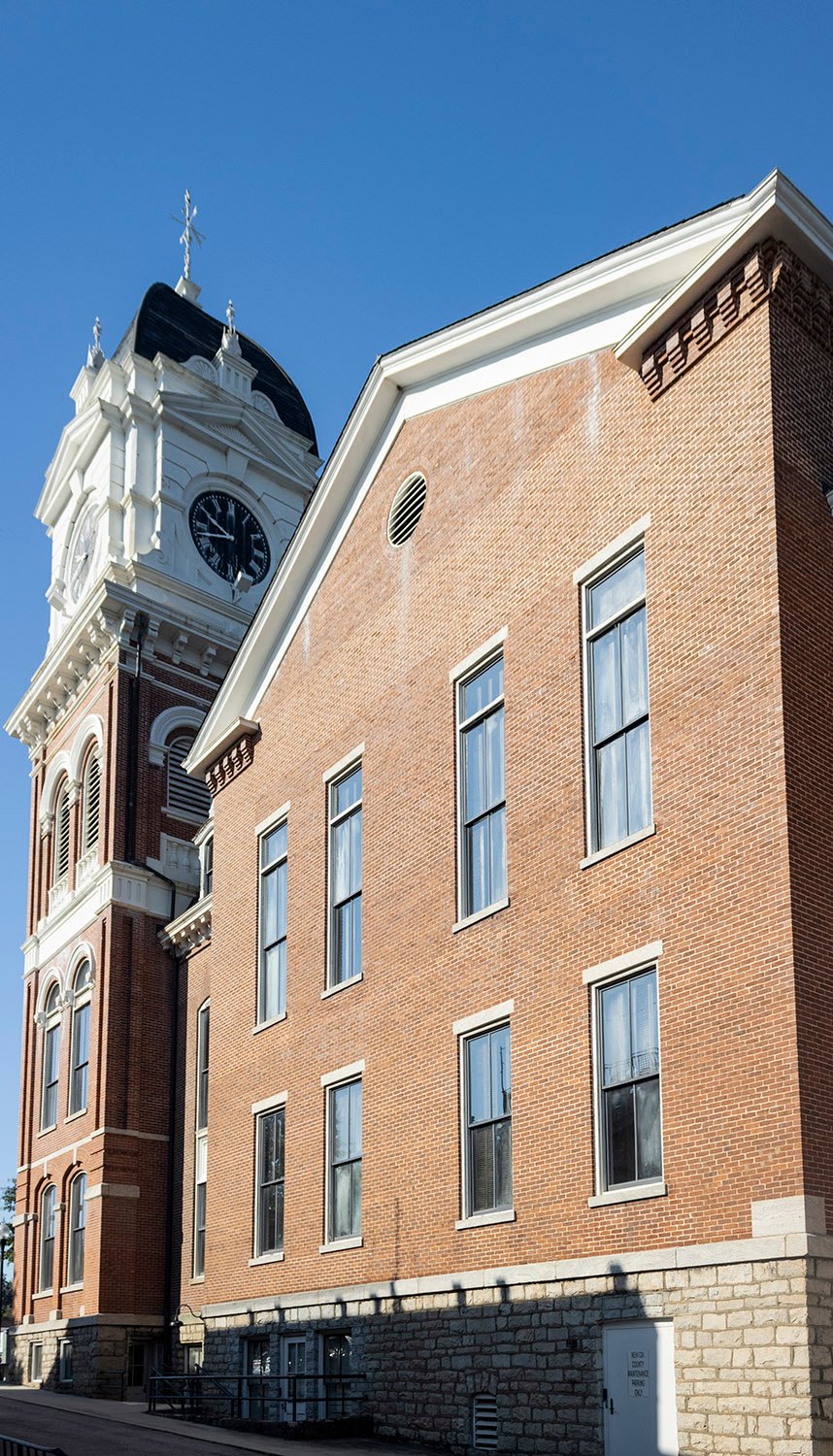
    Looking at the Newton County Courthouse from the southeast
    Looking at the Newton County Courthouse from the southeast
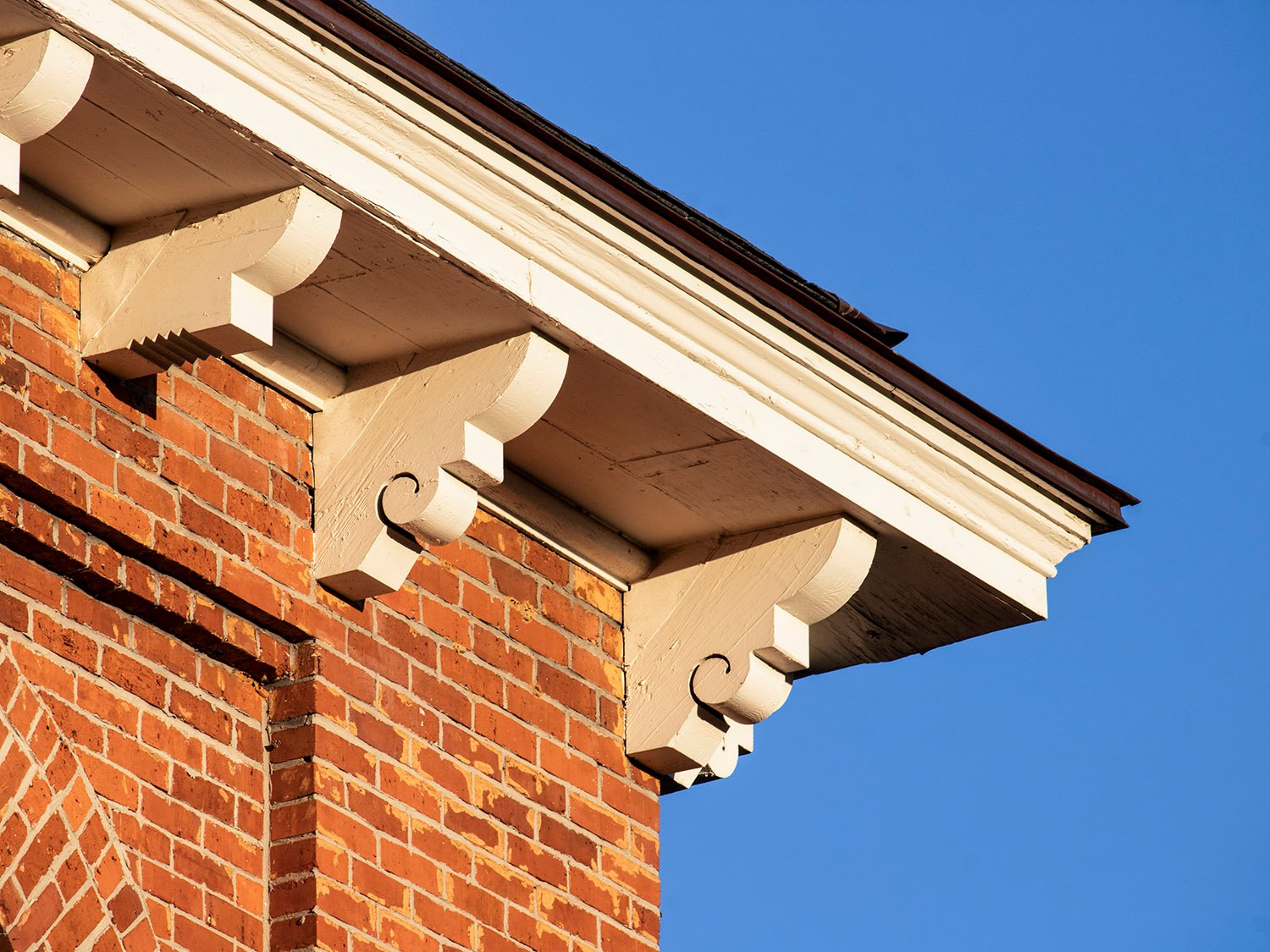
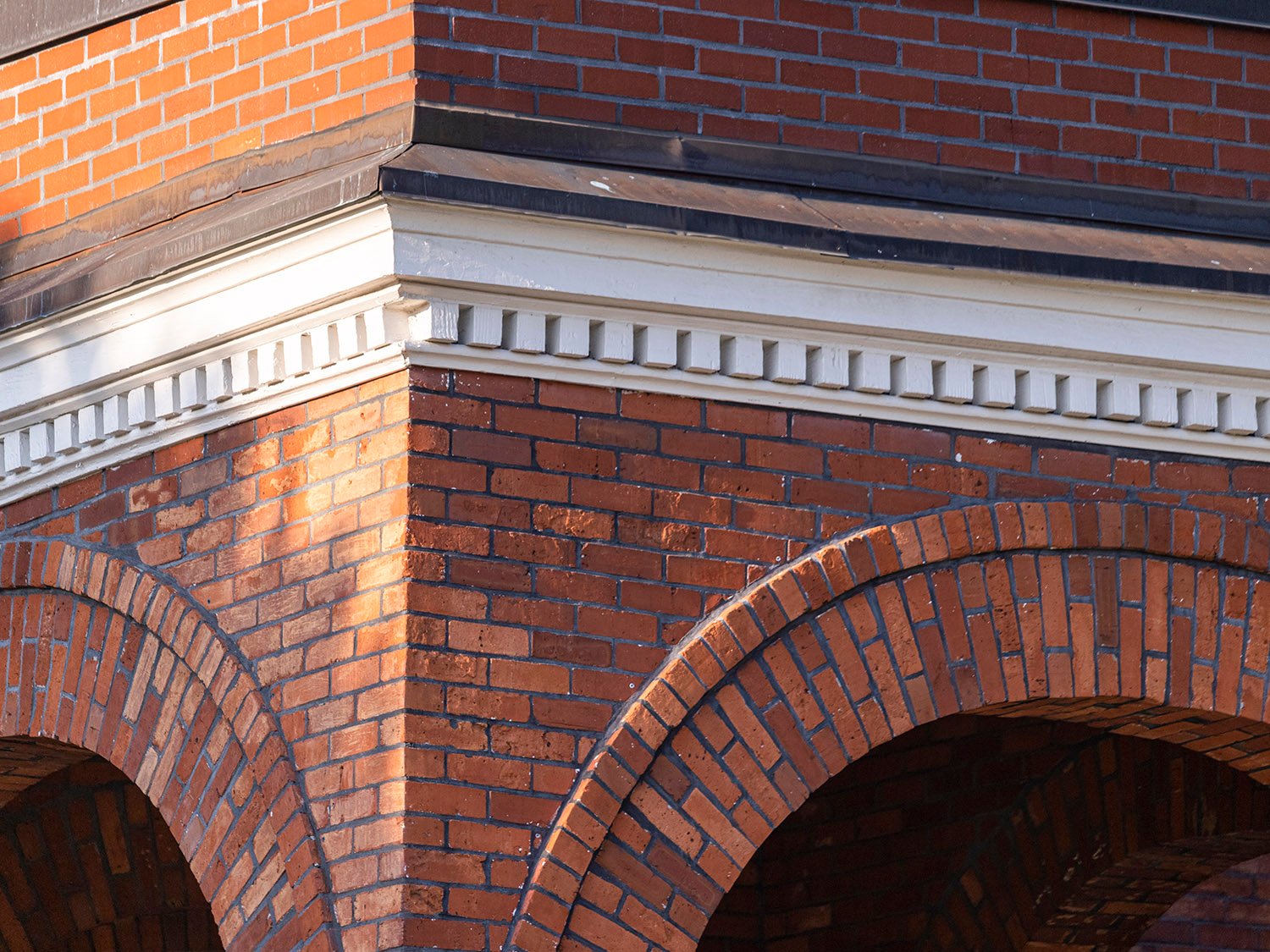
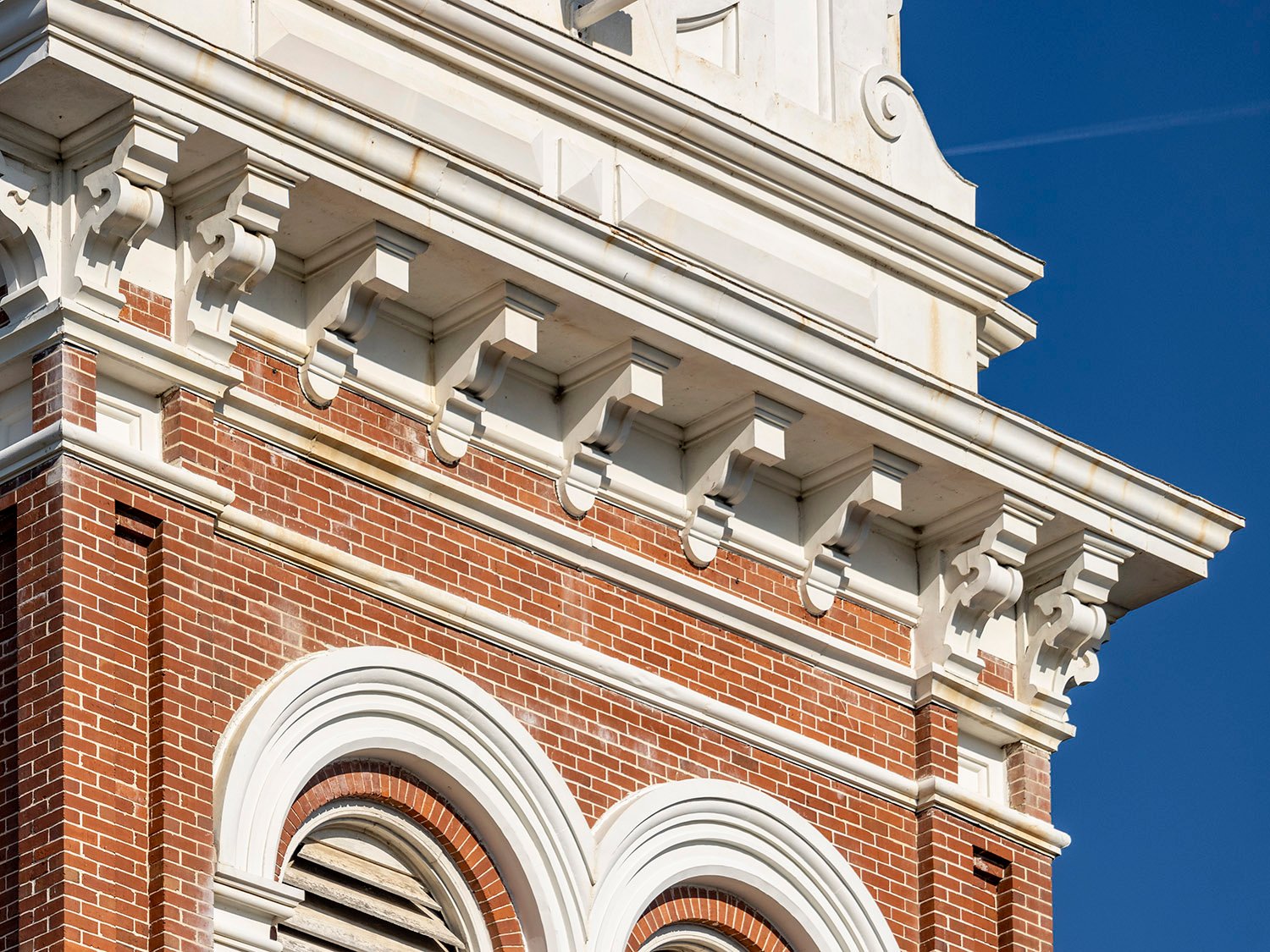
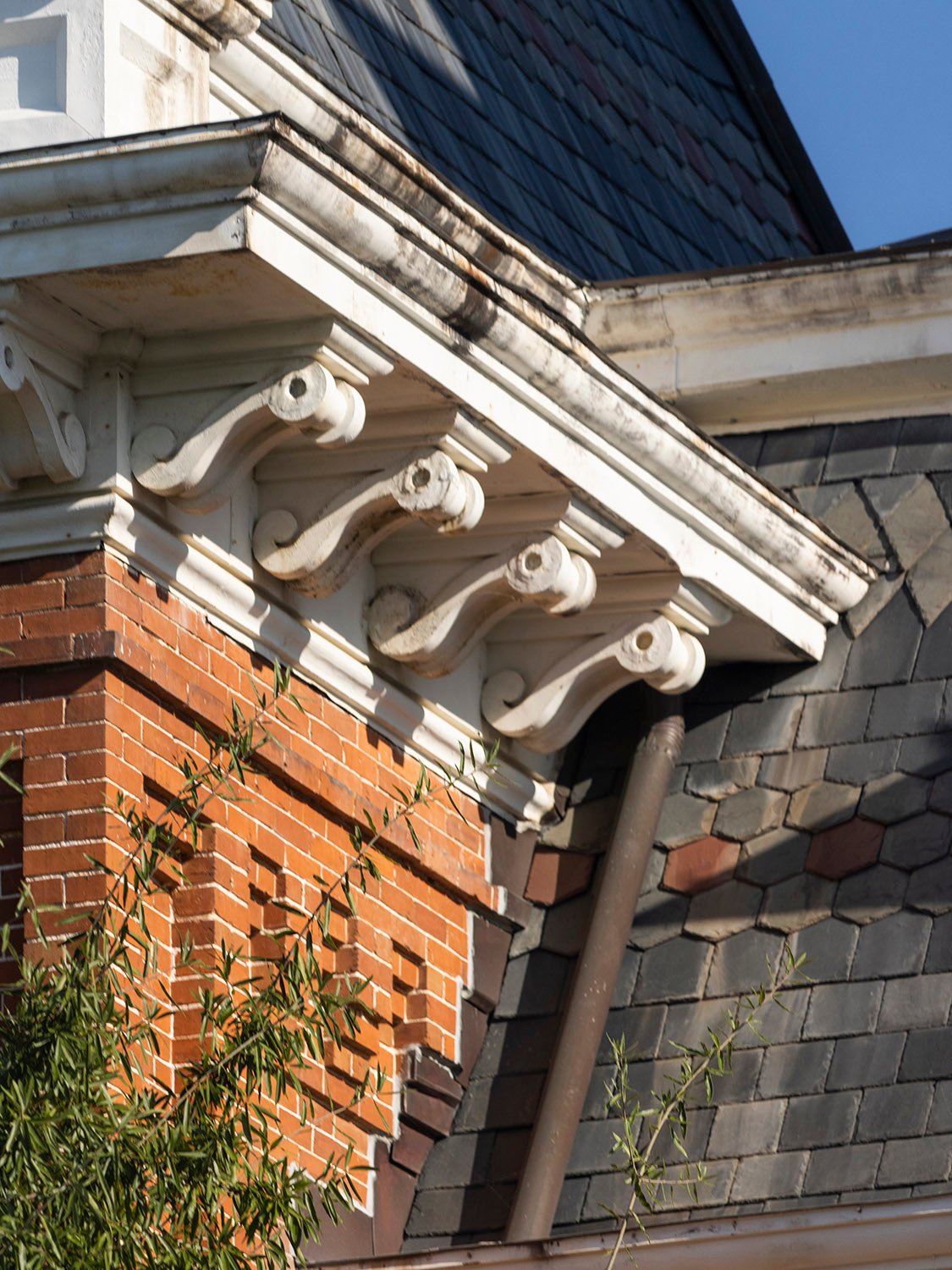
    Cornice and brackets on the clock tower of the Newton County Courthouse, Covington, Georgia
    Cornice and brackets on the clock tower of the Newton County Courthouse, Covington, Georgia
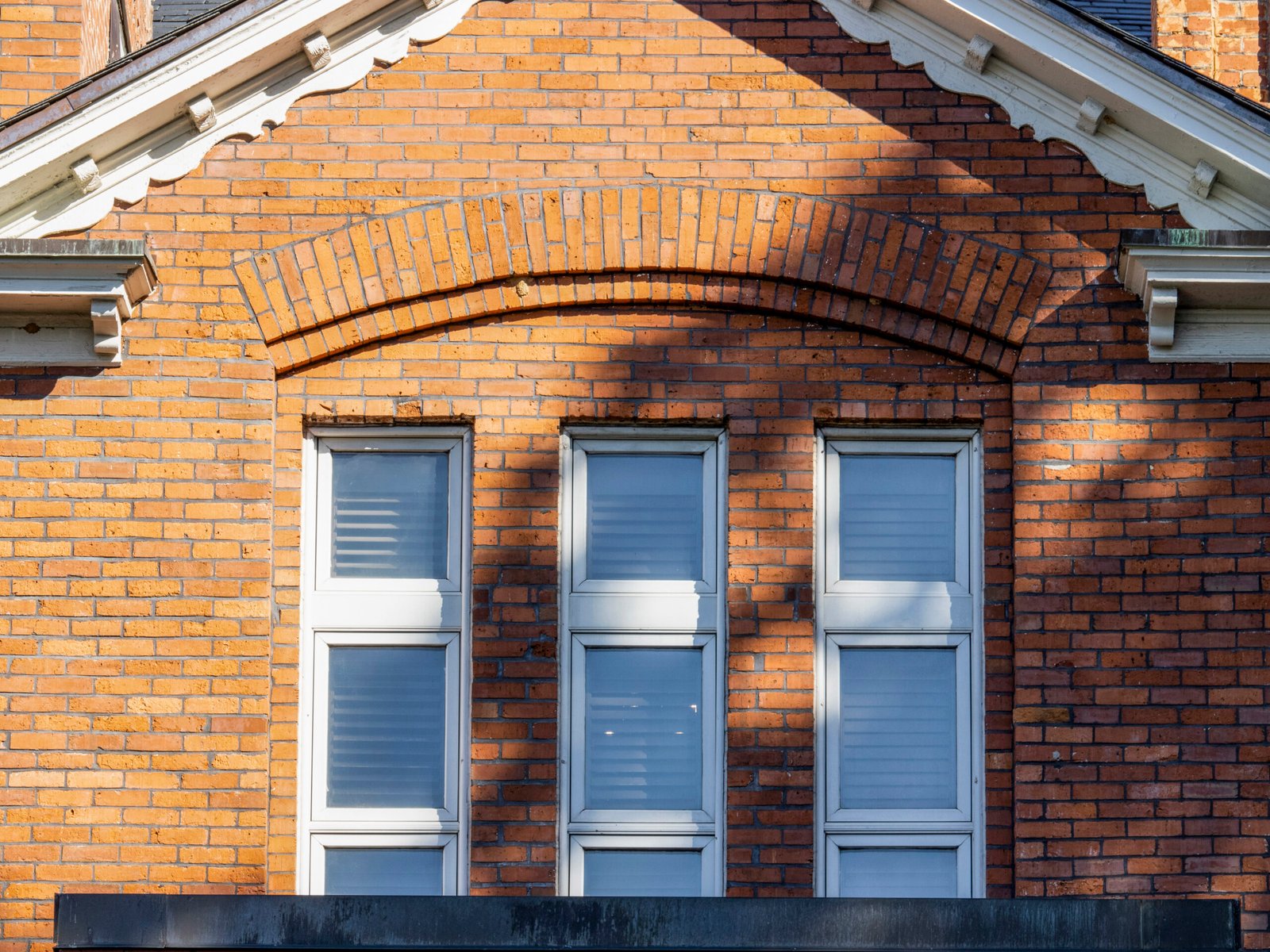
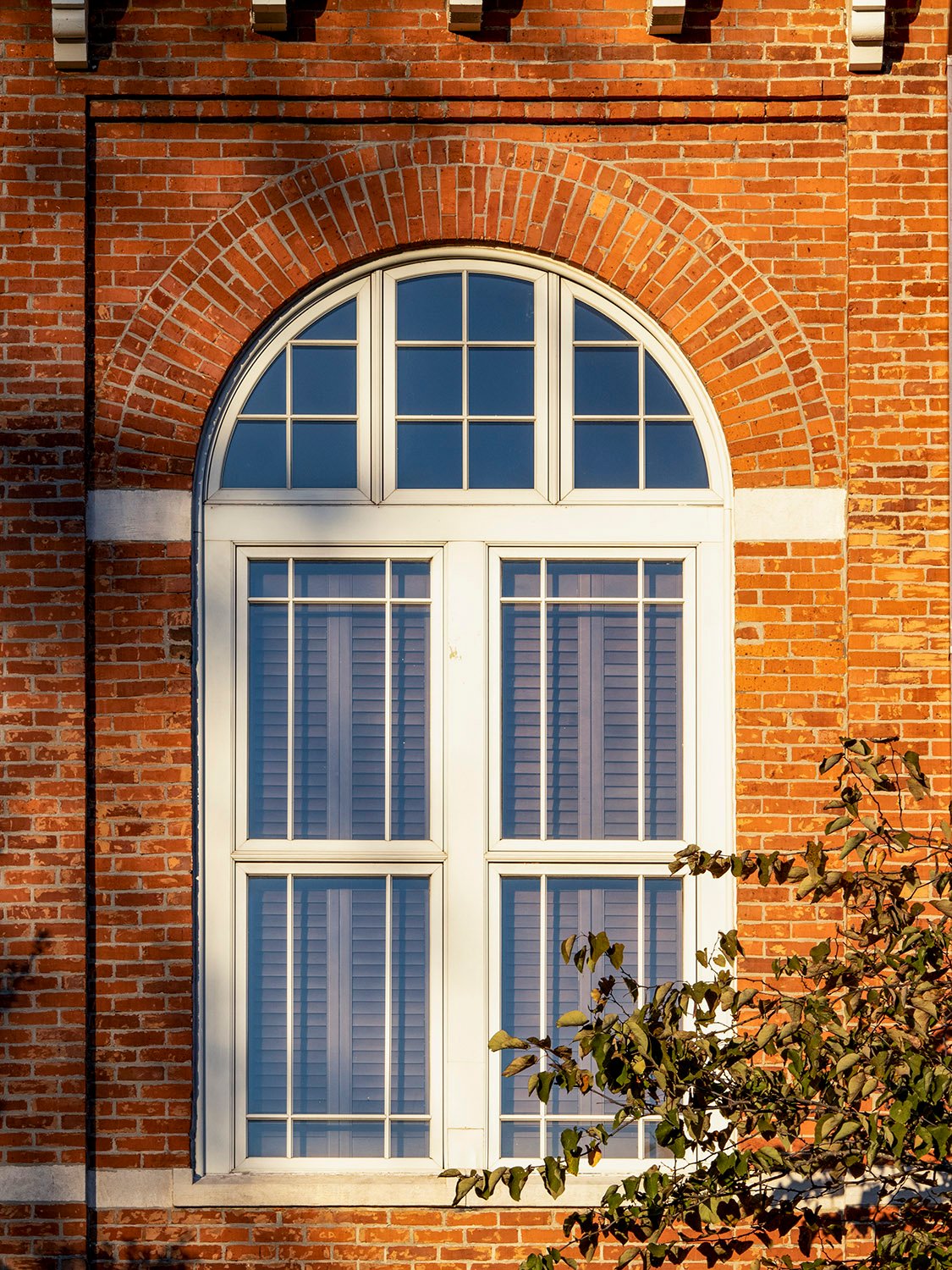
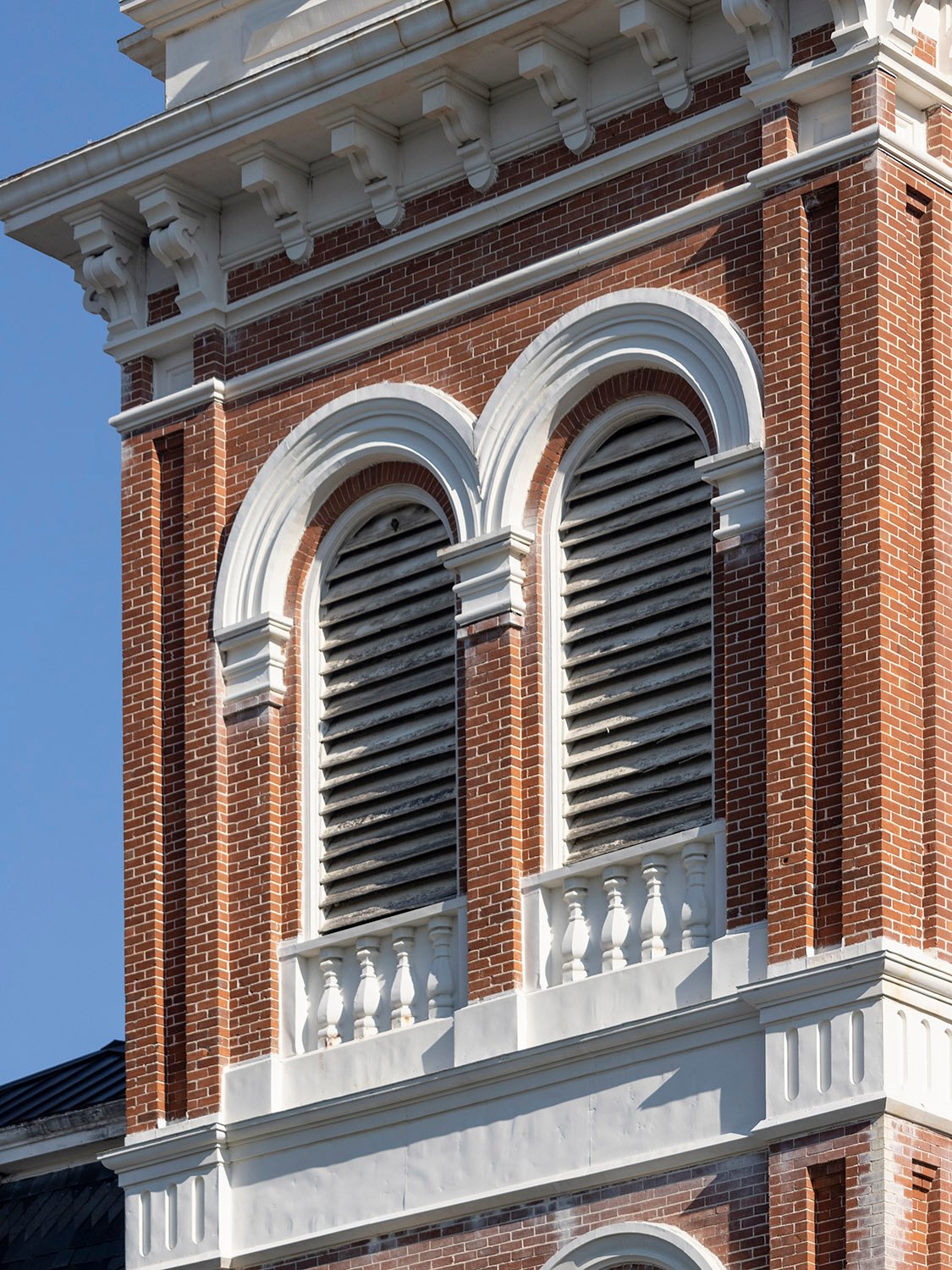
    Windows on the clock tower of the Newton County Courthouse, Covington, Georgia
    Windows on the clock tower of the Newton County Courthouse, Covington, Georgia
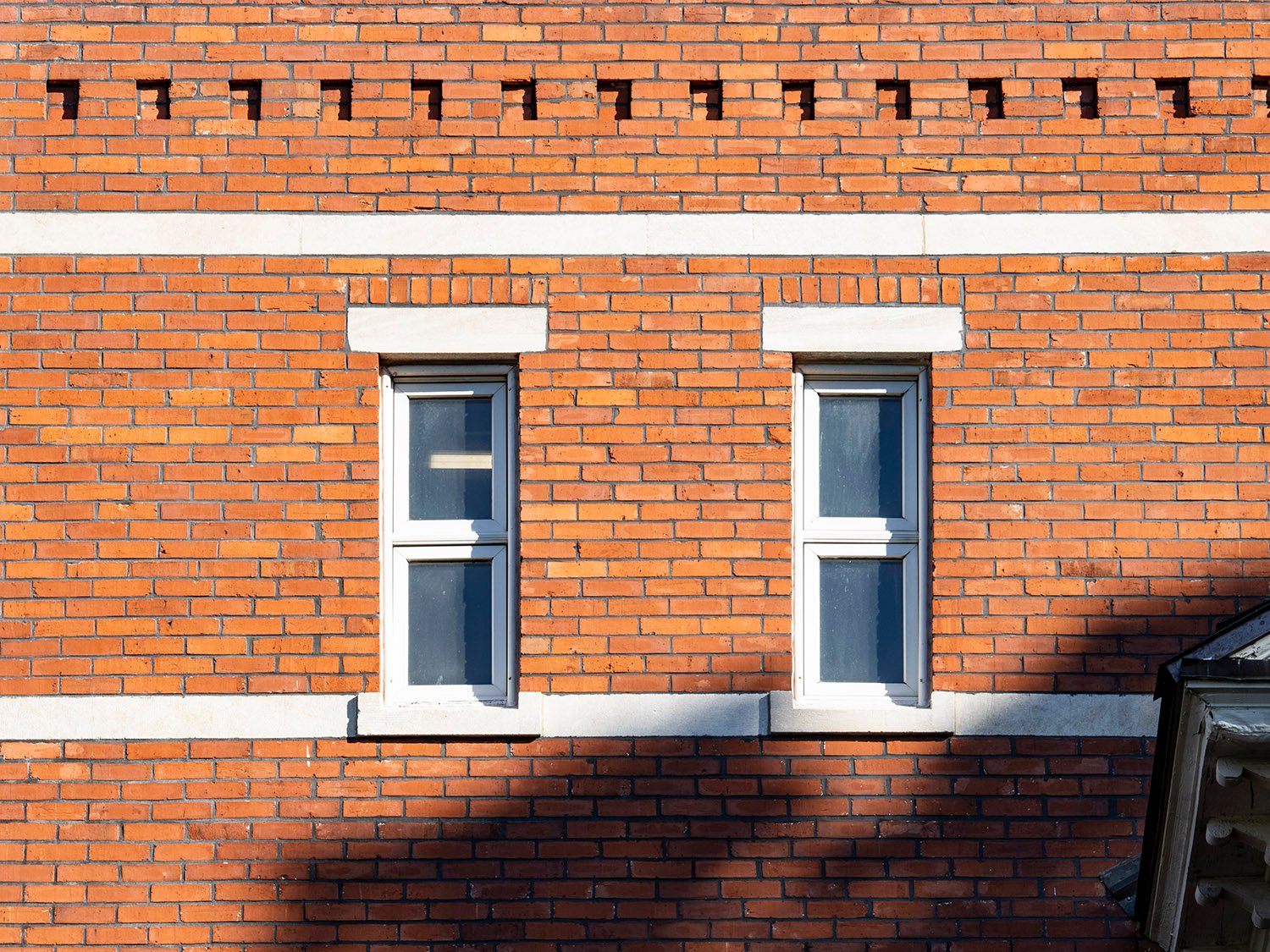
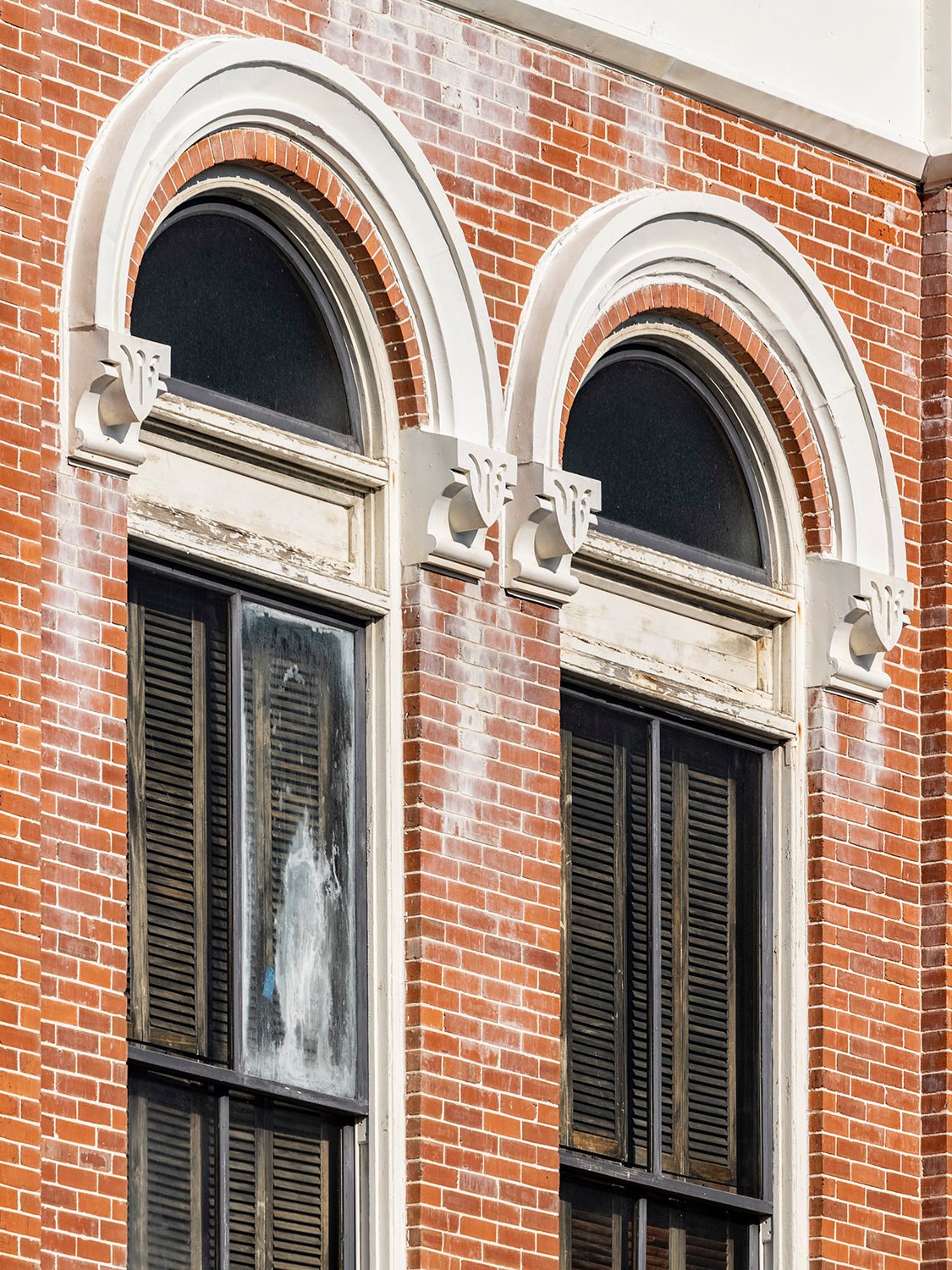
    Second-floor windows on the clock tower of the Newton County Courthouse, Jackson, Georgia
    Second-floor windows on the clock tower of the Newton County Courthouse, Jackson, Georgia
    Looking up at the east elevation of the Newton County Courthouse, Jackson, Georgia
    Looking up at the east elevation of the Newton County Courthouse, Jackson, Georgia
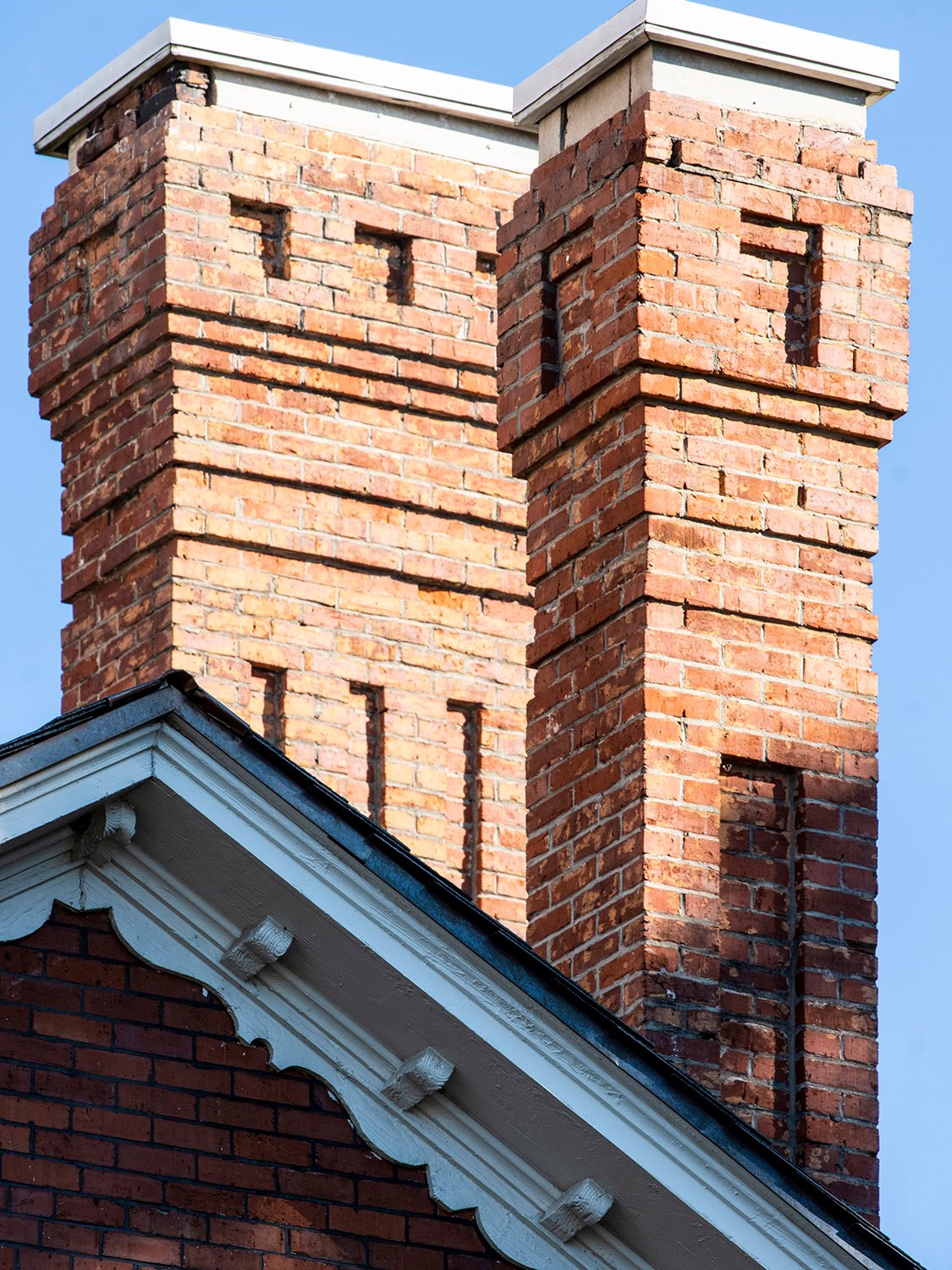
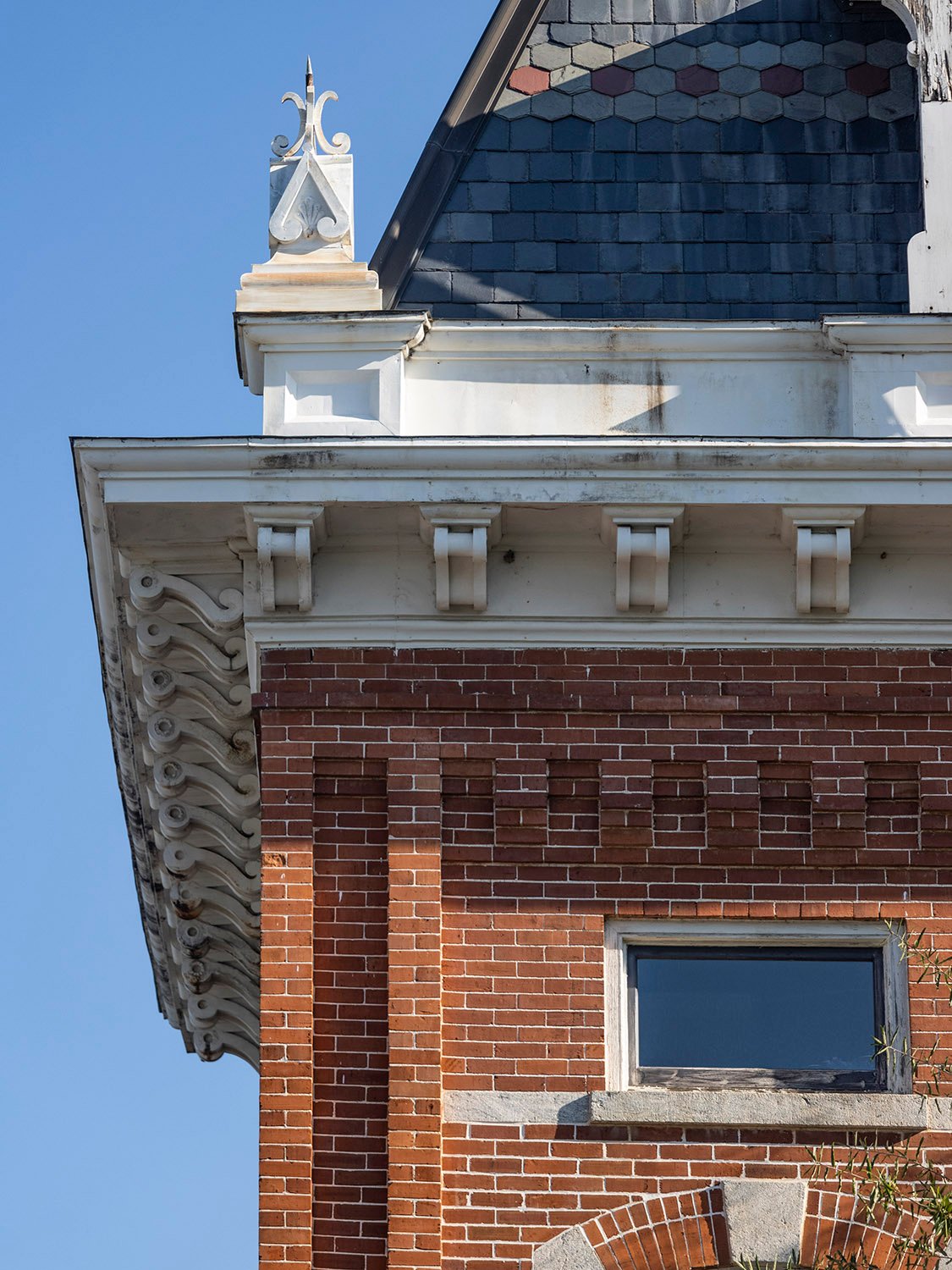
    Cornice and spires on the Newton County Courthouse, Covington, Georgia
    Cornice and spires on the Newton County Courthouse, Covington, Georgia
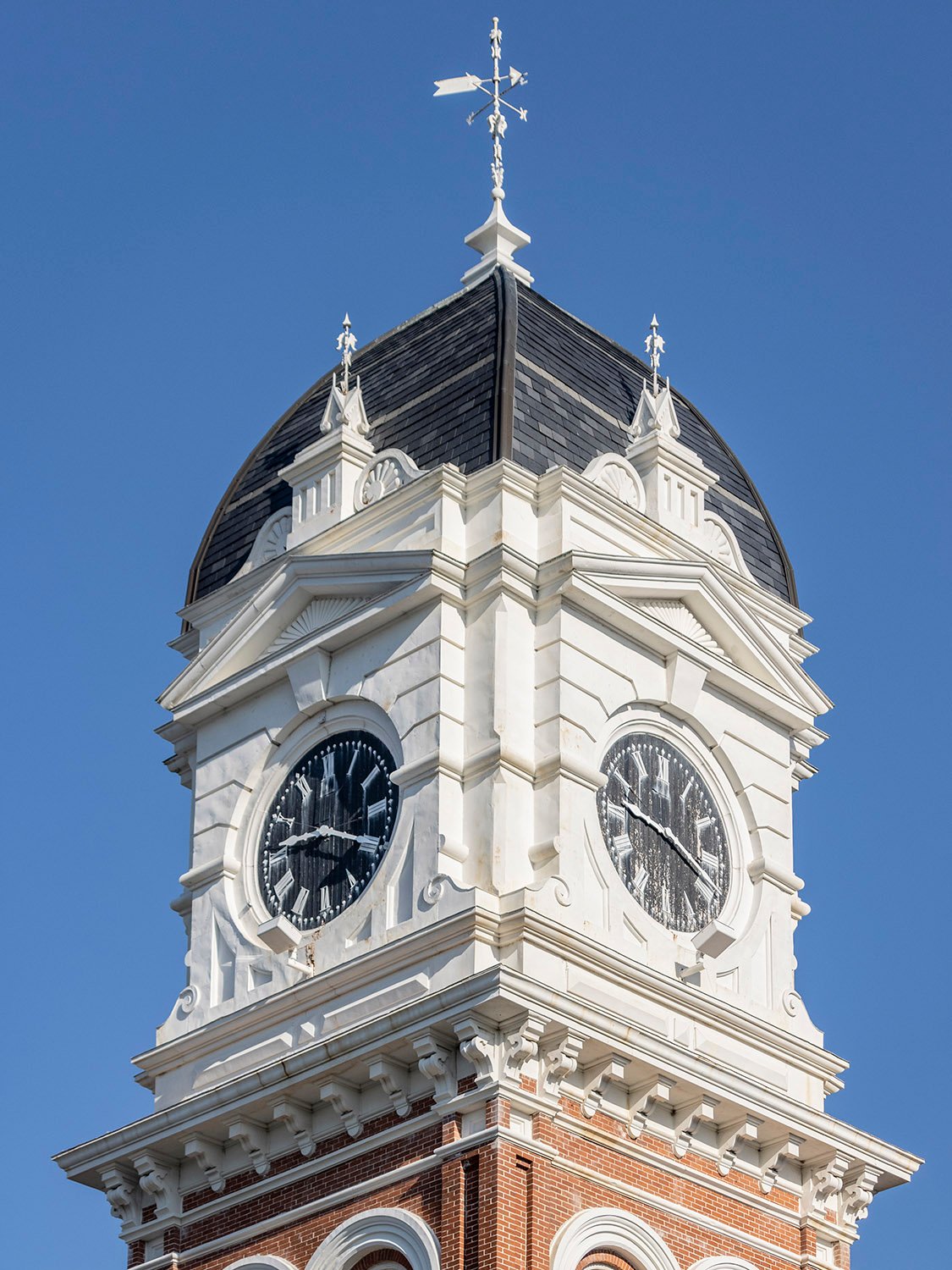
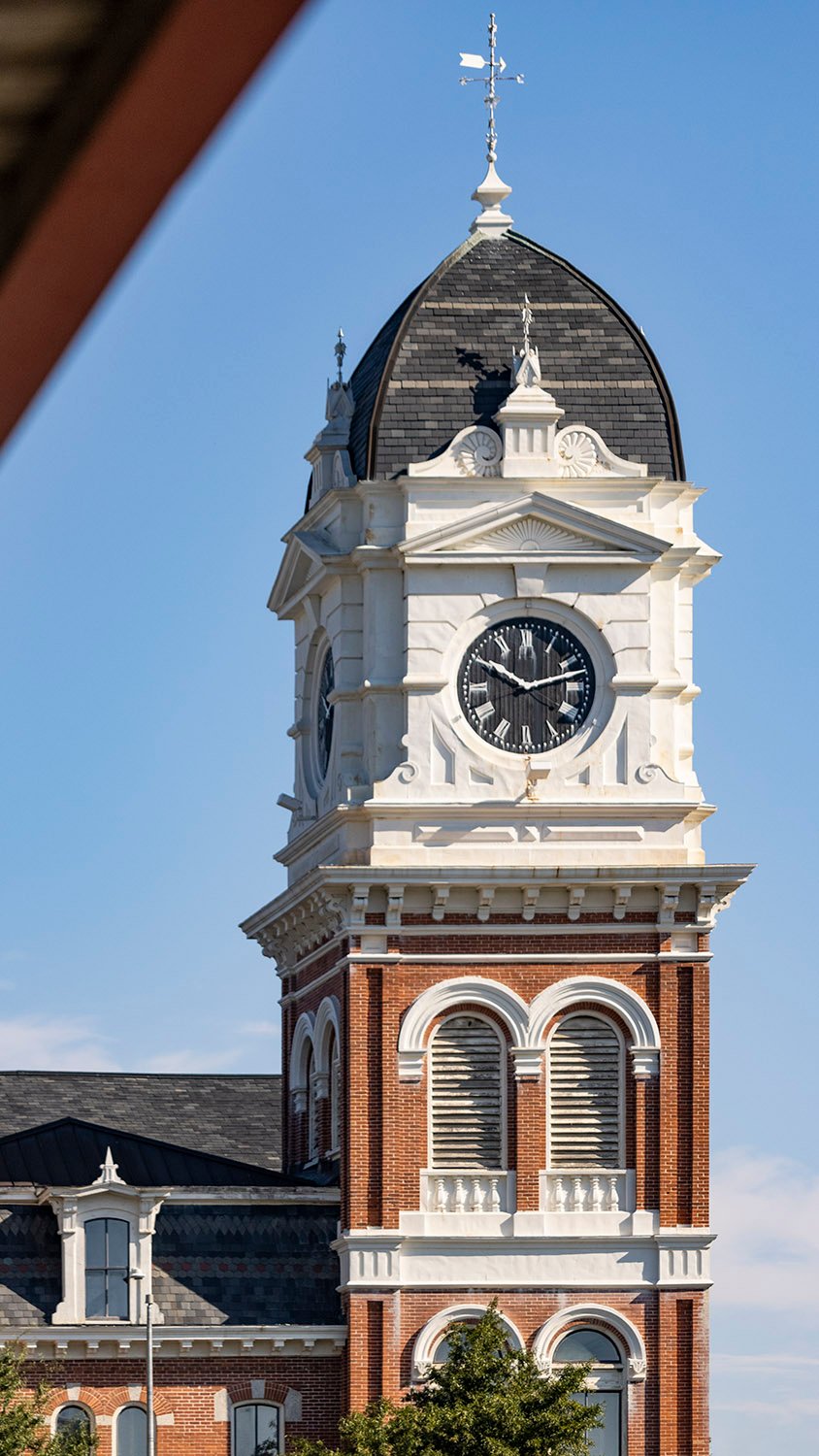
    Clock tower on the Newton County Courthouse, Covington, Georgia
    Clock tower on the Newton County Courthouse, Covington, Georgia
    First-floor windows on the clock tower of the Newton County Courthouse, Covington, Georgia
    First-floor windows on the clock tower of the Newton County Courthouse, Covington, Georgia
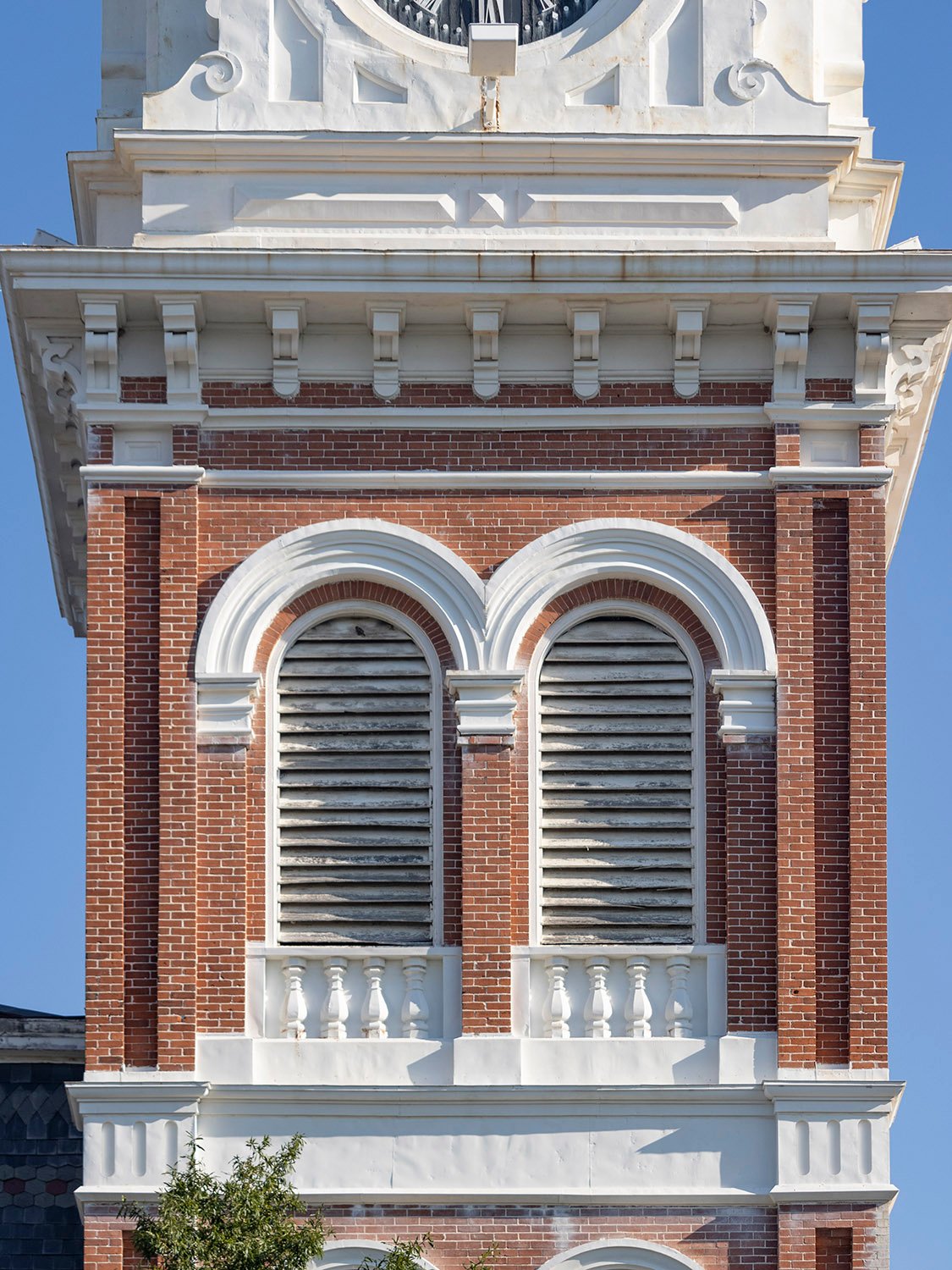
    Windows on the clock tower of the Newton County Courthouse, Covington, Georgia
    Windows on the clock tower of the Newton County Courthouse, Covington, Georgia
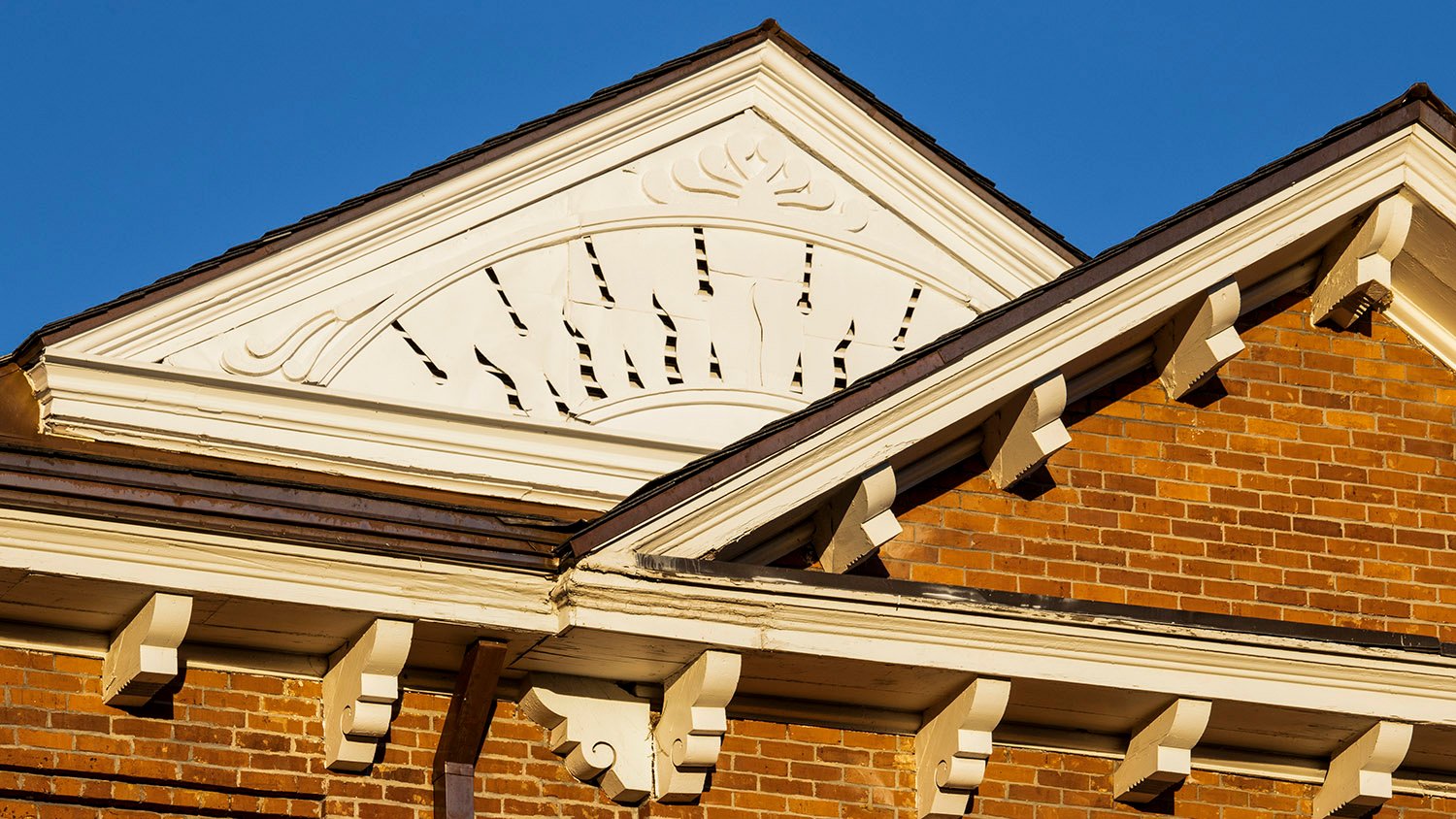
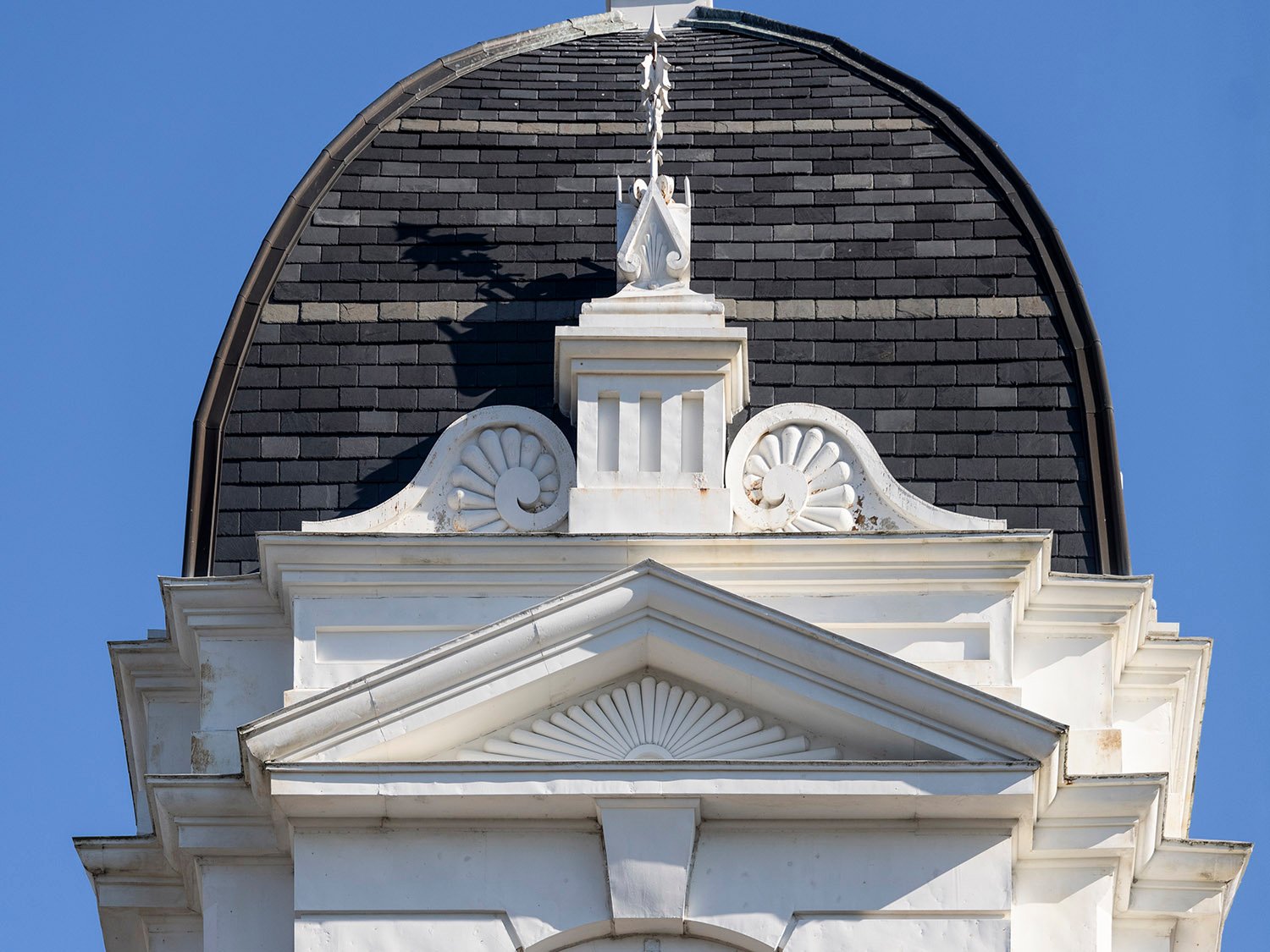
    Pediment on the clock tower of the Newton County Courthouse, Covington, Georgia
    Pediment on the clock tower of the Newton County Courthouse, Covington, Georgia
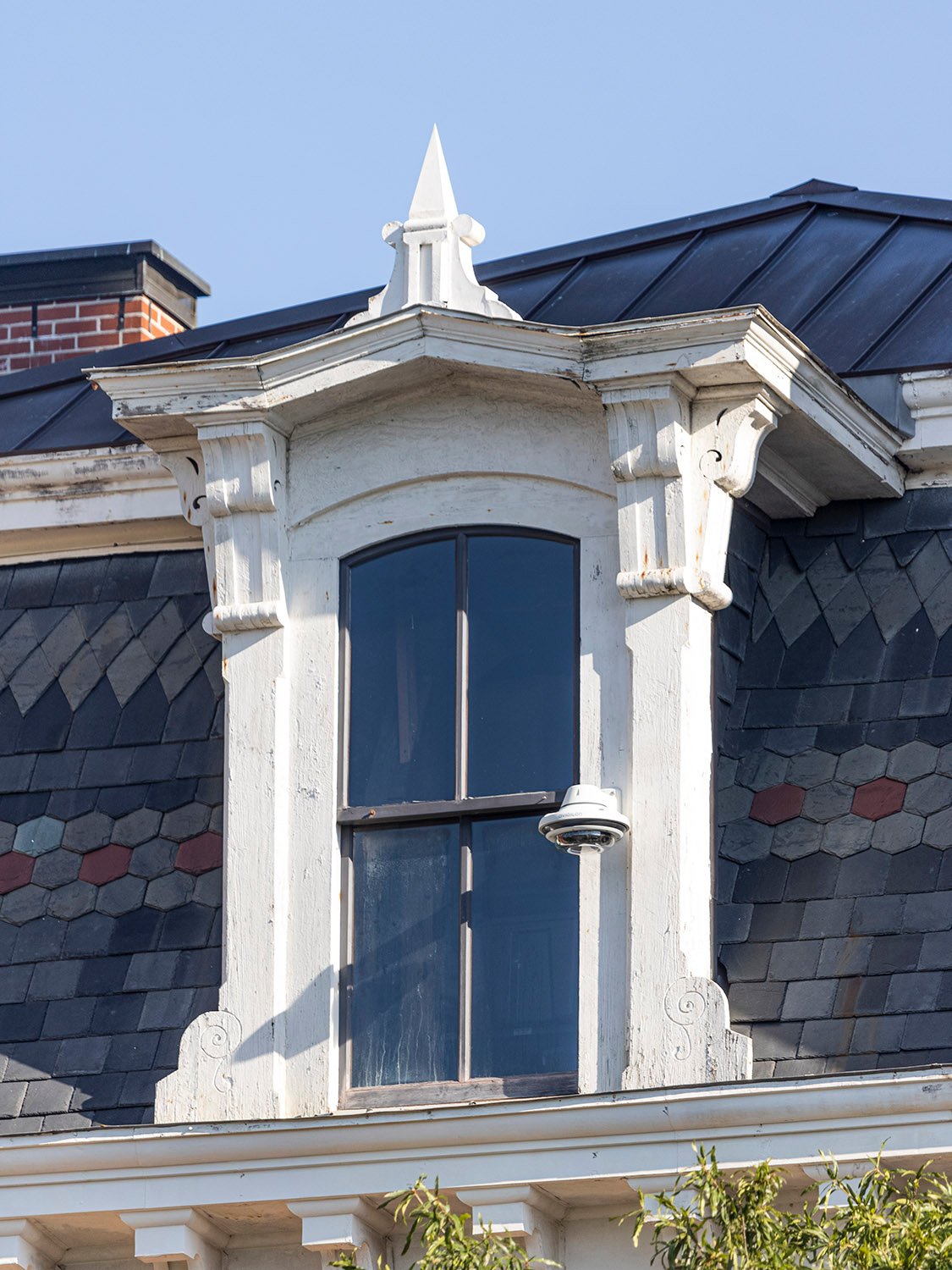
    Attic dormer on the Newton County Courthouse, Covington, Georgia
    Attic dormer on the Newton County Courthouse, Covington, Georgia
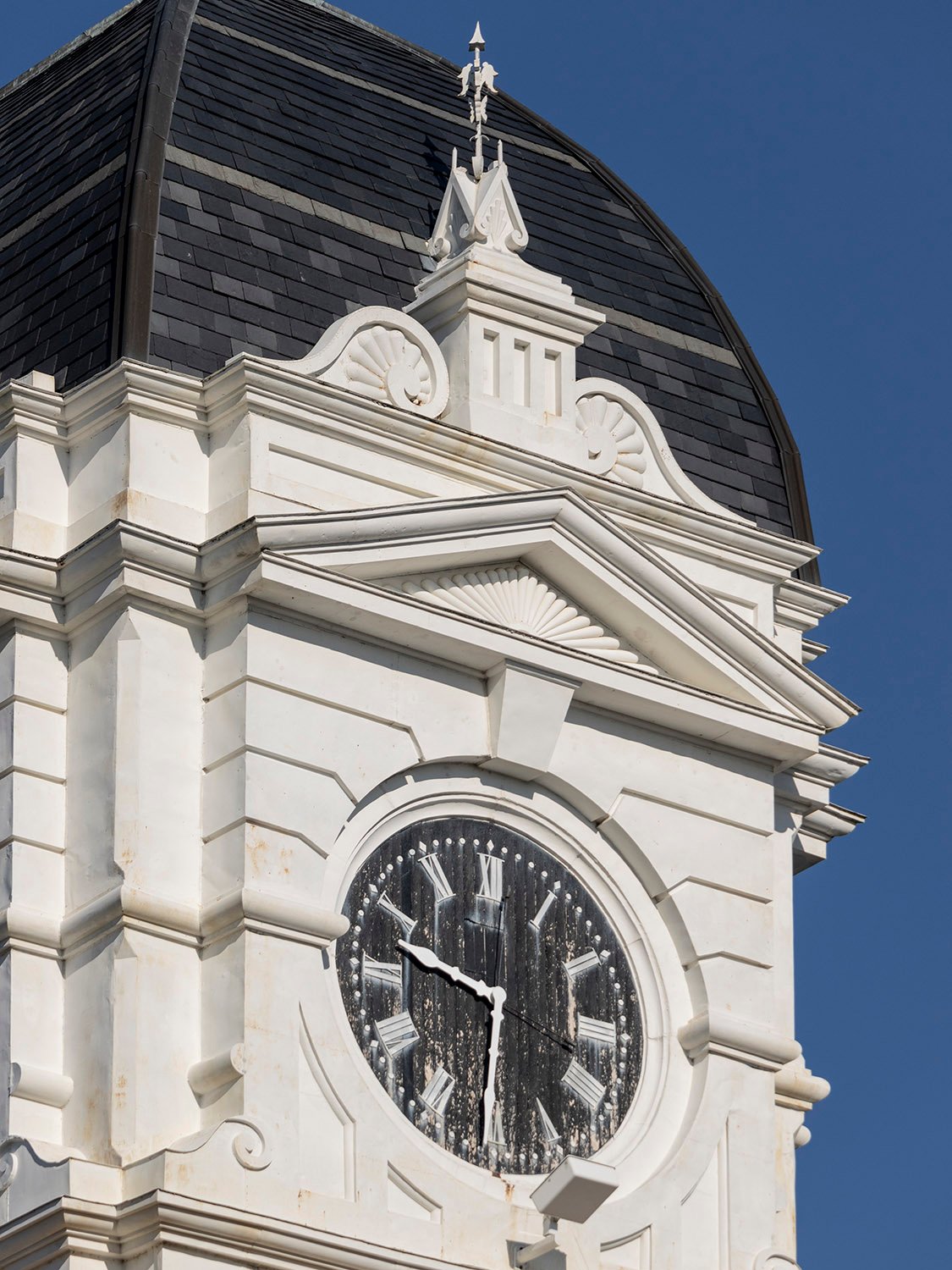
    Clock on the Newton County Courthouse, Covington, Georgia
    Clock on the Newton County Courthouse, Covington, Georgia
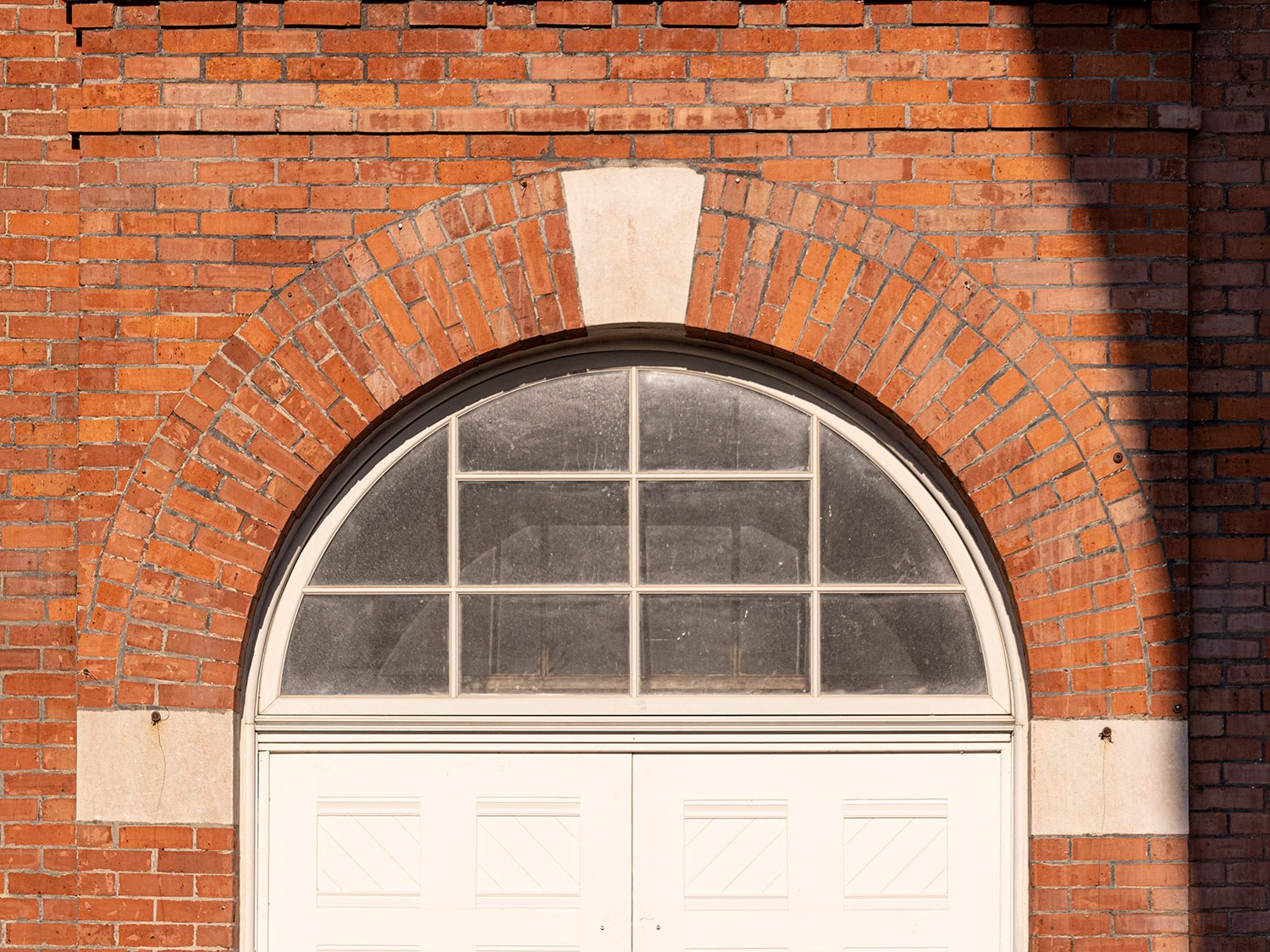
    Arch window on the clock tower of the Newton County Courthouse, Covington, Georgia
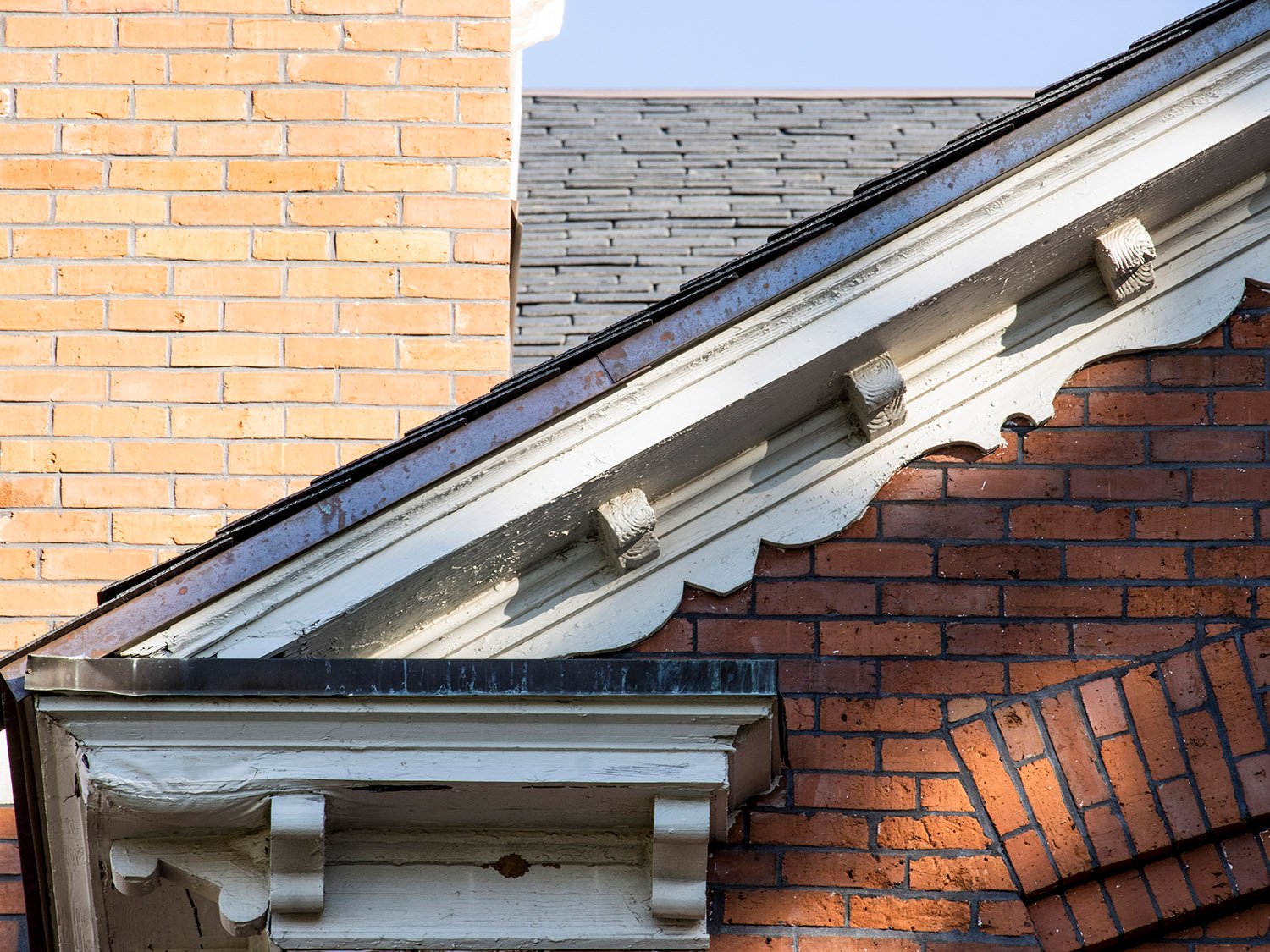
    Eaves, brackets, and slate shingles on the Newton County Courthouse, Covington, Georgia
    Eaves, brackets, and slate shingles on the Newton County Courthouse, Covington, Georgia
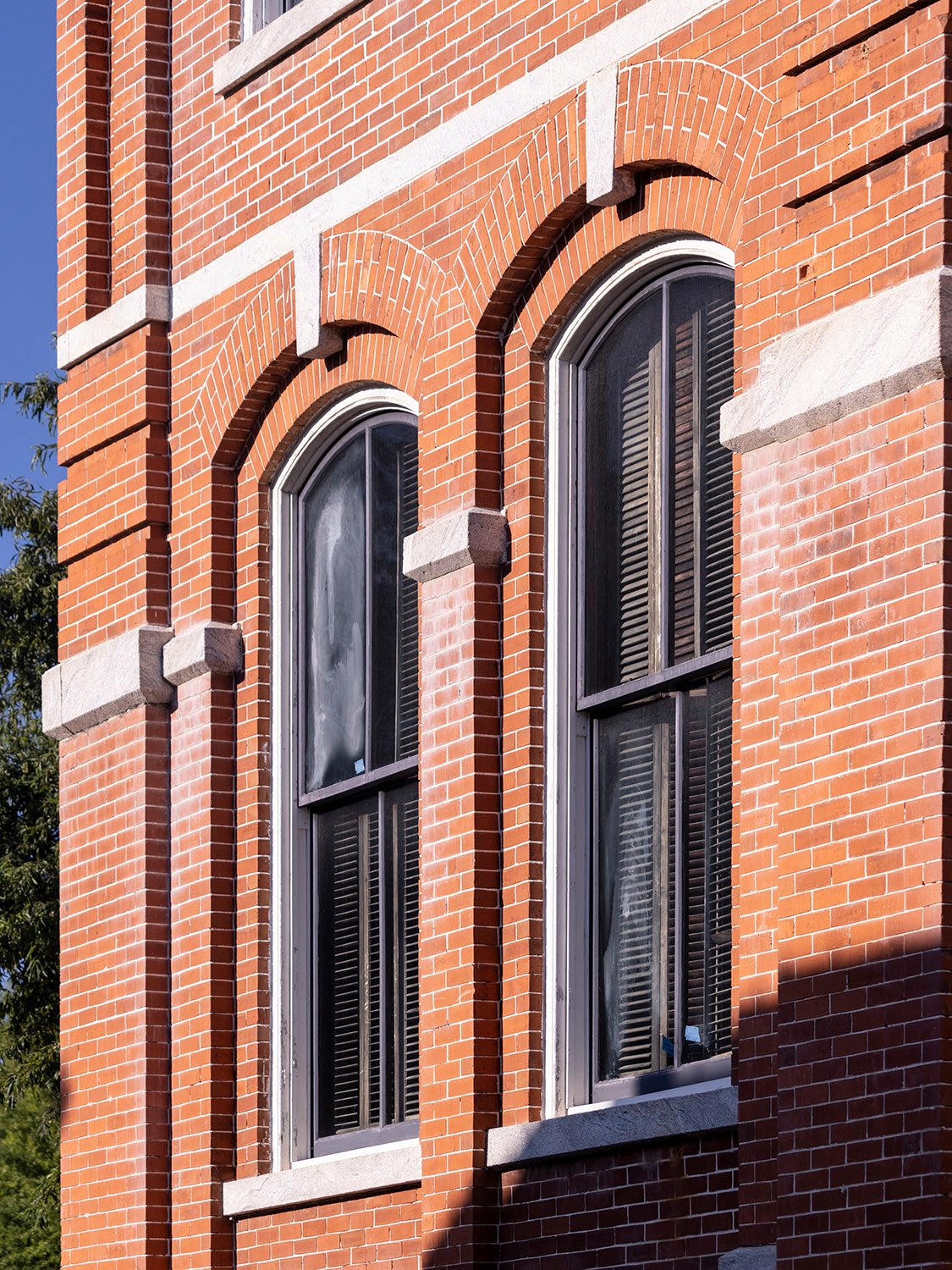
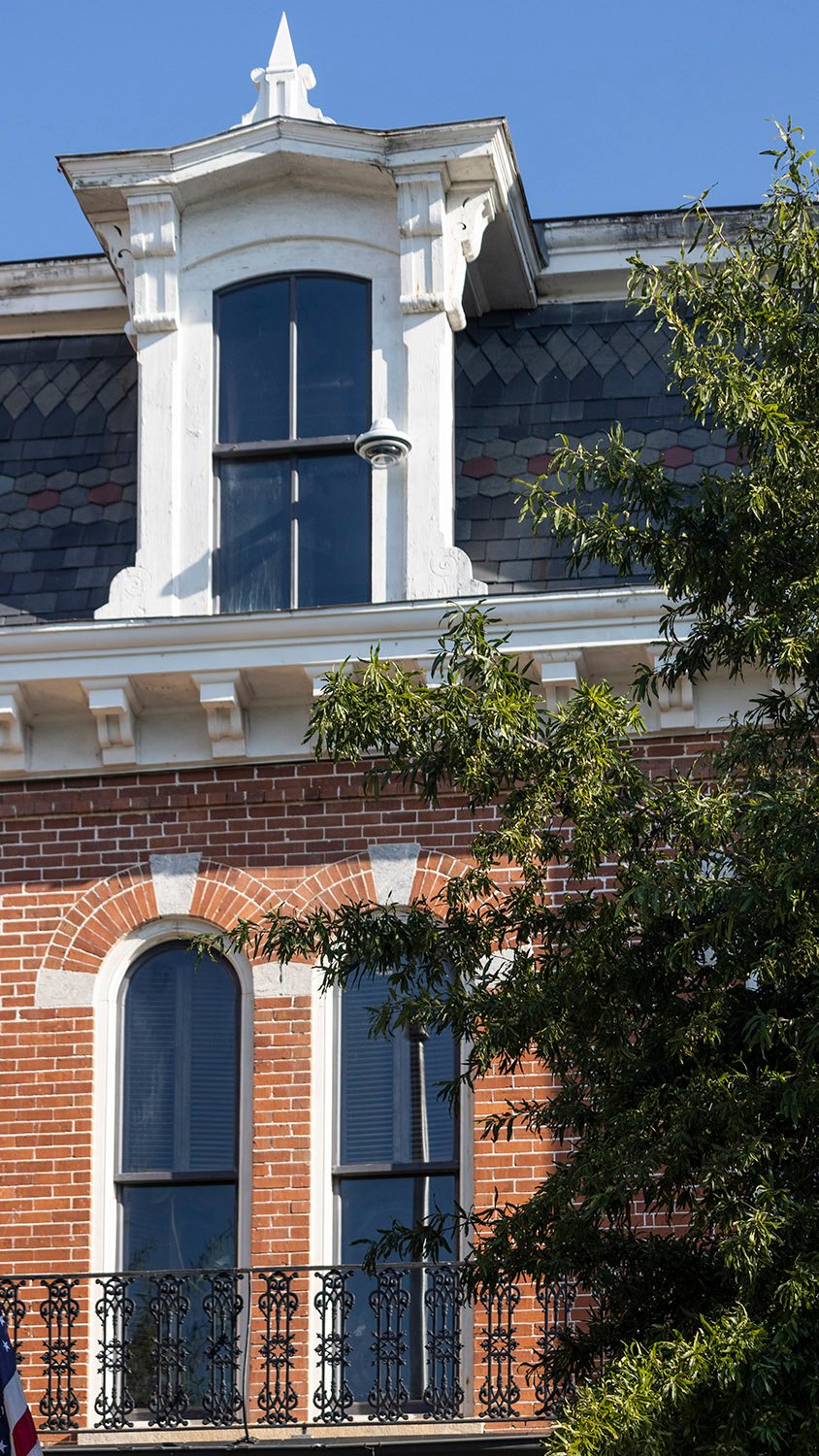
    Double arch windows and attic dormer on the facade of the Newton County Courthouse, Covington, Georgia
    Double arch windows and attic dormer on the facade of the Newton County Courthouse, Covington, Georgia
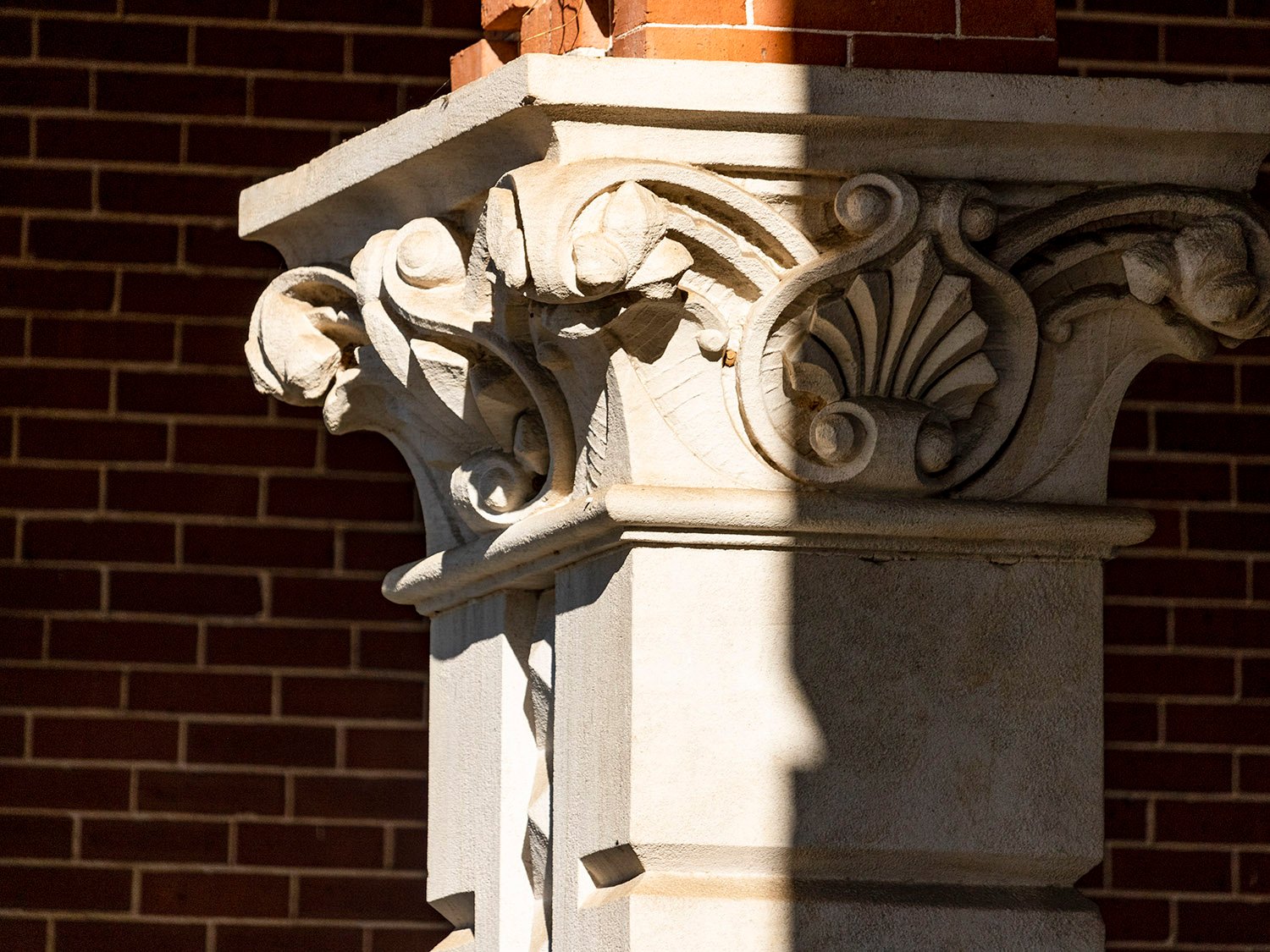
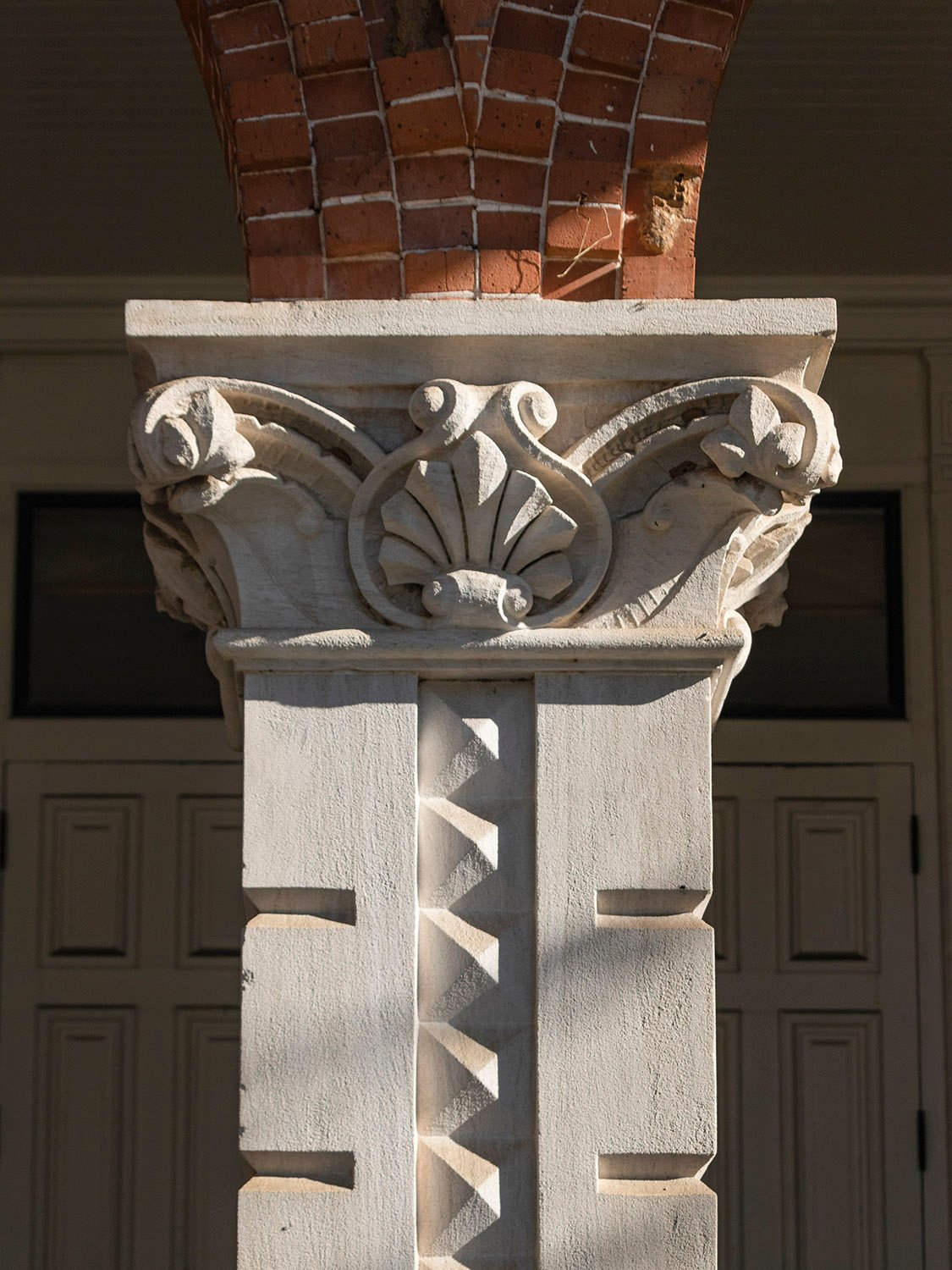
    Capital on a column at the entrance of the Newton County Courthouse, Covington, Georgia
    Capital on a column at the entrance of the Newton County Courthouse, Covington, Georgia
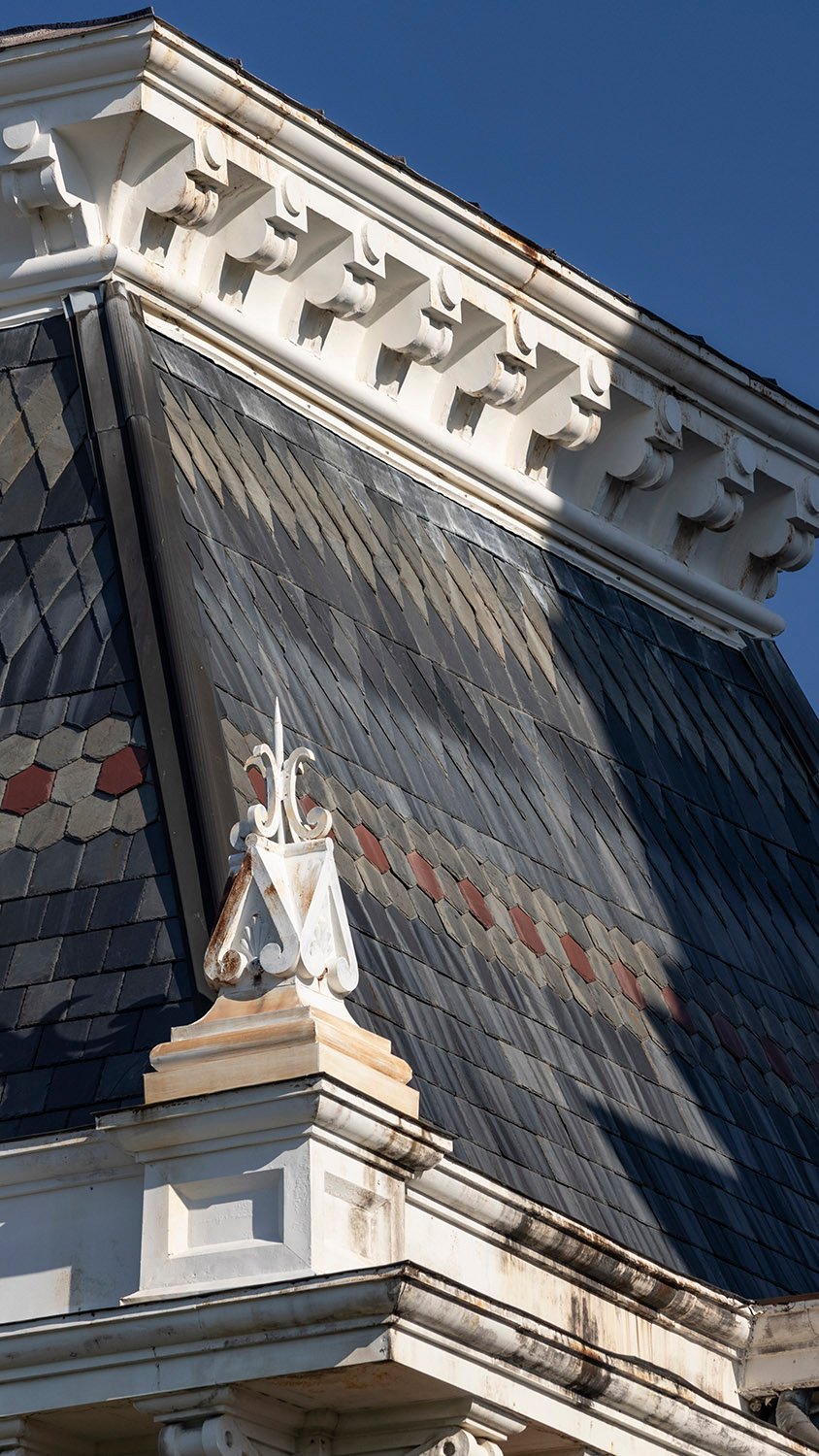
    Brackets, spire, and slate roof tiles on the Newton County Courthouse, Covington, Georgia
    Brackets, spire, and slate roof tiles on the Newton County Courthouse, Covington, Georgia
    Column and capital at the entrance of the Newton County Courthouse, Covington, Georgia
    Column and capital at the entrance of the Newton County Courthouse, Covington, Georgia
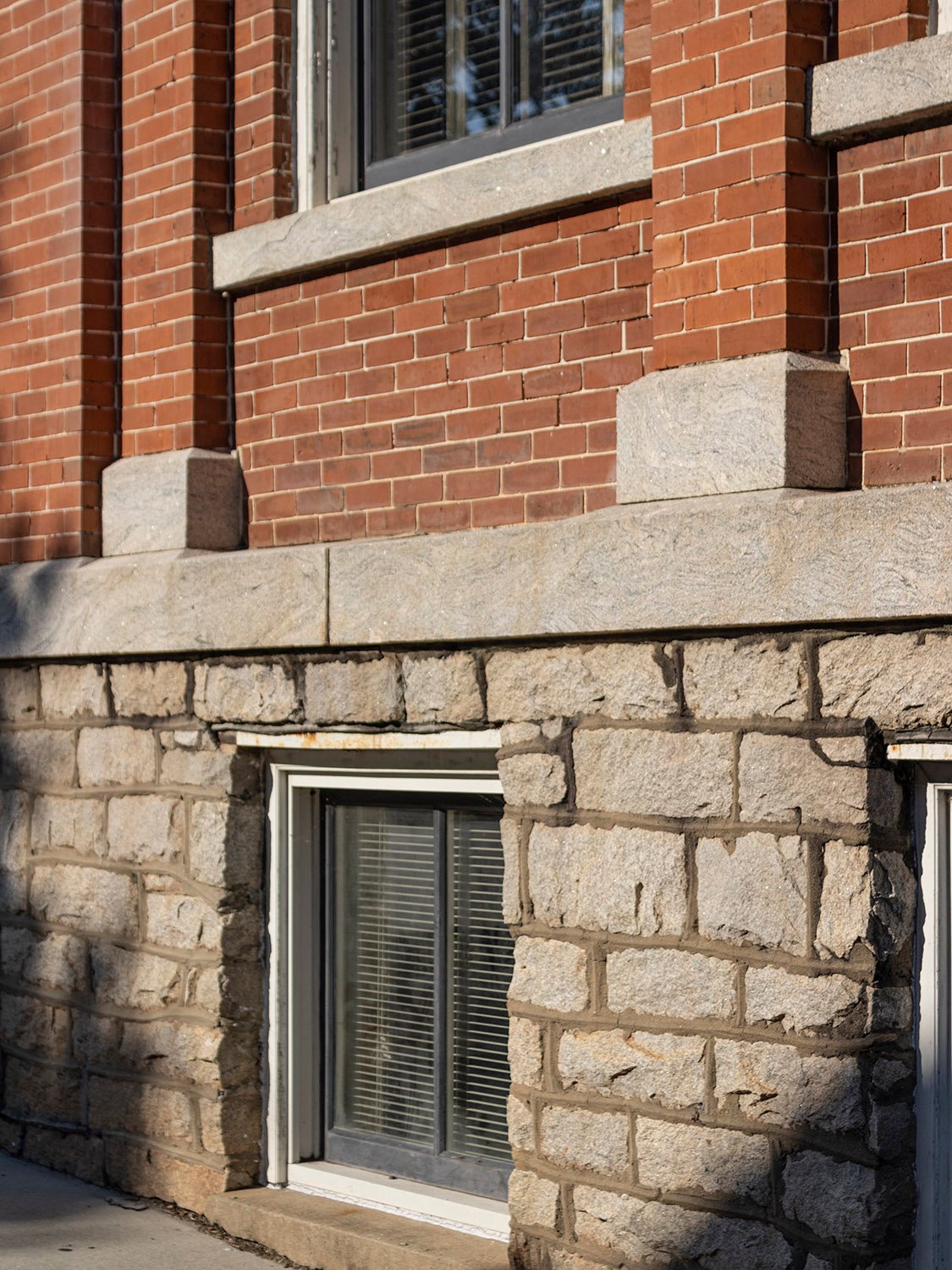
    Granite foundation and basement windows on the Newton County Courthouse, Covington, Georgia
    Granite foundation and basement windows on the Newton County Courthouse, Covington, Georgia
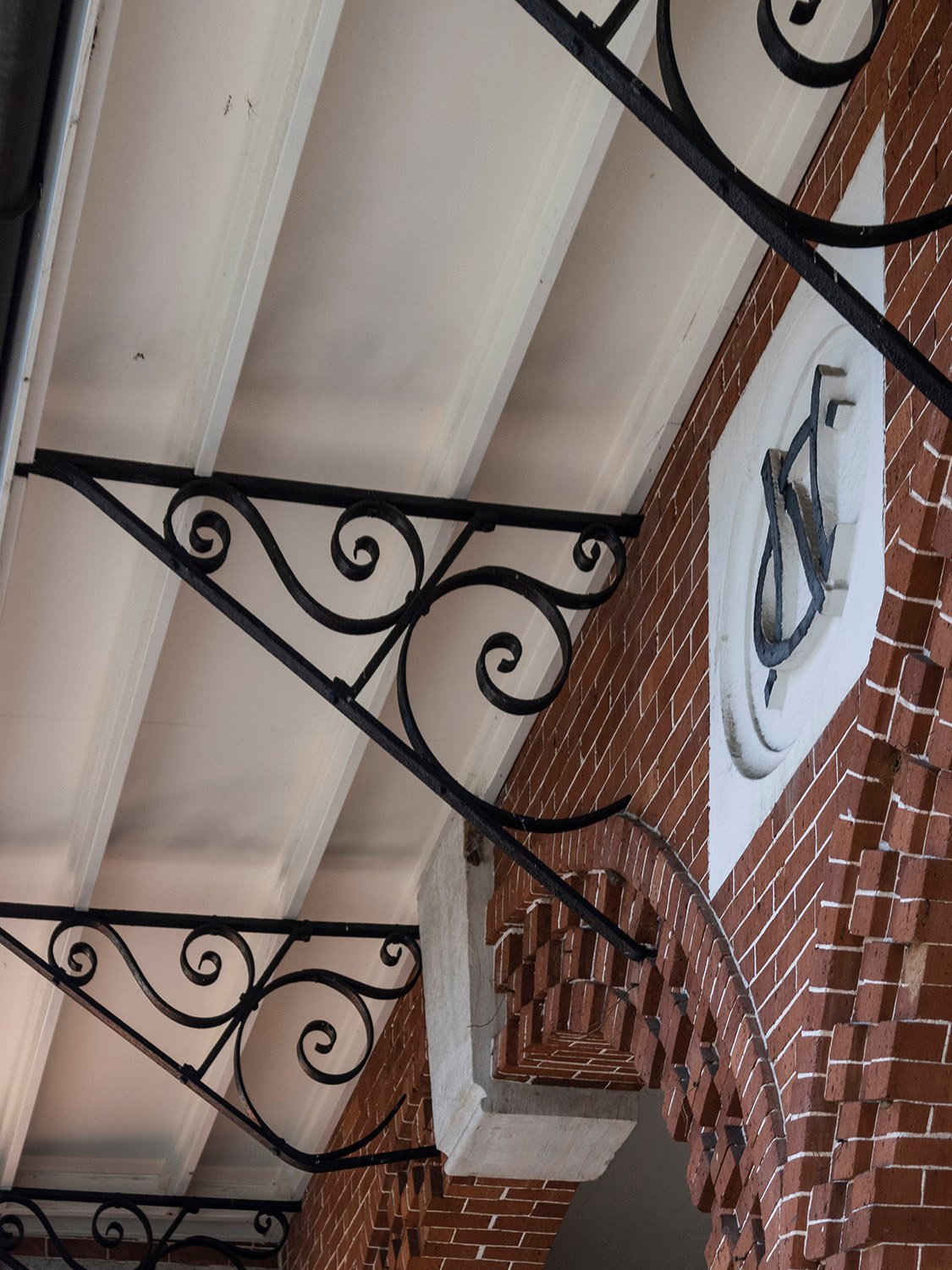
    Arches and insignia at the entrance of the Newton County Courthouse, Covington, Georgia
    Arches and insignia at the entrance of the Newton County Courthouse, Covington, Georgia
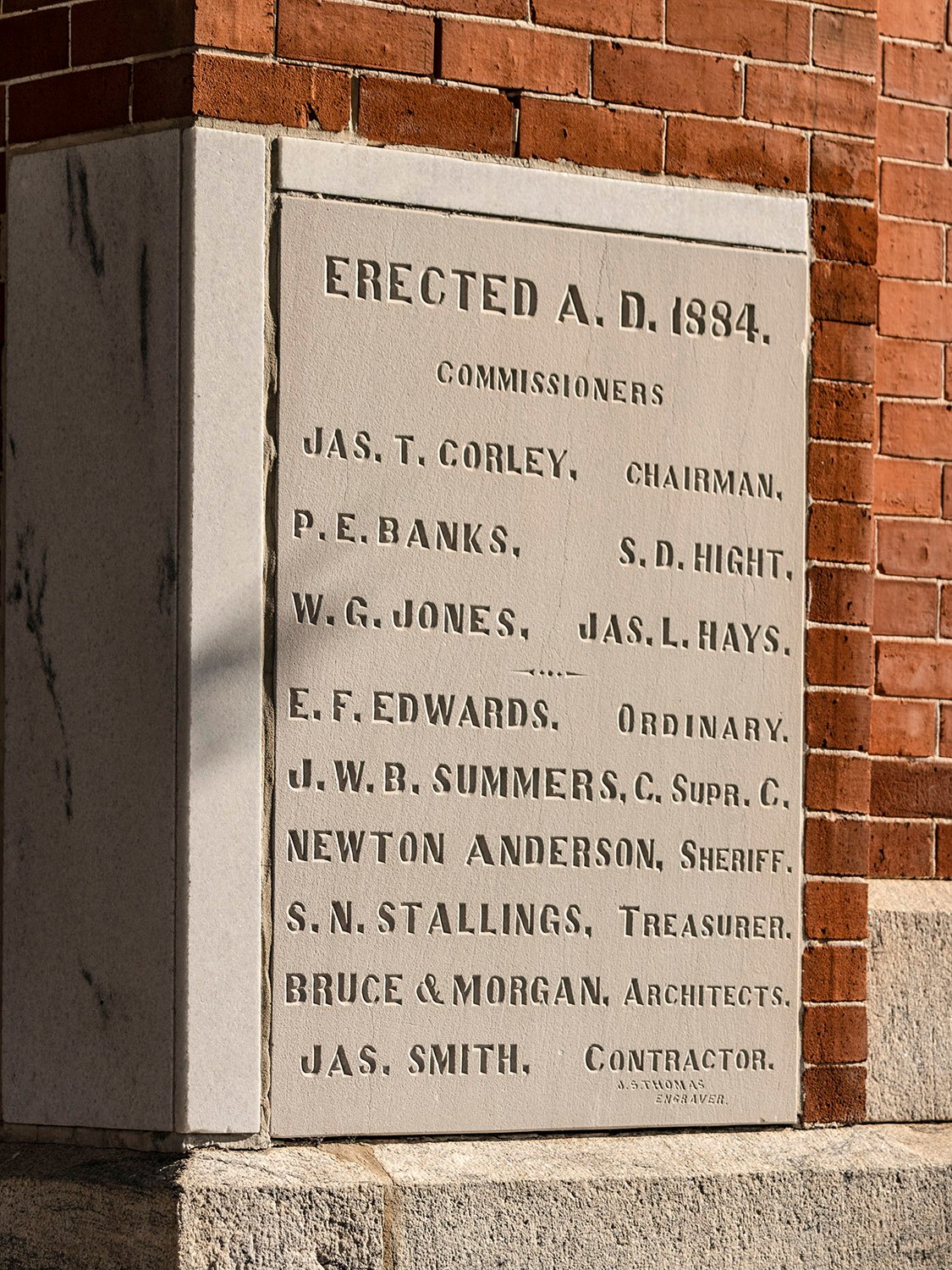
    Cornerstone of the Newton County Courthouse, Covington, Georgia
    Cornerstone of the Newton County Courthouse, Covington, Georgia
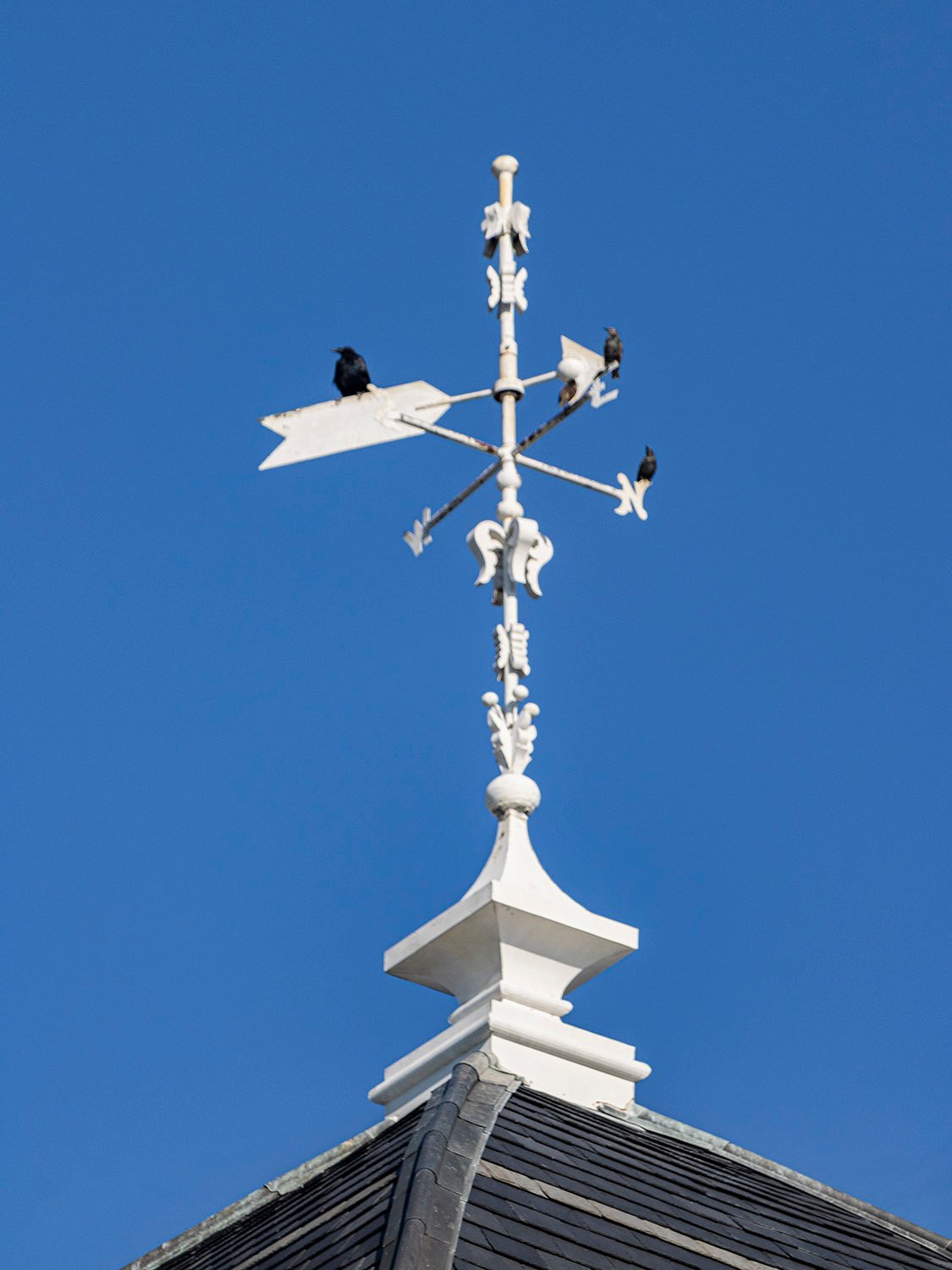
    Spire on the clock tower of the Newton County Courthouse, Covington, Georgia
    Spire on the clock tower of the Newton County Courthouse, Covington, Georgia
    Looking at the clock tower of the Newton County Courthouse, Covington, Georgia
    Looking at the clock tower of the Newton County Courthouse, Covington, Georgia

    References

    1. “Notice!” The Atlanta Constitution, June 1, 1884, p. 8. ↩︎
    2. “Newton’s New Court.” The Atlanta Constitution, September 23, 1885, p. 2. ↩︎
  • Words About G.L. Norrman: On the United States vs. Europe (1909)

    G.L. Norrman. Ella B. Wofford Residence (1909). Spartanburg, South Carolina.
    G.L. Norrman. Ella B. Wofford Residence (1909). Spartanburg, South Carolina.1 2 3

    The following item was published in The Atlanta Journal on April 25, 1909. G.L. Norrman died seven months later.


    The Old World

    G.L. Norrman, the architect, says that in Europe one asks who designed a house, not who owns it; but here it is, who owns it, not who designed it. In the sleepy old countries of the old world the interest has the artistic and not the money tendency.4
    References

    1. “A Great Building Era Now On In The City”. The Spartanburg Herald (Spartanburg, South Carolina), May 28, 1909, p. 1. ↩︎
    2. “Converse To Show Fruits Of Recent Funds Campaign”. Spartanburg Herald-Journal, October 6, 1957, p. A4. ↩︎
    3. Conley, Linda. “Restoring the shine to an old jewel”. Herald-Journal (Spartanburg, South Carolina), October 17, 2008, p. D1. ↩︎
    4. “The Old World”. The Atlanta Journal, April 25, 1909, p. 2. ↩︎

  • Gwinnett County Courthouse (1885) – Lawrenceville, Georgia

    E.G. Lind. Gwinnett County Courthouse (1885). McKinney. Clock Tower (1908). Lawrenceville, Georgia.
    E.G. Lind. Gwinnett County Courthouse (1885). McKinney. Clock Tower (1908). Lawrenceville, Georgia.1 2 3 4
    East elevation of the Gwinnett County Courthouse, Lawrenceville, Georgia
    East elevation of the Gwinnett County Courthouse, Lawrenceville, Georgia
    West elevation of the Gwinnett County Courthouse, Lawrenceville, Georgia
    West elevation of the Gwinnett County Courthouse, Lawrenceville, Georgia
    Bargeboard and eaves on the east elevation of the Gwinnett County Courthouse, Lawrenceville, Georgia
    Bargeboard and eaves on the east elevation of the Gwinnett County Courthouse, Lawrenceville, Georgia
    Cornice and eaves on the Gwinnett County Courthouse, Lawrenceville, Georgia
    Cornice and eaves on the Gwinnett County Courthouse, Lawrenceville, Georgia
    Second-story windows on the facade of the Gwinnett County Courthouse, Lawrenceville, Georgia
    Second-story windows on the facade of the Gwinnett County Courthouse, Lawrenceville, Georgia
    First-floor window on the facade of the Gwinnett County Courthouse, Lawrenceville, Georgia
    First-floor window on the facade of the Gwinnett County Courthouse, Lawrenceville, Georgia
    Third-floor windows on the tower of the Gwinnett County Courthouse, Lawrenceville, Georgia
    Third-floor windows on the tower of the Gwinnett County Courthouse, Lawrenceville, Georgia
    Cornice and arches on the front porch of the Gwinnett County Courthouse, Lawrenceville, Georgia
    Cornice and arches on the front porch of the Gwinnett County Courthouse, Lawrenceville, Georgia
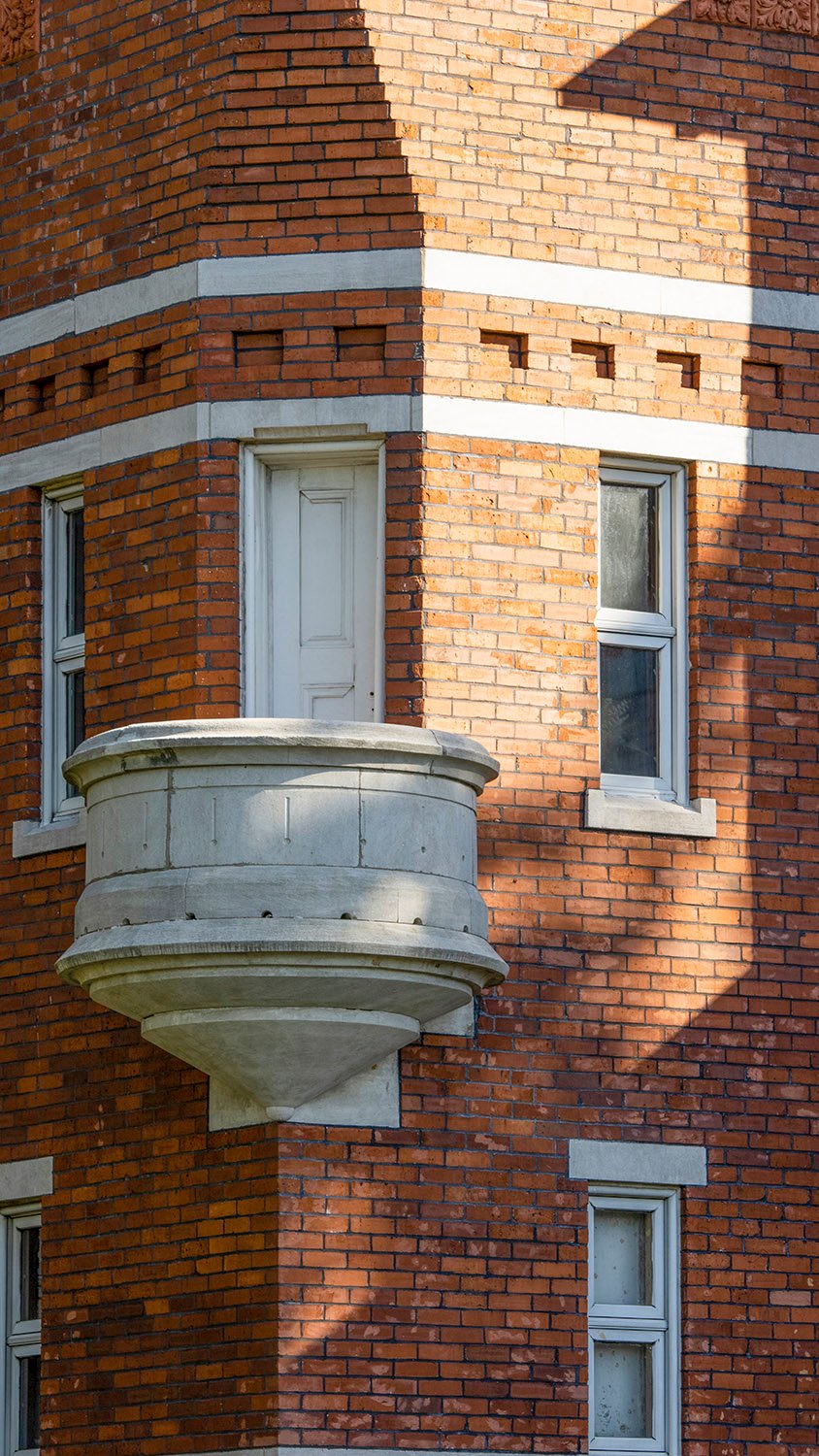
    Tower and corner balcony on the Gwinnett County Courthouse, Lawrenceville, Georgia
    Tower and corner balcony on the Gwinnett County Courthouse, Lawrenceville, Georgia
    Chimneys on the Gwinnett County Courthouse, Lawrenceville, Georgia
    Chimneys on the Gwinnett County Courthouse, Lawrenceville, Georgia
    Bargeboard, eaves, and brackets on the front gable of the Gwinnett County Courthouse, Lawrenceville, Georgia
    Bargeboard, eaves, and brackets on the front gable of the Gwinnett County Courthouse, Lawrenceville, Georgia
    Entrance on the west elevation of the Gwinnett County Courthouse, Lawrenceville, Georgia
    Entrance on the west elevation of the Gwinnett County Courthouse, Lawrenceville, Georgia
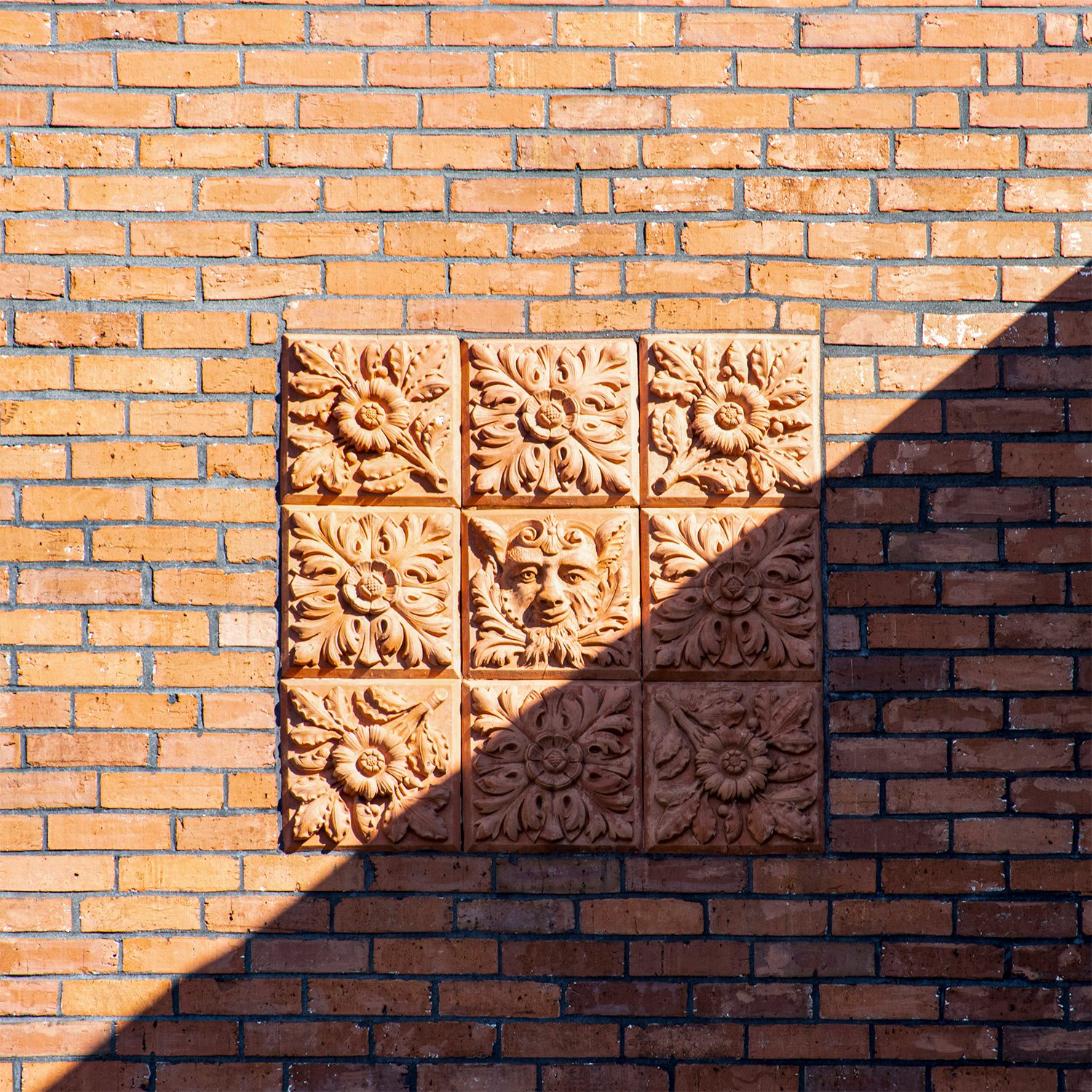
    Terracotta panel on the tower of the Gwinnett County Courthouse, Lawrenceville, Georgia
    Terracotta panel on the tower of the Gwinnett County Courthouse, Lawrenceville, Georgia
    Entrance on the east elevation of the Gwinnett County Courthouse, Lawrenceville, Georgia
    Entrance on the east elevation of the Gwinnett County Courthouse, Lawrenceville, Georgia
    Looking through the front porch of the Gwinnett County Courthouse toward the corner balcony on the tower
    Looking through the front porch of the Gwinnett County Courthouse toward the corner balcony on the tower
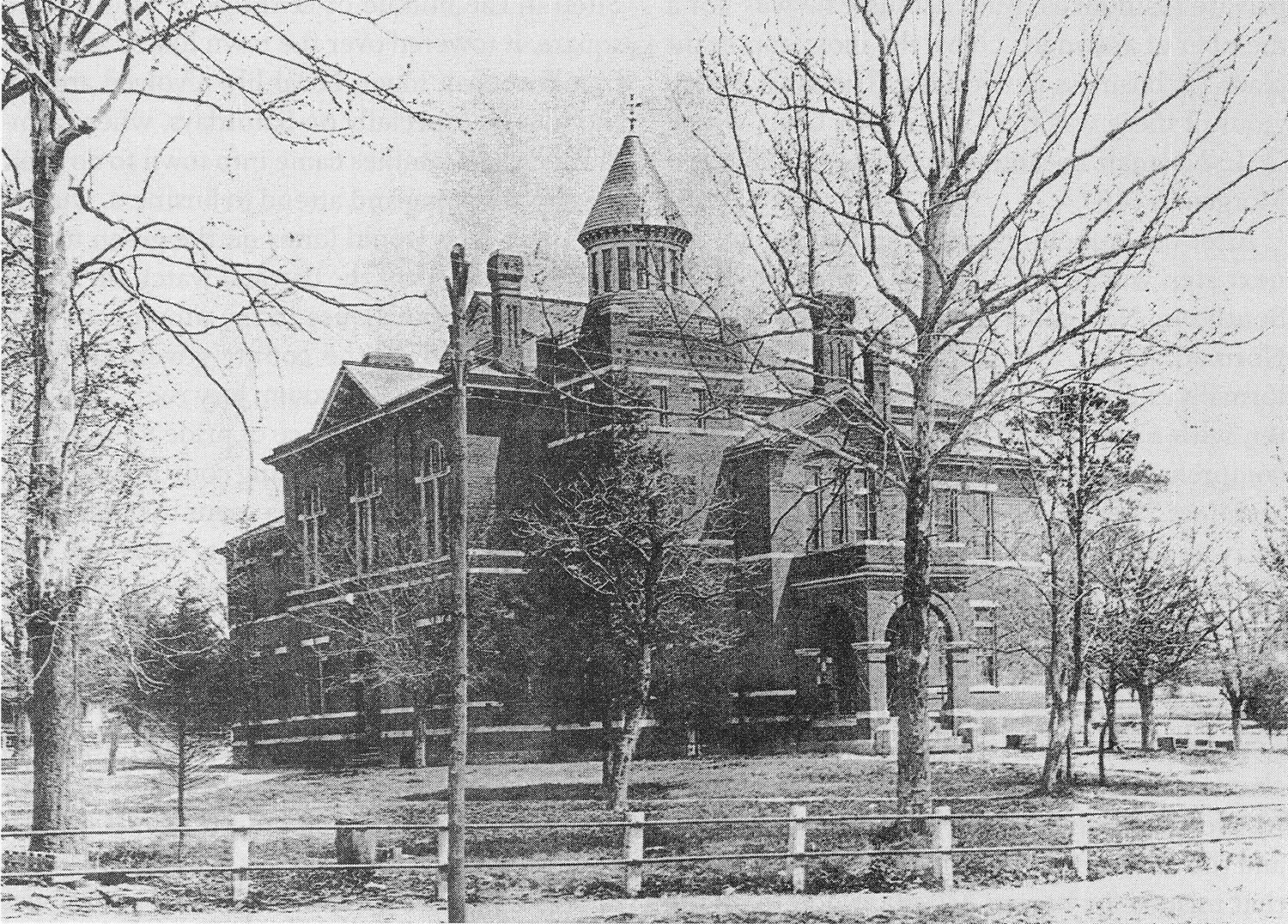
    Gwinnett County Courthouse circa 1907
    Gwinnett County Courthouse circa 19075 6

    References

    1. Belfoure, Charles. Edmund G. Lind: Anglo-American Architect of Baltimore and the South. Baltimore, Maryland: The Baltimore Architectural Foundation (2009). ↩︎
    2. “The Proposed Gwinnett Courthouse.” The Atlanta Constitution, May 22, 1884, p. 2. ↩︎
    3. “It Is Finished.” The Atlanta Journal, July 2, 1885, p. 4. ↩︎
    4. “The Court House Clock In Place”. The News-Herald (Lawrenceville, Georgia), December 7, 1908, p. 1. ↩︎
    5. Photo credit: Belfoure, Charles. Edmund G. Lind: Anglo-American Architect of Baltimore and the South. Baltimore, Maryland: The Baltimore Architectural Foundation (2009), p. 154. ↩︎
    6. Lawrenceville, 1907. Gwinnett County Courthouse. – Vanishing Georgia ↩︎

  • Words About G.L. Norrman: The Ideal Southern Gentleman (1902)

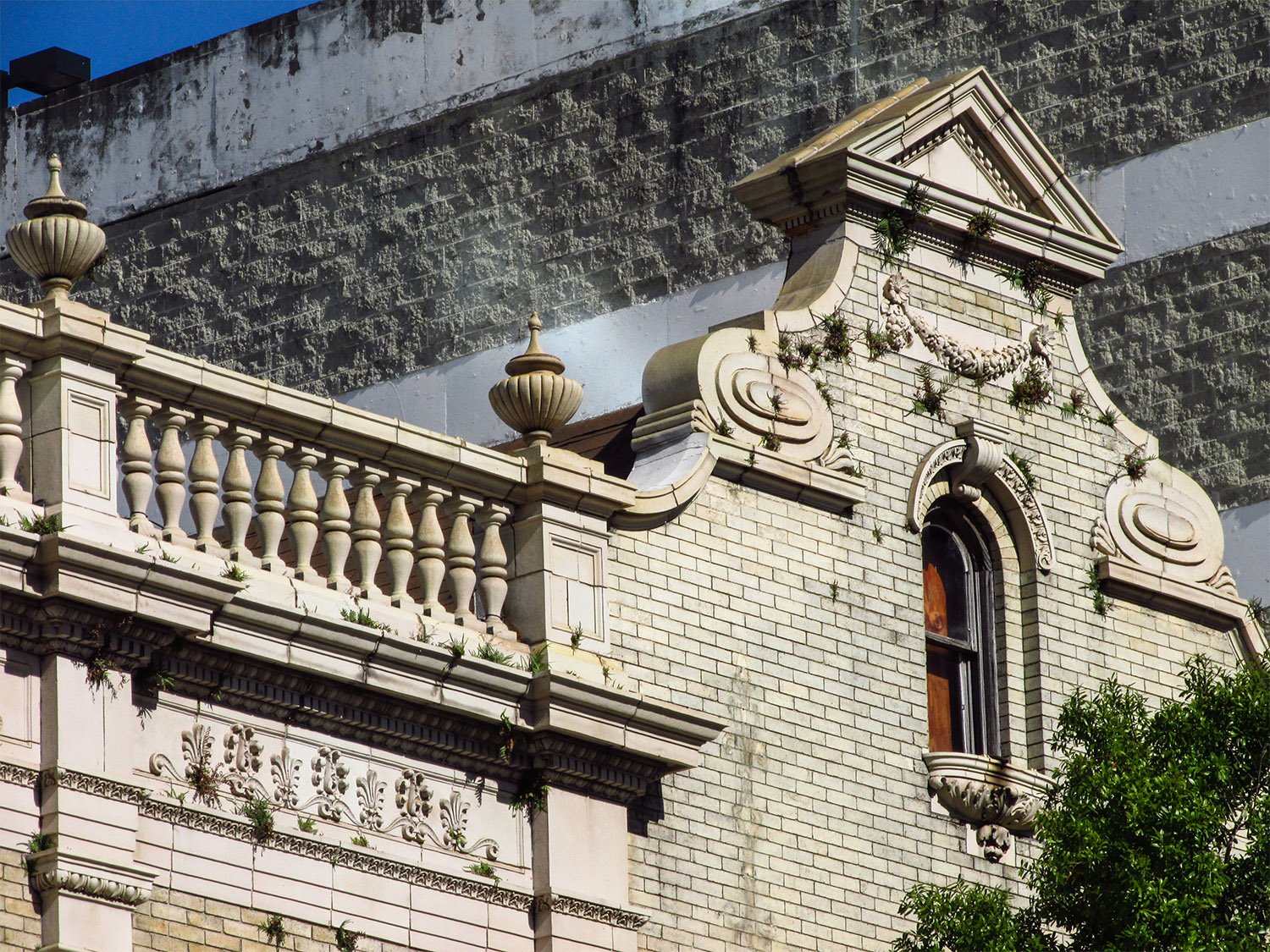
    G.L. Norrman. Gable on the facade of the Bisbee Building (1902). Jacksonville, Florida.
    G.L. Norrman. Gable on the facade of the Bisbee Building (1902). Jacksonville, Florida.1 2 3 4

    The Background

    As if he hadn’t already gushed enough over G.L. Norrman, in a December 1902 article for The Augusta Chronicle, Wallace Putnam Reed—under the pen name Major Junius—pontificated on why he considered Norrman “the ideal of the best type of southern gentleman”.

    These were Reed’s final published remarks about Norrman—he died less than five months later, in April 1903.5

    Article Excerpt:

    In Mr. G.L. Norrman, the well-known Atlanta architect, I have found my ideal of the best type of the southern gentleman of the old school. To me this is somewhat remarkable because Mr. Norrman is a foreigner by birth—a member of one of the noble families of Sweden.

    He is a sort of “Admirable Crichton,” the master of many arts and accomplishments, a scholar, philosopher, man of society and a recognized leader in his profession.

    Sam Small once said that a man could not ride a few hours side by side with Norrman in a car without getting enough ideas from him to fill a bright, strong, original book.

    He is an instructive, fascinating talker, and a polished, epigrammatic writer whose contributions are always welcomed by the press. His views of character, conduct and life are those which made our ante-bellum southern gentlemen recognized the world over as the most honorable and chivalric of men. Some of his ideas were so strikingly expressed some time ago in his lecture on “Architecture As Illustrative of Religious Belief, and as a Means of Tracing Civilization,” that I hope he will be induced to deliver it again, in Atlanta and in other cities. It is just the kind of lecture to interest broad-minded, cultured fearless thinkers.6
    References

    1. “Plans Made for Bisbee Building”. The Florida Times-Union and Citizen (Jacksonville, Florida), September 17, 1901, p. 6. ↩︎
    2. “Filling in the Blank Spaces”. The Florida Times-Union and Citizen (Jacksonville, Florida), February 24, 1902, p. 5. ↩︎
    3. “Dr. Armstrong Back.” The Sunday Times-Union and Citizen (Jacksonville, Florida), May 25, 1902, p. 5. ↩︎
    4. “H.C. Seaman.” The Sunday Times-Union and Citizen (Jacksonville, Florida), June 1, 1902, p. 5. ↩︎
    5. “Wallace P. Reed Yields to Death”. The Atlanta Constitution, April 18, 1903, p. 1. ↩︎
    6. Junius, Major. “Pen Pictures of Well-Known Atlanta Men”. The Augusta Chronicle (Augusta, Georgia), November 23, 1902, p. 11. ↩︎

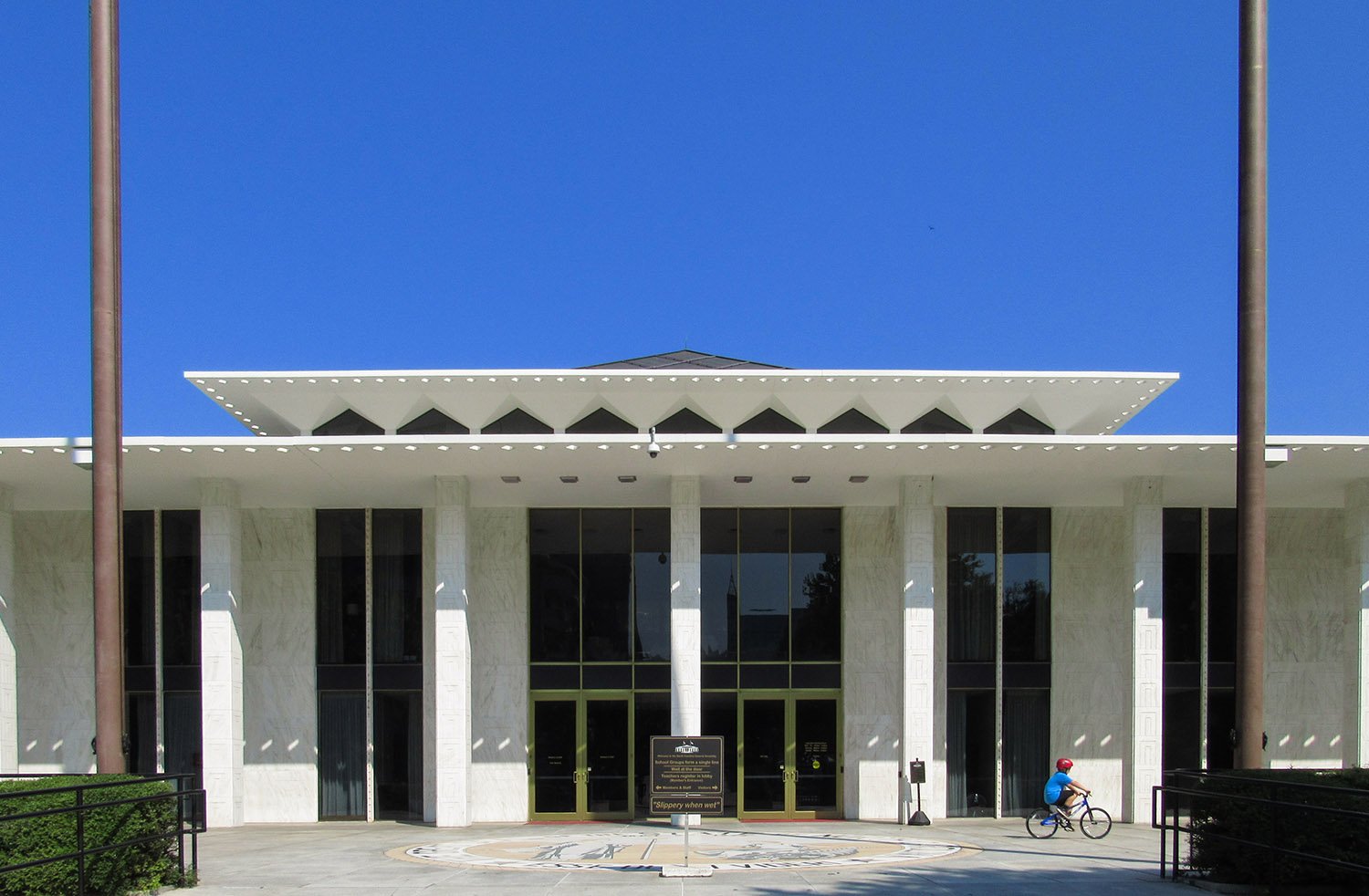
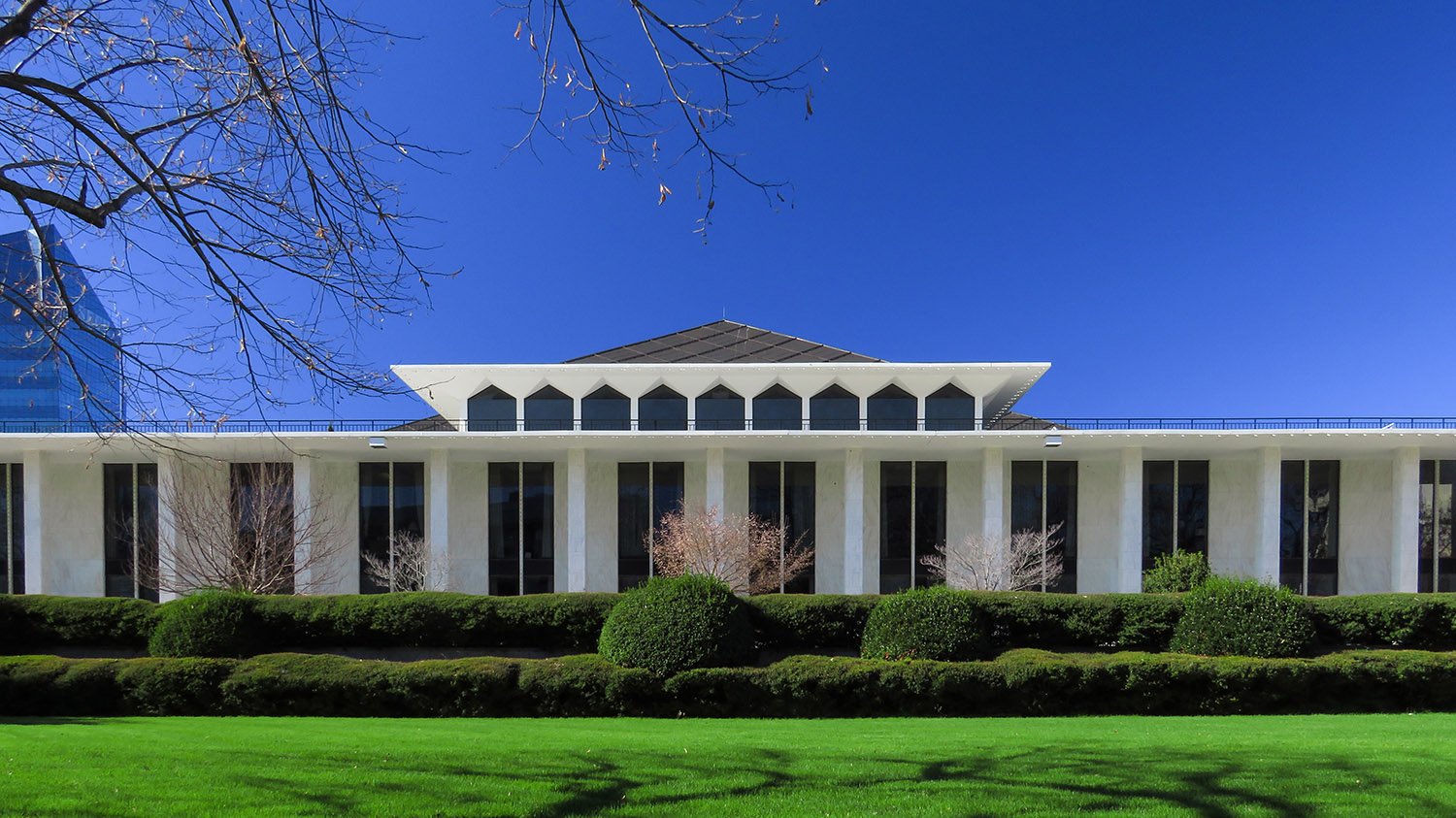
  • North Carolina Legislative Building (1963) – Raleigh, North Carolina

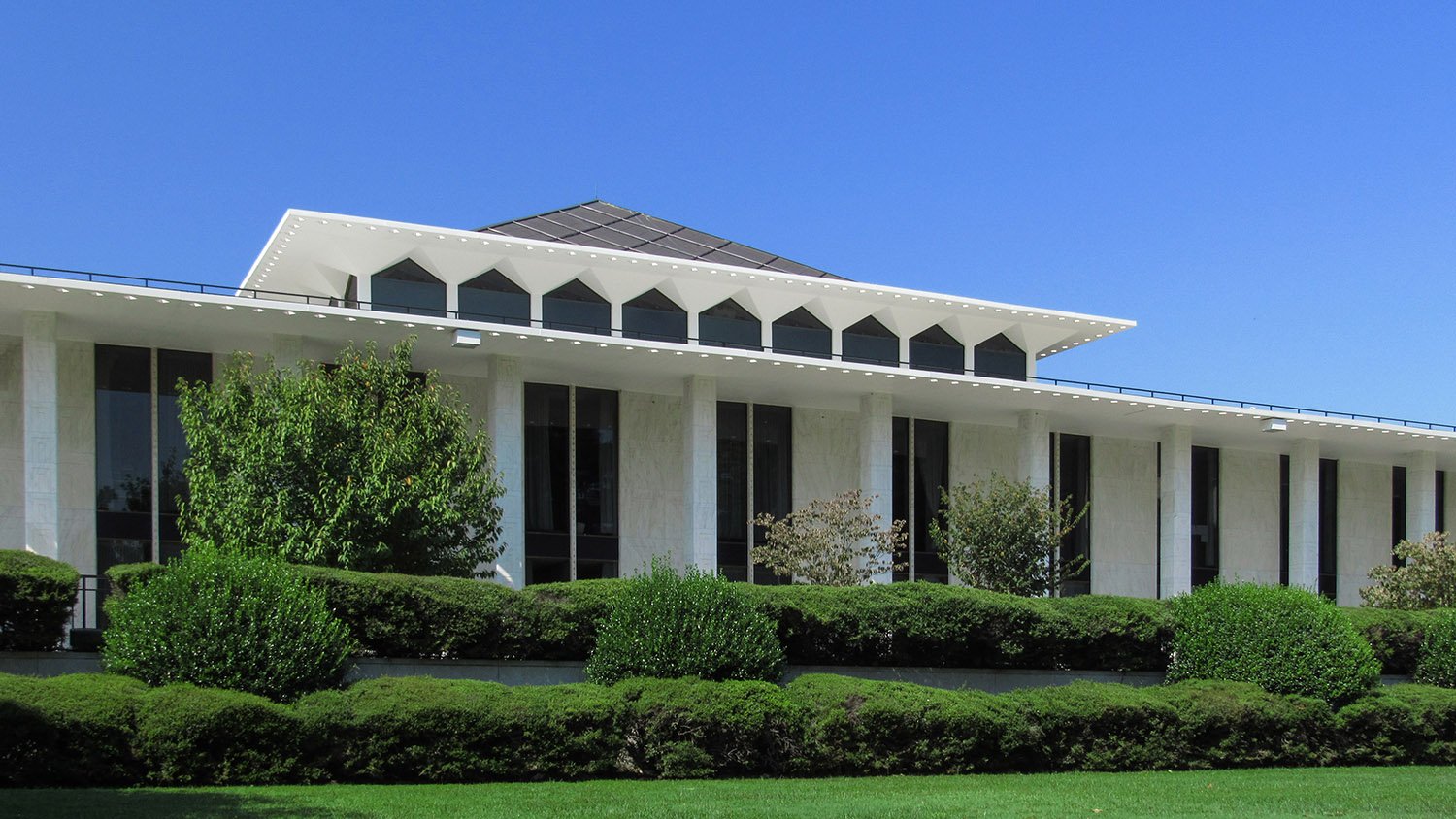
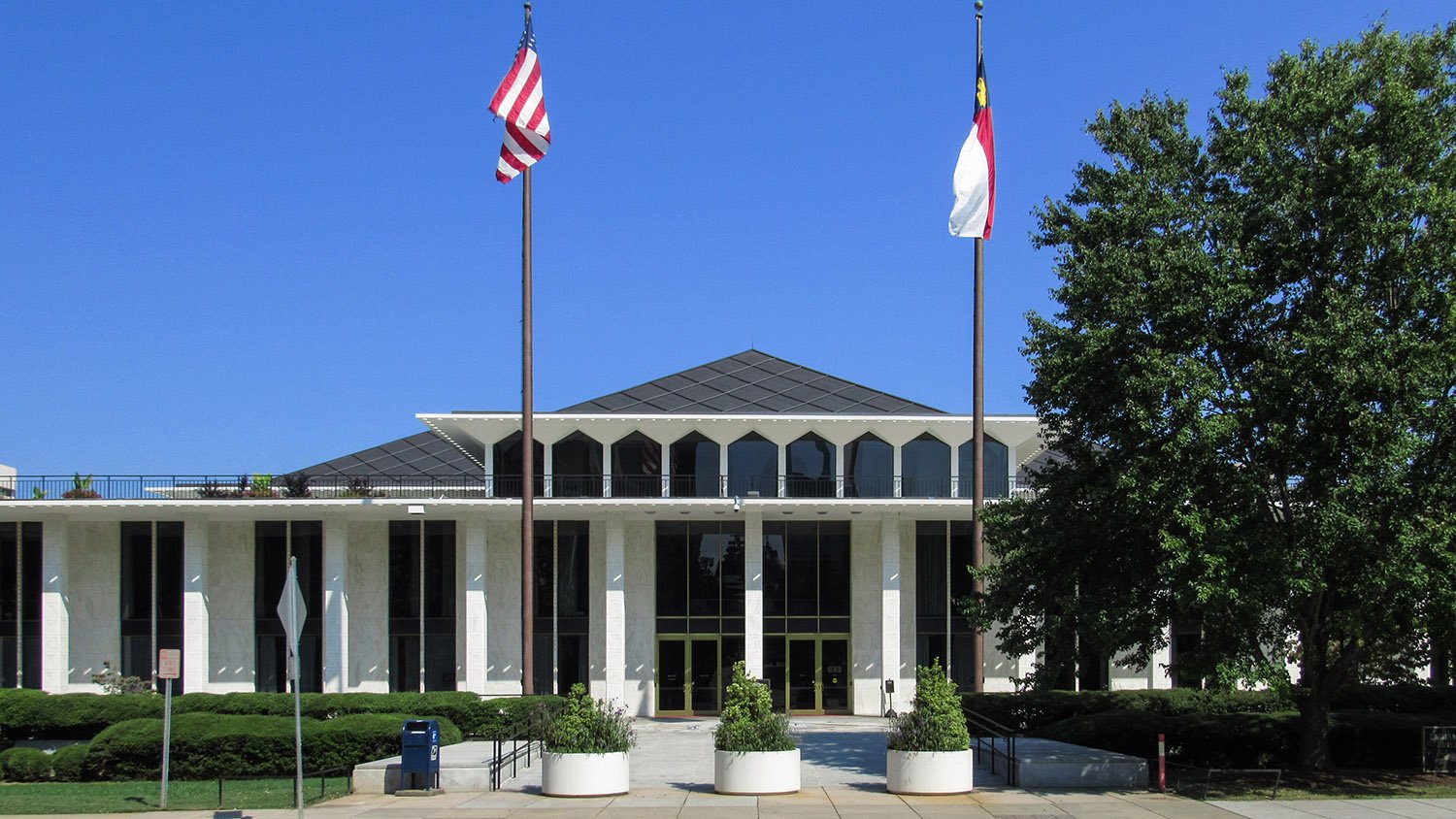
    Edward Durrell Stone with Holloway-Reeves. North Carolina Legislative Building (1963). Raleigh, North Carolina.
    Edward Durrell Stone with Holloway-Reeves. North Carolina Legislative Building (1963). Raleigh, North Carolina.1
    East elevation of the North Carolina Legislative Building, Raleigh, North Carolina
    East elevation of the North Carolina Legislative Building, Raleigh, North Carolina
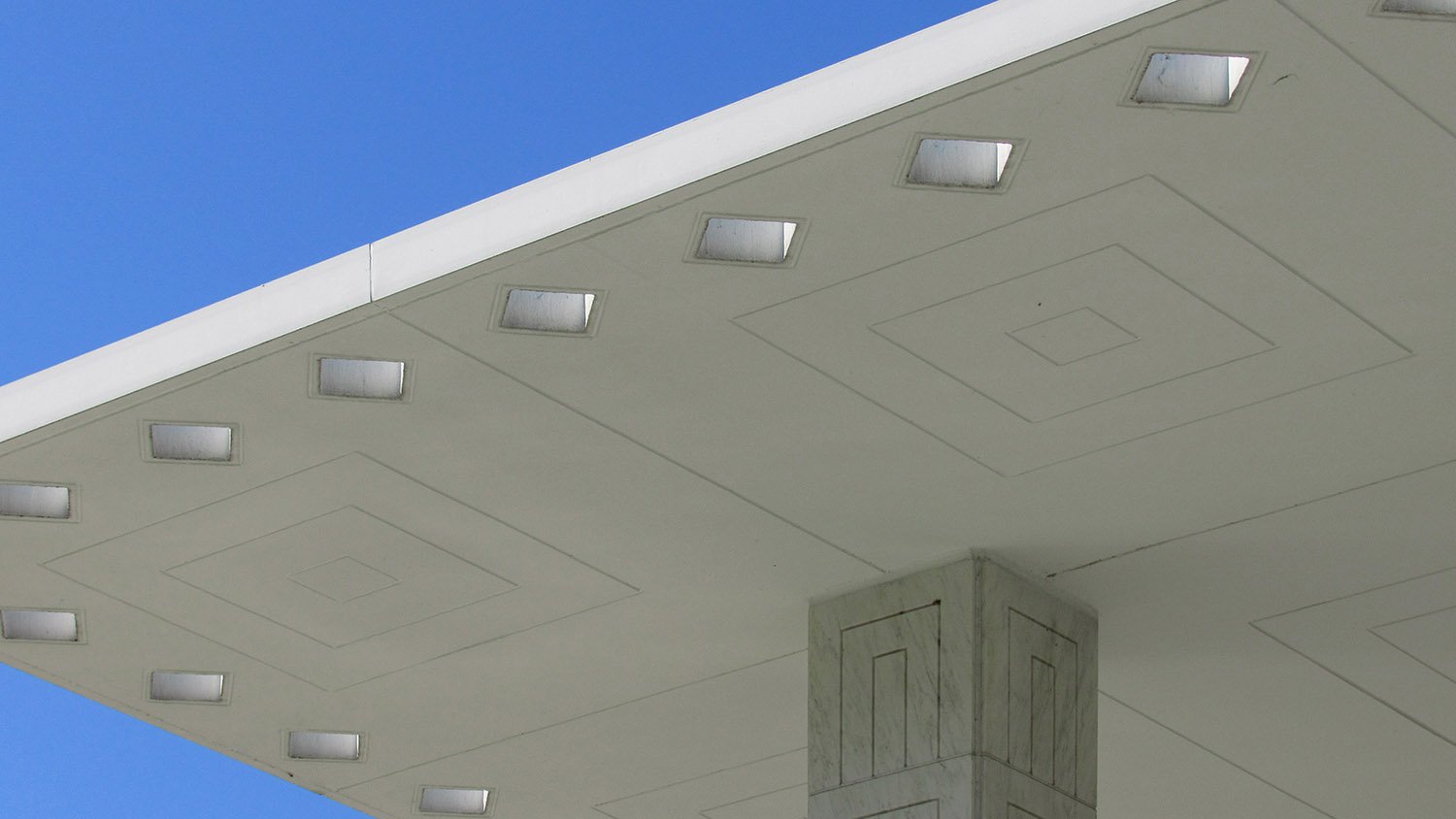
    Colonnade roof on the North Carolina Legislative Building, Raleigh, North Carolina
    Colonnade roof on the North Carolina Legislative Building, Raleigh, North Carolina
    Looking at the east elevation of the North Carolina Legislative Building, Raleigh, North Carolina
    Looking at the east elevation of the North Carolina Legislative Building, Raleigh, North Carolina
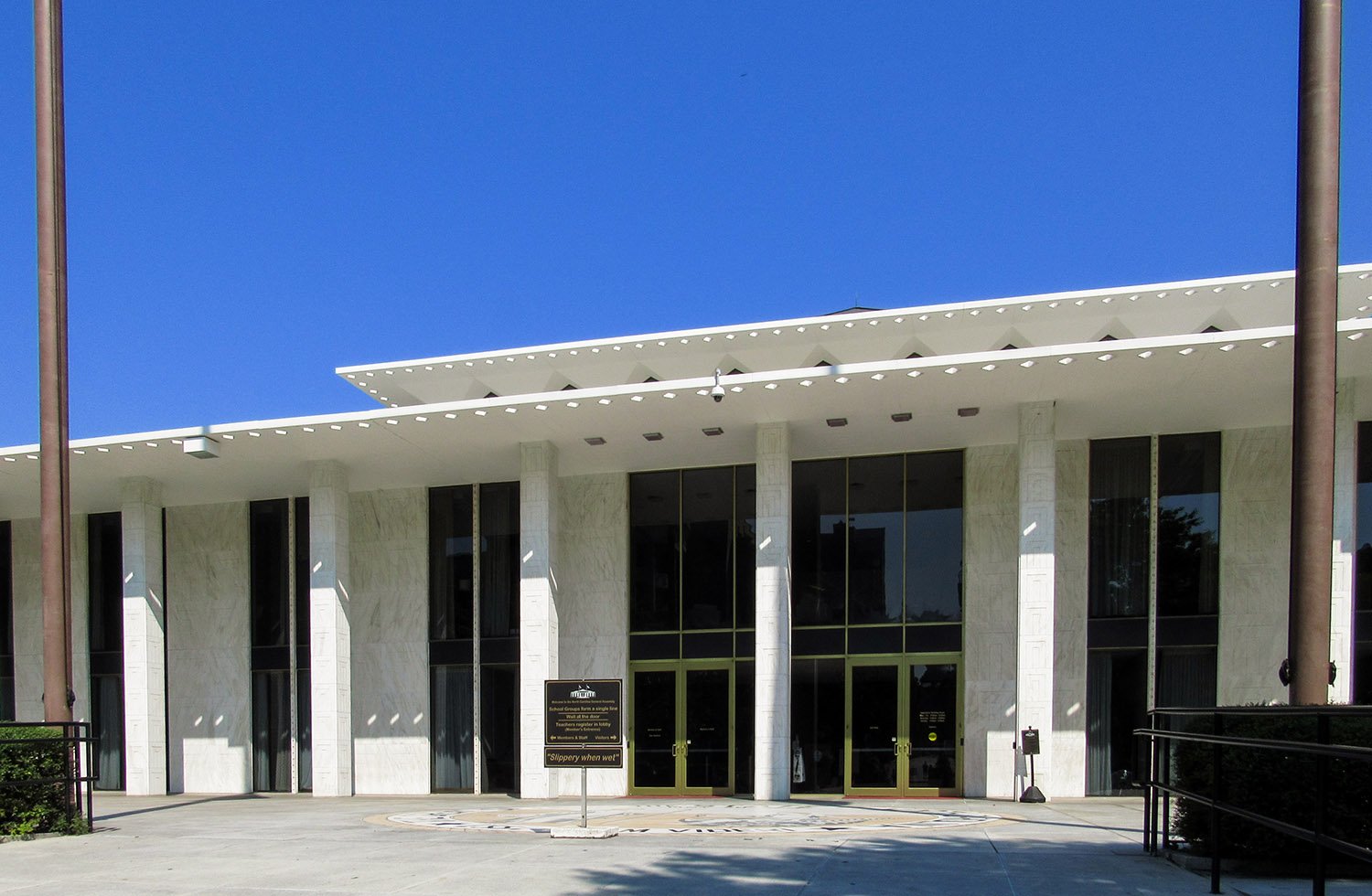
    Entrance of the North Carolina Legislative Building, Raleigh, North Carolina
    Entrance of the North Carolina Legislative Building, Raleigh, North Carolina
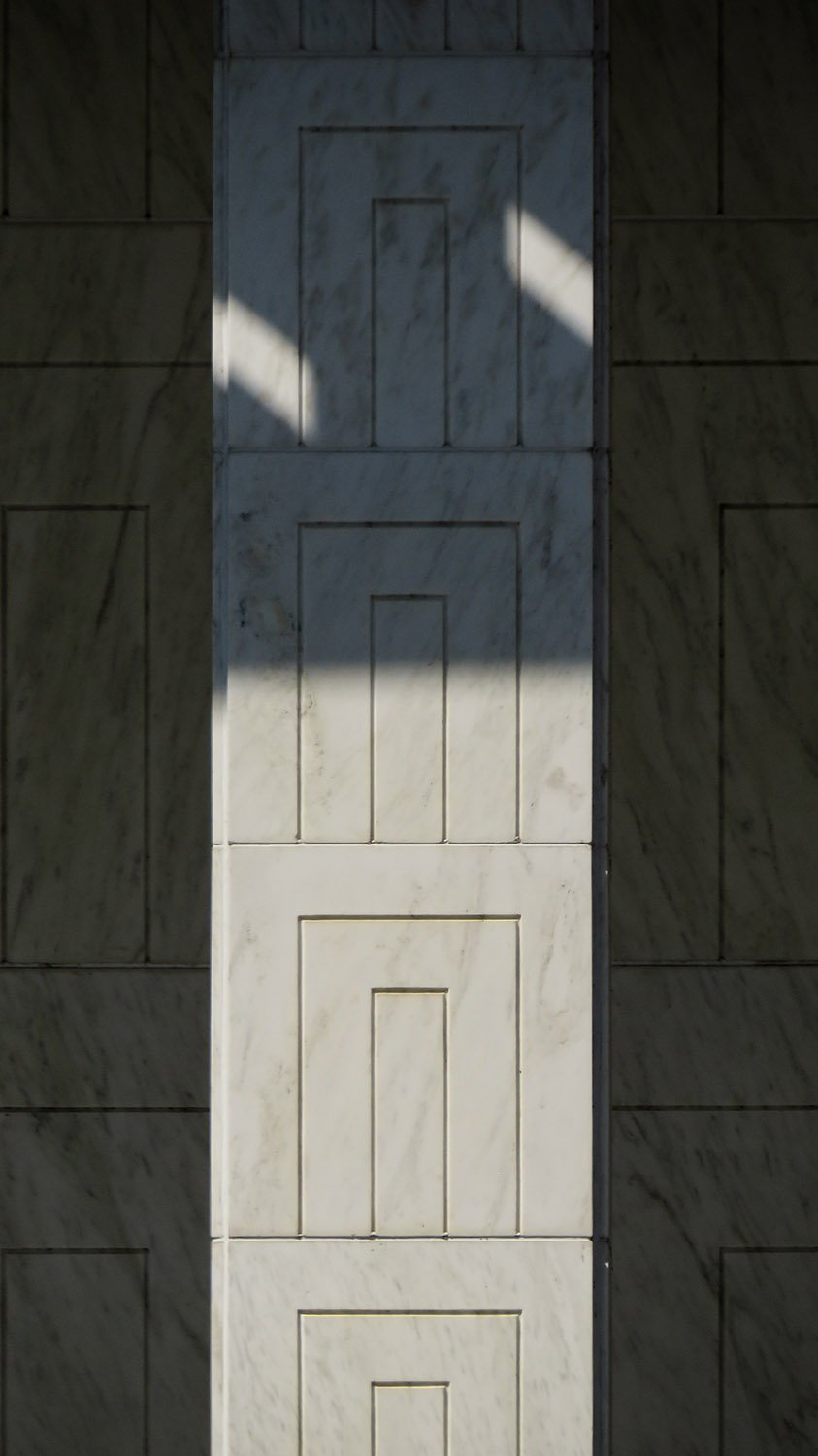
    Marble column on the North Carolina Legislative Building, Raleigh, North Carolina
    Marble column on the North Carolina Legislative Building, Raleigh, North Carolina
    North Carolina Legislative Building, Raleigh, North Carolina
    North Carolina Legislative Building, Raleigh, North Carolina

    References

    1. “New N.C. State House Is First of Its Kind”. The Asheville Times (Asheville, North Carolina), January 22, 1963, p. 7. ↩︎
  • Words About G.L. Norrman: On His Career Resurgence (1901)

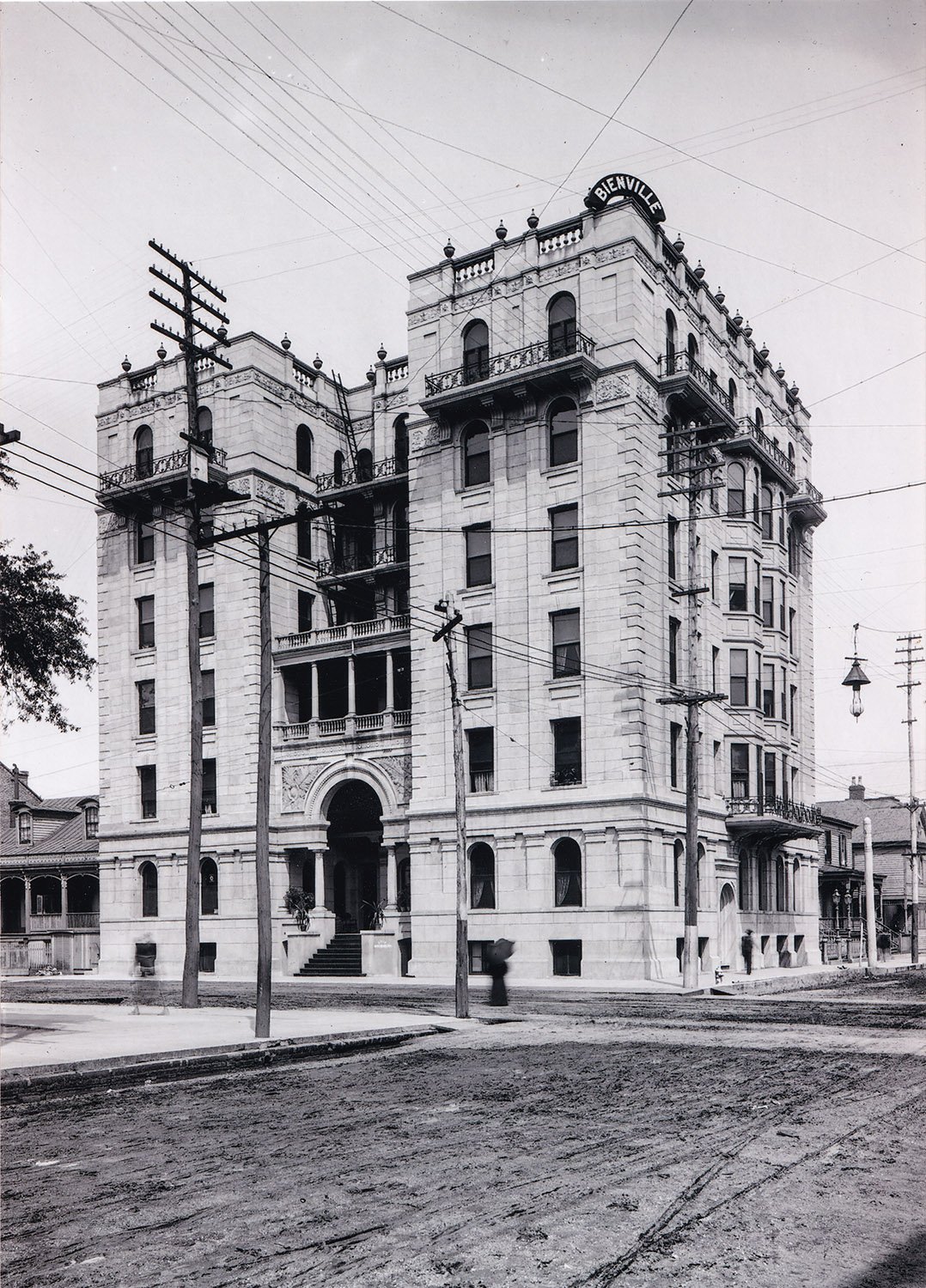
    G.L. Norrman. Bienville Hotel (1900, demolished circa 1969). Mobile, Alabama.
    G.L. Norrman. Bienville Hotel (1900, demolished circa 1969). Mobile, Alabama.

    The Background

    Four days after his gushing comments about G.L. Norrman for the Macon press, Wallace Putnam Reed contributed the following report to The Augusta Chronicle about Norrman’s sudden late-career resurgence.

    Article Excerpt:

    My Augusta readers are lovers of the fine arts, and they will be glad to learn that one of their friends, Mr. G.L. Norrman, the famous Atlanta architect, is winning new honors.

    When Norrman planned the splendid Hotel Bienville for Mobile he said nothing about it here. But he could not hide his light under a bushel. The Constitution‘s pictures of his designs for the new dormitory and mess hall at Athens have attracted attention everywhere, and without expecting it this modest man of genius is now overwhelmed with visitors and orders.

    The matter interests me, because I have long been convinced that the man who can design and construct a great work in the architectural line is really a greater man than a poet or historian. The arts are different, but the first endures longer than the two others. In recent years we have seen the growth of public interest down south in schools of technology, and this is on the line of my remarks.

    To put it more plainly, we of the south are outgrowing the old idea of a plantation aristocracy, whose younger sons must be professional men or nothing. Our young men of the future will be those who can compete with the Carnegies. Like that great Scotchman, they will start at the bottom and work their way up. When they succeed they will have all the social and political prominence they desire.1
    References

    1. Reed, Wallace Putnam. “Random Gossip”. The Augusta Chronicle, May 7, 1901, p. 4. ↩︎

  • J.R. Carmichael Residence (1898) – Jackson, Georgia

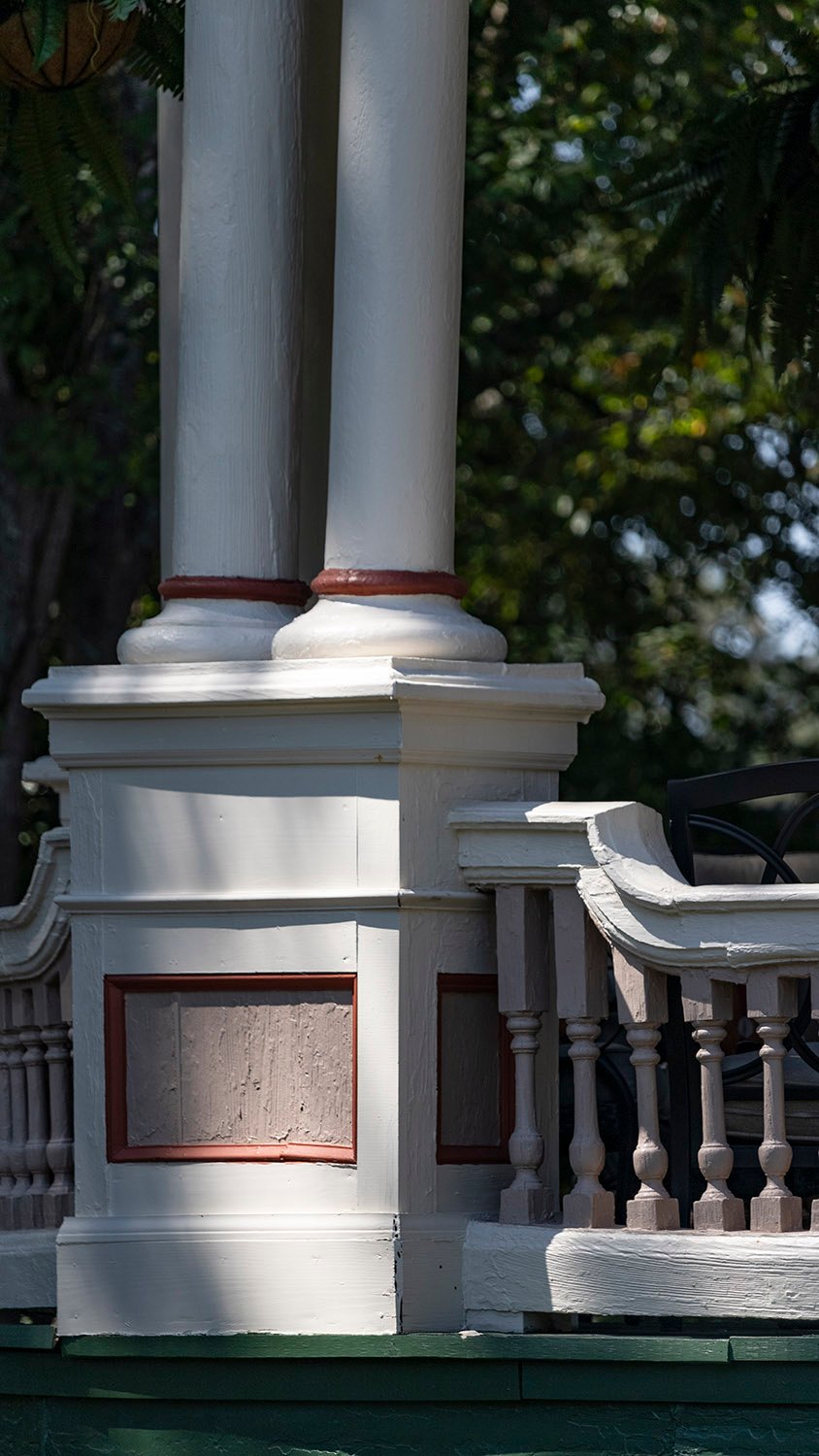
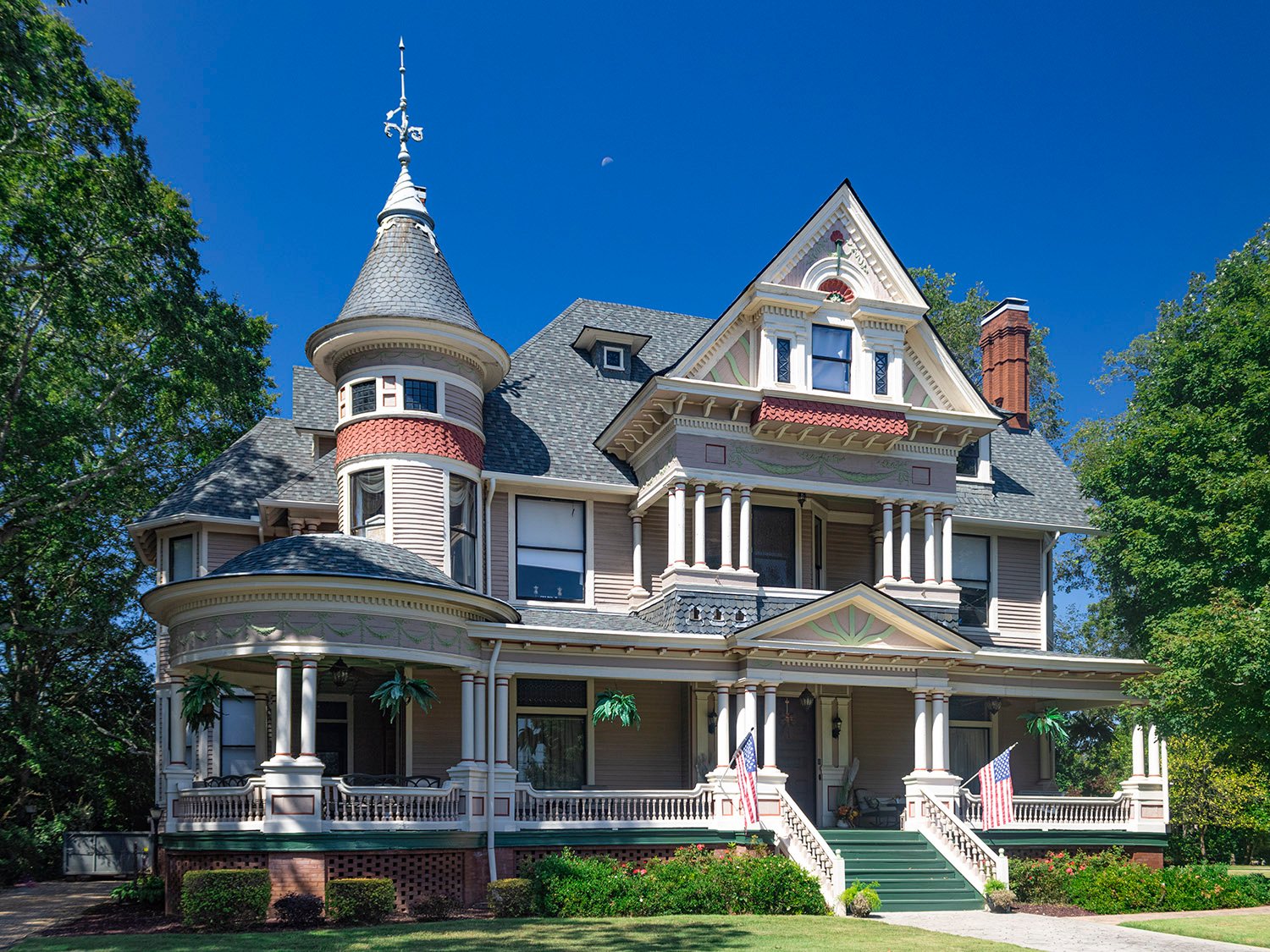
    Bruce & Morgan. J.R. Carmichael Residence (1898). Jackson, Georgia.
    Bruce & Morgan. J.R. Carmichael Residence (1898). Jackson, Georgia.1 2 3 4
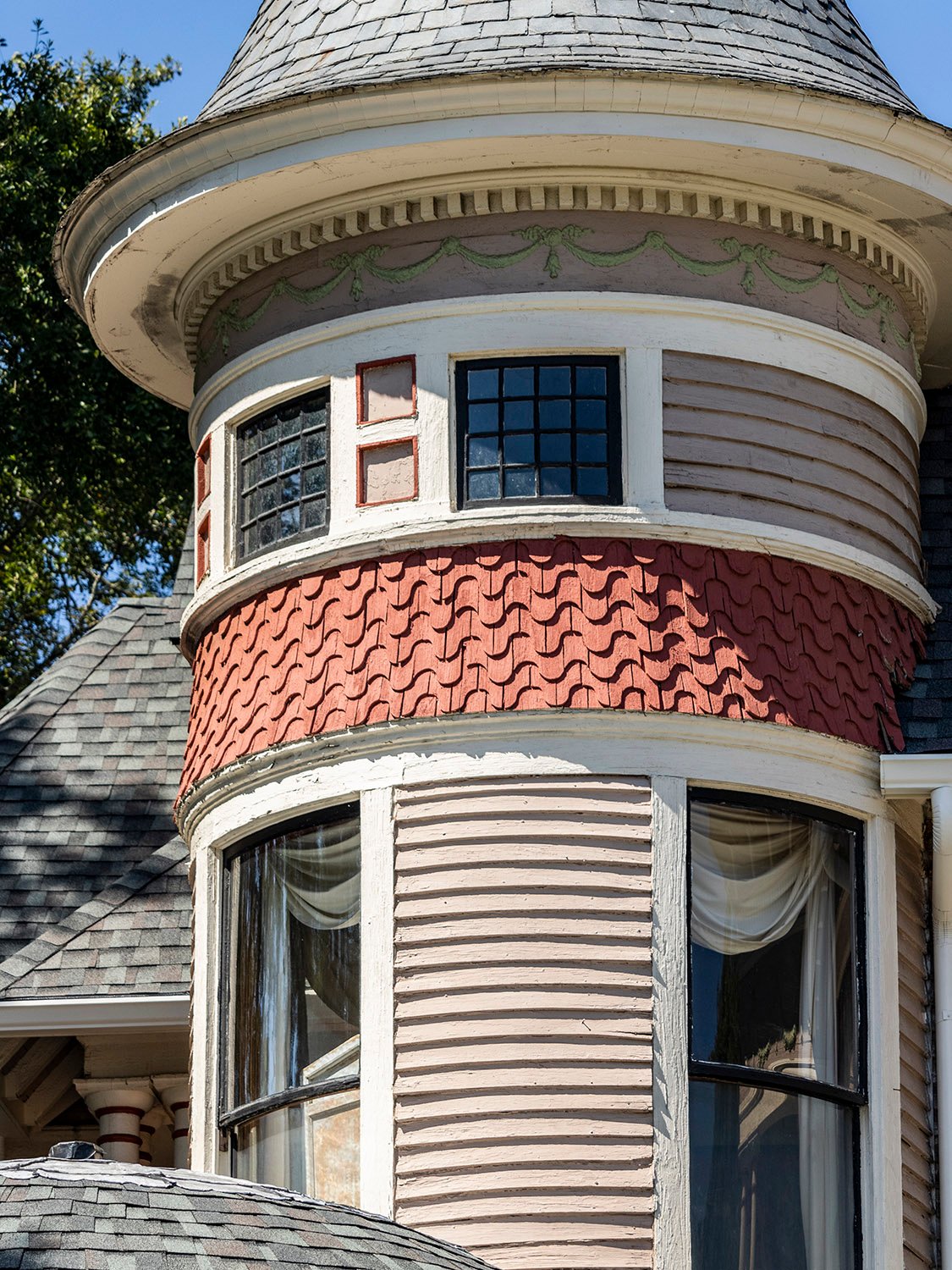
    Turret on the J.R. Carmichael Residence, Jackson, Georgia
    Turret on the J.R. Carmichael Residence, Jackson, Georgia
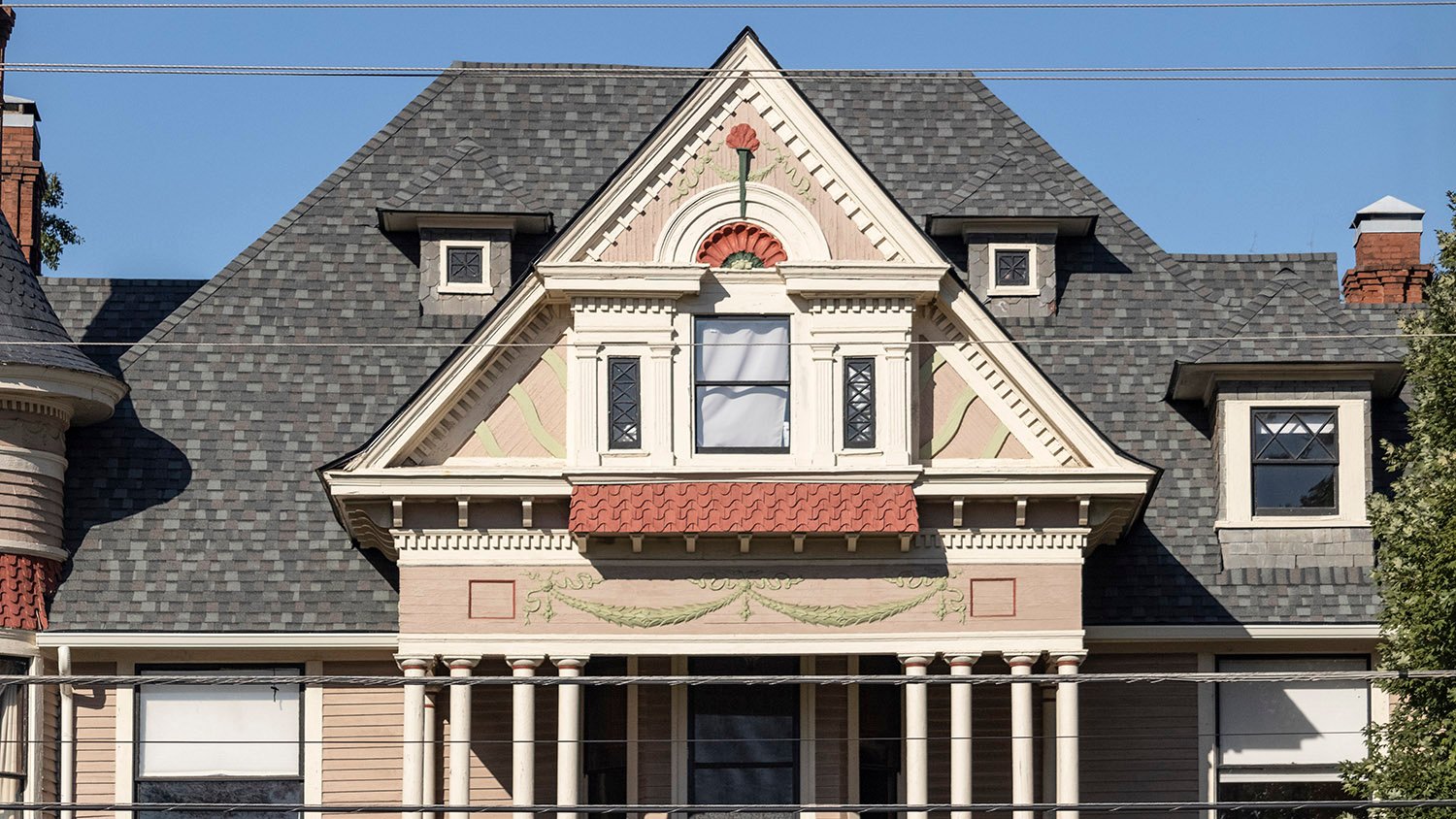
    Projecting gabled dormer with Palladian window on the J.R. Carmichael Residence, Jackson, Georgia
    Projecting gabled dormer with Palladian window on the J.R. Carmichael Residence, Jackson, Georgia
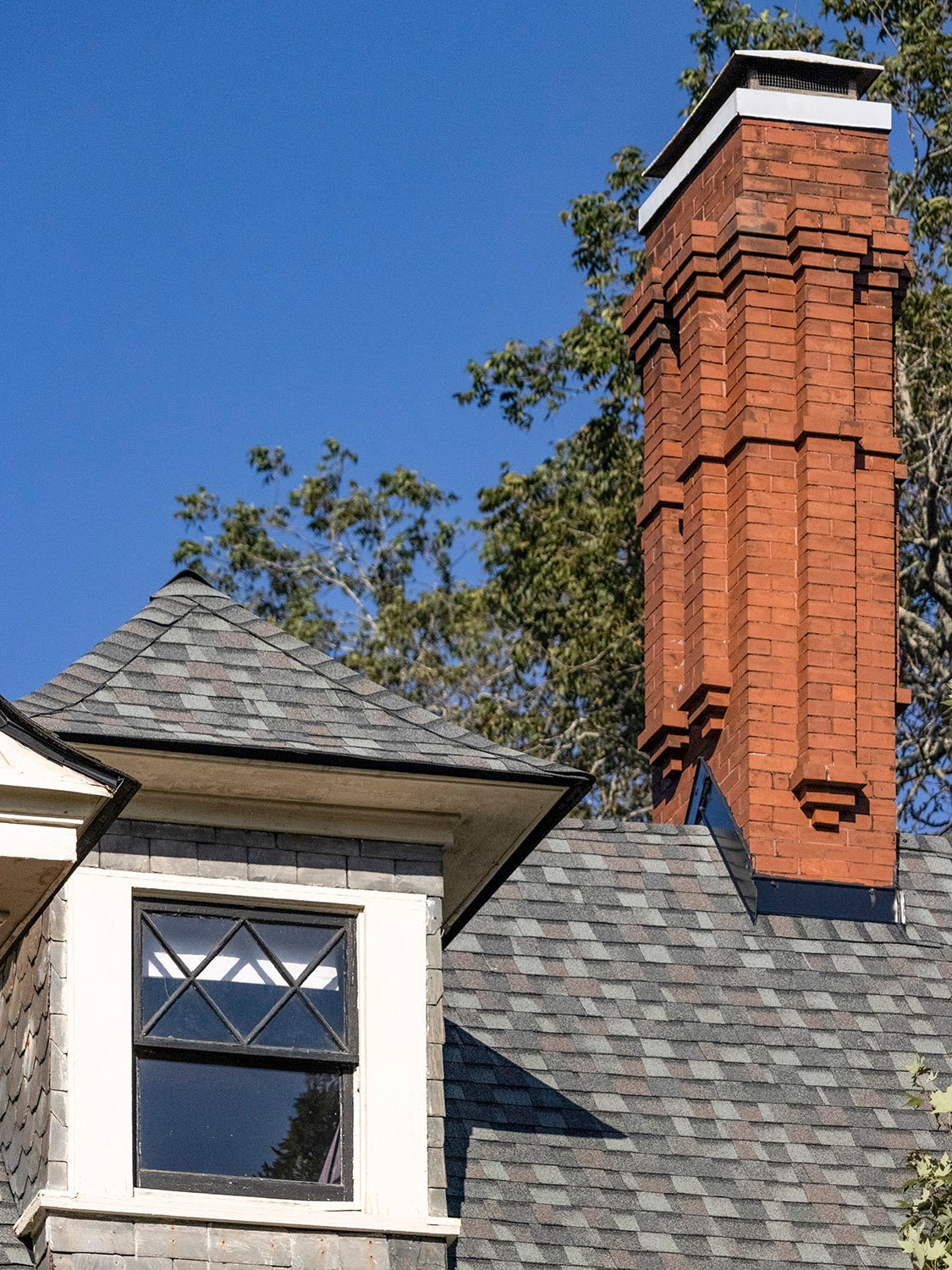
    Dormer and chimney on the J.R. Carmichael Residence, Jackson, Georgia
    Dormer and chimney on the J.R. Carmichael Residence, Jackson, Georgia
    Looking at the roofline of the J.R Carmichael Residence, Jackson, Georgia
    Looking at the roofline of the J.R Carmichael Residence, Jackson, Georgia
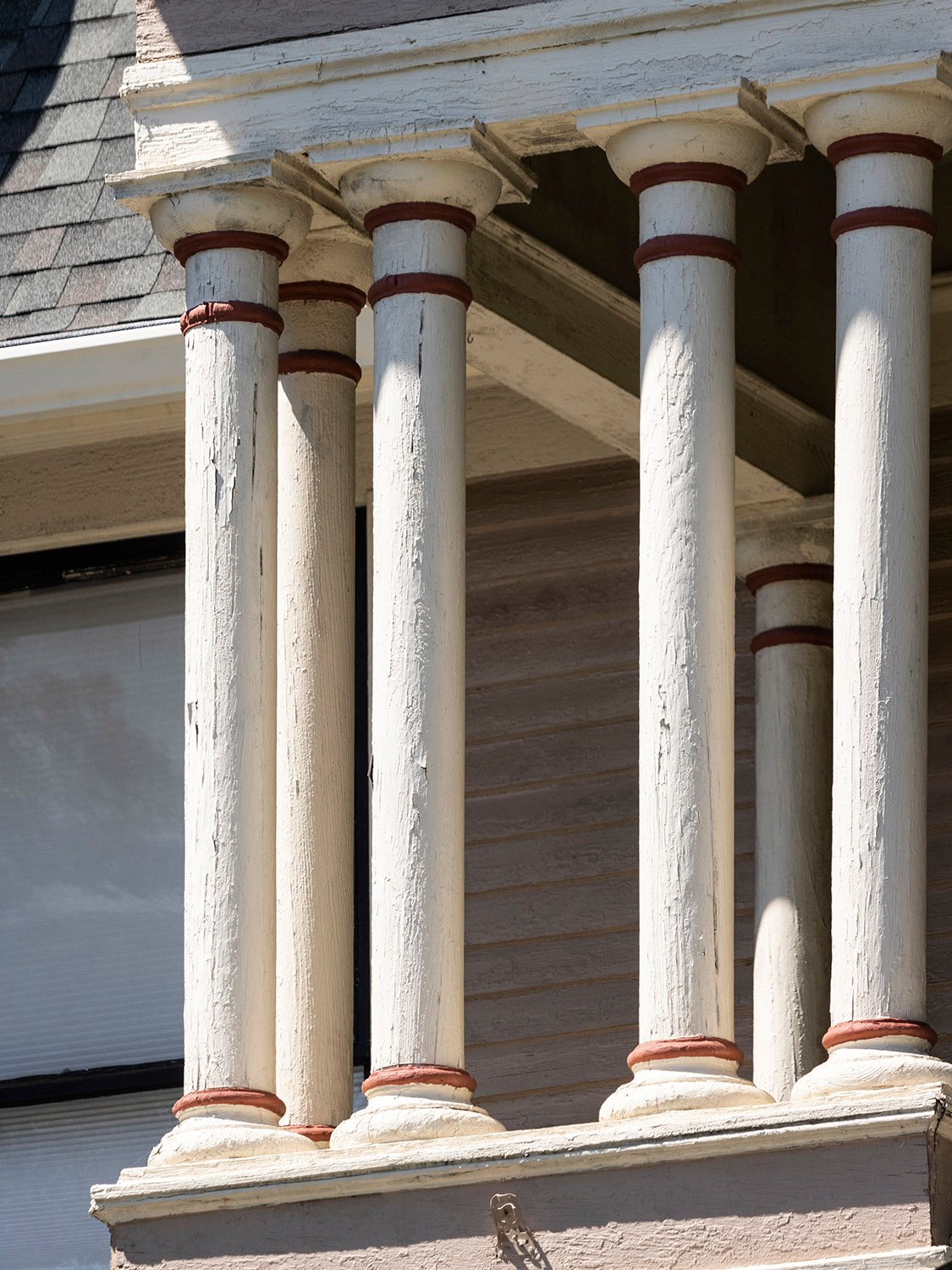
    Columns on the second-floor porch of the J.R. Carmichael Residence, Jackson, Georgia
    Columns on the second-floor porch of the J.R. Carmichael Residence, Jackson, Georgia
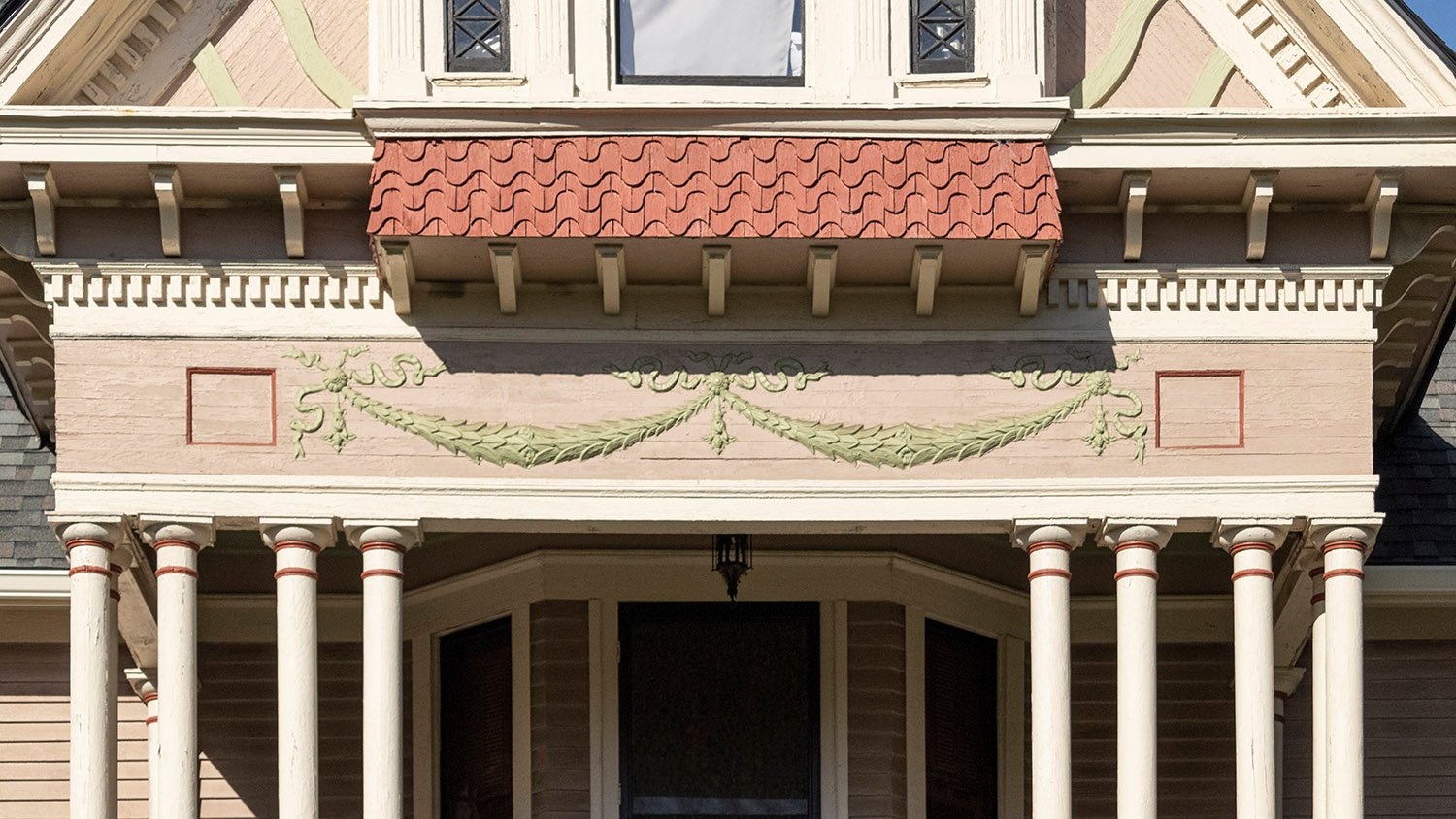
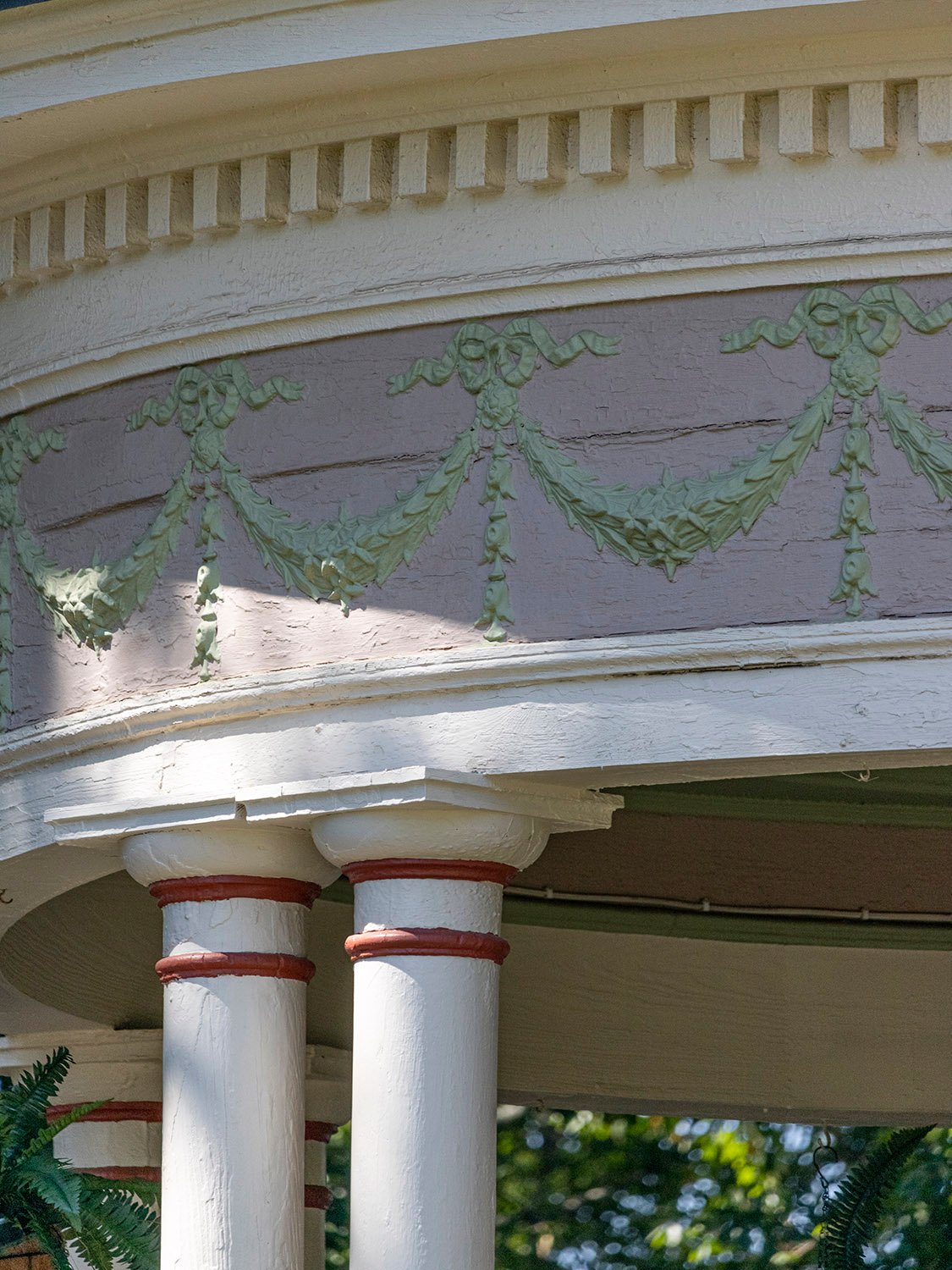
    Eaves, cornice, and festooned frieze over the second-floor porch of the J.R. Carmichael Residence, Jackson, Georgia
    Eaves, cornice, and festooned frieze over the second-floor porch of the J.R. Carmichael Residence, Jackson, Georgia
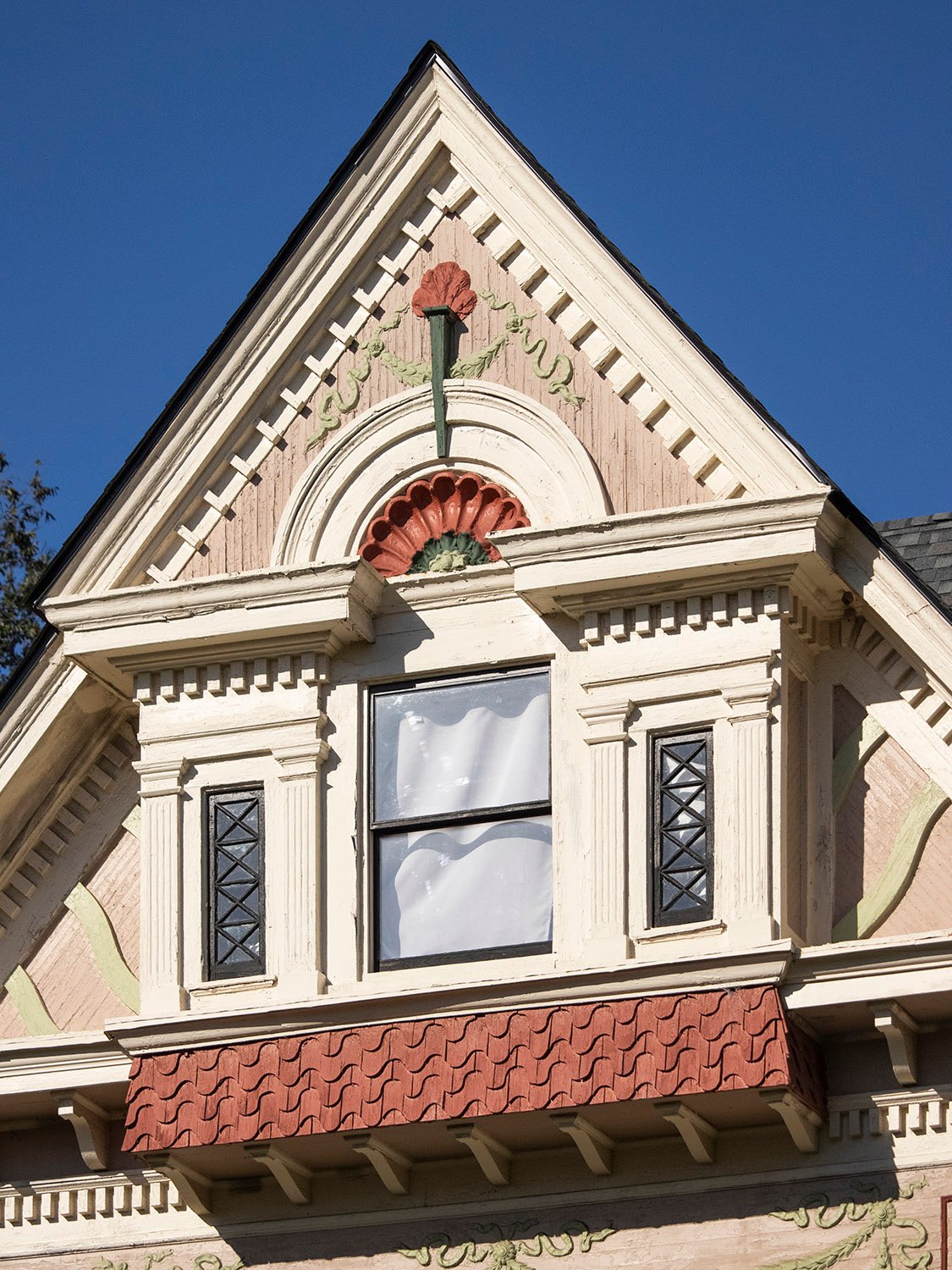
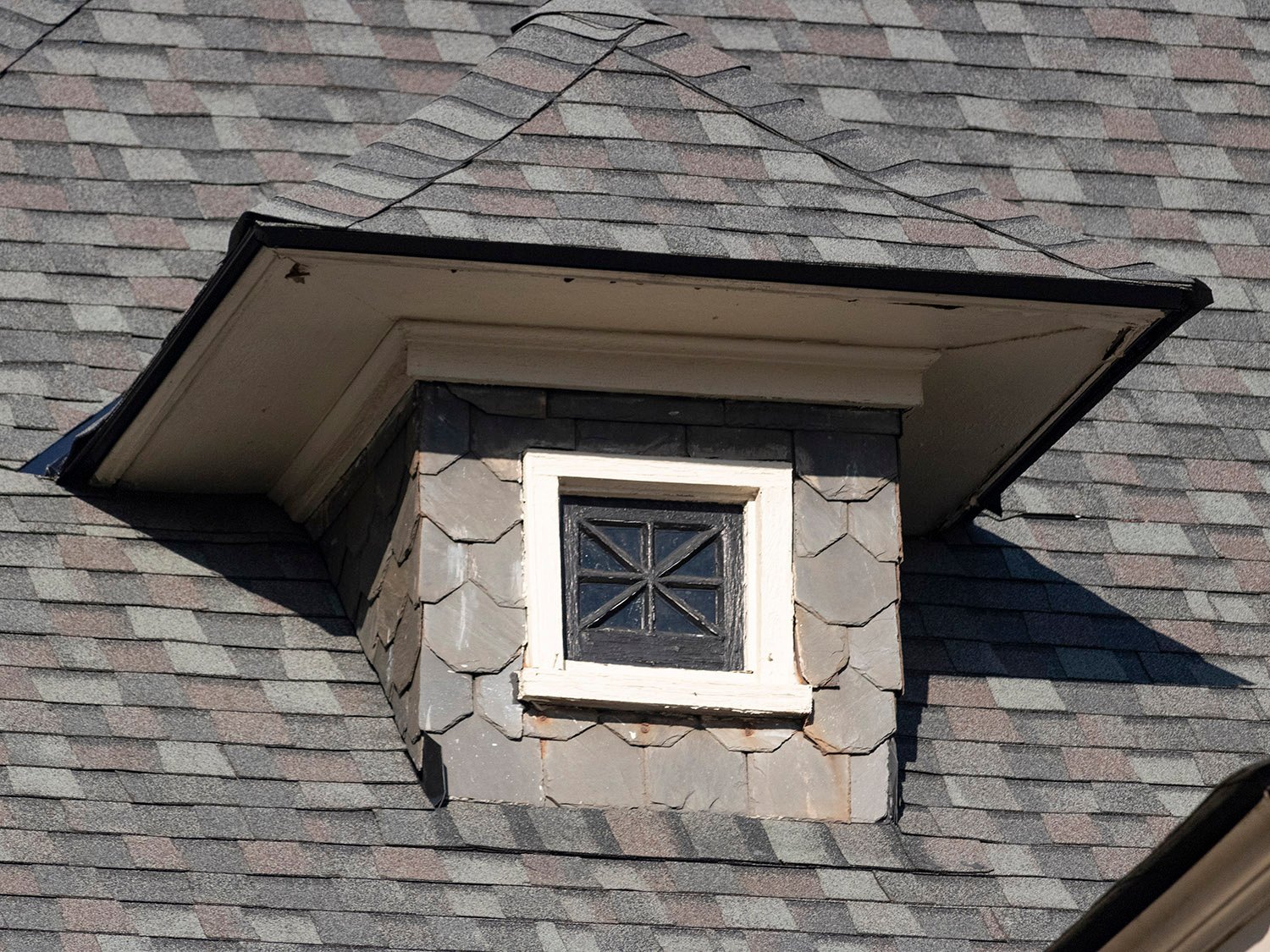
    Dormer on the J.R. Carmichael Residence, Jackson, Georgia
    Dormer on the J.R. Carmichael Residence, Jackson, Georgia
    Cornice and festooned frieze on the first-floor porch of the J.R. Carmichael Residence, Jackson, Georgia
    Cornice and festooned frieze on the first-floor porch of the J.R. Carmichael Residence, Jackson, Georgia
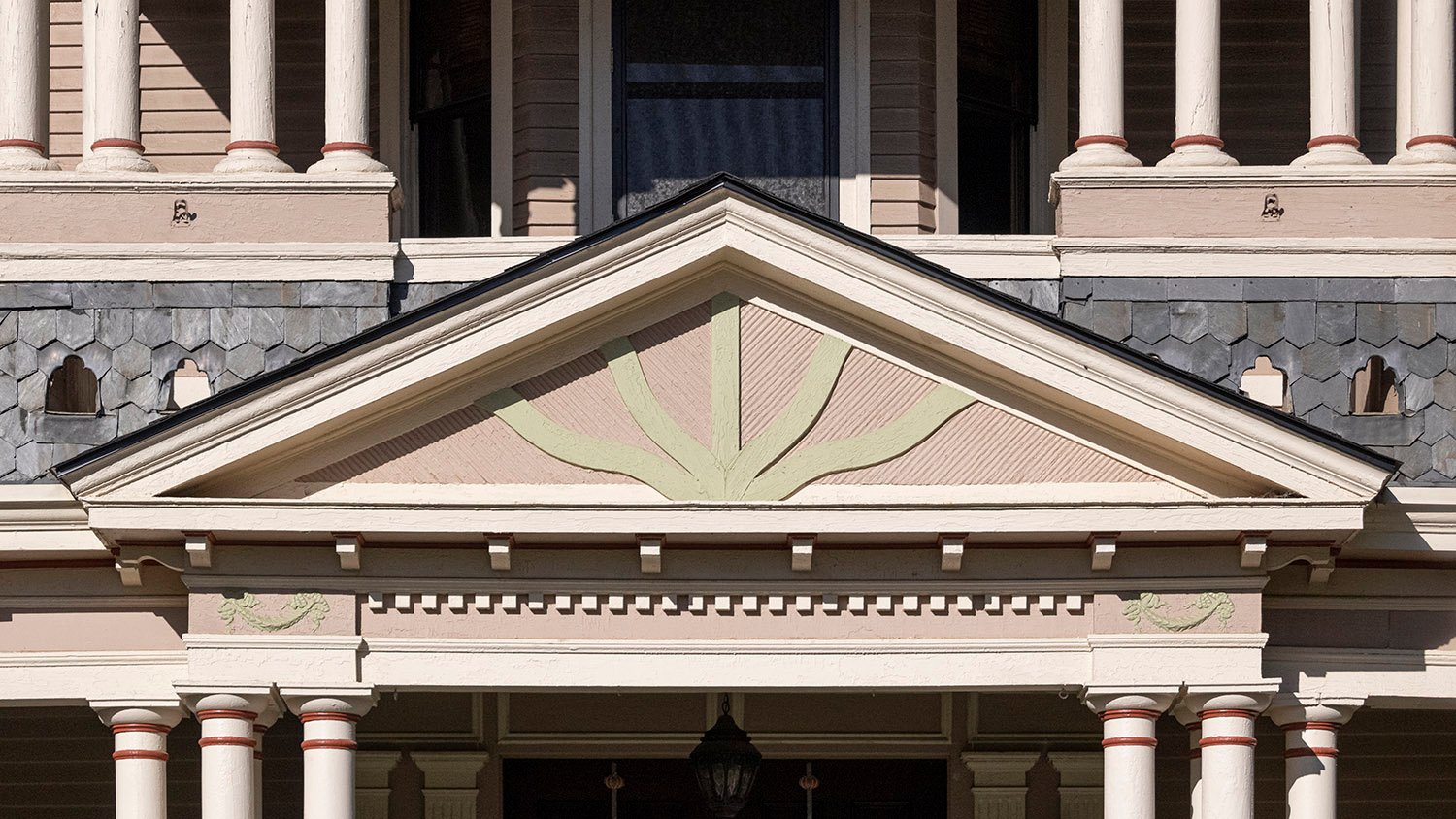
    Porch pediment on the J.R. Carmichael Residence, Jackson, Georgia
    Porch pediment on the J.R. Carmichael Residence, Jackson, Georgia
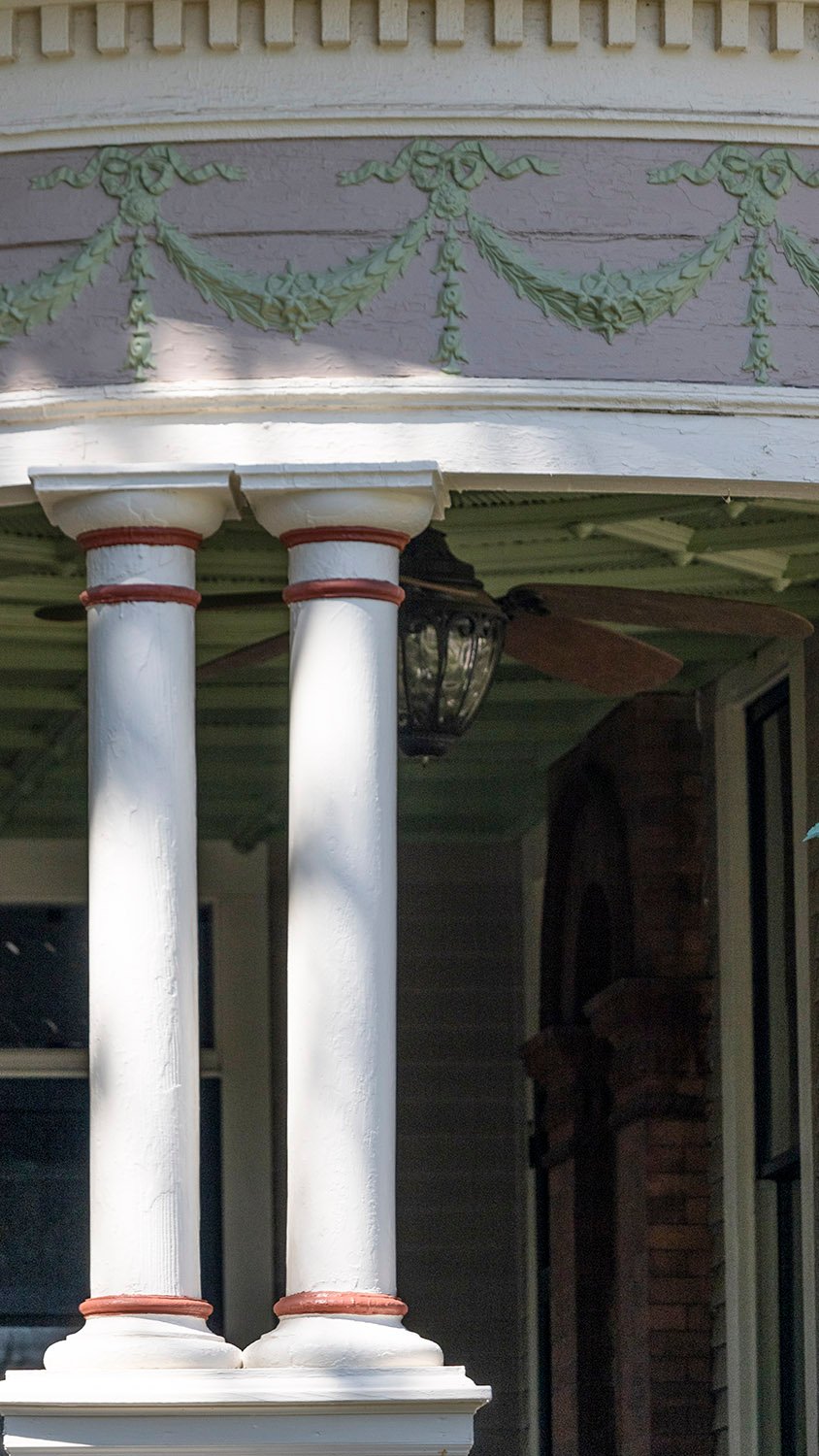
    Cornice, festooned frieze, and columns on the first-floor porch of the J.R. Carmichael Residence, Jackson, Georgia
    Cornice, festooned frieze, and columns on the first-floor porch of the J.R. Carmichael Residence, Jackson, Georgia
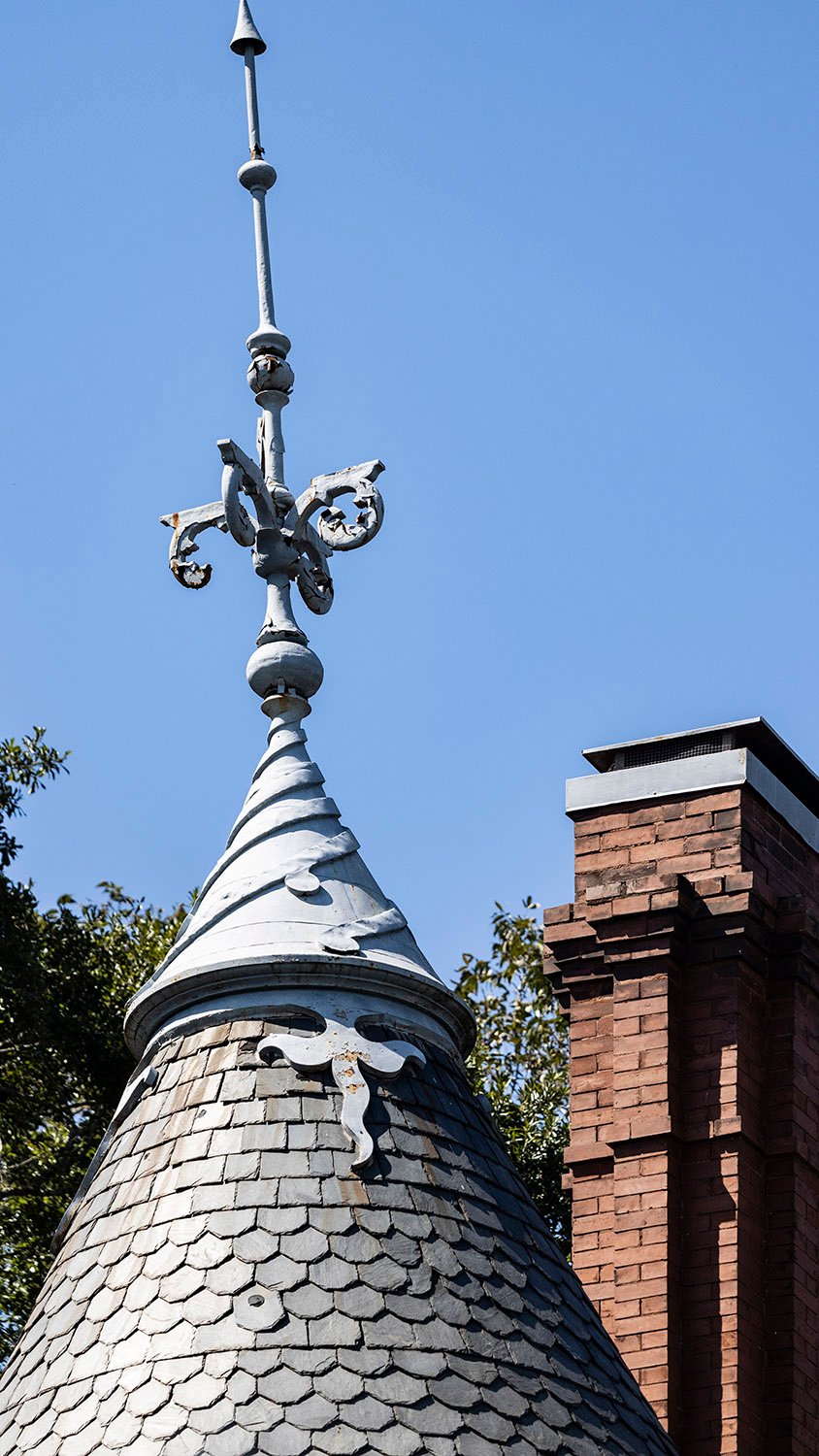
    Turret shingles, finial, and chimney on the J.R. Carmichael Residence, Jackson, Georgia
    Turret shingles, finial, and chimney on the J.R. Carmichael Residence, Jackson, Georgia
    Pedestal and balustrade on the first-floor porch of the J.R. Carmichael Residence, Jackson, Georgia
    Pedestal and balustrade on the first-floor porch of the J.R. Carmichael Residence, Jackson, Georgia

    References

    1. National Register of Historic Places Inventory Nomination Form: J.R. Carmichael House ↩︎
    2. “To Build a Railroad.” The Macon Telegraph, December 5, 1897, p. 11. ↩︎
    3. “Some Local Paragraphs.” The Jackson Argus (Jackson, Georgia), March 25, 1898, p. 2. ↩︎
    4. “Butt’s Cotton Season.” The Atlanta Journal, August 27, 1898, p. 9. ↩︎

  • Words About G.L. Norrman: On His Professional Reputation (1901)

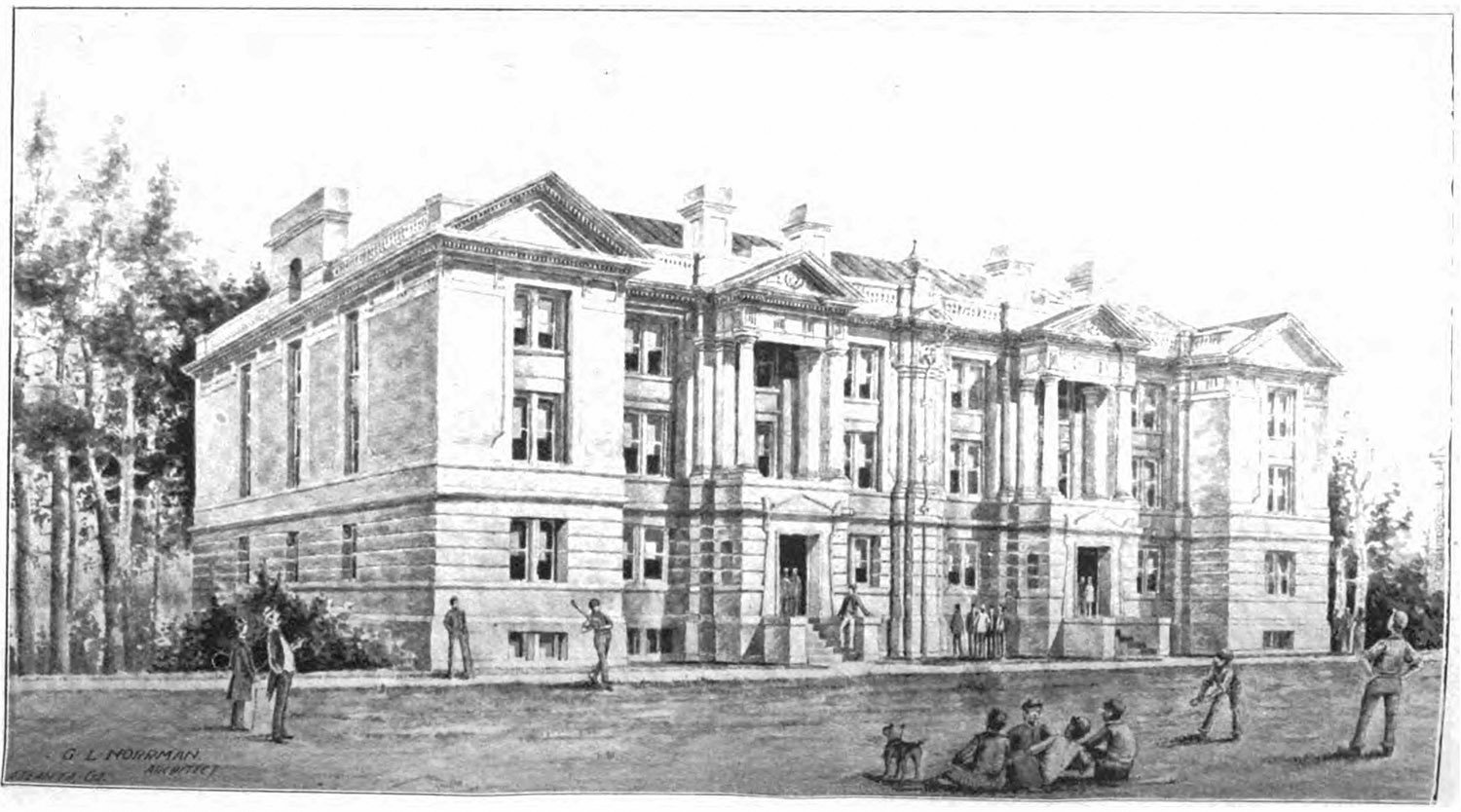
    G.L. Norrman.Projected design of Candler Hall (1901). University of Georgia, Athens.
    G.L. Norrman.Projected design of Candler Hall (1901). University of Georgia, Athens.1

    The Background

    Following a similar article in The Savannah Press, in May 1901, Wallace Putnam Reed wrote the following sketch of G.L. Norrman for his “Random Atlanta Gossip” column in The Macon Telegraph.

    Reed recounted remarks attributed to a man from Birmingham, Alabama, about Norrman’s recent work, including the Bienville Hotel in Mobile, Alabama, and Candler Hall at the University of Georgia in Athens (pictured above).

    One interesting aspect of the conversation is the speaker’s claim that “we are trying to induce Norrman to move to Birmingham.” Norrman considered moving to Birmingham, Alabama, in 1899,2 3 4 but ultimately remained in Atlanta.

    Article Excerpt:

    A Birmingham man who is a graduate of the University of Georgia called my attention, this morning, to the new dormitory, and mess hall of that institution, designed by Mr. G.L. Norrman, an Atlanta architect, who is somewhat famous throughout the South.

    “These will be the handsomest buildings on the campus,” said the visitor from Birmingham, as he pointed to their pictures on the first page of the Constitution. “I don’t know anything of the kind in Europe or America, at the same cost, which is equal to these structures, measured by the standards of beauty and utility. By the way, we are trying to induce Norrman to move to Birmingham. The new Hotel Bienville in Mobile is his work, you know, and it has made him the most popular man in Atlanta. There is something in fine architecture that appeals to the heads and hearts of all classes. I would rather be a great architect than almost anything else.”

    In the meantime Mr. Norrman who was standing within hearing walked off without waiting to be introduced to his admirer. Like most men of the genuine artistic temperament, he gets his satisfaction out of the work and cares less for compliments than any man I know.

    If he cares for distinction he can easily make himself recognized as one of the foremost architects of this country. The late John Wellborn Root of Atlanta, enjoyed that distinction, but in some lines Mr. Norrman is regarded as his superior.5
    References

    1. The Twenty-Ninth Annual Report from the Department of Education to the General Assembly of the State of Georgia. Atlanta: The Franklin Printing and Publishing Company, 1901 ↩︎
    2. “In Hotel Lobbies and Elsewhere”. The Age-Herald (Birmingham, Alabama), October 28, 1899, p. 4. ↩︎
    3. “In Hotel Lobbies and Elsewhere”. The Age-Herald (Birmingham, Alabama), December 16, 1899, p. 4. ↩︎
    4. Morgan, Thos. H. “Letter to Glenn Brown”. 1 January 1900. ↩︎
    5. Reed, Wallace Putnam. “Random Atlanta Gossip”. The Macon Telegraph (Macon, Georgia), May 3, 1901, p. 4. ↩︎

  • Wesley Woods (1965) – Atlanta

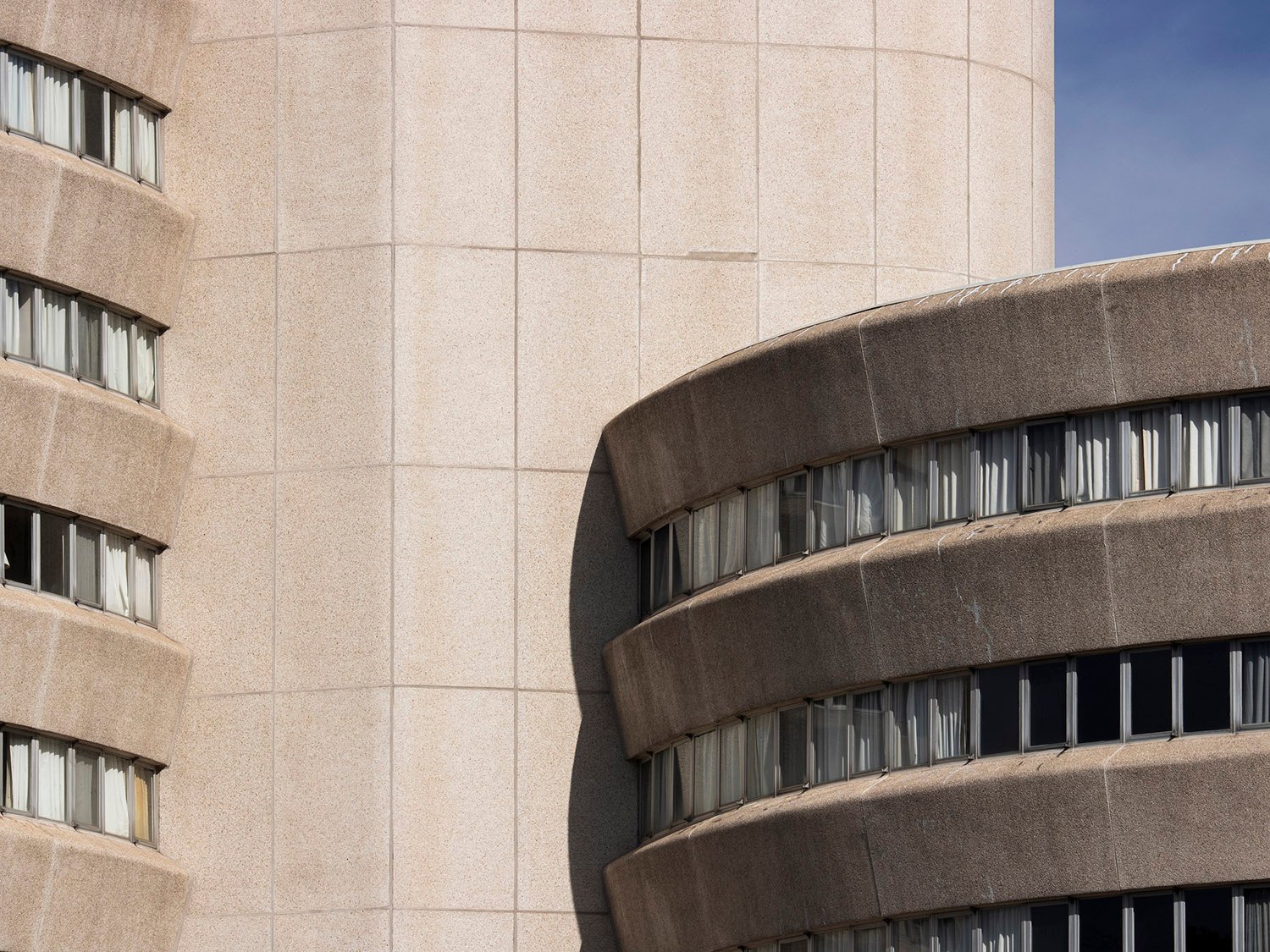
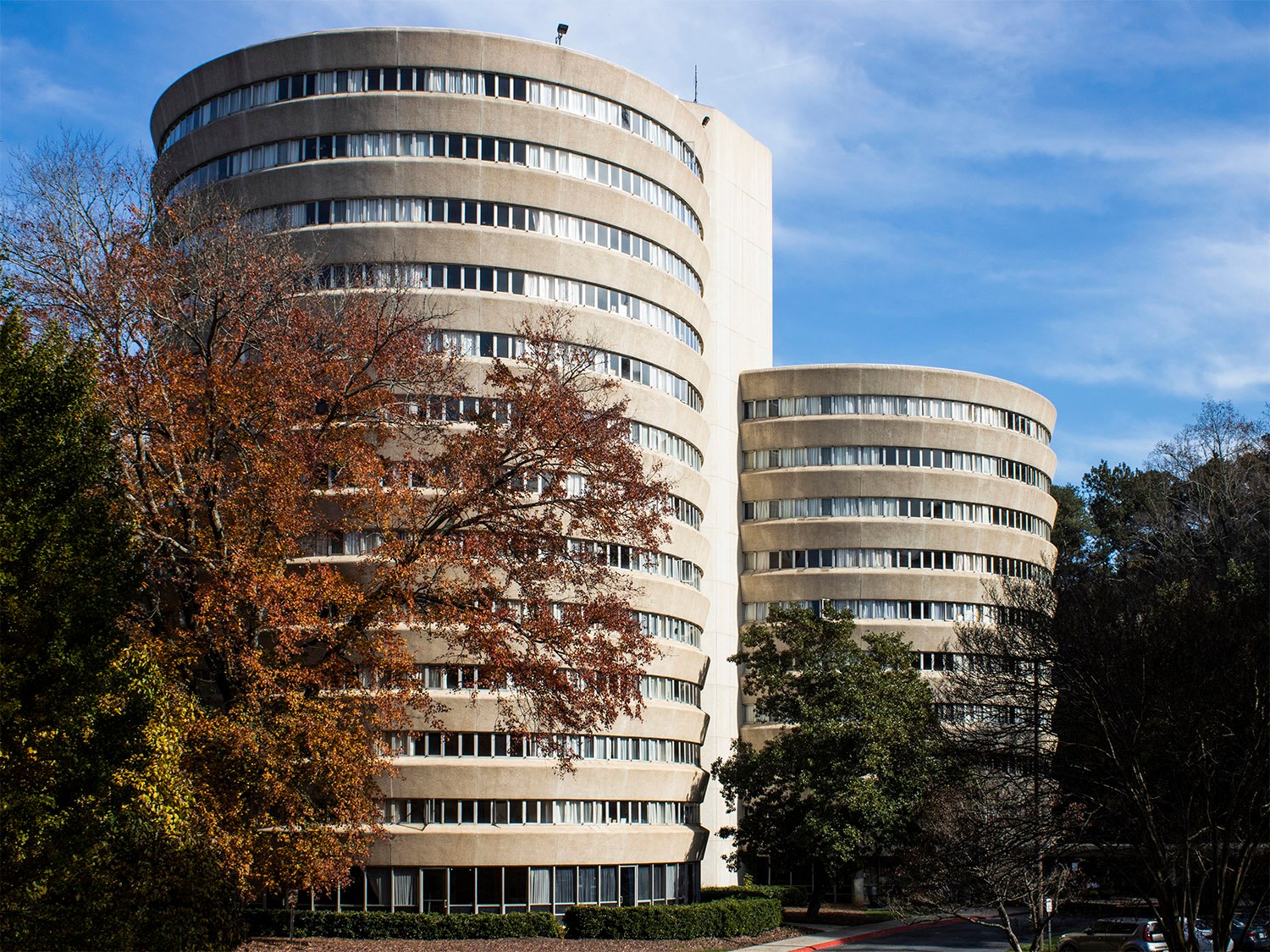
    Charles E. Stade & Associates. Wesley Woods (1965). Atlanta.
    Charles E. Stade & Associates. Wesley Woods (1965).1 2 Atlanta.
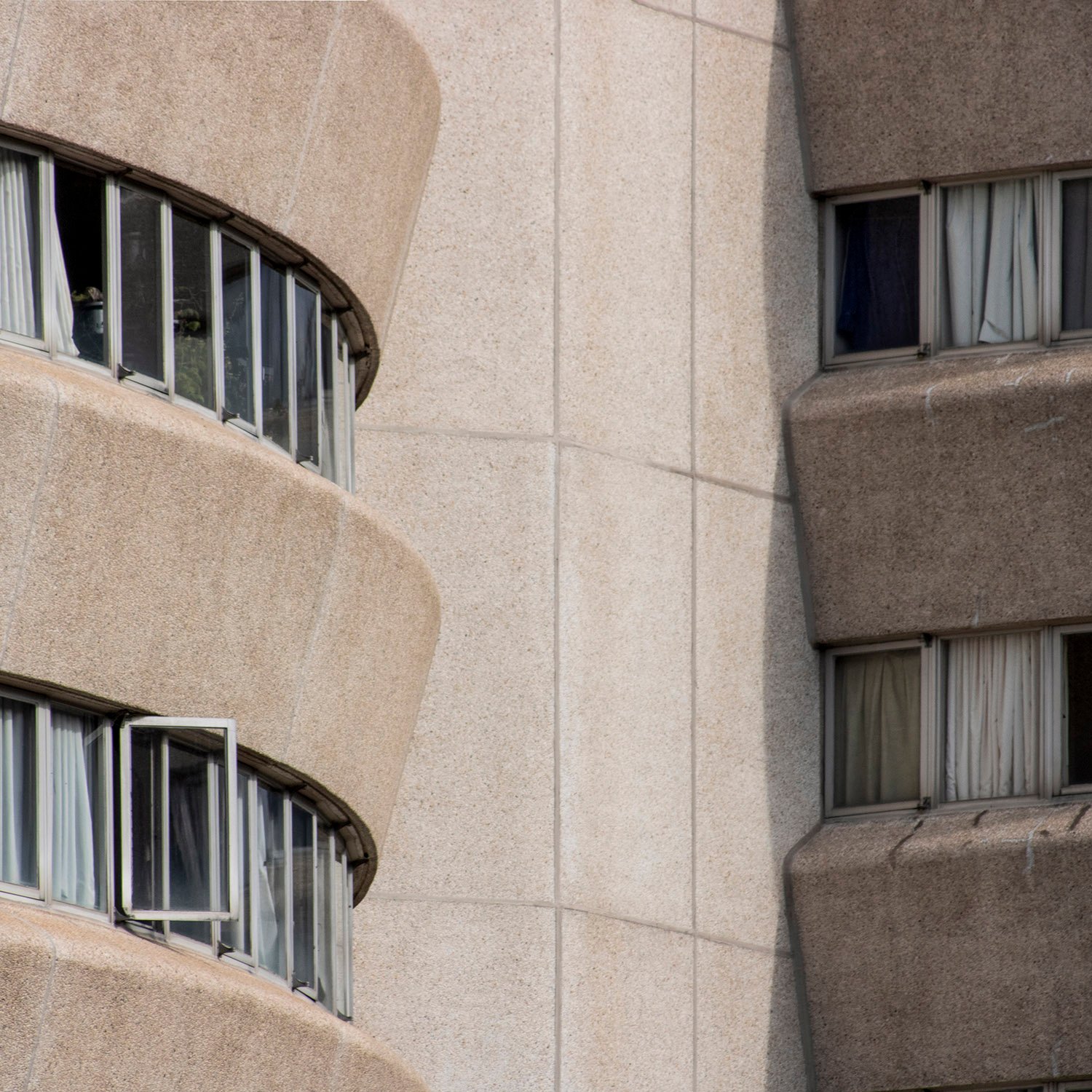
    Windows on Wesley Woods, Atlanta
    Windows on Wesley Woods, Atlanta
    Towers of Wesley Woods, Atlanta
    Towers of Wesley Woods, Atlanta

    References

    1. “Nursing Home to Go Into Wesley Woods”. The Atlanta Constitution, March 29, 1963, p. 16. ↩︎
    2. Winn, Bill. “Retirement Community Readied for Residents”. The Atlanta Journal, February 24, 1965, p. E-1. ↩︎
  • Words About G.L. Norrman: The Thinker, Scholar, and Traveler (1901)

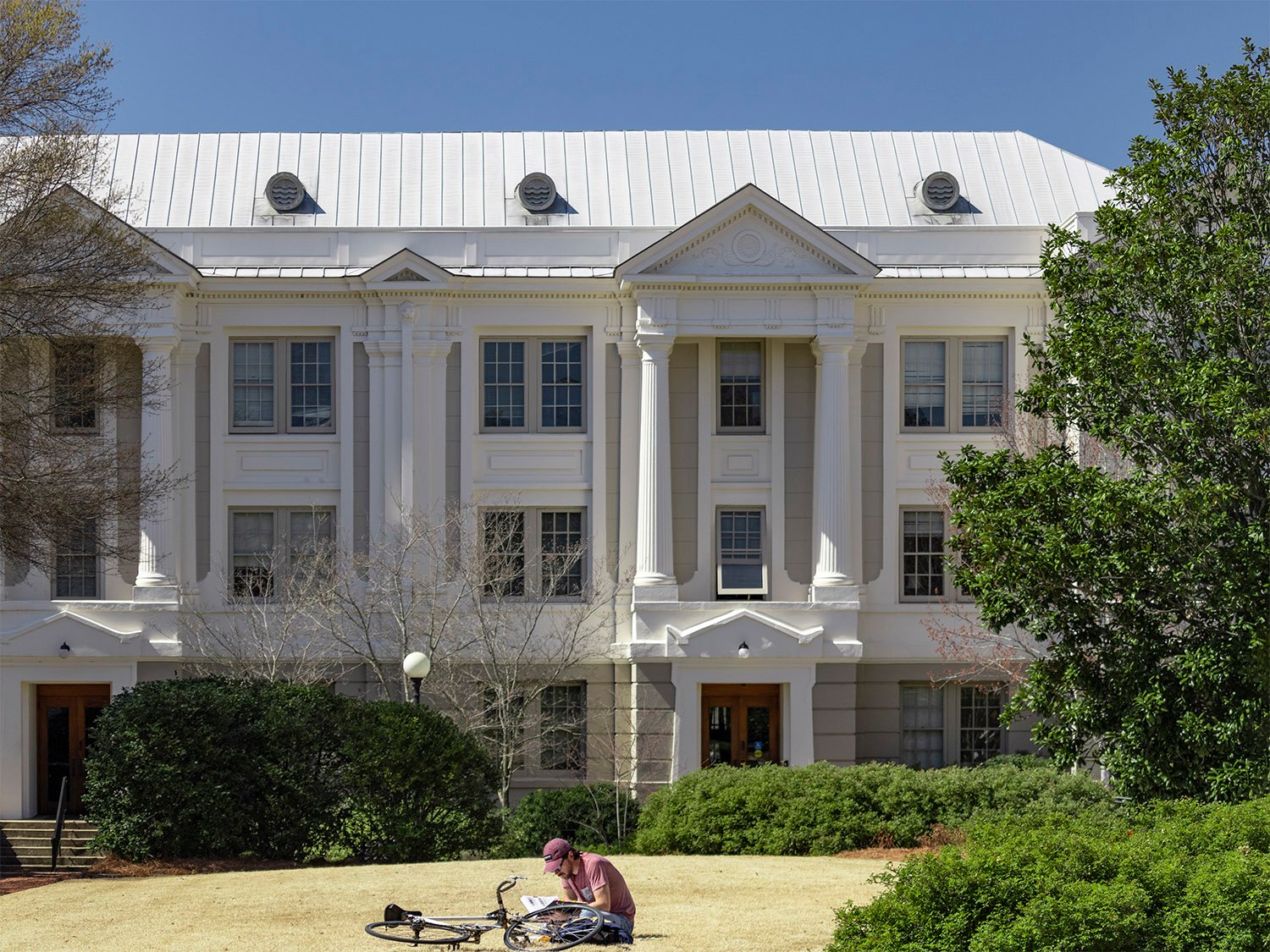
    G.L. Norrman. Candler Hall (1902). University of Georgia, Athens.
    G.L. Norrman. Candler Hall (1902). University of Georgia, Athens.

    The Background

    In April and May 1901, Wallace Putnam Reed wrote at least three similar articles about G.L. Norrman that were published in different newspapers throughout the Southeast. The first article is included below, written by Reed for his weekly column in The Savannah Press.

    Here, Reed claimed Norrman was “A Swedish gentleman of aristocratic ancestry”, but that appears to be inaccurate.

    All evidence indicates Norrman came from an ordinary middle-class family, and if he falsely presented himself as a descendant of Swedish nobility, it was entirely unnecessary—he was remarkable enough on his own merits.

    Article Excerpt:

    Mr. G.L. Norrman, the well known Atlanta architect, has a legion of friends in Savannah who will be delighted with his splendid designs for the State University dormitory and mess hall, which were the most notable illustrations in The Constitution the other day.

    Mr. Norrman is in love with his profession. He is an original thinker, a scholar, and a traveler who has studied on their sites the best examples of the world’s ancient and modern architecture. When I do not find it convenient to spend a leisure hour in a big library I hunt up Norrman. He is a favorite with our brightest men, and the south is dotted with churches, public buildings, and residences which bear testimony to his skill and artistic taste.

    This man is worth a column here if we had the time and space. A Swedish gentleman of aristocratic ancestry, he has made himself the master of our language, and few writers have his happy gifts of expression. Though comparatively a young man, he is a type of our old-fashioned gentleman in his notions of honor, chivalry, and personal responsibility. It is gratifying to me to see his name imperishably linked with our university. His work will help it in more ways than one.1
    References

    1. Reed, Wallace Putnam. “Random Georgia Gossip.” The Savannah Press (Savannah, Georgia), April 27, 1901, p. 4. ↩︎