The Background
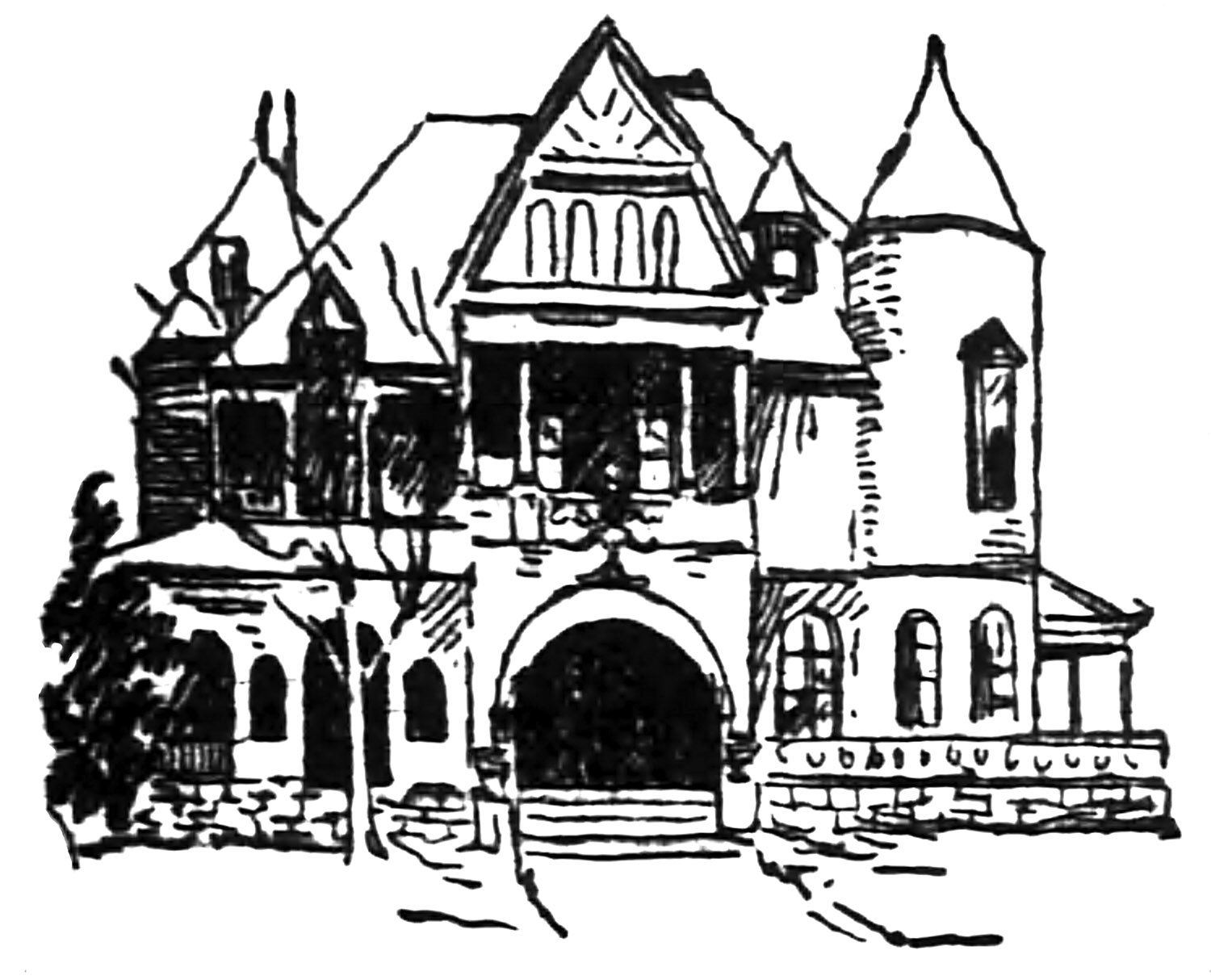
The following excerpt is from an article published in The Atlanta Constitution in April 1891, and describes the William J. Speer Residence in Atlanta, built in 1890 and designed by G.L. Norrman.
The Speer residence was located on the northwest corner of Peachtree Street and North Avenue, at 544 Peachtree Street2 3 (later 620 Peachtree Street NE) in what is now Midtown Atlanta.
Location of William J. Speer Residence
About William J. Speer
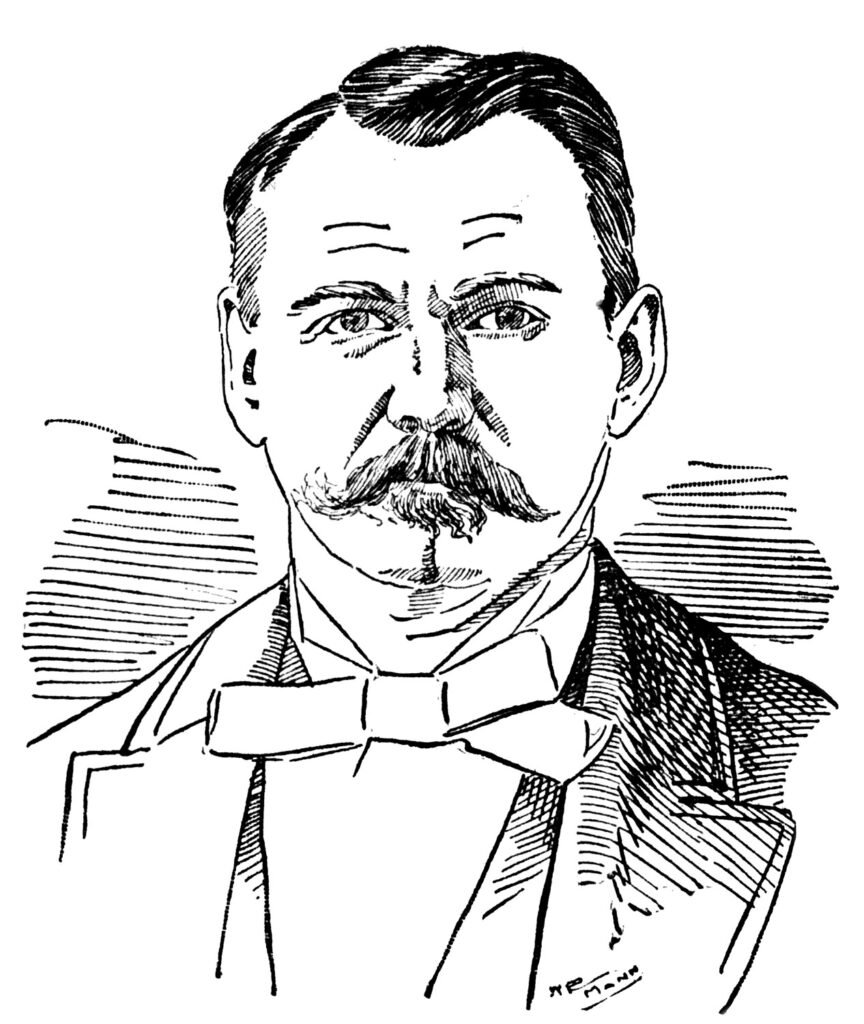
William J. Speer was elected state treasurer in 18968 and resigned from the position in 1900, citing unspecified health issues.9 He was re-elected in 1911 and served in the position until two weeks before his death at the age of 85, making him “the oldest state official in point of service.”10
G.L. Norrman was likely well acquainted with the Speer family: one of his earliest projects in Atlanta was for the Peachtree Street residence of Daniel Speer,11 12 and Norrman and William J. Speer were both members of the Capital City Club.13
Design and Construction
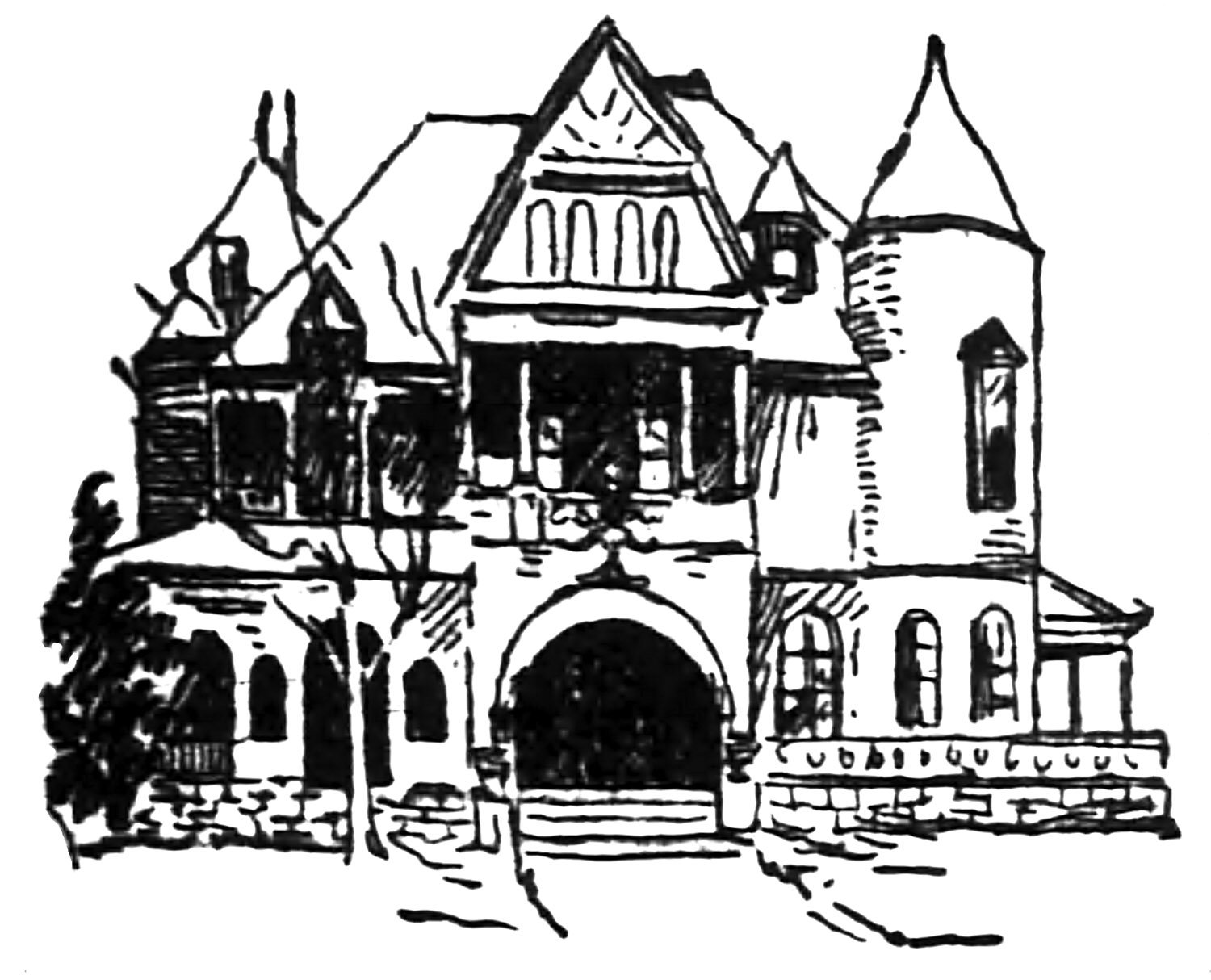
If there’s a surviving photograph of the Speer residence, I’ve never seen it. However, based on the accompanying illustration above, the home appears to be a duplicate of Norrman’s plan for the Samuel McGowan Residence (1889, pictured below) in Abbeville, South Carolina, which still exists.
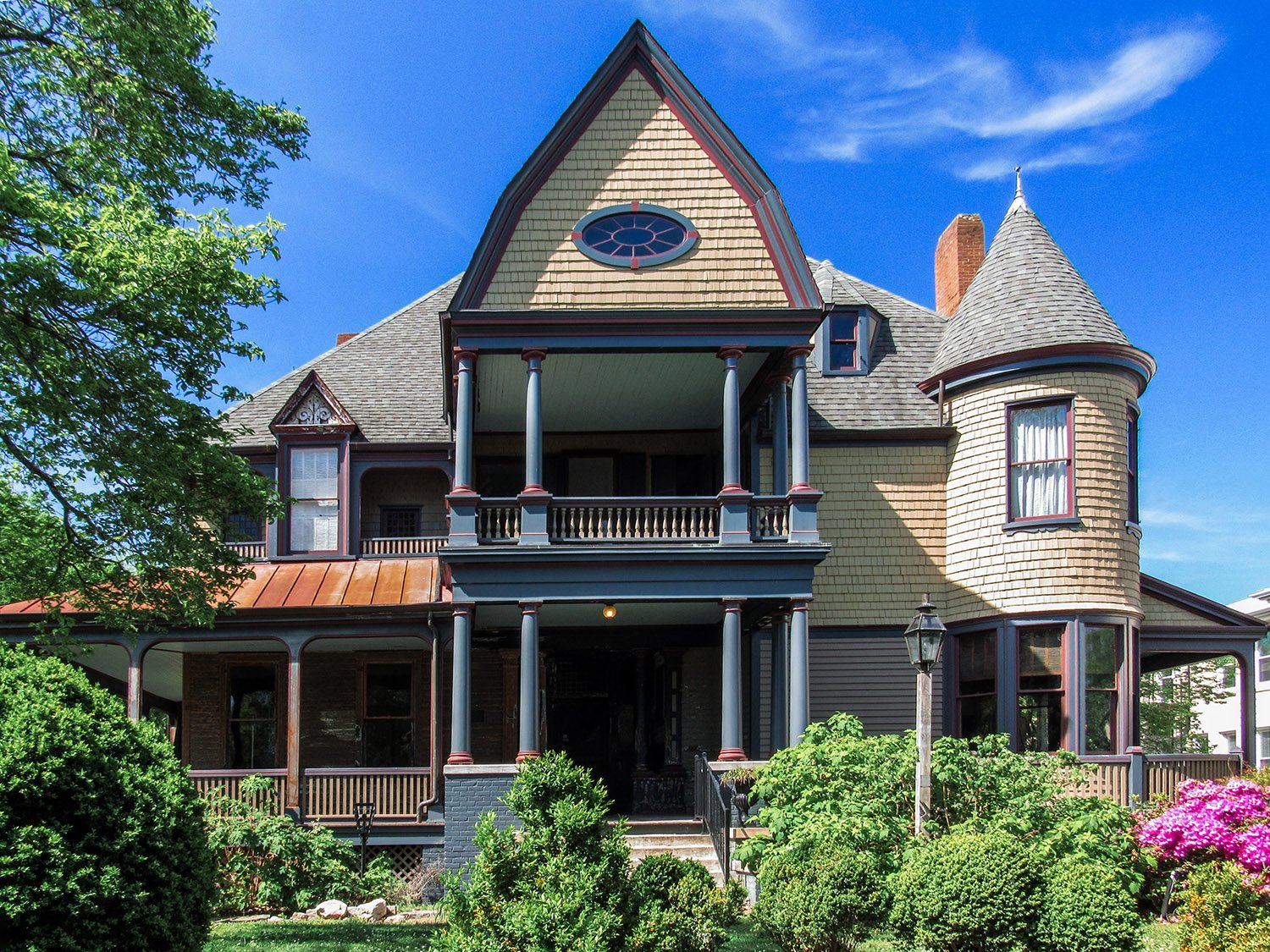
In 1889 and 1890, Norrman’s output rapidly increased, and with several large-scale commissions, his office was clearly swamped with work.
While he was never above reusing plans to save time and money, Norrman was usually savvy about concealing the practice, altering a home’s porches or roofline, for instance, or maybe adding a turret or other stylistic flourishes to differentiate its appearance from a design predecessor.
In this case, however, he didn’t even bother, only swapping out the McGowan house’s Queen Anne and Palladian elements for a nebulous Chateauesque skin on the Speer residence.
The materials also differed substantially: the McGowan house used cheaper wood siding and shingles, while Speer’s “palatial mansion”15 was faced with brick, stone, and terra cotta. Otherwise, besides a few altered windows, the two homes’ facades appear interchangeable.
For an architect whose “designs were noted for originality,”16 Norrman’s copy of his own work posed some reputational risk, yet with 150 miles between Atlanta and Abbeville, the chances were slim to none that anyone from either place would see both homes.
The Speer residence was first announced in March 1889 with an estimated cost of $40,000 to $50,000.17 18 While the home was under construction in December 1889, it was said to be “one of the most magnificent and costly on Peachtree.”19 As completion neared in January 1890, the project’s cost was reported as both $20,00020 21 and $30,000.22
About the Interior
In October 1890, the Speers hosted their first formal event in the new residence, described as the “first elaborate reception given this season.”23 The party ostensibly celebrated the Speers’ daughter, Annie, who made her formal social debut the previous year.24
Managing the state treasury was obviously lucrative, and the Speers used the event to show off their home’s lavishly appointed interiors, which the Constitution predictably gushed over in exacting detail:
“The guests entered a splendid hallway, with a massive mantel opposite the front portal. On either side the mirrors were superb candelabras of beaten silver, with candles of pale pink and blue. The woodwork is of English oak. The wide hearth has brown tiling, and is finished with beaten bronze. The back of the great fireplace has a superb bronze basrelief [sic]. A carved oak arch on the left and an arched passageway gives a view of the winding, carved oaken stairway, with its wide landing and its rich opaline glass windows. The carpet is in … browns and tans, so is the wall, and the chandeliers are of colored bronze.
“The interior of the house was planned by Mrs. Speer, but Mr. Speer furnished the library, one of the most tasteful and elegant apartments. The window and book case curtains are of yellow Indian silk. The carpet is an Axminster in rich, dull tones, the walls are pale chocolate, the wood work carved English oak and the furniture deliciously comfortable and easy, is of carved oak upholstered in plain and stamped leather.
“Two oak chairs with odd, richly carved backs and seats of handsomely stamped leather are particularly beautiful and unique; the ornaments of bronze and terracotta on the mantel are superb.
“The … drawing room is all in the daintiest tones. The walls and rich carpet are pale blue and cream; the hangings white lace and pale blue India silk, sprinkled with flowers; the chandeliers silver, with white tapers encircling the large center globe light. The superb Louis X furniture was made to order and is upholostered in tapestry stuffs of richest brocade, with center pieces in quaint … designs. The drawing room opens into the dining room, whose carpet and walls are of delicate gray-blue. The furniture and wood work is cherry, the chandeliers silver. The chandeliers are as unique as handsome.”25
An Unhappy Home
Despite the opulence of their home, the Speers appear to have been typical Atlanta trash, and their domestic life was anything but a charmed one.
In September 1903, Speer’s wife, Geraldine, filed for divorce, alleging that her husband was “an habitual drunkard, having been continually drunk for over a year,”26 and that the couple had been effectively separated for three years. Mrs. Speer further claimed that her husband had recently come home in a drunken rage and assaulted their son, John, leaving her fearing for her life.27 28
“A handsome residence on Peachtree street is not always enough to make a woman satisfied,” one newspaper quipped.29
And that wasn’t the first violent incident in the home.
The Wood Affair
On the morning of December 20, 1902, Mrs. W.J. Wood entered the parlor of the Speer residence and fired a gun at Mary Ballinger, a seamstress who worked for the family.30 31
“You know that you have come between my husband and myself and caused him to abuse me,”32 Wood reportedly screamed at Ballinger as she whipped out a .32 caliber pistol, shooting four times but missing her target.33 34
Wood’s husband was a “well known bartender”35 at the Globe Saloon on North Broad Street,36 and she suspected that Ballinger was “responsible for the alienation of her husband’s affections.”37
Wood turned herself in to the authorities shortly after the shooting, declaring, “I have killed her! I have killed her!” Upon learning that Ballinger was unharmed, it was said that Wood’s “only regret is that she did not succeed.”38
An attempt to declare Wood insane failed,39 40 and she was released from jail within days.41 42 It was hardly surprising when she tried to murder her husband seven months later at his apartment on Marietta Street, shooting him five times, once successfully in the abdomen43 44 —apparently her aim improved.
When she was found hiding in a house on Hill Street and subsequently arrested, Wood reportedly said, “Is he dead? I hope he is. He has ruined my life; he has wrecked my hopes. I had to do it. I was forced to do it. I hope he will die; oh! I hope he will die!”45
Atlanta’s hysterical narcissism is exhausting.
A Quiet Demise
Needless to say, a shooting inside a Peachtree Street home “caused a sensation in that neighborhood,”46 and the Speers’ divorce soon afterward must have inflicted irreparable damage on the family’s social standing.
Always objective, the local press reported Geraldine’s claims with a tone of heavy skepticism. “None of his friends here believe the charges…that he has been guilty of drunkenness and cruelty,” one article stated.47 Typical.
Geraldine Speer dropped an alimony suit against her husband when he paid her a lump-sum settlement in September 1903,48 49 and the divorce was finalized in 1906.50
After 14 years in the home, in May 1904, Geraldine and her four children moved south of Atlanta to the nearby town of College Park, Georgia,51 a far cry from the tony trappings of Peachtree Street. Her death in January 1909 was barely noted in the Atlanta newspapers.52 53
Later biographies of William J. Speer were thoroughly revisionist, omitting any mention of the divorce and falsely claiming he married his second wife following Geraldine’s death.54 55 Such are the lies history is built on.
Quiet Passing
The former Speer residence was quietly sold in summer 1904 to Mr. and Mrs. J. Wylie Pope,56 who made $1,500 worth of unspecified “repairs and additions” to the structure in 1905.57 When the Popes occupied the property, it was described as “one of the few homes in Atlanta that has a large and beautiful rose garden attached.”58 So there’s that.
In 1908, the Popes moved into an apartment in Atlanta’s Majestic Hotel, selling the home to J.C. Cooper of Athens, Georgia,59 who, in turn, sold the property to a pair of developers sometime after late 1910.60 61
By 1911, Peachtree Street was rapidly transforming into a primarily commercial corridor, and the fussy grand homes built just a decade or two earlier had already become outmoded as Atlanta’s wealthiest citizens either moved out to the suburban developments of Ansley Park, Druid Hills, and Buckhead or began occupying luxury apartments in the city.
With the towering Georgian Terrace Hotel rising one block north of the 21-year-old Speer house, there was barely a peep when the home was demolished in May 1911,62 63 and replaced by a one-story building with four retail stores.64 65
Article Excerpt
The residence of Mr. Speer, built on the corner of North avenue and Peachtree street, is in the early French renaissance style, more commonly known as Chateau. The exterior is composed of brick, stone and terra-cotta. A wide veranda runs the whole front and terminates on each side near the middle elevation. The front entrance is a stone and terra-cotta archway, openings with a wide vestibule with tile floors and arches leading out on verandas on each side. The hall and stairway are finished in oak, and has at one end an octagon bay window with seats, and at the other a large fireplace, with seats and at the other a large fireplace with seats under the arch which runs up to the first landing on the stairs, and from which you can look down into the hall. Sliding doors connect the hall, sitting room, parlor and dining room, so that, when thrown open, the whole front of the first floor is utilized. The parlor is finished in maple with elaborate carvings on mantel and in panels. The dining room is finished in oak, and contains a magnificent sideboard, and aisles so connected as to make all the details of the room correspond and harmonize.
The house is a perfect harmony throughout, and reflects great credit upon Mr. G.L. Norrman, the architect.66
References
- Illustration credit: “New Homes On The Peachtrees.” The Atlanta Constitution, April 19, 1891, p. 10. ↩︎
- Atlanta City Directory Co.’s Greater Atlanta (Georgia) city directory (1893) ↩︎
- Insurance maps of Atlanta, Georgia, 1899 / published by the Sanborn-Perris Map Co. Limited – Digital Library of Georgia ↩︎
- “Captain Speer, Treasurer Of State, Is Dead”. The Atlanta Journal, December 29, 1931, p. 1. ↩︎
- Illustration credit: “Democratic State Ticket–The Men Who Are Now”. The Atlanta Journal, August 29, 1896, p. 12. ↩︎
- “Treasurer Hardeman Will Retire.” The Atlanta Constitution, January 29, 1896, p. 4. ↩︎
- “Captain Speer, Treasurer Of State, Is Dead”. The Atlanta Journal, December 29, 1931, p. 1. ↩︎
- “Captain Furlow To Be Appointed”. The Atlanta Journal, October 8, 1896, p. 10. ↩︎
- “State Treasury Changes Hands”. The Atlanta Constitution, October 30, 1900, p. 5. ↩︎
- “Captain Speer, Treasurer Of State, Is Dead”. The Atlanta Journal, December 29, 1931, p. 1. ↩︎
- “Real Estate Notes.” The Atlanta Constitution, May 8, 1882, p. 7. ↩︎
- “Atlanta’s Growth.” The Atlanta Constitution, August 6, 1882, p. 7. ↩︎
- “The Club Receives”. The Atlanta Constitution, December 28, 1888, p. 5. ↩︎
- “An Ornament To The Town.” The News & Courier (Charleston, South Carolina), January 14, 1889, p. 6. ↩︎
- “Belles And Beauties.” The Atlanta Constitution, November 3, 1889, p. 16. ↩︎
- “Well Known In Durham”. Greensboro Daily News (Greensboro, North Carolina), November 19, 1909, p. 2. ↩︎
- “Home Building.” The Atlanta Constitution, March 20, 1889, p. 8. ↩︎
- “Real Estate Notes.” The Atlanta Journal, May 25, 1889, p. 2. ↩︎
- “Belles And Beauties.” The Atlanta Constitution, November 3, 1889, p. 16. ↩︎
- “Brighter Than Ever.” The Atlanta Constitution, January 13, 1890, p. 6. ↩︎
- “A Splendid Showing.” The Atlanta Constitution, January 14, 1890, p. 4. ↩︎
- “Peachtree Street.” The Atlanta Journal, January 20, 1890, p. 1. ↩︎
- “Society”. The Atlanta Journal, October 16, 1890, p. 2. ↩︎
- ibid. ↩︎
- “A Brilliant Event.” The Atlanta Constitution, October 16, 1890, p. 5. ↩︎
- “Asks For Divorce”. Savannah Morning News (Savannah, Georgia), September 9, 1903, p. 1. ↩︎
- “Mrs. Wm. J. Speer Seeks Divorce”. The Atlanta Constitution, September 9, 1903, p. 8. ↩︎
- “Asks For Divorce”. Savannah Morning News (Savannah, Georgia), September 9, 1903, p. 1. ↩︎
- The Griffin Weekly News (Griffin, Georgia), September 11, 1903, p. 4. ↩︎
- “I Have Killed Her With This Pistol”. The Atlanta Journal, December 20, 1902, p. 1. ↩︎
- “Jealous Wife Uses Pistol”. The Atlanta Constitution, December 21, 1902, p. 12. ↩︎
- “I Have Killed Her With This Pistol”. The Atlanta Journal, December 20, 1902, p. 1. ↩︎
- ibid. ↩︎
- “Jealous Wife Uses Pistol”. The Atlanta Constitution, December 21, 1902, p. 12. ↩︎
- “Jealous Woman Shoots Her Husband Fatally”. The Atlanta Journal, July 29, 1903, p. 1. ↩︎
- “Jealous Woman Who Shot To Kill Is Insane Declares Her Husband”. The Atlanta Journal, December 21, 1902, p. 1. ↩︎
- “I Have Killed Her With This Pistol”. The Atlanta Journal, December 20, 1902, p. 1. ↩︎
- ibid. ↩︎
- “Lunacy Writ For Mrs. Wood”. The Atlanta Journal, December 22, 1902, p. 1. ↩︎
- “Lunacy Writ Withdrawn Today”. The Atlanta Journal, December 23, 1902, p. 11. ↩︎
- “Mrs. Wood Is Free But Will Not Leave”. The Atlanta Journal, December 26, 1902, p. 3. ↩︎
- “Mrs. Wood To Face A Criminal Charge”. Atlanta Semi-Weekly Journal, December 29, 1902, p. 7. ↩︎
- “Husband Shot By Jealous Wife; Woman In Jail”. The Atlanta Constitution, July 30, 1903, p. 1. ↩︎
- “Jealous Woman Shoots Her Husband Fatally”. The Atlanta Journal, July 29, 1903, p. 1. ↩︎
- ibid. ↩︎
- “Jealous Woman Who Shot To Kill Is Insane Declares Her Husband”. The Atlanta Journal, December 21, 1902, p. 1. ↩︎
- “Domestic Trouble Of Speers”. The Macon Telegraph (Macon, Georgia), September 14, 1903, p. 1. ↩︎
- “Will Not Ask For Alimony”. The Atlanta Constitution, September 13, 1903, p. 4. ↩︎
- “Domestic Trouble Of Speers”. The Macon Telegraph (Macon, Georgia), September 14, 1903, p. 1. ↩︎
- “Court Records.” The Atlanta Journal, January 12, 1906, p. 15. ↩︎
- “John A. Speer Dies Suddenly”. The Atlanta Constitution, February 4, 1905, p. 7. ↩︎
- “Mrs. Speer Dies Suddenly.” The Atlanta Constitution, January 14, 1909, p. 7. ↩︎
- “Deaths And Funerals”. The Atlanta Journal, January 14, 1909, p. 3. ↩︎
- “Captain William J. Speer Finishes Fourty-Sixth Year In Treasury Department”. The Atlanta Journal, November 24, 1926, p. 7. ↩︎
- “Captain Speer, Treasurer Of State, Is Dead”. The Atlanta Journal, December 29, 1931, p. 1. ↩︎
- “Social Items.” The Atlanta Constitution, September 1, 1904, p. 8. ↩︎
- “Building Permits.” The Atlanta Journal, August 9, 1905, p. 11. ↩︎
- “Pope Home Sold For $25,000”. The Atlanta Constitution, August 16, 1908, p. 2. ↩︎
- ibid. ↩︎
- “Personal Mention”. The Atlanta Journal, September 20, 1910, p. 11. ↩︎
- “The Real Estate Field”. The Atlanta Journal, June 6, 1911, p. 19. ↩︎
- “Building Permits.” The Atlanta Journal, May 6, 1911, p. 13. ↩︎
- “The Real Estate Field”. The Atlanta Journal, June 6, 1911, p. 19. ↩︎
- “Building Permits”. The Atlanta Journal, August 22, 1911, p. 16. ↩︎
- “The Real Estate Field.” The Atlanta Journal, November 5, 1911, p. 8H. ↩︎
- “New Homes On The Peachtrees.” The Atlanta Constitution, April 19, 1891, p. 10. ↩︎