
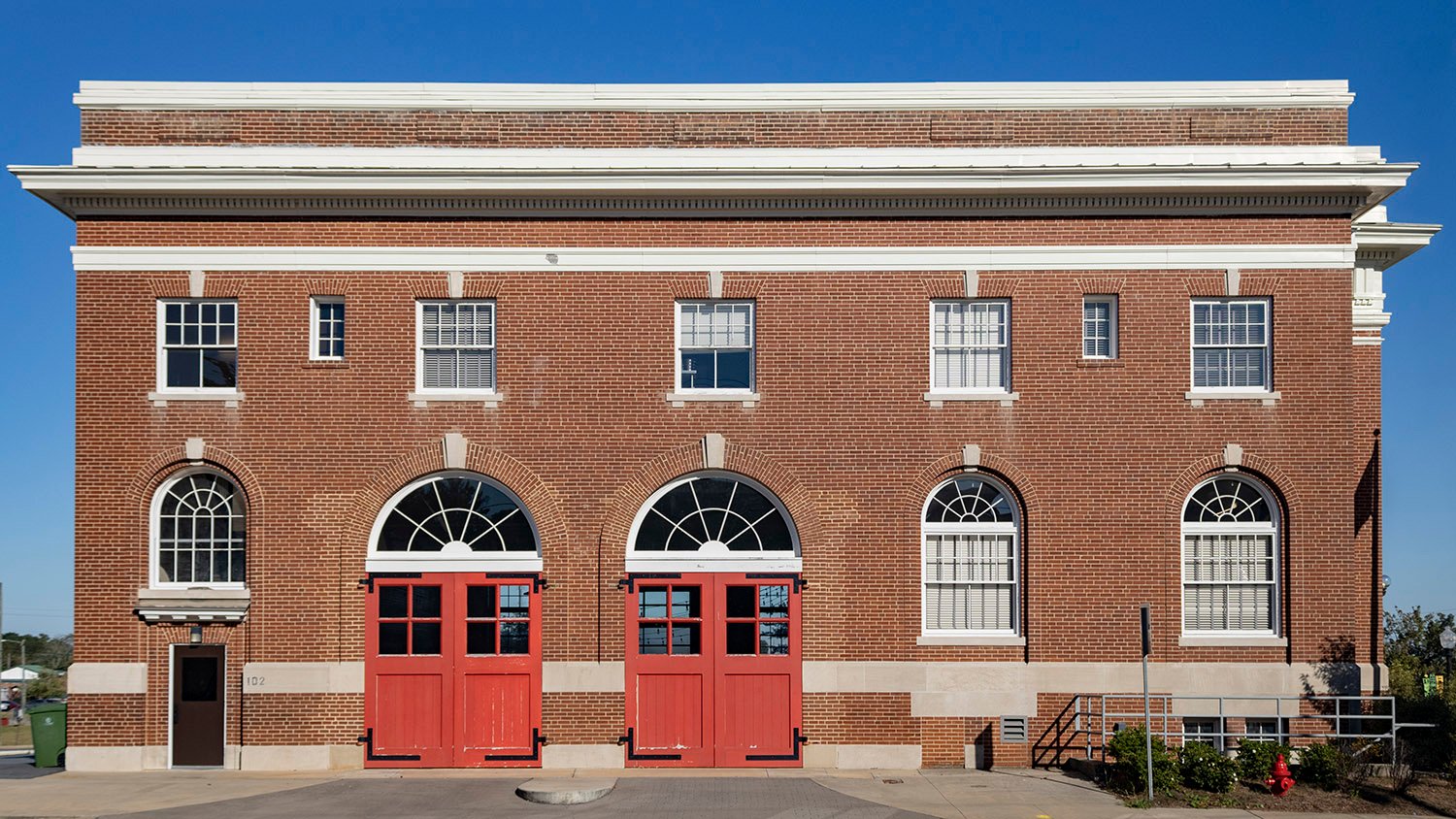

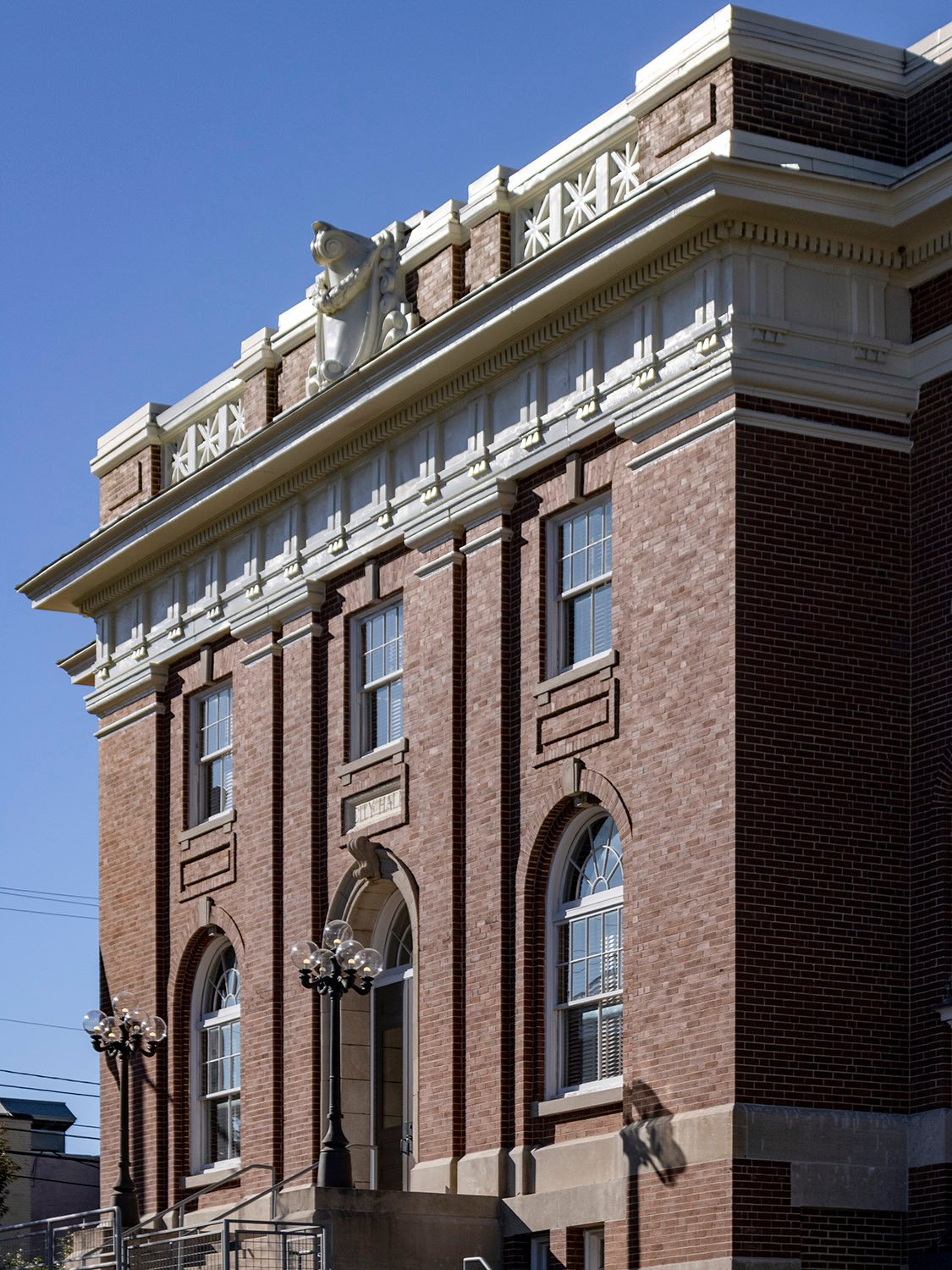
References
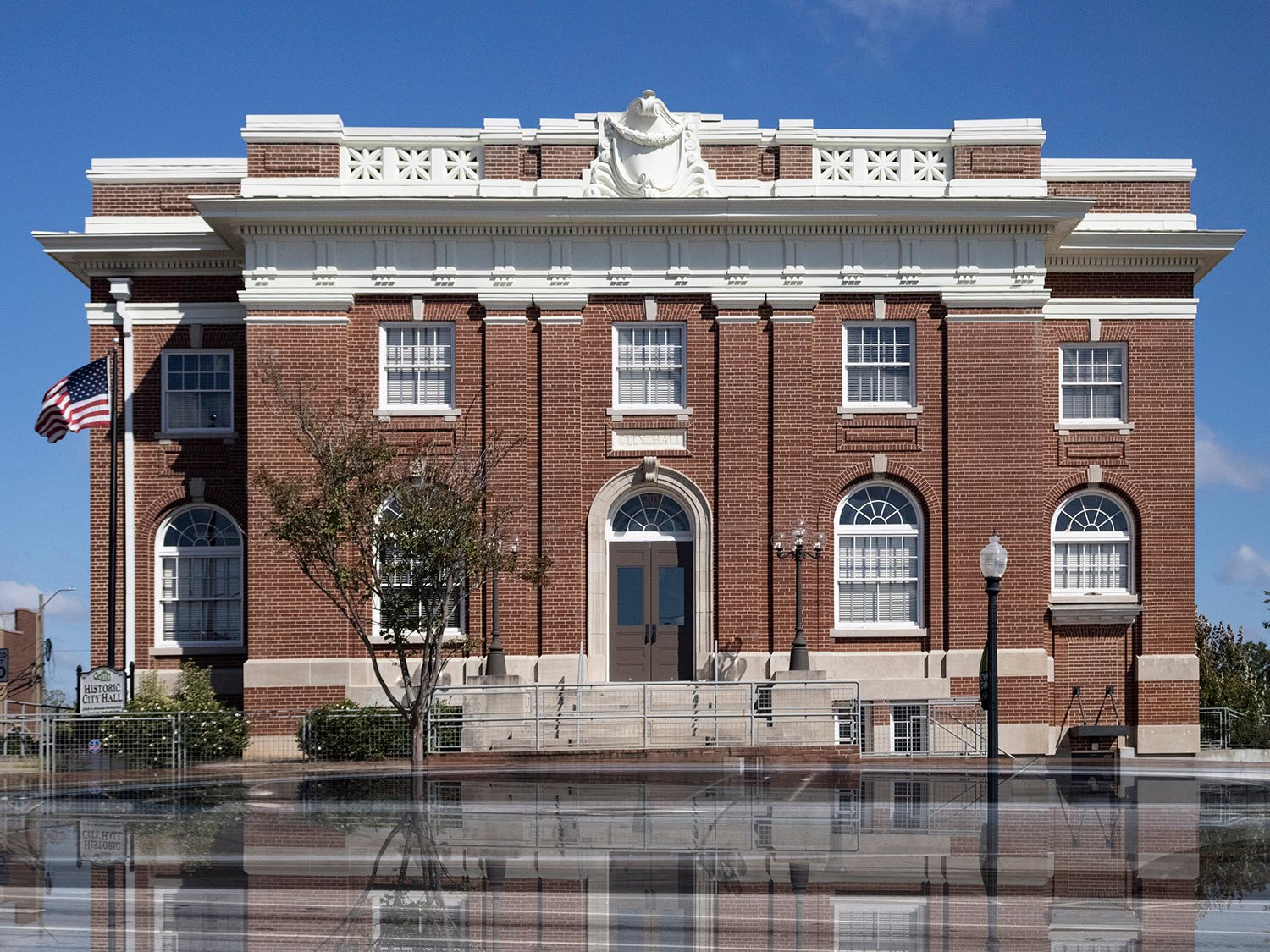
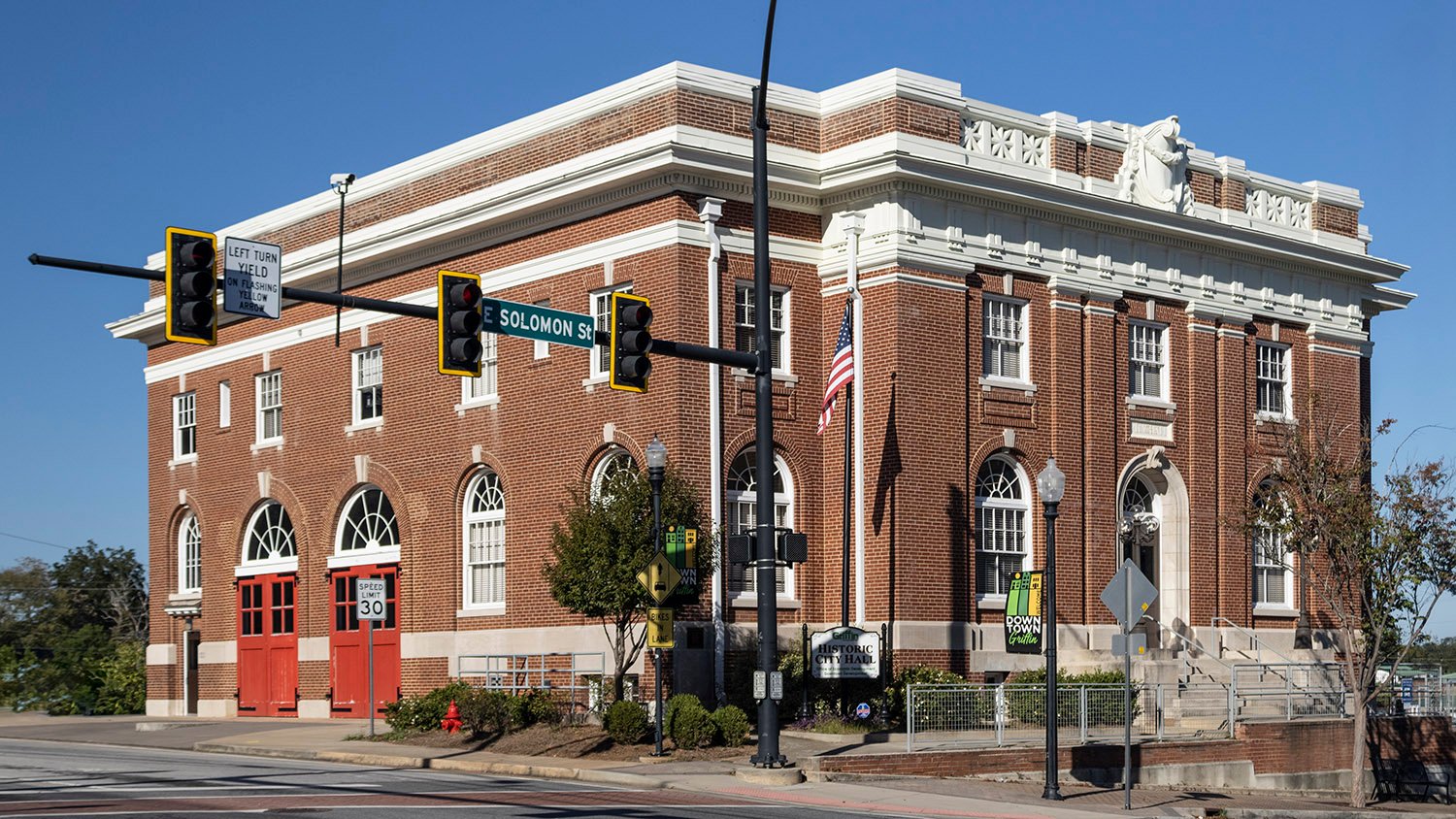
- “Notice to Contractors.” The Griffin Daily News (Griffin, Georgia), March 5, 1910, p. 1. ↩︎
- “City Council Holds First Session In City’s Handsome New Home”. The Griffin Daily News (Griffin, Georgia), May 11, 1911, p. 1. ↩︎
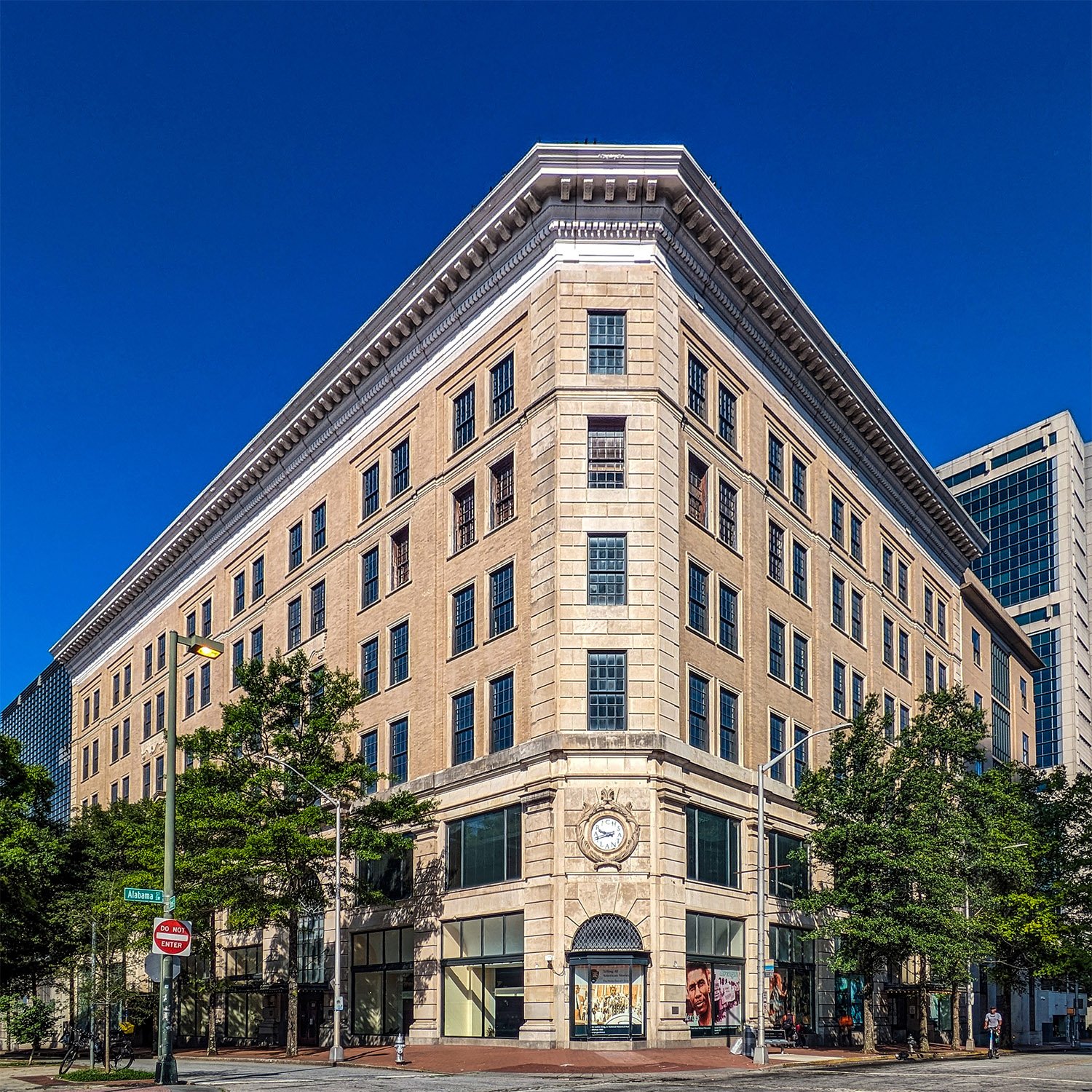
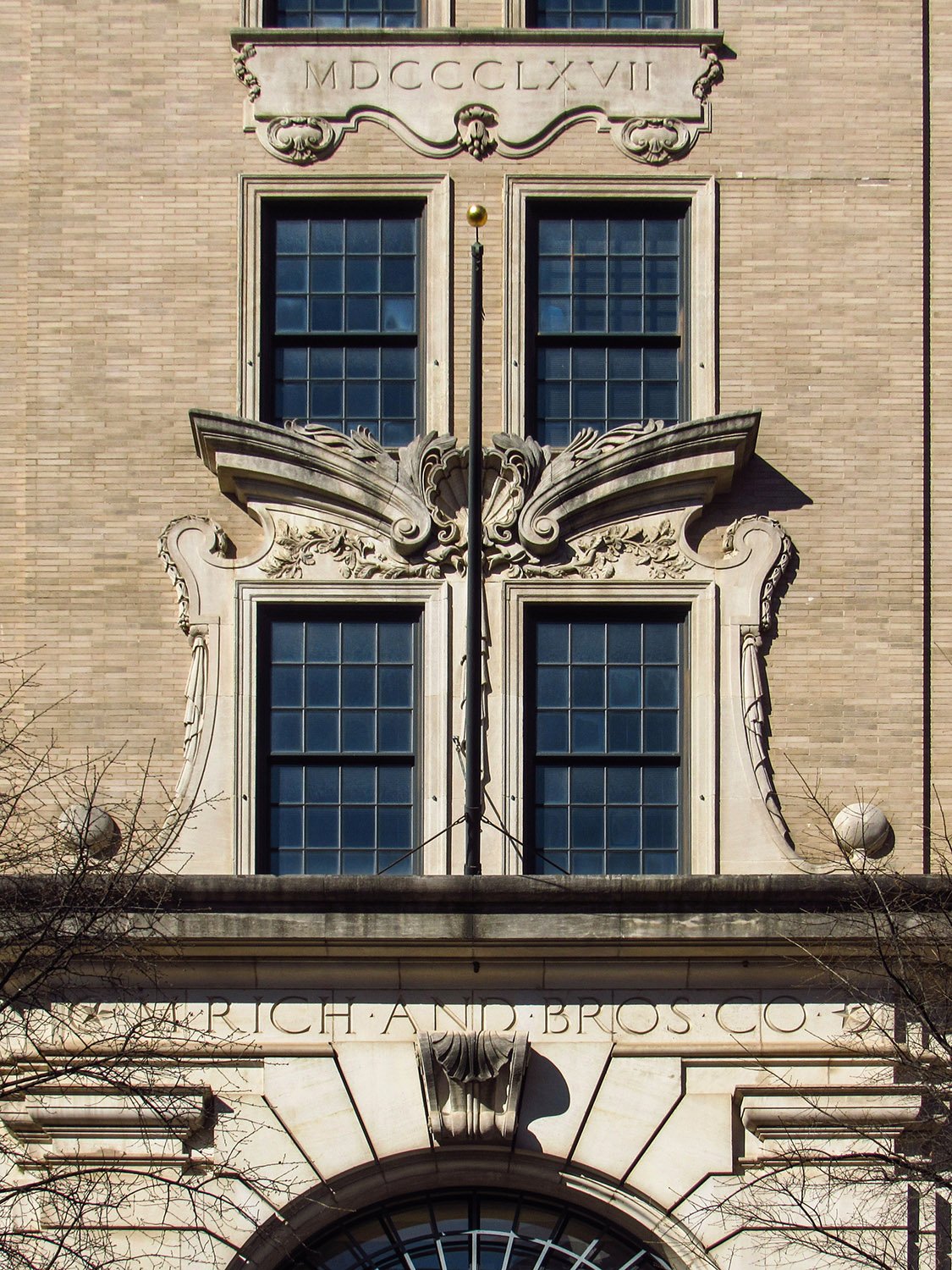

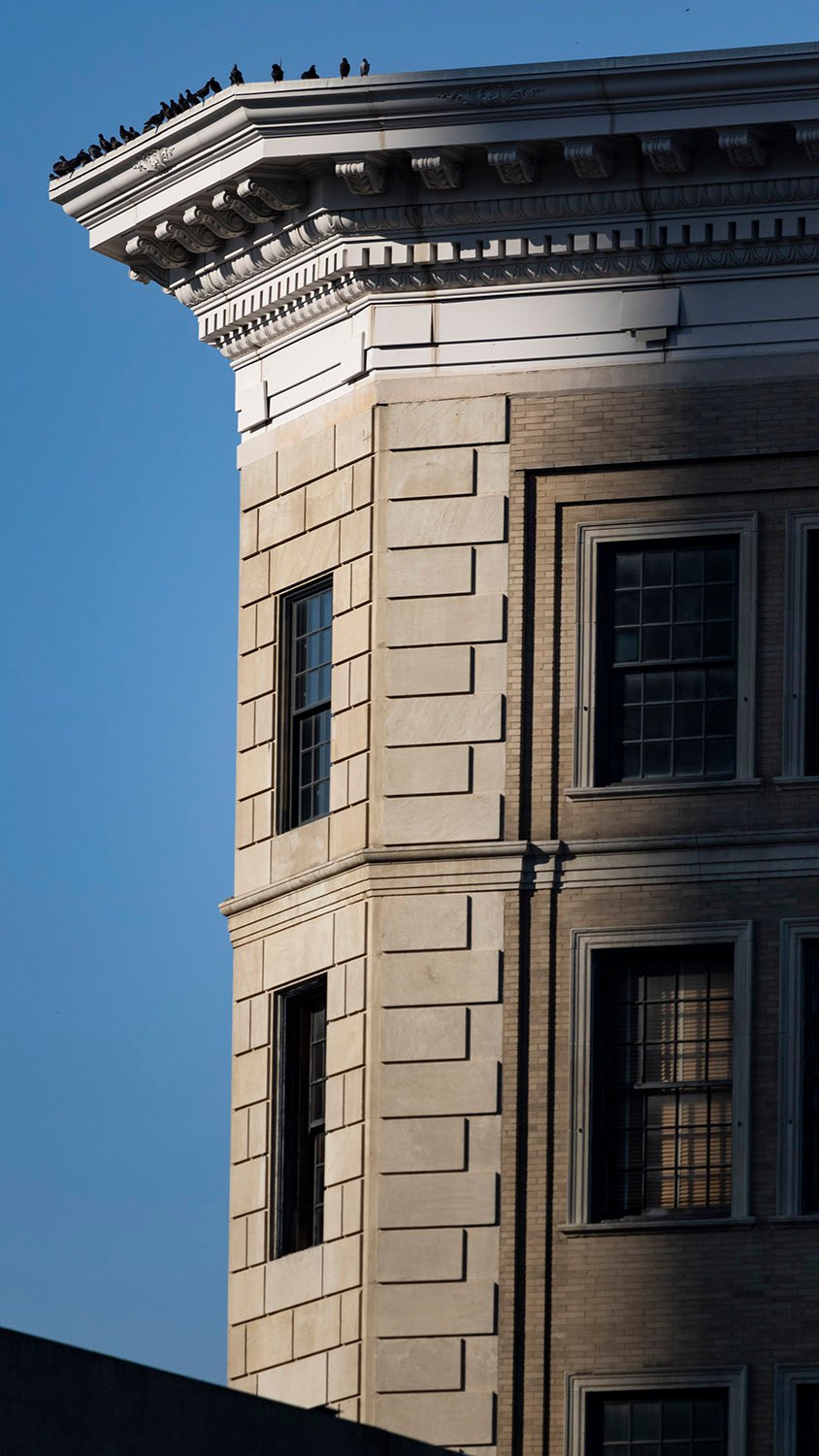
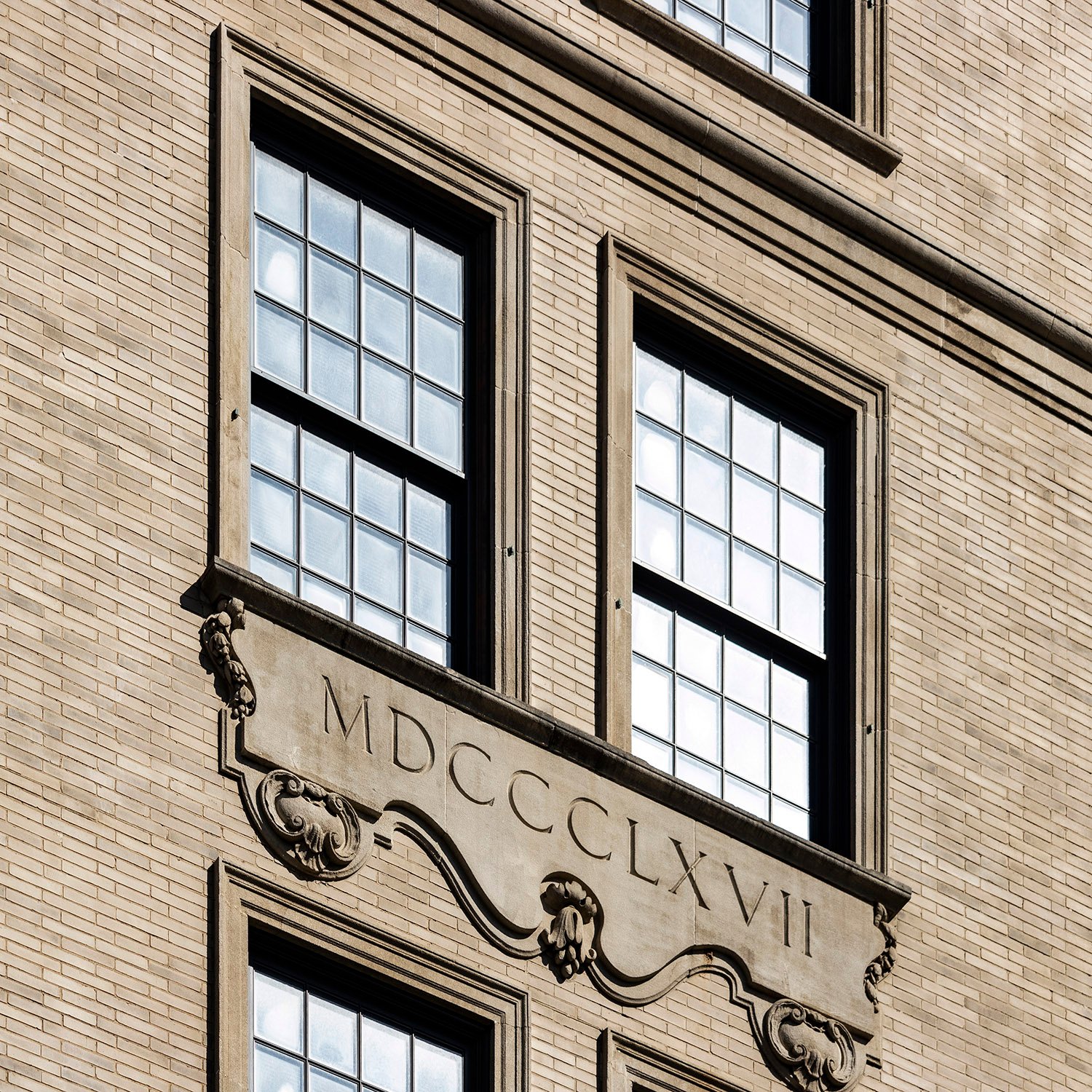
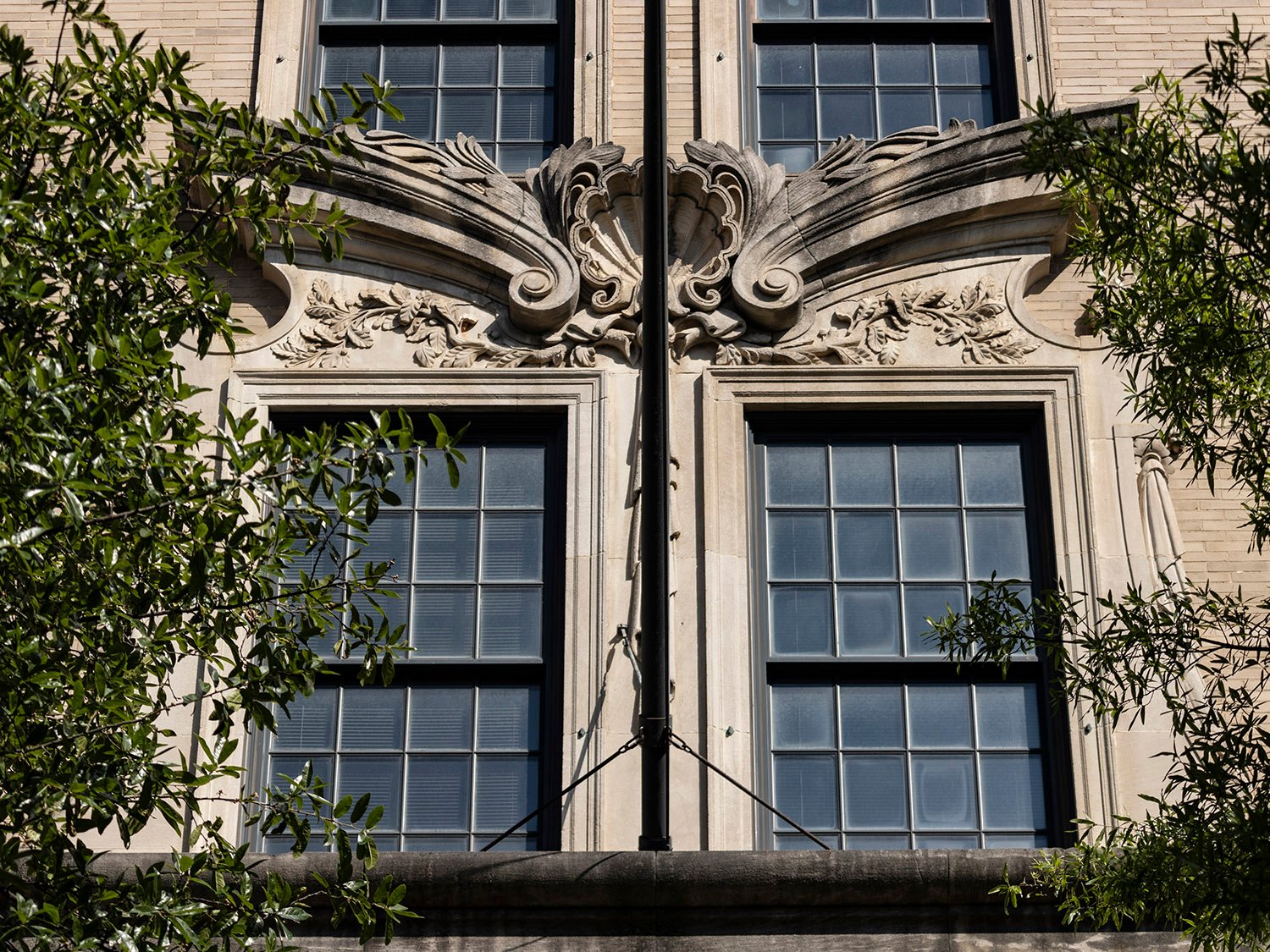
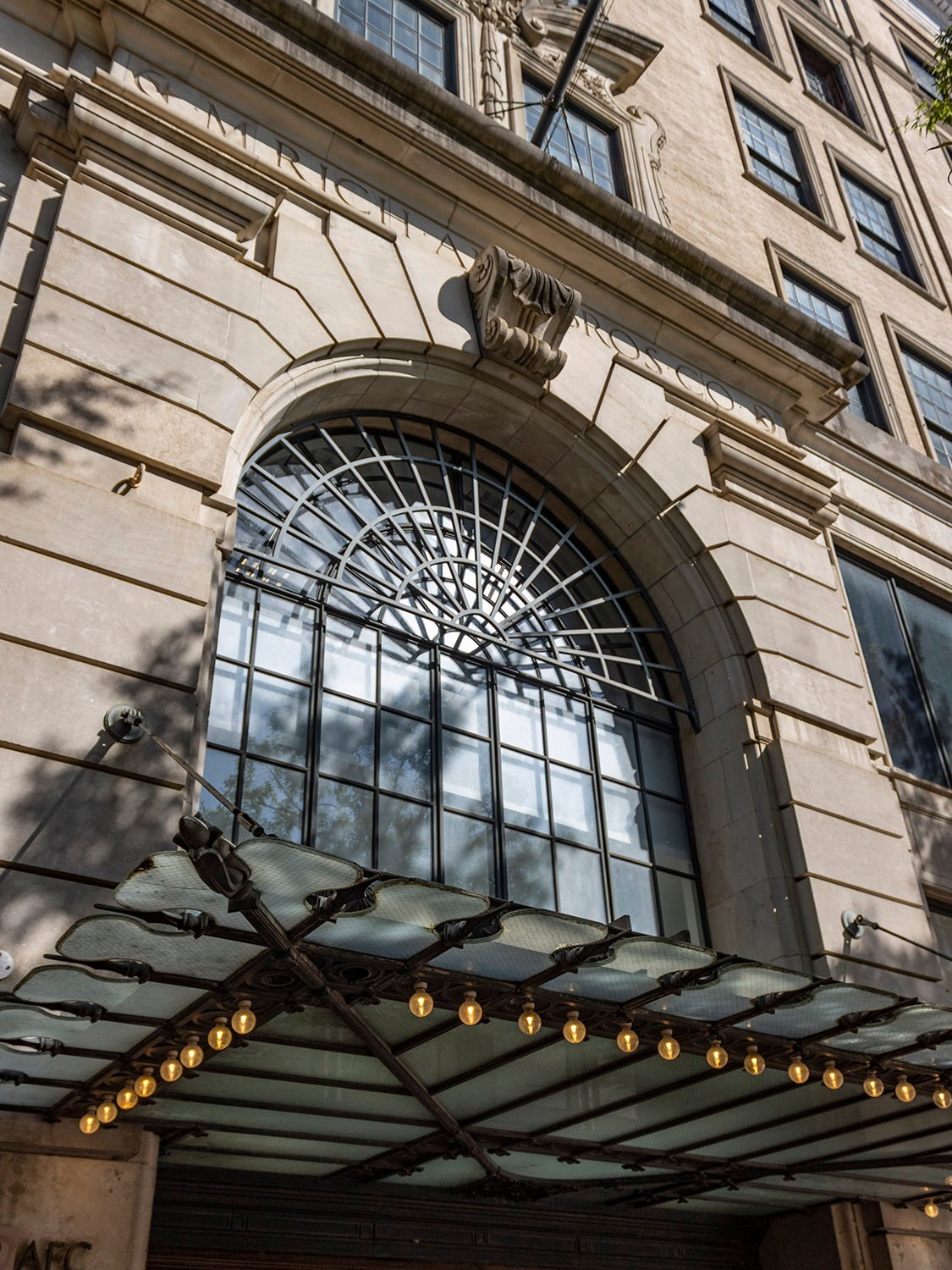
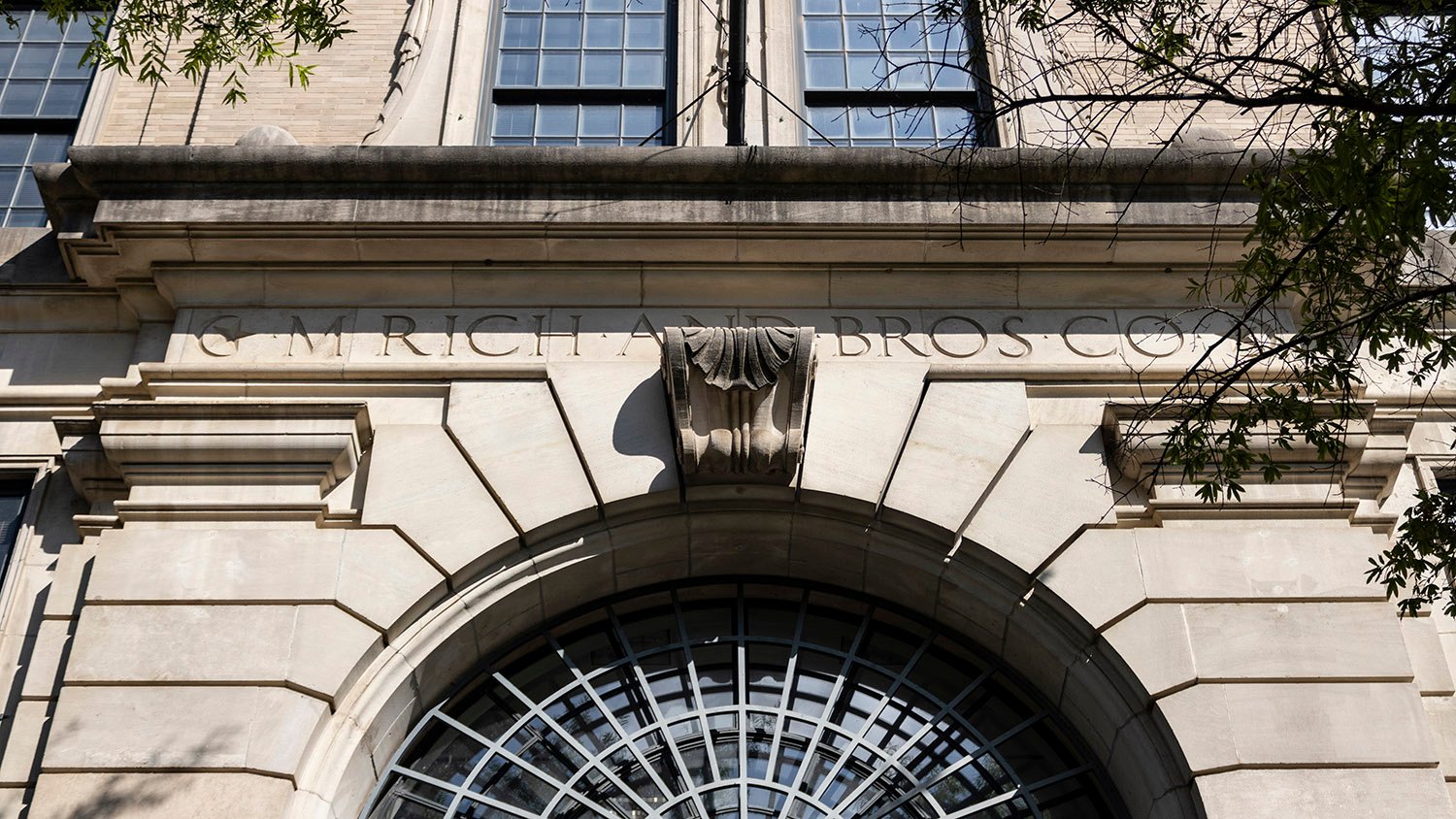

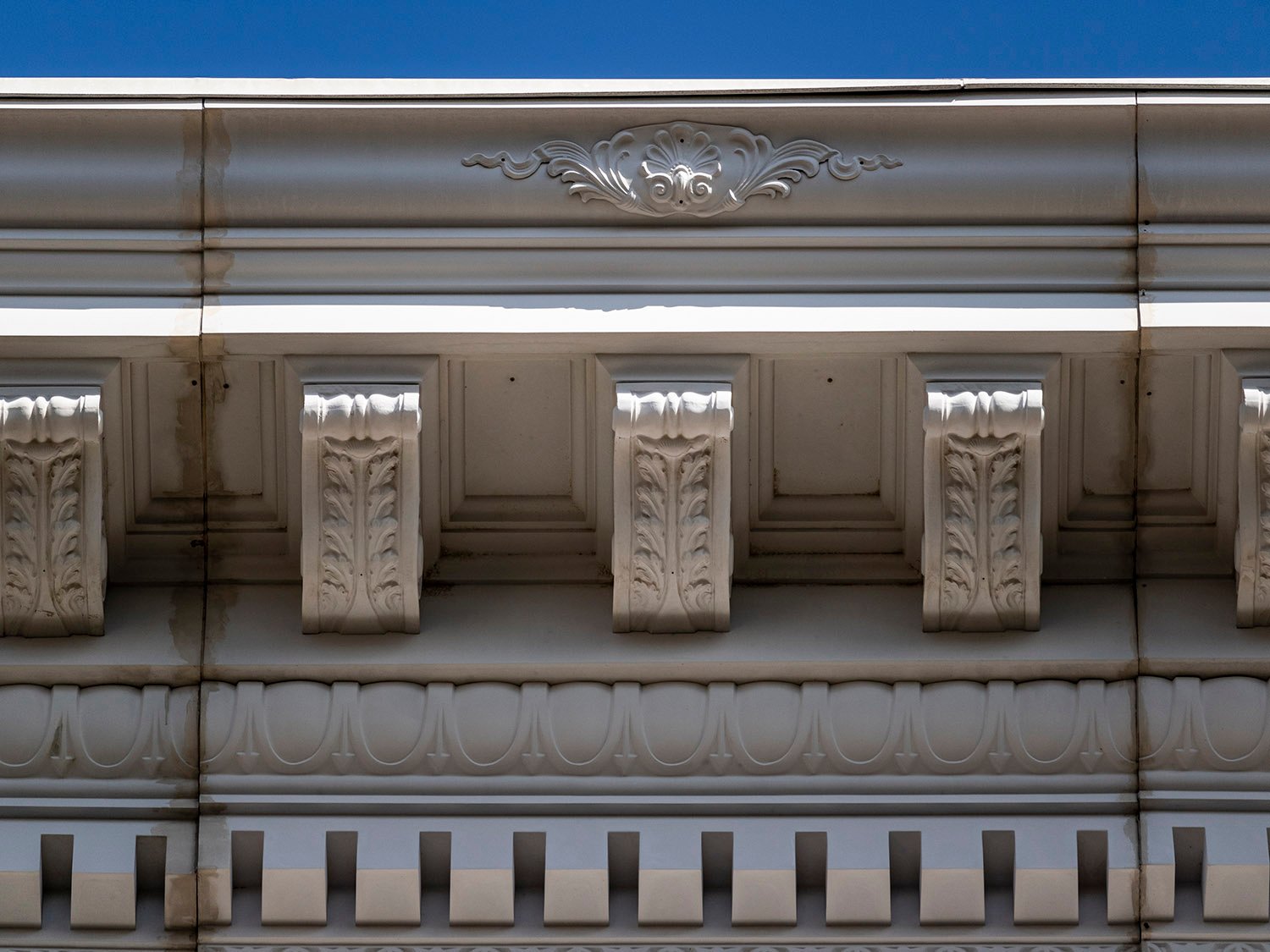
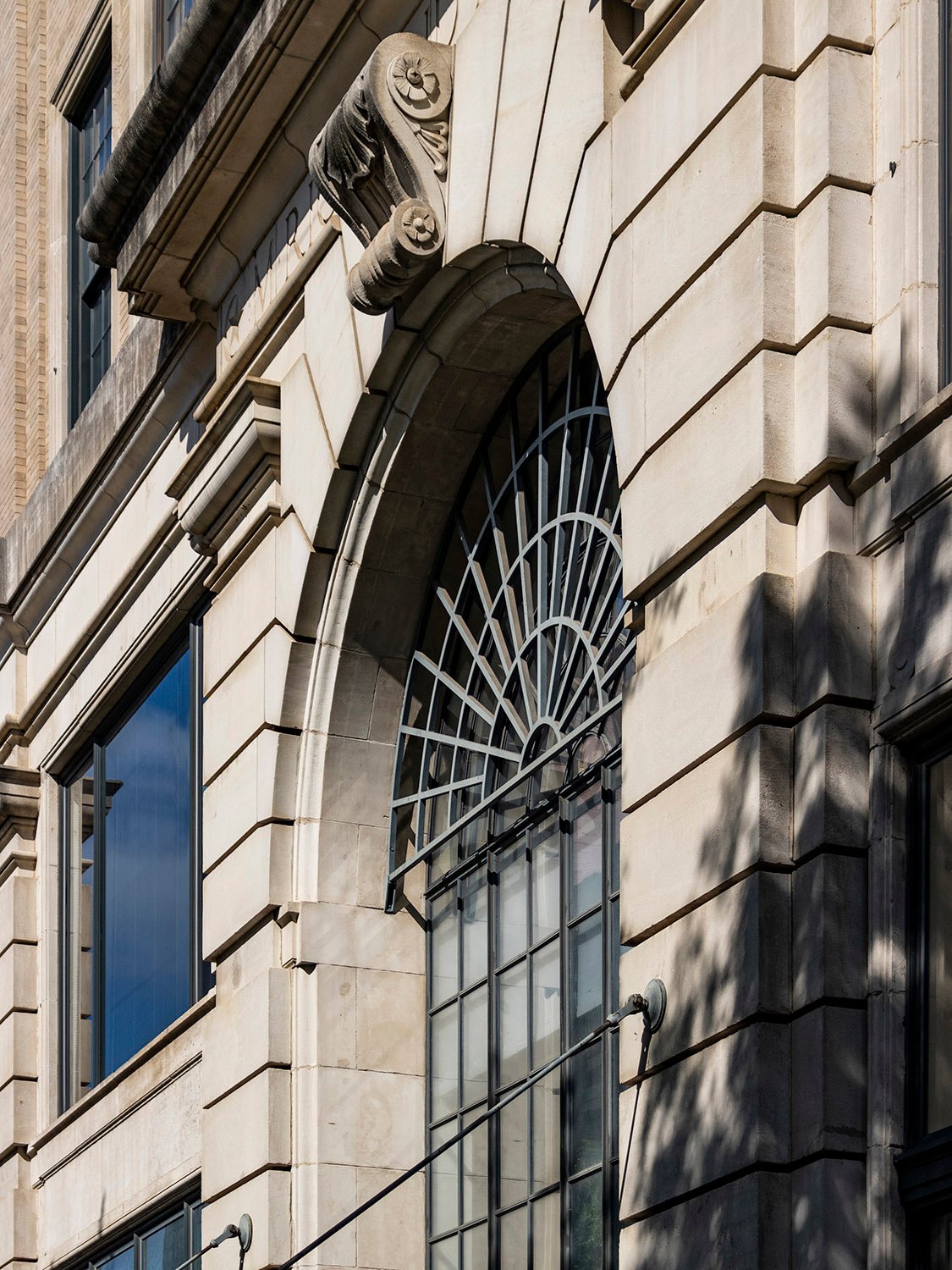
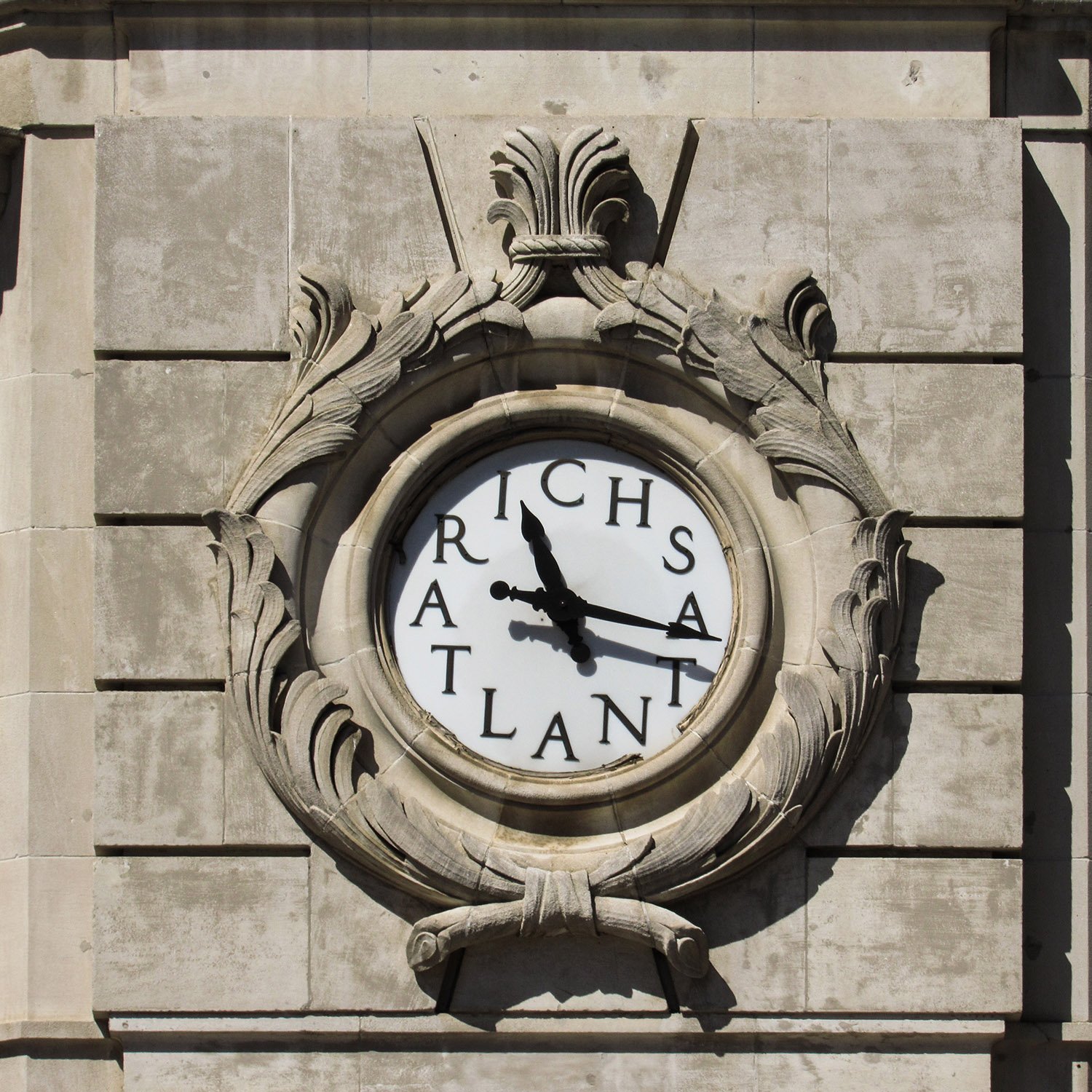
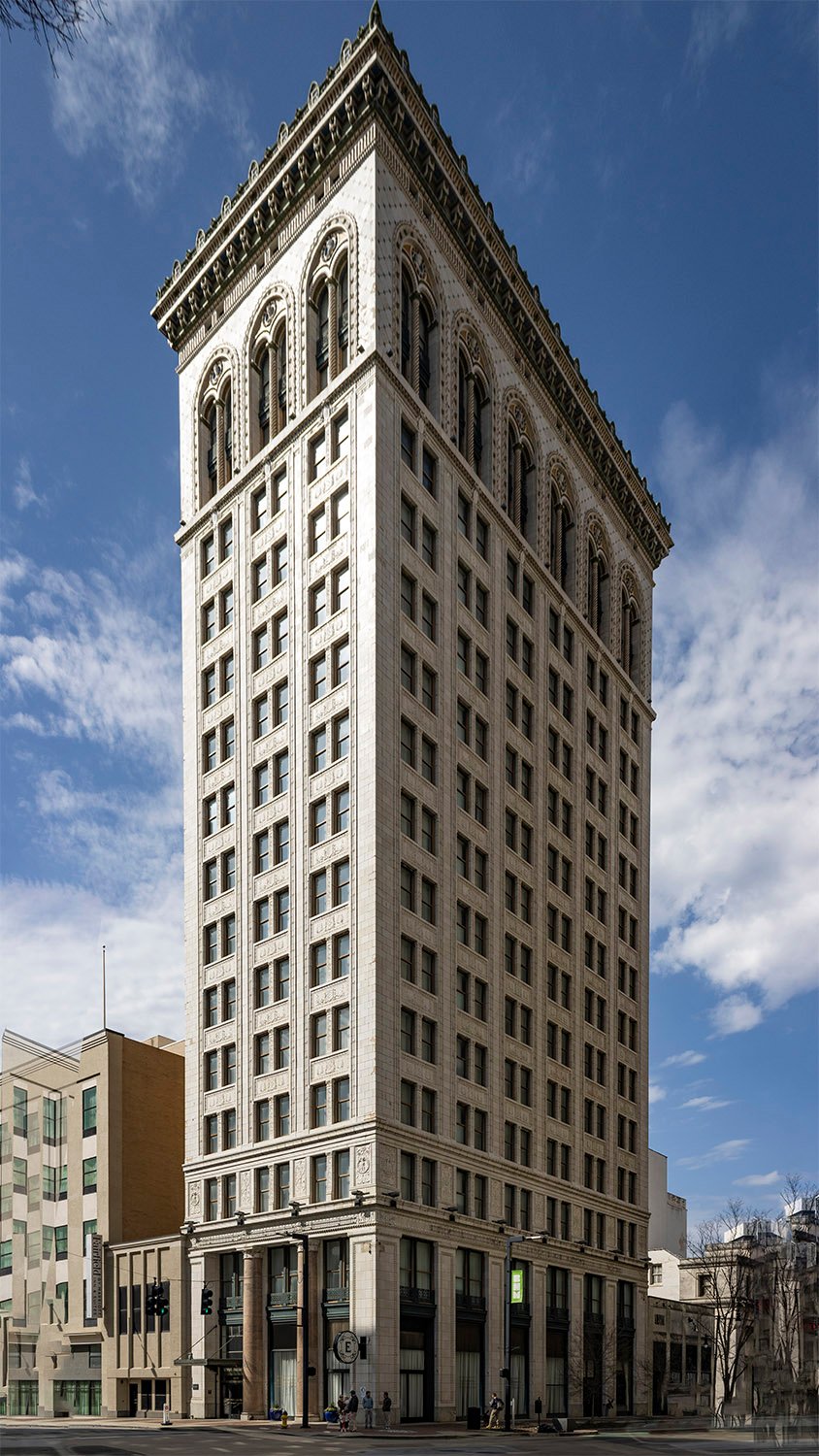
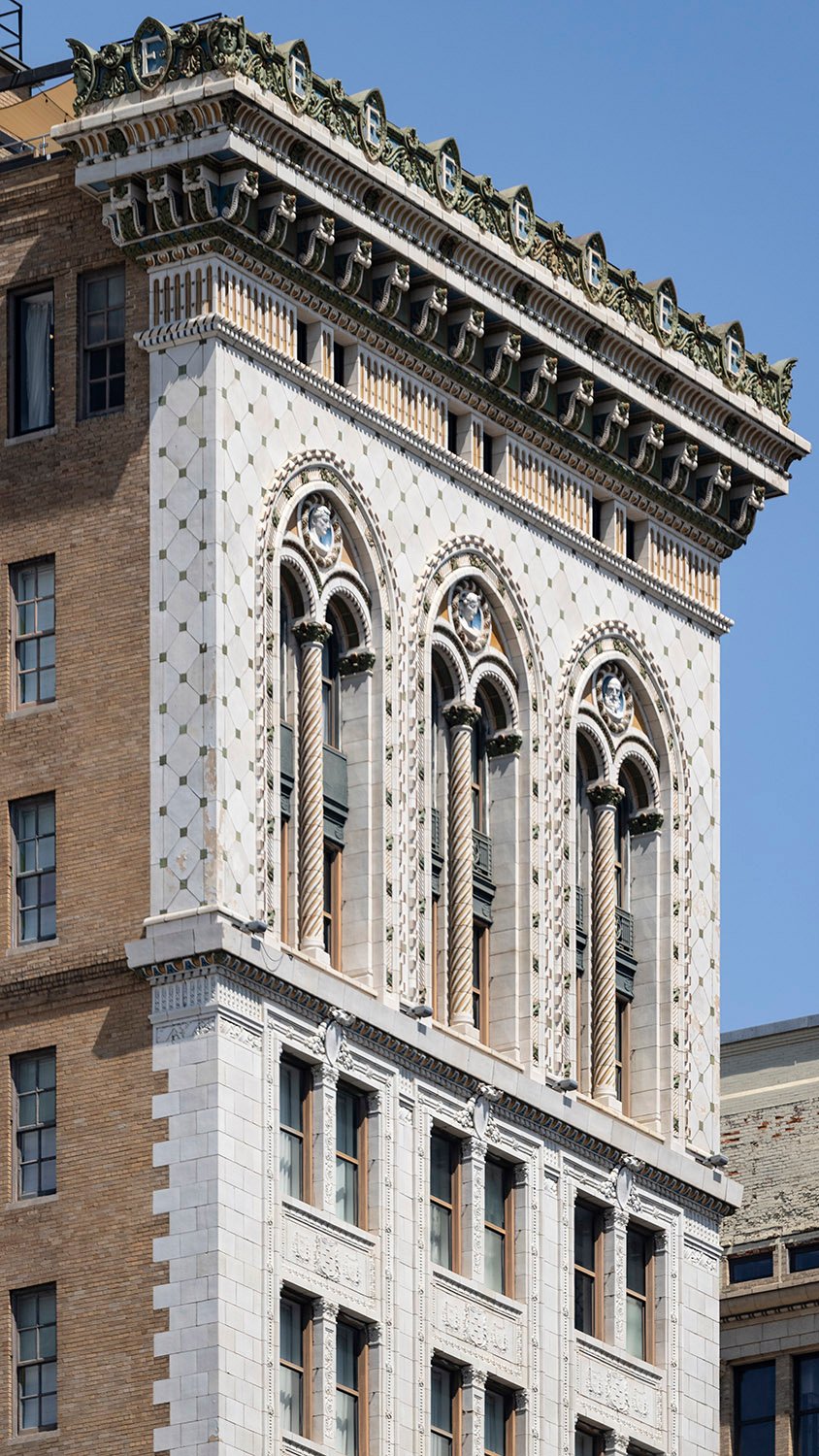
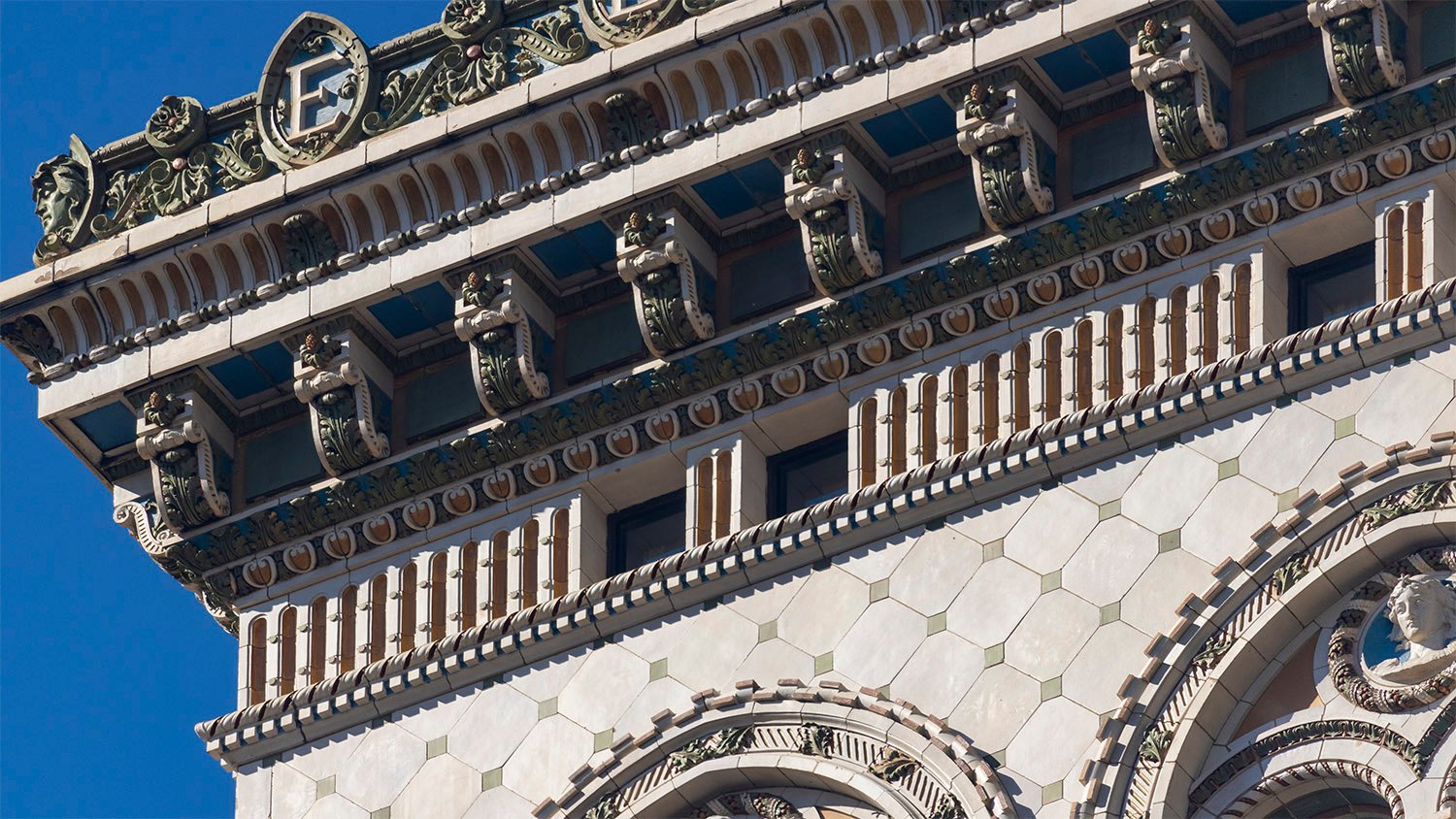
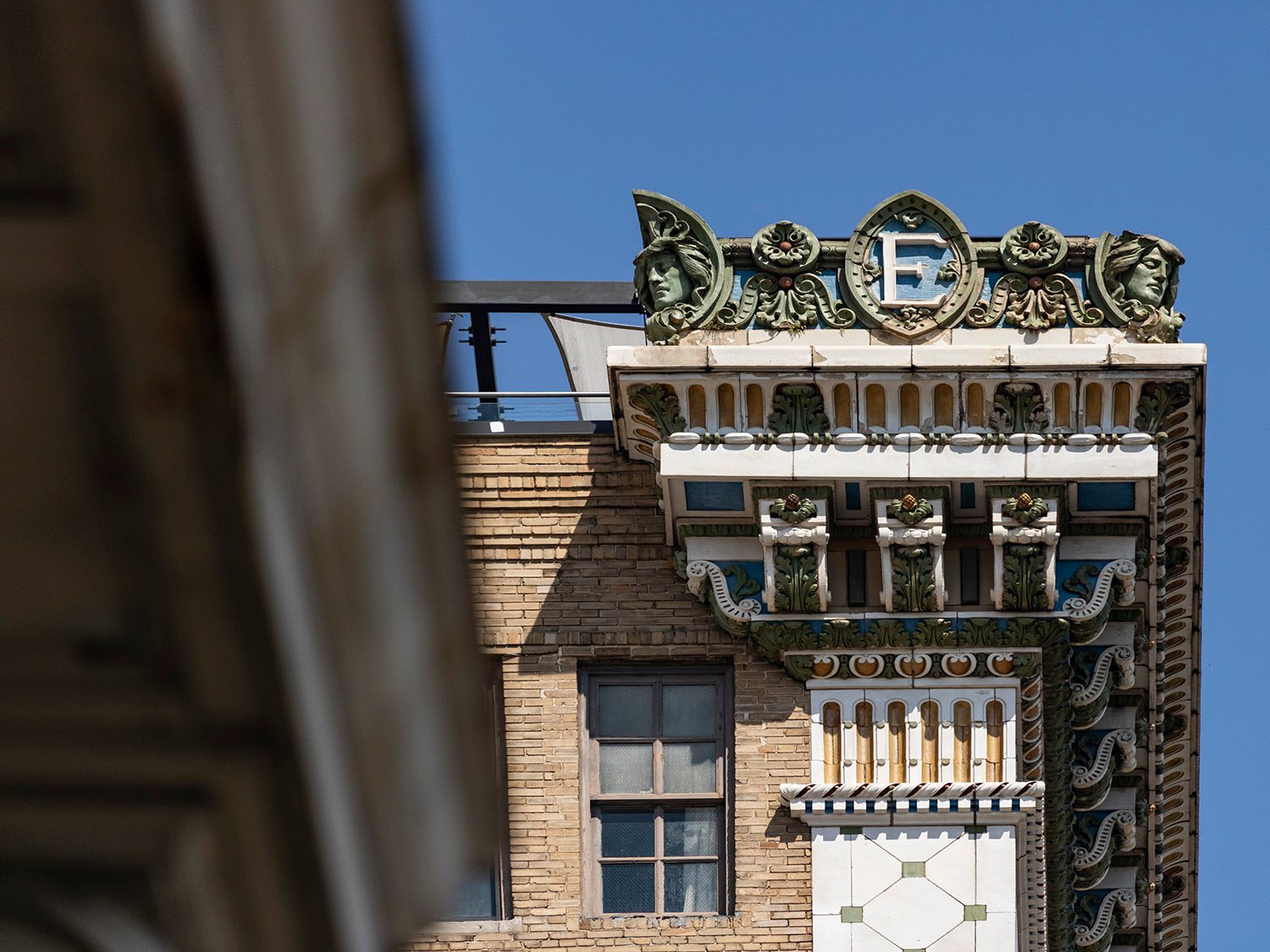
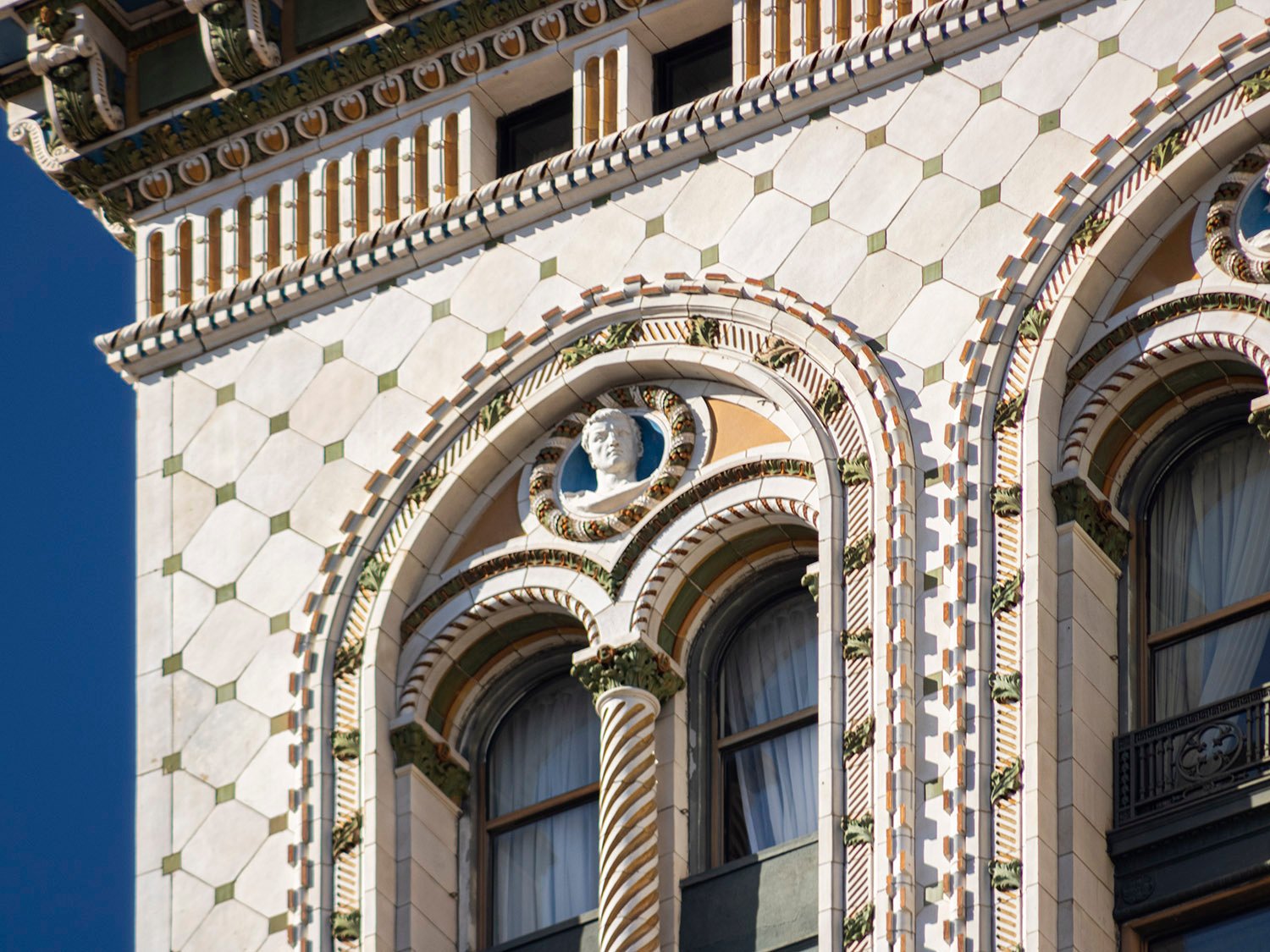
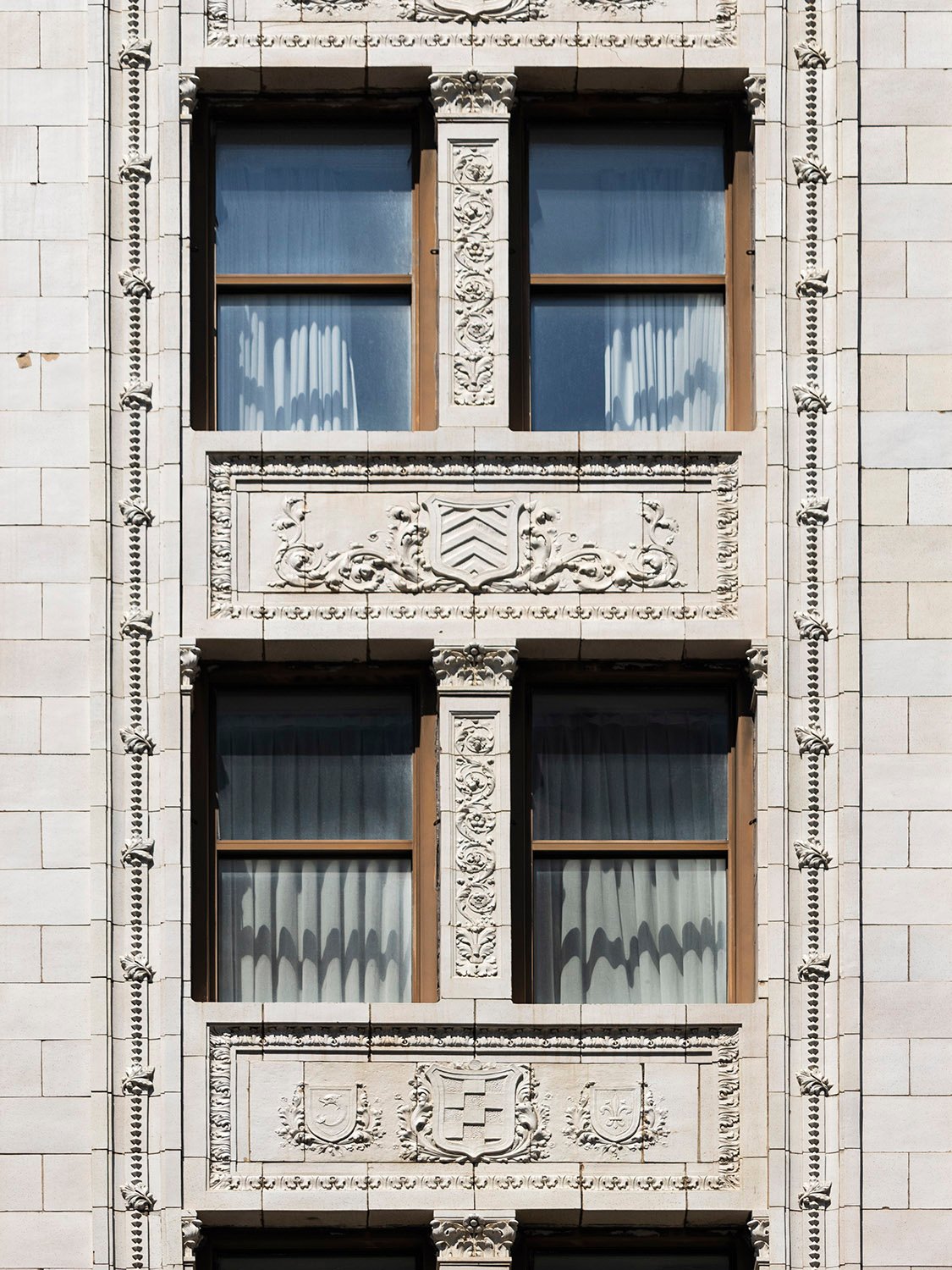
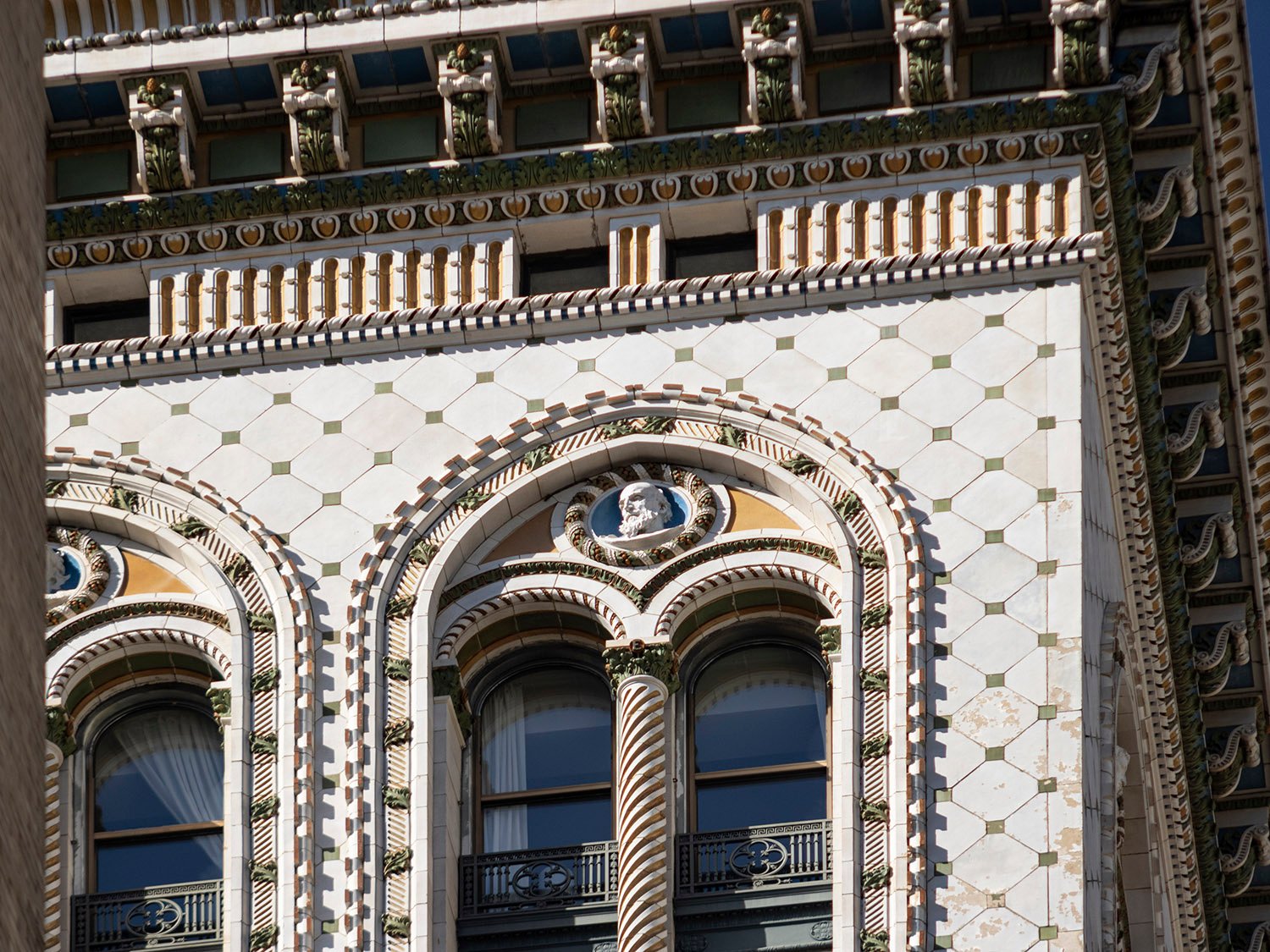

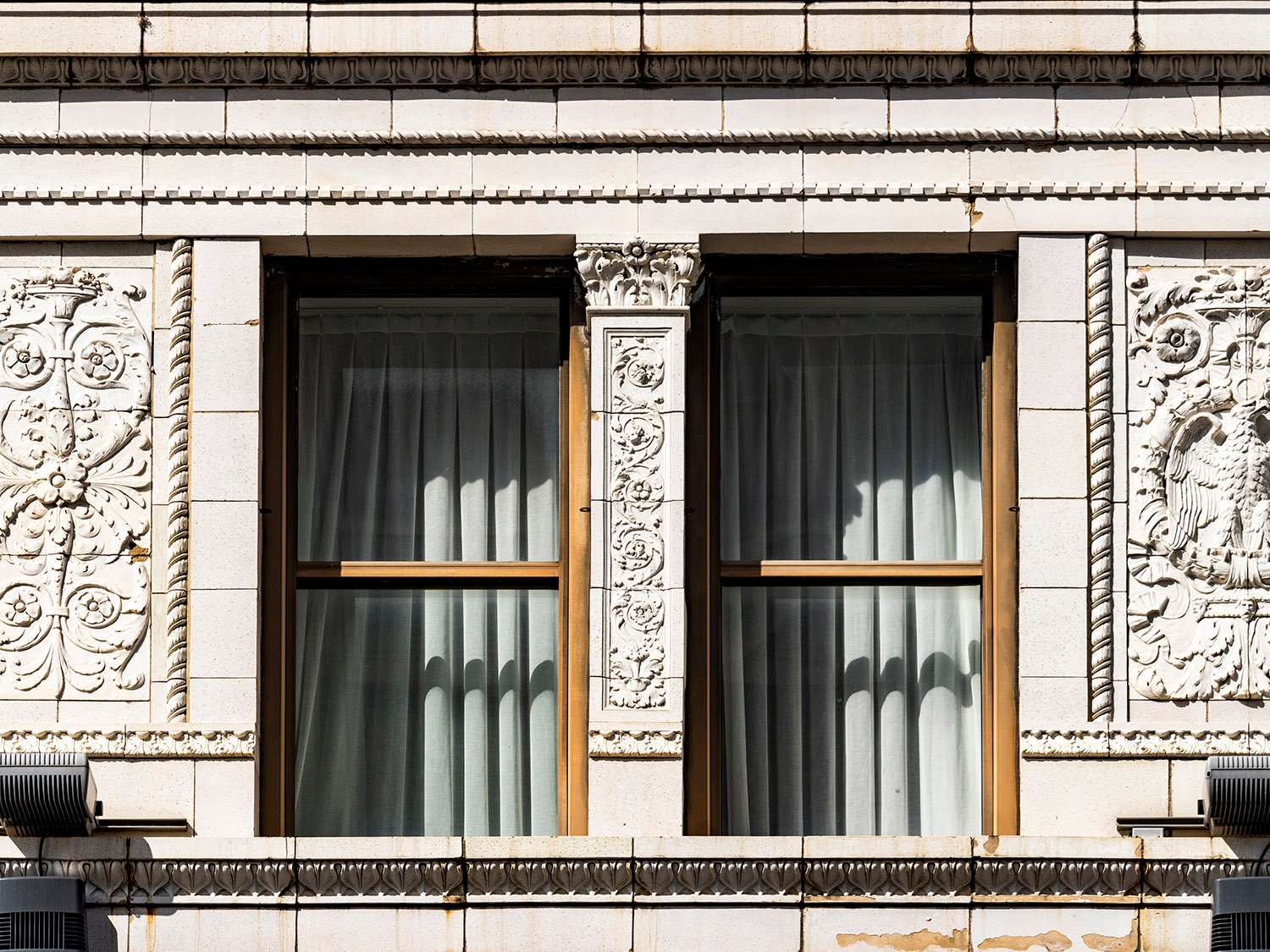
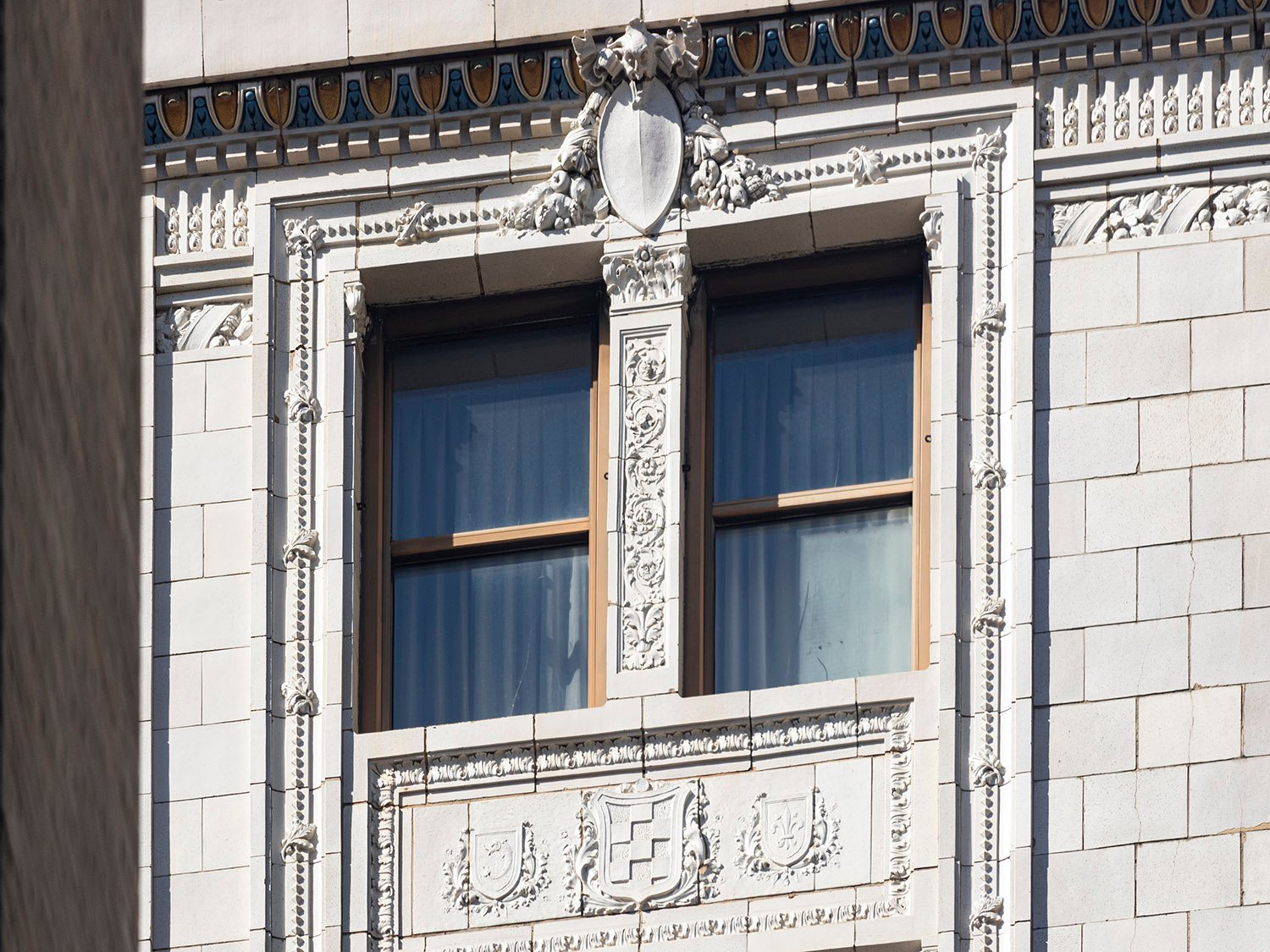
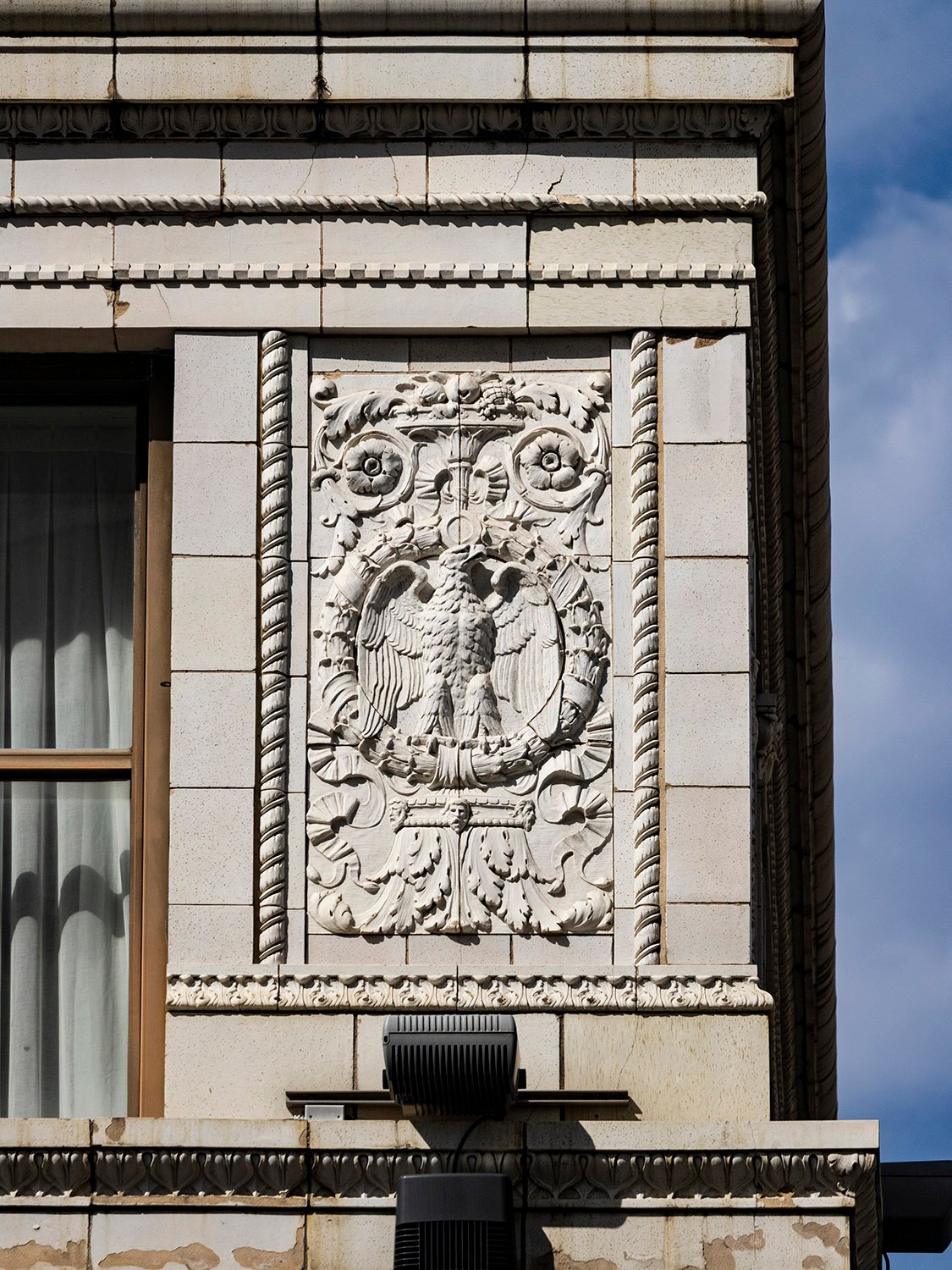
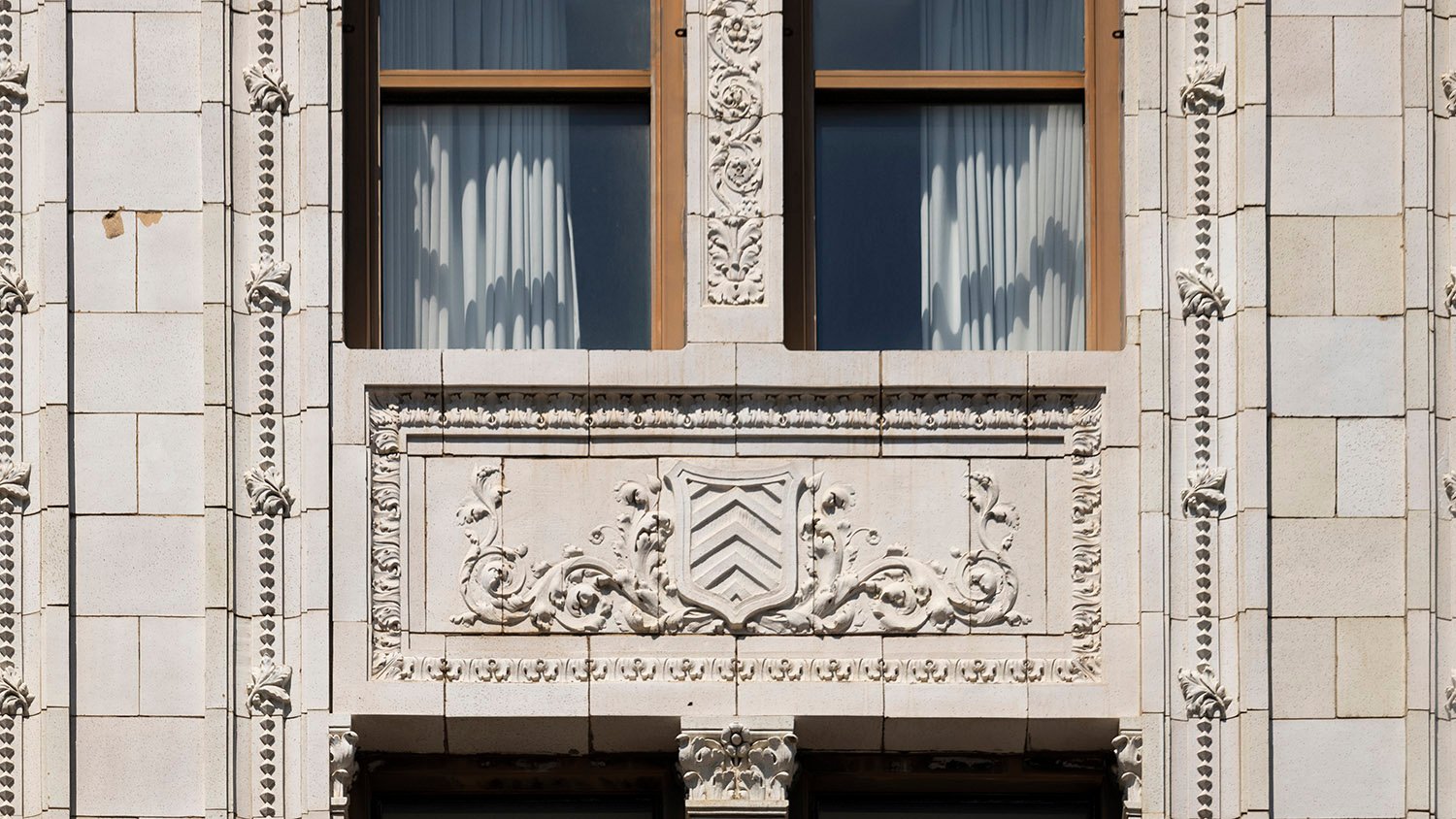
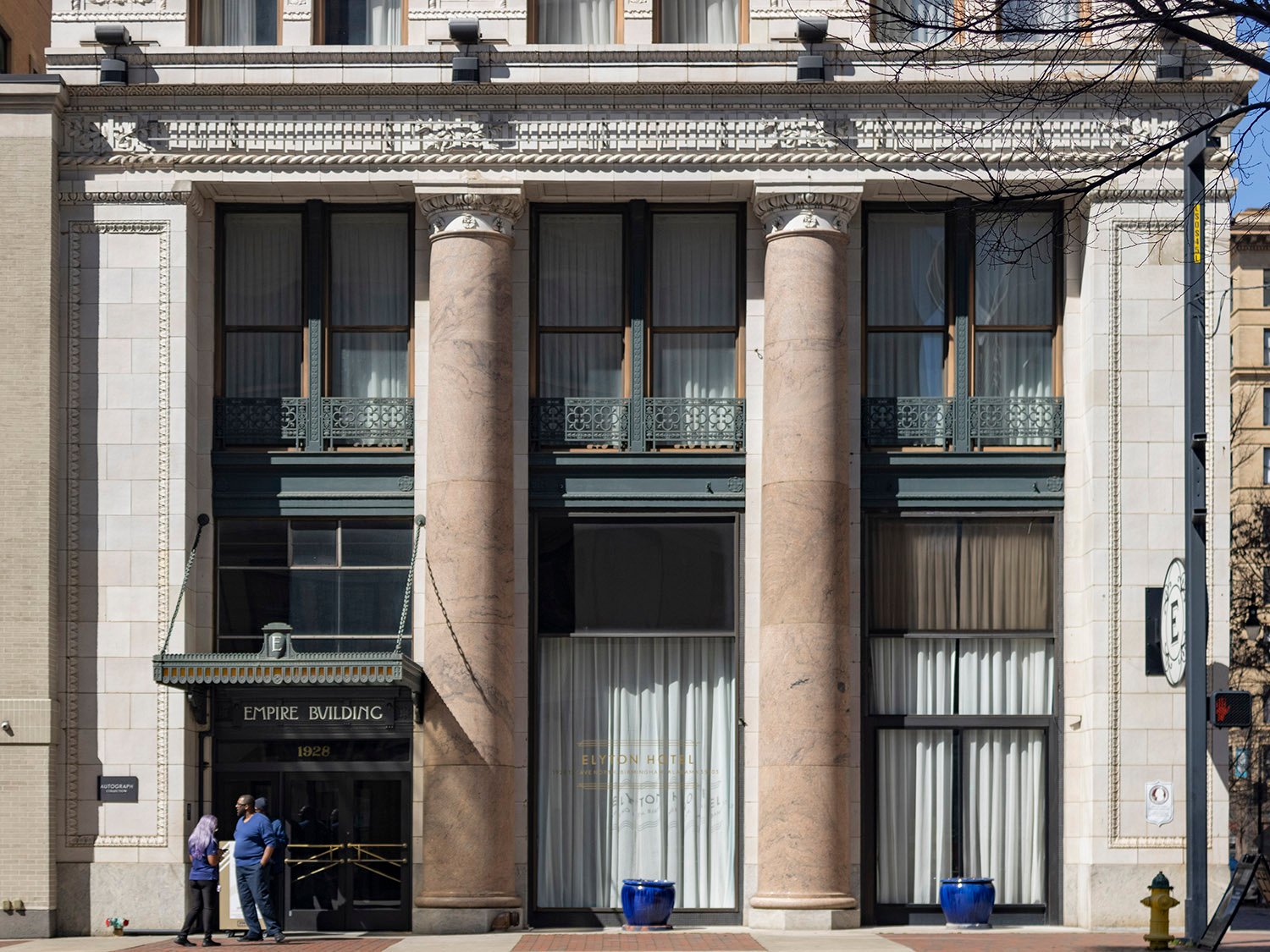
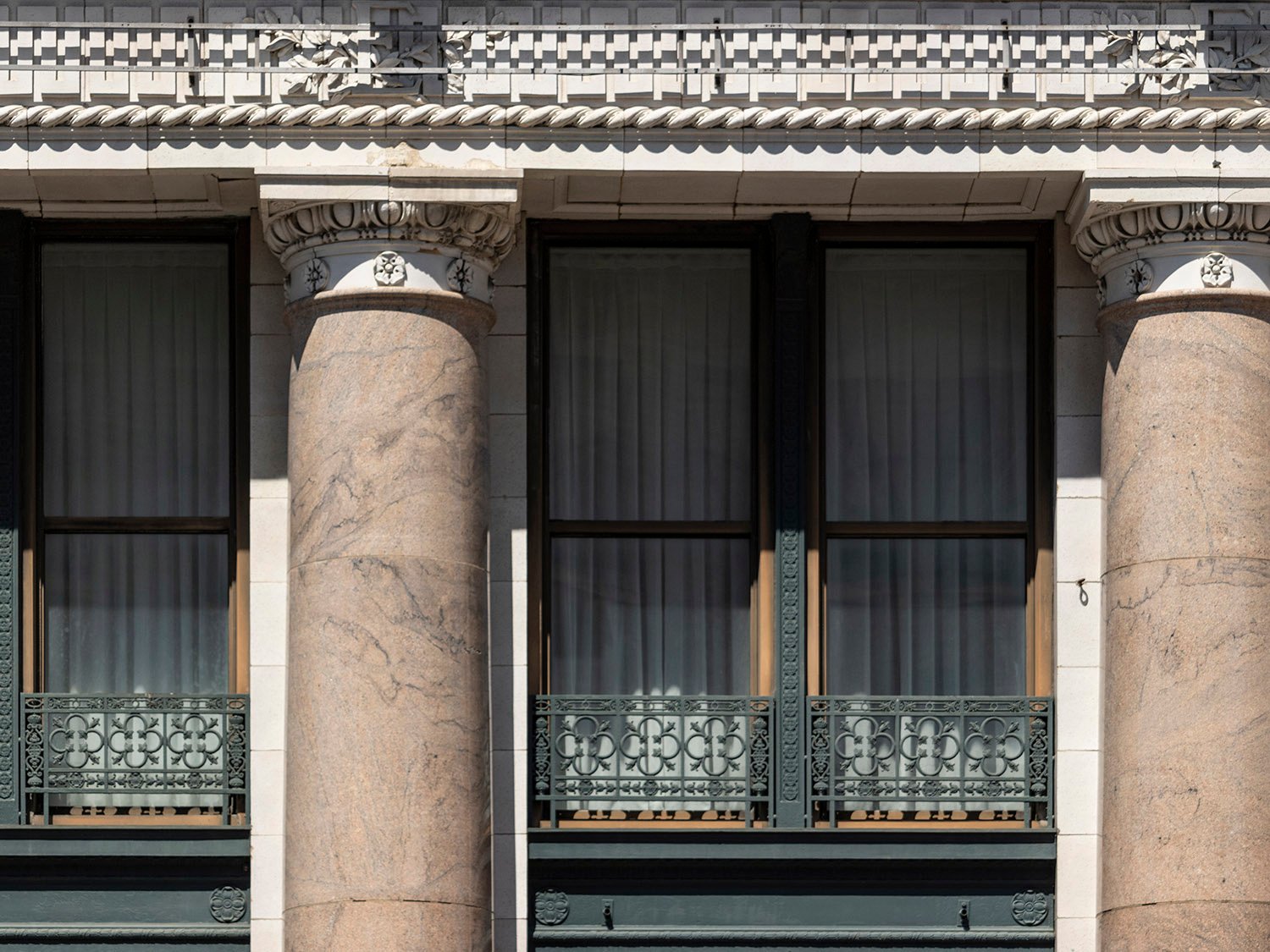
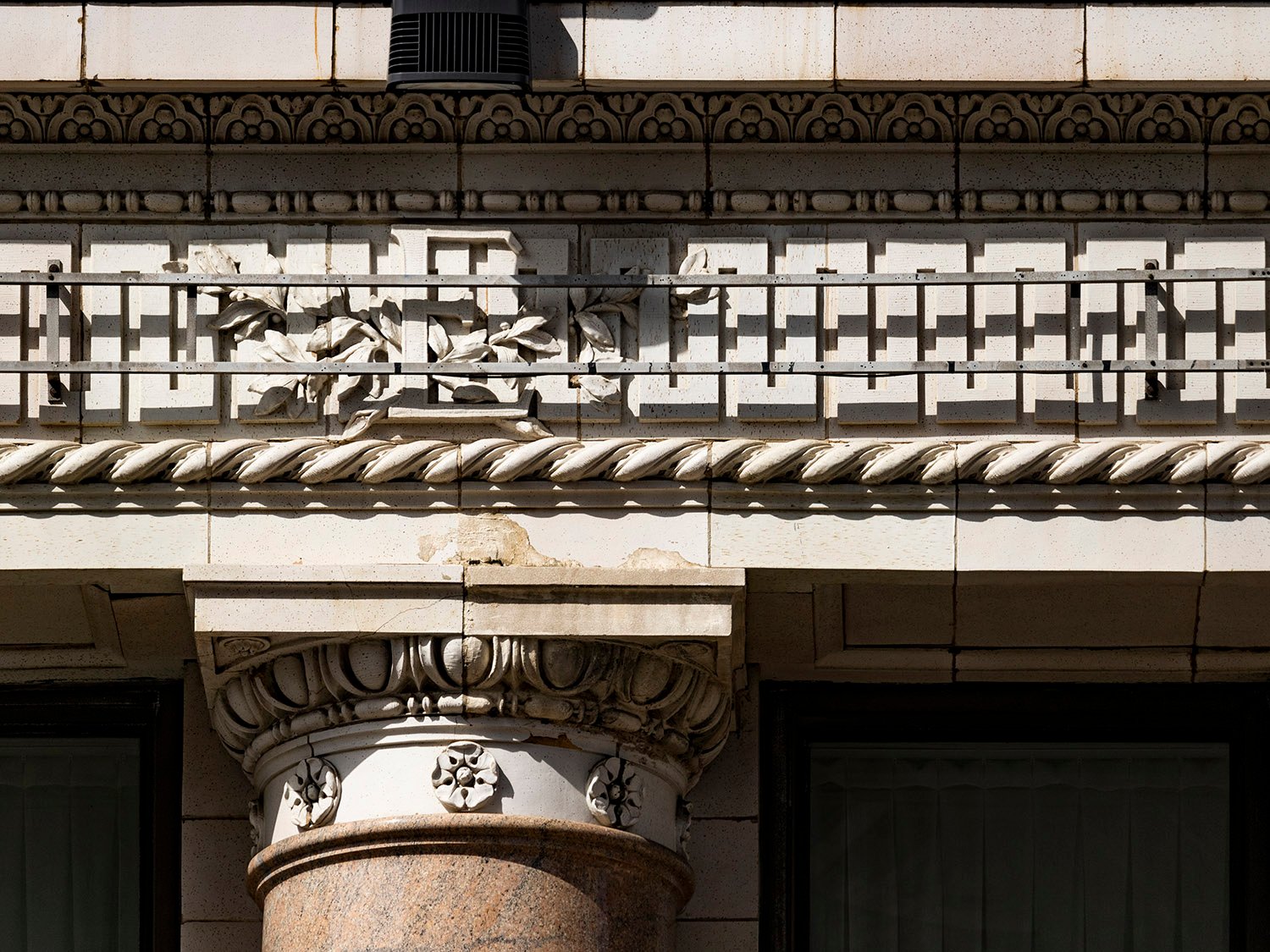
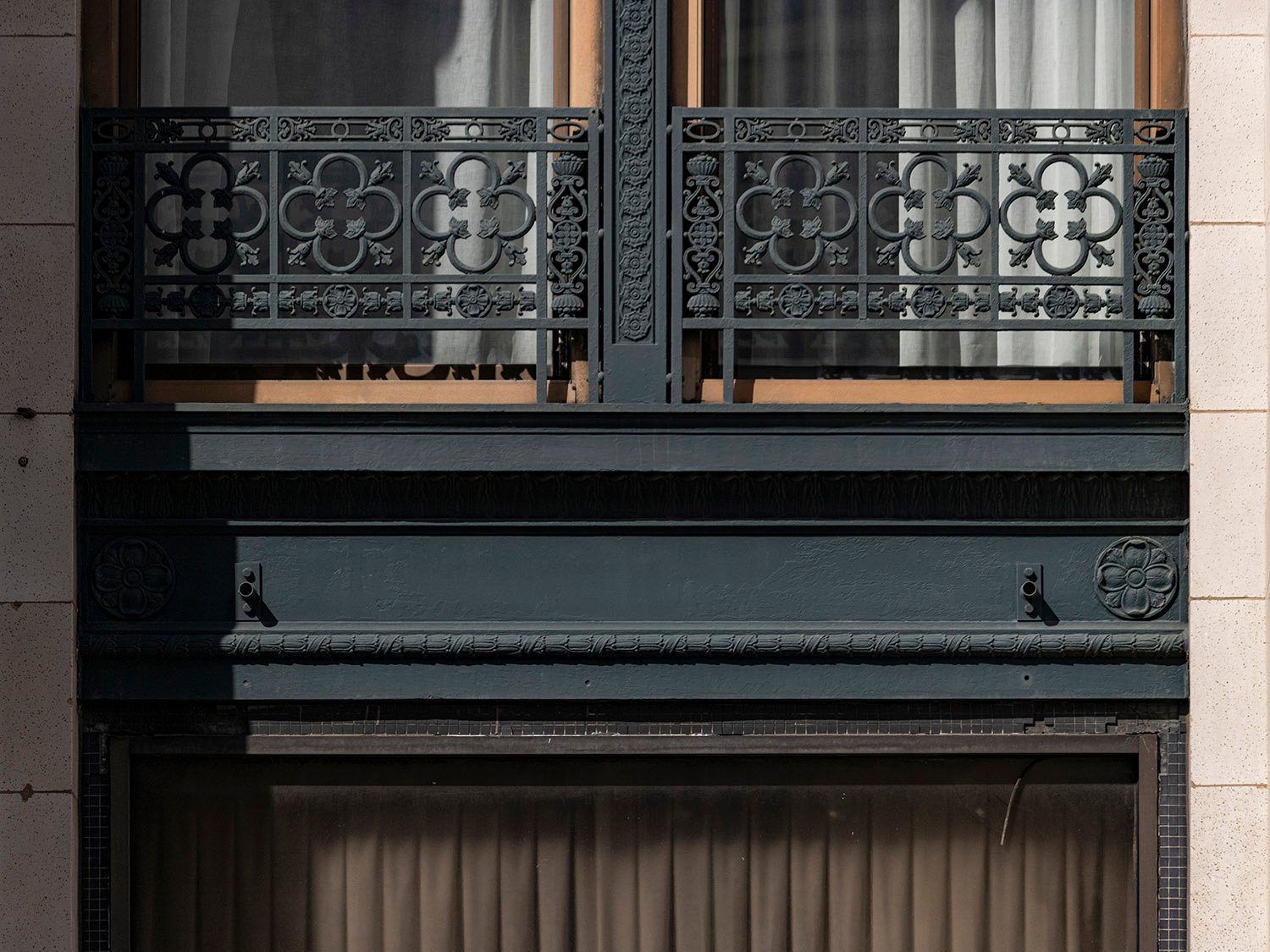
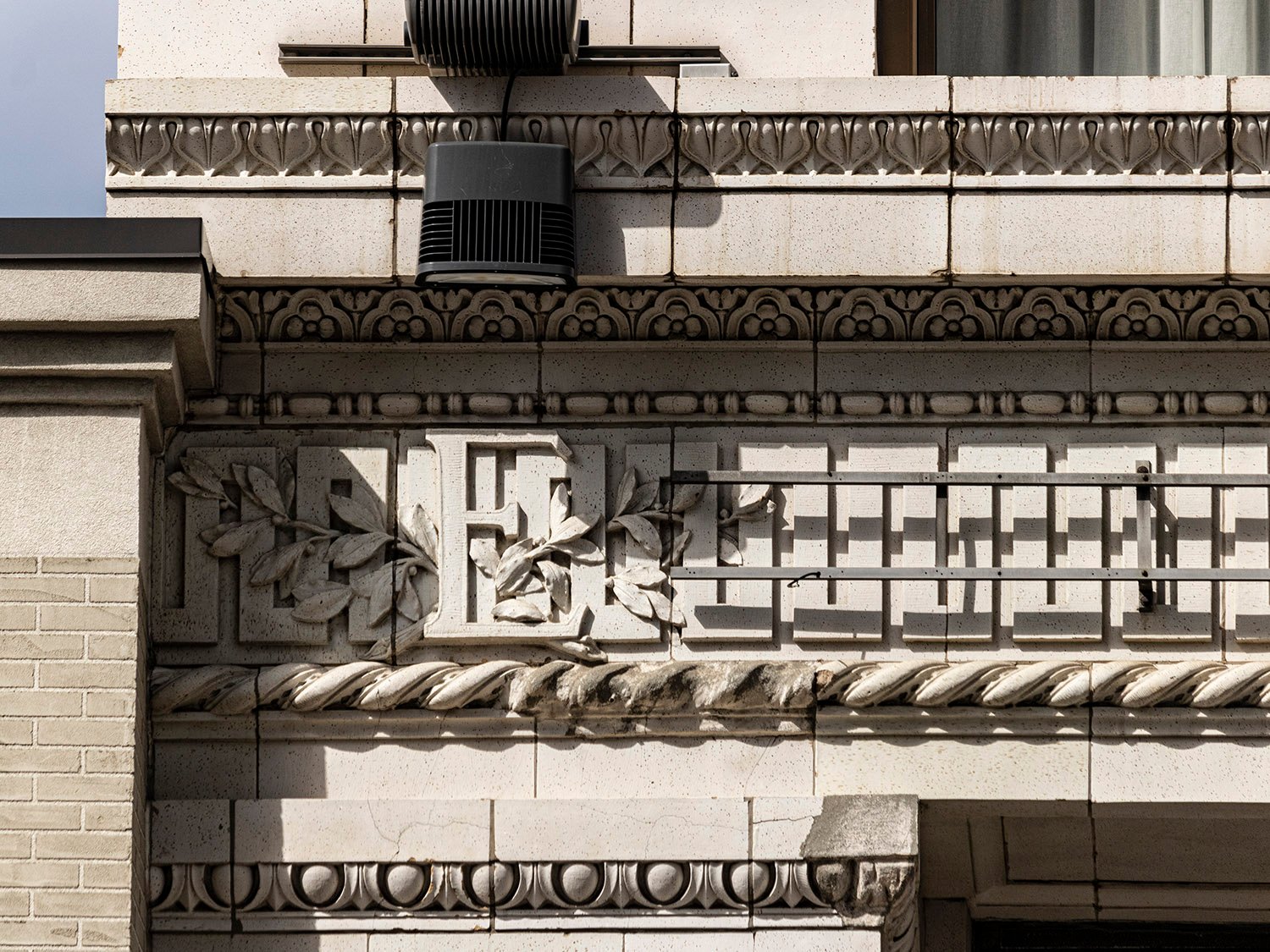
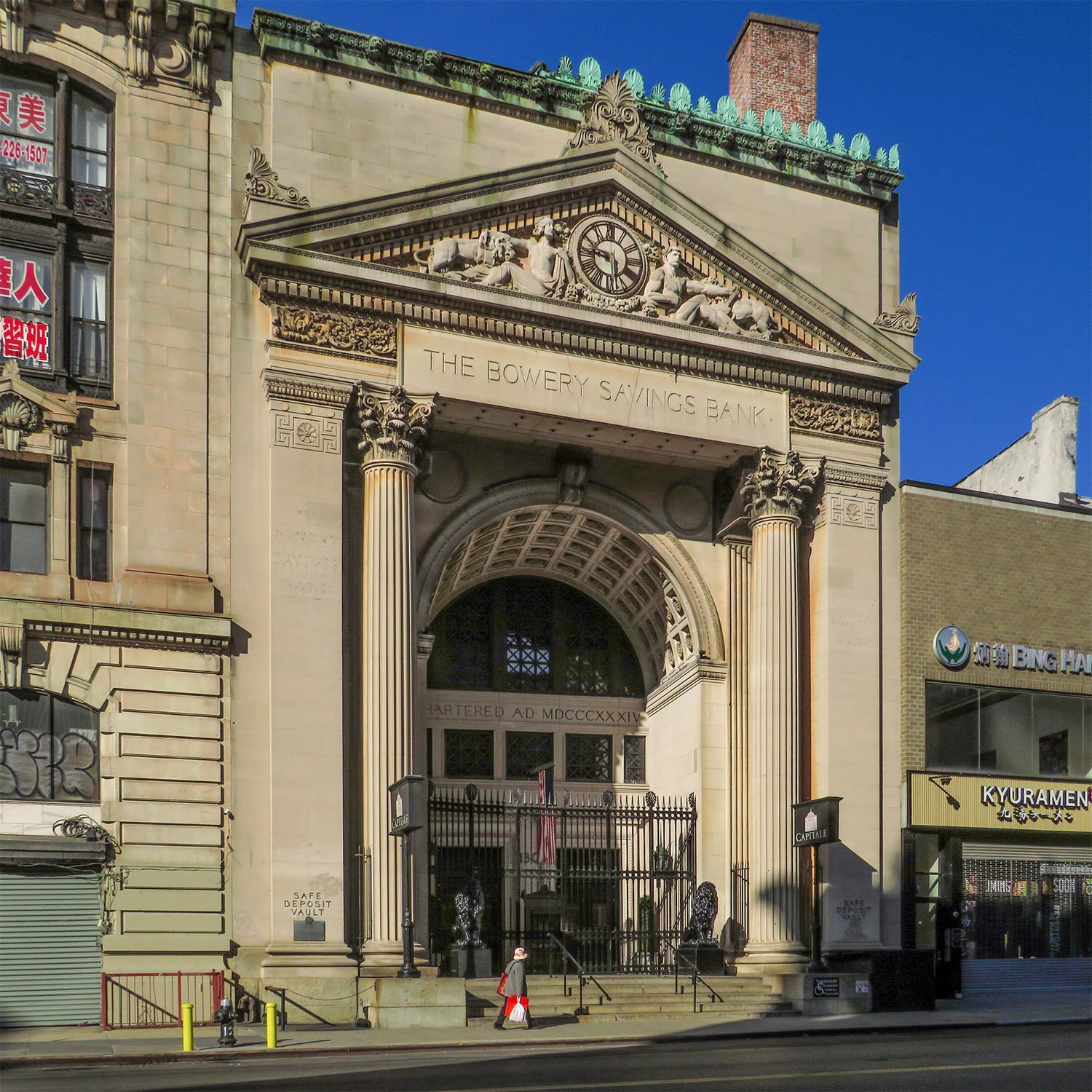
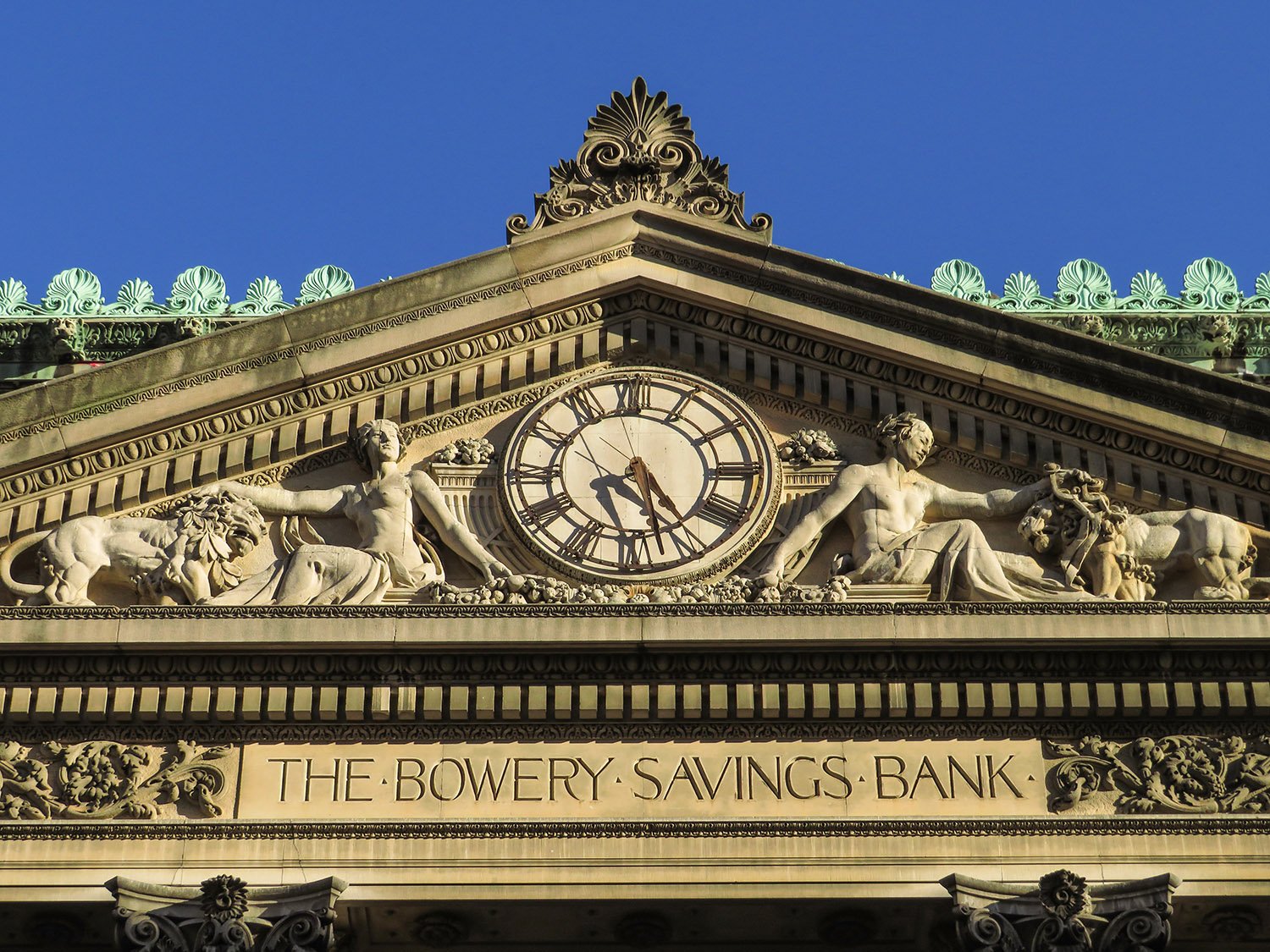
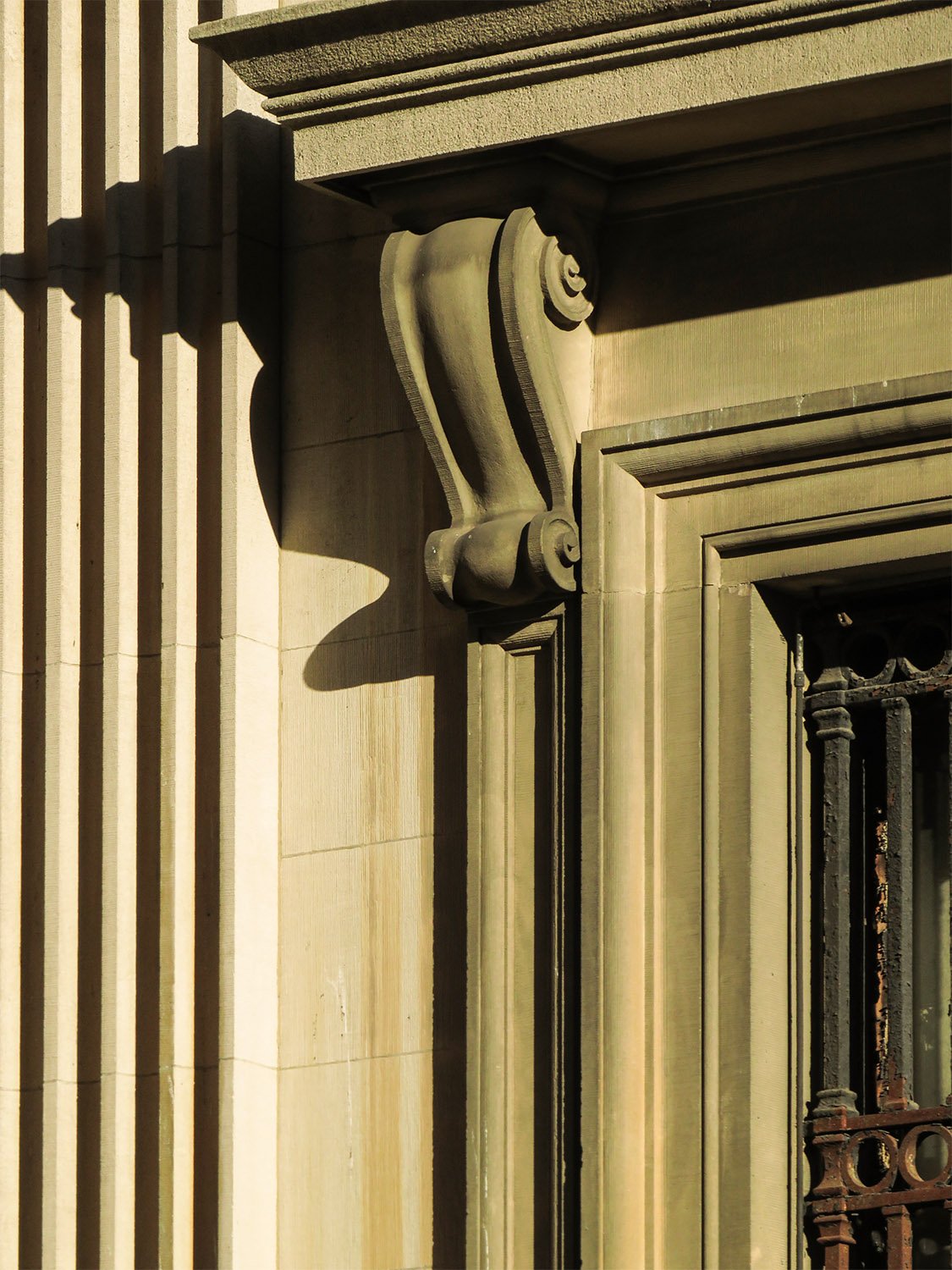
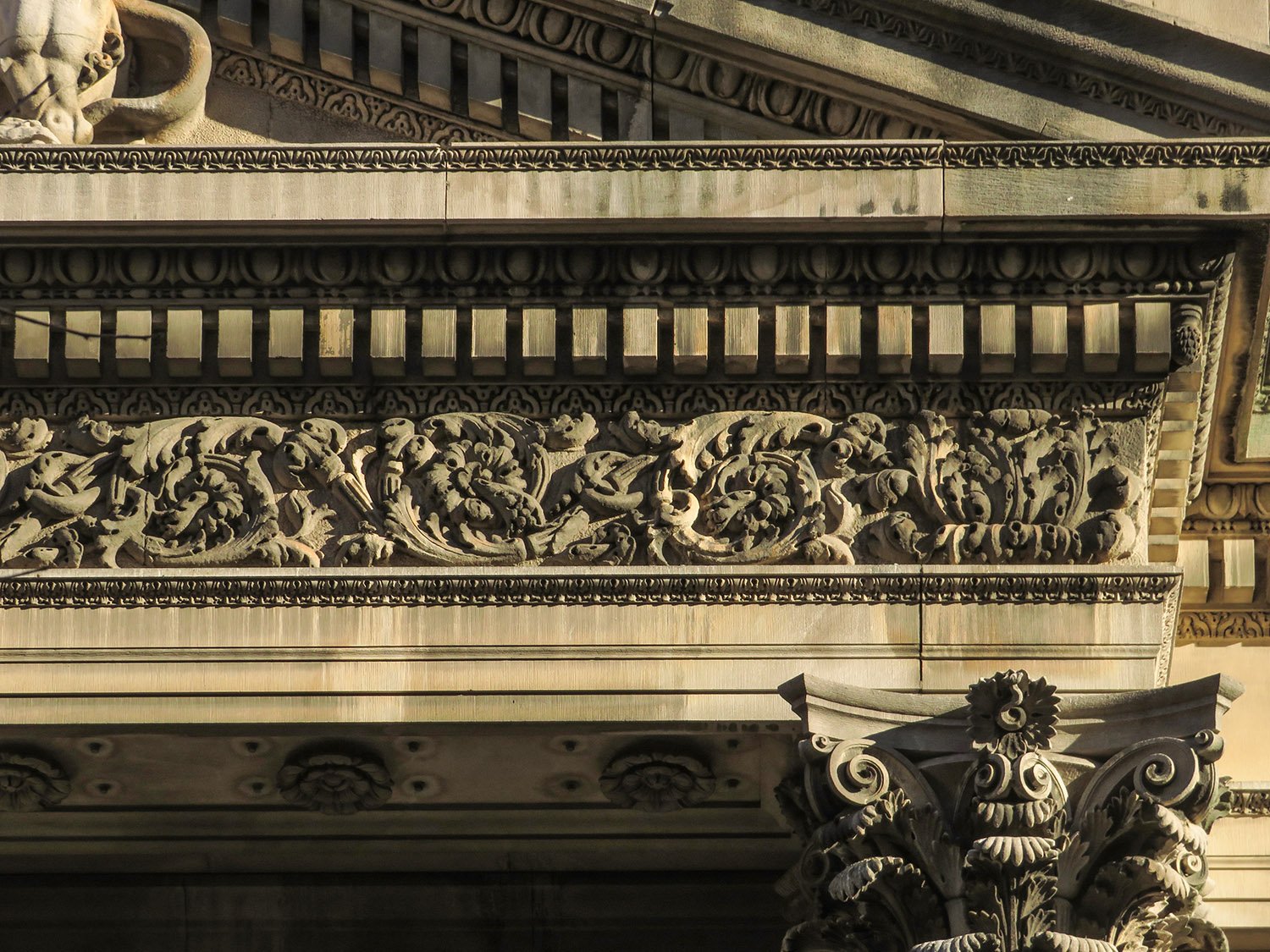
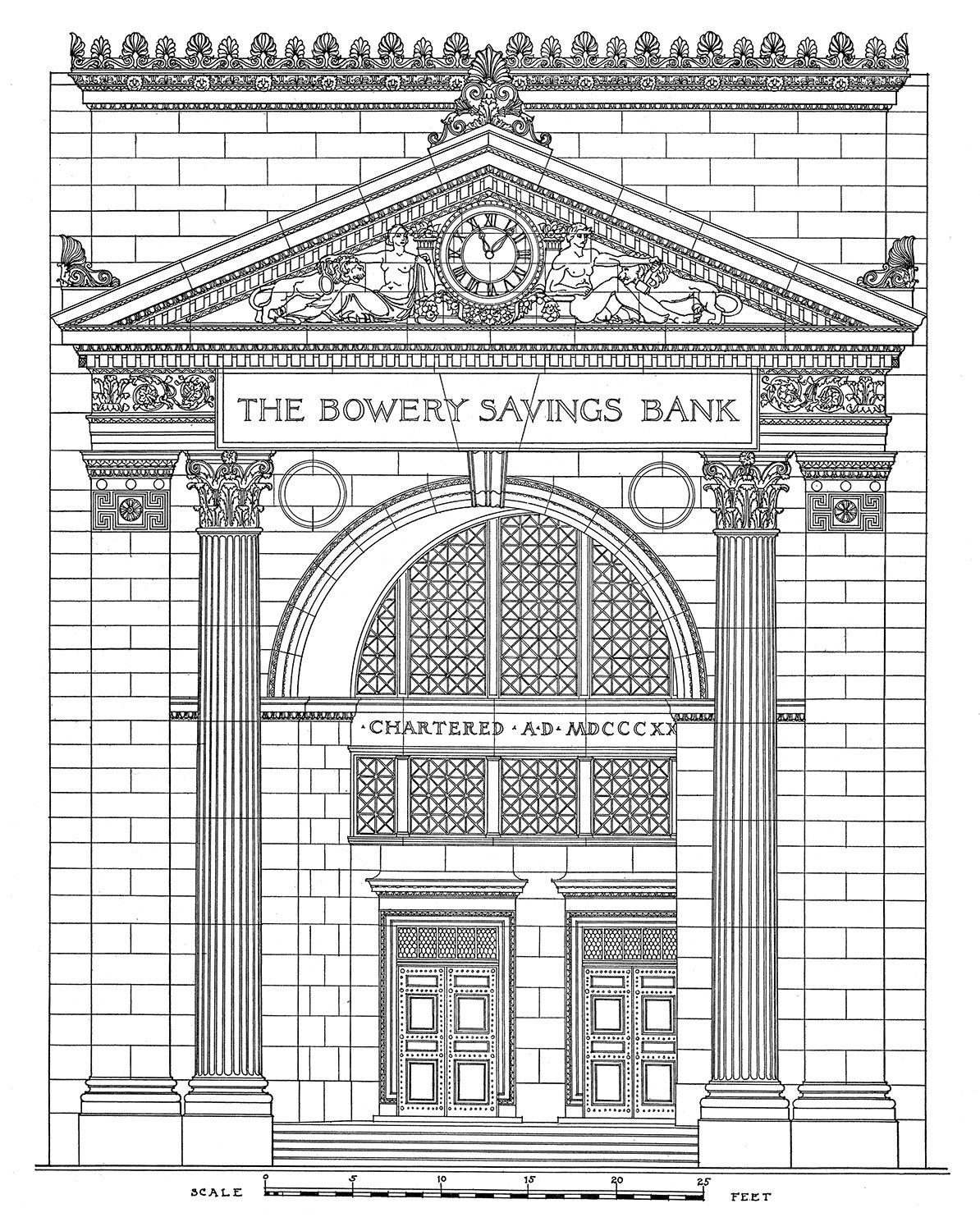
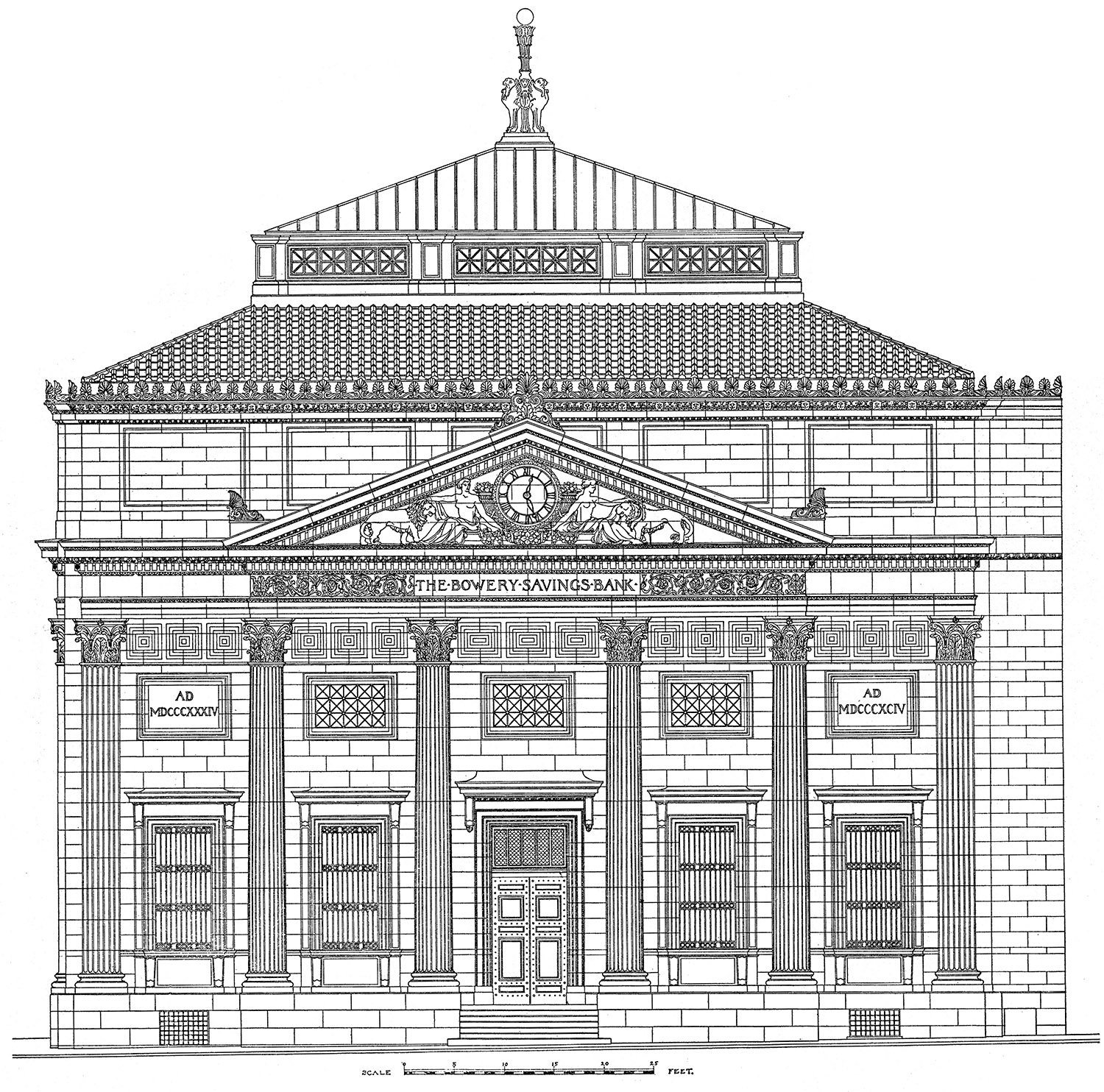
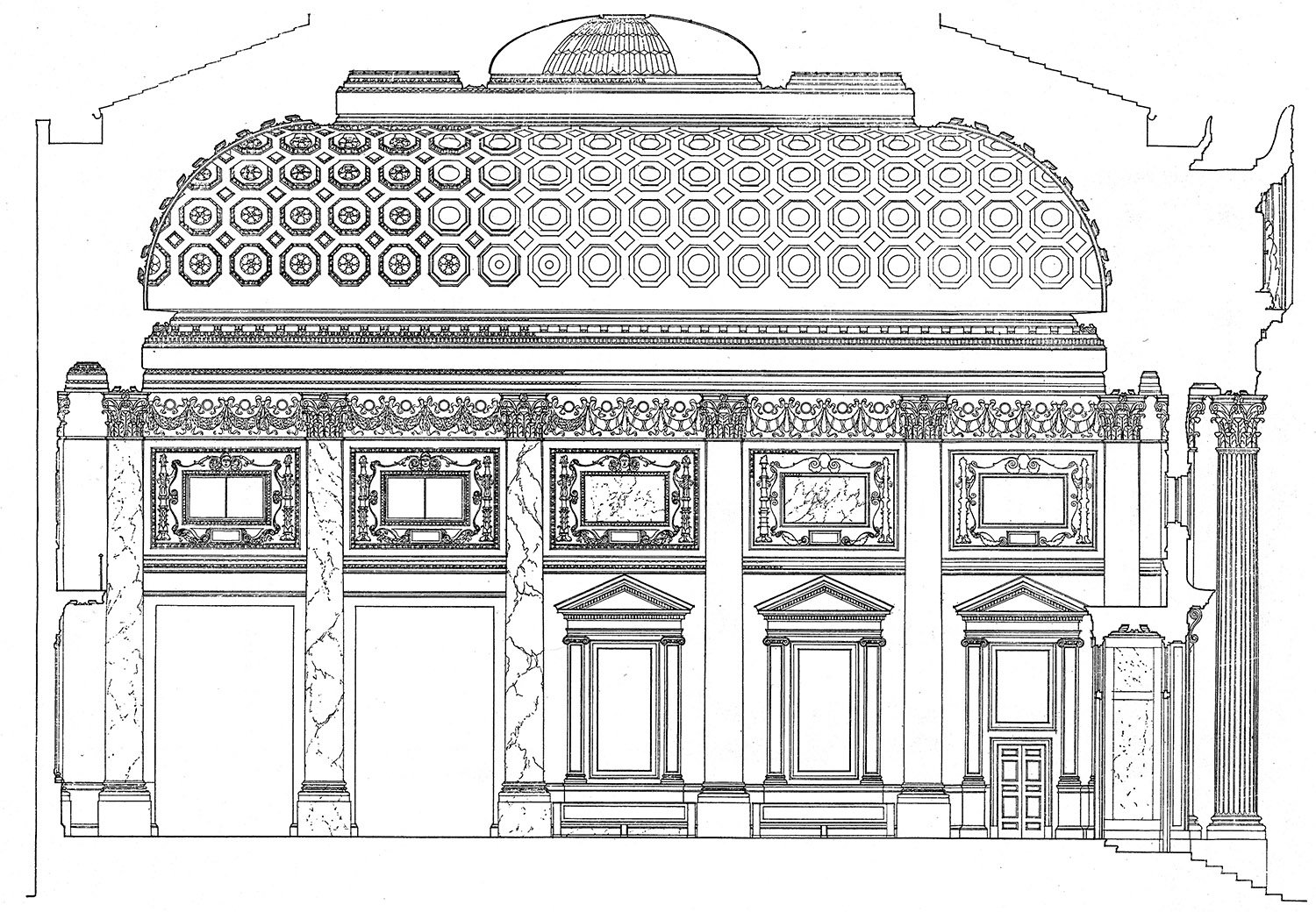
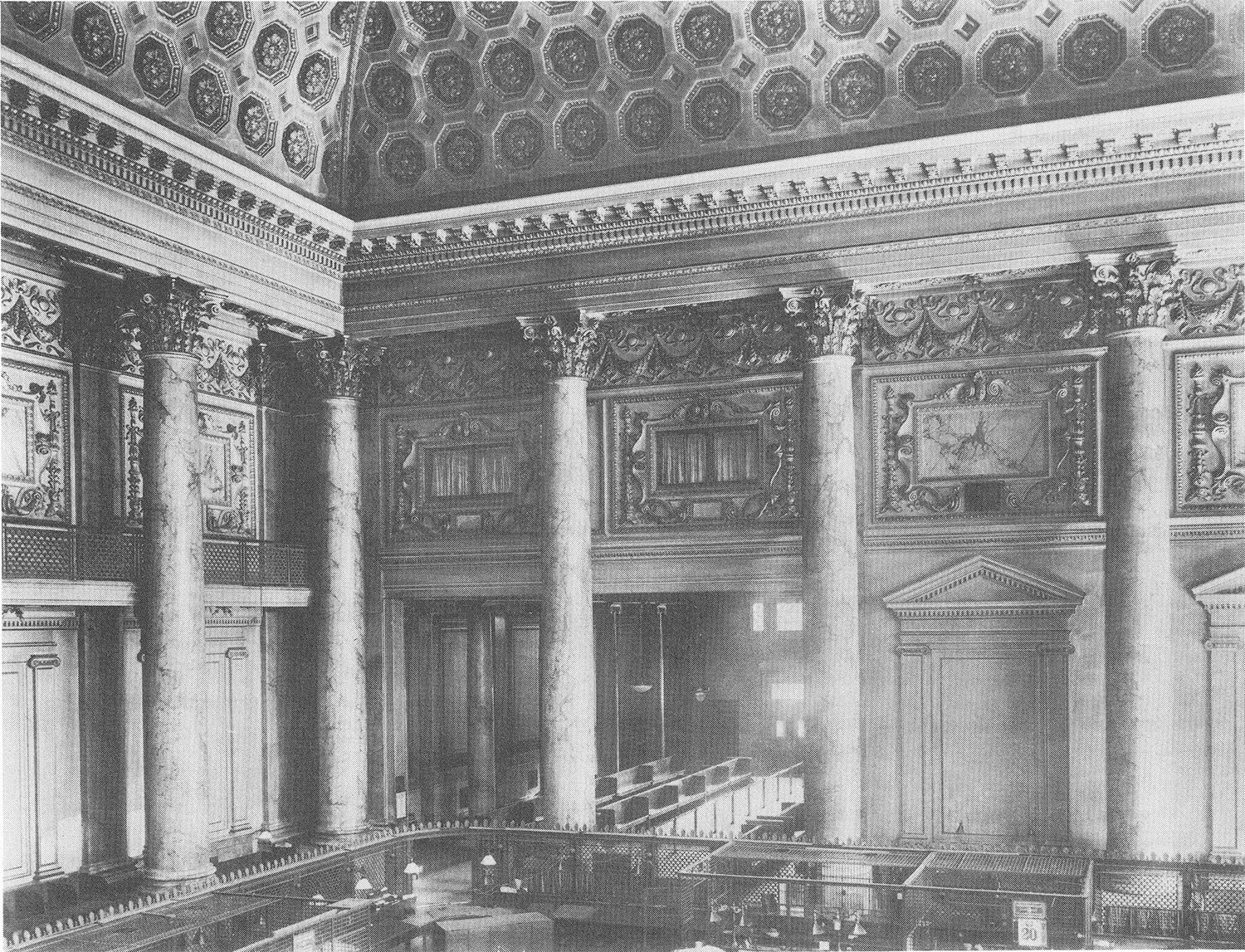
The Bowery Savings Bank is a significant early work in the Beaux-Arts style, credited to Stanford White of McKim, Mead & White.
Following their monumental buildings of classical inspiration for the World’s Columbian Exposition in 1893, the firm entirely embraced Roman and Renaissance influences in their designs, ushering in the Beaux-Arts movement that dominated American architecture for decades.
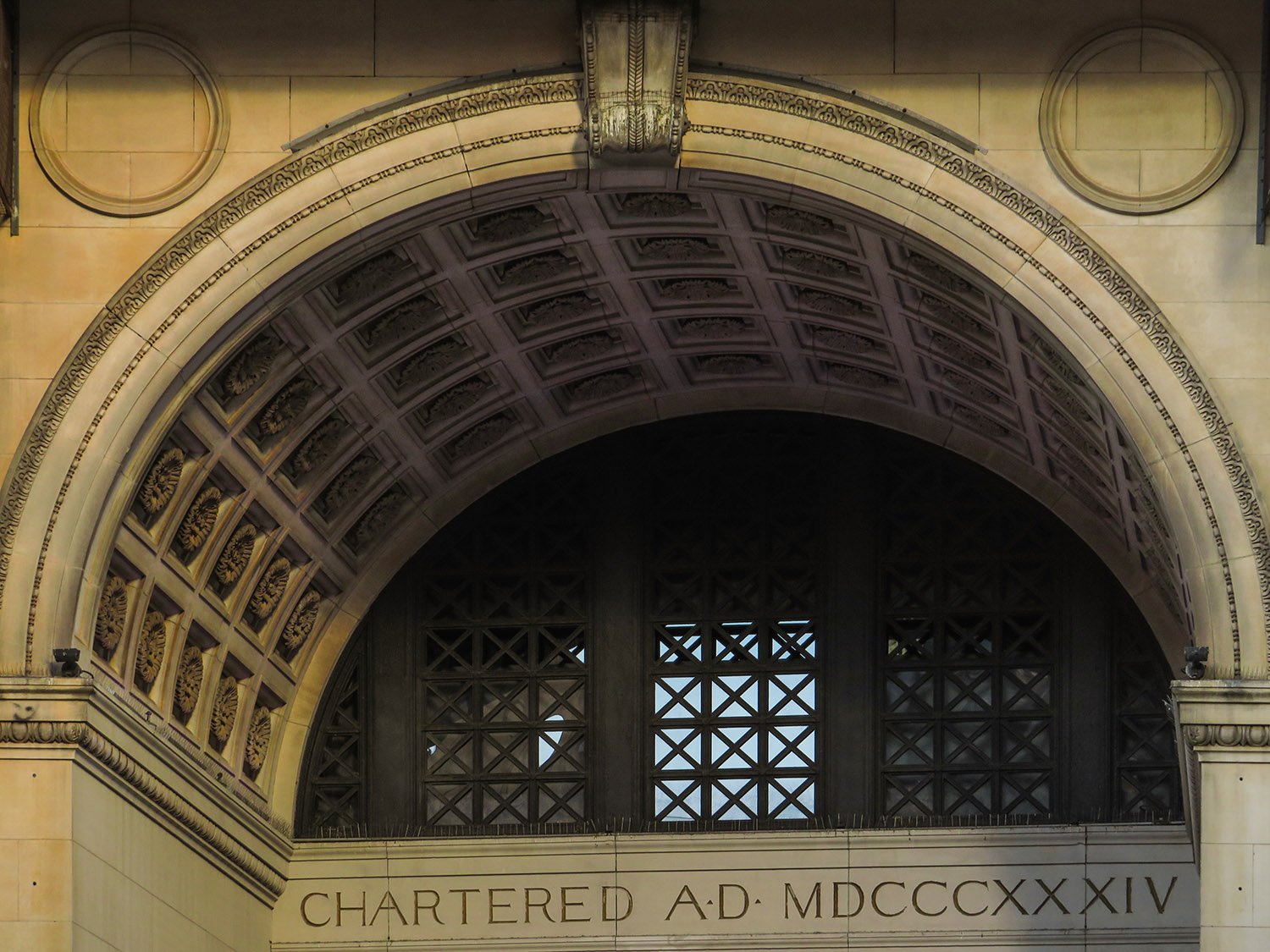
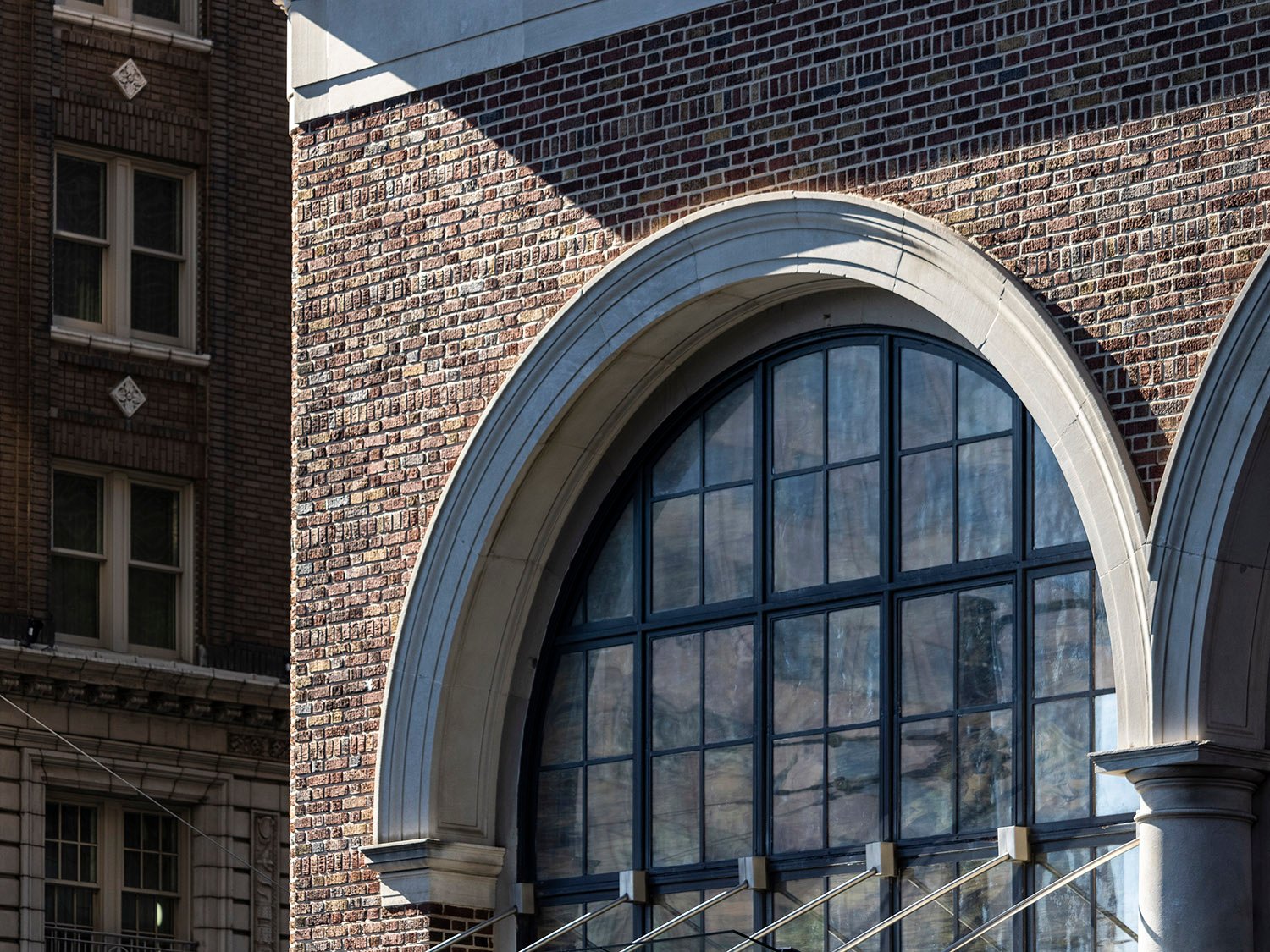
By the time of White’s death in 1906, the firm’s work had become increasingly derivative and dreary, but this structure was designed early enough to retain some of their initial flair for quirkiness and originality: the front doors set slightly off-center within a recessed arch, for instance.
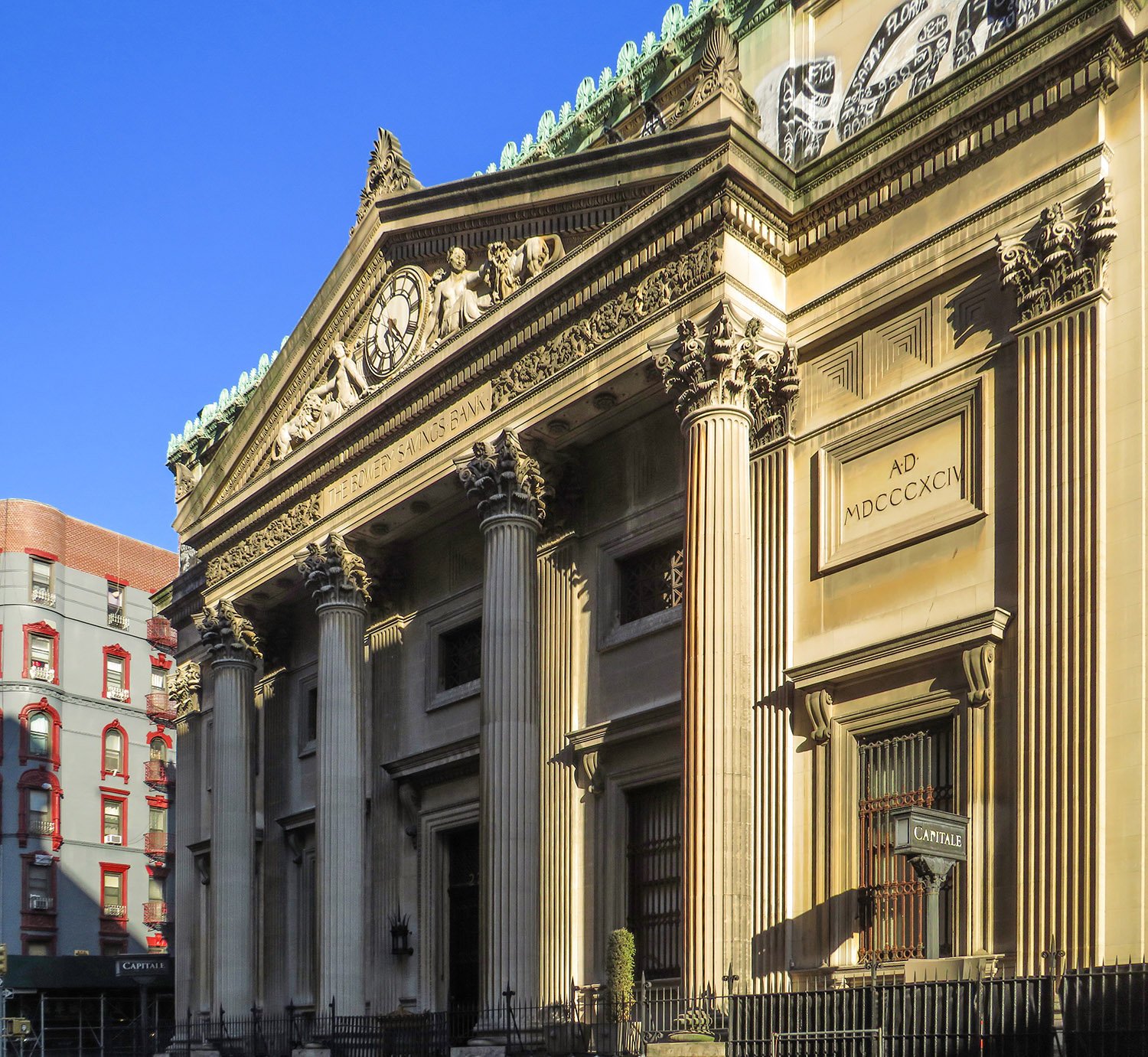
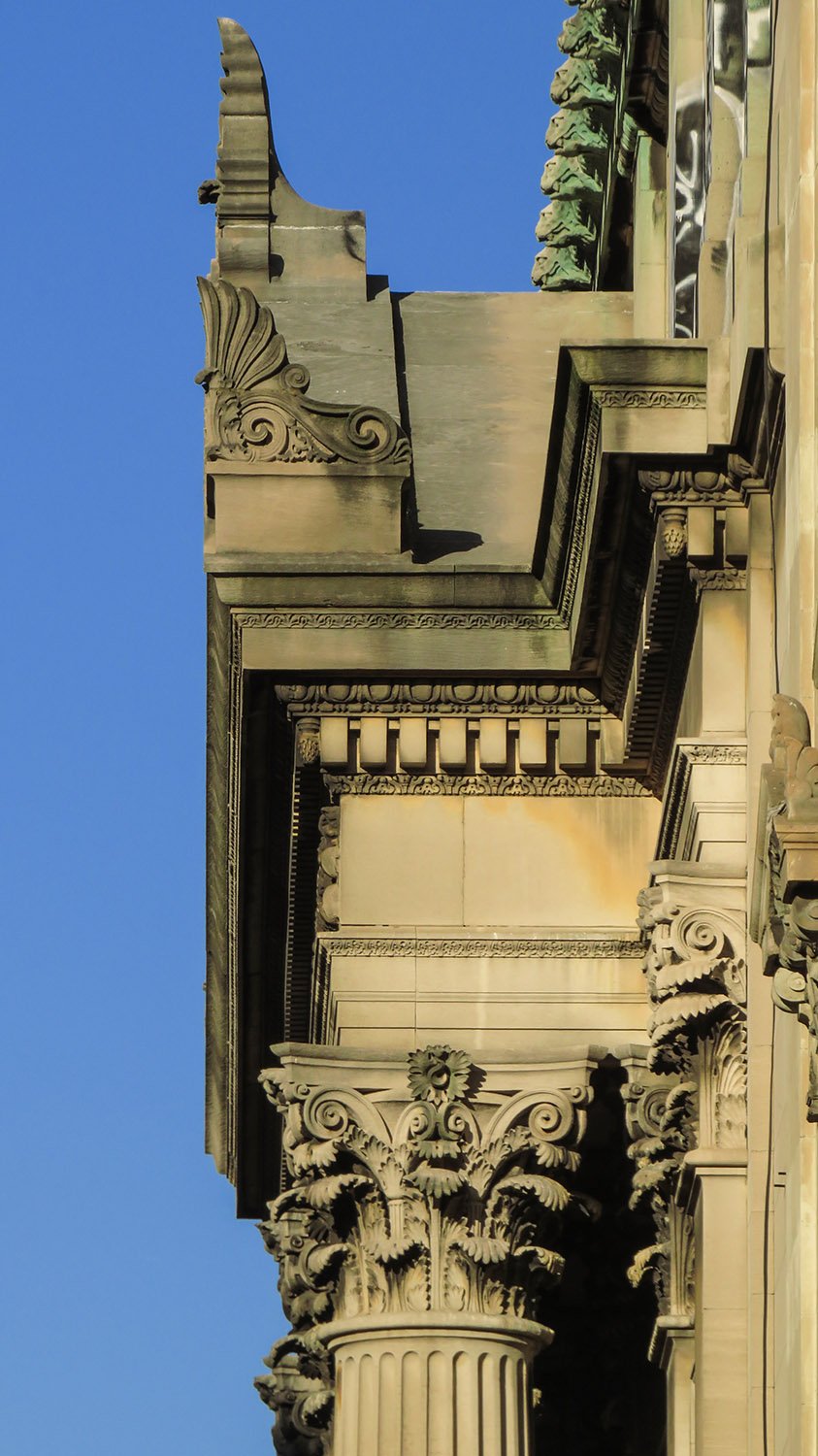
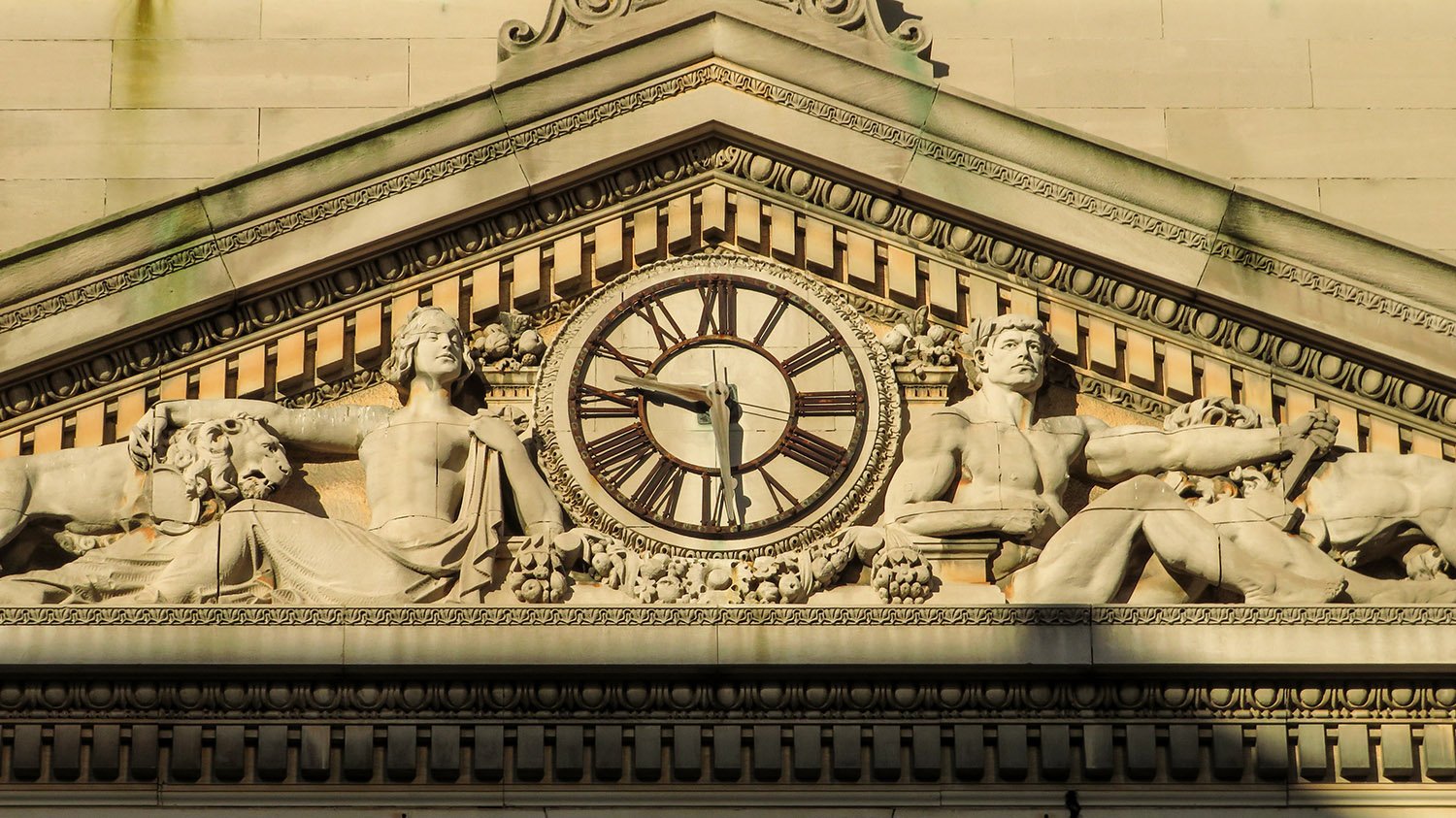
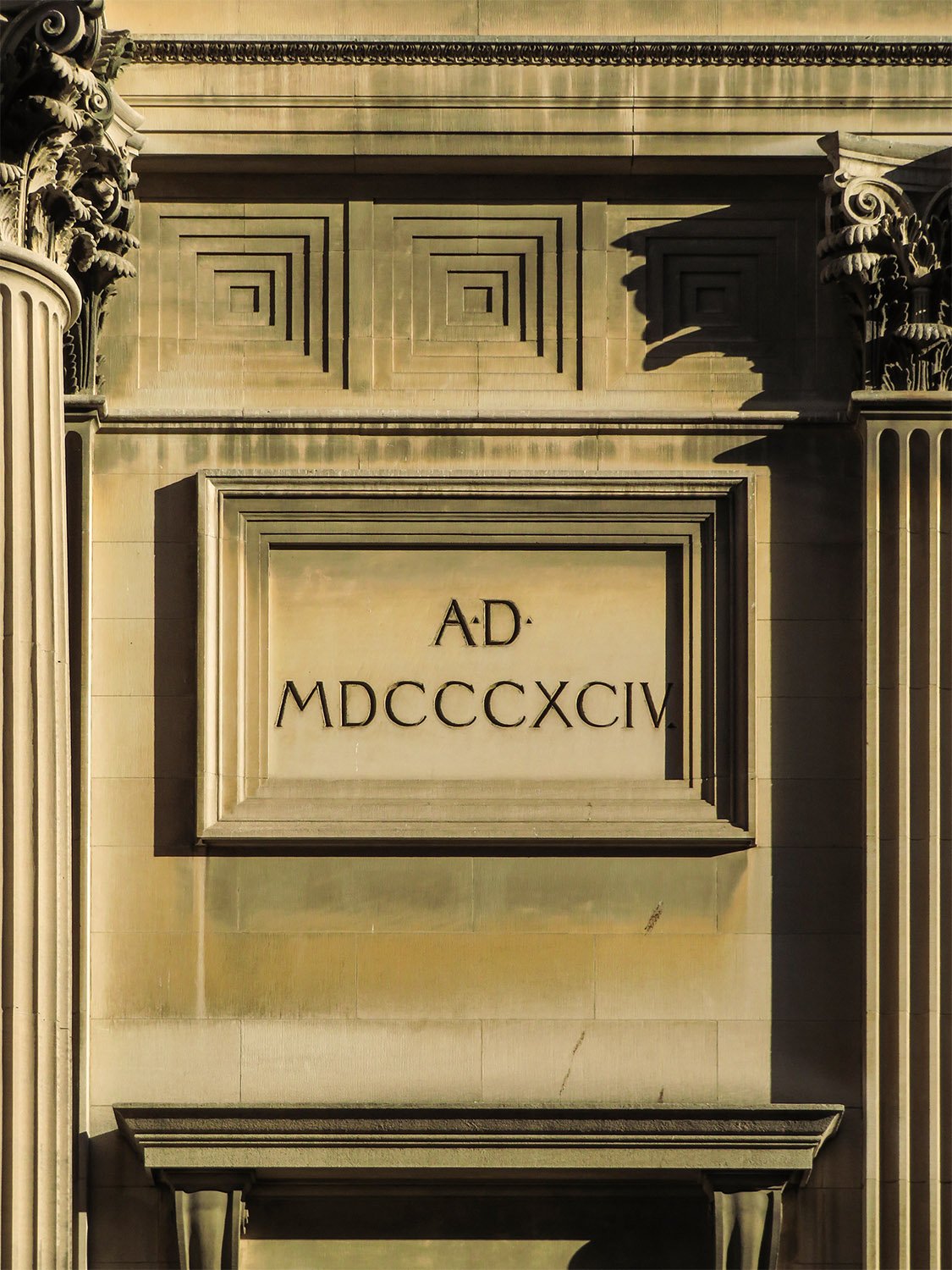
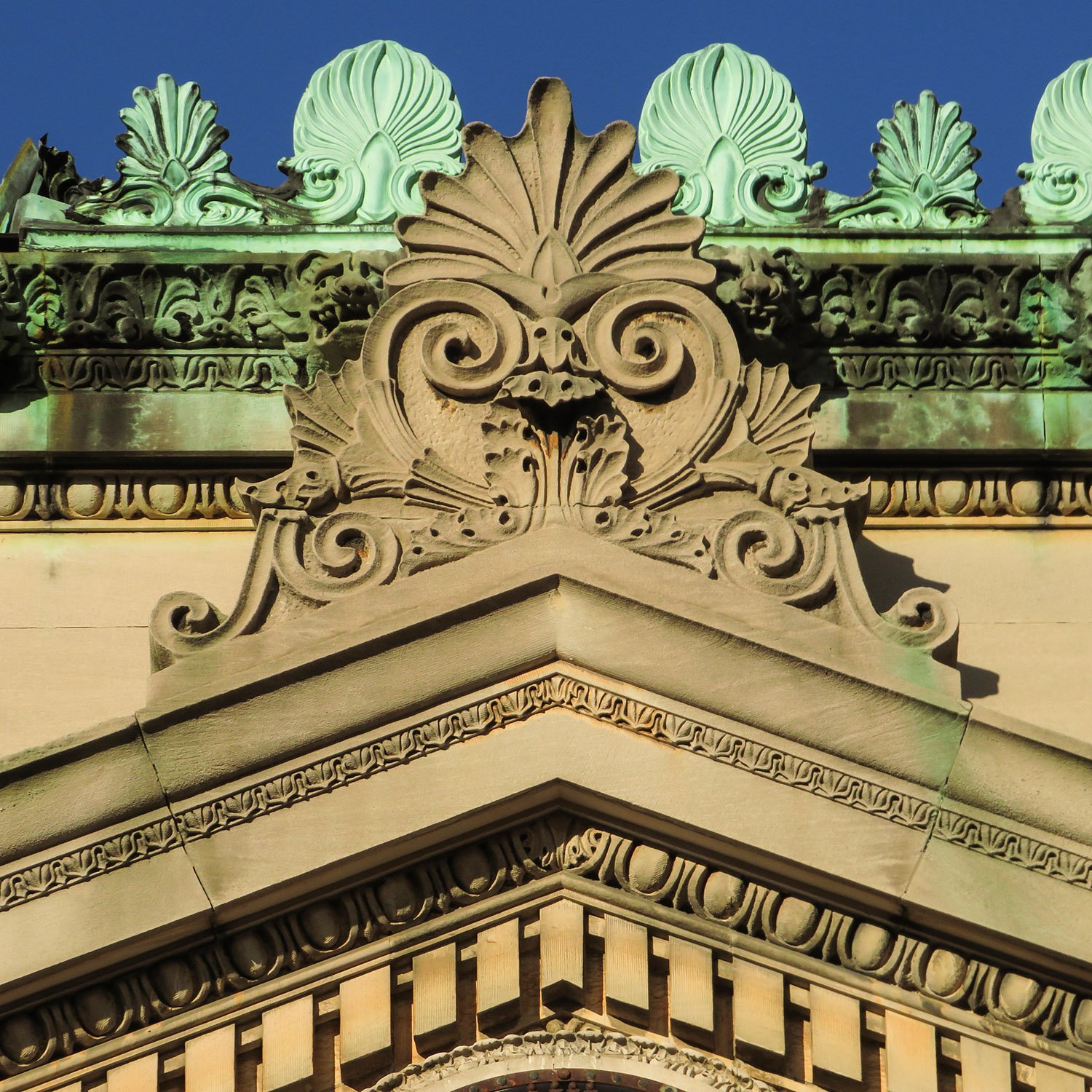
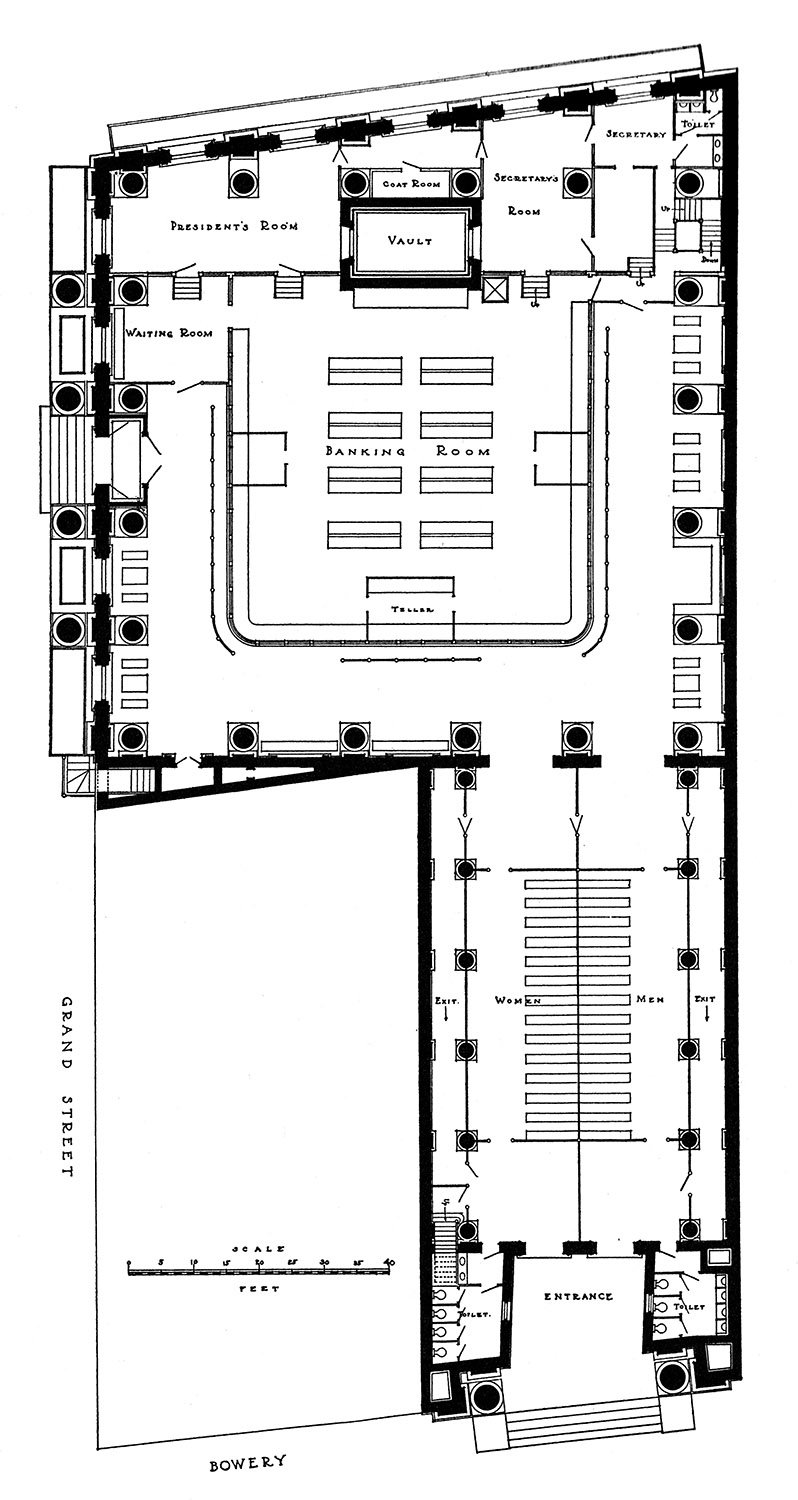
Built in the shape of an “L” and composed of granite and Indiana limestone, the Bowery Savings Bank has two entrances, neither of which resembles the other—a larger side entrance on Grand Street, and the smaller, more interesting Bowery side.
It appears the building was largely designed by Edward P. York, then White’s assistant, who also supervised its construction. York would later become a founding partner in the architectural firm of York & Sawyer.7
Ever the playboy, in the mid-to-late 1890s, White increasingly delegated his work to his employees while indulging in a lavish lifestyle of excess and consumption—it didn’t end well for him.